Twin Lakes Community

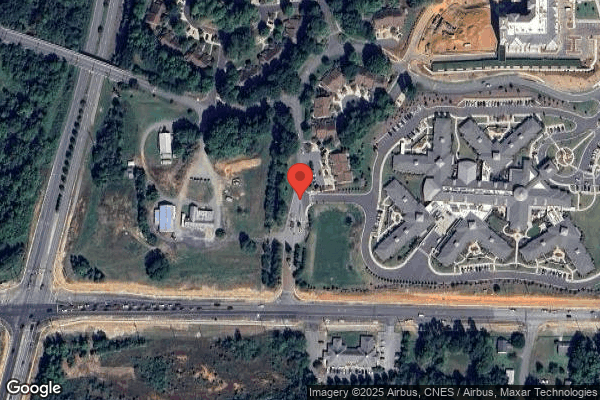
3802 Wade Coble Drive, Burlington, NC 27215 (336) 538-1400
Non profit - Corporation 104 Beds Independent Data: November 2025
Trust Grade
83/100
#68 of 417 in NC
Last Inspection: January 2025

Within standard 12-15 month inspection cycle. Federal law requires annual inspections.

Overview

Twin Lakes Community in Burlington, North Carolina, has a Trust Grade of B+, which means it is above average and generally recommended for families considering care options. It ranks #68 out of 417 facilities in North Carolina, placing it in the top half, and #3 out of 7 in Alamance County. The facility's performance is stable, with 2 reported issues in both 2024 and 2025, indicating consistent care quality. Staffing is a strong point here, with a perfect 5-star rating and a turnover rate of only 36%, which is well below the state average. However, the facility has faced some challenges, including a serious incident where a resident requiring two-person assistance for transfers was handled by just one staff member, posing a fall risk, and issues with food safety and misappropriation of medications, which highlight areas needing improvement.

Trust Score
B+
83/100
In North Carolina
#68/417
Top 16%
Safety Record
Moderate
Needs review
Inspections
Holding Steady
2 → 2 violations
Staff Stability
○ Average
36% turnover. Near North Carolina's 48% average. Typical for the industry.
Penalties
✓ Good
$6,152 in fines. Lower than most North Carolina facilities. Relatively clean record.
Skilled Nurses
✓ Good
Each resident gets 51 minutes of Registered Nurse (RN) attention daily — more than average for North Carolina. RNs are trained to catch health problems early.
Violations
○ Average
9 deficiencies on record. Average for a facility this size. Mostly minor or procedural issues.
★★★★★
5.0
Overall Rating
★★★★★
5.0
Staff Levels
★★★☆☆
3.0
Care Quality
★★★★☆
4.0
Inspection Score
Stable
2024: 2 issues
2025: 2 issues

The Good

  • 5-Star Staffing Rating · Excellent nurse staffing levels
  • Full Sprinkler Coverage · Fire safety systems throughout facility
  • No fines on record
  • Staff turnover below average (36%)

    12 points below North Carolina average of 48%

Facility shows strength in staffing levels, fire safety.

The Bad

Staff Turnover: 36%

Near North Carolina avg (46%)

Typical for the industry

Federal Fines: $6,152

Below median ($33,413)

Minor penalties assessed

The Ugly 9 deficiencies on record

1 actual harm
Mar 2025 2 deficiencies
CONCERN (D) 📢 Someone Reported This

A family member, employee, or ombudsman was alarmed enough to file a formal complaint

Potential for Harm - no one hurt, but risky conditions existed

Deficiency F0604 (Tag F0604)

Could have caused harm · This affected 1 resident

**NOTE- TERMS IN BRACKETS HAVE BEEN EDITED TO PROTECT CONFIDENTIALITY** Based on observations, record review, and staff and Responsible Party (RP) interviews, the facility failed to protect a resident...

Read full inspector narrative →
**NOTE- TERMS IN BRACKETS HAVE BEEN EDITED TO PROTECT CONFIDENTIALITY** Based on observations, record review, and staff and Responsible Party (RP) interviews, the facility failed to protect a resident's right to be free from physical restraint when Nurse Aide (NA) #1 held Resident #1 hands in front of his chest during incontinent care when Resident #1 started swinging his arms and hitting the nurse aide. This was for 1 of 1 resident reviewed for physical restraint (Resident #1). The findings included: Resident #1 was admitted to the facility on [DATE]. His diagnoses included vascular dementia with behavioral disturbances. The admission Minimum Data Assessment (MDS) dated [DATE] revealed Resident #1 had severe cognitive impairment. The MDS documented he had physical behaviors directed toward others 1 to 3 days. Review of Resident #1's care plan dated 2/5/25 showed a behavior care plan related to dementia with behavioral disturbance. Behaviors demonstrated included: agitation, yelling and combative with care. Interventions included, explaining care before starting, provide as needed medications as ordered, and stopping to allow time for resident to calm down before proceeding with care. A review of Resident #1's physician orders showed an order dated 2/6/25 for lorazepam (anti-anxiety medication) 1 mg tablet every 6 hours as needed for an anxiety. A review of Resident #1's February medication administration record showed his most recent dose of lorazepam 1mg was received on 2/16/25 at 8:17 am. A review of the Initial Allegation Report completed on 2/27/25 at 11:15 am regarding an allegation of staff to resident abuse involving Resident #1 stated the facility had been made aware that a NA #1 was observed holding Resident #1's hands then hit him on the chest. Resident #1 was assessed by a nurse and the facility doctor and did not have any visible marks or injury. Resident #1 was exhibiting no mental distress. The accused employee was suspended pending investigation. The facility reported the allegation of abuse to the police and adult protective services on 2/27/25. There was 1 witness to the alleged abuse incident. A review of the facility investigation of the incident was completed and submitted to the state agency on 3/4/25. Through their investigation the facility concluded the abuse allegation was unsubstantiated. A typed interview dated 2/27/25 for NA #1 read in part, NA #1 stated while attempting to assist with incontinent care for Resident #1, he became combative He was hitting and I was holding his hands down. I did not hit him, I just held his hands so he wouldn't be able to hit my face. During an interview with NA #1 on 3/10/25 at 12:37 pm, she stated she was asked to assist NA #2 with incontinent care for Resident #1 on 2/26/25; she was unsure of the time but felt like it was close to the end of her shift. NA #1 stated, while NA #2 went to get a clean incontinent brief for Resident #1, she waited with him while he was on his side telling him she and NA #2 were going to clean him up. NA #1 stated Resident #1 reached out and hit her in the face so she held both of his hands. NA #1 reported she didn't hold his hands tight because Resident #1 was able to pull one hand free and hit her again on the arm. NA #1 stated she told Resident #1, No, we do not hit. NA #1 stated when NA #2 came back into the room, NA #2 told her she couldn't hold Resident #1's hands. NA #1 then stated she told NA #2 that Resident #1 would keep trying to hit her if she didn't. NA #1 stated she held both of Resident #1's hands and rested them on his chest. NA #1 reported she did not hit Resident #1 at any time. NA #1 stated both she and NA #2 finished providing care and both exited the room. NA #1 reported she was in the room for less than 10 minutes total and it took approximately 5 minutes to clean him up and replace his brief. NA #1 stated she wasn't holding Resident #1's hands the entire time; only when he became combative with her. NA #1 stated she didn't feel like she was restraining him because she was rubbing his hands while holding them and talking to Resident #1 trying to divert his attention while NA #2 cleaned him up. A typed interview dated 2/27/25 for NA #2 read in part, NA #1 and NA #2 were in Resident #1's room providing care. NA #2 reported when she returned to the room with a clean [brief], she saw NA #1 holding Resident #1's hands. NA #2 stated Resident #1 became combative and began hitting NA #1. NA #2 reported that Resident #1 pulled his hand free and it looked like NA #1 hit Resident #1 on the chest. NA #2 stated she told NA #1 she couldn't do that and NA #1 told her that if she didn't hold his hands, Resident #1 would hit her. NA #2 reported they finished providing care and then left the room. Multiple attempts to contact NA#2 for interview were unsuccessful. A typed interview dated 2/27/25 for Nurse #1 read in part, Nurse #1 called the DON on 2/27/25 to let her know that NA #2 told her that NA #1 was holding Resident #1's hands and had hit him during incontinent care. During an interview with Nurse #1 on 3/10/25 at 2:02 pm she stated she worked 3rd shift (11:00 pm-7:00 am), was very familiar with Resident #1 and had worked with him many times since admission. Nurse #1 reported that Resident #1 could be combative during care at times. Nurse #1 stated NA #2 told her at the end of her shift on 2/27/25 (7:00 am), that she was concerned about the way NA #1 treated Resident #1 during incontinent care on 2/26/25. Nurse #1 stated NA #2 told her NA #1 held Resident #1's hands to prevent him from hitting her during incontinent care and that she felt like NA#1 hit him in the chest while doing so. Nurse #1 stated she had worked with NA #1 several times and had never witnessed any issues. Nurse #1 reported that NA #2 told her she had not told her about the incident because she wasn't sure what to say. Nurse #1 also reported that NA #2 told her she went home, thought about it, and thought it could have been seen as abusive and decided to say something during the next shift. Nurse #1 stated NA #2 told her she had seen that Nurse #1 was busy and other people were around so NA#2 chose not to speak to her about the incident until the end of the shift on 2/27/25 (7:00 am). Nurse #1 stated that she had a family emergency and left quickly at the end of her shift on 2/27/25 (7:00 am) without notifying the Director of Nursing (DON). Nurse #1 explained she called the DON later that morning on 2/27/25 (approximately 11:00 am) to notify her of the allegation made by NA #2. Nurse #1 added that NA #2 told her she knew NA #1 did not work again until the weekend and did not see the urgency in letting Nurse #1 know about her concerns. A phone interview was conducted with Resident #1's Responsible Party (RP) on 3/10/25 at 2:17 pm. The RP stated she had been made aware of the incident between NA #1 and Resident #1 on 2/27/25. The RP reported that she visited with Resident #1 on 2/27/25 and did not notice any new bruises or scratches that would lead her to believe Resident #1 had been abused. The RP reported she understood Resident #1 could be very challenging to care for and felt like the facility took excellent care of him. A review of a progress/assessment note dated 2/27/25 showed that the facility doctor had examined Resident #1. Documentation showed no new bruises or skin tears were noted during the examination. During an interview with the facility Doctor on 3/11/25 at 11:02 am, she stated she was present at the facility when the DON was made aware of the allegation. The doctor reported that she completed a head-to-toe assessment of Resident #1 and found nothing that would have made her feel like Resident #1 had been abused. She stated Resident #1 was in a good mood that morning and had a pleasant demeanor. The facility Doctor reported that Resident #1 can be difficult to deal with at times but she added NA #1 should have walked away, let Resident #1 calm down and then re-approached him without having to feel like she needed to hold his hands during care. The Doctor also stated that Resident #1 had an as needed anxiety medication ordered for those behaviors which she has now ordered scheduled. During an interview with the DON on 3/10/25 at 1:04 pm, she stated NA#1 had been working at the facility since the second week of January 2025. The DON reported that there had been no issues reported by staff members or residents concerning NA #1 prior to this allegation. The DON stated that Nurse #1 called her around 11:00 am on 2/27/25 to report the alleged incident. The DON reported she was told by Nurse #1, during 3rd shift care on 2/26/27, NA #2 allegedly observed NA #1 holding Resident #1's hands and hitting him in the chest. The DON stated she immediately completed the initial report and began investigating the incident. The DON reported that NA #1 had not worked since the alleged incident and advised her by phone that she was not to return until contacted by administration. The DON reported that, during an interview with NA #1, she stated she did not hit Resident #1 at any time and was just holding his hands to prevent Resident #1 from hitting her. The DON explained that after a thorough investigation, they were unable to determine what exactly happened between NA #1 and Resident #1 and were unable to confirm whether or not NA #1 hit Resident #1 or if she was holding his hands to his chest to avoid being hit herself. The DON stated although the facility had unsubstantiated the abuse allegation, NA #1 was dismissed from her position based on the fact that she admitted to holding Resident #1's hands during care to prevent him from being combative which goes against their policy for restraining residents. During an interview with the Administrator on 3/10/25 at 3:10 PM, the Administrator stated the DON had made her aware of the incident on 2/27/25 as soon as Nurse #1 reported it to her. The Administrator explained the DON had conducted a thorough investigation and reported the findings to her. She stated she had agreed based on what was described that it was unclear what exactly occurred between NA #1 and Resident #1. The Administrator stated the abuse allegation was not substantiated by the facility but was in agreement with dismissing NA #1 from her position based on the fact she admitted to holding Resident #1's hands during care. The Administrator stated NA #1 should have walked away to allow Resident #1 to calm down instead of holding his hands in an attempt to calm him down as NA #1 had stated. Review of the facility provided draft plan of correction showed it was missing information on new effective interventions to protect the resident from further abuse.
CONCERN (D) 📢 Someone Reported This

A family member, employee, or ombudsman was alarmed enough to file a formal complaint

Potential for Harm - no one hurt, but risky conditions existed

Abuse Prevention Policies (Tag F0607)

Could have caused harm · This affected 1 resident

Based on record review and staff interviews, the facility failed to follow and implement their abuse policy and procedures in the area of identification, protection for the resident and reporting for ...

Read full inspector narrative →
Based on record review and staff interviews, the facility failed to follow and implement their abuse policy and procedures in the area of identification, protection for the resident and reporting for 1 of 1 resident reviewed for physical restraints (Resident #1). While Nurse Aide (NA) #1 was physically restraining Resident #1 during incontinent care, NA#2 did not intervene and did not report the incident immediately to licensed nursing or administrative staff. This failure would result in a lack of protection for other residents. Findings included: The facility policy titled; Abuse, Neglect, and Exploitation revised 1/11/24 indicated facility staff must immediately report allegations of abuse to facility leadership. The policy included the different types of abuse, including physical restraints and that it was the staff members responsibility to intervene immediately as well as notifying nursing leadership. A facility initial report dated 2/27/25 revealed the facility received an allegation of abuse on 2/27/25 from Nurse #1. Nurse #1 had stated she was told by NA#2 on 2/27/25 at 7:00 AM that NA#2 witnessed NA #1 holding Resident #1's hands during incontinence care and hitting Resident #1 in the chest. NA#2 reported that the incident occurred 2/26/25 (time not recalled). The Director of Nursing (DON) sent the initial incident report to the Department of Health and Human Services (DHHS) fax 2/27/25 at 11:15 AM. During an interview with Nurse #1 on 3/10/25 at 2:02 pm she stated she worked 3rd shift (11:00 pm-7:00 am). Nurse #1 stated NA #2 told her at the end of her shift on 2/27/25 (7:00 am), that she was concerned about the way NA #1 treated Resident #1 during incontinent care on 2/26/25. Nurse #1 stated NA #2 told her NA #1 held Resident #1's hands to prevent him from hitting her during incontinent care and that she felt like NA#1 hit him in the chest while doing so. Nurse #1 stated she had worked with NA #1 several times and had never witnessed any issues. Nurse #1 reported that NA #2 told her she had not told her about the incident because she wasn't sure what to say. Nurse #1 also reported that NA #2 told her she went home, thought about it, and thought it could have been seen as abusive and decided to say something during the next shift. Nurse #1 stated NA #2 told her she had seen that Nurse #1 was busy and other people were around so NA#2 chose not to speak to her about the incident until the end of the shift on 2/27/25 (7:00 am). Nurse #1 stated that she had a family emergency and left quickly at the end of her shift on 2/27/25 (7:00 am) without notifying the DON. Nurse #1 explained she called the DON later that morning on 2/27/25 (approximately 11:00 am) to notify her of the allegation made by NA #2. Nurse #1 added that NA #2 told her she knew NA #1 did not work again until the weekend and didn't feel there was an urgency in letting Nurse #1 know about her concerns. A typed interview dated 2/27/25 for NA #2 read in part, NA #1 and NA #2 were in Resident #1's room providing care. NA #2 reported when she returned to the room with a incontinent brief, she saw NA #1 holding Resident #1's hands. NA #2 stated Resident #1 became combative and began hitting NA #1. NA #2 reported that Resident #1 pulled his hand free and it looked like NA #1 hit Resident #1 on the chest. NA #2 stated she told NA #1 she couldn't do that and NA #1 told her that if she didn't hold his hands, Resident #1 would hit her. NA #2 reported they finished providing care and then left the room. Multiple attempts to interview NA #2 were unsuccessful. During an interview with the DON on 3/10/25 at 1:04 pm, she stated that Nurse #1 called her around 11:00 am on 2/27/25 to report the alleged incident. The DON reported she was told by Nurse #1, during 3rd shift care on 2/26/27, NA #2 allegedly observed NA #1 holding Resident #1's hands and hitting him in the chest. The DON stated she immediately completed the initial report and began investigating the incident. The DON reported that NA #1 had not worked since the alleged incident and advised her by phone that she was not to return until contacted by administration. The DON reported that she was unsure why NA #2 had delayed reporting her concerns other than NA #2 reported to her she was unsure of what she witnessed. The DON also explained that Nurse #2 left the facility immediately on 2/27/25 due to a family emergency so there was a delay informing her (DON) of the incident. The DON reported Nurse #1 called her to report what NA #2 told Nurse#1 later that morning on 2/27/25 at approximately 11:00 am. During an interview with the Administrator on 3/10/25 at 3:10 PM, the Administrator stated the DON had made her aware of the incident on 2/27/25 as soon as Nurse #1 reported it to her. The Administrator explained the DON had conducted a thorough investigation and reported the findings to her. The Administrator stated that NA #2 should have immediately reported her concerns to Nurse #1 and Nurse #1 should have immediately reported what she had learned to the DON and that did not occur. The Administrator stated the facility began a plan of correction regarding the abuse allegation and not immediately reporting the incident to facility leadership on 2/27/25. Review of the facility provided draft plan of correction showed it was missing information regarding the facility plans to effectively monitor its performance to make sure that solutions are sustained.
Aug 2024 2 deficiencies
CONCERN (E) 📢 Someone Reported This

A family member, employee, or ombudsman was alarmed enough to file a formal complaint

Potential for Harm - no one hurt, but risky conditions existed

Deficiency F0602 (Tag F0602)

Could have caused harm · This affected multiple residents

**NOTE- TERMS IN BRACKETS HAVE BEEN EDITED TO PROTECT CONFIDENTIALITY** Based on record review and interviews with residents, staff, and physician, the facility failed to protect residents' rights to ...

Read full inspector narrative →
**NOTE- TERMS IN BRACKETS HAVE BEEN EDITED TO PROTECT CONFIDENTIALITY** Based on record review and interviews with residents, staff, and physician, the facility failed to protect residents' rights to be free from misappropriation of controlled medications for 1 of 4 resident (Resident #2) reviewed for misappropriation of residents' property. The findings included: The facility's Abuse, Neglect, or Misappropriation of Resident property policy, last revised in August 2024, revealed in part the facility would ensure all residents to remain free from abuse or misappropriation of their property. Resident #2 was admitted to the facility on [DATE] and discharged home on 4/30/24. The admission Minimum Data Set (MDS) dated [DATE] indicated Resident #2's cognition was intact. A review of the physician's order dated 4/22/24 revealed Resident #2 had an order to receive 1 tablet of oxycodone (a semi-synthetic narcotic analgesic for pain) 5 milligrams (mg) every 4 hours as needed for severe pain. A review of the April 2024 medication administration records (MARs) revealed Resident #2 had received 1 tablet of oxycodone 5 milligram, once daily, as ordered for pain on 4/23/24, 4/24/24, 4/25/24, and 4/26/24. The initial allegation report dated 4/24/24 revealed the facility became aware of the misappropriation of residents' property on 4/24/24 at 4:30 PM when Resident #2's oxycodone and its controlled medication count sheet could not be found in the medication cart. All medication carts were audited to locate the missing card of oxycodone. All residents were assessed for pain and alert and oriented residents were interviewed for concerns with pain medication administration. A review of the 5-day investigation report dated 4/30/24 revealed on 4/23/24, a blister card contained 30 tablets of oxycodone 5 milligram and the controlled medication count sheet for Resident #2 were allegedly removed by Nurse #1. All nursing staff that worked with the medication cart in the past 24 hours including Nurse #1 were interviewed and indicated that they did not remove any controlled medication sheet from the medication cart in that time frame. Nurse #1 who worked with the medication cart on 4/22/24 and 4/23/24 the day the prescription and narcotic control sheet was delivered and counted off with Nurse #5 was interviewed on 4/25/24. Further investigation by reviewing the camera footage revealed Nurse #1 was seen removing items from the medication cart during her shift on 4/23/24. The allegation of diversion of Residents' drugs was substantiated and Nurse #1 was terminated on 4/26/24. A review of the controlled medication count sheet for medication cart on the Cascade neighborhood indicated Nurse #1 had removed the medication card of 30 pills (oxycodone) from the controlled medication compartment during her shift on 4/23/24 . Review of the narcotic log and facility camera footage revealed the medication card and narcotic count sheet was missing for Resident #2. Several attempts to contact Nurse #1 on 8/6/24-8/7/24 were made and Nurse #1 was not available for interview. An interview was conducted on 8/6/24 at 3:40 PM, with Nurse 4 and Nurse #5. Nurse #5 stated the medication for Resident #2 was delivered and received on 4/22/24 around 7:30 PM. She stated she did a controlled substance count check with Nurse #1. Nurse #1 signed off that she received the 30 oxycodone pills. Nurse #5 stated when she came onto second shift on 4/24/24, Resident #2 requested pain medication. She further stated when she checked the medication cart and discovered the prescribed medication was not available in the cart, she began to search the cart because she knew the medication was available two days prior. She contacted Nurse #4 and informed her of the situation. Nurse #4 stated she and Nurse #5 both checked the medication cart and other carts within the facility only to discover the medication and narcotic control count sheet was also missing. Nurse #5 state she offered Resident #2 Tylenol until she could find out what happened to the medication. The resident accepted the Tylenol and reported it was effective. Nurse #4 stated, the Director of Nursing was contacted immediately when the medication and narcotic count sheet was not found. Both reported receipt of the medication and narcotic sheet delivery was made on 4/22/24 and Nurse #1 had received the medication with the sheet on 4/22/24. A telephone interview was conducted on 8/6/24 at 4:00 PM with Nurse #6 s who tated she worked on the medication cart on the morning of 4/23/24 and 4/24/24 when Resident #2 requested pain medication. She stated when she checked the physician orders and the medication cart, the medication was not available. She knew that it may take a day or two for the medication to arrive, so she went to the Pyxis machine to get the 5-milligram dose of oxycodone for the resident. The Pyxis had emergency medication available until medications were delivered, which would be 1 or two days depending on the medication type. Nurse #6 reported she was unaware the medication had been delivered to the facility on 4/22/24. She stated Resident #2 did not miss any dosage of requested pain medication. A telephone interview was conducted on 8/7/24 at 9:33 AM with the physician who stated she was made aware of the alleged drug diversion incident on the same day 4/24/24 by the Director of Nursing. She added the affected resident (Resident #2) was assessed immediately without any adverse consequences noted. The missing pain medication was obtained from the Pyxis without any delays. She further stated the facility Pyxis backup system contained 5 to 10 doses for emergency until scheduled medications were delivered. She added the expectation would be for nursing to use the Pyxis medication until the indicated all the missing medications were replaced and paid for by the facility later. A telephone interview was conducted on 8/7/24 at 11:48 AM, with Resident #2 who stated she was notified of the alleged drug diversion on 4/24/24 and received oxycodone as ordered when requested. She further stated she had also been informed the facility reordered and paid for the missing oxycodone. Resident #2 indicated she did not experience any problems getting her pain medication in a timely manner. An interview was conducted on 8/6/24 at 9:00 AM, the Director of Nursing stated a complete investigation was initiated when it was discovered that Resident#'2 oxycodone medication and substance control sheet was missing from the medication cart. She stated Nurse #4 and Nurse # 5 contacted her and reported on 4/24/24, that Resident 2's medication and control sheets were missing. The investigation included reviewing the staff schedule of all person's working the cart from 4/22/24-4/24/24. The Director of Nursing reviewed the previous substance control form and discovered Nurse #1 had signed off with Nurse #5 and the medication had been delivered on 4/22/24. She reported the Clinical Coordinator contacted the pharmacy to verify the delivery of medication. The Director of Nursing reported and audited of all the pertinent pharmacy packing slips, MARs, prescription order tracking records, controlled medication return sheets, and comparing controlled medications in all the medication carts were conducted and it was concluded that a total of 30 tablets of oxycodone 5 mg for Resident #2 were missing and Resident #2 was the only resident affected by this incident. The Director of Nursing and the Administrator reviewed the facility camera footage to develop timeline of events on 4/23/24, resulting in facility observation of Nurse #1 removal of the medication card and control sheet for Resident #2. Nurse #1 was called in for an interview on 4/25/24 and terminated on 4/26/24. She reported the incident to the Department of Health and Human Services (DHHS), law enforcement agent, North Carolina Board of Nursing, and the Adult Protective Services. In addition, the Medical Director, Resident #2, and her family were all notified. The missing oxycodone was reordered and paid for by the facility. All residents were assessed, and alert and oriented residents were interviewed for possible harm. In-service related to narcotic accountability and process was conducted to all the current employees, agency staff, and new hired. She audited all medication carts and residents who received controlled substance once weekly for 4 weeks and then monthly for 2 months. The audit report was presented to the weekly Quality Assurance Performance Improvement (QAPI) meeting for 3 months. After the incident, she did not recall having any additional incident related to controlled medication discrepancies or drug diversion. The facility provided the following corrective action plan with a completion date of 5/03/24: Corrective action for resident(s) affected by the alleged deficient practice: On 4/24/24 Resident #2 requested pain medications and the 2nd shift Nurse #5 noted that she was unable to locate the Oxycodone that she had signed in on 4/22/25. Nurse #3 notified the second shift supervisor Nurse #4 who immediately notified the Director of Nursing. Nurse #5 immediately checked back with Resident #2 who stated that she preferred Tylenol and Nurse #5 administered the medication per the resident request and upon evaluation of pan, the Tylenol was noted to be effective. On 4/24/24 the Clinical Coordinator, contacted pharmacy to verify that the medication in question had not been received and that it had not been subsequently returned. On 4/24/24, the Oxycodone medication was not found after immediate investigation, it was confirmed that Resident #2's pain was able to be controlled by conducting and audit of the Capsa machine to verify pain medication haven been allocated and pulled for the resident and available for future use. On 4/24/24, the Clinical Coordinator immediately audited all medication carts in the facility for the possibility of the missing care and all narcotics in each neighborhood were checked and accounted for. It was assessed that each resident who had pain medication ordered had it appropriately available. On4/24/24 Coaching was completed for Nurse #4 and Nurse #5. On 4/25/24, the Social Worker and Administrator began an investigation and submitted a 24-report. Administrator began reviewing the facility camera footage to investigate the missing medication card. The local police department was notified of the investigation. On 4/25/24, during the investigation of the missing medication, it was identified that the narcotic count sheet could possibly be clearer and institutive related to explanation of narcotics on and off unit. A discussion was held with the pharmacist to develop a new and more concise form. Corrective action for residents with the potential to be affected by the alleged deficient practice. On 4/24/24, other residents on the unit that were being monitored and treated for pain were interviewed by the Social Worker and Director of Nursing whom all denied having issues with uncontrolled pain or had not received pain medication appropriately. All narcotics in each neighborhood were checked and accounted for. No other discrepancies identified. No other residents noted with uncontrolled pain. Measures/Systemic changes to prevent reoccurrence of alleged deficient practice: On 4/26/24 a discussion was held with pharmacy and new form for narcotic count check was developed and initiated and staff were educated on the new form and process. Pharmacy shared a new form which included a process for new medications to be received and/or returned to pharmacy of any medication changes in the narcotic and/or count to be documented of any changes as an alert to oncoming nurses there had been a change. On 4/26/24 the Director of Nursing began in-servicing for all full-time, part-time and PRN (as needed) registered nurses, licensed practical nurses, and medication aides including agency nursing staff on the Narcotic Process policy. This training included: Misappropriation of Resident Property and the Narcotic Process Policy. The Narcotic Process policy includes ordering, receipt, storage and record keeping of narcotics, this policy also includes systems to assist with prevention and recognition of diversion and what to do once diversion was suspected and corrective actions to take. On-going education of the new process would be included in the new hire orientation for any newly hired staff. The education was implemented on 4/28/24. On 4/29/24 audits for controlled medications in the Capsa medication machine(medication dispenser) was initiated. The audits would ensure the facility had adequate back up narcotics to provide pain control for residents. The audits were done weekly for a minimum of two quality assurance cycles or until sufficient compliance. On 4/30/24 the Director of Nursing and Social Worker followed -up with Resident #2 to give her the resolution of the abuse investigation. Resident #2 was able to confirm that she had continued to have no issue with pain control. Medical Director was also notified of the investigation. On 5/3/24 the Director of Nursing and Clinical Coordinator began a new audit of narcotic logs on each neighborhood. This was to ensure that the new form and process was being carried out appropriately. Controlled substances in each cart were verified against the count sheet in real time during the audit to confirm accuracy. The audits would be done on a weekly basis for two quality assurance cycles or until sufficient compliance. Date of Compliance: 5/03/2024 The facility's corrective action plan with a correction date of 5/3/24 was validated onsite on 08/06/24-8/7/24 by record review, observations, and interviews with nursing staff, director of nursing, and the Administrator. Medication Administration observations were conducted from 08/06/24 at 1:30 PM with the Clinical Coordinator and Director of Nursing who demonstrated the process for medication control count process. The Clinical Coordinator reviewed the narcotic sheet for resident demographic information and reconciled with the medication card prior to count with the Director of Nursing. The medication consisted of 76 medications and 12 different residents. Controlled medication was pulled from the double-locked compartment in the medication cart during the medication pass observation. The nurse documented the retrieval of controlled medication in the controlled medication count sheet properly. Random samples of 4 controlled medications were pulled from each medication cart to verify accuracy and the controlled medication counts were consistent with the records in the count sheets. An observation was conducted on 8/6/24 at 3:30 PM during a shift transition. The arriving Nurse #5 and the departing Nurse #6 #started the process by counting the total number of blister cards containing controlled medication in the double-locked compartment to verify the total number of controlled medications in the count sheet. Then, they counted each blister card of controlled medication to ensure the quantity listed in the count sheet was consistent with the actual counts. Nurse #6 read out the number of pills for each blister card from the controlled medication count sheets and the arriving nurse pulled the blister card to verify the quantity. After all the counts were completed without any discrepancies, Nurse #5 signed the controlled medication count sheet before the departing nurse passed the medication cart key to her. The nursing staff confirmed during the interviews that they had received in-service training related to Abuse, neglect, misappropriation, reporting, code of ethics, and diversion and The Control Substance Process. They were assigned to review the handouts for the in-service prior to the training. The training was conducted in-person by director of nursing, and it included multiple examples and scenarios. A review of the in-service log revealed a total of 35 nursing staff had completed the training and signed in the in-service records. The training was completed on 5/1/24-5/5/24. A review of the audit records revealed the Director of Nursing and Clinical Coordinator began a new audit of narcotic logs for each of the facility neighborhoods of residents receiving controlled medications were randomly audited once per week for 4 weeks by comparing controlled medication count sheets, MAR, and the controlled medication return sheets. This would ensure that the new form and process were being carried out appropriately. Controlled substances in each cart were verified against the count sheet in real-time during audit to confirm accuracy. This will be audited on weekly basis for a minimum of two quality assurance cycles or until sufficient compliance. This would monitor ongoing in the quality assurance performance process until such that consistent substantial compliance has been achieved as determined by the committee. Corrective action compliance date 5/3/24 with ongoing monitoring and auditing. An interview on 8/7/24 at 2:30 PM, with the Administrator and Director of Nursing revealed the in-services and education related to controlled medication process and accountability immediately after the incident to re-educate all the licensed nurses and medication aides. The Administrator stated the interventions were successful as the facility did not have any similar drug diversion issues since then.
CONCERN (E) 📢 Someone Reported This

A family member, employee, or ombudsman was alarmed enough to file a formal complaint

Potential for Harm - no one hurt, but risky conditions existed

Deficiency F0603 (Tag F0603)

Could have caused harm · This affected multiple residents

**NOTE- TERMS IN BRACKETS HAVE BEEN EDITED TO PROTECT CONFIDENTIALITY** Based on record review and interviews with residents, staff, and physician, the facility failed to protect residents' rights to ...

Read full inspector narrative →
**NOTE- TERMS IN BRACKETS HAVE BEEN EDITED TO PROTECT CONFIDENTIALITY** Based on record review and interviews with residents, staff, and physician, the facility failed to protect residents' rights to be free from involuntary seclusion for 1 of 3 resident (Resident #1) reviewed for abuse. The findings included: The facility's Abuse, Neglect, or Misappropriation of Resident property policy, last revised in August 2024, revealed in part the facility would ensure all residents to remain free from involuntary seclusion. Resident #1 was admitted to the facility on [DATE]. The diagnoses included vascular dementia, cerebral vascular accident, restless leg syndrome and atrial fibrillation. The significant change Minimum Data Set(MDS) dated [DATE] indicated Resident #1's cognition was severely impaired. Resident's #1's mode of transportation was the wheelchair. Resident#1 required one-person assistance with transfer. The care plan dated 7/16/24 read in part: Resident #1's focus area revealed Resident #1 demonstrated behaviors related to dementia and required additional observation and support. Behaviors demonstrated included but are not limited to refusing care and medications; increased anxiety/agitation, socially inappropriate behaviors; yelling at staff members and her spouse; cursing at staff members; impaired safety awareness. She also throws away briefs and clothing in the trash can and reports it missing. Resident #1wis difficult to redirect at times and has increased anxiety and inability to state needs & wants. When she requests an item, she then has another need immediately. The goal included Resident #1 would have a reduction in behaviors. The interventions included provide consistent caregiver when possible. Assist resident with mobility/transfers/toileting. Explain care before starting care. Ensure resident understands next processes. The initial allegation report dated 7/11/24 revealed the facility became aware of the seclusion of Resident #1 in a room on 7/11/24 at 2:30 PM when Resident #1 was overheard yelling and found in the bathroom in the shower with the wheelchair stuck on the lip of the shower by therapy staff. Resident #1 was unable to move the wheelchair or exit the bathroom. A review of the 5-day investigation report dated 7/12/24 revealed the facility review of video footage revealed Nurse Aide #2 took Resident #2 into her bathroom and trapped her wheelchair on the lip pf the shower and closed her bathroom door and room door. Resident #1 was in a position that she was unable to free herself and leave her room. Nurse Aide #2 was not assigned to Resident #1. On 7/11/24 Nurse Aide #2 was on Resident#1's unit to socialize. Additional review of video footage on 7/4/24 revealed Nurse Aide #2 was observed on Resident#1's unit although he was not assigned. Skin checks were completed on Resident #1 on 7/11/24-7/12/24 and there were no abnormal bruising or areas of concerns. Nurse Aide #2 was interviewed via telephone on 7/11/24 and terminated on 7/12/24. Education was provided to nursing staff and care givers on the abuse policy to include seclusion, abuse and managing difficult behaviors. A telephone interview was conducted on 8/6/24 at 10:45 AM, with the Social Worker who stated the Occupational Therapy staff reported she was working in another residents' room adjacent to Resident#1's room when she overheard Resident #1 yelling through the bathroom wall and the sounds were of an unusual tone different from Resident#1's normal yelling. The therapy staff reported when she entered the room the bathroom door was closed. Resident #1's wheelchair was positioned in the shower over the lip of the shower floor. The therapy staff did not report Resident #1 was injured. She indicated an immediate investigation was initiated which included assessment of the resident, staff interviews and review of the facility cameras on 7/11/24. The physician and responsible person was informed of the incident. Resident #1 was interviewed but was unable to respond any questions related to the incident due to poor cognition. Staff and other resident interviewed and educated on abuse and involuntary seclusion. An interview was conducted on 8/6/24 at 11:27 AM, with the Occupational Therapy staff who stated she was working with another resident in a room that was adjacent to Resident #1 when she heard through the bathroom wall Resident #1 yelling and screaming at a tone louder than normal which made her uncomfortable. When she entered Resident #1's room the room door and bathroom door was closed. She entered the bathroom door and Resident #1 was still in her wheelchair, but the wheels of the chair were wedged over the shower lip and Resident#1 was facing the back of the shower. The Occupational therapy staff stated she removed the resident from the bathroom and there were no visible injuries noted. She further stated she reported her observation to Nurse #2 and Nurse #3. An interview was conducted on 8/6/24 at 1:45 PM, Nurse #2 stated the Occupational Therapy staff who stated that Resident #1 was heard yelling from the bathroom while she was providing service to another resident whose room was adjacent to Resident #1's room. When she entered the bathroom Resident#1's wheelchair was wedged over the shower lip and the resident was unable to move. Nurse #2 reported Resident #1 was able to propel herself in the wheelchair and had a history of being found in awkward positions or location while in the wheelchair. She had assumed Resident #1 had propelled herself into the bathroom and got stuck. Nurse #2 indicated a head-to-toe assessment was done and the resident did not have any injuries. An interview was conducted on 8/6/24 at 2:00 PM with Nurse Aide #1 who stated she was preparing to go to Resident #1's room with Nurse #3 when the therapy staff pulled Nurse #2 and Nurse #3 aside to discuss her observation of Resident #1 having been found in the bathroom with the door closed and in the corner with the wheelchair wedged on the shower lip of the floor. Nurse Aide #1 reported Resident #1 had a similar incident on 7/4/24. Nurse Aide #1 reported she had observed Resident #1 in her wheelchair in the shower eating ice cream. The resident was in no distress, nor did she appear upset. She reported Resident #1 was able to propel herself throughout the facility and had been found in awkward positions and situations on other occasion. Nurse Aide #1 further stated when she and Nurse #1 entered the room the therapy staff had already removed the resident from the shower area and was doing therapy services. Nurse #2 did a physical assessment of the resident and there were no visible injuries. The Administrator, Director of Nursing and Social Worker asked her about her observations on 7/4/24 which prompted an investigation. Nurse Aide #1 stated she did not think anything about the incident due to the resident was able to propel self and get around on her own. An interview was conducted on 8/6/24 at 2: 20 PM, with Nurse #3 who stated the Occupational Therapy staff reported to her and Nurse #2 she heard Resident #1 yelling from the bathroom in her room, when she went in to check on Resident #1, the resident wheelchair was found caddy corner in the shower and the wheels of the chair was wedged on shower lip of the floor. The Occupational Therapy staff was very concerned about Resident #1's positioning in wheelchair in the bathroom. She indicated there was no report of any injuries. Nurse #3 stated reported the observation to the Administrator and Director of Nursing who began reviewing the camera footage of Resident #1 on 7/11/24. A telephone interview was conducted on 8/6/24 at 7:30 PM, with Nurse Aide #2 who stated he was not assigned to the hall where Resident #1 resided. He was ending his shift, and he was walking down the hall when he observed Resident #1 in the doorway of her room and requested to be taken to the nurses' station. He did not recall the exact conversation but knew that Resident #1 would often request to go to the nurses' station and once taken within a few minutes would request to be returned to her room. Nurse Aide #2 reported Resident #1 had the capability to propel herself throughout the facility independently. Nurse Aide #2 stated since his shift was ending , he did take the resident to her room and placed her in front of her television and left the room within a few seconds. Nurse Aide #2 stated he did not take the resident to the bathroom prior to leaving the room. He reported the bathroom had a sensor which could be heard at the nursing station. He indicated as he entered the nursing station to clock out, the sensor to the room could be heard by anyone around the area. He stated he received a call on Thursday 7/11/24 from the Director of Nursing and the Administrator informed him an investigation of abuse and resident seclusion was being conducted against him based on video footage of his interaction with Resident #1. Nurse Aide #2 stated he had been told that Resident #1 was found in the bathroom shower wedged in a corner and could be heard through camera footage requesting for help and screaming. He further stated he was told he was under investigation for secluding the resident in a room when she requested to be taken another location. Nurse #2 stated he had worked with Resident #1 for awhile and would not have secluded the resident at any time because she did have the ability to propel herself to any location of choice. He placed the resident in her room and immediately left and closed the door. Resident #1 normally yells and screams throughout the day which was her normal behavior. Nurse Aide #2 stated he did not seclude the resident or place the resident in a compromising position prior to leaving the room. He was called on 7/12/24 and told her was terminated. A telephone interview was conducted on 8/7/24 at 9:33 AM with the Physician who stated she was made aware of the alleged seclusion of Resident #1. The Director of Nursing and Administrator informed her of the events leading up to Resident #1 observed in her wheelchair wedged on the lip of the shower floor. She reported nursing had done a head-to-toe assessment of the resident and did not find any injuries. The Physician reported she had come to the facility on 7/12/24 and assessed the resident's condition and confirmed there were no visible injuries on the resident. Nursing had notified the family of the situation as well. The Physician was aware of Resident #1's ability to propel self throughout the facility and have been found in unusual and awkward positions/situations. The primary concern was when the resident requested to be taken to another location and was refused the assistance, only to be found in the bathroom shower with the inability to get herself out without staff assistance. The Physician reported the facility interdisciplinary team took appropriate action to assess the resident and review facility footage and decided to terminate the employee. The resident had some health changes during this period which would have contributed to her decline and ability to get herself out of the shower or the room. An interview was conducted on 8/7/24 at 10:30 AM with the Director of Nursing who stated when the therapy staff, Nurse #2 and Nurse #3 brought the concern to her attention, she and the Administrator began reviewing the video footage of events on 7/11/24 and initiated an investigation. She reported during the investigation Nurse Aide #2 was observed conversing with Resident #1 in her doorway and made a request to be taken to the nursing station and the Nurse Aide #2 telling the resident no and eventually taking resident back into her room. In the review of the video, auditory conversations of the resident yelling and screaming no, no, help me, help me the team was concerned with the tone of the auditory sounds. Nurse Aide #2 was observed leaving the room and closing the door, however, there was no visuals of the bathroom door being closed or the position of the resident in the room once Nurse Aide #2 left. The Director of Nursing reported based on the report provided by the therapy staff of Resident #1 position in the shower and the resident's inability to remove herself from the location, the team felt as though Nurse Aide #2 secluded the resident in the room when a request to be taken to another location was made. She reported during the investigation all staff who had contact with the resident during the day of 7/11/24 were interviewed and in-service education on the abuse policy with inclusion of involuntary seclusion was provided to all staff and new hires. Each of the employees were provided with a hard copy of the policy to ensure everyone was aware of the facility expectation of the prevention of seclusion for residents. The Social Worker and Nurse #3 began resident interviews on abuse and resident safety. The Director of Nursing reported the incident to the Department of Health and Human Services (DHHS), law enforcement agent, Health Care Personnel Registry and the Adult Protective Services. In addition, the Medical Director, Resident #1's family all was notified. An interview was conducted on 8/7/24 at 2:30 PM with the Administrator stated she reviewed the video footage and determined that Nurse Aide #2 would be terminated for involuntary seclusion of Resident #1 She further stated during the investigation process and an ongoing staff education would include the abuse policy with emphasis on involuntary seclusion, recognizing abuse and managing difficult behaviors to be done by the staff development coordinator and/or designee. The Director of Nursing or designee would interview 4 employees weekly for 4 weeks and then 4 employees monthly for 2 months to verify understanding of current policy for reporting allegation of abuse and involuntary seclusion. The facility implemented the following corrective action plan: Immediate action(s) taken for the resident(s) found to have been affected include: On 7/11/2024 the Occupational staff reported to the Social Worker that she heard Resident #1 yelling from her bathroom. She states that she went into Resident #1's room and noted that her bathroom door and door to her room were both closed. Upon entering bathroom, therapy staff observed Resident #1's wheelchair wheel over the lip of the shower and that she was unable to move her wheelchair. Staff member reported the incident to the Nurse# #2 and Nurse #3. Nurse #3 immediately reported the incident to the Social Worker and Administrator. Video was reviewed and Nurse Aide #2 was observed taking Resident #1 in her room and closing the door. Nurse Aide #2 was suspended pending the abuse investigation on Thursday 7/11/24. Review of the timeline of events revealed on 7/11/24 at 1:51 PM Resident #1 came to her doorway in her wheelchair. On 7/11/24 at 1:52 PM, Nurse Aide #2 walks down the hallway. Resident #1 could be heard asking Nurse Aide #2 to go out there. Nurse Aide #2 stated No, you have everything you need. Nurse aide #2 then pushes Resident #1 into her room. You can hear the bathroom motion sensor go off at the nurses' station, Resident #1 could be heard yelling out loudly. On 7/11//24 at 1:53 PM, Nurse Aide was observed closing the door to Resident #1's room as he exited the room. On 7/11/24 at 2:05 PM, the Occupational Therapist, enters Resident #1's room after hearing her yelling while in the room next door. On 7/11/2024: A skin assessment was completed by nurse #3 and Nurse #8. No bruising or harm was noted. The Social Worker interviewed the resident and was unable to state if an event had occurred due to progressed dementia. Resident #1 was not in any emotional distress at the time of the interview. On 7/11/2024, Nurse Aide #2 was interviewed by the Administrator and Social Worker. He denied any wrongdoing and said he put the resident in the bedroom and not the bathroom. He also stated that Resident #1 did not yell out while he was in the room. Nurse Aide #2 stated he did not shut the door. On 7/12/2024, a skin assessment was completed by nurse #3, with no new findings of bruising or harm. On 7/12/2024, Staff and resident interviews were completed. One interview offered additional information. On 7/12/2024 the video footage was reviewed and found Nurse Aide #2 entered the room in that case as well. On 7/12/2024: Nurse Aide #2 was terminated due to suspected Involuntary Seclusion. No adverse effects or harm to resident have been identified. Identification of other residents having the potential to be affected was accomplished by: Social Worker and Director of Nursing interviewed residents on 7/12/24 who were alert and oriented on the Outer bank's neighborhood, as this was the neighborhood of the incident as well as Nurse Aide #'2 assigned neighborhood. All residents interviewed denied having issues or concerns regarding abuse or involuntary seclusion. Staff interviewed had no other concerns. However, all residents have the potential to be affected. Actions taken/systems put into place to reduce the risk of future occurrence include: On 7/12/2024 Education and a copy of our Abuse policy and procedures including Involuntary Seclusion was provided to all TLC [NAME] Creek nursing and caregivers. Education on recognizing abuse and education on managing difficult behaviors was completed with staff on the Outer Banks. On 7/19/24 all staff was assigned to complete training/quiz on preventing, Recognizing and Reporting Abuse and involuntary seclusion. The training/quiz was to be completed by the date of 7/31/2024. This was assigned on the online training forum by Human Resources and was monitored by the Director of Nursing for compliance. On 7/11/24 it was determined to review the identified deficient practice of involuntary seclusion in the facility's next QA (Quality Assurance) meeting. All new hires will continue to receive resident rights training and a review of Abuse policies including the definition and examples of each type of abuse. Involuntary seclusion will be included in the training. How the corrective action(s) will be monitored to ensure the practice will not recur: On 7/12/24 it was determined the Director of Nursing, or designee, will interview four (4) employees weekly for four (4) consecutive weeks then (4) employees monthly for 2 months to verify understanding of current policy for identifying, reporting allegations of abuse and involuntary seclusion, such as putting a confused resident room in their room against their will and closing the door, and that involuntary seclusion was not an acceptable action for resident care because it was a form of abuse. Re-education will be provided at the time of the interview, if needed. Results of interviews will she shared with the QAPI (Quality Assurance and Performance Improvement) committee for further review and recommendations. This Corrective Action will be completed 8/1/2024. The validation of the facility's corrective action plan was completed on 8/7/24 and it was discovered education and a copy of the facility's abuse policy and procedures including Involuntary Seclusion was provided to all resident neighborhood nursing staff and caregivers on 7/12/24. Education on recognizing abuse and managing difficult behaviors was completed with staff on the unit where Resident #1 resided. The Director of Nursing and Staff Development Coordinator were found to have ensured all staff were assigned and completed the training/quiz preventing, recognizing and reporting abuse/involuntary seclusion with a completion date of 7/31/2024. Interviews were conducted with staff regarding the in-service on the abuse policy and involuntary seclusion, and all interviewed staff were able to explain the training they had received. The facility staff roster was validated against the attendance record of skills and training log, and it was found all facility staff received the training about abuse/involuntary seclusion. The facility was found to be in compliance as of their alleged date of compliance of 8/1/24.
Jul 2022 5 deficiencies 1 Harm
SERIOUS (G)

Actual Harm - a resident was hurt due to facility failures

Accident Prevention (Tag F0689)

A resident was harmed · This affected 1 resident

**NOTE- TERMS IN BRACKETS HAVE BEEN EDITED TO PROTECT CONFIDENTIALITY** 2. Resident #67 was admitted to the facility on [DATE] with multiple diagnosis that included dementia, muscle weakness, unsteadi...

Read full inspector narrative →
**NOTE- TERMS IN BRACKETS HAVE BEEN EDITED TO PROTECT CONFIDENTIALITY** 2. Resident #67 was admitted to the facility on [DATE] with multiple diagnosis that included dementia, muscle weakness, unsteadiness on feet, difficulty in walking, and lack of coordination. The quarterly Minimum Date Set (MDS) assessment dated [DATE] indicated Resident #67's cognition was moderately impaired. Resident #67 was also coded as requiring extensive assistance with 2 people with bed mobility and transfer. Resident #67's care plan last revised 07/13/22 indicated the problem area of ADL self-care performance deficit related to dementia. Interventions included resident to be transferred via mechanical lift with 2 staff member assistance. A continuous observation on 7/18/22 from 2:20 PM to 2:25 PM revealed Resident #67 in a mechanical lift being actively lowered onto bed by 1 staff member, Nursing Assistant (NA) #1, when the surveyor entered the room during the course of the transfer. There was no other staff person in the room. An interview with NA #1 during the observation revealed she was the only staff member in the room and the staff member who was helping had left to go the laundry room. NA #1 did not state the name of the staff member who was helping her. An interview with NA #2 on 07/18/22 at 2:35 PM revealed she was assisting another resident and was not helping NA #1 when resident was in the mechanical lift. An interview with Nurse #1 on 07/18/22 at 2:40 PM revealed she was not helping NA #1 when resident was being lowered to the bed. An interview with the Rehab Director conducted on 07/20/22 at 9:57 PM revealed he was familiar with mechanical lifts. He stated nurses or the Director of Nursing (DON) would reach out to the therapy department if they have concerns regarding a resident needing a mechanical lift. He stated a therapist would evaluate for the need of a mechanical lift and would provide education to staff on how to use it. He explained the minimum requirement for mechanical transfers was 2 people because it was a dependent transfer and for safety. On 07/21/22 at 9:33 AM an interview with the Clinical Coordinator revealed 2 staff members were required to use a mechanical lift to ensure the resident is safely transferred. An interview with the DON on 07/20/22 at 10:30 AM revealed the facility's policy for mechanical lifts was for two people to always assist with the transfer. She stated any clinical staff could assist with mechanical lift transfers. She reported NAs and PCAs (Personal Care Assistants) recently had a skills fair, which provided training on mechanical lifts. She reported that NA #1 should have used 2 people to assist with the transfer of Resident #67 to ensure safety. On 07/21/22 at 8:45 AM, an interview with the Administrator revealed all staff were required to use 2 staff members when residents require a mechanical lift. She reported all staff are trained to use two people to ensure residents' safety. Based on observations, staff interviews, and record review, the facility failed to place a call bell within the reach of a dependent resident to call for assistance. Resident #88 was unable to call for assistance with toileting when her call bell was out of reach and attempted to get the call bell and fell. Resident #88 sustained injuries from the fall that included closed left femur fracture and hospitalized for four days. The facility also failed to transfer a resident with the required level of staff assistance for Resident #67. This deficient practice was for 2 of 2 residents reviewed for supervision to prevent accidents (Resident #88 and #67). The findings included: 1. Resident #88 was admitted to the facility on [DATE] with a diagnosis that included Parkinson's Disease, Dementia with Lewy Bodies, Atrial Fibrillation, Unsteadiness on Feet, Orthostatic Hypotension. The quarterly Minimum Data Set Assessment (MDS) dated [DATE] indicated that Resident #88 was severely cognitively impaired. She required extensive assist of two staff members for transfers and was totally dependent on 2 staff for toilet use. The MDS further revealed Resident #88 was frequently incontinent of bladder and was incontinent of bowel. She was only able to stabilize with staff assistance when moving from seated to standing and had had two or more falls without injuries. The MDS coded Resident #88's ambulation as not occurring, and she utilized a wheelchair for mobility. Review of Resident #88's care plan dated 03/18/2022, identified a problem that stated she had had falls and was at risk for falls related to gait/balance problems and poor safety awareness with recent lower extremity fracture. The goal stated that Resident #88 would not sustain serious injury. The interventions included to be sure the call light was within reach and encourage it's use. Resident #88's [NAME] (a guide for resident care needs used by NAs) was observed in a binder located on the unit. The [NAME] revealed Resident # 88's call bell was to be left in reach. The date of the [NAME] is unknown. Review of a nursing note written by Nurse #2 dated 06/06/2022 stated Resident #88 was in her recliner and needed to go to the bathroom. Resident #88 was found by her bed, and she stated she was trying to get to her call light because she had to go to the bathroom. Nurse Aide (NA) #3 was informed the importance of leaving call bell within reach. Review of incident report dated 06/06/2022 revealed Resident #88 was found on the floor at 10:10 AM. The immediate action taken section stated Nurse #2 educated Nurse Aides (NAs) the importance of leaving the call bell within reach. The incident report revealed Resident # 88 had a fracture of left knee. Observation on 07/19/2022 at 11:45 AM revealed Resident #88 to be lying in bed with her family member at bedside. Resident # 88 was unable to answer questions about the fall when asked. Interview with NA #3 on 07/21/22 at 8:28 AM revealed she was assigned Resident #88 on 06/06/2022. She stated she assisted Resident # 88 with getting dressed and then assisted her to her recliner. NA #3 stated she was aware the call bell should have been within Resident #88's reach but she had forgotten when she left the room. NA #3 revealed she had heard Resident #88 yelling out and upon entering her room Resident #88 was on the floor and the call bell was on her bed out of reach. NA #3 noted Resident #88 was able to use her call bell and did use her call bell to get assistance. Resident #88 had a [NAME] that identified her care needs that was located in a binder at the nurse's station. Interview with Nurse #2 on 07/21/2022 at 12:03 PM stated Resident #88 needed assistance to transfer. Nurse #2 recalled the incident that occurred on 06/06/2022 in which Resident #88 was found on the floor. She stated she was notified that Resident #88 had fallen when she was approached by a NA #3. When Nurse #2 entered Resident #88's room, she was located beside the bed and the call bell was observed wrapped around the bed rails out of her reach. Nurse #2 asked Resident #88 what had happened. Resident #88 stated that she needed to go to the bathroom, but her call bell was out of reach and when she attempted to get the call bell she fell. Nurse #2 stated Resident #88 expressed pain to the left leg. The physician was contacted, and an order was received to obtain x-rays. Review of nursing note dated 06/06/2022 stated at 2:30 PM the nurse received x-ray results of an acute fracture of the distal left shaft femur (thigh bone). Results were emailed to Nurse Practitioner for the Physician to review. The nursing note continued that an order was received to send to Resident #88 to the emergency room for evaluation and treatment. Hospital Discharge summary dated [DATE] indicated Resident #88 was admitted to the hospital on [DATE] and presented with a closed left femur fracture due to a fall. Resident #88's hospital course stated she had nails placed to stabilize the left femur bone and was prescribed oxycodone-acetaminophen for pain management. Interview with the DON on 07/21/2022 at 3:20 PM stated all call bells should be within the resident's reach. Interview with Administrator on 7/21/22 at 1:32 PM stated that she had become aware that Resident #88 had a fall when she was contacted by the Social Worker. She further stated she was in the facility the date of the incident. Resident # 88 was alert at the time of the fall and NA #3 had left the call bell on Resident #88's bed. Resident #88 stated NA #3 got her in the recliner and gave her phone to her but did not give her the call bell. Resident #88 revealed she was not able to use her phone at the time to call for help. The Administrator revealed Resident #88 stated she decided to walk herself to get the call bell and when she did, she landed across bed, then dropped onto both knees onto the floor. The Administrator further stated it was an injury that could have been avoided and Resident #88's call bell should have been left in reach. Staff should follow the care plan as written.
CONCERN (D)

Potential for Harm - no one hurt, but risky conditions existed

Comprehensive Care Plan (Tag F0656)

Could have caused harm · This affected 1 resident

**NOTE- TERMS IN BRACKETS HAVE BEEN EDITED TO PROTECT CONFIDENTIALITY** Based on record review and staff interview the facility failed to develop a comprehensive care plan with interventions for 1 of ...

Read full inspector narrative →
**NOTE- TERMS IN BRACKETS HAVE BEEN EDITED TO PROTECT CONFIDENTIALITY** Based on record review and staff interview the facility failed to develop a comprehensive care plan with interventions for 1 of 13 residents (Resident #52) who received an antidepressant reviewed for unnecessary medication use. The findings included: Resident #52 was admitted to the facility on [DATE] with a diagnosis that included major depression. A quarterly Minimum Data Set (MDS) assessment dated [DATE] revealed Resident #52 was cognitively impaired, diagnosed with depression and received antidepressant medications for the 7 days of the look back period. Review of Resident #52's medication administration records (MAR) for the months of May, June, and July 2022 revealed he was ordered to receive Sertraline (antidepressant) 100 mg by mouth daily. Review of Resident #52's medical record revealed no care plan or interventions for the use of an antidepressant. The care plan was reviewed on 6/6/22. An interview on 07/20/22 at 11:05 AM with MDS Nurse #1 revealed Resident #52 was diagnosed with depression and was receiving daily antidepressant medication. She further revealed that although the resident received an antidepressant it was used for the resident ' s mood therefore, she had not care planned Resident #52 for the use of an antidepressant medication.
CONCERN (D)

Potential for Harm - no one hurt, but risky conditions existed

Deficiency F0688 (Tag F0688)

Could have caused harm · This affected 1 resident

**NOTE- TERMS IN BRACKETS HAVE BEEN EDITED TO PROTECT CONFIDENTIALITY** Based on observation, record review, staff interview and Nurse Practitioner interview the facility failed to provide treatment t...

Read full inspector narrative →
**NOTE- TERMS IN BRACKETS HAVE BEEN EDITED TO PROTECT CONFIDENTIALITY** Based on observation, record review, staff interview and Nurse Practitioner interview the facility failed to provide treatment to prevent new bilateral foot contracture for 1 of 1 sampled residents (Resident #42) reviewed for Range of Motion (ROM). The Findings included: Resident #42 was admitted to facility on 03/31/21 with a diagnosis that included disorders of bone density/structure, muscle weakness, difficulty in walking, unsteadiness on feet, lack of coordination & osteoarthritis. Review of Resident #42's discharge Physical Therapy (PT) note dated 04/30/21 revealed that she was able to raise her bottom from her chair but unable to extend hips or knees to full standing position and requires Moderate-Maximal assist for all transfers. Reason for discharge from PT is highest practical level achieved. The discharge note revealed no foot contractures for the resident and no referrals were made for restorative services at the time of discharge. Review of the Quarterly Minimum Data Set (MDS) assessment dated [DATE] indicated Resident #42 was severely cognitively impaired and had no upper or lower extremity impairment. The assessment did not indicate she was receiving restorative nursing program. Review of Resident #42's care plan dated 05/30/22 revealed the problem of being at risk for falls. The goal stated Resident #42 would be free of injury. The interventions included, encourage the resident to participate in activities that promote exercise, physical activity for strengthening and improved mobility. There was no care plan for preventing a decrease of ROM or maintaining current capacity of ROM in any extremity. Review of Resident #42's nursing notes from 05/01/21 through 07/21/22 revealed no communication regarding resident's decrease in ROM in her feet/ankles. Observation of Resident #42 on 07/19/22 at 10:50am revealed her to be sitting in her Geri chair (large, padded chair with a wheeled base) with both feet in the extended position with toes pointing downward & her heels drawn up toward the calves of her legs. She did not have any splints or boots observed. Staff interview with MDS Coordinator on 07/21/22 at 11:10am stated she was unaware of any foot drop with splints or boots recommended by Occupational Therapy/Physical therapy (OT/PT). She assessed Resident #42 for possible foot drop and stated she felt certain she could use a PT referral. The MDS Coordinator was unable to locate any OT/PT requests for restorative therapy. Interview with Nurse Aid #3 on 7/21/22 at 11:15am revealed that Resident #42 doesn't walk or stand and that she was a full mechanical lift transfer for care. She was unaware of any foot contracture (foot drop). Interview with Nurse Practitioner, on 07/21/22 at 12:16pm revealed Resident #42 has been bed & wheelchair bound for several months now. OT/PT is not typically ordered to maintain ROM unless nursing requests it. There were no nursing referrals made for OT/PT evaluation according to the Nurse Practitioner. She was unaware of the bilateral foot contracture/foot drop. Staff interview with Restorative Care Aid (RCA) 07/21/22 at 1:35pm revealed that she had never worked with Resident #42 for any restorative care. Interview with Director of Nursing on 7/21/22 at 2:30pm revealed that Resident #42 was non-ambulatory upon admission, and she was unaware of any contractures at her time of admission.
CONCERN (D)

Potential for Harm - no one hurt, but risky conditions existed

Deficiency F0761 (Tag F0761)

Could have caused harm · This affected 1 resident

Based on observations, staff interviews, and record review, the facility failed to keep a medication secure for 1 of 1 resident (Resident #51) reviewed for medication storage. Findings included: An o...

Read full inspector narrative →
Based on observations, staff interviews, and record review, the facility failed to keep a medication secure for 1 of 1 resident (Resident #51) reviewed for medication storage. Findings included: An observation on 07/18/22 at 11:30 AM revealed a brown prescription bottled labeled as Dakin's (1/2 strength) Solution 0.25% (a topical antiseptic containing bleach) with Resident # 51's name on it located on the counter in front of her bed. Interview with Nurse #1 on 07/19/22 at 8:44 AM revealed the Dakin's solution was in Resident # 51's room. She stated she removed it and it should not have been in the room, and all treatment supplies should be kept in the treatment cart. Interview with Clinical Coordinator on 07/21/22 at 9:33 AM revealed the solution in Resident # 51's room should have been kept in the medication cart, medication room, or treatment cart between applications. Director of Nursing (DON) interview on 07/20/22 at 10:33 AM revealed Resident # 51 was not able to self-administer medications due to her cognition and behaviors. She voiced that the medication should not have been in the room and should have been in the treatment cart. She reported that all creams, solutions, and supplies are kept in the treatment cart and should be put back when not in use.
CONCERN (F)

Potential for Harm - no one hurt, but risky conditions existed

Food Safety (Tag F0812)

Could have caused harm · This affected most or all residents

**NOTE- TERMS IN BRACKETS HAVE BEEN EDITED TO PROTECT CONFIDENTIALITY** Based on observation and staff interviews the facility failed to ensure foods were not opened to air in 1 of 1 walk-in dry stora...

Read full inspector narrative →
**NOTE- TERMS IN BRACKETS HAVE BEEN EDITED TO PROTECT CONFIDENTIALITY** Based on observation and staff interviews the facility failed to ensure foods were not opened to air in 1 of 1 walk-in dry storage closet and in 1 of 5 satellite kitchens ([NAME] unit) and failed to label, date, and discard expired foods in 4 of 5 nourishment refrigerators (Outer Banks, [NAME], Blue Ridge, and Highlands units). The facility also failed to ensure pork was stored to prevent cross-contamination in 1 of 1 walk-in refrigerator. These practices had the potential to affect food served to residents. The findings include: 1. An initial tour of the main kitchen on 07/18/22 at 11:30 AM revealed the walk-in dry storage closet to have a bag of chocolate chips unsealed and open to air. During the observation, the Chef Team Leader revealed the chocolate chips should have been sealed. 2. An observation of the walk-in refrigerator on 07/18/22 at 11:35 AM revealed to have open, unlabeled, and undated thawing pork in a cardboard box leaking onto a cardboard box of bacon sitting on the second to the bottom shelf. During the observation, Dietary Assistant Manager stated the pork should have labeled and dated as well as wrapped and stored in a manner to prevent leakage and cross-contamination. 3. An observation conducted on 07/18/22 at 11:45 AM of the satellite kitchen on the [NAME] unit revealed a bag of powered pancake mix sitting on a shelf left open to air. During the observation, Dietary Aide #1 stated the powered pancake mix should not have been left open to air and should have been resealed. 4. An observation conducted on 07/20/22 at 3:00 PM revealed the nourishment refrigerator on the Outer Backs unit to have 2 cartons of chocolate milk with an expiration date of 06/22/22. 5. The observation of the nourishment refrigerator on the [NAME] unit on 07/20/22 at 3:05 PM revealed to have a 4-ounce container of vanilla ice cream split open causing it to be open to air with ice crystals forming. 6. An observation on 07/20/22 at 3:10 PM of the nourishment refrigerator on the Blue Ridge unit revealed to have an unlabeled and undated chicken salad in a Styrofoam container as well as an opened, unlabeled, and undated can of soda. 7. The observation of the nourishment refrigerator of the [NAME] unit on 07/20/22 at 3:15 PM revealed to have 3 cranberry juice boxes with an expiration date of 01/19/22 as well as 2 cartons of partially consumed ice cream which was undated or labeled. An interview on 07/20/22 at 3:45 PM with the Food Service Director revealed they had cleaned out the nourishment refrigerators on 07/19/22. He stated that it was not their standard to have unlabeled, undated, and expired foods in the nourishment refrigerators. He further stated that dietary aides are responsible for checking the nourishment refrigerators for foods that are expired, open to air, undated and labeled daily. On 07/21/22 at 8:45 AM an interview with the Administrator revealed all open foods in the main kitchen, satellite kitchens, and nourishment refrigerators need to be labeled and dated. She further stated all expired foods need to be discarded.
Understanding Severity Codes (click to expand)
Life-Threatening (Immediate Jeopardy)
J - Isolated K - Pattern L - Widespread
Actual Harm
G - Isolated H - Pattern I - Widespread
Potential for Harm
D - Isolated E - Pattern F - Widespread
No Harm (Minor)
A - Isolated B - Pattern C - Widespread

Questions to Ask on Your Visit

  • "Can I speak with families of current residents?"
  • "What's your RN coverage like on weekends and overnight?"

Our Honest Assessment

Strengths
  • • Grade B+ (83/100). Above average facility, better than most options in North Carolina.
  • • 36% turnover. Below North Carolina's 48% average. Good staff retention means consistent care.
Concerns
  • • 9 deficiencies on record, including 1 serious (caused harm) violation. Ask about corrective actions taken.
Bottom line: Generally positive indicators. Standard due diligence and a personal visit recommended.

About This Facility

What is Twin Lakes Community's CMS Rating?

CMS assigns Twin Lakes Community an overall rating of 5 out of 5 stars, which is considered much above average nationally. Within North Carolina, this rating places the facility higher than 99% of the state's 100 nursing homes. This rating reflects solid performance across the metrics CMS uses to evaluate nursing home quality.

How is Twin Lakes Community Staffed?

CMS rates Twin Lakes Community's staffing level at 5 out of 5 stars, which is much above average compared to other nursing homes. Staff turnover is 36%, compared to the North Carolina average of 46%. This relatively stable workforce can support continuity of care.

What Have Inspectors Found at Twin Lakes Community?

State health inspectors documented 9 deficiencies at Twin Lakes Community during 2022 to 2025. These included: 1 that caused actual resident harm and 8 with potential for harm. Deficiencies causing actual harm indicate documented cases where residents experienced negative health consequences.

Who Owns and Operates Twin Lakes Community?

Twin Lakes Community is owned by a non-profit organization. Non-profit facilities reinvest revenue into operations rather than distributing to shareholders. The facility operates independently rather than as part of a larger chain. With 104 certified beds and approximately 94 residents (about 90% occupancy), it is a mid-sized facility located in Burlington, North Carolina.

How Does Twin Lakes Community Compare to Other North Carolina Nursing Homes?

Compared to the 100 nursing homes in North Carolina, Twin Lakes Community's overall rating (5 stars) is above the state average of 2.8, staff turnover (36%) is near the state average of 46%, and health inspection rating (4 stars) is above the national benchmark.

What Should Families Ask When Visiting Twin Lakes Community?

Based on this facility's data, families visiting should ask: "Can I visit during a mealtime to observe dining assistance and food quality?" "How do you handle medical emergencies, and what is your hospital transfer rate?" "Can I speak with family members of current residents about their experience?"

Is Twin Lakes Community Safe?

Based on CMS inspection data, Twin Lakes Community has a clean safety record: no substantiated abuse findings (meaning no confirmed cases of resident harm), no Immediate Jeopardy citations (the most serious violation level indicating risk of serious injury or death), and is not on the Special Focus Facility watch list (a federal program monitoring the lowest-performing 1% of nursing homes). The facility has a 5-star overall rating and ranks #1 of 100 nursing homes in North Carolina. While no facility is perfect, families should still ask about staff-to-resident ratios and recent inspection results during their visit.

Do Nurses at Twin Lakes Community Stick Around?

Twin Lakes Community has a staff turnover rate of 36%, which is about average for North Carolina nursing homes (state average: 46%). Moderate turnover is common in nursing homes, but families should still ask about staff tenure and how the facility maintains care continuity when employees leave.

Was Twin Lakes Community Ever Fined?

Twin Lakes Community has been fined $6,152 across 1 penalty action. This is below the North Carolina average of $33,140. While any fine indicates a compliance issue, fines under $50,000 are relatively common and typically reflect isolated problems that were subsequently corrected. Families should ask what specific issues led to these fines and confirm they've been resolved.

Is Twin Lakes Community on Any Federal Watch List?

Twin Lakes Community is not on any federal watch list. The most significant is the Special Focus Facility (SFF) program, which identifies the bottom 1% of nursing homes nationally based on persistent, serious quality problems. Not being on this list means the facility has avoided the pattern of deficiencies that triggers enhanced federal oversight. This is a positive indicator, though families should still review the facility's inspection history directly.