Peak Resources - Alamance, Inc
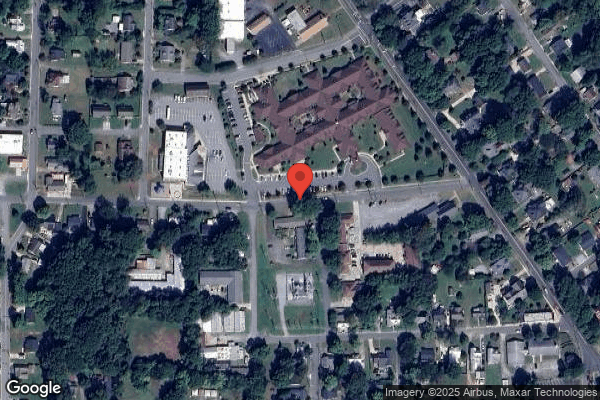

215 College Street, Graham, NC 27253 (336) 228-8394
For profit - Corporation 142 Beds PEAK RESOURCES, INC. Data: November 2025
Trust Grade
88/100
#48 of 417 in NC
Last Inspection: October 2024

Within standard 12-15 month inspection cycle. Federal law requires annual inspections.

Overview

Peak Resources - Alamance, Inc. has a Trust Grade of B+, indicating it is above average and recommended for families considering care options. It ranks #48 out of 417 nursing homes in North Carolina, placing it in the top half, and #2 out of 7 in Alamance County, meaning only one local facility performs better. The facility is improving, with the number of issues decreasing from three in 2023 to two in 2024. While staffing is a concern with a rating of 2/5 stars and a high turnover of 51%, there is less RN coverage than 81% of state facilities, which could impact the quality of care. Recent inspections noted several cleanliness issues in food storage areas, which could pose health risks, as well as concerns regarding a resident who fell during a transfer, highlighting areas needing improvement despite the overall positive ratings.

Trust Score
B+
88/100
In North Carolina
#48/417
Top 11%
Safety Record
Low Risk
No red flags
Inspections
Getting Better
3 → 2 violations
Staff Stability
⚠ Watch
51% turnover. Above average. Higher turnover means staff may not know residents' routines.
Penalties
○ Average
$3,728 in fines. Higher than 54% of North Carolina facilities. Some compliance issues.
Skilled Nurses
⚠ Watch
Each resident gets only 20 minutes of Registered Nurse (RN) attention daily — below average for North Carolina. Fewer RN minutes means fewer trained eyes watching for problems.
Violations
✓ Good
Only 5 deficiencies on record. Cleaner than most facilities. Minor issues only.
★★★★★
5.0
Overall Rating
★★☆☆☆
2.0
Staff Levels
★★☆☆☆
2.0
Care Quality
★★★★★
5.0
Inspection Score
Stable
2023: 3 issues
2024: 2 issues

The Good

  • Full Sprinkler Coverage · Fire safety systems throughout facility
  • No fines on record

Facility shows strength in fire safety.

The Bad

Staff Turnover: 51%

Near North Carolina avg (46%)

Higher turnover may affect care consistency

Federal Fines: $3,728

Below median ($33,413)

Minor penalties assessed

Chain: PEAK RESOURCES, INC.

Part of a multi-facility chain

Ask about local staffing decisions and management

The Ugly 5 deficiencies on record

Apr 2024 2 deficiencies
CONCERN (D) 📢 Someone Reported This

A family member, employee, or ombudsman was alarmed enough to file a formal complaint

Potential for Harm - no one hurt, but risky conditions existed

Accident Prevention (Tag F0689)

Could have caused harm · This affected 1 resident

**NOTE- TERMS IN BRACKETS HAVE BEEN EDITED TO PROTECT CONFIDENTIALITY** Based on record review and staff interview the facility failed to prevent a fall from a mechanical lift for one (Resident #1) of...

Read full inspector narrative →
**NOTE- TERMS IN BRACKETS HAVE BEEN EDITED TO PROTECT CONFIDENTIALITY** Based on record review and staff interview the facility failed to prevent a fall from a mechanical lift for one (Resident #1) of three residents reviewed for supervision to prevent accidents. Findings included: Resident #1 was admitted on [DATE] with multiple diagnoses some of which included a birth defect resulting in a cognitive and developmental disability and spinal stenosis. Documentation in a nutrition note dated 2/20/2024 revealed Resident #1 was 5 feet tall and weighed 193 pounds. Documentation in a nursing progress note for Resident #1 dated 2/20/2024 at 3:20 PM revealed, Writer notified by [Medication Aide] that resident was on floor. The Writer immediately assessed resident for injury. Resident denies pain. No [signs or symptoms] of pain. PACE (Program of All-Inclusive Care for the Elderly) notified, and order received by the Doctor. Transferred to [Emergency Room]. Resident was not moved until EMS (emergency medical services) arrived and EMS transferred resident via [mechanical lift] from floor to stretcher. An interview was conducted simultaneously with the Nurse Aides (NA) #1 and NA #2 on 4/19/2024 at 11:19 AM. NA #1 explained she was the assigned nurse aide to Resident #1 on 2/20/2024 for the 7:00 AM to 3:00 PM shift. NA #1 further explained she gave Resident #1 a bath and then put a lift pad underneath her so she could be put into her wheelchair via the mechanical lift. NA #1 relayed she then asked NA #2 to come into the room to assist her in moving Resident #1 via the lift into the wheelchair. NA #2 confirmed she came into the room and assisted NA #1 to attach the straps of the lift pad to the wheelchair. NA #2 and NA #1 confirmed they put the same-colored straps on the hooks of the mechanical lift crossing the straps between the legs of Resident #1 to keep her secure. NA #1 recalled that the lift pad underneath Resident #1 was a blue pad, but she could not specifically recall the size pad she used. NA #1 stated she used the lift controls to lift Resident #1 off the bed and into the air. NA #2 stated she was holding onto the hand holds on the lift pad at the side of Resident #1 as she was being lifted into the air. NA #1 stated her hands were on the lift machine as Resident #1 was suspended in the air and kept the mechanical lift stationary. NA #2 explained she removed her hands from the hand holds on the lift pad and turned to move the wheelchair into position. NA #1 stated that Resident #1 slid to her side very quickly and slipped out of the top of the lift pad while suspended in the air. NA #1 relayed that she thought Resident #1 slid out of the top of the lift pad because she had a slippery shirt and Resident #1 was top heavy, with most of her weight on the top portion of her body. Both NA #1 and NA #2 confirmed they were retrained on all the steps in using a mechanical lift and specifically that a nurse aide needed to always be holding onto the hand holds while a resident was suspended in the air. Documentation in an emergency room Discharge summary dated [DATE] revealed, [Resident #1] here with pain after being dropped from lift chair. No apparent major trauma on exam. She is at her mental baseline and moving all extremities. CT (computed tomography) head/[cervical] spine reviewed and are negative. Hip (x-ray) negative. Discussed with [patient's] provider at PACE, will [discharge] with return precautions including any weakness, grip strength changes or signs of occult cord injury despite normal CT. No apparent pain on exam. Resident #1 was diagnosed with a scalp soft tissue injury or a hematoma of the scalp without any underlying skull fracture on the discharge summary. Documentation in a primary care provider assessment for an emergency room visit dated 2/20/2024 revealed Resident #1 was assessed by her physician in the emergency room after her fall from the mechanical lift. An addendum to the assessment was added by her physician on 2/22/2024 revealing Resident #1 was found to have no evident new arm motor weakness or functional change out of concern for a neck injury. Documentation in the Resident #1's care plan, dated as last reviewed on 2/22/2024 revealed the focus area for a risk for falling relative to poor balance, decreased mobility, and weakness. One of the interventions was to ensure proper position of the lift pad prior to transfer. An interview was conducted with the Director of Nursing (DON) on 4/19/2024 at 12:00 PM. The DON stated on 2/20/2024 she was not the DON at the time, but she participated in the investigation and determination of the root cause analysis of how Resident #1 fell out of the mechanical lift. The DON stated the nurse aides did a recreation of what happened after Resident #1 was assessed and sent to the emergency room. The DON revealed NA #1 and NA #2 recreated their actions using herself in the place of Resident #1. The DON stated NA #1 and NA #2 used the proper size lift pad and used appropriate techniques in using the mechanical lift except for not always keeping hold of the lift pad with the hand holds. The DON revealed NA #1 and NA #2 were reeducated on the entire process of how to transfer a resident using a mechanical lift. The DON further revealed the education was provided to not only NA #1 and NA #2 but to the entire nursing staff to include agency on the use of a mechanical lift. The DON explained the focus of the training was on how to access the resident profile for choosing the correct lift pad, making sure wheelchairs are in position before starting the process of moving the resident, obtaining a third nurse aide if needed, and always making sure at least one nurse aide was holding on to the hand holds at all times while the resident was in the air. The DON explained that a return demonstration of the use of a mechanical lift was performed by all the nursing staff after the training. The DON indicated that all the mechanical lifts and the lift pads were checked for functionality by the Maintenance Director on 2/20/2024 in addition to the training and skill demonstrations by the nursing staff by the DON. The DON revealed the staff development coordinator had been doing audits on all the units to confirm the nurse aides were using proper technique in using the mechanical lifts. An interview was conducted with the Administrator on 4/19/2024 at 12:26 PM. The Administrator stated after the fall of Resident #1 from the mechanical lift she was very concerned for Resident #1 and she spoke with the physician for Resident #1, who called her from the emergency room on 2/20/2024. The Administrator stated Resident #1 had a hematoma on her head but was otherwise not injured or in any pain. The facility provided the following corrective action plan with a completion date of 2/21/2024. A Plan of Correction was instituted on 2/20/2024. A root cause analysis was completed by the leadership team at Peak Resources, Alamance. The root cause analysis revealed the lift pad was positioned incorrectly during the transfer and a nurse aide let go of the hand holds on the lift pad while the resident was in the air. Resident was assessed for injury by the nursing staff, and EMS (emergency medical services) was notified, and resident was sent to the hospital for further intervention, but no significant injuries were noted. Nursing Unit Managers and SDC (Staff Development Coordinator) performed additional lift training and competency checks with CNAs (Certified Nursing Assistants) involved, signed copy of their competency check was provided by SDC. Nursing Staff Education regarding use of mechanical lift was initiated on 2/20/2024 and SDC and unit managers provided one on one training with lectures and demonstration to all nursing staff regarding proper use of the mechanical lift technique. The Maintenance staff inspected all mechanical lifts. No defects were identified. All residents that use a mechanical lift are at risk. Unit managers and SDC reviewed those resident's care profile in the electronic medical record to reassure each transfer status and correct sling color were listed. Those resident care plans were reviewed on 2/20/24 to ensure transfer status and sling colors (indicating the size) were listed correctly. Staff education was provided on a written staff education form and nursing staff meetings. Lift training/ lift safety was also completed by the SDC or designee for all new staff working in the nursing department during new hire orientation. New hires must be checked off on using the lifts correctly before being assigned to the halls. Any employee that did not receive the education will be removed from the schedule until education is completed. SDC will conduct random audits on all three shifts weekly for four weeks, monthly for four months, and then quarterly for two quarters. SDC will audit staff using mechanical lifts to ensure staff are transferring residents using proper mechanical lift technique as listed in the care plan. The findings will be reviewed at the quarterly Quality Assurance/Performance Improvement (QAPI) meetings monthly x 4 months. The QAPI team will also determine if the plan of correction needs to be continued or modified. Alleged date of compliance February 21, 2024 The Plan of Correction was validated on 4/19/2024 for the alleged date of compliance of 2/21/2024. The Quality Assessment and Performance Improvement Plan was reviewed, each intervention had corresponding documentation to support the actions taken by the facility. The facility nursing staff were educated on how to access the resident profile in the electronic record, selection of appropriate lift pad per recommended height and weight guidelines, positioning residents in the lift, and procedures for safe transfers via the mechanical lift. Nursing staff were interviewed for retention of the information provided in the training on 2/20/2024. The Nursing staff interviewed also confirmed that a return demonstration of use of a mechanical lift with a skill check off was completed in groups of three on 2/20/2024. Review of the documentation revealed mechanical lift competency checks were completed for each nurse aide and dated 2/20/2024. Quality Assurance/Performance Improvement audits were initiated the week of 2/20/2024 with observations of mechanical lift transfers for 5 residents for 4 weeks with no concerns identified. The monthly audits were ongoing. Review of Quality Assessment Performance Improvement committee meeting minutes dated 2/29/2024 revealed the audits of the mechanical lift transfers were brought to the committee meeting for review by the interdisciplinary team noting that staff education and monitoring was to continue.
CONCERN (D) 📢 Someone Reported This

A family member, employee, or ombudsman was alarmed enough to file a formal complaint

Potential for Harm - no one hurt, but risky conditions existed

QAPI Program (Tag F0867)

Could have caused harm · This affected 1 resident

Based on record review and staff interview the facility's Quality Assessment Performance Improvement committee failed to maintain implemented procedures and monitor the interventions that the committe...

Read full inspector narrative →
Based on record review and staff interview the facility's Quality Assessment Performance Improvement committee failed to maintain implemented procedures and monitor the interventions that the committee put into place following the complaint investigation completed 9/19/2023. This was a repeat deficiency in the area of supervision to prevent accidents that was originally cited on 9/19/2023. The continued failure of the facility with a repeat deficiency showed a pattern of the facility's inability to sustain an effective Quality Assessment Performance Improvement program. The findings included: This citation is cross referred to: F689: During the complaint investigation of 4/24/2024 the facility failed to prevent a fall from a mechanical lift for one of three residents reviewed for supervision to prevent accidents. During the complaint investigation of 09/19/2023 the facility failed to provide incontinent care safely for one of three residents reviewed for accidents. The Administrator was interviewed on 4/24/2024 at 11:07 AM. The Administrator stated the Quality Assessment Performance Improvement (QAPI) committee members were made up of the Administrator, Director of Nursing, Medical Director, Dietary Manager, Maintenance Director, Social Workers, Activities Director, Housekeeping Manager, Nursing Unit Managers, Infection Preventionist, Staff Development Coordinator, and the Medical Records Manager. The Administrator stated it was mandatory for all department heads to attend the QAPI meetings. The Administrator revealed she was reeducated by the Corporate Compliance Officer on the QAPI process after the fall of Resident #1 from the mechanical lift during care because the corporate office identified non-compliance with the QAPI process for accidents.
Sept 2023 1 deficiency
CONCERN (D) 📢 Someone Reported This

A family member, employee, or ombudsman was alarmed enough to file a formal complaint

Potential for Harm - no one hurt, but risky conditions existed

Accident Prevention (Tag F0689)

Could have caused harm · This affected 1 resident

**NOTE- TERMS IN BRACKETS HAVE BEEN EDITED TO PROTECT CONFIDENTIALITY** Based on record review and staff and Nurse Practitioner interviews, the facility failed to provide incontinent care safely for 1...

Read full inspector narrative →
**NOTE- TERMS IN BRACKETS HAVE BEEN EDITED TO PROTECT CONFIDENTIALITY** Based on record review and staff and Nurse Practitioner interviews, the facility failed to provide incontinent care safely for 1 of 3 residents reviewed for accidents (Resident #1). During incontinent care provided by Nurse Aide (NA) #1, Resident #1 rolled off the bed and landed on her knees with no injuries. The findings included: Resident #1 was admitted to the facility on [DATE] with multiple diagnoses which included vascular dementia with behavioral disturbance and difficulty in walking. A physician order dated 08/19/23 indicated Resident #1 was prescribed Apixaban (a medication to prevent blood clots) 2.5 milligrams twice a day for atrial fibrillation. The quarterly Minimum Data Set (MDS) assessment dated [DATE] indicated Resident #1 had moderate cognitive impairment, required extensive assistance of one with bed mobility, toilet use, and personal hygiene. Resident #1 was coded as not having behavioral symptoms or refusal of care. The MDS indicated the resident was always incontinent of bowel and bladder. The MDS further indicated the resident had a fall in the last month, the last 2 to 6 months, and had a fracture related to a fall in the last 6 months. Review of NA #1's telephone interview transcript dated 09/01/23 revealed NA #1 asked Resident #1 to roll over, and when she started to roll, Resident #1 did not stop rolling. NA #1 was on the right side of the bottom of the bed. Resident #1 was turning to the left side of the bed. As NA #1 was walking to the left side, Resident #1 was still in the bed, but the resident kept rolling. She grabbed the resident's brief and pad and held onto her to keep her from falling out of the bed. Resident #1 slowly lowered herself to the floor with NA #1's assistance. Resident #1 was on her knees facing the bed with her chest on the bed. NA #1 stood behind her while she assisted the resident onto her back with her head resting on the wall between the bed and nightstand. During a phone interview on 09/18/23 at 1:05 PM, NA #1 reported she was in the resident's room providing care on 09/01/23. During the interview, NA #1 described the following, Resident #1 was in a good mood and was not exhibiting negative behaviors. Resident #1 needed to be changed due to having a urinary incontinence episode. NA #1 had the bed raised up to her waist height when she had just finished cleaning the resident and had put a clean brief on her while the resident was lying on her right side. While NA #1 was walking to the left side of the resident's bed, she instructed Resident #1 to roll over to the other side. Resident #1 rolled over but did not stop. She stated she lunged over the bed and held onto the resident's waist. She assisted Resident #1 onto her knees. Resident #1 was resting on her knees with her body leaning against the bed. She assisted Resident #1 onto her back because she could not stay on her knees. She called for the nurse to help assist Resident #1 back into her bed. Resident #1 did not hit her head or complain of pain. She indicated she had been in-serviced on how to properly turn and reposition the residents at the facility. A nurse progress note completed by Nurse #1 dated 09/01/23 indicated she was called into Resident #1's room by NA #1. Resident #1 was noted to be on her back on the floor beside the bed. NA #1 stated she was changing the resident and her rolling over. The resident kept on rolling out of bed onto the floor. Resident #1 was assisted back to bed. The on-call Nurse Practitioner was notified and was instructed to continue to monitor. Resident #1's Responsible Party was also notified. The investigation report of the incident dated 09/01/23 completed by Nurse #1 indicated she was called into Resident #1's room by NA #1. Resident #1 was noted to be on her back on the floor beside her bed. NA #1 stated she was changing the resident and had her roll over. Resident #1 kept on rolling out of bed onto the floor. Resident #1 was assisted back to bed by Nurse #1 and NA #1. The report indicated behaviors and medication were factors that may have contributed to the event. Review of Nurse #1's telephone interview transcript dated 09/01/23 she was notified by NA #1 at approximately 6:15 AM she needed assistance in Resident #1's room due to an assisted fall. She went into the room and found Resident #1 on the floor. NA #1 and Nurse #1 assisted the resident back into bed. During a phone interview on 09/19/23 at 9:38 AM, Nurse #1 stated she was walking down the hallway when NA #1 came to her and informed her Resident #1 was on the floor. When she went into the room, she noticed Resident #1 was lying flat on her back with her head against the wall. She stated NA #1 told her she was on the other side of the bed when Resident #1 rolled off the bed. NA #1 told her Resident #1 was on her knees and because she could not stay in the position, NA #1 assisted her to her back. She assessed Resident #1 and Resident #1 did not complain of any pain. There were no injuries noted and she assisted Resident #1 back to bed with the help of NA #1. A progress note dated 09/01/23 completed by the Nurse Practitioner indicated Resident #1 was seen due to a witnessed fall. Per report, NA #1 turned the resident to provide peri-care and the resident slid off the bed onto her knees and then leaned against the wall. NA #1 stated the resident did not hit her head. There were no injuries observed by nursing staff at the time of the fall. The resident later complained of headache and neuro checks were initiated. On exam, the resident stated she did hit her head and pointed to her forehead. There was no swelling or bruising noted to her face or changes to her range of motion. Further, there was no bruising or wounds on her body. The resident's vital signs were stable. The resident was on a blood thinning medication. Resident #1 was sent to the ER for an assessment due to the fall, headache, and being on blood thinning medication. During an interview with the Nurse Practitioner on 09/19/23 at 9:47 AM, she stated she was informed by staff Resident #1 rolled out of bed while NA #1 was providing personal care. NA #1 stated the resident did not hit her head; however, when she spoke with Resident #1, she informed her she did hit her head. She stated the resident was sent to the hospital because of Resident #1's Responsible Party's request and the resident complaining of a headache. Resident #1 returned from the hospital the same day because there were no injuries. She stated Resident #1 has schizophrenia and dementia, which caused resident to have behaviors. She stated the cause of the fall was related to the resident's behavior. Review of the emergency room Physician Note dated 09/01/23 revealed Resident #1 presented to the emergency room after sustaining a fall. She was reportedly bedbound and while she was being changed, she rolled out of bed. There was no loss of consciousness or head strike. Resident #1 reported to the triage nurse that she had a headache, but denied this complaint to the physician, instead stating that her back was hurting since her fall. The resident reported no other medical complaints. The note indicated even though there was an actively low mechanism for injury she was admitted for observation due to her age and use of anticoagulants (medications used to prevent blood clots). Computerized Tomography (CT) scans were performed on her head, chest, abdomen, pelvis, and spine. There were no acute findings of injury. She was discharged on 09/01/23 because she was in stable condition throughout her emergency room stay and there were no acute traumatic injuries noted on the imaging. Resident #1's care plan was updated on 09/01/23 after her return from the hospital to reflect a new intervention of Resident #1 was to have 2-person assistance with all Activities of Daily Living (ADL) care, bed mobility, and repositioning. Resident #1's care plan which was last reviewed on 09/07/23 indicated Resident #1 had a focus area of behavioral symptom in which resident's actions characterized by ineffective coping, verbal/physical aggression or combativeness related to cognition, impairment, anger, inability to perform tasks, and sundown. The goal included staff would ensure safety for resident(s) and staff. Interventions included approaching resident slowly when entering room; be cognizant of not invading resident's personal space; and help resident cope using past successful coping mechanisms. During an interview with the Director of Nursing (DON) on 09/19/23 at 3:01 PM, indicated NA #1 was aware of how to turn and reposition residents. She stated when NA #1 was providing care to Resident #1, she rolled and fell from bed to floor due to the resident's behaviors. She stated NA #1 was re-educated on safe turning and repositioning while providing care to residents. Resident #1's care plan was also changed to reflect the resident needed 2 staff members for personal care. The Administrator was interviewed on 09/19/23 at 3:39 PM. She stated they had completed an investigation on how the resident fell from the bed to the floor, and they determined that the resident rolled out of bed due to the resident rolling over prematurely. The resident was sent to the hospital out of precaution and per the resident's Responsible Party's request. The resident returned the same day because there were no injuries. NA #1 was educated on ensuring she was standing in front of the resident when the residents were being rolled.
Aug 2023 2 deficiencies
CONCERN (D) 📢 Someone Reported This

A family member, employee, or ombudsman was alarmed enough to file a formal complaint

Potential for Harm - no one hurt, but risky conditions existed

Deficiency F0727 (Tag F0727)

Could have caused harm · This affected 1 resident

Based on record review and staff interview, the facility failed to provide Registered Nurse (RN) coverage for 8 consecutive hours a day for 1 out of 121 days reviewed for staffing (2/4/2023). Finding...

Read full inspector narrative →
Based on record review and staff interview, the facility failed to provide Registered Nurse (RN) coverage for 8 consecutive hours a day for 1 out of 121 days reviewed for staffing (2/4/2023). Findings included: The daily assignment sheets were reviewed from January1, 2023 through March 31,2023 and July 7, 2023, through August 8, 2023, it revealed that on 2/4/23 there was no RN assigned to work in the facility. Record review of the daily nurse staffing hours from February 1 to February 28, 2023 revealed that 8 RN hours were assigned on 2/4/23; this did not match the daily assignment sheet provided. An interview and record review of the 2/4/23 staff assignment sheet and the daily nursing department staffing form with the Director of Nursing (DON) on 08/09/23 at 2:56 PM revealed that a RN was documented on the daily staffing hours and there was no RN assigned on the staff assignment sheet. She stated in the past the scheduler was responsible to confirm an RN was assigned 8 hours each day. There was currently no scheduler, and she was responsible for nursing staff assignments. The scheduler was not available by phone. On 8/10/23 at 1:30 PM the Administrator stated that there was no RN coverage for 2/4/23. The scheduler had made an error and it was an oversight. Since that time another RN was hired and there was RN coverage daily. An interview on 8/11/23 at 10:50AM the Staff Development Coordinator indicated that she was a new employee and setting up her office on 2/4/23 and had no idea how to supervise in the facility.
CONCERN (E)

Potential for Harm - no one hurt, but risky conditions existed

Food Safety (Tag F0812)

Could have caused harm · This affected multiple residents

Based on observations, staff interviews, and record review the facility failed to: 1) keep the floors of the walk-in refrigerator and walk-in freezer clean; 2) label foods in the walk-in refrigerator,...

Read full inspector narrative →
Based on observations, staff interviews, and record review the facility failed to: 1) keep the floors of the walk-in refrigerator and walk-in freezer clean; 2) label foods in the walk-in refrigerator, reach-in refrigerator and in three of three nourishment room refrigerators; 3) ensure the food in walk-in freezer was free of ice; 4) ensure the divided plates used for the upcoming meal were clean; 5) utilize clean dollies to store cups and glasses; and 6) ensure male dietary staff (dietary cook, dietary aide #2 and # 3) had all facial hair contained in a face covering. These practices had the potential to affect food being served to residents. Finding included: 1a) An observation of the walk-in refrigerator on 8/7/23 at 6:12 AM revealed light brown colored crust on the floor under the racks containing milk. [NAME] colored fluid was observed on the floor. There were pieces of brown paper and plastic cling wrap on the floor. The floor was dirty and sticky. During an interview on 8/7/23 at 6:15 AM, the Dietary Aide #1 stated she was unsure what the brown colored crust was. She further stated the white colored fluid was milk and someone should have cleaned the floors of the refrigerator. b) An observation of the walk-in freezer on 8/7/23 at 6:18 AM revealed brown colored liquid stains on the floor. The floor was very sticky and dirty. During an interview on 8/7/23 at 6:20 AM, the Dietary Aide #1 stated she was unsure what the brown colored stains were and why the floor was sticky. During an interview on 8/9/23 at 12:10 PM, the District Dietary Manager indicated all the Dietary Aides were responsible for cleaning the walk-in refrigerator and walk-in freezer prior to the end of the shift. 2a) An observation of the reach-in refrigerator on 8/7/23 at 6:22 AM revealed an opened 46 fluid ounce (fl. oz.) carton nectar thick water with no date, two opened 32-ounce cartons Honey thick milk with no date, and two opened 46 fl. oz. carton honey thick water with no date. The reach-in refrigerator also contained a tray with 5 sandwiches wrapped in clear plastic wrap with no date. During an interview on 8/7/23 at 6:25 AM, the Dietary Aide#1 stated the thickened liquid cartons when opened should be dated with open by date. She stated she was unsure why the staff had not dated them. The Dietary Aide further stated the sandwiches were peanut butter jelly sandwiches, but unsure when they were prepared. During an interview on 8/9/23 at 3:30 PM, the District Dietary Manager stated opened thickened liquids cartons should be labeled with an open date and the carton should be discarded 7 days after opening. Review of the manufacturer's recommendations revealed thickened water can be stored in the refrigerator for 10 days and thickened milk can be stored in the refrigerator for 3 days after opening. b) An observation of the walk-in refrigerator on 8/7/23 at 6:12AM, revealed an opened plastic container containing light orange food labeled Pimento cheese- 5 pounds (5 lbs.), with no date on it. Observation also revealed a white plastic bucket, one fourth filled with strawberries and pink fluid, wrapped with cling wrap on top and dated July 4. During an interview with the Dietary Aide #1 on 8/7/23 at 6:12 AM, she stated the strawberries were frozen strawberries and usually used when pancakes were on the menu. She stated the date July 4 must be incorrect. c) Observations of three of three nourishment room refrigerators/ freezer were as follows: - On 8/7/23 at 12:52 PM observation of Nourishment room freezer at Station #3 revealed a 24-ounce Styrofoam take out cup with pink colored frozen liquid with no label or date. During an interview on 8/7/23 at 12:53 PM, Nurse #1 stated any food placed in the nourishment refrigerator/freezer should be labelled and dated. She indicated the cup was from a fast-food restaurant and must belong to a staff member. - On 8/9/23 at 2:49 PM observation of the nourishment room refrigerator at Station #1 revealed a white grocery plastic bag containing an opened 12 oz. plastic soda bottle, 2 unopened soda bottles and a white Styrofoam take out box with no label or date. The freezer contained two plastic 16 oz. cups. One contained light pink semi solid liquid (similar to a milk shake), and another contained brownish white semi solid liquid. There was no label or date on them. During the observation a staff member walked in and took the 2 cups indicating that were his and walked out of the room. During an interview on 8/9/23 at 2:52 PM, the District Dietary Manager indicated any food brought in by the resident's family members should be labeled with resident's name, room number and the date when the food was placed in the refrigerator. He further indicated facility staff should not be storing their personal food in the nourishment refrigerator. - On 8/9/23 at 2:55 PM, an observation of the nourishment room refrigerator at Station #2 revealed two plastic takeout containers containing cut fruit with resident's name and room number but no date. One plastic takeout container contained watermelon chunks, and another contained cantaloupe chunks. The containers were half filled with fruit. During an interview on 8/9/23 at 2:58 PM, the District Dietary Manager indicated any food brought in by the resident's family members should be labeled with resident's name, room number and the date when the food was placed in the refrigerator. He further indicated the food should be discarded within 7 days since placed in the refrigerator. He indicated the Dietary Manager did daily nourishment refrigerator checks to ensure the nourishment refrigerators were clean and food was label and dated. The Dietary Manager was unavailable to be interviewed. 3) An observation of the walk-in freezer on 8/7/23 at 6:18 AM revealed a brown cardboard box, half filled with nutrition supplement Magic Cup with ice cubes on them. The cups were attached to each other with large chunks of ice. Two black crates filled with nutrition supplement Magic Cup with ice on them. The cups were attached to each other with large chunk of ice. During an interview on 8/7/23 at 6:20 AM, the Dietary Aide #1 stated the nutritional supplements Magic Cups were stuck together to form a huge ice chunk and unsure why that had accumulated so much ice. The Dietary Aide #1 indicated these must have been used during the previous meal on the tray line. During an interview on 8/9/23 at 12:05 AM, the District Dietary Manager stated the ice cream cups were nutritional supplements that were used during the tray line. The nutritional supplements were stored on ice during tray line service and the staff had not removed the cups from the ice before they restored them in the walk-in freezer resulting in a huge ice block. He indicated all the nutritional supplements that formed an ice block had been discarded. The District Dietary Manager stated the staff should remove any leftover nutritional supplements from the ice and place them in a clean crate before placing them back in the freezer. 4) During the tray line observation on 8/9/23 at 12:15 PM, seven of the eleven divided plates to be used at the upcoming meal had dried food stains and black spots on them. These plates were immediately removed from the tray line and were rewashed. During an interview on 8/9/23 at 12:20 PM, the District Dietary Manager indicated Dietary [NAME] usually checked the plates prior to plating the food and will not serve food if the plate was not cleaned well. The District Dietary Manager stated the Dietary Aides should ensure the divided plates were clean and free of any food particles/debris prior to placing them on tray line for upcoming meals. 5) During an observation of the dishwasher on 8/9/23 at 2:20 PM, clean crates of cups and glasses were stored on dollies that were not clean. There were three dollies that had dirt and food particles on the base on which the clean crates were stored. During an interview on 8/9/23 at 2:25 PM, the District Dietary Manager stated the staff assigned for dishwashing duty should ensure the dollies were cleaned before placing any clean dishes on them. The District Dietary Manager removed the crates containing cleaned cups and glasses and ensured the staff rewashed all the dishes in the dishwasher and the dollies were cleaned prior to the clean dishes been placed on them. 6. a) An observation on 8/7/23 at 6:08 AM revealed a male Dietary Aide #2 filling coffee in carafe. The Dietary Aide had a beard and was not wearing a beard guard. During an interview on 8/7/23 at 6:10 AM, Dietary Aide #2 stated he usually wore a beard guard and not worn it today. b) An observation on 8/7/3 at 6:10 AM, revealed a male Dietary Cook, cooking residents' breakfast. The cook had a beard and was not wearing a beard guard. During an interview on 8/7/23 at 6:12 AM, the Dietary [NAME] stated all male staff with beard usually wore a beard guard while in kitchen. He indicated he had not worn one today. c) During the tray line observation on 8/9/23 at 12:15 PM, observed a male Dietary Aide #3 assisting on the tray line. The male aide had facial hair and was not wearing a beard guard. The District Dietary Manager who also observed it requested the male Dietary Aide #3 to wear a beard guard to cover his facial hair. Dietary Aide #3 indicated he had forgotten to wear one. During an interview on 8/9/23 at 12:15 PM, the District Dietary Manager indicated all male dietary staff should ensure their facial hair was covered with beard guards and hair covered with hair nets while working in the kitchen and assisting in meal service for the residents. During an interview on 08/10/23 03:27 PM, the Administrator indicated the refrigerator and freezer should be cleaned as scheduled. The cleaning schedule should be monitored by the Dietary Manager or designee to ensure all equipment was cleaned. All foods when opened should be labeled and dated. Foods should be discarded with in use by date on the label. The Administrator indicated the dietary staff should check the plates, cups and glasses used to serve food and used in meal service for residents prior to tray line service to ensure all of them were clean. The Administrator stated Nourishments refrigerators were to be used for resident food only and staff should not be using them for their personal food. All foods should be labeled with resident name and room number and dated. Related to the use of beard guard to cover facial hair the Administrator indicated all hair should be appropriately covered when working in the dietary department especially facial hair.
Understanding Severity Codes (click to expand)
Life-Threatening (Immediate Jeopardy)
J - Isolated K - Pattern L - Widespread
Actual Harm
G - Isolated H - Pattern I - Widespread
Potential for Harm
D - Isolated E - Pattern F - Widespread
No Harm (Minor)
A - Isolated B - Pattern C - Widespread

Questions to Ask on Your Visit

  • "Can I speak with families of current residents?"
  • "What's your RN coverage like on weekends and overnight?"

Our Honest Assessment

Strengths
  • • Grade B+ (88/100). Above average facility, better than most options in North Carolina.
  • • No major safety red flags. No abuse findings, life-threatening violations, or SFF status.
  • • $3,728 in fines. Lower than most North Carolina facilities. Relatively clean record.
  • • Only 5 deficiencies on record. Cleaner than most facilities. Minor issues only.
Concerns
  • • No significant concerns identified. This facility shows no red flags across CMS ratings, staff turnover, or federal penalties.
Bottom line: Generally positive indicators. Standard due diligence and a personal visit recommended.

About This Facility

What is Peak Resources - Alamance, Inc's CMS Rating?

CMS assigns Peak Resources - Alamance, Inc an overall rating of 5 out of 5 stars, which is considered much above average nationally. Within North Carolina, this rating places the facility higher than 99% of the state's 100 nursing homes. This rating reflects solid performance across the metrics CMS uses to evaluate nursing home quality.

How is Peak Resources - Alamance, Inc Staffed?

CMS rates Peak Resources - Alamance, Inc's staffing level at 2 out of 5 stars, which is below average compared to other nursing homes. Staff turnover is 51%, compared to the North Carolina average of 46%.

What Have Inspectors Found at Peak Resources - Alamance, Inc?

State health inspectors documented 5 deficiencies at Peak Resources - Alamance, Inc during 2023 to 2024. These included: 5 with potential for harm.
Who Owns and Operates Peak Resources - Alamance, Inc?

Peak Resources - Alamance, Inc is owned by a for-profit company. For-profit facilities operate as businesses with obligations to shareholders or private owners. The facility is operated by PEAK RESOURCES, INC., a chain that manages multiple nursing homes. With 142 certified beds and approximately 119 residents (about 84% occupancy), it is a mid-sized facility located in Graham, North Carolina.

How Does Peak Resources - Alamance, Inc Compare to Other North Carolina Nursing Homes?

Compared to the 100 nursing homes in North Carolina, Peak Resources - Alamance, Inc's overall rating (5 stars) is above the state average of 2.8, staff turnover (51%) is near the state average of 46%, and health inspection rating (5 stars) is much above the national benchmark.

What Should Families Ask When Visiting Peak Resources - Alamance, Inc?

Based on this facility's data, families visiting should ask: "Can you walk me through typical staffing levels on day, evening, and night shifts?" "Can I visit during a mealtime to observe dining assistance and food quality?" "How do you handle medical emergencies, and what is your hospital transfer rate?" "Can I speak with family members of current residents about their experience?" These questions are particularly relevant given the below-average staffing rating.

Is Peak Resources - Alamance, Inc Safe?

Based on CMS inspection data, Peak Resources - Alamance, Inc has a clean safety record: no substantiated abuse findings (meaning no confirmed cases of resident harm), no Immediate Jeopardy citations (the most serious violation level indicating risk of serious injury or death), and is not on the Special Focus Facility watch list (a federal program monitoring the lowest-performing 1% of nursing homes). The facility has a 5-star overall rating and ranks #1 of 100 nursing homes in North Carolina. While no facility is perfect, families should still ask about staff-to-resident ratios and recent inspection results during their visit.

Do Nurses at Peak Resources - Alamance, Inc Stick Around?

Peak Resources - Alamance, Inc has a staff turnover rate of 51%, which is about average for North Carolina nursing homes (state average: 46%). Moderate turnover is common in nursing homes, but families should still ask about staff tenure and how the facility maintains care continuity when employees leave.

Was Peak Resources - Alamance, Inc Ever Fined?

Peak Resources - Alamance, Inc has been fined $3,728 across 1 penalty action. This is below the North Carolina average of $33,116. While any fine indicates a compliance issue, fines under $50,000 are relatively common and typically reflect isolated problems that were subsequently corrected. Families should ask what specific issues led to these fines and confirm they've been resolved.

Is Peak Resources - Alamance, Inc on Any Federal Watch List?

Peak Resources - Alamance, Inc is not on any federal watch list. The most significant is the Special Focus Facility (SFF) program, which identifies the bottom 1% of nursing homes nationally based on persistent, serious quality problems. Not being on this list means the facility has avoided the pattern of deficiencies that triggers enhanced federal oversight. This is a positive indicator, though families should still review the facility's inspection history directly.