Accordius Health at Rose Manor LLC
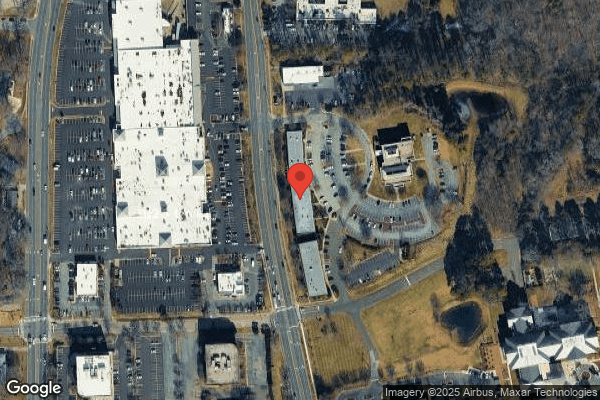

4230 North Roxboro Street, Durham, NC 27704 (919) 477-9805
For profit - Limited Liability company 111 Beds SIMCHA HYMAN & NAFTALI ZANZIPER Data: November 2025 1 Immediate Jeopardy citation
Trust Grade
41/100
#144 of 417 in NC
Last Inspection: May 2025

Inspected within the last 6 months. Data reflects current conditions.

Overview

Accordius Health at Rose Manor LLC has a Trust Grade of D, which indicates below-average quality and raises some concerns about care. Ranked #144 out of 417 facilities in North Carolina, they are in the top half of all state nursing homes, but they rank #6 out of 13 in Durham County, meaning only five local options are better. The facility is improving, having reduced its issues from 14 in 2024 to 11 in 2025. Staffing is average with a 3/5 rating and a turnover rate of 60%, which is slightly above the state average. However, some incidents are alarming, such as a resident with severe cognitive impairment being found outside the facility unsupervised in freezing conditions, and issues with food sanitation and pest control that could affect resident health. Overall, while there are strengths, including good quality measures, the facility has noticeable weaknesses that families should consider.

Trust Score
D
41/100
In North Carolina
#144/417
Top 34%
Safety Record
High Risk
Review needed
Inspections
Getting Better
14 → 11 violations
Staff Stability
⚠ Watch
60% turnover. Above average. Higher turnover means staff may not know residents' routines.
Penalties
✓ Good
$22,616 in fines. Lower than most North Carolina facilities. Relatively clean record.
Skilled Nurses
⚠ Watch
Each resident gets only 26 minutes of Registered Nurse (RN) attention daily — below average for North Carolina. Fewer RN minutes means fewer trained eyes watching for problems.
Violations
⚠ Watch
38 deficiencies on record. Higher than average. Multiple issues found across inspections.
★★★☆☆
3.0
Overall Rating
★★★☆☆
3.0
Staff Levels
★★★★★
5.0
Care Quality
★★☆☆☆
2.0
Inspection Score
Stable
2024: 14 issues
2025: 11 issues

The Good

  • 5-Star Quality Measures · Strong clinical quality outcomes
  • Full Sprinkler Coverage · Fire safety systems throughout facility
  • No fines on record

Facility shows strength in quality measures, fire safety.

The Bad

3-Star Overall Rating

Near North Carolina average (2.8)

Meets federal standards, typical of most facilities

Staff Turnover: 60%

14pts above North Carolina avg (46%)

Frequent staff changes - ask about care continuity

Federal Fines: $22,616

Below median ($33,413)

Minor penalties assessed

Chain: SIMCHA HYMAN & NAFTALI ZANZIPER

Part of a multi-facility chain

Ask about local staffing decisions and management

Staff turnover is elevated (60%)

12 points above North Carolina average of 48%

The Ugly 38 deficiencies on record

1 life-threatening
May 2025 11 deficiencies
CONCERN (D)

Potential for Harm - no one hurt, but risky conditions existed

Deficiency F0578 (Tag F0578)

Could have caused harm · This affected 1 resident

**NOTE- TERMS IN BRACKETS HAVE BEEN EDITED TO PROTECT CONFIDENTIALITY** Based on staff and Nurse Practitioner (NP) interviews and record review, the facility failed to ensure a resident's code status ...

Read full inspector narrative →
**NOTE- TERMS IN BRACKETS HAVE BEEN EDITED TO PROTECT CONFIDENTIALITY** Based on staff and Nurse Practitioner (NP) interviews and record review, the facility failed to ensure a resident's code status information was consistent throughout the medical record for 1 of 2 residents reviewed for advanced directives (Resident #43). The findings included: Resident #43 was admitted to the facility on [DATE]. His diagnoses included malignant neoplasm of the right lung (lung cancer), secondary malignant neoplasm of the brain (when a cancer that started somewhere else in the body has spread to the brain), cerebral edema (brain swelling caused by an abnormal buildup of fluid in the brain's tissues), and seizure disorder. The electronic medical record (EMR) profile indicated Resident #43's code status as Do Not Resuscitate (DNR). Review of Resident #43's EMR revealed a signed Advance Directive form dated 3/8/24 which indicated no code (DNR) status. Review of Resident #43's physician orders dated 3/12/24 revealed he had an order for Do Not Resuscitate (DNR). Review of the quarterly Minimum Data Set (MDS) assessment dated [DATE] revealed Resident #43 was cognitively intact. Further review of Resident #43's EMR revealed a signed Medical Orders for Scope of Treatment (MOST) form dated 4/17/25 which indicated attempt resuscitation. An interview was conducted on 5/6/25 at 11:57 AM with the Social Worker (SW). She stated when she spoke to Resident #43 on 4/17/25 he stated he wanted to be a full code (receive cardiopulmonary resuscitation). She stated Resident #43 understood the difference between full code and DNR status. She further stated she spent approximately 1 ½ hours reviewing the MOST form and he changed his code status from DNR to full code. The SW stated she took the signed MOST form to the admission Director, but did not verbally notify anyone about the change in his code status. An interview was conducted on 5/6/25 at 2:39 PM with the Admissions Director. She stated the facility completed an audit of advance directives in April 2025. The Admissions Director and SW divided the residents into 2 teams to review those residents who were missing MOST forms in their EMR. The Admissions Director stated any changes made to a resident's code status should have been communicated to the Director of Nursing (DON) immediately, who in turn changed the code status in the EMR system and notified the Unit Manager of the resident's hall. The MOST form for Resident #43 indicating a change in his code status may have been missed during the audit. An interview was conducted on 5/6/25 at 2:33 PM with the Director of Nursing (DON). She stated if a resident made a change to their code status, the person who was notified of the change in code status was supposed to notify the DON or the Unit Manager immediately. A nurse and a witness would discuss this change in code status with the resident and confirm the change. The Nurse Practitioner would be notified and an order for the new code status would be obtained. The DON further stated that on 5/6/25 once she was notified of the discrepancy in code status, she spoke to Resident #43 confirming full code status and notified the Nurse Practitioner. An interview was conducted on 5/7/25 at 10:29 AM with the Nurse Practitioner (NP). She stated that she typically was notified in a resident's change in code status by the staff member who spoke to the resident and/or family member, such as the DON, Unit Manager, or SW. She further stated she did not update the EMR to the new code status, but gave a verbal order to change code status and would sign the MOST form. An interview was conducted on 5/6/25 at 2:45 PM with the Administrator. He stated it was his expectation for staff to follow the change in code status process for the facility. Any changes in code status should be communicated with nursing and the SW. The Unit Managers and DON conducted daily clinical meetings and changes should be communicated during that time.
CONCERN (D) 📢 Someone Reported This

A family member, employee, or ombudsman was alarmed enough to file a formal complaint

Potential for Harm - no one hurt, but risky conditions existed

Abuse Prevention Policies (Tag F0607)

Could have caused harm · This affected 1 resident

**NOTE- TERMS IN BRACKETS HAVE BEEN EDITED TO PROTECT CONFIDENTIALITY** Based on record review, and staff and resident interviews, the facility failed to implement their abuse policy in the area of re...

Read full inspector narrative →
**NOTE- TERMS IN BRACKETS HAVE BEEN EDITED TO PROTECT CONFIDENTIALITY** Based on record review, and staff and resident interviews, the facility failed to implement their abuse policy in the area of reporting and investigating. When there was an allegation of abuse the Administrator was not immediately notified (Resident #32 and Resident #331) and an investigation was not initiated at the time of the allegation (Resident #331) for 2 of 3 residents reviewed for abuse. Findings included: 1. Review of the facility policy entitled Prohibition of Abuse Administration, dated 12/24/21 revealed anyone who has any knowledge of abuse should report immediately to their immediate supervisor. All violations will be reported to the State agency within two hours if there is an allegation of abuse. Resident #32 was admitted to the facility on [DATE]. Resident #32's most recent Minimum Data Set (MDS) assessment dated [DATE] revealed he was cognitively intact with no behaviors. Review of a facility reported incident initial report completed by the Administrator dated 3/11/25 revealed on 3/10/25 at 1:30 AM Resident #32 stated Nurse Aide #5 struck him with a washcloth. The incident report revealed the Administrator was made aware of the incident on 3/11/25 at 7:15 AM. The Administrator notified the local Adult Protective Services on 3/11/25 at 8:30 AM, local law enforcement on 3/11/25 at 8:45 AM and the State agency on 3/11/25 at 8:17 AM. Review of the facility investigation revealed a statement written by Nurse Aide (NA) #6 who stated Resident #32 told her NA #5 struck him after supper on 3/10/25. She reported this disclosure occurred on 3/10/25 at 11:45 PM. A telephone interview was conducted with NA #6 on 5/8/24 at 8:26 AM who stated she informed Nurse #3 on 3/10/25 at approximately 11:50 PM that Resident #32 had stated he was struck by NA #5. NA #6 stated she also wrote a statement. During a telephone interview with Nurse #3 on 5/8/24 at 8:30 AM stated she was never made aware that Resident #32 was struck by NA #5. A telephone interview was conducted with Nurse #4 on 5/7/25 at 3:11 PM. She stated she was advised on 3/10/25 at 11:59 PM by NA #6 that Resident #32 had stated he was struck by NA #5. Nurse #4 stated she heard NA #6 tell Nurse #3. She reported she was not Resident #32's nurse and she believed Nurse #3 reported the incident. An interview was conducted with Resident #32 on 5/6/25 who reported he never stated Nurse Aide #5 struck him. During a telephone interview with Nurse #2 on 5/7/25 at 3:17 PM she stated she reported the allegation of abuse at 7:15 AM on 3/11/25 to the Administrator. She stated she contacted the Administrator when she was made aware of the allegations. Nurse #2 stated she wanted to ensure the allegations were reported. An interview was conducted with the Administrator on 5/8/25 at 10:15 AM. He stated he contacted local Adult Protective Services, law enforcement and the State agency within 2 hours of his notification of the incident. He further stated the allegations should have been reported to him or another manager when NA #6 was told by Resident #32 he had been struck by NA #5. 2. Resident #331 was admitted to the facility on [DATE] and left against medical advice (AMA) on 11/12/24. Review of the 5-day Medicare Minimum Data Set (MDS) assessment revealed that Resident #331 was cognitively intact with adequate hearing/vision, clear speech, and understood/understands. A telephone interview was conducted with Resident #331 on 5/05/25 at 1:03 PM. He revealed that a female staff member (name unknown) came into his room on either 11/5/24 or 11/7/24 walked towards his bed near the window, groped his groin area over his clothing, and walked out while another female staff member (name unknown) stood at the doorway. Resident #331 stated that he did not notify anyone at the facility; however, he told Adult Protective Services (APS) when they visited his home after discharge (date unknown) because no one would believe him. He reported the alleged sexual abuse to the police department himself on 11/25/24. The Police Investigator assigned to Resident #331's case was interviewed via telephone on 5/06/25 at 12:52 PM. She revealed that the report was made on 11/25/24, and the date of the incident occurred either on 11/5/24 or 11/7/24. Resident #331 seemed confused because he forgot who the accused staff member was exactly; however, he described the alleged perpetrator as a black female, 5 foot 7 inches in height, and walked with a limp. The Police Investigator stated that she tried to reach the Administrator by phone but was unsuccessful. When she visited the facility on 1/14/25, the Administrator was away at a conference, so she spoke to the Social Worker Director. The Police Investigator provided a description of the alleged perpetrator, but the Social Worker Director told her that no staff member was a match. The case was inactivated on 1/14/25 due to lack of sufficient evidence. An interview was conducted with the Social Worker Director on 5/06/25 at 1:11 PM. She revealed that the Police Investigator and maybe an APS representative visited the facility on 1/14/25 and asked her if she recalled Resident #331 and how he had been discharged . She was also asked about any concerns with nonconsensual touching, but she could not recall Resident #331 ever saying that he was inappropriately touched. The Police Investigator provided a description of the alleged perpetrator, but the Social Worker Director told her that the facility did not have a staff member employed at the facility described by Resident #331. The Social Worker Director stated that she could not recall if the Police Investigator was looking for the Administrator but rather was at the facility to speak to her. She indicated that she did not report the Police Investigator's visit to anyone at the facility because there was not a specific person identified, and Resident #331 was often confused. The Social Worker Director recalled that Resident #331 often complained about his hospital experience, and she thought he referenced a hospital staff member. She stated that she was trained to report all abuse allegations to the Administrator. During an interview with the Director of Nursing (DON) on 5/08/25 at 12:42 PM, she revealed that she was not aware of the sexual abuse allegation made by Resident #331 until it was reported by the state on 5/06/25. However, an investigation was initiated immediately thereafter. The DON stated all abuse allegations should be reported to either the DON and/or the Administrator. The Administrator was interviewed on 5/08/25 at 3:53 PM. He revealed that he should have been notified immediately of the newly reported sexual abuse allegation by Resident #331 on 1/14/25, so that he could follow the abuse policy and procedures and report to the appropriate authorities. The Administrator stated that he would be the one to determine how to move forward with any abuse allegation, not the Social Worker Director.
CONCERN (D)

Potential for Harm - no one hurt, but risky conditions existed

PASARR Coordination (Tag F0644)

Could have caused harm · This affected 1 resident

**NOTE- TERMS IN BRACKETS HAVE BEEN EDITED TO PROTECT CONFIDENTIALITY** Based on record review and staff interviews the facility failed to ensure a Preadmission Screening and Resident Review (PASRR) l...

Read full inspector narrative →
**NOTE- TERMS IN BRACKETS HAVE BEEN EDITED TO PROTECT CONFIDENTIALITY** Based on record review and staff interviews the facility failed to ensure a Preadmission Screening and Resident Review (PASRR) level II referral was resubmitted after a resident was given a new mental health diagnosis for 1 of 2 residents (Resident #44) reviewed for PASRR. The findings include: Review of Resident #44's medical record revealed the resident was originally admitted to the facility on [DATE] and a PASRR level I was completed. She qualified for PASRR level II that was halted on 11/8/24. The resident was diagnosed with depression upon admission and when readmitted on [DATE] was diagnosed with bipolar disorder. Review of physician orders for Resident #44 revealed that Psychiatric Nurse Practitioner (NP)#2 ordered Risperdal (an antipsychotic medication) 0.5 milligrams (mg) 1 tablet in the afternoon on 12/31/24 for bipolar disorder. A psychiatry follow up assessment dated [DATE] completed by Psychiatric NP #1 revealed that Resident #44 had a diagnosis of bipolar disorder and received an antipsychotic medication. Review of Resident #44's most recent comprehensive Minimum Data Set (MDS) dated [DATE] revealed the resident was coded for a level II PASRR and received antipsychotic medication on a routine basis. Psychiatric NP #2 was interviewed via telephone on 5/08/25 at 11:02 AM. He revealed that since Resident #44 had a previous depression diagnosis and was fairly young, he stated that she was misdiagnosed as unipolar and then correctly diagnosed her as bipolar on 12/31/24. An interview was conducted with the Director of Nursing (DON) on 5/08/25 at 3:43 PM. She revealed that if she had been notified when Resident #44 was diagnosed with bipolar disorder on 12/31/2 4, she would have notified the Social Worker Director, who would have then initiated the PASRR II resubmission for a significant change. The Administrator was interviewed on 5/08/25 at 3:52 PM. He revealed that when a resident was given a new mental illness diagnosis or a significant change occurred, a new PASRR II submission would be required. However, The Administrator stated that he was not notified of Resident #44's newly diagnosed bipolar disorder on 12/31/24. If he had been, he would have ensured the resubmission was done in a timely manner.
CONCERN (D)

Potential for Harm - no one hurt, but risky conditions existed

Deficiency F0657 (Tag F0657)

Could have caused harm · This affected 1 resident

**NOTE- TERMS IN BRACKETS HAVE BEEN EDITED TO PROTECT CONFIDENTIALITY** Based on record review and staff interviews, the facility failed to revise care plans in the areas of antipsychotic use, and a n...

Read full inspector narrative →
**NOTE- TERMS IN BRACKETS HAVE BEEN EDITED TO PROTECT CONFIDENTIALITY** Based on record review and staff interviews, the facility failed to revise care plans in the areas of antipsychotic use, and a new mental illness diagnosis for 1 of 24 residents (Resident #44) whose comprehensive care plans were reviewed. The findings included: Resident #44 was readmitted to the facility on [DATE] with diagnoses including stroke and depression. A physician order dated 12/31/24 revealed Resident #44 received Risperdal antipsychotic tablet 0.5 milligrams (mg) daily in the afternoon for bipolar disorder. A psychiatry follow up note dated 3/3/25 completed by Psychiatric Nurse Practitioner (NP)#1 revealed that Resident #44 had a diagnosis of bipolar disorder and received an antipsychotic. Documentation included that a GDR would be clinically contraindicated for Risperdal. Review of Resident #44's annual Minimum Data Set (MDS) assessment dated [DATE] revealed the resident was coded as receiving an antipsychotic without a gradual dose reduction (GDR) attempted and the physician did not document a GDR as clinically contraindicated. Review of Resident #44's care plan revealed no revision was made to address the use of Risperdal and the diagnosis of bipolar disorder that was identified on 12/31/24. The MDS Nurse was interviewed on 5/7/25 at 2:17 PM. She revealed that there should have been a care plan for the antipsychotic medication and the diagnosis associated with the physician order, which was bipolar disorder. The MDS Nurse stated that the care plan for both Risperdal and bipolar disorder were not added because she was never notified about the new diagnosis or the addition of an antipsychotic. During an interview with the Director of Nursing (DON) on 5/8/25 at 12:33 PM, she revealed that she would expect that the bipolar disorder and Risperdal were included in Resident #44's care plan when initiated. The care plans were given a final review by the MDS Nurse, so it would have been her responsibility. An interview was conducted with the Administrator 5/8/25 at 3:54 PM. He stated that Resident #44's care plan should have included bipolar disorder and Risperdal. Unfortunately, there was a breakdown of communication, and the appropriate departments were not aware of the new diagnosis.
CONCERN (D)

Potential for Harm - no one hurt, but risky conditions existed

Deficiency F0658 (Tag F0658)

Could have caused harm · This affected 1 resident

**NOTE- TERMS IN BRACKETS HAVE BEEN EDITED TO PROTECT CONFIDENTIALITY** Based on record review, staff interviews and Nurse Practitioner (NP) interviews, the facility failed to provide supportive docum...

Read full inspector narrative →
**NOTE- TERMS IN BRACKETS HAVE BEEN EDITED TO PROTECT CONFIDENTIALITY** Based on record review, staff interviews and Nurse Practitioner (NP) interviews, the facility failed to provide supportive documentation of a newly diagnosed mental illness associated with a newly ordered antipsychotic for 1 of 5 residents reviewed for unnecessary medications. The findings included: Resident #44 was readmitted to the facility on [DATE] with a diagnosis including stroke and depression. A psychiatry follow up assessment dated [DATE] completed by Psychiatric NP #2 revealed that Resident #44 was seen for a follow-up assessment due to depression per the facility's request. She was experiencing auditory hallucinations in the evening confirmed by staff and the resident. The note read in part: Continue Risperdal for auditory hallucinations. Monitor as patient is taking Risperdal which can affect morbidity mortality. Documentation did not include the newly diagnosed bipolar disorder or supportive evaluation of how the bipolar disorder (BPD) diagnosis was determined. A physician order dated 12/31/24 revealed Resident #44 received Risperdal tablet 0.5 milligrams (mg) daily in the afternoon for bipolar disorder entered by Psychiatric Nurse Practitioner (NP) #2. Psychiatric NP #2 was interviewed via telephone on 5/08/25 at 11:02 AM. He revealed that since Resident #44 had a previous depression diagnosis and was young, she was misdiagnosed as unipolar and then correctly diagnosed as bipolar on 12/31/24. Psychiatric NP #2 stated that some patients, such as Resident #44, get diagnosed with depression and then hallucinate or become manic or wander, etc. She was having auditory hallucinations when he assessed her on 12/31/24. Psychiatric NP #2 indicated that provisional diagnoses could take up to 6 months, and medications were prescribed before a diagnosis was confirmed. The bipolar disorder diagnosis was included in the psychiatry follow up assessment dated [DATE]. He stated that he could have documented better about how he concluded Resident #44 had bipolar disorder in the 12/31/24 note when looking back in hindsight. He said the bipolar disorder diagnosis was provisional based on her response to the Risperdal, and he made a mistake in the note when he listed Continue Risperdal in the Treatment Plan section of the note. A psychiatry follow up assessment dated [DATE] completed by Psychiatric NP #3 revealed that there was not any documentation that included bipolar disorder. Under current medications Risperdal oral tablet 0.5mg once daily in the afternoon for bipolar disorder was listed. Resident #44 told Psychiatric NP #3 that she felt sad. No hallucinations were noted in the assessment. A telephone interview was conducted with Psychiatric NP #3 on 5/08/25 at 3:20 PM. She revealed that she saw Resident #44 on 2/21/25 for insomnia and depression. Resident #44 did not have any concerns with auditory hallucinations on 2/21/25. Psychiatric NP#3 stated she was unaware of the newly diagnosed bipolar disorder and did not research it. She might have reviewed the psychiatry follow up assessment from 12/31/24 because she often reviewed prior notes to understand why the antipsychotic was prescribed. The assessment automatically generated the medication list, but she was not sure where the bipolar disorder diagnosis came from. Psychiatric NP #3 indicated Psychiatric NP #2 should have discussed the new diagnosis with the Director of Nursing (DON). A psychiatry follow up assessment dated [DATE] completed by Psychiatric NP #1 revealed that Resident #44 had a diagnosis of bipolar disorder and received an antipsychotic. Documentation included that a GDR would be clinically contraindicated for Risperdal. A telephone interview was conducted with Psychiatric NP #1 on 5/08/25 at 10:04 AM. She revealed that she began seeing residents at the facility in March 2025. The bipolar disorder diagnosis was automatically generated in the assessment for Resident #44 on 3/3/25. Psychiatric NP #1 stated that she did not know the origination of the diagnosis but rather that it was associated with the order for Risperdal on 12/31/24. Review of Resident #44's annual MDS assessment dated [DATE] revealed the resident was coded as receiving an antipsychotic without a gradual dose reduction (GDR) attempted and the physician did not document a GDR as clinically contraindicated. During a telephone interview with the Pharmacist on 5/08/25 at 1:10 PM, she revealed that she reviewed Resident #44's medical record and saw that Risperdal was ordered on 12/31/24 and associated with bipolar disorder. During her monthly medication reviews and a new antipsychotic was initiated, she would review the origination of the diagnosis. The Pharmacist stated she was required to ensure that any medication had an appropriate diagnosis. For Resident #44, she only looked at the Risperdal order dated 12/31/24, which had an appropriate diagnosis for the medication, and she did not question the bipolar disorder diagnosis. An interview was conducted with the Director of Nursing (DON) on 5/08/25 at 3:41 PM. She revealed that no provider had notified her of Resident #44's bipolar disorder diagnosis initiated on 12/31/24. Had they done so, she would have included this information in Resident #44's medical record and then notified all necessary personnel. The DON indicated that an assessment would support the order with a new diagnosis; however, an order with a new diagnosis would not support the assessment. The Administrator was interviewed on 5/08/25 at 4:13 PM. He revealed that Psychiatry NP#2 should have notified the DON as soon as bipolar disorder was decided as a new diagnosis, so that the appropriate departments could respond as instructed.
CONCERN (D)

Potential for Harm - no one hurt, but risky conditions existed

Deficiency F0688 (Tag F0688)

Could have caused harm · This affected 1 resident

**NOTE- TERMS IN BRACKETS HAVE BEEN EDITED TO PROTECT CONFIDENTIALITY** Based on observations, resident and staff interviews, and record review, the facility failed to apply a right-hand palm guard fo...

Read full inspector narrative →
**NOTE- TERMS IN BRACKETS HAVE BEEN EDITED TO PROTECT CONFIDENTIALITY** Based on observations, resident and staff interviews, and record review, the facility failed to apply a right-hand palm guard for 1 of 1 resident reviewed for a range of motion (Resident #15). The findings included: Resident #15 was admitted to the facility on [DATE] with diagnoses which included cerebral infarction, hemiplegia (complete paralysis) affecting the left nondominant side, contractures of multiple sites, and cognitive communication deficit. A physician's order for Resident #15 dated 1/26/23 revealed a green carrot (a green carrot palm guard is a therapeutic device designed to support and protect the fingers from the palm. It is typically made of smooth cotton fabric and packed with washable wool fleece, which helps keep the hand cool and dry while reducing friction and irritation.) applied to the right hand on at night and off during the day. Resident #15's quarterly Minimum Data Set assessment dated [DATE] revealed she was moderately cognitively impaired. Resident #15 had impairments on bilateral upper and lower extremities. Record review of the nursing progress notes for April and May 2025 revealed no documentation for Resident #15's refusal to have the carrot placed in her right hand. Resident #15's April 2025 Medication Administration Record (MAR) revealed no order for a green carrot to be placed in her right hand at night and removed the next morning. Resident #15's May 2025 MAR revealed no order for green carrot to be placed in her right hand at night and removed the next morning prior to 5/7/25. An interview and observation was made on 5/7/25 at 8:00 am revealed Resident #15 sitting up in her bed awake and her right hand resting on the right side of her bed without the carrot. When asked did the nursing staff place the carrot in her right-hand last night, she replied, No. Resident #15's right hand was observed, and her fingernails were neatly trimmed. There was no redness or irritation noted to her palm. In an interview with Nursing Assistant (NA) #1 on 5/7/25 at 9:29 am, she indicated Resident #15 was supposed to have a carrot in her right hand at night to protect the skin from moisture, pressure and nail puncture injuries. When asked where the carrot was, NA #1 presented the carrot from the second drawer of Resident #15's night stand. During an interview with the Unit Manager (UM) #1 on 5/7/25 at 11:15 am, she stated Resident #15 was supposed to have the carrot placed in her right hand at night and removed the next morning. She further stated the carrot was to be placed in Resident #15's right hand at 7:00 pm. UM #1 indicated the night shift and/or the day shift nursing staff would remove the carrot from Resident #15's right hand the next morning. When asked where the nursing staff documented the carrot being placed and being removed for Resident #15, she stated it was on the Medication Administration Record (MAR). The UM #1 looked on Resident #15's MAR and stated the order was placed in the wrong area and immediately corrected the error. In an interview with the Occupational Therapy (OT) Director on 5/7/25 at 10:31 am, she explained Resident #15 was not currently being seen by the therapy department. The OT Director further explained the nursing staff would make referrals for Resident #15 for therapy services and Resident #15 would be picked up on caseload. The therapy department would evaluate and work with Resident #15. The OT Director stated Resident #15 was to have the carrot placed in her right hand and was in the functional maintenance program. She further stated she had in serviced the nursing staff on how to place the carrot in Resident #15's right hand. A second observation made on 5/8/25 at 6:16 am revealed Resident #15 lying in bed on her back and appeared to be sleeping. The resident's right hand was resting on her waist with her fingers closed against her palm. In a telephone interview with NA #3 on 5/8/25 at 11:29 am, he stated he cared for Resident #15 on 5/7/25 during the 3:00 pm to 11:00 pm shift. When asked did he place the carrot in Resident #15's right hand, he replied day shift placed the carrot, and my shift removed the carrot. When asked did he remove the carrot from Resident #15's right hand during his shift on 5/7/25, he replied, No. After the order was recited to NA #3, he then indicated he had placed the carrot in Resident #15's right hand during his shift on 5/7/25. During an interview with NA #2 on 5/8/25 at 6:18 am, she stated she was assigned to care for Resident #15 during the night shift (from 11:00 pm on 5/7/25 until 7:00 am on 5/8/25). When asked did Resident #15 have a carrot in her right hand at the beginning of her shift, she replied, No. NA #2 further stated Resident #15 should have had the carrot in her right hand but did not know why the carrot was not in her right hand. NA #2 indicated the 3:00 pm to 11:00 pm shift placed the carrot in Resident #15's right hand and the 11:00 pm to 7:00 am shift removed the carrot from Resident #15's right hand. In an interview with Resident #15 on 5/8/25 at 6:20 am, she was asked if the carrot was placed in her right hand at 7:00 pm on 5/7/25, she replied, No. When asked if she refused to have the staff place the carrot in her right hand, she replied, No. Nurse #1 was interviewed on 5/8/25 at 6:30 am and stated did not see a carrot in Resident #15's right hand during her assessment. She further stated that she was an agency nurse and was not familiar with Resident #15. During an interview with the Director of Nursing (DON) on 5/7/25 at 11:15 am, she stated she was aware of Resident #15's right hand carrot palm guard and Resident #15 would refuse at times. The DON indicated the order should have been placed on the MAR for the nursing staff to document placement and refusals. The DON further indicated the nursing staff should have attempted to place the carrot in her right hand and if Resident #15 refused, the nursing staff should have documented the refusals.
CONCERN (E)

Potential for Harm - no one hurt, but risky conditions existed

Assessment Accuracy (Tag F0641)

Could have caused harm · This affected multiple residents

**NOTE- TERMS IN BRACKETS HAVE BEEN EDITED TO PROTECT CONFIDENTIALITY** 2. Resident #9 was readmitted to the facility on [DATE] with a diagnosis including paranoid schizophrenia. A physician order dat...

Read full inspector narrative →
**NOTE- TERMS IN BRACKETS HAVE BEEN EDITED TO PROTECT CONFIDENTIALITY** 2. Resident #9 was readmitted to the facility on [DATE] with a diagnosis including paranoid schizophrenia. A physician order dated 3/26/25 revealed Resident #9 received Quetiapine Fumarate (an antipsychotic medication used to treat they symptoms of schizophrenia) oral tablet 100 milligrams (mg) two times a day related to paranoid schizophrenia. Review of Resident #9's significant change MDS assessment dated [DATE] revealed the resident was coded as not receiving an antipsychotic. An interview was conducted with the MDS Nurse on 5/07/25 at 2:20 PM. She revealed she coded Resident #9 as receiving an antipsychotic 7 out of the 7 days during the review period. However, she did not notice that she had chosen no to the section of antipsychotic related to the gradual dose reduction (GDR) questions. The MDS Nurse stated she had missed this detail because she was the only MDS nurse for the last 2.5 years while the facility was looking for a new hire, and all the MDS activity was solely her responsibility. Psychiatric Nurse Practitioner (NP)#1 was interviewed on 5/08/25 at 10:11 AM. She revealed that Resident #9 received an antipsychotic to manage his symptoms and behaviors related to paranoid schizophrenia. During an interview with the Director of Nursing (DON) on 5/08/25 at 12:39 PM, she revealed that the MDS Nurse should have reviewed Resident #9's medical record to ensure the resident received an antipsychotic and code the MDS assessment accordingly. The Administrator was interviewed on 5/08/25 at 3:48 PM. He revealed that the MDS nurse should have coded Resident #9's MDS correctly related to receiving an antipsychotic. However, the interdisciplinary team (IDT) should have completed a final review of the assessment. 3. Resident #44 was readmitted to the facility on [DATE] with a diagnosis including stroke. A physician order dated 12/31/24 revealed Resident #44 received Risperdal tablet 0.5 mg daily in the afternoon for bipolar disorder. Review of Resident #44's annual Minimun Data Set (MDS) assessment dated [DATE] revealed the resident was coded as receiving an antipsychotic without a GDR attempted and the physician did not document a GDR as clinically contraindicated. A psychiatry follow up note dated 3/3/25 completed by Psychiatric Nurse Practitioner (NP) #1 revealed that Resident #44 had a diagnosis of bipolar disorder and received an antipsychotic. Documentation included that a GDR would be clinically contraindicated for Risperdal. An interview was conducted with the MDS Nurse on 5/07/25 at 2:20 PM. She revealed that she coded Resident #44 as receiving an antipsychotic, but she did not notice that a GDR was documented as clinically contraindicated by Psychiatric NP #1 in her note dated 3/3/25. The MDS Nurse stated she was the only MDS nurse for the last 2.5 years while the facility was looking for a new hire, and all the MDS activity was solely her responsibility. During an interview with the Director of Nursing (DON) on 5/08/25 at 12:39 PM, she revealed that the MDS nurse should have reviewed Resident #44's medical record to see if a GDR had been attempted before completing the MDS assessment. GDRs were also included in pharmacy recommendations, which the DON reviewed herself and all that information was uploaded to the resident's medical record. The Administrator was interviewed on 5/08/25 at 3:48 PM. He revealed that the MDS nurse should have identified the documentation in Resident #44's medical record that included a GDR as clinically contraindicated. However, the interdisciplinary team (IDT) should have completed a final review. 4. Resident #57 was admitted to the facility on [DATE] with a diagnosis including schizoaffective disorder. A physician order dated 4/17/25 revealed Resident #44 received Risperdal tablet 0.5 mg daily for schizophrenia. Review of Resident #57's quarterly Minimum Data Set (MDS) assessment dated [DATE] revealed the resident was coded as receiving an antipsychotic without a GDR attempted and the physician did not document a GDR as clinically contraindicated. A psychiatry follow up note dated 2/21/25 completed by Psychiatric NP #3 revealed that Resident #44 had a diagnosis of schizoaffective disorder and received an antipsychotic. Documentation included that a GDR would be clinically contraindicated for Risperdal. An interview was conducted with the MDS Nurse on 5/07/25 at 2:20 PM. She revealed that she coded Resident #57 as receiving an antipsychotic, but she did not notice that a GDR was documented as clinically contraindicated by Psychiatric NP #3 in her note dated 2/21/25. The MDS Nurse stated she was the only MDS nurse for the last 2.5 years while the facility was looking for a new hire, and all the MDS activity was solely her responsibility. During an interview with the Director of Nursing (DON) on 5/08/25 at 12:39 PM, she revealed that the MDS nurse should have reviewed Resident #57's medical record to see if a GDR had been attempted before completing the MDS assessment. GDRs were also included in pharmacy recommendations, which the DON reviewed herself and all that information was uploaded to the resident's medical record. The Administrator was interviewed on 5/08/25 at 3:48 PM. He revealed that the MDS nurse should have identified the documentation in Resident #57's medical record that included a GDR as clinically contraindicated. However, the interdisciplinary team (IDT) should have completed a final review. Based on record review and staff interviews, the facility failed to accurately code the Minimum Data Set (MDS) assessment in the areas of falls, gradual dose reduction (GDR), and diagnoses for 4 of 24 residents (Resident #7, Resident #9, Resident #44, and Resident #57) whose MDS assessments were reviewed. 1. Resident #7 was admitted to the facility on [DATE] with diagnoses that included falls, fracture of left radius, generalized muscle weakness, and abnormalities of gait and mobility. Review of Resident #7's progress notes revealed she sustained a fall with no injury on 10/15/24. Resident #7's care plan dated 10/15/24 revealed a focus for falls. Resident #7's annual Minimum Data Set (MDS) assessment dated [DATE] revealed she was cognitively intact and was not coded for falls. During an interview on 5/7/25 at 2:45 PM with the MDS Coordinator, she stated when updating the MDS she reviewed the fall risk section of a resident's record. She further stated that Resident #7's MDS should have been updated and coded for falls. In an interview with the Director of Nursing (DON) on 5/7/25 at 3:13 PM she stated her expectation was that the MDS should be done timely and coded accurately. She further stated Resident #7's MDS assessment should have been coded correctly for falls.
CONCERN (E)

Potential for Harm - no one hurt, but risky conditions existed

Garbage Disposal (Tag F0814)

Could have caused harm · This affected multiple residents

Based on observation and staff interviews, the facility failed to close the doors to dumpsters that contained waste. This was for 2 of 3 dumpsters observed and the deficient practice had the potential...

Read full inspector narrative →
Based on observation and staff interviews, the facility failed to close the doors to dumpsters that contained waste. This was for 2 of 3 dumpsters observed and the deficient practice had the potential to attract pests and rodents. The findings included: An observation of the dumpster area and interview with the Certified Dietary Manager (CDM) were conducted on 5/05/25 at 11:20 AM. Both doors to the middle dumpster area and the right door to the far-left dumpster were left open. The CDM stated the dumpsters were shared by all departments and they all were educated to keep all doors to the dumpsters closed. During an interview with the Administrator on 5/08/25 at 3:59 PM, he revealed that he checked the dumpsters routinely to ensure the area was clean and all doors were closed. Therefore, the doors to the dumpsters were rarely left open. The Administrator indicated that he was not on the property the morning of 5/6/25, and a housekeeper was discarding trash and left the doors open by mistake. They should have closed all the doors after the trash was placed in the dumpsters.
CONCERN (F) 📢 Someone Reported This

A family member, employee, or ombudsman was alarmed enough to file a formal complaint

Potential for Harm - no one hurt, but risky conditions existed

Food Safety (Tag F0812)

Could have caused harm · This affected most or all residents

Based on observation and staff interviews, the facility failed to implement a system to air dry all cleaned dishes. The facility also failed to follow the manufacturer's instructions for a minimum tem...

Read full inspector narrative →
Based on observation and staff interviews, the facility failed to implement a system to air dry all cleaned dishes. The facility also failed to follow the manufacturer's instructions for a minimum temperature of 120 degrees Fahrenheit (F) and the sanitization up to the required level of at least 50 parts per million (ppm) for three of three observations. These practices had the potential to affect food served to residents. The findings included: An observation and interview with the Certified Dietary Manager (CDM) were conducted on 5/05/25 at 10:43 AM in the kitchen. The CDM stated that all dishes near the dish room were ready for service. The following cleaned dishes were observed wet and nesting: Plate warmers (92) and domes (8) were observed face down stacked on top of each other, small ceramic bowls (79) were stacked on top of each other on a mobile cart, and coffee cups (68) and juice cups (72) were placed face down on meal trays and then stacked on top of each other (at least 3 levels). The CDM stated that the health department and previous state surveyors told her that clean/wet dishes needed to be stacked so that the water could drain downward, but nothing was mentioned about the air-dry process. It was observed that the meal trays and remaining domes were air dried on 2 separate racks. At 10:49 AM, it was observed that the outside gauge to the dish machine was not oscillating. The CDM stated normally they use a temperature pad to measure the wash/rinse cycles for the dish machine temperature log. An interview was conducted with Dietary Aide (DA) #1 on 5/05/25 at 10:51 AM. He stated that he was instructed by the CDM to stack all dishes after being cleaned because there was not any room for the air-dry process. An observation and interviews with DA #1 and the CDM were conducted on 5/05/25 at 10:52 AM. The temperature pad placed on a dish rack and passed through the dish machine measured 115.7 degrees F for the wash/rinse cycles. The CDM stated the minimum required temperature of the dish machine was 120 degrees F. Also, the CDM used a testing strip to measure the dish machine sanitization level, and it remained without color and did not reach the 50 ppm minimum requirement. The dish machine temperature log for 5/7/25 was recorded as 100 ppm and 115 degrees F. DA #1 stated the minimum temperature was supposed to be 120 degrees F. The CDM stated DA #1 did not notify her that the dish machine did not meet the required temperature that morning. DA #1 stated he told the Maintenance Assistant about the inadequate temperature measurement but continued to wash the dishes from breakfast anyway. The CDM instructed DA #1 to rewash all dishes from breakfast once the dish machine temperature was brought up to the minimum requirement of 120 degrees F. An observation of the tray line area was conducted on 5/05/25 at 11:00 AM. Forty-nine dinner plates in the warmer ready for service were wet and nesting, and ten cereal bowls were stacked on top of each other on a rack wet and nesting. Dietary Aide #2 was interviewed on 5/05/25 at 11:03 AM. She revealed that she was taught by the CDM to store clean dishes stacked on top of one another and not air-dried. An interview was conducted with the Maintenance Assistant on 5/05/25 at 11:04 AM. He stated he was not made aware that the dish machine did not meet temperature or sanitization requirements this morning. The Maintenance Assistance indicated that he checked the dish machine weekly, but he was not aware of today's concerns. An observation and interview with the CDM were conducted on 5/07/25 at 9:40 AM. The dish machine measured 50 ppm for sanitization. However, the temperature gauge was not working at the time. The CDM stated that the temperature pad device was no longer working, but the dish machine gauge measured 120 degrees F earlier that morning, which was marked on the dish machine temperature log. It was observed that the dish machine gauge reached 118 degrees F. The CDM contacted the Maintenance Assistant, and he arrived shortly after. An observation of the kitchen was conducted on 5/07/25 at 9:41 AM. The plate warmers (42) and domes (17) were stacked wet on top of each other after being sent through the dish machine. The coffee cups (25), juice cups (29), and small plastic bowls (59) were also wet face down on meal trays and then stacked on top of each other (3 levels total). During a follow-up interview with the CDM on 5/07/25 at 11:26 AM, she revealed that she tried to purchase a new temperature pad from local sources, but it was not available. So, the Maintenance Assistant used a heat gun, and the temperature measured 119 degrees F. The CDM indicated that the Administrator purchased a new temperature pad, and it was scheduled to arrive on 5/8/25. An observation of the kitchen was conducted on 5/07/25 at 11:27 AM. The domes, plate warmers, and dinner plates were air dried prior to service. However, the coffee cups (25), juice cups (29), and small plastic bowls (59) were still wet and stacked on top of each other with a meal tray in between. An interview was conducted with the Administrator on 5/07/25 at 11:28 AM. He stated that the kitchen staff needed to use plasticware because the dish machine was unable to reach the minimum required temperature during use. During a follow-up interview with the CDM on 5/07/25 at 11:30 AM, she stated that the dish machine reached 121 degrees F on 5/6/25, and she was not sure why there was an issue today. During a follow-up interview with the Maintenance Assistant on 5/07/25 at 11:35 AM, he stated that the dish machine had reached 121 degrees F consistently with the heat gun after he inspected it. During a follow up interview with the Administrator on 5/08/25 at 3:59 PM, he revealed that the cleaned dishes should have been air dried and not stacked prior to service. Although there was limited space in the kitchen, it could have been used to manage the air-drying process. The Administrator indicated there was an issue with the dish machine reaching the required minimum temperature of 120 degrees F because the heating unit underneath had kicked off to prevent an electrical fire due to a buildup of water. Once the water buildup was addressed, the heating unit was turned back on. The flow of chemicals needed to be adjusted anytime the measurement did not reach at least 50 ppm.
CONCERN (F) 📢 Someone Reported This

A family member, employee, or ombudsman was alarmed enough to file a formal complaint

Potential for Harm - no one hurt, but risky conditions existed

Deficiency F0925 (Tag F0925)

Could have caused harm · This affected most or all residents

**NOTE- TERMS IN BRACKETS HAVE BEEN EDITED TO PROTECT CONFIDENTIALITY** Based on observations, record review, staff and a pest control service technician interviews, the facility failed to maintain an...

Read full inspector narrative →
**NOTE- TERMS IN BRACKETS HAVE BEEN EDITED TO PROTECT CONFIDENTIALITY** Based on observations, record review, staff and a pest control service technician interviews, the facility failed to maintain an effective pest program that was free of roaches for 3 of 4 observations for pest control. The findings included: Review of the pest control invoices provided by the Administrator from February - April 2025 revealed the following information related to cockroach activity and pest control identification of problem areas: 2/21/25: Cockroach activity was not observed during service. Sanitation issues: kitchen area interior - spilled food material found on the floor. This has been like that for months and remained untouched. Structural concerns: kitchen area interior - floor tiles or baseboards loose/missing. Near Entry Interior - hole/gap noted exit door next to front desk. 3/25/25: Cockroach activity was not observed during service. Sanitation issues: kitchen area interior - Spilled food material found on the floor of the kitchen. This has remained untouched for months. Structural concerns: kitchen area interior - Hole/gap noted by the cooler in the kitchen. Also, floor tiles or baseboards missing/loose in the kitchen. 3/28/25: Cockroach activity was not observed during service. Sanitation issues: kitchen area interior - spilled food material found on the floor. This has been like that for months and remained untouched. Structural concerns: kitchen area interior - hole/gap noted by ice machine in scrapping area; Many areas in need of work and fixing; floor tiles or baseboards loose/missing. Near Entry Interior - exit door does not close/seal properly 1/4-inch gap or greater exists 4/24/25 Cockroach activity was not observed during service. Sanitation issues: kitchen area interior - spilled food material found on the floor. This has been like that for months and remained untouched. Structural concerns: kitchen area interior - hole/gap noted by ice machine in scrapping area; Many areas in need of work and fixing. Rear door introduction point -needs door sweeps Review of the facility's Pest Activity Log from March - May 2025 revealed the following sightings: 3/31/25: multiple cockroaches found in room [ROOM NUMBER]A 4/29/25: large-sized cockroaches found by activity room and near room [ROOM NUMBER] 4/30/25: medium-sized cockroach found near nursing station 2 5/1/25: large-sized cockroach found in conference room An observation and interview with the Certified Dietary Manager (CDM) were conducted on 5/05/25 at 10:37 AM. A live, brown roach was seen in the CDM's office adjacent to the kitchen. The CDM explained the pest control company sprayed recently for cockroaches, and the Maintenance Assistant also sprayed for cockroaches. She indicated she had seen more German cockroaches with the warmer weather. The CDM then stepped on the cockroach and killed it. During an observation outside of room [ROOM NUMBER] on 5/05/25 at 11:56 AM, a live, brown roach was noted climbing the wall in the hallway. An observation and interviews with Wound Nurse #1 and Wound Nurse #2 on 5/07/25 at 2:44 PM. During wound care in room [ROOM NUMBER], a live, brown roach came out from under the bed and moved towards the window. As soon as it sensed motion in the room, the roach went back under the bed towards the wall next to the door and could not be observed. Wound Nurse #1 stated that she had never seen roaches previously in the facility. An interview was conducted with the Maintenance Director on 5/08/25 at 8:40 AM. He revealed he began with the facility in August 2024. The Maintenance Director indicated when the pest control service technician visited the facility bimonthly, he accompanied him during the tours. He stated there was a pest control sighting log at each nursing station, to keep track of sightings of pests, where the pests were observed, and the pest control service technician used the logs as a reference of where to tend to in the building in addition to the routine monthly service. The common areas and the kitchen were treated at each visit. As far as the pest control recommendations included in the invoice to prevent further infestation, the Maintenance Director stated he would repair whatever was needed immediately if it was a small project and did not interrupt meal service. Bigger projects were reserved for a scheduled time. The Maintenance Director stated he had completed a lot of work in the kitchen, including floor tiles and baseboards. However, he stated he could not provide any receipts or work orders for the work completed in the kitchen. The hole/gap by the ice machine in the scrapping area was sealed a month ago. The gap at the exit door (courtyard) next to the front desk was filled. On 4/24/25, the Many areas in need of work and fixing in kitchen could not be explained by the Maintenance Director. The pest control service technician never discussed the spilled food in the kitchen with him, and perhaps the CDM would know more. The Maintenance Director revealed the details included in the 4/24/25 pest control invoice related to hole/gap noted by ice machine in scrapping area and 'Many areas in need of work and fixing' were incorrect. He revealed he did not accompany the pest control service technician during his visit on 4/24/25 and may have been busy with something else. The Maintenance Director stated the cockroach activity had improved since he was hired in August 2024; however, he could not give an expert opinion on why cockroaches were still being observed. However, a new pest control company was contacted to hopefully further improve the situation. During an observation of the kitchen and interview with the Maintenance Director on 5/08/25 at 9:01 AM, he showed where in the kitchen he had made repairs including the hole filled next to ice machine in scrapping area and holes sealed behind the sink in cook's area as well as tiles re-caulked, and baseboards replaced. However, the baseboard replaced was not completely sealed to the wall and had a 12-inch separation gap present. He also showed that he had replaced tiles and filled in holes behind the 3-compartment sink at the baseboard area; however multiple gaps were observed between tiles connected to the wall and the flooring where the sealant was missed. During a follow up interview and observation with the CDM on 5/08/25 at 9:07 AM. The CDM stated the pest control service technician never spoke to her about areas that needed attention in the kitchen. She further stated they did not normally spray well during their visits in the kitchen, and she had to guide them to additional areas before they left the area. The CDM indicated the Maintenance Director never discussed with her the spilled food descriptions included on the February - April 2025 pest control invoices. The dry goods area was observed, and seasoning, jelly, and food crumbs were on the floor in multiple areas. The CDM stated that kitchen staff swept and mopped the entire kitchen 3-4 times daily and all those spilled areas were new on 5/8/25. Dietary Aide #1 was interviewed on 5/08/25 at 9:11 AM. He revealed he saw cockroaches in the kitchen multiple times in the past with the most recent sighting today (5/8/25) when the silverware/condiment holders were replaced on the tray line. He stated that the CDM was present in the kitchen at that time and saw the roaches near the tray line. An interview was conducted with [NAME] #1 on 5/08/25 at 9:12 AM. She revealed she last saw cockroaches in the morning (5/8/25) on the steamer when it was turned on and the area where the silverware/condiment holders were replaced on the tray line. [NAME] #1 stated the CDM was also present when she saw the roaches near the tray line. During an interview with the pest control service technician on 5/08/25 at 9:41 AM, he revealed he serviced the facility for pest control monthly unless the facility called for other services in between. The pest control service technician stated none of the facility staff accompanied him during his monthly tours, and the issues he identified for the past few months had not changed. He stated he also took pictures of the repeat problem areas that were not addressed. The pest control service technician indicated he had spoken to the Administrator as well the Maintenance Assistant about these issues, and they told him that they would notify the kitchen staff to clean and work on the other areas such as the baseboards (brick or ceramic) in multiple areas. The spilled food was located under the coffee machine and power to the outlet near the coffee machine was needed so that the insect light could work properly. He stated he had changed the bulbs to the insect light but did not resolve the power source problem, so he notified the Maintenance Assistant. There were pest control logs at each nursing station, and he reviewed them every time he visited the facility. He explained the pest control logs did have pest activity recorded, and he addressed each area identified. An interview was conducted on 5/08/25 at 9:18 AM with Housekeeping Staff #2. She stated she had seen cockroaches in the hallways occasionally. She further stated she killed them and did not tell anyone when she saw them. During a follow up interview with the CDM on 5/08/25 at 9:29 AM, she confirmed that she did see 2-3 German cockroaches near the tray line when the silverware/condiment containers were replaced on 5/08/25. She stated the Maintenance Assistant walked in shortly after and was notified about the sightings in the kitchen that morning. An interview was conducted on 5/08/25 at 9:34 AM with Nurse Aide #4. She stated she saw cockroaches in the hallways occasionally, and she called maintenance immediately. An interview was conducted on 5/08/25 at 9:44 AM with Nurse #2. She stated she saw cockroaches in the hallways on occasion. She further stated she entered each sighting in the pest control logbook. The Maintenance Assistant was interviewed on 5/08/25 at 10:44 AM. When the pest control service technician visited the facility, the Maintenance Assistant revealed he tried to be present so he could be shown what needed to be addressed. The Maintenance Assistance stated he took pictures of the identified areas and would repair whatever was needed. When sightings of any pest were recorded in the pest control log, he would contact the pest control company to come out that day. The spilled food issue was discussed when the pest control service technician during the last visit on 4/24/25; however, every time there was a meal prepared, there was spilled food, but the kitchen staff cleaned after each meal. The Maintenance Assistant indicated he had recommended another pest control company to the Maintenance Director because he had experience with the current pest control company from a previous position and did not favor the chemicals used during service visits. Since he started 8 months ago, the Maintenance Assistant stated that the pest activity had improved. Wherever there were cracks in the walls located all over the facility, they would be filled because that was a common area where pests entered and exited. The more the facility was sprayed, the more pest activity because they would find new hiding spots. The Maintenance Assistant indicated he was not aware of the cockroach sightings in the kitchen this morning (5/8/25). An interview was conducted with the Administrator on 5/08/25 at 4:06 PM. He revealed he had given specific instructions for the pest control service technician to visit with maintenance upon entry and then speak with the Administrator when leaving the facility. The Administrator stated the pest control service technician would just leave the invoices on his desk and leave without talking with the Administrator during many of his visits. The Maintenance Director also treated the rooms in between service visits. The Administrator stated he did not contact a new pest control company within the last 12 months because there was more pest activity in the building due to the changing of seasons. The expectation was that no pests were present in the building and if present, they would be exterminated immediately.
MINOR (B)

Minor Issue - procedural, no safety impact

Safe Environment (Tag F0584)

Minor procedural issue · This affected multiple residents

**NOTE- TERMS IN BRACKETS HAVE BEEN EDITED TO PROTECT CONFIDENTIALITY** Based on observations and staff interviews, the facility failed to provide maintenance to the following areas in resident rooms:...

Read full inspector narrative →
**NOTE- TERMS IN BRACKETS HAVE BEEN EDITED TO PROTECT CONFIDENTIALITY** Based on observations and staff interviews, the facility failed to provide maintenance to the following areas in resident rooms: missing and scraped paint to the doorway and bathroom door (room [ROOM NUMBER]), paint scraped from the walls (Rooms #068 and #074), maintain a clean wall from a red splattered substance (room [ROOM NUMBER]), and the bathroom sink free from buildup (room [ROOM NUMBER]) for 3 of 7 resident rooms reviewed for environment on 1 of 4 halls. The findings included: a. Observation of Resident room [ROOM NUMBER] on 5/5/25 at 11:42 AM revealed scuff marks and missing paint on both sides of the doorway entering the bathroom. The surface of the bathroom door facing inside the bathroom revealed scraped paint approximately 3 inches in height across the length of the bathroom door, exposing what appeared to be a wood-like color underneath. The bathroom sink interior basin was observed to have a light black colored film halfway up from the bottom surface of the sink. b. Observation of Resident room [ROOM NUMBER] on 5/5/25 at 11:47 AM revealed a linear area approximately 25 inches in length and 10 inches in width of scraped paint on the right wall upon entering the room. There was an additional area of scraped paint halfway up the wall behind the headboard measuring approximately 15 inches in length and 6 inches in width. c. Observation of Resident room [ROOM NUMBER] on 5/5/25 at 2:35 PM revealed the wall at the foot of bed A had a linear area of scraped paint approximately 40 inches in length and 5 inches in width. The wall next to the closet door had an area of approximately 10 inches in diameter of a white material where it appeared damage to the wall had been repaired but remained unpainted. The area around the upper part of the bathroom mirror had an area of exposed, crumbling dry wall measuring approximately 8 inches in width and 24 inches in length. There was a red splattered substance approximately 6 inches in length and 2 inches in width on the wall at the foot of bed A approximately 20 inches from the floor. An interview and observation were conducted with the Maintenance Director on 05/07/25 at 12:04 PM. Observations were conducted of rooms #066, #068, and #074. The observations conducted on 05/07/25 at 12:04 PM revealed the same issues discovered on 5/5/25. The Maintenance Director stated since he started in his current position in August 2024, the maintenance department had been in the process of redoing/painting resident rooms. He stated they had completed 7 rooms to date. He further stated some residents do not like them in their rooms so that slows the process down, as work cannot be done while the residents are in their room. An interview and observation were conducted with the Housekeeping Manager on 5/7/25 at 12:15 PM. Observations were conducted of room [ROOM NUMBER] and #074. The observations conducted on 05/07/25 at 12:04 PM revealed the same issues discovered on 5/5/25. She stated staff did a general cleaning of resident rooms each morning and rechecked each room again in the afternoon. The facility had a cleaning schedule which included specific cleaning tasks that were done on specific days. The housekeeping manager attempted to remove the light black colored film in the sink in Resident room [ROOM NUMBER] with water and a paper towel and could not. She stated the housekeeping staff would need to use a pumice stone to remove the film. Regarding the splatter on the wall in Resident room [ROOM NUMBER], she stated it would be taken care of right away. Work history reports dated November 2024 through May 2025 were reviewed. There were no entries found for repairs in Resident Rooms #066, #068, and #074. In an interview with the Administrator on 5/8/25 at 2:03 PM he stated there was a process for cleaning and he expected that process to be followed. He further stated staff had been working to improve the facility and the goal was to complete more resident rooms. He stated the facility had to prioritize the work that was needed to be completed, as they had to attend to other major repair issues that have come up.
Jan 2024 14 deficiencies 1 IJ
CRITICAL (J) 📢 Someone Reported This

A family member, employee, or ombudsman was alarmed enough to file a formal complaint

Immediate Jeopardy (IJ) - the most serious Medicare violation

Accident Prevention (Tag F0689)

Someone could have died · This affected 1 resident

**NOTE- TERMS IN BRACKETS HAVE BEEN EDITED TO PROTECT CONFIDENTIALITY** Based on observations, record review, Emergency Medical Service (EMS) personnel interview, and staff interview the facility fail...

Read full inspector narrative →
**NOTE- TERMS IN BRACKETS HAVE BEEN EDITED TO PROTECT CONFIDENTIALITY** Based on observations, record review, Emergency Medical Service (EMS) personnel interview, and staff interview the facility failed to provide supervision to prevent a resident with severe cognitive impairment from exiting the facility unsupervised and without staff's knowledge. On 1/22/24 Resident #83 was found by EMS personnel approximately 1.9 miles from the facility seated on the ground on a sidewalk outside at 3:05 AM with icicles hanging from his nose and beard. He was treated for hypothermia by EMS and was taken to the hospital. This was for 1 of 3 residents reviewed for accidents. Immediate Jeopardy began on 1/22/24 when Resident #83 exited the facility unsupervised and without staff's knowledge. Immediate Jeopardy was removed on 1/23/24 when the facility implemented an acceptable credible allegation of Immediate Jeopardy removal. The facility remains out of compliance at a lower scope and severity of D (no actual harm with potential for more than minimal harm that is not immediate jeopardy) to ensure education and monitoring systems put into place are effective. Findings included: Resident #83 was admitted to the facility on [DATE] with diagnoses that included aphasia (loss of the ability to understand or express speech) and hemiplegia (paralysis of partial or total bodily function) and hemiparesis (one sided weakness) following cerebrovascular disease (a group of conditions affecting blood flow and blood vessels to the brain) affecting right dominant side. Resident #83's quarterly Minimum Data Set (MDS) assessment dated [DATE] revealed he was assessed as severely cognitively impairment with no wandering or behaviors. He was assessed as having unclear speech with the inability to understand or be understood. He had no functional impairment with range of motion. Resident #83 required partial/moderate assistance in transitioning from sitting to standing and chair to bed, and wheeling himself in a manual wheelchair 150 feet. Review of a wandering assessment dated [DATE] revealed Resident #83 was at risk for wandering. The assessment revealed he was ambulatory with a diagnosis of cognitive impairment which led to a score of 9 indicating he was at risk for wandering. The scoring scale for the wandering assessment indicated the following: 0-8 was low risk, 9-10 was at risk, and 11 and up was high risk. Resident #83's active care plan as of 1/21/24 revealed there was no care plan in place related to wandering. An incident investigation completed by the Administrator dated 1/22/24 revealed Nurse #2 received a call on 1/22/24 at 3:45 AM from a local emergency department asking if Resident #83 was a patient of the facility as he was in the emergency department. He was brought to them via the police. Nurse #3 stated she last saw Resident #83 at 12:30 AM on 1/22/24. Nurse Aide #1 (NA) #1 stated she last saw Resident #83 between 1:00 AM and 2:40 AM. During a phone interview with Nurse #2 on 1/26/24 at 8:25 PM she stated she was notified by the local hospital on 1/22/24 at 3:45 AM Resident #83 was in the emergency room. She reported she notified his assigned nurse, and she had no other knowledge of the incident. A phone interview was conducted with Nurse #3 on 1/26/24 at 12:59 PM who stated on 1/22/24 at 3:45 AM she was notified by Nurse #2 Resident #83 was found by the police and transported by EMS staff to a local hospital. She stated she last saw Resident #83 on 1/22/24 at approximately 12:30 AM when she checked his BiPap machine (a machine that supplies pressurized air to airways). She reported he was lying in bed, and she was unsure if he was asleep. Nurse #3 reported she was unable to recall what he was wearing. She stated usually when she saw Resident #83, he was in his bed. She indicated she wasn't familiar with his ability to ambulate. During an interview with NA #1 on 1/25/24 at 4:03 PM she indicated she was Resident #83's assigned NA on 1/22/24 during the 3rd shift. She reported Resident #83 ate his dinner late on 1/22/24 and she collected his tray at approximately 11:30 PM. Initially she was unable to recall when she last saw Resident #83 so she walked through the events of that night/early morning. She stated around 2:30 AM they finished moving another resident to a different room and she knew she last saw Resident #83 before beginning that move. She estimated the last time she saw Resident #83 was at approximately 1:30 AM. NA #1 stated she was unsure about the exact time because she didn't wear a watch. She indicated the last time she saw Resident #83 he was lying in bed and was awake. She did not recall what he was wearing. She stated she was very surprised he left the building because he moved very slowly. NA #1 stated Resident #83 frequently would take a geriatric chair (a padded chair with a wheeled base) and push it slowly down the hall. EMS records indicated a call was received from law enforcement at 2:59 AM on 1/22/24 and they were dispatched at 3:00 AM. Resident #83 was found outside approximately 1.9 miles away from the facility at 3:05 am. He was sitting on the ground with icicles hanging from his nose and beard. He indicated he was attempting to walk from home to the hospital because he felt sick. Resident #83 was cold to the touch and his temperature when taken read low. The main impression listed on the EMS report was hypothermia. He was treated with active rewarming and a space blanket was applied. He was transported to the local hospital. A phone interview was conducted with EMS Staff on 1/29/24 at 4:07 PM who stated Resident #83 was found on the side of the road on a sidewalk in front of a house. He reported Resident #83 was very close to an interstate highway. EMS Staff stated it was very cold and he believed the wind chill was in the teens or single digits. He stated there was no precipitation at that time. He stated Resident #83 had icicles on his nose and beard. EMS Staff stated Resident #83's speech was very garbled, but he stated he had been outside for 4 hours. He stated treatment for hypothermia was provided on the scene which consisted of active warming, heat packs in the arm and groin and a tinfoil blanket with several blankets on top. He stated the 911 call came from the police. Review of hospital records for Resident #83 for 1/22/24 revealed he was seen with a chief complaint of cold exposure. The record indicated he walked out of his facility and was found near an interstate highway by police and EMS. He was wearing a t-shirt and it was currently 19 degrees Fahrenheit out. He was cold to the touch but his core temperature was 99.6. degrees Fahrenheit. He was noted to be alert to self and was aware he was at the local hospital. He was unaware of the situation and was noted to be confused. His family member informed the hospital he resided at the facility and stated he must have wandered off. His facility was called and staff member was unaware patient was missing from the facility. Family indicated he was confused at baseline and had a hard time speaking since his most recent CVA (cerebrovascular accident) a few months ago. Diagnostic testing was completed and he was discharged back to the facility later that morning. Review of a nursing progress note revealed Resident #83 returned to the facility at approximately 10:15 AM on 1/22/2. Observation on 1/25/24 at 6:35 PM of the intersection where Resident #83 was found by EMS revealed a four-lane road with a turning lane. The street had a posted speed limit of 35 miles per hour. There were sidewalks on each side of the street. Mapquest.com indicated the location Resident #1 was found was 1.9 miles from the facility and approximately 0.2 miles to the interstate highway. The estimated walking time from the facility to the location he was found was 42 minutes. On 1/26/24 at 11:41 AM an observation was conducted with the facility Rehabilitation Director who measured the distance from Resident #83's room to the front door. The measurement was 128 feet. Observation on 1/26/24 at 1:52 PM revealed the front door of the facility faced a four-lane road with a speed limit of 40 miles per hour. The recorded temperature on 1/22/24 at 2:51 AM in the area the facility was located was 22 degrees Fahrenheit (www.wunderground.com). Attempts to interview Resident #83 were not successful. An interview was conducted on 1/25/24 at 2:50 PM with NA #2 who reported she was familiar with Resident #83's care. She stated he never indicated he wanted to leave the facility and she never observed him leaving the facility. NA #2 stated Resident #83 was intelligent. She added the way to leave the building was to push the black key fob and then push the silver button. NA #2 stated there was someone at the reception desk until midnight. She stated she felt Resident #83 may have watched staff open the door and figured out how to open the door. During an interview with Receptionist #1 on 1/25/24 at 3:02 PM she stated the front desk was staffed until midnight and the front door was always locked. For someone to leave, either the receptionist electronically unlocked the door or there was a key fob hanging above the silver button you pushed to unlock the door. There was a camera located at the end of the lobby area that viewed the front door. An interview was conducted with the Administrator on 1/25/24 at 4:30 PM who stated the camera located in the lobby area was not operational. Observation and an interview were conducted with the Administrator on 1/26/24 at 11:40 AM. The front entrance had 2 sets of double doors. The Administrator indicated the interior door was opened using a black key fob that was observed hanging on the door. He further revealed after the black key fob was used the handicap access button could be used open to the interior door. The Administrator was observed to push the black key fob, push the handicap access button and the interior double door opened. The exterior door did not require a key fob to open. It was operated by using the handicap access button. The Administrator was notified of Immediate Jeopardy on 1/25/24 at 5:35 PM. The facility provided the following immediate jeopardy removal plan with a removal date of 1/23/24. Identify those recipients who have suffered, or are likely to suffer, a serious adverse outcome as a result of the noncompliance The facility failed to prevent a Resident from exiting the facility unsupervised. Per report of EMS resident was noted laying on the side of the road. The facility staff reported last seeing the resident at approximately 1:30-2:00 a.m.; the resident was lying in bed. At approximately 3:30 a.m. the Licensed Nurse was made aware by the Charge Nurse in the local emergency department that the resident was being evaluated there, but no treatment was indicated, and transportation would be arranged to transfer the resident back to the facility. When the resident left the facility, he was not appropriately dressed for the cold weather conditions. He was wearing shoes, jogging pants and a short-sleeve shirt. Resident #83 had been brought to the Emergency Department by Emergency Medical Services who treated the resident for hypothermia in route to the hospital. Resident #83 was evaluated at the local hospital with no treatment indicated. The DON, Administrator, and Medical Provider were immediately notified. Resident #83's wife was notified. Resident #83 was admitted to the facility for long-term care on 11/18/23 with diagnoses including cerebral vascular accident. Resident #83 was assessed upon admission for elopement. Resident #83 was not High Risk on Wander Assessment completed on 11/18/23 and 1/18/24. Resident #83 is alert and oriented to person and place with a Brief Interview Mental Status Score of 0 on 1/11/24 Minimum Data Set. On 1/22/24 at approximately 4:00 a.m. the Administrator (NHA) conducted an Ad Hoc Quality Assurance Performance Improvement (QAPI) Committee meeting via telephone conference with Director of Nursing (DON), and Regional [NAME] President of Operations to discuss incident, review facility elopement policy and to initiate an immediate performance improvement plan based on root cause analysis. Root cause analysis determined that the facility failed to prevent a resident from exiting the facility by failure to ensure a staff member noted Resident #83 exited the facility. The facility doors were all checked and were secured and functioning. The Root Cause analysis determined that the resident was able to exit the front door by pressing the exit button and key fob release. To prevent recurrence, the QAPI Committee initiated a Front Door Protocol for after hours. The Receptionists work until 11:00 p.m. or 12:00 a.m. seven days a week. The Front Door Protocol includes the key fobs will be secured after hours by the Receptionist. One key fob will be locked in the cabinet behind the receptionist desk. The other key fob will be stored behind the receptionist desk in the plastic storage bin which is not accessible to residents. Beginning 1/22/23 all staff will be educated on the Front Door Protocol by the NHA, DON, Assistant DON, Business Office Manager, or their respective Department Manager prior to the start of their next shift. On 1/22/24 Resident #83 returned to facility at approximately 10:15 a.m. and was assessed by the licensed nurse without injury or pain and vital signs at baseline. An updated Wandering Risk Assessment was completed by the Licensed Nurse and scored High risk for elopement based on exiting the facility on 1/22/24. A wander guard placed to his right ankle and continuous 1:1 staff supervision initiated. His care plan, care card, and physician orders were updated accordingly by the Licensed Nurse to reflect the resident is now High Risk for elopement. The Elopement Binder at the nurses' stations and Receptionist Desk was updated. An Elopement Risk Binder is a binder which contains pertinent information about residents who are at High Risk for Elopement. This includes resident description and picture of the resident. A Post Trauma Assessment was initiated and completed by the Licensed Nurse on 1/22/24 and 1/24/24 with no changes from baseline completed on 11/18/23. Effective 1/22/24 Resident #83 will remain on 1:1 supervision until no longer indicated as determined by the Interdisciplinary team, Medical Director, and reviewed and approved by the Quality Assurance Performance Improvement (QAPI) Committee. The Interdisciplinary Team includes the DON, Assistant DON, Social Worker, Activities Director, Unit Managers, and NHA. QAPI Committee includes the Medical Director, DON, Assistant DON, Social Worker, Activities Director, NHA, Business Office Manager, Maintenance Director, Rehab Coordinator, and Unit Managers. Residents who exhibit exit-seeking behaviors, residents with cognitive impairment, and residents who are assessed as High Risk for Elopement are at risk of exiting the facility without supervision. On 1/22/24 at approximately 3:30 a.m., the facility initiated a 100% census verification by the Licensed Nurses and all residents accounted for and safe. On 1/22/24 all facility doors and windows and wander guard system doors verified as secure and properly functioning by the Maintenance Director and NHA. No concerns identified. On 1/22/24, the licensed nurses completed an elopement audit by updating Wandering Risk Assessments for all current facility residents to identify those at risk for elopement and to ensure an appropriate care plan and care card in place and current wander guard orders with monitoring for proper placement and function. Elopement risk binders were verified for accuracy, completeness and placement at nurse stations and reception desk with copy of resident profile, photo, and care plan by the Director of Nursing (DON). Residents were also reviewed for any behavior of removing and/or attempting to remove wanderguard device. No additional residents were identified as a current risk. On 1/22/24 the Administrator, Admissions Coordinator, Regional Marketing Director, and Social Services Director re-educated all current cognitively intact residents, with a BIMS of nine or greater, who are not at high risk of elopement to please notify the nurse if they would like to exit the facility. Each resident who was educated validated their understanding of the education provided. Specify the action the entity will take to alter the process or system failure to prevent a serious adverse outcome from occurring or recurring, and when the action will be complete. Effective 1/22/24 a Front Door Protocol was initiated for after hours. The Receptionists work until 11:00 p.m. or 12:00 a.m. seven days a week. The Front Door Protocol includes the key fobs will be secured after hours by the Receptionist. One key fob will be locked in the cabinet behind the receptionist desk. The other key fob will be stored behind the receptionist desk in the plastic storage bin. On 1/22/24 the Administrator, Director of Nursing, Assistant Director of Nursing, and Unit Managers educated nursing staff regarding Assessment Wander Protocol, visually seeing each resident every two hours and the requirement for cognitively intact residents to sign out prior to leaving the facility, for resident safety. The Director of Nursing and Assistant Director of Nursing will ensure no staff will be allowed to work, including any newly hired staff and agency staff, without first receiving this education. Effective 1/22/24 a keypad lock was ordered to be placed at the front door as an additional measure to prevent residents from exiting the facility unsupervised. A code will be required to be entered to exit the facility. This additional measure will be implemented in conjunction with the key fob securing the front door. On 1/22/24 the Administrator and DON conducted an elopement drill with current facility staff and initiated elopement education with all current facility and agency staff. Education included 1) review of the Elopement policy, 2) Special emphasis on providing routine care rounds every two hours and as needed and visually observing each resident 3) Special emphasis on Front Door Protocol initiated with education provided to all staff 4) IDT including the DON, Assistant DON, Social Worker, Activities Director, Unit Managers, were educated by the NHA to review of residents at-risk for elopement during Monday - Friday morning meeting for changes of condition and behaviors and/or need for revision of care plan with communication to nursing staff with any changes. The NHA was educated on the preceding information by the Regional [NAME] President of Operations on 1/22/24 in order for the NHA to educate the IDT. Facility and agency staff not receiving initial education on 1/22/24 will not be permitted to work until education is completed. The Assistant Director of Nursing will be responsible for ensuring education completion. On 1/22/24 at approximately 4:00 a.m. the Regional [NAME] President of Operations provided education to the Administrator and DON on the elopement policy and facility responsibility of maintaining an effective process to prevent residents from exiting the facility without supervision to ensure safety. 1) Completion of root cause analysis identified front door key fob was not secured allowing resident #83 to exit the facility unsupervised. 2) Front Door Protocol to be initiated to secure the front door key fob after the receptionists leave 3) keypad lock to be installed at front door requiring a code to exit the front door after the receptionist leaves 4) interventions to prevent an unsupervised exit from the facility of an at-risk resident and ongoing monitoring to include every 2 hours and as needed visual observations of each resident in the facility, 3) interventions to enhance staff awareness of residents identified at risk and ongoing monitoring and 4) maintaining an effective QAPI program whereby the Interdisciplinary Team (IDT) monitors the effectiveness of the corrective action plan of the elopement prevention program and makes changes to the plan as necessary to maintain compliance with preventing residents from unsupervised exits of the facility. Newly hired DONs will receive education during the orientation process. Alleged date of immediate jeopardy removal: 1/23/24 Onsite validation of the immediate jeopardy removal plan was completed on 1/26/24. Interviews verified the facility had implemented an afterhours front door protocol where key fobs are secured after the receptionist leaves for the evening. Interviews confirmed nursing staff were educated on visually seeing each resident every two hours and the requirement for cognitively intact residents to sign out prior to leaving the facility. Education included review of the new front door protocol. Record review revealed an elopement drill was conducted 1/22/24. Record review also revealed the administrator and Director of Nursing were educated by the Regional [NAME] President of Operations on the elopement policy and the facility responsibility of maintaining an effective process to ensure residents did not exit the facility without supervision. Observation revealed a new front door keypad with a code required for entry and exit for staff. The immediate jeopardy removal date of 1/23/24 was validated.
CONCERN (D)

Potential for Harm - no one hurt, but risky conditions existed

Deficiency F0565 (Tag F0565)

Could have caused harm · This affected 1 resident

Based on record review, staff and resident interviews, the facility failed to provide the Resident Council with responses regarding grievances reported in the Resident Council meeting for 1 of 3 conse...

Read full inspector narrative →
Based on record review, staff and resident interviews, the facility failed to provide the Resident Council with responses regarding grievances reported in the Resident Council meeting for 1 of 3 consecutive months (December 2023). Findings included: Review of the Resident Council minutes dated 12/5/2023 indicated the residents had voiced concerns of call lights not being answered in a timely manner and rounds not being done at night. Review of the Resident Council minutes dated 1/3/2024, revealed no updated documentation of concerns from 12/5/2023, Resident Council meeting in the new business and old business section of the minutes. During an interview with Activities Director Assistant #1 on 1/24/24 at 8:45 AM, she revealed she had assisted with the Resident Council meeting on 1/3/2024 since the Activities Director was in a meeting and was not available to attend the Resident Council meeting on 1/3/2024. Activities Director Assistant #1 stated that she did not inquire from the residents during the meeting if issues from the previous month had been resolved or discuss any action taken by the facility. She indicated she was not aware she was supposed to discuss any concerns from previous meetings since it was her first time assisting with the Resident Council meeting. On 01/24/24 at 1:30 PM an interview was conducted with the Resident Council group. There were 6 residents in attendance. The group indicated they did not receive feedback from staff when group concerns were voiced. Resident Council members verbalized that the Activities Director or Activities Director Assistant attended each meeting and notated the Resident Council's concerns, but they did not receive feedback regarding what they voiced. The Resident Council group stated the facility's response to concerns voiced by the Resident Council during 12/5/23 meeting was not discussed during the 1/3/2024 meeting. Attempts to interview the Activities Director were unsuccessful. During an interview with the facility Administrator on 01/24/24 at 2:50 PM, he stated any concerns brought up during Resident Council meetings were passed to the respective departmental heads who looked into the concerns. The Activities Director or Activities Director Assistant followed up with Resident Council members during Resident Council meetings on the status of previous concerns and steps taken by the facility to resolve the concerns. The Administrator noted the grievances from 12/5/23 Resident Council meeting were not discussed during the 1/3/24 Resident Council meeting or noted in 1/3/24 Resident Council meeting minutes. The Administrator verbalized all concerns discussed during a Resident Council meeting should be addressed and noted if resolved during the follow up Resident Council meeting.
CONCERN (D) 📢 Someone Reported This

A family member, employee, or ombudsman was alarmed enough to file a formal complaint

Potential for Harm - no one hurt, but risky conditions existed

Comprehensive Care Plan (Tag F0656)

Could have caused harm · This affected 1 resident

**NOTE- TERMS IN BRACKETS HAVE BEEN EDITED TO PROTECT CONFIDENTIALITY** Based on record review and staff interviews, the facility failed to develop and implement individualized person-centered care pl...

Read full inspector narrative →
**NOTE- TERMS IN BRACKETS HAVE BEEN EDITED TO PROTECT CONFIDENTIALITY** Based on record review and staff interviews, the facility failed to develop and implement individualized person-centered care plans in the areas of anticoagulant use and post-traumatic stress disorder for 2 of 28 residents reviewed for comprehensive care plans (Resident #91 and Resident #58). Findings included: 1. Resident #91 was admitted to the facility on [DATE] and was diagnosed with multiple fractures to both hands and right shoulder. Physician orders dated 9/7/2023 included an order for Enoxaparin Sodium (an anticoagulant used to prevent blood clots) prefilled syringe 0.4 milliliters subcutaneous injection once a day for deep vein thrombosis (blood clot) prophylaxis for thirty days. On 9/13/2023, physician orders indicated Enoxaparin Sodium injections were discontinued, and Eliquis (another anticoagulant) two five milligrams' tablets were ordered twice a day for a deep vein thrombus (DVT). Nursing documentation date 9/13/2023 reported Resident #91 diagnostic test reported a DVT in the right leg. The admission Minimal Data Set (MDS) assessment dated [DATE] indicated Resident #91 was cognitively intact and required total assistance with all activities of daily living. The MDS further recorded Resident #91 had received anticoagulants for a 7-day look back period. The September 2023 Medication Administration Record (MAR) for Resident #91 recorded Enoxaparin Sodium and Eliquis was administered daily as ordered by the physician. Resident #91's comprehensive care plan initiated on 9/8/2023 and last revised on 9/15/2023 did not include a focus for the use of anticoagulants for DVT prevention and/or treatment. In an interview with Director of Nursing on 1/24/2024 at 3:05 p.m., she explained the admitting nurse initiated a residents' care plans on admission, the MDS nurse completed the resident's individualized care plan, and the unit nurse manager was to check for completion of the residents' individualized care plan. After reviewing Resident #91's care plan, she stated based on the resident's diagnoses and medications prescribed by the physician to prevent and treat DVT, Resident #91 should have had a care plan area for the use of anticoagulants for DVT. She said she did not have an explanation for the reason the use of anticoagulants was not included in Resident #91's individualized comprehensive care plan. 2. Resident #58 was admitted to the facility on [DATE] with diagnoses that included post-traumatic stress disorder and hypertension. Her most recent Minimum Data Set (MDS) assessment dated [DATE], a quarterly revealed she was cognitively intact with no behaviors. Medications administered during the 7-day lookback period included an antipsychotic and an antidepressant medication. An interview with Resident #58 was conducted 1/24/24 at 2:54 PM who stated she was in a bad car wreck several years ago and continued to deal with trauma symptoms. She reported she should not have survived the accident. Resident #58 reported emotional issues related to pain and losses she suffered as a result. She further stated she had dreamless sleep and difficulty sleeping. Resident #58 stated no one at the facility had addressed her post traumatic stress disorder. Review of Resident #58's medical record revealed no discussion of her post traumatic stress disorder in psychiatric progress notes. Resident #58's comprehensive care plan last reviewed 12/19/23 revealed no care plan that addressed post-traumatic stress disorder. In an interview with Director of Nursing on 1/24/2024 at 3:05 p.m., she explained the admitting nurse initiated a residents' care plans on admission, the MDS nurse completed the resident's individualized care plan, and the unit nurse manager was to check for completion of the residents' individualized care plan. An interview was conducted with the Director of Nursing on 1/26/24 at 10:22 AM who stated Resident #58 should have been care planned for post-traumatic stress disorder.
CONCERN (D)

Potential for Harm - no one hurt, but risky conditions existed

Deficiency F0761 (Tag F0761)

Could have caused harm · This affected 1 resident

**NOTE- TERMS IN BRACKETS HAVE BEEN EDITED TO PROTECT CONFIDENTIALITY** Based on observations and staff interviews the facility failed to keep medications in a locked treatment cart for 1 of 1 treatme...

Read full inspector narrative →
**NOTE- TERMS IN BRACKETS HAVE BEEN EDITED TO PROTECT CONFIDENTIALITY** Based on observations and staff interviews the facility failed to keep medications in a locked treatment cart for 1 of 1 treatment carts observed (Treatment Cart #1). Findings included: During observation on 1/22/24 at 2:04 PM Treatment Cart #1 was observed unlocked outside room [ROOM NUMBER]. The cart was placed diagonally in the hallway near room [ROOM NUMBER]. The lock was observed in the unlocked position. At 2:05 PM a housekeeper passed the unlocked treatment cart and at 2:06 PM a dietary staff member passed the unlocked treatment cart. During an interview on 1/22/24 at 2:06 PM Nurse #5 stated treatment carts were to be locked when unattended and she was responsible for Treatment Cart #1. She stated she left it unlocked because she was coming back to it but was then called to help a nurse clean a resident and left it unlocked. She concluded she should have locked it prior to leaving it unattended. During observation on 1/22/24 at 2:10 PM with Nurse #5, Treatment Cart #1 was observed to contain bacitracin ointment USP, vitamin A&D ointment, triple antibiotic ointment, Santyl ointment, nystatin cream, betamethasone dipropionate cream USP 0.05%, ketoconazole cream 2%, nystatin topical powder 100,000 units per gram, zinc oxide ointment 20%, skin protectant moisturizing ointment, hydrogel wound dressing, pain relief gel with menthol, hydrophilic wound dressing, hydrogen peroxide 3% USP, and miconazole nitrate 2%. During an interview on 1/23/24 at 3:29 PM the Director of Nursing stated treatment carts were to be locked when unattended.
CONCERN (E)

Potential for Harm - no one hurt, but risky conditions existed

Deficiency F0578 (Tag F0578)

Could have caused harm · This affected multiple residents

**NOTE- TERMS IN BRACKETS HAVE BEEN EDITED TO PROTECT CONFIDENTIALITY** Based on record review and staff interviews, the facility failed to provide written documentation in the medical record that adv...

Read full inspector narrative →
**NOTE- TERMS IN BRACKETS HAVE BEEN EDITED TO PROTECT CONFIDENTIALITY** Based on record review and staff interviews, the facility failed to provide written documentation in the medical record that advance directives information and/or opportunity to formulate an advance directive was provided or discussed with the resident or resident representative for 4 of 6 residents reviewed for advance directives (Resident #1, #11, #22 and # 49). Findings included: 1. Resident #1 was admitted to the facility on [DATE], and diagnoses included Diabetes Mellitus, chronic obstructive pulmonary disease and osteoarthritis. The annual Minimum Data Set (MDS) assessment dated [DATE] indicated Resident #1 was cognitively intact. There was no documentation of education regarding formulation of advance directives and/or an opportunity to formulate an advance directive was offered in Resident #1's medical record. In an interview with Social Worker #1 on 1/24/2024 at 1:58 p.m., she stated the Social Worker was responsible for discussing advance directives on admission and re-admission with the residents. She explained in October 2023, the Corporate Office sent an email informing the Social Workers of the process on providing and documenting advance directives for residents. She stated prior to October 2023 when residents were admitted , she was only collecting and documenting the residents' code status during the care plan meetings and was not providing residents advance directive information to formulate advance directives. In an interview with the Administrator on 1/24/2024 at 3:02 p.m., he explained he was not aware of a change in the process for providing residents' advance directive information and the opportunity to formulate an advance directive. He stated advance directive information should be reviewed with the residents or a resident representative and documented in the medical record. 2. Resident #11 was admitted to the facility on [DATE] with diagnosis of Diabetes Mellitus and Chronic Obstructive Pulmonary Disease. The quarterly Minimum Data Set (MDS) assessment dated [DATE] indicated Resident #11 was cognitively intact. There was no documentation of education regarding formulation of advance directives and/or an opportunity to formulate an advance directive was offered in Resident #11's medical record. In an interview with Social Worker #1 on 1/24/2024 at 1:58 p.m., she stated the Social Worker was responsible for discussing advance directives on admission and re-admission with the residents. She explained in October 2023, the Corporate Office sent an email informing the Social Workers of the process on providing and documenting advance directives for residents. She stated prior to October 2023 when residents were admitted , she was only collecting and documenting the residents' code status during the care plan meetings and was not providing residents advance directive information to formulate advance directives. In an interview with the Administrator on 1/24/2024 at 3:02 p.m., he explained he was not aware of a change in the process for providing residents' advance directive information and the opportunity to formulate an advance directive. He stated advance directive information should be reviewed with the residents or a resident representative and documented in the medical record. 3. Resident #22 was admitted to the facility on [DATE]. Diagnoses included dementia and Alzheimer's. The quarterly Minimum Date Set (MDS) assessment dated [DATE] indicated Resident #22 was severely cognitively impaired. There was no documentation of education regarding formulation of advance directives and/or an opportunity to formulae an advance directive was offered in Resident #22's medical record. In an interview with Social Worker #1 on 1/24/2024 at 1:58 p.m., she stated the Social Worker was responsible for discussing advance directives on admission and re-admission with the residents. She explained in October 2023, the Corporate Office sent an email informing the Social Workers of the process on providing and documenting advance directives for residents. She stated prior to October 2023 when residents were admitted , she was only collecting and documenting the residents' code status during the care plan meetings and was not providing residents advance directive information to formulate advance directives. In an interview with the Administrator on 1/24/2024 at 3:02 p.m., he explained he was not aware of a change in the process for providing residents' advance directive information and the opportunity to formulate an advance directive. He stated advance directive information should be reviewed with the residents or a resident representative and documented in the medical record. 4. Resident #49 was admitted to the facility on [DATE] with diagnoses that included, in part, coronary artery disease and diabetes. The quarterly Minimum Data Set assessment dated [DATE] revealed Resident #49 had intact cognition. Resident #49's medical record was reviewed and there was no documentation of education regarding formulation of advance directives. On 1/24/24 at 9:25 AM, an interview was conducted with the Admissions Director. She explained there was a statement about advance directives, specifically code status, located in the admissions packet. She stated she had not provided any other advance directive information to residents upon admission but that the Social Worker reviewed advance directives with a resident and/or resident representative (RR) when she met with them after admission. During an interview with Resident #49 on 1/25/24 at 9:58 AM, she said the facility provided her with written information regarding advance directives when she first arrived at the facility. Social Worker #1 was interviewed on 1/23/24 at 2:29 PM. She explained she typically reviewed advance directives with the resident and/or RR upon admission and documented the discussion in a care plan meeting note when she met with the resident and/or RR. She verified she had not documented that advance directive information was shared with the resident and RR since she had not formally met with the resident and RR in a scheduled care plan meeting. In an interview with the Administrator on 1/24/2024 at 3:02 PM, he stated advance directive information should be reviewed with the resident or a resident representative and documented in the medical record.
CONCERN (E)

Potential for Harm - no one hurt, but risky conditions existed

Deficiency F0657 (Tag F0657)

Could have caused harm · This affected multiple residents

**NOTE- TERMS IN BRACKETS HAVE BEEN EDITED TO PROTECT CONFIDENTIALITY** Based on record reviews, resident representative interview and staff interviews, the facility failed to conduct quarterly care p...

Read full inspector narrative →
**NOTE- TERMS IN BRACKETS HAVE BEEN EDITED TO PROTECT CONFIDENTIALITY** Based on record reviews, resident representative interview and staff interviews, the facility failed to conduct quarterly care plan meetings with cognitive residents and/or resident representatives (Resident #22 and Resident #59) and failed to revise a resident's care plan requiring 1:1 supervision for behaviors (Resident #70) for 3 of 28 residents reviewed for care planning. Findings included: 1. Resident #22 was admitted to the facility on [DATE], and diagnoses included dementia and Alzheimer's disease. The Social Worker recorded on 3/5/2023 an initial care plan meeting was held for Resident #22. There was no further documentation of care plan meetings held for Resident #22 in the medical record. The quarterly Minimum Data Set (MDS) assessment dated [DATE] indicated Resident #22 was severely cognitively impaired and required assistance with all activities of daily living. Previous quarterly assessments for Resident #22 were conducted on 8/20/2023, 6/15/2023 and 3/15/2023. In a phone interview with Resident #22's Representative on 1/23/2024 at 8:04 a.m., she stated she had not received invitations from the facility for Resident #22's care plan meetings. In an interview with the Social Worker on 1/24/2024 at 2:11 p.m., she stated since the beginning of January 2024, the MDS department have been notifying her when to schedule care plan meetings. She explained prior to January 2024, she was responsible for scheduling initial care plan meetings and was finding it difficult to keep up with scheduling the care plan meetings based on the MDS schedule. She stated Resident #22 had his initial care plan meeting on 3/5/2023. She explained she preferred to coordinate care plan meetings with the resident and resident representatives and then send out invitation letters, and she had reached out to the Resident #22's Representative with no reply. She further stated the Interdisciplinary Team (IDT) had not conducted a care plan meeting for Resident #22 because no new issues had been identified to address for Resident #22. In an interview with the Administrator on 1/26/2023 at 3:24 p.m., he stated care plan meetings should have been scheduled for Resident #22 with the IDT, if Resident #22 and/or Resident #22's representative was not able to attend, and information from the care plan meeting should be shared with Resident #22 and/or Resident #22's Representative. 3. Resident #70 was admitted to the facility on [DATE] with diagnoses that included heart failure and hypertension. Resident #70's most recent quarterly Minimum Data Set (MDS) assessment dated [DATE] revealed she had moderate cognitive impairment with no behaviors. Review of Resident #70's care plan revealed a focus related to attempts to leave the facility and outbursts initiated on 9/25/23 and reviewed 11/13/23. An intervention to address this focus was 1:1 supervision when the resident was out of bed. Review of Resident #70's medical record revealed no order for 1:1 supervision. Observations conducted on 1/23/24, 1/25/24, and 1/26/24 revealed she was found in her room out of bed with no 1:1 supervision present. An interview was conducted with Nurse #5 on 1/25/24 at 1:37 PM who stated she could not recall Resident #70 having 1:1 supervision. During an interview with Nurse Aide #3 on 1/25/24 at 1:40 PM, he stated Resident #70 required 1:1 supervision but it was discontinued approximately two months ago. An interview was conducted with Nurse Aide #2 on 1/25/24 at 1:45 PM who stated she recalled Resident #70 being on 1:1 supervision but she believed it was discontinued one month ago. During an interview with the Director of Nursing (DON) on 1/26/24 at 10:17 AM she stated when a resident required 1:1 supervision she would assign a staff member on each shift to provide 1:1 supervision until the resident's behaviors improved. She stated the Administrator would make the decision to discontinue 1:1 supervision after improvement in behaviors for several consectuive days. She stated she was not employed by the facility when Resident #70 had 1:1 supervision. The DON further stated Resident #70 no longer required 1:1 supervision and it should not be on her care plan. She stated it should have been discontined on the care plan when 1:1 supervision ended. She reported the MDS assessment nurse was responsible for updating the care plan. The MDS Nurse was unavailable for interview. During an interview with the Administrator on 1/26/24 at 11:15 AM he stated Resident #70's 1:1 supervision was discontinued on 11/3/23. 2. Resident #59 was admitted to the facility on [DATE]. Review of Resident #59's Minimum Data Set assessment dated [DATE] revealed he was assessed as cognitively intact. Review of a note dated 2/8/23 revealed the Social Worker attempted to schedule a quarterly care plan meeting with the resident's responsible party on 2/8/23. Review of a note dated 4/24/23 revealed the Social Worker attempted to schedule a quarterly care plan meeting with the resident's responsible party on 4/24/23. The Social Worker left a voicemail. Review of a note dated 9/20/23 the Social Worker attempted to schedule an annual care plan meeting with the resident's responsible party on 9/20/23. The resident's responsible party told the social worker he would call her back with a day and time he would be available for an annual care plan meeting. Review of Resident #59's chart revealed no care plan meeting was documented to have been held for Resident #59 during the survey period of 9/17/22 through 1/29/24. During an interview on 1/22/24 at 2:38 PM Resident #59 stated he did not know what a care plan meeting was and did not believe he had been involved in a care plan meeting. During an interview on 1/24/24 at 10:00 AM the Social Worker stated Resident #59 had a friend he requested to participate in a care plan meeting, and they also invited Resident #59 to his care plan meetings. She attempted to schedule one on 9/20/23 with the responsible party as requested by resident. The friend never called back. He was scheduled for another one this month, but the friend had not responded again. She stated because the resident had a responsible party and they did not respond to the care plan invitation, they did not hold care plan meetings for the resident. She stated she and the resident have had one on one meetings, but the resident had not had an official care plan meeting with the interdisciplinary team since she began working in October of 2022. She concluded she was responsible for setting up care plan meetings for residents and due to the resident's responsible party not responding to requests, Resident #59 had not had a care plan meeting during her time in the facility. During an interview on 1/24/24 at 10:11 AM the Administrator stated even when responsible parties were not available for care plan meeting or did not respond to request for care plan meetings, the interdisciplinary team should still conduct a care plan meeting with the resident quarterly.
CONCERN (E)

Potential for Harm - no one hurt, but risky conditions existed

Pressure Ulcer Prevention (Tag F0686)

Could have caused harm · This affected multiple residents

**NOTE- TERMS IN BRACKETS HAVE BEEN EDITED TO PROTECT CONFIDENTIALITY** Based on record review, observation and staff interviews, the facility failed to complete and document in the electronic medical...

Read full inspector narrative →
**NOTE- TERMS IN BRACKETS HAVE BEEN EDITED TO PROTECT CONFIDENTIALITY** Based on record review, observation and staff interviews, the facility failed to complete and document in the electronic medical record weekly assessments and measurements of a resident's pressure ulcers for 1 of 3 residents reviewed for pressure ulcers (Resident #10). Findings included: Resident #10 was admitted to the facility on [DATE] with diagnoses including a Stage 4 pressure ulcer to the buttocks. The quarterly Minimum Data Set (MDS) assessment dated [DATE] indicated Resident #10 was cognitively intact and was receiving treatments for two pressure ulcers. Resident #10's care plan dated revised on10/24/2023 include a focus for pressure ulcers, and interventions included administering, documenting and monitoring effectiveness of medications and treatments as ordered. Dietary documentation dated 10/27/2023 reported Resident #10 had been readmitted from the hospital due to osteomyelitis to the left hip and had a stage 4 left hip and ischium pressure ulcer. She reported Resident #10 received double meat and protein on meal trays and had refused supplemental and nutritional interventions since March 2023 to aid in wound healing. A review of the physician notes dated 12/14/2023 reported Resident #10 was hospitalized from [DATE] to 10/20/2023 for an infected pressure ulcer and right hip osteomyelitis. Nursing documentation dated 12/21/2023 reported Resident #10 was seen at the wound clinic on 12/15/2023 and received new orders for treatment. Nursing documentation also reported due to receiving no measurements of the pressure ulcers on 12/15/2023, the wound clinic was called to gather information on the pressure ulcers measurements. Physician orders dated 12/21/2023 included an order to cleanse the left trochanter (hip area) and left ischium (buttocks area) with Dakin's solution (use to treat and prevent infections) and allowing Dakin's moistened gauze to soak in wound bed for 10 minutes. No sting skin prep was to be applied around the wound and collagen particles were to be applied into the wound bed. Calcium silver alginate was to be placed directly to the wound bed and the center of the wound filled with fluffed gauze, covered with pad dressing and secured with tape every other day Monday, Wednesday and Friday and as needed. Treatments of Resident #10's pressure ulcers were recorded as completed as ordered on the December 2023 and January 2024 Treatment Administration Record (TAR) except on 1/12/2024, 1/19/2024 and 1/22/2024. A review of the weekly pressure ulcer observations/assessments from January 2023 to January 2024 documented in the electronic medical record included the following four assessments: - On 2/17/2023, Wound 1: Stage 4 left ischium improving with moist granulation present and measured 8 x 7.5 x .4 centimeters (cm). Wound 2: Stage 4 left trochanter healing and measured 5 x 6 x 0.2 cm. - On 7/7/2023, Wound 1: Stage 4 left buttocks was recorded as unchanged with slow and steady improvement, moist and granulated. Measurements were recorded as 9.2 x 7.8 and 1.7 cm and undermining. Wound 2, the left trochanter was recorded as unchanged, moist and granulated with no odor. Measurements were recorded as 4.5 x 4.7 x .4 cm. - On 7/21/2023, the left buttocks pressure ulcer was measured at 9.2 x 7.8 and 1.7cm and recorded no change in the pressure ulcer. - On 12/5/2023, wound observations reported notification of wound clinic for assessment of the pressure ulcer to left trochanter and left ischium. Wound observation stated Resident #10's pressure ulcer had a large amount purulent drainage with no odor and measured 9.5 x 8.5 x3 cm. There were no further weekly pressure ulcer observations/assessments found in the electronic record. A review of physician wound clinic notes in the electronic medical record from January 2023 to January 2024 included the following three assessments of Resident #10's pressure ulcers: - On 3/29/2023, the wound clinic recorded a large deep wound to the left buttocks area half of the size to the left side of the upper hip area (left trochanter and left ischium). There were no measurements recorded in the report. - On 8/9/2023, the wound clinic recorded the left trochanter (hip) had improved and measured 5 x 4.9 x .4 cm and was undermining. The left buttocks measured 7.3 x 9.5 x2 cm with undermining. - On 9/12/2023, the wound clinic reported moderate drainage from the pressure ulcers. The left ischium was recorded having 30 % granulation, no slough and 50 % exudate with a minimal odor that connects with the left trochanter pressure ulcer. The wound clinic recorded there were no signs of infection. The left trochanter pressure ulcer was recorded having 90% slough with no bone and no obvious impediments to healing and the area was debrided with minimal odor noted. The left hip and trochanter area was reported measuring 10 x 9.5 x 2 cm with undermining. The wound clinic also reported an odorless unstageable area to the sacrum measuring 0.8 x 0.6 x 0.2 with 100 % slough that was debrided. The physician wound clinic note recorded osteomyelitis to the left hip and regression of the healing process to the left trochanter pressure ulcer significantly worse and a new sacral injury due to unrelieved pressure. The facility did not provide any further physician wound clinic notes to review. On 1/26/2024 at 10:17 a.m., Wound Nurse #1 was observed providing treatment to Resident #10's left trochanter and left ischium pressure ulcer as ordered by the physician practicing infection control measures. The old dressing was saturated with large amounts of purulent drainage that had a momentarily mild foul odor and the pressure ulcer was covered with scattered areas of the purulent material with pink granulation tissue observed underneath to the pressure area. The left trochanter and left ischium pressure ulcer was observed with no purulent material and only pink granulated tissue after soaking and cleansing with the Dakin's solution for ten minutes. Wound Nurse #1 measured the pressure ulcer as 17.5x 7.5x 2.5cm and noted healing was occurring from the center at the bottom of the pressure ulcer in an upward direction. In an interview with the Wound Nurse #1 on 1/25/2024 at 11:11 a.m., she stated she had been the wound nurse for the facility since September 2023. She explained weekly assessments of pressure ulcers were conducted on Tuesdays when the facility's wound physician made rounds. She explained during these weekly rounds, pressure ulcers were assessed, measured and treatments changed as needed. She stated she was responsible for entering the assessments into the weekly wound care report on the electronic medical record (EMR). When asked why there were not weekly pressure ulcer assessments documented in Resident #10's EMR, she stated because Resident #10 was not seen by the facility's wound physician. She further stated she had not been conducting weekly assessments and measurements on Resident #10's pressure ulcers because Resident #10 was seen at a wound clinic outside the facility monthly. She explained Resident #10's pressure ulcer assessments were completed during wound clinic visits, and the assessments were not always received after the wound clinic visit to document in Resident #10's electronic medical record. She stated she changed Resident #10's dressing every other day on Monday, Wednesday and Friday as ordered, and Resident #10's pressure ulcer was improving. She said she forgot to document treatment was provided to the pressure ulcers on 1/12/2024, 1/19/2024, and 1/22/2024 on the TAR. In an interview with Director of Nursing on 1/25/2024 at 12:15 p.m., she explained pressure ulcer assessments and measurements were to be completed weekly. She stated Wound Nurse #1 was responsible for completing and documenting the weekly assessments, measurements and treatments for Resident #10's pressure ulcers in the electronic medical record.
CONCERN (E) 📢 Someone Reported This

A family member, employee, or ombudsman was alarmed enough to file a formal complaint

Potential for Harm - no one hurt, but risky conditions existed

Drug Regimen Review (Tag F0756)

Could have caused harm · This affected multiple residents

**NOTE- TERMS IN BRACKETS HAVE BEEN EDITED TO PROTECT CONFIDENTIALITY** 2. Resident #1 was admitted to the facility on [DATE] with diagnoses that included left hip arthritis and left artificial hip jo...

Read full inspector narrative →
**NOTE- TERMS IN BRACKETS HAVE BEEN EDITED TO PROTECT CONFIDENTIALITY** 2. Resident #1 was admitted to the facility on [DATE] with diagnoses that included left hip arthritis and left artificial hip joint. Physician re-admission orders dated 11/30/2023 included to apply Lidocaine external patch 4 % to left hip topically one time a day for pain. There was no physician order to remove the Lidocaine patch 4% after 12 hours. A review of the January 2024 Medication Administration Record indicated Resident #1 received Lidocaine patch 4% daily. There was no documentation that the Lidocaine 4% patch was removed 12 hours after application. A review of Resident #1's facility generated monthly record reviews from January 2023 to January 2024 reported to see the pharmacist consultant report for consult or any noted irregularities and/or recommendations for the following months. The Pharmacist Consultant provided a copy of the following pharmacy recommendation sent to the Director of Nursing: - 3/27/2023 Pharmacy recommendations indicated a 12-hour lidocaine patch free period and to remove Lidocaine patch 12 hours after applying. - 1/23/2024 Pharmacy recommendations indicated a 12-hour lidocaine free period and requested an order to remove old patch twelve hours after applying a new Lidocaine patch. A review of the facility's generated pharmacy recommendation reports from January 2023 to January 2024 indicated the pharmacist consultant reported a consult or any noted irregularities and/or recommendations for the following months for Resident #1. There was no specific medication information included in the report, and the facility was unable to provide a pharmacy recommendation to review for the following months. - 4/27/2023 - 10/29/2023 - 12/25/2023 A review of the facility's pharmacy recommendation executive list indicating no pharmacy recommendations for the month record review indicated Resident #1 had no pharmacy recommendations for the following months: - 7/25/2023 - 8/23/2023 - 9/26/2023 In an interview with the Director of Nursing (DON) on 1/26/2024 at 8:45 a.m., she explained that pharmacy recommendations were sent via email to the Director of Nursing monthly, and it was the responsibility of the DON to address nursing pharmacy recommendation and to communicate with the physician for orders as needed on pharmacy recommendations. She stated after checking physician orders to verify pharmacy recommendation was completed, the printed pharmacy recommendation was signed at the bottom of the paper symbolizing it was completed and filed in a 3-ring binder in the DON office. After reviewing Resident #1's January 2024 MAR and the physician orders, she stated the pharmacy recommendation for Lidocaine patch removal twelve hours after applying a new Lidocaine patch had not been addressed as requested in the pharmacy recommendation dated 3/27/2023 and re-requested on 1/23/2024. She stated she reported to the facility as interim DON on January 8, 2024, and she could not answer how pharmacy recommendations were managed prior to her arrival to the facility. She explained due to the survey she had not addressed the pharmacy recommendation dated 1/23/2024 at this time. In an interview with the Pharmacist Consultant on 1/26/2024 at 1:03 p.m., she explained monthly record reviews (MRR) notes were recorded in the electronic medical record, the facility could generate a report for all recommendations, and there was an executive summary list of residents with no recommendations for the month. She explained each individual recommendation was emailed to the Director of Nursing (DON) or designated person to address the recommendation. She stated for pharmacy recommendations, including Resident #1's Lidocaine patch 4% removal, not addressed monthly were resubmitted. She stated due to the multiple changes in the DON position, she had not inquired with the DON why Resident #1's recommendations were not being completed within the monthly time period. The Pharmacist Consultant also stated when the facility transferred to a different company, written MRR notes did not transfer into the residents' electronic medical record. In an interview with the Administrator on 1/27/2024 at 1:45 p.m., he stated the high turnover rate in the last year in the Director of Nursing position affected the completion of pharmacy recommendations. 3. Resident #65 was admitted to the facility on [DATE] with diagnoses including dementia and violent behaviors. The quarterly Minimum Data Set (MDS) assessment dated [DATE] indicated Resident #65 was cognitively intact and was receiving antipsychotic medications, antidepressive medications, antianxiety medications, anticoagulant medications, antiplatelet medications and diuretics. Physician orders indicated Resident #65 was ordered the following medications: - On 11/9/2022, Lorazepam 1 milligram (mg) three times a day for anxiety - On 2/14/2023, Eliquis 5 mg bid for deep vein thrombus - On 3/9/2023, Sertraline HCL 100 mg daily for depression -On 9/27/2023, Namenda 10 mg twice a day for mild cognitive impairment - On 12/4/2023 Risperdal 1 mg for vascular dementia Resident #65's Abnormal Involuntary Movement Scale (AIMS) dated 6/6/2023 reported a score of 0.0. There was no further AIMS assessment documented in Resident #65's electronic medical record. A review of the January 2024 Medication Administration Record indicated Resident #65 was given medications as ordered and documented monitoring no adverse effects from the use of antipsychotics and anticoagulant medications. A review of the facility's generated pharmacy recommendation reports from November 2022 to January 2024 indicated the pharmacist consultant reported a consult or any noted irregularities and/or recommendations for the following months for Resident #65, and the facility was unable to provide the recommendations to review: - 11/23/2022 - 12/28/2022 - 2/27/2023 - 4/26/2023 - 5/23/2023 - 7/25/2023 - 8/23/2023 - 9/26/2023 A review of Resident #65's Pharmacist Consultant report for consults or any noted irregularities and/or recommendations dated 1/23/2024 requested an updated AIMS to monitor for the use of Risperdal. In an interview with the Director of Nursing (DON) on 1/26/2024 at 8:45 a.m., she explained that pharmacy recommendations were sent via email to the Director of Nursing monthly, and it was the responsibility of the DON to address nursing pharmacy recommendation and to communicate with the physician for orders as needed on pharmacy recommendations. She stated after checking physician orders to verify pharmacy recommendation was completed, the printed pharmacy recommendation was signed at the bottom of the paper symbolizing it was completed and filed in a 3-ring binder in the DON office. She stated she reported to the facility as interim DON on January 8, 2024, and she could not answer how pharmacy recommendations were managed prior to her arrival to the facility. The DON stated in the pharmacy recommendations provided for Resident #65 that were located in the DON binder there was no pharmacy recommendation for AIMS assessment and she had not had time to address pharmacy recommendations from 1/23/2024. In an interview with the Unit Manager #2 on 1/26/2024 at 1:55 p.m., she stated AIMS assessments were conducted on residents receiving antipsychotic medications on admission, quarterly and when there is a significant change. She explained the electronic medical record automatically prompted nurses to conduct an AIMS assessment when due and was unsure why Resident #65's AIMS assessment was not triggered to be completed since June 2023. In an interview with the Pharmacist Consultant on 1/26/2024 at 1:03 p.m., she explained monthly record reviews (MRR) notes were recorded in the progress notes, the facility could generate a report for all recommendations, and there was an executive summary list of residents with no recommendations for the month. She explained each individual recommendation was emailed to the Director of Nursing (DON) or designated person to address the recommendation. She stated recommendations not addressed monthly were resubmitted, and she thought she had requested an AIMS assessment on Resident #65's pharmacy recommendations in December 2023. She explained AIMS assessments were to be conducted every six months and an AIMS assessment was included on the January 2024 pharmacy recommendations. She stated due to the multiple changes in the DON position, she had not inquired with the DON why recommendations were not being completed within the monthly time period. The Pharmacy Consultant further stated when the facility changed over to a new documentation system this year, MRR notes in the old system did not transfer into the new system. In an interview with the Administrator on 1/27/2024 at 1:45 p.m., he stated the high turnover rate in the last year in the Director of Nursing position affected the completion of pharmacy recommendations. Based on record reviews, staff and Pharmacist/Pharmacist Consultant interviews, the facility failed to conduct monthly Medication Regimen Reviews (MRR) (Resident #9) and failed to maintain pharmacy recommendations from the MRR and address the pharmacy recommendations made by the Pharmacist Consultant based on monthly MRR (Resident #1 and Resident #65) for 3 of 5 residents reviewed for unnecessary medications. Findings included: 1. Resident #9 was admitted to the facility 10/23/23. Review of Resident #9's quarterly Minimum Data Set assessment dated [DATE] revealed she was assessed as severely cognitively impaired. Her active diagnoses included anemia, ulcerative colitis, end stage renal disease, diabetes mellitus, hyperlipidemia, and dementia. She received scheduled and as needed pain medication. Review of Resident #9's care plan dated 10/25/23 revealed she was care planned for use of anti-anxiety medication injection every Monday, Wednesday, and Friday before Dialysis for agitation. The interventions included to administer antianxiety medications as ordered by physician, monitor for side effects and effectiveness every shift, educate the resident/family/caregivers about risks, benefits, and the side effects and/or toxic symptoms of anti-anxiety medication drugs being given. Review of Resident #9's health record revealed the consultant pharmacist did not complete a medication regimen review for Resident #9 until 1/8/24. During an interview on 1/25/24 at 8:17 AM Unit Manager #1 stated the Director of Nursing or Assistant Director of Nursing were responsible for ensuring residents were getting their monthly MRRs. She stated she was unaware Resident #9 had not had a MRR by the Pharmacist until January 2024. During an interview on 1/25/24 at 8:33 AM the Consultant Pharmacist stated when the ownership of the facility changed, they did not update her electronic health record system access. This resulted in new residents not being carried over to her caseload. It was discovered during the quality assurance (QA) meeting at the end of December 2023 that she needed a new login. Once she received her new login information, she then did a review on Resident #9 in January 2024. During an interview on 1/25/24 at 8:36 AM the Assistant Director of Nursing stated she was not made aware until the last QA meeting the pharmacist attended that the pharmacist did not have access to the new admission residents. As soon as the Administrator was notified, he called the pharmacist and updated her login information for her access to the electronic health record. This was why Resident #9 was not reviewed by the pharmacist until January 2024. During an interview on 1/25/24 at 8:40 AM the Administrator stated when the ownership of the facility changed, the login access to the electronic health records for the pharmacist was not updated and she did not have access to the newly admitted residents. This was identified during a quality assurance meeting on 12/28/23. Access to the chart was then updated and she completed a full review of the new residents including Resident #9. He concluded monthly medication review should be completed monthly. During an interview on 1/25/24 at 10:09 AM the Director of Nursing (DON) stated she had started working for the facility on 1/8/24. She stated The DON stated she had just been informed she was responsible for ensuring medication regimen reviews were completed monthly for residents. and she had just been informed of this role as she was very new to the facility and learning their processes.
CONCERN (E) 📢 Someone Reported This

A family member, employee, or ombudsman was alarmed enough to file a formal complaint

Potential for Harm - no one hurt, but risky conditions existed

Medication Errors (Tag F0758)

Could have caused harm · This affected multiple residents

**NOTE- TERMS IN BRACKETS HAVE BEEN EDITED TO PROTECT CONFIDENTIALITY** Based on observation, record review, and staff interviews the facility failed to avoid duplication of an antipsychotic medicatio...

Read full inspector narrative →
**NOTE- TERMS IN BRACKETS HAVE BEEN EDITED TO PROTECT CONFIDENTIALITY** Based on observation, record review, and staff interviews the facility failed to avoid duplication of an antipsychotic medication in a resident's orders for 1 of 5 residents reviewed for unnecessary medications (Resident #9). Findings included: Resident #9 was admitted to the facility 10/23/23. Review of Resident #9's orders revealed on 10/23/23 she was ordered chlorpromazine HCl (antipsychotic medication) oral tablet give 100 milligrams (mg) by mouth three times a day for dementia with agitation and aggression. Review of Resident #9's quarterly Minimum Data Set assessment dated [DATE] revealed she was assessed as severely cognitively impaired and received antipsychotic medication with a documented clinical rationale for the administration of the medication. Review of a pharmacy recommendation dated 1/8/24 revealed the pharmacist recommended for chlorpromazine HCl oral tablet 100 mg by mouth three times a day for dementia with agitation and aggression start date 10/23/23 to have a gradual dose reduction. The physician signed in agreement on 1/18/24. Review of Resident #9's orders revealed on 1/18/24 a new order was written for chlorpromazine HCl oral tablet give 50 mg by mouth three times a day. The order for chlorpromazine HCl oral tablet give 100 mg by mouth three times a day was not discontinued. During observation on 1/22/24 at 1:36 PM Resident #9 was observed at nursing station. There were no observed concerns. The resident was awake, alert, and verbal. During an interview on 1/23/24 at 1:21 PM Nurse #4 stated she did not write the order and was just following the Medication Administration Record (MAR). Today Resident #9 got at 8 AM - 50 MG, at 9 AM - 100 MG, at 12 PM 50 MG, and 100 MG would be given at 2 PM. She gave what the MAR indicated she needed to give and the resident was not sedated. During an interview on 1/23/24 at 1:30 PM the Assistant Director of Nursing stated because the new order was a gradual dose reduction, she entered it as a new order due to the change in dosages. When she did this, she forgot to discontinue the 100 mg order after she entered the new order for the 50 mg dose. This resulted in Resident #9 getting both 100 mg and 50 mg doses three times a day instead of just the one 50 mg dose three times a day. She concluded she would discontinue the order for chlorpromazine HCl 100 mg three times a day. During an interview on 1/23/24 at 1:39 PM the Director of Nursing stated the chlorpromazine HCl 100 mg was reduced to chlorpromazine HCl 50 mg per pharmacy recommendation for a gradual dose reduction and the prior order of chlorpromazine HCl 100 mg should have been discontinued to prevent giving the resident a higher dose than intended.
CONCERN (E)

Potential for Harm - no one hurt, but risky conditions existed

Deficiency F0809 (Tag F0809)

Could have caused harm · This affected multiple residents

Based on record review and staff and resident interviews the facility failed to obtain approval from a resident group for a greater than 14-hour time span between the evening meal and breakfast the fo...

Read full inspector narrative →
Based on record review and staff and resident interviews the facility failed to obtain approval from a resident group for a greater than 14-hour time span between the evening meal and breakfast the following day. This affected residents on 5 of 5 resident meal carts (Station 1 1st cart, Special Care Unit (SCU) Hall cart, Station 1 2nd cart, Station 2 1st cart, and Station 2 2nd cart). Findings included: A review of the meal schedule revealed the Station 1 1st cart was scheduled for dinner at 5:00 PM and breakfast at 7:25 AM (indicative of a 14 hour and 25-minute time span between the 2 meals). The SCU Hall cart was scheduled for dinner at 5:15 PM and breakfast at 7:35 AM (indicative of a 14 hour and 20-minute time span between the 2 meals). The Station 1 2nd cart was scheduled for dinner at 5:30 PM and breakfast at 8:00 AM (indicative of a 14 hour and 30-minute time span between the 2 meals). The Station 2 1st cart was scheduled for dinner at 5:45 PM and breakfast at 8:15 AM (indicative of a 14 hour and 30-minute time span between the 2 meals). The Station 2 2nd cart was scheduled for dinner at 6:00 PM and breakfast at 8:30 AM (indicative of a 14 hour and 30-minute time span between the 2 meals). A review of the Resident Council Meeting minutes from June 2023 through January 2024 revealed there was no documentation of a discussion or agreement by the Resident Council of a break greater than 14 hours between dinner and breakfast. During an interview on 1/24/24 at 1:50 PM Resident #16, who was the Resident Council President, stated the Resident Council had never discussed mealtimes including approval of a break greater than 14 hours between dinner and breakfast. During an interview on 1/24/24 at 2:32 PM the Dietary Manager stated she had made the mealtimes schedule and emailed it to the dietitian who approved it. She stated she was not aware she needed to get approval from the Resident Council or resident group to have a span of greater than 14 hours between dinner and breakfast. She stated she was aware of the requirement for a substantial snack and the kitchen staff made a half of a peanut butter and jelly sandwich or some kind of meat slice sandwich for each resident and a bag with an assortment of snacks as well. Her staff provided these substantial snacks to each nursing station before they left at 8:30 PM. During an interview on 1/24/24 at 2:45 PM the Administrator stated there should not be a break greater than 14 hours between dinner and breakfast without resident group or council approval. He further stated he was aware of the regulation and was positive it was discussed with Resident Council, but had no documentation of the discussion with Resident Council and could not remember when this discussion happened.
CONCERN (E)

Potential for Harm - no one hurt, but risky conditions existed

QAPI Program (Tag F0867)

Could have caused harm · This affected multiple residents

Based on observations, record reviews, interview with Emergency Medical Service personnel, interview with a Resident Representative, interview with the Pharmacist/Pharmacist Consultant, and staff inte...

Read full inspector narrative →
Based on observations, record reviews, interview with Emergency Medical Service personnel, interview with a Resident Representative, interview with the Pharmacist/Pharmacist Consultant, and staff interviews, the facility's Quality Assessment and Assurance (QAA) Committee failed to maintain implemented procedures and monitor interventions the committee put into place following the recertification and complaint investigation survey of 5/11/21, the focused infection control and complaint investigation survey of 3/9/22, and the recertification and complaint investigation survey of 9/16/22. This was for 7 deficiencies that were cited in the areas of: Accuracy of Assessments (F641), Develop/Implement Comprehensive Care Plan (F656), Care Plan Timing and Revision (F657), Free of Accident Hazards/Supervision/Devices (F689), Drug Regimen Review, Report Irregular, Act On (F756), Free from Unnecessary Psychotropic Medications/PRN Use (F758), and Label/Store Drugs and Biologicals (F761). These deficiencies were recited on the current recertification and complaint survey of 1/29/24. The duplicate citations during two or more federal surveys of record show a pattern of the facility's inability to sustain an effective QAA program. Findings Included: This tag is cross referenced to: a. F641 - Based on record review and staff interviews the facility failed to accurately code the discharge destination and tube feeding status of 2 of 28 residents reviewed for Minimum Data Set (MDS) assessments (Resident #87 and Resident #13). During the recertification and complaint survey of 9/16/22, the facility failed to complete accurate MDS assessments in the areas of mental status and mood assessment, medications, weight, and hospice. An interview with the Administrator on 1/26/24 at 3:30 PM revealed the facility had included MDS accuracy in their QAA meetings based on a prior survey citation which had recently graduated off the QAA process. He shared the facility was recently audited for MDS accuracy and we thought we were ahead of it. He acknowledged the need for MDS accuracy to be reinstituted in the Quality Assurance and Performance Improvement (QAPI) process and thought the contributing factors to the deficient practice included a change in nursing leadership and stated he thought the MDS nurse was overwhelmed with the MDS workload. b. F656- Based on record review and staff interviews, the facility failed to develop and implement individualized person-centered care plans in the areas of anticoagulant use and post-traumatic stress disorder for 2 of 28 residents reviewed for comprehensive care plans (Resident #91 and Resident #58). During the recertification and complaint survey of 9/16/22, the facility failed to develop and implement an individualized person-centered care plan for activities of daily living and indwelling catheter. An interview with the Administrator on 1/26/24 at 3:30 PM revealed the facility had included developing/implementing care plans in their QAA meetings based on a prior survey citation which had recently graduated off the QAA process. He shared the facility had five different Directors of Nursing (DONs) in the past year, which he thought contributed to the deficient practice. He added there needed to be better communication as a team and thought stability in the DON role would help with consistency. c. F657- Based on record reviews, resident representative interview and staff interviews, the facility failed to conduct quarterly care plan meetings with cognitive residents and/or Resident Representatives (Resident #22 and Resident #59) and failed to revise a resident's care plan requiring 1:1 supervision for behaviors (Resident #70) for 3 of 28 residents reviewed for care planning. During the recertification and complaint survey of 5/11/21, the facility failed to initiate a care plan for a pressure ulcer. During the recertification and complaint survey of 9/16/22, the facility failed to conduct a care plan meeting and failed to revise the care plan for a resident observed using oxygen by nasal cannula. An interview with the Administrator on 1/26/24 at 3:30 PM revealed the facility had included updating care plans in their QAA meetings based on a prior survey citation which had recently graduated off the QAA process. He shared the facility had five different DONs in the past year, which he thought contributed to the deficient practice. He added there needed to be better communication as a team and thought stability in the DON role would help with consistency. d. F 689- Based on observations, record review, Emergency Medical Service (EMS) personnel interview, and staff interview the facility failed to provide supervision to prevent a resident with severe cognitive impairment from exiting the facility unsupervised and without staff's knowledge. On 1/22/24 Resident #83 was found by EMS personnel approximately 1.9 miles from the facility seated on the ground on a sidewalk outside at 3:05 AM with icicles hanging from his nose and beard. He was treated for hypothermia by EMS and was taken to the hospital. This was for 1 of 3 residents reviewed for accidents. During the recertification and complaint survey of 9/16/22, the facility failed to complete smoking assessments on residents observed unsupervised smoking in the facility's designated smoking area, failed to supervise a resident who required supervision while smoking, and failed to secure smoking materials for a resident. An interview with the Administrator on 1/26/24 at 3:30 PM revealed the interdisciplinary team reviewed accidents and falls daily in their clinical morning meeting. He reported the facility did not have a history of residents with wandering behavior. He thought the contributing factor towards the deficient practice was the accessibility of the key fob and security of the front door. e. F756- Based on record reviews, staff and Pharmacist/Pharmacist Consultant interviews, the facility failed to conduct monthly Medication Regimen Reviews (MRR) (Resident #9) and failed to maintain pharmacy recommendations from the MRR and address the pharmacy recommendations made by the Pharmacist Consultant based on monthly MRR (Resident #1 and Resident #65) for 3 of 5 residents reviewed for unnecessary medications. During the recertification and complaint survey of 9/16/22, the facility failed to respond to a MRR on the length of time for an as needed psychotropic medication. An interview with the Administrator on 1/26/24 at 3:30 PM revealed a new corporate company started in October 2023, access to the computer software changed and the pharmacist had not received all the information on new admissions which contributed to the deficient practice. f. F758- Based on observation, record review, and staff interviews the facility failed to avoid duplication of an antipsychotic medication in a resident's orders for 1 of 5 residents reviewed for unnecessary medications (Resident #9). During the recertification and complaint survey of 9/16/22, the facility failed to obtain documentation of the rationale to extend as needed psychotropic medication beyond 14 days and failed to have an adequate clinical indication for the use of a psychotic medication. An interview with the Administrator on 1/26/24 at 3:30 PM revealed the facility routinely reviewed psychotropic medications during their QAA meetings. He thought changes in staffing contributed to the deficient practice and added the facility had recently been able to decrease agency staff and built up their front line staff. g. F761- Based on observations and staff interviews the facility failed to keep medications in a locked treatment cart for 1 of 1 treatment carts observed (Treatment Cart #1). During the focused infection control and complaint survey of 3/9/22, the facility failed to date three opened insulin medications. An interview with the Administrator on 1/26/24 at 3:30 PM revealed the QAA committee met monthly. Some of the issues reviewed during the monthly meetings were identified through trends, quality measures, grievances and previous survey results. The Administrator explained identified issues were put on a Quality Assurance and Performance Improvement (QAPI) program and the facility developed and implemented interventions, monitored outcomes and adjusted the plan as needed. He said the facility had included medication storage in their QAA meetings based on a prior survey citation which had recently graduated off the QAA process. He thought contributing factors involved in the deficient practice included nervous staff members during the survey process which resulted in lack of attention to the security of the treatment cart.
MINOR (B)

Minor Issue - procedural, no safety impact

Transfer Notice (Tag F0623)

Minor procedural issue · This affected multiple residents

**NOTE- TERMS IN BRACKETS HAVE BEEN EDITED TO PROTECT CONFIDENTIALITY** Based on record review and staff interviews the facility failed to provide written notice of discharge that included resident ap...

Read full inspector narrative →
**NOTE- TERMS IN BRACKETS HAVE BEEN EDITED TO PROTECT CONFIDENTIALITY** Based on record review and staff interviews the facility failed to provide written notice of discharge that included resident appeal rights and the contact information for the Ombudsman to the resident and/or the resident's representative for 1 of 1 resident who was reviewed for discharge (Resident #6). The findings included: Resident #6 was admitted to the facility on [DATE]. Review of Resident #6's last Minimum Data Set assessment, a quarterly dated 10/25/23 revealed she had moderate cognitive impairment. Review of Resident #6' s records revealed she was sent to the hospital on [DATE]. Review of Resident #6's medical record revealed no evidence that written notification of discharge was provided to the resident or resident representative for hospitalization on 12/12/23. She returned to the facility on [DATE]. An interview was conducted with the Admissions Coordinator on 1/26/24 at 10:11 AM who stated she was unsure who was responsible for sending written notification to residents or resident's representatives when they were discharged to the hospital. An interview was conducted with the Administrator on 1/26/24 at 10:13 AM who reported the Social Worker sent a list of discharged residents to the ombudsman monthly. He reported he believed the Social Worker had a binder in her office with copies of letters sent to resident representatives. A follow-up interview was conducted with the Administrator on 1/26/24 at 11:59 AM. The Social Worker had been sending a letter to resident representatives, but it did not include resident appeal rights or Ombudsman contact information. He stated he was unaware of the required elements of the notice. The Social Worker was unavailable for interview.
MINOR (B)

Minor Issue - procedural, no safety impact

Assessment Accuracy (Tag F0641)

Minor procedural issue · This affected multiple residents

**NOTE- TERMS IN BRACKETS HAVE BEEN EDITED TO PROTECT CONFIDENTIALITY** Based on record review and staff interviews the facility failed to accurately code the discharge destination and tube feeding st...

Read full inspector narrative →
**NOTE- TERMS IN BRACKETS HAVE BEEN EDITED TO PROTECT CONFIDENTIALITY** Based on record review and staff interviews the facility failed to accurately code the discharge destination and tube feeding status of 2 of 28 residents reviewed for Minimum Data Set (MDS) assessments (Resident #87 and Resident #13). Findings included: 1. Resident #87 was admitted to the facility on [DATE]. She was discharged to the community on 11/19/23. Review of Resident #87's medical record revealed she discharged home from the facility on 11/19/23. Resident #87's discharge Minimum Data Set assessment dated [DATE] revealed she was coded as discharging to the hospital. The MDS Nurse was unavailable for interview. An interview was conducted with the Corporate Nurse Consultant on 1/26/24 who stated the assessment was not coded correctly and should have reflected Resident #87 discharged to the community. 2. Resident #13 was admitted to the facility on [DATE]. Review of Resident #13's Minimum Data Set (MDS) assessment dated [DATE] revealed Resident #13 was cognitively intact and was documented as receiving parenteral/IV feeding as well as having a feeding tube. During an interview on 1/22/24 at 3:35 PM Resident #13 stated she had never had tube feeding as a resident in the facility and had always eaten her food by mouth. During an interview on 1/23/24 at 2:36 PM Nurse #1 stated to the best of her knowledge Resident #13 did not require a feeding tube during her stay at the facility and had always been able to eat her food by mouth. The MDS nurse was unavailable for interview. During an interview on 1/23/24 at 2:44 PM the Regional [NAME] President of Clinical Services stated based on record review the resident did not have a tube feeding or parenteral nutritional approach during the Assessment Reference Date (ARD) of the 10/16/23 MDS. She stated the MDS should accurately reflect resident's nutritional status including tube feeding and parenteral nutrition. During an interview on 1/24/24 at 7:49 AM the Administrator stated MDS assessments should accurately reflect resident tube feeding and parenteral nutritional approaches.
MINOR (B)

Minor Issue - procedural, no safety impact

Medical Records (Tag F0842)

Minor procedural issue · This affected multiple residents

**NOTE- TERMS IN BRACKETS HAVE BEEN EDITED TO PROTECT CONFIDENTIALITY** Based on record review and staff interviews, the facility failed to complete an accurate medical record related to documentation...

Read full inspector narrative →
**NOTE- TERMS IN BRACKETS HAVE BEEN EDITED TO PROTECT CONFIDENTIALITY** Based on record review and staff interviews, the facility failed to complete an accurate medical record related to documentation of the treatment for pressure ulcers for 1 of 3 residents reviewed for pressure ulcers (Resident #10). Findings included: Resident #10 was admitted to the facility on [DATE] and diagnoses included pressure ulceration of buttocks. The quarterly Minimum Data Set (MDS) assessment dated [DATE] indicated Resident #10 was cognitively intact and was receiving treatments for two pressure ulcers. Physician orders dated 12/21/2023 included an order to cleanse the left trochanter (hip area) and left ischium (buttocks area) with Dakin's solution (use to treat and prevent infections) and allowing Dakin's moistened gauze to soak in wound bed for 10 minutes. No sting skin prep was to be applied around the wound and collagen particles were to be applied into the wound bed. Calcium silver alginate was to be placed directly to the wound bed and the center of the wound filled with fluffed gauze, covered with pad dressing and secured with tape every other day Monday, Wednesday and Friday and as needed. Treatments to the pressure ulcers for 1/12/2024 (Friday), 1/19/2024 (Friday) and 1/22/2024 (Monday) were not documented as provided on the January 2024 Treatment Administration Record (TAR). There was no nursing documentation indicating the treatments to the pressure ulcers for 1/12/2024, 1/19/2024, and 1/22/2024 had been provided. In an interview with Wound Care Nurse #1 on 1/25/2024 at 11:11 a.m., she stated Resident #10's treatment to the pressure ulcer wounds was scheduled for every Monday, Wednesday and Friday. She said she worked on 1/12/2024, 1/19/2024 and 1/22/2024 and provided Resident #10 his treatments to the pressure ulcer wounds. After reviewing Resident #10's TAR on the electronic medical record, she explained treatment of the pressure ulcer wounds was highlighted in a red color indicating she had not documented providing Resident #10's treatments on 1/12/2024, 1/19/2024 and 1/22/2024. She stated treatment to the pressure ulcer wounds was to be documented on the Resident #10's TAR when completed and did not know why she had not documented the treatment was provided. In an interview with Resident #10 on 1/25/2024 at 11:55 a.m., he stated he received treatments to his pressure ulcers on Monday, Wednesday and Friday, and he had received treatments to his pressure ulcer wounds on 1/12/2024, 1/19/2024 and 1/22/2024. In an interview with the Director of Nursing on 1/25/2024 at 12:15 p.m., she stated Wound Care Nurse #1 was responsible for documenting treatments to Resident #10's pressure ulcer wounds on the TAR when the care was completed.
Jan 2023 1 deficiency
CONCERN (D) 📢 Someone Reported This

A family member, employee, or ombudsman was alarmed enough to file a formal complaint

Potential for Harm - no one hurt, but risky conditions existed

Deficiency F0624 (Tag F0624)

Could have caused harm · This affected 1 resident

**NOTE- TERMS IN BRACKETS HAVE BEEN EDITED TO PROTECT CONFIDENTIALITY** Based on record review and interviews with resident, home healthcare Physical Therapist (PT), facility Social Worker, Nurse Prac...

Read full inspector narrative →
**NOTE- TERMS IN BRACKETS HAVE BEEN EDITED TO PROTECT CONFIDENTIALITY** Based on record review and interviews with resident, home healthcare Physical Therapist (PT), facility Social Worker, Nurse Practitioner (NP), and staff, the facility failed to assess the resident's home environment to identify and evaluate barriers of the discharge location and failed to verify the assessed level of caregiver support was in place for the resident's safe discharge home. This was for 1 of 3 residents (Resident #1) reviewed for discharge. The findings included: Resident #1 called the state agency on 1/23/2023 reporting he was discharged to his apartment on 1/20/2023 and stated it was not safe. He reported not having his prescriptions, could not get into his bathroom with walker, and did not get 30 day notice and was not notified of appeal rights. Resident #1 was admitted to the facility on [DATE] with diagnoses that included fracture of the humerus (upper arm) and left side hemiplegia and hemiparesis following a cerebral infarct (stroke). Resident #1's care plan, initiated 11/18/2022, included a focus area of short term stay with plan to return home. The goal was for Resident #1 to verbalize an understanding of all discharge instructions in order to facilitate safest possible discharge by the discharge date and to have access to medical equipment and outpatient services at the time of discharge. The interventions initiated on 11/18/2022 included: Contact home health services of choice prior to discharge. Make appointments with primary care provider and other healthcare providers prior to discharge. Order durable medical equipment (DME) prior to discharge, to be available on discharge. A hard copy typed document completed by the Social Worker (SW) revealed the following information: - On 1/16/2023 the SW met with Resident #1 to inform him of a Notice of Medicare Non-Coverage (NOMNC). The SW wrote that Resident #1 had expressed his desire to go home. The SW told him that she would assist him with the discharge process and would make referrals for home health PT and Occupational Therapy (OT) and order any DME he needed. Resident #1 stated that he had all the equipment he needed at home, and he did not want me to make an appointment with his Primary Care Provider. On 1/30/2023 at 1:30PM an interview was conducted with the Social Worker. She stated she met with Resident #1 on 1/16/2023 to discuss plans for discharge. The resident stated the Director of Therapy Services had already discussed discharge plans with him. He stated he felt he was ready to go home and wanted to go home. She stated she offered to assist the resident with an appeal if he felt he needed it and he declined. The SW offered to schedule a follow up appointment with his Primary Care Provider, but the resident declined stating he would make the appointment himself. The SW stated she would order any DME he would need but the resident stated he had a walker and wheelchair he was using at home prior to his fall and hospitalization. He did not want any additional DME ordered. The SW stated she did not believe the resident had a roommate. She did not know if his apartment was handicap accessible or if he would need to navigate steps, but she did know the Administrator made a referral to the Department of Public Services (DPS) on 1/19/2023 to get the resident assistance with finding a handicap accessible apartment and assistance with care at home. She further stated the resident was getting meals on wheels prior to his admission and he stated he already called meals on wheels to resume his service once he got home. The SW stated she felt this was a safe discharge. She did not request or offer to conduct a home visit. The SW stated she was not aware SWs made home visits as part of the discharge process. She further stated in her experience at previous facilities, home visits were completed by therapy services if they were needed. An OT discharge summary for services from 11/21/2022 through 1/19/2023 indicated Resident #1 was independent with dressing, bathing, and transfers needing increased time and modifications for non-weight bearing status. The resident was noted to have met all goals. The discharge location documented on the OT discharge summary was home with support. The recommendations were to continue outpatient OT. A PT discharge summary for services from 11/21/2022 through 1/17/2023 indicated Resident #1 met all goals. He was able to safely ambulate independently 90-100 feet using a rollator on level and uneven surfaces and could ascend/descend 10 steps using touching assistance. Discharge recommendations included rollator for short distances within the house and wheelchair for community mobility and continue PT with home health. A speech and language (SLP) discharge summary for services 11/21/2022 through 1/17/2023 indicated the resident met all goals prior to discharge and his cognitive skills were withing functional limitations. The discharge location was home and recommendations were to continue home health therapy services. The SLP discharge summary indicated the resident's prognosis was good with strong family support. The Nurse Practitioner's (NP) Discharge summary dated [DATE] indicated the resident was being seen at staff request with report of plans to discharge home. Resident #1 reported to NP that he was returning to his own apartment. The NP discharge summary indicated he spoke with the SW regarding previously written orders for home health to include PT and OT as well as prescription refill for all medications (30 day supply). NP discussed discharge plan with SW, nursing staff and the resident. The NP also discussed discharge plans with the Medical Director who also agreed. The resident's medical record revealed a Physician's orders for Resident #1 dated 1/19/2023 Home healthcare referral for PT, and OT. The discharge Minimum Data Set (MDS) assessment date 1/20/2023 indicated Resident #1s cognition was intact. He had no behaviors. Resident #1 required supervision for transfers, walking, eating, and toileting. He required limited assistance with dressing and personal hygiene. He was dependent on assistance from others for showering/bath. The resident's discharge performance was not coded on the discharge MDS dated [DATE]. The resident did not have any falls or pressure injuries. Resident #1 received diuretic medication 7 out of 7 days and he received Physical Therapy ( 11/21/2022 through 1/17/2023), Occupational Therapy (11/21/2022 through 1/19/2022), and Speech Therapy (11/21/2022-1/19/2023). He was not coded for use of wheelchair. On 1/30/2023 at 12:30PM and interview was conducted with the NP. He stated he was very familiar with the resident and completed his discharge assessment and summary on 1/19/2023. He stated the resident was independent with activities of daily living, continent of bowel and bladder, and met his therapy goals. The resident verbalized his wish to return home. The NP stated he felt it was a safe discharge. The Director of Rehab services was interviewed on 1/30/2023 at 12:45 PM . She stated she was very familiar with the resident and stated he made good progress in therapy. He was known to refuse therapy due to his desire to stay outside smoking. Then he would come into the therapy gym unscheduled and request service. However, he did meet his goals, was independent with activities of daily living and safe to return to his previous living arrangement. She was aware he had a roommate and that the roommate did not provide assistance with care. The resident was able to navigate short distances with a walker and used a wheelchair for long distances when in the facility. If there had been a concern regarding the resident's ability to access his apartment or navigate stairs, the therapy team would determine if a home visit was warranted. The Director of Rehab stated the resident only had one step to navigate to get into his apartment and he was able to navigate that easily in the therapy gym. He was able to ambulate a distance of 90-100 feet with a wheeled walker and had a wheelchair for locomotion outside of his apartment in the community. She did not see a reason for a home visit. On 1/30/2023 at 3:30PM an interview was conducted with Resident #1 who had just been readmitted to the facility. The resident stated prior to his discharge on [DATE] he wanted to discharge home and thought he could care for himself at home. He had been doing so prior to his fall and hospitalization. He further stated it was harder than he thought it was going to be. He was unable to ambulate the distance from his bedroom to his kitchen or bathroom without difficulty. He essentially stayed in his bedroom all day. On one occasion he could not get to the bathroom fast enough which resulted in him not getting to the bathroom in time. He did have a bowel movement while trying to get to the bathroom. He soiled his clothing and the floor in his kitchen. He was not able to clean the floor in the kitchen for fear he was going to fall. He stated he did have a roommate, but his roommate did not assist him with care. He had a friend pick him up from the facility and the same friend checked on him daily. The friend stocked his kitchen cabinets and refrigerator with food the day he discharged . He stated he was wiping himself off at the sink because he had a tub/shower and could not safely step into the shower. He stated he did not have anyone coming into the home to help him with bathing or personal hygiene. Resident #1 stated he had written scripts for his medication at the time of his discharge and he had the facility fax them to his pharmacy. When his friend went to pick up his medication, the medications were not ready and his friend did not wait. He stated he had medications at home from prior to his admission. He took those medications. A phone interview was conducted with the Home Health PT on 1/31/2023 at 10:27 AM. The PT stated he called the resident on 1/24/2023 to initiate services. The resident stated the door to the apartment was unlocked. The PT stated the apartment was very dirty and smelled of alcohol and feces. The trash can was overflowing, and the apartment was cluttered. The PT stated Resident #1 was not accepted for care due to several safety concerns. The resident had consumed alcohol and smelled of alcohol. There was feces smeared on the floor in the kitchen of the apartment. The apartment was cluttered, presented a safety risk for ambulation with a rollator. A primary caretaker must be in the home to initiate services and the resident indicated he did not have any assistance. The Home Health PT stated the resident told her he did not make it to the bathroom in time and had an accident on himself. He was able to clean himself up but was not able to clean the floor in the kitchen very well. The PT stated Resident #1's Primary Care Provider (PCP )was made aware he was not accepted for care and she also made her supervisor aware. A second interview was conducted with Resident #1 on 1/31/2023 at 11:30AM. He stated he returned to the facility because he did not want to be confined to his bedroom all the time. He did not wish to stay in the facility. He would like to try more rehab and go out to an assisted living facility once he was stronger. He would like a facility that would allow him to smoke. He further stated he felt like he could have stayed home if the home health had provided therapy like planned. On 1/31/2023 an interview was conducted with the Administrator. He stated he was made aware of the situation on 1/26/2023 when a member of the state survey team called and made him aware. He then called the police department to check on the resident. The police department conducted the visit and advised him the resident was in good condition. He further stated he reached out to Resident #1 on 1/26/2023 and offered to facilitate transport back to the facility. The resident stated he wished to stay in his apartment and would consider returning to the facility at the end of the month or the first of the following month. The Administrator stated he was not contacted by the Home Health PT or anyone from the home health agency reporting that services were not going to be initiated. He called the resident daily to check on him and on 1/30/2023 the resident agreed to return. He has instructed the SW to assist the resident in applying for Medicaid. He further stated he felt the discharge was safe. There were no indications the facility needed to conduct a home visit.
Sept 2022 12 deficiencies
CONCERN (D)

Potential for Harm - no one hurt, but risky conditions existed

Deficiency F0637 (Tag F0637)

Could have caused harm · This affected 1 resident

**NOTE- TERMS IN BRACKETS HAVE BEEN EDITED TO PROTECT CONFIDENTIALITY** 2. Resident #75 was admitted to the facility on [DATE]. Review of a hospice visit note dated 7/12/2022 showed Resident #75 was d...

Read full inspector narrative →
**NOTE- TERMS IN BRACKETS HAVE BEEN EDITED TO PROTECT CONFIDENTIALITY** 2. Resident #75 was admitted to the facility on [DATE]. Review of a hospice visit note dated 7/12/2022 showed Resident #75 was discharged and indicated the reason for discharge as no longer terminally ill. A physician order initiated on 7/13/2022 read in part resident was discharged from hospice on 7/12/2022. Review of Resident #75's electronic medical records revealed no Significant Change MDS was completed for the 7/12/2022 hospice discharge. An interview with the Regional MDS Coordinator was conducted on 9/14/2022 at 9:05 A.M. She indicated it was the responsibility of the individual who coded the MDS to ensure accuracy of the resident information submitted and to complete the information in the required time frame. The Regional MDS Coordinator further indicated the facility had MDS's that were not completed within the required timeframe. Director of Nursing and the Regional Nurse Consultant was conducted on 9/14/2022 at 9:35 A.M. During the interview both staff indicated they expected the MDS to be completed within the correct timeframe. An interview with the Administrator was conducted on 9/16/2022 at 2:28 P.M. During the interview, the Administrator indicated MDS's needed to be completed with the designated time. Based on record review and staff interviews, the facility failed to complete a Significant Change in Status Assessment (SCSA) Minimum Data Set (MDS) within the 14-day time frame for 2 of 33 residents reviewed for resident assessments (Resident #19, Resident #75). Findings Included: Resident #19 was readmitted to the facility on [DATE]. On 9/12/2022, a SCSA MDS dated [DATE] indicated it was in progress and the care areas and care plan decisions were incomplete. On 9/14/2022 at 9:29 a.m. in an interview with the MDS Corporate Nurse, she stated the facility did not have a MDS nurse, and she filled in at times to complete resident MDS assessments until the facility hired someone to fill the role. She stated she realized MDS assessments were not being completed in the time frames. On 9/16/2022 at 2:28 p.m. in an interview with the Administrator, she stated Resident #19's significant change MDS should had been completed in the designated time frame.
CONCERN (D)

Potential for Harm - no one hurt, but risky conditions existed

Comprehensive Care Plan (Tag F0656)

Could have caused harm · This affected 1 resident

**NOTE- TERMS IN BRACKETS HAVE BEEN EDITED TO PROTECT CONFIDENTIALITY** Based on record review and staff interview the facility failed to develop and implement an individualized person-centered care p...

Read full inspector narrative →
**NOTE- TERMS IN BRACKETS HAVE BEEN EDITED TO PROTECT CONFIDENTIALITY** Based on record review and staff interview the facility failed to develop and implement an individualized person-centered care plan for 2 of 24 residents reviewed for activities of daily living and indwelling catheter. (Resident #32 and Resident #29). Findings included: 1. Resident #32 was admitted to the facility on [DATE] with diagnoses including urinary retention and dementia. The admission Minimum Data Set (MDS) dated [DATE] for Resident #32 revealed he needed extensive assistance with transfers and toilet use. He needed limited assistance with bed mobility and supervision with eating. The MDS revealed Resident #32 had an indwelling catheter. A review of the care plans developed for Resident #32 revealed no care plans with goals and interventions were developed for activities of daily living and indwelling catheter. An interview was conducted with the MDS Corporate Nurse on 9/14/22 at 9:29 AM, and she stated the facility did not have a Social Worker or a MDS Nurse. She stated she was filling in from time to time and completing the MDS assessments and doing the care plans until someone was hired to fill both roles. She stated she realized care plans and MDS assessments were not up to date. During a second interview with the MDS Corporate Nurse on 9/14/22 at 2:48 PM, she stated a Performance Improvement Plan (PIP) had been initiated on 9/1/22 for care plan improvement. The PIP was in process and was not completed prior to the survey. On 9/16/22 at 2:25 PM an interview was conducted with the Director of Nursing and the Regional Nurse Consultant. Both stated their expectations were for care plans to be developed and submitted on time. The Regional Nurse consultant stated they were aware the care plans were falling behind. 2. Resident #29 was admitted the facility on 6/20/2022, and diagnoses included generalized muscle weakness. Resident #29's care plan dated 6/23/2022 included two focus areas: nutrition and an infection of the skin. There were no focus areas including activities of daily living (ADLs) on Resident #29's care plan. The admission Minimum Data Set (MDS) dated [DATE] indicated Resident #29 was cognitively intact and required extensive assistance with dressing, toileting, bed mobility, and personal hygiene and total assistance with bathing and transfers. The Care Area Assessment (CAA) on the MDS triggered the following care areas and indicated were addressed on Resident #29's care plan: activities of daily living function, urinary incontinence, visual function, risk for falls, risk for pressure ulcers, and use of psychotropic drugs. On 9/14/2022 at 9:29 a.m. in an interview with the MDS Corporate Nurse, she stated the facility did not have a MDS nurse and she was filed in at times to complete resident MDS and care plans until the facility hired someone to fill the roles. She stated she realized care plans were not being kept current. On 9/16/2022 at 1:56 p.m. in an interview with the Director of Nursing, she stated Resident #29's care plan dated 6/23/2022 was not a comprehensive care plan, and the MDS nurse should have completed a comprehensive care plan for Resident #29 to include a plan of care for ADLs. On 9/16/2022 at 2:28 p.m. in an interview with the Administrator, she stated a comprehensive care plan should had been completed for Resident #29.
CONCERN (D)

Potential for Harm - no one hurt, but risky conditions existed

Deficiency F0657 (Tag F0657)

Could have caused harm · This affected 1 resident

**NOTE- TERMS IN BRACKETS HAVE BEEN EDITED TO PROTECT CONFIDENTIALITY** Based on record review, resident interview and staff interviews, the facility failed to conduct a care plan meeting for 1 of 2 r...

Read full inspector narrative →
**NOTE- TERMS IN BRACKETS HAVE BEEN EDITED TO PROTECT CONFIDENTIALITY** Based on record review, resident interview and staff interviews, the facility failed to conduct a care plan meeting for 1 of 2 residents (Resident # 29) reviewed for care planning meeting and failed to revise the care plan for 1 of 1 resident observed using oxygen by nasal cannual (Resident #137) reviewed for the use of oxygen. Findings included: 1. Resident #29 was admitted to the facility on [DATE], and diagnoses included Diabetes Mellitus, anxiety disorder and major depressive disorder. The care plan dated 6/23/2022 for Resident #29 included two focuses: nutritional risk and skin infection. The admission Minimum Data Set (MDS) assessment dated [DATE] indicated Resident #29 was cognitively intact, required assistance with all activities of daily living and received insulin antianxiety and antidepression medications. There was no documentation of a care plan meeting in Resident #29's electronic medical record. On 9/12/2022 at 3:15 p.m. in an interview with Resident #29, she stated the facility had not conducted a care plan meeting with her, and the facility had not informed her of a plan of care. On 9/16/2022 at 1:56 p.m. in an interview with the Director of Nursing, she stated she was responsible for scheduling the care plan meetings with the interdisciplinary team members and residents, and a care plan meeting should have occurred within seventy-two hours of admission. She stated she was unable to recall having a care plan meeting with Resident #29. 2. Resident #137 was re-admitted to the facility on [DATE], and diagnoses included anemia. Resident #137's care plan dated 7/15/22 and last updated 9/5/2022 included a focus for complications related to anemia, and there was no focus or interventions includes for the use of oxygen. The admission Minimum Data Set (MDS) assessment dated [DATE] indicated Resident #137 was cognitively intact and was not experiencing shortness of breath or receiving oxygen. Nursing documentation dated 8/23/2022 revealed when Resident #137 developed shortness of breath, oxygen was applied. On 9/11/2022, nursing documentation revealed Resident #137 continued to use oxygen at 2 liters per minute via nasal cannula. On 9/12/2022 at 11:10 a.m., Resident #137 was observed lying in the bed receiving humidified oxygen at 2 liters per minute via nasal cannula. On 9/14/2022 at 9:29 a.m. in an interview with the MDS Corporate Nurse, she stated the facility did not have a MDS nurse and she was filed in at times to complete resident MDS and care plans until the facility hired someone to fill the roles. She stated she realized care plans were not being kept current. On 9/14/2022 at 3:17 p.m. in an interview with the Director of Nursing, she stated care plans were updated when nursing staff alerted the MDS nurse or herself of changes in the residents and stated Resident #137's care plan should had been updated to include the use of oxygen.
CONCERN (D)

Potential for Harm - no one hurt, but risky conditions existed

Respiratory Care (Tag F0695)

Could have caused harm · This affected 1 resident

**NOTE- TERMS IN BRACKETS HAVE BEEN EDITED TO PROTECT CONFIDENTIALITY** Based on observations, record review, staff interviews, the facility failed to obtain a written physician's order for the use of...

Read full inspector narrative →
**NOTE- TERMS IN BRACKETS HAVE BEEN EDITED TO PROTECT CONFIDENTIALITY** Based on observations, record review, staff interviews, the facility failed to obtain a written physician's order for the use of oxygen and display cautionary signage indicating oxygen in use for 1 of 1 resident reviewed for respiratory care. (Resident #137) Findings Included: Resident #137 was admitted to the facility on [DATE], and diagnoses stage 4 chronic kidney disease and anemia. The admission Minimum Data Set (MDS) assessment dated [DATE] indicated Resident #137 was cognitively intact and was not experiencing shortness of breath or receiving oxygen. Nursing documentation dated 8/23/2022 revealed when Resident #137 developed shortness of breath, oxygen was applied. Nursing documentation dated 9/11/2022 revealed Resident #137 continued to use oxygen at 2 liters per minute via nasal cannula. Review of the physician's orders for Resident #137 revealed no written order for the use of oxygen in the electronic medical record. Review of Resident #137's August 2022 and September 2022 Medication Administration Records (MAR) and Treatment Administration Records (TAR) revealed no orders for the use of oxygen. Resident #137's revised care plan dated 9/5/2022 revealed no focus area for oxygen use. On 9/12/2022 at 11:10 a.m., Resident #137 was observed lying in the bed receiving humidified oxygen at 2 liters per minute via nasal cannula. There was no cautionary signage observed on the door, door frame and outside the room. On 9/12/2022 at 11:14 a.m. in an interview with Nurse #5, she stated there should be cautionary signage on the door for oxygen in use. On 9/14/2022 at 10:33 a.m. in an interview with Nurse #2, she stated on 8/23/2022 when Resident #137 became short of breath the physician was in the facility and assessed Resident #137. She stated the physician gave her a verbal order for the use of oxygen, and the physician usually entered the oxygen orders. On 9/14/2022 at 10:48 a.m. in a follow-up interview with Nurse #5, she stated there needed to be a physician order to administer oxygen to Resident #137, and oxygen orders were communicated on the MAR. Nurse #5 reviewed Resident #137's MAR and stated there was no orders for oxygen use on Resident #137's MAR. She stated on 9/12/2022 when she put an oxygen in use cautionary sign on the door. On 9/14/2022 at 3:17 p.m. in an interview with the Director of Nursing, she stated the nurses or physician should have entered an order for the use of oxygen into Resident #137's electronic medical record, and a cautionary signage indicating oxygen in use should be on the door.
CONCERN (D)

Potential for Harm - no one hurt, but risky conditions existed

Drug Regimen Review (Tag F0756)

Could have caused harm · This affected 1 resident

**NOTE- TERMS IN BRACKETS HAVE BEEN EDITED TO PROTECT CONFIDENTIALITY** Based on record review, staff interviews, and the Pharmacy Consultant interview, the facility failed to respond to a Medication ...

Read full inspector narrative →
**NOTE- TERMS IN BRACKETS HAVE BEEN EDITED TO PROTECT CONFIDENTIALITY** Based on record review, staff interviews, and the Pharmacy Consultant interview, the facility failed to respond to a Medication Regimen Review on the length of time for an as needed (PRN) psychotropic medication for 1 of 5 (Resident #58) residents reviewed for unnessary medications. Findings included: Resident #58 was admitted to the facility on [DATE], with a re-entry from a hospital on 3/11/2021. Resident #58 had cumulative diagnosis that included depression, bipolar, and schizophrenia. A physician's order initiated on 4/14/2022 read in part Lorazepam tablet 1 milligram (mg), give 1 tablet by mouth every six hours as needed. The order was discontinued on 8/8/2022. Review of a Consultant Pharmacist Recommendation dated 5/19/2022 for Resident #58 showed an order for lorazepam tablet 1 mg. The instructions read give 1 tablet by mouth every 6 hours as needed (PRN). The Consultant Pharmacist Recommendation read in part a PRN order for an anxiolytic which has been in place for greater than 14 days without a stop date. In the last 14 days this has been administered x 0. It was administered x 3 in the last thirty days on 4/21, 4/28, and 4/29. The consultant pharmacist recommendation was not signed by a physician as being reviewed. A Consultant Pharmacist Medications Regimen Review (MRR) dated 6/24/2022 for Resident #58 read in part This resident is receiving lorazepam 1mg every 6 hours PRN. Recommendations: Please evaluate continued need for the lorazepam PRN order and discontinue if no longer needed. If continued PRN dosing is necessary for this resident, please document their rationale and indicate the duration for the PRN order. Handwritten on the Consultant Pharmacist MMR read changed to every 12 hours, will follow up on needs. The length of duration is not addressed. The resident's most recent comprehensive Minimum Data Set (MDS) assessment dated [DATE] indicated Resident #58 was moderately cognitively impaired. Resident #58 had no behaviors or rejection of care. The MDS further indicated Resident #58 received antipsychotic, antianxiety, and antidepressant medication on 7 of 7 days during the look back period. A Consultant Pharmacist MMR dated 7/18/2022 for Resident #58 read in part recommend discontinuing PRN use of lorazepam for this resident or reorder for a specific number of days. The physician replied, continue PRN use of lorazepam for 180 days as the benefit outweighs the risk. The recommendation was signed 7/21/2022. An interview with the Director of Nursing (DON) was conducted on 9/16/2022 at 11:56 A. M. During the interview, the DON indicated she will print the Consultant Pharmacy Recommendations monthly. When the reports were printed, she either handed the reports to the physician or placed them in the MD book for review. The DON indicated when the physician had completed his review, he will either hand them back to her, hand the signed reports to a unit manager, or place the reviewed reports back in the MD book. The DON confirmed the Consultant Pharmacy Recommendation dated 5/19/2022 was not signed and indicated a rationale should be documented for the medication to continue pass 14 days. During the interview, the DON indicated the physician was responsible to review all Consultant Pharmacist Recommendations and respond as required. An interview with the Physician was conducted on 9/16/2022 at 12:44 P.M. During the interview, he indicated pharmacy recommendations were given to him by the DON. When he received the recommendations, the physician reviewed the pharmacy recommendations and makes modifications to resident orders as needed. When asked about the Consultant Pharmacy Recommendation dated 5/19/2022, the Physician indicated the paper may have been included in the stack of recommendations he reviewed and was overlooked. The Physician further indicated antipsychotic medications were written for 14 days and then re-evaluated. At the time of re-evaluation, a note was written to support an extension of the medication if needed. The Physician indicated Resident #58 should have been re-evaluated if the medication was ordered PRN for over 14 days. An interview with the Consultant Pharmacist was conducted on 9/16/2022 at 2:45 P.M. During the interview, the Consultant Pharmacist indicated when she completed her monthly review of each resident's electronic medical record (EMR), she sends the recommendations through an email to the DON and posts a report on the online pharmacy website that allows any staff with a login access to review/print the recommendations. The Pharmacist indicated when she reviewed Resident #58's EMR in June, she realized the recommendation from 5/19/2022 had not been addressed and she sent a second recommendation to the physician for review. An interview with the DON and the Regional Nurse Consultant was conducted on 9/16/2022 at 2:30 P.M. indicated they expected the physician to review and address concerns identified on the Consultant Pharmacy Monthly Medication Review, to include the length of time a PRN antipsychotic was ordered before a re-evaluation was required.
CONCERN (D)

Potential for Harm - no one hurt, but risky conditions existed

Medication Errors (Tag F0758)

Could have caused harm · This affected 1 resident

**NOTE- TERMS IN BRACKETS HAVE BEEN EDITED TO PROTECT CONFIDENTIALITY** Based on record review, staff interviews, and the Pharmacy Consultant interview, the facility failed to obtain documentation of ...

Read full inspector narrative →
**NOTE- TERMS IN BRACKETS HAVE BEEN EDITED TO PROTECT CONFIDENTIALITY** Based on record review, staff interviews, and the Pharmacy Consultant interview, the facility failed to obtain documentation of the rationale to extend PRN (as needed) psychotropic medication beyond 14 days and failed to have an adequate clinical indication for the use of a psychotic medication for 1 of 5 residents (Resident #47) reviewed for unnecessary medications. Findings included: Resident #47 was admitted to the facility on [DATE]. Resident #47 had cumulative diagnoses that included stroke and metabolic encephalopathy (a problem in the brain caused by a chemical imbalanced due to illness or organs not functioning as well as they should). The resident's most recent comprehensive Minimum Data Set (MDS) assessment dated [DATE] indicated Resident #47 was able to make his own decisions for care. Resident #47 had no behaviors or rejection of care. The MDS further indicated Resident #47 had not received antipsychotic medication on 7 of 7 days during the look back period. A physician's order initiated on 9/1/2022 read in part Olanzapine 10 milligram (mg) solution reconstituted inject 5 mg/milliliter (ml) intramuscularly every 12 hours as needed for agitation. The end date on the order was 9/30/2022. Review of the Medication Administration Record for September 2022 showed an order with a start date of 9/1/2022, that read olanzapine inject 5 mg/ml intramuscularly every 12 hours as needed for agitation until 9/30/2022. The medication was administered once 9/8/2022 and once on 9/15/2022. An interview with the Physician was conducted on 9/16/2022 at 12:44 P.M. During the interview the Physician indicated a resident may be ordered an antipsychotic to determine if the resident would benefit from the mediation. The Physician further indicated the medication should be ordered for 14 days and then the resident re-evaluated to determine if there was a benefit to the resident from receiving the medication. If the medication was extended over 14 days, then a rationale should be documented, and the resident referred to psychiatry to be monitored and diagnosed. The Physician indicated Resident #47 should not have a PRN antipsychotic ordered for thirty days. An interview with the Consultant Pharmacist was conducted on 9/16/2022 at 2:45 P.M. During the interview the Consultant Pharmacist indicated during her Monthly Medication Review (MMR), she looked for antipsychotic medications without a stop date. When asked about Resident #47's Olanzapine order, the Consultant Pharmacist indicated she had not completed Resident #47's MMR for September 2022 for approved diagnosis for each medication or the length of time ordered for PRN antipsychotic medications. During the interview the Consultant Pharmacist further stated the medication had a stop date of 9/30/22 and she would not have made a recommendation during the MMR because the medication would have stopped at the end of the month when the MMR was due. The Consultant Pharmacist indicated she was aware PRN antipsychotic medicates were limited to 14 days without exception without the physician re-evaluating the resident. An interview with the Director of Nursing (DON) and Regional Nurse Consultant was conducted on 9/16/2022 at 2:30 P.M. During the interview it was indicated any resident who received an as needed antipsychotic mediation should be evaluated after 14 days by the physician to determine if the resident benefited from the medication before the medication was extended for use over 14 days and should have a diagnosis for the medication administered.
CONCERN (D)

Potential for Harm - no one hurt, but risky conditions existed

QAPI Program (Tag F0867)

Could have caused harm · This affected 1 resident

Based on observations, record review, resident and staff interviews, and physician interviews the facility's Quality Assessment and Assurance Committee failed to maintain and implement procedures and ...

Read full inspector narrative →
Based on observations, record review, resident and staff interviews, and physician interviews the facility's Quality Assessment and Assurance Committee failed to maintain and implement procedures and monitor interventions the committee put into place following the recertification and complaint survey on 5/11/21 and the recent recertification and complaint survey on 9/16/22. This was for 1 deficiency that was cited in the area of care plan timing and revision (F657) and recited on the current recertification and complaint survey of 9/16/22. The duplicate citations during 2 federal surveys of record shows a pattern of the facilities inability to sustain an effective QAA program. Findings Included: This tag was cross-referenced to: 1. (F657) Based on record review, resident interview and staff interviews, the facility failed to conduct a care plan meeting for 1 of 2 residents reviewed for care planning meeting and failed to revise the care plan observed using oxygen by nasal cannual for 1 of 1 resident reviewed for the use of oxygen. Based on observation, staff interview and record review, the facility failed to initiate a care plan for a pressure ulcer for one of one resident reviewed for pressure ulcers. On 09/16/22 at 4:35 PM the Director of Nursing and Administrator were interviewed, and both stated there has been lots of turnover with staff at the facility. They stated audits and new procedures were just not followed.
CONCERN (E)

Potential for Harm - no one hurt, but risky conditions existed

Accident Prevention (Tag F0689)

Could have caused harm · This affected multiple residents

**NOTE- TERMS IN BRACKETS HAVE BEEN EDITED TO PROTECT CONFIDENTIALITY** Based on observation, record review and resident and staff interviews, the facility failed to (1) complete smoking assessments o...

Read full inspector narrative →
**NOTE- TERMS IN BRACKETS HAVE BEEN EDITED TO PROTECT CONFIDENTIALITY** Based on observation, record review and resident and staff interviews, the facility failed to (1) complete smoking assessments on residents observed unsupervised smoking in the facility's designated smoking area (Residents #65, #70, #80, # 81), (2) failed to supervise a resident who required supervision while smoking (Resident #69) and (3) failed to secure smoking materials for a resident (Resident #81) for 5 of 5 residents reviewed for smoking. A review of the facility's provided list of smokers on day one of the survey, 09/12/22, revealed Resident #65, Resident #80, and Resident #81 were not on the list. A revised smoker's list was submitted by the facility on 09/14/2022, day 3 of the survey, which included Resident #65, Resident #80. 1. Resident #65 was admitted to the facility on [DATE] with diagnoses which included congestive heart failure and nicotine dependence. A review of Resident #65's admission Minimum Data Set (MDS) dated [DATE] revealed he was cognitively intact and coded as a non-tobacco user. Resident # 65's record review revealed there was no safe smoker's assessment completed. Further record review of Resident #65's care plan dated 08/22/22 revealed he was not care planned for smoking. Observation on 09/13/22 at 1:43 pm revealed Resident #65 was in the facility's designated smoking area. Continuous observation revealed Resident #65 was smoking without supervision by a staff member. Interview with Resident #65 on 09/13/22 at 1:44 pm revealed he smoked every day and had been smoking since his admission on [DATE]. Resident #65 also stated he kept his smoking materials in his room or on his person. Resident #65 stated the smoking area was unlocked and he was able to smoke whenever he decided to do so. Resident #65 continued by stating there was usually not a staff member present when he and other residents smoked. An interview with the Director of Nursing, (DON) on 09/14/22 at 11:43 AM revealed she wasn't sure when Resident #65 started smoking. The DON also looked up Resident #65's medical chart during this interview and stated Resident #65 was not care planned for smoking and a safe smoker assessment had not been completed. The DON stated Resident #65 should have been assessed for smoking prior to being allowed to smoke. 2. Resident #69 was admitted to the facility on [DATE] with diagnoses which included muscle weakness. A review of quarterly Minimum Data Set (MDS) dated [DATE] revealed he had mild cognitive impairment, and the smoking section of the assessment was left blank. Resident #69's record review revealed he required supervision while smoking per safe smoker's assessment completed on 7/27/22. Further record review of Resident #69's care plan dated 08/25/22 revealed he would not smoke without supervision and would not suffer injury from unsafe smoking practices through the next review date of 11/10/22. Observation on 09/14/22 at 09:57 am revealed Resident #69 was in the facility's designated smoking area. Continuous observation revealed Resident #69 removed a lighter from his pants pocket, removed a cigarette from a pack of cigarettes found in his shirt pocket and lit his cigarette. Resident #69 began smoking the cigarette. There was not a staff member present for this observation. Interview with Resident #69 on 09/14/222 at 9:59 am revealed he smoked every day and had been a smoker at the facility since he was admitted in 2021. Resident #69 also stated he could come out and smoke whenever he wanted to and most of the time there was not a staff member present. Interview with the Director of Nursing (DON) on 09/14/22 at 11:43 AM revealed she looked up Resident #69's medical chart and stated Resident #69 was assessed on 07/27/22 as a supervised smoker and his care plan reflected him as a supervised smoker. The DON added Resident #69 should have been supervised by staff when he was observed outside smoking on 09/14/22 at 9:57 am. 3. Resident #70 was admitted to the facility on [DATE] with diagnoses which included tobacco use. A review of the quarterly Minimum Data Set (MDS) dated [DATE] revealed he had moderate cognitive impairment and the smoking section of the assessment was left blank. Resident #70's record review revealed there was no safe smoker's assessment completed. Further record review of Resident #70's care plan dated 08/25/22 revealed he would not smoke without supervision through the review date of 11/10/22. Further record review of Resident #70's care plan dated 08/25/22 revealed he would not smoke without supervision and would not suffer injury from unsafe smoking practices through the next review date of 11/10/22. Observation on 09/14/22 at 09:57 am revealed Resident #70 was in the facility's designated smoking area. Continuous observation revealed Resident #70 had a cigarette lighter in his right hand and removed a single cigarette from his shirt pocket and lit the cigarette. Resident #70 began smoking the cigarette. There was not a staff member present for this observation. Interview with Resident #70 on 09/14/22 at 10:02 am revealed he had been smoking for a long time at the facility every day. Resident #70 stated he usually came outside to the designated smoking area along with other residents to smoke each day. Resident #70 further stated there was hardly ever a staff member present. Interview with the Director of Nursing (DON) on 09/14/22 11:43 AM revealed she looked up Resident #70's medical chart and stated there was not a safe smoker's assessment completed and Resident #70's care plan indicated he would not smoke without supervision. The DON further stated Resident #70 should have been supervised by staff when he was observed outside smoking on 09/14/22 at 9:57 am. 4. Resident #80 was admitted to the facility on [DATE]. A review of the admission Minimum Data Set (MDS) dated [DATE] revealed the section of the cognition assessment was left blank and she was coded as a non-tobacco user. Resident #80's record review revealed there was no safe smoker's assessment completed. Further record review of Resident #80's care plan dated 08/16/22 revealed she was not care planned for smoking. Observation on 09/14/22 at 9:57 am revealed Resident #80 was in the designated smoking area of the facility. Continued observations revealed Residents #80 was smoking a cigarette. There was not a staff member present. Interview with Resident #80 on 08/14/2022 at 10:07 am stated she always went out to smoke without staff and the only reason some sessions this week were now being supervised was because the state surveyors were on site. Resident #80 further stated she didn't know if she was supposed to be a supervised smoker or not because she had not been assessed either way. Interview with the Director of Nursing (DON) on 09/14/22 at 11:43 AM revealed she thought Resident #80 must have started smoking about a week ago because she saw Resident #80 outside (not sure of the day) smoking and she remembered thinking to herself she didn't know Resident #80 was a smoker. The DON also looked up Resident #80's medical record during this interview and stated Resident #80 was not care planned for smoking and a safe smoker assessment had not been completed. The DON stated Resident #80 should have been assessed for smoking prior to being allowed to smoke. Interview with the Regional Nurse Consultant on 09/14/22 at 11:43 am revealed residents should be assessed for smoking prior to being allowed to smoke at the facility and each resident should have an up-to-date and active care plan for their individual needs and outcomes of their safe smoking assessments. An interview with the Administrator on 09/16/22 at 3:44 pm revealed residents who are allowed to smoke, supervised or independent, should be followed by the plan of care initiated. She further stated residents should be assessed to determine if they were safe to smoke prior to engaging in smoking at the facility. 5. Resident #81 was admitted to the facility on [DATE]. A Safe Smoking Screening dated 8/16/2022 indicated Resident #81 was not a current smoker and had never smoked, used smokeless tobacco or an electronic cigarette. The admission Minimum Data Set (MDS) assessment dated [DATE] indicated Resident #81 was severely cognitively impaired, required assistance with transfers and used tobacco. Nursing documentation dated 9/1/2022 revealed Resident #81 returned from the smoking area and refused to stay in her room. Further, nursing documentation dated 9/9/2022 revealed Resident #81 self-propelled herself to the smoking area. Resident #81's care plan dated 9/2/2022 included a focus for smoking, and interventions included Resident #81 required supervision while smoking. Resident #81 was not listed on the facility's list for smokers provided on 9/12/2022 and was not listed on the revised smoker list provided on 9/14/2022. On 9/13/2022 at 9:52 a.m. in an interview with Resident #81, she stated she was a smoker. She stated she kept her cigarettes and lighter in her room and went to smoke in the designated smoking area when she got ready unsupervised by the nursing staff. On 9/13/2022 at 12:45 p.m., Resident #81 was observed sitting upright in her standardized wheelchair holding a cigarette in her right hand near the entrance of the designated smoking area. There were no staff from the facility observed in the designated smoking area. Resident #81 was observed able to control holding the cigarette while moving her right hand toward the mouth to inhale on the cigarette and was observed flipping cigarette ashes onto the ground. Containers for the ashes were located under the canopy in the designated smoking area and not near where Resident #81 was position at the entrance of the designated smoking area. On 9/14/2022 at 7:00 a.m. in an interview with Nurse Aide (NA) #1, she stated Resident #81 was a safe smoker and would get herself up every morning and go outside to smoke. She stated nursing staff or the activity director kept smoking materials for the residents and nursing staff were outside with smokers most of the time when residents were smoking. On 9/14/2022 at 4:10 p.m. in an interview with Resident #81, she stated she kept her smoking materials in her wheelchair. A pack of cigarettes and a lighter in an empty cigarette pack were observed under the wheelchair cushion. On 9/15/2022 at 4:50 p.m. in an interview with Nurse #3, she stated when she completed the Safe Smoking Screening dated 8/16/2022 based on how Resident #81 answered the questions. She stated she had not been her caregiver since admission, and if it was discovered that Resident #81 was a smoker after her admission, another safe smoking assessment should had been conducted. On 9/16/2022 at 8:50 p.m., Resident #81 was observed outside sitting in her wheelchair in the designated smoking area smoking a cigarette with no facility staff observed outside with Resident #81. On 9/16/2022 at 12:44 p.m. in an interview with Nurse #4, she stated Safe Smoking Assessments were conducted on admission by the nursing staff and quarterly by the unit managers. She stated another Safe Smoking Assessment should had been completed on Resident #81 to determine if she was a safe smoker, a resident that did not require supervision for smoking. She stated smoking materials were not to be in the possession of Resident #81 and when staff gathered smoking materials from residents, residents would get another supply. She stated nursing supervision in the designated smoking area was based on the schedule of assigned staff in the smoking book. On 9/16/2022 at 1:29 p.m. in an interview with Director of Nursing, she stated the Facility's Smoking List was updated when residents were admitted based the initial Safe Smoking Assessment. She stated the reason Resident #81 was not on the Facility's Smoking List was because she was evaluated as a nonsmoker on admission, and Resident #81 needed an updated Safe Smoking Assessment. She stated the facility had designated smoking times with staff monitoring. She stated based on Resident #81 ' s care plan she needed to be supervised when smoking but Resident #81 was used to smoking when she wanted before admission to the facility.
CONCERN (F)

Potential for Harm - no one hurt, but risky conditions existed

Food Safety (Tag F0812)

Could have caused harm · This affected most or all residents

Based on record review, observations and staff interviews, the facility failed to discard expired foods stored for use in 1 of 1 walk-in refrigerator; label, date food items, monitor freezer and refri...

Read full inspector narrative →
Based on record review, observations and staff interviews, the facility failed to discard expired foods stored for use in 1 of 1 walk-in refrigerator; label, date food items, monitor freezer and refrigerator temperatures, and provide a resident nourishment refrigerator solely for resident's food items brought into the facility; prevent potential cross contamination of food when a staff member (Certified Occupational Therapy Aide #1) placed a leftover food tray into the enclosed meal cart that had meal trays waiting to be served to residents for 1 of 2 meal observations; monitor temperatures on the wash cycle and the temperature during a chemical solution rinse cycle for the dish machine to ensure sanitation of dishes; and ensure 3 of 4 dietary staff (Dietary Aide (DA) #1 and Regional Director of Operations) had their hair covered while observed in the kitchen area. These practices had the potential to affect food served to 87 of the 88 residents. Finding included: 1. On 9/12/2022 at 10:15 a.m. in the initial tour of the kitchen accompanied by Dietary Aide (DA) #1, the following items were observed in the walk- in refrigerator: · Container of macaroni salad labeled prepared on 8/9/2022 and used by 9/8/2022. DA #1 removed the macaroni salad from the walk-in refrigerator and discarded. · Three small-sealed packets of unlabeled turkey with no expiration dates observed on the packets. DA #1 stated the small packets of turkey came out of the large zip lock bag labeled use by 9/12/2022 and contained an opened small packet of turkey. · Opened ham pack observed in a large zip lock bag with no label indicating date ham packet was open or date of expiration. DA #1 removed the ham from the walk-in refrigerator and discarded. · Four half cut turkey sandwiches wrapped in clear plastic wrap with no date. DA #1 discarded the turkey sandwiches DA #1 stated food items were to be labeled with a date when prepared, and food items could be used for one week if no expiration. He stated he had only been working at the facility for one month, and the cook controlled the contents in the refrigerator and deferred further questioning to the dietary cook. On 9/12/2022 at 10:34 a.m. Dietary [NAME] #1 stated prepared food items in the refrigerator should be labeled with the date the food item was opened or prepared and with an expiration date. She stated the ham should had been dated with an opening and expiration date and the macaroni salad removed after the expiration date. She stated Dietary Aides and Dietary cooks checked the walk-in refrigerator daily for expired items. She stated checked food items in the walk- in refrigerator for expiration before using and she stated the serving line tray had been broke for the last month and she was busy that morning boiling water for the serving line and had not checked the refrigerator for expired food items. The facility's Dietary Manager was not available for interview during the survey. On 9/14/2022 at 10:53 am. in an interview with the contracted dietary company's Dietary Manager, he stated food items stored in the walk-in refrigerator should be labeled when open or prepared and with an expiration date. He stated the turkey in the plastic seal package should had been labeled with an expiration date based on the manufacture's expiration on the packaging care. He stated ham could be used one week after opening the package if labeled when opened and anything with eyes or mayonnaise expired within five day and should be discarded. On 9/14/2022 at 11:50 a.m. accompanied by Dietary [NAME] #2, observed a tray of half cut turkey sandwiches wrapped in plastic not labeled with a date. Dietary [NAME] #2 stated the evening shift dietary staff on 9/13/2022 made too many sandwiches and the turkey sandwiches would be use for bedtime snack on 9/14/2022. He stated food items in the walk-in refrigerator were to be dated with a preparation or open date and an expiration date. The following items were observed in the walk-in refrigerator: · Small-sealed package of turkey not labeled with no expiration date · Opened small package of turkey dated open on 9/6/2022 with an expiration date 9/12/2022 in a zip lock bag · Lemon pudding in a clear plastic container labeled use by 8/16/2022 Dietary [NAME] #2 removed the turkey and lemon pudding from the walk-in refrigerator and discard the items in the trash. He stated the lemon pudding was probably dated wrong and he was just reporting to work to prepare the evening meal. On 9/14/2022 at 12:15 p.m. in a follow-up interview with the contracted dietary company's Dietary Manager, he stated the dietary manager and dietary cooks monitor and rotate the food items in the refrigerator while attempting to use food items before the expiration date. He stated food items with expiration dated should be removed from the walk- in refrigerator. On 9/14/2022 at 2:22 p.m. in an interview with the Administrator, she stated food items should be labeled and dated with an opened or prepared date and a expiration date when placed the walk-in refrigerator. She stated expired food should be discarded as indicated on the labeled. 2. On 9/14/2022 at 6:35 a.m. in an interview with Nurse #7, she stated resident food items were stored in the staff lounge refrigerator. Accompanied by Nurse #7 to the staff lounge, a large upright refrigerator was observed. There was no signage indicating the upright refrigerator was used for storage of resident foods and there was no thermometer observed in the freezer and refrigerator compartments. The following items were observed in the freezer compartment: · Opened ranch dressing bottle dated 3/28/2021 · Frozen dinner (labeled country fried steak, boiled potatoes, green beans) dated prepared on 8/31/2022. There was no expiration date or resident's name on the frozen dinner. · Two frozen food trays with contents unknown with no label indicating resident's name or date of expiration The following items were observed in the refrigerator compartment: · Opened bowl of unidentifiable food with no label indicating resident's name or date prepared · Four small grocery bags with various food items and drinks with no resident ' s name or date items were placed in the refrigerator. · One grocery bag tied closed labeled with a resident's name and dated 9/13/2022 Nurse #7 stated she placed the grocery bag with the resident's name and date into the refrigerator last night for the resident. Nurse #7 stated she did not know anything about checking freezer and refrigerator temperatures and directed that questioning for the Director of Nursing. On 9/14/2022 at 6:42 am, Nurse #8 stated resident foods were stored in the activity dining room refrigerator. On 9/14/2022 at 6:50 a.m. in an interview with the Director of Nursing (DON), she stated before renovations started a month ago, resident's food items were stored in a locked resident's refrigerator in the activity dining room and she did not know where resident's food items brought in by family or visitors was stored at this time. The DON was informed Nurse #7 stated the staff lounge refrigerator was used as the resident refrigerator and was informed of the contents observed in the staff lounge refrigerator. The DON stated the resident refrigerator should be placed in a universal located solely for storage of resident foods and locked with staff access for the residents. She stated resident items placed in the refrigerator should be labeled with resident's name and date food items were placed in the refrigerator, and the items were not considered expired for thirty days. She stated housekeeping or herself would clean out the staff lounge upright refrigerator. She stated nourishment refrigerators for residents required a freezer and refrigerator thermometer internally and temperatures should be checked daily on the night shift to assure the temperature of the freezer and refrigerator were within a certain freezing and cooling range. The DON was informed the upright refrigerator in the staff lounge was did not have internal thermometers to check freezer and refrigerator temperatures. The facility's Dietary Manager was not available for interview during the survey. On 9/14/2022 at 10:53 p.m. in an interview with Contracted Company's Dietary Manager, he stated he did not know where the resident nourishment refrigerator was located and who was responsible for maintenance of the contents in the resident nourishment refrigerator. On 9/14/2022 at 2:22 p.m. in an interview with the Administrator, she stated she didn't know the nursing staff were using the staff lounge refrigerator to store resident food items. She stated the resident nourishment refrigerator required internal thermometers for the temperatures to be checked in the freezer and refrigerator daily, and the staff lounge refrigerator was not equipped with thermometers. She also stated the staff lounge refrigerator should be labeled indicating use for resident foods only. She stated expired food items and the unlabeled foods items in the staff lounge refrigerator needed to be removed. On 9/15/2022 at 2:45 p.m. in an interview with Nurse #4, she stated resident foods were stored in the staff refrigerator. Accompanied with Nurse #4 to the staff lounge, there was no signage observed indicating for resident use only, no internal thermometers observed in the freezer or refrigerator and the unlabeled and expired contents remained in the freezer and refrigerator form 9/14/2022. Nurse #4 stated the facility did not have a nourishment refrigerator or nourishment room for the residents. In a follow up interview with the Administrator on 9/15/2022 at 3:27 p.m., she stated the facility did not have a nourishment room at this time for the residents. She stated the activity dining room was under renovations where the resident nourishment refrigerator was located. She stated due to the resident nourishment refrigerator not working, it was removed from the facility when renovations started a month ago. She stated she had not ordered another refrigerator because undecided where to place the resident nourishment refrigerator in the facility. In a follow-up interview with the Administrator on 9/15/2022 at 3:38 p.m., she stated the expired food items and unlabeled food items in the staff lounge refrigerator had been discarded. 3. On 9/14/2022 at 12:36 p.m., Dietary Aide (DA) #1 was observed exiting the kitchen with a closed meal cart with resident meal trays inside and delivering the meal cart in the hallway outside Resident #200's room. On 9/14/2022 at 12:38 p.m., Certified Occupational Therapist Aide #1 (COTA) was observed exiting Resident #200 ' s room carrying a leftover meal tray and returning the leftover meal tray with the styrofoam plate closed to the bottom of the closed meal cart DA #1 had delivered outside Resident #200 ' s room. On 9/14/2022 at 12:45 p.m. prior to Nurse #6 moving the closed meal cart located outside Resident #200's room to another hall to deliver residents their meal trays, Nurse #6 was informed a leftover meal tray was place on the closed meal cart by COTA #1. Nurse #6 was observed removing the leftover meal tray off the meal cart outside Resident #200's room and placing on another empty closed meal cart in the hallway. Nurse #6 was observed moving the closed meal cart with meal trays for the residents to another hallway, and three dietary aides were observed delivering the meal trays to the residents. On 9/14/2022 at 2:13 p.m. in an interview with COTA #1, she stated Resident #200's meal tray had been delivered to the resident when she arrived to provide diet therapy, and she knew not to place dirty meal trays on a meal cart with meal trays waiting to be served to residents. She stated when she placed Resident #200 ' s dirty meal tray on the lunch meal cart located in the hallway outside Resident #200's room, she did not know which meal cart Resident #200's meal tray had come from and did not realize the meal trays on the lunch meal cart located outside Resident 200's room were waiting to be served. On 9/14/2022 at 2:22 p.m. in an interview with the Administrator, she stated to prevention cross contamination, COTA #1 should had carried the dirty meal tray to the kitchen area when exiting Resident #200 ' s room instead of returning the dirty meal tray to the lunch meal cart with meal trays waiting to be served to residents. 4. A label on the low temperature dish machine stated minimum water temperatures for the wash and rinse temperatures was 120 degrees F. On 09/15/22 at 9:20 a.m., DA #1 was observed racking and washing breakfast dishes using the low temperature dish machine. The thermometer of the low dish machine was set at 90 degrees Fahrenheit and did not move with wash and rinse cycles of the dish machine. There was no evidence of a temperature or chemical solution log in the kitchen wash area. The facility's Dietary Manager was unavailable for interview during the survey. On 9/15/2022 at 12:25 p.m. in an interview with Dietary Aide (DA) #2, he stated he did not know what the wash and rinse water temperatures were to reach for sanitation for the dish machine. He stated the dietary staff ran the dish machine through a few cycles of wash and rinse for the water temperature to increase before washing the dishes. On 9/15/2022 at 12:43 p.m. in an interview with DA #1, he had worked at the facility for one month and had not checked the wash and rinse water temperatures of the dish machine. On 9/15/2022 at 12:52 p.m. in an interview with the Regional Director of Operations for dietary, he stated he was at the facility this day due to the absence of the facility's Dietary Manager. He stated thermometer on the dish machine needed to be repaired and had submitted a work order. On 9/15/2022 at 1:03 p.m. in an interview with the Administrator, she stated she was not aware the thermometer on the dish machine was not working during the wash and rinse cycles prior to the Regional Director of Operations informing her on this day. On 9/15/2022 at 1:38 p.m. in an interview with the Maintenance Director, he stated he was not notified the thermometer on the dish machine was not working and the company of the dish machine needed to be called to repair the thermometer on the dish machine. On 9/16/2022 at 2:28 p.m. in a follow up interview with the Administrator, she stated the facility was required to have a thermometer on the dish machine to register the sanitation process in cleaning of the dishes, and the thermometer on the dish machine would need to be replaced. 5. On 9/15/2022 at 9:20 a.m. Dietary Aide (DA) #1 was observed inside the dish wash area not wearing a hair covering and the Regional Director of Operations (RDO) for dietary was observed walking through the kitchen and exiting the kitchen without wearing a hair covering. On 9/15/2022 at 9:21 a.m. in an interview with the RDO, he stated dietary staff needed to wear hair coverings when in the kitchen area, and he had forgot to apply a hair covering that morning. On 9/15/2022 at 12:43 p.m. in an interview with Dietary Aide #1, he stated hair coverings were to be worn when in the kitchen. He stated he forgot to put a hair net and did not realize he was not wearing a hair covering when he was washing the morning dishes. The facility's Dietary Manager was not available for interview during the survey. On 9/15/2022 at 1:03 p.m. in an interview with the Administrator, she stated hair coverings were to be worn by dietary staff and anyone entering the kitchen areas.
CONCERN (F)

Potential for Harm - no one hurt, but risky conditions existed

Room Equipment (Tag F0908)

Could have caused harm · This affected most or all residents

Based on record review, observations and staff interviews, the facility failed to maintain the dish machine in operating condition as evidenced by the temperature gauge not working during the wash and...

Read full inspector narrative →
Based on record review, observations and staff interviews, the facility failed to maintain the dish machine in operating condition as evidenced by the temperature gauge not working during the wash and rinse cycles and failed to repair a sink allowing for draining in the kitchen area for 87 of 88 residents. Findings included: 1. A review of dietary work orders since December 2021 revealed no work orders for the dish machine thermometer. A label on the dish machine stated minimum water temperatures for the wash and rinse temperatures was 120 degrees F. On 9/15/2022 at 9:20 a.m., while observing the dietary staff washing the breakfast dishes, the dish machine thermometer was observed set at 90 degrees Fahrenheit (F) and not moving during the dish machine's wash and rinse cycles. Steam was observed escaping from the basin of water outside the dish machine. The Regional Director of Operations for dietary was observed using a manual thermometer to check the water temperature of the water released from the dish machine. The released wash water temperature was observed to measure 113 degrees F and the released rinse cycle temperature was observed to measure 133-144 degrees F. On 9/15/2022 at 9:35 a.m., the Regional Director of Operation for dietary requested a recheck on the dish machine temperatures. The Regional Director of Operations stated the dietary aides informed him after running cycles of wash and rinse through the dish machine the temperature would increase. The dish wash thermometer was observed stationary at 90 degrees F while the released water temperature during the wash cycle and rinse cycle were checked manually by the Regional Director of Operations for dietary. Released wash water temperature was observed measuring 135 degrees F manually and released rinse water was observed measuring 145 degrees F. The facility's Dietary Manager was unavailable for interview during the survey. On 9/15/2022 at 12:25 p.m. in an interview with Dietary Aide (DA) #2, he stated the thermometer to the dish machine had been broken for months. He stated he had told the Dietary Manager (DM) and was unsure if the DM had notified anyone the thermometer was not working. He stated he did not know what the wash and rinse water temperatures were to reach for sanitation for the dish machine. He stated the dietary staff ran the dish machine through a few cycles of wash and rinse for the water temperature to increase before washing the dietary dishes. On 9/15/2022 at 12:31 p.m. in an interview with the Dietary [NAME] #1, she stated dietary staff ran wash and rinse cycles through the dish machine until the water was hot before washing the dishes. She stated she was the cook now and did not know the thermometer was not working on the dish machine. On 9/15/2022 at 12:43 p.m. in an interview with DA #1, he stated he had worked at the facility for one month and had not checked the wash and rinse water temperatures of the dish machine. He stated he did not know the thermometer to the dish machine was not working. On 9/15/2022 at 12:52 p.m. in an interview with the Regional Director of Operations for dietary, he stated he was at the facility this day due to the absence of the facility's Dietary Manager. He stated thermometer on the dish machine needed to be repaired and had submitted a work order. On 9/15/2022 at 1:03 p.m. in an interview with the Administrator, she stated she was not aware the thermometer on the dish machine was not working during the wash and rinse cycles prior to the Regional Director of Operations informing her on this day. On 9/16/2022 at 2:28 p.m. in a follow up interview with the Administrator, she stated the facility was required to have a thermometer on the dish machine to register the sanitation process in cleaning of the dishes, and the thermometer on the dish machine would need to be replaced. 2. A review of kitchen work orders since December 2021 revealed no work order for the large sink without drainage pipes located in the dish wash area. On 9/25/2022 at 12:25 p.m. a large pan of water was observed under the large sink in the dish wash area. There were no pipes observed exiting from under the sink to the floor for drainage of water from the sink. On 9/15/2022 at 12:25 p.m. in an interview with Dietary Aide (DA) #2, he stated the sink the dish wash area was used to rinse dishes before stacking and washing in the dish wash machine. He stated the male staff emptied the pan of water every shift and as needed. He stated since he had been working at the facility for the last year, the sink had been without drainage pipes from under the sink to the floor. On 9/15/2022 at 12:43 p.m. in an interview with DA #1, he stated he had to use containers to empty drinks and water for silverware to soak since the large sink in the wash area in the kitchen did not have drainage pipes. He stated he was unsure how long the facility had been using a pan to collect the water from the large sink in the wash area and he had worked at the facility for one month with no drainage pipes from the sink. The facility's Dietary Manager was unavailable for interview during the survey. On 9/15/2022 at 1:03 p.m. in an interview with the Administrator, she stated she was unaware the large sink in the wash area did not have drainage pipes and staff were using a pan to collect drainage water out of the sink. On 9/15/2022 at 1:38 p.m. in an interview with the Maintenance Director, he stated he was told in June 2022 three-inch drainage pipes were not available for the large sink in the wash area in the kitchen, and the sink needed to be replaced. He stated he had been out of work the month of August and needed to find a company to replace the sink. On 9/16/2022 at 2:28 p.m. in a follow-up interview with the Administrator, she stated the large sink in the dish wash area had been tagged out for staff not to use until another sink was instal
MINOR (B)

Minor Issue - procedural, no safety impact

Assessment Accuracy (Tag F0641)

Minor procedural issue · This affected multiple residents

**NOTE- TERMS IN BRACKETS HAVE BEEN EDITED TO PROTECT CONFIDENTIALITY** 3. Resident #7 was admitted to the facility on [DATE]. Resident #7's weights were observed documented in the electronic medical...

Read full inspector narrative →
**NOTE- TERMS IN BRACKETS HAVE BEEN EDITED TO PROTECT CONFIDENTIALITY** 3. Resident #7 was admitted to the facility on [DATE]. Resident #7's weights were observed documented in the electronic medical record (EMR) and reviewed. On 5/20/2022 his weight was 105.2 pounds. There was indication as to how the weight was collected. On 6/11/2022 his weight was noted as 109.0 pounds collected by a mechanical lift. Resident #7's quarterly MDS dated [DATE] indicated Resident #7 weighed 109 pounds. The Dietary Manager was unavailable for an interview. An interview with the Regional MDS Coordinator was conducted on 9/14/2022 at 9:05 A.M. She indicated it was the responsibility of the Dietary Manager to review and complete the weight section on the MDS. During the interview, the Regional MDS Coordinator reviewed Resident #7's chart. She confirmed the weight of 105.2 pounds collected on 5/20/2022 should be the weighted entered on the MDS, as the weight of 109.0 pounds was collected on 6/11/2022 after the ARD date of 6/7/2022. An interview with the Director of Nursing and the Regional Nurse Consultant was conducted on 9/14/2022 at 9:35 A.M. During the interview both staff indicated they expected the MDS to be coded accurately. 4. Resident #75 was admitted to the facility on [DATE]. Review of a hospice visit note dated 7/12/2022 showed Resident #75 was discharged and indicated the reason for discharge as no longer terminally ill. A physician order initiated on 7/13/2022 read in part resident was discharged from hospice on 7/12/2022. Resident #75's quarterly MDS dated [DATE] indicated Resident #75 received hospice care. An interview with the Regional MDS Coordinator was conducted on 9/14/2022 at 9:05 A.M. She indicated it was the responsibility of the individual who coded the MDS to ensure accuracy of the resident information submitted. During the interview, the Regional MDS Coordinator reviewed Resident #75's chart. She confirmed Resident #75 had been removed from hospice care on 7/12/2022 and indicated the resident should not have been coded as receiving hospice on the MDS dated [DATE]. The Regional MDS Coordinator indicated she was unsure why Resident #75's discharge from hospice was overlooked during the MDS review. An interview with the Director of Nursing and the Regional Nurse Consultant was conducted on 9/14/2022 at 9:35 A.M. During the interview both staff indicated they expected the MDS to be coded accurately. Based on record review and staff interviews, the facility failed to complete accurate Minimum Data Set (MDS) assessments in the areas of mental status and mood assessment (Resident #138), medications (Resident #40), weight (Resident #7), and hospice (Resident #75) for for 4 of 25 residents with MDS assessments reviewed. Findings included: 1. Resident #138 was admitted to the facility on [DATE]. Nursing documentation dated 8/15/2022 revealed Resident #138 was alert and oriented to person, place, time and events. The admission Minimum Data Set (MDS) assessment dated [DATE] indicated Resident #138's mental status and mood should have been assessed. A review of the admission MDS revealed Resident #138's mental status and mood assessment had not been assessed. Nursing documentation dated 8/15/2022 revealed Resident #138 was alert and oriented to person, place, time and events. On 9/16/2022, the MDS Corporate Nurse was unavailable for interview. In an interview with the Director of Nursing on 9/16/2022 at 1:47 p.m., she stated Resident #138 was alert and oriented and was able to answer questions for the mental status and mood assessment on the admission MDS. In an interview with the Administrator on 9/16/2022 at 1:53 p.m., she stated mental status and mood assessments for Resident #138 should had been assessed, and MDS assessments should be accurate. 2. Resident #40 was admitted to the facility on [DATE]. Physician orders dated 5/5/2022 revealed Resident #40 was ordered Dulaglutide, a glucose -lowering agent that is not a form of insulin, 0.75 milligrams (mg) per 0.5 milliliter 1.5mg subcutaneously once a day on Mondays for Diabetes Mellitus. Dulaglutide The quarterly Minimum Data Set (MDS) assessment dated [DATE] indicated Resident #40 was ordered insulin and had received an insulin injection once. On 9/16/2022, the MDS Corporate Nurse was unavailable for interview. On 9/16/2022 at 1:35 p.m. in an interview with the Director of Nursing, she stated Dulaglutide was not an insulin, and Resident #40's quarterly MDS should not had been coded for receiving insulin. On 9/16/2022 at 2:28 p.m. in an interview with the Administrator, she stated Resident #40's quarterly care plan should have been completed accurately.
MINOR (C)

Minor Issue - procedural, no safety impact

Safe Environment (Tag F0921)

Minor procedural issue · This affected most or all residents

Based on record review, observation and staff interview, the facility failed to maintain a sanitary environment by having cigarette butts littered throughout the courtyard and smoking area for 1 of 1 ...

Read full inspector narrative →
Based on record review, observation and staff interview, the facility failed to maintain a sanitary environment by having cigarette butts littered throughout the courtyard and smoking area for 1 of 1 outdoor courtyard designated for smoking. Findings Included: An observation of the facility's smoking area on 09/07/22 09:30 AM revealed 2 entrances and 2 exits. Continued observation also revealed 78 cigarette butts littered throughout the facility's courtyard. An interview with the facility's Housekeeping Director on 09/07/22 at 9:31 AM who was in the courtyard of the facility at the time of interview, revealed the housekeeping department was responsible for cleaning the courtyard area including sweeping and removing the cigarette butts and acknowledged the cigarettes butts should not be on the ground and did not have a record of when the courtyard was last cleaned. The Housekeeping Director also stated the cigarette butts should be disposed in a collection container, then emptied in a secure trash can, and the courtyard should be swept daily. There were three residents observed smoking in the courtyard at the time of this interview. An interview with the Administrator on 09/08/22 at 11:17 AM revealed she was unaware of the amount of cigarette butts scattered throughout the courtyard and stated housekeeping staff were responsible for cleaning the courtyard. The Administrator added she was not sure when the last cleaning of the courtyard took place.
Understanding Severity Codes (click to expand)
Life-Threatening (Immediate Jeopardy)
J - Isolated K - Pattern L - Widespread
Actual Harm
G - Isolated H - Pattern I - Widespread
Potential for Harm
D - Isolated E - Pattern F - Widespread
No Harm (Minor)
A - Isolated B - Pattern C - Widespread

Questions to Ask on Your Visit

  • "What changes have you made since the serious inspection findings?"
  • "Why is there high staff turnover? How do you retain staff?"
  • "Can I speak with families of current residents?"
  • "What's your RN coverage like on weekends and overnight?"

Our Honest Assessment

Strengths
  • • Licensed and certified facility. Meets minimum state requirements.
Concerns
  • • Multiple safety concerns identified: 1 life-threatening violation(s). Review inspection reports carefully.
  • • 38 deficiencies on record, including 1 critical (life-threatening) violation. These warrant careful review before choosing this facility.
  • • $22,616 in fines. Higher than 94% of North Carolina facilities, suggesting repeated compliance issues.
  • • Grade D (41/100). Below average facility with significant concerns.
Bottom line: Trust Score of 41/100 indicates significant concerns. Thoroughly evaluate alternatives.

About This Facility

What is Accordius Health At Rose Manor Llc's CMS Rating?

CMS assigns Accordius Health at Rose Manor LLC an overall rating of 3 out of 5 stars, which is considered average nationally. Within North Carolina, this rating places the facility higher than 99% of the state's 100 nursing homes. This mid-range rating indicates the facility meets federal standards but may have areas for improvement.

How is Accordius Health At Rose Manor Llc Staffed?

CMS rates Accordius Health at Rose Manor LLC's staffing level at 3 out of 5 stars, which is average compared to other nursing homes. Staff turnover is 60%, which is 14 percentage points above the North Carolina average of 46%. High turnover can affect care consistency as new staff learn residents' individual needs. RN turnover specifically is 60%, which is notably high. RNs provide skilled clinical oversight, so turnover in this role can affect medical care quality.

What Have Inspectors Found at Accordius Health At Rose Manor Llc?

State health inspectors documented 38 deficiencies at Accordius Health at Rose Manor LLC during 2022 to 2025. These included: 1 Immediate Jeopardy (the most serious level, indicating potential for serious harm or death), 31 with potential for harm, and 6 minor or isolated issues. Immediate Jeopardy findings are rare and represent the most serious regulatory concerns. They require immediate corrective action.

Who Owns and Operates Accordius Health At Rose Manor Llc?

Accordius Health at Rose Manor LLC is owned by a for-profit company. For-profit facilities operate as businesses with obligations to shareholders or private owners. The facility is operated by SIMCHA HYMAN & NAFTALI ZANZIPER, a chain that manages multiple nursing homes. With 111 certified beds and approximately 87 residents (about 78% occupancy), it is a mid-sized facility located in Durham, North Carolina.

How Does Accordius Health At Rose Manor Llc Compare to Other North Carolina Nursing Homes?

Compared to the 100 nursing homes in North Carolina, Accordius Health at Rose Manor LLC's overall rating (3 stars) is above the state average of 2.8, staff turnover (60%) is significantly higher than the state average of 46%, and health inspection rating (2 stars) is below the national benchmark.

What Should Families Ask When Visiting Accordius Health At Rose Manor Llc?

Based on this facility's data, families visiting should ask: "What changes have been made since the serious inspection findings, and how are you preventing similar issues?" "How do you ensure continuity of care given staff turnover, and what is your staff retention strategy?" "Can I visit during a mealtime to observe dining assistance and food quality?" "How do you handle medical emergencies, and what is your hospital transfer rate?" These questions are particularly relevant given the facility's Immediate Jeopardy citations and the facility's high staff turnover rate.

Is Accordius Health At Rose Manor Llc Safe?

Based on CMS inspection data, Accordius Health at Rose Manor LLC has documented safety concerns. Inspectors have issued 1 Immediate Jeopardy citation (the most serious violation level indicating risk of serious injury or death). The facility has a 3-star overall rating and ranks #1 of 100 nursing homes in North Carolina. Families considering this facility should ask detailed questions about what corrective actions have been taken since these incidents.

Do Nurses at Accordius Health At Rose Manor Llc Stick Around?

Staff turnover at Accordius Health at Rose Manor LLC is high. At 60%, the facility is 14 percentage points above the North Carolina average of 46%. Registered Nurse turnover is particularly concerning at 60%. RNs handle complex medical decisions and coordinate care — frequent RN changes can directly impact care quality. High turnover means new staff may not know residents' individual needs, medications, or preferences. It can also be disorienting for residents, especially those with dementia who rely on familiar faces. Families should ask: What is causing the turnover? What retention programs are in place? How do you ensure care continuity during staff transitions?

Was Accordius Health At Rose Manor Llc Ever Fined?

Accordius Health at Rose Manor LLC has been fined $22,616 across 2 penalty actions. This is below the North Carolina average of $33,305. While any fine indicates a compliance issue, fines under $50,000 are relatively common and typically reflect isolated problems that were subsequently corrected. Families should ask what specific issues led to these fines and confirm they've been resolved.

Is Accordius Health At Rose Manor Llc on Any Federal Watch List?

Accordius Health at Rose Manor LLC is not on any federal watch list. The most significant is the Special Focus Facility (SFF) program, which identifies the bottom 1% of nursing homes nationally based on persistent, serious quality problems. Not being on this list means the facility has avoided the pattern of deficiencies that triggers enhanced federal oversight. This is a positive indicator, though families should still review the facility's inspection history directly.