Carver Living Center
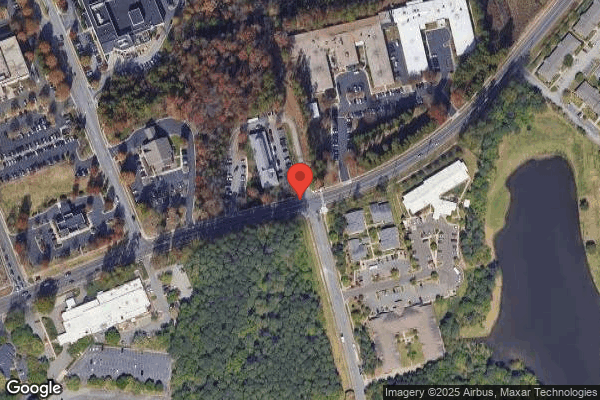

303 East Carver Street, Durham, NC 27704 (919) 471-3558
For profit - Limited Liability company 232 Beds CCH HEALTHCARE Data: November 2025 5 Immediate Jeopardy citations
Trust Grade
0/100
#321 of 417 in NC
Last Inspection: February 2025

Within standard 12-15 month inspection cycle. Federal law requires annual inspections.

Overview

Carver Living Center in Durham, North Carolina has a Trust Grade of F, indicating significant concerns about its operations and care quality. Ranking #321 out of 417 facilities in North Carolina places it in the bottom half, and at #9 out of 13 in Durham County, only a few local options are better. The facility is experiencing a worsening trend, with issues increasing from 3 in 2024 to 21 in 2025. Staffing is rated average with a 3 out of 5 stars, but the 64% turnover rate is concerning and higher than the state average, suggesting instability. With $240,824 in fines, which surpasses 85% of North Carolina facilities, there are clear compliance issues. While the center benefits from good RN coverage, being above 82% of facilities in the state, there have been critical incidents that raise alarms. For example, staff failed to use assigned glucometers for blood glucose checks, risking contamination. Additionally, there was a serious incident involving two cognitively impaired residents where one was not protected from sexual abuse. These weaknesses, alongside a lack of adequate staff training, highlight significant areas of concern for families considering this facility for their loved ones.
Trust Score
F
0/100
In North Carolina
#321/417
Bottom 24%
Safety Record
High Risk
Review needed
Inspections
Getting Worse
3 → 21 violations
Staff Stability
⚠ Watch
64% turnover. Above average. Higher turnover means staff may not know residents' routines.
Penalties
○ Average
$240,824 in fines. Higher than 72% of North Carolina facilities. Some compliance issues.
Skilled Nurses
✓ Good
Each resident gets 43 minutes of Registered Nurse (RN) attention daily — more than average for North Carolina. RNs are trained to catch health problems early.
Violations
⚠ Watch
55 deficiencies on record. Higher than average. Multiple issues found across inspections.
★☆☆☆☆
1.0
Overall Rating
★★★☆☆
3.0
Staff Levels
★★☆☆☆
2.0
Care Quality
★☆☆☆☆
1.0
Inspection Score
Stable
2024: 3 issues
2025: 21 issues

The Good

  • Full Sprinkler Coverage · Fire safety systems throughout facility
  • No fines on record

Facility shows strength in fire safety.

The Bad

1-Star Overall Rating

Below North Carolina average (2.8)

Significant quality concerns identified by CMS

Staff Turnover: 64%

18pts above North Carolina avg (46%)

Frequent staff changes - ask about care continuity

Federal Fines: $240,824

Well above median ($33,413)

Significant penalties indicating serious issues

Chain: CCH HEALTHCARE

Part of a multi-facility chain

Ask about local staffing decisions and management

Staff turnover is elevated (64%)

16 points above North Carolina average of 48%

The Ugly 55 deficiencies on record

5 life-threatening 7 actual harm
May 2025 7 deficiencies 1 IJ
CRITICAL (J) 📢 Someone Reported This

A family member, employee, or ombudsman was alarmed enough to file a formal complaint

Immediate Jeopardy (IJ) - the most serious Medicare violation

Infection Control (Tag F0880)

Someone could have died · This affected 1 resident

Based on record reviews, observations, and interviews with staff and the Medical Director, the facility staff failed to utilize a resident's assigned blood glucose meter (glucometer) and instead used ...

Read full inspector narrative →
Based on record reviews, observations, and interviews with staff and the Medical Director, the facility staff failed to utilize a resident's assigned blood glucose meter (glucometer) and instead used a loose, unassigned, and unlabeled glucometer located in the medication cart to check Resident #8's blood glucose (sugar) level. In addition, the staff member did not disinfect the glucometer before or after obtaining Resident #8's blood glucose level and would have had no way to know if another staff member had previously disinfected the loose, unassigned, and unlabeled glucometer. This occurred while there were 11 residents identified with a known bloodborne pathogen in the facility with 4 of the 11 residents requiring blood glucose levels. Loose, unlabeled glucometers can be contaminated with blood and must be disinfected after each use with an approved product and procedure. Failure to use an Environmental Protection Agency (EPA)-registered disinfectant in accordance with the manufacturer of the glucometer has the high likelihood to expose residents to the spread of bloodborne infections. Care must also be taken by personnel handling and storing glucometers to protect the glucometers against cross-contamination via contact with other meters or equipment. The deficient practice occurred for 1 of 3 residents observed to have his blood glucose (sugar) level checked (Resident #8). Immediate jeopardy began on 5/15/25 when Nurse #1 was observed to perform blood glucose testing for Resident #8 using a loose, unlabeled, unassigned glucometer without disinfecting the glucometer. Immediate jeopardy was removed on 5/16/25 when the facility implemented an acceptable credible allegation of immediate jeopardy removal. The facility will remain out of compliance at a lower scope and severity level of D (no actual harm with a potential for minimal harm that is not immediate jeopardy) for the facility to complete agency and employee staff training with monitoring to ensure appropriate interventions are put into place. Findings included: The facility's policy and procedure titled Obtaining a Fingerstick Glucose Level that did not contain a date read under the title Steps in the Procedure always ensure the blood glucose meter intended for reuse is clean and disinfected between resident use following the manufacturers instructions and the current infection control standards of practice. The manufacturer instructions for cleaning and disinfecting the (Brand Name) glucometer used at the facility were summarized in a Technical Brief (Revised 9/24). The Technical Brief read in part, To minimize the risk of transmitting bloodborne pathogens, the cleaning and disinfecting procedures should be performed as recommended in the instructions below. The (Brand Name) meter may only be used for testing multiple patients when standard precautions and the manufacturer's disinfecting procedures are followed. The meter should be cleaned and disinfected after use on each patient. The cleaning procedure is needed to clean dirt, blood and other bodily fluids off the exterior of the meter before performing the disinfecting procedure. The disinfecting procedure is needed to prevent the transmission of bloodborne pathogens .Clean and disinfect the meter following step-by-step instructions in the Quality Assurance (QA) / Quality Control (QC) Reference Manual. Cleaning and Disinfecting Procedures specified in the glucometer's QA/QC Reference Manual (Revised 10/24) included, in part: --Cleaning: Step 1 (of 7): Wear appropriate protective gear such as disposable gloves. Step 3 (of 7): Wipe the surface of the meter to clean blood and other body fluids . Step 4 (of 7): If blood is visible on the meter, it should be cleaned prior to each disinfection step. --Disinfecting: Step 5 (of 7): Pull out 1 new towelette and wipe the entire surface of the meter horizontally and vertically to remove bloodborne pathogens. Carefully wipe around the test strip port by inverting the meter so that the test strip port is facing down. Step 6 (of 7): Treated surface must remain wet for recommended contact time. Please refer to wipe manufacturer's instructions. The manufacturer's Technical Brief for the glucometer listed the disinfectant wipes used at the facility as one of the EPA-registered wipes recommended to clean and disinfect the (Brand Name) glucometer. The instructions on the label of the disinfectant wipes read in part: To clean and disinfect and deodorize hard, nonporous surfaces: Wipe surface to be disinfected. Use enough wipes to treat surface to remain visibly wet to the contact time listed. Let Dry. Special instructions for cleaning and decontamination against human immunodeficiency virus (HIV), hepatitis B and hepatitis C indicated, Allow surfaces to remain wet for one minute, let air dry. For all other organisms, see directions for contact time. The Director of Nursing provided education for Nurse #1. The education was dated 2/4/25 with a return competency completed on 2/5/25. The education titled glucometer testing included how to store, disinfect before and after each use, and using the resident's designated glucometer. A continuous observation from 5:10am to 5:25am occurred on 5/15/25 in the 100 Hall hallway. The observation revealed Nurse #1 walking away from her medication cart (lower 100-hall medication cart) with a glucometer in her hand. Nurse #1 entered Resident #8's room, stood on the left side of the bed, lifted the cover exposing Resident #8's left hand, the nurse wiped one finger on Resident #8's hand with an alcohol pad, used a lancet device to prick Resident #8's finger, and then held the glucometer (with the test strip already in the machine) to the resident's finger obtaining his blood sugar. Nurse #1 was observed to walk out of the resident's room, place the used lancet into the secure needle container, throw her gloves into the trash receptacle, and place the glucometer on top of the medication cart. The glucometer was observed to not have any label. At 5:15am, Nurse #1 was observed to place the glucometer in the top drawer of the medication cart without disinfecting it. Nurse #1 was observed for another 10 minutes with no other residents receiving blood sugar checks. Nurse #1 an agency nurse who worked the 7:00pm to 7:00am shift was interviewed on 5/15/25 at 5:25am. Nurse #1 discussed every resident having their own glucometers that were kept in the top drawer of the medication cart in a plastic container. Nurse #1 opened the top drawer of her medication cart and there was an individual plastic container labeled with each resident's name. There was also a loose unlabeled glucometer in one of the compartments on the left side of the drawer. Nurse #1 confirmed she had just obtained a blood sugar from Resident #8 with the loose unlabeled glucometer that was on the left side of the drawer. Nurse #1 showed the surveyor that Resident #8 had his own glucometer. She stated she had obtained the loose unlabeled glucometer from the bottom drawer of the medication cart. Nurse #1 explained she did not know why she had not used Resident #8's dedicated glucometer I don't know, I just saw this one and used it. She discussed not knowing if the glucometer was disinfected before she used it and stated she had not disinfected it herself prior to obtaining Resident #8's blood sugar. Nurse #1 also confirmed she had placed the glucometer back into the top drawer of the medication cart in the left compartment without disinfecting it. The nurse explained she did not disinfect it because she was going to take it to the nursing station to throw it away. She explained she was going to throw it away because Resident #8 already had his own. Nurse #1 stated she had received education on the proper care/disinfecting glucometers before and after use but said I'm agency. I don't work here all the time. She confirmed there was no visual cues on the medication cart to help her remember how/when to disinfect the glucometers and stated, I have never seen anything on the cart. Upon request, the facility provided a Diagnosis Report for its current residents (dated 5/15/25 at 9:42am). The Diagnosis Report indicated 11 residents were identified as having at least one bloodborne pathogen, which included hepatitis C and HIV. Upon review of the 11 residents, it was discovered that 4 of the residents required blood sugar monitoring with one (1) of the 4 residing on hall-100. The Quality Assurance Nurse/Infection Preventionist was interviewed on 5/15/25 at 8:33am. The Nurse explained that she was responsible for having staff sign an acknowledgement form on the computer that staff would adhere to all the facility's rules, expectations, and procedures. She stated the Unit Managers were responsible for any specific training for the nurses/staff. The Quality Assurance Nurse/Infection Preventionist confirmed Nurse #1 had signed the acknowledgement form. Observation of the lower 100-hall medication cart with Nurse #6 occurred on 5/15/25 at 9:43am. A loose unlabeled glucometer was observed in the bottom drawer of the medication cart in a small white basket. The observation also revealed there were EPA wipes present in the bottom drawer, but there was no visual cue cards present on the medication cart for disinfecting the glucometers. Nurse #6 was interviewed on 5/15/25 at 9:44am. Nurse #6 explained he worked the 7:00am to 7:00pm shift. The nurse confirmed there was a non-labeled loose glucometer in the bottom drawer of his medication cart. He explained the glucometer was for emergencies only and used only on non-diabetics. Nurse #6 discussed not knowing if the glucometer had been disinfected but stated, it should be cleaned before using. He was unable to answer how long it took to clean the glucometer. He stated he had never had to use the loose unlabeled glucometer. Nurse #6 stated he had received education on storing/disinfecting glucometers and stated he thought it was in February 2025. Nurse #6 confirmed there was no visual cues on the medication cart to help him remember how/when to disinfect a glucometer and said he did not remember ever seeing a visual cue on the medication cart. A telephone interview occurred with the Medical Director on 5/15/25 at 10:21am. The Medical Director discussed being aware of staff not disinfecting glucometers a few months ago but nothing recently. She stated the concern of not disinfecting glucometers before and after use was the spread of diseases. The Medical Director explained she expected staff to follow infection control practices when using glucometers. The Director of Nursing (DON) was interviewed on 5/15/25 at 11:31am. The DON explained during the facility's last annual survey in February 2025 there had been an issue with staff not disinfecting shared glucometers before and after use between residents. She stated when that occurred the facility began monitoring/auditing glucometer use to ensure staff were disinfecting as required, placed visual cue cards on the medication carts to help staff remember the steps in disinfecting the glucometers, and provided education to all the staff including agency staff. The DON also stated the facility purchased plastic cases and assigned each resident their own glucometer. The DON discussed the facility was continuing to do monitoring and audits of the medication carts for visual cue cards and ensuring each resident had their own glucometer. She stated this was being done by the Unit Managers and/or the Quality Assurance Nurse. She explained that no medication cart should have a loose unlabeled glucometer and was unaware there had been one on the lower 100-hall medication cart. The DON also stated she was not aware the visual cue cards were no longer present on the medication carts. She stated all staff including agency staff had been educated on glucometer use back in March 2025 and could not speak to why Nurse #1 had used a loose glucometer and not disinfected it. The DON stated Nurse #1 should have used Resident #8's designated glucometer and thrown away the loose unlabeled glucometer. The DON explained the loose unlabeled glucometer could be thrown away because if a staff member needed a new one, there were new ones located in the medication room. During an interview with the Administrator on 5/15/25 at 2:00pm, the Administrator explained during the facility's last annual survey in February 2025 there had been an issue with staff not disinfecting shared glucometers before and after use between residents. He explained right after the February survey, the facility purchased plastic containers and more glucometers so each resident could have their own designated glucometer, the facility began monitoring/auditing, and education was provided. The Administrator discussed the on-going monitoring and audits related to glucometer use. He also discussed the education that was completed and included agency staff. The Administrator stated this was an unforeseeable action and could not comment on what he thought caused Nurse #1 to not disinfect a glucometer. The facility's Administrator was informed of the immediate jeopardy (IJ) on 5/15/25 at 2:30pm. The facility provided the following plan for IJ removal: 1. Identify those recipients who have suffered, or are likely to suffer, a serious adverse outcome as a result of the noncompliance: On May 15, 2025, it was observed that a facility staff member (an agency nurse) used an unlabeled glucometer (blood glucose meter) on Resident #8 without disinfecting the glucometer before or after use. The Director of Nursing (DON) promptly called and left a voicemail with the Responsible Party (RP) for Resident #8 regarding this incident. Upon interview, the nurse stated she did not use that particular unlabeled glucometer for any other residents. The glucometer used was not a shared facility glucometer designated for multiple residents; rather, it was an unlabeled glucometer discovered in the medication cart. The nurse acknowledged her awareness that Resident #8 had an individually assigned, labeled, and properly stored glucometer present in the medication cart. She indicated she used the unlabeled glucometer because she was nervous about being observed by the surveyor. This agency nurse had received training on February 5, 2025, as part of a previous Directed Plan of Correction (DPOC). She stated she failed to disinfect the glucometer involved in the May 15, 2025, incident due to being nervous while under observation by the surveyor. The nurse's failure to use the individually assigned glucometer for Resident #8 and her failure to disinfect the unassigned glucometer before and after use are significant deviations from established infection control procedures. The facility's system mandates individually assigned glucometers for each resident requiring blood glucose monitoring. These glucometers are labeled with the resident's name, and each resident's glucometer is stored in an individual plastic container on the medication cart. The system failed in this instance because the unlabeled glucometer should not have been present in the medication cart, making it available for potential use, and the trained staff member failed to adhere to established procedures regarding use of resident-specific glucometer and proper disinfection. A review of resident records who were receiving blood glucose monitoring through the use of glucometers was conducted by the Minimum Data Set (MDS) Nurse on the morning of May 15, 2025. The review identified there were at least four residents currently residing in the facility, and having their blood glucose monitored with a glucometer, who had been diagnosed with one or more bloodborne pathogens. Failure to clean and disinfect shared or improperly maintained medical equipment, such as glucometers, according to manufacturer's instructions and with a disinfectant registered with the national environmental protection agency (EPA), created a significant risk of cross-contamination and exposure to bloodborne pathogens. Shared or improperly cleaned blood glucose meters can become contaminated with blood and bodily fluids. This practice potentially exposes any resident undergoing blood glucose monitoring with a shared, improperly disinfected device to the spread of bloodborne pathogens. Resident #8, and any other resident who the facility might have determined (though none were identified) to have had their blood glucose tested using an unassigned and improperly disinfected glucometer, are considered likely to suffer a serious adverse outcome (e.g., transmission of bloodborne pathogens) as a result of this noncompliance. An immediate audit was initiated on May 15, 2025, by the Director of Nursing (DON) to identify all residents requiring blood glucose monitoring and to ensure each had an individually assigned and properly labeled glucometer. This audit confirmed all residents requiring blood glucose monitoring had an individually assigned and properly labeled glucometer, and no other issues were identified. Immediate Actions Taken for Affected and At-Risk Residents (Completed: May 15, 2025): A series of immediate actions were completed on May 15, 2025, for affected and at-risk residents. Firstly, the medical provider for Resident #8 was notified of the potential exposure on May 15, 2025, by the DON. Secondly, the one unlabeled glucometer identified was immediately removed from the medication cart and discarded on May 15, 2025, by the DON, ensuring no further use was possible. Thirdly, an immediate inventory check was completed on May 15, 2025, by the DON and nursing leadership (Assistant Director of Nursing (ADON), Quality Assurance (QA) Nurse, Unit Managers), which confirmed that sufficient individually assigned, and resident-labeled, glucometers, and appropriate EPA-registered disinfectant wipes were available for all residents requiring blood glucose monitoring. Reporting (Completed: May 15, 2025): This infection control breach and the potential for exposure to bloodborne pathogens were reported to the local health department on May 15, 2025, by the Director of Nursing (DON). The health department recommendations included testing for Human Immunodeficiency Virus (HIV), Hepatitis B, and Hepatitis C for any potentially exposed residents. Action Taken on Health Department Recommendations (Completed: May 15, 2025): In response to health department recommendations, several actions were completed on May 15, 2025. Orders for baseline testing for HIV, Hepatitis B, and Hepatitis C were obtained from the medical provider for Resident #8. Subsequently, specimens for these ordered tests for Resident #8 were ordered on May 15, 2025, and collected on May 16, 2025, as per facility policy and state regulations. Any follow-up on results and further medical intervention for Resident #8 will be managed by their attending physician and documented in their medical record. The facility acknowledges this is a repeat Immediate Jeopardy (IJ) citation. A previous Directed Plan of Correction (DPOC) had been implemented. This DPOC included comprehensive training for all nursing staff, including the involved agency nurse on February 5, 2025, covering infection control practices for glucometer use. This training emphasized principles from established guidelines (e.g., statewide infection control and epidemiology guidelines (SPICE)), such as the use of single-use, auto-disabling disposable lancets; proper hand hygiene; individual assignment of glucometers; and correct disinfection of devices using EPA-registered wipes with appropriate contact time (noting alcohol pads are for skin preparation only and unsuitable for device disinfection). A thorough root cause analysis was conducted by the Administrator, Director of Nursing (DON), Regional Director of Operations, and Regional Nurse Consultant following the May 15, 2025, incident. The recurrence of the deficient practice was determined to be due to a combination of factors. Firstly, a System Failure in Glucometer Control occurred, as an unauthorized, unlabeled glucometer was present on a medication cart, indicating a weakness in previous inventory control processes. Secondly, Individual Staff Performance under Stress was a factor, wherein the individual agency staff member, despite prior training and knowledge of correct procedure (and the availability of the resident's assigned glucometer), failed to adhere to established and previously trained procedures when under the perceived pressure of surveyor observation. Thirdly, there was a lapse in Environmental Reinforcement, as visual aids related to glucometer procedures were not replaced by pharmacy staff after a medication cart upgrade, potentially weakening environmental reinforcement of correct procedures (though the nurse involved did not state this as a factor for her specific actions). The employment of the agency nurse involved in the incident was terminated by the Director of Nursing (DON) on May 15, 2025. No other staff members have been identified as committing the same deficient practice. 2. Specify the action the entity will take to alter the process or system failure to prevent a serious adverse outcome from occurring or recurring, and when the action will be complete: The following systemic changes were implemented to immediately alter the deficient practice, prevent recurrence, and ensure ongoing compliance, thereby removing the immediate jeopardy. All actions listed below were completed by the end of day on May 15, 2025, unless otherwise specified. System for Glucometer Control, Assignment, and Policy To strengthen the system for glucometer control, assignment, and policy, several actions were completed by May 15, 2025. Firstly, the facility's Glucometer Procedure: Use, Cleaning, and Infection Control was reviewed and updated. This procedure now reflects all current corrective actions, emphasizing the critical importance of using only individually assigned, labeled glucometers and adherence to new surveillance. Following this, all licensed nursing personnel acknowledged receipt and understanding of this updated policy and its implications for daily practice. This was presented by the DON and nursing leadership (ADON, QA Nurse, Unit Managers). Secondly, an initial system-wide glucometer audit was performed. A comprehensive audit was conducted by the DON and nursing leadership (ADON, QA Nurse, Unit Managers), ensuring every resident requiring blood glucose monitoring had an individually assigned, correctly labeled glucometer, stored in its designated clean, individual, hard container within the medication cart. As noted, this audit found no deficiencies. All unauthorized/unlabeled glucometers (the single one identified) were removed from circulation and discarded by the DON and nursing leadership. Thirdly, a strict protocol for the introduction of new or replacement glucometers became effective May 15, 2025. The Director of Nursing (DON), or Nursing Leadership (ADON, QA Nurse, Unit Manager) in the DON's absence, is responsible for obtaining new glucometers for the facility. The Administrator notified and trained the DON on this new process on May 15, 2025. All new glucometers will be delivered directly to DON's office. The glucometers will then be labeled for a specific resident and distributed by the DON or Nursing Leadership (ADON, QA Nurse, Unit Manager) in her absence, before being placed into service on any medication cart. New glucometers not yet in use (unassigned) will be stored exclusively in the DON's office. No unassigned or unlabeled stock glucometers will be permitted to be stored on medication carts or in general nursing units outside of the DON office's control. For new admissions requiring a glucometer after hours or on weekends, the assigned nurse will notify the Unit Manager or other member of the nursing leadership team (ADON, QA Nurse), who will obtain the glucometer from the DON's office. In an emergency after hours, if a current resident suddenly requires a glucometer, the DON's office has an access code (communicated to nursing leadership: ADON, QA Nurse, Unit Managers, and Administrator); the nurse would notify the nursing manager on duty, who will obtain the glucometer from the DON office. Unused glucometers for discharged residents will be removed from the medication cart by the Unit Manager within 24 hours during routine audits and discarded. On May 15, 2025, the Administrator in-serviced the Central Supply Clerk regarding the new protocol, specifically that all glucometers were to be delivered to the DON office upon receipt at the facility. The DON and the nursing leadership team (ADON, QA Nurse, Unit Managers) were also included in this in-service and communication regarding the new glucometer control protocol. System for Maintaining Visual Aids and Equipment Management Effective May 15, 2025, laminated visual reminders outlining critical steps from the Glucometer Procedure: Use, Cleaning, and Infection Control policy, including disinfection steps, were reviewed and confirmed to be accurately placed on all medication carts and in medication rooms by the DON and nursing leadership. Furthermore, the facility's equipment management protocol has been updated. Following any medication cart modification, replacement, or significant repair that may impact visual aids, the Director of Nursing (DON) or Nursing Leadership (ADON, QA Nurse, Unit Manager) in her absence, is responsible for ensuring all necessary signage and visual aids, including the 'Glucometer Procedure: Use, Cleaning, and Infection Control' reminder cards, are promptly verified as present and correctly reinstalled before the medication cart is returned to service. The Administrator trained the Director of Nursing on this updated process. This ensures direct oversight by nursing leadership for this critical component. Education and Competency Validation All actions regarding education and competency validation were completed on May 15, 2025. Medication aides do not perform blood sugar checks and therefore are not included in this specific glucometer competency training. Immediate In-service Training was conducted for all licensed nursing staff (including agency nurses) on May 15, 2025. This training was conducted by the Director of Nursing (DON) and Administrative Nurses (DON, ADON, Unit Managers). The training covered the facility's comprehensive Glucometer Procedure: Use, Cleaning, and Infection Control policy, which includes the new protocol detailed in this plan of correction, covering several key areas. Emphasis was placed on the critical importance of adhering to infection control principles. The facility's policy on blood glucose monitoring was reviewed, stressing the use of individually assigned glucometers for each resident, stored in an individually labeled, hard storage container, and the strict prohibition of using unlabeled or shared glucometers. The process for gathering equipment and supplies was detailed, ensuring gloves, glucometer, alcohol pads, gauze pads, single-use, auto-disabling, disposable lancet, blood glucose testing strips, approved disinfecting wipes, and paper towels/tissues are available. Hand hygiene procedures were reinforced: performing hand hygiene before entering the resident's room, before handling supplies, after removing gloves, and after cleaning is complete. The resident-interaction portion of the training on May 15, 2025, conducted by the Director of Nursing (DON) and Administrative Nurses (ADON, Unit Managers) for all licensed nursing staff (including agency nurses), covered protocols for explaining the blood glucose monitoring procedure to the residents and ensuring their privacy was maintained throughout the process. The procedure for obtaining the capillary blood sample according to facility policy and manufacturer guidelines, including donning gloves, was reviewed. The critical steps for cleaning and disinfection of the glucometer were explicitly detailed: retrieving two approved disinfecting wipes (noting alcohol pads are for skin preparation only and not suitable for device disinfection, per SPICE guidelines and manufacturer instructions for EPA-registered disinfectant wipes); using the first wipe to clean the glucometer, removing any visible blood, dirt, or contaminants; using the second wipe to disinfect, ensuring the surface remains wet for at least 3 minutes (or per the disinfectant's contact time instructions); and allowing the glucometer to air dry completely. Regarding storage and labeling, the training reiterated the prohibition of using unlabeled or extra glucometers found in medication carts. As part of the comprehensive Glucometer Procedure: Use, Cleaning, and Infection Control in-service training on May 15, 2025, conducted by the Director of Nursing (DON) and Administrative Nurses (ADON, Unit Managers) for all licensed nursing staff (including agency nurses), staff were explicitly educated on this prohibition. The training included the updated procedure to follow if a resident does not have a labeled glucometer: nursing staff are to immediately notify nursing leadership (DON, ADON, QA Nurse, Unit Manager) to retrieve a new, properly labeled glucometer and approved storage container from DON's office before any use. Instructions were provided for placing glucometers on a clean, dry paper towel or tissue if set on a bedside table or medication cart, and proper storage and handling of all associated supplies were reviewed. Finally, the risks associated with noncompliance, including the potential for transmission of bloodborne pathogens, were thoroughly discussed. All staff were required to sign an acknowledgement form confirming receipt and understanding of this training. Competency Validation was completed for all licensed nursing staff (including agency nurses) through direct observational competency validation for blood glucose monitoring on May 15, 2025. This validation, conducted by the DON or other qualified nursing leadership (ADON, Unit Managers), ensured adherence to all steps outlined in the Glucometer Procedure: Use, Cleaning, and Infection Control training. This included correct identification and use of the resident's individually assigned glucometer and labeled hard storage container; correct procedure for cleaning and disinfecting the glucometer (two-wipe method, 3-minute contact time, air dry); proper hand hygiene at all required steps; and correct disposal of used lancets, test strips, and wipes. Ongoing Training requirements were established on May 15, 2025. This comprehensive education and competency validation will be incorporated into the orientation program for all new nursing hires and agency staff prior to them performing any resident care assignments independently. Annual competency refreshers will also be conducted. This training will be conducted by the DON or Nursing Leadership (ADON, QA Nurse, Unit Manager) in her absence, or the Staff Development Coordinator. A Tracking System was implemented. As of May 15, 2025, the DON, ADON, and scheduler were assigned responsibility for maintaining records of all completed training, signed acknowledgement forms, and competency validations. They are responsible for ensuring all nursing staff have completed the required training and demonstrated competency before they are assigned to resident care duties involving blood glucose monitoring. Ongoing Supervisory Support and Procedural Adherence Commencing May 15, 2025, and on an ongoing basis, the facility is committed to a comprehensive plan of direct supervisory support and surveillance of licensed nurses, including agency nurses, to ensure continued adherence to the correct blood glucose monitoring procedures. This will involve active engagement with all nursing staff performing this procedure, across all shifts (day, evening, night, and weekends). These supportive surveillance activities will be conducted by Nursing Leadership (DON, ADON, Unit Managers, Regional Nurse Consultant), ensuring a visible l[TRUNCATED]
CONCERN (D) 📢 Someone Reported This

A family member, employee, or ombudsman was alarmed enough to file a formal complaint

Potential for Harm - no one hurt, but risky conditions existed

Notification of Changes (Tag F0580)

Could have caused harm · This affected 1 resident

**NOTE- TERMS IN BRACKETS HAVE BEEN EDITED TO PROTECT CONFIDENTIALITY** Based on record review, and staff and Responsible Party (RP) interviews, the facility failed to notify the Responsible Party (RP...

Read full inspector narrative →
**NOTE- TERMS IN BRACKETS HAVE BEEN EDITED TO PROTECT CONFIDENTIALITY** Based on record review, and staff and Responsible Party (RP) interviews, the facility failed to notify the Responsible Party (RP) of Resident #1's change in condition after a new diagnosis of peripheral vascular disease (PVD) with the lack of pedal pulses in both feet and failed to notify the Medical Director, who was the resident's attending physician, of a new diagnosis of PVD, and failed to notify the Medical Director of the identification of a new wound and transfer to the hospital for 1 of 8 residents (Resident #1). The findings included: 1a. Resident #1 was admitted on [DATE] with a diagnosis of diabetes mellitus, dementia, contractures of the right knee, left wrist, left hip, and left knee, malnutrition, and hemiplegia (muscle weakness or partial paralysis on one side of the body that can affect the arms, legs, and facial muscles) affecting the left side of the body. Review of the quarterly Minimum Data Set (MDS) dated [DATE] revealed that Resident #1 was severely cognitively impaired. Review of a Podiatry Consult note dated 1/30/2025 revealed Resident #1 was given a new diagnosis of PVD. The consultation note also discussed lack of pedal pulses in both feet. A review of Resident #1's medical revealed no documentation that Resident #1's RP was informed of Resident #1's new diagnosis of PVD or that the resident had absent pedal pulses. An interview was conducted with the Podiatrist on 5/20/2025 at 10:45AM. The Podiatrist stated that Resident #1 presented physically with signs and symptoms of PVD based on a clinical assessment. The Podiatrist further stated during the visit on 1/30/2025 Resident #1 had no pedal pulses in both feet, capillary fill time (the time it takes for blood to flow to a specific area after pressure is released) was +3 seconds (normal time is less than 2 seconds) bilaterally, staining of the skin, thickening of nails, and all signs and symptoms of PVD. The Podiatrist had not informed Resident #1's RP of the new diagnosis of PVD because she expected the facility staff to inform the RP. Review of medical record revealed an order on 4/30/2025 at 1:00PM to transfer Resident #1 to the emergency room for wound on right smallest toe one time. A review of Resident #1's hospital records dated 4/30/2025 revealed Resident #1 received a diagnosis of high fever, severe sepsis likely to infection of right fifth toe possible osteomyelitis. An interview conducted with Resident #1's RP over the telephone on 5/14/2025 at 11:09AM. The RP stated that on 4/30/25 the facility called her and informed her that Resident #1 needed to go to the hospital because of a fever and a wound. The RP requested more information from the facility and stated she did not receive any more information. The RP stated that she attended a care conference with the facility over the telephone on 4/8/2025 and there was no mention of any wounds or diagnosis of PVD with Resident #1. The RP stated she was not informed of Resident #1 having a lack of pedal pulses. The RP indicated she came to the facility after Resident #1 was admitted to the hospital and spoke with the Director of Nursing (DON) to inquire about Resident #1's wound development. An additional interview was conducted with Resident #1's RP over the telephone on 5/19/2025 at 3:24PM. The RP was unaware of the diagnosis of PVD and stated she was never informed of any vascular disease or any new diagnosis. The RP stated that the only time she was informed Resident #1 had any skin issues was the day Resident #1 was sent to the emergency room on 4/30/2025. An interview occurred with the Social Service Coordinator on 5/20/2025 at 10:06AM. The Social Service Coordinator stated there was a care conference on 4/8/2025 via telephone with the RP to discuss Resident #1's individual care plan. The Social Service Coordinator discussed not being aware of Resident #1's new diagnosis of PVD or that Resident #1 had a lack of pedal pulses. She stated she discussed with the RP Resident #1's care plan which she stated did not include any goals or interventions related to Resident #1's diagnosis of PVD or lack of pedal pulses. The Social Service Coordinator stated when a consultation was completed, the provider would give her any new orders that she would then deliver to the Unit Manager/nurse. She explained if the provider of the consultation did not have any orders, the provider would upload their consultation directly into the facility's electronic computer system. The Social Service Coordinator did not view the Podiatry note from 1/30/2025 for Resident #1. An interview was conducted with the Director of Nursing (DON) on 5/15/2025 at 6:27AM. The DON stated that she had a conversation with the RP at the facility regarding Resident #1's wound after he was admitted into the hospital. The DON did not state to the RP that Resident #1 had a diagnosis of PVD. The DON discussed the RP should have been made aware of the new diagnosis by the Medical Director. The DON indicated consultations were available on their computer system to be reviewed by any staff member. She stated once the consultation documentation was available in the computer system, the Medical Director should have been informed and was not. The DON was not able to speak to who would or should review consultations and inform the Medical Director of any changes in a resident's diagnosis/change of condition. b. Review of the medical record revealed no documentation the Medical Director was notified of Resident #1's new diagnosis of PVD or the lack of pedal pulses after his Podiatry consultation on 1/30/25. An interview conducted with the Medical Director on 5/14/2025 at 1:23PM. The Medical Director stated she was not aware of the new wound on Resident #1's right foot or being transferred to the hospital on 4/30/25 until 5/14/2025. The Medical Director discussed not being informed of Resident #1's new diagnosis of PVD or the lack of pedal pulses. She also stated she was not aware Resident #1 had been seen by a Podiatrist in January 2025. The Medical Director stated she had not looked at the consultations that were in the facility's computer system. An interview was conducted with the Director of the Nursing (DON) on 5/15/2025 at 6:27AM. The DON did not know if notification was made to the Medical Director of Resident #1's change in condition and new diagnosis of PVD and lack of pedal pulses from the 1/30/2025 Podiatry Consult. The DON indicated she did not notify the Medical Director of Resident #1's transfer to the hospital on 4/30/2025 until 5/14/2025.
CONCERN (D) 📢 Someone Reported This

A family member, employee, or ombudsman was alarmed enough to file a formal complaint

Potential for Harm - no one hurt, but risky conditions existed

Deficiency F0583 (Tag F0583)

Could have caused harm · This affected 1 resident

Based on observation and staff interviews, the facility failed to protect residents' healthcare information by leaving confidential medication information unattended, visible, and accessible to others...

Read full inspector narrative →
Based on observation and staff interviews, the facility failed to protect residents' healthcare information by leaving confidential medication information unattended, visible, and accessible to others on the computer screen for 2 of 5 (upper and lower medication carts on the 100-hall) medication carts observed. Findings included: A continuous observation of the upper 100-hall medication cart occurred on 5/15/25 at 5:15am. The medication cart was in the hallway unattended, and it was observed to have the computer screen showing resident information such as resident name, resident diagnosis, medications, date of birth , and room number. The medication cart was observed for 3 minutes and during that time 2 Nursing Assistants walked past the cart. Nurse #5 was interviewed on 5/15/25 at 5:18am. Nurse #5 confirmed she was the nurse responsible for the upper 100-hall medication cart. The nurse immediately stated she knew what was wrong and said, I should have put the privacy screen up on the computer. Nurse #5 explained she did not think about completing the task before leaving the cart to provide medication to a resident. A continuous observation of the lower 100-hall medication cart occurred on 5/15/25 at 5:20am. The observation revealed the computer screen showed resident information such as resident name, resident diagnosis, medications, date of birth , and room number. The medication cart was observed for 3 minutes and during that time 2 Nursing Assistants had walked past the cart. Nurse #1 was interviewed on 5/15/25 at 5:23am. Nurse #1 confirmed she was the nurse responsible for the lower 100-hall medication cart. The nurse explained she was an agency nurse but was aware she should have placed the computer screen on the privacy screen prior to walking away. Nurse #1 stated, I just didn't think about it. The Director of Nursing (DON) was interviewed on 5/15/25 at 6:38am. The DON explained that the Quality Assurance Nurse was responsible for the education but stated she was not sure what education was provided. She further explained that each shift had a shift supervisor who was responsible for ensuring staff were following facility rules. The DON stated she did not know why Nurse #5 and Nurse #1 left their computer screens open to resident information. During an interview with the Quality Assurance Nurse on 5/15/25 at 8:33am, the Quality Assurance Nurse explained that the Unit Managers were responsible for education staff on their specific job assignments. The Administrator was interviewed on 5/15/25 at 1:43pm. The Administrator discussed staff needing to take responsibility for their actions and in keeping the residents safe. He stated he could not say why Nurse #5 and Nurse #1 had left their computer screens showing resident information.
CONCERN (D) 📢 Someone Reported This

A family member, employee, or ombudsman was alarmed enough to file a formal complaint

Potential for Harm - no one hurt, but risky conditions existed

Grievances (Tag F0585)

Could have caused harm · This affected 1 resident

**NOTE- TERMS IN BRACKETS HAVE BEEN EDITED TO PROTECT CONFIDENTIALITY** Based on record review, staff, and resident interviews, the facility failed to implement their grievance policy and procedures w...

Read full inspector narrative →
**NOTE- TERMS IN BRACKETS HAVE BEEN EDITED TO PROTECT CONFIDENTIALITY** Based on record review, staff, and resident interviews, the facility failed to implement their grievance policy and procedures when Resident #2 reported his catheters and wheelchair charger were missing for 1 of 3 residents reviewed for grievances (Resident #2). Findings included: The facility's policy titled Grievances/Complaints, Filing which was not dated read in part Residents and their representatives have the right to file grievances, either orally or in writing, to the facility staff. The Administrator and staff will make prompt efforts to resolve grievances to the satisfaction of the residents and/or representatives. Upon receipt of a grievance and/or complaint, the Grievance Officer will review and investigate the allegations and submit a written report of such findings to the Administrator within five (5) working days of receiving the grievance and/or complaint Resident #2 was admitted to the facility on [DATE] with diagnoses of heart failure and paraplegia (paralysis that can affect all or part of the trunk and legs). The admission Minimum Data Set (MDS) dated [DATE] revealed Resident #2 was cognitively intact and was documented as having an electric wheelchair. Resident #2 was interviewed on 5/14/25 at 10:18am. The resident discussed he had a box of self-Cath catheters in his room and stated while he was sleeping someone came in and took them. Resident #2 also discussed someone taking his electric wheelchair charger. The resident explained that this happened about 2 weeks ago and that he informed the Director of Nursing (DON) and the Administrator immediately. Resident #2 voiced being upset because he had not heard of any resolution and he still did not have his self-Cath catheters or his electric wheelchair charger. During an interview with Unit Manager #1 on 5/15/25 at 1:00pm, the Unit Manager discussed Resident #2 had informed her about 2 weeks ago that his self-Cath catheters were missing along with his charger for his electric wheelchair. She explained that she immediately told the Social Worker and the Administrator but had not filled out a grievance form. The Unit Manager stated she had attempted to find the items herself but was unable to locate them. The Social Worker (SW) was interviewed on 5/15/25 at 1:21pm. The SW confirmed Resident #2 was on her case load. She stated about 2 weeks ago she was informed by Unit Manager #1 that Resident #2 self-Cath catheters were missing but was also told that nursing was ordering him new ones, so she did not fill out grievance or follow up. The SW discussed not learning about the charger for Resident #2 electric wheelchair until today. She stated she could not recall Unit Manager #1 telling her 2 weeks ago and that she learned about the charger from the resident today. The SW stated she did fill out a grievance today for the catheters and the charger. She explained that anyone can file a grievance. During an interview with the Administrator on 5/15/25 at 1:35pm, the Administrator stated he had not heard about Resident #2 missing items 2 weeks ago. He explained Resident #2 had told him about his missing self-Cath catheter and his charger for his wheelchair on 5/9/25. The Administrator stated he did not think every concern needed to have a grievance filed but confirmed that concerns/grievances needed to be resolved within 5 days. He stated he ordered Resident #2's self-Cath catheter's today, and that staff are continuing to look for the charger. He stated the resolution for the charger was not yet determined. The Administrator stated he would have expected a grievance to be filed once the items had not been found and stated that 2 weeks was too long to go without a resolution.
CONCERN (D) 📢 Someone Reported This

A family member, employee, or ombudsman was alarmed enough to file a formal complaint

Potential for Harm - no one hurt, but risky conditions existed

Assessment Accuracy (Tag F0641)

Could have caused harm · This affected 1 resident

Deficiency Text Not Available

Read full inspector narrative →
Deficiency Text Not Available
CONCERN (D) 📢 Someone Reported This

A family member, employee, or ombudsman was alarmed enough to file a formal complaint

Potential for Harm - no one hurt, but risky conditions existed

Deficiency F0711 (Tag F0711)

Could have caused harm · This affected 1 resident

**NOTE- TERMS IN BRACKETS HAVE BEEN EDITED TO PROTECT CONFIDENTIALITY** Based on record review, and staff and Medical Director interviews, the facility failed to ensure that during provider visits the...

Read full inspector narrative →
**NOTE- TERMS IN BRACKETS HAVE BEEN EDITED TO PROTECT CONFIDENTIALITY** Based on record review, and staff and Medical Director interviews, the facility failed to ensure that during provider visits the provider reviewed the total plan of care for 1 of 8 residents (Resident #1) newly diagnosed peripheral vascular disease (PVD). Resident #1 was examined by the Medical Director and the Medical Director failed to recognize Resident #1 did not have active pedal pulses in both feet. An interview with the Medical Director revealed that there was no examination of the feet during her visit on 3/25/2025. Resident #1 needed an assessment of his feet based on the new diagnosis of PVD to recognize the need for further treatment, review the plan of care, and consultations. This deficient practice occurred for 1 of 3 residents reviewed for Physician visits (Resident #1). The findings included: Resident #1 was admitted on [DATE] with a diagnosis of diabetes mellitus, dementia, contractures of the right knee, left wrist, left hip, and left knee, malnutrition, hemiplegia (muscle weakness or partial paralysis on one side of the body that can affect the arms, legs, and facial muscles) affecting the left side of the body and PVD. A review of the quarterly Minimum Data Set (MDS) assessment dated [DATE], revealed Resident #1 was severely cognitively impaired and unable to make decisions for himself. Record review of the Podiatrist consult note from 1/30/2025 were obtained for review. The Podiatrist notes stated Resident #1 was newly diagnosed with, indicated peripheral vascular disease. Patient was not a referral to a vascular surgeon as they do not meet any one of the following guidelines for referral: 1. Critical limb ischemia, 2. Claudication that affects quality of life, 3. Symptoms are unresponsive to conservative management. They do however, meet the qualifications for routine or at risk footcare. Further record review of the Podiatrist clinical note indicated that Resident #1 had Pedal pulses absent in both feet, Capillary refill +3 seconds, and pigmentary changes on both feet. An interview was conducted on 5/19/2025 at 4:02PM with Nurse #3. Nurse #3 indicated that when a consultation was received from a provider the licensed nursing staff would give information to the medical director if needed. Nurse #3 further revealed that they would contact the Medical Director by phone, place information in the provider's book, and/or copy of the order left for the provider. Nurse #3 was asked if the Medical Director was notified of the new diagnosis of PVD for Resident #1 and she could not recall. Resident #1 was last evaluated by the Medical Director on 3/25/2025. Review of the progress notes revealed general information about medications and diagnosis but there was no follow up plan or discussion of Resident #1's recent diagnosis of PVD. An interview was conducted with the Medical Director on 5/14/2025 at 1:23PM. The Medical Director confirmed she last saw Resident #1 on 3/25/2025. The Medical Director stated she reviewed Resident #1's medications and progress notes. She discussed examining Resident #1 at that time but had not looked at his feet or felt for pedal pulses (pulses that are on the top of the foot). The Medical Director stated she was unaware the Podiatrist had seen Resident #1 in January 2025, so she had not reviewed the consultation. She discussed not being aware, from the Podiatrist consultation, that Resident #1 did not have any pedal pulses in his feet or that the Podiatrist had diagnosed Resident #1 with a new diagnosis of PVD. She further discussed not being made aware by the facility staff that Resident #1 had the Podiatrist consultation or the findings.
CONCERN (D) 📢 Someone Reported This

A family member, employee, or ombudsman was alarmed enough to file a formal complaint

Potential for Harm - no one hurt, but risky conditions existed

Deficiency F0761 (Tag F0761)

Could have caused harm · This affected 1 resident

Based on observation and staff interviews, the facility failed to secure residents' medications in a locked medication cart for 2 of 5 (upper and lower carts on hall 100) medication carts reviewed. F...

Read full inspector narrative →
Based on observation and staff interviews, the facility failed to secure residents' medications in a locked medication cart for 2 of 5 (upper and lower carts on hall 100) medication carts reviewed. Findings included: a. A continuous observation of the upper 100-hall medication cart occurred on 5/15/25 at 5:15am. The medication cart was in the hallway unattended and was observed to have a resident's insulin pen sitting on top of the cart, the cart was unlocked, and the bottom drawer of the medication cart was open. The medication cart was observed for 3 minutes and during that time 2 Nursing Assistants walked past the cart. Nurse #5 was interviewed on 5/15/25 at 5:18am. Nurse #5 confirmed she was the nurse responsible for the upper 100-hall medication cart. The nurse immediately stated she knew what was wrong and said, I should have put the medication away, closed the drawer and locked my cart. Nurse #5 explained she did not think about completing the tasks before leaving the cart to provide medication to a resident. b. A continuous observation of the lower 100-hall medication cart occurred on 5/15/25 at 5:20am. The observation revealed the cart was unlocked. The medication cart was observed for 3 minutes and during that time 2 Nursing Assistants had walked past the cart. Nurse #1 was interviewed on 5/15/25 at 5:23am. Nurse #1 confirmed she was the nurse responsible for the lower 100-hall medication cart. The nurse explained she was an agency nurse but was aware she should have locked her medication cart prior to walking away. Nurse #1 stated, I just didn't think about it. The Director of Nursing (DON) was interviewed on 5/15/25 at 6:38am. The DON explained that the Quality Assurance Nurse was responsible for the education but stated she was not sure what education was provided. She further explained that each shift had a shift supervisor who was responsible for ensuring staff were following facility rules. The DON stated she did not know why Nurse #5 and Nurse #1 left their medication carts unlocked. During an interview with the Quality Assurance Nurse on 5/15/25 at 8:33am, the Quality Assurance Nurse explained that the Unit Managers were responsible for educating staff on their specific job assignments. The Quality Assurance Nurse stated she did not know what education was provided to the employee by the Unit Managers. The Administrator was interviewed on 5/15/25 at 1:43pm. The Administrator discussed staff needing to take responsibility for their actions and in keeping the residents safe. He stated he could not say why Nurse #5 and Nurse #1 had left their medication carts unlocked.
Apr 2025 1 deficiency 1 IJ
CRITICAL (J) 📢 Someone Reported This

A family member, employee, or ombudsman was alarmed enough to file a formal complaint

Immediate Jeopardy (IJ) - the most serious Medicare violation

Free from Abuse/Neglect (Tag F0600)

Someone could have died · This affected 1 resident

**NOTE- TERMS IN BRACKETS HAVE BEEN EDITED TO PROTECT CONFIDENTIALITY** Based on record reviews, and interviews with staff, Physician Assistant, and responsible party (RP), the facility failed to prot...

Read full inspector narrative →
**NOTE- TERMS IN BRACKETS HAVE BEEN EDITED TO PROTECT CONFIDENTIALITY** Based on record reviews, and interviews with staff, Physician Assistant, and responsible party (RP), the facility failed to protect 2 cognitively impaired residents' right to be free from sexual abuse. On 4/4/25 at approximately10:00 PM, a Medication Aide observed a female resident (Resident #1) in a male resident's (Resident #2) room sitting upright on Resident #2's bed. Resident #2 was standing in front of Resident #1 with his pants down and his penis inside of her mouth. When the Medication Aide asked what was going on, Resident #2 backed away from Resident #1 removing his penis from her (Resident #1) mouth. The residents did not have the capacity to consent to sexual relations. Resident #1's RP stated due to Resident #1's advanced dementia she was not aware of her behaviors and had no insight into what happened. A reasonable person expects to be protected from abuse in their home environment and would have experienced trauma with feelings such as fear, humiliation, anger, anxiety, and depressed mood as a result of the intimate sexual relations enacted without the capacity to consent. This deficient practice affected 2 of 3 residents (Resident #1 and Resident #2) reviewed for abuse. The findings included: Resident #1 was admitted to the facility on [DATE] with diagnoses that included Alzheimer's disease, communication deficit and dementia. The quarterly Minimum Data Set (MDS) assessment dated [DATE] revealed Resident #1 had unclear speech, had difficulty making herself-understood and was severely cognitively impaired. Resident #1 had no behavioral symptoms and she wandered 1 to 3 days during the 7-day MDS look back period. Resident #1 required 1-person assistance from staff for activities of daily living and supervision or touching assistance with ambulation. Resident #1's revised care plan dated 1/7/25 included a focus area for impaired cognitive function and impaired thought process related to dementia/Alzheimer's disease. Resident #1's care plan did not identify any sexually inappropriate behaviors. Resident #2 was initially admitted to the facility on [DATE] and most recently readmitted on [DATE] with diagnoses that included dementia, mood disturbance, anxiety and depression. Resident #2's revised care plan dated 2/17/25 included a focus area for behaviors of disrobing in common areas, wandering in other resident rooms, and inappropriate behaviors toward others. Resident #2 had potential sexual behaviors exhibited by attempting to invite other residents into his room. Resident #2 had a behavior problem as evidence by wandering and threatening behavior towards other residents. He had the potential to become aggressive when his space was invaded without warning. Resident #2 was historically territorial over his room and personal space. The goal included Resident #2 would not demonstrate inappropriate sexual behaviors. The approaches included notifying physicians of behavior; staff to monitor behaviors, offer redirection and provide structured activities; and staff to provide one to one (1:1) monitoring for inappropriate behaviors. The quarterly MDS assessment dated [DATE] revealed Resident #2 was severely cognitively impaired and had no behavioral symptoms or wandering during the 7-day MDS look back period. Resident #2 was independent with dressing, transfers, and ambulation. A physician order for Resident #2 dated 3/31/25 revealed Depakote (a mood stabilizer that can be used to decrease sexual urges) 125 milligrams one tablet daily and estradiol (synthetic form of estrogen) transdermal patch 0.1 milligrams to be applied on the right shoulder weekly for sexual behavior. The incident report completed by Nurse #1 on 4/4/25 at 9:45 PM revealed Resident #1 was found in Resident #2's room performing oral sex on Resident #2. Both residents were separated immediately. Skin assessments were done for both residents and there were no injuries noted. The physician, responsible parties for both residents and Director of Nursing were notified of the incident. The initial allegation report dated 4/4/25 completed by the Administrator indicated Resident #1 and Resident #2 resided on the memory care unit. Resident #1 was noted in Resident #2's room with Resident #2's penis exposed. Both residents were placed on 1:1 observation. The physician, state agency, local law enforcement and responsible person(s) for both residents were notified. No injury or harm or change of condition noted for either resident and they were each at baseline mental and physical status. The Medication Aide's statement dated 4/4/25 revealed the Medication Aide was looking for another resident to administer medications when he walked into Resident #2's room and saw Resident #1 sitting on the bed. Resident #2 was standing in front of Resident #1 with his pants down and his penis in Resident #1's mouth. He asked what they were doing and Resident #2 backed up and pulled his pants up. Resident #1 was removed from the room and he (the Medication Aide) got the nurse. A telephone interview was conducted on 4/10/25 at 9:45 AM with the Medication Aide who stated Resident #2's room was at the end of a hall and he did not have a roommate. On 4/4/25 around 10:00 PM he walked to Resident#2's room and the door to the room was open. Resident #1 was observed to have her mouth around the penis of Resident #2. The Medication Aide stated Resident #2 was standing on the floor at the head of the bed with his pants down and Resident #1 was seated on the edge of the bed with her right knee down on the floor. She was actively performing oral sex on Resident #2. The Medication Aide stated when he asked what was going on Resident #2 backed away and pulled up his pants. Both residents were separated immediately. There were no visible signs that Resident #2 forced Resident #1 to perform oral sex. The Medication Aide stated Resident #2's penis was flaccid after he removed his penis from Resident #1's mouth and Resident #1 was removed from the room with the assistance of Nurse Aide #1. He stated he asked Resident #1 what happened, and she was unable to state what happened. Resident #1 left the room with Nurse Aide #1 in no apparent distress. The nurse was immediately notified of the incident. He further stated within 15 minutes sitters were sent to each of the residents' rooms for 1:1 monitoring. The Medication Aide stated Resident #2 had been moved to another unit about two years ago before coming back to the memory care unit on 3/7/25 due to a history of inappropriate sexual behaviors and comments. Resident #2 previously made the statement can an old man get some before he dies. An interview was conducted on 4/9/25 at 3:29 PM with Nurse Aide #1 who assisted Resident #1 back to her room following the incident on 4/4/25. The Nurse Aide stated when she entered the room, both residents had already been separated and Resident #2 was already dressed. Resident #1 was unable to state what happened when asked and she willingly left the room. Nurse Aide #1 stated Resident #1 did not show any visible distress, voiced no complaints, and expressed no discomfort. Nurse Aide #1 stated she sat with Resident #1 until Nurse #1 did a full assessment. The assigned sitter arrived after completion of the assessment. A telephone interview was conducted on 4/9/25 at 2:26 PM with Nurse #1 who stated on 4/4/25 the Medication Aide reported that Resident #2 was in his room standing in front of Resident #1 with his pants down. Resident #1 was sitting on the bed. Resident #1 was observed in Resident #2's room actively performing oral sex on Resident #2. She indicated she last saw Resident #2 in the dayroom a little after 9:00 PM and could not recall the location of Resident #1. She further stated she went to Resident #2's room and both residents had already been separated and Resident #1 had been taken to her room by Nurse Aide #1. She stated she did a head-to-to-toe assessment of Resident #2 who had no complaints or injuries. Nurse #1 stated she asked Resident #2 what happened and Resident #2 put his head down. Nurse #1 reported she did Resident #1's head-to-toe assessment and no injuries were noted. Following the assessments, she notified Nurse #2 who immediately came to the unit and provided 1:1 sitters to monitor both residents. Attempts were made to contact Nurse #2 on 4/10/25 at 1:43 PM and 4/11/25 at 9:00 AM. She was unable to be reached for interview. Resident #2's RP was contacted on 4/9/25 at 2:37 PM and 4/10/25 at 1:15 PM and was unavailable for interview. A telephone interview was conducted on 4/10/25 at 1:08 PM with Resident #1's RP who stated he received a call from the Director of Nursing who informed him of the 4/4/25 incident. He stated due to Resident #1's advanced dementia she was not aware of her behavior and had no insight into what happened. A full body assessment dated [DATE] at 10:35 PM completed by the Director of Nursing revealed Resident #1 was assessed due to resident-to-resident sexual abuse. No negative findings were observed. A full body assessment dated [DATE] at 10:38 PM completed by the Director of Nursing revealed Resident #2 was assessed due to resident-to-resident sexual abuse. No negative findings. An interview was conducted on 4/9/25 at 3:30 PM, with the Director of Nursing (DON) who stated she received a call on 4/4/25 around 10:00 PM about the incident. She notified the Administrator who came into the facility with her to initiate a full investigation. She reported when they arrived at the facility, both residents had been separated and placed on 1:1 monitoring with sitters. The DON stated Nurse #1 completed skin assessments and contacted the physician assistant who gave instructions to contact the families and inform them of the incident and offer each of them the option to have the resident transferred to the hospital for evaluation to rule out a sexually transmitted disease. The DON further stated she also did a complete head-to-toe assessment of both residents and did not have any negative findings mentally or physically. Following the completion of the physical assessments, she contacted the RPs for both residents and informed them of the incident and offered them a transfer to the hospital for further evaluation and both families declined transfer. Neither family reported any concern with the information provided or the investigation process. The DON stated Resident #1 did not have any known sexual behaviors prior to the incident. The DON asked Resident #1 what happened, and she was unable to state what happened due to her severe cognitive impairment and dementia. Resident #1 did not have the capacity to consent to any sexual activity. Resident #2 was also diagnosed with dementia and had limited insight into what happened or the significance of the inappropriate behavior. The DON reported Resident #2 had a documented history of inappropriate sexual behaviors of touching others without consent and making sexual comments. She reported the behaviors were addressed on the care plan with 1:1 supervision, redirection to activities of interest, psychiatric evaluations, transfer to another unit and medication adjustment. The family requested Resident #2 be returned to the memory care unit for safety reasons due to a recent fall. She further stated she was aware all residents must be protected from any form of abuse and the interdisciplinary team would review the current behavior plans for all residents. Resident #2's current medications at the time of the incident included the estradiol transdermal patch and Depakote to address the inappropriate sexual behaviors. The Depakote was increased after the 4/4/25 incident. An interview was conducted on 4/10/24 at 9:45 AM with the Social Worker who stated Resident #2 had a history of inappropriate sexual advances toward others. The Social Worker reported Resident #2 would attempt to inappropriately touch others or make sexual comments or advances. Resident #2's RP was aware of the inappropriate sexual behaviors and the use of medication to address the behaviors. Resident #2 had been on the memory care unit in the past but had been transferred to another unit for inappropriate sexual advances and comments about a year and half ago. He had 1:1 supervision on the unit. Resident #2 recently returned from the hospital and the family requested the resident return to the memory care unit for safety reasons due to recent falls. The Social Worker stated there had been no previous incident of Resident #1 exhibiting any sexual behaviors toward others. An interview was conducted on 4/10/25 at 10:00AM with the Physician Assistant who stated he received a call on 4/4/25 about inappropriate sexual activity between Resident #1 and Resident #2. He stated he gave the nurse instructions to offer the residents family the option for hospital transfer for evaluation for sexually transmitted diseases. He was informed both residents had been separated and placed on 1:1 monitoring. He further stated he had a discussion with the Director of Nursing who informed him both resident's family declined the hospital evaluation, therefore he ordered a psychiatric evaluation. Review of the skin assessments done by nursing and the Director of Nursing revealed there was no evidence of any sexual penetration other than the visible observation made by the medication aide. The Physician Assistant indicated Resident #1 and Resident #2 did not have the capacity to consent due to their diagnosis of dementia. Resident #1 did not exhibit any inappropriate sexual behavior prior to the 4/4/25 incident. Resident #2 had been on estradiol transdermal patch weekly and Depakote 125 milligram daily to address inappropriate sexual behaviors for more than a year along with intermittent 1:1 supervision on different units. An interview was conducted on 4/10/25 at 5:30 PM with the Administrator who stated when he received the call on 4/4/25 about the incident between Resident #1 and Resident #2, he came to the facility along with the Director of Nursing to investigate the incident. He reported the nursing team handled the residents' care and assessments and he completed the documents and reporting process to the local authorities and state agencies in accordance to facility policies and procedures and federal regulations. The Administrator acknowledged that all residents must be protected from any form of abuse. He stated the interdisciplinary team would evaluate the current behavior plans for all residents. The Administrator was notified of the Immediate Jeopardy on 4/10/25 at 4:36 PM. The facility provided the following Corrective Action Plan: 1. Address how corrective action will be accomplished for those residents found to have been affected by the deficient practice. The facility identified an incident where residents' rights to be free from sexual abuse were not adequately protected. On 04/04/2025 at 10:00 PM, a Medication Aide observed an incident between Resident #1, a female resident with severe cognitive impairment related to dementia/Alzheimer's Disease (last seen between 8:45 PM and 9:00 PM by a CNA), and Resident #2, a male resident with severe cognitive impairment (last seen by a nurse at 9:03 PM). Resident #2 had a care plan for behaviors including wandering and disrobing due to personal preference to sleep without clothing and brief. The incident occurred in Resident #2's room where the Medication Aide observed Resident #1 sitting upright on the bed with Resident #2 standing in front of her. Resident #2's penis was in Resident #1's mouth; the penis was observed to be flaccid. When the Medication Aide asked what was going on, Resident #2 backed away, removing his penis from Resident #1's mouth. Neither resident possessed the cognitive capacity to consent to sexual activity. Upon discovering the incident on 04/04/2025 at 10:00 PM, the Medication Aide immediately separated the residents and notified the Charge Nurse. The Charge Nurse promptly conducted initial physical assessments of both residents, with no immediate concerns identified. No evidence of ejaculation was noted in Resident #1's mouth. Both residents were immediately placed on 1:1 supervision by nursing staff following the incident to ensure their safety and prevent recurrence. As of 04/11/2025, both Resident #1 and Resident #2 are still residents at the facility and currently remain on 1:1 supervision. On 04/04/2025 at 11:00 PM, Residents #1 and #2 were assessed by the Director of Nursing (DON), including complete skin assessments, with no injuries noted. The DON notified the primary care physician for both residents at 10:30 PM on 04/04/2025. The physician did not provide any new orders at that time. At 11:30 PM on 04/04/2025, the DON completed further assessments for Residents #1 and #2, including behavior assessments and updated sexual behavior assessments, covering areas such as trauma, psychosocial status, behavior monitoring, sexual history/activity, and change in condition evaluation. Also at 11:30 PM on 04/04/2025, the Director of Nursing notified the responsible parties for Residents #1 and #2 of the incident, with detailed documentation of these conversations obtained and filed. The DON notified the psychiatric services provider on 04/05/2025 at 1:44 AM. A medication review was conducted for both residents by the Psychiatric Provider on 04/05/2025 at 1:44 AM, resulting in new orders for Resident #2 that were implemented immediately upon receipt. For Resident #2, the psychiatric provider increased the dosage of his prescribed mood stabilizer (Divalproex Sodium) to address the inappropriate sexual behaviors. Resident #1 did not require medication changes as her assessment did not indicate a need for pharmacological intervention. The Director of Nursing updated care plans for both residents on 04/04/2025 at 11:45 PM to reflect current status, behavioral interventions, and increased monitoring requirements. For Resident #1, care plan updates included: 1) documentation of the incident, 2) implementation of 1:1 supervision, 3) specific approaches for redirection during periods of increased confusion, 4) activity participation guidelines to promote appropriate social interaction, and the addition of a trauma-informed care approach. For Resident #2, care plan updates included: 1) documentation of the incident, 2) implementation of 1:1 supervision, 3) behavior monitoring with specific triggers and warning signs identified, 4) incorporation of the psychiatric provider's medication recommendations including monitoring parameters for the increased mood stabilizer dosage, 5) specific interventions for staff to redirect inappropriate sexual behaviors, 6) activity programming to channel energy appropriately. Both care plans include detailed guidance for all shifts and disciplines on prevention strategies, early intervention techniques, and response protocols. The Administrator notified the local police department at 11:30 PM on 04/04/2025 of the incident/potential abuse, and a formal police report was taken. Adult Protective Services was also notified on 04/04/2025 at 11:35 PM. A long-term plan for Residents #1 and #2 has been developed. Initially, both residents will remain on 1:1 supervision for 10 days. Both Resident #1 and Resident #2 are still residents at the facility and currently remain on 1:1 supervision (as of 04/11/2025). Following this period, the interdisciplinary team will conduct a comprehensive reassessment to determine appropriate ongoing monitoring levels based on individual needs. This may include continued 1:1 supervision, 15-minute checks, or 30-minute checks as determined necessary. Resident #2 will receive ongoing behavioral health services with weekly assessments for the first month. Room placement and activity participation will be carefully monitored to ensure appropriate separation while maintaining quality of life for both residents. 2. Address how the facility will identify other residents having the potential to be affected by the same deficient practice. All residents are at risk for this deficient practice, particularly those with cognitive impairments. On 04/05/2025, the Director of Nursing individually interviewed all residents with a Brief Interview for Mental Status (BIMS) score of 10 or greater to determine if they had experienced any inappropriate/unwanted sexual contact and if they felt safe in the facility. These interviews were conducted using a standardized interview protocol. Results of these interviews revealed no additional concerns or reports of inappropriate or unwanted sexual contact, and all interviewed residents reported feeling safe in the facility. On 04/05/2025, licensed nurses, specifically the Unit Managers on each unit, assessed all residents on the secured memory care unit for behaviors using the Behavior Assessment tool (Point of Care User-Defined Assessment). All residents on the secured memory care unit have severe cognitive impairment. This assessment revealed no resident who had additional concerns for sexual behaviors or resident abuse. Documentation was completed in each resident's electronic health record. On 04/05/2025, the Director of Nursing completed comprehensive skin assessments on all residents with a BIMS score of 9 or less to determine if there were any signs or symptoms of abuse, with no additional concerns noted. These assessments included full-body skin checks with documentation of findings in each resident's record. On 04/05/2025, licensed nursing staff, including Unit Managers and Charge Nurses, updated sexual history/behavior assessment User-Defined Assessment for all residents to ensure complete and current documentation of potential risk factors or concerns. This comprehensive assessment identified residents' normal sexual behaviors, history of inappropriate sexual behaviors, and risk factors that may contribute to sexual behaviors. On 04/05/2025, the Director of Nursing created a comprehensive list of all residents with behaviors, including those with histories of being sexually inappropriate or care planned for being sexually inappropriate, to ensure appropriate monitoring. This identification process included review of admission assessments, behavior tracking records, care plans, progress notes, and consultation with direct care staff who regularly interact with residents. No additional residents were found to have these behaviors. 3. Address what measures will be put into place or systemic changes made to ensure that the deficient practice will not recur. On 04/05/2025, the Administrator, Director of Nursing, and Quality Assurance (QA) Nurse educated all facility staff on the abuse prohibition and reporting policy, with emphasis on the requirement to document and report any behaviors affecting other residents at the time of occurrence. This education was conducted in person during all shifts through mandatory in-service meetings. The education covered: 1) identification of all forms of abuse including sexual abuse, 2) immediate intervention protocols to ensure resident safety, 3) proper reporting procedures including timeframes and notification chain, 4) documentation requirements, 5) resident rights, and 6) staff responsibilities for prevention and reporting. Following the education session, each staff member's understanding was verified through discussion and response to scenario-based questions. Staff acknowledged their understanding of the material and responsibilities by signing an attestation form, which is maintained in their personnel file. All education is documented in individual personnel files with employee signatures acknowledging understanding. Staff who were not present will not be permitted to work until they receive this education. The Director of Nursing maintains a tracking log to ensure 100% staff completion. On 04/05/2025, the facility established a comprehensive behavioral monitoring program for residents identified with behaviors such as physical/verbal aggression, wandering, disruptive vocalizations, inappropriate sexual advances, etc., to be placed on 15-minute checks, 30-minute checks by designated nursing staff, or 1:1 supervision for 72 hours or until determination can be made for continuation of monitoring. On 04/05/2025, all staff members (including agency personnel) received comprehensive education about the behavioral monitoring program. This education was provided by the Director of Nursing and Unit Managers. Any staff member not educated by 04/05/2025 will be educated prior to their next scheduled shift. The Administrator is responsible for ensuring this education is completed and documented in personnel files. Education includes dementia-specific training components. On 04/05/2025, the facility implemented clear staff responsibilities when a behavior is identified, with emphasis on prevention and immediate intervention when abuse is observed or reported. These responsibilities are detailed as follows: Nurses are responsible for immediately assessing residents involved in reported behavioral incidents for both physical and psychological impacts. They must document comprehensive assessment findings in progress notes including physical and mental status. Nurses implement interventions according to facility protocols and individualized care plans, which include specific approaches for each resident based on their unique needs and triggers. They notify the Unit Manager, Director of Nursing, and Administrator of significant behavioral incidents immediately upon discovery. Nurses contact the appropriate provider for consultation regarding new or modified orders when residents exhibit behavioral changes. They follow the provider's orders and document implementation and resident response. Following incidents, nurses monitor residents closely for changes in condition, complete incident reports for all behavioral events per facility policy, conduct thorough shift-to-shift handoff regarding residents with behavioral concerns, ensure appropriate supervision levels are maintained based on resident needs, and report changes in resident condition to primary physician and psychiatric services. Nurses report directly to their Unit Managers for guidance and support when managing resident behaviors. Nurse Aides immediately report any observed behaviors to the charge nurse/unit manager verbally and document observed behaviors in the Point of Care system at time of occurrence. They implement immediate interventions as directed by care plan (redirection, one-to-one supervision, etc.), monitor residents for escalation or changes in behavior and report changes promptly, and follow specific behavioral care plan approaches for each individual resident. Nurse Aides also follow directives from nurses and/or management regarding interventions for behaviors and use techniques learned in dementia-specific training to de-escalate situations before they progress. Unit Managers assess residents when behavior is reported, conducting comprehensive evaluations that include physical, cognitive, and psychosocial components. They document assessment findings in progress notes, notify the Director of Nursing/Administrator of behavior incidents, contact primary physician and responsible party as appropriate, update care plans to reflect new or increased behaviors, communicate behavior and interventions to all staff during shift report, conduct follow-up assessments to monitor effectiveness of interventions, ensure all documentation is complete and accurate, and coordinate interdisciplinary team response to behavior incidents. Social Workers conduct psychosocial assessment following behavior incidents, facilitate communication with families regarding behaviors and interventions, coordinate referrals to mental health services when indicated, assist with development of behavior management strategies, provide staff education on behavior management techniques specific to individual residents, participate in care plan meetings to address behavioral concerns, document all interventions and resident response in the medical record, follow up with residents to assess ongoing psychosocial needs, and provide resources and support to residents and families. On 04/05/2025, the Director of Nursing implemented daily reviews of progress notes, electronic Medication Administration Record, and Plan of Care for behavior documentation. These reviews occur 7 days a week; the DON or designee reviews the previous day's documentation during the morning clinical meeting held Monday-Friday at 9:30 AM, and the weekend Charge Nurse performs these reviews on Saturdays, Sundays, and holidays. This process identifies any new or increased behaviors and ensures appropriate follow-up. The appropriate follow-up includes immediate notification to providers, family, updating care plans, and implementing appropriate interventions. 4. Indicate how the facility plans to monitor its performance to make sure that solutions are sustained. Beginning 04/05/2025, the Administrator and Director of Nursing will interview at least 5 staff members per week for 4 weeks to identify any new or increased resident behaviors (including sexual behaviors) using an incident-specific monitoring tool and ensure appropriate reporting. This will be followed by interviewing 3 staff members per week for an additional 8 weeks (total monitoring period of 12 weeks). If the Administrator or Director of Nursing is unavailable, this responsibility will be delegated to the Social Worker to ensure continuity. Beginning 04/05/2025, the Director of Nursing will conduct daily reviews of all behavior documentation, including progress notes, electronic Medication Administration Record, and Point of Care during morning clinical meetings, seven days a week including weekends and holidays. On days when the Director of Nursing is not available, the Assistant Director of Nursing or designated Unit Manager will conduct these reviews to ensure continuous monitoring. Beginning 04/05/2025, the Administrator determined all findings shall be formally reported to the Quality Assurance Performance Improvement committee with detailed documentation. Audits will continue at the discretion of the Quality Assurance Performance Improvement committee based on findings, with potential for increased frequency or extended duration if any concerns are identified. The monitoring process will include verification that all staff have received the required education, documentation review, and continued assessment of all residents with specific attention to those residents identified as being at higher risk. All corrective actions were implemented by 04/05/2025. The facility's alleged date of compliance is 04/06/2025. Allegation of immediate jeopardy removal and compliance date: 4/6/25. The corrective action plan was validated onsite on 4/9/25 and 4/10/25. It was verified through staff interviews that Residents #1 and #2 were immediately separated and assessed for injury. There were no negative findings for either resident. Resident #1 and Resident #2 were placed on 1:1 supervision and documentation of supervision was verified. Observations of the 1:1 for both residents were conducted on 4/9/25 and 4/10/25. Review of skin assessments and body audit forms verified they were completed on all residents on the memory care unit as well as residents on the other 4 units on 4/5/25. In addition to skin assessments, resident interviews were conducted for individuals with a BIMS score of 10 or greater to determine if they had experienced any type of inappropriate/unwanted sexual contact. All residents were assessed with the use of the behavior assessment tool, sexual activity assessment, and post-traumatic stress disorder assessment. Care plans for Resident #1 and Resident #2 and other residents with identified behavioral concerns were reviewed and revised if needed. Staff interviews verified employees were educated with post-education knowledge checks completed as indicated in the corrective action plan that included sexual abuse, dementia, reporting/ documentation of abuse, 1:1 supervision, increased unit rounds for wandering residents and review of the updated care plans for residents with behaviors. The facility implemented monitoring systems that
Feb 2025 13 deficiencies 2 IJ
CRITICAL (J) 📢 Someone Reported This

A family member, employee, or ombudsman was alarmed enough to file a formal complaint

Immediate Jeopardy (IJ) - the most serious Medicare violation

Deficiency F0726 (Tag F0726)

Someone could have died · This affected 1 resident

Based on record reviews, observations, and interviews with staff and Medical Director, the facility failed to provide an agency nurse (Nurse #1) with orientation and training to meet residents' care n...

Read full inspector narrative →
Based on record reviews, observations, and interviews with staff and Medical Director, the facility failed to provide an agency nurse (Nurse #1) with orientation and training to meet residents' care needs, including education and verification of the nurse's competency on glucometer (blood glucose meter) disinfection. Nurse #1 used a shared glucometer without disinfecting the meter between residents for 1 of 3 residents (Resident #107) who was observed to have her blood glucose checked. This occurred while there were 18 residents identified with a known bloodborne pathogen in the facility. There was a high likelihood that a resident without an existing blood borne pathogen could be exposed to a bloodborne pathogen as a result of staff not using the resident's dedicated glucometer, not knowing how to effectively clean and disinfect a glucometer, and staff not handling and storing the glucometer in a method to protect against cross-contamination via contact with other meters or equipment. Also, Nurse #2 (an agency nurse) failed to demonstrate competency with the disinfection of individually assigned glucometers stored outside of the residents' rooms in accordance with the instructions provided by the manufacturer of the disinfectant wipes for 2 of 3 residents (Residents #66 and #93) observed to have their blood glucose levels checked. This occurred for 2 of 2 nurses reviewed for training and competency (Nurse #1 and Nurse #2). Immediate jeopardy began on 2/4/25 when Nurse #1 failed to demonstrate competency as he used a glucometer dedicated to Resident #134 to check Resident #107's blood glucose without disinfecting the shared glucometer between residents. Immediate jeopardy was removed on 2/6/25 when the facility implemented an acceptable credible allegation of immediate jeopardy removal. The facility will remain out of compliance at a lower scope and severity level of D (no actual harm with a potential for minimal harm that is not immediate jeopardy) for finding #2 and for the facility to complete agency and employee staff training with monitoring to ensure appropriate interventions are put into place. The findings included: This tag is cross referred to: F880 Based on record reviews, observations, and interviews with staff and Medical Director, the facility staff failed to disinfect a shared blood glucose meter (glucometer) between residents for 1 of 3 residents (Resident #107) observed to have her blood glucose (sugar) level checked. This occurred while there were 18 residents identified with a known bloodborne pathogen in the facility. Shared glucometers can be contaminated with blood and must be cleaned and disinfected after each use with an approved product and procedure. Failure to use an Environmental Protection Agency (EPA)-registered disinfectant in accordance with the manufacturer of the glucometer potentially exposes residents to the spread of bloodborne infections. Care must also be taken by personnel handling and storing glucometers to protect the glucometers against cross-contamination via contact with other meters or equipment. Also, the facility failed to disinfect individually assigned glucometers stored outside of the residents' rooms in accordance with the instructions provided by the manufacturer of the disinfectant wipes for 2 of 3 residents (Residents #66 and #93) observed to have their blood glucose levels checked. 1. An interview was conducted on 2/4/25 at 6:17 AM with Nurse #1. When Nurse #1 was asked how long he had worked at the facility, he stated this was his first week. Upon further inquiry, the nurse reported he received a short orientation from facility for agency nurses. On 2/4/25, the facility provided a copy of the orientation packet given to agency nurses when they first began working at the facility. A review of the Information Packet for Registry Nurses revealed it contained information on the following topics: Welcome to [Name of Facility]; Important Guidelines (including dress code, personal devices, medication protocol, supplies, and identification); admission Assessment (indicating the admission documentation required); Nurse Responsibilities in Admission; Daily Responsibilities; and Documentation Expectations. The orientation packet did not include any information about either the disinfection or storage of glucometers. During an interview conducted with the facility's Director of Nursing (DON) on 2/5/25 at 8:40 AM, the DON stated the only orientation material the facility provided for agency nurses was the Information Packet for Registry Nurses. She acknowledged the facility did not provide education on glucometer disinfection to agency nurses prior to the nurse working at the facility. The DON stated it was assumed that agency nurses had received training to ensure their overall competency to care for residents prior to being hired and assigned to work in their facility. A follow-up interview was conducted on 2/7/25 at 8:19 AM with the DON to inquire about the training / orientation provided to newly hired staff nurses. When asked, the DON reported that staff nurses went through an orientation program led by the facility's Staffing Coordinator and Human Resources Manager. She also noted new staff nurses were assigned a mentor to supplement their orientation. A telephone interview was conducted with the facility's Medical Director on 2/6/25 at 2:27 PM to discuss the concerns related to glucometer disinfection identified during observations conducted at the facility. When asked, the Medical Director reported she had been informed of these concerns. She reported this sounded like a training issue and stated, This is the first time I have heard of this happening. The Medical Director reported she thought glucometer disinfection required better learning or training for all staff throughout. The facility's Administrator and DON were informed of the immediate jeopardy (IJ) on 2/5/25 at 2:00 PM. The facility provided the following plan for IJ removal: Identify those recipients who have suffered, or are likely to suffer, a serious adverse outcome as a result of the noncompliance On 02/04/2025, an agency nurse (Nurse #1) provided care without receiving proper orientation and competency validation regarding glucometer disinfection procedures. The nurse used a glucometer dedicated to Resident #134 for Resident #107 without proper disinfection between residents. When interviewed, the nurse stated they were unaware of facility policies and procedures for glucometer disinfection and did not know which products were approved for disinfection. All residents requiring blood glucose checks were identified as being at risk. An audit conducted by the Director of Nursing and nursing unit coordinators on 02/04/2025 identified all facility residents requiring blood glucose checks and confirmed the presence of residents with blood borne pathogens, creating risk for cross-contamination. The following immediate actions were taken: - At approximately 7:00 AM on 02/04/2025, upon discovery of the incident, Nurse #1 was immediately removed from resident care duties - The Director of Nursing contacted Nurse #1 by telephone regarding the requirement to complete comprehensive glucometer competency validation before accepting any future assignments at the facility Specify the action the entity will take to alter the process or system failure to prevent a serious adverse outcome from occurring or recurring, and when the action will be complete The following systemic changes have been implemented as of 02/05/2025: 1. Comprehensive Glucometer Training and Competency Program: All licensed nurses (including facility staff and agency staff) must complete the following training and demonstrate competency before performing blood glucose monitoring: a. Required Equipment and Supplies: - Gloves - Glucometer - Alcohol pads - Single-use lancet - Blood glucose testing strips - Disinfecting wipes - Paper towels or tissues b. Complete Glucometer Procedure and Cleaning Steps: - Obtain needed equipment and supplies - Perform hand hygiene - Explain the procedure to the resident - Provide privacy - [NAME] gloves - Obtain capillary blood glucose sampling - Remove and discard gloves, perform hand hygiene prior to exiting the room - Retrieve (2) disinfectant wipes from container - Using the first wipe, clean first to remove heavy soil, blood and/or other contaminants left on the surface of the glucometer - After cleaning, disinfect with second wipe, maintaining 3-minute wet contact time. Allow the glucometer to air dry - Discard disinfectant wipes in waste receptacle - Perform hand hygiene - Ensure glucometer is stored in individual plastic bag for each resident to prevent cross contamination - Place clean dry paper towel or tissue under glucometer before placing on resident table or on top of medication cart to prevent contamination 2. Competency Validation Process: Direct observation by nurse management of: - Complete blood glucose monitoring procedure as outlined above - Proper hand hygiene and glove use at specified steps - Correct glucometer cleaning and disinfection technique - Appropriate wet contact time monitoring - Proper barrier use and storage procedures - Return demonstration required for all steps - Documentation of competency verification in employee file - No blood glucose monitoring permitted until competency validated 3. Ongoing Monitoring: - The Director of Nursing maintains documentation of all completed competency validations - The staffing coordinator verifies completion of glucometer competency before scheduling Immediate Jeopardy Removal Date: 2/6/2025 The facility's credible allegation of immediate jeopardy removal was validated on 2/7/25. The validation was evidenced by nurse observations and/or interviews conducted on each hallway with regards to the required infection control practices for the disinfection of glucometers. All nurses who were interviewed reported they had received the required in-service training prior to beginning their shift. The education provided stressed the importance of using individually assigned glucometers for each resident requiring blood glucose monitoring and storing these glucometers in individual, re-sealable plastic bags. The in-service training also included a review of the manufacturer's instructions for the facility's glucometer and disinfectant wipes related to glucometer disinfection, as well as completing a return demonstration of the proper procedures for effective glucometer disinfection. Nurses observed to conduct blood glucose checks and subsequent glucometer disinfection completed the task without difficulty. The nursing practices observed included the proper handling and storage of glucometers to protect the meters from potential cross-contamination via contact with other meters or surfaces. There were no concerns identified during either the interviews or observations. The credible allegation was validated, and the immediate jeopardy was removed on 2/6/25. 2. An interview was conducted on 2/4/25 at 12:14 PM with Nurse #2. During the interview, the nurse estimated that she had worked at the facility four times in the last three months. On 2/4/25 at 12:35 PM, a follow-up interview was conducted with the nurse. At that time, Nurse #2 was asked if she received orientation upon starting to work at the facility. She stated, No, I did not. When asked, Nurse #2 reported she did not know how long a glucometer should remain wet (wet contact time) after using a disinfectant wipe to ensure the meter was adequately disinfected. On 2/4/25, the facility provided a copy of the orientation packet given to agency nurses when they first began working at the facility. A review of the Information Packet for Registry Nurses revealed it contained the following topics: Welcome to [Name of Facility]; Important Guidelines (including dress code, personal devices, medication protocol, supplies, and identification); admission Assessment (indicating the admission documentation required); Nurse Responsibilities in Admission; Daily Responsibilities; and Documentation Expectations. During an interview conducted with the facility's Director of Nursing (DON) on 2/5/25 at 8:40 AM, the DON stated the only orientation material the facility provided for agency nurses was the Information Packet for Registry Nurses. She acknowledged the facility did not provide education on glucometer disinfection to agency nurses prior to the nurse working at the facility. The DON stated it was assumed that agency nurses had received training to ensure their overall competency to care for residents prior to being hired and assigned to work in their facility. A follow-up interview was conducted on 2/7/25 at 8:19 AM with the DON to inquire about the training / orientation provided to newly hired staff nurses. When asked, the DON reported that staff nurses went through an orientation program led by the facility's Staffing Coordinator and Human Resources Manager. She also noted new staff nurses were assigned a mentor to supplement their orientation. A telephone interview was conducted with the facility's Medical Director on 2/6/25 at 2:27 PM to discuss the concerns related to glucometer disinfection identified during observations conducted at the facility. When asked, the Medical Director reported she had been informed of these concerns. She reported this sounded like a training issue and stated, This is the first time I have heard of this happening. The Medical Director reported she thought glucometer disinfection required better learning or training for all staff throughout.
CRITICAL (J)

Immediate Jeopardy (IJ) - the most serious Medicare violation

Infection Control (Tag F0880)

Someone could have died · This affected 1 resident

Based on record reviews, observations, and interviews with staff and Medical Director, the facility staff failed to disinfect a shared blood glucose meter (glucometer) between residents for 1 of 3 res...

Read full inspector narrative →
Based on record reviews, observations, and interviews with staff and Medical Director, the facility staff failed to disinfect a shared blood glucose meter (glucometer) between residents for 1 of 3 residents (Resident #107) observed to have her blood glucose (sugar) level checked. This occurred while there were 18 residents identified with a known bloodborne pathogen in the facility. Shared glucometers can be contaminated with blood and must be cleaned and disinfected after each use with an approved product and procedure. Failure to use an Environmental Protection Agency (EPA)-registered disinfectant in accordance with the manufacturer of the glucometer potentially exposes residents to the spread of bloodborne infections. Care must also be taken by personnel handling and storing glucometers to protect the glucometers against cross-contamination via contact with other meters or equipment. Also, the facility failed to disinfect individually assigned glucometers stored outside of the residents' rooms in accordance with the instructions provided by the manufacturer of the disinfectant wipes for 2 of 3 residents (Residents #66 and #93) observed to have their blood glucose levels checked. Immediate jeopardy began on 2/4/25 when Nurse #1 was observed to perform blood glucose testing for Resident #107 using a glucometer dedicated to Resident #134 without disinfecting the shared glucometer between residents. Immediate jeopardy was removed on 2/6/25 when the facility implemented an acceptable credible allegation of immediate jeopardy removal. The facility will remain out of compliance at a lower scope and severity level of D (no actual harm with a potential for minimal harm that is not immediate jeopardy) for finding #2 and for the facility to complete agency and employee staff training with monitoring to ensure appropriate interventions are put into place. The findings included: The manufacturer instructions for cleaning and disinfecting the (Brand Name) glucometer used at the facility were summarized in a Technical Brief (Revised 9/24). The Technical Brief read in part, To minimize the risk of transmitting bloodborne pathogens, the cleaning and disinfecting procedures should be performed as recommended in the instructions below. The (Brand Name) meter may only be used for testing multiple patients when standard precautions and the manufacturer's disinfecting procedures are followed. The meter should be cleaned and disinfected after use on each patient. The cleaning procedure is needed to clean dirt, blood and other bodily fluids off the exterior of the meter before performing the disinfecting procedure. The disinfecting procedure is needed to prevent the transmission of bloodborne pathogens .Clean and disinfect the meter following step-by-step instructions in the Quality Assurance (QA) / Quality Control (QC) Reference Manual. Cleaning and Disinfecting Procedures specified in the glucometer's QA/QC Reference Manual (Revised 10/24) included, in part: --Cleaning: Step 1 (of 7): Wear appropriate protective gear such as disposable gloves. Step 3 (of 7): Wipe surface of the meter to clean blood and other body fluids . Step 4 (of 7): If blood is visible on the meter, it should be cleaned prior to each disinfection step. --Disinfecting: Step 5 (of 7): Pull out 1 new towelette and wipe the entire surface of the meter horizontally and vertically to remove bloodborne pathogens. Carefully wipe around the test strip port by inverting the meter so that the test strip port is facing down. Step 6 (of 7): Treated surface must remain wet for recommended contact time. Please refer to wipe manufacturer's instructions. The manufacturer's Technical Brief for the glucometer listed the disinfectant wipes used at the facility as one of the EPA-registered wipes recommended to clean and disinfect the (Brand Name) glucometer. The instructions on the label of the disinfectant wipes read in part: To clean and disinfect and deodorize hard, nonporous surfaces: Wipe surface to be disinfected. Use enough wipes to treated surface to remain visibly wet to the contact time listed. Let Dry. Special instructions for cleaning and decontamination against human immunodeficiency virus (HIV), hepatitis B and hepatitis C indicated, Allow surfaces to remain wet for one minute, let air dry. For all other organisms, see directions for contact time. Mycobacterium bovis (an organism that can cause tuberculosis) was killed in 2 minutes. The instructions indicated enough wipes should be used for the treated surface to remain visibly wet for 3 minutes to kill Clostridium difficile spores. 1. A medication administration observation was initiated on 2/4/25 at 5:39 AM with Nurse #1. Nurse #1 identified himself as an agency (temporary staff) nurse. Upon approaching the medication (med) cart, a glucometer was observed to be placed directly on top of the med cart. Nurse #1 reported he needed to do a blood glucose check for Resident #107. Nurse #1 was observed as he collected supplies (a test strip, lancet and alcohol wipe), donned gloves, picked up the glucometer stored on top of the medication cart, and entered Resident #107's room to conduct the blood glucose check. Nurse #1 inserted a strip into the glucometer and used a lancet to puncture the resident's finger. As he held the glucometer (with the strip inserted) at an angle and applied a drop of blood to the strip, the glucometer was observed to have lettering on the side of the meter. After the blood glucose check was completed, Nurse #1 returned to the med cart and placed the glucometer back on top of the medication cart. The side of the glucometer was observed to be labeled with the name of Resident #134. Nurse #1 removed his gloves, opened a drawer of the med cart, and placed this glucometer in the drawer directly in contact with other glucometers which were each stored inside an individual, resealable bag. As the nurse did so, an individually assigned and labeled glucometer for Resident #107's (in a clear, plastic resealable bag) was observed to be stored in the same drawer. At that time, Resident #107's glucometer was pointed out to the nurse. When asked why Resident #107's assigned glucometer was not used for her blood glucose check, Nurse #1 stated, [I] grabbed the wrong one by mistake. The interview with Nurse #1 continued on 2/4/25 at 5:46 AM. During the interview, the nurse was informed that the glucometer (labeled for Resident #134) used to check Resident #107's blood glucose was not observed to be disinfected either before or after it was used for her. When asked if this was correct, the nurse stated, Correct. When asked if it would be correct to say he did not disinfect this glucometer at any point in time, he responded, yes. The nurse was then asked when glucometers should be disinfected. Nurse #1 stated, I don't know the routine here. The nurse further explained, I don't know the protocol [at the facility]. Nurse #1 reported he thought that most places where he worked would have the glucometers cleaned only once at the start of the first nursing shift. Upon further inquiry, the nurse confirmed he didn't disinfect any glucometers on his current night shift while working from 7:00 PM - 7:00 AM. He reported Resident #107 was the only resident whose blood glucose was checked during his shift. On 2/4/25 at 6:17 AM, a follow-up observation and interview were conducted with Nurse #1. When asked if there were disinfectant wipes stored on the medication cart, Nurse #1 was observed as he pulled each drawer of the med cart open to look. There were no disinfectant wipes stored on the med cart. Nurse #1 stated there should be sanitation wipes in a container on the med cart. However, he added that if these wipes were not available on his med cart, he could always use alcohol wipes kept in individual packets on the med cart. The nurse held up two packets of alcohol wipes (taken from the medication cart drawer) to show what he could alternatively use for cleaning/disinfection of the glucometers (alcohol is not an EPA-registered disinfectant approved for glucometer disinfection). When asked to confirm whether he had conducted any other blood glucose checks during his shift, he stated, That was the only blood glucose I had to do. An interview was conducted on 2/4/25 at 6:28 AM with the facility's Director of Nursing (DON) as she was standing nearby in the hallway assigned to Nurse #1. When the DON was informed there were no disinfectant wipes on Nurse #1's medication cart, she provided a container of the facility's EPA-registered disinfectant wipes to enable a review of the manufacturer labeling. The DON reported she would expect these wipes to be used for glucometer disinfection with a wet contact time of three (3) minutes, as the product labeling indicated. On 2/4/25 at 1:30 PM, the facility's DON provided a copy of the facility's (Brand Name) glucometer instructions printed on page 47 of its User Instruction Manual. At that time, an interview conducted with the DON revealed the facility did not have a policy/procedure specifically related to glucometer disinfection. The DON reported the facility used the glucometer instructions which read: Cleaning and Disinfecting Guidelines: Healthcare professionals should wear gloves when cleaning the [Brand Name] meter. Wash hands after taking off gloves. Contact with blood presents a potential infection risk. We suggest cleaning and disinfecting the meter between patient use. --Cleaning and disinfecting can be completed by using a commercially available EPA-registered disinfectant detergent or germicide wipe. --To use a wipe, remove from container and follow product label instructions to disinfect the meter. Take extreme care not to get liquid in the test strip and key code ports of the meter. --Many wipes act as both a cleaner and disinfectant, though if blood is visibly present on the meter, two wipes must be used; use one wipe to clean and a second wipe to disinfect. An interview was conducted on 2/7/25 at 8:08 AM with the facility's Infection Preventionist. During the interview, the Infection Preventionist was asked what her thoughts were with regards to the concerns identified with the glucometer's disinfection observed on 2/4/25. She stated, It's unfortunate. A telephone interview was conducted with the facility's Medical Director on 2/6/25 at 2:27 PM to discuss the concerns related to glucometer disinfection identified during observations conducted at the facility. When asked, the Medical Director reported she had been informed of these concerns. She stated, This is the first time I have heard of this happening. The Medical Director reported she thought glucometer disinfection required better learning or training for all staff throughout. Upon request, the facility provided a Diagnosis Report for its current residents (dated 2/4/25 at 3:39 PM). The Diagnosis Report indicated 18 residents were identified as having at least one bloodborne pathogen, which included hepatitis B, hepatitis C, and HIV. The facility's Administrator and DON were informed of the immediate jeopardy (IJ) on 2/4/25 at 3:00 PM. The facility provided the following plan for IJ removal: Identify those recipients who have suffered, or are likely to suffer, a serious adverse outcome as a result of the noncompliance On 02/04/2025, an agency nurse used a glucometer (blood glucose meter) dedicated to Resident #134 for Resident #107 without disinfecting the shared glucometer between residents. This occurred for 1 of 3 residents who were observed to have their blood glucose checked (Resident #107). At the time of the incident, Resident #107 had an assigned glucometer that was properly labeled with a label maker and stored in the medication cart, but the agency nurse incorrectly used another resident's glucometer instead. All residents requiring blood glucose checks are at risk of being affected by this practice. An audit conducted by the Director of Nursing and nursing unit coordinators on 02/04/2025 identified all facility residents requiring blood glucose checks. All residents were confirmed to have an individual glucometer assigned. Each glucometer is labeled with the resident's name using a label maker and stored in individual re-sealable plastic bags in the medication cart. The following immediate actions were taken for affected residents: - At approximately 7:00 AM on 02/04/2025, upon discovery of the incident, the Director of Nursing and the Unit Coordinator cleaned and disinfected the glucometer per manufacturer guidelines and professional standards - On 02/04/2025, Resident #107 was assigned a new individual glucometer by the Unit Coordinator, labeled with the resident's name using a label maker and stored in an individual re-sealable plastic bag in the medication cart - Resident #107's medical provider was notified of this occurrence by the Director of Nursing with no additional instructions provided Specify the action the entity will take to alter the process or system failure to prevent a serious adverse outcome from occurring or recurring, and when the action will be complete The following systemic changes have been implemented as of 02/04/2025: 1. Staff Education and Competency Validation: - The agency nurse involved was contacted by telephone by the Director of Nursing to provide education regarding proper glucometer disinfection protocols. The Director left a voicemail, and the nurse will not be allowed to accept a resident care assignment at facility prior to education and blood glucose competency being validated in person - All licensed nurses were educated by the Director of Nursing and nursing unit coordinators regarding: - The importance of using appropriate EPA-registered disinfectant wipes - Following manufacturer's instructions for cleaning and disinfection - Requirements for stocking medication carts with EPA-registered disinfectant wipes - Blood glucose monitoring is performed only by licensed nurses at the facility - All licensed nurses' competency to check blood glucose, including proper disinfection, was validated through direct observation by nurse management. This validation included observation of: - Proper glucometer disinfection technique - Correct storage of glucometers in labeled individual re-sealable plastic bags - Complete blood glucose monitoring procedure - Newly hired, contract, agency, as-needed staff, and staff returning from leave will be educated and have their competency validated through direct observation prior to accepting any resident assignment - The Director of Nursing is responsible for tracking education completion and competency validation 2. Process Changes: - Visual reminders have been placed on all medication carts outlining the complete glucometer procedure: 1. Obtain needed equipment and supplies: - Gloves - Glucometer - Alcohol pads - Single-use lancet - Blood glucose testing strips - Disinfecting wipes 2. Perform hand hygiene 3. Explain procedure to resident 4. Provide privacy 5. [NAME] gloves 6. Obtain blood glucose sampling 7. Remove and discard gloves, perform hand hygiene 8. Retrieve (2) disinfectant wipes 9. Clean with first wipe to remove soil/blood 10. Disinfect with second wipe, maintaining 3-minute wet contact time 11. Allow to air dry 12. Discard wipes 13. Perform hand hygiene This infection control breach was reported to the local health department on 2/5/2025, and they provided no further recommendations. Immediate Jeopardy Removal Date: 2/6/2025 The facility's credible allegation of immediate jeopardy removal was validated on 2/7/25. The validation was evidenced by nurse observations and/or interviews conducted on each hallway with regards to the required infection control practices for the disinfection of glucometers. All nurses who were interviewed reported they had received the required in-service training prior to beginning their shift. The education provided stressed the importance of using individually assigned glucometers for each resident requiring blood glucose monitoring and storing these glucometers in individual, re-sealable plastic bags. The in-service training also included a review of the manufacturer's instructions for the facility's glucometer and disinfectant wipes related to glucometer disinfection, as well as completing a return demonstration of the proper procedures for effective glucometer disinfection. Nurses observed to conduct blood glucose checks and subsequent glucometer disinfection completed the task without difficulty. The nursing practices observed included the proper handling and storage of glucometers to protect the meters from potential cross-contamination via contact with other meters or surfaces. There were no concerns identified during either the interviews or observations. The credible allegation was validated, and the immediate jeopardy was removed on 2/6/25. 2. An observation of blood glucose checks and medication administration was initiated on 2/4/25 at 12:04 PM with Nurse #2. Nurse #2 identified herself as an agency (temporary staff) nurse. As the nurse prepared to conduct a blood glucose check for Resident #66, she removed his individually assigned (and labeled) glucometer from the medication (med) cart drawer. The glucometer labeled for Resident #66 was observed to have been stored in the med cart drawer directly in contact with six (6) other glucometers which were stored in individual, resealable bags. The glucometer for Resident #66 was not stored in an individual, resealable bag. Nurse #2 was observed as she placed the glucometer directly on top of the med cart and collected supplies for the blood glucose check (a test strip, lancet and alcohol wipe) and placed these supplies in a clean plastic cup. The nurse removed a container containing (Brand Name) disinfectant wipes from the bottom drawer of the medication cart and placed it on top of the cart. She did not use any of the disinfectant wipes at that time. Nurse #2 was observed as she picked up the cup (containing the supplies) and glucometer and entered Resident #66's room to conduct a blood glucose check. Upon entering the resident's room, Nurse #2 placed the cup and glucometer on Resident #66's dresser while she used hand sanitizer and donned gloves. The nurse checked Resident #66's blood glucose. On 2/4/25 as 12:12 PM, Nurse #2 returned to the med cart. At that time, she disposed of the used supplies, placed the glucometer directly on the pullout tray of the med cart, and removed her gloves. The nurse performed hand hygiene with hand sanitizer and donned clean gloves. Nurse #2 then picked up the glucometer and used one disinfectant wipe to wipe the meter for 15 seconds. Afterwards, she placed the glucometer back on top of the pullout tray of the med cart, then into the drawer of the medication cart with the other glucometers. She did not place Resident #66's meter in an individual, resealable bag. The observation of Nurse #2 continued on 2/4/25 at 12:15 PM as the nurse prepared to check Resident #93's blood glucose. The nurse was observed as she pulled Resident #93's individually assigned (and labeled) glucometer from the medication (med) cart drawer. His glucometer was observed to be stored in an individual, resealable bag while in the drawer. Nurse #2 placed the glucometer (in the bag) on top of the med cart and began to collect the supplies needed for Resident #93's blood glucose check. The nurse reported this resident also needed to receive 3 units of Novolin R (regular) insulin. However, she was unable to find an insulin syringe on the med cart. On 2/4/25 at 12:18 PM, the nurse picked up the glucometer (still in the bag) and supplies and left the med cart to retrieve an insulin syringe. She returned to the med cart on 2/4/25 as 12:23 PM. Upon her return, Nurse #2 placed the glucometer (stored in the bag) and supplies on the top of the med cart. After all of the supplies were collected, Nurse #2 performed hand hygiene and donned a gown and gloves prior to entering the resident's room. Resident #93's room was currently on Enhanced Barrier Precautions (EBP). EBP is an infection control intervention designed to reduce transmission of multidrug-resistant organisms (MDROs) in nursing homes. On 2/4/25 at 12:27 PM, Nurse #2 entered Resident #93's room, removed his glucometer from its bag and placed the meter on a bedside tray table. After checking the resident's blood glucose level, the glucometer was again placed on the tray table while the nurse administered the resident's insulin. On 2/4/25 at 12:32 PM, Nurse #2 picked up the glucometer and used supplies and returned to the medication cart. She discarded the used supplies and placed the meter directly on the pullout tray of the med cart. The nurse removed her gloves, performed hand hygiene, and donned clean gloves. She then picked up the glucometer and used one disinfectant wipe to wipe the surface of the glucometer for 20 seconds. The meter was placed directly on top of the med cart as Nurse #2 removed her gloves, put the glucometer back into its individual resealable bag, and returned it to the med cart drawer. An interview was conducted on 2/4/25 at 12:35 PM with Nurse #2. During the interview, the nurse was asked what the required wet contact time was for the disinfectant wipe to be effective in disinfecting the glucometer. Nurse #2 responded by stating she did not know. When asked, the nurse acknowledged Resident #93's glucometer was not visibly wet when it was put away. Additionally, concern related to the potential for the cross-contamination of both Resident #66's and Resident #93's glucometers was discussed. During an interview conducted on 2/4/25 at 6:28 AM, the facility's Director of Nursing (DON) reported she would expect the facility's EPA-registered wipes to be used for glucometer disinfection with a wet contact time of three (3) minutes, as the product labeling indicated. On 2/4/25 at 1:30 PM, the facility's DON provided a copy of the facility's (Brand Name) glucometer instructions printed on page 47 of its User Instruction Manual. At that time, an interview conducted with the DON revealed the facility did not have a policy/procedure specifically related to glucometer disinfection. The DON reported the facility used the glucometer instructions which read: Cleaning and Disinfecting Guidelines: Healthcare professionals should wear gloves when cleaning the [Brand Name] meter. Wash hands after taking off gloves. Contact with blood presents a potential infection risk. We suggest cleaning and disinfecting the meter between patient use. --Cleaning and disinfecting can be completed by using a commercially available EPA-registered disinfectant detergent or germicide wipe. --To use a wipe, remove from container and follow product label instructions to disinfect the meter. Take extreme care not to get liquid in the test strip and key code ports of the meter. --Many wipes act as both a cleaner and disinfectant, though if blood is visibly present on the meter, two wipes must be used; use one wipe to clean and a second wipe to disinfect. Upon request, the facility provided a Diagnosis Report for its current residents (dated 2/4/25 at 3:39 PM). The Diagnosis Report indicated 18 residents were identified as having at least one bloodborne pathogen, which included hepatitis B, hepatitis C, and human immunodeficiency virus (HIV). A follow-up interview was conducted on 2/5/25 at 8:40 AM with the facility's DON. During this interview, the DON reported it was assumed that agency nurses had received training to ensure their overall competency to care for residents prior to being hired and assigned to work in their facility. An interview was conducted on 2/7/25 at 8:08 AM with the facility's Infection Preventionist (IP). During the interview, the IP was asked what her thoughts were with regards to the concerns identified with the glucometers' disinfection observed on 2/4/25. She stated, It's unfortunate. She added that the facility initiated education and training then and there immediately after the concerns were brought to the facility's attention on 2/4/25. A telephone interview was conducted with the facility's Medical Director on 2/6/25 at 2:27 PM to discuss the concerns related to glucometer disinfection identified during observations conducted at the facility. When asked, the Medical Director reported she had been informed of these concerns. She stated, This is the first time I have heard of this happening. The Medical Director reported she thought glucometer disinfection required better learning or training for all staff throughout.
CONCERN (D)

Potential for Harm - no one hurt, but risky conditions existed

Deficiency F0565 (Tag F0565)

Could have caused harm · This affected 1 resident

Based on record review, staff interviews and Resident Council Interview, the facility failed to resolve grievances that were reported during Resident Council meetings for 3 of 3 consecutive months (No...

Read full inspector narrative →
Based on record review, staff interviews and Resident Council Interview, the facility failed to resolve grievances that were reported during Resident Council meetings for 3 of 3 consecutive months (November 2024, December 2024 and January 2025). Findings included: The Resident Council minutes were reviewed for the past 12 months and it was observed the most recent 3 months (November 2024, December 2024 and January 2025) did not include resolutions to the concerns expressed. - November 13, 2024, Resident Council Meeting minutes noted concerns about receiving their medications late on night shift. - December 27, 2024, Resident Council Meeting minutes noted concerns night shift was not answering call lights. - January 24, 2025, Resident Council Meeting minutes noted concerns regarding nurse and nurse aide care on night shift. During the Resident Council Interview on 2/05/25 at 2:30 PM, residents present stated they had ongoing concerns regarding the night shift staff and did not think their concerns had been resolved related to receiving medications, call lights and nurse and nurse aide care. An interview with the Activities Director was conducted on 2/07/25 at 12:01 PM. She stated when there was a concern, she would write it up on a grievance notice and would give it to the responsible party for follow up. She explained she thought she had written up grievances but would have to check. An interview with the Administrator was conducted on 2/07/25 at 3:55 PM. The Administrator stated he had attended the January Resident Council Meeting and had asked if anything was unresolved, and they said they had no concerns. After checking for grievances from the Resident Council from November, December and January, none were discovered. He stated he would expect all grievances to be documented and addressed.
CONCERN (D)

Potential for Harm - no one hurt, but risky conditions existed

Deficiency F0655 (Tag F0655)

Could have caused harm · This affected 1 resident

**NOTE- TERMS IN BRACKETS HAVE BEEN EDITED TO PROTECT CONFIDENTIALITY** Based on record review and staff interviews, the facility failed to develop a baseline care plan within 48 hours of admission fo...

Read full inspector narrative →
**NOTE- TERMS IN BRACKETS HAVE BEEN EDITED TO PROTECT CONFIDENTIALITY** Based on record review and staff interviews, the facility failed to develop a baseline care plan within 48 hours of admission for 1 of 9 residents reviewed for new admission (Resident #382). Findings included: Resident #382 was admitted on [DATE]. His diagnoses included influenza due to influenza virus with other respiratory manifestations, unsteadiness of feet, and muscle weakness. Review of Resident #382's baseline care plan initiated on 1/29/25 only included information on medication allergies and code status. An interview was conducted on 2/06/25 at 5:04 PM with Minimum Data Set (MDS) Coordinator #1. She stated upon admission that the initial care plans were completed by the admitting nurse. After reviewing Resident #382's baseline care plan, she noted it had been opened on 1/29/25, the date after admission, but not completed and only included his allergies and code status. She explained the baseline care plan should have been completed by the admitting nurse. An interview with the Director of Nursing (DON) was conducted on 2/07/25 at 9:20 AM. The DON stated the baseline care plans should have been completed with the admission assessment.
CONCERN (D) 📢 Someone Reported This

A family member, employee, or ombudsman was alarmed enough to file a formal complaint

Potential for Harm - no one hurt, but risky conditions existed

Deficiency F0658 (Tag F0658)

Could have caused harm · This affected 1 resident

**NOTE- TERMS IN BRACKETS HAVE BEEN EDITED TO PROTECT CONFIDENTIALITY** Based on observation, staff interviews and record review, the facility staff failed to provide care according to professional st...

Read full inspector narrative →
**NOTE- TERMS IN BRACKETS HAVE BEEN EDITED TO PROTECT CONFIDENTIALITY** Based on observation, staff interviews and record review, the facility staff failed to provide care according to professional standards by borrowing medication from one resident (Resident #14) to give to another (Resident #8) for 1 of 5 residents observed during the medication administration observation. The findings included: Resident #8 was admitted to the facility on [DATE] with cumulative diagnoses which included hemiplegia (severe or complete paralysis of one side of the body) and hemiparesis (weakness on one side of the body) following cerebral infarction (an ischemic stroke where blood flow to the brain has been interrupted) affecting the left dominant side, and atrial fibrillation (a type of irregular heart rhythm). Resident #14 was admitted to the facility on [DATE] with cumulative diagnoses which included a history of pulmonary embolism. On 2/5/25 at 9:08 AM, a continuous observation was conducted as Nurse #3 began to prepare thirteen (13) medications (meds) for administration to Resident #8. After the nurse had pulled 9 of the 13 medications, Nurse #3 began to look through other residents' meds stored on the medication cart. On 2/5/25 at 9:24 AM, Nurse #3 stated she had to find one as she was observed to take one tablet of 5 milligrams (mg) apixaban (an oral anticoagulant) dispensed from the pharmacy for Resident #14 to give to Resident #8. Afterwards, Nurse #3 completed pulling the medications for Resident #8 and was observed as she administered them to the resident. Resident #8's current physician's orders revealed her medication orders included 5 mg apixaban to be given as 1 tablet by mouth every 12 hours related to hemiplegia and hemiparesis following cerebral infarction affecting left dominant side and atrial fibrillation (Start Date 2/8/21). Resident #14's current physician's orders revealed her medication orders also included 5 mg apixaban to be given as 1 tablet by mouth every 12 hours for anticoagulation (Start Date 5/30/24). An interview was conducted on 2/5/25 at 12:14 PM with Nurse #3. During the interview, Nurse #3 was asked about the borrowing of apixaban from Resident #14 to give to Resident #8. The nurse stated that if a resident was out of a medication, nursing staff was supposed to order it from the pharmacy. However, she also reported that as an agency nurse (temporary staff member), she felt it was her responsibility to give all the medications to a resident and then reorder more if the supply of that medication was low (or out). When asked, Nurse #3 reported she had been coming to work at this facility approximately once a week for two months. The nurse reported she typically floated to work as a hall nurse on various halls. An interview was conducted on 2/5/25 at 3:43 PM with the facility's Director of Nursing (DON). During the interview, the borrowing of apixaban from one resident to give to another resident was discussed. The DON responded by stating, We can't do that. The DON reported that if an agency (or staff) nurse did not know what to do if a resident ran out of his/her prescribed medication, the nurse could ask for assistance from a Unit Manager, the Quality Assurance (QA) Nurse, or the DON herself. The DON reported she was fairly certain apixaban was readily available in the facility's automated emergency medication box. When asked if she thought the borrowing of medications was consistent with the provision of care in accordance with professional standards, the DON agreed it was not. A follow-up interview was conducted on 2/7/25 at 11:45 AM with the DON. At that time, the DON reported Resident #8's apixaban could have been obtained from the facility's emergency medication box (as 2 - 2.5 mg tablets of apixaban). She provided an Active Inventory list of medications currently available in the emergency medication box. These medications included 14 tablets of 2.5 mg apixaban.
CONCERN (D)

Potential for Harm - no one hurt, but risky conditions existed

Deficiency F0688 (Tag F0688)

Could have caused harm · This affected 1 resident

**NOTE- TERMS IN BRACKETS HAVE BEEN EDITED TO PROTECT CONFIDENTIALITY** Based on observations, resident interviews, staff interviews and record review, the facility failed to apply a left hand splint ...

Read full inspector narrative →
**NOTE- TERMS IN BRACKETS HAVE BEEN EDITED TO PROTECT CONFIDENTIALITY** Based on observations, resident interviews, staff interviews and record review, the facility failed to apply a left hand splint for 1 of 1 resident (Resident #47) reviewed for contractures. The findings included: Resident #47 was admitted to the facility on [DATE] with diagnoses of hypertension, diabetes, cerebral vascular accident, and left-hand contracture/hemiparesis. Review of quarterly Minimum Data Set(MDS) assessment dated [DATE] indicated Resident #47 was severely cognitively impaired. The MDS coded Resident #47 with left hand contracture. Review of the physician order dated 9/27/23 revealed please assist in the application of the left palmar guard to left hand. Resident #47 may wear the palmar guard all day except during the care and meals. Resident #47 may remove guard at his discretion. Check for signs and symptoms of skin breakdown and discoloration prior to and after administration. Every shift the palmar guard may be laundered or hand washed. Review of the occupational therapy discharge summary on 9/8/23 revealed Resident#47 was to wear left hand splint 6 hours without adverse reaction. This included no pain and no skin irritation. Resident #47 has demonstrated tolerance to left hand splint for approximately 8 hours. The discharge goal dated 9/7/23 revealed Resident #47 required assistance to apply splint. Resident #47 was able to take off splint independently due to discomfort and during meals/care. Review of the Medication Administration Records (MAR) December 1, 2024 through February 1, 2025 revealed Nurse #20 documented the repetitive statement that read: please assist in application of left palmar guard to left hand. Pt may wear the palmar guard all day except during care and meals. Pt may remove guard at his discretion. Check for signs and symptoms of skin breakdown and discoloration prior to and after administration. Every shift the palmar guard may be laundered in laundry or hand washed. The palmar guard was not in use today. There was no documentation in the record when the palmar was applied, refused or removed. Several attempts were made to contact Nurse #20 who was not available for interview. An observation was conducted on 2/3/25 at 11:00 AM, Resident #47 was observed rolling around the facility without the left hand palmar guard in place. There was a beige foam palmar guard available in the top drawer of the dresser. An observation of Resident #47 on 2/4/25 at 8:45 AM revealed the left hand had no palmar guard/splint in place. An observation was conducted on 2/4/25 at 11:03 AM in conjunction with an interview with Resident #47 who was sitting at bedside with his left hand clenched. The left hand palmar guard/splint was in the top drawer of the dresser with Resident #47's name on it. Resident #47 stated he needed assistance to apply the splint because he was unable to put the splint on himself. He stated that staff had not put the splint on in a long time. An observation was conducted on 2/4/25 at 2:30 PM, Resident #47 was in the smoke area and the left-hand palm splint was not in place. An observation was conducted on 2/5/24 at 8:20 AM, Resident #47 was lying in bed without the left hand palmar guard/splint. The splint was in the top dresser drawer. An observation was conducted on 2/5/24 at 10:00 AM, Resident #47 was rolling around the halls in the facility without the left hand palmar guard/splint. An observation was conducted on 2/5/25 at 1:30 PM, Resident #47 was at the nursing station and the left hand palmar guard/splint was not in place. An interview was conducted on 2/6/25 at 10:20 AM in conjunction with a record review with the Unit Manager #1 who reviewed the chart and confirmed there was a copy paste of the physician orders but no documentation of when the splint was applied, refused or removed. The Unit Manager #1 confirmed the Medication Administration Record documentation was only done by Nurse #20 and she was unable to determine when the splint was applied or removed throughout the day. The Unit Manager#1 stated she was unaware of the location of Resident #47's left hand palmar guard/splint and only observed Resident #47 wearing a glove. An observation was conducted on 2/6/25 at 10:25AM, Resident #47 was rolling around the facility in his wheelchair and the left hand palmar guard/splint was not in place. An interview was conducted on 2/6/25 at 10:33 AM with Nurse Aide #7 who stated she had not ever seen the resident with a splint on. She looked through the top drawer of the dresser and found a beige foam splint in the drawer. Nurse Aide #7 stated she had not seen that splint on Resident #47, nor had she applied the splint. She further stated she was unaware of who was responsible for documenting the application or how long Resident #47 should wear the splint. An interview was conducted on 2/6/25 at 10:36 AM, with the Smoke Aide #2 who stated that rehabilitation therapy staff was responsible for applying the hand splint. She stated she was not aware if the resident was consistently wearing the splint. An interview was conducted on 2/6/25 at 10:45 AM, with Nurse #21 who stated she was aware the resident should wear the splint all day, but she was unaware of the location of the splint. Nurse #21 further stated Resident #47 was non-compliant and she was unaware if therapy was notified that the resident was not wearing the splint. An interview was conducted on 2/6/25 at 10:56 AM, in conjunction with a record review with the Rehabilitation Director who stated the left-hand palm splint order had been in place since 9/8/23. The nursing staff and/or nurse aide were responsible for applying the splint daily per physician orders. Nursing should document when the splint was applied, refusal and removal. He stated he was unaware Resident #47 was not wearing the splint. The Rehabilitation Director reviewed the record and confirmed the Medication Administration Record(MAR), and nursing notes did not document when the splint was applied, refused or removed. The record confirmed repetitive statement of the physician order, and the care plan was not updated to reflect the splint application. He further stated the resident would need to be re-evaluated. An interview was conducted on 2/6/25 at 12:07 PM, in conjunction with a record review with the Director of Nursing who reviewed the record and confirmed there was no documentation of when Resident #47's splint was applied, refused or removed. She further stated nursing and/or nurse aide was responsible for the application of the splint in accordance with the physician orders. The nurses were responsible for documenting on the MAR when the splint was applied, refused or removed. An interview was conducted on 2/7/25 at 12:00 PM with the Administrator who stated he expected the nursing staff to follow the physician orders and therapy instructions for the application of the splint, document appropriately on the Medication Administration Record (MAR) and the Minimum Data Set (MDS) Coordinators to update the resident's care plan.
CONCERN (D) 📢 Someone Reported This

A family member, employee, or ombudsman was alarmed enough to file a formal complaint

Potential for Harm - no one hurt, but risky conditions existed

Accident Prevention (Tag F0689)

Could have caused harm · This affected 1 resident

**NOTE- TERMS IN BRACKETS HAVE BEEN EDITED TO PROTECT CONFIDENTIALITY** Based on observation, record review, resident and staff interviews, the facility failed to supervise smoking for a resident who ...

Read full inspector narrative →
**NOTE- TERMS IN BRACKETS HAVE BEEN EDITED TO PROTECT CONFIDENTIALITY** Based on observation, record review, resident and staff interviews, the facility failed to supervise smoking for a resident who required supervision when smoking and failed to secure smoking materials (cigarettes) for 1 of 4 residents (Resident #65) reviewed for safe smoking. Findings included: Resident was admitted on [DATE] with diagnoses that included type 2 diabetes mellitus, peripheral vascular disease, chronic obstructive pulmonary disease, chronic respiratory failure with hypoxia and dependent on supplemental oxygen. Review of the admission Smoking Safety Evaluation dated 12/2/24 read in part based on the direct observation the resident smokes only in designated area, was able to safely light smoking material, holds smoking materials safely, disposes of ashes in ashtray, and responds quickly to fallen ashes. The evaluation indicated Resident #65 used oxygen and removed tubing/not brought into smoking area. The assessment also indicated the resident followed smoking guidelines per policy, was able to call for emergency assistance and returned smoking materials for storage. Resident #65 was evaluated as unsupervised smoker based on the observation. Review of the admission Minimum Data Set (MDS) assessment dated [DATE] revealed the resident was assessed as cognitively intact. Resident #65 was assessed as a smoker and was on oxygen therapy. Review of the Smoking Safety Evaluation date 12/12/24 revealed Resident #65 was a smoker. Direct observation indicated that the resident does not smoke in the designated areas. The resident was able to safely light smoking material, able to hold smoking materials safely, able to dispose of ashes in ashtray, able to respond quickly to fallen ashes and able to call for emergency assistance. Assessment also indicated that Resident #65 does not return smoking materials for storage. The summary of the evaluation indicated that for the resident's safety, Resident #65 was assessed as a supervised smoker. The smoking material was stored by the facility. The resident was provided with education on smoking (Facility policy/procedure). Resident was provided with the resident's smoking safety evaluation results and care plan was initiated. Review of the care plan dated 12/19/24 revealed the resident was care planned for smoking. Interventions indicated a care conference was necessary to address unsafe smoking practice. The resident was educated on facility's smoking policies and protocols. Inventions also included monitoring/ documenting and reporting any instances of noncompliance. The resident required supervision while smoking. During an observation on 2/4/25 at 5:25 AM, Resident #65 was observed in the smoking area, sitting in her wheelchair smoking a cigarette. The resident was not supervised by any staff. She was the only resident in the smoking area. Resident was not using any oxygen. Resident #65 indicated she did not need any supervision during smoking. During an interview on 2/4/25 at 6:19 AM, Smoking Aide #1 stated she allowed Resident #65 to go out to the smoking area early that morning (2/4/25) and had to leave as she had to use the restroom (time unknown). Smoking Aide #1 further stated she notified another staff member to observe the resident as she needed to go on a break. Smoking Aide #1 indicated the resident was an unsupervised and safe smoker and usually had her smoking materials with her. Smoking Aide #1 indicated the residents were allowed to smoke anytime and the assigned Smoking Aide had access to locked box with smoking material (cigarettes and lighter). She indicated there was a list of residents' names who smoked indicating if they were supervised or unsupervised smokers. During an interview on 2/4/25 at 6:24 AM, Nurse Aide (NA) 5 indicated she was notified by the Smoking aide #1 prior to her leaving for a break. NA #5 stated she sat inside the dining hall for some time while the resident was smoking outside in the smoking area and later left as she had to attend to one of her assigned residents. NA #5 further stated she did not know which residents needed supervision and which residents did not. She indicated she assumed Resident #65 was a safe smoker and needed no supervision, as the resident carried her own smoking material. During an observation and interview on 2/4/25 at 6:43 AM, Resident #65 was observed having an oxygen concentrator running at (3) Liters/ minute (L/min) via Nasal cannula (N/C). Resident #65 stated she was a smoker but does not take her portable oxygen concentrator with her when she goes out to smoke. She stated she was aware of the dangers related to smoking with oxygen. Resident #65 indicated she had not had any incident like burns during smoking. When asked if she was supervised during smoking, resident stated she was not usually supervised during smoking. Resident #65 indicated the Smoking Aide had let her out to smoke around 5:00 AM that morning (2/4/25). The resident further indicated she was left alone in the smoking area to smoke and was informed that aide was leaving for a bathroom break. The resident stated she stored her cigarettes in a box inside the table drawer in her room. The resident later indicated that her cigarettes were in her bag as she had just gone out to smoke and would be going out again to smoke soon. The resident had a red bag hanging on her wheelchair that had cigarettes in it. The resident indicated she does not take her portable oxygen concentrator with her when she smokes. During an observation on 2/4/25 at 7:32 AM, Resident #65 was observed self-propelling her wheelchair to the smoking area, carrying her red bag, and portable oxygen concentrator. Resident #65 removed her portable oxygen concentrator in the dining room and placed it near the piano. She then removed the cigarette packet from the red bag and proceeded to go out to the smoking area. Outside in the smoking area, the resident was assisted by staff in lighting the cigarette. During an interview on 2/4/25 at 7:35 AM, Smoking Aide #2 stated the cigarettes and lighter for the residents were stored in a locked box. Smoking Aide #2 indicated Resident #65 was an unsupervised smoker and could keep her cigarettes with her. Smoking Aide #2 further indicated she usually assisted Resident #65 with lighting the cigarette. She indicated that the resident does not wear her portable oxygen concentrator near the smoking area. During an interview on 2/4/25 at 8:25AM, the Administrator and Director of Nursing (DON) were made aware of the incident on 2/4/25. The Administrator indicated that the residents should not be having any smoking material on them regardless of smoking status. All smoking material should be placed in a locked box near the smoking area. The Smoking Aides were responsible for providing the smoking materials to the residents. The facility had 24-hour smoking aides available for residents. During an interview on 2/6/25 at 10:20 AM, Unit Manager #4 stated Resident #65 was assessed as unsupervised smoker when she was initially admitted to the facility. Unit Manager #4 indicated she completed a smoking reassessment for the resident and Resident #65 was marked as supervised smoker due to noncompliance with policy and risk due to use of oxygen. The corrective actions taken due to her noncompliance were to make the resident a supervised smoker and ensure the resident does not have possession of any smoking materials. The resident was reeducated on facility smoking policy and risk of smoking with oxygen was discussed. The Unit Manager indicated all Smoking Aides should ensure that the smoking material were returned and should ensure residents were monitored during smoking if they were assessed as supervised smokers. The Unit Manager #4 stated she periodically asked the resident if she had any smoking material on her and the resident had denied having possession of any smoking materials. The Unit Manager indicated she was unsure if this change was communicated to the Smoking Aides. During an interview on 2/6/25 at 10:42 AM, the Director of Nursing (DON) explained Resident #65 was changed to a supervised smoker as she was observed smoking in a non-smoking area. The resident was reeducated on the smoking policy and educated on handing over the smoking material to the Smoking Aides after smoking. The DON indicated that the Smoking Aides had a list of residents who smoked and if they were supervised smoker or not. The Smoking Aides were supposed to collect all smoking materials when the residents return from the smoking area. The smoking materials were locked up so that no residents has access to the smoking materials. During an interview on 2/7/25 at 11:42 AM the Administrator stated the Unit Manager does periodically follow up with Resident #65 regarding having possession of smoking materials, which the resident denies. The Administrator stated it was his expectation that all smoking materials (cigarettes and lighters) were maintained by facility and be provided to the residents when they go out to smoke.
CONCERN (D)

Potential for Harm - no one hurt, but risky conditions existed

Tube Feeding (Tag F0693)

Could have caused harm · This affected 1 resident

**NOTE- TERMS IN BRACKETS HAVE BEEN EDITED TO PROTECT CONFIDENTIALITY** Based on record review, observation and staff interviews, the facility failed to label the bag of ready to hang prefilled entera...

Read full inspector narrative →
**NOTE- TERMS IN BRACKETS HAVE BEEN EDITED TO PROTECT CONFIDENTIALITY** Based on record review, observation and staff interviews, the facility failed to label the bag of ready to hang prefilled enteral formula (a liquid nutritional product that is delivered into the gastrointestinal tract) that was infusing through a gastrotomy tube with the date, time and initials of the nurse that started the new bag of enteral formula for 1 of 3 residents reviewed for gastrostomy enteral feedings (Resident #482). Findings included: Manufacturer's instructions for the ready to hang prefilled enteral formula stated the enteral formula could hang safely up to 48 hours. The facility's Enteral Feeding policy dated revised May 2014 stated to document on the enteral formula label initials, date, time that the enteral formula was hung/administered and initial that the enteral formula label was checked against the physician order. Resident #482 was admitted to the facility on [DATE] with diagnoses including cerebral vascular accident (stroke) and aphasia (inability to speak). The admission Minimum Data Set (MDS) dated [DATE] indicated Resident #482 was severely cognitively impaired and required total assistance with all activities of daily living. Nursing documentation recorded on 1/21/2025 Resident #482 was transferred to the local hospital for evaluation for possible gastrostomy tube placement due to declining health. Resident #482 was re-admitted to the facility on [DATE]. Physician orders dated 1/30/2025 included an order for an enteral formula at 55 milliliters (ml) per hour continuous via gastrostomy tube. Resident #482's February 2025 Medication Administration Record (MAR) recorded Resident #482 was receiving enteral feeding at 55 ml/hour on 2/2/2025 at10:06 pm by Nurse #15 and on 2/5/2025 at 4:37 am by Nurse #16. On 2/3/2025 at 11:34 am, Resident #482 was observed receiving a ready to hang prefilled bag of enteral formula through a gastrotomy tube at 55 ml per hour. There was no date, time and nurse's initials on the label of the enteral formula bag recording when the enteral formula was started for Resident #482. There was 100 ml of enteral formula observed in the bag. On 2/3/2025 at 11:57 am, Nurse #9 entered Resident #482's room with the surveyor to observe Resident #482's ready to hang prefilled bag of enteral formula and stated the enteral formula was started prior to Nurse #9 starting her shift (7:00 am to 7:00 pm) and there was no information on the label of the enteral formula to determine when the enteral formula was started. She explained the nurse starting a new bag of enteral formula was to write the time and date when the enteral formula was started. She further stated based on the information on the enteral formula bag, the enteral formula could infuse 48 hours after connection to the gastrostomy tube. Attempts to interview Nurse #15, who was assigned to Resident #482 on 2/2/2025 from 7:00pm to 7:00 am, were unsuccessful. On 2/6/2025 at 11:44 am after Nurse #13 completed gastrostomy care, Resident #482's ready to hang prefilled bag of enteral formula was observed with no date, time and initials on the label, and there was 1200 ml of enteral formula in the bag. Nurse #13 stated Resident #482's new bag of enteral feeding was started prior to her reporting to work on 2/6/2025 at 7:00 am on the night shift. She stated nurses were to record the date and time on the label when hanging a new bag of enteral formula. Attempts to interview Nurse #16, who was assigned to Resident #482 on 2/5/2025 from 7:00 pm to 7:00 am, were unsuccessful. On 2/7/2025 at 4:25 pm in a follow up interview with Nurse #13, she explained the only way nurses knew when the bag of ready to hand prefilled enteral formula was connected to Resident #482 for administration was by the date and time recorded on the enteral formula label. She further explained the time documented on Resident #482's MAR indicated the enteral formula was infusing as ordered by the physician, not the time the enteral formula was started. In an interview with the Director of Nursing on 2/7/2025 at 5:30 pm, she stated enteral formula hung for 24 hours and nurses should always label Resident #482's enteral formula bag with the date, time, and initials to communicate when a new bag of enteral formula was started for administration.
CONCERN (D) 📢 Someone Reported This

A family member, employee, or ombudsman was alarmed enough to file a formal complaint

Potential for Harm - no one hurt, but risky conditions existed

Unnecessary Medications (Tag F0759)

Could have caused harm · This affected 1 resident

**NOTE- TERMS IN BRACKETS HAVE BEEN EDITED TO PROTECT CONFIDENTIALITY** Based on observations, staff interviews, and record reviews, the facility failed to have a medication error rate of less than 5%...

Read full inspector narrative →
**NOTE- TERMS IN BRACKETS HAVE BEEN EDITED TO PROTECT CONFIDENTIALITY** Based on observations, staff interviews, and record reviews, the facility failed to have a medication error rate of less than 5% as evidenced by 2 medication errors out of 25 opportunities, resulting in a medication error rate of 8% for 2 of 5 residents (Residents #85 and #8) observed during the medication administration observation. The findings included: 1. Resident #85 was admitted to the facility on [DATE]. On 2/4/25 at 11:26 AM, Nurse #2 was observed as she prepared nine (9) medications for administration to Resident #85. The medications included two tablets of a combination medication with each tablet containing 8.6 milligrams (mg) sennosides (a stimulant laxative) / 50 mg docusate (a stool softener) taken from a stock medication bottle stored on the medication (med) cart. The medication was administered to Resident #85 on 2/4/25 at 11:40 AM. A review of Resident #85's current physician's orders revealed his medication orders included 8.6 mg sennosides (a stimulant laxative) to be given as two tablets by mouth two times a day for constipation (Start Date 7/26/24). Resident #85 did not have a physician's order for docusate. An interview was conducted with Nurse #2 on 2/4/24 at 12:35 PM related to the medication administration observed on 2/4/25 at 11:26 AM. During the interview, Resident #85's Medication Administration Record (MAR) was reviewed. At that time, Nurse #2 confirmed his physician's order was written for 8.6 mg sennosides (not a combination medication including sennosides and docusate). The stock bottle used for the med administration was also pulled from the med cart and the label of this stock bottle reviewed. At that time, Nurse #2 acknowledged each tablet of the medication contained 8.6 mg sennosides with 50 mg docusate. Upon further review of the stock meds available on the medication cart, the nurse identified a bottle containing 8.6 mg sennosides (as the sole active ingredient) was stored on the med cart and available for administration. During the interview, Nurse #2 acknowledged she administered the wrong medication to Resident #85 during the medication observation conducted earlier that morning. The nurse reported she would alert the nurse supervisor to this error. An interview was conducted on 2/5/25 at 3:43 PM with the facility's Director of Nursing (DON). During the interview, the DON reported she would expect nursing staff to verify the right medication and right dose during the med administration process as part of the medication rights (right patient, right drug, right dose, right route, and right time). 2. Resident #8 was admitted to the facility on [DATE]. On 2/5/25 at 9:08 AM, Nurse #3 was observed as she prepared thirteen (13) medications for administration to Resident #8. The medications included one tablet of a combination medication containing 600 milligrams (mg) calcium carbonate with 10 micrograms (400 units) of Vitamin D taken from a stock medication bottle stored on the medication (med) cart. A continuous observation was conducted as the medications were administered to Resident #8. A review of Resident #8's current physician's orders revealed her medication orders included a combination medication containing 500 mg calcium carbonate with 200 units of Vitamin D to be given as one tablet by mouth two times a day for hypocalcemia (low levels of calcium in the blood) with a start date of 4/1/22. The resident's medication orders also included a current (but separate) order for 2,000 units of Vitamin D to be administered as one tablet by mouth one time a day for supplement (Start Date 2/9/21). An interview was conducted with Nurse #3 on 2/5/25 at 12:14 PM. During the interview, the discrepancy between the dosage of the calcium / Vitamin D combination medication observed to have been administered to Resident #8 on 2/5/25 at 9:08 AM (versus the dosage ordered by the physician) was discussed. At that time, both the resident's Medication Administration Record (MAR) and label of the stock bottle of the calcium / Vitamin D supplement observed to have been pulled for Resident #8's medication administration were reviewed. During the interview, Nurse #3 insisted she knew Resident #8 was ordered 500 mg calcium with Vitamin D and thought she had pulled the correct medication from the stock bottles. The nurse was informed the label of the stock bottle handed off for review during Resident #8's medication observation indicated the dosage of the tablet administered to the resident was 600 mg calcium / 400 units Vitamin D (not the 500 mg calcium / 200 units of Vitamin D ordered for her). An interview was conducted on 2/5/25 at 3:43 PM with the facility's Director of Nursing (DON). During the interview, the DON reported she would expect nursing staff to verify the right medication and right dose during the med administration process as part of the medication rights (right patient, right drug, right dose, right route, and right time).
CONCERN (D) 📢 Someone Reported This

A family member, employee, or ombudsman was alarmed enough to file a formal complaint

Potential for Harm - no one hurt, but risky conditions existed

Medical Records (Tag F0842)

Could have caused harm · This affected 1 resident

**NOTE- TERMS IN BRACKETS HAVE BEEN EDITED TO PROTECT CONFIDENTIALITY** 2. Resident #70 was admitted to the facility on [DATE] with the diagnosis of type 2 diabetes mellitus, stage 4 prostate cancer a...

Read full inspector narrative →
**NOTE- TERMS IN BRACKETS HAVE BEEN EDITED TO PROTECT CONFIDENTIALITY** 2. Resident #70 was admitted to the facility on [DATE] with the diagnosis of type 2 diabetes mellitus, stage 4 prostate cancer and Lupus. The quarterly Minimum Data Set(MDS) dated [DATE] revealed Resident #70's cognition was intact. Resident #70 had orders dated 11/4/24 for Methadone HCL oral tablet 5mg by mouth one time a day for pain at 8:00 AM and 1.5 tablet by mouth at bedtime(10:00PM). An interview on was conducted on 02/03/25 at 1:52 PM with Resident#70 who stated back in November 2024 he requested pain medication and was receiving it very late after the scheduled time. Resident #70 stated he did not understand why staff were so late giving him his medication. A review of Resident #70's Medication Administration Record for November 2024 revealed there was no documentation the medication was given on 11/4/24 at 10:00 PM. The scheduled 10:00 PM dose was documented as administered on 11/5/24 at 9:59 AM. An interview was conducted on 2/5/25 at 4:00 PM in conjunction with a record review with the Director of Nursing. She reviewed the Medication Administration Audit report and confirmed the scheduled dose Methadone of 1.5mg on 11/4/24 at bedtime was not documented until 11/5/24. The Director of Nursing stated she had received reports from residents that Nurse #18 was not giving medication as scheduled, when she counseled the Nurse#18 about medication administration, she would state she had given the medication and documented late. She stated Nurse #18 no longer worked for the facility due to a history of not documenting when medications were given or not documenting at all. A telephone interview was conducted on 2/6/25 at 8:40 AM, the assigned Nurse#18 who stated if the medication was scheduled for 10:00 PM she was pretty sure she had given the medication and may have charted late. A telephone interview was conducted on 2/7/25 at 10:06 AM, with the Nurse Practitioner #2 who stated Resident #40 had reported pain medications were administered late. The Nurse Practitioner#2 further stated she reviewed the record and there have been times Resident #70 received the pain medication much later than scheduled and there would be late documentation. 3. Resident #187 was admitted to the facility on [DATE]. Review of the discharge return not anticipated Minimum Data set assessment dated [DATE] revealed the resident was discharged home/ community. Review of the medical records revealed no nursing notes or AMA form related to Resident's #187 discharge. During an interview on 2/5/25 at 11:07 AM, Unit Manager #4 stated the resident had brief stay at the facility. The resident was admitted to the facility on [DATE] at around 6:00 PM and left the facility Against Medical Advice (AMA) on 10/15/24. The resident's family were in the facility on 10/15/24 and hurriedly took Resident #187 home. The Unit Manager #4 stated that any resident who wants to be discharged on AMA, the resident/resident representative had to be signed the AMA form. Unit Manager #4 indicated there was no document in the chart that indicated the resident left the facility AMA. The Unit Manager further indicated she was unsure why there was no documentation about the resident leaving the facility AMA. The nurse assigned to Resident #187 on 10/15/24 was unavailable to be interviewed. During an interview on 2/7/25 at 1:43 PM, the Administrator indicated if any resident was leaving the facility Against Medical Advice (AMA), then the AMA form should be signed by the resident and/or resident's family. If the family refuses to sign it, then 2 staff members had to sign it as witnesses. The resident's medical records should be uploaded with the AMA form and a note indicating the circumstances of the discharge. The Administrator indicated Resident #187 was a PACE ( Program of All-Inclusive Care for the Elderly) resident and was closely followed by PACE for all his medical care and other needs. Based on record review, resident and staff interviews, the facility failed to maintain accurate medical records in the areas of medication allergies (Resident #185), failed to document the administration of pain medication (Resident #70), and document discharge to community Against Medical Advice (AMA) (Resident #187) for 3 of 8 residents' records reviewed. Findings included: 1. Resident #185 was admitted to the facility on [DATE] with the diagnosis of chronic atrial fibrillation (irregular heartbeat). A review of Resident #185's hospital record dated 2/5/24 documented the resident had a medication allergy to aspirin and Compazine (nausea). A review of Resident #185's facility electronic medical record documented the resident had no known allergies in the medication allergy tab. The Medication Administration Record dated February 2024 documented no known allergies. The resident was not prescribed aspirin and/or Compazine. The resident was discharged on 2/17/24. On 2/6/24 at 1:42 pm an interview was conducted with the Director of Nursing (DON). The DON stated the resident's medication allergy(s) were required to be listed in their medical record by the admitting nurse.
CONCERN (E) 📢 Someone Reported This

A family member, employee, or ombudsman was alarmed enough to file a formal complaint

Potential for Harm - no one hurt, but risky conditions existed

Free from Abuse/Neglect (Tag F0600)

Could have caused harm · This affected multiple residents

**NOTE- TERMS IN BRACKETS HAVE BEEN EDITED TO PROTECT CONFIDENTIALITY** 2. Resident #47 was admitted to the facility on [DATE] with diagnoses of hypertension, diabetes, cerebral vascular accident, and...

Read full inspector narrative →
**NOTE- TERMS IN BRACKETS HAVE BEEN EDITED TO PROTECT CONFIDENTIALITY** 2. Resident #47 was admitted to the facility on [DATE] with diagnoses of hypertension, diabetes, cerebral vascular accident, and left-hand contracture/hemiparesis. A focus area on the care plan dated 9/14/24 revealed Resident #47 had a behavior problem as evidenced by episodes of verbal/physical aggression towards other residents within the facility. The goal included Resident #47 would have no evidence of behavior problems. The interventions included on 10/20/24 one-to-one supervision, administer medications as ordered. Monitor/document for side effects and effectiveness. Assist him to smoke in separate supervised smoking areas. Intervene as necessary to protect the rights and safety of others. Approach/speak in a calm manner. Divert attention and remove from the situation and take him to an alternate location as needed. Monitor behavior episodes and attempt to determine underlying causes. Consider location, time of day, person(s) involved, and situations. Document behavior and potential causes. Review of quarterly Minimum Data Set (MDS) assessment dated [DATE] indicated Resident #47 was severely cognitively impaired with cognitive communication deficit and behaviors. Resident #17 was admitted to the facility on [DATE] with the diagnoses of metabolic encephalopathy, dementia, cerebral vascular accident, epilepsy, chronic obstructive pulmonary disease, schizophrenia, and lung cancer and cognitive communication deficit. The quarterly Minimum Data Set (MDS) dated [DATE], indicated Resident #17 was severely cognitively impaired and no behaviors. The initial allegation report dated 10/20/24 the facility became aware of the resident-to-resident altercation on 10/20/24 at 10:20AM while the two residents were outside on the patio. The alleged victim was Resident #17 and Resident #47 was the perpetrator. Resident #47 was observed by staff hitting Resident #17 in the face. Nurse Aide #6 and the Housekeeping Supervisor were present in the area. The Nurse Aide #6 immediately was able to remove Resident #17 from Resident #47's personal space. Nurse #19 notified the nurse practitioner and responsible parties for both residents. Nurse #19 assessed both residents and Resident #17 had a small swollen red around below the left eye. Resident #47 was placed on 1:1 supervision and x-rays were ordered for Resident #17. A review of the 5-day investigation report dated 10/24/24 revealed the x-ray results for Resident #17 was negative and both residents were evaluated by psychiatric services and Resident #47 was placed on 1:1 supervision and medications were adjusted. Both residents were provided with separate smoking areas. Skin assessments were done on other residents with no new findings. Other residents were interviewed about abuse and safety awareness and there were no new findings. Staff interviews and training on abuse and behavior management were completed. An interview was conducted on 2/3/25 at 11:30 AM with Resident #47 who stated he does not recall having an altercation with anyone. An interview was conducted on 2/5/24 at 2:24 PM, with the Housekeeping Supervisor who stated she was passing by the common area for the smokers when she heard Resident #47 telling Resident #17 to move out of the way. Resident #47 did not like others to be in his personal space. Resident #17 moved very slowly and as he was trying to move out of the way as the wheelchairs bumped into one another and Resident #47 hit him in the face. Resident #17 did not retaliate back to Resident #47. She further stated Nurse Aide #6 who was in the area immediately separated the two residents and the nurse supervisor was notified of the incident. An interview was conducted on 2/6/25 at 4:55 PM, with Nurse Aide #6 who stated she was assisting another resident with the door near the smoking area when she observed Resident #47 hitting and punching Resident #17 in the face. She stated she immediately separated the two residents; she stated the only time the two residents interacted with one another was during smoke breaks. She further stated this was the first time she had ever seen Resident #47 hit anyone. She reported the incident to the nurse supervisor. An interview was conducted on 2/7/25 at 12:35 PM, with Nurse #19 who stated he was informed of the altercation between Resident #47 and Resident #17. Resident #47 was upset with Resident #17 because he would not move out of his personal space and punched Resident #17 in the face. Nurse #19 stated the staff that was present separated the two residents immediately. Resident #47 was immediately placed on 1:1 supervision. He further stated a physical assessment was done for both residents. Resident #17's left eye was red and swollen. Nurse #19 stated he contacted the nurse practitioner and notified family of the incident. The nurse practitioner ordered x-rays to rule out any other injuries. He further stated there had been no other incidents between the two residents when the smoking environment was changed. An interview was conducted on 2/6/25 at 4:00 PM, with the Director of Nursing who stated she was informed of the altercation between Resident #17 and Resident #47. She stated the two residents were headed to the smoking area when Resident #47 asked Resident #17 to move out of the way. Resident #17 did not move away fast enough when Resident #47 hit Resident #17 in the face. The staff present immediately separated the two residents. Nurse #19 assessed both residents for injuries and notified the nurse practitioner and the responsible parties for both residents. Resident #17's left eye was swollen. Resident #47 was immediately placed on 1:1 supervision and referred for a psychological evaluation. Psych service evaluated Resident #47 on 10/23/24 and a medication adjustment was done. Resident #47 remained at 1:1 until the medication adjustment was effective. Resident #17 was sent out for x-rays to rule out any further injuries. The results from the x-ray were negative for any other injuries. Resident #17 was also seen by psych services and there were no changes or recommendations. She stated the care plans were updated for both residents to address behaviors. The Director of Nursing stated an evaluation was done of the smoking area by management and it was determined the previous location was too small for the number of residents who smoke; therefore, the location was changed to allow all residents space to smoke in comfort. Both residents were assessed for any behavioral issues/concerns, skin assessments were done for both residents for 72 hours. There were no further incidents or changes in physical or mental well-being for either resident. The Director of Nursing stated both residents were interviewed, and Resident #17 was able to state what happened but did not express any concerns of fear of Resident #47 or any other residents. Resident #47 stated nothing happened. She reported the social service staff conducted interviews with individual residents and during resident council about abuse and safety awareness and there were no concerns from the residents. The Director of Nursing stated both residents continue to smoke at leisure and have not had any further incidents since the changes were implemented in the smoking area. All current and newly hired staff were educated on abuse/dementia training. An interview was conducted on 2/6/25 at 5:00 PM with the current Administrator who stated the previous Administrator completed the compliance action plan and there had been no new behavior since the incident. He stated the change of environment for both residents have been beneficial in limiting the interactions with one another. He further stated the previous Administrator completed the investigation and implemented the corrective actions to monitor the smoking area and added assigned staff during scheduled smoking times. All staff have been educated on resident-to-resident behaviors, abuse, neglect in [DATE] as well as current. The Director of Nursing and Unit managers have been monitoring all resident behaviors and completing behavior assessment and making necessary referrals to psych services for evaluation when appropriated. A telephone interview was conducted on 2/7/25 at 10:15 AM, with the Nurse Practitioner #1 who stated she assessed Resident #17 following the altercation with Resident #47. Resident #17 complained of some pain in his face, and she ordered an x-ray to make sure there were no other injuries. She reported Resident #17 was already on scheduled pain medications and after a few days the swelling went down, and Resident #17 did not report any other concerns in relation to the incident. The facility implemented a corrective action plan: 8/2/2024 for the Resident #52 and Resident #104 altercation and 10/20/24 for Resident #17 and Resident #47 altercation. Address how corrective action will be accomplished for those residents found to have been affected by the deficient practice: On 8/2/2024 at 7:30 pm, Resident #52 and Resident #104 were observed in a physical altercation and were separated by facility staff and taken to a separate area to interview. On 8/2/2024, initial head to toe assessments were completed by facility nurse with no apparent injuries for Resident #52 and Resident #104. A follow-up skin assessment by facility nurse revealed minor injuries to Resident #52 that required no treatment. On 8/2/2024, Resident #104 was placed on one-to-one supervision. On 8/2/2024, Resident #52's representative was notified of the resident-to resident altercation. Resident #104 was his own responsible party. On 8/2/2024, the physician was notified by facility nurse with no new orders for Resident #52 and Resident #104. On 8/2/2024, the facility nurse interviewed known resident witnesses. On 8/3/2024, Resident #52 and Resident #104 were re-interviewed by Director of Nursing. On 8/3/2024, Resident witnesses were reinterviewed by Director of Nursing. On 8/3/2024, Resident #52's physician was contacted by the Director of Nursing and new orders were received. On 8/3/2024, Resident #52 completed a telehealth visit with the mental health physician with new orders obtained. On 10/20/24, Resident #17 and Resident #47 were immediately separated by facility staff. Resident#47 was placed with 1:1 supervision. Resident #47 was assessed by the facility nurse on 10/20/24 with no negative findings or change of condition. Resident #17 was assessed by the facility nurse with pain and edema noted to left eye orbit and no other change of condition. On 10/20/24 the provider was notified by the licensed nurse of the assessment of findings for Resident#17. An order for x-ray was obtained. Resident #47's provider was notified and there were no new orders. On 10/20/24 Resident #17 was assessed for psychosocial harm by the licensed nurse with no ill effects. Resident #17 and Resident #47's responsible parties were notified of the incident by the licensed nurse. On 10/21/24 Resident #47's care plan was updated to include intervention for 1:1 supervision and Resident #14's x-rays returned with no findings related to this occurrence. Psych evaluation completed 10/23/24 for Resident #17 and Resident #47. Root cause analysis was conducted on 10/20/2024: Resident to resident altercation occurred between Resident #14 and Resident #47 in the smoking area. Resident #47 experienced frustration and tension due to overcrowding in the designated smoking space. The designated smoking area was too small to comfortably accommodate the number of residents who smoke. The facility's original space plan didn't adequately account for the number of residents who smoke and their need for personal space while smoking. The facility evaluated the current smoking area was too small which attributed to these behaviors, so the smoking area was moved to a larger area. Address how the facility will identify other residents at risk and determine if there were any identified problems for those residents: All residents were at risk. Resident interviews were completed with residents with a brief interview for mental status (BIMS) score of 13 or greater with no new findings on 8/3/2024 by Nurse #23 and the Director of Nursing. On 10/21/2024, Residents with a BIMS score of 10 or greater were interviewed by a Social Worker for safety with no concerns noted. Skin checks were completed on residents with a brief interview for mental status (BIMS) score of less than 13 with no new findings on 8/3/2024 by Nurse #23. On 10/21/24 residents with a brief interview for mental status (BIMS) score of 9 or less were assessed by a licensed nurse for any injury or new skin area with no concerns notes. Staff interviews were completed to identify any other potential resident -to-resident altercations or increased aggression with no new findings on 8/3/2024 by Nurse #23. Address what measures will be put into place or systemic changes made to ensure that the deficient practice will not recur: Staff to report to Director of Nursing or Administrator any verbal or physical threats made by a resident. On 8/3/2024 and 8/8/2024, all staff were educated on the abuse and neglect policy, management of problematic behaviors that included immediate action in placing a resident on 15-minute checks or one-to-one supervision and notifying the Director of Nursing and/or Administrator when a resident threatened to hurt another resident. Resident #52 and Resident #104 were to smoke in separate smoking areas and/or at different times. Resident #17 and Resident #47 were supervised smokers and would be assisted to smoke in separate smoking areas. On 10/20/24 staff were re-educated on the abuse policy by the facility Director of Nursing and other members of the nurse management team. The education included different types of abuse, reporting and response procedures. Staff were also educated on behavior identification, communication and intervention by the Director of Nursing. Newly hired or contracted staff will be educated on the facility abuse policy and procedure prior to accepting assignment(s). Anyone not receiving education would be removed from schedule until education was provided Indicate how the facility plans to monitor its performance to make sure that solutions are sustained: On 8/3/202, the facility decided to monitor the performance of the correction plan by: (1) the Administrator, Director of Nursing, Assistant Administrator and/or quality assurance nurse will interview ten residents weekly for any unknown resident-to-resident threats weekly for six weeks. (2) The Director of Nursing, quality assurance nurse, and /or unit manager will audit all progress notes five times a week for five weeks for any unreported resident behavior or resident-to-resident threat. This corrective action plan will be completed 8/4/2024. On 10/20/2024, the facility decided to monitor the performance of the correction plan by: (1) The Director of Nursing, Quality Assurance Nurse and/or Unit Manager will review progress noted to ensure aggressive behaviors have been identified and interventions are appropriate and in place 3 times a week for 6 weeks. (2) The facility Administrator will review the audit(s) and plan to identify patterns/trends during the monthly Quality Assurance and Performance Improvement meeting will be adjusted to maintain compliance at the discretion of the QAPI committee. This Corrective Action will be completed 10/21/24. The facility's corrective action plan with a correction date on 8/8/2024 (due to educational in-services dated 8/8/2024) and 10/21/2024 were validated onsite 2/3/2025 through 2/7/2025 by record review, observations, and interviews with residents, nursing staff, the former director of nursing, the director of nursing, and the Administrator. Observations of the resident smoking area were conducted on 2/4/2025 through 2/7/2025 during all three shifts at various times. Resident #52 and Resident #104 were not observed in the smoking area at the same time, and Resident #17 and Resident #47 were not in the smoking area at the same time. The resident council meeting held on 2/5/25 at 2:30 pm revealed no concerns with abuse or safety. A review of the in-services logs dated 8/3/2024 and 8/8/2024 on abuse and neglect, managing residents with behaviors and resident-to-resident altercations included actions to immediately separate residents and notify the Administration. If a resident threats to hurt another resident, immediately place the potential victim and potential aggressor on increased monitoring every 15 minutes or one-to-one supervision. This in-service was provided to all facility staff that included dietary staff, therapy staff, nurses, nurse aides, housekeeping, activity and the administration team. A review of in-service logs confirmed staff education was initiated on 10/20/24 for all staff regarding abuse/neglect policies and procedures and behavior management. The nursing staff confirmed during the interviews that they had received in-service training in August 2024 and October 2024 after each resident-to-resident altercation related to the Abuse policy included abuse, neglect, reporting, documentation, behavior identification and interventions in managing residents with behaviors and resident-to-resident altercations. They were assigned to review the handouts for the in-service prior to the training. The training was conducted in-person by the Director of Nursing, and it included multiple examples and scenarios. A review of weekly audits dated 8/5/2024 to 9/6/2024 by the quality assurance nurse recorded interviews with ten residents related to resident-to-resident altercation and reporting resident-to-resident to the correct staff and checking progress notes for resident-to-resident altercations and reported to administration. During the audits, two roommates were identified for arguing, and the facility moved one of the residents to a different room. Otherwise, no further concerns identified during that audit. A review of the audit records dated 10/21/2024 through 11/30/2024 revealed the Director of Nursing and Unit Managers were reviewing daily nursing notes, updating care for behaviors, smoking assessments, implementation of staff 24-hours to monitor the smoking area, 24-hour reports, admission/readmission reports that would document type of resident behavior, pain assessment, notification(s) made to nurse practitioner, physician, psych service referrals, responsible parties, reviews of medication administration audit forms in real time, new orders reviews and implemented new plan(s) of care or intervention(s). The 24-hour reports and admission/readmission report and nursing notes review for all shifts were randomly audited once per week for 4 weeks. The monitoring would be ongoing through the quality assurance performance process until such that consistent substantial compliance has been achieved as determined by the committee. The facility's corrective action plan and the compliance date of 10/21/24 were validated. Based on record review, and resident, staff and Nurse Practitioner interviews, the facility failed to protect the rights of residents from resident to resident abuse for 4 of 5 residents reviewed for abuse. (1) On 8/2/2024, two residents, Resident #52 and Resident #104, who had a previous history of a resident-to-resident altercation on 6/9/2024, were involved in a resident to resident altercation in the smoking area. Nursing staff responded to a loud noise from the smoking area and observed Resident #52, who had a history of aggressive behavior, lying on the concrete floor of the smoking area. Resident #104 was observed sitting in his wheelchair. Resident #52 and Resident #104 were observed swinging their arms and hitting each other. The nursing staff immediately separated Resident #52 and #104. (2) On 10/20/2024, Resident #47 struck Resident #17 in the face when Resident #17 did not move for Resident #47 when Resident #47 entered the smoking area. Findings included: 1. Resident #52 was admitted to the facility on [DATE] with diagnoses including traumatic brain injury and a stroke. Resident #52's care plan included a focus revised on 3/27/2024 for verbal and physical aggressive behaviors towards the staff and other residents. Altercations with another resident was recorded on 6/9/2024 and 8/2/2024. The goal for Resident #52's behaviors was to have fewer episodes of verbal aggression and demonstrate effective coping skills. Interventions included increased monitoring that included every 15 minute checks to one-to-one staffing and psychiatric evaluations for behaviors. Resident #52's smoking assessment dated [DATE] indicated Resident #52 was an unsupervised smoker (the ability for a resident to go to the designated smoking area without the supervision of a staff member) The quarterly Minimum Data Set (MDS) assessment dated [DATE] indicated Resident #52 was cognitively intact and physical behaviors had been directed toward others for 1-3 days. The MDS also indicated Resident #52 could independently operate his wheelchair. Resident #104 was admitted to the facility on [DATE] with diagnoses including diabetes mellitus and end stage renal disease. Resident #104's smoking assessment dated [DATE] indicated Resident #104 was a unsupervised smoker. Resident #104's care plan dated 6/10/2024 recorded Resident #104 exhibited behaviors evidence by a resident to resident altercation in which Resident #104 struck another resident. Interventions included immediate separation from the other resident, one-to-one monitoring, caregivers providing opportunity for positive interactions and attention by stopping by and talking with Resident #104 and explaining and reinforcing why Resident #104's behavior was inappropriate and unacceptable. The care plan was revised on 7/2/2024 to include every 15 minute checks and on 8/3/2024 for one-to-one monitoring. The quarterly Minimum Data Set (MDS) assessment dated [DATE] indicated Resident #104 was cognitively intact and independently operated his wheelchair. Resident #104 was not coded for any behaviors during the 7-day look back period of the MDS assessments. An incident report for Resident #52 dated 8/2/2024 at 7:30 pm completed by the Director of Nursing (DON) reported Resident #52 was involved in a resident -to- resident altercation with Resident #104 that initially started as a verbal confrontation. When Resident #104 rolled past Resident #52, a physical altercation occurred and Resident #52 was pushed to the floor. Resident #52 and Resident #104 were immediately separated and Resident #52 was assessed by a nurse. Resident #52 refused to make a statement. Immediate action included immediate separation of Resident #104 and Resident #52 and placing Resident #52 on increased monitoring (every 15 minute checks), an assessment of Resident #52, a psychosocial and behavioral assessment and a skin assessment that reported an abrasion to Resident #52's back right shoulder and bruise to face, and back right shoulder. The Physician and Resident #52's Representative was notified. The incident report recorded no witness were found to the resident-to- resident altercation. Nursing documentation recorded the following: - 8/2/2024 at 10:47 pm by Nurse #26: Resident #52's representative was at bedside and Resident #52 was medicated for complaints of right neck pain, right inner thigh pain after the resident- to- resident altercation with Resident #104. Nursing documentation further recorded Resident #52 refused to go to the hospital for further evaluation. - 8/3/2024 at 10:20 am by the DON: Resident #52 sustained a fall to the floor as a result of physical contact with Resident #104. Resident #52 was assessed for injuries that included bruise and abrasion to the back of the right shoulder, right upper back and bruise to face and cheek. Resident #52 was placed on increasing monitoring (15 minute checks) at time of incident and Resident #52 representative notified. - 8/3/2024 at 12:46 pm by the DON: Resident #52 placed on one-to-one supervision due to incident with another unidentified resident and Resident #52 was agitated about having one-to-one supervision. - 8/3/2024 at 1:28 pm by Nurse #27: Psychiatry telehealth evaluation completed and Resident #52 was ordered haloperidol (an antipsychotic medication used to treat agitation and acute psychosis to improve thinking, mood and behavior) 1 milligram (mg) twice a day for agitation. Physician orders dated 8/3/2024 included an one-time order for haloperidol 1 mg for explosive personality disorder and an order for haloperidol twice a day for explosive personality disorder. There was an order to discontinue haloperidol on 8/5/2024. Physician progress notes dated 8/5/2024 recorded Resident #52 continued to have occasional aggressive behaviors and altercations with other residents. Resident #52 was on one-to-one supervision due to a resident-to- resident altercation where Resident #52 and Resident #104 were hitting each other. Resident #52 sustained bruise to right shoulder, back and left cheek and denied any discomfort. The physician recorded Resident #52's representative voiced concerns with Resident #52 sleepiness after psychiatry physician started Resident #52 on Haloperidol 1 milligram twice a day and was sent to the hospital per Resident #52's representative request for evaluation of ongoing progressive behaviors and fall after the one-to-one altercation on 8/2/2024. Follow up physician progress notes dated 8/6/2024 post the hospital visit recorded radiology tests were negative for injury. Resident #52 complained of back pain and was started on Oxycodone 5 milligrams for pain for 5 days. Psychiatric physician notes dated 8/14/2024 recorded anxiety as possible cause for Resident #52's impulsive behavior and agitation. There was no changes in Resident #52's medications and monitoring Resident #52's behaviors, using different smoking areas and avoiding triggers that caused altercations with others was the plan. The psychiatric physician note further stated one-to-one supervision was at the discretion of the facility. An incident report for Resident #104 dated 8/2/2024 at 7:00 pm completed by Nurse #23 recorded Resident #104 stated Resident #52 came up to him and started yelling at him and hitting him on his shoulder and legs. Resident #104 stated he hit Resident #52 back to defend himself. He stated an nurse aide came and assisted with separating the two residents. Immediate actions included one-to-one supervision until completion of the investigation, notification of physician, an assessment of Resident #104, skin assessment, psychological assessment and behavioral assessment for Resident #104. Resident #104 was observed with no injuries. The incident report indicated Resident #104 was his own representative. Physician progress notes dated 8/6/2024 recorded Resident #104 was on one-to-one supervision and received no injury from the resident-to-resident altercation on 8/2/2024. There was no physician order for a psychiatry evaluation in Resident #104's electronic medical record. In a written statement from Resident #104 dated 8/3/2024, Nurse #23 recorded Resident #104 stated Resident #52 went charging at him and Resident #104 went on Resident #52, hitting Resident #52 really hard and knocking Resident #52 out of his wheelchair. Resident #104 stated Resident #52 hit him in the face, beat Resident #104 on his leg and called Resident #104 bitches. The Initial allegation report dated 8/3/2024 and signed by the former Director of Nursing was submitted to the state agency. The initial allegation report recorded Resident #52 an Resident #104 were noted with a verbal altercation that escalated to Resident #52 and Resident #104 physically struck each other when Resident #104 rolled past Resident #52 in a wheelchair. Resident #52 and Resident #104 were immediately separated and placed on one-to-one supervision to ensure the safety of others and an investigation was initiated. The initial allegation report recorded follow-up assessments on Resident #52 reported minor injuries that required no treatment and reported Resident #104 with no injuries. An psychosocial assessment completed on both Resident #52 and Resident #104 reveal no mental anguish. The initial allegation report recorded the local police department was notified on 8/3/2024 at 10:15 am. A review of witness statements from residents dated 8/2/2024 and 8/3/2024 reported Resident #52 and Resident #104 were in the smoking area when Resident #52 and Resident #104 started arguing and hitting each other. Resident #52 stood up from his wheelchair and fell to the ground. Nursing staff came and split Resident #52 and Residennt #104 up. A review of witness statements from nursing staff dated 8/3/2024 when interviewed by Nurse #23 stated the resident-to-resident altercation had started prior to the nursing staff arriving on the scene, and Resident #52, who was lying on the ground and Resident #104, who was in his wheelchair, were swinging their arms hitting each other. The 5-day investigation report dated 8/9/2024 and signed by the former Director of Nursing was submitted to the state agency for resident abuse and reported per witness statements obtained Resident #52 came to the smoking area where Resident #104 was at and verbally began to argue with Resident #104. Resident #52 struck Resident #104 and after being struck, Resident #104 struck Resident #52 back and Resident #52 stood up from his wheelchair. Resident #52 and Resident #104 were separated, placed on one-to-one supervision and assessed by the nursing staff. Resident interviews were completed with interviewable residents and skin assessments completed on non-interviewable residents with no new findings. Staff interviews completed to identify any other potential for resident -to- resident altercation or increased agitation with no new findings. Resien #52 and Resident #104 remained on one-to-one supervision. The 5-day investigation report also recorded the Department of Social Service was notified on 8/5/2024 with no on-site visit conducted. On 2/3/2025 at 2:56 pm in an interview with Resident #52, he answered yes to having been in a resident-to-resident altercation and denied any injury from the altercation. He declined to talk about the resident-to-resident altercation. On 2/4/2025 at 6:38 am in an interview with Resident #104, he explained on 8/2/2025 when he was in the smoking area, Resident #52 put his hands like a fist to his chest when he went to go around Resident #52. He stated he struck Resident #52 back in the face and they continued to hit each other until staff arrived and separated Resident #52 and Resident #104. He said he was placed on one-to-one supervision for a while and stated there had been no further resident-to-resident altercations with Resident #104 or any other residents. On 2/4/2025 at 10:32 am in a follow up interview with Resident #52, when asked specifically about the resident-to-resident altercation in August 2024 with Resident #104, Resident #52 declined to discuss the altercation. He stated he felt safe in the facility and was not afraid of Resident #104 or any other residents. He stated he was placed on 1:1 supervision that was recently discontinued. On 2/5/2025 at 2:57 pm in an interview with Nurse Aide (NA) #11, she remembered Resident #52's and Resident #104's resident-to-resident altercation on 8/2/2024 occurring in the smoking area. She stated she was assisting another resident to the smoking area and observed Resident #52 on the ground and another staff member was moving Resident #104's wheelchair back away from Resident #52 to separate the residents. She stated Resident #104 went to the smoking area to smoke daily, and Resident #52 seldom went to the smoking area since the weather turned cold outside. NA #11 was unaware of any further resident-to-resident altercations between Resident #52 and Resident #104 since 8/2/2024. On 2/5/2024 at 3:10 pm in an interview with NA #10, she stated she was assigned one-to-one supervision to Reside[TRUNCATED]
CONCERN (E)

Potential for Harm - no one hurt, but risky conditions existed

Deficiency F0761 (Tag F0761)

Could have caused harm · This affected multiple residents

Based on observations and staff interviews, the facility failed to: 1) Discard expired medications on 2 of 5 medication (med) carts observed (Front 200 Hall Med Cart and Back 200 Hall Med Cart) and in...

Read full inspector narrative →
Based on observations and staff interviews, the facility failed to: 1) Discard expired medications on 2 of 5 medication (med) carts observed (Front 200 Hall Med Cart and Back 200 Hall Med Cart) and in 1 of 2 medication storerooms (400 Hall Medication Storeroom); and 2) Date medications as to when they were opened to allow for the determination of its shortened expiration date for meds stored on 2 of 5 med carts (Front 200 Hall Med Cart and Front 400 Hall Med Cart) and in 1 of 2 medication storerooms (400 Hall Medication Storeroom). The findings included: 1. An observation was conducted on 2/3/25 at 1:24 PM of the Front 200 Hall Medication (Med) Cart in the presence of Nurse #4. The observation revealed the following medications were stored on the med cart: a. One bubble-pack card containing 29 tablets of 0.125 milligrams (mg) hyoscyamine (a medication that may be used to treat muscle spasms in the bowel or bladder) was stored past its expiration date. The pharmacy labeling on the bubble-pack card indicated this medication was dispensed for Resident #46 on 5/23/23 and had an expiration date of 5/23/24. b. One stock bottle of 100 mg docusate (a stool softener) was stored past its expiration date. The stock bottle originally contained 200 softgels (with approximately 180 remaining in the bottle) and was observed to have a manufacturer expiration date of September 2024. c. According to the manufacturer, containers of latanoprost eye drops (a medication used to treat glaucoma) may be stored at room temperature up to 77 degrees Fahrenheit (o F) for 6 weeks. One opened bottle of 0.005% latanoprost eye drops dispensed from the pharmacy for Resident #160 on 12/2/24 was stored on the medication cart. The bottle was not dated as to when it had been opened to allow for the determination of its shortened expiration date. An interview was conducted on 2/3/25 at 1:38 PM with Nurse #4. After examining the labeling on the medications, Nurse #4 agreed the hyoscyamine and docusate medications were expired. She also expressed concern related to not knowing when the latanoprost eye drops dispensed for Resident #160 had been opened. Nurse #4 reported the resident's medications had been recently moved to this med cart, so she would check the resident's previous medication cart to see if there was another bottle of latanoprost dispensed for her on that cart. 2. An observation was conducted on 2/3/25 at 1:39 PM of the Back 200 Hall Medication (Med) Cart in the presence of Nurse #5. The observation revealed the following medications were stored on the med cart: a. One bubble-pack card containing 3 tablets of 40 milligrams (mg) rosuvastatin (a medication used to treat high levels of lipids and cholesterol in the blood) was stored past its expiration date. The pharmacy labeling on the bubble-pack card indicated this medication was dispensed for Resident #108. The labeling did not contain a legible dispensed date. However, the medication had an expiration date of 11/19/24. b. Twenty (20) syringes containing 0.5 mg lorazepam (an antianxiety medication and a controlled substance medication) was stored in the locked drawer of the medication cart. The medication was labeled by the pharmacy as dispensed for Resident #150 on 12/2/24 with an expiration date of 12/19/24. An interview was conducted with Nurse #5 at the time of the med storage observation on 2/3/25 at 1:39 PM. During the interview, the nurse confirmed the rosuvastatin and lorazepam identified on the med cart were expired. Nurse #5 reported she would remove both medications from the med cart and bring them to the Director of Nursing (DON). 3. According to the manufacturer, in-use prefilled pens of Lantus insulin should be stored at room temperature and used within 28 days. An observation was conducted on 2/4/25 at 6:22 AM of the Front 400 Hall Medication (Med) Cart in the presence of Nurse #1. The observation revealed an in-use Lantus insulin pen dispensed for Resident #175 was not labeled as to when it was opened to allow for the determination of its shortened expiration date. Additionally, the label on the insulin pen did not indicate when it was dispensed from the pharmacy. At the time of the observation conducted on 2/4/25 at 6:22 AM, Nurse #1 was shown the insulin pen and asked when it had been opened. Nurse #1 stated he did not know and confirmed there was no date written on the pen to indicate when it was opened. 4. An observation was conducted on 2/4/25 at 6:30 AM of the 400 Hall Medication Storeroom in the presence of Nurse #1 and the facility's Director of Nursing (DON). The observation revealed the following medications were stored in the medication storeroom: a. The manufacturer's storage instructions for a multi-dose vial of Tuberculin PPD (Purified Protein Derivative) injectable solution (used for skin testing in the diagnosis of tuberculosis) indicated that once opened, the product should be discarded after 30 days. One (1) opened multi-dose vial of Tuberculin PPD injectable solution was stored in the med room refrigerator. Neither the vial nor the manufacturer box it was stored in were labeled as to when the vial had been opened to allow for the determination of its shortened expiration date. b. Three (3) unopened stock bottles of 100 micrograms Vitamin B-12 were stored in the medication storeroom. Each bottle contained 100 tablets and was labeled to have a manufacturer expiration date of January 2025. An interview was conducted with the Director of Nursing (DON) at the time of the med storage observation conducted on 2/4/25 at 6:30 AM. At that time, the DON reported that the Tuberculin PPD injectable solution needed to be discarded, and the stock bottles of Vitamin B-12 also needed to be removed from the medication storeroom due to being past their expiration date. A follow-up interview was conducted with the DON on 2/7/25 at 8:21 AM. During the interview, the medication storage observations were discussed. The DON reported she had been made aware of the concerns related to expired medications and the failure to date medications as to when they were opened.
MINOR (B)

Minor Issue - procedural, no safety impact

Comprehensive Care Plan (Tag F0656)

Minor procedural issue · This affected multiple residents

**NOTE- TERMS IN BRACKETS HAVE BEEN EDITED TO PROTECT CONFIDENTIALITY** Based on staff interviews and record review, the facility failed to develop a comprehensive care plan that accurately reflected ...

Read full inspector narrative →
**NOTE- TERMS IN BRACKETS HAVE BEEN EDITED TO PROTECT CONFIDENTIALITY** Based on staff interviews and record review, the facility failed to develop a comprehensive care plan that accurately reflected the services provided to a resident when it incorrectly indicated Resident #10 was receiving Hospice services. This occurred for 1 of 2 residents (Resident #10) reviewed for hydration. The findings included: Resident #10 was admitted to the facility on [DATE]. Resident #10's most recent MDS assessment was a quarterly assessment dated [DATE]. The MDS section on Special Treatments, Procedures, and Programs indicated Resident #10 did not receive Hospice services. A copy of Resident #10's current care plan was provided by MDS Coordinator #1 and MDS Coordinator #2 on 2/7/25. A review of this care plan revealed it included the following areas of focus, in part: --Resident #10 has an Activities of Daily Living (ADL) self-care performance deficit related to disease processes that include respiratory failure, congestive heart failure, and diabetes .Under care of hospice. Date Initiated: 10/12/22; Revision on: 8/14/23. The resident's goal for this area of focus was last revised on 8/18/24 with a target date of 4/20/25. --Resident #10 is at risk for nutritional problems or potential nutritional problems related to her diagnoses of respiratory failure, congestive heart failure, diabetes .She is now under care of hospice and has had poor po [oral] intake and may need to be fed by staff. Date Initiated: 1/11/23; Revision on: 8/2/23. The resident's goal for this area of focus was last revised on 8/18/24 with a target date of 4/20/25. --Resident #10 has pain in right knee due to history of total knee replacement and internal fixation of the proximal diaphysis of the tibia (a surgical method of physically reconnecting the bones) .7/25/23 admitted to hospice services. Date Initiated: 4/19/23; Revision on: 8/14/23. The resident's goal for this area of focus was last revised on 8/18/24 with a target date of 4/20/25. --Resident #10 is at increased risk for pressure ulcer development related to disease process, decreased mobility, and moisture exposure .admitted to hospice 7/25/23. Date Initiated: 10/12/22; Revision on: 08/14/23. The resident's goal for this area of focus was last revised on 8/18/24 with a target date of 4/20/25. A review of Resident #10's electronic medical record (EMR) revealed no consultations or notes could be identified from 12/1/23 (the date of the facility's last recertification) through the date of the review on 2/7/25 to indicate the resident received Hospice services. An interview was conducted on 2/7/25 at 8:35 AM with MDS Coordinator #1 and MDS Coordinator #2. Upon request, the MDS Coordinators reviewed Resident #10's electronic medical record (EMR), MDS assessments, and comprehensive care plan. MDS Coordinator #1 reported from what she could recall, the resident may have had a Hospice consultation at one point in time. From the review of Resident #10's EMR, however, the MDS Coordinators agreed they did not see where any Hospice services had been provided to the resident. When asked if Resident #10's care plan should reflect that she was receiving Hospice services, the MDS Coordinators reported it should not. Upon further inquiry, MDS Coordinator #2 reported staff from each discipline contributed to completing residents' care plans. The MDS Coordinators added that a resident's comprehensive care plan should be reviewed when anything changes with the patient [resident] and then quarterly. An interview was conducted on 2/7/25 at 11:01 AM with the facility's Administrator. During the interview, the Administrator stated, The care plan needs to be reflective of the MDS to meet the needs of the resident.
May 2024 3 deficiencies
CONCERN (D) 📢 Someone Reported This

A family member, employee, or ombudsman was alarmed enough to file a formal complaint

Potential for Harm - no one hurt, but risky conditions existed

Assessment Accuracy (Tag F0641)

Could have caused harm · This affected 1 resident

**NOTE- TERMS IN BRACKETS HAVE BEEN EDITED TO PROTECT CONFIDENTIALITY** Based on staff and Registered Dietitian (RD) interviews and record reviews, the facility failed to accurately complete a Minimum...

Read full inspector narrative →
**NOTE- TERMS IN BRACKETS HAVE BEEN EDITED TO PROTECT CONFIDENTIALITY** Based on staff and Registered Dietitian (RD) interviews and record reviews, the facility failed to accurately complete a Minimum Data Set (MDS) assessment to indicate a resident's weight was not obtained during the previous 30-day period for 1 of 2 residents (Resident #6) reviewed who experienced a significant weight loss. The findings included: Resident #6 was admitted to the facility on [DATE]. His cumulative diagnoses included lymphedema (swelling due to build-up of lymph fluid in the body), chronic non-pressure ulcers of the leg, depression, and a history of hypotension (low blood pressure). Review of the resident's electronic medical record (EMR) revealed he weighed 179.7 pounds (#) on 1/5/24. There was no documented evidence that the facility obtained Resident #6's weight between 1/5/24 and 3/18/24. Resident #6's quarterly MDS assessment dated [DATE] reported the resident weighed 180 #. The weight used for this MDS was based on the resident's last recorded weight dated 1/5/24. His 1/5/24 weight was obtained 73 days prior to the MDS's Assessment Reference Date (ARD). An interview was conducted on 5/1/24 at 9:45 AM with the facility's Certified Dietary Manager (CDM). During the interview, the CDM confirmed he completed the Nutrition Section of Resident #6's quarterly MDS dated [DATE]. The CDM reported he used Resident #6's 1/5/24 weight to complete the 3/18/24 MDS because it was his most recent weight. The CDM further explained, We usually use the last available weight. A telephone interview was conducted with the facility's consultant Registered Dietitian (RD) on 5/1/24 at 9:58 AM. During the interview, the RD was asked what weight should be reported in the Nutrition Section of a resident's MDS assessment. The RD stated the Resident Assessment Instrument (instructions for completing an MDS assessment) indicated the weight reported on an MDS should be the most recent measure obtained in the last 30 days. An interview was conducted on 5/1/24 at 10:55 AM with the facility's two MDS Coordinators (MDS Nurse #1 and MDS Nurse #2) and the Regional Director of Clinical Reimbursement. During the interview, the Regional Director of Clinical Reimbursement reviewed Resident #6's quarterly MDS dated [DATE]. When asked, the Regional Director of Clinical Reimbursement reported the facility would typically use the most recent weight closest to 30 days of the MDS's Assessment Reference Date. She confirmed the weight used to complete the Nutrition Section of Resident #6's 3/18/24 MDS was based on his 1/5/24 weight. An interview was conducted on 5/1/24 at 11:18 AM with the facility's Regional Director of Operations. During the interview, concern was shared with her regarding the use of a 1/5/24 weight to complete the Nutrition Section of Resident #6's quarterly MDS dated [DATE]. The Regional Director of Operations stated it was preferable to obtain a more recent weight for a resident within 30 days of the MDS date, if possible. If that was not possible, a dash (-) should have been placed in the blank intended for a weight obtained within 30 days of the MDS assessment.
CONCERN (D) 📢 Someone Reported This

A family member, employee, or ombudsman was alarmed enough to file a formal complaint

Potential for Harm - no one hurt, but risky conditions existed

Respiratory Care (Tag F0695)

Could have caused harm · This affected 1 resident

**NOTE- TERMS IN BRACKETS HAVE BEEN EDITED TO PROTECT CONFIDENTIALITY** Based on record review, staff and Nurse Practitioner (NP) interviews, the facility failed to provide a physician's order for the...

Read full inspector narrative →
**NOTE- TERMS IN BRACKETS HAVE BEEN EDITED TO PROTECT CONFIDENTIALITY** Based on record review, staff and Nurse Practitioner (NP) interviews, the facility failed to provide a physician's order for the use of a BIPAP (bilevel positive airway pressure) machine treatment for 1 of 1 resident (Resident #11) reviewed for respiratory services. Findings included: Resident #11 was readmitted to the facility on [DATE] and discharged on 3/12/24. Her diagnoses included chronic obstructive pulmonary disease (COPD), sleep apnea, congestive heart failure. Records review revealed the hospital's Discharge summary, dated [DATE], indicated the recommendation to continue using the BIPAP (bilevel positive airway pressure) machine with specific inspiration and expiration settings at night. Review of Resident #11's admission Minimum Data Set assessment, dated 2/27/24, indicated that the resident was cognitively intact. The Special Treatment and Programs section of this assessment was not coded for BiPAP. Review of Resident #11's plan of care, dated 3/7/24, indicated resident's altered respiratory status, difficulty breathing, related to COPD and congestive heart failure, with interventions, not including CPAP or BIPAP treatment. Review of Resident 11's current physician orders revealed no order for BIPAP treatment. Review of Resident 11's Medication Administration Record (MAR) and Treatment Administration Record (TAR) revealed no entry to apply BIPAP treatment. On 4/30/24 at 10:15 AM, during an interview, Nurse Practitioner (NP #1) expected the physician order from the Discharge summary, dated [DATE] for BiPAP treatment at night to have been transcribed and followed. NP #1 indicated that due to COPD, sleep apnea and congestive heart failure, it would be beneficiary for Resident #11 to use the BiPAP machine, and the order should have been included in Resident #11's medical records. On 5/1/24 at 1:45 PM, during the phone interview, Nurse #2 indicated that at admission, on 2/21/24, the BiPAP machine was ready for Resident #11 in her room. The resident used the BiPAP in the past, required assistance to apply the face mask of breathing machine and could remove it herself. Nurse #2 stated there should be a physician order for BiPAP treatment in the medical records, but she did not see the orders in Resident #11's medical records or in the MAR. As the admission nurse for Resident #11, Nurse #2 was responsible for transcribing the BiPAP order. On 5/1/24 at 12:10 PM, during the phone interview, Nurse #3 indicated that Resident #11 had the BiPAP machine in her room, but Nurse #3 did not recall seeing any orders regarding the BiPAP treatment in medical records or in the MAR. On 5/1/24 at 2:20 PM, during an interview, the Director of Nursing indicated that there should have been physician's order for BiPAP treatment in the medical records, transcribed into MAR. On 5/1/24 at 2:30 PM, during an interview, Assistant Administrator expected to have the physician's order for breathing machine treatment in place at admission.
CONCERN (E) 📢 Someone Reported This

A family member, employee, or ombudsman was alarmed enough to file a formal complaint

Potential for Harm - no one hurt, but risky conditions existed

Deficiency F0692 (Tag F0692)

Could have caused harm · This affected multiple residents

**NOTE- TERMS IN BRACKETS HAVE BEEN EDITED TO PROTECT CONFIDENTIALITY** Based on staff, Registered Dietitian (RD), and Nurse Practitioner (NP) interviews and facility and hospital record reviews, the ...

Read full inspector narrative →
**NOTE- TERMS IN BRACKETS HAVE BEEN EDITED TO PROTECT CONFIDENTIALITY** Based on staff, Registered Dietitian (RD), and Nurse Practitioner (NP) interviews and facility and hospital record reviews, the facility failed to obtain and monitor a resident's monthly weight in February 2024 to identify when a resident's weight loss began and allow for the early assessment and initiation of nutritional interventions. This occurred for 1 of 2 residents (Resident #6) reviewed with a significant weight loss. The findings included: Resident #6 was admitted to the facility on [DATE]. His cumulative diagnoses included lymphedema (swelling due to build-up of lymph fluid in the body), chronic non-pressure ulcers of the leg, depression, and a history of hypotension (low blood pressure). The resident's current plan of care included the following areas of focus, in part: --Resident #6 was at a nutritional risk related to his history of marginal intake with a potential for weight loss, elevated BMI, diagnoses, and increased nutritional needs for wound healing (Revised on: 9/21/23). The planned interventions included: monitor/record/report to his provider signs/symptoms of malnutrition such as emaciation (abnormal thinness), muscle wasting, and significant weight loss such as a loss of 3 pounds in 1 week, more than 5 percent (%) of his weight in 1 month, more than 7.5% in 3 months, or more than 10% in 6 months. Resident #6's EMR documented the following: --On 12/13/23, his weight was 180.2# (obtained via a total mechanical lift scale) and on 12/14/23, the resident's weight was documented as 176.4# (also obtained via a total mechanical lift scale). --On 1/3/24, the resident's laboratory results included an albumin level of 2.9 g/dL (low). --On 1/5/24, Resident #6's monthly weight was documented to be 179.7#. No additional weights were recorded for this resident during the remainder of January. A review of the resident's Meal Intake Record from January 2024 was conducted. The record included documentation of 90 meals during the month of January with the following results: --4% of the meals were refused; --10% of the meals were reported to have 0 - 25% of the meal eaten; --21% of the meals were reported to have 26 - 50% of the meal eaten; --30% of the meals were reported to have 51 - 75% of the meal eaten; --34% of the meals were reported to have 76 - 100% of the meal eaten. Documentation on Resident #6's January 2024 Medication Administration Record (MAR) revealed he refused the liquid protein supplement one time during the month. A review of Resident #6's February 2024 Meal Intake Record was conducted. The record included documentation of 61 meals during the month of February with the following results: --3% of the meals were refused; --7% of the meals were reported to have 0 - 25% of the meal eaten; --30% of the meals were reported to have 26 - 50% of the meal eaten; --25% of the meals were reported to have 51 - 75% of the meal eaten; --36% of the meals were reported to have 76 - 100% of the meal eaten. Documentation on Resident #6's February 2024 MAR revealed he refused the liquid protein supplement four (4) times during the month. There was no documented evidence that the facility obtained Resident #6's weight during the month of February 2024. Review of the resident's EMR revealed Nurse Practitioner #1 (NP #1) saw Resident #6 for follow-up on 3/18/24. A progress note dated 3/18/24 reported the resident was seen due to staff concerns regarding the resident's decreased appetite and depressed mood. The NP #1 documented he was also being followed by psychiatric services. NP #1's assessment and plan indicated the dose of his antidepressant medication (duloxetine) would be increased from 40 mg to 60 mg daily. The progress note from NP #1's visit reported the resident's weight was 179.7# (his last recorded weight from 1/5/24). Resident #6's most recent Minimum Data Set (MDS) was a quarterly assessment dated [DATE]. The quarterly MDS revealed the resident had intact cognition and did not have any behaviors or rejection of care. He required substantial/maximum assistance for eating. The Nutrition Section of the MDS assessment reported Resident #6 weighed 180# (his last recorded weight from 1/5/24). On 3/19/24, NP #1 wrote a progress note to indicate Resident #6 was again seen regarding his refusal of medications. The resident's medications were reviewed with few changes on meds made due to pt [patient] request and education was provided to him. The discontinued medications included 20 mg furosemide (a diuretic) scheduled to be given to the resident once daily for bilateral leg edema. On 3/22/24, NP #1 wrote a progress note to indicate Resident #6 was again seen upon his family's request. Staff reported the resident was not eating or drinking well. A notation made in NP #1's progress note dated 3/22/24 described the resident's lips as dry and looks dehydrated. At that time, Resident #6 was reported to have declined any lab work being done or being sent out to the hospital for further evaluation. The resident's weight was noted in the NP's progress note as 179.7# (his last recorded weight from 1/5/24). On 3/25/24, Resident #6 was weighed, and his weight was recorded in the EMR to be 152.9# (obtained via a total mechanical lift scale). The 3/25/24 weight was indicative of a significant weight loss (26.8#) of 14.9% in the last 80 days compared to his last recorded weight of 179.7# on 1/5/24. His current weight loss also represented a significant weight loss of 15.5% in the past 6 months (compared to his 9/6/23 weight of 181.0#). Resident #6 continued to be followed-up by NP #1 with a visit for his blood pressure conducted on 3/27/24. At that time, NP #1's progress note indicated the resident's weight was 152.9#. A Nursing progress note dated 3/31/24 at 10:05 AM reported the resident was suspected as being depressed and continuing to have a poor appetite. An on-call provider was contacted on 3/31/24 with new orders received to administer 7.5 mg mirtazapine each night for 7 days and 1000 milliliters (ml) of 0.9% normal saline solution to be given intravenously (IV) as 100 ml per hour for hypovolemia (low blood volume). Mirtazapine is an antidepressant which also acts as an appetite stimulant. Another Nursing progress note dated 3/31/24 at 12:18 PM reported the resident refused to receive the intravenous fluids as ordered. The order for the IV fluids was subsequently discontinued. A review of Resident #6's March 2024 Meal Intake Record was conducted. The record included documentation of 80 meals during the month of March with the following results: --19% of the meals were refused; --29% of the meals were reported to have 0 - 25% of the meal eaten; --17% of the meals were reported to have 26 - 50% of the meal eaten; --5% of the meals were reported to have 51 - 75% of the meal eaten; --30% of the meals were reported to have 76 - 100% of the meal eaten. A review of Resident #6's EMR included his March 2024 MAR. The March MAR revealed Resident #6 refused his liquid protein supplement 24 times during the month. The resident's EMR included a progress note dated 4/1/24 which revealed he was seen by NP #1 due to his decrease in appetite, depressed mood, and refusal of medications. Resident #6 was reported to be refusing intravenous fluids, medications, labs, and/or hospitalization. An NP's progress note dated 4/2/24 reported that upon receiving input from a family member, Resident #6 agreed to be transferred to the hospital Emergency Department (ED) on 4/2/24 for evaluation and treatment. A review of Resident #6's EMR revealed there were no additional nutritional assessments or notes documented by the facility's RD since the resident's last review dated 9/19/23. It was also noted there were no Dietary Progress Notes documented by the Certified Dietary Manager (CDM) for Resident #6 within the past 6 months. A review of Resident #6's Hospital Emergency Department (ED) Provider Notes indicated his recent history included failure to thrive and decreased oral intake. His hospital Discharge summary dated [DATE] included the following note: .Unclear what his weight trend [was] but BMI 21 . An interview was conducted on 4/30/24 at 11:27 AM with NP #1. During the interview, NP #1 reported the resident was his own Responsible Party (RP) and he refused several interventions during the last few weeks of his stay at the facility. His refusals included medications, intravenous fluids, and hospitalization She also reported the resident had verbalized to her that he was depressed, and both she and the nursing staff thought his poor oral intake may have been related to depression. When asked if the facility did what they could to encourage the resident's oral intake, the NP stated, I think so .We were trying our best. An interview was conducted on 4/30/24 at 2:44 PM with Nurse Aide (NA) #5. NA #5 reported she was routinely assigned to care for Resident #6 on first shift from 7:00 AM - 7:00 PM. The NA stated the resident could feed himself but required a set-up with meals. The NA reported that when she delivered meals to Resident #6, he would say, Just leave it there, I'll eat it. However, when she returned to pick up the meal tray, she noticed he wasn't eating very much so she would try to leave a few food items that were safe to keep on his bedside tray table. She reported sometimes Resident #6 would snack between meals. Upon inquiry, the NA stated the resident did not refuse care. An interview was conducted on 4/30/24 at 3:00 PM with Nurse #12. Nurse #12 reported she was typically assigned to care for Resident #6 on first shift from 7:00 AM - 7:00 PM. During the interview, the nurse recalled the resident wouldn't eat or drink much but when his family member asked him about it, he said he did fine. Nurse #12 added, but his body didn't lie. She reported the resident was obviously losing weight and did not appear to be well hydrated. The nurse stated she shared her concerns with NP #1. An interview was conducted on 5/1/24 at 3:10 PM with Nurse #13. Nurse #13 also reported Resident #6 resided on her usual hall assignment and she was very familiar with him. The nurse recalled the resident was refusing several medications in his last few weeks at the facility. She reported he seemed to be very depressed, and the resident stated he thought the medications were making him worse. Upon inquiry, Nurse #13 reported Resident #6 could feed himself. She added that both she and his NA would frequently try to help him with feeding, but the resident simply did not want to eat. An interview was conducted on 5/1/24 at 9:45 AM with the facility's Certified Dietary Manager (CDM). During the interview, the CDM reported he did not have a February 2024 weight for Resident #6. When asked, the CDM reported that if a resident's monthly weight reflected a significant weight loss, the resident would be reviewed in the next weekly Risk Meeting. The CDM stated he thought he had seen Resident #6 a couple of times within the last several months to obtain his food preferences. However, he acknowledged these interactions with the resident were not documented and he could not provide any additional details on when the interactions occurred or what information was obtained. When asked if any trials of nutritional supplements were attempted, the CDM stated the only supplement Resident #6 received was a liquid protein supplement administered by the nursing staff (initiated in September 2023). A telephone interview was conducted on 5/1/24 at 9:58 AM with the facility's consultant Registered Dietitian (RD). During the interview, the RD reviewed her notes for Resident #6 and reported she had completed a nutritional assessment for him in September of 2023. The RD stated that no other issues had been brought to her attention about Resident #6 since that time. She reported no one had told her the resident was having a poor intake and we missed the February weight. The RD further explained she did not become aware of a concern for this resident until his 3/25/24 weight became available. When the RD saw his March weight, Resident #6 had already been discharged to the hospital. The RD reported the facility had gone through a transition with their procedures for obtaining monthly weights for its residents. For a few months, the Unit Managers had taken the lead for obtaining and documenting the residents' weights. However, the facility recently recognized there was an issue with missing resident weights, so the process was again revised. When asked, the RD stated all newly admitted residents were weighed upon admission to the facility, weekly for 4 weeks (or until his/her weight was stable), and monthly thereafter. The RD reported the facility's policy indicated residents' weights should be obtained at least monthly. An interview was conducted on 5/1/24 at 8:25 AM with the Restorative NA who currently assumed responsibility for obtaining residents' weights. During the interview, the Restorative NA reported she has been obtaining the residents' weekly and monthly weights since the end of March 2024 and documenting these weights in the facility's electronic medical records. The NA reported if a resident either lost or gained 5 pounds compared to his/her previous monthly weight, she would reweigh the resident the following day. If a resident refused to be weighed, she would let the facility's Director of Nursing, RD, and nurse on the hall about the refusal. When asked what prompted Resident's #6's weight to be obtained on 3/25/24, the NA stated she weighed the resident on that date to get his March monthly weight. The NA reported since there wasn't a February weight for this resident, she would not have noticed that he had a significant weight loss and therefore, she would not have alerted the RD or nurse of a weight loss at that time. Upon further inquiry as to whether Resident #6 was resistant to being weighed, the NA stated to her knowledge, Resident #6 did not refuse to be weighed. An interview was conducted on 5/1/24 at 11:18 AM with the Regional Director of Operations. During the interview, the Director stated: It was identified in the QAPI [Quality Assurance and Performance Improvement Process] and review of the February data that the center failed to document weights and refusals to obtain weights. She also reported that as a result, there was a systemic change in the monitoring of the weights. A new process was implemented by the DON [Director of Nursing] and increased monitoring was noted with At Risk Meetings and routine QAPI [review]. The facility's Plan of Correction (POC) related to obtaining residents' weights was provided and reviewed. When asked, the Regional Director of Operations acknowledged the POC did not include all the information required for an acceptable plan of correction. An interview was conducted on 5/1/24 at 1:13 PM with the facility's Director of Nursing (DON). At that time, the DON discussed the facility's procedures for obtaining resident weights. The DON reported all newly admitted residents were weighed upon admission to the facility, weekly for 4 weeks, and then monthly (depending on his/her clinical presentation and/or weight history). The DON stated the NA completing monthly weights was educated to report a resident's weight change to the RD and DON if the change was more than 5% in 30 days, 7.5% in 3 months, or 10% in 6 months. The DON reported that any resident with a significant weight change would be reviewed so the change could be addressed and monitored. She also reported if a resident refused to be weighed, this refusal needed to be reported to a nurse so it could be documented in the resident's progress notes. The DON reported she understood the facility's POC related to obtaining resident weights did not contain all the required components. An interview was conducted on 5/1/24 at 12:05 PM with the facility's Interim Administrator in the presence of the Regional Director of Operations. During the interview, the Regional Director of Operations confirmed she had informed the Administrator of the concern regarding a failure to monitor Resident #6's weight. When asked, the Administrator acknowledged he was aware the POC provided by the facility related to this topic did not include all the information required for an acceptable plan of correction.
Dec 2023 11 deficiencies
CONCERN (D)

Potential for Harm - no one hurt, but risky conditions existed

Deficiency F0554 (Tag F0554)

Could have caused harm · This affected 1 resident

**NOTE- TERMS IN BRACKETS HAVE BEEN EDITED TO PROTECT CONFIDENTIALITY** Based on observations, resident and staff interviews, and record review, the facility failed to determine whether the self-admin...

Read full inspector narrative →
**NOTE- TERMS IN BRACKETS HAVE BEEN EDITED TO PROTECT CONFIDENTIALITY** Based on observations, resident and staff interviews, and record review, the facility failed to determine whether the self-administration of medications was clinically appropriate for 2 of 2 sampled residents (Resident #179 and Resident #377) who were observed to have a medication at bedside. The findings included: 1. Resident #179 was admitted to the facility on [DATE]. Her cumulative diagnoses included chronic obstructive pulmonary disease (COPD). A review of Resident #179's electronic medical record (EMR) revealed a physician order was received on 11/8/23 for the following medications, in part: --108 micrograms (mcg) / activation albuterol HFA (a type of propellant or spray) inhalation aerosol solution (used for the management of asthma or COPD) to be administered as 2 puffs inhaled orally every 6 hours as needed for wheezing; --1 percent (%) diclofenac arthritis pain external gel (a topical formulation of a non-steroidal anti-inflammatory drug) to be applied as 2 grams (g) topically four times a day for pain; --0.65% sodium chloride (saline) nasal spray to be administered as 4 drops in each nostril as needed for congestion. A review of the resident's EMR revealed a medication self-administration assessment dated [DATE] was completed. The summary portion of the assessment read, Resident is not interested in self medication. Further review of Resident #179's EMR revealed there were no physician orders for this resident to self-administer medications. The resident's admission Minimum Data Set (MDS) dated [DATE] revealed Resident #179 had intact cognition. An observation and interview were conducted on 11/27/23 at 12:53 PM of Resident #179 as she was sitting on the side of her bed eating her noon meal. The meal tray was placed on her bedside tray table in front of her. At that time, a small medication (med) cup with a white gel was observed to be placed on her bedside tray table within reach of the resident. Upon inquiry, Resident #179 reported the gel in the med cup was diclofenac gel. Other items observed to be placed on the bedside tray table included a large tube of 1% diclofenac gel, an albuterol inhaler, and a bottle of saline nasal spray. On 11/27/23 at 4:22 PM, a second observation was conducted of the tube of diclofenac gel, albuterol inhaler, and bottle of saline nasal spray as they sat on the resident's bedside tray table. Resident #179's current care plan (last revised on 11/28/23) was reviewed. The resident was not care planned for the self-administration of medications. An observation was conducted on 11/28/23 at 10:38 AM of the diclofenac gel tube, albuterol inhaler, and saline nasal spray placed on Resident #179's bedside tray table. An interview was also conducted at that time. Upon inquiry, the resident reported she self-administered the medications observed to be at bedside. She stated she used her albuterol inhaler approximately two times daily and applied the diclofenac gel on her knees, hands, and feet two or three times a day to help with her arthritis pain. The resident also reported she typically used the saline nasal spray twice daily. Accompanied by the 400 Hall Unit Manager, an observation was conducted of the resident's medications (albuterol inhaler, diclofenac gel tube, and saline nasal spray) still placed on her bedside tray table on 11/28/23 at 5:00 PM. The Unit Manager was observed as she told the resident she needed to remove the meds from her room and would return them if she could. The Unit Manager commented that nursing staff must have left the medications in the room earlier that day. In response, the resident stated, They've always been there. An interview was conducted on 11/29/23 at 3:12 PM with the facility's Director of Nursing (DON). During this interview, the DON reported the facility had a process that needed to be followed to be sure it was safe for a resident to self-administer his/her medications. She stated the medications observed at Resident #179's bedside were removed so the resident could be assessed as part of this process. An interview was conducted on 11/30/23 at 11:35 AM with the facility's Nurse Practitioner #1 (NP #1). During the interview, the NP was asked what her thoughts were regarding Resident #179 self-administering the medications observed to have been left at bedside. The NP reported she did not want the resident to have these medications at bedside. The NP stated she would not know how often or how much of the meds were administered if the resident was self-administering these medications. 2. Resident #377 was admitted to the facility on [DATE]. His cumulative diagnoses included hypertensive chronic kidney disease. A review of the resident's electronic medical record (EMR) revealed a medication self-administration assessment dated [DATE] was completed. The summary portion of the assessment read, Unable to administer medications. The resident's admission Minimum Data Set (MDS) dated [DATE] revealed Resident #377 had intact cognition. Resident #377's current care plan (last revised on 11/23/23) was reviewed. The resident was not care planned for the self-administration of medications. Further review of Resident #377's EMR revealed there were no physician orders for this resident to self-administer medications. A review of Resident #377's physician orders (from the time of his admission to the date of the review on 11/27/23) revealed he did not have a physician's order for oxymetazoline (a decongestant) nasal spray. An observation and interview were conducted on 11/27/23 at 12:41 PM with Resident #377 as he was lying in his bed with his bedside tray table placed in front of him. A bottle of oxymetazoline nasal spray was observed sitting on his bedside tray table. When the resident was asked about the nasal spray, Resident #377 reported he typically used this medication as one spray in each nostril once a day. Additional observations were conducted on 11/27/23 at 12:53 PM and 11/28/23 at 10:35 AM of the oxymetazoline nasal spray as it remained placed on Resident #377's bedside tray table. An interview and observation were conducted with Resident #377 on 11/28/23 at 1:44 PM. At that time, the oxymetazoline nasal spray bottle was observed as having been moved and placed on top of the resident's nightstand. With the resident's permission, the medication was picked up for further inspection. The bottle of nasal spray felt light and did not seem to have any liquid left in the bottle. Upon inquiry, Resident #377 reported he used the last of the nasal spray earlier that morning. When asked, the resident reported had purchased the decongestant from a drugstore. Accompanied by the 400 Hall Unit Manager, an observation was conducted of the resident's oxymetazoline bottle still placed on his nightstand on 11/28/23 at 5:00 PM. The Unit Manager was observed as she obtained the resident's permission to remove the nasal spray bottle from the room. An interview was conducted on 11/29/23 at 3:12 PM with the facility's Director of Nursing (DON). During this interview, the DON reported the facility had a process that needed to be followed to be sure it was safe for a resident to self-administer his/her medications. She stated the medication observed at Resident #377's bedside was removed so the resident could be assessed as part of this process. An interview was conducted on 11/30/23 at 11:35 AM with the facility's Nurse Practitioner #1 (NP #1). During the interview, the NP was asked what her thoughts were regarding Resident #377 self-administering the oxymetazoline observed to have been kept at bedside. The NP reported she was not aware the resident used this medication or had it at bedside. She also stated the resident had not complained of having nasal congestion. Regardless, the NP reported she would not have recommended using oxymetazoline for more than 5 to 7 consecutive days and would not have wanted the resident to have the nasal spray at bedside for self-administration.
CONCERN (D)

Potential for Harm - no one hurt, but risky conditions existed

Notification of Changes (Tag F0580)

Could have caused harm · This affected 1 resident

**NOTE- TERMS IN BRACKETS HAVE BEEN EDITED TO PROTECT CONFIDENTIALITY** Based on observations, staff interviews and record reviews, the facility failed to notify the provider in accordance with the ph...

Read full inspector narrative →
**NOTE- TERMS IN BRACKETS HAVE BEEN EDITED TO PROTECT CONFIDENTIALITY** Based on observations, staff interviews and record reviews, the facility failed to notify the provider in accordance with the physician's order of elevated blood glucose (sugar) levels for 1 of 1 sampled resident (Resident #115) observed to have her blood glucose level checked. The findings included: Resident #115 was admitted to the facility on [DATE]. Her cumulative diagnoses included diabetes and a history of a kidney transplant. A review of the resident's admission orders included the following medications (meds), in part: --8 units of 100 units/milliliter (mL) NPH insulin (an intermediate-acting insulin) to be injected subcutaneously twice daily for diabetes and scheduled at 7:30 AM and 8:00 PM (Start date of 11/10/23); --7 units of 100 units/mL Humalog insulin (a rapid acting insulin) to be injected subcutaneously three times a day for diabetes. The Humalog insulin was scheduled to be administered at 7:30 AM, 11:30 AM, and 4:30 PM daily (Start Date 11/10/23); --Additionally, there was an order for 100 units/mL Humalog insulin to be injected in accordance with the resident's sliding scale insulin regimen. This dose of the Humalog insulin was also scheduled to be administered at 7:30 AM, 11:30 AM, and 4:30 PM daily in conjunction with a blood glucose check. The sliding scale insulin was to be administered in addition to the 7 units of Humalog insulin scheduled for mealtime coverage (Start Date 11/10/23): --If the resident's blood glucose was 150 - 200 milligrams (mg)/deciliter (dL), 1 unit of insulin was to be administered. --If the blood glucose was 201 - 250 mg/dL, 2 units of insulin was to be administered. --If the blood glucose was 251 - 300 mg/dL, 3 units of insulin was to be administered. --If the blood glucose was 301 - 350 mg/dL, 4 units of insulin was to be administered, and the provider notified. On 11/28/23 at 2:30 PM, Nurse #2 was observed as she checked Resident #115's blood glucose (sugar) level. The resident's blood glucose result was 424 mg/dL. Nurse #2 returned to the med cart, reviewed the physician's orders to determine the dose of insulin needed, then drew up 11 units of Humalog insulin for administration to the resident. Nurse #2 explained the resident had an order for 7 units of Humalog insulin (scheduled) plus she needed to be given an additional 4 units of Humalog based on her orders for sliding scale insulin (where the dose of insulin administered would be dependent on the resident's current blood glucose level). On 11/28/23 at 2:40 PM, Nurse #2 was observed as she injected 11 units of Humalog insulin subcutaneously (under the skin) into Resident #115's left arm. Upon return to the med cart, the nurse reported this resident was scheduled to have another check of her blood glucose later that afternoon between 4:00 PM - 4:30 PM. A second observation and subsequent interview was conducted on 11/28/23 at 4:09 PM as Nurse #2 checked Resident #115's blood glucose level. The resident's blood glucose was 301 mg/dL at that time. When the nurse returned to the med cart to check the resident's insulin orders, inquiry was made as to whether she notified the provider of this resident's 2:30 blood glucose level of 424 mg/dL and/or would notify the provider of her current blood glucose level of 301 mg/dL. Nurse #2 stated, No, because sometimes she runs higher. She's a brittle diabetic and they're (the providers are) aware. At that time, the nurse was asked to review Resident #115's sliding scale orders for Humalog insulin which provided instructions to notify the provider for a blood sugar of 301 or higher. Nurse #2 reiterated that she did not need to call the provider because she was told in report there was no need to call for a high blood sugar due to the resident being a brittle diabetic. On 11/28/23 at 4:22 PM, Nurse #2 was observed as she prepared and administered 11 units Humalog insulin injected subcutaneously into Resident #115's right arm. An interview was conducted with the facility's Director of Nursing (DON) and Nurse #1 on 11/28/23 at 5:43 PM. During the interview, a concern regarding Nurse #2's failure to notify the provider in accordance with Resident #115's blood glucose parameters for provider notification was discussed. The DON reported she would expect nursing staff to follow the parameters as to when the provider should be notified. The DON added that education needed to be provided to Nurse #2, as well as the rest of the nursing staff, on following the parameters specified in a physician's order. Nurse #1 stated she would notify the provider of the resident's high blood glucose level results obtained earlier that afternoon. An interview was conducted on 11/30/23 at 11:35 AM with the facility's Nurse Practitioner (NP). During the interview, the NP was asked what her thoughts were with regards to Resident #115's elevated blood glucose results from the afternoon of 11/28/23. The NP responded by stating, If the order says to notify the provider with parameters given, the nurse needs to notify the provider. The NP reported the blood glucose parameters for provider notification were fairly tight because of the resident's complicated medical history. The NP stated she intended to use the parameters to help gauge the insulin needs for Resident #115 and noted she did increase the resident's NPH insulin doses after she was notified of the elevated blood glucose levels on 11/28/23.
CONCERN (D)

Potential for Harm - no one hurt, but risky conditions existed

Deficiency F0760 (Tag F0760)

Could have caused harm · This affected 1 resident

**NOTE- TERMS IN BRACKETS HAVE BEEN EDITED TO PROTECT CONFIDENTIALITY** Based on observations, staff interviews and record reviews, the facility failed to administer mealtime insulin as scheduled by a...

Read full inspector narrative →
**NOTE- TERMS IN BRACKETS HAVE BEEN EDITED TO PROTECT CONFIDENTIALITY** Based on observations, staff interviews and record reviews, the facility failed to administer mealtime insulin as scheduled by a physician's order. The mealtime insulin was administered more than 3 hours after its scheduled time and within less than two hours of a second dose of mealtime insulin scheduled to cover the next meal. This occurred for 1 of 1 sampled resident (Resident #115) observed to have her blood glucose level checked. The findings included: Resident #115 was admitted to the facility on [DATE]. Her cumulative diagnoses included diabetes and a history of a kidney transplant. A review of the resident's admission orders included the following medications (meds), in part: --8 units of 100 units/milliliter (mL) NPH insulin (an intermediate-acting insulin) to be injected subcutaneously twice daily for diabetes and scheduled at 7:30 AM and 8:00 PM (Start date of 11/10/23); --7 units of 100 units/mL Humalog insulin to be injected subcutaneously three times a day for diabetes. The Humalog insulin was scheduled to be administered at 7:30 AM, 11:30 AM, and 4:30 PM daily (Start Date 11/10/23). Humalog insulin is a rapid-acting insulin with peak serum blood levels typically seen 30 to 90 minutes after its administration. --In addition, there was an order for 100 units/mL Humalog insulin to be injected in accordance with a sliding scale insulin regimen (where the dose of insulin administered was dependent on the resident's current blood glucose level). This dose of the Humalog insulin was also scheduled to be administered at 7:30 AM, 11:30 AM, and 4:30 PM daily in conjunction with a blood glucose check. The sliding scale insulin was ordered to be administered in addition to the 7 units of Humalog insulin scheduled for mealtime coverage (Start Date 11/10/23) as follows: --If the resident's blood glucose was 150 - 200 milligrams (mg)/deciliter (dL), give 1 unit of insulin; --If the blood glucose was 201 - 250 mg/dL, give 2 units of insulin; --If the blood glucose was 251 - 300 mg/dL, give 3 units of insulin; --If the blood glucose was 301 - 350 mg/dL, give 4 units of insulin and notify the provider. A review of the facility's Meal Delivery Service Times revealed lunch meal trays were scheduled for delivery to Resident #115's hall at 12:00 PM daily. Resident #115's mealtime Humalog insulin coverage for the noon meal was scheduled for administration at 11:30 AM (prior to the meal). On 11/28/23 at 2:30 PM, Nurse #2 was observed as she checked Resident #115's blood glucose level. The resident's blood glucose result was 424 mg/dL. Nurse #2 returned to the med cart, reviewed the physician's orders to determine the dose of insulin needed, then drew up 11 units of Humalog insulin for administration to the resident. Nurse #2 explained the resident had an order for 7 units of Humalog insulin (scheduled) plus she needed to be given an additional 4 units of Humalog based on her orders for sliding scale insulin. On 11/28/23 at 2:40 PM, Nurse #2 was observed as she injected 11 units of Humalog insulin subcutaneously (under the skin) into Resident #115's left arm. A second observation was conducted on 11/28/23 at 4:09 PM as Nurse #2 checked Resident #115's blood glucose level. The resident's blood glucose was 301 mg/dL at that time. On 11/28/23 at 4:22 PM, Nurse #2 was observed as she prepared and administered 11 units Humalog insulin injected subcutaneously into Resident #115's right arm. The administration of this second dose of insulin was only 1 hour and 42 minutes after the first dose of Humalog insulin was observed to be given. An interview was conducted on 11/28/23 at 4:55 PM with Nurse #2. At that time, the nurse was asked why Resident #115's Humalog insulin was administered more than 3 hours late. Both the scheduled Humalog insulin (7 units) and the sliding scale Humalog insulin (4 units) were scheduled for administration at 11:30 AM but were not administered to the resident until 2:40 PM. Nurse #2 responded by stating the late administration was due to the heavy medication pass workload. The nurse reported it took a long time to get the first med pass done from the morning. An interview was conducted on 11/28/23 at 5:43 PM with the facility's Director of Nursing (DON) and Nurse #1. During the interview, concerns regarding the late administration of Resident #115's Humalog insulin and short duration of time between the two doses of insulin administered were discussed. The DON stated education would need to be provided to Nurse #2. A follow-up interview was also conducted on 11/30/23 at 10:55 AM with the DON. At that time, the DON reported if Resident #115's Humalog insulin was ordered to be given at 11:30 AM, Nurse #2 should have given the insulin within one hour before its scheduled time for administration. An interview was conducted on 11/30/23 at 11:35 AM with the facility's Nurse Practitioner (NP). During the interview, the NP was asked what her thoughts were with regards to the blood glucose results and insulin administrations observed for Resident #115 during the afternoon of 11/28/23. The NP reported she would have wanted to be notified of the blood glucose results (as ordered) so she could have addressed any concerns. The NP stated she intended to use the parameters to help gauge the insulin needs for Resident #115. When asked, the NP reported she would consider the delay in the resident's mealtime insulin coverage (given on 11/28/23 at 2:40 PM) as a significant medication error.
CONCERN (D)

Potential for Harm - no one hurt, but risky conditions existed

Infection Control (Tag F0880)

Could have caused harm · This affected 1 resident

Based on observations, staff interviews, and record review, the facility staff failed to disinfect a blood glucose meter (glucometer) stored on the med cart and used for an individual resident in a ma...

Read full inspector narrative →
Based on observations, staff interviews, and record review, the facility staff failed to disinfect a blood glucose meter (glucometer) stored on the med cart and used for an individual resident in a manner that would protect against the cross-contamination from contact with other equipment and surfaces. This was observed for 1 of 1 sample resident (Residents #115) observed to have two consecutive blood glucose (sugar) checks completed. The findings included: A review of the procedure for Cleaning and Disinfecting the Glucometers (undated) provided by the facility included the following steps: --Use the provided germicidal / wipes (1:10 ratio bleach); --Wash hands and apply clean gloves; --Wipe the glucometer with the wipe, making sure to wipe all areas of the glucometer; --Keep glucometer wrapped in the wipe for the appropriate dwell time as outlined on the germicidal/wipes product label; --Place the glucometer inside the wipe on a paper towel, on the med cart, to maintain clean surface on med cart; --Remove wipe and place back on paper towel to allow glucometer to air dry completely according to provided wipes product label; --Replace in storage bag/container in medication cart. Information from the manufacturer of the glucometer used for the resident at the facility included a technical brief entitled, Cleaning and Disinfecting the [Brand Name of Meter]. The section on Cleaning and Disinfecting FAQ [Frequently Asked Questions] recommended a blood glucose meter used by an individual resident and not shared be cleaned and disinfected after each use. An observation was conducted of Nurse #2 on 11/28/23 at 2:28 PM as she prepared to do a blood glucose (BG) check for Resident #115. The nurse was observed as she pulled a glucometer (not stored in a case) from the med cart and placed the meter, alcohol wipes, test strip, and a single-use lancet on top of the med cart. Upon inquiry, the nurse reported Resident #115 was the only resident on the hall who currently received BG checks. The nurse donned gloves, picked up the supplies and carried them to Resident #115's room. On 11/28/23 at 2:30 PM, the nurse entered the room and placed the supplies and glucometer directly on the resident's nightstand. Nurse #2 inserted a test strip into the glucometer, then placed it back on the nightstand. Next, the nurse used the lancet to draw a drop of blood from the resident's finger, picked up the glucometer, and touched the strip to the drop of blood. She placed the glucometer back on the nightstand. At 2:33 PM, the nurse picked the glucometer back up and read the BG results. The nurse returned to the med cart and placed the glucometer back on top of the med cart. Prior to leaving the med cart for a medication administration, the nurse replaced the used glucometer back into a drawer of the med cart without putting it inside of a case. The glucometer was not disinfected after it was used to check Resident #115's blood sugar. An interview was conducted with Nurse #2 on 11/28/23 at 2:44 PM. At that time, an inquiry was made as to when Resident #115 would get her next BG check. The nurse reported she was scheduled to have another BG check later that afternoon between 4:00 PM - 4:30 PM. The nurse stated she was going to go on break and was observed to leave the med cart on 11/28/23 at 2:45 PM. On 11/28/23 at 3:59 PM, Nurse #2 was observed as she returned to her medication cart. At 4:05 PM, the nurse pulled the glucometer previously used for Resident #115's BG check from the drawer of the med cart. She gathered the needed supplies (alcohol wipes, single-use lancet, and test strips) and entered Resident #115's room. Upon entering the resident's room, Nurse #2 donned gloves, removed the glucometer from her pocket and placed the meter on the resident's nightstand. On 11/28/23 at 4:07 PM, the nurse picked up the lancet to obtain a blood sample from the resident. At that time, she was requested to stop the procedure and to step out into the hallway. Once in the hallway, the nurse was asked if she would typically disinfect a used glucometer when it left the resident's room (even if it had only been previously used for that same resident). She stated she would not. The nurse was informed that even a resident-dedicated glucometer would need to be disinfected like a shared glucometer if it was taken out of the resident's room due to the potential for cross-contamination. Nurse #2 was then accompanied as she went to the med cart to obtain disinfectant wipes for the glucometer. After looking through the drawers of the med cart, the nurse reported there were no disinfectant wipes on the cart. She stated, I just had wipes yesterday. Nurse #2 retrieved disinfectant wipes, brought them to Resident #115's room, and was observed as she used the wipes to disinfect the glucometer prior to use. An interview was conducted on 11/28/23 at 5:43 PM with Nurse #1 and the facility's Director of Nursing (DON). During the interview, concerns regarding the observations made of Resident #115's blood glucose monitoring were shared. A follow-up interview was conducted on 11/29/23 at 3:12 PM with the DON. At that time, the DON reported glucometers needed to be disinfected after each use because they were stored on the med cart. In-house education on glucometer disinfection had been initiated with the nursing staff on 11/28/23. She also reported disinfectant wipes needed to be available on each medication cart and an audit was done to ensure their availability.
CONCERN (E)

Potential for Harm - no one hurt, but risky conditions existed

Deficiency F0561 (Tag F0561)

Could have caused harm · This affected multiple residents

**NOTE- TERMS IN BRACKETS HAVE BEEN EDITED TO PROTECT CONFIDENTIALITY** Based on observations, resident and staff interviews, and record reviews, the facility failed to allow residents assessed to be ...

Read full inspector narrative →
**NOTE- TERMS IN BRACKETS HAVE BEEN EDITED TO PROTECT CONFIDENTIALITY** Based on observations, resident and staff interviews, and record reviews, the facility failed to allow residents assessed to be safe to smoke the ability to smoke independently at times according to their preferences for 2 of 2 sampled residents (Resident #14 and #26). This practice had the potential to affect other safe smokers in the facility. The findings included: An observation was made on 11/28/23 at 1:35 PM of a sign placed on the door leading to the facility's only designated resident smoking area titled, Smoking Times. The sign read: The Resident Smoking Porch Will be Open During These Times. Smoking Porch will be closed at 9 PM. Five (5) designated smoking times were listed as to when the Smoking Porch was open. These were: 9:00 am - 10:00 am; 1:00 pm - 2:00 pm; 4:00 pm - 5:00pm; 6:00 pm - 7:00 pm; 8:00 pm - 9:00 pm. An interview was conducted on 11/28/23 at 1:35 PM with Nurse Aide (NA) #1 as she was sitting near the exit to the designated smoking area. During the interview, the NA reported residents were only allowed to smoke at the designated times posted on the door. NA #1 reported she needed to stay in the area in case any smoker (including safe smokers) wanted to go out to smoke so that she could supervise them. a. Resident #14 was admitted to the facility on [DATE] with cumulative diagnoses which included diabetes and chronic pain syndrome. The resident's most recent Minimum Data Set (MDS) was a quarterly assessment dated [DATE]. The MDS revealed Resident #14 had intact cognition. Resident #14's care plan included an area of focus which indicated he was an unsupervised smoker (Date Initiated: 9/28/22; Revision on 11/22/23). The planned interventions included, in part: Instruct resident about the facility policy on smoking: locations, times, safety concerns; The resident can smoke unsupervised. A review of Resident #14's electronic medical record (EMR) included a Smoking Safety Evaluation dated 11/22/23. The smoking evaluation indicated Resident #14 smoked. The Summary of Evaluation reported the following: 1. Smoking requirement for the resident's safety: Unsupervised smoking. 2. Is a smoking apron required? No. 3. Who stores smoking materials? Facility stores. 4. The following have been provided education on smoking (Facility Policies/Procedures): Resident. 5. The following have been provided with the resident's smoking safety evaluation results: Resident. 6. Plan of Care: Remains Appropriate. An interview was conducted on 11/29/23 at 11:22 AM with Resident #14. During the interview, the resident confirmed he was only allowed to smoke during the facility's designated smoking times. He stated he would like to smoke more than just during these scheduled times. b. Resident #26 was admitted to the facility on [DATE] with cumulative diagnoses which included diabetes and chronic kidney disease. Resident #26's current care plan (last revised 8/15/23) included an area of focus which indicated he was an unsupervised smoker. The planned interventions included, in part: Instruct resident about the facility policy on smoking: locations, times, safety concerns; The resident can smoke unsupervised. The resident's most recent Minimum Data Set (MDS) was a quarterly assessment dated [DATE]. The MDS revealed Resident #26 had intact cognition. A review of Resident #26's electronic medical record (EMR) included a Smoking Safety Evaluation dated 11/15/23. The smoking evaluation indicated Resident #26 smoked. The Summary of Evaluation reported the following: 1. Smoking requirement for the resident's safety: Unsupervised smoking. 2. Is a smoking apron required? No. 3. Who stores smoking materials? Facility stores. 4. The following have been provided education on smoking (Facility Policies/Procedures): Resident. 5. The following have been provided with the resident's smoking safety evaluation results: Resident. 6. Plan of Care: Remains Appropriate. During a Resident Council meeting conducted on 11/29/23 at 3:00 PM, Resident #26 was one of the residents who expressed a wish to smoke at will instead of only being allowed to smoke during designated smoking times. The residents reported they were told when they could go out to smoke but would prefer to go out whenever they wanted to smoke. A follow-up interview was conducted on 11/30/23 at 9:45 AM with Resident #26. During the interview, the resident stated the facility should not be telling folks when they could smoke if they were able to handle their stuff (smoke safely). An interview was conducted on 11/30/23 at 9:49 AM with the facility's Director of Nursing (DON). During the interview, the DON reported that in an attempt to cut back on behavior issues and ensure nursing could keep an eye on the interactions between residents, the decision was made to restrict the times all smokers could smoke and to provide supervision during those times. She stated, We have smoking times, and they (the residents) cannot smoke outside of those times. An interview was requested by the DON, Assistant Administrator, and Regional Nurse Consultant on 11/30/23 at 10:21 AM. During the interview, the DON reported all smokers were recently reassessed as to whether or not they were safe smokers. The facility's decision to supervise all smokers and designate the smoking times currently posted was discussed with all smokers currently in-house on 11/22/23. The DON reported the change was not intended to take a privilege away from residents, but instead was a measure to keep them safe. On 11/30/23 at 10:40 AM, an interview was conducted with the facility's District Director of Clinical Services. During the interview, the issues/concerns related to the mandated supervision and restriction of smoking times for residents assessed as safe smokers was discussed. The District Director reported the facility could remedy this practice for the residents who were assessed to be safe smokers.
CONCERN (E)

Potential for Harm - no one hurt, but risky conditions existed

Deficiency F0688 (Tag F0688)

Could have caused harm · This affected multiple residents

**NOTE- TERMS IN BRACKETS HAVE BEEN EDITED TO PROTECT CONFIDENTIALITY** Based on observations, resident, staff interviews and record review, the facility failed to apply right hand splint for 1 of 3 r...

Read full inspector narrative →
**NOTE- TERMS IN BRACKETS HAVE BEEN EDITED TO PROTECT CONFIDENTIALITY** Based on observations, resident, staff interviews and record review, the facility failed to apply right hand splint for 1 of 3 residents review for range of motion (Resident #28). Findings included: Resident #28 was re-admitted on [DATE]. Review of his quarterly Minimum Data Set assessment, dated 9/21/23, indicated intact cognition. Resident's diagnoses including right hand contracture and hemiplegia (paralysis of one side of the body). Review of the physician's orders for Resident #28 revealed the order, dated 10/3/22, for occupational therapy (OT) evaluation and treatment as indicated for contracture management. Review of Resident 28's plan of care, dated 10/12/23, revealed his limited physical mobility due to right hand contracture with appropriate goals and interventions, including splinting to right upper extremity in the morning to keep it up to six hours. Range of motion to right upper extremity prior to placing hand splint. Assess skin for any breakdown before and after splinting. Record review revealed the OT discharge summary for Resident #28, dated 10/22/22, indicated that the resident received resting right hand splint application daily from 10/13/22 to 10/22/22, could tolerate it well for six hours. The resident reached maximum potential and was discharged to the nursing floor. The occupational therapy staff trained the nursing staff to apply/remove splint. Record review of the care tracker for November 2023 revealed that Resident #28 did not receive right hand splint applications. Review of the Medication Administration Records (MAR) for November 2023 for Resident #28 revealed no documentation of the right hand splint application. Record review of the nurses' notes for November 2023 revealed no right hand splint application documented for Resident #28. On 11/28/23 at 10:10 AM, during the observation and interview, Resident #28 was in bed. His right hand was contracted with no splint. The blue color splint was observed on the nightstand in his room. The resident indicated that he required assistance to apply and remove the hand splint. He did not receive splint today and could not recall when he had it on his right hand last time. On 11/29/23 at 9:20 AM, during the observation, Resident #28 did not have a splint on his right hand. The resident indicated that he did not receive the hand splint today. On 11/29/23 at 9:25 AM, during an interview, Nurse Aide #7 was not sure if Resident #28 required the splint application or his right hand contracture. She was assigned for Resident #28 this shift but did not clarify the right hand contracture situation with the nurse. On 11/29/23 at 9:30 AM, during an interview, Nurse #3 indicated that she was assigned for Resident #28 this shift. Nurse #3 could not recall when the resident had his right-hand splint application last time. She did not check the splint application this morning. On 11/29/23 at 9:35 AM, during the phone interview, Nurse #15 indicated that she was assigned for Resident #28 first shift on 11/28/23. The resident had diagnoses of hemiplegia with right hand contracture. Nurse #15 was not aware of the splint order and did not observe Resident #28 with right-hand splint. On 11/29/23 at 9:40 AM, during an interview, the Assistant Director of Nursing (ADON) indicated that Resident #28 had a diagnosis of right hand contracture and physician's order for right hand splint. The ADON was not aware that the resident did not receive the splint. On 11/29/23 at 9:45 AM, during an interview, the Director of Nursing (DON) expected the staff to follow physician's order. Nurses were responsible for hand splint application on the floor. Nurse aides, who worked under nurses' supervision, could apply the right hand splint for Resident #28 in the morning. DON was not aware that Resident #28 did not receive splinting on 11/28/23 and 11/29/23. On 11/29/23 at 9:55 AM, during the phone interview, Nurse Aide #8 indicated that on 11/28/23, she worked on the floor, where Resident #28 was resided. She did not observe Resident #28 wearing the hand splint. On 11/29/23 at 11:50 AM, during an interview, the Administrator expected the staff to follow the orders and plan of care for the splint application and document it appropriately in the MAR.
CONCERN (E)

Potential for Harm - no one hurt, but risky conditions existed

Incontinence Care (Tag F0690)

Could have caused harm · This affected multiple residents

**NOTE- TERMS IN BRACKETS HAVE BEEN EDITED TO PROTECT CONFIDENTIALITY** Based on observations, record review, and staff interviews, the facility failed to secure the urinary catheter tubing per the ph...

Read full inspector narrative →
**NOTE- TERMS IN BRACKETS HAVE BEEN EDITED TO PROTECT CONFIDENTIALITY** Based on observations, record review, and staff interviews, the facility failed to secure the urinary catheter tubing per the physician order on 2 of 4 residents observed for urinary catheters (Resident #64 and #144); failed to keep a urinary catheter bag and/or the catheter tubing from touching the floor to reduce the risk of infection or injury for 1 of 4 residents (Resident #168) reviewed with urinary catheters. Findings included: 1a. Review of the facility's Urinary Catheter Policy, updated on 11/23/23, revealed that the urinary catheter tubing needs to be secured utilizing the leg band. Resident #144 was admitted to the facility on [DATE]. Resident 144's diagnoses included urinary retention with hydronephrosis (kidney swelling due to urine flow obstruction). Her annual MDS assessment, dated 9/14/23, revealed the resident was cognitively intact. She required extensive assistance with activities of daily living and had an indwelling urinary catheter and was frequently incontinent of bowel. Review of Resident 144's plan of care, dated 8/28/23, revealed an indwelling urinary catheter related to urinary retention, with interventions including anchoring the catheter to prevent excess tension. Review of the physician's s order for Resident #144, dated 9/19/23, revealed an order for indwelling urinary catheter, catheter care every shift and as needed. On 11/28/23 at 10:50 AM, during the incontinence care observation for Resident #144, provided by Nurse Aide #5, the indwelling urinary catheter tubing was not secured to the resident's leg. There was no anchoring device present on the resident's legs. On 11/28/23 at 10:55 AM, during an interview, Resident #144 indicated she was not sure about securing the urinary catheter tubing and could not recall the anchoring device on her legs. On 11/28/23 at 11:00 AM, during an interview, Nurse Aide #5 confirmed she did not know that Resident #144's urinary catheter tubing was unsecured at the beginning of her shift. She continued it was the responsibility of the nurses to apply the anchors to secure the urinary catheter tubing to the resident's leg. She did not observe the anchoring device on resident's legs. On 11/28/23 at 11:10 AM, during an interview, Nurse #15 indicated she was not aware Resident #144 did not have her urinary catheter tubing secured to the leg, nor did she have the anchor on her leg. Nurse #15 confirmed that it was the nurses' responsibility to secure the urinary catheter tubing to the resident's leg. Nurse #15 did not check the urinary catheter tubing status at the beginning of her shift today. The nurse aides did not report absences of tubing anchor for Resident #144. 1b. Review of the facility's Urinary Catheter Policy, updated on 11/23/23, revealed that the urinary catheter tubing needs to be secured utilizing the leg band. Resident #64 was admitted to the facility on [DATE]. His diagnoses included obstructive uropathy (obstruction of the urinary flow) and benign prostatic hyperplasia (enlargement) with lower urinary tract symptoms, which required an indwelling urinary catheter. The recent quarterly Minimum Data Set (MDS) assessment, dated 10/19/23, revealed the resident was cognitively intact, required extensive to total assistance with activities of daily living. Resident #64 had an indwelling urinary catheter and was always incontinent of bowel. Review of Resident 64's plan of care, dated 11/22/23, revealed an indwelling urinary catheter related to obstructive uropathy, with interventions including anchoring the catheter to prevent excess tension. Review of the physician's s order for Resident #64, dated 11/13/23, revealed an order to use an indwelling urinary catheter for obstructive uropathy, provide catheter care every shift and as needed. On 11/28/23 at 11:20 AM, during the observation of urinary catheter care, provided by Nurse Aide #6 for Resident #64, the indwelling urinary catheter tubing was noted to be unsecured to the resident's leg. There was no anchoring device present on the resident's legs. On 11/28/23 at 11:30 AM, during an interview, Nurse Aide #6 confirmed she did not know that Resident #64 had his urinary catheter unsecured at the beginning of her shift. She continued it was the responsibility of the nurses to apply the anchors to secure the urinary catheter tubing to the resident's leg. She did not observe the anchoring device on resident's legs. On 11/28/23 at 11:35 AM, during an interview, Nurse #3 indicated she was not aware that Resident #64 did not have his urinary catheter tubing secured to the leg and he did not have an anchor for the catheter on his leg. Nurse #3 confirmed that it was the nurses' responsibility to secure the urinary catheter tubing to the resident's leg. Nurse #3 did not check the urinary catheter tubing status at the beginning of her shift today. The nurse aides did not report absences of tubing anchor for Resident #64. On 11/28/23 at 12:50 PM, during an interview, the Director of Nursing (DON) expected the nursing staff to have secured the urinary catheters to prevent injury to the resident and to maintain the urine flow. 2. Resident #168 was admitted to the facility on [DATE]. His cumulative diagnoses included traumatic spinal cord dysfunction and neurogenic bladder (lack of bladder control due to a brain, spinal cord, or nerve problem). The resident's current care plan included the following areas of focus, in part: --The resident has a supra-pubic catheter in place (Date Initiated 11/8/23). The planned interventions included: Position catheter bag and tubing below the level of the bladder and away from entrance room door (Date Initiated 11/8/23); Secure catheter to prevent excess tension (Date Initiated 11/8/23). A review of Resident #168's admission Minimum Data Set (MDS) dated [DATE] revealed the resident had intact cognition. He was reported as having an indwelling urinary catheter. Resident #168's November 2023 Medication Administration Record (MAR) revealed he had just finished a 7-day course of antibiotic treatment administered from 11/16/23 to 11/23/23 for a urinary tract infection. An observation was conducted on 11/28/23 at 1:45 PM as Resident #168 was lying in his bed asleep. The resident's urinary catheter bag and a portion of the catheter tubing were observed to be lying flat on the floor beside his bed. A second observation was conducted on 11/28/23 at 3:35 PM as the resident's catheter bag and part of the catheter tubing remained lying flat on the floor beside his bed. Accompanied by Nurse #2, an observation was made on 11/28/23 at 4:18 PM of the resident's urinary catheter bag lying flat on the floor beside his bed. Nurse #2 was the hall nurse assigned to care for Resident #168. Upon viewing the catheter bag, the nurse was asked to share her thoughts about the placement of his catheter bag. The nurse responded by saying, Oh goodness. That's not where it's supposed to be. The nurse was observed as she attempted to fix the placement of the catheter bag. However, Nurse #1 reported she needed to replace the hook to hang the bag from the Resident #168's bed frame. The nurse was observed as she went to consult with the Unit Manager about the placement of the resident's catheter bag. A follow-up interview was conducted on 11/28/23 at 4:55 PM with Nurse #2. At that time, the nurse reported she replaced the foley catheter for Resident #168 because the hook on the catheter bag was broken. She stated the catheter bag could now be properly secured to the bed frame and kept off the floor. An interview was conducted on 11/28/23 at 5:43 PM with the facility's Director of Nursing (DON). During the interview, the DON reported it was not acceptable to have a urinary catheter bag and/or catheter tubing on the floor. She confirmed the hall nurse had changed Resident #168's foley catheter after the bag was observed lying on the floor. A follow-up interview was also conducted with the DON on 11/29/23 at 3:12 PM. At that time, the DON reported nursing staff education needed to be conducted to reinforce the importance of the proper placement of the catheter bag and tubing for a resident with an indwelling catheter. She stated the catheter bag needed to be placed below the level of the bladder and that it could not rest on the floor.
CONCERN (E)

Potential for Harm - no one hurt, but risky conditions existed

Deficiency F0761 (Tag F0761)

Could have caused harm · This affected multiple residents

Based on observations, interviews with staff, and record reviews, the facility failed to: 1) Label medications with the minimum information required, including the name of the resident, on 3 of 4 medi...

Read full inspector narrative →
Based on observations, interviews with staff, and record reviews, the facility failed to: 1) Label medications with the minimum information required, including the name of the resident, on 3 of 4 medication (med) carts (Front 100 Hall Med Cart; 400 Hall Med Cart for Rooms 402 - 420; Middle 100 Hall Med Cart); 2) Accurately label medications to determine their shortened expiration date in accordance with the manufacturer's instructions on 3 of 4 med carts (Front 100 Hall Med Cart; 400 Hall Med Cart for Rooms 404 - 420; Back 100 Hall Med Cart) and 1 of 2 medication store rooms (300 Hall Med Room); and, 3) Discard expired medications on 3 of 4 medication carts observed (Front 100 Hall Med Cart; Middle 100 Hall Med Cart; Back 100 Hall Cart). The findings included: 1. An observation was conducted on 11/30/23 at 8:23 AM of the Front 100 Hall Med Cart in the presence of Nurse #8. The observation revealed the following medications were stored on the med cart: a. An opened semaglutide injection pen was stored on the med cart. Semaglutide is an injectable antidiabetic medication used to treat Type 2 diabetes. This injection pen was not labeled with the minimum information required, including the name of the resident it had been dispensed for. The pen was also not dated as to when it had been opened to allow for a determination of its shortened expiration date. b. An opened Humalog Kwikpen dispensed for Resident #106 was stored on the med cart. A pharmacy auxiliary sticker adhered to the insulin pen indicated the pen was opened on 10/22/23. The Humalog KwikPen had been open for 39 days as of the date of the observation conducted on 11/30/23. According to the product manufacturer, in-use Humalog KwikPens should be stored at room temperature less than 86 degrees Fahrenheit (o F) and used within 28 days. c. An opened Insulin Lispro Kwikpen dispensed for Resident #66 was stored on the med cart. A pharmacy auxiliary sticker adhered to the insulin pen indicated the pen was opened on 10/25/23. The Insulin Lispro pen had been open for 36 days as of the date of the observation conducted on 11/30/23. According to the product manufacturer, in-use Insulin Lispro KwikPens should be stored at room temperature (less than 86o F) and used within 28 days. d. An opened Lantus Solostar pen dispensed for Resident #106 was stored on the med cart. A pharmacy auxiliary sticker adhered to the insulin pen indicated the Date Opened was left blank. Resident #106's Lantus Solostar pen was not dated as to when it had been opened to allow for a determination of its shortened expiration date. According to the product manufacturer, in-use Lantus Solostar pens should be stored at room temperature (less than 86o F) and used within 28 days. At the time of the observation made on 11/30/23 at 8:23 AM, Nurse #8 was shown the medications identified as having storage concerns. When the nurse was asked how she would know which resident the semaglutide injection pen belonged to, she stated, You wouldn't. When Nurse #8 was asked how she would know when the Lantus Solostar pen had been opened, she said, You wouldn't. When the nurse was shown the two insulin pens with opened dates of 10/22/23 and 10/25/23, the nurse stated, They're no good. An interview was conducted on 11/30/23 at 11:09 AM with the facility's Director of Nursing (DON). The DON stated all medications dispensed from the pharmacy should be labeled with the minimum required information, including the resident's name. She reported if an identifying sticker fell off the medication, nursing staff needed to let the dispensing pharmacy know or check the facility's back-up stock to replace the medication. During the interview, the DON also discussed the storage and dating of insulin. The DON reported she would expect nursing staff to date opened insulin pens and vials when opened. If a medication was expired or an insulin pen/vial was not dated, the medication needed to be removed from the med cart. 2. An observation was conducted on 11/30/23 at 9:40 AM of the 400 Hall Med Cart used for rooms 404 - 420. The observation was made in the presence of Nurse #10. It revealed the following medications were stored on the med cart: a. Two opened insulin pens observed to be stored on the med cart were placed in a plastic bag labeled with Resident #157's name. One of the pens was an Insulin Lispro KwikPen. The Insulin Lispro KwikPen was not labeled with the minimum information required, including the resident's name. The insulin pen was also not dated as to when it had been opened to allow for a determination of its shortened expiration date. b. An opened Insulin Lispro Kwikpen with the handwritten name of Resident #34 was stored on the med cart. A pharmacy auxiliary sticker adhered to the insulin pen indicated the Date Opened was left blank. Resident #34's Insulin Lispro Kwikpen was not dated as to when it had been opened to allow for a determination of its shortened expiration date. According to the product manufacturer, in-use Insulin Lispro KwikPens should be stored at room temperature (less than 86o F) and used within 28 days. An interview was conducted on 11/30/23 at 11:09 AM with the facility's Director of Nursing (DON). The DON stated all medications dispensed from the pharmacy should be labeled with the minimum required information, including the resident's name. She reported if an identifying sticker fell off the medication, nursing staff needed to let the dispensing pharmacy know or check the facility's back-up stock to replace the medication. During the interview, the DON also discussed the storage and dating of insulin. The DON reported she would expect nursing staff to date opened insulin pens and vials when opened. If a medication is expired or an insulin pen/vial was not dated, the medication needed to be removed from the med cart. 3. An observation was conducted on 11/30/23 at 8:40 AM of the Middle 100 Hall Med Cart in the presence of Med Aide #2. The observation revealed the following medications were stored on the med cart: a. An opened Novolog FlexPen was observed to be stored on the med cart. This insulin pen was not labeled with the minimum information required, including the resident's name. A pharmacy auxiliary sticker adhered to the insulin pen indicated the Date Opened was 10/12/23. The Novolog FlexPen had been open for 49 days as of the date of the observation conducted on 11/30/23. According to the product manufacturer, in-use Novolog FlexPens should be stored under refrigeration (between 36 o F and 46 o F) or at room temperature less than 86o F and used within 28 days. b. An opened Levemir FlexPen dispensed for Resident #21 was stored on the med cart. A pharmacy auxiliary sticker adhered to the insulin pen indicated the Date Opened was 10/1/23. The Levemir FlexPen had been open for 60 days as of the date of the observation conducted on 11/30/23. According to the product manufacturer, in-use Levemir FlexPens should be stored at room temperature (less than 86 o F) and used within 42 days. At the time of the observation made on 11/30/23 at 8:40 AM, Med Aide #2 was shown the medications identified as having storage concerns. The Med Aide reported since she did not administer insulin to the residents, she could not speak to their shortened expiration dates. However, the medication aide was observed as she removed the two insulin pens off the med cart and stated, I will tell them. An interview was conducted on 11/30/23 at 11:09 AM with the facility's Director of Nursing (DON). The DON stated all medications dispensed from the pharmacy should be labeled with the minimum required information, including the resident's name. She reported if an identifying sticker fell off the medication, nursing staff needed to let the dispensing pharmacy know or check the facility's back-up stock to replace the medication. During the interview, the DON also discussed the storage and dating of insulin. The DON reported she would expect nursing staff to date opened insulin pens and vials when opened. If a medication is expired or an insulin pen/vial was not dated, the medication needed to be removed from the med cart. 4. An observation was conducted on 11/30/23 at 8:30 AM of the Back 100 Hall Med Cart in the presence of Nurse #9. The observation revealed the following medications were stored on the med cart: a. An opened, 1 milliliter (ml) vial of 30 milligrams (mg) / ml ketorolac for injection (an injectable non-steroidal anti-inflammatory drug) labeled for single use only was stored on the med cart. The pharmacy labeling on the vial of ketorolac indicated it was dispensed from the pharmacy on 1/2/23 for Resident #5. The vial was not dated as to when it had been opened. b. An opened Basaglar KwikPen dispensed for Resident #94 was stored on the med cart. A pharmacy auxiliary sticker adhered to the insulin pen indicated the Date Opened was 10/3/23. The Basaglar KwikPen had been open for 58 days as of the date of the observation conducted on 11/30/23. According to the product manufacturer, in-use Basaglar KwikPens should be stored at room temperature (less than 86o F) and used within 28 days. At the time of the observation made on 11/30/23 at 8:30 AM, Nurse #9 was shown the medications identified as having storage concerns. When asked what she thought about these medications, the nurse stated, They should have been thrown away. An interview was conducted on 11/30/23 at 11:09 AM with the facility's Director of Nursing (DON) to discuss the findings of the medication storage observation. During the interview, the DON reported the single-use vial of ketorolac for injection should have been discarded immediately after it was opened and used. The DON also reported she would expect nursing staff to remove expired medications from the med cart. 5. An observation was conducted on 11/30/23 at 8:45 AM of 300 Hall Med Room in the presence of Nurse #6. The observation revealed one opened multi-dose vial of Tuberculin PPD injectable medication (used for skin testing in the diagnosis of tuberculosis) was stored in the med room refrigerator. Neither the vial nor the manufacturer box it was stored in were labeled as to when the vials had been opened. Upon request, Nurse #6 examined the vial and manufacturer box. The nurse confirmed no date was written on the vial or box to indicate when it had been opened. Nurse #6 reported the vial of the Tuberculin PPD injectable medication would need to be discarded due to not knowing when it had been opened. The manufacturer's storage instructions and labeling on the box for a multi-dose vial of Tuberculin PPD injectable medication indicated that once opened the product should be discarded after 30 days. An interview was conducted on 11/30/23 at 11:09 AM with the facility's Director of Nursing (DON) to discuss the findings of the medication storage observations. During the interview, the DON stated she would expect nursing staff to write the date opened on a vial of Tuberculin PPD and to discard the injectable medication if it was found without being labeled with the date opened.
CONCERN (E)

Potential for Harm - no one hurt, but risky conditions existed

Food Safety (Tag F0812)

Could have caused harm · This affected multiple residents

Based on observations and staff interviews, the facility failed to: 1) ensure dietary staff had all facial hair contained in a face covering and 2) to label, date, and/or remove expired food items sto...

Read full inspector narrative →
Based on observations and staff interviews, the facility failed to: 1) ensure dietary staff had all facial hair contained in a face covering and 2) to label, date, and/or remove expired food items stored in 3 of 3 nourishment rooms (200 Hall Nourishment Room/Memory Care, 300 Hall Nourishment Room, and 400 Hall Nourishment Room). The findings included: 1) A kitchen tour was completed with the Dietary Manager on 11/29/23 at 10:05 A.M. During the tour, the Dietary Manager moved around the kitchen and was observed in areas where food was being prepared for the lunch meal. The Dietary Manager wore a hat and beard guard. The beard guard left half his facial hair uncovered. The hair was long enough to stick out above the width of the beard guard. There was a section of hair above the upper lip, a section of hair on each cheek approximately two inches, and no hair was covered where the hair in front of the ear met the hair on the cheek. An interview was conducted on 11/29/23 at 11:35 A.M. with the Dietary Manager. During the interview, the Dietary Manager stated the beard cover he was wearing was designed to only cover his beard. The Dietary Manager stated he was within regulations by wearing a hat and a beard cover. An interview was conducted on 11/29/23 at 11:56 A.M. with the consultant Registered Dietician (RD). During the interview the RD stated any hair that exceeded the length of an average person's arm hair, should be covered when the individual was in the kitchen. The RD explained staff may have to wear two beard guards to achieve the goal of covering the facial hair. The RD further stated if the facial hair was only partially covered by a beard guard, the hair was not contained to prevent contamination with the food and requirements of covering all hair were not met. An interview was conducted on 11/30/23 15 12:33 P.M. with the Administrator. During the interview, the Administrator stated he expected all hair to be covered by a hairnet, hat, or beard guard when staff were working in the kitchen. 2) An observation of the 400 Hall Nourishment Room was conducted on 11/29/23 at 8:55 A.M. The following items were observed with a Transportation Staff Member: - On the counter was a clear round plastic container labeled with a Resident's name and the date of 11/23/23 10:00 P.M. written with a black marker on the lid. The container was half full and contained potato salad. The container was room temperature to touch. - A takeout Styrofoam container with three divided sections that contained lettuce that had turned brown, chicken, cream dressing, and carrots. The container was on the counter, was room temperature, with no labeling. - An 8-ounce yogurt unopened container with a best by date of 11/28/23. The container was on the counter, room temperature, and not labeled with a date or name. An observation of the 300 Hallway Nourishment Room was conducted on 11/29/23 at 10:15 A.M. The following items were observed with the consultant Registered Dietician: - A clear plastic 8-ounce cup of candy in the refrigerator door and not labeled with a date or name. An observation of the 200 Hallway Nourishment Room was conducted on 11/30/23 at 11:55 A.M. The following items were observed: - A 20-ounce bottle of sports drink, 2/3 of the way full and not labeled with a date or name - An insulated cup with lid and not labeled with a date or name. An 8-inch x 11-inch paper was laminated and posted on a wall near the refrigerators in each nutrition room titled Nourishment Refrigerator Policy. The policy read items placed in the refrigerator/freezer will be labeled with the resident's name and date. Items will be discarded after 72 hours of the date placed in the fridge unless it is an item with a manufacturer's expiration date, then it will be discarded upon expiration date. Dietary staff will check nourishment fridge/freezer daily for the need for cleaning, labeling/dating of items. An interview was conducted on 11/29/23 at 9:01 A.M. in the 400 Hallway Nutrition room with Transportation Staff Member. During the interview, the Transportation Staff Member stated she helped monitor the food in the refrigerator in the nutrition room to ensure the food was discarded when it wasn't labeled with a name and date. The Transportation Staff Member stated all food left in the nutrition room should be labeled by staff with the resident's name and the date prior to the food being left. She further explained any food not labeled should be discarded immediately. The Transportation Staff Member stated she had gotten busy the day prior and had not looked in the nutrition room to check to see if food had been labeled and discarded. She further explained she was unsure who had left the food in the nutrition room unlabeled and on the counter. An interview was conducted on 11/29/23 at 12:08 P.M. with the Dietary Manager. During the interview, the Dietary Manager indicated staff had been educated to label all food brought into the nourishment room with the current date and resident's room number. The Dietary Manager indicated all the food without a name and date needed to be discarded. The Dietary Manager indicated his staff were responsible for checking the nourishment rooms in the morning when they arrived and prior to leaving for the day, to ensure all the food in the refrigerator was labeled with the resident's name and date. The Dietary Manager stated he felt the food placed on the counter was removed from the refrigerator because it wasn't labeled or had expired, and explained the food should have been discarded in the trash and not left on the counter. The Dietary Manager was unable to provide a reason why the food items in the nutrition room refrigerators had not been labeled. An interview was conducted on 11/29/23 at 9:44 A.M. with the consultant Registered Dietician (RD). During the interview, the RD stated staff have been provided training to label all food placed in the nourishment room with the resident's name and the current date. She explained the food should be discarded either by the expiration date or three days after the food had been opened. The RD stated the dietary staff were responsible for checking the nourishment refrigerators each day. An interview was conducted on 11/30/23 at 12:33 P.M. with the Administrator. During the interview, the Administrator stated staff who placed food into the nourishment refrigerator were responsible to place a date and the resident's name on items. The Administrator indicated dietary staff were responsible for cleaning out the nourishment rooms daily and removing items not correctly labeled.
CONCERN (E)

Potential for Harm - no one hurt, but risky conditions existed

QAPI Program (Tag F0867)

Could have caused harm · This affected multiple residents

Based on observations, resident and staff interviews and record review, the facility's quality assurance (QA) process failed to implement, monitor, and revise as needed the action plan developed for t...

Read full inspector narrative →
Based on observations, resident and staff interviews and record review, the facility's quality assurance (QA) process failed to implement, monitor, and revise as needed the action plan developed for the recertification dated 9/29/22 and complaint surveys dated 12/14/21, 3/2/23, and 9/28/23 to achieve and sustain compliance. This was for recited deficiencies on a recertification survey on 12/1/23. The deficiencies were in the areas of resident rights, range of motion use of splint, securing resident medication, and use of personal protective equipment (PPE) for infection control. The continued failure during the federal surveys of record showed a pattern of the facility's inability to sustain an effective quality assurance program. The findings included: This tag is cross-referenced to: F561: Based on observations, resident and staff interviews, and record reviews, the facility failed to allow residents assessed to be safe to smoke the ability to smoke independently at times according to their preferences for 2 of 2 sampled residents (Resident #14 and #26). This practice had the potential to affect other safe smokers in the facility. During the previous complaint survey on 9/28/23, the facility the facility failed to allow a resident to take a shower for 1 of 4 residents. F688: Based on observations, resident, staff interviews and record review, the facility failed to apply a right-hand splint for 1 of 3 residents. During the previous recertification and complaint survey on 9/29/22, the facility failed to apply a palm guard as ordered for 1 of 1 resident. F761: Based on observations, interviews with staff, and record reviews, the facility failed to: 1) Label medications with the minimum information required, including the name of the resident, on 3 of 4 medication (med) carts (Front 100 Hall Med Cart; 400 Hall Med Cart for Rooms 402 - 420; Middle 100 Hall Med Cart); 2) Accurately label medications to determine their shortened expiration date in accordance with the manufacturer's instructions on 3 of 4 med carts (Front 100 Hall Med Cart; 400 Hall Med Cart for Rooms 404 - 420; Back 100 Hall Med Cart) and 1 of 2 medication store rooms (300 Hall Med Room); and, 3) Discard expired medications on 3 of 4 medication carts observed (Front 100 Hall Med Cart; Middle 100 Hall Med Cart; Back 100 Hall Cart). During the complaint investigation survey on 3/2/23, the facility failed to secure resident medication for 1 of 2 residents. F880: Based on observations, staff interviews, and record review, the facility staff failed to disinfect a blood glucose meter (glucometer) stored on the med cart and used for an individual resident in a manner that would protect against the cross-contamination from contact with other equipment and surfaces. This was observed for 1 of 1 sample resident (Residents #115) observed to have two consecutive blood glucose (sugar) checks completed. During the complaint investigation survey of 12/14/21, the facility failed to use eye protection PPE as recommended during the COVID-19 pandemic. During the recertification and complaint investigation survey of 2/29/22, the facility failed to use a gown PPE as recommended during the COVID-19 pandemic. During an interview on 11/30/23 at 4:30 PM, the Administrator indicated he was hired two months ago. The Administrator stated the Quality Assurance (QA) Committee members were aware of the prior areas for improvement but the turnover in management had making and sustaining changes difficult. Regarding the repeated citations, the Administrator stated the facility had a new Administrator (himself) and other new management staff. The entire team would start looking at the root cause of the deficiencies and he had plans so that the repeated or reoccurrence of citations would be prevented. Audits and education would be completed as needed. The team would continuously monitor until the deficient areas of concerns have been resolved. Outcomes would be presented to the QA Committee for oversight.
CONCERN (F)

Potential for Harm - no one hurt, but risky conditions existed

Deficiency F0809 (Tag F0809)

Could have caused harm · This affected most or all residents

Based on interviews with residents, staff, and the consultant Registered Dietitian (RD) interview, and record review, the facility failed to provide a nourishing snack for all residents and receive an...

Read full inspector narrative →
Based on interviews with residents, staff, and the consultant Registered Dietitian (RD) interview, and record review, the facility failed to provide a nourishing snack for all residents and receive an agreement with the resident group for a greater than 14-hour lapse between the evening meal and breakfast meal the following day for residents residing on 6 of 6 resident hallways and 2 of 2 resident dinning rooms. Findings included: A review of the facility's Meal Delivery Service Times indicated the meal cart delivery times were scheduled as follows: - The meal cart for the memory care unit was scheduled to be delivered at 4:30 P.M. for dinner and at 7:30 A.M. for breakfast (indicative of a 15-hour time span between the two meals). - The meal cart for the 300 hallway was scheduled to be delivered at 4:55 P.M. for dinner and at 7:55 A.M. for breakfast (indicative of a 15-hour time span between the two meals). - The meal cart for the 100 hallway was scheduled to be delivered at 4:55 P.M. for dinner and at 7:55 A.M. for breakfast (indicative of a 15-hour time span between the two meals). - The meal cart for the 400 hallway was scheduled to be delivered at 5:15 P.M. for dinner and at 8:15 A.M. for breakfast (indicative of a 15-hour time span between the two meals). - The meal cart for the 300 hallway was scheduled to be delivered at 5:15 P.M. for dinner and at 8:15 A.M. for breakfast (indicative of a 15-hour time span between the two meals). - The meal cart for the dining room was scheduled to be delivered at 5:30 P.M. for dinner and at 8:30 A.M. for breakfast (indicative of a 15-hour time span between the two meals). - The meal cart for a second 100 hallway was scheduled to be delivered at 5:45 P.M. for dinner and at 8:45 A.M. for breakfast (indicative of a 15-hour time span between the two meals). - The meal cart for a second 300 hallway was scheduled to be delivered at 5:45 P.M. for dinner and at 8:45 A.M. for breakfast (indicative of a 15-hour time span between the two meals). A Resident Council Meeting was held on 11/29/23 at 3:00 P.M. During the meeting, the residents reported they had not had a meeting with the dietary manager or discussed the number of hours between the dinner and breakfast meals. The Resident Council Members explained the hours for the meals were decided by the facility and further stated the residents did not have any input. The residents' stated snacks were taken to the nursing station on a tray and the resident who saw the snack tray first where the who received a sandwich. The residents stated the other stacks on the tray included fruit cups, pudding, and cookies. An interview was conducted on 11/29/23 at 11:35 A.M. with the Dietary Manager. During the interview, the Dietary Manager was asked about the number of hours between dinner and the following day's breakfast. The Dietary Manager stated he was aware the regulations stated there should be no more than 14 hours between dinner and breakfast. He further explained the residents liked the timing of the meals because many residents did not like to get up early in the morning and having a late delivery time for breakfast allowed them to eat a hot meal. The Dietary Manager was unable to confirm if the Resident Council had agreed to the timing of the meal deliveries or if he had discussed the mealtimes with a resident council group. The Dietary Manager stated sandwiches were made and placed on each hallways snack tray taken out for the residents after the evening meal. The tray was placed at the nursing station for the residents to get a snack. An interview was conducted on 11/29/23 at 9:44 A.M. with the facility's consultant Registered Dietician (RD). During the interview, the RD reported she was aware there should be no more than 14 hours between the evening meal and the breakfast meal the following day and she had not realized the facility had more than the required time between these two meals. The RD reviewed the delivery service time schedule and confirmed there were 15 hours between the evening meal and breakfast the following day. During the interview, the RD stated she was unsure when the time between meals was increased to 15 hours, and she explained she was unsure if the residents agreed with the extended hours between the last evening meal and breakfast the following morning. The RD further stated a nourishment bedtime snack should be available for all residents who wanted a snack. She explained a nourishment snack would be a sandwich with protein and a carton of milk. The RD was unable to provide information on if the residents on each hallway were provided the option to receive a nourishment snack at bedtime. An interview was conducted on 11/30/23 at 12:33 P.M. with the Administration. During the interview, the time lapse of greater than 14 hours between the last evening meal and the following day's breakfast. The Administration stated he was unsure if the Resident Council had discussed the facility changing the hours of the meal deliver times to greater than 14 hours. When asked, the Administrator reported he expected there to be no more than 14 hours between dinner and breakfast.
Sept 2023 6 deficiencies 4 Harm
SERIOUS (G) 📢 Someone Reported This

A family member, employee, or ombudsman was alarmed enough to file a formal complaint

Actual Harm - a resident was hurt due to facility failures

Deficiency F0561 (Tag F0561)

A resident was harmed · This affected 1 resident

**NOTE- TERMS IN BRACKETS HAVE BEEN EDITED TO PROTECT CONFIDENTIALITY** Based on observation, record review and staff interview and Nurse Practitioner (NP) interviews, the facility failed to allow 1 o...

Read full inspector narrative →
**NOTE- TERMS IN BRACKETS HAVE BEEN EDITED TO PROTECT CONFIDENTIALITY** Based on observation, record review and staff interview and Nurse Practitioner (NP) interviews, the facility failed to allow 1 of 4 residents the choice to take a shower (Resident #1). Resident #1 was very sad and stated she felt less than a person not being able to get a shower. The findings included: Resident #1 was admitted to the facility on [DATE] with a diagnosis that included major depressive disorder and spinal stenosis. Review of physician order dated 3/20/20 revealed Resident #1 was to have a shower on Monday, Wednesday, and Friday. The quarterly Minimum Data Set (MDS) dated [DATE] indicated Resident #1 was cognitively intact and was dependent on 2 staff for bathing. The MDS assessment also noted it was very important to her to choose between a bed bath, tub bath or shower. Review of Resident #1's care plan dated 7/23/23 revealed she required staff assistance with activities of daily living secondary to impaired mobility and muscle weakness, associated with diagnosis of Multiple Sclerosis. The interventions included she would be provided a sponge bath when a full bath or shower could not be tolerated, receive extensive assistance of one staff person for mobility, and required a mechanical Lift. The shower documentation log revealed the following documented showers for Resident #1 recorded by Nurse Aide (NA) #5. - 8/31/23 - 9/14/23 - 9/19/23. An interview was attempted on 9/27/23 at 3:17 pm but not successful with NA #5. Resident # 1 was interviewed on 9/26/23 at 11:15 am. Resident #1 indicated that she was upset because she had not had a shower for over a year. She further indicated she had made a complaint that she had not been getting a shower on 8/17/23. Resident further stated she was unable to bend her hips, knees, and feet in order to sit in a shower chair, she also had contractures of both hands. The resident continued by indicating she was very sad and felt less of a person because she was not able to get a shower. Resident #1 further indicated she wanted to get a shower like she did when she was at home. The Assistant Director of Nursing (ADON) #2 was interviewed on 9/26/23 at 2:40 pm. She revealed she was not aware the facility had not provided Resident #1 with a shower or for others residents who would benefit from the use of a shower bed. Observation and interview with the Maintenance Director on 9/27/23 at 8:45 am revealed whirlpool room [ROOM NUMBER] and whirlpool room [ROOM NUMBER] had no shower head. The Maintenance Director indicated the whirlpool rooms were being used as storage and a shower head needed to be installed to provide residents with a shower that could not be showered in individual resident bathrooms. The interview further revealed individual showers in resident rooms would accommodate residents who used adaptive equipment such as shower chair. NA #4 was interviewed on 9/27/23 at 9:20 am revealed that she had not given Resident #1 a shower just a bed bath. Interview with the NP on 9/28/23 at 11:56 am revealed Resident #1 had ordered showers on Monday, Wednesday, and Friday. She further indicated she had not been notified that Resident #1 was not getting the ordered showers, but if the patient was getting clean, she would not expect them to call her for that. She lastly indicated she was not aware a shower bed was not available for any resident to get a shower. An interview with the Administrator on 9/28/23 at 4:00 pm indicated that he was not aware there was not a facility in the facility where residents could take a shower other than the residents' individual bedrooms. He further stated he did not know that not being able to take showers made Resident #1 feel sad and less of a person.
SERIOUS (G) 📢 Someone Reported This

A family member, employee, or ombudsman was alarmed enough to file a formal complaint

Actual Harm - a resident was hurt due to facility failures

Free from Abuse/Neglect (Tag F0600)

A resident was harmed · This affected 1 resident

**NOTE- TERMS IN BRACKETS HAVE BEEN EDITED TO PROTECT CONFIDENTIALITY** Based on record review and resident, staff, and Nurse Practitioner interviews, the facility failed to protect 1 of 3 residents (...

Read full inspector narrative →
**NOTE- TERMS IN BRACKETS HAVE BEEN EDITED TO PROTECT CONFIDENTIALITY** Based on record review and resident, staff, and Nurse Practitioner interviews, the facility failed to protect 1 of 3 residents (Resident #3) right to be free from physical abuse when Resident #4 assaulted Resident #3 which resulted in chest pain, left thumb pain, swelling and an x-ray being ordered to the chest and thumb. Resident #3 was administered Acetaminophen as needed (PRN) for pain. This assault made Resident #3 feel scared. Findings included: Resident #3 was admitted to the facility on [DATE] with diagnosis that included vascular dementia, bipolar disorder, major depressive disorder, and anxiety disorder. Resident #3's annual Minimum Data Set (MDS) dated [DATE] revealed he was cognitively intact, had no behaviors coded, required extensive assistance with bed mobility and transfers. Resident #4 was admitted to the facility on [DATE] with diagnosis that included cognitive communication deficit, muscle weakness, restlessness and agitation, dementia, major depressive disorder and received 7 days of antidepressant medication. A review of Resident #4's quarterly Minimum Data Set (MDS) assessment dated [DATE] revealed he was severely cognitively impaired, had no coded behaviors and was independent with bed mobility and supervision with transfers. Review of the Initial Allegation Facility Reported Incident (FRI), submitted to the N.C Department of Health and Human Services (DHHS) on 8/27/2023 at 3:22am by the facility administrator revealed facility was aware of resident-to-resident abuse at 2:07am on 8/27/2023. The initial FRI report indicated that Resident #4 was upset that Resident #3 had his TV and bedside light on at 1:45am. The report also indicated that Resident #4 threw his bedside table, glass of water at Resident #3 and then got up and punched Resident #3 in the chest twice. Resident #4 was moved to a private room and placed on every (Q)15-minute checks. The facility then submitted to the NC DHHS an investigation report on 8/31/2023, that revealed Resident #3 upon interview with facility social worker (SW) stated he did not feel safe with Resident #4 remaining on the unit after the resident-to-resident abuse. The investigation report further revealed statements by nursing staff. Written statement from Nursing Assistant (NA) #1 dated 08/28/2023, used by the facility during their initial investigation, revealed NA #1 stated Resident #4 was complaining, wanting Resident #3 to turn off TV so he could rest. NA #1 continued to state that Resident #4 couldn't get his way, and assaulted Resident #3. NA #1 also stated when she got to the room, the table appeared thrown against Resident #3, both him and his property were wet, he was shaking, appeared red and crying. On 9/27/2023 at 10:44am a telephone interview was conducted with NA #1 in reference to the resident-to-resident abuse between Resident #3 and Resident #4. NA #1 stated while doing night shift room rounds, Resident #4 had told her, Resident #3 did not want to turn off his TV. NA #1 told Resident #4 that she would notify the Nurse on duty (unknown). NA #1 notified Nurse on duty (unknown). NA#1 went on to state, 15 minutes later while doing room rounds, she went back to his room and upon entering the room Resident #3 was shaking, upset and afraid, had a red mark line across his clavicle, his left hand was balled up, his thumb looked like it was jumped and had water all over his overbed table, face, gown, and bed. NA #1 called out for assistance and other nursing staff (including Nurse #1, NA #2) came into his room. Resident #3 stated to NA #1 that Resident #4 had stood up from his wheelchair, pushed his table against his chest, threw water all over him and hit his face twice. Written Statement on 08/27/2023 by Nurse #1 used during facility initial investigation revealed Nurse #1, upon arriving to room, noted tray from Resident #4 was on top of Resident #3, water was also covering Resident #3, his gown, phone, and he was visibly trembling. Written statement from NA #2 dated 08/28/2023, used by the facility during their initial investigation, revealed NA #2 went to room after NA #1 called for assistance. NA #2 indicated that the bedside table was turned over onto Resident #3 and his hand was hurt. A review of Resident #3's nurse note dated 8/27/2023 at 5:02am written by Nurse #1 revealed Resident #3 and his roommate Resident #4 got into an altercation regarding the TV being on. Resident #4 liked the TV off at night and Resident #3 liked the TV on. The note further stated the altercation between Resident #3 and Resident #4 was unwitnessed. Nursing Assistant (NA) #1 heard the commotion and called out for help. Nurse #1 went to residents' room and found Resident #3 visible shaking. Resident #4 was getting back into his bed and told staff that he wanted Resident #3 to turn the TV off. Resident #3 stated Resident #4 threw the bedside table to his chest as well as punched him. The nurses note continued with, Resident #3 at the time, complained of minimal pain and Acetaminophen was administered. Resident #4 was moved to a different room and the on-call provider has been notified. The nurse practitioner (NP)#1 ordered x-ray for Resident #3's left thumb and chest. On 09/28/2023 at 10:34 am, a telephone interview was conducted with Nurse #1 in reference to the resident-to-resident incident between Resident #3 and Resident #4. Nurse #1 indicated that she responded to a call for assistance from NA #1 in room (Resident #3 and Resident #4 room). Nurse #1 indicated that the tray table was leaning over Resident #3, who could not move. Nurse #1 indicated Resident #4 was moved to a different room in the same unit and was checked on frequently. Nurse #1 indicated prior to the resident-to-resident incident between Resident #3 and Resident #4, she was not notified of any disagreements or concerns from either resident by NA#1. A review of Resident #3 nurse practitioner note dated 8/27/2023 by NP #1 revealed nursing staff had reported Resident #3 was involved in altercation with his roommate (Resident #4). Resident #3 sustained an injury to his left thumb and had a bruise across chest from the bedside table. Resident #3 denied chest pain but reported pain to his thumb and Acetaminophen as needed (PRN) was given. The note further indicated that NP #1 ordered an x-ray of Resident #3's left thumb for swelling and chest due to bruising. Ice was applied to Resident #3's chest and thumb for pain and swelling. Nurses note dated 8/28/2023 at 10:14am written by Assistant Director of Nursing (ADON), indicated effective date 8/27/2023 at 1:45am, revealed Nurse #1 responded to a call for assistance from NA#1 that Resident #4 was upset that Resident #3 had his TV and light on. The note further indicated that, there was a bedside table toppled over and observed wet with water. The note also indicated that new orders were obtained for x-ray of the chest and hand for Resident #3 and Resident #4 had labs and Urine Analysis (UA) Culture and Sensitivity ordered. X-ray results for Resident #3 chest and hand revealed no evidence of fracture or acute abnormalities to left thumb or any abnormal findings to chest. A review of Resident #3's SW #1 note, dated 8/28/2023 at 10:34am, revealed Resident #3 recalled altercation with Resident #4. The note further indicated SW #1 identified Resident #4 as the aggressor. An in-person interview was conducted on 9/27/2023 at 3:27pm with SW #1 in reference to the resident-to-resident abuse that happened between Resident #3 and Resident #4. SW #1 indicated that Resident #3 recalled an altercation with Resident #4. SW #1 indicated Resident #3 stated he didn't feel safe and did not want to close his eyes, because he felt that Resident #4 would return to the room. SW #1 indicated that Resident #4 did not recall the resident-to-resident abuse. SW#1 also indicated that resident #1 had a psychiatry evaluation on 9/11/2023, and no new changes were made for his plan of care. SW #1 stated Resident #4 did not have any prior concerns or behaviors towards Resident #3 prior to the resident-to-resident abuse that occurred on 8/27/2023. Nurse Practitioner progress note dated 8/28/2023, written by NP #2 revealed Resident #3 was being seen for a follow up of resident-to-resident abuse and x-ray. NP#2 indicated Resident #3 was observed sitting up in his bed, awake and alert. Resident #3 informed NP#2 that on the day of the resident-to-resident abuse, he was sitting up in bed watching TV and his roommate (Resident #4) came out of the bathroom and came over to him, knocked his bedside table over onto his chest, threw water on him, and hit him twice in the face. Resident #3 further stated to NP#2, that he pressed his call bell for assistance and nursing staff came and removed his roommate (Resident #4) from the room. The NP #2 note also indicated Resident #3 stated that he did not want to close his eyes to go to sleep, because he felt nervous and did not feel safe. A telephone interview was done on 9/28/2023 at 12:02pm with NP #2 in reference to Resident #3 and Resident #4. NP#2 indicated that after the resident-to-resident abuse, Resident #3 informed her that he was nervous and did not feel safe after the incident. NP #2 indicated that Resident #4 did not remember anything about the resident-to-resident abuse. Interview with Resident #3 was completed on 09/26/2023 at 3:16pm. Resident #3 indicated that he recalled the incident that happened to him and his prior roommate Resident #4. Resident #3 indicated that Resident #4 wanted him to turn off his TV, and when he did not do that, Resident #4 got up from his wheelchair, beat him twice on the face, pushed the table at him and threw water all over him. Resident #3 continued to state that Resident #4 was moved to a different room. Resident # 3 further stated that he was afraid and could not even sleep at night after the incident. An attempt to interview Resident #4 on 09/26/2023 at 3:09pm revealed he could not recall anything about resident-to-resident abuse, between him and Resident #3. On 9/27/2023 at 10:23am, an interview was conducted with the Administrator. The Administrator indicated that he was notified of the incident between Resident #3 and Resident #4 by ADON on 08/27/2023 at 2:15am. The administrator stated he was in the facility at 3:45am. Administrator further stated that Resident #4 was moved to a different room in the same unit as Resident #3, before his arrival to facility and was asleep when he checked on him. Administrator stated that Resident #3 was still awake when he went to see him. The administrator also stated that Resident #3 was scared, complained of chest discomfort and his finger not doing well.
SERIOUS (G) 📢 Someone Reported This

A family member, employee, or ombudsman was alarmed enough to file a formal complaint

Actual Harm - a resident was hurt due to facility failures

Abuse Prevention Policies (Tag F0607)

A resident was harmed · This affected 1 resident

**NOTE- TERMS IN BRACKETS HAVE BEEN EDITED TO PROTECT CONFIDENTIALITY** Based on record review, resident interview and staff interview the facility failed to follow the abuse policies in the area of p...

Read full inspector narrative →
**NOTE- TERMS IN BRACKETS HAVE BEEN EDITED TO PROTECT CONFIDENTIALITY** Based on record review, resident interview and staff interview the facility failed to follow the abuse policies in the area of protection after an allegation of abuse for 1 of 3 resident (Resident #3), by not implementing Q 15-minute checks on Resident #4 following a resident-to-resident abuse. The findings included: Resident #3 was admitted to the facility on [DATE] with diagnosis that included vascular dementia, bipolar disorder, major depressive disorder, and anxiety disorder. Resident #3's Annual Minimum Data Set (MDS) dated [DATE] revealed he was cognitively intact, had no behaviors coded, required extensive assistance with bed mobility and transfers. Resident #4 was admitted to the facility on [DATE] with diagnosis that included cognitive communication deficit, muscle weakness, restlessness and agitation, dementia, major depressive disorder and received 7 days of antidepressant medication. A review of Resident #4's Quarterly Minimum Data Set (MDS) assessment dated [DATE] revealed he was severely cognitively impaired, had no coded behaviors and was independent with bed mobility and supervision with transfers. Review of the Initial Allegation Facility Reported Incident (FRI), submitted to the N.C Department of Health and Human Services (DHHS) on 8/27/2023 at 3:22am by the facility administrator revealed facility was aware of resident-to-resident abuse at 2:07am on 8/27/2023. The initial FRI report indicated that Resident #4 was upset that Resident #3 had his TV and bedside light on at 1:45am. The report also indicated that Resident #4 threw his bedside table, glass of water at Resident #3 and then got up and punched Resident #3 in the chest twice. Resident #4 was moved to a private room and placed on every (Q)15-minute checks. The facility then submitted to the NC DHHS an investigation report on 8/31/2023, that revealed Resident #3 upon interview with facility social worker (SW) stated he did not feel safe with Resident #4 remaining on the unit after the resident-to-resident abuse. On 09/28/2023 at 10:34 am, a telephone interview was conducted with Nurse #1 in reference to the resident-to-resident incident between Resident #3 and Resident #4. Nurse #1 indicated that she responded to a call for assistance from NA #1 in room (Resident #3 and Resident #4 room). Nurse #1 indicated that the tray table was leaning over Resident #3, who could not move. Nurse #1 indicated Resident #4 was moved to a different room in the same unit and was checked on frequently. A review of Resident #3's SW #1 note, dated 8/28/2023 at 10:34am, revealed Resident #3 recalled altercation with Resident #4. The note further indicated SW #1 identified Resident #4 as the aggressor. Resident #3 stated he didn't feel safe and did not want to close his eyes, because he felt that Resident #4 would return to the room. An in-person interview was conducted on 9/27/2023 at 3:27pm with SW #1 in reference to the resident-to-resident abuse that happened between Resident #3 and Resident #4. SW #1 indicated that Resident #3 did share with her that Resident #4 did in fact come back to his room, after he was moved to a different room after the resident-to-resident abuse. SW #1 indicated that Resident #4 was moved from the room in the same unit as Resident #3, to a different room in another unit to ensure that Resident #4 would not come back to the room where Resident #3 resided. SW #1 indicated she interviewed Resident #4 on 8/28/2023 and he did not recall the resident-to-resident abuse that occurred on 8/27/2023 between him and Resident #3. SW#1 also indicated that Resident #4 had a psychiatry evaluation on 9/11/2023, and no new changes were made for his plan of care. SW #1 stated Resident #4 did not have any prior concerns or behaviors towards Resident #3 prior to the resident-to-resident abuse that occurred on 9/27/2023. Nurse Practitioner progress note dated 8/28/2023, written by NP #2 revealed Resident #3 was being seen for a follow up of resident-to-resident abuse and x-ray. NP#2 indicated Resident #3 was observed sitting up in his bed, awake and alert. Resident #3 informed NP#2 that on the day of the resident-to-resident abuse, he was sitting up in bed watching TV and his roommate (Resident #4) came out of the bathroom and came over to him, knocked his bedside table over onto his chest, threw water on him, and hit him twice in the face. Resident #3 further stated to NP#2, that he pressed his call bell for assistance and nursing staff came and removed his roommate (Resident #4) from the room. Resident #3 went on to state to NP#2 that Resident #4 came back twice after he was removed but did not approach him and staff quickly removed him from the room. The NP #2 note also indicated Resident #3 stated that he did not want to close his eyes to go to sleep, because he felt nervous and did not feel safe. A telephone interview was done on 9/28/2023 at 12:02pm with NP #2 in reference to Resident #3 and Resident #4. NP #2 indicated that Resident #4 was moved to a different room on the same unit and did not remember anything about the resident-to-resident abuse. NP#2 indicated that after the resident-to-resident abuse, Resident #3 informed her, that he was nervous and did not feel safe. NP #2 indicated Resident #3 informed her that Resident #4 had come back at least once to his room and staff had to assist Resident #4 back to his new room. NP#2 indicated she reassured Resident #3 of his safety. Review of the facility's Q 15-minute form, that was used to document checks on Resident #4, revealed Q 15-minute checks for Resident #4 were initiated on 08/27/2023 at 7:00am to 08/29/2023 at 10:45am, and then from 08/29/2023 at 7:30pm to 8/30/2023 7:30am. Q 15-minute checks from 8/27/2023 2:30am to 8/27/2023 6:45am and 8/29/2023 11am to 08/29/2023 at 7:15pm were not documented. The facility did not provide any other Q 15-minute check forms. Interview with Resident #3 was completed on 09/26/2023 at 3:16pm. Resident #3 indicated that he recalled the incident that happened to him and his prior roommate Resident #4. Resident #3 indicated that Resident #4 wanted him to turn off his TV, and when he did not do that, Resident #4 got up from his wheelchair, beat him twice on the face, pushed the table at him and threw water all over him. Resident #3 continued to state that Resident #4 was moved to a different room but Resident #4, after the incident, would come back to the room where he resided. Resident # 3 further stated that he was afraid and could not even sleep at night because Resident #4 kept coming back to his room for more than a week before Resident #4 stopped. An attempt to interview Resident #4 on 09/26/2023 at 3:09pm revealed he could not recall anything about resident-to-resident abuse, between him and Resident #3. Interview with NA #3 was conducted on 9/27/2023 at 2:10pm in reference to the resident-to-resident abuse that happened between Resident #3 and Resident #4. NA #3 indicated that Resident #4 was moved to a different room on the same unit as Resident #3, after the incident, and she had to complete Q 15-minute checks on Resident #4 but did not recall documenting this on any form. NA #3 indicated that Resident #4 did leave his room and NA #3 would redirect Resident #4 because he would come out and go towards the hallway of the room where Resident #3 resided. Interview with Nurse #2 was conducted on 9/27/2023 at 11:07am revealed that she was aware of the resident-to-resident abuse that happened between Resident #3 and Resident #4. Nurse #2 indicated that Resident #4 was moved to a different room on the same unit as Resident #3, after the incident. Nurse #2 indicated that she performed Q15-minute checks on Resident #4 while in his new room and documented using the Q15-minute check form. Nurse #2 also indicated that Resident #4 left his new room and went down the hallway of the room where Resident #3 resided but never got into the room. On 9/27/2023 at 10:23am, an interview was conducted with the Administrator. The Administrator indicated that he was notified of the incident between Resident #3 and Resident #4 by ADON on 08/27/2023 at 2:15am in which he informed ADON to initiate Q15-Minute checks on Resident #4 immediately. The administrator stated he was in the facility at 3:45am. Administrator further stated that Resident #4 was moved to a different room on the same unit as Resident #3, before his arrival to facility and was asleep when he checked on him. Administrator stated that Resident #3 was still awake when he went to see him. The Administrator also stated that Resident #3 was scared, complained of chest discomfort and his finger not doing well. The administrator indicated that after Resident #4 was moved to a different room on the same unit as Resident #3, Resident #4 did, at least once, go back to the room where resident #3 resided. The Administrator continued to state, that was the reason why Resident #4 was moved from the room on the same unit as Resident #3 on 8/30/2023, to another new room, in a different unit. The Q 15-minute checks from 8/27/2023 2:30am to 8/27/2023 6:45am and 8/29/2023 11am to 08/29/2023 at 7:15pm were not documented. Administrator indicated that he did not have the documentation for the Q 15minute checks from 8/27/2023 2:30am to 8/27/2023 6:45am and 8/29/2023 11am to 08/29/2023 at 7:15pm. The Administrator indicated that the Q 15-minutes checks were stopped on Monday 8/28/2023 because Resident #4 was moved to a different room after the resident-to-resident abuse.
SERIOUS (G) 📢 Someone Reported This

A family member, employee, or ombudsman was alarmed enough to file a formal complaint

Actual Harm - a resident was hurt due to facility failures

QAPI Program (Tag F0867)

A resident was harmed · This affected 1 resident

Based on observations, record review, resident, Nurse practitioner (NP)and staff interview, the facility's quality assurance (QA) program failed to implement, monitor, and revise as needed the action ...

Read full inspector narrative →
Based on observations, record review, resident, Nurse practitioner (NP)and staff interview, the facility's quality assurance (QA) program failed to implement, monitor, and revise as needed the action plan developed for the recertification surveys dated 8/12/2021 and 9/29/2022 and complaint surveys dated 3/2/2023 and 5/4/2023 in order to achieve and sustain compliance. These were repeat deficiencies cited during a complaint survey on 9/28/2023. The repeat deficiencies were in the areas of Minimum Data Set (MDS) Accuracy of (F641) and Resident-to-resident abuse (F600). The continued inadequate root cause analysis and lack of sustained compliance during five federal surveys of record shows pattern of the facility's inability to sustain an effective QA program. The findings included: This tag is cross-referenced to: F 600: Based on record review, resident interview, staff interview and Nurse Practitioner interview, the facility failed to protect 1 of 3 resident's (Resident #3) right to be free from physical abuse when Resident #4 assaulted Resident #3 which resulted in chest pain, left thumb pain, swelling and an x-ray being ordered to the chest and thumb. Resident #3 was administered Acetaminophen as needed (PRN) for pain. This made Resident #3 feel scared. These residents were reviewed for resident-to-resident abuse (Residents #3 and #4). During the previous complaint survey 5/4/2023. The facility failed to protect a resident's right to be free from physical abuse when a resident assaulted another for 1 of 3 residents reviewed for resident-to resident abuse. During complaint survey 3/2/2023. The facility failed to protect residents' right to be free from mistreatment for 2 of 4 residents investigated for staff to resident abuse. F 641: Based on record review and staff interview, the facility failed to accurately code Minimum Data Set (MDS) assessment in the area of Preadmission Screening and Resident Review (PASRR) for 1 of 3 sampled residents (Resident #3). During the previous annual recertification survey on 9/29/2022, the facility failed to accurately code the MDS for 1 of 1 resident reviewed for smoking. During the annual recertification survey on 8/12/2021, the facility failed to accurately code the MDS for 5 of 35 residents reviewed for antipsychotics, PASRR and pressure ulcer. An interview was conducted with the Administrator on 9/28/2023 at 1:13pm. During the interview the Administrator stated he was unable to provide an answer as to why the facility had not been able to achieve compliance with the repeated deficiencies. He stated all the citations would be reviewed, and a plan of correction would be put in place. The administrator continued that the Quality Assistant Assurance committee met regularly, identified areas of concern, conducted the root cause analysis, created the plan of correction, and discussed the outcome. The interdisciplinary team would continue monitoring until the deficient area of concern was resolved.
CONCERN (D) 📢 Someone Reported This

A family member, employee, or ombudsman was alarmed enough to file a formal complaint

Potential for Harm - no one hurt, but risky conditions existed

Grievances (Tag F0585)

Could have caused harm · This affected 1 resident

**NOTE- TERMS IN BRACKETS HAVE BEEN EDITED TO PROTECT CONFIDENTIALITY** Based on observations, staff interviews, resident interviews and record review, the facility failed to ensure the resolution of ...

Read full inspector narrative →
**NOTE- TERMS IN BRACKETS HAVE BEEN EDITED TO PROTECT CONFIDENTIALITY** Based on observations, staff interviews, resident interviews and record review, the facility failed to ensure the resolution of grievances for 1 of 4 residents who preferred to have showers instead of a bed bath (Resident #1). The findings included: Resident #1 was admitted to the facility on [DATE] with a diagnosis that included major depressive disorder and spinal stenosis. Review of physician order dated 3/20/20 revealed Resident #1 was to have a shower on Monday, Wednesday, and Friday. The quarterly Minimum Data Set (MDS) dated [DATE] indicated Resident #1 was cognitively intact and was dependent on 2 staff for bathing. It was very important to her to choose between a bed bath, tub bath or shower. Review of Grievance dated 8/17/23 included a complaint about Resident #1 not getting a shower. The previous Assistant Director of Nursing (ADON) met with Resident #1 to review the complaint and develop a plan to address it. The resolution was that the staff were given an in-service. Based on the in-service sign in sheet 8/18/23, the staff verbalized their understanding. Resident # 1 was interviewed on 9/26/23 at 11:15 am. Resident #1 indicated that she had not gotten a shower in over a year. She further indicated she had made a complaint that she had not been getting a shower on 8/17/23. She further revealed the Social Worker (SW) told her she would get the shower bed ordered. Resident #1 further indicated she wanted to get a shower like she did when she was at home. Interview with SW #2 on 9/26/23 at 12:10 pm revealed on 8/17/23 the Resident's grievance regarding her showers had been resolved. SW #2 further stated staff were in-serviced regarding Resident# 1 receiving showers and not a bed bath 8/18/23. The in-service indicated the staff verbalized understanding. The interview did not reveal there had been a follow-up. The SW #2 revealed during an interview 9/28/23 at 3:30 pm after the grievance was written, it was given to the department that the complaint was associated with. The ADON in this case reviewed the grievance and decided on a plan of resolution. The plan would then be carried out, such as an in-service, and the signed copies would come back to her. SW #2 would then write the decision letter and deliver or mail to the complainant. She further revealed that this was the last step, without any further follow-up. NA #4 interviewed 9/27/23 at 9:20 am revealed that she had not given Resident #1 a shower just a bed bath and there was no method of providing Resident #1 with a shower. Observation and interview with the Maintenance Director on 9/27/23 at 8:45am revealed whirlpool room [ROOM NUMBER] and whirlpool room [ROOM NUMBER] revealed there was no shower head in the shower stall. The Maintenance Director indicated the whirlpool rooms were being used as storage and a shower head needed to be installed to provide residents with a shower. The whirlpool rooms were the only space in the facility that would accommodate a resident's need to have a shower with the use of a shower bed. The individual showers in resident rooms would not accommodate a shower bed. Interview 9/28/23 at 11:50 pm with Director of Nursing, Administrator, and SW indicated the grievance process once recorded, was given to each appropriate department to investigate, come up with a plan and discuss with the Administrator. They further indicated once the plan was carried out it was signed and any paperwork such as in-services, reports was returned to SW. The SW would then send out the letter to the complainant stating the complaint had been resolved. The Director of Nursing indicated Resident #1 had not had a shower although the grievance was documented as resolved.
CONCERN (D) 📢 Someone Reported This

A family member, employee, or ombudsman was alarmed enough to file a formal complaint

Potential for Harm - no one hurt, but risky conditions existed

Assessment Accuracy (Tag F0641)

Could have caused harm · This affected 1 resident

**NOTE- TERMS IN BRACKETS HAVE BEEN EDITED TO PROTECT CONFIDENTIALITY** Based on record review and staff interview, the facility failed to accurately code the Minimum Data Set (MDS) in the area of Pre...

Read full inspector narrative →
**NOTE- TERMS IN BRACKETS HAVE BEEN EDITED TO PROTECT CONFIDENTIALITY** Based on record review and staff interview, the facility failed to accurately code the Minimum Data Set (MDS) in the area of Preadmission Screening and Resident Review (PASRR) for 1 of 3 sampled residents reviewed for accurate assessments (Resident #3). The Findings included: Resident #3 was admitted to the facility on [DATE] with diagnosis that included Vascular Dementia, Bipolar Disorder, Major Depressive Disorder, Generalized Anxiety Disorder, Mood Disorder due to known physiological condition with depressive features, Agoraphobia with panic disorder, anxiety disorder. A review of the PASRR Level II Determination Notification from the NC Department of Health and Human Services, Division of Medical Assistance, dated 10/14/2009, revealed that Resident #3 was a Level II PASRR. Resident #3's Annual MDS dated [DATE] revealed his Level II PASRR was not coded. The Annual MDS identified Resident #3 as PASRR Level I. A Level II screening is for resident who have serious mental illness and/or intellectual disability or a related condition. On 9/27/2023 at 3:14pm, an interview was conducted with the MDS Nurse #1 who indicated that Resident #3 had a Level II PASRR and the Annual MDS dated [DATE] was not coded accurately to reflect Level II PASRR. An interview was conducted on 9/28/2023 at 11:11am with Social Worker #2 who indicated that Resident #3 had a Level II PASRR and had a care plan in place to address the Level II PASRR. On 9/28/2023 at 11:26am, an interview was conducted with MDS Nurse #2 , who was responsible for coding PASRR on the MDS , stated Resident #3 had a Level II PASRR and the Annual MDS assessment dated [DATE] was not coded correctly in reference to his PASRR Level II. An interview was conducted with the Administrator on 9/28/2023 at 1:13pm. He stated the MDS should be coded accurately to reflect Level II PASRR for Resident #3.
Jun 2023 1 deficiency 1 Harm
SERIOUS (G) 📢 Someone Reported This

A family member, employee, or ombudsman was alarmed enough to file a formal complaint

Actual Harm - a resident was hurt due to facility failures

Quality of Care (Tag F0684)

A resident was harmed · This affected 1 resident

**NOTE- TERMS IN BRACKETS HAVE BEEN EDITED TO PROTECT CONFIDENTIALITY** Based on record review, resident, staff, physician, and Emergency Medical Services (EMS) staff interviews, the facility failed t...

Read full inspector narrative →
**NOTE- TERMS IN BRACKETS HAVE BEEN EDITED TO PROTECT CONFIDENTIALITY** Based on record review, resident, staff, physician, and Emergency Medical Services (EMS) staff interviews, the facility failed to assess and seek medical attention for a resident who reported shortness of breath for 1 of 1 resident reviewed for respiratory care (Resident #3). Resident #3 was transferred to the local emergency room and was treated for shortness of breath and significant anemia. The findings included: Resident #3 was admitted to the facility on [DATE] with diagnoses that included chronic obstructive pulmonary disease (COPD), shortness of breath, and anxiety. Review of physician's order dated 2/1/18 read: Oxygen at 5 liters (L) via nasal canula continuously every shift for COPD. Review of physician's order dated 3/7/18 read: Obtain vital signs every shift on Wednesday for monitoring. Review of physician's order dated 3/1/19 read: routine resident checks to help maintain resident safety and well-being at least every 2 hours, document exceptions in nurses notes every shift. Review of physician's order dated 12/1/22 read: Albuterol Sulfate Nebulization Solution (2.5MG/3ML) 0.083% 1 vial inhale orally every 3 hours as needed for shortness of breath. Review of Resident #3's Care Plan dated 5/22/22 revealed a focus area of Emphysema/COPD and the goal was for Resident #3 to display optimal breathing patterns daily through next review. Interventions included monitoring for signs and symptoms of acute respiratory insufficiency and administering aerosol or bronchodilators as ordered. An additional focus area dated 3/7/23 included a behavior problem as evidenced by overly anxious of medication administration and the goal was to have fewer behavioral episodes weekly by next review. Interventions included administer medications as ordered and to anticipate and meet the resident's needs. Review of the annual Minimum Data Set (MDS) assessment dated [DATE] revealed Resident #3 was cognitively intact. The MDS further revealed that Resident #3 was able to make herself understood via clear speech, able understand others and received oxygen therapy during the assessment period. Review of Resident #3's Medication Administration Record (MAR) for April 2023 revealed the following: On 4/8/23 Albuterol was administered at 1:33 AM, 1:00 PM and at 5:18 PM. There were no additional breathing treatments documented on 4/8/23 by facility staff. A routine check was initialed on the MAR for Resident #3 by Nurse #3 on 4/8/23 at 2:34 PM and no additional checks were documented for the remainder of the day. Review of electronic record revealed vital signs documentation on 4/8/23 oxygen saturation level of 99.0% via nasal canula oxygen at 10:54 AM. There were no further vital signs documented on 4/8/23. A review of the rotation schedule for Residents #3's room revealed a total unit census of 64. Nurse #4 and Nursing Assistant #5 were assigned to Resident #3 on 4/8/23 7PM-7AM shift. Nurse #6 was assigned to the residents on the front end of the hall and Nurse #5 was assigned to the back end of the hall but was noted as a call out. There were no medication aide staff members noted on this schedule. A review of the facility staff punch detail noted Medication Aide #1 to have worked on 4/8/23 from 7:57 AM to 8:40 PM. Nurse #4 worked on 4/8/23 from 7:55PM to 7:31AM and Nurse #3 worked on 4/8/23 from 7:00AM to 8:30PM. Nurse #3 was interviewed on 6/14/23 at 11:55 AM. He revealed that he did not recall working on 4/8/23 but indicated that he was assigned to Resident #3 on a regular basis, and she was known to use her call light and to verbally notify staff if she has difficulty breathing. Review of Nurse #4 progress note dated 4/8/23 read in part; Resident #3 called EMS due to shortness of breath. EMS responded at 9:30 PM, resident was resistive to hospitalization initially but was sent to the hospital for evaluation and treatment at 10:55 PM. Nurse #4 was interviewed via phone on 6/14/23 at 2:08 PM. Nurse #4 recalled working on the evening of 4/8/23 but did not recall the specifics of receiving report from Nurse #3. She revealed Resident #3 was sent out to the hospital during her shift and she was unaware that she was assigned to the resident until EMS entered the building and approached her about Resident #3's health concerns. Once EMS made her aware of the situation, she walked down to the room to talk to Resident #3 and assist EMS with the transfer to the hospital. Resident #3 received treatment from EMS for her shortness of breath and then sent to the hospital. An interview was conducted with Nursing Assistant # 5 on 6/14/23 9:58 AM. She revealed that that she didn't recall the evening of 4/8/23 or the events leading up to Resident #3 being sent out to the hospital but was assigned to Resident #3. A telephone interview was conducted on 6/15/23 at 10:54 AM with Nurse # 5 who revealed she was not aware of this incident as she had to call out the evening of 4/8/23 and did not come into the facility on 4/8/23. An attempt was made to interview Nurse #6 (agency) who was assigned to Resident #3's hall on 4/8/23 but on another section, but facility was not able to produce a contact number for the interview. A telephone interview was conducted with Medication Aide #1 on 6/15/23 at 2:43 PM and she revealed that she was not assigned to Resident #3 and did not administer medications to her on the evening of 4/8/23. She does not recall any staff member making her aware of Resident #3's concern of shortness of breath. An interview was conducted with Resident #3 on 6/13/23 at 1:41 PM. She revealed that she contacted EMS via 911 call on 4/8/23 due to having a lot of trouble breathing most of that evening and had requested her next dose of available medication for shortness of breath to the evening shift (7 PM-7 AM) nursing assistant but she told her it was too early for her medication. Resident #3 further revealed that she recalled telling her nursing assistant several times to let the nurse know again that she was still having trouble breathing and wanted her breathing treatment but was told that it was not time yet for her medicine. She waited about an hour and when the nurse still had not come to her room, she felt she had to call 911 to get help. EMS staff came in and gave her several treatments and they did help in part and felt that she did not need to go to the hospital. The EMS staff member and the doctor (via telephone) talked to her about their concerns and recommendation to go to hospital. She further revealed that when she went to the hospital, she was told that she was anemic and had to get a blood transfusion and was started on prednisone. Review of EMS incident report dated 4/9/23 revealed in part: Resident #3 contacted EMS by telephone on 4/8/23 at 9:33 PM and reported that she could not breath and had not had her medicine. EMS arrived at the facility at 9:43 PM and received a brief report by a staff member who indicated Resident # 3 had been asking for her medications due to shortness of breath, but it was not time yet for her to receive medication. At 9:44 PM, EMS staff found Resident #3 in a sitting position in her bed, alert and oriented to person, place, time, and situation. EMS staff checked oxygen saturation level at 9:44 PM and was at 97 % however Resident #3 was observed to be tachypneic (abnormal rapid breathing), pale, and having heavy chest wall movement. Resident #3 received the following medications that were administered by EMS staff between 9:46 PM through 10:37 PM. Oxygen at 8 lpm (liters per minute) via nasal cannula Albuterol 5mg (milligram) via nebulizer (used to treat respiratory conditions) Ipratropium 0.5 mg via nebulizer (used to treat respiratory conditions) 20 gauge Antecubital (arm in front of the elbow) Right Saline lock via IV. Albuterol 2.5 mg via nebulizer (used to treat respiratory conditions) Ipratropium 0.5mg via nebulizer (used to treat respiratory conditions) Methylprednisolone 125 mg intramuscular (used to treat for inflammation) Albuterol 5mg via nebulizer (used to treat for respiratory conditions) Ipratropium .5mg via nebulizer (used to treat for respiratory conditions) Consult with EMS physician and patient regarding high-risk refusal and counselling with patient regarding need for hospitalization. On 6/15/23 at 2:56 PM a telephone interview was conducted with the lead EMS crew member who treated Resident #3 on the night of 4/8/23. She revealed that she and two other EMS crew members arrived at the facility on 4/8/23 at approximately 9:40 PM. She observed Resident #3 sitting in bed with oxygen at 5 L via nasal cannula, and breathed very quickly and used her whole upper body to breath. She checked her oxygen saturation level, and it was at 97% but she was visibly breathing hard and could not get a full breath. Resident #3 was described as feeling clammy and sweaty to touch. The EMS crew member gave Resident #3 multiple breathing treatments, and her oxygen saturation level would go up but then fall back down and could not keep her stable without intervention. The lead EMS Staff member spoke with a facility staff member who was at the medication cart and asked why Resident #3 had not yet been assessed by a nurse or received medication to address her complaints of shortness of breath. The staff member responded that they were short of staff tonight due to a nurse call out and nobody has gotten down there yet and that she had not received medication because it was not time yet. She asked when the staff member thought someone would be able to get to Resident #3's room and was told that she did not know how long it would be until a nurse could get down to her room. The EMS staff member returned to Resident #3 to continue to treat her shortness of breath and to discuss hospital transfer. Resident #3 indicated at first that she did not want to go to the hospital but then after consulting with an EMS physician via telephone she decided to proceed with the hospital transfer, and they exited the facility around 10:55 PM that night. Review of the emergency department provider note from the local hospital dated 4/9/23 read in part; date of service 4/8/23 at 11:33 PM, diagnoses: anemia, acute dyspnea (breathing discomfort), shortness of breath and COPD exacerbation (worsening of respiratory symptoms associated with COPD). The provider notes further read in part: Resident #3's labs, were unremarkable with exception of significant anemia (not enough red blood cells or hemoglobin to carry oxygen throughout the body). A point-of-care basic metabolic panel (BMP) was performed to confirm. The BMP showed a hemoglobin level of 5.1 grams per deciliter (gm/dl) (a hemoglobin's normal range for a female is 12.3gm/dl and 15.3gm/dl) which resulted in Resident #3 requiring a blood transfusion of 2 units of packed red blood cells. She discharged back to the facility on 4/9/23 with a prescription for prednisone for the next 4 days. A telephone interview was conducted with Unit Manager/Nurse on call #1 on 06/15/23 at 10:54 AM who stated that she was on call the evening of 4/8/23 and was not notified by the facility of any staff call outs on 4/8/23 or any issues regarding Resident #3. If she were made aware of a call out it was her job to find a replacement or reorganize the assignment to ensure all residents have adequate staff available to them. An interview was conducted with the Director of Nursing (DON) on 6/15/23 at 3:40 PM and she revealed that if a resident was experiencing shortness of breath they should be assessed and provided medications as ordered by the physician. The Physician was interviewed at the facility on 6/14/23 at 1:20 PM. He explained that he was Resident #3' s physician and that it was his expectation that nursing staff assess any resident who has expressed or showed signs of shortness of breath and medicate according to the current orders.
May 2023 1 deficiency 1 IJ
CRITICAL (J) 📢 Someone Reported This

A family member, employee, or ombudsman was alarmed enough to file a formal complaint

Immediate Jeopardy (IJ) - the most serious Medicare violation

Free from Abuse/Neglect (Tag F0600)

Someone could have died · This affected 1 resident

**NOTE- TERMS IN BRACKETS HAVE BEEN EDITED TO PROTECT CONFIDENTIALITY** Based on observations, record review and interviews with resident, family, staff, and Emergency Medical Services paramedic, Poli...

Read full inspector narrative →
**NOTE- TERMS IN BRACKETS HAVE BEEN EDITED TO PROTECT CONFIDENTIALITY** Based on observations, record review and interviews with resident, family, staff, and Emergency Medical Services paramedic, Police Detective, Nurse Practitioner, psychiatry provider, and Medical Director, the facility failed to protect a resident's right to be free from physical abuse when a resident (Resident #1) assaulted another resident (Resident #2) for 1 of 3 residents reviewed for resident-to-resident abuse. On [DATE], Resident #1 approached his roommate (Resident #2) with a knife (described as a butter knife on a meal tray) to cut Resident #2's head. Resident #2 initially pushed Resident #1 away; however, Resident #1 returned to Resident #2's bedside multiple times and continued to cut his head with the knife. Resident #2 was a bedbound resident who was cognitively intact and, on an anticoagulant (apixaban). Resident #2 was unable to loudly shout out for help due to a history of a tracheostomy. While passing out lunch trays, a Nurse Aide (NA #1) observed Resident #1 standing beside Resident #2 and carving on his forehead. The attack ended and Emergency Medical Services (EMS) was called to transport Resident #2 to the hospital. Resident #2 sustained profuse bleeding with a 19-centimeter (cm) laceration on his forehead that exposed his skull, a 2-cm cut on the bridge of his nose, and multiple defensive wounds on his hands. He was taken to the hospital for treatment and required two units of fresh frozen plasm (used to help blood clot during active bleeding when a person is on a blood thinner), two units of packed red blood cells (used to replace blood when a person has had a large amount of bleeding with blood loss), sutures for the laceration, and pain management. Immediate Jeopardy began on [DATE] when Resident #1 assaulted Resident #2 with a knife. Immediate jeopardy was removed as of [DATE] when the facility implemented an acceptable allegation of Immediate Jeopardy removal. The facility remains out of compliance at a scope and severity level D (no actual harm with potential for more than minimal harm that is not immediate jeopardy) for the facility to continue staff education and ensure monitoring systems put into place are effective. The findings included: A review of Resident #1's hospital record dated [DATE] revealed the resident was initially found sleeping on the floor in a gas station. When he was told to leave, he got up, wandered around and failed to respond to anyone. The police were contacted, then EMS was called. EMS transported Resident #1 to the hospital Emergency Department (ED). Resident #1 was unable to provide much of his medical history and provided incorrect information of his place of residence. It was determined he had lived in at least 3 different group homes since [DATE]. Resident #1's Physical Examination in the ED Provider Notes was dated [DATE] at 12:37 AM. It reported the resident was initially cataleptic [a condition that disrupts a person's awareness of the world and their ability to move and communicate], waxy flexibility [a relatively rare symptom typically seen in catatonia where a person's limbs respond like a warm candlestick being moved and positioned], staring, mute. Then spontaneously converted to normal pleasant interactive behavior. The trigger for the resident's catatonia was unclear. A hospital ED Provider Note dated [DATE] at 8:40 AM read, Reached out to case management .case has been escalated to difficult placement. Another notation in the hospital record (dated [DATE] at 3:33 PM) reported the resident, Had an episode of leaving ED room and being found outside, now stable and back in room safely. Has had previous similar presentations in past. Resident #1 was discharged from the hospital and admitted to the locked Memory Care Unit (MCU) of the facility on [DATE]. His cumulative diagnoses included dementia with other behavioral disturbance and schizophrenia. The resident's admission orders included the following psychotropic medications: 20 mg citalopram (an antidepressant) to be given as one tablet by mouth one time a day; 1 mg lorazepam (an antianxiety medication) to be given as one tablet by mouth every 8 hours as needed for anxiety/agitation for 14 days; 80 mg lurasidone (an antipsychotic medication) to be given as one tablet by mouth one time a day for schizophrenia; and 10 mg asenapine (an antipsychotic medication) to be given as one sublingual tablet placed under the tongue each night at bedtime. Additional admission orders included the following: -- Monitor behaviors of anxiety/agitation. --Routine resident checks to help maintain resident safety and well-being at least every 2 hours, document exceptions in nurses notes every shift (documented by a check mark on the resident's monthly MAR with a Start Date of [DATE]). Resident #1's individualized care plan included the following areas of focus, in part: --[Resident's name] is not an elopement risk/wanderer r/t [related to] Dementia, Psychotic Disturbance and Mood Disorder. Date Initiated: [DATE]; Revision on [DATE]. --[Resident's name] has potential to have behaviors r/t Dementia, Mental / Emotional illness. Date Initiated: [DATE]; Revision on: [DATE]. --[Resident's name] uses psychotropic medications r/t Behavior management (Dx [Diagnosis] of schizophrenia). Date Initiated: [DATE]; Revision on: [DATE]. The resident's admission Minimum Data Set (MDS) assessment dated [DATE] indicated Resident #1 had severely impaired cognition. He was reported as having no behaviors nor rejection of care during the 7-day look back period. The resident required supervision for walking in the corridor, locomotion on the unit and for eating; limited assistance for walking in his room and personal hygiene; and extensive assistance from staff for bed mobility, transfers, dressing and toileting. Resident #1 was seen for a Psychiatry Initial Consult by a Psychiatric Mental Health Nurse Practitioner (PMHNP) on [DATE]. The consultation progress note included an Assessment and Plan as follows: 1. Dementia: Provide supportive care. He takes citalopram for depression associated with dementia. Continue med. 2. Schizophrenia: Continue lurasidone as prescribed. Please report any change in behavior or mood. No changes at this time. 3. Insomnia: Continue melatonin (a nutritional supplement). Supportive care. Orders: Orders for this visit: None A review of Resident #1's April Medication Administration Record (MAR) revealed the resident was documented as having anxiety/agitation one time in April (on [DATE] during the 7:00 PM to 7:00 AM shift). He was administered one dose of lorazepam on [DATE] with the medication reported as having been effective. No other documentation of anxiety/agitation, side effects of the psychotropic medications, nor exceptions related to the routine resident checks were identified. An Interdisciplinary Team (IDT) Progress Note dated [DATE] at 5:52 PM was authored by the facility's Social Worker (SW). This note documented Resident #1 was moved from his room in the locked MCU to a room on the 200 Hall outside of the Unit as he no longer met the criteria to be in the MCU. The notation read, Appropriate staff will continue to monitor roommate compatibility. Accompanied by the facility's Administrator, Resident #1's new room was observed on [DATE] at 11:45 AM. Resident #1 was assigned to Bed A (the bed closest to the door) while his new roommate (Resident #2) remained in Bed B (the bed next to the window). The room was observed to be located just before the entrance to the MCU and at the farthest end of the hallway from the Nursing Station. On [DATE] at 9:27 AM, the facility's Maintenance Director reported the distance from Resident #1 and Resident #2's door to the Nursing Station was 126 feet. Resident #2 was initially admitted to the facility on [DATE] with re-entry to the facility on [DATE] after a hospital stay. His cumulative diagnoses included glaucoma, atrial fibrillation (a type of irregular heartbeat), chronic obstructive pulmonary disease, muscle wasting / atrophy, and chronic pain syndrome. The resident's most recent Minimum Data Set (MDS) was a quarterly assessment dated [DATE]. Resident #2 was assessed to have intact cognition. He was reported as having no behaviors nor rejection of care during the 7-day look back period. The resident was independent with eating, required supervision with dressing, extensive assistance for bed mobility and toileting, and he was totally dependent on staff for personal hygiene. Transfers, walking, and locomotion did not occur during the 7-day look back period. Resident #2's Care Plan included the following areas of focus, in part: --The resident has an Activities of Daily Living (ADL) self-care performance deficit and mobility deficit related to chronic health conditions. He needs staff assistance to complete daily ADL tasks (Date Initiated: [DATE]; Revision on: [DATE]). --The resident is on anticoagulant therapy related to atrial fibrillation (Date Initiated: [DATE]; Revision on: [DATE]). --The resident is at risk for pain .he has chronic pain and consults a pain clinic for treatment (Date Initiated: [DATE]; Revision on: [DATE]). A review of the resident's electronic medical record (EMR) indicated he was seen for a 60-day follow up visit on [DATE] from his Medical Doctor (MD) who also served as the facility's Medical Director. A progress note from this visit reported Resident #2 had no complaints of pain at that time. He described the resident's general appearance as comfortable, alert, no anxiety noted, no acute distress. Resident #2's EMR also included a physician's progress note for a palliative care follow-up visit dated [DATE]. The resident was being seen for help with advance care planning, symptom management, and ongoing psychosocial support. This note reported the resident had a history of prolonged respiratory failure resulting in a tracheostomy (which had since been removed). Resident #2's chronic pain was noted as stable and a report made to indicate he was now off of opioid therapy altogether and only taking gabapentin (a medication frequently used to treat nerve pain) and acetaminophen. A review of Resident #2's current medication orders as of [DATE] included the following, in part: --650 mg acetaminophen scheduled for administration by mouth every 6 hours for pain (Start Date [DATE]). --100 mg gabapentin to be given as two capsules by mouth at bedtime for neuropathy pain (Start Date [DATE]); --2.5 milligrams (mg) apixaban to be given as one tablet by mouth every 12 hours for clot prevention (Start date [DATE]). Resident #2's EMR included a Nursing Note dated [DATE] at 1:35 PM and authored by the facility's Weekend Supervisor (Nurse #1). This Nursing Note read: I was alerted by the CNA [Certified Nurse Aide] to come to the resident's room. Upon entering the resident's room, resident [Resident #2] was noted with a large gash across his forehead, an injury to his right eye and injuries to the left side of his face. Copious amount of blood noted on the resident and the resident's bedding. Staff present was trying to control the bleeding. I immediately called 911. I walked into the hall so 911 could hear me. Resident's roommate [Resident #1] was noted in the tv room, down the hall, in the presence of staff. I explained to 911 the situation at hand and they stated ems was on the way. After speaking to 911, I went back into the room to assist staff in the care of the injured resident until EMS and police arrived. EMS took over the situation, controlled the bleeding and dressed the resident wounds. Resident was then transported to [name of hospital]. Resident's RP [name of Responsible Party] was made aware of the situation. An interview was conducted on [DATE] at 2:40 PM with Nurse Aide #2 (NA #2). NA #2 reported she was assigned to care for both Resident #1 and Resident #2 on the first shift of [DATE] from 7:00 AM to 7:00 PM. The NA reported this was the first time she had cared for Resident #1, but she was familiar with Resident #2. Upon inquiry, the NA reported everything seemed to be fine with these two roommates at the beginning of her shift. NA #2 stated she last went into their room before lunch around 12:00 to 12:15 PM as she was doing her rounds. At that time, Resident #2 was asleep lying on his back with his left leg hanging off the bed. She asked the resident if she could help him put his leg back up on the bed, but he declined saying he always laid like that. As she walked out of the room, NA #2 recalled seeing Resident #1 laying on his bed with his hands placed behind his head. Resident #1 gave her a half-smile as she left the room to go assist another resident next door since the lunch meal trays had not yet come out to the hall. Approximately 10 minutes later, NA #2 reported, I heard the screaming. The NA stated she initially thought this screaming was coming from the memory care unit but later thought it may have been Resident #2 calling for help. As she opened the door of the room she was in, she saw NA #1 going into Resident #1 and Resident #2's room. The NA heard NA #1 scream and run out of the room hollering, He's trying to kill him, He's trying to kill him! NA #2 reported she went right behind NA #1 to get help and to find the Weekend Supervisor (Nurse #1). A telephone interview was conducted with NA #1 on [DATE] at 12:37 PM. During the interview, the NA reported on [DATE] around 1:30 PM, she and several other NAs were passing out lunch trays for the residents on the hall. She pulled the lunch tray for Resident #2 from the meal cart. As she was walking into the room, she could see Resident #2's leg had blood on it. She reported, I put the tray down and pulled the curtain back and saw [Resident #1] carving into [Resident #2's] skull. I yelled at [Resident #1], 'What are you doing?' and he moved away. When she asked Resident #1 what he was doing, the NA reported Resident #2 only said, Help! She stated Resident #1 stepped back from Resident #2 and started to walk in the direction of his own bed and the room's door. NA #1 continued by stating, At that point, I ran out of the room. When I came back another [NA] had [Resident #1] in a wheelchair. The NA explained she had run out of the room to get help. Meanwhile, Nurse #1 and 3 other NAs ran into the room to provide assistance. Upon inquiry, NA #1 reported after everyone was in the room, Resident #2 said he had been calling for help for a while. However, the NA stated she had not heard him from out in the hallway because his voice was quite soft. When asked what kind of knife had been used to cut Resident #2's forehead, she reported it was a butter knife, like off of the [meal] trays. An interview was conducted on [DATE] at 11:40 AM with NA #3. NA #3 recalled seeing Resident #1 self-propelling his wheelchair as he came out of the MCU around 12:10 to 12:15 PM. She was passing meal trays on the 100 Hall at that time. A while later, she was helping to pass meal trays on the 200 Hall when she saw her coworker coming out of Resident #1 and Resident #2's room saying something was done to the resident. NA #3 stated, I went in [to the room] within seconds. When asked what she saw, the NA reported, A lot of blood. [Resident #1] was going back to the bed .he was heading to his bed. He was about at the curtain dividing the two beds with his back to [Resident #2]. NA #3 reported she knew her Unit Manager (Nurse #2) was in the MCU, so she went to the door of the unit (next to the residents' room) and screamed for Nurse #2 to come, then returned directly back to help care for Resident #2. NA #3 reported Nurse #2 and a couple of others came to help. Resident #1 was removed from the room by a co-worker while Nurse #2 instructed the NAs to put pressure on Resident #2's wounds. NA #3 stated she stayed with Resident #2 until EMS came. When asked, the NA reported Resident #2 was just crying out in pain. She did not recall hearing the resident say much else. An interview was conducted on [DATE] at 11:14 AM with NA #4. NA #4 reported she had been sitting in the MCU hall monitoring when she heard a co-worker yell for help outside the Unit. She went into Resident #1 and Resident #2's room, looked to see how Resident #2 was, then put Resident #1 into a wheelchair and took him to the smoking area. The NA reported when she asked Resident #1 what had happened, he said he didn't know. She stated, He just acted like he hadn't done anything. She reported she was familiar with Resident #1 from working in the MCU when he resided there. NA #4 reported she was not aware of Resident #1 having any issues with his roommate or other residents while he was in the Unit. An interview was conducted on [DATE] at 2:15 PM with Nurse #2. Nurse #2 reported she worked as the Unit Manager over the 100 and 200 Halls, which included the MCU. The nurse recalled there were no behaviors or roommate issues for Resident #1 when he was initially admitted to the facility on the Unit. Nurse #2 stated that although she was not assigned to work on [DATE], she just came into the facility to check in and make sure everything was going smoothly. While she was there, she relieved the Hall monitor on the MCU so she could go to lunch. In a written statement provided by Nurse #2, the nurse reported being on the Unit around 1:20 PM on [DATE] when Resident #1 came into the Unit; she redirected him outside the Unit and back to his room (the first door to the right after exiting the MCU). During the interview, Nurse #2 stated that after just a few minutes she heard her name being screamed outside of the MCU. She jumped up, ran out of the Unit to see what was going on, then entered the residents' room. At that time, she saw Resident #1 lying on his bed relaxing with his legs crossed and hands placed behind his head. As she approached Resident #2, she saw the brown comforter on his bed had blood on it. She stated, There was a lot of blood. He had a white blanket on his head but after seeing all the blood, she called for someone to get towels and sheets to help stop the bleeding. She reported, Everyone was running and getting me stuff. The nurse stated she didn't realize how bad Resident #2's injuries were until they moved the blanket off his head, and she could see the forehead laceration was to the bone. She reported staff put wet towels on his wounds to try and stop the bleeding. Resident #2 was moving his hands and saying he couldn't see. Nurse #2 told him who she was and kept trying to reassure him she was there to help. She recalled Resident #2 was alert, he knew who she was, and he let her hold his hands. Meanwhile one of the NAs (NA #4) put Resident #1 into a wheelchair and took him out of the room. Three NAs (identified as NA #3, NA #5, and NA #6) assisted the nurse in getting linens and applying pressure to the wounds. Nurse #2 reported she stayed with Resident #2 until EMS arrived on the scene. After EMS came for Resident #2, the nurse reported she went out to the resident smoking area where staff had brought Resident #1. She recalled when she asked Resident #1 what happened he stated, I don't know. Afterwards, she accompanied a police officer back to the residents' room. She reported at that time she observed blood behind Resident #2's headboard, on pillows, his blanket, and comforter. She also observed a knife was on Resident #1's rolling bedside table. An interview was conducted on [DATE] at 2:56 PM with Nurse #3. Nurse #3 reported she was working on [DATE], the date of the incident involving Resident #1 and Resident #2. She recalled working in the front conference room on another task when she received a phone call from Nurse #2 requesting 911 be called and that she come to Resident #1 and Resident #2's room for assistance. She reported being unable to get through to 911 (although another staff member did). When she reached Resident #1 and Resident #2's room, she noted there was a lot going on as she tried to assist in providing first aid to Resident #2. Resident #2 was trying to touch his head and staff were encouraging him not to do so as they provided reassurance to the resident that they were there to help him. She reported the resident was low spoken .he was mumbling. Shortly after Nurse #3 got to the room, EMS arrived. An interview was conducted on [DATE] at 11:20 AM with Nurse #4. Nurse #4 identified herself as Resident #1 and Resident #2's usual hall nurse on first shift. The nurse reported she was working on the hall the day of the incident involving these two residents ([DATE]) and recalled she had last seen them around 11:30 AM on that day without any concerns noted. During the interview, the nurse reported on [DATE] she was in another room on the hall feeding a resident when she heard someone call out for 911 to be called because Resident #2 was stabbed. Nurse #4 reported she was able to get through to 911 on the second attempt. Nurse #4 then went to the room. She stated, All I could see was a towel on his head I stepped out of the room. She noted other staff members were in the room helping the resident. After stepping out of the room, she reported seeing Resident #1 on the patio. The nurse went to the nursing station to get Resident #2's paperwork together and ready for EMS to transfer him to the hospital. When asked if she was aware of any disagreements between the two residents since they became roommates, she stated she was not. The nurse added that she was certain Resident #2 would have told her if there was a problem with his roommate because they were close. But she stated, He never said a word to me. An interview was conducted on [DATE] at 3:09 PM with Nurse #1. Nurse #1 identified himself as the Weekend Supervisor assigned to work on [DATE] at the time of the incident. The nurse reported he was sitting outside in the smoking area when NA #1 banged on the glass yelling, He's trying to kill him. Nurse #1 went to Resident #1 and Resident #2's room and reported he saw blood all over the bed. Resident #2 had a huge wound on his forehead and a bloodied area on the right side of his face around his right ear and eye. However, the nurse reported it was hard to know the extent of the injuries due to all of the blood. He stated, It was shocking what I saw. Staff were already providing first aid while he stepped out of the room to focus on calling 911. He reported there was blood everywhere and he wanted to get help as quickly as possible. After he got through to 911, he went back into the room to assist with what was happening but there were already several staff members in there to help the resident. Nurse #1 stated that meanwhile, Resident #1 was being contained in the TV room. An interview was conducted on [DATE] at 1:00 PM with NA #8. NA #8 reported he was in another resident's room when he heard someone yelling his name. He went into Resident #1 and Resident #2's room. At that time, he observed Resident #1 in his bed. When he went to Resident #2's side of the room, he saw the resident was injured. He retrieved some towels for him while another staff member took Resident #1 outside. He saw Resident #1 run back inside (from the smoking area) so he re-directed him to the TV room, and he stayed with the resident. When asked if the resident said anything to him, he stated, No. However, when the police came to talk to him, they told him if he didn't stay still, he would be put in handcuffs. Resident #1 didn't want that. When the police asked him if he was hurt, he said only his mind was. A Police Report dated [DATE] at 1:35 PM included the following narrative, in part: .Upon arriving, I spoke with the nurse, [name of NA #1], who stated that she walked into Resident #1 and Resident #2's room and saw the suspect, [Resident #1] sitting on top of [Resident #2] in his bed carving into his head with a butter knife. She said that she yelled what are you doing but [Resident #1] did not say anything back. The nurse took [Resident #1] out of the room while the medic unit came into the room. [Resident #1] and [Resident #2] have been roommates in the living center for a week. [Resident #1] was transferred from [name of hospital] Psychiatric [NAME] a month ago. [Resident #1] has Schizophrenia and dementia. When I asked [Resident #1] what happened he stated that he does not remember. I asked him if they were in an argument, and he said no. [Resident #1] looks to be spaced out. And continued to try and walk away. [EMS] arrived on scene and transferred [Resident #2] to [name of hospital] with semi life threatening injuries. [Resident #2] has a large gash on his forehead from one temple to the other. He has severe face and head injuries and his ear was cut off . [Resident #1] was transported to [name of hospital] for emergency commitment. A telephone interview was conducted on [DATE] at 1:21 PM with the Police Detective who was the lead investigator on the case involving Resident #1 and Resident #2 on [DATE]. The Detective reported when he arrived at the facility on [DATE], the attacker was already in the police car. Resident #1 had told the patrol officer he was Woodrow [NAME]. The Detective requested Resident #1 be brought to the hospital where he spent one day being evaluated before being arrested. During the telephone interview conducted on [DATE] at 1:21 PM, the Detective stated he has talked with the victim 3 times since the incident occurred. Resident #2 reported to the Detective that he and his roommate had on-going conversations regarding Resident #2's television. Resident #2 told the Detective Resident #1 tried several times to cut him, perhaps as many as 5-6 times. Resident #1 tried to cut him, then left (not sure where he went), and then returned to cut him again. Resident #2 reported this occurred over a period of up to 20 minutes (reported on the 2nd interview), but this estimation of time was changed on the 3rd interview to the assault lasting 5-minutes. Resident #2 said he was yelling for help and thought his yelling would have been heard outside of the room. However, the Detective reported the resident was soft-spoken and may not have been heard. Upon inquiry, the Detective reported he has looked into the statement written in the initial police report which indicated Resident #1's ear had been severed. He stated he was not finding anything from the hospital to support that statement and it was likely that due to the massive amount of bleeding, the actual injuries could not be accurately determined. The Detective reported as of [DATE], Resident #1 was incarcerated at the County Jail. There were four felony charges against him: --Assault inflicting serious bodily injury; --Assault with a deadly weapon inflicting serious bodily injury; --Felony assault on an individual with a disability; --Maming without malice. A follow-up telephone interview was conducted on [DATE] at 8:50 AM with the Police Detective. At that time, the Detective was asked about the possibility of interviewing Resident #1 about the incident. The Detective returned the call on [DATE] at 8:58 AM after talking with his supervisor. The Detective reported the resident may have been transferred out of the County Jail, so he was not sure of his location at that time. Regardless, he stated it was a bad idea to try to interview Resident #1. A review of the EMS Report revealed a 911 call was received from the facility on [DATE] at 1:36 PM. EMS arrived at the scene at 1:39 PM. The EMS Report indicated the resident had a deep laceration across his forehead ear to ear with active bleeding and defensive abrasions on both hands. The resident's level of distress was reported to have been moderate. The EMS report read, in part: EMS immediately placed hemostatic dressing [a dressing with an adhesive-like action that seals the wound and controls the bleeding] on the pts [patient's] wounds and wrapped the wound to control bleeding. EMS then transitioned the pt onto the stretcher and rapidly transported pt to [name of hospital]/Trauma alert was made to [hospital]. A telephone interview was conducted on [DATE] at 12:05 PM with the Emergency Medical Technician-Paramedic (EMT-P) who was the first responder to the facility on [DATE]. The EMT-P recalled when she arrived at the scene, 4-5 staff members were in the room with Resident #2 as he was lying on the bed. He was actively bleeding from a very deep laceration extending from ear to ear and from what she could recall, she thought one ear may have been severed because there was so much blood. Bloody wet towels were wrapped around the resident's head; no other residents were in the room. A knife was observed to be sitting on a rolling table in the room. She reported the EMTs' main focus during the call was to stop the bleeding. The resident was on a blood thinner and had already lost a lot of blood. She described the resident as very alert but noted that while he could tell the EMT-P his name, he seemed disoriented. The EMT-P reported she thought the incident had gone on for several minutes, based on the amount of damage done to Resident #2 before someone noticed and called 911. The hospital ED Provider Notes dated [DATE] at 2:20 PM reported Resident #2 presented to the ED as an assault victim with a stab wound to his head. The note read, Per EMS, pt was reportedly stabbed across forehead using butter knife. The resident's physical examination documented he had a complex, irregular border, deep laceration extending across his forehead. Upon examination, he complained of right eye pain with extra-ocular eye movements intact (testing that examines the function of the eye muscles). The resident was reported to have bilateral eyelid bruising and mild swelling. Another laceration was noted over his nose and there were scattered lacerations (defensive wounds) over both of his hands. No trauma was reported to the resident's ears. Resident #2 was noted to be hypotensive (have low blood pressure) and treated with two units of fresh frozen plasm (used to help blood clot during active bleeding when a person is on a blood thinner) and two units of packed red blood cells (used to replace blood when a person has had a large amount of bleeding with blood loss). Resident #2's records reported the hospital's Ear, Nose and Throat (ENT) service was consulted for the large scalp laceration down to bone. An ENT consultation note dated [DATE] at 6:32 PM reported Resident #2 was status post right eye corneal transplant with baseline left eye blindness. The resident was moaning in pain when seen by ENT and stated the pain was along his forehead but particularly in the right eye. Resident #2 reported his vision in the right eye was not at baseline and he was very sensitive to moving his right eye laterally (to the side). The ENT service closed the 19-centimeter forehead laceration (described as down to bone) with sutures and two Penrose drains sutured on either side of the head. A Penrose drain is a soft, flexible latex drain that allows blood and other fluids to move out of an area to prevent fluid from collecting and causing an infection. The 2-centimeter laceration over the resident's right nasal bridge and extending toward the medial canthus (the corner of the eye where the upper and lower lids meet) was also closed. Resident #2's hospital records revealed he received multiple medications in the ED, including 50 micrograms (mcg) fentanyl injection (an opioid pain medication) given intravenously on [DATE] at 2:18 PM and 0.5 milligrams (mg) hydromorphone (an opioid pain medication) administered intravenously on [DATE] at 4:39 PM. Additional pain medications administered to the resident during his hospital stay included the following: --On [DATE] at 10:25 PM, one dose of 4 mg of [NAME][TRUNCATED]
Mar 2023 1 deficiency
CONCERN (D) 📢 Someone Reported This

A family member, employee, or ombudsman was alarmed enough to file a formal complaint

Potential for Harm - no one hurt, but risky conditions existed

Resident Rights (Tag F0550)

Could have caused harm · This affected 1 resident

**NOTE- TERMS IN BRACKETS HAVE BEEN EDITED TO PROTECT CONFIDENTIALITY** Based on observations and interviews with staff, the facility failed to treat a resident with dignity when a Nurse Assistant (NA...

Read full inspector narrative →
**NOTE- TERMS IN BRACKETS HAVE BEEN EDITED TO PROTECT CONFIDENTIALITY** Based on observations and interviews with staff, the facility failed to treat a resident with dignity when a Nurse Assistant (NA) was observed yelling at resident while assisting with care for 1 of 3 (Resident #2) observed for dignity. The reasonable person concept was applied to this deficiency as individuals have the expectation of being treated with dignity while in their home environment. The findings included: Resident #2 was admitted to the facility on [DATE] with diagnosis that included vascular dementia with agitation. The resident's Minimum Data Set (MDS) was not yet completed. Resident #2's comprehensive care plan had a focus for impaired thought process and function related to diagnosis of dementia. Resident #2's most recent psychiatry progress note by the Psychiatric Mental Health Nurse Practitioner (PMHNP) was dated 3/26/2023 and indicated the resident had a history of vascular dementia and placement in the memory care unit was appropriate. The progress note also indicated staff denied any mood or behavior changes and the treatment plan included his current medications and supportive care. On 3/27/2023 at 10:55AM while on the memory care unit, this surveyor heard yelling. While walking down the hall to find the source of the yelling, surveyor observed NA#2 turn away from the linen cart and begin to look for the source of the yelling as well. Surveyor observed NA #1 standing at Resident #2's bedside yelling, I ain't fixin to fight with you. You gonna fall. You gonna fall. The resident was observed lying in the bed in left lateral recumbent position, wearing a shirt and incontinent brief, attempting to get up. NA#2 stepped into the room and asked NA#1 if she would like assistance with Resident #2. Surveyor stepped into the hall and NA#2 closed the door to provide privacy as she assisted NA#1. Surveyor walked down to the hall and made the Charge Nurse aware of the observation. The Charge nurse walked down the hall and entered the resident's room. The resident was observed exiting the room at that time. Attempts to interview NA#2 were denied. She stated, I am leaving right now. I am not about to get into trouble over this. The NA was observed leaving the memory care unit. On 3/27/2023 at 11:15AM an interview was conducted with NA#2. She stated she heard the yelling and looked to see where the yelling was coming from. She stated the resident was not allowing NA#1 to complete care. NA#2 stated yelling at confused residents can escalate behaviors and should be avoided. NA#2 stated she stepped into the room and assisted NA#1. Resident #1 was not able to participate in an interview on 3/27/2023 at 11:45AM due to cognitive impairment. He was observed fully dressed walking up and down the hall. The resident did not appear to be in distress. On 3/27/2023 at 11:45AM an interview was conducted with the Charge Nurse. She stated she did not hear the NA yelling at Resident #2. She stated when she got to the resident's room, NA#1 stated she was leaving because she was not going to get into trouble. The Charge Nurse stated NA #1 was agency staff and it was her first day working in the unit. She was not familiar with the residents. An interview was conducted with the Administrator on 3/27/2023 at 1:00PM. She stated NA#1 provided her statement regarding the incident. She further stated the NA was on suspension pending an investigation and she was completing the mandatory reporting to the state. The Administrator stated it was her expectation that staff refrain from yelling at confused residents.
Mar 2023 3 deficiencies 2 Harm
SERIOUS (G) 📢 Someone Reported This

A family member, employee, or ombudsman was alarmed enough to file a formal complaint

Actual Harm - a resident was hurt due to facility failures

Free from Abuse/Neglect (Tag F0600)

A resident was harmed · This affected 1 resident

**NOTE- TERMS IN BRACKETS HAVE BEEN EDITED TO PROTECT CONFIDENTIALITY** Based on record review, observations, interviews with residents and staff, the facility failed to protect a resident's right to ...

Read full inspector narrative →
**NOTE- TERMS IN BRACKETS HAVE BEEN EDITED TO PROTECT CONFIDENTIALITY** Based on record review, observations, interviews with residents and staff, the facility failed to protect a resident's right to be free from mistreatment for 2 of 4 residents investigated for staff to resident abuse (Resident #3 and Resident #5). Resident #5 felt angry when an employee made a threatening gesture and treated her roughly during incontinence care, failing to stop pulling on her when resident requested. Resident #3 experienced pain and anxiety when an employee handled her roughly during incontinence care and failed to stop providing care when she requested. The findings included: 1. Resident #5 was admitted to the facility on [DATE] with diagnoses that included chronic kidney disease, diabetes, and hypoventilation syndrome (neurological disorder characterized by inadequate breathing). Resident #5's annual Minimum Data Set (MDS) dated [DATE] indicated the resident was cognitively intact, had adequate hearing and vision, required extensive assistance with activities of daily living. She required extensive assistance with bed mobility and toileting. The resident was coded as occasional incontinent of urine and frequently incontinent of bowel. Resident #5 received a diuretic 7 out of 7 days during the assessment period. Resident #5's comprehensive care plan was last updated 2/10/2023. The resident had a focus for self-care deficit related to diagnoses. Interventions included extensive assistance by two staff members for toileting and personal hygiene. An interview was conducted with Resident #5 on 2/28/2023 at 1:30PM. She stated Nurse Assistant (NA) #1 was working the hall Friday night shift on 2/10/2023. Resident #5 stated around 4:00 AM on 2/11/2023 she called out for incontinence care. She stated NA #1 entered her room and asked, what do you want?. The resident informed the NA she needed to be cleaned. NA#1 stated she would have to wait until she could find another NA to assist. Resident #5 stated NA #1 entered her room along with NA#2. During incontinence care, NA #1 pulled roughly on the resident's left leg. When Resident #5 yelled out in pain and asked the NA to stop pulling on her left leg, the NA ignored her and did not stop. Resident #5 stated after the two NAs completed incontinence care, as NA#2 had her back turned exiting the room, she requested to be repositioned. NA #1 made a threatening gesture by taking her finger and running it horizontally across the base of her own throat. Resident #5 stated the gesture and the rough treatment made her angry and anxious. She called out for her nurse, Nurse #1, and reported it immediately to the nurse. On 2/28/2023 at 2:32PM a phone interview was conducted with NA#2. She stated she was in the room with NA #1 when she performed care for Resident #5 on the early morning hours of 2/11/2023. She stated she was not assigned to the hall but NA#1 told her Resident #5 required two persons to turn, so she agreed to help NA #1. She stated she felt NA #1 was verbally rude to Resident #5 and she did observe NA #1 pull on the resident's leg causing her to yell out in pain. She stated NA#1 did not release the resident's leg but continued to provide care, ignoring the resident's request to stop. NA#2 stated NA#1 handled Resident #5 rougher than she handles residents. A phone interview was conducted with NA#1 on 2/28/2023 at 2:35PM. She stated she was contracted through a nursing agency and had never worked a night shift at the facility. She was not familiar with any of the residents. She did not know why any of the residents would have reported she was rough with them. She stated there was one resident who was bariatric and required a lot of effort to turn. She had asked another NA to assist her with that resident. She did not recall making any of the residents angry and denied making any gestures to any residents. On 3/1/2023 at 10:00 AM a phone interview was conducted with Nurse #1. She stated Resident #5 reported NA#1 was rude, treated her roughly, and made a threatening gesture by taking her finger and running horizontally across the base of her own throat around 4:00 AM on 2/11/2023. Nurse #1 stated she assured the resident that she was safe and no one was going to hurt her. 2.Resdient #3 was admitted to the facility on [DATE] with diagnoses that included chronic renal disease, and bilateral lower leg venous hypertension with stasis ulcers. The resident's annual Minimum Data Set (MDS) dated [DATE] indicated the resident was mildly cognitively impaired, required extensive assistance with activities of daily living, and was dependent upon staff for assistance with toileting and personal hygiene. The resident was coded as always incontinent of urine and frequently incontinent of bowel. An interview was conducted with Resident #3 on 2/28/2023 at 10:30AM. She stated she did not recall the date or time of the incident or the name of the Nurse Assistant (NA) who handled her roughly. She reported she pressed her call bell and the NA came into her room, snatched the curtain back and asked, what do you want? Resident #3 stated she was wet and needed to be cleaned. She stated the NA snapped the curtain back and stated, you will have to wait. Resident #3 stated when the NA returned, she was rough with her and grabbed her leg to turn her. She told the NA she was hurting her and the NA ignored her. Resident #3 stated she told the NA to stop or she was going to call 911 and the NA told her, go ahead, I don't care. Resident #3 stated she did not report the incident to anyone until her daughter visited. She did not recall the date or time she told her daughter. Resident #3 stated the NA did not return to her room that night and she had not seen the NA since that incident. Resident #3 stated the incident made her feel anxious. When asked why she did not report the incident to staff, she stated she was scared she might anger the NA who hurt her. The staffing assignment sheet for 2/10/2023 indicated NA #1 was assigned to Resident #3 on 2/10/2023 from 7:00PM until 7:00AM on 2/11/2023. On 2/28/2023 at 1:16PM a phone interview was conducted with Resident #3's Responsible Party (RP). She stated she visited Resident #3 on 2/11/2023 around 5:30PM and it was during that visit Resident #3 made her aware a staff member had treated her roughly and been rude to her around 9:00PM the night before. The RP stated she went to the nurse station and requested the name of the NA assigned to Resident #3 the night before. She was told NA #1 was assigned to Resident #3. The RP stated she went back and asked her mother what the NA looked like. Resident #3 was able to describe the color of her clothing and the fact she had long false eyelashes. The staff confirmed NA #1 fit the description and that she was a agency nurse. The RP stated she then called the nursing agency and spoke with an individual regarding the behavior of their NA. She stated she did not report the incident to the facility Administrator. During an interview with the Administrator on 3/1/2023 at 9:40AM, she stated she was not made aware of the incident until 2/12/2023. She stated she received a call from the Director of the staffing agency who employed NA#1 and NA#2. The Director informed her a family member of Resident #3 called her an alleged mistreatment by NA#1. The facility provided the following corrective action plan with a completion date of 2/13/2023 Problem identified: Resident # 5 alleged Nursing Assistant (NA)#1 made a threatening gesture toward her and handled her roughly during incontinent care. Immediate Action: The Administrator completed education on 2/12/2023, for the unit managers, wound nurse, and supervisors regarding the Abuse Policy and Procedure, definitions of abuse, and residents' rights to be free from mistreatment. The Assistant Director of Nursing (ADON) and unit managers provided education to the facility staff on 2/12/2023, regarding the Abuse Policy and Procedure to include the definition of abuse and implementing an intervention to keep resident safe. Education included staff will stop providing care at resident's request. Staff not present for the education, will be educated prior to return to work. Newly hired staff and agency staff will be educated during new hire orientation. Identification of other Residents: The ADON and the Administrator reviewed incident reports and grievance reports for the last 30 days to identify concerns of abuse or mistreatment. There were no other allegations identified. The licensed nurses completed interviews 2/12/2023 for residents with BIMS score of 10 or higher, asking if they felt safe in the facility and were there any concerns of abuse. There were not concerns identified. The license nurses completed skin assessments on 2/12/2023 for residents with BIMS score of less than 10 to identify bruises/injuries that had not been reported and/or treated. There were no concerns identified. Systemic Changes: The ADON and unit managers provided education to the facility staff on 2/12/2023 regarding the abuse policy and procedure to include definition of abuse, residents' rights to be free of mistreatment, and implementing an intervention immediately to keep resident(s) safe. Education included staff will stop providing care at resident's request. Staff not present will be educated prior to return to work. Newly hired staff will be educated during new hire orientation. Quality Assurance: The Administrator and/or Social Worker (SW) will interview 10 alert and oriented residents weekly for 4 weeks then 20 per month for 2 months to identify any concerns of abuse. The DON and/or the ADON will review incident reports and grievance reports 5x week for 4 weeks then 3x week for 2 months to identify concerns of abuse. The Administrator and/or the DON will review the audits monthly to identify patterns/trends and will adjust the plan as necessary to maintain compliance. The Administrator and/or the DON will review the plan during the monthly QAPI meeting and the audits will continue at the discretion of the QAPI committee. Completion dated 2/13/2023 The past noncompliance was validated on 3/1/2023 when staff interviews and interviews with agency staff, revealed that they had received recent education on the Abuse policy and procedures and resident rights to be free from mistreatment. The education included the staff need to stop providing care if a resident request they stop. Facility documentation revealed staff were trained on the following topics: Abuse policy and procedures, resident's rights education, and interviewing for abuse or mistreatment. Attestations were signed by trained staff for the verbal education that was provided. Staff indicated they were trained prior to working in the facility for their next shifts. Newly hired staff and agency staff received an in-service packet prior to working and this was verified by the facility trainers and added to the orientation checklist. The facility deficiency was corrected on 2/13/2023.
SERIOUS (G) 📢 Someone Reported This

A family member, employee, or ombudsman was alarmed enough to file a formal complaint

Actual Harm - a resident was hurt due to facility failures

Investigate Abuse (Tag F0610)

A resident was harmed · This affected 1 resident

**NOTE- TERMS IN BRACKETS HAVE BEEN EDITED TO PROTECT CONFIDENTIALITY** Based on record review and interviews with resident, staff, and the Administrator, the facility failed to report an allegation o...

Read full inspector narrative →
**NOTE- TERMS IN BRACKETS HAVE BEEN EDITED TO PROTECT CONFIDENTIALITY** Based on record review and interviews with resident, staff, and the Administrator, the facility failed to report an allegation of abuse to the administrator immediately per facility's policy and protocol and failed to immediately assess other residents who were under the care of Nurse assistant (NA) #1, and protect all residents from verbal abuse and mistreatment by allowing NA #1 to continue working after an allegation of abuse was reported to facility staff. The deficient practice occurred for 1 of 3 residents (Resident #5) sampled for abuse, however the deficient practice had the potential to impact other residents. The findings included: The facility provided a paper form titled, Abuse and Neglect Protocol. The policy was dated 6/13/2021. The policy read in part, employees, facility consultants and /or attending Physicians must immediately report any suspected abuse or incidents of abuse to the Director of Nursing Services (DON). In the absence of the DON, such reports may be made to the Nurse Supervisor on duty. The policy also included the following, If such incidents occur or are discovered after hours, the Administrator and Director of Nursing Services must be called at home or must be paged and informed of such incident. Employees of the facility who have been accused of resident abuse shall be suspended from duty until the results of the investigation has been reviewed by the Director of Nursing/Designee or Administrator. Resident #5 was admitted to the facility on [DATE]. Resident #5's annual Minimum Data Set (MDS) dated [DATE]. indicated the resident was cognitively intact, had adequate hearing and vision, required extensive assistance with activities of daily living. She required extensive assistance with bed mobility and toileting. Resident #5 received a diuretic (causes increased urine output) 7 out of 7 days during the assessment period. An interview was conducted with Resident #5 on 2/28/2023 at 1:30PM. She stated NA #1 was assigned to her hall Friday, night shift, on 2/10/2023. Resident #5 stated around 4:00 AM on 2/11/2023 she called out for incontinence care. She stated NA #1 entered her room and asked, what do you want?. The resident informed the NA she needed to be cleaned. NA#1 stated she would have to wait until she could find another NA to assist. Resident #5 stated NA #1 entered her room along with NA#2. During incontinence care, NA #1 pulled roughly on the resident's left leg. When Resident #5 yelled out in pain and asked the NA to stop pulling on her left leg, the NA ignored her and did not stop. Resident #5 stated after the two NAs completed incontinence care, as NA#2 had her back turned exiting the room, she requested to be repositioned. NA #1 made a threatening gesture by taking her finger and running it horizontally across the base of her own throat. The NA then exited the room without repositioning her as she had requested. Resident #5 stated the gesture and the rough treatment made her angry and anxious. She called out for her nurse, Nurse #1, and reported it immediately to the nurse. On 2/28/2023 at 2:32PM a phone interview was conducted with NA#2. She stated she was in the room with NA #1 when she performed care for Resident #5 on the early morning hours of 2/11/2023. She stated she felt NA #1 was verbally rude to Resident #5 and she did observed NA #1 pull on the resident's leg causing her to yell out in pain. She stated NA#1 did not release the resident's leg but continued to provide care, ignoring the resident's request to stop. NA#2 stated NA#1 handled Resident #5 rougher than she handles residents. NA #2 stated she did not witness NA #1 make any gestures toward Resident #5. NA#2 stated she did not report the incident to the nurse or the nurse supervisor. On 3/1/2023 at 10:00 AM a phone interview was conducted with Nurse #1. She stated Resident #5 reported NA#1 was rude, treated her roughly, and made a threatening gesture by taking her finger and running horizontally across the base of her own throat around 4:00 AM on 2/11/2023. Nurse #1 stated she assured the resident that she was safe, and no one was going to hurt her. Nurse #1 stated she did not recall there being a nursing supervisor in the facility that night, so she reported the incident to the weekend supervisor when she arrived at the facility for here regularly scheduled shift around 8:00 AM. She further stated she was not aware the incident should have been reported immediately. A phone interview was conducted with the weekend nurse supervisor, Nurse #2, on 3/1/2023 at 10:15 AM. She stated Nurse #1 made her aware of the incident between Resident #5 and NA#1 around 8:00AM on 3/1/2023. She was not in the facility when the incident occurred at 4:00AM. Nurse #2 stated she followed the facility's policy and reported the incident to the Nurse on call. She stated the nurse on call, Nurse #3, was in the facility when she reported to her what had occurred. They had a brief conversation about the incident, decided it was not abuse. She stated she did not make the Administrator aware of the incident. On 3/1/2023 at 10:30AM an interview was conducted with Nurse #3, the on-call nurse. She recalled Nurse #2 informed her of an incident that occurred on the morning of 2/11/2023 between Resident #5 and NA #1 around 8:30AM, shortly after she arrived at the facility. She was told Resident #5 alleged NA #1 took her finger and ran it horizontally across the base of her throat as a gesture. She did not recall being told about the NA being rough. Nurse #3 stated she and Nurse #2 talked about the incident and determined it was not abuse. She did not inform the Administrator about the incident. An interview was conducted with the Administrator on 3/1/2023 at 9:40AM, she stated she was not made aware of the incident until 2/12/2023. She did not recall what time of day she was made aware. She stated she received a call from the Director of the staffing agency who employed NA#1 and NA#2. The Director informed her a family member of another resident (Resident #3) called her an alleged mistreatment by NA#1. The Administrator stated she immediately went to the facility and began an investigation. Both NA#1 and NA#2 were terminated. After resident interviews and assessments of affected residents, the facility substantiated the allegations, and all employees were educated on what constitutes abuse, timely reporting of allegations, and to stop providing care when a resident requests to stop. The facility provided the following corrective action plan with a completion date of 2/13/2023 Problem identified: Resident # 5 alleged Nursing Assistant (NA)#1 made a threatening gesture toward her and handled her roughly during incontinent care. Resident #5 reported the mistreatment to Nurse #1 at 4:00AM on 2/11/2023. Nurse #1 reported the incident to the weekend Nursing Supervisor on 2/11/2023 at 8:00AM. The incident was reported to the Administrator on 2/12/2023, late afternoon. Immediate Action: The Administrator completed the Facility Reported Incident (24 hr report) on 2/12/2023 when the facility was made aware of an allegation of abuse regarding Resident #5 and Resident #3. The Administrator completed education on 2/12/2023 , for the unit managers, wound nurse, and supervisors regarding the Abuse Policy and Procedure and reporting of the allegation of abuse to the Director of Nursing, Administrator, and State Agency. The Assistant Director of Nursing (ADON) and unit managers provided education to the facility staff on 2/12/2023, regarding the Abuse Policy and Procedure to include reporting all allegations of abuse promptly to the Director of Nursing and/or Administrator and implement and intervention immediately to keep resident(s) safe. Staff not present for the education will be educated prior to return to work. Newly hired staff and agency staff will be educated during new hire orientation. Identification of other Residents: The ADON and the Administrator reviewed incident reports and grievance reports for the last 30 days to identify concerns of abuse and validate the allegation was reported as required. There were no other allegations identified. The licensed nurses completed interviews 2/12/2023 for residents with BIMS score of 10 or higher, asking if they felt safe in the facility and were there any concerns of abuse that had not been reported. There were not concerns identified. The license nurses completed skin assessments on 2/12/2023 for residents with BIMS score of less than 10 to identify bruises/injuries that had not been reported. There were no concerns identified. Systemic Changes: The ADON and unit managers provided education to the facility staff on 2/12/2023 regarding the abuse policy and procedure to include reporting all allegations of abuse promptly and the need to implement an intervention immediately to keep residents safe. Staff not present will be educated prior to return to work. Newly hired staff will be educated during new hire orientation. Quality Assurance: The Administrator and/or Social Worker (SW) will interview 10 alert and oriented residents weekly for 4 weeks then 20 per month for 2 months to identify concerns of abuse and will validate that the allegation was investigated and reported to the DON/Administrator and State Agency. The DON and/or the ADON will review incident reports and grievance reports 5x week for 4 weeks then 3x week for 2 months to identify concerns of abuse and will validate that the incident or concern was investigated and reported to the DON/Administrator and State agency. The Administrator and/or the DON will review the audits monthly to identify patterns/trends and will adjust the plan as necessary to maintain compliance. The Administrator and/or the DON will review the plan during the monthly QAPI meeting and the audits will continue at the discretion of the QAPI committee. Completion dated 2/13/2023. The past noncompliance was validated on 3/1/2023 when staff interviews and interviews with agency staff, revealed that they had received recent education on the Abuse policy and procedures and immediately reporting any allegations of abuse. The education included documentation and reporting to the DON or Administrator immediately when they become aware of reported abuse, suspected abuse, and/or injury and take immediate action to ensure the safety of resident(s). Facility documentation revealed staff were trained on the following topics: Abuse policy and procedures, definition of abuse, and nurse notification to management. Attestations were signed by trained staff for the verbal education that was provided. Staff indicated they were trained prior to working in the facility for their next shifts. Newly hired staff and agency staff received an in-service packet prior to working and this was verified by the facility trainers and added to the orientation checklist. The facility deficiency was corrected on 2/13/2023.
CONCERN (D) 📢 Someone Reported This

A family member, employee, or ombudsman was alarmed enough to file a formal complaint

Potential for Harm - no one hurt, but risky conditions existed

Deficiency F0761 (Tag F0761)

Could have caused harm · This affected 1 resident

**NOTE- TERMS IN BRACKETS HAVE BEEN EDITED TO PROTECT CONFIDENTIALITY** Based on record review, observations, and interviews with resident and Medication Aide, the facility failed to secure two topica...

Read full inspector narrative →
**NOTE- TERMS IN BRACKETS HAVE BEEN EDITED TO PROTECT CONFIDENTIALITY** Based on record review, observations, and interviews with resident and Medication Aide, the facility failed to secure two topical medications for 1 of 2 residents (Resident #3) reviewed for wound care. The findings included: Resident #3 was admitted to the facility on [DATE] with diagnoses that included chronic renal disease, and bilateral lower leg venous hypertension with stasis ulcers. The resident's annual Minimum Data Set (MDS) dated [DATE] indicated the resident was mildly cognitively impaired, required extensive assistance with activities of daily living, and was dependent upon staff for assistance with toileting and personal hygiene. The MDS also indicated Resident #3 had 2 venous/arterial ulcers present at the time of the assessment and received non-surgical dressings and application of ointments or medications. Resident #3's medical record review revealed a physician's order dated 3/11/2022 that read; 2% Ketoconazole shampoo. Apply to body topically every day shift on Monday, Wednesday, and Friday for skin integrity. Add to bath water, leave on skin for 5 minutes and rinse. The resident's medical record also revealed a physician's order dated 9/6/2022 that read; Zinc oxide, apply to low back every day shift for protection. On 2/28/2023 at 10:30 AM during an interview a bottle of 2% Ketoconazole and a tube of Zinc oxide were observed to be sitting on the patient's bedside table. The resident stated the medications were for her skin and she keeps the medications bedside. An interview was conducted with the Medication Aide (MA) on 2/28/2023 at 12:05PM. She stated she noticed the medications at the bedside when she administered the resident's morning medications. She did not really think about it at the time. She further stated the medications should be secured and the resident did not have an order to self-administer the medications. The MA further stated the Ketoconazole is added to the Resident's bath water when she gets a bed bath, so it is kept bedside. A interview was conducted with the Director of Nursing on 3/1/2023. She stated medications should be secured on the medication cart if the resident did not have an order to self-administer.
Sept 2022 8 deficiencies
CONCERN (D)

Potential for Harm - no one hurt, but risky conditions existed

Comprehensive Care Plan (Tag F0656)

Could have caused harm · This affected 1 resident

**NOTE- TERMS IN BRACKETS HAVE BEEN EDITED TO PROTECT CONFIDENTIALITY** Based on record review, staff, and resident interviews the facility failed to develop and implement an individualized person-cen...

Read full inspector narrative →
**NOTE- TERMS IN BRACKETS HAVE BEEN EDITED TO PROTECT CONFIDENTIALITY** Based on record review, staff, and resident interviews the facility failed to develop and implement an individualized person-center care plan for 1 of 1 resident reviewed for smoking (Resident #132). The findings included: Resident #132 was admitted to the facility on [DATE] with diagnoses including hypertension and diabetes mellitus. A smoking evaluation dated 8/26/22 revealed Resident #132 had been assessed as a safe smoker. An interview was conducted with Resident #132 on 9/28/22 at 11:15 AM. He stated when he entered the facility, he was a smoker. A review of care plans developed for Resident #132 revealed no care plan had been developed for smoking. On 9/28/22 at 11:25 AM an interview was conducted with the MDS Nurse. He stated Resident #132 was not coded for tobacco use and a care plan for smoking was not triggered. He stated a care plan for smoking should have been developed for Resident #132. The Administrator was interviewed on 9/29/22 and 11:09 AM and she stated Resident #132 should have been care planned for smoking.
CONCERN (D)

Potential for Harm - no one hurt, but risky conditions existed

Deficiency F0688 (Tag F0688)

Could have caused harm · This affected 1 resident

**NOTE- TERMS IN BRACKETS HAVE BEEN EDITED TO PROTECT CONFIDENTIALITY** Based on observations, resident interview, staff interviews, and record review, the facility failed to apply a left hand palm gu...

Read full inspector narrative →
**NOTE- TERMS IN BRACKETS HAVE BEEN EDITED TO PROTECT CONFIDENTIALITY** Based on observations, resident interview, staff interviews, and record review, the facility failed to apply a left hand palm guard for 1 of 1 resident reviewed for a range of motion (Resident #159). Findings included: Resident #159 was admitted on [DATE]. A review of his Quarterly Minimum Data Set assessment, dated 8/30/22, indicated his intact cognition. Resident ' s diagnoses included left hand contracture and quadriplegia (paralysis of four limbs). Review of Resident 159 ' s plan of care, dated 7/15/22, revealed his limited physical mobility due to left hand contracture with appropriate goals and interventions, including splinting to the left upper extremity. Review of the physician ' s orders for Resident #159 revealed the order, dated 2/10/22, for palm guard to left upper extremity. The palm guard can be doffed daily for hygiene and reapplied post hygiene. Record review revealed the occupational therapy Discharge summary, dated [DATE], indicated that Resident #159 was not receptive to wearing the left-hand splint. He will use the palm guard. The staff is to donn and doff left hand palm guard and provide hygiene daily. Resident #159 was able to doff the palm guard on his own. The occupational therapy staff trained the nursing staff to apply palm guard. Review of the Treatment Administration Records (TAR) for September 2022 revealed no documentation that Resident #159 received left hand palm guard applications. Records review of the nurses ' notes for September 2022 revealed no palm guard application documentation for Resident #159. On 9/25/22 at 10:15 AM, during the observation/interview, Resident #159 was in bed, well dressed and groomed. The resident did not have a palm guard on his left hand at the observation time. The resident was alert, oriented and indicated that he did not receive a palm guard today and could not recall when he used a palm guard last time. On 9/25/22, during the continuous observation from 11:55 AM to 3:15 PM, Resident #159 was in bed with no palm guard on his left hand. The resident confirmed that nobody applied it today. On 9/26/22, during the observation at 7:55 AM and 11:45 AM, Resident #159 was in bed with no palm guard on his left hand. The resident confirmed that nobody applied it today. On 9/26/22 at 11:10 AM, during an interview, Rehabilitation Director indicated that Resident #159 received occupational therapy for left hand contracture, including splinting, and was discharged to the Functional Maintenance Program on 2/10/22. The resident preferred to use a palm guard instead of a hand splint. The therapy staff trained the floor nurse to apply the palm guard on his left hand daily as tolerated and check the skin before and after the procedure. On 9/27/22 at 1:25 PM, during an interview, Nurse #10 indicated that Resident #159 had a left hand contracture and received a palm guard to his left hand. The nurse aides were responsible for daily palm guard application and monitoring of the skin condition. The nurses documented the left hand palm guard application in the TAR. Nurse #10 stated he did not check if Resident #159 received his left-hand palm guard today. On 9/27/22 at 1:45 PM, during an interview, Nurse Aide #2 indicated that she was assigned to work with Resident #159 this shift and was not aware of his palm guard application requirements. Nurse Aide #2 explained that she did not check the assignment at the beginning of the shift and missed the palm guard application for Resident #159. On 9/27/22 at 2:30 PM, during an interview, the Interim Director of Nursing indicated that the therapy department discharged residents to the Functional Maintenance Program and trained the nurse and nurse aides to continue the correct palm guard application regiment. The nurse aides could check the assignment sheet and clarify the palm guard application with the nurse. The nurse aide documented the palm guard applications in the Kiosk (computer) and reported if the resident refused it to the nurse. The nurses documented the palm guard application in the TAR. On 9/27/22 at 3:50 PM, during an interview, the Administrator expected the staff to follow the orders and plan of care for the splint/palm guard application and document it appropriately in the TAR.
CONCERN (D)

Potential for Harm - no one hurt, but risky conditions existed

Infection Control (Tag F0880)

Could have caused harm · This affected 1 resident

Based on record review, observation, and staff interviews, the facility failed to implement the Centers for Disease and Prevention (CDC) guidelines for Personal Protective Equipment (PPE) when: 1) Nur...

Read full inspector narrative →
Based on record review, observation, and staff interviews, the facility failed to implement the Centers for Disease and Prevention (CDC) guidelines for Personal Protective Equipment (PPE) when: 1) Nursing Assistant (NA) #20 exited a COVID positive resident ' s room (Resident #539) and failed to remove and discard her N95 mask and sanitize eye protection prior to entering a non-isolation room of a resident who was not COVID positive (Resident #540); and 2) Nurse #12 collected COVID-19 nasopharyngeal specimens while within 6 feet of the Director of Nursing without donning a gown. This was for 2 of 2 staff observed for infection control practices. The facility was in COVID-19 outbreak status. Finding Included: The facility COVID-19 policy read in part, This facility shall follow current guidelines and recommendations to ensure the facility is prepared to respond to the threat of COVID-19. 1.) Resident #539 tested positive for COVID-19 on 9/15/22. Interim Infection Prevention and Control Recommendations for Healthcare Personnel During the Coronavirus Disease 2019 (COVID-19) Pandemic Guidance updated 9/23/22 recommends Healthcare personnel who enter the room of a patient with suspected or confirmed COVID-19 infection adhere to standard precautions and use a NIOSH-approved particulate respirator with N95 filters or higher, gowns, gloves, and eye protection. Also, During the care of a patient with SARS-CoV-2 infection, facemask should be removed and discarded after the patient care encounter and a new one should be donned. The county transmission level was high as indicated by the COVID-19 Data Tracker on 9/24/22. On 09/25/22 at 12:20 PM an observation was made of NA #20 entering Resident #539 ' s room with gown, gloves, and eye protection on. Signage was noted on Resident #539 ' s door and instructed staff to wear gown, gloves, eye protection and an N95 mask before entering the room. On 9/25/22 at 12:25 PM, NA #20 was observed exiting Resident #539 ' s room with a N95 mask and eye protection. The gown had been removed before exiting into the hallway. She was observed performing hand hygiene and then knocking on Resident #540 ' s door, a room not requiring full PPE. She did not enter Resident #540 ' s room. An interview was conducted with NA #20 on 9/25/22 at 12:26 PM and she stated she went into Resident #539 ' s room to put a gown on him. She stated she saw the sign on the door but did not know if the resident was COVID positive or just on isolation. She stated she was unaware she needed to change her mask and sanitize her eye protection when exiting a resident room who had tested positive for COVID-19. On 9/25/22 at 12:28 an observation was made of PPE hanging on Resident #539 ' s door to include N95 mask, gowns, gloves, and disposable stethoscopes. 2.) The CDC guidance entitled, Interim Guidance for Collecting, Handling, and Testing Clinical Specimen for COVID-19, updated 7/15/22 stated for healthcare providers collecting specimens or working within 6 feet of patients suspected to be infected with SARS-CoV-2, maintain, and use recommended PPE, which includes an N95 or higher-level respirator (or face mask if a respirator is not available), eye protection, gloves, and a gown. An observation of COVID-19 staff testing took place on 9/29/22 at 10:30 AM. Nurse #12 was observed performing hand hygiene and putting on gloves. She was wearing a N95 mask and eye protection. Nurse #12 was observed conducting a nasopharyngeal swab on the Director of Nursing (DON). Nurse #12 was not wearing a gown and was standing within 6 feet of the DON. She was observed taking off her gloves and performing hand hygiene. No gowns were observed in the testing area. Nurse #12 was interviewed on 9/29/22 at 10:33 AM. She was asked if she was aware a gown was required while performing a nasopharyngeal swab and while within 6 feet of the staff member. Nurse #12 indicated she was aware a gown was required, and she was unable to explain why she had not donned the gown when collecting the specimen for the DON. A second interview was conducted with the Nurse #12 on 9/29/22 at 10:52 AM. She stated she was nervous, and she knew she was supposed to be wearing a gown while performing nasopharyngeal.
CONCERN (E)

Potential for Harm - no one hurt, but risky conditions existed

Garbage Disposal (Tag F0814)

Could have caused harm · This affected multiple residents

Based on observations and staff interviews the facility failed to maintain the area surrounding the dumpster free of debris for 1 of 1 dumpster observed. The findings included: During an observation o...

Read full inspector narrative →
Based on observations and staff interviews the facility failed to maintain the area surrounding the dumpster free of debris for 1 of 1 dumpster observed. The findings included: During an observation of the dumpster area on 9/26/22 at 1:23 PM one disposable glove, was in front of the dumpster and multiple plastic forks, spoons, straws/paper, Styrofoam ice cream cups were observed beside the dumpster. During an observation of the dumpster area on 9/27/22 at 8:13 AM 4-5 broken eggshells were observed under the front end of the dumpster. Multiple plastic forks, spoons, straws/paper, Styrofoam ice cream cups and assorted papers were observed beside and behind the dumpster. On 9/28/22 and on 9/29/22 the dumpster was observed to be in the same condition. In an interview on 9/29/22 at 9:26 AM the certified dietary manager indicated when the dumpster is picked up, it could be at mealtimes and kitchen staff are not available at that time to clean up the area. 09/29/22 09:31 AM the Corporate Clinical Consultant indicated staff normally kept the dumpster area clean and the area should be clean.
CONCERN (E)

Potential for Harm - no one hurt, but risky conditions existed

QAPI Program (Tag F0867)

Could have caused harm · This affected multiple residents

Based on observations, resident and staff interviews, and record review, the facility's quality assurance (QA) program failed to implement, monitor, and revise as needed the action plan developed for ...

Read full inspector narrative →
Based on observations, resident and staff interviews, and record review, the facility's quality assurance (QA) program failed to implement, monitor, and revise as needed the action plan developed for the recertification surveys dated 3/5/20 and 8/12/21, complaint survey dated 12/14/21 in order to achieve and sustain compliance. This was for recited deficiencies on a recertification survey on 9/29/22. The deficiencies were in the areas of infection control policies and procedures, splint application, accuracy coding of the Minimum Data Set, and development of a care plan. The continued failure during federal surveys of record showed a pattern of the facility's inability to sustain an effective quality assurance program. The findings included: This tag is cross-referenced to: F880: Based on record review, observation, and staff interviews, the facility failed to implement the Centers for Disease and Prevention (CDC) guidelines for Personal Protective Equipment (PPE) when: 1) Nursing Assistant (NA) #20 exited a COVID positive resident ' s room (Resident #539) and failed to remove and discard her N95 mask and sanitize eye protection prior to entering a non-isolation room of a resident who was not COVID positive (Resident #540); and 2) Nurse #12 collected COVID-19 nasopharyngeal specimens while within 6 feet of the Director of Nursing without donning a gown. This was for 2 of 2 staff observed for infection control practices. The facility was in COVID-19 outbreak status. During the previous infection control survey on 12/14/21, the facility failed to follow CDC guidance regarding the use of Personal Protective Equipment (PPE) for counties of high and substantial county transmission rates when Nurse #1 failed to wear eye protection when observed assisting 1 of 1 resident with feeding, when Nurse Aide (NA) #1 and NA #2 failed to wear eye protection when observed transferring 1 of 1 resident from the chair to the bed using the mechanical lift, and when NA #1 and Nurse #2 were observed assisting 1 of 1 resident with incontinent care. These practices had the potential to affect all residents who received care from the nursing staff. During the previous infection control survey on 4/9/20, the facility failed to maintain social distancing for 11 residents on the memory care unit, and residents in the common area. This failure occurred during the COVID-19 pandemic. F688: Based on observations, resident interviews, staff interviews, and record review, the facility failed to apply a left-hand palm guard for 1 of 1 resident reviewed for a range of motion (Resident #159). During the previous annual recertification survey on 3/5/20, the staff failed to apply a right-hand splint for 1 of 2 residents reviewed for a range of motion. F641: Based on record review, staff, and resident interviews, the facility failed to accurately code the Minimum Data Set (MDS) for 1 of 1 resident reviewed for smoking (Resident #132). During the previous annual recertification survey on 8/12/21, the facility failed to accurately code the Minimum Data Set (MDS) for 5 of 35 residents reviewed. F656: Based on record review, staff, and resident interviews, the facility failed to develop and implement an individualized person-center care plan for 1 of 1 resident reviewed for smoking (Resident #132). During the previous annual recertification surveys on 8/12/21, the facility failed to develop a care plan in the areas of smoking and CPAP (continuous positive airway pressure) management for 2 of 35 residents reviewed, and on 3/5/20, the facility failed to develop a care plan for nutrition for 2 of 5 residents, reviewed for nutrition. During an interview on 09/29/22 at 12:00 PM, the Administrator indicated that all the citations would be reviewed, and a plan of correction would be put in place. The administrator continued that the Quality Assistance and Assurance (QAA) committee met regularly, identified areas of concern, conducted the root cause analysis, created the plan of correction, and discussed the outcome. The Interdisciplinary Team will continue monitoring until the deficient area concerns will be resolved.
MINOR (B)

Minor Issue - procedural, no safety impact

Transfer Notice (Tag F0623)

Minor procedural issue · This affected multiple residents

**NOTE- TERMS IN BRACKETS HAVE BEEN EDITED TO PROTECT CONFIDENTIALITY** 3. Resident #192 was admitted to the facility on [DATE] with diagnoses that included diabetes and multiple fractures. He was dis...

Read full inspector narrative →
**NOTE- TERMS IN BRACKETS HAVE BEEN EDITED TO PROTECT CONFIDENTIALITY** 3. Resident #192 was admitted to the facility on [DATE] with diagnoses that included diabetes and multiple fractures. He was discharged to the hospital on 5/4/22. A nurse progress note dated 5/4/22 revealed Resident #192 was sent to the hospital for evaluation of a change in condition. Resident #192 did not return to the facility after being transferred to the hospital. A review of the medical record revealed no written notice of discharge was provided to the resident or resident representative for Resident #192's hospital transfer on 5/4/22. During an interview with Social Worker (SW) #2 on 9/29/22 at 9:30 AM, he stated he was not working at the facility at the time of Resident #192's transfer to the hospital. SW #2 verified a written notification had not been provided to the resident or family. During an interview with the Administrator on 9/29/22 at 11:15 AM, she stated there was a transition period where there was not a SW during the time Resident #192 was transferred to the hospital. She stated the written notification was missed for Resident #192 and it should have been sent. 2. Resident #339 was readmitted to the facility on [DATE] with diagnoses that included metabolic encephalopathy, bipolar disorder, and malignant neoplasm of the liver and brain. Review of a nurse's note dated 5/24/22 revealed Resident #339 was sent to the hospital for evaluation due to worsening alert mental status. Resident #339 was discharged to the hospital on 5/24/22 and did not return back to the facility. No written notice of transfer was documented to have been provided to the resident or resident representative. During an interview on 09/28/22 at 2:54 PM, Social Worker (SW)#1 indicated they were responsible for notifying resident/resident representative in writing of transfer to the hospital and notify the ombudsman monthly of any hospital admissions. SW #1 stated she was unsure if a notification letter or appeals right form was sent to the resident's responsible party when the resident was transferred to the hospital in May 2022. SW further stated she was unable to find the documentation that indicated the resident's representative was notified in writing of the reason for transfer to the hospital. SW indicated a copy of transfer notice was sent to the ombudsman at the end of the month. During an interview on 09/28/22 at 3:11 PM, the Administrator stated that notices of transfer/discharge should be sent to the resident and/or resident's representative when a resident was transferred to the hospital. The administrator further stated the Ombudsman was notified at the end of the month, in writing every time a resident was transferred or discharged from the facility. The Administrator indicated the social workers were responsible for notifying the family via letter of any transfer/ discharges to the hospital and provide the appeals right form. Based on record review, family interview and staff interview, the facility failed to provide written notice of discharge to the resident or resident representative for a facility-initiated discharge to the hospital for 3 of 5 residents reviewed for hospitalization (Resident # 190. Resident #339 and Resident #192). 1. Resident #190 was admitted to the facility on [DATE] with diagnoses that included diabetes, hypertension, osteoarthritis and periprosthetic fracture of right knee. Resident #190 transferred back to hospital on 6/1/22. Review of nursing progress note dated 5/16/22, revealed Resident #190 was sent to the hospital for complaint of pain following a fall on 5/14/22 in her right knee. She was not able to bear weight on her right leg. Resident was evaluated by the nurse practitioner (NP). Order was received to send resident to DRH-ED for further evaluation on 5/16/22. Review of Nurse Practitioner note dated 6/1/22 revealed Resident #190 was sent to the hospital for new inability to straighten right leg at knee joint after extensive surgical procedure. Patient complains of extensive pain to lower one third of the incision particularly over tibial tuberosity. Plan to send patient to ER for urgent evaluation of displacement of the fracture repair. Review of the medical record revealed no written notice of transfer to the hospital was provide to the resident or resident representative or the ombudsman for the transfer on 5/16/22 or 6/1/22. A telephone interview was conducted on 9/26/22 at 1:54 PM, the daughter stated she had not received written notice of the transfer to hospital from the facility. The ombudsman was unavailable for interview. An interview was conducted on 9/28/22 at 12:56 PM, Social Worker #2 stated they were responsible for notifying resident/resident representative in writing of transfer to the hospital and notify the ombudsman monthly of any hospital admissions. Review of the social workers tracking system there was no ((NC Medical Emergency Transfer Letter) notification letter or appeals right form provided to the resident or family. There was no documentation on the May 2022 or June 2022 monthly notification to the ombudsman that included Resident #190. Social Worker #1 verified the ombudsman or family had not been informed in writing of the transfer for Resident #190. An interview was conducted on 9/28/22 at 1:30 PM, the Administrator stated the social workers was responsible for notifying the family via letter of any transfer/ discharges to the hospital and provide the appeals right form. The social workers were also responsible for sending a monthly list of residents to the ombudsman of any resident that transferred to hospital.
MINOR (B)

Minor Issue - procedural, no safety impact

Deficiency F0661 (Tag F0661)

Minor procedural issue · This affected multiple residents

**NOTE- TERMS IN BRACKETS HAVE BEEN EDITED TO PROTECT CONFIDENTIALITY** [NAME], [NAME] E. Based on record review and staff interviews, the facility failed to complete a recapitulation of stay at the f...

Read full inspector narrative →
**NOTE- TERMS IN BRACKETS HAVE BEEN EDITED TO PROTECT CONFIDENTIALITY** [NAME], [NAME] E. Based on record review and staff interviews, the facility failed to complete a recapitulation of stay at the facility for 1 of 1 resident reviewed for discharges (Resident #191). Findings included: Resident #191 was admitted to the facility on [DATE] with diagnoses that included dementia and chronic kidney disease. Resident #191 ' s admission Minimum Data Set, dated [DATE] coded her cognitively intact. The MDS coded the resident as required extensive assistance with most activities of daily living and having the expectation to be discharged to the community. Review of Resident #191 ' s closed record revealed she was discharged to another facility on 6/06/22. Further review of closed records revealed the facility failed to complete a recapitulation of Resident #191 ' s stays in the facility. On 9/28/22 at 4:28 PM an interview was conducted with the Director of Nursing, and she stated they had a virtual discharge meeting with the family and physician. She stated a recapitulation of stay was not completed for Resident #191.
MINOR (C)

Minor Issue - procedural, no safety impact

Deficiency F0888 (Tag F0888)

Minor procedural issue · This affected most or all residents

Based on record review and staff interviews, the facility failed to develop policies and procedures that required new hires to be fully vaccinated for COVID-19. The facility ' s policy indicated that ...

Read full inspector narrative →
Based on record review and staff interviews, the facility failed to develop policies and procedures that required new hires to be fully vaccinated for COVID-19. The facility ' s policy indicated that new hires were required to have received a minimum of the first does of a two-dose COVID-19 vaccine series prior to providing any care, treatment, or other services for the facility or its residents. This deficient practice had the potential to affect all 188 residents at the facility. Finding Included: The facility ' s Covid-19 Vaccine policy dated 12/28/21 read in part, All facility staff are required to be fully vaccinated by the regulatory deadline (NC-reference QSO-22-07-ALL) [a CMS memo outlining staff COVID-19 vaccination requirements]. New hires will be subject to the same requirements as current staff and must have received, at a minimum, the first dose of a two-dose COVID-19 vaccine or a one-dose COVID-19 vaccine by the regulatory deadline or prior to providing any care, treatment, or other services for the facility and/or residents. A review of the facility ' s COVID-19 Staff Vaccination Matrix revealed the facility met the staff vaccination requirement. An interview was held with the Administrator on 9/29/22 at 11:18 AM and she was unable to explain why their COVID-19 Vaccine policy did not align with the regulation. She indicated that the facility had still met the requirement for staff vaccinations.
Understanding Severity Codes (click to expand)
Life-Threatening (Immediate Jeopardy)
J - Isolated K - Pattern L - Widespread
Actual Harm
G - Isolated H - Pattern I - Widespread
Potential for Harm
D - Isolated E - Pattern F - Widespread
No Harm (Minor)
A - Isolated B - Pattern C - Widespread

Questions to Ask on Your Visit

  • "What changes have you made since the serious inspection findings?"
  • "What safeguards are in place to prevent abuse and neglect?"
  • "Why is there high staff turnover? How do you retain staff?"
  • "Can I speak with families of current residents?"
  • "What's your RN coverage like on weekends and overnight?"

Our Honest Assessment

Strengths
  • • Licensed and certified facility. Meets minimum state requirements.
Concerns
  • • Multiple safety concerns identified: Federal abuse finding, 5 life-threatening violation(s), 7 harm violation(s), $240,824 in fines, Payment denial on record. Review inspection reports carefully.
  • • 55 deficiencies on record, including 5 critical (life-threatening) violations. These warrant careful review before choosing this facility.
  • • $240,824 in fines. Extremely high, among the most fined facilities in North Carolina. Major compliance failures.
  • • Grade F (0/100). Below average facility with significant concerns.
Bottom line: This facility has a substantiated abuse finding. Extreme caution advised. Explore alternatives.

About This Facility

What is Carver Living Center's CMS Rating?

CMS assigns Carver Living Center an overall rating of 1 out of 5 stars, which is considered much below average nationally. Within North Carolina, this rating places the facility higher than 0% of the state's 100 nursing homes. A rating at this level reflects concerns identified through health inspections, staffing assessments, or quality measures that families should carefully consider.
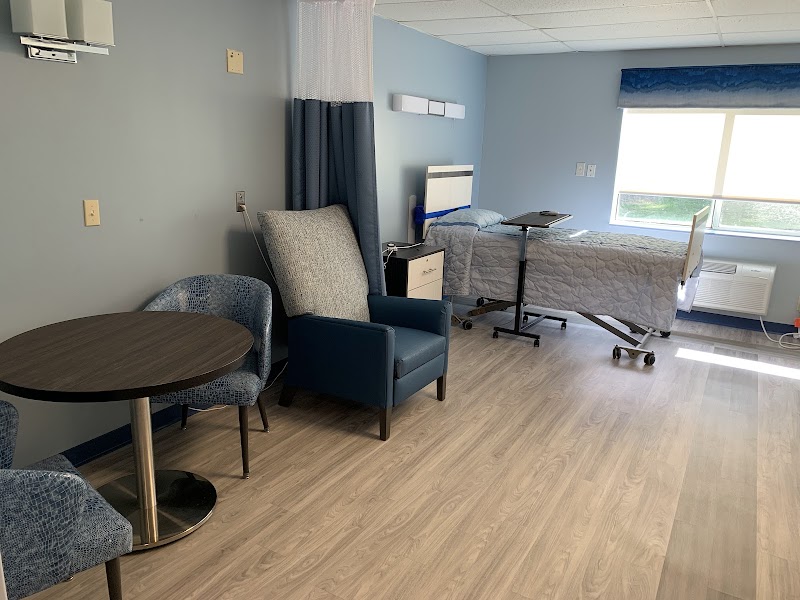
How is Carver Living Center Staffed?
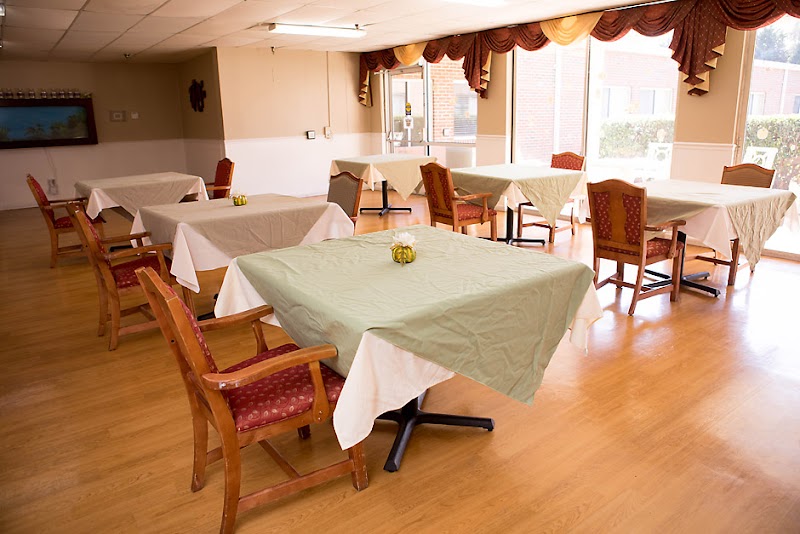
CMS rates Carver Living Center's staffing level at 3 out of 5 stars, which is average compared to other nursing homes. Staff turnover is 64%, which is 18 percentage points above the North Carolina average of 46%. High turnover can affect care consistency as new staff learn residents' individual needs. RN turnover specifically is 69%, which is notably high. RNs provide skilled clinical oversight, so turnover in this role can affect medical care quality.

What Have Inspectors Found at Carver Living Center?

State health inspectors documented 55 deficiencies at Carver Living Center during 2022 to 2025. These included: 5 Immediate Jeopardy (the most serious level, indicating potential for serious harm or death), 7 that caused actual resident harm, 39 with potential for harm, and 4 minor or isolated issues. Immediate Jeopardy findings are rare and represent the most serious regulatory concerns. They require immediate corrective action.

Who Owns and Operates Carver Living Center?

Carver Living Center is owned by a for-profit company. For-profit facilities operate as businesses with obligations to shareholders or private owners. The facility is operated by CCH HEALTHCARE, a chain that manages multiple nursing homes. With 232 certified beds and approximately 185 residents (about 80% occupancy), it is a large facility located in Durham, North Carolina.

How Does Carver Living Center Compare to Other North Carolina Nursing Homes?

Compared to the 100 nursing homes in North Carolina, Carver Living Center's overall rating (1 stars) is below the state average of 2.8, staff turnover (64%) is significantly higher than the state average of 46%, and health inspection rating (1 stars) is much below the national benchmark.

What Should Families Ask When Visiting Carver Living Center?

Based on this facility's data, families visiting should ask: "What changes have been made since the serious inspection findings, and how are you preventing similar issues?" "What safeguards and monitoring systems are in place to protect residents from abuse or neglect?" "How do you ensure continuity of care given staff turnover, and what is your staff retention strategy?" "Can I visit during a mealtime to observe dining assistance and food quality?" These questions are particularly relevant given the facility's Immediate Jeopardy citations, the substantiated abuse finding on record, and the facility's high staff turnover rate.

Is Carver Living Center Safe?

Based on CMS inspection data, Carver Living Center has documented safety concerns. The facility has 1 substantiated abuse finding (meaning confirmed case of resident harm by staff or other residents). Inspectors have issued 5 Immediate Jeopardy citations (the most serious violation level indicating risk of serious injury or death). The facility has a 1-star overall rating and ranks #100 of 100 nursing homes in North Carolina. Families considering this facility should ask detailed questions about what corrective actions have been taken since these incidents.

Do Nurses at Carver Living Center Stick Around?

Staff turnover at Carver Living Center is high. At 64%, the facility is 18 percentage points above the North Carolina average of 46%. Registered Nurse turnover is particularly concerning at 69%. RNs handle complex medical decisions and coordinate care — frequent RN changes can directly impact care quality. High turnover means new staff may not know residents' individual needs, medications, or preferences. It can also be disorienting for residents, especially those with dementia who rely on familiar faces. Families should ask: What is causing the turnover? What retention programs are in place? How do you ensure care continuity during staff transitions?

Was Carver Living Center Ever Fined?

Carver Living Center has been fined $240,824 across 8 penalty actions. This is 6.8x the North Carolina average of $35,487. Fines at this level are uncommon and typically indicate a pattern of serious deficiencies, repeated violations, or failure to correct problems promptly. CMS reserves penalties of this magnitude for facilities that pose significant, documented risk to resident health or safety. Families should request specific documentation of what issues led to these fines and what systemic changes have been implemented.

Is Carver Living Center on Any Federal Watch List?

Carver Living Center is not on any federal watch list. The most significant is the Special Focus Facility (SFF) program, which identifies the bottom 1% of nursing homes nationally based on persistent, serious quality problems. Not being on this list means the facility has avoided the pattern of deficiencies that triggers enhanced federal oversight. This is a positive indicator, though families should still review the facility's inspection history directly.