Durham Nursing & Rehabilitation Center
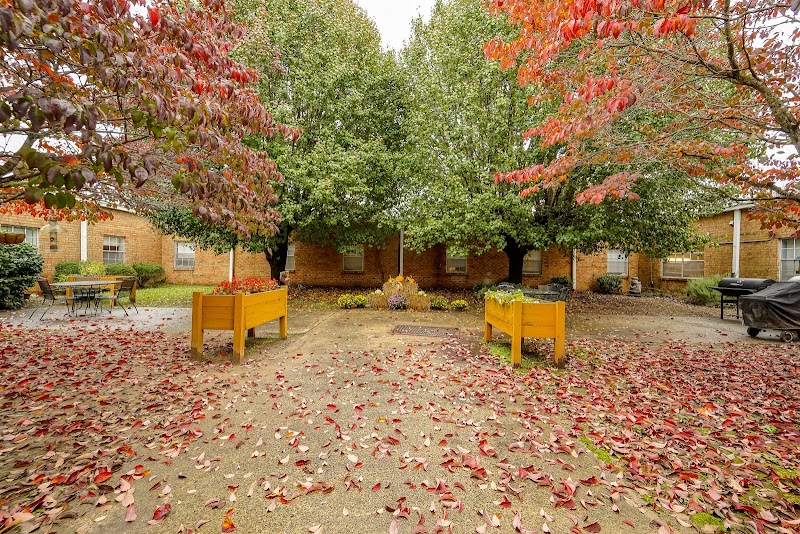
411 S Lasalle Street, Durham, NC 27705 (919) 383-5521
For profit - Limited Liability company 126 Beds MAXIMUS HEALTHCARE GROUP Data: November 2025 2 Immediate Jeopardy citations
Trust Grade
0/100
#334 of 417 in NC
Last Inspection: January 2025

Within standard 12-15 month inspection cycle. Federal law requires annual inspections.

Overview

Durham Nursing & Rehabilitation Center has received a Trust Grade of F, indicating serious concerns about the quality of care provided. It ranks #334 out of 417 facilities in North Carolina, placing it in the bottom half of the state. The facility has shown some improvement, reducing its number of issues from 18 in 2024 to 4 in 2025, but it still faces significant challenges. Staffing is average with a rating of 3 out of 5 stars and a turnover rate of 52%, which is comparable to the state average. However, the facility has alarming fines totaling $167,149, which is higher than 90% of North Carolina facilities, suggesting ongoing compliance issues. Specific incidents of concern include a failure to notify medical staff of a resident's worsening condition, which resulted in a delay in treatment for potential stroke symptoms, and an incident where a resident was at risk of injury during a transfer due to inadequate assistance. While the nursing home does have decent RN coverage, the overall experience has been marred by serious and critical deficiencies, making it essential for families to weigh these factors carefully.
Trust Score
F
0/100
In North Carolina
#334/417
Bottom 20%
Safety Record
High Risk
Review needed
Inspections
Getting Better
18 → 4 violations
Staff Stability
⚠ Watch
52% turnover. Above average. Higher turnover means staff may not know residents' routines.
Penalties
✓ Good
$167,149 in fines. Lower than most North Carolina facilities. Relatively clean record.
Skilled Nurses
⚠ Watch
Each resident gets only 28 minutes of Registered Nurse (RN) attention daily — below average for North Carolina. Fewer RN minutes means fewer trained eyes watching for problems.
Violations
⚠ Watch
40 deficiencies on record. Higher than average. Multiple issues found across inspections.
★☆☆☆☆
1.0
Overall Rating
★★★☆☆
3.0
Staff Levels
★★★★☆
4.0
Care Quality
★☆☆☆☆
1.0
Inspection Score
Stable
2024: 18 issues
2025: 4 issues

The Good

  • 4-Star Quality Measures · Strong clinical quality outcomes
  • Full Sprinkler Coverage · Fire safety systems throughout facility
  • No fines on record

Facility shows strength in quality measures, fire safety.

The Bad

1-Star Overall Rating

Below North Carolina average (2.8)

Significant quality concerns identified by CMS

Staff Turnover: 52%

Near North Carolina avg (46%)

Higher turnover may affect care consistency

Federal Fines: $167,149

Well above median ($33,413)

Significant penalties indicating serious issues

Chain: MAXIMUS HEALTHCARE GROUP

Part of a multi-facility chain

Ask about local staffing decisions and management

The Ugly 40 deficiencies on record

2 life-threatening 4 actual harm
Jan 2025 4 deficiencies
CONCERN (D)

Potential for Harm - no one hurt, but risky conditions existed

Deficiency F0558 (Tag F0558)

Could have caused harm · This affected 1 resident

**NOTE- TERMS IN BRACKETS HAVE BEEN EDITED TO PROTECT CONFIDENTIALITY** Based on observation, record review and staff interviews, the facility failed to place a resident's call light within reach to a...

Read full inspector narrative →
**NOTE- TERMS IN BRACKETS HAVE BEEN EDITED TO PROTECT CONFIDENTIALITY** Based on observation, record review and staff interviews, the facility failed to place a resident's call light within reach to allow for the resident to request staff assistance if needed for 1 of 1 resident reviewed for accommodation of needs (Resident #78). Findings included: Resident #78 was admitted to the facility on [DATE]. Review of the quarterly Minimum Data Set (MDS) assessment dated 11/ 5/24 revealed the resident was assessed as moderately cognitively impaired. The assessment indicated Resident #78 had clear speech, could make herself understood and had the ability to understand others. Resident #78 was assessed with impairment on both sides related to functional limitation in range of motion for upper and lower extremities. The resident was dependent on staff for all activities of daily living (ADL) and needed substantial to maximum assistance to roll left or right. An observation of Resident #78 on 1/13/25 at 12:02 PM, revealed the resident's call bell was tied to the bed rail on her right side. It was noted to be on the floor beside the bed and out of reach of the resident. The resident was observed to be lying on her bed and did not speak with the surveyor when asked about her call bell and if she could use it. During an observation on 1/14/25 at 8:09 AM, the resident's call bell was observed lying on the floor. When the resident was asked where her call bell was, she pointed to the bed rail and when asked if she could reach it and use it, the resident demonstrated that she could not reach it, but nodded her head indicating she could use it. During an observation on 1/15/25 at 8:44 AM, Nurse #3 was observed leaving the resident's room. The resident was observed lying in her bed. The call bell was wrapped to the bed rail and was hanging off the bed on the right side. The call bell was out of reach of the resident. When the resident was asked if she knew where her call bell was, she looked at the surveyor and shook her head indicating NO. During an observation and interview with the Director of Nursing (DON) on 1/15/25 at 8:50 AM in Resident # 78's room, the DON acknowledged the call bell was hanging to the side of the bed, and not within the reach of resident. The DON stated Resident #78 could use the call bell and was able communicate her needs to the staff. The DON placed the call bell within the reach of the resident by clipping it to the bed linen near the resident's chest. During an interview on 1/15/25 at 8:52 AM, Nurse #3 indicated Resident #78 was alert and oriented and was able to communicate her needs. The Nurse stated that the resident could use the call bell if she needed to. Nurse #3 stated she was in the resident's room earlier that morning administering medication. Nurse #3 indicated the resident could not turn or reposition independently and needed staff assistance with her ADL care. She indicated she was not paying attention and had not noticed the call bell hanging to the side of the bed and not within the reach of the resident. During an interview on 1/15/25 at 2:27 PM, Nurse Aide (NA) #1 verified she was the direct care NA for Resident #78 for the past 3 days (1/13/25 through 1/15/25) from 7:00 AM - 3:00 PM. NA #1 stated Resident #78 needed total assistance with ADL care and needed assistance with turning and repositioning. NA #1 indicated Resident #78 was alert and oriented, able to communicate her needs and only spoke to people she was familiar with. NA #1 further indicated the resident was able to use the call bell and would use it as needed. NA #1 stated she usually checked on Resident #78 first thing in the morning between 7:00 -7:30 AM and later after breakfast (between 8:30 -9:30 AM) to provide her morning care as the resident would like to be out of bed around 10 AM. NA #1 indicated she had not noticed the call bell hanging to the side of the bed. NA #1 stated she usually placed the call bell wrapped to the bed rail and within reach of the resident. NA #1 indicated the resident could not turn to reach her call bell if it was hanging to the side of the bed. During an interview on 1/15/25 at 3:30 PM, the DON reiterated Resident #78 was alert and oriented and was able to use her call bell. The DON indicated the resident only spoke with people she was familiar with and could not move or roll over side to side and needed total assistance from staff for her care. The DON stated Resident # 78 could not reach the call bell if it was hanging to the side of her bed. The DON indicated nursing staff should always ensure that the resident's call bell was within reach of the resident after care was provided.
CONCERN (D)

Potential for Harm - no one hurt, but risky conditions existed

Assessment Accuracy (Tag F0641)

Could have caused harm · This affected 1 resident

**NOTE- TERMS IN BRACKETS HAVE BEEN EDITED TO PROTECT CONFIDENTIALITY** Based on staff interviews and record reviews, the facility failed to accurately code the Minimum Data Set (MDS) assessment in th...

Read full inspector narrative →
**NOTE- TERMS IN BRACKETS HAVE BEEN EDITED TO PROTECT CONFIDENTIALITY** Based on staff interviews and record reviews, the facility failed to accurately code the Minimum Data Set (MDS) assessment in the areas of Preadmission Screening and Resident Review (PASRR) Level II status (Resident #23), use of a hypoglycemic medication (a medication that helps to lower blood sugar levels in people diagnosed with diabetes) (Resident #23), use of an antianxiety medication (Resident #52) and hypoglycemic medication was inaccurately coded as insulin (Resident #4) for 3 of 21 residents whose MDS assessments were reviewed. The findings included: 1a. Resident #23 was admitted to the facility on [DATE] with a cumulative diagnosis which included major depressive disorder and schizophrenia. The resident's care plan included the following area of focus, in part: I have a level two PASRR dx [diagnosis]: Schizophrenia (Revised on: 5/27/19). Resident #23's most recent comprehensive Minimum Data Set (MDS) was an annual assessment dated [DATE]. The Identification Information section of this MDS assessment did not report Resident #23 had a PASRR Level II determination. On the date of the review (1/15/25), Resident #23's profile in her electronic medical record (EMR) revealed she had a PASRR number ending with the letter B, which was indicative of a PASRR Level II determination with no limitation on the timeframe. The results of the evaluation, including the determination of a PASRR Level II status, were used for formulating a determination of need, an appropriate care setting, and a set of recommendations for services to help develop an individual's plan of care. An interview was conducted on 1/16/25 at 9:50 AM with MDS Nurse #2 related to Resident #23's annual assessment dated [DATE]. MDS Nurse #1 joined the interview on 1/16/25 at 9:55 AM as the resident's PASRR determination was discussed. Upon review of Resident #23's 2/2/24 MDS assessment, MDS Nurse #2 confirmed the assessment inaccurately indicated this resident had a PASRR Level I status when it should have noted she had a PASRR Level II status. MDS Nurse #1 acknowledged the MDS assessment was incorrect, but noted Resident #23 was care planned for a PASRR Level II (which was correct). An interview was conducted on 1/16/25 at 11:17 AM with the facility's Director of Nursing (DON). During the interview, concerns identified during the review of Resident #23's MDS assessments were discussed. Upon inquiry, the DON reported she would expect the MDS assessments to be coded accurately. 1b. The resident's care plan included the following area of focus, in part: The resident has potential for uncontrolled hypo/hyperglycemia [low and high blood sugar levels] r/t [related to] Diabetes Mellitus (Revised on: 5/24/21). Resident #23's November 2024 Physician's Orders and Medication Administration Record (MAR) revealed the following medications were used to manage the resident's diabetes between 11/3/24 and 11/9/24: -- 2 mg/3 milliliters (ml) Ozempic (an injectable antidiabetic agent that helps to lower blood sugar and is considered a hypoglycemic medication) to be given as 1 mg injected subcutaneously (under the skin) one time a day every Monday for diabetes (ordered on 11/6/23). -- 5 milligram (mg) glipizide Extended Release (ER) Tablet (an oral antidiabetic agent that helps to lower blood sugar and is considered a hypoglycemic medication) to be given as one tablet by mouth once a day for diabetes (ordered on 12/14/22). Based on the documentation provided by Resident #23's November 2024 Physician Orders and MAR, the resident did not receive an insulin injection between 11/3/24 and 11/9/24. Resident #23's most recent Minimum Data Set (MDS) was a quarterly assessment dated [DATE]. The Medications section of this MDS assessment indicated the resident received an insulin injection on one (1) day during the 7-day lookback period. Meanwhile, this MDS did not indicate Resident #23 received a hypoglycemic medication. An interview was conducted on 1/16/25 at 9:50 AM with MDS Nurse #2. MDS Nurse #1 joined the interview on 1/16/25 at 9:55 AM as Resident #23's MDS assessments were discussed. Upon review of the medications classified on her quarterly MDS dated [DATE], the MDS nurses reported they were aware the Ozempic was inaccurately coded and needed to be corrected on the MDS. An interview was conducted on 1/16/25 at 11:17 AM with the facility's Director of Nursing (DON). During the interview, concerns identified during the review of the Resident #23's MDS assessments were discussed. Upon inquiry, the DON reported she would expect the MDS assessments to be coded accurately and to ensure the medications were classified appropriately. 2. Resident #52 was admitted to the facility on [DATE] with reentry on 12/2/24 from a hospital. The resident's cumulative diagnoses included schizoaffective disorder. The resident's most recent Minimum Data Set (MDS) was a quarterly assessment dated [DATE]. The Medications section of the 12/10/24 MDS assessment indicated Resident #52 received an antianxiety medication during the 7-day look back period. Resident #52's December 2024 Physician Orders and Medication Administration Record (MAR) provided documentation which indicated the resident did not receive an antianxiety medication during the 7-day look back period from 12/4/24 to 12/10/24. An interview was conducted on 1/16/25 at 9:50 AM with MDS Nurse #2. MDS Nurse #1 joined the interview on 1/16/25 at 9:55 AM as Resident #52's MDS assessments and electronic medical record (EMR) were reviewed. Upon review of the resident's Medications section of the quarterly MDS dated [DATE], MDS Nurse #1 reported he may have incorrectly coded this section to indicate the resident received an antianxiety medication. When asked if Resident #52 received an antianxiety medication during the 7-day lookback period, the MDS nurse stated he did not. An interview was conducted on 1/16/25 at 11:17 AM with the facility's Director of Nursing (DON). During the interview, concerns identified during the review of the sample resident's MDS assessments were discussed. Upon inquiry, the DON reported she would expect the MDS assessments to be coded accurately and to ensure the medications were classified appropriately. 3. Resident #4 was admitted on [DATE] and readmitted to the facility on [DATE] with diagnosis that included type 2 diabetes mellitus with diabetic peripheral angiopathy. Review of the physician orders dated 10/22/24 revealed the following : Ozempic (an injectable, anti-diabetic medication used for the treatment of type 2 diabetes and an anti-obesity medication used for weight management) inject 0.75 milliliter subcutaneously in the morning every Friday for weight management. Review of the Medication Administration Record (MAR) for November 2024 revealed Ozempic (1 milligram (mg)/dose) Subcutaneous Solution Pen-injector Inject 0.75 ml subcutaneously in the morning every Friday for weight management was marked as administered to the resident on Fridays (11/1/24; 11/8/24; 11/15/24; 11/22/24; and on 11/29/24.). Review of the Admission/5-day Minimum Data Set (MDS) assessment dated [DATE] indicated she received one insulin injection during the seven day look back period. During an interview on 1/13/25 at 10:44 AM, Resident #4 indicated she was diabetic and does not receive any insulin. She indicated she was on Ozempic for weight loss. During an interview 1/14/25 at 1:53 PM, Nurse #4 indicated she was assigned to Resident #4. Nurse #4 stated Resident #4 was diabetic and received oral medication to manage the diabetes. Nurse #4 indicated the resident was not on any insulin and received injectable Ozempic for weight loss. During an interview on 1/15/25 at 9:22 AM, MDS Coordinator #1 indicated Resident #4 was on Ozempic and per the MDS 3.0 Drug Class Index reference sheet that the MDS nurses utilize for medication classification, Ozempic was indicted as INS. MDS Coordinator #1 indicated he had assumed INS was insulin and hence had marked as receiving insulin during the look back period. Review of the MDS 3.0 Drug Class Index sheet revealed drug class INS was classified as a hypoglycemic medication which included insulin. During an interview on 1/15/25 at 3:26 PM, the Administrator indicated the MDS Nurse had made an error. The Administrator stated Ozempic was a new medication and was used to lower blood sugar levels for diabetic residents, and the staff would be educated on this medication.
CONCERN (D)

Potential for Harm - no one hurt, but risky conditions existed

Respiratory Care (Tag F0695)

Could have caused harm · This affected 1 resident

**NOTE- TERMS IN BRACKETS HAVE BEEN EDITED TO PROTECT CONFIDENTIALITY** Based on observations, record review, and staff interviews, the facility failed to post cautionary signage outside the resident'...

Read full inspector narrative →
**NOTE- TERMS IN BRACKETS HAVE BEEN EDITED TO PROTECT CONFIDENTIALITY** Based on observations, record review, and staff interviews, the facility failed to post cautionary signage outside the resident's room to indicate supplemental oxygen was in use for 1 of 3 residents reviewed for respiratory care (Resident #85). The findings included: Resident #85 was admitted to the facility on [DATE] with diagnoses which included hypoxia. Review of Resident #85's physician's orders revealed she had an oxygen order dated 12/24/24 for oxygen supplementation at 2L (liters) every shift via nasal cannula (a device that delivers extra oxygen through a tube and into the nose) for hypoxia (low levels of oxygen in your body tissues). Resident #85's admission Minimum Data Set, dated [DATE] revealed Resident #85 was assessed as cognitively intact and was coded for oxygen use. An observation on 1/13/25 at 12:05 PM revealed Resident #85 was lying on her bed in her room wearing a nasal cannula for supplemental oxygen. The oxygen concentrator indicated oxygen was flowing at 2 L/minute. There was no signage outside Resident #85's room indicating supplemental oxygen was in use. An observation on 1/14/25 at 8:37 AM revealed Resident #85 was in her room wearing a nasal cannula for supplemental oxygen. There was no signage outside Resident #63's room indicating supplemental oxygen was in use. An observation was conducted in conjunction with an interview on 1/14/25 at 9:00 AM. Resident #85 indicated she was receiving continuous oxygen for her health issues. The oxygen concentrator indicated oxygen was flowing at 2 L/minute. An observation on 1/14/25 at 2:00 PM revealed Resident #85 was in her room wearing a nasal cannula for supplemental oxygen. There was no signage outside Resident #63's room indicating supplemental oxygen was in use. An interview was conducted on 1/14/25 at 2:05 PM with Nurse #4. She stated Resident #85 was on 2 L/min continuous oxygen therapy via nasal cannula for hypoxia since admission. She stated the admitting nurse was responsible for placing the oxygen signage on a resident's door. She added if the signage was not posted or missed by the admitting nurse then the assigned nurse would place the signage near the resident's room door. An interview was conducted on 1/14/25 at 2:43 PM with the Director of Nursing (DON). She stated nursing were responsible for putting oxygen signage on a resident's door. The DON indicated when any resident was on oxygen therapy, the admitting nurse or the Unit Manager was responsible to put the signage on the door. The DON further indicated the resident was on oxygen and the signage must have been missed by the nurses.
CONCERN (E)

Potential for Harm - no one hurt, but risky conditions existed

Deficiency F0761 (Tag F0761)

Could have caused harm · This affected multiple residents

Based on observations and staff interviews, the facility failed to: 1) Label medications (meds) with the minimum information required, including the name of the resident, on 1 of 2 medication (med) ca...

Read full inspector narrative →
Based on observations and staff interviews, the facility failed to: 1) Label medications (meds) with the minimum information required, including the name of the resident, on 1 of 2 medication (med) carts observed (Med Cart #1); 2) Discard expired medications on 2 of 2 medication carts observed (Med Cart #1 and Med Cart #4) and in 1 of 1 Medication Storeroom (Nurse Station #2 Medication Storeroom); and 3) Store medications in accordance with the manufacturer's storage instructions on 1 of 2 med carts (Med Cart #1). The findings included: 1. An observation was conducted on 1/14/25 at 3:50 PM of Medication (Med) Cart #1 in the presence of Nurse #1. The observation revealed the following medications were stored on the med cart: a. According to the manufacturer, in-use prefilled pens of Insulin Glargine-yfgn should be stored at room temperature and used within 28 days. An opened and in-use prefilled pen of Insulin Glargine-yfgn was stored on the med cart without a resident's name on the label to indicate who the insulin pen belonged to. An auxiliary sticker placed on the pen included a blank space entitled, Expiration Date. A handwritten date written on the blank indicated the insulin pen expired on 1/3/25 (11 days prior to the date of the observation). There was no date on the labeling to indicate when this insulin pen was dispensed from the pharmacy or when it had been put into use. An interview was conducted with Nurse #1 on 1/14/25 at 3:50 PM. When asked, Nurse #1 confirmed the insulin pen was not labeled with a resident's name. She did not know who the insulin pen belonged to. b. According to the manufacturer, in-use prefilled pens of Insulin Lispro should be stored at room temperature and used within 28 days. An opened and in-use prefilled pen of Insulin Lispro dispensed from the pharmacy for Resident #15 had an auxiliary sticker placed on the pen which included a blank space entitled, Expiration Date. A handwritten date on this blank indicated the insulin pen expired on 12/28/24 (17 days prior to the date of the observation). There was no date on the labeling to indicate when this insulin pen was dispensed from the pharmacy or when it had been put into use. An interview was conducted with Nurse #1 on 1/14/25 at 3:50 PM. Upon review of the insulin pen, Nurse #1 confirmed the expiration date written on the insulin pen indicated the medication was expired. c. According to the manufacturer, intact (unopened) bottles of latanoprost eye drops should be stored under refrigeration at 36 degrees Fahrenheit (o F) to 46 o F. An unopened bottle of 0.005% latanoprost eye drops dispensed from the pharmacy on 1/7/25 for Resident #15 was stored on the med cart. A pharmacy auxiliary sticker placed on the bottle read, Keep in Refrigerator Do Not Freeze. An interview was conducted with Nurse #1 on 1/14/25 at 3:50 PM. When asked, the nurse confirmed the auxiliary sticker placed on the container of latanoprost indicated the eye drops should be stored in the refrigerator. An interview was conducted on 1/16/25 at 11:17 AM with the facility's Director of Nursing (DON). During the interview, the medication storage observations were discussed. When asked, the DON reported medications needed to be labeled with the minimum information required, including the name of the resident. She confirmed the insulin pen that was observed to be stored on the med cart without a resident's name needed to be discarded. Additionally, the DON stated the nursing staff should read the medication labels and store items as instructed and appropriate. Expired medications should be identified and discarded by placing them in the Drug Buster (a solution that dissolves and deactivates oral tablets/capsules) or returning them to the pharmacy. Upon further inquiry, the DON reported the facility's unit managers were expected to perform a second check by inspecting the med carts and storerooms weekly to ensure all medications were within date and stored properly. 2. An observation was conducted on 1/15/25 at 11:25 AM of the Nursing Station #2 Medication Storage Room. The observation revealed the following medications were stored on the med cart: a. According to the manufacturer, in-use vials of Novolin R insulin should be stored at room temperature and used within 42 days. An opened vial of Novolin R insulin dispensed from the pharmacy on 9/27/24 for Resident #9 was observed to be stored in the refrigerator. Neither the insulin vial nor the plastic container it was stored in were dated as to when the vial was opened or its shortened expiration date. The label on the insulin vial indicated it was dispensed from the pharmacy 111 days prior to the date of the observation. b. A bottle containing 8 ounces of a compounded drug product (2 milligrams/milliliter of omeprazole suspension) dispensed from the pharmacy for Resident #65 on 12/3/24 was stored in the Med Room refrigerator. Omeprazole is a medication which may be used for the treatment of gastroesophageal reflux disease (GERD). The pharmacy labeling on the omeprazole suspension indicated this medication had an expiration date of 12/9/24 (37 days prior to the date of the observation). c. A bottle containing 6 ounces of a compounded drug product (2 milligrams/milliliter of omeprazole suspension) dispensed from the pharmacy for Resident #65 on 12/30/24 was stored in the Med Room refrigerator. The pharmacy labeling on the omeprazole suspension indicated this medication had an expiration date of 1/13/25 (2 days prior to the date of the observation). On 1/15/25 at 2:55 PM, Nurse #2 was shown the expired medications stored in the med room refrigerator. As the nurse reviewed these medications, Nurse #2 confirmed they were expired and stated she would need to pull them from the refrigerator for disposal. An interview was conducted on 1/16/25 at 11:17 AM with the facility's Director of Nursing (DON). During the interview, the medication storage observations were discussed. When asked, the DON reported expired medications should be identified and discarded by placing them in the Drug Buster (a solution that dissolves and deactivates oral tablets/capsules) or returning them to the pharmacy. Upon further inquiry, the DON reported the facility's unit managers were expected to perform a second check by inspecting the med carts and storerooms weekly to ensure all medications were within date and stored properly. 3. An observation was conducted on 1/15/25 at 2:40 PM of Medication (Med) Cart #4 in the presence of Nurse #3. The observation revealed the following medications were stored on the med cart: a. One stock bottle of Poly-Iron 150 capsules (originally containing 100 capsules) with approximately 80 capsules remaining in the bottle was observed to have a manufacturer expiration date of December 2024. Poly-Iron 150 is an iron supplement used to treat iron-deficiency anemia. b. One stock bottle of 100 milligram (mg) Thiamine B-1 (originally containing 100 tabs) with approximately 60 tablets remaining in the bottle was observed to have a manufacturer expiration date of December 2024. Thiamine B-1 is a B-vitamin supplement used to treat a vitamin deficiency. An interview was conducted on 1/15/25 at 2:50 PM with Nurse #3. During the interview, the nurse examined the labeling on the stock medications identified with a concern. Upon review, Nurse #3 confirmed these medications were expired and needed to be pulled off the medication cart. An interview was conducted on 1/16/25 at 11:17 AM with the facility's Director of Nursing (DON). During the interview, the medication storage observations were discussed. When asked, the DON reported expired medications should be identified and discarded by placing them in the Drug Buster (a solution that dissolves and deactivates oral tablets/capsules) or returning them to the pharmacy. Upon further inquiry, the DON reported the facility's unit managers were expected to perform a second check by inspecting the med carts and storerooms weekly to ensure all medications were within date and stored properly.
Nov 2024 9 deficiencies 2 IJ
CRITICAL (J) 📢 Someone Reported This

A family member, employee, or ombudsman was alarmed enough to file a formal complaint

Immediate Jeopardy (IJ) - the most serious Medicare violation

Notification of Changes (Tag F0580)

Someone could have died · This affected 1 resident

**NOTE- TERMS IN BRACKETS HAVE BEEN EDITED TO PROTECT CONFIDENTIALITY** Based on record reviews, and staff, Nurse Practitioner (NP), responsible party, and Resident interviews, the facility failed to ...

Read full inspector narrative →
**NOTE- TERMS IN BRACKETS HAVE BEEN EDITED TO PROTECT CONFIDENTIALITY** Based on record reviews, and staff, Nurse Practitioner (NP), responsible party, and Resident interviews, the facility failed to notify the physician and responsible party of changes in condition for of 1 of 1 resident (Resident #7). Resident #7 had intact cognition and a history of stroke and on 10/21/24 at approximately 9:00 PM he reported to a nurse aide (NA) he had pain and numbness in his left arm and leg. The NA aide reported this to the nurse. On the next shift at approximately 6:00 AM Resident #7 informed another NA he could not feel his left side. The NA reported this to the nurse. On 10/22/24 between 7:00 and 7:15 AM Unit Manager (UM) #1 was called to the room by an NA and assessed Resident #7 and found his speech was slurred, his left arm and leg did not have any feeling, and they did not have any muscle tone. The Nurse Practitioner was in the facility and assessed Resident #7 and had him transferred to the Emergency Department (ED) for evaluation of stroke symptoms. There were no nursing progress notes entered on 10/21/24 or 10/22/24 regarding notification of the physician or responsible party regarding the change in Resident #7's condition until the note entered by UM #1 on 10/22/24 at 8:25 AM. Resident #7 presented to the Emergency Department (ED) with new onset vision changes and inability to use his left upper and lower extremities. Diagnoses included cerebral vascular accident (CVA- ischemic stroke) with following cognitive deficits and dysphagia (difficulty swallowing) post CVA. It was noted Resident #7 was outside of the window for the administration of Alteplase (tPA) which is a medicine that dissolves blood clots used to treat ischemic strokes. Resident #7 was admitted to the critical care stroke unit and was discharged on 10/29/24. Immediate jeopardy began on 10/21/24 for Resident #7 he reported his left arm and leg were numb and a medical provider and responsible party were not notified. Immediate jeopardy was removed on 11/02/24 when the facility implemented a credible allegation of immediate jeopardy removal. The facility will remain out of compliance at a scope and severity of D (no actual harm with potential for more than minimal harm that is immediate jeopardy) to ensure education is completed and monitoring systems are in place and are effective. Findings included: Resident #7 was admitted to the facility on [DATE], with diagnoses of history of right hemiparesis/hemiplegia (partial or complete paralysis of one side) with right side weakness related to a stroke and Type 1 diabetes mellitus. The quarterly Minimum Data Set (MDS) dated [DATE] indicated Resident #7's cognition was intact. An interview with NA # 5 at 10/29/24 4:33 PM revealed she worked the 3:00 pm to 11:00 PM shift on 10/21/24 and did first rounds with Resident #7 at 6:30 PM and he did not have any concerns. When she did her second round at 9:00 PM, the resident told her he had pain and numbness in his left arm and leg. NA #5 indicated she went to tell Nurse #5 Resident #7 had numbness and pain, and Nurse #5 nodded to NA #5. NA #5 stated Nurse #5 did not go in to check on Resident #7, that she was aware of. An interview with Nurse # 5 on 10/29/24 at 6:06 PM revealed she worked the 3:00 PM to 11:00 PM shift on 10/21/24. Nurse #5 went to Resident #7's bedside to take his blood sugar at 5:00 PM. The Resident did not mention he was having any issues. Nurse #5 did not recall NA #5 telling her Resident #7 was having any change in condition. An interview with NA #4 on 10/29/24 at 5:05 pm revealed at 6:00 AM (on 10/22/24) Resident #7 stated, I can't feel my left side. NA #4 went to tell Nurse #6 and Nurse #6 wrote something down but did not come with NA #4. NA #4 further stated she went back to the room and told Resident #7 she reported his symptoms to Nurse #6 and went on with her assignment. An interview with Nurse #6 on 10/30/24 at 12:47 PM revealed on 10/21/24 at around 6:00 AM NA #4 reported to her that Resident #7's left side wasn't feeling right. Nurse #6 stated that she did an assessment when she gave Resident #7 his medication and checked his blood sugar at around 6:00 AM. She stated she briefly spoke with him while doing the blood sugar and Resident #7 did not indicate anything was wrong at that time. Nurse #7 stated she had not been given any kind of report from the prior shift that anything was going on with Resident #7. An interview with NA #8 on 10/29/24 at 4:25 PM revealed she worked the 7:00 AM to 3:00 PM shift on 10/22/24 and had taken breakfast to the resident around 7:15 am and asked Resident #7 how he was doing. He said, I am not well and I haven't felt well since last night and he couldn't feel his left side, and this had started after dinner. Resident #7 further revealed that his vision was blurred on the left side, and he was numb and could not feel anything on the left side. NA #8 stated she noticed his speech was slurred too. A review of the medical record revealed there were no nursing progress notes entered on 10/21/24 notification to the family or physician regarding a change in Resident #7's change in condition. An interview with Unit Manager (UM) #1 on 10/29/24 at 11:40 AM revealed she was requested by NA #8 to come to Resident #7's room as soon as possible at 7:15 AM (on 10/22/24). Upon arrival, she found Resident #7 with left-sided paralysis, including the left arm and left leg. UM #1 further revealed Resident #7 stated he had been unable to move his left side since last night after dinner. UM #1 stated she began her assessment and called for the Nurse Practitioner (NP). UM #1 stated Resident #7's left arm and leg were flaccid, dropping to the bed when she raised them up. The NP arrived, assessed Resident #7 and asked for EMS to be called because Resident #7 had had a stroke. A phone interview on 10/29/24 at 4:48 PM with the family member/responsible party revealed she was called by NA #8 around 8:15 AM (on 10/22/24) and was told that Resident #7 had been sent to the hospital for a stroke. A phone interview with Resident #7 on 10/30/24 at 5:30 PM revealed after dinner on 10/21/24 he could not feel his left arm and left side when the nurse aide was trying to change him. He could not help due to the lack of movement. NA #5 and NA #9 (3:00 pm to 11:00 pm shift) helped him because one person couldn't do it. He further stated he usually could position himself on his side with the use of the bed rails and a push on his hip to the turning side. This was when he noticed he couldn't move his left side. Nurse #5 came in and he told her he couldn't move his left arm or left leg, and he did not know what was going on. Resident #7 further stated Nurse #5 did not respond. Resident #7 indicated Nurse #5 should have checked him and called the doctor. Resident #7 explained his condition stayed the same until NA #4 came in on third shift and he told NA #4 he could not feel his left side and she went and told Nurse #6. Nurse #6 came into his room around 6:00 am or so and gave him his medicine. Resident #7 indicated Nurse #6 did not assess him or ask if anything was wrong. When the first shift NA (NA #8) came in with breakfast at 7:15 AM, Resident #7 told her he was not himself and she asked what was going on. Resident #7 told her he could not move his left side, and NA #8 immediately called Unit Manager #1. NP #1 came in and assessed him then sent him to the local hospital. An interview with the NP on 10/29/24 at 4:40 pm revealed she was called by the Unit Manager #1 on 10/22/24 because Unit Manager #1 thought Resident #7 had a stroke, and that UM #1 called EMS. NP #1 stated neuro-checks should have been done when his symptoms started on the evening of 10/21/24 and he should have been sent out to the ED on 10/21/24. She further indicated if Resident #7 had been assessed when he first was having numbness (after dinner), and nursing staff had called our on-call provider, we would have instructed them to send Resident #7 to the hospital where his condition could have been managed. NP #1 confirmed Resident #7 had been admitted to the local hospital with a left side stroke. An interview with DON 10/29/24 4:07 PM revealed that when the NA tells the nurse that something was wrong with a Resident, the nurse goes in and does an assessment and notifies the provider, she then notifies the party responsible. The Emergency Department (ED) note dated 10/22/24 indicated Resident #7 had a medical history significant for congested heart failure, chronic renal insufficiency, coronary artery disease, and prior stroke with left-sided deficits. Resident #7 presented to the Emergency Department with new onset vision changes and inability to use his left upper and lower extremities. Stroke code was called upon arrival. A National Institute of Health Stroke Scale (NIH) was documented as an 8 which indicated a mild to moderately severe stroke. Resident #7 reported he was unable to move his arm or leg at 6:00 PM on 10/21/24, which was new for him. The computed tomography (CT) scan showed a right posterior frontal lobe hypodensity concerning edema which could be related to an acute/subacute infarct. It was noted Resident #7 was outside of the window for the administration of Alteplase (tPA) which is a medicine that dissolves blood clots used to treat ischemic strokes. Resident #7 was admitted to neurology stroke service. Resident #7's vitals were blood pressure 162/59, pulse rate 60, temperature 98.5, and oxygen saturation 90%. The clinical impression after evaluation findings were Cerebral vascular accident (CVA) with following cognitive deficits and dysphagia (oropharyngeal phase) post CVA. Resident #7 was released to a skilled nursing facility on 10/29/24. The Administrator was notified of the immediate jeopardy 10/29/24 at 2:15 PM. The facility provided the following credible allegation of IJ removal: (1) Identify those recipients who have suffered, or are likely to suffer a serious adverse outcome as a result of the noncompliance: Resident #7, who has a history of a prior stroke with left sided weakness, reported to Nursing Assistant (NA) #7 on 10/21/24 at 9:00 PM he was experiencing pain and numbness to his left side. Nursing assistant #7 reported to the nurse who did not identify any acute changes, did not complete a neurological assessment, obtain vital signs, did not notify healthcare provider or, initiate emergency medical services. On 10/21/24 at 11:30 PM the resident reported to NA #4 he was moving slowly and could not move his left arm. Nursing assistant #4 reported to the nurse who did not identify any acute changes, did not complete a neurological assessment, obtain vital signs, did not notify healthcare provider, or initiate emergency medical services. The resident reported further symptoms to NA #4 on 10/22/24 at 6:00 AM about being unable to move his left side who then reported to the nurse who did not identify any acute changes, did not complete a neurological assessment, obtain vital signs, did not notify healthcare provider, or initiate emergency medical services. NA took Resident #7 his breakfast tray on 10/22/24 between 7 and 7:15 AM, the resident had slurred speech and was unable to move his left side. The CNA immediately reported the change in condition to Unit Manager #1. Unit Manager #1 assessed the resident and found his left side to be flaccid. The Resident was also complaining of blurry vision. Resident stated that he had been able to move his left side since last night after dinner. The Nurse Practitioner then assessed the resident and directed the resident to be sent out to the hospital via Emergency Medical Services because he had had a stroke. The resident was admitted to the hospital with an acute stroke on 10/22/24. An audit to determine if any residents had reported any new change in condition that was not reported to the healthcare provider by a licensed nurse of residents with a brief interview for mental status (BIMS) score of 13 or higher was completed by the Administrator on 10/25/2024. The Audit revealed that no other residents were noted to be affected. An audit was completed on 10/25/24 by the Director of Nursing of progress notes for the past 7 days to ensure that anyone reporting a change of condition had provider notification. The audit revealed that no one else was affected. As part of the staff education from 10/25/24-10/28/24, the Director of Nursing also questioned all of the licensed nurses regarding knowledge of any residents having had a change in condition that deviated from their baseline and did not have healthcare provider notification. Signatures accounted for both the education and the questionnaire. No residents were noted to be affected. From 10/31/24-11/1/24 the Director of Nursing or Staff Development Coordinator interviewed all nursing assistants regarding knowledge of any residents having change of conditions in the last 7 days that were not reported to the healthcare provider. No negative findings were noted. (2) Specify the action the entity will take to alter the process or system failure to prevent a serious adverse outcome from occurring or recurring, and when the action will be complete: On 10/25/2024 the Director of Nursing initiated education to all licensed nurses to complete a clinical assessment of a minimum vital signs and pertinent body systems once notified of a change in condition to include accident or incident, injuries of unknown source, significant change in residents physical, emotional, or mental condition which can include elevated vital signs, altered mental status, blurred vision, headaches, numbness or tingling to body parts, uncontrolled pain, etc., to notify the healthcare provider immediately of findings once the assessment is complete. Education also included any changes reported by nursing assistants. Any licensed nurse that has not been educated by 10/28/2024 will be taken off the schedule until the educated has been received. All new hires will be educated by the Director of Nursing during orientation. The Director of Nursing will ensure all licensed nurses are in-serviced. On 11/1/2024, the Regional Director of Clinical Services educated the Administrator, The Director of Nursing, Staff Development Coordinator, and The Human Resource Director on the orientation process for nursing staff that will include education on recognizing change in condition, timely assessment and monitoring of change in condition, effective communication during a medical emergency, importance of notifying the healthcare provider, and effective communication during a medical emergency. On 11/1/2024, the Director of Nursing/Staff Development Coordinator re-educated all nursing assistants on change in condition of residents to include recognizing signs and symptoms of a stroke such as blurred vision, slurred speech, weakness to one side of the body, and facial drooping. Education also included the importance of reporting any change in condition or any of these symptoms to their nurse Any nursing assistant that has not received the education on 11/1/2024 will be taken off the schedule until the education has been received. The Director of Nursing will ensure all nursing assistant educated. The facility alleges removal of immediate jeopardy on 11/02/2024. An on-site validation of the facility's implementation of their credible allegation of immediate jeopardy removal was conducted on 11/4/24. Review of the completed facility audits included daily 24-hour resident report, resident clinical assessments to include neurological, pain and vital signs were documented in the record. Multiple interviews were conducted with nurse aides and licensed nurses to ensure the in-service/ education was provided prior to working their shift. The nurse aides and licensed nurses consistently reported they received in-service education, which included ensuring the medical team and Resident Representative was notified of the resident's change of condition assessment and verifying any new orders with a facility provider prior to initiating the orders. All nursing staff were educated on the reporting and documentation process of any signs of change of condition on the daily 24-hour report and in the resident record. An interview with the Director of Nursing and Staff Development Coordinator on 11/4/24 at 3:00 PM confirmed that re-education was done for all nurse aides and licensed nurses on the change of condition of residents including signs/symptoms of stroke, the importance of reporting any change of condition and documentation of notifying healthcare providers of a medical emergency. The Director of Nursing stated daily record reviews and monthly monitoring will be done to ensure the assessments and notification process was maintained. The immediate jeopardy removal date of 11/02/24 was validated.
CRITICAL (J) 📢 Someone Reported This

A family member, employee, or ombudsman was alarmed enough to file a formal complaint

Immediate Jeopardy (IJ) - the most serious Medicare violation

Quality of Care (Tag F0684)

Someone could have died · This affected 1 resident

**NOTE- TERMS IN BRACKETS HAVE BEEN EDITED TO PROTECT CONFIDENTIALITY** 2. Resident #7 was admitted to the facility on [DATE], with diagnoses of history of right hemiparesis/hemiplegia (partial or com...

Read full inspector narrative →
**NOTE- TERMS IN BRACKETS HAVE BEEN EDITED TO PROTECT CONFIDENTIALITY** 2. Resident #7 was admitted to the facility on [DATE], with diagnoses of history of right hemiparesis/hemiplegia (partial or complete paralysis of one side) with right side weakness related to a stroke, Type 1 diabetes mellitus. The quarterly Minimum Data Set (MDS) dated [DATE] indicated Resident #7 was cognitively intact and had functional impairment of the lower extremities bilaterally with use of a wheelchair, set up assistance for eating and oral hygiene/care, dependent care for toileting, showers, and lower extremity dressing including shoes, and maximum assistance for repositioning, sitting from lying, and transfers. The care plan dated 9/7/24 indicated that Resident #7 had a communication problem related to hearing loss (Right), hemiplegia/hemiparesis related to a stroke, needed assistance with transfers, mobility. A review of the medical record revealed there were no nursing progress notes entered on 10/21/24. The Medication Administration Record (MAR) indicated Resident #7 had his blood sugar checked at 10/21/24 at 5:00 PM by Nurse #5. Resident #7's blood sugar was 270 and he received 4 units of insulin lispro. Resident #7 was administered his evening oral medication at 9:00 PM by Nurse #5. An interview with Nurse # 5 on 10/29/24 at 6:06 PM revealed she worked the 3:00 PM to 11:00 PM shift on 10/21/24. Nurse #5 went to Resident #7's bedside to take his blood sugar at 5:00 PM. The Resident did not mention he was having any issues. Nurse #5 did not recall NA #5 telling her Resident #7 was having any change in condition. An interview with NA # 5 on 10/29/24 at 4:33 PM revealed she worked the 3:00 pm to 11:00 PM shift on 10/21/24 and did first rounds with Resident #7 at 6:30 PM and he did not have any concerns. When she did her second round at 9:00 PM, the resident told her he had pain and numbness in his left arm and leg. NA #5 indicated she went to tell Nurse #5 Resident #7 had numbness and pain, and Nurse #5 nodded to NA #5. NA #5 stated Nurse #5 did not go in to check on Resident #7, that she was aware of. An interview with NA #4 on 10/29/24 at 5:05 PM revealed she came in and started her rounds about 11:30 PM on 10/21/24. NA #4 stated she told Resident #7 she was coming in to change him. Resident #7 said, I'm moving slowly, I can't use my left arm. NA #4 stated Resident #7 didn't complain, just said he was moving slowly. She further indicated that Resident #7 was able to help himself using the bedrail prior to this. At 6:00 AM, Resident #7 said, I can't feel my left side. NA #4 went to tell Nurse #6 and Nurse #6 wrote something down but did not come with NA #4. NA #4 further stated she went back to the room and told Resident #7 she reported his symptoms to Nurse #6 and went on with her assignment. NA #4 did not take vital signs, as she was waiting on the nurse for further instructions. A follow up interview with NA #4 on 10/29/24 at 5:48 PM revealed she did not receive report from Nurse #6 when coming on to her shift. She did say that NA #5 told her that Resident #7 was not feeling his lower left side, and NA #5 had informed Nurse #5, and Nurse #5 just nodded her head. A review of Resident #7's medical administration record (MAR) indicated Nurse #6 gave an injection of 42 units Lantus insulin subcutaneously in the left arm on 10/21/24 at 10:41 PM. A review of the medical record indicated Nurse #6 did a fingerstick blood sugar at 6:30 AM on 10/22/24 and obtained a result of 112. There was no other documentation regarding Resident #7's condition. An interview with Nurse #6 on 10/30/24 at 12:47 PM revealed on 10/21/24 at around 6:00 AM NA #4 reported to her that Resident #7's left side wasn't feeling right. Nurse #6 stated that she did an assessment when she gave Resident #7 his medication and checked his blood sugar at around 6:00 AM. She stated she briefly spoke with him while doing the blood sugar and Resident #7 did not indicate anything was wrong at that time. Nurse #7 stated she had not been given any kind of report from the prior shift that anything was going on with Resident #7. An interview with NA #8 on 10/29/24 at 4:25 PM revealed she worked the 7:00 AM to 3:00 PM shift on 10/22/24 and had taken breakfast to the resident around 7:15 AM and asked Resident #7 how he was doing. He said, I am not well and I haven't felt well since last night and he couldn't feel his left side, and this had started after dinner. Resident #7 further revealed that his vision was blurred on the left side, and he was numb and could not feel anything on the left side. NA #8 stated she noticed his speech was slurred too. She further stated that the resident told her he had reported to NA #4, Nurse #5 and NA #5 he was numb in his left arm and leg and could not move them. An interview with NA #6 on 10/29/24 at 3:31 PM revealed he had been called to Resident #7's room by NA #8 on 10/22/24 at about 7:15 AM to help NA #8 sit Resident #7 up. NA #6 stated that Resident #7 told NA #8 and him (NA #6) that he could not move his left side, and NA #8 went to get the nurse. Unit Manager #1 and NP #1 came in to assess Resident #7 and the Unit Manager asked NA #8 to call 911. The nursing progress note dated 10/22/24 at 8:25 AM by Unit Manager #1 indicated she was called to Resident #7's room by NA #8. Resident #7 was alert and oriented, and stated he could not move his left side, and could not raise his left arm; writer lifted the arm, and it was flaccid, falling back to the bed. Resident #7 was unable to move his left foot or toes. Resident#7 stated his vision was gone in his left eye. The Nurse Practitioner (NP) was called to the room, and an order was written to transfer Resident #7 to the Emergency Department. The note further indicated the family was made aware. EMS arrived and transported Resident #7 to the local hospital at 8:18 AM on 10/22/24. An interview with Unit Manager (UM) #1 on 10/29/24 at 11:40 AM revealed she was requested by NA #8 to come to Resident #7's room as soon as possible at 7:15 AM on 10/22/24. Upon arrival, she found Resident #7 with left-sided paralysis, including the left arm and left leg. UM #1 further revealed Resident #7 stated he had been unable to move his left side since last night after dinner. UM #1 stated she began her assessment and called for the Nurse Practitioner (NP). UM #1 stated Resident #7's left arm and leg were flaccid, dropping to the bed when she raised them up. The NP arrived, assessed Resident #7 and asked for EMS to be called because Resident #7 had had a stroke. An additional interview with UM #1 on 10/29/24 at 4:40 PM revealed Resident #7 was doing fine before she left on 10/21/24 after 1st shift. On the morning of 10/22/24 NA #8 and NA #6 were in with the resident to get him out of bed. NA #8 yelled out for her to come quickly to check the resident. UM #1 stated she did an assessment and Resident #7 was talking differently, his left arm and leg were flaccid, and his arm and leg were not reacting or feeling when she ran the curved side of a paper clip down his arm and leg. NP #1 came in immediately and said to send him to the ED for a stroke. UM #1 stated the family was informed. EMS came and took Resident #7 to the hospital. UM #1 further revealed that there had not been any documentation to support the change in condition of Resident #7 on 10/21/24. A phone interview with Resident #7 on 10/30/24 at 5:30 PM revealed after dinner on 10/21/24 he could not feel his left arm and left side when the nurse aide was trying to change him. He could not help due to the lack of movement. NA #5 and NA #9 (3:00 PM to 11:00 PM shift) helped him because one person couldn't do it. He further stated he usually could position himself on his side with the use of the bed rails and a push on his hip to the turning side. This was when he noticed he couldn't move his left side. Nurse #5 came in and he told her he couldn't move his left arm or left leg, and he did not know what was going on. Resident #7 further stated Nurse #5 did not respond. Resident #7 explained his condition stayed the same until NA #4 came in on third shift. He told NA #4 he could not feel his left side and she went and told Nurse #6. Nurse #6 came into his room around 6:00 am or so and gave him his medicine. Resident #7 indicated Nurse #6 did not assess him or ask if anything was wrong. When the first shift NA (NA #8) came in with breakfast at 7:15 AM, Resident #7 told her he was not himself and she asked what was going on. Resident #7 told her he could not move his left side, and NA #8 immediately called Unit Manager #1. NP #1 came in and assessed him then sent him to the local hospital. Attempts to interview NA #9 on 10/30/24 were not successful. A phone interview on 10/29/24 at 4:48 PM with the family member revealed she was called by NA #8 around 8:15 AM (on 10/22/24) and was told that Resident #7 had been sent to the hospital for a stroke. The DON told the family member that the NA reported the symptoms to the Nurse and the nurse (no name was given) then went in and asked if he was ok, and he replied yes. The family member indicated Resident #7 denied any assessment by a nurse or doctor until the next morning (10/22/24). The family member further stated if Resident #7 could tell the people at the hospital what had happened to him the day before (10/21/24), he certainly would have known if a nurse came to check on him. A review of NP #1's progress note dated 10/22/24 revealed that on physical assessment, Resident #7 exhibited 100% left arm drop. The Resident was alert and oriented, though his speech was slightly slurred. He was able to follow her finger with his eyes but reported blurred vision. Emergency Medical Services (EMS) were activated for stroke symptoms. The residents' vital signs were blood pressure 161/77, oxygen saturation 99% on room air, and blood sugar 192. The patient had a history of left-sided weakness and cerebrovascular accident (CVA), but according to both the patient and the nurse, he had been able to move and feel his left arm and leg previously. Now, he has completely lost mobility on his left side and reported numbness in his left arm and leg. The resident was transferred to the Emergency Department for evaluation of stroke symptoms. An interview with the NP on 10/29/24 at 4:40 PM revealed she was called by the Unit Manager #1 on 10/22/24 because Unit Manager #1 thought Resident #7 had a stroke, and that UM #1 called EMS. The NP stated she was told by Unit Manager #1 his symptoms started the night before. The NP indicated she spoke with Resident #7, and he stated he told the nurse after dinner, but she did not do anything. Resident #7 stated his numbness and ability to move his limbs had gotten worse through the night. NP #1 stated neuro-checks should have been done when his symptoms started on the evening of 10/21/24 and he should have been sent out to the ED on 10/21/24. She further indicated if he had been assessed when he first was having numbness and sent to the hospital his worsening condition could have been managed. NP #1 confirmed Resident #7 had been admitted to the local hospital with a left side stroke. The Emergency Department (ED) note dated 10/22/24 indicated Resident #7 had a medical history significant for congested heart failure, chronic renal insufficiency, coronary artery disease, and prior stroke with left-sided deficits. Resident #7 presented to the Emergency Department with new onset vision changes and inability to use his left upper and lower extremities. Stroke code was called upon arrival. A National Institute of Health Stroke Scale (NIH) was documented as an 8 which indicated a mild to moderately severe stroke. Resident #7 reported he was unable to move his arm or leg at 6:00 PM on 10/21/24, which was new for him. The computed tomography (CT) scan showed a right posterior frontal lobe hypodensity concerning edema which could be related to an acute/subacute infarct. It was noted Resident #7 was outside of the window for the administration of Alteplase (tPA) which is a medicine that dissolves blood clots used to treat ischemic strokes. Resident #7 was admitted to neurology stroke service. Resident #7's vitals were blood pressure 162/59, pulse rate 60, temperature 98.5, and oxygen saturation 90%. The clinical impression after evaluation findings were Cerebral vascular accident (CVA) with following cognitive deficits and dysphagia (oropharyngeal phase) post CVA. A review of the Emergency Department (ED) admission summary dated [DATE] indicated that Resident #7 presented the ED at 8:45 AM with left hemiplegia and stated that he was unable to move his left side. Resident #7 stated he had reported it to the facility staff last evening and nothing was done. Resident #7 reported it again this morning to the NA and 911 was called. He was transported to the local hospital. The physician assessment indicated Resident #7's left limb had no effort against gravity, and falls, left leg having no movement, and left facial weakness. Resident #7 was admitted to the hospital with a left side stroke. Resident #7 was admitted on [DATE] at 2:14 PM to the hospital Critical Care stroke unit, with a stroke on the posterior right frontal lobe. Neuro checks revealed no grip in the left hand, no left dorsiflexion or plantarflexion, motor response to the left upper and lower extremities are flaccid and without motor strength. The right side was normal with some weakness in the right lower extremity. Resident #7 was released to a skilled nursing facility on 10/29/24. An interview with DON 10/29/24 4:07 PM revealed that when the NA tells the nurse that something was wrong with a Resident, the nurse goes in and does an assessment and notifies the Provider, she then notifies the party responsible. The nurse should document the findings. She further stated that documentation is done by exception. The DON indicated she interviewed Nurse #5 and Nurse #5 stated did not find any change in condition for Resident #7 on 10/21/24, and did not recall being notified of any change. The DON further stated Nurse #6 reported when she checked Resident # 7's blood sugar on 10/22/24 at 6:00 AM she did not see any change in his condition. She further revealed that she had not completed the investigation but had several notes on pieces of paper that she had not put into a report yet. The Administrator was notified of the immediate jeopardy on 10/29/24 at 2:00 PM. The facility provided the following credible allegation of immediate jeopardy removal: (1) Identify those recipients who have suffered, or are likely to suffer a serious adverse outcome as a result of the noncompliance: Resident #7, who has a history of a prior stroke with left sided weakness, reported to Nursing Assistant (NA) #7 on 10/21/24 at 9:00 PM he was experiencing pain and numbness to his left side. Nursing assistant #7 reported to the nurse who did not identify any acute changes, did not complete a neurological assessment or obtain vital signs, and did not initiate emergency medical services. On 10/21/24 at 11:30 PM the resident reported to NA #4 he was moving slowly and could not move his left arm. Nursing assistant #4 reported to the nurse who did not identify any acute changes, did not complete a neurological assessment or obtain vital signs, and did initiate emergency medical services. The resident reported further symptoms to NA #4 on 10/22/24 at 6:00 AM about being unable to move his left side who then reported to the nurse who did not identify any acute changes, did not complete a neurological assessment or obtain vital signs, and did not initiate emergency medical services. NA took Resident #7 his breakfast tray on 10/22/24 between 7 and 7:15 AM, the resident had slurred speech and was unable to move his left side. The CNA immediately reported the change in condition to Unit Manager #1. Unit Manager #1 assessed the resident and found his left side to be flaccid. The Resident was also complaining of blurry vision. Resident stated that he had been unable to move his left side since last night after dinner. The Nurse Practitioner then assessed the resident and directed the resident to be sent out to the hospital via Emergency Medical Services because he had had a stroke. The resident was admitted to the hospital with an acute stroke on 10/22/24. An audit to determine if any residents had reported any new change in condition that was not followed up on by a licensed nurse of residents with a brief interview for mental status (BIMS) score of 13 or higher was completed by the Administrator on 10/25/2024. The Audit revealed that no other residents were noted to be affected. An audit was completed on 10/25/2024 by the Director of Nursing of progress notes for the past 7 days to ensure that anyone reporting a change of condition had a prompt follow up and provider notification. The audit revealed that no one else was affected. As part of the staff education from 10/25-10/28, the Director of Nursing also questioned all of the licensed nurses regarding knowledge of any residents having had a change in condition that deviated from their baseline with no follow up. Signatures accounted for both the education and the questionnaire. No residents were noted to be affected. On 10/31-11/1/2024 the Director of Nursing or Staff Development Coordinator interviewed all nursing assistants regarding knowledge of any residents having change of conditions in the last 7 days that were not addressed. No negative findings were noted. (2) Specify the action the entity will take to alter the process or system failure to prevent a serious adverse outcome from occurring or recurring, and when the action will be complete: On 10/25/2024 the Director of Nursing initiated education to all licensed nurses to complete a clinical assessment of a minimum vital signs and pertinent body systems once notified of a change in condition/medical emergency to include accident or incident, injuries of unknown source, significant change in residents physical, emotional, or mental condition which can include elevated vital signs, altered mental status, blurred vision, headaches, numbness or tingling to body parts, uncontrolled pain, etc., to call 911 and to notify the healthcare provider of findings once the assessment is complete and the assessment is documented in the medical record. Education also included any changes reported by nursing assistants. Any licensed nurse that has not been educated by 10/28/2024 will be taken off the schedule until the educated has been received. All new hires will be educated by the Director of Nursing during orientation. The Director of Nursing will ensure all licensed nurses are in-serviced. On 11/1/2024, the Regional Director of Clinical Services educated the Administrator, The Director of Nursing, Staff Development Coordinator, and The Human Resource Director on the orientation process for nursing staff that will include education on recognizing change in condition, timely assessment and monitoring of change in conditions, recognizing a medical emergency, effective communication during a medical emergency, and calling 911. On 11/1/2024, the Director of Nursing and Staff Development Coordinator re-educated all nursing assistants on change in condition of residents to include recognizing signs and symptoms of a stroke such as blurred vision, slurred speech, weakness to one side of the body, and facial drooping. Education also included the importance of residents receiving immediate medical attention should any of these signs be identified. Any nursing assistant that has not received the education on 11/1/2024 will be taken off the schedule until the education has been received. The Director of Nursing will ensure all nursing assistants are educated. Alleged date of immediate jeopardy removal: 11/2/2024 An on-site validation of the facility's implementation of their credible allegation of immediate jeopardy removal was conducted on 11/4/24. Review of the completed facility audits included daily 24-hour resident report, resident clinical assessments to include neurological, pain and vital signs were documented in the record. The nursing notes reflected a narrative of the clinical assessment, and the change of condition reported to the medical team. Multiple interviews were conducted with nurse aides and licensed nurses to ensure the in-service/ education was provided prior to working their shift. The nurse aides and licensed nurses consistently reported they received in-service education, which included the change of condition assessment process, completion of facility neurological and pain assessment, signs/symptoms of stroke, vital signs, verifying any new orders with a facility provider prior to initiating the orders. All nursing staff were educated on the reporting and documentation process of any signs of change of condition on the daily 24-hour report and in the resident record. An interview with the Director of Nursing and Staff Development Coordinator on 11/4/24 at 3:00 PM confirmed that re-education was done for all nurse aides and licensed nurses on the change of condition of residents including signs/symptoms of stroke, the importance of reporting any change of condition and documentation of notifying healthcare providers of a medical emergency. The Director of Nursing stated daily record reviews and monthly monitoring will be done to ensure the assessments process was maintained. The IJ removal date of 11/02/24 was validated. Based on observation, record review, resident, family member, staff, Emergency Medical Technician (EMT), Physician, and Nurse Practitioner (NP) interviews, the facility failed to comprehensively assess a resident (Resident #1) who had untreated obstructive sleep apnea (a condition that causes the upper airway to become blocked during sleep, reducing or stopping airflow) to determine the root cause of periodic abdominal pain, change in mental status, and migraines that occurred intermittently over the last 6 months in conjunction with Carbon Dioxide (CO2) levels near the upper limit of the reference range (a set of numbers that are the high and low ends of the range of results that's considered to be normal) in August 2024 and October 2024. When breathing is reduced due to sleep apnea it can lead to a decrease in oxygen and an increase in CO2 in the blood. The facility also failed to implement Physician's orders for Resident #1 for a Continuous positive Airway Pressure (CPAP) machine (used to treat sleep apnea by keeping the airways open while sleeping) ordered on 4/13/24, pulmonary consultation (insurance requirement for obtaining the CPAP) ordered on 5/10/24, neurology consultation (ordered for constant migraines) ordered on 8/24/24, and an x-ray (ordered for abdominal pain) ordered on 8/24/24. On 10/6/24 Resident #1 was excessively sleeping, difficult to rouse, and had no oral intake. On 10/7/24 Emergency Medical Service (EMS) were contacted for altered mental status changes and upon EMS assessment Resident #1 was confused and hypoxic (low oxygen saturation) with an oxygen (O2) saturation of 60% (normal 90-100%) and a CO2 level in the 90's (normal 22-31). The resident's Glasgow Coma Scale (scale used to measure a person's level of consciousness) showed she was in a comatose state, and she was assessed at the hospital with hypercapnia (CO2 retention with elevated CO2 levels), prolonged systemic hypoxemia/severe respiratory failure, acute kidney injury, and transaminitis (high level of liver enzymes in the blood) suspected due to the prolonged systemic hypoxemia/severe respiratory failure. The contributing factors included untreated obstructive sleep apnea. Resident #1 was admitted to the Intensive Care Unit (ICU) on 10/7/24 and spent 10 days in the hospital. In addition, the facility failed to identify the seriousness of a change in condition, complete ongoing comprehensive assessments and identify the urgent need for medical attention for a resident with a history of a stroke. Resident #7 had intact cognition and on 10/21/24 at approximately 9:00 PM he reported to a nurse aide (NA) he had pain and numbness in his left arm and leg. The NA aide reported this to the nurse. On the next shift at approximately 6:00 AM Resident #7 informed another NA he could not feel his left side. The NA reported this to the nurse. There were no documented comprehensive assessments for Resident #7 by either nurse. On 10/22/24 between 7:00 and 7:15 AM a NA took Resident #7 his breakfast and Resident #7 stated he was not well, couldn't feel his left side, and his vision was blurred on the left side, and this had all started after dinner (on 10/21/24). Unit Manager #1 was called to the room and assessed Resident #7 and found his speech was slurred, his left arm and leg did not have any feeling, and they did not have any muscle tone. The Nurse Practitioner was in the facility and assessed Resident #7 and had him transferred to the Emergency Department (ED) for evaluation of stroke symptoms. Resident #7 presented to the ED with new onset vision changes and inability to use his left upper and lower extremities. Diagnoses included cerebral vascular accident (CVA- ischemic stroke) with following cognitive deficits and dysphagia (difficulty swallowing) post CVA. It was noted Resident #7 was outside of the window for the administration of Alteplase (tPA) which is a medicine that dissolves blood clots used to treat ischemic strokes. Resident #7 was admitted to the critical care stroke unit and was discharged on 10/29/24. This deficient practice occurred for 2 of 3 residents reviewed for professional standards of care. Immediate jeopardy for Resident #1 began on 10/7/24 when Resident #1 had a significant change in condition and was assessed by EMS with an O2 saturation of 60% and a CO2 level in the 90s and immediate jeopardy ended on 10/25/24. Immediate jeopardy began on 10/21/24 for Resident #7 when he reported his left arm and leg were numb and a comprehensive assessment was not completed to determine if medical interventions were necessary. Immediate jeopardy ended for Resident #7 on 11/02/24. Immediate jeopardy was removed on 11/02/24 when the facility implemented a credible allegation of immediate jeopardy removal. The facility will remain out of compliance at a scope and severity of D (no actual harm with potential for more than minimal harm that is immediate jeopardy) to ensure education is completed and monitoring systems are in place and are effective. The findings included: Resident #1 was admitted to the facility on [DATE] with multiple diagnoses that included tachycardia (increased heart rate), asthma, and obstructive sleep apnea. The resident did not have a diagnosis of migraines on admission. A Physician order dated 3/28/23 revealed Resident #1 was to receive Fioricet 50-300-40 milligrams (mg) every 6 hours as needed for headache. A Physician order for Resident #1 dated 7/11/23 indicated Protonix (acid reflux medication) 40 milligrams (mg) twice a day. A Physician order for Resident #1 dated 11/8/23 indicated Propranolol (beta blocker) 20mg three times a day for headaches and migraines. A Physician order for Resident #1 dated 1/6/24 indicated Topamax 25mg daily for migraine headache. A Physician order dated 4/13/24 revealed an order for Resident #1 to receive a CPAP machine for obstructive sleep apnea. Another Physician order dated 5/10/24 revealed Resident #1 was to receive a pulmonology consult for her obstructive sleep apnea and CPAP machine. The Physician order dated 4/12/24 revealed an order for Acetaminophen 325mg give 2 tablets 3 times a day for pain. A phone interview occurred with Physician #1 on 10/22/24 at 3:52pm. Physician #1 verified he had written the order for Resident #1 to receive a CPAP machine and a Pulmonology consultation. He stated he had ordered the CPAP machine in April 2024 first because he understood Resident #1 already had a CPAP machine. Physician #1 stated Resident #1 required a CPAP machine for her obstructive sleep apnea. The Physician stated about a month later he learned (could not remember from who) that Resident #1 did not have a CPAP machine and needed a Pulmonology appointment to obtain a CPAP machine, so he wrote an order for a Pulmonology consultation in May 2024. He stated he did not know if Resident #1 ever attended the Pulmonology consultation but said he knew Resident #1 never had a CPAP machine. During a telephone interview with Physician #2 on 10/22/24 at 3:36pm, the Physician stated Resident #1 was required by insurance to receive a Pulmonary consultation prior to receiving a CPAP machine. He explained that the insurance company needed proof and severity of Resident #1's obstructive sleep apnea before they would approve Resident #1 for a CPAP machine. The Physician stated Resident #1 required a CPAP machine due to her obstructive sleep apnea. Physician #2 stated Resident #1 was never able to receive the consultation due to transportation difficulties. An interview with Transport Staff occurred on 10/22/24 at 4:54pm. Transport Staff confirmed she was responsible for making residents' appointments. She also discussed being responsible for securing alternate transportation if a resident did not fit in the facility's van. Transport Staff discussed Resident #1 being too large to transport in a wheelchair van and would need non-emergency stretcher transport. She stated the facility had a contract with a non-emergency transport company but said they are always booked up. Transport Staff discussed not receiving the consultation request for Pulmonology until 7/30/24. She stated since 7/30/24 she had been periodically trying to schedule the appointment with Pulmonology that would also meet the non-emergency transportation schedule. She stated she had been unsuccessful in getting Resident #1 to the Pulmonologist. A review of a Physicians note dated 6/19/24 written by Physician #1 revealed Resident #1 had episodic altered awareness, ongoing chronic headaches that were being treated with Topamax (migraine medication) daily and Fioricet (migraine medication) as needed, and insomnia with tiredness during the day which was documented as being treated with a CPAP machine and follow up with a Pulmonologist. The quarterly Minimum Data Set (MDS) dated [DATE] revealed Resident #1 was cognitively intact, no rejection of care, and no shortness of breath. The MDS also documented Resident #1 did not have a CPAP machine. Resident #1 was documented as having a weight of 430 pounds. The MDS documented the resident also had pain that occasionally interfered with her daily routine and that she received pain medication. The physician order dated 8/18/24 revealed an order for lab work that included a complete blood count (CBC), comprehensive metabolic panel (CMP), lipid panel (for cholesterol), and an A1C (for diabetes). Resident #1's lab work dated 8/20/24 revealed her CO2 level was 30. On 8/24/24 there was a physician order for Resident #1 to receive a neurology consultation for constant migraines. There was an order on 8/24/24 for Resident #1 to receive an x-ray for abdominal pain. A nurses note dated 8/25/24 written by Nurse #3 revealed the x-ray technician told her the x-ray was unable to be performed because Resident #1 weighed more than the machine can hold. The care plan dated 8/26/24 for Resident #1 revealed no goals or interventions related to her diagnosis of sleep apnea. The resident's care plan also did not include information on migraines, abdominal pain, or refusals of care. A Physician's order revealed Resident #1's Fioricet 50-300-40 milligrams (mg) every 6 hours as needed for headache was discontinued on 9/8/24. Nursing documentation on 9/11/24 written by Unit Manager #1 revealed Resident #1 did not want to get out of bed due to not feeling well and having a headache. A Physician order for Resident #1 dated 9/14/24 indicated Fioricet 50-300-40 milligrams (mg) every 6 hours as needed for headache. On 9/14/24 a nursing note written by the Director of Nursing (DON) revealed Resident
CONCERN (D) 📢 Someone Reported This

A family member, employee, or ombudsman was alarmed enough to file a formal complaint

Potential for Harm - no one hurt, but risky conditions existed

Deficiency F0583 (Tag F0583)

Could have caused harm · This affected 1 resident

Based on observations and staff interviews, the facility failed to maintain the privacy of a resident's record by leaving a medication cart laptop unattended, with resident health information exposed ...

Read full inspector narrative →
Based on observations and staff interviews, the facility failed to maintain the privacy of a resident's record by leaving a medication cart laptop unattended, with resident health information exposed in an area accessible and visible to the public, for 1 of 4 medication carts (Zone 1 medication cart). The findings included: An observation of the Zone 1 medication cart was completed on 10/23/24 at 9:57 AM, inclusive of the medication cart laptop which was unattended. The laptop displayed resident personal health information including name, medications and diagnoses. Staff and residents were observed to pass by the medication cart during this time. An interview with Nurse #4 was completed on 10/23/24 at 9:59 AM. Nurse #4 stated her medication cart was locked but she should have closed or locked her laptop screen so that resident personal health information was not displayed. An interview with the Director of Nursing (DON) was completed on 10/23/24 at 12:22 PM. The DON verbalized that Nurse #4 should have locked her laptop screen with the lock button prior to moving away from the medication cart. An interview with the Administrator was completed on 10/23/24 at 12:31 PM. He indicated staff should lock the laptop screen prior to leaving the medication cart unattended.
CONCERN (D) 📢 Someone Reported This

A family member, employee, or ombudsman was alarmed enough to file a formal complaint

Potential for Harm - no one hurt, but risky conditions existed

Deficiency F0761 (Tag F0761)

Could have caused harm · This affected 1 resident

Based on observations and staff interviews, the facility failed to secure resident medications left in an unattended medication cart for 1 of 4 medication carts (Zone 1 medication cart). The findings ...

Read full inspector narrative →
Based on observations and staff interviews, the facility failed to secure resident medications left in an unattended medication cart for 1 of 4 medication carts (Zone 1 medication cart). The findings included: An observation of the Zone 1 medication cart on 10/22/24 at 5:20 PM revealed the medication cart was unlocked and unattended. The locking mechanism on the right front of the medication cart was observed to be popped out in the unlocked position. Staff and residents were observed to pass by the unlocked medication cart during this time. On 10/22/24 at 5:23 PM Nurse #3 was observed approaching the medication cart from a resident's room. Nurse #3 was observed to lock the cart and proceed to gather items on the top of the cart. An interview was completed with Nurse #3, she stated she was giving evening medications to a resident in the resident's room. Nurse #3 stated the medication cart should have been locked when she was not in attendance of the cart. Observation of the medication cart contained resident medications, insulin pens, medicated ointments and medicated eye drops. An interview was completed with the Director of Nursing (DON) on 10/23/24 at 12:22 PM. The DON stated nurses should lock their medication cart when not in attendance.
CONCERN (D) 📢 Someone Reported This

A family member, employee, or ombudsman was alarmed enough to file a formal complaint

Potential for Harm - no one hurt, but risky conditions existed

Medical Records (Tag F0842)

Could have caused harm · This affected 1 resident

**NOTE- TERMS IN BRACKETS HAVE BEEN EDITED TO PROTECT CONFIDENTIALITY** Based on record review, resident, staff, and Physician interviews, the facility failed to maintain an accurate medical record re...

Read full inspector narrative →
**NOTE- TERMS IN BRACKETS HAVE BEEN EDITED TO PROTECT CONFIDENTIALITY** Based on record review, resident, staff, and Physician interviews, the facility failed to maintain an accurate medical record regarding the use of a Continuous Positive Airway Pressure (CPAP) machine for 1 of 1 resident (Resident #1) reviewed for professional standards. The findings included Resident #1 was admitted to the facility on [DATE] with multiple diagnoses that included obstructive sleep apnea (a condition that causes the upper airway to become blocked during sleep, reducing or stopping airflow). The quarterly Minimum Data Set (MDS) dated [DATE] revealed Resident #1 was cognitively intact with no rejection of care. The MDS also documented that Resident #1 did not have a Continuous positive Airway Pressure (CPAP) machine (used to treat sleep apnea by keeping the airways open while sleeping). Review of a Physician note dated 6/19/24 written by Physician #1 revealed documentation to initiate Resident #1 on CPAP 5/10 settings and follow up with outpatient Pulmonology. Also documented was that Resident #1 was stable and to continue the use of the CPAP machine at night. A phone interview occurred with Physician #1 on 10/22/24 at 3:52pm. Physician #1 verified he had written the note on 6/19/24. He explained he thought Resident #1 had received her CPAP machine for her obstructive sleep apnea and was not aware Resident #1 did not have the CPAP machine or the inability to follow up with the Pulmonologist. An interview with Resident #1 occurred on 10/22/24 at 12:08pm. Resident #1 stated she never had a CPAP machine since she had been in the facility. She explained that the Physician (Physician #1) had discussed with her needing to see a Pulmonologist several months ago and explained to her the appointment was needed so she could obtain a CPAP machine but stated she never saw a Pulmonologist or received a CPAP machine. The Director of Nursing (DON) was interviewed by telephone on 11/1/24 at 9:53am. The DON stated the facility did not review or monitor the Physician's documentation. She confirmed Resident #1 never had a CPAP machine prior to her hospitalization. The DON stated she was unaware Physician #1 was documenting that Resident #1 already had her CPAP machine.
CONCERN (E) 📢 Someone Reported This

A family member, employee, or ombudsman was alarmed enough to file a formal complaint

Potential for Harm - no one hurt, but risky conditions existed

Deficiency F0730 (Tag F0730)

Could have caused harm · This affected multiple residents

Based on record reviews and staff interviews, the facility failed to complete a performance review every 12 months for 5 of 5 nurse aides (NAs) reviewed (NA # 4, #5, NA 7, NA #9 and NA #10). The find...

Read full inspector narrative →
Based on record reviews and staff interviews, the facility failed to complete a performance review every 12 months for 5 of 5 nurse aides (NAs) reviewed (NA # 4, #5, NA 7, NA #9 and NA #10). The findings included: a. Review of Nurse Aide #4's employee file revealed a date of hire of 4/10/23. The employee file for NA #4 did not include annual performance review documents based on the date of hire including April 2024. b. Review of NA #5's employee file revealed a date of hire of 3/28/23 . The employee file for NA #5 did not include annual performance review documents based on the date of hire including March 2024. c. Review of NA #7's employee file revealed a date of hire of 10/18/22. The employee file for NA #7 did not include annual performance review documents based on the date of hire including October 2023 and October 2024. d. Review of Nurse Aide #9's employee file revealed the date of hire of 11/9/22. The employee file for NA #9 did not include annual performance review documents based on the date of hire including November 2023. e. Review of NA #10's employee file revealed the date of hire of 1/31/23. The employee file for NA #10 did not include annual performance review documents based on the date of hire including January 2023 and January 2024. An interview was conducted 11/4/24 at 3:15 PM with the Director of Nursing who stated she was hired in May 2024 and was unaware of the facility's process for maintaining nurse aide competency skills training and performance reviews. She was unaware the mandatory requirements for nurse aide training/competency performance reviews had not been done for 2023 and 2024 for several employees. She stated she was unable to provide any evidence of any training done prior to her employment. She stated she began restructuring the documentation and records of staff training with the initiation of a new system developed with the Staff Development Coordinator that started with the new hires on 9/25/24 when the facility's skill fair was started to educate and provide nurse aide training to reinforce skills and best practices to practice skills used daily for the care of residents in a long term care setting in accordance with the healthcare regulations. An interview was conducted on 11/4/24 at 3:30 PM with the Staff Development Coordinator (SDC) who stated she was hired on 8/26/24 and was not aware of the facility's process for maintaining nurse aide competency skills training and performance reviews. She indicated after reviewing the employee files it was discovered the nurse aide competency skills and performance reviews had not been done for 2023 and 2024. She indicated she was currently doing new employee orientation in-services and competencies. She stated she had not been in the role of SDC for very long and she had not started to review employee training files or training nursing staff in order to complete annual performance evaluations or review. During an interview on 11/4/24 at 4:00 PM the Administrator stated Nurse Aides' skills assessment /competencies should be completed at hire and annually. The facility should also have a performance review completed annually to address the needs of staff. The Administrator stated at this time the facility was unable to provide documentation to indicate Nurse Aides' annual performance reviews were completed. The Administrator indicated the skill competencies evaluation and annual performance review should be completed and signed by Staff Development Coordinator (SDC) or her designee. The Administrator stated the facility had some turnover in the SDC position, resulting in no evidence that the training/education was completed and documented.
CONCERN (E) 📢 Someone Reported This

A family member, employee, or ombudsman was alarmed enough to file a formal complaint

Potential for Harm - no one hurt, but risky conditions existed

Deficiency F0745 (Tag F0745)

Could have caused harm · This affected multiple residents

**NOTE- TERMS IN BRACKETS HAVE BEEN EDITED TO PROTECT CONFIDENTIALITY** Based on record review, resident, staff, Physician, and Nurse Practitioner (NP) interviews the facility failed to ensure a resid...

Read full inspector narrative →
**NOTE- TERMS IN BRACKETS HAVE BEEN EDITED TO PROTECT CONFIDENTIALITY** Based on record review, resident, staff, Physician, and Nurse Practitioner (NP) interviews the facility failed to ensure a resident (Resident #1) had a Pulmonary consultation appointment ordered once on 4/13/24 and again on 5/10/24. Resident #1 was diagnosed with obstructive sleep apnea and the appointment was required so Resident #1 could obtain a continuous positive airway pressure (CPAP) machine (used to treat sleep apnea by keeping the airways open while sleeping) that was ordered on 4/13/24. The facility also failed to ensure Resident #1 attended a Neurology consultation appointment ordered on 8/24/24 which was made due to Resident #1 complaining of constant migraines/headaches. This occurred for 1 of 3 residents reviewed for medically related social services. The findings included: Resident #1 was admitted to the facility on [DATE] with multiple diagnoses that included tachycardia (increased heart rate), asthma, morbid obesity, and obstructive sleep apnea. The resident did not have a diagnosis of migraines on admission. Physician #1 order dated 4/13/24 revealed an order for Resident #1 to receive a Pulmonary consultation and a CPAP machine for obstructive sleep apnea. Another Physician #1 order dated 5/10/24 revealed Resident #1 was to receive a pulmonology consult for her obstructive sleep apnea and CPAP machine. A phone interview occurred with Physician #1 on 10/22/24 at 3:52pm. Physician #1 verified he had written the order for Resident #1 to receive a CPAP machine and a pulmonology consultation. He stated he had ordered the pulmonology consultation and CPAP machine in April 2024 because he understood Resident #1 already had a CPAP machine, but it was not present at the facility. Physician #1 stated Resident #1 required a CPAP machine for her obstructive sleep apnea. The Physician stated about a month later he learned (could not remember from who) that Resident #1 did not have a CPAP machine and needed a Pulmonology appointment to obtain a CPAP machine, so he wrote an order for a Pulmonology consultation in May 2024. Physician #1 explained he did not remember writing the pulmonology consultation in April 2024 when he re-wrote the order in May 2024. He stated he did not know if Resident #1 ever attended the pulmonology consultation but said he knew Resident #1 never had a CPAP machine. A follow-up telephone interview with Physician #1 occurred on 11/4/24 at 11:03am. Physician #1 discussed due to Resident #1's weight, the lack of follow-through with her Pulmonology consultation, Neurology consultation, and lack of obtaining a CPAP machine could not have caused her hospitalization on 10/7/24. He explained Resident #1 had been stable without her CPAP prior to her hospitalizations. During a telephone interview with Physician #2 on 10/22/24 at 3:36pm, Physician #2 explained he began seeing Resident #1 after Physician #1 had left the facility. The Physician stated Resident #1 was required by insurance to receive a pulmonary consultation prior to receiving a CPAP machine. He explained that the insurance company needed proof and severity of Resident #1's obstructive sleep apnea before they would approve Resident #1 for a CPAP machine. The Physician stated Resident #1 required a CPAP machine due to her obstructive sleep apnea. Physician #2 stated Resident #1 was never able to receive the consultation due to transportation difficulties. An interview with Transport Staff occurred on 10/22/24 at 4:54pm. Transport Staff confirmed she was responsible for making residents' appointments. She also discussed being responsible for securing alternate transportation if a resident did not fit in the facility's van. Transport Staff discussed Resident #1 being too large to transport in a wheelchair van and would need non-emergency stretcher transport. She stated the facility had a contract with a non-emergency transport company but said they are always booked up. Transport Staff discussed not receiving the consultation request for Pulmonology until 7/30/24. She stated since 7/30/24 she had been periodically trying to schedule the appointment with Pulmonology and Neurology that would also meet the non-emergency transportation schedule. The Transport staff explained periodically met she would try to call both the Pulmonology office and the Neurology office plus the transportation company every 2-3 weeks to try to arrange the schedules. She stated she had been unsuccessful in getting Resident #1 to the Pulmonologist. The Transport Staff also discussed her neurology consultation. She stated Resident #1 was not able to attend the consultations due to not being able to arrange transportation with the non-emergency transportation company. She stated she kept Unit Manager #1 and the DON up to date in her failed attempts to arrange the appointments. The quarterly Minimum Data Set (MDS) dated [DATE] revealed Resident #1 was cognitively intact, no rejection of care, and no shortness of breath. The MDS also documented Resident #1 did not have a CPAP machine. Resident #1 was documented as having a weight of 430 pounds. Resident #1 was documented as having impairment on one side for her upper and lower extremities, dependent on toileting, bathing, upper and lower dressing, substantial/max assist with bed mobility, and dependent with transfers. On 8/24/24 there was a physician order from Physician #3 for Resident #1 to receive a neurology consultation for constant migraines. The resident's medical record revealed no evidence was documented that Resident #1 received her CPAP. The medical record also revealed Resident #1 never attended her pulmonology consultation, or the neurology consultation. Unit Manager #1 was interviewed on 10/22/24 at 5:47pm. She discussed not being aware Resident #1 had sleep apnea but said she remembered at some point it was mentioned that Resident #1 needed a CPAP machine. She also stated she was aware Resident #1 was unable to attend her Neurology consultation and Pulmonary consultation due to transportation issues. An interview with Resident #1 occurred on 10/22/24 at 12:08pm. Resident #1 stated she never had a CPAP machine since she had been in the facility. She explained that the Physician (Physician #1) had discussed with her needing to see a Pulmonologist several months ago and explained to her the appointment was needed so she could obtain a CPAP machine but stated she never saw a Pulmonologist or received a CPAP machine. Resident #1 also explained another Physician (Physician #2) had also told her he wanted her to see a Pulmonologist a few months ago and have a CPAP machine but she was told by the facility (could not remember who) that the facility could not find transportation to get her to the pulmonologist so she could receive the CPAP machine. Resident #1 stated she was told there was no transportation available for someone her size. The resident discussed periods of excessive sleepiness, trouble remembering, headaches, and abdominal pain for at least the past 6 months. She stated one of the Physician's had ordered her to see a Neurologist for her headaches but said none of the appointments happened. The resident stated no one explained to her that she would have been able to see a Pulmonologist and/or a Neurologist. The NP was interviewed on 10/23/24 at 8:18am. She stated she was not aware Resident #1 was ordered a CPAP machine or to see a Pulmonologist back in April 2024 or that Resident #1 had an order to see a Pulmonologist in May 2024. She also stated she was not aware there had been a Neurology consultation order in August 2024 or that Resident #1 had not attended any of these appointments due to transportation issues. The Director of Nursing (DON) was interviewed by telephone on 10/29/24 at 10:09am. The DON explained she had not had much contact with Resident #1 and that the resident never voiced any concerns to her. She stated she was aware Resident #1 was not able to attend any of her scheduled appointments due to transportation issues and explained the need for non-emergency transportation company required a month in advance notice and the facility could not coordinate transportation with the time of the appointments. The Administrator was interviewed on 10/23/24 at 3:20pm. The Administrator discussed being aware Resident #1 was unable to attend her scheduled appointments due to transportation issues. He had no comments related to the lack of follow-through with Resident #1's appointments.
CONCERN (E) 📢 Someone Reported This

A family member, employee, or ombudsman was alarmed enough to file a formal complaint

Potential for Harm - no one hurt, but risky conditions existed

Food Safety (Tag F0812)

Could have caused harm · This affected multiple residents

Based on observations, record review, and staff and service technician interviews the facility failed to cover facial hair and wear gloves during food preparation; keep food service equipment clean an...

Read full inspector narrative →
Based on observations, record review, and staff and service technician interviews the facility failed to cover facial hair and wear gloves during food preparation; keep food service equipment clean and free from debris and maintain a clean kitchen environment; label and date open food items in 1 of 1 walk in coolers; maintain and monitor the kitchen's dish machine that was utilized to clean the dishware and eating utensils to ensure the machine's wash cycle and rinse cycle temperature reached a minimum temperature of 120 degrees Fahrenheit (F); and insulated dome lids and bases were dry before they were stacked for use. The findings included: 1. On 10/22/24 at 4:11 PM Dietary Aide #2 was observed placing lids on insulated mugs full of liquid for meal service with no gloves or facial covering in place. Dietary Aide #2 was observed to have facial hair (beard). Dietary Aide #2 observed surveyors in the kitchen and placed gloves at 4:13 PM on but no facial hair covering and continued placing lids on the insulated mugs full of liquid for meal service. A continuous observation on 10/23/24 from 10:16 AM to 10:18 AM revealed [NAME] #2 used a spatula to remove cooked fish filets from a large pan to a smaller holding container while not wearing gloves. During an interview with the Dietary Supervisor on 10/22/24 at 4:26 PM she indicated facial hair coverings should be in place while in the kitchen. She stated she had facial hair coverings available for staff in her office. The Dietary Supervisor also stated gloves should be worn during food preparation. An interview with [NAME] #2 on 10/23/24 at 10:18 AM indicated she should have been wearing gloves when handling the food but thought it was alright not to because she was using a spatula. An interview with the Administrator on 10/23/24 at 12:35 PM revealed staff should have facial hair coverings in place while in the kitchen and should wear gloves for food preparation. 2. Further observation of the kitchen revealed the following. -Continuous observation of the kitchen on 10/22/24 from 4:11 PM to 4:26 PM revealed the 3-compartment sink heavily soiled in all 3 compartments with food debris, a greasy jelly-like light brown substance and a deceased insect stuck to the inside wall of the right end sink. The sink was observed at 4:15 PM. An interview on 10/22/24 at 4:26 PM with the Dietary Supervisor revealed the kitchen was deep cleaned every Thursday. -Observation of the dish washing area on 10/23/24 at 8:00 AM revealed wooden material surrounding the garbage disposal electrical control box attached to the wall in the corner of the dish washing area. The wooden material was decaying, chipped, and covered with black matter/ growth. Observation and interview completed with Maintenance Director on 10/23/24 at 8:03 AM. The Maintenance Director discussed knowing the garbage disposal electrical control box wooded area needed repair. He stated the wooden area around the garbage disposal electrical control box was decaying, chipped and covered with black matter/growth prior to his employment. 3. An observation of the walk-in cooler on 10/22/24 at 4:23 PM revealed 9 unshelled hard-cooked eggs in a plastic storage bag that was undated. An opened 4 pound jar of grape jelly was also observed to be undated. The Dietary Supervisor was present for the observation. An interview with the Dietary Supervisor on 10/22/24 at 4:26 PM revealed she was responsible for completing a walk-through of the cooler each morning and checked that each item in the cooler that was open had a date when it was opened and an expiration date. The Dietary Supervisor did not recall seeing these items in the cooler this morning. An interview with the Administrator on 10/23/24 at 12:35 PM revealed food items in the walk-in cooler should be properly dated. 4. A continuous observation of the low temperature dish machine in use on 10/23/24 from 9:39 AM to 9:48 AM showed the dish machine temperature gauge reading at 102 degrees Fahrenheit (F) for both the wash and rinse cycle with a load of dishes in the compartment. The dish machine was then observed for three more wash and rinse cycles including one cycle each for 20 plastic drinking cups, 32 fruit bowls and 26 dinner plates with the temperature gauge remaining at 102 degrees F. Dietary Aide #1 was noted to be operating the machine during the observations. Review of the manufacturers' recommended temperatures affixed to the front of the dish machine for wash specified the dish machine should reach a minimum temperature of 120 degrees F with a recommended temperature of 140 degrees F. The manufacturers recommended temperatures for rinse revealed the dish machine should reach a minimum temperature of 120 degrees F with a recommended temperature of 140 degrees F. An interview on 10/23/24 at 9:42 AM with Dietary Aide #1 indicated he spot checked the dish machine temperature at the beginning of his shift prior to starting the dish washing process. He indicated once his initial temperature check was completed, he did not recheck the temperature gauge to make sure the dish machine was maintaining the minimum temperature of 120 degrees F. An observation and interview were conducted on 10/23/24 at 9:45 AM with the Dietary Supervisor regarding the dish machine which revealed the temperature gauge remaining at 102 degrees F. The Dietary Supervisor stated she would contact the vendor immediately for a service call. The Dietary Supervisor voiced that the Dietary Aides would initially complete several wash and rinse cycles to make sure the dish machine was reaching temperature prior to starting the dish cleaning process. The Dietary Supervisor explained that staff completed the initial check, but the temperature was not checked throughout the dish cleaning process. An observation and interview were conducted on 10/23/24 at 10:08 AM with the Maintenance Director regarding the dish machine. He stated the dish machine was leased and that he could not complete repairs. The temperature gauge remained at 102 degrees F and he stated the temperature gauge was probably not properly reading the water temperatures cycling through the dish machine. On 10/23/24 at 10:18 AM a telephone interview was conducted with the Service Manager for the dish machine service company. He stated the dish machine was a low temperature dish machine and water temperature readings for wash and rinse cycle should be a minimum of 120 degrees F but the recommended temperature should be at least 140 degrees F. The service manager explained the dish machine temperature gauges would become faulty over time and not read the correct water temperature or stay fixed on a certain temperature and need to be replaced. He stated the dish machine at the facility was installed in February of 2023. He further explained the dish machine was last serviced 8 weeks ago (no date given). The Service Manager voiced the service technician was in route to the facility to assess the dish machine. Review of the dish machine service company service report for the dish machine dated 8/9/24 revealed the dish machine had a water temperature reading of 128 degrees F during this service call. No other concerns or recommendations noted. Review of the dish machine service company service report for the dish machine dated 10/23/24 revealed the dish machine had a water temperature reading of 115 degrees F. Remarks from the service technician noted the temperature gauge was replaced with a new temperature gauge. No other concerns or recommendations noted. A continuous observation of the dish machine on 10/23/24 from11:45 AM to 11:51 AM and an interview with the dish machine service company Service Technician was conducted at 11:45 AM. The observation revealed that a new gauge was installed, and the old gauge had been disconnected. The Service Technician stated the old gauge was not working properly and did not show the actual dish machine water temperatures for washing and rinsing. The Service Technician completed several wash and rinse cycles and indicated the temperature gauge was working properly at this time with the temperature gauge reading showing above 120 degrees F. The temperature gauge was observed to read 128 degrees F. An interview with the Administrator on 10/23/24 at 12:35 PM revealed when staff notice the temperature gauge not working properly, they should notify the vendor so the issues could be corrected. 5. On 10/23/24 at 10:03 AM an observation of the light brown 4-compartment trolley holding insulated dome lids and bases revealed a stack of wet insulated dome lids and bases in 1 compartment. The compartment held a total of 31 insulated dome lids and bases. During an interview on 10/23/24 at 10:16 AM Dietary Aide #3 stated he forgot to let the insulated dome lids and bases dry prior to placing the items in the 4-compartment trolley. He stated he was rushing. An interview on 10/23/24 at 10:17 AM with the Dietary Supervisor revealed staff should make sure the insulated dome lids and bases are dry before storing them in the trolley. During an interview on 10/23/24 at 12:35 PM with the Administrator he indicated items should be properly dried and then stored.
CONCERN (E) 📢 Someone Reported This

A family member, employee, or ombudsman was alarmed enough to file a formal complaint

Potential for Harm - no one hurt, but risky conditions existed

Safe Environment (Tag F0921)

Could have caused harm · This affected multiple residents

Based on observations and staff interviews the facility failed to maintain a clean and sanitary environment as evidenced by the presence of a growth buildup in and on 1 of 2 ice machines observed and ...

Read full inspector narrative →
Based on observations and staff interviews the facility failed to maintain a clean and sanitary environment as evidenced by the presence of a growth buildup in and on 1 of 2 ice machines observed and various colored growths on the floor for 1 of 2 observations that were conducted for clean and sanitary environment. The findings included: On 10/22/24 at 4:11 PM the following observations were made. 1. The ice machine located in a room with electronic equipment on Zone/hall 3 revealed blackish brown spots of matter on the external facing of the ice machine between the top portion of the ice machine and the ice machine door. The inside of the ice machine revealed pinkish/ black colored matter on the internal ceiling of the ice machine and small brownish-black spots on the internal ceiling front metal lip. 2. The floor and corner molding in the right corner behind the ice machine revealed blackish matter along the molding and underneath the exposed and decayed wood, light beige colored puffy growths among the blackish matter on the floor and corner molding. Yellow matted stringy material was also observed on the floor and among the blackish matter and light beige colored growths. An interview and observation on 10/22/24 at 5:26 PM with the Maintenance Director revealed he was not aware of the ice machine being in this condition. He explained that the ice machine was used by staff, and he had not received any concerns related to mold in the ice machine from staff. The Maintenance Director stated he cleaned the ice machines in the building quarterly. He verbalized he was not certain what the blackish or light beige or yellow colored matter was on the floor or the corner molding. He suspected that it was mold but not 100% certain. The Maintenance Director explained that he would shut down the ice machine, empty the ice machine out, complete a chemical clean, and repair the flooring around the ice machine. An interview with the Administrator on 10/23/24 at 12:35 PM revealed ice machines were checked weekly by staff and maintenance. The Administrator stated he was not certain of the deep clean schedule for the ice machines.
Jul 2024 2 deficiencies
CONCERN (D) 📢 Someone Reported This

A family member, employee, or ombudsman was alarmed enough to file a formal complaint

Potential for Harm - no one hurt, but risky conditions existed

Pharmacy Services (Tag F0755)

Could have caused harm · This affected 1 resident

Based on record review, staff interview, pharmacist and physician interview the facility failed to notify the pharmacy of missing insulin for 1 of 3 resident reviewed for pharmacy services (Resident #...

Read full inspector narrative →
Based on record review, staff interview, pharmacist and physician interview the facility failed to notify the pharmacy of missing insulin for 1 of 3 resident reviewed for pharmacy services (Resident #2). The findings included: Physician order dated 4/20/24 stated administer Resident #2 Liraglutide (an anti-diabetic medication) Subcutaneous solution Pen injector 18 milligrams (MG)/3ML. The order further stated inject 1.8 MG subcutaneously one time a day for diabetes. Further review of the MAR for July 2024 revealed Resident #2 did not receive Liraglutide Subcutaneously on 7/9/24, 7/14/24, 7/15/24 and 7/16/24. The MAR identified the medication was on hold, see nursing note. Medication Administration note dated 7/16/24 at 11:28 am written by Nurse #1 stated Liraglutide Subcutaneous solution pen-injector 10 MG/3 ML. Inject 1.8 MG subcutaneously one time a day for diabetes was held till received on next delivery. Review of Resident #2's medical record revealed no documentation of administration of Liraglutide Subcutaneous solution pen injector 18 mg/3 ml, inject 1.8 mg subcutaneously one time a day for diabetes on 7/16/24. Interview with Nurse #3 on 7/31/24 at 11:08 am revealed if she identified a code of 5 on the MAR on 7/9/24 and 7/14/24, it would indicate the medication was not available. She further stated she had not contacted the pharmacy regarding the missing medication. Interview with Nurse # 4 on 7/31/24 at 11:02 am revealed she was an agency nurse and assigned to Resident #2 on 7/15/24. She stated she recalled Resident #2's having no insulin to administer in the facility. She further stated she did not recall contacting the pharmacy. Interview with the Consulting Pharmacist on 7/31/24 at 10:45 am revealed the facility could notify the pharmacy of a need for medication to include using an electronic system, pulling the sticker on the medication and fax it the pharmacy, or contact the pharmacy directly to refill an order. The facility should let the pharmacy know if a medication was running low and Stat orders could be completed. The consulting agency received a request for a refill by the facility on 7/16/24 to refill the medication Liraglutide Subcutaneous solution pen-injector. Interview with the DON on 7/31/24 at 11:32 am stated if a medication was not available in the facility, nursing staff should identify if the medication was available in back up. The DON further indicated the medication Liraglutide Subcutaneous solution pen-injector would not be a medication the facility would have in back up medications. Nursing staff were to contact the pharmacy if a medication was not available in the facility. She was unsure as to why nursing staff did not contact the pharmacy to obtain a refill on Resident #2's Liraglutide Subcutaneous Solution pen-injector. Further, if medications were running low, staff should reorder the medication to ensure the resident does not run out. Interview with the Physician on 7/31/24 at 11:18 am revealed he should be notified when medications were not available in the facility, and he would need to know from nursing staff why the medication was not available. He stated the pharmacy should provide the medication every month once initially prescribed. There was a breakdown from the pharmacy and the pharmacy should send a notification to the facility in the instance a medication was not going to be sent. He further stated staff should also contact the pharmacy and see what medication could be replaced with so he could prescribe the medication as a replacement. The Physician stated Liraglutide Subcutaneous solution pen-injector was not a new prescription so why would the pharmacy not deliver it and why does the facility have to remind the pharmacy of medication that was already prescribed. The pharmacy should have a system in place that alerts them of medications they should deliver. Interview with the Administrator on 7/31/24 at 11:45 am revealed in the instance a prescribed medication was not in stock in the facility, nursing staff should contact the pharmacy in an attempt to obtain the medication for administration.
CONCERN (D) 📢 Someone Reported This

A family member, employee, or ombudsman was alarmed enough to file a formal complaint

Potential for Harm - no one hurt, but risky conditions existed

Deficiency F0760 (Tag F0760)

Could have caused harm · This affected 1 resident

**NOTE- TERMS IN BRACKETS HAVE BEEN EDITED TO PROTECT CONFIDENTIALITY** Based on record review, staff interview and physician interview the facility failed to follow physician order for 1 of 3 residen...

Read full inspector narrative →
**NOTE- TERMS IN BRACKETS HAVE BEEN EDITED TO PROTECT CONFIDENTIALITY** Based on record review, staff interview and physician interview the facility failed to follow physician order for 1 of 3 residents reviewed for pharmaceutical services (Resident #2). The findings included: Resident #2 was admitted to the facility on [DATE] with a diagnosis that included type 2 diabetes (DM) and kidney failure with tubular necrosis. Review of Resident #2's annual Minimum Data Set (MDS) assessment dated [DATE] revealed he was cognitively intact, had a diagnosis of diabetes and received insulin during the look back period. Care plan last updated 7/11/24 indicated Resident #2 had a diagnosis of DM. The goal stated Resident #2 would not have complications related to DM. The interventions included diabetes medication as ordered by the physician. A. Resident #2's physician order dated 5/4/24 stated administer Trebiba FlexTouch subcutaneous pen-injector 100 unit/milliliter (ml) (insulin Degludec). The order stated inject 30 units subcutaneously one time a day for DM. Review of the Medication Administration record (MAR) for July 2024 revealed Resident #2 did not receive Tresiba Flex Touch on July 1, 2024. The MAR identified the medication was on hold, see nursing note. The note was written by Nurse #2. Medical Record review revealed no documentation of Resident #2 receiving Tresiba Flex Touch subcutaneous pen injector 100 unit/ML one time a day on 7/1/24. Medication Administration note dated 7/1/24 at 12:09 pm written by Nurse #2 stated Tresbia Flex Touch Subcutaneous solution pen-injector 100 unit/ML. Inject 30 unit subcutaneous one time a day for DM. The note further stated the medication was not on hand. Interview with Nurse #2 on 7/31/24 at 10:24 am revealed she did recall Resident #2 not having insulin during medication administration. She could not recall the name of the medication. She indicated she recalled arriving on her shift at about 7:00 am on July 1, 2024, and during medication administration realized Resident #2 had no insulin. Nurse #2 stated she notified the Director of Nursing (DON) who notified the pharmacy. B. Physician order dated 4/20/24 stated administer Resident #2 Liraglutide (an anti-diabetic medication) Subcutaneous Solution Pen injector 18 milligrams (mg)/3ML. The order further stated inject 1.8 mg subcutaneously one time a day for diabetes. Further review of the MAR for July 2024 revealed Resident #2 did not receive Liraglutide Subcutaneously on 7/10/24, 7/14/24, 7/15/24 and 7/16/24. The MAR identified the medication was on hold, see nursing note. Medication Administration note dated 7/16/24 at 11:28 am written by Nurse #1 stated Liraglutide Subcutaneous solution pen-injector 10 MG/3 ML. Inject 1.8 mg subcutaneously one time a day for diabetes was held till received on next delivery. Interview with Nurse #1 on 7/31/24 at 10:40 am revealed she was an agency nurse. She indicated when she was administering Resident #2's medications she noticed it had not been given for 2 consecutive days. She stated she contacted the pharmacy to regarding the medication and was told the medication would be delivered. Review of Resident #2's medical record revealed no documentation of administration of Liraglutide Subcutaneous solution pen injector 18 mg/3 ml, inject 1.8 mg subcutaneously one time a day for diabetes on 7/16/24. Interview with Nurse #3 on 7/31/24 at 11:08 am revealed if she identified a code of 5 on the MAR on 7/9/24 and 7/14/24, it would indicate the medication was not available. She further stated she had not contacted the pharmacy regarding the missing medication. Interview with Nurse # 4 on 7/31/24 at 11:02 am revealed she was an agency nurse and assigned to Resident #2 on 7/15/24. She stated she recalled Resident #2's having no insulin to administer in the facility. She further stated she did not recall contacting the pharmacy. Interview with the DON on 7/31/24 at 11:02 am indicated in the instance a medication was not available, staff should contact the physician. The DON further stated the nurse should provide medications according to physician order. Interview with the Physician on 7/31/24 at 11:18 am revealed he should be notified when medications were not available. He further indicated staff should follow his orders as written. Interview with the Administrator on 7/31/24 at 11:45 am revealed nursing staff should notify the physician when medications were not administered according to physician orders.
May 2024 2 deficiencies 1 Harm
SERIOUS (G) 📢 Someone Reported This

A family member, employee, or ombudsman was alarmed enough to file a formal complaint

Actual Harm - a resident was hurt due to facility failures

Accident Prevention (Tag F0689)

A resident was harmed · This affected 1 resident

**NOTE- TERMS IN BRACKETS HAVE BEEN EDITED TO PROTECT CONFIDENTIALITY** Based on record review and staff and physician interviews the facility failed to safely transfer a resident when utilizing a sit...

Read full inspector narrative →
**NOTE- TERMS IN BRACKETS HAVE BEEN EDITED TO PROTECT CONFIDENTIALITY** Based on record review and staff and physician interviews the facility failed to safely transfer a resident when utilizing a sit to stand lift for 1 of 3 residents reviewed for accidents (Resident #1). This unsafe transfer resulted in Resident #1 sustaining a mildly displaced left medial malleolus (boney presence on the inner side of the ankle) fracture and pain of 5 on a scale of 1 to 10 (10 being the worst pain). Finding included: Resident #1 was admitted to the facility on [DATE] with diagnoses that included cerebral palsy, contractures to right hand, contractures to right knee and contractures to left knee. Review of Resident #1's care plan (revised date 10/9/23) revealed the focus area for a risk for Activities of Daily Living (ADL) self-care performance deficit related to cerebral palsy, contracture to right hand, right knee and left knee and bipolar disorder. One of the interventions was recommended transfers with stand lift. Resident was total assist with transfer. Review of the nursing note dated 11/30/23 at 5:54 PM indicated the assigned nurse (Nurse #1) was notified by the assigned Nurse Aide #1 # (NA) that Resident #1's ankle got caught up in his wheelchair while trying to transfer him to bed. The note also read in part Upon assessment no bruises or deformity noted at site, the resident complained of pain to the area. Nursing note indicated, as needed (PRN) Acetaminophen (Tylenol) pain medication was administered per physician orders. Physician orders received for X-rays. Review of the Medication administration note dated 11/30/23 at 10:09 PM read in part Acetaminophen Tablet 325 milligram (MG), Give 2 tablet by mouth every 6 hours as needed for pain. PRN (as needed) Administration was: Effective. Follow-up Pain Scale was: 0. Review of the X-ray report dated 12/1/23 indicated fracture to left distal tibial with no displacement. There was associated soft tissue swelling. Review of the Physician note dated 12/1/23 revealed Resident #1 was examined by the Physician in his room. The resident did not appear to be in acute distress. Per Physician note the resident's ankle got caught in his wheelchair while transferring him from his wheelchair to his bed. The resident had no gross deformity noted at the site and had some complaints of pain to the area. The resident's x-ray came back positive for acute left distal tibial fracture without any displacement. Resident was sent to emergency room (ER) for further evaluation. Note indicated Resident #1 had history of previous left knee fusion surgery. Documentation of Nursing note dated 12/1/23 at 1:33 PM by Nurse assigned to the resident (7 AM - 3PM shift) indicated Resident #1 had an x-ray of left ankle. The result displayed fracture of the distal tibia. Per Physician orders the resident was sent to the hospital for further evaluation. Resident# 1 was in no apparent distress at that time. Review of Pain scale documentation indicated on 11/30/23 at 4:43 PM, Resident #1's pain was documented as a 5 out of 10. On 11/30/23 at 10:09 PM was 0. On 12/1/23 at 9:15 AM was document as 7 and on 12/1/23 at 12:40 PM was 0. Physician Order dated 12/1/23 read in part Oxycodone HCl Oral Tablet 5 (Milligrams) MG (Oxycodone HCl) Give 5 mg by mouth every 6 hours as needed for pain for 5 Days. Physician Order dated 12/4/23 read in part Oxycodone HCl Oral Tablet 5 MG (Oxycodone HCl) Give 5 mg by mouth every 6 hours as needed for pain/fracture for 14 days. Review of the Medication Administration Record revealed Acetaminophen Tablet 325 milligram (MG) Give 2 tablet by mouth every 6 hours as needed for pain was administered on 11/30/23 at 4:43 PM and pain level indicated as a 5 and on 12/123 at 9:15 AM and pain level indicated as a 7. As needed Oxycodone HCL was marked as administered as ordered by the physician starting 12/2/24 and pain levels were indicated at the time of administration. Hospital emergency room (ER) records dated 12/1/23 indicated Resident #1 was presented to the ER for a fall brought in by Emergency Medical services (EMS). The resident was being transferred from wheelchair (w/c) to bed when his legs got tangled under him. He endorses left ankle pain and right lower leg pain. He was unable to rotate his left ankle and states pain radiates from left ankle up to the middle of his calf. Facility performed X-rays and states he has a tibial fracture. Right foot X-ray does not show any fracture. The left tibia fibula x-ray shows mildly displaced left medial malleolus ( boney presence on the inner side of the ankle ) fracture. The resident was seen by ortho and recommended: non weight bearing, can be in CAM (Controlled Ankle Motion) boot while transferring, no need for boot when in bed; no further orthopedic surgery needed. Resident sent back to facility from ER the same day. Review of the Annual Minimum Data Set (MDS) assessment dated [DATE] revealed Resident #1 was assessed as cognitively intact and was dependent on staff for toileting, showers, personal hygiene, and chair/ bed to chair transfer. Assessment indicated the resident used a motorized wheelchair for mobility. During a telephone interview on 5/8/24 at 3:51 PM, Nurse Aide (NA)#1 stated he no longer worked for the facility, but recalls he was assigned to Resident #1 during the 3 PM - 11 PM shift (the date of the incident unknown). He further stated he was transferring the resident using a lift when the incident occurred. NA #1 did not recall what kind of mechanical lift he was using to transfer the resident. NA #1 indicated he was transferring the resident from his wheelchair to his bed and the resident's leg got caught on the plate on his wheelchair. NA #1 stated he did not realize that the resident's leg was caught on the plate until the resident was safely transferred to the bed. NA #1 further stated the resident had complained about pain and the assigned nurse was immediately notified about the incident. The NA indicated the nurse had assessed the resident and X-rays were ordered by the physician. NA #1 further indicated the assigned Nurse administered pain medication and the resident did not complain of pain later that night. NA #1 stated he was agency staff and worked sporadically at the facility. He indicated when he returned to the facility after few days, he was asked about the incident by management staff (name unknown) and received in-service and training on mechanical lift transfers. NA #1 further indicated was not assigned to the resident after the incident. During a telephone interview on 5/8/24 at 3:17 PM, Nurse #1 stated she was assigned to Resident #1 on 3 PM -11 PM shift. The nurse was unsure of the date of incident and vaguely remembered the incident. Nurse #1 stated the incident details were written in her note. The Nurse indicated she recollects the NA (name unknown) had informed her about the resident's leg got caught in the wheelchair while the resident has been transferred from his wheelchair. The resident had complained of pain. Nurse indicated she assessed the resident and notified the Physician. An X-ray was ordered. The resident was also administered as needed pain medication for pain management. Nurse further indicated the resident was transferred using a mechanical lift and unsure which type. During a telephone interview on 5/8/24 at 1:43 PM, the Physician stated he was made aware that Resident #1's leg got caught in his wheelchair while been assisted with transfer by the NA. The resident was complaining of leg pain. The Physician further stated X-rays were ordered and had come back positive for non-displaced fracture. The Physician indicated the resident was sent to the emergency room for further evaluation. The resident was evaluated by the Orthopedic in the ER and discharged to the facility in a CAM (Controlled Ankle Motion) boot and on as needed Oxycodone medication for 14 days for pain management. The Physician stated the resident had brittle bones, multiple contractures, and history of multiple fusion surgeries to legs and ankles and sometimes a complex movement like a transfer could cause a fracture. The Physician stated the resident recovered well. During an interview on 5/9/24 at 11:56 AM, the Director of Nursing (DON) stated the resident needed staff assistance for transfer. Resident #1 was assisted by the NA using a sit to stand lift for transfer. During the process of transfer the resident had complained about pain. The resident's nurse was notified. Nurse received Physician order for X-rays. X-ray result indicated the resident had a fracture. DON further stated the resident was sent to ER for further evaluation. The resident was on as needed medication for pain management and his pain was managed. The resident had existing co-morbidities making him more susceptible to fracture. DON indicated Resident #1 was discharged from the hospital the same day. No major treatment was done in the ER, and he came back to the facility with CAM boot that were needed to be worn during transfer. The DON stated per therapy recommendations, the resident was changed from sit to stand lift transfer to mechanical lift transfer after the incident. DON indicated as the facility had no other resident on sit to stand lift for transfer, the nurse aides were retrained on mechanical lift transfers. DON stated the following interventions were put in place: X- ray performed when resident complained of pain, based on X-ray results the resident was sent to ER, therapy was referred, and staff educated on mechanical lift transfers to ensure all residents were safely transferred when using a mechanical lift for transfers. Resident #1 was transfers were with mechanical lift and care plan was reviewed to reflect mechanical lift. During an interview on 5/9/24 at 12:30 PM the Administrator stated he was also made aware of the incident and the facility followed all the protocols to ensure the resident was safe. The Administrator stated he reviewed the interventions put in place. The interventions were currently working as there was no further incidence.
CONCERN (D) 📢 Someone Reported This

A family member, employee, or ombudsman was alarmed enough to file a formal complaint

Potential for Harm - no one hurt, but risky conditions existed

QAPI Program (Tag F0867)

Could have caused harm · This affected 1 resident

Based on record review and interviews with staff and the physician, the facility's Quality Assessment and Assurance (QAA) committee failed to self-identify the need for the development and implementat...

Read full inspector narrative →
Based on record review and interviews with staff and the physician, the facility's Quality Assessment and Assurance (QAA) committee failed to self-identify the need for the development and implementation of an effective plan to achieve and sustain compliance in the area of supervision to prevent accidents (F689). This was evidenced by a repeat issue with staff failing to transfer residents safely related to an incident that occurred on 11/30/23 and an incident that occurred on 2/14/24. This repeat failure shows a pattern of the facility's inability to sustain an effective QAA program. The findings included: This tag is cross-referenced to: F689 - Based on record review and staff and physician interviews the facility failed to safely transfer a resident when utilizing a sit to stand lift for 1 of 3 residents reviewed for accidents (Resident #1). This unsafe transfer resulted in Resident #1 sustaining a mildly displaced left medial malleolus (boney presence on the inner side of the ankle) fracture and pain of 5 on a scale of 1 to 10 (10 being the worst pain). During a previous complaint investigation on 3/6/24, the facility failed to safely transfer a resident using a total mechanical lift on 2/14/24 for 1 of 1 resident reviewed for accidents. The resident was lowered to the floor by two staff members without injury as the mechanical lift tipped to one side. During an interview on 5/9/24 at 3:44 PM the facility's Administrator stated the facility's Quality Assurance and Performance Improvement (QAPI)/QAA committee was scheduled to meet at least quarterly. However, the Administrator noted the QAA committee typically met about once a month. The Administrator stated the resident was transferred using a sit to stand lift when the incident occurred on 11/30/23. The Administrator stated upon return to the facility the resident has been using a mechanical lift for transfers versus a sit to stand lift. He explained there were no other residents using a sit to stand lift in the facility so there was performance improvement plan after the incident on 11/30/23. He indicated the incident on 2/14/24 occurred when the resident was transferred using a mechanical lift.
Mar 2024 5 deficiencies 2 Harm
SERIOUS (G) 📢 Someone Reported This

A family member, employee, or ombudsman was alarmed enough to file a formal complaint

Actual Harm - a resident was hurt due to facility failures

Free from Abuse/Neglect (Tag F0600)

A resident was harmed · This affected 1 resident

**NOTE- TERMS IN BRACKETS HAVE BEEN EDITED TO PROTECT CONFIDENTIALITY** Based on record review, resident, staff, Physician, Psychiatric Nurse Practitioner, and Administrator interviews the facility fa...

Read full inspector narrative →
**NOTE- TERMS IN BRACKETS HAVE BEEN EDITED TO PROTECT CONFIDENTIALITY** Based on record review, resident, staff, Physician, Psychiatric Nurse Practitioner, and Administrator interviews the facility failed to protect a resident's right to be free from employee to resident physical abuse, when an employee (receptionist) threw a plexiglass (acrylic) mask holder hitting Resident #2 on his forehead. The resident had a fall, and a laceration on his forehead. The resident was angry and upset when he was hit by the object thrown by the staff member. Resident #2 was sent to the emergency room and had undergone a procedure for 5 sutures on his forehead. This was for 1 of 2 residents reviewed for abuse (Resident #2). Findings included: Resident #2 was admitted to the facility on [DATE]. Resident #2's cumulative diagnoses included Anxiety Disorder, Bipolar disorder, Mood disorder, and Diabetes Mellitus type 2. Review of the annual Minimum Data Set (MDS) assessment dated [DATE] revealed Resident #2 was assessed as cognitively intact and independent with Activities of Daily Living. Resident #2 was assessed as having no observed behaviors during the assessment period. Assessment indicated the resident was ambulatory. Resident #2 received antianxiety and antidepressant medications during the 7 day look back period. Review of Resident #2's care plan, which had a revision date of 1/15/24 revealed the resident was care planned for behaviors related to having verbally abusive behavior related to ineffective coping skills. The resident was also care planned for having inappropriate behavior with female staff. Intervention indicated when Resident #2 becomes agitated: staff to intervene before agitation escalated, guiding the resident away from source of distress, engaging calmly in conversation with the resident. If the resident becomes aggressive, staff had to walk calmly away and approach the resident at a later time. Observation of the lobby on 3/4/24 at 2:45PM revealed the receptionist window was facing the front lobby. The receptionist office door was towards the hallway and could not been seen from the front lobby. There was no mask holder near the receptionist window. An observation of the person working in the receptionist's office revealed she had a table in front of her and was facing the window which was greater than arm's length from the window. The room was large and spacious for the receptionist to stand up and move back safely away from the window. The receptionist's office had a phone and copier machine. There was a clip board with paper and pen on the windowsill for visitors to enter their name. Review of the 24-hour initial report dated 2/25/24 revealed the incident of physical abuse occurred on 2/25/24 at approximately 3:50 PM. Resident #2 had a laceration to his forehead. The employee (receptionist) (accused) was suspended pending investigation. Law enforcement was notified of the incident. Review of the 5-day investigation report dated 2/29/24 revealed the facility was made aware of the incident on 2/25/24 at approximately 3:50 PM. The incident of physical abuse occurred in the front lobby. The allegation details in the summary revealed Resident #2 was rude to the staff (Receptionist) and pushed a plastic mask container towards the staff (Receptionist). The staff (Receptionist) threw the mask container back at Resident #2 resulting in a laceration on the forehead. Law enforcement was notified, and charges related to the incident were filed. The report also indicated the incident was not reported to the County Department of Social Services. The employee was terminated, and the allegation was substantiated. During an interview on 3/4/24 at 10:00 AM, Resident #2 stated on 2/25/24 (Sunday), he wanted some of his medical records to be copied. As the copier at the nurse's station was not working, he had walked to the receptionist to have them copied. Resident #2 further stated the receptionist was not making any effort to make copies for him. Resident #2 indicated he was upset and informed the receptionist that he was going to come inside her office and copy the records himself. Resident #2 stated he had no intentions of making copies himself. However, he proceeded toward the office door which was locked. The resident indicated the receptionist tried to stop him from entering and threw a box used to put masks at him. The box hit his forehead resulting in laceration and bleeding. Resident #2 stated he was sent to the hospital via Emergency Medical Services (EMS) and returned later that night with sutures on his forehead. Review of the receptionist statement dated 2/26/24 revealed Resident #2 approached the receptionist desk rudely around 2:30 PM on 2/25/24. The statement indicated the receptionist purposely ignored the request and chose not to engage with the resident due to the resident's previous history of confrontation/harassment of the staff member. The statement also indicated Resident #2 was aggressive and yelling at the receptionist and tried to open the office door with unknown intentions. When the resident was unable to open the office door, he came back to the receptionist window and threw a plastic object (mask holder) towards the receptionist. The receptionist threw the plastic object back towards the resident without thinking and as an instinct. The box struck the resident resulting in an injury to his forehead. The statement was signed and dated by the receptionist. During a telephone interview on 3/4/24 at 1:19 PM, the receptionist stated she had multiple run-ins (when the resident used inappropriate language at her) with Resident #2 prior to this incident. Resident #2 would be rude and use inappropriate language towards her. She indicated she had reported these run-ins multiple times to the Administrator and her supervisor (Business office Manager). The receptionist stated she avoided all interactions with Resident #2 to prevent any issues. The receptionist stated on 2/25/24 (Sunday), Resident #2 walked up to the receptionist window and asked her to do something for him. The receptionist stated she ignored the resident as there was no one in the front lobby and if there was any interaction between the resident and the employee, there would be no witness to the incident. The receptionist stated the resident tried to enter her office, but she locked the door. The resident later tried to assault her from the window by throwing something (mask holder) at her. The receptionist further stated as an instinct, she threw it back at the resident. Unfortunately, it hit the resident on his head, The receptionist stated she did not intentionally try to harm the resident, but it was a reflex action to protect herself. The receptionist stated she was sent home after the incident and was later informed that she was terminated. The receptionist stated she received abuse/neglect education/training in January 2024. The receptionist stated she was charged by the police for assault on the resident. Review of the investigation details and Plan of Correction folder provided by the Administrator on 3/4/24 revealed a witness statement dated 2/26/24. The statement was written and signed by the Housekeeping Staff #1. The statement indicated Resident #2 was being disrespectful and using inappropriate language toward staff (receptionist). The resident then proceeded to grab the door handle and tried to break into the receptionist's office. The statement indicated the receptionist was ignoring the resident which made Resident #2 upset. Resident #2 was yelling inappropriate (racist) comments at the receptionist. The witness statement explained a container (mask holder) came flying out of the receptionist window and hitting the resident on his head. Both the resident and the receptionist called 911. During as interview on 3/4/24 at 1:58 PM, Housekeeping Staff #1 stated on 2/25/24 between 2:30 - 2:45 PM, he was getting ready to clock out of his shift and was on his way towards the front lobby. Housekeeping staff #1 stated he observed Resident #2 in the hallway. The resident was yelling and using inappropriate language towards the Receptionist. Housekeeping Staff #1 indicated Resident #2 was observed jiggling the door handle of the receptionist office. The receptionist office door was closed, and Resident #2 was unable to open the door. Resident #2 walked back to the receptionist window in the front lobby and had a confrontation with the receptionist. The receptionist was inside her office, behind her desk. The Housekeeping staff #1 stated even before he knew what was happening, he noticed a container (mask holder) flying out of the window and hitting the resident on his head. The resident fell on the floor. Resident #2 got up and started proceeding to the receptionist office. The resident had blood on his forehead. The receptionist was outside her office and out the front door on her cellphone. The resident was also on his cellphone. The Housekeeping staff stated someone had notified the resident's nurse and she had come up front immediately to assess the resident. Resident #2 refused to be assessed by the nurse or get treatment. The Housekeeping Staff stated EMS arrived within minutes of the incident. Resident #2 initially refused to have EMS assess him, but later agreed and was assessed. The resident was taken to the hospital by EMS for further evaluation. The police also arrived at the facility and took a statement from the resident and the receptionist. The Housekeeping staff stated the Administrator, Director of Nursing (DON), and his supervisor were all notified and came to the facility. The Housekeeping staff #1 indicated he was asked to write a statement about the incident. The receptionist was sent home after the incident. Housekeeping Staff #1 was unsure if the receptionist could see him as she was inside her office, and he had just walked from the hallway to the front lobby. Review of the nursing note written by Nurse #1, for Resident #2, dated 2/25/24 at 4:08 PM, revealed, Nurse #1 was called to the front lobby regarding the resident's emergency. The note indicated the nurse had observed blood on Resident #2's forehead. The resident was observed yelling at the receptionist. The note indicated that the resident was refusing to be assessed by the nurse. The Law enforcement and Emergency Medical Services (EMS) were notified. Resident #2 initially refused care from EMS and was yelling at EMS staff. The resident requested his phone, so that he could take pictures of the incident. The resident was given his phone, and he allowed the EMS to assess him. Resident #2 left to the hospital for further evaluation. Review of the Emergency Department Discharge summary dated [DATE] revealed Resident #2 presented to the emergency room for evaluation of head injury with laceration. No significant blood loss. The resident had reported a fall at the facility when one of the nurses threw a plexiglass square box (mask holder) that was used to hold face masks at him. The report indicated the resident had sustained a laceration to the central and left forehead. The resident had also reported that he did fall back onto the ground but denied any injuries from the fall. The resident was ambulatory after the event. The resident was presented with laceration on his forehead. The length of the Laceration was 2 cm {centimeters}. The laceration needed a total of 5 sutures and the resident tolerated the procedure well. The report also read in part per EMS 2 X {times} ~ {about} 1 cm laceration on patient {resident} forehead. Bleeding was controlled by gauze at the time. Resident was alert and oriented and able to stand to stretcher. Resident was discharged back to the facility. Review of a nursing note written by Nurse #8 dated 2/26/24 at 6:04 AM revealed Resident #2 returned to the facility on 2/26/24 at around 4 :00 AM. The resident was noted to have two reddened areas on the forehead, one with a steri-strip and one with sutures. The note read in part No new orders were noted but resident does have a suture removal follow up and multiple appointments, copies of which were placed in the transportation box. Copy of the suture removal follow up was also made for the wound nurse, unit coordinator and DON {Director of Nursing} so that they are aware that resident needs a follow up in 3-5 days for suture removal. Resident is currently resting in bed; breathing is regular and unlabored. He tolerated his medication with no difficulty. {Medical Director name} was made aware of resident's return to the facility. During an interview on 3/4/24 at 10:30 AM, Nurse #1 stated she worked the first shift (7AM - 3PM) on 2/25/24 and 2/26/24 and was assigned to Resident #2 on both days for the first shift. Nurse #1 indicated on 2/25/24 she was paged on the overhead pager to come to the front lobby due to an emergency. She was not aware what the emergency was. She indicated when she arrived to the front lobby, she observed Resident #2 had blood on his face and was bleeding from the forehead. Nurse #1 stated she had requested the resident to sit down on a chair so that she could assess him, but he refused. Resident #2 was very upset and yelling at the staff (receptionist). She did not recollect what he was yelling, as she was more concerned about calming the resident and putting pressure on the wound. Nurse #1 stated EMS had arrived at the facility within couple of minutes and wanted to assess the resident, which he refused. Nurse #1 stated the resident was bleeding badly and there was blood on the floor, on his face, on his glass and on his shirt. Resident #2 wanted to take pictures of his face (injury), blood on the floor and on his glass. EMS could assess the resident after he had taken these pictures. The resident was sent to the hospital for further evaluation. Nurse #1 indicated the receptionist was outside in the parking lot, in front of the building talking on her cellphone. Nurse #1 stated she received a report from the night shift nurse (11AM - 7PM), that the resident had returned to the facility later that night (early next morning) and was not in any distress. Nurse #1 indicated at the hospital the resident received sutures on his forehead. Nurse #1 stated the resident was at his baseline the next day, did not complain of any pain or distress. She explained Resident #2 was on as needed pain medication and did not request any pain medication. During a telephone interview on 3/7/24 at 3:00 PM, the Physician stated Resident#2 was diagnosed with bipolar disorder and under psychiatric services to control his mood swings. The physician stated he was made aware of the incident and the resident was sent to the emergency room for further evaluation. In the hospital the resident received a few sutures on his forehead. Resident #2 tolerated the procedure well. The Physician stated the resident was assessed after he returned from the hospital. The laceration was not deep, there was no sign of any infection, and the sutures were healing well. During a telephone interview on 3/5/24 at 4:10 PM, the Psychiatric Nurse Practitioner (NP) stated the resident was seen by psychiatric services due to his mood and bipolar disorder. The Psychiatric NP indicated the resident was assessed a few days prior to the incident. The NP stated she had assessed the resident on 3/1/24 after the incident. The resident was able to provide her details of the incident. The resident was in good spirits during the assessment. The NP stated the resident had expressed understanding that it was one staff member's behavior and that it was not a reflection of the facility. The resident did express he felt safe at the facility. NP stated during the assessment the resident was at his baseline, managing well and did not have any residual symptoms from the incident. During an interview on 3/4/24 at 2:50 PM, the Administrator stated the mask holder was removed from the receptionist window after the incident. It was stored in a closed cabinet inside the receptionist's office. The mask holder was measured with the help of the Housekeeping/Maintenance Supervisor. It was approximately 8-inch (Width) X 4.5-inch (Height) X 5.5-inch (Diameter) and weighed approximately between 1 -2 pound (lbs.). The box also had 2 metal hinges approximately 1inch long at the back of the container. During an interview on 3/5/24 at 2:58 PM, Nurse #2 stated she was an agency nurse and was coming to the facility after a break. She indicated it was her first day after the break. She indicated worked the 7 AM to 3 PM (first shift) and was assigned to Resident #2. Nurse #2 indicated she did not receive any abuse/ neglect in-service prior to her shift, nor did she receive any information regarding de-escalation. She stated she was unaware of any incident that occurred in the facility with a resident. Nurse #2 stated she may receive a packet or something after her shift prior to her leaving the facility. The Administrator was interviewed again on 3/4/24 at 4:43 PM and on 3/5/24 at 2:30 PM. The Administrator stated the facility had a zero-tolerance policy of abuse. The Administrator indicated the receptionist was in a safe area, inside her office and the office door was locked. The Administrator stated the receptionist had acted violently, by stating it was in self-defense. The resident was injured by the action of the receptionist. The Administrator further stated the receptionist was terminated from the facility. The Administrator indicated the receptionist had on 1-2 occasions reported to him about Resident #2's hostile nature but nothing abusive towards her. The Administrator further indicated that it was just a statement made by receptionist and nothing indicating any appropriate behavior from Resident #2 towards the receptionist that needed to be addressed. The Administrator indicated all employees had to deal with some hostile residents and it was a part of the job. The Administrator stated he did not think this was a staff burnout issue and no interventions were implemented. The Administrator stated after the incident all facility staff were provided with educational information on Tips and strategies for de-escalating, aggressive, hostile or violent patient. All staff were also in serviced on abuse by the Unit Manager. The Administrator indicated he interviewed all residents with a BIMS (Brief Interview Mental Status) greater than 13 for any form of abuse by the receptionist (accused staff) or any other staff in the facility. Skin assessment for all residents with BIMS less than 13, and who were unable to be interviewed were performed by the Director of Nursing (DON) and Unit Manager. The Administrator stated the monitoring process consisted of 5 residents with BIMS greater than 13 interviewed weekly for 4 weeks and then 10 residents interviewed per month for 2 months. The DON and unit manager would perform 5 skin assessments per week on 5 residents with BIMS less than 13 for 4 weeks and then10 resident's skin assessment would be performed per month for 2 months. The administrator indicated follow up interviews regarding abuse and de-escalation would be conducted with the staff members. 5 staff members would be interviewed weekly for 4 weeks and later 10 staff members would be interviewed monthly for 2 months. The Administrator indicated the facility had provided an educational packet regarding abuse/ neglect and de-escalation to the contract staffing agency to ensure agency staff were also trained. The Administrator was, however, unable to state how the facility was ensuring that all agency staff were trained prior to their shifts in the facility. The Administrator stated any issues with the monitoring process would be addressed immediately. The finding of the monitoring process would be reported to the Quality Assurance and Performance Improvement Committee for any additional monitoring or any modification. The Administrator indicated he expected all residents to be free from abuse and neglect and free from any retaliation. The Administrator indicated that the abuse allegation was substantiated.
SERIOUS (G) 📢 Someone Reported This

A family member, employee, or ombudsman was alarmed enough to file a formal complaint

Actual Harm - a resident was hurt due to facility failures

QAPI Program (Tag F0867)

A resident was harmed · This affected 1 resident

Based on staff interviews and record review, the facility's Quality Assessment and Assurance (QAA) Committee failed to maintain implemented procedures and monitor interventions put into place by the C...

Read full inspector narrative →
Based on staff interviews and record review, the facility's Quality Assessment and Assurance (QAA) Committee failed to maintain implemented procedures and monitor interventions put into place by the Committee after each of the following surveys with citations that were recited on the current complaint survey of 3/6/24: 1) A complaint investigation survey of 1/14/22. This was evident for one recited deficiency in the area of Freedom from Abuse and Neglect (F600). 2) The annual recertification / complaint investigation survey of 8/18/22. This was for one recited deficiency in the area of Request / Refuse / Discontinue Treatment; Formulate Advance Directives (F578). 3) A complaint investigation survey of 3/16/23. This was evident for recited deficiency in the area of Reporting Alleged Violations (F609). 4) A follow-up, focused infection control, and complaint investigation survey of 4/13/23. This was also for one recited deficiency in the area of Reporting Alleged Violations (F609). 5) The annual recertification / complaint investigation survey of 9/14/23. This was for one recited deficiency in the area of Request / Refuse / Discontinue Treatment; Formulate Advance Directive (F578). The continued failure of the facility during six federal surveys of record show a pattern of the facility's inability to sustain an effective QAA Program. The findings included: This tag is cross referenced to: F578: Based on record review and staff interviews, the facility failed to ensure advanced directive information was up to date in the resident's electronic medical record for 1 of 1 resident (Resident #8) reviewed for advanced directives. During the recertification / complaint investigation survey of 8/18/22, the facility was cited for failing to determine code status on admission for 1 of 5 residents reviewed for advance directives. During the recertification / complaint investigation survey of 9/14/23, the facility was also cited for failing to have Advance Directives (code status) in the residents' records for 1 of 1 resident reviewed for Advance Directives. F600: Based on record review, resident, staff, Physician, Psychiatric Nurse Practitioner, and Administrator interviews the facility failed to protect a resident's right to be free from employee to resident physical abuse, when an employee (receptionist) threw a plexiglass (acrylic) mask holder hitting Resident #2 on his forehead. The resident had a fall, and a laceration on his forehead. The resident was angry and upset when he was hit by the object thrown by the staff member. Resident #2 was sent to the emergency room and had undergone a procedure for 5 sutures on his forehead. This was for 1 of 2 residents reviewed for abuse (Resident #2). During the complaint investigation survey of 1/14/22, the facility was cited for neglecting to monitor, assess and identify a resident's skin that was irritated and bleeding behind the ears from a surgical face mask strap that resulted in a partial thickness injury of one ear and a full thickness injury and partial amputation of the other ear for 1 of 2 sampled residents reviewed for injury. F609: Based on record review and staff interview the facility failed to report an abuse allegation to Adult Protective Services (APS), failed to immediately report an allegation of abuse to the facility administration and failed to report an abuse allegation to the state survey agency for 2 of 2 residents reviewed for abuse (Resident #2 and Resident #5). During the complaint investigation survey of 3/16/23, the facility was cited for failure to report an allegation of abuse to the State Agency within two hours of becoming aware of the allegation for 1 of 2 allegations of abuse reviewed. During the follow-up / focused infection control, and complaint investigation survey of 4/13/23, the facility was also cited for failure to report an allegation that a resident's financial information from a debit card was used fraudulently due to suspicious charges to the account by failing to submit a 24 hour and 5 day report within the required time frame to the State Agency of North Carolina for 1 of 1 resident reviewed for abuse. An interview was conducted on 3/6/24 at 3:18 PM with the facility's Administrator to discuss the facility's Quality Assurance and Performance Improvement (QAPI)/QAA Improvement Activities. The Administrator reported the QAA Committee included himself, the Medical Director, Director of Nursing (DON), Unit Manager, Therapy Director, Maintenance Director, Dietary Manager, and Social Worker. The committee was scheduled to meet at least quarterly. However, the Administrator noted the committee typically meets about once a month (with the last ad hoc committee meeting held on 2/26/24). When asked how the committee decided on which opportunities they would become involved in, the Administrator stated that they would review open citations and any type of quality measure where the facility did not obtain their desired goal. When asked how repeat citations were handled, the Administrator reported the QAA Committee would typically do a root cause analysis for these opportunities, pull out the facility's old plan of correction (POC) to see what had been done in the past, develop a new POC, and then adjust the new POC as needed.
CONCERN (D) 📢 Someone Reported This

A family member, employee, or ombudsman was alarmed enough to file a formal complaint

Potential for Harm - no one hurt, but risky conditions existed

Deficiency F0578 (Tag F0578)

Could have caused harm · This affected 1 resident

**NOTE- TERMS IN BRACKETS HAVE BEEN EDITED TO PROTECT CONFIDENTIALITY** Based on record review and staff interviews, the facility failed to ensure advanced directive information was up to date in the ...

Read full inspector narrative →
**NOTE- TERMS IN BRACKETS HAVE BEEN EDITED TO PROTECT CONFIDENTIALITY** Based on record review and staff interviews, the facility failed to ensure advanced directive information was up to date in the resident's electronic medical record for 1 of 1 resident (Resident #8) reviewed for advanced directives. Findings Included: Resident #8 was initially admitted to the facility on [DATE], with her latest admission date of 11/21/23. The resident was admitted to hospice on 1/16/24. Resident #8 passed away on 2/2/24 at the facility. Review of the physician orders for Resident #8 showed an order dated 8/23/22 that read full code. Review of hospice medical record showed a DNR form for Resident #8 dated 1/16/24. Review of hospice progress note for Resident #8 completed by a contract hospice nurse dated 1/16/24 showed DNR (Do Not Resuscitate). The note further read, a copy will need to be signed and taken to facility. Review of the care plan, most recently reviewed 2/2/2024, revealed no information regarding Resident #8's code status. An interview was conducted on 3/6/24 at 9:37 A.M. with the facility Social Worker (SW). The SW worker stated Resident #8 had a DNR code status before she was accepted into hospice care. When the SW reviewed the chart during the interview, the SW stated the resident's electronic medical record did not show the resident was a DNR, but she thought the resident had become a DNR prior to her being enrolled into hospice. During the interview, the SW explained when a resident was accepted into hospice, the hospice agency completed a new DNR form and provided a copy to the facility. The SW indicated when the hospice staff brought the signed DNR paperwork to the facility, the paperwork was given to a nurse at the nursing station, who would then update the resident's electronic medical record. The SW was unsure why Resident #8's electronic medical record was not updated. An interview was conducted on 3/6/24 at 11:40 A.M. with Nurse #5 who was assigned to Resident #8 on 2/2/24. Nurse #5 stated she was unsure when Resident #8 had become a DNR or why the order was not placed into her medical record. During the interview, Nurse #5 stated when she arrived for her shift on 2/2/24, Resident #8 was actively transitioning towards end of life. Nurse #5 indicated she was aware Resident #8 was under hospice care and when she looked in her electronic medical records, she observed Resident #8's chart showed she was a full code. Nurse #5 indicated Nurse #6, approached her, and stated she had received an order for Resident #8 to be a DNR. An interview was conducted on 3/6/24 at 12:13 P.M. with Nurse #6 who stated the nurse assigned to the care of Resident #8 on 2/2/24 made her aware Resident #8 was in transition to end of life and her electronic medical records showed she was a full code. During the interview, Nurse #6 indicated any change of condition with a resident enrolled into hospice was immediately reported to the hospice agency. Nurse #6 further explained when she contacted the hospice agency, the hospice agency stated Resident #8 was a DNR. The hospice agency indicated they had a signed copy of the DNR form dated from the time Resident #8 was accepted into hospice care. An interview was conducted on 3/6/24 at 1:38 P.M. with the Director of Nursing (DON) who stated when Resident #8's code status was changed to a DNR, the nurse who received the order was responsible for changing the information in Resident #8's electronic medical record. The DON stated she was unsure if any of her staff had accepted the DNR paperwork from the hospice agency when they completed it or why Nurse #6 had not updated Resident #8's electronic medical record to show she was a DNR.
CONCERN (D) 📢 Someone Reported This

A family member, employee, or ombudsman was alarmed enough to file a formal complaint

Potential for Harm - no one hurt, but risky conditions existed

Report Alleged Abuse (Tag F0609)

Could have caused harm · This affected 1 resident

**NOTE- TERMS IN BRACKETS HAVE BEEN EDITED TO PROTECT CONFIDENTIALITY** 2. Resident #5 was admitted to the facility on [DATE] with diagnoses that included vascular dementia with psychotic disturbances...

Read full inspector narrative →
**NOTE- TERMS IN BRACKETS HAVE BEEN EDITED TO PROTECT CONFIDENTIALITY** 2. Resident #5 was admitted to the facility on [DATE] with diagnoses that included vascular dementia with psychotic disturbances and reduced mobility. Resident #5 was discharged from the facility on 11/6/23. Review of a nursing progress note dated 10/18/23 at 3:01 P.M. written by Nurse #3 read in part Pt (Patient) tearful and bruising noted to arm. Pt states someone with a hoodie hit her in the arms and knees about a week ago. She does not know who but thinks it was about a week ago. No markings to knees. No c/o (complaints of) pain. This was relayed to the nurse manager (Nurse # 4) who states she thinks the bruising is cellulitis. Will continue to monitor. Review of a written statement created by the Administrator on 10/18/23 read at approximately 3:05 P.M., Unit Manager (Nurse #6) came to Admin stating that (Resident #5) said a person in a hoodie hit her in the arms and knees about a week ago. asked her if anyone had been in her room and hurt her at any time. (Resident #5) stated no, not at all. I am fine and have never been abused. Resident #5 was no longer residing at the facility and was unable to be interviewed. An interview was attempted with Nurse #3 and was unsuccessful. An interview was conducted on 3/5/24 at 3:48 P.M. with Nurse #4 who stated Nurse #3 reported to her Resident #5 stated someone with a hoodie had entered Resident #5 room and hit her. Nurse #4 indicated she reported this allegation to the Director of Nursing as soon as Nurse #3 told her about the incident. An interview was conducted on 3/6/24 at 1:47 P.M. with the Director of Nursing (DON). During the interview, the DON indicated she was unable to recall staff reporting to her that Resident #5 had verbalized to the floor staff someone dressed in a hoodie had entered her room and physically harmed her. The DON stated she became aware of the incident the following morning when she reviewed the 24-hour report on Resident #5. During the interview, the DON stated per the facility policy, when the report of abuse was made, an initial report for the abuse allegation should have been submitted to the State Agency. The DON did not provide a reason for why a report was not submitted to the State Agency. An interview was conducted on 3/6/24 at 2:45 P.M. with the Administrator. During the interview, the Administrator stated he received a report from a staff member that Resident #5 had reported a person with a hoodie entered her room and hurt her. The Administrator was unable to recall the name of the staff that reported the allegation of abuse to him. The Administrator stated he did not submit an initial report to the State Agency because when he went to Resident #5's room after the allegation was reported to him, Resident #5 verbalized no one had harmed her. Based on record review and staff interview the facility failed to report an abuse allegation to Adult Protective Services (APS), failed to immediately report an allegation of abuse to the facility administration and failed to report an abuse allegation to the state survey agency for 2 of 2 residents reviewed for abuse (Resident #2 and Resident #5). Findings included: Review of the Abuse, Neglect and Exploitation policy (date implemented 10/1/23) read in part The facility will have written procedures that include- Reporting of all alleged violations to the Administrator, stated agency, adult protective services and to all other required agencies (e.g., law enforcement when applicable) within specified timeframe. 1. Review of the nursing note written by Nurse #1, for Resident #2, dated 2/25/24 at 4:08 PM, revealed, Nurse #1 was called to the front lobby regarding the resident's emergency. The note indicated the nurse had observed blood on Resident #2's forehead. The resident was observed yelling at the receptionist. The Law enforcement and Emergency Medical Services (EMS) were notified. The resident was assessed by EMS and left to the hospital for further evaluation. Review of the 5-day investigation report dated 2/29/24 revealed the facility was made aware of the incident on 2/25/24 at approximately 3:50 PM. The incident of physical abuse occurred in the front lobby. The allegation details in the summary revealed Resident #2 was rude to the staff (Receptionist) and pushed a plastic mask container towards the staff. The staff (Receptionist) threw the mask container back at Resident #2 resulting in a laceration on the forehead. The law enforcement was notified, and charges related to the incident were filed. The report also indicated the incident was not reported to the County Department of Social Services / APS. During an interview on 3/4/24 at 4:43 PM, the Administrator stated he was the Chief Abuse Investigation Personnel and was notified when the incident occurred on 2/25/24. He further stated Resident #2 was hit by the staff (receptionist), when the staff threw a plastic mask container at the resident. The resident had a laceration on his forehead and was taken to the hospital for further evaluation by the EMS. The law enforcement was notified regarding the incident and charges were filed. When the Administrator was asked if APS was notified, the Administrator indicated he was not aware APS needed to be notified about the abuse allegation. The Administrator stated he had not notified APS.
CONCERN (D) 📢 Someone Reported This

A family member, employee, or ombudsman was alarmed enough to file a formal complaint

Potential for Harm - no one hurt, but risky conditions existed

Accident Prevention (Tag F0689)

Could have caused harm · This affected 1 resident

**NOTE- TERMS IN BRACKETS HAVE BEEN EDITED TO PROTECT CONFIDENTIALITY** Based on observations, interviews with residents, staff, and the Medical Doctor (MD), and record reviews, the facility failed to...

Read full inspector narrative →
**NOTE- TERMS IN BRACKETS HAVE BEEN EDITED TO PROTECT CONFIDENTIALITY** Based on observations, interviews with residents, staff, and the Medical Doctor (MD), and record reviews, the facility failed to safely transfer a resident using a total mechanical lift for 1 of 1 resident (Resident #1) reviewed for accidents. The resident was lowered to the floor by two staff members without injury as the mechanical lift tipped to one side. The findings included: Resident #1 was admitted from a hospital to the facility on 4/14/23. His cumulative diagnoses included paraplegia, chronic pain, and neuropathy (peripheral nerve damage that usually affects the hands and feet). A review of the resident's medications ordered on 7/6/23 (and continued through the date of the review on 3/6/24) included, in part: --5 milligrams (mg) apixaban (an oral anticoagulant) to be given as one tablet by mouth every 12 hours. The manufacturer's Medication Guide for apixaban (Revised September 2021) indicated that use of this medication may cause a patient to bruise more easily than usual. --5 mg oxycodone (an opioid pain medication) to be given as one tablet by mouth every 6 hours as needed (PRN) for pain. Resident #1's Care Plan included the following areas of focus, in part: --The resident has an Activities of Daily Living (ADL) self-care performance deficit. The planned interventions included the resident requiring a Mechanical Aid (lift) for transfers (Revised 6/8/23); --The resident has been noted to exaggerate events or tell untruths related to circumstances of certain events (Revision on 9/14/23); --The resident has acute/chronic pain related to paraplegia (Created on 12/28/23). The resident's most recent Minimum Data Set (MDS) was a quarterly assessment dated [DATE]. The quarterly MDS revealed Resident #1 was cognitively intact. The resident was dependent on staff for transfers from to and from the bed to a wheelchair. His weight was reported to be 320 pounds (#). A Nursing Progress Note dated 2/14/24 at 3:16 PM was authored by Nurse #7. The note read: Resident was being transferred from w.c. [wheelchair] to bed with [brand name of the total mechanical lift] lift by two CNAs [Certified Nurse Aides]. Resident was properly secure in the lift pad. The [brand name of the total mechanical lift] lift leaned to one side with wheels tilted to the right side. Resident stated the middle arm of the lift bumped head. No bruises, or cuts present at this time. Both CNAs assisted resident to the floor with the resident lying on back. Nurse came in assessed resident. Nurse completed head to toe skin assessment no cuts, bruises, present at this time. Neuro checks performed vital signs within normal limits. Nurse assisted resident with ROM [range of motion]. Nurse and two CNAs assisted resident from lying on the floor on back with face up worth [upwards] towards the ceiling. Resident c/o [complained of] head hurting. Nurse gave resident PRN [as needed acetaminophen]. Resident requested to be [sent to] local ED [Emergency Department] for further evaluation. Resident is own RP [Responsible Party]. MD [Medical Doctor] notified gave nurse verbal order to transfer resident to local ED. Nurse notified [family member] of resident's transfer to [name of] Hospital. Nurse MAR [Medication Administration Record] and face sheet to EMS [Emergency Medical Services] tech [technician]. An interview was conducted with the resident on 3/5/24 at 9:30 AM. During the interview, the resident was asked to detail the incident that occurred when he was being transferred with a total mechanical lift on 2/14/24. He stated one Nurse Aide (NA) was near his head while another NA was positioned towards his feet. After being lifted up from his wheelchair, it seemed like the wheels of the lift locked up and the NAs couldn't get them to turn. As the lift began to tip over; the resident stated a rod on the lift hit his head. When asked, Resident #1 stated his right hip and buttocks landed on the floor first. Upon inquiry as to whether the NAs assisted with lowering him to the floor, the resident stated they may have. However, he added since it all happened so fast, he could not be sure. Resident #1 recalled someone saying the lift used was supposed to be out of commission. An interview was conducted on 3/5/24 at 9:40 AM with Resident #7 (Resident #1's roommate). A review of Resident #7's 12/20/24 admission MDS revealed the resident was cognitively intact. During the interview, Resident #7 recalled the 2/14/24 incident with the lift transfer involving his roommate. He reported the curtain between the two beds was open at the time of the incident, so he was able to see what happened. Resident #7 stated it all happened very fast. He did recall seeing a bar from the lift hitting Resident #1 in the head. When asked if he could tell whether the resident was assisted to the floor by the NAs, he stated, it looked like that to me. The resident recalled the lift was switched out before moving the resident from the floor to the bed. When asked why another lift was used, he stated the staff said the lift used was just for weights and not transferring residents. A telephone interview was conducted on 3/4/24 at 3:26 PM with NA #5. NA #5 was identified as the nurse aide who was assigned to care for Resident #1 on 2/14/24 and assisted in transferring him with a total mechanical lift on that date. During the interview, the NA was asked to describe what occurred during the transfer. NA #5 stated the lift used was stored in the hallway close to Resident #1's room and the lift rolled just fine when it was initially brought into the resident's room. She reported with the help of NA #6, the resident's sling straps were hooked up to the lift. Everything was fine until the NAs went to turn him towards the bed. She stated the lift's wheels seemed to lock up and instead of turning towards the bed, it just started tipping. She stated they tried to get the lift back upright but couldn't. NA #5 stated, We assisted him to the floor. The NA reported instead of him falling and hitting the floor, she had her hand on the back of him so they could ease him down to the floor. After the resident was eased to the floor, NA #5 reported she went to get the nurse (Nurse #7) while NA #6 stayed with the resident. She stated Nurse #7 came and assessed the resident right away. While NA #5 reported she didn't see the resident hit his head on anything, but he did complain his head hurt so she got him a bag of ice. NA #5 stated the Unit Manager told the NAs they did everything correctly. However, they were told the total mechanical lift used for the transfer was a lift that was exclusively used to obtain residents' weights. A telephone interview was conducted on 3/4/24 at 3:05 PM with NA #6. NA #6 was the second NA identified as assisting with the transfer of Resident #1 from his wheelchair to the bed on 2/14/24. During the interview, the NA recalled details of the transfer for Resident #1 on that date. NA #6 reported, We hooked him up correctly to the total mechanical lift. As they were moving him backwards from the wheelchair to the bed and getting ready to turn the lift, for some reason it locked up and tilted. The NA stated, He's a heavy [NAME] he did not fall to the floor. NA #6 reported they grabbed onto the sling and we did lower him down to the floor. She recalled NA #5 ran and got the nurse to come and evaluate him. After he was assessed, she reported he was transferred from the floor to his bed using a different total mechanical lift. When asked, the NA stated Resident #1 only complained of his head hurting after being lowered to the floor. He said when the lift tilted, a bar hit his head. NA #6 stated, We did everything right. She reported they just couldn't turn the lift with the resident in the sling and it started to tip over. An interview was conducted on 3/4/24 at 12:15 PM with Nurse #7. Nurse #7 was identified by the facility's Director of Nursing (DON) as having been assigned to care for this resident on 2/14/24 at the time of the incident. The nurse recalled she was asked to come to the resident's room to assess Resident #1. She stated when she entered the room, the resident was on the floor. Apparently, he had been in the process of being transferred with a total mechanical lift from the wheelchair to his bed with the assistance of two Agency (temporary staff) Nurse Aides (NAs). The nurse stated she assessed the resident and then helped to assist the resident to his bed. She stated the resident reported he had pain everywhere. The NAs reportedly told the nurse the lift tilted over to one side, so they lowered him to the floor. The resident reported he fell. This nurse recalled telling the resident that if he fell, he would have broken multiple bones. She recalled Resident #1 requested to go to the hospital for evaluation and treatment. Nurse #7 stated since the resident was his own Responsible Party (RP), he was sent out to the hospital in accordance with his wishes. A review of the EMS Report dated 2/14/24 revealed a call was received from the facility requesting EMS services on 2/14/24 at 2:49 PM. EMS arrived at the facility on 2/14/24 at 3:03 PM. A narrative within the EMS Report indicated upon arrival to the resident's room, Resident #1 was sitting in his bed and in no acute distress. His vital signs were noted to include blood pressure 124/61, pulse rate 89, respiration rate 14, and oxygen saturation rate of 96 percent (%) on room air. The resident complained of a headache, stating the handlebar from the total mechanical lift struck his head while the staff were transferring him. The EMS Report indicated, Pt [Patient] has no signs of trauma/injury noted. Resident #1 was transferred to the hospital ED for further evaluation. The hospital ED records included a Triage Note dated 2/14/24 at 3:38 PM. The note indicated the facility staff reported during a total mechanical lift transfer from a wheelchair to the bed, Resident #1 gently knocked head on bar and was assisted to the ground lowered by staff and lift. No obvious injury or trauma was noted. An ED Provider note dated 2/14/24 at 4:38 PM indicated Resident #1 presented to the ED for evaluation after a fall. The resident reported he was being transferred form his wheelchair to the bed when the lift broke and he fell approximately 5 feet hitting his head on a bar and landing on his right side. He reported pain to his right arm and forehead. Additionally, the resident stated he experienced a burning sensation in the right lower quadrant of his abdomen for the last 3 days. The provider note reported Resident #1's trauma workup was largely reassuring with the results of his tests showing no acute abnormalities. Resident #1's tests included a computerized tomography (CT) of the brain and cervical spine (the neck region), and x-rays of the chest, right shoulder, pelvis, right femur, and right knee. The resident was found to have cystitis (an infection of the urinary bladder) with a course of an oral antibiotic initiated for treatment. Resident #1 was discharged from the ED on 2/14/24 at 10:19 PM back to the facility. Resident #1 was seen by his MD at the facility on 2/16/24. A Provider Progress Note dated 2/16/24 at 11:56 AM reported the resident requested to be seen and examined due to his recent fall, ED visit, and urinary tract infection. Resident #1 appeared to be in no acute distress at that time. The MD reported the resident was being lifted from his chair to bed when he had a fall on 2/14/24 and was assisted to the floor with his back to the floor. The MD noted, Patient without any head injury or bruises. Patient was sent to the ER [Emergency Room] as requested by himself however CT of the brain, C-spine [cervical spine], abdomen and x-rays of multiple joints came back unremarkable for any evidence of fractures. Patient was started on Augmentin for possible UTI [urinary tract infection] as well. Patient's complaining of increased pain we will increase the patient's oxycodone to 10 mg for 1 week. An interview was conducted on 3/4/24 at 4:40 PM with the facility's Director of Nursing (DON). The DON recalled Resident #1 was on his bed when she came into his room. When asked about the total mechanical lift used for Resident #1's transfer on 2/14/24, the DON stated that lift was generally only used to obtain residents' weights. When asked why this lift was not used for transfers, she stated, it is a working lift and there was no issue with it. Upon further inquiry as to what made the lift tilt or tip, the DON stated there may have been a problem with the flooring which prevented it from turning. The DON reported if there was a problem with a lift, there would have been a tag put on it and the lift would have been stored in the back behind the double doors to put it out of service. During a follow-up interview conducted with the facility's DON on 3/5/24 at 8:24 AM, the DON reported the maximum weight for the total mechanical lift used for Resident #1 on 2/14/24 was 600 pounds. A review of the specifications for the brand and model number of the total mechanical lift used to transfer Resident #1 on 2/14/24 confirmed the weight limit for the lift was 600 pounds. An interview was conducted on 3/5/24 at 8:26 AM with NA #7. NA #7 was identified as the nurse aide who assumed responsibility for weighing residents with the total mechanical lift used to transfer Resident #1 on 2/14/24. When asked, NA #7 confirmed she was working in the facility on 2/14/24 when NA #5 and NA #6 attempted to transfer Resident #1. She recalled going into the resident's room after he had been lowered to the floor and confirmed the lift used for the transfer was the weight lift. NA #7 stated when the facility purchased their 4th total mechanical lift approximately 6 months ago, the NAs were educated to only use the weight lift for obtaining weights and to use the other 3 lifts for transfers. When asked why this lift was not supposed to be used for transfers, she stated, It's not broken, that's my [brand name] lift and I prefer to only use it to do weights. Accompanied by the DON and the facility's Maintenance/Housekeeping Director, an observation was made on 3/4/24 at 4:45 PM of the total mechanical lift identified as having been used to transfer Resident #1 on 2/14/24. The lift was observed to be stored in the back behind the double doors at the end of a hallway. An interview conducted with the Maintenance / Housekeeping Director at the time of the observation revealed a service company came out to inspect and maintain the facility's lifts on a quarterly basis. A sticker from the service company was observed to be placed on the lift. The sticker indicated the lift was last inspected on 2/21/24 and was due for another inspection in May 2024. Additionally, the Maintenance / Housekeeping Director reported he checked all lifts twice a week. During a follow-up interview conducted on 3/5/24 at 9:48 AM, the Director reported his twice weekly checks was preventative maintenance and included a visual inspection, lubrication, a check on the up/down motion of the lift, a check to be sure the lift legs opened, closed and turned appropriately, a check to be sure the hand control worked properly, and a check to ensure the battery was charged. Both the DON and the Maintenance / Housekeeping Director reiterated that the lift used to transfer Resident #1 on 2/14/24 was in good working condition with no problems identified either before it was used or after the incident. A telephone interview was conducted on 3/6/24 at 8:52 AM with a representative from the medical equipment service company who came out quarterly to calibrate and safety test the facility's mechanical lifts. During the telephone interview, the representative of this company reviewed the details of the technician's visit to the facility on 2/21/24. She reported no repairs nor problems were identified with the make/model total mechanical lift used to transfer Resident #1 on 2/14/24. A telephone interview was conducted on 3/6/24 at 12:30 PM with Resident #1's MD (who also served as the facility's Medical Director). Upon inquiry, the MD recalled seeing Resident #1 on 2/16/24 after the 2/14/24 incident when the resident was lowered to the floor during a transfer with the total mechanical lift. The MD noted the resident was without any head injury or bruises. The MD reported he did increase Resident #1's pain medication for just a few days after the fall but also added the resident normally complained of pain at baseline. An interview was conducted on 3/5/24 at 12:05 PM with the DON. At that time, the DON reported the facility developed a whole plan of correction after the 2/14/24 transfer incident involving Resident #1. A review of this Corrective Action Plan included nursing staff in-service education. The DON reported because the cause of the lift tilting during a transfer was not identified, this education was a comprehensive review of the safe use of the total mechanical lifts. A follow-up interview was conducted with the DON on 3/5/24 at 1:30 PM in the presence of the Unit Manager. Both the DON and Unit Manager confirmed the in-service sign-in sheets provided for review was up to date. The DON reported she was responsible to educate the Registered Nurses (RNs) and the Unit Manager was responsible to educate the facility's employed and Agency NAs and Licensed Practical Nurses (LPNs). Interviews conducted with 4 out of the 7 nurse aides working on the first shift of 3/5/24 revealed they had not received in-service education from the facility on the safe use of a total mechanical lift. These interviews included: --On 3/5/24 at 2:15 PM, NA #8 (an Agency NA) reported she had not received the in-service education; --On 3/5/24 at 2:17 PM, NA #9 (an Agency NA) reported he had not received the in-service education; --On 3/5/24 at 2:23 PM, NA #10 (an Agency NA) reported she had not received the in-service education; --On 3/5/24 at 2:25 PM, NA #11 (an Agency NA) reported she had not received the in-service education. An interview was conducted on 3/5/24 at 3:25 PM with the facility's Administrator. During the interview, the Administrator was informed that 4 of the 7 nurse aides working on first shift of 3/5/24 confirmed they did not receive in-service education on the safe use of a total mechanical lift. A review of the nursing staff in-service education sheet for the safe use of mechanical lifts also confirmed these NAs had not signed the in-service sheet to indicate he/she had received the education. On 3/6/24 at 11:45 AM, a follow-up interview was conducted with the DON. During the interview, the DON stated it was a mistake on our part that the four nurse aides working and interviewed on the first shift of 3/5/24 were missed and not educated on the safe use of the total mechanical lifts. The DON noted there were several Agency NAs working on 3/5/24 who did not regularly come to the facility, and they were simply missed with the education piece on the lift. When asked if all NAs who were working on the floor were expected to be able to safely use a total mechanical lift during their shift, the DON stated, Yes.
Sept 2023 7 deficiencies
CONCERN (D)

Potential for Harm - no one hurt, but risky conditions existed

Deficiency F0553 (Tag F0553)

Could have caused harm · This affected 1 resident

**NOTE- TERMS IN BRACKETS HAVE BEEN EDITED TO PROTECT CONFIDENTIALITY** Based on record review, and staff and resident interviews, the facility failed to invite the resident or resident responsible pa...

Read full inspector narrative →
**NOTE- TERMS IN BRACKETS HAVE BEEN EDITED TO PROTECT CONFIDENTIALITY** Based on record review, and staff and resident interviews, the facility failed to invite the resident or resident responsible party to participate in the care planning process for 1 of 18 residents whose care plans were reviewed (Resident #27). Findings included: Resident #27 was originally admitted on [DATE] and readmitted on [DATE]. The most recent quarterly Minimum Data Set (MDS) assessment dated [DATE] revealed Resident #27 had been assessed as cognitively intact. Review of Resident #27's care plan revealed it had been reviewed and revised on 7/14/23, but there was no indication that the resident or a resident representative had participated in the care plan meeting or in development of the care plan. During an interview on 9/12/23 at 8:41 AM, Resident #27 stated he had not been invited to attend a care plan meeting and did not recall participating in developing his plan of care since his initial admission into the facility. During an interview on 9/12/23 at 3:15 PM, the MDS Nurse stated the social worker usually printed out a monthly list of residents who were due for care planning and review and would send out invitations for scheduling the care plan meeting. During an interview on 9/12/23 at 3:50 PM, the Social Worker (SW) indicated she was responsible for invitations to the care plan meeting. She stated a monthly list of all residents whose care plans were due for review was printed. Letters were sent and phone calls made to schedule meetings with families. The SW stated Resident #27's last care plan meeting had been on 5/2/23. The SW stated they had missed the care plan meeting for Resident #27 in July 2023 when the care plan was revised. During an interview on 6/21/23 at 1:15 PM, the Director of Nursing (DON) stated care plan meetings were completed with residents and family members every 3 months or when there was change in the resident's condition and care plans were reviewed at that time. The DON explained the Social Worker was trying to ensure that all residents had care plan meetings conducted on time. During an interview on 9 /14/23 at 10:22 AM, the Administrator stated residents and/or resident representatives should be involved in the care plan meeting and make decisions about their care. The Administrator indicated documentation related to the care plan attendance and meeting should be completed in a timely manner.
CONCERN (D)

Potential for Harm - no one hurt, but risky conditions existed

Deficiency F0578 (Tag F0578)

Could have caused harm · This affected 1 resident

**NOTE- TERMS IN BRACKETS HAVE BEEN EDITED TO PROTECT CONFIDENTIALITY** Based on records review, and staff interviews, the facility failed to have Advance Directives (code status) in the residents' re...

Read full inspector narrative →
**NOTE- TERMS IN BRACKETS HAVE BEEN EDITED TO PROTECT CONFIDENTIALITY** Based on records review, and staff interviews, the facility failed to have Advance Directives (code status) in the residents' records for 1 of 1 resident reviewed for Advance Directives (Resident #3). Findings included: Resident #3 was admitted to the facility on [DATE]. The admission Minimum Data Set (MDS) dated [DATE] revealed Resident #3 was cognitively intact. Resident #3's care plan dated 8/14/23 did not contain information regarding code status or Advance Directives. At the time of review on 9/13/23, there was no active order for code status in Resident #3's medical record in neither the electronic health record (EHR) nor hard copy chart. An interview was conducted with Nurse #1 on 9/13/23 at 9:42 AM. Nurse #1 stated she would look in the EHR for a resident's code status. The code status was usually displayed next to the resident's picture or would be in the physician's orders. Nurse #1 reviewed Resident #3's electronic medical record and stated the resident did not have a code status. Nurse #1 explained if there was no code status in the EHR, she would refer to the resident's hardcopy chart for Advance Directives. Nurse #1 reviewed the resident's hard copy chart and there was no information in the Advance Directive tab. During an interview on 9/13/23 at 10:00 AM, the Director of Nursing (DON) stated the residents Advance Directives were entered by the admission nurse upon admission. Nurses looked for a resident's code status under the resident profile or displayed next to the resident's picture in the EHR. Nurses could also looked up in the physician orders or in resident's hard copy chart. The DON reviewed Resident #3's EHR and hard copy chart and there was no information regarding the resident's code status. The DON then reviewed the resident's hospital Discharge summary dated [DATE] and indicated the resident was Full Code. During an interview on 9/13/23 at 11:52 AM, the facility's Medical Director stated that the admission staff would speak with the resident or resident representative about Advance Directives and code status at the time of the admission. This information was relayed to the admission nurse and the code status was entered in the orders. The Medical Director would review the information and would sign it. The Medical Director explained this information should be available in the residents' medical records. The Medical Director further explained the code status of any resident should not be dependent on their hospital discharge summary but should be their wishes at the time of admission. During a follow-up interview on 9/13/23 at 12:45 PM, the DON stated a Full Code Agreement was signed by the resident's legal guardian at the time of admission. This information was not transcribed into resident's medical records by the admitting nurse. During an interview with the Administrator on 9/14/23 at 9:58 AM, he stated nurses usually enter a resident's code status order into a resident's chart. Advance directives should be addressed upon admission and entered in the resident's chart. Resident #3 should have a code status order and care plan in his medical record.
CONCERN (D)

Potential for Harm - no one hurt, but risky conditions existed

Deficiency F0761 (Tag F0761)

Could have caused harm · This affected 1 resident

Based on record review, observations and staff interviews, the facility failed to remove an expired multi-dose vial of insulin and failed to date opened medications in 1 of 5 medication administration...

Read full inspector narrative →
Based on record review, observations and staff interviews, the facility failed to remove an expired multi-dose vial of insulin and failed to date opened medications in 1 of 5 medication administration cart (Cart #2). Findings Included: On 9/11/23 at 10:10 AM, an observation of the medication administration cart #2 with Nurse #5 revealed one, half-empty multi-dose vial of Glargine insulin, opened on 8/8/23. A review of the manufacturer's literature indicated to discard the insulin multi-dose vial 28 days after opening (5/9/23); one opened and undated multi-dose vial of Levemir insulin. A review of the manufacturer's literature indicated to discard the insulin multi-dose vial 42 days after opening: two opened and undated inhalation containers of Symbicort 160/4.5 mcg (microgram) and one opened and undated inhalation container of Breztri Aerosphere. A review of the manufacturer's literature indicated to discard the inhaler 3 months after removed from the foil pouch; one opened and undated inhalation container of Ventolin. A review of the manufacturer's literature indicated to discard the inhaler 12 months after removed from the foil pouch. On 9/11/23 at 10:30 AM, during an interview, Nurse #5 indicated that the nurses, who worked on the medication carts, were responsible to discard expired multi-dose vials. She mentioned that per training/competency, every nurse should put the date of opening on multi-dose medications. The nurse stated that she had not checked the date of opening on insulin vials and inhalers in her medication administration cart at the beginning of her shift. The nurse did not administer expired medication this shift. On 9/12/23 at 11:10 AM, during an interview, the Director of Nursing (DON) indicated that all the nurses were responsible for putting the date of opening on multi-dose medication containers, checking all the medications in medication administration carts for expiration date and remove expired medications every shift. She expected that no expired items or loose pills be left in the medication carts.
CONCERN (E)

Potential for Harm - no one hurt, but risky conditions existed

Deficiency F0727 (Tag F0727)

Could have caused harm · This affected multiple residents

Based on the [NAME] Payroll Based Journal (PBJ) for fiscal year Quarter 2 2023 (January 1 - March 31) report, record review and staff interviews, the facility failed to schedule a Registered Nurse (RN...

Read full inspector narrative →
Based on the [NAME] Payroll Based Journal (PBJ) for fiscal year Quarter 2 2023 (January 1 - March 31) report, record review and staff interviews, the facility failed to schedule a Registered Nurse (RN) for at least 8 consecutive hours a day for 8 of 31 days reviewed. (3/4/23, 3/5/23, 3/10/23, 3/11/23, 3/12/23, 3/17/23, 3/18/23, and 3/19/23). Findings included: Review of the [NAME] PBJ staffing data report for fiscal year Quarter 2 2023 (January 1 - March 31) revealed there were no RNs on 3/11/23, 3/12/23, 3/18/23 and 3/19/23. Review of the facility's Calculated Time of Entry - PBJ RN report and daily staffing report revealed the following: On 3/4/23 there was one (1) RN who worked only 6.5 hours. The facility census was 94. On 3/5/23 there was one (1) RN who worked only 5 hours. The facility census was 94. On 3/10/23 there was no RN available. The facility census was 94. ON 3/11/23 and 3/12/23 there were no RNs available. The facility census on both these days was 95. On 3/17/23 there was one (1) RN who worked only 1.5 hours. The facility census was 92. On 3/18/23 and 3/19/23 there were no RNs available. The facility census on both these days was 94. During an interview on 9/12/23 at 2:02 PM, the Scheduler stated she had included the Minimum Data Set (MDS) Nurse who was a RN as an RN on the schedule. On occasion she had included the Assistant Director of Nursing (ADON) as the RN on the schedule. She confirmed both staff members were not assigned to the medication cart or were assigned residents under their care. The scheduler stated she was informed that the MDS nurse or any RN in the building could be included in the daily staffing sheet. She was not aware that the staff should be assigned to the cart or assigned to residents' care. During an interview on 9/12/23 at 2:18 PM, the Director of Nursing (DON) stated he overlooked the daily staffing schedule to ensure the staff were properly scheduled for the day. There was no difference in the number of staff scheduled for weekdays or weekends. Staffing was based on census and acuity of the resident. The scheduler was in constant contact with the DON related to staffing. He stated he does not review the PBJ report to ensure there was RN working 8 consecutive hours a day for 7 days. The DON stated he was not assigned to work on the medication cart. During an interview on 9/14/23 at 1:53 PM, the Administrator stated a PIP was started on 8/15/23 for RN coverage for 8 hours/day. He further stated that this had stemmed from the PBJ report that was submitted to the Center for Medicare and Medicaid Services (CMS). The Administrator indicated that the corporate office submitted the PBJ report to CMS. This was identified during a meeting with the Corporate. The plan of corrections included auditing the current quarter to ensure that the PBJ requirement of at least 8 consecutive hours of RN coverage, educating the DON of the CMS requirement and the scheduler to attend daily Morning meetings and review reports of RN availability. The Administrator indicated the staffing schedule was reviewed a week in advance by himself, the scheduler, and the DON. Changes were made as needed. The Administrator indicated that he had completed the PBJ audits starting 7/1/23 to ensure there was RN coverage available for 8 consecutive hours. He further indicated daily audits were completed to ensure there was RN coverage at the facility for at least 8 hours/day. The administrator stated he did not do any root cause analysis as he saw this as an opportunity to improve based on CMS requirement for 8 hours RN coverage. The Administrator indicated it appeared to be an oversight from the scheduler. He further indicated the scheduler was not educated on RN coverage and not educated to not include RN staff that were not assigned to the residents on the daily staffing sheets. Review of the facility Quality Assurance and Performance Improvement (QAPI) Performance improvement Plan (PIP) revealed the opportunity to improve missing 8-hour RN coverage for PBJ requirement was identified. The measures put in place to ensure that the identified issues do not recur were 1) The Administrator audited the current quarter to ensure that PBJ requirements were met. This was completed on 8/15/23. 2) The DON was re- educated on the requirement on 8/15/23 by Administrator and Corporate Clinical Nurse. 3) The scheduler would attend morning meetings and review daily with the Administrator to ensure the PBJ requirements were met. Plan of Monitoring included daily monitoring by Administrator or DON to ensure at least 8 hours of consecutive RN coverage per day. The monitoring would take place throughout the remainder of 2023. Results would be discussed in the monthly Quality Assurance (QA) meeting and modified as needed. A validation of the PIP was done on 9/14/23. In the PIP there was no information on how the issue of 8 hours of RN coverage was identified. There was no date indicating when this was identified. Review of the systemic changes revealed on 8/15/23 the Administrator audited the current quarter to ensure that PBJ requirements for 8 hours of RN coverage were met. This was completed on 8/15/23. The PIP included the audits from 7/1/23 to 9/13/23. Review of the in-service sign in sheet dated 8/15/23 revealed the DON had attended the in-service on PBJ RN hours which was facilitated by the Administrator and Corporate staff. There was no information on what was discussed during the monthly QA meeting regarding RN coverage. There was no information regarding any education or in-service provided to the scheduler. There was no correction date indicated on the PIP. The scheduler was interviewed on 9/12/23 at 2:02 PM. She indicated she did not receive any training or in-service. The scheduler stated she does attend the morning meeting. However, she does not check the PBJ report to ensure that there was RN working for 8 hours. During an interview with the DON on 9/14/23 at 4:00 PM, he indicated he was educated on the CMS regulation of RN coverage for 8 hours/day by the Administrator. The Administrator stated he was hired in February 2023.
CONCERN (E)

Potential for Harm - no one hurt, but risky conditions existed

Food Safety (Tag F0812)

Could have caused harm · This affected multiple residents

Based on observations, interviews, and record review the facility failed label foods in the walk-in refrigerator, walk-in freezer and in two (2) of two (2) nourishment refrigerators. The facility fail...

Read full inspector narrative →
Based on observations, interviews, and record review the facility failed label foods in the walk-in refrigerator, walk-in freezer and in two (2) of two (2) nourishment refrigerators. The facility failed to ensure the food in walk-in freezer was free of ice and failed to maintain the back splash behind the stove free of grease. These practices had the potential to affect food being served to residents. Findings included: 1a) An observation of the walk-in refrigerator on 9/11/23 at 10:10 AM revealed an opened bag of sliced cheese and an opened bag of shredded cheese that were not labeled. An opened bag of lettuce that was also not labeled. During an interview with the dietary manager on 9/11/23 at 10:12 AM, she stated the bags of cheese was received on 8/23/23. She stated they had been using cheese in daily meal preparation. The dietary manager stated the bags should be labeled with an opened date. 1b) An observation of the walk-in freezer on 9/11/23 at 10:13 AM revealed an opened 2 pounds (lbs.) bag of vegetables not labeled, a 2lbs opened bag of meat that looked like chicken that did not have a label. During an interview with the dietary manager on 9/11/23 at 10:15 AM she stated the frozen vegetables were fajita vegetables and the meat was diced chicken. She indicated the opened bags should be labelled and dated. The dietary manager stated she was responsible for ensuring that any food placed in the refrigerator or freezer were dated and labeled. She stated she does a daily walk through of the walk-in refrigerator and walk in freezer to ensure all opened foods were labeled and dated. 1 c) An observation of the reach-in refrigerator on 9/11/23 at 10:16 AM revealed two (2) opened 46 fluid ounce (fl. oz.) carton nectar thick water with no date or label on them. During an interview on 9/11/23 at 10:16 AM, the District Dietary Manager stated opened thickened liquids cartons should be labeled with an open date and the cartons should be discarded within 7 days after opening. Review of the manufacturer's recommendations revealed thickened water can be stored in the refrigerator for 10 days. Review of the use and storage of food brought in by family or Visitor policy - implemented date 10/2/22 read in part all food items that are already prepared by the family and visitor brought in must be labeled with content and dated. The prepared food must be consumed by the resident within 7 days. If not consumed within 7 days, food will be thrown away by facility staff. 1d) Observation of the nourishment refrigerator #1 near nursing station #2 on 9/11/23 at 10:20 AM revealed a plastic grocery bag containing 2 lbs. container of yogurt, a 1 lbs. prepacked store brought tamales and on box of prepacked food. The grocery bag did have a label or date on it. During an interview on 9/11/23 at 10:22 AM, the dietary manager stated the food in the grocery bag may be a resident's food that was brought by their families. The dietary manager stated the nursing staff were responsible for dating and labelling the food brought in by families, before placing it in the nourishment refrigerator. 1e) Observation of the nourishment refrigerator #2 near nursing station #1 on 9/11/23 at 10:25 AM revealed a white colored plastic grocery bag containing takeout food that was half consumed, a brown bag with a fast food restaurant log containing some fast food, a 16 ounce of half empty fast food beverage cup, and a 16 fluid ounce bottle half filled with orange colored liquid that were not labeled or date. The nourishment refrigerator had 46 fluid ounce carton Honey Thickened liquid that was opened and had no date. During an interview on 9/11/23 at 10:26 AM, the dietary manager indicated the opened thickened liquid carton could be used up to 7 days from the day of opening. She was unsure when the carton was opened. The dietary manager stated the employees should not be placing personal food in the nourishment refrigerator and the nursing staff were responsible for dating and labeling the food placed in the nourishment refrigerator. During an interview 09/14/23 09:00 AM, the Director of Nursing (DON) stated all nurses were responsible to ensure all food placed in the nourishment were labeled with resident name and a date it was placed in the refrigerator. Any food that was not consumed should be discarded. DON further stated the nurses were also responsible to date the thickened liquid cartons when they open them. The thickened liquid cartons should be discarded within 7 days of opening. 2) An observation of the walk-in freezer on 9/11/23 at 10:13 AM revealed ice on the freezer compressor coils, ice on the racks and ice on 3 brown colored carboard boxes containing nutritional supplements. During an interview with the dietary manager on 9/11/23 at 10:15 AM she stated she was unsure why there was ice formed on the coils and ice on the racks. She further stated the freezer was recently serviced and repaired. During an interview on 9/13/23 at 11:45 AM, the maintenance director stated the walk-in freezer was serviced by the contracting service company a month ago. A sensor was placed to ensure the freezer does not accumulate ice. The freezer would go into a defrost mode at times and the ice would melt away. He stated the resolution for this issue was not to have food placed under the compressor and compressor coils. He further stated the facility was looking into buying a new unit. 3) Observation of the cooking stove on 9/11/23 at 10:00 AM revealed the back splash behind the stove with large brown grease stain on them. During an interview on 9/11/23 at 10:01 AM, the dietary manager stated the back splash behind the stoves were cleaned weekly. However, the back splash was not cleaned last week per schedule. The Dietary manager further stated the dietary cook was responsible for cleaning the stoves and backsplash every Thursday. However, the cook had some other duties to attend to and could not clean the equipment. During an interview on 9/14/23 at 10:01 AM, the administrator, stated the dietary staff should follow the cleaning schedule to ensure the kitchen equipment were maintained clean, and ensure all food be dated and labeled when placed in the freezer or refrigerator. The Administrator further stated that employees should not be placing personal food in the nourishment refrigerator. Residents' food brought in by families and visitors should be labeled and dated by the nursing staff before been placed in the nourishment refrigerator. The staff should also discard these food if the food does not look consumable and if need to discard it earlier than 7 days. The Administrator confirmed the walk-in freezer was recently serviced by the contracted service company and that the facility was looking into a new walk-in freezer unit.
CONCERN (E)

Potential for Harm - no one hurt, but risky conditions existed

QAPI Program (Tag F0867)

Could have caused harm · This affected multiple residents

Based on observations, resident and staff interviews and record review, the facility's quality assurance (QA) process failed to implement, monitor, and revise as needed the action plan developed for t...

Read full inspector narrative →
Based on observations, resident and staff interviews and record review, the facility's quality assurance (QA) process failed to implement, monitor, and revise as needed the action plan developed for the recertification and complaint surveys dated 8/18/22 to achieve and sustain compliance. This was for recited deficiencies on a recertification survey on 9/14/23. The deficiencies were in the areas of Request/Refuse/Discontinue Treatment; Formulate Advance Directives and Registered Nurse (RN) 8 hours (hrs.)/7 days a week, full time Director of Nursing (DON). The continued failure during the federal surveys of record showed a pattern of the facility's inability to sustain an effective quality assurance program. The findings included: This tag is cross-referenced to: 1. F578 - Based on records review, and staff interviews, the facility failed to have Advance Directives (code status) in the residents' records for 1 of 1 resident reviewed for Advance Directives (Resident #3). During the previous recertification and complaint survey on 8/18/22, the facility the facility failed to determine code status on admission for 1 of 5 residents reviewed for Advance Directives. 2. F727 - Based on the [NAME] Payroll Based Journal (PBJ) for fiscal year Quarter 2 2023 (January 1 - March 31) report, record review and staff interviews, the facility failed to schedule a Registered Nurse (RN) for at least 8 consecutive hours a day for 8 of 31 days reviewed. (3/4/23, 3/5/23, 3/10/23, 3/11/23, 3/12/23, 3/17/23, 3/18/23, and 3/19/23). During the previous recertification and complaint survey on 8/18/22, the facility failed to schedule a registered nurse (RN) for at least 8 consecutive hours (hrs.) a day for 3 of 48 days reviewed. During an interview on 9/14/23 at 5:30 PM, the Administrator indicated he was hired in February 2023. The administrator stated the Quality Assurance (QA) committee 1) identifies areas of concern, 2) does a root cause analysis, 3) develops a plan, audits, and monitors that plan and 4) discusses the outcome. System changes and additional tasks would be put in place as needed to resolve the issue. Regarding the repeated citations the Administrator stated the facility had a new management team that includes the Director of Nursing, social workers, and other management staff. The entire team would start looking at the root analysis, plans would be put in place and monitored so that the repeated or reoccurrence of citations would be prevented. The team would continue to grow together to ensure the residents received an excellent quality of care. The old plan would be revisited and analyzed to see where the failures, and breakdown happened. The root cause would be revisited and new interventions, and monitoring tools would be put in place. Audit and education would be completed as needed. The team would continuously monitor until the deficient areas of concerns have been resolved.
MINOR (B)

Minor Issue - procedural, no safety impact

Staffing Information (Tag F0732)

Minor procedural issue · This affected multiple residents

Based on the daily staffing sheets, actual working assignment sheets and staff interview, the facility failed to post accurate daily nurse staffing information for 8 out of 62 days for March 2023 and ...

Read full inspector narrative →
Based on the daily staffing sheets, actual working assignment sheets and staff interview, the facility failed to post accurate daily nurse staffing information for 8 out of 62 days for March 2023 and August 2023 reviewed for staffing. Findings included: A review of the nursing staff postings (report of nursing staff directly responsible for resident care) for March 2023 and August 2023 was conducted. The staff posting included the day shift 7:00 AM - 3:00 PM, the evening shift 3:00 PM - 11:00PM and the night shift 11:00 PM - 7:00 AM. Each shift listed the category for Registered Nurses (RNs), Licensed Practical Nurses (LPNs) and Certified Nurses (CNAs), the census (# of residents in the facility), a column for actual hours worked and a column for total hours. A review of the actual working assignment sheets compared to the daily staff posting sheets from 3/1/23 through 3/31/23 revealed the staff posting sheets were noted to have discrepancies of actual working hours and actual nursing staff that was physically in the facility working as RNs for 4 days of the 31 days reviewed for March 2023. On 3/4/23 based on the facility's PBJ report the RN coverage was 6.5 hours. The daily staffing sheet indicated 8 hours of RN coverage. On 3/5/23 based on the PBJ report, the RN coverage was 5 hours. The daily staffing sheet indicated 8 hours of RN coverage. On 3/10/23 based on the PBJ report there was no RN coverage. The daily staffing sheet indicated 3 RNs staff working 24 hours. On 3/17/23 per PBJ report, there was RN coverage for only 1.5 hours. The daily staffing sheet indicated 3 RNs working 24 hours. A review of the actual working assignment sheets compared to the daily staff posting sheets from 8/1/23 through 8/31/23 revealed the staff posting sheets were noted to have discrepancies of actual working hours and actual nursing staff that was physically in the facility working as RNs for 4 days of the 31 days reviewed for August 2023. During an interview on 9/12/23 at 2:02 PM, the Scheduler stated she was responsible for completing the daily nursing staff posting and daily staffing schedule. She further stated that she had included the Minimum Data Set (MDS) Nurse who was a RN as an RN working for 8 hours on the daily staff posting. On occasion she had included the Assistant Director of Nursing (ADON) as the RN on the staff posting. She confirmed neither staff members were assigned to the medication cart or were assigned directly for residents' care. The scheduler stated she was informed that the MDS nurse or any RN in the building could be included in the daily staffing sheet. She was not aware that the staff should be assigned to the cart or assigned to residents' care. During an interview on 9/12/23 at 2:18 PM, the Director of Nursing (DON) stated he overlooked the daily staffing schedule to ensure the staff were properly scheduled for the day. He indicated he does not verify the daily staffing schedule with the nursing staff posting for accuracy. During an interview on 9/14/23 at 1:53 PM, the Administrator stated that it appeared to be an oversight from the scheduler. The Administrator further stated that the nursing staff directly responsible for resident's care should be included in the daily nursing staff posting. The daily staff postings should be an accurate picture of how many nursing staff were in the building each day.
Apr 2023 4 deficiencies 1 Harm
SERIOUS (G) 📢 Someone Reported This

A family member, employee, or ombudsman was alarmed enough to file a formal complaint

Actual Harm - a resident was hurt due to facility failures

Deficiency F0602 (Tag F0602)

A resident was harmed · This affected 1 resident

**NOTE- TERMS IN BRACKETS HAVE BEEN EDITED TO PROTECT CONFIDENTIALITY** Based on record review and resident, family, staff and Detective interviews, the facility failed to prevent misappropriation of ...

Read full inspector narrative →
**NOTE- TERMS IN BRACKETS HAVE BEEN EDITED TO PROTECT CONFIDENTIALITY** Based on record review and resident, family, staff and Detective interviews, the facility failed to prevent misappropriation of Resident #2's property by Housekeeper #1. Housekeeper #1 used Resident #2's personal debit card account without the resident's consent for multiple personal purchases and cash apps (mobile financial transfers) was reported to be totaling over $1,000.00. This financial loss caused the resident to feel angry and resulted in a loss of independence for the resident as her family removed the debit card from her possession to avoid any further incidents. This deficient practice was for 1 of 1 (Resident #2) reviewed for misappropriation of property. The findings included: Resident #2 was admitted to the facility on [DATE]. The quarterly Minimum Data Set (MDS) dated [DATE] indicated Resident #2 had moderate cognitive impairment. A statement written by the Director of Nursing (DON) on 3/10/23 included the following information: On 3/10/23, the Director of Nursing (DON) and Administrator had a conversation with Resident #2's daughter, regarding money transactions on Resident #2's debit card account that did not make sense. The daughter was upset regarding the missing money. The Administrator advised the daughter the police would be notified. Later in the evening the daughter called the DON and informed him an investigation had been opened and a Detective was in charge of the investigation. A review of the police report written by the Detective on 3/10/23 revealed an itemized list of charges, purchases, and money transfers reported by Resident #2's daughter. The police report listed in the property description as: one debit card, twenty-three pending inventory property and one money in the amount of $642. Review was conducted of emails and bank statements for February 2023 and March 2023 submitted by Resident #2's daughter to the police department on 3/15/23. The transactions occurred between 3/3/23-3/10/23. The documents revealed charges and purchases that included a local furniture store, cellular store, fast food restaurants, delivery food services, a hotel, an internet travel site, ride shares, cash app transactions, and a cable/cellular provider were being investigated by the police department. The identity of Housekeeper #1 was determined by the purchases. An interview was conducted on 4/11/23 at 10:36 AM. Resident #2 stated she used her debit card to make specific food purchases to her favorite food spots. Housekeeper #1 offered to help her make the food purchase at one of her favorite places 3/3/23. Housekeeper #1 took her debit card information from the debit card and brought the food. She explained her daughter called her very upset, she could not recall the day, about charges on the bank statement that were not her usual purchases. She further explained, her daughter told her about the charges that were made to furniture stores, cash apps and places of which she had not heard. Resident #2 further stated I was very angry and mad as h .ll. The resident stated her daughter removed the debit card from her in fear the staff would do this again and it was not fair that she could not make her preferred food purchases because a staff stole her information. A telephone interview was conducted on 4/11/23 at 9:48 AM with Resident #2's daughter who stated she was extremely upset, angry and frustrated that the facility did not protect Resident #2's personal money from an employee. The daughter stated she reviewed her mother's bank statement for February 2023 and March 2023, and she noticed large sums of money being taken from the account between the end of February 2023 and the first week of March. The daughter further stated the withdrawals and purchases did not make sense since Resident #2 was unable to make those types of purchases from the facility. She explained the purchases included local furniture store, cellular store, fast food restaurants, delivery food services, a hotel, an internet travel site, ride shares, cash app transactions, and a cable/cellular provider. The daughter indicated she had spoken with the police department who helped identify the staff as Housekeeper #1. Resident #2's daughter stated the total amount of money missing from the resident's account was reported to be in the amount of $1,000 or more. The daughter reported Housekeeper #1 confessed to the police department she had taken the account information from Resident #2's debit card. An attempt to interview the Housekeeper #1 on 4/11/23 at 10:00 AM via the telephone was made and the number provided by the facility was disconnected. An interview was conducted on 4/12/23 at 1:41 PM with the Detective who stated he received a call on 3/10/23 from Resident #2's daughter who was very upset/frustrated the facility may have allowed an employee to make charges on her mother's debit account. The daughter stated she had contacted the facility because she was concerned about the unexplained charges that occurred on her mother's account. The Officer stated he had spoken with the daughter numerous times to obtain copies of bank statements/account information and it was discovered the individual was a former employee, Housekeeper #1. He stated once he saw the name of the alleged staff, he was familiar with the individual and contacted the former employee for questioning. Housekeeper #1 was interviewed on 3/16/23 and she admitted and confessed to making the unauthorized charges on Resident #2's debit account while she was an employee at the facility and after. Housekeeper #1 stated the resident had given her the card to purchase a pizza for her. Housekeeper #1 stated she had forgotten that she had linked the card information to her phone. Housekeeper #1 did not have the physical debit card, but had a screen shot the information on her telephone. After further questioning about the continuation of charges to locations associated to her personal life/events (i.e., paying personal bills, cash app family). Housekeeper #1 was charged with fraudulently obtaining property and identity theft. An interview was conducted on 4/11/23 at 11:00 AM, the Director of Nursing (DON), stated an in-service was done with staff on the abuse policy which included misappropriation of property on 3/16/23 and 10 residents were interviewed by the administrator who asked if anyone had taken any personal belongings or items without consent. There was no other action taken after the in-service and resident interviews. The DON further stated systemic changes would occur to include the protection of resident's personal property of debit card and financial information. An interview was conducted on 4/11/23 at 11:20 AM, the Administrator stated an in-service was done with staff on the abuse policy which included misappropriation of property on 3/16/23 and 10 residents' interviews were done on 3/20/23. He further stated revisions to the current abuse policy and financial record maintenance system would be developed and monitored to prevent a reoccurrence.
CONCERN (D) 📢 Someone Reported This

A family member, employee, or ombudsman was alarmed enough to file a formal complaint

Potential for Harm - no one hurt, but risky conditions existed

Report Alleged Abuse (Tag F0609)

Could have caused harm · This affected 1 resident

**NOTE- TERMS IN BRACKETS HAVE BEEN EDITED TO PROTECT CONFIDENTIALITY** Based on record review and staff interviews, the facility failed to report an allegation that a resident's financial information...

Read full inspector narrative →
**NOTE- TERMS IN BRACKETS HAVE BEEN EDITED TO PROTECT CONFIDENTIALITY** Based on record review and staff interviews, the facility failed to report an allegation that a resident's financial information from a debit card was used fraudulently due to suspicious charges to the account by failing to submit a 24 hour and 5 day report within the required time frame to the State Agency of North Carolina for 1 of 1 residents reviewed for abuse (Resident #2). The findings included: Resident #2 was admitted to the facility on [DATE]. The diagnoses included chronic kidney disease, congestive heart failure, diabetes, and hypertension. The quarterly Minimum Data Set (MDS) dated [DATE] indicated Resident #2 had moderate cognition loss. A record review of the facility's submitted revealed no record of a 24 hour or 5-day report regarding the allegations of misappropriation, or fraudulent use of Resident #2's debit card. An interview was conducted on 4/11/23 at 8:00 AM. The Director of Nursing (DON) stated the 24 -hour and 5-day report had not been submitted to the state agency in accordance with the facility policy. He stated he felt the investigation was complete when the accused employee confessed to the police about the theft. The DON further stated he did not report to the state agency because the employee self-terminated and was no longer employed, the facility felt as though there was no longer an issue. An interview was conducted on 4/11/23 at 9:00 AM. The Administrator stated when the initial report was received on 3/10/23 the family identified the staff as a nurse aide. After reviewing the employee files and staff agency records the named employee was not employed as a nurse aide, therefore, the family was informed the employee did not work for the facility. The named employee was discovered by the family and police department, and it was determined the former staff was in the position of housekeeper and not a nurse aide. The Administrator stated the 24-hour, and 5-day report was not submitted to the state agency in accordance with the facility policy, because the facility was already out of compliance for not reporting to the state agency and they were currently working on the plan of correction. The Administrator further stated the situation was addressed with the current in-service and the investigation was complete when the accused employee confessed to the police about the theft.
CONCERN (D) 📢 Someone Reported This

A family member, employee, or ombudsman was alarmed enough to file a formal complaint

Potential for Harm - no one hurt, but risky conditions existed

QAPI Program (Tag F0867)

Could have caused harm · This affected 1 resident

Based on observations, resident and staff interview and record review, the facility's quality assurance and performance improvement (QAPI) process failed to implement, monitor, and revise as needed th...

Read full inspector narrative →
Based on observations, resident and staff interview and record review, the facility's quality assurance and performance improvement (QAPI) process failed to implement, monitor, and revise as needed the action plan developed following the complaint investigation of 3/16/23 to achieve and sustain compliance. This was for a repeated deficiency cited during a complaint investigation on 4/13/32 in the area of reporting misappropriation of property under the abuse policy to the State Agency. The continued failure of the facility during two federal surveys of record shows a pattern of the facility's inability to sustain an effective Quality Assurance (QA) Program. The findings included: This tag was cross referenced to: F609 Based on resident, staff, administrative interviews, and record review, the facility failed to report an allegation of abuse to the State Agency within two hours of becoming aware of the allegation for 1 of 2 allegations of abuse reviewed (Resident #5 and #6). During the previous complaint survey on 3/16/23, the facility failed to report an allegation of abuse to the State Agency within two hours of becoming aware of the allegation for 1 of 2 allegations of abuse. During an interview on 4/12/23 at 12:45 PM, the Administrator indicated the Quality Assurance (QA) committee 1) identifies areas of concern, 2) does a root cause analysis, 3) develops a plan, audits, and monitors that plan and 4) discusses the outcome. The Administrator indicated when problem areas were identified the quality assurance and performance improvement (QAPI) plan was laid out. Individual staff should report progress or lack of progress and reason for the lack of progress. The root cause should be analyzed, and all effort should be made to resolve this issue. The team should continuously monitor until the deficient area concerns have been resolved.
CONCERN (E) 📢 Someone Reported This

A family member, employee, or ombudsman was alarmed enough to file a formal complaint

Potential for Harm - no one hurt, but risky conditions existed

Investigate Abuse (Tag F0610)

Could have caused harm · This affected multiple residents

Based on record review and staff interview, the facility failed to complete a thorough investigation of an allegation of misappropriation of property for Resident #2 and to implement measures to preve...

Read full inspector narrative →
Based on record review and staff interview, the facility failed to complete a thorough investigation of an allegation of misappropriation of property for Resident #2 and to implement measures to prevent further potential misappropriation of property during the investigation. This had the potential to affect other facility residents. The findings included: Review of the Abuse Policy Prohibition dated August 2017 Misappropriation of resident property means the deliberate misplacement, exploitation, or wrongful, temporary, or permanent use of a resident's belongings or money without the resident's consent. Protection: 1. the facility will protect residents from harm during the investigation. The facility will timely investigate any allegation abuse/neglect, exploitation, mistreatment, injuries of unknown origin, or misappropriation of resident property in accordance with state law. Any employee alleged to be involved in an instance(s) of abuse and/or neglect will be interviewed and suspended immediately and will not be permitted to return to work unless and until such allegations of abuse/neglect are substantiated. Review of the facility investigation summary from the Director of Nursing's timeline dated 3/10/23-4/4/23, revealed the family reported to the facility that Resident #2 had money transactions on her debit card that did not make sense and she was upset the money was missing. The family and facility notified the police of the allegation on 3/10/23. On 3/12/23, the family provided the name of the employee who was making charges and indicated she was a nurse aide who used Resident #2's card to get her items from the vending machine. The statement documented the DON advised the family member the facility did not employ a nurse aide by that identified name. The Director of Nursing interviewed the roommate of Resident #2, (Resident #1), on 3/12/23 who denied missing any money. The facility Staff Development Coordinator did an in-service on 3/16/23 on the abuse policy to include misappropriation of property. On 3/20/23 a connection was made with the name of the former employee, Housekeeper #1, in another department. The employee started in February 2023 and self-terminated on 3/5/23 when she did not show for her shift and did not call off. On 3/20/23 the Administrator asked ten residents have you ever had any belongings or items taken from you without consent and all responded no. The Director of Nursing spoke with the detective on 4/4/23 who indicated Housekeeper #1 confessed to the theft of Resident #2's financial information and unauthorized purchases. Review of the facility investigation revealed no evidence that Resident #2 was interviewed regarding the allegation of misappropriation of property. There was no evidence in the investigation that interventions were implemented to identify and protect all facility residents who could have been by misappropriation of property. The facility did not provide any evidence of systemic changes, corrective action, or a monitoring system to ensure misappropriation of property did not occur in the future. An interview was conducted on 4/12/23 at 1:00 PM with the Director of Nursing who indicated the Administrator assisted with the investigation and felt the investigation was complete when Housekeeper #1 confessed to the theft. The DON stated the employee was a new hire in February of 2023. The DON stated he did not interview all residents who were interviewable, the resident representative(s), or staff to identify other residents who could have been affected because Housekeeper #1 self-terminated. He indicated since Housekeeper #1 was no longer employed; the facility felt as though there was no longer an issue. An interview was conducted on 4/12/23 at 1:45 PM, the Administrator stated he assisted with the investigation in conjunction with the DON and felt the investigation was complete when Housekeeper #1 confessed to the theft. The Administrator further stated additional interviews with staff, residents and resident representative(s) should have taken place. He added revisions in the education and training methods would be implemented to include addressing the process for reporting loss of debit cards and/or unauthorized purchases/charges to prevent further incidents of misappropriation of resident property.
Mar 2023 1 deficiency
CONCERN (D) 📢 Someone Reported This

A family member, employee, or ombudsman was alarmed enough to file a formal complaint

Potential for Harm - no one hurt, but risky conditions existed

Report Alleged Abuse (Tag F0609)

Could have caused harm · This affected 1 resident

**NOTE- TERMS IN BRACKETS HAVE BEEN EDITED TO PROTECT CONFIDENTIALITY** Based on residents, staff, administration interviews, and record review, the facility failed to report an allegation of abuse to...

Read full inspector narrative →
**NOTE- TERMS IN BRACKETS HAVE BEEN EDITED TO PROTECT CONFIDENTIALITY** Based on residents, staff, administration interviews, and record review, the facility failed to report an allegation of abuse to the State Agency within two hours of becoming aware of the allegation for 1 of 2 allegations of abuse reviewed (Resident #5 and 6). Findings included: Resident #5 was re-admitted to the facility on [DATE]. A review of his annual Minimum Data Set (MDS) assessment, dated 1/26/23, revealed severe cognitive impairment and behavioral symptoms directed toward others. Resident 5's diagnoses including aphasia (inability to communicate), a history of stroke, and a cognitive communication deficit. Resident #6 was re-admitted to the facility on [DATE]. A review of his quarterly MDS assessment, dated 2/17/23, revealed severe cognitive impairment. Resident 6's diagnoses including diabetes mellitus. Record review revealed the nurses' notes, dated 9/20/22, indicated the altercation between two residents on 9/18/22: Resident #5 struck out at Resident #6. Record review revealed the Initial Allegation Report, dated 9/19/22, indicated that the facility became aware of the incident on 9/19/22 at 12:30 PM. Resident #5 was observed by staff smacking another resident (Resident #6) in the face after elevated voices between the residents we exchanged. Law Enforcement was notified at 1:00 PM. The Initial Allegation Report for resident abuse was faxed to the State Agency on 9/19/22 at 1:00 PM. Record review revealed the nurses' notes, dated 9/19/22 at 7:10 AM, indicated that Resident #5 exchanged elevated words with another resident (Resident #6), reached out, and smacked another resident (Resident #6) in the face. Staff separated residents. Record review revealed the statement, written by the Administrator, indicated that on Sunday (9/18/22) Medical Director was notified by staff regarding the altercation between Resident #5 and Resident #6. On 3/16/23 at 10:20 AM, during the phone interview, Nurse #2, who worked as Director of Nursing in the facility at the time of the incident, indicated that on Sunday (9/18/22), Nurse #1 notified her over the phone about the altercation incident between Resident #5 and Resident #6. Nurse #2 directed her to assess both residents for safety and keep them separate. Nurse #2 continued that the following day (9/19/22), within 24 hours, the facility reported the incident to the State and Law Enforcement. On 3/16/23 at 2:10 PM, during an interview, Resident #5 had difficulties answering questions, used body language, and could explain he did not remember the incidents between him and other residents. On 3/16/23 at 2:20 PM, during an interview, Resident #6 recalled the incident when Resident #5 initiated the arguments and tried to hit him in the face, but Resident #6 stopped him. There was no actual fighting, and the staff moved Resident #5 to his room. On 3/16/23 at 2:45 PM, during an interview, the Director of Nursing (DON) indicated that the incident occurred before his employment in this facility. Medical records showed no injury as a result of the incident. It was DON's understanding that the abuse allegation without injury must be reported to the State within 24 hours. On 3/16/23 at 3:15 PM, during an interview, the Administrator indicated that the incident occurred before his employment in this facility. Nurse #1, who reported the incident to the administration on 9/18/22, and Nurse #2, who worked as Director of Nursing at the time of the incident, no longer work at the facility. The Administrator thought the facility was obligated to report abuse without injury within 24 hours.
Jan 2023 1 deficiency
CONCERN (D) 📢 Someone Reported This

A family member, employee, or ombudsman was alarmed enough to file a formal complaint

Potential for Harm - no one hurt, but risky conditions existed

Safe Transfer (Tag F0626)

Could have caused harm · This affected 1 resident

**NOTE- TERMS IN BRACKETS HAVE BEEN EDITED TO PROTECT CONFIDENTIALITY** Based on record review, facility staff and hospital staff interviews, the facility failed to permit one of one sampled resident...

Read full inspector narrative →
**NOTE- TERMS IN BRACKETS HAVE BEEN EDITED TO PROTECT CONFIDENTIALITY** Based on record review, facility staff and hospital staff interviews, the facility failed to permit one of one sampled resident (Resident #1) to return to the facility after she was hospitalized . The resident still resided at the hospital. The findings included: An interview with the Admissions Director on 1/9/2023 at 4:34 pm revealed that the facility did not have a policy for readmission on file. Resident #1 was admitted to the facility on [DATE] with diagnoses of cognitive communication deficit. Resident #1's Minimum Data Set (MDS) Assessment of 10/22/2022 coded the resident as having an intact cognition. No behaviors nor delusions were noted on the MDS. Nursing notes in the month of December 2022 indicated that Resident #1 refused medications and care on multiple days. Nursing notes stated that they encouraged resident to take her medications and allowed staff to assist with personal care. A nursing note of 12/16/2022 at 2:41 pm stated: Resident continues to refuse all medication and care. Resident was seen by Psychiatric Nurse Practitioner and received a recommendation to be seen by emergency room - Medical Director and resident family made aware. Record review showed the resident was transferred to the hospital for evaluation on 12/16/2022 at 3:15 pm. A Social Services note of 12/20/2022 at 7:17 am indicated the resident was discharged to hospital on [DATE], and the social worker would follow up with son on this date. An interview with the Nurse Practitioner who wrote the order to have the resident sent to the hospital for evaluation on 12/16/2022 was conducted on 1/10/2023 at 12:23 pm. She stated that the nurses informed her that the resident refused all medications for the last 7 days. She therefore sent the resident out for evaluation to make sure nothing else was going on with her medically. She stated that she had only been to this facility twice and did not have access to the facility's electronic medical records, so she obtained her information verbally from the staff at the facility. She revealed that the reason for asking for the evaluation was due to the resident's refusal to take medications. Review of hospital records revealed that a psychiatry consultation was conducted on 12/19/2022 for Resident #1 for dementia with delusions. She was presented to the hospital because she stopped eating and taking her medications for one week at the skilled nursing facility. She was found to be alert and oriented, but delusional. Recommendations were written for behavioral approaches that would limit the resident's paranoia and gain cooperation in her care to then return to appropriate community care. Record review revealed the hospital psychiatry recommendations included: 1) reducing pill burden by removing Allopurinol, Pepcid, Ferrous Sulfate, Imdur, Magnesium, Pravastatin, and transitioning Pepcid to as needed. 2) Continue with Insulin, Synthroid, Metoprolol, Lasix, and baby aspirin, and see if facility could provide brand name medications on these. 3) Provide consistent caregivers to build rapport and trust with healthcare team. 4) Offer prepacked items if patient refuses to eat. The medications recommended to be removed were given for the following diagnoses: Allopurinol - increased uric acid, Pepcid -heartburn, Ferrous Sulfate - anemia, Imdur - coronary heart disease, Magnesium - mineral replacement, Pravastatin - hyperlipidemia. The medications recommended to continue were given for the following diagnoses: Insulin -diabetes, Synthroid - hypothyroidism, Metoprolol -angina (chest pain), Lasix - coronary artery disease, baby aspirin - prevention of adverse cardiovascular events. Record review of hospital notes indicated that the Care Manager at the hospital received a call on 12/22/2022 from the Director of Nursing (DON) stating that Resident #1 was declined from returning to the facility due to transitioning to hospice services. The Case Manager informed the DON that Resident #1 had not been deemed appropriate for hospice at this time. The DON stated that he would look into Resident #1's case further and follow up with the Care Manager with determination if the facility will accept the resident for readmission. At 11:00 am on 12/22/2022 the Care Manager received a call from the facility Administrator. He stated that the resident's readmission denial was due to the resident having an outstanding balance at the facility. The Administrator stated that the resident/family have refused to pay off the balance for a while. The Care Manager informed hospital leadership of this, and leadership suggested that the Care Manager request a 30-day letter from the DON and/or Administrator stating why Resident #1 was being denied re-admission. At 2:45 pm the Administrator responded to Care Manager request of 30-day discharge letter stating that he could not provide letter to Care Manager even if he had it. Care Manager made hospital leadership aware of Administrator's response. An interview with the Assistant Director of Care Management at the hospital on 1/9/2023 at 1:36 pm revealed that the resident still had delusions but has been eating the whole stay at the hospital. She stated that the resident gets food on a tray. She also stated that the hospital is not doing any of the recommendations that the psychiatric department listed. She stated that they were recommendations and not orders. The resident does not have a sitter and is showing no behaviors, not hitting anyone, and is just sitting in her room. The one thing that was problematic was the resident calling the police on her cell phone. An interview was conducted on 1/9/2023 at 3:35 pm with one of the attending physicians at the hospital who evaluated the resident. She stated that the resident was not refusing to eat in the hospital but did refuse medications. She discussed her call with the facility's medical director, stating that the medical director did not personally express concerns of taking her back, but that the facility nursing staff did. She had ordered a psychiatric evaluation which she received. She noted that nothing in the lab results she ordered indicated that she was not eating. She believed that refusing to take most of the medications prescribed to the resident did not contribute to health problems, and that sedating her to give the medications would provide no benefit. She stated that the resident got frustrated, but there were no signs of agitation with the staff. The resident did not have any complex nursing issues which would preclude her from being discharged out of hospital. The regional nurse was interviewed on 1/9/2023 at 11:00 am. The regional nurse explained that the psychiatric nurse practitioner is the one who sent the resident out on 12/16/2022. After evaluation at the hospital, the facility, and the medical director believed that they could not take care of this resident further. The regional nurse stated that the facility could not meet the recommendations given by the psychiatric department and attending physician at the hospital. She also feared that the facility could possibly open themselves up for a legal challenge if the recommendations were not followed. An interview with medical director at the facility was conducted by telephone on 1/9/2023 at 11:41 am. The medical director stated that he did not think the resident was delusional all the time and knew what to say to manipulate others. He did not feel capable of taking care of her and was concerned that she could accuse him of anything. He stated that the resident was verbally aggressive and could hurt staff's feelings. He further stated that the resident needed psychiatric care and he could not provide medically for her. He also spoke with the hospitalist who cared for the resident and expressed his concerns to her. An interview was conducted with the social worker at the facility on 1/9/2023 at 2:43 pm. She gave information that the court system declared the resident incompetent on 6/23/2022, putting her son as court appointed guardian. The resident still called the social worker approximately 15 times a day while at the hospital. She stated that she has known the resident since admission, and that they were very close. She is the one who took the resident to court for the incompetency hearing. She stated that she never saw the resident physically nor mentally abusive.
Aug 2022 5 deficiencies
CONCERN (D)

Potential for Harm - no one hurt, but risky conditions existed

Deficiency F0578 (Tag F0578)

Could have caused harm · This affected 1 resident

**NOTE- TERMS IN BRACKETS HAVE BEEN EDITED TO PROTECT CONFIDENTIALITY** Based on staff interviews, resident interview, and record review, the facility failed to determine code status on admission for ...

Read full inspector narrative →
**NOTE- TERMS IN BRACKETS HAVE BEEN EDITED TO PROTECT CONFIDENTIALITY** Based on staff interviews, resident interview, and record review, the facility failed to determine code status on admission for 1 of 5 residents reviewed for advance directives (Resident #35). The findings included: Resident #35 was admitted to the facility on [DATE]. Review of the History and Physical (H&P) documented by the Nurse Practitioner (NP) and dated 6/10/22 indicated hospital records were received on 6/9/22 which had no code status indicated. The NP documented full scope of treatment, attempt resuscitation in the code status portion of the H&P. The admission Minimum Data Set (MDS) dated [DATE] revealed Resident #35 was cognitively intact. Resident #35's care plan initiated 6/19/22 with a revision date of 7/21/22 did not contain information regarding code status or advance directives. A review of the electronic health record (EHR) revealed no information in the Advance Directives section of Resident #35's information dashboard. It stated, as of 8/17/22, there was no information found for advance directive information. As of 8/17/22, at the time of review, there was no active order for code status in Resident #35's medical record. A review of Resident #35's hardcopy chart revealed no information in the advance directive tab. An interview was conducted with Nurse #1 on 8/17/22 at 9:07 AM. Nurse #1 stated she would look in the EHR for a resident's code status. The code status was usually displayed next to the resident's picture. Nurse #1 reviewed Resident #35's medical record and stated the resident did not have a code status. She would notify the unit supervisor to have the code status updated. An interview was conducted with Resident #35 on 8/17/22 at 9:12 AM. Resident #35 revealed the facility had not spoken with her regarding her wishes for full code or do not resuscitate (DNR) status. She wanted to be considered a full code. During an interview with the director of nursing (DON) on 8/17/22 at 12:40 PM, she stated a resident's wishes were assessed upon admission. The physician or NP would talk to the family regarding advance directives. Nurses looked for a resident's code status under the resident profile in the EHR. If no code status was entered for a resident, they would be treated as a full code until family was contacted and the status was verified. Resident #35 should have a care plan and physician's order in the medical record regarding code status. In an interview with the NP on 8/17/22 at 12:50 PM, he stated he had a conversation with Resident #35's family about advance directives and code status when she was admitted . She was a full code. During an interview with the Administrator on 8/17/22 at 2:40 PM, she stated nurses usually enter a resident's code status order into a resident's chart. Advance directives should be addressed upon admission and entered in the resident's chart. Resident #35 should have a code status order and care plan in her medical record. A follow up interview was conducted with the NP on 8/18/22 at 11:25 AM. He stated nurses or providers could enter a resident's code status into the chart. He was contacted on 8/17/22 by the nurse for a code status order for Resident #35. He informed the nurse he had documented the code status in the resident's notes and confirmed the full code status order with the nurse.
CONCERN (D)

Potential for Harm - no one hurt, but risky conditions existed

Deficiency F0583 (Tag F0583)

Could have caused harm · This affected 1 resident

**NOTE- TERMS IN BRACKETS HAVE BEEN EDITED TO PROTECT CONFIDENTIALITY** Based on observations, resident and staff interviews, and record review, the facility failed to provide privacy during personal ...

Read full inspector narrative →
**NOTE- TERMS IN BRACKETS HAVE BEEN EDITED TO PROTECT CONFIDENTIALITY** Based on observations, resident and staff interviews, and record review, the facility failed to provide privacy during personal care for 2 of 19 residents reviewed for privacy (Resident #16 and Resident #36). The findings included: 1. Resident #16 was admitted to the facility on [DATE]. The quarterly Minimum Data Set (MDS) dated [DATE] revealed Resident #16 was severely cognitively impaired, and he required staff assistance with activities of daily living (ADLs). On 8/15/22 at 11:38 AM, Nurse Aide (NA) #4 was observed changing Resident #16's brief while he was in his bed. Resident #16 was in the bed next to the window (B-bed) and his roommate's bed was next to the door (A-bed). The privacy curtain was open and Resident #16's roommate was in the room next to the A-bed, sitting in a wheelchair, and facing into the room. The roommate was observed looking around the room while Resident #16 received incontinence care. Resident #16's roommate was not interviewable. An interview was conducted with NA #4 on 8/18/22 at 1:00 PM. She stated she usually closed the resident's curtain when performing care to provide for the resident's privacy. NA #4 indicated the therapist had been in the room and left the curtain open. 2. Resident #36 was admitted to the facility on [DATE]. The quarterly MDS dated [DATE] revealed he was moderately cognitively impaired and received treatment for a pressure ulcer. On 8/16/22 at 11:25 AM, Nurse #2 was observed providing wound care to Resident #36. The resident was wearing an open brief and was uncovered from the waist down. Nurse #2 was in the room, opened the door, and left it open while she gathered wound care supplies from her cart in the hallway. Resident #36's privacy curtain was open. While standing at her cart in the hallway, Nurse #2 told Resident #36 that she would be right back. She left the door open and went down the hall towards the nurse's station. During this time, staff were observed in the hallway. Nurse #2 returned to the resident's room, closed the door behind her, and positioned the resident on his side for sacral wound care. The privacy curtain was closed after the resident was positioned for wound care. Resident #36's roommate was not in the room at the time. An interview was conducted with Resident #36 on 8/16/22 at 11:40 AM. He stated it made him uncomfortable to know the door was opened and the curtain was open while he was exposed. During an interview with Nurse #2 on 8/16/22 at 11:42 AM, she stated she usually closed the curtain and doors when providing care to residents. She stated Resident #36 had recently gotten a roommate and she was not used to closing the curtain in his room. During an interview with the director of nursing (DON), on 8/17/22 at 2:30 PM, she stated the curtains and doors should be closed during care to provide for privacy. An interview was conducted with the Administrator on 8/17/22 at 2:40 PM. She stated curtains and doors should be closed when providing care to residents. Staff should provide for residents' privacy.
CONCERN (D)

Potential for Harm - no one hurt, but risky conditions existed

Pressure Ulcer Prevention (Tag F0686)

Could have caused harm · This affected 1 resident

**NOTE- TERMS IN BRACKETS HAVE BEEN EDITED TO PROTECT CONFIDENTIALITY** Based on record review, observation, resident, staff and the wound physician interviews, the facility failed to provide wound ca...

Read full inspector narrative →
**NOTE- TERMS IN BRACKETS HAVE BEEN EDITED TO PROTECT CONFIDENTIALITY** Based on record review, observation, resident, staff and the wound physician interviews, the facility failed to provide wound care of pressure ulcers per physician ' s orders for 1 of 3 residents (Resident #53) reviewed for pressure ulcers. The findings included: Resident #53 was admitted on [DATE]. Her quarterly Minimum Data Set (MDS) assessment, dated 7/2/22, indicated Resident #53 was cognitively intact. Resident ' s diagnoses included pressure ulcer and diabetes mellitus. Resident #53 was at risk of developing pressure injuries, had one unhealed stage IV pressure ulcer, present upon admission to the facility. She received wound care, pressure reducing devices to bed and chair and nutritional management. Resident #53 was always incontinent of bowel and had an indwelling urinary catheter. Review of Resident 53's plan of care, dated 7/20/22, indicated she had a pressure ulcer to her sacrum. Interventions included treatments as ordered, routine skin/wound assessment, and pressure reducing device to bed and chair. Review of the physician ' s order, dated 8/12/22, for Resident #53 revealed the following treatment to the stage IV pressure ulcer of the sacrum: cleanse with normal saline, pat dry, pack wound with collagen powder (wound treatment medication) followed by calcium alginate rope with silver (wound treatment medication), secure with foam boarder dressing every day. Review of Resident #53's Treatment Administration Record (TAR) for August 2022 revealed that the TAR reflected physician orders for the treatment to the sacral pressure ulcer and was initialed daily as completed, except for 8/5/22, 8/6/22, 8/7/22, 8/12/22, 8/13/22 and 8/14/22. On 8/16/22 at 10:15 AM, during the observation of the wound treatment for Resident #53, provided by the Nurse #2, the wound was round and approximately 1.5x1.5 cm (centimeter), pink color, with granulation and no drainage. The surrounding skin was intact. On 8/16/22 at 8:15 AM, during an observation/interview, Resident # 53 was alert and oriented. Resident indicated that she had a skin wound on her buttocks and did not receive wound treatments every day (she did not remember the exact days). On 8/16/22 at 8:30 AM, during an interview, Nurse #2 indicated that she was responsible for wound treatments in the facility, including Resident #53. Nurse #2 confirmed she worked on 8/5/22, 8/12/22, sometimes on weekends, and provided wound treatment for residents per physician ' s order. Nurse #2 did not remember if she provided the wound treatment for the Resident #53 on 8/5/22 and 8/12/22. On 8/17/22 at 2:05 PM, during an interview, Nurse #4 indicated she worked on 8/6/22 (Saturday), 8/7/22 (Sunday), 8/13/22 (Saturday), 8/14/22 (Sunday), and thought the wound treatment nurse was in the facility both weekends and provided wound treatments. Nurse #4 confirmed she did not complete Resident # 53 ' s wound treatments on 8/6/22, 8/7/22, 8/13/22 or 8/14/22. On 8/18/22 at 12:30 PM, during an interview, Wound Treatment Physician indicated that Resident #53 had long history of stage IV pressure ulcer on her sacral area, complicated with wound infection and osteomyelitis in the past, which had improved. Wound Treatment Physician stated he made weekly rounds in the facility and confirmed Resident 53 ' s sacral pressure ulcer was in stable condition. He expected the staff to follow the treatment orders for daily dressing changes. On 8/18/22 at 2:30 PM, during an interview, Director of Nursing (DON) indicated that the wound treatment nurse was responsible for wound treatment in the facility. When she was not available, the floor nurses should follow the physician ' s orders, conduct the wound care, and document it in the TAR.
CONCERN (E)

Potential for Harm - no one hurt, but risky conditions existed

Safe Environment (Tag F0584)

Could have caused harm · This affected multiple residents

**NOTE- TERMS IN BRACKETS HAVE BEEN EDITED TO PROTECT CONFIDENTIALITY** Based on observation, staff interviews and record reviews, the facility failed to clean the wall vents slats for 19 of 60 rooms ...

Read full inspector narrative →
**NOTE- TERMS IN BRACKETS HAVE BEEN EDITED TO PROTECT CONFIDENTIALITY** Based on observation, staff interviews and record reviews, the facility failed to clean the wall vents slats for 19 of 60 rooms observed (Rooms #23, #24, #25, #26, #27, #28, #29, #30, #31, #32, #33, #34, #35, #36, #37, #38, #39, #40 and #41). The findings included: Observation on 8/15/22 at 9:30 AM, the initial tour revealed the occupied room vents for 19 of 60 rooms observed (Rooms #23, #24, #25, #26, #27, #28, #29, #30, #31, #32, #33, #34, #35, #36, #37, #38, #39, #40 and #41) the vents had thick dust accumulation and debris on the vent slats. There were particles of dust blowing throughout the room. 1. a. Observation was conducted on 8/15/22 at 9:30 AM, room [ROOM NUMBER], the wall vent slats inside and outside had large volumes of thick dust and debris buildup. b. Observation was conducted on 8/15/22 at 9:32AM, room [ROOM NUMBER], the wall vent slats inside and outside had large volumes of thick dust and debris buildup. c. Observation was conducted on 8/15/22 at 9:33 AM, room [ROOM NUMBER] the wall vent slats inside and outside had large volumes of thick dust and debris buildup. d. Observation was conducted on 8/15/22 at 9:34 AM, room [ROOM NUMBER] the wall vent slats inside and outside had large volumes of thick dust and debris buildup. e. Observation was conducted on 8/15/22 at 9:35 AM, room [ROOM NUMBER] the wall vent slats inside and outside had large volumes of thick dust and debris buildup. f. Observation was conducted on 8/15/22 at 9:36 AM, room [ROOM NUMBER] the wall vent slats inside and outside had large volumes of thick dust and debris buildup. g. Observation was conducted on 8/15/22 at 9:37 AM, room [ROOM NUMBER] the wall vent slats inside and outside had large volumes of thick dust and debris buildup. h. Observation was conducted on 8/15/22 at 9:38 AM, room [ROOM NUMBER] the wall vent slats inside and outside had large volumes of thick dust and debris buildup. i. Observation was conducted on 8/15/22 at 9:39 AM, room [ROOM NUMBER] the wall vent slats inside and outside had large volumes of thick dust and debris buildup. j. Observation was conducted on 8/15/22 at 9:40 AM, room [ROOM NUMBER] the wall vent slats inside and outside had large volumes of thick dust and debris buildup. k. Observation was conducted on 8/15/22 at 9:41 AM, room [ROOM NUMBER] the wall vent slats inside and outside had large volumes of thick dust and debris buildup. l. Observation was conducted on 8/15/22 at 9:42 AM room [ROOM NUMBER] the wall vent slats inside and outside had large volumes of thick dust and debris buildup. m. Observation was conducted on 8/15/22 at 9:43 AM, room [ROOM NUMBER] the wall vent slats inside and outside had large volumes of thick dust and debris buildup. n. Observation was conducted on 8/15/22 at 9:44 AM, room [ROOM NUMBER] the wall vent slats inside and outside had large volumes of thick dust and debris buildup. o. Observation was conducted on 8/15/22 at 9:45 AM, room [ROOM NUMBER] the wall vent slats inside and outside had large volumes of thick dust and debris buildup. p. Observation was conducted on 8/15/22 at 9:50 AM, room [ROOM NUMBER] the wall vent slats inside and outside had large volumes of thick dust and debris buildup. q. Observation was conducted on 8/15/22 at 10:00 AM, room [ROOM NUMBER] the wall vent slats inside and outside had large volumes of thick dust and debris buildup. r. Observation was conducted on 8/15/22 at 10:05 AM, room [ROOM NUMBER] the wall vent slats inside and outside had large volumes of thick dust and debris buildup. s. Observation was conducted on 8/15/22 at 10:06 AM, room [ROOM NUMBER], the wall vent slats inside and outside had large volumes of thick dust and debris buildup. An interview was conducted on 8/16/22 at 10:57 AM, HK#1 stated they were responsible for cleaning resident bathrooms, empty trash, sweep/ mop floors, dust resident furniture, but not responsible for cleaning resident fans or vents. Maintenance was responsible for cleaning vents and resident fans. HK#1 stated there were 4 housekeepers during the week and 2 on weekend. There had been some HK shortage due to staff leaving and COVID and whether staff show up. There were only 2 staff on the weekend and sometimes there was no time to do vents in addition to regular assignment. A follow-up observation was conducted on 8/16/22 at 8:30 AM and 11:00 AM, the wall vents for the identified rooms had not been cleaned and the dusty/dirty particles continued to blow throughout the rooms. Observation of the air flow and ventilation system was done on 8/16/22 at 11:09 AM, with the Director of Nursing, Maintenance Director and District Housekeeping Manager, all confirmed the wall vent slats inside and out had large volumes of thick dust and particles blowing throughout the room and the vents had not been cleaned for a long time. The Maintenance Director did not provide a schedule or information of when the vents were last cleaned. An interview was conducted on 8/16/22 at 11:10 AM, Maintenance Director stated housekeeping was responsible for cleaning outside slats and maintenance was responsible for cleaning inside of the slats. An interview was conducted on 8/16/22 at 11:15 AM, District Housekeeping Manager stated verified housekeeping was responsible for cleaning the outside slats during daily schedule as part of the high dusting process. An interview was conducted on 8/17/22 at 9:23 AM, the Administrator stated the Maintenance Director was responsible for ensuring all residents vents were clean and operating correctly. Administrator stated the housekeeping staff was responsible for ensuring resident rooms were cleaned daily, trash emptied, floors swept/mopped, and nursing should clean up any spills from feeding tubes, liquid meds etc. The Administrator further stated housekeeping should ensure all resident rooms grills were clean and maintenance cleans the inside of vents monthly. An interview was conducted on 8/18/22 at 9:34 AM, HK#2 stated there was a cleaning checklist that each hall for the housekeepers to follow. Typically, there would be 3 HK staff during the week and 2 staff on weekends. He stated he was aware he should be cleaning the [NAME] on the outside of the vents and maintenance to do inside. He added due to time and assignments, the vents do not get done on a regular basis. HK#2 was observed cleaning the vents today per discussion with HK District Manager. An interview was conducted on 8/18/22 at 10:26 AM, HK#3 stated there was a cleaning schedule for each hall during the week and a weekend schedule. HK#3 stated during the week the schedule may say 3 HK but only two may show, therefore some of the required tasks may not get done. HK#3 stated each hall has a checklist and the outside of the vent grills should be done as high-level cleaning, but other responsibilities were a priority, so the vents may get missed. HK#3 reported there was only 2 HK staff on the weekend and some weekends the assignment was much larger based on what was left over the week. A follow-up interview was conducted on 8/18/22 at 10:35 AM, the District Housekeeping Manager (DHKM) stated housekeeper was responsible for cleaning all the resident rooms daily. Each hall had specific assigned areas and rooms to complete during the shift. Cleaning the outside of the high vents is part of the cleaning process and should be done during daily assignments. DHKM was shown several of the room vents and confirmed there was a large build-up of dust particles blowing from the vent. He stated the inside of the vent also needed to be cleaned and maintenance was responsible for the part. In addition, there was a modified schedule on the weekends that does not include cleaning offices. There would be 3 HK on weekdays, 1 Floor Tech, 2 laundry staff on weekend 2HK and 2 laundries. He stated since the offices were not being cleaned on the weekend, staff would be responsible for daily cleaning and vents could be caught up during this time as well as during deep cleaning which was done monthly. He stated staffing had been an issue and keeping up with all tasks had been a challenge. He stated he had been checking 3 to 4 resident rooms a day after staff completed the rooms but had not been consistent with checking vents or overall cleanliness of room.
CONCERN (E)

Potential for Harm - no one hurt, but risky conditions existed

Deficiency F0727 (Tag F0727)

Could have caused harm · This affected multiple residents

Based on record review and staff interviews the facility failed to schedule a registered nurse (RN) for at least 8 consecutive hours (hrs.) a day for 3 of 48 days reviewed (7/5/22, 7/24/22, and 8/2/22...

Read full inspector narrative →
Based on record review and staff interviews the facility failed to schedule a registered nurse (RN) for at least 8 consecutive hours (hrs.) a day for 3 of 48 days reviewed (7/5/22, 7/24/22, and 8/2/22). Findings included: Review of staffing sheets from 7/1/22 through 8/17/22 revealed the following: On 7/5/22 the staffing sheets indicated the facility census was 93 and 0 (zero) RN on duty. On 7/24/22 the staffing sheets indicated the facility census was 88 and 0 (zero) RN on duty. On 8/2/22 the staffing sheets indicated the facility census was 94 and 0 (zero) RN on duty. During an interview on 8/17/22 at 10:32 AM, the Scheduler stated that the facility had 3 RN and 1 PRN ( as needed )RN and all effort were made to ensure that there was at least one RN working 8 hours shift per day. The Scheduler further stated the facility had contract with 4 staffing agencies and these agencies were contacted when there were no RN available working at least 8 consecutive hours a day. She indicated on few occasions the agencies were unable to accommodate a RN for 8 hours. She acknowledged that on 7/5/22, 7/24/22 and 8/2/22 there were no RN on duty. During an interview on 8/18/22 at 9:00 AM, the Administrator stated the facility had contracts with 4 staffing agencies. On days when there were no RN on schedule, the agencies were contacted to provide RN staff. The Administrator stated the agencies were also unable to provide RN staff all the time. Registered nurses were sent to the facility when available. The Facility was making every effort to ensure that there was a Registered nurse for 8 hrs. a day.
Understanding Severity Codes (click to expand)
Life-Threatening (Immediate Jeopardy)
J - Isolated K - Pattern L - Widespread
Actual Harm
G - Isolated H - Pattern I - Widespread
Potential for Harm
D - Isolated E - Pattern F - Widespread
No Harm (Minor)
A - Isolated B - Pattern C - Widespread

Questions to Ask on Your Visit

  • "What changes have you made since the serious inspection findings?"
  • "Can I speak with families of current residents?"
  • "What's your RN coverage like on weekends and overnight?"

Our Honest Assessment

Strengths
  • • Licensed and certified facility. Meets minimum state requirements.
Concerns
  • • Multiple safety concerns identified: 2 life-threatening violation(s), 4 harm violation(s), $167,149 in fines, Payment denial on record. Review inspection reports carefully.
  • • 40 deficiencies on record, including 2 critical (life-threatening) violations. These warrant careful review before choosing this facility.
  • • $167,149 in fines. Extremely high, among the most fined facilities in North Carolina. Major compliance failures.
  • • Grade F (0/100). Below average facility with significant concerns.
Bottom line: Trust Score of 0/100 indicates significant concerns. Thoroughly evaluate alternatives.

About This Facility

What is Durham Nursing & Rehabilitation Center's CMS Rating?

CMS assigns Durham Nursing & Rehabilitation Center an overall rating of 1 out of 5 stars, which is considered much below average nationally. Within North Carolina, this rating places the facility higher than 0% of the state's 100 nursing homes. A rating at this level reflects concerns identified through health inspections, staffing assessments, or quality measures that families should carefully consider.
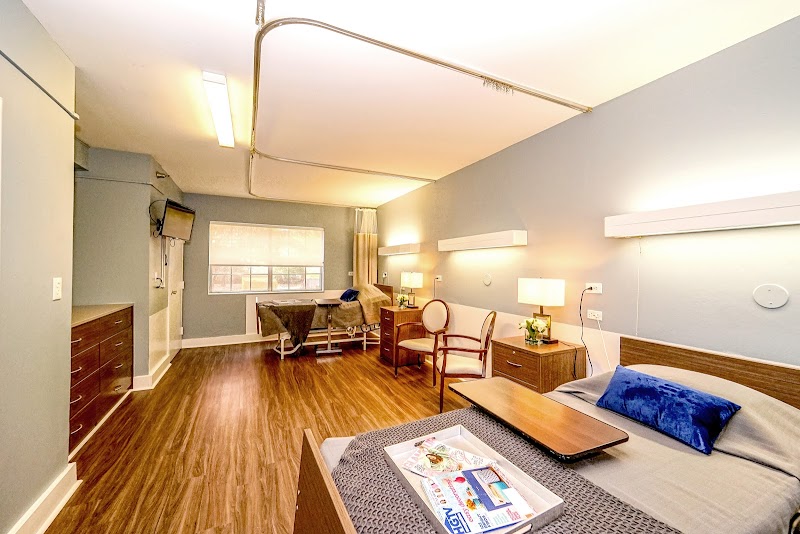
How is Durham Nursing & Rehabilitation Center Staffed?
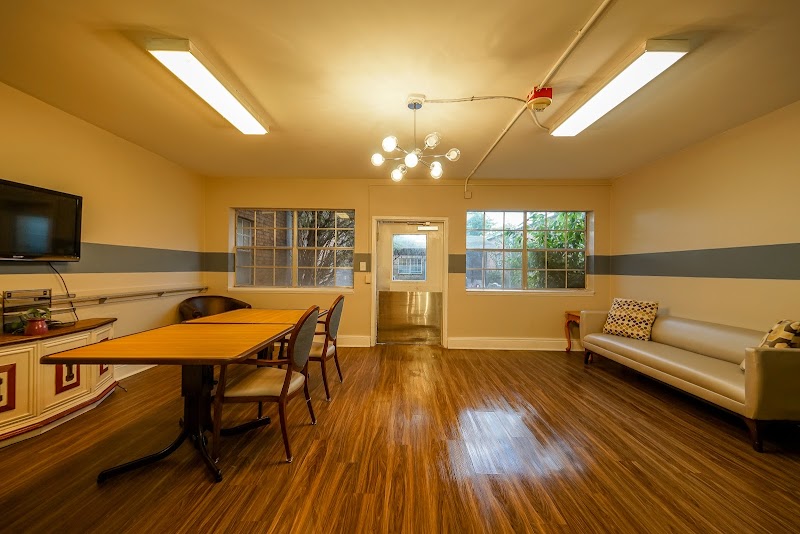
CMS rates Durham Nursing & Rehabilitation Center's staffing level at 3 out of 5 stars, which is average compared to other nursing homes. Staff turnover is 52%, compared to the North Carolina average of 46%. RN turnover specifically is 58%, which is notably high. RNs provide skilled clinical oversight, so turnover in this role can affect medical care quality.

What Have Inspectors Found at Durham Nursing & Rehabilitation Center?

State health inspectors documented 40 deficiencies at Durham Nursing & Rehabilitation Center during 2022 to 2025. These included: 2 Immediate Jeopardy (the most serious level, indicating potential for serious harm or death), 4 that caused actual resident harm, 33 with potential for harm, and 1 minor or isolated issues. Immediate Jeopardy findings are rare and represent the most serious regulatory concerns. They require immediate corrective action.

Who Owns and Operates Durham Nursing & Rehabilitation Center?

Durham Nursing & Rehabilitation Center is owned by a for-profit company. For-profit facilities operate as businesses with obligations to shareholders or private owners. The facility is operated by MAXIMUS HEALTHCARE GROUP, a chain that manages multiple nursing homes. With 126 certified beds and approximately 82 residents (about 65% occupancy), it is a mid-sized facility located in Durham, North Carolina.

How Does Durham Nursing & Rehabilitation Center Compare to Other North Carolina Nursing Homes?

Compared to the 100 nursing homes in North Carolina, Durham Nursing & Rehabilitation Center's overall rating (1 stars) is below the state average of 2.8, staff turnover (52%) is near the state average of 46%, and health inspection rating (1 stars) is much below the national benchmark.

What Should Families Ask When Visiting Durham Nursing & Rehabilitation Center?

Based on this facility's data, families visiting should ask: "What changes have been made since the serious inspection findings, and how are you preventing similar issues?" "Can I visit during a mealtime to observe dining assistance and food quality?" "How do you handle medical emergencies, and what is your hospital transfer rate?" "Can I speak with family members of current residents about their experience?" These questions are particularly relevant given the facility's Immediate Jeopardy citations.

Is Durham Nursing & Rehabilitation Center Safe?

Based on CMS inspection data, Durham Nursing & Rehabilitation Center has documented safety concerns. Inspectors have issued 2 Immediate Jeopardy citations (the most serious violation level indicating risk of serious injury or death). The facility has a 1-star overall rating and ranks #100 of 100 nursing homes in North Carolina. Families considering this facility should ask detailed questions about what corrective actions have been taken since these incidents.

Do Nurses at Durham Nursing & Rehabilitation Center Stick Around?

Durham Nursing & Rehabilitation Center has a staff turnover rate of 52%, which is 6 percentage points above the North Carolina average of 46%. Moderate turnover is common in nursing homes, but families should still ask about staff tenure and how the facility maintains care continuity when employees leave.

Was Durham Nursing & Rehabilitation Center Ever Fined?

Durham Nursing & Rehabilitation Center has been fined $167,149 across 9 penalty actions. This is 4.8x the North Carolina average of $34,750. Fines at this level are uncommon and typically indicate a pattern of serious deficiencies, repeated violations, or failure to correct problems promptly. CMS reserves penalties of this magnitude for facilities that pose significant, documented risk to resident health or safety. Families should request specific documentation of what issues led to these fines and what systemic changes have been implemented.

Is Durham Nursing & Rehabilitation Center on Any Federal Watch List?

Durham Nursing & Rehabilitation Center is not on any federal watch list. The most significant is the Special Focus Facility (SFF) program, which identifies the bottom 1% of nursing homes nationally based on persistent, serious quality problems. Not being on this list means the facility has avoided the pattern of deficiencies that triggers enhanced federal oversight. This is a positive indicator, though families should still review the facility's inspection history directly.