Pruitthealth-Durham

3100 Erwin Road, Durham, NC 27705 (919) 383-1546
For profit - Limited Liability company 125 Beds PRUITTHEALTH Data: November 2025 4 Immediate Jeopardy citations
Trust Grade
0/100
#279 of 417 in NC
Last Inspection: April 2025

Within standard 12-15 month inspection cycle. Federal law requires annual inspections.

Overview

Pruitthealth-Durham has a Trust Grade of F, indicating poor performance with significant concerns about care. They rank #279 out of 417 facilities in North Carolina, placing them in the bottom half of nursing homes in the state, and #8 out of 13 in Durham County, meaning only five local options are worse. The facility is worsening, with issues increasing from 7 in 2024 to 11 in 2025. Staffing is a relative strength, earning 3 out of 5 stars with a turnover rate of 37%, which is better than the state average. However, the home has faced $15,593 in fines, which is concerning and suggests ongoing compliance issues. Additionally, they provide more RN coverage than 79% of North Carolina facilities, which is beneficial for catching potential health problems. Specific incidents of concern include failure to notify a physician about a resident's deteriorating leg wound, leading to serious complications, and allegations of an injury to a resident that was not properly addressed. Overall, while there are some strengths in staffing and RN coverage, the facility faces significant challenges and serious safety concerns that families should consider carefully.

Trust Score
F
0/100
In North Carolina
#279/417
Bottom 34%
Safety Record
High Risk
Review needed
Inspections
Getting Worse
7 → 11 violations
Staff Stability
○ Average
37% turnover. Near North Carolina's 48% average. Typical for the industry.
Penalties
✓ Good
$15,593 in fines. Lower than most North Carolina facilities. Relatively clean record.
Skilled Nurses
○ Average
Each resident gets 40 minutes of Registered Nurse (RN) attention daily — about average for North Carolina. RNs are the most trained staff who monitor for health changes.
Violations
⚠ Watch
36 deficiencies on record. Higher than average. Multiple issues found across inspections.
★★☆☆☆
2.0
Overall Rating
★★★☆☆
3.0
Staff Levels
★★☆☆☆
2.0
Care Quality
★★☆☆☆
2.0
Inspection Score
Stable
2024: 7 issues
2025: 11 issues

The Good

  • Full Sprinkler Coverage · Fire safety systems throughout facility
  • No fines on record
  • Staff turnover below average (37%)

    11 points below North Carolina average of 48%

Facility shows strength in fire safety.

The Bad

2-Star Overall Rating

Below North Carolina average (2.8)

Below average - review inspection findings carefully

Staff Turnover: 37%

Near North Carolina avg (46%)

Typical for the industry

Federal Fines: $15,593

Below median ($33,413)

Minor penalties assessed

Chain: PRUITTHEALTH

Part of a multi-facility chain

Ask about local staffing decisions and management

The Ugly 36 deficiencies on record

4 life-threatening 4 actual harm
Jun 2025 5 deficiencies 3 Harm
SERIOUS (G) 📢 Someone Reported This

A family member, employee, or ombudsman was alarmed enough to file a formal complaint

Actual Harm - a resident was hurt due to facility failures

Notification of Changes (Tag F0580)

A resident was harmed · This affected 1 resident

**NOTE- TERMS IN BRACKETS HAVE BEEN EDITED TO PROTECT CONFIDENTIALITY** Based on record review, and staff, responsible party (RP), Hospice Nurse, and Physician interviews, the facility failed to notif...

Read full inspector narrative →
**NOTE- TERMS IN BRACKETS HAVE BEEN EDITED TO PROTECT CONFIDENTIALITY** Based on record review, and staff, responsible party (RP), Hospice Nurse, and Physician interviews, the facility failed to notify the provider of a change in condition and x-ray results after a fall for one (Resident #1) of three residents reviewed for notification of falls. Resident #1 fell on 5/17/2025 and the facility failed to notify the provider of pain and a new inability to bear weight. X-ray results obtained midday on 5/19/2025 were not relayed to the on-call provider until after hours on 5/19/2025. Resident #1 sustained an acute impacted left femoral neck fracture (an acute impacted left femoral neck fracture is a break in the upper part of the thigh bone (femur), specifically at the neck, where it connects to the ball of the hip joint). Findings included: Resident #1 was admitted to the facility on [DATE] with diagnoses of history of cerebral vascular accident, hemiplegia, hemiparesis, and lung cancer. Hemiplegia is paralysis on one side while hemiplegia is weakness on one side of the body. Resident #1 started receiving Hospice services on 3/31/2025. Documentation on a timesheet for Nurse Aide (NA) #1 revealed she worked at the facility from 7:18 AM to 10:53 PM on 5/17/2025. Documentation on the corresponding nursing schedule revealed NA #1 was assigned to care for Resident #1 during that time period. NA #1 was interviewed on 6/10/2025 at 11:54 AM. NA #1 revealed the following information. Resident #1 had a fall on 5/17/2025. NA #1 heard Resident #1 fall, and she told Nurse #4. Nurse #4 was interviewed on 6/10/2025 at 6:41 PM and revealed the following information. Nurse #4 worked the 7:00 AM to 7:00 PM shift on 5/17/2025. Resident #1 fell on 5/17/2025 while trying to go to the bathroom. Nurse #4 did full range of motion assessments of all her limbs and took the vital signs of Resident #1. Nurse #4, with the assistance of NA #1, helped Resident #1 up off the floor and into her wheelchair. Nurse #4 was so busy with a new admission, helping residents eat, changing incontinence briefs, and administering medications that she was not able to document anything in the electronic medical record. Nurse #4 also stated that she forgot to notify anybody about the fall but, Resident #1 was without injury or pain after the fall on 5/17/2025. There was no documentation in Resident #1's electronic medical record of any fall, assessments, or notification of physician or family on 5/17/2025 for the 7:00 AM to 7:00 PM shift. An interview was conducted with the Responsible Party (RP) #1 for Resident #1 on 6/10/2025 at 2:06 PM. RP #1 provided the following information. RP #1, her husband, and her children went to visit Resident #1 on the morning of 5/18/2025. RP #1 barely got down the hallway when she was stopped by NA #1. NA #1 explained that she had not yet assisted Resident #1 out of bed and to get dressed. NA #1 said she knew that RP #1 would like to take Resident #1 outside. NA #1 then told RP #1 that Resident #1 fell yesterday (5/17/2025) but she was fine. RP #1 remarked to NA #1 that nobody had called to tell her about the fall. RP #1 went to see Resident #1 and to ask her about the fall. RP #1 stated that she and her husband were trying to help Resident #1 to get up, but it seemed like she was in pain, and she could not bear any weight. This was a change for Resident #1 because although she was weak on her left side she had always been able to stand. RP #1 revealed she assisted Resident #1 in dressing and then asked her about the fall she had on the previous day. Resident #1 told RP #1 that she was trying to get to the bathroom, and she twisted her left foot and fell. Resident #1 told RP #1 she did not hit her head. Resident #1 told RP #1 that a nurse and a nurse aide put her back into bed. RP #1 indicated Resident #1 seemed very sore and was protecting her left side. RP #1 stated she and her husband took Resident #1 to the bathroom, but Resident #1 was not able to stand or bear any weight. RP #1 indicated Resident #1 required her husband to pick her up and hold her to get on and off the toilet and back into the wheelchair. RP #1 then went to the nurse's desk and spoke to Nurse #4. RP #1 told Nurse #4 that Resident #1 told her she fell last night and she was now in pain. RP #1 said Nurse #4 acted like she didn't know what RP #1 was talking about. Nurse #4 told RP #1 that Resident #1 had not mentioned anything about a fall or pain to her. Nurse #4 stated she would check and see if Resident #1 fell last night and confirmed she did not see anything about a fall in the electronic medical record. Nurse #4 went down to Resident #1's room and gave her pain medication but did not do any assessment or do anything else for Resident #1. RP #1 revealed she told Nurse #4 that Resident #1 was unable to bear weight on her left side and Nurse #4 kept acting like she didn't know what she was talking about or with any concern. Resident #1 told RP #1 that Nurse #4 was the nurse who was in the room last night after the fall. RP #1 did take Resident #1 outside to get some air but Resident #1 seemed very sore anytime they moved her, and she required more assistance than usual. Nurse #4 was interviewed on 6/10/2025 at 6:41 PM. Nurse #4 confirmed she worked the 7:00 AM to 7:00 PM shift on 5/18/2025. Nurse #4 stated that RP #1 came to the desk on the morning of 5/18/2025 and told her Resident #1 was having back pain. Nurse #4 stated that Resident #1's fall that occurred on 5/17/2025 was not discussed at all with RP #1. Nurse #4 stated that Resident #1 was not injured so there was no reason to tell RP #1 about the fall. Nurse #4 confirmed she administered an ordered dose of Oxycodone to Resident #1 on the morning of 5/18/2025. Nurse #4 confirmed she did not do any documentation or notification of a physician on 5/18/2025 because she was too busy with nursing duties. RP #1 was interviewed on 6/10/2025 at 2:06 PM and revealed the following information. On the morning of 5/19/2025 RP #1 had concerns for Resident #1, so she sent a text message to Hospice Nurse #1 first thing in the morning. RP #1 told Hospice Nurse #1 that Resident #1 had a fall on 5/17/2025 and she was in pain. Hospice Nurse #1 told RP #1 that Resident #1 was the first person she would visit that day. RP #1 could see on 5/19/2025 in a video call to Resident #1 that she was in a lot of pain and was guarding her left side. Documentation in a Hospice Nurse as needed visit note dated 5/19/2025 at 1:46 PM revealed, Received message from [RP #1] that [Resident #1] had a fall over the weekend. Arrived [Resident #1's] room, [Resident #1] was sleeping. Called out her name and [Resident #1] woke up without difficulty. Asked [Resident #1] about the fall, [Resident #1] narrated saying, I called for someone to help me to bathroom, but no one came, I did not want to pee on myself, so I got up using my cane, but my left foot got caught and I tripped over and fell on my left side. I lay there until an aide came to help me up. [Resident #1] had an unwitnessed fall on Saturday 5/17/2025, consulted facility nurse for details but [Nurse #3] stated that he had no report of the fall from previous shift. Since then, she has complained of pain of 5 to 8 on numerical scale. [Resident #1] able to assist in turning, but pain prohibits turning to left side of body. [Resident #1] left leg and foot had no bruising, swelling, or hotness. [Resident #1] left side is the weak side from history of [Cerebral Vascular Accident]. Asked the facility provider [MD #1 (Physician)] for further management. Provider did an assessment and ordered STAT (immediate) X-ray of left leg and hip. Called Mobile service for STAT x-ray and collaborated with facility nurse for pain medication, to start with [as needed] acetaminophen. [Resident #1] was slightly tachycardic in 111-113 beats/minute with oximetry, oxygen saturation initially was 88 % on room air then after repositioning it came up to 93 %. (Tachycardia is a medical condition characterized by a rapid heart rate, typically defined as a resting heart rate of over 100 beats per minute.) Called family for update, to call Hospice and not to wait next time there was a concern. Hospice Nurse #1 was interviewed on 6/10/2025 at 5:20 PM. Hospice Nurse #1 revealed she was the case manager for Resident #1. Hospice Nurse #1 stated that on 5/19/2025 RP #1 sent her a text notifying her that Resident #1 had a fall over the weekend on 5/17/2025. Hospice Nurse #1 revealed she went to the facility, assessed Resident #1, and immediately contacted MD #1 (Physician), who was in the building. MD #1 looked at Resident #1 and ordered a STAT x-ray. Hospice Nurse #1 called mobile x-ray. Hospice Nurse #1 confirmed she asked Nurse #3 about Resident #1's fall on 5/17/2025 but he was unaware of the fall and did not see any documentation in the electronic medical record about the fall. MD #1 (Physician) was interviewed on 6/11/2025 at 8:06 AM and revealed the following information. MD #1 was doing his rounds at the facility on 5/19/2025 when a nurse approached him and asked him to look at Resident #1. MD #1 did an assessment of Resident #1 and noted her left leg was shorter and was externally rotated. MD #1 was certain that Resident #1 had a fracture, so he ordered a STAT x-ray of her left hip and made sure that Resident #1 had pain medication ordered and available. MD #1 requested to be contacted when the results of the x-ray came back for further orders. MD #1 expected a provider to be notified of any acute findings at the time they were available. MD #1 explained that Resident #1 was not one of his patients but for any change in condition; including x-ray results of a fracture, a provider should be notified to obtain additional orders. MD #1 confirmed notification was a key piece in the provision of care. Nurse #3 was interviewed on 6/10/2025 at 2:53 PM and provided the following information. Nurse #3 worked from 7:00 AM to 3:00 PM on 5/19/2025. Nurse #3 was told by Hospice Nurse #1 that Resident #1 had a fall on 5/17/2025 and that MD #1 had ordered a STAT x-ray of her left hip. Documentation on the x-ray results dated 5/19/2025 revealed Resident #1 had sustained an acute impacted left femoral neck fracture. The x-ray results were faxed to the facility at 2:50 PM on 5/19/2025. Nurse #2 was interviewed on 6/10/2025 at 2:38 PM and revealed the following information. Nurse #2 worked from 3:00 PM to 11:00 PM on 5/19/2025. Nurse #2 stated she was not aware at the start of her shift that Resident #1 had a fall over the weekend. Nurse #2 explained that she was also the facility wound care nurse and that at some point in her shift, she went to the fax machine to fax wound care orders. Nurse #2 went through all the faxes that were on the fax machine, and she noted the x-ray results for Resident #1. Nurse #2 did not know anything had happened to Resident #1. Nurse #2, at some point in the shift, went to Resident #1 to ask her why she had an x-ray because she was alert and oriented. Resident #1 told Nurse #2 she fell a few days ago. The on-call provider told Nurse #2 to follow up with the regular provider in the morning. Nurse #2 took her vital signs and did a pain assessment. Nurse #2 was alerted by the nurse aides that Resident #1 was in extreme pain when they turned her for incontinence care. Nurse #2 stated she gave pain medication to Resident #1. Nurse #2 explained that when Resident #1 first arrived at the facility she was weak and could not get up to go to the bathroom. Gradually Resident #1 gained strength and confidence and used her cane to go to the bathroom. Resident #1 was continent of bowel and bladder, but staff had to keep reminding her that she needed to ask for help to go to the bathroom so she would not fall. Nurse #2 noted it was a change for Resident #1 to be incontinent and to be provided with incontinent care by the nurse aides. Nurse #2 called the on-call physician with the x-ray results because it was after hours on 5/19/2025. The on-call provider asked if Resident #1 was stable. Nurse #2 told the on-call provider that Resident #1 was stable and was only in pain when she was moved or turned for incontinent care. Documentation in a nursing progress note dated 5/20/2025 at 12:09 AM written by Nurse #2 revealed the following information. Resident #1 fell a few days ago and was in pain when she was turned from side to side. Resident #1 received medication for breakthrough pain in the left hip area. The left hip x-ray results were received, and Resident #1 was noted to have an acute impacted left femoral hip neck fracture. The after-hours provider was contacted. The after-hours provider stated that if the resident was stable, to follow up in the morning with the nurse practitioner. Nurse #2 was interviewed again on 6/11/2025 at 1:31 PM. Nurse #2 conceded that Nurse #3 may have told her Resident #1 had a fall and to watch out for the x-ray results at the change of shift on 5/19/2025. Nurse #2 reiterated that she became aware of the x-ray results at an unknown time and she had many responsibilities that day as the wound care nurse for the facility. An interview was conducted with NA #6 on 6/11/2025 at 8:57 AM and the following information was provided. NA #6 was assigned to care for Resident #1 on 5/19/2025 from 3:00 PM until 7:00 AM on 5/20/2025. Resident #1 told NA #6 that she fell on Saturday. NA #6 asked her what happened because she was alert and oriented. Resident #1 told him she was trying to go to the bathroom and her foot twisted, and she fell. Resident #1 told NA #6 that a nurse and a nurse aide picked her up and put her in bed. NA #6 asked if RP #1 was called and Resident #1 said no. NA #6 called another nurse aide for help to provide incontinent care for her because she was in pain when she was moved. NA #6 stated he left the room to immediately tell Nurse #2 that Resident #1 had a fall over the weekend and she was in pain. Nurse #2 told NA #6 that there was no documentation in the electronic record of a fall sustained by Resident #1 over the weekend. NA #6 returned to Resident #1's room and told her that if she needed a bed pan to call him because he could not help her out of bed to the bathroom like he usually did. NA #6 said Resident #1 was crying in pain and he had to roll her little by little to provide incontinent care for her. NA #6 revealed he told Nurse #5 that Resident #1 had a fall and was in pain when moved. Nurse #5 was interviewed on 6/11/2025 at 7:27 AM and revealed the following information. Nurse #5 worked the 11:00 PM to 7:00 AM shift that ended on 5/20/2025. Nurse #5 revealed she notified the nurse practitioner in the morning on 5/20/2025 that the x-ray results were received by the facility and Resident #1 had an acute impacted left femoral neck fracture. Documentation in the nursing progress notes dated 5/20/2025 at 7:25 AM written by Nurse #5 revealed the nurse practitioner gave a verbal order to send Resident #1 to the emergency room for a left femoral neck fracture. The documentation on Resident #1's hospital Discharge summary dated [DATE] revealed Resident #1 underwent surgery to repair her femur fracture. An interview was conducted on 6/13/2025 at 1:11 PM with the current interim Director of Nursing (DON), who initiated employment with the facility on 5/27/2025. The DON explained she was made aware of the facility investigation for Resident #1 by the previous Administrator at the start of her employment. The DON stated she expected that the nursing staff would assess a resident who fell, and if there was a serious medical issue to contact the provider and herself. The DON elaborated that each nursing station had directions at the desk for what steps needed to be taken when a resident falls, including assessment, notification of provider, and charting. The facility provided a draft plan of correction for past non-compliance that was not acceptable to the state agency due to a lack of measures put into place for audits and monitoring of compliance.
SERIOUS (G) 📢 Someone Reported This

A family member, employee, or ombudsman was alarmed enough to file a formal complaint

Actual Harm - a resident was hurt due to facility failures

Free from Abuse/Neglect (Tag F0600)

A resident was harmed · This affected 1 resident

Based on record review, and staff, resident, responsible party (RP), Hospice Nurse, Physician, and Medical Director interviews, the facility failed to provide ongoing assessments after a fall; failed ...

Read full inspector narrative →
Based on record review, and staff, resident, responsible party (RP), Hospice Nurse, Physician, and Medical Director interviews, the facility failed to provide ongoing assessments after a fall; failed to identify a change in condition that required medical evaluation and treatment; failed to notify a provider of a change in condition; failed to identify one leg shorter than the other and external leg rotation required medical evaluation and treatment; failed to communicate effectively to provide treatment; and failed to notify a provider of fracture x-ray fax results upon receipt for one (Resident #1) of three residents reviewed for abuse and/or neglect. Resident #1 sustained an acute impacted left femoral neck fracture. (an acute impacted left femoral neck fracture is a break in the upper part of the thigh bone (femur), specifically at the neck, where it connects to the ball of the hip joint). Findings included: This tag is cross referred to: F580: Based on record review, and staff, responsible party (RP), Hospice Nurse, and Physician interviews, the facility failed to notify the provider of a change in condition and x-ray results after a fall for one (Resident #1) of three residents reviewed for notification of falls. Resident #1 fell on 5/17/2025 and the facility failed to notify the provider of pain and a new inability to bear weight. X-ray results obtained midday on 5/19/2025 were not relayed to the on-call provider until after hours on 5/19/2025. Resident #1 sustained an acute impacted left femoral neck fracture. (An acute impacted left femoral neck fracture is a break in the upper part of the thigh bone (femur), specifically at the neck, where it connects to the ball of the hip joint.) F684: Based on record review, and staff, responsible party (RP), resident, Hospice Nurse, Physician, and Medical Director interviews the facility failed to provide ongoing assessments after a fall; failed to identify the change in condition required medical evaluation and treatment; failed to identify one leg shorter than the other and external leg rotation required medical evaluation and treatment; and failed to communicate effectively to provide treatment for one (Resident #1) of three residents reviewed for assessment after a fall. Resident #1 sustained an acute impacted left femoral neck fracture (an acute impacted left femoral neck fracture is a break in the upper part of the thigh bone (femur), specifically at the neck, where it connects to the ball of the hip joint). Findings included:
SERIOUS (G) 📢 Someone Reported This

A family member, employee, or ombudsman was alarmed enough to file a formal complaint

Actual Harm - a resident was hurt due to facility failures

Quality of Care (Tag F0684)

A resident was harmed · This affected 1 resident

**NOTE- TERMS IN BRACKETS HAVE BEEN EDITED TO PROTECT CONFIDENTIALITY** Based on record review, and staff, responsible party (RP), resident, Hospice Nurse, Physician, and Medical Director interviews t...

Read full inspector narrative →
**NOTE- TERMS IN BRACKETS HAVE BEEN EDITED TO PROTECT CONFIDENTIALITY** Based on record review, and staff, responsible party (RP), resident, Hospice Nurse, Physician, and Medical Director interviews the facility failed to provide ongoing assessments after a fall; failed to identify the change in condition required medical evaluation and treatment; failed to identify one leg shorter than the other and external leg rotation required medical evaluation and treatment; and failed to communicate effectively to provide treatment for one (Resident #1) of three residents reviewed for assessment after a fall. Resident #1 sustained an acute impacted left femoral neck fracture (an acute impacted left femoral neck fracture is a break in the upper part of the thigh bone (femur), specifically at the neck, where it connects to the ball of the hip joint). Findings included: Resident #1 was admitted to the facility on [DATE] with diagnoses of history of cerebral vascular accident, hemiplegia, hemiparesis, and lung cancer. Hemiplegia is paralysis on one side while hemiplegia is weakness on one side of the body. Resident #1 started receiving Hospice services on 3/31/2025. Documentation on an admission Minimum Data Set assessment dated [DATE] revealed Resident #1 had moderately impaired cognition with a range of motion impairment on one side of the upper and lower extremities. Resident #1 was also assessed as using a cane or a wheelchair. Resident #1 was evaluated as always incontinent of bowel and bladder. It was unknown if Resident #1 had a history of falls with no falls since her admission. Documentation on a timesheet for Nurse Aide (NA) #1) reveale she worked at the facility from 7:18 AM to 10:53 PM on 5/17/2025. Documentation on the corresponding nursing schedule revealed NA #1 was assigned to care for Resident #1 during that time period. NA #1 was interviewed on 6/10/2025 at 11:54 AM. NA #1 revealed the following information. Resident #1 had a fall on 5/17/2025. NA #1 heard Resident #1 fall, and she told Nurse #4. Any other information would have to be obtained from Nurse #4 and NA #1 declined to make a statement about whether Resident #1 was in pain. NA #1 insinuated she provided the facility with a statement regarding Resident #1's fall on 5/17/2025. The facility provided a statement handwritten by NA #1 on 5/21/2025 regarding the events of 5/17/2025. The documentation on the statement by NA #1 revealed the following information. NA #1 walked into Resident #1's room to collect the evening meal tray. NA #1 noted Resident #1 stood up with her cane. NA #1 requested Resident #1 to wait for her to set the meal tray down before ambulating. NA #1 turned around and she heard Resident #1 fall. NA #1 called for Nurse #4 who stood over Resident #1. NA #1 asked Nurse #4 what to do. Nurse #4 and NA #1 assisted Resident #1 to rise and placed her in bed. Nurse #4 sat in a chair while NA #1 made Resident #1 comfortable in the bed. Nurse #4 then left the room. Nurse #4 was interviewed on 6/10/2025 at 6:41 PM and revealed the following information. Nurse #4 worked the 7:00 AM to 7:00 PM shift on 5/17/2025. Resident #1 fell on 5/17/2025 while trying to go to the bathroom. Nurse #4 did full range of motion assessments of all her limbs and took the vital signs of Resident #1. Nurse #4, with the assistance of NA #1, helped Resident #1 up off the floor and into her wheelchair. NA #1 wheeled Resident #1 to the bathroom. Resident #1 stood up, pivoted, and sat on the commode. After finishing, Resident #1 stood, pivoted, and sat in the wheelchair. NA #1 then helped Resident #1 back to the bed, where Resident #1 stood, pivoted, and sat on the bed. Nurse #4 was adamant that Resident #1 was fine and in no pain. Nurse #4 was so busy with a new admission, helping residents eat, changing incontinence briefs, and administering medications that she was not able to document anything in the electronic medical record. Nurse #4 also stated that she forgot to document or notify anybody about the fall but, Resident #1 was without injury or pain after the fall on 5/17/2025. The facility provided a statement handwritten by Nurse #4 on 5/21/2025 regarding the events of 5/17/2025. The documentation on the statement revealed the following information. Nurse #4 was called to Resident #1's room by NA #1 because the resident had fallen. When Nurse #4 arrived, Resident #1 was sitting up against the nightstand by her bed. Resident #1 stated that she fell while going to the bathroom. Resident #1 had one leg flat, and one leg off the floor. Nurse #4 asked Resident #1 to move her arms and legs and she complied. Nurse #4 took the vital signs of Resident #1. NA #1 assisted Resident #1 into the wheelchair and took her to the bathroom. Resident #1 stood up holding onto the rail in the bathroom and NA #1 put her back into the wheelchair. NA #1 assisted Resident #1 back into bed. Resident #1 did not complain of pain. There was no documentation in Resident #1's electronic medical record of any fall, assessments, or notification of physician or family on 5/17/2025 for the 7:00 AM to 7:00 PM shift. Resident #1 was interviewed over the phone on 6/11/2025 at 3:31 PM. Resident #1 confirmed she remembered what happened when she fell on 5/17/2025 in the evening. Resident #1 stated she was going to the bathroom with her cane when her foot twisted causing her to fall. Resident #1 added that eventually someone came to assist her but not right away. Resident #1 stated she was picked up off the floor and placed back into bed. Resident #1 indicated the nurse did not do any assessment of her arms or legs nor take any vital signs. Resident #1 denied she was taken to the bathroom after the fall. Resident #1 was able to confirm the fall caused her pain but was not able to elaborate on that. Nurse #2 was interviewed on 6/10/2025 at 2:38 PM. Nurse #2 confirmed she worked from 7:00 PM to 11:00 PM on 5/17/2025. Nurse #2 stated she had no knowledge on 5/17/2025 that Resident #1 had fallen on the previous shift. Nurse #2 stated that she did recall that Resident #1 took her nighttime medication, had no complaints, and went to sleep. Documentation on the physician orders revealed Resident #1 had an order initiated on 4/8/2025 for 5 milligrams (mg) of Oxycodone to be administered as one tablet by mouth every 4 hours as needed for moderate pain at a level of 4 to 6 out of 10. Oxycodone is a prescription opioid pain medication used to relieve severe pain. Documentation on a controlled drug record for Resident #1 revealed Nurse #2 removed one dose of the ordered oxycodone at 9:15 PM on 5/17/2025. There was no corresponding documentation on the MAR to confirm the dose was administered to Resident #1. Nurse #2 was interviewed again on 6/11/2025 at 1:31 PM. Nurse #2 revealed the nurse aides came to her to tell her on 5/17/2025 that Resident #1 was in pain when they provided care. Nurse #2 confirmed she gave Resident #1 her ordered oxycodone pain medication at her request. Nurse #5 was interviewed on 6/11/2025 at 7:27 AM. Nurse #5 confirmed she worked the 11:00 PM to 7:00 AM shift beginning on 5/17/2025 and ending on 5/18/2025. Nurse #5 stated she was not informed on 5/17/2025 that Resident #1 had a fall earlier that evening. Nurse #5 indicated Resident #1 slept and had no complaints on her shift ending on the morning of 5/18/2025. Documentation on a timesheet for NA #1 revealed she worked at the facility from 8:31 AM to 3:10 PM on 5/18/2025. Documentation on the corresponding nursing schedule revealed NA #1 was assigned to care for Resident #1 during that time. An interview was conducted with the Responsible Party (RP #1) for Resident #1 on 6/10/2025 at 2:06 PM. RP #1 provided the following information. RP #1, her husband, and her children went to visit Resident #1 on the morning of 5/18/2025. RP #1 barely got down the hallway when she was stopped by NA #1. NA #1 explained that she had not yet assisted Resident #1 out of bed and to get dressed. NA #1 said she knew that RP #1 would like to take Resident #1 outside. NA #1 then told RP #1 that Resident #1 fell yesterday (5/17/2025) but she was fine. RP #1 remarked to NA #1 that nobody had called to tell her about the fall. RP #1 went to see Resident #1 and to ask her about the fall. RP #1 stated that she and her husband were trying to help Resident #1 to get up, but it seemed like she was in pain, and she could not bear any weight. This was a change for Resident #1 because although she was weak on her left side she had always been able to stand. RP #1 revealed she assisted Resident #1 in dressing and then asked her about the fall she had on the previous day. Resident #1 told RP #1 that she was trying to get to the bathroom, and she twisted her left foot and fell. Resident #1 told RP #1 she did not hit her head. Resident #1 told RP #1 that a nurse and a nurse aide put her back into bed. RP #1 indicated Resident #1 seemed very sore and was protecting her left side. RP #1 stated she and her husband took Resident #1 to the bathroom, but Resident #1 was not able to stand or bear any weight. RP #1 indicated Resident #1 required her husband to pick her up and hold her to get on and off the toilet and back into the wheelchair. RP #1 then went to the nurse's desk and spoke to Nurse #4. RP #1 told Nurse #4 that Resident #1 told her she fell last night and she was now in pain. RP #1 said Nurse #4 acted like she didn't know what RP #1 was talking about. Nurse #4 told RP #1 that Resident #1 had not mentioned anything about a fall or pain to her. Nurse #4 stated she would check and see if Resident #1 fell last night and confirmed she did not see anything about a fall in the electronic medical record. Nurse #4 went down to Resident #1's room and gave her pain medication but did not do any assessment or do anything else for Resident #1. RP #1 revealed she told Nurse #4 that Resident #1 was unable to bear weight on her left side and Nurse #4 kept acting like she didn't know what she was talking about or with any concern. Resident #1 told RP #1 that Nurse #4 was the nurse who was in the room last night after the fall. RP #1 did take Resident #1 outside to get some air but Resident #1 seemed very sore anytime they moved her, and she required more assistance than usual. Nurse #4 was interviewed on 6/10/2025 at 6:41 PM. Nurse #4 confirmed she worked the 7:00 AM to 7:00 PM shift on 5/18/2025. Nurse #4 stated that RP #1 came to the desk on the morning of 5/18/2025 and told her Resident #1 was having back pain. Nurse #4 stated that Resident #1's fall that occurred on 5/17/2025 was not discussed at all with RP #1. Nurse #4 stated that Resident #1 was not injured so there was no reason to tell RP #1 about the fall. Nurse #4 confirmed she administered an ordered dose of Oxycodone to Resident #1 on the morning of 5/18/2025. Documentation on the medication administration record (MAR) revealed Nurse #4 administered an ordered dose of Oxycodone to Resident #1 on 5/18/2025 at 10:47 AM for a pain level of 8 out of 10. Nurse #6 was interviewed on 6/11/2025 at 9:07 AM. Nurse #6 confirmed she worked on 5/18/2025 from 7:00 PM to 11:00 PM. Nurse #6 stated she did not know on 5/18/2025 that Resident #1 fell on 5/17/2025. Nurse #6 stated Resident #1 did not complain of any pain, nor did she have any complaints at all on 5/18/2025 on her shift. Nurse #5 was interviewed on 6/11/2025 at 7:27 AM. Nurse #5 confirmed she worked the 11:00 PM to 7:00 AM shift beginning on 5/18/2025 and ending on 5/19/2025. Nurse #5 revealed she was unaware on her shift that began on 5/18/2025 that Resident #1 had a fall the previous day on 5/17/2025. Nurse #5 stated that Resident #5 was sleeping during that shift and did not complain of any pain. RP #1 was interviewed on 6/10/2025 at 2:06 PM and revealed the following information. On the morning of 5/19/2025 RP #1 had concerns for Resident #1, so she sent a text message to Hospice Nurse #1 first thing in the morning. RP #1 told Hospice Nurse #1 that Resident #1 had a fall on 5/17/2025 and she was in pain. Hospice Nurse #1 told RP #1 that Resident #1 was the first person she would visit that day. RP #1 could see on 5/19/2025 in a video call to Resident #1 that she was in a lot of pain and was guarding her left side. Documentation in a Hospice Nurse as needed visit note dated 5/19/2025 at 1:46 PM revealed, Received message from [RP #1] that [Resident #1] had a fall over the weekend. Arrived [Resident #1's] room, [Resident #1] was sleeping. Called out her name and [Resident #1] woke up without difficulty. Asked [Resident #1] about the fall, [Resident #1] narrated saying, I called for someone to help me to bathroom, but no one came, I did not want to pee on myself, so I got up using my cane, but my left foot got caught and I tripped over and fell on my left side. I lay there until an aide came to help me up. [Resident #1] had an unwitnessed fall on Saturday 5/17/2025, consulted facility nurse for details but [Nurse #3] stated that he had no report of the fall from previous shift. Since then, she has complained of pain of 5 to 8 on numerical scale. [Resident #1] able to assist in turning, but pain prohibits turning to left side of body. [Resident #1] left leg and foot had no bruising, swelling, or hotness. [Resident #1] left side is the weak side from history of [Cerebral Vascular Accident]. Asked the facility provider [MD #1 (Physician)] for further management. Provider did an assessment and ordered STAT (immediate) X-ray of left leg and hip. Called Mobile service for STAT x-ray and collaborated with facility nurse for pain medication, to start with [as needed] acetaminophen. [Resident #1] was slightly tachycardic in 111-113 beats/minute with oximetry, oxygen saturation initially was 88 % on room air then after repositioning it came up to 93 %. (Tachycardia is a medical condition characterized by a rapid heart rate, typically defined as a resting heart rate of over 100 beats per minute.) Called family for update, to call Hospice and not to wait next time there was a concern. Hospice Nurse #1 was interviewed on 6/10/2025 at 5:20 PM. Hospice Nurse #1 revealed she was the case manager for Resident #1. Hospice Nurse #1 stated that on 5/19/2025 RP #1 sent her a text notifying her that Resident #1 had a fall over the weekend on 5/17/2025. Hospice Nurse #1 revealed she went to the facility, assessed Resident #1, and immediately contacted MD #1 (Physician), who was in the building. MD #1 looked at Resident #1 and ordered a STAT x-ray. Hospice Nurse #1 called mobile x-ray. MD #1 (Physician) was interviewed on 6/11/2025 at 8:06 AM and revealed the following information. MD #1 was doing his rounds at the facility on 5/19/2025 when a nurse approached him and asked him to look at Resident #1. MD #1 did an assessment of Resident #1 and noted her left leg was shorter and was externally rotated. MD #1 was certain that Resident #1 had a fracture, so he ordered a STAT x-ray of her left hip and made sure that Resident #1 had pain medication ordered and available. MD #1 requested to be contacted when the results of the x-ray came back for further orders. Nurse #3 was interviewed on 6/10/2025 at 2:53 PM and provided the following information. Nurse #3 worked from 7:00 AM to 3:00 PM on 5/19/2025. Nurse #3 was told by Hospice Nurse #1 that Resident #1 had a fall on 5/17/2025 and that MD #1 had ordered a STAT x-ray of her left hip. Nurse #3 stated that Hospice Nurse #1 contacted the mobile x-ray, and the x-ray was taken on his shift on the morning of 5/19/2025. Resident #1 was in pain on his shift, and he gave her pain medication. Nurse #3 stated that he notified Nurse #2, the next shift nurse, that Resident #1 had a fall and the facility was still waiting on the x-ray results. Documentation on a controlled drug record for Resident #1 revealed Nurse #3 removed one dose of the ordered Oxycodone at 9:00 AM on 5/19/2025 and another dose at 2:00 PM on 5/19/2025. There was no corresponding documentation on the MAR to confirm the dose was administered to Resident #1. NA #3 was interviewed on 6/10/2025 at 1:04 PM and revealed the following information. NA #3 was assigned to care for Resident #1 on 5/19/2025 for the 7:00 AM to 3:00 PM shift. NA #3 had not worked that weekend, but when he came back to work on 5/19/2025 he had heard Resident #1 had a fall. NA #3 stated Resident #1 was in pain, and he told Nurse #3 she was in pain. NA #3 stated that every time he turned Resident #1 for incontinent care, she was in pain, and it was hard. NA #3 stated he had to talk Resident #1 through it. Resident #1 didn't want to turn because she was in pain. Documentation on the x-ray results dated 5/19/2025 revealed Resident #1 had sustained an acute impacted left femoral neck fracture. The x-ray results were faxed to the facility at 2:50 PM on 5/19/2025. Nurse #2 was interviewed on 6/10/2025 at 2:38 PM and revealed the following information. Nurse #2 worked from 3:00 PM to 11:00 PM on 5/19/2025. Nurse #2 stated she was not aware at the start of her shift that Resident #1 had a fall over the weekend. Nurse #2 explained that she was also the facility wound care nurse and that at some point in her shift she went to the fax machine to fax wound care orders. Nurse #2 went through all the faxes that were on the fax machine, and she noted the x-ray results for Resident #1. Nurse #2 did not know anything had happened to Resident #1. Nurse #2, at some point in the shift, went to Resident #1 to ask her why she had an x-ray because she was alert and oriented. Resident #1 told Nurse #2 she fell a few days ago. Nurse #2 took her vital signs and did a pain assessment. Nurse #2 was alerted by the nurse aides that Resident #1 was in extreme pain when they turned her for incontinence care. Nurse #2 stated she gave pain medication to Resident #1. Nurse #2 explained that when Resident #1 first arrived at the facility she was weak and could not get up to go to the bathroom. Gradually Resident #1 gained strength and confidence and used her cane to go to the bathroom. Resident #1 was continent of bowel and bladder, but staff had to keep reminding her that she needed to ask for help to go to the bathroom so she would not fall. Nurse #2 noted it was a change for Resident #1 to be incontinent and to be provided with incontinent care by the nurse aides. Nurse #2 called the on-call physician with the x-ray results because it was after hours on 5/19/2025. The on-call provider asked if Resident #1 was stable. Nurse #2 told the on-call provider that Resident #1 was stable and was only in pain when she was moved or turned for incontinent care. The on-call provider told Nurse #2 to follow up with the regular provider in the morning. Nurse #2 was interviewed again on 6/11/2025 at 1:31 PM. Nurse #2 conceded that Nurse #3 may have told her Resident #1 had a fall and to watch out for the x-ray results at the change of shift on 5/19/2025. Nurse #2 reiterated that she became aware of the x-ray results at an unknown time and she had many responsibilities that day as the wound care nurse for the facility. Documentation in a nursing progress note dated 5/20/2025 at 12:09 AM written by Nurse #2 revealed the following information. Resident #1 fell a few days ago and was in pain when she was turned from side to side. Resident #1 received medication for breakthrough pain in the left hip area. The left hip x-ray results were received, and Resident #1 was noted to have an acute impacted left femoral hip neck fracture. The after-hours provider was contacted. The after-hours provider stated that if the resident was stable, to follow up in the morning with the nurse practitioner. Documentation on a controlled drug record for Resident #1 revealed Nurse #2 removed one dose of the ordered Oxycodone at 9:15 PM on 5/19/2025. There was no corresponding documentation on the MAR to confirm the dose was administered to Resident #1. An interview was conducted with NA #6 on 6/11/2025 at 8:57 AM and the following information was provided. NA #6 was assigned to care for Resident #1 on 5/19/2025 from 3:00 PM until 7:00 AM on 5/20/2025. Resident #1 told NA #6 that she fell on Saturday. NA #6 asked her what happened because she was alert and oriented. Resident #1 told him she was trying to go to the bathroom and her foot twisted, and she fell. Resident #1 told NA #6 that a nurse and a nurse aide picked her up and put her in bed. NA #6 asked if RP #1 was called and Resident #1 said no. NA #6 called another nurse aide for help to provide incontinent care for her because she was in pain when she was moved. NA #6 stated he left the room to immediately tell Nurse #2 that Resident #1 had a fall over the weekend and she was in pain. Nurse #2 told NA #6 that there was no documentation in the electronic record of a fall sustained by Resident #1 over the weekend. NA #6 returned to Resident #1's room and told her that if she needed a bed pan to call him because he could not help her out of bed to the bathroom like he usually did. NA #6 said Resident #1 was crying in pain and he had to roll her little by little to provide incontinent care for her. NA #6 revealed he told Nurse #5 that Resident #1 had a fall and was in pain when moved. Nurse #5 was interviewed on 6/11/2025 at 7:27 AM and revealed the following information. Nurse #5 worked the 11:00 PM to 7:00 AM shift that ended on 5/20/2025. On the last rounds where the nurse aides provided incontinence care to the residents, one of the nurse aides came to Nurse #5 and told her Resident #1 was grimacing when she was moved during care. Nurse #5 stated she knew Resident #1 had an order for Oxycodone because she was receiving Hospice services. Nurse #5 revealed she offered a dose of Oxycodone to Resident #1, but she refused. The dose of Oxycodone was not administered to Resident #1, and it was wasted. Documentation on the MAR revealed Nurse #5 administered a dose of Oxycodone to Resident #1 on 5/20/2025 at 5:49 AM for a pain level of 10 out of 10. Documentation on the controlled drug record for ordered Oxycodone for Resident #1 dated 5/20/2025 revealed the Oxycodone dose offered by Nurse #5 was refused. Documentation in the nursing progress notes dated 5/20/2025 at 7:25 AM written by Nurse #5 revealed the nurse practitioner gave a verbal order to send Resident #1 to the emergency room for a left femoral neck fracture. The nurse practitioner, whose employment ended on 5/30/2025, did not respond to requests for an interview. Documentation in the nursing progress notes written as a late entry on 5/20/2025 at 7:43 AM by Nurse #3 for 5/19/2025 revealed Resident #1 had an x-ray completed due to complaints of increased pain in the left thigh. Documentation on an Emergency Medical Services record dated 5/20/2025 at 7:54 PM revealed Resident #1 received non-emergent transport to the hospital. Resident #1 was noted to only be in pain when moved and declined pain medication during transport. The documentation on Resident #1's hospital Discharge summary dated [DATE] revealed Resident #1 underwent surgery to repair her femur fracture. It was noted that a non-operative femur fracture would have led to significant pain in the long term. Resident #1 was to return to the facility. An interview was conducted with RP #2 on 6/10/2025 at 11:31 AM. RP #2 stated that when Resident #1 was released from the hospital and she returned to the facility the resident cried every day because she was scared. RP #2 explained that the hospital was not able to secure another bed in another facility prior to her discharge. An interview was conducted with RP #1 on 6/10/2025 at 2:06 PM. RP #1 stated that x-ray results revealing Resident #1 had a fracture were not conveyed to her until 5/20/2025. RP #1 had the concern that Resident #1 was in pain until a transfer to the hospital. RP #1 revealed on 5/23/2025 she contacted the facility to express her opinion that Nurse #4 was neglectful. RP #1 confirmed that Resident #1 was not happy about returning to the facility, but the hospital was unable to find another facility at the time of her discharge from the hospital. Documentation in a care plan for Resident #1 updated on 5/28/2025 revealed a focus area for a risk for falls related to disease process, generalized weakness, contractures, history of cerebral vascular accident, incontinence, and medication side effects with an actual fall on 5/19/2025. The approach added on 5/28/2025 was for Resident #1 to be reminded to call for assistance with transfers. Documentation in the electronic medical record revealed Resident #1 was transferred to another facility on 6/6/2025. The previous Administrator, whose employment at the facility ended on 6/6/2025, did not respond to requests for an interview. The facility Medical Director, was interviewed on 6/11/2025 at 8:06 AM via telephone. The Medical Director revealed that after looking at the electronic medical record he was able to see that Resident #1 had no complaints of pain and received very little pain medication from 5/17/2025 to 5/19/2025. The Medical Director conceded that the documentation for the fall on 5/17/2025 was poor. The Medical Director stated that perhaps Resident #1 had an underlying issue due to paralysis on her left side that delayed her expressing pain and required treatment. The Medical Director also indicated that he was aware the family had transferred Resident #1 to the bathroom on the morning of 5/18/2025 and may have caused injury to the resident. The Medical Director felt the x-ray being completed by 5/19/2025 and Resident #1 being sent to the hospital for treatment of the fracture on 5/20/2025 was an appropriate time frame for a resident on Hospice who was not expressing any pain. The Medical Director praised the Hospice services for assuring Resident #1 received assessment and treatment. An interview was conducted on 6/13/2025 at 1:11 PM with the current interim Director of Nursing (DON), who initiated employment with the facility on 5/27/2025. The DON explained she was made aware of the facility investigation for Resident #1 by the previous Administrator at the start of her employment. The DON stated she expected that the nursing staff would assess a resident who has had a fall and if there was a serious medical issue to contact the provider and herself. In addition, the DON had the expectation that an attempt would be made to contact the family of a resident who had fallen. The DON elaborated that each nursing station had directions at the desk for what steps needed to be taken when a resident falls, including assessment, notification of provider, and charting. The DON also stated that she expected communication to occur between nurses to make sure x-ray results were conveyed to a provider as soon as received. The facility provided a draft plan of correction for past non-compliance that was not acceptable to the state agency due to a lack of measures put into place for communication between nursing shifts, education of expectations for nurse aides, audits, and monitoring of compliance.
CONCERN (D) 📢 Someone Reported This

A family member, employee, or ombudsman was alarmed enough to file a formal complaint

Potential for Harm - no one hurt, but risky conditions existed

Abuse Prevention Policies (Tag F0607)

Could have caused harm · This affected 1 resident

**NOTE- TERMS IN BRACKETS HAVE BEEN EDITED TO PROTECT CONFIDENTIALITY** Based on record review, and staff and a resident interview, the facility failed to immediately notify the Administrator of an ab...

Read full inspector narrative →
**NOTE- TERMS IN BRACKETS HAVE BEEN EDITED TO PROTECT CONFIDENTIALITY** Based on record review, and staff and a resident interview, the facility failed to immediately notify the Administrator of an abuse allegation made by a resident for one (Resident #2) of three residents reviewed for abuse investigations. Findings included: Documentation on the facility procedures for Reporting Patient Abuse, Neglect, Exploitation, Mistreatment, and Misappropriation of Property dated as last reviewed on 11/15/2024 revealed the following statement. Any allegations, suspicion, or identified occurrence identified involving patient abuse, neglect, exploitation, mistreatment, and misappropriation of property, including injuries of an unknown source, should be immediately reported to the Administrator of the provider entity. Resident #2 was admitted to the facility on [DATE] with diagnoses of schizophrenia, depression, dementia, and bipolar disorder. Documentation on a quarterly Minimum Data Set assessment dated [DATE] revealed Resident #2 was cognitively intact, always incontinent of bowel and bladder, and required substantial assistance with toileting hygiene. Resident #2 was interviewed on 6/10/2025 at 10:28 AM. Resident #2 revealed Nurse Aide (NA) #2 came into her room to provide incontinent care one evening. Resident #2 further revealed NA #2 made inappropriate actions of a sexual nature and made an inappropriate comment. Resident #2 stated she told Nurse #7 and Nurse Aide (NA) #8 what had happened to her. Resident #2 did not recall which day she told Nurse #7 or NA #8. Nurse #7 was interviewed on 6/11/2025 at 10:51 AM. Nurse #7 denied Resident #2 told her of the abuse allegation involving NA #2. Nurse #7 said she heard rumors of the abuse allegation made by Resident #2 regarding NA #2 but when she went to the Administrator it was already known to her. Nurse #7 stated Resident #2 was known to fabricate stories and was attention seeking although this may not have been documented in her medical record. Nurse #7 did not recall which day this occurred. NA #8 was interviewed on 6/11/2025 at 11:15 AM. NA #8 provided the following information. NA #8 was assisting Resident #2's roommate to eat lunch when she overheard the Activity Director (AD) #1 talking to Resident #2. Resident #2 told AD #1 that NA #2 inappropriately touched her when he was changing her. NA #8 did not recall what day this occurred. AD #1 then left the room telling Resident #2 she had to tell the Administrator. NA #8 continued assisting residents and performing her nurse aide duties. NA #8 realized at the end of her shift that nothing was happening, and nobody had come to talk to Resident #2 about the allegation she had made earlier. NA #8 went to a person she recognized to be a corporate person and told her she needed to talk to someone about an abuse allegation she heard. The corporate person directed NA #8 to interrupt a meeting the Administrator and the Director of Nursing were having at that time. NA #8 interrupted the meeting and informed the Administrator of the allegation of abuse Resident #2 told AD #1. AD #1 was interviewed on 6/11/2025 at 11:50 AM. AD #1 stated she entered Resident #2's room to give mail to Resident #2's roommate. Resident #2 stopped AD #1 and said she had something to tell her. Resident #2 relayed to AD #1 an allegation regarding NA #2 inappropriately touching her. AD #1 revealed that NA #8 looked at them from around the privacy curtain while assisting Resident #2's roommate. AD #1 said she told Resident #2 to stop talking so NA #8 would not hear anymore. AD #1 said she left Resident #2's room to tell the Administrator of the allegation of abuse but it slipped her mind as she got busy. AD #1 indicated she remembered on the way home from work the allegation Resident #2 made regarding NA #2. AD #1 decided that in the morning clinical meeting the next day she would inform the Administrator of the allegation made by Resident #2. AD #1 discovered the next morning that the Administrator already was aware of the allegation made by Resident #2 as she had been informed by NA #8 at the end of her shift. The facility's senior Nursing Corporate Consultant was interviewed on 6/11/2025 at 12:27 PM. The Nursing Corporate Consultant confirmed NA #8 came to her and told her she had an allegation of abuse to report. The Nursing Corporate Consultant instructed NA #8 to immediately go to the Administrator and interrupt her meeting to tell her of the abuse allegation. The previous Administrator, whose employment at the facility ended on 6/6/2025, did not respond to requests for an interview. The previous Director of Nursing (DON) was interviewed on 6/13/2025 at 1:27 PM. The previous DON confirmed NA #8 interrupted a meeting she was having with the previous Administrator to report an allegation of abuse Resident #2 had made in her presence. The previous DON confirmed NA #8 brought this information to the previous Administrator at the end of her shift at approximately 3:00 PM. Documentation on an initial investigation report sent to the state offices by the former Administrator faxed on 5/1/2025 at 4:09 PM revealed Resident #2 had made an allegation of abuse against NA #2 for an event occurring on either 4/28/2025 or 4/29/2025. The current Administrator was interviewed on 6/13/2025 at 1:15 PM. The Administrator stated that abuse was not tolerated at the facility. The Administrator confirmed all allegations of abuse must be immediately reported to her so that a full investigation can be completed.
CONCERN (E) 📢 Someone Reported This

A family member, employee, or ombudsman was alarmed enough to file a formal complaint

Potential for Harm - no one hurt, but risky conditions existed

Medical Records (Tag F0842)

Could have caused harm · This affected multiple residents

Based on record review and staff interviews, the facility failed to effectively document in the electronic medical record for conveyance of medical information for two (Resident #1 and Resident #5) of...

Read full inspector narrative →
Based on record review and staff interviews, the facility failed to effectively document in the electronic medical record for conveyance of medical information for two (Resident #1 and Resident #5) of three residents reviewed for accidental falls. Resident #1 lacked initial documentation of a fall by Nurse #4, initial physical assessments by Nurse #4, and administration of pain medication by Nurse #2 and Nurse #3. Resident #1 had incorrect documentation of the administration of pain medication by Nurse #5. Resident #5 lacked documentation of a nursing physical assessment after a fall. Findings included: 1. a. Documentation on a timesheet for Nurse Aide (NA #1) revealed she worked at the facility from 7:18 AM to 10:53 PM on 5/17/2025. Documentation on the corresponding nursing schedule revealed NA #1 was assigned to care for Resident #1 during that time period. NA #1 was interviewed on 6/10/2025 at 11:54 AM. NA #1 revealed the following information. Resident #1 had a fall on 5/17/2025. NA #1 heard Resident #1 fall, and she told Nurse #4. Nurse #4 was interviewed on 6/10/2025 at 6:41 PM and revealed the following information. Nurse #4 worked the 7:00 AM to 7:00 PM shift on 5/17/2025. Resident #1 fell on 5/17/2025 while trying to go to the bathroom. Nurse #4 did full range of motion assessments of all her limbs and took the vital signs of Resident #1. Nurse #4, with the assistance of NA #1, helped Resident #1 up off the floor and into her wheelchair. Nurse #4 was so busy with a new admission, helping residents eat, changing incontinence briefs, and administering medications that she was unable to document anything in the electronic medical record. Nurse #4 also stated that she forgot to document the fall, the assessment, or notify anybody about the fall but, Resident #1 was without injury or pain after the fall on 5/17/2025. There was no documentation in Resident #1's electronic medical record of any fall, assessments, or notification of physician or family on 5/17/2025 for the 7:00 AM to 7:00 PM shift. Nurse #4 was interviewed on 6/10/2025 at 6:41 PM. Nurse #4 confirmed she worked the 7:00 AM to 7:00 PM shift on 5/18/2025. Nurse #4 revealed that she was very busy caring for the residents on 5/18/2025 and did not document any information about the fall in the electronic medical record. b. Documentation on the physician orders revealed Resident #1 had an order initiated on 4/8/2025 for 5 milligrams (mg) of Oxycodone to be administered as one tablet by mouth every 4 hours as needed for moderate pain at a level of 4 to 6 out of 10. Oxycodone is a prescription opioid pain medication. It was used to relieve severe pain. Documentation on a controlled drug record for Resident #1 revealed Nurse #2 removed one dose of the ordered oxycodone at 9:15 PM on 5/17/2025. There was no corresponding documentation on the Medication Administration Record (MAR) to confirm the dose was administered to Resident #1. Nurse #2 was interviewed again on 6/11/2025 at 1:31 PM. Nurse #2 revealed the nurse aides came to her to tell her on 5/17/2025 that Resident #1 was in pain when they provided care. Nurse #2 confirmed she gave Resident #1 her ordered Oxycodone pain medication at her request. Nurse #2 conceded that she got busy and forgot to follow through to document on the MAR that she administered Oxycodone to Resident #1. c. Documentation on a controlled drug record for Resident #1 revealed Nurse #3 removed one dose of the ordered Oxycodone at 9:00 AM on 5/19/2025 and another dose at 2:00 PM on 5/19/2025. There was no corresponding documentation on the MAR to confirm the dose was administered to Resident #1. Nurse #3 was interviewed on 6/11/2025 at 11:05 AM. Nurse #3 confirmed he administered the doses of Oxycodone to Resident #1 at 9:00 AM on 5/19/2025 and at 2:00 PM on 5/19/2025. Nurse #3 stated he either forgot to document the administration of the medication or just didn't document it because he was busy. d. Documentation on a controlled drug record for Resident #1 revealed Nurse #2 removed one dose of the ordered Oxycodone at 9:15 PM on 5/19/2025. There was no corresponding documentation on the MAR to confirm the dose was administered to Resident #1. Nurse #2 was interviewed again on 6/11/2025 at 1:31 PM. Nurse #2 confirmed she did administer Oxycodone to Resident #1 at 9:15 PM on 5/19/2025. Nurse #2 revealed she normally did document the administration of medication on the MAR, but she must have gotten busy and didn't follow through. Nurse #5 was interviewed on 6/11/2025 at 7:27 AM and revealed the following information. Nurse #5 worked the 11:00 PM to 7:00 AM shift that ended on 5/20/2025. On the last rounds where the nurse aides provided incontinence care to the residents, one of the nurse aides came to Nurse #5 and told her Resident #1 was grimacing when she was moved during care. Nurse #5 stated she knew Resident #1 had an order for Oxycodone because she was receiving Hospice services. Nurse #5 revealed she offered a dose of Oxycodone to Resident #1, but she refused. The dose of Oxycodone was not administered to Resident #1, and it was wasted. Documentation on the MAR revealed Nurse #5 administered a dose of Oxycodone to Resident #1 on 5/20/2025 at 5:49 AM for a pain level of 10 out of 10. Documentation on the controlled drug record for ordered Oxycodone for Resident #1 dated 5/20/2025 revealed the Oxycodone dose offered by Nurse #5 was refused. Nurse #5 was interviewed again on 6/11/2025 at 12:22 PM. Nurse #5 explained that the nurse aides came to her to tell her Resident #1 was in pain when they turned her so she removed Oxycodone out of the locked box, signed out the medication on the controlled drug record, and checked off on the MAR that she administered the medication to Resident #1. Nurse #5 explained that Resident #1 did not want Oxycodone, and the medication was wasted in view of Nurse #3. Nurse #5 further explained that after she documented the Oxycodone as administered to Resident #1 on the MAR, there was no way of undoing it that she knew of. The Physician for Resident #1, who was also the facility Medical Director (MD #2), was interviewed on 6/11/2025 at 8:06 AM via telephone. MD #2 revealed that after looking at the electronic medical record he was able to see that Resident #1 had no complaints of pain and per the documentation received very little pain medication from 5/17/2025 to 5/19/2025. MD #2 conceded that the documentation for the fall on 5/17/2025 was poor. The Director of Nursing (DON), who initiated her employment with the facility on 5/27/2025, was interviewed on 6/11/2025 at 10:33 AM. The DON explained that the process for medication administration and documentation was as follows: pull the narcotic medication, make sure it was the correct person, correct drug, correct dose, sign out the narcotic medication on the controlled medication record, administer the medication, and then document on the MAR. The DON further explained that the final step was to monitor the effectiveness of the medication and document this on the MAR. An additional interview with the DON was conducted on 6/13/2025 at 1:11 PM. The DON explained that she expected that the nursing staff follow the fall risk cheat sheet that was posted at every nursing station for directions and a listing of the required documentation after a fall. The DON expected that the nursing staff would document their assessments to include vital signs, range of motion assessments, pain, as well as medication administration. 2. Documentation in the nursing progress notes dated 6/11/2025 at 11:55 PM written by Nurse #10 revealed Resident #5 had a fall on the floor from his wheelchair observed by his roommate. The documentation further revealed the resident denied pain, did not hit his head, and was assisted back to bed. Notification of the responsible party and the provider was also documented. There was no documentation in the nursing progress note of any range of motion assessment or any assessment of vital signs. A Review of the electronic medical record did not reveal any recording of vital signs on 6/11/2025 for the time period for the fall sustained by Resident #5. There was no documentation on the situation, background, assessment, and recommendation (SBAR) form initiated on 6/11/2025 at 11:55 PM by Nurse #10. An interview was conducted with Nurse #10 at 9:01 AM on 6/13/2025. Nurse #10 revealed she was new to the electronic medical record system the facility used and had been employed at the facility for four months. Nurse #10 confirmed she did take the vital signs of Resident #5 when he fell on 6/11/2025 in addition to performing the range of motion assessments on his limbs before assisting him back to bed. Nurse #10 indicated she thought she documented her assessments of Resident #10 on the same form for which she documented notification of the physician but was unable to recall which form that was. Nurse #10 confirmed Resident #5 was uninjured when she performed her assessments on 6/11/2025 after he fell. An interview with the DON was conducted on 6/13/2025 at 1:11 PM. The DON explained she expected that the nursing staff to follow the fall risk cheat sheet posted at every nursing station for directions and listing of the required documentation after a fall. The DON expected that the nursing staff would document their assessments to include vital signs and range of motion assessments after a fall.
Apr 2025 6 deficiencies
CONCERN (D)

Potential for Harm - no one hurt, but risky conditions existed

Deficiency F0688 (Tag F0688)

Could have caused harm · This affected 1 resident

**NOTE- TERMS IN BRACKETS HAVE BEEN EDITED TO PROTECT CONFIDENTIALITY** Based on observations, records review, and resident and staff interviews, the facility failed to apply a left-hand splint for 1 ...

Read full inspector narrative →
**NOTE- TERMS IN BRACKETS HAVE BEEN EDITED TO PROTECT CONFIDENTIALITY** Based on observations, records review, and resident and staff interviews, the facility failed to apply a left-hand splint for 1 of 3 residents (Resident #31) reviewed for contractures. Findings included: Resident #31 was admitted to the facility on [DATE] with diagnoses that included hemiplegia and hemiparesis following cerebral infarction affecting left non-dominant side, contractures of muscle (multiple site), altered mental status, diabetes mellitus type2, and congestive heart failure. Review of the physician orders dated 10/17/24 indicated Occupational Therapy (OT) to be provided 5 times per week for 8 weeks and treat diagnoses of left hemiplegia, contractures, reduced mobility, impaired coordination, and general weakness. This order was discontinued on 12/5/24. Review of the OT Discharge summary dated [DATE] indicated Resident #31 received OT services from 10/17/24 to 12/5/24. The resident at discharge was able to tolerate left upper extremity wrist/hand orthosis (external devices to correct alignment or provide support) up to 5 hours with no adverse side effects. Discharge recommendations included recommending continuation of orthosis application up to 6 hours continuous duration of wear every day, with regular skin checks and pain monitoring. Review of the quarterly Minimum Data Set (MDS) assessment date 1/23/25, revealed Resident #31 was assessed as moderately impaired cognition, with no behaviors exhibited. Assessment indicated the resident had impaired range of motion on one side to upper extremities. The resident required substantial/maximal assistance from staff for most of her activities of daily living (ADL) Care. During an observation and interview on 3/31/25 at 10:40 AM, Resident #31 was observed lying in her bed. She had contractures to her left hand and was not observed to be wearing any splint. The resident's finger tips were not in contact with her palm. During an interview Resident #31 indicated she does not go to therapy and no splints were placed on her left hand. During an observation on 4/2/25 at 11:53 AM, Resident #31 was observed sitting in the Geri chair in her room. The resident did not have a splint applied to her left hand that had contractures. During an interview on 4/2/25 at 11:55 AM, Nurse Aide #2 indicated she was frequently assigned to the resident. Nurse aide stated Resident #31 had contractures to her left hand but has never seen any splints applied to her left hand. Nurse Aide indicated splints were applied by nurses assigned to the resident. During an interview on 04/02/25 12:07 PM, Nurse #5 stated she was frequently assigned to the resident. Nurse #5 indicated Resident #31 had contractures to her left hand, however, there were no orders from therapy or no splint available to be placed on the resident's palm. She indicated she does not recollect any orders or education provided by therapy for the splint. During an interview on 04/03/25 11:16 AM, Nurse #4 indicated she was one of the unit managers for the floor. Nurse #4 stated Therapy staff would notify the nurses when they have any recommendations/orders for splint application. These orders were entered into matrix care (electronic health record) and the nursing staff continued to put the splint as per therapy orders. Nurse #4 stated there was no in-service or order sheet for nursing staff acknowledging that the orders were notified, and staff were trained. Nurse #4 stated Resident #31 had contractures to her left hand and was under therapy. However, there were no orders from therapy and there were no splints provided for the staff. During an observation and interview on 4/3/25 at 11:09 AM, the Rehab Director stated based on the OT discharged summary, Resident #31 was discharged with a splint from OT services. The Rehab Director searched the resident's room for splints. An empty mesh bag that was used for splint storage was found in the resident's closet. The Rehab Director indicated she was unable to find Resident #31's splints in her room. The Rehab Director stated that when any resident was discharged from therapy with splints, the nurses would be made aware of the splints and how long they should be worn. If training was needed, then it would be provided for staff. The nurse would then document the information in the resident's record and splints would be applied accordingly. The Rehab Director further stated Resident #31 was discharged from OT on 12/5/24 with recommendations for splint application for 6 hours daily. She indicated the therapy staff would reevaluate the resident and access/treated for new splints. The Rehab Director was reinterviewed on 4/3/25 at 11:34 AM. The Rehab Director indicated the Occupational Therapist who had worked with Resident #31 was no longer employed at the facility. She further stated that she was unsure where the in-service documentation or order documentation were placed. She was also unsure if nurses were notified about the splints. The occupational therapist was unavailable for an interview. During an interview on 4/3/25 at 12:18 PM, the Administrator stated there must be a breakdown in communication between the OT and nurses, resulting in the splint not been placed. She further stated that a better process needed to be implemented to ensure splints were placed on residents who needed them. Administrator indicated Resident #31 was re-evaluated by the therapy staff and would be treated with new splints.
CONCERN (D)

Potential for Harm - no one hurt, but risky conditions existed

Tube Feeding (Tag F0693)

Could have caused harm · This affected 1 resident

**NOTE- TERMS IN BRACKETS HAVE BEEN EDITED TO PROTECT CONFIDENTIALITY** Based on observations, record review, and staff interviews, the facility failed to label and shake a new tube feeding formula bo...

Read full inspector narrative →
**NOTE- TERMS IN BRACKETS HAVE BEEN EDITED TO PROTECT CONFIDENTIALITY** Based on observations, record review, and staff interviews, the facility failed to label and shake a new tube feeding formula bottle before hanging for 1 of 3 residents (Resident #307). The findings included: Review of the facility's Enteral Feeding: Using a Pump instructions for nurses dated 2022 read in part: Shake the container of formula to ensure that it is mixed well .Label the bag or container with the type of formula, strength, amount, and rate of administration as well as the date, time, and your initials. Resident #307 was admitted to the facility on [DATE] with diagnoses which included stroke, dysphagia, and gastrostomy status (surgical procedure for inserting a tube through the abdomen wall and into the stomach. The tube is used for feeding or drainage). Review of Resident #307's quarterly Minimum Data Set (MDS) assessment dated [DATE] revealed he was severely cognitively impaired and required substantial/maximal assistance with most activities of daily living (ADL). Resident #307 received all nutrition and hydration through the feeding tube. Review of Resident #307's care plan dated 12/5/24 revealed he received tube feedings related to the risk for aspiration. Interventions included: Elevate head of bed per protocol. Replace the feeding tube as ordered. Monitor feeding tube site for signs/symptoms of infection and inform the provider of any changes. Treatment to feeding tube site as ordered. Administer medications via feeding tube per the orders and policy. Verify placement of the feeding tube by auscultation. Flush feeding tube as ordered. Notify provider of any problems. Labs as ordered. Administer tube feeding as ordered. Review of a physician order dated 2/11/25 revealed an order for Resident #307 to receive Glucerna 1.5 at 73 milliliters (ml) per hour (hr) administered continuously over 24 hours with all shifts required to document in the medication administration record (MAR). An observation of Resident #307's tube feeding formula bottle was conducted on 3/31/25 at 12:16 PM. There were no date/time/initials on the tube feeding bottle, and there was sediment stuck at the top of the bottle, which was almost empty. An observation and interview with the day shift Nurse #7 were conducted on 3/31/25 at 12:19 PM. She stated Resident #307's tube feeding bottle was already hanging when she started her shift at 7:00 AM. Nurse #7 indicated that the tube feeding bottle should be signed and dated when hung. The sediment observed at the top of the feeding bottle was most likely related to it not being shaken. Nurse #7 stated that she received shift change report from the overnight Nurse #10 and nothing was mentioned about the tube feeding bottle. Review of the Marh 2025 MAR revealed that Nurse #11 signed off Resident #307 received his enteral tube feeding during the day and evening shifts, and Nurse #10 signed off during the evening shift. Nurse #10 was interviewed on 4/02/25 at 9:16 AM. She revealed that she did work with Resident #307 from 7:00 PM - 11:00 PM on 3/30/25 and then was reassigned to another floor from 11:00 PM on 3/30/25 until 7:00 AM on 3/31/25. Nurse #10 stated that her normal process when changing the tube feeding bottle was to label, date, time, and initial the new bottle. Just because she signed off on the MAR during the overnight shift on 3/30/25 did not mean that she hung a new bottle but rather confirmed that the tube feeding was running as ordered. She could not recall if she hung a new bottle or not for Resident #307 on 3/30/25 night shift. She could only recall hanging a new bottle for another resident. Nurse #10 indicated the day shift nurse (Nurse #11) must have hung the tube feeding bottle for Resident #307 because each bottle lasted almost 14 hours. An interview was conducted with Nurse #11 on 4/03/25 at 9:29 AM. She stated when hanging a new tube feeding bottle, the patient's name, room number, date, time of hanging, and her initials needed to be labeled on the new bottle. Nurse #11 indicated that she had never shaken the tube feeding bottle before hanging. She changed the tube feeding bottle at the end of the shift around 7:00 PM for Resident #307 on 3/30/25. Nurse #11 stated that she was in a hurry to leave the facility and forgot to label the new bottle properly. During an interview with the Director of Healthcare Services on 4/03/25 at 10:52 AM, she revealed that Resident #307's tube feeding bottle should have been shaken and labeled with the date and time of hanging, as well as Nurse #11's initials when it was hung on 3/30/25. The Administrator was interviewed on 4/03/25 at 10:55 AM. She revealed that Resident #307's tube feeding formula bottle should have been shaken before hanging. After hanging, the bottle should have been labeled with the date and time of the hanging as well as Nurse #11's initials.
CONCERN (D)

Potential for Harm - no one hurt, but risky conditions existed

Deficiency F0727 (Tag F0727)

Could have caused harm · This affected 1 resident

Deficiency Text Not Available

Read full inspector narrative →
Deficiency Text Not Available
CONCERN (D)

Potential for Harm - no one hurt, but risky conditions existed

Deficiency F0761 (Tag F0761)

Could have caused harm · This affected 1 resident

Based on record review, observations and staff interviews, the facility failed to date opened multi-dose pen injectors of insulin medication in 2 of 5 medication administration carts (100 hall and 200...

Read full inspector narrative →
Based on record review, observations and staff interviews, the facility failed to date opened multi-dose pen injectors of insulin medication in 2 of 5 medication administration carts (100 hall and 200 hall), failed to remove expired multi-dose pen injectors of insulin from the medication cart drawer for 1 of 5 medication administration carts (200 hall). Findings included: 1.a. On 3/31/25 at 9:55 AM, an observation of the medication administration 100 hall cart with Nurse #1 revealed one opened and undated multi-dose vial of Lantus insulin pen fill. A review of the manufacturer's literature indicated to discard Lantus insulin multi-dose vial 28 days after opening. On 3/31/25 at 10:00 AM, during an interview, Nurse #1 indicated that the nurses who worked on the medication carts, were responsible for discarding opened and undated multi-dose vials. She mentioned that per training/competency, every nurse should put the date of opening on multi-dose medications. The nurse stated that she had not checked the date of opening on insulin vials in her medication administration cart at the beginning of her shift. The nurse mentioned she had not administered expired medication this shift. 1.b. On 3/31/25 at 10:15 AM, an observation of the medication administration 200 hall cart with Nurse #2 revealed one opened and undated multi-dose vial of Glargine Insulin pen fill, and one Admelog Solostar insulin pen fill, opened on 3/2/25, expired on 3/30/25. A review of the manufacturer's literature indicated to discard Lantus insulin multi-dose vial 28 days after opening. On 3/31/25 at 10:20 AM, during an interview, Nurse #2 indicated that the nurses, who worked on the medication carts, were responsible for discarding opened and undated or expired multi-dose vials. She mentioned that per training/competency, every nurse should put the date of opening on multi-dose medications. The nurse stated that she had not checked the date of opening on insulin vials in her medication administration cart at the beginning of her shift. The nurse stated she had not administered expired medication this shift. On 4/1/25 at 11:25 AM, during an interview, the Director of Nursing (DON) indicated that all the nurses were responsible to check all the medications in medication administration carts for expiration date and remove expired medications every shift. She expected that no expired items be left in the medication carts. On 4/1/25 at 12:30 PM, during an interview, the Administrator expected no expired items be left in the medication carts.
CONCERN (E) 📢 Someone Reported This

A family member, employee, or ombudsman was alarmed enough to file a formal complaint

Potential for Harm - no one hurt, but risky conditions existed

Deficiency F0760 (Tag F0760)

Could have caused harm · This affected multiple residents

**NOTE- TERMS IN BRACKETS HAVE BEEN EDITED TO PROTECT CONFIDENTIALITY** Based on record reviews and interviews with staff, resident, and the Pharmacist, the facility failed to administer medications a...

Read full inspector narrative →
**NOTE- TERMS IN BRACKETS HAVE BEEN EDITED TO PROTECT CONFIDENTIALITY** Based on record reviews and interviews with staff, resident, and the Pharmacist, the facility failed to administer medications as ordered for 1 of 6 residents (Resident #64). Staff did not remove medication from the refrigerator believing the medication had not been received by the pharmacy, resulting in 11 missed doses of eyedrops for glaucoma. Findings included: Resident #64 was admitted to the facility on [DATE] with diagnoses including glaucoma. A physician's order dated 1/04/2025 noted Resident #64 was to receive timolol maleate 0.5 % eyedrops twice a day for glaucoma. Resident #64's February 2025 Medication Administration Record (MAR) noted she did not receive her timolol maleate eyedrops on 2/01/2025 at 9:00 AM, 2/01/2025 at 5:00 PM, 2/11/2025 at 5:00 PM, 2/12/2025 at 5:00 PM, 2/13/2025 9:00 AM, and on 2/14/2025 at 9:00 AM. The reasons noted by nursing staff were that the medication was unavailable, and they were awaiting delivery from the pharmacy. Resident #64's March 2025 MAR noted she did not receive her timolol maleate eyedrops on 3/01/2025 at 9:00 AM, 3/01/2025 at 5:00 PM, 3/17/2025 at 5:00 PM, 3/19/2025 at 9:00 AM, and 3/19/2025 at 5:00 PM. The reasons noted by nursing staff were that the medication was unavailable and they were awaiting delivery from the pharmacy. Resident #64's Minimum Data Set (MDS) dated [DATE] documented she was cognitively intact, had impaired vision, and was diagnosed with glaucoma. In an interview on 3/31/25 at 12:29 PM, Resident #64 said the nurses did not give her the eyedrops for her glaucoma. She said the nurses told her it was because it had to be reordered and the pharmacy had not delivered it. In an interview on 4/03/25 at 9:48 AM, Nurse #9 said she was one of the nurses who administered medications during that time. She said if the medication was not available on the cart, a nurse could easily reorder the medication from the MAR computer program. She said she did not remember the specific days she documented she was unable to give the medication or if she reordered the medication on that day. In an interview on 4/03/25 at 2:12 PM, Nurse #7 said she administered medications to Resident #64 on several of the days in February and March 2025 which noted the medication was not available. She said the medication was not on the medication cart and she was told by other nurses (names not recalled) that the medication had been reordered from the pharmacy. She said on one shift she worked (date not recalled), she was about to call the pharmacy to order the medication again, but then remembered that timolol maleate eyedrops were stored in the refrigerator when they were delivered from the pharmacy. She said she went and looked in the medication refrigerator and the medication was there. She said she put the medication on the cart and had not had a problem since. In an interview on 4/03/25 at 2:05 PM, the Pharmacy Consultant said the timolol maleate was sent as an automatic refill and was delivered to facility on 1/24/25, 2/11/25, 3/1/25, and 3/19/25. He said he checked the notes in pharmacy system and there were no notes regarding any insurance or delivery issues of the medication with no gap in delivery from the pharmacy records. He said the timolol maleate eyedrops were used to regulate the pressure in the resident's eye to treat glaucoma. In an interview on 4/03/25 at 3:27 PM, the Assistant Director of Health Services said she was the Director of Health Services at the time of the missed doses. She said she received complaints from Resident #64 and her family member (dates not recalled) that Resident #64 had missed several doses of the timolol maleate eyedrops because staff reported the medication was not available. She said she went to the medication refrigerator, where the eyedrops were stored when delivered from the pharmacy, and found the medication. She said she in-serviced the nurses on where to look for the medication and to look for them before ordering from the pharmacy. She said if there was a problem obtaining medications from the pharmacy, the facility had a back-up pharmacy that should have been called so the resident did not miss a dose of the medication.
CONCERN (E)

Potential for Harm - no one hurt, but risky conditions existed

Food Safety (Tag F0812)

Could have caused harm · This affected multiple residents

Based on observation and staff interviews, the facility failed to cover facial hair during food service for 1 of 2 dietary staff (Cook #1) observed and clean the convection oven and the deep fryer. Th...

Read full inspector narrative →
Based on observation and staff interviews, the facility failed to cover facial hair during food service for 1 of 2 dietary staff (Cook #1) observed and clean the convection oven and the deep fryer. These practices had the potential to affect food served to residents. The findings included: 1. During a follow-up tour of the kitchen, an observation and interview with [NAME] #1 were conducted on 4/2/25 at 11:30 AM. [NAME] #1 had facial hair and was without facial hair covering while taking temperatures of the lunch meal items located in the steam table. [NAME] #1 stated he did not cover his facial hair because he was about to go on break. He stated he should have always covered his beard and mustache while in the kitchen. During a follow-up interview with the DM on 4/2/25 at 11:40 AM, she revealed that the dietary staff were trained most recently on facial hair coverings last Friday (3/28/25). All dietary staff should know how to always cover facial hair while in the kitchen and [NAME] #1 should have taken the food temperatures prior to going on break. The Administrator was interviewed on 4/3/25 at 11:03 AM. She revealed that [NAME] #1 should have covered his facial hair while in the kitchen. 2. An observation of the kitchen and interviews with the DM and [NAME] #1 were conducted on 3/31/25 at 10:31 AM. The convection oven doors were covered with a brown substance. [NAME] #1 stated the convection oven was last cleaned the weekend before last (3/22/25 or 3/23/25). The DM stated she was in the process of creating/posting a cleaning schedule. During a follow-up tour of the kitchen, an observation and interview with the DM were conducted on 4/02/25 at 11:39 AM. The convection oven doors had the same brown substance on both doors and the deep fryer was full of food particles in the oil and along the sides. The DM stated that the oven doors should have been cleaned after each use, and it looked like it had not been cleaned in a while. She further stated that the deep fryer should also be cleaned after each use, and it was last used yesterday (4/1/25). The last time the deep fryer was cleaned was on 3/28/25. There was an in-service provided on 3/28/25 about keeping kitchen equipment clean. The Administrator was interviewed on 4/03/25 at 11:06 AM. She revealed that a daily cleaning schedule should have been implemented for both the convection oven and the fryer.
Sept 2024 1 deficiency
CONCERN (D) 📢 Someone Reported This

A family member, employee, or ombudsman was alarmed enough to file a formal complaint

Potential for Harm - no one hurt, but risky conditions existed

Deficiency F0760 (Tag F0760)

Could have caused harm · This affected 1 resident

**NOTE- TERMS IN BRACKETS HAVE BEEN EDITED TO PROTECT CONFIDENTIALITY** Based on record review, and staff interviews, the facility failed to prevent a significant medication when a nurse administered ...

Read full inspector narrative →
**NOTE- TERMS IN BRACKETS HAVE BEEN EDITED TO PROTECT CONFIDENTIALITY** Based on record review, and staff interviews, the facility failed to prevent a significant medication when a nurse administered 40 mg of liquid morphine when the physician order was for 5mg to 1 of 3 sampled residents (Resident #1) reviewed for medication administration. The findings included: Resident #1 was admitted to the facility on [DATE] with diagnoses that included Schizophrenia, Dysphagia, Depression, chronic pain, muscle spasm, and gastrostomy status (medication/nutrition through a feeding tube). The quarterly Minimum Data Set, dated [DATE] indicated Resident #1 had short/long term memory problems, gastrostomy status and received medication/nutrition through a feeding tube. Review of the medical record documented Resident #1's was discharged from Hospice services on 6/19/24 and code status as DNR (do not resuscitate). The physicians order dated 10/27/23 revealed an order for morphine concentrate - Schedule II solution; 100 mg/5 mL (milligram/milliliter) (20 mg/mL); Amount to Administer: 0.25 mL (5MG); gastric tube. Every 6 Hours - PRN (as needed) for signs of pain or air hunger. Review of the nurses note dated 9/15/24 and written by Nurse #1 revealed during late evening close to end of shift, Resident was having facial grimacing/frowning, restlessness which Nurse #1 thought she may be experiencing pain. Nurse #1 decided to give her PRN (as needed) morphine. Resident was alert, responded to touch and voice when name was called, by giving eye contact. As the oncoming nurse and I were counting, it seemed I had given too much morphine. The oncoming nurse began to monitor by taking vital signs, 02 (oxygen) saturation sounds, which showed she was stable. A phone interview was conducted on 9/18/24 at 11:48 AM with Nurse #1. Nurse #1 stated when counting the narcotic medications on second shift on she realized that she had given Resident #1 the wrong amount of liquid pain medication. She revealed at that time she notified Nurse #2 and she and Nurse #2 went to check on Resident #1. Nurse #2 reported Resident #1's vital signs were within normal limits, she turned towards staff when called and when touched. She reported she had observed Resident #1's facial grimaces and stiff hands as signs of pain and decided to give the prn pain medication for relief. She indicated she had reviewed the orders; the medication label was blurry, and she gave 2.5 mL of morphine instead of the 0.25 mg as ordered. Nurse #1 indicated she had been distracted, and Resident #1 was not her usual assignment when she gave the wrong dose of pain medication. In a phone interview on 9/18/23 at 11:18 AM Nurse #2 revealed on 9/14/24 she and Nurse #1 were counting the controlled narcotics, when Nurse #1 indicated she had given Resident #1, 2.25 mL verses the prescribed 0.25 mg of morphine. Nurse #1 indicated she had checked the physician order and when she got the medication out the label was blurry and the amount looked like a whole number, (Two) to her. Nurse #2 revealed they immediately checked on Resident #1. Her vital signs (VS) were within normal limits and she responded to her name when called. Nurse #2 revealed that the resident's VS were normal, and she was responding, she would continue to monitor the resident and notify the physician if there was any change. Nurse #2 indicated she notified the On-Call Medical Doctor that Resident #1 had received more liquid morphine than prescribed. In an interview on 9/18/23 at 12:38 PM the Director of Nursing (DON) revealed staff called her on 9/14/24 to notify her Resident #1 had received a medication error. Review of the Controlled Drug Record dated 9/14/24 at 10:00 PM documented Resident #1 received 2.25 mL of morphine on 9/14/24. On 9/19/23 the Director of Nursing completed a medication error report for Resident #1. The medication error report was completed for a resident who received 2.25 mL of morphine when the ordered dose was 0.25 mL. In an interview on 9/19/24 at 1:51PM the DON revealed the morphine bottle had measurements on the side of bottle, with a blue line to indicate the amount of liquid in Resident #1's 30 mL bottle. The DON revealed she filed a Medication Error report as Resident #1 received 2.25 mL of morphine when the order was for 0.25 mL. The DON stated Resident #1 did not receive 6.25 mL of morphine she was administered 2.25 mL. Observation of Resident #1's morphine bottle on 9/19/24 at 1:53 PM with the DON revealed 28.0 cc of morphine in the bottle.
Jan 2024 6 deficiencies
CONCERN (D)

Potential for Harm - no one hurt, but risky conditions existed

Deficiency F0578 (Tag F0578)

Could have caused harm · This affected 1 resident

**NOTE- TERMS IN BRACKETS HAVE BEEN EDITED TO PROTECT CONFIDENTIALITY** Based on record review and staff interviews the facility failed to ensure advanced directive information was accurate throughout...

Read full inspector narrative →
**NOTE- TERMS IN BRACKETS HAVE BEEN EDITED TO PROTECT CONFIDENTIALITY** Based on record review and staff interviews the facility failed to ensure advanced directive information was accurate throughout resident's electronic and paper medical records for 1 of 1 resident (Resident #97) reviewed for advanced directives. Findings included: Resident #97 was admitted to the facility on [DATE]. Resident #97's electronic medical record (EMR) revealed a physician's order dated 8/14/23 that read full code. This order was still active on 1/10/24. Resident #97's quarterly Minimum Data Set (MDS) assessment dated [DATE] revealed Resident #97 was moderately cognitively impaired. Review of a physician progress note dated 1/3/24 read in part spoke with (Guardian), agrees with DNR status. Resident #97's EMR showed a communication banner on the top of Resident #97's opened EMR and her code status read DNR (Do Not Resuscitate). Resident #97's EMR showed no copy of a signed DNR form scanned into the medical record. Review of the code status binder located at the nurse's station showed Resident #97 had a signed DNR form dated 1/3/24 located in the binder. An interview was conducted on 1/10/24 at 12:22 P.M. with Nurse #2 who was assigned to provide care to Resident #97 on 1/10/23. When asked, Nurse #2 opened Resident #97's EMR and stated Resident #97 was a DNR based on the banner at the top of Resident #97's record. Resident #97's EMR was reviewed with Nurse #2 who confirmed she was unable to find a physician order for Do Not Resuscitate and she could not find a copy of the DNR form in the medical record. Nurse #2 stated had she been aware there was a discrepancy in Resident #97's medical chart, she would have contacted the physician to verify Resident #97's code status. Nurse #2 stated when Resident #97's DNR form was signed on 1/3/24, the physician orders should have been updated to show Resident #97 was a DNR. An interview was conducted on 1/10/24 at 12:27 P.M. with the Unit Manager. During the interview, the Unit Manager stated when the physician signed Resident #97's DNR paperwork on 1/3/24 and gave it to the nursing staff, it was the responsibility of either the assigned nurse to Resident #97 or the Unit Manager to update Resident #97's physician orders and the code status on the communication banner in Resident #97's EMR. The Unit Manager explained Resident #97's signed DNR paperwork should have been scanned into her EMR the same day the paperwork was completed before the DNR form was filed into the coded status binder at the nurse's station. The Unit Manager was unsure why Resident's #97's medical record was not updated on 1/3/24 when the DNR paperwork was signed and felt it was an oversight. During the interview, the Unit Manager stated the electronic medical record should be updated with a copy of the DNR paperwork. The Unit Manager further explained if there was a discrepancy between physician orders, the code status on the banner in the EMR, and the DNR binder at the nurse's station, the nursing staff were responsible to follow up with the resident/responsible party to determine the correct code status. An interview was conducted on 1/11/23 at 8:35 A.M. with the Director of Nursing (DON). During the interview, the DON stated a resident's advanced directives should be up to date throughout the medical chart with the same information to prevent confusion if a code was called. The DON was unable to provide a reason why Resident #97's EMR did not have her DNR form scanned in or a physician order for her DNR code status. An interview was conducted on 1/11/24 at 2:08 P.M. with the Administrator. During the interview, the Administrator stated a resident's code status should be accurate throughout the resident's medical record to include the physician orders, the communication banner in the EMR, scanned documents, and the code status binder at the nursing station.
CONCERN (D)

Potential for Harm - no one hurt, but risky conditions existed

Assessment Accuracy (Tag F0641)

Could have caused harm · This affected 1 resident

**NOTE- TERMS IN BRACKETS HAVE BEEN EDITED TO PROTECT CONFIDENTIALITY** Based on staff interviews and record reviews, the facility failed to accurately complete a Minimum Data Set (MDS) assessment to ...

Read full inspector narrative →
**NOTE- TERMS IN BRACKETS HAVE BEEN EDITED TO PROTECT CONFIDENTIALITY** Based on staff interviews and record reviews, the facility failed to accurately complete a Minimum Data Set (MDS) assessment to reflect a resident's admission to Hospice for 1 of 2 residents (Resident #13) reviewed who had received Hospice services. The findings included: Resident #13 was admitted to the facility on [DATE]. A review of the resident's electronic medical record (EMR) revealed Resident #13 was admitted to Hospice on 10/12/23. Further review of Resident #13's EMR revealed a significant change Minimum Data Set (MDS) assessment dated [DATE] was completed. The MDS section on Health Conditions indicated Resident #13 had a life expectancy of less than 6 months. However, the MDS section on Special Treatments, Procedures, and Programs did not report the resident received Hospice services while she was a resident. An interview was conducted on 1/11/24 at 2:25 PM with the facility's MDS nurses. When asked what prompted the significant change MDS to be completed for Resident #13 on 10/18/23, the nurses reported the significant change was due to the resident's admission to Hospice on 10/12/23. Upon further inquiry, the MDS Nurses reviewed the resident's significant change MDS assessment and confirmed it did not indicate the resident received Hospice services (the reason for her significant change). When asked if Hospice should have been checked as provided, MDS Nurse #2 stated, Yes, it should be. MDS Nurse #1 added that a modification to the 10/18/23 MDS would need to be submitted to indicate Resident #13 had been admitted to Hospice. An interview was conducted on 1/11/24 at 3:34 PM with the facility's Director of Nursing (DON). During the interview, the failure to accurately complete Resident #13's significant change MDS dated [DATE] was discussed. The DON stated her expectation would be for the MDS to be completed accurately and closed/transmitted timely.
CONCERN (D)

Potential for Harm - no one hurt, but risky conditions existed

Deficiency F0761 (Tag F0761)

Could have caused harm · This affected 1 resident

Based on observations, interviews with staff, and record reviews, the facility failed to: 1) Label a medication stored on 1 of 2 medication (med) carts (300 Long Hall Med Cart) with the minimum inform...

Read full inspector narrative →
Based on observations, interviews with staff, and record reviews, the facility failed to: 1) Label a medication stored on 1 of 2 medication (med) carts (300 Long Hall Med Cart) with the minimum information required, including the resident's name; 2) Store medications in accordance with the manufacturer's storage instructions on 1 of 2 med carts (300 Long Hall Med Cart); and 3) Maintain clean and sanitary conditions for the storage of medications on 1 of 2 medication carts observed (200 Short Hall Med Cart). The findings included: 1. An observation was conducted on 1/10/24 at 2:40 PM of the 300 Long Hall Medication (Med) Cart in the presence of Nurse #4. The observation revealed the following medications were stored on the med cart: a. An opened vial of Novolog insulin was stored on the med cart. Neither the insulin vial itself nor the medication vial it was stored in was labeled with the minimum information required, including the name of the resident the insulin had been dispensed for. b. An unopened bottle of 1% prednisolone acetate ophthalmic suspension (a steroid eye drop medication) dispensed for Resident #95 was stored lying on its side in the medication cart. The manufacturer's storage instructions printed on the label of the eye drops provided instructions to store the bottle in an upright position. c. An opened bottle of 1% prednisolone acetate ophthalmic suspension (a steroid eye drop medication) dispensed from the pharmacy on 11/14/23 for Resident #30 was stored lying on its side in the medication cart. The manufacturer's storage instructions printed on the label of the eye drops provided instructions to store the bottle in an upright position. An interview was conducted with Nurse #4 on 1/10/24 at 2:55 PM. Upon review of the vial of Novolog insulin found on the medication cart, the nurse confirmed the resident's name on the vial of insulin was not legible and that there were no other identifiers on the medication vial it was stored in. When asked about the storage of the prednisolone eye drops, Nurse #4 reported she was not aware that these eye drops should be stored in an upright position. Nurse #1 joined the interview with Nurse #4. At that time, Nurse #1 also stated she was not aware the manufacturer's storage instructions indicated the prednisolone suspension eye drops should be stored in an upright position. An interview was conducted on 1/10/24 at 3:56 PM with the facility's Director of Nursing (DON). During the interview, the DON stated she would expect insulin vials to be labeled with a resident's name both directly on the insulin vial itself and on the medication vial it was stored in. The DON also reported that the manufacturer's storage instructions for the prednisolone suspension eye drops were new to the facility. She indicated staff would need to be educated on the manufacturer's storage instructions for suspension eye drops such as prednisolone. 2. An observation was conducted on 1/10/24 at 3:05 PM of the 200 Short Hall Medication (Med) Cart in the presence of Nurse #6. The observation revealed the third drawer on the right side of the medication cart contained liquid stock medications and compounded solutions. However, this drawer was observed to have a thick, crusty, and sticky substance on the entire bottom of the drawer. This substance appeared to consist of multi-colored solutions that had dried on the bottom of the drawer. At that time of the observation, Nurse #6 was asked what her thoughts were about the condition of the drawer. The nurse stated, That needs a deep cleaning. An interview was conducted on 1/10/24 at 3:56 PM with the facility's Director of Nursing (DON). During the interview, the DON reported that as a courtesy, she would expect the medication carts to be wiped down between nursing shifts.
CONCERN (D) 📢 Someone Reported This

A family member, employee, or ombudsman was alarmed enough to file a formal complaint

Potential for Harm - no one hurt, but risky conditions existed

QAPI Program (Tag F0867)

Could have caused harm · This affected 1 resident

Based on staff interviews and record review, the facility's quality assurance (QA) process failed to implement, monitor, and revise as needed the action plan developed for the recertification surveys ...

Read full inspector narrative →
Based on staff interviews and record review, the facility's quality assurance (QA) process failed to implement, monitor, and revise as needed the action plan developed for the recertification surveys dated 10/27/22 in order to achieve and sustain compliance. These were for recited deficiencies cited during a recertification survey on 1/12/24. The deficiencies were in the following areas: comprehensive assessment, quarterly assessment, and encoding. The continued failure during two federal surveys of record showed a pattern of the facility's inability to sustain an effective quality assurance program. The findings included: This tag is cross-referenced to: 1. F636- Based on staff interviews and record review, the facility failed to complete a comprehensive Minimum Data Set (MDS) assessment within 14 days of the Assessment Reference Date (the last day of the assessment period) for 1 of 32 residents (Residents #51) whose MDS assessments were reviewed. During a previous recertification and complaint investigation on 10/27/22, the facility failed to complete admission Minimum Data Set (MDS) assessments within 14 calendar days after the residents' admission to the facility for 3 of 36 residents whose MDS assessments were reviewed. 2. F637- Based on record review and staff interviews, the facility failed to complete a significant change Minimum Data Set (MDS) assessment within 14 calendar days after the facility determined there had been a significant change for 1 of 2 residents reviewed for significant change (Resident #69). During a previous recertification and complaint investigation on 10/27/22, the facility failed to complete a significant change Minimum Data Set (MDS) assessment within 14 calendar days after the facility determined there had been a significant change for 1 of 1 significant change MDS reviewed. 3. F638- Based on record review and staff interviews, the facility failed to complete quarterly Minimum Data Set (MDS) assessments within 14 days of the Assessment Reference Date (ARD, the last day of the look-back period) for 1 of 3 residents reviewed for resident assessment (Residents #58). During a previous recertification and complaint investigation on 10/27/22, the facility failed to complete quarterly Minimum Data Set (MDS) assessments at least every 92 days following the previous MDS assessment and/or within 14 days of the Assessment Reference Date (ARD, the last day of the look-back period) for 13 of 36 residents whose MDS assessments were reviewed. 4. F641- Based on staff interviews and record reviews, the facility failed to accurately complete a Minimum Data Set (MDS) assessment to reflect a resident's admission to Hospice for 1 of 2 residents (Resident #13) reviewed who had received Hospice services. During a previous recertification and complaint investigation on 10/27/22, the facility failed to accurately code the Minimum Data Set (MDS) assessment in the area of discharge status for 2 of 8 discharged residents whose MDS assessments were reviewed. During the phone interview on 1/12/24 at 2:30 PM, the Administrator stated the Quality Assurance (QA) committee 1) identifies areas of concern, 2) does a root cause analysis, 3) develops a plan, audits, and monitors that plan and 4) discusses the outcome. System changes and additional tasks would be put in place as needed to resolve the issue. Regarding the repeated citations the Administrator stated there was a high turnover with staff. The Administrator further stated there was also high turnover with the Director of Nursing staff and accountability was not present, leading to repeated deficiencies. The facility has a new management team, which has oversight and guidance from the corporate. The Administrator indicated the corporate was also directing and helping staff with daily issues and concerns, helping in identifying issues, helping with analysis the root cause, and putting monitoring systems in place. The facility's new staff were working to ensure that high-quality resident care and services were provided. The Administrator stated the old plan would be revisited and analyzed to see where the failures and breakdowns happened. The repeated deficiencies would be monitored closely so that they do not recur.
CONCERN (E)

Potential for Harm - no one hurt, but risky conditions existed

Food Safety (Tag F0812)

Could have caused harm · This affected multiple residents

Based on observations, record reviews and interviews the facility failed to maintain the ice scoop holder clean, failed to have deep fryer cleaned and free of food crumbs, failed to maintain the walk-...

Read full inspector narrative →
Based on observations, record reviews and interviews the facility failed to maintain the ice scoop holder clean, failed to have deep fryer cleaned and free of food crumbs, failed to maintain the walk-in freezer clean, failed to discard expired food from reach-in refrigerator, failed to label, and date food placed in 2 of 2 nourishment refrigerator. Failed to ensure dietary staff covered their facial hair. These practices had the potential to affect food served to residents. Findings included: 1. On 1/8/24 at 6:10 AM, observation of the ice scoop holder placed beside the ice machine in the kitchen revealed black colored stains on the base of the scoop holder. During an interview on 1/8/24 at 6:10 AM, the dietary manager stated the scoop holder should be washed daily. Review of the Cleaning Schedule form- Daily for 1/6/24 and 1/7/24 revealed the ice scoops were cleaned and sanitized. There was no mention of the ice scoop holder. 2. On 1/8/24 at 6:15 AM, during an observation of the deep fryer equipment. The fryer had dried food crumbs on the top panel of the equipment. The floor below the equipment and behind the equipment was dirty and greasy. During an interview on 1/8/24 at 6:10 AM, the dietary manager stated the deep fryer and other equipment were cleaned weekly and were due to be cleaned today (1/8/24). She indicated the staff that assisted in cleaning the deep fryer and removing the oil was on vacation the previous week. She indicated the deep fryer oil was changed and deep cleaned weekly. Review of the Cleaning Schedule Form -Weekly revealed large equipment which included range and drip pan, oven, steamer, fryer, steam kettle and hot box etc. would be detail clean and sanitized. Review of the menu for week 4 revealed Fried chicken was served for lunch on 1/7/24. During an interview with the dietary manager on 1/10/24 at 2:00 PM, the dietary manager was unable to state as to why the equipment was not cleaned after the meal on 1/7/24. She stated the staff should be cleaning all equipment after each meal. Deep cleaning of all equipment was done weekly. She further stated the floor behind the equipment was pressure washed once a week. She indicated these were cleaned on 1/8/24. 3. On 1/8/24 at 6:25 AM, during an observation of the walk-in freezer, the freezer floor had a floor mat that was dirty and sticky. There was ice, and dried food stains on the floor. During an interview with the dietary manager on 1/8/24 at 6:25 AM, the dietary manager stated she was unsure why there was a floor mat on the floor. She further stated she had placed a work order with the maintenance department so to ensure the freezer floor was free of ice and the floor mat could be removed. During an interview on 1/11/24 at 11:36 AM, the maintenance director stated he had received a work order related to ice formed in the freezer. He indicated the service consultant had checked the freezer on 1/8/24 and indicated the air circulation duct was blocked with the boxes, preventing the air from circulating in the freezer and causing ice on the floor. The maintenance director indicated he was notified by the dietary manager to remove the floor mat so that the floor could be cleaned. 4. On 1/8/24 at 6:20 AM, an observation of the reach- in refrigerator revealed 2 yogurt cups with expiration date of 10/19/23. During an interview on 1/10/24 at 11:40 AM, the dietary manager stated the kitchen does not order yogurts unless it was on the menu. She further stated had been a long time since yogurt was on the menu. The staff should discard expired food in any refrigerator. 5a. Observation of the nourishment refrigerator #1 on 200 hallway on 1/10/24 at 1:11 PM, revealed a pink colored insulated lunch box in the refrigerator with no name or date on it. During an interview with the dietary manager on 1/10/24 at 1:11 PM, she stated staff should not be placing personal food in the resident's nourishment refrigerator. All resident's food placed in the nourishment refrigerator should be dated and labelled. 5b. Observation of the nourishment refrigerator #2 on 300 hallway on 1/10/24 at 1:20 PM revealed a frozen ready to eat meal box with no name or date; A clear plastic box containing crackers, deli meat and cheese with no resident's name or date, a 12-ounce energy drink can with no name or date on it. During an interview with the dietary manager on 1/10/24 at 1:20 PM, she indicated she was unsure if the food belonged to staff or residents. All food placed in the refrigerator should be labelled and dated. During an interview on 1/10/24 at 1:23 PM, Nurse #1 (Unit Manager - 300 hallway) stated that the clear container belonged to a resident. The resident had purchased this box yesterday (1/9/24). Staff who assisted in keeping the box in the nourishment refrigerator should had labeled the box with resident name and date prior to placing the food in the refrigerator. She was unsure who the frozen meal box and energy drink belonged to. 6 a. During an observation on 1/10/24 at 11:45 AM, Dietary [NAME] was observed in the kitchen cooking the lunch meal. The staff had facial hair (beard) that was not covered. During an interview with the dietary cook on 1/10/24 at 11:45 AM, he indicated the kitchen had ran out of beard guards and hence had not worn it. 6 b. During an observation on 1/10/24 at 2:00 PM, male Dietary aide was observed assisting with washing dishes. The dietary aide had facial hair (beard) that was not covered. During an interview with the dietary aide on 1/10/24 at 2:00 PM, he indicated there were no beard guards available in the kitchen. During an interview on 1/11/24 at 01:22 PM, the dietary manager stated there were adequate beard guards available for staff use. Approximately 3 cases of beard guards were available for staff. The staff had overlooked and not checked properly. During an interview on 1/11/24 at 4:00 PM the Administrator stated that all cooking equipment, ice scoop holders and kitchen floors should be cleaned per schedule and as needed. The Administrator further stated all expired food items should discarded, and staff should not be placing their personal food in the nourishment refrigerators that were meant for the residents. Any food brought in by family or residents should be labeled with resident's name and dated. The food should be discarded per policy if not consumed by the resident. The Administrator stated that hairnets and beard guards should be worn by dietary staff.
MINOR (B)

Minor Issue - procedural, no safety impact

MDS Data Transmission (Tag F0640)

Minor procedural issue · This affected multiple residents

**NOTE- TERMS IN BRACKETS HAVE BEEN EDITED TO PROTECT CONFIDENTIALITY** Based on record reviews and staff interviews, the facility failed to complete a Discharge Minimum Data Set (MDS) assessment with...

Read full inspector narrative →
**NOTE- TERMS IN BRACKETS HAVE BEEN EDITED TO PROTECT CONFIDENTIALITY** Based on record reviews and staff interviews, the facility failed to complete a Discharge Minimum Data Set (MDS) assessment within the required time frame for 2 of 3 residents (Resident # 93, and Resident # 99) selected for Resident Assessments and for 1 of 9 residents whose closed records were reviewed (Resident #13). Findings included: 1. Resident # 93 was admitted on [DATE]. The last MDS assessment completed and transmitted was an admission MDS dated [DATE]. Review of the progress note date 8/28/23 revealed the resident was sent to the emergency room. Review of the discharge return anticipated MDS assessment revealed an Assessment Reference Date (ARD) of 8/28/23. The assessment indicated it was still in process. During an interview on 1/11/24 at 1:51 PM, the MDS Nurse #2 indicated the resident was discharged to the hospital on 8/28/23 and the discharge MDS was not completed. MDS Nurse #2 stated she received the missing assessment report from the Nurse Consultant on 1/10/24 and the resident's assessment was noted in the report. The MDS Nurse #2 further stated she checks the MDS assessments to ensure the assessments were complete before she signs the assessments. She indicated the assessment was completed and signed today (1/11/24). The MDS Nurse stated the assessment must have slipped through the cracks. During an interview on 1/11/24 at 4:04 PM, the Administrator stated the facility had staffing challenges in the MDS Department. The department had lost some staff last year, and the corporate staff were assisting to ensure the assessments were completed in a timely manner. The Administrator stated it was her expectation that all assessments were completed and transmitted on time. 2. Resident # 99 was admitted on [DATE]. The last MDS assessment completed and transmitted was an admission MDS dated [DATE]. Review of the progress note date 9/22/23 revealed the resident was discharged home. Review of the discharge return not anticipated MDS assessment revealed an ARD of 9/22/23. The assessment indicated it was still in process. During an interview on 1/11/24 at 1:51 PM, the MDS Nurse #2 indicated the resident was discharged home on 9/22/23 and the discharge MDS was not completed. MDS Nurse #2 stated she received the missing assessment report from the Nurse Consultant on 1/10/24 and the resident's assessment was noted in the report. The MDS Nurse #2 further stated she checks the MDS assessments to ensure the assessments were complete before she signs the assessments. She indicated the assessment was completed and signed today (1/11/24). The MDS Nurse stated the assessment must have slipped through the cracks. During an interview on 1/11/24 at 4:04 PM, the Administrator stated the facility had staffing challenges in the MDS Department. The department had lost some staff last year, and the corporate staff were assisting to ensure the assessments were completed in a timely manner. The Administrator stated it was her expectation that all assessments were completed and transmitted on time. 3. Resident #13 was admitted to the facility on [DATE]. A review of the resident's electronic medical record (EMR) indicated Resident #13 was discharged to another facility on 11/1/23. Further review of Resident #13's EMR was conducted on 1/8/24. During the review, the status of resident's discharge Minimum Data Set (MDS) assessment dated [DATE] was noted as: In Process. An interview was conducted on 1/11/24 at 2:25 PM with the facility's MDS nurses. During the interview, inquiry was made about the status of Resident #13's discharge MDS dated [DATE]. Upon review of the resident's discharge MDS, the nurses confirmed the MDS should not be in process. MDS Nurse #1 stated, It got missed, it will be done today. An interview was conducted on 1/11/24 at 3:34 PM with the facility's Director of Nursing (DON). During the interview, the failure to complete/transmit Resident #13's discharge MDS (dated 11/1/23) was discussed. The DON stated her expectation would be for the MDS to be completed accurately and closed/transmitted timely.
Feb 2023 2 deficiencies 2 IJ
CRITICAL (J) 📢 Someone Reported This

A family member, employee, or ombudsman was alarmed enough to file a formal complaint

Immediate Jeopardy (IJ) - the most serious Medicare violation

Free from Abuse/Neglect (Tag F0600)

Someone could have died · This affected 1 resident

**NOTE- TERMS IN BRACKETS HAVE BEEN EDITED TO PROTECT CONFIDENTIALITY** Based on record review and interviews with staff and the Physician Assistant, the facility to protect Resident #1's right to be ...

Read full inspector narrative →
**NOTE- TERMS IN BRACKETS HAVE BEEN EDITED TO PROTECT CONFIDENTIALITY** Based on record review and interviews with staff and the Physician Assistant, the facility to protect Resident #1's right to be from a suspicious injury for 1 of 1 resident sampled for abuse (Resident #1). Resident #1 told staff he was hit in the eye and was later discovered with a bruise around the left eye. The findings included: Resident #1 was admitted to the facility on [DATE] with diagnoses which included dementia with behavioral disturbance and Alzheimer's disease. A review of a quarterly Minimum Data Set (MDS) dated [DATE] indicated Resident #1's cognition was severely impaired for daily decision making and required total assistance with activities of daily living. There were no behaviors documented on the behavior monitoring sheet on 1/7/23. An interview was conducted on 2/1/23 at 8:45 AM. The Transportation Staff stated Resident #1 returned from his appointment between 1:00 PM-1:30 PM on 1/7/23. Resident #1 was placed in bed after the completion of his lunch meal. Resident #1 did not exhibit any behaviors, nor did he have any injuries when he returned from his appointment. An interview was conducted on 1/31/23 at 3:17 PM, Nurse #3 stated she had worked the 3-11 PM shift on 1/7/23. She recalled she had observed Nurse Aide #4 using a lift with Resident #1. Nurse #3 did not state she observed Resident #1 combative in the lift when she walked by the room to go to her car. She said Resident #1 did not require transfer by a mechanical lift. The resident had already been placed in bed. She spoke with Nurse Aide #4 about not using the lift with Resident #1. Nurse #3 indicated she was notified by Nurse Aide #4 that Resident #1 was combative and fighting to get out of the lift. She checked on the resident between 6:00 PM-7:00 PM. She saw Resident #1's left eye was red and swollen at the bottom of the eye. She stated she asked the resident several questions about what happened. Initially, the resident did not respond. When asked if he was hit, he said, Yes. He was asked if it was a female, he said, Yes, she hit me in the eye. Nurse #3 stated she did not ask Resident #1 any other questions because she wanted to speak with the staff who worked with him on the previous shift (7AM-3PM). Nurse #3 did not state why Res #1 was agitated and wanted to be alone. Nurse #3 further stated she did not discuss the observation or incident with Nurse Aide #4 or the supervisor on duty. When asked was a head-to-toe assessment, incident report, nursing note about her observation or the statement made by the resident statement, the response was it was not done until 1/8/23. There was no nursing documentation in the nursing notes or on any other form that Resident #1 had any concerns. There was no notation of observation of Resident #1's face on 1/7/23. The 24-hour shift report for 1/7/23 revealed there was no documentation of Resident #1's condition or behaviors on the 3-11 PM or 11-7AM shifts. An interview was conducted on 1/31/23 at 1:22PM. Nurse Aide #3 stated she had worked with Resident #1 on first shift, Saturday, 1/7/23 and he did not have any injuries. When she arrived on Sunday morning 1/8/23 to provide care to the resident around 7:30 AM, she noticed the Resident #1 had a left black eye. Nurse Aide #3 stated Resident #1 told her he had been punched in the eye by staff. She stated she was unsure what happened, so she went to Nurse #3 and reported what she had found. Resident #1 had no injuries when he returned from his dialysis appointment on 1/7/23 around 1:00-1:30 PM and when she left her shift. A nursing note dated 1/08/2023 at 11:37 PM was reviewed. Nurse #3 documented Resident #1 was observed with a left black eye. Resident #1 told her he was hit in the eye. The Director of Nursing (DON) was made aware and 911 was called. Nurse #3 was in room when a police officer questioned the resident. Resident #1 had no complaint of pain or discomfort. Resident #1 was very agitated and wanted to be left alone. The facility 24-hour shift report for 1/8/23 on the 7AM-3 PM shift indicated there was documentation Resident #1 had a left black eye. The body audit form dated 1/8/23, revealed discoloration of left eye. There was no timeframe for when the assessment was done or a description of the discoloration by Nurse #3. An interview was conducted on 1/31/23 at 3:30 PM, Nurse #5 stated she received a call from Nurse #3 the morning of 1/8/23, she could not recall exact time. Nurse #3 stated that Resident #1 had a black eye and the resident had reported being hit in the face by staff on 1/7/23. Nurse #3 also reported Resident #1 had been combative during the evening shift per Nurse Aide #4. Nurse Aide #4 was using a mechanical lift alone on Resident #1 that should not have been used. Nurse #5 stated Nurse #3 stated Resident #1's eye was red and swollen during her observation on 1/7/23. A telephone interview was conducted on 1/31/23 at 3:55 PM, Nurse #4 stated he was the supervisor on the 3-11 PM shift on 1/7/23 on a different floor. He was unaware Resident #1 reported he had been hit by staff and that Resident #1's eye had been injured. Nurse #3 did not inform him of the situation. A telephone interview was conducted on 1/31/23 at 3:45 PM, the Nurse Aide #4 stated she received a call from Nurse #4 and Nurse #5 asking questions about Resident #1's black eye. Nurse Aide #4 stated when she left the shift, Resident #1 did not have any injuries. Nurse Aide #4 stated she was using the mechanical lift when the resident became combative as she was putting the resident to bed. Nurse Aide #4 stated Nurse #3 was informed of the behaviors and Nurse #3 proceeded to informed her that the lift should not have been used for this resident. Nurse Aide #4 stated there might have been a possibility the strap from the lift could have hit the resident in the face during his combativeness, but she was not certain this was the case. When she left her shift, the resident was asleep and there was nothing on the resident's face. An interview was conducted on 1/31/23 at 4:42 PM. The Director of Nursing (DON) stated she had not received a call from the 3- 11 PM nursing staff on 1/7/23 when Nurse #3 observed the condition of Resident #1's eye. She further stated Nurse #3 spoke with her around 9:00 AM on 1/8/23 and informed her that Resident #1 reported he had been hit in the eye by staff on 1/7/23 and the left eye discoloration was red/dark and swollen. An interview was conducted on 1/31/23 at 4:50 PM. The Administrator stated she was unaware the incident occurred on 1/7/23. She was informed on 1/8/23 that the resident reported being hit by staff resulting in a black eye. An interview was conducted on 2/1/23 at 11:19 AM. The Physician Assistant (PA) stated she assessed Resident #1 on 1/9/23. Resident #1 was unable to state what happened. There was a circular bruise around the left eye, she was unable to determine if it was trauma related or abuse due to the lapse of time from the initial injury. The Administrator was notified of the Immediate Jeopardy on 2/15/23 at 7:09 AM. The facility provided the following corrective action plan with a completion date of 1/16/23. Problem identified: On 1/7/23 Resident # 1 sustained an injury of unknown origin, a red and swollen left eye. Immediate Action: Resident # 1 sustained an injury of unknown origin, a red and swollen left eye on 1/7/2023. The Certified Nursing Assistant assigned to Resident #1 was suspended on 1/8/2023 and terminated on 1/16/23, she did not work between 1/8/23 and 1/16/23. 2.Other residents with potential to be affected. All residents have the potential to be free from injures of unknown origin. On 1/8/23 the Unit Coordinator completed skin observations on four non-interviewable residents on the C.N.A assignment and did not identify any new skin impairments of the residents. On 1/8/23 Nineteen Residents assigned to the Certified Nursing Assistant (C.N.A) were interviewed by the Unit Coordinator on 1/8/2023 regarding abuse, the questions asked of the resident included Do you feel safe, have you ever been abuse, have you seen anyone else be abused, and do you have any concerns. Eighteen of the residents stated they had no concerns, and one resident stated the alleged C.N.A was rough during care. The week of 1/8/2023 the Director of Nursing and/or the Licensed Nurses completed skin observation on all residents residing in the facility with no other injury of unknown origins noted. Systemic Changes: On 1/8/23 the Director of Health Services and/or Nurse Managers began education to all staff on Prevention of Abuse and Neglect with focus on no tolerance for injuries of unknown origin. This education has been added (enhanced) in the general orientation of all staff newly hired. Employees not educated by 1/16/23 will be educated prior to their next scheduled shift. All newly hired employees continue to be educated in general orientation by the Director of Nursing / Clinical Competency Coordinator or Human Resource Director regarding all residents have the right to be free of injuries of unknown origin and the facility has a zero tolerance for abuse. Beginning 1/8/23 this education is now completed quarterly versus annually within the facility for all staff members. The Director of Nursing reviews of the Skin Observations will be completed weekly for four weeks them monthly thereafter until three months of sustained compliance is maintained, then quarterly thereafter. On 1/8/23 the Director of Nursing and /or Nurse Managers notified the Licensed Nurses that as they complete the weekly skin observation and a new skin impairment is identified (injury of unknown origin), the Director of Health Services is notified at the time of identification. The Director of Nursing is reviewing the skin observations for completion weekly to ensure all resident's skin observation has been completed. The Director of Nursing reviews of the Skin Observations will be completed weekly for four weeks them monthly thereafter until three months of sustained compliance is maintained, then quarterly thereafter. Quality Assurance The Director of Nursing presented an analysis of the Resident Abuse questionnaire to the Quality Assurance and Performance Improvement Committee on 1/25/23 and monthly thereafter until three months of sustained compliance then quarterly thereafter. The Director of Health Services presented an analysis of the skin observation review to the Quality Assurance and Performance Improvement Committee on 1/25/23 and monthly thereafter until three months of sustained compliance then quarterly thereafter. The Clinical Competency Coordinator will present the analysis of the prevention of injuries of unknown education / employee to the Quality Assurance and Performance Improvement Committee monthly until three months of sustained compliance then quarterly thereafter. The Administrator decided to address the F 600 citation in the Ad Hoc Quality Assurance and Performance Improvement was made on 1/16/23 after the investigation related to the event was completed. Completion dated 1/16/23. The Credible Allegation was validated on 2/17/23 when staff interviews, revealed that they had received recent education on the Abuse policy and procedures, resident rights to be free from injuries of unknown origin. The education included documentation and reporting to management immediately when they become aware of reported, suspected abuse and/or injury. Staff were also educated on the assessment and daily checks of resident skin impairments during personal care, using the body audit form. The body audit form would provide the location of the skin impairment with staff circling the area on the diagram. The body audits for include measurements and description of the noted area. Nurse Aide must submit the report daily to the Nurse/Unit Manager immediately. The Nurse would review the body audit daily to be placed in the physician and wound care notebook for further evaluation. The Unit Manager would review the body audit forms weekly to ensure all skin impairments and/or injuries were reviewed by the physician and/or wound care nurse. The report would be submitted to the Director of Nursing and the Administrator. Facility documentation revealed staff were trained on the following topics: Abuse policy and procedures, resident right education and interviewing for abuse, nurse notification and assessment, body audit forms and physician notification of injury unknown origin Attestations were signed by trained staff for the verbal education that was provided. Staff indicated they were trained prior to working in the facility for their next shifts. Newly hired staff received an in-service packet prior to working and this was verified by the facility trainers and orientation form. The facility deficiency was corrected on 1/16/23.
CRITICAL (J) 📢 Someone Reported This

A family member, employee, or ombudsman was alarmed enough to file a formal complaint

Immediate Jeopardy (IJ) - the most serious Medicare violation

Investigate Abuse (Tag F0610)

Someone could have died · This affected 1 resident

**NOTE- TERMS IN BRACKETS HAVE BEEN EDITED TO PROTECT CONFIDENTIALITY** Based on record review and interviews with staff and the Physician Assistant (PA), the facility failed to report an allegation o...

Read full inspector narrative →
**NOTE- TERMS IN BRACKETS HAVE BEEN EDITED TO PROTECT CONFIDENTIALITY** Based on record review and interviews with staff and the Physician Assistant (PA), the facility failed to report an allegation of abuse to the administrator immediately per policy, assess Resident #1 when the left eye was observed to be red and swollen, assess other residents who were under the care of Nurse Aide #4, and protect all residents from physical abuse by allowing Nurse Aide #4 to continue working the entire shift. This deficient practice was discovered for one of one resident sampled for abuse, however the deficient practice had the high likelihood to impact multiple residents. The findings included: Review of the abuse policy dated 9/2022 revealed, in part, under procedure, anyone witnessing, suspecting, or hearing an allegation of mental, physical, verbal, or sexual abuse, neglect or exploitation of any resident will immediately report this to the Administrator whether the Administrator is on the premises or not. The Administrator will immediately begin an investigation and implement measures necessary to assure the safety and protection of the resident from the actual or alleged perpetrator. Under procedure: 8. If the alleged perpetrator(s) is a staff member of the home, the Administrator will place them on administrative leave until a determination of the allegation is made. Confirmed allegation shall result in termination with notification to appropriate boards, registries and agencies and the police as appropriate. Resident #1 was admitted to the facility on [DATE] with diagnoses which included dementia with behavioral disturbance and Alzheimer's disease. A quarterly Minimum Data Set, dated [DATE] indicated Resident #1's cognition was severely impaired for daily decision making and required total assistance with activities of daily living. There were no behaviors documented on the behavior monitoring sheet on 1/7/23. There was no documentation on the facility's 24-hour shift report dated 1/7/23 that Resident #1 reported an allegation that he had been hit in the face by staff on the 3-11 PM or 11-7 AM shifts to Nurse #3. The nursing notes dated 1/7/23 did not included documentation, that Resident #1 reported to Nurse #3 he was hit in the face or a description of the condition of Resident #1's eye. There was no documentation of the time Resident #1 reported the allegation to Nurse #3. There was no documentation in the nursing noted that Nurse #3 reported the allegation to the shift supervisor or contact the Director of Nursing and Administrator. The 24-hour report to the State Agency dated 1/8/23 documented under allegation description, Resident #1 had discoloration to the eye and stated nurse aide from previous day hit him. The report was submitted as an injury of unknown origin. The 5-day report was submitted for an injury of unknown on 1/13/23, not for an abuse allegation. An interview was conducted on 1/31/23 at 3:17 PM. Nurse #3 stated she had worked the 3-11 PM shift on 1/7/23. She recalled she had observed Nurse Aide #4 using a lift with Resident #1. Nurse #3 had not observed Resident #1 combative in the lift when she walked by the room to go to her car. She said Resident #1 did not require transfer by a mechanical lift. The resident had already been placed in bed. She spoke with Nurse Aide #4 about not using the lift with Resident #1. Nurse Aide #4 notified Nurse #3 that Resident #1 was combative and fighting to get out of the lift. She checked on the resident between 6:00 PM-7:00 PM. She saw Resident #1's left eye was red and swollen at the bottom of the eye. She asked the resident several questions about what happened. Initially, the resident did not respond. When asked if he was hit, he said, Yes. He was asked if it was a female. He said, Yes, she hit me in the eye. Nurse #3 stated she did not ask Resident #1 any other questions because she wanted to speak with the staff who worked with him on the previous shift (7AM-3PM). Nurse #3 did not state why Resident #1 was agitated and wanted to be alone. Nurse #3 did not discuss the observation or incident with Nurse Aide #4 or the supervisor on duty. When asked was a head-to-toe assessment, incident report, nursing note about her observation or a statement made by the resident, the response was, it was not done until 1/8/23. When asked why she had not notified the Supervisor-on-Duty, contacted the Director of Nursing or the Administrator, Nurse #3 stated she did not want to put herself or the resident in danger. A nursing note written by Nurse #3 and dated 1/08/2023 at 11:37 PM revealed Nurse #3 observed Resident #1 with a left black eye. Resident #1 told Nurse #3 that he was hit in the eye. The Director of Nursing (DON) was made aware and 911 was called. Nurse #3 was in the room when the police officer questioned the resident. Resident #1 had no complaint of pain or discomfort. Resident #1 was very agitated and wanted to be left alone. An interview was conducted on 1/31/23 at 3:30 PM. Nurse #5 stated she received a written statement from Nurse #3 on 1/8/23 stating Resident #1's left eye was red, and the resident was hit by staff. Nurse #3 did not say anything to Nurse Aide #4. She did not want to put herself and resident in danger. Nurse #3 spoke with Nurse Aide #3 at 7:40 AM who worked with Resident #1 on previous shift and stated Resident #1 did not have any injury when he returned from his appointment. Nurse #3 proceeded to call the Director of Nursing, 911 and the Responsible Person. Nurse #5 stated she had contacted Nurse #4 the shift supervisor who worked on 1/7/23. He was asked if he was aware of Resident #1's black eye. Nurse #5 and Nurse #4 obtained a telephone interview on 1/8/23 from Nurse Aide #4. Nurse Aide #4 reported Resident #1 was fighting/combative and she was not sure Resident #1 was scratched. This was the first time she had used the lift on the resident and did not know the lift should not have been used. Nurse Aide #4 further stated the lift strap may have hit the resident in the face as he pulled it toward himself. A telephone interview was conducted on 1/31/23 at 3:45 PM. Nurse Aide #4 stated she received a call on 2/1/23, no time was reported. Nurse #4 and Nurse #5 asked questions about Resident #1's black eye. Nurse Aide #4 stated when she left the shift Resident #1 did not have any injuries. Nurse Aide #4 stated she was using the mechanical lift when the resident became combative as she was putting the resident to bed. Nurse Aide #4 stated Nurse #3 was informed of the behaviors and Nurse #3 proceeded to inform her that the lift should not have been used for this resident. Nurse Aide #4 stated there might have been a possibility the strap from the lift could have hit the resident in the face during his combativeness, but she was not certain this was the case. When she left her shift the resident was asleep and there were no marks on the resident's face. A telephone interview was conducted on 1/31/23 at 3:55 PM, Nurse #4 stated he was the Supervisor on the 3-11PM shift on 1/7/23 on a different floor. He was unaware Resident #1 reported he had been hit by staff and that Resident #1's eye had been injured. Nurse #3 did not inform him of the situation. Nurse #4 stated he assisted Nurse #5 with obtaining statements. An interview was conducted on 1/31/23 at 4:42 PM. The Director of Nursing (DON) was asked why Nurse #3 had not let the shift supervisor know about the resident's eye, the allegation, or called the Director of Nursing and the Administrator during the shift. Nurse #3 stated she wanted to verify with first shift staff that the resident did not have any injuries or reported being hit by staff. The DON stated Nurse #3 should have called the Administrator and Director of Nursing immediately per policy on 1/7/23. Nurse #3 should have done a head-to-toe assessment, documented her observations on 1/7/23 in the nursing notes, performed a skin assessment form and completed an assessment form. The physician and responsible person should also have been called on 1/7/23. The alleged perpetrator should have been sent home until the investigation was completed. An interview was conducted on 1/31/23 at 4: 50 PM. The Administrator stated she was unaware the incident occurred on 1/7/23. She was informed on 1/8/23 that the resident reported being hit by staff resulting in a black eye. Nurse #3 should have performed a head-to-toe assessment on 1/7/23, documented her observation and spoken with the shift supervisor. The nursing staff were trained how to conduct abuse investigations, report allegations of abuse and injuries of unknown origin. Staff were also trained how to contact the Administrator and Director of Nursing when there was an allegation of abuse and injury of unknown origin per policy. The Administrator stated the alleged staff should have been sent home to protect Resident #1 and any other resident who had been under Nurse Aide #4's care. An interview was conducted on 2/1/23 at 11:19 AM. The Physician Assistant stated she was not informed Resident #1 had been hit by staff or the resident had been agitated over the weekend. She was told on 1/8/23 the resident had a black eye and needed to be assessed. The PA further stated staff should have notified the on-call physician of any injuries to any part of a resident's head so the physician could determine if the resident needed to be evaluated outside of the facility. The Administrator was notified of the immediate jeopardy for F610 on February 15, 2023 at 7:09 AM. The facility provided the following corrective action plan with a completion date of 1/16/23. Problem identified: Nurse #3 failed to notify the Administrator of allegation of abuse per facility policy. Resident # 1 reported to Nurse #3 he was hit in the face by staff and Nurse #3 observed Resident #1's eye red and swollen on 1/7/23. Immediate Action: Nurse #3 did not report Resident #1 red and swollen left eye to the Director of Health Services and/or Administrator per policy on 1/7/23. Nurse #3 reported the discoloration of the left eye to the Director of Health Services on 1/8/23. The Director of Nursing / Administrator reported the injury of unknown origin to the Health Care Personnel Registry within a 2-hour time frame of their notification, with police and Adult protective services notification also. Nurse #3 interviewed Resident #1 on 1/7/2023 he stated, she knocked the hell out of me. Nurse #3 did not remove the Certified Nursing Assistant assigned to Resident #1. The Administrator and Director of Nursing investigated the allegation when notified on 1/8/23 by Nurse #3. Certified Nursing Assistant was suspended on 1/8/2023 when the Administrator and Director of Nursing were notified on the event and terminated on 1/16/23, she did not work between 1/8/23 and 1/16/23. The Director of Health Services verbally counseled Nurse #3 on immediate reporting of alleged abuse including injuries of unknown origin, and immediate removal of the alleged abuser from the facility. Identification of others potentially affected. Nineteen Residents assigned to the Certified Nursing Assistant (C.N.A) were interviewed by the Unit Coordinator on 1/8/2023 regarding abuse, the questions asked of the resident included do you feel safe, have you ever been abuse, have you seen anyone else be abused, and do you have any concerns. Eighteen of the residents stated they had no concerns, and one resident stated the C.N.A was rough during care. The Unit Coordinator completed skin observations on 1/8/2023 of the Four non-interviewable residents on the C.N.A assignment and did not identify any new skin impairments of the residents. The week of 1/8/2023 the Director of Nursing and/or the Licensed Nurses completed skin observation on all residents residing in the facility with no other injury of unknown origins noted. When the Licensed Nurses complete the skin observation and a new skin impairment and/or injury of unknown origin is identified, the Director of Health Services is notified at the time of identification. The facility Administrator and Department managers completed a sample of 20 residents interview throughout the facility from 1/8/23 through 1/27/23 for any indicators of abuse. 0 of 20 resident identified any issues of abuse during this time frame. Systemic Changes: On 1/8/23 the Director of Health Services and/or Nurse Managers provided re- education to all staff in all departments on Prevention and Protecting Residents from Abuse and Neglect, Reporting of Abuse, removal of any suspected / alleged abuser and immediate Notification and assessment of any allegation of abuse, neglect, and injuries of unknown origin to the Director of Health Services and/or Administrator. Facility staff members were educated prior to their next scheduled shift. Employees not educated by 1/16/23 will be removed from the schedule until education is completed. The Clinical Competency Coordinator/Human Resources Director/ Director of Nursing continues to educated newly hired employees on Prevention and Protecting Residents from Abuse and Neglect, Reporting of Abuse, removal of any suspected / alleged abuser and immediate Notification and assessment of any allegation of abuse, neglect, and injuries of unknown origin to the License nurse / Supervisor for completion of assessment of area of unknown injury and notification to the Director of Health Services and/or Administrator during general orientation of newly hired employees, however on 1/8/2023 this education was given emphasis and newly hired employees are required to complete the education prior to working with Residents. The Clinical Competency Coordinator/ Director of Nursing is tracking the compliance of completion during general orientation of the Staff who have completed the education. Beginning on 1/8/2023 the Administrator / Director of Health Services and/or Department Managers are interviewing 20 alert and oriented residents monthly to identify if 1. Have you ever been physically, verbally, sexually, mentally abused or exploited; and 2. Have you ever witnessed any abuse. The Administrator / Director of Health Services and/or Department Managers Resident will continue the monthly Resident interviews for six months then quarterly thereafter. Beginning on 1/8/2023 the Director of Nursing and/or the Licensed Nurses will complete skin observation on all residents residing in the facility weekly and ongoing weekly. When the Licensed Nurses complete the skin observation, and a new skin impairment (injury of unknown origin) is identified the Director of Health Services is notified at the time of identification. When any staff member identifies an injury of unknown origin at any time, the staff member immediately notifies the License nurse / Supervisor for completion of assessment of area of unknown injury and the Director of Health Services and/or facility Administrator, for reporting to the Health Care Personnel Registry. Beginning on 1/8/2023 the Facility Administrator and/or Director of Health Services will notify the Area [NAME] President and/or the Senior Nurse Consultant for [NAME] Health - [NAME] of all allegations of abuse including injuries of unknown origin. The Area [NAME] President and/or Senior Nurse Consultant will review the allegation of abuse including injuries of unknown origin to validate a thorough investigation was completed, including assessing the resident injuries, protecting the resident from abuse, and reporting resident alleged abuse was completed timely. This process of notification will be ongoing. Monitoring: The Director of Nursing presented an analysis of the Resident Abuse questionnaire to the Quality Assurance and Performance Improvement Committee on 1/25/23 and monthly thereafter until three months of sustained compliance then quarterly thereafter. The Director of Health Services presented an analysis of the skin observation review to the Quality Assurance and Performance Improvement Committee on 1/25/23 and monthly thereafter until three months of sustained compliance then quarterly thereafter. The Administrator decided to address the F 610 citation in the Ad Hoc Quality Assurance and Performance Improvement was made on 1/16/23 after the investigation related to the event was completed. The credible allegation was validated on 2/17/23 when staff interviews, revealed that they had received recent education on the Abuse policy and procedures, and resident rights to be free from injuries of unknown origin. The education included documentation and reporting to management immediately when they become aware of reported or suspected injury. The Administrator and the Director of Nursing were the designated staff to complete the state agency required reports within 24-hour and 5 days. Newly hired staff were required to complete the computer-based training on abuse before the start of the shift. New hire orientation packets for the past two months were reviewed to ensure abuse policy and procedures were reviewed. The Unit Manager would submit the completed the weekly skin observations and monthly audit of the resident skin assessments to the Director of Nursing and the Administrator. The Unit Managers completed the abuse questionnaire with residents and documented any concerns the resident reported. Attestations were signed by trained staff for the verbal education that was provided. Staff indicated they were trained prior to working in the facility for their next shifts. An interview was conducted on 2/17/23 at 3:30 PM, the Administrator stated that the Facility Administrator and/or Director of Health Services will notify the Area [NAME] President and/or the Senior Nurse Consultant for [NAME] Health - [NAME] of all allegations of abuse including injuries of unknown origin. The Area [NAME] President and/or Senior Nurse Consultant reviewed the allegation of abuse including injuries of unknown origin to validate a thorough investigation was completed, including assessing the resident injuries, protecting the resident from abuse, and reporting resident alleged abuse was completed timely. This process of notification will be ongoing. The Administrator reviewed all the audit and monitoring tools and assessment for all residents and address areas of concern monthly. The facility deficiency was corrected on 1/16/23.
Oct 2022 16 deficiencies 2 IJ (2 affecting multiple)
CRITICAL (K)

Immediate Jeopardy (IJ) - the most serious Medicare violation

Notification of Changes (Tag F0580)

Someone could have died · This affected multiple residents

**NOTE- TERMS IN BRACKETS HAVE BEEN EDITED TO PROTECT CONFIDENTIALITY** Based on record review, staff interviews, physician assistant and physician interview, the facility failed to notify the physici...

Read full inspector narrative →
**NOTE- TERMS IN BRACKETS HAVE BEEN EDITED TO PROTECT CONFIDENTIALITY** Based on record review, staff interviews, physician assistant and physician interview, the facility failed to notify the physician of the development of an open wound to a resident's right leg on 7/27/22 that deteriorated in condition through 8/13/22 for 1 of 3 residents (Resident #293) reviewed for notification of change. This failure resulted in no physician evaluation of the wound and no physician ordered treatments to the wound. On 8/12/22 the wound was assessed by Nurse #7 with a foul odor and on 8/13/22 Nurse #7 notified the physician of the wound, a change in the resident's condition, and the physician ordered for the resident to be transferred to the hospital. Resident #293 was treated in the hospital for septicemia (blood poisoning, especially caused by bacteria or their toxins) and osteomyelitis (inflammation of the bone caused by infection) related to right leg wound. Immediate Jeopardy began on 7/27/22 when the facility failed to notify the physician of the open wound found on Resident #293's right leg. The Immediate Jeopardy was removed on 10/22/22 when the facility provided an acceptable credible allegation of immediate jeopardy removal. The facility will remain out of compliance at a scope and severity E (no actual harm with potential for more than minimal harm that is not immediate jeopardy) to ensure monitoring systems implemented are effective and to complete staff education. Findings included: Resident #293 was admitted to the facility on [DATE]. A review of a nursing progress note dated 7/27/22 at 7:24 pm made by Nurse # 11 read in part Resident #293 had an open wound to his right leg. No treatment orders were found. Wound was packed with normal saline, damp to dry sterile gauze, and covered with sterile gauze secured by kerlix (white gauze dressing). Resident tolerated well. During a telephone interview on 10/11/22 at 5:48 pm with Nurse #11 she indicated, on 7/27/22 she recalled Nursing Assistant (NA) #4 asked for assistance to provide care to Resident #293. She indicated when they went to turn the Resident, she observed an open area on the Resident's right leg that was about 1/2 inch in diameter and 2 inches long. She indicated she cleaned the wound and put a dressing on it and looked at the Resident's skin and did not see any other areas on the Resident's body. She indicated she reported the wound to Nurse #1 who was in the facility at the time, and Nurse #1 informed her she would let the wound Physician know about the wound the next morning. Nurse #11 indicated she asked Nurse #1 if she wanted her to measure the wound or get orders and she stated Nurse #1 informed her she would take care of it and instructed her to put a dressing on the wound. On 10/13/22 at 3:45 pm an interview was conducted with Nurse #1. She denied being notified by Nurse #11 of Resident #293 having any wounds on 7/27/22. She indicated she had no knowledge of the Resident having any wounds in July. Record review from 7/27/22 through 8/12/22 revealed no evidence the physician was notified of Resident #293's right leg wound first identified on 7/27/22, no treatment orders were in place, and no wound assessments or physician evaluations of the wound were completed. A review of Nursing progress note dated 8/12/22 at 10:00 pm by Nurse #7 read in part, Resident # 293 was found to have an open wound on right leg (calf) with a foul-smelling odor, and some bleeding noted. Observations left in wound care and Physician book for evaluation. On 10/11/22 at 4:10 pm an interview was conducted with Nurse #7, and she indicated she was the Nurse that worked on 8/12/22. She indicated it was reported by NA #4 who was assigned to Resident #293 that he had blood on his sheets. She indicated she went to check the Resident and observed a bandage wrapped on his right leg. Nurse #7 indicated the bandage had no date on it and when she removed the bandage, she observed wound to right calf that had bloody, greenish drainage. She indicated she observed the wound to be to the bone. Nurse #7 indicated it was the end of her shift and she had to leave and left a written note in Physician book that is left at the nurse's station for further evaluation when Physician returned to facility, and she notified Physician verbally on the phone on 8/13/22. Review of electronic medical record revealed on 8/12/22 a SBAR (situation, background, assessment, resident evaluation) communication form was completed by Nurse #7. The communication form read in part a change in condition identified on 8/12/22 was a wound to right leg. Wound was evaluated to have drainage and foul smell. The responsible party (RP) was notified on 8/13/22 at 4:50 pm, and Physician notified. A review of hospital records read, in part, Resident #293 presented to hospital on 8/13/22 ill-appearing, in acute distress, had diffuse pain, and had a wound to the right lower leg that was covered. On exam it was noted Resident meet SIRS (Systemic Inflammatory Response, an exaggerated defense response of the body to a noxious stressor like infection and/or inflammation) criteria and was started on intravenous fluids and antibiotics. On 8/15/22 MRI (magnetic resonance imaging) of Resident #293's right lower leg was done, and results revealed MRI along posterolateral (situated on the side and toward the posterior aspect) upper leg with sinus tract to bone with osteomyelitis. A telephone interview was conducted on 10/12/22 at 10:15 am with the Physician Assistant (PA) and it was indicated she no longer worked in the facility and did not have access to her notes. She indicated she did not recall personally seeing any wounds on Resident #293 or being informed of any. On 10/12/22 at 10:28 am a telephone interview was conducted with the primary Physician of Resident #293, and he indicated as of 9/17/22, he no longer worked at the facility and no longer had access to Resident #293's records. He indicated he was not aware of Resident #293 having any wounds in July and was not able to access the records for the Resident. During an interview on 10/13/22 at 1:06 pm with the Director of Nursing (DON) she indicated the process to be followed when a wound was identified was to notify the Physician and Responsible party (RP), get an order for treatment of the wound from the Physician and transcribe the order in the computer. She also indicated the nursing staff should put any new wounds identified in the wound communication book to notify the wound nurse. She indicated she reviewed the activity report in the computer and 24-hour report to see if any report included abnormal findings. She indicated she was not aware Resident #293 had any wounds in July. During an interview on 10/13/22 at 5:10 pm with the Administrator it was indicated her expectation when a new wound was identified was to notify the Physician, get orders to treat the wound, and notify the family. She further indicated it was her expectation skin observations were to be done weekly and documented in the computer. The Administrator was notified of immediate jeopardy on 10/21/22 at 11:11 am. On 10/21/22 the facility provided the following credible allegation of Immediate Jeopardy removal: Identify those recipients who have suffered, or are likely to suffer, a serious adverse outcome because of the noncompliance. Resident #293 no longer resides in the facility. On 7/27/22 Nurse #11 noted wound to posterior right lower leg, applied dressing but failed to notify physician. On 8/12/22 Nurse noted open wound to posterior right lower leg with foul odor and placed in physician and wound care notification books without verbal notification to the physician. On 8/13/22 nurse spoke with physician and new orders were obtained for antibiotics, wound care orders and an x-ray to right lower leg. X-ray dated 8/13/22 identified lytic lesion to distal femoral shaft. Upon the Nurse's notification to the Physician regarding the Right leg X-ray results the Physician transferred the resident #293 to the Emergency room. The Residents admitting diagnosis to Hospital was rule out osteomyelitis to the right lower leg. Nurse #11 is no longer employed by this facility. The Director of Health Services initiated 100% body audits on all residents within the facility on 10/20/22 to be done by the Nurses. There were no new skin integrity issues identified by comparing the known (current) skin integrity (wounds) on the wound manager report, in the electric medical record, currently in house to the body audits completed on 10/20/2022. Actions taken by the facility to alter to alter the process or system failure to prevent a serious adverse outcome from reoccurring and when the action will be completed. The Director of Health Services and/or Nurse Managers have reviewed the wound body audit completed by the Nurses, conducted on 10/20-21/22, and reviewed the documentation to ensure residents with skin impairments had an order for treatment to areas and Physician notification. The Director of Health Services and Nurse Managers reviewed residents with skin integrity impairments to ensure weekly documentation including notification to the physician of any changes in their skin integrity impairment status. The Director of Health Services and/or Nurse Managers began education to the Nurses, on 10/20/22 regarding weekly skin observations and documentation in the electronic health record of same. When a new skin impairment is noted, the nurse will complete the wound documentation in the electronic medical record that includes description and measurement of area and contact the physician/physician extender for orders, regarding newly identified skin impairments and/or worsening skin impairments for wound treatment orders. This includes the observations and measurements are necessary as a monitoring tool to determine if there are any changes in the wound that would require a change in the treatment plan. The Clinical Competency Coordinator was notified on 10/21/22 by the Licensed Nursing Home Administrator to add the skin observations and documentation in the electronic health record education to the Nurse general orientation upon hire with emphasis that the nurse who identifies the skin integrity issue completes the wound documentation, physician notification, initiates treatment per physician order for changes in skin integrity. Any Nurse will not be allowed to work after 10/21/22 until they receive the education. The Director of Health Services and Nurse Managers educated the Certified Nursing Assistants on daily skin checks during personal care. This education includes notification to the nurse of any skin impairment and/or new dressing noted on resident's skin. On 10/20/22 and 10/21/22 the Director of Health Services and Nurse Managers educated the Certified Nursing Assistants on daily skin checks during personal care. This education includes notification to the nurse of any skin impairment and/or new dressing noted on resident's skin. The Certified Nursing Assistant will obtain a paper body diagram at the beginning of their shift from the nursing station on each unit and maintain in their possession throughout the day. The Nursing assistant will utilize a body diagram for each resident daily during resident care, for nurse notification of skin integrity issues. The Certified Nursing Assistant will circle the area of the body, on the body diagram, with the skin integrity issue with a pen / pencil and notify nurse regarding skin integrity issue. The Nurse will complete body observation on residents the certified nursing assistance have identified with new skin integrity issues and notify physician for treatment orders. The Clinical Competency Coordinator was notified on 10/21/2022 by the Licensed Nursing Home Administrator, to add the education regarding the Body diagrams and utilization of a body diagram for each resident daily for nurse notification of skin integrity issues to the general orientation of the Certified Nursing Assistant. Any Certified Nursing Assistant will not be allowed to work after 10/21/22 until they receive the education regarding the Body diagrams and utilization of a body diagram for each resident daily for nurse notification of skin integrity issues. The Clinical Competency Coordinator/RN was notified by the Licensed Nursing Home Administrator on 10/21/22, that they are responsible for ensuring education is completed prior to the start of any Licensed Nurse and/or Certified Nursing Assistant working the floor after 10/21/22. On 10/21/22 The Licensed Nursing Home Administrator notified the Director of Health Services and/or Nursing Leadership to review the weekly skin observations (weekly focus observation), in the electronic medical record under observation section, to validate all areas identified have physician notification, treatments orders are written, wound is monitored for changes weekly for four weeks then monthly thereafter. Alleged date of immediate jeopardy removal: 10/22/22 On 10/27/22 the credible allegation of immediate jeopardy was validated by onsite verification. Record reviews and interviews were conducted which verified the audits were completed. Interview with the Minimum data set (MDS) Nurse revealed skin assessments were completed daily. Nurse Assistants (NA) complete a skin audit daily and if there is an issue with a resident's skin, the NA notifies the charge nurse who then documents, notifies the Physician, and obtains order if needed. MDS Nurse also indicated they notify the responsible party (RP)/family. A review of the audits revealed all residents' orders were reviewed and any discrepancies were corrected. A review of the education training revealed education was provided to staff as stated in the credible allegation. Interviews with staff indicated they had been educated by facility that NAs are to report any issues with skin to charge nurse. The Nurse then assesses resident's skin and documents, notifies wound nurse, Physician and RP/family. Interviews further indicated knowledge of completing a daily body audit sheet for any issues with a resident's skin and notifying the charge nurse if observes any skin issues. Interview was conducted with Wound Nurse on 10/27/2022 at 11:12 am who indicated NAs had to do full skin audits on every shift. If identified any areas, including redness, they notify the nurse and audits were turned into the nurse who reviews and signs off the skin audit and skin audit given to DON. Nurses review audit sheets and if anything observed, they are to do a SBAR, assess wound, inform Physician and RP, and transcribe any order in computer. Nurses put information in wound communication book and treatment nurse checks the book every day for any new areas on skin that were identified. Interviews with staff revealed that education was provided. The immediate jeopardy removal date of 10/22/2022 was validated on 10/27/22.
CRITICAL (K)

Immediate Jeopardy (IJ) - the most serious Medicare violation

Quality of Care (Tag F0684)

Someone could have died · This affected multiple residents

**NOTE- TERMS IN BRACKETS HAVE BEEN EDITED TO PROTECT CONFIDENTIALITY** Based on record review, staff interviews, physician assistant and physician interviews, the facility failed to identify/assess a...

Read full inspector narrative →
**NOTE- TERMS IN BRACKETS HAVE BEEN EDITED TO PROTECT CONFIDENTIALITY** Based on record review, staff interviews, physician assistant and physician interviews, the facility failed to identify/assess a wound for 1 of 3 residents (Resident #293). Nurse #11 identified a wound on Resident's right leg on 7/27/22. There were no orders for wound care. From 7/27/22 to 8/12/22 Nurses failed to complete the weekly body observations that included wound observations and measurements. On 8/12/22 Nurse # 7 noted an open wound to posterior right leg with foul smelling odor with some bleeding and, Nurse #7 failed to address/communicate/report/document the condition/status/size/appearance of the wound. On 8/13/22 Resident #293's condition changed, and Resident #293 was hospitalized . Resident #293 required treatment for septicemia and osteomyelitis related to the right leg wound. Immediate Jeopardy began on 7/27/22 when Nurse #11 identified a wound to Resident's posterior right leg, and necessary care and services were not provided. The Immediate Jeopardy was removed on 10/22/22 when the facility provided an acceptable credible allegation of immediate jeopardy removal. The facility will remain out of compliance at a scope and severity E (not actual harm with potential for more than minimal harm that is not immediate jeopardy) to ensure monitoring and all staff have been in-serviced. Findings included: Resident #293 admitted to the facility on [DATE]. A review of admission observation for Resident #293 dated 6/8/22 revealed no skin alterations. A review of Resident #293's June electronic medication record (EMAR) revealed no order for skin observations for the month of June. A review of the medical record revealed no documented weekly skin observations from July 2022 to August 2022. A review of Resident #293's July EMAR revealed an order dated for 7/15/22 to observe and examine Resident's skin from head to toe and complete accompanying observations. It was noted on the EMAR for 7/15/22 it was initialed by Nurse #7, on 7/22/22 by Nurse #10, and on 7/29/22 by Nurse #7, however there was no documentation to verify they were complete. During an interview with Nurse #10 on 10/13/22 at 12:45 pm, it was indicated she did not remember doing a skin observation on Resident #293 on 7/22/22. She indicated the skin observations should be documented in the computer. An interview with Nurse #7 was conducted on 10/13/22 at 1:43 pm, it was indicated she did not recall doing skin observations on Resident # 293 on 7/15/22 and 7/29/22. She further indicated when she did skin observations, she would sign off she completed the skin observation on the EMAR and document the skin observation in the computer. A review of Nursing progress note dated 7/27/22 at 7:24 pm by Nurse #11 read in part Resident #293 had an open wound to his right leg. No treatment orders were found. Wound was packed with normal saline, damp to dry sterile gauze, and covered with sterile gauze secured by kerlix. Resident tolerated well. Repositioned off right side following cleaning and linen change after bowel movement. An interview was made on 10/11/22 at 4:33 pm with NA #4, and she indicated she recalled working one night, (however could not recall the exact date) with Nurse #11 and reported to her about the wound to Resident's right leg and Nurse #11 put a bandage on it. During a telephone interview on 10/11/22 at 5:48 pm with Nurse #11 it was indicated on 7/27/22 she assisted NA #4 provide activities of daily living (ADL) care on Resident #293 and when they went to turn the Resident, she observed an open wound on Resident's right leg that was about 1/2 inch in diameter and 2 inches long. She indicated she cleaned the wound and put a dressing on it. She indicated she observed Resident's skin and did not see any other wounds on Resident. Nurse #11 indicated she reported the wound to Nurse #1 who was in the facility at the time, and Nurse #1 stated she would let the wound Physician know about the wound the next morning. Nurse #11 indicated she asked Nurse #1 if she wanted her to measure the wound or get orders and she stated Nurse #1 informed her she would take care of it and instructed her to put a dressing on the wound. On 10/11/22 at 3:21 pm an interview was conducted with Nurse #1, and she indicated Resident #293 had no skin concerns on admission. She indicated the floor nurses were responsible for performing skin assessments weekly on the residents and to document any abnormal findings in the wound communication books located at each nurse's desk. Nurse #1 indicated she did not recall the conversation with Nurse #11. Resident #293's Quarterly minimum data set (MDS) dated [DATE] revealed cognition assessment was not assessed. Further review of the MDS revealed Resident #293 was able to make needs known and required extensive assistance with 1-person physical assist with bed mobility, toilet use, personal hygiene, bathing, and supervision with setup help with eating. Resident #293 had no wounds identified on this assessment. A review of August EMAR for Resident #293 revealed on 8/5/22 it was initialed by Nurse #2 Resident's skin observation was completed; however, no documentation was found to verify it was complete. On 10/13/22 at 3:30 pm an interview was conducted with Nurse #2, and it was indicated he did not remember doing a skin observation on Resident #293 on 8/5/22. He indicated he did not recall Resident having a wound. A review of care plan last revised on 8/12/22 revealed Resident #293 had a potential for impaired skin integrity related to decreased mobility, incontinence, and obesity. A goal was for Resident to remain free from development of pressure injury. The interventions included observe skin with daily care, report open, reddened, excoriated, sore areas to nurse, diet as ordered, report meal refusals to nurse, moisture barrier cream if indicated, provide peri care following incontinent episodes, provide turning/positioning assistance with care rounds and as needed, use pillows as tolerated/indicated for offloading. An interview was made on 10/11/22 at 4:33 pm with NA #4 and she indicated she was assigned to Resident # 293 on 8/12/22. She indicated when she came to work on the 11pm shift on 8/12/22 and while doing her rounds she went to check Resident and saw drainage on his sheets and noted a bandage on his right leg. She indicated she reported her findings to Nurse #7. A review of Nursing progress note dated 8/12/22 at 10:00 pm by Nurse #7 read in part Resident # 293 was found to have an open wound on right leg (calf) with a foul-smelling odor, and some bleeding noted. Observations left in wound care and Physician book for further evaluation. On 10/11/22 at 4:10 pm an interview was conducted with Nurse #7, and she indicated she was the Nurse that worked on 8/12/22. She indicated it was reported by the NA #4 assigned to Resident # 293 that he had blood on his sheets. She indicated she went to check Resident and observed a bandage wrapped on his right leg. Nurse #7 indicated the bandage had no date on it and when she removed the bandage, she observed wound to right calf that had bloody, greenish drainage. She indicated she observed the wound to be to the bone. Nurse #7 indicated it was the end of her shift and she had to leave. During a follow up interview with Nurse #7 it was clarified that on 8/12/22 she found Resident #293 with a dressing on Resident's right calf area, and it had no date, the dressing was soiled, and a foul smelling bloody greenish colored drainage was on the sheet. Review of electronic medical record revealed on 8/12/22 a SBAR (situation, background, assessment, resident evaluation) completed by Nurse #7 communication form read in part a change in condition symptoms or signs observed was wound to right leg, and it started on 8/12/22. Wound was evaluated to have drainage and foul smell. The responsible party (RP) was notified on 8/13/22 at 4:50 pm, and Physician notified. A review of Nursing progress note dated 8/13/22 at 1:28 pm by Nurse #7 read in part, Spoke to Physician, and received an order for x-ray of wound to right leg due to pain and to rule out osteomyelitis. The orders were transcribed for Doxycycline (an antibiotic to treat bacterial infections) 200 milligrams (mg) by mouth twice a day for 7 days, and wound care orders for Dakin's solution and Santyl ointment daily. Also received lab orders for a Complete blood count and basic metabolic panel for Monday 8/15/22. The RP was notified. A review of Nursing progress note dated 8/13/22 at 6:37 pm by Nurse #7 read in part Resident #293 sent to emergency department for further evaluation due to wound on right leg and uncontrolled pain per Physician request. Director of Nursing (DON) and RP notified. Temperature (T) was 97.3, pulse (P) was 134, respirations (R) was 18, blood pressure (B/P) was 120/72, and oxygen level was 100% on room air. X-ray was done and results of right leg findings suggest further assessment with a computerized tomography (CT)/magnetic resonance imaging (MRI). The results were left in the Physician book and reported to floor nurse. A review of physician orders revealed on 8/13/22 orders received to clean right leg with normal saline pat dry, apply Dakin's solution, moistened gauze, and cover with calcium alginate and dry dressing once daily. On 10/11/22 at 3:21 pm an interview was conducted with Nurse #1, and she indicated she was called on 8/13/22 and Nurse #7 informed her of Resident #293's wound to right leg. She indicated she informed Nurse #7 to call the Physician. On 10/11/22 at 4:10 pm an interview was conducted with Nurse #7, and she indicated she returned to work on 8/13/22 and went to check on the Resident and then went and called the Physician. She indicated she received orders for x-ray of right leg, antibiotics, and blood work. She stated she went back into Resident's room later in the shift and Resident was in pain despite receiving pain medication and she called the Physician back and received orders to send Resident to hospital for evaluation of wound to rule out osteomyelitis. She further indicated she called the DON and RP to inform them of the above information. During an interview on 10/12/22 at 1:38 pm with Nurse #9, it was indicated she was the Nurse assigned to Resident #293 on 8/13/22 and helped Nurse #7 send Resident #293 to the hospital. Nurse #9 also indicated she was assigned to Resident #293 on 8/12/22. She indicated she received report of the wound from Nurse #7 and Nurse #7 stated she had worked with the Resident the night before and she was going to notify the Physician because she had found the wound the evening before. She indicated she was informed by Nurse #7 she had received an order on 8/13/22 to send Resident to the hospital for evaluation. Nurse # 9 indicated she had not seen a wound on the Resident prior to 8/13/22 and had only observed the wound on 8/13/22 with Nurse #7 while she did the treatment to the wound. She indicated she observed the wound on Residents right calf, and she could see the muscle. She indicated it had a small amount of bloody drainage on the bandage. She indicated she did not recall doing a skin observation on Resident #293. She indicated the skin observation was on the EMAR and was to be completed weekly. She also indicated they were supposed to sign off on the EMAR once the observation of the skin was completed and document in the observation section in the computer. Nurse #9 indicated she did not recall Resident #293 having any wounds. On 10/12/22 at 10:28 am a telephone interview was conducted with the primary Physician of Resident #293, and he indicated as of 9/17/22, he no longer worked at the facility and no longer had access to Resident #293' s records. He indicated he recalled the call from Nurse #7 on 8/13/22 concerning Resident's wound. He indicated he gave Nurse #7 orders, (however did not remember exactly what orders), and eventually sent Resident to the hospital for further evaluation. He indicated he did not recall anything further about Resident #293. During an interview on 10/11/22 at 4:04 pm with NA #10 it was indicated she worked with Resident #293 on occasion and last worked with Resident in July. She indicated Resident would barely let anyone touch him, was difficult to turn, would often refuse to be turned, bathed, or touched. She indicated she notified the nurses when Resident refused care. NA #10 indicated Resident #293 had a bandage on back of his leg and buttocks. She indicated she did not know what was under the bandages. A telephone interview was conducted on 10/12/22 at 10:15 am with the Physician Assistant (PA) and it was indicated she longer worked in the facility and did not have access to her notes. She indicated she did not recall personally seeing any wounds on Resident #293. During an interview on 10/13/22 at 1:06 pm with the DON she indicated the process for when a wound was identified was to notify the Physician and RP, get an order for treatment of the wound from the Physician and transcribe the order in the computer. She also indicated the Nursing staff should put any new wounds identified in the wound communication book to notify the wound nurse. She indicated she reviews the activity report in the computer and 24-hour report to see if anything was reported of any abnormal findings. She indicated she was not aware of this incident until 8/13/22 and after this occurred, she did a performance improvement plan (PIP) which included education to Nursing staff on completing body audits, skin assessments in a timely manner, to ensure residents are provided quality care to promote optimum outcomes and decrease the occurrence of new acquired wounds, education of doing skin observations, and they did wound checks on the residents on 8/24/22 as part of the PIP. During an interview on 10/13/22 at 5:10 pm with the Administrator it was indicated it was her expectation when a new wound was identified was to notify the Physician, get orders to treat the wound, and notify the family. She further indicated it was her expectation skin observations were to be done weekly and documented in the computer. A review of hospital emergency department records read in part Resident #293 presented to hospital on 8/13/22 ill-appearing, in acute distress, had diffuse pain, and had a wound to the right lower leg, that was covered. Resident's vital signs were as follows T-99.6, P-119, R-20, B/P-105/63. On exam it was noted Resident meet systemic inflammatory response (SIRS)criteria and was started on intravenous fluids and antibiotics. On 8/15/22 MRI of Resident #293's right lower leg was done, and results revealed MRI along posterolateral upper leg with sinus tract to bone with osteomyelitis. The Administrator was notified of immediate jeopardy on 10/20/22 at 6:07 pm. On 10/22/22 the facility provided the following credible allegation of Immediate Jeopardy removal: Identify those recipients who have suffered, or are likely to suffer, a serious adverse outcome because of the noncompliance. Resident #293 no longer resides in the facility. On 7/27/22 Nurse #11 noted wound to posterior right lower leg, applied dressing but failed to notify physician, her supervisor and did not report off to on-coming nursing staff. From 7/27/22 to 8/12/22 Nurses failed to complete the weekly body observations that included wound observation and measurements of the resident's skin integrity status for this same period of time. On 8/12/22 Nurse noted an open wound to posterior right lower leg with foul smelling odor with some bleeding noted, the Nurse placed a written communication in the Physician and Wound Care book for further evaluation and failed to address/communicate/report/document the condition/status/size/appearance of the wound. On 8/13/22 nurse spoke with physician and new orders were obtained for antibiotics and wound care orders with an x-ray to right leg. X-ray dated 8/13/22 identified lytic lesion, and resident #293 was transferred to the Hospital Emergency Room. The Residents admitting diagnosis to the Hospital was rule out osteomyelitis. Nurse #11 is no longer employed by this facility. The Director of Health Services initiated 100% body audits on all residents within the facility on 10/20/22. There were no new skin integrity issues identified by comparing the known (current) skin integrity (wounds) on the wound manager report, in the electric medical record, currently in house to the body audits completed by the nurses on 10/20-21/2022. All residents have the potential to suffer a serious adverse outcome as a result of the failure to address/communicate/report/document the identification/condition/status/size/appearance of the wound on a weekly basis. Actions taken by the facility to alter to alter the process or system failure to prevent a serious adverse outcome from reoccurring and when the action will be completed. The Director of Health Services and/or Nurse Managers have reviewed the wound audit conducted on 10/20-21/22 and reviewed the documentation to ensure residents with skin impairments had an order for treatment to areas. The Director of Health Services and Nurse Managers reviewed residents with skin impairments identified on their 10/20/22 and 10/21/22 body audits to ensure the resident had a treatment order in place, physician notification, and document of the condition/status/size/appearance of the wound. The Director of Health Services and/or Nurse Managers began education to the Nurses on 10/20/22 regarding weekly skin observations and documentation in the electronic health record of same. When a new skin impairment is noted, the Nurse will complete the wound documentation in the electronic medical record that includes description and measurement of area and contact the physician/physician extender for orders, regarding newly identified skin impairments and/or worsening skin impairments for wound treatment orders. This includes the observations and measurements are necessary as a monitoring tool to determine if there are any changes in the wound that would require a change in the treatment plan. The Clinical Competency Coordinator was notified on 10/21/22 by the Licensed Nursing Home Administrator to add the skin observations and documentation in the electronic health record education to the Nurse general orientation upon hire with emphasis that the nurse who identifies the skin integrity issue completes the wound documentation, physician notification, initiates treatment per physician order for new / changes in skin integrity. Any Nurse will not be allowed to work after 10/21/22 until they receive the education. On 10/21/22 The Director of Health Services notified the Wound Nurse and the Nurse Practitioner to meet weekly to discuss and review all residents with wounds. On 10/20/22 and 10/21/22 the Director of Health Services and Nurse Managers educated the Certified Nursing Assistants on daily skin checks during personal care. This education includes notification to the nurse of any skin impairment and/or new dressing noted on resident's skin. The Certified Nursing Assistant will obtain a paper body diagram at the beginning of their shift from the nursing station on each unit and maintain in their possession throughout the day. The Nursing assistant will utilize a body diagram for each resident daily during resident care, for nurse notification of skin integrity issues. The Certified Nursing Assistant will circle the area of the body, on the body diagram, with the skin integrity issue with a pen / pencil and notify nurse regarding skin integrity issue. The Nurse will complete body observation on residents the certified nursing assistants have identified with new skin integrity issues and notify physician for treatment orders. The Clinical Competency Coordinator was notified on 10/21/2022 by the Licensed Nursing Home Administrator, to add the education regarding the Body diagrams and utilization of a body diagram for each resident daily for nurse notification of skin integrity issues to the general orientation of the Certified Nursing Assistant. Any Certified Nursing Assistant will not be allowed to work after 10/21/22 until they receive the education regarding the Body diagrams and utilization of a body diagram for each resident daily for nurse notification of skin integrity issues. The Clinical Competency Coordinator/RN was notified by the Licensed Nursing Home Administrator on 10/21/22, that they are responsible for ensuring education is completed prior to the start of any Licensed Nurse and/or Certified Nursing Assistant working the floor after 10/21/22. On 10/21/22 The Licensed Nursing Home Administrator notified the Director of Health Services and/or Nursing Leadership to review the weekly skin observations (weekly focus observation), in the electronic medical record under observation section, to validate all areas identified have physician notification, treatments orders are written, wound is monitored for changes weekly for four weeks then monthly thereafter. Date when corrective action will be completed: 10/22/22. On 10/27/22 the credible allegation of immediate jeopardy was validated by onsite verification. Record reviews and interviews were conducted which verified the audits were completed. Interview with the Minimum data set (MDS) Nurse revealed skin assessments were completed daily. Nurse Assistants (NA) complete a skin audit daily and if there is an issue with a resident's skin, the NA notifies the charge nurse who then documents, notifies the Physician, and obtains order if needed. MDS Nurse also indicated they notify the responsible party (RP)/family. A review of the audits revealed all residents' orders were reviewed and any discrepancies were corrected. A review of the education training revealed education was provided to staff as stated in the credible allegation. Interview was conducted with staff on 10/27/2022 at 10:18 am who indicated they had been educated by facility that NAs are to report any issues with skin to charge nurse. The Nurse then assesses resident's skin and documents, notifies wound nurse, Physician and RP/family. Interview was conducted with staff on 10/27/2022 at 10:22 am who indicated knowledge of completing a daily body audit sheet for any issues with a resident's skin and notifying the charge nurse if observes any skin issues. Interview was conducted with Wound Nurse on 10/27/2022 at 11:12 am who indicated NAs had to do full skin audits on every shift. If identified any areas, including redness, they notify the nurse and audits were turned into the nurse who reviews and signs off the skin audit and skin audit given to DON. Nurses review audit sheets and if anything observed, they are to do a SBAR, assess wound, inform Physician and RP, and transcribe any order in computer. Nurses put information in wound communication book and treatment nurse checks the book every day for any new areas on skin that were identified. Interviews with staff revealed that education was provided. The immediate jeopardy removal date of 10/22/2022 was validated on 10/27/22.
SERIOUS (G)

Actual Harm - a resident was hurt due to facility failures

Pressure Ulcer Prevention (Tag F0686)

A resident was harmed · This affected 1 resident

**NOTE- TERMS IN BRACKETS HAVE BEEN EDITED TO PROTECT CONFIDENTIALITY** Based on observations, staff interviews, Nurse Practitioner interview, and record review, the facility failed to provide the nec...

Read full inspector narrative →
**NOTE- TERMS IN BRACKETS HAVE BEEN EDITED TO PROTECT CONFIDENTIALITY** Based on observations, staff interviews, Nurse Practitioner interview, and record review, the facility failed to provide the necessary care and services for a pressure ulcer including failure to complete weekly skin assessments and treatments as ordered. The facility failed to identify a pressure ulcer before it was significant enough to have depth (7/10/22). Three days later the wound was with slough, debris, and necrosis. On 8/3/22, the wound was assessed to be deteriorated and a stage three. The wound continued to deteriorate. On 10/11/22, a nurse detected odor in the wound and did not seek medical attention. This was for 1 of 3 residents reviewed for pressure ulcer prevention and treatment (Resident #83). The findings included: Resident #83 was initially admitted to the facility on [DATE] and readmitted to the facility on [DATE]. Diagnoses included sacral pressure ulcer, type two diabetes mellitus without complications, left and right leg above knee amputations, and muscle weakness. The quarterly minimum data set (MDS) dated [DATE] revealed Resident #83 was at risk for pressure ulcer development. She had no pressure ulcers at the time of assessment. Weekly skin assessment documentation was not provided. A wound note by Nurse #1 dated 7/10/22 revealed Resident #83 had a new sacral wound, and she was started on supplements to promote wound healing. The wound had a light amount of exudate (drainage) and was noted to have the following measurements: length 2.5 centimeters (cm), width 4.5 cm, and depth 0.3 cm. A physician order for wound treatment dated 7/10/22 stated clean sacral wound with normal saline or wound cleanser and pat dry. Apply Medi honey to the wound bed and cover with a dry dressing once daily. Review of a wound note by Nurse Practitioner (NP) #1 dated 7/13/22 revealed Resident #83 was assessed for a new sacral wound. Resident #83 required extensive staff assistance with mobility, followed some commands, and was not combative. NP #1 indicated the wound exhibited some yellow slough and debris. Therefore, depth of the wound was estimated to be 0.4 cm. The length was measured to be 2.2 cm and the width was 5.8 cm. There was a presence of necrotic tissue (tissue death) and a mild amount of drainage noted. The plan was to apply topical Medi honey gel that would promote debridement. NP #1 recommended use of an air mattress to promote optimal offloading of the resident's weight on her sacrum, as well as repositioning. The NP indicated the origin of the pressure ulcer as in-house and marked no for unavoidable. Review of a wound note by NP #1 dated 8/3/22 indicated the sacral wound had a slight deterioration in appearance. It was noted to be a stage three pressure injury and measured length 1.5 cm, width 3.5 cm, and depth 0.2 cm. There was a mild amount of exudate, and a debridement was performed. It was noted that offloading weight should continue as well as nutritional support measures. Resident #83's care plan, revised on 8/4/22, revealed a focus area for pressure ulcers. The goal was for Resident #83's pressure ulcer to heal without complications. Interventions included monitored pressure ulcer for signs and symptoms of infection, informed the physician or nurse practitioner of any changes, and provided treatments as ordered. A wound note by NP #1 dated 8/10/22 indicated Resident #83's wound was deteriorating. The was a mild amount of exudate and measurements were as follows: length 6cm, width 5 cm, and depth 0.2 cm. The resident was noted to be dependent for transfers and urinary diversion with catheter placement was addressed. A wound note by NP #1 dated 8/24/22 indicated Resident #83's wound healing demonstrated slight deterioration from previous assessments. There was a mild amount of exudate, and the wound measurements were as follows: length 6.5 cm, width 5 cm, and depth 0.2 cm. NP #1 indicated Resident #83 remained dependent for positioning and transfers. Review of MDS documentation revealed Resident #83 was hospitalized from [DATE] - 9/5/22. A physician's order dated 9/5/22 revealed Resident #83 was ordered a low air loss mattress for her stage three pressure ulcer. The quarterly MDS dated [DATE] revealed Resident #83 was severely cognitively impaired. She required extensive staff assistance with bed mobility and had a stage three unhealed pressure ulcer. She was noted to receive pressure ulcer care and a pressure reducing device for the bed. The resident weighed 179 pounds. Review of a wound note by NP #1 dated 9/14/22 indicated the wound was again deteriorating, but stable in appearance. There was a mild amount of exudate, and the measurements were as follows: length 6.5 cm, width 7 cm, and depth 0.2 cm. It was noted that there was a lack of significant improvement and treatments were changed. A physician's order dated 9/14/22 for wound care revealed cleanse sacral wound with wound cleanser, pat dry, apply two hydrocolloid dressings, and secure with bordered gauze three times a week. A wound note by Nurse #1 dated 9/21/22 revealed Resident #83 had a stage three pressure ulcer, and treatments would be continued. There was a moderate amount of drainage and measurements were as follows: length 4.5 cm, width 3 cm, and depth 0.3 cm. A Physical Therapy (PT) progress note dated 9/26/22 revealed Resident #83 was noted to be supine in bed. She participated in rolling to her side and was repositioned with pillows to promote offloading of weight. There was a large red patch surrounding the sacral wound and the resident had a soiled brief. The area was assessed by applying pressure with the nail tip to surrounding tissues with no response from the resident. It was unable to be determined if this was due to confusion or poor sensitivity. A PT progress note dated 9/27/22 revealed Resident #83 was noted to be supine in bed. The resident participated in rolling to her side and was repositioned with pillows to promote offloading of weight. There was increased redness around the sacral wound and the therapist questioned Resident #83's sensation. A physician's order dated 9/28/22 revealed sacral wound care daily and as needed for soiled or loose dressing. The order further indicated to cleanse the wound with wound cleanser, pat dry, and pack the cavity with Dakin's solution moist gauze. The wound was to be covered with a dry dressing. There was not an order for calcium alginate. Review of a wound note by NP #1 dated 9/28/22 indicated the sacral wound was larger when assessed and it was deteriorating. It was evaluated to have changed from a stage three to stage four pressure ulcer. NP #1 suggested nurses utilized a wedge pillow to optimize offloading considering Resident #83's immobility and body habitus. There was a mild amount of drainage and an increase in necrotic tissue was present. A debridement was performed, and the wound measurements were as follows: length 5 cm, width 4cm, and depth 1 cm. A PT progress note dated 9/28/22 revealed Resident #83 was noted to be supine in bed. She complained of back pain and participated in the PT session. Resident #83 stated she felt better after she was repositioned with a pillow to promote offloading of weight. A wound note by Nurse #1 dated 9/28/22 revealed Resident #83 had a stage four pressure ulcer with moderate drainage. There was necrotic tissue present, and the following measurements were documented: length 5cm, width 4 cm, and depth 1 cm. Treatment orders included Dakin's solution daily. A PT note dated 9/29/22 revealed Resident #83 was repositioned to her side at the end of the session for optimal wound pressure relief. Skin around the wound was noted to be red. Review of documentation revealed Resident #83 was hospitalized from [DATE] - 10/6/22. The medication administration record (MAR) dated 10/1/22 - 10/12/22 revealed Resident #83 was in the facility 10/7/22 - 10/12/22. Wound care was not documented on 10/8/22. An observation on 10/10/22 11:42 AM revealed Resident #83 was in bed lying on her back. An observation on 10/10/22 1:20 PM revealed Resident #83 was in bed with a pillow under her right hip. An observation on 10/10/22 at 4:00 PM revealed the resident was in bed lying on her back. An interview was conducted with Nurse #8 on 10/11/22 at 3:17 PM. Nurse #8 stated Resident #83 developed a pressure ulcer in July 2022 and received dressing changes daily, unless she refused care. The treatment nurse typically performed wound care, but nurses were responsible when the treatment nurse was absent. During an observation on 10/11/22 at 3:55 PM, Nurse #7 was observed providing pressure ulcer care for Resident #83. The resident had a pillow under her right hip. Dressing supplies and cleansing solution were placed on the resident's bedside table. Resident #83's sacral dressing had an unreadable (smeared) date and was wet with brown exudate. Nurse #7 removed the dressing and commented on the strong presence of an odor from the wound. Nurse #7 cleansed the wound with Dakin's solution-soaked gauze, packed the wound with calcium alginate, and applied a foam dressing. Resident #83's air mattress was set to normal pressure for a weight of 350 pounds. Resident #83 did not have a catheter at the time of the observation. During an interview with Nurse #7 on 10/11/22 at 3:55 PM, she stated she checked physician's orders before providing pressure ulcer care. She did not know who was responsible for setting up Resident #83's air mattress and was not sure of the last time she provided pressure ulcer care for Resident #83. There was no odor when she last performed wound care. An interview was conducted with NA#9 on 10/11/22 at 3:55 PM. He stated Resident #83 was mostly calm. She received incontinence care as needed. If the resident's dressing was loose or soiled, he would notify the nurse. An interview was conducted with Nurse #1 on 10/11/22 at 4:03 PM. She stated Resident #83 developed a pressure ulcer in July 2022 after going to the hospital. At the time of the resident's return, she had a small red area on her back. About a week later, the area was open, it was assessed, and treatments were ordered including dressing changes and an air mattress. Nurse #1 further explained nurses should adjust the settings on the air mattress. Nurse #1 indicated the air mattress should not be set at 350 pounds for Resident #83. Resident #83 has been hospitalized several times causing interruptions in treatments. Nurse #1 last saw Resident #83 two weeks ago. During an interview with NA #4 on 10/11/22 at 4:32 PM, she stated Resident #83 did not like to lie flat. The NA stated Resident #83 was turned and repositioned every 2 hours. An observation on 10/12/22 at 7:34 AM revealed Resident #83 was in bed lying on her back. Appeared calm when staff were engaging with her. The air mattress was set to 160/200-pound setting, normal pressure. An interview and observation of care were conducted with NP #1 on 10/12/22 at 8:05 AM. NP #1 stated Resident #83 had recently been hospitalized . She indicated pressure settings on the air mattress should reflect the resident's weight to promote optimal wound healing. NP #1 assessed the wound and determined the treatment with Dakin's solution should continue. Nurse #1 was present and noted there was some odor when the dressing was removed. NP #1 had not been notified of an odor from the previous day. The NP was unsure if the wound had deteriorated and stated she would need to review previous notes. NP #1 indicated physical therapy would see the resident to help keep her off her back and to reduce pressure. Resident # 83 was cooperative with the care that was provided and positioned on her back after the pressure ulcer assessment and treatment was completed. An observation on 10/12/22 at 10:50 AM revealed Resident #83 was in bed lying on her back with the head of the bed slightly elevated. During a follow up interview on 10/12/22 at 12:45 PM, NP #1 stated she was unsure if the wound had deteriorated since her last assessment, and she would need to review previous notes. NP #1 indicated Resident #83's pressure ulcer had been assessed by the hospital's general surgeon and infection preventionist during her recent hospitalization (10/1/22 - 10/6/22). It was not infected at the time of that assessment and surgical debridement was not needed. An observation on 10/12/22 at 1:17 PM revealed Resident #83 was in bed lying on her back with the head of the bed slightly elevated. An observation on 10/12/22 at 3:00 PM revealed Resident #83 was in bed lying on her back with the head of the bed slightly elevated. During an interview with nurse aide (NA) #2 on 10/12/22 at 3:00 PM, she stated she turned resident #83 during a bath before lunch and returned her to her back. NA #2 stated Resident #83 did not want a pillow under her. An observation on 10/13/22 at 9:58 AM revealed Resident #83 was lying on her back with the head of the bed slightly elevated. An interview was conducted with Physical Therapist (PT) #1 on 10/13/22 at 11:30 AM. She stated she received a referral to evaluate Resident #83's stage four pressure ulcer. She would assess the resident for wound healing modalities and bed mobility for optimal relief of pressure area. PT #1 indicated she had seen the pressure ulcer earlier in the day and stated it appeared worse than the last time she saw it. Resident #83 had not rejected any treatments that were provided in the past. An observation on 10/13/22 at 12:15 PM revealed Resident #83 was lying in bed on her back. During an interview with the Director of Nursing (DON) and a follow up interview with Nurse #1 on 10/13/22 at 12:23 PM, the DON stated nurses should provide pressure ulcer care as ordered. The DON and Nurse #1 confirmed nurses should verify settings on air mattress beds. During an interview with the Administrator on 10/13/22 at 5:07 PM, she stated wound care should be provided as ordered and bed settings should be correct and accurate.
CONCERN (D)

Potential for Harm - no one hurt, but risky conditions existed

Resident Rights (Tag F0550)

Could have caused harm · This affected 1 resident

**NOTE- TERMS IN BRACKETS HAVE BEEN EDITED TO PROTECT CONFIDENTIALITY** Based on observations, record review, resident and staff interviews, the facility failed to exercise resident rights, failed to ...

Read full inspector narrative →
**NOTE- TERMS IN BRACKETS HAVE BEEN EDITED TO PROTECT CONFIDENTIALITY** Based on observations, record review, resident and staff interviews, the facility failed to exercise resident rights, failed to provide privacy for 1 of 5 residents (Resident #86) reviewed for resident rights. Findings included: Resident #86 admitted to the facility on [DATE] and with diagnoses that included a history of type 2 diabetes mellitus, hypertension, hypothyroidism, and asthma. A review of Resident #86's quarterly minimum data set (MDS) dated [DATE] revealed Resident was cognitively intact. During an observation on 10/13/22 at 10:23 am Nurse # knocked on Resident #86's room door while NA #3 was providing activities of daily living care (ADL) care. NA #3 stated patient care when heard knock on room door, however Nurse # 12 proceeded to open room door. Resident #86 was lying in bed with lower body exposed and privacy curtain was open and while room door was open. Nurse #12 indicated she was doing covid testing and gestured with hand she was going to roommates' side of the room. NA #3 again stated patient care and Nurse #12 then closed room door. NA #3 pulled privacy curtain at that time. An interview was conducted on 10/13/22 at 10:39 am with Resident #86 and she indicated she did not like it when Nurse walked in room while she was receiving ADL care. She stated, I did not like it, made me feel like I don't have no privacy, me laying here naked. Resident #86 indicated staff do not usually pull the privacy curtain while giving ADL care. An interview was conducted on 10/13/22 at 11:10 am with NA #3 and she indicated she should have had the privacy curtain but forgot to pull it. During an interview on 10/13/22 at 11:20 am with Nurse #12 she indicated she did not hear NA #3 say patient care and she was not aware that Resident #86 was uncovered. She indicated she should have waited for Resident response before she entered room. On 10/13/22 at 1:06 pm an interview was conducted with the Director of Nursing (DON), and she indicated Nurse #12 was a new Nurse and new to the facility. She indicated Nurse # was in orientation, and believed it was a cultural difference and did not understand what was meant when NA #3 said patient care. The DON indicated Nurse #12 she should have knocked on the door and waited to be instructed to come in room before opening room door. She also indicated it was her expectation that the privacy curtain was pulled while providing ADL care. During an interview with the Administrator on 10/13/22 at 5:15 pm, she indicated she was aware of Nurse #12 and NA #3 not providing privacy for Resident #86 while she was receiving ADL care. She indicated Nurse #12 was in training and was doing a task. She further indicated it was her expectation that staff knocked on Residents room doors and waited for response before proceeding and privacy curtains to be pulled while providing ADL care.
CONCERN (D)

Potential for Harm - no one hurt, but risky conditions existed

Deficiency F0625 (Tag F0625)

Could have caused harm · This affected 1 resident

**NOTE- TERMS IN BRACKETS HAVE BEEN EDITED TO PROTECT CONFIDENTIALITY** 2. Resident # 292 admitted to the facility on [DATE] and had diagnoses including cerebral infarction, hemiplegia, atrial fibrill...

Read full inspector narrative →
**NOTE- TERMS IN BRACKETS HAVE BEEN EDITED TO PROTECT CONFIDENTIALITY** 2. Resident # 292 admitted to the facility on [DATE] and had diagnoses including cerebral infarction, hemiplegia, atrial fibrillation, hypertension, congestive heart failure, asthma, and a chronic kidney disease. A review of the medical record reveled Resident #292 was able to make needs known. No minimum data set (MDS) was completed. A review of nursing progress note dated 8/29/22 read in part Resident #292 was transported to the hospital and Physician and responsible party was notified. On 10/11/22 at 9:25 AM an interview was conducted with Resident # 292's family member and it was indicated she did not receive written notice about the facility's bed hold policy when Resident # 292 transferred to the hospital. On 10/13/22 at 11:55 AM an interview was conducted with the Director of Nursing (DON), and she indicated the standard process is for the bed hold policy to be included in the transfer packet and the nurse would go over the information with the resident/responsible party (RP) at time of discharge or telephone call. On 10/13/22 at 10:49 AM an interview was conducted with the Administrator, and she indicated there was no documentation of the family or resident being informed of the bed hold policy. She stated the Business office manager would call family/resident and review the bed hold policy on admission. She indicated the discharging nurse; Business office manager social worker would also go over the bed hold policy if the family/resident was present and able to make the decision. An interview was conducted on 10/13/22 at 12:57 PM with the Business Office Manager (BOM) and it was indicated she did not offer Resident # 292 a bed holds because she was informed by the Administrator Resident was not returning to the facility. Based on staff interviews and record review, the facility failed to provide the bed hold policy to 2 of 2 residents discharged to the hospital (Resident #39 and Resident #292). The findings included: 1.Resident #39 was admitted to the facility on [DATE] and discharged to the hospital on 9/20/22. The diagnoses included diabetes, and dementia. The admission Minimum Data Set (MDS) dated [DATE], indicated Resident #39 cognition was impaired. Review of nursing note dated 9/20/2022 at 10:38 AM, documented Emergency Medical Services (EMS) arrived at 06:20 AM and stated that resident called, and she needed to go to the hospital. Responsible Party (RP) was called and writer unable to leave message due to voicemail box being full. The resident remained hospitalized at the time of the survey. A telephone interview was conducted on 10/12/22 at 9:40 AM with the resident's RP who stated the facility had not offered Resident #39 or the family the bed hold policy. An interview was conducted on 10/13/22 at 11:38 AM with Nurse #1 who stated the resident called Emergency Medical Services (EMS) and insisted on going to the hospital. Nurse #1 stated she gave the EMS the transfer packet which included the bed hold policy and instruction, face sheet and medication list/diagnoses. Nurse #1 stated she called the RP an hour after resident left, discussed the bed hold policy. The RP stated she never did a bed hold before and they would see if her mother was returning when she got to the hospital. The nurse did not have written documentation the bed hold policy had been discussed or provided to the resident and/or responsible person. An interview was conducted on 10/13/22 at 11:55 AM, the Director of Nursing (DON) stated standard process was for the bed hold policy to be included in the transfer packet and the nurse would go over the information with the resident/responsible person at time of discharge. An interview was conducted on 10/13/22 at 10:00 AM, the Administrator stated there was no documentation of the family or resident being informed of the bed hold policy. She stated the business office manager would call families/resident and review bed hold policy on admission. The discharging nurse and/or business office manager/social worker would also go over the bed hold policy if the family/resident was present and able to make decision for return placement to the facility.
CONCERN (D)

Potential for Harm - no one hurt, but risky conditions existed

Safe Transfer (Tag F0626)

Could have caused harm · This affected 1 resident

**NOTE- TERMS IN BRACKETS HAVE BEEN EDITED TO PROTECT CONFIDENTIALITY** 2. Resident # 292 admitted to the facility on [DATE] and had diagnoses including cerebral infarction, hemiplegia, atrial fibrill...

Read full inspector narrative →
**NOTE- TERMS IN BRACKETS HAVE BEEN EDITED TO PROTECT CONFIDENTIALITY** 2. Resident # 292 admitted to the facility on [DATE] and had diagnoses including cerebral infarction, hemiplegia, atrial fibrillation, hypertension, congestive heart failure, asthma, and a chronic kidney disease. A review of the medical record reveled Resident #292 was able to make needs known. No minimum data set (MDS) was completed. Resident # 292 discharged to hospital on 8/29/22 and discharged from the hospital to another skilled nursing facility. On 10/11/22 at 9:25 am an interview was conducted with Resident # 292's family member and it was indicated the facility would not allow Resident # 292 to return to the facility due to her calling the state agency and the company corporate complaint line. An interview was conducted on 10/13/22 at 12:15 pm with the facility hospital liaison and it was indicated she was in charge of coordinating resident's return to facility after hospitalization and Resident # 292 did not return to the facility and went to another skilled nursing facility. She indicated she received the directive that Resident #292 was not returning to the facility from the Administrator due to the facility not being able to meet Resident's needs. She indicated on 9/1/22 she contacted the hospital case manager and informed her that the facility would not be taking the Resident back due to not being able to meet Resident #292 needs. An interview was conducted on 10/13/22 at 12:58 pm with the Administrator and it was indicated Resident #292's family member made an allegation of neglect on the facility to the company compliance line. She indicated it was decided not to bring Resident # 292 back because the family complained the facility was not taking care of the Resident. Based on family interview, staff interviews and record review, the facility failed to permit the return 1 of 2 resident discharged to the hospital (Resident #39 and #292). The findings included: 1.Resident #39 was admitted to the facility on [DATE] and discharged to the hospital on 9/20/22. The diagnoses included diabetes, hypertension multiple sclerosis, deep venous thrombosis, paranoid/delusional disorder, and dementia. The admission Minimum Data Set (MDS) dated [DATE], indicated Resident #39 cognition was impaired and required extensive assistance with activities of daily living. Care plan dated 9/2/22 identified the problem as Resident #39 had dementia with behaviors and a history of paranoia, hallucinations, anxiety and panic attacks and active behaviors problems as evidence by making false statements- stating that someone assaulted her after receiving anisole treatment. Calling 911 without allowing nursing to complete full assessment. Family stated she has a history of claiming sexual and physical assault by man and woman, refusing medications because she states its poisoned. On 9/19/22 the detective called facility to let Administrator know Resident #39 called 10 to 14 times a day stating a male and female aide in the building has been hired by her ex-husband to kill her and called 911 for vaginal burning. The goal included Resident #39 would not harm self or others. The approaches included Psych referral as needed, report behavior changes to physician/physician assistant and nurse practitioner (MD/PA/NP) as warranted. Resident would be redirected to facts. Review of nursing note dated 9/20/2022 at 10:38 AM, documented emergency medical service (EMS) arrived at 6:20 AM and stated that resident called and stated she needed help that her vaginal was burning. EMS escorted to resident room. Resident #39 stated she needed to go to the hospital. EMS was told that resident had psych issues and this behavior is ongoing. Resident calls 911 at least twice a week. The daughter was called and writer unable to leave message due to voicemail box being full. A telephone interview was conducted on 10/12/22 at 9:40 AM, the daughter stated that her mother was denied access to return to the facility on 9/20/22. She reported the facility liaison and administrator told the hospital Resident #39 could not return to the facility to due to her sexual allegations and a psychological evaluation needed to be done before she could return. The Responsible Person (RP) further stated the Resident #39 was cleared for return on 9/20/22, but the night shift nurse told the hospital social workers the bed had already been given to another resident. The hospital caseworker contacted the facility on 9/23/22 and was informed the psychology evaluation had been completed and Resident #39 was again ready for return to the facility. The RP further stated Resident #39 remains in the hospital due to facility denial for return. The RP stated she believed Resident #39 was inappropriately denied return to facility and it was the obligation of the facility to assist Resident #39 with obtaining proper psychological assistance and medication management once returned to the facility. A telephone interview was conducted on 10/12/22 at 9:58 AM, the facility Nurse Liaison stated she had spoken with the hospital case manager at the time of Resident #39's initial admission on [DATE] and stated the resident was unable to return due to sexual allegation. She added the administrator had informed her of a report from law enforcement that Resident #39 continued to make allegations of staff poisoning her at the facility. Therefore, Resident #39 was denied return on 9/20/22. The Nurse Liaison further stated she did ask the hospital case managers to complete a psychological evaluation on the resident before any further discussion would be held regarding her return. The Nurse Liaison indicated she had not follow-up with the hospital case manager of the status of Resident #39 to determine if the return would be appropriate. The final decision for Resident #39 was made by the administrator and corporate office. An interview was conducted on 10/13/22 at 10:00 AM, the Administrator stated she did not have any documentation of the direct discussion from the officer that the Resident #39 continued to make verbal statements of specific staff would poison her. She stated Resident #39's accusatory behavior and frequent calls to 911 was a problem and the facility could not meet her behavior needs. The resident would need to be stable psychologically before she could return. She did not feel she could meet her needs due to her allegations of staff poisoning her and providing care if the resident refused. She stated she did tell the liaison that the resident would not be accepted for return after speaking with management. She was not aware of the follow-up conversation held with the liaison that the resident was ready for return at this time. She had not done any follow-up or discussion with anyone at this point. There was no documentation with the family or resident being informed of Resident #39's return to the facility. Telephone interview was conducted on 10/13/22 at 10:58 AM, the hospital Case Manager (CM) stated Resident #39 was admitted on [DATE] for urinary tract infection as well as psychological issues. The resident was treated in the ED and was cleared for return to the facility. The Case Manager called back to the facility around 7 PM to discuss with the facility nurse and prepare transportation for resident return, Nurse #10 on duty at 11:15 PM, was informed the resident was medically cleared for return. The CM was told the resident could not return because the bed was not available and given to another resident. CM called the daughter to see if they had spoken with anyone about a bed hold and the daughter reported she had not spoken with anyone from the facility regarding the bed hold policy. CM called back to the facility around 2 AM, to discuss transfer back and again nurse stated there was no bed available and she would have to speak with DON /Management about resident not returning. Spoke with facility Liaison at 6:45 AM on 9/21/22, who stated the resident would not be returning due to the resident paranoid/delusion, accusation of sexual assault worsening. The resident would not be accepted back to the facility. The Liaison requested a complete medical clearance and psych eval clearance before the resident could return to the facility. CM called facility back and spoke with the liaison on 9/23/22 and informed her the resident had been cleared medically and psychologically for return and was again told that management decided not to accept the resident back because they could not meet her needs. The CM stated the resident had been at hospital due to facility refusal to accept resident, they had not given resident 30-day notice and alternate placement had not been found at this time. Discussion had been held with resident and daughter regarding placement in area near daughter, however, there had been no success. CM further stated because they were told flat out the resident would not be accepted for return placement options had been limited. CM was not aware of the resident contacting any outside source or making references of individuals poisoning her since her initial admission. the medications had been adjusted and resident had been stable for return since 9/23/22. An interview was conducted on 10/13/22 at 11:55 AM, the Director of Nursing (DON) stated she did receive a call from the 3rd shift nurse who stated she received a call from the hospital stating Resident #39 was ready for return. The DON stated the resident was sent to the hospital for a psych eval and vaginal discomfort and it was not anticipated the resident would return that evening. The resident would have needed to return to a room that required isolation and that room had been given to another resident. DON stated she spoke with the Administrator who stated they would not be accepting the resident back based on the behaviors/accusation and constant calling the police. DON further stated the liaison would have followed up with the hospital and assessed the resident to determine whether the resident would be appropriate for return. A telephone interview was conducted on 10/13/22 at 12:43 PM, the Nurse #10 stated the hospital called and stated the resident was ready for returned. She told the emergency department staff the bed the resident was discharged from was currently occupied and there was no other bed available. She stated she had spoken with the DON who stated the resident could not return until a psych eval was done. She stated she did not have another room that the resident could be placed on isolation since another resident had been put in her previous room.
CONCERN (D)

Potential for Harm - no one hurt, but risky conditions existed

Deficiency F0637 (Tag F0637)

Could have caused harm · This affected 1 resident

**NOTE- TERMS IN BRACKETS HAVE BEEN EDITED TO PROTECT CONFIDENTIALITY** Based on record review and staff interviews, the facility failed to complete a significant change Minimum Data Set (MDS) assessm...

Read full inspector narrative →
**NOTE- TERMS IN BRACKETS HAVE BEEN EDITED TO PROTECT CONFIDENTIALITY** Based on record review and staff interviews, the facility failed to complete a significant change Minimum Data Set (MDS) assessment within 14 calendar days after the facility determined there had been a significant change for 1 of 1 significant change MDS reviewed (Resident #442). The findings included: Resident #442 was admitted to the facility on [DATE] with re-entry from a hospital on 9/2/22. A Hospice referral was made for Resident #442 on 9/2/22. His cumulative diagnoses included cerebral infarction (stroke) affecting his left non-dominant side. Review of Resident #442's significant change Minimum Data Set (MDS) revealed the assessment reference date (ARD, the last day of the look-back period) was 9/8/22. This significant change MDS was signed/dated on 9/30/22 by the Registered Nurse (RN) Assessment Coordinator to verify the assessment had been completed (28 days after Resident #442 returned from the hospital and was referred to Hospice). An interview was conducted on 10/12/22 at 3:35 PM with the facility's Administrator. During the interview, the Administrator reported she was aware of concerns regarding multiple MDS assessments being completed late. Upon their request, an interview was conducted on 10/12/22 at 5:05 PM with the facility's Administrator and Regional MDS Consultant. During the interview, the Administrator reported the facility had identified concerns with MDS assessments being overdue. It was reported the facility had staffing challenges in the MDS Department and could not meet the work demands to complete all assessments. The Consultant reported outside assistance has helped the facility to catch up on quite a few assessments. When asked what the anticipated date of compliance was for the MDS assessments to be up to date, the Regional MDS Consultant stated it was on-going. She added there was a meeting planned for 10/14/22 and she anticipated a date of compliance may be set at that time.
CONCERN (D)

Potential for Harm - no one hurt, but risky conditions existed

Deficiency F0657 (Tag F0657)

Could have caused harm · This affected 1 resident

**NOTE- TERMS IN BRACKETS HAVE BEEN EDITED TO PROTECT CONFIDENTIALITY** Based on resident interview, staff interviews, and record review the facility failed to the facility failed to allow the Residen...

Read full inspector narrative →
**NOTE- TERMS IN BRACKETS HAVE BEEN EDITED TO PROTECT CONFIDENTIALITY** Based on resident interview, staff interviews, and record review the facility failed to the facility failed to allow the Resident the right to participate in care planning for 1 of 28 residents reviewed for care planning (Resident #43). Findings included: Resident # 43 admitted to the facility on [DATE] and had diagnoses including chronic congestive heart failure, atrial fibrillation, peripheral vascular disease, and chronic pain syndrome A review of Resident #43's comprehensive care revealed care plan last reviewed on 5/24/22. A review of Resident #43's annual minimum data set (MDS) dated [DATE] revealed Resident was cognitively intact. During an interview with Resident #43 on 10/10/22 at 11:25 am it was indicated she has not had a care plan meeting since admitting to the facility in August 2021. Resident #43 indicated she would like to have a care plan meeting to go over her care. An interview was conducted with Administrator and MDS Regional Nurse on 10/13/22 at 12:58 pm and it was indicated they were re-structuring the care plan meetings since hiring new staff in the SW and MDS departments as they current process was not adequate. During an interview with the Social Worker (SW) on 0/13/22 at 1:58 pm it was indicated follow up interview she has not had a care plan meeting with the interdisciplinary team (IDT), but the disciplines would go in individually and have discussions regarding care and medications with residents/family. She indicated she was the only person in the department for a while and they recently have hired another SW and they have put a plan in place to conduct care plan meetings with the IDT. Social worker indicated Resident # 43 was on the list for this month for a care plan meeting. An interview was conducted on 10/13/22 at 5:06 pm with the Administrator and she indicated she expected the facility to have care plan meetings quarterly and as needed.
CONCERN (D)

Potential for Harm - no one hurt, but risky conditions existed

ADL Care (Tag F0677)

Could have caused harm · This affected 1 resident

**NOTE- TERMS IN BRACKETS HAVE BEEN EDITED TO PROTECT CONFIDENTIALITY** Based on observations, staff interviews and record review the facility failed to assure resident's fingernails were trimmed for ...

Read full inspector narrative →
**NOTE- TERMS IN BRACKETS HAVE BEEN EDITED TO PROTECT CONFIDENTIALITY** Based on observations, staff interviews and record review the facility failed to assure resident's fingernails were trimmed for 1 of 7 residents dependent on staff for Activity of Daily Living (ADL) care (Resident #91). Findings included: Resident #91 was admitted to the facility on [DATE] with diagnoses that included Subluxation (an injury) of C1/C2 cervical (the neck) vertebrae (bone(s) in the spinal column), Chronic respiratory failure with hypoxia, Chronic obstructive pulmonary disease, and Cervical disc degeneration. Review of the admission Minimum Data Set (MDS) assessment dated [DATE] revealed Resident #91 was assessed as cognitively intact. Resident #91 was assessed as requiring limited assistance with one-to-two-person assistance Activities of Daily Living (ADL) care. Review of the care plan dated 9/15/22 revealed Resident #91 was care planned for potential for ADL decline. Goal indicated the resident's ADL needs would be met and independence potential maximized within constraints of the disease. Interventions included providing assistance with ADL care as needed and encouraging the resident to do as much as possible. During an observation on 10/10/22 at 10:51AM, Resident #91 was observed lying in bed. Observation of resident's fingers revealed resident with approximately one-inch-long fingernails (10 of 10 fingernails). There was black color debris under the nails. When the resident was asked if he liked his fingernails trimmed, Resident # 91 did not respond to surveyor's question. On 10/10/22 at 1:08 PM, Resident #91 was observed during lunch. Resident was eating his lunch in his room and was able to feed self. The lunch tray consisted of corn bread and fried okra as part of his meal. The resident was observed eating these foods with his hands. The resident's fingernails (10 of 10 fingernails) were observed with black color debris and had food particles under them. During an interview on 10/12/22 at 10:28 AM, Nurse Aide (NA) #6 indicated she was assigned to the resident. NA #6 further indicated Resident #91 required extensive to total assistance with one-person physical assist for ADL care. NA #6 The NA stated the residents' fingernails and toenails were trimmed after a shower or a bed bath. Unless the resident was a diabetic patient, when the assigned nurse would trim the fingernails and toenails of the resident. NA #6 further stated she had provided a bed bath to the resident and had not noticed the resident's fingernails to be long and dirty. NA #6 indicated the resident did not refuse care. She added the resident returned to the facility after hospitalization over the weekend. On 10/12/22 at 10:44 AM, Nurse #3 upon observation of resident's fingernails stated the resident's nails should have been trimmed when the resident was offered a bed bath or when offered a shower. Nurse #3 then asked the resident if he would like his fingernails to be trimmed and the resident responded sure. Nurse #3 indicated she would ensure the resident's fingernails were trimmed and cleaned. Nurse #3 stated the resident was readmitted to the facility on [DATE] from the hospital. The resident had a decline in health and was placed under hospice care. During an interview on 10/12/22 at 11:00 AM, The Director of Nursing (DON), she indicated the resident's fingernails and toenails should be trimmed as needed, when the resident was offered a shower or a bed bath. She indicated unless the resident was a diabetic resident, the NA could trim residents' fingernails or toenails. If the resident was a diabetic, then the assigned nurse was responsible for trimming both fingernails and toenails. The DON stated the resident's fingernails should have been trimmed and cleaned by staff as needed. The resident could also be placed on the podiatrist list so that his toenails could be trimmed.
CONCERN (D)

Potential for Harm - no one hurt, but risky conditions existed

Unnecessary Medications (Tag F0759)

Could have caused harm · This affected 1 resident

Based on observations, staff interviews, and record review, the facility failed to have a medication error rate of less than 5% as evidenced by 2 medication errors out of 30 opportunities, resulting i...

Read full inspector narrative →
Based on observations, staff interviews, and record review, the facility failed to have a medication error rate of less than 5% as evidenced by 2 medication errors out of 30 opportunities, resulting in a medication error rate of 6.6% for 1 of 4 residents (Resident #40) observed during medication pass. The findings included: 1. On 10/12/21 at 8:06 AM, Nurse #8 was observed as she prepared medications for administration via a gastrostomy tube (G-Tube) to Resident #40. The medications included, in part: 2 milliliters (ml) of 250 milligrams (mg) / 5 ml gabapentin (an antiseizure medication) put into a separate medication (med) cup with approximately 5 ml water and 2.5 ml of 5 mg / 5 ml oxycodone (an opioid pain medication) also put into a separate med cup with approximately 5 ml water. The medications prepared for administration also included: one - 6.25 milligrams (mg) tablet of carvedilol (an anti-hypertensive medication); one - 20 mg tablet of famotidine (a medication used to treat gastro-esophageal reflux disease); and one - 1 mg tablet of glycopyrrolate (a medication used to reduce secretions). Nurse #8 was observed as she crushed the tablets together, placed them in a medication cup, then added approximately 10 ml of water into the med cup to dissolve the crushed tablets. Nurse #8 was observed as she brought the medications into Resident #40's room for administration on 10/12/21 at 8:25 AM. The nurse connected a syringe to the resident's G-tube and first poured the oxycodone mixed with water into the syringe followed by the gabapentin mixed with water. The crushed tablets mixed with water were administered last followed by 15 ml of plain water. Plain water flushes were not observed to be given prior to the first administration of the medications or between the medications being administered via G-tube. A review of Resident #40's current orders included the following, in part: During medication administration times, flush tube with 15 milters water before and after medications and 5 milters with each medication (Start date 5/16/22). An interview was conducted on 10/12/22 at 9:30 AM with Nurse #8. During the interview, the medication concerns identified during the med administration observation for Resident #40 were discussed. When discussing the resident's medications being crushed then administered together and failure to flush the G-tube as indicated by the physician's order, the nurse stated she was aware of the orders. However, Nurse #8 stated she felt Resident #40 could best tolerate the medications as she had administered them. An interview was conducted on 10/12/22 at 3:35 PM with the facility's Administrator and Regional Nurse Consultant. During the interview, concerns identified during the medication administration observation were discussed. The Regional Consultant stated she was aware meds administered via G-tube were to be given one medication at a time with water flushes in between each medication. An interview was conducted on 10/13/22 at 12:10 PM with the facility's Director of Nursing (DON). During the interview, the DON stated she was aware of the med pass observations and was disappointed in the results. When asked, the DON reported the facility staff had been educated to administer one medication at a time via G-tube with a water flush given between each medication. She also stated that if the medications were supposed to be instilled via tube differently than the usual practice, there needed to be a physician's order specifying how the meds needed to be administered. 2. On 10/12/21 at 8:06 AM, Nurse #8 was observed as she prepared medications for administration to Resident #40 via G-tube. After these medications were administered to the resident, the nurse prepared the insulin for administration. Nurse #8 was observed as she withdrew a Levemir FlexTouch prefilled insulin pen from the medication cart, placed a needle on the pen, and turned the dose selector to select 8 units of insulin in preparation for the injection. The nurse did not prime the insulin pen. Nurse #8 was observed as she injected the insulin into the resident's right upper arm. The manufacturer's Full Prescribing Information for the Levemir FlexTouch pen included Instructions for Use. These instructions indicated the insulin pen needed to be primed with 2 units of insulin prior to each use. An interview was conducted on 10/12/22 at 9:30 AM with Nurse #8. During the interview, the medication concerns identified during the med administration observation for Resident #40 were discussed. When asked about priming the Levemir FlexTouch insulin pen, the nurse stated she normally did prime the pen but acknowledged she did not prime it this time. An interview was conducted on 10/13/22 at 12:10 PM with the facility's Director of Nursing (DON). During the interview, the DON stated she was aware of the med pass observations and was disappointed in the results. When asked, the DON stated the Levemir insulin pen needed to be primed with 2 units of insulin prior to each use.
CONCERN (E)

Potential for Harm - no one hurt, but risky conditions existed

Deficiency F0561 (Tag F0561)

Could have caused harm · This affected multiple residents

**NOTE- TERMS IN BRACKETS HAVE BEEN EDITED TO PROTECT CONFIDENTIALITY** 2. Resident #26 was admitted to the facility on [DATE] with diagnoses of heart failure, diabetes mellitus, and non-Alzheimer's d...

Read full inspector narrative →
**NOTE- TERMS IN BRACKETS HAVE BEEN EDITED TO PROTECT CONFIDENTIALITY** 2. Resident #26 was admitted to the facility on [DATE] with diagnoses of heart failure, diabetes mellitus, and non-Alzheimer's dementia. An interview with Resident #26 was conducted in her room on 10/11/2022 at 9:05 A.M. During the interview, Resident #26 indicated she was told by staff due to the current Covid-19 outbreak in the facility, she was unable to leave her room to sit in the dining room and look out the window. Resident #26 stated she enjoyed being in the dining room and did not like being in her room. Resident #26 further indicated staff indicated they would make her aware when the outbreak was over, and she was able to leave her room. During the onsite survey a Resident Council Meeting, with the surveyor and four residents, was held on 10/12/2022 at 2:30 P.M. During the meeting the residents in attendance (Resident #13, Resident #20, Resident #54, and Resident #26) each confirmed they had been told by all facility staff they were unable to leave their room until two weeks after the last positive Covid-19 test in the facility had been identified. An interview was conducted with Resident #13 in her room on 10/13/22 at 11:30 A.M. During the interview, Resident #13 indicated two weeks ago when the facility had a positive Covid-19 test result, staff told her due to the facility being in a Covid-19 outbreak status they would not be allowed to eat in the dining room, participate in group activities, or leave their rooms. An interview was conducted with Nurse #9 on 10/13/2022 at 11:42 P.M. During the interview, Nurse #9 indicated when the Covid-19 outbreak began two weeks prior, the Infection Preventionist (IP) spoke with staff when the positive cases of Covid-19 were identified and indicated residents were to stay in their rooms due to the outbreak in the facility. During the interview, she indicated the IP provided staff with all the latest updates and was responsible for telling staff at the conclusion of the outbreak when residents were able to leave their rooms. An interview was conducted with the Infection Preventionist (IP) on 10/12/2022 at 4:36 P.M. During the interview, the IP indicated when the facility was in a Covid-19 outbreak status, such as now, residents had to stay in their rooms to help prevent the spread of the virus An interview was conducted with the Director of Nursing (DON) on 10/13/2022 at 1:15 P.M. The DON indicated if staff told residents to stay in their rooms, the staff had misunderstood the newest Covid-19 guidance. The DON further indicated residents who have tested negative for Covid-19 have no restrictions to their movements and are allowed outside of their rooms. An interview was conducted with the Administrator on 10/13/2022 at 12:15 P.M. During the interview, the Administrator indicated residents were allowed to leave their rooms and eat in the dining room. The Administrator stated there have been no positive cases on second floor and residents who resided on the third floor, where positive Covid-19 cases had been identified, had been asked not to enter the second floor to limit the spread of the Covid-19 outbreak. The Administrator indicated staff needed to explain the risks of exposure to residents and allow the residents to leave their rooms. Based on record review, staff and resident interviews, the facility failed to honor a resident's preference for a shower (Resident #92) and failed to allow residents the right to choose to leave their assigned room while the facility was in a Covid-19 outbreak ((Resident #13, Resident #20, Resident #54, and Resident #26) for 5 of 7 residents reviewed for choices. Findings included: 1.Resident #92 was admitted to the facility on [DATE]. Review of the admission Minimum Data Set (MDS) assessment dated [DATE] indicated the assessment was in process. The resident was assessed as cognitively intact. Resident's Activity of Daily Living (ADL) was assessed as requiring total dependence of one person for bathing. The resident did not exhibit rejection of care and had no behavioral symptoms. Review of the Point of Care history documentation from 9/13/22 to 10/11/22 revealed the resident received complete bed baths on 9/14/22, 9/15/22, 9/23/22, 9/28/22, 10/4/22, 10/5/22, and 10/7/22. Resident #92 received partial bed baths on 9/24/22, 9/26/22, 9/27/22, and 10/1/22. There was no documentation of the resident receiving any showers. Review of the shower schedule book revealed Resident #92's scheduled shower days were Thursday during the first shift (7:00 AM- 3:00 PM). During an observation and interview on 10/10/22 at 12:30 PM, Resident #92 was observed sitting in his motorized wheelchair. Resident was observed to be well groomed and clean. Resident indicated he was going out of the facility for a doctor's appointment. Resident #92 stated he did not receive any showers since his admission to the facility (9/13/22). Resident indicated he received bed baths three times a week. Resident #92 stated that when he requested staff for a shower, he was informed that due to COVID-19 outbreak in the facility, the residents were not offered showers. During an interview on 10/12/22 at 10:40 AM, Nurse Aide (NA) #6 stated she was frequently assigned to the resident and worked the first shift (7:00 AM - 3:00 PM). Resident #92 was scheduled for showers every Thursday during first shift. NA #6 indicated the resident was totally dependent for bathing and needed a shower bed. NA #6 stated residents who needed a bariatric shower chair a shower bed for showers needed to be taken to the basement floor for showers in the big shower room that could accommodate the shower bed or the bariatric shower chair. Showers for these residents could not be offered in their rooms as the shower rooms could not accommodate a shower bed or a bariatric shower chair. NA #6 indicated due to COVID -19 outbreak in the facility, NAs were made aware by the management that the residents could not leave their rooms and hence could not be taken downstairs. NA #6 further indicated the resident required 2-person physical assistance for showers and there were not enough staff available to accommodate the resident request. NA stated the resident was offered a complete bed bath or partial bed bath instead. During an interview on 10/13/22 at 2:03 PM, NA #1 indicated she was occasionally assigned to Resident #92 during the first. NA #1 stated due to COVID-19 outbreak in the facility, residents who needed to be taken to the large shower room on the basement floor were not taken. These residents were offered a bed bath instead. During an interview on 10/12/22 at 11:00 AM, Nurse #3 stated she was the unit supervisor. Nurse #3 further stated Resident #92 was offered a complete or partial bed bath almost daily. Nurse #3 indicated to assist the resident to be transferred to shower and offer shower would require 2 NAs to leave the floor. This would mean the floor would be short staff and other residents' care would not be able to be provided. The floor had 3-5 NAs assigned during 1st and 2nd shift but usually the floor had only 3 NA's. Residents who could be provided showers in their rooms were offered showers and other residents were offered bed baths. During an interview on 10/12/22 at 11:15 AM, the Director of Nursing (DON) stated that she was unaware of any policy that indicated that residents would not be offered showers due to the COVID-19 outbreak. The DON further stated there was adequate staff available if needed to offer showers to the resident. DON stated she expected residents to be offered and given showers as scheduled and as requested. During an interview on 10/13/22 at 3:06 PM, the Administrator indicated there was a policy that stated all residents and staff could wear the appropriate personal protective equipment (PPE) and could take the residents to showers as needed. All residents should be offered showers on shower days and as needed when requested. Staff were available to assist the residents with required care as needed.
MINOR (B)

Minor Issue - procedural, no safety impact

Comprehensive Assessments (Tag F0636)

Minor procedural issue · This affected multiple residents

**NOTE- TERMS IN BRACKETS HAVE BEEN EDITED TO PROTECT CONFIDENTIALITY** 3. Resident #92 was admitted to the facility on [DATE]. Resident #92's baseline care plan was completed on 9/13/22. Review of th...

Read full inspector narrative →
**NOTE- TERMS IN BRACKETS HAVE BEEN EDITED TO PROTECT CONFIDENTIALITY** 3. Resident #92 was admitted to the facility on [DATE]. Resident #92's baseline care plan was completed on 9/13/22. Review of the admission MDS dated [DATE] indicated the assessment was in process and incomplete. On 10/13/22 at 3:23 PM with the Regional MDS Consultant and facility MDS nurse were interviewed. The Regional MDS Consultant stated that the assessment was not completed and was late. She added the resident's baseline care plan was completed within the 48 hours of admission. An interview was conducted on 10/12/22 at 5:05 PM with the facility's Administrator and Regional MDS Consultant. During the interview, the Administrator reported the facility had identified a couple of areas they have been working on which included MDS concerns. In discussing the MDS concerns identified, the Regional MDS Consultant stated the facility had staffing challenges in the MDS Department and could not meet the work demands to complete all assessments. MDS nurses from sister facilities have been utilized to assist this facility. The Regional MDS Consultant reported the outside assistance had helped the facility to catch up on quite a few assessments. She stated, the goal when we started was trying to catch up on the late assessments and two weeks ago they needed to regroup to ensure the facility also kept up the current assessments needing to be completed. The Administrator and the Regional MDS Consultant were asked what the anticipated date of completion for all MDS assessments. Based on record review and staff interviews, the facility failed to complete admission Minimum Data Set (MDS) assessments within 14 calendar days after the residents' admission to the facility for 3 of 36 residents (Residents #393, #14, and #92) whose MDS assessments were reviewed. The findings included: 1. Resident #393 was admitted to the facility on [DATE]. Her cumulative diagnoses included diabetes and a history of falls. Review of Resident #393's admission Minimum Data Set (MDS) revealed the assessment reference date (ARD, the last day of the look-back period) was 9/18/22. The facility's electronic MDS system indicated the due date for Resident #393's admission MDS was 9/28/22. This admission MDS was not signed or dated by the Registered Nurse (RN) Assessment Coordinator to verify the assessment had been completed as of the date of the review (10/12/22). An interview was conducted on 10/12/22 at 3:35 PM with the facility's Administrator. During the interview, the Administrator reported she was aware of concerns regarding multiple MDS assessments being completed late. Upon their request, an interview was conducted on 10/12/22 at 5:05 PM with the facility's Administrator and Regional MDS Consultant. During the interview, the Administrator reported the facility had identified concerns with MDS assessments being overdue. It was reported the facility had staffing challenges in the MDS Department and could not meet the work demands to complete all assessments. The Consultant reported outside assistance has helped the facility to catch up on quite a few assessments. When asked what the anticipated date of compliance was for the MDS assessments to be up to date, the Regional MDS Consultant stated it was on-going. She added there was a meeting planned for 10/14/22 and she anticipated a date of compliance may be set at that time. 2. Resident #14 was admitted to the facility on [DATE]. His cumulative diagnoses included chronic obstructive pulmonary disease. Review of Resident #14's admission Minimum Data Set (MDS) revealed the assessment reference date (ARD, the last day of the look-back period) was 6/27/22. This admission MDS was signed and dated by the Registered Nurse (RN) Assessment Coordinator to verify the assessment had been completed on 7/14/22 (23 days after his admission date). An interview was conducted on 10/12/22 at 3:35 PM with the facility's Administrator. During the interview, the Administrator reported she was aware of concerns regarding multiple MDS assessments being completed late. Upon their request, an interview was conducted on 10/12/22 at 5:05 PM with the facility's Administrator and Regional MDS Consultant. During the interview, the Administrator reported the facility had identified concerns with MDS assessments being overdue. It was reported the facility had staffing challenges in the MDS Department and could not meet the work demands to complete all assessments. The Consultant reported outside assistance has helped the facility to catch up on quite a few assessments. When asked what the anticipated date of compliance was for the MDS assessments to be up to date, the Regional MDS Consultant stated it was on-going. She added there was a meeting planned for 10/14/22 and she anticipated a date of compliance may be set at that time.
MINOR (B)

Minor Issue - procedural, no safety impact

Deficiency F0638 (Tag F0638)

Minor procedural issue · This affected multiple residents

**NOTE- TERMS IN BRACKETS HAVE BEEN EDITED TO PROTECT CONFIDENTIALITY** 10. Resident #26 was admitted to the facility on [DATE]. Review of Resident #26's medical record revealed the resident had a qua...

Read full inspector narrative →
**NOTE- TERMS IN BRACKETS HAVE BEEN EDITED TO PROTECT CONFIDENTIALITY** 10. Resident #26 was admitted to the facility on [DATE]. Review of Resident #26's medical record revealed the resident had a quarterly Minimum Data Set (MDS) with an Assessment Reference Date (ARD, last day of the assessment period) of 4/30/2022. The quarterly MDS was signed as completed on 5/24/2022. An interview with the MDS Coordinator and the Clinical Reimbursement Consultant was conducted on 10/13/2022 at 3:23 P.M. The Clinical Reimbursement Consultant indicated if the MDS assessment was signed as completed more than 14 days after the ARD date it was late. An interview with the Administrator and the Clinical Reimbursement Consultant was conducted on 10/12/2022 at 5:06 P.M. The Administrator indicated resident MDS assessments should be completed within the required time. 11. Resident #61 was admitted to the facility on [DATE]. Review of Resident #61's medical record revealed the resident had a quarterly Minimum Data Set (MDS) with an Assessment Reference Date (ARD, the last day of the look-back period) of 6/18/2022. The quarterly MDS was signed as completed on 7/12/2022. An interview with the MDS Coordinator and the Clinical Reimbursement Consultant was conducted on 10/13/2022 at 3:23 P.M. The Clinical Reimbursement Consultant indicated if the MDS assessment was signed as completed more than 14 days after the ARD date it was late. An interview with the Administrator and the Clinical Reimbursement Consultant was conducted on 10/12/2022 at 5:06 P.M. The Administrator indicated resident MDS assessments should be completed within the required time. 12. Resident #53 was admitted to the facility on [DATE]. Review of Resident # medical record revealed the resident had a quarterly Minimum Data Set (MDS) with an Assessment Reference Date (ARD, the last day of the look-back period) of 8/13/2022. The quarterly MDS was signed as completed on 9/15/2022. An interview with the MDS Coordinator and the Clinical Reimbursement Consultant was conducted on 10/13/2022 at 3:23 P.M. The Clinical Reimbursement Consultant indicated if the MDS assessment was signed as completed more than 14 days after the ARD date it was late. An interview with the Administrator and the Clinical Reimbursement Consultant was conducted on 10/12/2022 at 5:06 P.M. The Administrator indicated resident MDS assessments should be completed within the required time. 13. Resident #77 was admitted to the facility on [DATE]. Review of Resident #77's medical record revealed the resident had a quarterly Minimum Data Set (MDS) with an Assessment Reference Date (ARD, the last day of the look-back period) of 9/8/2022. The quarterly MDS was signed as completed on 9/29/2022 (21 days after the ARD). An interview with the MDS Coordinator and the Clinical Reimbursement Consultant was conducted on 10/13/2022 at 3:23 P.M. The Clinical Reimbursement Consultant indicated if the MDS assessment was signed as completed more than 14 days after the ARD date it was late. An interview with the Administrator and the Clinical Reimbursement Consultant was conducted on 10/12/2022 at 5:06 P.M. The Administrator indicated resident MDS assessments should be completed within the required time. 5. Resident #4 was admitted to the facility on [DATE]. Review of the resident's MDS assessment dated [DATE] was as quarterly assessment and was signed as being completed on 6/10/22. A review of Resident #4's most recent quarterly MDS assessment dated [DATE] revealed the assessment was in progress and not completed. Further review of the assessment revealed Section Z for signature of Registered Nurse assessment coordinator verifying assessment as complete was noted to be blank and no date entry noted. On 10/13/22 at 3:23 PM with the Regional MDS Consultant and facility MDS nurse were interviewed. The Regional MDS consultant stated that the assessments were incomplete. She added the quarterly assessment was overdue since it has not been completed within 14 days since the ARD date. 6. Resident #1 was admitted on [DATE]. Review of the resident's MDS assessment dated [DATE] was a discharge assessment and was signed as being completed on 6/6/22.Resident #1 was readmitted on [DATE]. Resident #1 did not have a comprehensive MDS assessment after readmission. A review of Resident #1's most recent quarterly MDS assessment dated [DATE] revealed the assessment was in progress and not completed. Further review of the assessment revealed section C (cognitive patterns) was incomplete and section Z (Assessment administration) for signature of Registered Nurse assessment coordinator verifying assessment as complete was noted to be blank and no date entry noted. On 10/13/22 at 3:23 PM with the Regional MDS Consultant and facility MDS nurse were interviewed. The Regional MDS consultant stated that the assessment was incomplete. She added the quarterly assessment was overdue since it has not been completed within 14 days since the ARD date. 7. Resident #2 was readmitted on [DATE]. A review of the quarterly MDS assessment dated [DATE] revealed the assessment was signed by the Registered Nurse assessment coordinator to certify that it was complete on 10/12/22. On 10/13/22 at 3:23 PM with the Regional MDS Consultant and facility MDS nurse were interviewed. The Regional MDS consultant stated that the assessments were completed late. 8. Resident #5 was admitted on [DATE]. A review of the quarterly MDS assessment dated [DATE] revealed the assessment was signed by the Registered Nurse assessment coordinator to certify that it was complete on 10/7/22. On 10/13/22 at 3:23 PM with the Regional MDS Consultant and facility MDS nurse were interviewed. The Regional MDS Consultant stated that the assessments were completed late. The Regional MDS Consultant stated Resident #5's assessment was completed on 10/7/22 and transmitted on 10/10/22. 9. Resident #74 was readmitted on [DATE]. A review of Resident #74's most recent quarterly MDS assessment dated [DATE] revealed the assessment was in progress and not completed. Further review of the assessment revealed section C (cognitive patterns) was incomplete and section Z (Assessment administration) for signature of Registered Nurse assessment coordinator verifying assessment as complete was noted to be blank and no date entry noted. An interview was conducted on 10/12/22 at 5:05 PM with the facility's Administrator and Regional MDS Consultant. During the interview, the Administrator reported the facility had identified a couple of areas they have been working on which included MDS concerns. In discussing the MDS concerns identified, the Regional MDS Consultant stated the facility had staffing challenges in the MDS Department and could not meet the work demands to complete all assessments. MDS nurses from sister facilities have been utilized to assist this facility. The Regional MDS Consultant reported the outside assistance had helped the facility to catch up on quite a few assessments. She stated, the goal when we started was trying to catch up on the late assessments and two weeks ago they needed to regroup to ensure the facility also kept up the current assessments needing to be completed. The Administrator and the Regional MDS Consultant were asked what the anticipated date of completion for all MDS assessments to be up to date. The Regional MDS Consultant stated it was on-going. Based on record review and staff interviews, the facility failed to complete quarterly Minimum Data Set (MDS) assessments at least every 92 days following the previous MDS assessment and/or within 14 days of the Assessment Reference Date (ARD, the last day of the look-back period) for 13 of 36 residents whose MDS assessments were reviewed (Residents #7, #60, #3 #40, #4, #1, #2, #5, #74, #26, #61, #53, and #77). The findings included: 1-a. Resident #7 was admitted to the facility on [DATE] with reentry on 7/24/21 from a hospital. Her cumulative diagnoses included Alzheimer's disease and malnutrition. Review of the resident's Minimum Data Set (MDS) assessments revealed a quarterly MDS had an Assessment Reference Date (ARD, the last day of the look-back period) of 1/27/22. The quarterly MDS dated [DATE] was signed/dated on 4/7/22 by the Registered Nurse (RN) Assessment Coordinator to verify the assessment was completed (70 days after the ARD). An interview was conducted on 10/12/22 at 10:26 AM with the facility's MDS Coordinator and the Regional MDS Consultant. During the interview, both the MDS Coordinator and the Regional MDS Consultant reported the MDS assessment was overdue if it had been signed as completed more than 14 days after the ARD date. An interview was conducted on 10/12/22 at 3:35 PM with the facility's Administrator. During the interview, the Administrator reported she was aware of concerns regarding multiple MDS assessments being completed late. Upon their request, an interview was conducted on 10/12/22 at 5:05 PM with the facility's Administrator and Regional MDS Consultant. During the interview, the Administrator reported the facility had identified concerns with MDS assessments being overdue. It was reported the facility had staffing challenges in the MDS Department and could not meet the work demands to complete all assessments. The Consultant reported outside assistance has helped the facility to catch up on quite a few assessments. When asked what the anticipated date of compliance was for the MDS assessments to be up to date, the Regional MDS Consultant stated it was on-going. She added there was a meeting planned for 10/14/22 and she anticipated a date of compliance may be set at that time. 1-b. Resident #7 was admitted to the facility on [DATE] with reentry on 7/24/21 from a hospital. Her cumulative diagnoses included Alzheimer's disease and malnutrition. Review of the resident's Minimum Data Set (MDS) assessments revealed a quarterly MDS had an Assessment Reference Date (ARD, the last day of the look-back period) of 4/21/22. The quarterly MDS dated [DATE] was signed/dated on 5/23/22 by the Registered Nurse (RN) Assessment Coordinator to verify the assessment was completed (32 days after the ARD). An interview was conducted on 10/12/22 at 10:26 AM with the facility's MDS Coordinator and the Regional MDS Consultant. During the interview, both the MDS Coordinator and the Regional MDS Consultant reported the MDS assessment was overdue if it had been signed as completed more than 14 days after the ARD date. An interview was conducted on 10/12/22 at 3:35 PM with the facility's Administrator. During the interview, the Administrator reported she was aware of concerns regarding multiple MDS assessments being completed late. Upon their request, an interview was conducted on 10/12/22 at 5:05 PM with the facility's Administrator and Regional MDS Consultant. During the interview, the Administrator reported the facility had identified concerns with MDS assessments being overdue. It was reported the facility had staffing challenges in the MDS Department and could not meet the work demands to complete all assessments. The Consultant reported outside assistance has helped the facility to catch up on quite a few assessments. When asked what the anticipated date of compliance was for the MDS assessments to be up to date, the Regional MDS Consultant stated it was on-going. She added there was a meeting planned for 10/14/22 and she anticipated a date of compliance may be set at that time. 2-a. Resident #60 was admitted to the facility from a hospital on [DATE]. His cumulative diagnoses included end stage renal disease requiring hemodialysis. Review of the resident's Minimum Data Set (MDS) assessments revealed a quarterly MDS had an Assessment Reference Date (ARD, the last day of the look-back period) of 3/17/22. The quarterly MDS dated [DATE] was signed/dated on 4/26/22 by the Registered Nurse (RN) Assessment Coordinator to verify the assessment was completed (40 days after the ARD). An interview was conducted on 10/12/22 at 10:26 AM with the facility's MDS Coordinator and the Regional MDS Consultant. During the interview, both the MDS Coordinator and the Regional MDS Consultant reported the MDS assessment was overdue if it had been signed as completed more than 14 days after the ARD date. An interview was conducted on 10/12/22 at 3:35 PM with the facility's Administrator. During the interview, the Administrator reported she was aware of concerns regarding multiple MDS assessments being completed late. Upon their request, an interview was conducted on 10/12/22 at 5:05 PM with the facility's Administrator and Regional MDS Consultant. During the interview, the Administrator reported the facility had identified concerns with MDS assessments being overdue. It was reported the facility had staffing challenges in the MDS Department and could not meet the work demands to complete all assessments. The Consultant reported outside assistance has helped the facility to catch up on quite a few assessments. When asked what the anticipated date of compliance was for the MDS assessments to be up to date, the Regional MDS Consultant stated it was on-going. She added there was a meeting planned for 10/14/22 and she anticipated a date of compliance may be set at that time. 2-b. Resident #60 was admitted to the facility from a hospital on [DATE]. His cumulative diagnoses included end stage renal disease requiring hemodialysis. Review of the resident's Minimum Data Set (MDS) assessments revealed a quarterly MDS had an Assessment Reference Date (ARD, the last day of the look-back period) of 6/17/22. The quarterly MDS dated [DATE] was signed/dated on 7/12/22 by the Registered Nurse (RN) Assessment Coordinator to verify the assessment was completed (26 days after the ARD). An interview was conducted on 10/12/22 at 10:26 AM with the facility's MDS Coordinator and the Regional MDS Consultant. During the interview, both the MDS Coordinator and the Regional MDS Consultant reported the MDS assessment was overdue if it had been signed as completed more than 14 days after the ARD date. An interview was conducted on 10/12/22 at 3:35 PM with the facility's Administrator. During the interview, the Administrator reported she was aware of concerns regarding multiple MDS assessments being completed late. Upon their request, an interview was conducted on 10/12/22 at 5:05 PM with the facility's Administrator and Regional MDS Consultant. During the interview, the Administrator reported the facility had identified concerns with MDS assessments being overdue. It was reported the facility had staffing challenges in the MDS Department and could not meet the work demands to complete all assessments. The Consultant reported outside assistance has helped the facility to catch up on quite a few assessments. When asked what the anticipated date of compliance was for the MDS assessments to be up to date, the Regional MDS Consultant stated it was on-going. She added there was a meeting planned for 10/14/22 and she anticipated a date of compliance may be set at that time. 4. Resident #3 was admitted to the facility on [DATE]. His cumulative diagnoses included a history of cerebrovascular accident (stroke). Review of the resident's Minimum Data Set (MDS) assessments revealed a quarterly MDS had an Assessment Reference Date (ARD, the last day of the look-back period) of 8/22/22. The quarterly MDS dated [DATE] was still in process as of the date of the review (10/11/22). This assessment was not signed or dated by the Registered Nurse (RN) Assessment Coordinator to verify the assessment had been completed (50 days after the ARD).
MINOR (B)

Minor Issue - procedural, no safety impact

Deficiency F0642 (Tag F0642)

Minor procedural issue · This affected multiple residents

**NOTE- TERMS IN BRACKETS HAVE BEEN EDITED TO PROTECT CONFIDENTIALITY** Based on record review and staff interviews, the facility failed to complete an annual MDS assessment within 14 days of the Asse...

Read full inspector narrative →
**NOTE- TERMS IN BRACKETS HAVE BEEN EDITED TO PROTECT CONFIDENTIALITY** Based on record review and staff interviews, the facility failed to complete an annual MDS assessment within 14 days of the Assessment Reference Date (ARD, the last day of the look-back period) for 1 of 36 residents (Resident #7) whose MDS assessments were reviewed. The findings included: Resident #7 was admitted to the facility on [DATE] with reentry on 7/24/21 from a hospital. Her cumulative diagnoses included Alzheimer's disease and malnutrition. Review of the resident's Minimum Data Set (MDS) assessments revealed an annual MDS had an Assessment Reference Date (ARD) of 10/30/21. Her last quarterly MDS had an ARD date of 5/31/22. Further review of Resident #7's MDS assessments indicated an annual Minimum Data Set (MDS) with an assessment reference date (ARD) of 8/31/22 was still in process on the date of the review (10/12/22). This assessment was not signed or dated by the Registered Nurse (RN) Assessment Coordinator to verify the assessment had been completed. An interview was conducted on 10/12/22 at 10:26 AM with the facility's MDS Coordinator and Regional MDS Consultant. Upon review of Resident #7's annual MDS dated [DATE], the coordinator confirmed this assessment was late and had not yet been completed. An interview was conducted on 10/12/22 at 3:35 PM with the facility's Administrator. During the interview, the Administrator reported she was aware of the concerns regarding multiple MDS assessments being completed late. Upon their request, an interview was conducted on 10/12/22 at 5:05 PM with the facility's Administrator and Regional MDS Consultant. During the interview, the Administrator reported the facility had identified concerns with MDS assessments being overdue. It was reported the facility had staffing challenges in the MDS Department and could not meet the work demands to complete all assessments. The Consultant reported outside assistance has helped the facility to catch up on quite a few assessments. When asked what the anticipated date of compliance was for the MDS assessments to be up to date, the Regional MDS Consultant stated it was on-going. She added there was a meeting planned for 10/14/22 and she anticipated a date of compliance may be set at that time.
MINOR (B)

Minor Issue - procedural, no safety impact

Deficiency F0655 (Tag F0655)

Minor procedural issue · This affected multiple residents

**NOTE- TERMS IN BRACKETS HAVE BEEN EDITED TO PROTECT CONFIDENTIALITY** Based on record review, resident interview, family interview, and staff interviews, the facility failed to provide the resident ...

Read full inspector narrative →
**NOTE- TERMS IN BRACKETS HAVE BEEN EDITED TO PROTECT CONFIDENTIALITY** Based on record review, resident interview, family interview, and staff interviews, the facility failed to provide the resident and their representative with a summary of the baseline care plan for 2 of 2 residents reviewed for care plans. (Resident #46 and Resident #94) Findings included: 1.Resident #46 was admitted to the facility on [DATE]. Review of care plan dated 8/22/22 revealed Resident #46 was care planned for behavior symptoms, falls, Activity of Daily Living (ADL) deficit, seizure disorder, and mobility. The Minimum Data Set (MDS) five-day admission assessment dated [DATE] revealed Resident #46 was moderately cognitively. During an interview on 10/10/22 at 2:10 PM, Resident #46's representative indicated that the resident was admitted to the facility 8 weeks ago. The resident representative stated he does not recollect having received care plan documentation provided to him after resident's admission to the facility. During an interview on 10/13/22 at 1:57 PM the Social Worker stated she was unavailable during the time of Resident #46's admission and was unsure if any documentation of the baseline care plan was provided to the resident's representative. During an interview on 10/13/22 at 5:10 PM, the Director of Nursing (DON) indicated she was unsure if the baseline care plan was reviewed with the resident's representative and a copy of the care plan was provided to them. The DON stated she thought MDS staff were responsible for care plan meetings and documentation. On 10/13/22 at 3:23 PM with the Regional MDS Consultant and facility MDS nurse were interviewed. The Regional MDS consultant stated the baseline care plan was completed by different departments within 48 hours of admission, however the MDS staff were not responsible for setting up any meeting or providing documentation to residents and family members for baseline care plans. The MDS department was only responsible for setting up interdisciplinary team meetings with the resident or family for quarterly, annual and any change in resident's care plan. During an interview on 10/13/22 at 5:10 PM the Administrator did not identify the staff responsible to conduct and provide baseline care plan documents to the residents or their representatives. The Administrator stated the resident's representative should be provided with the written summary of the baseline care plan and should be completed within 48 hours of admission to the facility. 2. Resident #92 was admitted to the facility on [DATE]. Review of the care plan dated 9/13/22 revealed the resident was care planned for Activity of Daily Living (ADL) decline, falls, medical conditions, and behaviors. Review of the admission Minimum Data Set (MDS) dated [DATE] indicated the resident was assessed as cognitively intact. During an interview on 10/10/22 at 12:30 PM, Resident #92 stated he does not recollect having received care plan documentation provided to him after his admission to the facility. During an interview on 10/13/22 at 1:57 PM the Social Worker stated she had a baseline care plan meeting with the resident and resident family member in the presence of the Administrator. She indicated she was unsure if any documentation was provided to the resident or his family member. During an interview on 10/13/22 at 5:10 PM, the Administrator stated she and the Social Worker had a meet and greet meeting with the resident and the resident's family member when the resident was admitted to the facility. The Administrator indicated it was not a base line care plan meeting and no documentation was provided to the resident or the family member. The Administrator was unable to identity the staff responsible to conduct the baseline care plan meeting and provide documentation to resident or resident's responsible party. The Administrator stated the resident or resident's representative should be provided with the written summary of the baseline care plan and should be completed within 48 hours of admission to the facility.
MINOR (C)

Minor Issue - procedural, no safety impact

Transfer Notice (Tag F0623)

Minor procedural issue · This affected most or all residents

**NOTE- TERMS IN BRACKETS HAVE BEEN EDITED TO PROTECT CONFIDENTIALITY** 3. Resident #193 was readmitted to the facility on [DATE]. Review of a nurse's note dated 7/24/22 revealed Resident #193 was fou...

Read full inspector narrative →
**NOTE- TERMS IN BRACKETS HAVE BEEN EDITED TO PROTECT CONFIDENTIALITY** 3. Resident #193 was readmitted to the facility on [DATE]. Review of a nurse's note dated 7/24/22 revealed Resident #193 was found to be unresponsive and was sent to the hospital for evaluation. Resident #193 was discharged to the hospital on 7/24/22 and did not return to the facility. During a telephone interview on 10/13/22 at 11:43 AM, the Ombudsman stated the previously assigned Ombudsman to the county had left in June 2022. The main office had sent out a letter to all facilities assigned to the county area regarding who the backup person (ombudsman name) would be for them to submit any documents. Ombudsman further stated she had not received any copy of discharge notices from the facility since June 2022. During an interview on 10/12/22 at 5:23 PM the Administrator stated she was responsible for sending the letter / copy notification of discharges to the Ombudsman. Administrator indicated the county currently did not have an Ombudsman and was not sending the notification of discharge. Administrator stated she was unaware as to whom to send the copy of discharge charge. 4. Resident #194 was admitted to the facility on [DATE]. Review of a nurse's note dated 8/22/22 revealed Resident #194 was sent to the hospital for evaluation due to worsening alert mental status. Resident #194 was discharged to the hospital on 8/22/22 and did not return to the facility. During a telephone interview on 10/13/22 at 11:43 AM, the Ombudsman stated the previously assigned Ombudsman to the county had left in June 2022. The main office had sent out a letter to all facilities assigned to the county area regarding who the backup person (ombudsman name) would be for them to submit any documents. The Ombudsman further stated she had not received any copy of discharge notice from the facility since June 2022. During an interview on 10/12/22 at 5:23 PM the Administrator stated she was responsible for sending the letter / copy notification of discharges to the Ombudsman. Administrator indicated the county currently did not have an Ombudsman and was not sending the notification of discharge. Administrator stated she was unaware as to whom to send the copy of discharge charge. Based on record review and staff interview the facility failed to provide written notice of discharge to the ombudsman for 4 of 4 residents discharge to the hospital. (Resident #39. Resident #443, Resident #193, and Resident #194). The findings included: 1.Resident #39 was admitted on [DATE] readmitted on [DATE]. Review of nursing note dated 9/12/22, revealed Resident #39 was sent to the hospital for stomach pain. Resident #39 returned to facility on 9/14/22. Resident #39 discharged on 9/20/22 to the hospital for urinary tract infection and sexual assault allegation and did not return to facility. During a telephone interview on 10/13/22 at 11:43 AM, the Ombudsman stated the previously assigned Ombudsman to the county had left in June 2022. The main office had sent out a letter to all facilities assigned to the county area regarding who the backup person (ombudsman name) would be for them to submit any documents. Ombudsman further stated she had not received any copy of discharge notices from the facility since June 2022. During an interview on 10/12/22 at 5:23 PM the Administrator stated she was responsible for sending the letter / copy notification of discharges to the Ombudsman. Administrator indicated the county currently did not have an Ombudsman and was not sending the notification of discharge. Administrator stated she was unaware as to whom to send the copy of discharge. 2.Resident # 443 was admitted on [DATE]. Review of nursing note dated 08/25/2022, revealed Resident #443 went out to a cancer center for appointment today. Resident did not return to facility and was sent to hospital for further evaluation directly from the appointment. During a telephone interview on 10/13/22 at 11:43 AM, the Ombudsman stated the previously assigned Ombudsman to the county had left in June 2022. The main office had sent out a letter to all facilities assigned to the county area regarding who the backup person (ombudsman name) would be for them to submit any documents. Ombudsman further stated she had not received any copy of discharge notices from the facility since June 2022. During an interview on 10/12/22 at 5:23 PM the Administrator stated she was responsible for sending the letter / copy notification of discharges to the Ombudsman. Administrator indicated the county currently did not have an Ombudsman and was not sending the notification of discharge. Administrator stated she was unaware as to whom to send the copy of discharge charge.
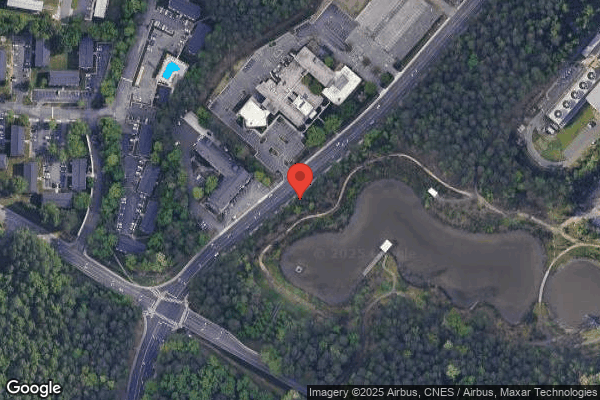
Understanding Severity Codes (click to expand)
Life-Threatening (Immediate Jeopardy)
J - Isolated K - Pattern L - Widespread
Actual Harm
G - Isolated H - Pattern I - Widespread
Potential for Harm
D - Isolated E - Pattern F - Widespread
No Harm (Minor)
A - Isolated B - Pattern C - Widespread

Questions to Ask on Your Visit

  • "What changes have you made since the serious inspection findings?"
  • "What safeguards are in place to prevent abuse and neglect?"
  • "Can I speak with families of current residents?"
  • "What's your RN coverage like on weekends and overnight?"

Our Honest Assessment

Strengths
  • • 37% turnover. Below North Carolina's 48% average. Good staff retention means consistent care.
Concerns
  • • Multiple safety concerns identified: Federal abuse finding, 4 life-threatening violation(s), 4 harm violation(s). Review inspection reports carefully.
  • • 36 deficiencies on record, including 4 critical (life-threatening) violations. These warrant careful review before choosing this facility.
  • • $15,593 in fines. Above average for North Carolina. Some compliance problems on record.
  • • Grade F (0/100). Below average facility with significant concerns.
Bottom line: This facility has a substantiated abuse finding. Extreme caution advised. Explore alternatives.

About This Facility

What is Pruitthealth-Durham's CMS Rating?

CMS assigns Pruitthealth-Durham an overall rating of 2 out of 5 stars, which is considered below average nationally. Within North Carolina, this rating places the facility higher than 0% of the state's 100 nursing homes. A rating at this level reflects concerns identified through health inspections, staffing assessments, or quality measures that families should carefully consider.

How is Pruitthealth-Durham Staffed?

CMS rates Pruitthealth-Durham's staffing level at 3 out of 5 stars, which is average compared to other nursing homes. Staff turnover is 37%, compared to the North Carolina average of 46%. This relatively stable workforce can support continuity of care.

What Have Inspectors Found at Pruitthealth-Durham?

State health inspectors documented 36 deficiencies at Pruitthealth-Durham during 2022 to 2025. These included: 4 Immediate Jeopardy (the most serious level, indicating potential for serious harm or death), 4 that caused actual resident harm, 22 with potential for harm, and 6 minor or isolated issues. Immediate Jeopardy findings are rare and represent the most serious regulatory concerns. They require immediate corrective action.

Who Owns and Operates Pruitthealth-Durham?

Pruitthealth-Durham is owned by a for-profit company. For-profit facilities operate as businesses with obligations to shareholders or private owners. The facility is operated by PRUITTHEALTH, a chain that manages multiple nursing homes. With 125 certified beds and approximately 102 residents (about 82% occupancy), it is a mid-sized facility located in Durham, North Carolina.

How Does Pruitthealth-Durham Compare to Other North Carolina Nursing Homes?

Compared to the 100 nursing homes in North Carolina, Pruitthealth-Durham's overall rating (2 stars) is below the state average of 2.8, staff turnover (37%) is near the state average of 46%, and health inspection rating (2 stars) is below the national benchmark.

What Should Families Ask When Visiting Pruitthealth-Durham?

Based on this facility's data, families visiting should ask: "What changes have been made since the serious inspection findings, and how are you preventing similar issues?" "What safeguards and monitoring systems are in place to protect residents from abuse or neglect?" "Can I visit during a mealtime to observe dining assistance and food quality?" "How do you handle medical emergencies, and what is your hospital transfer rate?" These questions are particularly relevant given the facility's Immediate Jeopardy citations and the substantiated abuse finding on record.

Is Pruitthealth-Durham Safe?

Based on CMS inspection data, Pruitthealth-Durham has documented safety concerns. The facility has 1 substantiated abuse finding (meaning confirmed case of resident harm by staff or other residents). Inspectors have issued 4 Immediate Jeopardy citations (the most serious violation level indicating risk of serious injury or death). The facility has a 2-star overall rating and ranks #100 of 100 nursing homes in North Carolina. Families considering this facility should ask detailed questions about what corrective actions have been taken since these incidents.

Do Nurses at Pruitthealth-Durham Stick Around?

Pruitthealth-Durham has a staff turnover rate of 37%, which is about average for North Carolina nursing homes (state average: 46%). Moderate turnover is common in nursing homes, but families should still ask about staff tenure and how the facility maintains care continuity when employees leave.

Was Pruitthealth-Durham Ever Fined?

Pruitthealth-Durham has been fined $15,593 across 2 penalty actions. This is below the North Carolina average of $33,235. While any fine indicates a compliance issue, fines under $50,000 are relatively common and typically reflect isolated problems that were subsequently corrected. Families should ask what specific issues led to these fines and confirm they've been resolved.

Is Pruitthealth-Durham on Any Federal Watch List?

Pruitthealth-Durham is not on any federal watch list. The most significant is the Special Focus Facility (SFF) program, which identifies the bottom 1% of nursing homes nationally based on persistent, serious quality problems. Not being on this list means the facility has avoided the pattern of deficiencies that triggers enhanced federal oversight. This is a positive indicator, though families should still review the facility's inspection history directly.