Treyburn Rehabilitation Center
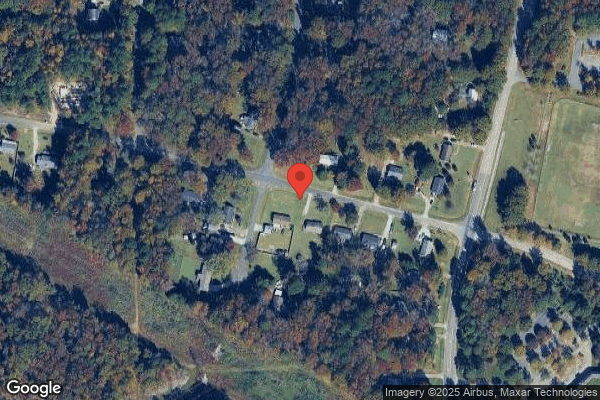
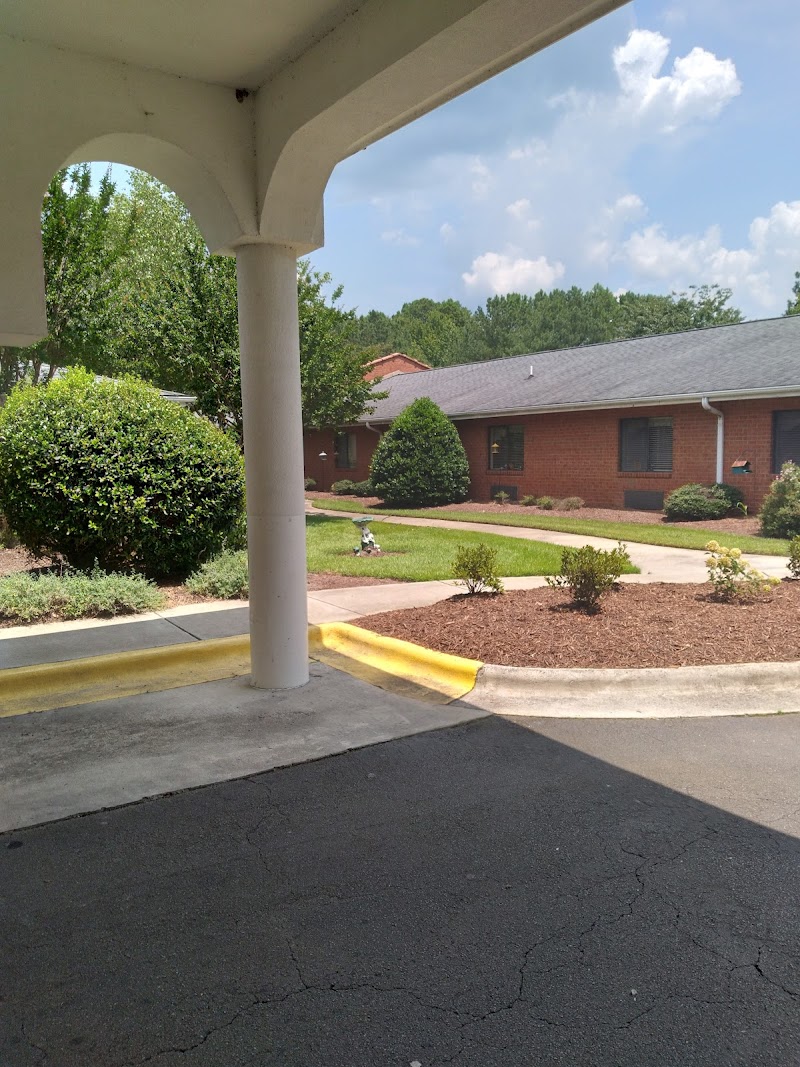
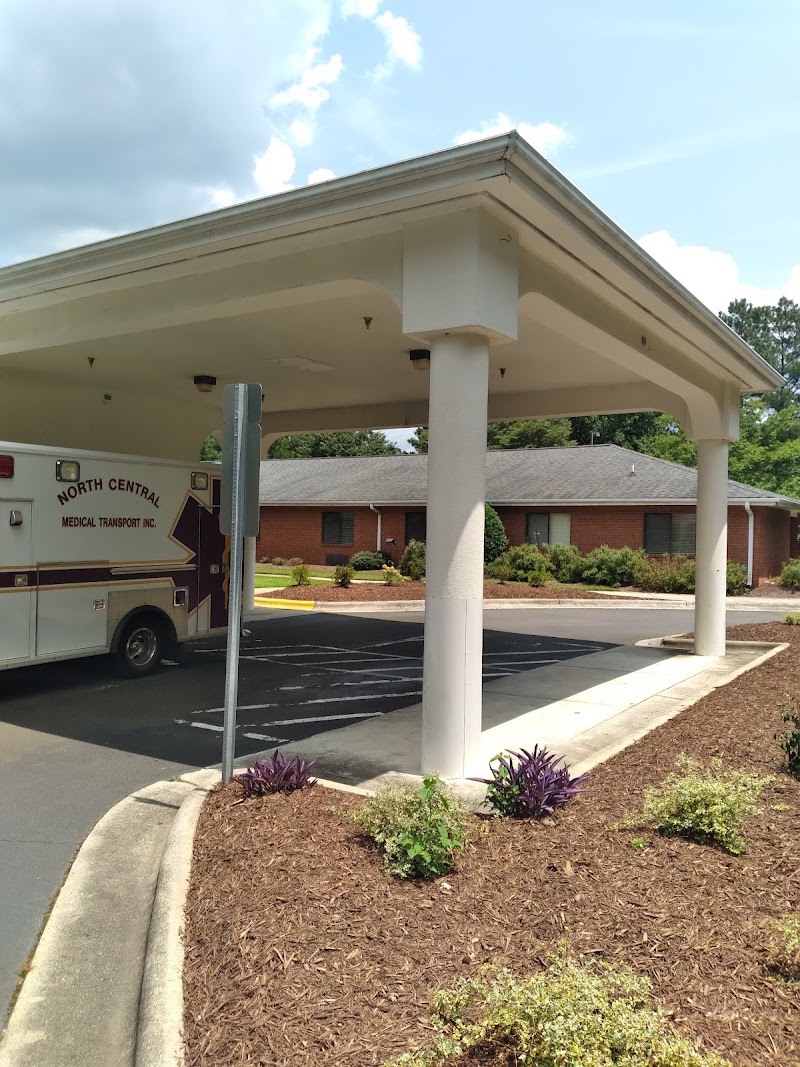
2059 Torredge Road, Durham, NC 27712 (919) 477-4474
For profit - Limited Liability company 132 Beds SOVEREIGN HEALTHCARE HOLDINGS Data: November 2025 2 Immediate Jeopardy citations
Trust Grade
0/100
#403 of 417 in NC
Last Inspection: March 2025

Within standard 12-15 month inspection cycle. Federal law requires annual inspections.

Overview

Treyburn Rehabilitation Center has received a Trust Grade of F, indicating significant concerns about the quality of care provided. Ranking #403 out of 417 facilities in North Carolina places it in the bottom half, and it ranks last in Durham County, suggesting limited local options. Although the facility is improving, dropping from 10 issues in 2024 to 1 in 2025, there are still serious concerns, including $124,534 in fines, which is higher than 84% of other facilities in the state. Staffing is a major weakness, with a troubling 74% turnover rate, and only 1 out of 5 stars in staffing, suggesting high instability among caregivers. Additionally, there have been critical incidents, such as failures to communicate urgent medical needs, resulting in severe outcomes like sepsis, as well as a lack of adequate supervision leading to serious falls and injuries for residents. While quality measures rated 4 out of 5 stars indicate some positive aspects of care, families should weigh these strengths against the significant weaknesses when considering this facility.
Trust Score
F
0/100
In North Carolina
#403/417
Bottom 4%
Safety Record
High Risk
Review needed
Inspections
Getting Better
10 → 1 violations
Staff Stability
⚠ Watch
74% turnover. Very high, 26 points above average. Constant new faces learning your loved one's needs.
Penalties
⚠ Watch
$124,534 in fines. Higher than 75% of North Carolina facilities, suggesting repeated compliance issues.
Skilled Nurses
⚠ Watch
Each resident gets only 20 minutes of Registered Nurse (RN) attention daily — below average for North Carolina. Fewer RN minutes means fewer trained eyes watching for problems.
Violations
⚠ Watch
26 deficiencies on record. Higher than average. Multiple issues found across inspections.
★☆☆☆☆
1.0
Overall Rating
★☆☆☆☆
1.0
Staff Levels
★★★★☆
4.0
Care Quality
★★☆☆☆
2.0
Inspection Score
Stable
2024: 10 issues
2025: 1 issues

The Good

  • 4-Star Quality Measures · Strong clinical quality outcomes
  • Full Sprinkler Coverage · Fire safety systems throughout facility
  • No fines on record

Facility shows strength in quality measures, fire safety.

The Bad

1-Star Overall Rating

Below North Carolina average (2.8)

Significant quality concerns identified by CMS

Staff Turnover: 74%

28pts above North Carolina avg (46%)

Frequent staff changes - ask about care continuity

Federal Fines: $124,534

Well above median ($33,413)

Significant penalties indicating serious issues

Chain: SOVEREIGN HEALTHCARE HOLDINGS

Part of a multi-facility chain

Ask about local staffing decisions and management

Staff turnover is very high (74%)

26 points above North Carolina average of 48%

The Ugly 26 deficiencies on record

2 life-threatening 1 actual harm
Feb 2025 1 deficiency
CONCERN (D) 📢 Someone Reported This

A family member, employee, or ombudsman was alarmed enough to file a formal complaint

Potential for Harm - no one hurt, but risky conditions existed

Free from Abuse/Neglect (Tag F0600)

Could have caused harm · This affected 1 resident

**NOTE- TERMS IN BRACKETS HAVE BEEN EDITED TO PROTECT CONFIDENTIALITY** Based on record review and interviews with staff and residents, the facility failed to protect the right of a resident (Resident...

Read full inspector narrative →
**NOTE- TERMS IN BRACKETS HAVE BEEN EDITED TO PROTECT CONFIDENTIALITY** Based on record review and interviews with staff and residents, the facility failed to protect the right of a resident (Resident # 2) to be free of abuse when another resident (Resident # 3), who was experiencing an increase in agitated behaviors while diagnosed with a urinary tract infection, hit Resident # 2 in the head with a reacher. (A reacher is a metal assistive device used to grab items that are out of reach). This was for one of three residents reviewed for abuse and neglect. The findings included: Record review revealed Resident # 3 resided at the facility from 10/29/19 until his final discharge on [DATE]. Although not inclusive of all diagnoses, Resident # 3 had a history of hip fracture, vascular dementia, and insomnia. Review of Resident # 3's 10/9/24 quarterly Minimum Data Set (MDS) assessment revealed Resident # 3 was moderately cognitively impaired. He was not assessed to have behavioral problems during the assessment period. The resident was coded as using a wheelchair for mobility. On 11/19/24 at 2:59 PM Nurse # 3 documented in a nursing entry the following information. Resident # 3 was yelling and attempting to be combative with staff. He was seen by the PA (Physician's Assistant) who ordered a urinalysis and urine culture. On 11/19/24 PA # 1 documented she was seeing Resident # 3 for increased confusion. PA # 1 noted Resident # 3 thought he was in [NAME], England and a urine specimen would be obtained. On 11/19/24 Resident # 3 was also seen by the Psychiatric PA who documented the following information. Resident # 3 had a history of intermittent confusion. The Psychiatric PA further documented, Was seen today exhibiting aggressive behaviors, increased agitation, and anxiety. He was observed in his wheelchair in the hallway attempting to strike other residents and staff members with his grabber. His behaviors escalated to the point where he was obstructing the hallway, not allowing others to pass. According to the treatment nurse, these behaviors began in the morning during Medpass. Patient mentioned to the nurse about an imminent call from the 'Russians' and urged him to administer his medications quickly as they would be 'shooting at him soon.' After this interaction, he retreated to his room quietly until after lunch, when his behaviors began to escalate again. Throughout the day, patient was seen self-propelling his wheelchair up and down the hallways, appearing very agitated and difficult to redirect. His anxiety, agitation, and aggressiveness continued to escalate to the point where he threw a computer on the floor and was swinging his grabber around. Despite staff's attempts to redirect and de-escalate the situation, patient remained agitated. Patient was eventually guided back to his room where attempts were made to calm him down. He was offered snacks, food, and drinks as a distraction and to help de-escalate the situation. The medical team was made aware of his condition and ordered a urinalysis to check for a urinary tract infection. A one time dose of Ativan was ordered but not used. The Psychiatric PA noted the resident's behaviors could be secondary to worsening dementia or due to a possible urinary tract infection or other type of infection. According to physician orders, a urinalysis and culture were ordered on 11/19/24. On 11/20/24 the resident was ordered to have an increase in his Trazodone (used for depression and insomnia). His dose was increased from 25 milligrams to 50 milligrams at bedtime. On 11/20/24 Nurse # 4 noted at 11:47 PM that Resident # 3 was alert and oriented times three, had experienced a calm evening, and there had been no behaviors. On 11/21/24 PA # 1 documented she saw Resident # 3 for improvement of behaviors and that the resident had slept well. PA # 1 also documented the resident was still confused and reported to her he was looking to catch a flight to the local airport. On 11/22/24 at 8:25 AM Nurse # 5 documented the resident was alert and had slept throughout the night. According to orders the resident was begun on an antibiotic for treatment for a urinary tract infection on 11/22/24 when his urine culture result revealed the resident's urine grew E-coli. On 11/24/24 at 11:28 PM Nurse # 1 documented the resident was on an antibiotic for a urinary tract infection and had hit another resident with a reacher. The other resident had sustained a scratch to his left ear. The Nurse Practitioner was called and orders were obtained to send Resident # 3 to the emergency room According to hospital records, following the incident, Resident # 3 was sent to the hospital and hospitalized from [DATE] until 12/2/24. A review of Resident # 3's hospital Discharge summary, dated [DATE], revealed he had been diagnosed with metabolic encephalopathy, a urinary tract infection, and hyperactive delirium. The hospital discharge summary included information that the resident's delirium improved with treatment for his urinary tract infection. (Delirium is an acute state of mental confusion and disorientation that develops rapidly and usually lasts for a short period. Symptoms can include delusions and agitation.) Nurse # 1 was interviewed on 2/5/25 at 1:11 PM and reported the following information. She had not witnessed the incident when Resident # 3 hit another resident. Nurse # 2 had told her about the incident. Prior to the incident, she did not recall any specific incidents during which Resident # 3 had hit another resident. Review of the facility's investigation into the incident revealed the incident had occurred on 11/24/24 at 9:05 PM and the resident who had been hit with the reacher was Resident # 2. The facility's investigation also included documentation that another Resident (Resident #7) had witnessed the incident. A review of Resident # 2's record revealed Resident # 2's 11/14/24 quarterly Minimum Data Set assessment coded Resident # 2 as cognitively intact and independent in his wheelchair mobility. Resident # 2 was interviewed on 2/5/25 at 8:45 AM and reported the following information. On the date of the incident he (Resident # 2) had been minding his own business and talking to Resident # 7 when for some unknown reason another resident used a grabber and hit him in the head. Resident # 2 reported it had caused a cut on his head but did not bother me too much. Resident # 2 also reported he had to defend himself and therefore he slapped back at the resident who had hit him. Resident # 2 reported Resident # 7 had seen the incident. A review of Resident # 7's record revealed Resident # 7's MDS assessments, dated 10/23/24 and 1/23/25, coded Resident # 7 as cognitively intact. Resident # 7 was interviewed on 2/5/25 at 1:25 PM and reported the following information. On the date of the incident, Resident # 2 had been in her room talking to her. There was another resident who came into her room while Resident # 2 was talking to her. She did not know this other resident's name. The intruding resident had a reacher and said, I am going to hit you with this. She replied, Please do not do that. At that point, Resident # 2 stated he wanted to get out of the room and started to back his wheelchair out of her room. The intruding resident then took the reacher and hit Resident # 2 on the ear and side of his head with the reacher. It made Resident # 2's head bleed where it cut him. She did not recall with certainty if Resident # 2 hit back at Resident # 3 or not. A review of Resident # 2's record revealed an entry by Nurse # 2 dated 11/24/24 at 10:58 PM which read, performed head to toe assessment after an incident with another resident, scratch found on left ear. Resident is alert and oriented X 4. No c/o (complaints) of pain or discomfort. 149/71 (blood pressure), 97.4 (temperature), 17 (respirations), 74 (pulse), 98% room air (oxygen saturation). Level of pain at 0. Nurse # 2 was not available for interview during the survey. On 11/25/24 at 1:40 PM the facility's Wound Nurse documented she assessed Resident #2's ear and observed a scab to the ear with no drainage noted. The Wound nurse further noted Resident # 2 had no complaints of pain at the time. Interview with the Administrator on 2/5/25 at 9:10 AM and again on 2/5/25 at 1:39 PM revealed the following information. Resident # 3 did not have a history of hitting other residents prior to the incident with Resident # 2. He had been diagnosed with a urinary tract infection, was on an oral antibiotic, and was experiencing an acute increase in confusion when the incident occurred. He seemed to be having flashbacks about war and his military service which were distressing to him. It was her understanding that her staff did not see the actual incident but heard the commotion and responded to separate the two residents. They had been trying to monitor and treat the resident when the incident occurred. She thought Resident #2 had slapped back at the reacher to protect himself and may have brushed Resident # 3's hand but he did not hurt Resident # 3. Resident 2's cut was not serious and was cleaned and cared for without any further long term problem. While Resident # 3 was hospitalized they initiated intravenous antibiotics in lieu of the oral antibiotic and this helped resolve his delirium and urinary tract infection. According to the Administrator, the facility had taken steps through their quality assurance program and implemented a corrective action plan. On 2/6/25 the Administrator provided the following corrective action plan. 1. Address how corrective action will be accomplished for those residents found to have been affected by the deficient practice: On 11/24/2024 Resident #3 (BIMS 12) struck Resident #2 (BIMS 15) with Reacher. Resident #3 and Resident #2 were immediately separated by staff. Skin check was performed by Nurse #2 on Resident #2 and noted to have a scratch on his left ear. Skin check was performed by Nurse #1 on Resident #3 with no negative findings. Provider notification for both Resident #3 and Resident #2 was completed by Nurse #1. Orders obtained and processed by Nurse #1 to send Resident #3 to the Emergency Department for further evaluation. Nurse #1 notified Resident #3's representative. Nurse #1 notified the Administrator who initiated the investigation. On 11/24/2024 the administrator submitted initial report to Department of Health and Human Services (DHHS) on 11/24//2024 at approximately 10pm. On 11/24/2024 the administrator notified [NAME] Police Department and Adult Protective Services on 11/24/2024 at 9:30pm. Resident #2 was seen by the in-house provider on 11/25/2024 with new orders for triple antibiotic cream to be applied topically daily for 5 days. The Director of Nursing/Designee completed interviews on 11/25/24 with Resident #2 and Resident #7, Resident #2 was visiting at time of incident. Interviews stated that Resident #3 was in hallway behind Resident #2 and when Resident #2 turned around to exit room Resident #3 lifted reacher and struck Resident #2. Nurse #1 was interviewed by the Director of Nursing/Designee on 11/24/2024 and did not witness the incident. Administrator along with the Interdisciplinary Team members (Director of Nursing, Infection Prevention Control Officer, Staff Development Coordinator, Rehab Program Manager and Social Services Manager) held an Adhoc Meeting on 11/26/2024 to initiate Performance Improvement Plan. The Administrator submitted the Initial Report to DHHS on 11/24/2024 and 5- day investigation to DHHS on 11/28/24. Resident #3 was admitted to the hospital with altered mental status. 2. Address how the facility will identify other residents having the potential to be affected by the same deficient practice: Social Services Manager completed interviews on 11/25/2024 with Residents with a BIMS 13 or greater to ensure they felt safe in the Center, with no negative findings. Skin checks were initiated on 11/24/24 by Nursing Staff and Wound Care Nurse #1 on Residents with a BIMS 12 or less, skin checks completed by 11/28/24 with no negative findings. 3. Address what measures will be put into place or systemic changes made to ensure that the deficient practice will not recur: The Staff Development Coordinator / designee educated all Center staff on Abuse and Neglect Prohibition and Caring for Residents with Behaviors and Communication. Education included identifying types of abuse, resident to resident altercations, and identifying behaviors, expressions, and triggers that may lead to abuse. Additionally, the training included how to effectively communicate, approach, and deescalate behaviors. Education completed 11/28/24. 4. Indicate how the facility plans to monitor its performance to make sure that solutions are sustained: Beginning on 11/26/24, the Director of Nursing /designee will review during daily clinical morning meeting for changes in condition, new or worsening behaviors, resident altercations and altered mental status x 6 weeks. The decision was made to begin monitoring on 11/26/24 when the Performance Improvement Plan was reviewed by the Interdisciplinary Team. Beginning on 11/26/24, Data obtained during the audit process will be analyzed for patterns and trends and reported to The Quality Assessment and Assurance (QA & A/QAPI) Committee by the Director of Nursing monthly x 1 or until substantial compliance is obtained. At that time, the QA & A/QAPI committee will evaluate the effectiveness of the interventions to determine if continued auditing is necessary to maintain compliance. Date of Compliance: 11/29/24 The facility's corrective action plan was validated by the following: Beginning on 2/4/25 at 9:50 AM a tour of the facility was conducted and multiple residents and family members were interviewed. These interviews revealed residents were not being mistreated or abused in any way. During onsite observations conducted on 2/4/25 and 2/5/25, staff members were observed monitoring and responding to confused residents. The facility presented documented evidence of their inservice training and audits as outlined in their corrective action plan. Interviews with staff confirmed education was completed per the corrective action plan. The facility's corrective action date of 11/29/24 was validated on 2/6/25.
Jun 2024 4 deficiencies 2 IJ
CRITICAL (J) 📢 Someone Reported This

A family member, employee, or ombudsman was alarmed enough to file a formal complaint

Immediate Jeopardy (IJ) - the most serious Medicare violation

Notification of Changes (Tag F0580)

Someone could have died · This affected 1 resident

**NOTE- TERMS IN BRACKETS HAVE BEEN EDITED TO PROTECT CONFIDENTIALITY** Based on record review and interviews with staff, Responsible Party (RP) and Physicians the facility failed to immediately notif...

Read full inspector narrative →
**NOTE- TERMS IN BRACKETS HAVE BEEN EDITED TO PROTECT CONFIDENTIALITY** Based on record review and interviews with staff, Responsible Party (RP) and Physicians the facility failed to immediately notify the responsible party when Resident # 6's intravenous fluids (IV) infiltrated (IV fluids going into the surrounding tissue instead of the vein), and the fluids were placed on hold. At the time of infiltration, the resident had already been identified to have new swallowing problems, nausea, and no food intake for multiple consecutive meals. Resident # 6's family reported she would have requested the resident be sent to the hospital if she had known about any delay with the IV fluids. After the IV infiltration, the resident was transferred hours later to the hospital and admitted to the Intensive Care Unit for a principal diagnosis of sepsis. (Sepsis is a life-threatening condition that happens when the body's immune system has an extreme response to an infection, causing organ dysfunction. The body's reaction causes damage to its own tissues and organs, and it can lead to shock, multiple organ failure and sometimes death). This was for one (Resident # 6) of three residents reviewed for change in condition. Immediate jeopardy began on 5/28/24 when Resident #6's RP agreed to treat the Resident at the facility after a change in condition and was not notified when the IV fluids infiltrated and were placed on hold. The facility will remain out of compliance at a scope and severity level of D (not actual harm with the potential for more than minimal harm that is not immediate jeopardy) for the facility to complete staff training and to ensure monitoring systems put in place are effective. The findings included: Resident # 6 was admitted to the facility on [DATE]. The resident had diagnoses which included occipital stroke, Lewy body dementia, diabetes, hypothyroidism, hypertension, Parkinson's disease, depression, history of deep vein thrombosis/pulmonary embolism (blood clots). The resident's admission Minimum Data Set assessment, dated 3/5/24, revealed the resident had moderate impairment of her cognitive abilities. Review of orders revealed the resident was a full code while the resident resided at the facility. Review of nursing progress notes and electronic medication administration notes for the dates of 5/27/24 and 5/28/24 revealed the following information: On 5/27/24 at 8:49 AM Nurse # 1 administered Ondansetron (Zofran) 4 mg per a PRN (as needed) order for nausea and vomiting according to a MAR administrative note. On 5/27/24 at 12:38 PM Nurse # 1 documented in a MAR administrative note the Ondansetron (Zofran) had been effective. The following information noting a change in condition appeared in Resident # 6's nursing notes and was entered by Nurse # 1 with an effective date of 5/28/24 at 9:20 AM. Nurse # 1 had attempted to give morning medications and the resident showed signs of difficulty swallowing. The resident did not want to eat anything. The resident's provider had given orders which included IV fluids to be administered. The following information appeared as effective date of 5/28/24 at 9:35 AM in Resident # 6's nursing notes. The Director of Nursing (DON) documented a Late entry that she had started an IV in the resident's arm. After the DON's nursing note, the following information appeared as effective date of 5/28/24 at 9:45 AM in Resident # 6' s electronic record. Nurse # 1 wrote that the DON and another nurse attempted to place a peripheral IV and it was unsuccessful. The facility's IV team was called by the unit manager. The IV team gave a call back with an ETA (estimated arrival time) of 9:00 PM. The provider was called and gave orders to hold the IV. Following Nurse # 1's entry for 5/28/24 at 9:45 AM the next nursing entry appeared as effective date of 5/28/24 at 10:39 AM in the resident's electronic record. It was entered by Unit Manager # 2 and included information that the resident's IV was started and ran about an hour until it infiltrated. The IV team was called and stated they would be in the building around 9:00 PM. The provider had said that waiting on the IV team to start the IV would be fine. There was no documentation that the RP was notified of this change in treatment plan to hold the IV fluids until 9:00 PM. Following Unit Manager# 2's nursing entry for 5/28/24 at 10:39 AM the next nursing entry appeared as effective date of 5/28/24 at 1:30 PM in the resident's electronic record. It was entered by Nurse # 1 and read as a correction to the nurse's previous entry. The nurse noted the IV had been started but had infiltrated and was stopped. The estimated arrival time for the facility's IV team to arrive and start the IV was at 9:00 PM. There was no documentation the RP was notified. Nurse # 3 entered a nursing note in the progress notes with an effective date of 5/28/24 at 6:39 PM. The note read Writer walked into the resident's room around 6 PM. Found out resident not responding, sweating all over her extremities, VS (vital signs) taken RR (respiratory rate) elevated Oxygen 2L administered via nasal canula. 6:10 PM writer called on call PA [Name PA # 2}. Order received to send her out via 911. EMS team arrived 1825 (Military time for 6:25 PM). Resident left to the [regional hospital] via stretcher by {name of county] EMS team around 1838 (Military time for 6:38 PM) {RP} present in the room with Emergency Medical Services (EMS) team when they arrived. Nurse Manager notified. Review of EMS records revealed EMS was called on 5/28/24 at 6:17 PM and arrived at 6:31 PM. EMS noted the following information. The local fire department staff were already on the scene. The resident was receiving oxygen. The resident's eyes were open. She was unconscious and had a right sided gaze. The resident responded to pain. At 6:35 EMS recorded Resident # 6's vital signs as blood pressure 92/68; pulse 96; respirations 28; and oxygen level 77%. She was transported to the hospital. In route to the hospital, EMS documented they were not able to get a continual reading on the resident's oxygen level and they assisted the resident to breathe. The paramedics also placed a saline lock (a portal of entry to the vein) for IV access. Review of hospital Emergency Department (ED) records and Intensive Care Unit admitting records, dated 5/28/24, revealed upon arrival to the ED, Resident# 6 was emergently intubated (a tube is inserted in a resident's throat, and they are placed on a machine to help them breath). She appeared critically ill and would not follow commands. The resident had multiple lab abnormalities which included although were not limited to the following: A potassium level of 7.3 (normal 3.5 to 5.0-- a potassium level of 7.3 is considered dangerously high and can cause heart problems); a white blood count of 27.2 (normal 3.2 to 8.8); a blood urea nitrogen level of 62 (normal 7-20); a creatinine of 4.7 (normal 0.4 to 1.0). She was admitted to the intensive care unit with the principle primary problem documented as Sepsis with acute organ dysfunction. Although not all inclusive, other active problems included hypotension (low blood pressure) related to hypovolemia (abnormally low extracellular fluid in the body which can occur from a loss of both salt and water) and acute kidney injury (sudden loss of the kidneys ability to filter the blood). The resident was given IV fluids in the emergency room. Nurse # 1 had cared for Resident # 6 on 5/27/24 (Monday) and 5/28/24 (Tuesday) during the 7:00 AM to 3:00 PM shifts. Nurse # 1 was interviewed on 6/7/24 at 10:38 AM and reported the following information. The resident was experiencing a change in condition. She had symptoms of nausea, not eating, and not able to swallow as she usually did. She had spoken to Resident #6's RP on 5/28/24 and the RP wanted the resident sent to the hospital. This was the initial plan. After Unit Manager # 2 talked to the RP and the PA, then the plan was changed to treat the resident in the facility. Part of the treatment plan included orders for the resident to have an IV. She (Nurse # 1) observed the resident appeared dry when the DON started the IV. After about one hour, the IV infiltrated and it was stopped. She had called the PA and obtained an order to hold the IV. She was aware the IV team was coming to the facility around 9:00 PM to restart the IV. She had not called the RP about the IV infiltrating or about any delay in getting it restarted Unit Manager # 2 was interviewed on 6/7/24 at 2:01 PM. The Unit Manger reported the following information regarding 5/28/24. She had talked to Resident # 6's RP on the morning of 5/28/24 and made her aware that the facility could provide treatment at the facility. The RP agreed. Orders were obtained for treatment. One of the orders included starting an IV. About an hour after the IV was started the IV was observed to be infiltrated and Nurse # 1 stopped the IV. The facility used a contracted provider to start IVs when needed. At first the IV team indicated they were coming right away and then they called back to say it would be around 9:00 PM. She had not called and talked to the RP about the delay in IV administration before leaving work that day around 3:00 PM. On 5/28/24 her phone showed a text message from 2:37 PM from Resident # 6's RP saying she was checking on the resident and wanting to know if there was anything else that she (the RP) needed to do. She (Unit Manager # 2) saw the text message at 5:35 PM and called the RP back. She informed the RP at that time that the resident's IV had infiltrated and about the delay in the IV fluids. Prior to 5:35 PM, she had not spoken to the RP about the IV infiltrating or about the anticipated delay in getting it restarted. Resident# 6's RP was interviewed on 6/10/24 at 8:26 AM and reported the following information. When she talked to Unit Manager # 2 on the morning of 5/28/24 the Unit Manager had asked her why she would want Resident # 6 sent to the ED (Emergency Department) where the resident would sit for hours when the facility could do tests and treatment there. It was her (the RP's) understanding that Resident # 6 would be seen by the provider, receive IV fluids, diagnostic tests, and monitoring at the facility. That was why she agreed because the Unit Manager had said to trust her that these things could be done. She did not hear about a delay in providing IV fluids until she talked to Unit Manager # 2 at 5:35 PM. If she had known they were having to wait on an IV placement, she would have told the staff to go ahead and send Resident # 6 to the hospital. The RP commented, Who wouldn't have? The chief operating officer of the company which provides IV placement services to the facility was interviewed on 6/10/24 at 1:03 PM and reported the following. They had received the first call from the facility on 5/28/24 at 1:40 PM requesting placement for Resident # 6's IV. The Emergency Department physician was interviewed on 6/3/24 at 1:00 PM and reported the following. When Resident # 6 had arrived at the hospital she was very septic and had to be emergently intubated. She was hypothermic with unstable vital signs. Even with medical treatment, the resident continued to worsen. It was his opinion that if the resident had been transferred to the hospital even four hours earlier, she would not have been as sick. The facility's Medical Director was interviewed on 6/10/24 at 4:41 PM and reported the following information. Residents who become septic can become worse very quickly. According to the medical director, retrospectively, sometimes it can be seen that a few hours in treatment may have made a difference with a resident but that is not always initially apparent with residents when they first develop symptoms which progress to severe illness. On 6/14/24 at 11:33 AM the facility Administrator was informed of Immediate Jeopardy. The facility provided the following credible allegation of immediate jeopardy removal with a completion date of 6/13/24. 1) Identify those recipients who have suffered, or are likely to suffer, a serious adverse outcome as a result of the noncompliance: The facility must ensure the family is immediately notified when there is a change in treatment plans for a resident experiencing a change in condition. On 5/28/2024 1) staff were aware the resident had experienced two consecutive days in which she had experienced nausea; 2) the resident had not eaten any food for four consecutive meals (all meals on 5/27/24 and breakfast on 5/28/24) 3) The resident had new swallowing problems 4) The staff had been made aware on 5/25/24 the resident's family noticed she would take a few bites and she would throw up 5) the resident's heart rate was on the upper end of normal registering 100 and 6) Resident # 6's family was wanting her sent to the hospital on the morning of 5/28/24. On the morning of 5/28/24 the PA was in the facility and left orders for the resident to be treated at the facility without physically evaluating the resident. According to the family, the family was in agreement with the resident receiving treatment at the facility with the understanding that the resident would be seen by the provider, be monitored and receive diagnostic tests and treatment which included IV fluids. On 5/28/24 the facility became aware the IV had infiltrated and there would be a delay in starting it again. The family was not notified at that time and reported if they had been notified, they would have wanted the resident sent on to the hospital. The resident was later sent out hours later to the hospital and required assistance breathing by EMS in route to the hospital. She required intubating at the hospital ER. According to the ER physician, it was his opinion that if the resident had been sent out four hours earlier, she would not have been as sick. On 6/4/2024, current residents records were reviewed by the Director of Nursing for the past 30 days for notification to physician and resident/responsible party of change in condition and treatment change during change in condition. Audit completed on 6/12/2024. 2) Specify the action the entity will take to alter the process or system failure to prevent a serious adverse outcome from occurring or recurring, and when the action will be complete: On 6/4/2024, education was initiated to licensed nursing staff by the Director of Nursing/designee on notification to provider and resident/responsible party for change in treatment during change of condition. Education was completed by 6/8/2024. On 6/4/2024, education was initiated to certified nursing assistants by the Director of Nursing/designee regarding the ability to identify a change in condition in residents and reporting those changes to the nurse that includes but not limited to having a decreased appetite, consistent refusal of therapeutic diet, nausea, decreased intake of fluids, and/or general malaise, etc. Education for licensed and unlicensed staff was completed by 6/8/2024. The Director of Nursing was responsible for ensuring all licensed and unlicensed staff received the education. Newly hired licensed, unlicensed and agency staff will receive this education during orientation. The Director of Nursing will be responsible for ensuring that this education is completed. Effective 6/8/2024, the Administrator and Director of Nursing will be ultimately responsible for ensuring implementation of this immediate jeopardy removal for this alleged noncompliance. Alleged Date of Immediate Jeopardy Removal: 6/13/2024 On 6/19/24, the facility's credible allegation for immediate jeopardy was validated. Review of the facility's corrective action plan revealed 100% licensed nursing staff education regarding notification to the provider and resident and/or responsible party (RP) for any changes of condition, as well as 100% unlicensed nursing staff education regarding reporting changes in resident condition to the nurse. Education was completed by 6/12/24. 100% audit of resident medical records was completed to ensure that notification of changes in condition was completed in the past 30 days as applicable. The audits began on 6/4/24 and were ongoing. Staff interviews confirmed education was received on notification of the nurse or provider and resident and/or RP for any changes in condition. The facility's immediate jeopardy removal date of 6/13/24 was validated.
CRITICAL (J) 📢 Someone Reported This

A family member, employee, or ombudsman was alarmed enough to file a formal complaint

Immediate Jeopardy (IJ) - the most serious Medicare violation

Quality of Care (Tag F0684)

Someone could have died · This affected 1 resident

**NOTE- TERMS IN BRACKETS HAVE BEEN EDITED TO PROTECT CONFIDENTIALITY** Based on record review and interviews with staff, resident, Responsible Party (RP, ) Nurse Practitioner, Physician Assistants, a...

Read full inspector narrative →
**NOTE- TERMS IN BRACKETS HAVE BEEN EDITED TO PROTECT CONFIDENTIALITY** Based on record review and interviews with staff, resident, Responsible Party (RP, ) Nurse Practitioner, Physician Assistants, and Physicians the facility failed to effectively communicate amongst their staff and with the medical providers and family and to ensure assessment and treatment occurred for a resident who was showing signs of a change in condition and whose family had initially requested the resident be transferred to the hospital but agreed with facility treatment based on the understanding the resident would receive appropriate evaluation and treatment at the nursing home. The resident's status deteriorated while still at the facility, and she was transferred to the hospital where she was emergently intubated (a tube is placed down an individual's throat, and they are placed on a machine to help them breathe) and admitted to the intensive care unit with a principal problem of sepsis with acute organ dysfunction. (Sepsis is a life-threatening condition that happens when the body's immune system has an extreme response to an infection, causing organ dysfunction. The body's reaction causes damage to its own tissues and organs, and it can lead to shock, multiple organ failure and sometimes death). This was for one (Resident # 6) of three sampled residents reviewed for professional standards of practice. Immediate jeopardy began on 5/28/24 when due to poor communication over several shifts the facility failed to identify the seriousness of the changes in Resident #6's condition, complete thorough assessments or identify the urgent need for medical attention. Immediate jeopardy was removed on 6/13/24 when the facility provided an acceptable credible allegation of Immediate Jeopardy removal. The facility will remain out of compliance at a scope and severity level of D (not actual harm with the potential for more than minimal harm that is not immediate jeopardy) for the facility to complete staff training and to ensure monitoring systems put in place are effective. The findings included: Resident # 6 was admitted to the facility on [DATE]. The resident had diagnoses which included occipital stroke, lewy body dementia, diabetes, hypothyroidism, hypertension, Parkinson's disease, depression, history of deep vein thrombosis/pulmonary embolism (blood clots). The resident's admission Minimum Data Set assessment, dated 3/5/24, revealed the resident had moderate impairment of her cognitive abilities. Additionally, she was assessed to require set up to eat, needed substantial to maximum assistance with her hygiene and turning in bed, and required total assistance with her toileting and bathing needs. She was also assessed to be totally incontinent of both bowel and bladder. Review of orders revealed the resident was a full code while the resident resided at the facility. On 3/1/24 Resident # 6 was ordered to receive speech therapy services for cognitive communication deficits. According to a Speech Therapy Discharge summary, dated [DATE], the resident's swallowing function had also been assessed and she had no signs of esophageal dysphagia (difficulty swallowing). Review of progress notes revealed Resident # 6 was seen on 5/6/24 by Nurse Practitioner (NP) # 1 who noted the visit was per the family/resident requests due to nausea. The NP noted that the resident denied any other issues at the time. The NP further noted she changed the resident's timing of some of her medications, and also prescribed Zofran as needed if further nausea occurred. (Zofran is a medication used to treat nausea). Review of progress notes revealed Resident # 6 was seen again by Nurse Practitioner# 1 on 5/8/24. The Nurse Practitioner noted the resident denied any issues with pain, bowel or bladder or sleep at the current time. Interview with NP # 1 on 6/10/24 at 2:33 PM revealed it was her impression when she saw Resident # 6 on 5/6/24 and 5/8/24 that the resident's nausea was not chronic and could possibly be related to medication timing. She had adjusted the timing of some of the resident's medications. When she saw the resident on 5/8/24 the resident did not complain of further nausea. Review of Resident # 6's May 2024 Medication Administration Record (MAR) revealed between the dates of 5/6/24 and 5/27/24, Resident # 6 received the Zofran once. This was on 5/12/24 at 8:27 PM. Review of nursing progress notes and electronic medication administration (EMAR) notes for the dates of 5/27/24 and 5/28/24 revealed the following information: On 5/27/24 at 8:49 AM Nurse # 1 administered Ondansetron (Zofran) 4 mg per a PRN (as needed) order for nausea and vomiting according to a MAR administrative note. On 5/27/24 at 12:27 PM Nurse # 1 documented in a nursing note Resident # 6's vital signs registered blood pressure 129/72; temperature 98; pulse 93; respirations 16. The nurse further documented the resident had no complaints of pain. On 5/27/24 at 12:38 PM Nurse # 1 documented in a MAR administrative note the Ondansetron (Zofran) had been effective. On 5/27/24 at 8:02 PM Nurse # 5 documented in a nursing note the following vital signs: blood pressure 129/72; temperature 97.8; pulse 93; respirations 16; and the resident was without pain. The following information noting a change in condition appeared in Resident # 6's nursing notes and was entered by Nurse # 1 with an effective date of 5/28/24 at 9:20 AM. Nurse # 1 had attempted to give morning medications and the resident showed signs of difficulty swallowing. The resident did not want to eat anything. The resident had no complaints of nausea and no emesis. The resident's provider ordered a KUB (kidney, ureter, and bladder x-ray), IV (intravenous) fluids, CBC (complete blood count) and CMP (complete metabolic panel) to be drawn with a gastrointestinal consult to also be done. Nurse # 1 further recorded Resident # 1's vital signs as blood pressure-131/74 taken at 9:43 AM; pulse100 taken at 9:43 AM; temperature-97.8 taken at 9:44 AM; and respirations 16 taken at 9:43 AM. The resident's oxygen saturation registered 98% on room air. The following orders were entered into the computer on 5/28/24: Stat KUB Stat CBC and CMP Start peripheral IV of NACL .45% (Sodium Chloride) at 90 cc (cubic centimeters)/ hour for 1000 cc. The following information appeared as effective date of 5/28/24 at 9:35 AM in Resident # 6's nursing notes. The DON (Director of Nursing) documented a Late entry. She had started an IV in the resident's left arm. After the DON's nursing note, the following information appeared as effective date of 5/28/24 at 9:45 AM in Resident # 6' s electronic record. Nurse # 1 wrote, Writer received orders to send patient out to the ER from {Name of Physician Assistant #1] Orders were put on hold by DON to do work on patient in house. DON/Unit Manager received new orders from NP. Orders given to writer are place peripheral IV, IV fluids, KUB, CMP and CBC, and GI consultation. Orders followed. DON and another nurse attempted to place peripheral IV and it was unsuccessful. IV team called by unit manager. IV team gave a call back with an ETA (estimated arrival time) of 9:00 PM. NP was called and writer was given orders to hold fluids until IV team arrives to place the IV. Stat KUB and stat labs were done around 3:00 PM. Plan of care ongoing. Following Nurse # 1's entry for 5/28/24 at 9:45 AM the next nursing entry appeared as effective date of 5/28/24 at 10:39 AM in the resident's electronic record. It was entered by Unit Manager # 2 and read, Writer approached by assigned nurse in regard to resident experiencing n/v (nausea/vomiting). Writer approached NP in the building asking her to assess resident, NP gave orders to treat in house due to resident being stable at the time of assessment. Resident able to respond to writer's commands. No pain nor any s/sx (signs/symptoms) of distress at the time. New orders for IV fluids, Stat orders for a KUB, CBC, CMP. Orders were completed. Resident's fluids hanged and ran for about an hour until IV was infiltrated (IV fluids going into the surrounding tissue instead of the vein). IV team was called and stated they would be in the building around 9:00 PM. Assigned nurse asked if we could do a hypodermoclysis (IV fluids are administered underneath the skin). NP stated that waiting for the IV team would be fine. Following Unit Manager# 2's nursing entry for 5/28/24 at 10:39 AM the next nursing entry appeared as effective date of 5/28/24 at 1:30 PM in the resident's electronic record. It was entered by Nurse # 1 and read, Correction: IV placement on left AC successful, IV fluids given. Order .45 Normal Saline 90 cc/hr (hour) X 1 L bag. IV fluids ran for 1 hr (hour). Writer assessed patient with unit manager. IV infiltration noted. IV fluids stopped. NP notified. IV team called to place IV. Unit Manager contacted IV team. IV team called back with an ETA (estimated time of arrival) of 9 PM. NP notified and orders given to hold IV fluids until IV placement. Plan of care ongoing. An entry in the electronic record appeared as a Medication Administration Record note with an effective date of 5/28/24 at 2:34 PM. It was entered by Nurse # 1. Nurse # 1 noted the IV team was being awaited. The NP was notified, and a verbal order was given to hold the IV fluids. The next nursing entry appeared with an effective date of 5/28/24 at 3:35 PM in the resident's electronic record. It was entered by Nurse # 1 and indicated the resident had experienced nausea the morning of 5/28/24. Nurse # 1 wrote, Writer was doing her walking rounds and patient stated that she was nausea. Patient vital signs was obtained by writer, BS (bowel sounds) present X 4. Patient was given PRN Zofran. Writer assessed patient 30 minutes later. Patient stated that the medication helped. Breakfast was given to the patient and patient stated that she did not want to eat. Patient stated that she no longer felt nausea, but she did not want to eat. NP notified of patients COC (change of condition). Orders given for KUB, peripheral IV fluids, CBC and CMP, and a GI consultation. Orders followed as ordered. IV attempted by [DON] and it was unsuccessful. Attempt was made by another nurse, and it was unsuccessful. IV team has been called with an ETA of 9:00 PM. Hold orders given by NP until peripheral IV is placed. Patient has no c/o pain or discomfort. Plan of care ongoing. Review of physician orders revealed there was no order to hold the IV. Following Nurse # 1's entry for 5/28/24 at 3:35 PM, the next nursing note in the progress notes were EMAR medication notes entered by Nurse # 3 at 4:24 PM and 5:43 PM noting they were awaiting the IV team and the NP had been notified with orders to hold the fluids. Following the EMAR medication notes by Nurse # 3, the next note in the progress notes was by Nurse # 3 with an effective date of 5/28/24 at 6:39 PM. The note read Writer walked into the resident's room around 6 PM. Found out resident not responding, sweating all over her extremities, VS taken RR elevated Oxygen 2L administered via nasal canula. 6:10 PM writer called on call PA [Name PA # 2}. Order received to send her out via 911. Emergency Medical Services (EMS) team arrived 1825 (military time for 6:25 PM). Resident left to the [regional hospital] via stretcher by {name of county] EMS team around1838 (military time for 6:38PM). Daughter present in the room with EMS team when they arrived. Nurse Manager notified. In a change of condition nursing note on 5/28/24 at 6:44 PM, Nurse # 3 also recorded the following vital signs with times the vitals were taken (The blood pressure reading, pulse, and respirations were the first noted in Resident # 6's record since 9:43 AM on 5/28/24). Blood pressure -92/52 at 6:03 PM Pulse -94-at 6:03 PM Respirations-25-at 6:03 PM Temperature-96.1 -at 6:03 PM Oxygen level 90% on oxygen- at 6:03 PM Blood glucose 154-taken at 4:39 PM Review of EMS records revealed EMS was called on 5/28/24 at 6:17 PM and arrived at 6:31 PM. EMS noted the following information. The local fire department staff were already on the scene. The resident was receiving oxygen. The resident's eyes were open. She was unconscious and had a right sided gaze. The resident responded to pain. At 6:35 EMS recorded Resident # 6's vital signs as blood pressure 92/68; pulse 96; respirations 28; and oxygen level 77%. She was transported to the hospital. In route to the hospital, EMS documented they were not able to get a continual reading on the resident's oxygen level and they assisted the resident to breathe. The paramedic, who had responded on 5/28/24, was interviewed on 6/13/24 at 1:20 PM and reported when they arrived the fire department first responders were already on the scene. The resident had oxygen being administered at that time. Her oxygen saturation levels were low. The fire department had the paperwork from staff. He (the paramedic) obtained information from the family. The staff did not give them a report. It would have been helpful to have a report from staff because the paramedics were the ones who were responsible for transferring the resident to the hospital. He had to assist the resident with breathing on the way to the hospital by squeezing a bag that inserts oxygen into the resident's nose and mouth with each squeeze of the bag because her oxygen levels could not be raised and maintained. Attempts were made to talk to the fire department responders during the complaint survey. As of 6/14/24 at 11:33 AM, the fire department first responder could not be interviewed. Review of hospital Emergency Department (ED) records and Intensive Care Unit admitting records, dated 5/28/24, revealed upon arrival to the ED, Resident# 6 was emergently intubated (a tube is inserted in a resident's throat, and they are placed on a machine to help them breath). She appeared critically ill and would not follow commands. The resident had multiple lab abnormalities which included although were not limited to the following: A potassium level of 7.3 (normal 3.5 to 5.0-- a potassium level of 7.3 is considered dangerously high and can cause heart problems); a white blood count of 27.2 (normal 3.2 to 8.8); a blood urea nitrogen level of 62 (normal 7-20); a creatinine of 4.7 (normal 0.4 to 1.0). She was admitted to the intensive care unit with the principle primary problem documented as Sepsis with acute organ dysfunction. Although not all inclusive, other active problems included hypotension (low blood pressure) related to hypovolemia (abnormally low extracellular fluid in the body which can occur from a loss of both salt and water) and acute kidney injury (sudden loss of the kidneys ability to filter the blood). The resident was given IV fluids in the emergency room. Unit Manager # 2 was interviewed on 6/7/24 at 2:01 PM and reported the following information. Resident # 6 routinely would say the food was not good and would refuse to eat. On 5/25/24 (Saturday), while not at work she had received a cell phone text message from Resident # 6's RP (Responsible Party) with several questions. One of the questions was, What is being done about her not eating and if she does take a few bites, she throws up? The RP had also texted the Unit Manager not to respond till after the holiday weekend to her questions. When the Unit Manager received the text, she called the RP on the same day she received it. The RP had indicated there was no urgency to address her concern at that point because of the holiday weekend. The RP had told her it could wait to be discussed until after the holiday weekend and did not elaborate further about the resident not eating and vomiting. She (Unit Manager # 2) tried calling the facility staff on 5/25/24 but none of the nurses were able to pick up when she called. She (Unit Manager # 2) was the on-call Nurse Manager for the facility that weekend and had not received any reports of problems. The nurses were usually very good to call her for acutely ill residents. She planned to follow up when she returned to work on 5/28/24. Nurse Practitioner # 1 was interviewed on 6/10/24 at 2:33 PM and reported the following information. She was the NP covering the facility's concerns on 5/27/24. She had been in the facility on 5/27/24 and there was nothing in the physician's communication book that indicated Resident #6 needed to be seen. The resident's baseline was that she could answer yes and no questions and nod her head, but she did not normally carry on a full conversation to explain how she was feeling when the NP had previously visited her. NA (Nurse Aide # 10) had cared for Resident # 6 from 7:00 AM to 3:00 PM on 5/27/24 (Monday). NA # 10 was interviewed on 6/10/24 at 1:40 PM and reported the following information. Resident # 6 did not eat her food for breakfast or lunch on 5/27/24 (Monday). She did drink a little milk for breakfast and drank some tea for lunch. She did not recall further problems. NA # 11 had cared for Resident # 6 from 3 PM to 7 PM on 5/27/24 (Monday). NA # 11 was interviewed on 6/7/24 at 4:56 PM and reported the following information. The resident did not eat any of her food for the evening dinner meal on 5/27/24 (Monday). She drank about 120 cc of fluids (cubic centimeters). NA # 11 reported the resident did not like the food and she did not recall any further problems with the resident. Nurse # 5 had cared for Resident # 6 from 3:00 to 11:00 PM on 5/27/24 (Monday). Nurse # 5 was interviewed on 6/7/24 at 1:33 PM and reported the following information. Nothing out of the ordinary occurred that shift that the Nurse could recall. She did not recall the resident having problems with swallowing. Nurse # 9 had cared for Resident # 6 from 11 PM on 5/27/24 until 7:00 AM on 5/28/24 (Tuesday). Nurse #9 was interviewed on 6/8/24 at 1:06 PM and reported the following. She (Nurse #9) recalled the 3:00 to 11:00 PM nurse (Nurse #5) had difficulty getting Resident # 6 to swallow her medications. The 3:00 to 11:00 PM nurse still had the medications when she (Nurse # 9) arrived to work at 11:00 PM on 5/27/24. The 3:00 to 11:00 PM nurse decided to crush the medications in order to get the resident to swallow them. Nurse # 9 reported she did not recall Resident # 6 having problems on her shift. Nurse # 1 had cared for Resident # 6 on 5/27/24 (Monday) and 5/28/24(Tuesday) during the 7:00 AM to 3:00 PM shifts. Nurse # 1 was interviewed on 6/7/24 at 10:38 AM and reported the following information. On 5/27/24 (Monday) the resident had not eaten her breakfast or lunch. She had also been nauseated. She (Nurse # 1) administered Zofran (Ondansetron) per a PRN order to do so. The Zofran was effective and the resident never vomited. She was only nauseated. The resident never ate 100% so that was not new for the resident, but the nausea was new on 5/27/24. On 5/28/24 (Tuesday), she noted further differences in the resident. On 5/28/24 (Tuesday), before the night shift nurse (Nurse #9) left, the night shift nurse told her (Nurse # 1) that Resident # 6 had trouble swallowing her pills during the night. The night shift nurse had to administer them in applesauce. This was a change for the resident. She (Nurse # 1) also noticed a change in Resident # 6's swallowing. The resident could not swallow her pills on the morning of 5/28/24. She swallowed liquid but the pills would not go down her throat. Resident # 6 also had been nauseated again on the morning of 5/28/24. She again gave the resident PRN Zofran on 5/28/24. The resident did not vomit. She called the resident's RP (Responsible Party) and informed her of the new swallowing problem and not eating. The RP indicated the resident had problems over the weekend but did not explain what problems the RP had noticed. Nurse # 1 did not know about problems over the weekend. The RP wanted the resident sent to the ER for evaluation. After talking to the RP, Nurse # 1 called the PA (PA # 1) and obtained an order to send the resident to the hospital. She started to prepare the paperwork before entering the order into the computer because she knew she could do the order entry after calling 911 and having EMS papers ready. The DON (Director of Nursing) passed by her while she was preparing to send Resident # 6 to the hospital, and she (Nurse # 1) informed the DON that Resident # 6 was being sent to the hospital. The DON asked if she had educated the family about services they could provide in the facility. The DON wanted Unit Manager # 2 to communicate with the family and ask if the resident's RP would be agreeable to letting them try to treat the resident in the facility. Therefore, Nurse # 1 continued to do her med pass. She did not call the RP back. As she was doing the medication pass, Unit Manager # 2 approached her and let her know that she had obtained orders for Resident # 6 which included stat labs, a KUB, and an IV. Unit Manger # 2 told her (Nurse # 1) that the PA wanted the orders done. She (Nurse # 1) started processing the orders. She accompanied the DON and another nurse to start the IV. The resident looked dry and they had a hard time finding a vein to start the IV. One unsuccessful attempt was made and then the DON was able to place the IV. This was around 12:00 PM when the IV was started. Also, during the day, she (Nurse # 1) assisted Nurse Aide # 2 to turn and position the resident. The resident had complained of back pain and wanted to be only on her right side. She would not lay on her left. Positioning seemed to help this, and she did not require pain medication. Therefore, she (Nurse # 1) thought the pain had originated from how the resident was lying in bed. In approximately an hour after the IV was started, the IV had infiltrated. Unit Manager # 2 called the IV team, and the facility was notified that it would be around 9 PM before they could be at the facility. She (Nurse # 1) called the PA to update her about the delay in the IV and asked if they could hold the IV order due to the infiltration until the IV team could arrive. The PA agreed. She did not know how much the resident had drunk that day and she did not recall if she had mentioned to the PA that the resident had not eaten that day when she asked for the hold order. She also did not tell the PA that the resident was hurting in her back. After she had obtained the order to hold the IV, Unit Manger # 2 told her (Nurse # 1) that the DON wanted them to ask the PA if they could do hypodermoclysis (the administration of IV fluids beneath the skin). She (Nurse # 1) informed Unit Manger # 2 she had already called the PA, and the PA said it was okay to hold the IV until the IV team came to start it. The nurse further reported that during the day the resident would respond to questions. It was her baseline not to volunteer information. The staff had to ask her questions in order to determine how she was doing. During the day, the resident had no garbled speech and when asked if she was okay, she would say yes. She had taken the resident's vital signs in the morning and knew Resident #6's heart rate was 100. She had not taken a complete set of vital signs before leaving at the end of her shift. When she left at the end of the 7:00 AM to 3:00 PM shift, she had not noted any further changes. Nurse # 1 was further interviewed about the two differences in the medical record written by her; one indicating the resident did not have nausea on 5/28/24 and the other note indicating the resident did. Nurse # 1 validated the resident had nausea both days. She had written a second note to clarify the events that had happened and the entry noting she had nausea on 5/28/24 was correct. Nurse # 1 indicated it had been a very busy day and that may have contributed to some of the differences in the charting about the nausea. NA # 2 had cared for Resident # 6 on 5/28/24 (Tuesday) from 7 AM to 3 PM. NA # 2 was interviewed on 6/7/24 at 12:42 PM and reported the following information. On Tuesday (5/28/24) the resident did not eat any food for breakfast or lunch. For breakfast she drank her orange juice. For lunch she drank 1 ½ glasses of lemonade. She just did not want to eat. They kept water by her bedside. When she (NA # 2) turned the resident, the resident complained of pain in her back. She did not want to be on her right side. During the interview with Unit Manager # 2 on 6/7/24 at 2:01 PM the Unit Manger further reported the following information regarding 5/28/24. On Tuesday (5/28/24) she returned to work for the first time after having received the RP's text message on 5/25/24. The DON mentioned to her that Resident # 6's RP wanted her sent out to the hospital. She had talked to Nurse # 1 and Nurse # 1 did not mention to her that the resident's heart rate was 100 or that the resident had trouble swallowing. Nurse # 1 did tell her (Unit Manager # 2) that the resident had some nausea and vomiting that morning but did not mention her having any problems with nausea the previous day which required medication. She (Unit Manager # 2) and the DON went to see the resident on Tuesday morning (5/28/24). They did not do a hands-on physical assessment of the resident. By looking at her, the resident appeared alert, she was not sluggish, nor in pain. Her breathing was not labored. She called and talked to the RP around 10:10 AM per her cell phone records. The RP conveyed she was worried about the resident. Unit Manager # 2 made her aware the facility could do labs, IV fluids, and tests and asked if she would want her treated at the facility instead of sending her to the hospital. She made it clear it was the RP's decision. The RP did not mention any problems the resident had over the weekend during the phone call. The RP was agreeable to have the resident treated at the facility. She (Unit Manager # 2) went to talk to PA # 1 who was in the facility at that point. Orders were given for stat labs, a KUB, and an IV to be started. She talked to Nurse # 1, gave Nurse# 1 the orders, and helped call and arrange for the lab/tests to be done. The DON went with Nurse # 1 to start the IV. She (Unit Manager # 2) thought this was before lunch when the IV was started. About an hour after the IV was started the IV was observed to be infiltrated and Nurse # 1 stopped the IV. The facility used a contracted provider to start IVs when needed. The DON texted Unit Manager # 2 to contact the IV team for Resident # 6. At first the IV team indicated they were coming right away and then they called back to say it would be around 9 PM. The DON asked Unit Manager # 2 to ask the provider if they could do hypodermoclysis. She told Nurse # 1 to ask the provider this question. Nurse # 1 said she had already spoken to the provider and obtained an order to hold the IV until the IV team arrived. She left work that day around 3:00 PM, checked on the resident before leaving, and the resident was still the same. On 5/28/24 her phone showed a text message at 2:37 PM from Resident # 6's RP saying she was checking on the resident and wanting to know if there was anything else that she (the RP) needed to do. She (Unit Manager # 2) saw the text message at 5:35 PM and called the RP back. She informed the RP at that time that the resident's IV had infiltrated. Prior to 5:35 PM, she had not spoken to the RP about the IV infiltrating or about the anticipated delay in getting it restarted. When she spoke to the RP, the RP indicated another family member (Family member # 1) had already been to see the resident that afternoon, the resident was not doing well, and she was headed to the facility at that time. According to her phone records, she (Unit Manager # 2) received a text from Resident # 6's RP at 6:18 PM saying that the resident looked terrible, and they were calling 911. The DON was interviewed on 6/7/24 at 4:22 PM and reported the following information. Prior to Resident # 6 being sent out to the hospital she had been aware the resident did not like the facility's food and did not want to eat. On the morning of 5/28/24, Nurse # 1 was wanting the resident sent out to the hospital. At the time, the DON had not been aware the resident had not eaten any food on 5/27/24 (Monday). She had asked Nurse # 1 if there was any other acute symptoms, and Nurse # 1 had indicated there was not. She had asked Unit Manager # 2 to call Resident # 6's RP about in house treatment. At the time she had requested Unit Manager to do this, she (the DON) was not under the impression there was anything further wrong with the resident other than her not eating much. She had started the IV on Resident # 6 and the resident did not look like she was in distress. She looked in on the resident around 1:00 PM and the resident appeared fine. When the IV infiltrated, she had asked Unit Manager # 2 to call the IV team. She also asked the Unit Manager to find out if the provider would want them to do hypodermoclysis and she was told by her staff that the provider said it was okay to wait until the IV team arrived. After leaving work, she received a call from Unit Manager # 2 saying that they had sent the resident to the hospital. NA # 1 had cared for Resident # 6 on 5/28/24 (Tuesday) from 3:00 PM to 11:00 PM. NA # 1 was interviewed on 6/7/24 at 3:41 PM and reported the following information. She had cared for Resident # 6 another time previously but did not routinely care for her. When she arrived on 5/28/24 (Tuesday) for her evening shift, Resident # 6 was having a test completed. The resident did not seem off compared to how she had been the other time she had cared for her. The resident responded when she first checked on her. After the test, she provided incontinent care for the resident. Her urine had a strong odor and seemed off settling. The resident did not complain of pain. She responded during the incontinent care. Prior to the evening dinner time meal, she had checked on Resident # 6 again and her head was tilted back. Her eyes appeared dazed as she focused on the Nurse Aide and the resident was not responding the same. Her speech was slurred when the Nurse Aide tried to talk to the resident, and it was not clear what the resident was saying. She had talked to Nurse # 3 about this, and he acknowledged he knew the resident was not feeling well and she was off that day. This was around 4 something when she talked to Nurse # 3. The dinner trays came out around 5:30 to 6 PM. Another Nurse Aide took the tray in the room. She (NA # 1) knew the resident was not going to be able to eat. She went back to Nurse # 3 who at that time was on his way to call 911 and was focused on sending her out. Resident # 6's former roommate (Resident # 12) was interviewed on 6/7/24 at 5:40 PM. (A review of Resident #12's Quarterly MDS assessment, dated 5/13/24, revealed the resident was cognitively intact). During the interview, Resident # 12 recalled rooming with her former roommate for about a week and being concerned that Resident # 6 did not eat many meals in a row. Resident # 12 reported the following information. On the last day Resident # 6 had been at the facility, one of Resident# 6's family members visited in the afternoon. It was at that time that she (Resident # 12) noticed a difference in Resident # 6. Normally Resident # 6 would not initiate conversation on her own accord but she would respond when someone spoke to her. When the family member entered on the afternoon of 5/28/24, Resident # 6 spoke when the family member first came into the room and then stopped speaking to him. The family member was concerned and called the RP asking her to come to the facility. Resident # 12 reported she recalled the family member stating he had an appointment at 4:30 PM to attend and she thought the timing of the family member's visit would have been before that time. The phlebotomist, who drew Resident # 6's blood work on 5/28/24, was interviewed on 6/10/24 at 12:49 PM and reported she had drawn Resident # 6's blood work at 4:15 PM. The phlebotomist further reported the resident was able to state her name and date of birth at the time the blood was drawn. The phlebotomist reported that if she had observed that[TRUNCATED]
SERIOUS (G) 📢 Someone Reported This

A family member, employee, or ombudsman was alarmed enough to file a formal complaint

Actual Harm - a resident was hurt due to facility failures

Accident Prevention (Tag F0689)

A resident was harmed · This affected 1 resident

**NOTE- TERMS IN BRACKETS HAVE BEEN EDITED TO PROTECT CONFIDENTIALITY** Based on record review and staff interviews, the facility failed to investigate the root cause of the repeated falls and provide...

Read full inspector narrative →
**NOTE- TERMS IN BRACKETS HAVE BEEN EDITED TO PROTECT CONFIDENTIALITY** Based on record review and staff interviews, the facility failed to investigate the root cause of the repeated falls and provide supervision to prevent more falls from occurring. One of these falls required hospital intervention with sutures for lacerations to the nose and forehead and another fall the same day required hospital intervention with additional sutures to the back of the head. This resident did not return to the facility after the last fall with injury. This deficient practice was identified for 1 of 3 residents reviewed for accidents (Resident #8). The findings included: Resident #8 was admitted [DATE] with metabolic encephalopathy(any brain disturbance of the brain's function), history of multiple falls at home, osteoarthritis of the knees, intervertebral disc degeneration and macular degeneration. Review of Resident #8's comprehensive care plan included a care area risk for falls with an initiation date of 4/5/24. The admission Minimum Data Set (MDS) dated [DATE] indicated Resident #8 had moderate cognitive impairment, required supervision with transfers and bed mobility, was continent of bladder and bowel and coded for falls prior to admission. Review of an incident report dated 4/14/23 at 9:15 PM read Resident #8 was found with her left knee on the floor. She stated she was trying to transfer to her chair and lost her balance. She denied pain of discomfort. The intervention was frequent rounding. Nurse #8 completed this report. Review of an interdisciplinary team (IDT) note dated 4/18/24 at 11:09 AM read Resident #8 was discussed in the weekly IDT meeting because she triggered for falls. Resident #8 had a fall on 4/14/24. She was observed on floor in room on her left knee. Resident stated she was trying to sit in her chair and lost her balance. There were no injuries noted. The intervention in place was for frequent rounding at night. The Physician and Responsible Party were aware, the care plan was updated and continued with the current plan of care. Unit Manager (UM) #1 completed this note. Review of an incident report dated 4/18/24 at 10:21 AM read Resident #8's spouse came out of the room yelling for help. Resident #8 was found on the floor trying to get up. She stated she was trying to go to the bathroom when she lost her balance and fell. There were no injuries. The spouse stated he was assisting her when she fell. Resident #8 was reminded to use her call bell and her spouse was reminded to let staff assist Resident #8. Nurse #7 completed this report. A telephone interview was completed on 6/4/24 at 3:07 PM with Nursing Assistant (NA) #7 who was assigned Resident #8 on 4/18/24 at the time of her fall at 10:21 AM. She stated Resident #8 was her usual self. She did not display any increase in restlessness or agitation. NA #7 stated her spouse stayed with her most of the day every day and he was assisting her to the bathroom when she lost her balance and fell. Review of another incident report dated 4/18/24 at 9:30 PM read Resident #8 was found sitting on the floor in front of the bed. There were no injuries. She stated she was trying to sit on her bed and missed the bed. The intervention was to offer out of the room activities when she appeared restless. Nurse #8 completed this report. A telephone interview was completed on 6/12/24 at 1:20 PM with Nurse #8. She recalled Resident #8 and stated she did not appear restless or agitated on second shift on 4/18/24. She stated Resident #8 was in her room watching television and while she went to administer some medications, she returned and noted Resident #8 sitting on the floor beside her bed. Nurse #8 stated she had to get a close eye on Resident #8 because she was difficult to redirect. She stated there were two aides working with her that evening which was the normal assignment. A telephone call was attempted on 6/4/24 at 2:50 PM with Nursing Assistant (NA) #4 assigned Resident #8 on 4/18/24 at the time of the fall at 9:30 PM Her cell phone mailbox was full. There were no additional contact numbers per the facility. A telephone interview was completed on 6/12/24 at 11:25 AM with NA #9 who also worked second shift on 4/18/24. She stated she started working at the facility the second week of April and only did a couple of shifts on the rehabilitation hall. She stated she did not recall Resident #8. Review of Resident #8's electronic medical record included a situation, background, assessment and recommendation (SBAR) note dated 4/19/24 at 2:55 AM read Resident #8 was found on the floor on the 100 hallway. She sustained lacerations to her face and the bridge of her nose. She was transferred to the hospital for sutures. There was also an electronic transfer form completed that read she was transferred to the emergency department at 3:22 AM. Nurse #6 completed this SBAR and transfer form. This fall did not appear on the facility's incident list for resident falls in April 2024. A telephone interview was completed on 6/4/24 at 11:11 AM with Nurse #6. She stated she had been working at the facility for approximately a month and was still in orientation. She stated she was working with Resident #8 on the night of 4/19/24 when she fell in the hallway. Nurse #6 stated Nurse #8 reported to her that Resident #8 had been restless and was found sitting on the floor bedside her bed on her shift. Nurse #6 stated the night of 4/19/24, Resident #8 was up in a wheelchair self-propelling up and down the halls looking for her spouse when she observed Resident #8 on the floor. Nurse #6 stated there were two aides that night. She stated one aide may have been in a resident room and the other aide may have taken her lunch break. When questioned about the lack of an incident report completion, she stated she must have forgotten to complete it but Nurse #7 was her relief and she made him aware that she had sent Resident #8 out to the hospital due to a fall earlier on her shift. A telephone call was attempted on 6/4/24 at 2:52 PM with NA #5 assigned Resident #8 on 4/19/24 at the time of the fall at 2:55 AM. Her cell phone mailbox was full. There were no additional contact numbers per the facility. A telephone interview was completed on 6/12/24 at 3:20 PM with NA #8 who worked third shift on 4/19/24. She stated she started out helping at station 1 where Resident #8's room was but she was moved to station 2 to work shortly after coming into work. She stated she did recall Nurse #8 talking about Resident #8 requiring close observation at the beginning of the shift. Review of Resident #8's progress notes did not include a nursing note regarding her return to the facility from the hospital department on 4/19/24 after receiving sutures to her nose and forehead however, emergency department records indicated she was discharged back to the facility at approximately 8:00 AM. Review of the electronic medical record included another transfer form dated 4/19/24 at 11:40 AM that read Resident #8 was transferred back to the hospital for another fall. Nurse #7 completed the transfer form. This fall did not appear in the progress notes or on the facility's incident list for resident falls in April 2024. An interview was completed on 6/4/24 at 11:30 AM with Nurse #7. He confirmed he was assigned Resident #8 on 4/19/24 when she fell again at approximately 11:00 AM-12:00 PM. Nurse #7 stated when he came in at the beginning of his shift on 4/19/24, Nurse #6 reported that she was out at the hospital for treatment due to a fall she sustained at 2:55 AM. Nurse #7 recalled Resident #8 returning from the hospital early on 4/19/24 with sutures to her forehead and the bridge of her nose. He stated he was passing medications on the 100 hall with his medication cart positioned in between rooms [ROOM NUMBERS] since Resident #8. He stated he did this so he could keep a close watch on her. He stated he left his medication cart to administer some medications when Resident #8 apparently got her walker and walked into the hallway and apparently fell backwards striking the back of her head at approximately 11:00 AM. Nurse #7 stated he applied pressure to the back of her head and emergency medical services (EMS) was notified. He stated it was a really busy day so he did not have time to complete a note or incident report. An observation with Nurse #7 of the 100 hall was completed on 6/5/24 at 11:04 AM. rooms [ROOM NUMBERS] were on the left side of the hall and room [ROOM NUMBER] was on the right side of the hall. Nurse #7 stated he placed the medication cart in between rooms [ROOM NUMBERS] with his back to room [ROOM NUMBER]. He stated he had to keep his medication cart parked there because he needed the outlet for his laptop on the medication cart. He stated he was still able to keep a close eye on Resident #8 but she was able to get up and ambulate into the hall so quickly, that he did not see her actually fall. A telephone interview was completed on 6/4/24 at 2:55 PM with NA #6 who was assigned Resident #8 on 4/19/24 at the time of the fall around 11:00 AM. She stated she was unable to recall Resident #8 or anything about her falls. Review of emergency department records dated 4/19/24 at 1:45 PM read Resident #8 sustained another unwitnessed fall at the facility where she fell backwards striking the back of her head. There was no loss of consciousness. A cervical collar was put in place. There was a new laceration to the back of her head requiring sutures and a renal mass suspicious of cancer was identified on the scans. She was discharged to a memory care unit. A telephone interview was attempted with the Medical Director on 6/3/24 at 1:10 PM. He stated he did not recall Resident #8. An interview was completed on 6/4/24 at 11:25 AM with UM #1. She stated the facility had a weekly IDT meeting usually led by the Director of Nursing (DON). She stated all unit managers, the dietary manager, therapy director and the MDS Nurse all attend the weekly meetings. She stated all falls were discussed daily from the day before in each morning clinical meeting to ensure an effective intervention was put in place. She stated Resident #8's two falls on 4/18/24 would have been discussed in the morning clinical meeting on 4/19/24 but stated she was not certain if the clinical team would have discussed Resident #8's two falls with injuries that occurred on 4/19/24 since there was no incident report generated. An interview was completed on 6/5/24 at 9:50 AM with the DON. She stated she started at the facility in January of 2024. She stated she worked with the staff on documentation but offered no explanation for the lack of information documented on Resident #8. She also stated Resident #8 needed close supervision but the facility could not provide one-on-one supervision. The DON stated the facility needed to improve on their investigative process to determine any patterns or root cause behind reported falls.
CONCERN (D) 📢 Someone Reported This

A family member, employee, or ombudsman was alarmed enough to file a formal complaint

Potential for Harm - no one hurt, but risky conditions existed

Medical Records (Tag F0842)

Could have caused harm · This affected 1 resident

**NOTE- TERMS IN BRACKETS HAVE BEEN EDITED TO PROTECT CONFIDENTIALITY** Based on record review and staff interviews, the facility failed to maintain a complete and accurate medical record by not obtai...

Read full inspector narrative →
**NOTE- TERMS IN BRACKETS HAVE BEEN EDITED TO PROTECT CONFIDENTIALITY** Based on record review and staff interviews, the facility failed to maintain a complete and accurate medical record by not obtaining a Physician order to hold Intravenous fluids, incomplete oral intake records and inaccurate medication administration times on 5/28/24 that did not match the times Nurse #8 reported administering the medications for Resident #6. This was for 1 of 12 residents reviewed for complete and accurate medical records. The findings included: Based on record review and staff interviews, the facility failed to maintain a complete and accurate medical record by not obtaining a Physician order to hold Intravenous fluids, incomplete oral intake records and inaccurate medication administration times on 5/28/24 that did not match the times Nurse #8 reported administering the medications for Resident #6. This was for of 1 of 12 residents reviewed for complete and accurate medical records. The findings included: 1a. Resident # 6 was admitted to the facility on [DATE]. Nurse # 1 documented a nursing note on 5/28/24 at 1:30 PM noting Resident # 6's IV (intravenous) fluids had infiltrated, and the Nurse Practitioner was notified and gave an order for the IV fluids to be placed on hold until IV placement was obtained. A review of Resident # 6's electronic record on 6/7/24 revealed the record was incomplete. There was no order entered into the resident's record to hold the IV. It was confirmed with the regional clinical director on 6/7/24 at 7:00 PM that there was no order in Resident # 6's record to hold the IV. 1b. A review of Resident # 6's electronic record on 6/7/24 revealed Resident # 6's meal consumption sheets were incomplete. Although not all inclusive, some examples included no meal intake recorded for the supper meal for the dates of 5/18/24, 5/19/24, and 5/26/24. Additionally, the meal consumption sheet showed that Resident # 6 consumed 51 to 75 % of her supper meal on 5/27/24. During an interview with Nurse Aide # 11, who cared for Resident # 6 on the evening of 5/27/24, NA # 11 reported the resident had not eaten any of her supper meal. The area on the meal consumption sheet which would have accurately reflected this was blank. 1c. Review of a medication administration audit report, which was generated from Resident # 6's electronic record on the date of 6/7/24 at 9:31 AM, revealed the report included scheduled medications and orders for Resident # 6 for the date of 5/28/24. The report also included the documented administration times which had been entered into Resident # 6's electronic record for medications and her blood sugar check on 5/28/24. According to the report, Nurse # 3 had documented on 5/28/24 at 4:40 PM he had completed a blood sugar check on Resident # 6. Further review of the report revealed Nurse # 3 documented he administered multiple medications to Resident # 6 over an hour after he had performed the resident's blood sugar check. Although not all inclusive, some examples are as follows. Nurse # 3 documented that he administered carbidopa-levodopa, atorvastatin, metformin, and duloxetine at 5:45 PM on 5/28/24. Nurse # 3 was interviewed on 6/10/24 at 12:38 PM and reported he gave medications to Resident # 6 at the same time he did the resident's blood sugar reading on 5/28/24. He did not know why the administration times in Resident # 6's record reflected her medications were given over an hour later, and the administration times should have been closer or at the time he did her blood sugar check. According to the nurse, that would have been an accurate reflection of what he had done.
Feb 2024 6 deficiencies
CONCERN (D)

Potential for Harm - no one hurt, but risky conditions existed

Deficiency F0578 (Tag F0578)

Could have caused harm · This affected 1 resident

**NOTE- TERMS IN BRACKETS HAVE BEEN EDITED TO PROTECT CONFIDENTIALITY** Based on records review, and staff interviews, the facility failed to have Advance Directives (code status) in the residents' re...

Read full inspector narrative →
**NOTE- TERMS IN BRACKETS HAVE BEEN EDITED TO PROTECT CONFIDENTIALITY** Based on records review, and staff interviews, the facility failed to have Advance Directives (code status) in the residents' records for 1 of 1 resident reviewed for Advance Directives (Resident #41). Findings included: Resident #41 was admitted to the facility on [DATE]. The admission Minimum Data Set (MDS) dated [DATE] revealed Resident #41 was assessed as severely cognitively impaired. Resident #41's comprehensive care plan dated 1/4/24 did not contain information regarding code status or Advance Directives. At the time of physician's orders review on 2/26/24, there was no active order for code status in Resident #41's medical record in neither the Electronic Health Record (EHR) nor hard copy chart. An interview was conducted with Nurse #1 on 2/27/24 at 12:15 PM. Nurse #1 stated the code status was usually displayed in EHR, next to the resident's picture, in the physician's orders or hard copy chart for Advance Directives. Nurse #1 confirmed that there was no documentation to indicate the code status for Resident #41. During an interview on 2/27/24 at 12:40 PM, the Director of Nursing (DON) stated the residents Advance Directives were entered by the social worker in the EHR and in the resident's hard copy chart. The DON further stated Nurses looked for a resident's code status under the resident profile, displayed next to the resident's picture in the EHR. In addition, the staff could look up the code status in the physician orders or in resident's hard copy chart. The DON reviewed Resident #41's medical records, including EHR, hard copy the crash cart and confirmed that there was no information regarding the resident's code status. DON stated the Social Worker (SW) and /or Social Worker Assistant were responsible for ensuring the resident's code status was reviewed with the resident and /or resident's representative and entered in the resident's chart. During an interview on 2/27/24 at 12:50 PM, the Social Worker assistant stated when any resident was newly admitted to the facility, the resident's code status was indicated in the discharge summary. During the baseline line/ initial care plan meeting the code status was discussed with the resident and/or resident's representative and the new code status was entered in the EHR near the resident's profile. The physician was given a copy of the resident's code status to be signed, and the order was entered in the resident's chart. She stated, if the resident / resident representative had opted for Do Not Resuscitate (DNR), then she would place a copy of the code status in the Code status book near the nursing station. The Social Worker assistant stated if any resident was Full Code, then there was no documentation placed in the Code status book. She indicated Nurses could see the code status in the EHR near the resident profile, in the hard copy chart and in the code status book. During an interview on 2/28/24 at 1:15 PM, Nurse Practitioner #1 stated that the staff would discuss with the resident and/or resident representative about Advance Directives and code status. This information was notified to her, and the order was signed. The staff would then enter the information in the resident's record. During an interview on 2/29/24 at 9:58 AM, the Administrator stated the resident's code status should be entered in the resident's electronic medical record and hard copy chart at admission. Resident #41 should have a code status order and should be care planned based on his code status.
CONCERN (D) 📢 Someone Reported This

A family member, employee, or ombudsman was alarmed enough to file a formal complaint

Potential for Harm - no one hurt, but risky conditions existed

Investigate Abuse (Tag F0610)

Could have caused harm · This affected 1 resident

**NOTE- TERMS IN BRACKETS HAVE BEEN EDITED TO PROTECT CONFIDENTIALITY** Based on record review, resident, and staff interviews, the facility failed to complete a thorough investigation for an allegati...

Read full inspector narrative →
**NOTE- TERMS IN BRACKETS HAVE BEEN EDITED TO PROTECT CONFIDENTIALITY** Based on record review, resident, and staff interviews, the facility failed to complete a thorough investigation for an allegation of physical abuse for 1 of 3 residents (Resident # 68) investigated for abuse. The findings included: Review of the abuse neglect policy dated 1/3/24, read in part: revealed the facility protocol included an investigation checklist which included a review of the staff schedule, interview(s) of employees directly involved and witness(es) who observed or had knowledge of the alleged incident or injury and complete statements of the event, interview the resident, other residents, visitors, vendors, and complete witness(es) statements of the event. Resident # 68 was admitted to the facility on [DATE]. The quarterly Minimum Data Set(MDS) dated [DATE], revealed Resident #68's cognition was intact. The facility 24- hour incident report dated 10/3/23 at 11:00 AM, revealed the facility was made aware by Resident #68 that Nurse Aide #2 had pulled her hair and stuck a finger in her ear. The 5-day summary of investigation completed by the Administrator on 10/9/23 revealed oral statements were obtained from Resident #68 and Nurse Aide #2. There was no evidence a written statement was obtained from Resident #68 or Nurse Aide #1 and no evidence of interviews or written statements with witness(es) who observed or had knowledge of the alleged incident or injury or interviews with other residents who may have had contact with the Nurse Aide #2. Nurse Aide #2 was suspended for 3 days and later terminated for poor customer service. The facility did not substantiate the allegation. An interview was conducted with Resident #68 on 02/26/24 11:48 AM. Resident #68 reported she was interviewed by the Administrator and the Director of Nursing, and she told them was not harmed by the aide and felt bad they let the aide go because she was a good aide. A telephone interview was conducted on 2/27/24 at 7:20 AM. Nurse Aide #2 stated she was unaware of the allegation until she was called into the office on 10/3/23 by the Administrator and Director of Nursing, who informed her that Resident #68 had reported Nurse Aide #2 had pulled her hair and stuck a finger in Resident #68's ear and the resident felt abused. Nurse Aide #2 stated Nurse #2 was present during interaction with Resident #68. Nurse Aide #2 stated she was interviewed by the Administrator or the Director of Nursing but she had not be asked to write a statement about the allegation. An interview was conducted on 2/26/24 at 2:41 PM in conjunction with a record review with the Administrator who completed the 5 -day investigation summary dated 10/9/23. He revealed he and the former Director of Nursing obtained oral statements from Resident #68 and Nurse Aide #2 but did not have written statements from Resident #68 or Nurse Aide #2 documenting the allegation. He further stated the facility process would include interviews with witness(es) who observed or had knowledge of the alleged incident or injury, and interviews with other residents who may have had contact with the alleged Nurse Aide #2.The Administrator acknowledged the investigation process had not been followed or completed per the facility protocol when he did not obtain the written statements from Resident #68, Nurse [NAME] #2, or interview Nurse #2. The Administrator stated it was an oversight. An interview was conducted on 2/27/24 at 8:17 AM, Nurse #2 stated she had worked with Nurse Aide #2 on the day of the alleged incident. Nurse #2 stated she did not witness the alleged abuse. She had become aware of the allegation after Nurse Aide #2 had been terminated. Nurse #2 stated any allegation of abuse, the process would have been, each person that was involved would have written a statement, shift nurses would have been interviewed, resident interview, resident assessment etc. Nurse #2 stated she was not asked to write a statement or asked any questions regarding the alleged staff interaction with Resident #68. A telephone interview was conducted on 2/28/24 at 8:29. The former Director of Nursing stated that standard procedures for abuse investigation was to obtain written statements of all individuals involved, to include residents, staff, nursing would perform head to toe assessments, resident would be asked abuse interview questions She stated she could not recall if other staff that were present were interviewed. The former Director of Nursing stated she did not recall if statements were obtained from the Unit Supervisor or the staff working on the unit with the resident or the accused nurse aide (NA #2). NA #2 was not terminated based on the abuse allegation, but for poor customer services related to previous incidents.
CONCERN (D)

Potential for Harm - no one hurt, but risky conditions existed

Deficiency F0655 (Tag F0655)

Could have caused harm · This affected 1 resident

**NOTE- TERMS IN BRACKETS HAVE BEEN EDITED TO PROTECT CONFIDENTIALITY** Based on record review, and staff interview the facility failed to conduct a baseline care plan within 72 hours of admission for...

Read full inspector narrative →
**NOTE- TERMS IN BRACKETS HAVE BEEN EDITED TO PROTECT CONFIDENTIALITY** Based on record review, and staff interview the facility failed to conduct a baseline care plan within 72 hours of admission for 2 of 2 residents reviewed for base line care plan. (Resident #91 and Resident #252). Findings included: 1. Resident #91 was admitted to the facility on [DATE]. Review of the admission Minimum Data Set (MDS) assessment dated [DATE] revealed Resident #91 was admitted on [DATE]. The resident was assessed as cognitively intact. Review of the discharge return anticipated MDS dated [DATE] revealed the resident was discharged to hospital. The resident was readmitted to the facility on [DATE]. Review of the Social Worker (SW) note dated 2/26/24 indicated the interdisciplinary team completed a 72-hour meeting for readmission. The code status and resident discharge plan to return home were discussed. During an interview on 2/26/24 at 10:42 AM, Resident #91 stated she does not recollect having a base line care plan meeting and a summary of baseline care plan provided to her. Resident further stated she returned from the hospital 4 days ago. During an interview on 2/28/24 at 9:54 AM, the Social Worker (SW) stated the Baseline care plan for all newly admitted residents was completed within 72 hours of admission. The SW indicated during the baseline care plan meeting the team discussed with resident and their representatives, their discharge goals, rehab, dietary and nursing goals. The SW further stated base line care plan summary was not provided to residents and/or resident's representatives. She indicated she documented the details of the meeting conducted in the resident's electronic medical record (EHR). The SW stated they had missed the baseline care plan meeting during the initial admission and had conducted a baseline care plan meeting on 2/26/24 upon readmission. 2. Resident # 252 was admitted to the facility on [DATE]. Review of the 5 days Minimum Data Set (MDS) assessment dated [DATE] revealed the resident was assessed as cognitively intact. During an interview on 2/26/24 at 10:59 AM, Resident #252 stated she did not have any care plan meeting since her admission. She stated she did not receive any summary of her baseline care plan. During an interview on 2/28/24 at 10:22 AM, the Social Worker (SW) stated the baseline care plan meeting with newly admitted residents and/or resident representatives was conducted within 72 hours of admission. She indicated the interdisciplinary team were meeting with the resident and resident representative today (2/28/24). The SW stated the admission assistant was responsible to schedule the baseline care plan meeting with resident representative per their preference. During an interview on 2/28/24 at 10:43 AM, admission assistant stated she usually schedules the baseline care plan meeting within 72 hours of admission with the resident and/ or resident's family. She indicated she had missed scheduling a baseline care plan meeting for Resident #252 within 72 hours of admission. The meeting was set up for today (2/28/24). During an interview on 2/28/24 at 11:00 AM, The [NAME] President of Operations stated baseline care plan meeting should be conducted with the resident and/or resident representative within 48 hours of resident's admission. A summary of the initial baseline care plan should be signed by the resident and /or resident representative and a copy should be provided to them.
CONCERN (D)

Potential for Harm - no one hurt, but risky conditions existed

Deficiency F0657 (Tag F0657)

Could have caused harm · This affected 1 resident

**NOTE- TERMS IN BRACKETS HAVE BEEN EDITED TO PROTECT CONFIDENTIALITY** Based on record reviews, resident and staff interviews the facility failed to involve residents and/or resident's representative...

Read full inspector narrative →
**NOTE- TERMS IN BRACKETS HAVE BEEN EDITED TO PROTECT CONFIDENTIALITY** Based on record reviews, resident and staff interviews the facility failed to involve residents and/or resident's representatives in the care planning process for 1 of 1 sampled resident reviewed for care plan participation (Residents # 41). The findings included: Resident #41 was readmitted on [DATE] with diagnoses in part, end stage renal disease, dependence on renal dialysis, and dementia. A record review of the admission Minimum Data Set (MDS) assessment dated [DATE] revealed Resident #41 was assessed as severely cognitively impaired and was dependent on staff for most of the activity of daily living. Review of the resident's comprehensive care plan revealed it was reviewed by staff on 1/4/24 but there was no indication that the resident and/or resident's representative participated in the care plan meeting or in the development of Resident #41's plan of care. During an interview on 2/26/24 at 12:31 PM, Resident #41 indicated he or his family had not participated in his care plan meeting and did not receive any invitation to participate in the care plan meeting. During an interview on 2/28/24 at 9:59 AM, the Social Worker (SW), stated Resident #41 was admitted on [DATE] and a baseline care plan meeting with resident's representative was completed on 12/27/23. The SW further stated the resident was cognitively impairment and was unable to participate in baseline care plan meeting. The SW indicated that comprehensive care plan meetings were not conducted with resident and/or resident representative. She stated the baseline care plan meetings were conducted within 3 days of admission with resident/and or resident representatives in very detail by all team members. She further indicated the Social Services completed their assessment and the resident's discharge planning, code status, financial details, therapy, and other issues were discussed in detail during the baseline care plan meeting. The SW stated she was not aware that a care plan meeting should be conducted after the comprehensive care plan was completed by the interdisciplinary team. The SW indicated the SW assistant was responsible for sending out care plan meeting letters and documented the care plan meeting in detail in residents' charts. SW confirmed only baseline care plan meeting was conducted at the time of admission and no comprehensive care plan meetings were conducted with residents and/or residents' representatives. During an interview on 2/28/24 at 10:19 AM, the Social Worker assistant stated she received a monthly calendar from the MDS nurse that indicated the quarterly, annual, and significant change MDS completion dates. She further stated that based on this calendar a letter was sent out to residents/resident representatives and a care plan meeting was scheduled. She indicated she maintained the attendance log as to who participated in the meeting. She further indicated She did not schedule the comprehensive care plan meeting for Resident #41 because it was not indicated in the monthly calendar sent to her. During an interview on 2/28/24 at 10:28 AM, the MDS Nurse coordinator stated a monthly calendar which includes the Assessment Reference Date (ARD) for quarterly, annual, and significant change MDS was given to the Social Services. The MDS Nurse coordinator stated the Social Services conducted a baseline care plan meeting with residents and their representatives and during that meeting, the comprehensive care plan meeting was scheduled with the residents and/or resident representatives. MDS Nurse Coordinator restated that the calendar sent to the Social Services did not include the comprehensive assessment ARD as it was thought that the Social Services department would had scheduled meetings for comprehensive care planning during their 72-hour care plan meeting. During an interview on 2/28/24 at 10:37 AM, the [NAME] President of Operations stated the expectation was that care plan meetings and notifications were sent to residents and/or resident representatives per the state/ federal regulations. The [NAME] President of Operations stated the care plan should be reviewed and revised by the interdisciplinary team after each assessment, including comprehensive assessments. He further stated residents and/or resident's representatives should be involved in the care plan meeting and make decisions about their care.
CONCERN (E) 📢 Someone Reported This

A family member, employee, or ombudsman was alarmed enough to file a formal complaint

Potential for Harm - no one hurt, but risky conditions existed

Food Safety (Tag F0812)

Could have caused harm · This affected multiple residents

Based on observations, record review and interviews the facility failed to discard expired food from the walk-in refrigerator, label and date thickened liquids in reach-in refrigerator and maintain th...

Read full inspector narrative →
Based on observations, record review and interviews the facility failed to discard expired food from the walk-in refrigerator, label and date thickened liquids in reach-in refrigerator and maintain the kitchen equipment and bin holding scoops and ladles clean. The facility failed to label, and date opened dietary supplements and thickened liquids, and discard expired food from 2 of 2 nourishment refrigerator (Nourishment refrigerator in Kitchenette #2 and Kitchenette #1). These practices had the potential to affect food served to the residents. Finding included: 1. An observation of the walk-in refrigerator on 2/26/24 at 9:17 AM revealed an aluminum pan containing multiple individual cups of yogurt and nutritional supplements on ice. Observation revealed ten, 4-ounce cups of yogurt with an expiration date 2/25/24. During an interview with the Dietary Manager on 2/26/24 at 9:20 AM, she indicated the aluminum pan contained yogurt and supplements for lunch meal. She stated the expired dates for the yogurt cups were overlooked. She indicated the expired yogurt cups would be discarded. 2. An observation of the reach-in refrigerator on 2/26/24 at 9:30 AM revealed two opened 46 fluid ounce of nectar thick water cartons. There was no label indicating the open date or use by date on them. Review of the manufacturing recommendations on the carton revealed the product could be refrigerated for 10 days in the refrigerator after opening. The Dietary Manager during an interview on 2/26/24 at 9:30 AM, indicated all opened food/ nutrition supplements or thickened liquids should be labeled with an open date. The dietary manager stated that the thickened liquid cartons may have been opened during the weekend. 3. Review of the cleaning schedule for February, Week 3 revealed the following: Deep fryer - Drain oil, scrub, and de-grease outside and inside door panels. Rinse and discard used oil. The document was marked X as cleaned on Sunday, Wednesday, Thursday, Friday, and Saturday. The document did not indicate the frequency of cleaning (daily, bi-weekly, weekly, bi-monthly, or monthly). A. Observation of the deep fryer on 2/26/24 at 9:37 AM revealed the fryer had dried food crumbs on the top panel of the equipment. There were light brown food particles floating in the oil. A large brown greasy stain was observed on the back splash of the equipment. During an interview with the Dietary Manager on 2/26/27 at 9:37 AM, she stated the staff would be cleaning the equipment that day. She further stated the Assistant Dietary Manager was responsible for cleaning the equipment and would be completing the task that day. During an interview on 2/28/24 at 1:51 PM, the Assistant Dietary Manager stated that he was responsible for cleaning the deep fryer and usually cleaned the deep fryer on Monday and Wednesday. He indicated the oil in the fryer was drained when fish was fried. He stated the Friday menu had chicken tenders and Catch of the day (fish fry). The oil was not drained, and equipment was not cleaned after that meal. B. Observation of the plastic bin containing scoops, ladles and serving spoon during tray line observation on 2/28/24 at 11:50 AM revealed dirt and dried food particles in the bin. The dietary manager stated this bin was constantly used by staff during tray line and does have some dried food particles on the base. 4. Review of the Food from Outside Sources Use and Storage policy revealed perishable foods should be discarded after 72 hours of the date placed in the refrigerator. Review of the manufacturer's recommendations for nutritional supplement Ready Care 2.0 read, in part Shelf Life: 9 months from date of manufacture. Refrigerate after opening and use within 72 hours. A. Observation of the nourishment refrigerator #2 (Kitchenette #2) on 2/26/24 at 9:40 AM, revealed a white plastic bag dated 2/22/24, containing a takeout container with food in it, a wet brown bag with 3 take out containers dated 2/22/24, a small, opened snack tray containing slices of apples and pretzels with use by date 2/2/24. The apple slices had some brown colored fluid on them. The refrigerator also contained four 32 fluid ounce Nutritional Supplements that were opened. There was no label indicating the open date or use by date on them. During an interview on 2/26/24 at 9:40 AM, the Dietary Manager indicated she conducted daily checks in the morning and discarded expired food. She further indicated that she had completed the daily check of the nourishment refrigerator that morning and had not noticed these bags of takeout food. The Dietary Manager indicated the nursing staff were responsible to label any opened nutrition supplement or thickened liquid carton with an open date. B. Observation of the nourishment refrigerator #1 (Kitchenette #1) on 2/26/24 at 9:45 AM revealed a plastic bag containing takeout food dated 2/20/24. The refrigerator also contained two opened 46 fluid ounce nectar thick water cartons with no open date on them and, two opened nutritional supplements dated 2/17/24. During an interview with the Dietary Manger on 2/26/24 at 9:45 AM, she indicated the nursing staff were responsible to label all opened nutritional supplements with an open date. During an interview on 2/28/24 at 2:58 PM, the Director of Nursing (DON) stated the nurses should label all opened nutrition supplements with an open date. DON indicated nutritional supplements use on the medication cart should be discarded within 24 hours of opening. Any thickened liquid when opened should be discarded within 72 hours of opening. The DON indicated all perishable food brought by families for residents should be discarded within 72 hours if the resident does not consume them. The DON stated the dietary department was responsible to ensure these foods were discarded within 72 hours.
CONCERN (E) 📢 Someone Reported This

A family member, employee, or ombudsman was alarmed enough to file a formal complaint

Potential for Harm - no one hurt, but risky conditions existed

QAPI Program (Tag F0867)

Could have caused harm · This affected multiple residents

Based on observations, record reviews, resident and staff interviews, the facility's Quality's Assessment and Performance Improvement (QAPI) Committee failed to maintain implemented procedures and mon...

Read full inspector narrative →
Based on observations, record reviews, resident and staff interviews, the facility's Quality's Assessment and Performance Improvement (QAPI) Committee failed to maintain implemented procedures and monitor the interventions that were put in place following the annual recertification and complaint survey conducted on 3/30/23. This was for recited deficiencies in the areas of Food Procurement/Prepare/serve-Sanitary (F812) and Care Plan Timing and Revision(F657). These deficiencies were recited during an annual recertification and complaint survey conducted on 2/29/24. The continued failure of the facility during two federal surveys of record showed a pattern of the facility's inability to sustain an effective QAPI program. Findings included: This tag is cross-referenced to: F812: Based on observations, record review and interviews the facility failed to discard expired food from the walk-in refrigerator, label and date thickened liquids in reach-in refrigerator and failed to maintain the kitchen equipment clean. The facility failed to label, and date opened dietary supplements and thickened liquids, failed discard expired food and failed to maintain the refrigerator clean for 2 of 2 nourishment refrigerator. These have the possibility to affect all residents. During the complaint/recertification survey dated 3/30/23, the facility failed to label and date food stored in the walk-in refrigerator, discard foods with expired use by date in the walk-in refrigerator and reach in refrigerator. The facility failed to discard expired food in 2 of 2 nourishment refrigerators reviewed for food storage (Nursing station #1 and Nursing station #2). The facility failed to ensure the plate warmer and the nourishment refrigerator #2 (near nursing station #2) were maintained clean. The Dietary Manager failed to change gloves and perform hand hygiene in between tasks when observed during meal preparation. F657- Based on record reviews, resident and staff interviews the facility failed to involve residents and/or resident's representatives in the care planning process for 1 of 1 sampled resident reviewed for care plan participation (Residents # 41). During the complaint/recertification survey 3/30/23, the facility failed to conduct care plan meetings with residents or resident representatives for 1 of 19 sampled residents reviewed for care plans. An Interview with the administrator and the Regional Director (RD), conducted on 02/29/24 at 2:30pm, revealed the administrator had been in the position since August 2023, and he stated he was still learning about all the procedures involved in the survey process. The RD stated that he continued to train the administrator in policy and procedures that relate to QAPI and follow-up of the Plan of Correction (POC) post survey. The RD further explained the QAPI/Quality Assurance (QA) Manual was being updated and improvement performance was being monitored and evaluated for better outcomes. The administrator further stated it was his responsibility to make sure process and follow-ups continued and the planned outcome was met. The RD revealed that since the last survey changes had been made to the process of the MDS scheduling and admission assessments.
Aug 2023 2 deficiencies
CONCERN (D) 📢 Someone Reported This

A family member, employee, or ombudsman was alarmed enough to file a formal complaint

Potential for Harm - no one hurt, but risky conditions existed

Abuse Prevention Policies (Tag F0607)

Could have caused harm · This affected 1 resident

**NOTE- TERMS IN BRACKETS HAVE BEEN EDITED TO PROTECT CONFIDENTIALITY** Based on record review, resident interview, and staff interview the facility failed to implement their abuse policy to 1) assure...

Read full inspector narrative →
**NOTE- TERMS IN BRACKETS HAVE BEEN EDITED TO PROTECT CONFIDENTIALITY** Based on record review, resident interview, and staff interview the facility failed to implement their abuse policy to 1) assure an abuse allegation was reported to facility administration immediately in order that administration take further actions per their policy and 2) to assure the investigation was thorough enough to identify and talk with a witness who had been present. This was for one (Resident # 6) of four residents reviewed for abuse. The findings included: The facility's abuse policy, last revised on 8/30/2022, included the following information. The center will investigate any alleged abuse/neglect or misappropriation of resident property in accordance with state or federal law. The center will report such allegations to the state, as per state/federal regulation. The center will report immediately but no later than 2 hours after forming the suspicion if the events that cause the allegation involve abuse or result in serious bodily injury. Resident # 6 was admitted to the facility on [DATE]. Resident # 6's quarterly MDS assessment, dated 6/14/23, coded Resident # 6 as cognitively intact. Resident # 6 was assessed to have verbal behaviors one to three days during the MDS assessment period. Resident # 6 was also coded to need supervision for locomotion in the facility. Resident # 6's care plan, revised on 8/8/23, noted Resident # 6 exhibited manipulative and persuasive behaviors. On 7/15/23 at 3:20 PM Nurse # 1 entered a nursing note into Resident # 6's record noting the following. Resident had altercation with another resident in T.V room. Staff heard resident screaming, upon arrival, resident states resident hit her. Other resident removed from room. Resident assess for injuries. No injuries noted. RP/MD (responsible party/medical doctor) notified. Other resident on 15 min monitoring. Will continue to monitor. According to the facility's investigation into the incident, Resident # 5 had been the resident who had allegedly hit Resident # 6. Review of Resident # 5's record revealed Resident # 5 was admitted to the facility on [DATE]. Resident # 5's annual Minimum Data Set Assessment (MDS), dated [DATE], coded Resident # 5 as cognitively intact and as independent in his locomotion within the facility. Resident # 5 was not coded to have behavior problems during the MDS assessment period. Resident # 5's care plan, updated on 8/8/23, noted Resident # 5 had behaviors related to inappropriate sexual advances and sexually inappropriate language towards others. This had been added to the care plan on 10/13/22 and remained part of Resident # 5's care plan. On 7/15/23 at 3:26 PM Nurse # 1 entered a nursing note into Resident # 5's record noting Resident # 5 had been in an altercation and Resident # 5 was placed on every 15 minute checks by staff. Review of the facility's investigation into the incident revealed the 7/15/23 incident was reported to the state agency on 7/17/23, which was two days after the incident occurred. The investigation summary noted, Resident (Resident # 6) claims to have been hit by another resident. It was not witnessed and residents in question kept changing their account of incident. No injuries noted on either resident. Resident # 6 was interviewed on 8/9/23 at 4:45 PM and reported the following. On the date of the 7/15/23 incident, Resident # 5 kept saying sexual remarks to her while they were in the television room, and she told him to go away. While Resident # 5 was seated in his wheelchair behind her, Resident # 5 then pulled her (Resident # 6's) wheelchair back towards him and hit her in the arm, chest, and head. At the time Resident # 8 was present in the room also and saw what happened. The nurse came in after she was hit. The nurse asked them what happened, and Resident # 5 lied and said that she (Resident # 6) had pushed her wheelchair into him. Resident # 6 stated that was not true, and she had not pushed her wheelchair into Resident # 5. Resident # 6 reported she was not hurt, but it did make her sore where she had been hit. Resident # 5 was interviewed on 8/10/23 at 1:35 PM and reported the following. He did not recall the details of any specific altercation with another resident and stated he had never hit anyone. He did at times make sexual jokes but meant no harm by them, and only said them to people who he thought might not be upset by his remarks. Nurse # 1 was interviewed on 8/10/23 at 10:00 AM and reported the following. When the 7/15/23 incident occurred no staff member had witnessed the incident. She heard Resident # 6 yell out. When she entered Resident # 5 was not at the back of Resident # 6's wheelchair. Resident # 5 was facing towards Resident # 6 from a diagonal position. Resident # 6 reported to her that Resident # 5 had hit her. Resident # 5 reported to her that Resident # 6 had pushed her wheelchair into his knees, and he wanted to hit her but had not done so. At the time Resident # 8 was present. She (Nurse # 1) asked Resident # 8 what happened, and Resident # 8 stated Resident # 5 had hit Resident # 6. Nurse # 1 reported the incident occurred on a weekend, and she tried to call the Director of Nursing (DON) but could not get in touch with her. At the time of the incident, Resident # 6 did not report any problems with Resident # 5 making sexual remarks to her. She placed Resident # 5 on every 15 minute checks and called the responsible parties and physician. A review of Resident # 8's record revealed an annual MDS assessment of 6/1/23 noting Resident # 8 was cognitively intact. Resident # 8's care plan, updated on 8/9/23, revealed Resident # 8 exhibited manipulative behaviors and would fabricate information. The facility social worker assistant was interviewed on 8/10/23 at 12:00 PM and reported Resident # 5, Resident # 6, and Resident # 8 all have behavioral issues. To her knowledge, Resident # 5 used to exhibit sexual behavior to staff only and not towards residents, but his behaviors had improved. Resident # 6 and Resident # 8 were close friends, and she thought Resident # 8 would say anything that Resident # 6 wanted her to say although it might not be true. The Social Worker Assistant provided examples of both Resident # 6's and Resident # 8's behaviors. The Director of Nursing and interim Administrator were interviewed on 8/10/23 at 11:15 AM and reported the following. The DON was reviewing clinical records on 7/17/23 and found the notation about the 7/15/23 incident. This was the first time she or the interim Administrator knew about the incident. Her staff had not reported it before then. She always carried and answered her phone at all times when she was at or away from the facility. The staff could have reached her on the weekend. Both Resident # 5 and Resident # 6 were interviewed during the facility's investigation and were inconsistent in what they reported. Resident # 6 had not reported any problems with Resident # 5 making sexual remarks to her. During their investigation, they had not been made aware Resident # 8 had witnessed the incident and therefore had not talked to her and given any consideration to her details of what happened. On 8/11/23 at 5:45 PM the facility's corporate [NAME] President (VP) was interviewed. According to the VP, the facility's investigation should have identified there was a witness on 7/15/23 and the witness should have been interviewed during the facility's investigation.
CONCERN (E) 📢 Someone Reported This

A family member, employee, or ombudsman was alarmed enough to file a formal complaint

Potential for Harm - no one hurt, but risky conditions existed

Deficiency F0740 (Tag F0740)

Could have caused harm · This affected multiple residents

**NOTE- TERMS IN BRACKETS HAVE BEEN EDITED TO PROTECT CONFIDENTIALITY** Based on record review, resident interview, staff interview, Psychiatric Nurse Practitioner, and Psychologist interview the faci...

Read full inspector narrative →
**NOTE- TERMS IN BRACKETS HAVE BEEN EDITED TO PROTECT CONFIDENTIALITY** Based on record review, resident interview, staff interview, Psychiatric Nurse Practitioner, and Psychologist interview the facility failed to assure the providers of psychiatric services were aware of altercations and behaviors for residents for whom the psychiatric providers were treating. This was for three (Residents # 5, # 6, an #8) of three residents reviewed for behavioral problems. The findings included. 1. Review of Resident # 5's record revealed Resident # 5 was admitted to the facility on [DATE]. The resident had a diagnosis of depression and a diagnosis of cognitive social or emotional deficit following a stroke. Resident # 5's annual Minimum Data Set Assessment (MDS), dated [DATE], coded Resident # 5 as cognitively intact and as independent in his locomotion within the facility. Resident # 5 was not coded to have behavior problems during the MDS assessment period. Resident # 5's care plan noted Resident # 5 had behaviors related to inappropriate sexual advances and sexually inappropriate language towards others. This had been added to the care plan on 10/13/22 and remained part of Resident # 5's care plan. An intervention for Resident # 5's sexual behavior was to provide a psychological evaluation as needed. Review of Resident # 5's psychotherapy notes revealed Resident # 5 was seen on 6/2/23. The clinical psychologist noted no mention of sexual behaviors in her notes. She noted Resident # 5 had the following symptoms: Anhedonia (the inability to feel pleasure), anxiety, fatigue, grief/loss, life dissatisfaction, poor decision making, ruminating thoughts, sadness, and worry. She further noted his next treatment plan was due 8/5/23. Review of Resident # 5's social work notes for the month of July 2023 and August 2023 revealed no notation of behavioral issues. On 7/15/23 at 3:26 PM Nurse # 1 entered a nursing note into Resident # 5's record noting Resident # 5 had been in an altercation with another resident, and Resident # 5 was placed on every 15 minute checks by staff. Nurse # 1 was interviewed on 8/10/23 at 10:00 AM and reported the following. When the 7/15/23 incident occurred no staff member had witnessed the incident. Resident # 6 had been the other resident involved in the altercation. She had heard Resident # 6 yell. When she entered the room, Resident # 6 had reported to her that Resident # 5 had hit her. She assessed Resident # 6 and found no injuries. Resident # 5 denied he had hit Resident # 6. Instead, Resident # 5 stated that Resident # 6 had run her wheelchair into him. Resident # 5 stated he had wanted to hit Resident # 6 but had not done so. Resident # 8 had been present at the time and reported Resident # 5 had hit Resident # 6. The facility social worker assistant was interviewed on 8/10/23 at 12:00 PM and again on 8/11/23 at 12: 29 PM and reported the following. She was familiar with both Resident # 5 and Resident # 6. Both had behavioral issues. Resident # 5's behavioral issue involved making sexual comments to staff. She had never known Resident # 5 to make the comments to residents. His behavior had improved since he had resided at the facility. Review of the facility's Psychiatric Nurse Practitioner's (NP) notes revealed Resident # 5 was seen on 7/19/23. The Psychiatric NP noted the following. She was seeing Resident # 5 for a visit related to chronic problems with insomnia and sexual behavior. Staff had reported no problems with his mood, sleep and appetite. His sexual behavior was noted to be managed with an antidepressant. There was no mention in the Psychiatric NP's notes about the altercation that had occurred on 7/15/23. Resident # 5 was interviewed on 8/10/23 at 1:35 PM and reported the following. He did not recall the details of any specific altercation with another resident, and he stated he had never hit anyone. He did at times make sexual jokes but meant no harm by them, and only said them to people who he thought might not be upset by his remarks. Resident # 6 was interviewed on 8/9/23 at 4:45 PM and reported the following. On the date of the 7/15/23 incident, Resident # 5 kept saying sexual remarks to her while they were in the television room, and she told him to go away. Resident # 5 then hit her. During the interview with Nurse # 1 on 8/10/23 at 10:00 AM, Nurse # 1 reported neither Resident # 6 nor the witnessing resident (Resident # 8) had said anything about sexual advances by Resident # 5. The Psychiatric NP was interviewed on 8/11/23 at 2:20 PM and reported the following. She saw Resident # 5 routinely every month. When she visited the staff always told her Resident # 5 had verbal sexual behaviors towards staff but not to residents. She had started Resident # 5 on an antidepressant to help decrease his Libido. She did not think Resident # 5 meant to hurt anyone from his remarks. She had seen Resident # 5 on 7/19/23 and none of the facility staff had mentioned the 7/15/23 altercation that had occurred between Resident # 5 and Resident # 6. Their practice had a triage line that was available to the facility 24 hours per day and at any point if an altercation occurred or details about behaviors needed to be discussed, the facility could call and talk to someone through their practice. The clinical psychologist, who provided psychotherapy to Resident # 5 and Resident # 6, was interviewed on 8/11/23 at 3:15 PM and reported the following. She routinely saw both Resident # 5 and Resident # 6. She was in the facility every other Friday and talks to the staff. She would like to know about any altercations and behaviors that her residents have, but she was never informed about any altercation between Resident # 5 and Resident # 6 that occurred in July 2023. The clinical psychologist stated details about behaviors and altercations are important for her know. The interim Administrator and the Director of Nursing were interviewed together on 8/10/23 at 11:15 AM and reported the following. Both Resident # 5 and Resident # 6 were interviewed about the altercation which had occurred on 7/15/23, and both were not consistent in their details of the altercation. No staff member or resident had mentioned to them that Resident # 5 made sexual comments to other residents. 2. Review of Resident # 6's record revealed Resident # 6 was admitted to the facility on [DATE] and had a diagnosis of depression. Resident # 6's quarterly MDS assessment, dated 6/14/23, coded Resident # 6 as cognitively intact. Resident # 6 was assessed to have verbal behaviors one to three days during the MDS assessment period. Resident # 6 was also coded to need supervision/cueing for independent locomotion in the facility within the assessment period. Resident # 6's care plan noted Resident # 6 received medication to treat depression. This was added to the care plan on 2/20/23 and remained part of Resident # 6's current care plan. Staff were directed on the care plan to monitor Resident # 6 for behaviors such as sadness, irritability, anger, and attention seeking behaviors. On 7/15/23 at 3:20 PM Nurse # 1 entered a nursing note into Resident # 6's record that the resident had been involved in an altercation. Nurse # 1 noted she had heard Resident # 6 scream and when she responded, Resident # 6 alleged she had been hit by another resident. Review of a facility's 7/17/23 investigation into the altercation, which occurred on 7/15/23, revealed Resident # 6 alleged that Resident # 5 had hit her. On 7/19/23 the Psychiatric NP noted she saw Resident # 6 for a chronic mood disorder and insomnia. The Psychiatric NP noted there were no concerns from staff, and there was no notation about the altercation that had occurred on 7/15/23. On 8/8/23 Resident # 6's care plan was updated to reflect she had been in an altercation with another resident. On 8/9/23 another problem was created on Resident # 6's care plan noting the resident exhibited manipulative and persuasive behaviors. This problem was noted on the care plan to have been initiated on 7/18/23 as applicable to Resident # 6. Resident # 6 was interviewed on 8/9/23 at 4:45 PM and reported the following. On the date of the 7/15/23 incident, Resident # 5 kept saying sexual remarks to her while they were in the television room, and she told him to go away. While Resident # 5 was seated in his wheelchair behind her, Resident # 5 then pulled her (Resident # 6's) wheelchair back towards him and hit her in the arm, chest, and head. The nurse came in after she was hit. The nurse asked them what happened, and Resident # 5 lied and said that she (Resident # 6) had pushed her wheelchair into him. Resident # 6 stated that was not true, and she had not pushed her wheelchair into Resident # 5. During the interview with Nurse # 1 on 8/10/23 at 10:00 AM, Nurse # 1 reported neither Resident # 6 nor the witnessing resident (Resident # 8) had said anything about sexual advances by Resident # 5 and no staff member had witnessed the incident. The facility social worker assistant was interviewed on 8/10/23 at 12:00 PM and again on 8/11/23 at 12: 29 PM and reported the following specific behaviors Resident # 6 demonstrated. Resident # 6 had verbal and manipulative behaviors. She would try to ask staff and residents for cigarettes and when she did not get her way, she would go off cursing down the hall. She was not fond of anyone and her words were not always kind to other residents. The previous week, she (the SW assistant) had heard Resident # 6 mimic a cognitively impaired resident who was asking repetitively about where her room was. Resident # 6 had also befriended Resident # 8, who was alert and oriented, and the SW Assistant felt as if Resident # 6 could get Resident # 8 to agree with Resident # 6 even if something was not true. The Psychiatric NP was interviewed on 8/11/23 at 2:20 PM and reported the following. She saw Resident # 6 routinely every month. She had seen Resident # 6 on 7/19/23 and none of the facility staff had mentioned the 7/15/23 altercation that had occurred between Resident # 6 and Resident # 5. She was not aware it had occurred. Also, none of the staff had mentioned to her any details about unkind words Resident # 6 was saying to other residents or that another resident was copying Resident # 6's opinions about things. She visited every month and would want to know about altercations and behavior details. Their practice had a triage line that was available to the facility 24 hours per day and at any point if an altercation occurred or details about behaviors needed to be discussed, the facility could call and talk to someone through their practice. The clinical psychologist, who provided psychotherapy to Resident # 5 and Resident # 6, was interviewed on 8/11/23 at 3:15 PM and reported the following. She routinely saw both Resident # 5 and Resident # 6. She was in the facility every other Friday and talks to the staff. She would like to know about any altercations and behaviors that her residents have, but she was never informed about any altercation between Resident # 5 and Resident # 6 that occurred in July 2023. The clinical psychologist stated details about behaviors and altercations are important for her know. The interim Administrator and the Director of Nursing were interviewed together on 8/10/23 at 11:15 AM and reported the following. Both Resident # 5 and Resident # 6 were interviewed about the altercation which had occurred on 7/15/23, and both were not consistent in their details of the altercation. The DON further reported that she was aware Resident # 6 did not always portray the truth in what she said, and the DON had witnessed this herself. 3. Resident # 8 was admitted to the facility on [DATE]. The resident's diagnoses included depression and a history of substance abuse. Resident # 8's Minimum Data Set assessment, dated 6/1/23, coded Resident # 8 as cognitively intact and without behaviors during the assessment period. Resident # 8's care plan revealed Resident # 8 received medication for depression. This was initially added to Resident # 8's care plan on 8/4/22 and remained part of Resident # 8's current care plan. Staff were directed on the care plan to monitor Resident # 8 for behaviors, which included attention seeking behaviors. Staff were also directed on the care plan to refer Resident # 8 for mental health services as needed. On 8/2/23 Resident # 8 was seen by the Psychiatric Nurse Practitioner. The psychiatric NP noted she was seeing Resident # 8 for depression and insomnia, which were chronic conditions for which she had been seeing Resident # 8. The Psychiatric NP noted that staff reported no new behavioral issues or concerns. The Psychiatric NP did not note any behavioral issues regarding manipulation or fabrication. On 8/9/23 another problem was created on Resident # 8's care plan to reflect Resident # 8 had manipulative and persuasive behaviors and would fabricate information. The care plan reflected this problem had been initiated on 7/18/23. Nurse # 2 was interviewed on 8/11/23 at 12:05 PM regarding Resident # 8's behaviors and reported if Resident # 8 wanting something, then she would work to get it. Nurse # 2 reported the following example regarding Resident # 8's behavior. Within the last month another resident (Resident # 10) had a soda drink which Resident # 8 wanted. Resident # 8 lied to a NA (Nurse Aide) and told the NA that Resident # 10's soda drink was hers while thinking she would then get the drink for herself. A second NA then approached during the interaction, spoke up and let the first NA know that she (the second NA) had gotten the drink for Resident # 10 and that Resident # 8 was not being honest in order to take the soda drink from Resident # 10. The facility social worker assistant was interviewed on 8/10/23 at 12:00 PM and again on 8/11/23 at 12: 29 PM and reported the following. Resident # 8 had been befriended by another resident (Resident # 6), who also had manipulative behavior. Since they had formed a friendship, Resident # 8 copied Resident # 6's opinions. The social worker gave the following example. Resident # 8 used to be friends with another resident in the facility (Resident # 9). Resident # 6 did not get along or like Resident # 9. Therefore, Resident # 8 no longer counted or treated Resident # 9 as a friend either. The Psychiatric NP was interviewed on 8/11/23 at 2:20 PM and reported she was not aware Resident # 8 was copying another resident's opinions for her own or had manipulative behavior. She stated details were significant in the treatment of behavioral issues and she had been unaware of Resident # 8's recent behaviors towards other residents. The Director of Nursing was interviewed on 8/10/23 at 11:15 AM and reported the following. The DON reported that she was aware Resident # 8 did not always portray the truth in what she said, and the DON had witnessed this herself. .
Mar 2023 13 deficiencies
CONCERN (D) 📢 Someone Reported This

A family member, employee, or ombudsman was alarmed enough to file a formal complaint

Potential for Harm - no one hurt, but risky conditions existed

Deficiency F0558 (Tag F0558)

Could have caused harm · This affected 1 resident

**NOTE- TERMS IN BRACKETS HAVE BEEN EDITED TO PROTECT CONFIDENTIALITY** Based on observations, record review, resident and staff interviews, the facility failed to provide reasonable accommodations fo...

Read full inspector narrative →
**NOTE- TERMS IN BRACKETS HAVE BEEN EDITED TO PROTECT CONFIDENTIALITY** Based on observations, record review, resident and staff interviews, the facility failed to provide reasonable accommodations for 1 of 21 residents (Resident #19) reviewed for call light accessibility. Findings included: Resident # 19 was admitted to the facility on [DATE] with diagnoses that included chronic obstructive pulmonary disease. The quarterly Minimum Data Set assessment dated [DATE] revealed Resident #19 was cognitively intact and required extensive assistance with bed mobility and activities of daily living. The care plan dated 3/23/23 revealed Resident #19 had impaired mobility and limited range of motion. He was at risk for falls and interventions included keeping call light and frequently needed items within reach. On 3/27/23 at 3:05 PM, an observation and interview were conducted with Resident #19 while he was lying in bed. His call light cord was clamped on the privacy curtain to his right-hand side of the bed beyond his reach. He indicated he was unaware it was out of reach, but he would not be able to call for help if it was not attached to his bed rail, and this caused him to worry. Resident # 19 tried to reach for the call light to demonstrate he could not reach it with his arm extended towards the privacy curtain. Resident #19 was unable to determine how long his call light cord was clamped to his privacy curtain. During an interview on 3/27/23 at 3:10 PM with the Nurse Assistant (NA) #14, who was assigned to Resident # 19 for the 7:00 AM to 3:00 PM shift, she revealed she was unaware the call light cord was not within reach. NA #14 explained she transported Resident #19 from activities back to his room at approximately 1:30 PM and forgot to place the call light cord within reach before leaving his room. NA # 14 indicated she normally places the call light within Resident # 19 ' s reach before leaving his room. During an interview on 3/27/23 at 3:15 PM with the Director of Nursing, she revealed the staff member who transported Resident #19 back to his room and assisted him back to bed should have placed his call light cord with reach. During an interview with the Administrator on 3/20/23 at 4:15 PM, he indicated staff were to always place call lights within reach of the residents. He stated staff who transports residents back to their room or provides care were responsible for placing call lights within reach before leaving the room. The Administrator further stated staff were to be mindful of this especially for dependent residents.
CONCERN (D)

Potential for Harm - no one hurt, but risky conditions existed

Deficiency F0561 (Tag F0561)

Could have caused harm · This affected 1 resident

**NOTE- TERMS IN BRACKETS HAVE BEEN EDITED TO PROTECT CONFIDENTIALITY** Based on record review, staff and resident interviews, the facility failed to honor a resident's preference for a shower for 1 o...

Read full inspector narrative →
**NOTE- TERMS IN BRACKETS HAVE BEEN EDITED TO PROTECT CONFIDENTIALITY** Based on record review, staff and resident interviews, the facility failed to honor a resident's preference for a shower for 1 of 1 resident reviewed for choices (Resident #91). Findings included: Resident #91 was readmitted to the facility on [DATE] with diagnoses that included sever protein - calories malnutrition, major depression disorder and anxiety disorder. Review of the quarterly Minimum Data Set (MDS) assessment dated [DATE] revealed the resident was assessed as cognitively intact. Resident #91's Activity of Daily Living (ADL) was assessed as requiring supervision to limited assistance of one-person physical assist. Bathing activity was indicated as activity did not occur. The resident did not exhibit rejection of care and had no behavioral symptoms. Review of the shower sheets from 1/30/23 to 3/23/23 revealed the following: Shower sheets for 1/30/23, 2/2/23, 2/6/23, 2/16/23, 2/23/23, 3/9/23, 3/13/23 indicated refused prefer morning showers. Shower sheets on 2/9/23, 2/13/23, 2/20/23, 2/27/23, 3/23/23 indicated refused due to wounds. Shower sheets on 3/1/23, 3/4/23, 3/15/23, 3/20/23 indicated refused. Review of the shower schedule book revealed Resident #91's scheduled shower days were Wednesday and Friday during the second shift (3:00 PM- 11:00 PM). During an observation and interview on 3/27/23 at 11:21 AM, Resident #91 was observed sitting on her bed. Resident #91 was observed to be well groomed and clean. Resident #91 stated she did not receive any showers in a month. She indicated she received some bed baths. Resident #91 stated that when she requested staff for a shower during the day, she was informed that she would receive showers on scheduled shower days. Resident #91 indicated the showers were offered at 9 PM by second shift staff. She indicated her husband came to visit her on Wednesdays and other days at night and she did not want to go for showers while he was visiting her. Resident #91 stated when she requested staff for earlier showers, the staff would not offer them to her as it was not her scheduled time. Resident #91 further stated the shower schedule was not of her choice. During an interview on 3/28/22 at 4:10 PM, Nurse Aide (NA) #8 stated she was frequently assigned to the Resident #91 and worked second shift (3:00 PM - 11:00 PM). Resident #91 was scheduled for showers every Wednesday and Friday during second shift. NA #8 indicated the resident needed limited assistance with showers. NA #8 stated Resident #91 had requested showers during the morning shift and this was reported to the nurse by NA #8. NA #8 further stated the resident frequently refused showers and was offered a complete bed bath or partial bed bath instead. During an interview on 3/29/23 at 12:40 PM, Nurse #3 stated she was the evening shift supervisor and was notified by second shift staff that Resident #91 was refusing showers. Nurse #3 indicated Resident #91 was offered bed baths when showers were refused. Nurse #3 further indicated the resident has a wound on her back and was on wound vac for some time. The resident was refusing showers due to her wounds or just wanted the first shift to offer her showers. However, when the first shift staff offered the resident showers, the resident would refuse, and a bed bath was provided instead. Nurse #3 stated Resident #91's husband visited the resident in the evening and was with the resident until later at night. Nurse #3 further stated she was aware of resident's shower schedule change request but did not change the shower schedule as she thought it was just an excuse to refuse showers. During an interview on 3/29/23 at 2:36 PM, the Director of Nursing (DON) stated that she was unaware of Resident #91's preference for showers. The DON further stated when any resident refused showers or any care, the staff reported it to the unit manager. The unit manager would then have some interventions in place to ensure the resident did not refuse any care. If the refusal behavior continued, then the DON was notified. DON stated she expected residents to be offered and given showers as scheduled and as requested. The residents had the right to choose when they would like to take a shower and this choice / request should be honored. During an interview on 3/29/23 at 5:18 PM, the Administrator indicated all residents' preferences should be honored. All residents should be offered showers on shower days and as needed or when requested. Staff were available to assist the residents with required care as needed.
CONCERN (D)

Potential for Harm - no one hurt, but risky conditions existed

Deficiency F0657 (Tag F0657)

Could have caused harm · This affected 1 resident

**NOTE- TERMS IN BRACKETS HAVE BEEN EDITED TO PROTECT CONFIDENTIALITY** Based on record review and staff interviews, the facility failed to conduct care plan meetings with residents or resident repres...

Read full inspector narrative →
**NOTE- TERMS IN BRACKETS HAVE BEEN EDITED TO PROTECT CONFIDENTIALITY** Based on record review and staff interviews, the facility failed to conduct care plan meetings with residents or resident representatives for 1 of 19 sampled residents reviewed for care plans. (Resident #91) Finding include: Resident #91 was readmitted on [DATE] with diagnoses that included sever protein calories malnutrition, depression disorder and anxiety disorder. A record review of the quarterly Minimum Data Set (MDS) assessment dated [DATE] revealed Resident #91 was assessed as cognitively intact. Review of Resident #19's care plan revealed the care plan was reviewed and revised on 2/21/23, but there was no indication that resident participated in the care plan meeting or development of the care plan. During an interview on 3/27/23 at 11:55 AM, Resident #91 indicated she had not been invited to attend a care plan meeting and did not recall participating in developing her plan of care. Resident #91 stated she was notified once by the staff (name unknown) that there was a care plan meeting at 1 PM. Resident #91 further stated when she went to the care plan meeting there was no one except her and the staff who invited her. Resident #91 stated it was joke as she just sat in the room and came out. There were no other staff members and no discussion about her plan of care. During an interview on 3/28/23 at 9:15 AM, the medical record staff indicated the facility did not have a social worker since the previous social worker quit in December 2022. The medical record staff indicated she was conducting residents care plan meetings in the absence of the social worker. The staff stated the MDS coordinator usually sent out a schedule and based on the schedule the care plan meetings were arranged. A letter was sent out to the families and residents regarding the care plan meeting by the receptionist. The medical record staff indicated per resident's records Resident #91's care plan was reviewed on 2/21/23, but no care plan meeting was conducted with the resident or resident representative. The medical record staff stated the resident's previous care plan meeting was conducted at the end of October 2022. The medical record staff indicated there was no documentation on who attended the meeting and was unable to confirm the staff who attended the meeting. During an interview on 3/28/23 at 9:45 PM, the MDS coordinator stated the admission staff were responsible to set up a 72 hour admission care plan meeting with residents and their family members. The Social worker was responsible for setting up other care plan meetings (annual, quarterly, and significant change). The calendar was sent out to the social worker, who then would print out the letters and give it to the receptionist to mail them. Families would then contact social services with dates and times convenient to them. The MDS coordinator stated the facility had no social worker and the medical records staff was assisting in setting up care plan meetings. The MDS coordinator further stated Resident #91's care plan was reviewed in February 2023; however the care plan meeting was not scheduled. The MDS coordinator stated Resident #91's last care plan meeting was scheduled in October 2022. She, however, could not confirm if any staff attended the meeting. During an interview on 3/29/23 at 5:15 PM, the Administrator stated it was his expectations that the facility met the Federal and State requirements when care plan meetings are conducted. The Administrator stated the care plan should be reviewed and revised by the interdisciplinary team after each assessment, including comprehensive and quarterly assessments. He further stated residents and/or resident's representatives should be involved in the care plan meeting and make decisions about their care.
CONCERN (D) 📢 Someone Reported This

A family member, employee, or ombudsman was alarmed enough to file a formal complaint

Potential for Harm - no one hurt, but risky conditions existed

Quality of Care (Tag F0684)

Could have caused harm · This affected 1 resident

**NOTE- TERMS IN BRACKETS HAVE BEEN EDITED TO PROTECT CONFIDENTIALITY** Based on record review and facility staff and Nurse Practitioner interviews, the facility failed to follow medical practitioner ...

Read full inspector narrative →
**NOTE- TERMS IN BRACKETS HAVE BEEN EDITED TO PROTECT CONFIDENTIALITY** Based on record review and facility staff and Nurse Practitioner interviews, the facility failed to follow medical practitioner orders for laboratory tests to evaluate for gastrointestinal bleeding (Resident #313) for 1 of 2 residents reviewed for quality of care. Findings included: Resident #313's hospital record dated 8/20/22 to 9/10/22 documented the resident was admitted for a myocardial infarction (heart attack), thrombocytopenia (low blood platelets clotting), liver cirrhosis with recurrent ascites (fluid in the abdomen), and diabetic gastroparesis (disease of the gastrointestinal tract). The summary documented the resident was stable and doing well at time of discharge to the facility. The resident's baseline INR (International Normalized Ratio shows how long it takes for blood to clot, normal range below 1.1) was 1.4. The resident's lab result for platelets was 100,000 (normal range 150,000 - 450,000. The resident's hemoglobin was 12.1 and hematocrit was 38.5 at discharge (red blood cell counts, normal range hemoglobin 12 - 16 and hematocrit 36 - 48). The hospital Discharge summary dated [DATE] recommended PPI (proton pump inhibitor, medication to block production of stomach acid) medication to treat occurrence of gastrointestinal bleed. Resident #313 was admitted to the facility from the hospital on 9/10/22 with the diagnoses of end stage renal disease (ESRD) dependent on hemodialysis, cirrhosis of the liver, abdominal ascites, diabetic gastroparesis, atrial fibrillation (heart dysrhythmia) and myocardial infarction (heart attack). Resident #313's admission Minimum Data Set, dated [DATE] documented the resident had moderately impaired cognition. The active diagnoses were stroke, ESRD, cirrhosis of the liver, dependence on renal dialysis, and ascites. Resident #313's care plan dated 9/10/22 documented no focus, goals or interventions for potential gastrointestinal bleeding, cardiac, and liver disease in the baseline care plan. Nurses' note dated 9/10/22 written by Nurse #7 documented Resident #313 was admitted to the facility with no pain, alert and oriented, receiving 2 liters of oxygen, and was stable. Nurses' note dated 9/12/22 written by Nurse #10 documented Resident #313 seemed a little confused of her surroundings. The resident seemed stable (vital signs) and was being assessed by speech therapy. The resident needed assistance with holding things and had minimum jerking in her left hand. The plan was to continue to monitor and pass information to oncoming nursing staff (no further nursing documentation regarding jerking hand). Resident #313's physician order dated 9/13/22 was delayed release aspirin 81 mg each day written by Physician #1. Nurse Practitioner (NP) #1 note dated 9/14/22 documented Resident #1 had a history of an upper gastrointestinal bleed. The resident had diabetic gastroparesis (disease of gastrointestinal tract) and was not on diabetic medication. The hemoglobin A1C (measures average blood sugar level over the past 3 months) was 9.1% (normal range below 5.7%). Anticoagulant (thins the blood) treatment was deferred due to bleeding risk although the resident was receiving aspirin 81 milligrams for Atrial Fibrillation (irregular heartbeat). The hospital discharge labs were INR 2.0 and platelets (proteins that provide clotting) 100,000. The resident received hemodialysis for ESRD. The facility nursing staff requested Resident #313 be evaluated for an altered mental status (drowsy), dark watery stools, and to review the medications on 9/14/23. The resident was not on the hospital discharge medication PPI upon admission to the facility (9/10/22) which was started today (9/14/22). The resident's abdomen was significantly distended with a palpable (able to feel) liver. The resident was very drowsy and minimally interactive and reacted to physical stimulation only and would then not be verbally responsive. The resident was not interactive. The resident's family member was in the room and informed the NP that the resident was hallucinating and was concerned. NP was not sure of the resident's mentation baseline and thought she had an altered mental status. There was a concern for gastrointestinal bleeding, infection, or hepatic encephalopathy (diseased liver unable to clean the blood which can cause confusion). The plan was to check a complete blood count and trend to evaluate for gastrointestinal bleeding and ammonia level. A urinalysis was not ordered because the resident had not made any urine. The resident was started on lactulose (for blood ammonia) and PPI today (9/14/22). Resident #313's order dated 9/14/22 for Protonix 40 mg every 12 hours for gastrointestinal bleed, lactulose 10 grams one time (removes ammonia from the blood), and labs for ammonia level, complete blood count, and liver panel written by NP #1. A review of Resident #313's medical record revealed no labs were completed per the order written by NP #1 on 9/14/22. Nurses' note dated 9/15/22 documented by Nurse #7 indicated the resident was stable (vital signs), alert, and with no complaints sitting in her bed. Resident #313's physician order dated 9/15/22 was for lactulose 10 grams each day. Nurses' note dated 9/19/22 by Nurse #8 documented Resident #313 was having heartburn and gastrointestinal upset. Offered medication to resolve and monitored for effectiveness. No further documentation from Nurse #8 with effectiveness was in the record. Nurse Practitioner (NP) #1 note dated 9/19/22 documented staff reported Resident #313 had complained of indigestion characterized as acid reflux. The resident was more awake and interactive today. Her gastrointestinal pain was controlled. The abdomen was significantly distended, nontender, with a palpable liver edge. The resident had scattered bruising and continued with dark watery stool. The labs were not completed (ordered 9/14/22). The plan was to trend the complete blood count (evaluate for bleeding). Lactulose was started each day. Nurses' note dated 9/21/22 at 12:44 pm written by Nurse #9 documented Resident #313 informed her I don't feel real good, I'm nauseous and my side hurts. The resident vomited twice after breakfast, and she had blood in her brief. NP #1 was made aware, and the resident was evaluated. The NP tried to get the resident to go to the Emergency Department (ED) to be evaluated and the resident refused. An order was written for an abdominal ultrasound. NP #1 note dated 9/21/22 at 1:02 pm documented Resident #313 complained of severe abdominal pain which started about 20-30 min ago level 9 out of 10, with 10 being the worst. The resident vomited twice this morning after eating. There was currently no nausea. Blood was noted in her diaper this morning by staff, and they were unsure if it was related to bowels or bladder. The resident declined transport to the Emergency Department stating that if it was her time to die, then she was ok with it. Plan to consider hospice discussion when patient not acutely ill. Abdominal ultrasound and labs ordered. Resident #313's physician order dated 9/21/22 to be completed on 9/22/22 was for a complete blood count (to evaluate for gastrointestinal bleeding) written by NP #1. Resident #313's physician order dated 9/21/22 was for a stomach ultrasound for nausea and vomiting and abdominal pain written by NP #1. Nurses' note dated 9/21/22 at 3:05 pm Nurse #9 documented she was informed by the staff that Resident #313 went to change the resident and the bed was full of blood, unsure if it was from her bottom or her vagina, spoke with NP #1 who was still in the facility. NP #1 had given an order to send the resident to the ED and the resident agreed. Emergency Medical Services left with the resident at 3:00 pm. On 3/30/23 at 12:10 pm an interview was conducted with Nurse #9. She stated Resident #313 had dark stools and then had bright red blood in her brief. The resident was complaining of abdominal pain and decided to go to the hospital. She stated the resident was unaware how serious her condition was until staff spoke with her. On 3/30/23 interviews were attempted with Nurse #7, #8, and #10. They no longer worked at the facility and were unable to be contacted. On 3/30/23 at 2:35 pm an interview was conducted with NP #1. NP #1 stated that Resident #313 had dark watery stools identified by staff on 9/14/22 that were suspected to have been continued upper gastrointestinal bleeding. I had ordered the complete blood count to assess the hemoglobin and hematocrit to evaluate for anemia and amount of gastrointestinal bleeding. If the lab value had gotten lower from admission, I would have sent the resident back to the hospital to be assessed for gastrointestinal bleeding on 9/14/22. The labs were not completed by nursing and were not recognized until my visit on 9/19/22. The labs were reordered on 9/19/22. The resident continued with black watery stools but her vital signs were stable. On 9/21/22 the resident had red bleeding in the bed, and I sent her to the hospital. The resident was found to have acute gastrointestinal bleeding. NP #1 stated she could not have predicted if the hemoglobin or hematocrit had dropped, and the resident was sent to the hospital on 9/14/22 if the outcome would have been different. The facility missed the PPI medication and labs that I ordered to evaluate for gastrointestinal bleeding. An increased INR lab result could indicate active bleeding. Resident #313's hospital record dated 9/21/22 revealed she was admitted with a gastrointestinal bleed that was successfully treated (admitted on [DATE]). The resident had frank (bright red blood) gastrointestinal bleeding from the rectum and required blood products (whole blood and platelets). The resident's INR (International Normalized Ratio shows how long it takes for blood to clot) was 3.9 (normal range1.1 or below and therapeutic range for anticoagulant 2 to 3). The resident was receiving aspirin 81 mg each day at the facility for atrial fibrillation (dysrhythmia of the heart). The resident had an EGD (esophagogastroduodenoscopy, visualization of the esophagus to the duodenum [start of the small intestine]). The resident had decreased fibrinogen (blood clotting protein) suggesting disseminated vascular coagulation (DIC abnormal blood clotting) as a result of gastrointestinal bleeding that was resolved. On 3/30/23 at 10:10 am an interview was conducted with the Director of Nurse. She stated after record review, it was determined that the labs for Resident #313 ordered on 09/14/22 were missed. The lab order was placed in the computer but not followed through by Nurse #10.
CONCERN (D) 📢 Someone Reported This

A family member, employee, or ombudsman was alarmed enough to file a formal complaint

Potential for Harm - no one hurt, but risky conditions existed

Deficiency F0692 (Tag F0692)

Could have caused harm · This affected 1 resident

**NOTE- TERMS IN BRACKETS HAVE BEEN EDITED TO PROTECT CONFIDENTIALITY** Based on record review, observation and staff interview, the facility failed to provide the nutritional supplement as ordered by...

Read full inspector narrative →
**NOTE- TERMS IN BRACKETS HAVE BEEN EDITED TO PROTECT CONFIDENTIALITY** Based on record review, observation and staff interview, the facility failed to provide the nutritional supplement as ordered by the physician for 3 of 3 sampled residents reviewed for nutrition (Resident #69, Resident #93, Resident #83). Findings included: 1. Resident #69 was readmitted to the facility on [DATE] with diagnoses that included dementia, adult failure to thrive, protein calorie malnutrition and dysphagia. Review of the physician order dated 9/23/22 revealed house shake two times a day. Review of a Dietitian note dated 12/23/23 revealed Resident #69 was triggered for significant weight loss. Note indicated the resident had a 20% weight loss in less than 90 days. Resident was on a regular diet and her intake record indicated her appetite varied with intake between 0-75%. Resident #69 was independent with eating and had possible increased intake with additional staff assistance. Interventions included fortified foods with all meals and house shakes (nutritional supplement) and magic cup (frozen nutritional treat) twice a day. Recommendations included ensuring the resident ate in the main dining room for additional encouragement and cueing as needed. Review of the quarterly Minimum Data Set (MDS) assessment dated [DATE], indicated Resident #69 was assessed as severely cognitively impaired. The assessment indicated Resident #69 needed extensive assistance with one-person physical assistance for activities of daily living (ADL) except for eating the resident was independent with set up assistance. Assessment indicated the resident weighed 94 pounds (lbs.) and had significant weight loss. Review of the nutrition care plan dated 1/25/23 revealed the resident was at risk for decreased nutrition status related to advanced age, poor meal intake, low body mass index for age and need for multiple nutritional supplements. Goal included the resident would be free from significant weight change. Interventions included assisting with meals as needed, providing diet and supplements as ordered, providing fortified foods as ordered, and providing food preferences and substitutions. Review of the quarterly nutrition note documented by the Dietitian dated 1/23/22 revealed Resident #69 had a significant weight loss in 90 days. Resident #69 required staff assistance with meals and meal intake was recorded as mostly 0-50%. Interventions included fortified foods, house shakes and magic cup twice a day. Weight loss may be unavoidable due to dementia and overall stage of life. The note indicated the current nutrition interventions were appropriate and there were no new recommendations. Physician order dated 2/20/23 revealed frozen nutritional treat two times a day on lunch and dinner trays. Review of the Dietitian note dated 3/6/23 which was a weight warning note indicated resident weighed 85 lbs. The resident had a weight loss of 9.6% in 30 days, 13.6% in 90days. The resident mostly consumed 25-50%, eats independently after setup. The note further indicated the resident was receiving fortified foods, house shakes and nutritional treat twice a day, the resident was consuming mostly 100% supplements. Review of nursing note dated 3/17/23 read in part Resident discussed in Focus Meeting by IDT (interdisciplinary team). Resident triggered for weight. Current weight 78.0, BMI (Body mass index) 13.8, IBW (ideal body weight) 115.0. Current diet Reg/Reg (Regular/ Regular texture). Requires set up for meals. Supplements of nutritional treat BID (twice a day), fortified foods with meals to assist in weight maintenance, house shake. Dietitian assesses per facility protocol. RP (resident representative) and MD (physician) aware. Continue with current POC (plan of care) During a continuous dining observation in the main dining room on 3/27/23 from 12:05 PM to 12:35 PM, Resident #69 was observed in the dining room, consuming her meal. Nurse Aide #1 was observed encouraging the resident to eat. Review of the resident's meal ticket revealed a regular diet and a house shake and frozen nutritional treat. Observation of the resident's tray revealed the resident did not receive supplements (house shake and frozen nutritional treat) on her tray. During an interview on 3/27/23 at 12:30 PM, Nurse Aide (NA) #1 stated she usually assisted in serving residents meals in the dining room and had served Resident #69 her meal tray. NA #1 further stated she had not checked the tray to ensure the resident was provided supplements on her tray. During an interview on 3/27/23 at 12:35 PM, the Scheduler stated she usually assisted in serving residents meals in the dining room. The scheduler stated she served beverages to Resident #69. The Scheduler stated she usually checked the tray tickets and had not done it at lunch and hence was unaware that the resident had not received her supplements. During lunch observation in the main dining room on 3/28/23 at 12:15 PM, Resident #69 was observed in the dining room consuming her lunch. Observation of the resident meal tray revealed the Resident #69 received a house shake on her lunch tray but did not receive frozen nutritional treat as indicated on the meal ticket. During an interview with the Dietary Manager on 3/28/23 at 3:10 PM, he stated on 3/27/23 the resident's meal trays were served first and later supplements and desserts. The Dietary Manager was unable to state how his staff would ensure nutritional supplements were served to the residents when the meal ticket was sent out with the meal tray. The Dietary Manager indicated on 3/28/23 the supplements were sent out with the meal trays. He further indicated the frozen nutritional treat was on the tray line, but unsure why it was not served to the resident. He indicated it was the responsibility of the dietary staff to ensure that meals and supplements were served accurately to all residents. The last dietary staff member on the tray line ensures the nutritional supplements and nutritional treats were placed on the tray, prior to sending out the trays to the dining room. During an interview 3/28/23 at 3:37 PM, the Dietitian stated Resident #69 was on a regular diet, regular texture with frozen nutritional treat and house shakes (nutritional supplement) with lunch and dinner. The Dietitian indicated the resident was able to self-feed and needed assistance with meal set up only. Resident #69's meal intake varied from 25- 75%. The Dietitian stated Resident #69 had lost 8.2% weight in 30 days due to variable intake, age related and dementia. The Dietitian indicated the weight loss was unavoidable due to dementia. The Dietitian stated the nursing staff should be offering snacks in between meals and encouraging resident to consume meals during mealtime. The Dietary staff were responsible for tray accuracy and nutritional treats and supplements should be provided to residents as indicated on the diet card. Dietitian reiterated that nutritional treats and supplements should be provided to resident for weight improvement. During an interview on 3/29/23 at 2:20 PM, the Director of Nursing (DON) stated Resident #69 was triggered for significant weight loss. The Interdisciplinary team which included the dietitian were closely monitoring the resident and nutritional supplements were introduced per dietitian recommendations. The resident had dementia and the weight loss of unavoidable. The DON stated staff should be monitoring the residents during meals and ensuring the resident receives both house shakes, and frozen nutritional treats as ordered by the physician. During a telephone interview on 3/29/23 at 3:13 PM, the Nurse Practitioner (NP), stated Resident #69 had advanced dementia and unfortunately the weight loss was unavoidable. The resident was on fortified foods and nutritional supplements for weight management. NP further stated Resident #69 does not have the capacity to focus on her meals due to her dementia. Staff should be offering the resident nutritional supplements and treats as ordered by the physician. 2. Resident #93 was admitted to the facility on [DATE] with diagnoses that included moderate protein calories malnutrition and muscle weakness. Review of the annual MDS assessment dated [DATE] revealed Resident #93 was assessed as severely cognitively impaired and needed extensive assistance with one-person physical assistance for ADL. The resident was assessed as independent with set up assistance only for eating. The assessment indicated Resident #93 with no known weight loss. Review of the nutrition care plan dated 2/28/23 indicated the resident was at risk for decreased nutritional status and dehydration due to advanced age, low for age body mass index and need for supplements. The goal was to maintain nutrition comfort through food and fluid choices and be free from any significant weight loss. Interventions included revealed providing supplements as ordered and assisting with meals as needed. Review of the Physician order dated 3/14/23 revealed house shake (nutritional supplement) in the afternoon for weight maintenance with lunch tray. Review of the Dietitian note dated 3/20/23 revealed the resident was underweight, on a regular diet and meal intake was between 25 - 100%. The note indicated the resident received fortified foods and house shakes and was consuming 100% of supplements. Recommend decreasing house shakes to once a day due to good meal intake and weight gain. During a continuous dining observation in the main dining room on 3/27/23 from 12:05 PM to 12:35 PM, Resident #93 was observed in the dining room consuming her meals. Review of the resident's meal ticket revealed Resident #93 was on a regular diet with supplements (house shake) and preferred beverage - cola. Observation of the resident's lunch tray revealed the resident did not receive nutritional supplement or preferred beverage on her tray. During an interview on 3/27/23 at 12:30 PM, Nurse Aide (NA) #1 stated she usually assisted in serving residents meals in the dining room and served Resident #93 her meal tray. NA #1 further stated she had not checked the tray to ensure the resident was provided supplements on her tray. During an interview with the Dietary Manager on 3/28/23 at 3:10 PM, he stated on 3/27/23 the resident's meal trays were served first and later supplements and desserts. The Dietary Manager was unable to state how his staff would ensure nutritional supplements were served to the residents when the meal ticket was sent out with the meal tray. The Dietary Manager indicated the dietary staff on the tray line had the responsibility to ensure that meals and supplements were served accurately to all residents. The last dietary staff member on the tray line ensures the nutritional supplements and nutritional treats were placed on the tray, prior to sending out the trays to the dining room. During an interview on 3/28/23 at 3:30 PM, the Dietitian stated the resident #93 was on a regular diet with regular texture, fortified food and house shakes once a day at lunch. Resident could self-feed and usually consumed 50 -100% of her meals. The Dietitian indicated the resident had a low body weight and her weight has been slowly improving. The Dietitian stated the resident supplements were reduced from twice a day and once a day due to steady weight gain. The Dietitian indicated the resident was on supplements for weight management and she expected the resident to receive the supplements. During an interview on 3/29/23 at 2:28 PM, DON stated staff should ensure the resident received supplements as ordered by the physician. During a telephone interview on 3/29/23 at 3:45 PM, the NP stated the residents' weight was stable versus trending up. Resident's weight was low for her age and usually weighed around 106 -109 lbs. NP stated nursing staff should be offering supplements as ordered by the physician for resident's weight management. 3. Resident #83 was readmitted to the facility on [DATE] with diagnoses that included dementia, dysphagia, and muscle weakness. The nutrition care plan review dated 12/18/22 revealed the resident was at risk for decreased nutrition status related to advanced age, varied meal intake, need for nutritional supplements and fortified foods. The goal included will maintain nutritional comfort through food/fluids of choice; and would be free from significant weight change. Interventions included assisting the resident with meals as needed and providing diet and supplements as ordered. Review of the nutrition weight review note documented by the Dietitian dated 1/2/23 revealed resident with a weight loss of 3.9% in 30 days. Meal intake recorded at 75- 100% and 3 meal refusals in 30 days. Supplements in place for weight management. Review of the quarterly MDS assessment dated [DATE] indicated Resident #83 was admitted on [DATE]. Resident #83 was assessed as cognitively impaired. The resident was assessed as needing extensive assistance to total dependence with one- two-person physical assistance for ADL. Resident was assessed as needing supervision with one-person physical assistance with eating. Assessment indicated Resident #83 weighed 117 pounds (lbs.) with no weight loss. Review of resident's weights revealed Resident #83 weighed 117.2 pounds (lbs.) on 12/19/23; on 1/23/23 weighed 116.4 lbs., On 2/20/23 weighed 114.8 lbs. and on 3/13/23 weighed 115.8 lbs. The Physician order dated 1/16/22 revealed nutritional treat two times a day for weight loss prevention, sent from kitchen on lunch and dinner trays. Review of the physician order dated 2/10/22 revealed house shakes (nutrition supplements) with meals, sent from the kitchen on meal trays. During a continuous dining observation in the main dining room on 3/27/23 from 12:05 PM to 12:35 PM, Resident #83 was observed in the dining room consuming his meal. The Speech Therapist was assisting the resident. Review of the resident's meal ticket revealed Resident #83 was on a regular pureed diet. The supplements on the meal ticket indicated house shake and frozen nutritional treat. Observation of the resident's tray revealed the resident did not receive supplements (house shake and nutritional treat) on his tray. During an interview on 3/27/23 at 12:35 PM, the Scheduler stated she usually assisted in serving residents meals in the dining room. She indicated she did serve Resident #83 his meal tray. The Scheduler stated she usually checked the tray tickets and had not done it at lunch and hence was unaware that the resident had not received her supplements. During an interview with the Dietary Manager on 3/28/23 at 3:10 PM, he stated on 3/27/23 the resident's meal trays were served first and later supplements and desserts. The Dietary Manager was unable to state how his staff would ensure nutritional supplements were served to the residents when the meal ticket was sent out with the meal tray. The Dietary Manager indicated the dietary staff on the tray line had the responsibility to ensure that meals and supplements were served accurately to all residents. The last dietary staff member on the tray line ensures the nutritional supplements and nutritional treats were placed on the tray, prior to sending out the trays to the dining room. During an interview on 3/28/23 at 3:37, the Dietitian indicated the resident was on house shake and nutritional treat for supplements as resident has episodes of not eating well. Resident #83 consumed 100% of the nutritional treat and 50% of the supplements. The supplements were introduced for weight management. The Dietitian indicated the staff should be providing the resident with supplements and nutritional treats for weight management. During an interview on 3/29/23 at 2:31 PM, the DON stated the resident needed a lot of cueing with eating. The resident should be offered supplements as ordered by the physician for weight management. During a telephone interview 3/29/23 at 3:47 PM, NP stated the resident had supplements ordered for weight management. The staff should encourage the resident to eat and consume the supplements. The supplements should be offered to resident as ordered by the Physician.
CONCERN (D) 📢 Someone Reported This

A family member, employee, or ombudsman was alarmed enough to file a formal complaint

Potential for Harm - no one hurt, but risky conditions existed

Deficiency F0760 (Tag F0760)

Could have caused harm · This affected 1 resident

**NOTE- TERMS IN BRACKETS HAVE BEEN EDITED TO PROTECT CONFIDENTIALITY** Based on record review, staff and Nurse Practitioner interviews, the facility failed to administer the medication proton pump in...

Read full inspector narrative →
**NOTE- TERMS IN BRACKETS HAVE BEEN EDITED TO PROTECT CONFIDENTIALITY** Based on record review, staff and Nurse Practitioner interviews, the facility failed to administer the medication proton pump inhibitor (PPI, blocks stomach acid) to manage gastrointestinal bleeding for 1 of 2 residents reviewed for quality of care (Resident #313). Findings included: Resident #313 was admitted to the facility from the hospital on 9/10/22 with the diagnoses of end stage renal disease (ESRD) dependent on hemodialysis, cirrhosis of the liver, abdominal ascites, diabetic gastroparesis, atrial fibrillation (heart dysrhythmia) and myocardial infarction (heart attack). The hospital Discharge summary dated [DATE] had an order to continue Protonix, proton pump inhibitor (PPI), medication used to block production of stomach acid, and treat occurrence of gastrointestinal bleed. Resident #313's admission Minimum Data Set, dated [DATE] documented the resident had moderately impaired cognition. Review of Resident #313's physician orders for the admission 9/10/22 to 9/21/22 did not reveal an order for PPI medication. On 3/30/23 at 3:20 pm an interview was attempted with Nurse #10 who admitted the resident and entered the physician order. She was unable to be reached. On 3/30/23 at 10:10 am an interview was conducted with the Director of Nursing. She stated she was not employed at the facility on 9/10/22 when Resident #313 was admitted . She stated after record review, it was determined that Resident #313's PPI medication that was to be continued after hospital discharge was missed. Nurse Practitioner (NP) #1 note dated 9/14/22 documented Resident #1 had a history of an upper gastrointestinal bleed. The resident had diabetic gastroparesis (disease of gastrointestinal tract) and was not on diabetic medication. The hemoglobin A1C (measures average blood sugar level over the past 3 months) was 9.1% (normal range below 5.7%). Anticoagulant (thins the blood) treatment was deferred due to bleeding risk although the resident was receiving aspirin 81 milligrams for Atrial Fibrillation (irregular heartbeat). The hospital discharge labs were INR 2.0 and platelets (proteins that provide clotting) 100,000. The resident received hemodialysis for ESRD. The facility nursing staff requested Resident #313 be evaluated for an altered mental status (drowsy), dark watery stools, and to review the medications on 9/14/23. The resident was not on the hospital discharge medication PPI upon admission to the facility (9/10/22) which was started today (9/14/22). The resident's abdomen was significantly distended with a palpable (able to feel) liver. The resident was very drowsy and minimally interactive and reacted to physical stimulation only and would then not be verbally responsive. The resident was not interactive. The resident's family member was in the room and informed the NP that the resident was hallucinating and was concerned. NP was not sure of the resident's mentation baseline and thought she had an altered mental status. There was a concern for gastrointestinal bleeding, infection, or hepatic encephalopathy (diseased liver unable to clean the blood which can cause confusion). The plan was to check a complete blood count and trend to evaluate for gastrointestinal bleeding and ammonia level. A urinalysis was not ordered because the resident had not made any urine. The resident was started on lactulose (for blood ammonia) and PPI today (9/14/22). Resident #313's order dated 9/14/22 for Protonix 40 mg every 12 hours for gastrointestinal bleed, lactulose 10 grams one time (removes ammonia from the blood), and labs for ammonia level, complete blood count, and liver panel written by NP #1. Resident #313's Medication Administration Record for January 2022 was reviewed, and the PPI was given as ordered on 9/14/22. Nurses' note dated 9/21/22 at 3:05 pm Nurse #9 documented she was informed by the staff that Resident #313 went to change the resident and the bed was full of blood, unsure if it was from her bottom or her vagina, spoke with NP #1 who was still in the facility. NP #1 had given an order to send the resident to the ED and the resident agreed. Emergency Medical Services left with the resident at 3:00 pm. On 3/30/23 at 12:10 pm an interview was conducted with Nurse #9. She stated Resident #313 had dark stools and then had bright red blood in her brief. The resident was complaining of abdominal pain and decided to go to the hospital. She stated the resident was unaware how serious her condition was until staff spoke with her. On 3/30/23 interviews were attempted with Nurse #7, #8, and #10. They no longer worked at the facility and were unable to be contacted. On 3/30/23 at 2:35 pm an interview was conducted with NP #1. NP #1 stated that Resident #313 had dark watery stools identified by staff on 9/14/22 that were suspected to have been continued upper gastrointestinal bleeding. I had ordered the complete blood count to assess the hemoglobin and hematocrit to evaluate for anemia and amount of gastrointestinal bleeding. If the lab value had gotten lower from admission, I would have sent the resident back to the hospital to be assessed for gastrointestinal bleeding on 9/14/22. The labs were not completed by nursing and were not recognized until my visit on 9/19/22. The labs were reordered on 9/19/22. The resident continued with black watery stools but her vital signs were stable. On 9/21/22 the resident had red bleeding in the bed, and I sent her to the hospital. The resident was found to have acute gastrointestinal bleeding. NP #1 stated she could not have predicted if the hemoglobin or hematocrit had dropped, and the resident was sent to the hospital on 9/14/22 if the outcome would have been different. The facility missed the PPI medication and labs that I ordered to evaluate for gastrointestinal bleeding. An increased INR lab result could indicate active bleeding. Resident #313's hospital record dated 9/21/22 revealed she was admitted with a gastrointestinal bleed that was successfully treated (admitted on [DATE]). The resident had frank (bright red blood) gastrointestinal bleeding from the rectum and required blood products (whole blood and platelets).
CONCERN (E)

Potential for Harm - no one hurt, but risky conditions existed

Deficiency F0565 (Tag F0565)

Could have caused harm · This affected multiple residents

Based on resident and staff interviews and review of resident council minutes, the facility failed to address and resolve ongoing grievances about the quality, preference and palatability of food repo...

Read full inspector narrative →
Based on resident and staff interviews and review of resident council minutes, the facility failed to address and resolve ongoing grievances about the quality, preference and palatability of food reported at resident council meetings by 5 of 5 residents who regularly attended the resident council meetings for 4 consecutive months ((12/7/22, 1/18/23, 2/8/23 and 3/8/23). (Resident #11, #32, #38, #46 and #58). The findings included: Review of resident council minutes dated 12/7/22 read in part: breakfast trays are late in mornings and food being served cold; the DM spoke with residents to assure them dietary was working on the issues. The Dietary Manager and Administrator were present. Review of the resident council minutes dated 1/18/23 read in part: the dietary manager was present at the meeting and there was no follow-up on the concerns from the previous month. Review of the resident council minutes dated 2/8/23 read in part: the residents stated they were tired of eating the same foods and would like fresh fruit daily. There was no evidence of resolution from the previous month. Review of the resident council minutes dated 3/8/23 read in part: the residents discussed food choices and there was no evidence resolution to dietary concern. Review of the resident council minutes did not reflect all the concerns identified by the residents as reported monthly. The president of resident council confirmed the minutes did not reflect all the concerns discussed monthly. I would suggest separating each month into its own paragraph. Make sure to include the concern and lack of response. Resident council meeting was held on 03/29/23 11:06 AM, there were five residents identified as alert and oriented who participated in the meeting. The members of the group reported they were regular attendees and had reported on-going food concerns during the resident council meetings as well as to management. The residents reported they had ongoing concerns with the meal of the day not being served and food items on the meal cards not available or served. In addition, the residents also reported the food preferences, likes/dislikes were not listed on the meal card and staff had no clue of what they like or not and what needs to be the substitute. The residents further stated the food was being served cold. In addition, the five members of the resident council reported administration and the previous dietary manager stated they would resolve their food concerns, but they were unaware of what action was taken to resolve the issues. The residents stated the food continued to be served cold and there were no changes in the quality of the food or the selection of food choices. The residents added there had been no individual discussions held with them by dietary or administration about the changes or resolution to their food concerns. The residents also stated that despite all the conversations held in resident council meetings discussion regarding food concerns, things have not improved. The residents further stated the registered dietician (RD) never came to talk to them, they were told one exist and we have never seen them or talk to them. They have no idea who the person was, and the dietary manager staff change so much, we have no idea what was happening with the food. The resident's stated they did not feel as though management was addressing their concerns with the food concerns. In addition, the residents further stated staff did not offer to reheat the food and when asked it took longer for the food to return. The meats were either half cooked, tough or not cooked enough. Resident #58 and #46 stated most meals you could not recognize, the oatmeal, grits and eggs were so hard it would stick to the spoon. In the same interview, the five residents reported food issues had been an on-going issue for more than 4 months and nothing was done to correct the problem. The consensus of the group was the food does not come to them hot enough and it may be soggy or dry depending on what was served for the day. Residents #46, #58 and #11 reported they have asked their family members to bring them preferred food items, so they had something to eat when the food was bad. Resident # 45 and #58 reported the food was nasty and they were tired of receiving the same breakfast and meals in general. All residents reported they were unaware of what the meal of the day was because there were no menus posted and no alternate to choose from. In addition, the residents reported they would receive random selection of foods thrown together that would include a lot of starch, no vegetables or meat, or a starch and small portion of whatever was available. Meals were late daily, cold food served at least three to four times a week. examples of poor food quality were, tough/burnt bacon, stiff/hard grits/oatmeal, mushy/soggy vegetables, too many starch foods, meats/dry tough, no fresh fruit offered/provided, eggs rubbery/overcooked, received dislikes or missing desired food items. An interview was conducted on 3/29/23 at 12:00 PM, the Activity Director stated the residents, had reported concerns in the group about the meals being served cold, receiving the same foods, no flavor/taste, preferences not being honored, meal delivered late, food missing on trays, quality, and palatability of food. The AD further stated the food concerns were given to the dietary manager after each meeting, but she was not sure what happen to resolve the concern. The Dietary manager (DM) was present for some of the meetings when food concerns were presented by the group. She reported the grievance the forms were given to each of the department heads for their response. She added the dietary staff were aware of the individual and group concerns via the form. She stated dietary staff have not directly resolved the concerns for the past several months as there were repeated food concerns by different residents during the meetings. An interview was conducted on 3/29/23 at 4:39 PM, the Administrator presented the resident council minutes that were incomplete of the resident concerns and resolutions of the identified concerns. The Administrator stated the group concerns should be submitted to the department heads after each meeting. The department head was responsible for resolutions by the next resident council meeting or sooner depending on the concern presented from meeting. The Administrator stated the expectation would be for the department heads to meet/discuss with resident/individuals the concern and resolve the concern to the resident satisfaction. An interview was conducted on 3/30/23 at 8:57 AM, with the Dietary Manager (DM) and the Administrator. The DM stated he attended a few of the resident council meetings and resolved the concerns for the residents in the group. The Administrator confirmed all the concerns were not documented in the resident council minutes to reflect the improvements that had been done. There was no evidence presented to reflect any resolution to any of the resident concerns for the past 4 months. There were no defined concerns from the group discussion the DM resolved. The DM stated he had attended the resident council meeting and was aware of the food concerns regarding temperatures, taste, and quality. The DM reported food temperatures were done daily and were accurate, but once the food left the kitchen, he did not ask residents directly about the food temperatures.DM did not follow-up with resident about any other concerns i.e., preference/likes/dislikes, food quality or variety etc.
CONCERN (E)

Potential for Harm - no one hurt, but risky conditions existed

Deficiency F0761 (Tag F0761)

Could have caused harm · This affected multiple residents

Based on record review, observations and staff interviews, the facility failed to date opened medications in 3 of 5 medication administration carts (100, 200 and 500 halls.) and failed to remove expir...

Read full inspector narrative →
Based on record review, observations and staff interviews, the facility failed to date opened medications in 3 of 5 medication administration carts (100, 200 and 500 halls.) and failed to remove expired medications stored in 1 of 5 medication administration carts (100 hall.) Findings Included: 1. On 3/27/23 at 10:05 AM, an observation of the medication administration cart on 200 hall with Nurse #11 revealed one opened and undated multi-dose Insulin Levemir Flex Pen Injector. A review of the manufacturer's literature indicated to discard the insulin multi-dose pen-injector 42 days after opening. On 3/27/23 at 10:10 AM, during an interview, Nurse #11 indicated that the nurses, who worked on the medication carts, were responsible for putting the date of opening on insulin multi-dose injectors. The nurse indicated that she had not checked the date of opening on insulin pen-injectors in her medication administration cart at the beginning of her shift. She mentioned that per training/competency, every nurse should put the date of opening on multi-dose medications. The nurse did not administer undated insulin this shift. 2. On 3/27/23 at 10:20 AM, an observation of the medication administration cart on the 100 hall with Nurse #12 revealed two opened Geri-Mox Antacid Liquid 12 fluid ounces, expired on February 2023. On 3/27/23 at 10:25 AM, during an interview, Nurse #12 indicated that the nurses, who worked on the medication carts, were responsible to check all the medications in her medication administration cart for expiration date and remove expired medications. The nurse indicated that she checked expiration date on medications at the beginning of her shift but missed expired Geri-Mox Antacids. The nurse did not administer expired medication this shift. On 3/28/23 at 8:05 AM, an observation of the medication administration cart on 500 hall with Nurse #1 revealed one opened and undated multi-dose Insulin Lantus Pen Injector. A review of the manufacturer's literature indicated to discard the insulin multi-dose pen-injector 28 days after opening. 3. On 3/28/23 at 8:15 AM, during an interview, Nurse #1 indicated that the nurses, who worked on the medication carts, were responsible for putting the date of opening on insulin pens-injectors. The nurse indicated that she checked the date of opening on medications in her cart but did not see the opened insulin injector without date at the beginning of her shift. She mentioned that per training/competency, every nurse should put the date of opening on multi-dose medications. The nurse did not administer undated insulin this shift. On 3/28/23 at 11:10 AM, during an interview, the Director of Nursing (DON) indicated that all the nurses were responsible for putting the date of opening on insulin pens-injectors, check all the medications in medication administration carts for expiration date and remove expired medications every shift. The DON stated that weekly, the pharmacy staff checked the expiration dates and removed expired medications. She expected that no expired items be left in the medication carts.
CONCERN (E)

Potential for Harm - no one hurt, but risky conditions existed

Deficiency F0802 (Tag F0802)

Could have caused harm · This affected multiple residents

Based on observations, record reviews and interviews the facility failed to have sufficient dietary staff with competencies to carry out meal preparation and food service tasks for 101 of 103 resident...

Read full inspector narrative →
Based on observations, record reviews and interviews the facility failed to have sufficient dietary staff with competencies to carry out meal preparation and food service tasks for 101 of 103 residents who received meal trays. The findings included: During an interview on 3/27/23 at 10:15 AM, the dietary manager stated he was not having sufficient staff as some of the dietary staff had quit. The dietary manager stated there was no cook in the morning as a result was responsible for cooking breakfast and lunch for the residents. He further stated he had only two dietary aides who assisted him with cleaning and other kitchen jobs. He stated the plate warmers needed to be cleaned over the weekend and there was no adequate staff to complete the cleaning task. During an interview on 3/27/23 at 10:40 AM, dietary aide #1 stated there was usually one cook and 2 dietary aides in the morning. She further stated that the cook was not coming in for few days and the dietary manager was working as the cook. She indicated she had yet to complete cleaning of the carts before she could clean other kitchen equipment. During a continuous observation of meal preparation and tray line on 3/28/23 from 11:25 AM to 12:00 PM, the dietary manager was observed cooking resident's meals. There was no alternate menu prepared and available for the residents on the tray line. During an interview on 3/28/23 at 2:40 PM, the dietary manager stated that the dietary department needed staff. The department had no cook, and he was working as a cook. He stated he did not have adequate time to complete cooking of the alternate entrée and hence was not served at lunch. He further stated he was responsible for cleaning the nourishment refrigerators but hadn't been having time due to lack of staffing. He stated there were 2 dietary aides and himself in the morning. One dietary aide usually comes around 12 PM and a cook comes in the afternoon to complete the evening cooking. A review of the dietary staff schedule revealed on 3/27/23 there was one person assigned as cook and two dietary aide for the morning shift. There was one cook and two aide for the evening shift. Observation revealed on 3/27/23 the dietary manager was the cook on duty for the morning shift and there were 2 dietary aides on the morning shift. Review of the dietary staff schedule revealed on 3/28/23, revealed there was no one assigned as a cook. There were 2 dietary aide assigned for morning shift. There was one cook and two aide for the evening shift. Observation on 3/28/23 revealed the dietary manager was the cook on duty for the morning shift and there were 2 dietary aides on the morning shift. One cook and 2 dietary aides were observed in the evening shift. Review of the dietary staff schedule from 3/16/23 - 3/29/23 revealed on 3/16/23 and 3/17/23 there was only one dietary aide for evening shift; On 3/20/23 and 3/21/23 there was no cook assigned on morning shift. On 3/24/23 there was only one dietary aide assigned in the evening shift. On 3/25/23 there was no cook assigned to the morning and in the evening shift. There was only one dietary aide assigned on 3/26/23 for both morning and evening shift. During an interview with the Dietary manager on 3/28/23 at 2:20 PM, he indicated the dietary department did not have adequate staff and he stepped in as a cook when there was no cook or any call outs. Review of the food temperature chart logs from 2/1/23 to 3/27/23 revealed 20 daily food temperature chart log sheets that did not contain at least one meal food temperatures entered in them. During an interview with the dietary manager stated he was aware the evening cooks were not entering the food temperatures of menu items after cooking and prior to plating. He indicated he had requested the staff to enter them multiple times. During an interview on 3/29/23 at 4:51 PM, the Administrator stated four (4) dietary staff had quit few weeks ago. The facility was actively recruiting since, and multiple interviews had been conducted. The jobs had also been offered to few based on their background checks, however they were no show. The Administrator stated the dietary manager's primary function has been a cook until the facility has adequate dietary staff.
CONCERN (E) 📢 Someone Reported This

A family member, employee, or ombudsman was alarmed enough to file a formal complaint

Potential for Harm - no one hurt, but risky conditions existed

Deficiency F0804 (Tag F0804)

Could have caused harm · This affected multiple residents

**NOTE- TERMS IN BRACKETS HAVE BEEN EDITED TO PROTECT CONFIDENTIALITY** Based on observations, test tray evaluation, resident interviews (Resident #314, Resident #18, Resident #76), and staff intervie...

Read full inspector narrative →
**NOTE- TERMS IN BRACKETS HAVE BEEN EDITED TO PROTECT CONFIDENTIALITY** Based on observations, test tray evaluation, resident interviews (Resident #314, Resident #18, Resident #76), and staff interviews, the facility failed to serve nutritive, appealing, and palatable foods to residents. Findings included: Resident #314 was admitted to the facility 3/17/23. The admission Minimum Data Set (MDS) assessment dated [DATE] was in progress. Review of the nursing note dated 3/18/23 revealed the resident was alert and oriented and could make her needs known. Resident #314 was interviewed on 3/27/23 at 1:52 PM. Resident #314 reported that the food served on the tray was bland and sometimes served cold. There was no salt or spices added to the food. Resident #18 was admitted to the facility 3/1/23. The admission MDS dated [DATE] assessed Resident #18 to be cognitively impaired. During an observation and interview on 3/27/23 at 12:16 PM. Resident #18 was observed not eating her meal tray and complaining that the food was tasteless and over cooked. Resident #76 was admitted to the facility 3/10/23. The admission MDS dated [DATE] assessed Resident #76 to be cognitively intact. Resident #76 was interviewed on 3/27/23 at 3:00 PM. Resident #76 reported that the food was not palatable, over cooked, and bland. During a continuous observation of meal preparation and tray line on 3/28/23 from 11:25 AM to 12:00 PM, the dietary manager was cooking resident's meals. During the tray line observation, the menu vegetable (cauliflower, squash, and brussels sprouts) that was on the steam table appeared to be mushy and without any seasoning. The starch (cheddar mashed potatoes) appeared to be running. The dietary manager who was plating resident's food stated the vegetable on the steam table was for mechanically altered diets and hence was well cooked. He further stated that no seasoning were added to the vegetables as it was served on therapeutic diet tray and these diets should not be served any salt. A two-test tray was requested on 3/28/23 at 12:00 PM. One was a regular diet tray, and another was a mechanically altered diet tray. These were the last tray after all the residents were served their lunch meal. The test tray was sampled with the dietitian on 3/28/23 at 1:30 PM. The regular diet tray had oven fried chicken, cheddar mashed potatoes and mixed vegetables. The mixed vegetables were served in the bowl and placed on the plate with chicken and mashed potatoes The plate was covered by a dome. The consistency was the mashed potatoes was runny and not scooped. The mixed vegetables very extremely salty to taste. The dietitian also tasted the test tray and agreed the vegetables were too salty and mashed potatoes were not correct consistency. She stated the cook should be following the recipe. The mechanically altered tray had mashed potatoes, mechanically altered meat (appeared like semi shredded chicken with a lot of gravy) and vegetables (cauliflower, squash, and brussels sprouts). The vegetables were served in a bowl and placed on the plated. The plate was covered with a dome. The mashed potatoes was runny, the mechanically altered meat had a lot of gravy and the food was running off the plate. The color of the plate was not appealing and appetizing. The vegetables were overcooked and had no salt or any seasoning in them. The dietitian also tasted the test tray. The dietitian stated she felt the mechanically altered tray was not appealing and the food was running out of the plate. She agreed the mashed potatoes and the meat were too runny and vegetables had no seasoning and was very bland. It was not an appealing or palatable plate. During an interview on 3/28/23 at 2:50 PM, the dietary manager indicated the standard recipes were followed when food were cooked for the residents. However, when seasoning or salt was added to the mechanically altered vegetables, he received complaints that the food was very salty. He indicated it was due to this reason, he has not been adding any seasoning to the vegetables. He indicated he did not report to the dietitian when he received complaints about the food being salty when seasonings were added. During an interview on 3/28/23 at 3:05 PM, the dietitian stated the recipes were available for the dietary cooks. The recipes indicate how a therapeutic diet should be prepared and cooked. The recipes also indicate the ingredients to be used, including the type and amount of seasonings needed for the menu item. The dietitian stated the dietary cooks should follow standard recipes that were printed from the nutritional software system. During an interview on 3/29/23 at 5:04 PM, the Administrator stated the expectation was the food served to the residents was nutritious, appealing, and palatable. The cook and dietary staff cooking residents' food should be following standard recipes. The Administrator indicated the dietary Manager had access to standard recipes and these were also available online.
CONCERN (E)

Potential for Harm - no one hurt, but risky conditions existed

Food Safety (Tag F0812)

Could have caused harm · This affected multiple residents

**NOTE- TERMS IN BRACKETS HAVE BEEN EDITED TO PROTECT CONFIDENTIALITY** Based on observations, staff interviews and record review the facility failed to label and date food stored in the walk-in refri...

Read full inspector narrative →
**NOTE- TERMS IN BRACKETS HAVE BEEN EDITED TO PROTECT CONFIDENTIALITY** Based on observations, staff interviews and record review the facility failed to label and date food stored in the walk-in refrigerator, discard foods with expired use by date in the walk-in refrigerator and reach in refrigerator. The facility failed to discard expired food in 2 of 2 nourishment refrigerators reviewed for food storage (Nursing station #1 and Nursing station #2). The facility failed to ensure the plate warmer and the nourishment refrigerator #2 (near nursing station #2) were maintained clean. The Dietary Manager failed to change gloves and perform hand hygiene in between tasks when observed during meal preparation. Finding included: 1a. On 3/27/23 at 10:00 AM, observation of the reach in refrigerator revealed an aluminum pan half filled with creamy yellow colored fruit chunks labeled Apples - 3/20/23. During an interview, the Dietary Manager stated the food in the pan was cut apples. The Dietary Manager further stated the food should be stored in the refrigerator for 3 days only and after 3 days should be discarded. 1b. On 3/27/23 at 10:02 AM observation of the walk-in refrigerator revealed a zip closure bag with deli meat with no label, two zip closure bags with 2 small cubes of sliced cheese with no label, a plastic container with yellow colored creamy, pudding like consistency food with date 3/4/23 on it. An aluminum pan containing a creamy colored food labeled Egg salad, 3/19/23, a 32 oz (ounce) yogurt container with expiration date 3/23/23 printed on it, a zip closure bag with half cut cucumber with 3/20/23 written on it. A plastic bag half filled with chopped greenish yellowish vegetable dated 3/18. During an interview with the Dietary Manager, he stated the deli meat was ham and both the ham and cheese were used earlier to make sandwiches. He further stated the creamy pudding like food was pudding and should have been discarded. The greenish yellowish vegetable was chopped celery and that too should have been discarded. The Dietary Manager indicated the egg salad should be stored only for 3 days and should have been discarded. 1c. On 3/27/23 at 10:08AM, observation of the walk- in freezer revealed an opened plastic bag with frozen meat with ice on it. An opened bag with some frozen meat that looked like chicken nuggets with ice on them. There was no label on either of these bags. The Dietary Manager stated the frozen meat that looked like chicken nuggets were chicken nuggets. He indicated both the foods should be labeled and dated. 2. On 3/27/23 at 10:10 AM, observation of the plate warmer revealed the plate warmer had few a plates in it. There was no dome on the plate warmer. There were multiple white and brown stains on the walls and on the base of the plate warmer. During an interview with the Dietary Manager, he indicated the plate warmer was supposed to be cleaned over the weekend and has not been cleaned. He stated he did not have adequate kitchen staff and that there were only 2 dietary aides working that morning. He further stated the aides would get to it when they had finished cleaning the dishes. 3a. An observation of the nourishment room refrigerator #1(near nursing station #1) on 3/27/23 at 10:20 AM, revealed a personal insulated lunch bag with no name, 2 personal water bottles (one pink colored and one black colored) with no name, One small plastic container with homemade food that was labeled room [ROOM NUMBER] - 2/24, one take out container containing yellow colored food labeled room [ROOM NUMBER] - 2/11/23, one grocery bag containing two - 0.53 ounce (oz.) yogurt -labelled room [ROOM NUMBER]. During an interview with the Nurse Aide (NA) #5 indicated the insulated lunch bag and water bottles belonged to staff. She further stated there was no resident in room [ROOM NUMBER] and the food should be discarded when the resident discharged from facility. NA #5 stated all the other foods in the refrigerator were food brought in by resident's family members and should be discarded as these were very old. 3b. An observation of the nourishment room refrigerated #2 (near nursing station #1) on 3/27/23 at 10:28 AM, revealed a personal insulated lunch bag with no name or date, a white plastic grocery bag with three (3) take out containers which looked like Chinese food take out cardboard container with 206 written on it. There was no date or resident name on it. A 32 ounce (oz) take out beverage cup filled with fluid with no name or date on it. The refrigerator was observed to have multiple, yellow-colored stains on the racks and on the floor. The nourishment freezer floor had a large yellow stain on the floor. During an interview with NA #7 she indicated the personal insulated lunch bag belonged to a resident. She further stated she was unsure when the bag was placed in the refrigerator. NA #7 indicated the takeout containers may be resident's food and unsure which resident it belonged to and when it was placed in the refrigerator. NA #7 indicated the kitchen was responsible for cleaning the nourishment refrigerator. During an interview with the Dietary Manager on 3/28/23 at 2:30 PM, he stated he was responsible to clean the nourishment refrigerator and had not been able to clean it lately as there was no cook during the morning and multiple dietary staff had quit recently. He further stated he had tried to clean the stain in the nourishment refrigerator, but it was a stubborn stain and was hard to remove. 4. During a continuous meal preparation observation on 3/28/22 from 11:25 AM - 12:10 PM, the Dietary Manager was observed cooking residents lunch meal. During the process, the Dietary Manager went to the 3 compartment sink and removed a dirty dish from the wash compartment. He later placed the pan to the side. Did not change his gloves and went to the food processor and removed the container with lid from the food processor. The surveyor stopped the Dietary Manager and asked him to change his gloves and wash hands before he went ahead and touched cooked food. The Dietary Manager discarded his gloves and performed hand hygiene. Again, during the cooking process, the dietary manager went to the wash sink again and removed the dish soaking in the washed sink. He later put it to the side, came to the rack that contained cleaned dishes that were air dried and picked up a clean aluminum pan. The surveyor again stopped the Dietary Manager and requested him to change his gloves and perform hand hygiene. During an interview with the Dietary Manager, he indicated he had placed his hands with gloves under the sanitizer solution hose and cleaned the gloves with sanitizer solution. Hence did not think he needed to change the glove again. During an interview on 3/29/23 at 4:51 PM, the Administrator stated it was the expectation for dietary staff to comply with federal and state regulation regarding food. He further stated the dietary staff should be trained based on the regulation and food and nutrition policies. He added there should be checks in place to ensure the food and nutrition policies were followed by dietary staff. The Administrator stated the dietary department cleaning schedules should be followed by dietary staff to ensure the equipment and refrigerators were maintained clean.
CONCERN (E)

Potential for Harm - no one hurt, but risky conditions existed

QAPI Program (Tag F0867)

Could have caused harm · This affected multiple residents

Based on record review, observation, and staff interview, the facility's Quality Assessment and Assurance (QAA) Committee failed to maintain implemented procedures and monitor interventions put into p...

Read full inspector narrative →
Based on record review, observation, and staff interview, the facility's Quality Assessment and Assurance (QAA) Committee failed to maintain implemented procedures and monitor interventions put into place by the Committee after the annual recertification/complaint investigation on 3/3/22 with a citation that was recited on the current recertification survey of 3/30/23. This was evident for one recited deficiency in the area of Food Safety Requirements (F812). The continued failure of the facility during two federal surveys of record within the past 3 years show a pattern of the facility's inability to sustain an effective QAA Program. Findings included: This tag is cross-referenced to: F812: Based on observations, staff interviews and record review the facility failed to label and date food stored in the walk-in refrigerator, discard foods with expired use by date in the walk-in refrigerator and reach in refrigerator. The facility failed to discard expired food in 2 of 2 nourishment refrigerators reviewed for food storage (Nursing station #1 and Nursing station #2). The facility failed to ensure the plate warmer and the nourishment refrigerator #2 (near nursing station #2) were maintained clean. The Dietary Manager failed to change gloves and perform hand hygiene in between tasks when observed during meal preparation. During the complaint/recertification survey of 3/30/23, the facility failed to discard expired foods, date label opened foods, check food temperature before plating, and keep the nourishment refrigerator clean and failed to have adequate staff to follow the recipe and supply food alternates. On 3/30/23 at 4:45 pm an interview was conducted with the Administrator. He stated he was new to the facility, about 3 months. He was responsible for the management of the kitchen and staff. He stated that he was not aware dietary staff was not consistently following the meal recipe, taking the temperature of food before serving, providing food alternates, and cleaning the nourishment refrigerator.
MINOR (B) 📢 Someone Reported This

A family member, employee, or ombudsman was alarmed enough to file a formal complaint

Minor Issue - procedural, no safety impact

Transfer Notice (Tag F0623)

Minor procedural issue · This affected multiple residents

**NOTE- TERMS IN BRACKETS HAVE BEEN EDITED TO PROTECT CONFIDENTIALITY** 2. Resident # 164 was admitted to the facility from the hospital on 2/24/23 with a diagnosis of fracture of the right humerus. ...

Read full inspector narrative →
**NOTE- TERMS IN BRACKETS HAVE BEEN EDITED TO PROTECT CONFIDENTIALITY** 2. Resident # 164 was admitted to the facility from the hospital on 2/24/23 with a diagnosis of fracture of the right humerus. A review of the minimum data set discharge assessment dated [DATE] revealed Resident #164 discharged to the hospital with an anticipated return. Resident #164 has not been readmitted to the facility. The ombudsman was contacted but unavailable for interview. On 3/30/23 at 11:36am an interview was conducted with the Administrator. He revealed that he became aware upon his hire in December of 2022 that the social worker had not been sending the notification of emergency transfers to the ombudsman. At that time, he reeducated the social worker, but the social worker left the position the same month and the position has remained vacant. The administrator further revealed that he did not reassign this task to another staff member and confirmed that Residents #164 was discharged to the hospital and the ombudsman was not notified. 3. Resident #413 was admitted to the facility from the hospital on 6/23/22 with a diagnosis of cerebral infarction. A review of the minimum data set discharge assessment dated [DATE] revealed Resident #413 discharged to the hospital with an unanticipated return. The ombudsman was contacted but unavailable for interview. On 3/30/23 at 11:36am an interview was conducted with the Administrator. He revealed that he became aware upon his hire in December of 2022 that the social worker had not been sending the notification of emergency transfers to the ombudsman. At that time, he reeducated the social worker but the social worker left the position the same month and the position has remained vacant. The administrator further revealed that he did not reassign this task to another staff member and confirmed that Resident #413 was discharged to the hospital and the ombudsman was not notified. Based on record review and interview of the facility staff, the facility failed to notify the ombudsman when residents were discharged (Resident #313, 164, and 413) for 3 of 3 residents reviewed for discharge. Findings Included: 1. Resident #313 was admitted to the facility from the hospital on 9/10/22. On 9/20/23 Resident #313 was discharged to the hospital. On 3/30/23 at 1:30 pm an interview was conducted with the Administrator. He stated that when Resident #313 was discharged on 9/20/22, Social Work did not inform the Ombudsman of any resident discharges for several months. She had not completed this task. There was currently no Social Work staff member, and the ombudsman would not be notified until that position was filled (currently pending a new employee).
Understanding Severity Codes (click to expand)
Life-Threatening (Immediate Jeopardy)
J - Isolated K - Pattern L - Widespread
Actual Harm
G - Isolated H - Pattern I - Widespread
Potential for Harm
D - Isolated E - Pattern F - Widespread
No Harm (Minor)
A - Isolated B - Pattern C - Widespread

Questions to Ask on Your Visit

  • "What changes have you made since the serious inspection findings?"
  • "Why is there high staff turnover? How do you retain staff?"
  • "Can I speak with families of current residents?"
  • "What's your RN coverage like on weekends and overnight?"

Our Honest Assessment

Strengths
  • • Licensed and certified facility. Meets minimum state requirements.
Concerns
  • • Multiple safety concerns identified: 2 life-threatening violation(s), 1 harm violation(s), $124,534 in fines. Review inspection reports carefully.
  • • 26 deficiencies on record, including 2 critical (life-threatening) violations. These warrant careful review before choosing this facility.
  • • $124,534 in fines. Extremely high, among the most fined facilities in North Carolina. Major compliance failures.
  • • Grade F (0/100). Below average facility with significant concerns.
Bottom line: Trust Score of 0/100 indicates significant concerns. Thoroughly evaluate alternatives.

About This Facility

What is Treyburn Rehabilitation Center's CMS Rating?

CMS assigns Treyburn Rehabilitation Center an overall rating of 1 out of 5 stars, which is considered much below average nationally. Within North Carolina, this rating places the facility higher than 0% of the state's 100 nursing homes. A rating at this level reflects concerns identified through health inspections, staffing assessments, or quality measures that families should carefully consider.
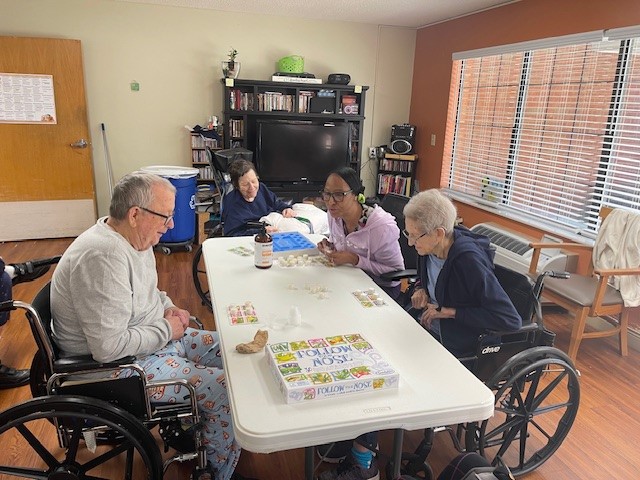
How is Treyburn Rehabilitation Center Staffed?
CMS rates Treyburn Rehabilitation Center's staffing level at 1 out of 5 stars, which is much below average compared to other nursing homes. Staff turnover is 74%, which is 28 percentage points above the North Carolina average of 46%. High turnover can affect care consistency as new staff learn residents' individual needs. RN turnover specifically is 79%, which is notably high. RNs provide skilled clinical oversight, so turnover in this role can affect medical care quality.

What Have Inspectors Found at Treyburn Rehabilitation Center?

State health inspectors documented 26 deficiencies at Treyburn Rehabilitation Center during 2023 to 2025. These included: 2 Immediate Jeopardy (the most serious level, indicating potential for serious harm or death), 1 that caused actual resident harm, 22 with potential for harm, and 1 minor or isolated issues. Immediate Jeopardy findings are rare and represent the most serious regulatory concerns. They require immediate corrective action.

Who Owns and Operates Treyburn Rehabilitation Center?

Treyburn Rehabilitation Center is owned by a for-profit company. For-profit facilities operate as businesses with obligations to shareholders or private owners. The facility is operated by SOVEREIGN HEALTHCARE HOLDINGS, a chain that manages multiple nursing homes. With 132 certified beds and approximately 98 residents (about 74% occupancy), it is a mid-sized facility located in Durham, North Carolina.

How Does Treyburn Rehabilitation Center Compare to Other North Carolina Nursing Homes?

Compared to the 100 nursing homes in North Carolina, Treyburn Rehabilitation Center's overall rating (1 stars) is below the state average of 2.8, staff turnover (74%) is significantly higher than the state average of 46%, and health inspection rating (2 stars) is below the national benchmark.

What Should Families Ask When Visiting Treyburn Rehabilitation Center?

Based on this facility's data, families visiting should ask: "What changes have been made since the serious inspection findings, and how are you preventing similar issues?" "How do you ensure continuity of care given staff turnover, and what is your staff retention strategy?" "Can you walk me through typical staffing levels on day, evening, and night shifts?" "Can I visit during a mealtime to observe dining assistance and food quality?" These questions are particularly relevant given the facility's Immediate Jeopardy citations, the facility's high staff turnover rate, and the below-average staffing rating.

Is Treyburn Rehabilitation Center Safe?

Based on CMS inspection data, Treyburn Rehabilitation Center has documented safety concerns. Inspectors have issued 2 Immediate Jeopardy citations (the most serious violation level indicating risk of serious injury or death). The facility has a 1-star overall rating and ranks #100 of 100 nursing homes in North Carolina. Families considering this facility should ask detailed questions about what corrective actions have been taken since these incidents.

Do Nurses at Treyburn Rehabilitation Center Stick Around?

Staff turnover at Treyburn Rehabilitation Center is high. At 74%, the facility is 28 percentage points above the North Carolina average of 46%. Registered Nurse turnover is particularly concerning at 79%. RNs handle complex medical decisions and coordinate care — frequent RN changes can directly impact care quality. High turnover means new staff may not know residents' individual needs, medications, or preferences. It can also be disorienting for residents, especially those with dementia who rely on familiar faces. Families should ask: What is causing the turnover? What retention programs are in place? How do you ensure care continuity during staff transitions?

Was Treyburn Rehabilitation Center Ever Fined?

Treyburn Rehabilitation Center has been fined $124,534 across 1 penalty action. This is 3.6x the North Carolina average of $34,324. Fines at this level are uncommon and typically indicate a pattern of serious deficiencies, repeated violations, or failure to correct problems promptly. CMS reserves penalties of this magnitude for facilities that pose significant, documented risk to resident health or safety. Families should request specific documentation of what issues led to these fines and what systemic changes have been implemented.

Is Treyburn Rehabilitation Center on Any Federal Watch List?

Treyburn Rehabilitation Center is not on any federal watch list. The most significant is the Special Focus Facility (SFF) program, which identifies the bottom 1% of nursing homes nationally based on persistent, serious quality problems. Not being on this list means the facility has avoided the pattern of deficiencies that triggers enhanced federal oversight. This is a positive indicator, though families should still review the facility's inspection history directly.