Eden Rehabilitation and Healthcare Center
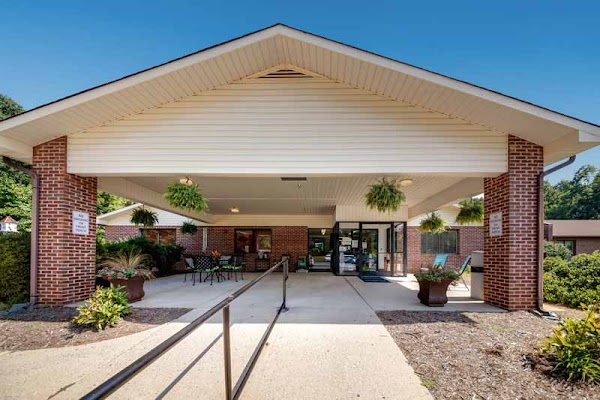
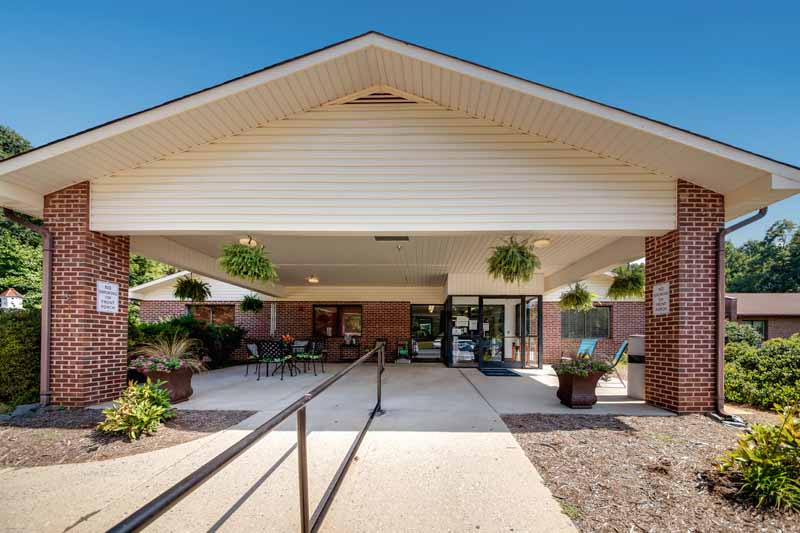
226 N Oakland Avenue, Eden, NC 27288 (336) 623-1750
For profit - Corporation 112 Beds SIMCHA HYMAN & NAFTALI ZANZIPER Data: November 2025
Trust Grade
80/100
#94 of 417 in NC
Last Inspection: November 2024

Within standard 12-15 month inspection cycle. Federal law requires annual inspections.

Overview

Eden Rehabilitation and Healthcare Center has a Trust Grade of B+, indicating it is above average and recommended for families considering care options. In North Carolina, it ranks #94 out of 417 facilities, placing it in the top half, and #3 out of 5 in Rockingham County, meaning only two local options are better. The facility is improving, with reported issues decreasing from five in 2024 to just one in 2025. Staffing is a relative strength with a turnover rate of 40%, which is lower than the state average, although it has an average RN coverage rating. While there have been no fines, some concerns were noted, such as failure to monitor medication refrigerator temperatures and inaccurate documentation in medication records. Families should weigh these strengths and weaknesses when considering this facility for their loved ones.
Trust Score
B+
80/100
In North Carolina
#94/417
Top 22%
Safety Record
Low Risk
No red flags
Inspections
Getting Better
5 → 1 violations
Staff Stability
○ Average
40% turnover. Near North Carolina's 48% average. Typical for the industry.
Penalties
✓ Good
No fines on record. Clean compliance history, better than most North Carolina facilities.
Skilled Nurses
⚠ Watch
Each resident gets only 26 minutes of Registered Nurse (RN) attention daily — below average for North Carolina. Fewer RN minutes means fewer trained eyes watching for problems.
Violations
○ Average
8 deficiencies on record. Average for a facility this size. Mostly minor or procedural issues.
★★★★☆
4.0
Overall Rating
★★★☆☆
3.0
Staff Levels
★★★★☆
4.0
Care Quality
★★★★☆
4.0
Inspection Score
Stable
2024: 5 issues
2025: 1 issues

The Good

  • 4-Star Quality Measures · Strong clinical quality outcomes
  • Full Sprinkler Coverage · Fire safety systems throughout facility
  • No fines on record
  • Staff turnover below average (40%)

    8 points below North Carolina average of 48%

Facility shows strength in quality measures, fire safety.

The Bad

Staff Turnover: 40%

Near North Carolina avg (46%)

Typical for the industry

Chain: SIMCHA HYMAN & NAFTALI ZANZIPER

Part of a multi-facility chain

Ask about local staffing decisions and management

The Ugly 8 deficiencies on record

Jun 2025 1 deficiency
CONCERN (D) 📢 Someone Reported This

A family member, employee, or ombudsman was alarmed enough to file a formal complaint

Potential for Harm - no one hurt, but risky conditions existed

Deficiency F0551 (Tag F0551)

Could have caused harm · This affected 1 resident

**NOTE- TERMS IN BRACKETS HAVE BEEN EDITED TO PROTECT CONFIDENTIALITY** Based on record review, and Legal Guardian, and staff interviews, the facility failed to communicate with the Resident's Legal G...

Read full inspector narrative →
**NOTE- TERMS IN BRACKETS HAVE BEEN EDITED TO PROTECT CONFIDENTIALITY** Based on record review, and Legal Guardian, and staff interviews, the facility failed to communicate with the Resident's Legal Guardian regarding resident's abdominal pain and the resident's refusal to go to the hospital. This occurred for 1 of 3 sampled residents reviewed for the surrogate to exercise the resident's rights (Resident #1). Findings included: Resident #1 was admitted on [DATE] with diagnoses that included hypertensive heart disease with heart failure, diabetes mellitus type (2), dementia, and hypomagnesemia (a condition characterized by abnormally low levels of magnesium in the blood. Symptoms may include muscle cramps, weakness, and irregular heart rhythms). Review of Resident #1's facility face sheet dated 1/18/22 revealed a social worker from local Department of Social Services (DSS) was appointed as his Legal Guardian and included contact information. Resident #1's face sheet indicated the Legal Guardian was the Power of Attorney (POA) for the resident. During an interview on 6/10/25 at 10:28 AM, Nurse #1 indicated she was assigned to Resident #1 on 5/26/25 from 7:00 AM to 3:00 PM. Nurse #1 stated at around 10:00 AM, Resident #1 was brought to the nurse by the activity staff. The Nurse #1 indicated the resident was complaining of stomach pain during activities. Nurse further stated Resident#1 was complaining of pain on the right side of his stomach. The pain was reported as a mild pain with a pain scale of 4. Nurse #1 indicated she asked the resident if he would like to go to the hospital for further evaluation and he agreed. Nurse #1 further indicated she had called the Nurse Practitioner (NP) and during the assessment and conversation with the NP, she had asked Resident #1 if he would like to go to the hospital for further evaluation. Nurse #1 stated the resident had initially agreed to go to the hospital, but later during the telephone conversation she (Nurse #1) had with the NP, Resident #1 refused to go to the hospital. This was conveyed to the NP and labs and x-rays for the abdominal area were ordered at the facility. Nurse #1 stated Resident #1 was alert and oriented, able to communicate his needs, and make his own decisions. She indicated due to those reasons; she did not call or inform the Legal Guardian about resident's refusal to go to the hospital. During a telephone interview on 6/11/25 at 9:30 AM, Nurse #2 indicated she worked the 3:00 PM to 11:00 PM shift on 5/26/25 and the 7:00 AM to 3:00 PM shift on 5/27/25 and she was assigned to Resident #1 on both days. Nurse #2 further stated during the shift change report on 5/26/25, the outgoing nurse (Nurse #1) had reported that Resident #1 had complained of abdominal pain earlier that day. The resident initially agreed to go to the hospital and later refused. Labs and x-rays were ordered by the provider prior to her shift on 5/26/25. Resident #1 did not complain of severe abdominal pain during the shift. Nurse #2 stated Resident #1 had x-rays completed after supper and the x-ray results arrived later that night. The on-call provider was notified about the x-ray results which indicated possible ileus, and the on-call provider gave orders for the resident to be nothing by mouth (NPO) for 24 hours and later a liquid diet until seen by the facility provider. Nurse #2 indicated around breakfast time on 5/27/25, she was on the medication cart, administering medication for another resident in the hallway, when she heard Resident #1 moan in pain. Nurse #2 indicated she notified the Nurse Practitioner (NP), and orders were received to send the resident to the emergency room (ER). Nurse #2 indicated she notified the Legal Guardian on 5/27/25 about the resident transfer to the ER. Nurse #2 further indicated on 5/27/25, she did inform the Legal Guardian that the resident had complained of abdominal pain on 5/26/25 and did not want to go to the hospital. During a telephone interview on 6/10/25 at 10:31 AM, the residents' Legal Guardian stated prior to the admission to the facility, Resident #1 had a stroke resulting in intellectual disability and being unable to make his own medical decision. In August 2021 the court appointed him, a DSS Social Worker, as Resident #1's Legal Guardian. The Legal Guardian indicated on 5/27/25, Nurse #2 had notified him about Resident #1 being in excruciating pain and was sent to the emergency room. The Legal Guardian stated it was also reported to him on 5/27/25 by Nurse #2 that the resident had complained of abdominal pain the day before (5/26/25) and did not want to go to emergency room (ER). The Legal Guardian indicated he was unsure why the facility had not called him on 5/26/25. During a follow-up telephone reinterview on 6/10/25 at 4:53 PM, the Legal Guardian stated the facility had his number and could have contacted him, The Legal Guardian indicated if he did not respond immediately, the staff could leave a message for him, which he would see and respond later. The facility also had an after-hours number and could leave a message on the after-hours number and would be checked later. The Legal Guardian stated had the facility notified the Legal Guardian on 5/26/25, the Guardian would have spoken to Resident #1, and the resident would have gone to the hospital to get evaluated. The Legal Guardian indicated Resident #1 had always listened to Legal Guardian and followed the advice of the Legal Guardian regarding his medical care. During an interview on 6/10/25 at 10:46 AM the Nurse Practitioner indicated she received a call from the facility (date unknown) regarding Resident #1 complaining of right-side abdominal pain. The NP stated she could hear the nurse questioning and assessing the resident over the phone. The NP stated she could hear the resident deny any issues of nausea/ vomiting. The resident was heard over the phone reporting to the nurse that the pain was not severe. The NP indicated during the telephone conversation and assessment of the resident the nurse had asked the resident if he would like to go to the hospital for further evaluation. The resident had declined going to the hospital. The nurse notified the NP about the resident's refusal. The NP indicated labs and x-rays were ordered. The NP stated the resident's vital signs were reported to be normal. The resident reported minor pain on the right side of the abdomen. During an interview on 6/11/25 at 2:00 PM, the Director of Nursing (DON) stated Resident #1 was alert and oriented and was able to make his needs known. However, the resident was not capable of making medical decisions. The resident reported mild stomach pain on 5/26/25 and orders were obtained for labs and x-rays of the abdominal. An x-ray was completed on 5/26/25 and report indicated the resident had a possible ileus. DON indicated on 5/26/25 the assigned nurse should have contacted the Legal Guardian and had not contacted him. The DON stated on 5/27/25, around the time of their morning meeting, the resident's condition changed, and he was in severe pain. Nurse #2 had already contacted the Nurse Practitioner and was in the process of calling the ambulance to send the resident to the ER per providers' s order. The resident's Legal Guardian was also notified. During an interview on 6/11/25 at 2:00 PM, the Administrator indicated Resident #1 was admitted to the facility from a group home with a Legal Guardian appointed by the court. The Administrator indicated the resident's medical care was always discussed with the Legal Guardian. The Legal Guardian would attend the resident's care plan meeting and would listen to the resident. The Administrator acknowledged Resident #1's medical decisions were made by the Legal Guardian. The Administrator confirmed that the Legal Guardian was not contacted on 5/26/25 by the facility staff. The Administrator indicated the best practice would have been to ask the Legal Guardian if the resident needed to be sent to the hospital on 5/26/25, however at that time it was not a medical emergency. On 5/26/25, the resident had complained about abdominal pain, which was mild throughout the day. The resident was casually asked if he would like to go to hospital on 5/26/25 for further evaluation, which he refused. The Administrator indicated on 5/27/25 the resident had a change in condition; he was immediately sent to the ER for further evaluation.
Nov 2024 5 deficiencies
CONCERN (D)

Potential for Harm - no one hurt, but risky conditions existed

Incontinence Care (Tag F0690)

Could have caused harm · This affected 1 resident

**NOTE- TERMS IN BRACKETS HAVE BEEN EDITED TO PROTECT CONFIDENTIALITY** Based on observation, staff interview, and record review the facility failed to secure the indwelling urinary catheter to reduce...

Read full inspector narrative →
**NOTE- TERMS IN BRACKETS HAVE BEEN EDITED TO PROTECT CONFIDENTIALITY** Based on observation, staff interview, and record review the facility failed to secure the indwelling urinary catheter to reduce tension for 1 of 2 residents (Resident #200) reviewed for urinary catheter. Findings included: Resident #200 was admitted to the facility on [DATE] with diagnoses that included neuromuscular dysfunction of bladder, and calculus of ureter. The physician order dated 11/08/24 was to use an indwelling catheter with closed drainage system due to neuromuscular dysfunction of bladder. The physician order dated 11/08/24 included to use catheter securing device to reduce excessive tension on the tubing and facilitate urine flow. The order included to rotate site of securement as needed and check the securement every shift. Documentation on his care plan noted 11/9/24 for the resident had Indwelling urinary catheter related to neurogenic bladder. The approaches included to position catheter bag and tubing below the level of the bladder and away from entrance room door and to place secure tape on leg for catheter security. The Minimum Data Set (MDS) assessment dated [DATE] revealed Resident #200 was severely cognitively impaired. He was coded to have an indwelling urinary catheter and was always incontinent of bowel. An observation on 11/12/24 at 3:14 pm showed Resident #200 indwelling catheter was not secured on his leg. There was a tape on the catheter tubing but was loose and the tape was not attached to the leg for securement. The resident was in bed and the catheter tube was visible when observed on the right side of his bed. It was also noted that the urine color in the tubing was dark colored with some sediment. Observation of catheter care on 11/13/24 at 3:48 pm noted that the urinary catheter tube was not secured to Resident #200's leg. Nurse Aide (NA #2) stated that it was loose and not secured to resident's leg. NA #2 further stated that she didn't know anything about the securement and did not know what to do with it. The tape was dated 11/11/24. Interview with Nurse #5 on 11/13/24 at 3:57 pm stated that the Wound Nurse was the one to check the securement device daily. Interview with the Wound Nurse on 11/14/24 at 9:58 am stated that she checked Resident #200's securement device for his catheter tubing at 7:00 am this morning and it was intact at that time. She stated that the nurse on the floor also checks the securement devices. The Wound Nurse further stated the securement devices comes off easily. Interview with the DON on 11/15/24 at 10:50 am stated that all residents with indwelling urinary catheter should have a securement device attached. She stated the nurses should check them every shift.
CONCERN (D)

Potential for Harm - no one hurt, but risky conditions existed

Deficiency F0761 (Tag F0761)

Could have caused harm · This affected 1 resident

**NOTE- TERMS IN BRACKETS HAVE BEEN EDITED TO PROTECT CONFIDENTIALITY** Based on observations and staff interviews, the facility failed to (1a) remove expired medication from hall 3 medication cart, (...

Read full inspector narrative →
**NOTE- TERMS IN BRACKETS HAVE BEEN EDITED TO PROTECT CONFIDENTIALITY** Based on observations and staff interviews, the facility failed to (1a) remove expired medication from hall 3 medication cart, (1b) discard loose pills from hall 1,2, and 4 medication carts, and (1c) failed to date an open vial of lidocaine (local anesthetic) found in hall 4's medication cart for 4 of 5 medication carts reviewed for medication storage. The findings included: 1a. Observation of Hall 3 medication cart occurred on 11-15-24 at 10:31am with Nurse #3. The following item was found: -Bisacodyl (laxative) 5 milligrams (mg) bottle expired in [DATE]. During an interview with Nurse #3 on 11-15-24 at 10:33am, Nurse #3 stated she was unaware the medication had expired. She explained the night shift nurses were responsible for checking the medication carts for expired medication. b. Observation of the medication cart for halls 1 and 2 occurred on 11-15-24 at 10:48am with Nurse #4. The following item was found: - one small pink round pill was loose in the top drawer of the medication cart. Nurse #4 was interviewed on 11-15-24 at 10:50am. The nurse stated she was unaware of the pill being loose in the drawer and stated if she had known she would have disposed of the pill. c. During an observation of hall 4's medication cart on 11-15-24 at 11:08am with Nurse #2, the following items were found: - one oblong white pill was loose in the top drawer of the medication cart. - one round off white pill was also loose in the top drawer of the medication cart. - one 10 cubic centimeter (cc) vial of lidocaine 1% was found to be open with no open date documented. An interview with Nurse #2 occurred on 11-15-24 at 11:11am. Nurse #2 explained she did not see the loose pills in the drawer, and she had not administered the lidocaine, so she was unaware the vial had been opened but not dated. The Assistant Director of Nursing (ADON) was interviewed on 11-15-24 at 11:45am. ADON explained that the third shift nurses were responsible for cleaning the medication carts, checking for expired medication and ensuring medications had an open date if needed. She also explained that the nurses assigned to a medication cart were also responsible for checking expiration dates, checking for any loose pills, and open dates if needed. The ADON stated the nurses were aware of their duties and said she could not explain why the above issues were found.
CONCERN (D)

Potential for Harm - no one hurt, but risky conditions existed

Deficiency F0810 (Tag F0810)

Could have caused harm · This affected 1 resident

**NOTE- TERMS IN BRACKETS HAVE BEEN EDITED TO PROTECT CONFIDENTIALITY** Based on record review, observations, resident and staff interviews, the facility failed to provide adaptive eating utensils to ...

Read full inspector narrative →
**NOTE- TERMS IN BRACKETS HAVE BEEN EDITED TO PROTECT CONFIDENTIALITY** Based on record review, observations, resident and staff interviews, the facility failed to provide adaptive eating utensils to a resident who required light weight utensils with a rubber grip. This occurred for 1 of 1 resident (Resident #28) reviewed for accommodation of needs. The findings included: Resident #28 was admitted to the facility on [DATE] with multiple diagnoses that included multiple sclerosis and muscle weakness. Physician order dated 4-9-24 revealed Resident #28 was to receive a divided plate, a special cup (a cup with 2 handles and a lid), and built-up utensils. Resident #28's care plan with a revision date on 7-21-24 revealed the resident had nutritional problems or the potential for nutritional problems related to multiple sclerosis. The goal for Resident #28 involved her maintaining adequate nutritional status. The interventions included Resident #28 having a lightweight fork with a rubber grip handle. The quarterly Minimum Data Set (MDS) dated [DATE] revealed Resident #28 was cognitively intact, had upper extremity impairment on one side, and required set up/clean up assistance with eating. Observation of Resident #28's lunch meal occurred on 11-12-24 at 12:20pm. Resident #28's meal ticket had that she was to receive light weight rubber handles utensils with meals. The observation revealed Resident #28 had received weighted utensils with a rubber grip, however, when the surveyor picked up the utensils by the handle, the weight of the utensils was heavy. Resident #28 was interviewed on 11-12-24 at 12:21pm. Resident #28 was sitting in a small dining room with one other resident. The resident stated she was not able to eat with the utensils because they are too heavy for me, and I cannot hold them. She said no staff had checked on her since bringing her tray, so she was not able to tell anyone about the utensils. During an interview with the Dietary Manager on 11-12-24 at 12:25pm, the Dietary Manager came to where Resident #28 was eating. He reviewed Resident #28's meal ticket and confirmed the resident was to receive light weighted utensils with her meals. The Dietary Manager picked up Resident #28's utensils and stated, oh no these are the heavy weighted utensils. Resident #28 told the Dietary Manager she could not eat with heavy weighted utensils, so she was not going to eat. The Dietary Manager did not respond to Resident #28 but stated there was a new Dietary Aide on the tray line and must have gotten confused between the heavy weighted and light weight utensils and then the Dietary Manager left the room. Continuous observation of the dining room where Resident #28 was sitting occurred on 11-12-24 from 12:28pm to 12:59pm. The observation revealed no staff member had entered the dining room to bring Resident #28 the proper utensils. Resident #28 was observed to be eating crackers during this time and not her meal. Nursing Assistant (NA) #1 was interviewed on 11-12-24 at 1:01pm. NA #1 explained prior to giving a resident their meal tray, she will read the meal ticket to ensure the resident received the correct meal. She stated she had not read Resident #28's meal ticket today and was unaware the resident needed light weight rubber grip utensils. The NA said she did see there were special utensils on the tray but did not know they were not the right ones. NA #1 stated if Resident #28 had told her the utensils were not right, she would have gone to the kitchen to retrieve the right utensils. NA #1 confirmed that she had not checked on Resident #28 after providing the resident with her tray. An interview with Dietary Aide #1 occurred on 11-12-24 at 2:06pm. The Dietary Aide explained she had been working at the facility for 3 weeks and she was still in training. She stated she was taught to get a meal ticket from the pile of tickets, place the ticket on the tray, read the ticket to see if there are special needs in silverware or cups, and then wrap the silverware in a napkin. Dietary Aide #1 stated she was aware Resident #28 received light weighted utensils and that she just grabbed the wrong utensils. A follow-up interview was conducted with the Dietary Manager on 11-13-24 at 1:17pm. The Dietary Manager confirmed he had not provided Resident #28 the lightweight utensils on 11-12-24 after he had discovered the resident had the wrong utensils. He explained he did not provide the utensils because Resident #28 had told him she was not going to eat cold food. The Dietary Manager stated he should have asked Resident #28 if she would like her food heated and provided the lightweight utensils but said, I didn't think about it. During an interview with the Administrator on 11-13-24 at 12:59pm, The Administrator stated she would have wanted the Dietary Manager to bring Resident #28 the light weighted utensils so she could eat but said the Dietary Manager explained to her Resident #28 said she was not going to eat because her food was cold.
CONCERN (D) 📢 Someone Reported This

A family member, employee, or ombudsman was alarmed enough to file a formal complaint

Potential for Harm - no one hurt, but risky conditions existed

Infection Control (Tag F0880)

Could have caused harm · This affected 1 resident

Based on observation, staff interview, and record review the facility failed to implement Enhanced Barrier Precautions (EBP) when a nurse aide provided catheter care for Resident #200 and did not wear...

Read full inspector narrative →
Based on observation, staff interview, and record review the facility failed to implement Enhanced Barrier Precautions (EBP) when a nurse aide provided catheter care for Resident #200 and did not wear a gown for 1 of 1 staff members observed for infection control practices. Findings included: The facility policy for Enhanced Barrier Precautions dated 2024 read in part that they required the use of gown and gloves for high-contact resident care activities in the resident's room when doing device care or use of urinary catheter. The physician order dated 11/08/24 to use indwelling catheter with closed drainage system due to neuromuscular dysfunction of bladder. Another order included for enhanced barrier precautions related to indwelling catheter every shift and to provide catheter cleansing and perineal hygiene every shift and as needed if soiled. An observation for the urinary catheter care was done on 11/13/24 at 3:48 PM. NA #1 washed her hands in the bathroom and collected her water in a basin with soap and towels for the catheter care. She wore her gloves during the entire urinary catheter care but did not wear any gown during the process. Interview with NA #1 on 11/13/24 at 5:07 PM stated she forgot to wear her gown during the catheter care, and she only realized after she was done cleaning. She stated she should have worn a gown as part of the enhanced barrier precautions. Interview with Director of Nursing (DON) on 11/15/24 at 10:50 am stated that nurses doing close personal care for resident with EBP would wear a gloves and gowns when doing catheter care. Interview with Administrator on 11/15/24 at 11:55 am stated that nursing staff should wear gloves and gowns when doing catheter care.
MINOR (C)

Minor Issue - procedural, no safety impact

Staffing Information (Tag F0732)

Minor procedural issue · This affected most or all residents

Based on record review and staff interviews the facility failed to post accurate Registered Nurse (RN) staffing information for 51 of 103 days reviewed for posted nurse staffing (8/12/24, 8/14/24, 8/1...

Read full inspector narrative →
Based on record review and staff interviews the facility failed to post accurate Registered Nurse (RN) staffing information for 51 of 103 days reviewed for posted nurse staffing (8/12/24, 8/14/24, 8/15/24, 8/19/24, 8/20/24, 8/21/24, 8/22/24, 8/23/24, 8/25/24, 8/28/24, 8/29/24, 8/30/24, 8/31/24, 9/2/24, 9/3/24, 9/4/24, 9/5/24, 9/6/24, 9/7/24, 9/9/24, 9/10/24, 9/11/24, 9/12/24, 9/13/24, 9/16/24, 9/17/24, 9/18/24, 9/19/24, 9/20/24, 9/25/24, 9/26/24, 9/30/24, 10/1/24, 10/5/24, 10/7/24, 10/9/24, 10/10/24, 10/14/24, 10/15/24, 10/17/24, 10/23/24, 10/24/24, 10/26/24, 10/28/24, 10/29/24, 10/30/24, 11/6/24, 11/7/24, 11/8/24, 11/11/24, 11/12/24). The findings included: The daily posted nurse staffing sheets were reviewed from August 2024 through November 2024 and revealed the following: -August 2024 did not have any RN documented as working for all 3 shifts on the following days: 8/12/24, 8/14/24, 8/15/24, 8/19/24, 8/20/24, 8/21/24, 8/22/24, 8/23/24, 8/25/24, 8/28/24, 8/29/24, 8/30/24, 8/31/24. -September 2024 did not have any RN documented as working for all 3 shifts on the following days: 9/2/24, 9/3/24, 9/4/24, 9/5/24, 9/6/24, 9/7/24, 9/9/24, 9/10/24, 9/11/24, 9/12/24, 9/13/24, 9/16/24, 9/17/24, 9/18/24, 9/19/24, 9/20/24, 9/25/24, 9/26/24, 9/30/24. -October 2024 did not have any RN documented as working for all 3 shifts on the following days: 10/1/24, 10/5/24, 10/7/24, 10/9/24, 10/10/24, 10/14/24, 10/15/24, 10/17/24, 10/23/24, 10/24/24, 10/26/24, 10/28/24, 10/29/24, 10/30/24. -November 2024 did not have any RN documented as working for all 3 shifts on the following days: 11/6/24, 11/7/24, 11/8/24, 11/11/24, 11/12/24. An interview with the Office Assistant occurred on 11/13/24 at 12:19pm. The Office Assistant confirmed she was responsible for completing the daily posted nurse staffing sheets. She explained she was provided with the schedule for the day by the Scheduler and from the schedule she completed the daily posted nurse staffing sheet. The Office Assistant stated that when she was not available to complete the daily posted nurse staffing sheets, the manager on duty was responsible for the completion of the daily posted nurse staffing sheet. The Office Assistant stated she was trained in completing the daily posted nurse staffing sheet by the Scheduler and that she was aware there needed to be a RN in the building at least 8 hours a day. The Office Assistant explained if there was not a RN listed on the daily posted nurse staffing sheet then there was a salaried RN in the building such as the Staff Development Coordinator, Assistant Director of Nursing, and/or the Minimum Data Set Nurse. She said she was told by the Scheduler that a salaried RN could not be counted on the daily posted nurse staffing sheet. The Scheduler was interviewed on 11/13/24 at 12:37pm. The Scheduler confirmed she had trained the Office Manager in completing the daily posted nurse staffing sheets. She stated she was aware a RN had to be present in the building for at least 8 hours a day but said she was not informed that a salaried RN could be placed on the daily posted nurse staffing sheets. During an interview with the Director of Nursing (DON) on 11/13/24 at 12:44pm, the DON discussed that there was no process in place to check the daily posted nurse staffing sheets. She explained she looked at the assignment sheets every day but not the daily posted nurse staffing sheets. The DON stated she would want to see on the daily posted nurse staffing sheets the census, how many LPN's, how many RNs, and how many Nursing Assistant's were working on each shift. She also stated she was aware a RN needed to be in the building at least 8 hours a day. The DON explained that a salaried RN had not been typically placed on the daily posted staffing sheets because they were not working on the halls. An interview with the Administrator occurred on 11/13/24 at 12:51pm. The Administrator stated she would want to see on the daily posted nurse staffing sheets the date, census, and how many hours per discipline. She explained she had used the daily posted nurse staffing sheets as who was providing hands on care to the residents not who was present in the building. The Administrator stated there had been a RN in the building every day at least 8 hours each day.
Jul 2023 1 deficiency
CONCERN (E)

Potential for Harm - no one hurt, but risky conditions existed

Deficiency F0761 (Tag F0761)

Could have caused harm · This affected multiple residents

Based on observation, record review and staff interviews the facility failed to monitor temperatures for 1 of 2 medication refrigerators (300/500 Hall medication refrigerator). The findings included:...

Read full inspector narrative →
Based on observation, record review and staff interviews the facility failed to monitor temperatures for 1 of 2 medication refrigerators (300/500 Hall medication refrigerator). The findings included: Review of the medication storage policy labeled Medication Storage in the Facility and last updated 5/1/22 read in part The facility should maintain a temperature log in the storage area to record temperatures at least once a day. An observation was conducted of the 300/500 Hall medication refrigerator on 07/25/23 at 03:25 PM. Review of the temperature log for the month of July revealed the temperatures had not been recorded for 7/3/23, 7/8/23, 7/9/23, 7/18/23, 7/21/23, 7/22/23, 7/23/23, 7/24/23. An attempt to conduct an interview on 7/26/23 with the night shift nurse was unsuccessful. An interview was conducted with the Director of Nursing on 07/27/23 at 11:20 AM. The DON stated the refrigerator temperature checks were assigned to the night shift nurse. An interview was conducted with the Administrator on 07/27/23 at 11:27 AM. The Administrator stated she expected that medication refrigerators temperatures would be monitored at least once a day.
Jan 2022 1 deficiency
CONCERN (E)

Potential for Harm - no one hurt, but risky conditions existed

Medical Records (Tag F0842)

Could have caused harm · This affected multiple residents

Based on observations, staff interviews and record review, the facility failed to maintain accurate documentation in the medication administration record (MAR) for 3 of 6 residents reviewed for author...

Read full inspector narrative →
Based on observations, staff interviews and record review, the facility failed to maintain accurate documentation in the medication administration record (MAR) for 3 of 6 residents reviewed for authorized access in the medical record (Resident #31, Resident #55, Resident #65). The findings included: On 01/13/22 at 8:30 AM Nurse #1 was observed administering medications to Resident #61. Nurse #1 was logged into the electronic health record (EHR), and in the resident's MAR, under Nurse #2's name. Review of Nurse #2's time clock information, provided by human resources (HR), revealed Nurse #2 had clocked out of her shift on 01/13/22 at 7:43 AM. An interview was conducted with Nurse #1 on 01/13/22 at 8:30 AM. The nurse stated she did not have a login due to a 30-day inactivity lockout rule for EHR access. Nurse #1 explained she had to wait for the HR Manager to arrive before she could get her login reset for the EHR. Review of a document titled: Agency Access Staff Information, indicated Nurse #1's EHR access was reset on 01/13/22 at 8:58 AM. Review of residents' (Resident #31, Resident #55 and Resident #65) MARs on 500 Hall revealed 9:00 AM medications were documented on 01/13/22 with Nurse #2's EHR login. 1. Review of Resident #31's MAR revealed 9:00 AM medications were administered on 01/13/22 and documented with Nurse #2's initials. The medications included: Norvasc, venlafaxine, Colace and clonazepam. 2. Review of Resident #55's MAR revealed 9:00 AM medications were administered on 01/13/22 and documented with Nurse #2's initials. The medications included: calcium + vitamin D3, Claritin, folic acid, and Zoloft. Clonazepam was scheduled for 08:00 AM and documented with Nurse #2's initials. 3. Review of Resident #65's MAR revealed 9:00 AM medications were administered on 01/13/22 and documented with Nurse #2's initials. The medications included: aspirin and multivitamin. Anastrozole and Zoloft were scheduled for 8:00 AM and documented with Nurse #2's initials. An interview was conducted with the director of nursing (DON) on 01/13/22 at 9:00 AM. She stated most of the time nurses let her know if they had issues logging into the EHR. The DON explained nurses administering medications should do so under their own name. Nurse #1 Should not have given medications under another nurse's login. An interview was conducted with the HR manager on 01/13/22 at 10:25 AM. She explained she had access to fix EHR logins for nurses. The DON and assistant director of nursing (ADON) were able to reset logins as well. HR stated Nurse #1 requested a login reset on 01/13/22, and it was reset. In a follow up interview with the DON on 01/13/22 at 10:38 AM, she stated there was an afterhours process in place for any EHR access issues. Afterhours, the DON would be notified of EHR access issues. She would contact information technology (IT) to assist with issue resolution as needed. An interview was conducted with Nurse #3 (unit manager) on 01/13/22 at 10:55 AM. She explained she was made aware Nurse #1 did not have access to the EHR and sent the nurse to HR to have her access reset. Nurse #1 informed Nurse #3 she had not documented medication administrations under another nurse's name. Nurse #3 stated there was a process in place to ensure nursing staff had EHR access and all nurses had their own logins. Nurse #3 stated Nurse #1 should not have used another nurse's login to access the EHR. An interview was conducted with Nurse #2 on 01/13/22 at 11:29 AM. Nurse #2 stated she thought she had logged out of the EHR before leaving the facility. She revealed her typical process was to log out of the EHR when she was done with her shift. Nurse #2 explained the controlled substance count was correct when Nurse #1 assumed ownership of the medication administration cart. Nurse #2 voiced she had not known anyone to access the EHR under her login information.
Understanding Severity Codes (click to expand)
Life-Threatening (Immediate Jeopardy)
J - Isolated K - Pattern L - Widespread
Actual Harm
G - Isolated H - Pattern I - Widespread
Potential for Harm
D - Isolated E - Pattern F - Widespread
No Harm (Minor)
A - Isolated B - Pattern C - Widespread

Questions to Ask on Your Visit

  • "Can I speak with families of current residents?"
  • "What's your RN coverage like on weekends and overnight?"

Our Honest Assessment

Strengths
  • • Grade B+ (80/100). Above average facility, better than most options in North Carolina.
  • • No major safety red flags. No abuse findings, life-threatening violations, or SFF status.
  • • No fines on record. Clean compliance history, better than most North Carolina facilities.
  • • 40% turnover. Below North Carolina's 48% average. Good staff retention means consistent care.
Concerns
  • • No significant concerns identified. This facility shows no red flags across CMS ratings, staff turnover, or federal penalties.
Bottom line: Generally positive indicators. Standard due diligence and a personal visit recommended.

About This Facility

What is Eden Rehabilitation And Healthcare Center's CMS Rating?

CMS assigns Eden Rehabilitation and Healthcare Center an overall rating of 4 out of 5 stars, which is considered above average nationally. Within North Carolina, this rating places the facility higher than 99% of the state's 100 nursing homes. This rating reflects solid performance across the metrics CMS uses to evaluate nursing home quality.
How is Eden Rehabilitation And Healthcare Center Staffed?

CMS rates Eden Rehabilitation and Healthcare Center's staffing level at 3 out of 5 stars, which is average compared to other nursing homes. Staff turnover is 40%, compared to the North Carolina average of 46%. This relatively stable workforce can support continuity of care.

What Have Inspectors Found at Eden Rehabilitation And Healthcare Center?

State health inspectors documented 8 deficiencies at Eden Rehabilitation and Healthcare Center during 2022 to 2025. These included: 7 with potential for harm and 1 minor or isolated issues.

Who Owns and Operates Eden Rehabilitation And Healthcare Center?

Eden Rehabilitation and Healthcare Center is owned by a for-profit company. For-profit facilities operate as businesses with obligations to shareholders or private owners. The facility is operated by SIMCHA HYMAN & NAFTALI ZANZIPER, a chain that manages multiple nursing homes. With 112 certified beds and approximately 101 residents (about 90% occupancy), it is a mid-sized facility located in Eden, North Carolina.

How Does Eden Rehabilitation And Healthcare Center Compare to Other North Carolina Nursing Homes?

Compared to the 100 nursing homes in North Carolina, Eden Rehabilitation and Healthcare Center's overall rating (4 stars) is above the state average of 2.8, staff turnover (40%) is near the state average of 46%, and health inspection rating (4 stars) is above the national benchmark.

What Should Families Ask When Visiting Eden Rehabilitation And Healthcare Center?

Based on this facility's data, families visiting should ask: "Can I visit during a mealtime to observe dining assistance and food quality?" "How do you handle medical emergencies, and what is your hospital transfer rate?" "Can I speak with family members of current residents about their experience?"

Is Eden Rehabilitation And Healthcare Center Safe?

Based on CMS inspection data, Eden Rehabilitation and Healthcare Center has a clean safety record: no substantiated abuse findings (meaning no confirmed cases of resident harm), no Immediate Jeopardy citations (the most serious violation level indicating risk of serious injury or death), and is not on the Special Focus Facility watch list (a federal program monitoring the lowest-performing 1% of nursing homes). The facility has a 4-star overall rating and ranks #1 of 100 nursing homes in North Carolina. While no facility is perfect, families should still ask about staff-to-resident ratios and recent inspection results during their visit.

Do Nurses at Eden Rehabilitation And Healthcare Center Stick Around?

Eden Rehabilitation and Healthcare Center has a staff turnover rate of 40%, which is about average for North Carolina nursing homes (state average: 46%). Moderate turnover is common in nursing homes, but families should still ask about staff tenure and how the facility maintains care continuity when employees leave.

Was Eden Rehabilitation And Healthcare Center Ever Fined?

Eden Rehabilitation and Healthcare Center has no federal fines on record. CMS issues fines when nursing homes fail to meet care standards or don't correct problems found during inspections. The absence of fines suggests the facility has either maintained compliance or corrected any issues before penalties were assessed. This is a positive indicator, though families should still review recent inspection reports for the full picture.

Is Eden Rehabilitation And Healthcare Center on Any Federal Watch List?

Eden Rehabilitation and Healthcare Center is not on any federal watch list. The most significant is the Special Focus Facility (SFF) program, which identifies the bottom 1% of nursing homes nationally based on persistent, serious quality problems. Not being on this list means the facility has avoided the pattern of deficiencies that triggers enhanced federal oversight. This is a positive indicator, though families should still review the facility's inspection history directly.