UNC Rockingham Rehab & Nursing Care Center

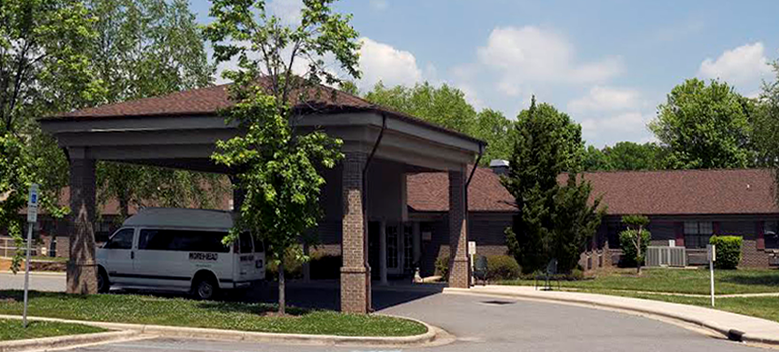
205 East Kings Highway, Eden, NC 27288 (336) 623-9711
Non profit - Corporation 121 Beds Independent Data: November 2025
Trust Grade
90/100
#70 of 417 in NC
Last Inspection: June 2025

Inspected within the last 6 months. Data reflects current conditions.

Overview

UNC Rockingham Rehab & Nursing Care Center in Eden, North Carolina, has an excellent Trust Grade of A, indicating it is highly recommended for families seeking care. It ranks #70 out of 417 facilities in the state, placing it in the top half, and #2 out of 5 in Rockingham County, meaning only one local option is better. However, the facility's trend is worsening, with reported issues increasing from 1 in 2024 to 4 in 2025. Staffing is a strong point, earning a 5/5 rating with only 39% turnover, which is below the state average, and providing good RN coverage, being better than 75% of North Carolina facilities. On the downside, there have been concerns related to food service, including failure to address residents' complaints about food preferences and inadequate portion sizes, indicating areas that need improvement despite the overall positive ratings.

Trust Score
A
90/100
In North Carolina
#70/417
Top 16%
Safety Record
Low Risk
No red flags
Inspections
Getting Worse
1 → 4 violations
Staff Stability
○ Average
39% turnover. Near North Carolina's 48% average. Typical for the industry.
Penalties
✓ Good
No fines on record. Clean compliance history, better than most North Carolina facilities.
Skilled Nurses
✓ Good
Each resident gets 58 minutes of Registered Nurse (RN) attention daily — more than average for North Carolina. RNs are trained to catch health problems early.
Violations
○ Average
7 deficiencies on record. Average for a facility this size. Mostly minor or procedural issues.
★★★★★
5.0
Overall Rating
★★★★★
5.0
Staff Levels
★★★☆☆
3.0
Care Quality
★★★★☆
4.0
Inspection Score
Stable
2024: 1 issues
2025: 4 issues

The Good

  • 5-Star Staffing Rating · Excellent nurse staffing levels
  • Full Sprinkler Coverage · Fire safety systems throughout facility
  • No fines on record
  • Staff turnover below average (39%)

    9 points below North Carolina average of 48%

Facility shows strength in staffing levels, fire safety.

The Bad

Staff Turnover: 39%

Near North Carolina avg (46%)

Typical for the industry

The Ugly 7 deficiencies on record

Jun 2025 4 deficiencies
CONCERN (D)

Potential for Harm - no one hurt, but risky conditions existed

Deficiency F0806 (Tag F0806)

Could have caused harm · This affected 1 resident

**NOTE- TERMS IN BRACKETS HAVE BEEN EDITED TO PROTECT CONFIDENTIALITY** Based on record review, observation, and resident and staff interview, the facility failed to provide a resident her food prefer...

Read full inspector narrative →
**NOTE- TERMS IN BRACKETS HAVE BEEN EDITED TO PROTECT CONFIDENTIALITY** Based on record review, observation, and resident and staff interview, the facility failed to provide a resident her food preferences (Resident #365). The deficient practice affected 1 of 3 residents reviewed for food. Findings included: Resident #365 was admitted to the facility on [DATE] with the diagnoses of osteomyelitis (infection of the bone) of the left foot and ankle, anemia, and diabetes. Resident #365 had a food preference form completed by the Dietary Manager dated 6/3/25. The form included chocolate nutritional supplement and hot grits as a preference. Breakfast was to include eggs, bacon, and biscuits with gravy every day. The form had choices to pick, and the resident liked lima beans and mashed potatoes with gravy all the time. The resident had chosen not to have veal, liver, fish, shellfish, tuna, oatmeal, pancakes, pasta, asparagus, beets, broccoli, brussels sprouts, cauliflower, and onions. The admission Minimum Data Set, dated [DATE] for Resident #365 documented her cognition was intact. The resident required moderate assistance for all activities of daily living with a set up for meals. Her diagnoses were osteomyelitis of left foot and ankle, anemia, and diabetes. The resident had no dental or swallowing deficit. The care plan for Resident #365 dated 6/6/25 documented that she was at risk for nutritional deficit and was receiving a nutritional supplement. On 6/16/25 at 10:05 AM an observation was completed of Resident #365 and her meal tray. The tray was on her tray table open and there was no food remaining. A review of the meal ticket revealed eggs and bacon were on the list. An interview with the resident revealed she had not received all her food that was on her ticket. She had not received the eggs and bacon. She had received a small sausage. The resident stated she was supposed to receive bacon and eggs with gravy every morning and this was not the first time food was missing from her tray that was on her meal ticket. The resident was concerned because she had lost weight at home, and she was hungry. The resident had received a nutritional supplement. The resident also commented she had received macaroni and cheese and green beans for lunch with no meat the other day. The resident stated she had reported the missing food items to the Nursing Assistants (NA) who were bringing her tray. On 6/16/25 at 10:07 AM an interview was conducted with NA #1. NA #1 had entered the room to retrieve Resident #365's tray during the interview. NA #1 stated she was aware there were missing food items on the resident's tray this morning. NA #1 thought there was no more bacon. The food was cooked at the hospital and brought over to the facility and the facility may not have been provided enough for all residents. NA #1 stated some residents had not received their preferences before. There were missing food items that were listed on the meal ticket. NA #1 stated other residents were affected, and she had informed the nurse. On 6/16/25 at 2:40 PM an interview was conducted with Nurse #1. Nurse #1 stated she was aware from the NAs that occasionally there were preferences missing off the resident's tray but not on a regular basis. Nurse #1 was not aware that Resident #365 was missing food items on her tray and there was no substitute. Nurse #1 stated that there were chicken salad sandwiches and pimento cheese for the residents in the nourishment refrigerator available all the time as well as snacks. Nurse #1 was not aware that any residents went hungry when there were missing food items. On 6/18/25 at 8:45 AM an observation was done of Resident #365's breakfast tray and the resident was interviewed. The resident stated she received toast that was hard and cold instead of the english muffin that was on her ticket. The ticket was observed to include an english muffin. The resident stated she was not getting her preferences and not always getting gravy for the eggs as requested. On 06/18/25 at 1:09 PM an interview was conducted with the Dietician. The Dietician stated he was not aware that resident's food item(s) were missing from the plate but was aware that food ran out and substitutes were given (i.e. sausage for bacon). All food was cooked and prepared at the hospital. The hospital had all the food and drink stock for the residents. The cooked food was sent to the facility (from across the street) and placed on the steam table and plated. The Chef at the hospital was new and the Dietician thought things were getting better with the correct amount/type of food. The Dietician stated he was not aware that the food that was documented on the meal ticket was not on the resident's plate and there was no substitute. The Dietician stated he was not sure where the breakdown was. On 6/18/25 at 2:40 pm the Dietary Manager (DM) and hospital Food Services Director were interviewed. The Food Services Director stated there was bacon and biscuits with gravy made every day at the hospital and available for the facility. He was informed by the DM that bacon was requested but not provided to 4 residents. The amount of food sent to the facility depended on the diets input into the system. The Food Services Director stated Resident #365 was receiving what was on the menu and not her preferences. The menu system was set up so that each resident's diet and preferences had to be entered each day. There was no carry over of the information. The Food Services Director stated the preferences may have been omitted from being entered. This was human error. If additional food items were needed, the kitchen staff could call the hospital, and additional food would be sent. The DM indicated that when a particular food was out on the steam table a substitute was used. If the substitute was not wanted by the resident, there was no replacement. The DM stated she had not called the hospital to request additional food. There was chicken salad and pimento cheese for the residents on each hall as well as snacks. The DM stated she was familiar with Resident #365 and her preferences chosen upon admission.
CONCERN (E)

Potential for Harm - no one hurt, but risky conditions existed

Deficiency F0565 (Tag F0565)

Could have caused harm · This affected multiple residents

Based on record review, and interviews of staff, residents, and the hospital Food Service Director, the facility failed to act promptly to resolve grievances reported about the resident's food prefere...

Read full inspector narrative →
Based on record review, and interviews of staff, residents, and the hospital Food Service Director, the facility failed to act promptly to resolve grievances reported about the resident's food preferences, missing food items, and meats that were hard to cut and chew since the March 2025 Resident Council Meeting for five residents that regularly attended. This deficient practice affected 5 of 11 residents present during the Resident Council Meetings of 3/26/25, 4/30/25, and 5/28/25 (Residents #16, #18, #20, #40, and #57). Findings included: The Resident Council Concern Form was completed on 2/10/25 by the Administrator that Resident #40 was receiving food that she could not eat, and meats were tough to cut. The Administrator responded: the resident had a food preference change and replaced tough meat with sandwich. The food preference questionnaire was completed on 3/31/25 by the Dietary Manager. Resident council meeting minutes dated 3/26/25 were reviewed and the following resident concerns were documented. There were 11 residents present including Residents #16, # 18, #20, #40, and #57. Old business did not include meal concerns. Current residents' concerns requested kitchen staff meet with the residents to change their likes and dislikes and listen to their food requests. Resident Council Concern Form dated 3/26/25 indicated Residents #16 and #40 had their likes and dislikes completed by the Dietary Manager on 4/3/25. Resident council meeting minutes dated 4/30/25 were reviewed and the following resident concerns were documented. There were 11 residents present including Residents #16, #18, #20, #40, and #57. Old business did not include meal concerns. Current residents' concerns included meal preferences, cold food, failure to provide coffee when requested, and missing silverware. A Resident Council Concern Form was not completed in April 2025. Resident council meeting minutes dated 5/28/25 were reviewed and the resident concerns were documented. There were 11 residents present including Residents #16, #18, #20, #40, and #57. Old business did not include meal concerns. Current residents' concerns were none. On 6/18/25 at 12:00 pm a Resident Council Meeting was held. Residents #16, #18, #20, #40, and #57 were the only residents in attendance. All of the residents provided input that the food provided (breakfast, lunch or dinner) was not always the same as what was put on their meal ticket and preferences were not always followed. All of the Residents stated these food problems had been going on for months, even after some of the residents completed a preference request. All of the residents also stated that the meat, specifically, pork and beef, was hard to cut and chew and there was no other meat substitute. Residents #18, #20, and #57 stated their meat was to be in small bites according to their diet order. Resident #57 stated she was eating hot dogs frequently because she cannot chew the beef and the pork because it was too hard. All residents felt the food was bland and the seasonings were sometimes left off the tray. Some of the residents had a chicken salad sandwich from the unit refrigerator when there were missing food items. Resident #16 and #40 both stated that they had completed a preference form with the Dietary Manager a couple of months ago when the concern was brought up at the March 2025 resident council meeting. Resident #40 stated the management at the hospital had planned to attend the Resident Council Meeting to address their concerns but had not attended the April and May 2025 meetings. Resident #40 commented that she had recently received very dry rice instead of mashed potatoes which was on her meal ticket, and she could not eat the rice. This happened after she completed the preference form with the Dietary Manager back in April 2025 and informed the Dietary Manager food items were missing from her tray or not correct when on her meal ticket. Resident #40 had informed the nurse of the wrong food items on many occasions, and this was brought up in the prior Resident Council Meetings. Resident #40 stated the Activities Director was aware of food concerns and was supposed to document and report to the Administrator. Resident #16 stated she was provided with a hamburger for lunch with no cheese or condiments and these were on the meal ticket but not provided. Resident #16 could not remember the date she had to wait for the Nurse Aide (NA) to bring ketchup and there was no cheese provided. The NA was aware of the missing food items. On 6/18/25 at 1:54 PM an interview was conducted with the Activities Directo (AD). The AD stated she was responsible for coordinating the Resident Council Meeting each month and documenting the minutes. The minutes included the residents' concerns. The concerns were reported verbally to the Administrator and the Administrator completes the Resident Council Concern Forms. The AD stated she did not document the previous month's resident concerns and whether they were resolved after reporting them to the Adminstrator. The AD stated she was aware of the food preferences concerns. When the kitchen ran out of the food item preference there was less food on the tray because the preference was not the menu item, and the hospital provided the menu items. The resident's reported meat was tough, and residents were unable to cut and chew it for the past couple of months and this was reported to the Administrator. When the residents reported back in March 2025 they didn't get their preferences, the AD informed the Dietary Manager and the Administrator. The AD stated the hospital Food Services Director was informed by the Dietary Manager of the residents' concerns for preferences and the hospital Food Services Director had not attended the April or May 2025 resident council meeting as promised. The residents were aware management from the hospital was expected to attend the Resident Council in June 2025 regarding the residents' meal concerns. The AD stated preferred food was provided when available and if there was not a substitute, nothing else was provided. This was where the missing food concern came from. The concern was not brought forward as old business into April 2025 meeting minutes. The Administrator was made aware of the resident's food concerns. The AD stated the Administrator was getting a lunch tray each day and was made aware of the residents' concern of tough meat. The AD had not checked back with the Administrator to follow up but she thought the tough meat was addressed after it was reported months ago. The AD stated at the May 2025 Resident Council meeting, the residents reported they were still not getting their preferences which was reported to the Administrator again. The AD also commented she had prior complaints that the meat was hard, and the residents were unable to identify it. She had reported this information to the Administrator again and thought it was addressed. On 06/18/25 at 1:09 PM an interview was conducted with the Dietician. The Dietician stated he was not aware that food was missing from the resident's meal but was aware that food ran out and substitutes were given (i.e. sausage for bacon). All food was cooked and prepared at the hospital. The hospital has all food and drink stocked. The cooked food was sent from the hospital to the facility (across the street) and placed on the steam table and plated. The chef at the hospital was new and the Dietician thought things were getting better with the correct amount/type of food when concerns came up. The Dietician stated he was not aware food documented on the meal ticket was not on the plate, and there was no substitute, and pork and beef was difficult to cut and chew. He was not sure where the breakdown in communication was to provide enough food, and the preferences. On 6/19/25 at 2:43 PM an interview was conducted with the Dietary Manager. The Dietary Manager stated she was aware from the AD of the concern about tough meat. She reported the concern to the hospital Food Service Director a while ago where the food was cooked. The Dietary Manager explained food was transported from the hospital to the nursing home and placed on a steam table. The food was plated in the nursing home. The residents requested gravy on their meat for beef and pork to soften it but gravy was not automatically placed on the meat unless requested. On 6/18/25 at 4:06 PM an interview was conducted with the Dietary Manager and hospital Food Service Director. The Food Service Director stated he was aware of the residents not getting their preferences from March 2025. This problem could be a breakdown in communication. The Dietary Manager stated that when there's a preference and the resident disliked the alternate as well as the menu protein, nothing was provided. On 6/18/25 at 3:00 PM an interview was conducted with the Administrator. The Administrator stated she received concerns from the AD back in February 2025 that the residents had not received their preference items, and the meat was tough. The Administrator completed a concern form. The Administrator stated that the resident food preferences were addressed after the March 2025 meeting and there was a pending Resident Council Meeting where the hospital Foods Service Director was to attend. The Administrator stated she was aware of the residents' preferences and the Dietary Manager interviewed all the Resident Council members (documentation provided for 3 residents). The Administrator further commented that the residents' diets were input into the system every day for dietary staff to plate the meal and information was missing. The Administrator explained when information was missing the residents had not received their food items.
CONCERN (E)

Potential for Harm - no one hurt, but risky conditions existed

Menu Adequacy (Tag F0803)

Could have caused harm · This affected multiple residents

Based on a lunch meal tray line observation, staff interviews and record review, the facility failed to follow the approved menu when 5 of 5 residents on a moist and minced diet only received 2 ounces...

Read full inspector narrative →
Based on a lunch meal tray line observation, staff interviews and record review, the facility failed to follow the approved menu when 5 of 5 residents on a moist and minced diet only received 2 ounces of fish instead of 4 ounces as per the menu. In addition, the facility served 2 ounces of mashed potatoes instead of 4 ounces per the menu to 54 of 61 residents who ate a regular or mechanically altered diet. The findings included: 1. The daily diet menu for 6/19/25 revealed residents on a moist and minced diet (a mechanically altered diet where all foods were soft, moist, and finely minced or mashed into very small pieces) should have received 4 ounces of fish. Continuous observation on 6/19/25 from 11:54 AM - 12:40 PM of the complete lunch service revealed the Dietary Supervisor plated all 5 residents on a moist and minced diet 1.75 ounces (one red handled #24 sized scoop) of mechanically altered fish. The Dietary Supervisor scooped inconsistent amounts of fish per scoop, some were overfilled, and some were level with the scoop The facility Diet Order Roster dated 6/19/25 revealed there were 5 residents on a moist and minced diet. In an interview on 6/19/25 at 1:32 PM with the Dietary Supervisor, she said she used the facility Production Sheet to determine how large a portion should be served to each resident on that meal. She provided the Production Sheet and reviewed it during the interview. She said the portion sizes were not on the menu like she had believed. The Dietary Supervisor stated she had been in-serviced that the appropriate scoop size for the meat in a meal was 4 ounces. She said she wasn't sure if she had a 4-ounce scoop available at the time of service, so she used the red handled scoop, which she examined during the interview and was noted it was a #24 or 1.75-ounce scoop. She stated she knew it was a smaller scoop but tried to make each scoop overfull. The Dietary Supervisor looked at all the scoops she had available during the interview and confirmed she did have a 4-ounce scoop available and should have used it. 2. Review of the facility's pre-approved Week 3 cycle menu revealed residents on a regular and mechanically altered meal should have received 4 ounces of mashed potatoes for the lunch meal served on 6/19/25. Continuous observation on 6/19/25 from 11:54 AM - 12:40 PM of the complete lunch service revealed the Dietary Supervisor plated mashed potatoes using one light blue handled scoop onto the plates for all residents on a regular or mechanically altered diets. In an interview on 6/19/25 at 1:32 PM, the Dietary Supervisor confirmed she used one light blue handled scoop, which was labeled as a #16 or 2-ounce scoop for the mashed potatoes served to the residents on a regular or mechanically altered diet. She said she did not know the menu called for 4 ounces of the mashed potatoes since it wasn't listed on the production report. The Dietary Supervisor stated she did not know the production report did not list the portion sizes for the items on the menu and she did not review the menu. In an interview on 6/19/25 at 3:38 PM, the Administrator said she will need to educate dietary staff to make sure they know what portion sizes utensil to use and to make sure the menu was followed. She said she would need to discuss with the main hospital kitchen any concerns or changes to diets to make sure the correct portions were served.
CONCERN (E)

Potential for Harm - no one hurt, but risky conditions existed

Deficiency F0804 (Tag F0804)

Could have caused harm · This affected multiple residents

Based on record review, observations, and resident and staff interviews and a test tray, the facility failed to provide food that was appetizing in texture and palatability for 5 of 5 residents (Resid...

Read full inspector narrative →
Based on record review, observations, and resident and staff interviews and a test tray, the facility failed to provide food that was appetizing in texture and palatability for 5 of 5 residents (Residents #16, #18, #20, #40, and #57) reviewed for food palatability and preferences. The findings included: In a Resident Council meeting on 6/18/25 at 12:04 PM, Residents #16, #18, #20, #40, and #57 reported the food was bland, they did not receive seasoning packets on their trays everyday, and they said the meat served was too tough to cut or chew. On 06/19/2025 beginning at 11:25 AM, all foods on the steam table were checked for safe temperatures by the Dietary Manager, and a test tray was followed from the serving line with the Dietary Manager to the serving cart on the 200- hall. At 12:54 PM on 06/19/2025, after all the resident trays were delivered, a regular diet test tray was sampled. The tray consisted of a portion of baked breaded fish, steamed white rice, and boiled zucchini. The edges of the fish were tough, difficult to cut with a fork, and were chewy and rubbery. There were no spices or seasonings tasted on the steamed white rice and the boiled zucchini. When the Dietary Manager tasted the tray at 12:54 PM as well, she agreed that the fish was tough and chewy on the outside edges. She said the facility did not use any seasonings when cooking the food. She stated because the residents all prefer different amounts of seasonings, they add salt and pepper packets to the trays for the residents, which were present on the test tray. In an interview on 06/19/25 2:43 PM, the Dietary Manager said she was aware of the resident concerns of tough meat and had worked with the main hospital kitchen, where the food was cooked, to ensure the meat was cooked so it would be tender when served to the residents after the residents started to express the concern in February 2025. She said gravy was also available at all meals to soften the meat when a resident requested it. In an interview on 06/19/25 at 3:38 PM, the Administrator said when a resident has a concern about the palatability of the food, the kitchen tried to resolve the concern with the resident as best as possible. She said she worked with the main hospital kitchen to adjust the menu to reflect resident preferences.
May 2024 1 deficiency
MINOR (B)

Minor Issue - procedural, no safety impact

MDS Data Transmission (Tag F0640)

Minor procedural issue · This affected multiple residents

**NOTE- TERMS IN BRACKETS HAVE BEEN EDITED TO PROTECT CONFIDENTIALITY** Based on record review and staff interviews, the facility failed to complete Minimum Data Set (MDS) discharge assessments within...

Read full inspector narrative →
**NOTE- TERMS IN BRACKETS HAVE BEEN EDITED TO PROTECT CONFIDENTIALITY** Based on record review and staff interviews, the facility failed to complete Minimum Data Set (MDS) discharge assessments within the regulated time frame for 2 of 2 residents reviewed for resident assessment (Residents #64 and #43). The findings included: 1. Resident #64 had been admitted on [DATE]. Diagnoses included Parkinsonism and repeated falls. A Social Work note dated 12/18/2023 indicated Resident #64 had a plan to discharge to her home tomorrow. A PPS (Prospective Payment System, a Medicare Part A required MDS assessment) 5-day and end of PPS assessment dated [DATE] had been completed. Nursing documentation dated 12/19/2023 noted Resident #64 was discharged to her home at 5:10 PM. No MDS discharge assessment had been completed for Resident #64. On 5/21/24 at 2:46 PM an interview with the MDS coordinator was conducted. She stated the discharge assessment should have been included with the 5-day PPS assessment but had been missed being included. This had been a data entry error. On 5/22/24 at 11:06 AM an interview with the Administrator was conducted. She stated she would expect discharge assessments to be completed on time. 2. Resident #43 had re-entered the facility on 1/11/2024. Her diagnoses included chronic respiratory failure and pulmonary hypertension. A Social Work note dated 1/12/2024 indicated Resident #43 had a plan to discharge to her home on 1/17/2024. A PPS (Prospective Payment System, a Medicare Part A required MDS assessment) 5-day and end of PPS assessment dated [DATE] had been completed. Nursing documentation dated 1/17/2024 at 11:00 AM noted Resident #43 had been discharged to her home. No MDS discharge assessment had been completed for Resident #43. On 5/21/24 at 2:46 PM an interview with the MDS coordinator was conducted. She stated the discharge assessment should have been included with the 5-day PPS assessment but had been missed being included. This had been a data entry error. On 5/22/24 at 11:06 AM an interview with the Administrator was conducted. She stated she would expect discharge assessments to be completed on time.
Mar 2023 2 deficiencies
CONCERN (D)

Potential for Harm - no one hurt, but risky conditions existed

Deficiency F0810 (Tag F0810)

Could have caused harm · This affected 1 resident

**NOTE- TERMS IN BRACKETS HAVE BEEN EDITED TO PROTECT CONFIDENTIALITY** Based on observations, staff interviews and record review, the facility failed to provide an adaptive eating utensil in accordan...

Read full inspector narrative →
**NOTE- TERMS IN BRACKETS HAVE BEEN EDITED TO PROTECT CONFIDENTIALITY** Based on observations, staff interviews and record review, the facility failed to provide an adaptive eating utensil in accordance with the resident's care plan for 1 of 1 resident (Resident #9) requiring adaptive equipment at mealtime. The findings included: Resident #9 was admitted to the facility on [DATE]. His cumulative diagnoses included dysphagia (difficulty swallowing) and left hemiparesis (mild or partial weakness or loss of strength on one side of the body). The resident's current diet order indicated he was on a pureed diet with mildly thick liquids. Resident #9's most recent Minimum Data Set (MDS) was a quarterly assessment dated [DATE]. The resident was reported as being sometimes understood and sometimes understanding others. He had moderately impaired cognition. The MDS indicated Resident #9 required supervision only for eating. A review of the resident's current care plan included an area of focus related to nutrition (initiated 8/30/16). The planned interventions included, in part: Built up handled spoon for all meals and a divided plate (updated on 3/6/23). Resident #9's care plan also included an area of focus related to his impaired Activities of Daily Living (ADLs) function due to his diagnoses (updated 3/6/23). The planned interventions included, in part: 2- handled cup with lid. An observation was conducted on 3/20/23 at 12:47 PM as Resident #9 was eating his noon meal. The resident's meal consisted of pureed foods served on a divided plate and a beverage in a 2-handled cup with lid. The only eating utensil observed on the meal tray was a plastic spoon. Resident #9 appeared to have some difficulty eating the pureed foods with the plastic spoon as evidenced by a significant amount of pureed food observed to have been spilled onto his clothing protector. A second observation was conducted on 3/21/23 at 12:30 PM of Resident #9 as he fed himself his noon meal. The resident had his meal served on a divided plate and beverage in a 2-handled cup with lid. However, the only eating utensil observed on the meal tray was a plastic spoon. An interview was attempted with the resident on 3/21/23 at 12:30 PM with only yes/no questions asked. When Resident #9 was asked if it was hard for him to eat with a plastic spoon, he nodded his head to indicate yes. He was then asked if it was easier for him to use a spoon with a larger handle (a built-up handled spoon). The resident responded by nodding his head to indicate yes. An interview was conducted on 3/21/23 at 12:50 PM with Nurse #4. Nurse #4 was the hall nurse assigned to care for Resident #9 on 1st shift. During the interview, inquiry was made as to whether Resident #9 typically received a built-up handled spoon (an adaptive utensil) with his meals. The nurse stated she thought he did. Accompanied by the nurse, an observation was made of the resident's meal tray placed on his bedside tray table in front of him. Nurse #4 confirmed the only utensil on Resident #9's meal tray was a plastic spoon. An interview was conducted on 3/21/23 at 12:55 PM with Nurse #1. Nurse #1 was identified as the Nurse Manager for Resident #9's hallway. During the interview, Nurse #1 was asked whether the resident typically received a built-up handled spoon instead of a plastic spoon with his meals. The nurse stated she would need to check on the built-up handled spoon for Resident #9. An observation was conducted on 3/22/23 at 9:00 AM of the resident. The resident was observed to have finished eating breakfast with his intake estimated to be 75 - 100 percent (%) of the meal. A built up handled spoon was placed on his meal tray. The spoon had apparently been used during the meal as it was observed to have food particles remaining on it. At that time, Resident #9 was asked if the built-up handled spoon was easier for him to use. The resident nodded to indicate yes. An interview was conducted on 3/22/23 at 11:12 AM with the facility's Registered Dietitian (RD). During the interview, concerns regarding Resident #9's difficulty using a plastic spoon to eat his pureed food at mealtime was discussed. Upon review of his electronic medical records, the RD reported use of a built up handled spoon was initiated for Resident #9 on 4/23/21. The RD confirmed the resident's meal ticket (placed on his tray at mealtime) indicated a sectional plate and 2-handled cup with lid needed to be sent with his meals. However, there was no notation on the meal ticket to indicate the resident needed to have a built-up handled spoon. The RD reported she would add the built-up handled spoon to the resident's meal ticket to ensure it would be sent on each of his meal trays. An interview was conducted on 3/23/23 at 12:40 PM with the facility's Director of Nursing (DON). During the interview, the DON reported she was aware of the concern identified when Resident #9 did not have his built-up handled spoon at mealtime. She confirmed the resident had used a built-up handled spoon for quite a long time and was unsure how long he had gone without it. The DON stated she understood this concern was brought to the staff's attention on 3/21/23 and that the built-up handled spoon was provided for Resident #9 to use at his next meal.
CONCERN (E)

Potential for Harm - no one hurt, but risky conditions existed

Drug Regimen Review (Tag F0756)

Could have caused harm · This affected multiple residents

**NOTE- TERMS IN BRACKETS HAVE BEEN EDITED TO PROTECT CONFIDENTIALITY** 4. Resident #10 was admitted to the facility on [DATE]. His cumulative diagnoses included Parkinson's disease, seizure disorder,...

Read full inspector narrative →
**NOTE- TERMS IN BRACKETS HAVE BEEN EDITED TO PROTECT CONFIDENTIALITY** 4. Resident #10 was admitted to the facility on [DATE]. His cumulative diagnoses included Parkinson's disease, seizure disorder, anxiety disorder, depression, bipolar, and schizophrenia. Resident #10's electronic medical record (EMR) included the reviews of the resident's drug regimen (known as Medication Regimen Reviews or MRRs) completed by the facility's consultant pharmacist from July 2022 through March 2023. Review of the resident's EMR revealed the pharmacist did not document an MRR was completed for Resident #10 during the month of October 2022. A telephone interview was conducted on 3/22/23 at 4:00 PM with the facility's consultant pharmacist. During the interview, an inquiry was made regarding the missing documentation for several residents' MRRs (including Resident #16's) from October of 2022. The pharmacist confirmed she failed to conduct October 2022 MRRs due to a severe pharmacy staff shortage in [the pharmacy] department. The pharmacist stated the failure to conduct the monthly MRRs in October 2022 was reported to the facility's Administrator, Director of Nursing (DON), and Medical Director in a monthly Quality Assurance (QA) meeting held during the first week of November 2022. The consultant pharmacist reported she was only able to complete an initial MRR for newly admitted and re-admitted residents at the facility during the month of October 2022. An interview was conducted on 3/23/23 at 12:40 PM with the facility's Director of Nurses (DON). During the interview, concern regarding failure of the facility's consultant pharmacist to conduct an MRR during October 2022 for residents was discussed. The DON reported she had not been aware of the October 2022 MRRs not being completed for all residents. She stated she would have wanted to know ahead of time if completing the monthly MRRs were a problem so she could have requested assistance from the facility's contracted pharmacy to complete the missing MRRs. An interview was conducted on 3/23/23 at 1:05 PM with the facility's Administrator. During the interview, the Administrator reported the DON had shared the concern regarding the failure to conduct residents' MRRs during the month of October 2022. The Administrator reported their consultant pharmacist did not notify the facility there were difficulties with completing the medication reviews for October until November 2022. At that time, it was too late to remedy the situation. The Administrator reported if they had known completion of the MRRs was going to be a problem in October, they could have made alternative arrangements to get the reviews done by another pharmacist. Based on staff and consultant pharmacist interviews and record reviews, the facility's consultant pharmacist failed to conduct a review of each resident's drug regimen at least once a month for 4 of 5 residents reviewed for unnecessary medications (Resident #16, #34, #11 and #10). The findings included: 1. Resident #16 was admitted to the facility on [DATE]. Her cumulative diagnoses included adult failure to thrive, major depressive disorder and anxiety disorder. Resident #16's electronic medical record (EMR) included the reviews of the resident's drug regimen (known as Medication Regimen Reviews or MRRs) completed by the facility's consultant pharmacist from April 2022 through March 2023. Review of the resident's EMR revealed the pharmacist did not document an MRR was completed for Resident #16 during the month of October 2022. A telephone interview was conducted on 3/22/23 at 4:00 PM with the facility's consultant pharmacist. During the interview, an inquiry was made regarding the missing documentation for several residents' MRRs (including Resident #16's) from October of 2022. The pharmacist confirmed she failed to conduct October 2022 MRRs due to a severe pharmacy staff shortage in [the pharmacy] department. The pharmacist stated the failure to conduct the monthly MRRs in October 2022 was reported to the facility's Administrator, Director of Nursing (DON), and Medical Director in a monthly Quality Assurance (QA) meeting held during the first week of November 2022. The consultant pharmacist reported she was only able to complete an initial MRR for newly admitted and re-admitted residents at the facility during the month of October 2022. An interview was conducted on 3/23/23 at 12:40 PM with the facility's Director of Nurses (DON). During the interview, concern regarding failure of the facility's consultant pharmacist to conduct an MRR during October 2022 for residents was discussed. The DON reported she had not been aware of the October 2022 MRRs not being completed for all residents. She stated she would have wanted to know ahead of time if completing the monthly MRRs were a problem so she could have requested assistance from the facility's contracted pharmacy to complete the missing MRRs. An interview was conducted on 3/23/23 at 1:05 PM with the facility's Administrator. During the interview, the Administrator reported the DON had shared the concern regarding the failure to conduct residents' MRRs during the month of October 2022. The Administrator reported their consultant pharmacist did not notify the facility there were difficulties with completing the medication reviews for October until November 2022. At that time, it was too late to remedy the situation. The Administrator reported if they had known completion of the MRRs was going to be a problem in October, they could have made alternative arrangements to get the reviews done by another pharmacist. 2. Resident #34 was admitted to the facility on [DATE]. Her cumulative diagnoses included dementia with agitation, depression, hypothyroidism (an underactive thyroid gland) and hypertension (high blood pressure). Resident #34's electronic medical record (EMR) included the reviews of the resident's drug regimen (known as Medication Regimen Reviews or MRRs) completed by the facility's consultant pharmacist from April 2022 through March 2023. Review of the resident's EMR revealed the pharmacist did not document an MRR was completed for Resident #34 during the month of October 2022. A telephone interview was conducted on 3/22/23 at 4:00 PM with the facility's consultant pharmacist. During the interview, an inquiry was made regarding the missing documentation for several residents' MRRs (including Resident #34's) from October of 2022. The pharmacist confirmed she failed to conduct October 2022 MRRs due to a severe pharmacy staff shortage in [the pharmacy] department. The pharmacist stated the failure to conduct the monthly MRRs in October 2022 was reported to the facility's Administrator, Director of Nursing (DON), and Medical Director in a monthly Quality Assurance (QA) meeting held during the first week of November 2022. The consultant pharmacist reported she was only able to complete an initial MRR for newly admitted and re-admitted residents at the facility during the month of October 2022. An interview was conducted on 3/23/23 at 12:40 PM with the facility's Director of Nurses (DON). During the interview, concern regarding failure of the facility's consultant pharmacist to conduct an MRR during October 2022 for residents was discussed. The DON reported she had not been aware of the October 2022 MRRs not being completed for all residents. She stated she would have wanted to know ahead of time if completing the monthly MRRs were a problem so she could have requested assistance from the facility's contracted pharmacy to complete the missing MRRs. An interview was conducted on 3/23/23 at 1:05 PM with the facility's Administrator. During the interview, the Administrator reported the DON had shared the concern regarding the failure to conduct residents' MRRs during the month of October 2022. The Administrator reported their consultant pharmacist did not notify the facility there were difficulties with completing the medication reviews for October until November 2022. At that time, it was too late to remedy the situation. The Administrator reported if they had known completion of the MRRs was going to be a problem in October, they could have made alternative arrangements to get the reviews done by another pharmacist. 3.Resident #11 was admitted to the facility on [DATE]. Her cumulative diagnoses included, bipolar depressive disorder and anxiety disorder. Resident #11's electronic medical record (EMR) included the reviews of the resident's drug regimen (known as Medication Regimen Reviews or MRRs) completed by the facility's consultant pharmacist from April 2022 through March 2023. Review of the resident's EMR revealed the pharmacist did not document an MRR was completed for Resident #11 during the month of October 2022. A telephone interview was conducted on 3/22/23 at 4:00 PM with the facility's consultant pharmacist. During the interview, an inquiry was made regarding the missing documentation for several residents' MRRs (including Resident #11's) from October of 2022. The pharmacist confirmed she failed to conduct October 2022 MRRs due to a severe pharmacy staff shortage in [the pharmacy] department. The pharmacist stated the failure to conduct the monthly MRRs in October 2022 was reported to the facility's Administrator, Director of Nursing (DON), and Medical Director in a monthly Quality Assurance (QA) meeting held during the first week of November 2022. The consultant pharmacist reported she was only able to complete an initial MRR for newly admitted and re-admitted residents at the facility during the month of October 2022. An interview was conducted on 3/23/23 at 12:40 PM with the facility's Director of Nurses (DON). During the interview, concern regarding failure of the facility's consultant pharmacist to conduct an MRR during October 2022 for residents was discussed. The DON reported she had not been aware of the October 2022 MRRs not being completed for all residents. She stated she would have wanted to know ahead of time if completing the monthly MRRs were a problem so she could have requested assistance from the facility's contracted pharmacy to complete the missing MRRs. An interview was conducted on 3/23/23 at 1:05 PM with the facility's Administrator. During the interview, the Administrator reported the DON had shared the concern regarding the failure to conduct residents' MRRs during the month of October 2022. The Administrator reported their consultant pharmacist did not notify the facility there were difficulties with completing the medication reviews for October until November 2022. At that time, it was too late to remedy the situation. The Administrator reported if they had known completion of the MRRs was going to be a problem in October, they could have made alternative arrangements to get the reviews done by another pharmacist.
Understanding Severity Codes (click to expand)
Life-Threatening (Immediate Jeopardy)
J - Isolated K - Pattern L - Widespread
Actual Harm
G - Isolated H - Pattern I - Widespread
Potential for Harm
D - Isolated E - Pattern F - Widespread
No Harm (Minor)
A - Isolated B - Pattern C - Widespread

Questions to Ask on Your Visit

  • "Can I speak with families of current residents?"
  • "What's your RN coverage like on weekends and overnight?"

Our Honest Assessment

Strengths
  • • Grade A (90/100). Above average facility, better than most options in North Carolina.
  • • No major safety red flags. No abuse findings, life-threatening violations, or SFF status.
  • • No fines on record. Clean compliance history, better than most North Carolina facilities.
  • • 39% turnover. Below North Carolina's 48% average. Good staff retention means consistent care.
Concerns
  • • No significant concerns identified. This facility shows no red flags across CMS ratings, staff turnover, or federal penalties.
Bottom line: Generally positive indicators. Standard due diligence and a personal visit recommended.

About This Facility

What is Unc Rockingham Rehab & Nursing Care Center's CMS Rating?

CMS assigns UNC Rockingham Rehab & Nursing Care Center an overall rating of 5 out of 5 stars, which is considered much above average nationally. Within North Carolina, this rating places the facility higher than 99% of the state's 100 nursing homes. This rating reflects solid performance across the metrics CMS uses to evaluate nursing home quality.

How is Unc Rockingham Rehab & Nursing Care Center Staffed?

CMS rates UNC Rockingham Rehab & Nursing Care Center's staffing level at 5 out of 5 stars, which is much above average compared to other nursing homes. Staff turnover is 39%, compared to the North Carolina average of 46%. This relatively stable workforce can support continuity of care.

What Have Inspectors Found at Unc Rockingham Rehab & Nursing Care Center?

State health inspectors documented 7 deficiencies at UNC Rockingham Rehab & Nursing Care Center during 2023 to 2025. These included: 6 with potential for harm and 1 minor or isolated issues.

Who Owns and Operates Unc Rockingham Rehab & Nursing Care Center?

UNC Rockingham Rehab & Nursing Care Center is owned by a non-profit organization. Non-profit facilities reinvest revenue into operations rather than distributing to shareholders. The facility operates independently rather than as part of a larger chain. With 121 certified beds and approximately 60 residents (about 50% occupancy), it is a mid-sized facility located in Eden, North Carolina.

How Does Unc Rockingham Rehab & Nursing Care Center Compare to Other North Carolina Nursing Homes?

Compared to the 100 nursing homes in North Carolina, UNC Rockingham Rehab & Nursing Care Center's overall rating (5 stars) is above the state average of 2.8, staff turnover (39%) is near the state average of 46%, and health inspection rating (4 stars) is above the national benchmark.

What Should Families Ask When Visiting Unc Rockingham Rehab & Nursing Care Center?

Based on this facility's data, families visiting should ask: "Can I visit during a mealtime to observe dining assistance and food quality?" "How do you handle medical emergencies, and what is your hospital transfer rate?" "Can I speak with family members of current residents about their experience?"

Is Unc Rockingham Rehab & Nursing Care Center Safe?

Based on CMS inspection data, UNC Rockingham Rehab & Nursing Care Center has a clean safety record: no substantiated abuse findings (meaning no confirmed cases of resident harm), no Immediate Jeopardy citations (the most serious violation level indicating risk of serious injury or death), and is not on the Special Focus Facility watch list (a federal program monitoring the lowest-performing 1% of nursing homes). The facility has a 5-star overall rating and ranks #1 of 100 nursing homes in North Carolina. While no facility is perfect, families should still ask about staff-to-resident ratios and recent inspection results during their visit.

Do Nurses at Unc Rockingham Rehab & Nursing Care Center Stick Around?

UNC Rockingham Rehab & Nursing Care Center has a staff turnover rate of 39%, which is about average for North Carolina nursing homes (state average: 46%). Moderate turnover is common in nursing homes, but families should still ask about staff tenure and how the facility maintains care continuity when employees leave.

Was Unc Rockingham Rehab & Nursing Care Center Ever Fined?

UNC Rockingham Rehab & Nursing Care Center has no federal fines on record. CMS issues fines when nursing homes fail to meet care standards or don't correct problems found during inspections. The absence of fines suggests the facility has either maintained compliance or corrected any issues before penalties were assessed. This is a positive indicator, though families should still review recent inspection reports for the full picture.

Is Unc Rockingham Rehab & Nursing Care Center on Any Federal Watch List?

UNC Rockingham Rehab & Nursing Care Center is not on any federal watch list. The most significant is the Special Focus Facility (SFF) program, which identifies the bottom 1% of nursing homes nationally based on persistent, serious quality problems. Not being on this list means the facility has avoided the pattern of deficiencies that triggers enhanced federal oversight. This is a positive indicator, though families should still review the facility's inspection history directly.