Jacob's Creek Nursing and Rehabilitation Center
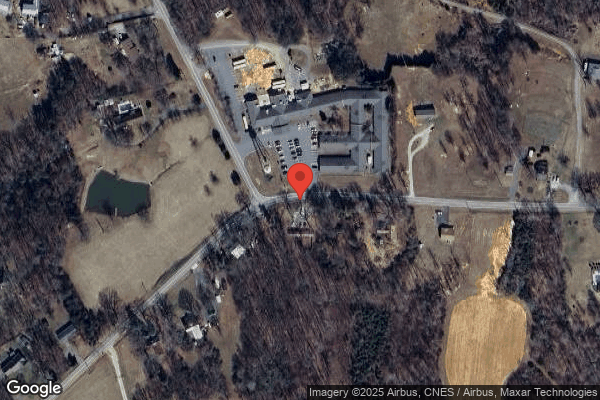

1721 Bald Hill Loop, Madison, NC 27025 (336) 548-9658
For profit - Corporation 170 Beds PRINCIPLE LONG TERM CARE Data: November 2025 3 Immediate Jeopardy citations
Trust Grade
2/100
#255 of 417 in NC
Last Inspection: September 2024

Within standard 12-15 month inspection cycle. Federal law requires annual inspections.

Overview

Jacob's Creek Nursing and Rehabilitation Center has a Trust Grade of F, indicating significant concerns about the quality of care provided. They rank #255 out of 417 nursing homes in North Carolina, placing them in the bottom half of all facilities in the state, and #4 out of 5 in Rockingham County, suggesting limited local options. The facility's trend is stable, with 4 issues reported in both 2023 and 2024, which is concerning given the nature of some findings. Staffing is rated average with a turnover rate of 40%, which is below the state average, but they have less RN coverage than 90% of North Carolina facilities, raising concerns about adequate nursing oversight. Notable incidents include the lack of a functional call system for residents in the memory care unit, which could lead to serious harm, and a critical incident where a resident was observed physically abusing another resident, highlighting significant safety and care issues.

Trust Score
F
2/100
In North Carolina
#255/417
Bottom 39%
Safety Record
High Risk
Review needed
Inspections
Holding Steady
4 → 4 violations
Staff Stability
○ Average
40% turnover. Near North Carolina's 48% average. Typical for the industry.
Penalties
✓ Good
$16,801 in fines. Lower than most North Carolina facilities. Relatively clean record.
Skilled Nurses
⚠ Watch
Each resident gets only 16 minutes of Registered Nurse (RN) attention daily — below average for North Carolina. Fewer RN minutes means fewer trained eyes watching for problems.
Violations
⚠ Watch
16 deficiencies on record. Higher than average. Multiple issues found across inspections.
★★☆☆☆
2.0
Overall Rating
★★★☆☆
3.0
Staff Levels
★★★★☆
4.0
Care Quality
★★☆☆☆
2.0
Inspection Score
Stable
2023: 4 issues
2024: 4 issues

The Good

  • 4-Star Quality Measures · Strong clinical quality outcomes
  • Full Sprinkler Coverage · Fire safety systems throughout facility
  • No fines on record
  • Staff turnover below average (40%)

    8 points below North Carolina average of 48%

Facility shows strength in quality measures, fire safety.

The Bad

2-Star Overall Rating

Below North Carolina average (2.8)

Below average - review inspection findings carefully

Staff Turnover: 40%

Near North Carolina avg (46%)

Typical for the industry

Federal Fines: $16,801

Below median ($33,413)

Minor penalties assessed

Chain: PRINCIPLE LONG TERM CARE

Part of a multi-facility chain

Ask about local staffing decisions and management

The Ugly 16 deficiencies on record

3 life-threatening
Sept 2024 4 deficiencies 1 IJ
CRITICAL (J) 📢 Someone Reported This

A family member, employee, or ombudsman was alarmed enough to file a formal complaint

Immediate Jeopardy (IJ) - the most serious Medicare violation

Free from Abuse/Neglect (Tag F0600)

Someone could have died · This affected 1 resident

**NOTE- TERMS IN BRACKETS HAVE BEEN EDITED TO PROTECT CONFIDENTIALITY** Based on observations, record review, and resident, physician, nurse practitioner and staff interviews the facility failed to pr...

Read full inspector narrative →
**NOTE- TERMS IN BRACKETS HAVE BEEN EDITED TO PROTECT CONFIDENTIALITY** Based on observations, record review, and resident, physician, nurse practitioner and staff interviews the facility failed to protect a resident's right to be free from physical abuse. Resident #123 was observed sitting on a black container behind Resident #100 with his left hand around Resident 100's neck and his right arm covered around his left arm. Resident #100 was leaning forward and crying, and her face was blue. Resident #100 continued to cry after the residents were separated. A skin assessment completed after the incident revealed Resident #100 had redness on her cheeks and petechiae (tiny spots of bleeding under the skin) on the front part of her neck. The abuse occurred for 1 of 3 sampled residents reviewed for protection from abuse (Resident #100). The findings included: Resident #123 was admitted to the facility on [DATE]. His diagnoses included Alzheimer's disease, major depressive disorder, post-traumatic stress disorder (PTSD), dementia with psychotic disturbance, conduct disorder and generalized anxiety disorder. Review of his significant change Minimum Data Set (MDS) assessment, dated 5/29/24, revealed that he was severely cognitively impaired and required supervision with activities of daily living (ADL). The resident was ambulatory with combative and aggressive behavior toward residents and staff. Resident #123 received antidepressant, antianxiety and anticonvulsant medications. Review of physician's orders for Resident #123 for August 2024, revealed that he received psychotropic medications. Review of the Medication Administration Record (MAR) for August 2024 revealed that the MAR reflected physician's orders and was completed. Resident #123 received scheduled and as needed psychotropic medications. Review of the care plan for Resident #123, revised on 5/29/24, revealed he had declined in intellectual functioning, expressing emotion, understanding information, characterized by ineffective coping, disorganized thinking, verbal and physical aggression or agitated, combativeness towards staff members and wandering. Resident #123 received psychotropic medications. The interventions including to ensure safety for residents and staff, monitor and document behavior, attempt to redirect resident, allow adequate time to complete tasks, remove resident from public area when behavior is disruptive or unacceptable, observe and report changes in cognitive status, provide the psychiatric consultation as needed, and medication treatment per order. Resident #100 was admitted to the facility on [DATE]. Her diagnoses included dementia, bipolar disorder and Alzheimer's disease. Review of her quarterly MDS assessment, dated 7/17/24, revealed that she was severely cognitively impaired and required limited assistance with ADL. Resident #100 received psychotropic medications. She was ambulatory with wandering, refusal and non-cooperative behavior. Review of the care plan for Resident #100, revised on 7/17/24, revealed she had an ineffective coping, judgment, decision making, deficit in memory and thought process, verbal and physical aggression or agitated, combativeness towards staff members and wandering. The interventions including to ensure safety for residents and staff, monitor and document behavior, attempt to redirect resident, allow adequate time to complete tasks, remove resident from public area when behavior is disruptive or unacceptable, observe and report changes in cognitive status, provide the psychiatric consultation as needed, and medication treatment per order. Nurse #1's witness statement, dated 8/1/24, indicated on 8/1/24 at 5:15 PM, Resident #123 was sitting on the black container in front of the closet. Resident #100 was standing leaning forward in front of the closet between the container and the closet. Resident #100 was leaned over his left knee. Resident #123 had his left arm around Resident #100's neck and his right arm wrapped around his left arm. Resident #100's face was blue. I pulled [Resident #123's] arms apart. [Resident #100] stood up and started walking. I took/directed [Resident #100] up the hall. [Resident #100] was crying. [Resident #100's] face/cheeks petechiae/red. Front of neck red. Another nurse (Nurse #2) stayed with Resident #123. [Nurse #2] directed Resident #123 to his room and was given as needed Ativan IM (intramuscular). Resident #123 was shaking after the interaction but was calm at present. On 9/4/24 at 3:45 PM Nurse #1 indicated during an interview she was assigned to Residents #123 and #100 on second shift on 8/1/24. At approximately 5:00 PM, she heard a crying noise from an empty resident room. Nurse #1 went to the room with Nurse #2 and observed two residents. Resident #123 was sitting on the small plastic container and Resident #100 standing, leaning forward in front of him. Resident 123's arms were around Resident 100's shoulder and neck and she was crying. Nurse #1 stated both nurses pulled Resident 123's arms away from Resident #100's neck. Nurse #1 redirected Resident #100 to the hallway and left Nurse #2 with Resident #123. Upon assessment, Resident #100 had a small area of redness on the front part of her neck and her cheeks. When Nurse #1 asked Resident #123 what he was doing, the resident stated that he tried to take his motorcycle to the house. Nurse #1 reported the incident to the administration, completed the incident report, provided the written witness statement, placed Resident #123 on 1:1 monitoring, while Nurse #2 remained with Resident #100 near the nurses' station. Resident #100 stopped crying in about 10-15 minutes. Nurse #1 mentioned prior to the incident, both residents wear at the baseline behavior during the shift. On 9/15/24 at 7:00 PM, during the phone interview, Nurse #1 recalled that on 8/1/24, she observed Resident #123 with his left arm around Resident 100's neck and his right arm covered around his left arm. Resident #100 was breathing, crying, and her face turned blue. Nurse #1 removed Resident 123's arms from Resident #100 and separated both residents. Nurse #1 took Resident #100 to the nurses' station, where she was able to drink water and stopped crying within 10 minutes. Nurse #1 took vital signs, which were within normal limit. Nurse #2's witness statement, dated 8/1/24, indicated at 5:15 PM Nurse #2 heard a crying noise and she and another nurse (Nurse #1) went in room [ROOM NUMBER] (empty resident room). [Resident #100] was bent over near the closet and Resident #123 was sitting on a three tier drawer. [Resident #100] leaned beside him between the drawer and closet. [Resident #100] had his left arm wrapped around [Resident #100's] neck. We pulled [Resident #123's] arm away from [Resident #100's] neck. [Resident #100's] helmet was on the floor in front of her. Another nurse stayed with [Resident #100]. I stayed with [Resident #123]. [Resident #123] was visibly shaken. Resident #123 stated, She stole my money. [Resident #123] walked and sat in a chair and slowly calmed down over ten minutes. Nurse Aide walked Resident #123 to his room. 1:1 monitoring continues. During an interview on 9/4/24 at 3:55 PM, Nurse #2 indicated on 8/1/24 at 5:15 PM she heard a crying noise and, together with Nurse #1, entered an empty resident room and found Resident #123 sitting on a small container, with his left hand around Resident 100's neck and the right hand on her shoulder. Resident #100 was in front of him leaning forward and crying. They separated the residents and assessed both residents. Resident #123 did not have skin issues and stated he tried to get back his motorcycle. Resident #100 had some redness on her cheeks and petechiae (tiny spots of bleeding under the skin) on the front part of her neck. Resident #100 remained near the nurses' station and stopped crying in ten minutes. The resident did not say anything after the incident. Nurse #2 stated when she asked Resident #123 what he was doing, the resident replied he tried to take his motorcycle to the house. On 9/16/24 at 9:20 AM, during the phone interview, Nurse #2 indicated that on 8/1/24, she observed Resident #123 was sitting and Resident #100 was staying, bending forward. Resident 123's left arm was around Resident 100's neck, his right arm reached his left arm. Resident #100 was crying, and her face was purplish. Nurses pulled Resident 123's arms away from Resident 100's neck. Nurse #1 took Resident #100 to the nurses' station and Nurse #2 remained with Resident #123. Nurse #2 mentioned that prior to the incident, both residents were at the baseline behavior, walked on the hallway and did not have signs of possible behavior escalation. Review of the Medication Administration Records (MAR) for August 2024 revealed Resident #123 received as needed Ativan 0.5 ml injection on 8/1/24 at 4:30 PM. Nurse Aide #1's witness statement, dated 8/1/24, indicated about ten minutes after the incident on 8/1/24 she observed Resident #100 sitting at the nurses' station. The resident had a red face. Prior to the incident, Nurse Aide #1 provided incontinence care for Resident #100, and she did not show behavior issues. Approximately thirty minutes prior to the incident, Nurse Aide #1 observed Resident #123 was calm, walked on the hallway and talked about White House and food in pleasant happy mood. During a phone interview on 9/5/24 at 4:00 PM Nurse Aide #1 indicated that on 8/1/24 she was assigned to Residents #123 and #100 on second shift. At 4:30 PM, she provided incontinence care for the Resident #100 and did not observe behavior problems. At approximately 5:00 PM, Nurse Aide #1 observed Resident #123 walking on the hallway, talking loudly, which was his routine behavior. Nurse Aide #1 did not witness the incident between Resident #123 and Resident #100, but right after the incident, she observed Resident #100 near the nurses' station with Nurse #1. Resident #100 did not cry, appeared calm and quiet. Record review of the skin assessment completed by Nurse #1 on 8/1/24, indicated that Resident #100 had petechiae to the front of the neck and redness on her face. Record review of the skin assessment, conducted by Nurse #2 on 8/1/24, indicated that Resident #123 had no skin issues. The Assistant Director of Nursing's (ADON) witness statement dated 8/1/24 indicated that after the incident, when she asked Resident #100 if anyone hurt you, the resident replied No. Record review of Psychiatrist's visit dated 8/5/24, revealed that Resident #123 was referred for dementia and aggressive physical behavior. He had a history of disturbing behavior and was oriented in person only during the assessment. After consulting with staff and nursing managers, a collaborative decision had been made to increase the dosage of psychotropic medications to reduce agitation and combativeness toward staff and other residents. Record review of Psychiatrist's visit, dated 8/5/24, revealed that Resident #100 appeared in no acute distress, with delusional ideations and no new psychiatric complaints. She was compliant with current psychotropic treatment and psychotherapy. On 9/4/24 at 9:15 AM, a phone interview with the Psychiatrist revealed he was aware of the incident between Resident #123 and #100 on 8/1/24. Both residents were diagnosed with psychiatric diseases, received psychotropic medications and psychiatric service. They tolerated it well. The Psychiatrist visited Resident #123 and #100 on 8/5/24. He continued that the staff handled the incident very well, provided 1 on 1 monitoring, redirection, notification and medications. The Psychiatrist stated he adjusted the psychotropic medication regimen for Resident #123, and there were no behavior related issues reported so far. Resident #100 also received close monitoring, was a fall risk and used the helmet for fall precautions. The interview further revealed both residents received appropriate care in the locked unit, which was discussed with the nursing management and resident's family. Record review of the Investigation Report, dated 8/7/24, indicated that on 8/1/24 at 5:15 PM, Resident #123 was observed by the nurses sitting on the three tier drawers in an empty resident room and had his arms on Resident 100's shoulders, around her neck, while she was standing, leaning forward in front of him. Resident # 100 was crying. Upon assessment, she had a reddened area on her cheek and front part of the neck. The report recorded that both residents were separated and the Medical Director, Responsible Party, Law Enforcement and Adult Protective Services (APS), were notified of the incident. On 9/3/24 at 2:05 PM, during the observation/interview, Resident #100 was sitting in her room and watching TV. She had a helmet on her head. The resident did not recall the incident. On 9/3/24 at 2:25 AM, during the observation/interview, Resident #123 was in his room. He was calm and did not answer questions. There were no staff members in his room. On 9/4/24 at 2:15 PM, during an interview, the Medical Director indicated that he was aware of the incident between Residents #123 and #100 in the locked memory unit on 8/1/24. Both residents had diagnoses of Alzheimer's disease and dementia with severely impaired cognition and received psychotropic medications. Both residents were followed by mental health services for a history of behavior, and when this occurred, were referred for psychiatric services. After the incident, Resident #123 received psychiatric consultation in the facility with effective adjustment of the psychotropic medication regimen. The nursing staff gradually replaced the 1:1 monitoring with 15-minute visual checks. The facility put ongoing monitoring into place for both residents and Resident #100's responsible party agreed with the current plan of care and treatment. The Medical Director stated that the facility had a responsibility to protect all residents in the facility and due to the facility's high-risk population of residents with a mental health/behavior history, that made managing behaviors difficult. The administration and nursing staff met the mental health needs of the residents by making mental health services readily available. On 8/27/24, Resident #123 became verbally, physically aggressive toward staff and was sent to the psychiatric hospital. Upon return from the hospital, the resident remained calm, quiet and did not require 1:1 monitoring. On 9/5/24 at 4:35 PM, during an interview, the Director of Nursing (DON) indicated staff reported to her on 8/1/24 that Resident #123 had his arms around the Resident #100's neck and shoulders, which resulted in Resident #100's redness on her cheeks and petechia on the neck. Resident #123 did not have injuries. Both residents were diagnosed with psychiatric diseases, received psychotropic medications and psychiatric services. The residents were separated immediately, and Resident #123 was placed on 1:1 monitoring. He received a psychiatric evaluation and medication treatment adjustment. The staff received education on resident-to-resident abuse and the behavior tool audit was conducted for other residents. Both residents returned to the baseline within a few hours after the incident, could not recall the incident, and Resident 100's skin was normal in a few days. DON discussed the incident with Resident #100's responsible party, who verbalized understanding and appreciated the interventions. The DON was notified of immediate jeopardy on 9/16/24 at 10:18 AM. The facility implemented the following Corrective Action Plan with a completion date of 8/5/24. How will corrective action be accomplished for those residents found to have been affected by the deficient practice? Resident #123 is alert but not oriented to person and place with a Brief Interview for Mental Status (BIMs) of 1. Diagnoses include Alzheimer's dementia, post-traumatic stress disorder, recurrent major depressive disorder, anxiety, conduct disorder, and adjustment disorder. Resident #100 is alert but not oriented to person and place with a BIMs of 2. Diagnoses include severe dementia and bipolar disorder. Both residents reside in the memory care unit. On 8/1/24 at 5:00 pm, after hearing crying, memory care Nurse #1 and Nurse #2 walked into a room not belonging to the involved residents and observed Resident #123 sitting on a black container in front of the closet, with his left arm around Resident #100 face and neck and his right arm was wrapped around his left arm. Nurse #1 guided Resident #123's arm from Resident #100 neck and separated the two residents. Nurse #2 remained with Resident #123, who was placed on 1:1 monitoring immediately after the incident. Resident #100 was assessed immediately by memory care Nurse #1 and noted to be crying, and her face was blue. Additionally, Nurse #1 observed petechia (pinpoint, round spots that form on the skin, caused by bleeding, which makes the spots look red, brown or purple) on Resident #100 face and cheeks. Resident #100 was taken to the nurses' station and placed on 15-minute checks by Nurse #1. Approximately 5 minutes later, Resident #100 had calmed down and was noted to be no longer crying by Nurse #1 and Nursing Assistant (NA) #1. Resident #123 stated that he reached out to get his motorcycle and was trying to make it back from his house. Resident #100 could not verbalize what happened during the incident due to impaired cognition. Nurse #1 administered Ativan 0.5 milligrams (mg) Intramuscular to Resident #123. The Assistant Director of Nursing and Unit Manager notified the physician and resident representatives of the incident. Resident #100 had no long term affects from the incident. Resident #100 remained on every 15-minute checks for 24 hours after the event with no negative findings observed. On 8/2/24, the Social Worker completed a wellness visit with resident #100 with no negative findings. On 8/5/24, Resident #100 was seen by the psych Nurse Practitioner with no new orders. On 8/16/24, after review of the resident's behaviors in the Interdisciplinary meeting, the interdisciplinary team (Administrator, Director of Nursing, Assistant Director of Nursing, Unit Managers, Social Worker, Activities Director, Minimum Data Set Nurses, and Therapy) made the decision to decrease Resident #123's supervision to 15-minute checks every 1st and 3rd shifts and remain on 1:1 on 2nd shift. On 8/19/24, Resident #123 was seen by psych services with no new orders. On 8/22/24, another review of Resident #123 behavior was completed by the Interdisciplinary team (Administrator, Director of Nursing, Assistant Director of Nursing, Unit Managers, Social Worker, Activities Director, Minimum Data Set Nurses, and Therapy). The resident had not had any further behaviors, therefore the interdisciplinary team decided to decrease Resident #123 supervision to every 15-minute checks on all shifts. On 8/27/24, Resident #123 was admitted to a behavior health treatment center per the Nurse Practitioner's orders related to combativeness with staff. The resident representative, who was on site at the facility, was notified and in agreement of Resident #123 being transferred to the behavior health treatment center. The resident's psych medications were adjusted during the stay. On 8/30/24, upon return to the facility, the every 15-minute checks for Resident #123 were removed. How will the facility identify other residents having the potential to be affected by the same deficient practice? On 8/1/24, skin assessments were completed on all residents in the memory care unit for signs and symptoms of abuse by the Unit Manager with no negative findings. No residents in the memory care unit are alert and oriented for interview. On 8/2/24, 100% of resident's progress notes and behavior alerts in the electronic records were audited by the Assistant Director of Nursing (ADON) to identify any behaviors that occurred in the last 14 days to ensure interventions were in place to prevent escalation of behaviors that may lead to resident to resident altercations/abuse and to ensure the behaviors and interventions were addressed on the resident's care plan. The audit was completed on 8/2/24. No concerns were identified during the audit. On 8/2/24, the ADON reviewed incident reports related to resident to resident altercations for the past 30 days to identify patterns and trends. No trends were identified during the audit. What measures will be put into place or systemic changes made to ensure that the deficient practice will not occur? On 8/2/24, an in-service was initiated by the Assistant Director of Nursing (ADON) with all facility staff regarding recognizing and de-escalating resident behaviors that may lead to resident to resident altercations. The facility does not utilize agency staff. The in-service emphasized the implementation of early interventions to address behaviors and reporting behaviors to prevent escalation of behaviors that may lead to resident-to-resident altercation/abuse. The in-service was completed with all staff that worked for the period of 8/2/24 through 8/4/24. After 8/4/24, the Assistant Director of Nursing monitored staff completion, and any staff that had not worked and had not completed the in-service would complete the in-service prior to taking an assignment on their next scheduled shift. All newly hired staff will be educated during orientation by the Nurse Managers regarding de-escalating resident behaviors/prevention of resident to resident altercation/abuse. The Administrator discussed this responsibility with the Nurse Managers on 8/2/24. How will the facility monitor its corrective actions to ensure the deficient practice will not recur? On 8/1/24, a Performance Improvement Plan was developed for prevention of resident to resident altercations/abuse and approved by the Quality Assurance Performance Improvement team (QAPI). The Unit Managers will review progress notes and behavior alerts 3 times per week x 8 weeks then monthly x 1 month to identify residents with behaviors utilizing the Behavior Audit Tool This audit is to ensure all behaviors are being addressed with an early intervention, physician and resident representative notification, and addressed on the care plan to prevent escalation of behaviors that may lead to resident-to-resident altercations/abuse. The Unit Manager will address all concerns identified during the audit. The Director of Nursing or Assistant Director of Nursing will review the Behavior Audit Tool weekly x 8 weeks then monthly x 1 month to ensure all areas of concern were addressed appropriately. The Administrator or Director of Nursing will present the findings of the Behaviors Audit Tools to the Quality Assurance Performance Improvement (QAPI) committee monthly for 3 months to review and to determine trends and/or issues that may need further interventions and the need for additional monitoring. On 8/1/24, the prevention of resident to resident altercations/abuse was taken to QA by the Administrator. The Corrective Action plan was validated onsite on 9/18/24 when staff interviews revealed they had recently received education on Abuse, including Recognizing and De-escalating Resident Behaviors that Lead to Resident to Resident Altercations. In-service reports and sign-in sheets were used to verify this information. Skin Assessments on all residents in the Dementia Unit were completed and reviewed with no new skin issues found. Behavior Audit tools were completed by the Unit Managers and reviewed by the Interdisciplinary Team (IDT), daily. Resident #123's behavioral monitoring was discussed daily from 8/5/24 through 8/27/24. The facility's completion date of 8/5/24 for the Plan of Correction was validated on 9/18/24
CONCERN (D)

Potential for Harm - no one hurt, but risky conditions existed

Deficiency F0687 (Tag F0687)

Could have caused harm · This affected 1 resident

**NOTE- TERMS IN BRACKETS HAVE BEEN EDITED TO PROTECT CONFIDENTIALITY** Based on observations, record review, and family member and staff interviews, the facility failed to provide foot care and arran...

Read full inspector narrative →
**NOTE- TERMS IN BRACKETS HAVE BEEN EDITED TO PROTECT CONFIDENTIALITY** Based on observations, record review, and family member and staff interviews, the facility failed to provide foot care and arrange podiatry services for 1 of 3 dependent residents reviewed for foot care. Resident #127 was discovered to have long and curled toenails on both feet growing into the next toe which extended 1.5 inches beyond the base of the nail. The findings included: Resident #127 was admitted on [DATE] with the diagnoses included cognitive impairment and dementia. The admission Minimum Data Set (MDS) dated 4//24 coded Resident #127 as having severe cognitive impairment and she needed assistance with activities of daily living. A care plan focus area dated 8/8/24 revealed Resident #127 was at risk for skin breakdown or development of pressure ulcers related to: Incontinent episodes, Impaired cognition, Inattention, disorganized thinking, pain, and dementia. The goal included the resident would not develop a pressure ulcer. Activities of Daily Living/Personal Care would be completed with staff support as appropriate to maintain or achieve highest practical level of functioning. The interventions included staff would Inspect Resident #127's skin and notify nurse of abnormal changes per facility protocol. Lubricate skin with moisturizing lotion. If a heavier moisturizer was needed, use a skin cream. Allow for flexibility in care routine to accommodate resident's mood. The podiatry order dated 4/29/24 revealed a request for a podiatry consult next in-house visit to address thick, overgrown toenails. Review of the podiatry schedule from April 2024 and July 2024; revealed no consultation report or notation was made in Resident #127's chart that she had been seen by the podiatrist or had been scheduled to be seen. Review of Resident #127's skin assessments done by nursing on the following dates 4/29/24, 4/30/24, 5/10/24, 5/19/24, 5/27/24, 6/4/24, 6/13,24, 6/21/24, 6/25/24, 6/28/24, 7/1/24, 7/8/24, 7/16/24, 7/30/24, 8/2/24, 8/7/24, 8/14/24, 8/21/24, 8/28/24and 9/4/24, revealed there was no information documented on the assessment about the condition of Resident #127's toenails or feet. An observation was conducted on 9/03/24 at 11:10 AM, Resident #127 was sitting in room (wheelchair) and the toenails on left foot(big toe) 1 1/2 inches from the nail bed(black, toenail scrapping the floor. The right foot(big toe and 3rd and pink toe, long thick, black nail bed, scraping the floor. Resident unable to discuss the condition of her feet. The toenails on both feet were observed to have visible thick layers of what appeared to be dirt and thick layers of skin between the toes, and thick, calcified, dry patches on the bottoms of her feet. The toenails were observed to be curled over each toe on both feet and were about 1.5 inches in length from the base of the nail, very thick, with jagged edges, and the toenails had grown long enough to be in contact with the adjacent toes. The bottoms and back of her feet were observed to have thick, scaly, dry skin, and hard brown patches. An interview was conducted on 9/3/24 at 3:13 PM, with the family member who stated she requested a podiatry consult and the time of admission in April and was told the podiatrist visited the facility every three months and Resident #127 would be added to the list. She further stated a follow-up request for a podiatry consult was made in July and she had not received a response as of this date. She stated she was appalled that staff were not cleaning the toenails and had not made the referral. An interview was conducted on 9/5/24 at 10:30 AM, with Nurse Aide #4 stated she had worked with Resident # on a regular basis and the toenails had been in the current condition for several months. Nurse Aide #4 stated the condition of the toenails had been reported to nursing, but she was uncertain when the podiatry appointment had been scheduled. She was not specific how many times it had been reported to the charge nurse. A follow-up observation was conducted on 9/5/24 at 10:37 AM, Resident #127 was seated in the small front dining room. Resident #127 had one sock off and there was no change of condition of Resident #127's foot care. An observation was conducted on 9/5/24 at 10:38 AM, with Nurse #3 who removed the sock for Resident #127 and confirmed the condition of the toenails on the left foot. The big toenail was curling under the toe, pinky toe extended beyond the nail bed, right foot, big toe, 3rd and 4th toenail curled underneath the foot. The skin on both feet and between toes were dry, scaly with calcification. Nurse # 3 stated per the physician order dated 4/29/24 a referral should have already been completed. She stated the resident came to the current unit at the end of July and should have been placed on the podiatry list for July. Nurse #3 reported she spoke with the social work department the 1st week of August. An interview was conducted on 9/5/24 at 11:26 AM, with Nurse#3 and Nurse #9 who stated Resident #127 came to the unit the end of July. Both Nurses stated the resident's toenails were in this condition when Resident #127 transferred to the secured unit and several calls were made to the social workers because the resident would need an outside service to cut the toenails due to the thickness and overgrown toenails. The resident would also benefit from a calming medication prior to treatment due to physical aggressive behaviors. Both nurses felt the toenails were not something that could be done by in-house podiatry and a request was sent to the Social Workers on 8/7/24. The Nurse# 9 stated the resident should have been seen when the order was initially submitted. An interview was conducted on 9/6/24 at 9:38- 10:42 AM, with Unit Manager #1 and Social Work Director in conjunction with a record review revealed the physician order for a podiatry consult was ordered 4/29/24 and had not been completed. The Unit Manager confirmed when Resident #127 was admitted she was on another unit and the resident's toenails were in poor condition. The Unit Manager reported she tried to cut the toenails herself from time to time. The Unit Manager #1 reviewed the weekly skin assessment form, and it did not document the condition of the resident's feet or toenails. She explained that unless there was an impairment documented, the form does not advance to document any other condition. The Unit Manager #1 stated if a skin impairment was checked then the full body diagram would come up and nursing would then document what they observed. The Unit Manager #1 confirmed a complete assessment of head-to-toe findings would include the condition of a resident's feet and/or need for podiatry services. The Social Worker Director stated she was not aware of the order written on 4/29/24. She stated Resident #127 was not scheduled for the July visit because the list was full, and she did not recall when she was notified the resident should to be seen. An interview was conducted on 9/6/24 at 12:10 PM with Nurse Aide #6 who stated Resident #127's toenails were thick and overgrown since admission. He reported to nursing several times that the resident needed to be seen by podiatry because the aides were unable to cut the toenails during care and nothing was done. An interview was conducted on 9/6/24 at 12:12 PM, with the Director of Nursing who stated the podiatrist was scheduled every 3 months and it was expected that any residents who needed podiatry service be added to the schedule. She said the Nurse Aides were responsible for reporting to nursing when resident's toenails were extremely long or sharp, and/or needed podiatry trim/cut the nails. The Director of Nursing further stated the Nurses were responsible for completing the weekly full body assessments which would include the condition of resident's toenails. The nurses would document if they had cut/trim toenails and/or the resident was referred for podiatry services. The Nurses would let the Social Workers know which residents needed to be referred to the podiatrist. The Director of Nursing added the Nurses were authorized to cut/trim toenails for residents who did not need podiatry services.
CONCERN (E)

Potential for Harm - no one hurt, but risky conditions existed

Respiratory Care (Tag F0695)

Could have caused harm · This affected multiple residents

**NOTE- TERMS IN BRACKETS HAVE BEEN EDITED TO PROTECT CONFIDENTIALITY** Based on observations, record reviews and staff interviews, the facility failed to post cautionary signage outside the resident'...

Read full inspector narrative →
**NOTE- TERMS IN BRACKETS HAVE BEEN EDITED TO PROTECT CONFIDENTIALITY** Based on observations, record reviews and staff interviews, the facility failed to post cautionary signage outside the resident's room to indicate supplemental oxygen (O2) was in use for 7 of 7 residents reviewed for respiratory care (Resident #109; Resident #79; Resident #114; Resident #70; Resident #51; Resident #343; and Resident #32). The findings included: The facility's policy on Oxygen Therapy (Reviewed Date 4/15/24) indicated its objective was, To administer oxygen in conditions in which insufficient oxygen is carried by the blood to the tissues. The procedures specified in this policy included #2 (of 7) which read, Place sign Oxygen is use [typed in capital letters] outside the room of the resident. 1-a. Resident #109 was admitted on [DATE] with a diagnosis of chronic obstructive pulmonary disease. Review of Resident #109's physician order for September 2024 revealed an order for continuous oxygen to maintain oxygen levels greater than 90%. Review of the quarterly Minimum Data Set (MDS) dated [DATE] indicated Resident #109 had severe cognitive impairment and coded for the use of oxygen. During an observation on 09/03/24 at 1:38 PM of Resident #109's room, there was no signage for oxygen use found anywhere near Resident #109's room entrance. Resident #109 was observed wearing oxygen via nasal cannula at 2 liters per minute (LPM). During an observation on 09/04/24 at 10:00 AM there was no signage for oxygen use found anywhere near entrance of Resident #109's room. During an observation on 09/05/24 at 3:45 PM there was no signage for oxygen use found anywhere near entrance of Resident #109's room. 1-b. Resident #79 was admitted on [DATE] with diagnoses of chronic obstructive pulmonary disease and atrial fibrillation. Review of Resident #79's physician order for September 2024 revealed an order for continuous oxygen to maintain oxygen levels greater than 90%. Review of the annual MDS dated [DATE] indicated Resident #79 had severe cognitive impairment and coded for the use of oxygen. During an observation on 09/03/24 at 12:38 PM of Resident #79's room, there was no signage for oxygen use found anywhere near Resident #109's room entrance. Resident #109 was observed wearing oxygen via nasal cannula at 2 liters per minute (LPM). During an observation on 09/04/24 at 10:10 AM there was no signage for oxygen use found anywhere near entrance of Resident #79's room. During an observation on 09/05/24 at 3:50 PM there was no signage for oxygen use found anywhere near entrance of Resident #79's room. 1-c. Resident #114 was admitted on [DATE] with diagnoses of chronic obstructive pulmonary disease and respiratory failure. Review of Resident #114's physician order for September 2024 revealed an order for continuous oxygen to maintain oxygen levels greater than 90%. Review of the quarterly MDS dated [DATE] indicated Resident #114 had cognitively intact and coded for the use of oxygen. During an observation on 09/03/24 at 12:21 PM of Resident #114's room, there was no signage for oxygen use found anywhere near Resident #114's room entrance. Resident #114 was observed wearing oxygen via nasal cannula at 2 liters per minute (LPM). During an observation on 09/04/24 at 10:15 AM there was no signage for oxygen use found anywhere near entrance of Resident #114's room. During an observation on 09/05/24 at 3:50 PM there was no signage for oxygen use found anywhere near entrance of Resident #114's room. 1-d. Resident #70 was admitted on [DATE] with a diagnosis of respiratory failure. Review of Resident #70's physician order for September 2024 revealed an order for continuous oxygen to maintain oxygen levels greater than 90%. Review of the quarterly Minimum Data Set (MDS) dated [DATE] indicated Resident #70 had cognitively intact and coded for the use of oxygen. During an observation on 09/03/24 at 1:04 PM of Resident #70's room, there was no signage for oxygen use found anywhere near Resident #70's room entrance. Resident #70 was observed wearing oxygen via nasal cannula at 2 liters per minute (LPM). During an observation on 09/04/24 at 10:22 AM there was no signage for oxygen use found anywhere near entrance of Resident #70's room. During an observation on 09/05/24 at 3:55 PM there was no signage for oxygen use found anywhere near entrance of Resident #70's room. 1-e. Resident #51 was readmitted to the facility on [DATE] with diagnoses that included acute congestive heart failure, acute and chronic respiratory failure with hypercapnia (a condition of abnormally elevated carbon dioxide levels in the blood.), chronic obstructive pulmonary disease with (acute) exacerbation and acute and chronic respiratory failure with hypoxia. Review of the recent significant change MDS assessment dated [DATE] indicated the resident was admitted to the facility on [DATE] and was assessed as cognitively intact. Assessment indicated the resident received respiratory therapy with supplemental oxygen and was hospice care. Review of Resident #51's physician's orders dated 8/12/24 indicated oxygen flow to be provided at 3 liters per minute (LPM) via nasal cannula and to keep oxygen saturation level greater than 90 percent (%) every hour. Oxygen saturation to be checked each shift. Resident #51 was care planned (dated 8/25/24) for potential for ineffective breathing pattern due to respiratory failure, congestive heart failure and chronic obstructive pulmonary disease. Interventions included providing oxygen via nasal cannula as prescribed. During an observation and interview on 9/3/24 at 1:00 PM, Resident #51 was observed in bed with supplemental oxygen provided via nasal cannula by an oxygen concentrator placed next to the bed. Resident #51 indicated he received continuous oxygen. Observation revealed there was no oxygen signage posted on the resident's door or anywhere near the entry to Resident #51's room indicating oxygen was in use. On 9/4/24 at 10:30 AM, Resident #51 was observed lying in his bed and watching TV. The resident was receiving supplemental oxygen provided via nasal cannula by the oxygen concentrator placed next to the bed. No signage was observed placed on the resident's room doorway or inside the room indicating oxygen was in use. Observation on 9/5/24 at 11:23 AM and at 12:39 PM revealed Resident #51 was lying in bed. Resident #51 was receiving supplemental oxygen via nasal cannula. The oxygen concentrator was observed to be running beside his bed. No cautionary signage was placed on the resident's door or near the entrance to the room indicating oxygen was in use. During an interview on 9/5/24 at 1:21 PM, Nurse #5 stated she was assigned to Resident #51 and worked the first shift (7 AM - 3 PM). Nurse #5 indicated the resident had diagnoses of chronic obstructive pulmonary disease and was on continuous oxygen via nasal cannula at 3 Liters/minute. She stated the resident's oxygen saturation was checked every hour to ensure it did not drop. Nurse #5 further stated Resident #51 was non-compliant with his medication and oxygen therapy. The resident was alert and oriented and aware of the need for continuous oxygen. Nurse #5 indicated she was unsure why there was no cautionary signage for supplemental oxygen placed upon entry to each resident's room to indicate oxygen was in use. Nurse #5 further indicated that the Unit Manager was responsible for placing the signage on the door. During an interview on 9/5/24 at 3:24 PM, Nurse #7 indicated she was assigned to the resident and worked the second shift (3 PM - 11 PM). Nurse #7 further stated Resident #51 was on continuous oxygen running at 3 Liters/ minute. She indicated the resident at times was non-compliant oxygen therapy and would remove the tubing from his nose. The resident's oxygen saturation was checked hourly to ensure it was above 90%. Nurse #7 indicated she had not noticed the signage not on the door. She stated the assigned nurse, or the Unit Manager were responsible to place the oxygen in use signage on the door when any resident was admitted with oxygen or received an order for oxygen therapy. The Nurse indicated she would notify the Assistant Director of Nursing (ADON) or Unit Manager about not having a signage on the resident's door. 1-f. Resident #343 was readmitted to the facility on [DATE] with diagnoses that included dementia with agitation, pneumonia, acute respiratory failure with hypoxia and congestive heart failure. Review of the recent significant change MDS assessment dated [DATE] indicated the resident was admitted to the facility on [DATE] and was assessed as severely cognitively impaired. Assessment indicated the resident did not received respiratory therapy with supplemental oxygen. Review of Resident #343's physician's orders dated 8/16/24 indicated oxygen flow to be provided at 2 liters per minute (LPM) via nasal cannula. Oxygen saturation level to be kept greater than 90 percent (%) every hour due to congestive heart failure. Review of the recent significant change MDS assessment dated [DATE] indicated the assessment was in progress. Resident #343 was care planned (reviewed date 8/28/24) for potential for ineffective breathing pattern related to heart failure. Interventions included providing oxygen therapy 2 Liters/ minute via nasal cannula as ordered by the physician. During an observation and interview on 9/3/24 at 12:50 PM, Resident #343 was observed sleeping in his bed with supplemental oxygen provided via nasal cannula by an oxygen concentrator placed next to the bed. Observation revealed there was no oxygen signage posted on the resident's door or anywhere near the entry to the room indicating oxygen was in use. On 9/4/24 at 10:30 AM, Resident #343 was observed sleeping in his bed. The resident was receiving supplemental oxygen provided via nasal cannula by the oxygen concentrator placed next to the bed. No signage was observed placed on the resident's room doorway or near the entrance of the room indicating oxygen was in use. Observation on 9/5/24 at 11:23 AM revealed Resident #343 was lying in bed. The resident was receiving supplemental oxygen via nasal cannula. The oxygen concentrator was observed to be running beside his bed. No cautionary signage was placed on the resident's door or near the entrance to the room indicating oxygen was in use. During an interview on 9/5/24 at 1:21 PM, Nurse #5 stated she was assigned to Resident #343 and worked the first shift (7 AM - 3 PM). Nurse #5 indicated the resident had diagnoses of Pneumonia and was on continuous oxygen via nasal cannula at 2 Liters/minute. Nurse #5 further stated Resident #343 was non-compliant, would pull out his oxygen tubing and was closely monitored. Nurse #5 indicated she was unsure why there was no cautionary signage for supplemental oxygen placed upon entry to each resident's room to indicate oxygen was in use. Nurse #5 further indicated that the Unit Manager was responsible for placing the signage on the door. 1-g. Resident #32 was admitted to the facility on [DATE] with reentry from a hospital on [DATE]. Her cumulative diagnoses included chronic obstructive pulmonary disease (COPD) with dependence on supplemental oxygen. The resident's current physician's orders included an order (dated 2/20/24) for supplemental oxygen to be provided at 4 liters per minute (LPM) via nasal cannula to keep her oxygen saturation level greater than 90 percent (%). Resident #32's most recent Minimum Data Set (MDS) was a significant change in status assessment dated [DATE]. The MDS assessment reported the resident had severely impaired cognitive status. Her MDS assessment indicated the resident received respiratory therapy with supplemental oxygen. Resident #32's comprehensive care plan (last reviewed/revised on 8/8/24) included an area of focus related to her potential for / or actual ineffective breathing pattern due to her diagnoses (Date Initiated 10/12/23; Revised on 6/18/24). The interventions for this area of care included the provision of oxygen therapy at 4 LPM via nasal cannula as ordered (Date Initiated: 10/12/23; Revised on: 11/9/23). An observation was conducted on 9/3/24 at 12:25 PM as Resident #32 was asleep in her bed with supplemental oxygen provided via nasal cannula by an oxygen concentrator placed next to her bed. There was no signage placed on the resident's door or anywhere near the entry to Resident #32's room to indicate oxygen was in use. On 9/4/24 at 3:52 PM, Resident #32 was again observed to be lying in her bed. The oxygen concentrator placed next to her bed was powered on, but the nasal cannula was observed to be lying on the resident's pillow above her head as she laid on the bed. No signage was placed on the resident's door or upon entry to the room to designate oxygen was in use. Another observation was conducted on 9/5/24 at 8:50 AM as Resident #32 was sitting on the side of her bed eating her breakfast. The resident had her nasal cannula in place and the oxygen concentrator was observed to be running. There was no cautionary signage placed on the resident's door or near the entrance to her room to indicate the supplemental oxygen was in use. An interview was conducted on 9/5/24 at 3:35 PM with the Nurse #6. Nurse #6 was identified as the hall nurse assigned to care for Resident #32. When asked how staff and/or visitors would be alerted to supplemental oxygen being in use for a resident in his/her room, she stated any changes on use of oxygen would be shared in report and would also be on the resident's Medication Administration Record. Nurse #6 stated as long as she had been working at the facility (the past 9 months), there had not been any cautionary signage for supplemental oxygen placed upon entry to each resident's room to indicate oxygen was in use. When asked who she thought may be responsible for placing signage of oxygen use on a residents' door, the nurse reported she thought it may be the Unit Manager. During an interview on 9/5/24 at 3:40 PM, the Unit Manager for the 200 and 400 halls indicated she had been working at the facility for the past 4 years and has not been placing any oxygen in use signage on the residents' doors. The Unit Manager stated the facility had not been using the signage on the door for any residents using supplemental oxygen for a long time. The Unit Manager reported she thought the Assistant Director of Nursing (ADON), or the admitting nurse was responsible for placing this signage on the door when a resident used supplemental oxygen. An interview was conducted on 9/5/24 at 4:01 PM with the facility's Director of Nursing (DON). During the interview, the DON reported sometime after the facility's last annual recertification, the facility was informed they were no longer required to be using the Oxygen in Use signage at the entrance to each resident's room where supplemental oxygen was being used. The DON reported these signs were taken down and had not been used since that time.
CONCERN (E)

Potential for Harm - no one hurt, but risky conditions existed

Food Safety (Tag F0812)

Could have caused harm · This affected multiple residents

Based on record review, observation and staff interviews, the facility failed to label and date food stored for use in a nourishment room refrigerator and freezers and failed to date opened nutritiona...

Read full inspector narrative →
Based on record review, observation and staff interviews, the facility failed to label and date food stored for use in a nourishment room refrigerator and freezers and failed to date opened nutritional supplements in 2 of 2 nourishment refrigerators reviewed for food storage (100 hallway and 500 hallway nourishment room). These practices had the potential to affect food served to residents. Findings included: a. On 9/3/24 at 9:55 AM, an observation of the nourishment room freezer (100 hallway nourishment room), revealed two opened 2.5-pounds (lbs.) bag of frozen smoothie mix. These bags were not labeled or dated. During an interview on 9/3/24 at 9:55 AM, the Dietary Manager stated she was unsure whom the bags belonged to. The Dietary Manager indicated all food placed in the nourishment refrigerator or freezer should be labeled and dated. The Dietary Manager on 9/3/24 at 12:25 PM, stated the frozen smoothie mix bags were placed in the freezer by the activity staff. The activity department was going to do an activity of making smoothies with the residents. During an interview on 9/4/24 at 3:50 PM, the Director of Nursing (DON) stated the bags of frozen smoothie mix were placed in the freezer by the activity department. This was to be used for an activity with the residents. The DON stated all food should be labeled and dated prior to placing them in the nourishment refrigerator or freezer. b. On 9/3/24 at 10:00 AM, an observation of the nourishment room refrigerator (500 hallway nourishment room) revealed 2 insulated lunch bags and a brown paper lunch bag containing store bought pizza dinner box with no label. The refrigerator also contained an opened 16 fluid ounce soda bottle and opened 12 fluid ounce energy drink with no label. The refrigerator also contained two 32 fluid ounce nutritional supplements, that were opened. There was no label indicating the open date or use by date on them. Review of the manufacturer's recommendations for nutritional supplement Med Pass 2.0 read, in part MED PASS products can safely remain on a medication cart as long as it is kept at refrigerated temperature range (34 - 40 degrees F). Cover, label and refrigerate opened containers of MED PASS products and discard after 4 days as long as the product has been kept at proper refrigerated temperature range. If product is not kept refrigerated, discard after 4 hours. Observation of the nourishment room freezer (500 hallway nourishment room) on 9/3/24 at 10:05 AM revealed an opened 1-liter soda bottle with blue colored frozen liquid and 3 boxes of frozen dinner boxes with no name or label on it. During an interview on 9/3/24 at 10:05 AM, the Dietary Manager stated she was unsure who had placed the insulated lunch boxes in the refrigerator. The Dietary Manager stated the nurses were responsible to label any food brought in by resident's family prior to be placed in the refrigerator. The nursing staff were also responsible to label opened nutritional supplement placed in the nourishment refrigerator. During an interview on 9/4/24 at 3:50 PM, the Director of Nursing (DON) stated the 2 insulated lunch boxes were food brought in by resident's family members. The DON indicated that the nursing staff should label and date all foods brought in by resident's family members prior to placing them in the nourishment refrigerator. The DON further stated all nurses should label nutrition supplement when opened during medication administration with an open date. The nutritional supplements should be placed in the refrigerator after use and discarded within 24 hours of opening. The DON was interviewed again on 9/6/24 at 4:28 PM. During interview with DON, she stated that the nourishment refrigerators were cleaned daily at 6:00 AM and food brought in by resident's family the previous day was discarded that morning. The food that was brought in by the family was stored in the nourishment refrigerators for less than 24 hours.
Apr 2023 4 deficiencies
CONCERN (D) 📢 Someone Reported This

A family member, employee, or ombudsman was alarmed enough to file a formal complaint

Potential for Harm - no one hurt, but risky conditions existed

Resident Rights (Tag F0550)

Could have caused harm · This affected 1 resident

**NOTE- TERMS IN BRACKETS HAVE BEEN EDITED TO PROTECT CONFIDENTIALITY** Based on observations, record review, and staff and resident interviews the facility failed to maintain a resident's dignity by ...

Read full inspector narrative →
**NOTE- TERMS IN BRACKETS HAVE BEEN EDITED TO PROTECT CONFIDENTIALITY** Based on observations, record review, and staff and resident interviews the facility failed to maintain a resident's dignity by dressing a resident (Resident #54) in a facility gown. This occurred for 1 of 3 residents reviewed for dignity. The findings included: Resident #54 was admitted [DATE]. A review of the quarterly Minimum Data Set, dated [DATE] revealed Resident #54 had severe cognitive impairment and required extensive assistance of one staff member with dressing. A review of Resident #54's care plan dated 3/28/2023, identified focused areas; 1) Resident was at risk for activities of daily living decline related to the disease process. The interventions included, to provide clothing that promotes dignity and allows resident choices. An observation was conducted on 4/24/2023 at 10:35 a.m. of Resident #54. He was lying in bed wearing a facility gown. An interview was conducted on 4/24/2023 at 10:35 a.m. with Resident #54 and he stated he did not like to wear a gown. An observation was conducted on 4/25/2023 at 12:16 p.m. of the Resident and he was lying in bed wearing a facility gown. During the observation, the Resident asked where his pants were located? An observation was conducted on 4/26/2023 at 11:11 a.m. and the Resident was lying in bed wearing a facility gown. Personal clothing with Resident #54's name written on the garments were hanging inside the room closet. He was the only Resident residing in the room. An interview was conducted on 4/26/2023 at 11:11 a.m. with the Resident and he stated he would like to get dressed in his clothes but the only thing he had was the gown. An interview was conducted with Nursing Assistant (NA) #05 on 4/26/2023 at 11:13 a.m. and she revealed she was not assigned to Resident #54 on this date but was frequently assigned to the Resident. She stated the Resident likes to wear clothing and will share with the staff what he prefers to wear. An interview was conducted with NA #06 on 4/26/2023 at 11:42 a.m. and she revealed she was the caregiver for Resident #54. She stated she had not tried to dress the Resident on 4/26/2023. She added the Resident did not refuse to get dressed and she had not previously had problems dressing the Resident in his clothing. An interview was conducted with the Director of Nursing on 4/26/2023 at 3:52 p.m. and she revealed Resident #54 should be provided with the clothing of his choice and she would ensure the NAs provide the opportunity to get dressed.
CONCERN (D)

Potential for Harm - no one hurt, but risky conditions existed

Report Alleged Abuse (Tag F0609)

Could have caused harm · This affected 1 resident

**NOTE- TERMS IN BRACKETS HAVE BEEN EDITED TO PROTECT CONFIDENTIALITY** Based on staff interviews, resident representative interview and record review, the facility failed to submit an Initial Allegat...

Read full inspector narrative →
**NOTE- TERMS IN BRACKETS HAVE BEEN EDITED TO PROTECT CONFIDENTIALITY** Based on staff interviews, resident representative interview and record review, the facility failed to submit an Initial Allegation Report and an Investigation Report to the State Survey Agency for 1 of 3 residents (Resident #129) reviewed for abuse. Findings included: Resident #129 was admitted to the facility (Skilled Nursing Facility (SNF) #1) on [DATE]. Diagnoses included, in part, pressure ulcer, schizophrenia and bipolar disorder. Resident #129 discharged to the hospital on [DATE]. She transferred from the hospital to a different skilled nursing facility (SNF #2, date unknown) where she expired on [DATE]. The quarterly Minimum Data Set assessment dated [DATE] revealed Resident #129 was cognitively intact. The facility's abuse investigations were reviewed and no reports were completed or sent to the State Agency for Resident #129 for the time period of [DATE]-[DATE]. A phone interview was completed on [DATE] at 3:14 PM with a resident representative who visited with Resident #129 when she was at SNF #2. The representative reported he visited Resident #129 in February 2023 at SNF #2 (unsure of exact date of visit) and she reported to him an allegation of abuse that occurred when she was at SNF #1. He stated the resident had some confusion and was unable to provide any details such as the identity of the perpetrator, when the alleged abuse happened, where it happened or what occurred. The representative said he contacted the police and an investigation was completed but he was not aware of the outcome of the investigation. During interviews with the Director of Nursing (DON) on [DATE] at 11:15 AM and [DATE] at 10:26 AM, she explained a police officer came to the facility sometime in February 2023 (unable to recall exact date) and said he was investigating a complaint for Resident #129 who used to live at the facility. Resident #129 had made an allegation of abuse. The police officer reported to the DON he had spoken to Resident #129 several times and each time he interviewed the resident, she changed the details of her allegation and police were unable to substantiate the allegation. The DON stated the facility did not submit an investigation to the State Agency because, we felt we had nothing to report, no details, and didn't know what happened. In an interview with the Administrator on [DATE] at 10:35 AM, she stated she had been at the facility for two weeks. She explained when an allegation of abuse was made, the protocol was the facility submitted a report to the State Agency.
CONCERN (D) 📢 Someone Reported This

A family member, employee, or ombudsman was alarmed enough to file a formal complaint

Potential for Harm - no one hurt, but risky conditions existed

Safe Transfer (Tag F0626)

Could have caused harm · This affected 1 resident

**NOTE- TERMS IN BRACKETS HAVE BEEN EDITED TO PROTECT CONFIDENTIALITY** Based on record reviews, and interviews with facility staff, the hospital's social worker and the hospital's psychiatric nurse p...

Read full inspector narrative →
**NOTE- TERMS IN BRACKETS HAVE BEEN EDITED TO PROTECT CONFIDENTIALITY** Based on record reviews, and interviews with facility staff, the hospital's social worker and the hospital's psychiatric nurse practitioner, the facility failed to permit 1 of 4 sampled residents (Resident #96) to return to the facility following a facility-initiated transfer to the hospital. Findings included: Resident #96 was originally admitted to the facility on [DATE] and re-admitted on [DATE] with diagnoses which included: epilepsy, depressive episodes, mild dementia with other behavioral disturbance, conversion disorder with seizures or convulsions, bipolar disorder, psychosis, and insomnia. The quarterly minimum data set (MDS) assessment dated [DATE] indicated Resident #96 was cognitively intact and demonstrated verbal behavior symptoms towards others. Nurse's notes dated 4/7/23 indicated that while ambulating in the residential hallway, Resident #96 yelled at two female residents in wheelchairs I wish you would get out of the damn way! The resident proceeded to the social worker's office, where he laid down on the floor. Resident got back up and walked back towards his room, stating I wish I was dead. Supervisors were made aware. The resident also telephoned 911 multiple times and when nursing staff offered to assist the resident, he began yelling you only do it for the money. The facility's nurse practitioner was notified of the resident's behaviors and a new order was given for a one-time dose of Ativan (antianxiety medication) 0.5mg (milligrams) which was administered intramuscularly in the resident's left arm. The resident's responsible party was also made aware of the resident's behaviors. Resident #96 was sent to the local hospital #1 for evaluation due to his aggressive behaviors. Review of the nurse's note dated 4/8/23, Resident #96 returned from hospital #1 via his family member's vehicle. The family member reported to the supervisor's office that on their journey back to the nursing home, the resident attempted to jump out of her car and attempted to break her hand. The family member reported she had to call the sheriff's office for assistance. The sheriff placed the resident in the backseat of her car and put the child safety locks on the doors enabling a safe return to the facility. The family member also reported after assisting Resident #96 to his room, the resident tried to strike her with his cane. Resident #96 was placed on 1:1 (an assigned sitter with the resident). The resident was observed in the hallway, standing over a resident yelling, using profanity. The floor nurse then removed Resident #96 and redirected him to his room. The other resident reported that he was sitting in his wheelchair talking to another resident when Resident #96 came out of his room, charging at him and grabbed his shirt collar and mask that was around his neck. The Director of Nursing, the On-Call Nurse Practitioner, and the Police were immediately notified. The Nurse Practitioner gave new orders to send Resident #96 to Hospital #2 for evaluation. The resident also threatened staff members, grabbing the assigned sitter by the neck and threatened to kill the two sheriff deputies, when they arrived. Resident #96 was transported to hospital #2 with 2 nurses and another staff member by the facility's contracted transport service. The discharged MDS dated [DATE] indicated Resident #96 was an unplanned discharged to a psychiatric hospital with return anticipated. Review of nurse's note dated 4/20/23 indicated Resident #96's responsible party (RP) was informed of the facility's interdisciplinary (IDT) team's decision to not re-admit the resident to the facility. This nurse informed the RP the facility did not have adequate resources to keep the resident as well as other residents and staff safe due to the resident's continued aggressive behaviors. On 4/26/23 at 12:16 p.m., an interview was conducted with the Director of Nursing (DON). The DON revealed Resident #96 was discharged to hospital #1 on 4/7/23 due to increased behaviors and aggression. The hospital also tested the resident for a urinary tract infection which was negative. On 4/8/23 the resident's RP reported that while driving the resident back to the facility, Resident #96 attempted to exit the moving car. With the assistance of the sheriff's deputy, the RP returned the resident to the facility and was assigned a sitter due to his aggressive behaviors and for safety. The DON stated that the resident was observed standing in front of another resident yelling expletives and drew back his fist but the nurse and assigned sitter intervened. The sitter returned Resident #96 to his room, but the nurse supervisor heard the sitter calling out and along with two other staff, observed the resident had pinned the sitter to the wall by the neck. The staff nurse stayed with the resident while the nurse supervisor notified her (DON) and instructed the nurse to notify police while she (DON) obtained transportation to take the resident to hospital #2's Behavior Health. The DON stated that when the sheriff deputies arrived, the resident threatened to kill the two sheriff deputies, was handcuffed and removed from the facility to the sheriff's car. The transport van arrived, and the sheriff transferred Resident #96 to the transport van and along with two nurses the resident was transported to hospital #2. The DON revealed she telephoned hospital #2 on 4/11 and was informed the resident had been transferred to hospital #3. The DON stated that she telephoned hospital #3 on 4/11/23 and was informed by the hospital's Social Worker/Behavioral Therapist the resident was receiving therapy and medication adjustments. The DON stated during this conversation she requested a summary of Resident #96's hospital visit before he returned to the facility, to review if the resident was safe for return. The DON revealed the hospital's Social Worker/Behavioral Therapist left a voicemail message on 4/20/23 stating the resident was ready for discharge; she also faxed the hospital's discharge summary. The DON stated the IDT team reviewed the discharge summary which included the resident was still a danger, imminent rehospitalization likely. The IDT made the decision not to have Resident #96 return to the facility based on documentation of hospital #3's discharge summary indicating the resident was a danger to himself and/or others. During an interview on 4/26/23 at 1:07 p.m., Social Worker (SW#1) revealed she telephoned the hospital #3 on 4/20/23 and informed the Social Worker/Behavioral Therapist that the facility's IDT team reviewed the hospital's discharge summary and considered the resident remained a danger to himself and others based on documentation in the discharge summary from hospital #3. SW#1 stated the hospital's Social Worker/Behavioral Therapist response was they have to put that in there, referring to the statement in the discharge summary about the resident being a danger and rehospitalization likely. During an interview on 4/27/23 at 11:00 a.m., the Administrator stated the facility would not accept the return of Resident #96 to facility due to concerns for the safety of other residents and staff. When questioned, the Administrator indicated no one from the facility went to hospital #3 to evaluate if the resident was safe to return to the facility. On 4/27/23 at 12:41 p.m., via telephone, hospital #3's Psychiatrist was not available for interview. A telephone interview was conducted on 4/27/23 at 12:42 p.m. with hospital #3's Psychiatric Nurse Practitioner (NP) who stated that Resident #96 was admitted to the hospital with diagnoses which included Bipolar II and mood disorder and received Depakote (antiepileptic medication) and Seroquel (antipsychotic medication). She revealed the resident had requested to return to (name of nursing home), but she was informed the facility would not be able to take him back. She stated the resident had been at the hospital for 17 days, was stable, at baseline and ready for discharge for 3 days, no behaviors in the past week. The NP stated the resident attended group meetings, talked to others appropriately, did not require any special precautions, or special monitoring. The NP stated she did not think the resident was a danger to himself or anybody if he remained on his medications.
CONCERN (D)

Potential for Harm - no one hurt, but risky conditions existed

QAPI Program (Tag F0867)

Could have caused harm · This affected 1 resident

Based on observations and staff interviews the facility's Quality Assessment and Assurance (QAA) committee failed to maintain implemented procedures and monitor the interventions that the committee pu...

Read full inspector narrative →
Based on observations and staff interviews the facility's Quality Assessment and Assurance (QAA) committee failed to maintain implemented procedures and monitor the interventions that the committee put into place following the recertification survey completed on 1/11/22. This was for one deficiency that was cited in the area of Resident Rights/Exercise of Rights (F550) on 1/11/22 and recited on the current recertification and complaint survey of 4/27/23. The continued failure of the facility during two federal surveys showed a pattern of the facility's inability to sustain an effective Quality Assessment and Assurance Program. The finding included: This citation is cross referred to: F550-- Resident Rights/Exercise of Rights -- Based on observations, record review, and staff and resident interviews the facility failed to maintain a resident's dignity by dressing a resident (Resident #54) in a facility gown. This occurred for 1 of 3 residents reviewed for dignity. During the facility's recertification survey on 1/11/22, the facility failed to provide a dignified dining experience by standing while providing assistance with feeding for 1of 8 residents reviewed for assistance with dining. The Director of Nursing (DON) and Administrator were interviewed on 4/27/23 at 1:23 PM. The DON stated the staff had been educated on the importance of following a resident's wishes as part of their on-boarding process. She had stated she was unaware Resident #54 was not being dressed as requested but would be implementing a plan to ensure that all residents' needs are met. The administrator, who was new to the facility, stated the facility did have an active Quality Assessment and Assurance Committee and they meet monthly. The administrator further stated she felt like the large amount of agency staff contributed to this issue and is in the process of hiring permanent staff members.
Jan 2022 8 deficiencies 2 IJ (2 affecting multiple)
CRITICAL (K)

Immediate Jeopardy (IJ) - the most serious Medicare violation

Administration (Tag F0835)

Someone could have died · This affected multiple residents

Based on observation, record review, resident, staff and physician interviews, the facility's administration failed to evaluate the resident population on the memory care unit for the need to have a f...

Read full inspector narrative →
Based on observation, record review, resident, staff and physician interviews, the facility's administration failed to evaluate the resident population on the memory care unit for the need to have a functional call system in place to alert staff to immediate needs for 8 of 8 (resident #29, #46, #35, #14, #69, #87, #89 and #71) residents with severe to no cognitive impairment that had the physical and cognitive ability to use the call system on the memory care unit (500 and 600 hall). Failure to allow residents to call for assistant in an emergency is likely to cause serious injury, serious harm, or death. Immediate Jeopardy began on 1/2/2022 when it was observed that residents on the memory care unit with the cognitive and physical ability to use the call system did not have a functional call system in the residents' rooms and they did not have an alternate means to call for assistance. The Administrative team (Administrator and Assistant Director of Nursing) were aware the memory care unit did not have a functioning call system. The facility remains out of compliance at a lower scope and severity level of an E (no actual harm with the potential for more than minimal harm that is not immediate jeopardy) to in-service staff who had not received the in-service on 1/5/2022 and ensure monitoring systems put into place are effective. The findings included: This tag is cross referenced to F919: Based on observation, record review, resident, staff, and physician interviews the facility failed to have a functional call system in place for 8 of 8 (resident #29, #46, #35, #14, #69, #87, #89 and #71) residents who had the physical and cognitive ability to use the call system on the memory care unit (500 and 600 hall). An interview was conducted on 1/4/2022 at 2:50 p.m. with the Assistant Director of Nursing (ADON) and she revealed the call system had not been available on the memory care unit, 500 and 600 halls, during her employment of 17 years. An interview was conducted on 1/4/2022 at 3:25 p.m. with the Administrator and she revealed there had not been a call light system in use on the memory care unit/spark unit, 500 and 600 halls during her employment of 21 years. The Administrator was notified of immediate jeopardy on 1/6/2022 at 2:58 p.m. The facility provided a credible allegation of immediate jeopardy removal dated 1/6/2022. Identify those recipients who have suffered, or are likely to suffer, a serious adverse outcome as a result of the noncompliance: Resident #29, #46, #35, #14, #69, #87, #89, and #71 have suffered or are likely to suffer a serious adverse outcome as a result of the noncompliance. Specify the action the entity will take to alter the process or system failure to prevent a serious adverse outcome from occurring or recurring, and when the action will be complete. 1. On 1/5/2022 at approximately 2:50 p.m. the Assistant Director of Nursing (ADON), and Unit Managers inserted call light cords into the call light system panels in the residents' bedrooms in the Dementia unit on the 500 and 600 halls. 2. All call lights were tested by the ADON and Unit Managers for proper functioning by seeing the light on, outside the resident room and a chime at the nurse's station. 3. On 1/5/2022 all residents in the Dementia Unit were educated on what a call light is and how to use it. 4. On 1/5/2022 the Administrative staff to include the Administrator and Director of Nursing (DON) were educated by the RN Nurse Consultant on the regulatory requirements for a functioning call light system in the Dementia Unit. 5. On 1/5/2022, the DON, Administrator and Unit Manager initiated pro-active education with all nurses, nursing assistants, department managers, and maintenance staff. The pro-active education emphasized the regulatory requirement for a resident call system and the facility's new practice of providing call light cords in the Dementia unit rooms. The facility alleged the immediate jeopardy removal date was 1/6/2022. Validation of the facility's credible allegation occurred on 1/11/2022 and was evidenced by staff and resident interviews, observation, facility training that included staff ensuring residents had a call system within reach in the resident bedrooms on the memory care unit. Observation of the 500 and 600 hall revealed residents had a call light system in place for each room on the 500 and 600 hall. The call light system was observed to be in proper working order. Interviews revealed administrative staff were educated on call system regulatory requirements. The immediate jeopardy was removed on 1/6/2022.
CRITICAL (K)

Immediate Jeopardy (IJ) - the most serious Medicare violation

Deficiency F0919 (Tag F0919)

Someone could have died · This affected multiple residents

**NOTE- TERMS IN BRACKETS HAVE BEEN EDITED TO PROTECT CONFIDENTIALITY** Based on observation, record review, resident, staff, and physician interviews the facility failed to have a functional call sys...

Read full inspector narrative →
**NOTE- TERMS IN BRACKETS HAVE BEEN EDITED TO PROTECT CONFIDENTIALITY** Based on observation, record review, resident, staff, and physician interviews the facility failed to have a functional call system in place for 8 of 8 (resident #29, #46, #35, #14, #69, #87, #89 and #71) residents who had the physical and cognitive ability to use the call system on the memory care unit (500 and 600 hall). Failure to allow residents to call for assistant in an emergency is likely to cause serious injury, serious harm, or death. Immediate Jeopardy began on 1/2/2022 when it was observed that residents on the memory care unit with the cognitive and physical ability to use the call system did not have a functional call system in the residents' rooms and they did not have an alternate means to call for assistance. Immediate Jeopardy was removed 1/06/2022 when the facility implemented an acceptable credible allegation of Immediate Jeopardy removal. The facility remains out of compliance at a lower scope and severity level of an E (no actual harm with the potential for more than minimal harm that is not immediate jeopardy) to in-service staff who had not received the in-service on 1/5/2022 and ensure monitoring systems put into place are effective. The findings included: On 1/2/2022 at 12:27 PM an observation was conducted of Resident #87 and #14's room. The call light system was observed with two end cap pieces inserted in the location where a call light would be located. Resident #87 was observed walking out of the bathroom with a walker, independently, then walking to the sink, washing her hands, and drying them independently. On 1/2/2022 at 12:27 PM an interview was conducted with Resident #87 and she revealed that she had to yell for help when she desired assistance from staff. She stated when she was able, she walked to the nursing station for help. Resident #87's quarterly MDS dated [DATE] revealed Resident #87 had severe cognitive impairment, was able to communicate needs, and usually understood others. On 1/2/2022 at 12:30 PM an interview was conducted with Resident #14 and she revealed that when she needed assistance she must yell for help or walk to the nursing station. She stated that at night she sometimes did not have the strength to walk to the station and had to wait for staff to come around, an hour or so for help. She stated she knows how to use a call bell to call for help, you press the button. Resident #14 pointed to her pants around her thighs as she was observed sitting on the edge of the bed and stated she would call for assistance with a bell at that time if one was available to ask for help to pull her pants up. On 1/2/2022 at 12:41 PM An observation was conducted as Resident #14 worked to pull her pants up without assistance with her back on the bed, lying down, and her legs off the bed using back and forth motions. Resident #14's significant change MDS dated [DATE] revealed Resident #14 had moderate cognitive impairment, was able to communicate her needs with no documentation of inattention or disorganized thinking. 1/4/2022 at 9:01 a.m. an observation was conducted of each room on the 500 and 600 hall and a call light was not available at the bedside for the unit, which included rooms for Resident #29, #46, #35, #14, #69, #87, #89 and #71. 1/4/2022 at 9:08 a.m. an interview was conducted with Resident #35 and she revealed if she needed help, she had to get into her wheelchair and roll up the hall to find someone to ask for help because she had no other way to ask for help. Resident #35's quarterly MDS dated [DATE] revealed Resident #35 had moderate cognitive impairment with moderate hearing difficulty, clear speech, could make herself understood and understood other people. An interview was conducted on 1/4/2022 at 9:25 a.m. with Resident #46 and she stated when she needs help she yells. She added it does not bother her to yell for help but other residents yell for her to stop yelling. Resident #46's quarterly MDS dated [DATE] revealed resident #46 was cognitively intact for decision making, had moderate difficulty hearing without a hearing aid, was able to make self understood and usually understood others with adequate vision. On 1/4/2022 at 9:28 a.m. Resident #46 was asked how she calls for assistance. Resident #46 replied that she yells. At this time Resident #29 replied, I wish she (Resident #46) had a way to call for help so she would hush. Resident #29's Minimum Data Set (MDS) dated [DATE] revealed Resident #29 was cognitively intact for decision making, had adequate hearing and vision, with clear speech and was able to make herself understood for communication. 1/4/2022 at 1:46 PM an interview was conducted with Resident #69 and he revealed he had to yell for help anytime he required help. He stated he yells, help, help, help. He added that three days prior he had to use the bathroom in the bed. He stated he yelled for assistance and no one could hear him yelling because he was at the end of the hall and all of the others yell for help. He added the staff cannot hear him over the others. He revealed he had felt too weak and could not get to the restroom and no staff came to help. He stated he knows how to use a call bell, but one was not available. He stated you press the button. Resident #69's quarterly MDS dated [DATE] revealed Resident #69 had moderate cognitive impairment, was able to communicate his needs and usually understood others. Resident #89's annual MDS dated [DATE] revealed Resident #89 had cognitive impairment but was able to communicate her needs and understand others. Resident #71's quarterly (MDS) dated [DATE] revealed Resident #71 had unclear speech, was usually understood, and usually understood others with severe cognitive impairment and fluctuating disorganized thinking. On 1/4/2022 at 1:52 PM an interview was conducted with Nursing Assistant (NA) #1 and she revealed call lights had not been used on the 500 and 600 halls since she had been employed with the facility. She stated the staff anticipate the residents needs and make regular rounds every 2 hours. She stated residents that can, will yell out or walk to the staff to make their needs known. She revealed a few residents on the unit had the ability to use a call light system if this was available and had incontinent episodes between rounds that could be prevented if a call light was available. On 1/4/2022 at 1:56 PM an interview was conducted with NA #2 and she revealed a call light system had not been used on the 500 and 600 hall since she had been employed with the facility. She revealed she does a round before breakfast and after, then a check before lunch. She does a round again after lunch and then another check before she goes home at 3:00 PM with as needed care. She added there were a few residents that had the ability to use a call light. On 1/4/2022 at 2:21 PM an interview was conducted with Nurse #1 and she revealed that call lights had not been used on the 500 and 600 hall memory care unit and the facility used hourly rounding in the place of call lights. She stated Resident #46 yells for assistance. She stated Resident #87 and #35 walk independently to the nursing station to request staff assistance. She revealed Resident #35 had an unwitnessed fall in her room and had to yell out for assistance until someone heard her. She revealed resident #29, #46, #35, #14, #69, #87, #89 and #71 had the cognitive ability to communicate their needs to staff. An interview was conducted on 1/4/2022 at 2:50 PM with the Assistant Director of Nursing and she revealed the call light system had not been available on the memory care unit, 500 and 600 halls, during her employment. She stated this was a decision made prior to her employment for the safety of the resident population on this unit. She revealed the residents with higher cognition call for assistance by walking or wheeling/locomoting to ask for help from staff. She revealed no alternative call bell systems were in use on the unit. An interview was conducted on 1/4/2022 at 3:25 p.m. with the Administrator and she revealed there had never been a call light system in use on the memory care unit, 500 and 600 halls. She stated the risk outweighs the benefit for the population on the unit. When asked what the risk were, she stated long cords. She revealed the staff conduct rounds and meet the anticipated needs of the residents on the unit. On 1/5/2022 at 10:55 AM an interview was conducted with the Medical Director and he revealed that he felt there were residents on the memory care unit that he would not question their ability to use the call light. The Administrator was notified of immediate jeopardy on 1/6/2022 at 2:58 p.m. The facility provided a credible allegation of immediate jeopardy removal dated 1/6/2022. Identify those recipients who have suffered, or are likely to suffer, a serious adverse outcome as a result of the noncompliance; and Residents #29, #46, #35, #14, #69, #87, #89, and #71, have suffered or are likely to suffer a serious adverse outcome as a result of the non-compliance. Specify the action the entity will take to alter the process or system failure to prevent a serious adverse outcome from occurring or recurring, and when the action will be complete. 1. On 1/5/2022 at approximately 2:50 p.m. the Assistant Director of Nursing (ADON), the Unit Managers inserted call light cords into the call light system panels in the resident's bedrooms in the Dementia unit on the 500 and 600 halls. 2. All call lights were tested by the ADON and Unit Managers for proper functioning by seeing the light on outside the resident room and a chime at the nurse's station. 3. On 1/5/22 all residents on the Dementia Unit were educated on what a call light is and how to use it. 4. On 1/5/22, the Director of Nursing (DON), Administrator and Unit Manager initiated pro-active education with all nurses, nursing assistants, department managers, and maintenance staff. The pro-active education emphasized the regulatory requirement for a resident call system and the facility's new practice of providing call light cords in the Dementia unit rooms. The facility alleged the Immediate Jeopardy removal date was 1/6/2022. Validation of the facility's credible allegation occurred on 1/11/2022 and was evidenced by staff and resident interviews, observation, facility training that included staff ensuring residents had a call system within reach in the resident bedrooms on the memory care unit. Observation of the 500 and 600 hall revealed residents had a call light system in place for each room on the 500 and 600 halls. The call light system was observed to be in proper working order. The immediate jeopardy was removed on 1/6/2022.
CONCERN (D)

Potential for Harm - no one hurt, but risky conditions existed

Resident Rights (Tag F0550)

Could have caused harm · This affected 1 resident

**NOTE- TERMS IN BRACKETS HAVE BEEN EDITED TO PROTECT CONFIDENTIALITY** Based on observation, resident representative interview, staff interviews and record review, the facility failed to provide a di...

Read full inspector narrative →
**NOTE- TERMS IN BRACKETS HAVE BEEN EDITED TO PROTECT CONFIDENTIALITY** Based on observation, resident representative interview, staff interviews and record review, the facility failed to provide a dignified dining experience by standing while providing assistance with feeding for 1 of 8 residents (Resident #83) reviewed for assistance with dining. Findings included: Resident #83 was admitted to the facility on [DATE] with diagnoses that included, in part, dementia, gastro-esophageal reflux disease, and contracture of right and left hand. The quarterly Minimum Data Set assessment dated [DATE] revealed Resident #83 had severely impaired cognition. She required extensive assistance with eating. An activities of daily living care plan updated 12/27/21 revealed, Provide extensive to total feeding assistance, remaining with patient throughout meal . On 1/2/22 at 12:35 PM Resident #83 was observed in her bed in an upright seated position. She was being fed by Nurse Aide (NA) #3. NA #3 stood next to the resident's bed as she provided the resident with feeding assistance. NA #3 stood above eye level of the resident for the duration of the meal while she fed Resident #3. At 12:38 PM NA #3 removed the lunch tray from Resident #83's overbed table and exited the room. An interview was completed with NA #3 on 1/2/22 at 12:39 PM, during which she stated Resident #83 had to be fed her meal. She said she typically stood up when she fed residents, including Resident #83. NA #3 shared the facility hadn't specifically educated staff whether they should be seated or stand when they fed a resident. Resident #83's representative was interviewed by phone on 1/3/22 at 1:45 PM. He thought Resident #83 would want staff to be seated when they fed her to promote a more dignified dining experience. He added when he visited the resident and fed her, he always sat in a chair next to her bed. During an interview with the Director of Nursing (DON) on 1/6/22 at 3:34 PM, she explained staff should be seated at eye level when they fed a resident. She explained NAs learned this process when they went through NA training and it was also reviewed during the new orientation process. The DON stated NA #3 should have been seated when she fed Resident #83.
CONCERN (D)

Potential for Harm - no one hurt, but risky conditions existed

Deficiency F0554 (Tag F0554)

Could have caused harm · This affected 1 resident

**NOTE- TERMS IN BRACKETS HAVE BEEN EDITED TO PROTECT CONFIDENTIALITY** Based on observation, record review and staff interviews, the facility failed to assess the ability of a resident to self-admini...

Read full inspector narrative →
**NOTE- TERMS IN BRACKETS HAVE BEEN EDITED TO PROTECT CONFIDENTIALITY** Based on observation, record review and staff interviews, the facility failed to assess the ability of a resident to self-administer medications that were left at bedside for 1 of 1 resident (Resident #62) reviewed for self-administration. The findings were: Resident #62 admitted to the facility on [DATE] with diagnoses of, in part, vascular dementia and persistent mood disorder. A medication self-administration assessment dated [DATE] revealed resident was deemed unable to safely administer medications due to memory problems. A quarterly Minimum Data Set assessment dated [DATE] revealed Resident #62 had a Brief Interview for Mental Status (BIMS) score of 15, which indicated intact cognition. Record review revealed no order or care plan to indicate Resident #62 was able to self-administer medications. On 01/05/2022 at 09:00 AM, the surveyor entered Resident #62 ' s room and observed 14 pills of various colors, shapes and sizes on a paper towel on the counter next to the sink. Resident #62 was observed across the room at her nightstand and stated she didn ' t know what the blue capsule was and wasn ' t going to take her medications until she found out what it was. On 01/05/2022 at 9:05 AM, Nurse #1 was interviewed. She stated Resident #62 liked her medications spread out on a paper towel. She stated she knew she was supposed to watch residents take their medications but Resident #62 doesn ' t like her to stay in the room and watch her or she won ' t take the medications, so she just left them there. On 01/06/2022 at 3:15 PM, the Director of Nursing was interviewed. She stated Resident #62 was unable to safely self-administer her medications and they could not be left at the bedside.
CONCERN (D)

Potential for Harm - no one hurt, but risky conditions existed

Deficiency F0561 (Tag F0561)

Could have caused harm · This affected 1 resident

**NOTE- TERMS IN BRACKETS HAVE BEEN EDITED TO PROTECT CONFIDENTIALITY** Based on observations, resident and staff interviews and record review, the facility failed to honor a resident's choice and get...

Read full inspector narrative →
**NOTE- TERMS IN BRACKETS HAVE BEEN EDITED TO PROTECT CONFIDENTIALITY** Based on observations, resident and staff interviews and record review, the facility failed to honor a resident's choice and get her out of bed as scheduled for 1 of 1 resident (Resident #72) reviewed for choices. Findings included: Resident #72 was admitted to the facility on [DATE]. The quarterly Minimum Data Set assessment dated [DATE] revealed Resident #72 was cognitively intact. She required extensive assistance and the help of two staff members with transfers. Resident #72's care plan updated 11/23/21 included a focused area of daily and activity preferences. An intervention included the resident was an early riser and preferred to get up around 5:00 AM. The daily staffing assignment sheet for the 100 hall (where Resident #72 resided) was reviewed. Instructions listed at the bottom of the assignment sheet read, Get Up List: These residents must be up. Third shift is responsible for all residents needed up by 5:00 AM. Resident #72 was included on the list of residents scheduled to get up by 5:00 AM. An observation of and interview with Resident #72 was completed on 1/2/22 at 11:40 AM. The resident was seated up in her bed. Resident #72 said she wanted to get up every day at 5:00 AM but was not gotten up by staff on 1/2/22. She added no one came in her room in the morning and offered to get her out of bed. She explained she didn't need to get dressed in street clothes, only that she wanted to be transferred out of bed to her wheelchair. During a phone interview with Nurse Aide (NA) #4 on 1/6/22 at 8:43 AM, she shared she worked with Resident #72 on third shift 1/1/22 from 11:00 PM-1/2/22 to 7:00 AM. She recalled she provided incontinence care to the resident during the shift. NA #4 said she had not gotten Resident #72 up on 1/2/22 since there were only two NAs who worked the hall and they focused on providing incontinence care to the residents on that hall. NA #4 added they normally had 3-4 aides who worked Resident #72's hall on third shift and thought since it was a holiday they were short staffed that night and she was unable to assist Resident #72 out of bed at her requested time of 5:00 AM. On 1/4/22 at 9:34 AM Resident #72 was observed seated up in her bed. In an interview with the resident at 9:35 AM, she reported staff told her during the third shift they probably wouldn't be able to get her out of bed at 5:00 AM since there were only two staff members who worked the 100 hall. Resident #72 added staff came into her room at 5:30 AM and provided incontinence care but did not get her out of bed. A phone interview was completed with NA #5 on 1/6/22 at 9:23 AM. She worked with Resident #72 on third shift 1/3/22 from 11:00 PM-1/4/22 to 7:00 AM. She explained the resident preferred that staff got her up at 5:00 AM. NA #5 said she left work early on 1/4/22, at 5:30 AM and there wasn't enough time to get the resident up at her requested time. An observation of Resident #72 on 1/6/22 at 9:20 AM revealed she was out of bed and seated in her wheelchair. During an interview with Resident #72 at 9:21 AM, she said staff had gotten her up at her preferred time 1/5/22 and 1/6/22. In an interview with the Director of Nursing (DON) on 1/6/22 at 3:30 PM, she stated there was a note on the NA assignment sheet that Resident #72 was to be gotten up at 5:00 AM daily. She added even if there were only two NAs who worked the hall they should have still gotten the resident out of bed. The DON added she sometimes called in during the night and reminded staff to get Resident #72 up at 5:00 AM per the resident's request.
CONCERN (D)

Potential for Harm - no one hurt, but risky conditions existed

Deficiency F0583 (Tag F0583)

Could have caused harm · This affected 1 resident

Based on observations and staff interviews, the facility failed to protect residents' private health information by leaving confidential medical information unattended and exposed on a medication cart...

Read full inspector narrative →
Based on observations and staff interviews, the facility failed to protect residents' private health information by leaving confidential medical information unattended and exposed on a medication cart and a medication cart computer in an area accessible to others for 1 of 5 medication carts observed. Findings included: On 1/4/22 at 9:43 AM an observation of the 400 hall revealed the medication cart was left unattended by staff. The medication cart computer was opened and exposed resident names and room numbers. A resident report sheet laid on top of the medication cart and exposed resident names, room numbers and medical information that included treatment information, vital signs and blood sugars. Medication Technician (Med Tech) #1 was observed down the hall where she stood outside a resident's room. In an interview with Med Tech #1 at 9:45 AM, she explained staff were supposed to lock the computer screen when they stepped away from the medication cart but that she had forgotten to lock the computer when she went down the hall to a resident's room. She added she typically left the resident report sheet face up on the medication cart and acknowledged the report sheet was visible to others when she walked away from the cart. During an observation of the unattended medication cart on the 400 hall on 1/5/22 at 8:30 AM, the computer was opened and resident names and room numbers were displayed on the screen. Nurse #2 was observed down the 400 hall and she walked towards the medication cart. An interview with Nurse #2 at 8:32 AM revealed she knew the residents' medical information was to be protected but had forgotten to lock the computer screen before she walked away from the medication cart. In an interview with the Director of Nursing (DON) on 1/6/22 at 3:37 PM, she shared when staff stepped away from a medication cart the computer screen should be locked and any paperwork with resident protected health information turned over on the cart. She said Med Tech #1 and Nurse #2 should have turned over the resident report sheet and locked the computer screen before they left the medication cart unattended. The DON added staff had been educated in the past regarding the protection of residents' medical information.
CONCERN (D)

Potential for Harm - no one hurt, but risky conditions existed

Deficiency F0761 (Tag F0761)

Could have caused harm · This affected 1 resident

Based on observations and staff interviews the facility failed to remove expired medications from one of three medication carts (200 hall cart) and one of two medication rooms (500 hall medication sto...

Read full inspector narrative →
Based on observations and staff interviews the facility failed to remove expired medications from one of three medication carts (200 hall cart) and one of two medication rooms (500 hall medication storage room) reviewed for medication storage. The findings included: 1. Observations of the 200-hall cart was conducted on 1/6/2022 at 9:50 a.m. with Nurse #3. The observation revealed a locked drawer for narcotics that contained a medication card of Tramadol 50 mg with an expiration date of 11/1/2021. An interview was conducted with Nurse #3 on 1/6/2022 at 9:52 a.m. and she revealed she was not aware the Tramadol had expired. She revealed the medication had not been administered since 11/2021 and she would immediately remove the medication to be returned to pharmacy for destruction. 2. Observations of the 500-hall medication storage room was conducted on 1/6/2022 at 10:14 a.m. with the Unit Supervisor present. The observation revealed a storage cabinet that contained: 1) Two bottles of anti-gas (Mi Acid) with an expiration date of 5/2021. 2) Two tubes of bacitracin ointment with expiration dates of 9/2021 and 11/2021. 3) Five containers of cetirizine hydrochloride, an antihistamine, with expiration dates of 11/2021 (2 containers), 12/2021 (1 container) and 6/2021 (2 containers). 4) Two bottles of Geritussin DM, a cough syrup, with expiration dates of 8/2021 and 12/2020. 5) One bottle of liquid Acetaminophen 160mg/5ml that expired 12/2021. 6) Five bottles of extra action cough syrup that expired 11/2021. On 1/6/2022 at 10:17 a.m. an interview was conducted with the Unit Supervisor and she revealed she was unaware of the expired medication in the 500-hall medication room. She reviewed the medication expiration dates and stated she would remove the medication and return it to pharmacy to be destroyed. She revealed she was unaware of the expired medication discovered on the 200-hall cart and stated she would ensure the medication had been removed from the cart. She stated it was the facility policy to remove expired medications and place them in the correct area to return to pharmacy for destruction.
MINOR (B)

Minor Issue - procedural, no safety impact

Safe Environment (Tag F0584)

Minor procedural issue · This affected multiple residents

**NOTE- TERMS IN BRACKETS HAVE BEEN EDITED TO PROTECT CONFIDENTIALITY** Based on observations and staff interviews, the facility failed to maintain clean floors in 3 of 6 hallways (100, 200 and 500 ha...

Read full inspector narrative →
**NOTE- TERMS IN BRACKETS HAVE BEEN EDITED TO PROTECT CONFIDENTIALITY** Based on observations and staff interviews, the facility failed to maintain clean floors in 3 of 6 hallways (100, 200 and 500 halls). The findings included: 1. On 01/02/2022 at 10:00 AM, an initial tour was conducted of the 100 hallway. The floors in the hallway appeared to look dirty or stained from room [ROOM NUMBER] to room [ROOM NUMBER]. Rooms 111, 113, 114, 117, 118, 119, 120, 121, 122, 124 125 127, 129, 131, 133, 135 and 137 had dark build up observed in the door thresholds. On 01/03/22 at 03:24 PM, an interview was conducted with a family member of a resident that resided on the 500-hall who stated the floors in the facility looked dull and scuffed up a lot and she didn ' t like her family member walking around barefoot on them. She stated she did see the staff mop the floors, but the floors need a good coat of old fashioned wax. On 01/04/2022 at 2:30 PM, an observation of the floors in the hallway on the 200 hall were observed to appear dirty and door thresholds were darkened, appearing dirty. An observation on 01/05/2022 at 11:15 AM revealed Housekeeper #1 mopping the floor of room [ROOM NUMBER]. After mopping, there was no difference in the appearance of the floor; the darkened area of the room ' s door threshold remained. Throughout the survey, there was no observation of a facility staff member cleaning the floors in the hallways. On 01/06/2022 at 11:16 AM, the Assistant Housekeeping Director was interviewed. She stated they have been trying to get the floors clean. She stated the new Housekeeping Director was new and he was out sick. She stated the 400 hall was stripped and waxed and they completed part of the 100 hall. She added the problem now is they don ' t have a floor technician; two were hired a couple of weeks ago and one of them just up and quit and another one was out sick and never returned. She stated the corporate office sent two floor technicians to help with cleaning the floors but they got sent to another facility. She stated it took a half of a day to strip and wax a room and there currently was no schedule for room cleaning. There was no on in the facility all week to clean the hallways of the facility. She added there was a lot of build up on the floors and it was going to be hard to remove and they may need new floors. On 01/07/2022 at 10:32, the Administrator was interviewed. She stated they have had a performance improvement plan in place since August of 2019. She stated the corporate office hired a contract company and they came in and got started on the floors and determined the tile was in need of repair because it was so old and worn. They did complete some corridors and rooms on the 400 hall and then they quit, and the company couldn ' t staff anymore for the facility. She stated she has started looking into replacing the floors and got measurements and is looking at prices of types of flooring to submit for approval. She stated she started this process about a week before the survey team entered the facility to conduct the recertification survey.
Understanding Severity Codes (click to expand)
Life-Threatening (Immediate Jeopardy)
J - Isolated K - Pattern L - Widespread
Actual Harm
G - Isolated H - Pattern I - Widespread
Potential for Harm
D - Isolated E - Pattern F - Widespread
No Harm (Minor)
A - Isolated B - Pattern C - Widespread

Questions to Ask on Your Visit

  • "What changes have you made since the serious inspection findings?"
  • "What safeguards are in place to prevent abuse and neglect?"
  • "Can I speak with families of current residents?"
  • "What's your RN coverage like on weekends and overnight?"

Our Honest Assessment

Strengths
  • • 40% turnover. Below North Carolina's 48% average. Good staff retention means consistent care.
Concerns
  • • Multiple safety concerns identified: Federal abuse finding, 3 life-threatening violation(s), Payment denial on record. Review inspection reports carefully.
  • • 16 deficiencies on record, including 3 critical (life-threatening) violations. These warrant careful review before choosing this facility.
  • • $16,801 in fines. Above average for North Carolina. Some compliance problems on record.
  • • Grade F (2/100). Below average facility with significant concerns.
Bottom line: This facility has a substantiated abuse finding. Extreme caution advised. Explore alternatives.

About This Facility

What is Jacob'S Creek Nursing And Rehabilitation Center's CMS Rating?

CMS assigns Jacob's Creek Nursing and Rehabilitation Center an overall rating of 2 out of 5 stars, which is considered below average nationally. Within North Carolina, this rating places the facility higher than 0% of the state's 100 nursing homes. A rating at this level reflects concerns identified through health inspections, staffing assessments, or quality measures that families should carefully consider.

How is Jacob'S Creek Nursing And Rehabilitation Center Staffed?

CMS rates Jacob's Creek Nursing and Rehabilitation Center's staffing level at 3 out of 5 stars, which is average compared to other nursing homes. Staff turnover is 40%, compared to the North Carolina average of 46%. This relatively stable workforce can support continuity of care.

What Have Inspectors Found at Jacob'S Creek Nursing And Rehabilitation Center?

State health inspectors documented 16 deficiencies at Jacob's Creek Nursing and Rehabilitation Center during 2022 to 2024. These included: 3 Immediate Jeopardy (the most serious level, indicating potential for serious harm or death), 12 with potential for harm, and 1 minor or isolated issues. Immediate Jeopardy findings are rare and represent the most serious regulatory concerns. They require immediate corrective action.

Who Owns and Operates Jacob'S Creek Nursing And Rehabilitation Center?

Jacob's Creek Nursing and Rehabilitation Center is owned by a for-profit company. For-profit facilities operate as businesses with obligations to shareholders or private owners. The facility is operated by PRINCIPLE LONG TERM CARE, a chain that manages multiple nursing homes. With 170 certified beds and approximately 141 residents (about 83% occupancy), it is a mid-sized facility located in Madison, North Carolina.

How Does Jacob'S Creek Nursing And Rehabilitation Center Compare to Other North Carolina Nursing Homes?

Compared to the 100 nursing homes in North Carolina, Jacob's Creek Nursing and Rehabilitation Center's overall rating (2 stars) is below the state average of 2.8, staff turnover (40%) is near the state average of 46%, and health inspection rating (2 stars) is below the national benchmark.

What Should Families Ask When Visiting Jacob'S Creek Nursing And Rehabilitation Center?

Based on this facility's data, families visiting should ask: "What changes have been made since the serious inspection findings, and how are you preventing similar issues?" "What safeguards and monitoring systems are in place to protect residents from abuse or neglect?" "Can I visit during a mealtime to observe dining assistance and food quality?" "How do you handle medical emergencies, and what is your hospital transfer rate?" These questions are particularly relevant given the facility's Immediate Jeopardy citations and the substantiated abuse finding on record.

Is Jacob'S Creek Nursing And Rehabilitation Center Safe?

Based on CMS inspection data, Jacob's Creek Nursing and Rehabilitation Center has documented safety concerns. The facility has 1 substantiated abuse finding (meaning confirmed case of resident harm by staff or other residents). Inspectors have issued 3 Immediate Jeopardy citations (the most serious violation level indicating risk of serious injury or death). The facility has a 2-star overall rating and ranks #100 of 100 nursing homes in North Carolina. Families considering this facility should ask detailed questions about what corrective actions have been taken since these incidents.

Do Nurses at Jacob'S Creek Nursing And Rehabilitation Center Stick Around?

Jacob's Creek Nursing and Rehabilitation Center has a staff turnover rate of 40%, which is about average for North Carolina nursing homes (state average: 46%). Moderate turnover is common in nursing homes, but families should still ask about staff tenure and how the facility maintains care continuity when employees leave.

Was Jacob'S Creek Nursing And Rehabilitation Center Ever Fined?

Jacob's Creek Nursing and Rehabilitation Center has been fined $16,801 across 2 penalty actions. This is below the North Carolina average of $33,247. While any fine indicates a compliance issue, fines under $50,000 are relatively common and typically reflect isolated problems that were subsequently corrected. Families should ask what specific issues led to these fines and confirm they've been resolved.

Is Jacob'S Creek Nursing And Rehabilitation Center on Any Federal Watch List?

Jacob's Creek Nursing and Rehabilitation Center is not on any federal watch list. The most significant is the Special Focus Facility (SFF) program, which identifies the bottom 1% of nursing homes nationally based on persistent, serious quality problems. Not being on this list means the facility has avoided the pattern of deficiencies that triggers enhanced federal oversight. This is a positive indicator, though families should still review the facility's inspection history directly.