Cardinal Healthcare and Rehabilitation
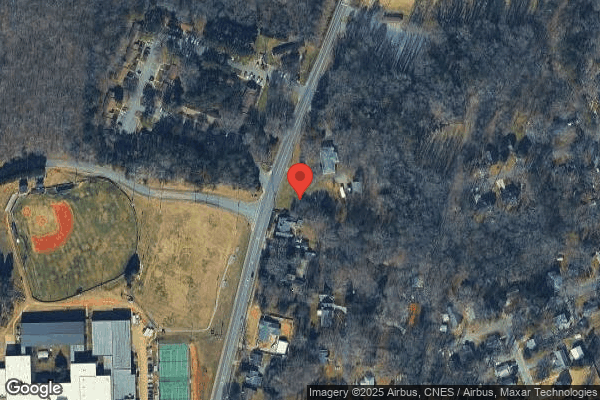
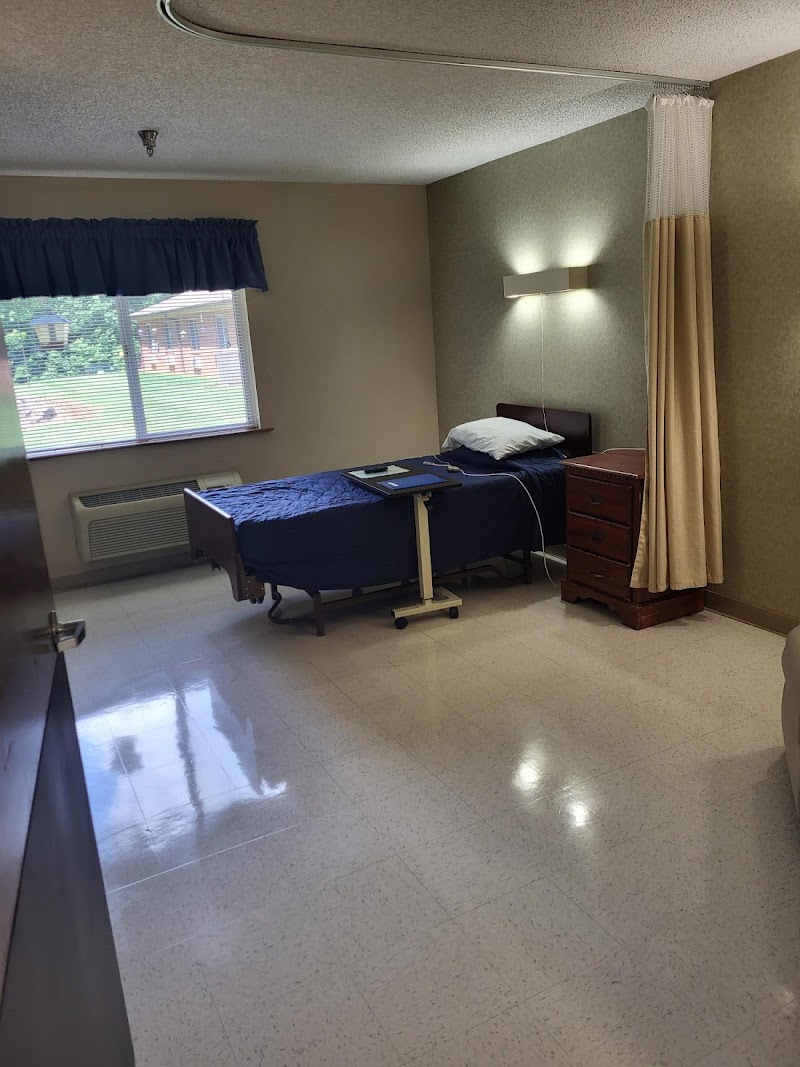
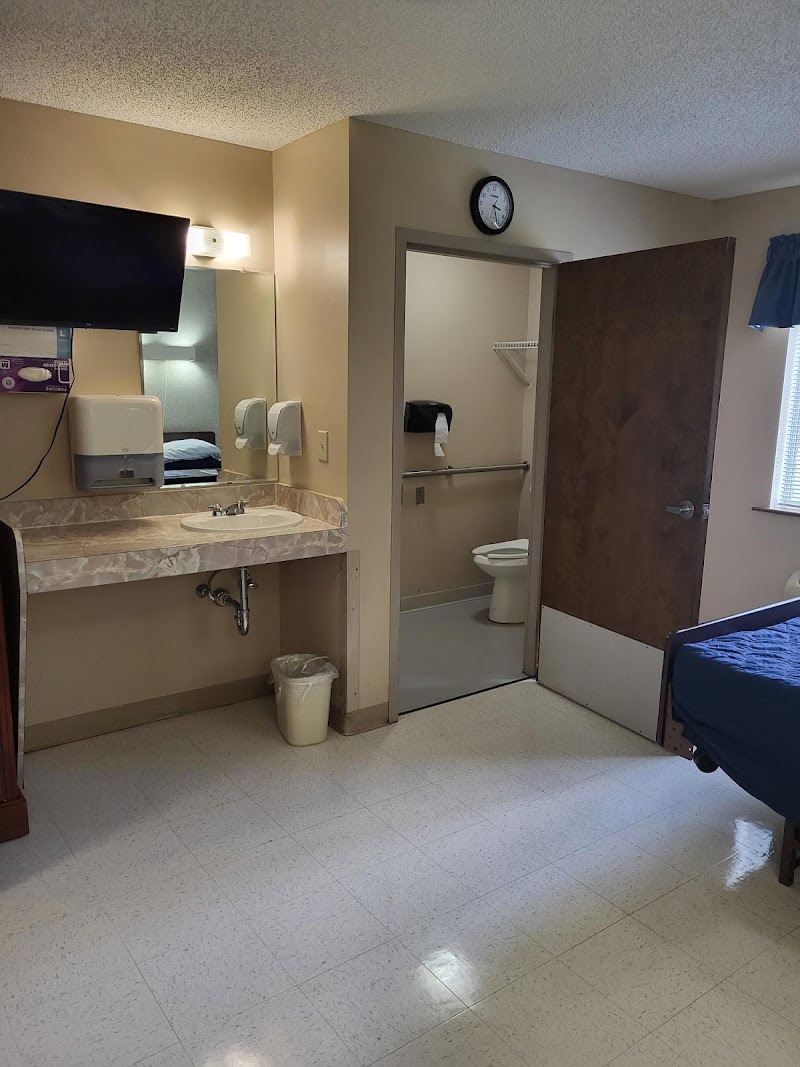
931 N Aspen Street, Lincolnton, NC 28092 (704) 732-7055
For profit - Limited Liability company 63 Beds CONSULATE HEALTH CARE/INDEPENDENCE LIVING CENTERS/NSPIRE HEALTHCARE/RAYDIANT HEALTH CARE Data: November 2025
Trust Grade
90/100
#14 of 417 in NC
Last Inspection: May 2025

Inspected within the last 6 months. Data reflects current conditions.

Overview

Cardinal Healthcare and Rehabilitation in Lincolnton, North Carolina, has an impressive Trust Grade of A, indicating it is highly recommended and excels in providing care. It ranks #14 out of 417 facilities in the state, placing it in the top half, and is the best option among the three nursing homes in Lincoln County. The facility is showing improvement, with issues decreasing from four in 2024 to three in 2025. Staffing is a mixed bag, receiving a 3 out of 5 rating, with a 33% turnover rate that is better than the state average, meaning staff are generally stable. Notably, there have been no fines, which is a positive sign, but some concerns arose from resident interviews where preferences, such as dining in the dining room, were not honored for multiple residents, suggesting room for improvement in resident satisfaction. Additionally, there was a significant coding error related to a resident's treatment plan, indicating some lapses in documentation. Overall, while the facility has strengths in rankings and management of fines, there are areas that require attention, particularly in honoring resident preferences and ensuring accurate record-keeping.
Trust Score
A
90/100
In North Carolina
#14/417
Top 3%
Safety Record
Low Risk
No red flags
Inspections
Getting Better
4 → 3 violations
Staff Stability
○ Average
33% turnover. Near North Carolina's 48% average. Typical for the industry.
Penalties
✓ Good
No fines on record. Clean compliance history, better than most North Carolina facilities.
Skilled Nurses
○ Average
Each resident gets 35 minutes of Registered Nurse (RN) attention daily — about average for North Carolina. RNs are the most trained staff who monitor for health changes.
Violations
⚠ Watch
11 deficiencies on record. Higher than average. Multiple issues found across inspections.
★★★★★
5.0
Overall Rating
★★★☆☆
3.0
Staff Levels
★★★★★
5.0
Care Quality
★★★★☆
4.0
Inspection Score
Stable
2024: 4 issues
2025: 3 issues

The Good

  • 5-Star Quality Measures · Strong clinical quality outcomes
  • Full Sprinkler Coverage · Fire safety systems throughout facility
  • No fines on record
  • Staff turnover below average (33%)

    15 points below North Carolina average of 48%

Facility shows strength in quality measures, fire safety.

The Bad

Staff Turnover: 33%

13pts below North Carolina avg (46%)

Typical for the industry

Chain: CONSULATE HEALTH CARE/INDEPENDENCE

Part of a multi-facility chain

Ask about local staffing decisions and management

The Ugly 11 deficiencies on record

May 2025 3 deficiencies
CONCERN (D)

Potential for Harm - no one hurt, but risky conditions existed

Assessment Accuracy (Tag F0641)

Could have caused harm · This affected 1 resident

**NOTE- TERMS IN BRACKETS HAVE BEEN EDITED TO PROTECT CONFIDENTIALITY** Based on record review and staff interviews, the facility failed to accurately code a significant change Minimum Data Set (MDS) ...

Read full inspector narrative →
**NOTE- TERMS IN BRACKETS HAVE BEEN EDITED TO PROTECT CONFIDENTIALITY** Based on record review and staff interviews, the facility failed to accurately code a significant change Minimum Data Set (MDS) assessment in the area of special treatments, procedures, and programs for 1 of 3 residents reviewed for Dialysis treatments and Hospice care (Resident #13). The findings included: Resident #13 was readmitted to the facility on [DATE] with diagnoses which included cerebral vascular accident, and dementia. Review of the significant change MDS assessment dated [DATE] for Resident #13 revealed she was moderately cognitively impaired. Under the section for Health Conditions/prognosis Resident #13 did not have a condition or chronic disease that may result in a life expectancy of less than 6 months. Under the section for Special Treatments, Programs and Procedures Resident #13 was checked as being on Dialysis treatments while a resident and checked as being on Hospice care while a resident. An interview on 05/05/25 at 11:20 AM with Resident #13 revealed she was not on dialysis and had never had dialysis treatments. Resident #13 stated she was not on hospice care but was on palliative care for pain management. Resident #13 stated she had been on hospice care in the past but it was discontinued in 2022. An interview on 05/08/25 at 12:14 PM with the MDS Coordinator at the facility revealed she had just started at the facility in April of 2025 and was not at the facility when the significant change MDS was completed. The MDS Coordinator stated the resident was under palliative care and should not have been coded as Hospice care. Additionally, the MDS Coordinator stated she did not see any reason Resident #13 would have been coded for Dialysis care and said it must have been a keying error. The MDS Coordinator further stated she would modify the assessment and resubmit. An interview on 05/08/25 at 12:31 PM with the Director of Nursing revealed she expected MDS assessments to be coded correctly to reflect the individual resident. An interview on 05/08/25 at 12:40 PM with the Administrator revealed he expected all MDS assessments to be coded correctly to reflect the residents' conditions.
CONCERN (D)

Potential for Harm - no one hurt, but risky conditions existed

Comprehensive Care Plan (Tag F0656)

Could have caused harm · This affected 1 resident

**NOTE- TERMS IN BRACKETS HAVE BEEN EDITED TO PROTECT CONFIDENTIALITY** Based on record review and staff interviews, the facility failed to develop an individualized comprehensive care plan in the are...

Read full inspector narrative →
**NOTE- TERMS IN BRACKETS HAVE BEEN EDITED TO PROTECT CONFIDENTIALITY** Based on record review and staff interviews, the facility failed to develop an individualized comprehensive care plan in the area of anticoagulant (blood thinner) medication use for 1 of 2 residents whose comprehensive care plans were reviewed (Resident #8). The findings included: Resident #8 was admitted to the facility on [DATE] with diagnoses that included a left femur fracture with surgical repair and dementia. A review of the active medication orders for Resident #8 revealed an order for Enoxaparin Sodium (an anticoagulant medication) 40 milligrams (mg.) subcutaneously (method of administering medication by injecting a drug into the fatty tissue layer beneath the skin) at bedtime for deep vein thrombosis (blood clot) prophylaxis. The medication had a start date of 04/09/2025. Review of the admission Minimum Data Set (MDS) assessment for Resident #8 dated 04/16/2025 indicated Resident #8 was severely cognitively impaired and was receiving an anticoagulant. A review of Resident #8's comprehensive care plan dated 04/29/2025 did not reveal any care plan focus area or interventions related to Resident #8 receiving an anticoagulant medication. A review of Resident #8's Medication Administration Record from 4/09/2025 through 5/07/2025, revealed Resident #8 received Enoxaparin Sodium 40 mg subcutaneously every night at bedtime. On 05/08/2025 at 12:25 PM an interview with the MDS Coordinator revealed Resident #8's care plan did not address anticoagulant medication. The MDS Coordinator explained the care plan should include the use of an anticoagulant medication. An interview was conducted on 05/08/2025 at 12:30 PM with the Director of Nursing (DON). The DON indicated anticoagulant medications were considered high-risk medications. The DON stated the anticoagulant medication should be addressed in Resident #8's comprehensive care plan so all staff caring for her would be aware she was at risk for side effects like bleeding or bruising. An interview was conducted with the Administrator on 05/08/2025 at 12:45 PM. The Administrator stated he expected all resident care plans to be reflective of their clinical condition including the use of anticoagulant medications.
CONCERN (D)

Potential for Harm - no one hurt, but risky conditions existed

Infection Control (Tag F0880)

Could have caused harm · This affected 1 resident

Based on observation, record review, and staff interviews, the facility failed to follow their Handwashing/Hand Hygiene policy when Nurse #1 did not doff her gloves, perform hand hygiene and don clean...

Read full inspector narrative →
Based on observation, record review, and staff interviews, the facility failed to follow their Handwashing/Hand Hygiene policy when Nurse #1 did not doff her gloves, perform hand hygiene and don clean gloves prior to applying wound treatment and a clean dressing during wound care to Resident #2. The deficient practice occurred for 1 of 9 staff members observed for infection control practices (Nurse #1). The findings included: Review of the facility's policy entitled Handwashing/Hand Hygiene last updated August 2019 read in part: Policy Statement: This facility considers hand hygiene the primary means to prevent the spread of healthcare-associated infections. 7. Use an alcohol-based hand rub containing at least 62% alcohol; or alternatively, soap (antimicrobial or non-antimicrobial) and water for the following situations: b. Before and after direct contact with residents; g. Before handling clean or soiled dressings, gauze pads, etc.; j. After contact with blood or body fluids; k. After handling used dressings, contaminated equipment, etc.; m. After removing gloves; An observation of Nurse #1 providing wound care on Resident #2's coccyx wound was made on 05/06/25 at 11:08 AM. Nurse #1 gathered her dressing supplies and placed them on wax paper on the overbed table. The old dressing was removed by Medication Aide #1 who was assigned to the resident. Nurse #1 doffed her gloves and washed her hands with soap and water and donned clean gloves and proceeded to clean the wound inside outward with normal saline-soaked gauze and patted the wound dry with dry gauze. After cleaning the wound and without doffing her gloves, sanitizing her hands, and donning clean gloves, Nurse #1 proceeded to pack the wound with normal saline-soaked gauze and applied bordered foam dressing with date and initials over the wound. Nurse #1 gathered her supplies and trash, doffed her gown and gloves, washed her hands with soap and water, and left the room. An interview on 05/06/25 at 4:55 PM with Nurse #1 revealed she felt like she could have done a better job with the wound care on Resident #2. She stated she should have doffed her gloves, sanitized her hands, and donned clean gloves after cleansing the wound and prior to applying the treatment to Resident #2's wound. She stated she knew that you were supposed to doff, sanitize and don clean gloves after cleansing a wound and before applying the treatment because that was going from a dirty to clean procedure. Nurse #1 further stated it was an oversight on her part because she was nervous about being watched during wound care. An interview on 05/07/25 at 9:16 AM with the Infection Preventionist (IP) revealed all the nurses had been in-serviced on handwashing and dressing changes and said anytime they were going from a dirty procedure to clean procedure they were supposed to doff their gloves, sanitize their hands and don clean gloves. The IP also revealed that anytime they doffed their gloves they were supposed to sanitize their hands before donning clean gloves. An interview on 05/08/25 at 12:29 PM with the Director of Nursing (DON) revealed it was her expectation that Nurse #1 follow the facility's policy and procedure for Handwashing/Hand Hygiene during wound care. An interview on 05/08/25 at 12:36 PM with the Administrator revealed he would have expected Nurse #1 to follow their Handwashing/Hand Hygiene policy and procedure while providing wound care.
Mar 2024 4 deficiencies
CONCERN (D)

Potential for Harm - no one hurt, but risky conditions existed

Deficiency F0553 (Tag F0553)

Could have caused harm · This affected 1 resident

**NOTE- TERMS IN BRACKETS HAVE BEEN EDITED TO PROTECT CONFIDENTIALITY** Based on record review and resident, resident representative and staff interviews the facility failed to afford the resident and...

Read full inspector narrative →
**NOTE- TERMS IN BRACKETS HAVE BEEN EDITED TO PROTECT CONFIDENTIALITY** Based on record review and resident, resident representative and staff interviews the facility failed to afford the resident and/or resident representative the right to participate in the care plan process for 2 of 3 (Resident #7 and Resident #22) residents reviewed for care plans. The findings included: 1. Resident #7 was admitted to the facility on [DATE]. Review of Resident #7's quarterly Minimum Dat Set (MDS) dated [DATE] revealed the resident was severely cognitively impaired. Review of resident #7's care plan revealed it was last revised on 01/19/24. Review of Resident #7's record review revealed no documentation a care plan meeting had been completed with Resident #7 and resident representative (RR). An interview conducted with Resident #7's RR on 03/11/24 at 10:15 AM revealed they had not been invited to any care plan meetings in several months. The RR further revealed she wanted to be invited to care plan meetings to discuss Resident #7. An interview conducted with the Social Worker (SW) on 03/13/24 at 2:45 PM revealed she was hired as the facility SW in November 2023. It was further revealed she had just recently received training for conducting care plan meetings but only a couple of meetings had been completed since November 2023. The SW stated she was aware Resident #7 did not have a care plan meeting this past quarter and did not notify Resident #7's RR that a care plan meeting would not be completed. 2. Resident #22 was admitted to the facility on [DATE]. Review of Resident #22's annual MDS dated [DATE] revealed the resident was cognitively intact. Review of Resident #22's care plan revealed it was last revised on 02/12/24. Review of Resident #22's record review revealed no documentation that a care plan meeting had been completed with Resident #22 and resident representative (RR). An interview conducted with Resident #22 on 03/11/24 at 3:15 PM revealed she had not been invited to her care plan meetings in several months. Resident #22 further revealed she wanted to attend care plan meetings to discuss her care. Resident #22 indicated she was not aware why she had not been notified. An interview conducted with the Social Worker (SW) on 03/13/24 at 2:45 PM revealed she was hired as the facility SW in November 2023. It was further revealed she had just recently received training for conducting care plan meetings but only a couple of meetings had been completed since November. The SW stated she was aware Resident #22's had not received a care plan meeting due to the SW not being trained. The SW indicated she did not notify Resident #22 that her care plan meeting would not be completed. An interview conducted with the Administrator on 03/14/24 at 5:40 PM revealed he was not aware of Resident #7 and Resident #22 had not received a care plan meeting timely. It was indicated that the Administrator expected care plan meetings to be completed and the resident representative/responsible party notified if changes were made.
CONCERN (D)

Potential for Harm - no one hurt, but risky conditions existed

PASARR Coordination (Tag F0644)

Could have caused harm · This affected 1 resident

**NOTE- TERMS IN BRACKETS HAVE BEEN EDITED TO PROTECT CONFIDENTIALITY** Based on record review and staff interviews the facility failed to ensure a Preadmission Screening and Resident Review (PASRR) w...

Read full inspector narrative →
**NOTE- TERMS IN BRACKETS HAVE BEEN EDITED TO PROTECT CONFIDENTIALITY** Based on record review and staff interviews the facility failed to ensure a Preadmission Screening and Resident Review (PASRR) was completed for resident with mental health diagnosis upon admission and resident with new mental health diagnoses for 2 of 3 residents (Resident #9 and Resident #15) reviewed for PASRR. The findings include: 1. Review of Resident #9's medical record revealed the resident had a PASRR level I completed prior to her admission and was admitted to the facility on [DATE]. The resident had been diagnosed with paranoid schizophrenia as part of her admission. No PASRR level II had been completed per Resident # 9 medical records. During an interview on 03/14/24 at 4:20 PM with the Social Worker (SW) revealed she had been employed as the facility SW since November 2023 and was still receiving training on how to complete PASRR paperwork for residents. She stated she was not aware of Resident #9 mental health diagnosis or that a Level II PASRR had not been completed. The SW revealed that based on the PASRR training she had received a Level II PASRR should be completed upon resident admission with a mental health diagnosis, when there was a change in condition or behavior, and when a resident had received a new mental health diagnosis. She also revealed that based on Resident #9 admission diagnosis of paranoid schizophrenia and the preadmission PASRR level I, paperwork for a PASRR level II should have been completed. During an interview on 03/14/24 at 5:05 PM with the Administrator revealed a PASRR level II should be completed in a timely manner upon admission for a resident with a mental health diagnosis or anytime a resident has had a change of condition or a newly added mental health diagnosis. He stated based on Resident #9 admission diagnosis of paranoid schizophrenia, a PASRR level II should have been completed. 2. Review of Resident #15's medical record revealed the resident had a PASRR level I completed prior to her admission and was admitted to the facility on [DATE]. The resident was diagnosed with bipolar disorder, depressed, with mild or moderate severity on 02/08/23 and major depressive disorder on 12/01/23. No PASRR level II had been completed per Resident #15 medical records. During an interview on 03/14/24 at 4:20 PM with the Social Worker (SW) revealed she had been employed as the facility SW since November 2023 and was still receiving training on how to complete PASRR paperwork for residents. She stated she was not aware of Resident #15 newly added mental health diagnosis or that a Level II PASRR had not been completed. The SW revealed that based on the PASRR training she had received a Level II PASRR should be completed upon resident admission with a mental health diagnosis, when there was a change in condition or behavior, and when a resident had received a new mental health diagnosis. She also revealed that based on Resident #15 new mental health diagnosis of bipolar disorder, depressed with mild or moderate severity and major depressive disorder and the preadmission PASRR level I, paperwork for a PASRR level II should have been completed. During an interview on 03/14/24 at 5:05 PM with the Administrator revealed a PASRR level II should be completed in a timely manner upon admission for a resident with a mental health diagnosis or anytime a resident has had a change of condition or a newly added mental health diagnosis. He stated based on Resident #15 new mental health diagnosis of bipolar disorder, depressed with mild or moderate severity and major depressive disorder, a PASRR level II should have been completed.
CONCERN (E)

Potential for Harm - no one hurt, but risky conditions existed

Deficiency F0561 (Tag F0561)

Could have caused harm · This affected multiple residents

**NOTE- TERMS IN BRACKETS HAVE BEEN EDITED TO PROTECT CONFIDENTIALITY** Based on record review, resident and staff interview the facility failed to honor resident preference and requests to eat dinner...

Read full inspector narrative →
**NOTE- TERMS IN BRACKETS HAVE BEEN EDITED TO PROTECT CONFIDENTIALITY** Based on record review, resident and staff interview the facility failed to honor resident preference and requests to eat dinner in the dining room (Resident #46, Resident #47, and Resident #39) for 3 of 3 residents reviewed for choices. The findings included: a. Resident #46 was admitted to the facility on [DATE]. Review of the quarterly Minimum Data Set (MDS) dated [DATE] revealed Resident #46 was cognitively intact and was assessed as independent requiring no assistance for eating. An interview conducted with Resident #46 on 03/12/24 at 3:10 PM revealed she has always preferred to eat lunch and dinner in the dining room and staff have been aware of that since her admission. She stated for a minimum of the last four months, she and other residents have not been allowed to eat their dinner in the dining room and have had to eat in their rooms. She revealed when she asked staff why she and other residents were not able to eat their dinner in the dining room, staff would say they didn't have time to take residents to the dining room or they were short staffed although she would see multiple staff on the hall. Resident #46 stated although she participated in facility activities and would sit on the outside porch to read, eating lunch and dinner in the dining room was important to her because it allowed her to socialize with other residents and have a break from being in her room and not being able to eat her dinner in the dining room aggravated her and made her feel isolated. b. Resident #47 was admitted to the facility on [DATE]. Review of annual Minimum Data Set (MDS) dated [DATE] revealed Resident #47 was cognitively intact and required set-up and clean-up assistance for eating. An interview conducted with Resident #47 on 03/14/24 at 11:10 AM revealed she preferred to eat lunch and dinner in the dining room and over the past few months she had been served dinner in her room and was not allowed to eat dinner in the dining room. She stated when she would ask staff why she could not eat her dinner in the dining room they would tell her because she had to eat in her room, or they did not have enough staff to go to the dining room. Resident #47 revealed she participated in facility activities but the reason she preferred eating lunch and dinner in the dining room and why it was important to her was because it allowed her time to socialize with other residents and having to eat dinner in her room made her feel like she was stuck. c. Resident #39 was admitted to the facility on [DATE]. Review of quarterly Minimum Data Set (MDS) dated [DATE] revealed Resident #39 to be cognitively intact and required supervision for eating. An interview conducted with Resident #39 on 03/14/24 at 2:45 PM revealed he preferred to eat lunch and dinner in the dining room and over the past several months he had not been allowed to eat dinner in the dining room and was made to eat in his room. He stated he when he asked staff about going to the dining room for dinner, they would say they did not have the time to take him. He revealed eating lunch and dinner in the dining room was important to him because it allowed him to be in a different setting besides his room and able to socialize with other residents. Resident #39 stated he also was able to participate in some facility activities but not being able to eat dinner in the dining room bothered him and made him feel left out. An interview conducted with Dietary Aide #1 on 03/13/24 at 8:48 AM revealed she had observed over the past few months they had been sending resident trays to the halls and residents were not being brought into the dining room for dinner. She stated they typically had a big turnout in the dining room for lunch and she had wondered why residents were no longer coming to the dining room for dinner but when she asked staff about it, she never received an answer as to why. An interview conducted on 03/13/24 at 5:11 PM with Nursing Assistant (NA) #1 revealed she had been employed at the facility for the past 6 years and worked both 1st and 2nd shift. She stated she was aware of residents being served their dinner meal in their rooms during the week and on the weekends instead of going to the dining room. When asked why residents were being served their dinner meals in their rooms instead of the dining room, NA #1 stated staff did not always have the time to leave the hall and assist certain residents in the dining room, so it was easier for the residents to be served their dinner meal on the hall. NA #1 stated she had a few residents that would ask her from time to time about eating their dinner in the dining room and she would explain to them about not having the time or staff to assist them to the dining room. An interview conducted on 03/14/24 at 11:17 AM with Nurse #1 revealed she had been employed at the facility for the past 10 years and worked 12-hour shifts from 7AM to 7PM. She stated over the past few months she had observed residents being served their dinner meals in their rooms instead of being taken to the dining room. She revealed she was not aware of why staff were not taking residents to the dining room for dinner because there had been no issues with the halls being short-staffed or with staff not being able to complete their tasks. Nurse #1 stated that she had not reported the issue to anyone because she assumed administration was aware. An interview conducted on 03/14/24 at 5:07 PM with the Administrator, Director of Nursing (DON), and Vice-President of Clinical Services revealed they had not been aware of staff not honoring resident mealtime preference of being able to eat their dinner meal in the dining room. When asked why they had not been aware of residents not being served their dinner meals in the dining room, they stated no residents or staff had come to them with any issues or concerns of not eating their dinner meal in the dining room until this week and they had not noticed residents not being in the dining room in the evenings when dinner was being served. They also stated there had been no staffing issues at the facility that would attribute to staff not being able to take residents to the dining room for their meals. They revealed staff should always honor resident's mealtime preference of being able to eat their meals in the dining room.
CONCERN (E)

Potential for Harm - no one hurt, but risky conditions existed

QAPI Program (Tag F0867)

Could have caused harm · This affected multiple residents

Based on observations, record reviews, and staff interviews, the facility's Quality Assurrance and Performance Improvement (QAPI) committee failed to maintain implemented procedures and monitor interv...

Read full inspector narrative →
Based on observations, record reviews, and staff interviews, the facility's Quality Assurrance and Performance Improvement (QAPI) committee failed to maintain implemented procedures and monitor interventions the committee put into place following the recertification and complaint investigation surveys that occurred on 10/28/21. This was for one deficiency in the area of Self Determination that was originally cited on 10/28/21 recertification and complaint investigation survey and cited again during the recertification and complaint investigation survey completed on 3/14/24. The continued failure of the facility during two federal surveys showed a pattern of the facility's inability to sustain an effective QAPI program. The findings included: This tag is cross referred to: F561: Based on record review, resident and staff interview the facility failed to honor resident preference and requests to eat dinner in the dining room for 3 of 3 residents reviewed for choices. During the recertification and complaint investigation survey completed on 10/28/21 the facility failed to provide showers for 1 resident at least 2 times per week as scheduled for 1 of 3 residents reviewed for choices. During an interview on 10/14/24 at 5:30 PM with the Administrator, he revealed the QAPI committee meets monthly with department heads, administrative staff, the Medical Director, and at least quarterly the Pharmacist and Registered Dietician attend and monthly attend by phone. He reported they currently had Process Improvement Plans (PIPs) addressing some of the issues he and the corporate advisors had identified at the facility. Some of the PIPs currently being addressed included grievances, care plan meetings, and he also reported they would be putting PIPs into place to address the current concerns addressed during the current recertification and complaint survey. The Administrator stated the PIPs would be ongoing and monitored to ensure ongoing and future compliance.
Aug 2022 4 deficiencies
CONCERN (D)

Potential for Harm - no one hurt, but risky conditions existed

Deficiency F0745 (Tag F0745)

Could have caused harm · This affected 1 resident

**NOTE- TERMS IN BRACKETS HAVE BEEN EDITED TO PROTECT CONFIDENTIALITY** Based on record review and resident and staff interviews the facility failed to transport a resident to a scheduled appointment ...

Read full inspector narrative →
**NOTE- TERMS IN BRACKETS HAVE BEEN EDITED TO PROTECT CONFIDENTIALITY** Based on record review and resident and staff interviews the facility failed to transport a resident to a scheduled appointment with their vascular physician for 1 of 3 residents reviewed for medically related social services (Resident #45). Findings included: Resident #45 was admitted to the facility on [DATE] with diagnoses which included hypertension and fracture. Resident #45s quarterly Minimum Data Set (MDS) dated [DATE] revealed Resident #45 was cognitively intact. An interview was conducted with Resident #45 on 8/29/22 at 11:00 AM, and the resident stated she had missed an appointment on 8/12/22 to see a vascular doctor. Resident #45 further revealed she had told the facility scheduler and transporter the appointment needed to be rescheduled but had no knowledge if it had been. Resident #45 indicated on 8/12/22 the facility transporter had told Resident #45 her vascular appointment had to be missed due to the transportation vehicle breaking down. Resident #45 revealed the facility transporter attended the initial vascular appointment on 7/15/22 and scheduled the appointment for 8/12/22 at the vascular doctor's office with the resident present. An interview conducted with the Unit Manager on 8/30/22 at 10:20 AM revealed she did not recall Resident #45 having an appointment scheduled for 8/12/22 and was not aware it was missed. The Unit Manager further revealed she did not recall transportation breaking down, and the facility had a 24/7 back up transportation in case of emergencies. The Unit Manager indicated there was nothing scanned in Resident #45's medical chart for an appointment on 8/12/22. An interview conducted with the facility scheduler/transporter on 8/31/22 at 8:20 AM revealed Resident #45 had a vascular appointment on 7/15/22 but did not have one scheduled for this month. It was further revealed she had attended the appointment with Resident #45 on 7/15/22 and received the paperwork. She revealed once she receives the paperwork, she gives it to nursing staff or the unit manager. She indicated transportation had not broken down the month of August and could not recall why Resident #45 thought she had an appointment or transportation was broke down. A phone interview conducted with the receptionist from the vascular doctor's office on 8/31/22 at 11:05 AM revealed Resident #45 was a no show for a scheduled appointment on 8/12/22. The receptionist stated a staff member from the facility was present for the initial appointment on 7/15/22 and scheduled the appointment for the Resident to be seen on 8/12/22. The receptionist indicated the facility staff had also received paperwork with the appointment time and information on it. An interview conducted with the Director of Nursing (DON) on 8/31/22 at 4:02 PM revealed Resident #45 was cognitively intact. The DON stated the facility scheduler/transporter went to appointments with residents, receives paperwork, gives it the nurse for review for possible orders, and then scanned into medical records. The DON indicated she was not aware of an appointment on 8/12/22. The DON stated transportation should not have been an issue because the facility had a backup service. An interview conducted with the Administrator on 8/31/22 at 4:50 PM revealed she was not aware that Resident #45's appointment was missed on 8/12/22 and it should have been rescheduled if there was an issue. The Administrator further revealed the facility had 24/7 back up transportation. The Administrator indicated Resident #45's appointment on 8/12/22 should have not been missed.
CONCERN (D)

Potential for Harm - no one hurt, but risky conditions existed

QAPI Program (Tag F0867)

Could have caused harm · This affected 1 resident

Based on observations, record reviews, and staff interviews, the facility's Quality Assessment and Assurance (QAA) committee failed to maintain implemented procedures and monitor the interventions tha...

Read full inspector narrative →
Based on observations, record reviews, and staff interviews, the facility's Quality Assessment and Assurance (QAA) committee failed to maintain implemented procedures and monitor the interventions that the committee put into place. This was for one deficiency in the area of Infection Control originally cited on the 08/20/20 focused infection control and complaint investigation survey and 10/28/21 on the recertification and complaint investigation survey. This areas was cited again on the current recertification survey with an exit date of 08/31/22. The continued failure of the facility during the three federal surveys showed a pattern of the facility's inability to sustain an effective Quality Assessment and Assurance Program. The findings included: This citation is cross referred to: F 880- Based on record reviews, observation and staff interviews, the facility failed to implement their infection control policies and the Centers for Disease Control and Prevention (CDC) recommended practices for COVID-19 when 1 of 1 staff member (Nurse #1) failed to change gloves and perform hand hygiene during wound care for 1 of 3 residents reviewed for infection control (Resident #209). On the 10/28/21 recertification and complaint investigation survey the facility failed to follow CDC guidelines for the use of Personal Protective Equipment (PPE) when 6 out of 6 staff members were observed not wearing eye protection while providing resident care. On the 08/20/20 focused infection control and complaint investigation survey the facility failed to implement the Centers for Disease Control and Prevention (CDC) recommended practices for COVID-19 by not placing enhanced droplet contact precautions signs up and not requiring staff to wear all recommended PPE (Personal Protective Equipment) when caring for 2 of 2 newly admitted residents and 1 of 1 readmitted resident and not cohorting and quarantining on the designated quarantine hall (300 hall) 3 of 15 newly admitted residents and 2 of 3 readmitted residents.
CONCERN (D)

Potential for Harm - no one hurt, but risky conditions existed

Infection Control (Tag F0880)

Could have caused harm · This affected 1 resident

**NOTE- TERMS IN BRACKETS HAVE BEEN EDITED TO PROTECT CONFIDENTIALITY** Based on record reviews, observation and staff interviews, the facility failed to implement their infection control policies and...

Read full inspector narrative →
**NOTE- TERMS IN BRACKETS HAVE BEEN EDITED TO PROTECT CONFIDENTIALITY** Based on record reviews, observation and staff interviews, the facility failed to implement their infection control policies and the Centers for Disease Control and Prevention (CDC) recommended practices for COVID-19 when 1 of 1 staff member (Nurse #1) failed to change gloves and perform hand hygiene during wound care for 1 of 3 residents reviewed for infection control (Resident #209). The findings included: The Centers for Disease Control and Prevention (CDC) guidance entitled, Hand Hygiene in Healthcare Settings, last reviewed on 1/8/21 indicated the following information: Use an alcohol-based hand sanitizer before moving from work on a soiled body site to a clean body site on the same patient, after contact with blood, body fluids or contaminated surfaces and immediately after glove removal. Change gloves and perform hand hygiene during patient care, if moving from work on a soiled body site to a clean body site on the same patient or if another clinical indication for hand hygiene occurs. The facility's policy entitled, Hand Hygiene Policy and Procedures, revised on 2/5/21 indicated the following statement: Hand hygiene should be performed after contact with blood, body fluids, or excretions, mucous membranes, non-intact skin, or wound dressings, when hands are moved from a contaminated body site to a clean body site during patient care and after glove removal. Resident #209 was admitted to the facility on [DATE] with diagnoses that included right ankle and foot osteomyelitis (bone infection). An observation of wound care by Nurse #1 for Resident #209 was made on 8/30/22 at 1:46 PM while being assisted by Nurse Aide #2. Nurse #1 washed her hands and put gloves on both hands. She started to remove the compression bandage and gauze wrap off Resident #209's left leg. A foam dressing was observed in place to Resident #209's left heel. Nurse #1 proceeded to remove the compression bandage and gauze wrap off Resident #209's right leg. Resident #209's right heel was also covered with a foam dressing. Nurse #1 took off her gloves and washed her hands. She put new gloves on and removed the foam dressing off Resident #209's right heel. The foam dressing looked saturated with yellowish drainage. Nurse #1 cleaned the right heel wound by spraying wound cleanser directly on the wound and wiping it with a dry gauze. While cleaning the right heel wound, Nurse #1 removed a moderate amount of yellowish debris from the wound bed. Without removing her gloves and doing hand hygiene, Nurse #1 proceeded to remove the foam dressing off Resident #209's left heel wound. Nurse #1 sprayed wound cleanser on the wound bed and wiped the drainage with a dry gauze. Nurse #1 then removed her gloves and washed both hands. She put on new gloves and covered the right heel wound with alginate (dressing made of natural fibers derived from seaweed, absorbs exudates and forms a gel-like covering over the wound), applied a foam dressing and wrapped the whole right leg with a gauze wrap and a compression bandage. Without removing her gloves and performing hand hygiene, Nurse #1 covered the left heel wound with alginate, applied a foam dressing and wrapped the whole left leg with a gauze wrap and a compression bandage. Nurse #1 removed her gloves and washed her hands. An interview with Nurse #1 on 8/30/22 at 3:29 PM revealed she probably should have changed her gloves and washed her hands after cleaning Resident #209's right heel wound and before cleaning his left heel wound. Nurse #1 stated she normally removed Resident #209's dressings to both legs at the same time and cleaned and dressed them simultaneously because it was time-consuming to do one leg at a time. An interview on 8/31/22 at 4:38 PM with the Director of Nursing (DON) who was also the facility's Infection Preventionist revealed Nurse #1 should have provided wound care to Resident #209 by doing one leg at a time and she should have changed her gloves and washed her hands before dressing the other wound to prevent cross-contamination of his wounds. The DON stated she couldn't remember the last time the nurses had been educated on wound care and that she would need to do an in-service on wound care and infection control soon.
MINOR (B)

Minor Issue - procedural, no safety impact

Deficiency F0582 (Tag F0582)

Minor procedural issue · This affected multiple residents

**NOTE- TERMS IN BRACKETS HAVE BEEN EDITED TO PROTECT CONFIDENTIALITY** Based on record review and staff interviews, the facility failed to provide a Centers for Medicare and Medicaid Services (CMS)-1...

Read full inspector narrative →
**NOTE- TERMS IN BRACKETS HAVE BEEN EDITED TO PROTECT CONFIDENTIALITY** Based on record review and staff interviews, the facility failed to provide a Centers for Medicare and Medicaid Services (CMS)-10055 Skilled Nursing Facility (SNF) Advanced Beneficiary Notice (ABN) and CMS-10123 Notice of Medicare Non-Coverage letter (NOMNC) prior to discharge from Medicare Part A skilled services for 3 of 3 residents reviewed for beneficiary protection notification (Residents #11, #51 and #210). Findings included: 1. Resident #11 was admitted to the facility on [DATE]. A review of the medical record revealed the facility initiated Resident #11's discharge from Medicare Part A Services when benefit days were not exhausted. Resident #11 should have received both CMS-10123 Notice of Medicare Non-Coverage letter (NOMNC) and CMS-10055 Skilled Nursing Facility (SNF) Advanced Beneficiary Notice (ABN) due to resident having skilled benefit days remaining and was being discharged from Medicare Part A Services and continue living in the facility. Neither form was discussed or completed with Resident #11 or her Responsible Party (RP). Medicare Part A coverage for skilled services ended on 03/21/22 and Resident #11 remained in the facility. An interview was conducted with the Social Worker on 08/30/22 at 04:30 PM. She revealed was notified around the second week of August that she would be responsible for completing the NOMNC and SBF ABN forms and received training on how to complete the forms and notifying residents and/or their RP of changes. She stated prior to August, the Business Office Manager was responsible for completing the forms, but he was no longer at the facility. The Social Worker revealed she was not aware of forms not being completed or residents and their RP's not being contacted about changes. An interview was conducted with the Administrator on 08/31/22 at 05:03 PM. The Administrator stated she was not aware the NOMNC and SNF ABN forms had not been completed until yesterday. She stated the former Business Office Manager was responsible for completing the forms and he was no longer at the facility. She stated the Social Worker had received training and would be responsible for completing the forms and the new Business Office Manager will be responsible for the completing the forms if the Social Worker was not available. The Administrator revealed the NOMNC and SBF ABN should have been discussed and issued to the resident and/or the RP. She stated she expected the required forms to be completed timely and correctly. 2. Resident #51 was admitted to the facility on [DATE]. A review of the medical record revealed the facility initiated Resident #51's discharge from Medicare Part A Services when benefit days were not exhausted. Resident #51 should have received both CMS-10123 Notice of Medicare Non-Coverage letter (NOMNC) and CMS-10055 Skilled Nursing Facility (SNF) Advanced Beneficiary Notice (ABN) due to resident having skilled benefit days remaining and was being discharged from Medicare Part A Services and continue living in the facility. Neither form was discussed or completed with Resident #51 or her Responsible Party (RP). Medicare Part A coverage for skilled services ended on 03/21/22 and Resident #51 remained in the facility. An interview was conducted with the Social Worker on 08/30/22 at 04:30 PM. She revealed was notified around the second week of August that she would be responsible for completing the NOMNC and SBF ABN forms and received training on how to complete the forms and notifying residents and/or their RP of changes. She stated prior to August, the Business Office Manager was responsible for completing the forms, but he was no longer at the facility. The Social Worker revealed she was not aware of forms not being completed or residents and their RP's not being contacted about changes. An interview was conducted with the Administrator on 08/31/22 at 05:03 PM. The Administrator stated she was not aware the NOMNC and SNF ABN forms had not been completed until yesterday. She stated the former Business Office Manager was responsible for completing the forms and he was no longer at the facility. She stated the Social Worker had received training and would be responsible for completing the forms and the new Business Office Manager will be responsible for the completing the forms if the Social Worker was not available. The Administrator revealed the NOMNC and SBF ABN should have been discussed and issued to the resident and/or the RP. She stated she expected the required forms to be completed timely and correctly. 3. Resident #210 was admitted to the facility on [DATE]. A review of the medical record revealed a CMS-10123 Notice of Medicare Non-Coverage letter (NOMNC) was not discussed with Resident #210 prior to discharge on [DATE]. The facility initiated the discharge from Medicare Part A services when benefit days were not exhausted and the NOMNC form was not provided to resident. NOMNC form should be completed when resident has skilled benefit days remaining and was being discharged from Medicare Part A services and was leaving the facility immediately following the last covered skilled day. Medicare Part A coverage for skilled services ended on 03/16/22 and Resident #210 was discharged home. An interview was conducted with the Social Worker on 08/30/22 at 04:30 PM. She revealed was notified around the second week of August that she would be responsible for completing the NOMNC form and received training on how to complete the form and notifying residents and/or their RP of changes. She stated prior to August, the Business Office Manager was responsible for completing the form, but he was no longer at the facility. The Social Worker revealed she was not aware of forms not being completed or residents and their RP's not being contacted about changes. An interview was conducted with the Administrator on 08/31/22 at 05:03 PM. The Administrator stated she was not aware the NOMNC and SNF ABN forms had not been completed until yesterday. She stated the former Business Office Manager was responsible for completing the forms and he was no longer at the facility. She stated the Social Worker had received training and would be responsible for completing the forms and the new Business Office Manager will be responsible for the completing the forms if the Social Worker was not available. The Administrator revealed the NOMNC and SBF ABN should have been discussed and issued to the resident and/or the RP. She stated she expected the required forms to be completed timely and correctly.
Understanding Severity Codes (click to expand)
Life-Threatening (Immediate Jeopardy)
J - Isolated K - Pattern L - Widespread
Actual Harm
G - Isolated H - Pattern I - Widespread
Potential for Harm
D - Isolated E - Pattern F - Widespread
No Harm (Minor)
A - Isolated B - Pattern C - Widespread

Questions to Ask on Your Visit

  • "Can I speak with families of current residents?"
  • "What's your RN coverage like on weekends and overnight?"

Our Honest Assessment

Strengths
  • • Grade A (90/100). Above average facility, better than most options in North Carolina.
  • • No major safety red flags. No abuse findings, life-threatening violations, or SFF status.
  • • No fines on record. Clean compliance history, better than most North Carolina facilities.
  • • 33% turnover. Below North Carolina's 48% average. Good staff retention means consistent care.
Concerns
  • • 11 deficiencies on record. Higher than average. Multiple issues found across inspections.
Bottom line: Generally positive indicators. Standard due diligence and a personal visit recommended.

About This Facility

What is Cardinal Healthcare And Rehabilitation's CMS Rating?

CMS assigns Cardinal Healthcare and Rehabilitation an overall rating of 5 out of 5 stars, which is considered much above average nationally. Within North Carolina, this rating places the facility higher than 99% of the state's 100 nursing homes. This rating reflects solid performance across the metrics CMS uses to evaluate nursing home quality.
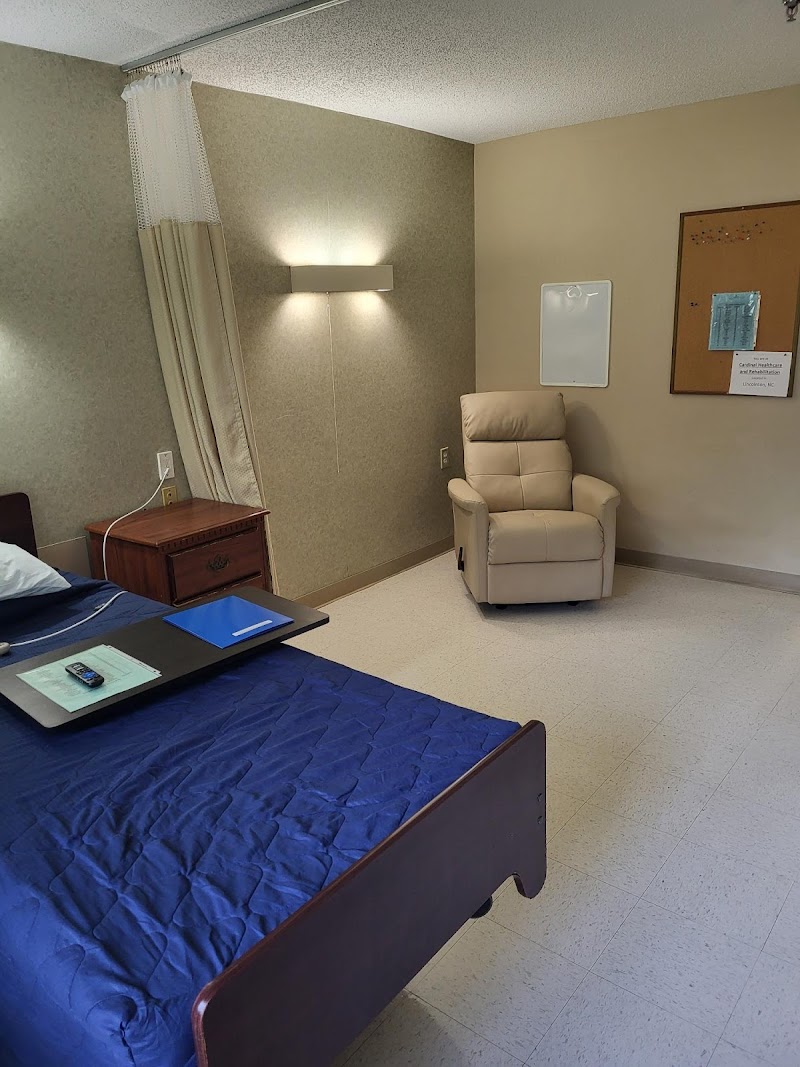
How is Cardinal Healthcare And Rehabilitation Staffed?

CMS rates Cardinal Healthcare and Rehabilitation's staffing level at 3 out of 5 stars, which is average compared to other nursing homes. Staff turnover is 33%, compared to the North Carolina average of 46%. This relatively stable workforce can support continuity of care.

What Have Inspectors Found at Cardinal Healthcare And Rehabilitation?

State health inspectors documented 11 deficiencies at Cardinal Healthcare and Rehabilitation during 2022 to 2025. These included: 10 with potential for harm and 1 minor or isolated issues.
Who Owns and Operates Cardinal Healthcare And Rehabilitation?

Cardinal Healthcare and Rehabilitation is owned by a for-profit company. For-profit facilities operate as businesses with obligations to shareholders or private owners. The facility is operated by CONSULATE HEALTH CARE/INDEPENDENCE LIVING CENTERS/NSPIRE HEALTHCARE/RAYDIANT HEALTH CARE, a chain that manages multiple nursing homes. With 63 certified beds and approximately 58 residents (about 92% occupancy), it is a smaller facility located in Lincolnton, North Carolina.

How Does Cardinal Healthcare And Rehabilitation Compare to Other North Carolina Nursing Homes?

Compared to the 100 nursing homes in North Carolina, Cardinal Healthcare and Rehabilitation's overall rating (5 stars) is above the state average of 2.8, staff turnover (33%) is significantly lower than the state average of 46%, and health inspection rating (4 stars) is above the national benchmark.

What Should Families Ask When Visiting Cardinal Healthcare And Rehabilitation?

Based on this facility's data, families visiting should ask: "Can I visit during a mealtime to observe dining assistance and food quality?" "How do you handle medical emergencies, and what is your hospital transfer rate?" "Can I speak with family members of current residents about their experience?"

Is Cardinal Healthcare And Rehabilitation Safe?

Based on CMS inspection data, Cardinal Healthcare and Rehabilitation has a clean safety record: no substantiated abuse findings (meaning no confirmed cases of resident harm), no Immediate Jeopardy citations (the most serious violation level indicating risk of serious injury or death), and is not on the Special Focus Facility watch list (a federal program monitoring the lowest-performing 1% of nursing homes). The facility has a 5-star overall rating and ranks #1 of 100 nursing homes in North Carolina. While no facility is perfect, families should still ask about staff-to-resident ratios and recent inspection results during their visit.

Do Nurses at Cardinal Healthcare And Rehabilitation Stick Around?

Cardinal Healthcare and Rehabilitation has a staff turnover rate of 33%, which is about average for North Carolina nursing homes (state average: 46%). Moderate turnover is common in nursing homes, but families should still ask about staff tenure and how the facility maintains care continuity when employees leave.

Was Cardinal Healthcare And Rehabilitation Ever Fined?

Cardinal Healthcare and Rehabilitation has no federal fines on record. CMS issues fines when nursing homes fail to meet care standards or don't correct problems found during inspections. The absence of fines suggests the facility has either maintained compliance or corrected any issues before penalties were assessed. This is a positive indicator, though families should still review recent inspection reports for the full picture.

Is Cardinal Healthcare And Rehabilitation on Any Federal Watch List?

Cardinal Healthcare and Rehabilitation is not on any federal watch list. The most significant is the Special Focus Facility (SFF) program, which identifies the bottom 1% of nursing homes nationally based on persistent, serious quality problems. Not being on this list means the facility has avoided the pattern of deficiencies that triggers enhanced federal oversight. This is a positive indicator, though families should still review the facility's inspection history directly.