WILKES REGIONAL MEDICAL CTR SN


1370 WEST D STREET, NORTH WILKESBORO, NC 28659 (336) 651-8100
Non profit - Other 10 Beds ATRIUM HEALTH Data: November 2025
Trust Grade
80/100
#135 of 417 in NC
Last Inspection: April 2025

Within standard 12-15 month inspection cycle. Federal law requires annual inspections.

Overview

Wilkes Regional Medical Center SN has a Trust Grade of B+, which means it is above average and generally recommended for care. It ranks #135 out of 417 nursing homes in North Carolina, placing it in the top half, and it is the top facility out of four in Wilkes County. However, the facility is facing a concerning trend as it has worsened, increasing issues from 3 in 2024 to 11 in 2025. Staffing is a major strength, rated 5/5 stars with only a 23% turnover, which is well below the state average of 49%, indicating that staff members are stable and familiar with residents' needs. While there are currently no fines on record, the health inspection score is low at 2/5 stars, and specific incidents include expired food found in the kitchen and a failure to monitor infections properly, which may pose risks to residents. Overall, while there are notable strengths, families should be aware of the recent increase in concerns.

Trust Score
B+
80/100
In North Carolina
#135/417
Top 32%
Safety Record
Low Risk
No red flags
Inspections
Getting Worse
3 → 11 violations
Staff Stability
✓ Good
23% annual turnover. Excellent stability, 25 points below North Carolina's 48% average. Staff who stay learn residents' needs.
Penalties
✓ Good
No fines on record. Clean compliance history, better than most North Carolina facilities.
Skilled Nurses
✓ Good
Each resident gets 231 minutes of Registered Nurse (RN) attention daily — more than 97% of North Carolina nursing homes. RNs are the most trained staff who catch health problems before they become serious.
Violations
⚠ Watch
14 deficiencies on record. Higher than average. Multiple issues found across inspections.
★★★★☆
4.0
Overall Rating
★★★★★
5.0
Staff Levels
★★★★★
5.0
Care Quality
★★☆☆☆
2.0
Inspection Score
Stable
2024: 3 issues
2025: 11 issues

The Good

  • 5-Star Staffing Rating · Excellent nurse staffing levels
  • 5-Star Quality Measures · Strong clinical quality outcomes
  • Low Staff Turnover (23%) · Staff stability means consistent care
  • Full Sprinkler Coverage · Fire safety systems throughout facility
  • No fines on record
  • Staff turnover is low (23%)

    25 points below North Carolina average of 48%

Facility shows strength in staffing levels, quality measures, staff retention, fire safety.

The Bad

Chain: ATRIUM HEALTH

Part of a multi-facility chain

Ask about local staffing decisions and management

The Ugly 14 deficiencies on record

Apr 2025 11 deficiencies
CONCERN (D)

Potential for Harm - no one hurt, but risky conditions existed

Assessment Accuracy (Tag F0641)

Could have caused harm · This affected 1 resident

**NOTE- TERMS IN BRACKETS HAVE BEEN EDITED TO PROTECT CONFIDENTIALITY** Based on record review and staff interviews, the facility failed to accurately code the Minimum Data Set (MDS) assessment for th...

Read full inspector narrative →
**NOTE- TERMS IN BRACKETS HAVE BEEN EDITED TO PROTECT CONFIDENTIALITY** Based on record review and staff interviews, the facility failed to accurately code the Minimum Data Set (MDS) assessment for the use of oxygen for 1 of 8 residents (Resident #109) whose MDS assessments were reviewed. The findings included: Resident #109 was admitted to the facility on [DATE] with diagnosis that included chronic obstructive pulmonary disease (COPD). A review of the admission Minimum Data Set (MDS) dated [DATE] revealed Resident #109 was cognitively intact. The MDS indicated diagnosis of COPD and was not coded for oxygen use. A review of Resident #109's orders revealed oxygen care orders: - (4/8/25) Nasal Cannula 1 liter per minute, keep oxygen saturation greater than 92% - (4/8/25) Pulse oximetry, continuous, maintain oxygen saturations greater than 94% An interview with the MDS Coordinator on 4/23/25 at 10:43 AM revealed respiratory orders should be addressed on admission by including them in assessments and care plans. MDS Coordinator did not say why the oxygen was not coded.
CONCERN (D)

Potential for Harm - no one hurt, but risky conditions existed

Deficiency F0655 (Tag F0655)

Could have caused harm · This affected 1 resident

**NOTE- TERMS IN BRACKETS HAVE BEEN EDITED TO PROTECT CONFIDENTIALITY** Based on record reviews and staff interviews, the facility failed to develop a baseline care plan that addressed a resident's ox...

Read full inspector narrative →
**NOTE- TERMS IN BRACKETS HAVE BEEN EDITED TO PROTECT CONFIDENTIALITY** Based on record reviews and staff interviews, the facility failed to develop a baseline care plan that addressed a resident's oxygen and respiratory care for 2 of 3 residents reviewed for baseline care plans (Resident #109 and Resident #110). The findings included: 1. Resident #109 was admitted to the facility on [DATE] and readmitted on [DATE] with a diagnosis that included chronic obstructive pulmonary disease (COPD). A review of the admission Minimum Data Set (MDS) dated [DATE] revealed Resident #109 was cognitively intact. The MDS also indicated diagnosis of Chronic Obstructive Pulmonary Disease (COPD) and was not coded for oxygen. A review of Resident #109's active care plan dated 4/8/2025 revealed there were no goals or interventions regarding oxygen or respiratory care included in the baseline care plan. An interview with Nurse #1 on 04/22/25 at 01:22 PM stated orders and care plans were reviewed by the nurse each shift. Nurse #1 confirmed Resident #109 was receiving oxygen and respiratory status was assessed. Nurse #1 stated that respiratory care was not added to the care plan when Resident #109 was readmitted to the unit. Nurse #1 reported oxygen and oxygen monitoring was ordered on readmission. A review of Resident #109's orders revealed oxygen care orders: - (4/8/25) Nasal Cannula 1 liter per minute, keep oxygen saturation greater than 92% - (4/8/25) Pulse oximetry, continuous, maintain oxygen saturations greater than 94% An interview with the MDS Coordinator on 4/23/25 at 10:43 AM revealed respiratory orders should be added to the care plan and resolved on discharged . The MDS Coordinator reported the nurse should address respiratory care in the care plan on admission and any time after if not addressed on admission. An interview with the Nurse Manager on 4/23/25 at 1:47 PM revealed that each nurse was expected to review orders and the care plan for oxygen needs and to communicate any changes during the shift change report. The Nurse Manager stated that nurses should add respiratory care to the care plan upon admission. She also stated that nurses should have addressed respiratory care in the care plan for Resident #109 when reviewing the care plan during the shift. 2. Resident #110 was admitted to the facility on [DATE] and readmitted on [DATE] with diagnosis that included respiratory failure. A review of Resident #110's quarterly Minimum Data Set (MDS) dated [DATE] indicated diagnosis of chronic respiratory failure with hypoxia and was coded for oxygen use. The MDS also revealed Resident #110 was cognitively intact. A review of Resident #110's active care plan dated 4/8/2025 revealed there were no goals or interventions regarding oxygen or respiratory care included in the baseline care plan. An interview with Nurse #1 on /22/25 at 01:22 PM stated orders and care plans were reviewed by the nurse each shift. Nurse #1 confirmed Resident #110 was receiving oxygen and respiratory status was assessed. Nurse #1 stated that respiratory care was not added to the care plan when Resident #110 was readmitted to the unit. Nurse #1 reported oxygen and oxygen monitoring was ordered on readmission. A review of Resident #110's oxygen care orders revealed: -(4/14/25) Oxygen Therapy nasal cannula, rate 3 liters per minute, keep oxygen saturation level greater than 90%. -(4/14/25) Initiate Adult Respiratory Chronic-Stable Bilevel Positive Airway Pressure/ Continuous Positive Airway Pressure (BIPAP/CPAP) Protocol (Adult Non-invasive Ventilation) continuously. An interview with the MDS Coordinator on 4/23/25 at 10:43 AM revealed respiratory orders should be added to the care plan and resolved on discharged . The MDS Coordinator reported the nurse should address respiratory care in the care plan on admission and any time after if not addressed on admission. An interview with the Nurse Manager on 04/23/25 at 1:47 PM revealed that each nurse was expected to review orders and the care plan for oxygen needs and to communicate any changes during the shift change report. The Nurse Manager stated that nurses should add respiratory care to the care plan upon admission. She also stated that nurses should have addressed respiratory care in the care plan for Resident #110 when reviewing the care plan during the shift.
CONCERN (D)

Potential for Harm - no one hurt, but risky conditions existed

Deficiency F0658 (Tag F0658)

Could have caused harm · This affected 1 resident

**NOTE- TERMS IN BRACKETS HAVE BEEN EDITED TO PROTECT CONFIDENTIALITY** Based on observations, record review and staff interviews, the facility failed to follow physician orders for 1 of 1 resident (R...

Read full inspector narrative →
**NOTE- TERMS IN BRACKETS HAVE BEEN EDITED TO PROTECT CONFIDENTIALITY** Based on observations, record review and staff interviews, the facility failed to follow physician orders for 1 of 1 resident (Resident #209) reviewed for professional standards of practice. The findings included: Resident #209 was admitted to the facility on [DATE] with a diagnosis that included Diabetes, and bilateral leg swelling. A review of the admission Statement submitted by Nurse #1 on 4/18/2025 revealed Resident #209 was alert, disoriented to place, time, person, and event, speech was clear, and cognition level was appropriate for attention/concentration. At the time of review no behaviors had been identified. A review of the physician orders dated 4/18/25 revealed a treatment for no-sting barrier film to the right heel, heel floating boot placed on resident, and float heels always. A review of the Baseline Care Plan dated 04/18/2025 revealed a problem as skin integrity. The goal listed was that skin integrity would improve with the interventions of providing skin care and provide pressure relieving interventions. An observation and interview on 4/21/2025 at 1:11 PM revealed Resident #209 was up in a recliner with both feet elevated with no heel floating boot and Resident #209's heels were not floating. Resident #209 stated he was admitted because his legs were swollen. He stated he was doing exercises with Physical Therapy/Occupational Therapy (PT/OT) to get rid of the fluid in his legs. Observation at 4/21/25 at 3:15 PM revealed Resident #209 was in bed with a heel floating boot on his right foot. There was no heal floating boot under the sink at the time of the observation. Resident #209 stated he had a heel floating boot that morning while in bed. Resident #209 stated when he got up in the chair staff removed his heel floating boot so he could get some traction. Resident #209 stated they leave the heal floating boot off while he was in the chair. An observation and interview with the Occupational Therapist on 4/22/2025 at 10:41AM revealed Resident #209 lying in the bed with both legs laying flat on the bed without a heel floating boot on the right foot. Two pillows were observed to the right of Resident #209's legs. A dark purple circular area was observed on the resident's right heal. At the end of therapy Resident #209 was assisted into the recliner by the therapist with the stand to lift chair. She was observed floating the residents heals with two pillows under his legs but did not place the heel floating boot on Resident #209's right heel. The therapist stated she assisted him in the chair for the first time on 4/21/2025. An interview and observation with Nurse #1 on 4/22/2025 at 12:21 PM revealed she was the nurse that admitted Resident #209 on the 4/18/2025. She stated he had dry areas to his right leg that looked like scratches and abrasions and a light gray area on his right heel. Nurse #1 read the treatment orders out loud during the interview. Orders for no sting barrier film to the right heel daily, heal floating boot placed on patient, and float heals at all times. She stated she received a new heal floating boot for him this morning around 10:30am because the other one was dirty, but she did not have time to apply it yet. Nurse #1 and the surveyor walked to Resident #209's room. The resident was sitting in the recliner with both heels resting on the leg rest without his heels being floated. Nurse #1 placed the heel floating boot on the right foot. Nurse #1 was observed not to float Resident #209's heels. An interview with the Minimum Data Set Nurse (MDS)/Nurse Supervisor on 4/22/25 at 12:33pm revealed that a new heel floating boot had come in for him today because the old one was soiled. The MDS/Nurse Supervisor was made aware that Resident #209 had been observed without the heel floating boot or feet being floated on pillows. The MDS/Nurse Spervisor stated if a heel floating boot was not available, she would expect the heels to be floated. An interview with Nurse #6 on 4/22/2025 at 1:03 PM revealed she had removed the pillows under Resident #209's legs during lunch. She stated she removed pillows so she could place his lunch tray on the overbed table over the resident's lap. She stated she thought she had put the pillows back under Resident #209's legs but must have forgotten. Nurse #6 stated if the heel floating boot was not available for the resident she would float his heels with pillows. An interview with the Physician's Assistant (PA) at 04/22/25 at 2:03 PM revealed he had not assessed Resident #209 this morning. The PA was notified that Resident #209 was observed without a heel floating boot on his right foot and without his heels being floated. He stated he would expect staff to follow the orders for the heel floating boot and heels to be floated.
CONCERN (D)

Potential for Harm - no one hurt, but risky conditions existed

Respiratory Care (Tag F0695)

Could have caused harm · This affected 1 resident

**NOTE- TERMS IN BRACKETS HAVE BEEN EDITED TO PROTECT CONFIDENTIALITY** Based on observations, record review, and staff interviews, the facility failed to post cautionary and safety signage outside re...

Read full inspector narrative →
**NOTE- TERMS IN BRACKETS HAVE BEEN EDITED TO PROTECT CONFIDENTIALITY** Based on observations, record review, and staff interviews, the facility failed to post cautionary and safety signage outside resident rooms that indicated the use of oxygen and failed to follow Physicians orders related to oxygen use for 2 of 2 residents reviewed for respiratory care (Resident #109, and Resident #110). The findings included: A. Resident #109 was admitted to the facility on [DATE] with diagnosis that included chronic obstructive pulmonary disease (COPD). A review of the admission Minimum Data Set (MDS) dated [DATE] revealed Resident #109 was cognitively intact. The MDS indicated diagnosis of COPD and was not coded for oxygen use. A review of Resident #109's active care plan dated 4/8/2025 revealed there were no goals or interventions regarding oxygen or respiratory care included in the baseline care plan. Resident #109's April 2025 oxygen assessment flowsheet for nursing revealed all nursing staff documented oxygen flow rate was 2 liters per minute and completed a spot check for oxygen level. A review of Resident #109's orders revealed oxygen care orders: - (4/8/25) Nasal Cannula 1 liter per minute, keep oxygen saturation greater than 92% - (4/8/25) Pulse oximetry, continuous, maintain oxygen saturations greater than 94% An observation on 04/21/25 at 11:01 AM revealed Resident #109 sitting in his wheelchair with oxygen being administered via nasal cannula via wall oxygen concentrator at 2 liters. There was no caution or safety signage posted outside of Resident #109's room indicating supplemental oxygen was in use. An observation on 04/22/25 at 9:25 AM revealed Resident #109 sleeping in bed with oxygen being administered via nasal cannula via wall oxygen concentrator 2 liters. There was no caution or safety signage posted outside of Resident #109's room indicating supplemental oxygen was in use. B. Resident #110 was originally admitted to the facility on [DATE] and readmitted on [DATE] with diagnosis that included respiratory failure. A review of the quarterly Minimum Data Set (MDS) dated [DATE] indicated diagnosis of chronic respiratory failure with hypoxia and was coded for oxygen use. A review of Resident #110's oxygen care orders revealed: -(4/14/25) Oxygen Therapy nasal cannula, rate 3 liters per minute, keep oxygen saturation level greater than 90%. -(4/14/25) Initiate Adult Respiratory Chronic-Stable Bilevel Positive Airway Pressure/ Continuous Positive Airway Pressure (BIPAP/CPAP) Protocol (Adult Non-invasive Ventilation) continuously. An observation on 4/21/25 at 12:39 PM revealed Resident #110 awake with head of bed elevated with oxygen being administered via nasal cannula via wall oxygen concentrator. There was no caution or safety signage posted outside of Resident #110's room indicating supplemental oxygen in use. Resident did not allow a close enough observation to view liters of oxygen An observation on 4/23/25 at 2:51 PM revealed Resident #110 asleep with oxygen being administered via BIPAP via wall oxygen concentrator. There was no caution or safety signage posted outside of Resident #109's room indicating supplemental oxygen was in use. An observation of signs above double doors to the entrance of the skilled nursing unit on 4/21/25 at 11:00 AM and 4/23/25 at 8:30 AM, stated No Smoking Oxygen in Use. An interview with Nurse #1 on 4/22/25 at 01:22 PM stated she did not know if oxygen caution signs were on the resident's door, and was not aware oxygen caution sign should be posted on resident doors. Nurse #1 reported oxygen use was communicated verbally to other staff if residents had oxygen, and orders were reviewed by the nurse each shift. Nurse #1 also stated a respiratory assessment was completed by each nurse for each shift. An interview with Nurse #2 on 4/22/25 at 1:30 PM stated there was an oxygen cautionary sign over the entrance doors to the unit that stated, No Smoking Oxygen in Use. Nurse #2 reported that she had worked for the facility for seven years and used to place oxygen caution signs on resident doors. Nurse #2 stated, Lately staff have not placed signs on resident doors. Nurse #2 stated oxygen orders were communicated in staff-to-staff reports during each shift change. Nurse #2 stated that oxygen levels and care were communicated during nurse-to-nurse shift report. An interview with the Nurse Manager on 4/23/25 at 1:47 PM reported oxygen caution signs were located above the double doors to the entrance of the unit and on residents' doors. Nurse Manager stated that oxygen signs should be placed when an order was implemented. Nurse Manager revealed a respiratory assessment was completed and charted in the electronic health record. The assessment included an assessment of oxygen administration level. She reported that each nurse would review orders and a care plan for oxygen needs and communicate any changes during shift change report. If there was a discrepancy in what the nurse assessed and the actual order, the nurse would call the provider or send a secure chat to clarify an order. The Nurse Manger reported the nurses missed clarifying the order for Resident #109.
CONCERN (D)

Potential for Harm - no one hurt, but risky conditions existed

Drug Regimen Review (Tag F0756)

Could have caused harm · This affected 1 resident

**NOTE- TERMS IN BRACKETS HAVE BEEN EDITED TO PROTECT CONFIDENTIALITY** Based on record reviews and Consultant Pharmacist interviews, the Consultant Pharmacist failed to communicate to the facility th...

Read full inspector narrative →
**NOTE- TERMS IN BRACKETS HAVE BEEN EDITED TO PROTECT CONFIDENTIALITY** Based on record reviews and Consultant Pharmacist interviews, the Consultant Pharmacist failed to communicate to the facility the need to limit the use of a psychotropic drug (drug that affects the mental state) ordered as needed to 14 days for 1 of 5 residents reviewed for unnecessary medications (Resident #2). The findings included: Resident #2 was admitted to the facility on [DATE] with a diagnosis of anxiety disorder. The physician order dated 12/11/24 read, Ativan (antianxiety) 0.5 milligrams (mg) by mouth twice daily as needed for anxiety with a start date of 12/12/2024 for a duration of 14 days (12/26/24). Review of January 2025 MAR revealed Resident #2 received Ativan 0.5 mg by mouth each night from 01/01/25 through 01/31/25. The Pharmacy Consultant's drug regimen review dated 1/13/25 included no recommendations for a stop date for Ativan 0.5 mg and there was no clinically significant medication issues identified. Review of February 2025 MAR revealed Resident #2 received Ativan 0.5 mg by mouth each night from 2/1/25 through 2/28/25. The Pharmacy Consultant's drug regimen review dated 2/14/25 included no recommendations for a stop date for Ativan 0.5 mg and there was no clinically significant medication issues identified. Review of March 2025 MAR revealed Resident #2 received Ativan 0.5 mg by mouth each night from 3/1/25 through 3/31/25. The Pharmacy Consultant's drug regimen review dated 3/12/25 included no recommendations for a stop date for Ativan 0.5 mg and there was no clinically significant medication issues identified. The Quarterly Minimum Data Set (MDS) dated [DATE] revealed Resident #2 was cognitively intact. The MDS documented Resident #2 received antianxiety medication 7 out of 7 days during the assessment period. During an interview with the Pharmacy Consultant on 4/23/25 at 2:00 PM, she stated that as needed psychotropics should have a stop date. The Pharmacy Consultant reported she reviewed Resident #2's chart and realized the original order had been entered incorrectly which would not have triggered the safeguards. She reports this was not realized until it was called to her attention during this survey. She reported that she was aware that all as needed psychotropics should have a stop date and be reviewed every 14-21 days. She stated this particular order stop date was missed because the for 14 days was entered in a comment section that was not part of the actual order and was not caught during the January 2025, February 2025, and March 2025 monthly pharmacy reviews. Therefore, when the order flowed over to the MAR it showed as an order without a stop date.
CONCERN (D)

Potential for Harm - no one hurt, but risky conditions existed

Medication Errors (Tag F0758)

Could have caused harm · This affected 1 resident

**NOTE- TERMS IN BRACKETS HAVE BEEN EDITED TO PROTECT CONFIDENTIALITY** Based on record reviews, staff, Consultant Pharmacist, and Nurse Practitioner interviews, the facility failed to correctly enter...

Read full inspector narrative →
**NOTE- TERMS IN BRACKETS HAVE BEEN EDITED TO PROTECT CONFIDENTIALITY** Based on record reviews, staff, Consultant Pharmacist, and Nurse Practitioner interviews, the facility failed to correctly enter an as needed psychotropic (drug that affects the mental state) medication order to include the 14 day stop date for 1 of 5 residents reviewed for unnecessary medications (Resident #2). The findings included: Resident #2 was admitted to the facility on [DATE] with a diagnosis of anxiety disorder. The physician order dated 12/11/24 reviewed for Resident #2 revealed an order for Ativan (antianxiety) 0.5 milligrams (mg) by mouth twice daily as needed for anxiety with a start date of 12/12/2024 for a duration of 14 days (12/26/24). Review of the December 2024 Medication Administration Record (MAR) revealed Resident #2 received Ativan 0.5 mg by mouth each night from 12/11/24 through 12/27/24. He did not receive it on 12/29/24. He did receive it on 12/30/24 and 12/31/24. Review of January 2025 MAR revealed Resident #2 received Ativan 0.5 mg by mouth each night from 01/01/25 through 01/31/25. Review of February 2025 MAR revealed Resident #2 received Ativan 0.5 mg by mouth each night from 2/1/25 through 2/28/25. Review of March 2025 MAR revealed Resident #2 received Ativan 0.5 mg by mouth each night from 3/1/25 through 3/31/25. The Quarterly Minimum Data Set (MDS) dated [DATE] revealed Resident #2 was cognitively intact. The MDS documented Resident #2 received antianxiety medication 7 out of 7 days during the assessment period. Review of April 2025 MAR revealed Resident #2 received Ativan 0.5 mg by mouth each night from 4/1/25 through 4/23/25. During an interview with Nurse #4 on 4/23/25 at 1:10 PM, she stated that when orders were put into their system, active orders would transfer over, and she believed those orders to be correct and what the provider wanted the resident to receive. Nurse #4 verbalized she could view for 14 days on the order and reported she thought it was a continuous order. An interview with the Unit Nurse Manager on 4/23/25 at 1:20 PM revealed that the order for Ativan should have had a stop date. She reported that she felt the order was entered incorrectly by the hospitalist on admission with no stop date. She reported the for 14 days with a start date of 12/12/24 should have been noticed and questioned. During an interview with the Nurse Practitioner on 4/23/25 at 1:45 PM, she stated the order for Ativan 0.5 mg twice daily as needed for anxiety for 14 days had been entered by one of the hospitalist. The hospitalist had entered the for 14 days in the comment section and had not included the end date. The Nurse Practitioner explained by notating the 14 days in the comment section this caused none of the safeguards or alerts in the system to activate and no one paid attention to the duration of the Ativan. She reported it just slipped through the cracks. The Hospitalist that entered the Ativan order on 12/11/24 was not available for interview on 4/23/25 at 1:15 PM During an interview with the Pharmacy Consultant on 4/23/25 at 2:00 PM, she stated that as needed psychotropics should have a stop date. The Pharmacy Consultant reported she reviewed Resident #2's chart and realized the original order had been entered incorrectly which would not have triggered the safeguards. She reported that she was aware that all as needed psychotropics should have a stop date and be reviewed every 14-21 days.
CONCERN (E)

Potential for Harm - no one hurt, but risky conditions existed

Garbage Disposal (Tag F0814)

Could have caused harm · This affected multiple residents

Based on observation and staff interviews, the facility failed to keep the area around the garbage compactor free of accumulated trash and debris for 1 of 1 garbage compactor observed. The findings in...

Read full inspector narrative →
Based on observation and staff interviews, the facility failed to keep the area around the garbage compactor free of accumulated trash and debris for 1 of 1 garbage compactor observed. The findings included: An observation was completed on of the garbage compactor area on 4/21/2025 at 12:40 PM. The observation revealed the following items outside of the garbage compactor: 1 medium black plastic bag of trash, multiple blue latex gloves, 1 tin can, 2 dented hazard cones, 1 empty syringe, 1 small container of unidentified food. A large gray bag of trash and large brown box was sitting on the loading dock where the garbage compactor was located. An interview with the Kitchen Supervisor on 4/21/2025 at 1:00 PM revealed the garbage compactor was used by the whole hospital. The Kitchen Supervisor was not aware that the garbage area was the responsibility of Kitchen Services. An interview with the Nutritional Service Manager on 4/22/2025 at 11:40 AM revealed she was unaware that the garbage area was the responsibility of Kitchen Services. An interview with the Nurse Manager was completed on 4/23/2025 at 3:00 PM revealed she was unaware that the garbage area was the responsibility of Kitchen Services.
CONCERN (E)

Potential for Harm - no one hurt, but risky conditions existed

Infection Control (Tag F0880)

Could have caused harm · This affected multiple residents

Based on record review and staff interviews, the facility failed to implement an infection surveillance plan for monitoring and tracking infections in the facility. This practice had the potential to ...

Read full inspector narrative →
Based on record review and staff interviews, the facility failed to implement an infection surveillance plan for monitoring and tracking infections in the facility. This practice had the potential to affect 8 of 8 residents in the facility. Findings included: The facility's Infection Prevention and Control Surveillance policy dated 2/1/25 documented the Infection Preventionist (IP) conducts surveillance of all infections among residents and partners including tracking and analysis of outbreaks of infections. Record review indicated Resident #2 receiving antibiotics for osteomyelitis and Resident #4 receiving antibiotics for a wound infection. The Infection Preventionist (IP) nurse was interviewed on 4/23/25 at 9:15 AM. The IP nurse discussed tracking and analyzing infections in the skilled nursing unit by using an approved tracking form. She explained the form was computerized, so she did not have a paper copy for review. IP provided computerized information for five infections that were regularly tracked, Central Line associated bloodstream infection, catheter associated urinary tract infections, methicillin-resistant staphylococcus, Clostridium difficile(C-Diff), Surgical Site Infection. This data showed only one infection on the unit in the last year. She reported that the system does not track flu, pneumonia, covid-19 or non-catheter associated infections. This system tracked both hospital and nursing home infections, however, IP was able to pull only information for the nursing home. The Unit Nurse Manager was interviewed on 4/23/25 at 10:30 AM. The Unit Nurse Manager explained the IP nurse was responsible for infection surveillance/tracking and she knew there had been at least one case of covid-19, 2 weeks ago, as well as other infections on the unit. She reported covid-19 was not treated on the unit and was transferred out to the hospital. She stated she expected the IP nurse to perform infection surveillance/tracking on all the residents who were present with an infection.
CONCERN (E)

Potential for Harm - no one hurt, but risky conditions existed

Deficiency F0883 (Tag F0883)

Could have caused harm · This affected multiple residents

**NOTE- TERMS IN BRACKETS HAVE BEEN EDITED TO PROTECT CONFIDENTIALITY** Based on record review and staff interviews, the facility failed to document education was provided in the medical record regard...

Read full inspector narrative →
**NOTE- TERMS IN BRACKETS HAVE BEEN EDITED TO PROTECT CONFIDENTIALITY** Based on record review and staff interviews, the facility failed to document education was provided in the medical record regarding the benefits and potential side effects of the influenza and pneumonia vaccines. This occurred for 3 of 5 residents (Resident #210, Resident #110, and Resident #159) reviewed for vaccines. The findings included: a. Resident #210 was admitted to the facility on [DATE]. The admission Minimum Data Set assessment dated [DATE] showed the resident to be cognitively intact. The resident's immunization record was reviewed and revealed that flu vaccine was current, but the resident was due the pneumonia vaccine and Resident #210 had declined the pneumonia vaccine. The immunization record review also revealed that nothing was documented under the education notes section on the immunization record. Interview with Resident #210 on 4/22/25 at 2:45 PM revealed she declined any additional pneumonia vaccine, and she reported her flu vaccine was up to date. She reported she did not remember being educated on the risk of her not receiving them. b. Resident #110 was admitted to the facility on [DATE]. The admission Minimum Data Set assessment dated [DATE] showed the resident to be cognitively intact The resident's immunization record was reviewed and revealed the resident refused the pneumonia and flu vaccine. Review of the immunization record also revealed nothing was documented under the education notes section on the immunization record. Resident #110 declined to be interviewed on 4/21/25 at 11:00 AM. c. Resident #159 was admitted to the facility on [DATE]. The admission Minimum Data Set assessment dated [DATE] showed the resident to be moderately cognitively impaired. The resident's immunization record was reviewed and revealed he had refused flu and pneumonia vaccine. Review of the immunization record also revealed nothing was documented under the education notes section on the immunization record. Interview with Resident #159 on 4/22/25 at 3:00 PM revealed he refused the flu and pneumonia vaccine. He reported he also did not remember getting any education regarding the vaccines An interview with the Infection Preventionist (IP) on 4/23/25 at 10:40 AM revealed that the floor nurse would administer the vaccines per the Medication Administration Record (MAR). She stated there should be education provided prior to administration of the vaccine by the nurse administering the vaccine and documented in the education section of the resident's chart. If the resident declined education should be provided as to the risk of not being vaccinated. IP reports she did not know why this had not been done. An interview with the Unit Nurse Manager on 4/23/25 at 12:30 PM revealed that education should be provided to the residents or the resident's representative prior to the vaccine being administered. She stated the expectation was for the nurse that provided the education to document in the medical record that education had been provided on the immunization record. If the resident declined the vaccine, it should be noted in their chart along with education for risk of not being vaccinated. Unit Nurse Manager reports she did not know why this had not been done. An interview with Nurse Navigator on 4/22/25 at 2:00 PM indicated that immunizations were entered by a data entry person. Vaccines were offered to the resident and if the resident agrees to have the vaccine an order was created and sent to the Medication Administration Record. If the resident declines the vaccines the process stopped with the declination.
CONCERN (E)

Potential for Harm - no one hurt, but risky conditions existed

Deficiency F0887 (Tag F0887)

Could have caused harm · This affected multiple residents

**NOTE- TERMS IN BRACKETS HAVE BEEN EDITED TO PROTECT CONFIDENTIALITY** Based on record review, resident, and staff interviews, the facility failed to document that education was provided in the medic...

Read full inspector narrative →
**NOTE- TERMS IN BRACKETS HAVE BEEN EDITED TO PROTECT CONFIDENTIALITY** Based on record review, resident, and staff interviews, the facility failed to document that education was provided in the medical record regarding the benefits and potential side effects of the COVID-19 vaccines. This occurred for 4 of 5 residents reviewed for immunizations (Resident #210, Resident #110, Resident #159, Resident #4). The findings included: a. Resident #210 was admitted to the facility on [DATE]. The admission Minimum Data Set assessment dated [DATE] showed the resident to be cognitively intact. The Resident's immunization record was reviewed and revealed that the resident had declined the covid vaccine. The immunization record review also revealed that nothing was documented under the education notes section on the immunization record for this vaccine. An interview with Resident #210 was conducted on 4/22/25 at 2:45 PM and revealed she declined any additional covid vaccines and she did not remember being educated on the risk of her not receiving them. b. Resident #110 was admitted to the facility on [DATE]. The admission Minimum Data Set assessment dated [DATE] showed the resident to be cognitively intact The resident's immunization record was reviewed and revealed that the resident declined the covid vaccine. The immunization record review also revealed that nothing was documented under the education notes section on the immunization record for this vaccine. Resident #110 declined an interview on 4/21/25 at 11:00 AM. c. Resident #159 was admitted to the facility on [DATE]. The admission Minimum Data Set assessment dated [DATE] showed the resident to be moderately cognitively impaired. The resident's immunization record was reviewed and revealed the resident agreed to the covid vaccine. Review of the immunization record revealed nothing was documented under the education note section on the immunization record for this vaccine. An interview with Resident #159 conducted on 4/22/25 at 3:00 PM revealed he agreed to have the covid vaccine. He reported he did not remember getting any education regarding the vaccine. d. Resident #4 was admitted to the facility on [DATE]. The admission Minimum Data Set assessment dated [DATE] showed the resident to be cognitively impaired. The resident's immunization record was reviewed and revealed the resident refused the covid vaccine. Review of the immunization record also revealed nothing was documented under the education notes section on the immunization record for this vaccine. An interview with Resident #4 was conducted on 4/22/25 at 3:15 PM and indicated he declined any further covid vaccinations and he did not remember getting any education regarding the vaccination. An interview with the Infection Preventionist (IP) on 4/23/25 at 10:40 AM revealed the floor nurse would administer the vaccines per the Medication Administration Record (MAR). She stated there should be education provided prior to administration of the vaccine by the nurse administering the vaccine and documented in the education section of the resident's chart. If the resident declined the vaccine, education should be provided as to the risk of not being vaccinated. She reports she is unsure why education was not documented. An interview with Nurse Navigator on 4/22/25 at 2:00 PM indicated that immunizations were entered by a data entry person. Vaccines were offered to the resident and if the resident agreed to have the vaccine an order was created and sent to the Medication Administration Record. If the resident declined the vaccines the process stopped with the declination. An interview with the Unit Nurse Manager on 4/23/25 at 12:30 PM revealed that education should be provided to the residents or the resident's representative prior to the vaccine being administered. She stated the expectation was for the nurse that provided the education to document in the medical record that education had been provided on the immunization record. If the resident declined the vaccine, it should be noted in their chart along with education for risk of not being vaccinated. She reported she was unsure why education was not documented.
CONCERN (F)

Potential for Harm - no one hurt, but risky conditions existed

Food Safety (Tag F0812)

Could have caused harm · This affected most or all residents

Based on observations and staff interviews, the facility failed to: (1) remove expired items from 1 of 1 reach in cooler; (2) provide an open/ use by date for food available for use in 1 of 1 walk in ...

Read full inspector narrative →
Based on observations and staff interviews, the facility failed to: (1) remove expired items from 1 of 1 reach in cooler; (2) provide an open/ use by date for food available for use in 1 of 1 walk in refrigerators and 2 of 2 walk in freezers; (3) maintain dishware that was stacked wet and available for use; and (4) keep dishes free from dried debris available for use. This deficient practice had the potential to affect eight (8) of eight (8) residents. The findings included: a. On 4/21/25 at 11:45 AM with the Kitchen Supervisor, one half gallon of whole milk was observed with an expiration date of 04/18/25 and was available for use in the reach in cooler. b. Observation of the kitchen occurred on 4/21/25 at 11:45 AM with the Kitchen Supervisor. The reach in cooler had food open to air and no use by date which included broccoli, shredded chicken and sausage and gravy. The walk-in refrigerator had the following food with no open or use-by date: one package of American cheese, one package of pepper jack cheese, half of a 5-pound (lb.) bag of carrots, and one 5 lb. container of pimento spread. The walk-in freezer #1 and walk-in freezer #2 had food with no open or use-by date which included one package of cheddar cheese wrapped in plastic clear cling wrap, one bag of uncooked potato wedges, and one bag of uncooked omelets. c. Observation of the kitchen occurred on 4/21/25 at 11:45 AM with the Kitchen Supervisor. Ready-for-use dishware was put away and stacked wet. At the meal preparation station, 4 out of 8 plastic dome lids were stacked wet and available for use, 8 out of 15 trays were stacked wet, and 4 out of 8 bowls were stacked wet. d. Observation of the kitchen occurred on 4/21/25 at 11:45 AM with the Kitchen Supervisor. Ready-for-use dishware in the meal preparation area and in the plate warmer contained dried food debris. 2 out of 6 plates with dry debris were available for use on the meal preparation station and 8 out of 15 plates with dry debris were available for use on the plate warmer. An interview with the Kitchen Supervisor on 04/21/2025 at 11:45 AM revealed staff should remove dirty plates prior to use. The Kitchen Supervisor explained dishware should be thoroughly dried prior to use. Staff should not stack or use wet dishware. The Kitchen Supervisor continued to explain that all staff were responsible for properly storing, labeling, dating, and disposing of expired items in the kitchen area.
Apr 2024 3 deficiencies
CONCERN (D)

Potential for Harm - no one hurt, but risky conditions existed

Deficiency F0578 (Tag F0578)

Could have caused harm · This affected 1 resident

**NOTE- TERMS IN BRACKETS HAVE BEEN EDITED TO PROTECT CONFIDENTIALITY** Based on observations, record review and staff, and Nurse Practitioner interviews the facility failed to complete an advance dir...

Read full inspector narrative →
**NOTE- TERMS IN BRACKETS HAVE BEEN EDITED TO PROTECT CONFIDENTIALITY** Based on observations, record review and staff, and Nurse Practitioner interviews the facility failed to complete an advance directive when the resident elected Do Not Attempt Resuscitate (DNAR) status with limited scope of treatment for 1 of 8 residents reviewed for advance directives (Resident #11). The findings included: Resident #11 was admitted to the facility on [DATE]. No Minimum Data Set (MDS) information was available. Review of a physician order dated 03/29/24 read: DNAR with limited scope of treatment. If the patient has no pulse and is not breathing: Do Not Attempt Resuscitation. If patient has pulse and/or is breathing but condition is deteriorating, limited scope of treatment. Do use medical treatment determined by the treatment team to be appropriate. These treatments may include vasopressors and other medications, intravenous (IV) fluids medications, cardiac monitoring, and synchronized cardioversion. Do consider use of less invasive airway support such as bilevel positive airway pressure (bipap) or continuous positive airway pressure (cpap). Do minimize suffering with medication and wound care. Do provide oral and body hygiene; keep warm and dry. Do consider palliative care consultation. Do not initiate endotracheal intubation or mechanical ventilation. Do not initiate unsynchronized cardioversion (defibrillation). The order indicated that the patient agreed with the order and the resident had current decision-making capacity. Review of Resident #11's electronic health record on 04/09/24 revealed no advance directive information (DNAR or Medical Orders for Scope of Treatment (MOST) forms) indicating that Resident #11 had chosen to be a DNAR with limited scope of treatment. Review of Resident #11's folder at the nursing station on 04/09/24 revealed no advance directive information (DNAR or MOST form) indicating that Resident #11 had chosen to be a DNAR with limited scope of treatment. An observation of Resident #11 was made on 04/09/24 at 10:37 AM. Resident #11 had just ambulated to his room with the assistance from the physical therapist and was sitting on the side of his bed. Nurse #1 was outside of his door preparing his morning medication. Nurse #1 was observed to prepare Resident #11's medication and then entered his room to scan his white identification bracelet that was on his left wrist. No other wrist band was noted on his right or left wrist at this time. MDS Nurse #1 was interviewed on 04/09/24 at 3:04 PM. She stated that the facility had recently switched to a new electronic health record and when they did that, they did away with the resident's hard chart and only used folders. Any advance directive information like a DNAR form or MOST forms would be in the folder at the nursing station. MDS Nurse #1 stated that she was not sure if any of the current residents had a DNAR or MOST from but if they did it would be in the folder at the nurse's station. A follow up interview was conducted with MDS Nurse #1 on 04/10/24 at 10:20 AM. MDS Nurse #1 stated that she had looked yesterday and could not locate any DNAR or MOST from for Resident #11. She stated that the facility utilized both the DNAR and Most forms and usually the Nurse Practitioner (NP) would get them completed at some point during their stay. She added that if there was a question about a resident's code status or advance directive information, the staff would look at the computer and any resident who had a DNAR would have a purple armband in place. The NP was interviewed on 04/10/24 at 10:59 AM. The NP stated that most of the residents in the facility came from the acute care hospital attached to the facility and when they admitted to the unit, she verified that the resident had a code status in place. The NP explained that she typically consulted the MOST form if the resident came in as a full code, but if the resident came in as a DNAR it was not customary to complete the DNAR or MOST form. She stated she had never been told that they have to complete the DNAR or MOST form. She explained that they had different tiers of DNAR and those residents would have a purple wristband in place and the staff would look at the computer to find out the residents code status or advance directive information. An observation of Resident #11 was made on 04/10/24 at 12:45 PM. Resident #11 was sitting on the side of his bed eating lunch. He was observed to have a purple wristband in place. The Nurse Manager was interviewed on 04/10/24 at 1:11 PM. The Nurse Manager stated that code status information was written as an order by the provider. She explained that the facility had different levels of code status and scope of treatment. The electronic health system puts that information on a banner in the system and the staff recognized the protocol. If a resident was transported outside of the facility and they wished to have their DNAR or MOST from go with them then the facility would complete them. The Nurse Manager explained that each scope of treatment was different for each resident and was documented in the physician order. MOST forms are a portable form used and are not automatically completed. Finally, the Nurse Manager explained that if the computers were down, they had a down time computer which was kept off site and in the event it was needed a manager would have to obtain the down time computer which housed all the resident information. She added that if a resident was a DNAR they would also have a purple wristband in place.
CONCERN (D)

Potential for Harm - no one hurt, but risky conditions existed

Respiratory Care (Tag F0695)

Could have caused harm · This affected 1 resident

**NOTE- TERMS IN BRACKETS HAVE BEEN EDITED TO PROTECT CONFIDENTIALITY** Based on observations, record review and staff and resident interviews, the facility failed to post cautionary and safety signs ...

Read full inspector narrative →
**NOTE- TERMS IN BRACKETS HAVE BEEN EDITED TO PROTECT CONFIDENTIALITY** Based on observations, record review and staff and resident interviews, the facility failed to post cautionary and safety signs that indicated the use of oxygen for 1 of 1 resident reviewed for respiratory care (Resident #14). The findings included: Resident #14 was admitted to the facility on [DATE] with diagnoses that included chronic obstructive pulmonary disease (COPD) and chronic respiratory failure with hypoxia. A review of Resident #14's admission Minimum Data Set assessment was unable to be completed due to Resident #14's recent admission to the facility. Review of Resident #14's physician orders revealed an order for oxygen delivered via nasal cannula at 5 liters per minute (lpm) continuously. An observation of Resident #14 on 04/09/24 at 11:33 AM revealed he was in his room, sitting in his wheelchair, watching television. Resident #14 was observed with a nasal cannula with oxygen being delivered at 5 lpm. There was no cautionary or safety signs noted in Resident #14's room, his door, or anywhere in his environment. An interview with Resident #14 on 04/09/24 at 11:34 AM revealed he received oxygen continuously through his nasal cannula and he believed that it was set at 5 lpm. Another observation of Resident #14 was completed on 04/10/24 at 9:48 AM. Resident #14 was in his bed, resting with his eyes closed. Resident #14 was observed wearing his nasal cannula with oxygen being delivered at 5 lpm. There was no cautionary or safety signs noted in Resident #14's room, his door, or anywhere in his environment. An interview with Nurse #1 on 04/10/24 at 12:50 PM revealed Resident #14 admitted from the hospital receiving oxygen continuously at 5 lpm. She reported the facility did not utilize oxygen signage. She reported the hospital where the facility was located was non-smoking and that she did not feel it was necessary to have cautionary or safety signage posted for residents who utilized oxygen. An interview with Nurse Manager on 04/10/24 at 1:13 PM, she reported the facility did not utilize oxygen cautionary and safety signs since the facility was located in a hospital and the hospital was a non-smoking facility. She reported that the facility would obtain safety and cautionary signs and ensure that they were posted.
CONCERN (D)

Potential for Harm - no one hurt, but risky conditions existed

QAPI Program (Tag F0867)

Could have caused harm · This affected 1 resident

**NOTE- TERMS IN BRACKETS HAVE BEEN EDITED TO PROTECT CONFIDENTIALITY** Based on observations, record reviews, resident, staff, and Nurse Practitioner interviews, the facility's Quality Assessment and...

Read full inspector narrative →
**NOTE- TERMS IN BRACKETS HAVE BEEN EDITED TO PROTECT CONFIDENTIALITY** Based on observations, record reviews, resident, staff, and Nurse Practitioner interviews, the facility's Quality Assessment and Assurance (QAA) committee failed to maintain implemented procedures and monitor interventions the committee put into place following the recertification survey conducted on [DATE]. This failure was for one deficiency that was originally cited in the area of Resident Rights (F578) that was subsequently recited on the current recertification survey of [DATE]. The repeat deficiency during two federal surveys of record showed a pattern of the facility's inability to sustain an effective QA program. The findings included: This tag is cross referred to: F578: Based on observations, record review, staff, and Nurse Practitioner interviews the facility failed to complete an advance directive when the resident elected Do Not Attempt Resuscitate (DNAR) status with limited scope of treatment (Resident #11) for 1 of 8 residents reviewed for advance directives. During the recertification of [DATE] the facility failed to follow a resident's wishes for Do Not Resuscitate (DNR) status as specified in their advance directives when the resident went into cardiac arrest (heart stopped) and the facility began Cardiopulmonary Resuscitation (CPR). The Nurse Manager was interviewed on [DATE] at 12:02 PM. The Nurse Manager stated that the facility's Quality Assurance (QA) committee consisted of all the managers on the unit, including both Minimum Data Set (MDS) Nurses, direct care staff, and others and they met quarterly. The Nurse Manager also stated that the facility was also a part of the hospital (the facility is attached to) QA meeting that included the pharmacy consultant and medical director. She explained that the facility had an issue with code status several years ago and they had corrected that and they would look at the advance directive information and make any needed adjustments to the their practice.
Understanding Severity Codes (click to expand)
Life-Threatening (Immediate Jeopardy)
J - Isolated K - Pattern L - Widespread
Actual Harm
G - Isolated H - Pattern I - Widespread
Potential for Harm
D - Isolated E - Pattern F - Widespread
No Harm (Minor)
A - Isolated B - Pattern C - Widespread

Questions to Ask on Your Visit

  • "Can I speak with families of current residents?"
  • "What's your RN coverage like on weekends and overnight?"

Our Honest Assessment

Strengths
  • • Grade B+ (80/100). Above average facility, better than most options in North Carolina.
  • • No major safety red flags. No abuse findings, life-threatening violations, or SFF status.
  • • No fines on record. Clean compliance history, better than most North Carolina facilities.
  • • 23% annual turnover. Excellent stability, 25 points below North Carolina's 48% average. Staff who stay learn residents' needs.
Concerns
  • • 14 deficiencies on record. Higher than average. Multiple issues found across inspections.
Bottom line: Generally positive indicators. Standard due diligence and a personal visit recommended.

About This Facility

What is Wilkes Regional Medical Ctr Sn's CMS Rating?

CMS assigns WILKES REGIONAL MEDICAL CTR SN an overall rating of 4 out of 5 stars, which is considered above average nationally. Within North Carolina, this rating places the facility higher than 99% of the state's 100 nursing homes. This rating reflects solid performance across the metrics CMS uses to evaluate nursing home quality.
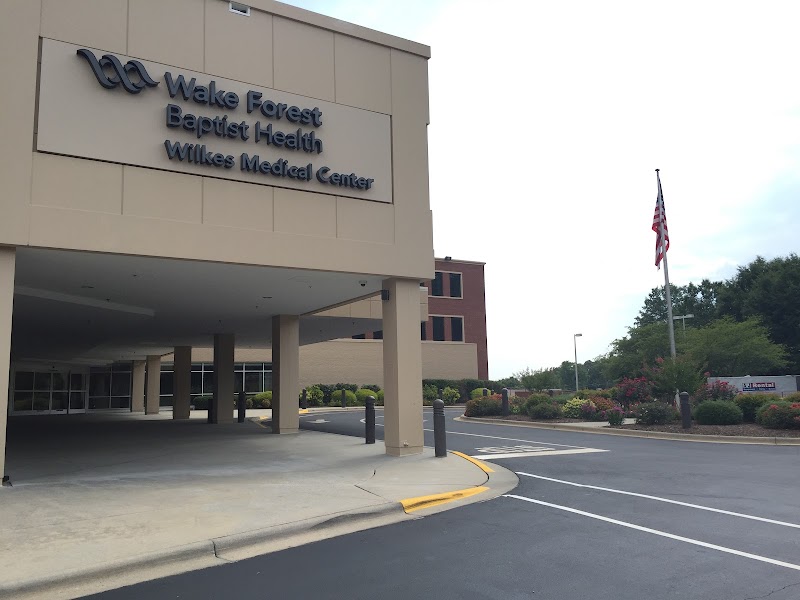
How is Wilkes Regional Medical Ctr Sn Staffed?

CMS rates WILKES REGIONAL MEDICAL CTR SN's staffing level at 5 out of 5 stars, which is much above average compared to other nursing homes. Staff turnover is 23%, compared to the North Carolina average of 46%. This relatively stable workforce can support continuity of care.

What Have Inspectors Found at Wilkes Regional Medical Ctr Sn?

State health inspectors documented 14 deficiencies at WILKES REGIONAL MEDICAL CTR SN during 2024 to 2025. These included: 14 with potential for harm.
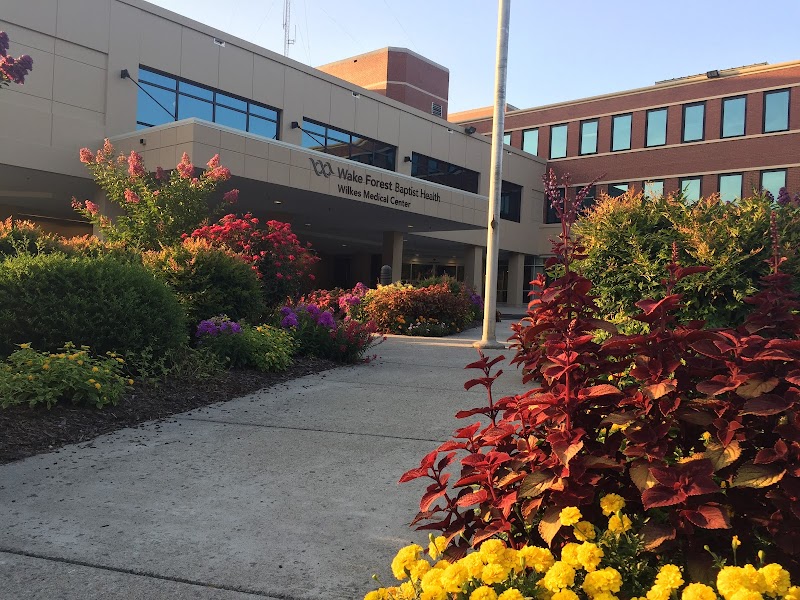
Who Owns and Operates Wilkes Regional Medical Ctr Sn?

WILKES REGIONAL MEDICAL CTR SN is owned by a non-profit organization. Non-profit facilities reinvest revenue into operations rather than distributing to shareholders. The facility is operated by ATRIUM HEALTH, a chain that manages multiple nursing homes. With 10 certified beds and approximately 7 residents (about 70% occupancy), it is a smaller facility located in NORTH WILKESBORO, North Carolina.

How Does Wilkes Regional Medical Ctr Sn Compare to Other North Carolina Nursing Homes?

Compared to the 100 nursing homes in North Carolina, WILKES REGIONAL MEDICAL CTR SN's overall rating (4 stars) is above the state average of 2.8, staff turnover (23%) is significantly lower than the state average of 46%, and health inspection rating (2 stars) is below the national benchmark.

What Should Families Ask When Visiting Wilkes Regional Medical Ctr Sn?

Based on this facility's data, families visiting should ask: "Can I visit during a mealtime to observe dining assistance and food quality?" "How do you handle medical emergencies, and what is your hospital transfer rate?" "Can I speak with family members of current residents about their experience?"

Is Wilkes Regional Medical Ctr Sn Safe?

Based on CMS inspection data, WILKES REGIONAL MEDICAL CTR SN has a clean safety record: no substantiated abuse findings (meaning no confirmed cases of resident harm), no Immediate Jeopardy citations (the most serious violation level indicating risk of serious injury or death), and is not on the Special Focus Facility watch list (a federal program monitoring the lowest-performing 1% of nursing homes). The facility has a 4-star overall rating and ranks #1 of 100 nursing homes in North Carolina. While no facility is perfect, families should still ask about staff-to-resident ratios and recent inspection results during their visit.

Do Nurses at Wilkes Regional Medical Ctr Sn Stick Around?

Staff at WILKES REGIONAL MEDICAL CTR SN tend to stick around. With a turnover rate of 23%, the facility is 23 percentage points below the North Carolina average of 46%. Low turnover is a positive sign. It means caregivers have time to learn each resident's needs, medications, and personal preferences. Consistent staff also notice subtle changes in a resident's condition more quickly. Registered Nurse turnover is also low at 25%, meaning experienced RNs are available to handle complex medical needs.

Was Wilkes Regional Medical Ctr Sn Ever Fined?

WILKES REGIONAL MEDICAL CTR SN has no federal fines on record. CMS issues fines when nursing homes fail to meet care standards or don't correct problems found during inspections. The absence of fines suggests the facility has either maintained compliance or corrected any issues before penalties were assessed. This is a positive indicator, though families should still review recent inspection reports for the full picture.

Is Wilkes Regional Medical Ctr Sn on Any Federal Watch List?

WILKES REGIONAL MEDICAL CTR SN is not on any federal watch list. The most significant is the Special Focus Facility (SFF) program, which identifies the bottom 1% of nursing homes nationally based on persistent, serious quality problems. Not being on this list means the facility has avoided the pattern of deficiencies that triggers enhanced federal oversight. This is a positive indicator, though families should still review the facility's inspection history directly.