Ridge Valley Center for Nursing and Rehabilitation
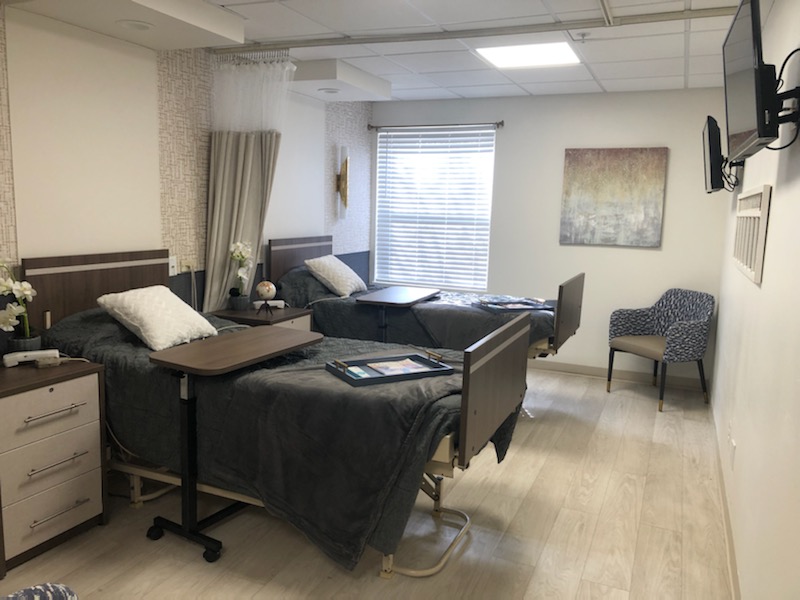
1000 College Street, Wilkesboro, NC 28697 (336) 838-4141
For profit - Limited Liability company 120 Beds SIMCHA HYMAN & NAFTALI ZANZIPER Data: November 2025 9 Immediate Jeopardy citations
Trust Grade
0/100
#381 of 417 in NC
Last Inspection: September 2024

Within standard 12-15 month inspection cycle. Federal law requires annual inspections.

Overview

Ridge Valley Center for Nursing and Rehabilitation has a Trust Grade of F, indicating significant concerns about the facility's care and operations. It ranks #381 out of 417 facilities in North Carolina, placing it in the bottom half, and is the lowest-rated option in Wilkes County. While the facility is showing some improvement, as issues have decreased from 10 in 2024 to 3 in 2025, it still reported a troubling 57 deficiencies during inspections, with 9 being critical. Staffing is average with a turnover rate of 46%, slightly below the state average, and the facility faces concerning fines of $271,541, which is higher than 95% of other facilities in North Carolina. Specific incidents include the lack of basic lifesaving equipment during cardiac emergencies, putting residents at risk, and a failure to follow proper fall prevention protocols for residents with a history of falls, highlighting both serious weaknesses and the need for consistent oversight.
Trust Score
F
0/100
In North Carolina
#381/417
Bottom 9%
Safety Record
High Risk
Review needed
Inspections
Getting Better
10 → 3 violations
Staff Stability
⚠ Watch
46% turnover. Above average. Higher turnover means staff may not know residents' routines.
Penalties
✓ Good
$271,541 in fines. Lower than most North Carolina facilities. Relatively clean record.
Skilled Nurses
○ Average
Each resident gets 36 minutes of Registered Nurse (RN) attention daily — about average for North Carolina. RNs are the most trained staff who monitor for health changes.
Violations
⚠ Watch
57 deficiencies on record. Higher than average. Multiple issues found across inspections.
★☆☆☆☆
1.0
Overall Rating
★★★☆☆
3.0
Staff Levels
★☆☆☆☆
1.0
Care Quality
★☆☆☆☆
1.0
Inspection Score
Stable
2024: 10 issues
2025: 3 issues

The Good

  • Full Sprinkler Coverage · Fire safety systems throughout facility
  • No fines on record

Facility shows strength in fire safety.

The Bad

1-Star Overall Rating

Below North Carolina average (2.8)

Significant quality concerns identified by CMS

Staff Turnover: 46%

Near North Carolina avg (46%)

Higher turnover may affect care consistency

Federal Fines: $271,541

Well above median ($33,413)

Significant penalties indicating serious issues

Chain: SIMCHA HYMAN & NAFTALI ZANZIPER

Part of a multi-facility chain

Ask about local staffing decisions and management

The Ugly 57 deficiencies on record

9 life-threatening 3 actual harm
Jul 2025 2 deficiencies
CONCERN (D) 📢 Someone Reported This

A family member, employee, or ombudsman was alarmed enough to file a formal complaint

Potential for Harm - no one hurt, but risky conditions existed

Infection Control (Tag F0880)

Could have caused harm · This affected 1 resident

Based on observations, record reviews and staff interviews, the facility failed to identify the need for Enhanced Barrier Precautions (EBP) for Resident #2 with an unhealed surgical wound and failed t...

Read full inspector narrative →
Based on observations, record reviews and staff interviews, the facility failed to identify the need for Enhanced Barrier Precautions (EBP) for Resident #2 with an unhealed surgical wound and failed to implement their infection control policy when Nurse #2 did not apply a gown when performing wound care for Resident #2. In addition, Nurse #2 failed to change gloves and perform hand hygiene after cleansing wounds and applying the ordered dressing on Resident #2 and Resident #3. This occurred for 1 of 1 staff member observed for infection control practices. The findings included:Review of the facility's Enhanced Barrier Precautions policy dated 2025 revealed: It is the policy of this facility to implement enhanced barrier precautions for the prevention of transmission of multidrug-resistant organisms. 2. Initiation of EBP: b. An order for enhanced barrier precautions will be obtained for residents for unhealed surgical wounds.Review of the facility's Hand Hygiene policy dated 2025 revealed: All staff will perform proper hand hygiene procedures to prevent the spread of infection to other personnel, residents and visitors. 1. Staff will perform hand hygiene when indicated using proper technique consistent with accepted standards of practice. 2. Hand hygiene is indicated and will be performed under the conditions listed in but not limited to the attached hand hygiene table. 6. The use of gloves does not replace hand hygiene. If your tasks require gloves, perform hand hygiene prior to donning gloves and immediately after removing gloves.Review of the facility's policy for Clean Dressing Change dated 2024, revealed: It is the policy of this facility to provide wound care in a manner to decrease potential for infection and/or cross contamination. 9. Loosen the tape and remove the existing dressing. 10. Remove gloves pulling inside out over the dressing and discard into appropriate receptacle. 11. Wash hands and put on clean gloves.1. An observation was made of Nurse #2 performing a surgical wound dressing change to Resident #2 on 07/16/25 at 2:50 PM. There was no EBP sign posted on or near the Resident's door. The Nurse sanitized her hands and donned gloves but did not don a gown, then proceeded to remove the existing dressing from the back of Resident #2's neck. Without removing her gloves and performing hand hygiene and applying new gloves, the Nurse proceeded to pick up the gauze soaked with wound cleanser and cleansed the wound. Nurse #2 then removed her gloves and performed hand hygiene and applied new gloves then applied the ordered dressing and secured it with a border dressing. The Nurse then removed her gloves and performed hand hygiene.An interview was conducted with Nurse #2 on 07/16/27 at 3:20 PM. The Nurse acknowledged there was no EBP sign posted on or around Resident #2's door. The Nurse was asked if a surgical wound constituted EBP and the Nurse stated she honestly did not know because it had been changed several times. The Nurse stated if Resident #2 should have been on EBP then she was aware that she should have applied a gown as well as gloves. Nurse #2 was asked to retrace the steps of the dressing change process and when the Nurse stated that she removed the old dressing she immediately stated she did not change her gloves and wash her hands, and she should have. The Nurse stated she just forgot the change her gloves. An interview was conducted with the Infection Preventionist (IP) on 07/16/25 at 3:35 PM. The IP explained that it was her responsibility to manage the infection control system in the facility, but she had not been doing it for long. The IP stated surgical wounds should have EBP posted, and it was an oversight on her part that Resident #2 did not have an EBP sign posted on her door. She stated Nurse #2 should have donned both gloves and gown for the dressing change procedure.During an interview with the Director of Nursing (DON) on 07/16/25 at 5:45 PM the DON acknowledged that there was no EBP sign posted on Resident #2's door and stated per the facility's policy on EBP there should have been a sign posted to inform the staff that the EBP should be followed. The DON indicated Nurse #2 should have changed her gloves and performed hand hygiene after she removed the old dressing.2. An observation was made of Nurse #2 performing a wound (skin tear) dressing change to Resident #3 on 07/16/25 at 3:10 PM. The Nurse sanitized her hands and donned gloves then proceeded to remove the existing dressing from the Residents left shin which was saturated with serosanguinous (bloody) drainage. Without removing her gloves and performing hand hygiene and applying new gloves, the Nurse proceeded to pick up the gauze soaked with wound cleanser and cleansed the wound. Nurse #2 then removed her gloves and performed hand hygiene and applied new gloves then applied the ordered dressing and secured it with a border dressing. The Nurse then removed her gloves and performed hand hygiene.An interview was conducted with Nurse #2 on 07/16/27 at 3:20 PM. Nurse #2 was asked to retrace the steps of the dressing change process and when the Nurse stated that she removed the old dressing she immediately stated she did not change her gloves and wash her hands just like she did not change them with the other dressing change, and she should have. The Nurse stated she just forgot to change her gloves.An interview was conducted with the Infection Preventionist (IP) on 07/16/25 at 3:35 PM. The IP explained that it was her responsibility to manage the infection control system in the facility, but she had not been doing it for long. The IP stated Nurse #2 should have changed her gloves and sanitized her hands after she removed the old dressing from Resident #3's shin.During an interview with the Director of Nursing (DON) on 07/16/25 at 5:45 PM the DON stated Nurse #2 should have changed her gloves and performed hand hygiene after she removed the old dressing from Resident #3's shin.
MINOR (B) 📢 Someone Reported This

A family member, employee, or ombudsman was alarmed enough to file a formal complaint

Minor Issue - procedural, no safety impact

Medical Records (Tag F0842)

Minor procedural issue · This affected multiple residents

**NOTE- TERMS IN BRACKETS HAVE BEEN EDITED TO PROTECT CONFIDENTIALITY** Based on record reviews and staff interviews, the facility failed to maintain an accurate Treatment Administration Record (TAR) ...

Read full inspector narrative →
**NOTE- TERMS IN BRACKETS HAVE BEEN EDITED TO PROTECT CONFIDENTIALITY** Based on record reviews and staff interviews, the facility failed to maintain an accurate Treatment Administration Record (TAR) for 1 of 3 residents (Resident #1) reviewed for wound care.The findings included:Resident #1 was admitted to the facility on [DATE] with diagnoses that included diabetes mellitus and bilateral below knee amputations (BKKA).Review of Resident #1's medical record revealed a physician order start date of 06/18/25 to cleanse the left below knee amputation (BKA) incision with wound cleanser then apply a petrolatum dressing (a wound dressing made of a fine mesh gauze infused with petrolatum and 3% bismuth and tribromophenate blend) then secure with gauze wrap and ACE bandage daily and as needed. The medical record also included a physician order for a start date of 06/19/25 for the right BKA to cleanse the incision with wound cleanser then apply a petrolatum dressing then secure with gauze wrap and ACE bandage daily and as needed.Review of Resident #1's 06/2025 TAR revealed there was no documentation on 06/21/25, 06/25/25, 06/27/25, 06/27/28, 06/28/25, 06/29/25 and 06/30/25 to indicate the treatment was completed as ordered.Review of Resident #1's medical record revealed a physician start date of 07/04/25 to cleanse the left BKA incision with wound cleanser then paint with betadine then apply a petrolatum dressing and secure with gauze wrap and ACE bandage daily and as needed. The medical record also included a physician order for a start date of 07/04/25 for the right BKA to cleanse the incision with wound cleanser then paint the incision with betadine then apply a petrolatum dressing then secure with gauze wrap and ACE bandage daily and as needed.Review of Resident #1's Treatment Administration Record (TAR) for 07/2025 revealed there was no documentation on 07/04/25 and 07/05/25 that the treatments had been completed as ordered.Attempts were made to interview Nurse #1 who worked on 06/21/25 but the attempts were unsuccessful.An interview was conducted on 07/16/25 with Nurse #2 who confirmed she worked on 06/25/25 for the day shift (7:00 AM - 7:00 PM). The Nurse explained that she normally signed off her treatments after she completed them, but she was really busy towards the end of June but ensured she completed the treatment as ordered.An interview was conducted on 07/16/25 at 9:30 AM with Nurse #3 who confirmed she worked the day shift on 06/27/25, 06/28/25, 06/29/25, 07/02/25 and 07/03/25. The Nurse explained that it took her several days to learn the facility's electronic medical record and that she had to go to the TAR to sign off for the treatments, but Nurse #3 assured that the treatments were completed as ordered.An interview was conducted with Nurse #4 on 07/17/25 at 10:20 AM who confirmed she worked 06/30/25, 07/04/25 and 07/05/25 on the day shift. The Nurse explained that she was aware of Resident #1's bilateral BKA (BBKA) stump dressings and assured the dressings were completed but she forgot to sign off on the TAR. During an interview with the Director of Nursing (DON) on 07/16/25 at 5:45 PM the DON reported that she educated nurses to sign off for the treatments as they completed them and that was her expectation. The DON stated that the treatments were being done.
Jan 2025 1 deficiency
CONCERN (D) 📢 Someone Reported This

A family member, employee, or ombudsman was alarmed enough to file a formal complaint

Potential for Harm - no one hurt, but risky conditions existed

Deficiency F0761 (Tag F0761)

Could have caused harm · This affected 1 resident

**NOTE- TERMS IN BRACKETS HAVE BEEN EDITED TO PROTECT CONFIDENTIALITY** Based on observation, record review, and staff interviews, the facility failed to secure an opened tube and an opened container ...

Read full inspector narrative →
**NOTE- TERMS IN BRACKETS HAVE BEEN EDITED TO PROTECT CONFIDENTIALITY** Based on observation, record review, and staff interviews, the facility failed to secure an opened tube and an opened container of topical ointment for 1 of 1 Resident reviewed for medication storage. (Resident #3). The findings included: Resident #3 was admitted to the facility on [DATE]. The annual Minimum Data Set (MDS) assessment dated [DATE] coded Resident #3 with an intact cognition. During an observation conducted on 01/08/25 at 10:53 AM, an opened tube containing approximately 1.5 ounces of zinc oxide ointment 20 % (a topical ointment for treating or preventing skin irritation related to diaper rash) was found unattended on top of the over-bed table in Resident #3's room. A further observation revealed another opened container of zinc oxide ointment with the same strength with approximately 3 ounces remaining in the container left unattended on top of Resident #3's bedside table. An interview was conducted with Resident #3 on 01/08/25 at 10:55 AM. She stated the ointments were for her diaper rash and she was dependent on the staff to apply the ointment for her. She added these ointments had been left unattended in her room for at least 2 weeks. During an interview conducted on 01/08/25 at 11:00 AM, Nurse #1 confirmed the zinc oxide ointments were for Resident #3 and nurse aides (NAs) had been using it to apply to the buttock areas for treatment or prevention of diaper rash. She stated the ointments should be kept in the wound care medication cart instead of leaving them unattended in Resident #3's room. She did not notice the ointments were in Resident #3's room when she did medication pass on 01/08/25 in the morning. An interview was conducted with NA #1 on 01/08/25 at 11:03 AM. She recalled providing care for Resident #3 in her room on 01/08/25 in the morning around 9:00 - 9:30 AM. She noticed the container of zinc oxide was sitting on the bedside table next to Resident #3's bed. She stated she did not know that zinc oxide ointment was not supposed to be left unattended. Otherwise, she would have reported the findings to the hall nurse. During an interview conducted with the Director of Nursing (DON) on 01/08/25 at 11:09 AM, she confirmed Resident #3 was dependent on the staff to apply zinc oxide ointment to her buttock areas. She expected all the zinc oxide ointments to be kept in the wound care medication cart. It was her expectation for the facility to remain free of unattended medications. An interview was conducted with the Administrator on 01/08/25 at 4:08 PM. She expected all the medications to be stored in the wound care medication cart or medication storage room to ensure the facility was free of unattended medications.
Sept 2024 10 deficiencies
CONCERN (D) 📢 Someone Reported This

A family member, employee, or ombudsman was alarmed enough to file a formal complaint

Potential for Harm - no one hurt, but risky conditions existed

Resident Rights (Tag F0550)

Could have caused harm · This affected 1 resident

**NOTE- TERMS IN BRACKETS HAVE BEEN EDITED TO PROTECT CONFIDENTIALITY** Based on record review and staff and resident interviews, the facility failed to treat a resident with respect and dignity when ...

Read full inspector narrative →
**NOTE- TERMS IN BRACKETS HAVE BEEN EDITED TO PROTECT CONFIDENTIALITY** Based on record review and staff and resident interviews, the facility failed to treat a resident with respect and dignity when Nurse #3 told a resident (Resident #48) that he would not be sent out to the hospital after he yelled that he was uncomfortable and felt that no one was helping him. The facility also failed to treat a resident with respect and dignity when the facility failed to address unwanted facial hair on a resident (Resident #20) This was for 2 of 6 residents reviewed for treating residents with respect and dignity. The findings included: 1. Resident #48 was admitted to the facility on [DATE] with diagnoses that included anxiety disorder, paraplegia, and chronic pain syndrome. A review of Resident #48's quarterly Minimum Data Set assessment dated [DATE] revealed Resident #48 was cognitively intact with no delusions, behaviors, or rejection of care. During an interview with Resident #48 on 09/04/24 at 2:15 PM revealed he had been feeling bad on 08/21/24 with some pain in his upper back. Resident #48 reported he was seen by the Physician Assistant (PA) #1 earlier in the day who prescribed him some medication that she thought would help. He stated the day progressed and in the early evening he started to have worsening discomfort not just in his back but also in his chest accompanied by some shortness of breath. He reported he rang his call light, and Nurse Aide (NA) #5 came in his room and checked on him. He stated he told NA #5 about his worsening chest pain and shortness of breath, and she told him she would immediately go tell his nurse (Nurse #3). Resident #48 called 911. Resident #48 reported once he hung up with 911, Nurse #3 came to the room. He reported he was scared and hurting and yelled stating his chest was tight and that he was not ok. Resident #48 admitted he was loud in his communication with Nurse #3 but insisted it was due to him being scared. Resident #48 reported Nurse #3 responded by telling him he was not going to speak to her like that and that she would not send him out and he could just sit there. Resident #48 reported the interaction made him feel like he did not matter and was afraid that he would not get the help he felt he needed. Resident #48 reported after the interaction, Nurse #3 left his room, and he decided he would call 911 again. Resident #48 reported when he spoke with the 911 operator, he told them he was not ok and was having chest discomfort and shortness of breath. Resident #48 stated Emergency Medical Services (EMS) did arrive shortly after and took him to the hospital. An interview with NA #5 was conducted on 09/04/24 at 2:57 PM revealed she could not recall how she ended up in Resident #48's room on the evening of 08/21/24 but stated he reported to her that he was hurting badly in his back and chest. NA #5 reported Resident #48 appeared red-faced during this interaction, and she immediately left his room and went and reported Resident #48's condition and his request to go to the hospital to Nurse #3. NA #5 reported Nurse #3 was at the nurse's station at that time and told her that she would go down to Resident #48's room. NA #5 also stated she remembered hearing some conversation between Resident #48 and Nurse #3 while she was in a room across the hall but stated she could not make out what they were talking about. NA #5 reported EMS did arrive at the facility after she took Resident #48's vital signs and transported him to the hospital. An interview with Nurse #3 on 09/04/24 at 2:37 PM revealed she was the nurse assigned to Resident #48 on 08/21/24. She reported she was aware that Resident #48 had been seen by PA #1 earlier in the day for some pain in his back. She stated later in the day she was made aware by NA #5 that Resident #48 was complaining of pain. She stated she when she went down to the room to check on him, Resident #48 was agitated and was complaining of heaviness in his chest. She reported when she was trying to speak to Resident #48 about his complaints, he was very agitated and began beating on his chest and yelling no one here will help me! Nurse #3 reported at that point, she decided to remove herself from the room and asked NA #5 to get his vital signs. Nurse #3 insisted she never told Resident #48 that she would not send him out and that he was fine. She also indicated she felt her interactions with Resident #48 remained respectful throughout. Nurse #3 insisted that after she left Resident #48's room, she contacted the on-call provider and received an order to send Resident #48 to the hospital. She also reported she contacted EMS via telephone and requested them to come transfer Resident #48 to the hospital. An interview with the DON on 09/06/24 at 12:23 PM revealed she was not in the facility at the time of the incident but stated she was aware that Resident #48 had called EMS for assistance on the evening of 08/21/24. She reported Resident #48 did not have a history of behaviors and was cognitively intact. The DON reported Resident #48 had been seen earlier in the day by PA #1 for some mild upper back pain. The DON stated it did not matter if a resident was agitated, combative, or rude, he should have been treated with respect and understanding and that Nurse #3 should have never told him he was fine and he was not going to be sent out if Resident #48 was in pain or was requesting to be transferred. An interview with the Administrator on 09/06/24 at 2:55 PM revealed she was aware of the incident and that she was familiar with Resident #48. She reported Resident #48 did not have a history of behaviors and was cognitively intact. She reported she expected her staff to treat all residents with respect and dignity and she would have expected Nurse #3 to speak to Resident #48 in a respectful and dignified manner while trying to calm him down and reassure him that he would be taken care of. 2. Resident #20 was admitted to the facility on [DATE]. The quarterly Minimum Data Set (MDS) assessment dated [DATE] revealed Resident #20 was cognitively intact and required substantial to maximal assistance of one staff for personal hygiene which included shaving. On 09/03/24 at 12:48 PM an observation and interview were made of Resident #20 who was lying in her bed. The Resident was noted to have black and gray hairs approximately one eighth of an inch long that covered her chin and neck. Resident #20 was asked about the hairs and the Resident stated she got a bed bath on Sunday 09/01/24, (her choice) and if she did not request to be shaved, then she would not be shaved by staff. She stated she did not know why she was not shaved on Sunday 09/01/24. Resident #20 voiced the last time she was shaved was her last bed bath on 08/25/24. When the Resident was asked about her facial hair, she hid her face with her right hand and explained her facial hair grew fast and it was embarrassing to her. She stated she always shaved her facial hair to prevent the growth of a beard and while shielding her face with her hand she explained that it made her feel lesser of a woman. An observation was made on 09/04/24 at 9:15 AM of Resident #20 lying in bed sleeping. The facial hair remained unchanged. On 09/04/24 at 3:18 PM an interview was conducted with Nurse Aide (NA) #5 who explained that Resident #20 was alert and oriented and voiced her wants and needs. The NA continued to explain that he was assigned to Resident #20 on both Saturday 08/31/24 and Sunday 09/01/24 and received assistance of 2 other staff to provide the Resident's scheduled bed bath on Sunday. The NA stated that he first noticed the Resident's facial hair on Saturday (08/31/24), and he told Resident #20 on both Saturday and Sunday that he would shave her but there were no razors available to shave her with. The NA remarked that Resident #20 asked to be shaved on Sunday during her bed bath, but he knew there were no razors to shave her with. An interview was conducted with the Central Supply Clerk on 09/04/24 at 4:09 PM. The Central Supply Clerk explained that she was responsible for ordering medical supplies and she obtained the inventory and ordered the supplies once a week on Tuesday and the supplies arrived at the facility on Friday. She continued to explain that occasionally the delivery truck did not make the delivery on Friday and would usually come on the following Monday but the past Monday, 09/02/24 was a holiday and the delivery truck was delayed. The Central Supply Clerk confirmed there were no razors available to be used over the weekend and the Administrator obtained razors at a local store on Monday 09/02/24. An observation was made of Resident #20 on 09/05/24 at 11:00 AM. The Resident was noted to be clean shaven, and the Resident smiled and stated, thank you. On 09/06/24 at 2:39 PM an interview was conducted with the Administrator who confirmed she obtained razors from a local store on Monday 09/02/24 when she was notified that there were no razors in the facility. She indicated not being able to shave a resident because of running out of razors was unacceptable and they would have to review the system on how supplies were ordered to prevent that from happening again.
CONCERN (D)

Potential for Harm - no one hurt, but risky conditions existed

Deficiency F0578 (Tag F0578)

Could have caused harm · This affected 1 resident

**NOTE- TERMS IN BRACKETS HAVE BEEN EDITED TO PROTECT CONFIDENTIALITY** Based on record review, staff interview, and Nurse Practitioner (NP) interviews the facility failed to ensure a resident's code ...

Read full inspector narrative →
**NOTE- TERMS IN BRACKETS HAVE BEEN EDITED TO PROTECT CONFIDENTIALITY** Based on record review, staff interview, and Nurse Practitioner (NP) interviews the facility failed to ensure a resident's code status election was accurate throughout the medical record (Resident #25) and failed to ensure an advanced directive form was signed by the Resident or Responsible Party (RP) (Resident #60) for 2 of 3 residents reviewed for advanced directives (Resident #25 and Resident #60). The findings included: 1) Resident #25 was admitted to the facility on [DATE]. A review of a physician's order dated [DATE] revealed Resident #25 was a Do Not Resuscitate (DNR). A review of a Medical Orders for Scope of Treatment form (MOST) dated [DATE] revealed Resident #25 wished to be a DNR with a limited scope of treatment. A review of a care plan dated [DATE] revealed Resident #25 had an advanced directive and chose to be a DNR with an intervention that included to honor Resident #25's choice to be a full code. A review of a quarterly Minimum Data Set (MDS) assessment dated [DATE] revealed Resident #25 was moderately cognitively impaired. An interview was conducted on [DATE] at 11:57 am with Nurse #1. Nurse #1 stated when a resident was admitted to the facility the hall nurse verified if the resident wanted to be a full code or a DNR and completed a MOST form. Nurse #1 stated that the MDS Nurse typically entered the code status and advanced directive information on the care plan. Nurse #1 stated the information on the MOST form, care plan, and physician orders should match. Nurse #1 stated she was unsure why Resident #25 was care planned as a full code and stated she should not have been. An interview was conducted on [DATE] at 8:40 am with the Nurse Practitioner (NP). The NP stated when a resident was admitted to the facility she discussed code status with the resident. The NP stated she also discussed code status annually, as changes in condition occurred, or if a resident expressed a desire to change their code status. The NP stated she documented code status in her notes and there was an order for code status in the chart. The NP stated that the code status on the MOST form, care plan, and physician's order should match, and she was not sure why Resident #25 had a care plan for a full code. An interview was conducted on [DATE] at 9:27 am with the MDS Nurse. The MDS Nurse stated the care plan was initially entered by the MDS Nurse and could be changed by the hall nurse if there was a change. The MDS Nurse stated that code status should be consistent throughout the record, and she was unsure why Resident #25 was care planned as a full code. An interview was conducted on [DATE] at 1:10 pm with the Director of Nursing (DON). The DON stated that on admission the nurse reviewed code status with the resident or Responsible Party (RP) and completed the MOST form. The DON stated the resident, or RP signed the MOST form after the form was completed. The DON stated if the provider was not in the building, nursing staff called and obtained a verbal order until the MOST form was signed. The DON stated the physician's order, MOST form, and the care plan should all match. The DON stated she assumed the care plan entry had been an oversight when Resident #25 changed from full code to DNR status and stated the care plan should have been changed to reflect the resident's wishes. 2) Resident #60 was admitted to the facility on [DATE]. A review of a MOST form dated [DATE] revealed Resident #60 wished to be a Do Not Resuscitate (DNR) with limited additional interventions, to determine the use or limitations of antibiotics when infection occurred, and to have intravenous (IV) fluids long-term if indicated. The MOST form was signed by the former Medical Doctor (MD) and did not have a resident or Responsible Party (RP) signature. A review of a quarterly MDS assessment dated [DATE] revealed Resident #60 was moderately cognitively impaired. A review of a care plan dated [DATE] revealed Resident #60 wished to be a Do Not Resuscitate (DNR) with interventions which included not initiating cardiopulmonary resuscitation (CPR) and only performing limited interventions according to the MOST form. An interview was conducted on [DATE] at 11:57 am with Nurse #1. Nurse #1 stated when a resident was admitted to the facility the hall nurse verified if the resident wanted to be a full code or a DNR and completed a MOST form. Nurse #1 stated the resident, or RP signed the MOST form after it was completed. Nurse #1 stated the nurse then had the provider sign the MOST form if they were in the building, or the nurse called the provider and obtained a verbal order for code status until the paper was signed. Nurse #1 stated the resident, or RP signed the MOST form after completion. Nurse #1 stated she was not aware that the resident or RP had not signed Resident #60's MOST form and stated they should have. Nurse #1 stated the MOST form was not valid without a signature from the resident or RP and Resident #60 was considered a full code until it was signed. An interview was conducted on [DATE] at 8:40 am with the NP. The NP stated when a resident was admitted to the facility she discussed code status with the resident. The NP stated she also discussed code status annually, as changes in condition occurred, or if a resident expressed a desire to change their code status. The NP stated she documented code status in her notes and there was an order for code status in the chart. The NP stated she was not aware Resident #60 or the RP had not signed the MOST form and stated the form was not valid without their signature and would be considered a full code. The NP stated she was not sure why it had not been signed. An interview was conducted on [DATE] at 1:10 pm with the DON. The DON stated that on admission the nurse reviewed code status with the resident or RP and completed the MOST form. The DON stated the resident, or RP signed the MOST form after the form was completed. The DON stated if the provider was not in the building, nursing staff called and obtained a verbal order until the MOST form was signed. The DON stated the MOST form should be signed by the resident or RP and was not aware that Resident #60's MOST form had not been signed and stated that it should have been.
CONCERN (D)

Potential for Harm - no one hurt, but risky conditions existed

Deficiency F0604 (Tag F0604)

Could have caused harm · This affected 1 resident

**NOTE- TERMS IN BRACKETS HAVE BEEN EDITED TO PROTECT CONFIDENTIALITY** Based on record review and staff interview the facility failed to protect Resident #125 from being physically restrained by Nurs...

Read full inspector narrative →
**NOTE- TERMS IN BRACKETS HAVE BEEN EDITED TO PROTECT CONFIDENTIALITY** Based on record review and staff interview the facility failed to protect Resident #125 from being physically restrained by Nurse Aide #2 when Resident #125 had terminal agitation and was attempting to sit up in bed for 1 of 3 residents reviewed for employee to resident abuse. Nurse Aide #2 used her hand to push Resident #125's head back into the pillow in an attempt to keep him in the bed. The findings included: Resident #125 was admitted to the facility on [DATE] and expired on [DATE]. Resident #125's diagnoses included malignant neoplasm of lung and skin, and anxiety. The admission Minimum Data Set (MDS) dated [DATE] revealed that Resident #125 was cognitively intact and required supervision with transfers. There was no behaviors or rejection of care noted during the assessment reference period. The MDS also revealed that Resident #125 had a prognosis of less than 6 months to live and received hospice care. Review of an initial allegation report dated [DATE] at 4:25 AM read, staff reported that Nurse Aide (NA) #2 handled Resident #125 roughly during the provision of care. The initial allegation report was completed by Former Administrator #1. NA #2 was interviewed via phone on [DATE] at 11:40 AM. NA #2 confirmed that she was working the night shift on [DATE]. She stated she was walking past Resident #125's room and found him lying flat on the floor with urine all around him. NA #2 stated she requested assistance from the nurse but could not recall who that was, but no one came to the room for a while. NA #2 stated that while she was in Resident #125's room waiting for other staff to assist she went ahead and got Resident #125 off the floor and back into bed and was in the process of getting him cleaned up when NA #3 and NA #4 came in to assist. NA #2 stated that while she and NA #3 and NA #4 were cleaning up Resident #125 the Resident kept trying to sit up and get out of bed. She stated, I put my hand on his head and kinda of pushed him back and told him to stay in the bed. NA #2 added that after they had finished cleaning up Resident #125, she returned to his room a few times after that and each time Resident #125 was trying to sit up or get out of bed and she again stated, I put my hand on top of his head/forehead and pushed his head back to the pillow to keep him from getting up. NA #2 stated I had no intentions of hurting him and did not think her actions could have been perceived as rough. NA #2 also stated she tried rubbing Resident #125's head to help him settle down but it was not effective. NA #2 further stated that shortly after the incident Nurse #2 told her that she needed to leave the facility due to an allegation of abuse and not to return to the facility. NA #3 was interviewed via phone on [DATE] at 2:43 PM. NA #3 confirmed that she was working the night shift on [DATE] along with NA #2 and NA #4. NA #3 stated she recalled that she, NA #2 and NA #4 were in Resident #125's room and NA #2 had assisted Resident #125 from the floor to the bed after NA #3 and NA #4 had changed the sheets on the bed. NA #3 stated once Resident #125 was back in bed he continued to try and sit up and NA #2 kept putting her fingertips on Resident #125's forehead and pushing his head back onto the pillow. After a few times of that NA #3 stated that NA #2's actions seemed harsh and I left the room to get Nurse #2 because NA #2 was being too rough. NA #3 stated when she left the room to get Nurse #2, she was on the phone, so she went and alerted Nurse #3 of what had occurred. She added that after she reported the incident, she did not recall going back to Resident #125's room and stated NA #2 and NA #4 finished getting the room cleaned up before leaving. Very soon after she reported the incident NA #2 was asked to leave the facility and did not finish her shift. Attempts to speak to NA #4 were made on [DATE] and [DATE] and were unsuccessful. A handwritten statement from NA #4 dated [DATE] read in part, once the resident {Resident #125} was on the bed NA #3 began putting the clean linen on while I got a brief out of the closet. At this time the resident {Resident #125} tried to sit up and NA #2 held him down preventing him from raising up. We finished placing the brief on the resident and got him comfortable and I stayed with resident while {NA #2} went and got our nurse. We reported what we had witnessed. The statement was signed by NA #4. Nurse #2 was interviewed via phone on [DATE] at 12:10 PM who confirmed that she was working the night shift on [DATE]. She stated she was on the phone with hospice trying to get something for Resident #125 when NA #2 approached her about something. Because she was on the phone NA #2 went and got Nurse #3 but after the phone call was over Nurse #2 stated she went and got the rundown of what had occurred. It was reported that Resident #125 had fallen, and they got him back to the bed and NA #2 had grabbed him by his face and forcefully pushed his head back down repeatedly. Nurse #2 stated when she heard what had happened, she immediately reported the incident to Former Administrator #1 who instructed her to send NA #2 home. Nurse #2 stated that NA #3 reported the force that NA #2 used to push Resident #125's head back made her sick to her stomach and caught her off guard. Nurse #2 stated she sent NA #2 home and then she went to check on Resident #125. She stated she was concerned about a head injury due to the report, but his neurological assessment was negative, and she could not identify any other injuries. Nurse #3 was interviewed via phone on [DATE] at 3:17 PM who confirmed that she was working the night shift on [DATE]. Nurse #3 stated that one of the NA's, but she could not recall which one reported that NA #2 had pushed Resident #125's head down into the bed and was being very rough with him. Nurse #3 stated that she and Nurse #2 went to Resident #125's room and Nurse #2 assessed Resident #125 and she escorted NA #2 out of the building. Nurse #3 stated she had the staff members write statements and gave them to Former Administrator #1. Former Administrator #1 was interviewed via phone on [DATE] at 3:04 PM who stated he could not recall the events of the incident. He stated that he was relieved of his duties during this investigation and Former Administrator #2 took over for him and maybe could recall the incident better than he could. Former Administrator #2 was interviewed via phone on [DATE] at 3:17 PM who stated that she was notified of the incident by Former Administrator #1 on [DATE]. She stated that when she arrived at the facility on [DATE] she realized that Administrator #1 was not taking the incident seriously and she relieved him of his duties and then took over the investigation. Former Administrator #2 stated that she began interviewing the involved staff members and through the investigation no one truly felt that anything was done wrong, it was more vindictive between the employees. She stated she honestly could not recall the whole situation but recalled one of the NAs put her fingertips on the top of Resident #125's head never with any pressure but she was trying to calm him down. During the investigation it was never brought to light that the NA who she could not recall forced Resident #125's head down and she unsubstantiated the incident. Administrator #2 stated that she did not feel like the NA was restraining Resident #125 and felt like one employee was out to get the other employee. The Director of Nursing (DON) was interviewed on [DATE] at 11:56 AM who stated she did not find out about the incident until [DATE] and she was very upset that Former Administrator #1 had not called her. The DON stated that Former Administrator #2 conducted all the interviews with the staff and felt that NA #2 had put Resident #125 in bed, and she had slipped in the urine that was on the floor which made the transfer appear rough and then she had her fingers on his head to hold him down because he was agitated and trying to get up that night. The DON stated Administrator #2 made it seem like NA #2 was trying to do the best thing for the resident but you can not hold them down. She stated she did not understand the thought process because when you step back and look at the interviews and statements NA #2 should not have held or pushed Resident #125's head back to the pillow. The DON stated she shared her thoughts with Administrator #2, but she continue to insist NA #2 was doing what was in the best interest of the resident.
CONCERN (D)

Potential for Harm - no one hurt, but risky conditions existed

Comprehensive Care Plan (Tag F0656)

Could have caused harm · This affected 1 resident

**NOTE- TERMS IN BRACKETS HAVE BEEN EDITED TO PROTECT CONFIDENTIALITY** Based on observations, record reviews, and staff and Nurse Practitioner (NP) interviews, the facility failed to develop and impl...

Read full inspector narrative →
**NOTE- TERMS IN BRACKETS HAVE BEEN EDITED TO PROTECT CONFIDENTIALITY** Based on observations, record reviews, and staff and Nurse Practitioner (NP) interviews, the facility failed to develop and implement a person-centered care plan for a resident on one-on-one supervision for 1 of 4 residents reviewed for development and implementation of a comprehensive care plan (Resident # 51). The findings included: Resident #51 was admitted to the facility on [DATE] with diagnoses which included dementia, disorientation (a state of confusion), and hallucinations (seeing/hearing something that is not there). A review of an admission Minimum Data Set (MDS) dated [DATE] revealed Resident #51 was severely cognitively impaired, had no behaviors, and no rejections of care. A review of the care plan dated 7/31/2024 revealed Resident #51 was at risk for elopement and wandering related to impaired safety awareness with interventions which included application of a wander guard and to address wandering behaviors. There was no care plan intervention related to one-on-one supervision. An observation was conducted on 9/3/2024 at 11:28 am of Resident #51. Resident #51 was sitting in a reclining chair beside of her bed holding a baby doll. There was a sitter at the resident's bedside. An interview was conducted on 9/4/2024 at 8:52 am with the NP. The NP stated Resident #51 had advanced dementia and behaviors. The NP stated the Regional Consultant instructed staff to place Resident #51 on one-on-one supervision. An interview was conducted on 9/4/2024 at 9:08 am with Nurse Aide (NA) #1. NA #1 stated she worked first shift (7:00 am to 7:00 pm) and was assigned to Resident #51. NA #1 stated Resident #51 had dementia and wandered around the facility. NA #1 stated Resident #51 was placed on one-on-one supervision because of behaviors. An interview was conducted on 9/4/2024 at 9:35 am with the Director of Nursing (DON). The DON stated Resident #51 was on hospice services and had behavioral issues. The DON stated Resident #51 was placed on one-on-one supervision to protect her dignity. An interview was conducted on 9/4/2024 at 9:56 am with the Regional Consultant. The Regional Consultant stated Resident #51 wandered the facility, however, was not exit seeking. The Regional Consultant stated she was initially placed on one-on-ones because she was giving her baby doll to other residents, then trying to take it back afterwards, and she was fearful another resident would take it the wrong way and try to hit Resident #51. The Regional Consultant stated after Resident #51 was initially placed on one-on-one supervision, she was treated for a urinary tract infection (UTI) and her behaviors subsided, and she was taken off one-on-one supervision. The Regional Consultant stated Resident #51 was placed back on one-on-one supervision after an incident to protect her dignity. The Regional Consultant stated Resident #51 was not care planned for one-on-one supervision because she was placed on it for dignity, not behaviors. An interview was conducted on 9/6/2024 at 9:27 am with the Minimum Data Set (MDS) Nurse. The MDS Nurse stated if a resident was on one-on-one supervision for an extended period that it should be care planned and stated if it needed to be care planned it should be documented under the interventions. The MDS Nurse was not sure why Resident #51 was not care planned for one-on-one supervision. The MDS Nurse stated the hall nurse should have updated the care plan to include one-on-one supervision after it was ordered. An interview was conducted on 9/6/2024 at 10:32 am with Nurse #1. Nurse #1 stated the care plan was placed and updated by the MDS Nurse. Nurse #1 stated if a resident was on one-on-one supervision, it should be care planned. Nurse #1 was unsure why Resident #51 was not care planned for one-on-one supervision and stated she should have been. An interview was conducted on 9/6/2024 at 1:04 pm with the DON. The DON stated the care plans were initiated and updated by the MDS Nurse. The DON stated one-on-one supervision should have been care planned for Resident #51 and stated she was not sure why the care plan had not been updated.
CONCERN (D) 📢 Someone Reported This

A family member, employee, or ombudsman was alarmed enough to file a formal complaint

Potential for Harm - no one hurt, but risky conditions existed

ADL Care (Tag F0677)

Could have caused harm · This affected 1 resident

**NOTE- TERMS IN BRACKETS HAVE BEEN EDITED TO PROTECT CONFIDENTIALITY** Based on observations, record reviews and resident and staff interviews, the facility failed to trim a dependent female resident...

Read full inspector narrative →
**NOTE- TERMS IN BRACKETS HAVE BEEN EDITED TO PROTECT CONFIDENTIALITY** Based on observations, record reviews and resident and staff interviews, the facility failed to trim a dependent female resident's facial hair for 1 of 6 residents (Resident #20) reviewed for activities of daily living (ADL). The finding included: Resident #20 was admitted to the facility on [DATE] with diagnoses that included heart failure, diabetes mellitus, chronic obstructive pulmonary disease and respiratory failure. A review of Resident #20's care plan revised 06/19/23 revealed the Resident had a self-care ADL deficit related to decreased mobility and disease process. The goal to maintain her current level of function would be attained by utilizing interventions which included providing extensive assistance of one staff with personal hygiene (shaving). The quarterly Minimum Data Set (MDS) assessment dated [DATE] revealed Resident #20 was cognitively intact and required substantial to maximal assistance of one staff for personal hygiene which included shaving. There was no documentation on the MDS that indicated Resident #20 rejected care. On 09/03/24 at 12:48 PM an observation and interview were made of Resident #20 who was lying in her bed. The Resident was noted to have facial hair that covered her chin and neck. Resident #20 explained that she received a bed bath on Sunday (09/01/24) and did not get a shaved even after she requested to be shaved. The Resident indicated she had to request to be shaved when she was given a bed bath otherwise, she would not be given a shave. Resident #20 stated she did not know why she did not get a shave on Sunday. An observation was made on 09/04/24 at 9:15 AM of Resident #20 lying in bed sleeping. The facial hair remained unchanged. An interview and observation were made with Resident #20 on 09/04/24 at 3:11 PM. The Resident explained that she received a bed bath once a week on Sunday and usually got a shave on the same day. Resident #20 still had a facial hair during the interview. On 09/04/24 at 3:18 PM an interview was conducted with Nurse Aide (NA) #5 who explained that Resident #20 was alert and oriented and voiced her wants and needs. The NA continued to explain that he was assigned to Resident #20 on both Saturday 08/31/24 and Sunday 09/01/24 and received assistance of 2 other staff to provide the Resident's scheduled bed bath on Sunday 09/01/24. The NA stated that he noticed the Resident's facial hair on Saturday 08/31/24, and he told Resident #20 on both Saturday and Sunday that he would shave her but there were no razors available to shave her with. He indicated he looked in the shower room and the central supply room on both days and there were no razors available to use. NA #5 stated Resident #20 does not refuse her bed baths or her shaves. At 09/04/24 at 4:00 PM NA #5 was accompanied to the central supply room to locate razors and there were several packages of razors in a bag labeled with a local store brand. The NA explained that the bag of razors was not in the central supply room on Saturday or Sunday. An interview was conducted with the Central Supply Clerk on 09/04/24 at 4:09 PM. The Clerk explained that she was responsible for ordering medical supplies and she obtained the inventory and ordered the supplies once a week on Tuesday and the supplies arrived at the facility on Friday. She continued to explain that occasionally the delivery truck did not make the delivery on Friday and would usually come on the following Monday but the past Monday 09/02/24 was a holiday therefore, the delivery truck was delayed. The Clerk confirmed there were no razors available to be used over the weekend and stated she learned that they ran out of razors on Monday when the Administrator obtained razors at a local store. The Clerk indicated she should have thought to get razors when the delivery truck did not come Friday but she did not think of it. On 09/06/24 at 2:39 PM an interview was conducted with the Administrator who confirmed she obtained razors from a local store on Monday 09/02/24 when she was notified that there were no razors in the facility. She indicated it was unacceptable to run out of razors.
CONCERN (D) 📢 Someone Reported This

A family member, employee, or ombudsman was alarmed enough to file a formal complaint

Potential for Harm - no one hurt, but risky conditions existed

Quality of Care (Tag F0684)

Could have caused harm · This affected 1 resident

**NOTE- TERMS IN BRACKETS HAVE BEEN EDITED TO PROTECT CONFIDENTIALITY** Based on record review, staff, and Nurse Practitioner interviews the facility failed to assess Resident #125 before transferring...

Read full inspector narrative →
**NOTE- TERMS IN BRACKETS HAVE BEEN EDITED TO PROTECT CONFIDENTIALITY** Based on record review, staff, and Nurse Practitioner interviews the facility failed to assess Resident #125 before transferring him back to bed after he was found on the floor for 1 of 2 residents reviewed for falls. The findings included: Resident #125 was admitted to the facility on [DATE] and expired on [DATE]. Resident #125's diagnoses included malignant neoplasm of lung and skin, and anxiety. The admission Minimum Data Set (MDS) dated [DATE] revealed that Resident #125 was cognitively intact and required supervision with transfers. There was no behaviors or rejection of care noted during the assessment reference period. There was also no history of falls in the 6 months prior to admission or since admission to the facility. The MDS also revealed that Resident #125 had a prognosis of less than 6 months to live and received hospice care. Review of an initial allegation report dated [DATE] at 4:25 AM read, staff reported that Nurse Aide (NA) #2 handled Resident #125 roughly during the provision of care. The initial allegation report was completed by Former Administrator #1. NA #2 was interviewed via phone on [DATE] at 11:40 AM. NA #2 confirmed that she was working the night shift on [DATE]. She stated she was walking past Resident #125's room and found him lying flat on the floor with urine all around him. NA #2 stated she requested assistance from the nurse but could not recall who that was, but no one came to the room for a while. NA #2 stated that while she was in Resident #125's room waiting for other staff to assist she went ahead and got Resident #125 off the floor and back into bed and was in the process of getting him cleaned up when NA #3 and NA #4 came in to assist. NA #2 stated that she alerted the nurse and when she did not show up in the room, she assumed it was okay to get Resident #125 back into the bed because the nurse was aware that he was on the floor. Again NA #2 could not recall which nurse she reported to. NA #3 was interviewed via phone on [DATE] at 2:43 PM. NA #3 confirmed that she was working the night shift on [DATE] along with NA #2 and NA #4. NA #3 stated she recalled that she, NA #2 and NA #4 were in Resident #125's room and NA #2 had assisted Resident #125 from the floor to the bed after NA #3 and NA #4 had changed the sheets on the bed. NA #2 had reported to NA #3 and #4 that Nurse #3 was aware that Resident #125 was on the floor. NA #3 stated she did not recall Nurse #3 being in the room before NA #2 transferred him from the floor back to bed but stated but they were aware we moved him. Attempts to speak to NA #4 were made on [DATE] and [DATE] and were unsuccessful. A handwritten statement from NA #4 dated [DATE] read in part, I answered the call bell for {Resident #125} and when I entered the room, I noticed that he was half on and half off the bed in a praying stance. He was very confused and disoriented. I called for help and {NA #2 and NA #3} entered the room. {NA #2} began to try to assist the resident up out of the floor. In his given condition, he was unable to do so. {NA #2} ended up transferring the resident by herself without waiting for {NA #3} or myself to help. Once the resident was on the bed, I stayed with the resident while {NA #3} went and got our nurse. The statement was signed by NA #4. Nurse #2 was interviewed via phone on [DATE] at 12:10 PM who confirmed that she was working the night shift on [DATE]. She stated she was on the phone with hospice trying to get something for Resident #125 when NA #2 approached her about something. Because she was on the phone NA #2 went and got Nurse #3 but after the phone call was over Nurse #2 stated she went and got the rundown of what had occurred. It was reported that Resident #125 had fallen, and they got him back to the bed without being assessed. Nurse #2 stated that it was not reported to her that Resident #125 had fallen until after NA #2 had transferred him back to bed. She stated when she found out she did go and assess Resident #125 for injuries and range of motion but could not identify any injuries sustained from the fall. Nurse #3 was interviewed via phone on [DATE] at 3:17 PM who confirmed that she was working the night shift on [DATE]. Nurse #3 stated that she was unaware that Resident #125 had fallen, or that NA #2 had transferred him back to bed until after Resident #125 was back in the bed. Nurse #3 stated that she and Nurse #2 went to Resident #125's room and Nurse #2 assessed him to have no injuries from the fall. The Nurse Practitioner was interviewed on [DATE] at 8:35 AM who stated that any resident that had a fall should be assessed by a nurse for injury before being moved. The Director of Nursing was interviewed on [DATE] at 11:56 AM. The DON stated that she was unaware that Resident #125 had fall on the night of [DATE]. She stated when a resident had a fall they have to be assessed by a nurse before being moved. The NAs should never get anyone up including Resident #125 without an assessment from the nurse. Once the nurse assessed the resident and deemed it safe to move the resident then the resident can be assisted back to bed or chair.
CONCERN (D)

Potential for Harm - no one hurt, but risky conditions existed

Deficiency F0692 (Tag F0692)

Could have caused harm · This affected 1 resident

**NOTE- TERMS IN BRACKETS HAVE BEEN EDITED TO PROTECT CONFIDENTIALITY** Based on observations, record review, and staff, Registered Dietitian (RD), Nurse Practitioner (NP), and Medical Director (MD) i...

Read full inspector narrative →
**NOTE- TERMS IN BRACKETS HAVE BEEN EDITED TO PROTECT CONFIDENTIALITY** Based on observations, record review, and staff, Registered Dietitian (RD), Nurse Practitioner (NP), and Medical Director (MD) interviews the facility failed to meet the recommended fluid needs for 1 of 2 residents (Resident #42) reviewed for nutrition. The findings included: Resident #42 was admitted to the facility on [DATE] with diagnoses which included dysphagia (difficulty swallowing), required the use of a gastrostomy tube (artificial opening in the stomach used for tube feeding) and tracheostomy. A physician order dated 07/21/24 read; flush tube with 30-60 milliliters (ml) of water before/after meds twice a day (120-240 ml). Review of the Registered Dietician (RD) nutritional assessment dated [DATE] revealed that Resident #42 required 1982-2379 ml of fluid per day. A review of the RD recommendations dated 7/25/2024 revealed Resident #42 was recommended to have free water at 30 ml per hour which totaled 720 ml (additionally 1094 ml of water were noted from the tube feeding formula). A review of the physician's orders dated 7/25/2024 revealed Resident #42 was to receive 30 ml every 4 hours of free water (180 ml of per day). A review of a care plan dated 7/30/2024 revealed Resident #42 had dehydration and potential fluid deficit related to tube feeding with interventions which included monitoring for signs and symptoms of dehydration which included decreased/no urinary output, concentrated urine and/or strong odor, tenting skin, cracked lips, furrowed tongue, new onset of confusion, dizziness on sitting/standing, increased heart rate, headache, fatigue/weakness, dizziness, fever, thirst, recent/sudden weight loss, and/or dry/sunken eyes. A review of the labratory results revealed a blood urea nitrogen (BUN, helps diagnose kidney issues) was not obtained in July or August of 2024. A review of a quarterly Minimum Data Set (MDS) assessment dated [DATE] revealed Resident #42 was moderately cognitively impaired, had no weight loss or weight gain, and received 501 mls or greater fluid per day via tube feeding. A review of the September 2024 Medication Administration Record (MAR) revealed Residnet #42 was documented as having received 30 ml water flushes every 4 hours as ordered. An observation was conducted on 9/3/2024 at 11:15 am of Resident #42. Resident #42's lips were dry, cracked, and had dried tan crust-like substance on his upper and lower lip. Resident #42's free water flushes were infusing at 30 ml every 4 hours (180 ml per day). An observation was conducted on 9/3/2024 at 5:10 pm of Resident #42. Resident #42's lips were dry, cracked, and had dried tan crust-like substance on his upper and lower lip. Resident #42's free water flushes were infusing at 30 ml every 4 hours (180 ml per day). An interview was conducted on 9/5/2024 at 8:53 am with the Nurse Practitioner (NP). The NP stated Resident #42 received tube feeding and had a history of having high residuals and at one time was not tolerating his tube feedings or flushes. The NP stated Resident #42's urine output was measured by counting briefs and that he always had dry lips, mouth, and tongue regardless of how many times his mouth was cleaned per day. The NP stated dry mouth could be a sign of dehydration, but stated his lips and mouth were dry because he was a mouth-breather (breathed through his mouth). The NP stated she had lowered the rate of his free water flushes when he had high residuals and was experiencing an intolerance to the feedings and flushes. An interview was conducted on 9/5/2024 at 10:49 am with the RD. The RD stated she reviewed Resident #42's weights and tube feeding/free water every month, anytime there was a concern, or whenever a resident returned from the hospital. The RD stated he was placed on an elemental feeding (feeding that is broken down to simplest form for easier digestion) around July 2024 due to an intolerance. The RD stated Resident #42 received 1774 ml of free water from flushes, tube feeding, and medication administration and had a requirement of 1982 ml/day and could not explain the deficit of free water. The RD stated she was not aware that Resident #42's free water flushes were running at 30 ml every 4 hours instead of 30 ml every hour and stated she must have overlooked that and reported he should have been on 30 ml every hour of free water. The RD stated dry, cracked lips/mouth could be an indicator of dehydration and stated she was not aware Resident #42 had dry/cracked lips. An interview was conducted on 9/6/2024 at 10:36 am with Nurse #1. Nurse #1 stated Resident #42 was incontinent or urine and wore a brief. Nurse #1 stated Nurse Aides (NAs) reported brief counts and there had been no concerns with Resident #42's urinary output and no foul odors. An interview was conducted on 9/6/2024 at 10:55 am with the Medical Director (MD). The MD stated she was not familiar with Resident #42 and had only been employed at the facility for approximately one month. The MD stated she ideally checked tube feeding residents' lab every 2 weeks or month to assess their hydration status and monitored their intake and output via brief count. The MD stated an elevated BUN creatinine ratio and dry/cracked lips could be an indicator of dehydration and reported she was going to order laboratory testing to assess Resident #42's hydration status. An interview was conducted on 9/6/2024 at 1:07 pm with the Director of Nursing (DON). The DON stated when a resident was on tube feeding and free water flushes, the provider would look at laboratory results and RD recommendations to adjust the feeds and water intake as needed. The DON stated Resident #42 had not tolerated his tube feeding at one time and his orders were changed. The DON stated the most up to date recommendation had not been followed for Resident #42 and could not explain why Resident #42 was not getting the required amount of free water he needed. A review of laboratory results dated [DATE] revealed resident #42 had an elevated blood urea nitrogen (BUN) to creatinine ratio of 31.3 mg/dl normal levels were 10-20 (high levels can be indicative of dehydration). A follow-up telephone interview was conducted on 9/11/2024 at 1:18 pm with the NP. The NP stated that she initially lowered the amount of free water flushes at the end of May/beginning of June 2024 due to Resident #42 having high residuals and intolerance. The NP stated that she was not at the facility for a majority of June, all of July, and returned 8/5/2024 due to a change in physicians. The NP stated that her plan before she left was to slowly increase the free water flushes and stated she was unsure why the fill-in provider had not done so. The NP stated she increased Resident #42's free water flushes to 30 ml per hour on 9/5/2024 and reported Resident #42 had tolerated them well with no high residuals.
CONCERN (D) 📢 Someone Reported This

A family member, employee, or ombudsman was alarmed enough to file a formal complaint

Potential for Harm - no one hurt, but risky conditions existed

Deficiency F0697 (Tag F0697)

Could have caused harm · This affected 1 resident

**NOTE- TERMS IN BRACKETS HAVE BEEN EDITED TO PROTECT CONFIDENTIALITY** Based on record review, Resident, and staff interviews, the facility failed to assess a resident for pain on admission and when ...

Read full inspector narrative →
**NOTE- TERMS IN BRACKETS HAVE BEEN EDITED TO PROTECT CONFIDENTIALITY** Based on record review, Resident, and staff interviews, the facility failed to assess a resident for pain on admission and when there was a change in condition for 1 of 3 residents reviewed for pain management (Resident # 88). The findings included: Resident #88 was admitted to the facility on [DATE] with diagnoses which included a left femur (long bone in the upper leg) fracture (break), sternal body (breastbone) fracture, liver laceration (trauma to the liver that causes bleeding), L1 vertebral body (spinal bone in the lower portion of the back) fracture, right forehead laceration (tear), and metacarpal (hand bone) fractures. A review of an admission nurse's note, authored by Nurse # 3, dated 6/14/2024 revealed Resident #88 had arrived at the facility via Emergency Medical Services (EMS), was pleasant, and alert and oriented. Resident #88 had extensive bruising and staples in his left leg and had a femur fracture. Resident #88 had staples on his right forehead and had a cast on his right arm. Resident #88 reported he had been in a motorcycle crash and sustained injuries. Resident #88 was wearing a two piece back brace. An interview was conducted on 9/4/2024 at 3:11 pm with Nurse #3. Nurse #3 stated she admitted Resident #88 to the facility on 6/14/2024. Nurse #3 stated Resident #88 was pleasant when he arrived at the facility and was placed in a room on one side of the building, but had requested a room change shortly after he arrived. Nurse #3 stated she moved Resident #88 to his new room and was unsure if she assessed his pain on admission. A review of Resident #88's Electronic Health Record (EHR) revealed there was no pain assessments documented on 6/14/2024. A review of the physician's orders dated 6/14/2024 revealed orders for Resident #88 to receive Hydrocodone-Acetaminophen (pain medication) 5-325 milligrams (mg) by mouth every 6 hours as needed for moderate (4-6 out of 10 on the numerical pain scale) pain or severe (7-10 out of 10 on the numerical pain scale) pain for 7 days, Tramadol (pain medication) 50 mg by mouth every 6 hours as needed for back pain for 5 days, and Acetaminophen 325 mg by mouth every 6 hours as needed for mild (1-3 out of 10 on the numerical pain scale) pain for 10 days. A review of Resident #88's Medication Administration revealed Resident #88 had not received any medications on 6/14/2024. A review of the medication count from the medication dispensing machine dated 6/14/2024 revealed the facility had a total of 6 tablets of Tramadol 50 mg tablets on hand. An interview was conducted on 9/6/2024 with Nurse Aide (NA) #6. NA #6 stated she worked first shift (7:00 am to 7:00 pm) and stated she was assigned Resident #88 on 6/14/2024. NA #6 stated Resident #88 was initially placed in a room on another hall and transferred to her hall soon after his arrival due to an issue with the air conditioning. NA #6 stated he was frustrated and upset because he was in pain and requested pain medication. NA #6 stated she told Nurse #5 that Resident #88 was in pain wanted pain medication. NA #6 stated Nurse #5 told her Resident #88's pain medication had not arrived. NA #6 stated he was upset the remainder of her shift and had not received any pain medication. An interview was conducted on 9/6/2024 at 11:53 am with Nurse #5. Nurse #5 stated she worked first shift (7:00 am to 7:00 pm) and was assigned Resident #88 on 6/14/2024. Nurse #5 stated Resident #88 was originally placed in a room on another hall and then transferred to her hall. Nurse #5 stated Nurse #3 told her Resident #88's admission had been completed. Nurse #5 stated she did not assess Resident #88 for pain because she was under the impression given by Nurse #3 that there were no needs/issues. Nurse #5 stated she did not recall NA #6 reporting Resident #88 being in pain to her during her shift. A review of a late entry nursing progress note dated 6/15/2024, authored by Nurse #4, revealed Resident #88 approached Nurse #4 in the hallway and requested to be sent to the hospital at which time he stated, I'm having chest pains. Resident #88's blood pressure was 206/135, heart rate was 87 beats per minute, respiration rate was 18 breaths per minute, and oxygen saturation level was 94% on room air (not on oxygen). Nurse #4 contacted the on-call provider and Director of Nursing (DON) and Resident #88 was sent to the Emergency Department. A review of the Emergency Medical Services (EMS) report dated 6/14/2024 revealed EMS was dispatched to the facility at 9:42 pm in reference to chest pain (non-cardiac) and hypertension. Upon arrival Resident #88 was found in bed, alert and oriented. Resident #88 had an initial blood pressure of 186/111, a heart rate of 82 beats per minute (normal is 60-100 beats per minute), a respiration rate of 18 breaths per minute (normal is 12-20 breaths per minute), and an oxygen saturation level of 97% (normal is greater than 92%) on room air. Resident #88 rated his pain as a 2 out of 10 (mild) on the numerical pain scale and did not receive any medications from EMS. Resident #88 was transported to the hospital and remained pleasant and talkative throughout the transport. A review of the Emergency Department documentation dated 6/14/2024 revealed Resident #88 arrived in the Emergency Department with chest pain and reported the facility wanted him to stay in bed all day until he was evaluated and not given him any pain medication since he had arrived at the facility. Resident #88 reported he did not want to return to the facility. Resident #88 received Morphine (pain medication) 4 milligrams (mg) intravenously and was admitted to the hospital for malignant hypertension (an elevated blood pressure accompanied by multiple complications). Resident #88 was discharged home from the hospital on 6/19/2024. A telephone interview was conducted on 9/6/2024 at 11:22 am with Resident #88. Resident #88 stated he arrived at the facility on a Friday afternoon after he was discharged from the hospital following a motorcycle accident. Resident #88 stated he was in pain when he arrived at the facility, and reported his pain was a 9-10 out of 10 on the numerical pain scale. Resident #88 stated he had back and leg pain. Resident #88 stated he had told a NA (unable to remember who), that he was in pain and requested pain medication. Resident #88 stated he was told the facility did not have his medication. Resident #88 stated the pain continued into the night, at which point he started to develop chest pains. Resident #88 stated he told the nurse he was having chest pain and wanted his vital signs checked. Resident #88 stated after he saw how high his blood pressure was, he demanded to go to the hospital. Resident #88 stated when he arrived at the hospital, he was given pain medication and later admitted . An interview was conducted on 9/6/2024 at 11:36 am with the Medical Director (MD). The MD stated she was not employed by the facility on 6/14/2024. The MD stated when a resident was admitted to the facility, the staff should assess for pain at that time and whenever the resident expressed that they were experiencing pain. An interview was conducted on 9/6/2024 at 1:16 pm with the DON. The DON stated she was on leave at the time Resident #88 was admitted to the facility. The DON stated a pain assessment should have been performed on admission. An interview was conducted with the former Interim DON. The former Interim DON stated she was present at the facility on 6/14/2024 when Resident #88 arrived. The former Interim DON stated he was initially on one hall and had to be moved to another hall. The former Interim DON stated when Resident #88 arrived at the facility he was smiling and conversating with other residents. The former Interim DON stated after he switched rooms, his mood changed, and he became aggravated and wanted to leave. The former Interim DON stated Resident #88 never mentioned being in pain and did not appear to be in pain while she was at the facility. The former Interim DON stated a pain assessment should be performed on admission and when changes occurred and was not sure why there was no pain assessment documented for Resident #88.
CONCERN (D)

Potential for Harm - no one hurt, but risky conditions existed

Medication Errors (Tag F0758)

Could have caused harm · This affected 1 resident

**NOTE- TERMS IN BRACKETS HAVE BEEN EDITED TO PROTECT CONFIDENTIALITY** Based on record reviews, and staff, Nurse Practitioner and Pharmacist interviews, the facility failed to identify the lack of do...

Read full inspector narrative →
**NOTE- TERMS IN BRACKETS HAVE BEEN EDITED TO PROTECT CONFIDENTIALITY** Based on record reviews, and staff, Nurse Practitioner and Pharmacist interviews, the facility failed to identify the lack of documentation of monitoring for side effects (Resident #35) for psychotropic medications for 1 of 5 residents reviewed for unnecessary medications. The findings included: Resident #35 was admitted to the facility on [DATE] with diagnoses that included Parkinson Disease, unspecific dementia without behavioral disturbance, psychosis, mood disorder and neurogenic disturbance with Lewy body dementia. A review of Resident #35's physician orders revealed orders for: Seroquel (an antipsychotic) 25 milligrams (mg) by mouth once a day for dementia dated 07/12/24, Nuplazid (an antipsychotic) 34 mg by mouth once a day for psychosis related to Parkinson Disease dated 07/13/24, and Seroquel 12.5 mg by mouth once a day for dementia dated 07/13/24. A review of Resident #35's Medication Administration Record (MAR) for 07/2024, 08/2024 and 09/2024 revealed the antipsychotic medications were intialed as administered as ordered. A review of Resident #35's MAR for 07/2024 revealed there were no side effect monitoring for the antipsychotic medications after 07/11/24, 08/2024 and 09/2024. During an interview with Nurse Aide (NA) #5 on 09/04/24 at 3:48 PM the NA stated he was often assigned to care for Resident #35 and explained that the Resident was alert, but his cognition was jaded like he talked about working on old cars. The NA stated the Resident could be physically aggressive and instantly angered but he had not displayed those behaviors with him. An interview was conducted with Nurse Aide (NA) #7 on 09/05/24 at 11:33 AM. The NA stated she was often assigned to care for Resident #35 and explained that the Resident had periods of physical aggression toward the staff and his behaviors had become more frequent. The NA continued to explain that Resident #35 had behaviors of hollering and had visual hallucinations of old cars coming after him. On 09/06/24 at 10:34 AM an interview was conducted with Nurse #1 who stated that Resident #35 was physical with the staff and had periods of continuous hollering especially during the night. She stated the Resident was not as bad as he used to be and that his medications seemed to control the behaviors better. The Nurse explained that the nurses documented the side effects of the psychoactive medications on the MARs along with the medications every shift. The Nurse looked at Resident #35's 09/2024 MAR and acknowledged there was no side effect monitoring on the MAR and stated it should be on there to watch for side effects. During an interview with the Director of Nursing (DON) on 09/06/24 at 11:14 AM the DON explained that it was an oversight that the side effects monitoring was left off the MARs when Resident #35 came back from the hospital. She stated the Unit Manager, or the Assistant Director of Nursing were responsible for reviewing the medical records after admissions to ensure accuracy but currently the facility did not have an active Unit Manager or Assistant Director of Nursing.
CONCERN (D)

Potential for Harm - no one hurt, but risky conditions existed

Infection Control (Tag F0880)

Could have caused harm · This affected 1 resident

**NOTE- TERMS IN BRACKETS HAVE BEEN EDITED TO PROTECT CONFIDENTIALITY** Based on observations, record reviews, and resident and staff interviews, the facility staff failed to don appropriate Personal ...

Read full inspector narrative →
**NOTE- TERMS IN BRACKETS HAVE BEEN EDITED TO PROTECT CONFIDENTIALITY** Based on observations, record reviews, and resident and staff interviews, the facility staff failed to don appropriate Personal Protective Equipment (PPE) before entering residents' room under transmission-based precautions. The facility also failed to utilize hand hygiene after removing gloves for 2 of 4 residents reviewed for infection control (Resident #40 and Resident #74). The findings included: 1. Review of the facility's policy for Enhanced Barrier Precautions (EBP) dated 12/2023 revealed the EBP will be implemented for the prevention of transmission of multidrug-resistant organisms. EBP employs gown and glove use during high resident care activities such as: Dressing Bathing/Showering, Transferring, Changing Linens, Providing Hygiene, Changing briefs or assisting wit toileting, Device Care or use: central line, urinary catheter, feeding tube and tracheostomy, Wound Care: any skin opening requiring a dressing. Review of the facility's Hand Hygiene policy dated 12/2023 revealed staff will perform proper hand hygiene procedures to prevent the spread of infection to other personnel, residents and visitors. This applies to all staff working in all locations within the facility. #6. Additional considerations: a. The use of gloves does not replace hand hygiene. If your talk requires gloves, perform hand hygiene prior to donning gloves and immediately after removing gloves. On 09/05/24 at 4:00 PM an observation was made of Nurse Aide (NA) #5 and NA #7 transferring Resident #40 from the bed to the chair using a total lift. Resident #40 was under EBP for multiple stage 3 and 4 pressure ulcers and a suprapubic urinary catheter and the signage for EBP was posted on the Resident's door. The two NAs sanitized their hands and applied gloves then proceeded to enter Resident #40's room and announced why they were there. NA #5 emptied the Resident's colostomy and handed the container to NA #7 to empty in the restroom. NA #7 then removed her gloves and went to the hallway to obtain pack of briefs and brought the briefs back into the room then donned new gloves without sanitizing her hands. NA #5 removed his gloves then washed his hands before he donned new gloves. Both NAs changed the Resident's brief then NA #7 removed her gloves and donned new gloves without sanitizing her hands. NA #5 removed his gloves and washed his hands before he donned new gloves. NA #7 obtained the Resident's urinal and handed it to NA #5 to empty the catheter bag. NA #5 took the urinal to the restroom to empty then removed his gloves and washed his hands before he donned new gloves. NA #7 then removed her gloves and proceeded to change the Resident's bed linens without wearing gloves. NA #5 assisted with the linen change while wearing gloves. NA #7 then brushed and braided Resident #40's hair without wearing gloves. An interview was conducted with both NA #5 and NA #7 simultaneously on 09/05/24 at 4:49 PM. The NAs were asked if Resident #40 was under any kind of precautions and both replied yes, Enhanced Barrier Precautions which meant they needed to don gloves and gown before entering the Resident's room. NA #5 explained he only wore the gloves because he did not intend on letting his uniform get against the Resident or his bed. NA #7 stated she always wore gloves and gown when working with Resident #40 and she knew to wash or sanitize her hands between glove changes but today she was nervous and forgot the procedure. On 09/06/24 at 11:46 AM during an interview with the Director of Nursing (DON) the DON explained that her former Assistant Director of Nursing oversaw infection control infection control education, but she left employment about 2-3 weeks prior. The DON stated regardless all the staff knew to abide by the different types of precautions posted on the residents' door and to follow the assigned PPE. 2. Review of a facility policy revised on 12/2023 read in part, Personal Protective Equipment Considerations: Health Care Personnel should follow standard precautions if SARS-CoV-2 infection is not suspected in a resident presenting for care or transmission-based precautions if required based on suspected diagnosis. The facility may consider implementing broader use of respirators and eye protection by Heath Care Personnel during care encounters if SARS-CoV-2 transmission in the community increases as follows: eye protection (i.e. goggles or a face shield that covers the front and sides of the face) worn during all resident care encounters. Resident #74 was admitted to the facility on [DATE] with diagnosis of COVID-19. A Brief Interview for Mental Status was completed on 09/04/24 and revealed that Resident #74 was cognitively intact. An observation and interview were conducted with Resident #74 on 09/03/24 at 11:52 AM. There was a sign on the door of Resident #74's room that stated, Special Droplet Contact Precautions and instructed all healthcare personnel to clean hands before entering and when leaving room, wear a gown when entering room and remove before leaving, wear N95 or higher-level respirator before entering the room and remove after exiting, protective eyewear (face shield or googles), wear gloves when entering room and remove before leaving, and place in private room. Keep door closed. Resident #74 was up and dressed appropriately watching television sitting in a straight back chair in his room. He stated he was feeling much better and did not think he would have to stay at the facility for an extended period of time. Resident #74 explained that he was a retired respiratory therapist and was well aware of the COVID-19 precautions in place, when asked if all the staff that came in to assist him dressed appropriately in the recommend personal protective equipment he replied not as much as you have on indicating that the staff always had on gown, gloves, and mask but he did not see them wear a face shield or eye protection like the surveyor had on. An observation and interview were conducted on 09/03/24 at 1:09 PM of Nurse Aide (NA) #9. NA #9 was observed entering Resident #74's room to deliver his meal tray and was noted to be dressed in a gown, gloves, and N95 respirator but had no eye protection on. NA #9 knocked on the door and entered the room and sat the lunch tray down on Resident #74's table and proceeded to ensure the tray was set up for the resident to eat and make sure he had all needed items. Before exiting Resident #74's room NA #9 removed his N95 respirator, gown, and gloves and used hand sanitizer. NA #9 was asked about Resident #74, and he stated that the resident had COVID-19 and that when he went into his room, he applied personal protective equipment that included N95 respirator, gown and gloves. When asked if he wore eye protection, NA #9 stated no and when asked if he should wear eye protection NA #9 stated yes. NA #9 was then asked why he did not wear eye protection when he entered Resident #74's room and he stated that there was none in the personal protective equipment cart outside the room. The surveyor opened the second drawer of the personal protective equipment cart and there were two face shields in the drawer and NA #9 stated oh I guess I should have looked. The Director of Nursing (DON) was interviewed on 09/06/24 at 11:45 AM who explained that Resident #74 had recently admitted to the facility from the hospital on [DATE] with COVID-19 and was placed on special droplet contact precautions that required all staff who entered his room to clean their hands, apply gown, gloves, N95 respirator, and eye protection. The DON stated that NA #9 should have applied eye protection as the sign on the door indicated and if there was none in the personal protective equipment cart outside of the room there were plenty of extra supplies in the break room.
Jun 2023 11 deficiencies 2 IJ
CRITICAL (J) 📢 Someone Reported This

A family member, employee, or ombudsman was alarmed enough to file a formal complaint

Immediate Jeopardy (IJ) - the most serious Medicare violation

Deficiency F0760 (Tag F0760)

Someone could have died · This affected 1 resident

**NOTE- TERMS IN BRACKETS HAVE BEEN EDITED TO PROTECT CONFIDENTIALITY** Based on record review, resident, staff, and Medical Director interview the facility failed to prevent a significant medication ...

Read full inspector narrative →
**NOTE- TERMS IN BRACKETS HAVE BEEN EDITED TO PROTECT CONFIDENTIALITY** Based on record review, resident, staff, and Medical Director interview the facility failed to prevent a significant medication error for 1 of 3 residents reviewed for medication errors (Resident #31). Nurse #1 administered 38 units of insulin glargine (a long-acting insulin that lasts for 24 hours and does not have a peak onset of action) in error to Resident #31, a resident who did not have a diagnosis of diabetes. Resident #31's blood sugar dropped throughout the night and the resident was sent to the hospital due to a blood sugar level of 50 (normal range 90-100) requiring an overnight hospitalization. A serious set of symptoms of hypoglycemia can occur in people without diabetes including tremors, palpitations, anxiety, sweating, dizziness, weakness, increased risk for falls and fractures, drowsiness, confusion, altered mental status, loss of consciousness, or seizures. The symptoms occur when the glucose level falls below 55 mg/dL, although this can be variable. There was high likelihood for serious harm. The findings included: Resident #31 was admitted into the facility on [DATE] with diagnosis which included hypertension and asthma. Resident #31 did not have a diagnosis of diabetes mellitus. Resident #31's admission Minimum Data Set (MDS) dated [DATE] revealed he was alert and oriented requiring limited assistance of one staff member for most activities of daily living (ADL). Resident #31 was coded as not receiving insulin. A nursing progress note dated 05/14/23 at 2:07 AM written by Nurse #1 revealed she had made a medication error by administering Resident #31 38 units of insulin glargine, a long-acting insulin. The note revealed Nurse #1 gave the resident peanut butter cookies, apple juice, ice cream and orange juice. The nurse monitored Resident #31's blood sugar every 15 minutes with the following results. - 11:00 PM: 111 - 11:15 PM: 82 - 11:30 PM: 78 - 11:45 PM: 80 - 12:00 AM: 90 The note revealed Nurse #1 notified the Director of Nursing (DON) by text message and placed a note in the Medical Director's communication book for when he came into the facility. Nurse #1 placed a call to the on-call provider and was awaiting a return phone call. A nursing progress note dated 05/14/23 at 4:38 AM written by Nurse #1 revealed Resident #31 was sent out to the hospital for an evaluation due to low blood sugar. The Director of Nursing, Medical Director was notified via communication book. The note revealed Nurse #1 would notify the resident's Responsible Party and primary Medical Director at 6:00 AM. Review of Resident #31's May 2023 Medication Administration Record (MAR) revealed no active orders for insulin glargine. Resident #31's physician orders dated May 2023 revealed no active orders for insulin. An interview conducted on 06/04/23 at 12:39 PM with Resident #31 revealed on 05/14/23 Nurse #1 came into his room during the night and asked him his name and date of birth . He stated the next thing he knew the nurse had popped him in the right arm with a shot. The resident stated he later learned what she had given him was insulin. Resident #31 stated he had never taken insulin nor had his blood sugar checked while in the facility. The interview revealed Nurse #1 then started monitoring Resident #31's blood sugar level and kept him up during the night. He stated he had to go to the hospital because his blood sugar levels kept dropping even after he ate crackers and drank juice. Resident #31 stated, the nurse didn't know what she was doing. An interview was conducted on 06/04/23 at 9:45 AM with Nurse #1. During the interview Nurse #1 stated she was agency staffing and not familiar with Resident #31. She stated she was responsible for two halls and had a medication aide. The interview revealed the medication aide had written down residents' blood sugars that had orders for insulin and gave Nurse #1 the list of residents. She stated around 11:00 PM she was told by the Medication Aide (MA) that she had to administer the insulin for the hall. Nurse #1 stated she did not go and log onto a computer, instead she took the paper sheet the MA had written and transferred onto another piece of paper the residents' blood sugars and insulin orders. She stated she did not look at a computer to know what the resident looked like or verify the nursing orders. The interview revealed she immediately felt like she had made a mistake because the resident was thin, and she felt like he didn't look like he would need that much insulin. She stated when she began to question Resident #31 about insulin the resident stated to her that his blood sugar had never been checked while in the facility. Nurse #1 stated she went and got the MA who went back into the room with her and verified that she had given insulin to the wrong resident. Nurse #1 stated she immediately took the resident's blood sugar with a reading of 111. Nurse #1 gave Resident #31 peanut butter cookies, orange juice and ice cream to try and keep his sugar maintained. The interview revealed that she continued to monitor his blood sugar every 15 minutes for the next hour up until it reached 90 and she felt like he was going to be okay. She stated she called the on-call provider but received no return phone call. She sent the DON a text message and placed a note in the Medical Director communication book. Nurse #31 stated she came back to Resident #31 around 4:00 AM to recheck his blood sugar with a result of 53. She then called the DON who told her the facility had glucagon (a medication used to increase a resident's blood sugar level) and to send the resident to the hospital for an evaluation. She stated she went to the cubex (facility medication dispensing machine) but there was no glucagon in the cubex. Nurse #1 then called Emergency Medical Services and they arrived shortly after. She stated Resident #31 remained without symptoms or change in color or sweating through the incident. On 06/04/23 at 11:43 AM an interview was conducted with Medication Aide (MA) #1. During the interview she stated she had given medication on Resident #31's hall however could not administer insulin to residents so she told Nurse #1 she would have to administer them. She stated she handed Nurse #1 a paper with the resident's blood sugar results on it with the correct resident's name. MA #1 stated she was sitting at the nurse's station when she overheard Resident #31 tell Nurse #1, he had never had his blood sugar checked since being in the facility and did not take insulin. She stated Nurse #1 administered the insulin anyway despite what Resident #31 told her. MA #1 stated she went into the room and stated to Nurse #1 that she had administered the insulin to the wrong resident. The interview revealed the incident happened quickly and MA #1 did not have a chance to stop Nurse #1 prior to administration. She stated Nurse #1 immediately said to start monitoring the resident's blood sugar every 15 minutes. MA #1 stated the resident's blood sugar reached 90 at midnight and he remained without symptoms. She stated Nurse #1 had attempted to call the on-call provider but hadn't received a return phone call or orders. The interview revealed when they rechecked his blood sugar at 3:30 AM they received a result of 53 and Nurse #1 called the Director of Nursing (DON) who stated to send the resident to the hospital for an evaluation. MA #1 stated it was shortly after that Emergency Medical Services (EMS) arrived and took Resident #31 to the hospital. On 06/05/23 at 2:30 PM an interview was conducted with the Director of Nursing (DON). During the interview she stated Nurse #1 had given Resident #31 his roommate's insulin by mistake on 05/14/23. She stated the nurse immediately realized she had made a mistake and notified the on-call provider. The DON stated Nurse #1 sent her a text message, but she did not receive it. She stated the nurse should have called her instead for a medication error. The DON stated she received a phone call from Nurse #1 around 3:45-4:00 AM to tell her what had happened. The DON stated she told the nurse to send the resident to the hospital since the insulin was long acting and his blood sugar could continue to drop. She stated Resident #31 needed closer monitoring than the facility could provide. The interview revealed Nurse #1 was able to get in touch with the on-call provider and Resident #31 was sent to the hospital for an evaluation. The DON stated following the incident she obtained statements from all staff involved and completed education on the 6 rights of medication administration. All nurses and medication aides were in-serviced, and the 6 rights of medication administration were placed on the front of all of the narcotic books on the medication carts. An incident report was completed, and she believed the issue arose when Nurse #1 did not use the electronic charting system while administering the insulin. She stated Nurse #1 never looked in the computer system and had written the insulin order under Resident #31's name by mistake. The DON stated Nurse #1 had not been back into the facility since the incident. She believed Nurse #1 was in a hurry and that was when the error occurred. On 06/06/23 at 2:32 PM an interview was conducted with the Medical Director (MD). He stated he was not working in the building at the time of the incident but after review thought the nurses had acted appropriately after realizing the medication error. The MD stated he felt like the mistake had a potential for harm but there was no harm to Resident #31. However, the MD stated that a low blood sugar was more dangerous than a high blood sugar and could lead to death. Emergency Medical Service (EMS) records dated 05/14/23 revealed EMS was dispatched to the facility at 3:48 AM and arrived on scene at 4:02 AM due to resident with a diabetic issue. EMS services found the resident sitting upright at the edge of the bed eating crackers with peanut butter. The resident stated, Nobody here knows what they're doing. The resident denied any complaints of pain and stated his blood sugar had been low. The resident also stated he did not have diabetes. Nurse #1 informed EMS that she was new to the hall and was not familiar with the residents. She told EMS that the resident's roommate was supposed to receive the insulin, but she had mixed up the residents and gave it to the wrong one. The note revealed due to the circumstances the resident was transported for observation to the emergency department. Resident #31's blood sugar level was recorded as 50. On 06/06/23 at 11:32 AM an interview was attempted with Emergency Medical Services (EMS). The surveyor left their phone number for a return phone call. Hospital records dated 05/14/23 revealed Resident #31 presented to the emergency department after accidentally being administered insulin. Resident #31 received 38 units of long-acting insulin and he did not have diabetes. Upon evaluation Resident #31 showed no signs of low blood sugar and his blood sugar was 91 then decreased to 69. The resident was placed on a D5 drip (infusion used to provide the body with extra water and carbohydrates (calories from sugar), and the ED Medical Director contacted poison control who recommended to monitor his blood sugar every 2 hours for at least 24 hours. Resident #31 was admitted into the hospital for observation. At around 2:00 PM Resident #31's blood sugar was ranging 121-257. Resident #31 returned to the nursing facility on 05/15/23. Facility administration was notified of immediate jeopardy on 06/16/23 at 9:02 PM. The facility provided the following the following corrective action plan with completion date of 05/15/23: Date: 5/14/2023 PROCESSES THAT LEAD TO THE ALLEDGED DEFICIENCY CITED: Resident #1 was sent to the hospital on 5/13/2023 regarding a medication error. Resident was given 38 units of Insulin Glargine during the night shift. During the night shift Nurse #1 reviewed the 24-hour report and noted the blood sugar of written under the Resident #2 name. Nurse #1 retrieved the medication Insulin Glargine for resident #2. Nurse #1 entered the room and asked the resident in bed A if he was the name on the insulin pen. The resident #1 stated yes. The nurse dialed the pen to 38 units and proceeded to administer the medication. The nurse walked out of the room and had a conversation with the medication aide #1. She informed she just gave the insulin to bed A. The medication aide #1 stated that is not the right resident. It was to be given to Bed B. The nurse immediately checked the resident #1 blood sugar and gave the resident a bag of peanut butter cookies, apple juice 120 milliliter (ml), ice cream 120ml, orange juice 120ml. Nurse #1 called the medical doctor. Nurse #1 checked the blood sugar every (Q) 15min. Blood sugar 111 at 11pm, 96 at 1115pm, 82 at 11:30pm, 78 at 11:45pm, 80 at 12am, 90 at 12:30, and 88 at 1:30. Resident #2 was administered his 38 units of insulin. During this time the nurse practitioner called back and gave an order to send the resident to the emergency room. The resident was sent to the emergency room. Upon arrival the residents blood sugar was 91. Resident #1 was admitted to the hospital. The nurse was immediately removed from the building pending the investigation. Root cause analysis: Based on medical record review and interviews Nurse #1 did not follow the 6 medication rights. Right RESIDENT - identify resident to assure you are giving the medication to the resident who is supposed to receive the medication and using procedure required by the facility, such as photo on the MAR, asking a resident his/her name, etc. THE PROCEDURES FOR IMPLEMENTING THE ACCEPTABLE CREDIBLE ALLEGATION FOR THE ALLEGED IMMEDIATE JEOPARDY: Timeline of Event: On 5/13/2023 Director of Nursing reviewed Resident #1 medical record and determined that resident #1 did receive 38 units of insulin. The administrator was notified immediately. On 5/13/2023 the Director of Nursing and designee assessed confused residents for signs and symptoms of hypoglycemia. No concerns were noted. On 5/13/2023 the Director of Nursing and designee interviewed alert and oriented residents to ensure if the residents were on insulin, they were receiving it and if the residents were not on insulin, they had not received it. No concerns were noted. On 5/13/2023 the Director of Nursing initiated educated the License Nurses and Medication Aides on the 6 medication rights. Right RESIDENT - identify resident to assure you are giving the medication to the resident who is supposed to receive the medication and using procedure required by the facility, such as photo on the MAR, asking a resident his/her name, etc. Right MEDICATION - the name of the medication ordered by the physician; always use the three checks. Right DOSE - the amount of medication ordered. Right ROUTE - the method of medication administration Right TIME - when the resident is ordered to receive the medication. Right DOCUMENTATION - the process of writing down that a medication was administered to the resident on the MAR OR if a medication was not administered and the reason it was omitted. On 5/14/2023, 1:1 Education was provided by the Director of Nursing with Nurse #1 that was involved in medication error. THE MONITORING PROCEDURE TO ENSURE THAT THE CREDIBLE ALLEGATION IS EFFECTIVE AND REMOVE THE ALLEGED IMMEDIATE JEOPARDY: On 5/14/2023, the Director of Nursing or designee will monitor 5 medication passes a week for 4 weeks, 3 medication passes a week for 4 weeks, 2 medication passes a week for 4 weeks to ensure the 6 medication rights are being followed during the medication passes. Results of all audits will be reviewed in the facility Quality Assurance and Performance Improvement Committee meeting monthly for three months (3) months. The Quality Assurance and Performance Improvement Committee will review the audits to make recommendations to ensure compliance is sustained ongoing; and determine the need for further auditing beyond the three (3) months. The title of the person implementing this acceptable plan of correction: Effective 5/13/2023, the facility Administrator and Director of Nursing will be responsible for the implementation of this plan of correction. The Administrator will ensure the facility attains and maintains substantial compliance. Date of Immediate Jeopardy removal: 5/15/2023 On 06/07/23, the facility's corrective action plan effective 05/15/23 was validated by the following: Nursing staff interviews revealed they had received education on the 6 rights of medication administration. The 6 rights of medication administration document were placed on every medication cart in the facility as a reminder to nurses. Administrative staff interviews revealed they had completed audits of nurses and medication aides during medication pass. Documents were reviewed from the facility Quality Assurance and Performance Improvement (QAPI) committee meeting minutes of the audit results. The facilities medication error rate was 0% during the medication pass facility task completed by the survey team. The facility's action plan was validated to be completed as of 05/15/23.
CRITICAL (J) 📢 Someone Reported This

A family member, employee, or ombudsman was alarmed enough to file a formal complaint

Immediate Jeopardy (IJ) - the most serious Medicare violation

Infection Control (Tag F0880)

Someone could have died · This affected 1 resident

Based on observation, record review and staff interviews, the facility failed to follow the manufacturer's guidelines for cleaning and disinfection of a blood glucose meter which was stored in the med...

Read full inspector narrative →
Based on observation, record review and staff interviews, the facility failed to follow the manufacturer's guidelines for cleaning and disinfection of a blood glucose meter which was stored in the medication cart after use for 2 of 2 residents observed (Resident #3 and Resident #105) during a medication pass on 06/06/23 at 9:05 AM. The blood glucose meter was stored in the medication cart and was not designated as an individual resident meter. The facility had three residents in the building with a diagnosis of a bloodborne pathogen (microorganisms that cause disease and are present in human blood) (Resident #104, Resident #64 and Resident #76). This deficient practice had a high likelihood for transmitting bloodborne pathogens within the facility. Immediate Jeopardy began on 06/06/23 when Nurse #6 was observed during medication pass removing two glucometers from the medication cart and use them without disinfecting per manufacturer's guidelines. The immediate jeopardy is present and ongoing. Findings included: Review of the facility policy Glucometer Disinfection revised in October 2020 read, in part, to clean and disinfect reusable equipment between uses according to the manufacturer's instructions and current infection control standards of practice. The blood glucose meter manufacturer's instructions for cleaning and disinfecting dated 9/2019 indicated the blood glucose monitoring system may only be used for testing multiple patients when standard precautions and the manufacturer's disinfecting procedures are followed. The meter should be cleaned and disinfected after use on each patient. A list of Environmental Protection Agency (EPA) wipes were recommended on the cleaning instructions. Additional instructions were to read the manufacturer's instructions for the use of the wipes. The wipes container which was located on top of the medication cart read in part to disinfect nonfood contact surfaces to thoroughly wet surface, allow treated surface to remain wet for two minutes and let air dry. These wipes were an EPA-registered germicidal wipe and approved for bloodborne pathogen use. An observation on 06/06/23 at 9:07 AM of Nurse #6 revealed she gathered necessary supplies, removed the glucometer from the top right drawer of the medication cart and went into Resident #3's room and obtained her blood sugar with a result of 84. She exited the room and returned to the medication cart in the hall. Nurse #6 was observed placing the glucometer immediately back into the top right drawer on the medication cart. An observation on 06/06/23 at 9:16 AM of Nurse #6 revealed she gathered necessary supplies, removed a second glucometer from the top right drawer of the medication cart and went into Resident #105's room and obtained his blood sugar with a result of 184. She exited the room and returned to the medication cart in the hall. Nurse #6 was observed placing the glucometer immediately back into the top right drawer on the medication cart. An interview conducted on 06/06/23 at 11:13 AM with Nurse #6 revealed she was an agency nurse. She stated she knew she was supposed to disinfect the glucometers after each use. Nurse #6 stated she had gotten nervous and just forgotten. An interview on 6/07/23 at 11:44 AM with the Director of Nursing (DON). She stated that the disinfecting contact time for the blood glucose meter should be two minutes. She stated the staff have been trained and she did not know why the nurse didn't follow policy. The DON stated that she did not know why each resident did not have their own personal glucometer. The interview revealed as far as she knew that's how it had always been in the facility with the residents not having individual glucometers. An interview on 06/07/23 at 6:47 PM with the Administrator revealed that blood glucose meters should be disinfected according to the manufacturer's instructions. An interview was conducted on 06/14/23 at 10:30 AM with the Administrator. The Administrator provided information regarding the number of residents in the facility with a diagnosis of a bloodborne pathogen. The document provided revealed the facility had three residents in the facility with a bloodborne pathogen, one with Hepatitis B and C (a severe form of viral hepatitis transmitted in infected blood), and two with Hepatitis C. Facility administration was notified of immediate jeopardy on 06/14/23 at 2:30 PM.
CONCERN (D) 📢 Someone Reported This

A family member, employee, or ombudsman was alarmed enough to file a formal complaint

Potential for Harm - no one hurt, but risky conditions existed

Notification of Changes (Tag F0580)

Could have caused harm · This affected 1 resident

**NOTE- TERMS IN BRACKETS HAVE BEEN EDITED TO PROTECT CONFIDENTIALITY** Based on record review, staff and Medical Director interview the facility failed to notify the physician after a non-diabetic re...

Read full inspector narrative →
**NOTE- TERMS IN BRACKETS HAVE BEEN EDITED TO PROTECT CONFIDENTIALITY** Based on record review, staff and Medical Director interview the facility failed to notify the physician after a non-diabetic resident was administered 38 units of insulin glargine (a long-acting insulin) in error by Nurse #1. This was for 1 of 1 resident reviewed for notification (Resident #31). Findings included: Resident #31 was admitted into the facility on [DATE] with diagnoses which included hypertension and asthma. Resident #31 did not have a diagnosis of diabetes mellitus. Resident #31's admission Minimum Data Set (MDS) dated [DATE] revealed he was alert and oriented requiring limited assistance of one staff member for most activities of daily living (ADL). Resident #31 was coded as not receiving insulin. A nursing progress note dated 05/14/23 at 2:07 AM written by Nurse #1 revealed she had made a medication error by administering Resident #31 38 units of insulin glargine a long-acting insulin. The note revealed Nurse #1 gave the resident peanut butter cookies, apple juice, ice cream and orange juice. The note further revealed Nurse #1 placed a call to the on-call provider and was awaiting a return phone call. Nurse #1 notified the Director of Nursing (DON) by text message and placed a note in the Medical Director's communication book for when he came into the facility. A nursing progress note dated 05/14/23 at 4:38 AM written by Nurse #1 revealed Resident #31 was sent out to the hospital for an evaluation due to low blood sugar. The Director of Nursing, Medical Director was notified via communication book. An interview was conducted on 06/04/23 at 9:45 AM with Nurse #1. During the interview Nurse #1 stated she was agency staffing and not familiar with Resident #31. She stated around 11:00 PM she was told by the Medication Aide that she had to administer the insulin for the hall. Nurse #1 stated she did not go and log onto a computer, instead she took the paper sheet the MA had written and transferred onto another piece of paper the residents blood sugars and insulin orders. She stated she did not look at a computer to know what the resident looked like or verify the nursing orders. The interview revealed she immediately felt like she had made a mistake because the resident was thin, and she felt like he didn't look like he would need that much insulin. She stated when she began to question Resident #31 about insulin the resident stated to her that his blood sugar had never been checked while in the facility. Nurse #1 stated she went and got the MA who went back into the room with her and verified that she had given insulin to the wrong resident. Nurse #1 stated she immediately took the residents blood sugar with a reading of 111. Nurse #1 gave Resident #31 peanut butter cookies, orange juice and ice cream to try and keep his sugar maintained. She stated she called the on-call provider but received no return phone call, she sent the DON a text message and placed a note in the Medical Director communication book. Nurse #31 stated she came back to Resident #31 around 4:00 AM to recheck his blood sugar with a result of 53. She then called the DON who told her the facility had glucagon (a medication used to increase a resident's blood sugar level) and to send the resident to the hospital for an evaluation. On 06/05/23 at 2:30 PM an interview was conducted with the Director of Nursing (DON). During the interview she stated Nurse #1 had given Resident #31 his roommates insulin by mistake on 05/14/23. She stated the nurse immediately realized she had made a mistake and notified the on-call provider. The DON stated Nurse #1 sent her a text message, but she did not receive it. She stated the nurse should have called her instead for a medication error. The DON stated she received a phone call from Nurse #1 around 3:45-4:00 AM to tell her what had happened. The DON stated she told the nurse to send the resident to the hospital since the insulin was long acting and his blood sugar could continue to drop. The interview revealed Nurse #1 should have immediately notified her via phone call of the incident and got in touch with the on-call provider when she didn't hear back from them initially. On 06/06/23 at 2:32 PM an interview was conducted with the Medical Director (MD). He stated he was not working in the building at the time of the incident. The MD stated that he felt the nurse should have been able to speak to an on-call provider when the mistake initially occurred. The MD stated the on-call providers are available throughout the night and placing a note in the communication book would not have been sufficient.
CONCERN (D)

Potential for Harm - no one hurt, but risky conditions existed

Assessment Accuracy (Tag F0641)

Could have caused harm · This affected 1 resident

**NOTE- TERMS IN BRACKETS HAVE BEEN EDITED TO PROTECT CONFIDENTIALITY** Based on record review, observation, and resident and staff interviews, the facility failed to accurately code the Minimum Data ...

Read full inspector narrative →
**NOTE- TERMS IN BRACKETS HAVE BEEN EDITED TO PROTECT CONFIDENTIALITY** Based on record review, observation, and resident and staff interviews, the facility failed to accurately code the Minimum Data Set (MDS) for discharge status (Resident #102), range of motion limitations (Resident #211), and accumulative diagnoses (Resident #210) for 3 of 28 residents whose MDS were reviewed. The findings included: 1. Resident #102 was admitted on [DATE] and discharged from the facility on 3/31/23. A review of the Social Worker Discharge summary dated [DATE] indicated Resident #102 was scheduled for discharge back to the community with spouse on 3/31/23. Home health services had been set up. A review of the discharge Minimum Data Set (MDS) dated [DATE] revealed Resident #102 was marked as a having a planned discharge to an acute hospital. In an interview with the MDS Coordinator on 6/7/23 at 3:32 PM, after reviewing the discharge summary she reported discharge status should have been coded as return to the community on the 3/31/23 MDS assessment. She stated it was coded in error. A resident's discharge status needed to be verified prior to completing the assessment. 2. Resident #211 was admitted [DATE] with the diagnoses of neurogenic bladder and lower extremity paraplegia. Review of the quarterly MDS assessment dated [DATE] revealed Resident #211 was marked as having no range of motion (ROM) limitations of the lower extremities. Interview on 6/6/23 at 10:10 with Resident #211 revealed he could not feel his legs or move them due to being paraplegic. He was dependent upon staff for activities of daily living. He did use an electric wheelchair for mobility. During an interview with MDS Coordinator on 6/7/23 at 3:32 PM she reported Resident #211 did have paraplegia and should have been coded as having ROM limitations of the lower extremities. She went on to say the coding was done in error. 3. Resident #210 was admitted [DATE] with the following diagnosis; left above the knee amputation, diabetes mellitus type 2, rheumatoid arthritis, peripheral vascular disease, chronic obstructive pulmonary disease, and a history of embolism and thrombosis of the arteries. Review of admission MDS assessment dated [DATE] showed the only diagnosis that was marked was amputation. Review of the 5-day Medicare MDS assessment dated [DATE] showed the following diagnosis were coded; peripheral vascular disease, diabetes mellitus, rheumatoid arthritis, atrial fibrillation, left above the knee amputation, and chronic obstructive pulmonary disease/asthma. During an interview with the MDS Coordinator on 6/7/23 at 3:32 PM she reported the admission assessment, and the 5-day Medicare assessment should have been coded with the same diagnoses because they both had the same assessment reference date. The reason there were two separate assessments was due to insurance purposes. MDS Coordinator reported the assessments had been coded in error. An interview on 6/7/23 at 5:31 PM with the Administrator revealed she expected all MDS assessments to be coded accurately and reviewed for any errors prior to completion.
CONCERN (D) 📢 Someone Reported This

A family member, employee, or ombudsman was alarmed enough to file a formal complaint

Potential for Harm - no one hurt, but risky conditions existed

Incontinence Care (Tag F0690)

Could have caused harm · This affected 1 resident

**NOTE- TERMS IN BRACKETS HAVE BEEN EDITED TO PROTECT CONFIDENTIALITY** Based on observations, record review, resident and staff interviews, the facility failed to obtain orders for suprapubic cathete...

Read full inspector narrative →
**NOTE- TERMS IN BRACKETS HAVE BEEN EDITED TO PROTECT CONFIDENTIALITY** Based on observations, record review, resident and staff interviews, the facility failed to obtain orders for suprapubic catheter care for 1 of 1 resident reviewed for catheter use (Resident #64). The findings included: Resident #64 was admitted to the facility on [DATE] with diagnoses that included paraplegia and neurogenic bladder. The Resident has had several discharges and returns with the most recent readmission being 5/6/23. Resident #64's care plan initiated on 11/29/22, revealed a focus for indwelling suprapubic catheter due to neurogenic bladder. The interventions included monitor and document intake and output, monitor/document for pain/discomfort due to catheter, and monitor/record/report to Physician for signs and symptoms of urinary tract infection (UTI). Resident #64's quarterly Minimum Data Set (MDS) dated [DATE] revealed Resident #64 was cognitively intact and had a catheter due to neurogenic bladder. Review of Resident #64's electronic medical record dated 3/1/23 through 6/7/23 revealed no physician orders for suprapubic catheter or suprapubic catheter care. The only order related to the catheter was dated 3/14/23 to monitor output every shift. Review of Nurse Practitioner (NP) note dated 6/2/23 indicated there were new orders for catheter care as follows: Suprapubic catheter site: clean area with cleanser spray. Apply cream to reddened area and cover with moisture barrier ointment. Apply twice daily. An observation and interview on 6/7/23 at 2:02 PM revealed Resident #64 had a suprapubic catheter in place. During the interview Resident #64 reported he had the suprapubic catheter in place for about 3 years, before he was admitted to the facility. During an interview on 6/7/23 at 3:09 PM Nurse #3 explained she was aware Resident #64 had a catheter in place. Nurse #3 reviewed the physician orders in the electronic record for the Resident and verbalized he did not have catheter orders in place. Nurse #3 reported she was going to reach out to the Nurse Practitioner for suprapubic catheter orders. An interview on 6/7/23 at 5:26 PM with the Director of Nursing (DON) was completed. She reported there should have been orders in place for suprapubic catheter care and those orders needed to be followed. She was unaware of recommendations from the NP on 6/2/23, but the notes should have been reviewed for any changes or new orders/recommendations.
CONCERN (D)

Potential for Harm - no one hurt, but risky conditions existed

Tube Feeding (Tag F0693)

Could have caused harm · This affected 1 resident

**NOTE- TERMS IN BRACKETS HAVE BEEN EDITED TO PROTECT CONFIDENTIALITY** Based on observation, record review, staff and resident interviews the facility failed to ensure an opened bag of tube feed that...

Read full inspector narrative →
**NOTE- TERMS IN BRACKETS HAVE BEEN EDITED TO PROTECT CONFIDENTIALITY** Based on observation, record review, staff and resident interviews the facility failed to ensure an opened bag of tube feed that was running through a feeding pump, had a date, time, and resident name on them for 1 of 3 residents reviewed for tube feeding. (Resident #89) Resident #89 was admitted to the facility on [DATE] with diagnoses of stroke, severe protein calorie malnutrition, and dysphagia. Review of Resident #89's quarterly Minimum Data Set (MDS) assessment dated [DATE] indicated resident had severe cognitive impairment and required extensive assistance from staff with activities of daily living (ADLs). The assessment was also marked for tube feeding while a resident. Resident #89 was receiving 25% or less total calories through tube feed and 500 cubic centimeter (cc)/ day or less average fluid intake. A review of the care plan dated 4/16/23 revealed a focus for nutritional risk due to history of stroke with dysphagia and the need for tube feeding. An intervention included tube feeding as ordered and water flush as ordered. Review of Physician orders showed an order dated 2/26/23 for Glucerna 1.5 per G-tube via pump at 60 milliliters (Ml) per hour with automatic water flush of 60 ml every hour. There was also an order in place dated 11/16/2022 to change feeding spike set and syringe every 24 hours for tube maintenance. Review of electronic medication administration record (eMAR) 6/1/23 through 6/7/23 showed orders had been checked to change feeding spike set every 24 hours. Further review showed the eMAR had been signed off as being changed. Observation of Resident #89 on 6/4/23 at 12:40 PM revealed tube feeding was running through the pump at 60 ml/hour. There was no date, time or name observed on the bag of tube feed. During an interview and observation on 6/4/23 at 6:00 PM with Medication Aide (MA) #3 who cared for Resident #89 revealed she the tube feed bag was supposed to be dated, timed, and have the resident's name written on it. After an observation with MA #3 of Resident #89's tube feed bag she was not able to say why the bottle had not been dated but said it should have been. MA #3 reported the night shift nurse was who usually changed out the tube feed bag. Observation of Resident #89 on 6/5/23 at 08:11 PM revealed tube feed continued to run through the feeding pump. The bag of tube feed was observed to have no date, time, or resident name. During an observation on 6/7/23 at 8:15 AM of Resident #89's tube feed bag, it was noted there was a date of 6/7/23 and time of 5:30 AM written on the bag of tube feed that was running through the pump at 60 ml/hr. The resident's name and room number were visible on the bag of tube feed. During an interview on 6/7/23 at 10:13 AM with Nurse #4 she indicated bag of tube feed needed to be labeled with the date the formula was hung, the time, room number, and the resident's name. Nurse #4 went on to say if she found a bag of tube feeding hanging and not labeled, she would remove the feeding and replace it with a new one. An interview on 6/7/23 at 5:26 PM with an Administrative Nurse, bags of tube feed should have the date, time, room number, and resident's name on them. During an interview with the Administrator on 6/7/23 at 5:31 PM stated her expectation was for nursing staff to date and label all bags of tube feed and if bags of tube feed were found not labeled, they should be removed, replaced, and the Director of Nursing should be notified.
CONCERN (E) 📢 Someone Reported This

A family member, employee, or ombudsman was alarmed enough to file a formal complaint

Potential for Harm - no one hurt, but risky conditions existed

Deficiency F0657 (Tag F0657)

Could have caused harm · This affected multiple residents

**NOTE- TERMS IN BRACKETS HAVE BEEN EDITED TO PROTECT CONFIDENTIALITY** Based on record review, resident and staff interviews, and observations the facility failed to develop a comprehensive care plan...

Read full inspector narrative →
**NOTE- TERMS IN BRACKETS HAVE BEEN EDITED TO PROTECT CONFIDENTIALITY** Based on record review, resident and staff interviews, and observations the facility failed to develop a comprehensive care plan after the admission assessment and failed to ensure individualized care plans were updated and accurate for 5 of 10 residents (Resident #20, Resident #37, Resident # 60, Resident #64, and Resident #355). The findings include: 1. Resident #355 was admitted to the facility on [DATE] with the following diagnosis: respiratory failure, atrial fibrillation, diabetes mellitus, and anxiety disorder. Review of physician orders for Resident #35 revealed: - 3/30/23 for Insulin 20 units at bedtime due to type 2 diabetes mellitus - 3/30/23 for anticoagulation to be administered twice daily for atrial fibrillation - continuous oxygen at 3 L/minute via nasal cannula dated 3/30/23 - Quetiapine Fumarate an antipsychotic medication dated 3/30/23 to be administered twice daily. Review of admission Minimum Data Set (MDS) assessment dated [DATE] revealed Resident #355 was cognitively intact. She required extensive assistance with most of her activities of daily living (ADLs). Resident 355's MDS was also marked for oxygen use while a resident along with anticoagulation, insulin, and psychotropic medication use. Review of the Care Area Assessment (CAA) summary dated 4/7/23 showed the areas of psychotropic medication and ADL's were triggered to be care planned. A review of Resident #355's care plan dated 4/6/23 showed the only care plan in place was one for discharge to community. Observation and interview with Resident #355 on 6/4/23 at 4:13 PM revealed she was receiving oxygen via nasal cannula. The setting on the oxygen concentrator was 3 liters (L) per minute. The resident reported she had been on oxygen for about 12 years due to a history of respiratory failure and possible congestive heart failure. Resident #355 also reported she received insulin daily. Interview with the MDS Coordinator on 6/7/23 at 3:32 PM revealed medications such as anticoagulants, oxygen, psychotropics, and insulin were usually care planned. The MDS Coordinator went on to say a care plan needed to be completed by day 21 following admission. She reported the care plans for Resident #355 were missed because she had fallen behind and was trying to get everything caught up. During an interview conducted on 6/7/23 at 5:31 PM with the Administrator, she expected to see comprehensive care plans completed in a timely manner with problems and medications care planned. 2. Resident #64 was admitted to the facility on [DATE] with the diagnoses of paraplegia, neurogenic bladder, poor dental health, pain, edema, anxiety disorder, pressure ulcers to right calf, right heel, left lateral skin, and history of constipation. Review of the quarterly Minimum Data Set (MDS) assessment dated [DATE] revealed Resident #64 was cognitively intact. His MDS was marked for neurogenic bladder and paraplegia with range of motion impairment to both legs. He needed extensive assistance with his activities of daily living (ADLs) including toilet use. Resident #64 was also coded as having an indwelling foley/suprapubic catheter with bladder continence not rated due to having the catheter in place. Diuretic, psychotropic, and pain medication were marked on the assessment along with pressure ulcers present upon admission. Review of Resident #64's current comprehensive care plan initiated on 11/15/22 revealed the care plan had not been reviewed and/or revised after a quarterly MDS assessment dated [DATE] was completed, or up until the date of the review on 6/7/23. During an interview on 6/7/23 at 3:32 PM with the MDS Coordinator she reported she was responsible for updating the care plans and they should be reviewed and revised at least quarterly and with any changes. She went on to say she had gotten behind and was trying to get the care plans up to date. An interview on 6/7/23 at 5:31 PM with the Administrator revealed she expected care plans to be updated and revised with changes and upon completion of quarterly assessments. 3.Resident #20 was originally admitted to the facility on [DATE] with diagnoses which included acute respiratory failure and hypertension. Review of Resident #20's quarterly Minimum Data Set (MDS) dated [DATE] revealed Resident #20 was cognitively intact and required extensive assistance for majority of activities of daily living (ADL). The MDS further revealed Resident #20 was coded for oxygen. Review of Resident #20's comprehensive care plan dated revealed no interventions for the use of oxygen. Review of Resident #20's physician order dated 05/29/23 revealed Resident #20's oxygen to run at 2 L per minute continuously. An observation conducted on 06/06/23 at 10:10 AM revealed Resident #20 laying on bed with oxygen running at 2 L via nasal cannula. An interview conducted with the MDS Coordinator on 06/07/23 at 4:00 PM revealed Resident #20 had been coded on the most recent MDS assessment for oxygen use and Resident #20's care plan should have reflected that. The MDS Coordinator further stated when MDS are completed resident care plans were expected to be revised and updated. An interview conducted with the Director of Nursing (DON) on 06/07/23 at 5:20 PM revealed she was unaware Resident #20's care plan did not address her oxygen use. The DON further revealed Resident #20 had been ordered oxygen for several months and Resident #20's care plan should have reflected that. An interview conducted with the Administrator on 06/07/23 at 5:40 PM revealed Resident #20's care plan should have been revised and reflected her MDS for oxygen use. 4. Resident #37 was admitted to the facility on [DATE] with diagnoses which included respiratory failure. Review of Resident #37's admission MDS dated [DATE] revealed Resident #37 required extensive assistance with majority of ADL care. The MDS further revealed Resident #37 was coded for oxygen. Review of Resident #37's comprehensive care plan dated revealed no interventions for the use of oxygen. Review of Resident #37's physician order dated 04/30/23 revealed Resident #20's oxygen to run at 5 L per minute continuously. An observation conducted on 06/06/23 at 10:00 AM revealed Resident #37 laying on bed with oxygen running at 5 L via nasal cannula. An interview conducted with the MDS Coordinator on 06/07/23 at 4:00 PM revealed Resident #37 had been coded on the MDS assessment for oxygen use and Resident #37's care plan should have reflected that. The MDS Coordinator further stated when MDS were completed resident care plans were expected to be revised and updated. An interview conducted with the Director of Nursing (DON) on 06/07/23 at 5:20 PM revealed she was unaware Resident #37's care plan did not address her oxygen use. The DON further revealed Resident #37 had been ordered oxygen for several months and Resident #37's care plan should have reflected that. An interview conducted with the Administrator on 06/07/23 at 5:40 PM revealed Resident #37's care plan should have been revised and reflected her MDS for oxygen use. 5. Resident #60 was admitted to the facility on [DATE] with diagnoses which included hemiplegia and cerebral vascular accident. Review of the quarterly Minimum Data Set (MDS) assessment dated [DATE] revealed Resident #60 was cognitively intact and independent with decisions. His MDS was marked for impairment on one side of the body for upper and lower extremity. Resident #60 required extensive assistance of one staff member with bed mobility, transfers, dressing, toilet use, and bathing. Review of Resident #60's care plan dated 02/11/23 revealed a focus for the resident having an activities of daily living (ADL) self-care deficit related to limited mobility, bilateral lower extremity weakness, left lower extremity mild contracture and limited mobility of his left hand. The interventions included resident has preference to always wear a gown initiated 02/01/22 and bathing/showering resident prefers bed bath initiated 11/11/2021 with no update. Observation and interview on 06/04/23 at 3:49 PM with Resident #60 revealed he preferred showers over bed baths and preferred to wear clothes during the day since he attends therapy. The resident was observed dressed in pants, shirt, socks, and shoes. Observation of Resident #60 on 06/05/23 at 9:02 AM revealed him up in his wheelchair and dressed in pants, shirt, socks, and shoes and going to the gym for therapy. An interview on 06/07/23 at 3:32 PM with the MDS Coordinator revealed she was responsible for updating the care plans and said they should be reviewed and revised at least quarterly and with any changes. The MDS Coordinator stated she had overlooked the changes in Resident #60's preferences and should have made the changes to the care plan to reflect them. An interview on 06/07/23 at 5:31 PM with the Administrator revealed she expected care plans to be updated and reviewed with changes and upon completion of quarterly assessments.
CONCERN (E)

Potential for Harm - no one hurt, but risky conditions existed

Food Safety (Tag F0812)

Could have caused harm · This affected multiple residents

Based on observations, record review and staff interviews, the facility failed to ensure leftover food items stored ready for use were labeled and dated and failed to remove expired food items in 1 of...

Read full inspector narrative →
Based on observations, record review and staff interviews, the facility failed to ensure leftover food items stored ready for use were labeled and dated and failed to remove expired food items in 1 of 1 walk-in freezer, 1 of 1 reach-in refrigerators and 1 of 2 nourishment rooms (the Intermediate Care Facility nourishment room). These practices had the potential to affect food served to residents. Findings included: An initial tour of the kitchen was conducted on 06/04/23 at 10:45 AM with Dietary Aide #1. The walk-in freezer was observed to contain an unlabeled and undated bag of frozen riblettes which had been opened and tied back and two bags of opened frozen fried squash that were not labeled and dated. Observation further revealed in the walk-in cooler a container of diced ham that was labeled and had the discard date of 06/01/23. The observation of the reach-in refrigerator revealed a bag of lettuce in a plastic bag not labeled and dated, with a hole in the bag, and appeared to be brown. During this observation, Dietary Aide #1 was interviewed and revealed foods in the walk-in freezer and reach-in refrigerator should have been labeled and dated. An observation was conducted on 06/04/23 at 11:30 AM with Dietary Aide #1 revealed the nourishment room located on the Intermediate Care Facility (ICF) had a plastic bag of an estimated 23 slices of cheese that had a discard date of 05/24/23 and a sandwich in a plastic bag that was hard when touched and was not labeled or dated in the refrigerator. The Dietary Aide #1 revealed both items were old and should have been discarded. An interview conducted with Dietary Manager (DM) on 06/07/23 at 8:00 AM revealed all food items found during observations of the walk-in freezer, reach-in refrigerator and ICF nourishment room refrigerator should have been labeled, dated and/or discarded if stored past the date labeled. The DM revealed it was the dietary staff's responsibility to check the kitchen and nourishment rooms daily and the items should not have been missed. An interview conducted with the Administrator on 06/07/23 at 5:40 PM revealed food stored for residents should always be labeled and dated. The Administrator further revealed food items past the discard date should have been discarded.
CONCERN (E) 📢 Someone Reported This

A family member, employee, or ombudsman was alarmed enough to file a formal complaint

Potential for Harm - no one hurt, but risky conditions existed

QAPI Program (Tag F0867)

Could have caused harm · This affected multiple residents

**NOTE- TERMS IN BRACKETS HAVE BEEN EDITED TO PROTECT CONFIDENTIALITY** Based on observations, record reviews, and staff interviews, the facility's Quality Assessment and Assurance (QAA) committee fai...

Read full inspector narrative →
**NOTE- TERMS IN BRACKETS HAVE BEEN EDITED TO PROTECT CONFIDENTIALITY** Based on observations, record reviews, and staff interviews, the facility's Quality Assessment and Assurance (QAA) committee failed to maintain implemented procedures and monitor interventions the committee put into place following the complaint investigations that occurred on [DATE], [DATE], [DATE], [DATE], [DATE], [DATE], [DATE], and [DATE], a focused infection control survey of [DATE] and the recertification and compliant investigation survey that occurred on [DATE]. This failure was for six deficiencies that were originally cited in the areas of Notification of Change (F580), Resident Assessment (F641), Tube Feeding Management (F693), and Infection Prevention and Control (F880) and were subsequently recited on the current recertification, revisit, and complaint investigation survey of [DATE]. The repeat deficiencies during multiple surveys of record show a pattern of the facility's inability to sustain an effective QA program. The findings included: This tag is cross referred to: F580: Based on record review, staff and Medical Director interview the facility failed to notify the physician after a non-diabetic resident was administered 38 units of insulin glargine (a long-acting insulin) in error by Nurse #1. This was for 1 of 1 resident reviewed for notification (Resident #31). During the complaint investigation survey conducted [DATE], the facility failed to notify the Infectious Disease Provider that was managing a resident's intravenous (IV) antibiotic which was being used to treat a right subdural empyema (collection of pus between the layers of the brain) and Cerebritis (inflammation of cerebrum of the brain) that the resident's peripherally inserted central catheter (PICC) (an IV used to administer medications) had become dislodged and his antibiotics were not administered as ordered for 1 of 1 resident. There was a high likelihood for bacterial regrowth, resistance to antibiotic, sepsis, or return to hospital due to the missed medications. During the complaint and focused infection control investigation conducted on [DATE] the facility failed to notify the physician of medication unavailability for 3 of 3 residents (Resident #2, Resident #3 and Resident #4) reviewed for medications. During the complaint investigation conducted on [DATE] the facility failed to notify a physician of an acute change in status immediately following an acute burn sustained by Resident #1 when he was involved in an accident involving smoking while wearing oxygen for 1 of 1 resident reviewed for notification of the medical provider (Resident #1). F641: Based on record review, observation, and resident and staff interviews, the facility failed to accurately code the Minimum Data Set (MDS) for discharge status (Resident #102), range of motion limitations (Resident #211), and accumulative diagnoses (Resident #210) for 3 of 28 residents whose MDS were reviewed. During the complaint investigation survey conducted on [DATE], the facility failed to complete an admission assessment for 1 of 4 residents within 14 days of admission. During the complaint survey conducted on [DATE] the facility failed to accurately code the Minimum Data Set assessments to reflect Resident #7 and Resident #5 received dialysis therapy. This was evident for 2 of 2 residents reviewed for dialysis. F693: Based on observation, record review, staff, and resident interviews the facility failed to ensure an opened bag of tube feed that was running through a feeding pump, had a date, time, and resident name on them for 1 of 3 residents (Resident #89) reviewed for tube feeding. During the recertification and complaint investigation survey conducted on [DATE], the facility failed to administer the correct tube feed formula at the correct rate per the physician's order for 1 of 2 residents with a gastrostomy tube (GT). F880: Based on observation, record review and staff interviews, the facility failed to follow the manufacturer's guidelines for cleaning and disinfection of a blood glucose meter which was stored in the medication cart after use for 2 of 2 residents observed (Resident #3 and Resident #105) during a medication pass on [DATE] at 9:05 AM. The blood glucose meter was stored in the medication cart and was not designated as an individual resident meter. The facility had three residents in the building with a diagnosis of a bloodborne pathogen (microorganisms that cause disease and are present in human blood) (Resident #104, Resident #64, and Resident #76). This deficient practice had a high likelihood for transmitting bloodborne pathogens within the facility. During the complaint and focused infection control survey conducted on [DATE] the facility failed to follow the CDC guidance regarding appropriate Personal Protective Equipment (PPE) for counties of high county transmission rates when 1 of 1 wound care personnel (Wound Care Nurse) failed to wear eye protection while performing wound care for 1 of 3 residents who required wound care (Resident #1). The facility also failed to change their PPE when exiting 2 of 10 residents room located on the quarantine unit (Resident #9 and Resident #10) who were under enhanced contact droplet precautions. This deficient practice occurred while the facility was in outbreak status with one staff member testing positive for COVID-19 on [DATE] and another testing positive on [DATE]. During the complaint survey conducted on [DATE] the facility failed to follow guidance produced by the Centers for Disease Control and Prevention by socially distancing 8 residents observed smoking in the courtyard adjacent to the facility for 8 of 8 residents reviewed for infection control (Resident #1, #2, #3, #4, #5, #6, #8, #9). During the complaint investigation survey conducted on [DATE], the facility failed to follow infection control policies when a personal care aide entered and exited resident rooms labeled Enhanced Droplet Contact Precautions (EDCP) without removing her personal protective equipment (PPE) or performing hand hygiene after providing nailcare. The facility failed to ensure required PPE was donned when two nurse aides performed a shower for a resident who was under EDCP and a medication aide administered medication to a resident on EDCP. During the complaint investigation survey conducted on [DATE], during a high level of transmission for COVID-19 in the county, the facility failed to implement their infection control policies and the Centers for Disease Control and Prevention (CDC) guidelines for the use of Personal Protective Equipment (PPE) when 2 of 3 staff members failed to wear eye protection while providing care to 1 of 1 resident who was on enhanced droplet contact precautions and when 5 of 8 staff members failed to wear eye protection while providing care to 7 of 7 residents in the general halls. These practices affected 8 of 8 residents reviewed for infection control. These failures occurred during a COVID-19 pandemic. During an interview on [DATE] at 5:34 PM with the Administrator, she reported her quality assurance (QA) team met monthly and included the medical director, department heads, administrative staff, the Nurse Practitioner, and the Registered Dietician and Pharmacist by phone. She reported they currently had Process Improvement Plans (PIPs) addressing the deficiencies of the previous 2 complaint investigation surveys and had made some significant changes but still had work to be done. She further reported they were currently working on PIPs on recruitment and retention to hire their own staff instead of relying heavily on agency staff, PIP on med errors, Cardiopulmonary Resuscitation (CPR), Insulin, family/community engagement with fire, police, Emergency Medical Services (EMS) and hospitals to improve relationships with them. She also reported the Minimum Data Set (MDS) assessment PIP was ongoing and have seen improvements in certain areas, but care plans were going to need a more significant focus. The Administrator stated the PIPs in place would be ongoing and monitored extensively to ensure ongoing and future compliance. During the complaint and focused infection control survey conducted on [DATE] the facility failed to implement infection control policies and Centers for Disease Control and Prevention (CDC) guidelines when two nursing assistants (NAs) failed to don and doff PPE (Personal Protective Equipment) and failed to perform hand hygiene before entering or after contact with a resident or objects in a resident's room for 4 of 4 sampled residents who resided on the COVID-19 care units and were on Enhanced Droplet Isolation Precautions (Residents #1, #2, #3, #4).These failures in infection control practices occurred during a global COVID-19 pandemic. During the focused infection control survey conducted on [DATE] the facility failed to ensure residents did not access the smoking area by going through the quarantine unit for 3 of 3 residents reviewed for infection control practices (Resident #1, Resident #2 and Resident #3). These infection control failures occurred during a global COVID-19 pandemic.
MINOR (B)

Minor Issue - procedural, no safety impact

Comprehensive Assessments (Tag F0636)

Minor procedural issue · This affected multiple residents

**NOTE- TERMS IN BRACKETS HAVE BEEN EDITED TO PROTECT CONFIDENTIALITY** Based on record review and staff interviews the facility failed to complete Minimum Data Set (MDS) assessments within 14 days of...

Read full inspector narrative →
**NOTE- TERMS IN BRACKETS HAVE BEEN EDITED TO PROTECT CONFIDENTIALITY** Based on record review and staff interviews the facility failed to complete Minimum Data Set (MDS) assessments within 14 days of the Assessment Reference Date (ARD, which was the last day of the assessment period) for 2 out of 2 sampled residents (Resident #107 and #211). Findings include: 1. Resident #107 was admitted to the facility on [DATE]. A review of Resident #107's admission MDS assessment revealed an assessment reference date (ARD) of 3/28/23 and was signed as completed on 6/4/23. An interview with MDS Coordinator on 6/7/23 at 3:32 PM revealed the admission assessment was signed complete outside of the 14-day timeframe. The MDS Coordinator went on to say she was in the facility 3 to 4 days a week and had gotten behind. She reported she was working on getting assessments caught up and completed in the appropriate timeframe. During an interview with Administrator on 6/7/23 at 5:31 PM she stated she expected all MDS assessments to be completed in a timely manner. 2. Resident #211 was admitted to the facility on [DATE]. A review of Resident #211's admission MDS assessment revealed an ARD of 3/15/23 was signed as completed on 5/6/23. An interview with MDS Coordinator on 6/7/23 at 3:32 PM revealed the admission assessment was signed complete outside of the 14-day timeframe. The MDS Coordinator went on to say she was in the facility 3 to 4 days a week and had gotten behind. She reported she was working on getting assessments caught up and completed in the appropriate timeframe. During an interview with Administrator on 6/7/23 at 5:31 PM she stated she expected all MDS assessments to be completed in a timely manner.
MINOR (B)

Minor Issue - procedural, no safety impact

Deficiency F0638 (Tag F0638)

Minor procedural issue · This affected multiple residents

**NOTE- TERMS IN BRACKETS HAVE BEEN EDITED TO PROTECT CONFIDENTIALITY** Based on record review and staff interviews the facility failed to complete quarterly Minimum Data Set (MDS) assessments within ...

Read full inspector narrative →
**NOTE- TERMS IN BRACKETS HAVE BEEN EDITED TO PROTECT CONFIDENTIALITY** Based on record review and staff interviews the facility failed to complete quarterly Minimum Data Set (MDS) assessments within 14 days of the Assessment Reference Date (ARD, which was the last day of the assessment period) for 5 out of 32 sampled residents (Resident #10, #33, #36, #48, and #71). Findings included: a. Resident #10 was admitted to the facility on [DATE]. Review of Resident #10's medical record revealed there had been a quarterly MDS assessment with an ARD of 3/28/23 marked as complete on 5/26/23, outside of the time frame specified in the Resident Assessment Instrument (RAI) manual. b. Resident #33 was admitted to the facility on [DATE]. Review of Resident #33's medical record showed the last quarterly MDS assessment completed was dated 1/11/23. There was a quarterly MDS assessment with an ARD of 4/13/23 that was still in process as of 6/7/23. c. Resident #36 was admitted to the facility on [DATE]. Review of Resident #36's medical record revealed the last quarterly MDS assessment completed was dated 1/16/23. There was a quarterly MDS assessment with an ARD of 4/18/23 that was still in process as of 6/7/23. d. Resident #48 was admitted to the facility on [DATE]. Review of Resident #48's medical record revealed the last quarterly MDS assessment completed was dated 1/8/23. There was a quarterly MDS assessment with an ARD of 4/18/23 that was still in process as of 6/7/23. During an interview on 06/07/23 at 3:32 PM with the MDS Coordinator revealed she was in the building 3 to 4 days a week and there were 2 nurses that worked with her part time. The MDS Coordinator reported she knew assessments were still in process and had not been completed timely. She said she was working on trying to get them completed and caught up. The MDS Coordinator went on to say the only reason the assessments were still open was because she had gotten behind but knew they should be completed in a timely manner. Interview on 6/7/23 at 5:31 PM with the Administrator revealed she expected the MDS assessments to be completed in a timely manner. e. Resident #71 was admitted to the facility on [DATE]. Review of Resident #71's medical record revealed the last admission MDS assessment was dated 11/03/22. There was a quarterly MDS assessment with an ARD of 04/19/23 that was still in process as of 06/07/23. An interview was conducted with the MDS Coordinator 06/07/23 at 3:32 PM revealed she was aware assessments were still in process and had not been completed timely due to her being behind and she was in the process of trying to get them completed and caught up. The MDS Coordinator revealed all assessments should be completed in a timely manner. An interview was conducted with the Administrator on 6/7/23 at 5:31 PM revealed MDS assessments should be completed in a timely manner.
May 2023 2 deficiencies 1 IJ
CRITICAL (J) 📢 Someone Reported This

A family member, employee, or ombudsman was alarmed enough to file a formal complaint

Immediate Jeopardy (IJ) - the most serious Medicare violation

Deficiency F0760 (Tag F0760)

Someone could have died · This affected 1 resident

**NOTE- TERMS IN BRACKETS HAVE BEEN EDITED TO PROTECT CONFIDENTIALITY** Based on record review, resident, staff, and Medical Director interviews the facility failed to prevent a significant medication...

Read full inspector narrative →
**NOTE- TERMS IN BRACKETS HAVE BEEN EDITED TO PROTECT CONFIDENTIALITY** Based on record review, resident, staff, and Medical Director interviews the facility failed to prevent a significant medication error by failing to administer a physician ordered post-surgical antibiotic for three days after the resident readmitted to the facility for 1 of 1 resident reviewed for significant medication errors (Resident #1). The findings included: Resident #1 was admitted to the facility on [DATE] and was readmitted to the facility on [DATE] with diagnoses that included nephrolithiasis (kidney stone) and chronic suprapubic catheter use. Review of a Brief Interview for Mental Status (BIMS) dated 12/08/22 revealed that Resident #1 was cognitively intact. Review of the quarterly Minimum Data Set (MDS) assessment dated [DATE] revealed Resident #1's cognition was not assessed. The MDS further revealed that Resident #1 required extensive to total assistance with activities of daily living. The MDS further revealed that Resident #1 had an indwelling catheter, and his bladder incontinence was coded as not rated. Review of a discharge summary from the local hospital dated 05/06/23 read in part; Current Discharge Medication List: New medications: Cefpodoxime (antibiotic) 200 milligrams (mg) by mouth two times a day for five days. Start 05/05/23 and end 05/10/23. Review of a physician order dated 05/07/23 read; Cefpodoxime 200 mg give one tablet by mouth two times a day for infection. The order was entered by Nurse #8. Review of a physician order dated 05/08/23 read discontinue Cefpodoxime. The order was entered by Nurse #1. Review of a physician order dated 05/08/23 read Cefpodoxime 200 mg give one tablet by mouth two times a day for infection. The order was entered by Nurse #1. Review of Resident #1's Medication Administration Record (MAR) dated May 2023 revealed the following: Cefpodoxime 200 mg give one tablet by mouth two times a day. On 05/06/23 at 9:00 AM and 5:00 PM there are x's indicating the medication was not given. On 05/07/23 at 9:00 AM and 5:00 PM it was coded as being held and see nurse's notes. On 05/08/23 at 9:00 AM and 9:00 PM it was coded as being held see nurse's notes. Review of a nurses Medication Administration Note dated 05/07/23 at 3:12 PM by Nurse #8 read pharmacy contact regarding Cefpodoxime 200 mg. Review of a nurses Medication Administration Note dated 05/07/23 at 6:08 PM by Nurse #8 read, Cefpodoxime awaiting pharmacy. Review of a nurses Medication Administration Note dated 05/08/23 at 9:35 AM by Nurse #1 read, Cefpodoxime spoke with pharmacy about medication and medication will be sent out on run today. Review of a nurses Medication Administration Note dated 05/09/23 at 6:31 AM by Nurse #9 read; Cefpodoxime not in stock, on order. An interview was conducted with Resident #1 on 05/15/23 at 10:06 AM. Resident #1 stated that he recently returned to the facility after having a surgical procedure to remove a kidney stone on 05/06/23. He stated he was supposed to be on an antibiotic to prevent infection from the surgical procedure, but he had not received his first dose until 05/09/23. He added that the last dose was to be on 05/10/23 but he did not get it timely, so he remained on the antibiotic at this time. Nurse #9 (agency) was interviewed via phone on 05/15/22 at 10:47 AM. Nurse #9 confirmed that she worked in the facility on 05/08/23 from 7:00 PM to 7:00 AM and was taking care of Resident #1. She stated Resident #1 was prescribed an antibiotic and it had not come in from the pharmacy, so she did not have it to give. Nurse #9 stated that another staff member who she did not know had told her that it would be coming from the pharmacy. On 05/09/23 the staff member that was relieving her was running late so at approximately 7:00 AM the pharmacy arrived with the delivery of medications. Nurse #9 stated that she obtained the antibiotic medication from the pharmacy tote and placed it on the medication cart to be administered at 9:00 AM. The Pharmacist in Charge was interviewed via phone on 05/15/23 at 1:51 PM who stated that the pharmacy received the Cefpodoxime order on 05/08/23 at 4:50 PM and was filled on 05/08/23 and was delivered to the facility on [DATE] at 7:03 AM. Nurse #8 (agency) was interviewed via phone on 05/15/23 at 2:35 PM who confirmed that she worked on 05/06/23 and 05/07/23 and was responsible for Resident #1. She stated that she could not recall if she made a note when he returned to the facility and did not know what time he returned to the facility. She stated that she did not enter any orders but gave the packet of information to the oncoming shift to handle but could not recall which nurse that was. Nurse #8 stated that when a resident readmitted to the facility, they generally did not receive any new medications until the following day when they arrived from the pharmacy. Nurse #8 stated she did not recall contacting the pharmacy but if she documented that she did, then she did. She further stated she did not recall contacting the Medial Doctor (MD) regarding the antibiotic but stated if there were new orders, she would have entered them into the electronic record. Nurse #1 (agency) was interviewed via phone on 05/16/23 at 9:43 AM and confirmed that she had worked with Resident #1 on 05/08/23. She stated that the Cefpodoxime had not come in the from the pharmacy so she contacted the pharmacy, and they stated that it would be coming that evening on 05/08/23 but Nurse #1 stated her shift ended before the delivery arrived from the pharmacy, so she was not sure if it came in or not. Nurse #1 stated that she had discontinued the original order and re-entered it so that it would be correct on the MAR of when the medication was started and was to end. If the Cefpodoxime had an end date she would have entered that date was well so that it would be stopped on the MAR after the correct number of doses. Director of Nursing (DON) #1 was interviewed on 05/15/23 at 4:49 PM. DON #1 stated that when Resident #1 returned from the hospital on [DATE] his medications should have been reordered and the staff should have gone to the back up supply and pulled what they could and administered those medications. Then the staff should have contacted the MD for an order to hold the other medication until they arrived from the pharmacy. DON #1 stated that she was not made aware of any issues with Resident #1's Cefpodoxime or medications. The MD was interviewed via phone on 05/15/23 at 1:33 PM who stated that he was no longer the MD at the facility effective 05/07/23. He stated that new orders for antibiotics should be started no later than twenty-four hours after the order was given to significantly reduce the risk of infection post operatively. If the antibiotic was not available in twenty-four hours, then the provider should have been made aware to make other recommendations to get the antibiotic started sooner rather than later.
SERIOUS (G) 📢 Someone Reported This

A family member, employee, or ombudsman was alarmed enough to file a formal complaint

Actual Harm - a resident was hurt due to facility failures

Quality of Care (Tag F0684)

A resident was harmed · This affected 1 resident

**NOTE- TERMS IN BRACKETS HAVE BEEN EDITED TO PROTECT CONFIDENTIALITY** Based on record review, resident, staff, and Medical Director interviews the facility failed to assess a resident who had no rep...

Read full inspector narrative →
**NOTE- TERMS IN BRACKETS HAVE BEEN EDITED TO PROTECT CONFIDENTIALITY** Based on record review, resident, staff, and Medical Director interviews the facility failed to assess a resident who had no reported bowel movement for eight days and failed to initiate their bowel protocol for 1 of 4 residents (Resident #1) reviewed. Resident #1 was transferred to the local emergency room and was found to have a large fecal impaction in the distal colon and required multiple enemas, laxatives, and stool softeners to resolve the impaction. The findings included: Review of a document titled Standing Orders revealed the following: 11. If no Bowel Movement in 72 hours, Milk of Magnesia 30 milliliters (ml) by mouth or Dulcolax Suppository everyday as needed unless (dialysis or Stage 2 renal disease present.) Not to exceed 2 times weekly. Resident #1 was admitted to the facility on [DATE] with diagnoses that included drug induced constipation, chronic pain syndrome, and incomplete lesion of cervical spinal cord. Review of a physician order dated 11/10/22 read; Sennosides-Docusate sodium (stool softener) 8.6/50 milligrams (mg) give two tablets by mouth two times a day for constipation. Review of a physician order dated 11/14/22 read: Lactulose (used to treat constipation) 10 gram (gm)/15 ml give 30 ml three times a day for constipation for forty-five days. Review of a Brief Interview for Mental Status (BIMS) dated 12/08/22 revealed that Resident #1 was cognitively intact. Review of a consultation report dated 01/16/23 read: start Movantik 25 mg daily for opiate induced constipation. The consult indicated that a prescription was sent. Review of a physician order dated 01/17/23 read: Movantik 25 mg by mouth daily for constipation for thirty days. Review of the quarterly Minimum Data Set (MDS) assessment dated [DATE] revealed Resident #1's cognition was not assessed. The MDS further revealed that Resident #1 required extensive assistance of two staff members for toileting and personal hygiene and was always incontinent of bowel. Review of Resident #1's medical record revealed no care plan addressing his diagnosis of chronic constipation. Review of Resident #1's bowel record dated March 2023 revealed that Resident #1 had no documented bowel movements from 03/01/23 through 03/09/23. Review of a physician's order dated 03/08/23 read; Fleet enema rectally one time for no bowel movement in three days. Review of the Medication Administration Record (MAR) dated March 2023 revealed the following: Fleet enema insert one rectally one time for no bowel movement in three days. There was no initials on 03/08/23 indicating the enema had been given and on 03/09/23 the order was coded as the resident was on leave of absence. Review of nurses note dated 03/09/23 read in part; Resident #1 requested to be sent to the hospital for evaluation and treatment due to resident stating he thought he was septic (serious infection) due to his wounds. Medical Doctor (MD) notified, and order placed to send per resident request. Resident #1 left the facility via stretcher at 2:30 PM. The note was electronically signed by Nurse #1. Resident #1 was discharged to the local hospital on [DATE]. Review of a discharge summary from the local hospital dated 03/14/23 read in part; diagnoses: fecal impaction. Scan of the abdomen read; large fecal burden with impaction of the distal colon up to 7.5 centimeters (cm). No small bowel obstruction. The discharge summary further read; large fecal impaction in the distal colon that required multiple enemas, stool softeners, and laxatives but did resolve. Nurse #1 (agency) was interviewed via phone on 05/16/23 at 9:02 AM. Nurse #1 stated she routinely cared for and was familiar with Resident #1 and recalled in March 2023 when Resident #1 went to the hospital. She stated that either on 03/08/23 or 03/09/23 Resident #1 had requested an enema but she could not recall if she actually administered the enema or not. She stated that at the same time he was also requesting to go to hospital because Resident #1 thought that he was septic from his wounds. Nurse #1 stated she called the MD and got an order to send him to the hospital per Resident #1's request. Nurse #1 explained that Resident #1 often times had trouble with his bowel movements because he was a paraplegic and did not have sensation or feeling below his under-arm area down to his feet. Nurse #1 stated that during the time in March 2023 when Resident #1 went to the hospital the Unit Managers (UMs) were responsible for reviewing the report in the electronic health record to determine which residents had not had a bowel movement in three days and would initiate our standing orders and administer something. She stated that if the UMs were not able to check the report she tried to do so as well but there were times when she did not have the time especially if she was working the medication cart. An interview was conducted with Resident #1 on 05/15/23 at 10:06 AM. Resident #1 stated that in March 2023 he went for eight days without having a bowel movement. He stated that he was a paraplegic and had no feeling or sensation from his under-arm area down to his feet. He added that he had no control of his bowels, and he was dependent on the staff to assist him with cleaning him after a bowel movement because he was not aware of when he went. Resident #1 stated that before he went to the hospital in March 2023, he knew he was impacted, he stated he had told several staff members and they kept telling him that he was on stool softeners every day. He stated that his stomach was distended, and it was very uncomfortable for him to sit in his chair. Resident #1 stated that he would have spams in his stomach but the muscles that were used to push out fecal matter were paralyzed so it was very difficult for him to have a bowel movement and as the stool built up over the days leading up to the hospitalization, he got more and more uncomfortable. Resident #1 stated that in the past he had received enemas in the facility but confirmed that he did not receive an enema by Nurse #1 in the facility prior to being discharged to the hospital on [DATE] nor did he refuse to have the enema but did request to go to the hospital. An interview was conducted with UM #1 on 05/15/23 at 10:48 AM who stated that she was the UM up until a few weeks ago. She stated that in March 2023 Director of Nursing (DON) #2 would check the clinical alerts in the electronic health record and see which residents flagged as not having a bowel movement in three days. Then during the clinical meeting each morning, we would make note of those resident on our units and after the meeting the UMs would go and have the hall nurse determine if the resident had a bowel movement or not and if not then they were to initiate the bowel protocol. UM #1 stated that when DON #2 left the facility she began reviewing the clinical alerts but there were days that she did not have time to. She added that the facility currently did not have any UMs and DON #1 was the only one that had access to the clinical report about bowel movements. She stated a lot of times she was pulled to work the medication cart or do other tasks and she did not have to time to review that report on a consistent basis. UM #1 stated that she was aware Resident #1 took several medications that would cause constipation but was unaware that he had gone to the hospital in March 2023 and was diagnosed with a fecal impaction. An interview was conducted with UM #2 on 05/15/23 at 3:52 PM who confirmed that she was a UM up until a few weeks ago. She stated that in March 2023 DON #2 checked the clinical alerts in the electronic medical record to see which residents flagged as not having a bowel movement in three days. Then during the clinical meeting each morning, we would make note of those residents on our units and after the meeting have the hall nurse initiate the bowel protocol. UM #2 stated that when DON #2 left the facility she began reviewing the clinical alerts. UM #2 stated that a lot of times she was pulled to the medication cart and did not review the clinical alerts and did not attend the morning meeting, so she was not aware of the residents that were triggered on the alert. UM #2 stated Resident #1 was discussed a lot in morning meeting, but she never recalled him flagging on the report for not having a bowel movement in three days. UM #2 stated she was aware Resident #1 went to the hospital on [DATE] and stated Nurse #1 was going to give him an enema but he demanded to go the hospital. Attempts to speak to Nurse #2 were made on 05/15/23 and were unsuccessful. Nurse #2 cared for Resident #1 on 03/01/23. Nurse Aide (NA) #1 was interviewed on 05/15/23 at 11:44 AM. NA #1 confirmed that she cared for Resident #1 on 03/01/23 and stated that he reported his bowel needed to move and his belly was hurting. She stated that she reported Resident #1's concerns to Nurse #1. NA #1 explained that Resident #1 could not push the fecal material out because his muscles were paralyzed. She stated that recently she had Resident #1 in the shower, and he asked her to push on his belly and when she pushed on his belly, he was able to pass quite a bit of of stool. NA #1 also stated that she documented in the electronic record that Resident #1 did not have a bowel movement on the shift that she was assigned to care for him on 03/01/23. NA #2 was interviewed on 05/15/23 at 6:03 PM. She stated that rarely cared for Resident #1 but confirmed that she had cared for him on 03/01/23 and he did not have a bowel movement during the time she was assigned to care for him. She stated if he would have had a bowel movement, she would have documented that in the electronic record. She did not recall Resident #1 complaining of being constipated or his abdomen hurting at that time. NA #3 was interviewed via phone on 05/16/23 at 10:28 AM and confirmed that he had cared for Resident #1 on 03/02/23 but stated to his recollection Resident #1 did not have bowel movement or he would have documented it in the medical record. NA #3 stated Resident #1 told him Quite often that he was constipated and if it had been several days that he had not had a bowel movement we would let the nurse know. NA #3 stated that if Resident #1 was really uncomfortable due to his constipation he would request an enema. NA #4 (agency) was interviewed via phone on 05/15/23 at 4:45 PM. NA #4 stated she had not worked at the facility in awhile but confirmed that she had cared for Resident #1 on 03/02/23. She stated that during that time Resident #1 did not have a bowel movement and if he had she would have documented that in the electronic medical record. An attempt to speak to Medication Aide (MA) #1 was made on 05/16/23 at 10:26 AM was unsuccessful. MA #1 provided care to Resident #1 on 03/03/23 and 03/06/23. Contact information was unavailable for Nurse #4 who provided care to Resident #1 on 03/03/23 from 7:00 AM to 7:00 PM. MA #3 was interviewed via phone on 05/16/23 at 4:10 PM and confirmed that she cared for Resident #1 on 03/03/23 from 7:00 PM to 7:00 AM, 03/04/23 from 7:00 PM to 7:00 AM, and 03/08/23 from 7:00 PM to 7:00 AM. She stated she could not recall if he had a bowel movement during those shifts but if he did, she would have documented it in the electronic record. She stated that Resident #1 had mentioned to her before that he had not used the bathroom in a few days, and she stated she had given him his ordered stool softener. NA #5 (agency) was interviewed via phone on 05/15/23 at 3:30 PM. NA #5 stated that she had not worked at the facility in a couple of months but confirmed that she cared for Resident #1 on 03/03/23 and 03/07/23. She stated that Resident #1 did not have a bowel movement during those shifts, and she charted that. She stated that Resident #1 did say that he was constipated, and he was going to have to go to the hospital if what they gave him did not work. NA #5 stated she did not report that to anyone because Resident #1 had indicated that the nurse had given him something. MA #2 was interviewed via phone on 05/16/23 at 10:33 AM. MA #2 stated confirmed that he cared for Resident #1 on 03/04/23 and 03/05/23. MA #2 could not recall if Resident #1 had a bowel movement on those days but stated if he did, he would have documented that in the electronic medical record. He did say that Resident #1 had told him a few times that he was constipated and needed something. MA #2 stated he would consult with the nurse and then administer what the nurse instructed him to give. NA #6 (agency) was interviewed via phone on 05/15/23 at 4:40 PM who confirmed that she had cared for Resident #1 on 03/04/23 but could not recall specifically if he had a bowel movement during that shift. She stated that if he had a bowel movement, she would have documented it in the medical record. NA #6 further stated she did not recall Resident #1 complaining of any constipation or issues with his bowels. An attempt to speak to NA #7 was made on 05/16/23 at 4:29 PM and was unsuccessful. NA #7 cared for Resident #1 on 03/04/23. An attempt to speak to NA #8 was made on 05/15/23 at 3:35 PM was unsuccessful. NA #8 cared for Resident #1 on 03/05/23 and 03/08/23. Nurse #5 (agency) was interviewed via phone on 05/16/23 at 5:08 PM. Nurse #5 confirmed that she worked the night shift on 03/06/23 and cared for Resident #1. She stated that during that shift he did not report any issues with constipation or indicated he had bowel issues. An attempt to speak to NA #9 was made on 05/17/23 at 10:31 AM and was unsuccessful. NA #9 cared for Resident #1 on 03/06/23. NA #10 (agency) was interviewed via phone on 05/15/23 at 3:41 PM who confirmed that she cared for Resident #1 on 03/06/23. She stated that she did not recall if Resident #1 had a bowel movement during that shift but stated if he had a bowel movement, she would have documented that in the electronic medical record. MA #4 was interviewed via phone on 05/16/23 at 10:37 AM who confirmed that she cared for Resident #1 on 03/07/23. She stated that Resident #1's bowel movements were infrequent, and he would often times request something to make his bowel move. She stated she would consult with the nurse and administer whatever was ordered. Nurse #6 (agency) was interviewed via phone on 05/15/23 at 4:13 PM who confirmed that she was covering the MA that was responsible for Resident #1 on 03/07/23. Nurse #6 stated that Resident #1 was alert and oriented and was able to tell if he had not had bowel movement or if he was having trouble. She stated he never reported to her issues with his bowels or requested something for constipation. She stated that she rarely interacted with Resident #1 and that most of the time she was supervising the MA on the unit and not providing direct care. Nurse #6 also stated that if she had the time, she would review the clinic alerts to determine which resident on her unit had not had a bowel movement in three days and would follow up. She would ask the resident and/or staff and if the resident had indeed not had a bowel movement in three days, she would initiate the bowel protocol. Nurse #7 (agency) was interviewed via phone on 05/16/23 at 5:22 PM. Nurse #7 confirmed that she cared for Resident #1 on 03/07/23 and during that shift she did not recall any issues with constipation or Resident #1 requesting something for his bowels. She stated if Resident #1 had complained of being constipated she would have contacted the medical provider and written a note about it. She further explained that she relied on the NAs to tell her which residents had not had a bowel movement or any resident complaint about being constipated. NA #11 was interviewed on 05/15/23 at 12:28 PM and confirmed that he cared for Resident #1 on 03/07/23 but could not recall if he had a bowel movement during that shift. He stated if Resident #1 had a bowel movement, then he would have documented it in the medical record. NA #11 stated that in the past Resident #1 had complained of having trouble with bowel movements and that at times he requested and received an enema. DON #2 was interviewed via phone on 05/15/23 at 11:16 AM. She stated she was the DON at the facility until mid-March 2023. During her time in the facility, she would review the electronic medical record for residents that flagged as not having a bowel movement in three days or seventy-two hours under the clinical alerts. She stated the UMs monitored them daily and if the resident had not had bowel movement in three days, they would initiate the bowel protocol. She recalled Resident #1 flagged a couple of times on the report but was not a constant issue. DON #2 stated she was unaware of why Resident #1 went to the hospital in March, but she was certain it was not related to constipation issues. DON #1 was interviewed on 05/15/23 at 4:49 PM who confirmed that she had been the DON at the facility since April 7, 2023. She stated that was not aware of any bowel protocol or clinical alerts that she needed to monitor until today when she was educated by a corporate staff member. DON #1 stated that she was educated to check the clinic alerts each day for residents that had not had a bowel movement in three days and then discuss in the morning clinical meeting to ensure that the bowel protocol was initiated if needed. The MD was interviewed via phone on 05/15/23 at 1:33 PM. The MD explained that he was not currently the MD but was the MD in March 2023. He confirmed that Resident #1 was a paraplegic and his bowels were being managed with stool softeners. The MD stated that the Gastrointestinal (GI) doctor had started Movantik in January for opioid induced constipation, and he stated he would have started MiraLAX after Movanik was stopped if he would have known about Resident #1's ongoing bowel issues. The MD stated that the hand that writes for the opioids is also the hand that has to write for something for the bowel and confirmed that he had prescribed Resident #1's opioids. The MD stated that he had overlooked the issue and somehow it fell through the cracks.
Apr 2023 12 deficiencies 4 IJ (3 affecting multiple)
CRITICAL (J) 📢 Someone Reported This

A family member, employee, or ombudsman was alarmed enough to file a formal complaint

Immediate Jeopardy (IJ) - the most serious Medicare violation

Deficiency F0760 (Tag F0760)

Someone could have died · This affected 1 resident

**NOTE- TERMS IN BRACKETS HAVE BEEN EDITED TO PROTECT CONFIDENTIALITY** Based on record review, and interviews with staff and the Nurse Practitioner the facility failed to prevent a significant medica...

Read full inspector narrative →
**NOTE- TERMS IN BRACKETS HAVE BEEN EDITED TO PROTECT CONFIDENTIALITY** Based on record review, and interviews with staff and the Nurse Practitioner the facility failed to prevent a significant medication error when Narcan (reversal agent used in case of overdose) was not administered as prescribed for a resident who had a known history of substance abuse that included crushing and snorting pills/medications. The Nurse Practitioner ordered Narcan as needed for overdose on [DATE] for Resident #3. Resident #3 was found unresponsive in his room on [DATE], Cardiopulmonary Resuscitation (CPR) was initiated but Narcan was not administered as ordered and the resident was unable to be revived. Nursing Assistant (NA) #11, NA #12, and Housekeeper #1 had observed a white, powdery substance on the tray table in Resident #3's room. The facility also failed to notify Emergency Medical Services (EMS) that responded to Resident #3's cardiac arrest on [DATE] that he had a history of drug abuse nor that there was a white powdery substance found next to him. This affected 1 of 4 residents reviewed with sudden cardiac arrest (Resident #3) Resident #3 expired in the facility on [DATE]. Immediate Jeopardy began on [DATE] when Resident #3 was found unresponsive in his room with a white powdery substance on his bedside table and the facility staff failed to administer an ordered dose of Narcan for a suspected drug overdose. Immediate jeopardy was removed on [DATE] when the facility provided an acceptable credible allegation of immediate jeopardy removal. The facility will remain out of compliance at lower scope and severity D (no actual harm with more than minimal harm that is not immediate jeopardy) to ensure monitoring systems are in place and the completion of staff education. The findings included: Resident #3 was admitted to the facility on [DATE] with diagnoses that included cocaine dependence, congestive heart failure, and chronic respiratory failure. Resident #3's quarterly Minimum Data Set (MDS) assessment dated [DATE] revealed he was cognitively intact with no psychosis, behaviors, or rejection of care. Resident #33 was coded with having frequent pain and he received opioids 7 of 7 days during the lookback period. The MDS revealed Resident #3 was born in 1960 indicating he was [AGE] years old. Review of Resident #3's physician orders revealed the following physician orders: - Oxycodone (opioid pain medication) HCl Tablet 20 milligrams (mg) - Give one table by mouth every 6 hours as needed for pain. Crush oxycodone and the patient is to take the medication in front of the nurse. The order's start date was [DATE] - Narcan [reversal agent used in case of overdose] liquid 4mg/0.1 milliliter (ml) - 4 mg in nostril every 6 hours as needed for overdose. The order's start date was [DATE]. Resident #3's care plan last updated on [DATE] revealed the following information: - Resident #3 exhibits or has the potential to exhibit verbal/physical behaviors related to opioid dependence and anxiety; history of snorting pills/medications, misuse of oxygen. Interventions included monitoring medication administration to ensure medications are taken and swallowed prior to leaving resident. - Resident #3 does complain of pain at times due to impaired mobility. Resident #3 has a diagnosis of chronic pain and opioid dependence. Resident has pain medication in place and is followed by pain clinic. Interventions included Per MD order Narcan 1 milliliter by nasal route as needed for opioid overdose. Repeat every 2 minutes until emergency medical services arrive. An interview with the Pharmacist on [DATE] at 12:12 PM revealed they received the physician order for Narcan on [DATE] and that the prescription was filled and delivered on [DATE]. She reported the Narcan they sent would have had Resident #3's name on it along with the dosing schedule. A review of Resident #3's medication administration record from [DATE] revealed the order for Narcan to be administered in the event of an overdose. No dose of Narcan was signed off on as having been given on [DATE]. A review of Resident #3's physician progress notes revealed a note from [DATE] that included the following: Behavioral concerns - this NP [Nurse Practitioner] recommends that the patient be discharged from this facility for numerous documented reports from the staff of overdose, abuse, and noncompliance. I believe that the patient puts the facility at risk for liability if he were to overdose. I have added Narcan 4mg [Milligrams] nasal every 6 hours as needed for overdose. I have expressed by concerns with the [Former] Director of Nursing, Administration, and Medical Director. The note was electronically signed by NP #2. During an interview via telephone on [DATE] at 9:01 AM with Nurse Practitioner (NP) #2 reported she was no longer working at the facility. She reported Resident #3 had a history of taking his narcotic pain medication and then turning his oxygen up on his portable tanks and concentrator until he would pass out. She stated she was concerned about Resident #3 abusing his narcotics because she heard from unknown staff members that he pocketed the medications and then crushed and snorted them. She reported several months before August of 2022 she refused to prescribe him narcotic pain medications and referred him to a pain clinic for monitoring. The pain clinic ordered oxycodone. She reported Resident #3's narcotic pain medication was to be crushed and Resident #3 observed until it was fully taken in applesauce or another medium. She reported she received information from a staff member whom she could no longer remember, who informed her there was a picture of Resident #3 cutting a white powdery substance on his tray table in the facility that was turned into administration. She explained this was when she prescribed Resident #3 Narcan ([DATE]) to be given in the event of an accidental overdose. The Medication Administration Record (MAR) for [DATE] revealed oxycodone was administered to Resident #33 on [DATE] at 2:16 AM by Medication Aide (MA) #3. An interview with Medication Aide #3 (MA) on [DATE] at 3:14 PM revealed she was assigned on the medication cart and was responsible for providing Resident #3 with his medication from 7:00 PM on [DATE] until 7:00 AM on [DATE]. She stated she last gave him his narcotic pain medication at 2:16 AM on [DATE] and found him unresponsive around 5:30 AM. She could not recall with certainty if she crushed his oxycodone when she last administered the medication. She went onto say that she would have administered them as it was ordered on the MAR. MA #3 stated she had worked with Resident #3 a few times previously and she remembered reading in his chart that he had some drug seeking behaviors. She revealed when she worked with him, he came up to her medication cart before he was due to receive his narcotic pain medication and waited there until it was time for it to be administered. She further stated Resident #3 did not have a physician order for Narcan because she would have made a note to herself. She also reported she did not have Narcan on her cart and that it would have been out of the ordinary for a resident to have a physician order for Narcan. She reported during the entirety of time she assisted with Resident #3's emergency, she never saw anyone administer Narcan or tell EMS personnel when they arrived that Resident #3 had a history of drug abuse. Med Aide #3 indicated she had not received any formal education on how to administer Narcan nor any education on how to identify a resident who had an overdose. A nurse progress note completed by Nurse #13 dated [DATE] at 7:28 AM read in part, Resident #3 reported on floor at 6:15 AM by [Med Aide #3] following ambulation by resident from smoking area .emergency medical services [EMS] notified by staff while this nurse and additional nurse performed cardiopulmonary resuscitation in resident room. EMS arrived at 6:25 AM .Resident #3 pronounced expired by EMS at 6:46 AM. During an interview with Nurse #13 via phone on [DATE] at 3:44 PM, he reported he responded to calls for help from MA #3. He stated he went to Resident #3's room and found him on the floor, still warm but with no pulse or respiration. He stated he immediately called a code blue and began chest compressions. Nurse #13 stated Resident #3 was not on his assignment, and he did not know anything about Resident #3's medical history including past drug abuse or overdoses. He stated he had no reason to suspect a drug overdose and stated that Narcan was not administered by him. He reported he was assigned to oversee the Medication Aide #3 on that hall but stated he had no knowledge of Resident #3's medical history or care needs. A review of the EMS run report from [DATE] at 6:25 AM revealed they arrived at the facility and began CPR on an unresponsive resident. Per the report, the responding EMS personnel were not informed of a potential overdose situation when they arrived or at any time while they provided emergency assistance to Resident #3. An interview with NA #11 (agency) on [DATE] at 12:05 PM via telephone, she reported she was assigned to Resident #3 on [DATE] on 3rd shift. She stated MA #3 went into Resident #3's room to give him his medications around 5:00 AM and found him unresponsive. She reported MA #3 screamed for assistance and she and NA #12 went running. She stated when she got to the room, she noticed a white, powdery substance on Resident #3's tray table. Interview with NA #12 (agency NA) on [DATE] at 12:35 PM revealed she worked the night of [DATE] Resident #3 and had run to the room when MA #3 called for help after finding him unresponsive. She stated when she arrived at the room, she noticed a white, powdery substance on his side table. An interview with Housekeeper #1 on [DATE] at 3:33 PM via telephone, revealed she went into Resident #3's room on [DATE] and wiped off a white, powdery substance from his tray table. She reported she did not know Resident #3's medical history or if he had a history of substance abuse. She reported she only wiped off the tray table after EMS requested her to do so. She could not provide any information on why EMS asked her to wipe off Resident #3's tray table. During an interview with NA #7 on [DATE] at 3:28 PM she reported she believed Resident #3 died due to an overdose due to her experience of seeing him snort an unidentified powdery substance on more than one occasion. NA #7 stated each time she observed Resident #3 snorting a white substance, she stopped him and got the nurse on the hall. She reported by the time she and the nurse returned to the room, the white, powdery substance was gone, and Resident #3 stated it was baby powder and denied snorting it. She reported she also wrote two separate reports regarding what she observed and slid them under Administrator #3's door. NA #7 stated she could not remember the dates she completed the reports but was certain she slid them underneath Administrator #3's door. She reported to her knowledge, nothing was done to prevent Resident #3 from snorting a white, powdery substance. Administrator #1 was asked on [DATE] at 4:30 PM to locate the written statements from NA #7 regarding Resident #3's observed behaviors of crushing and snorting his medications but she reported on [DATE] at 10:00 AM she was unable to locate them. An interview with Resident #3's former roommate, Resident 13, was conducted via telephone on [DATE] at 1:16 PM revealed he had reported Resident #3's drug abuse to facility staff multiple times including to the Wound Nurse and to former Social Worker #1. He stated he even sent pictures and video he had taken on his cell phone to them on their personal cell phones. Resident #3's former roommate reported he felt that someone from the facility was bringing in either cocaine or opioids and providing them to Resident #3. He stated he watched Resident #3 numerous times pull out pills, chop them up on his tray table, and snort them. On [DATE] at 12:18 PM the photograph and video recorded by Resident #13 was reviewed. They showed Resident #3 sitting in his wheelchair, in his room, next to his bed with his back to the door. Resident #3 was wearing a lime green t-shirt and had a bank debit card in his hand pressing the edge down onto a white, powdery substance that was on his tray table beside his bed. An interview with the Wound Nurse on [DATE] at 12:01 PM via telephone revealed it was very well known that Resident #3 had a substance abuse problem and crushed his opioid medications and snorted them. She also reported she had received a photograph and a short video, unable to recall the date, from Resident #3's roommate, Resident #13, that showed Resident #3 using a credit card to cut a white, powdery substance on his tray table in his room at the facility. She reported she immediately sent them to Director of Nursing #3 and provided them to a Corporate Staff member who was a female. She was unable to remember her name or her position. She stated she also wrote a statement, unable to recall the date, and provided it to the Corporate Staff member. The Wound Nurse reported she heard nothing back from Director of Nursing #3 or the Corporate Staff member about the situation. The Wound Nurse reported she felt that the situation was ignored. Interview with the former Social Worker #1 via telephone on [DATE] at 3:15 PM revealed she remembered Resident #3 and that he had a history of abusing his medications by crushing and snorting them. She reported Resident #3's former roommate, Resident #13, had approached her in her office some time, unable to recall the date, and told her Resident #3 was storing medications under his tongue then crushing and snorting them. She stated she brought it up to Director of Nursing #3 and Administrator #3 immediately after being informed, but it was blown off. She stated, everyone knew about it, and no one did anything. She reported there were no additional interventions put into place to increase supervision and despite his behaviors being discussed weekly at morning meeting; it was always not taken seriously. An interview was attempted with Director of Nursing #3 and was unsuccessful. An interview was attempted with Administrator #3 by telephone and was unsuccessful. An interview with Director of Nursing (DON) #1 on [DATE] at 10:26 AM, revealed although she was not working in the facility at the time of the incident, if there was a suspected overdose situation with a resident with a known substance abuse issue, who had a physician order for Narcan, she expected her staff to administer the Narcan as ordered. She also reported she expected the medication aides and the hall nurses to know which residents were at risk for overdose and administer Narcan as ordered. She reported she also expected her medication aides and hall nurses to be educated on how to administer Narcan and to notify responding EMS personnel on the drug abuse history of the resident in distress immediately upon their arrival. During a follow up interview with Nurse Practitioner (NP) #2 via phone on [DATE] at 4:00 PM, she stated due to Resident #3's history of drug abuse, along with continued observed abuses of his opioid medications while admitted to the facility she prescribed Narcan to be administered not if but when Resident #3 overdosed. She reported the Narcan was on the medication cart and should have been dedicated to Resident #3. She stated the failure of the facility to administer the ordered Narcan was a significant medication error and reported if it had been given, more than likely, could have saved Resident #3's life. She reported giving Resident #3 a dose of Narcan if he was having a genuine cardiac arrest of respiratory failure situation would have had no significant adverse effect. She reported when Narcan was ordered, it should have shown up directly under Resident #3's opioid prescription because that was the medication, she was worried he would overdose using. Administrator #2 was notified of the immediate jeopardy on [DATE] at 4:33 PM. The facility provided the following credible allegation of immediate jeopardy removal: Identify those residents who have suffered, or likely to suffer, a serious adverse outcome as a result of the noncompliance: Resident #3 was identified as having a significant medication error. Resident #3 was found unconscious on [DATE] with a white, powdery substance noted on the bedside and NARCAN was not administered. Resident #3 had a history of substance abuse. Resident #3 expired on [DATE] at the facility. All current residents that have a history of drug abuse have the potential to be affected. A list was made by the Chief Nursing Officer of the residents who had a history of polysubstance abuse. The list was placed on the nurse carts and placed in the narc book. The Director of Nursing will be responsible for updating the list with new admissions that have a history of polysubstance abuse. Specify the action the entity will take to alter the process or system failure to prevent a serious adverse outcome from occurring or recurring, and when the action will be complete: On [DATE], the Director of Nursing and Chief Nursing Officer educated licensed nurses and medication aides on the administration of NARCAN in the event a resident with known drug use history should be found unconscious and that residents with history of polysubstance abuse had physician order for NARCAN. Education also included signs and symptoms of overdose and nursing communication shift to shift on residents with history of polysubstance abuse and presence of list of residents with history of polysubstance abuse being located in the narc book on the cart for ease of access. Furthermore, education included notifying EMS upon their arrival of the substance abuse history and the administration of Narcan. The Director of Nursing will ensure no licensed nurses or medication aides will work without receiving this education. Any new hires including agency will receive education prior to the beginning of their next shift. Education will be completed on [DATE] by the Director of Nursing or Chief Nursing Officer. Effective [DATE], Administrator #2 will be responsible to ensure implementation of this IJ removal plan for this alleged non-compliance. The alleged date of IJ removal is [DATE]. On [DATE] and [DATE] the credible allegation of immediate jeopardy was validated. A full list of residents with histories of drug abuse was observed at the nurses' stations and on the medication carts. The interviewed medication aides and nurses were aware of the individuals identified by the facility as having histories of drug abuse and were also able to articulate what they needed to do in a suspected overdose situation and how to administer doses of Narcan. The facility's immediate jeopardy removal date of [DATE] was validated.
CRITICAL (K) 📢 Someone Reported This

A family member, employee, or ombudsman was alarmed enough to file a formal complaint

Immediate Jeopardy (IJ) - the most serious Medicare violation

Deficiency F0678 (Tag F0678)

Someone could have died · This affected multiple residents

**NOTE- TERMS IN BRACKETS HAVE BEEN EDITED TO PROTECT CONFIDENTIALITY** Based on record review and staff, Nurse Practitioner and Medical Director interviews the facility failed to have basic lifesavin...

Read full inspector narrative →
**NOTE- TERMS IN BRACKETS HAVE BEEN EDITED TO PROTECT CONFIDENTIALITY** Based on record review and staff, Nurse Practitioner and Medical Director interviews the facility failed to have basic lifesaving equipment readily available for use to immediately begin cardiopulmonary resuscitation (CPR) when Resident #3 experienced sudden cardiac arrest on [DATE] and staff were unable to immediately begin CPR that included chest compressions and rescue breathing because the first crash cart (cart of emergency supplies) that was brought to the bed side did not have a ambu bag or manual resuscitator (device to administer rescue breathing) on it, staff began chest compressions and it took the staff approximately three minutes to get the second crash cart that did have a ambu bag to begin rescue breathing. Resident #1 experienced sudden cardiac arrest on [DATE] and staff were unable to immediately begin CPR that included chest compressions and rescue breathing because the staff could not locate an ambu bag or manual resuscitator to begin rescue breaths and could not locate a backboard (hard surface to do chest compressions on while in bed). It took the staff approximately five minutes to locate the needed items to begin CPR. On [DATE] Resident #2 experienced sudden cardiac arrest and staff were unable to immediately begin CPR that included chest compressions and rescue breathing because they could not locate an ambu bag or manual resuscitator and had to borrow one from another resident's room. The staff also could not locate the paddles for the Automatic External Defibrillator (AED) (device used to deliver a shock to the heart). It took staff several minutes to locate the ambu bag and paddles for the AED to begin CPR. This affected 3 of 4 residents reviewed who experienced sudden cardiac arrest. Resident #1, #2, and #3 expired in the facility or in the hospital. Immediate Jeopardy began on [DATE] when Resident #3 experienced sudden cardiac arrest and staff were unable to immediately begin CPR that included chest compressions and rescue breathing because they could not locate an ambu bag to begin rescue breathing. Immediate jeopardy was removed on [DATE] when the facility provided an acceptable credible allegation of immediate jeopardy removal. The facility will remain out of compliance at lower scope and severity E (no actual harm with more than minimal harm that is not immediate jeopardy) to ensure monitoring systems are in place and the completion of staff education. The finding included: Review of the facility's policy titled CPR Procedures, last revised on 03/22 read in part: 1. If an individual is found unresponsive, briefly assess for abnormal or absence of breathing a. Verify or direct a staff member to verify the DNR (Do Not Resuscitate) or code status of an individual b. Instruct a staff member to activate the emergency response system (code) and call 911 c. Instruct a staff member to retrieve the crash cart d. Initiate the basic life support (BLS) sequence of events. 1. Resident #3 was admitted to the facility on [DATE] with diagnoses that included acute and chronic respiratory failure with hypoxia and congestive heart failure. Review of a physician order dated [DATE] indicated Resident #3 was a full code. Review of a care plan dated [DATE] read; Resident #3 has an established advanced directive; Full Code. The goal read: Resident #3 wishes as expressed in Advanced Directive will be followed. Review of Resident #3's progress notes revealed a note by Nurse #13 dated [DATE] at 7:28 AM that read in part: Resident reported on floor at 6:15 AM by Med Aide #3 (MA) following ambulation by resident from smoking area. Resident assessed for pulse and respiration. Resident #3 was placed in a supine position and chest compressions were initiated immediately. EMS (Emergency Medical Services) notified by staff while this Nurse #13 and additional Nurse #7 performed CPR in (cardiopulmonary resuscitation] in residents' room. EMS arrived at 6:25 AM and began working with resident. Resident pronounced expired by EMS at 6:46 AM. An interview with Nurse #13 (agency nurse) was conducted on [DATE] at 3:44 PM via telephone and revealed he was an agency nurse and the first nurse to respond to calls for help from MA #3 on [DATE] when Resident #3 was found unresponsive but still warm. He reported he requested the crash cart and assistance from Nurse #7. He stated he immediately began chest compressions until Nurse #7 arrived at the room and began assisting with rescue breaths via an ambu bag. He reported he did not know if a second crash cart had to be retrieved as his main concern was trying to save Resident #3's life. Review of the facility's staffing schedule from [DATE], the morning Resident #3 passed away, revealed Nurse Aide (NA) #11, NA #12, Nurse #7, Nurse #12, Nurse #13, and Medication Aide (MA) #3 were working. An interview with MA #3 on [DATE] at 3:14 PM revealed when she found Resident #3 in the floor of his room unresponsive around 5:30 AM on [DATE] she immediately called for help and Nurse #13 arrived at the room. She reported she was told by Nurse #13 to go gather the necessary paperwork for transport, so she left the room. She did not know if there were issues with items not being on the crash carts. An interview with NA #13 (agency) was conducted on [DATE] via telephone, at 2:42 PM and revealed she was working in the facility on [DATE] as a nurse aide the morning Resident #3 had passed away. She stated around 5:30 AM, MA #3 entered Resident #3's room and found him unresponsive. She reported the first crash cart was brought to the room and she ran to get Nurse #7 who was working on the other unit. She stated when she returned from notifying Nurse #7, she found out the crash cart did not have an ambu bag on it and she ran back down the hall to get the other crash cart. She reported there was an approximate 5-minute delay in getting the supplies gathered to begin CPR. During an interview with NA #11 on [DATE] at 12:05 PM she reported she and NA #12 were assigned to Resident #3 on [DATE], the morning he passed away. She reported he had gone out to smoke around 4:00 AM and seemed his normal self. She reported when MA #3 went into his room around 5:00 AM, she found him on the floor and screamed for help. NA #11, NA #12, NA #13 and Nurse #13, responded to Resident #3's room. She reported NA #13 ran to get the crash cart while Nurse #13 began Cardiopulmonary Resuscitation (CPR). She reported she remembered the second crash cart had to be retrieved because the first crash cart did not have an ambu bag. An interview with NA #12 was conducted on [DATE] at 12:35 PM and revealed she was working on [DATE] the morning Resident #3 died. She reported that when the staff were made aware Resident #3 was in cardiac arrest, Nurse #13 sent NA #13 to go get the crash cart while she started CPR. NA #12 reported when NA #13 returned with the crash cart she had to go get a second crash cart because the first one did not have a backboard or an ambu bag. She reported it took 2-3 minutes before all the supplies were at Resident #3's room to begin CPR. An interview was attempted with Nurse #7 and was unsuccessful. A joint interview with Unit Manager (UM) #1 and UM #2 on [DATE] at 1:15 PM revealed they were responsible for ensuring crash carts were stocked and that the crash carts were checked daily and completed a log of inventory that was kept on the crash carts. They reported they checked the crash carts to ensure they contained ambu bags, oxygen, a suction machine, and other needed materials in the event of a cardiac arrest event. They also reported the logs from [DATE] had been long removed and were unable to locate them. UM #1 and UM #2 insisted both of the facility's crash carts had an ambu bag and that backboards were kept next to the crash carts. A telephone interview with the Medical Director on [DATE] at 5:13 PM revealed he expected the facility to have the supplies they needed on the crash carts to immediately start CPR in the case of a sudden onset of cardiac arrest. An observation of the facility's crash carts was made on [DATE] at 1:09 PM. Both crash carts were observed to have ambu bags on the bottom of the cart and a backboard was next to each crash cart. The crash carts were also stocked with a suction machine, tubing, nasal cannulas, stethoscope, blood pressure cuff, and other supplies that may be needed during a cardiac arrest emergency. An interview was attempted with the Director of Nursing #3 and was unsuccessful. An interview was attempted with Administrator #3 and was unsuccessful. 2. Resident #1 was admitted to the facility on [DATE] with diagnoses that included diabetes, hypertension, peripheral vascular disease, atrial fibrillation, and others. Review of a physician order dated [DATE] read: Full Code. Review of a care plan dated [DATE] read; Resident #1 will have Full Code Advance Directives. The goal read: Resident #1 will have his Advance Directives followed. Review of a nurses note written on [DATE] as a late entry by Nurse #1 read, Resident was found to be unresponsive by the NA who was in the process of making rounds. CPR was started immediately. EMS was called and they arrived in 10 minutes. EMS took over CPR compressions and proceeded to continue to perform full code on resident. Resident continue to be none responsive. The ER doctor on call pronounced resident deceased at 2:26 AM. Resident #1 expired on [DATE]. Nurse #1 (agency nurse) was interviewed via phone on [DATE] at 12:14 PM who confirmed she was working third shift on [DATE]. She stated she was passing medications and had passed Resident #1's room and he was in bed and was his usual self. Nurse #1 stated that a short time later one of the NAs who she did not know came to her and stated that Resident #1 was not breathing. Nurse #1 stated that she was not aware how to page overhead, so she began yelling loudly to alert other staff that she needed some help. She stated that she sent the NAs to get the crash cart while she began chest compressions. Nurse #1 stated I was getting mad because they could not find anything that was needed, it took them over five minutes to find what we needed (backboard and ambu bag) and she was not aware of where they located the items. Nurse #1 stated she was the only nurse in the room and had to teach the nurse aides how to use the ambu bag really quick. Nurse #1 stated that she worked at the facility through an agency, and she did not get any orientation to the facility regarding emergency procedures or protocols. She stated she knew where the crash carts were from just observing during her times in the facility, she stated, I was very upset, I felt like that when you have crash carts it should be supplied even with the basics and that night it did not have an ambu bag and the back board could not be located. Nurse #1 confirmed that when the NA told her that Resident #1 was not breathing, she had gone to the electronic medical record and verified his code status as Full Code and when she began chest compression Resident #1's body was still warm to touch, and she confirmed that she checked all his pulse points and could not find one so chest compression were initiated while she waited for the appropriate equipment. NA #1 (agency NA) was interviewed via phone on [DATE] at 11:06 AM who confirmed that she worked at the facility through an agency and was working third shift on [DATE] when Resident #1 went into cardiac arrest. NA #1 stated that she was very familiar with Resident #1 and each night that she worked she would always go and check on him, she stated he particularly loved milk and shortly after the start of her shift on [DATE] she had gone and got Resident #1 a carton of milk to drink. She stated she had passed by his room several times during the shift and Resident #1 was in his bed in his usual state. She stated then she heard the staff verbally hollering that they had Code Blue (code for sudden cardiac arrest), and she went running towards Resident #1's room. NA #1 stated that someone had grabbed the crash cart but there was no ambu bag on it and no backboard was available. She stated that Nurse #1 began chest compressions, but he was on the soft bed not on a hard surface. NA #1 stated she suggested to Nurse #1 that they lower him to the floor to begin compressions, but she continued to do compressions while the staff frantically tried to locate an ambu bag to do rescue breathing. NA #1 stated that it took a few minutes for someone to find an ambu bag, but she could not recall who found it and she did not know where they found it. NA #1 stated that she believed the crash carts were to be checked daily to ensure all the supplies were available but stated that when they needed to do CPR on Resident #1 the crash cart did not have an ambu bag and no back board was available. She added that the crash cart they used stayed in disarray for about three weeks after the event until someone returned it to the correct place and restocked it. NA #2 was interviewed via phone on [DATE] at 11:23 AM and confirmed that she worked third shift on [DATE] and was responsible for Resident #1. NA #2 stated that she had answered a call light for another room and had walked past Resident #1's room on her way to the nurse's station to tell the nurse what that resident needed. She stated that as she passed by Resident #1's room he was in bed and was kicking the covers off of him, she proceeded to the nurse's station and as she walked back by Resident #1's room she noticed that his color was gone, and he was very pale. She stated that Resident #1 was warm to touch but was not breathing so she yelled Code Blue to the other staff on the unit. NA #2 stated she did not know how to overhead page, so she ran to the other side to alert the staff and on her way back grabbed the crash cart. She stated that there was no ambu bag on the crash cart and she could not find a backboard. NA #2 stated that she rushed around trying to find all the stuff that was needed for him. NA #2 recalled that eventually they found the backboard but finding the ambu bag was little more difficult because she was not sure what she was looking for. NA #2 stated that eventually another staff member who she did not know returned to the room with an ambu bag and they began rescue breathing around the same time that EMS arrived on scene. NA #2 stated that it took approximately five minutes to gather all the needed supplies to do CPR on Resident #1. Medication Aide (MA) #1 (facility staff) was interviewed via phone on [DATE] at 12:33 PM who confirmed that she was working third shift on [DATE]. She stated that she recalled hearing the Code Blue for Resident #1 and she went to assist as needed. She stated that Nurse #1 was a agency Nurse and really did not know what to do so she was telling her the procedure. She stated that Nurse #1 began CPR, but she could not recall anything regarding the supplies. MA #1 stated it had been a while since the event and she really could only recall that Resident #1 had passed away. NA #3 was interviewed via phone on [DATE] at 4:41 PM who confirmed that she was working third shift on [DATE]. She stated what she recalled about that evening was that Resident #1 coded and the crash cart was not fully stocked because it did not have an ambu bag and they could not find the backboard. She could not recall if they ever found the ambu bag but stated EMS was there quickly and they began working on Resident #1, but he passed away. NA #3 stated she was aware of where the crash cart was located but stated that when the staff brought it to the room it did not have what they needed. Unit Manager (UM) #1 and #2 were interviewed together on [DATE] at 1:15 PM. UM #2 stated that she was aware that Resident #1 had coded during the night when she was not in the building and had passed away. UM #1 stated that she and UM #2 were responsible for checking and stocking the crash carts daily and they logged those checks in a binder kept on the crash cart. UM #1 and UM #2 stated that they were not aware that the staff could not locate an ambu bag or backboard when Resident #1 went into cardiac arrest. Both stated that they checked the crash carts daily and both had an ambu bag and the backboard was always kept next to the crash cart. Both UM confirmed that they checked and restocked the crash carts daily on the days that they were working in the facility. Director of Nursing (DON) #2 was interviewed via phone on [DATE] at 11:18 AM. DON #2 stated that there were two crash carts in the building, one on each unit and the UMs were responsible for checking them and stocking them daily and as needed. DON #2 stated she recalled during one emergency the staff could not locate an ambu bag, but they found one and then she had the UMs check and restock the crash carts. She stated she could not recall if that emergency was with Resident #1 or not. DON #2 stated she believed that during the emergency the staff eventually found an ambu bag to use. Following the emergency when the ambu bag could not be immediately located they discussed the issue in morning meeting, and she had stressed the importance of checking the crash carts daily and ensuring that it contained all the supplies that would be needed during an emergency. Administrator #1 was interviewed on [DATE] at 5:03 PM who stated that she was not aware of issues with Resident #1 and could not say for sure how or when he passed away. Administrator #1 stated that she does not recall any staff member expressing concerns that the crash carts were not stocked appropriately and that they did not have the supplies they needed during an emergency. The Medical Director (MD) was interviewed via phone on [DATE] at 5:13 PM. The MD explained that Resident #1's diagnoses placed him at high risk for sudden cardiac arrest. The immediate start of CPR had a high likelihood of changing Resident #1's outcome and the MD stated he fully expected the facility to have the supplies they needed to immediately start CPR in the case of sudden cardiac arrest. An observation of the facility's crash carts was made on [DATE] at 1:09 PM. Both crash carts were observed to have ambu bags on the bottom of the cart and a back board was next to each crash cart. The crash carts were also stocked with a suction machine and tubing, nasal cannulas, stethoscope, blood pressure cuff and other supplies that may be needed during an emergency. 3. Resident #2 was admitted to the facility on [DATE] with diagnoses that included history heart attack, diabetes, atrioventricular heart block, chronic kidney disease, and others. Review of a physician order dated [DATE] read: Full Code. Review of a nurse's note dated [DATE] written by Nurse #2 read; Resident seen upon morning care in dire [NAME], resident seen in bed foaming at the mouth; this nurse checked resident for responsiveness. When patient did not respond this nurse called a code-initiated others to get a crash cart and call 911. CPR was initiated after patient was placed on back board. Necessary staff was present, and EMS arrived shortly after. Resident #2 was transferred to the local hospital where he died on [DATE]. Attempts to speak to Nurse #2 (agency nurse) were unsuccessful. Nurse #3 (agency nurse) was interviewed on [DATE] at 3:09 PM who confirmed that she was working on [DATE] when Resident #2 went into cardiac arrest. She stated that the staff brought the crash cart to the room and there was no ambu bag on it. She stated the staff were doing chest compressions, and someone went and got a non-rebreather mask (mask used to deliver oxygen with a bag on end), and we began pushing oxygen through the mask. Nurse #3 stated that initially Nurse #2 was doing chest compressions and when the crash cart arrived at the room with no ambu bag she took over chest compressions and Nurse #2 went to find an ambu bag. Nurse #3 stated that when she began chest compressions Resident #2 was still warm and it took the staff several minutes to find the ambu bag and she believed that they went to another resident's room in the facility that had a tracheostomy and got the one in his room. The ambu bag was found as Emergency Medical Services (EMS) was coming on scene and they took over and transported Resident #2 to the hospital, but he passed away shortly thereafter. Nurse #4 (agency nurse) was interviewed on [DATE] at 3:25 PM who confirmed that she was working on [DATE] when Resident #2 went into cardiac arrest. She stated when she heard the Code Blue called, she immediately responded to the room. Nurse #2 was in the room, and she was beginning to do compressions without a backboard. She stated she hollered at the staff to get the backboard and once it was found and brought to the room chest compressions were started again. Nurse #4 stated she instructed Nurse #3 to turn the oxygen all the way up and then realized that there was no ambu bag on the crash cart. When the staff finally found the ambu bag and brought it to the room she began administering rescue breaths. At some point during the time, they could not find an ambu bag, Nurse #4 instructed the staff to go into another resident's room that had an ambu bag and get it so they could start rescue breaths on Resident #2. Nurse #4 stated that prior to Resident #2's cardiac arrest she had informed Unit Manager (UM) #2 that the crash cart needed an ambu bag because she had worked a night shift back in [DATE] and while doing a routine check of the crash cart, she discovered it did not have an ambu bag, so she reported to UM #2 that it needed one. Nurse #4 stated that she followed up and asked UM #2 about the ambu bag a of couple days later and she stated that she had told the former Director of Nursing #2 (DON) about the need for the ambu bag. Nurse Aide (NA) #4 was interviewed on [DATE] at 10:02 AM who confirmed that he was working when Resident #2 coded and went into cardiac arrest. He stated that when he arrived at Resident #2's room it was very disorganized, and staff were running around trying to locate equipment that was not on the crash cart. NA #4 stated he was on standby to do compressions if needed so he did not leave the room and was not sure where they located the ambu bag or backboard. He added that they located all the equipment around the same time EMS arrived and they took over CPR until Resident #2 was transferred to the local hospital. NA #5 was interviewed on [DATE] at 12:11 PM who confirmed that she was working on [DATE] when Resident #2 coded. NA #5 stated that when she got to Resident #2's room they did not have a backboard and the first crash cart was in the room and did not have an ambu bag on it. She stated that she recalled seeing a backboard in the break room, so she left to go and get it. NA #5 stated that as she was returning to Resident #2's room with the backboard she saw NA #6 coming down the hallway with the other crash cart, but it did not have an ambu bag either. When she got to Resident #2's room with the backboard another staff member had yelled to go and get the ambu bag from another resident's room and someone ran to get it, but she could not recall who that was. Once they had the supplies to do CPR, they staff began performing CPR until EMS came and took over and Resident #2 was transferred to the hospital. NA #7 was interviewed on [DATE] at 12:14 PM and confirmed that she was working on [DATE] when Resident #2 coded. She stated when she heard the Code Blue, she grabbed the other crash cart. NA #6 had grabbed the one from the other side of the building. NA #7 stated when the crash carts arrived in Resident #2's room there was no ambu bag on either crash art. NA #7 stated she ran to the resident's room in the facility that had an ambu bag in his room and grabbed it and ran to the supply closet and got a suction canister and tubing so that the Nurse Practitioner could suction Resident #2 because the crash cart did not have the right equipment to suction him. NA #6 was interviewed on [DATE] at 3:00 PM who confirmed she was working on [DATE] when Resident #2 coded. She stated that when she heard the page for Code Blue, she grabbed the crash cart and ran to Resident #2's room. NA #6 stated that once she arrived in the room, she broke the seal on the crash cart but could not find the ambu bag. She stated she looked over the crash cart several times and there was no ambu bag, she stated she heard that they found one in another's resident room. NA #6 stated both crash carts were supposed to have an ambu bag on them, but she could not say whether the other crash cart had one or not. Nurse Practitioner (NP) #1 was interviewed via phone on [DATE] at 3:52 PM who confirmed she was in her office charting on [DATE] when she heard the Code Blue page. She stated she when she got to the room the staff were doing chest compressions on the bed with no backboard, I instructed the staff to go and get the backboard. Then the NP said, where is the ambu bag so we can do rescue breaths? The crash cart was in the room with no ambu bag on it, so she again instructed the staff to go and find an ambu bag. The NP stated Resident #2 had fluids running out of his mouth and he needed to be suctioned but there was no suction machine on the crash cart, so instructed staff to go and find a suction machine. The NP stated she was aware that the facility had an Automatic External Defibrillator (AED) she questioned that staff where the AED was. She stated that another staff member ran to get the AED and when they brought it to the room there was no paddles to use it. The NP stated, we did the best we could with what we had until EMS arrived. She stated that she questioned UM #1 about why the crash cart was not stocked but the check list indicated that everything was there. The NP stated UM #1 stated that she had checked the crash cart, and everything was there. The situation was awful and should not have happened that way, the NP added that she expected the crash carts to be stocked to run codes and perform CPR when needed. The NP also stated she had met with Administrator #1 and Director of Nursing (DON) #2 and expressed her dissatisfaction with the situation but really did not get any answers as to why it had happened the way it did. Unit Manager (UM) #1 and #2 were interviewed together on [DATE] at 1:15 PM. UM #1 stated that she and UM #2 were responsible for checking and stocking the crash carts daily and they logged those checks in a binder kept on the crash cart. UM #1 and UM #2 stated that they were not aware that the staff could not locate an ambu bag, backboard, and other equipment when Resident #2 went into cardiac arrest. Both stated that they checked the crash carts daily and both had an ambu bag and the back board was always kept next to the crash cart. Both UM confirmed that they checked and restocked the crash carts daily on the days that they were working in the facility. DON #2 was interviewed via phone on [DATE] at 11:18 AM. DON #2 stated that there were two crash carts in the building one on each unit and the UMs were responsible for checking them and stocking them daily and as needed. DON #2 stated she recalled during one emergency the staff could not locate an ambu bag, but they found one and then she had the UMs check and restock the crash carts. She stated she could not recall if that emergency was with Resident #2 or not. DON #2 stated she believed that during the emergency the staff eventually found an ambu bag to use. Following the emergency when the ambu bag could not be immediately located they discussed the issue in morning meeting, and she had stressed the importance of checking the crash carts daily and ensuring that it contained all the supplies that would be needed during an emergency. Administrator #1 was interviewed on [DATE] at 5:03 PM who stated that she was not aware of issues with Resident #2 and could not say for sure how or when he passed away. The Administrator stated that she did not recall any staff member expressing concerns that the crash carts were not stocked appropriately and that they did not have the supplies they needed during an emergency. The Medical Director (MD) was interviewed via phone on [DATE] at 5:13 PM. The MD explained that Resident #2's diagnoses placed him at high risk for sudden cardiac arrest. The immediate start of CPR had a high likelihood of changing Resident #2's outcome and the MD stated he fully expected the facility to have the supplies they needed to immediately start CPR in the case of sudden cardiac arrest. An observation of the facility's crash carts was made on [DATE] at 1:09 PM. Both crash carts were observed to have ambu bags on the bottom of the cart and a back board was next to each crash cart. The crash carts were also stocked with a suction machine and tubing, nasal cannulas, stethoscope, blood pressure cuff and other supplies that may be needed during an emergency. Administrator #1 and the DON #1 were notified of the Immediate Jeopardy on [DATE] 11:03 AM. The facility provide the following IJ removal plan: Identify those recipients who have suffered, or are likely to suffer, a serious adverse outcome as a result of the noncompliance. On [DATE] at approximately 1:00 AM Resident #1 experienced sudden cardiac arrest. The staff were unable to locate an Ambu bag or manual resuscitator used to deliver ventilation to residents not breathing. The staff were also unable to locate a back board (hard surface) to correctly deliver chest compressions to the correct depth for delivery of CPR. It took the staff approximately 5 minutes of time to locate the required items to deliver CPR when Resident #1 was pulseless. Resident #1 expired on [DATE] in the facility. On [DATE] at approximately 10:30 AM Resident #2 experienced sudden cardiac arrest. The staff were unable to locate an Ambu bag or manual resuscitator used to deliver ventilation to residents not breathing. The staff were also unable to locate a back board (hard surface) to correctly deliver chest compressions to the correct depth for delivery of CPR. The Nurse Practitioner (NP) responded to the code and requested the basic lifesaving equipment and indicated that it took several minutes before a manual resuscitator was taken from another residents' rooms to use, the NP requested the facilities Automatic External Defibrillator (AED) and when staff retrieved the AED failed to have the paddles used to deliver the shock readily available for use by the NP. The NP also requested a suction machine that was not readily available for use. Resident #2 was transported to the emergency room (ER) and expired in the hospital. On [DATE] Resident #3 who had an extensive history of drug and opioid abuse was found on the floor with a white powdery substance on his bedside table. Resident #3 was warm to touch but was pulseless and was in cardiac arrest. Staff responded with the crash cart and there was no ambu bag on the crash cart. Another staff member had to obtain the other crash cart to get an ambu bag. It took approximately two to three minutes to obtain the other crash cart with the ambu bag and begin rescue breathing and compressions. Resident #1 expired on [DATE] at 2:26 AM in the facility. Resident #2 expired on [DATE] in the hospital. Resident #3 expired in the facility on [DATE]. All current residents that have a Full Code status have the potential to be affected by current practice deficiency. On [DATE], the Regional Nurse Consultant completed record review of residents that expired in a medical facility, expired in the facility, and/or discharged to another hospital for the following dates, [DATE] - [DATE] to ensure procedures for CPR were followed with no issues. Staff interviews completed with nurse involved. This was completed on [DATE]. Specify the action the entity will take to alter the process or system failure to prev[TRUNCATED]
CRITICAL (K) 📢 Someone Reported This

A family member, employee, or ombudsman was alarmed enough to file a formal complaint

Immediate Jeopardy (IJ) - the most serious Medicare violation

Accident Prevention (Tag F0689)

Someone could have died · This affected multiple residents

**NOTE- TERMS IN BRACKETS HAVE BEEN EDITED TO PROTECT CONFIDENTIALITY** 2. Resident #4 was initially admitted to the facility on [DATE] with diagnoses that included repeated falls, weakness, and a Tho...

Read full inspector narrative →
**NOTE- TERMS IN BRACKETS HAVE BEEN EDITED TO PROTECT CONFIDENTIALITY** 2. Resident #4 was initially admitted to the facility on [DATE] with diagnoses that included repeated falls, weakness, and a Thoracic-12 fracture (T-12 - lower back fracture), Alzheimer's, and Non-Alzheimer's dementia. Review of a fall risk assessment dated [DATE] revealed that Resident #4 was at high risk for falls due to his history of multiple falls and tendency to over-estimate or forget his limits. Resident #4 had a care plan initiated on [DATE] that read in part, The resident is at high risk for falls related to confusion. The interventions included: Anticipate and meet the resident's needs. Be sure the resident's call light is within reach and encourage the resident to use it for assistance as needed, the resident needs prompt response to all requests for assistance, ensure that the resident is wearing appropriate footwear, non-skid socks when mobilizing in wheelchair. Review of Resident #4's medical record revealed a note written by Nurse #15 on [DATE] at 7:10 AM that read, this nurse and Nurse Aide (NA) were in front of resident's doorway and witnessed resident's fall. He rolled out of bed and fell. This nurse-initiated head to toe skin check and found no injuries related to this incident. Resident had no complaints of pain. Resident was placed back in his bed and on-call physician notified. Resident #4's care plan was updated on [DATE] to continue interventions on the at-risk plan and ensure bed is in lowest position prior to exiting resident's room. Review of the admission Minimum Data Set (MDS) dated [DATE] revealed that Resident #4 was moderately cognitively impaired and required extensive assistance of 1-2 staff members with activities of daily living (ADL). A fall within one month, prior to admission with a fracture was reported, and an additional fall since admission, with no injury, was reported on the MDS. Resident #4 was always incontinent of bowel and bladder, his balance was not steady and only able to stabilize with staff assistance, and ambulation with 1-2-person assistance only occurred 1-2 times in the look back period. On [DATE] at 7:30 AM a progress note made by Nurse #16 read, Medication Aide (MA) called to writer and stated Resident #4 was on the floor of his own room. Writer entered room and observed Resident #4 on his hands and knees on floor and observed blood on floor. Writer assessed Resident, and a laceration to the right eyebrow was noted. Writer and medication aids assisted Resident off floor and onto bed at this time. Resident alert at this time and stated that area to eyebrow hurt. Writer applied pressure to eyebrow. Vital signs obtained and within normal limits. Physician notified and order received to send resident to emergency room (ER). Writer called for Emergency Medical Services (EMS) transportation. Resident #4's care plan was revised on [DATE] to add floor mats for injury prevention. On [DATE] at 11:07 AM an Occupational Therapy encounter note written by the Occupational Therapy Assistant (OTA) read in part, Patient was found up in the wheelchair and was seen to address self-feeding. The patient was returned to his room via wheelchair and left up seated to visit his Family Member (FM) #1. In a phone interview on [DATE] at 12:30 PM with the OTA, she stated she worked at the facility as needed (PRN). She recalled Resident #4 as a small frail man who tried to stand-up on his own sometimes from his wheelchair, but he was too weak to support himself. The OTA stated she writes her notes after therapy was finished. The OTA confirmed Family Member (FM) #1 was not in the room when she left Resident #4 alone in his room in a wheelchair. She stated she must have assumed FM #1 was in the building or on her way to visit. The OTA stated she likely told someone at the nurses' desk that Resident #4 was back in his room but could not recall. She stated Resident #4's room was right across from nursing station or at least very close. The OTA stated with Resident #4's history of falls and high risk for falls, she would not have left him alone in his room without notifying a staff member. A phone interview was conducted with MA #6 on [DATE] at 4:40 PM and MA #6 confirmed she was working on the unit where Resident #4 resided on [DATE]. MA #6 stated she recalled Resident #4 was in therapy that morning. She recalled FM #1 was usually with Resident #4 and cared for him all day through supper, but on [DATE] she was not present. MA #6 stated she was passing medications around lunchtime when an NA (can't remember the name) came to her and said Resident #4 was on the floor. MA #6 stated she went into Resident #4's room and found him on his face on the floor bleeding from a facial cut. She stated she told the NA to find a nurse. MA #6 stated UM #2 came into the room, and they kept Resident #4 on the floor to avoid additional injuries. She stated he had a cut above one of his eyes that was open. MA #6 stated Resident #4 was conscious but never said anything. The MA was unsure if Resident #4 was a fall risk and added she usually observed him in bed but had observed when the resident was in his wheelchair, he tended to lean forward. An interview was conducted with NA #14 on [DATE] at 4:39 PM and she stated she assumed care for Resident #4 on [DATE] at 11:00 AM from NA #15. The NA stated while she knew Resident #4 was high risk for falls, she was a restorative aide and only works on the floor when there are a lot of call-outs such as on 03-17-23. She stated she was not very familiar with Resident #4's plan of care or fall interventions. NA #14 explained on [DATE] at 10:30 AM she saw therapy bring Resident #4 back to his room but was not the resident's nurse aide at that time. NA #14 further explained around 1:00 PM she saw Resident #4 sitting in a wheelchair alone in his room waiting for his lunch tray. She added she left him there sitting up in his wheelchair because therapy told her he ate better sitting up. NA #14 stated she left the hall to pass meal trays and as she was coming back to Resident #14's hall she saw Emergency Medical Services (EMS) entering Resident #4's room to take him to the emergency room (ER). She stated when she entered the room behind EMS, Unit Manager (UM) #1 and Unit Manager (UM) #2 were both attending Resident #4. She stated Resident #4 had fallen out of his wheelchair. NA #4 confirmed that Resident #4 was alone in his room, in his wheelchair, for approximately 3 hours and had not received his lunch tray prior to his fall. An interview with NA #15 was conducted on [DATE] at 3:16 PM she stated she was assigned to Resident #4 from 8:00 AM - 11:00 AM. She stated during this time, the resident was already dressed and out of his room with therapy. NA #15 explained at 11:00 AM NA #14 picked him up on her assignment. NA #15 did not recall the OTA or anyone telling her Resident #4 was back from therapy. She stated the first time she saw Resident #4 was when EMS was taking him out of his room on a stretcher. On [DATE] at 12:07 PM the Director of Therapy was interviewed and stated Resident #4 was admitted due to falls and high risk for falls. She stated she would have told someone Resident #4 was back or put him in the doorway, so he was visible. On [DATE] at 1:30 PM a progress note written by Unit Manager (UM) #2 read, Resident fell out of wheelchair to floor. Laceration noted above right eyebrow. Resident unable to answer questions due to Alzheimer's disease. Physician notified; EMS called for transport to the Emergency Department (ED) for evaluation. On [DATE] at 12:32 PM an interview was conducted with UM #2, and she shared Resident #4 was admitted to the facility due to falls at home. She stated when he was admitted he had several fractures in his neck and back, and stitches on the side of his head from falls he experienced at home. She stated she recalled on [DATE] she was working on the floor. She stated she knew OTA took Resident #4 to the therapy room at breakfast time because MA # 6 asked her where he was, so she called OTA to see if that had taken him to therapy and they confirmed they had picked him up for his therapy. She stated it was common practice for therapy to come get residents and bring them back without letting anyone know. She stated she did not know Resident #4 was back from therapy until she heard a loud thump that came from his room around 1:30 PM. She stated when she got to his room, she observed Resident #4 on his face on the floor. She added MA #6 was present in the room when she arrived. Review of the Emergency Medication Services (EMS) report dated [DATE] revealed the 911 call was received at 1:31 PM, EMS reached Resident #4 at 1:43 PM and Resident #4 was transported to the local hospital at 2:08 PM. The ER physician at the local hospital documented an admission note dated [DATE] that read, in part, Review of a computed tomography scan (CT scan) of the head and abdomen confirmed Resident #4 sustained right 9th through 11th rib fractures, and a sub-acute T-12 fracture (fracture in the spine that has already been present). Additionally Resident #4 sustained facial fractures, right frontal bone fracture extending into the superior orbit roof and lateral orbit wall (fracture that extended to the top and to the side of right eye socket), right hemothorax (blood collecting between chest wall and lungs which can collapse the lung), and intraparenchymal hemorrhage of the brain (bleeding in the tissue of the brain). A review of an ER physician notes from the local ER dated [DATE] at 6:42 PM, revealed Resident #4 was to be transferred to the local trauma center for definitive care (higher level of care). The noted further documented they had stabilized Resident #4 to the best of their ability. Review of a Trauma Center ED note dated [DATE], read in part, The patient presentation is most consistent with acute presentation with potential threat to life or bodily function. The trauma team managed Resident #4's care in the ED. Neurosurgery, Ophthalmology, Ear/Nose and Throat (ENT) consults ordered for evaluation of facial injuries. No surgical intervention was required. A trauma hospital physician discharge note dated [DATE], read in part, Palliative Care consulted for Goals of Care (GOC) due to patient injuries and history. After GOC meeting on [DATE] Resident #4 was transitioned to a Do No Resuscitate (DNR)/Comfort Care (CC) status. They will transfer Resident #4 back to a different skilled nursing facility (SNF) and will be followed by Hospice for end-of-life care. An interview was conducted on [DATE] at 12:00 PM with Director of Nursing (DON) #1 and Administrator #1. Administrator #1 stated it's their goal to keep all their residents safe. Residents who are at high risk for falls needed extra supervision and the staff were knowledgeable about preventing falls. The staff often kept residents at risk for falls visible in the hallway, by the desk, or even by the medication cart with the nurse for extra supervision. With Resident #4's fall history, he should have been monitored closely. She stated it sounded like miscommunication among departments and nursing staff. She stated he should not have been left alone in his room for 3 hours. Administrator #2 was notified of immediate jeopardy on [DATE] at 12:00 PM. The facility provided the following credible allegation of immediate jeopardy removal. F689: Identify those residents who have suffered, or likely to suffer, a serious adverse outcome as a result of the noncompliance: Resident #3 had a known history of substance abuse. Resident #3 was not supervised for illicit drug use. Resident #3 had an order for oxycodone to be crushed and the nurse to watch the resident take. On [DATE] the nurse failed to supervise Resident #3 after medication administration. On [DATE] Resident #3 was found unconscious. Resident #3 expired on [DATE] at the facility. All current residents that have a history of drug abuse have the potential to be affected. A list was made of the residents who had a history of polysubstance abuse. The list is located at each nurse's station. The Director of Nursing reviewed and is responsible for updating the list. Resident #4 who was a high fall risk was left alone and unattended in his room for approximately three hours after therapy session. Resident #4 was found on his floor and was sent to the local emergency room and then transferred to local trauma center for treatment of his injuries. Resident #4 sustained right 9 through 11 rib fractures, right frontal bone fracture extending into the superior orbit roof and lateral orbit wall. Current residents that were identified at High fall risk using the Morse fall scale have the potential to fall and obtained injuries. The review and collaboration was conducted by the Regional Nurse Consultant on [DATE]. The Director of Nursing is responsible for updating the list with new residents that are high fall risk. Specify the action the entity will take to alter the process or system failure to prevent a serious adverse outcome from occurring or recurring, and when the action will be complete: On [DATE], the Director of Nursing and Chief Nursing Officer educated staff on where to locate the list of residents with a history of polysubstance abuse. The Director of Nursing and Chief Nursing Officer educated staff on understanding of roles and responsibilities in identifying, reporting, and responding to residents who exhibit behaviors of seeking, acquiring and self-medicating with illegal drugs or medications not prescribed by the attending physician at the nursing home. Education included the following: dangers of self-medicating including serious adverse side effects and death, observing for medications/illegal substances in resident's room or in resident possession that are not prescribed by the nursing home MD/NP and responding by remaining with resident, calling out for nursing assistance for assessment and safe collection of substances and follow-up reporting by the licensed nurse to the MD/NP and to the Administrator or DON, intervening and asking to search resident with suspicious activity, ensuring resident safety by remaining with resident and calling for licensed nurse assistance, licensed nurse assessing resident for safety and s/s of potential self-medication such as changes in vital signs or altered mental status, visual observation of consumption, response in the event of resident self-medication to include; immediate removal of substance from resident to stop ingestion if possible, then providing emergency medical care as necessary and remaining with resident, calling MD/NP for new orders and calling 911 if indicated, then removing, counting and securing under double lock and key any medications/illegal substances with a second licensed nurse witness, then notification to the DON and Administrator for further investigation and follow-up, revising resident care plan to reduce risk of reoccurrence, education of the facility abuse and neglect policy and reporting immediately to the charge nurse if they hear or suspect a staff member is self-medicating or has an illegal substance in the facility. In the event illicit drug use is suspected the local police department will be contacted and a report made. The Director of Nursing will ensure no licensed nurses or medication aides will work without receiving this education. Any new hires including agency will receive education prior to the beginning of their next shift. On [DATE], the Director of Nursing and Chief Nursing Officer educated current staff members on fall protocol. Education to include the following: Identifying high fall risk residents upon admission using the Morse fall scale and putting interventions using the Strategies for Reducing the Risk of Falls. Once residents are identified as high fall risk nurse management will update list and place at areas noted to staff. High risk fall residents will be communicated in the morning meeting with department heads and then to the floor staff. During meal tray pass, Department Heads, weekend Manager on Duty, and Night Supervisor is present on the floors in order to provide increased supervision of residents at high risk for falls. Care plans will be updated by Minimum Data Set Coordinator or designee with appropriate interventions. Nurse management will in-service staff on the appropriate interventions. The Director of Nursing will ensure staff will not work without receiving education. Any new hires including agency will receive education prior to the beginning of their next shift. Education will be completed on [DATE] by the Director of Nursing and Chief Nursing Officer. Effective [DATE], Administrator #2 will be responsible for ensuring implementation of this IJ removal plan for this alleged non-compliance. The alleged date of IJ removal is [DATE]. On [DATE], the credible allegation of Immediate Jeopardy removal was validated by onsite verification through facility staff interviews. The interviewed staff across all disciplines including nursing, front office, and therapy, revealed they had all received in-service training regarding supervision of residents who had a history of drug abuse and those who were at high risk for falls. The facility had implemented lists of residents at high risk for falls and residents who had a history of substance abuse located at each nurses' stations and on each medication cart. Observations completed on-site revealed increased supervision of residents at high fall risk and those with substance abuse. The interviewed staff were able to articulate the newly implemented practices for increased supervision of residents with substance abuse histories and those who were at high risk of falling. The facility alleged completion of training on [DATE] with immediate jeopardy removed effective [DATE] was validated. Based on record review, observation, and interviews with resident, Nurse Practitioner, and staff, the facility failed to implement measures to mitigate the risk of an accidental drug overdose for a resident who had a known history of substance abuse that included crushing and snorting pills/medications. On [DATE] Resident #3 was found unresponsive in his room as a result of sudden onset cardiac arrest and he was unable to be revived. Nursing Assistant (NA) #11, NA #12, and Housekeeper #1 had observed a white, powdery substance on the tray table in his room. The facility also failed to provide the necessary supervision to prevent accidents for a cognitively impaired resident (Resident #4) who was assessed as a high fall risk due to a history of multiple falls and tendency to overestimate or forget his limits. On the morning of [DATE], Resident #4 was left unsupervised in his room in his wheelchair after a therapy session. He was found by staff that afternoon after suffering an unwitnessed fall that resulted in right 9th through 11th rib fractures, facial fractures, right frontal bone fracture extending into the superior orbit roof and lateral orbit wall (fracture that extended to the top and to the side of right eye socket), right hemothorax (blood collecting between chest wall and lungs which can collapse the lung), and intraparenchymal hemorrhage of the brain (bleeding in the tissue of the brain). He was transferred from the emergency room to the local trauma center for a higher level of care. This deficient practice was for 2 of 3 residents (Residents #3 and #4) reviewed for supervision to prevent accidents. Immediate jeopardy began for example #1 on [DATE] when Nurse Practitioner #2 was informed by staff that Resident #3 was seen cutting a white powdery substance on his tray table, she ordered Narcan (a reversal agent used in case of an overdose) to treat an accidental overdose, but no measures were implemented by the facility to mitigate the risk of an overdose. Immediate jeopardy began for example #2 on [DATE] when the facility failed to provide the necessary supervision to prevent an accident for Resident #4. Immediate jeopardy was removed on [DATE] when the facility provided an acceptable credible allegation of immediate jeopardy removal. The facility will remain out of compliance at lower scope and severity D (no actual harm with more than minimal harm that is not immediate jeopardy) to ensure monitoring systems are in place and the completion of staff education. The findings included: Resident #3 was admitted to the facility on [DATE] with diagnoses that included cocaine dependence, congestive heart failure, and chronic respiratory failure. A physician's order for Resident #3 dated [DATE] indicated Oxycodone HCl (narcotic pain medication) tablet 20 milligrams (mg) every 6 hours as needed for pain. The order indicated to crush the tablet and for the resident to take the medication in front of the nurse. Resident #3's quarterly Minimum Data Set assessment dated [DATE] revealed he was cognitively intact with no psychosis, behaviors, or rejection of care. Resident #3 was coded with having frequent pain and he received opioids on 7 of 7 days during the lookback period. The MDS revealed Resident #3 was born in 1960 indicating he was [AGE] years old. A physician's order for Resident #3 dated [DATE] indicated Narcan liquid 4 mg/0.1 milliliter (ml), provide 4 mg in nostril every 6 hours as needed for overdose. Resident #3's care plan last updated on [DATE] revealed the following information: - Resident #3 exhibits or has the potential to exhibit verbal/physical behaviors related to opioid dependence and anxiety; history of snorting pills/medications, misuse of oxygen. Interventions included monitoring medication administration to ensure medications are taken and swallowed prior to leaving resident. - Resident #3 does complain of pain at times due to impaired mobility. Resident #3 has a diagnosis of chronic pain and opioid dependence. Resident has pain medication in place and is followed by pain clinic. Interventions included Per MD order Narcan 1 milliliter by nasal route as needed for opioid overdose. Repeat every 2 minutes until emergency medical services arrive. A progress note written by Nurse Practitioner (NP) #2 dated [DATE] for Resident #3 indicated the following: Behavioral concerns - this NP recommends that the patient be discharged from this facility for numerous documented reports from the staff of overdose, abuse, and noncompliance. I believe that the patient puts the facility at risk for liability if he were to overdose. I have added Narcan 4mg nasal every 6 hours as needed for overdose. I have expressed my concerns with the [Former] Director of Nursing, Administration, and Medical Director. During an interview via telephone on [DATE] at 9:01 AM with Nurse Practitioner (NP) #2 she stated she was no longer working at the facility. She reported Resident #3 had a history of taking his narcotic pain medication and then turning his oxygen up on his portable tanks and concentrator until he passed out. She stated she was concerned about Resident #3 abusing his narcotics because she heard from staff (unable to recall their names) that he pocketed the medications and then crushed and snorted them. She reported several months before August of 2022 she refused to prescribe him narcotic pain medications and referred him to a pain clinic for monitoring. The pain clinic ordered the oxycodone. She reported Resident #3's narcotic pain medication was to be crushed and Resident #3 observed until it was fully taken in applesauce or another medium. She revealed she received information from an NA (unable to recall the NA's name) who informed her a picture was turned into facility administration that showed Resident #3 cutting a white powdery substance on his tray table in the facility. She explained this was when she prescribed Resident #3 Narcan ([DATE]) to be given in the event of an accidental overdose. During a follow up interview with the NP #2 via phone on [DATE] at 4:00 PM she revealed she prescribed Narcan on [DATE] to be administered not if but when Resident #3 overdosed. The Medication Administration Record (MAR) for [DATE] revealed oxycodone was administered to Resident #3 on [DATE] at 2:16 AM by Medication Aide (MA) #3. During an interview with NA #7 on [DATE] at 3:28 PM she reported she believed Resident #3 died from an overdose due to her experience of seeing him snort an unidentified powdery substance on more than one occasion. NA #7 stated each time she observed Resident #3 snorting a white substance, she stopped him and got the nurse on the hall. She reported by the time she and the nurse returned to the room, the white, powdery substance was gone, and Resident #3 stated it was baby powder and denied snorting it. She reported she also wrote two separate statements regarding what she observed and slid them under Administrator #3's door. NA #7 stated she could not remember the dates she completed the reports but was certain she slid them underneath Administrator #3's door. She reported to her knowledge, nothing was done to prevent Resident #3 from snorting a white, powdery substance. Administrator #1 was asked on [DATE] at 4:30 PM to provide the written statements from NA #7 regarding Resident #3's observed behaviors of crushing and snorting his medications. Administrator #1 reported on [DATE] at 10:00 AM she was unable to locate them. An interview with Resident #3's former roommate, Resident #13, was conducted via telephone on [DATE] at 1:16 PM. He revealed he had reported Resident #3's drug abuse to facility staff multiple times including to the Wound Nurse and to Former Social Worker #1. He stated he even sent pictures and a video he had taken on his cell phone to them on their cell phones. Resident #3's former roommate reported he felt that someone from the facility was bringing in either cocaine or opioids and providing them to Resident #3. He stated he watched Resident #3 numerous times pull out pills, chop them up on his tray table, and snort them. On [DATE] at 12:18 PM the photograph and video recorded by Resident #13 was observed. They showed Resident #3 sitting in his wheelchair, in his room, next to his bed with his back to the door. Resident #3 had a bank debit card in his hand pressing the edge down onto a white, powdery substance that was on his tray table beside his bed. An interview with the Wound Nurse on [DATE] at 12:01 PM via telephone revealed it was very well known that Resident #3 had a substance abuse problem and crushed his opioid medications and snorted them. She also reported she had received a photograph and a short video, unable to recall the date, from Resident #3's roommate, Resident #13, that showed Resident #3 using a credit card to cut a white, powdery substance on his tray table in his room at the facility. She reported she immediately sent them to Director of Nursing #3 at the time and also provided them to a Corporate Staff member who was a female. She was unable to remember the Corporate Staff member's name or her title. She stated she also wrote a statement, unable to recall the date, and provided it to the Corporate Staff member. The Wound Nurse reported she heard nothing back from Director of Nursing #3 or the Corporate Staff member about the situation. The Wound Nurse reported she felt that the situation was ignored. An interview with Social Worker #1 via telephone on [DATE] at 3:15 PM revealed she remembered Resident #3 and that he had a history of abusing his medications by crushing and snorting them. She reported Resident #3's former roommate, Resident #13, had approached her in her office some time, unable to recall the date, and told her Resident #3 was storing medications under his tongue then crushing and snorting them. She stated she brought it up to Director of Nursing #3 and Administrator #3 immediately after being informed, but it was blown off. She stated, everyone knew about it, and no one did anything. She reported there were no additional interventions put into place to increase supervision and despite his behaviors being discussed weekly at morning meeting it was always not taken seriously. A nurse progress note completed by Nurse #13 dated [DATE] at 7:28 AM read, in part, Resident #3 reported on floor at 6:15 AM by NA following ambulation by resident from smoking area .emergency medical services [EMS] notified by staff while this nurse and additional nurse performed cardiopulmonary resuscitation in resident room. EMS arrived at 6:25 AM .Resident #3 pronounced expired by EMS at 6:46 AM. An interview with Medication Aide #3 (MA) on [DATE] at 3:14 PM revealed she was assigned on the medication cart and was responsible for providing Resident #3 with his medication from 7:00 PM on [DATE] until 7:00 AM on [DATE]. She stated she last gave him his narcotic pain medication at 2:16 AM on [DATE] and found him unresponsive around 5:30 AM. She could not recall with certainty if she crushed his oxycodone when she last administered the medication. She went onto say that she would have administered them as it was ordered on the MAR. MA #3 stated she had worked with Resident #3 a few times previously and she remembered reading in his chart that he had some drug seeking behaviors. She revealed when she worked with him, he came up to her medication cart before he was due to receive his narcotic pain medication and waited there until it was time for it to be administered. Interview with NA #12 (agency) on [DATE] at 12:35 PM revealed she worked the night shift (7:00 PM to 7:00 AM) that ended on [DATE] on the date Resident #3 expired. She indicated she ran to the room when MA #3 called for help after finding him unresponsive. She stated Resident #3 was well known in the facility as a substance abuser and had a history of crushing and snorting his medications and she believed there was a crush order for his opioid medications that he was prescribed. She stated when she arrived at the room, she noticed a white, powdery substance on his tray table, and she immediately believed that he had crushed and snorted his medication due to her understanding of his history. NA #12 also reported that at some point during the emergency, Housekeeper #1 entered the room and wiped down Resident #3's tray table. During an interview with NA #17 (agency) on [DATE] at 2:42 PM via telephone, she reported she was present on [DATE] working as an NA at the time Resident #3 was found unresponsive in his room. She stated it was well known that Resident #3 had a history of substance abuse and had a history of crushing his opioid medications and snorting them. She reported around 6:20 AM to 6:30 AM on [DATE], while EMS was working on Resident #3, she noted Housekeeper #1 entered the room and wiped down Resident #3's tray table. An interview with Housekeeper #1 on [DATE] at 3:33 PM via telephone, revealed she went into Resident #3's room on [DATE] and wiped off a white, powdery substance from his tray table. She reported she did not know Resident #3's medical history or if he had a history of substance abuse. She reported she only wiped off the tray table after EMS requested her to do so. She could not provide any information on why EMS asked her to wipe off Resident #3's tray table. During an interview via telephone on [DATE] at 9:01 AM with NP #2 she verified she was the NP at the time Resident #3 expired. She indicated the death certificate indicated he died of natural causes. She revealed when she was asked to sign the death certificate, she refused because based on the information she received from the staff (unable to recall specific staff members) that were present at the time he went into cardiac arrest, she believed Resident #3 had died of an accidental overdose and not due to natural causes as was listed on the death certificate. During a follow-up interview[TRUNCATED]
CRITICAL (K) 📢 Someone Reported This

A family member, employee, or ombudsman was alarmed enough to file a formal complaint

Immediate Jeopardy (IJ) - the most serious Medicare violation

Administration (Tag F0835)

Someone could have died · This affected multiple residents

**NOTE- TERMS IN BRACKETS HAVE BEEN EDITED TO PROTECT CONFIDENTIALITY** Based on record review, staff, Nurse Practitioner, and Medical Director interviews the facility's Administration failed to provi...

Read full inspector narrative →
**NOTE- TERMS IN BRACKETS HAVE BEEN EDITED TO PROTECT CONFIDENTIALITY** Based on record review, staff, Nurse Practitioner, and Medical Director interviews the facility's Administration failed to provide leadership and oversight to ensure the facility had supplies that were readily available and easily accessible to immediately start Cardiopulmonary Resuscitation (CPR) when 3 of 4 residents experienced sudden cardiac arrest (Resident #1, Resident #2, and Resident #3). This practice had the high likelihood of affecting other residents. Immediate Jeopardy began on [DATE] when Resident #3 experienced cardiac arrest and the facility did not have an ambu bag (used to deliver rescue breaths during CPR) readily available for use and it took the staff approximately three minute to locate the ambu bag and start rescue breathing. Immediate jeopardy was removed on [DATE] when the facility provided an acceptable credible allegation of immediate jeopardy removal. The facility will remain out of compliance at lower scope and severity E (no actual harm with potential for more than minimal harm that is no immediate jeopardy) to ensure monitoring system are in place and the completion of employee education. The findings included: This tag is cross referenced to F678: F678: Based on record review, staff, Nurse Practitioner and Medical Director interviews the facility failed to have basic lifesaving equipment readily available for use to immediately begin cardiopulmonary resuscitation (CPR) when Resident #3 experienced sudden cardiac arrest on [DATE] and staff were unable to immediately begin CPR because the first crash cart (cart of emergency supplies) that was [NAME] to the bed side did not have a ambu bag or manual resuscitator (device to administer rescue breathing) on it, staff began chest compressions and it took the staff approximately three minutes to get the second crash cart that did have a ambu bag to begin rescue breathing. Resident #1 experienced sudden cardiac arrest on [DATE] and staff were unable to immediately begin CPR because the staff could not locate an ambu bag or manual resuscitator to begin rescue breaths and could not locate a backboard (hard surface to do chest compressions on while in bed). It took the staff approximately five minutes to locate the needed items to begin CPR. On [DATE] Resident #2 experienced sudden cardiac arrest and staff were unable to immediately begin CPR because they could not locate an ambu bag or manual resuscitator and had to borrow one from another resident's room. The staff also could not locate the paddles for the Automatic External Defibrillator (AED) (device used to deliver a shock to the heart). It took staff several minutes to locate the ambu bag to begin CPR and paddles for the AED. This affected 3 of 4 residents reviewed who experienced sudden cardiac arrest. Director of Nursing (DON) #1 was interviewed on [DATE] at 10:16 AM who explained that she began working in the facility as the Minimum Data Set (MDS) nurse at the beginning of [DATE] and had become the interim DON at the beginning of [DATE]. The DON stated she had no knowledge of Resident #1 as he was expired months prior to her arrival at the facility. She also stated she was not familiar at all with Resident #2 or any issues that arose during his sudden cardiac arrest and code situation. The DON further stated that she recalled hearing during the clinical morning meeting that when Resident #3 went into cardiac arrest and was coded by the staff that the facility did not have the appropriate equipment to immediately begin Cardiopulmonary Resuscitation (CPR). She added that she distinctly remembered the former Nurse Practitioner (NP) who was directly involved in the code situation voicing her dissatisfaction with how the code was handled and the lack of equipment that was available. The DON stated she recalled the former NP going around to the nurses talking to them about the situation and how it should have gone differently. The DON stated that she also recalled Administrator #1 asking the Unit Managers (UM) why the crash carts were not stocked, and they continued to insist that they had checked them, and they were stocked and believed that someone was taking the ambu bags off the crash carts. From what the DON could recall there was no resolution to that issue but stated after the event another staff member had gone to the hospital and borrowed a box of ambu bags. Administrator #2 was interviewed on [DATE] at 3:02 PM who confirmed that from [DATE] to [DATE] she was the Regional [NAME] President of Operations and provided oversight to the facility under the direction of Administrator #1. Administrator #2 stated that she had no knowledge of the situations that had occurred with Resident #1, Resident #2, and Resident #3, she stated that nothing had been communicated to her that there were issues that had arisen during the code situations that all three residents experienced. She contributed the failures of the facility on lack of effective leadership. Administrator #1 and DON #1 were notified of the Immediate Jeopardy on [DATE] at 11:03 AM. The facility provided the following IJ removal plan: Identify those recipients who have suffered, or are likely to suffer, a serious adverse outcome as a result of the noncompliance. The facility's administration did not ensure that the crash carts (used in emergency situations) were stocked with the needed equipment that included Ambu bag or manual resuscitator, back board, suction machine, and automatic external defibrillator (AED) which are all required to perform CPR in the event of cardiac arrest. On [DATE] at approximately 1:00 AM Resident #1 experienced sudden cardiac arrest. The staff were unable to locate an Ambu bag or manual resuscitator used to deliver ventilation to residents not breathing. The staff were also unable to locate a back board (hard surface) to correctly deliver chest compressions to the correct depth for delivery of CPR. It took the staff approximately 5 minutes of time to locate the required items to deliver CPR when Resident #1 was pulseless. Resident #1 expired on [DATE] in the facility. On [DATE] at approximately 10:30 AM Resident #2 experienced sudden cardiac arrest. The staff were unable to locate an Ambu bag or manual resuscitator used to deliver ventilation to residents not breathing. The staff were also unable to locate a back board (hard surface) to correctly deliver chest compressions to the correct depth for delivery of CPR. The Nurse Practitioner (NP) responded to the code and requested the basic lifesaving equipment and indicated that it took several minutes before a manual resuscitator was taken from another residents' rooms to use, the NP requested the facilities Automatic External Defibrillator (AED) and when staff retrieved the AED failed to have the paddles used to deliver the shock readily available for use by the NP. The NP also requested a suction machine that was not readily available for use. Resident #2 was transported to the emergency room (ER) and expired in the hospital. On [DATE] Resident #3 who had an extensive history of drug and opioid abuse was found on the floor with a white powdery substance on his bedside table. Resident #3 was warm to touch but was pulseless and was in cardiac arrest. Staff responded with the crash cart and there was no ambu bag on the crash cart. Another staff member had to obtain the other crash cart to get an ambu bag. It took approximately two to three minutes to obtain the other crash cart with the ambu bag and begin rescue breathing and compressions. Resident #1 expired on [DATE] at 2:26 AM in the facility. Resident #2 expired on [DATE] in the hospital. Resident #3 expired in the facility on [DATE]. All current residents that have a full code status have the potential to be affected by current practice deficiency. On [DATE], the Regional Nurse Consultant completed record review of residents that expired in a medical facility, expired in the facility, and/or discharged to another hospital for the following dates, [DATE] - [DATE] to ensure procedures for CPR were followed with no issues. Staff interviews completed with nurse involved. This was completed on [DATE]. Specify the action the entity will take to alter the process or system failure to prevent a serious adverse outcome from occurring or recurring, and when the action will be complete: On [DATE] Regional Director of Nursing educated Administrator on the facility CPR policy and procedure and their role, emergency crash cart checklist, location of crash carts in facility, and location of additional BLS equipment. Education included the following: Procedure 1. If an individual is found unresponsive, briefly assess for abnormal or absence of breathing. If sudden cardiac arrest is likely, begin CPR: Verify or instruct a staff member to verify the DNR or code status of the individual. Instruct a staff member to activate the emergency response system (code) and call 911. Instruct a staff member to retrieve the crash cart. Initiate the basic life support (BLS) sequence of events. The BLS sequence of events is referred to as C-A-B (chest compressions, airway, breathing). Chest compressions: a. Following initial assessment, begin CPR with chest compressions. Position flat hand over left chest and using heal of hand. b. Push hard to a depth of at least 2 inches (5 cm) at a rate of at least 100 compressions per minute; Allow full chest recoil after each compression; and Minimize interruptions in chest compressions. Airway: Tilt head back and lift chin to clear airway. Breathing: After 30 chest compressions provide 2 breaths via resuscitator or manually (with CPR shield). All rescuers should provide chest compressions to victims of cardiac arrest. Trained rescuers should also provide ventilations with a compression-ventilation ratio of 30:2. Continue with CPR/BLS until emergency medical personnel arrive. 2. Emergency Crash Cart Checklist 3. Location of crash carts 4. Location of backup BLS supplies On [DATE], Administrator was educated by Regional Director of Operations on Administrator's responsibility to thoroughly investigate cardiac events. Administrator must be notified by Director of Nursing or Designee of any cardiac events and must review code response to ensure CPR procedure was followed. Staff participating in cardiac event response must be interviewed by a member of nurse management team proceeding the incident and findings of cardiac event investigation must be shared with the Administrator for confirmation that CPR procedure was followed, basic life support supplies were readily available. If variation from CPR procedure is identified Administrator should immediately consult Regional Director of Nursing, initiate Ad Hoc QAPI meeting to include IDT and Medical Director, and modify plan of correction in order to achieve compliance. On [DATE], the Regional Nurse Consultant educated the nurse management team on interviewing the staff that participated in the CPR proceeding the incident to ensure CPR procedures were followed and basic lifesaving equipment was readily available. Effective [DATE], Administrator will receive on site visit from Regional Director of Operations or designated outside Administrator no less than once per week. Visit will include audit of the following: crash carts to ensure location, supply, and emergency crash cart checklist completed and accurate ensure adequate supply of BLS equipment is present on the crash cart and supply room and is housed in designated location review of cardiac event investigations since previous visit to ensure CPR procedure was followed interview staff to confirm knowledge of CPR procedure and role in cardiac event response. Review any new hires since last visit to ensure CPR procedure education was completed. Effective [DATE] the Administrator will be responsible for ensuring implementation of this immediate jeopardy removal for this alleged non-compliance. Alleged Date of IJ Removal: [DATE] On [DATE] and [DATE] the facility's credible allegation of immediate jeopardy removal was validated. Interviews with the DON and Administrator #2 revealed that they had been educated by the Regional Director of Nursing on the CPR policy and procedures, emergency crash cart check list, location of crash carts, and location of back up supplies. Administrator #2 is also the Regional Director of Operations (RDO) and was aware of her responsibility as the Administrator to thoroughly investigate cardiac events to ensure the facility's policy and procedures were followed. The investigation should include interviews with staff directly involved with the incident and should be reviewed by Administrator #2/RDO. Interviews with the management team confirmed that they had been educated on the importance of conducting thorough investigation after any cardiac event to ensure facility staff followed the proper procedures and that basic life saving equipment was readily available for use by the direct care staff. Administrator #2/RDO verbalized understanding of her responsibility to check crash carts and availability of supplies, review any cardiac events and review new hire orientation to ensure newly hired staff received the education during the orientation process. The facility's immediate jeopardy remove date of [DATE] was validated.
CONCERN (D) 📢 Someone Reported This

A family member, employee, or ombudsman was alarmed enough to file a formal complaint

Potential for Harm - no one hurt, but risky conditions existed

Comprehensive Assessments (Tag F0636)

Could have caused harm · This affected 1 resident

**NOTE- TERMS IN BRACKETS HAVE BEEN EDITED TO PROTECT CONFIDENTIALITY** Based on record reviews and staff interviews the facility failed to complete an admission Minimum Data Set (MDS) assessment with...

Read full inspector narrative →
**NOTE- TERMS IN BRACKETS HAVE BEEN EDITED TO PROTECT CONFIDENTIALITY** Based on record reviews and staff interviews the facility failed to complete an admission Minimum Data Set (MDS) assessment within the required 14 days for 1 of 4 residents (Resident #5) reviewed for admission MDS. The findings included: Resident #5 was admitted to the facility on [DATE]. Resident #5 expired on [DATE]. A review of Resident #5's Minimum Data Set (MDS) assessments revealed the admission assessment was incomplete and marked as in progress. On [DATE] at 9:45 AM an interview was conducted with the former Minimum Data Set (MDS) Nurse who stated that she was aware that the MDS assessments were not completed and explained that all the MDS assessments were behind, and she was not able to get them caught up before she left her employment with the facility. During an interview with Director of Nursing (DON) #1 on [DATE] at 10:25 AM she acknowledged that the admission MDS assessment on Resident #5 was not completed as it should have been. The DON explained that they had obtained assistance with the MDS process from sister facilities to help them get caught up. An interview was conducted with Administrator #2 on [DATE] at 3:05 PM who confirmed that she was aware that the MDS process was behind and informed that the facility had hired a new MDS Nurse who would be starting soon.
CONCERN (D) 📢 Someone Reported This

A family member, employee, or ombudsman was alarmed enough to file a formal complaint

Potential for Harm - no one hurt, but risky conditions existed

Deficiency F0637 (Tag F0637)

Could have caused harm · This affected 1 resident

**NOTE- TERMS IN BRACKETS HAVE BEEN EDITED TO PROTECT CONFIDENTIALITY** Based on record review and staff interviews the facility failed to complete a significant change Minimum Data Set assessment wit...

Read full inspector narrative →
**NOTE- TERMS IN BRACKETS HAVE BEEN EDITED TO PROTECT CONFIDENTIALITY** Based on record review and staff interviews the facility failed to complete a significant change Minimum Data Set assessment within 14 days of the determination of Hospice services for 1 of 1 resident (Resident #6) for Hospice. The finding included: Resident #6 was admitted to the facility on [DATE] with diagnoses that included thoracic aortic aneurism. A review of Resident #6's physician orders revealed Hospice Services were ordered on 02/14/23. A review of Resident #6's Minimum Data Set (MDS) assessments revealed there was no assessment for a significant change. On 04/26/23 at 9:45 AM an interview was conducted with the former MDS Nurse who confirmed that the significant change MDS should be completed within 14 days of the determination of Hospice Services. The Nurse explained that she was aware that the assessment was not completed because at the time she was far behind on all the MDS assessments and was not able to get them caught up before she left her employment with the facility. During an interview with Director of Nursing (DON) #1 on 04/26/23 at 10:25 AM she acknowledged that the facility was behind on the MDS process because she used to help with the process before she became the DON. The DON #1 explained that they had obtained assistance with the MDS process from sister facilities to help them get caught up. An interview was conducted with Administrator #2 on 04/26/23 at 3:05 PM who confirmed that she was aware that the MDS process was behind and informed that the facility had hired a new MDS Nurse who would be starting soon.
CONCERN (D) 📢 Someone Reported This

A family member, employee, or ombudsman was alarmed enough to file a formal complaint

Potential for Harm - no one hurt, but risky conditions existed

Assessment Accuracy (Tag F0641)

Could have caused harm · This affected 1 resident

**NOTE- TERMS IN BRACKETS HAVE BEEN EDITED TO PROTECT CONFIDENTIALITY** 5. a. Resident #7 was admitted to the facility on [DATE]. Review of the quarterly Minimum Data Set (MDS) dated [DATE] indicated...

Read full inspector narrative →
**NOTE- TERMS IN BRACKETS HAVE BEEN EDITED TO PROTECT CONFIDENTIALITY** 5. a. Resident #7 was admitted to the facility on [DATE]. Review of the quarterly Minimum Data Set (MDS) dated [DATE] indicated that Resident #7's cognition was not assessed. The staff assessment of resident cognition was also not completed. The Social Worker (SW) was interviewed on [DATE] at 12:07 PM. The SW stated that he began working at the facility on [DATE] and was responsible for completing the cognition section of the MDS. The SW stated that in [DATE] the facility's number of admissions and discharges greatly increased and he could not keep up with the influx of responsibilities that the admission/discharge process brought to him. He stated, I just did not have time to complete them and he assumed if he did not complete the cognition section of the MDS that no one else did either. He further stated, I chose to ensure the residents had safe discharge over completing the MDS. Director of Nursing (DON) #1 was interviewed on [DATE] at 10:16 AM. The DON #1 stated she was hired at the facility on [DATE] as a second MDS Nurse and remained in that role until [DATE] at which time she became the Interim DON. The DON #1 stated that the SW got behind with completing the cognition section of the MDS because of the other duties that he was assigned. She explained that he was the only SW the facility had, and he just did not have time to get everything completed on time. The DON #1 stated when she would complete an MDS, and the SW had not completed the cognition section she would check not assessed. Administrator #2 was interviewed on [DATE] at 3:02 PM. Administrator #2 stated that the previous MDS nurse had gotten behind with the MDS assessments and had since resigned. She stated that they have hired a new MDS coordinator and also had approved to hire an assistant for the SW to help him get caught up with his assigned duties including the completion of the cognition section of the MDS. b. Review of the quarterly MDS dated [DATE] indicated that Resident #7 had an indwelling urinary catheter. Facility documentation indicated his indwelling urinary catheter was discontinued [DATE]. An observation of Resident #7 on [DATE] at 10:00 AM revealed he did not have a urinary catheter in place. In an interview with Resident #7 on [DATE] at 8:30 AM, he stated they took out his catheter several months ago. In an interview with DON #1 and Administrator #2 on [DATE] at 1:40 PM, the DON #1 stated not having a dedicated MDS nurse, things had been missed on the MDS assessments such as a catheter being coded in error. The DON stated this issue will be fixed when the new MDS nurse starts working. The DON #1 stated it was her expectation that MDS assessments were coded accurately. 4. Resident #10 was admitted to the facility on [DATE]. a. A review of Resident #10's quarterly Minimum Data Set (MDS) assessment dated [DATE] revealed Resident #10 had the ability to understand others and made herself understood but Cognitive Patterns or Section C was left blank. A review of Resident #10's quarterly MDS assessment dated [DATE] revealed Resident #10 had the ability to understand others and made herself understood. Cognitive Patterns or Section C was marked as yes, the Brief Interview for Mental Status should be conducted with the Resident, but the areas were left blank. An interview was conducted with the Social Worker (SW) on [DATE] at 12:09 PM who stated he started his employment at the facility on [DATE] and was responsible for completing the Cognitive Patterns section on the MDS. The SW indicated due to his multiple duties he did not have time to complete all the MDS. During an interview with Director of Nursing (DON) #1 on [DATE] at 10:25 AM she explained that the SW had other duties that caused him to get behind on his part of the MDS and they have been behind for months. She explained that they had obtained help from their sister facilities to get caught up on the MDS process, but they remained behind. An interview was conducted with Administrator #2 on [DATE] at 3:05 PM. She indicated she was aware that the MDS process was behind and lacking in the facility including the Cognition Sections. She stated that after investigation in the matter she had given her approval for a SW assistant to be hired. Based on observations, record review and staff interview the facility failed to accurately code cognition in section C of the Minimum Data Set (MDS) for 5 of 5 residents reviewed (Resident #1, Resident #7, Resident #10, Resident #11, and Resident #12). The facility also failed to accurately code the MDS in the area of indwelling catheters for 1 of 2 resident reviewed with indwelling catheters (Resident #7). The finding included: 1. Resident #1 was admitted to the facility on [DATE] and expired in the facility on [DATE]. Review of the quarterly Minimum Data Set (MDS) dated [DATE] indicated that Resident #1's cognition was not assessed. The staff assessment of resident cognition was also not completed. The MDS was completed by the traveling MDS nurse. Attempts to speak to the traveling MDS nurse were made on [DATE] at 5:51 PM and were unsuccessful. The Social Worker (SW) was interviewed on [DATE] at 12:07 PM. The SW stated that he began working at the facility on [DATE] and was responsible for completing the cognition section of the MDS. The SW stated that in [DATE] the facility's number of admissions and discharges greatly increased and he could not keep up with the influx of responsibilities that the admission/discharge process brought to him. He stated, I just did not have time to complete them and he assumed if he did not complete the cognition section of the MDS that no one else did either. He further stated, I chose to ensure the residents had safe discharge, over completing the MDS. The former MDS nurse was interviewed via phone on [DATE] at 9:34 AM. She stated that she completed MDS at the facility for about a year. She stated that late last fall the facility had an influx of admissions and discharges and the SW did not have time to complete the cognition section of the MDS so when she would complete the MDS she would select not assessed. She stated she had discussed it with the administration at the time, but no assistance was offered in attempt to get the information caught up. Director of Nursing (DON) #1 was interviewed on [DATE] at 10:16 AM. The DON #1 stated she was hired at the facility on [DATE] as a second MDS Nurse and remained in that role until [DATE] at which time she became the Interim DON. The DON #1 stated that the SW got behind with completing the cognition section or Section C of the MDS because of the other duties that he was assigned. She explained that he was the only SW the facility had, and he just did not have time to get everything completed on time. The DON #1 stated when she would complete an MDS, and the SW had not completed the cognition section she would check not assessed. Administrator #2 was interviewed on [DATE] at 3:02 PM. Administrator #2 stated that the previous MDS nurse had gotten behind with the MDS assessments and has since resigned. She stated they have hired a new MDS coordinator who will start in [DATE], she further stated that she had approved to hire an assistance for the SW to help him get caught up with his assigned duties including completion of Section C of the MDS. 2. Resident #11 was admitted to the facility on [DATE]. Review of the significant change Minimum Data Set (MDS) dated [DATE] revealed that Resident #11's cognition was not assessed and Section C of the MDS was not completed. The staff assessment of cognition was also not completed. The MDS was completed by the former MDS Nurse. The Social Worker (SW) was interviewed on [DATE] at 12:07 PM. The SW stated that he began working at the facility on [DATE] and was responsible for completing the cognition section of the MDS. The SW stated that in [DATE] the facility's number of admissions and discharges greatly increased and he could not keep up with the influx of responsibilities that the admission/discharge process brought to him. He stated, I just did not have time to complete them and he assumed if he did not complete the cognition section of the MDS that no one else did either. He further stated, I chose to ensure the residents had safe discharge, over completing the MDS. The former MDS nurse was interviewed via phone on [DATE] at 9:34 AM. She stated that she completed MDS assessments at the facility for about a year. She stated that late last fall the facility had an influx of admissions and discharges and the SW did not have time to complete the cognition section or Section C of the MDS so when she would complete the MDS she would select not assessed. She stated she had discussed it with the administration at the time, but no assistance was offered in attempt to get the information caught up. Director of Nursing (DON) #1 was interviewed on [DATE] at 10:16 AM. The DON #1 stated she was hired at the facility on [DATE] as a second MDS Nurse and remained in that role until [DATE] at which time she became the Interim DON. The DON #1 stated that the SW got behind with completing the cognition section or Section C of the MDS because of the other duties that he was assigned. She explained that he was the only SW the facility had, and he just did not have time to get everything completed on time. The DON #1 stated when she would complete an MDS, and the SW had not completed the cognition section she would check not assessed. Administrator #2 was interviewed on [DATE] at 3:02 PM. Administrator #2 stated that the previous MDS nurse had gotten behind with the MDS assessments and had since resigned. She stated that they have hired a new MDS coordinator who will start in [DATE], she further stated that she had approved to hire an assistance for the SW to help him get caught up with his assigned duties including the completion of Section C of the MDS. 3. Resident #12 was admitted to the facility [DATE]. Review of the quarterly Minimum Data Set (MDS) dated [DATE] revealed that the Cognition Patterns section or Section C of the MDS was not completed. The staff assessment of cognition was also not completed. The MDS was completed by the former MDS Nurse. The Social Worker (SW) was interviewed on [DATE] at 12:07 PM. The SW stated that he began working at the facility on [DATE] and was responsible for completing the cognition section of the MDS. The SW stated that in [DATE] the facility's number of admissions and discharges greatly increased and he could not keep up with the influx of responsibilities that the admission/discharge process brought to him. He stated, I just did not have time to complete them and he assumed if he did not complete the cognition section of the MDS that no one else did either. He further stated, I chose to ensure the residents had safe discharge, over completing the MDS. The former MDS nurse was interviewed via phone on [DATE] at 9:34 AM. She stated that she completed MDS at the facility for about a year. She stated that late last fall the facility had an influx of admissions and discharges and the SW did not have time to complete the cognition section or Section C of the MDS so when she would complete the MDS she would select not assessed. She stated she had discussed it with the administration at the time, but no assistance was offered in attempt to get the information caught up. Director of Nursing (DON) #1 was interviewed on [DATE] at 10:16 AM. The DON #1 stated she was hired at the facility on [DATE] as a second MDS Nurse and remained in that role until [DATE] at which time she became the Interim DON. The DON #1 stated that the SW got behind with completing the cognition section or Section C of the MDS because of the other duties that he was assigned. She explained that he was the only SW the facility had, and he just did not have time to get everything completed on time. The DON #1 stated when she would complete an MDS, and the SW had not completed the cognition section she would check not assessed. Administrator #2 was interviewed on [DATE] at 3:02 PM. Administrator #2 stated that the previous MDS nurse had gotten behind with the MDS assessments and had since resigned. She stated that they have hired a new MDS coordinator who will start in [DATE], she further stated that she had approved to hire an assistance for the SW to help him get caught up with his assigned duties including the completion of Section C of the MDS.
CONCERN (D) 📢 Someone Reported This

A family member, employee, or ombudsman was alarmed enough to file a formal complaint

Potential for Harm - no one hurt, but risky conditions existed

ADL Care (Tag F0677)

Could have caused harm · This affected 1 resident

**NOTE- TERMS IN BRACKETS HAVE BEEN EDITED TO PROTECT CONFIDENTIALITY** Based on observation, record review, and staff interviews the facility failed to trim a dependent resident's fingernails for 1 o...

Read full inspector narrative →
**NOTE- TERMS IN BRACKETS HAVE BEEN EDITED TO PROTECT CONFIDENTIALITY** Based on observation, record review, and staff interviews the facility failed to trim a dependent resident's fingernails for 1 of 3 residents reviewed for activity of daily living (Resident #11). The findings included: Resident #11 was admitted to the facility on [DATE] with diagnoses that included: acute respiratory failure with hypoxia and others. Review of the significant change Minimum Data Set (MDS) assessment dated [DATE] revealed that Resident #11's cognition was not assessed nor was the staff assessment of his cognition. The MDS further revealed that Resident #11 required extensive assistance with personal hygiene and had limitation of range of motion to bilateral upper and lower extremities. No rejection of care was noted on the MDS. Review of a care plan revised on 02/01/23 read in part; Resident #11 had an activity of daily living (ADL) performance deficit related to trauma from multiple injuries sustained in a motor vehicle accident. The interventions included: Resident #11 is totally dependent on one staff member for personal hygiene and oral care. There was no care plan for rejection of care. An observation of Resident #11 was made on 04/18/23 at 10:09 AM. Resident #11 was resting in bed and was alert and verbal. His bilateral hands were contracted, and Resident #11 was asked if he could open his right hand. He was able to open his right hand a small bit, enough to visualize his fingernails. The fingernails on his right hand were approximately three fourth inch long extending past the end of his finger and there was an indentation in the palm of his hand where the nails had been resting but the skin was intact. Resident #11 was asked if he could open his left hand, he was able to do so a small bit but stated that it hurt. The thumb and two middle fingers were visualized, and the fingernails were approximately three fourth inch long extending past the end of his finger and there was an indentation in the palm of his hand where the nails had been resting but the skin was intact. Nurse Aide (NA) #10 was interviewed on 04/18/23 at 1:48 PM. She stated that she generally worked as one member of the shower team in the facility. NA #10 stated that Resident #11 preferred bed bath so she had given him a complete bed bath a couple of weeks ago but could not recall the exact date and could not locate the shower sheet from that day. NA #10 stated that she could not recall the status of Resident #11's fingernails and she could not recall if she trimmed them or not. She stated it was generally her practice to clean fingernails so she believed she would have cleaned them but could not say for sure if she trimmed them or not. NA #7 was interviewed on 04/19/23 at 12:14 PM. NA #7 confirmed that she had given Resident #11 a complete bed bath on 04/14/23 and had cleaned his nails. She stated Resident #11's fingernails were long on 04/14/23 but could not explain why she had not trimmed them. NA #7 stated that she assisted Resident #11 on 04/19/23 before he was transferred to the hospital and again noticed his fingernails were long but there was not time to trim them before he left the facility earlier on the shift. Director of Nursing (DON) #1 was interviewed on 04/26/23 at 10:16 AM. The DON #1 explained that the facility generally had two staff members in the shower room completing showers on a daily basis. Anytime the resident received a bath or shower she would expect the staff to perform nail care. If Resident #11 received a complete bed bath on 04/14/23 and the staff noted his nail to be long the staff should have trimmed them at that time.
CONCERN (D) 📢 Someone Reported This

A family member, employee, or ombudsman was alarmed enough to file a formal complaint

Potential for Harm - no one hurt, but risky conditions existed

Respiratory Care (Tag F0695)

Could have caused harm · This affected 1 resident

**NOTE- TERMS IN BRACKETS HAVE BEEN EDITED TO PROTECT CONFIDENTIALITY** 2. Resident #10 was readmitted to the facility on [DATE] with diagnoses that included chronic obstructive pulmonary disease. Re...

Read full inspector narrative →
**NOTE- TERMS IN BRACKETS HAVE BEEN EDITED TO PROTECT CONFIDENTIALITY** 2. Resident #10 was readmitted to the facility on [DATE] with diagnoses that included chronic obstructive pulmonary disease. Resident #10's quarterly Minimum Data Set (MDS) assessment dated [DATE] revealed the Resident was cognitively intact and received oxygen. A review of Resident #10's physician orders dated revealed: *An order dated 06/22/22 to change oxygen tubing and set up weekly on Wednesday. *An order dated 07/03/22 for oxygen at 2 liters per minute via nasal cannula. A review Resident #10's Medication Administration Record (MAR) for 04/2023 revealed the oxygen tubing and set up was changed on Wednesday 04/12/23. On 04/18/23 at 10:00 AM an observation and interview were made of Resident #10 who was lying in bed with oxygen being delivered via nasal cannula by the bedside concentrator at a setting of 2 liters per minute. The oxygen tubing was dated 04/09/23 with no initials and the black filters on the oxygen concentrator were gray with dust accumulation. Resident #10 explained that she did not know when the last time the oxygen tubing was changed or when the filters were cleaned. On 04/19/23 at 12:15 PM an observation was made of Resident #10's oxygen concentrator revealed the filters remained in the same condition. Resident #10 was not in the room but at dialysis. An interview was conducted with Nurse #5 on 04/19/23 at 2:33 PM who was scheduled to work on Wednesday night 04/12/23. The Nurse stated she did not remember changing Resident #10's oxygen tubing or cleaning the oxygen filters. An observation was made of Resident #10 at 04/19/23 at 5:00 PM. The Resident wore the oxygen tubing dated 04/09/23 and the oxygen filters remained with the dirty gray filters. On 04/19/22 at 5:15 PM during an interview with Nurse #6 who was working with Resident #10 that day explained that Resident #10 required oxygen at 2 liters per minute via nasal cannula. She continued to explain that the correct oxygen setting should be checked once a shift and the oxygen tubing and set up was changed once a week on Wednesday by the night shift. The Nurse stated the oxygen filters should be cleaned when the tubing was changed as well. The Nurse referred to Resident 10's 04/2023 MAR and stated the oxygen tubing and set up was changed on Wednesday 04/12/23. The Nurse went to Resident #10's room and observed that the oxygen tubing was dated 04/09/23 and the filters on the oxygen concentrator were dusty gray. Nurse #6 stated the filters should be black not gray and indicated the filters looked as if the filters had not been changed in a while. At 5:30 PM on 04/19/23 an interview was conducted with Unit Manager (UM) #2 who explained oxygen concentrators should be washed and cleaned at the same time as the tubing change. On 04/19/23 at 5:45 PM during an interview with Medication Aide (MA) #2 he explained that he was only filling in for the Scheduler who also functioned as the Medical Supply Clerk while she was on her vacation. The MA stated changing the oxygen tubing and set up was a duty of the Medical Supply Clerk, but he had not done it in about 1.5 weeks because he had been too busy with other duties. The MA stated he remembered changing Resident #10's oxygen set up about 2 weeks ago but did not clean the oxygen filters. An interview was conducted with Director of Nursing (DON) #1 on 04/26/23 at 10:25 AM who stated it should be the responsibility of the nurse on the hall once a week on Wednesday to change out the oxygen tubing and clean the oxygen filters. On 04/26/23 at 3:05 PM an interview was conducted with Administrator #2 who indicated that she understood that there was a problem with the facility's current system on maintaining oxygen compliance and the current system needed to change. Based on observations, record review, and staff interviews the facility failed to keep emergency tracheostomy (surgically created airway in the front of neck) supplies needed for an unplanned extubation (removal of airway tube) or emergency supplies for mechanical ventilation (ambu bag) at bedside and easily accessible for immediate use in an emergency (Resident #11). The facility also failed to change oxygen tubing as ordered and clean oxygen filters (Resident #10). This affected 2 of 3 residents reviewed for respiratory services. The findings included: 1. Resident #11 was readmitted to the facility on [DATE] with diagnoses that included: attention to tracheostomy, acute respiratory failure with hypoxia, disorder of diaphragm, and others. Review of a physician order dated 01/23/23 read: Tracheostomy size 8 cuffless The significant change Minimum Data Set (MDS) dated [DATE] revealed that Resident #11's cognition was not assessed. He was noted to have a tracheostomy during the assessment reference period. An observation of Resident #11's room was made on 04/18/23 at 10:09 AM. Resident #11 was resting in bed with his eyes open and was observed to have a tracheostomy in place with oxygen at four liters being delivered via tracheostomy collar. There was no ambu bag noted at Resident #11's bedside or in his nightstand that was next to his bed. Upon closer inspection of Resident #11's nightstand it was noted that there were several spare tracheostomies for size 6 tracheostomy, size 7 tracheostomy, and 8.5 size tracheostomy. There was no spare tracheostomy size 8 noted in Resident #11's room. Nurse #10 was interviewed on 04/19/23 at 2:30 PM who confirmed that she was working at the facility through an agency and was taking care of Resident #11. Nurse #10 was unaware of what size tracheostomy Resident #11 had and was not sure of what emergency supplies were kept at bedside, she stated she worked at the facility through an agency and was not there that frequently enough to know that information. An observation of Resident #11's room was made on 04/19/23 at 2:53 PM along with Nurse Aide (NA) #5. In Resident #11's nightstand there was tracheostomy replacements for size 6, 7, and 8.5 but no size 8 tracheostomies were found. There were multiple inner cannulas found for size 6 and 7. There was also no ambu bag noted in Resident #11's room. Director of Nursing (DON) #2 was interviewed via phone on 04/19/23 at 11:18 AM who confirmed that all residents that had a tracheostomy should have an ambu bag and replacement tracheostomy of the correct size in their room and easily accessible to staff in case of emergency. DON #1 was interviewed on 04/26/23 at 10:16 AM who confirmed that all residents who had a tracheostomy should have a suction machine, an ambu bag, and a spare tracheostomy of the correct size at bedside and easily accessible by staff in case of an emergency.
CONCERN (D) 📢 Someone Reported This

A family member, employee, or ombudsman was alarmed enough to file a formal complaint

Potential for Harm - no one hurt, but risky conditions existed

Deficiency F0745 (Tag F0745)

Could have caused harm · This affected 1 resident

**NOTE- TERMS IN BRACKETS HAVE BEEN EDITED TO PROTECT CONFIDENTIALITY** Based on record review, staff, Hospice, and family interviews the facility failed to arrange transportation to a follow up medic...

Read full inspector narrative →
**NOTE- TERMS IN BRACKETS HAVE BEEN EDITED TO PROTECT CONFIDENTIALITY** Based on record review, staff, Hospice, and family interviews the facility failed to arrange transportation to a follow up medical appointment (hematologist) for 1 of 3 residents (Resident #6) reviewed for medically related social services. The finding included: Resident #6 was readmitted to the facility on [DATE] with diagnoses that included thrombocytopenia (a low platelet level) and thoracic aortic aneurism. A review of Resident #6's Progress Notes from a Hematology/Oncology office visit dated 01/26/23 provided by the facility revealed: 1. Thrombocytopenia, 2. Low Fibrinogen and 3. Follow up in one month. A review of Resident #6's After Visit Summary from the Hematology/Oncology office visit dated 01/26/23 provided by the family member revealed: Next appointment February 27th at 3:00 PM for lab work and patient visit. A review of Resident #6's physician orders revealed an order dated 02/14/23 for Hospice Services. There was no order for Resident #6 to discontinue outside medical appointments. On 04/18/23 at 11:40 AM an interview was conducted with the Transportation Aide (TA) who also arranged transportation to medical appointments for the residents. The TA explained that she transported residents to their appointments as well as using an outside transportation service if the residents' appointments were double booked. The TA continued to explain that the outside transportation service took Resident #6 to her 01/26/23 medical appointment and there was a follow up appointment scheduled for 02/27/23 at 3:00 PM. The TA stated someone must have notified her of the appointment or the doctor's office called her to confirm the appointment because when they did, she remembered that Resident #6 had recently changed to Hospice Services and knew that when the residents went Hospice, they normally stopped all their doctor's appointments and lab work. The TA explained that she asked the former Director of Nursing #2 about the situation, and she was told not to take Resident #6 to the scheduled appointment because the Resident was under Hospice Services. The TA stated she did not cancel the scheduled medical appointment for February 27th because she was on the road all day transporting residents a lot and must have forgot. An interview was conducted with the family member of Resident #6 on 04/18/23 at 7:35 PM who was the Resident #6's Power of Attorney (POA). The POA explained that she was unaware that the Resident did not go to the scheduled hematology appointment until she received a letter in the mail from the doctor's office notifying her of the missed appointment and she confirmed the appointment was missed through another family member. The POA continued to explain that Resident #6 began Hospice Services on 02/14/23 related to a diagnosis of a thoracic aorta aneurism but also had a diagnosis of thrombocytopenia and required close monitoring by the hematologist/oncologist. The POA stated there was never a decision made to discontinue outside medical appointments for Resident #6. An interview was conducted with the Hospice Nurse on 04/20/23 11:20 AM who explained that Resident #6 began Hospice Services on 02/14/23 for a thoracic aortic aneurism. She continued to explain that cancelling further medical appointments was a decision made by the Resident's family and in reference to Resident #6 there was no decision made to cancel outside medical appointments. The Hospice Nurse stated she was not aware that Resident #6 did not go to her scheduled medical appointment until after the fact and it was brought to her attention by the Resident's family member. On 04/20/23 at 1:05 PM an interview was conducted with Unit Manager (UM) #2 who explained that the TA was responsible for arranging transportation for medical appointments for the residents by either transporting the residents herself with the facility van or by an outside transportation company. The UM stated she did not recall that Resident #6 had a follow up appointment made for February 27th. During an interview with Director of Nursing (DON) #2 on 04/21/23 at 3:05 PM she explained that normally when a resident went under Hospice Services, they discontinued all lab work and medical appointments outside the facility. The DON continued to explain that she remembered the TA had asked her about Resident #6's medical appointment and remembered that the Resident recently went under Hospice Services, and she told the TA that she would speak with Hospice about the situation, but the DON never got around to doing it so Resident #6 missed the medical appointment. On 04/26/23 at 10:25 AM an interview was conducted with Director of Nursing (DON) #1 who explained that the facility had problems receiving paperwork from the residents' medical appointments and it needed to be the responsibility of the hall nurse, unit manager or transportation to obtain the progress notes from their medical appointments and follow up with scheduling appointments according to the order. The DON continued to explain that there should have been a discussion with Hospice and the family about whether Resident #6's outside medical appointments should be continued and a physician's order should have been written so that everyone understood the situation. The DON indicated what should not have happened was Resident #6 not being taken to her medical appointment.
CONCERN (D) 📢 Someone Reported This

A family member, employee, or ombudsman was alarmed enough to file a formal complaint

Potential for Harm - no one hurt, but risky conditions existed

Deficiency F0761 (Tag F0761)

Could have caused harm · This affected 1 resident

Based on observation, record review, and staff interview the facility to secure 1 of 4 medications carts (Cart D) observed during medication pass. The findings included: A continuous observation of N...

Read full inspector narrative →
Based on observation, record review, and staff interview the facility to secure 1 of 4 medications carts (Cart D) observed during medication pass. The findings included: A continuous observation of Nurse #5 was made on 04/20/23 at 5:21 AM to 5:38 AM. Nurse #5 was at medication cart D and was preparing medications. The medication cart was parked near one end of the hall. Once Nurse #5 had the medications prepared, she would walk from the medication cart to rooms at various locations on the hallway leaving the medication cart unlocked and unsecured. During the continuous observation a male resident in a wheelchair rolled up to the unlocked and unsecured medication cart and observed it for several minutes before continuing down the hallway. An observation of Nurse #5 was made on 04/20/23 at 6:10 AM to 6:14 AM. Nurse #5 was again at medication cart D and was continuing to prepare medications. The medication cart remained parked at one end of the hall. Nurse #5 continued to prepare medications and walk them to various rooms on the hallway leaving the medication cart unlocked and unsecured. Nurse #5 was interviewed on 04/20/23 at 6:15 AM who stated, I know what is going on with my cart and if I am going to be gone away from it for a bit I will lock it. Nurse #5 confirmed that her medication cart should be locked and secured anytime she walked away from the cart. Director of Nursing (DON) #1 was interviewed on 04/20/23 at 10:16 AM who stated that medication carts should locked and secured anytime the staff walked away from the cart and was administering medications in a resident room.
CONCERN (E) 📢 Someone Reported This

A family member, employee, or ombudsman was alarmed enough to file a formal complaint

Potential for Harm - no one hurt, but risky conditions existed

QAPI Program (Tag F0867)

Could have caused harm · This affected multiple residents

**NOTE- TERMS IN BRACKETS HAVE BEEN EDITED TO PROTECT CONFIDENTIALITY** Based on observations, record reviews, and staff interviews, the facility's Quality Assessment and Assurance (QAA) committee fai...

Read full inspector narrative →
**NOTE- TERMS IN BRACKETS HAVE BEEN EDITED TO PROTECT CONFIDENTIALITY** Based on observations, record reviews, and staff interviews, the facility's Quality Assessment and Assurance (QAA) committee failed to maintain implemented procedures and monitor interventions the committee put into place following the complaint investigations that occurred on [DATE], [DATE], [DATE], [DATE], and [DATE] and the recertification and complaint investigation that occurred on [DATE]. This failure was for eight deficiencies that were originally cited in the areas of Resident Assessment (F637 and F641), Quality of Life (F677), Quality of Care (F689 & F695), Pharmacy Services (F760 & F761), and Administration (F835) and were subsequently recited on the current complaint investigation of [DATE]. The repeat deficiencies during multiple surveys of record showed a pattern of the facility's inability to sustain an effective QA program. The findings included: This tag is cross referred to: F637: Based on record review and staff interviews the facility failed to complete a significant change Minimum Data Set assessment within 14 days of the determination of Hospice services for 1 of 1 resident (Resident #6) for Hospice. During the recertification and complaint investigation conducted on [DATE] the facility failed to complete a significant change Minimum Data Set Assessment for a resident who admitted to hospice care for 1 of 2 residents (Resident #16) reviewed for hospice. F641: Based on record review and staff interview, the facility failed to accurately code cognition or section C of the Minimum Data Set (MDS) for 5 of 5 residents reviewed (Resident #1, Resident #7, Resident #10, Resident #11, and Resident #12). The facility also failed to accurately code the MDS in the area of indwelling catheters for 1 of 2 residents reviewed with indwelling catheters. During the complaint investigation conducted on [DATE] the facility failed to accurately code the Minimum Data Set assessments to reflect residents received dialysis therapy, this was evident for 2 of 2 residents reviewed for dialysis. F677: Based on observation, record review, and staff interviews, the facility failed to trim a dependent resident's fingernails for 1 of 3 residents reviewed for activities of daily living (Resident #1). During the complaint investigation conducted on [DATE], the facility failed to provide incontinence care prior to a resident wetting through her brief onto her draw sheet, failed to provide incontinence care to a resident who had a bowel movement, failed to provide showers as scheduled for 1 resident, and failed to provide nail care for 2 residents for 4 of 4 residents reviewed for activities of daily living for dependent residents. During the complaint investigation completed on [DATE], the facility failed to provide incontinence care for 1 of 3 residents reviewed for pressure ulcers. During the complaint investigation completed on [DATE], the facility failed to provide dependent residents with showers for 3 of 6 residents reviewed for activities of daily living. F689: Based on record review, observation, and interviews with resident, Nurse Practitioner, and staff, the facility failed to implement measures to mitigate the risk of an accidental drug overdose for a resident who had a known history substance abuse that included crushing and snorting pills/medications. On [DATE] Resident #3 was found unresponsive in his room as a result of sudden onset cardiac arrest and he was unable to be revived. Nursing Assistant (NA) #11, NA #12, and Housekeeper #1 had observed a white, powdery substance on the tray table in his room. Additionally, the facility failed to provide supervision to a cognitively impaired resident (Resident #4) who was a high fall risk and was left alone and unattended in his room after a therapy session, and was later found on the floor, and was sent to the local emergency room (ER) then transferred to a local trauma center for treatment of his injuries that included right ninth through eleven rib fractures, right frontal bone fracture extending into the superior orbit roof and lateral orbit wall. (Resident #3 & Resident #4) This deficient practice was for 2 of 3 residents reviewed for supervision to prevent accidents. During the complaint investigation completed on [DATE], the facility failed to provide a safe smoking environment for two smokers when staff failed to properly store oxygen at a safe distance from open flame and prevent a resident who utilized oxygen from smoking while his oxygen was in use for 2 of 2 residents reviewed for safe smoking. A resident lit a cigarette with his nasal cannula in his nares and his oxygen tank on while out in the designated smoking area which resulted in burns to the resident's face and high likelihood of injury to the other resident who was in the smoking area. F695: Based on observations, record review, and staff interviews, the facility failed to keep emergency tracheostomy (surgically created airway in the front of the neck) supplies needed for an unplanned extubation (removal of airway tube) or emergency supplies for mechanical ventilation (ambu bag) at bedside and easily accessible for immediate use in an emergency (Resident #11). The facility also failed to change oxygen tubing as ordered and clean oxygen filters (Resident #10). This affected 2 of 3 residents reviewed for respiratory services. During the recertification and complaint investigation survey completed on [DATE], the facility failed to ensure oxygen therapy was delivered at the prescribed rate ordered for 3 of 5 residents reviewed for oxygen and failed to provide routine maintenance to oxygen concentrators to ensure the air filters were free from dust and debris for 4 of 5 residents reviewed for oxygen therapy. F760: Based on record review, and interviews with staff and the Nurse Practitioner the facility failed to prevent a significant medication error when Narcan (reversal agent used in case of overdose) was not administered as prescribed for a resident who had a known history of substance abuse that included crushing and snorting pills/medications. The Nurse Practitioner ordered Narcan as needed for overdose on [DATE] for Resident #3. Resident #3 was found unresponsive in his room on [DATE], CPR was initiated but Narcan was not administered as ordered and the resident was unable to be revived. Nursing Assistant (NA) #11, NA #12, and Housekeeper #1 had observed a white, powdery substance on the tray table in Resident #3's room. The facility also failed to notify Emergency Medical Services (EMS) that responded to Resident #3's cardiac arrest on [DATE] that he had a history of drug abuse nor that there was a white powdery substance found next to him. This affected 1 of 4 residents reviewed with sudden cardiac arrest (Resident #3) Resident #3 expired in the facility on [DATE]. During the complaint investigation completed on [DATE], the facility failed to prevent significant medication errors by not accurately transcribing and administering medication as ordered from the hospital discharge summary prescribed to treat chronic pain, shortness of breath, and anxiety for a hospice resident for 1 of 1 resident reviewed for medication errors. As a result, the resident reported her pain level was a 7 to 9 on a scale of 1 to 10 across all three shifts during her 4 days as a resident in the facility. During the complaint investigation completed on [DATE], the facility failed to prevent significant medication errors when medications were not obtained and administered per the physician orders for 3 of 3 residents reviewed for medications. During the complaint investigation completed on [DATE] the facility failed to prevent a significant medication error when staff failed to administer ordered doses of an IV antibiotic on [DATE] and [DATE]. The Peripherally Inserted Central Catheter (PICC) (intravenous (IV) line used to administer IV antibiotics) line was replaced with a different type of IV access on [DATE] and the staff failed to administer the IV antibiotic on [DATE] and [DATE] for 1 of 1 resident (Resident #1) reviewed for significant medication errors. There was the high likelihood for bacterial regrowth, resistance to antibiotic, sepsis, or return to hospital due to the missed medications. F761: Based on observation, record review, and staff interview, the facility failed to secure 1 of 4 medications carts (Cart D) observed during medication pass. During the complaint investigation completed on [DATE], the facility failed to ensure controlled substances were stored and secured using a double lock feature for 1 of 2 medication storage refrigerators. Additionally, the facility also failed to remove a local anesthetic patch placed at bedside for 1 of 1 resident. F835: Based on record review, staff, Nurse Practitioner, and Medical Director interviews, the facility's Administration failed to provide leadership and oversight to ensure the facility had supplies that were readily available and easily accessible to immediately start Cardiopulmonary Resuscitation (CPR) when 3 of 4 residents experienced sudden cardiac arrest (Resident #1, Resident #2, and Resident #3). This practice had a high likelihood of affecting other residents. During the complaint investigation completed on [DATE], the facility failed to provide effective oversight to ensure nurses obtained and administered medications as ordered for newly admitted residents. This practice resulted in missed doses of medications for 3 residents. During an interview with Administrator #2 on [DATE] at 3:02 PM, she reported her quality assurance (QA) team met monthly and included the medical director, unit managers, administrative staff, and even some direct care staff. She reported she had not been involved in the QA process yet before taking over as the Administrator but planned to run the meeting and set her expectations clearly. She reported she felt there was a lack of effective leadership in the facility prior to her arrival and stated all the repeat deficiencies would be entered into the facility's QA program and monitored extensively to ensure compliance is met moving forward.
Feb 2023 9 deficiencies 2 IJ
CRITICAL (J) 📢 Someone Reported This

A family member, employee, or ombudsman was alarmed enough to file a formal complaint

Immediate Jeopardy (IJ) - the most serious Medicare violation

Notification of Changes (Tag F0580)

Someone could have died · This affected 1 resident

**NOTE- TERMS IN BRACKETS HAVE BEEN EDITED TO PROTECT CONFIDENTIALITY** Based on interview, record review, staff, Medical Director, Telemedicine Physician, Regional Medical Director, and Infectious Di...

Read full inspector narrative →
**NOTE- TERMS IN BRACKETS HAVE BEEN EDITED TO PROTECT CONFIDENTIALITY** Based on interview, record review, staff, Medical Director, Telemedicine Physician, Regional Medical Director, and Infectious Disease Provider the facility failed to notify the Infectious Disease Provider that was managing Resident #1's intravenous (IV) antibiotic which was being used to treat a right subdural empyema (collection of pus between the layers of the brain) and Cerebritis (inflammation of cerebrum of the brain) that Resident #1's peripherally inserted central catheter (PICC) (an IV used to administer medications) had become dislodged and his antibiotics were not administered as ordered for 1 of 1 resident reviewed for significant medication errors. There was the high likelihood for bacterial regrowth, resistance to antibiotic, sepsis, or return to hospital due to the missed medications. Immediate jeopardy began on 12/22/22 when the facility failed to notify the Infectious Disease Provider Resident #1's PICC line became dislodged, and the IV antibiotics were not being administered as ordered. Immediate jeopardy was removed on 02/17/23 when the facility provided an acceptable credible allegation of immediate jeopardy removal. The facility will remain out of compliance at a lower scope and severity of D (no actual harm with potential for more than minimal harm that is not immediate jeopardy) to ensure monitoring systems are in place and the completion of employee education. The findings included: Resident #1 was admitted to the facility on [DATE] with diagnoses that included: brain metastasis (cancer that has spread to the brain), chronic subdural hematoma, and sepsis. The physician order dated 12/18/22 read, Oxacillin (antibiotic) 10 grams (gm) reconstituted. Use 12 gm IV one time a day for encephalitis/sepsis for 27 days. Infuse 12 gm over a 24-hour period. The Medication Administration Record (MAR) dated 12/2022 revealed that Nurse #3 was responsible for administering Resident #1's Oxacillin on 12/18/22, 12/19/22, 12/21/22, and 12/23/22. Nurse #2 was responsible for administering Resident #1's Oxacillin on 12/20/22, 12/22/22, and 12/24/22. Nurse #4 was responsible for administering Resident #1's Oxacillin on 12/25/22. A nurse's note dated 12/22/23 at 7:34 AM written by Nurse #1 read, made aware that resident's PICC line was out and at the foot of the bed. Writer noted PICC line of 45 centimeters on the floor and asked resident what happened. Per resident he got caught up turning in bed and must have pulled it out. On coming nurse made aware for replacement. Nurse #1 was interviewed via phone on 02/14/23 at 3:55 PM who confirmed that she was working on 12/22/22. She stated she was responsible for Resident #1 and another staff member who she could not recall notified her that Resident #1's PICC line was out. Nurse #1 stated she went to Resident #1's room and found his PICC line lying on the floor at the foot of Resident #1's bed. Nurse #1 stated she measured the PICC line to 45 centimeters and placed the line in a bag and gave to Nurse #2 and instructed her to call the MD to get the IV line replaced. Nurse #1 confirmed that she had not called the MD or the Infectious Disease Provider, she stated she left the PICC line with Nurse #2 and instructed her to notify the MD to get the IV line replaced. Review of a physician order dated 12/23/22 read, obtain peripheral line due to antibiotic use. The order was electronically signed by Nurse #3 and the Medical Director (MD). Nurse #3 was interviewed via phone on 02/15/23 at 4:56 PM. Nurse #3 stated that she recalled Resident #1 as he was on IV antibiotics that ran for twenty-four hours at a time. She stated she was not on shift when his PICC line got pulled out and could not recall if the IV line got reinserted or not. Nurse #3 could not recall why or how she obtained the order dated 12/23/22 to obtain a peripheral IV line for antibiotic use for Resident #1. She confirmed that she had not notified the MD or the Infectious Disease Provider that Resident #1's PICC was out or to obtain any new orders. The MD was interviewed on 02/15/23 at 10:03 AM who stated that he had been the MD at the facility since June 2022 and was at the facility once a week. The MD stated that he was not at all familiar with Resident #1 as he never evaluated him while he was in the facility. He indicated that the Telemed Physician (a physician who evaluates a resident via computer or electronic device) had evaluated Resident #1 and maybe she could answer questions regarding Resident #1. The MD stated that if he had a resident who was receiving IV antibiotic via a PICC line and was being followed by Infectious Disease he would prefer to consult with them regarding any issues with the IV antibiotic or PICC line. A follow up interview via phone was conducted with the MD on 02/15/23 at 8:42 PM. The MD stated that he recalled getting a call from a nurse on 12/22/22 but he could not recall which nurse regarding Resident #1's PICC line coming out. The MD stated he used his judgement to just observe Resident #1. The MD indicated he provided no further orders that night and he thought at that point it was a better option to just observe him and if he deteriorated then we would get some lab work. The MD stated, looking back I should have done things differently. He further confirmed that he did not refer the nursing staff to the Infection Disease provider as he previously stated he would do. The MD again stated he thought it was best to just observe Resident #1. The Regional Medical Director was interviewed on 02/15/23 at 11:50 AM via phone who stated he was not familiar with Resident #1 but stated if a resident was on IV antibiotic it was for good reason and would be important if the resident missed doses of the IV antibiotic. He further stated that he had reviewed Resident #1's medical record and it did not appear that any provider was made aware that Resident #1's PICC line was out. The Telemed Physician was interviewed via phone on 02/15/23 at 11:18 AM. The Telemed Physician stated she really could not recall Resident #1. She stated she did not take call for the facility and was not notified Resident #1's PICC line came out. She stated that generally if she was not the provider that initiated the antibiotic therapy, she was not going to alter it, that would need to go through the provider that ordered the medication and in this case was the Infectious Disease Provider. She further stated had someone called her she would have had the staff contact the Infectious Disease Provider and then try to figure out how to get the resident the next dose of scheduled antibiotic as quickly as possible. Nurse #4 was interviewed via phone on 02/15/23 at 2:43 PM. Nurse #4 stated that he recalled Resident #1 and recalled that he was on IV antibiotics. Nurse #4 stated he was told in report on 12/25/22 that Resident #1 had pulled his PICC line out and they were waiting for it to be replaced. Nurse #4 stated he could not confirm that the IV was ever replaced and stated he had not contacted the MD or the Infectious Disease Provider for any additional orders. Nurse #2 was interviewed via phone on 02/16/23 at 2:39 PM. Nurse #2 stated she vaguely recalled Resident #1 and him pulling his PICC line out. She stated she had not called the MD to get any alternate medication or antibiotics as she was not familiar with which antibiotics Resident #1 was on, why he was on it, or the duration of his treatment of those antibiotics. Nurse #2 stated if the PICC line came out on her shift she would assess the resident and notify the MD but Resident #1's PICC line came out on the shift before hers and she assumed that had all been taken care of. Nurse #2 confirmed that she had not had any communication with the Infectious Disease Provider at all. She stated if I called the IV company then I am sure that I texted the MD to let them know that he had pulled the PICC line out and I was getting it replaced but could not recall which provider. Nurse #2 again stated that Resident #1's PICC line came out on Nurse #1's shift and it would have been her responsibility to notify the MD that the line came out and obtain any new orders. The Director of Nursing (DON) was interviewed on 02/15/23 at 3:58 PM who stated she vaguely recalled Resident #1. She stated he was on IV antibiotics and his PICC line that was used for administration of those IV antibiotics got pulled out. The DON stated that when PICC's line became dislodged the provider was immediately notified but she did not know which provider was notified regarding Resident #1's PICC line. She stated sometimes they got a hold order to just hold the antibiotic until the IV line can be replaced but they could also get an order to give another antibiotic via a different route like intramuscularly until the IV line could be replaced. The DON was not aware of any additional orders that were obtained regarding the IV Oxacillin. The Infectious Disease Provider was interviewed via phone on 02/15/23 at 1:50 PM who stated she was very familiar with Resident #1 as she had followed him several days while he was in the hospital before coming to the facility. She indicated that Resident #1 was on IV Oxacillin for a specific organism that was detected on a culture that was obtained. The Infectious Disease Provider stated that her office had contacted Resident #1's nurse at the facility on 12/22/22 at 10:04 AM to confirm that the facility had the correct order for the IV antibiotic, the correct duration for the antibiotics, and that they had orders for the required weekly blood work that was needed. At no time during that conversation or other time was her office made aware that Resident #1's PICC line was out, and he was not receiving his IV Oxacillin. The Infectious Disease Provider also explained that Resident #1 was on day 19 (4 at the facility and 15 at the hospital) of his entire six-week course of antibiotic indicating he was not just starting his course of therapy, but he had not reached the halfway point in his therapy. The Infectious Disease Provider stated that if she would have been made aware she would have immediately intervened by bringing Resident #1 back to the emergency room, getting his IV access replaced while simultaneously administering a different antibiotic via a different route. The Administrator was notified of the immediate jeopardy on 02/15/23 at 5:20 PM. The facility provided the following IJ removal plan: F580: Identify those residents who have suffered, or likely to suffer, a serious adverse outcome as a result of the noncompliance: Resident #1 did not receive IV antibiotics on 12/22/22, 12/23/23, 12/24/23, and 12/25/23 secondary to IV access becoming dislodged. The infectious disease provider was not notified the access was dislodged and the antibiotics were not received. On 02/15/23, the Director of Nursing reviewed resident's medications for administration compliance and notification to the provider for any missed administrations. Any opportunities identified during this audit will be addressed by 02/16/23. Specify the action the entity will take to alter the process or system failure to prevent a serious adverse outcome from occurring or recurring, and when the action will be complete: On 02/15/23, the Director of Nursing educated licensed nurses on requirements to notify the MD when medication cannot be administered as ordered. Education was also completed on notifying the provider in the event the IV access becomes dislodged. The MD will be notified by phone at the time medication is not given. The Director of Nursing will ensure no licensed nurses will work without receiving this education. Any new hires including agency will receive education prior to the beginning of their first shift. Education will be completed on 02/16/2023 by Director of Nursing or Unit Manager. The Chief Nursing Officer educated the Administrator and Director of Nursing on 02/15/23 regarding the clinical morning meeting process to include reviewing MD notification of missed medications and dislodged IV access. Effective 02/15/2023, the Administrator will be responsible to ensure implementation of this IJ removal plan for this alleged non-compliance. The alleged date of IJ removal is 02/17/2023. A credible allegation validation of notification was conducted in the facility on 02/20/23. The education provided to the licensed nurses in the facility including Nurse #1, Nurse #2, Nurse #3, and Nurse #4 was reviewed. The interviews revealed that the licensed nurses had been trained on the process of notification and immediately reporting to the medical provider when medications could not be given in the way they were ordered. The facility conducted a root cause analysis to help identify issues and was reviewed without concern. The facility's immediate jeopardy removal date of 02/17/23 was validated.
CRITICAL (J) 📢 Someone Reported This

A family member, employee, or ombudsman was alarmed enough to file a formal complaint

Immediate Jeopardy (IJ) - the most serious Medicare violation

Deficiency F0760 (Tag F0760)

Someone could have died · This affected 1 resident

**NOTE- TERMS IN BRACKETS HAVE BEEN EDITED TO PROTECT CONFIDENTIALITY** Based on record review, staff, Regional Medical Director, Medical Director, and Infectious Disease Provider interviews the facil...

Read full inspector narrative →
**NOTE- TERMS IN BRACKETS HAVE BEEN EDITED TO PROTECT CONFIDENTIALITY** Based on record review, staff, Regional Medical Director, Medical Director, and Infectious Disease Provider interviews the facility failed to prevent a significant medication error when staff failed to administer ordered doses of an IV antibiotic on [DATE] and [DATE]. The Peripherally Inserted Central Catheter (PICC) (intravenous (IV) line used to administer IV antibiotics) line was replaced with a different type of IV access on [DATE] and the staff failed to administer the IV antibiotic on [DATE] and [DATE] for 1 of 1 resident (Resident #1) reviewed for significant medication errors. There was the high likelihood for bacterial regrowth, resistance to antibiotic, sepsis, or return to hospital due to the missed medications. Immediate jeopardy began on [DATE] when staff failed to administer 4 doses of Resident #1's IV antibiotics. Immediate jeopardy was removed on [DATE] when the facility provided an acceptable credible allegation of immediate jeopardy removal. The facility will remain out of compliance at a lower scope and severity of D (no actual harm with potential for more than minimal harm that is not immediate jeopardy) to ensure monitoring systems are in place and the completion of employee education. The findings included: Resident #1 was admitted to the facility on [DATE] with diagnoses that included: brain metastasis (cancer that has spread to the brain), chronic subdural hematoma, and sepsis. The physician order dated [DATE] read, Oxacillin (antibiotic) 10 grams (gm) reconstituted. Use 12 gm IV one time a day for encephalitis/sepsis for 27 days. Infuse 12 gm over a 24-hour period. The Medication Administration Record (MAR) dated 12/2022 indicated that Oxacillin was given as ordered on [DATE], [DATE], [DATE], and [DATE]. The MAR indicated that Oxacillin was not administered on [DATE], [DATE], [DATE], and [DATE]. The nurse's note dated [DATE] at 7:34 AM written by Nurse #1 read, made aware that resident's PICC (IV line used to administer IV antibiotics) line was out and at the foot of the bed. Writer noted PICC line of 45 centimeters on the floor and asked resident what happened. Per resident he got caught up turning in bed and must have pulled it out. Oncoming nurse made aware for replacement. Nurse #1 was interviewed via phone on [DATE] at 3:55 PM who confirmed that she was working on [DATE]. She stated she was responsible for Resident #1 and another staff member who she could not recall notified her Resident #1's PICC line was out. Nurse #1 stated she was finishing her shift and was ready to clock out, but she went to Resident #1's room and found his PICC line lying on the floor at the foot of Resident #1's bed. Resident #1 was unable to conversate with Nurse #1 and could not recall what had occurred. Nurse #1 stated she measured the PICC line to 45 centimeters and placed the line in a bag and gave to Nurse #2 and instructed her to call the Medical Director (MD) to get the IV line replaced. She added Resident #1's arm was not bleeding and did not require any additional treatment and then she left the facility because her shift was over. A nurse's note dated [DATE] at 9:56 AM written by Nurse #2 read, IV company called, stated a central line (type of IV line) would be appropriate and a nurse would call shortly to establish when it could be done. Nurse #2 was interviewed via phone on [DATE] at 2:39 PM. Nurse #2 stated she vaguely recalled Resident #1 and him pulling his PICC line out. She stated if she documented that she called to have it replaced then she had done so but had not called the MD to get any alternate medication or antibiotic as she was not familiar with which antibiotics Resident #1 was on, why he was on it, or the duration of his treatment of those antibiotics. Nurse #2 stated if the PICC line came out on her shift she would assess the resident and notify the MD but Resident #1's PICC line came out on the shift before hers and she assumed that had all been taken care of. Nurse #2 could not recall if she attempted to reinsert the IV line or not. Nurse #2 confirmed that Resident #1's Oxacillin was not administered on [DATE] because his PICC line had been pulled out. The MAR administration note dated [DATE] at 1:15 PM and written by Nurse #3 read, Oxacillin, unable to give at this time due to resident pulling out PICC line and waiting on IV access to come and place peripheral line. Nurse #3 was interviewed via phone on [DATE] at 4:56 PM. Nurse #3 stated that she recalled Resident #1 as he was on IV antibiotic that ran for twenty-four hours at a time. She stated she was not on shift when his PICC line got pulled out and could not recall if the IV line got reinserted or not. Nurse #3 confirmed that on [DATE] she did not administer Resident #1's Oxacillin because his PICC line had been pulled out and he did not have IV access. Nurse #3 stated that she knew that someone had called for the IV line to be replaced could not recall if she had attempted to reinsert the IV or not. She also confirmed she had not contacted any provider for any additional orders regarding the Oxacillin. The MAR administration note dated [DATE] at 11:31 AM and written by Nurse #2 read, Oxacillin, no iv access, IV replacement to be done today. A document from an external IV company indicated that on [DATE] at 3:48 PM they arrived at the facility and inserted an IV access in Resident #1's right hand. The line was secured and flushed, and Resident #1 tolerated procedure well. The MAR administration note dated [DATE] at 9:59 AM and written by Nurse #4 read, Oxacillin, waiting for IV insertion. Nurse #4 was interviewed via phone on [DATE] at 2:43 PM. Nurse #4 stated that he recalled Resident #1 and recalled that he was on IV antibiotics. Nurse #4 stated that he was off for a few days and when he came back, he was told in report on [DATE] that Resident #1 had pulled his PICC line out and they were waiting for it to be replaced. Nurse #4 stated he could not confirm that the IV was ever replaced and stated he had not contacted the MD because someone had already done that, nor had he attempted to reinsert the IV because they were waiting on the IV company to come and reinsert the IV. Nurse #4 also stated that Resident #1 had not pulled his IV out during his shift and was certain that he did not administer the Oxacillin on [DATE] because he did not have an IV because as that was what he was told in report. Resident #1 died on [DATE] in the facility. Resident #1's death certificate indicated his cause of death to be encephalopathy (a broad term for any brain disease that alters brain function mostly commonly caused by infection). The MD was interviewed on [DATE] at 10:03 AM and stated he had been the MD at the facility since [DATE] and was at the facility once a week. The MD stated he was not at all familiar with Resident #1 as he never evaluated him while he was in the facility. He indicated that the Telemed Physician (a physician who evaluates a resident via computer or electronic device) had evaluated Resident #1 and maybe she could answer questions regarding Resident #1. The MD stated that if he had a resident who was receiving IV antibiotic via a PICC line and was being followed by Infectious Disease he would prefer to consult with them regarding any issues with the IV antibiotic or PICC line. A follow up interview via phone was conducted with the MD on [DATE] at 8:42 PM. The MD stated that he recalled getting a call from a nurse on [DATE] but he could not recall which nurse regarding Resident #1's PICC line coming out. The MD stated he used his judgement to just observe Resident #1. The MD indicated he provided no further orders that night and he thought at that point it was a better option to just observe him and if he deteriorated then we would get some lab work. The MD stated, looking back I should have done things differently. He further confirmed that he did not refer the nursing staff to the Infection Disease provider as he previously stated he would do. The MD again stated he thought it was best to just observe Resident #1. The Regional Medical Director was interviewed on [DATE] at 11:50 AM via phone who stated he was not familiar with Resident #1 but stated if a resident was on IV antibiotic it was for good reason and would be important if the resident missed doses of the IV antibiotic. The Director of Nursing (DON) was interviewed on [DATE] at 3:58 PM who stated she vaguely recalled Resident #1. She stated that he was on IV antibiotics and his PICC line that was used for administration of those IV antibiotics got pulled out. The DON stated it was replaced in the facility by an external IV company. The DON stated that the process for when a PICC line become dislodged was the provider was immediately notified and sometimes we get a hold order to just hold the antibiotic until the IV line can be replaced but we could also get an order to give another antibiotic via a different route like intramuscularly until the IV line could be replaced. The DON stated it was important to get the IV line reinserted as quickly as possible, so the resident did not miss scheduled doses of their medications. The Infectious Disease Provider was interviewed via phone on [DATE] at 1:50 PM who stated she was very familiar with Resident #1 as she had followed him several days while he was in the hospital before coming to the facility. She indicated that Resident #1 was on IV Oxacillin for a specific organism that was detected on a culture that was obtained. She further explained that Oxacillin's affects peaked at thirty minutes which was why in the hospital setting it was given very frequently but in the skilled nursing facility it was infused over a twenty-four-hour period. The Infectious Disease Provider also explained that Resident #1 was on day 19 (4 at the facility and 15 at the hospital) of his entire six week course of antibiotic indicating he was not just starting his course of therapy but he had not reached the halfway point in his therapy. The Infectious Disease Provider stated that from an infectious disease standpoint it was a very significant medication error when Resident #1 missed four doses of the IV Oxacillin. She further stated she would have intervened if she had been aware that his PICC line had become dislodged by assisting with getting IV access reinserted and using a different antibiotic that could have been administered intramuscularly until IV access could be obtained. The Administrator was notified of the immediate jeopardy on [DATE] at 5:20 PM. The facility provided the following IJ removal plan: F760: Identify those residents who have suffered, or likely to suffer, a serious adverse outcome as a result of the noncompliance: Resident #1 was identified as having a medication error. Resident #1's intravenous access line was dislodged on [DATE] and he was not administered his IV antibiotics (Oxacillin) as ordered on [DATE], [DATE]. [DATE], and [DATE]. Resident #1 was admitted to the facility on [DATE] with diagnoses included but not limited to viral encephalitis, nontraumatic chronic subdural hemorrhage, type II diabetes, malignant neoplasm of lung, and secondary malignant neoplasm of brain. On [DATE], the Director of Nursing reviewed resident medications for administration compliance. Any opportunities identified during this audit will be addressed by [DATE]. On [DATE], the Director of Nursing reviewed residents with intravenous access. Any opportunities identified during this audit will be corrected by the Director of Nursing by [DATE]. Specify the action the entity will take to alter the process or system failure to prevent a serious adverse outcome from occurring or recurring, and when the action will be complete: On [DATE], the Director of Nursing educated all licensed nurses on medication administration and the documentation to indicate completion of medication administration. Education also included requirements for notification to the MD for any missed administrations and in the event IV, access becomes dislodged/removed. The MD will be notified by phone at the time medication is not given. The Director of Nursing will ensure no licensed nurses will work without receiving this education. Any new hires including agency will receive education prior to the beginning of their next shift. Education will be completed on [DATE] by Director of Nursing or Unit Manager. The Chief Nursing Officer educated the Administrator and Director of Nursing on [DATE] regarding the clinical morning meeting process to include medication administration and the validation of documentation. Furthermore, education was provided on ensuring the provider is notified in the event the IV access is dislodged. Effective [DATE], the Administrator will be responsible to ensure implementation of this IJ removal plan for this alleged non-compliance. The alleged date of IJ removal is [DATE]. A credible allegation validation of significant medication errors was conducted in the facility on [DATE]. The education provided to the licensed nurses in the facility including Nurse #1, Nurse #2, Nurse #3, and Nurse #4 was reviewed. The interviews revealed that the licensed nurses had been trained on the process of preventing significant medication errors by immediately reporting to the medical providing and either requesting a hold order or additional orders for other medication that could be used. The facility conducted a root cause analysis to help identify issues and was reviewed without concern. The facility immediate jeopardy removal date of [DATE] was validated.
SERIOUS (G) 📢 Someone Reported This

A family member, employee, or ombudsman was alarmed enough to file a formal complaint

Actual Harm - a resident was hurt due to facility failures

Resident Rights (Tag F0550)

A resident was harmed · This affected 1 resident

**NOTE- TERMS IN BRACKETS HAVE BEEN EDITED TO PROTECT CONFIDENTIALITY** Based on record reviews, observations and resident and staff interviews, the facility failed to treat residents in a dignified m...

Read full inspector narrative →
**NOTE- TERMS IN BRACKETS HAVE BEEN EDITED TO PROTECT CONFIDENTIALITY** Based on record reviews, observations and resident and staff interviews, the facility failed to treat residents in a dignified manner when staff did not provide scheduled bed baths requested. The resident expressed feelings of being dirty, unhappy, itchy, and unclean. This affected 2 of 3 residents reviewed for dignity and respect (Resident #7 and Resident #6). The findings included: 1.Resident #7 was admitted to the facility on [DATE] with diagnoses of hypertension and muscle weakness. A review of the admission Minimum Data Set (MDS) dated [DATE] indicated Resident #7 was cognitively intact. The MDS revealed Resident #7 was total dependent and required two staff assist for bathing. The MDS also indicated it was very important to for Resident #6 to choose between a tub bath, shower, or bed bath. An interview and observation with Resident #7 on 2/14/23 at 10:15 AM revealed she had not received consistent showers as scheduled since admission. Resident #7 further revealed she preferred bed baths and had to ask nursing staff on weekends to receive one. Resident #7 stated she felt unclean, and her hair felt dirty and had expressed this to staff multiple times. Observation revealed Resident #7 to have greasy and tangled hair and have facial expressions of being unhappy. An interview with Nurse Aide (NA) #1 on 02/15/23 at 2:05 PM revealed she worked on the shower team for the facility but was often pulled to the floor to assist other NAs due to short staffing. NA #1 further revealed Resident #7 had missed preferred bath baths multiple days and had complained of feeling nasty. NA #1 stated multiple residents had complained showers and baths were not being given as scheduled as preferred. An interview with NA #5 on 02/15/23 at 2:15 PM revealed assisted NA #1 with showers and baths and Resident #7 had not refused. NA #5 indicated the facility sometimes did not have enough NAs so staff assisting with showers would get pulled to the floor. NA #5 stated Resident #7 had expressed she had felt dirty at time due to not receiving a scheduled bed bath. An interview with Unit Manager (UM) #1 on 02/15/23 at 12:05 PM revealed she did not recall Resident #7 had refused preferred bed baths before. UM #1 further revealed NA's completing showers and baths had been pulled to the floor to assist other NAs due to staff who had called out. UM #1 indicated she was not aware #7 had missed multiple bed baths as scheduled and expressed feelings of being unclean. An interview with the Director of Nursing (DON) on 02/15/23 at 12:30 PM revealed Resident #7 preferred a bad bath and was not aware that she had missed several scheduled days and complained of feeling dirty. The DON further revealed she expected for Resident #7 and other residents to receive their shower or bath on scheduled days and to feel clean and comfortable. 2. Resident #6 was admitted to the facility on [DATE] with diagnoses of hypertension, and arthritis. A review of the admission Minimum Data Set (MDS) dated [DATE] indicated Resident #6 was cognitively intact. The MDS further revealed Resident #6 was total dependent and required two staff assist for bathing. The MDS also indicated it was very important to for Resident #6 to choose between a tub bath, shower, or bed bath. An interview and observation with resident #6 on 2/14/23 at 1:00 PM revealed he had not received consistent showers as scheduled since admission. Resident #6 further revealed he preferred bed baths and had told nursing staff he had not received preferred bed baths. Resident #6 stated he felt dirty and itchy and wanted his bed baths as scheduled and had expressed this to nursing staff. Observation revealed Resident #6 to have an odor. An interview with NA #1 on 02/15/23 at 2:05 PM revealed she worked on the shower team consistently for the facility but was often pulled to the floor to assist other NAs due to short staffing. NA #1 further revealed Resident #6 had missed preferred bath baths multiple days and had complained of feeling dirty. NA #1 stated multiple residents had complained showers and baths were not being given as scheduled as preferred. An interview with NA #5 on 02/15/23 at 2:15 PM revealed assisted NA #1 with showers and baths and Resident #6 had not refused. NA #6 indicated the facility sometimes did not have enough NAs so staff assisting with showers would get pulled to the floor. NA #5 stated Resident #6 and other residents had complained they had not received showers or baths as scheduled. An interview with Unit Manager (UM) #1 on 02/15/23 at 12:05 PM revealed she did not recall Resident #6 had refused preferred bed baths and had expressed he had felt dirty. UM #1 further revealed NAs completing showers and baths had been pulled to the floor to assist other NA's due to staff who had called out. UM #1 indicated she was not aware #6 had missed multiple bed baths as scheduled. An interview with the Director of Nursing (DON) on 02/15/23 at 12:30 PM revealed Resident #6 preferred a bad bath and was not aware that he had missed several scheduled days and complained of feeling dirty. The DON further revealed she expected for Resident #6 and other residents to receive their shower or bath on scheduled days and to feel clean and comfortable.
SERIOUS (G) 📢 Someone Reported This

A family member, employee, or ombudsman was alarmed enough to file a formal complaint

Actual Harm - a resident was hurt due to facility failures

Free from Abuse/Neglect (Tag F0600)

A resident was harmed · This affected 1 resident

**NOTE- TERMS IN BRACKETS HAVE BEEN EDITED TO PROTECT CONFIDENTIALITY** Based on record review and staff interview the facility neglected to resume Resident #1's intravenous (IV) antibiotic when his I...

Read full inspector narrative →
**NOTE- TERMS IN BRACKETS HAVE BEEN EDITED TO PROTECT CONFIDENTIALITY** Based on record review and staff interview the facility neglected to resume Resident #1's intravenous (IV) antibiotic when his IV access was restored for 1 of 1 resident (Resident #1) reviewed and they also failed to provide scheduled bed baths as requested. The residents expressed feelings of being dirty, unhappy, itchy, and unclean for 2 of 3 residents reviewed for neglect (Resident #7 and Resident #6). The findings included: 1. Resident #7 was admitted to the facility on [DATE] with diagnoses of hypertension and muscle weakness. A review of the admission Minimum Data Set (MDS) dated [DATE] indicated Resident #7 was cognitively intact. The MDS revealed Resident #7 was total dependent and required two staff assist for bathing. The MDS also indicated it was very important to for Resident #6 to choose between a tub bath, shower, or bed bath. An interview and observation with Resident #7 on 2/14/23 at 10:15 AM revealed she had not received consistent showers as scheduled since admission. Resident #7 further revealed she preferred bed baths and had to ask nursing staff on weekends to receive one. Resident #7 stated she felt unclean, and her hair felt dirty and had expressed this to staff multiple times. Observation revealed Resident #7 to have greasy and tangled hair and have facial expressions of being unhappy. An interview with Nurse Aide (NA) #1 on 02/15/23 at 2:05 PM revealed she worked on the shower team for the facility but was often pulled to the floor to assist other NAs due to short staffing. NA #1 further revealed Resident #7 had missed preferred bath baths multiple days and had complained of feeling nasty. NA #1 stated multiple residents had complained showers and baths were not being given as scheduled as preferred. An interview with NA #5 on 02/15/23 at 2:15 PM revealed assisted NA #1 with showers and baths and Resident #7 had not refused. NA #5 indicated the facility sometimes did not have enough NAs so staff assisting with showers would get pulled to the floor. NA #5 stated Resident #7 had expressed she had felt dirty at time due to not receiving a scheduled bed bath. An interview with Unit Manager (UM) #1 on 02/15/23 at 12:05 PM revealed she did not recall Resident #7 had refused preferred bed baths before. UM #1 further revealed NA's completing showers and baths had been pulled to the floor to assist other NAs due to staff who had called out. UM #1 indicated she was not aware #7 had missed multiple bed baths as scheduled and expressed feelings of being unclean. An interview with the Director of Nursing (DON) on 02/15/23 at 12:30 PM revealed Resident #7 preferred a bad bath and was not aware that she had missed several scheduled days and complained of feeling dirty. The DON further revealed she expected for Resident #7 and other residents to receive their shower or bath on scheduled days and to feel clean and comfortable. 3. Resident #6 was admitted to the facility on [DATE] with diagnoses of hypertension, and arthritis. A review of the admission Minimum Data Set (MDS) dated [DATE] indicated Resident #6 was cognitively intact. The MDS further revealed Resident #6 was total dependent and required two staff assist for bathing. The MDS also indicated it was very important to for Resident #6 to choose between a tub bath, shower, or bed bath. An interview and observation with resident #6 on 2/14/23 at 1:00 PM revealed he had not received consistent showers as scheduled since admission. Resident #6 further revealed he preferred bed baths and had told nursing staff he had not received preferred bed baths. Resident #6 stated he felt dirty and itchy and wanted his bed baths as scheduled and had expressed this to nursing staff. Observation revealed Resident #6 to have an odor. An interview with NA #1 on 02/15/23 at 2:05 PM revealed she worked on the shower team consistently for the facility but was often pulled to the floor to assist other NAs due to short staffing. NA #1 further revealed Resident #6 had missed preferred bath baths multiple days and had complained of feeling dirty. NA #1 stated multiple residents had complained showers and baths were not being given as scheduled as preferred. An interview with NA #5 on 02/15/23 at 2:15 PM revealed assisted NA #1 with showers and baths and Resident #6 had not refused. NA #6 indicated the facility sometimes did not have enough NAs so staff assisting with showers would get pulled to the floor. NA #5 stated Resident #6 and other residents had complained they had not received showers or baths as scheduled. An interview with Unit Manager (UM) #1 on 02/15/23 at 12:05 PM revealed she did not recall Resident #6 had refused preferred bed baths and had expressed he had felt dirty. UM #1 further revealed NAs completing showers and baths had been pulled to the floor to assist other NA's due to staff who had called out. UM #1 indicated she was not aware #6 had missed multiple bed baths as scheduled. An interview with the Director of Nursing (DON) on 02/15/23 at 12:30 PM revealed Resident #6 preferred a bad bath and was not aware that he had missed several scheduled days and complained of feeling dirty. The DON further revealed she expected for Resident #6 and other residents to receive their shower or bath on scheduled days and to feel clean and comfortable. 2. Resident #1 was admitted to the facility on [DATE] with diagnoses that included: brain metastasis (cancer that has spread to the brain), chronic subdural hematoma, and sepsis. Review of a physician order dated 12/18/22 read, Oxacillin (antibiotic) 10 grams (gm) reconstituted. Use 12 gm IV one time a day for encephalitis/sepsis for 27 days. Infuse 12 gm over a 24-hour period. Review of the Medication Administration Record (MAR) dated 12/2022 indicated that Oxacillin was given as ordered on 12/18/22, 12/19/22, 12/20/22, and 12/21/22. The MAR indicated that Oxacillin was not administered on 12/22/22, 12/23/22, 12/24/22, and 12/25/22. Review of a nurse's note dated 12/22/23 at 7:34 AM written by Nurse #1 read, made aware that resident's PICC line was out and at the foot of the bed. Per resident he got caught up turning in bed and must have pulled it out. On coming nurse made aware for replacement. Review of a nurse's note dated 12/22/23 at 9:56 AM written by Nurse #2 read, IV company called, stated a central line (type of IV line) would be appropriate and a nurse would call shortly to establish when it could be done. Review of a MAR administration note dated 12/24/22 at 11:31 AM and written by Nurse #2 read, Oxacillin, no iv access, IV replacement to be done today. Review of documentation from an external IV company indicated that on 12/24/22 at 3:48 PM they arrived at the facility and inserted an IV access in Resident #1's right hand. The line was secured and flushed, and Resident #1 tolerated procedure well. Review of a MAR administration note dated 12/25/22 at 9:59 AM and written by Nurse #4 read, Oxacillin, waiting for IV insertion. Nurse #1 was interviewed via phone on 02/14/23 at 3:55 PM who confirmed that she was working on 12/22/22. She stated she was responsible for Resident #1 and another staff member who she could not recall notified her that Resident #1's PICC line was out. Nurse #1 stated she placed the IV line in a bag and gave it to Nurse #2 and instructed her to call the Medical Director (MD) to get the IV line replaced. Nurse #2 was interviewed via phone on 02/16/23 at 2:39 PM. Nurse #2 stated she vaguely recalled Resident #1 and him pulling his PICC line out. She stated if she documented that she called to have it replaced then she had done so. Nurse #2 could not recall if she attempted to reinsert the IV line or not nor could she recall if the external IV company came to replace the IV line. Nurse #2 stated that the external IV company usually let someone know that they were there to replace an IV line. Nurse #2 confirmed that Resident #1's Oxacillin was not administered on 12/22/22 or on 12/24/22 because his PICC line had been pulled out. Nurse #4 was interviewed via phone on 02/15/23 at 2:43 PM. Nurse #4 stated that he recalled Resident #1 and recalled that he was on IV antibiotics. Nurse #4 stated that he was off for a few days and when he came back, he was told in report on 12/25/22 that Resident #1 had pulled his PICC line out and we were waiting for it to be replaced. Nurse #4 stated he could not confirm that the IV was ever replaced. Nurse #4 confirmed that Resident #1's IV had not been pulled out on his shift and to his knowledge the line was never replaced and that was why his IV Oxacillin was not given on 12/25/22. The Director of Nursing (DON) was interviewed on 02/20/23 at 12:50 PM. The DON stated that on 12/22/22 Resident #1's PICC line got pulled out and Nurse #2 had called for it to be replaced. She stated that they learned that the IV was replaced on 12/24/22. The DON stated that as soon as the IV line was restored Resident #1's IV Oxacillin should have been restarted. The DON stated she was at loss at what happened on 12/24/22 and 12/25/22 about why Resident #1 did not receive his IV antibiotic and stated she was not getting a lot of information about that. The Infectious Disease Provider was interviewed via phone on 02/15/23 at 1:50 PM who stated she was very familiar with Resident #1 as she had followed him several days while he was in the hospital before coming to the facility. She indicated that Resident #1 was on IV Oxacillin for a specific organism that was detected on a culture that was obtained. She further explained that Oxacillin's affects peaked at thirty minutes which was why in the hospital setting it was given very frequently but in the skilled nursing facility it was infused over a twenty-four-hour period. The Infectious Disease provider stated that once Resident #1's IV access had been restored his IV Oxacillin should have immediately been restarted as ordered.
CONCERN (D) 📢 Someone Reported This

A family member, employee, or ombudsman was alarmed enough to file a formal complaint

Potential for Harm - no one hurt, but risky conditions existed

Deficiency F0655 (Tag F0655)

Could have caused harm · This affected 1 resident

**NOTE- TERMS IN BRACKETS HAVE BEEN EDITED TO PROTECT CONFIDENTIALITY** Based on record review and staff interview the facility failed to develop a baseline care plan that included a peripherally inse...

Read full inspector narrative →
**NOTE- TERMS IN BRACKETS HAVE BEEN EDITED TO PROTECT CONFIDENTIALITY** Based on record review and staff interview the facility failed to develop a baseline care plan that included a peripherally inserted central catheter (PICC) (IV used to administer IV medications) and the use of IV antibiotic for 1 of 1 residents reviewed (Resident #1). The findings included: Resident #1 was admitted to the facility on [DATE] with diagnoses of that included: brain metastasis (cancer that has spread to the brain), chronic subdural hematoma, and sepsis. Review of Physician order dated 12/17/22 read IV PICC line monitor every shift for signs or symptoms of infection or infiltration. Review of a Physician order dated 12/18/22 read, Oxacillin (antibiotic) 10 grams (gm) reconstituted. Use 12 gm IV one time a day for encephalitis/sepsis for 27 days. Infuse 12 gm over a 24-hour period. Review of Resident #1's baseline care plan dated 12/17/22 revealed no information regarding Resident #1's IV medication or his PICC line. The last page of the document had a box that read, Special Services/Instructions: none. The baseline care plan was completed by Nurse #3 and signed by the Director of Nursing (DON). Nurse #3 was interviewed on 02/17/23 at 12:39 PM via phone. Nurse #3 confirmed that she had completed the baseline care plan for Resident #1. She stated that the baseline care plan was basically an assessment that she checked the boxes if it was applicable to the resident. She stated that the baseline care plan did not contain a section regarding IV medications or PICC lines and she did not believe that there was a place to add that information. Nurse #3 further stated that the information regarding IV medication and PICC line could be added through the daily nursing assessment. The DON was interviewed on 02/20/23 at 12:50 PM. She stated that the baseline care plan was started by the admission nurse and then one of the supervisors would sign to complete the baseline care plan. The DON stated that the baseline care plan did not have a specific section for IV medication or PICC lines but that information should be added to the special services/instructions box at the end of the document. She stated that anything that was required to care for the resident that was not included the other sections of the document should be added at the end of the document in the section titled special services/instruction.
CONCERN (D) 📢 Someone Reported This

A family member, employee, or ombudsman was alarmed enough to file a formal complaint

Potential for Harm - no one hurt, but risky conditions existed

Deficiency F0804 (Tag F0804)

Could have caused harm · This affected 1 resident

**NOTE- TERMS IN BRACKETS HAVE BEEN EDITED TO PROTECT CONFIDENTIALITY** Based on observations and staff and resident interviews, the facility failed to provide palatable food that was appetizing in te...

Read full inspector narrative →
**NOTE- TERMS IN BRACKETS HAVE BEEN EDITED TO PROTECT CONFIDENTIALITY** Based on observations and staff and resident interviews, the facility failed to provide palatable food that was appetizing in temperature for 2 of 3 residents reviewed for food concerns. (Resident #7 and Resident #11). The findings included: A. Resident #7 was admitted to the facility on [DATE]. A review of Resident #7's admission Minimum Data Set assessment dated [DATE] revealed Resident #7 to be cognitively intact and needed supervision with eating. During an interview with Resident #7 on 02/15/23 at 1:08 PM, she reported her meal tray was cold and she had eaten about 50% of it. Resident #7 stated the food was typically cold when it was brought to her room and she did not know if it was because it came from the kitchen cold or if it was because the hall staff took too long to pass out the trays. B. Resident #11 admitted to the facility on [DATE]. A review of Resident #11's most recent quarterly Minimum Data Set assessment dated [DATE] revealed Resident #11 to be cognitively impaired for daily decision making. Resident #11 was independent with eating. During an on-site interview with Resident #11's family member, who visited routinely, on 02/15/23 at 12:52 PM, reported she came to the facility daily around lunch time. She stated she had begun to take Resident #11's meal tray off the meal cart when it arrived on the hall because if she waited for Resident #11's meal tray to be brought to his room, his food would be ice cold and he would not eat his meal. An observation of the lunch tray line was conducted on 02/14/22 12:00 PM and a test tray was requested. The test tray which included tomato soup and a grilled cheese sandwich was plated at 12:28 PM and left the kitchen. The test tray arrived on the hall with the other meal trays at 12:32 PM. Staff began passing meal trays at 12:44 PM with the last tray being served at 1:35 PM. Once the final trays were served an observation of the test tray was completed with the Dietary Manager. When the lid was removed there was no steam rising from the soup and the cheese in the grilled cheese sandwich was not melted. The soup was barely warm, and the sandwich had no heat to it, was soggy, and the cheese was no longer melted. The Dietary Manager stated the soup was lukewarm and needed to be hotter and the grilled cheese sandwich was cold and not fresh. She reported she felt the test tray would have been better if served timelier. The Dietary Manager stated over the past couple of weeks, it had felt as though food temperature complaints had increased. She reported it was frustrating because she felt the kitchen had tried to fix the problem even temping the leftover, non-plated food to ensure the temperatures had remained consistent. She reported she felt the lack of urgency by hall staff to pass trays had led to food cooling and being cold when served to the residents. During an interview with the Administrator, on 02/15/23 at 1:40 PM, she reported she expected resident meal trays to be passed timely to ensure food temperature and quality were appropriate.
CONCERN (E) 📢 Someone Reported This

A family member, employee, or ombudsman was alarmed enough to file a formal complaint

Potential for Harm - no one hurt, but risky conditions existed

ADL Care (Tag F0677)

Could have caused harm · This affected multiple residents

**NOTE- TERMS IN BRACKETS HAVE BEEN EDITED TO PROTECT CONFIDENTIALITY** 2. Resident #7 was admitted to the facility on [DATE] with diagnoses of hypertension and muscle weakness. A review of the admis...

Read full inspector narrative →
**NOTE- TERMS IN BRACKETS HAVE BEEN EDITED TO PROTECT CONFIDENTIALITY** 2. Resident #7 was admitted to the facility on [DATE] with diagnoses of hypertension and muscle weakness. A review of the admission Minimum Data Set (MDS) dated [DATE] indicated Resident #7 was cognitively intact. The MDS revealed Resident #7 was total dependent and required two staff assist for bathing. The MDS also indicated it was very important for Resident #6 to choose between a tub bath, shower, or bed bath. Review of the facility shower log documented Resident #7 was scheduled to receive showers on Wednesday and Sundays. The shower log further documented Resident #6 had only received a bed bath on 01/01/23, 01/04/23, 01/08/23, 01/25/23, 01/29/23, and 02/12/23. The documentation was reviewed from 01/01/23 through 02/13/23. An interview and observation with Resident #7 on 2/14/23 at 10:15 AM revealed she had not received consistent showers as scheduled since admission. Resident #7 further revealed she preferred bed baths and had to ask nursing staff on weekends to receive one. Resident #7 stated she felt unclean, and her hair felt dirty. Observation revealed Resident #7 to have greasy and tangled hair. An interview with Nurse Aide (NA) #1 on 02/15/23 at 2:05 PM revealed she worked on the shower team for the facility but was often pulled to the floor to assist other NAs due to short staffing. NA #1 further revealed Resident #7 had missed preferred bath baths multiple days and had complained of feeling nasty. NA #1 stated multiple residents had complained showers and baths were not being given as scheduled as preferred. An interview with NA #5 on 02/15/23 at 2:15 PM revealed NA #1 assisted with showers and baths and Resident #7 had not refused. NA #5 indicated the facility sometimes did not have enough NA ' s so staff assisting with showers would get pulled to the floor. NA #5 stated Resident #6 and other residents had complained they had not received showers or baths as scheduled. An interview with Unit Manager (UM) #1 on 02/15/23 at 12:05 PM revealed she did not recall Resident #7 had refused preferred bed baths before. UM #1 further revealed NAs completing showers and baths had been pulled to the floor to assist other NAs due to staff who had called out. UM #1 indicated she was not aware Resident #7 had missed multiple bed baths as scheduled. An interview with the Director of Nursing (DON) on 02/15/23 at 12:30 PM revealed Resident #7 preferred a bad bath and was not aware that she had missed several scheduled days. The DON further revealed she expected for Resident #7 and other residents to receive their shower or bath on scheduled days. 3. Resident #6 was admitted to the facility on [DATE] with diagnoses of hypertension, and arthritis. A review of the admission Minimum Data Set (MDS) dated [DATE] indicated Resident #6 was cognitively intact. The MDS further revealed Resident #6 was total dependent and required two staff assist for bathing. The MDS also indicated it was very important to for Resident #6 to choose between a tub bath, shower, or bed bath. Review of the facility shower log documented Resident #6 was scheduled to receive showers on Wednesday and Saturdays. The shower log further documented Resident #6 had only received a bed bath on 01/14/23, 01/18/23, 01/21/23, 01/25/23, and 02/04/23. The documentation was reviewed from 01/01/23 through 02/13/23. An interview and observation with resident #6 on 2/14/23 at 1:00 PM revealed he had not received consistent showers as scheduled since admission. Resident #6 further revealed he preferred bed baths and had told nursing staff he had not received preferred bed baths. Resident #6 stated he felt dirty and itchy and wanted his bed baths as scheduled. Observation revealed Resident #6 to have an odor. An interview with NA #1 on 02/15/23 at 2:05 PM revealed she worked on the shower team consistently for the facility but was often pulled to the floor to assist other NAs due to short staffing. NA #1 further revealed Resident #6 had missed preferred bath baths multiple days and had complained of feeling dirty. NA #1 stated multiple residents had complained showers and baths were not being given as scheduled as preferred. An interview with NA #5 on 02/15/23 at 2:15 PM revealed assisted NA #1 with showers and baths and Resident #6 had not refused. NA #5 indicated the facility sometimes did not have enough NAs so staff assisting with showers would get pulled to the floor. NA #5 stated Resident #6 and other residents had complained they had not received showers or baths as scheduled. An interview with Unit Manager (UM) #1 on 02/15/23 at 12:05 PM revealed she did not recall Resident #6 had refused preferred bed baths before. UM #1 further revealed NAs completing showers and baths had been pulled to the floor to assist other NAs due to staff who had called out. UM #1 indicated she was not aware #6 had missed multiple bed baths as scheduled. An interview with the Director of Nursing (DON) on 02/15/23 at 12:30 PM revealed Resident #6 preferred a bad bath and was not aware that she had missed several scheduled days. The DON further revealed she expected for Resident #6 and other residents to receive their shower or bath on scheduled days. Based on observations, record reviews, staff and Resident interviews the facility failed to provide dependent residents with showers for 3 of 6 residents (Resident #2, Resident #6, Resident #7) reviewed for activities of daily living. The finding included: 1. Resident #2 was admitted to the facility on [DATE] with diagnoses that included coronary artery disease and intervertebral disc disorder sustained in a motor vehicle accident. The annual Minimum Data Set (MDS) assessment dated [DATE] revealed Resident #2 was cognitively intact and required total assistance with bathing. The MDS also indicated the Resident was frequently incontinent of bladder and bowel and had no behaviors of rejection of care. The care plan dated 05/31/22 revealed Resident #2 had a self-care deficit related to chronic back pain with the goal to improve current level of functioning by utilizing interventions such as encouraging the resident to wash her face. Review of the shower schedule revealed Resident #2 was scheduled for showers on Tuesday and Friday during the 7 AM to 7 PM shift. Review of the shower notebook revealed the last shower Resident #2 received on a Tuesday was January 24th, 2023. Review of Resident #2's Activity of Daily Record (ADL) revealed the Resident did not receive a shower, as assigned on Tuesday 02/07/23 and Tuesday 02/14/23. On 02/14/23 at 10:30 AM during an observation and interview with Resident #2 revealed she was lying in bed with no odors and her hair appeared dry and matted. The Resident expressed that she was waiting to see if she was going to get her shower that day (Tuesday). The Resident explained that she was supposed to get two showers a week (Tuesday and Friday) but lately she had only been getting one shower a week which was on Fridays. She explained that when she asked the staff about her showers on Tuesdays she was told by the girls that there were not enough staff to give all the showers. The Resident continued to explain that she understood that it was hard to get people to work but she was used to taking two or three showers a week at home and would like to continue taking at least two showers a week at the facility especially since she spilled food on herself when she fed herself and had accidents in her briefs. Resident #2 stated she enjoyed her showers and never refused them. On 02/15/23 at 11:40 AM an interview was conducted with Nurse Aide (NA) #1 who explained that the facility scheduled a shower team every day that consisted of two nurse aides to provide showers from 7:00 AM to 7:00 PM and the shower list could be up to 30 residents on the list. The NA confirmed that she and NA #2 were assigned to give showers on Tuesday (02/07/23) but NA #2 only worked until 3:00 PM that day and she had the rest of the residents on the list to shower by herself therefore, she could not get to everyone on the list. The NA explained that the shower list could have up to 30 residents a day scheduled for showers and that did not include the showers that were left over from the day before or the extra showers that management directed them to give so it was impossible to complete all the showers that were due. The NA stated Resident #2 never refused her showers and that she enjoyed taking her showers. During an interview with Nurse Aide (NA) #2 on 02/15/23 at 2:55 PM the NA explained that she was assigned to give showers often and when she was the facility was aware that she could only work until 3:00 PM. NA #2 confirmed she was scheduled to give showers with NA #1 on Tuesday, 02/07/23, but she was only scheduled to work till 3:00 PM. The NA explained that when she was scheduled to give Resident #2 her showers that she was always agreeable to taking her showers. An interview was conducted with Nurse Aide (NA) #3 on 02/15/23 at 2:45 PM who was assigned to give showers on Tuesday, 02/14/23 but she was unable to give Resident #2 her shower because her partner which was NA #4 was pulled to the floor to work, and she could not give all the showers that were left. The NA stated Resident #2 enjoyed taking her showers and never refused them. Attempts were made to interview Nurse Aide #4 but were unsuccessful. During an interview with the Administrator in the presence of the Director of Nursing on 02/15/23 at 4:45 PM, the Administrator explained that the residents should be able to receive as many showers as they wanted and that they were looking at different ways to simplify the shower workload.
CONCERN (E) 📢 Someone Reported This

A family member, employee, or ombudsman was alarmed enough to file a formal complaint

Potential for Harm - no one hurt, but risky conditions existed

Deficiency F0725 (Tag F0725)

Could have caused harm · This affected multiple residents

Based on observations, record reviews, staff, and Resident interviews the facility failed to provide sufficient nursing staff resulting in residents not being treated in a dignified manner and missed ...

Read full inspector narrative →
Based on observations, record reviews, staff, and Resident interviews the facility failed to provide sufficient nursing staff resulting in residents not being treated in a dignified manner and missed showers for 3 of 6 sampled residents (Resident #2, #6 and #7). The findings include: This tag is crossed referenced to F 550: Based on record reviews, observations and resident and staff interviews, the facility failed to treat residents in a dignified manner when staff did not provide scheduled bed baths requested. The resident expressed feelings of being dirty, unhappy, itchy, and unclean. This affected 2 of 3 residents reviewed for dignity and respect (Resident #7 and Resident #6). This tag is crossed referenced to F 677: Based on observations, record reviews, staff and Residents' interviews the facility failed to provide dependent residents with showers for 3 of 6 residents (Resident #2, Resident #6, Resident #7) reviewed for activities of daily living. On 02/15/23 at 2:45 PM during an interview with Nurse Aide (NA) #3 she explained that the facility scheduled a bathing team which consisted of 2 nurse aides to give showers or bed baths every day from 7 AM to 7 PM. The NA continued to explain that she was normally assigned to provide showers unless there were not enough nurse aides to cover the halls due to call outs or no calls and no shows then in that case one or both nurse aides assigned to give showers would be pulled to the hall and the hall staff would be responsible for providing the scheduled showers or bed baths whichever the case. The NA indicated more times than not the showers were not able to be provided because of the workload on the hall with residents and in that case the residents would be added to the shower list for the next day. The NA explained that the shower list for any given day could contain up to 30 residents and that did not include the added residents from the day prior. The NA stated it was frequent that one or both nurse aides assigned to give showers were pulled to the hall to work. She also explained that other factors that prevented them from providing scheduled showers were several residents required two people shower assist and required a timeframe of up to two hours to give showers which also took up a lot of time and the shower team could not shower during mealtimes because of the residents eating. An interview was conducted with Nurse #5 on 02/20/23 at 10:39 AM. The Nurse explained staffing is horrible. The facility schedules enough help, but the agency staff cancels the shifts especially on the weekends and it is almost impossible to get everything done. The showers, mouth care and nail care were not getting done because there was not enough staff. An interview was conducted with Medication Aide (MA) #1 on 02/20/23 at 10:43 AM who explained that staffing was great when the agency staff showed up to work, but they had a lot of agency staff that did not show up or they would call out and that made getting resident care done very difficult. The MA continued to explain when they were fully staffed the shower team was able to complete the showers but when the shower team were pulled to the floor then the showers did not get done. An interview was conducted with the Administrator on 02/20/23 at 1:45 PM. The Administrator explained the facility was difficult to staff because of issues like nearby plants offering higher wages and the facility being located in a rural area. The facility utilized nine different staffing agencies but when call outs and no calls or no shows happen especially at night it was difficult to find coverage. The Administrator continued to explain that the facility utilized two rehab nurse aides six days a week along with the shower team seven days a week and the rehab nurse aides were pulled to the hall to work before the shower team was pulled to the hall. Worst case scenario the Administrator stated, if need be, the department heads could come to the facility and take care of the residents.
CONCERN (E) 📢 Someone Reported This

A family member, employee, or ombudsman was alarmed enough to file a formal complaint

Potential for Harm - no one hurt, but risky conditions existed

QAPI Program (Tag F0867)

Could have caused harm · This affected multiple residents

Based on observations, record reviews, and staff interviews, the facility Quality Assessment and Assurance (QAA) committee failed to maintain implemented procedures and monitor interventions the commi...

Read full inspector narrative →
Based on observations, record reviews, and staff interviews, the facility Quality Assessment and Assurance (QAA) committee failed to maintain implemented procedures and monitor interventions the committee put into place following the recertification and complaint survey conducted on 03/11/20 and 05/26/22 and for the complaint investigation conducted on 03/05/21, 05/07/21, 10/15/21, 09/01/22, and 12/22/21. This failure was for 08 deficiencies that were originally cited in the areas of Resident Rights (F550 and F580) Abuse, Neglect, and Misappropriation (F600), Comprehensive Resident Centered Care plan (F655), Quality of Life (F677), Nursing Services (F725), Pharmacy Services (F760), and Dietary Services (F804) there were subsequently recited on the current complaint investigation survey of 02/20/23. The repeat deficiencies during seven federal surveys of record showed a pattern of the facility's inability to sustain an effective QA program. The findings included: This tag is cross referred to: F550: Based on record reviews, observations and resident and staff interviews, the facility failed to treat residents in a dignified manner when staff did not provide scheduled bed baths requested. The resident expressed feelings of being dirty, unhappy, itchy, and unclean. This affected 2 of 3 residents reviewed for dignity and respect (Resident #7 and Resident #6). During the complaint investigation conducted on 10/15/21 the facility failed to treat residents in a dignified manner by not providing incontinence care prior to a resident wetting through her brief onto her draw sheet. In addition, the facility failed to provide incontinence care to a resident who had a bowel movement prior to dinner and she and her roommate ate dinner while smelling the bowel movement for 3 of 6 residents reviewed for dignity and respect. F580: Based on interview, record review, staff, Medical Director, Telemedicine Physician, Regional Medical Director, and Infectious Disease Provider the facility failed to notify the Infectious Disease Provider that was managing Resident #1's intravenous (IV) antibiotic which was being used to treat a right subdural empyema (collection of pus between the layers of the brain) and Cerebritis (inflammation of cerebrum of the brain) that Resident #1's peripherally inserted central catheter (PICC) (an IV used to administer medications) had become dislodged and his antibiotics were not administered as ordered for 1 of 1 resident reviewed for significant medication errors. There was the high likelihood for bacterial regrowth, resistance to antibiotic, sepsis, or return to hospital due to the missed medications. During the complaint investigation of 03/05/21 the facility failed to notify a physician of an acute change in status immediately following an acute burn sustained by a resident when he was involved in an accident involving smoking while wearing oxygen for 1 of 1 resident reviewed for notification of the medical provider. During the Focused Infection Control and complaint investigation of 09/01/22 the facility failed to notify the physician of medication unavailability for 3 of 3 residents reviewed for medications. F600: Based on record review and staff interview the facility neglected to resume Resident #1's intravenous (IV) antibiotic when his IV access was restored for 1 of 1 resident reviewed. During the complaint investigation of 10/15/21 the facility neglected to provide incontinence care to a resident who was soiled with urine and resulted in a small reddish open area on her buttocks for 1 of 4 residents reviewed for activities of daily living. The resident stated that her bottom was burning like it was on fire and wished she could care for herself, so she did not have to sit in a soiled brief. F655: Based on record review and staff interview the facility failed to develop a baseline care plan that included a peripherally inserted central catheter (PICC) (IV used to administer IV medications) and the use of IV antibiotic for 1 of 1 resident reviewed (Resident #1). During the recertification of 03/11/20 the facility failed to complete a baseline care plan within 48 hours of admission for 2 of 4 residents reviewed for pressure ulcers. During the complaint investigation of 05/07/21 the facility failed to develop a baseline care plan in the area of dialysis for 1 of 2 residents reviewed for dialysis and failed to develop a baseline care plan for a resident who required oxygen for 1 of 2 residents reviewed with oxygen. During the complaint investigation of 12/22/21 the facility failed to develop and implement a baseline care plan that addressed the resident's activities of daily living for 1 of 8 residents reviewed for activities of daily living. During the recertification and complaint investigation of 05/26/22 the facility failed to initiate a base line care plan for a resident who was fed through a Gastrostomy tube (GT) and was to have nothing by mouth for 1 of 2 residents reviewed with a GT. F677: Based on observations, record reviews, staff and Residents' interviews the facility failed to provide dependent residents with showers for 3 of 6 residents (Resident #2, Resident #6, Resident #7) reviewed for activities of daily living. During the complaint investigation of 10/15/21 the facility failed to provide incontinence care prior to a resident wetting through her brief onto her draw sheet, failed to provide incontinence care to a resident who had a bowel movement, failed to provide showers as scheduled for 1 resident and failed to provide nail care for 2 residents for 4 of 4 residents reviewed for activities of daily living for dependent residents. During the focused infection control and complaint survey of 09/01/22 the facility failed to provide incontinent care for 1 of 3 residents reviewed for pressure ulcers. F725: Based on observations, record reviews, staff, and Resident interviews the facility failed to provide sufficient nursing staff resulting in residents not being treated in a dignified manner and missed showers for 3 of 6 sampled residents (Resident #2, #6 and #7). During the complaint investigation of 10/15/21 the facility failed to provide sufficient nursing staff for the provision of incontinence care to a resident who was wet and yelling that it was burning and hurting her skin and as a result ended up with a reddened area on her skin, failed to provide incontinence care to a resident who was wet through her brief and onto her draw sheet, failed to provide incontinence care to a resident who had a bowel movement, failed to provide showers as scheduled for 3 residents and failed to provide nail care for 2 residents for 7 of 7 residents reviewed for sufficient nursing staff. F760: Based on interview, record review, staff, Medical Director, Telemedicine Physician, Regional Medical Director, and Infectious Disease Provider the facility failed to notify the Infectious Disease Provider that was managing Resident #1's intravenous (IV) antibiotic which was being used to treat a right subdural empyema (collection of pus between the layers of the brain) and Cerebritis (inflammation of cerebrum of the brain) that Resident #1's peripherally inserted central catheter (PICC) (an IV used to administer medications) had become dislodged and his antibiotics were not administered as ordered for 1 of 1 resident reviewed for significant medication errors. There was the high likelihood for bacterial regrowth, resistance to antibiotic, sepsis, or return to hospital due to the missed medications. During the complaint investigation of 10/15/21 the facility failed to prevent significant medication errors by not accurately transcribing and administering medication as ordered from the hospital discharge summary prescribed to treat chronic pain, shortness of breath, and anxiety for a hospice resident for 1 of 1 resident reviewed for medication errors As a result, the resident reported her pain level was 7 to 9 on a scale of 1 to 10 across all three shifts during her 4 days as resident in the facility. During the Focused Infection Control and Complaint investigation of 09/01/22 the facility failed to prevent significant medication errors when medications were not obtained and administered per the physician orders for 3 of 3 residents reviewed for medications. F804: Based on observations and staff and resident interviews, the facility failed to provide palatable food that was appetizing in temperature for 2 of 3 residents reviewed for food concerns. (Resident #7 and Resident #11). During the recertification survey of 03/11/20 the facility failed to serve food and coffee at lunch and supper meals that were palatable and at an appetizing temperature for 1 of 2 resident meals sampled for palatability. The Administrator was interviewed on 02/20/23 at 1:32 PM who stated that the facility Quality Assurance (QA) committee met monthly and included all the department heads, the Medical Director, and Consultant Pharmacist. They each reported on the happenings from the previous month to include falls, wounds, pharmacy reports, process improvement plans, and safety issues. She stated they talked about and brainstormed what they could do better going forward to ensure regulatory compliance. The Administrator stated the facility had to get key routine systems that were in place but needed fine tuning and that would keep them on trach for regulatory compliance. The Administrator stated going forward she was going to track the happenings in morning meeting using an excel spreadsheet for high-risk items that they discussed to ensure they were not just reading the information but really deep diving into the issues and discussing them. The Administrator stated she believed that would help the facility get on the track to sustaining compliance long term.
May 2022 10 deficiencies
CONCERN (D)

Potential for Harm - no one hurt, but risky conditions existed

Deficiency F0578 (Tag F0578)

Could have caused harm · This affected 1 resident

**NOTE- TERMS IN BRACKETS HAVE BEEN EDITED TO PROTECT CONFIDENTIALITY** Based on record review and staff interviews the facility failed to maintain accurate Advanced Directives throughout the Resident...

Read full inspector narrative →
**NOTE- TERMS IN BRACKETS HAVE BEEN EDITED TO PROTECT CONFIDENTIALITY** Based on record review and staff interviews the facility failed to maintain accurate Advanced Directives throughout the Resident's medical record for 1 of 3 residents reviewed for Advanced Directives (Resident #64). The finding included: Resident #64 was admitted to the facility on [DATE]. On [DATE] at 9:46 AM a review of Resident #64's electronic health record revealed an Advanced Directive order dated [DATE] for a Full Code status. A review of the Code Status notebook kept at the nursing station revealed there was no information in the notebook that indicated Resident #64's Advanced Directive for a Full Code status. A review of Resident #64's care plan dated [DATE] indicated the Resident was a Full Code status. On [DATE] at 2:56 PM an interview was conducted with Nurse #1 who explained that the residents' Advanced Directive was determined on admission and was documented in their electronic medical record as well as kept in a Code Status notebook at the nursing station. The Nurse continued to explain that it was important for both medical records to match because in the event she had to immediately determine whether or not to initiate CPR (cardiopulmonary resuscitation) on a resident she would look for the resident's Advanced Directive in the medical record nearest to her. On [DATE] at 11:50 AM during an interview with Unit Manager (UM) #1 she explained that the Advanced Directives were established on admission and maintained in the residents' electronic health record as well as in the Code Status notebook kept at the nursing station. An observation was made with the UM of Resident #64's electronic health record to verify the Resident's Advanced Directive status of a Full Code and asked the UM to find the Advanced Directive in the Code Status notebook. The Resident's Advanced Directive status was not in the Code Status notebook. The UM indicated that she thought it was the Social Worker's responsibility to maintain the system for the Advanced Directives. On [DATE] at 5:25 PM an interview was conducted with the Social Worker (SW) who explained that she had only been employed at the facility for about 2 weeks and stated her background was not in long term care therefore she was still learning her duties at the facility. The SW stated that she would defer any questions to the Administrator. During an interview with the Interim Director of Nursing (DON) on [DATE] at 4:50 PM the DON explained that the Advanced Directives were established upon admission or shortly thereafter and stated if it was the facility's policy to maintain the Advanced Directives in the electronic health record as well as in the Code Status notebook then it was her expectation that the two areas matched. On [DATE] at 2:55 PM an interview was conducted with the Administrator with the [NAME] President of Corporate Compliance present. The Administrator explained that she understood the importance of making sure the two places the facility established for the residents' Advanced Directives matched (the electronic health record and the Code Status notebook) and that it was her expectation that the two places matched.
CONCERN (D)

Potential for Harm - no one hurt, but risky conditions existed

Deficiency F0637 (Tag F0637)

Could have caused harm · This affected 1 resident

**NOTE- TERMS IN BRACKETS HAVE BEEN EDITED TO PROTECT CONFIDENTIALITY** Based on record review and facility staff interviews, the facility failed to complete a significant change Minimum Data Set Asse...

Read full inspector narrative →
**NOTE- TERMS IN BRACKETS HAVE BEEN EDITED TO PROTECT CONFIDENTIALITY** Based on record review and facility staff interviews, the facility failed to complete a significant change Minimum Data Set Assessment for a resident who admitted to hospice care for 1 of 2 residents (Resident #16) reviewed for hospice. The findings included: Resident #16 was admitted to the facility on [DATE] with diagnoses that included anoxic brain damage. Resident #16's most recent quarterly Minimum Data Set assessment dated [DATE] revealed her to be severely impaired for daily decision making. She was not coded as receiving Hospice Services. Resident #16's physician orders revealed an order dated 03/18/22 for admission to hospice care. Review of Resident #16's additional Minimum Data Set (MDS) Assessments revealed no significant change MDS Assessment was completed when Resident #16 began receiving Hospice care. During an interview with MDS Nurse #1 on 05/26/22 at 11:42 AM, she reported she was new to the position of MDS Nurse and stated when a resident was admitted to hospice care, a significant change MDS assessment must be completed within 14 days. She stated when Resident #16 admitted to hospice care, she updated Resident #16's care plan to reflect hospice care but overlooked the completion of a significant change MDS assessment. She reported she would complete a significant change MDS assessment and submit it to report the change in care. During an interview with the Director of Nursing on 05/26/22 at 2:21 PM, she reported any resident who had begun receiving hospice services should have a significant change MDS assessment completed and submitted. She reported she had only been in the facility a few days and she did not know why the significant change MDS assessment was not completed for Resident #16.
CONCERN (D)

Potential for Harm - no one hurt, but risky conditions existed

Deficiency F0655 (Tag F0655)

Could have caused harm · This affected 1 resident

**NOTE- TERMS IN BRACKETS HAVE BEEN EDITED TO PROTECT CONFIDENTIALITY** Based on record review and staff interview the facility failed to initiate a base line care plan for a resident who was fed thro...

Read full inspector narrative →
**NOTE- TERMS IN BRACKETS HAVE BEEN EDITED TO PROTECT CONFIDENTIALITY** Based on record review and staff interview the facility failed to initiate a base line care plan for a resident who was fed through a Gastrostomy tube (GT) and was to have nothing by mouth for 1 of 2 residents reviewed with a GT (Resident #76). The findings included: Resident #76 was readmitted to the facility on [DATE] with diagnoses that included cerebral infarction and Gastrostomy Tube (GT) status. Review of an admission Assessment completed by Unit Manager (UM) #2 dated 05/20/22 indicate that Resident #76 had a GT tube and was to have nothing by mouth. Review of a Dietary communication form dated 05/20/22 read: nothing by mouth. Review of Resident #76's medical record on 05/23/22, 05/24/22, and 05/25/22 revealed no baseline care plan regarding her new GT status, feeding rate, water flushes or that Resident #76 was to have nothing by mouth. An interview with Minimum Data Set (MDS) Nurse #1 was conducted on 05/25/22 at 3:22 PM. MDS Nurse #1 stated that she was not responsible for completing baseline care plans, the admission nurse would be responsible for initiating and completing the baseline care plans. UM #2 was interviewed on 05/25/22 at 3:29 PM. UM #2 confirmed that she had completed the admission assessment on Resident #76 when she returned from the hospital. UM #2 stated that the MDS nurse would be responsible for initiating and completing the baseline care plan when Resident #76 returned to the facility after having a stroke. UM #2 confirmed that Resident #76 returned to the facility with a GT and was to have nothing by mouth which should have been included in her baseline care plan. The Director of Nursing (DON) was interviewed on 05/26/22 at 2:57 PM. The DON stated that she was the interim DON and had only been at the facility for a couple of weeks. She stated that what her understanding of the process was that the MDS nurses were responsible for initiating and completing the baseline care plans.
CONCERN (D)

Potential for Harm - no one hurt, but risky conditions existed

Comprehensive Care Plan (Tag F0656)

Could have caused harm · This affected 1 resident

**NOTE- TERMS IN BRACKETS HAVE BEEN EDITED TO PROTECT CONFIDENTIALITY** Based on observations, record reviews, and resident and staff interviews, the facility failed to develop a comprehensive care pl...

Read full inspector narrative →
**NOTE- TERMS IN BRACKETS HAVE BEEN EDITED TO PROTECT CONFIDENTIALITY** Based on observations, record reviews, and resident and staff interviews, the facility failed to develop a comprehensive care plan for the use of supplemental oxygen for 1 of 5 residents reviewed for oxygen care plan (Resident #1) and also failed to develop a comprehensive and individualized care plan to address the use of antipsychotic medication for 1 of 5 residents reviewed for unnecessary medications (Resident #15). Findings included: 1. Resident #1 was admitted to the facility on [DATE] with a history of COVID-19. A physician's order dated 1/6/22 indicated oxygen was to be delivered at 2 liters (L) per nasal cannula continuously when saturations were less than 90%. Resident #1's comprehensive person-centered care plan did not include a respiratory care plan to include oxygen therapy. Observation on 5/23/22 at 11:06 AM, on 5/24/22 at 5:08 PM, and on 05/25/22 at 10:20 AM revealed Resident #1 was lying in bed on her right side with a nasal cannula located in her nose. The oxygen concentrator was located on the floor on Resident #1's right side. The machine's flow meter was set at 1.5 L. An interview on 05/25/22 at 10:30 AM with Nurse #2 revealed she had been assigned to Resident #1 utilized oxygen therapy during her shifts from 5/23/22 to 5/25/22. An interview on 05/25/22 at 10:50 AM with the Director of Nursing and Administrator revealed they expected all residents who received oxygen therapy to have a comprehensive care plan to include oxygen usage. 2. Resident #15 was admitted to the facility on [DATE] with diagnoses that included dementia with behaviors and vascular dementia. Resident #15's physician orders revealed the following active order (initiated 09/27/21): Risperidone (antipsychotic medication) tablet 1 milligram - give one tablet by mouth two times a day Resident #15's quarterly Minimum Data Set assessment dated [DATE] revealed him to be moderately impaired with no psychosis, behaviors, rejection of care, or instances of wandering. Resident #15 was coded as receiving antipsychotic medications 7 of 7 days during the lookback period. The antipsychotic medications were given on a routine basis with a gradual dose reduction last attempted on 02/15/22. Resident #15's active care plan revealed no individualized care plan for the use of antipsychotic medications. During an interview with MDS Nurse #1 on 05/26/22 at 11:42 AM, she reported when residents admit with orders for antipsychotic medications, corresponding care plans should be developed. She reported she was not the MDS nurse for the facility when Resident #15 admitted , and she could not speak to why the antipsychotic medication care plan was not developed. She continued to state she would update Resident #15's care plan with an individualized antipsychotic care plan. During an interview with the Director of Nursing on 05/26/22 at 2:21 PM, she reported any resident using antipsychotic medications should have an individualized care plan in place for the use of antipsychotics. She stated she was not working at the facility at the time the care plan should have been created and reported it would be corrected.
CONCERN (D)

Potential for Harm - no one hurt, but risky conditions existed

Quality of Care (Tag F0684)

Could have caused harm · This affected 1 resident

**NOTE- TERMS IN BRACKETS HAVE BEEN EDITED TO PROTECT CONFIDENTIALITY** Based on observation, record review, resident, staff, and Nurse Practitioner interview the facility failed to assess a resident ...

Read full inspector narrative →
**NOTE- TERMS IN BRACKETS HAVE BEEN EDITED TO PROTECT CONFIDENTIALITY** Based on observation, record review, resident, staff, and Nurse Practitioner interview the facility failed to assess a resident for head injury, document the head injury, or determine the root cause of the head injury for 1 of 2 residents reviewed for accidents (Resident #42). During a transfer the moving part of the mechanical lift hit Resident #42, who was prescribed an anticoagulant (blood thinning medication) in the forehead causing an instant hematoma (pooling of blood outside of the blood vessels) the size of a grape with bruising to Resident #42's forehead. The findings included: Resident #42 readmitted to the facility on [DATE] with diagnoses that included chronic obstructive pulmonary disease, End Stage Renal disease, and others. Review of a physician order dated 02/24/22 read; Eliquis (anticoagulation) 2.5 milligrams (mg) by mouth twice a day. The comprehensive Minimum Data Set (MDS) dated [DATE] indicated that Resident #42 was cognitively intact and required 2-person assistance with transfers. The MDS further indicated that Resident #42 received 7 days of an anticoagulant medication during the assessment reference period. An observation and interview were conducted with Resident #42 on 05/25/22 at 4:26 PM. Resident #42 was resting in bed and was alert and verbal. She was observed to have a large egg size hematoma to her mid forehead that was noted to have a dark purple bruise in the center of the hematoma. Resident #42 stated that yesterday (05/24/21) Nurse Aide (NA) #1 and another staff member who she could not recall were transferring her to the shower chair and the middle part of the lift hit her forehead causing a big bump and as she touched the area with her hand she said, oh that hurts if it I touch it. On 05/25/22 at 4:40 PM Resident #42's medical record was reviewed with no record of the incident that occurred on 05/24/22 with Resident #42 or the egg size hematoma to her forehead. Unit Manager (UM) #1 was interviewed on 05/25/22 at 4:53 PM. UM #1 stated that she recalled being told by NA #1 on 05/24/22 that the lift had bumped Resident #42's head but told me there was no mark or anything so I did not go and look at the area. UM #1 stated that she had not seen or observed Resident #42 on 05/25/22 because she had been out of the facility at her regularly scheduled dialysis treatment but stated she would go and look at the area. NA #1 was interviewed on 05/25/22 at 5:22 PM via phone. NA #1 stated that on 05/24/22 at approximately 4:00 PM she and NA #2 were transferring Resident #42 from her wheelchair to the shower chair so they could take Resident #42 to the shower room. NA #1 stated the middle section of the lift hit Resident #42 in the forehead and Resident #42 said ouch that hurt and when asked if the lift had hit her she relied yes to NA #1. NA #1 stated she did not think that it had hit Resident #42 very hard because it happened so quickly but instantly there was a bump the size of a grape with a little bruise. NA #1 stated that she went to the hallway and the first person she saw was UM #1 and she told her the lift had accidentally hit Resident #42 in the forehead and she had a small bump and a bruise. NA #1 stated that after she reported the incident to UM #1, she saw Nurse #2 in the hallway who was responsible for Resident #42 and told her of the incident as well. NA #1 stated that Resident #42 denied any complaints and was taken to the shower room given her shower and then transferred back to bed without incident. NA #1 added that the bump to Resident #42's forehead did not change during the time that she was with her, it remained the size of grape with a bruise to the center of the area. Attempts to speak to NA #2 were made on 05/25/22 and 05/26/22 were unsuccessful. Attempts to speak to Nurse #2 were made on 05/25/22 and 05/26/22 were unsuccessful. Nurse #3 was interviewed via phone on 05/25/22 at 5:44 PM. Nurse #3 confirmed that she had cared for Resident #42 on 05/24/22 at 7:00 PM to 7:00 AM on 05/25/22. She stated that she had received report from Nurse #2 when she arrived for her shift, but the report included nothing about any type of head injury with Resident #42. Nurse #3 stated that she medicated Resident #42 between 8:00 PM and 9:00 PM and did not notice any hematoma to her forehead and then answered her call light a couple during the night but again did not notice any hematoma to Resident #42's forehead. Nurse #3 also added that Resident #42 did not have any complaints during the night. The Nurse Practitioner (NP) was interviewed on 05/25/22 at 5:00 PM. The NP stated she had just been made aware of the head injury on Resident #42. She stated she was on her way out of the facility when UM #1 called to tell her about it. The NP stated she went to assess the area. The NP stated she did not think Resident #42 needed a CT (special picture) scan of her head because she had no loss of consciousness, but she offered it to Resident #42 who declined. The NP did say that what they needed was neurological checks but we needed them 24 hours ago not now. A follow up interview was conducted with the NP on 05/26/22 at 11:23 AM. The NP indicated that Resident #42 was on an anticoagulant medication and that was probably what caused the bruise to Resident #42's forehead. She indicated that due to Resident #42's other medical issues she required the anticoagulation medication, but had she been made aware when the incident occurred, she would have ordered neurological checks to be completed per the facility ' s protocol. The neurological checks included vital signs, pupil response, and other things that we monitor for with head injury or trauma. The Director of Nursing (DON) was interviewed on 05/26/22 at 2:49 PM. The DON stated that she knew nothing about the incident with Resident #42's head injury until UM #1 told her late in the afternoon on 05/25/22. The DON stated that at the time the incident was reported the nurse should have done an initial head to toe assessment including neurological checks, completed the incident report, documented in the medical record, and notified the NP and family. The [NAME] President of Corporate Compliance was interviewed on 05/26/22 at 3:41 PM along with the Administrator. The [NAME] President of Corporate Compliance stated that the nursing staff should have notified the provider and completed neurological checks which were required with any head injury or unwitnessed fall.
CONCERN (D)

Potential for Harm - no one hurt, but risky conditions existed

Tube Feeding (Tag F0693)

Could have caused harm · This affected 1 resident

**NOTE- TERMS IN BRACKETS HAVE BEEN EDITED TO PROTECT CONFIDENTIALITY** Based on observations, record review, and staff interview the facility failed to administer the correct tube feeding formula at ...

Read full inspector narrative →
**NOTE- TERMS IN BRACKETS HAVE BEEN EDITED TO PROTECT CONFIDENTIALITY** Based on observations, record review, and staff interview the facility failed to administer the correct tube feeding formula at the correct rate per the physician's order for 1 of 2 residents reviewed with a Gastrostomy tube (GT) (Resident #76). The findings included: Resident #76 readmitted to the facility on [DATE] with diagnoses that included cerebral infarction and Gastrostomy tube (GT) status. Review of a physician order dated 05/20/22 read; Jevity (tube feeding formula) 1.5 at 45 milliliters (ml) per hour 24 hour continuous. Review of a physician order dated 05/23/22 read; Jevity 1. 5 at 48 ml per hour 24 hour continuous. An observation of Resident #76 was made on 05/23/22 at 11:12 AM. Resident #76 was resting in bed with the head of bed elevated. She was observed to have a GT that was connected to a pump at bedside that was infusing Jevity 1.2 at 45 ml/hour (hr). An observation of Resident #76 was made on 05/24/22 at 9:24 AM. Resident #76 was resting in bed with the head of bed elevated. She was observed to have a GT that was connected to pump at bedside that was infusing Jevity 1.5 at 45 ml/hr. An observation of Resident #76 was made on 05/25/22 at 9:52 AM. Resident #76 was resting in bed with the head of bed elevated. She was observed to have a GT that was connected to pump at bedside that was infusing Jevity 1.5 at 45 ml/hr. An observation of Resident #76 was made on 05/25/22 at 11:57 AM. Resident #76 was resting in bed with the head of bed elevated. She was observed to have a GT that was connected to a pump at bedside that was infusing Jevity 1.5 at 45 ml/hr. The Assistant Director of Nursing (ADON) was interviewed on 05/25/22 at 2:53 PM. The ADON confirmed that she was responsible for Resident #76 at this time because Nurse #1 who had been working the unit had to emergently leave the facility. The ADON stated Resident #76 had recently had a stroke which caused her to have trouble swallowing and so a GT was inserted. She stated that Resident #76's order had recently been increased to Jevity 1.5 at 48 ml/hr. An observation of Resident #76 was made on 05/25/22 at 3:02 PM along with the ADON. The ADON confirmed that Resident #76's GT was infusing Jevity 1.5 at 45 ml/hr and it should be infusing at 48 ml/hr. The ADON stated that was probably my fault because I put the feeding on hold for her medications and it probably defaulted back to the previous rate. The ADON was observed to change the rate of the tube feeding formula to 48 ml/hr. Unit Manager (UM) #1 was interviewed on 05/25/22 at 3:57 PM. UM #1 stated that Resident #76 had recently had a stroke and had a GT inserted for nutrition. She recalled confirming the physician order to increase the rate from 45 ml/hr to 48 ml/hr and once confirmed the order would populate to the Medication Administration Record (MAR). She stated that Nurse #1 who was working that unit at the time should have gone to Resident #76's room and changed the pump to reflect the new order. UM #1 stated that the nursing staff should be checking the feeding that was infusing along with the rate each time they were in the room and should ensure both were correct per the physician order. An attempt to speak to Nurse #1 who worked the unit where Resident #76 resided on 05/23/22, 05/24/22, and 05/25/22 was made on 05/25/22 at 4:40 PM and was unsuccessful. The Director of Nursing (DON) was interviewed on 05/26/22 at 2:57 PM. The DON stated that the nurses on the hall should check the tube feeding formula and rate at least once per shift and should ensure that they were correct per the physician order.
CONCERN (D)

Potential for Harm - no one hurt, but risky conditions existed

Deficiency F0698 (Tag F0698)

Could have caused harm · This affected 1 resident

**NOTE- TERMS IN BRACKETS HAVE BEEN EDITED TO PROTECT CONFIDENTIALITY** Based on observations, record review, resident, staff, and Nurse Practitioner (NP) interview the facility failed to transcribe a...

Read full inspector narrative →
**NOTE- TERMS IN BRACKETS HAVE BEEN EDITED TO PROTECT CONFIDENTIALITY** Based on observations, record review, resident, staff, and Nurse Practitioner (NP) interview the facility failed to transcribe and carry out treatment order for a resident's new dialysis access site for 1 of 2 dialysis residents reviewed (Resident #42). The findings included: Resident #42 readmitted to the facility on [DATE] with diagnoses that included end stage renal disease. Review of the comprehensive Minimum Data Set (MDS) dated [DATE] revealed that Resident #42 was cognitively intact and received dialysis during the assessment reference period. Review of a Care Area Assessment (CAA) dated 04/21/22 read in part; Resident #42 recently had a hemodialysis catheter placed in her left upper chest and a fistula (tube) created in her left lower arm for dialysis that was completed on 04/07/22 both healing well with no signs or symptoms of infection. Review of a consultation note dated 05/17/22 from the local Dialysis Access Center read in part; Fistula infected. Not ready for cannulation. The recommendations read: Keflex (antibiotic) 500 milligrams (mg) by mouth twice a day for 5 days. Wet to dry dressing x 5 days (saline and gauze) Review of Resident #42's Medication Administration Record (MAR) dated 05/01/22 through 05/31/22 indicated that Resident #42 had received the Keflex 500 mg by mouth twice a day as ordered. Review of Resident #42's Treatment Administration Record (TAR) dated 05/01/22 through 05/31/22 revealed no order for the wet to dry treatment to Resident #42's left wrist area. An observation and interview were conducted with Resident #42 on 05/24/22 at 10:00 AM. Resident #42 was resting in bed and was alert. She stated she had gone to the doctor last week because they were preparing her for a dialysis access port to be placed in her left wrist, but it had gotten infected and had not healed. Resident #42 stated that they put her on an antibiotic and ordered a dressing to her left wrist everyday but that did not always happen. She stated that it had gone up to 3 days without the dressing being changed. Resident #42 held her left wrist up and it was observed a have dressing in place that appeared dry but contained no date of when it had been changed. Unit Manager (UM) #1 was interviewed on 05/24/22 at 5:27 PM. UM #1 stated that Resident #42 recently had a dialysis fistula placed in her left wrist and it got infected, so they put a chest port in to use until the left wrist was ready to be used. UM #1 stated that when Resident #42 returned from the doctor on 05/17/22 she recalled a prescription for the Keflex, and she recalled entering the order into the electronic medical record. She stated she did not recall seeing the consultation report or the orders that were on it including the treatment order to Resident #42's left wrist. UM #1 reviewed Resident #42's electronic record and could not locate any treatment order to her left wrist and stated, it must have gotten missed. The Wound Nurse (WN) was interviewed on 05/25/22 at 12:25 PM. The WN stated that Resident #42's left wrist where they were either putting in or removing a dialysis access port became infected and she had gone to the doctor and had been placed on an antibiotic. She stated that she never saw any paperwork from Resident #42's doctor's appointment on 05/17/22 and was not aware of any treatment orders. Normally the WN stated that when a resident went to a doctor's appointment the paperwork was placed into the UM's mailbox and then given to the Medical Records (MR) clerk to upload into the electronic medical record. The WN added, if she would have seen the consultation report she would have transcribed and performed the treatment orders as stated on the consultation form. The Nurse Practitioner (NP) was interviewed on 05/26/22 at 11:23 AM. The NP stated that on 05/24/22 she became aware of the consultation report dated 05/17/22 from Resident #42's doctor appointment. She stated apparently the antibiotic came back on a prescription and was carried out and administered as ordered but the treatment order did not. The NP stated that she needed to read all reports of consultation and would have signed off indicating that she had reviewed them. Then NP stated had she seen the consultation report dated 05/17/22 she would have entered the orders or asked the WN to enter the order so that the treatment could have been completed as ordered. She added that she did get a lot of consultations to review so she was not sure why she did not get the one for Resident #42. The MR clerk was interviewed on 05/26/22 at 12:03 PM. The MR clerk stated that when a resident returned from a doctor visit the UM or nurse would get any paperwork and pass them along to the NP or doctor and then give to me to scan into the electronic record and shred the original. The MR clerk stated that once the consultations were given to her, she assumed that they had been through the proper channels, and she would scan them into the record and dispose of the original copy. The Director of Nursing (DON) was interviewed on 05/26/22 at 2:49 PM. The DON stated she was the interim DON and had only been at the facility for a couple of weeks. The DON stated she knew very little about the consultation report for Resident #42 but stated what may have happened was that the consultation report went straight to medical records without going to the NP or through nursing and it should have so that all the orders could have been transcribed and carried out appropriately.
CONCERN (D)

Potential for Harm - no one hurt, but risky conditions existed

Pharmacy Services (Tag F0755)

Could have caused harm · This affected 1 resident

**NOTE- TERMS IN BRACKETS HAVE BEEN EDITED TO PROTECT CONFIDENTIALITY** Based on observation, record review, and staff interview, the facility failed to dispose of medications refused by a resident in...

Read full inspector narrative →
**NOTE- TERMS IN BRACKETS HAVE BEEN EDITED TO PROTECT CONFIDENTIALITY** Based on observation, record review, and staff interview, the facility failed to dispose of medications refused by a resident in a manner to prevent accidental exposure when a nurse was observed to throw medications in the waste basket on the medication cart which was easily accessible to cognitively impaired residents in the hallway on 1 of 4 hallways observed (B Hall). Findings included: Resident #35 was admitted to the facility on [DATE]. An observation on 05/24/22 at 10:22 AM revealed Nurse #2 exit Resident #35's room holding a cup which contained multiple whole pills and approached the medication cart. Nurse #2 was observed to place the entire cup of pills into the waste basket located on the right side of the medication cart which lid was opened and accessible to residents. There were several residents in the hallway near the medication cart. An interview on 05/24/22 at 10:25 AM with Nurse #2 revealed she had attempted to administer medications to Resident #35, but the resident had refused her morning medications. Nurse #2 indicated she discarded the medications refused by Resident #35 in the waste basket because they did not contain any narcotic medications which was the only type of medications, she had been trained had to be placed in the sharps box for disposal. An interview on 05/24/22 at 10:28 AM with Unit Manager #1 indicated all refused medications should be discarded in the pill buster device located in the medication room and should never be placed directly into the trash can when in whole pill format because there are multiple wandering residents known to rummage through the trash cans. An interview on 05/24/22 at 10:34 AM with the Corporate Nurse Consultant revealed all medications should be discarded in a pill buster device located in the medication room and never placed directly in the trash receptacle where residents could potentially gain access. An interview on 05/24/22 at 10:36 AM with the Director of Nursing revealed she was new to the facility; however, she had been trained medications should be discarded either in the sharps box or the pill buster device in the medication room. An interview on 05/24/22 at 10:40 AM with the Administrator revealed she expected all nurses or medication aides to follow the facility policy for medication destruction and discard refused medications as well as keep all medications out of the reach of residents.
CONCERN (E)

Potential for Harm - no one hurt, but risky conditions existed

Respiratory Care (Tag F0695)

Could have caused harm · This affected multiple residents

**NOTE- TERMS IN BRACKETS HAVE BEEN EDITED TO PROTECT CONFIDENTIALITY** Based on observations, record reviews, and resident and staff interviews, the facility failed to ensure oxygen therapy was deliv...

Read full inspector narrative →
**NOTE- TERMS IN BRACKETS HAVE BEEN EDITED TO PROTECT CONFIDENTIALITY** Based on observations, record reviews, and resident and staff interviews, the facility failed to ensure oxygen therapy was delivered at the prescribed rate ordered for 3 of 5 residents reviewed for oxygen (Resident #1, Resident #54, and Resident #64). The facility failed to provide routine maintenance to oxygen concentrators to ensure the air filters were free from dust and debris for 4 of 5 residents reviewed for oxygen therapy (Resident #1, Resident #46, Resident #54, and Resident #64). Findings included: 1. Resident #1 was admitted to the facility on [DATE] with diagnosis that included a history of COVID-19. A physician's order dated 1/6/22 indicated oxygen 2 liters (L) per nasal cannula continuously was delivered when saturations were less than 90%. A quarterly Minimum Data Set (MDS) dated [DATE] indicated Resident #2 was moderately impaired for cognition and did not include oxygen usage. According to the Medication Administration Record (MAR) dated May 2022, oxygen setup was to be performed weekly and was completed on 5/11/22 by Nurse # 5 and 5/18/22 by Nurse # 4. Oxygen saturations range between 94% to 98%. An observation on 5/23/22 at 11:06 AM revealed Resident #1 was lying in bed on her right side with a nasal cannula located in her nose. The oxygen concentrator was located on the floor on Resident #1's right side. The machine's flow meter was set at 1.5 L. A rectangular shaped air filter, located on the right lower portion on the machine, contained a thick gray fuzzy substance covering the entire surface of the black filter. An additional observation on 5/24/22 at 5:08 PM revealed Resident #1 was lying in bed on her right side with a nasal cannula located in her nose. The oxygen concentrator was located on the floor on Resident #1's right side. The machine's flow meter was set at 1.5 L. A rectangular shaped air filter, located on the right lower portion on the machine, contained a thick gray fuzzy substance covering the entire surface of the black filter. An additional observation on 05/25/22 at 10:20 AM revealed Resident #1 was lying in bed on her right side with a nasal cannula located in her nose. The oxygen concentrator was located on the floor on Resident #1's right side. The machine's flow meter was set at 1.5 L. A rectangular shaped air filter, located on the right lower portion on the machine, contained a thick gray fuzzy substance covering the entire surface of the black filter. Interview on 05/25/22 at 10:30 AM with Nurse #2 revealed she had been assigned to Resident #1 on day shift from 5/23/22 through 5/25/22. Nurse #2 indicated she had not looked at the concentrator to determine if Resident #1 had received the correct liters via nasal cannula nor had she personally checked Resident #1's oxygen saturation during her shifts. Nurse #2 also stated she was unsure how to clean the concentrator filter but did acknowledge it was covered with a thick gray fuzzy substance that was preventing a clear air flow. An interview with the Unit Manager on 5/24/22 at 5:27 PM revealed all residents who received oxygen therapy should have their oxygen filters cleaned weekly on night shift UM #1 also stated that each nurse should check the oxygen concentrators' flow meter and the resident's oxygen saturations every shift to determine the correct dosage of oxygen was being delivered. An interview on 05/25/22 at 10:17 AM with Nurse #5 revealed she had worked on 5/11/22 from 7P-7A and was assigned to Resident #1; however, she had not notice if the filter was cleaned, and she had not cleaned it herself due to the night shift being very busy. Nurse #5 stated she was unsure where the filter was located on the oxygen concentrator and had never been asked to clean it. Nurse #5 did not recall if she had checked the flow meter or her oxygen saturation to ensure Resident #1 was delivered the correct dosage of oxygen on that night. Multiple attempts to contact Nurse #4 for interview were made without success. An interview on 05/25/22 at 10:45 AM with the Regional Nurse Consultant revealed all oxygen concentrator filters should be cleaned weekly. She acknowledged a filter covered with the thick gray fuzzy substance would not allow for clear airflow. An interview on 05/25/22 at 10:50 AM with the Director of Nursing and the Administrator was conducted. The DON indicated each nurse assigned to a resident on oxygen therapy should verify the correct dosage is being delivered and check oxygen saturations each shift. The DON and Administrator explained the policy should be followed to include weekly filter cleaning. 2. Resident #54 was admitted to the facility on [DATE] with chronic obstructive pulmonary disease and status post a cardiac catheterization. A physician's order dated 6/11/21 indicated oxygen was to be delivered at 3 liters (L) per nasal cannula continuously for COPD. A quarterly Minimum Data Set (MDS) dated [DATE] indicated Resident #54 was cognitively intact and oxygen therapy was in use. According to the Medication Administration Record (MAR) dated May 2022, oxygen setup was performed weekly and was completed on 5/11/22 by Nurse #5 and 5/18/22 by Nurse #3. An observation on 05/23/22 at 2:11 PM revealed Resident #54 lying in bed with a nasal cannula intact to her nostrils. The oxygen concentrator flow meter indicated she was delivered 3 L/ NC and the filter is dirty with a thick layer of a gray fuzzy substance covering it. An observation on 05/24/22 at 5:11 PM revealed Resident #54 lying in bed with a nasal cannula intact to her nostrils. The oxygen concentrator flow meter indicated she was being delivered 2.5 L/NC and the filter was dirty with a thick layer of a gray fuzzy substance covering it. An observation on 05/25/22 at 9:50 AM revealed Resident #54 lying in bed with a nasal cannula intact to her nostrils. The oxygen concentrator flow meter indicated she was being delivered 2.5 L/NC and the filter is dirty with a thick layer of a gray fuzzy substance covering it. An observation and interview with Nurse #2 was conducted on 05/25/22 at 10:30 AM. Nurse #2 indicate she had not checked Resident #54's oxygen concentrators flow meter to determine if the correct dosage of oxygen was being delivered and she was unable to vocalize the correct dose and stated she had personally not checked Resident #54's oxygen saturation. She indicated she had not been instructed to clean the filters and therefore she had not noticed the filter was dirty. An observation and interview on 05/25/22 at 10:45 AM with the Corporate Nurse Consultant revealed the oxygen concentrator filter was covered with a thick gray fuzzy substance and Resident #54 was currently being delivered oxygen at 2.5 L/NC. She indicated filters should be cleaned weekly. She also indicated all nurses should ensure each resident who is ordered oxygen therapy have the correct dosage delivered and their oxygen saturations obtained each shift. An interview on 05/25/22 at 10:50 AM with the Director of Nursing and the Administrator was conducted. The DON indicated each nurse assigned to a resident on oxygen therapy should verify the correct dosage is being delivered and check oxygen saturations each shift. The DON and Administrator explained the policy should be followed to include weekly filter cleaning. 3. Resident #46 was admitted to the facility on [DATE] with diagnoses that included traumatic brain injury and respiratory failure that required a tracheostomy. The significant change Minimum Data Set (MDS) assessment dated [DATE] revealed Resident #46 had severe cognitive impairment and required total assistance with all activities of daily living. The MDS also indicated the Resident had a tracheostomy and required oxygen therapy. A review of Resident #46's Physician orders revealed an order dated 04/18/22 for oxygen 6 liters per minute and mist collar (adds moisture to the air) setting at 28% continuously via tracheostomy. On 05/23/22 at 11:37 AM an observation was made of Resident #46 lying in bed sleeping (respirations even and unlabored) with oxygen being delivered between 2-3 liters per minute and mist collar setting at 28% continuously via tracheostomy. The oxygen concentrator in use only had the potential to deliver up to 5 liters of oxygen. An observation of Resident #46 on 05/24/22 at 3:11 PM was made of the Resident lying quietly with oxygen being delivered between 2-3 liters per minute and mist collar setting at 28% continuously via tracheostomy. On 05/24/22 at 4:10 PM an interview was conducted with Nurse #2 who cared for Resident #46 on 05/24/22 and 05/23/22. The Nurse explained that Resident #46's oxygen should be set on 4 liters and stated she checked it every time she went into his room to do his trach care which was first thing in the mornings. The Nurse was asked to check the Resident's Physician order for the oxygen order which she did and found the order was for 6 liters per minute. Nurse #2 accompanied Surveyor to Resident #46's room to find the oxygen setting between 2-3 liters per minute and noted that the oxygen concentrator being used only went up to 5 liters. The Nurse stated she would need to get a concentrator that delivered more than 5 liters of oxygen for Resident #46. On 05/25/22 at 11:14 AM during an interview with Unit Manager (UM) #1 she explained that the nurses should have noticed Resident #46's oxygen was not set on the correct setting and if they had they would have noticed that the oxygen concentrator did not go up to 6 liters. The UM continued to explain that the oxygen order was changed that morning to 4 liters per minute and indicated the Resident was doing well with the lesser amount of oxygen flow. During an interview with the Nurse Practitioner on 05/25/22 at 3:30 PM she stated it was her expectation that Resident #46's oxygen be delivered at the order prescribed by the Physician. On 05/25/22 at 5:05 PM an interview was conducted with the Interim Director of Nursing (DON) who indicated that if the nurses were checking the oxygen order against the concentrator they would have noticed that the concentrator could not deliver 6 liters of oxygen and hopefully it would have motivated them to get a concentrator that would deliver the 6 liters per minute. The DON stated she expected the nurses to follow the Physician's orders. On 05/26/22 at 2:44 PM during an interview with the Administrator and the [NAME] President of Corporate Compliance the Administrator explained that she was aware of Resident #46's oxygen situation and the oxygen orders had been changed. The Administrator stated she expected the oxygen be delivered at the rate prescribed by the Physician. 4. Resident #64 was admitted to the facility on [DATE] with diagnoses that included heart failure and chronic obstructive pulmonary disease. The admission Minimum Data Set (MDS) assessment dated [DATE] revealed Resident #64 was cognitively intact and received oxygen therapy. A review of Resident #64's Physician ordered dated 05/05/22 revealed an order for 3 liters per minute of oxygen with humidification. There was no order to change the oxygen tubing or clean the concentrator filters. A review of Resident #64's May 2022 Medication Administration Record and Treatment Administration Record revealed an order to administer oxygen at 3 liters with humidification. There was no order to change the oxygen tubing or clean the concentrator filters. During an observation and interview of Resident #64 on 05/23/22 at 11:55 AM the Resident was lying in bed receiving oxygen therapy via a nasal canula that was dated 04/26/22 and initialed with Nurse Aide (NA) #3's initials. The oxygen setting was on 1.5 liters per minute. There was no humidification attached to the concentrator. The side filters on the oxygen concentrator had a whitish buildup of dust that rolled when touched. The Resident explained that he thought the oxygen was supposed to be on 3 liters and that he did not know when the tubing was last changed. Resident #64 stated he did not adjust the oxygen setting. On 05/24/22 at 3:20 PM during an interview with Medication Aide (MA) #1 who medicated Resident #64 on 05/24/22 and 05/23/22 she explained that as a Medication Aide she was not allowed to adjust the oxygen flow rate and the nurse that covered the Resident was responsible for the Resident's oxygen therapy. The MA stated the only thing she could do was to put their oxygen canula back into their nose. The MA stated she thought the oxygen tubing and cleaning the filters was done once a week, but she did not know when or by whom. An observation was made of Resident #64 on 05/24/22 at 4:26 PM. The oxygen setting was on 1.5 liters per minute, the oxygen tubing was dated 04/26/22 and initialed with NA #3's initials and the whitish dust build up remained on the filters. On 05/24/22 at 5:42 PM during an interview with Nurse #1 she confirmed that she worked with Resident #64 on 05/23/22 and 05/24/22 and stated that she had not checked on the Resident's oxygen that shift. The Nurse explained that the nurse aides and medication aides could not adjust the oxygen settings but could change the tubing and clean the filter. The Nurse reviewed the Resident's oxygen order and stated it should be on 3 liters per minute then accompanied the Surveyor to Resident #64's room to observe the oxygen setting. The Nurse stated the oxygen was set on 2 liters and adjusted the setting to deliver 3 liters per minute. The Nurse did not comment on the dated oxygen tubing, no humidification or the dirty filters on the concentrator. During an interview with Unit Manager (UM) #1 on 05/25/22 at 5:50 PM the UM explained that the oxygen tubing should be changed, and the concentrator filters should be cleaned once a week on Sunday by the night shift staff. The UM accompanied the Surveyor to Resident #64's room and noted the oxygen tubing dated 04/26/22 and initialed with NA #3's initials and the dirty concentrator filters and stated the tubing needed to be changed and the filters looked as if there was more than a week's worth of dust build up present. An interview was conducted with the Nurse Practitioner (NP) on 05/25/22 at 4:04 PM. The NP stated she expected the oxygen be delivered at the rate prescribed by the Physician and the care of the oxygen be done per the facility policy. During an interview with the Interim Director of Nursing (DON) on 05/25/22 at 5:05 PM the DON indicated the staff should be checking Resident #64's oxygen setting for the correct setting every time they go into the room and the humidification should be changed when it ran out. The DON explained that she would have to defer to the facility policy as to when the tubing was changed, and the filters were cleaned but stated if the filters had visible buildup of dust then they should be cleaned more often. An interview was conducted with Administrator with the [NAME] President of Corporate Compliance present on 05/26/22 at 2:55 PM. The Administrator explained that she was already aware of the oxygen situation and had completed an audit on the oxygen, the humidification, the tubing changes and the cleaning of the filters. She continued to explain that there would be changes made to the oxygen process as far as who would be responsible for the care of the oxygen tubing and filters and how often it would be done. The Administrator indicated she expected the nurses to ensure the residents' oxygen was being delivered at the rate prescribed by the Physician.
CONCERN (E)

Potential for Harm - no one hurt, but risky conditions existed

Deficiency F0761 (Tag F0761)

Could have caused harm · This affected multiple residents

**NOTE- TERMS IN BRACKETS HAVE BEEN EDITED TO PROTECT CONFIDENTIALITY** Based on observation, record review, and staff interview, the facility failed to ensure controlled substances were stored and se...

Read full inspector narrative →
**NOTE- TERMS IN BRACKETS HAVE BEEN EDITED TO PROTECT CONFIDENTIALITY** Based on observation, record review, and staff interview, the facility failed to ensure controlled substances were stored and secured using a double locked feature for 1 of 2 medication storage refrigerators. Additionally, the facility also failed to remove a local anesthetic patch placed at bedside for 1 of 1 resident (Resident #63). Findings included: 1. An observation of the medication storage room located on the corner of A and B hall on 05/26/22 at 1:15 PM with Unit Manager #1 revealed a miniature refrigerator was left unlocked. The mini refrigerator contained a mounted bracket to enable it to be locked; however, the key lock was not attached to bracket which would allow the refrigerator to be fully locked. Inside the refrigerator were multiple medications to include the following items: a) An orange-brown plastic bag which contained 10 individually wrapped doses of Ativan/Benadryl/Haldol (ABH) gel 0.5 milligram (mg)/12.5mg/1mg labeled for a resident. b) A clear plastic box labeled Fridge Kit #5200 which contained various unopened insulin pens for house stock as well as 2 unopened single use vials of Ativan 2mg/ml injectable medication. An interview on 05/26/22 at 1:15 PM with Unit Manager (UM) #1 revealed all controlled substances should always be secured under double lock and key when not in use. UM #1 stated she was unsure who was the last person to retrieve items from the refrigerator and had not applied new red zip ties to the plastic box to reseal it nor who had not applied the key lock back across the brackets to ensure the fridge was securely locked. UM #1 attempted to use her assigned key to unlock the lock hanging in the locked position on the bracket, but her key was unable to unlock it. An interview on 05/26/22 at 3:30 PM with the DON revealed she expected the medication refrigerator to be locked when not in use. She indicated nurses were educated that all controlled substances were to be secured under double lock and key and was not aware until after the observation with the UM that the key was not compatible with the lock attached to the refrigerator. 2. Resident #63 was admitted to the facility on [DATE] with diagnosis that include low back pain. A quarterly Minimum Data Set (MDS) dated [DATE] revealed Resident #63 was cognitively intact. A review of the Medication Administration Record (MAR) for May 2022 indicated Resident #63 was to receive a Lidoderm 5% topical patch (Lidocaine 5%) daily on for 12 hours and off for 12 hours. An observation and interview on 05/23/22 at 1:56 PM revealed Resident #63 sitting in her wheelchair in front of an overbed table sewing squares of cloth together. A white rectangular shaped item with 5/23 written on it in black magic marker was observed on the overbed table. Resident #63 stated Nurse #2 had entered her room around noon because Nurse #2 was late giving medications that morning and laid the pain patch on the table and administered her oral medications. According to Resident #63, Nurse #2 left her and walked over to her roommate and administered her roommates' medication then left the room. Resident #63 stated she had thought the nurse would come back to apply her pain patch after she threw away the medication cups, but Nurse #2 had not returned. An observation and interview were conducted with Nurse #2 on 05/23/22 at 2:02 PM in Resident #63's room. Nurse #2 entered Resident #63's room where the Lidoderm patch remained on the overbed table. Resident #63 asked Nurse #2 if she was going to apply her patch to her back. Nurse #2 stated she had laid the patch on the overbed table when she administered Resident #63 her oral medications and was not paying attention and overlooked the patch on the table because it blended in with the other square pieces of cloth Resident #63 was sewing. Nurse #2 further stated she was usually unable to access the area where the patch was to be applied when Resident #63 was already in her wheelchair and would leave the patch in Resident #63's room until she rang her call light to let Nurse #2 know that she was getting up and ready for it to be applied. An interview on 05/25/22 at 10:50 AM with the Director of Nursing and Administrator revealed all nurses or medication aides who are assigned to administer medications to residents should ensure the orders are followed as written and medications should never be left at bedside.
Understanding Severity Codes (click to expand)
Life-Threatening (Immediate Jeopardy)
J - Isolated K - Pattern L - Widespread
Actual Harm
G - Isolated H - Pattern I - Widespread
Potential for Harm
D - Isolated E - Pattern F - Widespread
No Harm (Minor)
A - Isolated B - Pattern C - Widespread

Questions to Ask on Your Visit

  • "What changes have you made since the serious inspection findings?"
  • "Can I speak with families of current residents?"
  • "What's your RN coverage like on weekends and overnight?"

Our Honest Assessment

Strengths
  • • Licensed and certified facility. Meets minimum state requirements.
Concerns
  • • Multiple safety concerns identified: 9 life-threatening violation(s), Special Focus Facility, 3 harm violation(s), $271,541 in fines, Payment denial on record. Review inspection reports carefully.
  • • 57 deficiencies on record, including 9 critical (life-threatening) violations. These warrant careful review before choosing this facility.
  • • $271,541 in fines. Extremely high, among the most fined facilities in North Carolina. Major compliance failures.
  • • Grade F (0/100). Below average facility with significant concerns.
Bottom line: This facility is on CMS's Special Focus list for poor performance. Consider alternatives strongly.

About This Facility

What is Ridge Valley Center For Nursing And Rehabilitation's CMS Rating?

CMS assigns Ridge Valley Center for Nursing and Rehabilitation an overall rating of 1 out of 5 stars, which is considered much below average nationally. Within North Carolina, this rating places the facility higher than 0% of the state's 100 nursing homes. A rating at this level reflects concerns identified through health inspections, staffing assessments, or quality measures that families should carefully consider.
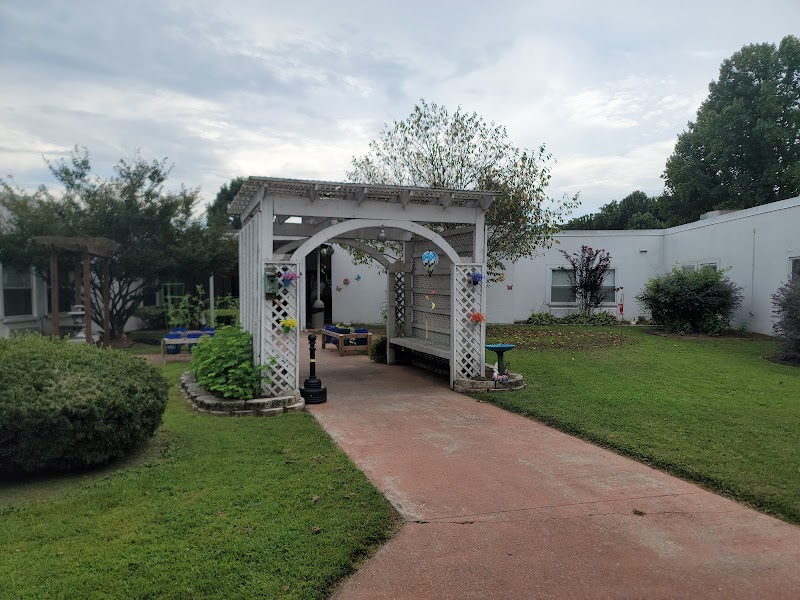
How is Ridge Valley Center For Nursing And Rehabilitation Staffed?

CMS rates Ridge Valley Center for Nursing and Rehabilitation's staffing level at 3 out of 5 stars, which is average compared to other nursing homes. Staff turnover is 46%, compared to the North Carolina average of 46%. RN turnover specifically is 56%, which is notably high. RNs provide skilled clinical oversight, so turnover in this role can affect medical care quality.

What Have Inspectors Found at Ridge Valley Center For Nursing And Rehabilitation?

State health inspectors documented 57 deficiencies at Ridge Valley Center for Nursing and Rehabilitation during 2022 to 2025. These included: 9 Immediate Jeopardy (the most serious level, indicating potential for serious harm or death), 3 that caused actual resident harm, 42 with potential for harm, and 3 minor or isolated issues. Immediate Jeopardy findings are rare and represent the most serious regulatory concerns. They require immediate corrective action.
Who Owns and Operates Ridge Valley Center For Nursing And Rehabilitation?

Ridge Valley Center for Nursing and Rehabilitation is owned by a for-profit company. For-profit facilities operate as businesses with obligations to shareholders or private owners. The facility is operated by SIMCHA HYMAN & NAFTALI ZANZIPER, a chain that manages multiple nursing homes. With 120 certified beds and approximately 84 residents (about 70% occupancy), it is a mid-sized facility located in Wilkesboro, North Carolina.

How Does Ridge Valley Center For Nursing And Rehabilitation Compare to Other North Carolina Nursing Homes?

Compared to the 100 nursing homes in North Carolina, Ridge Valley Center for Nursing and Rehabilitation's overall rating (1 stars) is below the state average of 2.8, staff turnover (46%) is near the state average of 46%, and health inspection rating (1 stars) is much below the national benchmark.

What Should Families Ask When Visiting Ridge Valley Center For Nursing And Rehabilitation?

Based on this facility's data, families visiting should ask: "What changes have been made since the serious inspection findings, and how are you preventing similar issues?" "Can I visit during a mealtime to observe dining assistance and food quality?" "How do you handle medical emergencies, and what is your hospital transfer rate?" "Can I speak with family members of current residents about their experience?" These questions are particularly relevant given the facility's Immediate Jeopardy citations.

Is Ridge Valley Center For Nursing And Rehabilitation Safe?

Based on CMS inspection data, Ridge Valley Center for Nursing and Rehabilitation has documented safety concerns. Inspectors have issued 9 Immediate Jeopardy citations (the most serious violation level indicating risk of serious injury or death). The facility is currently on the Special Focus Facility watch list (a federal program monitoring the lowest-performing 1% of nursing homes nationwide). The facility has a 1-star overall rating and ranks #100 of 100 nursing homes in North Carolina. Families considering this facility should ask detailed questions about what corrective actions have been taken since these incidents.

Do Nurses at Ridge Valley Center For Nursing And Rehabilitation Stick Around?

Ridge Valley Center for Nursing and Rehabilitation has a staff turnover rate of 46%, which is about average for North Carolina nursing homes (state average: 46%). Moderate turnover is common in nursing homes, but families should still ask about staff tenure and how the facility maintains care continuity when employees leave.

Was Ridge Valley Center For Nursing And Rehabilitation Ever Fined?

Ridge Valley Center for Nursing and Rehabilitation has been fined $271,541 across 3 penalty actions. This is 7.6x the North Carolina average of $35,794. Fines at this level are uncommon and typically indicate a pattern of serious deficiencies, repeated violations, or failure to correct problems promptly. CMS reserves penalties of this magnitude for facilities that pose significant, documented risk to resident health or safety. Families should request specific documentation of what issues led to these fines and what systemic changes have been implemented.

Is Ridge Valley Center For Nursing And Rehabilitation on Any Federal Watch List?

Ridge Valley Center for Nursing and Rehabilitation is currently an SFF Candidate, meaning CMS has identified it as potentially qualifying for the Special Focus Facility watch list. SFF Candidates have a history of serious deficiencies but haven't yet reached the threshold for full SFF designation. The facility is being monitored more closely — if problems continue, it may be added to the official watch list. Families should ask what the facility is doing to address the issues that led to this status.