Wilkesboro Health and Rehabilitation
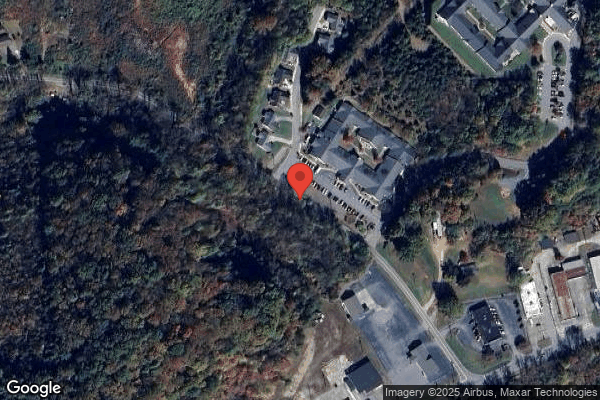

204 Old Brickyard Road, North Wilkesboro, NC 28659 (336) 667-2020
For profit - Limited Liability company 111 Beds SANSTONE HEALTH & REHABILITATION Data: November 2025
Trust Grade
75/100
#140 of 417 in NC
Last Inspection: September 2024

Within standard 12-15 month inspection cycle. Federal law requires annual inspections.

Overview

Wilkesboro Health and Rehabilitation has received a Trust Grade of B, indicating it is a good choice for families seeking care. Ranking #140 out of 417 facilities in North Carolina places it in the top half of the state, and #2 out of 4 in Wilkes County means there is only one better local option. The facility's trend is stable, with 6 issues reported in both 2023 and 2024, and a strong staffing rating of 5/5 stars, with a low turnover rate of 32%, which is significantly better than the state average of 49%. While the facility has no fines on record, there are some concerns, including failures to properly label and date food, which could affect food safety, and issues with resident care, such as inadequate management of urinary catheters for some residents. Overall, while there are strengths in staffing and safety regarding fines, families should be aware of the concerns raised in recent inspections.

Trust Score
B
75/100
In North Carolina
#140/417
Top 33%
Safety Record
Low Risk
No red flags
Inspections
Holding Steady
6 → 6 violations
Staff Stability
○ Average
32% turnover. Near North Carolina's 48% average. Typical for the industry.
Penalties
✓ Good
No fines on record. Clean compliance history, better than most North Carolina facilities.
Skilled Nurses
○ Average
Each resident gets 39 minutes of Registered Nurse (RN) attention daily — about average for North Carolina. RNs are the most trained staff who monitor for health changes.
Violations
⚠ Watch
17 deficiencies on record. Higher than average. Multiple issues found across inspections.
★★★★☆
4.0
Overall Rating
★★★★★
5.0
Staff Levels
★★☆☆☆
2.0
Care Quality
★★★☆☆
3.0
Inspection Score
Stable
2023: 6 issues
2024: 6 issues

The Good

  • 5-Star Staffing Rating · Excellent nurse staffing levels
  • Full Sprinkler Coverage · Fire safety systems throughout facility
  • No fines on record
  • Staff turnover below average (32%)

    16 points below North Carolina average of 48%

Facility shows strength in staffing levels, fire safety.

The Bad

Staff Turnover: 32%

13pts below North Carolina avg (46%)

Typical for the industry

Chain: SANSTONE HEALTH & REHABILITATION

Part of a multi-facility chain

Ask about local staffing decisions and management

The Ugly 17 deficiencies on record

Sept 2024 6 deficiencies
CONCERN (D)

Potential for Harm - no one hurt, but risky conditions existed

Deficiency F0583 (Tag F0583)

Could have caused harm · This affected 1 resident

Based on observations and staff interviews, the facility failed to maintain the privacy of a resident's record by leaving a medication cart laptop unattended with resident information exposed in an ar...

Read full inspector narrative →
Based on observations and staff interviews, the facility failed to maintain the privacy of a resident's record by leaving a medication cart laptop unattended with resident information exposed in an area accessible and visible to the public on 1 of 6 medication carts (Medication cart #3). The findings included: During an observation of 200 hall on 09/09/24 at 4:04 PM, medication cart #3 was observed unattended. The laptop screen was open and displayed resident names, medications, and diagnoses. Staff were observed in the area and the treatment nurse passed by while the residents' information was visible on the open laptop screen at 4:06 PM. On 09/09/24 at 4:07 PM, a resident passed by the open laptop screen on the medication cart #3 while residents' information remained visible. Medication Aide (MA) #2 was observed returning to the 200 hall with medication cart #2 at 4:10 PM. An interview with MA #2 was completed on 09/09/24 at 4:10 PM. She stated she was assigned to two medication carts (cart #2 and cart #3). She verbalized that she usually clicked the walkaway tab when she left the medication cart unattended, so resident information was not visible. MA #2 indicated she thought she had hit the button to minimize the screen before she left the hall. An interview with the Assistant Director of Nursing was completed on 09/09/24 at 4:21 PM. She stated staff clicked the walkaway button on the computer screen of the laptop when they left the medication cart unattended. An interview with the Director of Nursing (DON) was completed on 09/09/24 at 4:38 PM. She explained to protect the health privacy of residents, the laptops on medication carts were minimized if staff were not in attendance of the medication carts. The DON verbalized MA #2 should have made sure the laptop screen was locked, and no personal health information was visible prior to leaving the medication cart unattended.
CONCERN (D)

Potential for Harm - no one hurt, but risky conditions existed

Grievances (Tag F0585)

Could have caused harm · This affected 1 resident

**NOTE- TERMS IN BRACKETS HAVE BEEN EDITED TO PROTECT CONFIDENTIALITY** Based on record review, resident, and staff interviews, the facility failed to ensure a prompt resolution to a grievance and fai...

Read full inspector narrative →
**NOTE- TERMS IN BRACKETS HAVE BEEN EDITED TO PROTECT CONFIDENTIALITY** Based on record review, resident, and staff interviews, the facility failed to ensure a prompt resolution to a grievance and failed to provide a written summary about a grievance for 1 of 1 resident reviewed for grievances (Resident #43). The findings included: Facility Grievance/Complaint filing policy stated resident or any family member of the resident could file a grievance/ complaint orally or in writing. Upon reciept of a grievance /complaint the Grievance Officer would review and investigate the allegations and submit a written report of such findings to the Administrator within 5 working days of having received the grievance/ complaint. The Grievance officer, Administrator and Staff would take immediate action to prevent further potential violations of resident rights while the alleged violation was being investigated. The Administrator would review the findings with the Grievance Officer to determine what corrective actions, if any, needed to be taken. The Resident or person filing the grievance/compliant on behalf of the resident would be informed (verbally and in writing) of the findings of the investigation and the actions that would be taken to correct any, identified problems. Resident #43 was admitted to the facility on [DATE]. The quarterly Minimum Data Set (MDS) dated [DATE] revealed Resident #43 was cognitively intact. Record Review revealed on 07/03/2024 Resident #43 had filed a grievance with the facility Social Worker for missing 4 to 5 embroidered sheets: blue, pink yellow and peach color, 3 gowns, tote bag, and a Yeti cup. On 07/03/2024 the Social Worker documented on the grievance form under investigation/finding that the resident's room was searched, and the items were not found. The Investigation resolution on the grievance form dated 07-03-2024, had documentation by the Social Worker that she left a message for the resident's family member inquiring about when the items were delivered to the resident and inquired about the cost and quantity of the lost items. The Social Worker further documented the facility would not resolve the grievance until these items were found. An interview with Resident # 43 on 09/08/24 at 12:37PM revealed the resident had filed a grievance back in July 2024 about some personal items missing from her room. She stated she was missing embroidered sheets and gowns. She stated the facility staff had not found her items. She went on to state she had informed the staff, and the facility Social Worker. She added the housekeeping and laundry staff looked for these items and had not found them. She stated she was aggravated and gave up. She stated she was verbally informed that her missing items were not found but the facility would continue to look for it. The Guest/ Family member follow up documentation dated 09/09/2024 on the grievance form revealed, the Social Worker documented that she left a message with the resident's family member and then spoke to the resident's family member and explained to her that the grievance was not yet resolved because they were hoping the lost items would reappear. The facility settled the grievance with Resident #43 on 09/09/2024. The facility agreed to replace the resident's lost items on 09/09/2024 A follow up interview with Resident #43 on 09/10/2024 at 9:00AM revealed the facility had agreed to settle Resident # 43's grievance on 09/09/2024 evening. Resident stated the Social Worker had verbally informed her that the facility would be settling her grievance by purchasing new bed sheets and gowns for her and would embroider Resident # 43's name on it. In an interview conducted with the Social Worker who was also the Grievance Officer on 09/09/24 at 3:37PM she stated the facility's handbook documented the facility was not responsible for lost items. She stated the facility's policy for grievance resolution was to resolve within 5 days. She stated during their last care plan meeting dated 07/28/2024 Resident #43's family member who had attended the care plan meeting via telephone along with the Resident# 43 informed the care team that several embroidered sheets along with Resident #43's gowns were missing. She stated she informed the family member a grievance was already filed by Resident # 43; she stated the facility had already looked for the missing items and did not find them. She stated she informed the family member they would keep looking for the missing items. Interview with the Director of Nursing (DON) on 09/09/24 at 4:02PM indicated a grievance could be filed by anyone with the facility social worker. The grievance was then forwarded to the respective department to be processed even if it was on a weekend, as some grievance need immediate attention and cannot wait till Monday. She stated the grievance resolution time varied; it depended on the item. She stated they searched the whole facility and sometimes it took them about a month to resolve a grievance. She stated they had tried to resolve grievance faster for the short-term residents. For the long-term residents, it may take about a month to month and a half to resolve the grievance. She further stated if the lost items were not found the facility reimbursed the resident the value of the item. She stated she became aware of the grievance dated 07/03/2024 on 08/05/2024 when Resident #43's family member informed her. She stated none of the staff had seen these items mentioned in the grievance. She stated she had directed staff to look for the lost bedsheets one more time on 09/09/2024; if not found instructed staff to buy Resident # 43 new bedsheets and get them embroidered. In a follow up interview with the Social Worker on 09/10/2024 at 9:11AM, the Social Worker stated she knew it had been over 2 months since Resident #43 had filed her grievance and said it was a long time to settle a grievance, but she was hoping these items would show up. She stated it was not unusual for facility to take this long to settle grievance regarding lost clothing items because many times they were found a few weeks later. She stated she informed Resident #43 on 07/03/2024 that they were going to look for these items. The Social Worker stated that she had informed the laundry and housekeeping staff, but they were unable to find these items. She stated she kept inquiring with the resident if her items had showed up each time, she was in the resident's room but had not documented the follow ups or able to recall when the encounters with Resident#43 occurred. The Social worker did not provide a summary of investigation provided to Resident #43. The Social Worker stated they had not seen Resident #43's belongings. She stated that she had tried to contact Resident # 43's family member to determine the value of the items missing and left her a message to return her call. She stated the family member had not returned her call. Social worker did not clarify when or how attempts were made by her to contact Resident # 43's family member. She stated she decided to settle the grievance on 09-09-2024 because it was sitting on my desk and I wanted it off my desk. She stated she then contacted the family member the on 09/09/2024 and the family member said to settle the matter. The Social Worker stated they would replace the bed sheets and get them embroidered and replace all the other lost/ stolen items. On 09/09/24 at 4:18PM the Administrator was interviewed about the facility's grievance policy. She stated anyone could file a grievance which was then forwarded to the facility social worker. She stated typically they resolved the grievance within 5 days. She stated that she believed the facility handbook stated grievances were to be resolved within 5 days. She stated they very rarely had problems with missing items. When they did have a grievance, the facility would replace or reimburse the resident immediately. She stated she would contact the resident's family to determine the monetary value of the lost item and would settle the grievance. She further added sometimes the family members took time to provide the information. She stated to her knowledge Resident # 43's family member was contacted immediately by the facility social worker to determine the value of the lost items, but the family member did not follow up with the facility promptly therefore was unable to resolve this grievance sooner. The Administrator did not provide any verification of a written summary to provide to Resident #43.
CONCERN (D)

Potential for Harm - no one hurt, but risky conditions existed

Deficiency F0847 (Tag F0847)

Could have caused harm · This affected 1 resident

**NOTE- TERMS IN BRACKETS HAVE BEEN EDITED TO PROTECT CONFIDENTIALITY** Based on record review, resident, resident representative, and staff interviews the facility failed to explain the arbitration a...

Read full inspector narrative →
**NOTE- TERMS IN BRACKETS HAVE BEEN EDITED TO PROTECT CONFIDENTIALITY** Based on record review, resident, resident representative, and staff interviews the facility failed to explain the arbitration agreement to a resident, or the resident's representative, prior to having them sign the agreement This occurred for 1 of 3 residents (Resident #296) reviewed for arbitration. The findings included: Review of the facility's Agreement for Arbitration which was not dated, revealed by signing the Agreement for Arbitration, the resident and/or resident's representative acknowledged they had read and understood the agreement. Resident # 296 was admitted to the facility on [DATE]. Review of Resident # 296's Agreement for Arbitration revealed the resident had signed the agreement on 09/05/2024 along with the rest of the admission paperwork. An attempt was made to interview Resident #296 on 09/10/2024 at 10:15 am. The resident was not able to understand or remember having been informed about an arbitration agreement. At the time of the interview, the resident was only oriented to person, and was unable to identify where she was, or the date and time. During the interview, the resident was unable to answer questions beyond her name. During a telephone interview on 09/10/2024 at 10:54 am with Resident # 296's family member, he said he did not think the resident would have been able to understand what the arbitration agreement meant. The family member said the facility should have asked one of her family members about the arbitration agreement because he did not think Resident #296 was able to sign to acknowledge she understood the agreement because she was too confused. During an interview on 09/10/24 at 01:14 pm with the admission coordinator, she said residents, or their representative were asked to sign the facility's Agreement for Arbitration on admission with their admissions paperwork. She stated she went over everything in the admission packet and the resident, or the resident representative, signed by using the electronic DocuSign. The admission coordinator said the facility had a paper titled Understanding the Arbitration Agreement, that she would offer to the resident and/or representative. The admission coordinator said she explained everything to the resident/representative before they sign and asked if they were willing to participate in the Arbitration process. The Admissions coordinator said if she was talking with a resident and the resident did not understand, or wasn't able to sign, then she would talk to their family/representative about the arbitration agreement. She said if a representative signed the arbitration agreement the representative's name would be on the arbitration agreement. During the interview with the admission coordinator, she verified Resident #296's name was listed as the person who signed the Agreement for Arbitration. The admission coordinator said she had gone over it with Resident #296, and that Resident #296 seemed fine during the admission process and was not sure why the resident could not remember. During an interview on 09/10/24 at 01:29 PM the administrator said it was up to the admissions person to make sure the resident/representative understood the agreement. The Administrator explained the resident's name was automatically populated into an electronic form once their admission information was placed into the electronic tablet and the resident did not actually sign a document. She explained the admissions coordinator would review the whole admission packet, which was also an electronic form, to include the Arbitration Agreement with the resident/representative. The Administrator verified Resident #296's name was listed as signing the Agreement for Arbitration but again explained the name was auto populated into the signature line. The Administrator discussed that a resident's representative could sign by overriding the auto populated signature.
CONCERN (D)

Potential for Harm - no one hurt, but risky conditions existed

Infection Control (Tag F0880)

Could have caused harm · This affected 1 resident

Based on observation, record review, and staff interviews the facility failed to follow their infection control policy when the Medical Records Assistant delivered a lunch tray to a resident on Enhanc...

Read full inspector narrative →
Based on observation, record review, and staff interviews the facility failed to follow their infection control policy when the Medical Records Assistant delivered a lunch tray to a resident on Enhanced Droplet Precautions without donning a mask, gloves, gown, and/or eye protection for 1 of 1 resident who required Enhanced Droplet Precautions (Resident #19). The findings included The facility's COVID-19 Infection Control Practices policy was updated on May 8, 2023. The policy stated that staff should wear an N 95 mask, gown, gloves, and eye protection. The resident was diagnosed with COVID on September 7, 2024. On September 8, 2024, at 1:28pm, an observation was made of the lunch meal trays being delivered to residents. During the observation, the Medical Records Assistant was observed to remove Resident #19's lunch tray from the meal cart and enter the resident's room. The door to Resident #19's room was observed to have an Enhanced Droplet precaution sign that stated staff were to wear gown, an N95 mask, gloves and either face shield or goggles. Resident #19's door also had a metal holder that contained gowns, gloves, and masks. There was a small 3 drawer container next to the room with extra gowns and eye covering. The Medical Records Assistant entered the room with no gown, mask, gloves, or eye covering. The Medical Records Assistant proceeded to stand in front of Resident #19 and assist the resident in setting up her meal tray. The Medical Records Assistant was in the room in front of Resident #19 for approximately 1.5 minutes. When the Medical Records Assistant left Resident #19's room, she performed hand hygiene with hand sanitizer that was available on the wall in the hall. On September 8, 2024, at 1:32 PM, an interview took place with the Medical Records Assistant who confirmed that she had taken a lunch tray to Resident #19 that day. The Medical Records Assistant stated she was unaware of the resident being positive for COVID and that the resident was on enhanced droplet precautions. She did acknowledge there was an enhanced droplet precaution sign on the resident's door but stated I was trying to hurry and did not read what the sign said. The Medical Records Assistant stated she had received infection control training in January of 2024. The Medical Records Assistant also stated that she was aware of the need to wear the required Personal Protective Equipment (PPE) when a resident was placed on enhanced droplet precautions. On September 8, 2024, at 2:00 PM the Infection Prevention (IP) Nurse/Assistant Director of Nursing was interviewed. She stated staff had their annual infection control training in March of 2024. The IP nurse explained that staff would be aware of a resident having COVID by the Enhanced Droplet precaution sign on their door. She further stated that the Medical Records Assistant only came out of her office at mealtimes to help pass trays and probably did not look to see if the resident was on any precautions. She said that the Medical Records Assistant had received infection control training in March of 2024. The IP nurse voiced that the Medical Records Assistant should have looked prior to entering Resident #19's room. On September 8, 2024, at 3:00 PM the Director of Nursing (DON) was interviewed. The DON stated that she was unsure when the last infection control training was held. She explained that when the facility learned of Resident # 19 being positive for COVID on September 7, 2024, an education was sent out to all employees via an electronic messaging system on September 7, 2024. This education message included when and what PPE was involved, and instructions included reading the signage on the resident's door. The DON confirmed the Medical Records Assistant should have received the message on September 7, 2024, but stated that the Medical Records Assistant only came out of her office at mealtime for meal tray passing and did not read the signage on the resident's door. At 11:34 AM on September 9, 2024, an interview was completed with the Physician. The Physician stated that staff should have worn an N95 mask and all other required PPE due to Resident #19 being on enhanced barrier precautions. At 2:06 PM on September 8, 2024, the Administrator was interviewed. She stated that annual infection control training was on a computerized training system and was provided as needed when any infection control breaches occurred. The Administrator stated that staff would be made aware if a resident tested positive for COVID by the signage on the resident's door. She further stated that if staff did not understand the signage, then they were required to ask a nurse. She expressed that the Medical Records Assistant just did not read the signage on the door of Resident 19's room but should have.
CONCERN (E)

Potential for Harm - no one hurt, but risky conditions existed

Deficiency F0582 (Tag F0582)

Could have caused harm · This affected multiple residents

**NOTE- TERMS IN BRACKETS HAVE BEEN EDITED TO PROTECT CONFIDENTIALITY** Based on record review and staff interviews, the facility failed to provide a complete Skilled Nursing Facility Advanced Benefic...

Read full inspector narrative →
**NOTE- TERMS IN BRACKETS HAVE BEEN EDITED TO PROTECT CONFIDENTIALITY** Based on record review and staff interviews, the facility failed to provide a complete Skilled Nursing Facility Advanced Beneficiary Notice of Non-coverage (SNF ABN) by omitting the estimated out of pocket cost for care for 4 of 4 residents reviewed for beneficiary notices (Residents #4, #151, #45, #11). The findings included: a. Resident #4 was admitted to the facility on [DATE]. The medical record revealed a CMS-10123 Notice of Medicare Non-Coverage letter (NOMNC) was relayed by phone on 8/21/24 to Resident #4's representative. The notice indicated that Medicare coverage for skilled services was to end on 8/23/24. Resident #4 remained in the facility when Medicare coverage ended. Review of Resident #4's record indicated the SNF ABN dated 8/21/2024 had no estimated cost for care documented on the form. b. Resident #151 was admitted to the facility on [DATE]. The medical record revealed a CMS-10123 NOMNC was relayed to Resident #151's representative on 8/16/24. The notice indicated that Medicare coverage for skilled services was to end on what 8/20/2024. Resident #151 remained in the facility when Medicare coverage ended. Review of Resident #151's record indicated the SNF ABN dated 8/16/2024 had no estimated cost for care documented on the form. c. Resident # 45 was admitted to the facility on [DATE]. Medicare part A services began on 1/5/2024. The medical record revealed a CMS-10123 NOMNC was signed by Resident #45 on 4/16/2024. The notice indicated that Medicare coverage for skilled services was to end on 4/18/2024. Resident #45 remained in the facility when Medicare coverage ended. Review of Resident #45's record indicated the SNF ABN dated 4/16/2024 had no estimated cost for care documented on the form. d. Resident # 11 was admitted to the facility on [DATE]. Medicare part A services began on 3/27/2024. The medical record revealed a CMS-10123 NOMNC was signed by Resident #11 on 6/18/2024. The notice indicated that Medicare coverage for skilled services was to end on what 6/20/2024. Resident #11 remained in the facility when Medicare coverage ended. Review of Resident #11's record indicated the SNF ABN dated 6/18/2024 had no estimated cost for care documented on the form. During an interview on 9/10/2024 at 9:31 am with Business Office Employee #1, she said she presented SNF ABN to the resident, or resident representative after she was notified in the weekly meeting on Thursdays where the Medicare A cases were reviewed and talked to the resident or representative about the rates but had not written the rate on the SNF ABN form. Review of the SNF ABN form with Business Office Employee #1 revealed private pay was written in the block for estimated cost. Business Office Employee #1 verified 4 of 4 forms reviewed did not have the estimated cost provided on the SNF ABN form. She stated she had never been told it had to be a specific amount. During an interview on 9/10/2024 at 9:40 am with the Administrator she said a weekly meeting was held on Thursdays and all Medicare part A cases were reviewed. She said the business office gave SNF ABN notifications to residents or resident representatives. Resident #4, Resident #151, Resident #45, and Resident #11's SNF ABN form was verified with the Administrator that private pay was written in the block for estimated cost on the SNF ABN form. The Administrator stated she did not know and had not been told previously that a specific amount needed to be placed in the estimated cost section of the SNF ABN form.
CONCERN (E)

Potential for Harm - no one hurt, but risky conditions existed

Food Safety (Tag F0812)

Could have caused harm · This affected multiple residents

Based on observations and staff interviews, the facility failed to discard expired food and food items with signs of spoilage stored for use in 1 of 1 walk-in cooler. The facility also failed to label...

Read full inspector narrative →
Based on observations and staff interviews, the facility failed to discard expired food and food items with signs of spoilage stored for use in 1 of 1 walk-in cooler. The facility also failed to label and date food items in 1 of 1 walk in cooler and in 1 of 2 nourishment room freezers (Hall 100). Additionally, the facility failed to store a dry ingredient scoop in a manner to prevent cross-contamination of food. These practices had the potential to affect food served to residents. The findings included: a. An initial tour of the kitchen was made on 09/08/24 at 11:13 AM. The following food items were observed in the walk-in-cooler: • soy sauce 3.79 Liters (L) opened: 8/21with no use by or best before date • salsa 8 pounds (lbs.) opened: 8/23 with no use by or best before date • egg salad with the manufacturer use by date 8/13/24 • ricotta cheese 3 lbs. unopened - Use by date: 8/26/24 • 1 piece of egg on top of a cracked eggshell that was stuck on the egg carton noted to have fuzzy, black specks of dirt formed surrounding the cracked eggshell A follow up observation of the walk-in cooler on 09/10/24 at 11:07AM revealed the cracked eggshell with fuzzy, black specks was still present. During an interview on 09/10/24 at 2:34 PM, the Certified Dietary Manager (CDM) verbalized that for labeling and dating, they go by the manufacturer's expiration date or the day it came in from the supplier. He also mentioned that he completed daily rounds within the kitchen and the facility to check on food items and discard when expired. b. During the initial tour of the kitchen made on 09/08/24 at 11:43 AM an observation of the dry ingredient bins revealed, a plastic scoop (inclusive of handle) observed resting in flour bin and not stored in scoop holder. During an interview on 09/10/24 at 2:34 PM, the Certified Dietary Manager (CDM) stated the flour scoop (including the handle) should not have been resting in the flour. The flour scoop should have been stored in the scoop holder of the flour bin. c. During an observation on 09/10/24 at 3:30 PM, two sausage breakfast sandwiches were observed inside the nourishment room freezer on the 100 Hall. These items were outside of their original cardboard packaging. Ice crystals were noticed to form inside the plastic packaging. No name and use by date indicated. There was a handwritten date of 09/08/24 on the clear packaging. During a follow up interview with the CDM on 09/10/24 at 4:04 PM, he explained he put out sandwiches (variety), juices and milk cartons. The CDM explained the two frozen sausage breakfast sandwiches must be from a resident or a resident's family. He verbalized he has educated the nursing staff on all halls to place proper labels and dates on food or beverage items being placed in the nourishment refrigerators. During an interview with the Administrator on 09/11/24 at 11:57 AM, she verbalized that she conducted daily rounds of the facility including the nourishment rooms and refrigerators. She stated that dietary was responsible for throwing food items away that were not properly labelled, dated or expired.
Jun 2023 6 deficiencies
CONCERN (D)

Potential for Harm - no one hurt, but risky conditions existed

Deficiency F0561 (Tag F0561)

Could have caused harm · This affected 1 resident

**NOTE- TERMS IN BRACKETS HAVE BEEN EDITED TO PROTECT CONFIDENTIALITY** Based on record review and resident and staff interviews the facility failed to honor a resident's request to be assisted out of...

Read full inspector narrative →
**NOTE- TERMS IN BRACKETS HAVE BEEN EDITED TO PROTECT CONFIDENTIALITY** Based on record review and resident and staff interviews the facility failed to honor a resident's request to be assisted out of bed for 1 of 1 resident reviewed for choices (Resident #1). The findings included: Resident #1 was admitted to the facility on [DATE]. Review of Resident #1's annual Minimum Data Set (MDS) assessment dated [DATE] revealed the resident was cognitively intact and required extensive assistance of two staff for bed mobility, transfers, dressing and personal hygiene. The MDS indicated it was very important for Resident #1 to do her favorite activities. Review of a form dated 05/09/23 titled 200 Hall Rounds indicated 300/Float hall to assist with getting Resident #1 out of the bed. There was no specific time recorded. The care plan dated 05/10/23 revealed Resident #1 preferred activities that identified with her prior lifestyle. The goal was that Resident #1 would express satisfaction with her daily routine and leisure activities. The interventions included informing the resident of upcoming activities by providing an activity calendar and involving the resident in the activities with shared interests. An observation and interview were conducted with Resident #1 on 06/12/23 at 11:46 AM. The resident was sitting up in her wheelchair. Resident #1 expressed she was not able to get up as early as she wanted to get up on 06/11/23 and 06/12/23 because there was not a float person on third shift to assist Nurse Aide (NA) #5 in getting her out of the bed. She explained that she was always an early riser and liked to get up early so that she could have some alone time to drink her coffee and sketch and draw in the café, but when there was not a third nurse aide on third shift she had to stay in the bed until first shift came in to get her out of bed. Resident #1 added, she would like to get up between 5:30 AM and 6:00 AM but since there was not a third shift nurse aide to assist NA #5 over the weekend, she did not get up until after 7:00 AM. An interview conducted with Nurse Aide (NA) #5 on 06/13/23 at 11:18 AM confirmed that on 06/10/23 and 06/11/23 third shift she was assigned to the hall where Resident #1 resided and that there was not a third nurse aide assigned as a float during the shifts. The NA explained that Resident #1 was alert and oriented and could voice her wants and needs and the resident requested to get up early both mornings of 06/11/23 and 06/12/23 but because she was the only nurse aide on the resident's hall, she could not get the resident up because she required two persons assist to attend to her. The NA stated Resident #1 had to wait until first shift came on duty so that she could get help in getting the resident up out of bed. NA #5 continued to explain that the resident liked to get up early and go to the café to draw and sketch but she was not always able to do that when there were only two nurse aides for 200 and 300 halls and no float which was what the staffing was this past weekend. During an interview with Unit Manager (UM) #1 on 06/14/23 at 11:13 AM she explained that Resident #1 had not given her a specific time that she wanted to get up early in the mornings but informed her that the third shift float aide was supposed to assist in getting her out of the bed. The UM continued to explain that she had educated the staff that when they work short, they needed to focus on providing the basic needs of all the residents. She stated she was not aware that there were only two nurse aides for the long-term care side for third shift over the weekend and if she had known she would have come into work herself to work the hall. An interview conducted with the Director of Nursing on 06/14/23 at 11:39 AM revealed she had a lot of staff to get the residents up in the morning, but Nurse Aide #6 was usually assigned to float, and the NA was on vacation the weekend of 06/10/23 and 06/11/23. During an interview with the Administrator on 06/14/23 at 1:28 PM she expressed that it was not an unreasonable request for Resident #1 to be gotten out of bed when she requested.
CONCERN (D)

Potential for Harm - no one hurt, but risky conditions existed

ADL Care (Tag F0677)

Could have caused harm · This affected 1 resident

**NOTE- TERMS IN BRACKETS HAVE BEEN EDITED TO PROTECT CONFIDENTIALITY** Based on observations, record review, resident, and staff interviews the facility failed to provide routine incontinence care to...

Read full inspector narrative →
**NOTE- TERMS IN BRACKETS HAVE BEEN EDITED TO PROTECT CONFIDENTIALITY** Based on observations, record review, resident, and staff interviews the facility failed to provide routine incontinence care to a resident before his breakfast meal was served to him for 1 of 2 residents reviewed for activities of daily living (Resident #143). The findings included: Resident #143 was admitted to the facility on [DATE] with diagnoses that included paraplegia, neurogenic bladder, and others. Review of a comprehensive admission Minimum Data Set (MDS) assessment dated [DATE] revealed that Resident #143 was cognitively intact, required extensive assistance with bed mobility was frequently incontinent of bowel and had an indwelling catheter during the assessment reference period. An observation and interview were conducted with Resident #143 on 06/12/23 at 8:30 AM. Resident #143 was resting on an air mattress, covered with a sheet and was alert and verbal. Resident #143 proceeded to grab the right-side grab bar on his bed and turn over, pulled the sheet back. His brief was not in place and was stuck between Resident #143's knees, there was a ball of feces laying under his bottom along with other fecal matter in the area. No offensive odors were noted durnig the observation. The bottom sheet and top sheet were soiled with a brown dried substance. Resident #143 added that he was waiting for his breakfast to come so he could eat. An observation and interview were conducted with Resident #143 on 06/12/23 at 10:12 AM. Resident #143 remained in bed and indicated that the staff had not been in to check on him and had not provided care to him. He stated that he had eaten breakfast and it was good. An observation and interview were conducted with Resident #143 on 06/12/23 at 11:06 AM. Resident #143 remained in bed and was alert and verbal. He stated that the staff had not been in to check or change him. Resident #143 stated, do I need to be changed? he explained, I am a paraplegic and don't have any feeling there. Resident #143 was told that yes, he was soiled and needed to be cleaned up and he was observed to turn his call light on. Resident #143 again grabbed the right-side grab bar and turned over his brief remained between his knees and the ball of fecal matter remained under him. Nurse Aide (NA) #1 was interviewed on 06/12/23 at 11:07 AM. NA #1 confirmed that she was taking care of Resident #143. She stated that she had been in his room earlier on the shift to check on him but had not provided any care to him since coming on her shift at 7:00 AM. NA #1 was notified that Resident #143 had turned his call light on because he was soiled and needed to be cleaned up. NA #1 stated that she would find some help and get him cleaned up. An observation of NA #1 and NA #2 providing incontinent care to Resident #143 was observed on 06/12/23 at 11:09 AM. NA #1 and NA #2 were observed to turn Resident #143 onto his right side and remove his top sheet exposing the brief that was still between his knees and the ball of fecal matter remained under him. NA #1 and NA #2 used soap and water to clean Resident #143's peri area and also removed the soiled linen and replaced it with clean linen. When they were finished providing incontinent care, they covered Resident #143 with a top sheet and exited the room. A follow up interview was conducted with NA #1 on 06/12/23 at 12:47 PM and again confirmed she was caring for Resident #143. She stated that when she arrived for her shift at 7:00 AM, she had not gotten any report. NA #1 stated that normally any one of the staff members that were working the unit would get report from the previous shift. NA #1 stated she did not get a chance to check Resident #143 that morning because it was Monday morning and there was a lot going on. She added normally he would tell us if he needed incontinent care. She again confirmed that the first time she provide incontinent care to Resident #143 on 06/12/23 was at 11:09 AM. Nurse #1 was interviewed on 06/13/23 at 9:07 AM and confirmed that she was working Resident #143's unit on 06/12/23. She added that Resident #143 was not able to tell the staff all the time if he was soiled but the NAs should be checking him for incontinent issues during their regular rounds. The Director of Nursing (DON) was interviewed on 06/13/23 at 5:03 PM who stated that Resident #143 should have been checked for incontinent issues and provided incontinent care before being served his breakfast meal.
CONCERN (D)

Potential for Harm - no one hurt, but risky conditions existed

Pressure Ulcer Prevention (Tag F0686)

Could have caused harm · This affected 1 resident

**NOTE- TERMS IN BRACKETS HAVE BEEN EDITED TO PROTECT CONFIDENTIALITY** Based on observations, record review, resident, staff, and Wound Provider interviews the facility failed to keep a Stage 4 press...

Read full inspector narrative →
**NOTE- TERMS IN BRACKETS HAVE BEEN EDITED TO PROTECT CONFIDENTIALITY** Based on observations, record review, resident, staff, and Wound Provider interviews the facility failed to keep a Stage 4 pressure ulcer covered and free from contamination of fecal matter for 1 of 4 residents reviewed for pressure ulcers (Resident #143). The findings included: Resident #143 was admitted to the facility on [DATE] with diagnoses that included paraplegia, open wound of left buttock and others. Review of an admission skin assessment dated [DATE] written by the Wound Nurse read in part, pressure ulcer noted to left ischium (8.5x5.2 with undermining of 4.4cm @12 o'clock and 2.3 cm @ 6 o'clock). Orders in place to clean left ischium (hip area) with soap and water, apply barrier cream to peri wound, pack wound bed with Dakin's (bleach substance used to clean wounds) moistened gauze and cover with padded dressing twice a day. Review of a comprehensive admission Minimum Data Set (MDS) assessment dated [DATE] revealed that Resident #143 was cognitively intact, required extensive assistance with bed mobility and had one stage 4 pressure ulcer that was present on admission. The MDS also revealed that Resident #143 received pressure ulcer care, was frequently incontinent of bowel and had an indwelling catheter during the assessment reference period. Review of a physician order dated 06/08/23 read, clean wound to left ischium with soap and water, apply barrier cream to wound boarder, then dampen kerlix (rolled gauze) with Dakin's solution and pack into wound bed. Cover with foam dressing change daily and as needed. Review of the Medication Administration Record (MAR) dated June 2023 revealed that Resident #143 wound care had been provided daily as ordered. An observation and interview were conducted with Resident #143 on 06/12/23 at 8:30 AM. Resident #143 was resting on an air mattress, covered with a sheet and was alert and verbal. Resident #143 stated that while at home he developed a wound to his left hip area and because I would not stay off it of the wound got bigger and got infected and required a hospitalization. Resident #143 proceeded to grab the right-side grab bar on his bed and turn over, pulled the sheet back exposing a large gaping hole on his left ischium. His brief was not in place and was stuck between Resident #143's knees, there was a ball of feces laying under his bottom along with other fecal matter in the area. The bottom sheet and top sheet were soiled with brown and pink substances. No stool was visible in the gaping hole wound which was pink with some patchy areas of grey dead tissue. Resident #143 stated that he had told the staff that his dressing needed to be replaced but stated he had not learned the staff's names yet so was not sure who he had told. Resident #143 added that he was waiting for his breakfast to come so he could eat. An observation and interview were conducted with Resident #143 on 06/12/23 at 10:12 AM. Resident #143 remained in bed and indicated that the staff had not been in to redress his wounds or check on him. An observation and interview were conducted with Resident #143 on 06/12/23 at 11:06 AM. Resident #143 remained in bed and was alert and verbal. He stated that his wound had not been redressed yet and the staff had not been into check or change him. Resident #143 stated, do I need to be changed? he explained, I am a paraplegic and don't have any feeling there. Resident #143 was told that yes, he was soiled and needed to be cleaned up and he was observed to turn his call light on. Resident #143 again grabbed the right-side grab bar and turned over and exposing a very large gaping hole to his left ischium, his brief remained between his knees and the ball of fecal matter remained under him. Nurse Aide (NA) #1 was interviewed on 06/12/23 at 11:07 AM. NA #1 confirmed that she was taking care of Resident #143. She stated that she had been in his room earlier on the shift to check on him but had not provided any care to him since coming on her shift at 7:00 AM. NA #1 was notified that Resident #143 had turned his call light on because he was soiled and needed to be cleaned up. NA #1 stated that she would find some help and get him cleaned up. An observation of NA #1 and NA #2 providing incontinent care to Resident #143 was observed on 06/12/23 at 11:09 AM. NA #1 and NA #2 were observed to turn Resident #143 onto his right side and remove his top sheet exposing his wound and brief that was still between his knees. As they cleaned Resident #143 the dressing that had been over Resident #143's left ischium was found stuck to his right buttock area and was discarded by NA #1 and NA #2. NA #1 stated that she would go and let the Wound Nurse know that his dressing needed to be changed as soon as they finished the care. NA #1 and NA #2 used soap and water to clean Resident #143's peri area and also removed the soiled linen and replaced it with clean linen. When they were finished providing incontinent care, they covered Resident #143 with a top sheet and NA #1 stated she was going to find the Wound Nurse and let her know that his dressing needed to be replaced. A follow up interview was conducted with NA #1 on 06/12/23 at 12:47 PM and again confirmed she was caring for Resident #143. She stated that when she arrived for her shift at 7:00 AM, she had not gotten any report. NA #1 stated that normally any one of the staff members that were working the unit would get report from the previous shift. NA #1 stated she did not get a chance to check Resident #143 that morning because it was Monday morning and there was a lot going on. She added normally he would tell us if he needed incontinent care. She again confirmed that the first time she provide incontinent care to Resident #143 on 06/12/23 was at 11:09 AM. An observation and interview were conducted with Resident #143 on 06/12/23 at 1:47 PM. Resident #143 was dressed and in his wheelchair at bedside. He stated that someone had come and replaced his wound dressing around 12:30 PM and then he had gone down to the therapy room for his therapy session. Nurse #1 was interviewed on 06/13/23 at 9:07 AM and confirmed that she was working Resident #143's unit on 06/12/23. She stated that she had completed his admission to the facility, and he had since completed his intravenous antibiotics for a wound infection that he was prescribed from the hospital. She stated that on most days the Wound Nurse completed Resident #143's wound care but if the Wound Nurse was off or unavailable, she could certainly do the care. Nurse #1 added that if the dressing was soiled in between routine wound care, she would be responsible for changing it at that time. Nurse #1 stated that no one had informed her yesterday (06/12/23) that Resident #143's dressing was off, or she would have gone and replaced the dressing or called the Wound Nurse to replace the dressing. She added that Resident #143 was not able to tell the staff all the time if he was soiled but the NAs checked him for incontinent issues during their regular rounds. The Wound Nurse was interviewed on 06/13/23 at 9:30 AM who confirmed that Resident #143 had a wound to his left ischium that was treated on a daily basis. She stated that yesterday (06/12/23) she had completed Resident #143's wound care around lunch time after NA #1 notified her that Resident #143's dressing needed to be replaced. The Wound Nurse stated she was not aware prior to that, that Resident #143's dressing was off. She stated that from 8:30 AM to 12:30 PM was a long time for the wound to be exposed to stool and if someone would have notified her sooner, she certainly would have immediately gone and completed the wound care. The Wound Nurse stated if the any wound dressing became dislodged or soiled, she would expect it to be replaced as soon as possible. The Director of Nursing (DON) was interviewed on 06/13/23 at 5:03 PM who stated that Resident #143 should have been checked for incontinent issues before breakfast, provided incontinent care and immediately let the nurse or Wound Nurse know that the dressing was off and needed to be replaced. The Wound Provider was interviewed via phone on 06/15/23 at 12:26 PM who confirmed that he had evaluated Resident #143 today 06/15/23 and measured his wound. He stated that comparing today measurements with last week measurements there was no change to the wound in size. He stated that it definitely was no worse but appeared stable and had no overt signs of infection. He stated that wound had good pink tissue with some yellow slough which he had debrided (removed). The Wound Provider stated that there was always a concern for wounds in that area to be covered and kept clean of fecal matter and urine. He stated that the dressings they used were pretty good about keeping feces and urine out of the wound and they should be in place at all times except when removed to clean and place a new dressing.
CONCERN (D)

Potential for Harm - no one hurt, but risky conditions existed

QAPI Program (Tag F0867)

Could have caused harm · This affected 1 resident

Based on observations, record reviews, and staff interviews, the facility's Quality Assessment and Assurance (QAA) committee failed to maintain implemented procedures and monitor interventions the com...

Read full inspector narrative →
Based on observations, record reviews, and staff interviews, the facility's Quality Assessment and Assurance (QAA) committee failed to maintain implemented procedures and monitor interventions the committee put into place following a focused infection control survey on 11/12/20 a focused infection control and complaint survey on 1/29/21, and the recertification and complaint survey conducted on 12/02/21. This failure was for two deficiencies originally cited in the area of Infection Control (F880) and Quality of Care (F686) that were subsequently recited on the current recertification survey of 06/15/23. The repeat deficiencies during two federal surveys of record showed a pattern of the facility's inability to sustain an effective QA program. The findings included: This tag is cross referred to: F880: Based on observation, record review and interviews the facility failed to perform hand hygiene and change gloves after removing a soiled dressing and before cleansing a resident's suprapubic stoma (an artificial opening through the abdomen to the bladder) site for 1 of 1 resident (Resident #19) reviewed for dressing change. During the focus infection control survey of 11/12/20 the facility failed to implement their infection control policies and the CDC guidelines when staff did not don full Personal Protective Equipment (PPE) including gloves and in a resident rooms, failed to sanitize a multi-use stethoscope between residents and failed to perform hand hygiene after cleaning environmental surfaces in a resident room for 3 of 3 residents on enhanced droplet precautions on the Covid-19 quarantine hall. These failures in infection control practices occurred during a Covid-19 pandemic. During the focused infection control and complaint survey of 1/29/21 the facility failed to implement their infection control policies when facility staff members failed to don and doff Personal Protective Equipment (PPE), perform hand hygiene before entering or after contact with objects in resident's rooms who were under enhanced droplet isolation precautions and disinfect reusable equipment between residents on the general population halls (Resident #1, #2) for 2 of 5 staff observed for infection control practices. The failures in infection control practices occurred during a global COVID-19 pandemic. A total of 28 residents and 2 staff members were confirmed positive for COVID-19 as of 01/27/21. F686: Based on observations, record review, resident, staff, and Wound Provider interviews the facility failed to keep a Stage 4 pressure ulcer covered and free from contamination of fecal matter for 1 of 4 residents reviewed for pressure ulcers (Resident #143). During the recertification and complaint survey of 12/02/21 the facility failed to identify and assess a change in a resident skin condition for 1 of 3 residents reviewed for pressure ulcers resulting in the development of an unstageable deep tissue injury to the resident's sacral area. The Administrator was interviewed on 06/13/23 at 5:33 PM and stated that she had been at the facility since March 2023 and had met at least twice with the QA committee. She stated they met monthly and all department heads, some direct care staff, and the Medical Director all attended their meetings. She stated that each department head brought their own reports specific to their department and they would discuss any items that needed to be discussed. On a monthly basis the QA committee discussed wounds and infection control along with a list of other topics. The Administrator felt like the facility was moving in the right direction and were very productive in the QA meetings. The Administrator stated that they would look at the newly identified infection control issues and pressure ulcer issues and identify new ways and strategies to achieve and maintain compliance.
CONCERN (D)

Potential for Harm - no one hurt, but risky conditions existed

Infection Control (Tag F0880)

Could have caused harm · This affected 1 resident

Based on observation, record review and interviews the facility failed to perform hand hygiene and change gloves after removing a soiled dressing and before cleansing a resident's suprapubic stoma (an...

Read full inspector narrative →
Based on observation, record review and interviews the facility failed to perform hand hygiene and change gloves after removing a soiled dressing and before cleansing a resident's suprapubic stoma (an artificial opening through the abdomen to the bladder) site for 1 of 1 resident (Resident #19) reviewed for dressing change. The finding included: Review of an undated policy titled Wound Care revealed Policy: Provide wound care for the purpose of healing and decreasing the potential for nosocomial infections. Procedure: 9. Put on exam glove and loosen tape and remove dressing. 10. Pull glove over dressing and discard. 11. Perform hand hygiene. 12. Wear gloves for new or deep wounds, wounds which bleed, when physically touching the wound 13. Cleanse wounds with saline unless otherwise indicated. On 06/13/23 at 2:20 PM a treatment observation was made of a dressing change on Resident #19's suprapubic catheter stoma by the Wound Nurse. The Nurse assembled the supplies for the ordered dressing change and explained the procedure to Resident #19 who responded that she was glad because it had been itching and when she scratched it, she had blood on her fingers. The Nurse sanitized her hands and applied clean gloves then removed the old drainage sponge dressing which had a moderate amount of greenish brown drainage that contained bloody streaks had a foul odor. The Wound Nurse threw the soiled drainage sponge in a cup that she utilized for a trash receptacle. The Nurse then picked up the saline gauze and proceeded to cleanse the drainage and blood from the area around the stoma and threw the gauze in the trash cup. She then removed her dirty gloves and sanitized her hands before she applied a new drainage sponge dressing around the stoma. An interview conducted with the Wound Nurse on 06/13/23 at 2:44 PM revealed the Nurse explained that she knew she did not remove her gloves, sanitize her hands and apply a new pair of gloves after she removed the dirty dressing and before she cleansed the drainage from the stoma. She stated she was nervous. An interview was conducted on 06/13/23 at 4:07 PM with the Assistant Director of Nursing (ADON) who also served as the Infection Control Nurse. The Nurse explained that the Wound Nurse rounded with the Wound Care Provider on a weekly basis, and she had not received any feedback regarding a lack of proper wound care technique performed by the Wound Nurse. The ADON continued to explain that the Director of Nursing had observed the Wound Nurse during wound treatments, but she did not know how often. Regardless, the ADON stated the Wound Nurse should have removed her gloves, sanitized her hands and donned a new pair of gloves after she removed the old drainage sponge and before she cleansed the stoma area. On 06/13/23 at 5:22 PM during an interview with the Director of Nursing (DON) she explained that she had observed the Wound Nurse during wound treatments, and she did get nervous but even so the Wound Nurse should have removed her dirty gloves and donned a fresh pair of gloves before she cleansed the stoma site.
CONCERN (E)

Potential for Harm - no one hurt, but risky conditions existed

Incontinence Care (Tag F0690)

Could have caused harm · This affected multiple residents

**NOTE- TERMS IN BRACKETS HAVE BEEN EDITED TO PROTECT CONFIDENTIALITY** Based on observations, record reviews and staff interviews, the facility failed to anchor a Resident's indwelling urinary cathet...

Read full inspector narrative →
**NOTE- TERMS IN BRACKETS HAVE BEEN EDITED TO PROTECT CONFIDENTIALITY** Based on observations, record reviews and staff interviews, the facility failed to anchor a Resident's indwelling urinary catheter tubing (Resident #53) to prevent pulling and trauma and failed to change the drainage sponge as ordered around a Resident's suprapubic stoma (an artificial opening in the skin) where the suprapubic urinary catheter was inserted (Resident #19). This was for 2 of 3 residents (Resident #53 and #19) who were reviewed for urinary catheters. The findings include: 1. Resident #53 was admitted to the facility on [DATE] with diagnoses that included obstructive uropathy requiring a urinary catheter. Review of Resident #53's care plan dated 04/16/23 indicated the resident required an indwelling urinary catheter related to obstructive uropathy. The goal to manage the catheter appropriately as to not exhibit signs of urinary tract infection and urethral trauma would be attained by utilizing interventions such as: avoiding obstructions in the drainage system, position catheter bag below the level of the bladder, change catheter as ordered by the physician and assess the drainage every shift. There was no care plan that addressed Resident #53 refused an anchoring device to be applied to the catheter tubing to prevent pulling or trauma. Review of Resident #53's quarterly Minimum Data Set (MDS) assessment dated [DATE] revealed the resident was cognitively intact and had an indwelling urinary catheter. Review of Resident #53's physician orders dated 11/30/21 revealed urinary catheter to bedside drainage for obstructive uropathy. On 06/12/23 at 8:48 AM an observation was made of Resident #53's urinary catheter tubing extending from the right side of the resident's brief and connecting to the drainage bag which was hung on the bedframe on the right side of the bed. There was no anchoring device in place. The resident was sleeping during the observation. On 06/13/23 at 8:57 AM during an observation and interview with Resident #53 the resident was lying in bed eating breakfast. The resident was asked if she had an anchoring device in place on her urinary catheter tubing and she lifted her bed linen from both sides of her brief and stated no, why, should I have? There was no anchoring device in place. On 06/13/23 at 10:09 AM An observation was made of Resident #53 accompanied by Nurse Aide (NA) #3 who was frequently assigned to care for the resident. The NA asked the resident if she could see if she had an anchoring device in place then observed that there was no anchoring device applied to Resident #53's catheter tubing. An interview was conducted with Nurse Aide #3 on 06/13/23 at 10:09 AM. The NA explained that she was not aware that Resident #3 did not have an anchoring device in place but that she was pretty sure there should be one in place to prevent pulling and trauma. The NA stated she would obtain one and place it on the Resident #53. During an interview with Nurse #2 on 06/13/23 at 3:54 PM the Nurse confirmed she was responsible for Resident #53 for that shift. The Nurse explained that all residents who have urinary catheters should have anchoring devices in place to prevent from pulling and trauma. She continued to explain that when she conducted a resident's full body assessment, she made sure they were wearing one if they had a urinary catheter, but she had not had to complete one on Resident #53 yet, so she did not know if she had one in place or not. The Nurse reported that no one had reported to her that the Resident did not have one in place. The Director of Nursing (DON) was interviewed on 06/13/23 at 5:18 PM who explained anchoring devices were utilized with urinary catheters but Resident #53 would often refuse the stabilizing device. During an observation and interview with Resident #53 on 06/13/23 at 5:48 PM it was noted that the resident had an anchoring device on her right thigh. The resident stated they came in and put it on her yesterday or today and that she did not mind wearing it, but she did not know what it was for. The resident also commented she could not tell that she was wearing it unless she looked at it and saw it was there. On 06/14/23 at 9:30 AM an observation was made of Resident #53 who continued to wear the anchoring device on her right thigh. The Resident commented look it is still there. During an interview with the Administrator on 06/14/23 at 1:14 PM she expressed she expected the staff to apply the stabilizing band on Resident #53. 2. Resident #19 was admitted to the facility on [DATE] with diagnoses that included chronic neurogenic bladder. Review of Resident #19's physician orders revealed: an order dated 01/03/23 for a suprapubic urinary catheter to bedside drainage and an order dated 01/04/23 to cleanse the suprapubic catheter site with saline and apply a drainage sponge every day. The significant change Minimum Data Set (MDS) assessment dated [DATE] revealed Resident #19's cognition was moderately impaired and required a suprapubic catheter. Review of Resident #19's care plan dated 05/08/23 indicated the Resident required a suprapubic catheter related to chronic neurogenic bladder. The goal the suprapubic catheter care would be managed appropriately as evidence by no exhibiting obstruction, signs of infection or trauma would be attained by utilizing interventions such as: assessing drainage, provide catheter care, manipulate tubing as little as possible, keep catheter bag below level of bladder and report complications. Review of Resident #53's Treatment Administration Record (TAR) from 06/2023 indicated the treatment of cleansing and changing the drainage sponge to the Resident's suprapubic site was last completed on 06/12/23 by the Wound Nurse. On 06/13/23 at 2:08 PM an observation was made of Resident #19's suprapubic stoma accompanied by Nurse Aide (NA) #4. The NA revealed the drainage sponge on the suprapubic stoma was dated 06/11/23. The drainage sponge contained a moderate amount of greenish brown drainage and had a foul odor. An interview was conducted with the Wound Nurse on 06/13/23 at 2:15 PM who explained she worked Monday through Friday and was responsible for doing all treatments in the facility which included changing the drainage sponges on the suprapubic catheters. She stated the last time she changed the drainage sponge on Resident #19's suprapubic stoma was yesterday (06/12/23). On 06/13/23 at 2:20 PM accompanied the Wound Nurse to perform a dressing change on Resident #19's suprapubic drainage sponge. Before the Wound Nurse removed the resident's dressing the resident informedher that the area was itching and when she scratched it, she had blood on her fingers. The Nurse lowered the resident's brief to expose the old drainage sponge and noted it was dated 06/11/23 and had a moderate amount of greenish brown drainage as well as streaks of blood on the drainage sponge. The foul odor was more prominent after the old dressing was removed. The Wound Nurse cleansed the stoma area and replaced a new drainage sponge as ordered. An interview was conducted with the Wound Nurse on 06/13/23 at 2:44 PM who explained the amount of drainage and bloody streaks on the old dressing was typical of the condition of the dressings she removes during the treatments and the odor was typical as well. The Nurse stated she had no explanation of why the old dressing was dated 06/11/23 because she thought she did the treatment on Resident #19 on 06/12/23. An interview was conducted with the Director of Nursing (DON) on 06/14/23 at 11:51 AM who explained that Resident #19 was relatively new to the facility as a long-term care resident, and she contacted her previous care takers about the condition of her suprapubic stoma drainage. She continued to explain that the drainage was an issue with them as well and they had to increase the dressing changes to twice a day and that may be what the facility had to do as well. The DON indicated she expected the dressing changes to be changed as the physician ordered one time a day.
Dec 2021 5 deficiencies
CONCERN (D)

Potential for Harm - no one hurt, but risky conditions existed

Deficiency F0657 (Tag F0657)

Could have caused harm · This affected 1 resident

**NOTE- TERMS IN BRACKETS HAVE BEEN EDITED TO PROTECT CONFIDENTIALITY** Based on record review and staff interviews, the facility failed to revise a resident's care plan for weight loss for 1 of 7 res...

Read full inspector narrative →
**NOTE- TERMS IN BRACKETS HAVE BEEN EDITED TO PROTECT CONFIDENTIALITY** Based on record review and staff interviews, the facility failed to revise a resident's care plan for weight loss for 1 of 7 residents (Resident #14) reviewed for nutrition. The finding included: Resident #14 was admitted to the facility on [DATE] with diagnoses of end stage renal disease and hemodialysis. The quarterly Minimum Data Set (MDS) assessment dated [DATE] revealed Resident #14 had severe cognitive impairment and required supervision of one person for eating. The MDS also indicated Resident #14 had a diagnosis of malnutrition and had a 5% or more weight loss in the last month or 10% or more in the last 6 months and was not on a physician's prescribed weight loss regimen. Resident #14 did not have a feeding tube at the time of the 10/03/21 MDS. A review of Resident #14's medical record revealed a feeding tube placed on 10/27/21. A review of Resident #14's Physician orders revealed the following active orders: 1. (Brand name) tube feeding formula three times a day via feeding tube at 5:00 AM, 2:00 PM and 8:00 PM for weight loss. This order was started on 10/28/21. 2. Regular puree diet by mouth of fortified food at all meals. This order was started on 11/3/21. On 12/02/21 a review of Resident #14's current care plan for weight loss revealed there was no feeding tube documented as an intervention to Resident #14's weight loss care plan. During an interview on 12/02/21 at 11:28 AM the Minimum Data Set (MDS) Nurse acknowledged there was no care plan for Resident #14's feeding tube. The MDS Nurse explained she updated the care plans quarterly and as needed when there was a new intervention put into place such as an intervention after a fall. The MDS Nurse continued to explain that Resident #14's feeding tube was a new intervention for her weight loss and that she should have updated the care plan to include the feeding tube. The MDS Nurse stated she should have remembered to update the care plan because she had been aware of Resident #14's feeding tube placement for several months. During an interview with the Administrator on 12/02/21 at 11:44 AM she stated she reviewed Resident #14's weight loss care plan for the addition of the feeding tube intervention. The Administrator acknowledged the feeding tube was not present on the care plan and explained the care plans were updated quarterly and as needed and the feeding tube intervention should have been added to the weight loss care plan by now.
CONCERN (D)

Potential for Harm - no one hurt, but risky conditions existed

Unnecessary Medications (Tag F0759)

Could have caused harm · This affected 1 resident

**NOTE- TERMS IN BRACKETS HAVE BEEN EDITED TO PROTECT CONFIDENTIALITY** Based on observations, record review, Nurse Practitioner, and staff interview the facility failed to maintain a medication error...

Read full inspector narrative →
**NOTE- TERMS IN BRACKETS HAVE BEEN EDITED TO PROTECT CONFIDENTIALITY** Based on observations, record review, Nurse Practitioner, and staff interview the facility failed to maintain a medication error rate of 5% or less as evidence by 2 medication errors out of 27 opportunities which resulted in a 7.41% medication error rate. This affected 2 out of 8 residents observed during medication pass (Resident #66 and Resident #74). The findings included: 1. Resident #66 was admitted to the facility on [DATE] with diagnoses that included disorder of the thyroid and congenital hypothyroidism. Review of a physician order dated 04/13/21 read, Levothyroxine (used to treat disorders of the thyroid) 75 micrograms (mcg) by mouth every day. Review of a physician order dated 05/18/21 read, change Levothyroxine to 88 mcg by mouth every day. An observation of Medication Aide (MA) #1 was made on 11/30/21 at 4:31 PM. MA #1 was preparing Resident #66's medication. She was observed to dispense Levothyroxine 75 mcg into a medication cup along with Resident #66's other medication. Once the medications were in the medication cup MA #1 entered Resident #66's room and administered the medication. An interview was conducted with MA #1 on 12/02/21 at 3:19 PM. MA #1 stated that during the observed medication pass she did verify the medications she gave but was so nervous she did not notice the dose was incorrect. MA #1 stated that the card of Levothyroxine 75 mcg must have been in the medication room and pulled and placed by accident on the medication cart. An interview with the Director of Nursing (DON) was conducted on 12/02/21 at 12:41 PM. The DON explained that when Resident #66 admitted to the facility she was on the rehab unit of the facility and then she had an extended hospital stay and returned to the facility. When she returned her medications were again ordered from the pharmacy and the extra medications were stored in the medication room. Shortly after Resident #66 returned from the hospital her Levothyroxine dosage was changed; it was ordered from the pharmacy and the Levothyroxine 75 mcg was removed from the medication cart, but the staff failed to remove the extra cards of medication located in the medication room. When the staff ran out of medication that was located on the medication cart, they went to the medication room, and accidently pulled the Levothyroxine 75 mcg instead of the 88 mcg as ordered. The DON stated that they had to educate the staff that when a medication was discontinued or changed that they had to remove not only the medication located on the medication cart but what was kept in the medication room as well. The DON explained that the facility had just completed an audit of the medication orders to the medication carts last week and everything was correct at that time. An interview was conducted with the Nurse Practitioner (NP) on 12/02/21 at 1:42 PM. The NP stated that he recalled changing Resident #66's dose of Levothyroxine because her labs were off, and she had some tremors. The NP stated that he tried to keep Resident #66's Thyroid Stimulating Hormone (TSH) level between 7-10 and when he checked Resident #66's TSH was 12 so he had adjusted her dose to the 88 mcg. The NP further explained that no medical harm came from Resident #66 receiving the incorrect dose of Levothyroxine but added he expected the staff to administer medications as ordered. 2. Resident #74 was admitted to the facility on [DATE] with diagnoses that included vitamin D deficiency. Review of a physician order dated 05/08/20 read, Vitamin D3 125 micrograms (mcg) (5000 units) by mouth every day for vitamin D deficiency. An observation of Medication Aide (MA) #2 was made on 12/01/21 at 9:29 AM. MA #2 was preparing Resident #74's medications which included Vitamin D 25 mcg (1000) units. Once MA #2 had prepared all of Resident #74's medication she entered Resident #74's room and administered the medications. An interview was conducted with MA #2 on 12/02/21 11:53 AM. MA #2 stated that the Vitamin D 25 mcg (1000 units) was the only Vitamin D on the medication cart and available for her to administer. She stated she thought that was the correct thing to administer to Resident #74 and did not realize there was a difference in the dosages. An interview was conducted with the Director of Nursing (DON) on 12/02/21 at 12:41 PM. The DON stated that the pharmacy did not supply the Vitamin D medication and they had to order those from another supply company. The DON stated that the order should have changed to administer 5 of the 1000-unit tablets or if had she been aware, she would have ordered the 5000-unit tablets. The DON stated she did not realize that the facility did not have the correct dose of the Vitamin D or she would have ordered or obtained the correct dose. An interview was conducted with the Nurse Practitioner (NP) on 12/02/21 at 1:42 PM. The NP stated hat he had checked Resident #74's Vitamin D level recently and it was on the low end of normal and he did not adjust the dosage at that time. The NP stated that Resident #74 had no ill effects from the incorrect dose of Vitamin D but stated he expected the staff to administer the medications as ordered.
CONCERN (E)

Potential for Harm - no one hurt, but risky conditions existed

Deficiency F0761 (Tag F0761)

Could have caused harm · This affected multiple residents

Based on observations and staff interviews the facility failed to remove loose unsecure medications from the medication cart drawers for 3 of 3 medication carts reviewed for medication storage (300 Ha...

Read full inspector narrative →
Based on observations and staff interviews the facility failed to remove loose unsecure medications from the medication cart drawers for 3 of 3 medication carts reviewed for medication storage (300 Hall Cart, 200 Hall Cart #3 and #2). The findings include: An observation was made on 12/02/21 at 12:18 PM of the 300 Hall medication cart. The observation revealed 8 unidentified medications of various shapes, sizes and colors and a half of a white tablet lying loose and unsecure in the drawers of the medication cart. An interview was conducted with Medication Aide (MA) #2 on 12/02/21 at 12:18 PM. The MA who had been employed for 2 years observed the loose medications and stated she could not identify the various medications and that the medications should not be loose in the drawers. The MA explained that the medication carts should be cleaned daily. An observation was made of the 200 Hall medication cart #3 and medication cart #2 on 12/02/21 at 12:38 PM. The observations revealed 5 unidentified medications of various shapes, sizes and colors and 2 white medication pieces lying loose and unsecure in the drawers of the #3 medication cart. An observation of the #2 medication cart yielded one white capsule lying loose and unsecure in the drawer of the medication cart. An interview was conducted with Medication Aide #3 on 12/02/21 at 12:38 PM. The MA who had been employed for 9 days stated she could not identify the loose medications and that the medications should not be loose in the medication cart. The MA explained she thought the medication carts should be cleaned daily. Interviews were conducted with the Unit Manager (UM) #1 and the Administrator on 12/02/21 at 1:04 PM. The UM explained that all the medication carts were thoroughly checked and cleaned on Monday (11/29/21) and indicated the amount of loose medications should not have been found in the medication carts. The UM stated the nurses should be keeping the medication carts clean every day. The Administrator added, the loose medications should not have been found in the medication carts.
CONCERN (E)

Potential for Harm - no one hurt, but risky conditions existed

Food Safety (Tag F0812)

Could have caused harm · This affected multiple residents

Based on observation and staff interviews, the facility failed to discard expired food in 1 of 1 walk in refrigerator and failed to remove open and expired milk in 1 of 4 facility dining room refriger...

Read full inspector narrative →
Based on observation and staff interviews, the facility failed to discard expired food in 1 of 1 walk in refrigerator and failed to remove open and expired milk in 1 of 4 facility dining room refrigerators. Findings include: An initial tour of the kitchen on 11/29/21 at 10:10 AM with the Dietary Supervisor revealed a 1 gallon container of extra heavy mayonnaise opened with no date when opened and a bag of shredded lettuce with a use by date of 11/10/21. Observations of the facility's dining room refrigerators on 12/01/21 at 9:10 AM revealed an open carton of white milk dated 11/30/21 and 2 unopened cartons of white milk dated 11/30/21. An interview with the Dietary Supervisor on 11/29/21 at 10:10 AM revealed the Kitchen Manager checked the dates twice a week in the dry storage area, and the walk in refrigerator and freezer. The Dietary Supervisor further revealed the kitchen had a runner that checked the facility hallway refrigerators in the mornings and in the afternoons by 3:00 PM. The Dietary Supervisor stated the lettuce and mayonnaise should have been thrown out and further stated she would have liked for them to date food when it was opened. The Dietary Supervisor indicated they would all need to get together to discuss the food items that were found. During an interview on 12/02/21 at 12:30 PM the Administrator revealed she was aware of the issues in the kitchen and facility hallway refrigerator. She further revealed she expected food to be dated when opened and discarded after the expiration date.
MINOR (C)

Minor Issue - procedural, no safety impact

Staffing Information (Tag F0732)

Minor procedural issue · This affected most or all residents

Based on observations, record reviews and staff interview the facility failed to accurately post the resident census for 3 of 4 days reviewed for nurse posted staffing information. The findings includ...

Read full inspector narrative →
Based on observations, record reviews and staff interview the facility failed to accurately post the resident census for 3 of 4 days reviewed for nurse posted staffing information. The findings include: Observations of the Nurse Posted Staffing sheets located at the front entrance were as follows: *11/29/21 at 3:37 PM the daily resident census was 102 *11/30/21 at 8:46 AM the daily resident census was 100 *12/01/21 at 8:43 AM the daily resident census was 102 An interview was conducted with the Director of Nursing (DON) on 12/01/21 at 5:05 PM. The DON explained that the daily resident census documented on the nurse posted staffing information sheet at the entrance of the facility included all the residents in the facility which were the skilled residents as well as the residents who resided in the assisted living beds. The DON explained that she was never taught that the daily resident census should only include the skilled residents in the facility and should not have included the residents who resided in the assisted living beds therefore, she had been including all the residents of the facility in the daily resident census since she became the Director of Nursing which was about 18 months prior. During an interview with the Administrator on 12/02/21 at 9:07 AM she explained that she only looked at the dates on the nurse posted staffing information sheets to ensure that the information was posted every day and did not pay attention to the actual number of daily resident census indicated on the sheets. The Administrator stated the DON had been educated that the assisted living beds were not included in the total resident census and that only the skilled residents were included on the nurse posted staffing information.
Understanding Severity Codes (click to expand)
Life-Threatening (Immediate Jeopardy)
J - Isolated K - Pattern L - Widespread
Actual Harm
G - Isolated H - Pattern I - Widespread
Potential for Harm
D - Isolated E - Pattern F - Widespread
No Harm (Minor)
A - Isolated B - Pattern C - Widespread

Questions to Ask on Your Visit

  • "Can I speak with families of current residents?"
  • "What's your RN coverage like on weekends and overnight?"

Our Honest Assessment

Strengths
  • • No major safety red flags. No abuse findings, life-threatening violations, or SFF status.
  • • No fines on record. Clean compliance history, better than most North Carolina facilities.
  • • 32% turnover. Below North Carolina's 48% average. Good staff retention means consistent care.
Concerns
  • • 17 deficiencies on record. Higher than average. Multiple issues found across inspections.
Bottom line: Generally positive indicators. Standard due diligence and a personal visit recommended.

About This Facility

What is Wilkesboro Health And Rehabilitation's CMS Rating?

CMS assigns Wilkesboro Health and Rehabilitation an overall rating of 4 out of 5 stars, which is considered above average nationally. Within North Carolina, this rating places the facility higher than 99% of the state's 100 nursing homes. This rating reflects solid performance across the metrics CMS uses to evaluate nursing home quality.

How is Wilkesboro Health And Rehabilitation Staffed?

CMS rates Wilkesboro Health and Rehabilitation's staffing level at 5 out of 5 stars, which is much above average compared to other nursing homes. Staff turnover is 32%, compared to the North Carolina average of 46%. This relatively stable workforce can support continuity of care.

What Have Inspectors Found at Wilkesboro Health And Rehabilitation?

State health inspectors documented 17 deficiencies at Wilkesboro Health and Rehabilitation during 2021 to 2024. These included: 16 with potential for harm and 1 minor or isolated issues.

Who Owns and Operates Wilkesboro Health And Rehabilitation?

Wilkesboro Health and Rehabilitation is owned by a for-profit company. For-profit facilities operate as businesses with obligations to shareholders or private owners. The facility is operated by SANSTONE HEALTH & REHABILITATION, a chain that manages multiple nursing homes. With 111 certified beds and approximately 96 residents (about 86% occupancy), it is a mid-sized facility located in North Wilkesboro, North Carolina.

How Does Wilkesboro Health And Rehabilitation Compare to Other North Carolina Nursing Homes?

Compared to the 100 nursing homes in North Carolina, Wilkesboro Health and Rehabilitation's overall rating (4 stars) is above the state average of 2.8, staff turnover (32%) is significantly lower than the state average of 46%, and health inspection rating (3 stars) is at the national benchmark.

What Should Families Ask When Visiting Wilkesboro Health And Rehabilitation?

Based on this facility's data, families visiting should ask: "Can I visit during a mealtime to observe dining assistance and food quality?" "How do you handle medical emergencies, and what is your hospital transfer rate?" "Can I speak with family members of current residents about their experience?"

Is Wilkesboro Health And Rehabilitation Safe?

Based on CMS inspection data, Wilkesboro Health and Rehabilitation has a clean safety record: no substantiated abuse findings (meaning no confirmed cases of resident harm), no Immediate Jeopardy citations (the most serious violation level indicating risk of serious injury or death), and is not on the Special Focus Facility watch list (a federal program monitoring the lowest-performing 1% of nursing homes). The facility has a 4-star overall rating and ranks #1 of 100 nursing homes in North Carolina. While no facility is perfect, families should still ask about staff-to-resident ratios and recent inspection results during their visit.

Do Nurses at Wilkesboro Health And Rehabilitation Stick Around?

Wilkesboro Health and Rehabilitation has a staff turnover rate of 32%, which is about average for North Carolina nursing homes (state average: 46%). Moderate turnover is common in nursing homes, but families should still ask about staff tenure and how the facility maintains care continuity when employees leave.

Was Wilkesboro Health And Rehabilitation Ever Fined?

Wilkesboro Health and Rehabilitation has no federal fines on record. CMS issues fines when nursing homes fail to meet care standards or don't correct problems found during inspections. The absence of fines suggests the facility has either maintained compliance or corrected any issues before penalties were assessed. This is a positive indicator, though families should still review recent inspection reports for the full picture.

Is Wilkesboro Health And Rehabilitation on Any Federal Watch List?

Wilkesboro Health and Rehabilitation is not on any federal watch list. The most significant is the Special Focus Facility (SFF) program, which identifies the bottom 1% of nursing homes nationally based on persistent, serious quality problems. Not being on this list means the facility has avoided the pattern of deficiencies that triggers enhanced federal oversight. This is a positive indicator, though families should still review the facility's inspection history directly.