Cypress Valley Center for Nursing and Rehabilitati
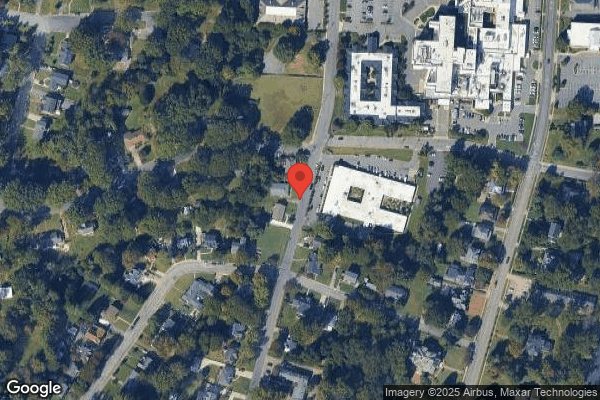

543 Maple Avenue, REIDSVILLE, NC 27320 (336) 342-1382
For profit - Corporation 110 Beds SIMCHA HYMAN & NAFTALI ZANZIPER Data: November 2025
Trust Grade
15/100
#331 of 417 in NC
Last Inspection: June 2025

Inspected within the last 6 months. Data reflects current conditions.

Overview

Cypress Valley Center for Nursing and Rehabilitation has received a Trust Grade of F, indicating significant concerns and overall poor quality of care. With a state rank of #331 out of 417 facilities in North Carolina, they are in the bottom half, and they rank last in Rockingham County at #5 out of 5. While the facility is improving, having reduced issues from 8 to 6, there are still serious concerns, including four incidents that caused harm to residents. Staffing is a weak point with a rating of 1 out of 5, although the turnover rate is low at 0%. The facility has accumulated fines totaling $32,911, which is concerning but average compared to other facilities in the area. There is less RN coverage than 93% of state facilities, which is a potential risk for residents. Specific incidents include a resident being left at a dialysis appointment, causing them distress, and another resident experiencing pain management issues without adequate follow-up, highlighting both the weak staff performance and a need for better communication. Overall, families should weigh these significant weaknesses against the facility's improving trend when considering Cypress Valley for their loved ones.

Trust Score
F
15/100
In North Carolina
#331/417
Bottom 21%
Safety Record
High Risk
Review needed
Inspections
Getting Better
8 → 6 violations
Staff Stability
○ Average
Turnover data not reported for this facility.
Penalties
✓ Good
$32,911 in fines. Lower than most North Carolina facilities. Relatively clean record.
Skilled Nurses
⚠ Watch
Each resident gets only 16 minutes of Registered Nurse (RN) attention daily — below average for North Carolina. Fewer RN minutes means fewer trained eyes watching for problems.
Violations
⚠ Watch
29 deficiencies on record. Higher than average. Multiple issues found across inspections.
★☆☆☆☆
1.0
Overall Rating
★☆☆☆☆
1.0
Staff Levels
★☆☆☆☆
1.0
Care Quality
★★☆☆☆
2.0
Inspection Score
Stable
2024: 8 issues
2025: 6 issues

The Good

  • Full Sprinkler Coverage · Fire safety systems throughout facility
  • No fines on record

Facility shows strength in fire safety.

The Bad

1-Star Overall Rating

Below North Carolina average (2.8)

Significant quality concerns identified by CMS

Federal Fines: $32,911

Below median ($33,413)

Moderate penalties - review what triggered them

Chain: SIMCHA HYMAN & NAFTALI ZANZIPER

Part of a multi-facility chain

Ask about local staffing decisions and management

The Ugly 29 deficiencies on record

4 actual harm
Jun 2025 6 deficiencies
CONCERN (D) 📢 Someone Reported This

A family member, employee, or ombudsman was alarmed enough to file a formal complaint

Potential for Harm - no one hurt, but risky conditions existed

Free from Abuse/Neglect (Tag F0600)

Could have caused harm · This affected 1 resident

**NOTE- TERMS IN BRACKETS HAVE BEEN EDITED TO PROTECT CONFIDENTIALITY** Based on observations, record reviews, and resident, resident representative, and staff interviews, the facility failed to prote...

Read full inspector narrative →
**NOTE- TERMS IN BRACKETS HAVE BEEN EDITED TO PROTECT CONFIDENTIALITY** Based on observations, record reviews, and resident, resident representative, and staff interviews, the facility failed to protect a resident's right to be free from resident-to-resident abuse when Resident #28 hit Resident #98 on the left of his forehead with his fist when Resident #28 tried to exit his room in his wheelchair and was blocked by Resident #98's geriatric reclining chair (geri-chair, a reclining chair used to support individuals with limited mobility). Resident #98 had a raised red area on the left of his forehead after the incident. This deficient practice affected 1 of 4 residents reviewed for abuse (Resident #98). The findings included: Resident #28 was admitted to the facility on [DATE] with diagnoses that included traumatic brain injury, cerebral infarction (stroke), and cognitive communication deficit. The quarterly Minimum Data Set (MDS) assessment dated [DATE] indicated Resident #28 was cognitively intact and had no behavioral concerns. He was coded as requiring partial to moderate assistance with transfers but was independent wheeling himself in his wheelchair. A review of Resident #28's care plan revised 2/21/25 read he had variable levels of cognitive and communications impairment related to a head injury and history of a CVA (stroke). The goal read Resident #28 would be able to communicate basic needs daily. Interventions included discussing the resident's concerns about confusion, disease process, and nursing home placement. Resident #98 was admitted to the facility on [DATE] with diagnoses that included unspecified dementia with psychotic disturbance, cerebral infarction (stroke), and unspecified intracranial injury (traumatic brain injury) with loss of consciousness. A quarterly MDS assessment dated [DATE] indicated Resident #98 was severely cognitively impaired and had no behavioral concerns. He was coded as being dependent on transfers and mobility. A review of Resident #98's care plan last revised on 3/21/25 read he had been verbally and physically aggressive towards staff such as hitting, kicking and biting related to dementia and mood disorder. The goal read Resident #98 would not harm self or others and staff would encourage seeking out of a staff member when agitated or in pain. An initial allegation report dated 3/22/25 read Resident #98 was hit on the head by Resident #28. Resident #28 alleged he could not get past Resident #98. Resident #28 stated he asked Resident #98 to move. Resident #98, who is nonverbal, attempted to speak but could not be understood. Resident #28 stated he removed his brace and struck Resident #98 on the head. Staff immediately separated the residents involved and evaluated both. Resident #98 had a small, raised bump on the forehead and Resident #28 had a scratch on his finger. Resident #98's room was changed, and his Representative was notified. Resident #28 was placed on 1:1 observation. The Director of Nursing (DON) notified the local police department and the Department of Adult Protective Services. The report was signed by the Administrator on 3/22/25. A progress note dated 3/22/25 at 4:55 PM for Resident #98 written by Nurse #8 indicated a physical altercation was observed between Resident #98 and Resident #28. According to the progress note, Resident #98 was sitting in his geri-chair in their shared room when Resident #28 was trying to exit the room. Resident #28 informed the nurse the other resident was in his way, so he hit him. The documentation noted Resident #98 received a small knot on the left side of his forehead. The note further indicated both residents were separated, and Resident #98 was taken to the nurse's station for observation. Per the progress note, neurological checks were already in place for Resident #98 from a previous fall and remained unremarkable. Resident #98's wife was notified of the incident and Nurse Practitioner (NP) #1 was also notified. Resident #28 was moved to another room according to the nurse's note. An additional progress note dated 3/23/25 at 1:47 PM for Resident #98 written by Nurse #8 revealed the resident had returned from the emergency room where he was evaluated for head trauma. The note indicated there were no new orders, and the CT scan was negative per the hospital report. According to the progress note, when Resident #98 returned to the facility, he was alert and cooperative with care. The knot on the left side of his forehead was much improved and almost resolved. The progress note indicated the resident was fed lunch by the staff and did not demonstrate any signs of pain or physical discomfort. Nurse #8 was interviewed on 6/3/25 at 2:39 PM and stated on the day of the altercation, Resident #98 was in his room which he shared with Resident #28. According to Nurse #8, Resident #98 resided in bed A which is closest to the door of the shared room. Resident #98 was sitting in his geri-chair by the door when Resident #28 tried to exit the room but couldn't get around him. Nurse #8 stated she and another staff member were walking past the shared room when they witnessed Resident #28 hit Resident #98 on the head with his fist. She stated they immediately separated the residents. When she assessed Resident #98, she noted he had a small knot on the left side of his forehead as well as some skin discoloration at the site. Nurse #8 indicated she informed the DON, Administrator, and NP #1 of the incident and then called Resident #98's spouse. Nurse #8 stated she was unaware of any altercations or arguments between the two residents in the past. Nurse Aide #4, who had assisted with separating the residents according to Nurse #8, was called for an interview regarding the altercation but was unable to be reached after multiple attempts. An interview was conducted with Resident #28 on 6/2/25 at 8:40 AM. His speech was jumbled, but he stated, I hit somebody (he was unable to recall who), he was ignoring me, so I just swung on him. He was in the way so I finally . Resident #28 then made a fist and mimicked the act of hitting. On 6/2/25 at 1:00 PM an interview was conducted with Resident #98's representative who stated Resident #28 had jumped her husband three times. She indicated she requested Resident #98 to be sent to the emergency room to have a CT scan (computed tomography-a medical imaging of the body) to check for damage after the altercation that occurred on 3/22/25. She further stated the other resident had been moved to another room after the incident. The Director of Nursing was interviewed in conjunction with the Administrator on 6/5/25 at 9:05 AM. The DON stated she spoke with Resident #98's spouse at least monthly, and she had never mentioned any other time when Resident #98 and Resident #28 had an argument or altercation. She indicated that other than the incident that occurred on 3/22/25 the residents had always gotten along well together. The Administrator agreed that there had never been a previous argument or altercation between the two residents. On 6/5/25 at 10:43 AM Nurse Practitioner #1 was interviewed. He stated he was notified of the altercation between Resident #28 and Resident #98 after it occurred. The NP stated he had never known of the two residents being involved in any arguments or altercations other than the one reported to him on the date of the event 3/22/25. The facility submitted a draft plan of correction that was not accepted by the state agency as evidence of past non-compliance.
CONCERN (D)

Potential for Harm - no one hurt, but risky conditions existed

Deficiency F0657 (Tag F0657)

Could have caused harm · This affected 1 resident

**NOTE- TERMS IN BRACKETS HAVE BEEN EDITED TO PROTECT CONFIDENTIALITY** Based on record reviews, and resident and staff interviews the facility's Interdisciplinary Team (IDT) failed to review the care...

Read full inspector narrative →
**NOTE- TERMS IN BRACKETS HAVE BEEN EDITED TO PROTECT CONFIDENTIALITY** Based on record reviews, and resident and staff interviews the facility's Interdisciplinary Team (IDT) failed to review the care plans after residents' annual and quarterly Minimum Data Set (MDS) assessments and failed to involve residents and/or resident representatives in the care planning process for 2 of 2 sampled residents reviewed for care plan revision and participation (Resident # 80 and Resident #16). Findings included: a. Resident #80 was readmitted on [DATE] with diagnoses that included diabetes mellitus type 2, and congestive heart failure. A record review of the most recent quarterly Minimum Data Set (MDS) dated [DATE] revealed Resident #80 was admitted to the facility on [DATE]. The resident was assessed as cognitively intact and needed substantial/ maximal assistance for most of the activity of daily living. Review of the resident's care plan revealed a start date of 4/23/25 and target completion date of 7/22/25. There was no indication that care plan review by the Interdisciplinary team (IDT) was completed. There was no indication that the resident or resident's family participated in the care plan meeting or in the development of Resident #80's plan of care. During an interview on 6/3/25 at 7:09 AM, Resident #80 stated the facility had not invited her to any care plan meeting or to participate in developing her plan of care. During an interview on 6/3/25 at 12:20 PM, the Social Worker Director indicated she was hired in November 2024 and had been conducting only initial care plan meetings for new admission residents with residents and/or resident representatives. She indicated that it was only recently that she was made aware that quarterly and annual care plan meetings needed to be conducted with residents and/or resident representatives. The Social Worker Director stated Resident #80 was a long-term care resident and no care plan meetings were conducted for long term residents or their representatives. During an interview on 6/3/25 at 1:22 PM, MDS Nurse #3 stated she worked part time and was assisting the newly hired MDS staff. MDS Nurse #3 stated when the IDT team updated or reviewed the care plans after the MDS assessments, they signed off the care plans as completed. MDS Nurse #3 indicated after all IDT members had signed as completed, the MDS staff also marked the care plan as completed. MDS Nurse#3 stated Resident #80's care plan was not signed by IDT team members as completed or updated. MDS Nurse #3 indicated she was unsure if the care plan was reviewed by the team and/or if the resident had a care plan meeting. b. Resident #16 was readmitted to the facility on [DATE] with diagnoses that included poly-osteoarthritis, dementia, and hypothyroidism. Review of the care plan conference dated 10/17/24 indicated that a care plan meeting was conducted with the resident on 10/17/24. The resident participated in the care plan meeting with the Interdisciplinary Team (IDT). A record review of the most recent comprehensive annual Minimum Data Set (MDS) dated [DATE] revealed Resident #16 was admitted to the facility on [DATE]. The resident was assessed as cognitively intact and dependent on staff assistance for most of the activity of daily living. Review of the resident's care plan revealed a start date of 3/9/25 and a target completion date of 6/7/25. There was no indication that care plan review by the interdisciplinary team was completed. There was no indication that the resident or resident's family participated in the care plan meeting or in the development of Resident #16's plan of care. During an interview on 6/4/25 at 10:40 AM, Resident #16 indicated she had not attended a care plan meeting since October 2024. She stated that the facility used to have care conferences every 3 months until October 2024 and later stopped having any meetings. Resident #16 indicated she preferred these meetings as she was updated on her goals and medical progress. During an interview on 6/5/25 at 9:20 AM, the Social Worker Director indicated she was hired in November 2024 and has been conducting only initial care plan meeting for new admission residents with residents and resident representative. The Social Worker Director stated Resident #16 was a long-term care resident and no care plan meetings were conducted for long term residents. During an interview on 6/5/25 at 10:00 AM, MDS Nurse #2 stated the Resident #16's care plan was not signed off by IDT team as reviewed and/or updated. When the IDT completed their review the care plan was marked as completed. During an interview on 6/3/25 at 1:05 PM, the Director of Nursing stated all interdisciplinary team were responsible for reviewing and/or updating the care plan related to their area. The MDS staff also updated the care plan when any resident had a fall, or new interventions needed to be placed. The interdisciplinary staff should sign off once the care plan was reviewed or updated. During an interview on 6 /5/25 at 9:39 AM, The Administrator stated the expectation was that care plan meetings and notifications were per the state/ federal regulations. The Administrator stated the care plan should be reviewed and revised by the interdisciplinary team after each MDS assessment, including comprehensive and quarterly assessments or if there was any change in condition. He further stated residents and/or resident representatives should be involved in the care plan meeting and make decisions about their care.
CONCERN (D)

Potential for Harm - no one hurt, but risky conditions existed

Deficiency F0688 (Tag F0688)

Could have caused harm · This affected 1 resident

**NOTE- TERMS IN BRACKETS HAVE BEEN EDITED TO PROTECT CONFIDENTIALITY** Based on observations, records review, and staff interviews, the facility failed to apply a left-hand splint for 1 of 1 resident...

Read full inspector narrative →
**NOTE- TERMS IN BRACKETS HAVE BEEN EDITED TO PROTECT CONFIDENTIALITY** Based on observations, records review, and staff interviews, the facility failed to apply a left-hand splint for 1 of 1 resident (Resident #25) reviewed for contractures. Findings included: Resident #25 was admitted to the facility on [DATE] with diagnoses that included dementia without behavioral disturbance, contractures to left wrist, contractures to left hand, and history of traumatic brain injury (TBI). Review of the physician order start dated 11/13/21 read in part Remove left resting hand splint (4-6 hrs, remove at 4 pm). Skin checks around area of splint after removal (Document: Is skin intact- yes/no?). Occupation Therapy (OT) Discharge summary dated [DATE] indicated Resident #25 received OT services from 8/28/24 to 10/18/24. Resident #25 at discharge was able to tolerate left resting hand splint for straps and frame adjustment for 4 to 5 hours. Discharge recommendations included recommending splint/braces. Restorative staff were trained on splint and brace program. Splinting for 5 hours for contracture management. Care plan (reviewed date 3/6/25) revealed Resident #25 was care planned for impaired Activities of Daily Living (ADL) functions related to TBI, limited physical mobility left side paralysis with left upper extremities (LUE) contracture. Resident #25 had order to wear a splint to her left wrist for 4-6 hours a day. Goal included maintaining current level of mobility with no further development of contractures. Interventions included applying and removing splint as ordered. Applying splint to left hand during the day and to be removed in the evening. Review of the quarterly Minimum Data Set (MDS) assessment date 3/8/25, revealed Resident #25 was assessed as severely cognitively impaired, with no behaviors exhibited. Assessment indicated the resident had no impairment to upper extremities and impairment on the one side for lower extremities. Assessment indicated the resident was dependent on staff for her Activities of Daily Living (ADL) Care. Review of the Medication Administration Record (MAR) for May 2025 and June 2025 revealed the document was marked as Yes, indicating the resident's skin was intact when checked around area of splint after removal of the splint. The document was initialed by the nurses. During an observation on 6/2/25 at 9:40 AM, Resident #25 was observed lying in her bed. She had contractures on her left hand and was not observed to be wearing any splint. The resident's fingernails were trimmed, and no skin issues were noted on her palm. During an interview on 6/2/25 at 9:45 AM, Nurse #6 indicated she was assigned to the resident. Nurse #6 stated Resident #25 had contractures to her left hand. Nurse further stated the splint was applied on the left hand usually after breakfast. Nurse #6 indicated the resident did not have any skin issue to her left hand. During an observation on 6/2/25 at 1:04 PM, Resident #25 was observed sitting in the wheelchair in the hallway. The resident did not have a splint applied to her left hand. On 6/3/25 observations were made at 12:58 PM, and at 3:14PM. Resident #25 was observed lying in her bed. The resident did not have splint applied to her left hand that had contractures. On 6/4/25 at 11:30 AM, Resident #25 was observed in the hallway, sitting in her wheelchair. No splint was applied to her left hand. During an interview and observation on 6/4/25 at 11:35 AM, Nurse Aide (NA) #1 indicated she was frequently assigned to the resident. Nurse aide stated Resident #25 had contractures to her left hand and splint on her left hand was applied by therapy staff. NA #1 indicated the resident's left palm was cleaned with wet towel daily and had no skin issues. During the interview, Resident #25 was observed in her bed with no splint applied to her hand. NA #1 searched the resident's room and found a blue colored splint inside the nightstand drawer. NA #1 did not place the splint on Resident #25, nor did she notify anyone about the splint. On 6/4/25 at 11:07 PM, Medication Aide (MA) #1 was observed outside Resident #25's room. MA #1 stated Resident #25 had contractures to her left hand, however, the splint was applied by the therapy staff. During an interview on 6/4/25 at 11:10 PM, Nurse #4 stated the resident's splint was applied by the therapy staff and nursing staff did not place splint on the resident's left hand. During an interview on 6/3/25 at 1:09 PM, Certified Occupation Therapy Assistant (COTA) stated he had frequently worked with Resident #25 while the resident was under occupation therapy service. Resident #25 had contractures to her left hand. While under therapy service, the splint was applied to the left-hand to check for tolerance and for comfort during use. The resident at discharge was able to tolerate splint for 4- 6 hours a day. The COTA indicated when the resident was discharged from therapy (date unknown) the restorative program staff were educated and trained on how to place splint on the resident's hand. The resident had limited Range of Motion (ROM) to her left hand and required passive stretch to her left hand prior to applying the splint. At discharge the resident was able to tolerate her left-hand splint without any pain. COTA further indicated once any resident was discharged from therapy, it was the restorative program staff and nursing staff responsibility for apply splints, check for tolerance and skin impairment. If there was any concern or if the resident was in pain when splints were placed, then therapy would reevaluate the resident for new splints. COTA stated the resident was discharged with recommendations to wear splint for 4-6 hours daily to help with her left-hand contracture. The Therapy Director was interviewed on 6/4/25 at 3:34 PM. The Therapy Director indicated that the Occupational Therapist who had worked with Resident #25 was no longer employed at the facility. She further stated she was newly hired and was not familiar with the resident. The Occupational Therapist who worked Resident #25 was unavailable for an interview. During an interview on 6/5/25 at 8:30 AM, the Director of Nursing (DON) indicated the Nurse aides assigned to the resident could apply the splints. Nurses should ensure the splints were applied appropriately. The residents' skin should be checked when the splints were removed by the nurses to ensure they do not have any skin issues. DON stated Resident #25 had contractures and splints should be applied by nursing daily. During an interview on 6/5/25 at 9:18 AM, the Administrator stated splints should be applied to the resident as ordered. Nursing staff, when trained by therapy for splints, were responsible for applying splints for the resident. The Administrator indicated Resident #25 was re-evaluated by the therapy staff and would be under therapy services for her contractures.
CONCERN (E)

Potential for Harm - no one hurt, but risky conditions existed

Assessment Accuracy (Tag F0641)

Could have caused harm · This affected multiple residents

**NOTE- TERMS IN BRACKETS HAVE BEEN EDITED TO PROTECT CONFIDENTIALITY** 3. Resident #76 was admitted to the facility on [DATE]. The resident's cumulative diagnoses included diabetes and cirrhosis (adv...

Read full inspector narrative →
**NOTE- TERMS IN BRACKETS HAVE BEEN EDITED TO PROTECT CONFIDENTIALITY** 3. Resident #76 was admitted to the facility on [DATE]. The resident's cumulative diagnoses included diabetes and cirrhosis (advanced scarring) of the liver. The resident's electronic medical record (EMR) included his Physician's Orders. These orders included, in part, 550 milligrams (mg) rifaximin to be given as one tablet by mouth two times a day for cirrhosis (Start Date 5/16/25). Rifaximin is classified as an antibiotic. It is sometimes used to treat hepatic encephalopathy (brain dysfunction caused by impaired liver function). A review of Resident #76's May 2025 Medication Administration Record (MAR) revealed the resident received rifaximin daily as order from 5/16/25 through 5/21/25. The resident's admission Minimum Data Set (MDS) was dated 5/21/25. The Medications section of this MDS assessment indicated Resident #76 received insulin, an antidepressant, and anticoagulant. It did not indicate the resident received an antibiotic medication during the 7-day look back period. An interview was conducted on 6/4/25 at 9:02 AM with MDS Nurse #1 and MDS Nurse #2 related to Resident #76's admission MDS. At that time, the MDS nurses reviewed the resident's admission MDS assessment and electronic medical record (EMR). When asked, MDS Nurse #2 confirmed the resident received an antibiotic during the look back period and reported the MDS should have included it. MDS Nurse #2 stated she would need to correct Resident #76's MDS to indicate he received an antibiotic. An interview was conducted on 6/5/25 at 11:16 AM with the facility's Administrator in the presence of the Regional Nurse Consultant. During the interview, a concern about the inaccurate reporting of Resident #76's antibiotic on the MDS was discussed. Upon inquiry, the Administrator reported she would expect the MDS assessments to be coded accurately. 4. Review of Resident #52's hospital Progress Notes dated 4/1/25 revealed the resident was admitted to the hospital on [DATE] for a principle problem of sepsis (the body's extreme reaction to an infection). The resident was discharged from the hospital and re-entered the facility on 4/3/25.with cumulative diagnoses which also included dysphagia, and anxiety. The resident's most recent Minimum Data Set (MDS) was a quarterly assessment dated [DATE]. The Identification Information section of this MDS assessment indicated Resident #52 Entered From a Nursing Home (long-term care facility). An interview was conducted on 6/4/25 at 9:02 AM with MDS Nurse #1 and MDS Nurse #2 related to Resident #52's quarterly MDS dated [DATE]. At that time, the MDS nurses reviewed the resident's quarterly MDS assessment and electronic medical record (EMR). When asked, MDS Nurse #2 confirmed the resident did go out to the hospital with re-entry to the facility on 4/3/25. The nurses agreed the MDS assessment would need to be corrected to accurately reflect that Resident #52 re-entered the facility from a hospital. An interview was conducted on 6/4/25 at 9:42 AM with the facility's Social Service Director. The Social Service Director was identified as the staff member who frequently completed part of the Identification Information section of residents' MDS assessments. During the interview, concerns related to the inaccuracies as to where a resident Entered from upon entry to the facility were discussed. At that time, the Social Service Director stated that the Entered from question was frequently pre-populated. The Director reported she did not know this information may be incorrect and that she may need to correct it. An interview was conducted on 6/5/25 at 11:16 AM with the facility's Administrator in the presence of the Regional Nurse Consultant. During the interview, the concern identified regarding the inaccurate reporting of the resident's discharge location prior to his re-entry to the facility was discussed. Upon inquiry, the Administrator reported she would expect the MDS assessments to be coded accurately. Based on staff interviews, facility and hospital record reviews, the facility failed to accurately code the Minimum Data Set (MDS) assessment in the areas of: 1) Preadmission Screening and Resident Review (PASRR) Level II status (Resident #80); 2) Impairment of range of motion (Resident #25); 3) Use of an antibiotic medication (Resident #76); and 4) The residents' discharge location prior to his/her admission to the facility (Resident #52). This occurred for 4 of 21 residents whose MDS assessments were reviewed. Findings included: 1. Resident #80 was admitted on [DATE] with diagnoses that included schizoaffective disorder, bipolar type, depression and anxiety disorder. Documentation provided by the facility's Social Service Director on 6/3/25 at 2:00 PM from the North Carolina PASRR determination authority web portal (known as NC MUST) was reviewed. The PASSR details dated 6/25/24 indicated Resident #80 had a PASSR Level II determination with no limitation unless there was a change in condition. It also indicated the resident must stay at a Skilled Nursing Facility or Hospital Level of Care and should receive specialized services. Resident #80's most recent comprehensive Minimum Data Set (MDS) was a modified annual assessment dated [DATE]. The assessment did not indicate Resident #80 had a PASRR Level II determination. The resident's care plan included the following area of focus: Resident # 80 has PASRR Level II related to serious mental illness/related condition due to Schizophrenia (Initiated 1/27/25; Revised 4/23/25). An interview was conducted on 6/4/25 at 2:57 PM with MDS Nurse #2 related to Resident #80's annual assessment dated [DATE]. Upon review, MDS Nurse #2 indicated the assessment was completed by a remote MDS staff. MDS Nurse #2 confirmed the resident's assessment was inaccurate and it should have noted the resident had a PASRR Level II status due to serious mental illness. During an interview on 6/5/25 at 1:23 PM, the Administrator stated she would expect the residents' PASRR Level to be coded accurately on the MDS assessments. The MDS staff should be reviewing the resident's face sheet and checking the PASSR information to ensure the information was entered correctly. The Administrator confirmed they had remote staff completing MDS assessments and recently hired a new staff member for MDS. 2. Resident #25 was admitted to the facility on [DATE] with diagnoses that included dementia without behavioral disturbance, contractures to left wrist, contractures to left hand, and history of traumatic brain injury (TBI). The resident's care plan (reviewed date 3/6/25) revealed Resident #25 was care planned for impaired Activities of Daily Living (ADL) function due to TBI, limited physical mobility left side paralysis with left upper extremities (LUE) contracture. Resident's most recent quarterly Minimum Data Set (MDS) assessment dated [DATE], revealed Resident #25 was assessed as severely cognitively impaired. The assessment indicated the resident had no impairment to both upper extremities and impairment on the one side for lower extremities. The assessment indicated the resident was dependent on staff for her Activities of Daily Living (ADL) Care. During an observation on 6/2/25 at 9:40 AM, Resident #25 was observed lying in her bed. She had contractures on her left hand and was not observed to be wearing any splint. During an interview on 6/4/25 at 2:57 PM, MDS Nurse #2 stated it was an oversite on her part that the resident's Range of Motion (ROM) was marked incorrectly to indicate Resident #25 had no impairments with her upper extremities. She further stated the resident had contracture to her upper extremity. During an interview on 6/5/25 at 1:19 PM, the Administrator stated Resident #25's MDS was incorrectly coded as lower extremities having limited ROM. The resident had limited range of motion in the upper extremities.
CONCERN (F)

Potential for Harm - no one hurt, but risky conditions existed

Deficiency F0727 (Tag F0727)

Could have caused harm · This affected most or all residents

Based on record review and staff interviews, the facility failed to provide 8 hours of Registered Nurse (RN) coverage for 3 of 92 days reviewed for staffing (11/10/24,11/30/24, and 12/01/24). Findings...

Read full inspector narrative →
Based on record review and staff interviews, the facility failed to provide 8 hours of Registered Nurse (RN) coverage for 3 of 92 days reviewed for staffing (11/10/24,11/30/24, and 12/01/24). Findings included: A review of the PBJ (Payroll Based Journal) staffing data report for quarter 1, 2025 (October 1 - December 31, 2024) indicated the facility did not have RN Coverage on 11/10/24, 11/30/24, and 12/01/24. Review of the daily assignment sheets for the non-covered dates revealed the RN who was originally scheduled to work 7:00 AM - 7:00 PM on the dates of 11/10/24, 11/30/24, 12/01/24, and 12/27/24 had called out. The facility had not replaced the RN who called out. An interview was conducted with the Director of Nursing (DON) and the Administrator on 06/05/25 at 9:06 AM. The DON stated the nurse who was scheduled to work on the non-covered dates called off work. She stated the facility only had two RNs at the time, and the other RN was unavailable to cover. The DON verified there was no RN coverage for the 24 hour period on 11/10/24, 11/30/24 and 12/01/24. During an interview with the Administrator on 06/05/25 at 9:08 AM she stated she expected staff to work on the dates they were scheduled. She stated she had since hired a weekend nurse to assist with RN coverage.
CONCERN (F)

Potential for Harm - no one hurt, but risky conditions existed

Food Safety (Tag F0812)

Could have caused harm · This affected most or all residents

Based on observations and interviews with the facility staff and the Regional Director of Dietary Services, the facility failed to: 1) Label, date, and seal food items stored in the Dietary Department...

Read full inspector narrative →
Based on observations and interviews with the facility staff and the Regional Director of Dietary Services, the facility failed to: 1) Label, date, and seal food items stored in the Dietary Department's walk-in cooler, dry food storage room, and walk-in freezer; 2) Dispose of expired food items observed in food storage areas; 3) Store food products in accordance with the manufacturer's storage instructions; 4) Cover facial hair for 2 of 2 Dietary staff observed with facial hair and working in food preparation (Dietary Manager and Dietary Aide #1); and 5) Keep the kitchen food service equipment clean within the Dietary Department. These practices had the potential to affect food being served to residents. The findings included: 1) An initial tour was conducted of the Dietary Department on 6/2/25 at 7:00 AM. The Dietary Manager was not available to join the initial tour of the Department. Observations made at the time of the initial tour identified the following concerns in the Dietary Department's walk-in cooler: --A 1-pound bag of parsley was opened to air (not sealed). The plastic bag was dated 5/8/25. The parsley in the bag appeared to be dark green and brown, showing signs of wilting. --Approximately 1-pound of sliced, cooked ham was stored in an unsealed, zippered plastic bag that was open to air. The plastic bag was not dated as to when it had been opened. --A 5-pound plastic bag of shredded cheddar cheese with approximately 2 pounds remaining in the bag was observed to be stored in the walk-in cooler. The plastic bag was left open to air (not sealed). The bag was dated as opened on 5/23/25. --A package originally containing 160 slices of pasteurized processed American cheese with approximately 120 slices remaining in the package was loosely wrapped with its original plastic covering and placed in an unsealed, zippered plastic bag that was open to the air. 6 slices of American cheese were placed on top of the original plastic covering within the unsealed, zippered plastic bag that was open to air. The plastic bag was not dated as to when it had been opened. --A 1-pound block of margarine was opened and loosely wrapped in its original wrapping (not sealed). Additionally, a 2-ounce piece of margarine was also loosely wrapped in its original wrapping (also, not sealed). Neither of the margarine packages were dated as to when they had been opened. An observation made at the time of the initial tour identified the following concern in the dry food storage room: --A 9-ounce packet of Taco Seasoning Mix had one corner of the packet cut away, leaving the contents of the packet open to air. The packet was dated as having been received on 5/6/25 and dated as opened on 5/15/25. Additional observations were made during a brief follow-up tour of the Dietary Department conducted on 6/2/25 at 1:50 PM. Observations made at the time of this tour identified the following concerns in the Dietary Department's walk-in freezer: --An opened cardboard box containing 15-pounds of frozen chicken breast strips was dated 3/20/25. One of two plastic bags inside the box was observed to be open to air (not sealed). The chicken breast strips appeared to have light edges around the strips, potentially indicative of freezer burn. The opened bag of the chicken breast strips was not dated as to when it had been opened. --An unsealed plastic bag containing 8 frozen breadsticks was observed to be stored in the walk-in freezer. The plastic bag containing the breadsticks was not dated as to when it had been opened. An interview was conducted on 6/2/25 at 1:55 PM with the facility's Dietary Manager and Regional Director of Dietary Services. At that time, the findings of the Dietary Department's initial and follow-up tours were shared. Upon inquiry, the Regional Director reported she would expect that all food containers should be sealed and not open to air at all. 2) Observations made during the initial tour of the Dietary Department conducted on 6/2/25 at 7:00 AM identified the following food items were expired in the dry food storage room: --3 boxes of 46 fluid ounces of Thickened Sweetened Tea with Lemon Flavor were observed to have a Best if used by 4/17/25. These boxes of thickened tea were dated as having been received on 12/12/24. --1 box of 100-portion control cups of a Steakhouse Honey Mustard dressing with approximately 85 portions remaining in the box was observed to be on a shelf in the Dry Storage Room. The box was dated as having been received on 1/23/25 and it read, Exp: 24 May 25 [Expired 5/24/25]. Accompanied by the facility's Dietary Manager and Regional Director of Dietary Services, an observation and interview were conducted on 6/2/25 at 1:55 PM of the dry food storage room. At that time, the findings of the Dietary Department's initial and follow-up tours were shared and observations conducted to confirm the findings. Upon inquiry, the Regional Director reported she would expect all opened food containers to be dated with two dates: the date received and the date the container was opened. 3) Observations made during the initial tour of the Dietary Department conducted on 6/2/25 at 7:00 AM identified the following food items were not stored in accordance with the product's storage instructions: --3 boxes of hot dog buns (each containing 12 packages of 12-count of buns) were stored in the walk-in cooler. The boxes each read, Keep frozen at 0 oF [degrees Fahrenheit] or below. --4 boxes (containing 15-pounds each) of bread loaves were stored in the walk-in cooler. The boxes read, Keep frozen at 0 oF or below. --1 unopened box labeled as containing, Margarine 2.5 oz [ounce] curved sliced croissant frozen fully baked with 60 count of croissants was observed placed on a shelf in the dry food storage room. Each side of the cardboard box noted, Keep frozen. Instructions on one side of the box read, Thaw at room temperature for 20-30 minutes. The box was unopened and not dated as to when it had been taken out of freezer storage and placed at room temperature. An interview was conducted on 6/2/25 at 1:55 PM with the facility's Dietary Manager and Regional Director of Dietary Services. At that time, the findings of the Dietary Department's tour was shared. When asked about the bread products' instructions to be kept frozen, the Regional Director reported those instructions were correct and the bread products were supposed to be stored in the freezer. 4) During the initial tour conducted on 6/2/25 at 7:00 AM of the Dietary Department, Dietary Aide #1 was observed to have facial hair (beard) without using a beard restraint. The Dietary Aide was observed as he was preparing food and beverages for tray line service. On 6/2/25 at 7:45 AM, Dietary Aide #1 was also observed to be working on the breakfast tray line without a beard restraint. On 6/2/25 at 7:45 AM, the facility's Dietary Manager entered the kitchen. The Dietary Manager was observed to have long hair, a beard and mustache. The Dietary Manager was observed to put on a hairnet. However, the hairnet did not cover all his hair, and no beard restraint was used by the Dietary Manager. An interview was conducted on 6/2/25 at 1:55 PM with the facility's Dietary Manager and Regional Director of Dietary Services. At that time, the findings of the Dietary Department's observations were shared. Upon inquiry, the Regional Director reported she would expect all hair to be covered by employees working in the Dietary Department. Additionally, she stated that all Dietary employees with facial hair were expected to wear a beard restraint. Accompanied by the Regional Director of Dietary Services, an additional observation was conducted on 6/4/25 beginning at 11:47 AM as the lunch tray line began. On 6/4/25 at 12:12 PM, the Dietary Manager was observed as he assisted with the tray line. However, he was also observed to have his beard restraint down under his mouth, exposing his mustache. When the Regional Director of Dietary Services was asked what she thought about the positioning of the Dietary Manager's beard restraint, the Regional Director was observed as she reminded the Dietary Manager to pull his beard restraint up over the facial hair. 5) An initial observation made on 6/2/25 at 7:00 AM identified concerns with the cleanliness of equipment used within the Dietary Department. These included: --The free-standing deep fat fryer was observed to have a dark brown grease build-up on the surfaces of 3 (of the 4) of its sides visible at the time of the observation. --The visible side of the stove/oven was observed to have a dark brown grease build-up that was sticky to the touch. An interview was conducted on 6/2/25 at 1:55 PM with the facility's Dietary Manager and Regional Director of Dietary Services. At that time, the findings of the Dietary Department's observations were shared. When asked, the Regional Director reported the equipment in the Dietary Department should be cleaned and any concerns identified during the observations should have been cleaned in accordance with the cleaning schedule and/or caught by the daily rounds of the department. An interview was conducted on 6/5/25 at 11:16 AM with the facility's Administrator in the presence of the Regional Nurse Consultant. During the interview, the Administrator stated she had been informed of the results of the kitchen observations but requested a brief review of the concerns. The findings of the Dietary Department observations were reviewed with her. The Administrator stated she had no questions.
Jun 2024 8 deficiencies
CONCERN (D)

Potential for Harm - no one hurt, but risky conditions existed

Deficiency F0660 (Tag F0660)

Could have caused harm · This affected 1 resident

**NOTE- TERMS IN BRACKETS HAVE BEEN EDITED TO PROTECT CONFIDENTIALITY** Based on record review, family interview and staff interviews, the facility failed to implement an effective discharge planning ...

Read full inspector narrative →
**NOTE- TERMS IN BRACKETS HAVE BEEN EDITED TO PROTECT CONFIDENTIALITY** Based on record review, family interview and staff interviews, the facility failed to implement an effective discharge planning process for 1 of 1 resident reviewed for discharge to the community (Resident #100). The findings included: Resident #100 was admitted to the facility on [DATE] with diagnoses that included right femur fracture, peripheral vascular disease, atrial fibrillation and chronic pulmonary obstruction disease. Resident #100's admission Minimum Data Set (MDS) assessment dated [DATE] coded Resident #100's cognition was intact. The resident needed one-person assistance with activities of daily living. Review of the discharge plan section of the admission MDS dated [DATE] asked the question whether active discharge planning already occurred for the resident to return to the community and the answer was no. There was no admission assessment completed. Care area assessment (CAA) from the admission MDS dated [DATE] did not trigger for discharge to the community. Review of the care plan dated 4/6/24 revealed there was no documentation for Resident #100's discharge plan to return to the community. Review of the notice of Medicare Non-Coverage revealed the service would end on 4/20/24. The notice was signed by Resident #100 on 4/18/24. A telephone interview was conducted on 6/20/24 at 5:34 PM and the family member stated she had been informed by the insurance company of the pending discharge date as 4/21/24. She further stated the facility did not discuss or schedule a discharge planning meeting at the time of admission or prior to discharge. She was unaware of the discharge process and was called on 4/19/24 by the facility to sign a discharge notice form. She could not recall who called her. The family member explained when she arrived on 4/21/24, the nursing staff on duty acted as though they were unaware Resident #100 would be discharged . She further stated there was no information provided at the time of discharge to include home health services, prescriptions for medication or instruction for home care. She further stated the nurse on duty told her she needed to call back on the morning of (4/22/24) for further instruction. She reported when she called back on 4/22/24, she returned to the facility to get Resident #100's prescriptions and was given a name and number to contact for a home health program. Resident #100 did not receive home health or therapy services for 3 weeks. The family stated she contacted the home health service to make the arrangements. An interview was conducted on 6/20/24 at 6:00 PM with Nurse #9 who stated she worked on 6/21/24 and she was unaware Resident #100 was being discharged until the family arrived for pick-up. Nurse #9 reported the discharge paperwork had not been prepared or available for the discharge. She stated she was only able to provide the family with a medication list and a previously done history and physical assessment done by the nurse practitioner. She instructed the family to contact the facility in the morning for prescription orders and home health services. She stated the discharge process would have included an interdisciplinary meeting and all orders and services would be complied with a packet prepared by the social worker prior to discharge to be reviewed with the resident and family. Nurse #9 reported she was only able to provide what was available in the record. An interview was conducted on 6/19/20/24 at 10:45 AM with the Nurse Practitioner (NP) who stated Resident #100 was only in the facility for 18 days for rehab services. He stated there was no significant concerns or incident other than her rehab recovery. The Nurse Practitioner stated he did not do a discharge summary at the time of discharge. The nursing staff and social worker would prepare the paperwork and discuss resident community plans and services. He stated he saw the resident on 4/8/24, with knowledge the resident would return home at the completion of therapy. He stated the resident expressed a desire to return home during the assessment. He was unaware of the events of the discharge plan after that point Review of the physical therapy Discharge summary dated [DATE] documented Resident #100 was seen by physical therapy for lower extremity therapeutic exercise for strength and balance with cues for techniques. The facility improved her standing balance reactions, ambulation with rolling walker in room with good progress. Resident #100 left the facility against medical advice. An interview was conducted on 6/20/24 at 3:52 PM, the Rehab Director stated Resident #100 was seen 4/4/24-4/19/24. She was admitted for rehab due to hip fracture. She stated the resident was independent with activities of daily living at the time of discharge and only needed lower body assistance but would need physical therapy in the home. She further stated a formal discharge meeting regarding the resident's progress or discharge plans for home care did not happen. She did not state why the meeting did not occur. The resident had discharged on the weekend. The Rehab Director did not respond to why the resident was listed as against medical advice An interview was conducted on 6/20/24 at 5:10 PM in conjunction with a record review with the Director of Nursing and revealed a discharge planning meeting with the resident, family and the interdisciplinary team had not taken place. The Director of Nursing acknowledged the facility did not implement the discharge process on admission and at the time of discharge. An interview on 6/20/24 at 4:43 PM in conjunction with a record review with the admission staff revealed the discharge plan was not done on admission and at the time of discharge. She acknowledged the discharge plan was missed due to the absence of a social worker. An interview on 6/20/24 at 4:43 PM in conjunction with a record review with the Administrator revealed all residents should have a discharge planning meeting on admission and prior to discharge with the resident and family. The interdisciplinary team was expected to meet prior to a scheduled discharge to discuss and prepare a packet of information of all the resident's orders with prescription medications and ensure the resident's home care needs were in place prior to the discharge. The record revealed there was no referral made to home health services prior to discharge to reflect Resident #100's healthcare needs at the time of discharge. The social worker would prepare the packet for the nursing staff prior to discharge. The discharging nurse would review the information with the resident and responsible person to ensure all services and instructions were in place at the time of discharge. The Administrator acknowledged due to the absence of a social worker the discharge process was not implemented in accordance with the facility policy. Moving forward, an audit of all discharges would be implemented immediately. The Administrator did not respond to why the resident was listed as against medical advice.
CONCERN (D)

Potential for Harm - no one hurt, but risky conditions existed

Deficiency F0661 (Tag F0661)

Could have caused harm · This affected 1 resident

**NOTE- TERMS IN BRACKETS HAVE BEEN EDITED TO PROTECT CONFIDENTIALITY** Based on record review and staff interview, the facility failed to complete a recapitulation of stay for 1 of 1 closed record re...

Read full inspector narrative →
**NOTE- TERMS IN BRACKETS HAVE BEEN EDITED TO PROTECT CONFIDENTIALITY** Based on record review and staff interview, the facility failed to complete a recapitulation of stay for 1 of 1 closed record reviewed for discharge to the community(Resident #100). The findings included: Resident #100 was admitted to the facility on [DATE] with diagnoses that included right femur fracture, peripheral vascular disease, atrial fibrillation and chronic pulmonary obstruction disease. Resident #100 admission Minimum Data Set(MDS) assessment dated 4/ 8 /24 coded Resident #100's cognition was intact. Resident #100 was discharged home on 4/21/24 and review of the record revealed the facility did not complete a recapitulation of stay. An interview on 6/20/24 at 4:43 PM, the Administrator stated a recapitulation of the stay would be completed by the interdisciplinary team to capture the full extent of the services provided to the resident during their stay. The Administrator acknowledged due to the absence of a social worker the discharge summary was not completed. She further stated nursing and social worker was responsible for ensuring the completion of the discharge summary. Moving forward, an audit of all discharges would be implemented immediately. An interview was conducted on 6/20/24 at 5:10 PM, in conjunction with a record review with the Director of Nursing revealed the discharge summary had not been completed. The Director of Nursing stated she was unsure why the facility had not completed the recapitulation of the resident's stay.
CONCERN (E) 📢 Someone Reported This

A family member, employee, or ombudsman was alarmed enough to file a formal complaint

Potential for Harm - no one hurt, but risky conditions existed

Safe Environment (Tag F0584)

Could have caused harm · This affected multiple residents

**NOTE- TERMS IN BRACKETS HAVE BEEN EDITED TO PROTECT CONFIDENTIALITY** Based on staff interview, family interview and record review, the facility failed to clean and maintain resident rooms for 3 of ...

Read full inspector narrative →
**NOTE- TERMS IN BRACKETS HAVE BEEN EDITED TO PROTECT CONFIDENTIALITY** Based on staff interview, family interview and record review, the facility failed to clean and maintain resident rooms for 3 of 3 halls (Rooms A11, A15, A17, A19, A20, A21, A22, A25, B16, C12, C26) observed for cleanliness. The findings included: An initial tour observation was conducted on 6/17/24 at 10:00 AM-10:30 AM revealed several resident rooms and were observed on 3 of 3 halls the floors were sticky when walking across the floor, there was left over food, old paper cups, wrappers, straws, dingy, dirty brown matter, and stains in the floors. The corners and base boards of the rooms were embedded with dried food products, encrusted dirt and needed to be repaired. 1a. An observation was conducted on 6/17/24 at 10:00 AM, Room A11, the floors underneath nightstand was very sticky, with brown matter, old food/paper products on the floor. b. An observation was conducted on 6/17/24 at 10:05 AM, Room A15, the floor was stained and dirty, sticky, with old paper products and food under the nightstand and beside the closet. c. An observation was conducted on 6/17/24 at 10:07 AM, Room A17 a hole was in the baseboard of room near bed B, the baseboard was detached from the wall with broken and exposed sheet rock. The floor was dirty sticky, leftover cups, paper products and old food underneath, the nightstands. d. An observation was conducted on 6/17/24 at 10:09 AM, Room A19 the floor was sticky when walked across, underneath the bed and nightstand, there was a hole in the wall and baseboard coming apart from the wall. e. An observation was conducted on 6/17/24 at 10:10AM, room [ROOM NUMBER] the floor was very sticky, underneath the nightstand and bed there was left over food and paper products on floor. f. An observation was conducted on 6/17/24 at 10:12AM, Room A21 the floor was dirty, sticky and paper products were behind and underneath the nightstand. g. An observation was conducted on 6/17/24 at 10:14 AM, Room A22 floors dirty sticky, paper products behind nightstand,. h. An observation was conducted on 6/17/24 at 10:16 AM, Room A25 the floor was stained with brown matter, baseboard behind bed coming apart from the wall and the sheet rock was exposed. i. An observation was conducted on 6/17/24 at 10:16 AM, Room A29 the floor was dirty, sticky and stained with brown matter around baseboards, under nightstand and closet area. j. An observation was conducted on 6/17/24 at 10:18 AM, Room B16, underneath nightstand and under bed had leftover food and paper products. The floor was very dirty and sticky when walked across. k. An observation was conducted on 6/17/24 at 10:20 AM, Room B24 there was a hole in wall behind bed, leftover paper products and food was underneath nightstand and closet area. l. An observation was conducted on 6/17/24 at 10:21AM, Tomm C12 underneath the nightstand and around the closet area leftover food and paper products was on the floor. The floor was sticky, heavily stained with brown matter and dried liquids. m. An observation was conducted on 6/17/24 at 10:27 AM, Room C26, the baseboard coming apart from the wall and particles of sheet rock broken left on floor. An interview was conducted on 6/19/24 at 8:30 AM, the Housekeeper #1 stated due to staffing shortage she tries to complete as many rooms on her assignment as possible. She reported she was responsible for overall cleaning of the room, bathrooms, common areas, shower rooms, behind resident furniture, however, due to limited staff she cleans most critical areas and would get behind nightstands and in between closet, under beds when time allowed. She reported most of the time deep cleaning would include cleaning behind and under nightstands. An interview was conducted on 6/19/24 at 9:55, the Housekeeper #2 stated there were times when there were only two housekeepers, and she was unable to complete all the assigned rooms due to some rooms needed more attention than others. She reported that when her co-worker calls out the assignment increases, and she tries to do her best to clean as many rooms as possible. She further stated she may not be able to complete all the designated assignments on the daily checklist and/or deep cleaning list. She reported when there are 3 housekeepers scheduled it would normally be a deep cleaning day which throws the assignments off and if one-person doesn't show the assignment increase and we all try to clean the most critical areas. She reported she was responsible for cleaning under beds, under and behind nightstands/closets, however, time may not allow for the deep cleaning process. An observation and interview were conducted on 6/19/24 at 10:30 AM of the condition of resident rooms with the Maintenance Director who stated he started the position on 6/17/24. He stated he was not aware of all the environmental needs of the facility and planned to discuss any of the observations and concerns with the administrator and housekeeping supervisor. He was unaware of the current system in place to ensure repairs were completed. An interview was conducted on 6/19/24 at 10:50 AM, the Housekeeping Director who stated she was responsible for ensuring the housekeeping staff were maintaining the cleanliness of the environment. However, due to staffing issues she did not have the opportunity to follow up and observe whether the housekeeping staff were keeping up the cleaning schedules. She further stated two new housekeepers were hired and she would be stepping down from the role of the director. She further stated on a typical day there maybe 2 housekeepers 1 floor tech and 1 laundry staff most days. When there was a call out, she may have to step into the role of housekeeper, therefore she would be unable to follow-up behind the staff. An interview was conducted on 6/19/24 at 11:00 AM, the Floor Tech stated she worked 5AM-1PM and her responsibility was to empty trash, check and change curtains, buff/mop floors. She stated the second shift tech works 1PM-8:30 PM, she further stated housekeeping department has been short of staff for a while and they may not get to all resident rooms to deep clean, on a regular basis. She reported she tries to do as many rooms assigned on the schedule to the best of her ability. She reported if she was the only one working as a floor tech, she may not get to all the assigned rooms. An interview was conducted on 6/19/24 at 11:43 AM, the Administrator who stated the facility Environmental Service Director and Maintenance Director was responsible for ensuring the facility was clean and structural repairs were completed for the safety of all the residents. She stated resident room audits would be done based on the recent facility assessment. She indicated the Maintenance Director and additional housekeeping staff were recently hired on 6/17/24.
CONCERN (E) 📢 Someone Reported This

A family member, employee, or ombudsman was alarmed enough to file a formal complaint

Potential for Harm - no one hurt, but risky conditions existed

Deficiency F0727 (Tag F0727)

Could have caused harm · This affected multiple residents

Based on record review and staff interviews, the facility failed to provide 8 hours of Registered Nurse (RN) coverage on 14 of 123 days reviewed. Findings included: Review of the PBJ (Payroll Based J...

Read full inspector narrative →
Based on record review and staff interviews, the facility failed to provide 8 hours of Registered Nurse (RN) coverage on 14 of 123 days reviewed. Findings included: Review of the PBJ (Payroll Based Journal) Staffing Data Report Fiscal Year - Quarter 2, 2024 (January 1-March 31, 2024) revealed the facility had no Registered Nurse (RN) coverage on 03/02/24, 03/09/24, 03/10/24, 03/24/24, 03/30/24, 03/31/24. Review of the daily assignment schedules from May 17, 2024, through June 17, 2024, revealed the facility failed to provide 8 hours of RN coverage on the following dates: 06/1/24, 06/9/24, 06/12/24, 06/13/24, 06/14/24, 06/15/24, 06/16/24, 06/17/24. During an interview with the Director of Nursing (DON) on 06/20/24 at 12:03 pm it was indicated staffing schedules were done by the Scheduler. She indicated when she first started working in the facility the facility had utilized agency staff, and as they were phasing out agency it was noticed they were having issues with RN coverage. On 06/20/24 at 4:38 pm an interview was conducted with the Scheduler, and she indicated she was aware of the requirement to have 8-hour RN coverage. She stated she tried to schedule RNs for 8 hours and the days that had no RN coverage a RN had been scheduled but they called out. An interview was conducted on 06/20/24 at 3:00 pm with the Administrator and she indicated it was her expectation that a RN would be in the facility 8 hours consecutively daily. She stated she was not made aware of the call outs from the Scheduler, and that she had informed her going forward that she needed to be informed if there was a RN coverage problem.
CONCERN (E)

Potential for Harm - no one hurt, but risky conditions existed

Deficiency F0761 (Tag F0761)

Could have caused harm · This affected multiple residents

Based on observations and staff interviews, the facility failed to date opened multi-dose insulin pen injections in 2 of 4 medication administration carts (Lower A hall and Lower B hall), failed to re...

Read full inspector narrative →
Based on observations and staff interviews, the facility failed to date opened multi-dose insulin pen injections in 2 of 4 medication administration carts (Lower A hall and Lower B hall), failed to remove an expired multi-dose insulin pen injections in 1 of 4 medication administration carts (Lower A hall), and failed to discard loose pills in the medication administration cart drawer for 3 of 4 medication administration carts (Lower A hall, Upper and Lower B halls). Findings Included: 1. a. On 6/17/24 at 11:10 AM, an observation of the medication administration Lower A hall cart with Nurse #2 revealed one opened and undated multi-dose Lantus Glargine insulin pen injector, one opened Semglee Glargine insulin pen injector, one opened Humalog Lispro insulin pen injector, and one opened Basaglar insulin pen injector. A review of the manufacturer's literature indicated to discard Lantus, Semglee, Humalog and Basaglar insulin pen injectors 28 days after opening. On 6/17/24 at 11:20 AM, during an interview, Nurse #2 indicated that the nurses, who worked on the medication carts, were responsible for discarding opened and undated multi-dose vials. She mentioned that per training/competency, every nurse should put the date of opening on multi-dose medications. The nurse stated that she had not checked the date of opening on insulin pens in her medication administration cart at the beginning of her shift. The nurse stated she had not administered expired medication this shift. b. On 6/17/24 at 11:25 AM, an observation of the medication administration Lower B Hall cart with Nurse #6 revealed one opened and undated multi-dose Novolog insulin pen injector. A review of the manufacturer's literature indicated to discard Novolog insulin pen injector 28 days after opening. On 6/17/24 at 11:35 AM, during an interview, Nurse #6 indicated that the nurses, who worked on the medication carts, were responsible for discarding opened and undated multi-dose vials. She mentioned that per training/competency, every nurse should put the date of opening on multi-dose medications. The nurse stated that she had not checked the date of opening on insulin vials in her medication administration cart at the beginning of her shift. The nurse stated she had not administered expired medication this shift. 2. On 6/17/24 at 12:10 PM, an observation of the Lower A hall medication administration cart with Nurse #2 revealed one Aspart insulin flex Pen injector, opened on 5/10/24. A review of the manufacturer's literature indicated to discard the insulin multi-dose vial 28 days after opening (6/7/24); one Lispro Kwik Pen insulin injector, opened on 5/14/24. A review of the manufacturer's literature indicated to discard the insulin multi-dose vial 28 days after opening (6/11/24). On 6/17/24 at 12:15 PM, during an interview, Nurse #2 indicated that the nurses, who worked on the medication carts, were responsible for discarding expired multi-dose vials. The nurse stated that she had not checked the date of opening on insulin pens in her medication administration cart at the beginning of her shift. The nurse did not administer expired insulin this shift. On 6/17/24 at 12:30 PM, during an interview, the Director of Nursing (DON) indicated that all the nurses were responsible for putting the date of opening on multi-dose medication containers, checking all the medications in medication administration carts for expiration date, and remove expired medications every shift. She expected that no expired items to be left in the medication carts. 3. a. On 6/17/24 at 11:25 AM, an observation of the Lower B Hall medication administration cart with Nurse #6 revealed in the second draw of the medication cart, there were noted two white loose capsules, one blue round shape and one pink round shape loose pills. On 6/17/24 at 11:25 AM, during an interview, Nurse #6 indicated that she could not identify what each of the pills were but stated the nurses were responsible for checking and cleaning their medication administration carts each shift. Nurse #6 did not clean the cart before her shift. b. On 6/17/24 at 1:30 PM, an observation of the Upper B Hall medication administration cart with Medication Aide #2 revealed in the second draw of the medication cart, there were noted four white loose round shape pills, two white capsules and one yellow round shape loose pills. On 6/17/24 at 1:35 PM, during an interview, Medication Aide #2 indicated that she could not identify what each of the pills were but stated the nurses were responsible for checking and cleaning their medication administration carts each shift. Medication Aide #2 did not clean the cart before her shift. c. On 6/17/24 at 1:40 PM, an observation of the Upper A hall medication administration cart with Nurse #5 revealed in the second draw of the medication cart, there were noted two white loose round shape pills. On 6/17/24 at 1:45 PM, during an interview, Nurse #5 indicated that she could not identify what each of the pills were but stated the nurses were responsible for checking and cleaning their medication administration carts each shift. Nurse #5 did not clean the cart before her shift. On 6/17/24 at 2:25 PM, during an interview, the Director of Nursing (DON) expected that no loose pills be left in the medication carts.
CONCERN (E)

Potential for Harm - no one hurt, but risky conditions existed

Food Safety (Tag F0812)

Could have caused harm · This affected multiple residents

Based on observations, interviews and record reviews the facility failed to discard expired foods and label and date foods placed in the reach-in refrigerator, walk-in refrigerator and in the dry stor...

Read full inspector narrative →
Based on observations, interviews and record reviews the facility failed to discard expired foods and label and date foods placed in the reach-in refrigerator, walk-in refrigerator and in the dry storage area. The facility failed to maintain the stove's backsplash, side of the stove, oven, deep fryer clean and free of grease, and failed to maintain the silverware holder containing clean silverware free of dried food. The facility failed to maintain the floors of the walk-in refrigerator, walk-in freezer and dry storage clean and free of dirt. These practices had the potential to affect food served to residents. Findings included: 1a. Observation of the reach-in refrigerator on 6/17/24 at 9 :18 AM, revealed a clean plastic container containing yellow colored food labeled Lemon pudding and 2 dates written on it 6/11/24 and 6/13/23. A clear plastic container filled with cut fruit labeled Prep date 6/14/24 and Use by date 6/16/24. A plastic container (Jug) one third filled with orange colored liquid with no lid or label on it. There were 18 cups containing fruit in a tray with no label or date on it. Two opened 42 fluid ounces (Fl. oz) carton labeled Thickened sweet tea with no open date. One opened 42 Fl. oz carton labeled Thickened orange juice with no opened date. A plastic container one fourth filled with reddish-purplish food labeled Jelly and dated 6/5/24. During an interview on 6/17/24 at 9:18 AM, the dietary cook stated any leftover food should be discarded in 3 days or by the date indicated on the label. She stated the yellow-colored food was pudding, and the cut fruit was mixed fruit. She indicated that both these foods should have been discarded. The cook indicated the yellow-colored liquid was orange juice and should have been covered and labeled. The cook indicated she had not worked on the weekend and unsure when the tray was placed in the refrigerator. She indicated all food placed in the refrigerator should be labeled and dated. The thickened liquids when opened should be labeled and dated and should be discarded within 3 days. During an interview on 6/17/24 at 9:25 AM, the Dietary Manager indicated all thickened liquids when opened should be dated and discarded within 7 days. The Dietary Manager stated the thickened liquids were opened that morning (6/17/24) and staff had forgotten to date it. He stated all dietary staff were responsible to ensure the food was labeled and discarded appropriately. The DM stated the reddish-purple food was jelly used in making sandwiches and could be in the refrigerator for 10 days. 1 b. Observation of the walk-in refrigerator on 6/17/24 at 9:30 AM revealed a cardboard box containing 8 Fl. oz carton of 2 % milk with best by date 6/11/24. There were thirty-two (32) carton of milk in the box. Observation also revealed one quart carton half and half with best by date 5/29/24. A half-filled 2-liter soda bottled with no label. During an interview on 6/17/24 at 9:30 AM, the Dietary Manager indicated he was unsure why the expired milk and the half and half carton were still in the refrigerator. He indicated they received new boxes of milk carton earlier in the morning (6/17/24) and the expired box of milk should have been discarded. The Dietary Manager was unsure to whom the soda bottle belonged to and indicated staff should not be placing their personal food in the refrigerator. 1 c. Observation of the dry storage area on 6/17/24 at 9:35 AM revealed an opened plastic bottled, half filled with greenish colored food. The label on the bottle indicated Sweet relish and had an expiration date on 5/29/23. Three (3) one gallon plastic containers labeled Pancake and Waffle syrup with date 12/14/21 on it. During an interview on 6/17/24 at 9:35 AM, the Dietary Manager indicated he had never seen these plastic containers and unsure when the expiration date of the syrup was. During an interview on 6/18/24 at 11:40 AM, the Regional Director for Environmental service and Dietary stated per vendor's email, if the syrup was stored in glass bottles it was good for 4 years and if the syrup was stored in plastic bottles it was good for 2 years from the date written on the containers. As the syrup was in plastic bottles, these bottles had to be discarded. 2 a. Observation of the reach-in freezer on 6/17/24 at 9:15 AM revealed ice and dried food on the floor of the freezer. During an interview on 6/17/24 at 9:15 AM, the dietary cook indicated she was not sure why the freezer was not cleaned. 2. b Observation of the walk-in refrigerator on 6/17/24 at 9:30 AM revealed pieces of paper (package paper and tape pieces) under the racks and red colored fluid puddle on the floor. During an interview on 6/17/24 at 9:30 AM the DM stated it was some accident that the dietary staff did not clean the refrigerator after they pulled the food out of the rack. He was unsure what the red colored fluid on the floor was. 2 c. Observation of the walk-in- freezer on 6/17/24 at 9:35 AM, revealed a greenish- bluish liquid on the floor. 4 big cardboard boxes of ice cream and a white colored cardboard box containing bags of frozen zucchini (unopened) on the floor. During an interview on 6/17/24 at 9:35 AM, the Dietary Manager indicated the ice cream boxes belonged to the activities department as the facility had celebrated Nurse Aides last week. The Dietary Manager indicated it was the responsibility of all dietary staff to ensure that the floor of the refrigerator or freezer were clean. 2 d. Observation of the dry storage on 6/17/24 at 9:40 AM revealed multiple pieces of packing paper, dust and dirt on the floor. The Dietary Manager indicated they received their supplies from their vendor earlier that morning. He further indicated that the dry storage floor was cleaned once a week after the supplies were stocked. 3a. Observation of the stove on 6/17/24 at 9:40 AM revealed the side of the cooking range and the back splash had blackish greasy stains. During an interview on 6/17/24 at 9:40 AM, the Dietary Manager stated the dietary staff cleaned the stove/range weekly and they had been working hard to get the grease stain out from the back splash. 3b. Observation of the oven on 6/17/24 at 9:40 AM and on 6/18/24 at 11:45 AM revealed dried brown stains on the inside of the oven door. Greasy, brown burnt stains were also observed on the racks and floor of the oven. The Dietary Manager stated the oven was used daily and cleaned only weekly. 3c. Observation of the deep fryer on 6/17/24 at 9:40 AM revealed light brown oily stains in the front and side of the equipment. The Dietary Manager stated the deep fryer was cleaned once a week and he was responsible for cleaning the deep fryer. 3d. Observation of the steam table on 6/17/24 at 9:15 AM revealed a silverware holder containing clean silverware (forks, and spoon) having dried food particles and brownish colored fluid at the base of the holder. During an interview on 6/17/24 at 9:15 AM, the dietary cook indicated she was unsure why the silverware holder had the food particles and that it should be sent back to the dish washer to be washed again. 3e. Observation of the air-dry rack holding clean dishes on 6/17/24 at 9:15 AM and on 6/18/24 at 11;45 PM revealed a crate containing clean plates. There were multiple opened plastic bags containing plastic cup covers on these clean plates. During an interview on 6/17/24 at 9:15 AM, the dietary cook indicated staff should not be placing anything on the clean dishes rack while the clean dishes were air dried. She further stated the plates would be sent to the dishwasher to be washed and sanitized. During an interview on 6/18/24 at 11:45 AM the Dietary Manager stated the cup covers/ lids should not be placed on clean dishes. The plates would be sent back to the dishwasher to be washed again. Review of the document Weekly Game Plan AM/PM staff 6/9 - 6/16/24 indicated the names of staff that were responsible to clean the oven, dry storage room. Staff initials were on the side of the items they were responsible for cleaning, indicating it was clean by the assigned staff. The documents also indicated the Dietary Manager was responsible for cleaning the deep fryer and it indicated it was cleaned with his staff initial. Weekly cleaning document for 3 months were reviewed, and all documents had the initials of the staff indicating the assigned equipment was cleaned. During an interview on 6/18/24 at 3:00 PM, the Dietary Manager stated the dietary department had only weekly schedules and did not have any document that indicated daily schedules. All staff were responsible for cleaning after each task they had completed. During a reinterview with the Dietary Manager on 6/20/24 at 11:13 AM, he stated any leftover or prep food should be discarded within 7 days. The food should be labeled with a prep date and use by date and when by the use by date. The Dietary Manager stated opened thickened liquids should be labeled with open date and should be discarded within 7 days of opening. Regarding cleaning schedules, he indicated he had not been using daily cleaning schedules and followed only weekly cleaning schedule. For daily cleaning, the dietary staff were responsible to clean after themselves daily. He further indicated he was also responsible for cleaning the kitchen daily. The Dietary Manager stated he cleaned the deep fryer twice a week. The dietary staff cleaned and mopped the walk-in refrigerator three times a week. The dry storage was swept and mopped daily, and the dietary cooks were responsible. He indicated he was responsible for checking food in the walk-in and reach refrigerator and freezer and discarding any expired food. During an interview on 6/20/24 at 11:24 AM the Regional Director for Environmental service and Dietary stated the Dietary Manager was provided with daily cleaning schedules and was unsure if it was appropriately followed. The weekly cleaning schedule was the deep cleaning schedule, and this should be followed by every dietary staff who have been assigned to the task. She further stated the Dietary Manager was responsible to ensure the daily cleaning and weekly cleaning schedule were appropriately completed by the staff. the Regional Director for Environmental service and Dietary stated the Dietary Manager should do a complete walk thoroughly of the refrigerator and Freezer and the kitchen twice a day. The food placed in the refrigerator should be labeled by the prep date and discard date and all staff would be educated on discarding food 7 days from the prep day. She indicated the thickened liquids should be dated when opened and discarded within 7 days. The racks used for clean dishes should always be holding only clean dishes. During an interview on 6/20/24 at 5:24 PM, the Administrator stated the Dietary Manager was responsible to ensure the cleaning schedules were followed by the dietary staff, ensure that all foods were labeled and expired food discarded. All equipment should be maintained clean and free of any grease and food particles. Both daily and weekly scheduled should be followed by all dietary staff. The Dietary Manager should be doing a walkthrough of the kitchen 2 times a day to ensure the areas were clean, expired food discarded and food was labeled appropriately.
CONCERN (E)

Potential for Harm - no one hurt, but risky conditions existed

Deficiency F0924 (Tag F0924)

Could have caused harm · This affected multiple residents

Based on observations, staff interviews and record review, the facility failed to ensure the handrails in the facility corridors were properly secured to the walls, repaired and free from sharp edges ...

Read full inspector narrative →
Based on observations, staff interviews and record review, the facility failed to ensure the handrails in the facility corridors were properly secured to the walls, repaired and free from sharp edges on 3 of 3 halls where handrails were present. The findings included: An observation was conducted on 6/17/24 tour of facility 9:45 AM, revealed on the A hall the handrails were needed repairs due to broken/cracked and missing end caps in the corridor joining the A facility hall bathroom and rooms A1, A3, A6, A 11, A15, A17, A25, A26,28, A29 and the resident shower room on A hallway. The end of the handrails had sharp edges that were not covered by the endcaps. Staff and residents were observed using the handrails in the current condition. An observation was conducted on 6/17/24 at 10:00 AM, revealed on the C hall the handrails need repairs due to broken/cracked and missing end caps in the corridor joining the storage area between and room C27. An observation on 6/17/24 at 10:30 AM, revealed on the B hall the handrails needed to be repaired due to broken/cracked and missing endcaps in the corridor joining the B hall resident shower room, medical supply room, resident rooms B 7 , B16, B20, B21, and B25. A follow-up observation was conducted on 6/19/24 at 9:30 AM, revealed the identified handrails in the A hall, B hall and C hall remained in the same condition and had not been repaired. Staff and residents continued to use the handrails for support during mobilization on the units. An observation and interview were conducted on 6/19/24 at 10:30 AM with the Maintenance Director who stated he started the position on 6/17/24. He stated he was not aware of all the environmental needs of the facility and planned to discuss any of the observations and concerns with the administrator and housekeeping supervisor. He was unaware of the current system in place to ensure repairs were completed. An interview was conducted on 6/19/24 at 11:43 AM, the Administrator who stated the facility Environmental Service Director and Maintenance Director was responsible for ensuring the facility was clean and structural repairs were completed for the safety of all the residents. She included a handrail and resident room audits would be done for repairs and replacement immediately based on the recent facility assessment. She indicated the Maintenance Director and additional housekeeping staff were recently hired on 6/17/24.
MINOR (B)

Minor Issue - procedural, no safety impact

Assessment Accuracy (Tag F0641)

Minor procedural issue · This affected multiple residents

**NOTE- TERMS IN BRACKETS HAVE BEEN EDITED TO PROTECT CONFIDENTIALITY** Based on staff interviews, and record review the facility failed to accurately code the Minimum Data Set (MDS) assessments in th...

Read full inspector narrative →
**NOTE- TERMS IN BRACKETS HAVE BEEN EDITED TO PROTECT CONFIDENTIALITY** Based on staff interviews, and record review the facility failed to accurately code the Minimum Data Set (MDS) assessments in the area of cognitive patterns, and medication for 2 of 2 residents reviewed for resident assessment (Resident #251 and Resident #38). Findings included: 1. Resident #251 was admitted to the facility on [DATE] with diagnoses that included malignant neoplasm and tracheostomy status. Review of the Quarterly Minimum Data Set (MDS) assessment dated [DATE] indicated Resident #251 had adequate hearing, no speech, and was usually understood. The Cognitive Patters section was not assessed and marked as the resident is rarely/never understood. The Staff Assessment for Mental Status was also marked as not assessed. During an interview on 6/19/24 at 11:55 AM, the MDS nurse indicated if any resident was unable to be interviewed for the cognition section, then the staff should be interviewed about the resident's cognitive status. She stated the cognition section should have been completed using staff interview and the resident's cognition status assessed appropriately. The MDS nurse indicated the cognition section should be completed for all residents. During an interview with the Administrator on 6/20/24 at 5:27 PM, she indicated it was her expectation that all MDS assessments were completed accurately. The MDS assessments should correctly reflect the resident's cognition status. 2. Resident #38 was admitted to the facility on [DATE]. A review of the medication orders for Resident #38 did not reveal she had been prescribed insulin injections. A review of the admission MDS assessment dated [DATE] indicated Resident #38 received an insulin injection on 1 of the 7 days during the look back period. During an interview on 6/19/24 at 11:55 AM, the MDS nurse stated Resident #38 received a Tuberculosis (TB) test (skin injection) upon admission. She indicated it had been an error to mark it as an insulin injection. During an interview with the Administrator on 6/20/24 at 5:27 PM, she indicated it was her expectation that all MDS assessments were completed accurately. The MDS assessments should correctly reflect the medications administered to the residents.
Sept 2023 3 deficiencies 1 Harm
SERIOUS (G) 📢 Someone Reported This

A family member, employee, or ombudsman was alarmed enough to file a formal complaint

Actual Harm - a resident was hurt due to facility failures

Resident Rights (Tag F0550)

A resident was harmed · This affected 1 resident

**NOTE- TERMS IN BRACKETS HAVE BEEN EDITED TO PROTECT CONFIDENTIALITY** Based on record review and resident, family, staff, and dialysis staff interviews, the facility failed to maintain a resident's ...

Read full inspector narrative →
**NOTE- TERMS IN BRACKETS HAVE BEEN EDITED TO PROTECT CONFIDENTIALITY** Based on record review and resident, family, staff, and dialysis staff interviews, the facility failed to maintain a resident's dignity by failing to pick up Resident #3 from a dialysis appointment which resulted in the resident feeling terribly upset and angry for 1 of 1 sampled resident reviewed for dialysis (Resident # 3). The findings included: Resident #3 was admitted to the facility on [DATE], with diagnoses of congestive heart failure and end stage renal disease. The admission Minimum Data Set(MDS) dated [DATE], coded Resident #3's cognition was intact and received dialysis three times a week. Review of the dialysis appointment book revealed, Resident #3 did not go to dialysis on 8/7/23 and 8/9/23 and rescheduled on 8/11/23. An interview was conducted on 9/6/23 at 2:00 PM with Unit Manager #2 who stated she had left the facility for the day (8/11/23) and received a call from Nurse #7 around 5:45 PM stating Resident #3 had been left at the dialysis center. The Unit Manager stated she instructed Nurse #7 to contact the dialysis center and get the status of the resident while she contacted the Administrator, Van Driver and the Scheduler to find out what happened. Several attempts were made to reach the Van Driver by everyone and there was no response. The Administrator called the Maintenance Director who had the spare keys to the van and asked if he would come back to the facility to get the van and pick up the resident. According to Nurse #7, Resident #3 was not reporting any physical distress when she spoke with the family about the situation. The resident was terribly upset about the situation and hungry since she missed lunch and dinner. The Scheduler who lived closer to the dialysis center offered to pick the resident up in her personal vehicle since no one could reach the Van Driver. The Administrator gave approval for the Scheduler to pick the resident up since it was not company policy to transport residents in a personal vehicle. Unit Manger #2 stated she had been communicating with the Scheduler from 6:30 PM until the resident returned to the facility. She was uncertain the exact time the resident returned to the facility since the staff member had taken the resident to get something to eat. Nurse #7 oversaw the situation from that point. A telephone interview was conducted on 9/6/23 at 3:56 PM with the former Director of Nursing who stated she had been made aware via telephone Resident #3 had been left at the dialysis appointment during the evening hours. The Administrator oversaw the situation and arranged for the resident to be picked up by an off-duty staff member because the van keys were not available in the facility. The Administrator implemented some recent changes for the scheduling process and transportation changes. The former Director of Nursing stated the resident had been assessed by the nursing staff upon return and offered pain medication but refused. A telephone interview was conducted on 9/6/23 at 4:29 PM with Resident #3 who stated she had an appointment at dialysis on 8/11/23 at 11:00 AM and finished around 3:30 PM. The dialysis center called the facility around 3:45 PM and told them she was ready to be picked up. The dialysis nurse told her the van driver would be there in 15 minutes; she told the housekeeping staff of the center she would wait outside on the front porch because it was cold inside the center. However, no one came. The housekeeping staff came back out around 4:30 PM and she was still sitting there. Resident #3 further stated she did not have any telephone numbers or information to the facility or the driver. She reported the dialysis staff came out around 5:00 PM and saw me there and stated they thought I had already left. She stated the dialysis staff called the facility again and no-one responded to the call. I was wondering why the facility had not called back to check on me or return to pick me up when dialysis called the 1st time. I was so upset, frustrated and mad that the facility forgot about me, leaving me with no lunch or dinner, only to eat the few snacks the dialysis staff offered. No one had the decency to come back when they realized I had not been picked up. I felt angry being stranded for 4 hours. She reported she called a family member to tell them what happened and to get help and the family ended up reaching somebody at the facility to tell them that she was left at the dialysis center. Resident #3 further stated, It was a horrible experience. We were told on admission the facility would be responsible for transportation to and from the dialysis appointments. The dialysis staff stayed until the facility staff came around 7:00 PM. She further stated she was picked up by a staff member who was in her personal car because the van driver had left for the day and there were no keys available to the van. Resident #3 indicated she was very hungry and the staff member that picked her up did take her to get something to eat. Resident #3 further stated the van driver came on the weekend (8/12/23) to apologize for not picking her up, because of misinformation he had received. She stated it was a very awful situation to be in and extremely uncomfortable physically. An interview was conducted on 9/7/23 at 7:30 AM with Nurse #7 who stated Resident #3 had left for her dialysis appointment a little after noon in no distress on 8/11/23. Nurse #7 stated she was not aware the resident had been left at dialysis until a family member of Resident #3 called terribly upset, angry and frustrated that Resident #3 had been stranded for 4 hours with no contact from anyone from the facility. She indicated she was unaware the dialysis center had called the driver or the facility earlier to say the resident was ready for pick-up. Once she learned of the situation, she called the Administrator, Unit manager, Scheduler, and the Van Driver. She spoke with the Dialysis Center Nurse who stated the resident was doing ok and she shared with them arrangements were being made to pick up the resident. When the Van Driver could not be reached, the Scheduler offered to transport the resident in her personal vehicle. The Administrator gave approval for the transport since it was not company policy to use personal cars for resident transport. Resident #3 returned to the facility about 7:45 PM, incredibly angry, upset and agitated. An interview conducted on 9/7/23 at 8:00AM with the Scheduler revealed she was off on 8/11/23 when she received a phone call from Unit Manager #2 around 6:28 PM. Unit Manager #2 stated that she could not reach the Van Driver who had left Resident #3 at dialysis. She reported she tried to contact the Van Driver as well, and he never answered. She called the Unit Manager back who was also in contact with the Administrator deciding how to pick up the resident since the van keys were not available in the building. The sSheduler stated she lived closer to the dialysis center and offered to pick the resident up. She stated she received approval from the Administrator to transport the resident in her personal car. When she arrived at the dialysis center the resident was seated outside under a covered porch extremely mad, upset, and angry, stating she was hungry and very unsatisfied about what happened. Resident #3 reported her family was very unhappy and disgusted about the situation. The resident did not report she was in any discomfort or pain during the ride back to the facility. Resident #3 was returned to the facility around 7:45 PM after she got the resident something to eat. The Scheduler stated she was responsible for the appointment schedule and transportation arrangements. She reported she had spoken with the Van Driver the following day to determine how the situation occurred. The Van Driver reported he was called earlier by the dialysis center, and he was confused about the pickup location and times, resulting in Resident #3 being left at the center for several hours. She stated a department heading meeting was held to discuss the events and review and revised the transportation schedule for facility transportation and community provided services to ensure the situation did not occur again. An interview was conducted on 9/7/23 at 8:29 AM with the Van Driver who stated he had dropped off residents at two different locations and was confused of which resident he had dropped off when he received a call the dialysis center resident was ready for pick-up. There had been some confusion as to whether he or the community transportation provider would be picking up the resident because he was told not to pick up a resident. He could not recall which dialysis center cancelled the pick-up. The Van Driver stated he picked up a resident from the second location and had forgotten about picking up Resident #3. He returned to the facility and clocked out for the day. He did not take his cell phone with him and went home for the day. He was unable to recall the time he left for the day. He further stated he found out the following morning when the Administrator informed him that a resident had been left at the dialysis appointment. He reported he immediately went Resident #3 and apologized because that had never happened before, and he felt extremely bad about the situation. The Administrator, nursing, Scheduler and transportation team met and developed a new system with each department and the community transportation provider to ensure transportation arrangements were arranged week prior and confirmed to prevent this incident from occurring again. A telephone interview was conducted on 9/7/23 at 8:41 AM with the Dialysis Nurse who stated she called the driver around 4 or 4:14 PM, to let him know Resident #3 was ready to be picked up. The driver stated he would be there in 15 minutes. The Dialysis Nurse stated she also spoke with a staff person at the facility around 5:00 PM. The Nurse stated she could not recall the name of the person and informed them Resident #3 had not been picked up. The facility staff person stated they were trying to reach the van driver and the floor nurse who had not responded to their calls. The Nurse stated the center normally closed at 5:00 PM, unless they were still treating patients. The resident was offered to come inside because the center staff could not go outside with the resident while there were other residents receiving treatment. The resident was on her cell phone and declined. The resident was seated under a covered porch and was offered fluids and light snacks while she waited. The resident did not state she was in any physical discomfort. She was obviously terribly upset, mad and angry about being left so long. She further stated the facility scheduler picked the resident up between 6:00-6:30 PM in a personal vehicle. An interview was conducted 9/7/23 at 9:30 AM with Nurse #6 who stated Resident #3 left for her appointment later than her scheduled time on 8/11/23. Nurse #6 could not recall the exact time. Nurse #6 stated she had noticed around 4:30 PM, that Resident #3 had not returned from her appointment. She stated she had spoken with the assigned Nurse #7 about the whereabouts of Resident #3. The resident's family was calling at the same time as the inquiry and it was discovered the Van Driver had forgotten to pick the resident up and the resident was terribly upset. Nurse #7 had been trying to reach the Van Driver who had not responded. The Administrator, Unit Manager and the Scheduler were also contacted for assistance to figure out how to pick the resident up since the van driver had the van keys and it was against policy to transport residents in personal vehicles. Nurse #7 had been in contact with everyone around 6:00 PM. The resident did return after the Scheduler picked her up and she was terribly upset and angry about the situation. A telephone interview was conducted on 9/7/23 at 3:42 PM with the Family Member who stated when Resident #3 was admitted they were told arrangements would be made for Resident #3 to be taken to and from dialysis appointments three days a week. The Family Member reported Resident #3 called terribly upset and crying, stating she had been left at the dialysis center for several hours and had not eaten lunch or dinner. The facility was not responding to the calls made by the dialysis center. The Family Member stated she maintained contact with Resident #3 until she could reach a nurse at the facility and inform them of the situation. She reached a nurse between 6 :00 and 6:30 PM, who told her they would be sending a staff member to pick Resident #3 up. An interview was conducted on 9/7/23 at 4:00 PM with the Maintenance Director who stated he had the extra keys to the van. He stated he received a call from the Administrator around 6:00 PM, to go to the facility to get the van and pick up a resident who had been left at the dialysis center. He indicated he lived a good distance from the facility and it would have taken some time to get to the facility. He received a second call a few minutes later stating not to come because another staff would be picking the resident up who lived closer to the dialysis center. An interview was conducted with the Administrator on 9/7/23 at 4:20 PM, and the Administrator stated he was made aware Resident #3 was left at dialysis on 8/11/23 around 6:00 PM. He tried to contact the Van Driver several times who did not respond to the calls or messages. He called the Maintenance Director who had the backup keys and asked him to go the facility to pick up the resident. The facility Scheduler lived closer to the dialysis center and offered to pick the resident up in her personal car; approval for pick-up was granted to make sure the resident got back to the facility. The Administrator stated the following day a meeting was held with nursing, scheduling, and transportation to review and revise the current transportation process to prevent the situation from occurring again.
CONCERN (D) 📢 Someone Reported This

A family member, employee, or ombudsman was alarmed enough to file a formal complaint

Potential for Harm - no one hurt, but risky conditions existed

Free from Abuse/Neglect (Tag F0600)

Could have caused harm · This affected 1 resident

**NOTE- TERMS IN BRACKETS HAVE BEEN EDITED TO PROTECT CONFIDENTIALITY** Based on observations, record review, and family and staff interviews, the facility failed to protect a resident's right to be f...

Read full inspector narrative →
**NOTE- TERMS IN BRACKETS HAVE BEEN EDITED TO PROTECT CONFIDENTIALITY** Based on observations, record review, and family and staff interviews, the facility failed to protect a resident's right to be free from abuse for 1 of 4 residents reviewed for physical abuse (Resident # 10). The findings included: Resident #10 was admitted to the facility on [DATE] with diagnoses of neurogenic bladder, cognitive communication deficit, gastrostomy, chronic kidney disease, diabetes, and wounds on the heels. The admission Minimum Data Set (MDS) dated [DATE] indicated Resident #10 was severely cognitively impaired. He required two-person assistance with personal hygiene and had an indwelling catheter. Resident #11 was admitted to the facility on [DATE] with the diagnoses of benign prostatic hyperplasia dementia, psychotic and mood disturbance, and cognitive communication deficit. The quarterly Minimum Data Set (MDS) dated [DATE], indicated Resident #11 was severely cognitively impaired and had no behaviors. The quarterly care plan was updated on 6/15/23 and revisions were added on 6/20/23 to include Resident #11 revealed the problem as Resident #11 had the potential to be physically aggressive related to Dementia. He was found on 6/20/23 with his hands placed on roommate's neck. No visible injury noted. The goal included Resident #11 would not harm self or others. The interventions included staff would administer medications as ordered. Monitor/document for side effects and effectiveness. Analyze times of day, places, circumstances, triggers, and what de-escalates behavior and document. Assess and address contributing sensory deficits. Assess and anticipate residents' needs: food, thirst. toileting needs, comfort level, body positioning, pain etc. Provide physical and verbal cues to alleviate anxiety; give positive feedback, assist verbalization of source of agitation, assist to set goals for more pleasant behavior, encourage seeking out of staff member when agitated. Monitor/document/report PRN any signs and symptoms of resident posing danger to self and others. Move the resident away from the room where altercation occurred. Notify MD of altercation and consult psychiatric/Psychogeriatric consult as needed. When the resident becomes agitated: Intervene before agitation escalates; Guide away from source of distress; Engage calmly in conversation; If response is aggressive, staff to walk calmly away, and approach later. Resident #11 also had periods of delirium or acute confusion episodes related to acute disease process. The resident would be free of signs/symptoms of delirium (changes in behavior, mood, cognitive function, communication, level of consciousness, restlessness). Engage the resident in simple, structured activities that avoid overly demanding tasks. Monitor for and address environmental factors recent change in environment, environmental noise, and commotion. The initial facility investigation summary dated 6/20/23, revealed the alleged victim was Resident #10, his roommate Resident #11 was the perpetrator. Resident #11 was observed by staff with both hands placed around Resident #10's neck. Staff immediately intervened and were able to remove Resident #11's hands from Resident #10's neck. Resident #10 had no signs or symptoms of pain or discomfort. There were no other alterations in Resident #10's skin integrity. Resident #10 was observed 15 and 30 minutes later and there were no visible changes to the neck area. Resident #10 and Resident #11 Minimum Data Set(MDS) were coded as severely cognitively impaired. Neither resident could explain what happened or if there had been a disagreement. Resident #11 had general agitation but had not been involved in any physical altercation prior to this incident. The physical behavior toward another resident was unusual and unforeseen. Both residents were separated by staff and nursing did a head-to-toe evaluation on both residents. The responsible person and medical director were notified on behalf of both residents. Resident #10's responsible person agreed to a room change. Resident #10 declined feelings of being unsafe or demonstrated any changes in behaviors. Resident #11 was placed by himself in a room and provided with 1:1 support for observations until he could be seen by psychiatry services. The 5-day Investigation Report dated 6/25/23 read in part: revealed on 6/20/23 it was reported to the Director of Nursing that two roommates had an altercation. Staff were doing their rounds when staff heard yelling and noticed Resident# 11 standing over roommate Resident #10 with both hands placed on the side of Resident #10's neck. Staff immediately separated the two and Resident # 10 was checked for injuries. There were no visible marks, redness or bruising were noted. Resident# 11 was agitated but unable to state what happened. He was relocated to a private room. Resident# 11 was a long-term care resident with severe cognition impairment and diagnosed with dementia, communicative cognitive deficits, major depression disorder and anxiety. He had a behavior of agitation, but it was usually focused on staff attempting to redirect him. Resident #11 had not attempted to touch or harm another resident prior to the incident. Since the incident he has had no further attempts to harm anyone, and his agitation was focused on going home. He was being followed by psych services and would be seen on 6/27/23. Psychiatry services were aware of the incident and made no changes to Resident #11's medication routine. Resident #10 was also a long-term care resident with severe cognition impairment and diagnosed with dementia, nontraumatic intracerebral hemorrhage, contractures of bilateral knees, dysphagia, and a pacemaker. Resident #10 had a behavior of yelling out at times and falling. There was no aggressive behavior noted. He was examined several times post incident, and no injuries were noted. He has been at his baseline since the incident. Nursing note and Medication Administration Record (MAR) dated 6/20/23 revealed Nurse #6 was notified that Resident #11 had one hand around roommates' neck and the other hand holding the right wrist. Nurse #6 assessed Resident #10. Nurse Practitioner #2 assessed and notified Nurse Practitioner #3 was informed of the incident. Received a one-time verbal order for Resident #11 to receive 5 milligrams of Haldol. Resident #10 was moved to another room and Resident #11 was provided with a one-to-one sitter. Review of the skin assessment on 6/20/23 for Resident #10 and Resident #11 revealed there was no documented evidence of any description of any physical or skin condition changes. An interview on 9/7/23 at 7:17 AM with Nurse #6 revealed she and Nurse Aide #16 were doing their rounds on the hall on 6/20/23 when they heard loud yelling in the hall. Nurse Aide #16 was close to the room and asked her to come to the room immediately. When she entered the room, she saw Resident #11 sitting in a wheelchair next to Resident #10. Resident #11 had his left-hand place on the front part of Resident #10's neck and the right hand on the wrist. Resident #11 was just yelling where is my money, but he was not squeezing or pressing on Resident #10's neck or wrist. Resident #10 was just sitting in his chair very calmly just making his normal unusual sounds. Resident #11's hands were removed from around Resident #10's neck. Nurse Aide #16 stayed with the resident talking with the resident until he calmed down. She sat with Resident #11 while Resident #10 was taken to another room for an assessment. Resident #10 did not have any physical marks, bruises, no visible handprints, or changes in skin condition around his neck or wrist. Resident #10's responsible person was on her way to the facility when she was informed of the incident. The responsible person was informed Resident #10's room was changed and physical assessment was done. The responsible person stated she was fine with the room change. Resident #10's responsible person visited with Resident #10 following the incident and did not report any concerns. Nurse #6 stated she returned to check on Nurse Aide #16 and Resident #11 and did a head-to-toe assessment. Resident #11 did not have any physical injuries or skin condition changes. Resident #11 was still verbally agitated, but not physically aggressive. Nurse Aide #16 remained with the resident while she contacted the Director of Nursing and informed her of the situation. The Director of Nursing instructed her to contact the nurse practitioner and get behavior management medication. She contacted Nurse Practitioner #2. The Nurse Practitioner #2 assessed the resident and gave a verbal order for a one-time dose of Haldol. The medication was given and effective. Resident #11 began to settle down and eventually went to sleep. The responsible person was informed of the situation and indicated they were ok with the one-time dose of Haldol and the 1:1 supervision. Nurse #6 further stated the behavior had not occurred between the two residents prior to this incident. Neither resident could recall what triggered the behavior or even what happened. Resident #11 was monitored for 72 hours for any further behaviors and there were none and Resident #10 was observed for any mental and physical changes for 72 hours and there were no changes, both residents were at baseline. An interview was conducted on 9/7/23 at 10:34 AM with Nurse Aide #16 who stated she was doing rounds on the hall on 6/20/23 when she heard someone yelling. When she approached the resident's room, Resident #11 was seated in a wheelchair next to Resident #10 with one hand placed on the front of Resident #11's neck and the other somewhere on the wrist. Resident #11 was not squeezing or applying pressure, Resident #11 was just yelling where is the money. Resident #10 was just sitting in the chair very calmly and did not move or say anything. Resident #11 likes to yell out when he gets agitated or did not sleep well the night before. She called for Nurse #6 and Nurse #6 removed Resident #11's hands from Resident #10 and she moved Resident #10 to another room to do her assessment. Nurse Aide #16 stated she stayed with Resident #11 who was just randomly yelling things until Nurse #6 returned with medication. Resident #11 did not have any physical injuries, nor did Resident #10. Nurse Aide #16 reported Resident #11 would be verbally aggressive toward staff. She had not seen this behavior toward other residents. Nurse Aide #16 reported Resident #11 would normally calm down when he was taken to another environment or rolls around in the facility away from others. Nurse Aide #16 stated she gave a verbal statement to the Administrator and Director of Nursing. An telephone interview was conducted on 9/6/23 at 3:56 PM with the former Director of Nursing who stated she received a call from Nurse #6 on 6/20/23 stating that two residents had an altercation, and the residents were moved to separate rooms. The nurse reported she and a nurse aide heard some yelling while they were doing their rounds and when they entered the room both observed Resident #11's hand was around Resident #10's neck and one on the wrist. The Director of Nursing stated the nurse did not state Resident #11 was squeezing or choking the resident, it was more like it was placed on the front of the neck and wrist. The nurse reported she immediately separated the two residents moving Resident #11 to another room with a 1:1 sitter while she did a head-to-toe assessment of Resident #10. There were no visible bruising , marks, or injuries on Resident #10. Resident #11 would get verbally riled up but had not presented any physical harm to any other resident. His verbal aggression was more toward staff. Resident #11 could easily be redirected by changing his environment to a calmer location. She indicated this behavior had not happened prior to the incident between Resident #11 or any other resident. Both residents' cognition was impaired due to dementia and neither resident could recall the events. Resident #10 was very confused and had periods of yelling out which may have triggered Resident #11, no one could be sure exactly what triggered the incident. Nurse #6 was instructed to contact the nurse practitioner and inform them of the situation. A nurse practitioner had come to the facility and checked Resident #10 and #11 and there were no documented injuries on either resident. Both residents' responsible persons were contacted and informed of the incident and Resident #10's responsible person agreed to the room change and Resident #11 responsible person agreed to the 1:1 until resident could be re-evaluated by psych services. Psych service reviewed Resident #11's medication regimen and did not make any recommended changes. Based on both residents limited cognition the nursing staff acted swiftly in separating and assessing both residents when they heard the noise and saw what was going on. An interview was conducted on 9/7/23 at 10:00 AM with Resident #10's family member who stated she was on her way to the facility when she received a call from the facility regarding Resident #10 and his roommate. The family member stated she did not see any physical marks on Resident #10 and was fine with the room change and the action the nurse aide and nurse had taken. She further stated the facility had taken good care of Resident #10. She was aware that Resident #10 had periods of yelling that may agitate others. She stated there had not been any problems between Resident #10 and his roommate prior to this incident. The family member stated she spoke with the nurse and nurse practitioner on the day of the incident to make sure Resident #10 was fine. She reported there had been no further incidents since then. She reported she felt Resident #10 was safe and received good care. A telephone interview was conducted on 9/7/23 at 3:00 PM with Nurse Practitioner #2 who stated he received a call from Nurse #6 regarding the altercation between Resident #11 toward Resident #10. The nurse informed him that Resident #11 was observed to have his hand around the neck of Resident #10 and he was very agitated. When he arrived too the facility to assess the residents both residents were in separate rooms. Resident #10 was assessed for injuries and there was no evidence of any marks, bruising or fingerprints around the resident's neck. Resident #10 was unable to recall the incident that happened, nor did he present himself in a fearful manner. Nurse Practitioner #2 stated he had spoken with the responsible person for Resident #10 as well and went over the incident and assessment and she did not have any concerns with the action the nursing staff had taken. The responsible person did not report she or Resident #10 felt unsafe. Nurse Practitioner #2 further stated he assessed Resident #11 as well and there was no evidence of any injury. The one-time dosage of Haldol and the 1:1 supervision was effective during the 72-hour monitoring period. The Nurse Practitioner #2 further stated Resident #11 continued to receive medication for mood disorder related to dementia and there were no medication changes recommended by psych services. There had been no evidence of aggressive behavior toward residents prior to the incident. Resident #11's mood disturbances had been managed with alternate activities and redirection. An interview was conducted on 9/7/23 at 7:30 AM with the Administrator who stated he received a call from the former Director of Nursing regarding the altercation between Resident #11 and Resident #10. The Administrator stated it had been reported that Resident #11 had his hands around Resident #10's neck. During the investigation he and the Director of Nursing spoke with the staff who observed the incident and both staff stated Resident #11 had a hand place in front of Resident #10's neck and the other hand on his wrist. There were no reports of force or squeezing by Resident #11 when they went into the room. The nurse stated she separated the residents immediately and did not find any injuries on either resident. The Nurse Practitioner also assessed the resident on the same day and did not find any injuries. A discussion was held between the Director of Nursing and psych services regarding Resident #11's behaviors and medication. There were no recommended changes in Resident #11's medication. The responsible persons for both residents were informed of the incident and agreed with the changes that were made for the safety of all residents. The Administrator further stated both residents were protected immediately. The Administrator explained during his investigation it was discovered that Resident #11 was agitated and yelling without a known cause. Both residents had severe cognitive impairment and could not state what triggered the altercation. The Administrator stated the mental status, behavior pattern and medical status of both residents were reviewed to determine if there were any changes in the resident health or behaviors that would warrant a medication adjustment. The Director of Nursing along with the nursing team reviewed both resident's medical health status prior to the incident and there was no indication of a health issue. The Nurse Practitioner assessed both residents on the day of incident and there were no visible injuries to either resident.
CONCERN (D) 📢 Someone Reported This

A family member, employee, or ombudsman was alarmed enough to file a formal complaint

Potential for Harm - no one hurt, but risky conditions existed

Incontinence Care (Tag F0690)

Could have caused harm · This affected 1 resident

**NOTE- TERMS IN BRACKETS HAVE BEEN EDITED TO PROTECT CONFIDENTIALITY** Based on medical record review, observation and staff interview the facility failed to ensure a resident's urinary catheter bag ...

Read full inspector narrative →
**NOTE- TERMS IN BRACKETS HAVE BEEN EDITED TO PROTECT CONFIDENTIALITY** Based on medical record review, observation and staff interview the facility failed to ensure a resident's urinary catheter bag was positioned below the bladder and secured in a manner to keep it from laying on the floor rather for 1 of 1 sampled resident with a urinary catheter (Resident #10). The findings included: Resident #10 was admitted to the facility on [DATE] with diagnoses of neurogenic bladder. The admission Minimum Data Set (MDS) dated [DATE] assessed Resident #10 was severly cognitively impaired. He required two-person assistance with personal hygiene with no behaviors during the assessment. A review of the care plan dated 4/25/23 indicated the resident had indwelling foley catheter due to neurogenic bladder. The goal included the resident would remain free from catheter related trauma and the resident would show no signs or symptoms of urinary infection. The interventions included staff would monitor and document pain/discomfort due to catheter. Monitor/record/report to MD for signs and symptoms of urinary tract infection. During a continuous observation on 9/7/23 from 9: 45 AM to 11: 10 AM, Resident #10 was lying on his left side and the bed was in the lowest position on the floor. The urinary catheter drainage bag did not have a privacy bag and could be seen from the hall. The urinary catheter drainage bag was detached from the bed lying on the floor and the urinary drainage bag position was located toward the middle of the resident's back closest to the resident's head. The urinary drainage bag was not secured to Resident #10 or the bed frame. Several staff entered the room to provide care and obtain vital signs for the resident. Staff did not check Resident #10's urinary catheter drainage bag lying on the floor. Resident #10's wife was visiting when Nurse #6 entered the room at 10:00 AM to reposition the resident in bed but did not pick the urinary catheter drainage bag off the floor or secure the urinary bag below the bladder to the resident or the bed frame. An interview was conducted on 9/7/23 at 11:30 AM with Nurse #6 who stated Resident #10 was readmitted to the facility at 8:30 AM and put in bed by the emergency medical service team. When she did her assessment and vital signs the urinary catheter drainage bag was secured and in place. Nurse #6 was asked when she repositioned Resident #6 in bed around 10:00 AM had she checked the placement of the urinary catheter drainage bag for proper position or had she noticed the drainage bag was not below the bladder, on the floor and not secured. Nurse #6's response was everything was fine when she checked. Nurse #6 stated the expectation was for the nurse aides and nursing staff to make sure the urinary catheter drainage bag was placed below the bladder and secured off the floor and covered for privacy. During an observation and interview on 9/7/23 at 11:07, Nurse Manager #2 was asked to assess the resident's positioning in the bed. Nurse Manger #2 acknowledged the urinary catheter drainage bag was uncovered on the floor and not properly secured below the bladder. Nurse Manager #2 proceeded to reposition the resident and change the urinary catheter drainage bag. Nurse Manager #2 stated the drainage bag should be secured and below the bladder. The expectation would be for all staff to ensure the drainage bag was properly placed and secured after care was provided and checked periodically for correct placement. An interview was conducted on 9/7/23 at 11:40 AM with the Regional Nurse who stated the urinary catheter drainage bag should be below the bladder and secured to resident or bed. The tubing nor the bag should be on the floor. All urinary catheter bags should have a privacy cover. An interview was conducted on 9/7/23 at 11:50 AM with the Administrator who stated the expectation was for nursing to ensure the urinary catheter drainage bags should not be on the floor, privacy covers should in place and the drainage bags were secured and positioned correctly.
May 2023 2 deficiencies 2 Harm
SERIOUS (G) 📢 Someone Reported This

A family member, employee, or ombudsman was alarmed enough to file a formal complaint

Actual Harm - a resident was hurt due to facility failures

Deficiency F0697 (Tag F0697)

A resident was harmed · This affected 1 resident

**NOTE- TERMS IN BRACKETS HAVE BEEN EDITED TO PROTECT CONFIDENTIALITY** 2. Resident #2 was originally admitted to the facility on [DATE] with diagnosis of fracture of the right hip, osteoporosis, and ...

Read full inspector narrative →
**NOTE- TERMS IN BRACKETS HAVE BEEN EDITED TO PROTECT CONFIDENTIALITY** 2. Resident #2 was originally admitted to the facility on [DATE] with diagnosis of fracture of the right hip, osteoporosis, and malignant neoplasm of colon. She was readmitted on [DATE] with a diagnosis of fracture of the left hip due to an accidental fall. Review of Resident #2's active orders revealed an order dated 05/15/23 for Oxycodone HCl (narcotic pain medication) 5mg tablet, give 1 tablet by mouth every 4 hours as needed for moderate pain. She also had an order dated 05/15/23 for Oxycodone HCl 5mg tablet, give 2 tablets by mouth every 4 hours as needed for severe pain. Resident #2's admission Minimum Data Set (MDS) dated [DATE] indicated her cognition was intact. She had no behaviors and no rejection of care coded. Resident # 2 received scheduled pain medications and PRN pain medications during the MDS review period. She reported she frequently experienced pain that did not make it difficult to sleep at night or limit her day-to-day activities. She rated her pain at 06 on a numeric rating scale (1 to 10 with 10 being the worst pain) and a verbal descriptor was not coded. She had one fall with major injury prior to admission. She received opioid medications on 5 of 7 days during the MDS review period. Resident #2's care plan, last revised on 05/22/2023, had a focus area that read resident had acute pain related to fracture of the right hip initiated on 05/11/2023. Her care plan was revised on 05/22/2023 with the addition to the focus that read Resident #2 had acute pain related to a fracture to the right and left hip. The care plan included interventions that included: administer analgesia as per orders, anticipate the resident's need for pain relief and respond immediately to any complaint of pain, and to assess location, duration, frequency, and intensity of pain. Report any noted increased pain. An interview was conducted on 05/24/23 at 11:45 AM with Resident #2. Resident #2 stated she was in severe pain, but the facility ran out of her pain medication at midnight and staff advised her she would have to wait for pharmacy to deliver it. She also stated she had been in pain since 4:00 AM this morning with a pain level of 7 out of 10 (1 to 10 with 10 being the worst pain). Resident #2 further stated this was not the first time the facility allowed her to run out of narcotic pain medication. She had received her scheduled acetaminophen extra strength but that it barely touches the pain in her hips. The May 2023 electronic Medication Administration Record (MAR) for Resident #2 indicated she was administered Oxycodone HCl (narcotic pain medication) 5mg, 1 tablet, as needed (PRN) 22 times from 05/16/23 through 05/24/23 and Oxycodone HCl 5mg, 2 tablets, PRN 9 times from 05/15/23 through 05/24/23. The MAR required the nurse to assess and document Resident #2's numerical pain level prior to Oxycodone HCl 5mg tablet administration which ranged from 0 to 8 (1 to 10 with 10 being the worst pain). The MAR did not require the nurse to assess and document Resident #2's numerical pain level effectiveness of the pain medication after its administration. However, the nurse was to assess and document if the pain medication was ineffective/effective after its administration. The last dose received of Oxycodone HCI was on 05/24/23 at 12:15 AM. A phone interview was conducted with Nurse #6 on 05/24/23 at 5:05 PM. She stated she was unaware Resident #2 was low of Oxycodone HCL until she administered her last available dose at 12:15 AM on 05/24/23. She further stated the internet went down at 7:00 AM on 05/24/23 and she reported to Med Aide #4 that Resident #2 was out of pain medication. An interview was conducted on 05/24/23 at 2:10 PM with Nurse #7. She stated Medication Aide (MA) #4 was the MA currently working the medication cart for Resident #2. She further stated the MAs were responsible for notifying the nurse on the floor when a medication was running low. An interview was conducted on 05/24/23 at 2:56 PM with Nurse #8. She stated she was informed by Medication Aide (MA) #4 that Resident #2 was out of pain medication on 05/24/23 at approximately 8:30 AM. Nurse #8 explained she called pharmacy and Resident #2's Oxycodone HCL would be sent out with the delivery personnel on 05/24/23 at 3:00 PM. She also stated the deliveries normally arrived at the facility between 8:00 PM and 9:00 PM. Nurse #8 indicated She further stated she had not looked to see if the medication was available in the locked stock medication system until 12:55 PM on 05/24/23 after she was made aware a surveyor had inquired about its availability in the locked stocked medication system. She stated she checked check the locked stocked medication system and found that the Oxycodone HCL 5mg was available and She further stated she retrieved the Oxycodone from the locked stocked medication system and administered it at 12:55 PM to Resident #2. Med Aide #4 was not available for interview during the survey. An interview was conducted on 5/25/23 at 3:30 PM with the Director of Nursing (DON). She stated that not all nursing staff had access to the locked stock backup medication (including Oxycodone), and she would need to obtain access for all nursing staff. She was unaware Resident #2 was out of pain medication and the nursing staff should communicate when medications are low and need to be refilled. Based on record review and staff, resident, and Nurse Practitioner interviews the facility failed to administer opiod pain medication per physician orders for 2 of 2 residents reviewed for pain (Resident #2 and #3). Resident #3 missed 8 consecutive doses of his routine pain medication over a 2 day period and experienced increased arthritic pain of 6 on a pain scale of 1 to 10 (10 being the worst pain) and Resident #2 reported severe pain which she rated a pain scale of 7 related to bilateral (both hips) hip fractures when staff failed to administer her as needed pain medication per orders. Findings included. 1. Resident #3 was admitted to the facility on [DATE] with the diagnosis of chronic pain syndrome. Resident #3's annual Minimum Data Set, dated [DATE] documented the resident had intact cognition. The resident received scheduled pain medication. The resident received opioid pain medication for seven days during the look-back period. Resident #3 had a physician order dated 3/15/23 for oxycodone 20 milligrams (mg) 4 times a day at 8:00 am, 12:00 pm, 4:00 pm and 10:00 pm. Resident #3's care plan dated 5/1/23 documented the resident had chronic pain from arthritis. The interventions were to administer pain medication as ordered and to monitor for complaints of pain or requests for treatment. On 5/24/23 at 3:00 pm an interview was conducted with Resident #3. Resident #3 stated this past Saturday and Sunday (5/20/23 and 5/21/3) the facility ran out of my pain medication that I was supposed to get 4 times a day. I was in pain both days level 6 out of 10 (1 to 10 with 10 being the worst pain). The problem was straightened out on Monday. Resident #3 stated the medication should have been obtained days before it ran out and this was not the first time. Resident #3 stated he had not received any other medication for pain. A review of Resident #3's Medication Administrator Record (MAR) for May 2023 revealed documentation that the resident had not received his Oxycodone 20 mg tablet by mouth four times a day scheduled for 8:00 am, 12:00 pm, 4:00 pm and 10:00 pm on 5/20/23 and 5/21/23 (all shifts). The MAR coded see nurses' notes and was not signed as given. The pain assessment documented pain level of 0 for 5/20/23 and pain level of 3 for 5/21/23. On 5/20/23 at 5:20 am nurses' note documented by Medication Aide #1: Oxycodone tablet give 20 mg by mouth four times a day for pain. The medication was on order awaiting pharmacy. On 5/24/23 at 4:55 pm an interview was conducted with Medication Aide #1. The Medication Aide stated she worked night shift 5/19/23 through the morning of 5/20/23 until 7:00 am. She explained Resident #3 had no Oxycodone available for the 6:00 am administration 5/20/23 and he had not received medication, but he had no pain at that time. The Medication Aide stated she reported the lack of oxycodone available to her supervisor Nurse #2. On 5/25/23 at 10:59 am a phone interview was attempted with Nurse #2, and she was unable to be reached. On 5/20/23 at 11:10 am nurses' note documented by Nurse #1: Oxycodone tablet 20 mg by mouth four times a day for pain. The pharmacy will send the medication on 5/21/23 when insurance will cover drug cost. On 5/24/23 at 4:20 pm an interview was conducted with Nurse #1, Unit Supervisor. Nurse #1 stated she was scheduled as supervisor and not on the cart on 5/20/23 and 5/21/23. She stated staff informed her on 5/20/23 during shift change for day shift, Resident #3 had no Oxycodone for administration and the pharmacy was waiting for approval from insurance. Nurse #1 stated she notified the Director of Nursing on 5/20/23 there was no pain medication for the resident and had not remembered the Director of Nursing's response. She was waiting until the medication was approved and delivered. On 5/20/23 at 7:23 pm nurses' note written by Nurse #4 documented: Oxycodone tablet 20 mg by mouth four times a day for pain (not given). On 5/25/23 at 4:39 pm an interview was conducted with Nurse #4. Nurse # 4 stated that she was assigned to Resident #3 (evening shift) on 5/20/23 and 5/21/23 and there was no Oxycodone available, and she did not administer it on evening shift both days. The resident complained there was no pain medication, he was on the pain medication for years, and was observed to be agitated. Nurse # 4 stated she thought the resident was experiencing withdrawal symptoms of agitation and complaining that he wanted his Oxycodone on 5/21/23. Nurse #4 stated she reported to Nurse #1 there was no pain medication available for the resident on 5/20/23 and 5/21/23. The pharmacy was closed on Sunday (5/21/23) and the medication was not available until Monday 5/22/23 (had been ordered on 5/20/23. On 5/21/23 at 8:12 am nurses' note documented by Medication Aide #2: Oxycodone 20 mg by mouth four times a day for pain. The Medication Aide had not given the medication, a script needs to be resent in for the order to be refilled. On 5/21/23 at 11:35 am nurses' note documented by Medication Aide #2: Oxycodone 20 mg four times a day for pain. The Medication Aide had not given the medication, a script needed to be resent for the order to be refilled. On 5/24/23 at 5:17 pm an interview was conducted with Medication Aide #2. The Medication Aide stated she provided scheduled medication to Resident #3 on day shift 5/21/23 except for the Oxycodone. She said there was no Oxycodone available in the medication cart and the shift report indicated there was no Oxycodone available on 5/20/23 and 5/21/23. She explained the medication was pending pharmacy for delivery on 5/22/23. The Medication Aide stated Nurse #1 informed her there was no Oxycodone for the resident for 5/21/23. The Medication Aide stated that she had not assessed the resident's pain level because there was no pain medication administered. The Medication Aide stated the resident asked for his medication and Nurse #1 was informed. On 5/21/23 at 7:40 pm nurses' note documented by Nurse #3: Oxycodone 20 mg by mouth four times a day for pain. Nurse #3 was awaiting pharmacy for the medication. On 5/24/23 at 10:52 am an interview was conducted with Nurse #3. Nurse #3 stated she was assigned to Resident #3 evening shift 3:00 pm to 11:00 pm on 5/21/23. She said the resident was out of Oxycodone which was pending receipt from the pharmacy and the resident was informed there was no Oxycodone. Nurse #3 stated she called the pharmacy on 5/21/23 and the pharmacy had not received the resident's order. Nurse #3 stated although the pharmacy was closed to processing new orders and delivery, they will answer the phone. Nurse #3 had access to the locked stock medication of Oxycodone but had not considered using this source. The resident's Oxycodone came on Monday (5/22/23) at 6:30 am. The medication was expected to arrive 7:00 pm on Sunday and the locked stock medication was not used. On 5/25/23 at 10:39 am an interview was attempted with the Nurse Practitioner, but she was not available. On 5/24/23 at 3:30 pm an interview was conducted with the Director of Nursing (DON). The DON stated she was not called over the weekend 5/20/23 and 5/21/23 when Resident #3 had not received his pain medication because his prescription of Oxycodone 20 mg ran out. She was informed on Monday 5/22/23 by Nurse #1 that the resident's pain medication coverage was declined by insurance over the weekend and could not filled by pharmacy until approved. Nurse #1 informed the DON the medication was approved, obtained and administered on Monday morning 5/22/23. The DON stated the physician could have been called on Saturday 5/20/23 when the insurance was declined for an override (facility to pay for the medication) and the medication obtained from the pharmacy. The DON stated the facility would pay for the pain medication until it was approved and should not have been withheld on 5/20/23 and 5/21/23. The DON stated oxycodone 5 and 10 mg was available in the locked stock medication for use.
SERIOUS (G) 📢 Someone Reported This

A family member, employee, or ombudsman was alarmed enough to file a formal complaint

Actual Harm - a resident was hurt due to facility failures

Pharmacy Services (Tag F0755)

A resident was harmed · This affected 1 resident

**NOTE- TERMS IN BRACKETS HAVE BEEN EDITED TO PROTECT CONFIDENTIALITY** 2. Resident #2 was originally admitted to the facility on [DATE] with diagnosis of fracture of the right hip, osteoporosis, and ...

Read full inspector narrative →
**NOTE- TERMS IN BRACKETS HAVE BEEN EDITED TO PROTECT CONFIDENTIALITY** 2. Resident #2 was originally admitted to the facility on [DATE] with diagnosis of fracture of the right hip, osteoporosis, and malignant neoplasm of colon. She was readmitted on [DATE] with a diagnosis of fracture of the left hip due to an accidental fall. Review of Resident #2's active orders revealed an order dated 05/15/23 for Oxycodone HCl (narcotic pain medication) 5mg (milligrams) tablet, give 1 tablet by mouth every 4 hours as needed for moderate pain. She also had an order dated 05/15/23 for Oxycodone HCl 5mg tablet, give 2 tablets by mouth every 4 hours as needed for severe pain. Resident #2's admission Minimum Data Set (MDS) dated [DATE] indicated her cognition was intact. She had no behaviors and no rejection of care coded. Resident # 2 received scheduled pain medications and PRN pain medications during the MDS review period. She reported she frequently experienced pain that did not make it difficult to sleep at night or limit her day-to-day activities. She rated her pain at 06 on a numeric rating scale (1 to 10 with 10 being the worst pain) and a verbal descriptor was not coded. She had one fall with major injury prior to admission. She received opioid medications on 5 of 7 days during the MDS review period. An interview was conducted on 05/24/23 at 11:45 AM with Resident #2. Resident #2 stated she was in severe pain, but the facility ran out of her pain medication at midnight and staff advised her she would have to wait for pharmacy to deliver it. She also stated she had been in pain since 4:00 AM this morning with a pain level of 7 out of 10 (1 to 10 with 10 being the worst pain). Resident #2 further stated this was not the first time the facility allowed her to run out of narcotic pain medication. She had received her scheduled acetaminophen extra strength but that it barely touches the pain in her hips. The May 2023 electronic Medication Administration Record (MAR) for Resident #2 indicated she received a dose of Oxycodone HCI 5mg was on 05/24/23 at 12:15 AM. The next does she received was on 5/24/23 at 12:55 PM. An observation of the locked stock medication system on 5/24/23 revealed it had Oxycodone 5 and 10 milligrams listed as available. A phone interview was conducted with Nurse #6 (Agency Nurse) on 05/24/23 at 5:05 PM. She stated she was unaware Resident #2 was low of Oxycodone HCL until she administered her last available dose at 12:15 AM on 05/24/23. She also stated she had not thought of and did not look in the locked medication storage system for the medication. Nurse #6 explained that the Director of Nursing (DON) had not given her access to the locked medication storage system and that she assumed the other nurses did not have access, she would sometimes ask other nurses if they had had access, but she did not think to ask on this night. She revealed that the nurse was responsible for checking the locked stock medication system to see if the medication was available, if it was available the nurse was to call the pharmacy to obtain a code number that was to be entered into the system for the retrieval of a narcotic medication. The system required a second nurses' signature to withdraw the medication. If the medication was not available in the locked medication system, the nurse was to call the medical provider to obtain a onetime order for something that was equivalent and available. Nurse #6 indicated she was unable to access Resident #2 ' s information due to the internet going down at 7:00 AM on 05/24/23. She indicated she reported to MA #2 that Resident #2 was out of pain medication and that it would need to be ordered. An interview was conducted on 05/24/23 at 2:56 PM with Nurse #8. She stated she was informed by Medication Aide (MA) #4 that Resident #2 was out of pain medication on 05/24/23 at approximately 8:30 AM. Nurse #8 explained she called pharmacy and Resident #2's Oxycodone HCL would be sent out with the delivery personnel on 05/24/23 at 3:00 PM. She also stated the deliveries normally arrived at the facility between 8:00 PM and 9:00 PM. Nurse #8 indicated she had not looked to see if the medication was available in the locked stock medication system until 12:55 PM on 05/24/23 after she was made aware a surveyor had inquired about its availability in the locked stocked medication system. She stated she checked the locked stocked medication system and found that the Oxycodone HCL 5mg was available, so she retrieved one (1) oxycodone 5mg tablet from the locked stocked medication system and administered it to Resident #2 at 12:55 PM. An interview was conducted on 05/24/23 at 2:10 PM with Nurse #7, unit manager. She stated Medication Aide (MA) #4 was the MA currently working the medication cart for Resident #2. She further stated the MAs were responsible for notifying the nurse on the floor when a medication was running low. Nurse #7 explained that the nurse was responsible for checking the locked stock medication system to see if the needed medication was available, then call the pharmacy to obtain a code number that was to be entered into the system for the retrieval of the medication. If the medication was a narcotic the system would require a second nurses' signature and then would withdraw the medication to administer to the resident. If the medication was not available in the locked medication system, the nurse was to call the medical provider to obtain a onetime order for something that was equivalent and available. The nurse would then notify the physician to obtain a hard script (written out prescription) that would be sent to the pharmacy for distribution. A phone interview was conducted on 05/24/23 at 2:41 PM with the Pharmacist from the pharmacy the facility utilized. She stated that Resident #2 had three refills left for her Oxycodone HCL 5mg tablets and the pharmacy normally would send a 30-day supply out at a time. The Pharmacist explained that if a resident needs a narcotic medication refilled and they have no available refills left, the facility can call the provider to have them fax a hard script or if they are in the facility hand write the script out and get it to their back up pharmacy. The pharmacy utilizes CVS and Walgreens as their back-up pharmacies, and they would send a driver to deliver the medication. An interview was conducted on 5/24/23 at 3:30 PM with the Director of Nursing (DON). She stated that not all nursing staff had access to the locked stock backup medication (including Oxycodone) system, and she would need to obtain access for all nursing staff. She was unaware Resident #2 was out of pain medication and that the medication should have been reordered before it ran completely out. She indicated that if the Medication Aide (MA) was working the medication cart and a narcotic medication needed to be refilled they were to notify the nurse or unit supervisor so they could reorder. Med Aides cannot reorder narcotics. Based on observations, record review, and staff, resident, Pharmacist, and Nurse Practitioner interviews the facility failed to acquire routine and as needed (PRN) pain medications for administration resulting in the failure to administer medications as ordered and failed follow established procedures for retrieving and administering available narcotic pain medication for 2 of 2 (Resident #2 and Resident #3) reviewed for medication administration. This resulted in Resident #2 missing requested PRN pain medication for complaints of pain rated at a 7 on a pain scale of 1 to 10 (10 being the worst pain) related to bilateral (both hips) hip fractures and Resident #3 missing 8 consecutive doses of his pain medication resulting in pain which he rated a pain scale of 6 related to increased arthritic pain. The findings included: 1. Resident #3 was admitted to the facility on [DATE] with the diagnosis of chronic pain syndrome. Resident #3's annual Minimum Data Set, dated [DATE] documented the resident had intact cognition. The resident received scheduled pain medication. The resident received opioid pain medication for seven days during the look-back period. Resident #3 had a physician order dated 3/15/23 for oxycodone 20 milligrams (mg) 4 times a day. A review of Resident #3's Medication Administrator Record (MAR) for May 2023 revealed documentation that the resident had not received his Oxycodone 20 mg tablet by mouth four times a day scheduled for 8:00 am, 12:00 pm, 4:00 pm and 10:00 pm on 5/20/23 and 5/21/23 (all shifts). An observation on 5/24/23 revealed the locked stock medication system was observed and had Oxycodone 5 and 10 milligrams listed as available. On 5/24/23 at 3:00 pm an interview was conducted with Resident #3. Resident #3 stated this past Saturday and Sunday (5/20/23 and 5/21/3) the facility ran out of my pain medication that I was supposed to get 4 times a day. I was in pain both days level 6 out of 10 (1 to 10 with 10 being the worst pain). The problem was straightened out on Monday. Resident #3 stated the medication should have been obtained days before it ran out and this was not the first time. Resident #3 stated he had not received any other medication for pain. On 5/20/23 at 5:20 am nurses' note documented by Medication Aide #1: Oxycodone tablet give 20 mg by mouth four times a day for pain. The medication was on order awaiting pharmacy. On 5/24/23 at 4:55 pm an interview was conducted with Medication Aide #1. The Medication Aide stated she worked night shift 5/19/23 through the morning of 5/20/23 until 7:00 am. She explained Resident #3 had no Oxycodone available for the 6:00 am administration 5/20/23 and he had not received medication, but he had no pain at that time. The Medication Aide stated she reported the lack of oxycodone available to her supervisor Nurse #2. Medication Aide #1 further stated she did not have access to the locked stock medication system and she did not know which nurses had access. She explained night shift was recently given the responsibility of reorder medications and medications should be reordered 3 to 4 days before it is finished. The interview further revealed if the medication required a hard prescription the supervisor would be responsible for managing. On 5/25/23 at 10:59 am a phone interview was attempted with Nurse #2, and she was unable to be reached. On 5/20/23 at 11:10 am nurses' note documented by Nurse #1: Oxycodone tablet 20 mg by mouth four times a day for pain. The pharmacy will send the medication on 5/21/23 when insurance will cover drug cost. On 5/24/23 at 4:20 pm an interview was conducted with Nurse #1, Unit Supervisor. Nurse #1 stated she was scheduled as supervisor and not on the cart on 5/20/23 and 5/21/23. She stated staff informed her on 5/20/23 during shift change for day shift, Resident #3 had no Oxycodone for administration and the pharmacy was waiting for approval from insurance. Nurse #1 stated she notified the Director of Nursing on 5/20/23 there was no pain medication for the resident and had not remembered the Director of Nursing's response. Nurse #1 stated she had not thought of calling the physician to request an override of insurance and order the pain medication on 5/20/23 from the pharmacy. The pharmacy was closed on 5/21/23 (Sunday). Nurse #1 stated she had no access to the locked stock medication system that had Oxycodone 5 and 10 milligrams available and she had not asked which nursing staff had access 5/20/23 and 5/21/23. She was waiting until the medication was approved and delivered. On 5/20/23 at 7:23 pm nurses' note written by Nurse #4 documented: Oxycodone tablet 20 mg by mouth four times a day for pain (not given). On 5/25/23 at 4:39 pm an interview was conducted with Nurse #4. Nurse # 4 stated that she was assigned to Resident #3 (evening shift) on 5/20/23 and 5/21/23 and there was no Oxycodone available, and she did not administer it on evening shift both days. Nurse #4 stated the medication was ordered and pending delivery from pharmacy. Nurse # 4 stated nursing staff were required to order medication by calling the pharmacy when they were low, not out. Nurse # 4 stated she reported to Nurse #1 there was no pain medication available for the resident on 5/20/23 and 5/21/23. The pharmacy was closed on Sunday (5/21/23) and the medication was not available until Monday 5/22/23 (had been ordered on 5/20/23. Nurse #4 stated there was back up locked Oxycodone medication but she was not authorized to access. On 5/21/23 at 8:12 am nurses' note documented by Medication Aide #2: Oxycodone 20 mg by mouth four times a day for pain. The Medication Aide had not given the medication, a script needs to be resent in for the order to be refilled. On 5/21/23 at 11:35 am nurses' note documented by Medication Aide #2: Oxycodone 20 mg four times a day for pain. The Medication Aide had not given the medication, a script needed to be resent for the order to be refilled. On 5/24/23 at 5:17 pm an interview was conducted with Medication Aide #2. The Medication Aide stated she provided scheduled medication to Resident #3 on day shift 5/21/23 except for the Oxycodone. She said there was no Oxycodone available in the medication cart and the shift report indicated there was no Oxycodone available on 5/20/23 and 5/21/23. She explained the medication was pending pharmacy for delivery on 5/22/23. The Medication Aide stated Nurse #1 informed her there was no Oxycodone for the resident for 5/21/23. On 5/21/23 at 7:40 pm nurses' note documented by Nurse #3: Oxycodone 20 mg by mouth four times a day for pain. Nurse #3 was awaiting pharmacy for the medication. On 5/24/23 at 10:52 am an interview was conducted with Nurse #3. Nurse #3 stated she was assigned to Resident #3 evening shift 3:00 pm to 11:00 pm on 5/21/23. She said the resident was out of Oxycodone which was pending receipt from the pharmacy and the resident was informed there was no Oxycodone. The reorder process for medications requiring hard scripts (controlled substances/medication) or through the computer was a problem for staff who had not known how to reorder (some staff were agency). Nurse #3 stated she had been showing nursing and medication aide staff how to reorder. Narcotic medications had to be processed in the computer. Nurse #3 stated she called the pharmacy on 5/21/23 and the pharmacy had not received the resident's order. Nurse #3 stated although the pharmacy was closed to processing new orders and delivery, they will answer the phone. She further stated the nursing staff normally printed out narcotic prescriptions for the Nurse Practitioner signature before the medication was out. On-call weekend medical staff had not wanted to approve refill narcotics without resident information. Nursing staff was required to inform the Nurse Practitioner about the medication order during the week. Nurse #3 had access to the locked stock medication of Oxycodone but had not considered using this source. The pharmacy was called on 5/21/23 and the medication was refilled but not delivered. The resident's Oxycodone came on Monday (5/22/23) at 6:30 am. The medication was expected to arrive 7 pm on Sunday and the locked stock medication was not used. On 5/24/23 at 3:30 pm an interview was conducted with the Director of Nursing (DON). The DON stated she was not called over the weekend 5/20/23 and 5/21/23 when Resident #3 had not received his pain medication because his prescription of Oxycodone 20 mg ran out. She was informed on Monday 5/22/23 by Nurse #1 that the resident's pain medication coverage was declined by insurance over the weekend and could not filled by pharmacy until approved. Nurse #1 informed the DON the medication was approved, obtained and administered on Monday morning 5/22/23. The DON stated the physician could have been called on Saturday 5/20/23 when the insurance was declined for an override (facility to pay for the medication) and the medication obtained from the pharmacy. The DON stated the facility would pay for the pain medication until it was approved and should not have been withheld on 5/20/23 and 5/21/23. The DON stated oxycodone 5 and 10 mg was available in the locked stock medication system for use.
Apr 2023 10 deficiencies 1 Harm
SERIOUS (G) 📢 Someone Reported This

A family member, employee, or ombudsman was alarmed enough to file a formal complaint

Actual Harm - a resident was hurt due to facility failures

Resident Rights (Tag F0550)

A resident was harmed · This affected 1 resident

**NOTE- TERMS IN BRACKETS HAVE BEEN EDITED TO PROTECT CONFIDENTIALITY** 2. Resident #41 was admitted to the facility on [DATE]. A review of the quarterly Minimum Data Set (MDS) dated [DATE] revealed ...

Read full inspector narrative →
**NOTE- TERMS IN BRACKETS HAVE BEEN EDITED TO PROTECT CONFIDENTIALITY** 2. Resident #41 was admitted to the facility on [DATE]. A review of the quarterly Minimum Data Set (MDS) dated [DATE] revealed that Resident #41 was cognitively intact and was able to understand others. Resident #41 had adequate vision and required extensive assistance with one-person physical assist for toilet use. On 4/19/23 at 9:11 am an observation was made of Resident #41's call light on. At 9:14 am the Activity Coordinator entered the room and asked the Resident what she needed. Resident #41 informed Activity Coordinator she needed to be changed and stated she had asked to be changed before breakfast. The Activity Coordinator left the room and stated she was going to get materials to change the Resident's brief. An interview was conducted with Resident #41 on 4/19/23 at 9:17 am and Resident stated she had asked to be changed before breakfast, she stated I turned on my call light at 7:20 am and a staff member came in my room and told her it was too close to breakfast to be changed. Resident #41 indicated she looked at the clock on her wall to see what time it was. On 4/19/23 at 9:20 am the Activity Coordinator returned to the room and an observation was made of incontinent care on Resident #41. The Activity Coordinator removed the old brief off Resident and the brief was observed to be saturated with urine. The incontinent pad under Resident was also soaked with urine, and the fitted sheet under the incontinent pad was wet with a brown ring. The Activity Coordinator had to leave the room to retrieve extra items. While the Activity Coordinator was out of the room Resident #41 stated she was last changed about 3:00 am. She stated, it makes me feel horrible to sit in wet, cold urine, one night I laid in my urine/waste all night, I just cried, it happened when I first got here Activity Coordinator reentered room at 9:26 am with the linen and continued to provide incontinent care on Resident #41. Resident's posterior thigh and inner thighs was observed to be excoriated. The Activity Coordinator applied a barrier cream to inner thighs and posterior thighs. During an interview with the Activity Coordinator on 4/19/23 at 9:37 am she stated, she is a Nursing Assistant and answered the call light because she walked by and saw it on, she was not sure who the Resident's NA was. She verified the brief; incontinent pad and the sheet was soaked with urine. She stated the incontinent pad under Resident was soaked with urine and heavy, and the fitted sheet had a brown ring around it. On 4/19/23 at 11:33 am an interview was conducted with NA #14 who was assigned to Resident #41. She indicated she was not aware Resident needed to have her brief changed and had not seen Resident's call light on. She stated Resident likes to sleep and will put the call light on when she is ready to be changed. During an interview on 4/19/23 at 2:51pm with the Director of Nursing (DON) and she indicated staff was expected to provide care to residents when they ask or when they need to have their brief changed. The DON indicated her expectation was for all residents in the facility to be treated with dignity and respect and no resident should have to wait over 30 minutes for care and treatment. Based on staff and resident interviews, observations, and, record review, the facility failed to provide a dependent resident incontinence care after a bowel movement which caused the resident to feel embarrassed and angry (Resident #30), failed to provide a dependent resident incontinence care at breakfast time with urine soaked through to the mattress which caused the resident to feel horrible and cry (Resident #41), and failed to provide a dependent resident incontinence care when requested which made the resident feel horrible and neglected while waiting for care (Resident #245) for 3 of 5 residents reviewed for dignity. Findings included: 1. Resident #30 was admitted to the facility on [DATE] with the diagnoses of convulsions and chronic pain syndrome. Resident #30's quarterly Minimum Data Set, dated [DATE] documented the resident had an intact cognition. The resident required 1-person physical assist for toileting/incontinence care. The resident was frequently incontinent of urine and always incontinent of bowel. Resident #30's care plan dated 1/20/23 documented an activities of daily living deficit with extensive assistance of 1 staff for toileting, personal care, and bowel and bladder incontinence. On 04/18/23 at 11:20 am Resident #30 was interviewed. He stated that this past Sunday (4/16/23) there were only 3 Nursing Assistants (NA) for the whole building, and I was not assisted to the bathroom in the afternoon and had a bowel movement in my brief. No one assisted me for more than 2 hours. My roommate called his spouse around dinner time to call the facility and ask staff to help us, they were not answering the call light all afternoon. An NA would arrive, turn the light off and not return. Resident #30 stated It was embarrassing to be sitting in stool and stink. My roommate had to deal with that. I was angry. The NA finally provided care after dinner. On 4/20/23 at 9:40 am an additional interview was conducted with Resident #30. I realize it was not the staff's fault, it was management, because there were not enough staff to help me. I felt embarrassed that I had odor and did not like to be soiled, but there was no major harm to me other than the embarrassment and anger. On 4/20/23 at 10:40 am an interview was conducted NA #4. She stated that on Sunday 4/16/23 there were several NA call outs for evening shift. I was not able to complete my assignment, which included incontinence care. We did as much as we could. She stated she had about 30 residents in her assignment and many residents complained about answering the call lights for assistance. NA #4 could not remember if she was assigned to Resident #30 but covered the hall the resident was on. Each resident received care as soon as possible. On 4/20/23 at 9:55 am an interview was conducted with Nurse #1 who was assigned to Resident #30 during the evening shift on 4/16/23. Nurse #1 stated there were 3 NAs available for the building and incontinence care was delayed. Nurse #1 stated she was aware that incontinence care was delayed for all the residents in the building and assisted to answer call lights. Nurse #1 stated she had not remembered if she answered Resident #30's call light and received no phone calls from resident's family. On 4/20/3 NA #5 was not available for interview (scheduled evening shift 4/16/23). On 4/19/23 at 1:40 pm the Director of Nursing (DON) was interviewed. The DON stated that there were 4 or 5 NA call outs for evening shift on Sunday, 4/16/23. The DON stated she was not aware that the staff was not able to complete their assignment and what happened to Resident #30. 3. Resident #245 was admitted to the facility on [DATE]. A review of the admission Minimum Data Set (MDS) dated [DATE] revealed that Resident #245 was cognitively intact. Resident #245 required supervision with one-person physical assist for toilet use. A review of a concern form dated 4/12/23 for Resident #245, indicated Nursing Assistant (NA) #12 mistreated Resident #245. The resolution was that NA #12 would no longer care for Resident #245. On 04/18/23 at 1:30 pm during an interview with Resident #245, she stated she had to wait for two hours during the evening shift on 4/12/23 to get assisted to the bathroom. Resident #245 indicated she activated her call light, and the Nursing Assistant (NA) came in the room, turned off the call light and never returned. She explained she knew what time it was because she had called her daughter and she had a cell phone with the time on it. She indicated she then got up unassisted and helped herself to the bathroom. Resident #245 indicated that she was afraid but did not want to wet on herself nor have a fall. The resident stated that this made her feel neglected. Resident #245 indicated that once the NA came back to the room the NA was very rude and rough to her and this made her very upset. Resident #245 indicated this information was reported to the staff at the facility. She was unable to recall which staff member. Resident #245 indicated that NA #12 made her feel horrible, bad, and neglected. A phone interview was attempted on 04/19/23 at 10:00 am with NA #12 who worked with Resident #245 on the evening shift on 04/12/23. An interview was conducted with the Director of Nursing on 04/20/23 at 12:53 pm, and she indicated the Nursing Department was staffing challenged. The DON indicated her expectation was for all residents in the facility to be treated with dignity and respect and no resident should have to wait over 30 minutes for care and treatment. An interview was conducted with the Administrator on 04/20/23 at 12:54 pm. He indicated that his expectation was for staff to always treat residents with respect and dignity.
CONCERN (D)

Potential for Harm - no one hurt, but risky conditions existed

Assessment Accuracy (Tag F0641)

Could have caused harm · This affected 1 resident

**NOTE- TERMS IN BRACKETS HAVE BEEN EDITED TO PROTECT CONFIDENTIALITY** Based on observations, resident and staff interviews, and record review the facility failed to code the Minimum Data Set (MDS) a...

Read full inspector narrative →
**NOTE- TERMS IN BRACKETS HAVE BEEN EDITED TO PROTECT CONFIDENTIALITY** Based on observations, resident and staff interviews, and record review the facility failed to code the Minimum Data Set (MDS) assessment accurately in the areas of dental for 1 of 4 residents reviewed for resident assessments (Resident #84). Findings included: Resident #84 was admitted to the facility on [DATE] with the most recent readmission date of 3/18/23. Review of Resident 84's admission minimum data set assessment (MDS) dated [DATE] revealed she was cognitively intact. Obvious or likely cavity or broken natural teeth was not marked. During an interview on 4/17/23 at 1:05 PM with Resident #84, she was observed to have brown, missing, and broken upper and lower teeth with some broken at the gum line. During the interview a piece of one of her back teeth broke off as she was talking. She explained her teeth had gotten worse over the last few years and she was concerned that the newly broken tooth could cause her pain. She denied having pain during the interview and stated she had not had a dental assessment since admission. In an interview on 4/17/23 at 12:32 PM the Director of Nursing stated she was unaware of the condition of Resident #84's teeth. On observation of Resident 84's teeth, she said she would inform the social worker that a dental consultation was needed for the Resident. An interview with the MDS Nurse was conducted on 4/19/23 at 11:41 AM. She revealed she assessed new admissions for dental concerns. She stated the MDS guidelines instructed her to look at a resident's teeth and mouth during her MDS assessment. She explained she had not marked Resident #34's MDS for obvious or likely cavity or broken natural teeth and she had miscoded the MDS. During an interview on 4/19/23 at 11:57 AM the Administrator stated his expectation was that the MDS Nurse would ensure that the minimum data set assessments were correct and if inaccurate documentation was identified then it should be corrected.
CONCERN (D)

Potential for Harm - no one hurt, but risky conditions existed

Respiratory Care (Tag F0695)

Could have caused harm · This affected 1 resident

**NOTE- TERMS IN BRACKETS HAVE BEEN EDITED TO PROTECT CONFIDENTIALITY** Based on staff interview, observation and record review, the facility failed to provide humidified oxygen as ordered for 1 of 1 ...

Read full inspector narrative →
**NOTE- TERMS IN BRACKETS HAVE BEEN EDITED TO PROTECT CONFIDENTIALITY** Based on staff interview, observation and record review, the facility failed to provide humidified oxygen as ordered for 1 of 1 resident reviewed for respiratory care (Resident #21). Findings included: Resident #21 was admitted to the facility on [DATE] with the diagnosis of chronic obstructive pulmonary disease (COPD). Resident #21 had a care plan dated 1/27/23 which included a mobility deficit for staff to provide assistance as needed and oxygen therapy for COPD and congestive heart failure. Resident #21 had a physician order dated 1/27/23 for oxygen 3 liters by nasal cannula as needed for shortness of breath and oxygen saturation less than 90%. Resident #21's admission Minimum Data Set, dated [DATE] documented the resident required extensive assistance for activities of daily living of one staff and had oxygen therapy. The resident's diagnoses were heart failure, COPD, and respiratory failure. Resident #21 had a physician order dated 3/30/23 to change oxygen tubing and oxygen humidification every Thursday by night shift. A review of Resident #3's documented vital sign sheet for oxygen saturation documented 96% and 97% from 3/1/23 to 4/20/23 with oxygen administration. On 04/18/23 at 11:47 am an observation and interview was done of Resident #21 in her room. The resident was wearing a nasal cannula attached to an oxygen concentrator running 3 liters of oxygen. There was no bottle of sterile water attached for humidification. Interview of the resident revealed the oxygen concentrator was changed and no water bottle was replaced. Staff informed the resident they were out of sterile water bottles. The resident stated her nose was dry and she would like to have the water. On 4/19/23 at 10:10 am an observation was done of Resident #21's oxygen concentrator. There was no humidification water bottle in place. Concurrent observation and interview was conducted with Nurse #1 who was assigned to Resident #21. She stated night shift staff were responsible for changing the oxygen tubing and humidification water bottle each week. She stated during the morning medication pass she would check the oxygen tubing, flow rate, and water bottle. She had not noticed the water bottle for humidification was missing this morning. She replaced the water bottle. Nurse #1 stated she was not aware the humidification water bottle for oxygen administration was missing on 4/18/23 and 4/19/23. Night shift Nurse #4 was not available for interview. On 4/20/22 at 2:40 pm an interview was conducted with the Director of Nursing. She stated that oxygen orders were expected to be followed as written and all nursing staff should check the oxygen flow rate and equipment each shift.
CONCERN (D) 📢 Someone Reported This

A family member, employee, or ombudsman was alarmed enough to file a formal complaint

Potential for Harm - no one hurt, but risky conditions existed

Deficiency F0725 (Tag F0725)

Could have caused harm · This affected 1 resident

**NOTE- TERMS IN BRACKETS HAVE BEEN EDITED TO PROTECT CONFIDENTIALITY** Based on record review and interviews with residents and staff, the facility failed to provide sufficient nursing staff to meet ...

Read full inspector narrative →
**NOTE- TERMS IN BRACKETS HAVE BEEN EDITED TO PROTECT CONFIDENTIALITY** Based on record review and interviews with residents and staff, the facility failed to provide sufficient nursing staff to meet the needs of two of six sampled dependent residents. Resident #30 reported he remained in a stool soiled brief for more than two hours. Resident #3 reported there were not enough staff to answer call lights and assist. Findings included: On 04/18/23 at 11:20 am Resident #30 was interviewed. He stated, This past Sunday (4/16/23) evening shift there were only three nursing assistants (NAs) for the whole building. He shared he was not assisted for incontinence care and sat in bowel movement for more than two hours. Resident #30's quarterly Minimum Data Set, dated [DATE] documented the resident had an intact cognition. The resident required 1-person physical assist for toileting/incontinence care. The resident was frequently incontinent of urine and always incontinent of bowel. On 04/18/23 at 11:20 am an interview was conducted with Resident #3. He stated that this past Sunday (4/16/23) evening shift there were only three nursing assistants for the whole building. During that evening, the nursing assistants did not answer the call light or they would answer without providing help and say they would come back. The NA told him there were only three NAs working. The NA had not returned for hours and was not assisted to empty my urinal. Resident #3's quarterly Minimum Data Set, dated [DATE] documented the resident had an intact cognition. The staffing schedule for Sunday, 4/16/23, evening shift had 4 four NAs scheduled between 3:00 pm and 11:00 pm. The resident census was 97. One NA was assigned to pass medication as the Certified Medication Aide from 3:00 pm to 7:00 pm. Time records for Sunday, 4/16/23, were reviewed and verified the NAs present were 4 NAs from 3:00 pm to 7:00 pm and 3 NAs from 7:00 pm to 11:00 pm. On 4/20/23 at 10:40 am an interview was conducted NA #4. She stated on Sunday, 4/16/23, evening shift, there were NA callouts. There were 4 NAs from 3:00 pm to 7:00 pm then 3 NAs from 7:00 pm to 11:00 pm. She said, I was not able to complete my assignment. We did as much as we could. She stated she had about 30 residents on her assignment. NA#4 stated she was responsible for Resident #30 and #3 for the evening shift. On 4/20/23 at 11:55 am an interview was conducted with NA #6. She stated on Sunday, 4/16/23, there was a shortage of NAs on evening shift. NA #6 stated she completed the medication pass, had limited time to provide resident care, and was not aware that residents complained the call lights were not answered and incontinence care was not completed. On 4/20/23 at 9:55 am an interview was conducted with Nurse #1. She was assigned to Residents #30 and #3. She stated on 4/16/23 evening shift there were 3 NAs scheduled for the building due to 4 NA call outs. She stated that medication was administered, and she had to assist with resident needs which caused tasks to be completed late or assignments not completed. The NAs had approximately 30 residents each for their assignment. When fully staffed, the NA assignment would be 10 to 15 residents per nurse aide. She added the response to call lights and incontinence care was delayed. On 4/19/23 at 1:40 pm the Director of Nursing (DON) was interviewed. She stated that there were four or five call outs for evening shift on Sunday, 4/16/23 and the census was 97. The DON called staff that were off but could not find replacements. She said the staffing agency was not open on Sunday. The DON further stated she thought there were four NAs working on the 4/16/23 evening shift. The typical staffing pattern for evening shift was 6 to 8 NAs.
CONCERN (D)

Potential for Harm - no one hurt, but risky conditions existed

Deficiency F0761 (Tag F0761)

Could have caused harm · This affected 1 resident

Based on observations, staff interviews and record reviews, the facility failed to: 1) Store medications in accordance with the manufacturer's storage instructions; and 2) Discard a single-use vial of...

Read full inspector narrative →
Based on observations, staff interviews and record reviews, the facility failed to: 1) Store medications in accordance with the manufacturer's storage instructions; and 2) Discard a single-use vial of sterile water after opening. This occurred for 1 of 2 medication carts observed (Upper B Hall Medication Cart). The findings included: 1a) Accompanied by Nurse #1, an observation of the Upper B Hall Medication Cart was conducted on 4/19/23 at 11:50 AM. The observation revealed one unopened Humalog insulin Kwikpen dispensed for Resident # 17 was not dated when it was put on the medication cart. A blue auxiliary sticker placed on the insulin pen by the pharmacy read, Refrigerate until opened. An interview was conducted on 4/19/23 at 12:05 PM with Nurse #1. During the interview, the nurse reported the insulin pen was likely delivered on an evening shift and put directly into the medication cart at that time. When asked, the nurse stated unopened insulin pens should be refrigerated until opened (put into use). A review of Resident #17's medication orders revealed he had a current order for Humalog insulin. According to Lexi-comp (a comprehensive electronic medication database), unopened prefilled pens of Humalog insulin may be stored under refrigeration until their expiration date or at room temperature if used within 28 days. An interview was conducted on 4/19/23 at 3:51 PM with the facility's Director of Nursing (DON). During the interview, the results of the Medication Storage facility task were discussed. The DON stated she would have expected unopened insulin pens to have been stored in the refrigerator until put into use. 1b) Accompanied by Nurse #1, an observation of the Upper B Hall Medication Cart was conducted on 4/19/23 at 11:50 AM. The observation revealed one unopened Novolog insulin pen dispensed for Resident #14 was not dated when it was put on the medication cart. A blue auxiliary sticker placed on the pen by the pharmacy read, Refrigerate until opened. An interview was conducted on 4/19/23 at 12:05 PM with Nurse #1. During the interview, the nurse reported the insulin pen was likely delivered on an evening shift and put directly into the medication cart at that time. When asked, the nurse stated unopened insulin pens should be refrigerated until opened (put into use). A review of Resident #14's medication orders revealed he had a current order for Novolog insulin. According to Lexi-comp (a comprehensive electronic medication database), unopened prefilled pens of Novolog insulin may be stored under refrigeration until their expiration date or at room temperature if used within 28 days. An interview was conducted on 4/19/23 at 3:51 PM with the facility's Director of Nursing (DON). During the interview, the results of the Medication Storage facility task were discussed. The DON stated she would have expected unopened insulin pens to have been stored in the refrigerator until put into use. 2) Accompanied by Nurse #1, an observation of the Upper B Hall Medication Cart was conducted on 4/19/23 at 11:50 AM. The observation revealed an opened 10 milliliter (ml) vial of sterile water for injection labeled for single use only was stored on the med cart. An interview was conducted on 4/19/23 at 12:05 PM with Nurse #1. During the interview, the nurse reported the single use vial of sterile water should have been discarded after being used one time. Nurse #1 was observed to discard the opened vial of sterile water. An interview was conducted on 4/19/23 at 3:51 PM with the facility's Director of Nursing (DON). During the interview, the results of the Medication Storage facility task were discussed. The DON confirmed the opened vial of single use sterile water stored on medication cart needed to be discarded after it was used one time.
CONCERN (D) 📢 Someone Reported This

A family member, employee, or ombudsman was alarmed enough to file a formal complaint

Potential for Harm - no one hurt, but risky conditions existed

Infection Control (Tag F0880)

Could have caused harm · This affected 1 resident

**NOTE- TERMS IN BRACKETS HAVE BEEN EDITED TO PROTECT CONFIDENTIALITY** Based on staff interviews, observation, and record review, the facility failed to don personal protective equipment (PPE) before...

Read full inspector narrative →
**NOTE- TERMS IN BRACKETS HAVE BEEN EDITED TO PROTECT CONFIDENTIALITY** Based on staff interviews, observation, and record review, the facility failed to don personal protective equipment (PPE) before providing care to a resident with ESBL (extended-spectrum beta-lactamases) urine infection (Resident #7) for 1 of 2 residents reviewed for contact precautions. Findings included: Resident #7 was admitted to the facility on [DATE] with the diagnosis of urinary retention. The facility transmission-based precautions updated on 1/20/22 documented in part contact precautions refer to measures that are intended to prevent transmission of infectious agents which are spread by direct or indirect contact with the resident or resident's environment. Healthcare personnel caring for residents on contact precautions wear a gown and gloves for all interactions that may involve contact with the resident or the resident's environment. Donning personal protective equipment upon room entry and discarding before exiting the room . Resident #7 had a physician order dated 3/17/23 for contact isolation (contact precautions) for ESBL (extended-spectrum beta lactamase producing bacteria which can be resistant to antibiotics) of the urine. Resident #7's quarterly Minimum Data Set, dated [DATE] documented the resident had a urinary catheter and urinary tract infection. On 4/18/23 at 9:45 am an interview was conducted with Nurse #4. She stated Resident #7 had contact precautions for ESBL urinary tract infection and all staff that provided care were required to don PPE before care. On 04/18/23 at 10:10 am Resident #7 was observed to have signage on the wall next to her room door for contact precautions for staff to wear a gown and gloves. The PPE was available in a set of drawers below the sign. NA #7 did not don a gown or gloves and was observed to enter the resident's room with towels and stated she was getting ready to bathe and provide urinary catheter care. NA #7 was stopped and interviewed. She stated she was not aware of the contact precautions and was observed to exit the room and look at the wall and read the contact precaution signage. The NA stated she did not see the signage upon entering the room. On 4/19/23 at 3:15 pm an interview was conducted with the Infection Preventionist. The Infection Preventionist stated PPE should be donned for contact precautions before any care provided. The Infection Preventionist stated she completed regular surveillance on the halls to ensure staff compliance with infection control practices.
CONCERN (E) 📢 Someone Reported This

A family member, employee, or ombudsman was alarmed enough to file a formal complaint

Potential for Harm - no one hurt, but risky conditions existed

Safe Environment (Tag F0584)

Could have caused harm · This affected multiple residents

Based on observations and staff interviews, the facility failed to clean and maintain the floors, walls, ceiling, window sills/trim, and the exterior surfaces of the PTAC units (individual heating and...

Read full inspector narrative →
Based on observations and staff interviews, the facility failed to clean and maintain the floors, walls, ceiling, window sills/trim, and the exterior surfaces of the PTAC units (individual heating and air conditioning units) and tray tables in the resident rooms in good repair on 3 of 3 hallways observed (C Hallway, A Hallway and B Hallway). The findings included: 1. An observation of Room C27 was conducted on 4/17/23 at 12:25 PM. The trim around the room's PTAC unit had a thick layer of a grayish brown substance on it. There was also a dark brown substance observed on the flooring around the perimeter of the PTAC unit. An observation of Room C29 conducted on 4/18/23 at 8:50 AM revealed the PTAC unit was dirty with multiple brown spots on the outside of the unit. The trim above the PTAC unit had a 12-inch-long brown stain on it. The trim under the window and above the PTAC unit also had a 9-inch-long scrape where the paint and part of the wood trim was missing. The electrical outlet used for the PTAC unit was covered with a gray-brown dusty-appearing substance. The floor around the sink in the room and on the adjacent wall had a thick brown-gray substance on it. The wall next to the bed closest to the door (Bed A) had several deep scrapes running the entire length of the bed with paint missing from these areas. Bed A's tray table had a gray-brown dusty-appearing substance covering its base. On 4/19/23 from 1:30 PM to 2:00 PM, a tour of each of the residents' rooms on the C Hallway was conducted with the facility's Maintenance Director and Housekeeping Director. Concerns related to the cleanliness and condition of the rooms observed during this tour included the following: --Room C10: The base of the residents' tray tables each had a dark brown/black substance covering them. The floor tiles under Bed A were observed to be stained or discolored brown. At the time of this observation, the Maintenance Director reported Room C10 was scheduled to be renovated the following week. --Room C12: Twenty-four (24) floor tiles were observed from the doorway of the room to have small raised/warped areas on the flooring. --Room C26: Telephone wires were observed to be exposed on the wall between Bed A and Bed B (the bed placed nearest to the window). Both the Maintenance Director and Housekeeping Director reported these wires needed to be covered. Two dead bugs were observed lying in the ceiling light panel. --Room C27: The observation revealed the trim and flooring around the PTAC unit continued to have a gray-brown and dark brown substance on them. During the tour of the C-Hall residence hall, additional concerns for this room were noted to include one ceiling tile with water damage and the baseboard/flooring by the sink had approximately 1/8-inch of a brown/black substance around the perimeter of the floor. --Room C28: The base of the residents' tray tables had a dark brown/black substance on them. Two dust webs were observed on the wall above Bed B, and one dust web was hanging approximately three inches down from the ceiling. A corner decorative block from the window trim was observed lying on the floor next to the PTAC unit. Two ceiling tiles were observed to have brown water spots on them. --Room C29: A tour of this room revealed none of the concerns previously identified on 4/18/23 had been corrected. The PTAC itself, electrical outlet, trim, and flooring around the PTAC unit remained dirty, stained, or damaged. The flooring around the room's sink, walls, and tray table were also observed to be dirty and/or damaged during the tour conducted with the Maintenance and Housekeeping Directors on 4/19/23. As the tour of the residents' rooms on the C Hallway was conducted on 4/19/23, the Maintenance Director reported the facility had been prioritizing the renovation of two residents' rooms per week. The Maintenance Director stated the C-Hall resident rooms had not yet been renovated. When asked, the Housekeeping Director reported the residents' tray tables, the outside housing of the PTAC units, windowsills, and trim should all be cleaned and dusted on a daily basis. Also, she noted the floor should be swept and mopped daily with the flooring near the baseboard and around the walls scraped and cleaned as needed. An interview was conducted on 4/19/23 at 3:34 PM with the facility's Administrator. During the interview, concerns identified in the resident rooms on the C Hallway were discussed. The Administrator reported two rooms per week were being renovated and deep cleaned. However, he expressed concern that all issues identified during the tour conducted with the Maintenance and Housekeeping Directors would take a while to fix as the facility's maintenance and repair had been neglected for quite some time. 2. a. Observation was conducted on 4/18/23 at 7:45 AM, Room A21 the floor was very sticky, there was left over paper cups and trash on the floor, base board area had brown matter and old food crumbs encrusted in the corners around the bed and base board. The bathroom floor was sticky with a strong urine odor present. b. Observation was conducted on 4/18/23 at 8:00 AM, Room B18 the floor had brown dried stain spots throughout the room, the floor was sticky and underneath both beds had dried fluid stain and matted food on the floor. The bathroom had a strong urine, fecal odor and dried urine around the front and back of toilet and base board area had a large volume of brown mattered encrusted in the seams. c. Observation was conducted on 4/18/23 at 8:15 AM, Room B19, the floor was very sticky, heavily stained and a very strong urine odor was present. There was stained dried liquids and old food under resident beds and around dresser and closet area. The base board around resident beds and sink area was very brown and dirty with large amounts of pushed dirt in the creases of the trim. The bathroom floor was very sticky with dried urine and brown matter encrusted around the toilet base and wall splatters of some unknown substance. d. Observation was conducted on 4/18/23 at 9:30 AM, Room B20, the base board and floor was severely stained with unknown substances, old paper products and food were under resident bed. Around the toilet there were dried brown matter and under the sink at the base board there was also brown matter and dirt on into the floor and base board area throughout the bathroom and the floor was very sticky. An interview was conducted on 4/19/23 at 9:05 AM, Housekeeper #4 stated inside of each cart there was a cleaning checklist for all the responsibilities and task that needed to be done in each resident room. She reported sweeping/mopping, empty trash, dust, wipe down window ceils, wipe down the front grates on the heating system, clean bathrooms completely. HK#4 stated she cleans the rooms in accordance with the daily cleaning schedule. e. Observation was conducted on 4/19/22 at 9:30 AM, Room B21, the floor was very stained with dried brown and yellowish liquid on the floor under resident beds, around dresser and closet area. Old food products were under the sink area and there were large amounts of dirty pushed toward the base boards of the bedroom and in the bathroom. The bathroom walls had some brown matter on them at the back of the toilet area. f. Observation was conducted on 4/19/22 at 9:45 AM, Room B22, the bathroom floor was very sticky and dirt and brown matter was encrusted around the toilet base, base board under sink and surrounding walls of the bathroom. There was a strong fecal/urine odor embedded in the room and bathroom. The floor around the resident's dresser and under bed had old paper products and previous meal on the floor. g. Observation was conducted on 4/19/22 at 9:50 AM, Room B25, the bedroom floor was very sticky had paper products, food, used wipes and tissues under beds, left over trash bags of soiled briefs under sink. The room had a strong urine odor, old dirt and food products were pushed toward the base boards of the corners of the room. The bathroom floor was heavily stained with unknown substance. An observation and interview were conducted on 4/19/23 at 11:45 AM. The Housekeeping Supervisor (HKS) observed the identified rooms and confirmed additional cleaning needed to be done. The HKS stated each housekeeper was provided with a daily assignment to thoroughly clean resident rooms, bathrooms, sweep mop, empty trash and the assigned rooms would be deep cleaned weekly. The Housekeeping Supervisor acknowledged some rooms had not been cleaned in accordance with the cleaning checklist. A follow-up observation was conducted on 4/20/23 at 8:54 AM, with the Administrator of the identified rooms and confirmed that additional cleaning, floor stripping and waxing for all resident rooms in addition to painting and replacing any broken items in the room were necessary to improve the appearance of the facility. The Administrator stated he had received several concerns regarding the cleanliness of the facility from families and residents. The concerns included resident floors, bathrooms, and condition of the tiles throughout the facility. The Administrator stated the floors were stained and needed repairs/replacements in several areas in the facility. Staffing had been an issue, resulting in hiring additional staff for housekeeping/laundry to improve the quality of the facility's appearance. The Administrator further stated he met with the housekeeping team to increase the cleaning schedule of resident rooms to include deep cleaning, stripping/waxing floors to 2- 3 resident rooms daily.
CONCERN (E) 📢 Someone Reported This

A family member, employee, or ombudsman was alarmed enough to file a formal complaint

Potential for Harm - no one hurt, but risky conditions existed

ADL Care (Tag F0677)

Could have caused harm · This affected multiple residents

**NOTE- TERMS IN BRACKETS HAVE BEEN EDITED TO PROTECT CONFIDENTIALITY** 5. Resident #41 was admitted to the facility on [DATE] with diagnoses of type 2 diabetes and fibromyalgia. Resident #41's quart...

Read full inspector narrative →
**NOTE- TERMS IN BRACKETS HAVE BEEN EDITED TO PROTECT CONFIDENTIALITY** 5. Resident #41 was admitted to the facility on [DATE] with diagnoses of type 2 diabetes and fibromyalgia. Resident #41's quarterly Minimum Data Set, dated [DATE] documented the resident had an intact cognition. The resident required 1-person physical assist for toileting/incontinence care. The resident was frequently incontinent of urine and of bowel and was on diuretics. On 4/19/23 at 9:11 am an observation was made of Resident #41's call light on. At 9:14 am the Activity Coordinator entered the room and asked the Resident what she needed. Resident #41 informed Activity Coordinator she needed to be changed and stated she had asked to be changed before breakfast. The Activity Coordinator left the room and stated she was going to get materials to change the Resident's brief. An interview was conducted with Resident #41 on 4/19/23 at 9:17 am and Resident stated she had asked to be changed before breakfast, she stated I turned on my call light at 7:20 am and a staff member came in my room and told her it was too close to breakfast to be changed. Resident #41 indicated she looked at the clock on her wall to see what time it was. On 4/19/23 at 9:20 am the Activity Coordinator returned to the room and an observation was made of incontinent care on Resident #41. The Activity Coordinator removed the old brief off Resident and the brief was observed to be dark yellow in color and bulging with urine. The incontinent pad under Resident was also soaked with urine, and the fitted sheet under the incontinent pad was wet with a brown ring. The Activity Coordinator had to leave the room to retrieve extra items. While the Activity Coordinator was out of the room Resident #41 stated she was last changed about 3:00 am. She stated, it makes me feel horrible to sit in wet, cold urine, one night I laid in my urine/waste all night, I just cried, it happened when I first got here Activity Coordinator reentered room at 9:26 am with the linen and continued to provide incontinent care on Resident #41. Resident's posterior thigh and inner thighs were observed to be excoriated. The Activity Coordinator applied a barrier cream to inner thighs and posterior thighs. During an interview with the Activity Coordinator on 4/19/23 at 9:37 am she stated she was a Nursing Assistant and answered the call light because she walked by and saw it on, she was not sure who the Resident's NA was. She verified the brief; incontinent pad and the sheet was soaked with urine. She stated the incontinent pad under Resident was soaked with urine and heavy, and the fitted sheet had a brown ring around it. On 4/19/23 at 11:33 am an interview was conducted with NA #14 who was assigned to Resident #41. She indicated she was not aware Resident needed to have her brief changed and had not seen Resident's call light on. She stated Resident likes to sleep and will put the call light on when she is ready to be changed. During an interview on 4/19/23 at 2:51pm with the Director of Nursing (DON) she indicated staff were expected to provide care to residents when they ask or when they need to have their brief changed. She stated staff were expected to provide dependent residents care and if unable to report to the nurse. Based on staff and resident interviews, observations and record review, the facility failed to provide dependent residents assistance with incontinence care (Resident #s 30 and 41), showers and hair wash (Resident #21), nail care (Resident #80), and empty the urinal (Resident #3) for 5 of 9 residents reviewed for activities of daily living. Findings included: 1. Resident #30 was admitted to the facility on [DATE] with diagnoses of convulsions and chronic pain syndrome. Resident #30's quarterly Minimum Data Set, dated [DATE] documented the resident had an intact cognition. The resident required 1-person physical assist for toileting/incontinence care. The resident was frequently incontinent of urine and always incontinency of bowel. Resident #30's care plan dated 1/20/23 documented an intact cognition and activities of daily living deficit with extensive assistance of 1 staff for toileting and personal care, and bowel and bladder incontinence. The resident had a history of moisture associated skin damage to his left buttock. There was no care refusal. On 4/20/23 at 9:40 am an interview was conducted with Resident #30. He stated on 4/16/23 there were only 3 Nursing Assistants (NA) in the building on evening shift (census 97). The NA told me there were only 3 NAs in the building and that was why they could not answer the call light and assist me. I waited to receive incontinence care for over 2 hours, I was wearing my watch (pointed to a watch on his wrist). I realized there were not enough staff to help me. After 2 hours of waiting to be cleaned of stool, my roommate called his spouse to call the facility and send help to our room. On 4/20/23 at 9:55 am an interview was conducted with Nurse #1 who was assigned to Resident #30 on the evening shift 4/16/23 Nurse #1 stated on 4/16/23 evening shift there were 3 NAs scheduled for the building and incontinence care was delayed (census 97). On 4/20/23 at 10:40 am an interview was conducted NA #4. She stated that on Sunday 4/16/23 there were several NA call outs. I was not able to complete my assignment, which included incontinence care. We did as much as we could. She stated she had about 30 residents in her assignment, including Resident #30's hall. Resident #30 required incontinence care that was delayed and that was all the NA could recall. On 4/20/23 at 11:55 am an interview was conducted with NA #6. She stated that on Sunday 4/16/23 there was a shortage of NAs on evening shift. NA #6 stated she completed the medication pass and was not aware that residents complained the call lights were not answered and incontinence care was not completed. NA #6 stated she had limited time to provide care during medication pass. 2. Resident #21 was admitted to the facility on [DATE] with the diagnosis of chronic obstructive pulmonary disease (COPD). Resident #21 had a care plan dated 1/27/23 which included a mobility deficit for staff to provide assistance as needed. There was no care refusal. Resident #21's admission Minimum Data Set, dated [DATE] documented the resident had a moderately impaired cognition, understood, and understands. The resident required 1 extensive assistance of one staff member for incontinence care and bathing. The resident's diagnoses were heart failure, COPD, and respiratory failure and oxygen treatment. A review of the bathing/shower activity of daily living documentation revealed Resident #21 had not had a bath or shower for the past 4 days, 4/16/23 - 4/19/23. The resident was scheduled for Tuesday and Thursday showers. A review back to 3/1/23 of the bathing documentation revealed the resident had 1 shower in March when her hair was washed. On 04/18/23 at 11:43 am an interview was conducted and concurrent observation with Resident #21. Resident #21 stated she has not had a shower in over a week. Her hair appeared dirty/greasy and stuck in segments (matted). The resident was aware and able to verbalize her hair was dirty and she wanted a shower (hair was washed during the shower). On 4/19/23 at 10:10 an interview was conducted with Resident #21. Resident #21 stated she had not received a shower, only morning care and her hair was not washed. On 4/19/23 at 10:10 an observation was completed of Resident #21. Her hair appeared combed but not washed. The hair was less matted but still appeared greasy. On 4/19/23 at 10:30 am an interview was conducted with Nurse #1. Nurse #1 stated she was not aware that Resident #21 was not receiving her scheduled showers. Nurse #1 checked the shower schedule and commented that the resident was scheduled for Tuesday and Thursday showers. The resident would receive a shower tomorrow (Thursday). Nurse #1 stated resident's hair would be washed during the shower, not during a bed bath. 4/19/23 at 12:53 pm an interview and observation concurrently was completed with Nursing Assistant (NA) #2. NA #2 stated Resident #21 had not received a shower yesterday (Tuesday), for hair wash, she was not scheduled and could not wash her hair today because there was not enough time on day shift. She had to pass lunch trays. The resident was scheduled for a shower tomorrow (Thursday) and NA #2 stated she would make sure the resident had a shower and not a bed bath. Observation of the resident in her room with NA #2 revealed the resident's hair was dirty and the resident stated she wanted a shower. NA #2 stated that the resident can have a shower and did not know why staff were giving her a bed bath instead of a shower. 4/19/23 at 12:45 pm interview with NA #1. She stated Resident #21 was having a bed bath and hair was not washed in the bed. NA #1 commented she was not aware of the shower schedule and had not known when Resident #21 last had a shower. On 4/20/23 at 2:10 pm an interview and observation was conducted concurrently with Nurse #1. Nurse #1 stated she was not aware that Resident #21 had not received a shower on day shift today. Nurse #1 observed the resident state she wanted a shower. On 4/20/23 at 3:30 pm an interview was conducted with the Administrator. He stated Resident #21 would receive a shower and hair wash this afternoon and was not aware the resident wanted a shower. 3. Resident #80 was admitted to the facility on [DATE] with the diagnosis of stroke. Resident #80's care plan dated 11/16/22 documented an activities of daily living deficit from left-sided weakness. The resident required extensive assistance with bathing and personal hygiene and to clean and cut nails when he received his bath/shower. There was no refusal of care. Resident #80's quarterly Minimum Data Set, dated [DATE] documented the resident had an intact cognition and required extensive assistance of 1 for personal care, bathing, and dressing. A review of Resident #80's bathing documentation documented the resident received a shower twice a week during April 2023. There was no documentation of nail care/trim. On 04/18/23 at 11:10 am an observation was completed of Resident #80 while sitting in his wheelchair in the hall. His nails were long and dirty (all nails were long and right-hand nails were dirty underneath). During concurrent interview, the resident stated he would like his nails cut. He further stated staff had not offered to cut his nails. On 4/19/23 at 10:30 am an observation was completed of Resident #80 sitting in his wheelchair at the nurses' station. He remained with long and dirty nails. A concurrent interview was conducted with Nursing Assistant (NA) #8. She stated that residents were to have their nails cut when they received their shower, and she did not know why the resident's nails were not cut. NA #8 stated NA staff could cut resident's nails if they were not a diabetic (Resident #80 was not a diabetic). On 4/19/23 at 10:40 am an interview was conducted with Nurse #1. Nurse #1 stated she was regularly assigned to Resident #80. She did not know why the resident's nails were not cut, NA staff were required to cut the resident's nails when showered or inform the nurse if not able. The resident was not a diabetic and had not refused care. Nurse #1 stated she was not informed by the NA the resident needed his nails cut. On 4/20/22 at 2:40 pm an interview was conducted with the Director of Nursing. She stated that resident nails were to be cleaned and cut by the NA when showers or bathes were received. If the NA was not able to cut the resident's nails, the NA was required to inform the assigned nurse. 4. On 2/3/22 Resident #3 was admitted to the facility with the diagnosis of neurological deficit. Resident #3's quarterly Minimum Data Set, dated documented an intact cognition and activities of daily living required assistance of 1 staff. Resident #3's care plan dated documented the resident had an activity of daily living deficit and required extensive assistance of one staff with personal care. On 04/18/23 at 11:20 am an interview was conducted with Resident #3. He stated that this past Sunday (4/16/23) there were only 3 Nursing Assistants (NA) for the whole building, and I was not assisted to empty my urinal for hours. The urinal was full and when I tried to use the urinal it spilled in the bed. After hours of no staff help, I called my spouse to call the facility and ask staff to help us (roommate). I just wanted help with my urinal and for staff to answer the call light. He stated my spouse called back to tell me no one answered the phone. When the NA finally arrived after dinner, the NA stated there were only 3 of them for all the residents this evening. He stated my sheets had to be changed from the urine and my roommate was wearing his watch and upset because he was waiting for help also. On 4/19/23 at 1:40 pm the Director of Nursing stated that there were 4 or 5 call outs for evening shift on Sunday, 4/16/23. The staffing was 4 NAs for the building (census 97). On 4/20/23 at 2:10 pm an interview was conducted with NA #4. She stated that on Sunday 4/16/23 evening shift there were NA call outs. I was not able to complete my assignment including incontinence care and bathing/showers. We did as much as we could. She stated she had about 30 residents in her assignment including Resident #3's hall. Resident #3 required assistance that was delayed and that was all the NA could recall. If linen was soiled, it would have been changed during care/assistance. On 4/20/23 at 2:55 pm an interview was conducted with NA #6. She stated that on Sunday 4/16/23 evening shift there was a shortage of NAs on evening shift. NA #6 stated she completed the medication pass and was not aware that residents complained the call lights were not answered and they waited to receive incontinence care. NA #6 stated she had limited time to provide care during medication pass. On 4/20/22 at 2:40 pm an interview was conducted with the Director of Nursing. She stated staff were expected to provide dependent residents care and if unable to report to the nurse.
CONCERN (E)

Potential for Harm - no one hurt, but risky conditions existed

QAPI Program (Tag F0867)

Could have caused harm · This affected multiple residents

Based on observations, staff interviews, and record review the facility's Quality Assessment and Assurance (QAA) Committee failed to maintain implemented procedures and monitor the interventions that ...

Read full inspector narrative →
Based on observations, staff interviews, and record review the facility's Quality Assessment and Assurance (QAA) Committee failed to maintain implemented procedures and monitor the interventions that the committee put into place following a recertification and complaint survey in December 2021 and subsequently recited in April 2023 on the current recertification and complaint survey. The recited deficiency was in the area of food safety requirements and store, prepare, distribute and serve food in accordance with professional standards for food service safety. The continued failure of the facility during two federal surveys of record shows a pattern of the facility's inability to sustain an effective QAA Program. The findings included: The tag was cross referenced to: F 812 Based on observations, and staff interviews the facility failed to maintain a clean oven, conveyor toaster and stove. The facility also failed to maintain clean nourishment room refrigerators, label, and date food for 1 of 1 nourishment refrigerators reviewed (A hallway nourishment room). The dietary aide failed to change gloves during dishwashing while handling dirty and clean dishes when observed during dishwashing process. The facility failed to ensure the commercial dishwasher was maintaining the rinse temperatures according to the manufacturer's recommendations. These practices had the potential to affect food being served to residents. During the previous survey on 12/02/21, the facility had failed to maintain dinnerware in clean and good condition. On 04/20/23 at 3:04 PM, during an interview, the Administrator indicated the QAA committee 1) identifies areas of concern, 2) does a root cause analysis, 3) develops a plan, audits and monitors that plan and 4) discusses the outcome. The Administrator indicated QAA was a work in progress.
CONCERN (F)

Potential for Harm - no one hurt, but risky conditions existed

Food Safety (Tag F0812)

Could have caused harm · This affected most or all residents

Based on observations, and staff interviews the facility failed to maintain a clean oven, conveyor toaster and stove. The facility also failed to maintain clean nourishment room refrigerators, label a...

Read full inspector narrative →
Based on observations, and staff interviews the facility failed to maintain a clean oven, conveyor toaster and stove. The facility also failed to maintain clean nourishment room refrigerators, label and date food for 1 of 1 nourishment refrigerators reviewed (A hallway nourishment room). The dietary aide failed to change gloves during dishwashing while handling dirty and clean dishes when observed during dishwashing process. The facility failed to ensure the commercial dishwasher was maintaining the rinse temperatures according to the manufacturer's recommendations. These practices had the potential to affect food being served to residents. Finding included: 1 a. During an observation on 4/17/23 at 9:55 AM, the oven had a large volume of grease buildup inside of the oven. The grease buildup was encrusted on doors and on shelves where food would be cooked. The stand on which the oven was placed had white stains on its legs. 1 b. During an observation on 4/17/23 at 9:58 AM, the stove had a large brown burnt grease spot on one side of the splash guard. During an interview with the Dietary Manager on 4/17/23 at 10:00 AM, she indicated the staff were assigned to clean the large equipment like the stove and the oven, every other week. The Dietary Manager stated that the oven was cleaned the previous week. 1c. During a tray line observation on 4/18/23 at 11:50 AM, the conveyor toaster was observed to be having dark brown grease with breadcrumbs sticking to the toaster roller and on the floor of the toaster. During an interview with the Dietary Manager on 4/20/23 at 11:20 AM, she indicated the staff were assigned to clean the toaster daily. Most of the parts were removable and placed in the dishwasher. The belt was not removable, and it was hard to remove the crumbs and degrease it. The Dietary Manager further stated the grease on the stove backsplash was hard to remove and multiple attempts have been made to remove the it. 2. An observation of the nourishment refrigerator on A hallway nourishment room on 4/17/23 at 10:10 AM, revealed two take out containers with resident name on it. There was no date as to when the food was placed in the refrigerator. There was one take out container with no name or date on it. One 8-ounce milk carton with expiration date 4/8/23. The nourishment refrigerator had a large yellowish-brown stain on the floor. During an interview with the Dietary Manager on 4/17/23 at 10:13 AM, she indicated she was responsible for cleaning the nourishment refrigerator. The Dietary Manager stated she usually checks the refrigerator and discards any food that was not labelled and dated. She further stated all resident's food placed in the refrigerator should be labeled with resident's name and date by the nursing staff. 3 . During an observation of dishwashing process on 4/19/23 at 2:30 PM, there was one dietary aide running the dishwasher. The Dietary aide was observed to be using the same gloves between the dirty and clean dishes. During an interview with the dietary aide on 4/19/23 at 2:33 PM, he indicated he was usually assigned to wash dishes in the dishwasher after lunch. He indicated he had forgotten to change his gloves from dirty to a clean dish. During an interview with the Dietary Manager on 4/20/22 at 11:20 AM, stated the dietary aide needed some education. The dietary aide was a slow learner and needed constant education. The Dietary Manager stated staff should be washing hands and changing gloves between tasks. 4. An Observation of the dishwashing machine revealed NSF Machine operation requirement as Manufactured by CMA Dishwasher. These instructions were mounted on the side of the machine. The instructions stated the wash temperature requirement was minimum 155 degrees Fahrenheit (F) and a wash cycle time of 49 seconds. The rinse temperature requirement was minimum180 degrees F and a rinse cycle time of 12 seconds. During an observation on 4/19/23 at 2:20 PM, the dietary aide was observed washing dishes after lunch meal in the dishwasher. Observation also revealed the rinse cycle gauge read 170 degrees F during use. The dietary aide was observed placing dishes in the dish washer and continued washing dishes even when the rinse temperature did not reach 180 degrees (F) as per manufacture recommendations. During an interview on 4/19/23 at 2:22 PM, the dietary aide stated the dishwasher temperature was 170 degrees F rinse cycle. He indicated that the temperature should be 180 degrees F. The dietary aide continued to wash the dishes even when the rinse temperature of 180 degrees F was not reached. The aide was asked to stop washing dishes and the Dietary Manager was notified. During an interview with the Dietary Manager on 4/19/23 at 2:26 PM, she stated the rinse gauge was not always accurate and she would run a dish thermometer to check the temperature of the rinse cycle. She further stated the rinse temperature should be 180 degrees F and usually reached that temperature when the dishwasher ran empty multiple times. The dishwasher was run multiple times with the thermometer in the dishwasher; however, the rinse temperature of 180 degrees F was not reached. Observation of the dishwasher on 4/20/23 at 9:30 AM, revealed the wash and rinse cycle temperatures were reached. The rinse cycle was between 180- 190 degrees F. The Dietary Manager indicated that the dishwasher was serviced by a local contractor. During an interview on 4/20/23 at 11:20 AM, the Dietary Manager stated she usually runs the empty dish washer multiple times to ensure that temperatures for wash and rinse cycle were reached per manufacturer recommendations. The dishwasher was serviced last evening, and the rinse temperature was now reaching 180 degrees F. During an interview on 4/20/23 at 12:30 PM, the Administrator stated the dishwasher was serviced on 4/19/23 and the rinse temperature was now above 180 degrees. The Administrator stated the staff should stop the dish washing process and should notify the Dietary Manager. The Dietary Manager should notify the Maintenance staff if the temperature was not within manufacturing recommendations. Staff should observe the temperatures multiple times when the dishes were washed in the dishwasher to ensure the wash and rinse cycle temperatures were maintained. The Administrator further stated dietary staff would be working on cleaning the kitchen equipment and refrigerator. The Maintenance staff would be helping dietary staff to clean the equipment as needed. The Administrator indicated nursing staff need to label and date residents food brought in by the family before it was placed in the nourishment refrigerator.
Understanding Severity Codes (click to expand)
Life-Threatening (Immediate Jeopardy)
J - Isolated K - Pattern L - Widespread
Actual Harm
G - Isolated H - Pattern I - Widespread
Potential for Harm
D - Isolated E - Pattern F - Widespread
No Harm (Minor)
A - Isolated B - Pattern C - Widespread

Questions to Ask on Your Visit

  • "Can I speak with families of current residents?"
  • "What's your RN coverage like on weekends and overnight?"

Our Honest Assessment

Strengths
  • • Licensed and certified facility. Meets minimum state requirements.
Concerns
  • • Multiple safety concerns identified: 4 harm violation(s), $32,911 in fines, Payment denial on record. Review inspection reports carefully.
  • • 29 deficiencies on record, including 4 serious (caused harm) violations. Ask about corrective actions taken.
  • • $32,911 in fines. Higher than 94% of North Carolina facilities, suggesting repeated compliance issues.
  • • Grade F (15/100). Below average facility with significant concerns.
Bottom line: Trust Score of 15/100 indicates significant concerns. Thoroughly evaluate alternatives.

About This Facility

What is Cypress Valley Center For Nursing And Rehabilitati's CMS Rating?

CMS assigns Cypress Valley Center for Nursing and Rehabilitati an overall rating of 1 out of 5 stars, which is considered much below average nationally. Within North Carolina, this rating places the facility higher than 0% of the state's 100 nursing homes. A rating at this level reflects concerns identified through health inspections, staffing assessments, or quality measures that families should carefully consider.

How is Cypress Valley Center For Nursing And Rehabilitati Staffed?

CMS rates Cypress Valley Center for Nursing and Rehabilitati's staffing level at 1 out of 5 stars, which is much below average compared to other nursing homes.

What Have Inspectors Found at Cypress Valley Center For Nursing And Rehabilitati?

State health inspectors documented 29 deficiencies at Cypress Valley Center for Nursing and Rehabilitati during 2023 to 2025. These included: 4 that caused actual resident harm, 24 with potential for harm, and 1 minor or isolated issues. Deficiencies causing actual harm indicate documented cases where residents experienced negative health consequences.

Who Owns and Operates Cypress Valley Center For Nursing And Rehabilitati?

Cypress Valley Center for Nursing and Rehabilitati is owned by a for-profit company. For-profit facilities operate as businesses with obligations to shareholders or private owners. The facility is operated by SIMCHA HYMAN & NAFTALI ZANZIPER, a chain that manages multiple nursing homes. With 110 certified beds and approximately 102 residents (about 93% occupancy), it is a mid-sized facility located in REIDSVILLE, North Carolina.
How Does Cypress Valley Center For Nursing And Rehabilitati Compare to Other North Carolina Nursing Homes?

Compared to the 100 nursing homes in North Carolina, Cypress Valley Center for Nursing and Rehabilitati's overall rating (1 stars) is below the state average of 2.8 and health inspection rating (2 stars) is below the national benchmark.

What Should Families Ask When Visiting Cypress Valley Center For Nursing And Rehabilitati?

Based on this facility's data, families visiting should ask: "Can you walk me through typical staffing levels on day, evening, and night shifts?" "Can I visit during a mealtime to observe dining assistance and food quality?" "How do you handle medical emergencies, and what is your hospital transfer rate?" "Can I speak with family members of current residents about their experience?" These questions are particularly relevant given the below-average staffing rating.

Is Cypress Valley Center For Nursing And Rehabilitati Safe?

Based on CMS inspection data, Cypress Valley Center for Nursing and Rehabilitati has a clean safety record: no substantiated abuse findings (meaning no confirmed cases of resident harm), no Immediate Jeopardy citations (the most serious violation level indicating risk of serious injury or death), and is not on the Special Focus Facility watch list (a federal program monitoring the lowest-performing 1% of nursing homes). The facility has a 1-star overall rating and ranks #100 of 100 nursing homes in North Carolina. While no facility is perfect, families should still ask about staff-to-resident ratios and recent inspection results during their visit.

Do Nurses at Cypress Valley Center For Nursing And Rehabilitati Stick Around?

Cypress Valley Center for Nursing and Rehabilitati has not reported staff turnover data to CMS. Staff turnover matters because consistent caregivers learn residents' individual needs, medications, and preferences. When staff frequently change, this institutional knowledge is lost. Families should ask the facility directly about their staff retention rates and average employee tenure.

Was Cypress Valley Center For Nursing And Rehabilitati Ever Fined?

Cypress Valley Center for Nursing and Rehabilitati has been fined $32,911 across 5 penalty actions. This is below the North Carolina average of $33,408. While any fine indicates a compliance issue, fines under $50,000 are relatively common and typically reflect isolated problems that were subsequently corrected. Families should ask what specific issues led to these fines and confirm they've been resolved.

Is Cypress Valley Center For Nursing And Rehabilitati on Any Federal Watch List?

Cypress Valley Center for Nursing and Rehabilitati is not on any federal watch list. The most significant is the Special Focus Facility (SFF) program, which identifies the bottom 1% of nursing homes nationally based on persistent, serious quality problems. Not being on this list means the facility has avoided the pattern of deficiencies that triggers enhanced federal oversight. This is a positive indicator, though families should still review the facility's inspection history directly.