Bryan Health and Rehab
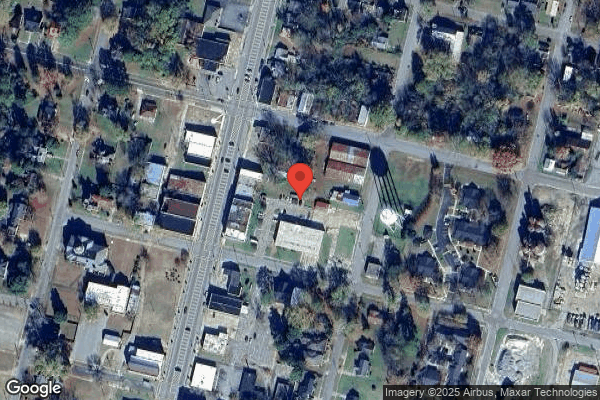
921 Junior High School Road, Scotland Neck, NC 27874 (252) 826-4144
Non profit - Corporation 60 Beds Independent Data: November 2025
Trust Grade
90/100
#13 of 417 in NC
Last Inspection: April 2025

Within standard 12-15 month inspection cycle. Federal law requires annual inspections.

Overview

Bryan Health and Rehab has received an excellent Trust Grade of A, indicating high quality care and strong reliability. It ranks #13 out of 417 nursing homes in North Carolina, placing it in the top half of facilities in the state, and is the top choice among four homes in Halifax County. The facility's performance has remained stable, reporting the same number of issues in both 2022 and 2025. Staffing is a notable strength, with a solid rating of 4 out of 5 stars and a turnover rate of 39%, which is lower than the state average, suggesting experienced staff who are familiar with residents’ needs. However, there have been some concerns, including failures to properly develop care plans for anticoagulant use and to label food items in the nourishment room, which could pose risks to residents. Overall, while there are areas for improvement, the facility offers strong staffing and care quality.

Trust Score
A
90/100
In North Carolina
#13/417
Top 3%
Safety Record
Low Risk
No red flags
Inspections
Holding Steady
2 → 2 violations
Staff Stability
○ Average
39% turnover. Near North Carolina's 48% average. Typical for the industry.
Penalties
✓ Good
No fines on record. Clean compliance history, better than most North Carolina facilities.
Skilled Nurses
✓ Good
Each resident gets 43 minutes of Registered Nurse (RN) attention daily — more than average for North Carolina. RNs are trained to catch health problems early.
Violations
✓ Good
Only 4 deficiencies on record. Cleaner than most facilities. Minor issues only.
★★★★★
5.0
Overall Rating
★★★★☆
4.0
Staff Levels
★★☆☆☆
2.0
Care Quality
★★★★★
5.0
Inspection Score
Stable
2022: 2 issues
2025: 2 issues

The Good

  • 4-Star Staffing Rating · Above-average nurse staffing levels
  • Full Sprinkler Coverage · Fire safety systems throughout facility
  • No fines on record
  • Staff turnover below average (39%)

    9 points below North Carolina average of 48%

Facility shows strength in staffing levels, fire safety.

The Bad

Staff Turnover: 39%

Near North Carolina avg (46%)

Typical for the industry

The Ugly 4 deficiencies on record

Apr 2025 2 deficiencies
CONCERN (D)

Potential for Harm - no one hurt, but risky conditions existed

Deficiency F0657 (Tag F0657)

Could have caused harm · This affected 1 resident

**NOTE- TERMS IN BRACKETS HAVE BEEN EDITED TO PROTECT CONFIDENTIALITY** Based on record review and staff interviews, the facility failed to revise the nutritional care plan to include significant weig...

Read full inspector narrative →
**NOTE- TERMS IN BRACKETS HAVE BEEN EDITED TO PROTECT CONFIDENTIALITY** Based on record review and staff interviews, the facility failed to revise the nutritional care plan to include significant weight loss for 1 of 1 resident reviewed for nutrition (Resident #1) and to revise the care plan in the area of pressure ulcers for 1 of 2 residents reviewed for pressure ulcers (Resident #28). The findings included: 1. Resident #1 was admitted to the facility on [DATE] with diagnoses that included stroke, diabetes, and dysphagia. The care plan for Resident #1 last reviewed on 7/20/24 revealed that she received a therapeutic diet related to diabetes with finger stick blood sugar monitoring. It was noted that she had decreased left side sensation and a history of pocketing food. She has no teeth and might have discomfort when chewing, so she received mechanical soft food consistency. She had the potential for weight loss related to low intake. Interventions included: Provide adaptive equipment (Divided Plate), provide diet as ordered, provide supplements as ordered, monitor lab work to determine the effect of the therapeutic diet, and finger stick blood sugar monitoring as ordered. A review was also performed on 2/17/25 including the problem that Resident #1 had a diagnosis of diabetes (type 2). Interventions included: Administer hypoglycemic medications per doctor's order. If blood glucose is less than or equal to 60 milligrams (mg) per deciliter (dL), treat per facility policy and doctor's order. Monitor for signs of hypoglycemia and hyperglycemia. Another problem reviewed on 4/4/25 revealed that Resident #1 resisted care (refused meals and medications). Interventions included: Reiterate the purpose and advantages of care for the resident, do not alienate or criticize the resident when resistant to care, convey an attitude of acceptance toward the resident, and maintain a calm environment and approach to the resident. The quarterly Minimum Data Set (MDS) assessment dated [DATE], revealed Resident #1 was cognitively intact and set up/cleanup assistance from staff with eating. She received a mechanical soft and therapeutic diet. She was 66 inches tall, weighed 133 pounds. The MDS indicated Resident #1 had significant weight loss and was not on a physician-prescribed weight-loss regimen. In an interview with the MDS Coordinator on 4/30/25 at 10:14 AM, she revealed that she was responsible for the care plan if a resident triggered for weight loss on the MDS assessment. As far as the gradual decline of weight, nursing and dietary were responsible for the care plan. Resident #1 was triggered for weight loss in the quarterly MDS assessment dated [DATE], so the care plan should have been updated then to include the weight loss. During a follow-up interview on 4/30/25 at 1:13 PM, the MDS Coordinator stated that the care plan for Resident #1 was not updated after the significant weight loss triggered in the quarterly MDS assessment dated [DATE] because there were a lot of assessments due at that time, and it must have been missed by mistake. An interview was conducted with the Director of Nursing (DON) on 4/30/25 at 4:20 PM. She revealed the care plan for Resident #1 should have been updated when she triggered for significant weight loss. The Administrator was interviewed on 4/30/25 at 4:25 PM. She revealed that if Resident #1 had a significant weight loss, there should have been a nursing/dietary intervention appropriate for her included in the care plan. 2. Resident #28 was admitted to the facility on [DATE] with diagnoses which included dementia and contractures of the lower extremities. Review of the Wound Management Report dated 11/15/24 revealed Resident #28 was identified to have an unstageable pressure ulcer due to slough (nonviable tissue) or eschar (dead tissue) on the bottom of the right foot at the area of the right great toe. The pressure ulcer was noted to have measurements of 2 centimeters (cm) x 1 cm with no drainage noted. The Minimum Data Set (MDS) quarterly assessment dated [DATE] revealed Resident #28 had severe cognitive impairment. Resident #28 was coded for stage 2 pressure ulcer and pressure ulcer treatment and care. The care plan last reviewed on 2/27/25 revealed no care plan was in place for Resident #28's pressure ulcer. An observation of Resident #28's right foot was conducted on 4/30/25 at 10:57 am with the Wound Treatment Nurse. Resident #28 was noted to have a pressure ulcer to the bottom of the right foot near the base of the right great toe. An interview was conducted with the MDS Nurse on 4/30/25 at 12:42 pm who revealed she was responsible to update Resident #28's care plan when the right foot pressure ulcer was identified. The MDS Nurse stated she was aware that Resident #28 had a pressure ulcer on her right foot but stated she must have gotten caught up in something and missed updating the care plan. During an interview on 4/30/25 at 1:35 pm the Director of Nursing (DON) stated the MDS Nurse was responsible to ensure Resident #28's care plan was updated to reflect the pressure ulcer to the right foot. An interview was conducted on 4/30/25 at 2:42 pm with the Administrator who stated the MDS Nurse was responsible to create the care plan for the management of Resident #28's right foot pressure ulcer.
CONCERN (D)

Potential for Harm - no one hurt, but risky conditions existed

Deficiency F0685 (Tag F0685)

Could have caused harm · This affected 1 resident

**NOTE- TERMS IN BRACKETS HAVE BEEN EDITED TO PROTECT CONFIDENTIALITY** Based on observation, record review, and interviews with the resident, staff, Psychotherapist and Nurse Practitioner, the facili...

Read full inspector narrative →
**NOTE- TERMS IN BRACKETS HAVE BEEN EDITED TO PROTECT CONFIDENTIALITY** Based on observation, record review, and interviews with the resident, staff, Psychotherapist and Nurse Practitioner, the facility failed to ensure that a resident with known visual impairment was evaluated for treatment and services to maintain her vision for 1 of 1 resident reviewed for vision and hearing (Resident #2). The findings included: Resident #2 was admitted to the facility on [DATE] with diagnoses which included macular degeneration. The progress note dated 6/28/24 at 1:33 pm by the Social Worker revealed Resident #2 was prepared for a room change and expressed concern about knowing where things were in the new room given her eyesight deficits. The Social Worker further noted staff would assist Resident #2 to acclimate her to the new room. The Minimum Data Set (MDS) annual assessment dated [DATE] revealed Resident #2 was cognitively intact and was coded for moderately impaired vision with corrective lenses. Under activity preferences, Resident #2 was coded that having books, newspapers, and magazines to read were important but she was coded as not being able to do. Resident #2 had a care plan, last reviewed on 2/13/25, for impaired vision related to diagnosis of macular degeneration with interventions which included arrange ophthalmologist or optometrist consult as indicated. Review of the psychotherapy visit note dated 4/16/25 revealed Resident #2 was seen for an initial assessment with the Psychotherapist. The visit note revealed that Resident #2 reported being depressed and revealed her vision loss had exacerbated her depressed feelings. A telephone interview was conducted on 4/30/25 at 1:12 pm with the Psychotherapist who revealed Resident #2 had reported that she enjoyed reading her Bible and was no longer able to engage in that due to her vision loss. She stated she did not discuss this with the facility but included it in her visit note which was in Resident #2's electronic medical record. An attempt to conduct a telephone interview with the Physician on 4/30/25 at 11:41 am was unsuccessful. An interview and observation were conducted on 4/28/25 at 2:24 pm with Resident #2 who reported she had glasses but was not able to see well with them because everything was blurry. She stated she could not remember the last time she was seen by an eye doctor or if an appointment was offered. Resident #2 stated she was not sure if new glasses would help but she would like to see about getting a new pair so she could see better. Resident #2 stated staff knew she had very poor vision and they (staff) kept her things in the same spot so she would know where to find them. Resident #2's glasses were noted to be on the bedside table at the time of the interview and observation. An interview was conducted with Nurse Aide (NA) #1 on 4/28/25 at 2:28 pm who revealed Resident #2 did wear glasses when out of bed and while eating but she did not normally wear them when in bed. An interview was conducted with Nurse #1 on 4/30/25 at 9:11 am who revealed Resident #2 did have glasses and at times did report the glasses were not working for her. Nurse #1 stated Resident #2 used to get eye injections for macular degeneration but she stated Resident #2's vision would not get better even with the injections because her vision loss was just age related. An observation and interview were conducted on 4/30/25 at 9:12 am of Resident #2 who was observed in bed moving her hand around the top of the bed covers. Resident #2 stated she was trying to find the end of her call bell so she could ring for the nurse but she could not see the end of the call bell. The call bell was noted to be attached to the top of the blanket and within reach of Resident #2's right hand. Resident #2's glasses were observed on the bedside table at the time of the observation. During an interview on 4/30/25 at 9:13 am with NA #2 she revealed Resident #2's vision was very poor and sometimes seemed worse than other times, but she did not report that her eye glasses were not working for her. She stated Resident #2 had glasses and they were normally on her bedside table when not worn. NA #2 stated she made sure Resident #2 had her glasses on when she was eating and out of bed. NA #2 stated Resident #2 had her personal items set up close to her in the same spot so she could know where things were by feeling for them. An interview was conducted with the Social Worker on 4/30/25 at 10:04 am who revealed she was aware Resident #2 had previously been seen by a provider out of the facility for macular degeneration. The Social Worker stated the in-house vision provider would see residents with new vision concerns or past trouble with their vision but she stated Resident #2 was not on the list to be seen. She stated she would normally sign a resident up for the in-house vision provider when notified by nursing or requested by the resident. The Social Worker confirmed she did not add Resident #2 to the in-house vision provider visit list because she was not notified of the need, but she stated Resident #2 was able to be seen if needed. An attempt to interview Resident #2's Responsible Party on 4/30/25 at 11:13 am was unsuccessful. A telephone interview was conducted on 4/30/25 at 1:53 pm with the Nurse Practitioner who revealed she was aware of Resident #2's macular degeneration but not aware of any other issues with her vision. The Nurse Practitioner stated if Resident #2 was having difficulty seeing she would have expected a vision evaluation to be completed. An interview was conducted on 4/30/25 at 10:11 am with the Director of Nursing (DON) who revealed Resident #2 had previously been seen by an outside provider for injections for her macular degeneration but once she was returned from the hospital the RP no longer wanted to pursue aggressive interventions so the next appointment for the injection was cancelled and no further appointments were scheduled. The DON stated she was not sure if she would have added Resident #2 to the in-house provider vision list because she did not want to see the in-house provider in the past. The DON stated a vision evaluation for Resident #2 was something they could talk about with the provider and Resident #2's RP. During an interview on 4/30/25 at 2:43 pm with the Administrator who revealed Resident #2 was initially admitted to the facility as an assisted living resident and had previously refused in-house services at that time. The Administrator stated she believed the in-house provider for vision was not offered to Resident #2 due to her previous refusals. The Administrator stated if Resident #2 would accept to see the in-house provider for vision she would be seen because Resident #2 had the right to be able to do the things she enjoyed.
Dec 2022 2 deficiencies
CONCERN (E)

Potential for Harm - no one hurt, but risky conditions existed

Comprehensive Care Plan (Tag F0656)

Could have caused harm · This affected multiple residents

**NOTE- TERMS IN BRACKETS HAVE BEEN EDITED TO PROTECT CONFIDENTIALITY** Based on record review and staff interviews, the facility failed to develop care plans to address anticoagulant use for 4 of 4 r...

Read full inspector narrative →
**NOTE- TERMS IN BRACKETS HAVE BEEN EDITED TO PROTECT CONFIDENTIALITY** Based on record review and staff interviews, the facility failed to develop care plans to address anticoagulant use for 4 of 4 residents reviewed for anticoagulant medication (Resident #3, Resident #26, Resident #45, and Resident #39), and the use of a splint for contracture management for 1 of 1 resident reviewed for range of motion (Resident #19). The findings included: 1. Resident #3 was admitted to the facility on [DATE] with diagnoses that included heart failure, acute embolism (Blockage of a lung artery), and thrombosis (occur when blood clots block blood vessels) of superficial veins of right upper extremity. Resident #3's most recent Annual Minimum Data Set (MDS) assessment dated [DATE] revealed Resident #3 was cognitively intact and coded for anticoagulant medication. The active physician's orders revealed an order dated 09/27/2022 for Eliquis (anticoagulant medication) tablet 5 milligrams twice a day at 8am/8pm. The active comprehensive care plan last reviewed on 10/01/2022 revealed anticoagulant medication therapy was not referenced in the care plan. During an interview with the MDS Nurse on 12/7/2022 at 10:19am she revealed she forgot to document Resident #3's anticoagulant therapy on the care plan during the annual review of the plan. An interview was conducted with the Director or Nursing (DON) on 12/07/2022 at 12:03pm. She stated she expected Resident #3's care plan to be comprehensive and updated timely. During an interview on 12/07/2022 at 4:13 pm the Administrator revealed a care plan was expected to be implemented for any medication or diagnosis that required monitoring or treatment. 2. Resident #26 was admitted to the facility on [DATE] with diagnoses that included acute pulmonary edema, and acute systolic heart failure. Resident #26's most recent Quarterly Minimum Data Set (MDS) assessment dated [DATE] revealed he was moderately impaired and coded for anticoagulant medication. The active physician's orders revealed an order dated 12/13/2021 for Eliquis (anticoagulant medication) tablet 5 milligrams twice a day at 7am/7pm. The active care plan for Resident #26 revealed no reference to his prescribed anticoagulant medication. During an interview with the MDS Nurse on 12/07/2022 at 10:19am she revealed she forgot to document Resident #26's anticoagulant therapy on the care plan. An interview was conducted with the Director or Nursing (DON) on 12/07/2022 at 12:03pm. She stated she expected Resident #26's care plan to be comprehensive and updated timely. During an interview on 12/07/2022 at 4:13 pm the Administrator revealed a care plan was expected to be implemented for any medication or diagnosis that required monitoring or treatment. 4. Resident #39 was admitted to the facility on [DATE] with diagnosis of atrial fibrillation. A physician order dated 5/21/21 for Eliquis (anticoagulant medication used to treat and prevent blood clots and to prevent stroke in people with atrial fibrillation) 2.5 milligram twice a day. Record review of the Minimum Data Set (MDS) Quarterly assessment dated [DATE] revealed Resident #39 was coded for anticoagulant medication. Record review of Resident #39's care plan last reviewed on 11/10/22 revealed no care plan for anticoagulant therapy. During an interview on 12/07/22 at 10:40 am Nurse #1 revealed care plans were implemented by the MDS Nurse or Director of Nursing (DON). During an interview on 12/07/22 at 10:44 am the MDS Nurse revealed she was responsible to implement the comprehensive care plan for Resident #39. She stated a care plan was required for the anticoagulant medication but was unable to state why one was not implemented. An interview with the DON on 12/07/22 at 1:35 pm revealed a care plan was to be implemented for anticoagulant medication for monitoring of the medication and risks associated with the medication. The DON stated medication and care plans were discussed during the clinical meeting and was unable to state how the care plan was missed for Resident #39's Eliquis. 5. Resident #19 was admitted to the facility on [DATE] and had a diagnosis of trigger finger of right ring finger. A physician order dated 3/30/22 to ensure splint is in place on right ring finger after meals and at bedtime, may be removed for active use, four times a day for trigger finger (inflammation of the tendon of the finger which causes the finger to get stuck in a bent position and then snap straight). Record review of Resident #19's care plan, last reviewed on 11/10/22 revealed no care plan for splint to right ring finger. During an interview on 12/07/22 at 10:54 am the Minimum Data Set (MDS) Nurse revealed she was responsible for implementing resident care plans. She stated Resident #19's splint to her finger needed a care plan but was unable to state why she did not implement one. Interview with the Director of Nursing (DON) on 12/07/22 at 1:30 pm revealed the MDS Nurse, or nursing management implemented a care plan. The DON stated the splint should have been discussed in the clinical meeting and a care plan added for Resident #19's finger splint. During an interview on 12/07/22 at 4:13 pm the Administrator revealed a care plan was expected to be implemented for any medication or diagnosis that required monitoring or treatment. 3. Resident #45 was admitted to the facility on [DATE] with diagnoses that included acute on chronic systolic congestive heart failure and atrial fibrillation. Review of a physician ' s order dated 7/5/22 revealed an order for Eliquis (a medication used to prevent blood clots) 2.5 milligrams twice a day. Review of the most recent Minimum Data Set (MDS) dated [DATE] revealed that Resident #45 had severe cognitive impairment. Review of Resident #45s care plan last reviewed 9/9/22 revealed no care plan for anticoagulant therapy. An interview was conducted with the MDS nurse on 12/7/22 at 2:40 PM. The MDS nurse stated that Resident #45 should have had an anticoagulant therapy care plan. She was unable to state why the care plan was not implemented. An interview was conducted with the DON on 12/7/22 at 3:00 PM. The DON stated that a care plan was to be implemented for residents on anticoagulant therapy. The DON stated she expected care plans to be updated timely to reflect the residents care.
CONCERN (E)

Potential for Harm - no one hurt, but risky conditions existed

Food Safety (Tag F0812)

Could have caused harm · This affected multiple residents

Based on observation and staff interviews, the facility failed to label and date food items stored for resident use in 1 of 1 nourishment rooms observed. Findings included: An observation of the nouri...

Read full inspector narrative →
Based on observation and staff interviews, the facility failed to label and date food items stored for resident use in 1 of 1 nourishment rooms observed. Findings included: An observation of the nourishment room was conducted on 12/07/22 at 2:48 pm with Medication Aide (MA) #1 and the refrigerator/freezer were inspected. The following items were found inside the refrigerator: an opened, half empty, plastic bottle of orange soda without a name or date, and two plates with a slice of pie covered with plastic wrap on each plate without a name or date. Also, a disposable container of food was observed on the counter near the refrigerator without a date. During an interview on 12/07/22 at 2:50 pm MA #1 revealed the two slices of pie, and the orange soda were to be labeled with the date and name when placed in the refrigerator. MA #1 stated the disposable container of food belonged to a staff member and was not to be kept in the resident nourishment room. During an interview on 12/07/22 at 2:58 pm Nurse Aide (NA) #1 revealed the disposable container of food in the nourishment room belonged to her and it was her lunch. NA #1 stated the food was to be stored in the break room not in the nourishment room. During an interview on 12/07/22 at 4:17 pm the Administrator revealed the Dietary Department was responsible to monitor the nourishment room every morning and ensure items were labeled. During an interview on 12/07/22 at 4:22 pm the Dietary Manager revealed she checked the nourishment room in the morning and did not observe the two slices of pie during her observation. She stated the container of food, and the orange soda were not present when she was in the nourishment room.
Understanding Severity Codes (click to expand)
Life-Threatening (Immediate Jeopardy)
J - Isolated K - Pattern L - Widespread
Actual Harm
G - Isolated H - Pattern I - Widespread
Potential for Harm
D - Isolated E - Pattern F - Widespread
No Harm (Minor)
A - Isolated B - Pattern C - Widespread

Questions to Ask on Your Visit

  • "Can I speak with families of current residents?"
  • "What's your RN coverage like on weekends and overnight?"

Our Honest Assessment

Strengths
  • • Grade A (90/100). Above average facility, better than most options in North Carolina.
  • • No major safety red flags. No abuse findings, life-threatening violations, or SFF status.
  • • No fines on record. Clean compliance history, better than most North Carolina facilities.
  • • Only 4 deficiencies on record. Cleaner than most facilities. Minor issues only.
Concerns
  • • No significant concerns identified. This facility shows no red flags across CMS ratings, staff turnover, or federal penalties.
Bottom line: Generally positive indicators. Standard due diligence and a personal visit recommended.

About This Facility

What is Bryan Health And Rehab's CMS Rating?

CMS assigns Bryan Health and Rehab an overall rating of 5 out of 5 stars, which is considered much above average nationally. Within North Carolina, this rating places the facility higher than 99% of the state's 100 nursing homes. This rating reflects solid performance across the metrics CMS uses to evaluate nursing home quality.

How is Bryan Health And Rehab Staffed?

CMS rates Bryan Health and Rehab's staffing level at 4 out of 5 stars, which is above average compared to other nursing homes. Staff turnover is 39%, compared to the North Carolina average of 46%. This relatively stable workforce can support continuity of care.

What Have Inspectors Found at Bryan Health And Rehab?

State health inspectors documented 4 deficiencies at Bryan Health and Rehab during 2022 to 2025. These included: 4 with potential for harm.

Who Owns and Operates Bryan Health And Rehab?

Bryan Health and Rehab is owned by a non-profit organization. Non-profit facilities reinvest revenue into operations rather than distributing to shareholders. The facility operates independently rather than as part of a larger chain. With 60 certified beds and approximately 47 residents (about 78% occupancy), it is a smaller facility located in Scotland Neck, North Carolina.

How Does Bryan Health And Rehab Compare to Other North Carolina Nursing Homes?

Compared to the 100 nursing homes in North Carolina, Bryan Health and Rehab's overall rating (5 stars) is above the state average of 2.8, staff turnover (39%) is near the state average of 46%, and health inspection rating (5 stars) is much above the national benchmark.

What Should Families Ask When Visiting Bryan Health And Rehab?

Based on this facility's data, families visiting should ask: "Can I visit during a mealtime to observe dining assistance and food quality?" "How do you handle medical emergencies, and what is your hospital transfer rate?" "Can I speak with family members of current residents about their experience?"

Is Bryan Health And Rehab Safe?

Based on CMS inspection data, Bryan Health and Rehab has a clean safety record: no substantiated abuse findings (meaning no confirmed cases of resident harm), no Immediate Jeopardy citations (the most serious violation level indicating risk of serious injury or death), and is not on the Special Focus Facility watch list (a federal program monitoring the lowest-performing 1% of nursing homes). The facility has a 5-star overall rating and ranks #1 of 100 nursing homes in North Carolina. While no facility is perfect, families should still ask about staff-to-resident ratios and recent inspection results during their visit.

Do Nurses at Bryan Health And Rehab Stick Around?

Bryan Health and Rehab has a staff turnover rate of 39%, which is about average for North Carolina nursing homes (state average: 46%). Moderate turnover is common in nursing homes, but families should still ask about staff tenure and how the facility maintains care continuity when employees leave.

Was Bryan Health And Rehab Ever Fined?

Bryan Health and Rehab has no federal fines on record. CMS issues fines when nursing homes fail to meet care standards or don't correct problems found during inspections. The absence of fines suggests the facility has either maintained compliance or corrected any issues before penalties were assessed. This is a positive indicator, though families should still review recent inspection reports for the full picture.

Is Bryan Health And Rehab on Any Federal Watch List?

Bryan Health and Rehab is not on any federal watch list. The most significant is the Special Focus Facility (SFF) program, which identifies the bottom 1% of nursing homes nationally based on persistent, serious quality problems. Not being on this list means the facility has avoided the pattern of deficiencies that triggers enhanced federal oversight. This is a positive indicator, though families should still review the facility's inspection history directly.