August Healthcare at Wilmington
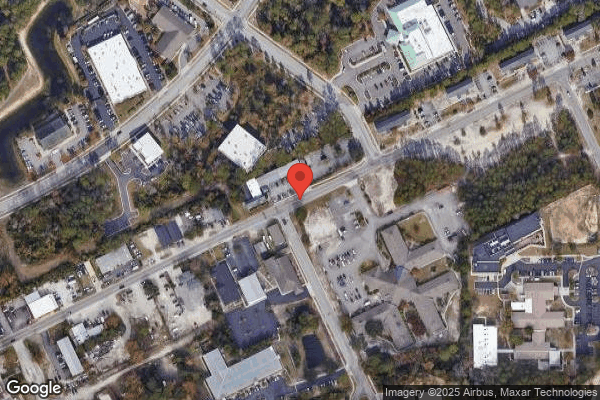
820 Wellington Avenue, Wilmington, NC 28401 (910) 343-0425
For profit - Corporation 120 Beds Independent Data: November 2025 1 Immediate Jeopardy citation
Trust Grade
23/100
#229 of 417 in NC
Last Inspection: May 2025

Inspected within the last 6 months. Data reflects current conditions.

Overview

August Healthcare at Wilmington has received a Trust Grade of F, indicating significant concerns about its quality of care. In North Carolina, it ranks #229 out of 417 facilities, placing it in the bottom half, and is #4 out of 11 in New Hanover County, meaning only three local options are better. The facility is showing signs of improvement, reducing issues from 12 in 2024 to 5 in 2025, but it still has a very low Trust Score of 23/100. Staffing is average, with a 3/5 rating and a turnover rate of 60%, which is concerning since it relies heavily on agency staff, accounting for 80% of its nursing coverage. Despite having good RN coverage-more than 89% of North Carolina facilities-there have been serious incidents, including a critical medication error where a resident was given the wrong medications, leading to an overdose that required emergency intervention. Additionally, there was a serious error with another resident that caused increased sleepiness and a drop in blood pressure, necessitating a trip to the emergency room. The facility has also incurred $27,378 in fines, which is average but still indicative of some compliance issues. Overall, while there are some strengths, such as RN coverage, families should weigh these against the serious concerns identified in recent inspections.
Trust Score
F
23/100
In North Carolina
#229/417
Bottom 46%
Safety Record
High Risk
Review needed
Inspections
Getting Better
12 → 5 violations
Staff Stability
⚠ Watch
60% turnover. Above average. Higher turnover means staff may not know residents' routines.
Penalties
✓ Good
$27,378 in fines. Lower than most North Carolina facilities. Relatively clean record.
Skilled Nurses
✓ Good
Each resident gets 45 minutes of Registered Nurse (RN) attention daily — more than average for North Carolina. RNs are trained to catch health problems early.
Violations
⚠ Watch
40 deficiencies on record. Higher than average. Multiple issues found across inspections.
★★☆☆☆
2.0
Overall Rating
★★★☆☆
3.0
Staff Levels
★★★☆☆
3.0
Care Quality
★★☆☆☆
2.0
Inspection Score
Stable
2024: 12 issues
2025: 5 issues

The Good

  • Full Sprinkler Coverage · Fire safety systems throughout facility
  • No fines on record

Facility shows strength in fire safety.

The Bad

2-Star Overall Rating

Below North Carolina average (2.8)

Below average - review inspection findings carefully

Staff Turnover: 60%

13pts above North Carolina avg (46%)

Frequent staff changes - ask about care continuity

Federal Fines: $27,378

Below median ($33,413)

Moderate penalties - review what triggered them

Staff turnover is elevated (60%)

12 points above North Carolina average of 48%

The Ugly 40 deficiencies on record

1 life-threatening 1 actual harm
May 2025 5 deficiencies
CONCERN (D)

Potential for Harm - no one hurt, but risky conditions existed

Assessment Accuracy (Tag F0641)

Could have caused harm · This affected 1 resident

**NOTE- TERMS IN BRACKETS HAVE BEEN EDITED TO PROTECT CONFIDENTIALITY** Based on observations, record review and staff and resident interviews, the facility failed to accurately code the Minimum Data ...

Read full inspector narrative →
**NOTE- TERMS IN BRACKETS HAVE BEEN EDITED TO PROTECT CONFIDENTIALITY** Based on observations, record review and staff and resident interviews, the facility failed to accurately code the Minimum Data Set (MDS) assessment in the area of vision for a resident with visual impairment. This was for 1 of 32 residents reviewed for MDS accuracy (Resident #61). Findings included: Resident #61 was admitted to the facility on [DATE] with diagnosis of glaucoma. The Minimum Data Set admission assessment dated [DATE] revealed Resident #61 was cognitively intact and was coded has having adequate vision. The care area assessment (CAA) indicated a care plan should be triggered for vision. An observation of Resident #61 on 05/12/25 at 11:30 AM revealed upon entry to his room it was noted to be very bright with all overhead lights on. An interview with Resident #61 on 05/12/25 at 11:30 AM was conducted. Resident #61 stated he needed all the lights on so that he could see. He stated he was nearly blind. Resident stated he had a reaction to cancer treatment to his brain and it affected his vision. An interview was conducted with the Social Worker Assistant on 05/15/25 at 10:25 AM. The Social Worker Assistant stated he was the one who completed the MDS assessment for vision and hearing and coded Resident #61's vision as adequate. He stated he was not made aware by the Resident that he was blind. The Social Worker Assistant stated he did not complete the care area assessment so he did not realize the resident had triggered for a vision care plan. The Social Worker Assistant stated he thought he had asked Resident #61 if he wore glasses and if he had any problems with his vision and he did not recall the resident saying he did. The Social Worker Assistant stated he did not remember if he was aware of the Resident's diagnoses or past history. A follow up interview was conducted with Social Worker Assistant on 05/15/24 at 1:15 PM. He stated he interviewed Resident #61 and Resident #61 shared with him that he was visually impaired. The Social Worker Assistant stated he should have coded the resident has having impaired vision and added, the resident had an issue with vision, and it was triggered on the CAA as a problem and should be reflected accurately on the vision section of the MDS assessment. An interview was conducted with the Administrator on 05/15/25 at 4:45 PM. The Administrator stated she expected the MDS assessments to be coded accurately to make sure nursing staff were aware of the resident's care needs and safety.
CONCERN (D)

Potential for Harm - no one hurt, but risky conditions existed

Comprehensive Care Plan (Tag F0656)

Could have caused harm · This affected 1 resident

**NOTE- TERMS IN BRACKETS HAVE BEEN EDITED TO PROTECT CONFIDENTIALITY** Based on observations, record review, and staff interviews the facility failed to implement care planned interventions by not pl...

Read full inspector narrative →
**NOTE- TERMS IN BRACKETS HAVE BEEN EDITED TO PROTECT CONFIDENTIALITY** Based on observations, record review, and staff interviews the facility failed to implement care planned interventions by not placing a fall mat at the bedside of residents with a history of a fall with major injury. This occurred for 2 of 6 residents reviewed for accidents and care plan interventions (Residents #24 and #81). Findings included: 1. Resident #24 was admitted to the facility on [DATE] with diagnoses of Alzheimer's and muscle weakness. An incident note dated 10/12/2024 at 6:21 PM indicated Resident #24 had an unwitnessed fall from his bed and was sent to the hospital for evaluation. A care plan revised on 10/14/24 revealed Resident #24 was at risk of falls due to poor safety awareness, right sided hemiplegia, and poor communication and comprehension. Interventions included fall mat at the bedside and keep the call light within reach. The hospital Discharge summary dated [DATE] revealed Resident #24 was discharged with a diagnosis of a femur fracture sustained from the fall. The Minimum Data Set (MDS) quarterly assessment dated [DATE] revealed Resident #24 was severely cognitively impaired. He required staff assistance with activities of daily living and had no falls during this assessment period. An observation was conducted on 05/14/25 at 10:04 AM of Resident #24. He was in bed and in no distress. He was unable to communicate due to severe cognitive impairment. There was no fall mat at the bedside. During an interview on 05/14/25 at 4:20 PM, Nurse Aide #1 stated she provided care to Resident #24 at times. She stated she was not aware there was no fall mat at his bedside, but stated that he used to have one. She stated the nurses usually put the fall mats down when needed. She indicated she was not aware of any further falls. During an interview on 05/14/25 at 4:30 PM, Nurse #2 stated she was routinely assigned to Resident #24 and was not aware he was supposed to have a fall mat at the bedside. She stated usually when fall mats were initiated the nurse would make sure it was placed by the bed. She stated she would get a fall mat placed on both sides of his bed now. She indicated he has had no recent falls. During an interview on 05/15/25 at 11:32 AM, the Director of Nursing stated during morning standup meetings they discussed falls and reviewed and added interventions. If fall mats were added to the care plan the Nurse Manager, Assistant Director of Nursing, or the Rehab Director would get the fall mat from central supply and place at the bedside. She stated she did not know why it was missed but she expected care plan interventions to be followed. She stated education would be provided. 2. Resident #81 was admitted to the facility on [DATE] with diagnoses that included altered mental status. A progress note written on 11/21/24 indicated Resident #81 had an unwitnessed fall from his bed during the night and he was transferred to the hospital for evaluation. A care plan initiated on 10/15/24 and revised on 11/21/24 revealed Resident #81 was at risk for falls related to history of falls, weakness, and impaired mobility and had an actual fall with subdural (part of the brain) bleed related to poor balance and unsteady gait. Resident #81's goal was that he would be free from major injury from falls related to history of falls. Interventions included a fall mat next to his bed. The hospital Discharge summary dated [DATE] revealed Resident #81 was discharged back to facility with diagnoses of left hip hematoma and stable traumatic subdural (location in brain) hemorrhage (bleed). The Minimum Data Set quarterly assessment dated [DATE] revealed Resident #81 was cognitively impaired, required supervision or touching assistance with ambulation, toileting and transferring from chair to bed. Resident #81 used a walker and had no falls during this assessment period. An observation of Resident #81 was conducted on 05/12/25 at 11:00 AM. Resident #81 was lying in his bed and not have any fall mats beside his bed or anywhere stored in his room. An observation was conducted on 05/15/25 at 9:37 AM of Resident #81's room. Resident was out of bed, standing next to his food tray. He was noted to have a steady gait and not using his wheelchair which was located beside him. Observation of the room revealed there was no fall mat in the room or stored in the bathroom. During an interview with Nurse Aide #5 on 05/15/25 at 2:10 PM, Nurse Aide #5 revealed she usually worked on a different hall and had only been on the hall Resident #81 resided on for a couple of weeks. Nurse Aide #5 stated if she needed to know how to take care of a resident she would either look at a resident's [NAME] (a care card about resident's activity of daily living care needs) or ask other nurse aides, the nurses, or therapy how residents transfer, eat, bath, etc. Nurse Aide #5 stated she did not know Resident #81 needed a fall mat and had never seen one his room. Nurse Aide #5 reviewed the [NAME] and saw that Resident #81 required a fall mat. During an interview with Nurse Aide #4 on 05/15/25 at 2:30 PM, Nurse Aide #4 revealed he was assigned to Resident #81 and was familiar with him. Nurse Aide #4 stated he was not aware nor has he ever seen a fall mat in Resident #81's room. Nurse Aide #4 stated he had access to the [NAME] to review if he was unsure how to provide care to a resident, but he did not review Resident #81's care card. He added, if he was unsure how to take care of a resident he would ask the staff nurse or other nurse aides. During an interview with Nurse #5 on 05/15/25 at 3:00 PM, Nurse #5 revealed she was familiar with Resident #81 and worked with him frequently. Nurse #5 stated she was not aware that Resident #81 needed a fall mat and did not look at the care plan and that this was the first time she was hearing about it. Nurse #5 stated she would make sure a fall mat was in his room and at his bedside while he was in bed. During an interview with the Director of Nursing on 05/15/25 at 4:32 PM, the Director of Nursing stated during morning standup meetings they discussed falls and reviewed and added interventions. If fall mats were added to the care plan the Nurse Manager, Assistant Director of Nursing, or the Rehab Director would get the fall mat from central supply and place at the bedside. She stated she did not know why it was missed but she expected care plan interventions to be followed. She stated education would be provided.
CONCERN (D) 📢 Someone Reported This

A family member, employee, or ombudsman was alarmed enough to file a formal complaint

Potential for Harm - no one hurt, but risky conditions existed

Respiratory Care (Tag F0695)

Could have caused harm · This affected 1 resident

**NOTE- TERMS IN BRACKETS HAVE BEEN EDITED TO PROTECT CONFIDENTIALITY** Based on record review, and staff, family and physician interviews, the facility failed to obtain orders from a Pulmonologist fo...

Read full inspector narrative →
**NOTE- TERMS IN BRACKETS HAVE BEEN EDITED TO PROTECT CONFIDENTIALITY** Based on record review, and staff, family and physician interviews, the facility failed to obtain orders from a Pulmonologist for the appropriate setting for a resident's (Resident #189) Continuous Positive Airway Pressure (CPAP) machine (used as a type of ventilator with diagnoses of obstructive sleep apnea; a health condition that causes brief pauses in breathing during sleep) upon resident's admission and during the resident's stay at the facility for 8 days. This was for 1 of 1 resident reviewed that utilized a CPAP machine. Findings included: Review of the discharge summary from the hospital Resident #189 was discharged from on 11/23/24 revealed there were no orders written for Resident #189 for a CPAP machine. Resident #189 was admitted to the facility on [DATE] and discharged to the hospital on [DATE]. Diagnoses included, in part, obstructive sleep apnea (OSA). The admitting physician orders revealed there were no orders written for CPAP use. The physician orders dated 11/23/24 included: Advair discus 100-50 microgram (mcg) per dose - 1 inhalation orally one time daily for shortness of breath Albuterol Sulfate 108 mcg - 2 puffs inhale orally every 4 hours as needed for shortness of breath or wheezing Albuterol Sulfate 2.5 milligrams (mg) /3 milliliters (ml) 0.083% nebulization solution inhale 3 ml by mouth every 6 hours as needed for bronchospasm Spiriva Respimat 2.5 mcg -1 inhalation inhale orally twice a day for shortness of breath. A nursing note written on 11/23/24 by Nurse #4 revealed Resident was alert and oriented and was able to make all his needs known with clear speech. Resident was aware of his medication list and vital signs were stable. Resident vocalized no discomforts. Nurse will ask for an order for resident's CPAP that he brought from home. An interview was attempted with Nurse #4 who wrote the nursing note on 11/23/24 regarding obtaining an order for the resident's CPAP that he brought in from home. A voicemail message and text message were left for a returned call on 05/15/25 at 9:48 AM. Nurse #4 did not respond to voicemail message or text message. Review of Resident #189's care plan dated 11/23/24 revealed a plan of care was in place for altered respiratory status related to obstructive sleep apnea, shortness of breath, and bronchospasm (constriction of the smooth muscle layers of the small airways that can cause swelling or irritation of the airway). Interventions included administering medications as ordered and monitor, elevate head of bed to prevent shortness of breath, pace and schedule activities providing rest periods. There was no plan of care in place for the use of a CPAP machine. Review of a hand written form titled Resident Personal Possessions Inventory dated 11/23/24 under the clothing and shoes section the following was included: 1 pair of shoes, 3 bibs, 8 shirts, 9 pair of pants, 1 underwear, 9 socks, 3 tanks. In the equipment section of the form the list included a knee Brace, phone and charger. In the other personals section, the list included CPAP, electric razor, shoe horn and wedge. The form was not signed by staff or resident. A physician note written on 11/27/24 revealed, in part, resident was feeling okay overall and denied any shortness of breath. Resident knew his history and had been asking about his prescribed medications. Resident stated he had obstructive sleep apnea and has a CPAP machine next to his bed but did not use it last night because it was too far away for him to reach. Resident stated he has had the same settings on his CPAP for four years and used the machine while in hospital with no changes. Will recommend he start CPAP at night. The Minimum Data Set admission assessment dated [DATE] revealed Resident #189 was alert and cognitively intact. Resident #189 was coded as having shortness of breath and required extensive assistance with one staff physical assistance with bed mobility, and supervision with two staff physical assistance with transfers. A physician note written on 11/29/24 revealed, in part, resident stated he has not used his CPAP as yet. Discussed CPAP issue with nursing and they will be getting a hold of resident's pulmonary doctor to see what his settings are supposed to be. Resident denied any current shortness of breath or complaints of pain. Resident stated he has had same settings for four years and used the CPAP machine while in the hospital with no changes. Will recommend he start CPAP at night and discussed with nursing to reach out to his pulmonary doctor. Review of the hospital emergency room (ER) admission note on 12/02/24 revealed the resident presented with increased confusion. Resident had a history of sleep apnea and reportedly uses CPAP at night but did not use it last night (12/01/24). The emergency note indicated that the facility reported resident was refusing CPAP, resident reported facility denied giving CPAP. Under the Past Medical History section of the ER note sleep apnea was listed as a diagnosis with a sentence in italics pt. states that he does not wear CPAP. There were no other notes regarding use of CPAP at this local hospital. An interview was conducted with the Physician who wrote the progress notes on 11/27/24 and 11/29/24 on 05/14/25 at 11:20 AM. The Physician stated that anytime a resident was on a CPAP machine, the settings for the CPAP had to be ordered by a Pulmonologist. The Physician stated the nursing staff had called the pulmonologist and were waiting to hear back from the office to get the settings so that the order could be entered. The Physician stated he was not able to set the settings and although Resident #189 was aware of the settings for his CPAP, the settings needed to be confirmed with a pulmonologist. The Physician stated the nurses did their due diligence to obtain the settings. The Physician stated Resident #189 was discharged to the hospital for acute kidney injury and it was not related to not using his CPAP. The Physician also added that the resident was known to be non-compliant with the CPAP. The Physician stated when the resident was sent to the local hospital on [DATE] there were notes indicating that he was non-compliant. An interview with a family member via phone on 05/14/25 at 2:44 PM stated Resident #189 was using the CPAP machine at the hospital prior to his admission to the facility and he was admitted to the facility with his CPAP machine. The family member stated whenever she visited, the CPAP machine was unplugged and Resident #189 stated he had not been using it. The family member stated Resident #189 had been using the CPAP for 4 years and used it every night. An interview was attempted with Nurse #6 who worked with Resident #189 on the night of 11/27/24 and 11/29/24. A voicemail message and text message were left for a returned call on 05/15/25 at 10:17 AM. Nurse #6 did not response to voicemail message or text message. An interview was conducted with the Unit Manager on 05/15/25 at 12:45 PM. The Unit Manager stated there were no orders for the residents' CPAP so the nursing staff could not allow the resident to use it. She stated there were no orders written on the discharge summary from the hospital. The Unit Manager stated she believed the resident was not admitted with the CPAP and that the family member had brought it in a couple days after Resident #189 was admitted . She stated the family member gave her the number to the Pulmonologist. The Unit Manager stated she tried to contact the Pulmonologist to get the settings for the CPAP machine and had left a message but no one returned her call. The Unit Manager stated she only tried one time to reach the Pulmonologist. She stated she did not remember who the Pulmonologist was, which day she tried to call or the phone number of the pulmonologist, but that it was in Onslow County. The Unit Manager stated she should have followed up with the pulmonology office, but the resident was discharged after only a short stay at the facility. An interview was conducted with the Director of Nursing on 05/15/25 at 4:30 PM. The Director of Nursing stated she believed that the family brought the CPAP in after the resident was at the facility for a few days and that he was not admitted with the CPAP. She stated she thought the nurses were making an effort to reach the Pulmonologist to get the settings for the CPAP machine and did not realize the Unit Manager only tried once. The DON stated she would have expected the nursing staff to follow up with the Pulmonologist until they obtained the settings for the CPAP.
CONCERN (D)

Potential for Harm - no one hurt, but risky conditions existed

Deficiency F0726 (Tag F0726)

Could have caused harm · This affected 1 resident

Based on record review, observations and staff interviews, the facility failed to have a system in place to train nurses and nursing assistants (NAs) and verify their competency with infection control...

Read full inspector narrative →
Based on record review, observations and staff interviews, the facility failed to have a system in place to train nurses and nursing assistants (NAs) and verify their competency with infection control procedures necessary for providing care to meet residents' needs. Nurse #4 failed to follow infection control protocol by not wearing a gown and not changing gloves after touching items in the resident's environment while providing care to a peripherally inserted central catheter (PICC) line, a thin flexible tube inserted into a vein in the arm and threaded up to a larger vein in the chest close to the heart used for long term intravenous therapy. NA #2 and NA #4 failed to follow infection control protocol by repositioning a resident on Enhanced Barrier Precautions due to a feeding tube and a wound that was positive for MRSA (Methicillin Resistant Staphylococcus Aureus) without the required Personal Protective Equipment (PPE). The deficient practice was identified for 1 of 1 nurse (Nurse #4) and 2 of 2 NAs (NA #2 and NA #4) reviewed for competency. Findings included: This tag is cross referenced to: F880: Based on observations, record review, and staff interviews the facility failed to implement the infection control policy and procedures for Enhanced Barrier Precautions (EBP) when providing direct care activities to residents. 1. Nurse # 4 provided care to a resident with a peripherally inserted central catheter (PICC) line, a thin flexible tube inserted into a vein in the arm and threaded up to a larger vein in the chest close to the heart used for long term intravenous therapy. The nurse donned gloves but no gown during the procedure and did not change gloves after obtaining items from the bedside table. 2. Nursing Assistant #2 and Nursing Assistant # 4 provided turning and repositioning for a resident on EBP due to a gastrostomy tube and a wound to the right upper chest that was positive for MRSA (methicillin resistant staphylococcus aureus) without donning gowns or gloves. This occurred for 3 of 3 staff members who were observed for infection control practices. a. Review of Nurse #4's employee record revealed she was hired on 9/23/24 as a Registered Nurse (RN). There was no evidence of competency and training regarding administration of medication via a PICC line. An interview with Nurse #4 on 5/13/25 at 3:00 PM revealed she had worked previously as an RN and had worked with PICC lines in the past. Nurse #4 stated she was in her position as an RN at the facility since September 2024. Nurse #4 indicated she did not recall if she received training regarding administration of medication via a PICC line or if her skills were verified upon hire. b. Review of NA #2's employee file revealed she was employed since 2022, and the file did not contain evidence that the NAs skills or competencies were checked. The file did not contain infection control in-service education. c. Review of NA #4's employee file revealed he was employed since 2024, and the file did not contain evidence that the NAs skills or competencies were checked. The file did not contain infection control in-service education. Review of a mandatory Inservice Education sign in sheet regarding infection control dated 1/31/25 indicated the sheet was signed by 3 Licensed Practical Nurses (LPNs) and 10 NAs. The sign in sheet was not signed by Nurse #4, NA #2 or NA #4. Review of an Inservice Education sign in sheet dated 5/12/25 revealed that Personal Protective Equipment, contact precautions, and hand washing was reviewed. The sign in sheet indicated that the Social Services Assistant, a housekeeper, 2 nurses and 1 NA signed the sheet. Nurse #4, NA #2 and NA #4 did not sign that they received the in-service education. An interview with the Infection Preventionist on 5/15/25 at 1:00 PM revealed that she was in the position since last year and she was responsible for staff education. The Infection Preventionist stated that education regarding Personal Protective Equipment (PPE), Infection Control precautions and Enhanced Barrier Precautions was provided to all staff on hire and as needed. The Infection Preventionist indicated that education modules were assigned on-line randomly for all staff to complete. The Infection Preventionist was unable to explain how training was tracked to ensure all nursing staff received the training required to meet residents' needs and how competencies were verified. An interview with the Director of Nursing (DON) on 5/15/25 at 6:15 PM revealed that she was not aware of any training provided or verification of skills to provide PICC line care and the need to change gloves after touching items in the resident's environment while providing care. The DON stated that adherence to infection control protocols during PICC line care and while repositioning residents on Enhanced Barrier Precautions was important to prevent infection. The DON indicated that Nurse #4, NA #2, and NA #4 should have been trained in infection control protocols and been competent to provide care to meet resident needs.
CONCERN (D)

Potential for Harm - no one hurt, but risky conditions existed

Infection Control (Tag F0880)

Could have caused harm · This affected 1 resident

Based on observations, record review, and staff interviews the facility failed to implement the infection control policy and procedures for Enhanced Barrier Precautions (EBP) when providing direct car...

Read full inspector narrative →
Based on observations, record review, and staff interviews the facility failed to implement the infection control policy and procedures for Enhanced Barrier Precautions (EBP) when providing direct care activities to residents. 1. Nurse # 4 provided care to a resident with a peripherally inserted central catheter (PICC) line, a thin flexible tube inserted into a vein in the arm and threaded up to a larger vein in the chest close to the heart used for long term intravenous therapy. The nurse donned gloves but no gown during the procedure and did not change gloves after obtaining items from the bedside table. 2. Nursing Assistant #2 and Nursing Assistant # 4 provided turning and repositioning for a resident on EBP due to a gastrostomy tube and a wound to the right upper chest that was positive for MRSA (methicillin resistant staphylococcus aureus) without donning gowns or gloves. This occurred for 3 of 3 staff members who were observed for infection control practices. Findings included: The facility's Guidelines for Preventing Intravenous Catheter-related Infections Policy dated April 2017 indicated in part that aseptic technique (a set of techniques used to prevent contamination of objects with microorganisms) shall be observed at all times when working with IV (intravenous) equipment and that all times equipment shall remain aseptic (free from microorganisms) and if it becomes contaminated it must be changed. Hand hygiene is to be completed either by hand washing or with alcohol-based hand rub before and after intravenous catheter care. Clean, non-sterile gloves are to be worn. The facility's Enhanced Barrier Precautions policy dated 3/20/24 revealed it was the policy of the facility to utilize Enhanced Barrier Precautions (EBP), an infection control intervention intended to prevent the transmission of multi-drug-resistant organisms (MDRO's) via contaminated hands and clothing to high-risk residents. Enhanced Barrier Precautions were indicated for high contact care activities for residents with wounds or indwelling medical devices including central lines and gastrostomy feeding tubes and required hand hygiene before and after leaving the room and the use of gloves and a gown. 1. Observation of Resident #46's room on 5/13/25 at 2:50 PM revealed that there was no signage outside the resident's room indicating that Enhanced Barrier Precautions (EBP) were to be used. An observation was conducted with Nurse # 4, the nurse assigned to Resident #46 on 5/13/25 at 2:50 PM. Nurse #4 entered Resident #46's room to administer the normal saline and heparin flushes, a procedure to maintain patency of the PICC line, following the completion of the intravenous antibiotic. Nurse #4 entered Resident #46's room with gloves on. Nurse #4 with gloved hands opened the drawer to resident's bedside table to obtain alcohol wipes and a cap for the resident's peripherally inserted central catheter. Nurse #4 did not change gloves after touching the items in the bedside table. Nurse #4 disconnected the intravenous tubing and administered the normal saline and heparin flush via the PICC line with the same gloves on, opened the new cap and applied it to the end of the tubing. An interview with Nurse # 4 on 5/13/25 at 3:00 PM revealed she was unaware that she was supposed to wear a protective gown while performing procedures involving a PICC line. Nurse #4 stated she went by the sign outside the door to know if a resident required any type of precautions while providing care. Nurse #4 stated she thought precautions were required for residents with wounds and Clostridium difficile (C. diff) but she did not know if a PICC line or any drains or tubes required precautions. Nurse #4 stated she did not realize she should have changed gloves after obtaining the items from the bedside table or that she should have had the needed supplies prior to beginning the procedure. Nurse #4 stated she received training on the computer and by the Infection Preventionist regarding Enhanced Barrier Precautions and that she worked at the facility since September of 2024. An interview with the Assistant Director of Nursing was conducted on 5/14/25 at 5:00 PM. The Assistant Director of Nursing stated the staff should follow the EBP and wear the personal protective equipment as designated for care activities including intravenous catheter care and turning and repositioning as well as handling of bed linens. An interview with the Unit Manager on 5/15/25 at 10:15 AM revealed that precautions were determined based on the residents' condition. The Infection Preventionist determined what type of precautions were required and placed the signage outside the resident rooms. The Unit Manager stated that a resident with a PICC line should be placed on Enhanced Barrier Precautions and a mask, gown and gloves were required to provide PICC line care. The Unit Manager indicated that she did not know why Resident #46 was not placed on precautions. An interview was conducted with the Wound Care Nurse on 5/15/25 at 12:30 PM. The Wound Care Nurse revealed that residents with open wounds and invasive lines such as a PICC line required Enhanced Barrier Precautions. The Wound Care Nurse stated she reviewed the residents with wounds weekly with the Infection Preventionist to ensure that residents were placed on precautions as needed. The Wound Care Nurse indicated that Resident #46 should have been placed on Enhanced Barrier Precautions, and she did not know why he was not. An interview with the Infection Preventionist on 5/15/25 at 1:00 PM revealed that she was in the position for nearly a year. She stated she was also the Staff Development Coordinator (SDC) and was responsible for staff education and training. The Infection Preventionist stated the nursing staff were educated regarding Enhanced Barrier Precautions through in-person and on-line in-services. The Infection Preventionist stated Nurse #4 should have worn a protective gown while performing PICC line care for Resident #46. An interview was conducted with the Director of Nursing (DON) on 5/15/25 at 1:30 PM. The DON stated that she expected that appropriate personal protective equipment would be used when providing care to a resident with a peripheral intravenous central catheter. The DON indicated that the PICC line was invasive and presented an increased risk of infection therefore Enhanced Barrier Precautions should be maintained. The DON indicated that she was not aware of the training provided or verification of skill to provide intravenous care. 2. A blue Enhanced Barrier Precautions (EBP) sign was noted outside Resident #7's door on 5/13/25 at 1:25 PM. The sign read in part, Everyone must clean hands before entering and after leaving the room .Wear gown and gloves for the following High Contact Resident Care Activities which include: Dressing, bathing/showering, Transferring, changing linens, changing briefs or assisting with toileting, and Device care or use; central lines, urinary catheter, feeding tubes, tracheostomy, Wound care: any skin opening requiring a dressing. An interview and observation was conducted on 5/13/25 at 1:30 PM with Nursing Assistants (NA) #2 and NA #4. Resident #7 requested to be moved up and repositioned in bed prior to eating her lunch. NA's #2 and NA #4 were observed entering Resident #7's room and did not wash their hands and did not don gowns or gloves. NA #2 and NA #4 approached Resident #7's bed with no Personal Protective Equipment (PPE) on and with one NA on each side of the bed used the draw sheet, a sheet placed under the resident's mid-section, standing close to the resident, grabbed the sheet and moved the resident up towards the head of the bed. The NAs adjusted Resident #7's pillows, elevated the head of the bed and exited the room. After exiting the room, the NAs applied alcohol based handrub to their hands. NA #2 and NA #4 stated they thought repositioning a resident using a draw sheet wasn't direct care and did not require PPE. NA #2 and NA #4 stated they had received training regarding Enhanced Barrier Precautions, but it was confusing which activities required PPE. Handling bed linens and high contact care activities required PPE according to the EBP signage. An interview with the Assistant Director of Nursing was conducted on 5/14/25 at 5:00 PM. The Assistant Director of Nursing stated the staff should follow the EBP and wear the personal protective equipment as designated for care activities including intravenous catheter care and turning and repositioning as well as handling of bed linens. An interview was conducted with the DON on 5/15/25 at 1:30 PM. The DON stated that residents on Enhanced Barrier Precautions required PPE for all high-contact resident care activities. The DON indicated she expected that these precautions would be maintained. The DON indicated that EBP should be followed as written and this included gloves and gown for high contact resident care activities including using the bed linens to move a resident. The DON indicated that Resident #46 was receiving intravenous antibiotics due to endocarditis and he was a high risk for further infection and complications and therefor adherence with infection control measures was important. The DON stated that Resident #7 was on Enhanced Barrier Precautions due to a gastrostomy tube and a wound that was positive for MRSA (Methicillin Resistant Staphylococcus Aureus).
May 2024 12 deficiencies
CONCERN (D)

Potential for Harm - no one hurt, but risky conditions existed

Incontinence Care (Tag F0690)

Could have caused harm · This affected 1 resident

**NOTE- TERMS IN BRACKETS HAVE BEEN EDITED TO PROTECT CONFIDENTIALITY** Based on observations, record review and staff interviews, the facility failed to use a clean washcloth and clean water to provi...

Read full inspector narrative →
**NOTE- TERMS IN BRACKETS HAVE BEEN EDITED TO PROTECT CONFIDENTIALITY** Based on observations, record review and staff interviews, the facility failed to use a clean washcloth and clean water to provide catheter care for 1 of 1 resident reviewed for an indwelling urinary catheter (Resident #61). Findings included: Resident #61 was admitted to the facility on [DATE] with diagnoses which included: Sacral ulcer stage-4, osteomyelitis of sacral area, urinary tract infection, and had an indwelling urinary catheter. A review of Resident #61's hospital discharge orders dated 01/02/24 included: Continue indwelling urinary catheter on discharge to assist stage-3 or 4 sacral and perineal wound healing in the incontinent patient. A review of Resident #61's most recent care plan dated 04/09/24 revealed: Resident #61 required staff assistance with activities for daily living related to history of ulcers and had an indwelling urinary catheter related to wound healing stage-4 wound. A review of Resident #61's most recent Minimum Data Set, dated [DATE] indicated resident #61 was cognitively intact and had an indwelling urinary catheter. A wound physician note dated 04/30/24 for Resident #61 revealed the patient had an indwelling urinary catheter, which both need to be cleaned and dressed daily. A bed bath and indwelling urinary catheter care observation with NA #8 was conducted on 05/01/24 at 10:20 AM. The NA #8 was observed washing Resident #61's upper arms, chest, abdomen, thighs, and groin area. Then NA #8 with the same washcloth and basin of water proceeded to wipe the penis and indwelling urinary catheter tubing. An interview was conducted with NA #8 on 05/02/24 at 10:10 AM. NA #8 revealed she was trained to use a clean washcloth and clean water when cleaning around the penis and indwelling urinary catheter tubing. NA#8 stated she should have used a clean washcloth and emptied out the basin of dirty water and replaced it with clean water and she didn't. She said she did not bring in enough supplies to complete the bath and indwelling urinary catheter care and only brought in one washcloth. She said she did not know why she did not go and get more linen supplies or why she did not change out the basin's dirty water but knew she should have. An interview was conducted with the Director of Nursing (DON) on 05/02/24 at 11:15 AM. The DON indicated that indwelling urinary catheter care was done every shift. She revealed as a part of indwelling urinary catheter care the indwelling urinary catheter tubing should be cleansed using fresh water and a clean washcloth. The DON revealed all facility residents should receive proper peri care and indwelling urinary catheter care as well as monitoring for infection. An interview was conducted with the Administrator on 05/02/24 at 5:15 PM. The Administrator stated she expected staff to perform indwelling urinary catheter care correctly.
CONCERN (D)

Potential for Harm - no one hurt, but risky conditions existed

Tube Feeding (Tag F0693)

Could have caused harm · This affected 1 resident

**NOTE- TERMS IN BRACKETS HAVE BEEN EDITED TO PROTECT CONFIDENTIALITY** Based on record review, observation, and staff interviews, the facility failed to store the plastic plunger and plastic syringe ...

Read full inspector narrative →
**NOTE- TERMS IN BRACKETS HAVE BEEN EDITED TO PROTECT CONFIDENTIALITY** Based on record review, observation, and staff interviews, the facility failed to store the plastic plunger and plastic syringe used for the administration of water and medications separated resulting in the potential for bacterial growth for 1 of 2 residents (Resident #47) reviewed for feeding tube. Findings included: Resident #47 was admitted to the facility on [DATE] with medical diagnosis which included stroke and dysphagia (swallowing difficulty). Review of Resident #47's 4/5/24 annual Minimum Data Set assessment revealed the resident had severe cognitive impairment. The resident was coded as having had a feeding tube and received 51% or more of her total calories through a feeding tube. In addition, the resident was coded as received 501 cubic centimeters (cc) or more of fluid intake through a feeding tube. An observation was conducted of Resident #47's feeding equipment on 4/29/24 at 2:48 PM. The observation revealed a syringe stored with the plunger inside the syringe in a clear plastic bag hanging on an intravenous pole. The syringe had visible liquid in the tip of the syringe. An observation was conducted of Resident #47's feeding equipment on 5/1/24 at 11:55 AM. The observation revealed a syringe stored with the plastic plunger inside the syringe in a clear plastic bag hanging on an intravenous pole. The syringe had visible liquid in the tip of the syringe. An observation was conducted of Resident #47's feeding equipment on 5/2/24 at 10:05 AM. The observation revealed a syringe stored with the plastic plunger inside the syringe in a clear plastic bag hanging on an intravenous pole. The syringe had visible liquid in the tip of the syringe. An interview was conducted on 5/2/24 at 10:10 AM with Nurse # 2. Nurse # 2 revealed she was assigned to Resident #47. The nurse stated she flushed Resident #47's feeding tube and administered medications that morning. The nurse stated upon completion of the administration of the medications and the water flush she had put the plunger and syringe together and placed them back in the bag hanging on the intravenous pole. An interview was conducted on 5/2/24 at 3:30 PM with the Director of Nursing (DON). The DON revealed she expected that the plunger and syringe would be stored separately after use and they would not be stored with liquid in the syringe.
CONCERN (D)

Potential for Harm - no one hurt, but risky conditions existed

Unnecessary Medications (Tag F0759)

Could have caused harm · This affected 1 resident

Based on observations, record review, and staff interviews the facility failed to maintain a medication error rate of less than 5%. There were 3 medication errors observed out of 25 opportunities whic...

Read full inspector narrative →
Based on observations, record review, and staff interviews the facility failed to maintain a medication error rate of less than 5%. There were 3 medication errors observed out of 25 opportunities which resulted in a medication error rate of 12%. This occurred for 2 of 3 residents reviewed during a medication pass observation. (Resident #401, #84). Findings included. a.).During a medication pass observation on 05/01/24 at 10:00 AM with Medication Aide #1 revealed Resident #401 was administered Oxycodone 5 milligrams (mg) for pain. Resident #401 was also administered Clindamycin (antibiotic) 150 mgs for infection. During the medication reconciliation on 05/01/24 of Resident #401's medications revealed a physicians order dated 04/22/24 for Oxycodone (opioid pain medication) 5 mgs give one tablet by mouth every 4 hours as needed for pain for 5 days. This order should have been discontinued on 04/27/24 but remained on the Medication Administration Record (MAR) and was administered to Resident #401 during the observation. During the medication reconciliation on 05/01/24 of Resident #401's medications revealed a physicians order dated 04/22/24 for Clindamycin 150 mgs give 3 capsules (450 mgs) by mouth every 8 hours for 4 days for cellulitis. This order should have been discontinued on 04/26/24 but remained on the Medication Administration Record (MAR) and was administered to Resident #401 during the observation. b.). During a medication pass observation on 05/01/24 at 09:15 AM with Medication Aide #1 revealed Resident #84 was administered Omeprazole 40 mgs for gastroesophageal reflux disease (GERD). His breakfast meal tray was delivered to him at the time Medication Aide #1 administered the medication and he began eating. During the medication reconciliation on 05/01/24 of Resident #84's medications revealed a physicians order dated 03/27/24 for Omeprazole 40 mgs give one capsule by mouth daily at least 30 minutes before breakfast. Review of Resident #84's Medication Administration Record (MAR) dated May 2024 revealed Omeprazole 40 mgs was scheduled for administration at 7:00 AM. During a phone interview on 05/02/24 at 2:00 PM Medication Aide #1 stated she did not know the orders for Resident #401's Clindamycin and Oxycodone should have been discontinued and not administered on 05/01/24. She indicated the medications populated on the MAR to be administered and she gave them. She stated Resident #84's Omeprazole was administered late because she had other medications to administer during that time. During an interview with the Director of Nursing on 05/02/24 at 2:30 PM she stated she was not aware the medications for Resident #401 should have been discontinued but remained on the MAR. She stated the physician would be notified and the medications would be discontinued. She stated Omeprazole should have been administered to Resident #84 at least 30 minutes before his meals. She stated they would review the administration time and adjust it. She stated medication orders should be followed and education would be provided to nursing staff on medication administration.
CONCERN (E) 📢 Someone Reported This

A family member, employee, or ombudsman was alarmed enough to file a formal complaint

Potential for Harm - no one hurt, but risky conditions existed

Safe Environment (Tag F0584)

Could have caused harm · This affected multiple residents

**NOTE- TERMS IN BRACKETS HAVE BEEN EDITED TO PROTECT CONFIDENTIALITY** 2b. An initial tour of the facility was conducted on 04/29/24 at 10:55 AM. Prior to entering the 600 hall, which was noted to ha...

Read full inspector narrative →
**NOTE- TERMS IN BRACKETS HAVE BEEN EDITED TO PROTECT CONFIDENTIALITY** 2b. An initial tour of the facility was conducted on 04/29/24 at 10:55 AM. Prior to entering the 600 hall, which was noted to have an entry way where the 600 hall was to right of the entrance, a very strong odor of urine was detected. Once on 600 hall the odor was stronger and more pungent. There was a dirty linen bin and a trash bin noted on each end of the hall. Each bin had a closed lid, and they were not overflowing with dirty linens. A room deodorizing wall unit was noted to be in place at the top end of the 600 hall. An interview was conducted with Resident #49 on 04/29/24 at 11:00 AM. Resident #49 was alert and oriented and resided on the lower end of the 600 hall. Resident #49 stated the urine smell was so bad at times, she had to keep her door closed. Resident #49 stated some days were worse than others and today (04/29/24) it was bad. Resident #49 stated the strong odor had been present for a couple of months. Resident #49 stated she notified the nursing staff of her concerns regarding the odor in the past but she did not think anything was done about it. An interview was conducted with Housekeeper #1 on 04/29/24 at 11:17 AM. Housekeeper #1 stated she noticed the urine odor as well, but she did not have any more room deodorizer on her cart to spray in the hall way. Housekeeper #1 was not sure if the deodorizer on the wall was working or if it needed to be refilled. She stated the Maintenance Director managed the unit. An observation of the 600 hall during the lunch meal on 04/29/24 at 1:07 PM revealed the urine odor was still strong and pungent prior to entering the 600 hall entrance and while walking through the 600 hall. The dirty linen bins and the trash bins were not on the units during this observation. An observation of the 600 hall on 04/29/24 at 4:10 PM revealed the urine odor remained strong and pungent and unchanged. An observation of the 600 hall on 04/30/24 at 1:30 PM revealed the urine odor remained strong and pungent and unchanged. There was a dirty linen bin and a trash bin noted on each end of the hall. Each bin had a closed lid, and they were not overflowing with dirty linens. An interview was conducted with the Maintenance Director on 05/01/24 at 1:55 PM. The Maintenance Director stated he did not notice the smell because he had sinus issues. He stated the wall unit deodorizers were put in place to help with the odor. At this time, he checked the unit to make sure the canister was full of deodorizer and that the unit was in working condition. The Maintenance Director stated the unit was working and had plenty of deodorizer in the canister. He stated the unit will send off a small mist every 5 minutes. While standing near the unit and while it was misting, the odor it sent out was very light and barely noticeable. The Maintenance Director stated he could not smell the deodorizer but felt that he was desensitized to it. An interview was conducted with the Administrator on 05/02/24 at 5:00 PM. The Administrator stated the facility was actively working on making improvements to the 600 hall to improve the environment and she thought that the odor had improved. Based on observations, resident and staff interviews the facility 1a) failed to repair torn floor linoleum in resident rooms (513 and 515), 1b) failed to remove the black greenish substance from the commode base caulking in resident rooms (511, 513, 515, 606, and 608), 1c) failed to repair a broken free standing clothes cabinet doors in resident rooms (510, 513, and 608), 1d) failed to repair leaking commode bases in resident rooms (506, 511, 513, 515, 608, 612, and 615), 1e) failed to replace broken or missing bathroom door threshold strip in resident rooms (500, 510, 612, 613, and 615), 1f) failed to replace broken or missing toilet paper dispensers in resident rooms (612), 1g) failed to repair resident's overhead lights that were either non-functioning, missing a light cover, or had broken light covers in rooms (515 and 601), 1h) failed to replace broken window blinds in resident rooms (515, 606, and 608); and 2a) failed to eliminate a strong urine and feces odor noted on the 500 and strong urine odor on the 600 hall which was also detected in residents' rooms. These failures occurred on 2 of 6 hallways (500 Hall and 600 Hall) observed for a safe, clean, homelike environment. Findings included: 1a. An initial observation on 04/30/24 at 8:30 AM revealed torn floor linoleum in resident rooms (513 and 515). 1b. An observation on 04/30/24 at 8:30 AM revealed resident commodes (511, 513, 515, 606, and 608), were noted to have black greenish substance located around the base of the commodes. 1c. An observation on 04/30/24 at 8:30 AM revealed broken free standing clothes cabinet door broken (510, 513, and 608). 1d. An observation on 04/30/24 at 8:30 AM revealed resident room commodes were leaking at their bases with strong sewage smell emanating from the leaking toilets in rooms (506, 511, 513, 515, 608, 612, and 615). 1e. An observation on 04/30/24 at 8:30 AM revealed resident rooms with broken or missing bathroom door threshold strip (500, 510, 612, 613, and 615). 1f. An observation on 04/30/24 at 8:30 AM revealed broken or missing toilet paper dispensers in resident rooms (612). 1g. An observation on 04/30/24 at 8:15 AM revealed overhead lights that were either non-functioning, missing a light cover, or had broken covers in rooms (515 and 601). 1h. An observation on 04/30/24 at 8:30 AM revealed broken window blinds in resident rooms (515, 606, and 608). An interview and observation was conducted on 04/30/24 at 3:45 PM with the Maintenance Director (MD). The MD stated there were multiple areas on the 500 and 600 halls that still needed to be addressed, repaired, or replaced. He stated he had an assistant but was slowly keeping up with facility repairs. He said he did not know what the black greenish substance was around some of the commodes on the 500 and 600 halls and did not know about the leaking commodes. He said maintenance was responsible for repairing or replacing items in the facility, and that the stained or torn bathroom linoleum needed to be repaired, along with the other items that were pointed out to him during the 500 and 600 hall tour. A follow-up facility tour was conducted on 05/01/24 at 10:20 AM of the 500 and 600 halls with the Administrator. The tour revealed: Black greenish substance around the base of resident commodes, leaking commodes, torn linoleum, missing or broken threshold strips, broken above bed lights, broken toilet paper dispenser, broken resident clothing cabinets, and broken blinds. She stated the areas observed on the 500 and 600 halls needed to be addressed and fixed. 2a. An observation on 04/30/24 at 8:35 revealed a strong smell of urine and feces which was detected in a resident's room (room [ROOM NUMBER]) and throughout the 500-hallway. This odor was also evident in Resident #50 and Resident #73's room located in the 500-hall on 04/30/24 and 05/01/24. A follow-up observation was conducted on 04/30/24 at 9:45 AM on the 500 and 600 hallways and room [ROOM NUMBER] and was noted to smell strongly of urine and feces. An interview was conducted on 04/30/24 at 8:40 AM with Resident #50. Resident #50's Minimum Data Set, dated [DATE] revealed the resident had no cognitive impairments. She stated there was always a strong odor of urine and feces in their room and the 500-hall. She said she let staff and administration know about the strong odor for at least the last 6-months, and still, it smelled awful. She said she had to ask staff to keep the hallway door shut most of the time due to the strong odor. An interview was conducted with Resident #73 Resident #73's Minimum Data Set, dated [DATE] revealed the resident had no cognitive impairments. on 04/30/24 at 8:40 AM. She stated there was always a strong odor of urine and feces in the hall, which seeps into her room. She said she let staff and administration know of the strong odor for a long time and it still smelled awful. She said she kept her door shut most of the time due to the strong foul odor. A follow-up observation was conducted on 04/30/24 at 9:45 AM of the 500 and 600 halls. Strong urine and feces odor was still present in the two hallways. An interview and observation were conducted on 04/30/24 at 3:45 PM of the 500 and 600 halls with the Maintenance Director. He stated the 500 and 600 halls odor needed to be addressed. A follow-up facility tour was conducted on 05/01/24 at 10:20 AM of the 500 and 600 halls with the Administrator. The Administrator said the strong urine odor down the 500 and 600 halls were never brought to her attention by staff or residents. An interview on 05/02/24 at 11:00 AM with the Administrator revealed that she was not aware of the strong odor of urine down the 500 and 600 halls. She stated that the facility was working hard to keep the facility clean and odor free. An interview on 05/02/24 at 11:10 AM with the Director of Nursing revealed that she was aware that occasionally there was urine odors down the 500 and 600 halls, but she felt that the strong odor down the 500-hall was from a resident with an ostomy, which is a hole in the abdominal wall allows waste to leave the body and collects the waste in a bag. An interview on 05/02/24 at 12:00 PM with Nursing Assistant (NA) #11 revealed that she worked on the 500-hall frequently. She stated that the urine smell was bad on 500-hall. She stated staff would spray down the hall but felt they did not have enough housekeeping staff, or they weren't doing their job. An interview on 05/02/24 at 12:08 PM with NA #10 revealed that she worked on the 500-hall at times. She stated that the 500 and 600 halls usually had a strong urine odor, but in the last couple of days it has been better since surveyors were in the facility. An interview on 05/02/24 at 12:10 PM with NA #9 revealed that she worked on the 500 and 600-halls. She stated the two halls had a strong urine odor. An interview was conducted with the Administrator on 05/02/24 at 5:15 PM. She revealed they were making progress and were improving residents' living environment to make it more home-like, and that it would take time. She said there were still areas in the facility that still needed to be addressed and they were actively putting plans in place through their Quality Assurance and Performance Improvement (QAPI) plan to address those areas she observed during the survey. She said her additional concerns included: repair and paint needed in resident rooms/bathrooms, repair or replace of commodes, and repair or replace of any other identified physical plant concerns that needed to be addressed. She said she was not sure where the strong odors down the 500 and 600 halls were coming from but did say a few of the residents' bathrooms had strong urine and feces odor which could have been caused by leaking toilets, the black greenish substance from the commode base caulking, or from the stained torn linoleum around the bases of some of the commodes observed. The Administrator stated it was her expectation for all the residents to have a safe and homelike environment that was clean and in good repair.
CONCERN (E)

Potential for Harm - no one hurt, but risky conditions existed

Assessment Accuracy (Tag F0641)

Could have caused harm · This affected multiple residents

**NOTE- TERMS IN BRACKETS HAVE BEEN EDITED TO PROTECT CONFIDENTIALITY** Based on record review and staff interviews, the facility failed to code the Minimum Data Set (MDS) assessments accurately in th...

Read full inspector narrative →
**NOTE- TERMS IN BRACKETS HAVE BEEN EDITED TO PROTECT CONFIDENTIALITY** Based on record review and staff interviews, the facility failed to code the Minimum Data Set (MDS) assessments accurately in the areas of Hospice services, respiratory care, nutrition and weight loss, unnecessary medications, and communication and sensory for 5 of 35 residents whose MDS assessments were reviewed (Residents #19, #47, #35, #17 and # 1). Findings included: 1. Resident #35 was admitted to the facility on [DATE] with diagnosis which included in part vascular dementia with behaviors and dementia with agitation. Review of Resident #35's electronic health record revealed a 1/23/24 Physician Assistant progress note which indicated a problem of debility with decline and was followed by Hospice. Review of Resident #35's electronic health record revealed a Hospice progress note dated 2/1/24. Further review of Resident #35's health record revealed a Hospice Team Care Plan Hospice program note which indicated resident was admitted to Hospice services on 10/20/23 and continued to receive Hospice services. Review of Resident #35's 2/1/24 quarterly Minimum Data Set (MDS) assessment revealed Hospice services while a resident was coded as No. An interview was conducted on 5/1/24 at 3:35 PM with the MDS Coordinator. The MDS Coordinator stated it was an error that Hospice was not coded on the 2/1/24 quarterly MDS assessment. An interview was conducted on 5/2/24 at 3:30 PM with the Director of Nursing (DON). The DON revealed that she expected that the MDS assessments would be completed accurately. 2. Resident #47 was admitted to the facility on [DATE] with medical diagnosis stroke, diabetes, and dysphagia (swallowing difficulty). The following weights were recorded in Resident #47's electronic medical record: 1/2/24 150.0 lbs. wheelchair 1/8/24 147.8 lbs. chair scale 1/10/24 142.0 lbs. wheelchair 2/2/24 190.8 lbs. wheelchair 3/6/24 190.5 lbs. chair scale 3/18/24 192.2 lbs. wheelchair scale 3/25/24 192.6 lbs. mechanical lift scale 3/27/24 152.8 lbs. wheelchair scale 4/3/24 156.0 lbs. sitting. Review of Resident #47's 4/5/24 annual Minimum Data Set (MDS) assessment revealed resident had severe cognitive impairment and a weight of 156 pounds. Resident #47's assessment was coded as had no weight loss or gain in the past 30 days or 180 days. An interview was conducted on 5/2/24 at 3:05 PM with the MDS Coordinator. The MDS Coordinator revealed that she was aware of how to calculate a weight change per the Resident Assessment Instrument (RAI) manual and Resident #47's 4/5/24 MDS assessment was coded in error. An interview was conducted on 5/2/24 at 3:30 PM with the Director of Nursing (DON). The DON revealed that she expected that the MDS assessments would be completed accurately. 3. Resident #19 was admitted to the facility on [DATE] with diagnosis which included obstructive sleep apnea, obesity hypoventilation syndrome, chronic obstructive pulmonary disease, asthma, and chronic congestive heart failure. Review of Resident #19's physician orders revealed an order dated 9/2/23 to place Continuous Positive Applied Pressure (CPAP) 10 centimeters water on resident every night at bedtime related to obstructive sleep apnea. Remove per schedule. Review of Resident #19's January 2024 Medication Administration Record (MAR) revealed entries for CPAP every night apply at bedtime related to obstructive sleep apnea were recorded. Review of Resident #19's 1/29/24 quarterly Minimum Data Set (MDS) indicated oxygen was received while a resident. CPAP while a resident was not coded on Resident #19's MDS. An interview was conducted on 5/2/24 at 3:05 PM with the MDS Coordinator. The MDS Coordinator revealed that Resident #19's 4/5/24 MDS assessment was coded in error, and it was a mistake that CPAP was not coded. An interview was conducted on 5/2/24 at 3:30 PM with the Director of Nursing (DON). The DON revealed that she expected that the MDS assessments would be completed accurately. 4. Resident #17 was admitted to the facility on [DATE] with diagnoses that included dementia with agitation and behavioral disturbance. The MDS assessment dated [DATE] for Resident #17 documented antipsychotic medication was not received on a daily basis. Review of the February 2024 Medication Administration Record for Resident #17 revealed he had been administered the antipsychotic medication Risperidone 1 milligram (mg) each morning and Risperidone 2.5 mg each evening. In an interview with the MDS Coordinator on 05/01/24 at 13:46 PM she stated the assessment was coded incorrectly and should have been coded to reflect that Resident #17 had received an antipsychotic medication on a daily basis. In an interview with the DON on 05/02/24 at 4:00 PM she stated she expected the MDS assessments to be coded correctly. 5. Resident #1 was admitted to the facility on [DATE]. Diagnoses included hearing loss. The Minimum Data Set annual assessment dated [DATE] revealed Resident #1 was cognitively intact and was coded as having adequate hearing. A review of Resident #1's care plan revealed a plan of care dated 4/3/23 for at risk for communication declines related to hard of hearing. During an interview with Resident #1 on 04/29/24 she stated she was very hard of hearing and to speak loudly or write down any questions. Resident #1 reported she had hearing aids, but she did not wear them because they did not work right. An interview with Social Worker #1 on 05/02/24 at 2:15 PM revealed Resident #1 has been extremely hard of hearing since admission. Social Worker #1 confirmed he coded Resident #1 inaccurately regarding her hearing and instead of adequate it should have been coded as severely impaired. An interview with the Administrator on 05/02/24 at 5:30 PM revealed she expected the MDS assessments to accurately reflect the resident's condition.
CONCERN (E)

Potential for Harm - no one hurt, but risky conditions existed

Deficiency F0692 (Tag F0692)

Could have caused harm · This affected multiple residents

**NOTE- TERMS IN BRACKETS HAVE BEEN EDITED TO PROTECT CONFIDENTIALITY** Based on record review and staff, Registered Dietician (RD) and Physician Assistant (PA) interviews, the facility failed to 1.) ...

Read full inspector narrative →
**NOTE- TERMS IN BRACKETS HAVE BEEN EDITED TO PROTECT CONFIDENTIALITY** Based on record review and staff, Registered Dietician (RD) and Physician Assistant (PA) interviews, the facility failed to 1.) obtain and record accurate weights per physician order and verify the accuracy of a resident with a significant change in weight (Resident #47), and 2.) obtain weekly weights according to the physicians order and provide nutritional supplements for a resident with weight loss (Resident #81). This occurred for 2 of 2 residents reviewed for nutrition (Resident # 47 and Resident # 81). The findings included: 1). Resident #47 was admitted to the facility on [DATE] with medical diagnosis stroke, diabetes, and dysphagia (swallowing difficulty). Review of Resident #47's electronic health record revealed a 3/10/23 physician order for Osmolite 1.5 100 cubic centimeters (cc's) per hour for 13 hours daily related to moderate protein calorie malnutrition and dysphagia. The order was discontinued on 3/10/24. The following weights were recorded in Resident #47's electronic medical record: 1/2/24 150.0 pounds (lbs.) wheelchair 1/8/24 147.8 lbs. chair scale 1/10/24 142.0 lbs. wheelchair scale 2/2/24 190.8 lbs. wheelchair scale Review of Resident #47's electronic health record revealed a 2/19/24 physician order for weekly weights. The following weights were recorded in Resident #47's electronic medical record: 2/19/24 no weight recorded. 2/26/24 no weight recorded. 3/6/24 190.5 lbs. chair scale Review of Resident #47's electronic health record revealed a 3/10/24 physician order for Osmolite 1.5 100 milliliters per hour for 12 hours daily related to moderate protein calorie malnutrition and dysphagia. The following weights were recorded in Resident #47's electronic medical record: 3/13/24 no weight recorded. 3/18/24 192.2 lbs. wheelchair scale 3/25/24 192.6 lbs. mechanical lift scale 3/27/24 152.8 lbs. wheelchair scale 4/3/24 156.0 lbs. sitting. 4/7/24 136.0 lbs. wheelchair scale 4/14/24 no weight recorded. 4/21/24 no weight recorded. 4/28/24 no weight recorded. No weight was recorded during the survey. Review of Resident #47's 4/5/24 annual Minimum Data Set (MDS) assessment revealed resident had severe cognitive impairment, weight of 156 pounds, with no weight loss or gain and received all nutrition via feeding tube. A revised 4/17/24 care plan focus indicated Resident #47 had a nutritional problem related to malnutrition with a history of weight fluctuations with dysphagia and needing all nutrition via tube feeding. An intervention indicated Resident #47 was to be weighed at the same time of the day and recorded per the physician order. Review of Resident #47's electronic health record revealed a dietary progress note dated 4/30/2024. The registered dietician (RD) progress note indicated weight and enteral review for resident was completed. Resident with significant weight loss in the past 1 month, previously with significant weight gain. The RD note indicated to monitor weight trends and adjusted the nutrition plan of care with recommendations as appropriate. An interview was conducted with Nursing Assistant (NA)# 2 on 5/1/24 at 11:55 AM. NA # 2 indicated she was frequently assigned to Resident #47. NA #2 stated the nursing assistants were responsible for obtaining and recording the weights. NA # 2 stated the nurse informed the NAs which residents needed to be weighed each day. NA #2 stated she often did not have enough time during her shift to obtain resident weights, including the weights for Resident #47 An interview was conducted with the Registered Dietitian (RD) on 5/1/24 at 3:20 PM. The RD stated she had observed inaccurate weights and had a concern regarding the accuracy of the weights. The RD stated she expected the weight would be stable for a resident that received enteral feeding for their primary nutrition. The RD stated she was not sure if the weights recorded for Resident #47 were accurate. The RD stated if a resident had a significant weight change, a reweigh should be obtained as soon as possible after the change was observed. The RD further stated if a resident had an order for weekly weights, she expected the weights to be obtained and recorded. The RD indicated accurate weights were important for evaluation of Resident #47's tube feeding and nutritional status. The RD stated the weights recorded for Resident #47 were questionable. An interview was conducted with the Director of Nursing (DON) on 5/1/24 at 4:30 PM. The DON stated the facility had recently started a performance improvement plan on weights. Review of the Quality Assurance Performance Improvement (QAPI) program provided by the DON indicated a 4/16/24 plan was initiated for weight management and accuracy of weights. The plan indicated weights would be accurate and entered timely and followed up on accordingly. Interventions and systemic changes indicated weights would be reviewed monthly by the DON prior to data entry to alert for any questionable inaccuracies for reweight, prior to entering in the electronic medical record. The plan indicated no in-service training was implemented with staff. Monthly Quality Assurance Performance Improvement (QAPI) will review compliance with weight plan and make recommendations. QAPI will review for 3 months or longer as needed. An interview was conducted on 5/2/24 at 10:30 AM with the Unit Manager. The Unit Manager revealed there had been issues with the weights. The Unit Manager stated the nurse informed the NA each day which residents required weights to be obtained. The Unit Manager indicated the Director of Nursing was responsible for reviewing the weights. An interview was conducted with the Physician Assistant (PA) on 5/2/24 at 12:05 PM. The PA revealed she was not aware that weekly weights were not obtained on Resident #47 and was not aware of the weight change for the resident. The PA stated she expected that weights would be obtained according to the order, and she expected a resident receiving tube feeding would not exhibit weight changes. The PA further indicated she expected a reweigh would be obtained when a change in weight was observed. A follow-up interview was conducted with the Director of Nursing on 5/2/24 at 3:30 PM. The DON indicated she expected that weights would be obtained per physician orders and would be accurate. The DON stated there was a systems process failure that caused the problems with weights not being obtained as ordered or not accurate. 2.) Resident #81 was admitted to the facility on [DATE] with diagnoses including dementia, chronic kidney disease, heart disease, and dehydration. A care plan dated 04/27/23 for Resident #81 revealed the potential for alteration in hydration and nutrition related to requiring fortified foods, dementia, and chronic kidney disease. The goal of care was to maintain adequate nutritional status. Interventions included in part to provide and serve nutrition supplements as ordered and obtain weights per protocol. A physicians order dated 05/03/23 for Resident #81 was to obtain weekly weights every Wednesday for monitoring. Review of Resident #81's weights recorded in the electronic medical record revealed the following: 05/01/2024 120.0 Lbs. 04/07/2024 122.8 Lbs. 03/13/2024 128 .1 Lbs. 03/01/2024 125.2 Lbs. 02/28/2024 126.4 Lbs 02/15/2024 130.8 Lbs 02/01/2024 131.4 Lbs 01/31/2024 130.6 Lbs 01/18/2024 131.8 Lbs 12/27/2023 140.7 Lbs 12/20/2023 140.6 Lbs 11/29/2023 142.1 Lbs 11/22/2023 142.0 Lbs 11/15/2023 141.5 Lbs 11/08/2023 137.6 Lbs 10/25/2023 141.4 Lbs 10/18/2023 141.5 Lbs 10/11/2023 141.6 Lbs 10/04/2023 176.0 Lbs 09/20/2023 176.0 Lbs 08/30/2023 173.6 Lbs 08/23/2023 173.6 Lbs 08/09/2023 172.4 Lbs. 08/02/2023 174.1 Lbs 07/26/2023 169.4 Lbs 07/19/2023 169.2 Lbs 07/12/2023 169.1 Lbs 07/01/2023 169.2 Lbs 06/28/2023 168.1 Lbs 06/21/2023 168.0 Lbs 06/14/2023 168.1 Lbs 06/07/2023 168.0 Lbs 06/02/2023 168.8 Lbs. 05/31/2023 167.4 Lbs 05/24/2023 166.2 Lbs 05/10/2023 170.3 Lbs 05/03/2023 170.3 Lbs. A physicians order dated 02/23/24 for Resident #81 revealed Fortified diet and Nutritional Supplement three times a day for supplement to be provided on the meal tray. The Minimum Data Set (MDS) annual assessment dated [DATE] revealed Resident #81 had severely impaired cognition. She required staff assistance with activities of daily living. She had weight loss and received a therapeutic diet. She had no rejection of care. During an observation on 04/29/24 at 1:00 PM Resident #81 was observed lying in bed. She could not answer detailed questions regarding her nutrition. Her family member was at the bedside and stated she usually visited daily for lunch. She reported her appetite was poor. There was no nutritional supplement provided on the meal tray. During an observation on 04/30/24 at 9:15 AM Resident #81 was observed lying in bed. There was no nutritional supplement on her breakfast tray. Her breakfast meal included eggs, sausage, and milk. During an observation on 04/30/24 at 01:59 PM Resident #81 was observed lying in bed. Her family member was at the bedside and stated she visited daily during lunch, and she had not been receiving supplements lately. She stated with her poor appetite she thought the supplements would benefit her. During an interview on 05/01/24 at 03:29 PM the Dietary Manager stated she did not have the order for the nutritional supplement in her order system for Resident #81 and that was why it did not populate on the meal slip. She indicated she did not know why it was missed and was not in her system. She stated she would correct the order immediately and ensure Resident #81 was provided the nutritional supplement three times a day on her meal tray. During a phone interview on 05/02/24 at 10:15 AM the Registered Dietician indicated she last reviewed Resident #81 on 04/09/24 and she had weight loss. She reported Resident #81 received a fortified diet, appetite stimulants, and nutritional supplements. She indicated there had been issues with weight consistencies and they had discussed this in the Interdisciplinary Team (IDT) meetings. She reported she was not aware Resident #81 was not receiving the nutritional supplement according to the order that was dated February 2024. She stated they recently did audits of the nutritional supplements 2 or 3 weeks ago and thought they had captured any inconsistencies and didn't know how this was missed. She stated the Dietary Manager spoke with her yesterday about this order and it was corrected. She reported she didn't know what the miscommunication was regarding not obtaining weekly weights for Resident #81. She stated weekly weights were needed to assess for weight loss and the nutritional supplement should be provided according to the order. During an interview on 05/02/24 at 12:05 PM Nurse Aide #8 stated the nurse would write on the assignment sheet which residents needed to be weighed each day. She stated Resident #81 was weighed in a weight chair or with the mechanical lift. She stated she usually gets her to stand up with 2-person assistance to obtain her weight. Once she gets the weight she reports it to the nurse. She stated she relied on the nurses to notify the nurse aides of who needed weights each day. She stated Resident #81 did get a nutritional supplement sometimes but not consistently and stated the nutritional supplements were provided by the Kitchen staff. She stated she looked at the meal slips most of the time to make sure the diet was accurate, and everything was on the tray. She indicated she didn't realize Resident #81 was supposed to get a nutritional supplement with each meal. During an interview on 05/02/24 at 11:00 AM the Physician Assistant stated she evaluated Resident #81 today and she was not aware weekly weights weren't getting done. She indicated Resident #81 was at risk for nutritional decline and had weight loss and expected weights to get done according to the order. She stated she was not aware she was not receiving the nutritional supplement with each meal and expected she received the nutritional supplement three times a day. During an interview on 05/02/24 at 12:32 PM the Unit Manager stated there had been issues with obtaining weights. She stated the nurse was supposed to let the nurse aides know each day who needed weights. She reported they tried to get the weights on the residents' shower days. They had discussed getting a weekly weight schedule posted behind the nurses station so that staff could see who needed weights done. She indicated more work was needed to improve the process for obtaining weights. She stated the nutritional supplements were provided by the Kitchen staff and should have been provided on Resident #81's meal tray. During an interview with the Director of Nursing (DON) on 05/02/24 at 10:45 AM she stated they had identified an issue with obtaining weights and accuracy of weights. She stated they had been working on correcting the process. She stated they were now having nurse aides obtain weekly weights on shower days so that if the resident refused, they could get the weight on the next shower day that week due to residents getting showers twice a week. She indicated more work including education was needed to correct their process. She stated weights should be obtained and nutritional supplements provided according to the physicians order.
CONCERN (E)

Potential for Harm - no one hurt, but risky conditions existed

Deficiency F0757 (Tag F0757)

Could have caused harm · This affected multiple residents

**NOTE- TERMS IN BRACKETS HAVE BEEN EDITED TO PROTECT CONFIDENTIALITY** Based on observations, record review, staff and Physician Assistant interviews the facility failed to discontinue an order for t...

Read full inspector narrative →
**NOTE- TERMS IN BRACKETS HAVE BEEN EDITED TO PROTECT CONFIDENTIALITY** Based on observations, record review, staff and Physician Assistant interviews the facility failed to discontinue an order for the antibiotic Clindamycin and an opioid medication Oxycodone. This resulted in the resident receiving 16 additional doses of the Clindamycin and 15 additional doses of the Oxycodone. This occurred for 1 of 5 residents reviewed for unnecessary medications (Resident #401). Findings included. Resident #401 was admitted to the facility on [DATE] with diagnoses that included cellulitis of the left lower limb and history of opioid dependence. The hospital Discharge summary dated [DATE] included orders for Resident #401 for Clindamycin 150 milligrams (mg) take 3 capsules (450 mg) by mouth every 8 hours for 4 days. The hospital Discharge summary dated [DATE] included orders for Oxycodone 5 mgs immediate release. Take one tablet by mouth every 4 hours as needed for pain for up to 5 days. Review of the Medication Administration Record (MAR) dated April 2024 for Resident #401 revealed Clindamycin 150 milligrams (mg) take 3 capsules (450 mg) by mouth every 8 hours for 4 days. Clindamycin was initialed as administered to Resident #401 on the following dates and times which resulted in Resident #401 receiving 16 additional doses. The order should have been discontinued after 12 doses. 04/22/24 at 11:00 PM 04/23/24 at 7:00 AM, 3:00 PM, and 11:00 PM 04/24/24 at 7:00 AM, 3:00 PM, and 11:00 PM 04/25/24 at 7:00 AM, 3:00 PM, and 11:00 PM 04/26/24 at 7:00 AM, 3:00 PM, and 11:00 PM 04/27/24 at 7:00 AM, 3:00 PM, and 11:00 PM 04/28/24 at 7:00 AM, 3:00 PM, and 11:00 PM 04/29/24 at 7:00 AM, 3:00 PM, and 11:00 PM 04/30/24 at 7:00 AM, 3:00 PM, and 11:00 PM Review of the Medication Administration Record (MAR) dated May 2024 revealed Clindamycin was administered to Resident #401 on the following dates and times: 05/01/24 at 7:00 AM, 3:00 PM, and 11:00 PM 05/02/24 at 7:00 AM Review of the Medication Administration Record (MAR) dated April 2024 for Resident #401 revealed Oxycodone 5 mgs give 1 tablet by mouth every 4 hours as needed for pain for 4 days. Oxycodone 5 mgs as needed was initialed as administered to Resident #401 on the following dates and times. The order should have been discontinued on 04/26/24. 04/22/24 at 10:43 PM 04/23/24 at 05:21 AM and 01:30 PM. 04/24/24 at 06:24 AM and 08:20 PM. 04/25/24 at 04:14 AM, 09:28 AM, and 03:46 PM. 04/26/24 at 06:22 AM, 01:22 PM, and 08:52 PM. 04/27/24 at 06:33 AM, 01:14 PM and 09:22 PM. 04/28/24 at 08:01AM and 03:34 PM. 04/29/24 at 12:15 AM, 09:36 AM, and 05:14 PM 04/30/24 at 05:50 AM, 10:21 AM, 02:34 AM, and 06:33 PM. Review of the Medication Administration Record (MAR) dated May 2024 revealed Oxycodone 5 mgs was administered to Resident #401 on the following dates and times: 05/01/24 at 04:39 AM, 10:52 AM, and 2:25 AM. 05/02/24 at 07:00 AM. During an interview on 05/02/24 at 2:00 PM Nurse #3 acknowledged that she was the nurse that entered the orders from the hospital discharge summary for Resident #401 and indicated she should have entered a date for the Clindamycin to be discontinued after 4 days and entered a date for the Oxycodone to be discontinued after 5 days. Nurse #3 indicated that if she did not enter dates for discontinuing the medications for Resident #401's Clindamycin or Oxycodone that it was done in error. During an interview on 05/02/24 at 10:30 AM the Physician Assistant stated the order for Resident #401's Clindamycin and Oxycodone should have been discontinued according to the hospital discharge summary. During an interview on 05/02/24 at 4:43 PM the Director of Nursing (DON) stated she was not aware the orders for Resident #401 were not discontinued according to the physicians order. She stated she expected the nursing staff to follow the hospital discharge summary and enter orders correctly. She indicated the nurses or unit managers entered medications into the electronic medical record. She stated the physician would be notified and education would be provided on medication administration.
CONCERN (E) 📢 Someone Reported This

A family member, employee, or ombudsman was alarmed enough to file a formal complaint

Potential for Harm - no one hurt, but risky conditions existed

Deficiency F0760 (Tag F0760)

Could have caused harm · This affected multiple residents

**NOTE- TERMS IN BRACKETS HAVE BEEN EDITED TO PROTECT CONFIDENTIALITY** 2). Resident #10 was admitted on [DATE] with diagnosis which included in part: heart disease and hypertension. Review of Residen...

Read full inspector narrative →
**NOTE- TERMS IN BRACKETS HAVE BEEN EDITED TO PROTECT CONFIDENTIALITY** 2). Resident #10 was admitted on [DATE] with diagnosis which included in part: heart disease and hypertension. Review of Resident #10's care plan revealed a focus last revised on 4/18/24 indicated a focus of altered cardiovascular status related to angina (chest pain) and coronary artery disease. Interventions indicated in part administer medications as order and monitor for side effects and effectiveness. Review of Resident #10's 3/13/24 quarterly Minimum Data Set (MDS) assessment revealed resident was cognitively intact. Review of Resident #10's physician orders revealed a 4/8/24 order for Isosorbide Dinitrate Oral Tablet 5 milligrams. Give 1 tablet by mouth two times a day for angina. Hold for systolic blood pressure less than100. Review of Resident #10's April 2024 Medication Administration Record (MAR) revealed the following entry: Isosorbide Dinitrate Oral Tablet 5 milligrams. Give 1 tablet by mouth two times per day for Antianginal. Hold for systolic blood pressure less than100. Start date 4/08/2024. The entry did not include an entry for blood pressure monitoring. The MAR indicated the medication Isosorbide Dinitrate was administered daily at 8:30 AM and 8:30 PM. Review of Resident #10's electronic health record revealed the following blood pressures were recorded: 4/10/2024 5:31 AM 128/87 millimeters of mercury (mm/Hg) 4/12/2024 5:35 AM 132 / 82 mmHg 4/13/2024 4:24 AM 130 / 78 mmHg 4/14/2024 4:18 AM 159 / 77 mmHg 4/15/2024 4:05 AM 148 / 87 mmHg 4/16/2024 4:30 AM 145 / 80 mmHg 4/17/2024 5:34 AM 136 / 78 mmHg 4/18/2024 5:38 AM 128 / 76 mmHg 4/19/2024 6:21 AM 142 / 71 mmHg 4/20/2024 5:24 AM 136 / 76 mmHg 4/21/2024 6:06 AM 137 / 80 mmHg 4/22/2024 6:05 AM 134 / 74 mmHg 4/23/2024 4:41 AM 131 / 87 mmHg 4/24/2024 5:45 AM 136 / 83 mmHg 4/25/2024 5:34 AM 128 / 76 mmHg 4/26/2024 5:19 AM 130 / 72 mmHg 4/27/2024 6:04 AM 142 / 68 mmHg 4/28/2024 5:41 AM 138 / 77 mmHg 4/30/2024 4:00 AM 107 / 61 mmHg Review of a 4/24/24 pharmacy recommendation for nursing follow up indicated Resident #10 had an order to withhold Isosorbide Dinitrate if systolic blood pressure was less than 100. Review of the electronic MAR indicated the blood pressure was not routinely charted prior to medication administration. Recommendation was made to update the electronic MAR to include charting of the blood pressure with each dose of medication. Review of the May 2024 MAR revealed on 5/2/24 Nurse #2 administered the ordered Isosorbide Dinitrate at 9:00 AM as evidenced by her initials and a check mark. An interview on 5/2/24 at 10:10 AM with Nurse #2 revealed she administered Resident #10's 9:00 AM medications including Isosorbide Dinitrate. Nurse #2 stated she must have missed the part of the order that indicated to hold the medication if the systolic blood pressure was less than 100. An interview was conducted on 5/2/24 at 10:30 AM with the Unit Manager. The Unit Manager stated when an order for a medication was entered into the computer, if there was a parameter to hold for a certain blood pressure reading, then the blood pressure monitoring should be linked to the order so that the readings are documented with the administration of the medication. The Unit Manager stated the order for Isosorbide Dinitrate for Resident #10 was entered incorrectly and did not include the required blood pressure monitoring and documentation. An interview on 5/2/24 at 11:30 AM with the Physician Assistant revealed she expected that the blood pressure would be taken prior to each administration of a medication with a parameter. If the resident received the medication twice per day, the Physician Assistant stated she expected the blood pressure to be checked and documented twice per day. The PA stated it was important to document the blood pressure readings to determine if there was a trend and she would need the complete documentation to evaluate this. She added the parameters were in the order for a reason and if the systolic blood pressure was less than 100 the medication should have been held. Interview on 5/2/24 at 3:30 PM with the Director of Nursing revealed she expected the nursing staff to follow the physician order and obtain a blood pressure prior to each administration of a medication if the order indicated a parameter to hold the medication. 3.)Resident #91 was admitted to the facility on [DATE] with diagnoses including urinary tract infection. The Minimum Data Set (MDS) quarterly assessment dated [DATE] revealed Resident #91 was cognitively intact. He had no rejection of care and received antibiotics. A care plan dated 04/30/24 revealed Resident #91 had a urinary tract infection and was at risk for complications. Interventions included to administer antibiotic therapy as ordered. A physicians order dated 04/22/24 for Resident #91 revealed Ciprofloxacin 250 milligrams, give 1 tablet by mouth every 12 hours for Infection for 5 Days. Review of the Medication Administration Record (MAR) dated April 2024 for Resident #91 revealed Ciprofloxacin 250 milligrams to give 1 tablet by mouth every 12 hours for infection for 5 Days. The medication was scheduled to be administered at 9:00 AM and 9:00 PM. The first dose was scheduled to be given on 04/22/24 at 9:00 PM. The MAR revealed only 7 of the 10 prescribed doses were administered. The MAR revealed the following: 04/22/24 at 9:00 PM the medication was not administered. 04/23/24 at 9:00 AM the medication was signed as administered. 04/23/24 at 9:00 PM the medication was not administered. Code 9 was entered on the MAR which indicated to see nursing notes. 04/24/24 at 9:00 AM the medication was not administered. Code 9 was entered on the MAR which indicated to see nursing notes. 04/24/24 at 9:00 PM the medication was signed as administered. 04/25/24 at 9:00 AM the medication was signed as administered. 04/25/24 at 9:00 PM the medication was signed as administered. 04/26/24 at 9:00 AM the medication was signed as administered. 04/26/24 at 9:00 PM the medication was signed as administered. 04/27/24 at 9:00 AM the medication was signed as administered. Review of the nursing progress notes for Resident #91 dated 04/23/24 at 9:00 PM and 04/24/24 at 9:00 AM revealed no documentation as to why Ciprofloxacin 250 mgs was not administered. During an interview on 05/01/24 at 10:00 AM the Physician indicated the full course of antibiotics should have been administered to Resident #91 according to the order. He stated there would be no significant outcome from not receiving the full 10 days of antibiotic treatment. He indicated Resident #91 had improved and had no further concerns. During an interview on 05/02/24 at 12:42 PM the unit manager stated she was not aware Resident #91 did not receive the full course of Ciprofloxacin. She indicated the missed doses were likely due to the medication not being received from Pharmacy at that time. She reported she had discussed with the Physicians to hold antibiotic orders until the medication was received from Pharmacy so that the administration dates were accurate in order for the resident to get the full course. She stated the dates should have been adjusted on the MAR when the medication was received from Pharmacy to ensure the exact doses were given. She indicated that was not done. The assigned nurses for Resident #91 on 04/22/24, 04/23/24, and 04/24/24 were not in the facility during the investigation and unavailable for interview. During an interview with the Director of Nursing on 05/02/24 at 2:30 PM she stated medication orders should be followed and administered according to the physicians orders. She indicated education would be provided to nursing staff on medication administration. 4.) Resident #401 was admitted to the facility on [DATE] with diagnoses that included cellulitis of the left lower limb and history of opioid dependence. The hospital Discharge summary dated [DATE] included orders for Resident #401 for Clindamycin 150 milligrams (mg) take 3 capsules (450 mg) by mouth every 8 hours for 4 days. The hospital Discharge summary dated [DATE] included orders for Resident #401 for Oxycodone 5 mgs immediate release. Take one tablet by mouth every 4 hours as needed for pain for up to 5 days. The Minimum Data Set (MDS) admission assessment dated [DATE] revealed Resident #401 was cognitively intact. Review of the Medication Administration Record (MAR) dated April 2024 for Resident #401 revealed Clindamycin 150 milligrams (mg) take 3 capsules (450 mg) by mouth every 8 hours for 4 days. Clindamycin was initialed as administered to Resident #401 on the following dates and times which resulted in Resident #401 receiving 16 additional doses: The order should have been discontinued after 12 doses. 04/22/24 at 11:00 PM 04/23/24 at 7:00 AM, 3:00 PM, and 11:00 PM 04/24/24 at 7:00 AM, 3:00 PM, and 11:00 PM 04/25/24 at 7:00 AM, 3:00 PM, and 11:00 PM 04/26/24 at 7:00 AM, 3:00 PM, and 11:00 PM 04/27/24 at 7:00 AM, 3:00 PM, and 11:00 PM 04/28/24 at 7:00 AM, 3:00 PM, and 11:00 PM 04/29/24 at 7:00 AM, 3:00 PM, and 11:00 PM 04/30/24 at 7:00 AM, 3:00 PM, and 11:00 PM Review of the Medication Administration Record (MAR) dated May 2024 revealed Clindamycin was administered to Resident #401 on the following dates and times: 05/01/24 at 7:00 AM, 3:00 PM, and 11:00 PM 05/02/24 at 7:00 AM Review of the Medication Administration Record (MAR) dated April 2024 for Resident #401 revealed Oxycodone 5 mgs give 1 tablet by mouth every 4 hours as needed for pain for 4 days. Oxycodone 5 mgs as needed was initialed as administered to Resident #401 on the following dates and times: This order should have been discontinued on 04/26/24. 04/22/24 at 10:43 PM 04/23/24 at 05:21 AM and 01:30 PM. 04/24/24 at 06:24 AM and 08:20 PM. 04/25/24 at 04:14 AM, 09:28 AM, and 03:46 PM. 04/26/24 at 06:22 AM, 01:22 PM, and 08:52 PM. 04/27/24 at 06:33 AM, 01:14 PM and 09:22 PM. 04/28/24 at 08:01AM and 03:34 PM. 04/29/24 at 12:15 AM, 09:36 AM, and 05:14 PM 04/30/24 at 05:50 AM, 10:21 AM, 02:34 AM, and 06:33 PM. Review of the Medication Administration Record (MAR) dated May 2024 revealed Oxycodone 5 mgs was administered to Resident #401 on the following dates and times: 05/01/24 at 04:39 AM, 10:52 AM, and 02:25 AM 05/02/24 at 07:00 AM. During an interview on 05/02/24 at 2:00 PM Nurse #3 acknowledged that she was the nurse that entered the orders from the hospital discharge summary for Resident #401 and indicated she should have entered a date for the Clindamycin to be discontinued after 4 days and entered a date for the Oxycodone to be discontinued after 4 days. Nurse #3 stated that if she did not enter dates for discontinuing the medications for Resident #401's Clindamycin or Oxycodone that it was done in error. During an interview with Resident #401 on 05/01/24 at 11:00 AM she was observed sitting in her wheelchair in her room. She indicated she had no concerns with receiving her medications. She had no complaints of nausea, vomiting or loose stools. During an interview on 05/02/24 at 10:30 AM the Physician Assistant stated Resident #401 did not experience any significant outcome from receiving this medication beyond the ordered time period. She stated receiving an antibiotic for a longer period of time could put a resident at risk of an infection such as C-Diff (clostridium difficile - a bacteria that causes infection of the colon which often occurred after using antibiotics). She stated overuse of an opioid could lead to dependence. During a phone interview on 05/02/24 at 5:00 PM the Consultant Pharmacist stated she had not completed the medication regimen review for Resident #401 at this time. She indicated there would be no significant outcome for receiving extra doses of Clindamycin. She indicated antibiotics could cause infection such as Clostridium Difficile. She stated the additional doses of Oxycodone that Resident #401 should not cause her any adverse outcome. During an interview on 05/02/24 at 4:43 PM the Director of Nursing (DON) stated she was not aware the orders for Resident #401 were not discontinued according to the physicians order. She stated she expected the nursing staff to follow the hospital discharge summary and enter orders correctly. She indicated the nurses or unit managers entered medications into the electronic medical record. She stated the physician would be notified and education would be provided on medication administration. Based on record review, staff, Pharmacy Consultant, and the Physician Assistant interviews the facility failed to: 1a) administer an as needed antihypertensive medication as prescribed by the physician for blood pressure greater than 160 millimeters of mercury (mm Hg) resulting in 2 missed doses (Resident #3), and 1b) failed to check a blood pressure prior to administering an antihypertensive medication with parameters to hold the medication if systolic (the top number of a blood pressure reading that measures the pressure in the arteries when the heart beats) blood pressure was less than 100 (Resident #3), and 2) failed to check a resident's blood pressure prior to administering a scheduled nitrate medication used to treat angina (chest pain) with parameters to hold the medication if systolic blood pressure was less than 100 (Resident #10), and 3.) administer the full course of the oral antibiotic Ciprofloxacin prescribed for treatment of a urinary tract infection according to the Physicians order (Resident #91), and 4.) discontinue an order for the antibiotic Clindamycin and an opioid medication Oxycodone. This resulted in the resident receiving 16 additional doses of Clindamycin and 15 additional doses of Oxycodone. This occurred for 4 of 5 residents reviewed for medication administration. Findings included: 1a. Resident #3 was admitted to the facility on [DATE]. Diagnoses included, in part, stroke with left side weakness and high blood pressure. The Minimum Data Set quarterly assessment dated [DATE] revealed Resident #3 was cognitively intact. A review of the physician orders for Resident #3 revealed an order written on 01//18/23 for Clonidine HCI (high blood pressure medication) oral tablet 0.1 milligrams give one tablet every 6 hours as needed for hypertension if systolic blood pressure greater than 160 mm/hg. A review of the blood pressure recordings for Resident #3 for February 2024 revealed on 02/15/24, Resident #1's blood pressure was recorded at 5:27 AM on 02/15/24 by Nurse #7 as 189 /93 mm/hg and on 2/15/24 at 10:25 AM as 172 / 88 mmHg by Nurse #1. A review of the February Medication Administration Record revealed the Clonidine 0.1 milligram was not administered as ordered on 02/15/24 by Nurse #7 or Nurse #1. Nurse #7 no longer worked at the facility and was unavailable for interview. Nurse #1 was interviewed on 05/02/24 at 9:37 AM and she reported when a medication was administered it was signed off in the medication administration record and a check mark would appear with the nursing initials. She stated if there was no checkmark or initials then it was not given. She stated in regard to the Clonidine 0.1 mg on 02/15/24, she said she may have given the medication to Resident #3 but could not say with 100% certainty because she did not sign it off. She stated it was important to sign off any medication that was administered so nursing staff would know that a medication was given and could monitor for effectiveness. Nurse #1 reviewed the blood pressure recordings and confirmed that the blood pressure was high at 5:27 AM with a reading of 189/93 mm/hg and it was not signed off as given by Nurse #7. She stated she could not recall if Nurse #7 passed on in report that as needed Clonidine was given due to systolic blood pressure greater than 160 mm at 5:27 AM. An interview with the Physician Assistant on 05/02/24 at 11:10 AM revealed the resident's blood pressure was elevated at 5:27 AM and remained elevated at 10:25 AM. She would have expected the medication to be given at 5:27 AM and if it had, it may not have remained elevated at 10:25 AM. The Physician Assistant stated the medication should have been administered when the nurse noted the blood pressure was 172/88mm/hg. An interview with the Director of Nursing on 05/02/24 at 4:48 PM revealed she would have expected the nursing staff to administer the ordered as needed Clonidine to help with lowering Resident #1's blood pressure. She stated the necessity of blood pressure medication was to lower the blood pressure and the nurses should have administered the medication on 02/15/24. The DON added that documenting whether or a not a medication was given was important because it was your verification that the medication was given. 1b. A review of the physician orders for Resident #3 revealed an order written on 03/01/24 for Enalapril Maleate tablet 20 milligrams give one tablet in the morning for hypertension; hold for systolic blood pressure less than 100, and an order written on 03/22/23 Amlodipine Besylate tablet 5 milligrams give one tablet every 12 hours for hypertension; hold for systolic blood pressure less than 100. A review of the Medication Administration Record for May 2024 revealed on 05/01/24 Nurse #1 administered the ordered Enalapril 20 milligrams and Amlodipine 5 milligrams at 9:00 AM as evidenced by her nursing initials and a check mark. An interview with Nurse #1 on 05/01/24 at 10:50 AM revealed she did not obtain a blood pressure prior to administering Resident #1's blood pressure medications. Nurse #1 reviewed the current physician orders in the medication administration record and confirmed the order for the blood pressure medications had parameters to hold if the systolic blood pressure was less 100 mm/hg. Nurse #1 stated she did not check the blood pressure before she administered the two medications and she should have per the order. She stated it was important to check the blood pressure before administering blood pressure medications because if her blood pressure was too low and she received the medications it could be dangerous. Nurse #1 reported according to the medical record the last time the blood pressure was taken for Resident #1 was at 3:00 AM on 05/01/24 and it was recorded as 120/63mm/hg. An interview with the Physician Assistant on 05/02/24 at 11:10 AM revealed she would have expected the nursing staff to follow the orders and obtain a blood pressure prior to administering the blood pressure medications. She added, the parameters were in the order for a reason and if the systolic blood pressure was less than 100 the medication should have been held. She stated without obtaining the blood pressure prior to administration a resident was at risk for lowering the blood pressure unnecessarily. An interview with the Director of Nursing on 05/02/43 at 4:48 PM revealed she would expect the nursing staff to follow the physician orders and obtain a blood pressure before administering blood pressure medications if the order indicated parameters to hold the medication. She added, the blood pressures medications were given to manage blood pressures and it was important to know what their blood pressure was before administering. The necessity of the drug was to lower the blood pressure and if a nurse gives a blood pressure medication when your blood pressure was already too low it could affect the resident with a negative outcome.
CONCERN (E)

Potential for Harm - no one hurt, but risky conditions existed

Food Safety (Tag F0812)

Could have caused harm · This affected multiple residents

Based on observations and staff interviews, the facility failed to air dry kitchenware before stacking them in storage and failed to ensure refrigerated meat items stored for use in the reach-in refri...

Read full inspector narrative →
Based on observations and staff interviews, the facility failed to air dry kitchenware before stacking them in storage and failed to ensure refrigerated meat items stored for use in the reach-in refrigerator for resident sandwiches were dated and sealed. These practices had the potential to affect food quality. Findings included: 1. During initial tour of the kitchen, beginning at 10:30 AM on 04/29/24, 8 of 8 wet tray pans were noted to be stacked on top of one another on a storage rack for use. At 10:30 AM on 04/29/24, the Dietary Manager (DM) stated that several times prior to the survey the dietary staff had been in-serviced on making sure all kitchenware was air dried before stacking it in storage. She reported that stacking pieces of wet kitchenware of top of one another in storage promoted the growth of bacteria which could make residents sick. 2. An observation on 04/29/24 at 10:40 AM of the kitchen's reach in refrigerator, with the DM revealed one bag of 16 ounce sliced sandwich ham, not sealed, or dated and open to air. The DM was unable to explain why food stored in the kitchen's reach-in refrigerator was not dated and open to air. During an interview with the DM on 04/29/24 at 10:40 AM she said she monitored the items in the refrigerators and freezers weekly when conducting inventory. She stated the bag of sliced ham should have been dated and sealed and not opened to air to prevent spoilage. During an interview with the Administrator on 04/29/24 at 5:00 PM, she reported it was her expectation the facility's kitchen staff follow all regulatory guidelines for food and kitchen sanitation safety.
CONCERN (E)

Potential for Harm - no one hurt, but risky conditions existed

QAPI Program (Tag F0867)

Could have caused harm · This affected multiple residents

**NOTE- TERMS IN BRACKETS HAVE BEEN EDITED TO PROTECT CONFIDENTIALITY** Based on observations, record review and resident, Physician, Physician Assistant, and staff interviews, the facility's Quality ...

Read full inspector narrative →
**NOTE- TERMS IN BRACKETS HAVE BEEN EDITED TO PROTECT CONFIDENTIALITY** Based on observations, record review and resident, Physician, Physician Assistant, and staff interviews, the facility's Quality Assurance and Performance Improvement Program (QAPI) failed to maintain implemented procedures and monitor interventions that the committee put into place following the recertification and complaint investigation surveys of 11/19/21 and 1/20/23 and the complaint investigation surveys of 4/21/22, 11/8/22, and 11/20/23. This was for 6 recited deficiencies on the current recertification and complaint investigation survey of 5/2/24 in the areas of: safe, clean, comfortable, and homelike environment (584), resident assessments (F641), bowel/bladder incontinence, catheter care, urinary tract infections (F690), posting of accurate nurse staffing information (F732), medication error rate of 5% or more (759), and significant medication errors (760). The continued failure during two or more surveys of record shows a pattern of the facility's inability to sustain an effective Quality Assurance program. Findings included: This tag is cross referenced to: F584: Based on observations, resident and staff interviews the facility 1a) failed to repair torn floor linoleum in resident rooms (513 and 515), 1b) failed to remove the black greenish substance from the commode base caulking in resident rooms (511, 513, 515, 606, and 608), 1c) failed to repair a broken free standing clothes cabinet doors in resident rooms (510, 513, and 608), 1d) failed to repair leaking commode bases in resident rooms (506, 511, 513, 515, 608, 612, and 615), 1e) failed to replace broken or missing bathroom door threshold strip in resident rooms (500, 510, 612, 613, and 615), 1f) failed to replace broken or missing toilet paper dispensers in resident rooms (612), 1g) failed to repair resident's overhead lights that were either non-functioning, missing a light cover, or had broken light covers in rooms (515 and 601), 1h) failed to replace broken window blinds in resident rooms (515, 606, and 608); and 2a) failed to eliminate a strong urine and feces odor noted on the 500 and strong urine odor on the 600 hall which was also detected in residents' rooms. These failures occurred on 2 of 6 hallways (500 Hall and 600 Hall) observed for a safe, clean, homelike environment. During the 4/21/22 complaint investigation survey, the facility failed to maintain a clean and sanitary environment by mold growing on the wall in room [ROOM NUMBER]. During the 11/8/22 complaint investigation survey, the facility failed to eliminate a strong urine odor noted on the 500 and 600 halls of the facility. During the 1/20/23 recertification and complaint investigation survey, the facility failed to: repair torn floor linoleum in resident rooms; remove the black greenish substance from the commode base caulking in resident rooms; ensure the ceilings were free from damaged drywall in shower rooms; repair a broken wall cabinet door in resident rooms; replace rough, worn, splintered handrails on the halls; repair leaking commode bases in resident rooms; repair drywall wall damage in resident rooms; replace broken or missing floor tile in resident rooms; and replace broken window blinds in resident rooms. F641: Based on record review and staff interviews, the facility failed to code the Minimum Data Set (MDS) assessments accurately in the areas of respiratory, nutrition and weight loss, unnecessary medications, and communication and sensory (Residents #19. #47, #35, #17 and #1). During the 11/19/21 recertification and complaint investigation survey, the facility failed to accurately code the MDS assessments for activities of daily living and range of motion. During the 1/20/23 recertification and complaint investigation survey, the facility failed to accurately code the MDS assessments accurately in the areas of medication received and falls. F690: Based on observations, record review and staff interviews, the facility failed to use a clean washcloth and clean water to provide catheter care for 1 of 1 resident reviewed for an indwelling urinary catheter (Resident #61). During the 11/19/21 recertification and complaint investigation survey, the facility failed to: clarify and transcribe an order for a continuous indwelling urinary catheter to include the size of the catheter and orders to maintain and care for the catheter; appropriately perform catheter care and maintain the resident ' s dignity and privacy; and position the indwelling urinary catheter below the level of the bladder to prevent back flow of urine. F732: Based on record review and staff interview, the facility failed to post accurate nurse staffing information for 18 of 106 days reviewed (October 1, 2023, through April 30, 2024) and failed to complete a Daily Staffing Form on one day (December 25, 2023) for staffing. During the 1/20/23 recertification and complaint investigation survey, the facility failed to post complete and accurate staffing data and post daily staffing forms and failed to save the daily staffing forms for the regulatory time frame of 18 months. F759: Based on observations, record review, and staff interviews the facility failed to maintain a medication error rate of less than 5%. There were 3 medication errors observed out of 25 opportunities which resulted in a medication error rate of 12%. This occurred for 2 of 3 residents reviewed during a medication pass observation. (Resident #401, #84). During the 1/20/23 recertification and complaint investigation survey the facility failed to maintain a medication error rate of less than 5%. F760: Based on record review, staff and the Physician Assistant interviews the facility failed to administer an as needed antihypertensive medication as prescribed by the physician for blood pressure greater than 160 millimeters of mercury (mm Hg) resulting in 2 missed doses (Resident #3) and failed to check a resident's blood pressure prior to administering a scheduled nitrate medication used to treat angina (chest pain) with parameters to hold the medication if systolic (the top number of a blood pressure reading that measures the pressure in the arteries when the heart beats) blood pressure was less than 100 (Resident #10). This occurred for 2 of 2 reviewed for medication administration. During the 11/8/22 complaint investigation survey, the facility failed to accurately administer medications when a resident was administered medications belonging to another resident which included a blood pressure medication and an antianxiety medication which required the resident to be sent to the emergency room for further evaluation. During the 1/20/23 recertification and complaint investigation survey, the facility failed to administer 14 doses of an antiseizure medication being used to treat schizoaffective disorder. During the 11/20/23 complaint investigation survey, the facility failed to prevent a significant medication error when a resident was administered the wrong medications resulting in a drug overdose. An interview was conducted on 5/2/24 at 5:15 PM with the Administrator. The Administrator indicated the leadership changes in the facility led to the QAPI programs not being effectively sustained. She further indicated education was needed and a process needed to be implemented to ensure medication errors would not occur. The Administrator stated the facility was actively working on making improvements in the facility to improve the environment.
MINOR (B)

Minor Issue - procedural, no safety impact

Transfer Notice (Tag F0623)

Minor procedural issue · This affected multiple residents

**NOTE- TERMS IN BRACKETS HAVE BEEN EDITED TO PROTECT CONFIDENTIALITY** Based on record review and staff interviews, the facility failed to provide written notification of discharge or transfer to the...

Read full inspector narrative →
**NOTE- TERMS IN BRACKETS HAVE BEEN EDITED TO PROTECT CONFIDENTIALITY** Based on record review and staff interviews, the facility failed to provide written notification of discharge or transfer to the resident and their Responsible Party (RP) of the reason for discharge to the hospital for 1 of 1 sampled resident (Resident #102) reviewed for hospitalization. Findings included: Resident #102 was admitted to the facility on [DATE]. The admission Minimum Data Set, dated [DATE] revealed Resident #102 was cognitively intact. Review of Resident #102's medical record revealed she was transferred to the hospital on [DATE]. No written notice of discharge was documented to have been provided to the resident or her Responsible Party (RP). An interview was conducted on 05/01/24 at 8:30 AM with Social Worker #1. The Social Worker stated she was not aware that a written notification of discharge needed to be provided in writing to the resident and RP and was never directed to do so. An interview was conducted on 05/02/24 at 7:55 AM with the Administrator. The Administrator stated that the facility notified the RP by phone and was not aware that a written notification of discharge needed to the resident and RP.
MINOR (C)

Minor Issue - procedural, no safety impact

Staffing Information (Tag F0732)

Minor procedural issue · This affected most or all residents

**NOTE- TERMS IN BRACKETS HAVE BEEN EDITED TO PROTECT CONFIDENTIALITY** Based on record review and staff interviews, the facility failed to post accurate nurse staffing information for 18 of 106 days ...

Read full inspector narrative →
**NOTE- TERMS IN BRACKETS HAVE BEEN EDITED TO PROTECT CONFIDENTIALITY** Based on record review and staff interviews, the facility failed to post accurate nurse staffing information for 18 of 106 days reviewed (October 1, 2023 through April 30, 2024) and failed to complete a Daily Staffing Form on one day (12/25/23) for staffing. Findings included: A review of the nursing staff posting (report of nursing staff directly responsible for resident care) from 10/01/23 through 04/30/24 was conducted. The staff posting included the day shift 7:00 AM - 3:00 PM, the evening shift 3:00 PM - 11:00 PM and the night shift 11:00 PM - 7:00 AM. Each shift listed the category for Registered Nurses (RNs), Licensed Practical Nurses (LPNs) and Certified Nurses (CNAs), the census (# of residents in the facility) actual hours worked, and a column for staffing totals. A review of the actual working assignment sheets compared to the daily staff posting sheets from 10/01/23 through 04/30/24 revealed 18 of the staff posting sheets were noted to have discrepancies of actual nursing staff that were physically in the facility working at the beginning of each shift including the RNs, LPNs, and CNAs. Staff posting were not accurate on the following dates: 11/27/23, 12/08/23, 12/26/23, 12/27/23, 02/27/24, 03/02/34, 03/03/24, 03/22/24, 03/24/24, 03/26/24, 03/27/24, 03/28/24, 03/29/24, 04/02/24, 04/25/24, 04/17/24, 04/20/24 and 04/29/24. No Daily Staffing Form was completed on 12/25/23. An interview was conducted with the Scheduler on 05/02/24 at 12:25 PM. She stated that one possibility the postings were not accurate was because she filled out the posting at the beginning of the day and when staffing changed the postings were not adjusted. She also explained she left at 5:00 PM and if a change in the number of nursing staff occurred after she left or on the weekend, other staff may not have known to adjust the staff posting. She stated she had worked from home on [DATE], no administrative staff were on duty, and the nursing staff in the building did not complete a Daily Staffing Form. An interview was conducted on 05/02/24 at 1:30 PM with the Scheduler and the Human Resources Manager. The Human Resources Manager stated she could not explain why the excessively low weekend staffing triggered on the PBJ (Payroll Based Journal) Staffing Data Report for October 1, 2023 through December 31, 2023. She stated weekends had not been short staffed and review of the actual working schedules for October 1, 2023 through December 31, 2023 showed staffing was not short. She thought that because Agency staff did not always punch the time clock and the facility did use a lot of Agency staff on the weekends that the report may not have correctly represented the number staff who were working. In an interview with the Administrator on 05/02/24 at 4:30 PM she stated she expected the staff posting to be accurate every day. She reiterated the facility did not work short staffed on the weekends.
Nov 2023 3 deficiencies 1 IJ
CRITICAL (J) 📢 Someone Reported This

A family member, employee, or ombudsman was alarmed enough to file a formal complaint

Immediate Jeopardy (IJ) - the most serious Medicare violation

Deficiency F0760 (Tag F0760)

Someone could have died · This affected 1 resident

**NOTE- TERMS IN BRACKETS HAVE BEEN EDITED TO PROTECT CONFIDENTIALITY** Based on observations, record review, staff, Physician Assistant, Physician, Emergency Medical Service Responder, Adult Day Care...

Read full inspector narrative →
**NOTE- TERMS IN BRACKETS HAVE BEEN EDITED TO PROTECT CONFIDENTIALITY** Based on observations, record review, staff, Physician Assistant, Physician, Emergency Medical Service Responder, Adult Day Care staff nurse, and Pharmacist Consultant interviews, the facility failed to prevent a significant medication error when Medication Aide #1 administered Resident #1 medications prescribed to Resident #3 to include Clonazepam (a medication to treat anxiety classified as benzodiazepine) 1 milligram (mg) and Buprenorphine HCI-Naloxone (a medication to treat opioid addiction) 8mg/2 mg causing Resident #1 to become unresponsive. Resident #1 required 2 doses of Narcan (medication given to reverse opioid overdose) administered by Emergency Medical Services and was sent to the emergency room for further evaluation where it was determined he had a drug overdose as evidenced by the lab results testing positive for benzodiazepine and buprenorphine in Resident #1's blood stream. This deficient practice affected 1 of 4 residents reviewed for significant medication errors. Findings included: Resident #1 was admitted to the facility on [DATE]. Resident #1 did not have a diagnosis of anxiety or opioid addiction. The Minimum Data Set quarterly assessment dated [DATE] revealed Resident #1 was severely cognitively impaired and was not coded as receiving opioid medications or antianxiety medications. Review of the October 2023 physician orders for Resident #1 revealed there were no orders written for Clonazepam 1 mg or Buprenorphine HCI-Naloxone 8mg/2 mg. Resident #1 had no orders for antianxiety medication or opioids. Review of the Medication Administration Record (MAR) on 10/05/23 revealed Resident #1 received all of his scheduled medications as ordered and received Lispro insulin for a glucose blood sugar of 243 milligrams per deciliter (mg/dL) as evidenced by nursing initials and a checkmark on the MAR. Resident #3 was admitted to the facility on [DATE]. Review of the October 2023 active physician orders (initially written on 04/27/23) for Resident #3 revealed Clonazepam 1 mg three times daily for anxiety and Buprenorphine HCI-Naloxone sublingual (under the tongue) tablet 8mg/2 mg, give one tablet sublingually two times a day. A review of the Medication Administration Record on 10/05/23 revealed Resident #3 received his scheduled Buprenorphine HCI-Naloxone and Clonazepam as ordered as evidenced by nursing initials and a checkmark on the MAR. The Medication Monitoring Control Record used to record when controlled medications were given to a resident showed a control record for Resident #3 for Buprenorphine HCI-Naloxone 8mg/2mg one tablet sublingually twice daily. The control record was lined and numbered 1 through 20. It also included a column for date the medication was given, a column for the time it was given, a column for how many were left on hand, how many were administered and how many were remaining. On line number 17 of the control record it was recorded to have Medication Aide (MA) #1's name, the date 10/05/23, the time 9:31 AM with 14 on hand, removing 1 and remaining 13. There was a line drawn through what MA #1 recorded and the word error written. On the bottom half of the control record revealed a section labeled Record of waste and spoilage. The columns included a column for which line item number was being wasted, the date, the quantity, description of the waste, signature #1 and signature #2. MA #1 recorded for the item: #17 (to reference line #17), dated 10/05/23, with 1 tablet for the quantity and dropped in room by pt. under description. Nurse #4 signed under signature #1 and error was written under signature #2. There was a line drawn through this written documentation. The control record revealed on line #18 that MA #1 administered one tablet of Buprenorphine HCI-Naloxone 8mg/2mg at 9:30 AM verifying Resident #3 did receive the ordered medication. The Medication Monitoring Control Record for Resident #3 for Clonazepam 1mg one tablet three times daily revealed on line number 15 of the control record it was recorded to have Medication Aide #1's name, the date 10/05/23, the time 4:40 PM with 16 on hand, removing 1 and remaining 15. There was a line drawn through line #15 what MA #1 recorded and the word error written. On the bottom of the control record under Record of waste and spoilage revealed MA #1 recorded for the item column: #15, dated 10/05/23, 1 tablet for the quantity and dropped in room by pt. at 9:31 AM under description. Nurse #4 signed under signature #1 and error was written under signature #2. There was a line drawn through this written documentation. The control record revealed on line #14 that MA #1 administered one tablet of Clonazepam 1 mg at 9:30 AM and on line #16 at 4:40 PM verifying Resident #3 did receive the ordered medication. An interview was conducted with the Nurse Staff from the Adult Day Care Program (PACE) via phone on 11/07/23 at 3:17 PM. The PACE nurse discussed an incident with Resident #1 that occurred on 10/05/23. She stated the timeline of what had occurred at the center was as follows: - Driver from PACE arrived at the facility at 9:00 AM. Resident was alert and oriented and talkative. - At 10:00 AM the nurse aide assigned to Resident #1 was toileting him and he was very sleepy. - At 10:30 AM the nurse aide reported to the nurse that Resident #1 was very groggy. Nurse assessed the resident and he reported he was tired and did not sleep well last evening. - At 12:00 PM Resident #1 was noted to not have eaten his lunch and was lethargic. - At 12:50 PM nurse aide brought him to the restroom to toilet him and he required the sternum rub to stimulate him to wake up. Nurse was called to assess and vital signs were taken Blood Pressure (BP) was 130/77 millimeters of mercury (mm/Hg), heart rate (HR) 74 beats per minute (bpm), respiration rate (RR) 18 breaths per minute (bpm), temperature 97.8 and blood sugar was 110 milligrams per deciliter (mg/dL). The nursing note stated Resident #1 was able to follow commands with sternum rub (applying stimulus with knuckles of closed fist to the center of chest for a resident who was not alert and does not respond to verbal stimuli) and when asked to go back to his room, he replied yes, baby. - At 2:00 PM he appeared to be sleeping and nurse aide assisted the resident on to the van. - At 3:00 PM Resident #1 arrived at the facility and he was unable to be wakened, but he was breathing. The PACE nurse stated during the 11/07/23 phone interview that while at the center, Resident #1 received his ordered 8 units of long acting insulin Lispro and a nebulizer treatment, but he did not receive any other medications and Buprenorphine was not a medication that was dispensed from their pharmacy. A statement from the Adult Day Care Program dated 10/06/23 revealed To whom it may concern, Buprenorphine has not been prescribed by any Senior Care provider for the involved participant and there was no record of administration of this medication to this participant by Senior Care staff. This medication is not stocked in the onsite automated dispensing machine pharmacy. A change in condition summary report written by Nurse #2 on 10/05/23 at 3:10 PM revealed Resident #1 presented with abnormal vital signs to include BP 158/88 (mmHg) and HR 102 bpm. Resident had altered mental status at the time of evaluation. Resident's RR was 14 bpm and his oxygen level was 96% on room air. Resident opened his eyes in response to chest stimuli but did not respond to voice or touch. Resident's right eye pupillary reaction was 0.3 millimeters (mm), and left eye pupillary reaction was 0.1mm (normal pupil size is 2mm-8mm) and they did not respond to light. Provider assessed the Resident and determined he needed to be sent to the emergency room for further evaluation. A nursing progress note written by Nurse #1 at 3:45 PM revealed this writer was alerted by another staff member that Resident #1 was in the main lobby unresponsive. He had just arrived and was brought inside from the Adult Day Program by their transport van driver. This writer immediately went to the lobby and Resident #1 was surrounded by staff including a medication aide, a nurse aide, and a nurse from the day care program visiting the facility. Sternum rubs were being performed by the day care nurse with very little response noted. This writer called the physician who was in the facility to assess resident. A new order was obtained by the physician to send the resident to the hospital. Resident was assisted via wheelchair to an empty room and transferred using a mechanical lift. Emergency Medical Services (EMS) arrived in the room around 3:25 PM. Resident #1 remained unresponsive and EMS noted resident had pinpoint pupils and administered Narcan, but resident did not respond to the Narcan. Staff assisted EMS with transferring Resident onto the gurney and EMS left facility around 3:35PM. A phone interview was conducted with Nurse #1 on 11/07/22 at 12:46 PM. Nurse #1 reported on 10/05/23 she was the charge nurse for the hall Resident #1 and Resident #3 resided on and was overseeing MA #1. She stated at the beginning of her shift she checked on all of the residents and Resident #1 was his usual alert and oriented self. She stated her responsibility was to oversee the Medication Aides if they needed any assistance, calling the physician if they needed new orders, etc. Nurse #1 stated on the morning of 10/05/23, Resident #1 had gone to the Adult Day Care Program and when he returned a staff member had notified her that he was in the lobby and unresponsive and she immediately went to the lobby and there were two other nurses with him. She stated Resident #1 responded very little to the sternum rub. She stated she notified the provider who was in the facility and the physician did a full assessment and gave a verbal order to send him to the ER. Nurse #1 stated EMS arrived and she prepared all the paperwork needed for his transfer to the ER. The EMS report dated 10/05/23 revealed Resident #1's blood sugar was 77 mg/dL, BP was 163/94 mmHg, Oxygen 98% on room air, Respiration Rate (RR) 16 bmp, and heart rate (HR) 69 bmp. A phone interview was conducted with the EMS Responder on 11/20/23 at 1:00 PM. The EMS Responder stated when she arrived on scene, Resident #1 was on the mechanical lift. She stated upon assessment she initiated an intravenous (IV) access; he was noted to be non-responsive and had pinpoint pupils. She stated 2 mg of Narcan was administered via IV, his blood glucose level was 77 mg/dL (normal 80 - 120) and added it was low, but not low enough to make unresponsive, his BP was 110/70 mm/Hg manually, HR 58 bpm, oxygen level 99% on room air, skin was normal and temperature was 97.9. The EMS responder stated Resident #1 had a slow response to the 2 mg of Narcan and presented with a response to pain when doing the sternum rub. She stated after the dose of Narcan his pupils remained pinpoint. She stated the hospital was 4 minutes away and she gave a second dose of Narcan 2mg enroute to the hospital with slight improvement. The emergency room (ER) record dated 10/05/23 at 4:01 PM revealed Resident #1 presented to the ER for unresponsiveness. Resident came in from facility and did have some response to Narcan given by EMS. The resident awoke but now was unresponsive again and had small pinpoint pupils. A urine drug screen was obtained and results indicated Resident #1 was positive for Benzodiazepines and Buprenorphine. The ER course and medical decision making revealed Resident #1's BP was 110/72 mm/Hg, HR 58 bpm, temperature 98.7, oxygen saturation 97% and blood glucose was 82 mg/dL. Symptoms were improved with Narcan and on reassessment resident was awake and alert. Observed for worsening symptoms and will be discharged to follow up as an outpatient. Final Impression/diagnosis: drug intoxication without complication. A nursing progress note written by Nurse #3 on 10/06/23 at 7:05 AM revealed Resident #1 returned from hospital with a diagnosis of opioid overdose. Vital signs were within normal limits and resident was stable and resting in bed. A physician's visit progress note written on 10/06/23 at 5:15 PM by Physician #1 revealed, in part, Resident #1 was being evaluated since he had a decreased level of consciousness on 10/05/23 and was brought to the local emergency room where he was evaluated and discharged back to the nursing home. Buprenorphine HCI-Naloxone (Suboxone) and Benzodiazepine material reportedly were discovered in his urine drug screen. Per nursing staff, he has returned to his baseline mentation/cognition. A written statement dated 10/06/23 by MA #1 revealed Passing meds on the hall. At one point, it became overwhelming due to the trays, medications, blood sugars, the traffic on the hall, and residents getting ready for transport to Adult Day Care. I got overwhelmed with questions until I started rushing. I placed medication on cart and then passed it to the nurse [Unit Manager] who then took the medications from me to administer to resident. Everything happened so fast. I am not sure what was in the cup. I spilled a cup and I am not sure what happened. I noticed later that I was short [on control record] so I told [Nurse #4] I had to have dropped them somewhere. An interview with Medication Aide (MA) #1 via phone on 11/06/23 at 2:36 PM revealed she was assigned to the hall that Resident #1 and #3 lived on 10/05/23. She stated she had prepared Resident #1's medications and she was going to bring them into the dayroom where he was sitting but she noted he was no longer in the dayroom. She stated she placed the medication cup in the medication cart and began to prepare Resident #3's medications. She stated the Unit Manager (UM) came by and asked where Resident #1 was because she had to get him to the lobby to be ready to put on the van to go to his adult day care center. MA #1 reported she told the UM that Resident #1 had not received his medications yet and he needed them before he left. MA #1 reported she took Resident #1's medication cup out of the medication cart because the UM was getting ready to take him out of the building. MA #1 reported that when she removed Resident #1's medications from the cart, the drawer to the cart was still opened and at that time Resident #3's medication cup spilled and the medications fell into the cart and around the cart. MA #1 stated she was rushing to get Resident #1 his medications and she quickly picked up the medications that spilled but somehow some of Resident #3's medications must have gotten into Resident #1's cup. She stated she could not remember the details because it was very hectic and she was rushing. MA #1 added she had pre poured medication for more than one resident in the past and she pre poured the medications for more than one resident on this day (10/05/23). She stated she pre poured the medications to try and keep her head above water without asking someone for help. MA #1 stated, unfortunately, Resident #1 received medications that were not ordered for him. She added, Resident #1 also received the medications that were ordered for him. MA #1 reported at around 3:00 PM, Resident #1 came back to the facility and everyone just started running toward the lobby and were concerned Resident #1 had a stroke because he was unresponsive. She stated he was sent to the emergency room (ER) and she had learned later that he had an overdose from benzodiazepines and Buprenorphine HCI-Naloxone. MA #1 stated she knew she was not supposed to pre pour medications and received in servicing and training when she was hired back in January 2023. During a phone interview on 11/07/22 at 12:46 PM Nurse #1 stated the hall MA #1 worked on was a busy hall and it was an especially busy day and she was assisting MA #1 with any requests she had, but MA #1 never informed Nurse #1 that she dropped any medications and had to waste them on the control sheet. Nurse #1 stated MA #1 never asked for any assistance or indicated that she was falling behind. Nurse #1 added she had not seen MA #1 prepare more than one resident's medications at a time. A written statement from the Unit Manager (UM) dated 10/06/23 revealed I went to [the hall] at approximately 9:10 AM [10/05/23] to get Resident [#1] for his day program. He was usually in the dayroom. I was told he was in his room, so I went to get him to bring him up front to the main lobby. As I passed the Medication Aide [MA #1], she asked me to bring him to her so she could give him his medications. I turned him around and wheeled him over to her medication cart, at that time [MA #1] had a cup of medications in her hand and poured them into Resident [#1's] mouth followed by a cup of water. I did not pay attention to what medications were or the color of the medications as they were already poured and in the medication cup. A written addendum by the Unit Manager dated 10/10/23 to a previous statement related to Resident #1 and MA #1. I observed a few medication cups with medications in them on her medication cart prior to her giving [Resident #1] his medications. An interview was conducted with the Unit Manager (UM) on 11/06/23 at 4:40 PM. The UM stated MA #1 had been coached before regarding pre pouring medications and not signing off on her narcotics by the Nurse Educator. The UM stated on the morning of 10/05/23 at around 9:00 AM or so she noticed MA #1 had a couple of medication cups on the medication cart but she (the UM) was rushing and did not say anything to MA #1 at that time. She stated the Adult Day Care van was waiting for the residents who went to the day care and she was running around getting residents gathered up. The UM stated she went to get Resident #1 in the dayroom, but he was not there and had asked MA #1 where he was. She reported in his room. The UM stated Resident #1 was in his room in his wheelchair and she quickly began to bring him to the front lobby when MA #1 had said hold on, I need to give him his medications. The UM stated MA #1 gave the medication cup to Resident #1 and he took them all from the cup and drank his water and the UM wheeled him to the front lobby. The UM stated Resident #1 was his normal self-alert and oriented and he was communicating. The UM stated MA #1 had called her after the UM went home and she was very upset saying the ER reported Resident #1 had overdosed. The UM stated MA #1 stated Resident #1 did not receive any medications that could cause him to overdose. The UM reported she mentioned to MA #1 that perhaps Resident #1 received the wrong medications at the Adult Day Care center. The UM stated, later that night, she received a call from Nurse #4. Nurse #4 reported to her that MA #1 had asked her to sign off on some medications because she dropped them, but MA #1 did not actually have the pills that she said she dropped so Nurse #4 did not want to waste them and sign them off on the narcotic control sheet. The UM stated the two medications that she asked Nurse #4 to sign off were Clonazepam and Buprenorphine HCI-Naloxone. The UM stated later when we realized Resident #1 had benzodiazepines and Buprenorphine HCI-Naloxone in his system, MA #1 told Nurse #5 she spilled Resident #3's medication and she believed Resident #1 must have received some of his medications. An undated written statement by Nurse #4 revealed on 10/05/23, I was about to enter the building, [MA #1] approached me outside and asked if I had heard about what happened to [Resident #1]. I said no, I have not heard anything, what happened? [MA #1] began telling me that he had been at PACE all day and had come back unresponsive and the facility had to call 911. She stated that EMS had to give him a dose of Narcan. She said they must have given him something at PACE. She then said can you please look at my narcotic book [control record] (which she had in her hand) because my count was off. [MA #1] said I need you to sign off a narcotic for me and she opened the book to the page. She pointed to the last one entered on the page. I began to close the book and [MA #1] stated I have 2 sheets I needed you to sign. [MA #1] turned to another page and stated that both pills were in the same cup. I began to write them and noticed the times were different. I asked [MA #1] what happened and why she did not ask her nurse to sign the sheet. She stated the nurse had been disrespectful, rude and on her butt all day. I then asked where the pills were that I had just signed for the Buprenorphine HCI-Naloxone 8mg/2mg and the Clonazepam 1 mg. [MA #1] said that when she was giving the resident the cup of pills they spilled and she could not find them all so she threw the ones that she found in the trash. I then drew a line through my name at the bottom of the narcotic [control] sheet where you make corrections and wrote ERROR beside it cause at that point I was unable to verify the medication or what actually happened to the medication. I later found out the medications she was trying to get me to sign out was the same medications that [Resident #1] tested positive for. A phone interview was conducted with Nurse #4 on 11/07/23 at 1:00 PM. Nurse #4 reported she worked the night shift from 7:00 PM to 7:00 AM. She stated on 10/05/23 at around 7:00 PM, MA #1 approached her at the door and asked her if she could go over her narcotic (control) book because the count was not right. Nurse #4 reported that when she and MA #1 started going through the count sheet, MA #1 informed Nurse #4 she took the medications (Clonazepam and Buprenorphine HCI-Naloxone) out of their packages, but somebody knocked them over. Nurse #4 stated she signed the control sheet with MA #1 to waste the medications and then asked where the pills were. Nurse #4 stated MA #1 said she did not have them and she then told MA #1 she could not sign for pills that she did not have so she scratched her name from the waste portion and wrote error. Nurse #4 continued and stated later on that night around midnight, Nurse #5 informed her that Resident #1 was found to have benzodiazepines and Buprenorphine HCI-Naloxone in his blood stream and she wanted to let her know that the medications MA #1 was asking her to sign off were the same ones found in Resident #1's blood stream. Nurse #4 stated MA #1 claimed that when she went to give them to Resident #3 they knocked over in his room and she gathered up all the pills she could and threw them in the trash. Nurse #4 asked why she did not ask her Charge Nurse (Nurse #1) to waste the narcotics with her and stated that MA #1 said she did not tell Nurse #1 what had happened. Nurse #4 stated she realized later when the nurse told her at midnight it was the same pills that she asked me sign off for, and at this point it was realized by the nursing staff that Resident #1 received the medications belonging to Resident #3. Nurse #4 stated she immediately called the Director of Nursing and the Unit Manager and was instructed to write a statement. An interview was conducted with Nurse #5 on 11/06/23 at 4:30 PM. Nurse #5 reported on 10/05/23 MA #1 had come into her office and was trying to find out what was going on with Resident #1. Nurse #5 stated she informed MA #1 she spoke with the charge nurse at the ER and he had stated Resident #1 was given Narcan and at this time he was alert and talking and recovering with intravenous fluids. Nurse #5 recalled she was confused as to why Resident #1 would need Narcan because he did not have any narcotics prescribed to him, but the charge nurse stated his urine analysis was positive for Buprenorphine HCI-Naloxone and benzodiazepines which she added, he did not have an order for benzodiazepines either. Nurse #5 stated MA #1 was asked if the resident received any of those medications and MA #1 did not mention anything about medications being spilled, having a hectic day or pre pouring medications, but stated that he may have received those medications at the Adult Day Care Center. Nurse #5 stated it was not until later on that evening when she realized MA #1 was asking Nurse #4 to sign off the Buprenorphine HCI-Naloxone and Clonazepam as wasted drugs and learned from Nurse #4 that MA #1 said she dropped the medications but did not have them in her possession to waste. An interview was conducted with the facility's Physician Assistant (PA) on 11/07/23 at 11:05 AM. The PA revealed given that Resident #1 had pinpoint pupils and responded to the Narcan it was evident that he was overdosing from the Buprenorphine HCI-Naloxone. The PA added his blood sugar was at 77 mg/dL which was low but not low enough for someone to become unresponsive. An interview was conducted with Physician #2 on 11/07/22 at 1:10 PM. Physician #2 reported he was in the facility and nursing staff notified him stating Resident #1 was unresponsive. He added, the nursing staff stated his blood sugar was checked and he had come to assess Resident #1 in the lobby. Physician #2 stated he remained unresponsive and EMS had given him Narcan and the resident was sent to the ER. Physician #2 stated he heard Resident #1 received another dose of Narcan and had labs done at the ER and the blood work was positive for opioids and benzodiazepines but that he had returned to base line and was sent back to the hospital. Physician #2 stated he could not speculate as to what could have happened as a result of the resident receiving those medications (Clonazepam and Buprenorphine HCI-Naloxone) and that it would depend on the patient and their condition. He added, he received Narcan and it worked. An interview was conducted with the facility's Pharmacist Consultant on 11/07/23 via phone at 3:25 PM. The Pharmacist Consultant revealed that Buprenorphine HCI-Naloxone also known as Suboxone was a combination drug containing 8 mg of Buprenorphine and 2 mg of naloxone. She added what she would be most concerned about with an overdose of Buprenorphine HCI-Naloxone was respiratory depression, but she did not feel that one dose would cause death. A list of Resident #1's additional medications that he received that morning were reviewed with the Pharmacist and she had no concerns regarding mixing the Buprenorphine and Clonazepam with his already prescribed medications. An interview was conducted with the Nurse Supervisor via phone on 11/08/23 at 11:55 AM. She stated in the past 6 months she had done in services for medication administration for competencies that had to be done. She stated she could not recall if MA #1 had been in serviced regarding pre pouring medications. An interview was conducted with the Administrator on 11/07/23 at 3:00 PM. The Administrator revealed there has been a complete change of administration staff to include the Administrator, the Director of Nursing and the Assistant Director of Nursing and he believed the transition of change caused a breakdown in the monitoring that was in place previously for significant medication errors. He stated the process did not continue as it should have in the transition. The facility provided the following corrective action plan: F760 Failure to prevent significant medication errors: 1. The facility identified how correction action will be accomplished for those residents to have been affected by the deficient practice: On 10/5/23, as soon as Resident #1 returned from the Adult Day Program, while in the front lobby, Resident #1 was assessed to have a change of condition to include decrease in cognition and constricted pupils. EMS was notified. Emergency Services administered Resident #1 Narcan prior to transport and one dose in route to the Emergency Department. Resident #1 was transferred to the Emergency Department for further evaluation and treatment. During Resident #1's evaluation and treatment at the Emergency Department, Resident #1 received laboratory tests which were positive for Buprenorphine and Clonazepam. On 10/06/23 the DON interviewed Medication Aide #1 and Licensed Nurse #1 assigned to Resident #1 regarding medication administration and any new, different, or changes in behavior or change of condition for Resident #1 to determine how the resident could have a change of condition upon returning from the Adult Day Program. Medication Aide #1 and Licensed Nurse #1 did not observe any changes of condition prior to Resident #1 leaving for the Adult Day Program. Resident #1 was noted to have a change of condition when he returned from Adult Day Program while in the front lobby. EMS was notified at that time. 2. The facility identified other residents having the potential to be affected by the same deficient practice: On 10/06/23, an audit was conducted by the DON, ADON, and Unit Manager to determine residents with physician's orders for Buprenorphine. One resident, Resident #3, was identified with a physician's order for Buprenorphine. On 10/06/23 a Root Cause Analysis was conducted and determined the Root Cause of the alleged medication error was medication administration was not performed per the facility policy following the rights of medication administration by Certified Medication Aide #1, include not using two resident identifiers, the resident picture on the Medication Administration Record and the resident name, for medication administration as well as preparing resident prescription medication prior to actual resident medication administration. Certified Medication Aide #1 administered Resident #1 and Resident #3 medication on the morning of 10/05/23. Out of an abundance of caution, a plan of correction was implemented to include Medication Aides will no longer be permitted to administer Buprenorphine. Beginning 10/07/23, Buprenorphine was currently being administered by the Licensed Nurse. Residents who have physician's orders for medication, specifically Buprenorphine, have been identified as having the potential to be affected. Since all residents with medications prescribed have the potential to be affected by significant medication errors, beginning 10/06/23 Licensed Nurses and Certified Medication Aides were educated by the SDC, DON, ADON, Unit Manager or Nurse Supervisor on medication administration rights to include right resident, right medication, right dose, right route, right time, right reason, and right documentation, not to hurry during their medication administration pass. Beginning 10/06/23 Licensed Nurses and Certified Medication Aides performed Medication Administration Competencies with the Staff Development Coordinator (SDC), DON, ADON, Unit Manager, or Nurse Supervisor. Each Licensed Nurse and Certified Medication Aides were required to pass with a 100% in order to administer medication. On 10/06/23 Residents who receive Buprenorphine and Clonazepam medication were identified by the DON, ADON and Unit Manager to determine if any other residents on the same medication assignment as Resident #1 received Buprenorphine and Clonazepam. Resident #3 has physician's orders for both medications. Resident #3 is on the same assignment as Resident #1. Beginning 10/07/23, Resident #1 and Resident #3 had their medications administered only by Licensed Nurses. 3. The facility implemented systemic changes to ensure that the deficient practice will not recur: Beginning 10/06/23 each Licensed Nurse and Medication Aide will have a Medication Administration Pass Competency to include observation of medication administration pass with the Director of Nursing, Assistant Director of Nursing, Unit Manager, Staff Development Coordinator, or Nursing Supervisor completed prior to scheduled shift. A score of 100% is required to be considered as passing the competency. Any Licensed Nurse and Medication Aide who does not pass the Medication Administration Pass Competency will have immediate one to one re-education and will not be permitted to work without direct supervision by the Director of Nursing, Assistant Director of Nursing, Unit Manager, Staff Development Coor[TRUNCATED]
CONCERN (E) 📢 Someone Reported This

A family member, employee, or ombudsman was alarmed enough to file a formal complaint

Potential for Harm - no one hurt, but risky conditions existed

Deficiency F0761 (Tag F0761)

Could have caused harm · This affected multiple residents

Based on observations and staff interviews the facility failed to record an open date on insulin pens, failed to discard an expired insulin pen and inhalers and to refrigerate an unopened insulin, and...

Read full inspector narrative →
Based on observations and staff interviews the facility failed to record an open date on insulin pens, failed to discard an expired insulin pen and inhalers and to refrigerate an unopened insulin, and failed to store medications safely when a medication cup filled with an over the counter stock medication was stored on the top shelf of the medication cart and multiple loose pills were noted in 4 of 4 medications cart observed for medication storage for the 400, 500, 300, and 100/200 hall medications carts. Findings included: a. An observation of the 400 hall medication cart with Nurse #6 on 11/06/23 at 1:18 PM revealed a medication cup filled with 6 clear yellow fluid filled capsules and 2 white tablets were noted to be in the top drawer. Additionally, an Advair inhaling dispenser was noted to be expired. The open date on the inhaler was 10/03/23 with an expiration date of 11/02/23. Further observations of the mediation cart revealed there were several unidentified loose pills on the bottom drawers of the medication carts. An interview with Nurse #6 on 11/06/23 at 1:18 PM revealed she believed nursing staff were to clean out the medication carts on the night shift to check for expired medications, and to be sure the carts were clean to include removing sticky substances and discarding any loose pills. She further stated the medication cup that was filled with the pills were a medication called Biotin. She stated the Biotins was an over the counter stock medication and they were stored in the cup for use and should not have been because not all nursing staff would have known what the medication was. Nurse #6 stated she believed the two white pills in the medication cup were also Biotin. Nurse #6 added, the medications in the cup were not pre poured to be given to a resident, they were just stored in the cup. b. An observation of the 500 hall medication cart with Medication Aide (MA) #2 on 11/06/23 at 1:30 PM revealed an opened Novolog Insulin pen that was not dated and an opened Lispro Insulin pen with an opened date that was illegible. The ink had smeared and the open date was unidentifiable. An interview with MA #2 on 11/06/23 at 1:30 PM revealed that she did not realize there was no open date on the Novolog Insulin pen and that the Lispro Insulin pen open date was not legible. She stated it was the nursing staff's responsibility to ensure the insulin pens were labeled when opened and that the dates were legible so they would know when the insulin pens expired. MA #2 reported that the medication carts should be checked and cleaned every shift by all nursing staff. She stated she checked the cart today, but she must have missed the two insulin pens. MA #2 further added that both residents received the insulin from these pens today as ordered. c. An observation of the 300 hall medication cart on 11/06/23 at 1:38 PM with Nurse #7 revealed an opened Glargine Insulin pen that was not dated and an opened Novolog Insulin pen with an opened date that was illegible. The ink had smeared and the date was unidentifiable. Additionally, an unopened Glargine Insulin pen indicating must be refrigerated until opened was in the medication cart. An interview with Nurse #7 on 11/06/23 at 1:30 PM revealed that she did not realize there was no opened date on the Glargine Insulin pen and that the Novolog Insulin pen open date was not legible. She stated it was the nursing staff's responsibility to ensure the insulin pens were labeled when opened and that the dates were legible so they would know when the insulin pens expired. Nurse #7 added, the Glargine Insulin pen that was unopened should have been refrigerated until it was opened and she did not know how long it was in the medication cart. She stated that the three residents these insulin pens were ordered for did not receive any insulin today. d. An observation of the 100/200 medication cart with MA #3 on 11/06/23 at 1:45 PM revealed a Humalog Insulin pen had expired on 10/23/23. Additionally, an Advair inhaling dispenser was noted to be expired. The open date on the inhaler was 10/03/23 with an expiration date of 11/02/23. Both of these medications were prescribed for the same resident. An interview with Medication Aide #3 on 11/06/23 at 1:50 PM revealed that the medication cart should be checked by all nursing staff at the start of the shift and she must have missed these two items. She further added that the resident did not receive either one of these medications today. An interview was conducted with the Director of Nursing (DON) on 11/07/23 at 4:10 PM. The DON stated she expected her nursing staff to be checking the medication carts thoroughly at the beginning of their shift for any expired medications, checking to be sure there are no unidentified loose pills in the medication cart, and to make sure they date and label whenever they open an insulin pen. The DON further added education would be provided to be sure to use permanent ink pen that will not smear when recording when an insulin pen was opened.
CONCERN (E) 📢 Someone Reported This

A family member, employee, or ombudsman was alarmed enough to file a formal complaint

Potential for Harm - no one hurt, but risky conditions existed

QAPI Program (Tag F0867)

Could have caused harm · This affected multiple residents

**NOTE- TERMS IN BRACKETS HAVE BEEN EDITED TO PROTECT CONFIDENTIALITY** Based on observations, record review and staff interviews, the facility's Quality Assurance and Performance Improvement Program ...

Read full inspector narrative →
**NOTE- TERMS IN BRACKETS HAVE BEEN EDITED TO PROTECT CONFIDENTIALITY** Based on observations, record review and staff interviews, the facility's Quality Assurance and Performance Improvement Program (QAPI) failed to maintain implemented procedures and monitor interventions that the committee put into place following a complaint investigation on [DATE] and a recertification, follow up, and complaint investigation on [DATE]. This was for 2 deficiencies that were originally cited in the areas of significant medication errors and medication storage and were subsequently recited on the current complaint investigation on [DATE]. The continued failure during 3 surveys of record shows a pattern of the facility's inability to sustain an effective Quality Assurance Program. Findings included: This tag is cross referenced to: F760: Based on observations, record review, staff, Physician Assistant, Physician, Emergency Medical Service Responder, Adult Day Care staff nurse, and Pharmacist Consultant interviews, the facility failed to prevent a significant medication error when Medication Aide #1 administered Resident #1 medications prescribed to Resident #3 to include Clonazepam (a medication to treat anxiety classified as benzodiazepine) 1 milligram (mg) and Buprenorphine HCI-Naloxone (a medication to treat opioid addiction) 8mg/2 mg causing Resident #1 to become unresponsive. Resident #1 required 2 doses of Narcan (medication given to reverse opioid overdose) administered by Emergency Medical Services and was sent to the emergency room for further evaluation where it was determined he had a drug overdose as evidenced by the lab results testing positive for benzodiazepine and buprenorphine in Resident #1's blood stream. This deficient practice affected 1 of 4 residents reviewed for significant medication errors. During a complaint survey on [DATE] the facility failed to accurately administer medication when Resident #1 was administered medications prescribed for Resident #6 to include Metoprolol (a blood pressure medication) 50 mg and Xanax (an antianxiety medication) 1 mg resulting in Resident #1 having increased sleepiness and a decrease in blood pressure which required her to be sent to the emergency room for further evaluation. During a recertification, follow up and complaint survey on [DATE] the facility failed to administer 14 doses of Valproic Acid Solution (an anti-convulsant medication). F761: Based on observations and staff interviews the facility failed to record an open date on insulin pens, failed to discard an expired insulin pen and inhalers and to refrigerate an unopened insulin, and failed to store medications safely when a medication cup filled with an over the counter stock medication was stored on the top shelf of the medication cart and multiple loose pills were noted in 4 of 4 medications cart observed for medication storage for the 400, 500, 300, and 100/200 hall medications carts. During a complaint survey on [DATE] the facility failed to keep unattended medications stored in a locked medication cart. During a recertification, follow up, and complaint survey on [DATE] the facility failed to keep unattended medications stored in a locked medication cart. An interview was conducted with the Administrator on [DATE] at 3:00 PM. The Administrator revealed there has been a complete change of administration staff to include the Administrator, the Director of Nursing and the Assistant Director of Nursing and he believed the transition of change caused a breakdown in the monitoring and audits that were in place previously for significant medication errors and medication storage. He stated the monitoring and audit process did not continue as it should have in the transition. He stated at the monthly QAPI meetings we have a general QAPI agenda and none of those past issues were brought to the meeting.
Jan 2023 15 deficiencies
CONCERN (D) 📢 Someone Reported This

A family member, employee, or ombudsman was alarmed enough to file a formal complaint

Potential for Harm - no one hurt, but risky conditions existed

Free from Abuse/Neglect (Tag F0600)

Could have caused harm · This affected 1 resident

**NOTE- TERMS IN BRACKETS HAVE BEEN EDITED TO PROTECT CONFIDENTIALITY** Based on record review, staff, resident, and police detective interview, the facility failed to protect a Resident's right to be...

Read full inspector narrative →
**NOTE- TERMS IN BRACKETS HAVE BEEN EDITED TO PROTECT CONFIDENTIALITY** Based on record review, staff, resident, and police detective interview, the facility failed to protect a Resident's right to be free from physical abuse for 1 of 2 residents reviewed for abuse (Resident #44). Findings included: Resident #44 was admitted to the facility on [DATE] with diagnoses that included bipolar disorder, anxiety, dysphagia, gastrostomy, vocal cord cancer with old trach site. The quarterly Minimum Data Set (MDS) assessment dated [DATE] revealed Resident #44 was cognitively intact with verbal and physical behaviors. The MDS also indicated the resident was ambulatory, required enteral tube feeding due to dysphagia and eating nothing by mouth (NPO). Resident #44 's care plan dated 11/14/22 revealed resident had an Activities for Daily Living (ADL) self-care performance deficit relate to dementia. Resident had a behavior problem related to going into resident's rooms and taking things that did not belong to her from other rooms/nursing stations. Resident was resistive to tube feeding related to anorexia and was not compliant with nothing by mouth (NPO) order related to dysphagia. Resident had potential nutritional problem related to tube feedings due to supraglottic squamous cell carcinoma, non-compliance with diet order, and would eat and drink from vending machines and other sources. Per care plan initiated 11/16/22-12/20/22, Staff were instructed, when the resident becomes agitated: Intervene before agitation escalates; guide away from source of distress; engage calmly in conversation; if response is aggressive, staff to walk calmly away, and approach later. The initial 24-hour report alleged resident to staff altercation was faxed to the Health Care Personnel Registry the facility indicating resident abuse between Resident #44 and Nurse Aide (NA) #5 on 11/24/22 at approximately 9:15 PM. The 5-day investigation report by the previous Administrator was faxed to the Health Care Personnel Registry on 12/01/22 and indicated Resident #44 had a history of not being truthful regarding her behavior and would deny or attempt to create a reason to justify her action(s) when behavior was stopped and questioned by staff. Statements taken from staff members who were present during Resident #44 and NA #5's interaction were reviewed. The Administrator's investigation report summary revealed From statements received, it has been determined that NA #5 had attempted to stop Resident #44 from taking candy and cookies which had been left at the nursing station by a family as a holiday treat for the staff but were not safe for Resident #44 to consume. When NA #5 attempted to remove candy and cookies from resident's possession, Resident #44 became aggressive punching NA #5 in the face and pushing her. Skin checks were performed with no alteration to skin integrity were observed. Residents capable to interview on 600-hall were questioned regarding staff interactions without any concerns noted. A traumatic/stressful event screening was performed. A psychiatric evaluation on 11/14/22 indicated Resident #44 had delusional (religious), depression, anxiety, and irritability. A Psychiatric follow-up visit was conducted on 11/28/22 when the allegation of abuse between Resident #44 and Nurse Aide (NA) #5 on 11/24/22 was first alleged. The report indicated that the allegation was resident to staff altercation, and NA #5 was terminated due to failure to redirect resident appropriately. Staff in-services on abuse were provided to staff and an in-service was conducted regarding ways to re-direct residents during episodes of aggression. A review of a written statement by NA #5 revealed, On the night of 11/24/22, Resident #44 was behind the nursing station going through snacks on the desk. I told her she couldn't be behind the nursing station. Resident #44 was going through the cookies and candy. I was moving the cans and cookies when Resident #44 hit me in the face and was trying to hit me again, calling me a n_____, and pushing and punching me. I pushed her away from me. She punched me in the face, eye, lip, and knocked my glasses off. I do not know if I put my hands on her neck. An interview was conducted with NA #5 on 01/19/23 at 12:35 PM. I could not leave any voice messages on survey 01/11/23 due to her voice mail box not being set-up. I called NA #5's, phone on 01/19/23, and immediately she answered, after a long pause, she confirmed she was NA #5, and agreed to an interview. She said on 11/24/22 around 7:30 - 8:00 PM Resident #44 was observed behind the nursing station, which she explained to the resident was against the HIPAA law. NA #5 said the resident went back to the front of the nursing station and was reaching over the front of the nursing station reaching for snacks. NA #5 said she then walked up to the side of the resident and the resident proceeded to push her away with her hips, then suddenly the resident smacked her in the face, saying it happened so quickly, and kept swinging at her. NA #5 said she pushed the resident away from her and walked away. NA #5 said the resident assaulted her, was against her swinging at her, and she had to push the resident away, before she was able to walk away. NA #5 said she had no intention to abuse Resident #44. NA #5 said in 39 years as an NA, this never happened to her before. She then said Nurse #4 took her statement and walked her to her car. A Psychotherapy progress note dated 11/28/22 revealed patient denied any nightmares, flashbacks, exaggerated startle response or change in moods. An interview was conducted with Resident #44 on 01/10/23 at 11:45 AM. Resident #44 revealed awhile back, she thought somewhere in December/2022, a female staff member grabbed the front of her neck when she was just looking at a box of chocolates at the nursing station. Resident #44 said she refused to press charges when she spoke with the police officer and did not want to get anyone fired. Resident #44 said she could not remember the date, shift, time of day, or the staff member who grabbed the front of her neck. Resident #44 stated when she walked to the nursing station, she saw a big box of chocolates sitting there and was told by a staff member that she could not have any of the candy. Resident #44 she said she just wanted to see what kind of chocolates were in the box when the staff member grabbed her neck. Resident #44 said she later told her psychologist that she was never in any pain during or after the staff member grabbed her neck, only that she was startled that the staff member did it. An interview was conducted with the Psychologist on 01/10/23 at 12:13 PM. The Psychologist revealed he came to the facility on [DATE] to assess Resident #44 after the Social Worker (SW) told him about Resident #44's alleged abuse with NA #5 on 11/24/22. He said when he came in the facility on 11/28/22, his goals were to evaluate Resident #44 emotional status and to see how she was. He said he saw the resident and then let the Social Worker know about his trauma assessment. He said Resident #44 seemed fine after he completed the trauma assessment. The Psychologist said the trauma evaluation revealed the resident had no trauma, no Post Traumatic Stress Disorder (PTSD), and no nightmares. He said his job was to make sure emotionally Resident #44 was okay and had no obvious physical signs of abuse. An interview was conducted with Nurse #4 on 01/11/23 at 1:35 PM. Nurse #4 revealed he was the night supervisor on 11/24/22. Nurse said that evening Medication Aide (MA) #3 came to him immediately after Resident #44 and NA #5's altercation at the nursing station. Nurse #4 said he interviewed all parties involved and then escorted NA #5 out of the building to her car, while MA #3 sat with Resident #44 in her room. Nurse #4 said he called the Police, Administrator, and Director of Nursing. He said he then assessed Resident #44's body and neck area with MA #3 present, which revealed no bruising, no physical injury, and no emotion or crying from the resident. He said resident's only concern, was that she did not want NA #5 to lose her job. Nurse #4 said when the police arrived, they did a body-cam assessment of Resident #44, with him present, which revealed no physical injury. Nurse #4 said he then conducted safety checks of all residents' rooms on the 600-hall, with no residents voicing concerns. An interview was conducted with MA #3 on 01/11/23 at 4:55 PM revealed on 11/24/22 she saw Resident #44 grab a box of chocolates which were left at the nursing station for the nursing staff by families for the holidays. MA#3 said NA #5 told the resident that she could not eat any of the chocolates because she was NPO, and could not have anything by mouth. MA #3 said NA #5 was lightly tapping the resident's hand while asking the resident to please drop the chocolates she had in her hand. MA#3 said the resident then started to push NA#5, and then the resident walked around to the inside of the nursing station and said she did not care and wanted the snack. When the resident reached for the other holiday snacks which were on the inside of the nursing station, NA#5 tried again to push resident's hand away from the food and that was when Resident #44 punched NA #5 in the left eye, knocking her glasses off. MA#3 said NA#5 put her right hand on the front of Resident #44's neck, trying to push the resident away with her right hand while trying to prevent more punches from the resident. MA #3 said she then got in-between them both and took the resident to her room where she stayed until the police arrived. MA#3 said the resident had no pain, no shortness of breath, and was not distressed. MA#3 said she was the only witness who saw the event. MA#3 said she did not remember NA#5 squeezing the resident's neck with her right hand. MA#3 said it was an instant reflex, to grab and push the resident away after being punched in the left eye on her glasses. MA#3 said NA#5 did not intentionally try to choke the resident but she should have walked away. An interview was conducted with NA #3 on 01/11/23 at 5:05 PM. NA #3 revealed on 11/24/22 as she entered the facility through the smoking area door, she observed NA #5 with her right hand on the front of Resident #44's neck. NA #3 said neither Resident #44 nor MA#3 could see her because she was behind them as she was, coming inside from the smoking area door. NA #3 said the distance was too far away to see if NA #5 had squeezed Resident #44s neck, but she did see NA #5's right hand was on the front of the resident's neck. NA #3 then said MA #3 got in-between them and separated them. NA #3 said the resident was escorted to her room until the police arrived and NA #5 was immediately taken off the floor and escorted to her car by the night supervisor. An interview was conducted on 01/13/23 at 10:35 AM with the Police Detective. The police detective revealed he reviewed the police officer's video body cam assessment conducted on Resident #44 dated 11/24/22 at 10:22 PM with Nurse #4 in attendance. The detective revealed the body cam assessment of Resident #44's body and neck showed no injury around her body or neck area. The detective said he still had a couple of interviews to conduct and that Resident #44's case of assault/strangulation was still open. An interview was conducted with the [NAME] Clinical [NAME] President (RCVP) on 01/13/23 at 4:53 PM. The RCVP stated the previous Administrator no longer worked at the facility. RCVP stated the previous Administrator's investigation of the 11/24/22 alleged abuse event was not abuse. She said the Administrator felt that NA #5 pushing Resident #44 away was a spontaneous reflex response, while being hit in the face. RCVP felt both parties were at fault, but that NA #5 should have walked away, instead of putting her right hand on Resident #44 neck and pushing her away.
CONCERN (D) 📢 Someone Reported This

A family member, employee, or ombudsman was alarmed enough to file a formal complaint

Potential for Harm - no one hurt, but risky conditions existed

Accident Prevention (Tag F0689)

Could have caused harm · This affected 1 resident

**NOTE- TERMS IN BRACKETS HAVE BEEN EDITED TO PROTECT CONFIDENTIALITY** Based on observation, record review and staff interviews, the facility failed to provide supervision to prevent accidents by all...

Read full inspector narrative →
**NOTE- TERMS IN BRACKETS HAVE BEEN EDITED TO PROTECT CONFIDENTIALITY** Based on observation, record review and staff interviews, the facility failed to provide supervision to prevent accidents by allowing a resident who was identified by the facility as a supervised smoker (Resident #67) and a resident who was assessed as not a current smoker (Resident #43) to smoke cigarettes without staff supervision for 2 of 5 residents observed smoking cigarettes in the designated smoking area. Findings included: Review of the facility policy, Smoking Policy (Revised 11/2/2022), documented: August Healthcare has chosen to be a smoke free building. However, smokers will be allowed to smoke outside the building at the designated smoking area, under the supervision of an assigned staff monitor. a. Resident #67 was admitted to the facility on [DATE] with diagnoses that included dementia, adult failure to thrive, encephalopathy, altered mental status, age related physical debility, and tobacco use. Review of a quarterly MDS assessment dated [DATE] documented Resident #67 had intact cognition. He had felt tired on 2 to 6 days during the assessment look back period. He had required extensive assistance from staff with all activities of daily living except for walking, locomotion and eating which required supervision. He had one fall since admission to the facility. Review of the Smokers List provided on 01/09/23 by the facility documented Resident #67 was a supervised smoker. An observation of the 3:00 PM smoke break on 01/11/23 revealed Resident #67 was sitting in his wheelchair in the designated smoking area smoking a cigarette. No facility staff were present or near the smoking area. b. Resident #43 was admitted to the facility on [DATE] with diagnoses that included hemiplegia and hemiparesis following a cerebral infarction (stroke) affecting the right dominant side. He had a history of tobacco use. Review of a quarterly Minimum Data Set (MDS) assessment dated [DATE] documented he had moderately impaired cognition. He felt tired and sleepy on 12-14 days during the assessment look back period. He had an impairment on one side of both upper and lower extremities. He had received both scheduled and as needed pain medications. Review of a smoking assessment dated [DATE] documented Resident #43 as not a current smoker. An observation of the 3:00 PM smoke break on 01/11/23 revealed five residents were in the designated smoking area smoking cigarettes. No facility staff were present or near the smoking area. A resident who was an independent smoker was observed providing Resident #43 a cigarette to smoke and a cigarette lighter. In an interview with Nurse Aide #1 on 01/11/23 at 3:05 PM she stated there was no staff member to supervise the smoker 's because the Patient Care Assistant (PCA) who normally took the smoker 's out on smoke break was off and no one else had been assigned. She stated she would go out and supervise the residents who were smoking but did not know the key code to the door to access the smoking area and had to leave the area to obtain the code. When she returned, she supervised the residents who were smoking for the remainder of the break. The facility Administrator was called to the designated smoking area on 01/11/23 during the 3:00 PM smoke break to observe the process. He stated the residents should not have had smoking items (cigarettes and lighters) in their possession and there should have been a staff member supervising the residents who were smoking. He concluded he would straighten out the situation and acknowledged the potential fire hazard. He immediately instructed staff to collect all smoking items (cigarettes and lighters) from residents and secure them in a locker near the smoking area that was previously designated for cigarette and lighter storage when the items were not in use. In an interview with the [NAME] Clinical [NAME] President on 01/13/23 at 8:45 AM she stated she expected staff to be outside with the smokers to supervise because of the risk of resident 's burning themselves. She acknowledged it was a safety issue. She also expected cigarettes and lighters to be kept in a secure, locked area when not in use. She would not expect any resident to keep his or her cigarettes or lighters on their person or in their rooms.
CONCERN (D)

Potential for Harm - no one hurt, but risky conditions existed

Drug Regimen Review (Tag F0756)

Could have caused harm · This affected 1 resident

**NOTE- TERMS IN BRACKETS HAVE BEEN EDITED TO PROTECT CONFIDENTIALITY** Based on record review, staff interviews, Pharmacist Consultant, Physician and Physician Assistant interviews the facility faile...

Read full inspector narrative →
**NOTE- TERMS IN BRACKETS HAVE BEEN EDITED TO PROTECT CONFIDENTIALITY** Based on record review, staff interviews, Pharmacist Consultant, Physician and Physician Assistant interviews the facility failed to act upon the Pharmacist's recommendation from the monthly Consultant Pharmacist Medication Regimen Review for 1 of 5 residents (Resident #24) observed for unnecessary medications. Findings included: Resident #24 was admitted to the facility on [DATE]. Diagnoses included major depressive disorder, bipolar disorder, and anxiety disorder. A physician's order was written on 11/02/22 for Clonazepam (medication to treat anxiety) 0.5 milligrams. Give one tablet by mouth every 12 hours as needed for anxiety. The order did not include a 14-day limited duration which would have a stop date of 11/16/22. This order was in place until 01/11/23. The Minimum Data Set 5-day admission assessment dated [DATE] revealed Resident #24 was cognitively intact, demonstrated no behaviors and received 6 days of an antidepressant and 5 days of opioids (narcotic pain medication). She was not coded as receiving any antianxiety medications during this review period. During a medication regimen review, a Consultant Pharmacist recommendation dated 11/27/22 revealed Resident #24 had an as needed (PRN) order for a psychotropic drug, Clonazepam 0.5 mg, which had been in place for greater than 14 days without a stop date. The recommendation was to consider either (1) discontinuing the PRN order, or (2) provide rationale for extended time period and indicate a specific duration. Record review revealed the recommendation was not acted upon. The facility was not able to provide a signed MMR from the physician for this recommendation. The December MRR's were requested and reviewed and there was no recommendation regarding the Clonazepam 0.5 milligram order for Resident #24. An interview with the Director of Nursing (DON) on 01/11/23 at 4:45 PM. The DON stated the pharmacy medication regimen reviews were done monthly and submitted to the DON via email by the Pharmacist Consultant. She stated when she received the recommendations, she printed them off and gave them to the Assistant Director of Nursing to manage. An interview with the Assistant Director of Nursing (ADON) on 01/11/23 at 4:45 PM revealed she had placed the pharmacy recommendations in the Physician and Physician Assistant's box in their office to review and sign. The ADON stated she recalled the providers signing them and returning the recommendations to her for the month of November, but she could not find them. She stated her process was when she received the recommendations back from the providers she would review and implement any new orders they had indicated on the recommendation and put a check mark on the recommendation, so she knew it was reviewed, but she was unable to find the reviewed and signed recommendations from November. An interview with the Physician 01/12/23 at 12:10 PM revealed he had not received the pharmacy recommendations and if had he would have addressed the recommendation and signed it. The Physician stated he was aware the Clonazepam order should have been discontinued after 14 days since it was an as needed medication or a rationale should have been provided to continue the medication. An interview with the Physician Assistant on 01/13/23 at 3:50 PM via phone stated she recalled the ADON bringing the pharmacy recommendations to her back in November, and she reviewed and signed them and brought them back to the ADON and put them on her desk but could not recall specifically if one of them was for Resident #24's PRN order for Clonazepam. A phone interview was conducted with the Consulting Pharmacist on 01/18/23 at 11:27 AM. The Consulting Pharmacist stated during her December pharmacy reviews she did not see a response to her recommendation from 11/27/22. The Pharmacist read a note from her December Pharmacy Report dated 12/27/22 that the recommendation for the Clonazepam order for Resident #24 was not acted upon and she submitted a separate MRR for the facility to review the active recommendation that was lacking a final response.
CONCERN (D)

Potential for Harm - no one hurt, but risky conditions existed

Medication Errors (Tag F0758)

Could have caused harm · This affected 1 resident

**NOTE- TERMS IN BRACKETS HAVE BEEN EDITED TO PROTECT CONFIDENTIALITY** Based on record review, staff interviews, Nurse Practitioner and Pharmacist Consultant interviews the facility failed to ensure ...

Read full inspector narrative →
**NOTE- TERMS IN BRACKETS HAVE BEEN EDITED TO PROTECT CONFIDENTIALITY** Based on record review, staff interviews, Nurse Practitioner and Pharmacist Consultant interviews the facility failed to ensure an as needed (PRN) psychotropic medication (medications used to manage behaviors and psychiatric symptoms) was limited to 14 days or document the continued use with a rationale and duration for 1 of 5 residents (Resident #24) reviewed for unnecessary medications. Findings included: Resident #24 was admitted to the facility on [DATE]. Diagnoses included major depressive disorder, bipolar disorder, and anxiety disorder. A physician's order was written on 11/02/22 for Clonazepam (medication to treat anxiety) 0.5 milligrams. Give one tablet by mouth every 12 hours as needed for anxiety. The order did not include a 14-day limited duration which would have a stop date of 11/16/22. This order was in place until 01/11/23. The Minimum Data Set 5-day admission assessment dated [DATE] revealed Resident #24 was cognitively intact, demonstrated no behaviors and received 6 days of an antidepressant and 5 days of opioid (narcotic pain medication). She was not coded as receiving any antianxiety medications during this review period. A review of the Medication Administration Record from November 2, 2022, through January 11, 2023, revealed Resident #24 received the ordered Clonazepam as needed for 37 doses in November of which 19 of those doses were after 11/16/22, 36 doses were administered in December, and 13 doses were administered in January. An interview with the Director of Nursing (DON) on 01/11/23 at 4:45 PM revealed the as needed Clonazepam 0.5 mg was an active order up until today (01/11/23) and the order should have had a stop date. The DON stated the nurse that put the order in the system should have clarified the order with the physician and obtained a stop date. An interview was conducted with Nurse #8 on 01/11/23 and 12:20 PM. She stated the PRN psychotropics should have a stop date and she should have clarified the order with the provider. She stated she overlooked it when putting the orders in for Resident #24. An interview with Nurse Practitioner #2 on 01/12/23 at 1:10 PM revealed she had not realized the PRN Clonazepam order did not have a stop date until yesterday when she was given the pharmacy recommendations, and she changed it to be scheduled twice daily. A phone interview was conducted with the Consulting Pharmacist on 01/18/23 at 11:27 AM. The Consulting Pharmacist stated anytime there were orders for as needed psychotropics they should always include a stop date and added that no psychotropic medication should go beyond 14 days unless there was a clinical reason. The Consulting Pharmacist stated it was important to keep the residents on the lowest dose and frequency as necessary to treat their condition.
CONCERN (D)

Potential for Harm - no one hurt, but risky conditions existed

Unnecessary Medications (Tag F0759)

Could have caused harm · This affected 1 resident

**NOTE- TERMS IN BRACKETS HAVE BEEN EDITED TO PROTECT CONFIDENTIALITY** Based on observations, record review, and staff interviews the facility failed to maintain a medication error rate of less than ...

Read full inspector narrative →
**NOTE- TERMS IN BRACKETS HAVE BEEN EDITED TO PROTECT CONFIDENTIALITY** Based on observations, record review, and staff interviews the facility failed to maintain a medication error rate of less than 5% as evidenced by 3 medication errors out of 27 opportunities resulting in a medication error rate of 10.71% for 2 of 4 residents (Resident #14 and Resident #24) observed for medication administration. Findings included: 1) Resident #24 was admitted to the facility on [DATE]. Diagnoses included hypertensive (high blood pressure) chronic kidney disease. The Minimum Data Set 5-day admission assessment dated [DATE] revealed Resident #24 was cognitively intact. Physician orders written on 11/06/22 revealed an order for Carvedilol 12.5 milligrams (mg) give one tablet by mouth twice daily for high blood pressure and an order for Amlodipine Besylate 5 mg give one tablet by mouth daily for high blood pressure. No blood pressure or pulse parameters were written as part of the physicians' orders to indicate blood pressure medications should be held. The Medication Administration Record (MAR) for January 2023 revealed the Amlodipine and Carvedilol orders were noted to have a block to record blood pressure and pulse along with the prescribed time to be given. On 01/11/23 the blocks for the blood pressure and pulse readings were marked with an x and the #11 was recorded next to the administration time for the Amlodipine and Carvedilol medications with Medication Aide (MA) #4's initials. Review of the key coding for charting at the bottom of the MAR revealed #11 meant to hold per parameters. An observation of medication administration with MA #4 on 01/11/23 with Resident #24 at 9:20 AM was conducted. MA #4 dispensed the following medications in the medication cup: Atorvastatin 40 mg one tablet, Lamotrigine 100 mg one tablet, Omeprazole 20 mg one tablet, Tramadol 50 mg one tablet and Clonazepam 0.5 mg one tablet. MA #1 administered the medications to Resident #24 at 9:21 AM and stated that completed her medication pass for Resident #24. During a reconciliation review of all medications that were ordered to be given to Resident #24 at the time of her medication pass on 01/11/23 at 9:20 AM revealed Carvedilol 12.5 mg and Amlodipine Besylate 5 mg were not given as ordered. During an interview with MA #4 on 01/11/23 at 12:20 PM, MA #4 revealed she held the blood pressure medications because her blood pressure was low. MA #4 was unable to find the recordings of what the blood pressure was but stated she believed it was 102/82 and she felt that was too low to administer the resident her blood pressure medications. MA #4 stated she had not notified the charge nurse at this time, and she was waiting to finish her medication pass. MA #4 stated there were no parameters ordered to hold the medication and she should have notified the nurse before making the decision to hold the blood pressure medications. An interview was conducted with the Director of Nursing (DON) on 01/12/23 at 4:45 PM. The DON reported she would have expected MA #4 to notify the nurse in charge what the blood pressure and pulse reading was and the MA should not have made the decision to withhold the blood pressure medications. 2) Resident # 14 was admitted to the facility on [DATE] with diagnosis to include high blood pressure and coronary artery disease. The annual MDS assessment dated [DATE] revealed Resident #14 was cognitively intact. A review of the physician orders revealed an order written on 05/13/22 for Metoprolol Succinate Extended Release 25 mg; give one tablet by mouth daily for high blood pressure. An observation of medication administration with Medication Aide (MA) #4 on 01/11/23 with Resident #14 at 9:30 AM was conducted. MA #4 very quickly withdrew all the medication cards from the medication cart of the meds that were to be dispensed which included Lisinopril 2.5 mg, Protonix 40 mg, Potassium Chloride 10 milliequivalents, Prednisone 5 mg, Sertraline 150 mg, Simethicone 80 mg, Metoprolol Succinate 25 mg, and Aspirin 81 mg. MA #1 was observed moving very swiftly while putting one tablet of a 50 mg Sertraline and one tablet of 100 mg Sertraline in the medication cup followed by 1 tablet each of all the other medications except the Metoprolol Succinate and putting the cards back in the cart. MA #1 was noted to not remove any medication from the Metoprolol Succinate card, but quickly placed the card back in the medication cart. MA #1 closed her medication cart, locked the cart, and began to walk away from the cart to the resident's room. MA #1 was asked if she had completed dispensing all of Resident #14's medication and she replied, Yes. MA #4 was asked to count the number of medications she had dispensed in her cup. The MA counted her pills for a total of 8. At this time, the medications that were recorded as removed from the cards were reviewed with MA #4. MA #4 stated she forgot to put the Metoprolol Succinate in the medication cup and had put the card away. MA #4 removed the Metoprolol and added it to the medication cup to be administered to Resident #14. MA #4 stated she needed to slow down when she was dispensing her medications. An interview was conducted with the Director of Nursing (DON) on 01/12/23 at 4:45 PM. The DON reported she would expect MA #4 to take her time during the medication pass to make sure she was not omitting any medications that needed to be administered.
CONCERN (D)

Potential for Harm - no one hurt, but risky conditions existed

Deficiency F0761 (Tag F0761)

Could have caused harm · This affected 1 resident

Based on observations and staff interviews the facility failed to keep unattended medications stored in a locked medication cart for 1 of 3 medication carts observed (500 hall medication cart) during ...

Read full inspector narrative →
Based on observations and staff interviews the facility failed to keep unattended medications stored in a locked medication cart for 1 of 3 medication carts observed (500 hall medication cart) during a medication pass. Findings included: During a medication administration observation on 01/11/23 at 9:20 AM with Medication Aide (MA) #4 on the 500 hall, MA #4 was observed dispensing her medications into a medication cup and bringing them to the resident without first locking her cart. MA #4 had the medication cart facing a resident's room. Several staff were observed in the hallway at this time including two residents in their wheelchairs propelling by the cart. An interview was conducted with MA #4 on 01/11/23 at 9:22 AM. The MA stated she was rushing to finish her medication pass and she should have made sure the medication cart was secured before she walked away from it. A second medication administration observation on 01/11/23 at 9:30 AM with MA #4 on the 500 hall was conducted. During the observation, MA #4 had the medication cart facing the resident's room. She was unable to locate a resident's nasal spray in her medication cart. She locked the cart, but left the top drawer opened and exposed several opened bottles of over-the-counter medications, insulin injection pens, nasal spray bottles and eye drops and walked away stating she would check the medication storage room for the nasal spray. MA #4 was away from her unsecured cart for 4 minutes. Several staff were observed in the hallway at this time including three residents in their wheelchairs propelling by the cart. An interview was conducted with MA #4 on 01/11/23 at 9:34 AM. MA #4 stated she was rushing, and she did not realize she left the top drawer opened when she locked the cart. An interview was conducted with the Director of Nursing on 01/22/23 at 4:40 PM. The DON stated she expected the nursing staff to secure their medication carts anytime they were leaving their carts unattended.
CONCERN (E)

Potential for Harm - no one hurt, but risky conditions existed

Notification of Changes (Tag F0580)

Could have caused harm · This affected multiple residents

**NOTE- TERMS IN BRACKETS HAVE BEEN EDITED TO PROTECT CONFIDENTIALITY** 2. Resident #22 was admitted to the facility on [DATE]. A review of the physician orders revealed on 08/22/18 an order for Pril...

Read full inspector narrative →
**NOTE- TERMS IN BRACKETS HAVE BEEN EDITED TO PROTECT CONFIDENTIALITY** 2. Resident #22 was admitted to the facility on [DATE]. A review of the physician orders revealed on 08/22/18 an order for Prilosec (Omeprazole) 20 milligrams (mg) one capsule by mouth one time a day for GERD, an order written on 06/11/20 for Valproic Acid Solution 250 mg per 5 milliliters (ml) give 625 mg by mouth two times daily for schizoaffective disorder, and an order written on 06/22/21 for Cetirizine 10 mg by mouth one time daily for allergies. The Medication Administration Record (MAR) review for Resident #22 revealed on 01/02/23, 01/03/23, 01/04/23, 01/05/23, 01/06/23, 01/08/23, 01/09/23, and 01/10/23 the Valproic Acid Solution order for 625 mg had the #9 recorded for the 9:00 AM dose on 01/02/23, and 01/03/23 and the #9 recorded for both doses (9:00 AM and 9:00 PM on 01/04/23, 01/05/23, 01/06/23, 01/08/23, 01/09/23 and 01/10/23. The MAR revealed on 01/08/23 and 01/11/23 the order for Cetirizine 10 mg had the #9 recorded and on 01/08/23, 01/09/23 and 01/11/23 the MAR revealed the order for Prilosec 20 mg had the #9 recorded. A review of the key coding on the MAR revealed the #9 meant to see nurse's notes. A review of the electronic medication administration notes for Resident #22 on 01/02/23 revealed the Valproic Acid Solution note indicated waiting on pharmacy, On 01/03/23 and 01/04/23 the note indicated the Valproic Acid Solution was on order, and on 01/08/23 the note indicated the Valproic Acid Solution was reordered. There were no medication notes for 01/05/23, 01/06/23, 01/09/23, or 01/10/23 indicating why the Valproic Acid Solution was not given. On 01/08/23, the medication note indicated the Cetirizine 10 mg was out of stock, and on 01/11/23 the note indicated contacting pharmacy. On 01/08/23 the medication note indicated the Prilosec 20 mg order was out of stock, and on 01/11/23 the note indicated contacting pharmacy. There was no medication note indicating why the Prilosec was not given on 01/09/23. Review of the Physicians' communication book for the month of January 2023 located at the Nurse's station for halls 500/600 revealed there was no documentation to indicate notification that Resident #22 had not received her Valproic Acid, Cetirizine, or Prilosec. An interview was conducted with Medication Aide (MA) #2 on 01/11/23 at 8:40 AM. She stated on 01/02/23 she documented the #9 which meant see nurses' notes for the Valproic Acid Solution for Resident #22 because it was not available. She stated she believed she told Nurse #10 it was not available on 01/02/23. MA #2 stated the Cetirizine, and the Prilosec were not available on the medication cart or in the medication storage room on 01/11/23 and she told Nurse #10 the medications were not available. An interview with Nurse #10 on 01/11/23 at 3:30 PM revealed she could not recall if she was made aware by MA #2 on 01/02/23 that the Valproic Acid Solution was not available for Resident #22, and she further stated MA #2 did not inform her the Cetirizine or the Prilosec medications were not available and were not given to Resident #22 on 01/11/23. Nurse #10 stated she would notify the physician. An interview was conducted with the Unit Manager (UM) on 01/11/23 at 3:10 PM. The UM stated the Medication Aides were trained to communicate with their nurses if a medication was unavailable and the nurses were trained to notify the physician if a medication was not available to be given. An interview was conducted with MA #5 on 01/13/23 at 12:14 PM. MA #5 reported when she worked on the medication cart, she would report to the Charge Nurse assigned to that hall. She stated on 01/03/23, 01/09/23, and 01/10/23 she recorded the #9 for the Valproic Acid Solution for Resident #22 on the MAR because she did not see the medication in the drawer. She stated she could not remember if she asked the nurse if it had been reordered. An interview was conducted with Nurse #11 on 01/13/23 at 12:47 PM. Nurse #11 confirmed she worked on 01/06/23 and 01/10/23. Nurse #11 stated she believed she noted in the Physician's communication book which was kept at the nursing station that the medications were not available, and that Resident #22 did not receive them on 01/06/23 and 01/10/23. An interview was conducted with the Nurse Practitioner (NP) on 01/13/22 at 1:10 PM. The NP stated Resident #22 was getting Valproic Acid Solution to treat schizoaffective disorder. She stated she was not aware the resident was not receiving the medication as ordered and that not receiving the medication could cause Resident #22 to have breakthrough symptoms with the potential for negative side effects. The NP also stated she was not aware Resident #22 had not received her Cetirizine or Prilosec. During this interview, the physician communication book was reviewed for January 2023 and there was no documentation to indicate Resident #22 had not received any of these medications. A phone interview with the Physician Assistant (PA) on 01/13/23 at 3:50 PM revealed this was the first time she was hearing about Resident #22 not receiving her Valproic Acid, Prilosec, or Cetirizine. She stated she would have expected to be notified after missing 1 and no more than 2 doses of the Prilosec and Cetirizine, but she would have wanted to have been notified if she was missing any doses of the Valproic Acid. She stated the resident has a history of schizoaffective disorder and missing those doses could have caused her to become unbalanced. She stated if nurses and medication aides were documenting medication not available, she would expect them to be following up on the medication to make sure it was available and to notify her for additional orders if needed. An interview with the Regional Clinical [NAME] President on 01/13/23 at 4:55 PM revealed her expectation of the Medication Aides was to make sure the Charge Nurses were being notified when a medication was not available, and the Charge Nurse should be notifying the Physician anytime a resident did not receive their medications as ordered. 3. Resident #14 was admitted to the facility on [DATE]. Review of the physician's order revealed an order was written on 05/12/22 for Atorvastatin Calcium 10 mg; one tablet daily for high cholesterol and on 05/13/22 an order for Lisinopril tablet 2.5 mg; give one tablet daily for high blood pressure. Review of the Medication Administration Record (MAR) for January 2023 revealed on 01/03/23 the #9 was documented by Nurse #12 for the Atorvastatin. The Lisinopril order was noted to have the letter X recorded on 01/06/23 by MA #4, and on 01/07/23 and 01/08/23 by MA #6 under the blood pressure with the #9 and #5 recorded which meant to see nurses' notes. Review of the electronic medication nursing notes by Nurse #12 on 01/03/23, the note stated Atorvastatin was not available, and on 01/06/23 by MA #4, 01/07/23 and 01/08/23 by MA #6 the note stated Lisinopril not available. Review of the Physicians' communication book for the month of January 2023 located at the Nurse's station for halls 500/600 revealed there was no documentation to indicate notification Resident #14 had not received her Lisinopril or Atorvastatin medications. An interview with Medication Aide (MA) #4 on 01/11/23 revealed the Lisinopril was not available so she documented the #9 on the MAR not available. She stated she could not remember if she told the nurse or not on 01/06/23. Medication Aide #6 who recorded the #5 and #9 on the MAR on 01/07/23 and 01/08/23 was not available for an interview. Nurse #12 who recorded the #9 for the Atorvastatin on 01/03/23 was not available for an interview. An interview with Nurse #11 on 01/13/23 at 12:47 PM revealed the Atorvastatin and the Lisinopril were both available in the medication dispensing unit and if the Medication Aide came to her to let her know there was none available on the cart, she would have removed them from the medication dispensing unit. She stated neither MA #4 nor MA #6 ever came to her regarding needing those medications not being available for Resident #14. A phone interview was conducted with the Physician Assistant (PA) on 01/13/23 at 3:50 PM. The PA stated she was not made aware Resident #14 had not received these medications. She stated if nurses and medication aides were documenting medication not available, she would expect them to be following up on the medication to make sure it was available and to notify her for additional orders if needed. An interview with the Regional Clinical [NAME] President on 01/13/23 at 4:55 PM revealed her expectation of the Medication Aides was to make sure the Charge Nurses were being notified when a medication was not available, and the Charge Nurse should be notifying the Physician anytime a resident did not receive their medications as ordered. Based on observations, record review, staff interviews, and Physician interviews, the facility failed to notify the Physician of an allegation of resident abuse (Resident #44) and failed to notify the Physician for missed doses of medications (Resident #22 and Resident #14) for 3 of 3 residents observed for notification of change. Findings included: 1. Resident #44 was admitted to the facility on [DATE] with diagnoses that included bipolar disorder, anxiety, and dysphagia. The quarterly Minimum Data Set (MDS) assessment dated [DATE] revealed Resident #44 was cognitively intact with verbal and physical behaviors. The MDS also indicated the resident was ambulatory. The initial 24-hour report alleged resident to staff altercation was faxed to the Health Care Personnel Registry the facility indicating resident abuse between Resident #44 and Nurse Aide (NA) #5 on 11/24/22 at approximately 9:15 PM. The 5-day investigation report by the previous Administrator revealed this investigation did not include any mention on-call Physician or Physician Assistant (PA-C) were notified of Resident #44's alleged abuse allegation event the evening of 11/24/22. A Psychotherapy Progress Note dated 11/28/22 for Resident #44 revealed Social Worker reported that on 11/25/22, Resident #44 was assaulted by Nursing Aide (NA#5). The Social Worker (SW) reported that this incident was witnessed, and reported, with police called in to speak with resident. Patient denied any nightmares, flashbacks, exaggerated startle response, or change in moods. An interview on 01/10/23 at 12:13 PM with the Psychiatrist (PhD) revealed the SW told him that the first time she heard about Resident #44's 11/24/22 abuse allegation incident was from Resident #44 on (Friday) 11/25/22. He said the SW contacted him the same day, and he immediately set up a trauma assessment for Monday (11/28/22) with Resident #44. The Ph-D said when he was in the facility on 11/28/22, he brought up Resident #44's 11/24/22 abuse allegation event, and the PA-C told him that this was the first time she heard of the 11/24/22 abuse event. PhD said it was his expectation that both the on-call Physician and/or PA-C should have been immediately notified that same evening of Resident #44's alleged abuse and wasn't. An interview on 01/11/23 at 1:35 PM with Nurse #4, Night Charge Nurse at time of 11/24/22 evening abuse event between Resident #44 and NA #5. The Night Charge Nurse said he assessed the resident immediately after they were separated and Resident #44 was taken to her room and after he escorted NA #5 to her car. Nurse said that night he had a three-way phone call with the Administrator and the Director of Nursing (DON), but did not remember if he called the on-call Physician or not. An interview on 01/12/23 at 1:00 PM with Resident #44's Physician #1 revealed he was Resident #44's Physician and was also the Physician on-call the evening of 11/24/22. Physician stated it was his expectation that he or his PA-C should have been notified of Resident #44's abuse incident on 11/24/22. He said the first time he was notified of Resident #44's abuse was four days later on 11/28/22. He said he was on-call the night of 11/24/22, and the nurse should have called him, but didn't. An interview on 01/12/23 at 1:05 PM with Physician Assistant (PA-C) revealed it was her expectation that she or the MD should have been notified of Resident #44's abuse on 11/24/22 and wasn't. She said she first became aware of the abuse allegation was on 11/28/22 from the PhD. An interview on 01/13/23 at 4:53 PM with the Regional Clinical [NAME] President (RCVP) revealed she expected nursing staff to follow their facility's notification policy to notify the on-call Physician for any incidents of abuse which was not done for Resident #44 on 11/24/22.
CONCERN (E) 📢 Someone Reported This

A family member, employee, or ombudsman was alarmed enough to file a formal complaint

Potential for Harm - no one hurt, but risky conditions existed

Safe Environment (Tag F0584)

Could have caused harm · This affected multiple residents

Based on observations and staff interviews the facility failed to: 1a) failed to repair torn floor linoleum in 3 of 13 resident rooms (508, 600, and 603), 1b) failed to remove the black greenish subst...

Read full inspector narrative →
Based on observations and staff interviews the facility failed to: 1a) failed to repair torn floor linoleum in 3 of 13 resident rooms (508, 600, and 603), 1b) failed to remove the black greenish substance from the commode base caulking in 4 of 13 resident rooms (506, 508, 510, and 615), 1c) failed to ensure the ceilings were free from damaged drywall in 2 of 4 shower rooms (500 and 600 halls), 1d) failed to repair a broken wall cabinet door in 1 of 13 resident rooms (502), 1e) failed to replace rough, worn, splintered hand-rails on the 500 and 600 halls, 1f) failed to repair leaking commode bases in 4 of 13 resident rooms (506, 508, 510, and 612). 1g) failed to repair drywall wall damage in 3 of 13 resident rooms (501, 508, and 615), 1h) failed to replace broken or missing floor tile in 8 of 13 resident rooms (502, 508, 600, 609, 610, 612, 614, and 615), and 1i) failed to replace broken window blinds in 2 of 13 resident rooms (600 and 613). Findings included: 1a. An observation on 01/10/23 at 2:20 PM revealed torn floor linoleum in 3 of 13 resident rooms (508, 600, and 603). 1b. An observation on 01/10/23 at 2:20 PM revealed 4 of 13 resident commodes (506, 508, 510, and 615), were noted to have black greenish substance located around the base of the commodes. 1c. An observation on 01/10/23 at 2:20 PM revealed 2 of 4 facility shower rooms (400 and 500 halls) were noted to have damaged ceiling drywall. 1d. An observation on 01/10/23 at 2:20 PM revealed 1 of 13 broken clothes wall cabinet door broken, hanging diagonally on one hinge in 1 of 13 resident rooms (502). 1e. An observation on 01/10/23 at 2:20 PM revealed 500 and 600 halls wooden handrails were rough, worn, with multiple splintered areas on the 500 and 600 halls. 1f. An observation on 01/10/23 at 2:20 PM revealed 4 of 13 resident room commodes were leaking at their bases with strong sewage smell eminating from the leaking toilets in rooms (506, 508, 510, and 612). 1g. An observation on 01/10/23 at 2:20 PM revealed 3 of 13 resident rooms repair were noted to have drywall wall damage (501, 508, and 615). 1h. An observation on 01/10/23 at 2:20 PM revealed 8 of 13 resident rooms with broken or missing floor tile (502, 508, 600, 609, 610, 612, 614, and 615). 1i. An observation on 01/10/23 at 2:20 PM revealed 2 of 13 resident rooms with broken window blinds (600 and 613). An interview and facilty tour of the 500 and 600 halls was conducted with the Maintenance Director (MD) on 01/10/23 at 2:20 PM. The MD stated there were multiple areas on the 500 and 600 halls that still needed to be addressed, repaired, or replaced. He stated he had had no assistant, but was still able to keep up with faclity repairs. He said he did not know what the black greenis substance actually was around some of the commodes on the 500 and 600 halls, and did not know about the leaking commodes. MD said housekeeping was responsible to cleaning the base of the commodes, and that maintenance was responsible for repairing or replacing items in the facility. He said the broken or missing floor tiles were not replaced, because he ordered replacement tiles on 12/19/22, and were still on back order. An interview and facility tour was conducted with the Regional [NAME] President of Operations (RVPO) on 01/11/23 at 11:30 AM. She identified additional areas of concern, she observed during the tour of the facility, shower rooms, and resident rooms on the 500 and 600 halls. She said their current Quality Assurance and Performance Improvement Action (QAPI) Plan was not working, and was not specific enough to address all of the residents physical environment needs on the 500 and 600 halls. She stated, the 500 and 600 halls were currently, not home-like. She said her additional concerns included: outstanding maintenance work orders, repair and paint needed in resident rooms/bathrooms, repair or replace of commodes, repair or replace of broken drawers or cabinets, and repair or replace of any other identified physical physical plant concerns that needed to be addressed. The RVPO stated it was her expectation for all the residents to have a safe and homelike environment that was clean and in good repair. A follow-up observation and facility tour of the 500 and 600 halls on 01/12/23 at 1:30 PM was conducted with the MD. The tour revealed: 2 of 2 shower rooms (500 and 600 halls) ceilings had damaged ceiling drywall, there were black greenish substance around the base of 4 resident commodes (506, 508, 510, and 615), leaking or broken commodes (506, 508, 510, and 612), wooden hall railings, worn, rough, with splintering areas (500 and 600 halls), and multiple residents rooms with torn lonellium and missing or broken tiles. The Maintenance Director (MD) indicated the facility did not utilize fully their electronic work order system (TELS), which was a building management platform disigned for senior living with integrated asset management, life safety, and maintenance solutions. He stated he checked the paper work order binders located at the nursing stations every morning, and added that most of the facility's repair needs were communicated by the staff through verbal communication and not by paper or electronically. He stated he did not routinely complete routine walk-throughs of the facility to address any additional maintenance needs that were not addressed in work order binders. He stated he priortized work order requests based on resident safety concerns. MD stated he did not have a system in place to track regular scheduled facility maintenance, and also could not provide documentation of completed or pending work orders that still needed to be addressed. A follow-up interview was conducted with the Regional [NAME] President of Operations (RVPO) on 01/12/23 at 2:00 PM. She stated the additional maintenance personnel she pulled from other sister facilities to address the additional facility concerns she identified, found in facility's storage boxes of floor tiles, and have replaced the missing and broken tile in Resident #44 room on 01/11/23, and were in the process of repairing the torn lenolium and broken window blind. A follow-up interview was conducted with the Regional Clinical [NAME] President (RVP) on 01/13/23 at 4:53 PM. She said their current Quality Assurance and Performance Improvement Action (QAPI) Plan that addressed the residents physical environment on the 500 and 600 halls did not idenify all the facility's physical plant concerns, problem, or issues.
CONCERN (E)

Potential for Harm - no one hurt, but risky conditions existed

Pharmacy Services (Tag F0755)

Could have caused harm · This affected multiple residents

**NOTE- TERMS IN BRACKETS HAVE BEEN EDITED TO PROTECT CONFIDENTIALITY** Based on observations, record review, staff interviews, Pharmacy Supervisor, Nurse Practitioner and Physician Assistant intervie...

Read full inspector narrative →
**NOTE- TERMS IN BRACKETS HAVE BEEN EDITED TO PROTECT CONFIDENTIALITY** Based on observations, record review, staff interviews, Pharmacy Supervisor, Nurse Practitioner and Physician Assistant interviews, the facility failed to follow up on medications that were not available from the pharmacy and failed to follow the pharmacy process for ordering and receiving medications for 2 of 2 residents (Resident #22 and #14). Findings included: 1. Resident #22 was admitted to the facility on [DATE]. Diagnoses included schizoaffective disorder, bipolar disorder, high blood pressure, allergies, and gastroesophageal reflux disease (GERD). A review of the physician orders revealed on 08/22/18 an order for Prilosec (Omeprazole) 20 milligrams (mg) one capsule by mouth one time a day for GERD, an order written on 06/11/20 for Valproic Acid Solution 250 mg per 5 milliliters (ml) give 625 mg by mouth two times daily for schizoaffective disorder, and an order written on 06/22/21 for Cetirizine 10 mg by mouth one time daily for allergies. The Minimum Data Set (MDS) quarterly assessment dated [DATE] revealed Resident #22 was moderately cognitively impaired, demonstrated no behaviors, and received 7 days of an antipsychotic medication during this look back period. The Medication Administration Record (MAR) review for Resident #22 revealed: 01/02/23, 01/03/23, 01/04/23, 01/05/23, 01/06/23, 01/08/23, 01/09/23, and 01/10/23 the Valproic Acid Solution order for 625 mg had the #9 recorded for the 9:00 AM dose on 01/02/23, and 01/03/23 and the #9 recorded for both doses (9:00 AM and 9:00 PM on 01/04/23, 01/05/23, 01/06/23, 01/08/23, 01/09/23 and 01/10/23. 01/08/23 and 01/11/23 the order for Cetirizine 10 mg had the #9 recorded and on 01/08/23, 01/09/23 and 01/11/23 the MAR revealed the order for Prilosec 20 mg had the #9 recorded. A review of the key coding on the MAR revealed the #9 meant to see nurse's notes. A review of the electronic medication administration notes for Resident #22 on 01/02/23 revealed: Valproic Acid Solution note indicated waiting on pharmacy, On 01/03/23 and 01/04/23 the note indicated the Valproic Acid Solution was on order, and on 01/08/23 the note indicated the Valproic Acid Solution was reordered. There were no medication notes for 01/05/23, 01/06/23, 01/09/23, or 01/10/23 indicating why the Valproic Acid Solution was not given. 01/08/23, the medication note indicated the Cetirizine 10 mg was out of stock, and on 01/11/23 the note indicated contacting pharmacy. 01/08/23 the medication note indicated the Prilosec 20 mg order was out of stock, and on 01/11/23 the note indicated contacting pharmacy. There was no medication note indicating why the Prilosec was not given on 01/09/23. An observation of the medication storage room on 01/11/23 at 8:40 AM revealed there was no back up stock of Prilosec or Cetirizine. The medication storage room was noted to have a medication dispensing machine. An observation of the medication cart on 01/13/23 at 12:40 PM revealed there was a bottle of Valproic Acid Solution for Resident #22 with a label that indicated the order date was 01/06/23 and an opened date of 01/11/23. An interview was conducted with Medication Aide (MA) #2 on 01/11/23 at 8:40 AM. She stated on 01/02/23 she documented the #9 which meant see nurses' notes for the Valproic Acid Solution for Resident #22 because it was not available and when she looked in the point click care (PCC) system, (an electronic system that was connected to the pharmacy for reordering and receiving medications), she saw it had been ordered so she recorded waiting on pharmacy in the nurses' notes. She stated she believed she told Nurse #10 it was not available on 01/02/23. MA #2 stated the Cetirizine was not available on the medication cart on 01/11/23, so she documented the #9. She stated since the Cetirizine was not available and not in the medication storage room she documented contacting pharmacy because when she reviewed the PCC system, she noticed the Cetirizine was ordered on 12/29/22. She stated she did not know when the medication would arrive, and she would check with her nurse to contact the pharmacy. MA #2 stated she documented the #9 for the Prilosec order because the medication was not available on her cart or in the medication storage room, so she recorded out of stock on the medication note. MA #2 stated she told Nurse #10 the medication was not available. An interview with Nurse #10 on 01/11/23 at 3:30 PM revealed she could not recall if she was made aware by MA #2 on 01/02/23 that the Valproic Acid Solution was not available for Resident #22, and she further stated MA #2 did not inform her the Cetirizine or the Prilosec medications were not available and were not given to Resident #22 on 01/11/23. Nurse #10 stated she would notify the physician. An interview was conducted with the Unit Manager (UM) on 01/11/23 at 3:10 PM. She stated Cetirizine and Prilosec were house stock over the counter (OTC) medications so they would not be in the medication dispensing machine, but they would be stored in the medication storage room. The UM reviewed the PCC electronic system and saw that the medication Cetirizine was reordered on 12/29/22. The UM added, that since it was an over-the-counter medication, it should not have been reordered in the PCC system and even though it was reordered that way, we would not have received this medication from the pharmacy because they do not deliver over the counter medications through the PCC system. She stated the OTC medications were ordered by her through a direct supply company and added that she was not aware the medication needed to be ordered so it was not added to her direct supply list. She stated the Medication Aide should have let the nurse or her know it was not available on her cart and we could have gotten the medication ordered for the resident. The UM added that the Prilosec OTC medication was ordered 11/27/22 - and she had a recent order for 01/06/23 which meant the Prilosec should be available on the medication carts. She stated Medication Aides and Nurses have been educated to be sure they notify the Unit Manager or Pharmacy if they do not have the prescribed medications and that it was not acceptable to keep recording #9 and not following up on where the medications were. The UM explained that when ordering medications that the pharmacy provided, the process was to go into PCC, select the medication, hit reorder. Once you hit reorder, it communicated electronically with the pharmacy. The UM stated when the medication was delivered to the facility, the nurse receiving the medications would need to go back into PCC to that reorder and select received. The UM stated if you don't record received it will mess up future orders. She stated she has had in services with the Nurses regarding this process, but they don't always do it the way they are supposed to, and it has been causing delays with reorders. A phone interview was conducted with the Pharmacy Supervisor on 01/13/23 at 10:20 AM. The Pharmacy Supervisor stated the Valproic Acid Solution for Resident #22 was ordered on 01/06/23 and received and signed for at the facility on 01/07/23 at 8:17 AM. The Pharmacy Supervisor stated records showed the facility tried to reorder it again on 01/08/23 which flagged as a refill too soon. She stated the facility was provided with a listing of the refill too soon medications on their delivery manifest. The Pharmacy Supervisor stated there were 3 ways of ordering medications for the facility: 1) Reorder in the PCC system. Once the medication was delivered and received, the nurse would need to enter received in the PCC system. She stated if they do not receive the medication, it would not come through accurately on the pharmacy side and it confuses the reordering system. She stated the pharmacy would then kick back the order and indicate not ready to be reordered on the manifest; 2) they could use the scanner guns which were provided to all the nursing stations which were connected to the pharmacy electronically by scanning the bar code on the label for reorders and returns; or 3) they could remove the sticker from the medication card/bottle and adhere to a pharmacy reorder sheet and fax to the pharmacy. An interview was conducted with MA #5 on 01/13/23 at 12:14 PM. MA #5 reported when she worked on the medication cart, she would report to the Charge Nurse assigned to that hall. She stated if she did not see an ordered medication on the cart, she would reorder it on PCC, document on the MAR the #9 and put a note in the nurses notes why the medication was not given and notify the charge nurse that it was not given. She stated on 01/03/23, 01/09/23, and 01/10/23 she recorded the #9 for the Valproic Acid Solution for Resident #22 on the MAR because she did not see the medication in the drawer. She stated she could not remember if she asked the nurse if it had been reordered. During this interview, MA #5 identified the open bottle of Valproic Acid Solution in the medication cart and confirmed it was received on 01/07/23 and opened on 01/11/23. She stated she did not recall any bottles of Valproic Acid Solution being in the medication cart on 01/03/23, 01/09/23 or 01/10/23. MA #5 stated as far as she knew all the medications, including over the counter medications, were ordered through pharmacy by using the PCC system. An interview was conducted with Nurse #11 on 01/13/23 at 12:47 PM. Nurse #11 confirmed she worked on 01/06/23 and 01/10/23 and documented the #9 on the MAR for the Valproic Acid Solution for Resident #22. She stated she should have put a nurses note in the electronic medication notes to indicate why it was not given on those days. She stated she could not recall if MA #5 notified her on 01/03/23 that the Valproic Acid Solution was not available to be given. She stated on 01/06/23 and 01/09/23 she checked the medication storage room but there was none in there. During this interview, Nurse #11 reviewed the medication cart and confirmed the bottle of Valproic Acid Solution for Resident #22 was in the medication draw and had been ordered on 01/06/23 and delivered on 01/07/23 with an opened date on 01/11/23. She stated she could not explain why it was not given on 01/08/23 and 01/09/23 if it had been delivered on the 01/07/23. She reviewed the MAR and saw that that the medication had been given for both doses on 01/07/23 and stated it must have been in the cart if it was given on the 01/07/23. She stated there have been a lot of problems with reordering on PCC and it was hit or miss because some nurses used the PCC system, and some did not. She stated she did not use the PCC system to reorder medications and would just fax the orders, but when she received medications from the pharmacy, she would check to see if any of the medications were in PCC and needed to be received. She stated if the reorder was done in PCC, the nurses need to be receiving the medication in PCC and she was not sure that was always getting done. Nurse #11 reported she could not recall being notified by the Medication Aides that the Valproic Acid Solution was not given to Resident #22 on 01/03/23, 01/04/2, or 01/05/23 when she was the Charge Nurse on those days. She stated she administered the Prilosec 20 mg on 01/10/23 and recalled their being plenty available for administration. She stated she could not explain why MA #5 and MA #2 did not administer it on 01/08/23 and 01/11/23. Nurse #3 stated she believed she noted in the Physician book which was kept at the nursing station that the medications were not available, and Resident #22 did not receive them. An interview was conducted with the Nurse Practitioner (NP) on 01/13/22 at 1:10 PM. The NP stated Resident #22 was getting Valproic Acid Solution to treat schizoaffective disorder. She stated she was not aware the resident was not receiving the medication as ordered and that not receiving the medication could cause Resident #22 to have breakthrough symptoms with the potential for negative side effects. The NP also stated she was not aware Resident #22 had not received her Cetirizine or Prilosec. During this interview, the physician notebook was reviewed for January 2023 and there was no documentation to indicate Resident #22 had not received any of these medications. The NP assessed Resident #22 and reported she was had her baseline and had no adverse effects from not receiving the medications as ordered. She stated she reviewed the medical records and spoke with the nursing staff, and she has had no behavioral issues as a result of not receiving the medication. She stated knowing this she would consider reducing the dose. A phone interview with the Physician Assistant (PA) on 01/13/23 at 3:50 PM revealed this was the first time she was hearing about Resident #22 not receiving her Valproic Acid, Prilosec, or Cetirizine. She stated she would have expected to be notified after missing 1 and no more than 2 doses of the Prilosec and Cetirizine, but she would have wanted to have been notified if she was missing any doses of the Valproic Acid. She stated the resident has a history of schizoaffective disorder and missing those doses could have caused her to become unbalanced. She stated if nurses and medication aides were documenting medication not available, she would expect them to be following up on the medication to make sure it was available and to notify her for additional orders if needed. An interview with the Regional Clinical [NAME] President on 01/13/23 at 4:55 PM revealed there was a systems problem with ordering and receiving medications as well as notifying the Charge Nurse when a medication was not available. She stated she would expect nursing staff to be sure the residents were receiving their prescribed medications and to make sure Medication Aides were notifying the Charge Nurses when the medications were not available. 2. Resident # 14 was admitted to the facility on [DATE] with diagnosis to include high blood pressure and coronary artery disease, and high cholesterol. Review of the physician's order revealed an order was written on 05/12/22 for Atorvastatin Calcium 10 mg; one tablet daily for high cholesterol and on 05/13/22 an order for Lisinopril tablet 2.5 mg; give one tablet daily for high blood pressure. Review of the Medication Administration Record (MAR) for January 2023 revealed on 01/03/23 the #9 was documented by Nurse #12 for the Atorvastatin. The Lisinopril order was noted to have the letter X recorded on 01/06/23 by MA #4, and on 01/07/23 and 01/08/23 by MA #6 under the blood pressure with the #9 and #5 recorded which meant to see nurses' notes. Review of the electronic medication nursing notes by Nurse #12 on 01/03/23, the note stated Atorvastatin was not available, and on 01/06/23 by MA #4, 01/07/23 and 01/08/23 by MA #6 the note stated Lisinopril not available. Review of Resident #14's blood pressure revealed on 01/06/23 it was recorded as 142/88 mm/hg and on 01/08/23 the blood pressure was 126/70 mm/hg. There were no blood pressure readings on 01/07/23. An observation of the medication dispensing cart with the Unit Manager on 01/13/23 revealed Lipitor 2.5 mg and Atorvastatin 10 mg were both in stock. A phone interview with the Pharmacy Supervisor on 01/13/23 at 10:20 AM revealed the pharmacy dispensed Lisinopril 2.5 mg on the evening of the 01/09/23 and it was received on the morning of 01/10/23. She stated the Lisinopril was last filled on 11/26/22 and there was no record of the medication being removed from the medication dispensing unit. The Pharmacy Supervisor stated the Atorvastatin was last filled on 01/08/23 and delivered on 01/09/23 at 8:39 AM. She stated there was no record of the Atorvastatin being removed from the medication dispensing unit. The Pharmacy Supervisor stated the facility should not have needed the Atorvastatin because we provided a 30-day supply on 12/10/22 therefore, on 01/03/23 they should have had 7 tablets left. The Pharmacy Supervisor stated with Resident #14 missing 3 days of Lisinopril medication, it could cause the resident to have an increased blood pressure, but it was not likely that the resident would notice it as it was a very mild dose. An interview with Medication Aide (MA) #4 on 01/11/23 revealed the Lisinopril was not available so she documented the #9 on the MAR not available. She stated she did not know when it was ordered or when it was coming in, so she just puts the #9. MA #4 stated she did not have access to the medication dispensing unit and the nurse would have to get it. She stated she could not remember if she told the nurse or not on 01/06/23. Medication Aide #6 who recorded the #5 and #9 on the MAR on 01/07/23 and 01/08/23 was not available for an interview. Nurse #12 who recorded the #9 for the Atorvastatin on 01/03/23 was not available for an interview. An interview with Nurse #11 on 01/13/23 at 12:47 PM revealed the Atorvastatin and the Lisinopril were both available in the medication dispensing unit and if the Medication Aide came to her to let her know there was none available on the cart, she would have removed them from the medication dispensing unit. She stated neither MA #4 nor MA #6 ever came to her regarding needing those medications not being available for Resident #14. A phone interview was conducted with the Physician Assistant (PA) on 01/13/23 at 3:50 PM. The PA stated she was not made aware Resident #14 had not received these medications. She stated if nurses and medication aides were documenting medication not available, she would expect them to be following up on the medication to make sure it was available and to notify her for additional orders if needed. The PA stated given that the Lisinopril was a low dose it was not likely that it would affect the resident's blood pressure with 3 doses being missed. An interview with the Regional Clinical [NAME] President on 01/13/23 at 4:55 PM revealed there was a systems problem with ordering and receiving medications as well as notifying the Charge Nurse when a medication was not available. She stated she would expect nursing staff to be sure the residents were receiving their prescribed medications and to make sure Medication Aides were notifying the Charge Nurses when the medications were not available.
CONCERN (E)

Potential for Harm - no one hurt, but risky conditions existed

Deficiency F0760 (Tag F0760)

Could have caused harm · This affected multiple residents

**NOTE- TERMS IN BRACKETS HAVE BEEN EDITED TO PROTECT CONFIDENTIALITY** Based on observations, record review, staff interviews, Pharmacy Supervisor, Pharmacy Consultant, Nurse Practitioner and Physici...

Read full inspector narrative →
**NOTE- TERMS IN BRACKETS HAVE BEEN EDITED TO PROTECT CONFIDENTIALITY** Based on observations, record review, staff interviews, Pharmacy Supervisor, Pharmacy Consultant, Nurse Practitioner and Physician Assistant interviews, the facility failed to administer 14 doses of Valproic Acid Solution for 1 of 2 residents observed for significant medication errors (Resident #22). Findings included: Resident #22 was admitted to the facility on [DATE]. Diagnoses included schizoaffective disorder and bipolar disorder. A review of the physician orders revealed an order was written on 06/11/20 for Valproic Acid Solution 250 mg per 5 milliliters (ml) give 625 mg by mouth two times daily for schizoaffective disorder. The Minimum Data Set (MDS) quarterly assessment dated [DATE] revealed Resident #22 was moderately cognitively impaired, demonstrated no behaviors, and received 7 days of an antipsychotic medication during this look back period. The Medication Administration Record (MAR) review for Resident #22 revealed: On 01/02/23, 01/03/23, 01/04/23, 01/05/23, 01/06/23, 01/08/23, 01/09/23, and 01/10/23 the Valproic Acid Solution order for 625 mg had the #9 recorded for the 9:00 AM dose on 01/02/23, and 01/03/23 and the #9 recorded for both doses (9:00 AM and 9:00 PM on 01/04/23, 01/05/23, 01/06/23, 01/08/23, 01/09/23, and 01/10/23. A review of the key coding on the MAR revealed the #9 meant to see nurse's notes. A review of the electronic medication administration notes for Resident #22 on 01/02/23 revealed: Valproic Acid Solution note indicated waiting on pharmacy, On 01/03/23 and 01/04/23 the note indicated the Valproic Acid Solution was on order, On 01/08/23 the note indicated the Valproic Acid Solution was reordered. There were no medication notes for 01/05/23, 01/06/23, 01/09/23, or 01/10/23 indicating why the Valproic Acid Solution was not given. An observation of the medication cart on 01/13/23 at 12:40 PM revealed there was a bottle of Valproic Acid Solution for Resident #22 with a label that indicated the order date was 01/06/23 and an opened date of 01/11/23. An interview was conducted with Medication Aide (MA) #2 on 01/11/23 at 8:40 AM. She stated on 01/02/23 she documented the #9 which meant see nurses' notes for the Valproic Acid Solution for Resident #22 because it was not available and when she looked in the point click care (PCC) system (an electronic system that was connected to the pharmacy for reordering and receiving medications), she saw it had been reordered so she recorded waiting on pharmacy in the nurses' notes. She stated she believed she told Nurse #10 it was not available on 01/02/23. An interview with Nurse #10 on 01/11/23 at 3:30 PM revealed she could not recall if she was made aware by MA #2 on 01/02/23 that the Valproic Acid Solution was not available for Resident #22. An interview was conducted with the Unit Manager (UM) on 01/11/23 at 3:10 PM. She stated the Medication Aide should have let the nurse or her know the Valproic Acid Solution was not available on her cart and we could have gotten the medication ordered for the resident. She stated Medication Aides and Nurses have been educated to be sure they notify the Unit Manager or Pharmacy if they do not have the prescribed medications and that it was not acceptable to keep recording #9 and not following up on where the medications were. A phone interview was conducted with the Pharmacy Supervisor on 01/13/23 at 10:20 AM. The Pharmacy Supervisor stated the Valproic Acid Solution for Resident #22 was ordered on 01/06/23 and received and signed for at the facility on 01/07/23 at 8:17 AM. The Pharmacy Supervisor stated missing doses of the Valproic Acid could cause the resident to have increased behavioral issue and could be distressful on the resident. An interview was conducted with MA #5 on 01/13/23 at 12:14 PM. MA #5 reported when she worked on the medication cart, she would report to the Charge Nurse assigned to that hall. She stated if she did not see an ordered medication on the cart, she would reorder it on PCC, document on the MAR the #9 and put a note in the nurses notes why the medication was not given and notify the charge nurse that it was not given. She stated on 01/03/23, 01/09/23, and 01/10/23 she recorded the #9 for the Valproic Acid Solution for Resident #22 on the MAR because she did not see the medication in the drawer. She stated she could not remember if she asked the nurse if it had been reordered. During this interview, MA #5 identified the open bottle of Valproic Acid Solution in the medication cart and confirmed it was received on 01/07/23 and opened on 01/11/23. She stated she did not recall any bottles of Valproic Acid Solution being in the medication cart on 01/03/23, 01/09/23 or 01/10/23. An interview was conducted with Nurse #11 on 01/13/23 at 12:47 PM. Nurse #11 confirmed she worked on 01/06/23 and 01/10/23 and documented the #9 on the MAR for the Valproic Acid Solution for Resident #22. She stated she should have put a nurses note in the electronic medication notes to indicate why it was not given on those days. She stated on 01/06/23 and 01/10/23 she checked the medication storage room but there was none in there. She stated she could not recall if MA #5 notified her on 01/03/23 that the Valproic Acid Solution was not available to be given. During this interview, Nurse #11 reviewed the medication cart and confirmed the bottle of Valproic Acid Solution for Resident #22 was in the medication draw and had been ordered on 01/06/23 and delivered on 01/07/23 with an opened date on 01/11/23. She stated she could not explain why it was not given on 01/08/23 and 01/09/23 if it had been delivered on the 01/07/23. She reviewed the MAR and saw that that the medication had been given for both doses on 01/07/23 and stated it must have been in the cart if it was given on the 01/07/23. Nurse #11 reported she could not recall being notified by the Medication Aides that the Valproic Acid Solution was not given to Resident #22 on 01/04/23 or 01/05/23 when she was the Charge Nurse on those days. Nurse #11 stated she believed she noted in the Physician's communication book which was kept at the nursing station that the medications were not available, and Resident #22 did not receive them. An interview was conducted with the Nurse Practitioner (NP) on 01/13/22 at 1:10 PM. The NP stated Resident #22 was getting Valproic Acid Solution to treat schizoaffective disorder. She stated she was not aware the resident was not receiving the medication as ordered and that not receiving the medication could cause Resident #22 to have breakthrough symptoms with the potential for negative side effects. During this interview, the physician communication book was reviewed for January 2023 and there was no documentation to indicate Resident #22 had not received the Valproic Acid Solution. The NP assessed Resident #22 and reported she was had her baseline and had no adverse effects from not receiving the medications as ordered. She stated she reviewed the medical records and spoke with the nursing staff, and she has had no behavioral issues as a result of not receiving the medication. She stated knowing this she would consider reducing the dose. A phone interview with the Physician Assistant (PA) on 01/13/23 at 3:50 PM revealed this was the first time she was hearing about Resident #22 not receiving her Valproic Acid. The PA stated she would have wanted to have been notified if she was missing any doses of the Valproic Acid. She stated the resident has a history of schizoaffective disorder and missing those doses could have caused her to become unbalanced. She stated if nurses and medication aides were documenting medication not available, she would expect them to be following up on the medication to make sure it was available and to notify her for additional orders if needed. An interview with the Regional Clinical [NAME] President on 01/13/23 at 4:55 PM revealed there was a systems problem with ordering and receiving medications as well as notifying the Charge Nurse when a medication was not available. She stated she would expect nursing staff to be sure the residents were receiving their prescribed medications and to make sure Medication Aides were notifying the Charge Nurses when the medications were not available. A phone interview was conducted with the Pharmacy Consultant on 01/18/23 at 11:27 AM. She stated if a medication was not available, she would expect the nursing staff to research as to when it was reordered and when it would arrive and to notify the physician for additional orders until the medication arrived. She stated just documenting the #9 and not following through was not what she would expect the nursing staff to be doing, and added, there needs to be follow up. The Pharmacy Consultant stated she did not feel Resident #22 was as risk for any serious outcome as a result of not receiving the Valproic Acid because it was being given for her schizoaffective disorder and not to treat seizures.
CONCERN (E) 📢 Someone Reported This

A family member, employee, or ombudsman was alarmed enough to file a formal complaint

Potential for Harm - no one hurt, but risky conditions existed

QAPI Program (Tag F0867)

Could have caused harm · This affected multiple residents

**NOTE- TERMS IN BRACKETS HAVE BEEN EDITED TO PROTECT CONFIDENTIALITY** Based on observations, record review, and staff interviews, the facility's Quality Assurance & Performance Improvement Program (...

Read full inspector narrative →
**NOTE- TERMS IN BRACKETS HAVE BEEN EDITED TO PROTECT CONFIDENTIALITY** Based on observations, record review, and staff interviews, the facility's Quality Assurance & Performance Improvement Program (QAPI) failed to maintain implemented procedures and monitor interventions that the committee put into place following a recertification and complaint investigation on 11/19/21 and complaint investigations on 04/21/22 and 11/08/22. This was for 4 deficiencies that were originally cited in the areas of safe, homelike environment, accurate coding of the minimum data set assessments, significant medication errors and medication storage and were subsequently recited on the current recertification, complaint and follow up survey of 01/20/23. The continued failure during 4 surveys of record shows a pattern of the facility's inability to sustain an effective Quality Assurance Program. Findings included: This tag is cross referenced to: F584: Based on observations and staff interviews the facility failed to: 1a) repair torn floor linoleum in 3 of 13 resident rooms (508, 600, and 603), 1b) failed to remove the black greenish substance from the commode base caulking in 4 of 13 resident rooms (506, 508, 510, and 615), 1c) failed to ensure the ceilings were free from damaged drywall in 2 of 4 shower rooms (500 and 600 halls), 1d) failed to repair a broken wall cabinet door in 1 of 13 resident rooms (502), 1e) failed to replace rough, worn, splintered hand-rails on the 500 and 600 halls, 1f) failed to repair leaking commode bases in 4 of 13 resident rooms (506, 508, 510, and 612). 1g) failed to repair drywall wall damage in 3 of 13 resident rooms (501, 508, and 615), 1h) failed to replace broken or missing floor tile in 8 of 13 resident rooms (502, 508, 600, 609, 610, 612, 614, and 615), and 1i) failed to replace broken window blinds in 2 of 13 resident rooms (600 and 613). During the complaint investigation survey on 11/08/22 the facility failed to eliminate a strong urine odor noted on the 500/600 hall section of the facilities' long term care section of the building for 2 of 6 halls observed. During the complaint investigation survey on 04/21/22 the facility failed to maintain a clean and sanitary environment by mold growing on the wall in 1 of 3 rooms observed for environment (room [ROOM NUMBER]). F641: Based on record review and staff interviews the facility failed to accurately code the Minimum Data Set (MDS) assessments for medications received (Resident #24) and falls (Resident #35) for 2 of 33 residents reviewed. During the annual recertification and complaint survey on 11/19/21 the facility failed to accurately code an MDS assessment for activities of daily living whose MDS assessment was coded as extensive assistance for eating and toileting use for a dependent resident (Resident #5); and failed to accurately code an MDS assessment for range of motion (Resident #15) for 2 of 18 residents whose MDS were assessed. F760: Based on observations, record review, staff interviews, Pharmacy Supervisor, Pharmacy Consultant, Nurse Practitioner and Physician Assistant interviews, the facility failed to administer 14 doses of Valproic Acid Solution for 1 of 2 residents observed for significant medication errors (Resident #22). During the complaint investigation survey on 11/08/22 the facility failed to accurately administer medications when Resident #1 was administered medications belonging to Resident #6 to include Metoprolol (a blood pressure medication) 50 milligrams (mg) and Xanax (an antianxiety medication) 1 mg resulting in Resident #1 having increased sleepiness and a decrease in blood pressure which required her to be sent to the emergency room for further evaluation for 1 of 2 residents reviewed for medication errors. F761: Based on observations and staff interviews the facility failed to keep unattended medications stored in a locked medication cart for 1 of 3 medication carts observed (500 hall medication cart) during a medication pass. During the complaint investigation survey on 11/08/22 the facility failed to keep unattended medications stored in a locked medication cart for 1 of 2 medication carts observed (500 hall medication cart). An interview was conducted with the Regional Director of Clinical Services (RDCS) and the Administrator on 01/13/23 at 4:53 PM and stated they believed their QAPI plan was ineffective for significant medication errors and medication storage because they stopped auditing and monitoring too soon and did not continue to make sure the nursing staff stayed in compliance. The RDCS and the Administrator stated they believed their QAPI plan was ineffective for clean, safe homelike environment because they failed to identify all the problems that needed repairs.
CONCERN (F)

Potential for Harm - no one hurt, but risky conditions existed

Deficiency F0727 (Tag F0727)

Could have caused harm · This affected most or all residents

Based on record review and staff interviews the facility failed to have a registered nurse (RN) scheduled for 8 consecutive hours a day for 2 of 92 days (09/02/22 and 09/12/22) reviewed for nurse staf...

Read full inspector narrative →
Based on record review and staff interviews the facility failed to have a registered nurse (RN) scheduled for 8 consecutive hours a day for 2 of 92 days (09/02/22 and 09/12/22) reviewed for nurse staffing. This deficient practice had the potential to affect all facility residents. Findings Included: Review of the facility's computerized payroll data from 07/01/22 through 09/30/22 revealed there was no registered nurse (RN) in the building on 9/2/22 and 9/12/22. An interview was conducted with the Nursing Scheduler on 1/10/23 at 2:10 PM. The Nursing Scheduler stated that she was put in charge of scheduling after the former Director of Nursing (DON) left in October 2022. She further stated that she was aware the facility had not had a Registered Nurse in the building for 8 consecutive hours a day every day, but she was unable to recall which days. The Nursing Scheduler indicated that the facility's nursing staffing was provided by 80% agency staff. An interview was conducted with the Administrator and the Regional [NAME] President of Operations on 1/12/23 at 4:15 PM. The Administrator stated that he expected the facility to have a RN in the building for at least the required 8 hours a day every day.
CONCERN (F)

Potential for Harm - no one hurt, but risky conditions existed

Infection Control (Tag F0880)

Could have caused harm · This affected most or all residents

Based on staff interviews the facility failed to establish a water management program for Legionella and other opportunistic waterborne pathogens. This had the potential to affect all facility residen...

Read full inspector narrative →
Based on staff interviews the facility failed to establish a water management program for Legionella and other opportunistic waterborne pathogens. This had the potential to affect all facility residents. The findings included: In an interview with the Administrator on 01/11/23 at 10:40 AM he stated the facility did not have a water management program for Legionella or other waterborne pathogens. In an interview with the Maintenance Director on 01/11/23 at 1:30 PM he stated the facility did not have a water management program for Legionella or other opportunistic waterborne pathogens but the new company who bought the facility was sending in an outside contractor who would routinely check the water for Legionella and other pathogens. He provided a copy of the new owner ' s policy titled, Legionella/Water-Borne Pathogen Management Program, dated 11/01/22. He concluded he would not be involved in the process.
MINOR (B)

Minor Issue - procedural, no safety impact

Assessment Accuracy (Tag F0641)

Minor procedural issue · This affected multiple residents

**NOTE- TERMS IN BRACKETS HAVE BEEN EDITED TO PROTECT CONFIDENTIALITY** Based on record review and staff interviews the facility failed to accurately code the Minimum Data Set (MDS) assessments for me...

Read full inspector narrative →
**NOTE- TERMS IN BRACKETS HAVE BEEN EDITED TO PROTECT CONFIDENTIALITY** Based on record review and staff interviews the facility failed to accurately code the Minimum Data Set (MDS) assessments for medications recieved (Resident #24) and for falls (Resident #35) for 2 of 33 residents reviewed. Findings included: 1. Resident #24 was admitted to the facility on [DATE]. Diagnoses included major depressive disorder, bipolar disorder, and anxiety disorder. The MDS admission assessment dated [DATE] revealed Resident #24 was cognitively intact and was not noted as receiving any antianxiety medications during this review period. A physician's order was written on 11/02/22 for Clonazepam (medication to treat anxiety) 0.5 milligrams. Give one tablet by mouth every 12 hours as needed for anxiety. A review of the Medication Administration Record for November 2022 revealed Resident #24 received 8 doses of Clonazepam from 11/02/22 through 11/07/22. An interview with MDS Nurse #1 on 01/13/23 at 4:10 PM revealed she overlooked that Resident #24 had an order for Clonazepam, and she had received 8 doses. The MDS nurse stated the MDS should have noted she received anti-anxiety medication. An interview with the Regional Clinical [NAME] President on 01/13/23 at 4:25 PM revealed she expected the MDS nurses to accurately document the residents' assessments per the guidelines and that the assessments reflect their status. 2. Resident #35 was admitted to the facility on [DATE]. Diagnoses included, in part, stroke with right sided weakness. Review of a nurse's note written on 11/23/22 at 11:30 PM revealed the nurse had observed the resident lying on his back on the floor beside the bed. No bleeding, open wounds, skin tears, or bruising were noted. His range of motion was normal and vital signs were stable. Resident #35 was helped back to bed and was able to rest. The MDS quarterly assessment dated [DATE] revealed Resident #35 was severely cognitively impaired and required extensive assistance with two staff physical assistance with activities of daily living and had impairment on one side to his upper and lower extremities. Resident #35 was not noted as having any falls during this assessment review. An interview with MDS Nurse #1 on 01/13/23 at 4:10 PM revealed she overlooked that Resident #35 had a fall on 11/24/22 and that it should have been noted in the MDS as one fall with no injury. An interview with the Regional Clinical [NAME] President on 01/13/23 at 4:25 PM revealed she expected the MDS nurses to accurately document the residents' assessments per the guidelines and that the assessments reflect their status.
MINOR (C)

Minor Issue - procedural, no safety impact

Staffing Information (Tag F0732)

Minor procedural issue · This affected most or all residents

Based on record review and staff interview the facility failed to: 1) post complete and accurate nurse staffing data for 1 of 5 days during the survey (01/09/23); 2) utilize and post daily staffing fo...

Read full inspector narrative →
Based on record review and staff interview the facility failed to: 1) post complete and accurate nurse staffing data for 1 of 5 days during the survey (01/09/23); 2) utilize and post daily staffing forms for 63 days of 73 days (11/01/22-01/02/23 ; and 3) failed to save the daily staffing forms for the regulatory timeframe of 18 months for 6 of 18 months reviewed for staffing (08/22, 09/22, 10/22, 11/22, 12/22, 01/23). The findings included: 1. Review of the facility daily nurse staffing forms for the week of the survey 01/09/23 -01/13/23 revealed there were no registered nurse (RN) hours listed on the daily staffing form for 01/09/23. An interview was conducted with the Nursing Scheduler on 01/12/23 at 3:00 P.M. The Nursing Scheduler stated there were no hours listed in the registered nurse (RN) column on the daily staffing form on 01/09/23 because there was not an RN working on the unit that day but there were RNs in the building such as the Director of Nursing (DON), Assistant Director of Nursing (ADON), Staff Development Coordinator (SDC) and the Minimum Data Set (MDS) Nurse. 2. The facility was unable to provide daily staffing forms for 63 days of 73 days (11/01/22-01/02/23). An interview was completed with the Director of Nursing (DON) and the Assistant Director of Nursing (ADON) on 01/12/23 at 3:04 P.M. The DON stated that the facility did not have the daily staffing forms and had not been using them since she started working at the facility in November 2022. She further stated that the facility started posting the daily staffing forms last week when the new Administrator began working at the facility. 3. The facility was unable to provide the daily staffing forms for the last 6 months reviewed for staffing (08/22, 09/22, 10/22, 11/22, 12/22, 01/23). An interview was conducted with the Administrator and the Regional [NAME] President of Operations on 01/12/23 at 4:15 P.M. The Administrator stated that the facility had not been using the CMS daily staffing form until 01/02/23 when he started working at the facility. He further stated that the Daily Staffing Form should be accurate and posted in the front lobby. The Regional [NAME] President of Operations indicated that the facility would save the daily staffing forms for the required time frame of 18 months.
Nov 2022 5 deficiencies 1 Harm
SERIOUS (G) 📢 Someone Reported This

A family member, employee, or ombudsman was alarmed enough to file a formal complaint

Actual Harm - a resident was hurt due to facility failures

Deficiency F0760 (Tag F0760)

A resident was harmed · This affected 1 resident

**NOTE- TERMS IN BRACKETS HAVE BEEN EDITED TO PROTECT CONFIDENTIALITY** Based on record review and staff, Nurse Practitioner, Physician Assistant and Physician interviews, the facility failed to accur...

Read full inspector narrative →
**NOTE- TERMS IN BRACKETS HAVE BEEN EDITED TO PROTECT CONFIDENTIALITY** Based on record review and staff, Nurse Practitioner, Physician Assistant and Physician interviews, the facility failed to accurately administer medications when Resident #1 was administered medications prescribed to Resident #6 to include Metoprolol (a blood pressure medication) 50 milligrams (mg) extended release and Xanax (an antianxiety medication) 1 mg resulting in Resident #1 having increased sleepiness and a decrease in blood pressure which required her to be sent to the emergency room for further evaluation for 1 of 2 residents reviewed for medication errors. Findings included: Resident #1 was admitted to the facility on [DATE] with admitting diagnoses to include, in part, adult failure to thrive, weakness, hypokalemia (low potassium), severe protein calorie malnutrition, anemia (low red blood cell production), and pain. The Minimum Data Set quarterly assessment dated [DATE] revealed Resident #1 was cognitively intact and was noted to not have received any antianxiety medications during this assessment period. Resident #1 was not available for an interview. Review of Resident #1's blood pressures (BP) revealed on 09/20/22 BP was 98/68 mm/Hg and 102/74 mm/Hg, on 09/21/22 BP was 105/74 mm/Hg and 90/56 mm/Hg, on 09/22/22 BP was 89/58 mm/Hg, on 09/23/22 BP was 124/66 mm/Hg and 110/64 mm/hg. Review of the physician orders from 05/23/22 through 09/23/22 for Resident #1 revealed there were no orders written for Metoprolol Succinate (blood pressure medication) 50 mg, or Xanax 1 mg. A physician order was prescribed for Gabapentin 200 mg three times daily on 07/26/22. Review of Resident #6's physician orders revealed an order for Metoprolol 50 mg for high blood pressure every 12 hours written on 09/16/22 and Xanax 1 mg one tablet twice daily for anxiety written on 09/21/22. The Medication Administration Record revealed Resident #1's bedtime medications were not initialed as administered on 09/23/22. The Medication Administration Record for Resident #6 revealed six medications prescribed to be given at bedtime which included Metoprolol and Xanax were initialed as given at 9:35 PM by Nurse #3. A nursing progress note written by the Nurse Supervisor on 09/23/22 at 9:40 PM revealed, in part, the on-call physician was contacted regarding reported medications given to resident. Resident was sent out to the hospital for evaluation. A review of the Emergency Medical Services (EMS) transfer form dated 09/23/22 revealed Resident #1's blood pressure was 79/51 mm/Hg (millimeters of mercury). The documentation indicated EMS implemented treatment of intravenous fluids (IV) 1,000 milliliters and the resident arrived at the hospital at 11:20 PM. Last blood pressure recorded on the EMS report was 89/57 mm/Hg with no time recorded. The emergency room (ER) report dated 09/24/22 at 12:17 AM revealed, in part, the resident presented for evaluation after she was given multiple medications in error this evening. According to the resident's Family Member, the nurse [Nurse #3] gave her 6 medications that the resident does not take. The medications included Xanax 1 mg and Metoprolol Succinate Extended Release 50 mg. The Family Member noted that her mother was extremely drowsy. The resident denied any headache, nausea, or vomiting. The resident denied any chest discomfort trouble breathing or abdominal pain. The resident felt tired but otherwise had no complaints. Vital Signs were noted to be blood pressure 96/58 mm/Hg, heartrate 82 beats per minutes (bpm), respiration rate 18 breaths per minutes (bmp). Resident was tired but arousable and in no acute distress with non-labored breathing, normal heart rate and rhythm. Resident was awake and appropriate. The ER course and medical decision making on 09/24/22 revealed, in part, the physician reviewed the residents' labs that were retained upon arrival. The Xanax was likely to provide the most lasting sedation. The resident was given the medications a little over 3 hours ago. The vital signs at 1:30 AM read blood pressure 97/63 mm/Hg, heartrate 84 bpm, and respiration rate 18 bpm. Final impression was documented as: accidental overdose, anemia, and hypokalemia. Resident #1 returned back to the facility on [DATE] at 10:33 AM via Emergency Medical Services. A phone interview was conducted with Nurse #3 via phone on 11/04/22 at 4:30 PM. Nurse #3 confirmed she had prepared Resident #1 and Resident #6's medications and when she went to give Resident #1 her medication cup she brought in the cup of pre poured medications belonging to Resident #6. Nurse #3 stated as she was attempting to administer the Potassium, Resident #1 questioned what the medication was and when she informed the resident and the Family Member it was Potassium, the Family Member stated the resident was not on Potassium. Nurse #3 stated she went back to look at the electronic medical record (eMAR) and saw that there was a Potassium order, so she reported that back to the Family Member and Resident #1. Nurse #3 reported the Family Member stated No, that was not right, she was not on potassium. Nurse #3 stated she went back to look at the eMAR again and saw that she had Resident #6's eMAR up on the screen and not Resident #1 and she realized she made a medication error and reported it to Nurse #2 and the Nursing Supervisor. Nurse #3 stated the Nurse Supervisor had her write a statement of which medications she gave in error. Nurse #3 stated her statement only had Metoprolol on it because that was all she gave. Nurse #3 denied giving any other medications. Nurse #3 confirmed she should not have pre poured the medications for more than one resident and added, it would have avoided the medication error. A phone interview was conducted with the Family Member on 11/07/22 at 10:45 AM. The Family Member reported on 09/23/22 she recalled Nurse #3 coming in to give Resident #1 her medications. She stated she did not see how many pills were in the cup but there were more than she usually received at bedtime. The Family Member stated Nurse #3 gave all the medications that were in the cup to Resident #1, but it was not until Resident #1 took her Potassium that she began to question Nurse #3 about Resident #1's medications. The Family Member stated Resident #1 inquired as to what the big pill was, and Nurse #3 told her it was Potassium and Resident #1 took the medication. The Family Member stated she questioned this because she knew Resident #1 was not on Potassium. The Family Member stated Nurse #3 left the room and when she returned she confirmed to the Resident and the Family Member Resident #1 had an order for the Potassium. The Family Member stated she left the room to find the Nursing Supervisor because she wanted to know about the Potassium and when it was ordered. The Family Member stated it was at this time Nurse #3 told Nurse #2 and Nursing Supervisor there had been a medication error and Resident #1 received all of Resident #6's medication. The Family Member stated the Nursing Supervisor informed her that Resident #1 was going to be getting sent to the ER due to receiving the wrong medications, a low blood pressure and increased sleepiness. A phone interview was conducted with Nurse #2 on 11/01/22 at 3:10 PM. Nurse #2 reported a Family Member of Resident #1 was visiting and came to her on the evening of 09/23/22 and asked her when the facility started Resident #1 on Potassium. Nurse #2 stated she did not believe the resident was on Potassium. Nurse #2 stated at the same time that the Family Member had come to her, Nurse #3 notified her that she administered the wrong medications to Resident #1. Nurse #2 explained that Nurse #3 reported to her that when she went in to bring Resident #1 her medications for the evening, the family had questioned Nurse #3 about the Potassium and when it was ordered. Nurse #2 stated that Nurse #3 informed the family and the resident that the resident had an order for Potassium and the Family Member stated she did not. Nurse #2 stated Nurse #3 reported to her that she went back to the eMAR to confirm the order, and realized she was on another residents' (Resident #6) eMAR. Nurse #2 stated she saw a medication cup filled with medications in Nurse #3's medication cart and stated Nurse #3 reported she had prefilled the medications for Resident #1 and Resident #6 and had Resident #6's eMAR record open. Nurse #2 stated she notified the Nurse Supervisor immediately and instructed Nurse #3 to get a set of vital signs and check for any allergies and to write down all the medications that she had given to Resident #1 in error which included Metoprolol Succinate Extended Release 50 mg and Xanax 1 mg. Nurse #2 reported she assessed Resident #1 and she had begun to have a change in condition including increased sleepiness. Nurse #2 stated Resident #1 was arousable but very sleepy and she had had the medications in her system for about 15 minutes or more and her blood pressure was 88/68 mm/Hg. Nurse #2 stated she did not recall what the blood pressure was when Nurse #3 took it upon discovering the medication error and Nurse #3 did not document it, but when EMS arrived it had lowered to 79/51 mm/Hg. Nurse #2 stated the resident was responsive, she was really sleepy, and her eyes were rolling back. A phone interview was conducted with the Nurse Supervisor on 11/03/22 at 12:15 PM. She stated Nurse #3 had come to her stating the Family Member was questioning why Resident #1 was receiving Potassium and the Nurse Supervisor added, she was sure the resident was not on Potassium. The Nurse Supervisor questioned Nurse #3 and she reported to the Nurse Supervisor that the resident was on Potassium. The Nurse Supervisor stated she and Nurse #2 reviewed the orders and learned Resident #1 was not on Potassium. The Nurse Supervisor stated when she became aware of the medication errors she had gone in to see Resident #1 and the Family Member to make them aware and noted Resident #1 was more tired than usual but arousable. The Nurse Supervisor stated she let the on-call physician know what medications were given in error, the resident's change of condition symptoms, and the most recent blood pressure which she recalled was 90/58 mm/Hg. The Nurse Supervisor stated she was concerned about the residents' blood pressure getting lower once the Metoprolol started to kick in. She stated EMS arrived and she provided them with all the paperwork and a list of the medications that Nurse #3 provided her which indicated the medications that were given in error which included the Metoprolol Succinate Extended Release 50 mg and the Xanax 1 mg. The Nursing Supervisor reported Resident #6 received all of her ordered medications by Nurse #3. A follow up phone conversation was conducted with the Nurse Supervisor on 11/07/22 at 9:30 AM. The Nurse Supervisor stated Nurse #3 provided her with a written statement, and it included all the medications she had given to Resident #1 in error including Metoprolol Succinate Extended Release 50 mg, Xanax 1 mg, Gabapentin 300 mg, Aspirin 81 mg, Singulair 10 mg, and Potassium Chloride 20 mEq. She stated she provided this list to the family and EMS and shortly after the resident was sent out, Nurse #3 provided her with another list which indicated she had only given the Metoprolol and the Potassium. The Nurse Supervisor stated the Family Member reported to her that there were a lot of medications in the cup and the resident usually would only get 2 or 3 medications at night and the Family Member stated Resident #1 took all the medications that were in the cup that Nurse #3 brought in. The Nurse Supervisor stated Nurse #3 reported to her initially that she gave Resident #1 all the medications that were ordered for Resident #6 to be given at bed time to Resident #1 and she reminded Nurse #3 about the 5 rights (right resident, right drug, right dose, right route, and right time) of medication administration and stated that nurses are never to prepare other residents medications while preparing to administer medications to another resident. An interview was conducted with the Nurse Practitioner (NP) on 11/02/22 at 11:22 AM. The NP reported that she was aware the medication error occurred and stated that receiving the Metoprolol Succinate Extended Release caused Resident #1's blood pressure to lower and the Xanax caused the resident increased sleepiness which both resulted in her being sent to the ER. A phone interview was conducted with the Physician Assistant (PA) on 11/04/22 via phone at 10:38 AM. The PA stated she could not be sure that the Metoprolol Succinate Extended Release contributed to Resident #1's blood pressure being lower with just one dose, but added, her blood pressure did run low at times, and it was lower than normal when she was sent out to the ER. The PA also stated she felt the Xanax contributed to her increased lethargy (sleepiness) which also required her to be sent to the ER for further evaluation. A phone interview was conducted with the Physician on 11/04/22 at 10:51 AM. The Physician stated since Resident #1 had received the Metoprolol Succinate Extended Release and the Xanax it had caused hypotension (low B/P) and sedation. He added, although it did not cause any harm, it could have caused harm. He indicated the other medications listed would not have caused any harm. An interview was conducted with the Director of Nursing (DON) on 11/03/22. The DON reported she had only been at the facility for one week and could not find any written statements regarding the medication error that occurred by Nurse #3 on 09/23/22 for Resident #1. She stated her expectation of the nursing staff was that all nursing staff should complete one residents' medication pass at a time before starting another medication pass on another resident. The DON added, if Nurse #3 had not prepared another residents' medication, this error may not have happened.
CONCERN (D) 📢 Someone Reported This

A family member, employee, or ombudsman was alarmed enough to file a formal complaint

Potential for Harm - no one hurt, but risky conditions existed

Deficiency F0761 (Tag F0761)

Could have caused harm · This affected 1 resident

Based on observations and staff interviews the facility failed to keep unattended medications stored in a locked medication cart for 1 of 2 medication carts observed (500 hall medication cart). Findi...

Read full inspector narrative →
Based on observations and staff interviews the facility failed to keep unattended medications stored in a locked medication cart for 1 of 2 medication carts observed (500 hall medication cart). Findings included. An observation of an unattended medication cart (500 hall medication cart) was made on 11/02/22 at 1:05 PM. The medication cart was located in a common area near the nurse's station. The lock on the cart was noted to be sticking out instead of pressed in without a staff member present at the cart. During the observation period 4 residents in wheel chairs were observed sitting by the unlocked medication cart. Nurse #5 assigned to the medication cart was located in a room behind the nurse's station eating lunch. An interview was conducted with Nurse #5 on 11/02/22 at 1:05 PM. He stated he was the assigned nurse for the 500 hall and was responsible for the 500-hall medication cart. He acknowledged the medication cart was unlocked when he returned to the cart. He stated he left the medication cart to go eat his lunch and forgot to lock it. He stated it was an oversight on his part and he usually locked the cart before leaving it unattended. An interview was conducted with the Director of Nursing (DON) on 11/03/22 at 4:22 PM. The DON stated the nurse was responsible for keeping the medication cart locked and secured when unattended and Nurse #5 should have made sure the medication cart was locked before leaving it unattended.
CONCERN (E) 📢 Someone Reported This

A family member, employee, or ombudsman was alarmed enough to file a formal complaint

Potential for Harm - no one hurt, but risky conditions existed

Quality of Care (Tag F0684)

Could have caused harm · This affected multiple residents

**NOTE- TERMS IN BRACKETS HAVE BEEN EDITED TO PROTECT CONFIDENTIALITY** Based on record review, staff and Nurse Practitioner, Physician Assistant and Physician interviews, the facility failed to a) ac...

Read full inspector narrative →
**NOTE- TERMS IN BRACKETS HAVE BEEN EDITED TO PROTECT CONFIDENTIALITY** Based on record review, staff and Nurse Practitioner, Physician Assistant and Physician interviews, the facility failed to a) accurately administer medications when Resident #1 was administered medications prescribed for Resident #6 to include Potassium Chloride (supplement) 20 milliequivalents (mEq), Aspirin 81 milligrams (mg), Singulair (allergy medication)10 mg, and Gabapentin (medication to treat nerve damage) 300 mg, and b) the facility failed to follow the discharge orders to administer Potassium Chloride 20 mEq twice daily for 5 days which resulted in Resident #1 missing 5 doses for 1 of 2 residents observed for medication errors. Findings included: Resident #1 was admitted to the facility on [DATE] with diagnoses to include, in part, adult failure to thrive, weakness, hypokalemia (low potassium), severe protein calorie malnutrition, anemia (low red blood cell production), neuropathy (nerve damage) and pain. The Minimum Data Set quarterly assessment dated [DATE] revealed Resident #1 was cognitively intact. Resident #1 was not available for an interview. a) A nursing progress note written on 09/23/22 at 9:40 PM revealed, in part, on call physician contacted regarding reported medications given to resident. Resident was sent out to hospital for evaluation. Review of the physician orders from 05/23/22 through 09/23/22 for Resident #1 revealed there were no orders written for Potassium Chloride (a supplement to increase potassium levels) 20 mEq, Aspirin 81 mg, or Singulair 10 mg. A physician's order was written on 07/26/22 for Gabapentin 200 mg three times a day for neuropathy. Review of Resident #6's physician orders revealed an order for Potassium Chloride 20 mEq one tablet written on 09/15/22, Singulair 10 mg one tablet for allergies written on 9/15/22, Gabapentin 300 mg one capsule four times daily for pain written on 09/15/22 and Aspirin 81 mg one tablet two times daily for blood clot prevention written on 09/16/22. The medications were scheduled to be given at bedtime. A review of the Medication Administration Record (MAR) revealed Resident #6's bedtime medications including Potassium Chloride 20 mEq, Singulair 10 mg, Aspirin 81 mg, and Gabapentin 300 mg were initialed as given by Nurse #3 on 09/23/22. The emergency room (ER) report dated 09/24/22 at 12:17 AM revealed, in part, the resident presented for evaluation after she was given multiple medications in error this evening. According to the resident's Family Member, the nurse [Nurse #3] gave her 6 medications that the resident does not take. The medications included Potassium Chloride 20 mEq, Singulair 10 mg, Gabapentin 300 mg, and Aspirin 81 mg. The Family Member noted that her mother was extremely drowsy. The resident denied any headache, nausea, or vomiting. The resident denied any chest discomfort, trouble breathing or abdominal pain. The resident felt tired but otherwise had no complaints. Vital Signs were noted to be blood pressure 96/58 mm/Hg, heartrate 82 beats per minutes (bpm), respiration rate 18 breaths per minutes (bpm). Resident was tired but arousable and in no acute distress with non-labored breathing, normal heart rate and rhythm. Resident was awake and appropriate. The ER course and medical decision making on 09/24/22 revealed, in part, the physician reviewed the residents' labs that were retained upon arrival. The potassium level was low at 2.8 (range 3.5 - 5.5). The potassium she was given will certainly not be a problem as her potassium level this evening was low. New labs were taken and revealed the potassium level remained low at 3.0. The vital signs at 1:30 AM was blood pressure was 97/63 mm/Hg, heartrate 84 bpm, and respiration rate 18 bpm. Final impression was documented as: accidental overdose, anemia, and hypokalemia. Resident #1 returned back to the facility on [DATE] at 10:33 AM via Emergency Medical Services. A phone interview was conducted with Nurse #3 on 11/04/22 at 4:30 PM. Nurse #3 confirmed she had prepared Resident #1 and Resident #6's medications and when she went to give Resident #1 her medication cup she brought in the cup of pre-poured medications belonging to Resident #6. Nurse #3 stated she only administered the Metoprolol and nothing else. Nurse #3 stated as she was attempting to administer the Potassium, the resident questioned what the big pill was and when she informed Resident #1 and the Family Member it was Potassium, the Family Member stated the resident was not on Potassium. Nurse #3 stated she went back to look at the electronic medication administration record (eMAR) and saw Resident #1 had an order for Potassium and reported that back to the Family Member and the Resident. Nurse #3 reported the Family Member stated No, that was not right, she was not on Potassium. Nurse #3 stated she went back to look at the eMAR again and saw that she had Resident #6's eMAR up on the screen and not Resident #1 and she realized she made a medication error and reported it to Nurse #2 and the Nursing Supervisor. Nurse #3 stated the Nursing Supervisor had her write a statement of which medications she gave in error to Resident #1. Nurse #3 stated her statement only had Metoprolol on it because that was all she gave. Nurse #3 confirmed she should not have pre poured the medications for more than one resident and added, it would have avoided the medication error. A phone interview was conducted with the Family Member on 11/07/22 at 10:45 AM. The Family Member reported on 09/23/22 she recalled Nurse #3 coming in to give Resident #1 her medications. She stated she did not see how many pills were in the cup but there were more than she usually received at bedtime. The Family Member stated Nurse #3 gave all the medications that were in the cup to Resident #1, but it was not until Resident #1 took her Potassium that she began to question Nurse #3 about Resident #1's medications. The Family Member stated Resident #1 inquired as to what the big pill was, and Nurse #3 told her it was Potassium and Resident #1 took the medication. The Family Member stated she questioned this because she knew Resident #1 was not on Potassium. The Family Member stated Nurse #3 left the room and when she returned she confirmed to the Resident and the Family Member Resident #1 had an order for the Potassium. The Family Member stated she left the room to find the Nursing Supervisor because she wanted to know about the Potassium and when it was ordered. The Family Member stated it was at this time Nurse #3 told Nurse #2 and Nursing Supervisor there had been a medication error and Resident #1 received all of Resident #6's medication. The Family Member stated the Nursing Supervisor informed her that Resident #1 was going to be getting sent to the ER due to receiving the wrong medications, a low blood pressure and increased sleepiness. A phone interview was conducted with Nurse #2 on 11/01/22 at 3:10 PM. Nurse #2 reported a Family Member of Resident #1 was visiting and came to her on another hall on the evening of 09/23/22 and asked her about the facility starting Resident #1 on Potassium and questioned when the facility had ordered it. Nurse #2 stated she did not believe the resident was on Potassium. Nurse #2 stated at the same time that the Family Member had come to her, Nurse #3 notified her and reported she administered the wrong medications to Resident #1. Nurse #2 explained that Nurse #3 reported to her that when she went in to bring Resident #1 her medications for the evening, the Family Member had questioned Nurse #3 about the Potassium and when it was ordered. Nurse #2 stated Nurse #3 informed the Family Member and the resident she had an order for Potassium and the Family member stated Resident #1 did not have an order. Nurse #2 stated Nurse #3 reported she went back to the eMAR to confirm the order and she realized she was on another residents' (Resident #6) eMAR and had administered the wrong medications to Resident #1. Nurse #2 stated while she was at the medication cart with Nurse #3, she saw a medication cup filled with medications in Nurse #3's medication cart. Nurse #2 stated that Nurse #3 reported she had prefilled the medications for Resident #1 and Resident #6 and had Resident #6's eMAR record open. Nurse #2 stated she and the Nursing Supervisor immediately instructed Nurse #3 to get a set of vital signs and check for any allergies and to write down all the medications that she had given to Resident #1 in error which the statement included Potassium Chloride 20 mEq, Singulair 10 mg, Gabapentin 300 mg, and Aspirin 81 mg. A phone interview was conducted with the Nursing Supervisor on 11/03/22 at 12:15 PM. The Nursing Supervisor stated Nurse #3 had come to her stating the Family Member was questioning why Resident #1 was receiving Potassium and the Nursing Supervisor added, she was sure the resident was not on Potassium. She questioned Nurse #3 and Nurse #3 stated the resident was on Potassium. The Nursing Supervisor stated she and Nurse #2 reviewed the orders and learned Resident #1 was not on Potassium. The Nursing Supervisor stated Nurse #3 admitted she had given the wrong medications to Resident #1 and that she had prepared Resident #1 and Resident #6's medication in medication cups and gave Resident #1 Resident #6's medication cup instead of her own. The Nursing Supervisor stated when she became aware of the medication error she had gone in to see Resident #1 and recalled her blood pressure being 90/58 mm/Hg and she let the on-call physician know what medications were given in error and obtained an order to send her to the ER to be evaluated. The Nursing Supervisor stated Emergency Medical Services (EMS) arrived and she provided them with all the paperwork and a list of the medications that Nurse #3 provided her which indicated which medications were given in error. The Nursing Supervisor reported the list included Potassium Chloride 20 mEq, Singulair 10 mg, Gabapentin 300 mg and Aspirin 81 mg. A phone follow up interview was conducted with the Nursing Supervisor on 11/07/22 at 9:30 AM. The Nurse Supervisor stated Nurse #3 provided her with a written statement, and it included all the medications she had given to Resident #1 in error including Gabapentin 300 mg, Aspirin 81 mg, Singulair 10 mg, and Potassium 20 mEq. She stated she provided this list to the family and EMS and shortly after the resident was sent out, Nurse #3 provided her with another list which indicated she had only given the Metoprolol and the Potassium. The Nursing Supervisor stated the Family Member reported to her that there were a lot of medications in the cup and the resident usually would only get 2 or 3 medications at night and Resident #1 took all the medications that were in the cup that Nurse #3 brought in. The Nursing Supervisor stated Nurse #3 reported to her initially that she gave Resident #1 all the medications that were ordered for Resident #6 to be given at bedtime to Resident #1 and she reminded Nurse #3 about the 5 rights (right resident, right drug, right dose, right route, and right time) of medication administration and stated that nurses were never to prepare other residents medications while preparing to administer medications to another resident. An interview was conducted with the Nurse Practitioner (NP) on 11/02/22 at 11:22 AM. The NP reported that she was aware the medication error occurred and stated that receiving an extra 100 mg of Gabapentin probably would not have too much effect on the resident nor would the Aspirin or Singulair, and although it was a medication error, receiving the Potassium helped Resident #1 since her Potassium level was low at 2.8. A phone interview was conducted with the Physician Assistant (PA) on 11/04/22 at 10:38 AM. The PA stated she could not say definitively that the Gabapentin, Aspirin or Singulair caused any harm to the resident and that receiving the Potassium was a medication error, but it was needed for the resident due to her low potassium levels. A phone interview was conducted with the Physician on 11/04/22 at 10:51 AM. The Physician indicated that receiving the Aspirin, Gabapentin or Singulair did not cause any harm to the resident but and although the resident received the Potassium Chloride and it benefited her, it was still a medication error, and it should not have happened. An interview was conducted with the Director of Nursing (DON) on 11/03/22. The DON reported she had only been at the facility for one week and could not find any written statements regarding the medication error that occurred by Nurse #3 on 09/23/22 for Resident #1. She stated her expectation of the nursing staff was that all nursing staff should complete one residents' medication pass at a time before starting another medication pass on another resident. The DON added, if Nurse #3 had not prepared another residents' medication, this error may not have happened. b. The After Visit Summary discharge instructions from the hospital for Resident #1 written on 09/24/22 revealed resident's medication had a change and to start taking Potassium Chloride 20 mEq (milliequivalents) twice daily for hypokalemia (low potassium level). A review of the EMS report revealed Resident #1 arrived back to the facility on [DATE] at 10:33 AM and was received by Nurse #8. A prescription was written by the hospital for Potassium Chloride 20 mEq packet, take 20 mEq by mouth 2 times daily for 5 days with a start date of 09/24/22. It was noted to have only a written note indicating it was faxed to the pharmacy on 09/24/22 at 5:56 PM. The physician orders for 09/24/22 revealed the order written for Potassium Chloride 20 mEq twice daily was not transcribed into the medical record. A physician order was rewritten by the Physician Assistant (PA) on 09/26/22 for Potassium Chloride 20 mEq twice daily. The Medication Administration Record (MAR) revealed the Potassium Chloride 20 mEq twice daily was on the MAR with a start date of 09/26/22. The MAR revealed Resident #1 received one dose at 5:30 PM on 09/26/22 and one dose at 9:30 AM and 5:30 PM on 09/27/22 of the Potassium Chloride. A physician order written on 09/27/22 at 12:00 PM revealed obtain stat (immediate) lab for complete blood count and basal metabolic panel one time for anemia and hypokalemia. A phone interview was conducted with Nurse #8 on 11/02/22 at 4:05 PM. Nurse #8 confirmed she was the nurse on duty on 09/24/22 from 7:00 AM - 7:00 PM, but she did remember anything about Resident #1 or the Potassium order. Nurse #8 stated as the nurse on the unit, if a resident came back from the hospital, she would be responsible for readmitting the resident. Nurse #8 stated she would have been the one to receive any new orders and she would have reviewed the orders with the physician, faxed the orders to pharmacy, and put them in the electronic medical record as an order (eMAR). Nurse #8 added, the second shift nurse would note any new orders that were received. She did not recall receiving the Potassium Chloride prescription for Resident #1 on 09/24/22 or faxing the prescription to the pharmacy. A phone interview was conducted with the Pharmacist from the Pharmacy Company on 11/03/22 at 2:09 PM. The Pharmacist reported she received an order for Potassium Chloride 20 mEq packets twice daily for 5 days from the facility on 09/24/22 at 5:56 PM. She added, the medication left the pharmacy on the evening of the 24th and was received from Nurse #8 on 09/25/22 at 7:35 AM. An interview was conducted with the Unit Manager (UM) on 11/03/22 at 2:48 PM. The UM reviewed the After Visit Discharge Summary and the prescription for the Potassium Chloride for Resident #1. The UM stated the medication should have been put into the eMAR so that Resident #1 could receive the medication as ordered. She stated if the medication was not available from the pharmacy upon admission, the facility has a computerized medication system for back up medications and Potassium Chloride 20 mEq was available. The UM stated she could not explain why Resident #1 did not receive the Potassium starting on 09/24/22 as ordered. The Unit Manager stated any new orders that were written during the shift were noted on the 24-hour report and the oncoming next shift nurse was responsible for verifying any new orders. A phone interview was conducted with the Physician Assistant (PA) on 11/04/22 at 10:38 AM. The PA stated she became aware that Resident #1 had not received the Potassium Chloride when she had a discussion with the Family Member on 09/26/22. The PA stated she ended up rewriting the order on 09/26/22 because she wanted to make sure Resident #1 received the Potassium. The PA stated she was told by nursing staff they never received the Potassium and she thought maybe something was wrong with the fax machine. The PA was informed the Pharmacy received the order via fax from the facility on 09/24/22 and it was delivered and received by Nurse #8 on the morning of 09/25/22. The PA stated she would have expected the nursing staff to implement that Potassium order as prescribed on 09/24/22. The PA reported after receiving the Potassium on 09/26/22 and 09/27/22, Resident #1's potassium level increased on 09/27/22 and was within normal limits at 4.2. A phone interview was conducted with the Physician on 11/04/22 at 10:51 AM. The Physician reported Resident #1 had a low potassium and the medication should have been administered as ordered when she came back from the hospital. An interview was conducted with the Director of Nursing (DON) on 11/04/22 at 12:20 PM. The DON reported she could not explain why the order for the Potassium Chloride was not put into the eMAR resulting in Resident #1 missing 5 doses of Potassium Chloride. The DON stated the prescription was faxed to the pharmacy as it should have been and there was Potassium Chloride available in the back up medications that could have been used until the Potassium Chloride arrived from the pharmacy. She stated she expected her nursing staff to review the discharge summary orders, put the orders into the eMAR upon readmission and a second nurse should be reviewing any new orders and admission paperwork to ensure the orders were put into the eMAR for administration.
MINOR (B) 📢 Someone Reported This

A family member, employee, or ombudsman was alarmed enough to file a formal complaint

Minor Issue - procedural, no safety impact

Safe Environment (Tag F0584)

Minor procedural issue · This affected multiple residents

Based on observations, and staff interviews the facility failed to eliminate a strong urine odor noted on the 500 and 600 hall section of the facilities long term care section of the building for 2 of...

Read full inspector narrative →
Based on observations, and staff interviews the facility failed to eliminate a strong urine odor noted on the 500 and 600 hall section of the facilities long term care section of the building for 2 of 6 halls observed. Finding included: An initial tour of the facility was conducted on 11/01/22 at 10:30 AM. Prior to entering the 500/600 hall which was noted to have two opened doors at the entry way, a very strong odor of urine was detected. Once on the 500 and 600 halls the odor was stronger and more pungent. There was a dirty linen bin and a trash bin noted on each end of the halls. Each bin had a closed lid, and they were not overflowing with dirty linens. An interview with Nurse Aide (NA) #1 on 11/01/22 at 10:30 AM revealed she noticed the urine odor, but it had been like that since she started about a month ago. An observation of the 500 and 600 hall during the lunch meal on 11/01/22 at 12:30 PM revealed the odor was still strong and pungent prior to entering and while walking through the 500 and 600 halls. The dirty linen bins and the trash bins were not on the units during this observation. An observation of the 500 and 600 halls on 11/01/22 at 4:10 PM revealed the odor remained strong and pungent and unchanged. An interview was conducted with the Wound Treatment Nurse at 4:10 PM on 11/01/22 and she stated the odor had been on the 500 and 600 hall for over a month and she did not know why it was so strong. The Wound Treatment Nurse was not sure if anything was being done about it. An observation of the 500 and 600 hall on 11/02/22 at 9:00 AM revealed the urine odor remained strong and pungent and unchanged. An observation of the Housekeeper on 11/02/22 at 11:15 AM while cleaning rooms on the 500-hall revealed she was sweeping and mopping the rooms. An interview with the Housekeeper on 11/02/22 at 11:40 AM revealed she did not notice the urine odor because of her mask that she was wearing on her face. She stated all she could smell was cleaning supplies. She stated the hall floors were mopped daily on the 500 and 600 halls. The Housekeeper stated she used a room deodorizer in the bathrooms when she was finished with cleaning them. The Housekeeper stated she did not spray the hallways with the deodorizer. An interview was conducted with the Maintenance Director on 11/02/22 at 12:17 PM. The Maintenance Director stated he did not notice the smell because he had sinus issues and wore a mask all the time. An observation of the 500 and 600 hall on 11/03/22 at 1:30 PM revealed the urine odor remained strong and pungent and unchanged. An interview was conducted with the Maintenance Director on 11/03/22 at 2:10 PM. The Maintenance Director stated the odor was always there no matter what the facility did. He added, the facility recently changed to a new chemical and the housekeeping staff used this chemical when cleaning. The Maintenance Director stated he believed the staff sprayed the halls as well. An interview was conducted with the Housekeeping Supervisor on 11/03/22 at 2:10 PM. The Housekeeping Supervisor stated the odor had been strong for about a month and they were hoping the new chemical would fix it. The Housekeeping Supervisor stated the housekeepers use the spray whenever they are cleaning the rooms and the halls. The Housekeeping Supervisor was asked to spray the 500 and 600 hall at this time. A final observation of the 500 and 600 hall was conducted 15 minutes after the Housekeeping Supervisor sprayed the halls on 11/03/22 at 2:30 PM. There was minimal improvement noted in the strong urine odor. An interview was conducted with the Administrator on 11/03/22 at 4:13 PM. She stated the 500 and 600 section of the facility was preparing to go under some new construction with painting and flooring and she hoped that would improve the odor.
MINOR (C) 📢 Someone Reported This

A family member, employee, or ombudsman was alarmed enough to file a formal complaint

Minor Issue - procedural, no safety impact

Deficiency F0885 (Tag F0885)

Minor procedural issue · This affected most or all residents

**NOTE- TERMS IN BRACKETS HAVE BEEN EDITED TO PROTECT CONFIDENTIALITY** Based on record review and staff interviews the facility failed to inform resident representatives and families by 5:00 PM the n...

Read full inspector narrative →
**NOTE- TERMS IN BRACKETS HAVE BEEN EDITED TO PROTECT CONFIDENTIALITY** Based on record review and staff interviews the facility failed to inform resident representatives and families by 5:00 PM the next calendar day following the occurrence of confirmed staff COVID-19 infection on 10/06/22 for 1 of 32 staff tested and a confirmed resident COVID-19 infection on 10/08/22 for 1 of 20 residents tested. Findings included: Review of the facility COVID-19 testing log revealed 1 staff tested positive on 10/06/22 and 1 resident tested positive on 10/08/22. An interview was conducted with the Social Worker on 11/02/22 at 10:27 AM. She stated she was aware of the nurse aid testing positive on 10/06/22 but there was no declaration of a COVID-19 outbreak and she was following the new CDC guidelines not the previous recommendations. The Social Worker stated when the resident's result was positive for COVID-19 on 10/08/22, she was instructed by the previous Director of Nursing (DON) to notify the resident's family only. An interview was conducted with the Infection Control Preventivist on 11/02/22 at 2:10 PM. The ICP reported she had been in the role of ICP for a month. She stated a nurse aide came to the facility to get tested on [DATE] because she was symptomatic, and the rapid test result was positive. The ICP stated the nurse aide had worked two days prior to this test on 10/06/22 when she was getting weights on residents. The ICP stated the 20 residents she obtained weights on were tested for COVID-19 and the results were negative on 10/06/22. The ICP added, however, on 10/08/22 a resident became symptomatic with signs and symptoms of COVID-19 and tested positive. The ICP reported the residents' family was notified on 10/08/22, but it was not until 10/10/22 that all of the families and residents in the facility were notified for the staff positive result and the resident positive result for COVID-19. The ICP stated she was not aware of the policy to notify all family and residents of a positive COVID-19 test in the facility within 24 hours. An interview with the Administrator on 11/03/22 at 4:13 PM revealed she would expect the staff to follow the CDC guidelines and notify the family within 24 hours of the first positive test. The Administrator stated the process was in place was for the Social Workers to notify the family and representatives of any positive cases and she believed they understood the process, but may have been distracted.
Understanding Severity Codes (click to expand)
Life-Threatening (Immediate Jeopardy)
J - Isolated K - Pattern L - Widespread
Actual Harm
G - Isolated H - Pattern I - Widespread
Potential for Harm
D - Isolated E - Pattern F - Widespread
No Harm (Minor)
A - Isolated B - Pattern C - Widespread

Questions to Ask on Your Visit

  • "What changes have you made since the serious inspection findings?"
  • "Why is there high staff turnover? How do you retain staff?"
  • "Can I speak with families of current residents?"
  • "What's your RN coverage like on weekends and overnight?"

Our Honest Assessment

Strengths
  • • Licensed and certified facility. Meets minimum state requirements.
Concerns
  • • Multiple safety concerns identified: 1 life-threatening violation(s), 1 harm violation(s), $27,378 in fines. Review inspection reports carefully.
  • • 40 deficiencies on record, including 1 critical (life-threatening) violation. These warrant careful review before choosing this facility.
  • • $27,378 in fines. Higher than 94% of North Carolina facilities, suggesting repeated compliance issues.
  • • Grade F (23/100). Below average facility with significant concerns.
Bottom line: Trust Score of 23/100 indicates significant concerns. Thoroughly evaluate alternatives.

About This Facility

What is August Healthcare At Wilmington's CMS Rating?

CMS assigns August Healthcare at Wilmington an overall rating of 2 out of 5 stars, which is considered below average nationally. Within North Carolina, this rating places the facility higher than 0% of the state's 100 nursing homes. A rating at this level reflects concerns identified through health inspections, staffing assessments, or quality measures that families should carefully consider.
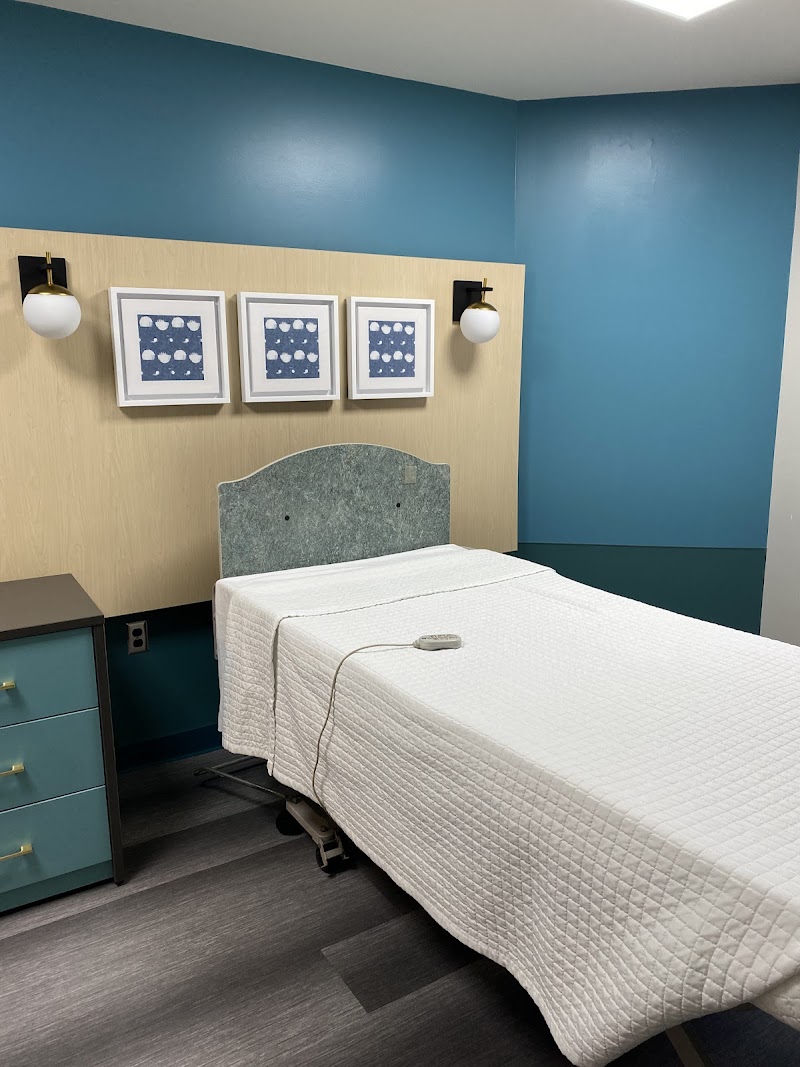
How is August Healthcare At Wilmington Staffed?

CMS rates August Healthcare at Wilmington's staffing level at 3 out of 5 stars, which is average compared to other nursing homes. Staff turnover is 60%, which is 13 percentage points above the North Carolina average of 46%. High turnover can affect care consistency as new staff learn residents' individual needs.

What Have Inspectors Found at August Healthcare At Wilmington?

State health inspectors documented 40 deficiencies at August Healthcare at Wilmington during 2022 to 2025. These included: 1 Immediate Jeopardy (the most serious level, indicating potential for serious harm or death), 1 that caused actual resident harm, 32 with potential for harm, and 6 minor or isolated issues. Immediate Jeopardy findings are rare and represent the most serious regulatory concerns. They require immediate corrective action.
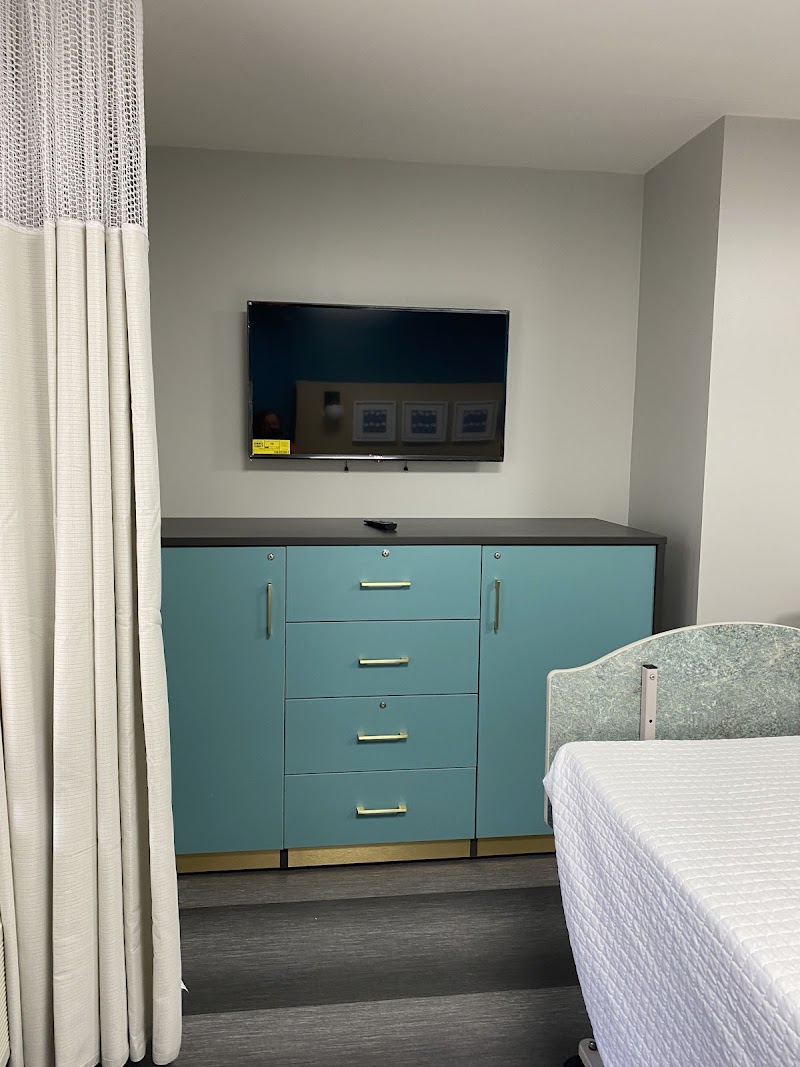
Who Owns and Operates August Healthcare At Wilmington?

August Healthcare at Wilmington is owned by a for-profit company. For-profit facilities operate as businesses with obligations to shareholders or private owners. The facility operates independently rather than as part of a larger chain. With 120 certified beds and approximately 87 residents (about 72% occupancy), it is a mid-sized facility located in Wilmington, North Carolina.

How Does August Healthcare At Wilmington Compare to Other North Carolina Nursing Homes?

Compared to the 100 nursing homes in North Carolina, August Healthcare at Wilmington's overall rating (2 stars) is below the state average of 2.8, staff turnover (60%) is significantly higher than the state average of 46%, and health inspection rating (2 stars) is below the national benchmark.

What Should Families Ask When Visiting August Healthcare At Wilmington?

Based on this facility's data, families visiting should ask: "What changes have been made since the serious inspection findings, and how are you preventing similar issues?" "How do you ensure continuity of care given staff turnover, and what is your staff retention strategy?" "Can I visit during a mealtime to observe dining assistance and food quality?" "How do you handle medical emergencies, and what is your hospital transfer rate?" These questions are particularly relevant given the facility's Immediate Jeopardy citations and the facility's high staff turnover rate.

Is August Healthcare At Wilmington Safe?

Based on CMS inspection data, August Healthcare at Wilmington has documented safety concerns. Inspectors have issued 1 Immediate Jeopardy citation (the most serious violation level indicating risk of serious injury or death). The facility has a 2-star overall rating and ranks #100 of 100 nursing homes in North Carolina. Families considering this facility should ask detailed questions about what corrective actions have been taken since these incidents.

Do Nurses at August Healthcare At Wilmington Stick Around?

Staff turnover at August Healthcare at Wilmington is high. At 60%, the facility is 13 percentage points above the North Carolina average of 46%. High turnover means new staff may not know residents' individual needs, medications, or preferences. It can also be disorienting for residents, especially those with dementia who rely on familiar faces. Families should ask: What is causing the turnover? What retention programs are in place? How do you ensure care continuity during staff transitions?

Was August Healthcare At Wilmington Ever Fined?

August Healthcare at Wilmington has been fined $27,378 across 1 penalty action. This is below the North Carolina average of $33,353. While any fine indicates a compliance issue, fines under $50,000 are relatively common and typically reflect isolated problems that were subsequently corrected. Families should ask what specific issues led to these fines and confirm they've been resolved.

Is August Healthcare At Wilmington on Any Federal Watch List?

August Healthcare at Wilmington is not on any federal watch list. The most significant is the Special Focus Facility (SFF) program, which identifies the bottom 1% of nursing homes nationally based on persistent, serious quality problems. Not being on this list means the facility has avoided the pattern of deficiencies that triggers enhanced federal oversight. This is a positive indicator, though families should still review the facility's inspection history directly.