Bradley Creek Health Center
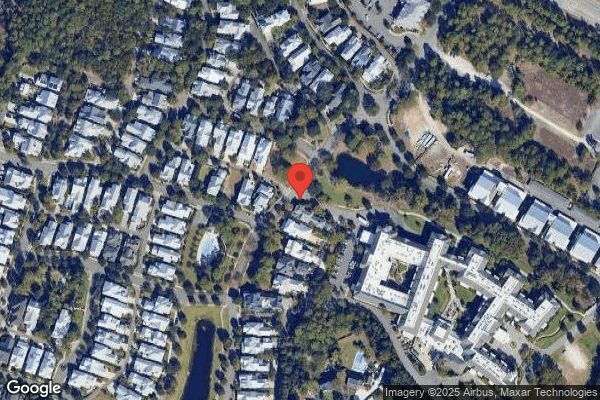
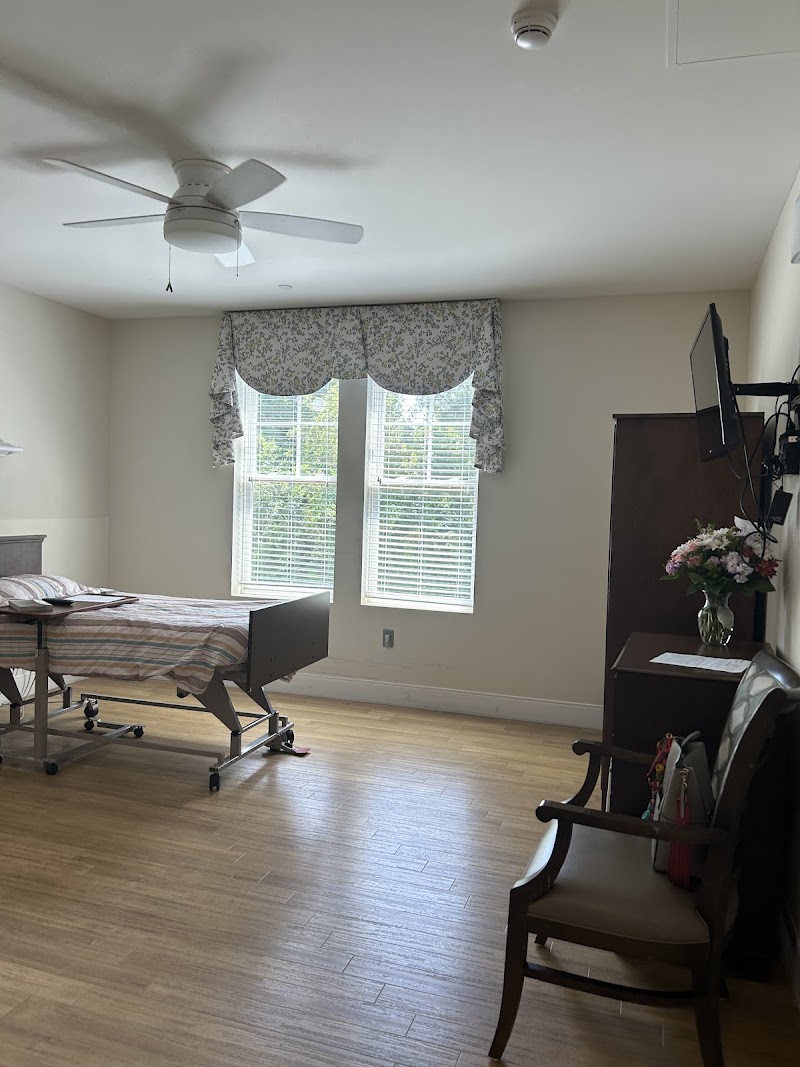
740 Diamond Shoals Road, Wilmington, NC 28403 (910) 769-7550
For profit - Corporation 30 Beds Independent Data: November 2025
Trust Grade
80/100
#82 of 417 in NC
Last Inspection: April 2024

Within standard 12-15 month inspection cycle. Federal law requires annual inspections.

Overview

Bradley Creek Health Center has a Trust Grade of B+, which means it is above average and generally recommended for care. Ranked #82 out of 417 facilities in North Carolina, it is in the top half, and #2 out of 11 in New Hanover County indicates that only one local option is better. The facility's trend is stable, maintaining three issues in both 2022 and 2024. Staffing is a strength, with a 4 out of 5-star rating and a turnover rate of 42%, which is below the state average of 49%, suggesting experienced staff remain with the residents. While there are no fines on record, which is a positive sign, there have been concerns regarding food safety, including expired food items found in the kitchen and failure to maintain proper food temperatures during meal service. This indicates potential risks in food quality that could affect residents. Overall, while there are notable strengths in staffing and no financial penalties, families should be aware of the food safety issues that have been highlighted in inspections.

Trust Score
B+
80/100
In North Carolina
#82/417
Top 19%
Safety Record
Low Risk
No red flags
Inspections
Holding Steady
3 → 3 violations
Staff Stability
○ Average
42% turnover. Near North Carolina's 48% average. Typical for the industry.
Penalties
✓ Good
No fines on record. Clean compliance history, better than most North Carolina facilities.
Skilled Nurses
✓ Good
Each resident gets 73 minutes of Registered Nurse (RN) attention daily — more than 97% of North Carolina nursing homes. RNs are the most trained staff who catch health problems before they become serious.
Violations
○ Average
7 deficiencies on record. Average for a facility this size. Mostly minor or procedural issues.
★★★★☆
4.0
Overall Rating
★★★★☆
4.0
Staff Levels
★★★★☆
4.0
Care Quality
★★★★☆
4.0
Inspection Score
Stable
2022: 3 issues
2024: 3 issues

The Good

  • 4-Star Staffing Rating · Above-average nurse staffing levels
  • 4-Star Quality Measures · Strong clinical quality outcomes
  • Full Sprinkler Coverage · Fire safety systems throughout facility
  • No fines on record
  • Staff turnover below average (42%)

    6 points below North Carolina average of 48%

Facility shows strength in staffing levels, quality measures, fire safety.

The Bad

Staff Turnover: 42%

Near North Carolina avg (46%)

Typical for the industry

The Ugly 7 deficiencies on record

Apr 2024 3 deficiencies
CONCERN (D) 📢 Someone Reported This

A family member, employee, or ombudsman was alarmed enough to file a formal complaint

Potential for Harm - no one hurt, but risky conditions existed

Notification of Changes (Tag F0580)

Could have caused harm · This affected 1 resident

**NOTE- TERMS IN BRACKETS HAVE BEEN EDITED TO PROTECT CONFIDENTIALITY** Based on record review, Nurse Practitioner, Physician, Responsible Party, and staff interviews, the facility failed to notify th...

Read full inspector narrative →
**NOTE- TERMS IN BRACKETS HAVE BEEN EDITED TO PROTECT CONFIDENTIALITY** Based on record review, Nurse Practitioner, Physician, Responsible Party, and staff interviews, the facility failed to notify the responsible party of a change in medication for 1 of 1 residents (Resident #85). Findings included: Resident #85 was admitted to the facility on [DATE]. Diagnoses included, in part, fracture of left femur, presence of left artificial hip joint, fall, and epilepsy. The Minimum Data Set admission assessment dated [DATE] revealed Resident #85 was moderately cognitively impaired and was coded as receiving scheduled pain medication and as needed pain medication. Resident #85's pain was assessed and noted to be frequent with difficulty sleeping at night and limited day to day activities. Pain described at severe. Resident #85 was coded as having major surgery prior to admission and required active skilled nursing care due to recent surgery. Resident #85 received 2 days of opioid medication during this assessment period. A review of the physician orders revealed Keppra (medication to treat seizures) 500 milligrams (mg) twice daily written on 07/10/23, Tramadol (an opioid pain medication) 50 mg one tablet every 6 hours as needed for pain written on 07/10/25 and discontinued on 07/25/23, Acetaminophen (pain relieving medication) 325 mg give 2 tablets every 6 hours as needed for pain written on 7/10/23 and changed to every 6 hours scheduled on 07/25/23. A review of a nursing progress note written on 07/25/23 at 7:25 AM written by Nurse #1 revealed nurse spoke with resident's responsible party (RP) in facility. RP expressed some concerns regarding orders she was not aware about. Writer apologized that RP was not notified and explained that in the future she would be notified of any new orders. A review of a provider note written by the previous Nurse Practitioner (NP) on 07/25/23 at 8:58 AM revealed, in part, reviewed resident's medications. Resident had a past medical history of subarachnoid hemorrhage (bleeding in the brain) from 04/19/23 with hospitalization, history of seizures, Dementia, and frequent falls. Current medications included Keppra (antiseizure medication) 500 mg twice daily, Tramadol 50 mg every 6 hours as needed for pain, Acetaminophen 650 mg every 6 hours as needed for pain. Current rehabilitation for left hip fracture surgery on 07/06/23. Tramadol and Keppra together have risk of lowering seizure threshold, increasing dizziness, drowsiness, confusion and decreasing motor coordination. Will discontinue Tramadol for these risks. The following medication changes have been ordered: discontinue Tramadol, change Acetaminophen 650 mg from every 6 hours as needed to three times daily for pain, and consider Oxycodone 2.5 mg three times daily as needed for pain if needed. Discussed plan with physician. Review of new physician orders written on 08/02/23 revealed an order for Oxycodone (an opioid pain medication) 5 mg give 0.5 mg tablet 4 times a day for pain. This order was discontinued on 08/07/23. A review of the medication administration record (MAR) revealed Resident #85 received Oxycodone 2.5 mg from 08/03/23 through 08/06/23 at a total of 14 doses. The MAR revealed the order was discontinued on 08/07/23. A nursing progress note written on 08/07/2023 at 12:56 PM revealed, in part, Nurse #1 spoke with RP regarding her concerns. Nurse discussed pain medication and told the RP that she would look into her concerns. A late entry nursing note written by Nurse #2 on 08/18/23 at 3:23 PM revealed, in part, that this nurse and Nurse #1 spoke to RP on 08/18/23 as a follow up call. Nurse #2 explained that after following up on why changes to resident's medication of oxycodone had been changed the following occurred: 1) Resident was given Tramadol by NP #1. NP #1 reviewed medications for resident's pain with the physician. Discussed seizure threshold of medications. Resident currently on Keppra so Tramadol was discontinued due to lowering seizure threshold on 07/25/23. Oxycodone 2.5 mg 4 times daily scheduled was ordered and nursing was to notify RP of changes. 3) Resident received Oxycodone 2.5mg from 08/03/23 through 08/06/23 for a total of 14 doses. 4) Nurse #2 discussed education was given to staff on notification communication. A phone interview with the Responsible Party on 04/09/24 at 11:59 AM revealed she was not notified the facility had ordered the Tramadol for Resident #85 until it was discontinued nor was she made aware that Oxycodone was started as a new order. The RP stated she was visiting the resident on 08/06/24 and observed the nurse administering the Oxycodone and questioned when the resident started receiving that medication. Interview with Nurse #2 on 04/10/24 at 1:50 PM revealed she recalled Resident #85 and remembered writing the note regarding the Tramadol and the Oxycodone orders. Nurse #2 stated normally whenever the NP put a new order in place, the NP would notify the family. She stated she did not know what happened and why the NP did not notify the family, but that it then initiated the facility to do a complete in-service with all nursing staff to make sure any new changes or orders were being communicated to the family by the nurse. A phone interview with Nurse #1 on 04/10/24 at 2:10 PM revealed she recalled the day the RP was inquiring about the Oxycodone and she stated she did not notify the family regarding the change of medication with the Tramadol or the Oxycodone because she thought the NP was notifying the family. An interview with the Physician on 04/10/24 at 4:10 PM revealed she would have expected the nursing staff to notify the family of the medication changes. The Physician stated notifying the family was not the sole responsibility of the NP when she initiated an order, but she knew that the NP would notify family at times. The Physician stated communication of who notified the family should be documented at the time of the notification to avoid confusion. A phone interview was conducted with the previous Nurse Practitioner (NP #1) on 04/11/24 at 5:10 PM. NP #1 stated she was not responsible for notifying the families of any medication changes. She stated it was the nursing staff's responsibility. An interview with the Director of Nursing on 04/11/24 at 5:30 PM revealed the expectation was that the nursing staff was to notify the RP of any medication changes. He stated after this incident occurred he did a full in service with all nursing staff to ensure they understood it was their responsibility to notify the family and document the notification in a nursing note. He did not complete a full plan of correction.
CONCERN (D) 📢 Someone Reported This

A family member, employee, or ombudsman was alarmed enough to file a formal complaint

Potential for Harm - no one hurt, but risky conditions existed

Medication Errors (Tag F0758)

Could have caused harm · This affected 1 resident

**NOTE- TERMS IN BRACKETS HAVE BEEN EDITED TO PROTECT CONFIDENTIALITY** Based on observations, record review, Physician Assistant and staff interviews, the facility failed to ensure an as needed (PRN)...

Read full inspector narrative →
**NOTE- TERMS IN BRACKETS HAVE BEEN EDITED TO PROTECT CONFIDENTIALITY** Based on observations, record review, Physician Assistant and staff interviews, the facility failed to ensure an as needed (PRN) psychotropic medication (a medication that affects brain activities associated with mental processes and behavior) was limited to 14 days or document the continued use with a rationale and duration for 1 of 5 residents (Resident #10) reviewed for unnecessary medications. Findings included: Resident #10 was admitted to the facility on [DATE]. Diagnoses included, in part, fracture of left humerus, metabolic encephalopathy, Parkinson's, and anxiety. A review of the physician orders written on 03/12/24 revealed an order for Alprazolam 0.5 milligrams (mg) one tablet every 8 hours as needed for anxiety. There was no stop date indicated on this order. The Minimum Data Set admission assessment dated [DATE] revealed Resident #10 was cognitively impaired and exhibited hallucinations and refusal of care. Resident #10 received antianxiety, antidepressants, anticoagulant (blood thinner) and opioids during this assessment. Review of the Pharmacy Consultants medication regimen review dated 03/13/24 indicated, in part, PRN psychotropic medications are limited to 14 days. If you would like to extend Alprazolam 0.5 mg one tablet every 8 hours PRN for anxiety past 14 days, please document a rationale and indicate a duration. This was reviewed and signed by the Physician Assistant dated 03/14/24 with a rationale stating, working to wean off Alprazolam and hopefully will only need this one 14 dose package. Review of March 2024 Medication Administration Record revealed Resident #10 received Alprazolam 0.5 milligrams daily from 03/16/24 through 03/31/24. Review of the April 2024 Medication Administration Record revealed Resident #10 received Alprazolam 0.5 milligrams daily from 04/01/24 through 04/10/24. An interview with the Physician Assistant on 04/11/24 at 4:15 PM revealed when she reviewed this recommendation from the pharmacist, she did not include the end date along with her rationale and should have. The Physician Assistant added, when the nurse's put orders in for a PRN psychotropic medication, they should be putting an end date. She stated nursing did not make her aware that she was taking this regularly and she would reevaluate to see if the resident needed this medication scheduled instead of as needed. An interview was conducted with Nurse #3 on 04/11/24 at 4:20 PM. Nurse #3 reported anytime a resident was on a PRN psychotropic medication it should have a stop date at 14 days. She stated she entered the order as it was listed on the hospital discharge summary and she forgot to the put the 14 day stop date on the order. An interview with the Director of Nursing (DON) on 04/11/24 at 5:30 PM revealed he would have expected the PRN stop date to be applied. The DON stated the monthly Pharmacy medication recommendations regarding as needed orders with stop dates were given directly to the Physician or the Physician Assistant for review. Once the Physician reviewed and signed the recommendation, he would implement the order. The DON stated his nursing staff were aware of the regulation to have a stop date for as needed psychotropic medications and should have identified this when transcribing the order and during their medication pass.
CONCERN (D) 📢 Someone Reported This

A family member, employee, or ombudsman was alarmed enough to file a formal complaint

Potential for Harm - no one hurt, but risky conditions existed

Deficiency F0760 (Tag F0760)

Could have caused harm · This affected 1 resident

**NOTE- TERMS IN BRACKETS HAVE BEEN EDITED TO PROTECT CONFIDENTIALITY** Based on record review, staff and the Physician Assistant interviews the facility failed to administer an as needed antihyperten...

Read full inspector narrative →
**NOTE- TERMS IN BRACKETS HAVE BEEN EDITED TO PROTECT CONFIDENTIALITY** Based on record review, staff and the Physician Assistant interviews the facility failed to administer an as needed antihypertensive medication as prescribed by the physician for blood pressure greater than 150/90 millimeters of mercury (mm Hg) resulting in 3 missed doses. This occurred for 1 of 1 resident (Resident # 7) reviewed for medication administration. Findings included. Resident #7 was admitted to the facility on [DATE] with diagnoses including hypertension. The Minimum Data Set (MDS) admission assessment dated [DATE] revealed Resident #7 was cognitively intact. She had no rejection of care. A care plan dated 03/21/24 for Resident #7 revealed to administer antihypertensive medications as ordered. A physicians order dated 03/22/24 for Resident #7 revealed Clonidine (antihypertensive) oral tablet 0.1 milligram. Give 1 tablet by mouth every 24 hours as needed for hypertension. Give if systolic blood pressure is greater than 150 mm Hg and diastolic blood pressure is greater than 90 mm Hg. Review of the progress notes for Resident #7 from 03/21/24 through 03/31/24 revealed a blood pressure reading recorded on 03/23/24 at 9:33 AM of 168/98 mm Hg. The progress note revealed no documentation that Clonidine 0.1 mg as needed for blood pressure greater than 150/90 was administered to Resident #7. Review of the Medication Administration Record (MAR) dated March 2024 for Resident #7 revealed Clonidine 0.1 mg as needed for blood pressure greater than 150/90 mm Hg was not administered to Resident #7 on 03/23/24. Further review of the Medication Administration Record (MAR) dated March 2024 for Resident #7 revealed blood pressure readings less than 150/90 and the as needed Clonidine 0.1 mg was not needed and was not administered. Review of the Medication Administration Record (MAR) dated April 2024 for Resident #7 revealed blood pressure readings greater than 150/90 on the following dates: 04/01/24 the blood pressure reading was 179/98 mm Hg. 04/09/24 the blood pressure reading was 155/95 mm Hg. Review of the Medication Administration Record (MAR) dated April 2024 for Resident #7 revealed no documentation that Clonidine 0.1mg as needed for blood pressure greater than 150/90 mm Hg was administered to Resident #7 on 04/01/24 or 04/09/24. Review of the progress notes for Resident #7 from 04/01/24 through 04/09/24 revealed no documentation that Clonidine 0.1 mg was administered. During an interview on 04/11/24 at 6:10 PM the Physician Assistant stated Resident #7 had orders for scheduled Clonidine 0.1 mg daily and an as needed dose was ordered to be given once every 24 hours if her blood pressure was greater than 150/90 mm Hg. She indicated Resident #7 should have received the as needed dose on the days her blood pressure was elevated above 150/90 mm Hg. She stated she evaluated Resident #7 today and she was at her baseline and her vital signs were stable. She stated Resident #7 did not have any adverse effects by not receiving the 3 missed doses of the medication. During an interview on 04/11/24 at 6:35 PM Nurse #7 stated he was the assigned Nurse for Resident #7 on 04/01/24. He stated he did not give the as needed dose of Clonidine to Resident #7 because he gave the 9:00 AM scheduled dose and didn't want to give her 2 doses. He indicated he was uncertain of when exactly the blood pressure reading was taken on 04/01/24. He indicated with an elevated blood pressure of 179/98 he should have clarified the order with the physician. During an interview on 04/11/24 at 7:33 PM Nurse #4 stated the vital signs recorded on 04/09/24 for Resident #7 were taken by another staff member. She stated when she documented the blood pressure reading of 155/95 for Resident #7, she did not think to look at her medications to detrmine if any as needed medications for increased blood pressure should be given. She stated she did not administer as needed Clonidine to Resident #7 on 04/09/24. Nurse #8 who was assigned to Resident #7 on 03/23/24 when the blood pressure reading was 168/98 was not available for an interview. During an interview on 04/11/24 at 6:47 PM the Director of Nursing stated Resident #7 should have received the Clonidine 0.1 mg as needed for increased blood pressure when the blood pressure was greater than 150/90 mm Hg. He stated that did not occur and education would be provided.
Dec 2022 3 deficiencies
CONCERN (D)

Potential for Harm - no one hurt, but risky conditions existed

Deficiency F0761 (Tag F0761)

Could have caused harm · This affected 1 resident

Based on observations, manufacturer's instructions, staff interviews and Consultant Pharmacist interviews, the facility failed to store an unopened bottle of eye drops in the refrigerator specified by...

Read full inspector narrative →
Based on observations, manufacturer's instructions, staff interviews and Consultant Pharmacist interviews, the facility failed to store an unopened bottle of eye drops in the refrigerator specified by the manufacturer's instructions for 1 of 3 medication carts and failed to record an opened date on two opened bottles of eye drops for 1 of 3 medications carts observed for medication storage. Findings included: 1. During an observation with Nurse #1 on medication cart #1 on 12/20/22 at 9:30 AM an unopened bottle of Travoprost Solution 0.004% eye drops was not refrigerated as indicated on the manufacturer's instructions which stated, store unopened bottle in refrigerator, once opened store at room temperature and discard remaining amount not used after 6 weeks. An interview was conducted with Nurse #1 on 12/20/22 at 9:38 AM. Nurse #1 confirmed the label indicated the unopened eye drop solution should be refrigerated. Nurse #1 reported she did not know the eye drop solution was supposed to be refrigerated until it was opened. A phone interview was conducted with the Consultant Pharmacist on 12/22/22 at 10:55 AM. The Consultant Pharmacist stated the manufacturer's instructions should always be followed to ensure the medication maintains its efficacy. An interview was conducted with the Director of Nursing (DON) on 12/22/22 at 3:00 PM. The DON reported she expected her nursing staff to be following the manufacturer's instructions and labels as it pertained to medications. 2. During an observation with Nurse #1 on medication cart #1 on 12/20/22 at 9:30 AM revealed 2 bottles of Latanoprost Solution 0.005% eye drops were noted to be opened with no opened date indicated. Review of the manufacturer's instructions revealed store unopened bottle in refrigerator, once opened store at room temperature and discard remaining amount not used after 6 weeks. An interview with Nurse #1 revealed after opening the Latanoprost bottles, they should have been labeled with the date they were opened. Nurse #1 added, she did not know the eye drops were only good for 6 weeks after opening. A phone interview was conducted with the Consultant Pharmacist on 12/22/22 at 10:55 AM. The Consultant Pharmacist stated the manufacturer's instructions should always be followed to ensure the medication maintains its efficacy. The Pharmacist added, the medication should be discarded after 6 weeks from opening and without the date recorded when it was opened, staff would not know when to discard the medication. An interview was conducted with the Director of Nursing (DON) on 12/22/22 at 3:00 PM. The DON reported she expected her nursing staff to be following the manufacturer's instructions and labels as it pertained to medications.
CONCERN (E)

Potential for Harm - no one hurt, but risky conditions existed

Food Safety (Tag F0812)

Could have caused harm · This affected multiple residents

Based on observations and staff interviews the facility failed to remove expired food items stored for use in the walk-in refrigerator. This practice had the potential to affect the foods served to th...

Read full inspector narrative →
Based on observations and staff interviews the facility failed to remove expired food items stored for use in the walk-in refrigerator. This practice had the potential to affect the foods served to the residents. The findings included: Initial observation of the kitchen walk-in refrigerator occurred on 12/19/2022 at 10:15 AM with the Director of Dining Services and revealed a plastic container of mandarin oranges with a discard date of 12/14/2022. A follow-up observation of the kitchen walk-in refrigerator on 12/21/2022 at 11:25 AM revealed a plastic container of yellow sliced cheese with a discard date of 12/19/2022 and a plastic container of chocolate mousse with a discard date of 12/19/2022. An interview with the Chef was completed on 12/21/2022 at 11:25 AM. The Chef stated that the expired food items observed on 12/19/22 and 12/21/2022 should have been discarded. He further stated that all the Dining Services staff were responsible for removing expired food items from the walk-in refrigerator. An interview with the Administrator occurred on 12/21/2022 at 3:45 AM. The Administrator stated that she expected the Dining Services staff to follow safe food handling practices when labeling and storing food items.
CONCERN (E)

Potential for Harm - no one hurt, but risky conditions existed

QAPI Program (Tag F0867)

Could have caused harm · This affected multiple residents

Based on observations and staff interviews the facility's Quality Assurance and Performance Improvement (QAPI) Committee failed to maintain implemented procedures and monitor the interventions that th...

Read full inspector narrative →
Based on observations and staff interviews the facility's Quality Assurance and Performance Improvement (QAPI) Committee failed to maintain implemented procedures and monitor the interventions that the committee put into place following the recertification and complaint investigation survey of 10/8/2021. This was for 1 deficiency cited in the area of Food and Nutrition Services (F812). The continued failure during two federal surveys of record shows a pattern of the facility's inability to sustain an effective Quality Assurance Program. Findings included: This tag is cross referenced to: F 812: Based on observations and staff interviews the facility failed to remove expired food items stored for use in the walk-in refrigerator. This practice had the potential to affect the foods served to the residents. During the recertification and complaint survey completed 10/8/2021 the facility failed to maintain safe food temperatures for potentially hazardous foods. Hot foods should be maintained at a temperature of 135 degrees or higher and cold foods should be maintained at a temperature of 41 degrees or lower. A telephone interview was completed with the Administrator on 12/22/2022 at 09:31 AM. The Administrator stated that she didn't think the facility's QA program for the kitchen had failed. She further stated that the facility was previously cited for failing to maintain safe food temperatures and that was not an issue during the current survey. The Administrator indicated that the facility would focus on developing a QA specific for safe food handling and storage practices.
Oct 2021 1 deficiency
CONCERN (E)

Potential for Harm - no one hurt, but risky conditions existed

Food Safety (Tag F0812)

Could have caused harm · This affected multiple residents

Based on observations and staff interviews the facility failed to: 1) maintain broccoli at 135 degrees Fahrenheit (F.) or higher on the lunch meal tray line, and 2) maintain chicken salad, at 41 (F.) ...

Read full inspector narrative →
Based on observations and staff interviews the facility failed to: 1) maintain broccoli at 135 degrees Fahrenheit (F.) or higher on the lunch meal tray line, and 2) maintain chicken salad, at 41 (F.) or below on the lunch meal tray line. Both of these items could be potentially hazardous if not served at the appropriate temperatures. The findings include: 1. An observation of the lunch meal tray line on 10/04/21 at 12:15 PM revealed a large stainless-steel serving tray of broccoli on the serving line (with the warming tray's switch off). Temperature monitoring, by the Chef on 10/04/21 at 12:30 PM revealed the following temperatures: broccoli - 80 degrees F. and chicken salad 53 degrees F. During an interview with the Chef on 10/04/21/21 at 12:35 PM, he stated that he expected dietary staff to serve hot foods 135 degrees F. or higher, and cold foods 41 degrees F. or below. and if temperatures of hot food were below 135-degree F. or cold foods were higher than 41-degree F., the food items should be discarded or re-heated prior to serving. He visually confirmed that the warming switch for the broccoli was not turned on, which resulted in the broccoli cooling down on the tray line to 80 degrees F. He also stated the chicken salad should have been kept cool below 41 degrees F. just prior to serving and was not. During an interview with the cook in the satellite kitchen on 10/04/21 at 12:45 PM she revealed when she took the temperatures of the food being served from the kitchens' tray line, they had to have hot food temperatures 135 degrees F. or higher, and the cold foods needed to be 35 degrees F. or colder. [NAME] said the kitchen staff should have checked both the broccoli and the chicken salad's temperatures to ensure all hot food items were above 135 degrees F. and that all cold foods were below 41 degrees F. before serving them on the lunch tray line. During an interview with the Director of Dietary Services on 10/07/21 at 8:52 AM, he revealed hot food temperatures were required to be at least 135 degrees F., and cold food temperatures were required to be below 41 degrees F. when served from the tray line. During an interview with the Administrator and Director of Nursing (DON) on 10/07/21 at 4:30 PM, they both reported it was their expectation the facility's kitchens follow all regulatory guidelines for food and kitchen sanitation safety
Understanding Severity Codes (click to expand)
Life-Threatening (Immediate Jeopardy)
J - Isolated K - Pattern L - Widespread
Actual Harm
G - Isolated H - Pattern I - Widespread
Potential for Harm
D - Isolated E - Pattern F - Widespread
No Harm (Minor)
A - Isolated B - Pattern C - Widespread

Questions to Ask on Your Visit

  • "Can I speak with families of current residents?"
  • "What's your RN coverage like on weekends and overnight?"

Our Honest Assessment

Strengths
  • • Grade B+ (80/100). Above average facility, better than most options in North Carolina.
  • • No major safety red flags. No abuse findings, life-threatening violations, or SFF status.
  • • No fines on record. Clean compliance history, better than most North Carolina facilities.
  • • 42% turnover. Below North Carolina's 48% average. Good staff retention means consistent care.
Concerns
  • • No significant concerns identified. This facility shows no red flags across CMS ratings, staff turnover, or federal penalties.
Bottom line: Generally positive indicators. Standard due diligence and a personal visit recommended.

About This Facility

What is Bradley Creek Health Center's CMS Rating?

CMS assigns Bradley Creek Health Center an overall rating of 4 out of 5 stars, which is considered above average nationally. Within North Carolina, this rating places the facility higher than 99% of the state's 100 nursing homes. This rating reflects solid performance across the metrics CMS uses to evaluate nursing home quality.
How is Bradley Creek Health Center Staffed?

CMS rates Bradley Creek Health Center's staffing level at 4 out of 5 stars, which is above average compared to other nursing homes. Staff turnover is 42%, compared to the North Carolina average of 46%. This relatively stable workforce can support continuity of care.

What Have Inspectors Found at Bradley Creek Health Center?

State health inspectors documented 7 deficiencies at Bradley Creek Health Center during 2021 to 2024. These included: 7 with potential for harm.

Who Owns and Operates Bradley Creek Health Center?

Bradley Creek Health Center is owned by a for-profit company. For-profit facilities operate as businesses with obligations to shareholders or private owners. The facility operates independently rather than as part of a larger chain. With 30 certified beds and approximately 27 residents (about 90% occupancy), it is a smaller facility located in Wilmington, North Carolina.

How Does Bradley Creek Health Center Compare to Other North Carolina Nursing Homes?

Compared to the 100 nursing homes in North Carolina, Bradley Creek Health Center's overall rating (4 stars) is above the state average of 2.8, staff turnover (42%) is near the state average of 46%, and health inspection rating (4 stars) is above the national benchmark.

What Should Families Ask When Visiting Bradley Creek Health Center?

Based on this facility's data, families visiting should ask: "Can I visit during a mealtime to observe dining assistance and food quality?" "How do you handle medical emergencies, and what is your hospital transfer rate?" "Can I speak with family members of current residents about their experience?"

Is Bradley Creek Health Center Safe?

Based on CMS inspection data, Bradley Creek Health Center has a clean safety record: no substantiated abuse findings (meaning no confirmed cases of resident harm), no Immediate Jeopardy citations (the most serious violation level indicating risk of serious injury or death), and is not on the Special Focus Facility watch list (a federal program monitoring the lowest-performing 1% of nursing homes). The facility has a 4-star overall rating and ranks #1 of 100 nursing homes in North Carolina. While no facility is perfect, families should still ask about staff-to-resident ratios and recent inspection results during their visit.

Do Nurses at Bradley Creek Health Center Stick Around?

Bradley Creek Health Center has a staff turnover rate of 42%, which is about average for North Carolina nursing homes (state average: 46%). Moderate turnover is common in nursing homes, but families should still ask about staff tenure and how the facility maintains care continuity when employees leave.

Was Bradley Creek Health Center Ever Fined?

Bradley Creek Health Center has no federal fines on record. CMS issues fines when nursing homes fail to meet care standards or don't correct problems found during inspections. The absence of fines suggests the facility has either maintained compliance or corrected any issues before penalties were assessed. This is a positive indicator, though families should still review recent inspection reports for the full picture.

Is Bradley Creek Health Center on Any Federal Watch List?

Bradley Creek Health Center is not on any federal watch list. The most significant is the Special Focus Facility (SFF) program, which identifies the bottom 1% of nursing homes nationally based on persistent, serious quality problems. Not being on this list means the facility has avoided the pattern of deficiencies that triggers enhanced federal oversight. This is a positive indicator, though families should still review the facility's inspection history directly.