Cypress Pointe Rehabilitation Center
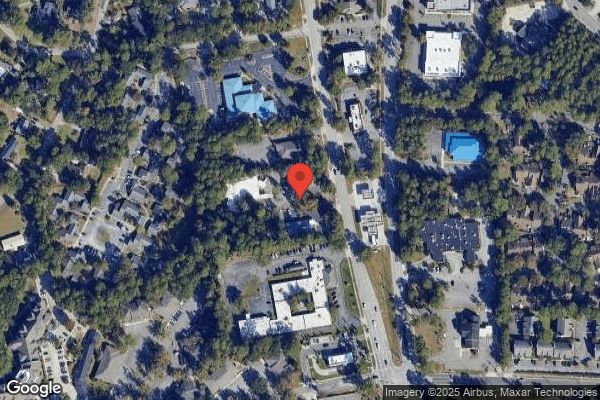
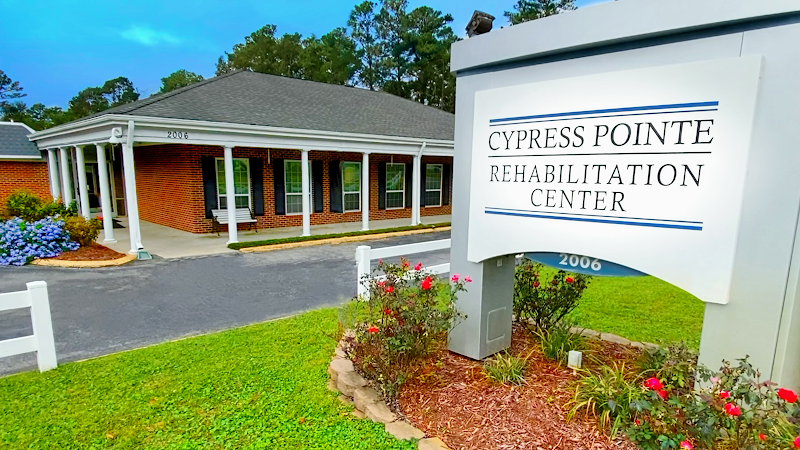
2006 South 16th Street, Wilmington, NC 28401 (910) 763-6271
For profit - Partnership 90 Beds SOVEREIGN HEALTHCARE HOLDINGS Data: November 2025
Trust Grade
90/100
#25 of 417 in NC
Last Inspection: March 2025

Within standard 12-15 month inspection cycle. Federal law requires annual inspections.

Overview

Cypress Pointe Rehabilitation Center in Wilmington, North Carolina, has earned a Trust Grade of A, indicating it is highly recommended and performs excellently compared to other facilities. Ranked #25 out of 417 in the state, it is in the top half of North Carolina nursing homes, and it is the top facility out of 11 in New Hanover County. The facility has maintained a stable trend over the last two years, with only one reported issue in both 2024 and 2025. While staffing is rated average at 3 out of 5 stars, the turnover rate of 51% aligns closely with the state average, suggesting that while some staff may leave, many remain. Notably, there have been no fines, which is a positive sign; however, there were concerns about care practices, such as failing to monitor the weight of a resident with heart issues and not checking tube placement before administering feeding to another resident, indicating some areas need improvement. Overall, Cypress Pointe shows a mix of strengths and weaknesses that families should consider carefully.

Trust Score
A
90/100
In North Carolina
#25/417
Top 5%
Safety Record
Low Risk
No red flags
Inspections
Holding Steady
1 → 1 violations
Staff Stability
⚠ Watch
51% turnover. Above average. Higher turnover means staff may not know residents' routines.
Penalties
✓ Good
No fines on record. Clean compliance history, better than most North Carolina facilities.
Skilled Nurses
○ Average
Each resident gets 40 minutes of Registered Nurse (RN) attention daily — about average for North Carolina. RNs are the most trained staff who monitor for health changes.
Violations
✓ Good
Only 5 deficiencies on record. Cleaner than most facilities. Minor issues only.
★★★★★
5.0
Overall Rating
★★★☆☆
3.0
Staff Levels
★★★★★
5.0
Care Quality
★★★★★
5.0
Inspection Score
Stable
2024: 1 issues
2025: 1 issues

The Good

  • 5-Star Quality Measures · Strong clinical quality outcomes
  • Full Sprinkler Coverage · Fire safety systems throughout facility
  • No fines on record

Facility shows strength in quality measures, fire safety.

The Bad

Staff Turnover: 51%

Near North Carolina avg (46%)

Higher turnover may affect care consistency

Chain: SOVEREIGN HEALTHCARE HOLDINGS

Part of a multi-facility chain

Ask about local staffing decisions and management

The Ugly 5 deficiencies on record

Mar 2025 1 deficiency
CONCERN (D)

Potential for Harm - no one hurt, but risky conditions existed

Medical Records (Tag F0842)

Could have caused harm · This affected 1 resident

**NOTE- TERMS IN BRACKETS HAVE BEEN EDITED TO PROTECT CONFIDENTIALITY** Based on record review, and staff and Physician interviews, the facility failed to maintain complete medical records by not docu...

Read full inspector narrative →
**NOTE- TERMS IN BRACKETS HAVE BEEN EDITED TO PROTECT CONFIDENTIALITY** Based on record review, and staff and Physician interviews, the facility failed to maintain complete medical records by not documenting a reweight following a significant increase in the weekly weights that were obtained for a resident admitted with acute congestive heart failure. Resident #72 experienced no significant outcome. This occurred for 1 of 1 resident reviewed for weight management (Resident #72). Findings included. Resident #72 was admitted to the facility on [DATE] with diagnoses including congestive heart failure and fluid overload. A physician's order dated 2/27/25 for Resident #72 revealed to obtain weekly weights. Review of Resident #72's electronic medical record revealed the following weights: 2/25/25 at 5:28 PM the admission weight was 154.0 lbs. documented by Nurse #3. 3/03/25 at 9:26 AM the weight was 166 lbs. documented by Nurse #2. 3/15/25 at 3:57 PM the weight was 181 lbs. (pounds) documented by Nurse #1. Review of Resident #72's electronic medical record revealed no documentation that Resident #72 was reweighed on 3/3/25 or 3/15/25 to determine if the weights were accurate. During an interview on 3/20/25 at 4:22 PM Nurse #2 stated she checked Resident #72's weight on 3/3/25 and saw the increase and rechecked the weight but did not document the reweight that was obtained. She stated she verbally reported the weight to the Physician that day and the Physician assessed Resident #72 that day. During an interview on 3/20/25 at 12:20 PM Nurse #1 stated she checked Resident #72's weekly weight on Saturday 3/15/25 and it was up but he was not symptomatic. She reported that she weighed Resident #72 again on Sunday 3/16/25 and his weight was the same and he remained asymptomatic. She stated she did not think to document the reweight that was obtained. She notified the Nurse Practitioner of the weight increase on Monday morning 3/17/25. A physician's note dated 3/3/25 at 10:26 AM revealed Resident #72 was seen at the bedside today. He reported he was doing better. He denied any lower extremity edema or shortness of breath. A physician's order dated 3/5/25 for Resident #72 revealed a new order to obtain weekly weights due to congestive heart failure. A nursing progress note dated 3/15/25 at 1:09 PM documented by Nurse #1 revealed Resident #72's vital signs were within normal limits. There was no documentation that a reweight was obtained. A physician's note dated 3/17/25 at 10:32 AM revealed Resident #72 was seen at the bedside today. He reported doing well and without acute concerns. His weight was up but he feels well. During an interview on 3/20/25 at 10:00 AM the Physician stated that he was in the facility daily Monday through Friday. He stated that Resident #72 was admitted recently with congestive heart failure and weekly weights were ordered. He indicated that when a weight was significantly up from the previous weight, then a reweigh should occur to determine accuracy, and the weight should be documented in the medical record. During an interview on 03/20/25 at 4:05 PM the Director of Nursing (DON) stated the Physician was in the facility Monday through Friday and the nurses verbally reported to him daily. She indicated that both nurses should have documented the reweight that was obtained following the significant increase in Resident #72's weight on 3/3/25 and 3/15/25. Reweights were obtained to determine accuracy. She stated education would be provided.
Feb 2024 1 deficiency
CONCERN (E)

Potential for Harm - no one hurt, but risky conditions existed

Deficiency F0692 (Tag F0692)

Could have caused harm · This affected multiple residents

**NOTE- TERMS IN BRACKETS HAVE BEEN EDITED TO PROTECT CONFIDENTIALITY** 2. Resident #71 was admitted to the facility on [DATE] with diagnoses including heart failure, protein calorie malnutrition, and...

Read full inspector narrative →
**NOTE- TERMS IN BRACKETS HAVE BEEN EDITED TO PROTECT CONFIDENTIALITY** 2. Resident #71 was admitted to the facility on [DATE] with diagnoses including heart failure, protein calorie malnutrition, and chronic kidney disease. A care plan dated 12/05/23 revealed Resident #71 was at risk for decreased nutritional status and dehydration related to his diagnoses. The goal of care was to be free from significant weight changes through the next review date. Interventions included, in part, to obtain weights as ordered. The MDS assessment dated [DATE] revealed Resident #71 had moderately impaired cognition. He required supervision/touching assistance with eating. His weight was 169 pounds (lbs.) with no weight loss. He had no rejection of care. A nutritional evaluation note documented by the Registered Dietician on 12/19/23 revealed, in part, Resident #71 was at risk for nutritional decline. He received a regular diet. His average meal intake ranged from 26% to 76 %. He was at risk for nutritional decline due to his advanced age, variant intake, and progression of disease. The plan of care included monitoring weight, food intake, and skin integrity. Review of Resident #71's electronic medical record on 02/19/24 revealed no weight was obtained since the admission weight on 11/27/23 of 169 lbs. Review of Resident #71's electronic medical record on 02/19/24 revealed no order was in place to obtain a monthly weight. During an interview on 02/20/24 at 3:50 PM, Nurse #4 stated Resident #71 was compliant with care. He could feed himself without difficulty and had a fairly good appetite. She indicated the nurse aides obtained the weights. She stated she worked at the facility for 5 months and was not consistently assigned to Resident #71 and she was unaware if Resident #71 had weight loss. During an interview on 02/21/24 at 3:18 PM, the Registered Dietician stated she conducted resident evaluations on admission, readmission, annually, or for a change of condition such as significant weight loss, insidious weight loss, or a new pressure wound. During her evaluations she reviewed the weight reports from the previous 6 months to identify any significant weight changes or trends. She stated monthly weights were being done up until mid-December of 2023. She indicated she had discussed her concerns regarding not having monthly weights obtained since December with the Administrator and Director of Nursing a few weeks ago. The Registered Dietician indicated there was no agreement made during the conversation to not obtain monthly weights. She stated when she did the nutritional evaluations for residents in the facility in January 2024, she did not have any weights to go on and she requested weights from Unit Manager #1 and the Director of Nursing at that time. She reported there were no weights recorded after her request. She stated she did not enter weight orders into the electronic medical records, but she expected to see at least a monthly weights recorded for each resident. The Registered Dietician stated Resident #71 was on the list of weights she requested for January 2024, and she only had the resident's recent laboratory results to review during the evaluation. She stated Resident #71's BUN (blood urea nitrogen - used to determine kidney function) was slightly elevated which she attributed to his hydration status and the plan of care for Resident #71 included to encourage fluids throughout the day. The Registered Dietician stated she planned to add a nutritional supplement and wanted to see the current weight to make further recommendations. During an interview on 02/21/24 at 10:30 AM, the Physician Assistant stated she expected to see a monthly weights recorded for each resident to assist in determining the resident's nutritional status and to determine weight loss. She stated there was a conversation with the Director of Nursing and the Administrator regarding obtaining monthly weights and there was no agreement regarding not getting monthly weights. The Physician Assistant stated it was important for weights to be obtained at least monthly to monitor for significant weight loss and to determine if interventions were needed such as lab work or adding medications or supplements. The Physician Assistant added if a resident was on hospice, they would not require a monthly weight, but for the other residents who were at risk for nutritional decline and weight loss she expected monthly weights. During an interview on 02/21/24 at 4:35 PM, the Director of Nursing stated there was not a weight policy for residents in the facility including residents with a diagnosis of heart failure. She stated conversations were had with the Physician and the Physician Assistant about not having to obtain monthly weights in order to provide a more homelike environment. The Director of Nursing did not indicate that the Physician and Physician Assistant were in agreement with this and stated that the decision was made to not obtain weights between her and the Administrator. During an interview on 02/21/24 at 10:00 AM, the Physician indicated Resident #71 was at risk for nutritional decline and monthly weights were needed to determine weight loss or gain. During an interview on 02/22/24 at 1:00 PM, Resident #71 was alert to self and situation. He indicated he would not be opposed to having his weight obtained. During the investigation on 02/22/24 a current weight was requested and obtained for Resident #71. The new weight was 167 lbs. indicating a 2 lb. weight loss. 3. Resident #37 was admitted to the facility 05/20/19 with diagnoses including, in part, adult failure to thrive, nutritional anemia, and muscle weakness. A care plan dated 12/05/23 revealed Resident #37 was at risk for nutritional decline and dehydration related to adult failure to thrive, anorexia, nutritional anemia, and receiving a mechanical diet. The goal of care was to be free from significant weight changes. There was no intervention in place to monitor weights. The MDS annual assessment dated [DATE] reveled Resident #37 had moderately impaired cognition. She had impaired range of motion on one side. She required set up assistance with meals. She had no rejection of care. A nutritional evaluation note documented by the Registered Dietician on 01/25/24 revealed Resident #37's meal intake was 51% to 100%. It was noted that there was no weight available. The plan of care was to monitor intake, weight, and skin integrity. Review of Resident #37's electronic medical record on 02/19/24 revealed the following weights recorded: 08/08/23 a weight of 123.4 lbs. 09/06/23 a weight of 122.4 lbs. 10/07/23 a weight of 124.4 lbs. 12/14/23 a weight of 123.7 lbs. Review of Resident #37's electronic medical record on 02/19/24 revealed no order was in place to obtain a monthly weight. During an interview on 02/20/24 at 3:50 PM, Nurse #4 stated Resident #37 was compliant with care and she could feed herself. She indicted she was not aware if Resident #37 had weight loss or weight gain. During an interview on 02/21/24 at 3:18 PM the Registered Dietician stated Resident #37 was included in the residents that she requested weights on in January 2024. She stated she expected to see monthly weights for Resident #37. During an interview on 02/21/24 at 10:30 AM the Physician Assistant stated she expected to see a monthly weight recorded for Resident #37 in order to assess her nutritional status. During an interview on 02/21/24 at 10:00 AM, the Physician indicated Resident #37 was at risk for nutritional decline and monthly weights were needed to determine weight loss or gain. During an interview on 02/22/24 at 12:00 PM, Resident #37 was alert and was not opposed to having her weight obtained. During the investigation on 02/22/24, a current weight was requested and obtained for Resident #37. The new weight was 119 lbs. indicating a 4.7 lb. weight loss. 4. Resident #13 was admitted to the facility on [DATE] with diagnoses including cerebral vascular accident, dysphagia, and protein calorie malnutrition. A care plan dated 10/02/23 revealed Resident #13 was at risk for decreased nutritional status and dehydration related to dysphagia, protein calorie malnutrition, receiving a mechanically altered diet, and drug-nutrient interactions. The goal of care was to be free from dehydration and fluid overload through the next review date. Interventions included, in part, to weigh monthly as resident allowed. The MDS quarterly assessment dated [DATE] revealed Resident #13 was cognitively intact. She had no weight loss or gain and was independent with eating. She had no rejection of care. A nutritional evaluation note documented by the Registered Dietician on 02/20/24 revealed Resident #13's meal intake was 51% to 100%. Her blood urea nitrogen (BUN) was within normal limits. The plan of care was to monitor weight, intake, and skin integrity. Review of Resident #13's electronic medical record on 02/19/24 revealed the following weights recorded: 08/09/23 a weight of 176 lbs. 10/09/23 a weight of 190.5 lbs. 11/02/23 a weight of 193.2 lbs. 12/19/23 a weight of 193.1 lbs. 02/19/23 a weight of 205 lbs. Review of Resident #13's electronic medical record on 02/19/24 revealed no order was in place to obtain a monthly weight. During an interview on 02/20/24 at 3:50 PM, Nurse #4 stated Resident #13 was compliant with care. She could feed herself and her appetite was good. She indicted she was not aware if Resident #13 had weight loss or weight gain. During an interview on 02/21/24 at 3:18 PM, the Registered Dietician stated Resident #13 was included in the residents that she requested weights on in January 2024. She stated a new weight was not recorded until 02/19/24. She indicated the weight obtained on 02/19/24 of 205 lbs. was a 11.9 lb. gain from the December weight and she would have expected a reweigh to determine accuracy. She stated she expected to see monthly weights for Resident #13. During an interview on 02/21/24 at 10:30 AM, the Physician Assistant stated she expected to see a monthly weight recorded for Resident #13 in order to assess her nutritional status. During an interview on 02/21/24 at 10:00 AM, the Physician indicated Resident #13 was at risk for nutritional decline due to advanced age and diagnoses and monthly weights were needed to determine weight loss or gain. During an interview on 02/22/24 at 1:00 PM, Resident #13 was alert to person, place, and time. She stated she would not be opposed to having her weight obtained at any time. During the investigation on 02/22/24, a current weight was requested and obtained for Resident #13. The new weight was 205 lbs. indicating an 11.9 lb. weight gain. An interview with the Director of Nursing on 02/22/24 at 3:00 PM was conducted. The Director of Nursing indicated that the facility wanted to provide a more homelike environment and therefore were not obtaining monthly weights for all residents. She stated weights were only obtained for those residents who were reviewed to have poor oral intake, abnormal lab values or changes in their clinical assessment. Based on observations, record review, staff, Physician Assistant, Registered Dietician, and Physician interviews the facility failed to maintain a system to identify weight loss by not obtaining monthly weights on residents at risk for nutritional decline including weight loss for 3 of 7 residents ( Resident #77, 71, 37) and failed to obtain a weight and verify the accuracy of a weight for a 1 of 7 residents (Resident #13) reviewed for nutrition. Findings included: 1. Resident #77 was admitted to the facility on [DATE]. Diagnoses included above the knee amputation to left leg, congestive heart failure (CHF), chronic respiratory failure, and protein calorie malnutrition. Review of the weight log for Resident #77 revealed there was one weight recorded with the use of a mechanical lift of 125 pounds (lbs.) dated 01/16/24. The Minimum Data Set (MDS) admission assessment dated [DATE] revealed Resident #77 was cognitively aware. She had an impairment to one side to lower extremity and received diuretic medication (medication to remove fluid from the body). Resident #77's weight was recorded as 125 lbs. She was on a therapeutic diet and required supervision with set up only with meals. Resident #77 had no rejection of care. A review of Resident #77's care plan dated 01/22/24 revealed a plan of care was in place for altered cardiovascular status related to congestive heart failure with interventions to include, in part, diet consult, monitor for edema (swelling), changes in weight and shortness of breath. Review of Resident #77's electronic medical record on 02/19/24 revealed no order was in place to obtain a monthly weight. Review of Resident #77's activity of daily living (ADL) log for oral meal intake from February 1 through February 22, 2024, revealed the following: Breakfast: Resident #77 consumed 0-25% of her meal 10 out of 22 days, 26-50% of her meal 3 out of 22 days, 51-75% of her meal 7 out of 22 days and 76-100% of her meal 1 out of 22 days. Lunch: Resident #77 consumed 0-25% of her meal 11 out of 22 days, 26-50% of her meal 5 out of 22 days, 51- 75% 4 out of 22 days, and 76 to 100 % 0 out of 22 days. Dinner: Resident #77 consumed 0-25% of her meal 7 out of 22 days, 26-50% of her meal 1 out of 22 days, 51-76% of her meal 9 out of 22 days and 76 to 100 % 0 out of 22 days. An interview with Resident #77 on 02/19/24 at 11:40 AM revealed she felt like she was losing weight and wanted to know if she could get a nutritional supplement because she was not eating very well. An interview with Nurse Aide (NA) #3 on 02/21/24 at 1:15 PM revealed she worked as a restorative aide and a nurse aide and helped obtain weights. She stated she did not get any monthly weights during the month of January or February because she was not asked to get any weights. NA #3 added, usually the Director of Nursing would give her a list of weights to be obtained at the beginning of the month. She stated she only obtained weights on the new admissions during the month of January and February. An interview with Nurse #2 on 02/21/24 at 10:26 AM was conducted. Nurse #2 stated Resident #77 could feed herself without difficulty and had a fair appetite. She indicated she believed the nurse aides obtained the weights. She was unaware if Resident #77 had weight loss. A phone interview was conducted with the Registered Dietician on 02/21/24 at 3:18 PM. The Registered Dietician stated she conducted resident evaluations on admission, readmission, annually, or for a change of condition such as significant weight loss, insidious (gradual) weight loss, or a new pressure wound. During her evaluations she reviewed the weight reports from the previous 6 months to identify any significant weight changes or trends. She indicated there had been issues with monthly weights being obtained and recorded and she had discussed this with the Administrator and Director of Nursing a few weeks ago. The Registered Dietician indicated there was no agreement made during the conversation to not obtain monthly weights. The Registered Dietician stated Resident #77 was admitted last month and she would like to have a weight for this month since she was a new admission. The Registered Dietician reported she was unaware that Resident #77 was requesting a specific nutritional supplement and indicated the facility did not provide the one she wanted, but they have another nutritional supplement that they could offer. The Registered Dietician stated that Resident #77's congestive heart failure (CHF) was stable and she would not expect a weekly weight unless there was a change in her CHF condition, but at the very least she would expect a monthly weight especially since she was a new admission and her oral intake was fair. The Registered Dietician added she utilized the monthly weights as her best measure for monitoring the resident's nutritional status and if there was a decline. An interview was conducted with the facility Physician on 02/21/24 at 10:00 AM. The Physician stated the monthly weights were needed to determine weight loss or gain and to monitor nutritional status. An interview was conducted with the Physician Assistant on 02/21/24 at 10:30 AM. The Physician Assistant stated she expected to see a monthly weight recorded for each resident to assist in determining the resident's nutritional status and to determine weight loss. The Physician Assistant stated there was a conversation with the Director of Nursing and the Administrator regarding obtaining monthly weights, but there was no agreement made regarding not getting monthly weights. The Physician Assistant stated it was important for weights to be obtained at least monthly to monitor for significant weight loss and to determine if interventions were needed such as lab work or adding medications or supplements. She indicated if a resident was on hospice, they would not require a monthly weight but for the other residents who were at risk for nutritional decline due to their diagnoses or poor oral intake she would expect to see monthly weights. During an interview on 02/21/24 at 4:35 PM, the Director of Nursing stated there was not a weight policy for residents in the facility including residents with a diagnosis of heart failure. The Director of Nursing stated weights were obtained based on clinical findings and assessments by the nurse, the PA, and the Physician and when they evaluated the resident's oral intake and lab values. The Director of Nursing added, if they identified an area of concern such as poor oral intake or abnormal lab values, she would make a list for the Restorative Aides to obtain weights. She stated it was decided by herself and the Administrator that they wanted to have a more homelike environment and not weigh every resident every month. On 02/22/24 at 11:15 AM, a weight was obtained for Resident #77 with Nurse Aide (NA) #4 and the Unit Manager using the mechanical lift. Resident #77's weight was 95.4 lbs. Resident #77 stated I knew I had lost weight, but I did not think it was this much! During an interview with Resident #77 on 02/22/24 at 11:30 AM, she reported she would like to be we weighed monthly so that she can monitor her weight. Resident #77 stated she did not recall being asked by any staff member if she wanted to be weighed or not. An interview was conducted with the Director of Nursing on 02/22/24 at 11:30 AM. The Director of Nursing reported that based on the weight obtained on the mechanical lift, Resident #77 had shown a significant weight loss of 30 lbs. and she was not sure of the accuracy. A reweight was suggested. A follow up phone interview was conducted with the Physician Assistant on 02/22/24 at 1:20 PM. The Physician Assistant revealed she was surprised to hear the resident had a significant weight loss since her lab values were within normal limits and her oral intake was adequate. She stated she agreed that the facility should be obtaining monthly weights on all the residents unless the residents requested not to and the resident was care planned to not have a weight done. The Physician Assistant added that obtaining the monthly weights was in the best interest of the residents to monitor and evaluate their nutritional status. The Physician Assistant stated although Resident #77's lab values and oral intake were adequate, she still had a weight loss and if monthly weights were not getting done, it may have been a while before realizing Resident #77 had a weight loss. A reweigh was obtained on 02/22/24 at 1:10 PM for Resident #77 with the Rehab Director from the therapy department and the DON using a wheelchair. The resident's wheelchair weight was 26 lbs. Resident #77 was transferred to the wheelchair and the weight with the resident on the wheelchair was 132 lbs. - 26 lbs. for the wheelchair totaling a 19 lb. weight loss for Resident #77. An interview was conducted with the Director of Nursing and she confirmed Resident #77 had an actual significant weight loss of 19 lbs. since admission. She confirmed that although her labs were within normal limits and her oral intake was fair, Resident #77 had a significant weight loss and she did not know if the weight loss may not have been noticed since monthly weights were not being done.
Sept 2022 3 deficiencies
CONCERN (D)

Potential for Harm - no one hurt, but risky conditions existed

Tube Feeding (Tag F0693)

Could have caused harm · This affected 1 resident

**NOTE- TERMS IN BRACKETS HAVE BEEN EDITED TO PROTECT CONFIDENTIALITY** Based on record review, staff interview and Nurse Practitioner interview the facility failed to provide tube feeding management ...

Read full inspector narrative →
**NOTE- TERMS IN BRACKETS HAVE BEEN EDITED TO PROTECT CONFIDENTIALITY** Based on record review, staff interview and Nurse Practitioner interview the facility failed to provide tube feeding management by failing to check for tube placement prior to the administration of a water flush for 1 of 1 residents observed for tube feeding management (Resident #14). Findings included: Resident #14 was admitted to the facility on [DATE] with diagnoses that included gastrostomy status (feeding tube placement) following a stroke. A quarterly Minimum Data Set assessment dated [DATE] documented Resident #14 was rarely or never understood with short and long term memory problems. He was dependent for all activities of daily living including eating. He received 51% or more of his daily calories from a tube feeding. Review of the care plan dated 06/29/22 for Resident #14 revealed the following focus area: At risk for aspiration related to family occasionally provides pleasure food although resident is NPO (nothing by mouth) status with 100% of nutritional needs provided by a feeding tube. One of the goals was for Resident #14 to remain free from complications related to aspiration through the next review date. An intervention was to check for tube placement and gastric contents/residual volume as ordered. Review of a physician order initiated 05/11/22 documented: Enteral feed: check tube for placement every shift before medication administration and before flushes. An observation of tube feeding management was made on 09/15/22 at 12:35 PM with Nurse #8. It was observed Nurse #8 had not brought a stethoscope to check placement of the feeding tube prior to administering a free water flush through the tube. Nurse #8 stated she had checked the placement of the tube at the beginning of the shift, and this was the only time she ever checked tube placement. She reiterated she did not check tube placement each time she used the feeding tube but would on this occasion. She retrieved her stethoscope (needed to check placement of the tube) from the medication cart. She explained to Resident #14 that she was going to flush his tube. He nodded understanding by moving his head up and down. Nurse #14 pushed air through the feeding tube and auscultated with her stethoscope to confirm proper tube placement. She administered 210 ML (Milliliters) of free water through the tube using gravity. The tube was patent and flushed easily. No sign of resident discomfort was observed. In an interview with the Director of Nursing on 09/15/22 at 12:40 PM she stated she expected nurses to check placement of feeding tubes prior to the administration of medication or water. In an interview with the facility Nurse Practitioner on 09/15/22 at 1:55 PM she stated if there was an order for the nurse to check placement of the tube prior to giving a water flush she would expect the nurse to follow the physician's order. She added Resident #14 had a feeding tube that was well established and the risk for his tube to be out of place was low in comparison to a newly placed tube which was more susceptible to dislodgement. She concluded if a dislodged tube was used without first checking for placement, it could lead to infection or resident discomfort.
CONCERN (D)

Potential for Harm - no one hurt, but risky conditions existed

Deficiency F0727 (Tag F0727)

Could have caused harm · This affected 1 resident

Based on record review, and staff interviews the facility failed to prevent the Director of Nursing (DON) from serving as a charge nurse and having a resident care assignment including working on the ...

Read full inspector narrative →
Based on record review, and staff interviews the facility failed to prevent the Director of Nursing (DON) from serving as a charge nurse and having a resident care assignment including working on the medication cart with a facility census of greater than 60 residents on 2 of 2 occasions (08/22/22 and 08/25/22). Findings included. During an interview with the DON on 09/15/22 at 12:45 PM she stated the facility was actively hiring nursing staff. She stated on a few occasions during the month of August 2022 she had to take an assignment because there were no nurses available to pick up the shift and stated the facility was not currently utilizing agency staff. She stated she was not aware of the federal regulation that prevented the DON from taking a resident care assignment with a facility census of greater than 60. She indicated that she made the schedules for the nursing staff and stated there was not an available nurse to cover the shift on those occasions and she had to take care of the residents. A review of the daily staffing sheet dated 08/22/22 revealed the DON was the assigned nurse for the evening shift from 2:45 PM - 11:15 PM. The daily staff posting on 08/22/22 revealed a facility census of 79 residents. A review of the daily staffing sheet dated 08/25/22 revealed the DON was the assigned nurse for the night shift from 10:45 PM - 07:15 AM. The daily staff posting on 08/25/22 revealed a facility census of 85 residents. An interview was conducted with the Administrator on 09/15/22 at 4:45 PM. She stated she recently informed the DON that she could not work other shifts and that she would have to start mandating or scheduling overtime. She indicated the facility census was greater than 60 during the month of August 2022. She stated her expectation was that the DON would utilize other nursing staff to cover the shifts and should not act as charge nurse when the census is greater than 60.
MINOR (B)

Minor Issue - procedural, no safety impact

Comprehensive Care Plan (Tag F0656)

Minor procedural issue · This affected multiple residents

**NOTE- TERMS IN BRACKETS HAVE BEEN EDITED TO PROTECT CONFIDENTIALITY** Based on record review, staff interview and Nurse Practitioner interview the facility failed to implement a specific plan of car...

Read full inspector narrative →
**NOTE- TERMS IN BRACKETS HAVE BEEN EDITED TO PROTECT CONFIDENTIALITY** Based on record review, staff interview and Nurse Practitioner interview the facility failed to implement a specific plan of care for tube feeding management to check for tube placement every shift, prior to medication administration, and free water flushes for 1 of 1 residents observed for tube feeding management (Resident #14). Findings included: Resident #14 was admitted to the facility on [DATE] with diagnoses that included gastrostomy status (feeding tube placement) following a stroke. A quarterly Minimum Data Set assessment dated [DATE] documented Resident #14 was rarely or never understood with short and long term memory problems. He was dependent for all activities of daily living including eating. He received 51% or more of his daily calories from a tube feeding. Review of the care plan dated 06/29/22 for Resident #14 revealed the following focus area: At risk for aspiration related to family occasionally provides pleasure food although resident is NPO (nothing by mouth) status with 100% of nutritional needs provided by a feeding tube. One of the goals was for Resident #14 to remain free from complications related to aspiration through the next review date. An intervention was to check for tube placement and gastric contents/residual volume as ordered. Review of a physician order initiated 05/11/22 documented: Enteral feed: check tube for placement every shift before medication administration and before flushes. An observation of tube feeding management was made on 09/15/22 at 12:35 PM with Nurse #8. It was observed Nurse #8 had not brought a stethoscope to check placement of the feeding tube prior to administering a free water flush through the tube. Nurse #8 stated she had checked the placement of the tube at the beginning of the shift, and this was the only time she ever checked tube placement. She reiterated she did not check tube placement each time she used the feeding tube but would on this occasion. She retrieved her stethoscope (needed to check placement of the tube) from the medication cart. She explained to Resident #14 that she was going to flush his tube. He nodded understanding by moving his head up and down. Nurse #14 pushed air through the feeding tube and auscultated with her stethoscope to confirm proper tube placement. She administered 210 ML (Milliliters) of free water through the tube using gravity. The tube was patent and flushed easily. No sign of resident discomfort was observed. In an interview with the Director of Nursing on 09/15/22 at 12:40 PM she stated she expected nurses to check placement of feeding tubes prior to the administration of medication or water. In an interview with the facility Nurse Practitioner on 09/15/22 at 1:55 PM she stated if there was an order for the nurse to check placement of the tube prior to giving a water flush she would expect the nurse to follow the physician's order. She added Resident #14 had a feeding tube that was well established and the risk for his tube to be out of place was low in comparison to a newly placed tube which was more susceptible to dislodgement. She concluded if a dislodged tube was used without first checking for placement, it could lead to infection or resident discomfort.
Understanding Severity Codes (click to expand)
Life-Threatening (Immediate Jeopardy)
J - Isolated K - Pattern L - Widespread
Actual Harm
G - Isolated H - Pattern I - Widespread
Potential for Harm
D - Isolated E - Pattern F - Widespread
No Harm (Minor)
A - Isolated B - Pattern C - Widespread

Questions to Ask on Your Visit

  • "Can I speak with families of current residents?"
  • "What's your RN coverage like on weekends and overnight?"

Our Honest Assessment

Strengths
  • • Grade A (90/100). Above average facility, better than most options in North Carolina.
  • • No major safety red flags. No abuse findings, life-threatening violations, or SFF status.
  • • No fines on record. Clean compliance history, better than most North Carolina facilities.
  • • Only 5 deficiencies on record. Cleaner than most facilities. Minor issues only.
Concerns
  • • No significant concerns identified. This facility shows no red flags across CMS ratings, staff turnover, or federal penalties.
Bottom line: Generally positive indicators. Standard due diligence and a personal visit recommended.

About This Facility

What is Cypress Pointe Rehabilitation Center's CMS Rating?

CMS assigns Cypress Pointe Rehabilitation Center an overall rating of 5 out of 5 stars, which is considered much above average nationally. Within North Carolina, this rating places the facility higher than 99% of the state's 100 nursing homes. This rating reflects solid performance across the metrics CMS uses to evaluate nursing home quality.
How is Cypress Pointe Rehabilitation Center Staffed?
CMS rates Cypress Pointe Rehabilitation Center's staffing level at 3 out of 5 stars, which is average compared to other nursing homes. Staff turnover is 51%, compared to the North Carolina average of 46%. RN turnover specifically is 58%, which is notably high. RNs provide skilled clinical oversight, so turnover in this role can affect medical care quality.

What Have Inspectors Found at Cypress Pointe Rehabilitation Center?

State health inspectors documented 5 deficiencies at Cypress Pointe Rehabilitation Center during 2022 to 2025. These included: 4 with potential for harm and 1 minor or isolated issues.

Who Owns and Operates Cypress Pointe Rehabilitation Center?

Cypress Pointe Rehabilitation Center is owned by a for-profit company. For-profit facilities operate as businesses with obligations to shareholders or private owners. The facility is operated by SOVEREIGN HEALTHCARE HOLDINGS, a chain that manages multiple nursing homes. With 90 certified beds and approximately 78 residents (about 87% occupancy), it is a smaller facility located in Wilmington, North Carolina.

How Does Cypress Pointe Rehabilitation Center Compare to Other North Carolina Nursing Homes?

Compared to the 100 nursing homes in North Carolina, Cypress Pointe Rehabilitation Center's overall rating (5 stars) is above the state average of 2.8, staff turnover (51%) is near the state average of 46%, and health inspection rating (5 stars) is much above the national benchmark.

What Should Families Ask When Visiting Cypress Pointe Rehabilitation Center?

Based on this facility's data, families visiting should ask: "Can I visit during a mealtime to observe dining assistance and food quality?" "How do you handle medical emergencies, and what is your hospital transfer rate?" "Can I speak with family members of current residents about their experience?"

Is Cypress Pointe Rehabilitation Center Safe?

Based on CMS inspection data, Cypress Pointe Rehabilitation Center has a clean safety record: no substantiated abuse findings (meaning no confirmed cases of resident harm), no Immediate Jeopardy citations (the most serious violation level indicating risk of serious injury or death), and is not on the Special Focus Facility watch list (a federal program monitoring the lowest-performing 1% of nursing homes). The facility has a 5-star overall rating and ranks #1 of 100 nursing homes in North Carolina. While no facility is perfect, families should still ask about staff-to-resident ratios and recent inspection results during their visit.

Do Nurses at Cypress Pointe Rehabilitation Center Stick Around?

Cypress Pointe Rehabilitation Center has a staff turnover rate of 51%, which is 5 percentage points above the North Carolina average of 46%. Moderate turnover is common in nursing homes, but families should still ask about staff tenure and how the facility maintains care continuity when employees leave.

Was Cypress Pointe Rehabilitation Center Ever Fined?

Cypress Pointe Rehabilitation Center has no federal fines on record. CMS issues fines when nursing homes fail to meet care standards or don't correct problems found during inspections. The absence of fines suggests the facility has either maintained compliance or corrected any issues before penalties were assessed. This is a positive indicator, though families should still review recent inspection reports for the full picture.

Is Cypress Pointe Rehabilitation Center on Any Federal Watch List?

Cypress Pointe Rehabilitation Center is not on any federal watch list. The most significant is the Special Focus Facility (SFF) program, which identifies the bottom 1% of nursing homes nationally based on persistent, serious quality problems. Not being on this list means the facility has avoided the pattern of deficiencies that triggers enhanced federal oversight. This is a positive indicator, though families should still review the facility's inspection history directly.