Autumn Care of Myrtle Grove
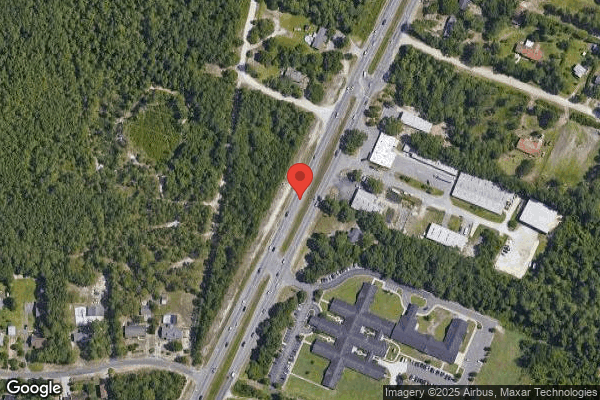
5725 Carolina Beach Road, Wilmington, NC 28412 (910) 792-1455
For profit - Corporation 90 Beds SABER HEALTHCARE GROUP Data: November 2025 6 Immediate Jeopardy citations
Trust Grade
0/100
#312 of 417 in NC
Last Inspection: August 2025

Inspected within the last 6 months. Data reflects current conditions.

Overview

Autumn Care of Myrtle Grove has received a Trust Grade of F, indicating poor quality and significant concerns regarding care. They rank #312 out of 417 facilities in North Carolina, placing them well within the bottom half, and #10 out of 11 in New Hanover County, suggesting limited better options nearby. Unfortunately, the facility's trend is worsening, with issues increasing from 12 in 2024 to 15 in 2025. While staffing is a relative strength with a rating of 4 out of 5 stars, their turnover rate of 62% is concerning, especially compared to the state's average of 49%. The facility has incurred $120,907 in fines, higher than 90% of North Carolina facilities, indicating repeated compliance problems. Specific incidents include serious failures, such as a nurse not notifying a physician about a resident's dislodged feeding tube, which could have led to life-threatening complications. Additionally, there was a failure to train agency nurses adequately, resulting in improper actions that endangered a resident's health. Overall, while there are some strengths in staffing, the serious concerns and critical incidents highlight significant risks for residents.
Trust Score
F
0/100
In North Carolina
#312/417
Bottom 26%
Safety Record
High Risk
Review needed
Inspections
Getting Worse
12 → 15 violations
Staff Stability
⚠ Watch
62% turnover. Above average. Higher turnover means staff may not know residents' routines.
Penalties
⚠ Watch
$120,907 in fines. Higher than 84% of North Carolina facilities, suggesting repeated compliance issues.
Skilled Nurses
✓ Good
Each resident gets 43 minutes of Registered Nurse (RN) attention daily — more than average for North Carolina. RNs are trained to catch health problems early.
Violations
⚠ Watch
42 deficiencies on record. Higher than average. Multiple issues found across inspections.
★☆☆☆☆
1.0
Overall Rating
★★★★☆
4.0
Staff Levels
★★★★☆
4.0
Care Quality
★☆☆☆☆
1.0
Inspection Score
Stable
2024: 12 issues
2025: 15 issues

The Good

  • 4-Star Staffing Rating · Above-average nurse staffing levels
  • 4-Star Quality Measures · Strong clinical quality outcomes
  • Full Sprinkler Coverage · Fire safety systems throughout facility
  • No fines on record

Facility shows strength in staffing levels, quality measures, fire safety.

The Bad

1-Star Overall Rating

Below North Carolina average (2.8)

Significant quality concerns identified by CMS

Staff Turnover: 62%

16pts above North Carolina avg (46%)

Frequent staff changes - ask about care continuity

Federal Fines: $120,907

Well above median ($33,413)

Significant penalties indicating serious issues

Chain: SABER HEALTHCARE GROUP

Part of a multi-facility chain

Ask about local staffing decisions and management

Staff turnover is elevated (62%)

14 points above North Carolina average of 48%

The Ugly 42 deficiencies on record

6 life-threatening 2 actual harm
Aug 2025 4 deficiencies
CONCERN (D)

Potential for Harm - no one hurt, but risky conditions existed

Comprehensive Care Plan (Tag F0656)

Could have caused harm · This affected 1 resident

**NOTE- TERMS IN BRACKETS HAVE BEEN EDITED TO PROTECT CONFIDENTIALITY** Based on observations, record review, staff and resident interviews, the facility failed to 1.) develop a person-centered compre...

Read full inspector narrative →
**NOTE- TERMS IN BRACKETS HAVE BEEN EDITED TO PROTECT CONFIDENTIALITY** Based on observations, record review, staff and resident interviews, the facility failed to 1.) develop a person-centered comprehensive care plan as indicated by the Minimum Data Set (MDS) care area assessment to include a plan of care for a resident (Resident #9) admitted with a feeding tube. 2.) implement the use of bilateral fall mats as care planned to prevent injury in the event of a fall from bed (Resident #5) for 2 of 21 residents reviewed for care plan development and implementation. Findings Included: 1.) Resident #9 was admitted to the facility on [DATE] with diagnoses including gastrostomy (feeding) tube. The Minimum Data Set (MDS) admission assessment and care areas assessment dated [DATE] revealed Resident #9 was cognitively impaired and received tube feedings. The care area assessment indicated to initiate a care plan for Resident #9’s feeding tube. Review of Resident #9’s medical record from 9/18/24 through 8/21/25 revealed no care plan was developed to care for Resident #9’s feeding tube. During an observation on 8/18/25 at 1:00 PM Resident #9 was observed with a feeding tube in place. During an interview on 8/21/25 at 1:00 PM the MDS Nurse stated she was not aware Resident #9 did not have a care plan in place for care of the feeding tube. She stated she began working as the MDS Nurse a few months ago and the previous MDS Nurse would have been the person responsible for initiating a care plan for the feeding tube after the MDS admission assessment was completed. During an interview on 8/21/25 at 2:00 PM the Director of Nursing (DON) stated the previous MDS nurse was no longer employed with the facility. She indicated care plans should be developed and implemented according to the required guidelines. 2. Resident #5 was admitted to the facility 07/01/25. Review of Resident #5’s physician order dated 07/30/25 listed: Bilateral fall mats - left and right side of bed, while resident is in bed. Review of Resident #5’s admission Minimum Data Set assessment dated [DATE] revealed Resident #5 was severely cognitively impaired, required total assistance for bed mobility and transfers, extensive assistance for locomotion, personal hygiene, and dressing. A nursing note dated 07/23/25 at 3:53 PM for Resident #5 revealed resident experienced a witnessed fall in their room at 1:30 PM with no complaints of pain or discomfort reported at the time of the fall. The resident slid out of bed to a sitting/upright position and no visible injuries, bleeding, swelling, or deformities noted. The resident returned to bed via mechanical lift with two nursing staff assisted. Fall prevention measures were reinforced, and resident’s Responsible Party (RP) and provider were notified of the incident. An Interdisciplinary Team (IDT) Meeting note dated 07/30/25 at 1:29 PM for Resident #5 revealed the resident was admitted on [DATE] after stroke. Fall on 07/23/25. Resident lowered himself from bed to floor. Fall mat was added to left side of his bed, as previously a fall mat was added to the right side of the bed, with bed kept in low position to reduce injury. Resident #5’s revised care plan dated 07/30/25 revealed he had self-care and mobility deficits and was at risk for falls related to recent falls, weakness, right-side hemiplegia, and poor safety awareness. An updated care plan intervention included: Bilateral fall mats (right and left side of bed) while resident was in bed. A nursing note dated 08/02/25 at 6:05 AM for Resident #5 revealed the resident slid out of bed onto his buttocks on the fall mat on the left side of his bed. No injuries noted. Resident at his baseline for responsiveness and was sitting up smiling and giving us a thumbs up that he was okay. Resident representative (RP) and Nurse Practitioner (NP) notified. A nursing note dated 08/14/25 at 4:37 PM for Resident #5 revealed the resident was relocated to a room on the 700-hall, per family and Resident #5 request, with housekeeping staff placing all personal belongings in his 700-hall room. An observation was conducted on 08/20/25 at 11:10 AM for Resident #5 revealed resident resting in bed, fully dressed, with one fall mat located on the floor next to the left side of his bed, and no fall mat on the right side of his bed. The resident motioned with his hands that he did not know where his second fall mat was, and that he only had one mat in his current room but had bilateral fall mats in his previous room. An interview and observation were conducted on 08/20/25 at 11:15 AM with the Director of Nursing (DON). She observed Resident #5’s room on the 700-hall and stated the resident should have had bilateral fall mats, one placed on each side of his bed as stated in resident’s care plan and it did not. She stated the resident was recently transferred to a new room from the 400-hall within last few days and that facility staff must have left resident’s second fall mat in his old room on. The DON stated per resident’s care plan she would immediately ask housekeeping to make sure Resident #5 had another fall mat placed on the right side of his bed to help prevent him from a possible injury from another fall due to his history of falls. An interview was conducted on 08/20/25 at 11:20 AM with the Administrator. She stated the resident should have had bilateral fall mats, one placed on each side of his bed as stated in resident’s care plan and it did not.
CONCERN (D) 📢 Someone Reported This

A family member, employee, or ombudsman was alarmed enough to file a formal complaint

Potential for Harm - no one hurt, but risky conditions existed

Accident Prevention (Tag F0689)

Could have caused harm · This affected 1 resident

**NOTE- TERMS IN BRACKETS HAVE BEEN EDITED TO PROTECT CONFIDENTIALITY** Based on record review, and staff interviews, the facility failed to maintain an environment that was free from accident hazards...

Read full inspector narrative →
**NOTE- TERMS IN BRACKETS HAVE BEEN EDITED TO PROTECT CONFIDENTIALITY** Based on record review, and staff interviews, the facility failed to maintain an environment that was free from accident hazards when a mechanical lift that was not in use was left in the hallway (600 hall) by a staff member (Nurse Aide #3) which resulted in a cognitively impaired resident with poor safety awareness and a history of falls with injury to trip over the lift while ambulating in the hallway causing a fall with minor injury of blood on her left nostril. This occurred for 1 of 3 residents reviewed for supervision to prevent accidents (Resident #11). Findings included: Resident #11 was admitted to the facility on [DATE] with diagnoses including Alzheimer's with dementia and agitation, and a history of falls. A care plan revised 3/14/25 revealed Resident #11 was at risk for falls due to a history of falls with injury, other risk factors included weakness, use of psychotropic medications, impaired memory, confusion and incontinence. The goal of care was to minimize the risk of falls and minimize injuries. Interventions included in part; provide staff education regarding fall hazards and implement preventative fall interventions. The Minimum Data Set (MDS) quarterly assessment dated [DATE] revealed Resident #11 was severely cognitively impaired and independent with ambulation. She had two or more falls with injury. A post fall report dated 6/25/25 at 2:30 PM revealed Resident #11 had a fall in the hallway while ambulating. The current interventions that were not in place was the mechanical lift was in the hallway. The root cause was that a staff member left the lift in the hallway. Resident #11 tripped on the lift due to poor vision, inattention, and poor safety awareness. The immediate intervention was one-to-one education with the staff member (Nurse Aide #3). Education included the importance of always taking the mechanical lift back to the clean utility room when not in use.Attempts were made to contact Nurse Aide #3 on 8/21/25 at 1:30 PM with no response. A progress note dated 6/25/25 at 2:30 PM written by Nurse #1 revealed Resident #11 was found sitting on the floor on her buttocks having tripped on the mechanical lift while ambulating. A small trickle of blood was coming from her left nostril but subsided after being cleaned. There were no other injuries noted. Her vital signs were stable, and neurological checks were within normal limits. Resident #11 was able to move all extremities without difficulty or discomfort. She was wearing shoes at the time and was able to stand from the floor with two-person assistance as she was unsafe using the mechanical lift as evidenced by being unable to follow simple directions and grabs at the moving components of the lift. Resident #11 had been quickly ambulating throughout the facility with a slight lean to the left. She was taken to her room to rest throughout the day, but she gets out of the bed and continues to ambulate within minutes. During an interview on 8/21/25 at 10:15 AM Nurse #1 stated she routinely provided care to Resident #11 who had severe dementia with agitation and ambulated independently in the hallway and needed constant redirection. Nurse #1 stated Resident #11 had a fall in June 2025 when she tripped on the mechanical lift that was in the hallway outside of her room. She stated Resident #11 had some blood coming from her nose from the fall but had no other injuries, and her vital signs and neurological checks remained stable. Nurse #1 indicated Resident #11 continued to ambulate unassisted and due to severe dementia and poor safety awareness she would not be able to call for staff assistance before ambulating in and out of her room. Nurse #1 stated the mechanical lifts were to be kept in the utility room when not in use. An interdisciplinary note dated 7/2/25 at 12:15 PM revealed Resident #11 had a fall on 6/25/25. Resident #11 tripped over the mechanical lift that was in the hallway. Intervention was one to one staff education in regard to maintaining egress (a continuous unobstructed pathway) of the hallway. Resident #11 remained at baseline and continued to wander ad lib through the facility. Resident #11 has occasional periods of agitation and continues with poor safety awareness and impulsivity. During an interview on 08/19/25 at 2:47 PM Unit Manager #1 stated the mechanical lifts were to be kept in the utility room when not in use and not left in the hallway. She stated Resident #11 had a fall in June 2025 due to tripping on the mechanical lift that was left unattended in the hallway by a staff member (Nurse Aide #3). She provided one-to-one education to Nurse Aide #3 regarding properly storing the lifts and not leaving the lift in the hallway when not in use due to it being a fall hazard. During an interview on 8/21/25 at 2:00 PM the Director of Nursing (DON) indicated Resident #11 had severe dementia, a history of falls, and ambulated independently on the 600-hall. The DON stated the mechanical lifts were to be stored when not being used and not left in the hallway to prevent accidents. She indicated staff had received training on fall hazards including where to properly store the mechanical lifts.
CONCERN (D)

Potential for Harm - no one hurt, but risky conditions existed

Deficiency F0761 (Tag F0761)

Could have caused harm · This affected 1 resident

Based on observations, record review, and staff interviews, the facility failed to discard four expired insulin pens according to the manufacturer's guidelines and record an opened date on an insulin ...

Read full inspector narrative →
Based on observations, record review, and staff interviews, the facility failed to discard four expired insulin pens according to the manufacturer's guidelines and record an opened date on an insulin pen on 1 of 4 medication carts (700 hall medication cart) that were reviewed for medication storage. Findings Included. Review of the manufacturer's guidelines for Insulin Lispro (Humalog) pens and Insulin Glargine (Lantus) pens instructed to discard 28 days after opening. An observation of the 700-hall medication cart on 8/20/25 at 11:00 AM revealed the following:Insulin Lispro (Humalog) pen with an opened date of 6/12/25 and expiration date of 7/10/25. Insulin Lispro (Humalog) pen with an opened date of 7/7/25 and expiration date of 8/5/25. Insulin Lispro (Humalog) pen with an opened date of 6/18/25 and expiration date of 7/16/25. Insulin Glargine (Lantus) pen with an opened date of 7/1/25 and expiration date of 7/29/25. Insulin Glargine (Lantus) pen with no opened date and 60 of 300 units had been administered. During an interview on 08/18/25 at 11:01 AM Medication Aide #1 stated she was assigned to the 700-hall medication cart today. She stated she was not allowed to administer insulin and only nurses administered insulin therefore she did not check the cart for expired insulin. During an interview on 08/18/25 at 11:30 AM Unit Manager #1 stated the nurses were required to check the carts for expired medications. Unit Manager #1 indicated the nurses were required to check insulin pens for expiration dates before administering and record the date on the pen when opened. She stated she thought all of the medication carts had been checked today but unfortunately the insulin on the 700-hall cart was missed. During an interview on 08/19/25 at 4:00 PM the Director of Nursing (DON) stated all nurses were responsible for checking medication carts at least weekly for expired medications and insulin pens should be checked daily and prior to use. She stated the expired insulin on the 700-hall cart should have been discarded and an open date labeled on the Lantus pen.
CONCERN (D)

Potential for Harm - no one hurt, but risky conditions existed

Infection Control (Tag F0880)

Could have caused harm · This affected 1 resident

Based on observations, record review, and staff interviews, the facility failed to follow the infection control policy and procedures when 1.) Medication Aide #1 entered a resident's room (Resident #7...

Read full inspector narrative →
Based on observations, record review, and staff interviews, the facility failed to follow the infection control policy and procedures when 1.) Medication Aide #1 entered a resident's room (Resident #73) who was on Contact Precautions due to a wound infection without donning personal protective equipment (PPE) to include gloves and a gown. 2.) Nurse Aide #1 did not don PPE for Enhanced Barrier Precautions (EPB) to include a gown when providing high-contact resident care activities for Resident #26 who had a surgical wound dressing and a lower leg dressing. This occurred for 2 of 4 staff members reviewed for infection control practices. Findings Included. 1.The facility’s Infection Control Policy revised 5/19/25 revealed Contact Precautions were intended to prevent the transmission of infectious agents which were spread by direct or indirect contact with the resident or resident’s environment. Contact Precautions were indicated in the presence of excessive wound drainage, urine or fecal incontinence or other discharges that could not be contained and suggest an increased potential for environmental contamination and risk of transmission. Personal Protective equipment included to wear gloves and a gown. During observations on 8/20/25 at 10:30 AM Medication Aide #1 was observed entering Resident #73’s room who was on contact precautions without wearing gloves or a gown. A sign was posted on the outside of the resident's doorway that read to don gloves and a gown prior to entering the room and remove before exiting. A PPE supply cart was outside of the room by the doorway and stocked with gloves and gowns. Medication Aide #1 was observed at Resident #73’s bedside using a stethoscope and blood pressure cuff to obtain Resident#73’s blood pressure. Medication Aide #1 left the room after obtaining the blood pressure. During an interview on 8/20/25 at 10:35 AM Medication Aide #1 stated she was not aware that Resident #73 was on contact precautions due to not being assigned to her care since contact precautions were implemented. She stated she went in the room to check Resident #73’s blood pressure before administering her medications and she did not notice the sign by the doorway. Medication Aide #1 stated she had received infection control training including providing care to residents on contact precautions and knew if contact precautions were in place that she was supposed to wear a gown and gloves. She indicated that not wearing the required PPE prior to entering the room was done in error. During an interview on 8/20/25 at 11:30 AM the Infection Preventionist Nurse stated Resident #73 was on contact precautions due to a wound infection and remained on antibiotics. A gown and gloves were required prior to entering Resident #73’s room. She indicated staff had received infection control training to include contact precautions. During an interview on 8/20/25 at 4:30 PM the Director of Nursing (DON) stated Resident #73 remained on contact precautions due to a wound infection with wound drainage. Medication Aide #1 should have followed their policy for contact precautions and put on a gown and gloves before going into Resident #73’s room. She stated staff had been trained on the infection control policy. 2. Review of facility’s Enhance Barrier Precautions (EBP) Policy dated 05/19/25 revealed in part: “EBP are intended to prevent transmission of multi-drug-resistant organisms (MDROs) via contaminated hands and clothing of healthcare workers to high-risk residents during high contact. High-risk residents: those with chronic wounds and indwelling devices (such as central lines, urinary catheters, and tracheotomy) and for all those colonized or infected with MDRO currently targeted by Centers for Disease Control (CDC). High contact care activities: activities that may result in transfer of MDRO to hands and clothing of healthcare personnel, even when blood and body fluid exposure is not anticipated. These include dressing, bathing/showering, transferring, providing hygiene, changing linen, changing briefs, assisting with toileting, device care or use, and wound care. Residents placed on EBP should remain on EBP for the duration of their stay or until resolution of the wound.” Review of Resident #26’s August/2025 Medication Administration Record (MAR) revealed to cleanse right chest surgical incision with normal saline, apply petroleum ointment to wound bed and cover with dry dressing daily, and apply foam dressing to left shin wound every 3 days, with order dates for both orders of 07/24/25. During an observation on 08/18/25 at 2:00 PM an EBP sign was posted on Resident #26's room door that read in part: Enhanced Barrier precautions, and providers and staff must wear gloves and a gown for the following high-contact resident care activities: dressing, bathing, showering, transferring, changing linens, providing hygiene, changing briefs or assisting with toileting, device care or use of a central line, urinary catheters, feeding tubes, and wound care: any skin opening requiring a dressing. A follow-up observation was conducted on 08/18/25 at 2:01 PM, after knocking and opening Resident #26’s door, revealed Nurse Aide (NA) #1 in Resident #26's room removing bed linen, helping the resident with activities of daily living, emptying resident’s urinal, and was assisting resident from bed to wheelchair without a gown on. Resident #26 was lying in bed dressed, with sheets and blanket pulled off resident. NA #1 had on gloves when providing care activities for Resident #26 but was not wearing a gown. A bin with PPE (personal protective equipment) supplies was by the door, including one time use disposable gowns. An interview was conducted on 08/18/25 at 2:06 PM with NA #1. She stated she did not put on a gown when providing care for Resident #26. She stated she was trained on EPB and knew Resident #26 was on EPB (due to having wound dressings) and did not need to wear a gown because she was not doing wound care, just ADL care and transferring the resident. After reading the EPB sign on resident’s door, NA #1 said she should have donned a gown during Resident #26’s ADL care and transfer but had not read the whole EBP sign. An interview was conducted on 08/20/25 at 2:45 PM with the Director of Nursing (DON). She revealed on 08/18/25 at 2:01 PM the NA #1 should have donned a disposable gown during Resident #26’s ADL care, linen change, and transfer, while being on Enhanced Barrier Precautions. An interview was conducted on 08/21/25 at 3:00 PM with the Administrator. She stated staff should wear the appropriate personal protective equipment PPE when providing direct care to residents on enhanced barrier precautions. She also stated that all the staff knew to abide by the different types of precautions posted on the residents' door and to follow the assigned personal protective equipment (PPE).
Apr 2025 9 deficiencies 3 IJ
CRITICAL (J) 📢 Someone Reported This

A family member, employee, or ombudsman was alarmed enough to file a formal complaint

Immediate Jeopardy (IJ) - the most serious Medicare violation

Notification of Changes (Tag F0580)

Someone could have died · This affected 1 resident

**NOTE- TERMS IN BRACKETS HAVE BEEN EDITED TO PROTECT CONFIDENTIALITY** Based on record review and interviews with staff, the Medical Director, and the Nurse Practitioner (NP), the facility failed to ...

Read full inspector narrative →
**NOTE- TERMS IN BRACKETS HAVE BEEN EDITED TO PROTECT CONFIDENTIALITY** Based on record review and interviews with staff, the Medical Director, and the Nurse Practitioner (NP), the facility failed to immediately notify the physician on 1/25/25 of a resident's (Resident #1) dislodged jejunostomy tube (j-tube [a tube surgically inserted into the small intestine to deliver nutrition and medications]). Nurse #1 did not communicate with the physician and she inserted an indwelling urinary catheter tube to replace the j-tube without a physician's order. The replacement tube became dislodged from the j-tube site on 1/25/25 and Nurse #1 sent the resident to the hospital for reinsertion. Resident #1 went to the Operating Room (OR) on the evening of 1/27/25 and the j-tube was surgically placed. This delayed physician notification had a high likelihood of resulting in serious harm for Resident #1 from the risks of placing the j-tube in the wrong place, perforation of the small intestine, sepsis (life-threatening infection), and bleeding due to anticoagulant (blood thinner) use. This deficient practice affected 1 of 2 residents reviewed for notification. Immediate jeopardy began on 1/25/25 when Nurse #1 failed to notify the physician regarding Resident #1's dislodged jejunostomy tube. Immediate jeopardy was removed on 4/25/25 when the facility implemented an acceptable credible allegation of immediate jeopardy removal. The facility will remain out of compliance at a lower scope and severity level of D (no actual harm with potential for more than minimal harm that is not immediate jeopardy) to ensure education is completed and monitoring systems put into place are effective. The findings included: The hospital discharge summary for Resident #1 dated 1/14/25 indicated he was admitted to the hospital on [DATE] and a j-tube was placed surgically into the small intestine on 1/10/25 as the main source for meeting his nutritional needs. He was discharged to the facility on 1/14/25 for rehabilitation services. Resident #1 was admitted to the facility on [DATE] with diagnoses including cerebral infarction due to occlusion or stenosis of left middle cerebral artery (stroke), dysphagia (difficulty swallowing), and aphasia (absence of speech). The physician's orders for Resident #1 revealed orders dated 1/14/25: 1) j-tube 16 French (size), 2) tube feeding at a continuous rate of 70 milliliters (ml) an hour for 22 hours to allow for activities of daily living, and 3) apixaban tablet (an anticoagulant) 5 milligrams (mg) twice a day per feeding tube. There was not a physician's order to change the j-tube. The Physician's History and Physical dated 1/16/25 for Resident #1 indicated that he was admitted to the facility with right-sided weakness related to left medial cerebral artery occlusion. The note indicated Resident #1 was status post-surgical placement of a j-tube on 1/10/25 to meet his nutritional needs due to dysphagia. The admission Minimum Data Set (MDS) assessment dated [DATE] revealed Resident #1 was severely cognitively impaired. He was coded as having no speech and receiving greater than 51% of his nutrition and over 500 ml of water from enteral (tube) feeding daily. He was coded for receiving an anticoagulant. A partially filled out SBAR (Situation, Background, Appearance, and Review and Notify is a structured communication tool used to transmit clear concise information) communication form in the chart dated 1/25/25 and signed by Nurse #1 listed the Situation was: The change in condition, symptoms, or signs observed and evaluated were Resident #1 pulling out his j-tube 2 times and the condition was listed as occurring before due to resident consistently playing and tugging on the tube. There was no other information listed except that the Responsible Party (RP) was notified at 12:51 PM and the on-call provider was notified at 1:12 PM. The box to call for 911 for transfer to the hospital was checked. An incomplete Hospital Transfer Form for Resident #1 listed the following information: His name, date of admission, date of birth , and primary diagnosis. It further listed the RP was notified of the situation and of the transfer to the hospital. The reason for the transfer was listed as pulled out j-tube. The risk alert boxes for anticoagulation, aspiration, high fall risk, needs medications crushed, and pain level were checked. The form was not signed by facility staff and no other information was noted. A telephone interview was conducted with Nurse #1 on 4/23/25 at 10:00 AM. Nurse #1, an agency nurse, stated she worked for the facility in January for approximately 3 weeks, but she was no longer employed there. She stated that on 1/25/25 she was assigned to care for Resident #1 and at approximately 12:15 PM she went into administer Resident #1 his medications per feeding tube and the tube was not in his abdomen. Nurse #1 stated that the tube feeding was scheduled for only 22 hours a day to allow for activities of daily living (ADL) care and therapy and she had not had a chance to reconnect the tube feeding that morning. She indicated that there was no bleeding at that time. She reported that she went and asked Nurse Aide (NA) #1 if she knew what happened to Resident #1's feeding tube. Nurse #1 stated that NA #1 reported she had seen something that looked like a tube on the bathroom floor 2-3 hours ago, but she had not reported it to the nurse. She further stated that NA #1 informed her that therapy was working with Resident #1 in the bathroom early that morning around 9:15 AM. Nurse #1 indicated that after speaking with NA #1 she had gone back to Resident #1's room and found the feeding tube on the bathroom floor. She indicated she had been a nurse for 21 years and she was experienced in reinserting gastrostomy tubes (in the stomach). She explained that she was unaware Resident #1 had a j-tube and she had assumed it was a gastrostomy tube. Nurse #1 stated that instead of calling the physician she had consulted the Wound Nurse, who was the Manager on duty that weekend. She stated the Wound Nurse had instructed her to replace it with an enteral feeding tube of the same size or a tube for an indwelling urinary catheter. Nurse #1 indicated she had replaced the j-tube with a 16 French indwelling urinary catheter tube. Nurse #1 indicated that if she had known Resident #1 had a j-tube and not a gastrostomy tube she would have sent him to the hospital the first time it dislodged. She stated that she had never heard of anyone reinserting a j-tube in a nursing facility. Nurse #1 stated she notified the Director of Nursing (DON) the second time the tube was dislodged, and she instructed her to notify the provider and transfer him to the hospital. Nurse #1 indicated that after transferring Resident #1 to the hospital she had asked the Certified Occupational Therapy Assistant (COTA) if he had noticed if the feeding tube was dislodged during the transfer in the bathroom and he stated he was unaware that it had dislodged. She further indicated that 1/25/25 was the last day she worked for the facility. A telephone interview was completed with NA #1 on 4/23/25 at 12:23 PM. NA #1 stated that on 1/25/25 she had noticed something that looked like a tube lying on Resident #1's bathroom floor after she observed the COTA working with Resident #1 at approximately 9:15 AM. She stated she was busy and was in a hurry and had not stopped to examine the object on the floor. She further stated she had not notified the nurse that something was lying on the floor. A telephone interview was completed with the Wound Nurse on 4/23/25 at 12:28 PM. The Wound Nurse stated she was the Manager on Duty on 1/25/25. She further stated she remembered Nurse #1 telling her that a feeding tube was dislodged. The Wound Nurse indicated she could not recall if Nurse #1 told her it was a j-tube. She further indicated that she did tell Nurse #1 that she could replace a gastrostomy tube and that if the facility didn't have the correct size tube, she could use the same size indwelling urinary catheter tube instead. The Wound Nurse stated that she instructed Nurse #1 to call the provider for an order. A telephone interview was completed with the COTA who was assigned to Resident #1 on 1/25/25. The COTA stated that on 1/25/25 he was working with Resident #1 in the bathroom with toilet transfers. The COTA indicated that nothing out of the ordinary occurred during the transfer, and he did not know how the tube became dislodged. He further indicated there had not been any indications from Resident #1 that the tube was dislodged such as grimacing, pointing, or any sign of pain. The COTA stated he never saw a tube on the bathroom floor, but if he had seen a tube, he would have notified the nurse. A nurse's progress note written by the DON on 1/25/25 at 2:00 PM indicated that she received a call from floor nurse that Resident #1's j-tube fell out. Nurse #1 was advised to call the Provider on call and send to the hospital or placement of j-tube. An interview with the DON was completed 4/23/25 at 4:10 PM. The DON stated she had documented the note related to Resident #1 on 1/25/25 from her home computer. She further stated that when Nurse #1 notified her that Resident #1's j-tube was dislodged she had instructed her to call the provider to get an order to send him to the hospital. The DON indicated that Nurse #1 had mentioned something about reinserting the tube and she had informed her that resident's with dislodged j-tubes were sent to the hospital to have it replaced. She stated that Nurse #1 should have notified the physician when the j-tube was initially dislodged. The DON indicated that Nurse #1 was suspended that day and never returned to the facility. The DON stated j-tubes were inserted at the hospital using radiographic (x-ray) guidance or surgically placed. The hospital record included an Emergency Department (ED) Encounter note by the ED Physician dated 1/25/25 that revealed Resident #1 presented to the hospital with a dislodged j-tube. The note indicated the j-tube was approximately two weeks old and it was dislodged and replaced with temporary urinary catheter, and it became dislodged again. Surgical Residents were able to place a urinary catheter tube into the tract in the emergency room (ER). Interventional Radiology (IR) attempted placement on 1/27/25 but were not able to place. Resident #1 went to the Operating Room (OR) on the evening of 1/27/25 and the j-tube was successfully placed. There were no complications related to the surgery and Resident #1 returned to the facility on 2/4/25. An interview was conducted with the Nurse Practitioner (NP) on 4/23/25 at 10:43 AM. The NP stated that it was not appropriate for a nurse to change the j-tube. She further stated there was risk perforation (poking a hole through the wall of the intestine) and an increased chance of causing a serious infection by pushing bacteria into the abdomen. The NP indicated Resident #1 was on an anticoagulant that put him at higher risk of bleeding. She further indicated a physician's order would be needed to change any tube. The NP stated it was out the nurse's scope of practice to replace a tube without a physician's order. She indicated Nurse #1 should have notified the on-call provider before reinserting a replacement tube. An interview with the Medical Director was completed on 4/23/25 at 11:47 AM. The Medical Director stated that it was totally inappropriate for a nurse to replace a j-tube in the facility. She further stated that since the tube was surgically inserted on 1/10/25 the site was probably not mature (a jejunostomy site needs to mature to form a stable track between the skin and the jejunum [small intestine] to prevent leakage of intestinal contents and this takes approximately 4 weeks) and there would be higher risk for bowel perforation, the tissue would be more friable (tissue that is easily irritated, which makes it more prone to inflammation, bleeding, and tearing) and cause more bleeding, and the fact that he was on an anticoagulant would definitely increase the risk of bleeding. The Medical Director indicated there was definitely a high likelihood of harm due to risk or sepsis, bleeding, and perforation for a nurse to change a j-tube in a nursing facility. She stated that Nurse #1 should not have attempted to reinsert the j-tube without notifying the provider. The Medical Director indicated that j-tubes were placed at the hospital using x-ray or computed tomography (CT) scan guidance. An interview was completed with the Administrator on 4/24/25 at 9:35 AM. The Administrator stated he expected the nursing staff to follow the facility's policies and procedures regarding feeding tubes and notifying the physician. The Administrator was notified of immediate jeopardy on 4/23/25 at 4:00 PM. The Administrator provided the following credible allegation of Immediate Jeopardy removal: Identify those residents who have suffered, or are likely to suffer, a serious adverse outcome as a result of the noncompliance: On January 25, 2025, the facility failed to immediately notify the physician of Resident #1's dislodgement of a jejunostomy tube (a tube surgically inserted into the small intestine to deliver nutrition and medications). Nurse Aide #1 identified a tube on the floor of Resident #1's bathroom at approximately 9:00 AM. She did not communicate this information to Nurse #1. At approximately 12:15 PM Nurse #1 identified Resident #1's dislodged j-tube. Nurse #1 replaced Resident #1's dislodged j-tube and she inserted an indwelling urinary catheter tube to replace the tube and did not notify the physician. The j-tube then became dislodged a second time on January 25, 2025 at approximately 12:45 PM, and Nurse #1 notified the physician at 1:15 PM and sent the resident to hospital for reinsertion. Surgical Residents were able to place a foley into the tract in the emergency room (ER). Interventional Radiology (IR) attempted placement on January 27, 2025 but were not able to place. Resident #1 went to the Operating Room (OR) on the evening of January 27, 2025 and j-tube was successfully placed. Resident #1 returned to the facility on February 4, 2025. During the remainder of Resident #1's time at facility, the j-tube did not dislodge again. Resident #1 was discharged from the facility on March 28, 2025. The Director of Nursing (DON) conducted a 30 day look back to review other residents identified with a change in condition to verify Physician and/or Provider was notified in a timely manner. This review was completed by the DON on April 23, 2025 and consisted of a thorough review of change of condition assessments identified in our electronic medical record through observations titled Interact SBAR (an SBAR stands for Situation, Background Assessment, Recommendation), Interact Nursing Home to Hospital Transfer Form, and Events. An email was sent to the Medical Director with a list of all residents that experienced a significant change of condition during that time period. A significant change of condition is identified as a decline or improvement in the resident's status that: 1. Will not normally resolve itself without intervention by staff or by implementing standard disease-related clinical intervention(s); and/or one that 2. Impacts more than one area of the resident's health status; and/or one that 3. Requires interdisciplinary review and/or revision to the care plan. No additional concerns were identified. The Medical Director replied to the email sent by the Director of Nursing that she had reviewed the list without further concerns on April 24, 2025. Specify the action the entity will take to alter the process or system failure to prevent a serious adverse outcome from occurring or recurring, and when the action will be complete: The DON, Assistant Director of Nursing (ADON), and Unit Managers re-educated Licensed Nurses and Nurse Aides (NA) on Resident Change in Condition Policy with emphasis on changes that require immediate physician notification and documentation by April 24, 2025. Changes requiring prompt notification include a decline or improvement in the resident's status that will not normally resolve itself without intervention by staff or by implementing standard disease-related clinical interventions(s), impacts more than one area of the resident's health status, and/or requires interdisciplinary review or revision to the care plan. The Nurse Aides were educated to notify the charge nurses if any devices, such as enteral feeding tubes, were displaced or not in resident at time of care. The Director of Nursing will track and verify that employees with scheduled time off, on leave of absence (FMLA), vacation, agency staff or PRN staff will be re-educated prior to returning to duty. New Licensed Nurses, Agency Nurses, and Nurse Aides will be educated by the DON or ADON during the orientation process. Effective April 24, 2025, the Director of Nursing will review the Facility Activity Report for any Interact SBAR, Interact Nursing Home to Hospital Transfer Forms, or any Events in the morning Clinical Morning Meeting, which will be held seven days a week, to verify prompt and/or immediate notification is communicated to the Physician and/or Provider. If notification to the physician has not occurred, the DON will notify the physician at that time. Alleged immediate jeopardy removal date: April 25, 2025. The immediate jeopardy removal plan was validated on 4/24/25. The DON provided a list of residents who were reviewed by the Medical Director for notification of a significant change in condition on 4/24/25. An interview with the NP on 4/24/24 at 12:15 PM confirmed that the facility had sent the list of residents to the Medical Director and the providers had reviewed the list and no other concerns were identified. The education sign in sheets were reviewed for the in-services conducted with the nursing staff on 4/23/25 and 4/24/25 regarding Resident Change in Condition Policy and Changes requiring prompt notification of the nurse or provider. Staff interviews with nurses confirmed education regarding significant changes in condition and when to notify the provider was provided. Interviews completed with the Nurse Aides confirmed education on notifying the charge nurses if any devices, such as enteral feeding tubes, were displaced. The DON stated on 4/24/25 at 12:22 PM that effective 4/24/25 she would be reviewing the Facility Activity Report for any Interact SBAR, Nursing Home to Hospital Transfer Forms, and any Events identified in the morning Clinical Meeting to verify the provider was notified. She stated the meetings would be held in person Monday through Friday and conducted remotely on a virtual computer meeting on Saturday and Sunday. The facility's immediate jeopardy removal date of 4/25/25 was validated.
CRITICAL (J) 📢 Someone Reported This

A family member, employee, or ombudsman was alarmed enough to file a formal complaint

Immediate Jeopardy (IJ) - the most serious Medicare violation

Tube Feeding (Tag F0693)

Someone could have died · This affected 1 resident

**NOTE- TERMS IN BRACKETS HAVE BEEN EDITED TO PROTECT CONFIDENTIALITY** Based on record review, Nurse Practitioner (NP), Medical Director, staff, and Responsible Party (RP) interviews, the facility fa...

Read full inspector narrative →
**NOTE- TERMS IN BRACKETS HAVE BEEN EDITED TO PROTECT CONFIDENTIALITY** Based on record review, Nurse Practitioner (NP), Medical Director, staff, and Responsible Party (RP) interviews, the facility failed to ensure a resident (Resident #1) was provided with the necessary treatment to replace his dislodged jejunostomy tube (a surgically placed feeding tube that delivers nutrition and medications directly into the small intestine). On 1/25/25, Nurse #1 did not identify the need for hospital treatment to replace the dislodged jejunostomy tube (j-tube) and she inserted an indwelling urinary catheter tube to replace the j-tube without a physician's order. The replacement tube became dislodged from the j-tube site on 1/25/25, and Nurse #1 sent the resident to the hospital for reinsertion. Resident #1 went to the Operating Room (OR) on the evening of 1/27/25 and the j-tube was successfully placed. This noncompliance created a high likelihood of Resident #1 suffering serious harm from the risks of placing the j-tube in the wrong place, perforation of the small intestine, sepsis (life-threatening infection), and bleeding due to anticoagulant (blood thinner) use. This deficient practice was identified for 1 of 3 residents reviewed for feeding tubes. Immediate jeopardy began on 1/25/25 when Nurse #1 replaced Resident #1's dislodged jejunostomy tube. Immediate jeopardy was removed on 4/25/25 when the facility implemented an acceptable credible allegation of immediate jeopardy removal. The facility will remain out of compliance at a lower scope and severity level of D (no actual harm with potential for more than minimal harm that is not immediate jeopardy) to ensure education is completed and monitoring systems put into place are effective. The findings included: The hospital discharge summary for Resident #1 dated 1/14/25 indicated he was admitted to the hospital on [DATE] with diagnoses of cerebral infarction due to occlusion of left middle cerebral artery (stroke), global aphasia (unable to speak), oropharyngeal dysphagia (difficulty swallowing), and right hemiparesis (muscle weakness on one side of the body). A j-tube was placed surgically into the small intestine on 1/10/25 as the main source for meeting his nutritional needs. He was discharged to the facility on 1/14/25 for rehabilitation services. Resident #1 was admitted to the facility on [DATE] with diagnoses including cerebral infarction due to occlusion or stenosis or left middle cerebral artery, dysphagia, and aphasia. The physician's orders for Resident #1 revealed orders dated 1/14/25: 1) j-tube 16 French (size), 2) tube feeding at a continuous rate of 70 milliliters (ml) an hour for 22 hours to allow for activities of daily living, and 3) apixaban tablet (an anticoagulant) 5 milligrams (mg) twice a day per feeding tube. There was not a physician's order to change the j-tube. The Care Plan for Resident #1 dated 1/14/25 revealed a plan of care for risk for nutritional decline, dehydration, weight fluctuations related to recent stroke resulting in dysphagia and aphasia, and 100% reliance on tube feeding for nutrition/hydration with a goal that he would be free of signs and symptoms of dehydration, fluid overload, and electrolyte imbalances through the next review. The interventions included: monitoring for signs and symptoms of dehydration, checking for residual prior to administering tube feeding; administering tube feeding as ordered by the physician. Another plan of care for impaired skin integrity related to Resident #1 was admitted with abdominal surgical wounds from j-tube placement in the distal (far) right upper quadrant (divides the abdomen in four quarters with the umbilicus [navel or bellybutton] in the middle), the right upper quadrant, umbilicus and left upper quadrant with a goal that the wounds would heal without complications (infection, hemorrhage, dehiscence [wound opens up]). The interventions included observing and reporting signs of infection (pain, redness, swelling, tenderness), and providing treatments as ordered. A nurse progress note dated 1/15/25 at 10:21 AM by the Wound Nurse revealed Resident #1 was seen that day for new admission wound assessments and j-tube care. Four surgical incisions were noted to abdomen status post j-tube placement and the areas were scabbed with surgical glue in place, and open to air. No signs or symptoms of infection were noted. A small, scabbed area was observed near the j-tube site with surgical glue in place. The jejunostomy site was cleansed and new split gauze in place. The Physician's History and Physical dated 1/16/25 for Resident #1 indicated that he was admitted to the facility with right-sided weakness related to left medial cerebral artery occlusion. The note indicated Resident #1 was status post-surgical placement of a j-tube on 1/10/25 to meet his nutritional needs due to dysphagia. The admission Minimum Data Set (MDS) assessment dated [DATE] revealed Resident #1 was severely cognitively impaired. He was coded as having no speech and receiving greater than 51% of his nutrition and over 500 ml of water from enteral (tube) feeding daily. He was coded as dependent on staff assistance with toileting, transferring, and bed mobility and he was always incontinent of bowel and bladder. The assessment listed that he was receiving speech therapy, occupational therapy, and physical therapy. He was coded for receiving an anticoagulant. A partially filled out SBAR (Situation, Background, Appearance, and Review and Notify is a structured communication tool used to transmit clear concise information) communication form in the chart dated 1/25/25 and signed by Nurse #1 listed the Situation was: The change in condition, symptoms, or signs observed and evaluated were Resident #1 pulling out his j-tube 2 times and the condition was listed as occurring before due to resident consistently playing and tugging on the tube. There was no other information listed except that the RP was notified at 12:51 PM and the on-call provider was notified at 1:12 PM. The box to call for 911 for transfer to the hospital was checked. An incomplete Hospital Transfer Form for Resident #1 listed the following information: His name, date of admission, date of birth , and primary diagnosis. It further listed the RP was notified of the situation and of the transfer to the hospital. The reason for the transfer was listed as pulled out j-tube. The risk alert boxes for anticoagulation, aspiration, high fall risk, needs medications crushed, and pain level were checked. The form was not signed by facility staff and no other information was noted. A telephone interview was conducted with Nurse #1 on 4/23/25 at 10:00 AM. Nurse #1 indicated that on 1/25/25 she was assigned to care for Resident #1. She stated she was an agency nurse with 21 years of experience. Nurse #1 further stated she had worked for the facility in January for approximately 3 weeks, but she was no longer employed there. She stated that on 1/25/25 at approximately 12:15 PM she went into administer Resident #1 his medications per feeding tube, and the tube was not in his abdomen. Nurse #1 stated that the tube feeding was scheduled for only 22 hours a day to allow for activities of daily living (ADL) care and therapy and she had not had a chance to reconnect the tube feeding that morning. She indicated that there was no bleeding at that time. She reported that she went and asked Nurse Aide (NA) #1 if she knew what happened to Resident #1's feeding tube. Nurse #1 stated that NA #1 reported she had seen something that looked like a tube on the bathroom floor 2-3 hours ago, but she had not reported it to the nurse. She further stated that NA #1 informed her that therapy was working with Resident #1 in the bathroom early that morning around 9:15 AM. Nurse #1 indicated that after speaking with NA #1 she had gone back to Resident #1's room and found the feeding tube on the bathroom floor. Nurse #1 stated she had consulted the Wound Nurse, who was the Manager on duty, and that she had instructed her to replace it with an enteral feeding tube of the same size or a tube for an indwelling urinary catheter. Nurse #1 indicated she had replaced the j-tube with a 16 French indwelling urinary catheter tube. She stated she was unaware that it was a j-tube and had assumed it was a gastrostomy tube (in the stomach). Nurse #1 indicated that if she had known Resident #1 had a j-tube and not a gastrostomy tube she would have sent him to the hospital the first time it dislodged. She stated that she had never heard of anyone reinserting a j-tube in a nursing facility. She further indicated she never had a chance to administer any medications or tube feeding through the tube after replacing it the first time because Resident #1 pulled it out approximately 30 minutes later. She indicated the RP for Resident #1 was the one that found him the second time the tube was dislodged and that the tube was laying on the floor beside his wheelchair and there was blood on his abdomen, legs, and the floor. Nurse #1 stated she notified the Director of Nursing (DON) the second time the tube was dislodged and she instructed her to notify the provider and transfer him to the hospital. She indicated that the residents she was assigned to care for that day were high acuity (residents requiring closer monitoring and treatments with i.e. tracheostomy tubes, feeding tubes, wounds) and she had not completed the documentation related to the incident. Nurse #1 indicated that after transferring Resident #1 to the hospital she had asked the Certified Occupational Therapy Assistant (COTA) if he had noticed if the feeding tube was dislodged during the transfer in the bathroom and he stated he was unaware that it had dislodged. She further indicated that 1/25/25 was the last day she worked for the facility. A telephone interview was completed with NA #1 on 4/23/25 at 12:23 PM. NA #1 stated that on 1/25/25 she had noticed something that looked like a tube lying on Resident #1's bathroom floor after she observed the COTA working with Resident #1 at approximately 9:15 AM. She stated she was busy and was in a hurry and had not stopped to examine the object on the floor. She further stated she had not notified the nurse that something was lying on the floor. A telephone interview was completed with the Wound Nurse on 4/23/25 at 12:28 PM. The Wound Nurse stated she was the Manager on Duty on 1/25/25. She further stated she remembered Nurse #1 telling her that a feeding tube was dislodged. The Wound Nurse indicated she could not recall if Nurse #1 told her it was a j-tube. She further indicated that she did tell Nurse #1 that she could replace a gastrostomy tube and that if the facility didn't have the correct size tube, she could use the same size indwelling urinary catheter tube instead. The Wound Nurse stated that she told Nurse #1 to call the provider for an order. A telephone interview was completed with the COTA who was assigned to Resident #1 on 1/25/25. The COTA stated that on 1/25/25 he was working with Resident #1 in the bathroom with toilet transfers. He stated that he was aware Resident #1 had a feeding tube, so he had placed the gait belt up higher around the chest instead of around the abdomen to prevent dislodging the feeding tube. The COTA indicated that nothing out of the ordinary occurred during the transfer and he did not know how the tube became dislodged. He further indicated there had not been any indications from Resident #1 that the tube was dislodged such as grimacing, pointing, or any sign of pain. The COTA stated he never saw a tube on the bathroom floor, but if he had seen a tube, he would have notified the nurse. A telephone interview was completed with the RP on 4/24/25 at 10:54 AM. The RP stated that on 1/25/25 at approximately 12:45 PM she walked into Resident #1's room and found him sitting in his wheelchair and the feeding tube was lying on the floor beside the wheelchair. She further stated that Resident #1 had his finger in the hole trying to stop the bleeding. The RP indicated that blood was on his abdomen, his legs, and the floor. She indicated she called for the nurse to come help Resident #1. She further indicated Nurse #1 placed a bandage over the wound and called 911 to have him transferred to the hospital. A nurse's progress note written by the DON on 1/25/25 at 2:00 PM indicated that she received a call from floor nurse that Resident #1's j-tube fell out. Nurse #1 was advised to call the Provider on call and send to the hospital or placement of j-tube. An interview with the DON was completed 4/23/25 at 4:10 PM. The DON stated she had documented the note related to Resident #1 on 1/25/25 from her home computer. She further stated that when Nurse #1 notified her that Resident #1's j-tube was dislodged she had instructed her to call the provider to get an order to send him to the hospital. The DON indicated that Nurse #1 had mentioned something about reinserting the tube and she had informed her that resident's with dislodged j-tubes were sent to the hospital to have it replaced. She further indicated that Nurse #1 was suspended that day and never returned to the facility. The DON stated she had called Nurse #1 multiple times to try to get her to come by the facility and complete the paperwork and documentation about the incident involving Resident #1 on 1/25/25. The DON indicated that j-tubes were inserted at the hospital using radiographic (x-ray) guidance or surgically placed. The DON stated the facility policy and procedures allowed nurses to change gastrostomy tubes in a facility with a physician's order, but not j-tubes. She stated she expected all the nurses to follow the facility's policies and procedures. The hospital record included an Emergency Department (ED) Encounter note by the ED Physician dated 1/25/25 that revealed Resident #1 presented to the hospital with a dislodged j-tube. The note indicated the j-tube was approximately two weeks old and it was dislodged and replaced with temporary urinary catheter, and it became dislodged again. Surgical Residents were able to place a urinary catheter tube into the tract in the emergency room (ER). Interventional Radiology (IR) attempted placement on 1/27/25 but were not able to place. Resident #1 went to the Operating Room (OR) on the evening of 1/27/25 and the j-tube was successfully placed. There were no complications related to the surgery and Resident #1 returned to the facility on 2/4/25. An interview was conducted with the Nurse Practitioner (NP) on 4/23/25 at 10:43 AM. The NP stated that it was not appropriate for a nurse to change the j-tube. She further stated there was risk perforation (poking a hole through the wall of the intestine) and an increased chance of causing a serious infection by pushing bacteria into the abdomen. The NP indicated Resident #1 was on an anticoagulant that put him at higher risk of bleeding. She further indicated a physician's order would be needed to change any tube. The NP stated it was out the nurse's scope of practice to replace a tube without a physician's order. An interview with the Medical Director was completed on 4/23/25 at 11:47 AM. The Medical Director stated that it was totally inappropriate for a nurse to replace a j-tube in the facility. She further stated that since the tube was surgically inserted on 1/10/25 the site was probably not mature (a jejunostomy site needs to mature to form a stable track between the skin and the jejunum [small intestine] to prevent leakage of intestinal contents and this takes approximately 4 weeks) and there would be higher risk for bowel perforation, the tissue would be more friable (tissue that is easily irritated, which makes it more prone to inflammation, bleeding, and tearing) and cause more bleeding, and the fact that he was on an anticoagulant would definitely increase the risk of bleeding. There was definitely a high likelihood of harm due to risk or sepsis, bleeding, and perforation. An interview was completed with the Administrator on 4/24/25 at 9:35 AM. The Administrator stated he expected the nursing staff to follow the facility's policies and procedures regarding feeding tubes. The Administrator was notified of immediate jeopardy on 4/23/25 at 4:00 PM. The Administrator provided the following credible allegation of Immediate Jeopardy removal: Identify those residents who have suffered, or are likely to suffer, a serious adverse outcome as a result of the noncompliance: On January 25, 2025, the facility failed to ensure Resident #1 was provided with the necessary treatment to replace his dislodged jejunostomy tube (a tube surgically placed feeding tube that delivers nutrition and medications directly into the small intestine). Nurse #1 did not identify the need for hospital treatment to replace the dislodged j-tube and she inserted an indwelling urinary catheter tube to replace the j-tube. The tube then became dislodged a second time on January 25, 2025, and Nurse #1 sent the resident to hospital for reinsertion. Surgical Residents were able to place an indwelling urinary catheter tube into the tract in the emergency room (ER). Interventional Radiology (IR) attempted placement on January 27, 2025, but were not able to place. Resident #1 went to the Operating Room (OR) on the evening of January 27, 2025, and the j-tube was successfully placed. Resident #1 returned to the facility on February 4, 2025. During the remainder of Resident #1's time at facility, the j-tube did not dislodge again. Resident #1 was discharged from the facility on March 28, 2025. On April 23, 2025, the Director of Nursing (DON) reviewed all residents that resided in the facility from [DATE], until April 23, 2025, and no additional residents were identified with a j-tube in the facility at this time. Specify the action the entity will take to alter the process or system failure to prevent a serious adverse outcome from occurring or recurring, and when the action will be complete: The Director of Nursing (DON), Assistant Director of Nursing (ADON), and Unit Managers will provide education to Licensed Nurses on Enteral Feeding Tube(s) Policy, to include what to do if a j-tube becomes dislodged to include physician notification, not to attempt reinsertion of the j-tube, and sending the resident to the hospital for surgical reinsertion. Training will be completed by April 24, 2025. The Director of Nursing will track and verify that employees with scheduled time off, on leave of absence (FMLA), vacation, agency staff or PRN staff will be re-educated prior to returning to duty by the DON or ADON. New hires and Agency Nurses will be educated by the Director of Nursing or Assistant Director of Nursing during the orientation process. Effective April 24, 2025, the DON or ADON will review all new admissions in the Clinical Morning Meeting on Monday through Friday, as well as any pending weekend admissions, to determine if any admissions have a j-tube present and ensure all Licensed Nursing staff are made aware of the presence of a j-tube and the process for physician notification and treatment if a j-tube becomes dislodged. Licensed nurses will be made aware of residents that are admitted with a j-tube via the admission Notification Form that is provided by the admission Director for all pending admissions. admission Notification Form will be delivered to the admitting nurse with the hospital discharge summary by the admission Director prior to resident arrival. Alleged immediate jeopardy removal date: April 25, 2025 The immediate jeopardy removal plan was validated on 4/24/25. The audit of 100% of residents with feeding tubes verified there were no other residents with j-tubes identified. The education sign in sheets were reviewed for the in-services conducted with the nurses on 4/23/25 and 4/24/25 regarding enteral feeding tubes policy and what to do if a j-tube becomes dislodged. Staff interviews confirmed education on gastrostomy tubes, j-tubes, and what to do if a jejunostomy becomes dislodged. The DON stated on 4/24/25 at 12:22 PM stated that effective 4/24/25 the DON or ADON will review all new admissions in the Clinical Morning Meeting on Monday through Friday, as well as pending weekend admissions, to determine if any admissions have a j-tube present and ensure all licensed nursing staff are made aware of the presence of a j-tube and the process of physician notification and treatment if a j-tube becomes dislodged. The facility's immediate jeopardy removal date of 4/25/25 was validated.
CRITICAL (J) 📢 Someone Reported This

A family member, employee, or ombudsman was alarmed enough to file a formal complaint

Immediate Jeopardy (IJ) - the most serious Medicare violation

Deficiency F0726 (Tag F0726)

Someone could have died · This affected 1 resident

**NOTE- TERMS IN BRACKETS HAVE BEEN EDITED TO PROTECT CONFIDENTIALITY** Based on record review and interviews with the Responsible Party, Nurse Practitioner, Medical Director and staff, the facility f...

Read full inspector narrative →
**NOTE- TERMS IN BRACKETS HAVE BEEN EDITED TO PROTECT CONFIDENTIALITY** Based on record review and interviews with the Responsible Party, Nurse Practitioner, Medical Director and staff, the facility failed to have a system in place to train agency nurses and verify their competency to provide care for a resident with a jejunostomy tube (j-tube [a feeding tube placed in the small intestine]). On 1/25/25 when Resident #1's j-tube became dislodged, Nurse #1 did not identify the need for hospital treatment to replace the dislodged j-tube and she replaced it by inserting a urinary catheter tube into the j-tube site. Nurse #1 stated she assumed Resident #1's j-tube was a gastrostomy tube (tube placed in the stomach for nutritional support). Replacing a j-tube requires radiographic (x-ray) guidance or surgical placement and Nurse #1 performing this action at the facility created a high likelihood of Resident #1 suffering serious harm from the risks of placing the j-tube in the wrong place, perforation of the small intestine, sepsis (life-threatening infection), and bleeding due to anticoagulant (blood thinner) use. This deficient practice was identified for 1 of 3 nurses reviewed for competency. Immediate jeopardy began on 1/25/25 when Nurse #1 failed to demonstrate competency to care for a resident with a j-tube when she replaced Resident #1's dislodged j-tube with an indwelling urinary catheter tube. Immediate jeopardy was removed on 4/25/25 when the facility implemented an acceptable credible allegation of immediate jeopardy removal. The facility will remain out of compliance at a lower scope and severity level of D (no actual harm with potential for more than minimal harm that is not immediate jeopardy) to ensure education is completed and monitoring systems put into place are effective. The findings included: This Tag is cross referenced to: F693: Based on record review, Nurse Practitioner (NP), Medical Director, staff, and Responsible Party (RP) interviews, the facility failed to ensure a resident (Resident #1) was provided with the necessary treatment to replace his dislodged jejunostomy tube (a surgically placed feeding tube that delivers nutrition and medications directly into the small intestine). On 1/25/25, Nurse #1 did not identify the need for hospital treatment to replace the dislodged jejunostomy tube (j-tube) and she inserted an indwelling urinary catheter tube to replace the j-tube without a physician's order. The replacement tube became dislodged from the j-tube site on 1/25/25, and Nurse #1 sent the resident to the hospital for reinsertion. Resident #1 went to the Operating Room (OR) on the evening of 1/27/25 and the j-tube was successfully placed. This noncompliance created a high likelihood of Resident #1 suffering serious harm from the risks of placing the j-tube in the wrong place, perforation of the small intestine, sepsis (life-threatening infection), and bleeding due to anticoagulant (blood thinner) use. This deficient practice was identified for 1 of 3 residents reviewed for feeding tubes. Review of Nurse #1's employee record verified she was hired by the facility on 1/10/25 as an agency licensed practical nurse (LPN). There was no evidence of competency and training regarding j-tubes in her file. Review of the facility training for agency nurses did not identify specific training and competency for j-tubes. An interview was completed with Nurse #1 on 1/23/25 at 10:00 AM. Nurse #1 stated she was an experienced nurse, and she had completed training regarding gastrostomy tubes and jejunostomy tubes at other facilities she had worked at. She further stated she did not recall completing training specifically regarding j-tubes when she was in orientation at this facility. An interview was completed with the Director of Nursing (DON) on 4/23/25 at 4:10 PM. The DON stated the agency was responsible for verifying a nurse's training and competencies prior to employment by the facility. She indicated the facility's orientation for agency nurses did not include specific competency and training for j-tubes at the time of Nurse #1's employment. The Administrator was notified of immediate jeopardy on 4/23/25 at 4:00 PM. The Administrator provided the following credible allegation of Immediate Jeopardy removal: Identify those recipients who have suffered, or are likely to suffer, a serious adverse outcome as a result of the noncompliance: The facility failed to ensure Nurse #1 was trained and competent to provide the necessary care and treatment for residents with jejunostomy tubes (j-tubes). Nurse #1 did not identify the need for hospital treatment to replace Resident #1's dislodged j-tube and she inserted an indwelling urinary catheter tube to replace the tube. Surgical Residents were able to place an indwelling urinary catheter tube into the tract in the emergency room (ER). Interventional Radiology (IR) attempted placement on January 27, 2025 but were not able to place. Resident #1 went to the Operating Room (OR) on the evening of January 27, 2025 and the j-tube was successfully placed. Resident #1 returned to the facility on February 4, 2025. During the remainder of Resident #1's time at facility, the j-tube did not dislodge again. Resident #1 was discharged from the facility on March 28, 2025. On April 23, 2025, the Director of Nursing (DON) reviewed all residents that resided in the facility from [DATE] until April 23, 2025 and no additional residents were identified with a j-tube in the facility at this time. Specify the action the entity will take to alter the process or system failure to prevent a serious adverse outcome from occurring or recurring, and when the action will be complete: The Director of Nursing (DON), Assistant Director of Nursing (ADON), and Unit Managers will provide education to Licensed Nurses on Gastrostomy Tube Reinsertion Policy, to include what to do if a j-tube becomes dislodged to include physician notification, not to attempt reinsertion of the j-tube and risks and sending the resident to the hospital for surgical reinsertion. A quiz was created to validate staff understanding of the material that was taught. Any nurse that cannot answer the quiz questions appropriately will be retrained by the DON or ADON on the material. Training will be completed by April 24, 2025. The Director of Nursing will track and verify that employees with scheduled time off, on leave of absence (FMLA), vacation, agency staff or PRN staff will be re-educated prior to returning to duty. New hires and Agency Nurses will be educated by the DON or ADON during the orientation process using the Gastrostomy Tube Reinsertion Policy. The quiz will be given at the end of their training to validate understanding on what to do if a j-tube becomes dislodged to include physician notification, not to attempt reinsertion of the j-tube and risks and sending the resident to the hospital for surgical reinsertion. Alleged immediate jeopardy removal date: April 25, 2025. The immediate jeopardy removal plan was validated on 4/24/25. The audit of 100% of residents with feeding tubes verified there were no other residents with j-tubes identified. The educations sign in sheets were reviewed for in-services conducted with the nurses on 4/23/25 and 4/24/25 regarding the facility's Gastrostomy Tube Reinsertion Policy which included education regarding what to do if a j-tube becomes dislodged including physician notification, not attempting reinsertion of the j-tube, risks involved in reinsertion, and sending the resident to the hospital for surgical reinsertion. Staff interviews confirmed education and a quiz on gastrostomy tubes, j-tubes, and what to do if a jejunostomy becomes dislodged. The validation quizzes were reviewed with no concerns. The DON stated on 4/24/25 at 12:22 PM that all the nurses, including new hires and agency nurses, would have to pass the validation quiz for competency regarding feeding tubes. The facility's immediate jeopardy removal date of 4/25/25 was validated.
CONCERN (D) 📢 Someone Reported This

A family member, employee, or ombudsman was alarmed enough to file a formal complaint

Potential for Harm - no one hurt, but risky conditions existed

Transfer Requirements (Tag F0622)

Could have caused harm · This affected 1 resident

**NOTE- TERMS IN BRACKETS HAVE BEEN EDITED TO PROTECT CONFIDENTIALITY** Based on record review and staff interview, the facility failed to communicate all required information to the hospital for 1 of...

Read full inspector narrative →
**NOTE- TERMS IN BRACKETS HAVE BEEN EDITED TO PROTECT CONFIDENTIALITY** Based on record review and staff interview, the facility failed to communicate all required information to the hospital for 1 of 1 resident (Resident #1) reviewed for hospital transfers. The findings included: Resident #1 was admitted to the facility on [DATE] with diagnoses that included cerebral infarction due to occlusion or stenosis of left middle cerebral artery (stroke), dysphagia (difficulty swallowing), and aphasia (absence of speech). The physician's orders for Resident #1 dated 1/14/25 included a jejunostomy tube (a surgically placed feeding tube that delivers nutrition and medications directly into the small intestine) 16 French (size). The admission Minimum Data Set (MDS) assessment dated [DATE] revealed Resident #1 was severely cognitively impaired and had no speech. A nurse's progress note written by the Director of Nursing on 1/25/25 at 2:00 PM indicated that she received a call from the floor nurse that Resident #1's jejunostomy tube (j-tube) fell out. Nurse #1 was advised to call the Provider on call and send to the hospital or placement of j-tube. An incomplete 2-page Hospital Transfer Form for Resident #1 listed the following information on page 1: His name, date of admission, date of birth , and primary diagnosis. It further listed the Responsible Party was notified of the situation and of the transfer to the hospital. The reason for the transfer was listed as pulled out j-tube. The form indicated that Resident #1 was alert, disoriented, could not follow/simple commands, he required a proxy for decision making capacity, he was incontinent of bowel and bladder, and the date of his last bowel movement was noted. Page 1 of the form was missing the code status, relevant diagnoses, and functional status. On page 2 of the form the risk alert boxes for anticoagulation, aspiration, high fall risk, needs medications crushed, and pain level were checked. His diet was listed as enteral feeding. The sections for respiratory, medications, devices, isolation precautions, and vital signs were not completed. The form was not signed and dated. An interview with Nurse #1 was completed on 4/23/25 at 10:00 AM. Nurse #1 stated she was the nurse assigned to care for Resident #1 on 1/25/25 when his j-tube became dislodged. She further stated the residents she was assigned to care for that day were high acuity (residents requiring closer monitoring and treatments with i.e. tracheostomy tubes, feeding tubes, wounds) and she had not completed the documentation related to the incident. Nurse #1 indicated that the Director of Nursing (DON) called her multiple times to return to the facility to complete the paperwork, but she never went back to the facility. An interview with the DON was completed on 4/23/25 at 4:00 PM. The DON stated she tried to call Nurse #1 multiple times to get her to come back to the facility to complete the paperwork regarding Resident #1's transfer to the hospital, but she never came back. She indicated she expected the nursing staff documentation to be complete and accurate.
CONCERN (D) 📢 Someone Reported This

A family member, employee, or ombudsman was alarmed enough to file a formal complaint

Potential for Harm - no one hurt, but risky conditions existed

Deficiency F0757 (Tag F0757)

Could have caused harm · This affected 1 resident

**NOTE- TERMS IN BRACKETS HAVE BEEN EDITED TO PROTECT CONFIDENTIALITY** Based on record review, staff and the Medical Director's interviews the facility failed to hold a fast-acting insulin (insulin t...

Read full inspector narrative →
**NOTE- TERMS IN BRACKETS HAVE BEEN EDITED TO PROTECT CONFIDENTIALITY** Based on record review, staff and the Medical Director's interviews the facility failed to hold a fast-acting insulin (insulin that begins working within 15 minutes after administration) as ordered by the physician for a blood sugar level less than 150. Resident #4 was administered 2 units of sliding scale insulin with a blood sugar of 103. This occurred for 1 of 1 resident (Resident #4) reviewed for unnecessary medications. Findings included. Resident #4 was admitted to the facility on [DATE] with diagnoses including diabetes. A physician's order for Resident #4 dated 1/6/25 and discontinued on 1/31/25 revealed Humulin R Regular insulin U-100 insulin 100units per milliliter. Administer per sliding scale as follows: No sliding scale coverage for blood sugar less than 150. The Minimum Data Set (MDS) admission assessment dated [DATE] revealed Resident #4 was nonverbal and unable to assess cognition. He received insulin. Review of the Medication Administration Record (MAR) dated January 2025 for Resident #4 revealed Humulin R sliding scale insulin was signed off by Nurse #1 as 0 (zero) units administered at 11:00 AM on 1/25/25. The blood sugar reading was 103. During a phone interview on 4/23/25 at 9:10 AM Nurse #1 stated she administered insulin to Resident #4 in error on 1/25/25. She stated on 1/25/25 she checked Resident #4's blood sugar and recalled his blood sugar was in the low 90's or 100's, and she told his family who were in his room at the time that he would not need the sliding scale insulin. She stated she went back to the medication cart and three nurse aides approached her with problems which distracted her. She then drew up 2 units of insulin and administered it to Resident #4. Once she administered the insulin the family stated they thought he didn't need insulin, and she realized then that he wasn't supposed to get the 2 units that she had just administered. She stated she checked Resident #4's blood sugar following the medication error and his blood sugar remained stable. She stated she reported the medication error to the Director of Nursing (DON) that day. Nurse #1 stated if she documented 0 units administered then it was signed in error because she did give 2 units of insulin at 11:00 AM on 1/25/25. She stated she worked until 7:00 PM on that date and Resident #4 never had any signs or symptoms of low blood sugar. She stated the insulin was administered in error. During a phone interview on 4/23/25 at 11:55 AM the Medical Director stated administering 2 units of sliding scale insulin would not cause Resident #4 any harm and there were no reports made to her of concerns with his insulin or his blood sugar. She indicated if Resident #4 had experienced any negative outcome from receiving insulin when it was not needed she would have wanted to be notified but there had been no reported concerns. She stated the physician orders for administering sliding scale insulin should have been followed. During an interview on 4/23/25 at 2:00 PM the Director of Nursing (DON) stated she was made aware of the medication error by Nurse #1 on 1/25/25. She stated Nurse #1 was no longer employed with the facility and she had been unable to contact Nurse #1 since that time. She stated Nurse #1 should not have administered Resident #4 sliding scale insulin with a blood sugar reading less than 150. She stated Resident #4 did not experience any negative outcome from receiving the insulin in error. She indicated since that time she had provided education to staff regarding medication administration and further education would be provided.
CONCERN (D) 📢 Someone Reported This

A family member, employee, or ombudsman was alarmed enough to file a formal complaint

Potential for Harm - no one hurt, but risky conditions existed

Laboratory Services (Tag F0770)

Could have caused harm · This affected 1 resident

**NOTE- TERMS IN BRACKETS HAVE BEEN EDITED TO PROTECT CONFIDENTIALITY** Based on record review, staff, the Nurse Practitioner and Physician interviews, the facility failed to obtain an ordered urinaly...

Read full inspector narrative →
**NOTE- TERMS IN BRACKETS HAVE BEEN EDITED TO PROTECT CONFIDENTIALITY** Based on record review, staff, the Nurse Practitioner and Physician interviews, the facility failed to obtain an ordered urinalysis and culture and sensitivity (a urine test obtained to identify the presence of bacteria. A urine culture identifies the presence and type of bacteria causing an infection. Sensitivity tests determine which antibiotics are effective against the bacteria) for a resident experiencing symptoms of burning, urgency and decreased urinary output for 1 of 1 resident (Resident #3) reviewed for laboratory services. Findings included. Resident #3 was admitted to the facility on [DATE] with diagnosis including chronic kidney disease. A physician progress note dated 4/15/25 revealed Resident #3 was assessed due to suspected urinary tract infection due to dysuria (painful urination), urinary frequency and urgency. The plan of care was to test a urine culture to evaluate for urinary tract infection. A physician's order dated 4/15/25 at 11:07 AM was entered by Nurse #4 for Resident #3 to obtain a urinalysis and culture and sensitivity for evaluation of urinary tract infection due to complaints of dysuria, frequent urination, and urgency. A physician's order dated 4/15/25 at 11:12 AM for Resident #3 revealed Cephalexin (antibiotic) 500 milligrams (mg) three times a day due to possible urinary tract infection and dysuria. A nursing progress note dated 4/15/25 at 6:32 PM written by Nurse #4 indicated a urinalysis and culture and sensitivity test was pending to rule out a urinary tract infection. Resident #3 complained of burning, urgency and a small amount of urine output. An antibiotic was started according to the physician's order. The Minimum Data Set (MDS) admission assessment dated [DATE] indicated Resident #3 had moderately impaired cognition and was frequently incontinent of bowel and bladder. A Nurse Practitioner note dated 4/22/25 indicated Resident # 3 remained on antibiotics for suspected urinary tract infection with complaints of intermittent discomfort with urination. The Nurse Practitioner indicated that Resident #3 had a suspected urinary tract infection due to dysuria, urinary frequency, and urgency. Review of Resident #3's electronic medical record from 4/15/25 through 4/24/25 revealed no results from the urinalysis and culture and sensitivity report. During an interview on 4/24/25 at 12:15 PM the Nurse Practitioner stated a urinalysis with culture and sensitivity was ordered for Resident #3 on 4/15/25 by Physician #2. She stated they did not get the lab results back and then discovered on 4/23/25 that the urine sample was still in the refrigerator in the facility and was never picked up by lab services. She stated the nurse who obtained the urine sample (Nurse #4) told her she did obtain the urine sample from Resident #3 via urinary catheterization on 4/15/24. She stated the urinalysis should have been obtained and sent to the lab when the order was written. She stated Resident #3 continued with mild symptoms, but he did not want to be catheterized again at this time. The plan now was to reevaluate Resident #3 on Monday 4/28/25 and a urinalysis would be obtained at that time if needed. During an interview on 4/24/25 at 12:30 PM Nurse #4 stated she received the order for the urinalysis on 4/15/25 and collected the urine sample from Resident #3 that day. She stated she entered the information into the electronic medical record and into the lab services website. She indicated that she did not recall if she recorded it in the lab book for pick up. During an interview on 4/24/25 at 1:00 PM the Unit Manger stated Resident #3's urine sample was obtained on 4/15/25 by Nurse #4 and the order was entered into the electronic medical record and into the lab services database to collect the urine. She stated the process included that once the order was entered into the residents medical record by the nurse, the nurse then had to enter the order into the lab services website and print a requisition form (informs the lab of what tests to perform) and then record it in the lab book which was kept at the nurses station. When the lab company comes to the facility they review the lab book to determine what needed to be collected. She stated the breakdown was that the order was not entered into the lab book therefore the lab did not pick up the urine sample. She indicated she usually checked the lab book to ensure the labs were recorded. She stated it was done in error. During an interview on 4/24/25 at 2:00 PM the Director of Nursing stated she was not aware of the urine sample obtained for urinalysis not being picked up from the lab for Resident #3. She stated a process was in place for obtaining labs and the process was not followed. She stated once the lab order was entered into the resident's medical record it also had to be written in the lab book and that was not done. She stated education would be provided. During an interview on 4/24/25 at 3:00 PM Physician #2 stated she was made aware of the urinalysis not being collected today. She indicated there had been no significant outcome from not obtaining the urinalysis with culture and sensitivity. She stated Resident #3 remained on antibiotics for urinary tract infection and she expected lab orders to be entered correctly, and results made available and that was not done.
CONCERN (D) 📢 Someone Reported This

A family member, employee, or ombudsman was alarmed enough to file a formal complaint

Potential for Harm - no one hurt, but risky conditions existed

Medical Records (Tag F0842)

Could have caused harm · This affected 1 resident

**NOTE- TERMS IN BRACKETS HAVE BEEN EDITED TO PROTECT CONFIDENTIALITY** 2.) Resident #4 was admitted to the facility on [DATE] with diagnoses including diabetes. A physician's order for Resident #4 d...

Read full inspector narrative →
**NOTE- TERMS IN BRACKETS HAVE BEEN EDITED TO PROTECT CONFIDENTIALITY** 2.) Resident #4 was admitted to the facility on [DATE] with diagnoses including diabetes. A physician's order for Resident #4 dated 1/6/25 and discontinued on 1/31/25 revealed Humulin R Regular insulin U-100 insulin 100units per milliliter. Administer per sliding scale as follows: No sliding scale coverage for blood sugar less than 150. Review of the Medication Administration Record (MAR) dated January 2025 for Resident #4 revealed Humulin R sliding scale insulin was signed off by Nurse #1 as 0 (zero) units administered at 11:00 AM on 1/25/25. The blood sugar reading was 103. During a phone interview on 4/23/25 at 9:10 AM Nurse #1 stated she administered insulin to Resident #4 in error on 1/25/25. She stated on 1/25/25 she checked Resident #4's blood sugar and recalled his blood sugar was in the low 90's or 100's. She stated she went back to the medication cart and three nurse aides approached her with problems which distracted her. She then drew up 2 units of insulin and administered it to Resident #4. Once she administered the insulin the family stated they thought he didn't need insulin, and she realized then that he wasn't supposed to get the 2 units that she had just administered. Nurse #1 stated if she documented 0 (zero) units administered then it was signed in error because she did give 2 units of insulin at 11:00 AM on 1/25/25. She stated she should have documented that 2 units of insulin was administered to Resident #4. During an interview on 4/23/25 at 2:00 PM the Director of Nursing (DON) stated she was made aware of the medication error by Nurse #1 on 1/25/25. She stated Nurse #1 should not have administered Resident #4 sliding scale insulin with a blood sugar reading less than 150 and she was not aware that she documented in error on the MAR. She stated Nurse #1 should have documented on the MAR that she administered 2 units of insulin to Resident #4. She indicated education would be provided regarding accurately documenting in the medical record. Based on record review and staff interview, the facility failed to maintain complete and accurate medical records for 2 of 11 residents whose medical records were reviewed (Resident #1 and Resident #4). Findings included. 1.) Resident #1 was admitted to the facility on [DATE]. The physician's orders for Resident #1 revealed orders dated 1/14/25 for: - a jejunostomy tube (a surgically placed feeding tube that delivers nutrition and medications directly into the small intestine) 16 French (size) - tube feeding at a continuous rate of 70 milliliters (ml) an hour for 22 hours to allow for activities of daily living - amlodipine (used to treat high blood pressure) 5 milligrams (mg) tablet per feeding tube, once a day for hypertension (high blood pressure) - cetirizine 10 mg tablet once a day per feeding tube for seasonal allergies - apixaban 5 mg tablet twice a day per feeding tube for anticoagulant (blood thinner) - loratadine 10 mg tablet once a day for allergies The January 2025 Medication Administration Record (MAR) for Resident #1 listed Eliquis, Loratadine, Amlodipine, and Cetirizine as administered via j-tube by Nurse #1 on 1/25/25 during the 7:00 AM to 11:00 AM medication pass. A partially filled out SBAR (Situation, Background, Appearance, Review and Notify is a structured communication tool used to transmit clear concise information) 4 page form in the chart dated 1/25/25 and signed by Nurse #1 listed the Situation was: The change in condition, symptoms, or signs observed and evaluated were Resident #1 pulling out his jejunostomy tube (j-tube) twice and the condition was listed as occurring before due to resident consistently playing and tugging on the tube. In the section under Background: the box was checked that the resident was in the facility for long-term care. The areas that were not completed were the primary diagnosis, other pertinent history, Medication Alerts for changes, anticoagulants, hypoglycemics, allergies, and vital signs including pulse oximetry (measures the oxygen saturation in the blood cells). The Resident Evaluation was not completed regarding his mental and functional status, behavioral evaluation, respiratory evaluation, cardiovascular evaluation, abdominal/gastrointestinal (GI) evaluation, Genitourinary/Urine evaluation, skin evaluation, pain evaluation, neurological evaluation, and care plan information. There was a box at the top of the evaluations to check if the area was not clinically applicable to the change in the condition being reported. The Section regarding Appearance was not filled out. In the section to Review and Notify the box to call for 911 for transfer to the hospital was checked. Resident #1's name was listed on the form, the Responsible Party (RP) was notified at 12:51 PM, the on-call provider was notified at 1:12 PM and the form was signed and dated by Nurse #1 on 1/25/25 at 12:51 PM. An interview with Nurse #1 was completed on 4/23/25 at 10:00 AM. Nurse #1 stated she was the nurse assigned to care for Resident #1 on 1/25/25 when his j-tube became dislodged. She further stated the residents she was assigned to care for that day were high acuity (residents requiring closer monitoring and treatments with i.e. tracheostomy tubes, feeding tubes, wounds) and she had not completed the documentation related to the incident. Nurse #1 indicated that the Director of Nursing (DON) called her multiple times to return to the facility to complete the paperwork, but she never went back to the facility. Nurse #1 also stated she did not administer Eliquis, Loratadine, Amlodipine, and Cetirizine to Resident #1 on 1/25/25 during the 7:00 AM to 11:00 AM medication pass. She stated that she must have checked the medications off on the MAR as administered when she pulled them from the medication cart, but she did not administer the medications. An interview with the DON was completed on 4/23/25 at 4:00 PM. The DON stated she tried to call Nurse #1 multiple times to get her to come back to the facility to complete the paperwork regarding Resident #1's transfer to the hospital, but she never came back. She indicated she expected the nursing staff documentation to be complete and accurate.
CONCERN (E) 📢 Someone Reported This

A family member, employee, or ombudsman was alarmed enough to file a formal complaint

Potential for Harm - no one hurt, but risky conditions existed

Deficiency F0565 (Tag F0565)

Could have caused harm · This affected multiple residents

Based on record review and staff and resident interviews, the facility failed act upon concerns that were reported by the resident council and communicate the efforts to address concerns that were rep...

Read full inspector narrative →
Based on record review and staff and resident interviews, the facility failed act upon concerns that were reported by the resident council and communicate the efforts to address concerns that were reported during Resident Council Meetings for 6 of 6 months (November 2024, December 2024, January 2025, February 2025, March 2025 and April 2025) reviewed. Findings included: a. The Resident Council meeting minutes dated November 27, 2024, recorded by the Activity Director indicated a concern expressed at the previous month's meeting regarding the meal tickets not matching what was served. The minutes indicated a concern form was filed. The November meeting minutes did not indicate that a response was provided to the council regarding the concern form and any follow-up that the facility completed. The meeting minutes were signed by the Administrator on 11/27/24. b. The Resident Council meeting minutes dated December 13, 2024, recorded by the Activity Director indicated a concern was expressed at the previous month's meeting regarding the taste of the food. The minutes indicated the council was informed that staff were spoken to regarding the taste of the food. The December meeting minutes did not indicate any follow-up that the facility completed. c. The Resident Council meeting minutes dated January 14, 2025, recorded by the Activity Director indicated a concern was expressed at the previous month's meeting regarding the meal tickets not matching what was served and not having enough staff assisting during mealtimes. The January minutes did not indicate that a response was provided to the council regarding the concern form that was filed or any follow-up that the facility completed. The meeting minutes were signed by the Administrator on January 14, 2025. d. The Resident Council meeting minutes dated February 11, 2025, recorded by the Activity Director indicated a concern was expressed at the previous month's meeting regarding the meal tickets not matching what was served and the always available menu items were not available. The February minutes did not indicate that a response was provided to the council regarding the concern form that was filed, or any follow-up that the facility completed. The meeting minutes indicated that the Ombudsman attended the meeting. The meeting minutes were signed by the Administrator on 2/11/25. The list of attendees at the meeting indicated that the Administrator did not attend the meeting. e. The Resident Council meeting minutes dated March 18, 2025, recorded by the Activity Director indicated a concern was expressed at the previous month's meeting regarding the anytime available menu items were not available. The March minutes did not indicate that a response was provided to the council regarding the concern form that was filed, or any follow-up that the facility completed. The meeting minutes indicated that the Ombudsman attended the meeting. The meeting minutes were signed by the Administrator on March 18, 2025. The list of attendees at the meeting indicated that the Administrator did not attend the meeting. f. The Resident Council meeting minutes dated April 14, 2025, indicated a concern was expressed at the previous month's meeting regarding the meal tickets not matching what was served and the always available menu items were not available. The April meeting minutes did not indicate that a response was provided to the council regarding the concern form that was filed the month prior, or any follow-up the facility completed. An interview was conducted with the Resident Council President on 4/23/25 at 4:00 PM. The Resident Council President stated that the Resident Council met monthly, and the Activity Director recorded the concerns that were expressed. The Resident Council President indicated that nothing was done about the concerns that were expressed in the meetings. The Resident Council President stated he attended all the Resident Council meetings and was frustrated with the lack of follow up because he felt that management did not address the concerns of the council. He stated the council was not provided with a resolution to the concerns that were expressed each month. He stated the Regional [NAME] President attended the Resident Council meeting held on April 14, 2025, but she was unable to explain why the concerns were not addressed. An interview was conducted with the Regional [NAME] President on 4/24/25 at 9:00 AM. The Regional [NAME] President stated that she was asked by the residents to attend the Resident Council meeting on April 14, 2025. The Regional [NAME] President stated it was at that meeting she was made aware that concerns expressed in the meetings were not addressed for the past several months. The Regional [NAME] President stated following the meeting, she investigated the residents' concerns and learned that the facility had no process in place to address the concerns expressed in the Resident Council Meetings. The Regional [NAME] President indicated that concern forms were not being addressed following the Resident Council Meetings and there was no follow up to ensure that the concerns were addressed. The Regional [NAME] President stated there was not a system in place to address concerns or grievance voiced at the meetings and this was not acceptable. An interview was conducted with the Activity Director on 4/24/25 at 12:10 PM. The Activity Director indicated she conducted the monthly Resident Council Meetings and took the minutes at the meeting. The Activity Director stated that at each meeting, the old concerns from the previous meeting were discussed as well as new concerns. The Activity Director stated she completed a concern form with each concern expressed by the Resident Council members, and she gave these forms as well as the minutes from the current meeting to the Administrator to follow up on. The Activity Director stated for the past several months the concerns from the previous meetings were not being addressed and the residents were frustrated by this. The Activity Director stated that she requested that the Ombudsman attend the Resident Council meetings to assist with addressing the residents' concerns. The Activity Director indicated that the Ombudsman attended the Resident Council meetings recently and was aware that the concerns were not being addressed. The Activity Director stated she had not seen the concern forms after she completed them. An interview was conducted with the Social Services Director on 4/24/25 at 2:05 PM. The Social Services Director stated she had not seen any forms from the Resident Council Meetings, was not involved in any follow-up and she had not attended a Resident Council meeting. An interview was conducted with the Administrator on 4/24/25 at 3:20 PM. The Administrator stated the Social Services Director was responsible for addressing the concerns of the Resident Council Meetings. The Administrator stated the previous Social Services Director left the facility a few months ago and she had stopped addressing the concern forms prior to her leaving. The Administrator indicated that he did not attend the Resident Council meetings, and he was not involved with addressing the concerns that were expressed at the meetings. The Administrator acknowledged he should have implemented measures to address the concerns expressed by the Resident Council members and he should have addressed the concern forms that were given to him. The Administrator had no documentation that showed that the grievances reported during the monthly Resident Council meetings for the past 6 months were addressed. The Administrator acknowledged he signed the monthly meeting minutes but was unable to explain if he was aware of the repeated concerns expressed as the meetings.
CONCERN (E) 📢 Someone Reported This

A family member, employee, or ombudsman was alarmed enough to file a formal complaint

Potential for Harm - no one hurt, but risky conditions existed

Infection Control (Tag F0880)

Could have caused harm · This affected multiple residents

2.) During an observation on 4/22/25 at 5:00 PM Nurse #3 was observed providing tracheostomy care including performing tracheal suctioning to Resident # 5. Nurse #3 was wearing gloves, and a mask but ...

Read full inspector narrative →
2.) During an observation on 4/22/25 at 5:00 PM Nurse #3 was observed providing tracheostomy care including performing tracheal suctioning to Resident # 5. Nurse #3 was wearing gloves, and a mask but no gown while providing direct care. A sign was located outside of the residents room indicating Resident #5 was on Enhanced Barrier Precautions and to don gloves, gown, and a mask prior to performing direct care activities. A supply cart with gowns and gloves was located outside of Resident #5's room. During an interview on 4/22/25 at 5:00 PM Nurse #3 stated she should have put on a gown along with the gloves and mask before providing Resident 5#'s tracheostomy care. She stated she had received education on Enhanced Barrier Precautions and using personal protective equipment. She stated it was done in error. During an interview with the Infection Control Preventionist Nurse on 4/23/25 at 11:00 AM she stated Resident #5 was on Enhanced Barrier Precautions due to having a tracheostomy. She indicated a sign was located outside of Resident #5's room along with a supply cart. She stated the nurses had received education on Enhanced Barrier Precautions and donning personal protective equipment (PPE) and were aware of the policy. She stated further education would be provided. During an interview on 4/24/25 at 2:00 PM the Director of Nursing (DON) stated staff had been trained on Enhanced Barrier Precautions and were aware that personal protective equipment including gloves, gown, and masks were required when providing direct care such a tracheostomy care. She stated Nurse #3 should have donned a gown along with gloves and a mask prior to providing care. She stated education would be provided. Based on observations, record review, and staff interviews the facility failed to implement the infection control policy and procedures for Enhanced Barrier Precautions (EBP) when providing direct care activities to residents. Nurse #2 and Nurse #3 provided tracheostomy (an opening surgically created in the neck to insert a tube into the trachea (windpipe) allowing for air to enter the lungs directly) care which included tracheal suctioning (a procedure to remove excess secretions from the airway). Nurse #2 also administered a tube feeding through a gastrostomy tube (a feeding tube placed directly into the stomach). The nurses donned gloves and a mask but no gown during the procedures. This occurred for 2 of 2 staff members (Nurse #2, and Nurse #3) who were observed for infection control practices. Findings included: The facility's Infection Control Policy revised 03/15/25 revealed Enhanced Barrier Precautions (EBP) were intended to prevent transmission of multi-drug-resistant organisms (MDRO's) via contaminated hands and clothing to high-risk residents. Enhanced Barrier Precautions were indicated for high contact care activities for residents with chronic wounds or indwelling devices such as tracheostomies and gastrostomy tubes. 1.) A blue Enhanced Barrier Precautions (EBP) sign was noted outside Resident #2's door. The sign read in part, Perform hand hygiene with alcohol based handrub (ABHR) or wash with soap and water before entering and leaving room .Wear gown and gloves for the following High Contact Resident Care Activities which include: Dressing, bathing/showering, Transferring, changing linens, changing briefs or assisting with toileting, and Device care or use; central lines, urinary catheter, feeding tubes, tracheostomy, Wound care: any skin opening requiring a dressing. An observation of Nurse #2 performing tracheostomy (a surgically created hole through the neck into the trachea (windpipe) to allow air to fill the lungs) suctioning and providing bolus feeding through a gastrostomy tube (a feeding tube place directly into the stomach) for Resident #2 was conducted on 4/22/25 at 2:07 PM. Nurse #2 performed hand hygiene with ABHR prior to applying gloves and was observed suctioning Resident #2's tracheostomy without wearing a protective gown. Nurse #2 removed her soiled gloves and used ABHR sanitizer prior to donning clean gloves. Nurse #2 was observed providing bolus tube feeding through Resident #2's gastrostomy tube without a protective gown. An interview with Nurse #2 was completed on 4/22/25 at 2:25 PM. Nurse #2 stated she was unaware she was supposed to be wearing a protective gown while performing procedures involving tracheostomy and tube feeding care. An interview was completed with the Assistant Director of Nursing (ADON) /Infection Control Preventionist (ICP) on 4/22/25 at 2:31 PM. The ADON/ICP stated she had only worked at the facility for a about 6 months. She stated she was the Staff Development Coordinator (SDC) prior to receiving her SPICE training just a couple of weeks ago. The ADON/ICP further stated that the nursing staff were educated multiple times in the last 6 months involving Enhanced Barrier Precautions. She indicated the nursing staff were to follow the enhanced barrier precaution signs posted outside of the residents' rooms. The ADON/ICP stated Nurse #2 should have been wearing a protective gown while performing tracheostomy suctioning and providing bolus tube feeding for Resident #2. An interview with the Director of Nursing (DON) occurred on 4/24/25 at 9:20 AM. The DON stated Nurse #2 was supposed to follow the Enhanced Barrier Precautions while performing tracheostomy suctioning and bolus tube feeding. She further stated Nurse #2 should have been wearing a gown while performing hands on care for a resident with a tracheostomy and a feeding tube. The DON indicated she expected the nursing staff to follow the facility's infection control policies and procedures while performing care for the residents. She stated the facility needed to continue conducting audits and providing education to the nursing staff.
Mar 2025 2 deficiencies 2 Harm
SERIOUS (G) 📢 Someone Reported This

A family member, employee, or ombudsman was alarmed enough to file a formal complaint

Actual Harm - a resident was hurt due to facility failures

Quality of Care (Tag F0684)

A resident was harmed · This affected 1 resident

**NOTE- TERMS IN BRACKETS HAVE BEEN EDITED TO PROTECT CONFIDENTIALITY** Based on record review and staff, Nurse Practitioner and Physician interviews, the facility failed to comprehensively assess a r...

Read full inspector narrative →
**NOTE- TERMS IN BRACKETS HAVE BEEN EDITED TO PROTECT CONFIDENTIALITY** Based on record review and staff, Nurse Practitioner and Physician interviews, the facility failed to comprehensively assess a resident and failed to identify or recognize the significance of external rotation and shortening of the leg, severe pain, and inability to bear weight after a fall. The resident had external rotation (an outward rotation of the thigh and knee away from the body), was unable to bear weight and experienced pain from 3/4/25 (the day after a fall) through 3/10/25 at which time he was sent to the emergency room and identified with a comminuted right intertrochanteric femur fracture (most common type of hip fracture which the long bone of the thigh breaks into multiple pieces caused by a fall and is characterized by severe pain in the hip, inability to bear weight on the affected leg, and shortening and external rotation of the leg). The resident underwent intermedullary nailing of the right femur (a procedure in which a metal rod is inserted into the long thigh bone to stabilize the fracture) with no complications as a result of the surgery. This failure to comprehensively assess a resident was observed for 1 of 4 residents reviewed for accidents (Resident #2). Findings included: A review of Resident #2's hospital Discharge summary dated [DATE] indicated the resident was diagnosed with weakness. The history of the present illness indicated Resident #2 had a total knee replacement one week prior to hospitalization and was unable to make progress at home. The resident was admitted for pain control on 2/28/25 and the hospital course indicated the resident was stable upon discharge with the resident's pain improved. Resident #2 made slow progress with physical therapy at the hospital and was discharged to the skilled nursing facility to continue with therapy. Resident #2 was admitted on [DATE] with diagnoses which included: aftercare following knee replacement surgery, muscle weakness and unsteadiness on feet. A diagnosis of dementia was discussed in Resident #2's hospital discharge summary but was not listed as a discharge diagnosis and was not included in the facility diagnosis list. A nursing progress note dated 3/3/25 at 5:40 PM written by Nurse #1 indicated that Resident #2 was admitted for aftercare following a right total knee replacement. Resident #2 was alert and oriented to person, place and event with some confusion. Resident #2 transferred with stand and pivot assistance with one person assistance with orders for weight bearing as tolerated. The progress note indicated Resident #2 was noted as continent of bowel and bladder and had been using a urinal and bedpan prior to admission. Resident #2 wore glasses and had a hearing aid which he left at home. A nursing progress note completed by Nurse #4 dated 3/3/25 at 11:54 PM indicated Resident #2 had a fall in the room. The note indicated Resident #2 reported that he was supplied with a urinal for toileting, but he spilled it before slipping out of bed. The resident was alert and oriented. The right knee, which was recently replaced, had a dressing in place and showed old bruises and slight swelling. Resident #2 reported no new injuries or increased pain. There were no signs of head trauma. Vital signs remained within normal limits. A mechanical lift was used to safely assist the resident back to bed. Close monitoring was to continue for any changes in condition. The note indicated every 4 hour neurological checks were initiated and the on-call provider was contacted. A focused head to toe observation dated 3/3/25 at 11:45 PM completed by Nurse #4 indicated an observation was made of Resident #2 as a follow up to a fall. The observation indicated that Resident #2 was alert to person, place, time and situation with strong bilateral hand grasps. Foot press strength, a test in which the resident is asked to push against resistance as part of a neurological evaluation, was not assessed due to right knee surgery. The observation noted impaired range of motion of Resident #2's right knee and leg with the lower extremities equal in length. A fall event report dated 3/3/25 at 11:58 PM completed by Nurse #4 indicated Resident #2 had an unwitnessed fall with no injuries. Resident #2 was found in his room on the floor. The report indicated Resident #2 did not complain of or exhibit pain related to the fall. The report indicated the nurse was unable to complete range of motion of his right lower extremity and a rotation deformity or shortening of Resident #2's right lower extremity was observed (an abnormal finding often associated with a femur fracture). This was different than the 11:45 PM observation completed by Nurse #4 which indicated Resident #2's lower extremities were equal in length. An interview was conducted with Nurse #4 on 3/25/25 at 3:00 PM. Nurse #4 stated she worked night shift the night that Resident #2 had an unwitnessed fall (3/3/25) in which he slipped out of bed when he was using the urinal. Nurse #4 indicated she assessed the resident, and he did not have any injury, so he was transferred back to the bed using a mechanical lift. Resident #2 stated he did not hit his head. Nurse #4 indicated that throughout the night, Resident #2 complained of spasms in his back, and he was unable to get comfortable. Nurse #4 stated she did not recall if she administered pain medication that night, but she stated that she and the staff repositioned the resident frequently to try to make him comfortable. Nurse #4 could not explain why she documented at 11:45 PM on 3/3/25 that Resident #2's lower extremities were equal in length and then at 11:58 PM on the event report she indicated a rotation deformity or shortening of the right lower extremity. Nurse #4 stated she knew that rotation and shortening of the leg was abnormal, but she was unable to explain why she did not report the observation to the on-call provider nor did she report that he complained of spasms in his back although she acknowledged that she should have. An interview was conducted with Nursing Assistant (NA) #1 on 3/25/25 at 2:30 PM. NA #1 stated she was assigned to Resident #2 on 3/3/25 from 3:00 PM to 7:00 PM, on 3/4/25 from 7:00 AM to 7:00 PM and 3/8/25 from 7:00 AM to 7:00 PM. NA #1 stated Resident #2 was pleasant and cooperative when he was admitted on [DATE] and did not complain of pain. NA #1 stated when she came in on 3/4/25 she was told by the previous NA that the resident had a fall. Later that day when she was providing care for him, Resident #2 yelled out in pain when she turned or rolled him in bed. NA #1 stated Resident #2 complained of pain in the right leg and described the pain as pulling or a burning pain. NA #1 stated it took 2 people to provide care for Resident #2 due to the pain he had in his right leg. NA #1 indicated Resident #2 was only able to tolerate sitting up in a wheelchair for a short time due to the pain. NA #1 stated she observed swelling in Resident #2's right thigh about a day or 2 after he was admitted , and she reported this to the floor nurse who she thought was Nurse #4. NA #1 stated Resident #2 would get aggravated during care due to the pain in his groin area and upper leg. Resident #2 stayed in bed when he was not receiving therapy due to the pain and the inability to sit comfortably in a wheelchair. NA #1 indicated she would try to position the resident in bed with pillows for comfort. An interview was conducted with NA #4 on 3/25/25 at 5:00 PM. NA #4 indicated that she worked from 7:00 PM to 7:00 AM and was assigned to Resident #2 on 3/3/25, 3/7/25, 3/8/25 and 3/9/25. NA #4 stated when Resident #2 fell on 3/3/25 he had pain and required 2-person assistance to get him up and provide his care. Prior to fall, NA #4 stated Resident #2 seemed fine and did not have pain. NA #4 indicated she observed that his right thigh area had swelling on the nights she was assigned to Resident #2 after the fall, and he complained of hip pain. NA #4 stated she checked on Resident #2 often, tried to talk to him to calm him down and reassure him. NA #4 stated that she thought Resident #2 was restless due to pain. NA #4 stated she reported his pain to the floor nurse each time she worked but she did not know if the nurse administered pain medication or assessed the resident. Resident #2's physical therapy evaluation and plan of care dated 3/4/25 indicated the resident verbalized a pain level of 10 out of 10 with constant and sharp pain to the right knee and shin which limited mobility, standing and ambulation. Resident #2 reported a 10 out of 10 pain level at rest and with movement and was unable to bear weight on the right lower extremity during transfers, which was a change from his admission on [DATE] when he transferred with stand and pivot assistance of 1 person. An interview was conducted with the Physical Therapist (PT) on 3/26/25 at 10:26 AM. PT stated that he was aware that Resident #2 had a fall on 3/3/25 after admission. PT stated Resident #2 had a lot of pain and difficulty with weight shifting. PT stated Resident #2 had cognitive impairment and it was difficult to discern if the resident's pain was out of proportion to the activity or as intense as it seemed or if it was more behavioral. PT indicated he did not recognize that Resident #2 not bearing weight when he was evaluated and during his therapy sessions as an indication of a problem. PT stated Resident #2's therapy had to be modified due to his pain level and his inability to bear weight. PT stated from what he was told, Resident #2 did not progress at home with home health therapy so he assumed the resident probably would not do well with the therapy in the facility. PT indicated Resident #2's right leg was externally rotated (a condition in which the leg is outwardly rotated with the thigh and knee pointed away from the body) which he acknowledged is a sign of a fracture, but he assumed this was caused by the resident staying in bed a lot and not participating in therapy at home. PT stated he did not report Resident #2's increased pain level, inability to bear weight or the external rotation of his right leg to the nursing staff or the medical provider. PT stated he assumed the pain he noted that Resident #2 demonstrated was related to his dementia and was not an abnormal finding. PT stated that some residents with dementia demonstrate intense pain but it is more of an exaggerated response than actual pain and he assumed that was the case with Resident #2. An interview was conducted with the Physical Therapy Assistant (PTA) on 3/26/25 at 10:40 AM. PTA stated that she worked with Resident #2 for therapy during his stay and she recalled that his right leg was very painful. PTA indicated Resident #2 could not tolerate standing due to pain and was not able to bear weight on the right leg. PTA stated Resident #2 was difficult to work with, but she assumed this was because he was not motivated. PTA stated she did not report Resident's pain level or inability to bear weight to the therapist or the nursing staff as she assumed this was normal for the resident. PTA indicated she had not noticed Resident #2's leg to be externally rotated or shortened. Review of Resident #2's electronic health record revealed that on 3/4/25 there was no nursing progress note regarding an assessment of Resident #2 post fall, his pain level, participation with the therapy evaluations or ability to bear weight on the right lower extremity. A physician progress note dated 3/4/25 at 7:58 PM by Physician #1 documented Resident #2 indicated he had 8 out of 10 right leg pain. The progress note did not reference Resident #2's fall that occurred on 3/3/25 nor was an assessment made due to the fall. The progress note indicated for Resident #2 was to continue pain management with the pain medications that were prescribed from the hospital. An interview was conducted with Nurse #5 on 3/25/25 at 2:00 PM. Nurse #5 was an agency nurse assigned to Resident #2 on 3/4/25, 3/8/25 and 3/9/25 from 7:00 PM to 7:00 AM. Nurse #5 stated she did not know that Resident #2 had a fall on 3/3/25 and that information regarding falls was normally communicated verbally during shift report. Nurse #5 stated she found out after Resident #2 was transferred to the hospital that he had fallen. Nurse #5 stated Resident #2 had a lot of pain and required 2 people to provide care for him. Nurse #5 stated she assumed that his complaints of pain were more of a behavior or were related to his dementia and did not require medication or further evaluation. Nurse #5 indicated she only administered pain medication to Resident #2 once because she assumed his complaint of pain was a behavior and he was just being difficult. Nurse #5 stated Resident #2 yelled at her one of the nights when she entered his room, so she did not attempt to complete an assessment. Nurse #5 indicated that if she had assessed Resident #2 and observed swelling in his upper thigh or hip area she would have notified the provider. Nurse #5 stated she probably should have assessed Resident #2 and evaluated his pain. A Nurse Practitioner progress note dated 3/5/25 at 6:50 AM indicated in part that she evaluated Resident #2 due to the resident screaming and giving the Nursing Assistant and Nurse difficulty with care. The progress note indicated Resident #2 was agitated and incontinent. The note indicated Resident #2 was to continue with the prescribed pain medication and stated that the resident's mild dementia was affecting his ability to comply with therapy and was impacting his recovery. The progress note did not reference Resident #2's fall that occurred on 3/3/25 nor was an assessment made due to the fall. The progress note did not reference a pain level or an assessment of Resident #2's right lower extremity. An interview was conducted with the Nurse Practitioner (NP) on 3/26/25 at 10:00 AM. The NP stated she went into Resident #2's room early on the morning of 3/5/25 when she heard him hollering and screaming during care. The NP stated Resident #2 was calm after the incontinence care was provided so she assumed he was exhibiting behaviors related to his dementia. The NP stated she was not aware that Resident #2 was having pain at an intensity of 10 out of 10, that he was unable to bear weight on his right leg and that his leg was externally rotated with shortening. The NP stated she did not complete a full physical exam of the resident. The NP stated if she had been made aware of Resident #2's pain intensity of 10 and inability to bear weight she would have evaluated the resident further as these are signs of a serious condition such as a fracture. A care plan for falls was created on 3/5/25 and revealed Resident #2 was at risk for falls related to pain. The interventions dated 3/5/25 included to administer medications as ordered, assist with mobility as needed, and ensure the resident was wearing non-skid footwear when out of bed. A skilled nursing note dated 3/5/25 at 7:49 PM by Nurse #1 indicated Resident #2 was pleasant, cooperative, anxious, and combative or resistive to care with no changes in condition in the past 24 hours. The note gave no indication of Resident #2's pain level, participation with therapy or assessment of his right leg. Resident #2 was not previously documented as combative or resistive to care. An interview was conducted with NA # 6 on 3/26/25 at 8:40 AM. NA #6 indicated that she worked from 3:00 PM to 11:00 PM and was assigned to Resident #2 on 3/5/25. NA #6 stated that when she attempted to provide incontinence care, Resident #2 began screaming. NA #6 stated she did not know what was wrong but could tell Resident #2 was in a lot of pain. NA #6 stated she asked another NA to assist her and they were able to provide incontinence care to Resident #2 by providing increased time and support with moving him. NA #6 indicated she informed the assigned nurse, Nurse #2, that Resident #2 was having severe pain during care. NA #6 stated she did not know if the nurse evaluated the resident. NA #6 did not notice anything different about Resident #2's leg. An interview was conducted with Nurse #2 on 3/26/25 at 8:15 AM. Nurse #2 stated she was an agency nurse that worked as needed at the facility. Nurse #2 was assigned to Resident #2 on 3/5/25 from 7:00 PM to 7:00 AM. Nurse #2 stated she did not recall anything about Resident #2. Nurse #2 stated she did not have much interaction with the residents other than administering medication and she did not recall if the NA reported that Resident #2 had pain. Review of Resident #2's electronic health record revealed that on 3/5/25 there was no nursing progress note regarding an assessment of Resident #2 post fall, his pain level, or that NA #6 reported the resident was screaming or demonstrating increased pain during incontinence care. A skilled nursing note dated 3/6/25 at 2:36 PM by Nurse #4 indicated Resident #2 was alert, oriented to person, place, time and situation and had no changes in condition in the past 24 hours. The note gave no indication of Resident #2's pain level, participation with therapy or assessment of his right leg. An interview was conducted with NA #2 on 3/25/25 at 2:50 PM. NA #2 was assigned to Resident #2 on the 7:00 AM to 3:00 PM shift on 3/5/25 and 3/6/25. NA #2 indicated she did not recall much about Resident #2's care but she did recall he had a lot of pain in his leg. NA #2 stated she did not report Resident #2's pain to the floor nurse as she thought they already knew since he had been having pain for several days. An interview was conducted with NA #5 on 3/26/25 at 8:50 AM. NA #5 indicated she worked on the 3:00 PM to 11:00 PM and 11:00 PM to 7:00 AM shifts. NA #5 stated she and NA #4 worked together on the rehabilitation unit where Resident #2 resided. NA #5 indicated that she provided care to Resident #2 on 3/3/25, 3/4/25 and 3/6/25 from 11:00 PM to 7:00 AM. NA #5 stated she recalled when Resident #2 fell on 3/3/25 and indicated that he was very agitated after the fall. NA #5 stated that Resident #2 required 2 person assistance with turning and reposition and incontinence care. NA #5 stated resident screamed and hollered during incontinence care and would become combative. NA #5 stated Resident #2's right leg had swelling in the thigh area, and he was having a lot of pain. NA #5 stated she and the other NA would try to be gentle and provide increased time with care. NA #5 stated it was difficult to get Resident #2 comfortable, but she did not report this to the nurse as she thought the nurses already knew. NA #5 could not recall if Resident #2's leg was externally rotated. Review of Resident #2's electronic health record revealed that on 3/6/25 from 11:00 PM to 7:00 AM there was no nursing progress note regarding an assessment of Resident #2, his pain level or that he was screaming and agitated during incontinence care. A Minimum Data Set (MDS) pain assessment completed by the MDS Nurse on 3/7/25 at 8:16 AM indicated Resident #2 had pain in the last 5 days almost constantly and the pain affected his sleep, therapy and day to day activities frequently. Resident #2 rated his pain intensity as 10. Resident #2's electronic health record revealed no nursing progress note by the MDS Nurse regarding resident's pain level of 10, notification of the medical provider or further assessment of the resident. An interview was conducted with Nurse #3 on 3/25/25 at 1:14 PM. Nurse #3 was new to the facility and was assigned to Resident #2 on 3/7/25 from 7:00 AM to 7:00 PM. Nurse #3 stated on 3/7/25 Resident #2 did not want to get up out of bed or participate in therapy. Nurse #3 stated it was her first day assigned to Resident #2 and she did not know what his baseline was. Nurse #3 stated nothing was reported to her by the previous shift regarding resident's condition or increased pain. Nurse #3 acknowledged that she did not attempt to determine why Resident #2 did not want to get up or participate in therapy. During the shift on 3/7/25, Nurse #3 indicated eventually, Resident #2 was assisted up out of bed to the wheelchair and went to therapy. During the shift on 3/7/25, Nurse #3 stated she administered Resident #2's pain medication but did not complete a full assessment of the resident as she was busy with passing medications, her other duties, being new to the facility and still learning. Nurse #3 stated she did not recall anything about Resident #2's pain on 3/7/25, his right lower extremity, the pain level or factors that affected the pain. An interview was conducted with Nurse #6 on 3/25/25 at 4:51 PM. Nurse #6 was an agency nurse assigned to Resident #2 on 3/6/25 and 3/7/25 from 7:00 PM to 7:00 AM. Nurse #6 stated she did not know much about Resident #2 as she only was assigned to him a couple of times. Nurse #6 stated Resident #2 was confused and was combative with personal care. Nurse #2 stated that she assumed that was Resident #2's baseline as that was what she was told by other staff, but she could not recall which staff members told her this. Nurse #6 stated she thought that his behavior might be due to pain, so she thought she administered his PRN pain medication, and this seemed to help him. Nurse #6 stated she did not attempt to identify the source of the pain or complete an assessment of Resident #2 as she thought the pain medication seemed to help. An interview was conducted with NA #3 on 3/25/25 at 5:15 PM. NA #3 indicated that she worked from 7:00 AM to 3:00 PM and was assigned to Resident #2 on 3/7/25. NA #3 indicated Resident #2 had a lot of pain in his hip and leg. Resident #2 did not want to move his leg and seemed scared to move it. NA #3 stated she informed the floor nurse of Resident #2's pain and stated the nurse knew that his leg was hurting. Resident #2's electronic health record revealed no nursing progress note dated 3/7/25 by Nurse #3 regarding resident's pain level of 10, notification of the medical provider or assessment of the resident. A skilled nursing note dated 3/8/25 at 6:19 PM by Nurse #1 indicated Resident #2 was oriented to person, was pleasant, anxious and combative or resistive to care and had no change in condition in the past 24 hours. The note gave no indication of Resident #2's pain level, participation with therapy or assessment of his right leg. Resident #2's 5-day Minimum Data Set (MDS) dated [DATE] indicated the resident had moderate cognitive impairment and demonstrated rejection of care 1 to 3 days. Resident #2 had functional limitation in range of motion with impairment on 1 side of the lower extremity and required moderate assistance with bed mobility and transfers. Resident #2 had frequent incontinence of bowel and bladder, had a diagnosis of muscle weakness and unsteadiness. Resident #2 had almost constant pain that interfered with sleep, therapy and day-to-day activities. Resident #2 rated his pain a 10. A skilled nursing progress note dated 3/9/25 by Nurse #1 indicated Resident #2 was oriented to person, was pleasant, anxious, combative or resistive to care and had no change in condition in the past 24 hours. The note gave no indication of Resident #2's pain level, participation with therapy or assessment of his right leg. An interview was conducted with Nurse #1 on 3/26/25 at 3:30 PM. Nurse #1 stated she had a hard time recalling specific information about Resident #2, as the rehabilitation hall was her primary assignment and there was a high rate of turnover of residents. Nurse #1 recalled that Resident #2 had pain with movement, but she did not assess his leg. Resident #2 had difficulty expressing where the pain was, but Nurse #1 stated he would say repeatedly Oh my leg with any movement or activity. It was hard for him to describe where the pain was. She reported that with transfers, bed mobility, and incontinence care Resident #2 demonstrated non-verbal signs of intense pain which included grimacing or wincing. Nurse #1 stated she did not recall that therapy reported that Resident #2 had 10 out of 10 pain, was unable to stand or bear weight. Nurse #1 stated she did not inform the provider that Resident #2 had intense pain with movement as he had some dementia, and she assumed the provider knew. A physician progress note dated 3/10/25 at 1:31 PM written by Physician #2 indicated the physician was asked to see Resident #2 as he was not participating in therapy, and he had a fall following admission to the facility. Per Resident #2's family member the resident was not himself, was not acting right and she (the family member) was concerned. Resident #2 was seen and examined with the resident complaining that his right groin was in a lot of pain down into this thigh. Resident #2 stated it hurt whenever anyone touched the area. An interview was conducted with Physician #2 on 3/26/25 at 2:42 PM. Physician #2 indicated that he was asked to see Resident #2 on 3/10/25 due to the resident not participating in therapy and increased pain. Physician #2 indicated Resident #2 stated he had pain in his groin. Physician #2 stated he and 2 of the therapists assisted Resident #2 into bed. Physician #2 stated Resident #2 seemed worse from what staff reported since his fall. Physician #2 stated he was concerned that Resident #2 may have a fracture, and this needed to be addressed right away so he ordered for the resident to be sent to the hospital. Physician #2 stated that the resident's increased pain level and inability to bear weight should have been reported to the physician or NP to evaluate. Physician #2 indicated it was possible that the fracture may not have had any outward signs, but increased pain and inability to bear weight was a sign that should have been reported for further evaluation. Physician #2 indicated that Resident #2 had mild dementia with some cognitive impairment. Physician #2 stated that a resident with dementia may demonstrate increased behaviors including agitation or combativeness because of pain. Physician #2 stated he did not recall if Resident #2's leg was shorter or externally rotated. A nursing progress note dated 3/10/25 at 1:43 PM written by Nurse #3 indicated Resident #2 was sent to the emergency room for evaluation. Resident #2's family member stated that the resident complained of pain in his right hip area since he had an unwitnessed fall on 3/3/25. Resident #2's family member stated he had decreased mentation and the family member requested a urinalysis and Computed Tomography (CT) scan be completed. The physician assessed the resident and decided to send Resident #2 to the emergency room due to pain in the hip/groin area. An interview was conducted with Nurse #3 on 3/25/25 at 1:14 PM. Nurse #3 stated she worked with Resident #2 during the 7:00 AM to 7:00 PM shift on 3/10/25. Nurse #3 stated that Resident #2's family member indicated that she wanted the resident evaluated so she informed the physician of the family member's request. Nurse #3 stated on 3/10/25, Resident #2 was in acute pain, could not get up out of bed and was unable to sit up. Nurse #3 stated Resident #2 was only able to tolerate lying flat in bed due to significant pain in the right hip and groin. Nurse #3 stated Resident #2's pain was excruciating. The physician gave the order to transfer Resident #2 to the hospital for evaluation. The emergency department encounter note dated 3/10/25 indicated Resident #2 presented with groin pain since an unwitnessed fall at the facility on 3/3/25. The note indicated Resident #2 had right groin tenderness., right leg pain and deformity with external rotation of the right lower extremity. Resident #2's right leg was shorter than the left and was mildly edematous, a condition characterized by abnormal accumulation of fluid and can be caused by an injury. Two view x ray of the right femur result indicated a comminuted right intertrochanteric femur fracture. Resident #2 was admitted to the hospital on [DATE], underwent intermedullary nailing of the right femur (a procedure in which a metal rod is inserted into the long thigh bone to stabilize the fracture) and was discharged to a skilled nursing facility on 3/20/25. There was no indication of complications as a result of the surgery. An interview was conducted with Physician #1 on 3/26/25 at 2:00 PM. Physician #1 indicated that she was not aware of Resident #2 sustaining a fall on 3/3/25 or having external rotation or shortening of his leg. Physician #1 stated if she had been informed that Resident #2 had a fall on 3/3/25 she would have evaluated the resident regarding the fall and possible injury. Physician #1 stated Resident #2 complained of pain, and she attributed this to his recent right total knee replacement. During Resident #2's stay, neither the nursing staff nor the therapists reported increased pain level or inability to stand or bear weight. Physician #1 stated if the nursing staff or therapists had reported that Resident #2 had a pain level of 10 out of 10, inability to stand or bear weight, she would have ordered x rays and evaluated the resident further. Physician #1 stated that she expected that the nursing staff or therapists would have reported the changes and there seemed to be a lack of communication. Physician #1 stated she was not aware that Resident #2 was diagnosed with an intertrochanteric femur fracture when he was sent to the hospital for evaluation on 3/10/25. An interview was conducted with Unit Manager #2 on 3/26/25 at 3:00 PM. Unit Manager #2 stated she was not aware of Resident #2 having increased pain, not participating in therapy or inability to bear weight. Unit Manager #2 stated she did not assess the resident at any time or consult with the provider regarding the resident's pain or external rotation or shortening of his leg. Unit Manager #2 stated that the floor nurses were expected to report changes in the residents to her and she reported changes to the NP or Physician. An interview was conducted with the Director of Nursing on 3/25/25 at 3:40 PM. The DON stated that Resident # 2 had pain during his stay in the facility and the staff assumed it was his knee and did not evaluate to determine where the pain was. The DON indicated she was aware that Resident #2 was not participating well with therapy, but the staff assumed it was just the resident and his behavior and did not attribute it to the pain or a change in condition such as an injury or fracture. The DON's expectation was that the nursing staff monitored the residents for pain, assessed the residents and reported increased pain and changes to the physician for evaluation. An interview was conducted with the Administrator on 3/26/25 at 1:45 PM. The Administrator stated Resident #2 was a complicated case and the facility may have missed something. The Administrator indicated that communication could have been better between the nursing staff, therapy staff and the provider. The Administrator stated that Resident #2 should have had a complete assessment and changes including external rotation and shortening of the leg, increased pain and changes in weight bearing should have been reported to the NP or physician for evaluation.
SERIOUS (G) 📢 Someone Reported This

A family member, employee, or ombudsman was alarmed enough to file a formal complaint

Actual Harm - a resident was hurt due to facility failures

Deficiency F0697 (Tag F0697)

A resident was harmed · This affected 1 resident

**NOTE- TERMS IN BRACKETS HAVE BEEN EDITED TO PROTECT CONFIDENTIALITY** Based on record review and staff, resident, family, Nurse Practitioner and Physician interviews, the facility failed to provide ...

Read full inspector narrative →
**NOTE- TERMS IN BRACKETS HAVE BEEN EDITED TO PROTECT CONFIDENTIALITY** Based on record review and staff, resident, family, Nurse Practitioner and Physician interviews, the facility failed to provide thorough and ongoing pain assessments that included identifying the source of the pain and to evaluate a resident's pain regimen when the prescribed medication was not effectively managing the resident's pain. The resident was discharged from the hospital on 3/3/25 after being admitted for pain control following a total knee replacement. The initial pain assessment on admission to the facility indicated a pain rating of 5 (on a 0 to 10 scale with 10 being the worst pain imaginable). The resident experienced a fall on 3/3/25 in the evening. The following day (3/4/25), Resident #2 experienced increased pain with a pain level ranging from 6 to 10 through 3/10/25. On 3/10/25 the resident was evaluated at the hospital and was identified with a comminuted right intertrochanteric femur fracture (most common type of hip fracture which the long bone of the thigh breaks into multiple pieces caused by a fall and is characterized by severe pain in the hip, inability to bear weight on the affected leg, and shortening and external rotation of the leg). The resident underwent intermedullary nailing of the right femur (a procedure in which a metal rod is inserted into the long thigh bone to stabilize the fracture) with no complications as a result of the surgery. The deficient practice was observed for 1 of 1 resident reviewed for pain management (Resident #2). Findings included: A review of Resident #2's hospital Discharge summary dated [DATE] indicated the resident was diagnosed with weakness. The history of the present illness indicated Resident #2 had a total knee replacement one week prior to hospitalization and was unable to make progress at home. The resident was admitted for pain control on 2/28/25. The hospital course indicated the resident was stable upon discharge and the resident's pain was improved. Resident #2 made slow progress with physical therapy at the hospital and was discharged to the skilled nursing facility to continue with therapy. Resident #2 was admitted on [DATE] with diagnoses which included: aftercare following knee replacement surgery, muscle weakness, unsteadiness on feet and a history of dementia. Resident #2's electronic health record indicated a physician order dated 3/3/25 for hydrocodone-acetaminophen 5-325 milligram 2 tablets every 6 hours as needed (PRN) for moderate to severe pain not to exceed 8 tablets in 24 hours. A physician order dated 3/3/25 indicated Resident #2 was also ordered tramadol 50 milligrams every 6 hours PRN for moderate to severe pain not to exceed 200 milligrams in 24 hours. A nursing progress note dated 3/3/25 at 5:40 PM written by Nurse #1 indicated that Resident #2 was admitted for aftercare following a right total knee replacement. Resident #2 was alert and oriented to person, place and event with some confusion. Resident #2 transferred with stand and pivot assistance with one person assistance with orders for weight bearing as tolerated. Resident #2 was noted as continent of bowel and bladder and had been using a urinal and bedpan prior to admission. Resident #2 wore glasses and had a hearing aid which he left at home. A pain assessment dated [DATE] at 6:11 PM by Nurse #1 indicated a pain interview was conducted and indicated that Resident #2 had pain in the past 5 days, the pain affected his sleep, participation with therapy and day to day activities. Resident #2 rated his pain intensity as a 5 (out of 10). A nursing progress note completed by Nurse #4 dated 3/3/25 at 11:54 PM indicated Resident #2 had a fall in the room. The resident was alert and oriented. The right knee, which was recently replaced, had a dressing in place and showed old bruises and slight swelling. Resident #2 reported no new injuries or increased pain. The note indicated every 4 hour neurological checks were initiated and the on-call provider was contacted. A focused head to toe observation dated 3/3/25 at 11:45 PM completed by Nurse #4 indicated an observation was made of Resident #2 as a follow up to a fall. The observation indicated that Resident #2 was alert to person, place, time and situation with strong bilateral hand grasps. Foot press strength, a test in which the resident is asked to push against resistance as part of a neurological evaluation, was not assessed due to right knee surgery. The observation noted impaired range of motion of Resident #2's right knee and leg with the lower extremities equal in length. A fall event report dated 3/3/25 at 11:58 PM completed by Nurse #4 indicated Resident #2 had an unwitnessed fall with no injuries. Resident #2 was found in his room on the floor. The report indicated Resident #2 did not complain of or exhibit pain related to the fall. The report indicated the nurse was unable to complete range of motion of his right lower extremity and a rotation deformity or shortening of Resident #2's right lower extremity was observed (an abnormal finding often associated with a femur fracture). This was different than the 11:45 PM observation completed by Nurse #4 which indicated Resident #2's lower extremities were equal in length. An interview was conducted with Nurse #4 on 3/25/25 at 3:00 PM. Nurse #4 stated she worked night shift the night that Resident #2 had an unwitnessed fall (3/3/25) in which he slipped out of bed when he was using the urinal. Nurse #4 indicated she assessed the resident, and he did not have any injury, so he was transferred back to the bed using a mechanical lift. Nurse #4 indicated that throughout the night, Resident #2 complained of spasms in his back and he could not get comfortable. Nurse #4 stated she did not recall if she administered pain medication that night, but she thought that she and the staff repositioned the resident frequently to try to get him comfortable. Resident #2's electronic Medication Administration Record (eMAR) for 3/4/25 at 9:23 AM revealed resident received PRN hydrocodone-acetaminophen for a pain level of 9. The eMAR indicated the medication was effective. The pain level recorded after the medication was administered was a 9. Resident #2's occupational therapy evaluation and plan of treatment by the Occupational Therapist (OT) dated 3/4/25 indicated based on behavior exhibited, the resident demonstrated a pain level of 10 out of 10. The evaluation indicated nursing was aware of Resident #2's pain and was providing medication as prescribed. Resident #2 participated in the evaluation as able. Resident #2's physical therapy evaluation and plan of care dated 3/4/25 indicated the resident verbalized a pain level of 10 out of 10 with constant and sharp pain to the right knee and shin which limited mobility, standing and ambulation. Resident #2 reported a 10 out of 10 pain level at rest and with movement and was unable to bear weight on the right lower extremity during transfers. An interview was conducted with the Physical Therapist (PT) on 3/26/25 at 10:26 AM. PT stated that he was aware that Resident #2 had a fall on 3/3/25 after admission. PT stated Resident #2 had a lot of pain and difficulty with weight shifting. PT stated Resident #2 had cognitive impairment and it was difficult to discern if resident's pain was out of proportion or as intense as it seemed or if it was more behavioral. PT indicated Resident #2 not bearing weight was not necessarily an indication of a problem. PT stated Resident #2's therapy had to be modified due to his pain level and his inability to bear weight. PT stated from what he was told, Resident #2 did not progress at home with home health therapy so he assumed the resident probably would not do well here. PT indicated Resident #2's right leg was externally rotated, but he assumed this could have been caused by staying in bed a lot. PT stated he did not report Resident #2's increased pain level or inability to bear weight to the nursing staff or the medical provider since he assumed it was related to his dementia. An interview was conducted with the Physical Therapy Assistant on 3/26/25 at 10:40 AM. PTA stated that she worked with Resident #2 for therapy during his stay and his right leg was very painful. PTA indicated Resident #2 could not tolerate standing due to pain and was not able to bear weight on the right leg. PTA stated Resident #2 was difficult to work with, but she assumed this was because he was not motivated. PTA stated she did not report Resident's pain level or inability to bear weight to the therapist or the nursing staff. A physician progress note dated 3/4/25 at 7:58 PM by Physician #1 documented Resident #2 indicated he had 8 out of 10 right leg pain. Resident #2 was to continue with pain management with the pain medications that were prescribed from the hospital. An interview was conducted with Nursing Assistant (NA) #1 on 3/25/25 at 2:30 PM. NA #1 stated she was assigned to Resident #2 on 3/3/25 from 3:00 PM to 7:00 PM, on 3/4/25 from 7:00 AM to 7:00 PM and 3/8/25 from 7:00 AM to 7:00 PM. NA #1 stated Resident #2 was pleasant and cooperative when he was admitted on [DATE] and did not complain of pain. NA #1 stated when she came in on 3/4/25 she was told by the previous NA that the resident had a fall. Later that day when she was providing care for him, Resident #2 yelled out in pain when she turned or rolled him in bed. NA #1 stated Resident #2 complained of pain in the right leg and described the pain as a pulling or a burning pain. NA #1 stated it took 2 people to provide care for Resident #2 due to the pain he had in his right leg. NA #1 indicated Resident #2 was only able to tolerate sitting up in a wheelchair for a short time due to the pain. NA #1 stated she observed swelling in Resident #2's right thigh about a day or 2 after he was admitted , and she reported this to the floor nurse who she thought was Nurse #4. NA #1 stated Resident #2 would get aggravated during care due to the pain in his groin area and upper leg. Resident #2 stayed in bed when he was not receiving therapy due to the pain and the inability to sit comfortably in a wheelchair. NA #1 indicated she would try to position the resident in bed with pillows for comfort. A Nurse Practitioner progress note dated 3/5/25 at 6:50 AM indicated in part that she evaluated Resident #2 due to the resident screaming and giving the Nursing Assistant and Nurse difficulty with care. Resident #2 was agitated and incontinent. The note indicated Resident #2 was to continue with the prescribed pain medication and stated that the resident's mild dementia was affecting his ability to comply with therapy and was impacting his recovery. An interview was conducted with the Nurse Practitioner (NP) on 3/26/25 at 10:00 AM. The NP stated she went into Resident #2's room early on the morning of 3/5/25 when she heard him hollering and screaming during care. The NP stated Resident #2 was calm after the incontinence care was provided. The NP stated she was not aware that Resident #2 was having pain at an intensity of 10 out of 10 and that he was not able to bear weight on his right leg. The NP stated if she had been made aware of Resident #2's pain intensity of 10 and inability to bear weight she would have evaluated the resident further as these are signs of a serious condition such as a fracture. Resident #2's eMAR indicated PRN hydrocodone-acetaminophen was administered on 3/5/25 at 8:02 AM for a pain level of 6. The eMAR indicated the medication was effective. The pain level after the medication was administered was a 6. Resident #2's eMAR indicated PRN hydrocodone-acetaminophen was administered on 3/5/25 at 2:13 PM for a pain level of 6. The eMAR indicated the medication was effective. The pain level after the medication was administered was a 6. A care plan for falls was created on 3/5/25 and revealed Resident #2 was at risk for falls related to pain. The interventions dated 3/5/25 included to administer medications as ordered, assist with mobility as needed, and ensure the resident was wearing non-skid footwear when out of bed. A skilled nursing note dated 3/5/25 at 7:49 PM by Nurse #1 indicated Resident #2 was pleasant, cooperative, anxious, and combative or resistive to care with no changes in condition in the past 24 hours. The note gave no indication of Resident #2's pain level, participation with therapy or assessment of his right leg. An interview was conducted with NA #6 on 3/26/25 at 8:40 AM. NA #6 indicated that she worked from 3:00 PM to 11:00 PM and was assigned to Resident #2 on 3/5/25. NA #6 stated that when she attempted to provide incontinence care, Resident #2 began screaming. NA #6 stated she did not know what was wrong but could tell Resident #2 was in a lot of pain. NA #6 stated she asked another NA to assist her and they were able to provide incontinence care to Resident #2 by providing increased time and support with moving him. NA #6 indicated she informed the assigned nurse that Resident #2 was having severe pain during care. NA #6 stated she did not know if the nurse evaluated the resident. An interview was conducted with Nurse #2 on 3/26/25 at 8:15 AM. Nurse #2 stated she was an agency nurse that worked as needed at the facility. Nurse #2 was assigned to Resident #2 on 3/5/25 from 7:00 PM to 7:00 AM. Nurse #2 stated she did not recall anything about Resident #2. Nurse #2 stated she did not have much interaction with the residents other than administering medication and she did not recall if a NA reported that Resident #2 had pain. A skilled nursing note dated 3/6/25 at 2:36 PM by Nurse #4 indicated Resident #2 was alert, oriented to person, place, time and situation and had no changes in condition in the past 24 hours. The note gave no indication of Resident #2's pain level, participation with therapy or assessment of his right leg. An interview was conducted with Nurse #4 on 3/25/25 at 3:00 PM. Nurse #4 stated she was assigned to Resident #2 a couple of days after his 3/3/25 fall and he was unable to participate with therapy. Nurse #4 indicated she did not recall the NAs reporting any swelling in Resident #2's thigh or pain in his groin or hip area. Nurse #4 stated when she observed that Resident #2 had pain, she administered as needed pain medication, and it seemed to be effective for a short time but he required it frequently to try to manage his pain. Nurse #4 stated she did not report Resident #2's pain or inability to participate in therapy to the physician but she probably should have. An interview was conducted with NA #2 on 3/25/25 at 2:50 PM. NA #2 was assigned to Resident #2 on the 7:00 AM to 3:00 PM shift on 3/5/25 and 3/6/25. NA #2 indicated she did not recall much about Resident #2's care but she did recall he had a lot of pain in his leg. NA #2 stated she did not report Resident #2's pain to the floor nurse as she thought they already knew since he had been having pain for several days. Resident #2's eMAR indicated PRN hydrocodone-acetaminophen was administered on 3/6/25 at 9:03 PM for a pain level of 6. The eMAR indicated the medication was effective. The pain level after the medication was administered was a 6. An interview was conducted with NA #5 on 3/26/25 at 8:50 AM. NA #5 indicated she worked on the 3:00 PM to 11:00 PM and 11:00 PM to 7:00 AM shifts. NA #5 stated she and NA #4 worked together on the rehabilitation unit where Resident #2 resided. NA #5 indicated that she provided care to Resident #2 on 3/3/25, 3/4/25 and 3/6/25 from 11:00 PM to 7:00 AM. NA #5 stated she recalled when Resident #2 fell on 3/3/25 and indicated that he was very agitated after the fall. NA #5 stated that Resident #2 required 2 person assistance with turning and reposition and incontinence care. NA #5 stated resident screamed and hollered during incontinence care and would become combative. NA #5 stated it seemed like Resident #2 was having a lot of pain so she and the other NA would try to be gentle and provide increased time with care. NA #5 stated it was difficult to get Resident #2 comfortable, but she did not report this to the nurse as she thought the nurses already knew. A Minimum Data Set (MDS) pain assessment completed by the MDS Nurse on 3/7/25 at 8:16 AM indicated Resident #2 had pain in the last 5 days almost constantly and the pain affected his sleep, therapy and day to day activities frequently. Resident #2 rated his pain intensity as 10. Resident #2's electronic health record revealed no nursing progress note by the MDS Nurse regarding resident's pain level of 10 or notification of the medical provider. Resident #2's eMAR indicated PRN hydrocodone-acetaminophen was administered on 3/7/25 by Nurse #3 at 2:13 PM for a pain level of 7. The eMAR indicated the medication was effective. The pain level after the medication was administered was a 2. An interview was conducted with Nurse #3 on 3/25/25 at 1:14 PM. Nurse #3 was new to the facility and was assigned to Resident #2 on 3/7/25 from 7:00 AM to 7:00 PM. Nurse #3 stated on 3/7/25 Resident #2 did not want to get up out of bed or participate in therapy. Nurse #3 stated this was her first day assigned to Resident #2 and did not know what his baseline was. Nurse #3 stated nothing was reported to her by the previous shift regarding resident's condition or increased pain. During the shift on 3/7/25, Nurse #3 indicated eventually, Resident #2 was assisted up out of bed to the wheelchair and went to therapy. During the shift on 3/7/25, Nurse #3 stated she administered Resident #2's pain medication but did not complete a full assessment of the resident as she was busy with passing medications and other duties. Nurse #3 indicated she was new to the facility and was still learning. Nurse #3 stated she did not recall anything about Resident #2's pain on 3/7/25 regarding the area, the pain level or factors that affected the pain. An interview was conducted with NA #3 on 3/25/25 at 5:15 PM. NA #3 indicated that she worked from 7:00 AM to 3:00 PM and was assigned to Resident #2 on 3/7/25. NA #3 indicated Resident #2 had a lot of pain in his hip and leg. Resident #2 did not want to move his leg and seemed scared to move it. NA #3 stated she informed the floor nurse of Resident #2's pain and stated the nurse knew that his leg was hurting. Resident #2's eMAR indicated PRN hydrocodone-acetaminophen was administered on 3/7/25 by Nurse #3 at 5:03 PM for a pain level of 10. The eMAR indicated the medication was effective. The pain level after the medication was administered was a 0. Resident #2's electronic health record revealed no nursing progress note dated 3/7/25 by Nurse #3 regarding resident's pain level of 10 or notification of the medical provider. An interview was conducted with Nurse #6 on 3/25/25 at 4:51 PM. Nurse #6 was an agency nurse assigned to Resident #2 on 3/6/25 and 3/7/25 from 7:00 PM to 7:00 AM. Nurse #6 stated she did not know much about Resident #2 as she only was assigned to him a couple of times. Nurse #6 stated Resident #2 was confused and was combative at times with personal care. Nurse #2 stated that she assumed that was Resident #2's baseline as that was what she was told by other staff, but she could not recall which staff members told her this. Nurse #6 stated she thought that his behavior might be due to pain so she thought she administered his PRN pain medication, and this seemed to help him. Nurse #6 stated she did not attempt to identify the source of the pain. Nurse #6 stated that since the pain medication seemed to help, she did not assess Resident #2 any further. Review of the eMAR revealed that PRN hydrocodone-acetaminophen was not recorded as administered by Nurse #6 on 3/6/25 or 3/7/25 from 7:00 PM to 7:00 AM. A skilled nursing note dated 3/8/25 at 6:19 PM by Nurse #1 indicated Resident #2 was oriented to person, was pleasant, anxious and combative or resistive to care and had no change in condition in the past 24 hours. The note gave no indication of Resident #2's pain level, participation with therapy or assessment of his right leg. Resident #2's eMAR indicated PRN tramadol was administered on 3/8/25 by Nurse #1 at 6:23 PM. No pain level was recorded prior to or following administration of the medication. The eMAR indicated the medication was effective. Resident #2's 5-day Minimum Data Set (MDS) dated [DATE] indicated the resident had moderate cognitive impairment and demonstrated rejection of care 1 to 3 days. Resident #2 had functional limitation in range of motion with impairment on 1 side of the lower extremity and required moderate assistance with bed mobility and transfers. Resident #2 had frequent incontinence of bowel and bladder, had a diagnosis of muscle weakness and unsteadiness. Resident #2 had almost constant pain that interfered with sleep, therapy and day-to-day activities. Resident #2 rated his pain a 10. Resident #2's eMAR indicated PRN tramadol was administered on 3/9/25 by Nurse #1 at 9:12 AM with no pain level recorded prior to or following administration of the medication. The eMAR indicated the medication was slightly effective. A skilled nursing dated 3/9/25 by Nurse #1 indicated Resident #2 was oriented to person, was pleasant, anxious, combative or resistive to care and had no change in condition in the past 24 hours. The note gave no indication of Resident #2's pain level, participation with therapy or assessment of his right leg. An interview was conducted with Nurse #1 on 3/26/25 at 3:30 PM. Nurse #1 stated she had a hard time recalling specific information about Resident #2, as the rehabilitation hall was her primary assignment and there was a high rate of turnover of residents. Nurse #1 recalled that Resident #2 had pain with movement. Resident #2 had difficulty expressing where the pain was, but Nurse #1 stated he would say repeatedly Oh my leg with any movement or activity. It was hard for him to describe where the pain was. She reported that with transfers, bed mobility, incontinence care Resident #2 demonstrated non-verbal signs of intense pain. Nurse #1 stated she did not recall that therapy reported that Resident #2 had 10 out of 10 pain, was unable to stand or bear weight. Nurse #1 stated she did not inform the provider that Resident #2 had intense pain with movement as he had some dementia and she assumed the provider knew. An interview was conducted with NA #4 on 3/25/25 at 5:00 PM. NA #4 indicated that she worked from 7:00 PM to 7:00 AM and was assigned to Resident #2 on 3/3/25, 3/7/25, 3/8/25 and 3/9/25. NA stated when Resident #2 fell on 3/3/25 he had pain and required 2-person assistance to get him up and provide his care. Prior to the fall, NA #4 stated Resident #2 seemed fine and did not have pain. NA #4 indicated she observed that his right thigh area had swelling on the nights she was assigned to Resident #2 after the fall and he complained of hip pain. NA #4 stated she checked on Resident #2 often, tried to talk to him to calm him down and reassure him. NA #4 stated that she thought Resident #2 was restless due to pain. NA #4 stated she reported his pain to the floor nurse each time she worked but she did not know if the nurse administered pain medication or assessed the resident. An interview was conducted with Nurse #5 on 3/25/25 at 2:00 PM. Nurse #5 was an agency nurse assigned to Resident #2 on 3/4/25, 3/8/25 and 3/9/25 from 7:00 PM to 7:00 AM. Nurse #5 stated she did not know that Resident #2 had a fall on 3/3/25 and that information regarding falls was normally communicated verbally during shift report. Nurse #5 stated she found out after Resident #2 was transferred to the hospital that he had fallen. Nurse #5 stated Resident #2 had a lot of pain and it required 2 people to provide care for him. Nurse #5 stated she assumed that his complaints of pain were more of a behavior or were related to his dementia and did not require medication or further evaluation. Nurse #5 indicated she only administered pain medication to Resident #2 once because she assumed his complaint of pain was a behavior and he was just being difficult. Nurse #5 stated Resident #2 yelled at her one of the nights when she went into the room, so she did not attempt to complete an assessment. Nurse #5 indicated that if she had assessed Resident #2 and observed swelling in his upper thigh or hip area she would have notified the provider. Nurse #5 stated she probably should have assessed Resident #2 and evaluated his pain. Resident #2's eMAR indicated PRN hydrocodone-acetaminophen was administered on 3/10/25 by Nurse #3 at 6:42 AM for a pain level of 8. The eMAR indicated the medication was effective with a pain level of 3 after the medication was administered. A physician progress note dated 3/10/25 at 1:31 PM written by Physician #2 indicated the physician was asked to see Resident #2 as he was not participating in therapy, and he had a fall following admission to the facility. Per Resident #2's family member the resident was not himself, was not acting right and she (the family member) was concerned. Resident #2 was seen and examined with the resident complaining that his right groin was in a lot of pain down into this thigh. Resident #2 stated it hurt whenever anyone touched the area. An interview was conducted with Physician #2 on 3/26/25 at 2:42 PM. Physician #2 indicated that he was asked to see Resident #2 on 3/10/25 due to the resident not participating in therapy and increased pain. Physician #2 indicated Resident #2 stated he had pain in his groin. Physician #2 stated he and two of the therapists assisted Resident #2 into bed. Physician #2 stated Resident #2 seemed worse from what staff reported since his fall. Physician #2 stated he was concerned that Resident #2 may have a fracture, and this needed to be addressed right away so he ordered for the resident to be sent to the hospital. Physician #2 stated that the resident's increased pain level and inability to bear weight should have been reported to the physician or NP to evaluate. Physician #2 indicated it was possible that the fracture may not have had any outward signs, but increased pain was a sign. Physician #2 indicated that Resident #2 had mild dementia with some impaired cognition, but his pain level should have been addressed. A nursing progress note dated 3/10/25 at 1:43 PM written by Nurse #3 indicated Resident #2 was sent to the emergency room for evaluation. Resident's family member stated that Resident #2 complained of pain in his right hip area since he had an unwitnessed fall on 3/3/25. Resident #2's family member stated he had decreased mentation and the family member requested a urinalysis and Computed Tomography (CT) scan be completed. The physician assessed the resident and decided to send Resident #2 to the emergency room due to pain in the hip/groin area. An interview was conducted with Nurse #3 on 3/25/25 at 1:14 PM. Nurse #3 stated she worked with Resident #2 during the 7:00 AM to 7:00 PM shift on 3/10/25. Nurse #3 stated that Resident #2's family member indicated that she wanted the resident evaluated so she informed the physician of the family member's request. Nurse #3 stated on 3/10/25, Resident #2 was in acute pain, could not get up out of bed and was unable to sit up. Nurse #3 stated Resident #2 was only able to tolerate lying flat in bed due to significant hip and groin pain. Nurse #3 stated Resident #2's pain was excruciating. Nurse #3 stated when the family member came in and expressed concerns, she informed the physician of Resident #2's severe groin and hip pain. The physician gave the order to transfer Resident #2 to the hospital for evaluation. Nurse #3 stated she looked at Resident #2's legs and did not observe a rotation of resident's leg or a leg length difference. The emergency department encounter note dated 3/10/25 indicated Resident #2 presented with groin pain since an unwitnessed fall at the facility on 3/3/25. The note indicated Resident #2 had right groin tenderness, right leg pain and deformity with external rotation of the right lower extremity. Resident #2's right leg was shorter than the left and was mildly edematous, a condition characterized by swelling due to abnormal accumulation of fluid in the body's tissues. A two view x-ray of the right femur result indicated a comminuted right intertrochanteric femur fracture. Resident #2 was admitted to the hospital on [DATE], underwent intermedullary nailing of the right femur (a procedure in which a metal rod is inserted into the long thigh bone to stabilize the fracture) and was discharged to a skilled nursing facility on 3/20/25. There was no indication of complications as a result of the surgery. During a phone interview on 3/25/25 at 9:45 AM with Resident #2's family member she reported Resident #2 experienced pain at the facility that was not addressed. She indicated the pain medication provided to the resident was not effective to manage the pain. She revealed that Resident #2's decreased participation with therapy and inability to bear weight on the affected leg due to pain should have been evaluated sooner. An interview was conducted with Unit Manager #2 on 3/26/25 at 3:00 PM. Unit Manager #2 stated she was not aware of Resident #2 having increased pain, not participating in therapy or inability to bear weight. Unit Manager #2 stated she did not assess the resident at any time or consult with the provider regarding the resident's pain. An interview was conducted with the MDS Coordinator on 3/26/25 at 4:15 PM. The MDS Coordinator stated the MDS Pain Assessment was to be attempted with each resident, even if the resident had a diagnosis of dementia. The MDS Coordinator stated the resident was interviewed or a picture scale was used to identify the resident's pain. The MDS Coordinator recalled that the staff struggled to manage Resident #2's pain. When a resident reported a high level of pain, frequent pain or pain that interfered with therapy or daily activities, the MDS Nurse should review the resident's medical record and inform the Unit Manager and medical provider of the results of the interview. The MDS Coordinator indicated that the MDS Nurse was new to the position, but she should have informed the Unit Manager or the medical provider of the results of Resident #2's pain assessment. An interview was conducted with Physician #1 on 3/26/25 at 2:00 PM. Physician #1 indicated that she was not aware of Resident #2 sustaining a fall on 3/3/25. Physician #1 stated she would have expected the floor nurse to notify her of the fall. She indicated the on-call provider was notified of the fall but typically the floor nurse also informed her (Physician #1) of changes such as recent falls when she was making her rounds. Physician #1 stated if she had been informed that Resident #2 had a fall on 3/3/25 she would have evaluated the resident regarding the fall and possible injury. Physician #1 stated Resident #2 complained of pain and she attributed this to his recent right total knee replacement. During Resident #2's stay, neither the nursing staff nor the therapists reported increased pain level or inability to stand or bear weight. Physician #1 stated if the nursing staff or therapists had reported that Resident #2 had a pain level of 10 out of 10, inability to stand or bear weight, she would have ordered x rays and evaluated the resident further. Physician #1 stated that she expected that the nursing staff or therapists would have reported the changes and there seemed to be a lack of communication. Physician #1 stated she was not aware that Resident #2 was diagnosed with an intertrochanteric femur fracture when he was sent to the hospital for evaluation on 3/10/25. An interview was conducted with the Director of Nursing on 3/25/25 at 3:40 PM. The DON stated that Resident # 2 had pain during his stay in the facility and the staff assumed it was his knee and did not evaluate to determine where the pain was. The DON indicated she was aware that Resident #2 was not participating well with therapy, but the staff assumed it was just the resident and his behavior and did not attribute it to the pain or a change in condition. The DON's expectation was that the nursing staff monitored the residents for pain and reported increased pain and changes to the phys[TRUNCATED]
Nov 2024 2 deficiencies 2 IJ
CRITICAL (J) 📢 Someone Reported This

A family member, employee, or ombudsman was alarmed enough to file a formal complaint

Immediate Jeopardy (IJ) - the most serious Medicare violation

Free from Abuse/Neglect (Tag F0600)

Someone could have died · This affected 1 resident

**NOTE- TERMS IN BRACKETS HAVE BEEN EDITED TO PROTECT CONFIDENTIALITY** Based on observations, record review, and interviews with staff, residents, Nurse Practitioner, and family member the facility f...

Read full inspector narrative →
**NOTE- TERMS IN BRACKETS HAVE BEEN EDITED TO PROTECT CONFIDENTIALITY** Based on observations, record review, and interviews with staff, residents, Nurse Practitioner, and family member the facility failed to protect a vulnerable male resident's (Resident #1) right to be free from sexual abuse by a cognitively impaired male resident (Resident #2). On 10/17/24 Resident #2 was observed by Resident #1's family member to have his hand inside Resident #1's brief as Resident #1 laid in bed. Resident #1 was incapable of giving consent for sexual contact and was unable to protect himself. Following the incident, Resident #1's antidepressant was increased due to an increase in agitation and restlessness. A reasonable person expects to be protected from abuse in their home and would have experienced psychosocial harm with feelings such as intimidation, severe anxiety, agitation, humiliation, withdrawal, and fear. This deficient practice was reviewed for 1 of 3 residents for abuse. Findings included: Resident #1 was admitted to the facility on [DATE] with a diagnosis of dementia and depression. Review of Resident #1's Minimum Data Set (MDS) dated [DATE] revealed the resident had severe cognitive impairment. Resident #1 had no behaviors, had disorganized thinking and inattention. Resident #1 was dependent on staff for bed mobility and transfers, had no limitations of range of motion and received an antidepressant. Resident #2 was admitted on [DATE] with diagnosis which included dementia and conduct disorder. Review of Resident #2's physician orders revealed an order dated 4/30/24 for paroxetine 20 milligrams (mg) at bedtime for depression. During an interview with Nurse Practitioner #2 on 10/31/24 at 2:05 PM she indicated Resident #2 was prescribed an antidepressant for depression, but it also was used to manage sexually inappropriate behavior and poor impulse control. A review of Resident #2's Care Plan included a focus of behavioral symptoms initiated on 1/17/20 with the last routine update on 7/5/24. The care plan indicated Resident #2 had behavioral symptoms including disrobing in public, inappropriate touching of other residents and a history of public displays of inappropriate touching. The Care Plan goal indicated Resident #2 would have no evidence of inappropriate sexual behavior by the next review date. Interventions included intervene as necessary to protect the rights and safety of others, divert resident's attention, and remove from the situation and take to an alternate location as needed. Review of Resident #2's electronic health record revealed a physician progress note dated 9/24/24 at 3:45 PM. The progress note indicated Resident #2 had diagnosis of dementia and inappropriate sexual behaviors. The plan indicated Resident #2 was to continue with the antidepressant paroxetine and was to be followed by psychiatric services. Review of Resident #2's quarterly Minimum Data Set (MDS) assessment dated [DATE] revealed the resident had moderate difficulty with hearing, short- and long-term memory impairment and exhibited wandering daily and other behavioral symptoms daily (such as hitting or scratching self, pacing, rummaging, public sexual acts, disrobing in public, and verbal and vocal symptoms like screaming or disruptive sounds). Resident #2 had no limitations of range of motion, required limited assistance with wheelchair mobility and received an antidepressant. Review of Resident #1's electronic health record revealed a nursing progress note dated 10/17/24 at 2:45 PM written by Nurse #1. The progress note indicated Resident #1's family member came to the nurses' station and reported that another resident in a wheelchair was in Resident #1's room. Emotional support was provided to Resident #1 and his family member. A head-to-to-toe assessment of Resident #1was completed. An initial allegation report dated 10/17/24 revealed the following allegation details: Resident #1's family member entered the room to find a male resident in the room next to Resident #1's bed. The family member observed Resident #2's hand in Resident #1's brief. The family member voiced that Resident #2's hand was under the covers near Resident #1's genitals. Resident #1 was disoriented at baseline and unable to recall the situation. Review of a signed witness statement dated 10/17/24 by Resident #1's family member revealed Resident #1 was laying on his back taking a nap. The statement indicated when Resident #1's family member entered the room, there was a man (Resident #2) in a wheelchair next to the bed at an angle facing towards Resident #1. The other resident (Resident #2) had his hand under the covers. The family member pulled back the covers and Resident #2's hand was in Resident #1's diaper. The family member screamed at Resident #2 to get out at least twice. Resident #2 did not move. The statement indicated Resident #1's family member ran out into the hall yelling for help and yelled at Resident #2 to never come back into that room again. An interview was conducted with Resident #1's family member on 10/29/24 at 4:00 PM. The family member stated she visited Resident #1 daily. Resident #1's family member indicated on 10/17/24, Resident #1 was sliding down in the wheelchair, so staff stated he needed to be lay down for a nap. Resident #1's family member stated she agreed to the staff laying him down for a short nap and she left. Resident #1's family member stated when she returned shortly after and went down to Resident #1's room the door was open when she approached, and she observed a man (Resident #2) in the room with his wheelchair angled towards Resident #1's bed. Resident #1's family member went over to the bed where she observed Resident #2's hand under Resident #1's blanket. The family member pulled the blanket back and observed Resident #1 with no pants on, only a shirt and a brief on with Resident #2's hand inside Resident #1's brief making skin to skin contact. The family member stated she could not tell if Resident #1 was awake or asleep and noted that he had a baseball cap covering his face. Resident #1's brief was gaping open at the side and Resident #2's hand was inside the brief from the side. The family member did not observe Resident #1's genitals or if there was any hand motion by Resident #2, but stated it was inappropriate for Resident #2's hand to be inside the brief. When she observed this, Resident #1's family member stated she ran out of the room yelling for staff. Staff came, removed Resident #2 from the room and assessed Resident #1. The family member stated following the incident, Resident #1 was moved to a room on another hall. The family member further stated following the incident, Resident #1 seemed agitated, anxious and restless exhibiting fidgety behaviors and not wanting to participate in usual daily routine. The family member explained she came to the facility daily and Resident #1's normal routine included her taking him outside in his wheelchair, to the dining room and to activities and after this incident, he was more fidgety and not interested. The family member stated after a brief period, Resident #1 returned to his usual routine. The family member indicated Resident #1 was quiet and not able to articulate what he was feeling. The family member stated the Nurse Practitioner evaluated the resident after the incident and increased Resident #1's antidepressant. An interview was conducted with Nurse #1 on 10/30/24 at 2:05 PM. Nurse #1 indicated she was assigned to Resident #1 on 10/17/24 from 7:00 AM to 7:00 PM. Nurse #1 stated she was at the nurses' station when she heard yelling from down the hall Resident #1 resided on by Resident #1's room. Nurse #1 stated a staff member, she could not recall who, was quickly pushing Resident #2 in his wheelchair up the hallway from the direction of Resident #1's room. Nurse #1 stated Resident #1's family member was visibly upset and stated Resident #2 was in her family member's room and had touched Resident #1 inappropriately. Nurse #1 stated Resident #1 was having difficulty sitting up in the wheelchair that day, so after lunch the nursing assistant laid him down in bed for a nap. Resident #1's family member left while he was taking a nap and when she returned, she observed Resident #2 in the room in his wheelchair beside Resident #1's bed. Nurse #1 stated Resident #1's family member stated she observed Resident #2's hand in Resident #1's brief. Nurse #1 stated she was familiar with Resident #2 and was aware that he made inappropriate sexual comments to the staff frequently, was combative and refused or resisted care. Nurse #1 stated Resident #1 was moved to another room later that day, so she did not observe changes in his behavior following the incident. A review of Resident #1's nursing progress notes revealed a note dated 10/17/24 at 2:49 PM written by Unit Manager #1. The note indicated Unit Manager #1 was called to Resident #1's room and indicated the family member was upset. The family member stated she left so that Resident #1 could take a nap and when she came back another resident was sitting in a wheelchair next to the bed. The family member noticed that the other resident's hand was under Resident #1's covers. Unit Manager #1 assessed Resident #1. Resident #1 was unable to recall anything that occurred due to his baseline confusion. A head-to-toe assessment of Resident #1 was completed with no concerns noted. The note stated Unit Manager #1 immediately notified the Administrator and Director of Nursing of the incident. Review of a signed witness statement dated 10/17/24 by Unit Manager #1 revealed she was called to Resident #1's room by the nursing staff. Upon entering the room, the Unit Manager saw Resident #1's family member standing next to Resident #1's bed. Unit Manager #1 stated Resident #1's family member observed Resident #2's hand in the resident's brief. Resident #1 was assessed after the incident. Resident #1 did not recall what occurred. No distress was noted. An interview was conducted with Unit Manager #1 on 10/30/24 at 3:15 PM. Unit Manager #1 stated she was in a room on another hall when Nurse #1 came and alerted her of a situation with Resident #1 and Resident #2. Unit Manager #1 stated she went down to the hall Resident #1 resided on and saw the family member of Resident #1 in the hallway outside of Resident #1's room. Resident #1's family member stated when she approached the room, she observed Resident #2 in his wheelchair next to Resident #1's bed. Unit Manager #1 further stated Resident #1's family member stated she observed Resident #2's hand inside Resident #1's brief. Unit Manager #1 stated she and the Director of Nursing (DON) assessed Resident #1. Unit Manager #1 stated Resident #1's brief was loosely fastened. Resident #1 was moved to a room on the other side of the facility after the incident. Resident #2 was assisted to his room by NA #2 and placed in bed immediately after the incident. Unit Manager #1 stated Resident #2 was unable to get out of bed without assistance. When Resident #2 was up in his wheelchair, a staff member, either the Nursing Assistant (NA) assigned to him or an ancillary staff member, was assigned for 1:1 supervision. Review of a focused head-to-toe evaluation dated 10/17/24 at 4:16 PM by Unit Manager #1 revealed Resident #1 was assessed due to resident-to-resident sexual abuse. No negative findings were observed. Review of a signed witness statement dated 10/17/24 by Nursing Assistant (NA) #1 revealed she was assigned to Resident #2 on 10/17/24 on 7:00 AM to 3:00 PM shift. The witness statement indicated NA #1 got Resident #2 up at 11:00 AM to eat lunch. When she returned from her break at 1:30 PM Resident #2 was in his wheelchair down the hallway where Resident #1 resided. A telephone interview conducted on 10/29/24 at 3:15 PM with NA #1 revealed she had been in the position for 2 years and was assigned to Resident #2 on 10/17/24 from 7:00 AM to 3:00 PM. NA #1 stated Resident #2 was rude and used sexual language, but she had not observed him touching other residents. NA #1 stated Resident #2 was able to propel his wheelchair independently, wandered in the hallways but did not typically enter other resident rooms, was confused and had no limitations using his hands. NA #1 stated that when she went on her lunch break, Resident #2 was propelling himself in his wheelchair on the hall that Resident #1 resided on. NA #1 stated when she returned from her break, she observed Resident #2 on the hall Resident #1 resided on in his wheelchair. NA #1 indicated she went to assist another staff member on another hall and when she returned to her assigned area, she observed Resident #1's family member crying. NA #1 indicated she assisted Resident #2 to his room and assisted him to bed following the incident. NA #1 stated Resident #2 required assistance to get into and out of bed. A telephone interview was conducted with NA #2 on 10/30/24 at 12:32 PM. NA #2 stated she was assigned to Resident #1 on 10/17/24 from 7:00 AM to 3:00 PM. NA #2 indicated she laid Resident #1 down for a nap with his brief and a shirt on. NA #2 stated she did not have the correct size brief available when she changed Resident #1, so she applied a larger sized brief. NA #2 stated she went to take her lunch break and when she returned, she was informed there was an incident with Resident #2 inappropriately touching Resident #1. NA #2 stated shortly after the incident, Resident #1 was moved to a room on the other side of the facility. Review of a Nurse Practitioner (NP) progress note written on 10/17/24 at 4:50 PM by NP #1 revealed Resident #1 was seen and examined with no abnormal physical findings. A recommendation was made to increase resident's ordered antidepressant medication. A physician's order for Resident #1 dated 10/17/24 indicated his sertraline (antidepressant) was increased from 25 milligram (mg) to 50 mg at bedtime daily. An interview was conducted with Nurse Practitioner (NP) #1 on 10/30/24 at 9:00 AM. NP #1 stated Resident #1 was cognitively impaired, confused and disoriented. NP #1 stated she was not in the facility at the time of the incident but was made aware of the incident with Resident #2 found in Resident #1's room touching him. The NP indicated she was informed by Unit Manager #1 Resident #2's hand was inside Resident #1's brief. NP #1 stated Resident #1 was unable to comprehend or give consent to Resident #2 touching him. NP #1 indicated she assessed Resident #1 following the incident and there were no abnormal physical findings with no redness to his hips, thighs or groin and no evidence of trauma. NP #1 stated Resident #1 had no recall of what happened. NP #1 indicated Resident #1's antidepressant was increased due to increased agitation and restlessness. A review of Resident #2's electronic health record revealed a note written by Nurse Practitioner #2 dated 10/17/24 at 5:38 PM. The note indicated Resident #2 was assessed due to inappropriate touching of another resident. The progress note indicated Resident #2 had a diagnosis of severe vascular dementia with psychotic disturbance and inappropriate sexual behavior. The Nurse Practitioner recommended an increase of the medication paroxetine, an antidepressant, due to sexual behavior and would consult with the psychiatric provider. An interview was conducted with Nurse Practitioner #2 on 10/31/24 at 2:05 PM. Nurse Practitioner #2 stated she saw Resident #2 on 10/17/24 after she was informed by the NA of the incident that occurred. Nurse Practitioner #2 stated Resident #2 did not recall the incident. Nurse Practitioner #2 indicated Resident #2 had dementia. Nurse Practitioner #2 stated staff reported that Resident #2 used very foul and derogatory language and made comments that were sexual in nature at times. Nurse Practitioner #2 indicated at one time when she examined Resident #2 he demonstrated sexually suggestive behavior during a physical exam. The NP stated she was surprised by the incident but not surprised at the same time as behaviors in dementia can be unpredictable. An interview was conducted with Medical Records on 10/29/24 at 3:30 PM. Medical Records stated she was in the dining room on 10/17/24 when the incident between Resident #1 and Resident #2 occurred. Medical Records stated Resident #2 exhibited behaviors of wandering in his wheelchair, used foul language and sexual language. Medical Records stated Resident #2 propelled his wheelchair independently and had full use of his hands. An interview was conducted with the Social Worker (SW) on 10/30/24 at 11:30 AM. The SW stated she had been in the position since March 2024, and she was not aware of Resident #2 touching any other residents in a sexually inappropriate manner prior to the incident on 10/17/24. The SW stated she was made aware of the incident that afternoon and talked to Resident #1's family member, Resident #1 and Resident #2. The SW stated she did not observe Resident #1 to have any changes and he did not recall the incident. The SW indicated Resident #2 did not recall the incident later that afternoon when she interviewed him. The SW stated Resident #2 had short- and long-term memory impairment and exhibited wandering behaviors propelling himself independently in the facility. An interview was conducted with Nurse #2 on 10/30/24 at 2:15 PM. Nurse #2 stated she was not working on 10/17/24 but was frequently assigned to Resident #2. Nurse #2 stated Resident #2 exhibited behaviors of wandering, propelling himself in his wheelchair throughout the facility, using vulgar language and making sexually inappropriate comments to the staff. Resident #2 was observed and interviewed on 10/30/24 at 4:30 PM in bed. Resident #2 was confused and continuously attempted to grab the writer's hands. Resident #2 was unable to recall the incident with Resident #1. An observation and interview of Resident #2 was conducted on 10/31/24 at 9:50 AM. Resident #2 was observed in bed, alert and pleasant. Resident #2 stated he wanted to get up out of bed today and that he enjoyed getting up in the wheelchair and seeing other people. An observation of Resident #2 was conducted on 10/31/24 at 11:10 AM. Resident #2 was sitting up in a wheelchair in the dining room with NA # 6 sitting beside him. Resident #2 stated he was happy to be out of bed with a beautiful woman beside him, referring to NA # 6. An interview was conducted with the Administrator on 10/30/24 at 1:40 PM. The Administrator stated he was informed by Unit Manager #1 of the incident between Resident #2 and Resident #1 immediately after it occurred. Prior to this incident, he was not aware of Resident #2 entering other resident rooms or exhibiting sexual behaviors of this nature. The Administrator stated the family member reported the incident between Residents #1 and #2 with no other witnesses present. The Administrator stated after interviewing the family member several times, the staff felt there were discrepancies regarding her testimony stating at first, Resident #1 was asleep when she entered the room and then stating she couldn't tell if he was asleep or awake. The Administrator was unable to provide any other discrepancies identified. The Administrator stated although he was unable to gather sufficient witness testimony that the incident occurred, measures were initiated to protect Resident #1 and other residents from abuse. The Administrator was notified of immediate jeopardy on 10/30/24 at 1:45 PM. The facility provided the following corrective action plan: 1. The facility failed to protect Resident #1's right to be protected from sexual abuse perpetrated by Resident #2 on October 17, 2024. Resident #2 was redirected by his assigned certified nursing assistant once the nurse was made aware of the interaction. Resident #1 was assessed by the Director of Nursing with no signs of injury or emotional distress on October 17, 2024. Resident #1 was then moved to another room on the opposite side of the building on October 17, 2024. The Director of Nursing started continuous monitoring with Resident #2 on October 17, 2024 while he was out of bed since Resident #2 cannot transfer independently. The continuous monitoring is one to one and is being performed by clinical and non-clinical staff members. This monitoring is ongoing. The Nursing Home Administrator notified the local police department, the Department of Health and Human Services and Adult Protective Services of the incident on October 17, 2024. Resident #1 was referred to psychiatric services and is pending Veteran Affair approval. Resident #2 was referred to psychiatric services and was seen in the facility on October 23, 2024. A root cause analysis was completed on October 17, and it was determined that Resident #2 had poor impulse control and needed increased supervision while out of bed. 2. On October 17, 2024, the Director of Nursing, Unit Manager #1 and Unit Manager #2 interviewed all alert and oriented residents to ensure that no additional incidents had occurred in the facility. There were no additional incidents reported. On October 17, 2024, the Director of Nursing, Unit Manager #1 and Unit Manager #2 assessed all cognitively impaired residents to ensure there were no signs of abuse. There were no negative findings on the physical assessments. On October 17, 2024, the Interdisciplinary Team, consisting of the Director of Nursing, Unit Manager #1, Unit Manager #2, Nursing Home Administrator and the Minimum Data Set nurse reviewed resident care plans to identify any additional residents with similar behaviors. One additional resident was identified with like behaviors but had no documented behaviors since May 1, 2024. The additional resident was also placed on hourly visual observations that are conducted by the assigned nurse and certified nursing assistant. 3. The Director of Nursing educated all staff on October 18, 2024, on the North Carolina Abuse Policy and Procedure as well as Management of Sexual Behaviors Policy. The education reinforced documentation of behaviors, implementing immediate intervention to ensure the safety of other residents from inappropriate or unwanted sexual behaviors or conduct. The education also reviewed the development of individualized care plans and notification to the Director of Nursing and the Provider. All staff that were not educated face to face on October 18, 2024, were educated via phone. Any staff member that the Director of Nursing was unable to reach will be required to sign the education prior to working their next scheduled shift. All newly hired staff will be educated by the Director of Nursing, upon hire, prior to working in resident care areas. 4. The facility decided to monitor and take the plan of correction to the Quality Assurance Committee which consisted of the Director of Nursing, Nursing Home Administrator, Unit Managers, Wound Care Nurse, Minimum Data Set Nurse and the Social Worker, on October 17, 2024. To monitor and maintain ongoing compliance, the Director of Nursing or designee will conduct 5 resident interviews weekly for 4 weeks, then 3 resident interviews weekly for 4 weeks, then 1 resident interview weekly for 4 weeks to ensure there are no allegations of inappropriate sexual touching. In addition, the Director of Nursing or designee will conduct 5 skin assessments on cognitively impaired residents weekly for 4 weeks, then 3 skin assessments on cognitively impaired residents weekly for 4 weeks, then 1 skin assessment on cognitively impaired residents weekly for 4 weeks to ensure there are no signs of inappropriate sexual touching. Audits will be reviewed by the Quality Assurance Performance Improvement Committee, which consist of the Director of Nursing, Nursing Home Administrator, Unit Managers, Wound Care Nurse, Minimum Data Set Nurse and the Social Worker monthly for 3 months. Allegation of immediate jeopardy removal and compliance date: 10/19/24. The corrective action plan was validated onsite on 10/31/24 when it was verified through staff interviews that Residents #1 and #2 were immediately separated and assessed for injury. Observations and interviews during the survey validated that Resident #1 was moved to another room on the opposite side of the facility and Resident #2 was in a room by himself. An observation of Resident #2 was conducted on 10/31/24 at 11:10 AM. Resident #2 was sitting up in a wheelchair in the dining room with NA # 6 sitting beside him. Interviews with Unit Manager #1, nurses and NAs revealed that Resident #2 received 1:1 supervision when out of bed. Audit tools were reviewed and validated that all cognitively intact residents were interviewed to ensure that no other incidents of sexual abuse had occurred. No other incidents were reported. Audit tools were reviewed and validated that all cognitively impaired residents were assessed for signs of sexual abuse with no negative findings. A sample of staff that included nurses, medication aides and nursing assistants were interviewed regarding in-service training. All staff stated they received in-service training as indicated in the corrective action plan to include abuse and sexual abuse training. The audit forms that were utilized for monitoring that the systems put in place were effective were reviewed and validated. Skin assessments and resident interviews were conducted as designated in the corrective action plan. The facility's corrective action plan's compliance date of 10/19/24 was validated.
CRITICAL (J) 📢 Someone Reported This

A family member, employee, or ombudsman was alarmed enough to file a formal complaint

Immediate Jeopardy (IJ) - the most serious Medicare violation

Accident Prevention (Tag F0689)

Someone could have died · This affected 1 resident

**NOTE- TERMS IN BRACKETS HAVE BEEN EDITED TO PROTECT CONFIDENTIALITY** Based on observations, record review, Nurse Practitioner (NP), staff, and resident interviews, the facility failed to provide su...

Read full inspector narrative →
**NOTE- TERMS IN BRACKETS HAVE BEEN EDITED TO PROTECT CONFIDENTIALITY** Based on observations, record review, Nurse Practitioner (NP), staff, and resident interviews, the facility failed to provide supervision to Resident #7, a severely cognitively impaired resident, who asked the Weekend Receptionist to sit on the porch. Resident #7 exited from the building without nursing staff's knowledge when the Weekend Receptionist unlocked the front door and let the resident out of the facility unsupervised at approximately 12:00 PM on 9/21/2024. The resident was outside unsupervised, until Nurse #5 who was inside the building observed Resident #7 self-propelling on the road in the facility's parking lot near the curb on the right side of the building around 1:15 to 1:20 PM. The distance was approximately 332 feet from the porch of the facility. Nurse #5 instructed Nurse Aide (NA) #3 to bring Resident #7 back into the facility. The resident had taken her sweater off and stated she was warm. According to the Weather Channel website, the temperature on 9/21/2024 was approximately 82 degrees in [NAME] at noon. NA #3 stated Resident #7 was trying to get her wheelchair up on the curb, and Resident #7 stated she was going to church. This noncompliance created a high likelihood for serious harm. If Resident #7 had self-propelled toward the left instead of the right, she would have been on a busy four lane highway with a speed limit of 45 miles per hour. The highway had a shoulder and no sidewalks. This deficient practice was identified for 1 of 4 residents reviewed for supervision to prevent accidents. The findings included: Resident #7 was admitted to the facility on [DATE] with diagnoses including non-traumatic brain dysfunction, unspecified dementia, history of falling, and unsteadiness on feet. The quarterly Minimum Data Set (MDS) assessment dated [DATE] indicated Resident #7 was severely cognitively impaired. She was not coded for wandering, and required supervision with transfers, and activities of daily living. She was coded as ambulatory with walker and not a wheelchair. The Care Plan for Resident #7 updated 8/3/2024 revealed a plan of care for impaired cognitive function and impaired thought processes related to dementia with a goal for being able to communicate basic needs on a daily basis for next 90 days. Interventions included to break tasks into one step at a time and do not rush or show annoyance or impatience and to cue, reorient, and supervise as needed dated. The care plan included a risk for falls characterized by history of falls, and multiple risk factors related to falls such as weakness, need for activities of daily living (ADL) assistance, and cognitive impairment and incontinence plan of care dated 7/4/2024 with the goal to minimize risks for falls and minimize injuries related to falls through next 90 days. Interventions included to maintain call bell within reach, maintain resident's needed items within reach, and physical therapy (PT), occupational therapy (OT), and Speech and Language therapist SLP to screen and treat as necessary. An interview with the Weekend Receptionist was conducted on 10/30/2024 at 3:30 PM. The Weekend Receptionist stated she had only been working at the facility for a few weeks when the incident with Resident #7 occurred. She stated that on Sunday 9/21/2024 at approximately 12:00 PM she had noticed Resident #7 sitting in her wheelchair close to the front door. The Weekend Receptionist further stated that Resident #7 was appropriately dressed and wearing shoes, and she was holding a notebook. She stated that she asked Resident #7 if she could help her, and Resident #7 stated that she wanted to go out and sit on the front porch and read her notebook. The Weekend Receptionist stated that Resident #7 was not wearing a wander guard, and she assumed she could go outside by herself. She further stated that she did not check with the nurse prior to letting Resident #7 out of the facility. The Weekend Receptionist further stated that she was called away from the desk to deliver a meal to a resident, and when she returned Resident #7 was not on the front porch. She stated that it was over an hour before the nursing staff had come to her and asked her if she knew how Resident #7 exited the facility. The Weekend Receptionist indicated that she took full responsibility for her actions and that she should have asked someone prior to letting Resident #7 outside by herself. A telephone interview was completed with NA #3 on 10/31/2024 at 10:53 AM. NA #3 stated she was working on the 200 Hall and it was after lunch on 9/21/2024 when the incident occurred. She further stated that Nurse #5 told her Resident #7 was outside and for her to go get her and bring her inside the facility. NA #3 indicated she went outside and found Resident #7 trying to get her wheelchair up on the sidewalk so she could reach the doors. She stated Resident #7 told her she was going to church and that she had taken off her sweater because she was warm. NA #3 further stated that it was warm and sunny that day and it was not raining. She indicated that Resident #7 was assessed by Nurse #5 and was given a drink of water. An interview with Nurse Aide (NA) #4 was completed on 10/30/2024 at 2:45 PM. NA #4 stated that Resident #7 was not displaying any exit seeking behaviors prior to her elopement. She further stated Resident #7 enjoyed staying in her room most of the time looking at her pictures and books. NA #4 indicated that the staff tried to keep an eye on her most of the time and redirect her when she was wandering. She further indicated when Resident #7 wandered before the elopement she usually went as far as the nurse's station or the dining room. NA #4 stated Resident #7 loved potato chips and was easily redirected with a bag of chips. NA #4 further stated Resident #7 was not wearing a wander guard prior to her elopement. A follow-up interview with NA #4 was completed on 10/31/2024 at 10:05 AM. NA #4 stated she was assigned to care for Resident #7 on the day she eloped. She further stated she had been giving a shower to another resident that took her about two hours to complete and when she came out, she was told by Nurse #5 that Resident #7 was found outside. She stated that she was unsure of the time that she went into the shower, but it was sometime before lunch and lunch had been served when they came out. An interview was conducted with NA #5 on 10/31/2024 at 10:13 AM. NA #5 stated she was the other nurse aide assigned to the 200 Hall on 9/21/2024 when Resident #7 eloped. She further stated she was on her break when Resident #7 was found outside the facility. NA #5 indicated that she last saw Resident #7 that day around lunch time and that it was around 1:15 PM when she was found. A nurse's progress note written by Nurse #5 on 9/21/2024 at 3:45 PM, read in part, that Resident #7 was observed in her wheelchair propelling herself in the parking lot. Resident was taken back to her room and offered something to drink. The staff was educated on her elopement and a wander guard was placed on resident's left wrist at the time with the expiration date 7/28/2027. The Responsible Party (RP) and NP were notified of the elopement. A facility Event Report dated 9/21/2024 at 3:14 PM written by Nurse #5 revealed Resident #7 was found unsupervised in the facility parking lot. According to the report, Resident #7 was not experiencing any new traumas, or stressors, recent changes in medications, or abnormal lab values in the last 30 days, and was not exhibiting any exiting behaviors. The intervention listed was the door alarm band (wander guard) was applied. The on-call provider was notified at 1:20 PM and the RP was notified at 3:46 PM. An interview with Nurse #5 occurred on 10/29/2024 at 2:20 PM. Nurse #5 pointed down the hallway and stated that she could see the emergency exit doors down the 100 and 200 Halls from the nurse's station. She further stated that approximately a month ago on 9/21/2024, she was standing at the nurse's station and looked out the door down at the end of the 100 hall and saw Resident #7 propelling herself in her wheelchair in the facility parking lot. Nurse #5 indicated Resident #7 was found safe and uninjured. She stated that Resident #7 was exhibiting wandering behaviors prior to the elopement but was not exit seeking. Nurse #5 further stated that prior to the elopement Resident #7 was usually wandering up and down the hall to the nurse's station. A progress note written by Unit Manager #2 recorded as a late entry on 9/21/2024, read in part, that Resident #7 was placed in a safe area when she was brought in, and a skin check was performed, and her needs were met. Resident #7 was not experiencing any distress or pain, and remained at baseline cognition, and knew her name and her family. Resident #7 was unable to voice the name of the facility, but she was aware of her room location and personal belongings that were in the room. Resident #7 was able to move all extremities without difficulty and was verbally responsive to questions. A follow-up telephone interview was conducted with Nurse #5 on 10/31/2024 at 8:21 AM. Nurse #5 stated that when she had spotted Resident #7 outside of the facility on 9/21/2024 she sent NA #3 to go outside and bring her back in the facility. She further stated that Resident #7 had self-propelled from her room at the end of the 200 Hall all the way outside to the parking lot. Nurse #5 indicated Resident #7 was smiling and self-propelling near the curb not in the middle of the parking lot. Nurse #5 indicated Resident #7 was wearing pants, shirt a sweater, and shoes. She stated Resident #7 did not say anything about being outside, and they gave her a drink of water. Nurse #5 further indicated that she had assessed Resident #7 for injuries and there were no injuries. She stated that Resident #7 had never exhibited exit seeking behaviors before and that she mostly stayed in her room. Nurse #5 further stated that she put the wander guard bracelet on Resident #7, completed the incident report, and filled out the assessment and observation form. An interview with Nurse Practitioner (NP) was completed on 10/30/2024 at 09:01 AM. NP #1 stated she was familiar with Resident #7 and her recent elopement. She stated that Resident #7 was severely cognitively impaired and unaware of safety hazards. NP further stated that as far as she knew Resident #7 was not experiencing any exit seeking behaviors prior to the elopement on 9/21/2024. She further stated Resident #7 was able to ambulate short distances prior to using the wheelchair to self-propel. A measurement from the facility front porch to the curb in the parking lot outside the 100 hall doors was completed on 10/31/2024 at 8:45 AM with the Maintenance Director using the therapy measuring roller. The distance from the front porch to the curb outside the 100 Hall door was 332 feet and the distance from the front porch to the entrance stop sign at the highway was 185 feet. The parking lot was divided into a left and right parking lot and there were no sidewalks on the sides of the building, only in the front. There were no accessible places to get on the sidewalk except at the main entrance, and Resident #7 had to self-propel through the parking lot that is narrow on the right side which is where she was found. According to the visitors log there were 32 visitors to the facility on 9/21/2024 that would have parked in the parking lot. A measurement of the 200 hallway was completed with Occupational Therapist (OT) #1 on 10/31/2024 at 9:00 AM. The measurement was 70 feet from Resident #7's door to the nurse's station. OT #1 timed Resident #7 self-propelling in her wheelchair to the nurse's station and she was able to reach the desk in one minute. The OT indicated that Resident #7 was able to self-propel her wheelchair at a normal walking pace. According to the Weather Channel website it was 82 degrees and sunny in [NAME], NC on 9/21/2024 at 12:00 PM. An interview was conducted with the Administrator on 10/31/2024 at 12:45 PM. The Administrator stated that a severely cognitively impaired resident was found outside the facility on 9/21/2024. He further stated that it was just a human mistake, and the Weekend Receptionist was unaware of the resident's cognitive status and made the mistake of letting her go outside by herself. The Administrator indicated the Weekend Receptionist should have asked the nursing staff prior to letting Resident #7 out the front door. The Administrator was notified of immediate jeopardy on 10/31/2024 at 12:54 PM. The facility provided the following corrective action plan. Address how corrective action will be accomplished for those residents found to have been affected by the deficient practice On September 21, 2024 Nurse #5 assigned to Resident #7 notified the Unit Manager that Resident #7 needed a wander guard band because resident #7 was in the side parking lot of the building. It was determined Resident #7 had been assisted out of front door by the Weekend Receptionist and had self-propelled to the side parking lot. Resident #7 was assisted back into the facility on September 21, 2024 by Nursing Assistant #3 and assessed for injuries by Nurse #5. Resident #7 was in no distress and had no injuries from the unauthorized departure. The wander guard was placed on Resident #7 by Nurse #5 on September 21, 2024. The responsible party and provider were notified on September 21, 2024 by Nurse #1. Resident #7's elopement assessment prior to the unauthorized departure was reviewed by the Director of Nursing and it was determined that the resident was not at risk for elopement at the time of the assessment. On September 22, 2024 the Director of Nursing reviewed the progress notes between the date of the last elopement assessment that was completed on June 30, 2024 and the date of the unauthorized departure to ensure there was no documentation of wandering behaviors. There was no documentation of wandering or exit seeking behavior in the Electronic Medical Record. The root cause of the incident was discussed by the Interdisciplinary team on September 23, 2024 and it was determined that Resident #7 displayed new onset of exit seeking behaviors not reported to nurse #5 by the receptionist, therefore Resident #7 did not have a wander guard in place. Also the receptionist failed to consult with Nurse #5 on the condition of Resident #7 prior to assisting Resident #7 out of the front door. The Receptionist was re-educated by the DON on 9/23/2024 to consult with the nurse before letting residents onto the porch and checking the wander guard book located at the reception desk. The Interdisciplinary team consisted of the Director of Nursing, Unit Manager #1, Unit Manager #2, Minimum Data Set Nurse, Administrator, Social Worker, Wound Care Nurse and Infection Control Nurse. Address how the facility will identify other residents having the potential to be affected by the same deficient practice On September 23 and September 24, 2024 the Director of Nursing, Unit Manager #1, Unit Manager #2 and the Infection Control nurse completed a new Brief Interview for Mental Status assessment and an Elopement assessment on all residents in the facility that had not been assessed since August 23, 2024. On September 23, 2024 the Director of Nursing reviewed all progress notes since August 21, 2024 to ensure all residents with documented wandering behavior had a wander guard and care plan in place. No additional new residents were identified with wandering behaviors. The wander guard books were updated on September 24, 2024, by the Director of Nursing, following the completion of the Elopement assessments. Address what measures will be put into place or systemic changes made to ensure that the deficient practice will not recur Staff education was started by the Director of Nursing on September 24, 2024 on the Elopement Policy and Procedure and Immediately reporting exit seeking behaviors to the nurse and administration. When in doubt ask a nurse. The When in doubt ask a nurse education included consulting with the nurse assigned to a resident prior to letting a resident out of the facility. Education also included consulting the wander guard books which were placed at all three nurse stations and the reception desk. The wander guard books include photo ID of all residents that are at risk for unauthorized departures. Anyone that the Director of Nursing could not educate face to face was educated via phone. Anyone that the Director of Nursing could not educate will be educated prior to their next scheduled shift. All newly hired staff will be educated by the Director of Nursing on the Elopement Policy and Procedure and Immediately reporting exit seeking behaviors to the nurse and administration When in doubt ask a nurse before the end of their employee orientation. The Director of Nursing also validated there was a sign on the main entrance informing visitors and staff to talk with a nurse prior to assisting residents out of the facility. Indicate how the facility plans to monitor its performance to make sure that solutions are sustained The facility decided to take the elopement incident and the plan of correction to the Quality Assurance Performance Improvement team on September 23, 2024. The Quality Assurance Performance Improvement Committee consisted of the Director of Nursing, Unit Managers, Social Worker, Administrator, Minimum Data Set Nurse, Wound Care Nurse and the Therapy Director. To ensure ongoing compliance the Director of Nursing will review all progress notes 5 times a week for 8 weeks to ensure all residents with wandering behaviors have a wander guard in place and that there are no other instances of other unsafe residents being outside of the facility without supervision. In addition, the Director of Nursing will interview 3 employees weekly for 8 weeks to ensure all staff understand the elopement drill process. Elopement books will be reviewed weekly during resident review to ensure the books are up-to-date and all residents at risk for elopement are listed in the books. The audits will be reviewed by the Quality Assurance Performance Improvement Committee for 3 months. The facility alleged IJ removal date of 9/25/24 and the completion date for the corrective action plan was 9/25/2024. As part of the validation process on 10/31/2024, the corrective action plan was reviewed and included a sample of staff which included nurse aides, receptionists, nurses, and housekeeping staff regarding the in-services and training related to elopements. The wander guard books were reviewed and all residents with wandering behaviors were identified and were wearing wander guards. The staff verified the education and training. The receptionists verified the training and provided the updated wander guard book located at the front entrance and the wander books were verified on the nursing units by the nursing staff. The monitoring tools and continued monitoring were reviewed to ensure compliance. An observation and interview with Resident #7 occurred on 10/30/2024 at 2:20 PM. Resident #7 was observed sitting up in her wheelchair self-propelling in her room and a wander guard was attached to the frame of the wheelchair. Resident #7 stated that she used to walk with her walker, but she felt safer in the wheelchair, because she did not want to fall. The immediate jeopardy was removed on 9/25/2024 and the compliance date of 9/25/2024 was validated.
Jul 2024 10 deficiencies 1 IJ
CRITICAL (J) 📢 Someone Reported This

A family member, employee, or ombudsman was alarmed enough to file a formal complaint

Immediate Jeopardy (IJ) - the most serious Medicare violation

Tube Feeding (Tag F0693)

Someone could have died · This affected 1 resident

**NOTE- TERMS IN BRACKETS HAVE BEEN EDITED TO PROTECT CONFIDENTIALITY** Based on observation, record review, and staff, Nurse Practitioner and Physician interviews the facility failed to follow a phys...

Read full inspector narrative →
**NOTE- TERMS IN BRACKETS HAVE BEEN EDITED TO PROTECT CONFIDENTIALITY** Based on observation, record review, and staff, Nurse Practitioner and Physician interviews the facility failed to follow a physician order to hold a tube feeding (nutrition administered through a tube directly into the stomach) following an episode of vomiting for 1 of 1 resident (Resident #98) reviewed for tube feeding. The tube feeding that was ordered to be held was administered to Resident #98 on 1/24/24 through 1/25/24. The Nurse Practitioner observed the resident lying flat in bed, with the tube feeding running, vomit on his body, and respiratory distress symptoms that included elevated respirations, shortness of breath and decreased oxygen level. Resident #98 was hospitalized from [DATE] through 2/14/24 with a diagnosis of septic shock (widespread infection) secondary to aspiration pneumonitis (lung infection due to material from the stomach entering the lungs) and acute hypoxic respiratory failure (inadequate oxygen in the blood). Findings included: Resident #98 was admitted on [DATE] with diagnosis which included stroke, dysphagia (difficulty swallowing), feeding tube status, and diabetes. Review of Resident #98's electronic health record revealed the following physician orders dated 12/27/23: Pureed diet with nectar consistency liquids. Tube feeding formula Fiber Source 240 milliliters (ml) via feeding tube every 4 hours. Elevate the head of bed 30-45 degrees during feeding and for 30 minutes after, if tolerated. Review of Resident #98's care plan revealed a focus area dated 12/28/23 that resident required tube feeding for nutrition. The goal indicated Resident #98 would maintain adequate nutrition and hydration via tube feeding. Interventions included administer feeding and hydration via feeding tube as ordered, report to the provider abnormal breath sounds, nausea or vomiting and maintain the head of the bed elevated. Review of Resident #98's admission Minimum Data Set (MDS) assessment dated [DATE] indicated resident was severely cognitively impaired, had a feeding tube and received 51% or more total calories via tube feeding during the entire 7 day look back period and his average fluid intake was 501 cubic centimeters (cc's) or more via tube feeding. Review of a 1/4/24 Speech Therapy evaluation indicated Resident #98 had severe dysphagia and increased risk of aspiration. Resident #98 also had impaired cognition with impaired expressive language and communication skills. Review of Resident #98's electronic health record revealed the following physician orders dated 1/5/24: if resident did not consume 50 percent of meals, then administer a bolus, an intermittent method of delivering tube feeding, of tube feeding formula Fiber Source 240 ml daily three times per day. Discontinue Fiber Source 240 ml via feeding tube every 4 hours. Review of a weight note by the Registered Dietitian (RD) dated 1/17/24 revealed Resident #98 was reviewed for significant weight loss. The note indicated Resident #98 received a regular pureed diet with nectar thick liquids and Fiber Source 240 ml after meals if less than 50 percent consumed. RD recommended nocturnal tube feeding at 60 ml per hour for 10 hours daily with water flushes of 150 ml before and after tube feeding due to continued poor intake and weight loss. Review of Resident #98's electronic health record revealed a physician order dated 1/17/24 for tube feeding formula Fiber Source at 60 milliliters (ml) per hour for 10 hours nightly from 8:00 PM to 6:00 AM. Flush the feeding tube with 150 ml of water at tube feeding initiation nightly and when the feeding is taken down in the morning. A nursing progress note written by Nurse Manager #1 dated 1/24/24 at 2:42 PM indicated Resident #98 had a poor appetite. Resident #98 had an order for mechanically altered diet with thickened liquids and received tube feedings nightly and as needed following meals if intake was less than 50 percent. Resident #98 had a change in condition. Nurse Manager #1 stated in the progress note that following the lunch meal she administered the ordered bolus tube feeding due to poor intake less than 50 percent at the meal. Following administration of the bolus tube feeding, Resident #98 vomited. The provider and family were notified. Review of Resident #98's electronic health record revealed a physician order dated 1/24/24 at 5:50 PM entered by Unit Manager #1 from Nurse Practitioner (NP)#3. The order stated hold tube feeding due to emesis (vomiting) and tube feeding intolerance. The order did not specify the bolus or continuous feeding or both. A nursing progress note written by Unit Manager #1 dated 1/24/24 at 5:58 PM indicated Resident #98 experienced a second episode of vomiting and NP #3 was notified. A new physician order was received to hold the ordered tube feeding. An in-person interview was conducted with Unit Manager #1 on 7/10/24 at 3:10 PM. Unit Manager #1 stated she was assigned to Resident #98 on 1/24/24 from 7:00 AM to 3:00 PM. Unit Manager #1 stated on 1/24/24 Resident #98 had episodes of emesis and she reported this to NP #3. Unit Manager #1 stated NP #3 gave an order to hold Resident #98's tube feeding on 1/24/24. Unit Manager #1 stated she did not put the order in the computer correctly and explained that she did not put a notation on the electronic Medication Administration Record (MAR) that the tube feeding was to be held. Unit Manager #1 stated because she did not enter the order onto the MAR correctly, the nurse would not have known to hold the feeding. Unit Manager #1 stated Resident #98 was sent out on 1/25/24 with vomiting and respiratory distress before she arrived for work that day. Unit Manager #1 stated after Resident #98 was sent to the hospital, she was reeducated regarding entering orders and placing orders on hold as well as reprimanded for the error she made. Unit Manager #1 stated in services were conducted with all nurses regarding carrying out physician orders and how to place an order on hold. A progress note written by NP #3 on 1/24/24 at 6:08 PM revealed the NP was notified of the emesis episode. NP #3 indicated Resident #98 was seen sitting up in a wheelchair and appeared very fatigued and slumped over in the wheelchair. NP #3 helped the nursing assistant to safely transfer the resident back to bed. Resident #98 was boosted up in the bed and shook his head side to side indicating no when asked if he would like his head of bed elevated. Order was written to hold tube feedings. Review of Resident #98's electronic Medication Administration Record (MAR) revealed the order to hold the tube feeding due to emesis did not appear on the MAR and the tube feeding orders remained in place, active and were not designated as on hold. The MAR indicated the tube feeding was electronically signed by Nurse #15 as administered at 8:00 PM on 1/24/24. The MAR indicated the tube feeding was electronically signed by Nurse #15 as completed at 6:00 AM on 1/25/24. Review of a nursing progress note dated 1/25/24 at 8:35 AM written by Nurse #14 revealed upon start of shift, Resident #98 was observed with large amount of emesis of tube feeding from his nose and mouth. Resident #98 was coughing and struggling to expel emesis. Immediately the resident was placed in an upright sitting position in bed. Vital signs were obtained and were temperature 98.9, blood pressure 114/73, pulse 146 (above normal), oxygen saturation 85 percent (below normal of 95-100 percent) on room air. Resident was lethargic. NP #3 was notified of resident's condition. Oxygen was applied at 5 liters and a stat nebulizer treatment was administered. NP #3 arrived at the facility, assessed the resident and an order was received to send resident to the emergency room for evaluation. An interview via phone was conducted with Nurse #14 on 7/10/24 at 3:30 PM. Nurse #14 stated she worked at the facility through an agency for the past year. Nurse #14 stated she was assigned to Resident #98 on 1/25/24 for 7:00 AM to 7:00 PM shift. Nurse #14 stated she was a few minutes late for her shift that morning and the nurse from the prior shift (Nurse #15) had already left the facility. Nurse #14 stated she started making rounds on the residents right away. Nurse #14 stated she observed Resident #98 in bed with the tube feeding infusing. Resident #98 was coughing, struggling to breathe and had emesis pooled on him on the right side of the neck and right side of his body. Nurse #14 stated she sat the resident up higher in the bed, stopped the tube feeding, called NP #3 and received new orders. Nurse #14 stated NP #3 immediately responded and assessed Resident #98. Nurse #14 stated NP #3 instructed her to apply oxygen, give a nebulizer treatment and call 911. Nurse #14 stated NP #3 stated she could tell the Resident #98 aspirated. Nurse #14 stated the tube feeding was supposed to be held for Resident #98, but it was not. Review of Resident #98's electronic health record revealed a progress note was written by NP #3 dated 1/25/24 at 8:45 AM. The note stated NP #3 received a call at 7:22 AM notifying of a change in Resident #98's condition. The note indicated Resident #98 was found with more emesis, a congested wet cough and oxygen saturations of 80% on room air (normal oxygen saturation is 95-100%). An order was given to initiate oxygen stat (immediately) at 5 liters via nasal cannula and administer a stat nebulizer treatment. The note stated NP #3 had emergently driven to the facility and entered the facility at 7:47 AM. Upon arrival, Resident #98 was observed with the nebulizer treatment in progress and was lethargic with an oxygen saturation of 90%. A verbal order was given to send Resident #98 to the emergency room and the NP remained with the resident at bedside until medics arrived at 8:15 AM. Assessment and plan indicated a diagnosis of aspiration with subsequent change in condition and oxygen desaturation with emergency room evaluation. An interview was conducted via phone with NP #3 on 7/10/24 at 11:45 AM. NP #3 stated she no longer worked for the Medical Director. NP #3 indicated she frequently educated and reminded the nurses to keep Resident #98's head of the bed elevated 30-45 degrees to prevent aspiration. NP #3 stated Resident #98 was at increased risk for aspiration. NP #3 stated she arrived the morning of 1/25/24 early in the morning. NP #3 stated she entered Resident #98's room and observed him lying flat in bed with the tube feeding running and emesis on his body. NP #3 stated on 1/24/24 in the evening she entered the order in the computer system to hold the tube feeding and she informed Nurse #15 that the order was entered. NP # 3 stated the order was not carried out to hold the tube feeding and Resident #98 received the feeding all night. NP # 3 stated it was contraindicated to administer the tube feeding to a resident that was vomiting. Resident #98 was transferred to the hospital on 1/25/24. Review of Resident #98's emergency department encounter report dated 1/25/24 indicated resident presented with aspiration and bibasilar atelectasis (the lower parts of both lungs collapsed). Resident presented with tube feedings pouring out of his nose per EMS. Resident #98 was hypoxic (having low oxygen saturation) and hypotensive (having low blood pressure) on presentation to the emergency room and was also breathing at 50 breaths per minute. Resident #98's vital signs were blood pressure 86/61 (below normal), heart rate 118, temperature 100.7, respirations 46 (above normal). Resident #98 was treated with intravenous antibiotics and intravenous fluids. Review of the hospital Discharge summary dated [DATE] indicated Resident #98 was hospitalized from [DATE] through 2/14/24 with discharge diagnosis of septic shock secondary to aspiration pneumonitis and acute hypoxic respiratory failure. Resident #98 was discharged to another skilled nursing facility. An interview via phone was conducted with Nurse #15 on 7/10/24 at 12:20 PM. Nurse #15 indicated she was an agency nurse that was assigned to Resident #98 on 1/24/24 on the 7:00 PM to 7:00 AM shift. Nurse #15 indicated she could not remember any specific information about Resident #98 and the NP order to hold the tube feeding on 1/24/24. Nurse #15 indicated she recalled being asked about an order for tube feeding for a resident but did not remember if it was part of an investigation regarding Resident #98. Nurse #15 indicated if the order was entered into the computer system correctly, it would have been designated on the electronic Medication Administration Record (MAR) as on hold. Nurse #15 indicated she utilized the electronic MAR to administer the tube feeding and medications. Nurse #15 stated the tube feeding order showed up on Resident #98's electronic MAR at 8:00 PM so she administered it. Nurse #15 did not recall if was reported to her by Unit Manager #1 or NP #3 to hold the tube feeding that night. Nurse #15 stated she did not recall if she turned off the tube feeding at 6:00 AM and did not recall Resident #98's condition when she left at the end of the shift. An interview via phone was conducted with the Assistant Director of Nursing (ADON) on 7/11/24 at 10:30 AM. ADON stated she was working as the Assistant Director of Nursing in January 2024 but was no longer employed at the facility. ADON stated she recalled she had just come in to work the morning Resident #98 went to the hospital. ADON stated the nurse assigned to Resident #98 on 1/25/24 for the 7:00 AM to 7:00 PM shift was assessing Resident #98, and she went down to assist. ADON stated she observed Resident #98 had vomited tube feeding and she discovered later the tube feeding was supposed to have been on hold, but it was not held that previous night as ordered. ADON stated following this incident, she completed an incident report, an investigation and completed education/reeducation with all the nurses regarding placing orders on hold and ensuring all residents receiving tube feeding have the head of the bed elevated. An interview via phone was conducted with the Physician on 7/11/24 at 10:45 AM. The Physician stated Resident #98 may have had aspiration pneumonitis. The Physician stated vomiting could likely have caused respiratory distress symptoms. The Physician stated the order should have been carried out to hold the tube feeding per the NP order. The Physician stated when a resident is vomiting, tube feeding should be held. An in-person interview was conducted with the Regional Nurse Consultant on 7/11/24 at 1:30 PM. The Regional Nurse Consultant indicated the error was identified and the corrective action plan was initiated. The Regional Nurse Consultant stated the administrative nurses were educated regarding placing orders on hold and audits were completed 5 times per week for 6 weeks. The Regional Nurse Consultant stated the audits consisted of daily review of all new orders and the results were reviewed by the Quality Assurance committee. The Regional Nurse Consultant further stated all nursing staff were educated on elevating the head of the bed for all residents receiving tube feeding. An in-person interview was conducted with the Director of Nursing (DON) on 7/11/24 at 4:00 PM. The DON stated she had just started at the time of the incident with Resident #98. The DON stated it was her expectation that orders would be followed as written and residents receiving tube feeding would have the head of the bed elevated. The DON stated the order to hold the tube feeding should have been entered onto the electronic Medication Administration Record and carried out. The DON further indicated she expected that if a resident was vomiting the tube feeding should have been held. The Administrator was notified of immediate jeopardy on 7/11/24 at 5:15 PM. The facility provided the following corrective action plan with a completion date of 2/16/24: Address how corrective action will be accomplished for those residents found to have been affected by the deficient practice: On January 24, 2024, at 5:58 pm the Nurse Practitioner was notified that Resident #98 had episode of liquid vomitus, tan in color with no odor. The Nurse Practitioner ordered a diagnostic imaging for the Kidneys, Ureters and Bladder, a complete blood count, basic metabolic panel, Zofran 4 mg every 6 hours as needed for nausea and to hold tube feedings. The complete blood count and the basic metabolic panel were collected on January 24, 2024 at 9:00 pm. On January 25, 2024, at 7:22 am the Nurse Practitioner was notified for more emesis and congestion and oxygen saturation of 80% on room air. Telephone order was given by the Nurse Practitioner to start Resident #98 on 5 liters (L) of oxygen and to administer a breathing treatment. The Nurse Practitioner arrived at the facility on January 25, 2024 at 7:47 am and assessed Resident #98. The resident was lying flat with the tube feeding running when the NP arrived to assess the resident. Resident #98 appeared lethargic, heart rate was 118 and oxygen saturation 96% on 5L of oxygen. A verbal order was given to send the resident to the hospital. Resident left the facility with emergency medical transport at 8:15 am. Resident #98 did not return to our facility after the hospital transfer. The Assistant Director of Nursing reviewed the electronic medical record on January 25, 2024 and determined that the tube feeding order was never placed on hold and Resident #98 received enteral tube feeding from January 24, 2024 at 8:00 pm until January 25, 2024 at 6:00 AM. Root cause was discussed by the Interdisciplinary team, which included the Director of Nursing, Assistant Director of Nursing, Unit Manager #1, Unit Manager #2, the Wound Care Nurse and the Administrator on February 1, 2024 and it was determined that an additional order to hold the tube feeding was entered into the Electronic Medical Record but the actual tube feeding order was not placed on hold. This enabled the tube feeding order to remain active on the Medication Administration Record. The facility was unable to determine why the resident was lying flat during the tube feeding administration but the risk of aspiration for tube feeding residents was discussed. Address how the facility will identify other residents having the potential to be affected by the same deficient practice: On February 1, 2024, the Assistant Director of Nursing reviewed the electronic medical records for all other residents that had received enteral feeding since January 25, 2024 to ensure the tube feeding orders were correct and there were no missed hold orders and that each resident had an order to maintain the head of the bed at 30-40 degrees during feeding and for 30 minutes after, if tolerated. There were two additional residents receiving enteral feeding during the time frame but there were no hold orders identified and both residents had orders to maintain a 30-40-degree angle. The Assistant Director of Nursing assessed both like residents on February 1, 2024, and determined that lung sounds were clear for one resident, but the second resident had wheezing. The resident with wheezing was being treated for influenza and had breathing treatments ordered. A progress note was documented in each electronic medical record by the Assistant Director of Nursing on February 1, 2024. Address what measures will be put into place or systemic changes made to ensure that the deficient practice will not recur: The Assistant Director of Nursing provided education to the nurses on appropriately placing an order on hold instead of entering an additional hold order on February 5, 2024. The nurse who failed to enter the order correctly received one on one education on appropriately placing an order on hold instead of entering an additional hold order by the Assistant Director of Nursing on February 5, 2024. Unit Managers, the Wound Care Nurse and the Minimum Data Nurse were educated during the Interdisciplinary Team meeting by the Assistant Director of Nursing on February 1, 2024. The Assistant Director of Nursing contacted all nurses and certified nursing assistants on February 15, 2024, and provided education on ensuring residents with enteral tube feeding are kept at a 30-40-degree angle when in bed. 100% education was completed on February 15, 2024, via telephone. Indicate how the facility plans to monitor its performance to make sure that solutions are sustained: The Director of Nursing or designee will review all new orders 5 times per week for 6 weeks to ensure any orders to hold tube feedings, medications or treatments were applied to the actual tube feeding, medication or treatment order instead of only entering an additional hold order. Weekend orders will be reviewed on Monday during the Clinical Morning Meeting. The facility determined the need to take the plan of correction to the Quality Assurance Performance Improvement Committee on February 1, 2024. A meeting was held on February 16, 2024 with the Medical Director and the Quality Assurance Performance Improvement committee to review the plan of correction and the monitoring plan. The facility conducts concierge rounds 5 times a week for all residents. Residents with enteral feeding are assigned the Minimum Data Set nurse. The concierge document includes resident bed positioning and are discussed in the administrative meeting 5 times a week. There were no reports of residents lying flat in the bed while receiving enteral feeding. Alleged Immediate Jeopardy Removal and Compliance date: 2/16/24 The Corrective Action Plan was validated on 7/11/24. Interviews with the nursing staff, DON and Administrator revealed the facility had provided education and training regarding placing orders on hold and ensuring that residents receiving enteral feeding had the head of the bed elevated at a 30-40-degree angle when in bed. Review of the monitoring tools for audits that began on 2/5/24 revealed the tools were completed as outlined in the corrective action plan. No concerns with placing orders on hold in the electronic MAR were identified. Positioning of residents in bed were observed with no concerns identified regarding residents lying flat in bed while receiving enteral feeding. The facility's immediate jeopardy removal date and compliance date was verified as 2/16/24.
CONCERN (D) 📢 Someone Reported This

A family member, employee, or ombudsman was alarmed enough to file a formal complaint

Potential for Harm - no one hurt, but risky conditions existed

Resident Rights (Tag F0550)

Could have caused harm · This affected 1 resident

**NOTE- TERMS IN BRACKETS HAVE BEEN EDITED TO PROTECT CONFIDENTIALITY** Based on record review, resident, and staff interviews the facility failed to maintain a resident's dignity when Medication Aide...

Read full inspector narrative →
**NOTE- TERMS IN BRACKETS HAVE BEEN EDITED TO PROTECT CONFIDENTIALITY** Based on record review, resident, and staff interviews the facility failed to maintain a resident's dignity when Medication Aide #1 flicked a severely cognitively impaired resident's forehead with her finger during resident care. A reasonable person expects to be treated in a respectful and dignified by their caregivers in their home environment. This deficient practice was for 1 of 1 resident reviewed for dignity (Resident #19). Findings Included: Resident #19 was admitted to the facility on [DATE] with diagnoses which included dementia. Resident #19's Minimum Data Set assessment dated [DATE] and 10/04/24 specified the resident's cognition was severely impaired and she had physical behavioral symptoms directed toward others on 4-6 days per week but less than daily. A review of the Facility Investigation (5-day report) dated 04/18/24 was completed by the Administrator for an incident that occurred on 04/10/24 indicated Nurse Aide (NA) #4 and NA #5 attested to Medication Aide (MA) #1 finger thumping or flicking Resident #19 in the forehead. When interviewed, MA #1 admitted to the flicking action but stated it was in a joking manner. The NAs confirmed hearing and seeing contact, as well as both recalling the resident exclaimed Ouch. What in the h*** did you do that for? All employees involved were suspended until testimonies were collected and reeducation completed for the two nursing aides. MA #1 was terminated. Review of NA #5's written statement dated 04/11/24 revealed NA #5 came into the room (on 04/10/24) to help NA #4 get Resident #19 cleaned up because she spread feces everywhere, including all over her hands and legs. MA #1 came down to help. NA #5 indicated she was standing beside the resident cleaning her hands when she witnessed MA #1 what looked like she [MA #1] thumped resident on the head and said, you [Resident #19] should know better and the resident said, ouch, why the hell did you do that? She was looking at MA #1 while rubbing the spot on her head. An interview was conducted on 07/10/24 at 3:10 PM with NA #5. She said on 04/10/24 from 3:00 PM until 11:00 PM she worked on 600 and 700 halls with NA #4. She stated on 04/10/24 around 10:00 PM Resident #19 had a large bowel movement (BM) and was wandering within her room, a normal behavior for her, smearing BM everywhere. She and NA #4 went to clean up the resident and MA #1 came to help. The aide said the MA told the resident, You know better than to smear your BM around like that and flicked her on the forehead. She reported the resident responded by saying, Why did you do that? NA #5 said she did not know why MA #1 flicked the resident's forehead. NA said the resident's wandering behavior in her room was normal, but smearing BM was not normal for her as far as she knew. An interview was conducted on 07/10/24 at 3:00 PM with NA #4. She said on 04/10/24 from 3:00 PM to 11:00 PM she worked on 600 and 700 halls with NA #5. She said, around 10:30 PM they were both in Resident #19's room cleaning her up after a large bowel movement. She said while they were in the process of cleaning up the resident, MA #1 peeked into the room with an armful of towels and noticed that the resident had spread her bowel movement all over the room. NA #4 said MA #1 walked into the room and flicked the resident on the forehead, which the resident replied, What in the h--- did you do that for? NA #4 stated after that, they all three proceeded to clean up the resident and her room. NA #4 verified she saw MA #1 flick Resident #19 in the forehead and was not sure why she flicked her. Before, the MA flicked the resident on the forehead, the resident had been wandering around in her room, a normal behavior for her, and smeared feces over everything she could touch, which she had not done before. An interview was conducted on 07/10/24 at 1:00 PM with Resident #19. She said, she remembered MA #1 came into her room (on 4/10/24) with towels to help the other two aides (NA #4 and NA #5) clean her up after she had a bowel movement. Resident #19 said when MA #1 entered her room the MA flicked her middle finger on her forehead, and she responded back to the MA, saying, What the he** did you do that for? The resident said it did not hurt, and she was not afraid, only that it startled her. She said MA #1 never flicked her before or after that one time, but still, she should have not done it. The resident wasn't annoyed or fearful in any way. An interview was conducted by phone on 07/10/24 at 2:30 PM with MA #1. She said on 04/10/24 around 10:00 PM, she went into Resident #19's room to check on the two nursing aides (NA #4 and NA #5) and ask them if they needed any assistance cleaning up Resident #19. She said when she peered into the resident's room, she saw that the resident was wandering in her room, a normal behavior for her, and had smeared feces all over herself and the room. She said she then entered the resident's room with additional towels and helped the two aides clean up the resident and her room. MA #1 said at one point the resident was becoming fidgety and tried to touch everything she could with her soiled hands, as she was trying to steer resident's feces covered hands away from her face, hair, and everything else. MA #1 said she had to flick the excess feces off her own gloves, while at the same time keeping the resident from contaminating more areas. The MA said she had to push Resident #19's own soiled hand away to keep it from smearing on the resident's face and her (MA #1's) face. The MA stated she did not flick the resident and was not rough with the resident in any way. She said that the flicking motion of her hand was to get the excess feces off her gloves, and being in such a mess, she just made a joke. The MA said after they were done cleaning the resident and her room, they wheeled the resident to the nursing station and gave her a goldfish snack, which the resident thanked her for. The MA said the resident was never upset and did not complain of anything to her, nurses, or aides. An interview was conducted on 7/10/24 at 4:30 PM with the Administrator. The Administrator said when he interviewed MA #1 on the phone, she told him that she flicked the resident's forehead on 04/10/24 around 10:30 PM. The administrator said facility staff should never flick a resident, even if it is in fun, and is never appropriate to touch a resident in that manner. An interview was conducted on 07/10/24 at 4:35 PM with the Director of Nursing. The DON said MA #1 denied flicking the resident's forehead with her middle finger.
CONCERN (D)

Potential for Harm - no one hurt, but risky conditions existed

Accident Prevention (Tag F0689)

Could have caused harm · This affected 1 resident

**NOTE- TERMS IN BRACKETS HAVE BEEN EDITED TO PROTECT CONFIDENTIALITY** Based on observation and staff interview, the facility failed to provide a safe environment in the 700-hall by scrubbing floors ...

Read full inspector narrative →
**NOTE- TERMS IN BRACKETS HAVE BEEN EDITED TO PROTECT CONFIDENTIALITY** Based on observation and staff interview, the facility failed to provide a safe environment in the 700-hall by scrubbing floors with a scrubber that had a broken squeegee attachment which prevented excess water from being removed from the floor, leaving puddles of water behind, and failed to post wet floor signs on the wet 700 hallway floor that was wet and puddled with water left by the scrubber while staff were present on (2) of (4) days of the survey. The findings include: A tour and observation of the facility was conducted on 07/08/24 at 12:10 PM of the 700-hall revealed multiple large puddles of water down the entire length of the hall, and no wet floor signs posted down the hall. A search of the hall revealed no floor technician could be found. An interview was conducted on 07/08/24 at 12:15 PM with Unit Manager #2. She said she worked all over the building as a nurse unit manager and did notice 700-hall had many water puddles on the floor with no wet floor signs posted. She said the hallway must have been scrubbed sometime that morning. She said the floor tech should have come back to the hall and mopped up the puddled water he left behind and posted wet floor signs until the floor was dry, which was not done. She stated the wet floor with no wet floor signs posted was a potential fall hazard. An interview and tour were conducted on 07/08/24 at 12:20 PM with the Director of Nursing (DON). She observed the 700-hall and employee service hall with many water puddles on the floor without wet floor signs posted. She stated the wet floor should have had wet floor signs posted while wet and was currently a slip hazard. She stated she would get housekeeping to mop up the puddled water and get someone to post yellow wet floor signs down the halls. An interview was conducted on 07/09/24 at 2:00 PM with the Maintenance Director. The Maintenance Director stated on Monday 07/08/24 he observed 3 large water puddles down the 700-hall left by the scrubber. He said the scrubber was worn out and the squeegee attached to it was broken and was not functioning properly. He said he asked for a new scrubber or the squeegee attachment to be fixed but was told it was not in the budget. He said the floor tech should have mopped up the excessive water on the 700-hall floor and posted wet floor signs. An interview was conducted on 07/09/24 at 2:10 PM with the Housekeeping Supervisor. He said their scrubber was worn out, wasn't working as it should, and needed to be replaced. An interview was conducted on 07/09/24 at 2:30 PM with the Floor Technician. He stated their floor squeegee was not working good and needed to be fixed. An interview was conducted on 07/09/24 at 4:08 PM with Housekeeper #1 on the 700-hall. She said she just finished mopping the 700 hall and resident #703's room around 2:00 PM. She said she did not place wet floor signs along the 700-hall because the floor was dry. She said she did not know where the water on the floor near room [ROOM NUMBER] came from, stating her cart and mop don't leak, and that the water did not come from her. An interview was conducted on 07/10/24 at 10:15 AM with the Administrator. He said the wet floors he observed on the 700-hall on 07/08/24 should have had wet floor signs posted and did not, being a fall hazard. He also said the wet floor observed on 07/09/24 by resident room # 703 went unnoticed by staff, which was the reason no wet floor signs were posted.
CONCERN (D)

Potential for Harm - no one hurt, but risky conditions existed

Deficiency F0761 (Tag F0761)

Could have caused harm · This affected 1 resident

Based on observations, record review, and staff interviews the facility failed to record an opened date on two insulin pens that had shortened expiration dates. This was observed on 1 of 3 medication ...

Read full inspector narrative →
Based on observations, record review, and staff interviews the facility failed to record an opened date on two insulin pens that had shortened expiration dates. This was observed on 1 of 3 medication carts (200/300 hall medication cart) reviewed for medication storage. Findings included. Review of the manufacturer's instructions for Lantus insulin pens revealed to discard 28 days after opening. Review of the manufacturer's instructions for Novolog insulin pens revealed to discard 28 days after opening. An observation of the 200/300-hall medication cart on 07/10/24 at 10:30 AM along with Nurse #7 revealed one Lantus insulin pen and one Novolog insulin pen stored on the medication cart that had been used with no opened dates labeled on the insulin pens. During an interview on 07/10/24 at 10:35 AM Nurse #7 stated she was not aware the insulin pens were not dated and indicated she did not administer either of the two insulin pens to the residents today. She stated she typically was not assigned to the 200/300 hall medication cart but acknowledged the insulin pens were not dated with an opened date. She stated it was the responsibility of the nurse who initially opened the insulin pen to label it with an opened date so that it could be discarded after 28 days. During an interview on 07/10/24 at 2:00 PM the Director of Nursing stated insulin pens should be labeled with opened dates when they were initially opened. She stated education would be provided.
CONCERN (E)

Potential for Harm - no one hurt, but risky conditions existed

Safe Environment (Tag F0584)

Could have caused harm · This affected multiple residents

**NOTE- TERMS IN BRACKETS HAVE BEEN EDITED TO PROTECT CONFIDENTIALITY** Based on observations and staff interviews the facility failed to remove the black greenish substance from the commode base caul...

Read full inspector narrative →
**NOTE- TERMS IN BRACKETS HAVE BEEN EDITED TO PROTECT CONFIDENTIALITY** Based on observations and staff interviews the facility failed to remove the black greenish substance from the commode base caulking in resident rooms (204, 207, 302, 310, 703, 704, 705, 706, 708, 710, 712), and failed to replace broken or missing bathroom door threshold strips in resident rooms (312, 310, 710), These failures occurred on 3 of 5 hallways (200, 300, and 700 halls) observed for a safe, clean, homelike environment. Findings included: An observation on 07/09/24 at 9:25 AM revealed resident room [ROOM NUMBER] commode with black greenish substance located around the base of the commode on the white caulk with a foul sewage odor. An interview was conducted on 07/09/24 at 9:30 AM with Housekeeper #1. She said she was scheduled to clean all the rooms in the 700-hall, which included sweeping out and mopping the rooms. She said it was maintenance responsibility to re-caulk commodes. She agreed the black greenish substance located around the base of the commodes smelled and needed to be replaced by maintenance. She said she did not report commode caulking being black with odor to maintenance, because she thought maintenance was already aware of the issue. A tour of the facility was conducted on 07/09/24 at 12:35 PM revealed 10 resident commodes (204, 207, 302, 310, 703, 705, 706, 708, 710, 712), were noted to have black greenish substance located around the base of 8 of the 10 commodes, with 2 of 10 commodes not having any visible caulking at all, and 3 resident bathroom floors had broken or missing floor threshold strips in resident rooms (312, 310, 710) a potentially tripping or cutting the feet of residents stepping on the jagged edges. An interview was conducted on 07/09/24 at 1:15 PM with the Maintenance Assistant. He said he checked all bathrooms daily for any maintenance concerns and housekeepers cleaned residents' rooms and bathrooms daily. He said if housekeeping found maintenance issues it was their responsibility to write the concern down in one of the two maintenance work order books kept at the nursing stations, which he reviewed daily. He said the black greenish substance located around the base of the commode and on the caulk of the commodes with strong odor was okay, because the commodes didn't leak. However, he did agree that the commodes with missing caulking needed replacing to keep from leaking. An interview was conducted on 07/09/24 at 2:00 PM with the Maintenance Director. The Maintenance Director observed 6 of the resident commodes with black greenish substance located around the base of the commodes on the caulk or on the porcelain? and stated he did not know what the black substance was around the base of the commode on the caulk/porcelain, there was a sewage odor coming off the blackened caulking, the caulking needed to be replaced, and the broken or missing floor thresholds needed to be replaced. The Maintenance Director said housekeeping and nursing aides were responsible to report those kinds of repairs by placing them in their work order books. He stated he could not provide documentation of completed or pending work orders that still needed to be addressed. An interview was conducted on 07/09/24 at 2:15 PM with the Housekeeping Supervisor (HS). He stated he was not aware of the black greenish substance around the base of the resident's commodes on the caulk. He said housekeeping staff were responsible for checking toilets daily for leaking or needing repair, and he was not sure why any of those areas had a black greenish substance on them or why there was foul odor. The Supervisor said he did not have a daily floor cleaning schedule, or a deep clean schedule, and could not provide documentation to verify which of the residents' rooms and bathrooms were visually checked daily by him to ensure all rooms were cleaned by the housekeeping staff. A follow-up tour was conducted on 07/10/24 at 10:15 AM with the Administrator. The tour included observations of 6 resident commodes (207, 703, 705, 708, 710, 712). The observations revealed the commodes were noted to have black greenish substance located around the base of the commodes on the caulk and 3 resident bathroom floors had broken or missing threshold strips at the doorway in resident rooms (312, 310, 710). He expected all facility commode caulking to have been free of this black greenish substance and missing or broken bathroom thresholds to be replaced
CONCERN (E) 📢 Someone Reported This

A family member, employee, or ombudsman was alarmed enough to file a formal complaint

Potential for Harm - no one hurt, but risky conditions existed

Deficiency F0602 (Tag F0602)

Could have caused harm · This affected multiple residents

**NOTE- TERMS IN BRACKETS HAVE BEEN EDITED TO PROTECT CONFIDENTIALITY** Based on observations, record review, staff, Pharmacy Manager, Consultant Pharmacist, Nurse Practitioner, and the Medical Direct...

Read full inspector narrative →
**NOTE- TERMS IN BRACKETS HAVE BEEN EDITED TO PROTECT CONFIDENTIALITY** Based on observations, record review, staff, Pharmacy Manager, Consultant Pharmacist, Nurse Practitioner, and the Medical Director's interviews the facility failed to protect resident's right to be free from misappropriation of a narcotic pain medication (Hydrocodone-Acetaminophen oral tablet 5-325 milligrams) which resulted in a total of 60 missing tablets. This occurred for 2 of 2 residents (Resident #20, and Resident #61) who were reviewed for misappropriation of medications. Findings included. 1.) Resident #20 was readmitted to the facility on [DATE] with diagnoses including fractured femur and sacrum. A physicians order dated 10/23/23 for Resident #20 revealed Hydrocodone-Acetaminophen oral tablet 5-325 milligrams (mg). Give 1 tablet by mouth every 6 hours as needed for pain. The Minimum Data Set (MDS) quarterly assessment dated [DATE] revealed Resident #20 was severely cognitively impaired. She had no complaints of pain and received opioids. She had no rejection of care. A medication proof of delivery and shipment summary from the pharmacy revealed a delivery of Hydrocodone-Acetaminophen oral tablet 5-325 milligrams (mg) 30 tablets was filled on 05/03/24 for Resident #20 and received in the facility on 05/03/24 at 4:58 PM. The delivery was signed as received by Nurse #6. There was no record of the controlled substance declining count sheet for the 30 tablets of Hydrocodone-Acetaminophen 5-325 milligrams (mg) for Resident #20 that was delivered to the facility on [DATE]. A medication proof of delivery and shipment summary from the pharmacy revealed a delivery of Hydrocodone-Acetaminophen oral tablet 5-325 milligrams (mg) 30 tablets was filled on 05/10/24 for Resident #20 and received in the facility on 05/10/24 at 5:45 PM. The delivery was signed as received by Nurse #5. Review of the Medication Administration Record (MAR) dated May 2024 for Resident #20 revealed no documentation that Hydrocodone-Acetaminophen oral tablet 5-325 milligrams (mg) 30 tablets was administered to Resident #20 from 05/03/24 through 05/10/24 when the 2nd shipment and delivery was received in the facility. The controlled substance declining count sheet for Hydrocodone-Acetaminophen oral tablet 5-325 milligrams (mg) for Resident #20 that was delivered on 05/10/24 was reviewed and currently on the medication cart. The facility investigation summary dated 05/14/24 revealed the floor nurse (Nurse #6) reported to Unit Manager #2 that there was a new medication card of narcotic pain medication for Resident #20. Nurse #5 asked why this was done because it was ordered earlier in the week. Nurse #5 voiced that she saw the full card of the narcotic medication that was sent from the pharmacy earlier in the week. There were no administrations of the medication documented in Resident #20's electronic medical record. The facility searched all of the medication carts and reviewed delivery tickets to ensure the medication was actually sent to the facility. They were unable to find one card (30 tablets) of Hydrocodone-Acetaminophen oral tablet 5-325 milligrams (mg) for Resident #20 that was initially delivered on 05/03/24. There was no harm to Resident #20. Resident #20 had no signs or symptoms of unrelieved pain and had pain medication available. During a phone interview on 07/11/24 at 10:36 AM Nurse #5 stated the missing Hydrocodone-Acetaminophen oral tablets 5-325 milligrams for Resident #20 was discovered in May 2024 when they transitioned to a new electronic medical record system. She and Unit Manager #2 were discussing ordering medications through the new electronic system. She stated while she was reviewing medications to be ordered it occurred to her that she had a few less narcotic medication cards on her cart. She counted the medication cart and realized Resident #20 had a narcotic medication card missing for Hydrocodone-Acetaminophen oral tablet 5-325 milligrams (mg). She stated she immediately notified Unit Manager #2 and reported to her that she knew Resident #20 had a brand-new card ordered the prior week, but it was missing. She stated she reviewed the electronic medical record and saw that the medication order was still active. She stated the 30 tablets of Hydrocodone-Acetaminophen oral tablets 5-325 milligrams that was received on 05/03/24 was missing from the medication cart. She reported they checked all of the medication carts in the facility and never found the missing medications for Resident #20. She stated she was routinely assigned to Resident #20, and she rarely needed pain medication and she also received scheduled Tylenol. She had dementia but had no nonverbal signs of pain and no grimacing during that time. She reported an investigation was done and she received education during that time regarding reconciliation of narcotic medications. She stated a new process was implemented since then and the Unit Manger or Director of Nursing were the only staff allowed to remove narcotic medication cards from the medication carts. Multiple attempts were made during the survey to contact Nurse #6 who signed off on the delivery of Hydrocodone- Acetaminophen oral tablets 5-325 milligrams (mg) 30 tablets on 05/03/24 for Resident #20. There was no response from Nurse #6 who was suspended from the facility indefinitely. During a phone interview on 07/11/24 at 09:56 AM the Pharmacy Manager stated their records showed an order for Hydrocodone-Acetaminophen 5-325 mgs for Resident #20 was dispensed to the facility on [DATE] for a total of 30 tablets. She reported another refill was dispensed on 05/10/24 for a total of 30 tablets. She stated it was appropriate that the pharmacy refilled the order that was delivered on 05/10/24 for another 30 tablets of Hydrocodone-Acetaminophen 5-325 mgs because the order was written to administer every 6 hours as needed and if Resident #20 was taking the medication every 6 hours, then the medication would needed to be refilled. She stated their narcotic delivery process included the driver delivered narcotics in a separate bag from other medications, and the narcotics must be checked in by a nurse upon delivery. The nurse must verify the right medication and right quantity then sign the 2-part perforated delivery sheet. The facility kept a copy, and the driver kept a copy. She stated only narcotics were checked in upon delivery, and other medications were not. She stated upon delivery if there was any discrepancy they should not accept or sign the form and send the medications back with the driver. She stated no Hydrocodone-Acetaminophen 5-325 mg tablets were returned to the pharmacy for Resident #20. During an interview on 07/11/24 at 10:30 AM Unit Manager #2 stated Nurse #5 made her aware of the discrepancy regarding Resident #20's Hydrocodone-Acetaminophen 5-325 mg tablets. She stated they immediately started an investigation which included checking all of the medication carts and counting the narcotics on each of the carts. She stated Nurse #6 who signed that she received the delivery of 30 tablets of Hydrocodone-Acetaminophen 5-325 mg on 05/03/24 reported that she did not recall the events on 05/03/24 and could not account for the medication delivery. She reported that Nurse #6 was suspended from the facility indefinitely. She stated the 30 missing tablets for Resident #20 were never found. During an interview on 07/11/24 at 11:00 AM the Nurse Practitioner stated she was not aware of the medication discrepancy regarding Resident #20's Hydrocodone-Acetaminophen 5-325 mg tablets. She stated Resident #20 had severe dementia and she routinely evaluated her and there had been no indication or reports of unrelieved pain. She stated Resident #20 also received scheduled Tylenol daily. During a phone interview on 07/11/24 at 12:12 PM the Consultant Pharmacist stated he was not aware of the missing Hydrocodone-Acetaminophen 5-325 mg tablets for Resident #20. He stated he didn't review declining count sheets every month, when he conducted his monthly medication regimen reviews. He stated he did perform random controlled medication audits at times but had not reviewed Resident #20's declining count sheets for the Hydrocodone-Acetaminophen 5-325 mg tablets. During a phone interview on 07/11/24 at 4:43 PM the Medical Director stated she was made aware of the medication diversion regarding Resident #20. She stated she was aware that Nurse #6 was suspended from the facility indefinitely. She stated there had been no reports that Resident #20 had experienced unrelieved pain. Review of the nursing progress notes from 05/01/24 through 05/31/24 revealed no documentation of complaints of pain from Resident #20. An observation was conducted on 07/08/24 at 12:30 PM of Resident #20. She was observed sitting up in her wheelchair in the hallway. She was severely cognitively impaired. There were no indicators of pain or discomfort observed. During an interview on 07/11/24 at 5:30 PM the Director of Nursing (DON) stated when they discovered the Hydrocodone-Acetaminophen 5-325 mg tablets for Resident #20 were missing they immediately started a full investigation. She stated all of the medication carts were checked and the medication was never found. She stated Nurse #6 who signed off on the pharmacy delivery sheet that she received the medication on 05/03/24 was suspended indefinitely. She indicated that she interviewed Nurse #6, and she had no memory of 05/03/24 and didn't remember signing for the Hydrocodone-Acetaminophen 5-325 mg tablets on 05/03/24. When Nurse #6 was asked what prompted her to reorder Hydrocodone-Acetaminophen 5-325 mg on 05/08/24 that was delivered on 05/10/24 she reported Resident #20 was out of the medication at that time, so she gave Resident #20 Tylenol and reordered the medication. She indicated a plan of correction was initiated on 05/14/24 that included audits of controlled medications, in- service education on drug diversion, the chain of custody for controlled medications and medication rights. She reported audits of narcotic sheets were still ongoing and an ad hoc QAPI (Quality Performance and Improvement) meeting was held to discuss this issue on 05/17/24. She stated once the audits began, they found a medication discrepancy regarding Hydrocodone-Acetaminophen 5-325 mg tablets for another resident (Resident #61). 2.) Resident #61 was admitted to the facility on [DATE] with chronic pain and on Hospice services. The Minimum Data Set (MDS) admission assessment dated [DATE] revealed Resident #61 was cognitively impaired. She had no complaints of pain and received opioids. She had no rejection of care. A physicians order from Hospice dated 04/05/24 for Resident #61 revealed Hydrocodone-Acetaminophen oral tablet 5-325 milligrams (mg). Give 1 tablet by mouth every 6 hours as needed for pain. A medication proof of delivery and shipment summary from the pharmacy revealed a delivery of Hydrocodone-Acetaminophen oral tablet 5-325 milligrams (mg) 30 tablets was filled on 04/05/24 for Resident #61 and received in the facility on 04/05/24 at 11:58 PM. The delivery was signed as received by Nurse #17. A summary of the facility investigation dated 05/14/24 revealed: during the initial investigation beginning on 05/14/24 regarding Resident #20, the facility found through educating staff that there was another questionable drug diversion regarding missing narcotic medication cards for Resident #61. On 05/15/24 Nurse #17 voiced concerns to the Director of Nursing and Unit Manager #2 regarding Resident #61's Hydrocodone-Acetaminophen oral tablet 5-325 milligrams (mg) tablets. She questioned the doses administered and stated she was the nurse that usually administered the medication and was concerned because she did not recall any direction changes, or any sent back to the pharmacy. The investigation revealed the following: On 04/05/24 30 tablets of Hydrocodone-Acetaminophen oral tablet 5-325 milligrams was sent to the facility. The order was called in by the Hospice physician. On 04/05/24 at 11:58 PM Hydrocodone-Acetaminophen oral tablet 5-325 milligrams (mg) 30 tablets was received in the facility. The delivery sheet was signed by Nurse #17. On 04/05/24 through 04/18/24 a total of 10 doses of Hydrocodone-Acetaminophen oral tablets 5-325 milligrams were documented as administered on the electronic Medication Administration Record (MAR) to Resident #61. The facility was unable to locate the declining inventory sheet. On 04/19/24 at 9:45 AM Nurse #6 faxed a new order to the pharmacy for Hydrocodone-Acetaminophen oral tablets 5-325 milligrams for 15 tablets for Resident #61. On 04/19/24 at 5:07 PM Nurse #6 signed off on the pharmacy delivery sheet that she received Hydrocodone-Acetaminophen oral tablets 5-325 milligrams for 15 tablets for Resident #61. On 04/19/24 through 04/25/24 a total of 5 doses of Hydrocodone-Acetaminophen oral tablets 5-325 milligrams were documented as administered on the electronic Medication Administration Record (MAR) to Resident #61. The facility was unable to locate the declining inventory sheet. On 04/26/24 at 7:05 AM Nurse #6 faxed a new order to the pharmacy for Hydrocodone-Acetaminophen oral tablets 5-325 milligrams for 30 tablets for Resident #61. On 04/27/24 at 12:23 AM Nurse #18 signed the delivery sheet that she received 30 tablets of Hydrocodone-Acetaminophen oral tablets 5-325 milligrams for Resident #61. This medication remained on the medication cart. On 05/17/24 the pharmacy confirmed no narcotic medications were returned to the pharmacy for Resident #61. On 05/17/24 staff verified that Resident #61 had Hydrocodone-Acetaminophen oral tablets 5-325 milligrams available for administration. Staff reported no complaints of uncontrolled pain. Attempts were made to contact Nurse #17 during the survey, there was no response. Multiple attempts were made during the survey to contact Nurse #6, there was no response. During an observation on 07/10/24 at 10:30 AM Resident #61 was observed lying in bed. She was calm and in no distress. She could not engage in conversation. There were no signs or symptoms of pain observed. During an interview on 07/11/24 at 11:30 AM Unit Manager #2 stated during the narcotic audits regarding Resident #20's missing narcotic medication a discrepancy was also found regarding Resident #61's Hydrocodone-Acetaminophen oral tablet 5-325 milligrams. She indicated Nurse #17 who signed off on the narcotic delivery sheet for Resident #61 on 04/05/24 voiced concerns to her during the audits regarding Resident #61's narcotic medication which prompted further review. She stated they discovered Resident #61 also had Hydrocodone-Acetaminophen oral tablets 5-325 milligrams that were unaccounted for. She indicated Resident #61 received from the pharmacy a total of 45 tablets of Hydrocodone-Acetaminophen oral tablet 5-325 milligrams between 04/05/24 through 04/19/24 and only 15 doses were accounted for. She stated the declining inventory sheets were missing for the 45 tablets. During a phone interview on 07/11/24 at 4:43 PM the Medical Director stated she was made aware of the medication diversion regarding Resident #61. She stated there had been no reports that Resident #61 had experienced unrelieved pain. During an interview on 07/11/24 at 5:30 PM the Director of Nursing (DON) stated they discovered the Hydrocodone-Acetaminophen 5-325 mg tablets for Resident #61 were unaccounted for during audits regarding Resident #20. She stated Resident #61 was admitted on Hospice services. She stated a full investigation was conducted. She indicated that they could not account for 30 of the 45 tablets for Resident #61 that were received in the facility. During an interview on 07/11/24 at 5:30 PM the Administrator stated a full investigation was conducted regarding the missing Hydrocodone-Acetaminophen 5-325 mg tablets. He stated the State Agency, and the police were notified. He reported they had a high suspicion that Nurse #6 was involved, and she was suspended indefinitely. He stated they had not reported Nurse #6 to the Board of Nursing yet and were waiting on the police to come investigate. He stated they notified the police on 05/14/24 and had contacted them a few times since to follow up and they had yet to send an officer out to investigate.
CONCERN (E)

Potential for Harm - no one hurt, but risky conditions existed

Deficiency F0692 (Tag F0692)

Could have caused harm · This affected multiple residents

**NOTE- TERMS IN BRACKETS HAVE BEEN EDITED TO PROTECT CONFIDENTIALITY** Based on record review and staff, registered dietician (RD) and Nurse Practitioner interviews, the facility failed to 1). obtain...

Read full inspector narrative →
**NOTE- TERMS IN BRACKETS HAVE BEEN EDITED TO PROTECT CONFIDENTIALITY** Based on record review and staff, registered dietician (RD) and Nurse Practitioner interviews, the facility failed to 1). obtain and record accurate weights as ordered for 4 of 4 residents reviewed for weights (Resident #83, Resident #63, Resident #91, and Resident #29) and 2). failed to verify the accuracy of 2 residents with a significant change in weight (Resident # 83 and Resident #63). Findings included: 1.Resident #83 was admitted on [DATE] with diagnosis which included in part: hepatitis without ascites, diabetes mellitus, and hypertension. Review of Resident #83's physician orders revealed a diuretic, a medication which helps the body get rid of extra fluid, was not ordered. Review of Resident #83's electronic health record revealed the following weights were recorded: 2/8/24 280.6 pounds (Lbs.). Review of Resident #83's care plan revealed a 2/9/24 focus of increased risk for poor nutrition status related to disease process cirrhosis of the liver. Interventions indicated to monitor weight per protocol. Review of Resident #83's physician orders revealed an order dated 2/12/24 to obtain weight on admission and then weekly for 4 weeks. Resident #83's admission Minimum Data Set (MDS) dated [DATE] indicated resident with severe cognitive impairment, weight of 281 pounds, no weight loss or gain, and received a therapeutic diet. Review of Resident #83's electronic health record revealed the following weights were recorded: 2/15/24 no weight recorded. 2/22/24 no weight recorded 2/26/24 277.0 Lbs. 3/4/24 287.1 Lbs. 3/12/24 292.6 Lbs. 4/1/24 254.8 Lbs. An interdisciplinary team progress note dated 4/10/2024 indicated resident was reviewed regarding weight loss over 3 weeks, 1 month and 2 months. The note indicated the resident had changes in edema status but did not indicate this was the reason for the 37.8 Lbs. or 12.92 percent weight loss since admission. A progress note written by the Registered Dietitian (RD) dated 4/12/2024 indicated Resident #83 was reviewed due to weight change with current body weight of 254.8 pounds. Resident #83 triggered significant weight loss over 3 weeks, 1 month and 2 months. Meal intake of a low concentrated sweet diet was recorded as 50-100% of meals. A 3/26/24 progress note indicated the resident had edema and the weight fluctuations were possibly related to edema status changes. Review of Resident #83's electronic health record revealed the following weights were recorded: 4/30/24 226.6 Lbs. 5/1/2024 226.6 Lbs. 5/6/24 226.6 Lbs. 5/17/24 232.4 Lbs. 6/4/24 243.2 Lbs. Review of a Nurse Practitioner Progress Note dated 6/19/24 indicated Resident #83 was assessed due to weight gain. Resident #83 reported increased appetite since increasing Prozac and stated he had been eating well and had no visible increased ascites or edema. 7/3/24 249.8 Lbs. An interview was conducted with the RD on 7/10/24 at 11:00 AM. The RD indicated there were discrepancies with Resident #83's weight. The RD stated the weight changes documented are not accurate and that the documentation indicated he had big shifts in his weight. RD stated she expected if a resident had a significant weight loss a reweigh would be completed according to the weight policy however this was not done. Accurate weights are important to evaluate the nutritional status of the resident. Interview with Unit Manager #1 on 7/10/24 at 1:10 PM revealed the Nursing Assistants (NAs) were responsible for obtaining the weights on new admissions. The nurses inform the NAs who needs to be weighed daily. The nurses enter the weights into the computer. If there is a big difference in the weight, the resident should be reweighed right away or if the RD requests a reweigh it should be obtained and recorded. An interview was conducted with the Nurse Practitioner (NP) on 7/11/24 at 11:00 AM. NP stated there were problems with discrepancies in weights and significant changes. NP stated consistency with weights was necessary to evaluate Resident #83's medical condition. NP stated Resident #83 had diagnosis of ascites and accurate monitoring of weights was necessary. NP stated she expected to be notified of any weight changes of 3 pounds or greater. NP stated Resident #83's weights were not accurate. NP indicated consistency with weights is necessary. Resident #83 has had some weight changes, but these weights are not accurate. NP stated Resident #83 has not had these weight changes that are recorded. An interview was conducted with Unit Manager #2 on 7/11/24 at 2:00 PM. Unit Manager #2 revealed there was a problem with the accuracy of weights. Unit Manager #2 reviewed the weights that were recorded for Resident #83 and stated there were discrepancies. Unit Manager #2 stated she did not know why he was not reweighed when he had weight changes of greater than 3 pounds per the facility weight policy. Unit Manager #2 indicated a new system was started last week for the weights and she was now responsible for reviewing the weights weekly and daily for all long-term care residents. An interview was conducted with Nursing Assistant (NA) # 2 on 7/11/24 at 3:10 PM. NA #2 revealed since February 2024 she was responsible for obtaining the weights on all the long-term care residents and she entered them in the electronic health record. NA # 2 stated she was not able to see the previous weights in the computer to see if there was a weight change, but she kept a paper copy of the previous weights. NA #2 stated she was aware that she was to report weight changes of 3 pounds or greater to the nurse and that she was to reweigh the resident. NA #2 stated she did not recall there had been any changes in Resident #83's weights that needed to be reported or that required a reweigh. 2.Resident #63 was admitted on [DATE] with diagnosis which included diabetes. Review of Resident #63's electronic health record revealed a physician order dated 6/12/24 to obtain weights on admission and weekly for 4 weeks. Review of Resident #63's electronic health record revealed the following weights were recorded: 6/12/24 no weight recorded 6/18/24 213.2 lbs. 6/25/24 219.6 lbs. 7/2/24 Weight: 222.3 lbs. admission Minimum Data Set assessment dated [DATE] indicated Resident #63 was cognitively intact and had a weight of 213 Lbs. Interview with Unit Manager #1 on 7/10/24 at 1:10 PM revealed the Nursing Assistants (NAs) were responsible for obtaining weights for residents on the rehab hall on admission. Unit Manager #1 stated resident weights were to be obtained on the first day of admission to the facility and were to be entered into the computer. Unit Manager #1 stated Resident # 63 was admitted to the rehab hall, and she did not know why his weight was not obtained on admission. Unit Manager #1 stated she was the manager of the rehab hall. Unit Manager #1 further stated she did not check to be sure that admission weights were obtained on all residents. An interview was conducted with the Director of Nursing (DON) on 7/11/24 at 4:00 PM. The DON stated she expected weights would be obtained upon admission per the weight policy. The DON stated it was important to obtain the weights as soon as possible after admission to have a baseline and weights were to be obtained weekly for 4 weeks after admission or as ordered by the physician. 3. Resident #91 was admitted [DATE] with diagnosis which included in part pulmonary embolism and diabetes. Review of Resident #91's admission Minimum Data Set (MDS) dated [DATE] revealed resident had moderate cognitive impairment, a weight of 244 Lbs. and had no weight loss or gain The following weights were recorded in Resident #91's electronic health record: 6/12/24 no weight recorded 6/18/24 243.8 pounds (Lbs.) 6/25/24 197.2 Lbs. 6/27/24 333.8 Lbs. 7/2/24 335.7 Lbs. 7/5/24 311.6 Lbs. An interview was conducted with the registered dietitian (RD) on 7/10/24 at 11:00 AM. The RD indicated there were obvious discrepancies in Resident #91's weights. The RD stated inaccurate weights provide an inaccurate reflection of the weight history and complicate her ability to evaluate the resident's nutritional status. The RD indicated when a resident had specific a medical diagnosis accurate weights were important for monitoring. The RD stated the weights recorded on 6/18/24 and 6/25/24 are obviously inaccurate. The RD indicated the weight was not obtained on admission and then the subsequent weights were inaccurate so that makes it harder to evaluate. An interview was conducted with Unit Manager #1 on 7/10/24 at 1:10 PM. Unit Manager #1 revealed the Nursing Assistants (NAs) were to weigh the residents on the rehab hall on the day of admission. Unit Manager #1 stated if there is a big difference in the weight, the resident should be reweighed, and weights should be obtained as soon as possible after admission. Unit Manager #1 indicated Resident # 91 was admitted to the rehab hall and she did not know why he was not weighed on admission. Unit Manager #1 stated she was the manager of the rehab hall and she did not check to ensure admission weights were obtained. An interview was conducted with Nurse Practitioner (NP) on 7/11/24 at 11:00 AM. NP revealed there had been discrepancies with weights for a while. NP stated weights were needed as soon as possible after admission for establishing a baseline, for monitoring and dosing of medications. NP stated Resident #91 received diuretics, she had been adjusting his medications and it was difficult to evaluate fluid volume status without accurate weights. NP stated there were discrepancies in Resident #91's weights and accurate weights were important for monitoring. An interview was conducted with the Director of Nursing (DON) on 7/11/24 at 4:00 PM. The DON stated she expected weights would be obtained upon admission per the weight policy. The DON stated it was important to obtain the weights as soon as possible after admission to have a baseline and weights were to be obtained weekly for 4 weeks after admission or as ordered by the physician. The DON stated weights were to be accurate. The DON indicated there was a problem with obtaining weights on admission and a system was needed to correct this. 4. Resident #29 was admitted on [DATE] with diagnosis which included congestive heart failure with exacerbation. Review of Resident #29's electronic health record revealed a physician order dated 6/4/24 for furosemide 40 milligrams (mg) twice per day. The order was discontinued on 6/24/24. Review of Resident #29's electronic health record revealed a physician order dated 6/6/24 for daily weights. Review of Resident #29's electronic health record revealed the following weights were recorded: 6/4/24 no weight recorded 6/5/24 no weight recorded 6/6/24 no weight recorded 6/7/24 no weight recorded 6/8/24 no weight recorded 6/11/24 117.2 lbs. 6/12/24 117.5 lbs. 6/13/24 118.2 lbs. 6/14/24 118 lbs. 6/15/24 116.8 lbs. 6/16/24 118.6 lbs. 6/18/24 117.4 lbs. 6/19/24 121 lbs. 6/20/24 120.4 lbs. 6/21/24 120.0 lbs. 6/22/24 122 lbs. 6/23/24 no weight recorded 6/24/24 no weight recorded Review of Resident #29's electronic health record revealed a physician order dated 6/24/24 for furosemide 80 mg twice per day. Order was discontinued on 6/28/24. Review of Resident #29's electronic health record revealed the following weights were recorded: 6/25/24 118.4 lbs. 6/26/24 120.8 lbs. 6/27/24 122.2 Lbs. 6/28/24 123.1 Lbs. Review of Resident #29's electronic health record revealed a physician order dated 6/28/24 for furosemide 40 mg twice per day. Review of Resident #29's electronic health record revealed the following weights were recorded: 6/29/24 123.6 Lbs. 6/30/24 125 Lbs. 7/1/24 123.8 Lbs. 7/2/24 120.9 Lbs. 7/3/24 no weight recorded 7/4/24 122 Lbs. 7/5/24 125 Lbs. Review of Resident #29's electronic health record revealed a physician order dated 7/5/24 for furosemide 80 mg twice per day. Review of Resident #29's electronic health record revealed the following weights were recorded: 7/6/24 no weight recorded 7/7/24 no weight recorded 7/8/24 130.4 Lbs. An interview was conducted with the registered dietitian (RD) on 7/10/24 at 11:00 AM. The RD stated the admission weight, and the ordered daily weights were important to evaluate the resident's fluid and nutritional status. The RD indicated Resident #29 had congestive heart failure and weights were important for monitoring. The RD stated Resident #29's weight fluctuations were likely due to the medical condition and the adjustment of her diuretic medication but the ordered daily weights were essential. An interview was conducted with Unit Manager #1 on 7/10/24 at 1:10 PM. Unit Manager #1 revealed the Nursing Assistants (NAs) were responsible for obtaining weights for the residents admitted to the rehab hall. The nurses informed the NAs which residents were to be weighed and then the nurses entered the weights into the computer. Unit Manager #1 stated weights should be obtained as soon as possible after admission and as ordered. Unit Manager #1 stated she was not aware of admission weights not being obtained or that daily weights had been missed. An interview was conducted with Nurse Practitioner (NP) on 7/11/24 at 11:00 AM. NP revealed there had been discrepancies with weights for a while. NP stated weights were needed as soon as possible after admission for establishing a baseline, for monitoring and dosing of medications. NP stated Resident # 29 was medically complex and received high doses of diuretics. NP indicated she had been adjusting Resident #29's medications and it was difficult to evaluate fluid volume status without accurate weights. NP stated obtaining weights daily as ordered was important for monitoring Resident #29's condition. An interview was conducted with the Director of Nursing (DON) on 7/11/24 at 4:00 PM. The DON stated she expected weights would be obtained upon admission per the weight policy. The DON stated it was important to obtain the weights as soon as possible after admission to have a baseline and weights were to be obtained as ordered. The DON indicated a resident receiving a diuretic with an order for daily weights should be weighed as ordered and the provider should be notified of changes.
CONCERN (E) 📢 Someone Reported This

A family member, employee, or ombudsman was alarmed enough to file a formal complaint

Potential for Harm - no one hurt, but risky conditions existed

Pharmacy Services (Tag F0755)

Could have caused harm · This affected multiple residents

**NOTE- TERMS IN BRACKETS HAVE BEEN EDITED TO PROTECT CONFIDENTIALITY** Based on observations, record review, staff, Pharmacy Manager and the Consultant Pharmacist interviews the facility failed to ma...

Read full inspector narrative →
**NOTE- TERMS IN BRACKETS HAVE BEEN EDITED TO PROTECT CONFIDENTIALITY** Based on observations, record review, staff, Pharmacy Manager and the Consultant Pharmacist interviews the facility failed to maintain a system of records of receipt and disposition for a controlled drug (Hydrocodone- Acetaminophen 5-325 milligrams) to enable reconciliation, and to maintain drug records in order to account for controlled drugs. This occurred for 2 of 2 residents (Resident #20 and Resident #61) reviewed for medication administration. Findings included. 1.) A physicians order dated 10/23/23 for Resident #20 revealed Hydrocodone-Acetaminophen oral tablet 5-325 milligrams (mg). Give 1 tablet by mouth every 6 hours as needed for pain. A medication proof of delivery and shipment summary from the pharmacy revealed a delivery of Hydrocodone-Acetaminophen oral tablet 5-325 milligrams (mg) 30 tablets was filled on 12/09/23 for Resident #20 and received in the facility on 12/09/23 at 10:09 PM. The delivery was signed as received by Nurse #16. There was no record of the controlled substance declining count sheet for the 30 tablets received on 12/09/23 Attempts were made to contact Nurse #16 during the survey. Nurse #16 was an agency nurse and no longer worked in the facility. There was no response. Review of the Medication Administration Record (MAR) for Resident #20 dated December 2023 through April 2024 revealed 18 of the 30 tablets of Hydrocodone-Acetaminophen 5-325 milligrams (mg) that was received on 12/09/23 were administered on the following dates. There was no declining count sheet for the doses administered from 01/28/24 through 03/19/24. 12/06/23 at 10:07 AM 12/26/23 at 05:05 PM 01/28/24 at 07:30 PM 02/03/24 at 12:17 AM 02/08/24 at 01:14 PM 02/15/24 at 05:22 PM 02/20/24 at 05:23 PM 02/24/24 at 09:30 PM 02/25/24 at 03:32 PM 02/25/24 at 10:35 PM 02/26/24 at 05:40 AM 02/28/24 at 09:20 PM 02/29/24 at 05:32 AM 03/05/24 at 09:05 AM 03/09/24 at 09:33 AM 03/10/24 at 09:16 AM 03/15/24 at 11:08 AM 03/19/24 at 02:01 PM A medication proof of delivery and shipment summary from the pharmacy revealed a delivery of Hydrocodone-Acetaminophen oral tablet 5-325 milligrams (mg) 30 tablets was filled on 05/03/24 for Resident #20 and received in the facility on 05/03/24 at 4:58 PM. The delivery was signed as received by Nurse #6. There was no record of the controlled substance declining count sheet for the 30 tablets of Hydrocodone-Acetaminophen 5-325 milligrams (mg) for Resident #20. Multiple attempts were made during the survey to contact Nurse #6 who signed off on the delivery of Hydrocodone-Acetaminophen oral tablets 5-325 milligrams (mg) 30 tablets on 05/03/24 for Resident #20. There was no response from Nurse #6 who was suspended from the facility indefinitely. A medication proof of delivery and shipment summary from the pharmacy revealed a delivery of Hydrocodone-Acetaminophen oral tablet 5-325 milligrams (mg) 30 tablets was filled on 05/10/24 for Resident #20 and received in the facility on 05/010/24 at 5:45 PM. The delivery was signed as received by Nurse #5. The controlled substance declining count sheet for Hydrocodone-Acetaminophen oral tablet 5-325 milligrams (mg) for Resident #20 that was delivered on 05/10/24 was reviewed and currently on the medication cart. The facility investigation summary dated 05/14/24 revealed the facility identified they were missing declining narcotic count sheets and had no system in place to reconcile narcotic documents. During a phone interview on 07/11/24 at 09:56 AM the Pharmacy Manager stated their records showed an initial order for Hydrocodone-Acetaminophen 5-325 mgs for Resident #20 was dispensed to the facility on [DATE] and a total of 20 tablets were dispensed. The 2nd refill was dispensed on 12/09/23 for a total of 30 tablets. The 3rd refill was dispensed on 05/03/24 for 30 tablets. The 4th refill was dispensed on 05/10/24 for 30 tablets. She stated a declining count sheet for the narcotics were delivered to the facility along with the medication. During a phone interview on 07/11/24 at 10:36 AM Nurse #5 stated they discovered Resident #20 was missing 30 Hydrocodone-Acetaminophen 5-325 milligram (mg) tablets. She indicated when they were looking for the missing medications, they discovered they were also missing the declining count sheets for the medication that was delivered on 05/03/24. She stated the declining count sheets were kept in the narcotic count notebook on the medication cart. She reported when a controlled medication was removed from the inventory count it was signed out on the declining inventory sheet and the sheets were counted at each shift change. She indicated the declining count sheets for Resident #20 were never found. During an interview on 07/11/24 at 11:00 AM Unit Manager #2 stated during the investigation regarding Resident #20's missing Hydrocodone-Acetaminophen 5-325 mgs it was discovered that they were also missing the declining inventory sheets for the medication delivery on 12/09/23, and on 05/03/4. She stated they had no way of reconciling the medications because the declining count sheets were missing. During a phone interview on 07/11/24 at 12:12 PM the Consultant Pharmacist stated he was not aware of the missing Hydrocodone-Acetaminophen 5-325 mg tablets for Resident #20. He stated he didn't review declining count sheets every month, when he conducted his monthly medication regimen reviews. He stated he did perform random controlled medication audits at times but had not reviewed Resident #20's declining count sheets for the Hydrocodone-Acetaminophen 5-325 mg tablets. He indicated the declining count sheets were to be kept on the medication cart for reconciliation. During an interview on 07/11/24 at 5:30 PM the Director of Nursing (DON) stated when they discovered the Hydrocodone-Acetaminophen 5-325 mg tablets for Resident #20 were missing they immediately started a full investigation. She stated all of the medication carts were checked and the medication was never found. She stated Nurse #6 who signed off on the pharmacy delivery sheet that she received the medication on 05/03/24 was suspended indefinitely. She indicated during the investigation they discovered the declining count sheets for the medication were also missing. She indicated a plan of correction was initiated on 05/14/24 that included audits of controlled medications, and declining count sheets, in- service education on drug diversion, the chain of custody for controlled medications and medication rights. She reported audits of narcotic sheets were still ongoing and an ad hoc QAPI (Quality Performance and Improvement) meeting was held to discuss this issue on 05/17/24. She stated once the audits began, they found a medication discrepancy regarding Hydrocodone-Acetaminophen 5-325 mg tablets for another resident (Resident #61). She stated the declining count sheets for Resident #61's narcotic medication was also missing. 2.) A physicians order from Hospice dated 04/05/24 for Resident #61 revealed Hydrocodone-Acetaminophen oral tablet 5-325 milligrams (mg). Give 1 tablet by mouth every 6 hours as needed for pain. A medication proof of delivery and shipment summary from the pharmacy revealed a delivery of Hydrocodone-Acetaminophen oral tablet 5-325 milligrams (mg) 30 tablets was filled on 04/05/24 for Resident #61 and received in the facility on 04/05/24 at 11:58 PM. The delivery was signed as received by Nurse #17. The facility was unable to locate the declining inventory sheet. Attempts were made to contact Nurse #17 during the survey, there was no response. A medication proof of delivery and shipment summary from the pharmacy revealed a delivery of Hydrocodone-Acetaminophen oral tablet 5-325 milligrams (mg) 15 tablets was filled on 04/19/24 for Resident #61 and received in the facility on 04/19/24 at 5:07 PM. The delivery was signed as received by Nurse #6. The facility was unable to locate the declining inventory sheet. Review of the Medication Administration Record (MAR) dated April 2024 revealed a total of 15 of the 45 doses of Hydrocodone-Acetaminophen oral tablets 5-325 milligrams were documented as administered to Resident #61. During an interview on 07/11/24 at 5:30 PM the Director of Nursing (DON) stated they discovered the Hydrocodone-Acetaminophen 5-325 mg tablets along with the declining count sheets for Resident #61 were unaccounted for during audits regarding Resident #20. She stated Resident #61 was admitted on Hospice services. The Corrective Action Plan initiated on 05/14/24 included: On 05/14/24 the facility identified they were missing declining narcotic count sheets and had no system in place to reconcile narcotic documents. 1.) Address how corrective action will be accomplished for those residents found to have been affected by the deficient practice; On 5/14/2024 the DON/Designee sorted and organized all narcotic count sheets and delivery tickets since 01/01/24 for reconciliation. 2.) Address how the facility will identify other residents having the potential to be affected by the same deficient practice: On 5/14/2024 the Director of Nursing or designee reviewed each declining count sheet on every medication cart and compared it to the narcotic card to validate that the count was accurate. On 5/14/2024 the Director of Nursing or designee reviewed the shift change controlled inventory count sheets for accuracy. There were inconsistencies identified. 3.) Address what measures will be put into place or systemic changes made to ensure that the deficient practice will not recur; On 05/14/24 the Regional Director of Clinical Services educated the Unit Managers and the DON on managing narcotic documents and on ensuring the empty cards and declining sheets were only removed by nursing administration. All nurses were educated by the DON/designee on utilizing the shift change controlled inventory count sheets, ensuring as needed medications were documented in the electronic medical record and that administrative nurses were the only staff to remove empty narcotic cards and declining count sheets from the narcotic drawer. Education was completed on 5/17/2024. 4.) Indicate how the facility plans to monitor its performance to make sure that solutions are sustained; The DON/Unit Managers will audit each narcotic delivery ticket for 8 weeks to ensure the medication was accurately added to the medication cart. In addition, the DON/designee will review the shift change controlled inventory count sheets 5x a week for 8 weeks to ensure the Unit Managers were the only nurses removing the empty narcotic cards and declining count sheets. The DON will review the narcotic documents weekly to ensure they were being maintained appropriately. Results of the audits will be forwarded to the facility QAPI committee for further review and recommendations as needed. An ADHOC QAPI meeting was held on 05/17/24. 5.) Include dates when the corrective action will be completed. The facility alleged compliance with the corrective action plan on 05/18/24. Validation of the corrective action was completed on 07/11/24. This included staff interviews regarding the incident, and in-service training that was received to ensure understanding and knowledge of the training provided. The initial audits were verified, and audits were still ongoing. There were no concerns identified. The corrective action plan completion date was verified as 05/18/24.
CONCERN (E)

Potential for Harm - no one hurt, but risky conditions existed

Laboratory Services (Tag F0770)

Could have caused harm · This affected multiple residents

**NOTE- TERMS IN BRACKETS HAVE BEEN EDITED TO PROTECT CONFIDENTIALITY** Based on record review, staff, Nurse Practitioner, and the Medical Director's interviews the facility failed to obtain a monthly...

Read full inspector narrative →
**NOTE- TERMS IN BRACKETS HAVE BEEN EDITED TO PROTECT CONFIDENTIALITY** Based on record review, staff, Nurse Practitioner, and the Medical Director's interviews the facility failed to obtain a monthly complete blood cell count (CBC - a blood test that measures the number of red blood cells, white blood cells, and platelets in the blood) as ordered by the physician for a resident who received immunosuppressive drug therapy. This occurred for 1 of 1 resident (Resident #8) reviewed for laboratory services. Findings included. Resident #8 was admitted to the facility on [DATE] with diagnoses including rheumatoid arthritis and heart failure. A physicians order dated 11/27/23 for Resident #8 was in place to obtain a complete blood cell count (CBC), then obtain monthly CBC's for drug monitoring. Review of Resident #8's electronic medical record revealed a CBC was collected on 11/30/23 and reviewed by the physician. Further review of Resident #8's electronic medical record from 12/31/23 through 07/08/24 revealed no documentation or results of monthly CBC tests. The Minimum Data Set (MDS) annual assessment dated [DATE] revealed Resident #8 was cognitively intact and had no rejection of care. During an interview on 07/11/24 at 11:00 AM the Nurse Practitioner stated the Nurse Practitioner who wrote the order for monthly CBC's no longer worked in the facility and she was not aware that there was an order in place for monthly CBC's for Resident #8. She reported she began working in this facility in January 2024 and conducted evaluations of Resident #8 routinely. She reported Resident #8 had complex medical issues and remained on immunosuppressive drug therapy and was followed by a Rheumatologist who also ordered laboratory work including CBC's and she could view the Rheumatology lab results through the hospital electronic medical record system. She indicated there was no concern at this time regarding Resident #8's CBC that was reviewed in the hospital electronic medical record and drawn on 06/21/24. She stated a CBC was ordered yesterday evening on 07/10/24 for Resident #8 when she was made aware of the order for monthly labs and the results were not available yet. She stated laboratory orders should be obtained according to the physician orders and she expected the lab results for all residents to be available for review promptly in the facility's electronic medical record to prevent occurrences of missing laboratory reports. During an interview on 07/11/24 at 11:15 AM Unit Manager #1 stated she was the nurse who entered the initial order on 11/27/23 to draw monthly CBC's for Resident #8. She stated the order was entered correctly into the electronic medical record for the monthly CBC, but a requisition form was not put in the vendors notebook to notify the vendor to draw the lab. She stated once lab orders were entered into the electronic medical record the process included to fill out a requisition form and place it in the lab vendors notebook, then the vendor would come to the facility check the notebook and draw the lab. She stated that it appeared the requisition form was not placed in the notebook to draw the CBC's each month. She stated the facility recently transitioned to a new electronic medical record system and they had implemented a new process when labs were ordered. The new process included to enter the order into the electronic medical record then go directly to the vendors website and put the requisition in. She stated that not completing the requisition form and putting it in the lab notebook was done in error. During an interview on 07/11/24 at 3:30 PM the Medical Director stated typical CBC monitoring for immunosuppressive therapy was every 6 months, however she expected the lab orders to be followed and expected monthly CBC's to be drawn according to the order. She indicated Resident #8 had no outcome or change in condition from not obtaining a monthly CBC. During an interview on 07/12/24 at 4:00 PM the Director of Nursing stated they had made recent changes in how they ordered lab work. She reported the new process was that the nurse who entered lab orders would also enter the order into the vendors website. This process excluded having a nurse fill out a handwritten requisition form which expedited the process. She stated the nurses were educated on the new process. She indicated she was not aware that Resident #8 had an order for a monthly CBC and the original order for monthly CBC's should have been entered correctly. She stated labs should be drawn according to the physicians orders.
CONCERN (E) 📢 Someone Reported This

A family member, employee, or ombudsman was alarmed enough to file a formal complaint

Potential for Harm - no one hurt, but risky conditions existed

Medical Records (Tag F0842)

Could have caused harm · This affected multiple residents

**NOTE- TERMS IN BRACKETS HAVE BEEN EDITED TO PROTECT CONFIDENTIALITY** Based on record review, and staff interviews the facility failed to accurately document on the Medication Administration Record ...

Read full inspector narrative →
**NOTE- TERMS IN BRACKETS HAVE BEEN EDITED TO PROTECT CONFIDENTIALITY** Based on record review, and staff interviews the facility failed to accurately document on the Medication Administration Record (MAR) the administration of a narcotic pain medication (Hydrocodone-Acetaminophen oral tablet 5-325 milligrams). This occurred for 1 of 1 resident (Resident #20) reviewed for medication administration. Findings included. A physicians order dated 10/23/23 for Resident #20 revealed Hydrocodone-Acetaminophen oral tablet 5-325 milligrams (mg). Give 1 tablet by mouth every 6 hours as needed for pain. Review of the controlled substance declining count sheet for 30 tablets of Hydrocodone-Acetaminophen 5-325 milligrams (mg) for Resident #20 that was delivered to the facility on [DATE] revealed the medication was signed off on the declining count sheet for administration on the following dates: 10/24/23 at 10:00 PM 10/25/23 at 11:00 PM 10/26/23 at 10:00 PM 11/02/23 at 07:00 AM 11/23/23 at 10:00 PM 12/01/23 at 11:00 PM 12/10/23 at 09:00 PM 12/15/23 at 04:12 PM 12/16/23 at 09:40 AM Review of the Medication Administration Record (MAR) for Resident #20 dated October 2023 through December 2023 revealed no documentation that Hydrocodone-Acetaminophen 5-325 milligrams (mg) was signed as administered on the following dates: 10/24/23 at 10:00 PM 10/25/23 at 11:00 PM 10/26/23 at 10:00 PM 11/02/23 at 07:00 AM 11/23/23 at 10:00 PM 12/01/23 at 11:00 PM 12/10/23 at 09:00 PM 12/15/23 at 04:12 PM 12/16/23 at 09:40 AM Attempts were made to contact Nurse #8 who signed out on the declining inventory count sheet Hydrocodone-Acetaminophen 5-325 milligrams (mg) to Resident #20 on 10/26/23 at 10:00 PM. The number was invalid. During an interview on 07/11/24 at 2:00 PM the Director of Nursing (DON) stated Nurse #8 went out on leave and never returned to the facility. Attempts were made during the survey to contact Nurse #19 who signed out on the declining inventory count sheet Hydrocodone-Acetaminophen 5-325 milligrams (mg) to Resident #20 on 10/24/23 at 10:00 PM, 10/25/23 at 11:00 PM, 11/02/23 at 7:00 AM, 11/30/23 at 10:00 PM., 12/01/23 11:00 PM, and 12/10/23 at 9:00 PM. There was no response. During an interview on 07/11/24 at 2:00 PM the Director of Nursing (DON) stated Nurse #19 was an agency nurse and no longer worked in the facility Multiple attempts were made during the survey to contact Nurse #6 who signed on the declining inventory count sheet Hydrocodone-Acetaminophen 5-325 milligrams (mg) to Resident #20 on 12/15/23 at 4:12 PM, and 12/16/23 at 09:40 AM. There was no response from Nurse #6 who was suspended from the facility indefinitely. During an interview on 07/11/24 at 5:30 PM the Director of Nursing (DON) stated when they discovered the Hydrocodone-Acetaminophen 5-325 mg tablets for Resident #20 were missing they immediately started a full investigation. She reported during the investigation they discovered that the Medication Administration Records were not accurate. She indicated a plan of correction was initiated on 05/14/24 that included audits of controlled medications, and declining count sheets, and Medication Administration Records. In- service education was provided on drug diversion, the chain of custody for controlled medications, medication rights, and documentation of as needed medications. She reported audits of narcotic sheets were still ongoing and an ad hoc QAPI (Quality Performance and Improvement) meeting was held to discuss this issue on 05/17/24. The Corrective Action Plan initiated on 05/14/24 included: On 05/14/24 the facility identified they were missing declining narcotic count sheets and had no system in place to reconcile narcotic documents. 1.) Address how corrective action will be accomplished for those residents found to have been affected by the deficient practice; On 5/14/2024 the DON/Designee sorted and organized all narcotic count sheets and delivery tickets and reviewed Medication Administration Records for reconciliation. 2.) Address how the facility will identify other residents having the potential to be affected by the same deficient practice: On 5/14/2024 the Director of Nursing or designee reviewed each declining count sheet on every medication cart and compared it to the narcotic card to validate that the count was accurate, and that the medication had been electronically signed off in the Medication Administration Record. There were inconsistencies identified. On 5/14/2024 the Director of Nursing or designee reviewed the shift change controlled inventory count sheets for accuracy. There were inconsistencies identified. 3.) Address what measures will be put into place or systemic changes made to ensure that the deficient practice will not recur: On 05/14/24 the Regional Director of Clinical Services educated the Unit Managers and the DON on managing narcotic documents and on ensuring the empty cards and declining sheets were only removed by nursing administration. All nurses were educated by the DON/designee on utilizing the shift change controlled inventory count sheets, ensuring as needed medications were documented in the electronic medical record and that administrative nurses were the only staff to remove empty narcotic cards and declining count sheets from the narcotic drawer. Education was completed on 5/17/2024. 4.) Indicate how the facility plans to monitor its performance to make sure that solutions are sustained; The DON/Unit Managers will audit each narcotic delivery ticket for 8 weeks to ensure the medication was accurately added to the medication cart. In addition, the DON/designee will review the shift change controlled inventory count sheets 5x a week for 8 weeks to ensure the Unit Managers were the only nurses removing the empty narcotic cards and declining count sheets. The DON will review the narcotic documents weekly including the Medication Administration Records to ensure they were being maintained appropriately. Results of the audits will be forwarded to the facility QAPI committee for further review and recommendations as needed. An ADHOC QAPI meeting was held on 05/17/24. 5.) Dates when the corrective action will be completed. The facility alleged compliance with the corrective action plan on 05/18/24. Validation of the corrective action was completed on 07/11/24. This included staff interviews regarding the incident, and in-service training that was received to ensure understanding and knowledge of the training provided. The initial audits were verified, and audits were still ongoing. There were no concerns identified. The corrective action plan completion date was verified as 05/18/24.
Dec 2023 1 deficiency
CONCERN (D) 📢 Someone Reported This

A family member, employee, or ombudsman was alarmed enough to file a formal complaint

Potential for Harm - no one hurt, but risky conditions existed

Abuse Prevention Policies (Tag F0607)

Could have caused harm · This affected 1 resident

Based on record review, Deputy Officer interview, and staff interviews, the facility failed to follow their abuse policy and procedure in the areas of reporting and investigating in response to an all...

Read full inspector narrative →
Based on record review, Deputy Officer interview, and staff interviews, the facility failed to follow their abuse policy and procedure in the areas of reporting and investigating in response to an allegation of abuse when a Deputy Officer arrived at the facility and informed the Administrator and Director of Nursing (DON) of an anonymous allegation of abuse involving an unnamed resident on the 700 hall being roughed up. This deficient practice was for 1 of 5 abuse allegations reviewed and had the potential to affect all facility residents. Findings included: Review of the abuse policy and procedure dated 08/30/23 revealed, in part, It is the facility's policy to investigate all allegations, suspicions and incidents of abuse, neglect, involuntary seclusion, exploitation of residents, misappropriation of resident property and injuries of unknown source and Facility staff must immediately report all such allegations to the Administrator and begin an investigation and notify the applicable local and state agencies in accordance with the procedures in this policy. A phone interview was conducted on 12/01/23 at 9:21 AM with the Deputy from the Sheriff's office who was on site at this facility on 11/08/23. The Deputy stated he entered the facility and spoke with the Administrator and the DON and informed them that a report from Health and Human Resources was received regarding an anonymous report of a resident on the 700 hall being abused, specifically roughing her up while they changed her adult brief during incontinence care. The Deputy stated he and the DON went to the 700 hall to a resident (Resident #1) who would get agitated when changing her brief. He stated he and the DON went into the room and he looked for signs of assault. He stated Resident #1 was in bed watching TV and he asked if she needed anything and she nodded no. The Deputy stated he spoke with both residents in the room and neither one reported any concerns of abuse or being roughed up. He stated the DON informed him she would initiate a full check on all the residents to see if any resident had been subjected to any abuse. The Deputy Officer confirmed he used the word abuse when he notified the Administrator and the DON of the allegation. An interview was conducted with the Director of Nursing (DON) on 11/29/23 at 1:30 PM. The DON stated on 11/08/23 a Deputy arrived at the facility with an anonymous report that a resident on the 700 hall was being hit and roughed up. The DON stated she and the officer walked down the hall and she asked Nurse #1 on the hall if she was aware of any cognitively impaired residents that were being roughed up and Nurse #1 stated no but maybe the concern was about Resident #1 who would scream loudly when she was touched. The DON and the Deputy went to Resident #1, and she did not answer the Deputy when he asked if she was okay. The DON stated she assessed Resident #1 and there were no signs of injury. The DON reported she assessed all the other cognitively impaired residents on the 700 hall for any injury and there were none. The DON stated she only interviewed cognitively impaired residents because they would not have been able to notify staff if they were abused. The DON stated she did not initiate the abuse protocol because the facility did not have an actual person's name and the facility was not able to identify an abuse victim for certain. The DON stated she should have initiated an investigation to be sure everyone in the facility was free from abuse even though she did not have a named resident/victim. An interview with Nurse #2 on 11/29/23 at 4:45 PM revealed the nursing staff was rotated to work different halls in the facility and she had not been working on the 700 hall since November 1. 2023. A phone interview was conducted on 11/29/23 at 1:50 PM with the previous Administrator who was employed at the facility on 11/08/23. The previous Administrator stated on 11/08/23, a Deputy came to the facility and reported to him and the DON that an anonymous person called the police and said they were concerned because someone was yelling out on the 700 hall. The previous Administrator stated he asked the DON to take the Deputy to the 700 hall. The previous Administrator reported the facility had one resident on the 700 hall that would yell out loudly when staff was providing care on her. He stated the DON and the Deputy both looked at the resident and assessed her and there was no evidence of abuse to be found. The previous Administrator added that was the only resident on the hall and they thought it could be because she would yell when care was being provided. The previous Administrator reported after the Deputy went to the 700 hall, the Deputy returned to him and stated he did not see anything and everything looked good. The previous Administrator stated there was no allegation of abuse. He added, the allegation was about someone yelling so he did not follow the abuse protocol. The Administrator added that there was never any indication of abuse it was just about someone yelling on the 700 hall so he had nothing to go on to report. An interview was conducted with the current Administrator via phone on 12/01/23 at 11:02 AM. The current Administrator stated he would have expected the facility to initiate the abuse protocol with any allegation of abuse regardless of not having a named victim or perpetrator to ensure all the residents in the facility were free from abuse.
Mar 2023 4 deficiencies
CONCERN (D) 📢 Someone Reported This

A family member, employee, or ombudsman was alarmed enough to file a formal complaint

Potential for Harm - no one hurt, but risky conditions existed

ADL Care (Tag F0677)

Could have caused harm · This affected 1 resident

**NOTE- TERMS IN BRACKETS HAVE BEEN EDITED TO PROTECT CONFIDENTIALITY** Based on observations, record review, and staff interviews the facility failed to provide incontinence care to 2 of 2 dependent ...

Read full inspector narrative →
**NOTE- TERMS IN BRACKETS HAVE BEEN EDITED TO PROTECT CONFIDENTIALITY** Based on observations, record review, and staff interviews the facility failed to provide incontinence care to 2 of 2 dependent residents (Resident #1 and #2) reviewed for assistance with activities of daily living (ADLs). Findings included. 1.) Resident #1 was admitted to the facility on [DATE] with diagnoses including leukemia, anemia, cognitive communication deficit, and chronic kidney disease. A care plan dated 11/22/22 revealed Resident #1 was incontinent of bladder. The goal of care was to receive assistance with toileting, to remain comfortable, clean, and dry, and free from skin breakdown. Interventions included to monitor the perineal area for redness and irritation and provide incontinence care as needed. The Minimum Data Set (MDS) quarterly assessment dated [DATE] revealed Resident #1 had moderately impaired cognition. She was incontinent of bowel and bladder and required extensive one person assistance with transfers and activities of daily living (ADLs). An interview was conducted on 03/01/23 at 11:20 AM with Nurse Aide #1. She stated she was the assigned nurse aide for Resident #1 and arrived for her shift at 7:00 AM and was scheduled to work until 3:00 PM today. She stated she provided one round of incontinence care to all residents on her assignment since she started her shift at 7:00 AM. She stated Resident #1 was oriented to person only and had difficulty voicing her needs. She stated she provided incontinence care once to Resident #1 earlier around 9:00 AM. Continuous observations conducted on 03/01/23 from 11:20 AM until 2:00 PM of the 600 hallway which included Resident #1's room revealed there was no incontinence care provided to Resident #1 during that time. A strong urine smell was noted in the hallway. A follow up interview was conducted with Nurse Aide #1 on 03/01/23 at 2:00 PM. She stated she had 12 residents on her assignment which was a typical assignment, and stated the workload was manageable and she was able to provide care to the residents and get her work done by the end of her shift. She stated she had 2 residents to provide incontinence care to, Resident #1 and Resident #2, before her shift ended at 3:00 PM. She stated she last provided incontinence care to Resident #1 around 9:00 AM. An observation of incontinence care was conducted on 03/01/23 at 2:45 PM with Nurse Aide #1 along with Nurse Aide #3. Resident #1 was resting in bed and was alert to person only. The brief was saturated with urine and a large amount of soft brown stool, and dried stool was noted on Resident #1's buttocks and posterior leg. The skin on her buttocks and perineum was intact with bilateral redness noted on the perineal area and on and between the buttocks. Barrier cream was applied. During a follow up interview conducted with Nurse Aide #1 on 03/01/23 at 3:00 PM she stated she did not notice the redness on Resident #1's buttocks and perineal area when she did her incontinence care at 9:00 AM this morning, and stated she received barrier cream with each incontinence episode. She stated she typically provided a round of incontinence care to residents that required assistance with care shortly after arriving for her shift. She stated after one round of incontinence care was done breakfast usually arrived on the hall, then after breakfast she would provide baths or showers and assist residents with getting up and dressed. She stated by that time lunch would arrive on the hall, and she would assist with lunch then after lunch she would provide another round of incontinence care. She stated some residents required more frequent incontinence care and those residents would receive incontinence care as needed otherwise she typically provided incontinence care twice per shift. She stated she had not checked Resident #1 for incontinence since she last provided her care at 9:00 AM this morning. She stated there was not enough time to provide incontinence care every 2 hours to all of the incontinent residents. 2.) Resident #2 was admitted to the facility on [DATE] with diagnoses including Non-Alzheimer's dementia, and heart disease. A care plan dated 09/19/22 revealed Resident #2 was incontinent of bladder. The goal of care was to receive assistance with toileting, to remain comfortable, clean, and dry, and free from skin breakdown. Interventions included to monitor for redness and irritation and provide incontinence care as needed. The Minimum Data Set (MDS) quarterly assessment dated [DATE] revealed Resident #2 was severely cognitively impaired. He was incontinent of bowel and bladder and required one-to-two-person assistance with activities of daily living (ADLs). During an interview with Nurse Aide #1 on 03/01/23 at 2:00 PM she stated she needed to provided incontinence care to Resident #2 and stated she had provided incontinence care once to Resident #2 this shift which was at 10:00 AM this morning. An incontinence care observation was conducted on 03/01/23 at 2:15 PM with Nurse Aide #1 along with Nurse Aide #2. Resident #2 was disoriented and could not adequately voice his needs. A strong urine odor was noted in the resident's room. Incontinence care was provided to Resident #2, his skin was intact, with no redness observed, and the brief was heavily saturated with urine. Nurse Aide #2 stated the residents brief was usually saturated with urine when they did his care. An interview was conducted on 03/02/23 at 4:15 PM with the unit manager. She stated there was no set time to provide incontinence care but all incontinent residents should be checked on at least every 2 hours and provided care if needed at that time. The unit manager stated nurse aides were educated on providing incontinence care every two hours. During an interview on 03/02/23 at 5:00 PM with the unit manager, along with the Regional Nurse Consultant and the Administrator they each acknowledged that Resident #1 should not have gone from 9:00 AM until 2:45 PM without being provided incontinence care. The unit manager indicated Resident #1 and #2 required every two hour incontinence care. The Regional Nurse Consultant and the Administrator stated education would be provided to the nurse aide.
CONCERN (D) 📢 Someone Reported This

A family member, employee, or ombudsman was alarmed enough to file a formal complaint

Potential for Harm - no one hurt, but risky conditions existed

Pressure Ulcer Prevention (Tag F0686)

Could have caused harm · This affected 1 resident

**NOTE- TERMS IN BRACKETS HAVE BEEN EDITED TO PROTECT CONFIDENTIALITY** Based on observations, record review, staff and Nurse Practitioner interviews the facility failed to perform daily wound care tr...

Read full inspector narrative →
**NOTE- TERMS IN BRACKETS HAVE BEEN EDITED TO PROTECT CONFIDENTIALITY** Based on observations, record review, staff and Nurse Practitioner interviews the facility failed to perform daily wound care treatments on an unstageable right heel pressure wound according to the physician's order for 1 of 1 resident (Resident #1) reviewed for wound care. Findings included. Resident #1 was admitted to the facility on [DATE] with diagnoses including leukemia, anemia, cognitive communication deficit, and chronic kidney disease. The Minimum Data Set (MDS) admission assessment dated [DATE] revealed Resident #1 had moderately impaired cognition. She required extensive one person assistance with transfers and activities of daily living (ADLs). There were no pressure wounds on admission. A care plan dated 01/16/23 revealed Resident #1 was at risk of skin breakdown related to impaired mobility. The goal of care was the pressure ulcer, skin breakdown, or injury would show signs of healing as evidenced by decreased size and depth by the next review. Interventions included in part; to administer medications and treatments as ordered. A weekly skin assessment dated [DATE] documented by the unit manager revealed an unstageable right heel wound measuring 3.5 cm (centimeters) x 6.8 cm, the area was in house acquired. The physician and the Responsible Party (RP) were notified. A progress note documented by the Nurse Practitioner dated 02/24/23 at 2:19 PM revealed in part; Resident #1 was seen today at the request of nursing staff for evaluation of a right heel wound. Resident #1 endorsed pain with movement of right leg and pain to right heel. Visually inspected a large unstageable wound to the right heel that was open and malodorous with moderate serosanguinous drainage. Orders placed for soft heel lift boots and to cover wound in a dry 4x4 gauze and kerlex gauze. Maintain the site clean and dry. Optimize comfort measures, resident is receiving Hospice services. A physician's order dated 02/24/23 for Resident #1 revealed to cover the right heel wound with one 4x4 gauze, then wrap with Kerlix dry gauze (provides fast wicking action, aeration and absorbency, and reduces the risk of maceration). Keep the wound clean and dry. Once daily to the right heel wound. Review of Resident #1's Medication Administration Record (MAR) dated February 2023 revealed the right heel wound dressing change was administered by Nurse #1 on 02/25/23 and 02/26/23, and administered by Nurse #2 on 02/27/23, and 02/28/23. Nurse #1 also signed off on the MAR on 03/01/23 at 9:00 AM that the daily dressing change was administered. During an interview on 03/01/23 at 3:15 PM with Nurse #1 she stated Resident #1 received daily dressing changes to her right heel. She stated she had changed the dressing to Resident #1's right heel wound earlier today, and applied a new dressing. She stated the wound had some drainage with edema that she observed this morning during the dressing change. A wound care observation was conducted on 03/01/23 at 3:25 PM with Nurse #1. Resident #1 was resting in bed with no signs of distress. Upon observation a soiled dressing was in place to the right heel. The dressing was dated 2/26. The nurse observed that the dressing was dated 2/26 then stated she had not done the dressing change earlier today as she reported to the surveyor and documented on the MAR and stated her description was from her assessment of the wound on 2/26/23. The wound was observed with a moderate amount of serosanguinous (yellow with small amounts of blood) drainage from the wound and on the dressing, and on the residents bed linens. Nurse #1 cleaned the wound and applied the new dressing. During an interview on 03/02/23 at 12:00 PM with the Nurse Practitioner she stated Resident #1 was ordered to receive daily dressing changes to the right heel wound. She stated Resident #1 was recently placed on Hospice services and daily dressing changes were ordered to optimize comfort and indicated the wound most likely would not resolve. A phone interview was conducted on 03/02/23 at 1:00 PM with Nurse #2 who signed the MAR on 02/27/23 and 02/28/23 that the dressing change was administered to Resident #1. She stated she did not administer the heel wound treatments to Resident #1 on 02/27 or 02/28/23. She stated she was told that a designated nurse (Nurse #3) would be administering the wound treatments on those dates to all residents including Resident #1. She stated she inadvertently signed off on the MAR thinking the wound care would be done by Nurse #3. She indicated she did not verify that the wound care was done prior to the end of her shift on those dates. An interview was conducted on 03/02/23 at 3:15 PM with Nurse #3. She stated she just started the role of wound care nurse this week on 02/27/23. She stated she did not administer Resident #1's heel wound treatment on 02/27 or 02/28/23. She stated she only reviewed the Treatment Administration Record (TAR) to identify who needed wound care and stated the wound order for Resident #1 was entered wrong and the order flowed to the MAR and not the TAR. She stated when she did treatments on 2/27/23 and 2/28/23 she did not see an order for dressing changes for Resident #1 on the TAR and did not administer any dressing changes. She stated she was informed yesterday by the unit manager and the error was corrected so that the wound treatment showed on the TAR. During an interview on 03/02/23 at 5:00 PM with the unit manager, along with the Regional Nurse Consultant and the Administrator, the unit manager stated the order was entered wrong in Resident #1's electronic medical record but it was corrected yesterday. They each indicated Resident #1 should have received daily dressing changes according to the physician orders.
CONCERN (D) 📢 Someone Reported This

A family member, employee, or ombudsman was alarmed enough to file a formal complaint

Potential for Harm - no one hurt, but risky conditions existed

Medical Records (Tag F0842)

Could have caused harm · This affected 1 resident

**NOTE- TERMS IN BRACKETS HAVE BEEN EDITED TO PROTECT CONFIDENTIALITY** Based on observations, record review, and staff interviews the facility failed to accurately document in the medical record the ...

Read full inspector narrative →
**NOTE- TERMS IN BRACKETS HAVE BEEN EDITED TO PROTECT CONFIDENTIALITY** Based on observations, record review, and staff interviews the facility failed to accurately document in the medical record the administration of wound treatments and a weekly skin assessment for 1 of 1 resident (Resident #1) reviewed for wound care. Findings included. Resident #1 was admitted to the facility on [DATE] with diagnoses including leukemia, anemia, cognitive communication deficit, and chronic kidney disease. The Minimum Data Set (MDS) admission assessment dated [DATE] revealed Resident #1 had moderately impaired cognition. She required extensive one person assistance with transfers and activities of daily living (ADLs). There were no pressure wounds on admission. A physician's order dated 02/24/23 for Resident #1 revealed to cover right heel wound with one 4x4 gauze, then wrap with Kerlix dry gauze (provides fast wicking action, aeration, and absorbency, and reduces the risk of maceration). Keep the wound clean and dry. Once daily to right heel wound. Review of Resident #1's Medication Administration Record (MAR) dated February 2023 revealed the right heel wound dressing change was initialed as administered by Nurse #2 on 02/27/23, and 02/28/23 and administered by Nurse #1 on 03/01/23 at 9:00 AM. A weekly skin assessment dated [DATE] for Resident #1 documented by Nurse #4 revealed an unstageable wound to right heel, measuring 3.5 cm (centimeters) x 6.8 cm. The area was in house acquired. The wound bed is red, no odor, peri-wound appearance is pink. The wound is improving. Pain level is zero. The family and Physician were notified. During an interview on 03/01/23 at 3:15 PM with Nurse #1 she stated Resident #1 received daily dressing changes to her right heel. She stated she had no further treatments to provide to Resident #1 today because she had already changed the dressing to Resident #1's right heel wound earlier today and applied a new dressing. She stated the wound had some drainage with edema that she observed that morning when she did the dressing change. A wound care observation was conducted on 03/01/23 at 3:25 PM with Nurse #1. Resident #1 was resting in bed with no signs of distress. Upon observation a soiled dressing was in place to the right heel. The dressing was dated 2/26. Nurse #1 observed that the dressing was dated 2/26 then stated she had not done the dressing change yet today and her description she reported was from her assessment of the wound on 2/26/23. She stated she should not have reported to the surveyor that she had completed Resident #1's wound care earlier today and should not have documented on the MAR at 9:00 AM that Resident #1's wound care had been done when it wasn't. A phone interview was conducted on 03/02/23 at 1:00 PM with Nurse #2 who signed the MAR on 02/27/23 and 02/28/23 that the dressing change was administered to Resident #1. She stated she did not administer the heel wound treatments to Resident #1 on 02/27 or 02/28/23. She stated she was told that a designated nurse (Nurse #3) would be administering the wound treatments on those dates to all residents including Resident #1. She stated she inadvertently signed off on the MAR thinking the wound care would be done by Nurse #3. She indicated she did not verify that the wound care was done prior to the end of her shift on those dates. She stated she should not have signed the MAR without verifying that the wound care was done. Several attempts were made to contact Nurse #4 who documented that she completed a skin assessment of the heel wound on 02/28/23 with no response. During an interview conducted on 03/02/23 at 4:00 PM with the unit manager she stated Nurse #1 should not have reported or documented inaccurately on the MAR that she completed wound care for Resident #1 at 9:00 AM on 03/01/23 when she had not done the dressing change. She stated Nurse #2 should not have signed the MAR indicating the wound treatment was done without verifying that it was done. She stated when conducting weekly wound assessments, the nurse should visibly assess the wound and accurately document the wound description. She indicated Nurse #4 should not have documented that a skin assessment was done on 02/28/23 without visibly assessing the wound. She indicated the 02/28/23 skin assessment was inaccurate as evidenced by the 02/26/23 date on the dressing that was observed on Resident #1 on 03/01/23. During an interview on 03/02/23 at 5:00 PM with the unit manager, along with the Regional Nurse Consultant and the Administrator, they each indicated that nursing staff should accurately document the care and treatments provided in the residents electronic medical record.
CONCERN (D) 📢 Someone Reported This

A family member, employee, or ombudsman was alarmed enough to file a formal complaint

Potential for Harm - no one hurt, but risky conditions existed

QAPI Program (Tag F0867)

Could have caused harm · This affected 1 resident

Based on observations, record review and staff interviews the facility's Quality Assurance and Performance Improvement (QAPI) program failed to maintain implemented procedures and monitor intervention...

Read full inspector narrative →
Based on observations, record review and staff interviews the facility's Quality Assurance and Performance Improvement (QAPI) program failed to maintain implemented procedures and monitor interventions the committee put into place following a recertification survey on 02/09/23, a recertification survey on 01/04/22, and a recertification survey on 03/05/20. This was for four deficiencies that were originally cited in the areas of providing treatment and services to prevent and heal pressure ulcers, Quality Assurance and Performance Improvement, resident records, and the provision of care for dependent residents. These areas were subsequently recited on the current complaint investigation survey on 03/02/23. The continued failure during four federal surveys of record shows a pattern of the facility's inability to sustain an effective Quality Assurance Program. Findings included. This tag is cross referenced to: F686: Based on observations, record review, staff, and Nurse Practitioner interviews the facility failed to perform daily wound care treatments on an unstageable right heel pressure wound according to the physician's order for 1 of 1 resident (Resident #1) reviewed for wound care. During the recertification survey completed on 02/09/23 the facility failed to implement new wound treatment orders prescribed by the wound care physician for 1 of 3 residents (Resident #62) reviewed for wound care. F867: Based on observations, record review and staff interviews the facility's Quality Assurance and Performance Improvement (QAPI) program failed to maintain implemented procedures and monitor interventions the committee put into place following a recertification survey on 02/09/23, a recertification survey on 01/04/22, and a recertification survey on 03/05/20. This was for four deficiencies that were originally cited in the areas of providing treatment and services to prevent and heal pressure ulcers, Quality Assurance and Performance Improvement, resident records, and the provision of care for dependent residents. These areas were subsequently recited on the current complaint investigation survey on 03/02/23. The continued failure during four federal surveys of record shows a pattern of the facility's inability to sustain an effective Quality Assurance Program. During the recertification survey completed on 02/09/23 the facility's Quality Assurance and Performance Improvement (QAPI) program failed to maintain implemented procedures and monitor the interventions that the committee put into place following a recertification survey on 01/04/22, a complaint investigation on 07/29/22, a focused infection control survey on 02/17/21 and a recertification survey on 03/05/20. This was for 4 deficiencies that were originally cited in the areas of notification of changes, quality of care, labeling and storage of drugs and biologicals, and food storage, these areas were subsequently recited on the current recertification complaint investigation survey on 02/09/23. The continued failure during four federal surveys of record shows a pattern of the facility's inability to sustain an effective Quality Assurance Program. F842:Based on observations, record review, and staff interviews the facility failed to accurately document in the medical record the administration of wound treatments and a weekly skin assessment for 1 of 1 resident (Resident #1) reviewed for wound care. During the recertification survey on 01/04/22 the facility failed to 1) accurately document neurological assessment data to include current vital signs with each neurological assessment recorded, failed to document neurological assessments that had reportedly been done, and inaccurately documented neurological assessments as completed including strength of hand grasps and range of motion of all extremities for 1 of 2 residents (Resident #11) observed, and 2) failed to accurately document the administration of a medication that was ordered but was not available in the facility for 1 of 2 residents (Resident #66) observed. F677: Based on observations, record review, and staff interviews the facility failed to provide incontinence care to 2 of 2 dependent residents (Resident #1 and #2) reviewed for assistance with activities of daily living (ADLs). During the recertification survey on 03/05/20 the facility failed to provide proper perineal care and failed to shave a resident's face for 2 of 3 residents observed for activities of daily living (ADL) care. (Resident #10 and Resident #50). An interview conducted on 03/02/23 at 5:00 PM with the Administrator, the Regional Nurse Consultant and unit manager revealed the previous wound care nurse recently retired and they recently designated a nurse to provide wound care, and also a new Nurse Practitioner entered an order wrong and stated more training was needed. The Regional Nurse Consultant stated the QAPI program was ineffective because they had not had time to implement their plan of correction before the new complaint investigation occurred. They each indicated more staff education was needed in the areas of wound care, documenting accurately in resident records and providing ADL care to residents. The Administrator stated the facility needed to improve systems currently in place including providing continued education.
Feb 2023 10 deficiencies
CONCERN (D)

Potential for Harm - no one hurt, but risky conditions existed

Notification of Changes (Tag F0580)

Could have caused harm · This affected 1 resident

**NOTE- TERMS IN BRACKETS HAVE BEEN EDITED TO PROTECT CONFIDENTIALITY** Based on observations, record review, staff, Physician and Nurse Practitioner interviews the facility failed to notify the Physi...

Read full inspector narrative →
**NOTE- TERMS IN BRACKETS HAVE BEEN EDITED TO PROTECT CONFIDENTIALITY** Based on observations, record review, staff, Physician and Nurse Practitioner interviews the facility failed to notify the Physician or Nurse Practitioner to discontinue an NPO (nothing by mouth) order and to resume medications following notification that a surgical procedure had been rescheduled for a later date for 1 of 1 resident reviewed. (Resident #66). Findings included. Resident #66 was admitted to the facility on [DATE] with diagnoses including bilateral kidney mass, benign prostatic hyperplasia (BPH- enlarged prostate) with urinary tract symptoms, urine retention, heart disease, peripheral artery disease, diabetes, and mood disorder. The Minimum Data Set (MDS) assessment dated [DATE] revealed Resident #66 was severely cognitively impaired and required extensive assistance with activities of daily living (ADLs). Record review revealed Resident #66 was scheduled for urology procedures for Cystolitholapaxy (surgical procedure to treat bladder stones) and for Transurethral resection of the prostate (TURP- surgical procedure to treat urinary problems caused by an enlarged prostate). The procedures were scheduled for 02/08/23 at 11:00 AM. A pre-surgical order dated 01/16/23 for Resident #66 was in place to remain NPO (nothing by mouth) after midnight the day before surgery on 02/08/2023. A pre-surgical order dated 01/16/23 for Resident #66 was in place to hold Plavix oral tablet 75 milligrams (antiplatelet) administered once a day for peripheral arterial disease seven days prior to the procedure from 02/02/23 through 02/08/23. A pre-surgical order dated 01/16/23 for Resident #66 was in place instructing that medications to take the morning of surgery with a sip of water included Seroquel (antipsychotic), Metoprolol (antihypertensive) and Flomax (alpha blocker for treatment of enlarged prostate) prior to surgery on 02/08/23. During an interview with Nurse #1 on 02/08/23 at 1:30 PM she stated Resident #66 had been NPO since midnight on 02/08/23, his Plavix had been held for 7 days, and only received his Seroquel, Metoprolol, and Flomax earlier that morning in preparation of the surgical procedure which they thought was scheduled for 11:00 AM. She stated when transport never showed up, she asked about it and was told by the facility transporter that the procedure was not scheduled for today. She stated the Nurse Practitioner was notified by the unit manager at that time and orders were received to discontinue the NPO order and resume medications for Resident #66. She stated she was not made aware that the procedure date was changed until that time. An interview was conducted on 02/08/23 at 3:32 PM with the facility transporter. He stated on 01/16/23 he was notified by urology that the procedure for Resident #66 was scheduled for 02/08/23 at 11:00 AM at the hospital surgical pavilion and instructions were given to hold Plavix for 7 days and NPO after midnight prior to the procedure. He stated two days ago on 02/06/23 around 2:30 PM the urology office called the facility to schedule another appointment for Resident #66. He stated he informed urology that the resident had an appointment scheduled this week on 02/08/23 for a procedure at the surgical pavilion and urology informed the transporter at that time that Resident #66 did not have an appointment scheduled for 02/08/23 that the appointment was scheduled for 03/08/23. The facility transporter stated he notified the residents nurse (#10) on Monday 02/06/23 that the procedure would not be on 02/08/23. He stated he notified the unit manager the following day on 02/07/23 that the procedure was not going to be this week. An interview was conducted on 02/08/23 at 4:08 PM with Nurse #10. She stated she was informed by the transporter that the procedure for Resident #66 was not scheduled this week but could not recall if it was Monday or Tuesday when she was notified. She stated she did not notify anyone and indicated she did not notify the provider on 02/06/23 to get orders to discontinue the NPO order and resume his medications. She stated she thought that was handled by someone else. An interview was conducted on 02/08/23 at 4:36 PM with the unit manager. She stated the facility transporter did notify her late in the day on 02/07/23 but she thought the transporter meant that he was unsure whether or not the procedure was this week. She stated she misunderstood when he notified her and indicated she should have followed through with it and notified the physician to get orders to discontinue the NPO order and resume the medications for Resident #66. An interview was conducted with the Physician on 02/09/23 at 11:30 AM. He stated he was not aware of the date of the scheduled procedure for Resident #66. He indicated if the procedure was not this week and orders were in place to have resident NPO and hold medications then the nurse should have notified him or the Nurse Practitioner on 02/06/23 to discontinue the NPO order and resume medications. He stated Resident #66 not receiving Plavix Monday through Wednesday had no significance and would not cause any harm or concern. During an interview on 02/09/23 at 12:08 PM with the Nurse Practitioner she stated she was notified the afternoon of 02/08/23 of the mix up in the schedule and that the procedure did not occur. She stated orders were given at that time to the unit manger to discontinue the NPO order and resume medications for Resident #66. During an interview on 02/09/23 at 3:41 PM the Director of Nursing (DON) stated Nurse #10 should have notified the provider on 02/06/23 when the transporter told her that the appointment was not scheduled this week for Resident #66 and obtained orders to discontinue the NPO order and resume medications.
CONCERN (D)

Potential for Harm - no one hurt, but risky conditions existed

Safe Environment (Tag F0584)

Could have caused harm · This affected 1 resident

**NOTE- TERMS IN BRACKETS HAVE BEEN EDITED TO PROTECT CONFIDENTIALITY** Based on observations and staff interviews the facility failed to maintain walls in resident rooms and resident care area hallwa...

Read full inspector narrative →
**NOTE- TERMS IN BRACKETS HAVE BEEN EDITED TO PROTECT CONFIDENTIALITY** Based on observations and staff interviews the facility failed to maintain walls in resident rooms and resident care area hallways in good repair and failed to repair or replace torn or stained linoleum and a threshold in resident bathrooms. This was for 9 of 18 resident rooms and 3 of 3 hallways reviewed for homelike environment (Rooms 201, 206, 207, 305, 306, 605, 607, 609, the 200 and 300 hallways and wall on the hallway in front of the the North Side nurses station area). Findings included: During a tour of the facility on 2/8/23 at 12:20 PM the following observations were made: a. The 200 hallway was observed with scratches on the walls and damage to the wallpaper. b. room [ROOM NUMBER] bathroom floor with large brown stain around the commode and multiple other stained areas on the floor. c. Room206 bathroom floor discolored. d. Room207 bathroom floor with large brown stain around base of commode. d. At the end of the 300 hallway on the right side, the wallpaper was peeling off and scratches were observed on the walls. e. room [ROOM NUMBER] bathroom floor with large stain around commode. f. room [ROOM NUMBER] with scratches and large gouges in the wall behind the bed. g. room [ROOM NUMBER] the bathroom linoleum around the toilet was lifted from the floor with a large crack. h. The hallway in front of the North Station nurses' station had deep scratches to the walls with damage to the wallpaper and dry wall. i. room [ROOM NUMBER] bathroom floor with large dark stain around base of commode. j. room [ROOM NUMBER] bathroom floor with dark stain around base of commode. k. room [ROOM NUMBER] bathroom floor with discolored floor with dark stains around the commode. The wall in the bathroom had been patched but not sanded or painted. An interview and facility tour was conducted on 2/08/23 at 4:24 PM with the Director of Maintenance (DM). The DM stated he had been in the position since late October 2022 and the building needed a lot of attention. He explained there were no specific plans to replace the floors in the bathrooms or repair the damage to the walls in the resident rooms or hallways. DM stated he was in and out of resident rooms frequently but did not formally audit rooms for damage or maintenance needs. An interview and facility tour was conducted on 2/08/23 at 5:07 PM with the Administrator. The Administrator stated the resident rooms including the bathrooms and walls in rooms were in bad shape and needed to have work done on them. He explained that he and several other managers were new to their positions and there wasn't a plan yet to get the repairs made and he further explained it needed to be done. During an interview on 2/09/23 at 10:30 AM with the Housekeeping Supervisor revealed he had been in the position since early 2022 and had noticed the staining, discoloration, and damage to the bathroom floors, and they needed to be replaced. The Housekeeping Supervisor stated the condition of the resident rooms was discussed in management meetings but there was not a plan to replace the flooring that he was aware of. A follow up interview was conducted with the Administrator on 2/09/23 at 4:20 PM with the Administrator. The Administrator stated the resident rooms and common areas should be homelike, comfortable and in good repair.
CONCERN (D)

Potential for Harm - no one hurt, but risky conditions existed

Quality of Care (Tag F0684)

Could have caused harm · This affected 1 resident

**NOTE- TERMS IN BRACKETS HAVE BEEN EDITED TO PROTECT CONFIDENTIALITY** Based on observations, record review, staff, Physician and Nurse Practitioner interviews the facility failed to discontinue an N...

Read full inspector narrative →
**NOTE- TERMS IN BRACKETS HAVE BEEN EDITED TO PROTECT CONFIDENTIALITY** Based on observations, record review, staff, Physician and Nurse Practitioner interviews the facility failed to discontinue an NPO (nothing by mouth) order and resume medications following notification of a cancelled procedure resulting in a resident missing two doses of an antiplatelet medication (Plavix) and not being served a breakfast meal for 1 of 1 resident reviewed. (Resident #66). Findings included. Resident #66 was admitted to the facility on [DATE] with diagnoses including bilateral kidney mass, benign prostatic hyperplasia (BPH- enlarged prostate) with urinary tract symptoms, urine retention, heart disease, peripheral artery disease, and diabetes. A care plan dated 07/22/22 for Resident #66 revealed he received blood thinning medications and to administer medications as prescribed. A care plan also revealed Resident #66 was at risk for nutritional decline due to multiple comorbidities and to provide diet per order. The Minimum Data Set (MDS) assessment dated [DATE] revealed Resident #66 was severely cognitively impaired and required extensive assistance with activities of daily living (ADLs). Record review revealed Resident #66 was scheduled for urology procedures for Cystolitholapaxy (surgical procedure to treat bladder stones) and for Transurethral resection of the prostate (TURP- surgical procedure to treat urinary problems caused by an enlarged prostate). The procedures were scheduled for 02/08/23 at 11:00 AM. A pre-surgical order dated 01/16/23 for Resident #66 was in place to remain NPO (nothing by mouth) after midnight the day before surgery on 02/08/2023. A pre-surgical order dated 01/16/23 for Resident #66 was in place to hold Plavix oral tablet 75 milligrams (antiplatelet) administered once a day for peripheral arterial disease from 02/02/23 through 02/08/23. A pre-surgical order dated 01/16/23 for Resident #66 was in place instructing that medications to take the morning of surgery with a sip of water included Seroquel (antipsychotic), Metoprolol (antihypertensive) and Flomax (alpha blocker for treatment of enlarged prostate) prior to surgery on 02/08/23. Review of the Medication Administration Record dated February 2023 for Resident #66 revealed Plavix 75 milligrams was not administered from 02/02/23 through 02/08/23. On 02/08/23 at 09:45 AM Resident #66 was observed sitting in his wheelchair in the hallway fully dressed and covered with a blanket. During an interview with Nurse #1 on 02/08/23 at 09:45 AM she stated Resident #66 was waiting for an outside transport service to transport him to the surgical center for his scheduled procedure. She stated he had been NPO since midnight, his Plavix had been held for 7 days, he received the chlorhexidine bath earlier, and received his Seroquel, Metoprolol, and Flomax earlier that morning. On 02/08/23 at 1:30 PM Resident #66 was observed in his room lying in bed. He was oriented to person only. During an interview on 02/08/23 at 1:30 PM Nurse #1 stated when transport never showed up, she asked about it and was told by the facility transporter that the procedure was not scheduled for today. She stated the Nurse Practitioner was notified by the unit manager at that time and orders were received to resume medications for Resident #66. She stated Resident #66 did not get breakfast due to being NPO, but he was provided a lunch meal. She stated Resident #66 was oriented to person only and it was hard for him to make his needs known. She stated Resident #66 received a regular diet and ate 100% of his lunch that was provided today. An interview was conducted on 02/08/23 at 3:32 PM with the facility transporter. He stated on 01/16/23 he was notified by urology that the procedure for Resident #66 was scheduled for 02/08/23 at 11:00 AM at the hospital surgical pavilion and instructions were given to hold Plavix for 7 days and NPO after midnight prior to the procedure. He stated two days ago on 02/06/23 around 2:30 PM the urology office called the facility to schedule another appointment for Resident #66. He stated he informed urology that the resident had an appointment scheduled this week on 02/08/23 for a procedure at the surgical pavilion and urology informed the transporter at that time that Resident #66 did not have an appointment scheduled for 02/08/23 that the appointment was scheduled for 03/08/23. The facility transporter stated he notified the residents nurse (#10) on Monday 02/06/23 that the procedure would not be on 02/08/23. He stated he notified the unit manager the following day on 02/07/23 that the procedure was not going to be this week. An interview was conducted on 02/08/23 at 4:08 PM with Nurse #10. She stated she was informed by the transporter that the procedure for Resident #66 was not scheduled this week but could not recall if it was Monday or Tuesday when she was notified. She stated she did not notify anyone and indicated she did not notify the provider on 02/06/23 to get orders to discontinue the NPO order and resume his medications. She stated she thought that was handled by someone else. An interview was conducted on 02/08/23 at 4:36 PM with the unit manager. She stated the facility transporter did notify her late in the day on 02/07/23 but she thought the transporter meant that he was unsure whether or not the procedure was this week. She stated she misunderstood when he notified her and indicated she should have followed through with it and notified the physician to get orders to discontinue the NPO order and resume the medications for Resident #66. An interview was conducted with the Physician on 02/09/23 at 11:30 AM. He stated he was not aware of the date of the scheduled procedure for Resident #66. He indicated if the procedure was not this week and orders were in place to have resident NPO and hold medications then the nurse should have notified him or the Nurse Practitioner on 02/06/23 to discontinue the NPO order and resume medications. He stated Resident #66 could have resumed medications on 02/06/23 but not receiving Plavix Monday through Wednesday had no significance and would not cause any harm or concern. During an interview on 02/09/23 at 12:08 PM the Nurse Practitioner stated she was notified the afternoon of 02/08/23 of the mix up with the schedule for the procedure. She stated orders were given at that time to the unit manger to discontinue the NPO order and resume medications for Resident #66. She indicated if she had been notified on 02/06/23 that the procedure was not scheduled this week the Plavix would have resumed and Resident #66 would have received a dose on 02/07/23 and on 02/08/23. She indicated the NPO order would have been discontinued and Resident #66 would have been served breakfast. During an interview on 02/09/23 at 3:41 PM the Director of Nursing (DON) stated Nurse #10 should have notified the provider on 02/06/23 when the transporter told her that the appointment was not scheduled this week for Resident #66 and obtained orders to discontinue the NPO order and resume medications. She indicated if that had occurred Resident #66 would have recieved his breakfast the morning of 02/08/23 and would have started back on the Plavix sooner.
CONCERN (D)

Potential for Harm - no one hurt, but risky conditions existed

Pressure Ulcer Prevention (Tag F0686)

Could have caused harm · This affected 1 resident

**NOTE- TERMS IN BRACKETS HAVE BEEN EDITED TO PROTECT CONFIDENTIALITY** Based on observations, record review, staff and Nurse Practitioner interviews the facility failed to implement new wound treatme...

Read full inspector narrative →
**NOTE- TERMS IN BRACKETS HAVE BEEN EDITED TO PROTECT CONFIDENTIALITY** Based on observations, record review, staff and Nurse Practitioner interviews the facility failed to implement new wound treatments orders prescribed by the wound care physician for 1 of 3 residents (Resident #62) reviewed for wound care. Findings included. Resident #62 was admitted to the facility on [DATE] with diagnoses to include; glaucoma, diabetes, and was legally blind. A care plan dated 09/09/22 revealed Resident #62 had the potential for skin breakdown due to impaired mobility, and incontinence. The goal of care was to maintain skin integrity. Interventions included to complete skin assessments per protocol, provide diet as ordered, turn and reposition, and use a pressure relieving device to the bed. The Minimum Data Set (MDS) quarterly assessment dated [DATE] revealed Resident #62 had severely impaired cognition and required extensive assistance with activities of daily living (ADLs). He was at risk for the development of a pressure ulcer but had no pressure wounds at the time of assessment. A progress note dated 01/24/23 at 2:15 PM written by the Nurse Practitioner revealed; this clinician was notified and shown by the nurse aide of red/purple discoloring to the sacral area. The nurse and DON (Director of Nursing) were notified. They have contacted the wound care nurse for further evaluation and treatment. Recommendation were made to offload the sacral area when able. A skin/wound assessment dated [DATE] revealed Resident #62 with a deep tissue injury to the sacrum/coccyx measuring 5 centimeters (cm) x 6.5 cm x 0 depth. The area was in house acquired. The wound area was black with no odor. The pain level was zero. The Responsible Party (RP) was notified. The treatment was barrier cream and to off load. Review of the wound physician note dated 01/31/23 revealed a wound assessment of the sacrum that was in house acquired. The measurements were 7.0 cm x 7.0 cm x 0.3 cm, the wound was unstageable with 20% granulation, and 30% necrotic tissue with mild serous drainage. There were no signs of infection. The wound had opened areas with necrotic tissue. The treatment order was to cleanse with wound cleaner, and normal saline, pat dry, and apply Medi honey (aides and supports debridement and wound healing), and cover with a dry dressing daily. Review of the most recent wound physician note dated 02/07/23 revealed a wound assessment of the sacrum. The wound measurements were recorded as 3.9 cm x 3.0 cm x 1.3 cm, with 30% granulation tissue, and mild serous drainage. The primary dressing was to apply Medi honey and a dry protective dressing daily and to continue the current treatment. Review of the Treatment Administration Record (TAR) from 01/31/23 through 02/07/23 for Resident #62 revealed no daily dressing changes using Medi honey and normal saline were administered to the sacrum. Review of the Medication Administration Record (MAR) from 01/31/23 through 02/07/23 for Resident #62 revealed no daily dressing changes using Medi honey and normal saline were administered to the sacrum. An interview was conducted on 02/08/23 at 10:13 AM with Nurse #1. She stated Resident #62 did not trigger for daily dressing changes to the sacrum. She stated she thought he received barrier cream only to the sacrum. An interview was conducted on 02/08/23 at 12:00 PM with the unit manager. She stated Resident #62 developed a deep tissue injury to the sacrum that was first identified on 01/24/23. She stated they applied barrier cream to the area, and he was evaluated by the wound physician who came to the facility once a week. During an interview with the Nurse Practitioner on 02/09/23 at 12:29 PM she stated she assessed Resident #62's wound on 1/24/23 and at the time the sacral wound was not opened and non- blanchable, and she wrote an order to off load the area. She stated Resident #62 was followed by the wound physician who came to the facility weekly for evaluations. She indicated according to the last measurements recorded on 02/07/23 the sacral wound was improving. A follow up interview was conducted with the unit manager on 02/09/23 at 2:11 PM. She stated she rounded with the wound physician on 01/31/23 and she did not recall hearing him say to start daily dressing changes. She stated he may have told her that, but she did not hear it. She stated the wound physician submitted his evaluation report the following day and she was not used to his process and did not realize she needed to review his wound evaluation sheet that would list physician orders. She stated they had a wound nurse for many years who managed all wound care orders but recently retired and they were still trying to figure out the process to manage wound care. She stated she should have known to review the wound physicians progress report to check for wound status and to check for new orders and she did not do that. An interview was conducted on 02/09/23 at 3:00 PM with the Director of Nursing (DON). She stated the wound care nurse recently retired and currently the unit manager who was new to the process made rounds with the wound physician. She stated the unit manager should have reviewed the wound report submitted by the physician on 01/31/23 and implemented the new treatment order.
CONCERN (D)

Potential for Harm - no one hurt, but risky conditions existed

Deficiency F0757 (Tag F0757)

Could have caused harm · This affected 1 resident

**NOTE- TERMS IN BRACKETS HAVE BEEN EDITED TO PROTECT CONFIDENTIALITY** Based on record review, staff, Nurse Practitioner and Physician interviews the facility failed to hold a blood pressure medicati...

Read full inspector narrative →
**NOTE- TERMS IN BRACKETS HAVE BEEN EDITED TO PROTECT CONFIDENTIALITY** Based on record review, staff, Nurse Practitioner and Physician interviews the facility failed to hold a blood pressure medication as ordered by the physician for 1 of 5 residents (Resident #66) reviewed for unnecessary medications. Findings included. Resident #66 was admitted to the facility on [DATE] with diagnoses including hypertension, heart disease, and diabetes. A physician's order dated 08/11/22 for Resident #66 revealed to administer Metoprolol 25 milligram (mg) tablets two times a day for hypertension and hold for systolic blood pressure less than 100 mmHg (millimeters of mercury) or pulse less than 50 beats per minute. The Minimum Data Set (MDS) assessment dated [DATE] revealed Resident #66 was severely cognitively impaired and required extensive assistance with activities of daily living (ADLs). Review of the Medication Administration Record (MAR) for Resident #66 dated December 2022 revealed Metoprolol 25 mgs was scheduled for administration at 9:00 AM and 9:00 PM. The following blood pressure readings were recorded and the nurse signed off that the medication was administered: 12/20/22 blood pressure at 9:00 PM 96/64 12/21/22 blood pressure at 9:00 PM 98/64 12/25/22 blood pressure at 9:00 PM 29/62 12/26/22 blood pressure at 9:00 PM 96/54 During an interview on 02/09/23 at 10:32 AM with Nurse #1 she stated the three nurses that signed off that the Metoprolol medication was administered outside of parameters were no longer employed at the facility. She stated she worked the morning of 12/20/22 and 12/25/22 and was assigned to Resident #66. She stated Resident #66 was oriented to person only and typically wanted to stay in bed and would sleep a lot some days. She stated on 12/20/22 and 12/25/22 she did not recall him having abnormal behaviors or unusual weakness due to low blood pressure. She stated when she administered the medication at 9:00 AM on 12/20/22 and 9:00 AM on 12/25/22 the residents systolic blood pressure ranged from 110-116 and she administered the medication because he was not outside of the parameters at that time. She stated due to Resident #66 typically staying in bed a lot and sleeping a lot during the day at times she didn't recall thinking there was any change in his condition. During an interview on 02/09/23 at 9:36 AM the Director of Nursing (DON) stated the three employees that administered Metoprolol outside of the parameters to Resident #66 on 12/20, 12/21, 12/25, and 12/26/23 at 9:00 PM were agency staff and were no longer employed at the facility. During an interview with the Physician on 02/09/23 at 11:30 AM he stated he was not aware of Resident #66 receiving Metoprolol outside of parameters in December but stated staff would have notified the Nurse Practitioner. He stated Resident #66 should not have received the Metoprolol if the blood pressure was below 100 systolic. He indicated although the medication was signed off as administered it did not cause harm to the resident. During an interview on 02/09/23 at 12:34 PM with the Nurse Practitioner she stated she evaluated Resident #66 on 01/03/23 and was not aware he received Metoprolol outside of parameters during the week of 12/20/22. She stated the evaluation on 01/03/23 focused on his urology concerns. She stated Resident #66 had orders in place to hold Metoprolol if systolic blood pressure was below 100. She indicated the blood pressure recording of 29/62 on 12/25/22 could not have been accurate and stated the medication should have been held on the days his systolic pressure was below 100. She also indicated staff should notify the provider of trends such as a week of low blood pressures so medications could be reviewed and dosing adjusted as needed. She stated on 01/03/23 his blood pressure was good at that time. She stated the blood pressure parameters in place should be followed. During a follow up interview on 02/09/23 at 3:30 PM the DON stated Resident #66's Metoprolol should have been held when the systolic pressure was below 100. During an interview with the Regional Corporate Nurse on 02/09/23 at 4:30 PM she stated on 01/03/23 she reviewed all residents who had medication parameters in place when she was at the facility for a compliance visit. She stated she notified the Physician Assistant (PA) who no longer worked with the facility on 01/03/23 of Resident #66's medication being administered outside of the parameters in December 2022. The PA asked her what the residents blood pressure was at that time and on that day it was within normal limits, he gave no further orders and to continue monitoring. She stated it was noted in the resident's progress note on 01/03/23.
CONCERN (D)

Potential for Harm - no one hurt, but risky conditions existed

Deficiency F0806 (Tag F0806)

Could have caused harm · This affected 1 resident

**NOTE- TERMS IN BRACKETS HAVE BEEN EDITED TO PROTECT CONFIDENTIALITY** Based on record review, resident and staff interviews the facility failed to honor food preferences for 1 of 2 residents (Reside...

Read full inspector narrative →
**NOTE- TERMS IN BRACKETS HAVE BEEN EDITED TO PROTECT CONFIDENTIALITY** Based on record review, resident and staff interviews the facility failed to honor food preferences for 1 of 2 residents (Resident #36) reviewed for food preferences. Findings included. Resident #36 was admitted to the facility on [DATE] with diagnoses to include; cerebral vascular accident (CVA), congestive heart failure, and diabetes. A physician order dated 11/10/22 revealed Resident #36 had an order to receive a regular double protein diet, with regular texture, and thin consistency. A care plan dated 11/23/22 revealed Resident #36 was at risk for nutritional decline, dehydration, and weight fluctuations related to CVA, diabetes, and the need for a therapeutic diet, diuretic use, and variable oral intake. The goal of care was to be free of symptoms of dehydration, fluid overload, and electrolyte imbalance through the next review. Interventions included; to monitor dietary intake, monitor for signs and symptoms of dehydration, monitor weight, and provide diet per order. The Minimum Data Set (MDS) quarterly assessment dated [DATE] revealed Resident #36 was cognitively intact. She required extensive assistance with activities of daily living and was independent with eating. She received a therapeutic diet and had no weight loss or gain. An interview was conducted on 02/09/23 at 1:30 PM with Resident #36. She stated she was unhappy because she was served grits for breakfast this morning and she did not get eggs on her meal tray. She stated grits were on her dislike list on the meal ticket and the meal ticket also showed her preference included to have 2 pieces of bacon and eggs for breakfast every morning. She stated it was not the first time that she had not received her food preferences that were listed on her meal ticket. An interview was conducted on 02/09/23 at 2:00 PM with Nurse #1. She stated Resident #36 was upset this morning because she was served pancakes and grits. She stated Resident #36 was ordered a regular diet, but she was diabetic and will refuse to eat carbohydrates. She stated Resident #36 was served grits on her breakfast tray, so she went to the kitchen and got her eggs and threw out the grits. An interview was conducted on 02/09/23 at 3:09 PM with the Dietary Manager. She stated she spoke with Resident #36 last week and updated her meal preferences. She stated she didn't realize grits were placed on her breakfast tray this morning and didn't know she didn't get her eggs until the nurse aide notified her that she needed eggs for the resident. She stated there was a new kitchen staff member who didn't follow the resident's meal ticket which showed that the resident was to receive eggs for breakfast daily and disliked grits. She stated education would be provided. During an interview on 02/09/23 at 4:00 PM with the Director of Nursing she stated Resident #36's meal preferences should be honored, and the resident should not have been served food on her dislike list.
CONCERN (E)

Potential for Harm - no one hurt, but risky conditions existed

Deficiency F0761 (Tag F0761)

Could have caused harm · This affected multiple residents

3). During an observation on 2/6/23 at 3:10 PM the 400 hall medication cart was observed unlocked and unattended facing the hallway on the 400 hall. The locking mechanism was popped out which indicate...

Read full inspector narrative →
3). During an observation on 2/6/23 at 3:10 PM the 400 hall medication cart was observed unlocked and unattended facing the hallway on the 400 hall. The locking mechanism was popped out which indicated the cart was unlocked. At 3:15 PM several staff members were observed walking past the unlocked, unattended medication cart. At 3:20 PM, Nurse #6 was observed as she opened the medication cart, retrieved the narcotic inventory sign out book from the bottom dry and proceeded to sign out a medication. During an interview on 2/6/23 at 3:25 PM Nurse #6 confirmed she was assigned to the 400 hall medication cart for the 7 AM-7 PM shift on 2/6/23. Nurse #6 confirmed the medication cart was to be locked when it was unattended and it was her responsibility to lock and secure the cart. An interview was conducted with the Regional Clinical Director on 02/09/23 at 5:00 PM. The Regional Clinical Director stated she expected the nursing staff to ensure they were securing the medication carts at all times when unattended. Based on observations, record review, and staff interviews the facility failed to 1.) record an opened date on 2 of 8 insulin pens and an oral inhaler, failed to secure and label loose pills, and failed to discard expired eye drops on 3 of 4 medication carts (400, 600, 700). 2.) keep unattended medications stored in a locked medication cart for 2 of 4 medication carts observed for medication storage. Findings included. 1. An observation of the 400-hall medication cart on 02/06/23 at 11:30 AM along with Nurse #6 revealed a Humalog insulin pen with 40 units used with no opened date. Loose pills observed in the drawer of the medication cart included: a round pink tablet imprinted with 043, a white round tablet imprinted with 3171, and a pink oval tablet imprinted with 894. Review of the manufacturer's instructions for Humalog insulin revealed to discard 28 days after opening. During an interview on 02/06/23 at 11:35 AM with Nurse #6 she stated she was not aware the insulin pen was not dated and indicated she did administer insulin to the resident it was prescribed for earlier today. She stated she was new to the facility and still getting used to procedures. She acknowledged the Humalog insulin pen was not dated and stated she failed to check for an opened date prior to administering the insulin and stated she was not aware of the loose pills in the drawer of the medication cart. An observation of the 600-hall medication cart conducted on 02/06/23 at 12:30 PM with Nurse #10 revealed two bottles of Latanoprost (prescribed for treatment of glaucoma and ocular hypertension) ophthalmic solution. Bottle #1 had an opened date of 12/13/22 and bottle #2 with an opened date of 12/20/22. Review of the manufacturer's instructions for Latanoprost revealed once a bottle is opened for use it may be stored at room temperature for up to six weeks. During an interview on 02/06/23 at 12:30 PM with Nurse #10 she stated she was not aware the Latanoprost eye drops had a shortened expiration date, and she did not realize they were expired. She stated she had not administered the eye drops to the resident they were prescribed for. An observation of the 700-hall medication cart on 02/06/23 at 1:00 PM along with Nurse #9 revealed a Novolog insulin pen with no opened date with a small amount of insulin remaining in the pen and a Serevent Diskus oral inhaler that was not labeled or dated. Review of the manufacturer's instructions revealed to discard Novolog insulin pen 28 days after opening. The manufacturers instructions for the Serevent Diskus oral inhaler revealed the medication should be stored inside the unopened moisture protective foil pouch and only removed from the foil pouch immediately before initial use. Discard Serevent Diskus 6 weeks after opening the foil pouch. During an interview on 02/06/23 at 1:00 PM with Nurse #9 she stated she was not aware the Novolog was not dated but acknowledged it had been used. She stated the Serevent inhaler should be labeled and dated, and it was not. She stated the nurses usually checked the carts to look for expired medications and to make sure medications were labeled and dated. She indicated the insulin should have been discarded by the expiration date and stated she had not administered the insulin and did not check it. An interview was conducted on 02/09/23 at 3:00 PM with the Director of Nursing. She stated insulin and the Serevent oral inhaler should be labeled and dated when opened. She stated the expired medications should be removed by the nurse on the medication cart and indicated the nurses routinely checked the medication carts for expired medications and to ensure medications were labeled and dated. She stated she expected expired medications to be discarded by the expiration date and medications to be labeled and dated when opened. 2) An observation of a medication cart stored on the 700 hall was noted to be unlocked and unattended on 02/26/23 at 10:08 AM. The medication cart was noted to be facing the hallway where 3 alert residents propelling themselves in wheelchairs were noted to be passing by the unsecured medication cart. The cart was left unattended and unlocked for 3 minutes. An interview was conducted with Nurse #9 on 02/06/23 at 10:11 AM. Nurse #9 stated she would not normally leave the medication cart unlocked and had forgotten to lock it before she walked away from it. Nurse #9 stated it was important to make sure the medication carts were secured at all times when they were unattended for the safety of the residents. An interview was conducted with the Regional Clinical Director on 02/09/23 at 5:00 PM. The Regional Clinical Director stated she expected her nursing staff to ensure they were securing the medication carts at all times when unattended.
CONCERN (E)

Potential for Harm - no one hurt, but risky conditions existed

Food Safety (Tag F0812)

Could have caused harm · This affected multiple residents

**NOTE- TERMS IN BRACKETS HAVE BEEN EDITED TO PROTECT CONFIDENTIALITY** Based on record review, observations and staff interviews the facility failed to remove expired food items stored for use and fa...

Read full inspector narrative →
**NOTE- TERMS IN BRACKETS HAVE BEEN EDITED TO PROTECT CONFIDENTIALITY** Based on record review, observations and staff interviews the facility failed to remove expired food items stored for use and failed to label and date leftover food for 2 of 3 nourishment rooms (South Station and 400 Hall nourishment rooms). This practice had the potential to affect the food served to the residents. The findings included: Interview on 2/07/23 1:46 PM with Nurse #7 revealed that when family brought in items for a resident they were to be labelled and dated before they were placed in the nourishment room refrigerator. Nurse # 7 stated after a few days, although she was not sure how many days exactly, the items were to be thrown away. Nurse # 7 further stated she was not sure who was responsible for discarding the expired food items from the nourishment room refrigerator. Interview on 2/7/23 at 1:50 PM with nursing assistant (NA)#2 revealed when a family brought in food for a resident the nursing staff labelled and dated it before putting it in the nourishment room refrigerator. NA #2 stated she thought food items could stay in the refrigerator 5-10 days before they were thrown away. NA#2 further stated she was not exactly sure how long food was stored in the refrigerator. NA #2 stated dietary discarded foods that were expired and was responsible for cleaning out the nourishment room refrigerator Observation of the South Station nourishment room on 2/7/23 at 1:56 PM revealed the following: Open bottle of soda with no date. Open bottle of electrolyte solution labelled with room [ROOM NUMBER] and date of 1/2/23. Open jar of Brussel sprouts labelled with the date 6/28. Open bottle of Asian Roasted Sesame salad dressing labelled with a date of 4/7/22. Open jar of mayonnaise with no name or date. Expiration date printed on the jar by the manufacturer indicated 10/3/22. Open bottle of flavored coffee creamer labelled with the room [ROOM NUMBER] and no opened date. Opened jar of kosher pickles labelled with a date of 3/28/22. Open bottle of Catalina salad dressing with no open date. Expiration date printed on the bottle by the manufacturer indicated October 14, 2022. Observation on 2/07/23 at 2:28 PM on 400 Hall Nourishment Room refrigerator revealed the following: Open tray of deli sandwiches with no date or name. Styrofoam to go container of fried chicken tenders with no name or date. Plastic container of creamy lobster bisque dated 1/15/23. Expiration date printed on the container by the manufacturer was 2/5/23. Plastic to go container with obviously expired taco salad with no name or date. Styrofoam cup with a fast-food milk shake with no name or date. Open container with sherbet with no name or date. Styrofoam container with ice cream labelled with room [ROOM NUMBER] and date 1/29. Sign posted on 400 Hall Nourishment Room refrigerator indicated all food must be labeled and dated and anything that was not labeled or dated would be thrown away. The sign further stated anything older than 3 days would be discarded. Interview on 2/07/23 at 2:37 PM with Nurse #6 indicated when food was brought in by family or visitors it was to be labelled and dated prior to placing it in the nourishment room refrigerator. Nurse # 6 further stated she thought housekeeping cleaned out the refrigerators, but she was not sure. She stated she thought food stayed in the refrigerator for 7 days before it was discarded but stated she was not sure. Interview on 2/7/23 at 4:31 PM with the Dietary Manager (DM) revealed that the nourishment rooms were checked daily by the dietary staff. DM stated if an item was not labeled or dated dietary staff were instructed to discard it. Observation with the DM on 2/7/23 at 4:35 PM of the South Side nourishment room refrigerator revealed the previously observed expired items remained in the refrigerator including the opened bottle of soda with no date, the electrolyte solution with expired date, the expired mayonnaise, salad dressings, jar of Brussel sprouts, the coffee creamer with no opened date, and the kosher pickles with the expired date. DM stated she did not know how these items had been overlooked. Informed DM that there were expired and not labelled and dated items in the 400 hall nourishment room refrigerator as well. DM stated that it was important to check the dates and make sure there were not expired items. DM stated that it was important to resident safety that they not receive expired items. DM stated she did not know why the expired food items were in the nourishment room refrigerator and that they should have been discarded. Interview on 2/09/23 at 4:20 PM with the Administrator revealed that he expected that the nourishment room refrigerators would be free from expired foods. The Administrator further stated that he expected that all out of date items would be discarded immediately.
CONCERN (E)

Potential for Harm - no one hurt, but risky conditions existed

QAPI Program (Tag F0867)

Could have caused harm · This affected multiple residents

Based on observations, record review and staff interviews, the facility's Quality Assurance and Performance Improvement Program (QAPI) failed to maintain implemented procedures and monitor interventio...

Read full inspector narrative →
Based on observations, record review and staff interviews, the facility's Quality Assurance and Performance Improvement Program (QAPI) failed to maintain implemented procedures and monitor interventions that the committee put into place following a recertification survey on 1/4/22, a complaint investigation on 7/29/22, a focused infection control survey on 2/17/21 and a recertification survey on 3/5/20. This was for 4 deficiencies that were originally cited in the areas of notification of changes, quality of care, label/store drugs and biologicals and food storage and were subsequently recited on the current recertification and complaint investigation on 2/9/23. The continued failure during five federal surveys of record shows a pattern of the facility's inability to sustain an effective Quality Assurance program. Findings included: This tag is cross referenced to: F580 Based on observations, record review, staff, Physician and Nurse Practitioner interviews the facility failed to notify the Physician or Nurse Practitioner to discontinue an NPO (nothing by mouth) order and to resume medications following notification that a surgical procedure had been rescheduled for a later date for 1 of 1 resident reviewed. (Resident #66). During the complaint survey of 7/29/22, the facility failed to notify the physician when a medication was not administered due to medication was unavailable for 1 of 1 resident reviewed for notification. During the 1/4/22 recertification survey, the facility failed to notify the resident's provider when the resident presented with signs and symptoms of a change in condition following an unwitnessed fall for 1 of 2 residents reviewed for notification and failed to notify the provider of a delay in receiving an ordered medication. During the focused infection control survey of 2/17/21, the facility failed to notify the responsible party of a change in condition related to a new diagnosis, order for a new medication and the need for continuation of transmission based precautions for a new infection for 1 of 2 residents reviewed for notification. F684 Based on observations, record review, staff, Physician and Nurse Practitioner interviews the facility failed to provide two doses of an antiplatelet medication (Plavix) unnecessarily and failed to provide a breakfast meal on the morning of a surgical procedure that was known to have been rescheduled for a later date for 1 of 1 resident reviewed. (Resident #66). During the complaint survey of 7/29/22, the facility failed to review the hospital discharge summary resulting in the failure to transcribe and administer two ordered medications for 1 of 3 residents reviewed for medication administration. F761 Based on observations, record review, and staff interviews the facility failed to 1.) record an opened date on 2 of 8 insulin pens and an oral inhaler, failed to secure and label loose pills, and failed to discard expired eye drops on 3 of 4 medication carts (400, 600, 700). 2.) keep unattended medications stored in a locked medication cart for 2 of 4 medication carts observed for medication storage. During the recertification survey of 3/5/20 the facility failed to remove expired medications, failed to record an opened date for an oral inhaler, and failed to refrigerate a liquid medication that required refrigeration upon opening for 1 of 4 medication carts and failed to discard an expired topical medication. F812 Based on record review, observations and staff interviews the facility failed to remove expired food items stored for use and failed to label and date leftover food for 2 of 3 nourishment rooms (South Station and 400 Hall nourishment rooms). This practice had the potential to affect the food served to the residents. During the recertification survey of 3/5/20, the facility failed to label and date items in the dry storage area, walk in refrigerator and freezer and failed to discard expired items from these areas. Interview on 2/9/23 at 4:20 PM with the Administrator revealed he did not know why the QAPI plan was not effective. He had been at the facility since August 2022 and felt that the areas that were recited had been looked at, but the facility may require a more systematic approach and that monitoring may have stopped too soon. The Administrator stated improvements were needed in the clinical morning meeting to be sure that notifications occurred, and other areas were addressed regularly. He stated the Director of Nursing (DON) was new to her position at the facility. Administrator further stated the facility needed to improve systems currently in place and determine the reason the previous systems did not work.
MINOR (B)

Minor Issue - procedural, no safety impact

Assessment Accuracy (Tag F0641)

Minor procedural issue · This affected multiple residents

**NOTE- TERMS IN BRACKETS HAVE BEEN EDITED TO PROTECT CONFIDENTIALITY** Based on record review and staff interviews, the facility failed to accurately code pain assessments on the Minimum Data Set (MD...

Read full inspector narrative →
**NOTE- TERMS IN BRACKETS HAVE BEEN EDITED TO PROTECT CONFIDENTIALITY** Based on record review and staff interviews, the facility failed to accurately code pain assessments on the Minimum Data Set (MDS) quarterly assessments for 2 of 18 residents (Resident #30 and Resident #55) reviewed. Findings included: 1) Resident #30 was admitted to the facility on [DATE]. Diagnoses included, in part, osteoarthritis, right and left above the knee amputations (AKA), and chronic pain. Review of the physician orders for Resident #30 revealed an order for Tylenol (pain reducing medication) 1000 milligrams (mg) by mouth two times daily for pain written on 01/26/18, and Morphine (narcotic pain-relieving medication) 15 mg 1 tablet by mouth three times a day for chronic pain written on 07/15/22. The MDS quarterly assessment dated [DATE] revealed Resident #30 was cognitively intact. He was coded as receiving scheduled pain medication on the assessment and the MDS indicated Resident #30 should be assessed for pain. The MDS indicated the resident was not interviewed to assess for frequency of pain, pain causing resident not to sleep, if pain was limiting resident's activities of daily living or a pain interview to determine the pain scale intensity. These assessments were all recorded as not assessed. The MDS indicated Resident #30 received 7 days of opioids (narcotic pain-relieving medication). An interview was conducted with MDS Nurse #1 on 02/09/23 at 12:47 PM. MDS Nurse #1 stated the section that related to pain should have been assessed for Resident #30. She stated she did not know why it was not done accurately. 2) Resident #55 was admitted to the facility on [DATE]. Diagnoses included, in part, gout, osteoarthritis, and low back pain. The MDS quarterly assessment dated [DATE] revealed Resident #55 was cognitively intact. He was coded as receiving scheduled pain medication on this assessment and the MDS indicated Resident #55 should be assessed for pain. The MDS indicated the resident was not interviewed to assess for frequency of pain, pain causing resident not to sleep, if pain was limiting resident's activities of daily living or a pain interview to determine the pain scale intensity. These assessments were all recorded as not assessed. Resident #55 received 7 days of opioids (narcotic pain-relieving medication). An interview was conducted with Nurse #2 on 02/09/23 at 1:30 PM. Nurse #2 stated if a quarterly pain assessment had been done it would have pulled that assessment information into the MDS. She stated the pain assessment was not completed and therefore the MDS information was recorded as not assessed. MDS Nurse #2 stated the pain assessment should have been completed and it was up to her and the nurses to complete the quarterly pain assessments so the MDS could be completed accurately. An interview was conducted with the Administrator on 02/09/23 at 5:48 PM. The Administrator stated he expected the MDS Coordinators to complete pain assessments quarterly and to maintain accurate MDS records to reflect the care provided to the residents.
Understanding Severity Codes (click to expand)
Life-Threatening (Immediate Jeopardy)
J - Isolated K - Pattern L - Widespread
Actual Harm
G - Isolated H - Pattern I - Widespread
Potential for Harm
D - Isolated E - Pattern F - Widespread
No Harm (Minor)
A - Isolated B - Pattern C - Widespread

Questions to Ask on Your Visit

  • "What changes have you made since the serious inspection findings?"
  • "What safeguards are in place to prevent abuse and neglect?"
  • "Why is there high staff turnover? How do you retain staff?"
  • "Can I speak with families of current residents?"
  • "What's your RN coverage like on weekends and overnight?"

Our Honest Assessment

Strengths
  • • Licensed and certified facility. Meets minimum state requirements.
Concerns
  • • Multiple safety concerns identified: Federal abuse finding, 6 life-threatening violation(s), 2 harm violation(s), $120,907 in fines, Payment denial on record. Review inspection reports carefully.
  • • 42 deficiencies on record, including 6 critical (life-threatening) violations. These warrant careful review before choosing this facility.
  • • $120,907 in fines. Extremely high, among the most fined facilities in North Carolina. Major compliance failures.
  • • Grade F (0/100). Below average facility with significant concerns.
Bottom line: This facility has a substantiated abuse finding. Extreme caution advised. Explore alternatives.

About This Facility

What is Autumn Care Of Myrtle Grove's CMS Rating?

CMS assigns Autumn Care of Myrtle Grove an overall rating of 1 out of 5 stars, which is considered much below average nationally. Within North Carolina, this rating places the facility higher than 0% of the state's 100 nursing homes. A rating at this level reflects concerns identified through health inspections, staffing assessments, or quality measures that families should carefully consider.
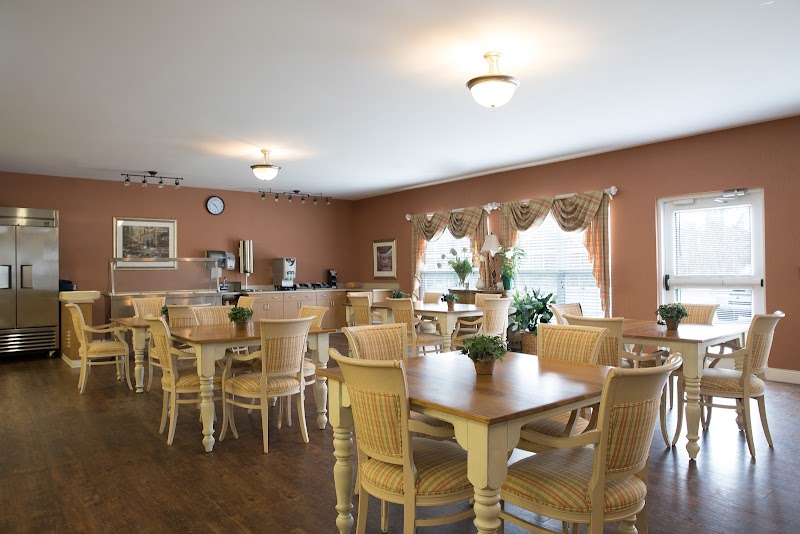
How is Autumn Care Of Myrtle Grove Staffed?

CMS rates Autumn Care of Myrtle Grove's staffing level at 4 out of 5 stars, which is above average compared to other nursing homes. Staff turnover is 62%, which is 16 percentage points above the North Carolina average of 46%. High turnover can affect care consistency as new staff learn residents' individual needs.

What Have Inspectors Found at Autumn Care Of Myrtle Grove?

State health inspectors documented 42 deficiencies at Autumn Care of Myrtle Grove during 2023 to 2025. These included: 6 Immediate Jeopardy (the most serious level, indicating potential for serious harm or death), 2 that caused actual resident harm, 33 with potential for harm, and 1 minor or isolated issues. Immediate Jeopardy findings are rare and represent the most serious regulatory concerns. They require immediate corrective action.
Who Owns and Operates Autumn Care Of Myrtle Grove?

Autumn Care of Myrtle Grove is owned by a for-profit company. For-profit facilities operate as businesses with obligations to shareholders or private owners. The facility is operated by SABER HEALTHCARE GROUP, a chain that manages multiple nursing homes. With 90 certified beds and approximately 71 residents (about 79% occupancy), it is a smaller facility located in Wilmington, North Carolina.

How Does Autumn Care Of Myrtle Grove Compare to Other North Carolina Nursing Homes?

Compared to the 100 nursing homes in North Carolina, Autumn Care of Myrtle Grove's overall rating (1 stars) is below the state average of 2.8, staff turnover (62%) is significantly higher than the state average of 46%, and health inspection rating (1 stars) is much below the national benchmark.

What Should Families Ask When Visiting Autumn Care Of Myrtle Grove?

Based on this facility's data, families visiting should ask: "What changes have been made since the serious inspection findings, and how are you preventing similar issues?" "What safeguards and monitoring systems are in place to protect residents from abuse or neglect?" "How do you ensure continuity of care given staff turnover, and what is your staff retention strategy?" "Can I visit during a mealtime to observe dining assistance and food quality?" These questions are particularly relevant given the facility's Immediate Jeopardy citations, the substantiated abuse finding on record, and the facility's high staff turnover rate.

Is Autumn Care Of Myrtle Grove Safe?

Based on CMS inspection data, Autumn Care of Myrtle Grove has documented safety concerns. The facility has 1 substantiated abuse finding (meaning confirmed case of resident harm by staff or other residents). Inspectors have issued 6 Immediate Jeopardy citations (the most serious violation level indicating risk of serious injury or death). The facility has a 1-star overall rating and ranks #100 of 100 nursing homes in North Carolina. Families considering this facility should ask detailed questions about what corrective actions have been taken since these incidents.

Do Nurses at Autumn Care Of Myrtle Grove Stick Around?

Staff turnover at Autumn Care of Myrtle Grove is high. At 62%, the facility is 16 percentage points above the North Carolina average of 46%. High turnover means new staff may not know residents' individual needs, medications, or preferences. It can also be disorienting for residents, especially those with dementia who rely on familiar faces. Families should ask: What is causing the turnover? What retention programs are in place? How do you ensure care continuity during staff transitions?

Was Autumn Care Of Myrtle Grove Ever Fined?

Autumn Care of Myrtle Grove has been fined $120,907 across 3 penalty actions. This is 3.5x the North Carolina average of $34,288. Fines at this level are uncommon and typically indicate a pattern of serious deficiencies, repeated violations, or failure to correct problems promptly. CMS reserves penalties of this magnitude for facilities that pose significant, documented risk to resident health or safety. Families should request specific documentation of what issues led to these fines and what systemic changes have been implemented.

Is Autumn Care Of Myrtle Grove on Any Federal Watch List?

Autumn Care of Myrtle Grove is not on any federal watch list. The most significant is the Special Focus Facility (SFF) program, which identifies the bottom 1% of nursing homes nationally based on persistent, serious quality problems. Not being on this list means the facility has avoided the pattern of deficiencies that triggers enhanced federal oversight. This is a positive indicator, though families should still review the facility's inspection history directly.