Azalea Health & Rehab Center

3800 Independence Boulevard, Wilmington, NC 28412 (910) 392-3110
For profit - Corporation 80 Beds SABER HEALTHCARE GROUP Data: November 2025 1 Immediate Jeopardy citation
Trust Grade
21/100
#233 of 417 in NC
Last Inspection: May 2025

Inspected within the last 6 months. Data reflects current conditions.

Overview

Azalea Health & Rehab Center has received a Trust Grade of F, indicating significant concerns about the quality of care provided, which places it in the poor category. It ranks #233 out of 417 nursing homes in North Carolina, meaning it is in the bottom half of facilities statewide, and #5 out of 11 in New Hanover County, suggesting only four local options are better. While the facility is showing improvement, having reduced issues from 20 in 2024 to 3 in 2025, there are still serious concerns, including a critical incident where a resident was left unsupervised in a hot transportation van for up to 30 minutes, causing panic and fear. Staffing is a mixed bag; with a 3/5 staffing rating, the turnover rate is high at 72%, which is concerning compared to the state average of 49%. Additionally, the facility has faced $24,470 in fines, indicating ongoing compliance issues, and while RN coverage is average, it is crucial to ensure residents receive proper medical attention.

Trust Score
F
21/100
In North Carolina
#233/417
Bottom 45%
Safety Record
High Risk
Review needed
Inspections
Getting Better
20 → 3 violations
Staff Stability
⚠ Watch
72% turnover. Very high, 24 points above average. Constant new faces learning your loved one's needs.
Penalties
⚠ Watch
$24,470 in fines. Higher than 94% of North Carolina facilities. Major compliance failures.
Skilled Nurses
○ Average
Each resident gets 40 minutes of Registered Nurse (RN) attention daily — about average for North Carolina. RNs are the most trained staff who monitor for health changes.
Violations
⚠ Watch
40 deficiencies on record. Higher than average. Multiple issues found across inspections.
★★☆☆☆
2.0
Overall Rating
★★★☆☆
3.0
Staff Levels
★★★★☆
4.0
Care Quality
★★☆☆☆
2.0
Inspection Score
Stable
2024: 20 issues
2025: 3 issues

The Good

  • 4-Star Quality Measures · Strong clinical quality outcomes
  • Full Sprinkler Coverage · Fire safety systems throughout facility
  • No fines on record

Facility shows strength in quality measures, fire safety.

The Bad

2-Star Overall Rating

Below North Carolina average (2.8)

Below average - review inspection findings carefully

Staff Turnover: 72%

25pts above North Carolina avg (46%)

Frequent staff changes - ask about care continuity

Federal Fines: $24,470

Below median ($33,413)

Minor penalties assessed

Chain: SABER HEALTHCARE GROUP

Part of a multi-facility chain

Ask about local staffing decisions and management

Staff turnover is very high (72%)

24 points above North Carolina average of 48%

The Ugly 40 deficiencies on record

1 life-threatening 1 actual harm
May 2025 3 deficiencies
CONCERN (D)

Potential for Harm - no one hurt, but risky conditions existed

Deficiency F0757 (Tag F0757)

Could have caused harm · This affected 1 resident

**NOTE- TERMS IN BRACKETS HAVE BEEN EDITED TO PROTECT CONFIDENTIALITY** Based on observations, record review and staff interviews the facility failed to hold a blood pressure medication according to t...

Read full inspector narrative →
**NOTE- TERMS IN BRACKETS HAVE BEEN EDITED TO PROTECT CONFIDENTIALITY** Based on observations, record review and staff interviews the facility failed to hold a blood pressure medication according to the physician ordered parameters and administered the blood pressure medication unnecessarily to 1 of 5 residents reviewed for unnecessary medication administration (Resident # 55). Findings included: Resident #55 was admitted to the facility on [DATE] with diagnoses including high blood pressure. The Minimum Data Set (MDS) quarterly assessment dated [DATE] revealed Resident #55 was cognitively intact. A physician order written on 12/28/24 revealed an order for Metoprolol Succinate Extended Release (a medication used to treat high blood pressure), 25 milligrams (mg) one tablet once a day. Hold for Systolic Blood Pressure (SBP) less than 110 millimeters of mercury (mm/Hg). Review of the April 2025 Medication Administration Record revealed to administer Metoprolol Succinate 25 mg and hold for SBP of less than 110 mm/Hg with a section to include the recorded blood pressure. On 04/12/25, Resident #55's blood pressure was recorded as 101/73 mm/Hg and the medication was signed off as given by Nurse #1, and on 04/19/25 the blood pressure was recorded at 105/60 mm/Hg and the medication was signed off as given by Nurse #3. The blood pressure recording was within normal limits on 04/13/25 despite the administration of the blood pressure medication given on 04/12/25, however, the blood pressure recording on 04/20/25 was lower and recorded as 100/69 mm/Hg after receiving the medication on 04/19/25. Review of the May Medication Administration Record revealed to administer Metoprolol Succinate 25 mg and hold for SBP of less than 110 mm/Hg with a section to include the recorded blood pressures. On 05/03/25 Resident #55's blood pressure was recorded as 93/60 mm/Hg and the medication was signed off as given by Nurse #3, on 05/10/25 the blood pressure was recorded as 103/67 mm/Hg and signed off as given by Nurse #2. On 05/25/25 the blood pressure was recorded as 97/69 mm/Hg and signed off as given by Nurse #3, on 05/16/25 the blood pressure was recorded as 109/80 mm/Hg and signed off as given by Nurse #1. An interview was conducted with Nurse #1 on 05/29/25 at 1:02 PM. Nurse #1 reported that Resident #55's blood pressure can run low at times and she believed there was an order to hold the medication if the systolic blood pressure was less than 100 mm/Hg. Nurse #1 reviewed the order that was written on 12/28/24 and confirmed that the Metoprolol Succinate should have been held if the SBP was less than 110 mg/Hg. Nurse #1 stated on 04/16/25 and 05/12/25 she was thinking only to hold it if the SBP was less than100 mm/Hg, but she could not say for certain if that was why she did not hold it. Nurse #1 stated she should not have given the medication since his SBP was less than 110 mm/Hg per the physician order. An interview was conducted with Nurse #2 on 05/30/25 at 10:30 AM. Nurse #2 reviewed the May Medication Administration Record and stated she did not know why she administered Resident #55 his blood pressure medication on 05/10/25. Nurse #2 stated the order read to hold the medication if the SBP was less than 110 mm/Hg and she should have held it. An interview was attempted with Nurse #3 via phone 05/30/25 at 12:19 PM by voice message and text. Nurse #3 did not return the call or the text to be interviewed. An interview was conducted with Nurse Practitioner #1 via phone on 05/30/25 at 12:30 PM. The Nurse Practitioner stated she would expect the nursing staff to be following the physician order as written. She stated the parameters were in place for a reason and although Resident #55 was receiving a low dose of the medication, receiving the medicine outside the parameters could put him at risk for hypotension and he should not have received the medication unnecessarily. An interview was conducted with the Director of Nursing on 05/30/25 at 3:35 PM. The Director of Nursing stated she would expect the physician's order to be followed and for the nursing staff to ensure they were holding the blood pressure medication per parameters. The Director of Nursing added, Resident #55's blood pressure has a history of getting low and the parameters were in place for that reason. She stated it did not matter if the blood pressure reading was just one point lower than 110 mm/hg, the order should be followed as written so that the resident would not receive the medication unnecessarily.
CONCERN (D)

Potential for Harm - no one hurt, but risky conditions existed

Medical Records (Tag F0842)

Could have caused harm · This affected 1 resident

**NOTE- TERMS IN BRACKETS HAVE BEEN EDITED TO PROTECT CONFIDENTIALITY** Based on record review and interviews with staff and Nurse Practitioner, the facility failed to have a complete and accurate med...

Read full inspector narrative →
**NOTE- TERMS IN BRACKETS HAVE BEEN EDITED TO PROTECT CONFIDENTIALITY** Based on record review and interviews with staff and Nurse Practitioner, the facility failed to have a complete and accurate medication administration record related to a blood pressure medication. This was for 1 of 5 residents (Resident #55) reviewed for unnecessary medications. Findings included: Resident #55 was admitted to the facility on [DATE]. Diagnoses included high blood pressure. A physician order written on 12/28/24 revealed an order for Metoprolol Succinate Extended Release (a medication used to treat high blood pressure), 25 milligrams (mg) one tablet once a day. Hold for Systolic Blood Pressure (SBP) less than 110 millimeters of mercury (mm/Hg). Review of the April 2025 Medication Administration Record revealed to administer Metoprolol Succinate 25 mg and hold for SBP of less than 110 mm/Hg with a section to include the recorded blood pressure. On 04/19/25, Resident #55's blood pressure was recorded as 105/60 mm/Hg and the medication was signed off as given by Nurse #3. Review of the May Medication Administration Record revealed to administer Metoprolol Succinate 25 mg and hold for SBP of less than 110 mm/Hg with a section to include the recorded blood pressures. On 05/01/25 Resident #55's blood pressure was recorded as 105/58 mm/Hg and the medication was signed off as given by Nurse #4, on 05/07/25 the blood pressure was recorded as 108/64 mm/Hg and the medication was signed off as given by Medication Aide #1, and on 05/28/25 the blood pressure was recorded as 109/80 mm/Hg and the medication was signed off as given by Nurse #1. An interview was conducted with Nurse #4 via phone on 05/30/25 at 12:50 PM. Nurse #4 revealed if there were parameters included in the order she was sure she would have held the medication. Nurse #4 stated it was an error in documenting and she should have written that the blood pressure medication was held for Resident #55 instead of signing it off to look as though it was given. An interview was conducted with Nurse #1 on 05/29/25 at 1:02 PM. Nurse #1 reported she recalled checking the blood pressure on 05/28/25 for Resident #55 and she took the blood pressure twice. Nurse #1 stated the first time the reading was 109/80 mm/Hg and then she took it again before she administered the medication and it was 116/80 mm/Hg. She stated she inaccurately documented the wrong blood pressure on the Medication Administration Record and added she should have documented 116/80 mm/Hg so the record would be clear that he was within the parameters to receive the medication. An interview was conducted with Medication Aide #1 on 05/30/25 at 1:15 PM. Medication Aide #1 reported she did not administer the blood pressure medication to Resident #55 on 05/07/25 when the reading was 108/64, and that she inaccurately documented that she did. Medication Aide #1 stated it was a documentation error and she should have recorded that it was not given and let her nurse know it was held due to the parameters to hold if SBP was less than 110 mm/Hg. An interview was conducted with Nurse Practitioner #1 via phone on 05/30/25 at 12:30 PM. The Nurse Practitioner stated she would expect the nursing staff to document accurately when a blood pressure medication was given or held. Nurse Practitioner #1 stated she relied on accurate documentation when she completed a chart review to get a clear clinical picture of how the resident was responding to the medication. An interview was conducted with the Director of Nursing on 05/30/25 at 3:35 PM. The Director of Nursing stated she would expect her nursing staff to utilize the electronic medical record system to accurately document when a blood pressure medication was given or held. The Director of Nursing stated she would provide education regarding the importance of accurate documentation.
CONCERN (E) 📢 Someone Reported This

A family member, employee, or ombudsman was alarmed enough to file a formal complaint

Potential for Harm - no one hurt, but risky conditions existed

Deficiency F0760 (Tag F0760)

Could have caused harm · This affected multiple residents

**NOTE- TERMS IN BRACKETS HAVE BEEN EDITED TO PROTECT CONFIDENTIALITY** Based on record review, and Physician and staff interviews, the facility failed to thoroughly review the hospital discharge summ...

Read full inspector narrative →
**NOTE- TERMS IN BRACKETS HAVE BEEN EDITED TO PROTECT CONFIDENTIALITY** Based on record review, and Physician and staff interviews, the facility failed to thoroughly review the hospital discharge summary and clarify physician orders for a newly admitted resident (Resident #231) resulting in the failure to transcribe and administer an intravenous (a catheter inserted into a vein for medication administration) antibiotic medication listed on the discharge summary. Penicillin G (antibiotic) was not administered from 03/29/25 through 03/30/25 resulting in 6 missed doses of the antibiotic treatment. This deficient practice occurred for 1 of 1 resident reviewed for significant medication errors. Findings included: Resident #231 was admitted to the facility on [DATE]. Diagnoses included osteomyelitis (an infection in the bone), and discitis (an infection in the intervertebral disc space). Review of the Discharge summary dated [DATE] from the hospital on page 1 revealed Resident #231's discharge diagnoses was discitis / osteomyelitis of the thoracic region and to continue intravenous (IV) antibiotics with a tentative stop date of 05/02/25. The discharge new medications list included Heparin (a blood thinning agent) flush 10 units per milliliter (ml) solution injection; flush IV catheter daily, and Heparin flush 10 units per ml injection; flush IV catheter with 5 ml as needed after each use, Sodium Chloride 0.9% injection 10 ml; flush IV catheter daily and Sodium Chloride 0.9% 10 ml; flush IV catheter as needed before and after each use (prior to Heparin). Under the new medications list on the discharge summary there were no antibiotics noted, however, the discharge summary included 14 pages total and on page 9 under discitis and osteomyelitis of the thoracic region it stated resident transitioned from vancomycin/cefepime (types of antibiotics) to penicillin with plans of 6 to 8 weeks of IV antibiotics. Final antibiotic recommendations per infectious disease as follows: Penicillin G 4 million units IV every 4 hours, tentative stop date of antibiotics 05/02/25 (6 weeks) and in capital letters ATTENTION SKILLED NURSING FACILITY (SNF's) IF QUESTIONS REGARDING ANTIBIOTICS/DRUG LEVELS/LABS AFTER HOURS, PLEASE CALL. The discharge summary included additional orders below this statement for a peripherally inserted central catheter (PICC - used for long term or frequent IV treatments due to providing a longer lasting method of accessing the bloodstream) was placed on 03/28/25 however, had to be replaced as it was too deep on 03/29/25, PICC line care, and PICC line to be removed after last dose of antibiotics administered. A nursing note written on 03/29/25 at 6:00 PM by Nurse #6 revealed Resident #231 was admitted to the facility via transport. Resident's vital signs were stable with a PICC line to right arm. Medication orders were verified with the on call Physician Assistant and sent to pharmacy. A review of the physician orders dated 03/29/25 revealed the Heparin Flush and the Sodium Chloride Flush (medications to keep an IV line clear and unobstructed) orders were transcribed on 03/29/25 with a start date of 03/30/25. There were no orders transcribed for the Penicillin G 4 million units IV every 4 hours with a stop date of 05/02/25. A review of the Medication Administration Record for March 2025 revealed the Heparin Flush and the Sodium Chloride Flush orders were transcribed to the record. On 03/30/25 at 1:00 AM the IV line for Resident #231 was flushed with the Heparin and the Sodium Chloride as evidenced by Nurse #5's initials. There were no orders transcribed for the antibiotic on the Medication Administration Record. The Minimum Data Set admission assessment dated [DATE] revealed Resident #231 was severely cognitively impaired and was coded as being on antibiotics and having IV medications with a PICC line while in the hospital. A nursing note written on 03/30/25 at 1:52 AM by Nurse #5 revealed the PICC line was removed per discharge orders. Intravenous antibiotics course was completed in hospital. A nursing note written on 03/30/25 at 3:53 PM by Nurse #2 revealed she spoke with the physician hospitalist in the emergency room (ER) on the phone and he wanted the resident sent to the ER for PICC line insertion. A nursing note written on 03/30/25 at 7:17 PM by Nurse #7 revealed per family report from hospital, resident will be admitted . Resident will have a peripheral IV placed for IV antibiotics until the surgeon was able to place the PICC line. An interview was conducted with Nurse #6 on 05/28/25 at 3:45 PM. Nurse #6 stated she recalled doing the admission orders for Resident #231 on 03/29/25. She stated she was given a packet which contained all of the discharge summary orders. She stated she reviewed the orders and called the on call Physician Assistant to verify the orders on 03/29/25. Nurse #6 stated she entered the orders into the electronic medical record which automatically synced to the pharmacy and then the pharmacy would send the medications on their next delivery. Nurse #6 stated she reviewed the new medications list and changed medications list with the on call Physician Assistant. She stated there were no antibiotics on either of these lists. Nurse #6 stated she believed she discussed the orders for the Heparin flushes and the Sodium Chloride flushes for the IV line, but she could not remember. Nurse #6 stated she did not clarify with the on call Physician Assistant that Resident #231 had an IV line with flushes ordered but no antibiotics were ordered. Nurse #6 stated the Physician Assistant did not question it either. Nurse #6 stated she learned later that Resident #231 was sent out to the emergency room on [DATE] to get another PICC line placed because Nurse #5 removed Resident #231's PICC line during the night shift because there were no orders for antibiotics. A phone interview was conducted with Nurse #5 on 05/29/25 at 3:30 PM. Nurse #5 stated she was working the night shift on 03/29/25 into 03/30/25. She stated she was reviewing the physician discharge summary orders and doing a second check to be sure all of the medications were transcribed correctly by Nurse #6. Nurse #5 stated she had questions regarding Resident #231's orders because she saw orders for the PICC line care, but did not see orders for an antibiotic. She stated she was reading through the discharge summary and questioned if he received his last dose of antibiotics in the hospital. Nurse #5 stated there was an order to remove the PICC line after last dose of antibiotics administered and since she could not find orders for the antibiotic, she removed the PICC line because she felt Resident #231 was at risk for infection. Nurse #5 stated the next day on 03/30/25, Nurse #2 told her she reviewed the discharge summary orders and she found that there were orders in place for the antibiotic. Nurse #5 stated the order for the antibiotic was not written under the new medications list so it was not easy to find and was missed. Nurse #5 stated she should have read through the orders more clearly and if she had questions, she should have clarified them with the on call Physician Assistant before removing the PICC line. An interview was conducted with Nurse #2 on 05/30/25 at 10:30 AM. Nurse #2 stated on 03/30/25 she had asked Nurse #5 if the antibiotics were delivered from the pharmacy for Resident #231. Nurse #2 stated Nurse #5 told her she removed the PICC line because the discharge summary indicated the antibiotics had finished. Nurse #2 stated she explained to Nurse #5 there were current orders for Penicillin to be given every 4 hours and that the order was written on discharge summary above the order PICC line to be removed after last dose of antibiotics administered which Nurse #2 had circled. Nurse #2 stated there was also an order to call if there were any questions regarding the antibiotics. Nurse #2 stated no where in the discharge summary did it indicate the last dose of the antibiotic (Penicillin G) was given in the hospital. Nurse #2 stated that Nurse #5 should have called the on call physician and had the orders clarified. Nurse #2 stated as a result of her removing the PICC line, Resident #231 missed 6 doses of the antibiotic and had to be sent back to the hospital for another PICC line to be placed. A phone interview was conducted with the family member on 05/30/25 at 2:42 PM. The family member stated Resident #231 had no further difficulties when he was sent back to the ER to the get the PICC line replaced, but she had decided not to send him back to this facility. An interview was conducted with the Director of Nursing on 05/30/25 at 10:15 AM. The Director of Nursing stated there was some confusion with the discharge summary and the orders were in the packet, but it was worded as antibiotic recommendation and not listed on the new medications list along with the Heparin and Sodium Chloride flush orders. The Director of Nursing stated she would have expected Nurse #6 and Nurse #5 to read the entire discharge summary to include all the orders, and if they had questions, she would have expected them to clarify the orders with the on call physician. The Director of Nursing stated there was nothing in the discharge summary to indicate Resident #231 had completed the course of the Penicillin G antibiotic in the hospital, but that Resident #231 had completed a course of antibiotic treatments with other antibiotics. A phone interview was conducted with the Physician on 05/30/25 at 2:15 PM. The Physician stated there have been some recent problems with the discharge summary orders from the hospital due to the hospital's new system and nurses at the facility need to be reading the discharge summaries closer. The Physician stated there were red flags such as the Heparin and Sodium Chloride flush orders. She stated the nurses verifying and reviewing the orders should have used their nursing judgement and questioned the antibiotic order if they were unsure. The Physician stated an error was made which resulted in 6 missed doses of the antibiotic. She stated she did not feel there was any harm to Resident #231 since has was not acutely ill or septic at the time, but he did have to get another PICC line replaced unnecessarily. The Physician stated Resident #231 was going to be on this antibiotic for 6 weeks to treat the osteomyelitis and get rid of the bacteria and the antibiotic treatment of 6 weeks was a slow process in healing the osteomyelitis and discitis.
Jul 2024 2 deficiencies 1 IJ
CRITICAL (J) 📢 Someone Reported This

A family member, employee, or ombudsman was alarmed enough to file a formal complaint

Immediate Jeopardy (IJ) - the most serious Medicare violation

Accident Prevention (Tag F0689)

Someone could have died · This affected 1 resident

**NOTE- TERMS IN BRACKETS HAVE BEEN EDITED TO PROTECT CONFIDENTIALITY** Based on record review, observations, resident, staff, and Nurse Practitioner interviews, the facility failed to prevent Residen...

Read full inspector narrative →
**NOTE- TERMS IN BRACKETS HAVE BEEN EDITED TO PROTECT CONFIDENTIALITY** Based on record review, observations, resident, staff, and Nurse Practitioner interviews, the facility failed to prevent Resident #1 from being left unsupervised in the facility ' s transportation van when Transporter #1 left the resident in the van with the doors and windows closed and the engine turned off midday in the summer heat ([DATE]) for approximately 10 to 30 minutes. The temperature outside was between 92 and 94 degrees Fahrenheit (F). The facility staff did not identify Resident #1 was not in the facility until his family member arrived at the facility and was unable to locate him. Resident #1 indicated he was yelling for help, he was panicked, became short of breath, was scared, and thought he was going die. Resident #1 did not sustain any physical injures, but there was a high likelihood of suffering serious harm that included heat stroke (a medical emergency that can result in permanent disability or death). This deficient practice affected 1 of 4 residents reviewed for transport in the facility van. Findings included: Resident #1 was most recently admitted to the facility on [DATE] with a diagnosis of dementia, right hip fracture, and muscle weakness. Review of a Minimum Data Set 5 day assessment dated [DATE] revealed Resident #1 had intact cognition. He had an impairment on one side of the lower extremity. He required substantial assistance for all activities of daily living. He had recent orthopedic surgery that required skilled nursing facility care. Review of the care plan for Resident #1 dated [DATE] identified initial care needs, risks, strengths, and goals. The goal was for Resident #1 to have access to necessary services to promote adjustment to his new living environment and/or post discharge from facility. Approaches included, in part: Minimize potential risk factors related to falls or injury and receive necessary assistance for activities of daily living; transfer and ambulate with rolling walker with one assist. An interview was conducted on [DATE] at 10:20 AM with the family member who accompanied Resident #1 to his doctor ' s appointment on [DATE]. She stated at 10:30 AM on [DATE] she called Transporter #1 and told her Resident #1 was ready to be picked up at the doctor ' s office and brought back to the facility. She recalled approximately 15 minutes later, Transporter #1 picked Resident #1 up in the facility van and she (Resident #1 ' s family member) left to run errands before returning to the facility. She stated she arrived back at the facility around 11:30 AM and started looking for Resident #1. She could not find him. She was going to leave his lunch with the nurse and leave when she noticed the Business Office Manager, who had been in the van during transport, was in her office. She asked the Business Office Manager where Resident #1 was, and the Business Office Manager did not know. Resident #1 ' s family member asked Nurse #1 where Resident #1 was, and the nurse replied she thought he was at a doctor ' s appointment. The family member called Transporter #1 at 12:11 PM to find out the whereabouts of Resident #1. She stated Transporter #1 told her Resident #1 was in the building somewhere. Resident #1 ' s family member indicated she and the Business Office Manager continued to look for the resident inside and outside. Then the Business Office Manager told her Transporter #1 found Resident #1 outside in the facility van. The family member watched Transporter #1 wheel him into his room. The family member stated Transporter #1 apologized and explained that there had been no place to park the van in the front of the building, so she parked the van in the back and had left Resident #1 in the van. A software application for navigation revealed the location of the doctor ' s office where Resident #1 had an appointment was 2.2 miles away from the facility and would take 7 minutes to drive to or from taking the fastest route. An interview was conducted with Resident #1 on [DATE] at 10:50 AM. Resident #1 stated if his family member had not looked for him when he was left alone on the van on [DATE] he would have died. He explained he had been transported by the facility to a doctor ' s appointment on [DATE] and when Transporter #1, the Business Office Manager, and he returned, Transporter #1 got out of the van and left him in the van alone locked in his wheelchair. He recalled he couldn ' t move his feet and couldn ' t get up. He was secured into the wheelchair in the van. No windows had been left open, but he was beside a window, and he was able to open it with his finger about a quarter of an inch. It was the emergency window beside his wheelchair, and it had to be held open, it did not stay open by itself. He stated he was yelling for help, but no one heard him. He reported the transportation van was parked in the sun, and it was hot. He thought he had been left there for about an hour. He stated as time went on, he panicked, became short of breath, and became more scared. He recalled a man walked past the van, but he couldn ' t get his attention. He was locked in and could not get out of the van. He stated he was scared he was going to die because it was hot as the devil, and he didn ' t think he was going to last very long. After Transporter #1 found him, she took him into the building, put him by the air conditioning unit in his room and gave him water. He reported he was very hot, short of breath, and sweaty. He stated he would not get back in the van with Transporter #1 or the Business Office Manager again. He never wanted to experience that again because it felt like the end of the world. He concluded he was sure if his family member had not been looking for him, he would have died in the van that day. On [DATE] review of the Weather by CustomWeather website revealed the outdoor air temperature in the town where the facility was located on [DATE] at 11:53 AM was 92 degrees Fahrenheit (F), 94 degrees F at 12:53 PM, and sunny. The Centers for Disease Control and Prevention ' s (CDC) Beat the Heat: Extreme Heat informational document indicated during extreme heat the temperature in a vehicle can be deadly. With an outside temperature of 80 degrees F the temperature inside a car rises to 109 degrees F in 20 minutes and 118 degrees F in 40 minutes. An interview was conducted with Transporter #1 on [DATE] at 12:33 PM. She stated she had been employed at the facility for six years and had been the transporter for two years. She was trained to transport by the previous transporter who retired. She stated she transported Resident #1 to a doctor ' s appointment on [DATE]. The Business Office Manager was with her because Transporter #1 couldn ' t push the resident ' s wheelchair due to a previous shoulder injury. The Business Office Manager had assisted by wheeling Resident #1 onto the van. Transporter #1 strapped him in behind the driver seat in the first wheelchair space that was located toward the back behind 3 stationary rows of seats. Resident #1 was the only resident on the van. She explained when they arrived at the facility after the resident ' s appointment, cars were parked in the driveway, and she could not pull in to get the resident off the van. She explained this was the location they normally parked to offload the residents from the van. She stated she was frustrated after she waited about 2 or 3 minutes, and she told the Business Office Manager to go back to work. She stated she tried to maneuver the van around the parked cars under the awning to offload Resident #1 in the front, and when she could not, she became frustrated, and drove to the back of the building to the space where the van was stored. After she backed the van into the designated unshaded parking space beside the Maintenance Building, she heard her phone beep. The engine was still running when her phone beeped with a message from a doctor ' s office about a different appointment for a resident that she was unaware of. Transporter #1 explained she became agitated because she knew she had not made a scheduling mistake and missed taking a different resident to an appointment. Transporter #1 stated she shut the van off and went into the building forgetting that Resident #1 was still in the van. After she went back into the building and was in her office, she began scheduling appointments for other residents and worked for about 10 to 15 minutes. She indicated at that time, a family member of Resident #1 called her on the transporter phone and asked her where Resident #1 was because she could not find him. She told the family member Resident #1 was in the building and she continued working for no more than 20 minutes. Transporter #1 recalled when she left her office she met up with the Activities Assistant in the hallway and thought, Oh, sh**! because she realized she had left Resident #1 in the van. Transporter #1 went out to the van and Resident #1 was in the van. She stated she asked Resident #1 if he was alright and he replied, it was a little warm. She observed he had removed the anchoring hooks in the front of the wheelchair but was still strapped in behind his chair. She had not noticed he had unlatched the emergency window to the left of his chair until she drove off and the window slammed shut. She did not know if the window had been open because it did not slide or prop open but had to be held when open. She reported she was scared because she thought he had tried to remove his seatbelt like he was trying to get out of the van himself. She moved the van to the loading dock area in the back of the building to get him off the van. Transporter #1 commented she had parked the van in the storage area originally because she was frustrated, agitated, and wasn ' t thinking. She estimated Resident #1 could not have been left in the van alone for more than 20 minutes. She explained that once she got him into the building, she stopped in the service hall and called for the aide to get the nurse. She was told by Nurse Aide #1 that Nurse #1 and the family member were together looking for Resident #1. She took the resident to his room, put him by the air conditioner and gave him a cup of water. When the family member came to the room, Transporter #1 explained to the family member that she had left the resident in the van alone. She went to tell Nurse #1 what had happened, she looked busy, so she went and told the Nurse Practitioner that she had left Resident #1 on the van and asked her to assess. She verified this was after she had placed him in front of the air conditioner and had given him ice water to drink. In an additional interview with Transporter #1 on [DATE] at 2:35 PM via the telephone, she stated that after she returned to her workstation and reviewed her transportation schedule, she had responded to the text from the doctor ' s office at 12:01 PM on [DATE]. She indicated she was unable to tell what time she originally heard the phone beep with the receipt of the message. She explained the original text came to her at 10:30 AM but she didn ' t know it until it beeped again to remind her to check her texts. She stated she only knew she responded to it at 12:01 PM. She said when she went back into the building the first thing she did was check the schedule and responded to the text. At that time, she was in her office working and had not yet realized she had left Resident #1 in the van. Transporter #1 did not know what time it was when she realized Resident #1 had been left in the van alone. The storage parking space for the facility van was observed on [DATE] at 11:50 AM. The parking space was located to the back of the facility along the side in the last space next to the maintenance building and in front of the tree line. There was no awing or shade in the parking space. There were 2 orange cones on the white parking lot lines that designated the space for storage of the facility van. An observation of the facility van was made on [DATE] at 11:45 AM in the presence of Transporter #1 and the Business Office Manager. Transporter #1 illustrated where Resident #1 was locked in the van on [DATE]. The area where Resident #1 was seated was the first wheelchair space behind the driver and three rows of stationary seats (for ambulatory residents). Transporter #1 demonstrated how the resident ' s wheelchair was secured into position with two hooks in the front that hooked into the floor and two hooks on the back that hooked into the floor. The seat belt was applied from back to front around the occupant and hooked in the back. Transporter #1 explained a resident secured in the wheelchair would not be able to unhook the attachments in back of the wheelchair. There was an emergency window located to the left of the location where the resident was positioned that was within reach of Resident #1 on [DATE]. The window had to be unlatched on each side and would open with pressure but would not remain open unless held. An interview was conducted with the Business Office Manager on [DATE] at 11:19 AM. She stated she had ridden along with Transporter #1 to take Resident #1 to his doctor ' s appointment on [DATE] because Transporter #1 was on restrictions for a recent shoulder injury and was not supposed to push his wheelchair. She stated it was around 11:00 AM when they picked up Resident #1 from his doctor ' s appointment. The Business Office Manager pushed him out of the doctor ' s office and loaded him onto the van then Transporter #1 strapped him in because she did not know how to strap the wheelchair. When they arrived back at the building there were 2 cars in the driveway preventing them from parking the van under the awning. They waited for about 10 minutes for the vehicles to move but it turned out they were visitors, and they did not move. The Business Office Manager stated that Transporter #1 told her to go ahead and go back to work, and Transporter #1 would wait for the cars to move and offload the resident herself. She stated she was not sure how much time had passed before Transporter #1 decided to move the van to the storage space in back of the building because she had returned to her office inside the building. The last time she saw Resident #1 was when she and Transporter #1 had been waiting for the cars to move. Around 11:30 AM Resident #1 ' s family member came to her door and stated, Oh, you ' re back! The family member told her she was looking for the resident. The Business Office Manager advised the family member to check the therapy room to find him. Nurse Aide #1 who had been looking for Resident #1 came to her and told her Resident #1 was not in the building and could not be found. She tried to call Transporter #1 on the transportation phone, but she didn ' t pick up. She got up and told the Activities Assistant to go find Transporter #1 and then she went out the front door, went down the sidewalk and saw the van parked on the side of the building. She turned around and went back into the building. The Business Office Manager stated she had sent the Activities Assistant to find Transporter #1 to determine where Transporter #1 had put the resident and that ' s when Transporter #1 realized she had left him in the van. The Activities Assistant came back to her and reported Transporter #1 had left the Resident #1 on the van. By the time she got back to the back of the building Transporter #1 had taken the resident out of the van and was wheeling him up the sidewalk. She told Transporter #1 to make sure she gave the Resident #1 water. The Business Office Manager recalled Transporter #1 took Resident #1 to his room, gave him ice water, told Nurse #1, and went to the front of the building to get the Nurse Practitioner. The Business Office Manager reported the Nurse Practitioner went immediately to assess the resident. An interview was conducted with the Activities Assistant on [DATE] a 3:49 PM. She stated Resident #1 ' s family member and a nurse aide came to the Activities Department looking for Resident #1 on [DATE] around lunchtime. The Activities Assistant saw Transporter #1 coming down the hall and she reported she asked the transporter if she had seen Resident #1 and she replied, He ' s here in the building. She explained she asked Transporter #1, Did you leave him on the van? Transporter #1 told her she would go and check the van. She concluded that she went and found the Business Office Manager, and she and the Business Office Manager went outside together. An interview was conducted with Nurse Aide #1 on [DATE] at 12:04 PM. She stated she cared for Resident #1 on [DATE] on day shift. She recalled he had an appointment on [DATE]. She stated later that day a family member stopped her and asked if she had seen Resident #1. Nurse Aide #1 explained she thought Resident #1 was still at his doctor ' s appointment at that time. She began to help the family member look for him. She asked several staff members if they had seen him, and everyone thought he had not yet returned. Other staff members joined the search. They looked in other resident rooms, therapy, activities and the dining room. She recalled the family member said she had talked to the Transporter #1 who told her Resident #1 was in the building. She stated she went to answer a call bell on her assignment and when she came back to help search, Resident #1 and the family member were in his room. She stated she immediately called the Administrator to report that Resident #1 had been left on the van. She verified on her phone that she had called the Administrator at 12:31 PM on [DATE] to make the report. A progress note written by the Nurse Practitioner recorded as a late entry on [DATE] at 1:10 PM for [DATE] at 3:50 PM documented she was notified by staff that Resident #1 was left on the facility van upon return from an appointment for a period of time up to 10 minutes. She assessed Resident #1 in his room with the family member present. He was in his wheelchair next to the air conditioning vent eating his lunch. His skin color was appropriate for his ethnicity, dry and warm to touch but not hot or feverish. He was not diaphoretic (sweating). He denied nausea, vomiting, abdominal pain or cramping, blurry vision or double vision. He stated his vision was fine. He denied headache, photophobia (sensory disturbance provoked by light) and tinnitus (ringing in ears). An interview was conducted with the Nurse Practitioner on [DATE] at 3:55 PM. She stated Transporter #1 came to her office on [DATE], explained she had left Resident #1 on the van, and asked her to come and look at him. A family member was present in the room when she arrived, and Resident #1 was seated in his wheelchair in front of the air conditioner. She assessed the resident at that time and found his color was appropriate, his skin was warm but not hot, there were no signs or symptoms of heat stroke, and his neurological assessment was at baseline. He told her he had been really hot in the van. He had no nausea or vomiting and was eating a lunch his family member had brought him. Resident #1 reported to her he had been dizzy when in was in the van. After she assessed Resident #1, she instructed Nurse #1 to take a set of vital signs, check him hourly during the shift, encourage fluids, and monitor output. She noted she also instructed the family to push fluids. She stated she determined because the resident ' s skin was not flushed or pale that he did not need to be sent to the hospital for an assessment. She stated she did not know how long he was on the van because ' 10 minutes ' was told to her by staff so that is what she documented. She did not know the exact time she assessed the resident because she had made her note 3 days later and the time of 3:50 PM was not the actual time she saw Resident #1 on [DATE]. She stated she did not have a set of vital signs at the time of her assessment but recalled she had instructed Nurse #1 to obtain his vital signs after she completed her assessment. The Nurse Practitioner stated the major risks of being left in a hot vehicle unattended could lead to heat stroke or death. An interview was conducted with Nurse #1 on [DATE] at 3:55 PM. She stated on [DATE] after being alerted by staff that Resident #1 was missing she started to help look for him in the facility. The Nurse Practitioner came to her and told her Resident #1 had been left in the van. She stated she went to his room and talked to both Resident #1 and the family member. She recalled the resident told her he had been scared. He had been eating the lunch the family brought him. In an additional interview with Nurse #1 on [DATE] at 9:05 AM she stated she had looked through her work bag and found a set of vital signs on a crumpled sticky note that she had taken on Resident #1 on [DATE] sometime between 12:30 - 1:00 PM. She stated she knew that the vital signs belonged to Resident #1 because she recalled she had been taking a blood sugar on a different resident when the Nurse Practitioner came to her on [DATE] and asked her to stop and go to Resident #1 and get a set of vital signs. Nurse #1 explained she looked at the blood sugars she recorded and determined the time to be 12:35 PM when she was asked to take Resident #1 ' s vital signs. The vital signs she had written down on the sticky note but not recorded in the medical record were blood pressure 126/74, temperature 98.8 degrees F. and heart rate 76 beats per minute. Nurse #1 stated she also monitored Resident #1 frequently throughout the shift, encouraged fluids and monitored his output. Review of a Psychotherapy Comprehensive Clinical assessment dated [DATE] documented Resident #1 was referred for evaluation after an incident on [DATE] in which he was left in the facility transport van after an appointment. Psychologist #1 documented staff reported Resident #1 was accidentally left in the van without air conditioning or windows down for between 10 and 25 minutes. Resident #1 reported to him that he was in the van for as much as 90 minutes, but this was not accurate. Resident #1 told him he was extremely frightened and stated: I thought I was going to die; if my family member hadn ' t been here, I know I would have died. Resident #1 reiterated feeling distressed and worried that he was going to die. Several times he expressed gratitude that his family member was in the facility and able to check on him. Psychologist #1 documented Resident #1 stated, I ' m OK now; I don ' t think about much about it anymore; I ' m not having any problems. Psychologist #1 recommended a follow-up Psychotherapy assessment in one week to assure ongoing stability. A concern form filed by the Nursing Home Administrator on behalf of Resident #1 dated [DATE] was reviewed. The concern was that Resident #1 had been left unattended on the facility van. The family member, the Social Worker and the Administrator met on [DATE]. The resolution of the concern included the placement of a no parking sign in the front of the building, education to staff, and the implementation of a walk through on the van by staff prior to parking after a transport. An interview was conducted with the Administrator on [DATE] at 1:35 PM. She stated she had been made aware that Resident #1 had accidentally been left unattended in the van on [DATE]. She stated Resident #1 had been immediately assessed by the Nurse Practitioner and had no injuries. She noted the family member had been in the facility and was aware Resident #1 had been left in the van. She explained Transporter #1 was suspended on [DATE] pending an investigation and returned on [DATE] to view van safety videos. The van was put out of commission until [DATE]. She stated the investigation concluded on [DATE] and education and competency was completed with Transporter #1. She explained to prevent this from occurring again an audit was developed to have a second staff member perform a walk through and sign off after transports to ensure no one is on the bus for 6 weeks. She stated the Quality Assurance Performance Improvement Committee would review the audits for 6 weeks. The Administrator concluded no resident should ever be left unattended on the facility van. The Administrator was notified of Immediate Jeopardy on [DATE] at 5:35 PM. The Administrator provided the following corrective action plan with a compliance date of [DATE]: Address how corrective action will be accomplished for those residents found to have been affected by the deficient practice: On [DATE], Resident #1 was transported into the facility by Transporter #1. Transporter #1 assisted Resident #1 back to the room and got Resident # 1 water. On [DATE], the Nurse Practitioner physically assessed Resident #1. The results of the physical assessment stated that Resident #1 ' s skin color was appropriate for ethnicity, dry and warm to touch but not hot or feverish. Resident #1 ' s temperature was 98.8. The temperature was obtained by Nurse assigned to Resident # 1 at approximately 12:35 p.m. On [DATE], the daughter of Resident #1 was present in the facility and made aware of the incident. On [DATE] Resident #1 was psychologically assessed by Psychiatric Provider with a follow up appointment in one week. According to Psychiatric Provider documentation Resident #1 denied any ongoing anxiety related to incident. All future appointments for Resident #1 will be scheduled with a contract transportation company. The root cause analysis was completed on [DATE] by the Administrator and determined that the normal drop off area was blocked. After an extended wait time in the transport area, Transporter #1 left the transport area and parked the van in the parking lot near the maintenance shed and forgot Resident #1 was on the van. Address how the facility will identify other residents having the potential to be affected by the same deficient practice: On [DATE], the Administrator reviewed the transportation schedules from [DATE] to [DATE] and interviewed all alert and oriented residents to ensure there were no additional residents left unattended on the facility van. On [DATE], the Director of Nursing and Unit Manager reviewed the medical record of all cognitively impaired residents that were transported by the facility from [DATE] until [DATE] to identify any change in condition that may have been the result of being left unattended on the facility van. No additional residents were affected. In house transport was ceased from [DATE] until [DATE]. All resident transportations from [DATE] until [DATE] were completed by a contract transportation company. Address what measures will be put into place or systemic changes made to ensure that the deficient practice will not recur: On [DATE], signs were added to the resident drop off area to discourage visitors and staff from blocking the entrance. The Administrator educated Transporter #1 on [DATE] regarding the new process of ensuring a second staff member validates and signs off on the transport log when residents return to the facility. Administrative staff, which include the Business Office Manager, the Social Worker, the Scheduler, the Activity Assistant, the Admissions Coordinator, the Maintenance Assistant, the facility Receptionist and the Minimum Data Set Nurse were educated on performing a second check upon any resident return from transport by the Administrator on [DATE]. The Maintenance Assistant is the only additional person that has been trained to transport residents and he was educated on the process change by the Administrator on [DATE]. Indicate how the facility plans to monitor its performance to make sure that solutions are sustained: The Quality Assurance Performance Improvement team reviewed the incident and decided on the plan of correction on [DATE]. The Administrator will review the transport logs 5 times per week for 6 weeks to ensure there is a second staff member validating the residents are brought into the facility immediately upon return. The audits will be reviewed by the Quality Assurance Performance Improvement committee monthly for two months to ensure the systemic change is sustainable. The first day of monitoring started on [DATE] when the facility resumed in house transportation. Alleged date of corrective action completion: [DATE] Validation of the corrective action plan was completed on [DATE]. This included interviews with: Transporter #1, Nurse Practitioner, Nurse #1, Activities Assistant, Business Office Manager, Administrator, Scheduler, Admissions Coordinator, Maintenance Assistant, Receptionist, MDS Nurse and Human Resources Director. These interviews verified that these staff members were trained on the new policy for a second staff member to physically go on the van after transport returns to the facility to ensure no residents are left on the van and that this audit had been implemented. The Nurse Practitioner was interviewed and verified she assessed the resident and there were no injuries. The Resident Representative verified she was aware of the incident when it occurred. Suspension of Transporter #1 during the investigative stage was verified. Transports scheduled between [DATE] through [DATE] were provided by a community transport service was verified. No transportation was provided until staff had been educated. The facility ' s audit tool, education, and QAPI minutes were reviewed. Two no parking signs were observed in the front of the building near the front door on each side of the awning. The facility ' s immediate jeopardy removal date was verified as [DATE] and corrective action completion date was verified as [DATE].
CONCERN (D) 📢 Someone Reported This

A family member, employee, or ombudsman was alarmed enough to file a formal complaint

Potential for Harm - no one hurt, but risky conditions existed

Medical Records (Tag F0842)

Could have caused harm · This affected 1 resident

**NOTE- TERMS IN BRACKETS HAVE BEEN EDITED TO PROTECT CONFIDENTIALITY** Based on record review and staff interviews the facility failed to maintain complete and accurate medical records by not ensurin...

Read full inspector narrative →
**NOTE- TERMS IN BRACKETS HAVE BEEN EDITED TO PROTECT CONFIDENTIALITY** Based on record review and staff interviews the facility failed to maintain complete and accurate medical records by not ensuring Nurse #1 documented the vital signs in the medical record for 1 of 5 residents (Resident #1) reviewed for medical record accuracy. The findings included: Resident #1 was admitted to the facility on [DATE] with diagnoses that included debility and dementia. A progress note written by the Nurse Practitioner as a late entry on 07/08/24 at 1:10 PM for 07/05/24 at 3:50 PM documented she had been notified by staff and nursing that [Resident #1] was left on the facility van upon return from an appointment for a period of time up to 10 minutes. Nursing requested that she evaluate [Resident #1]. An interview was conducted with the Nurse Practitioner on 07/15/24 at 3:55 PM. She stated she had assessed Resident #1 when he was brought back into the facility after he had been left in the van unsupervised. She stated her assessment did not include vital signs but recalled she had instructed Nurse #1 to obtain his vital signs. No vital signs were recorded in the medical record between 12:00 PM and 1:00 PM when Resident #1 was returned to the facility. An interview was conducted with Nurse #1 on 07/15/24 at 3:55 PM. She stated she had been asked to obtain a set of vital signs on Resident #1 at lunchtime on 07/05/24. She recalled the timeframe because she had to stop taking blood sugars to take his vitals. She estimated it was approximately 12:30 PM when she took his vital signs. She stated she had not recorded the vital signs in the electronic medical record. In an additional interview with Nurse #1 on 07/16/24 at 9:05 AM she stated she had found a sticky note in her bag that she had written Resident #1 ' s vital signs on. The vital signs recorded on the sticky note were: Blood pressure 126/74, heart rate 76, and temperature (temple) 98.8 degrees Fahrenheit. There was no date, time, or resident name written on the sticky note. She provided a written statement dated 07/15/24 attesting to the accuracy of the vital signs taken by her on 07/05/24 for Resident #1. In an interview with the Director of Nursing on 07/15/24 at 3:55 PM she stated she had not been aware that the vital signs obtained for Resident #1 after he had been left unsupervised in the facility van had not been documented. She explained that she expected all vital signs to be documented in the medical record. A Record of In-Service form dated 07/15/24 was reviewed on 07/16/24. The title of the in-service was: Documentation. The education was provided by the Director of Nursing to Nurse #1. The objective of the in-service was: Prompt documentation of time sensitive data inclusive of vital sign documentation. Nurse #1 acknowledged in writing that she understood the in-service and had signed the form.
May 2024 1 deficiency 1 Harm
SERIOUS (G) 📢 Someone Reported This

A family member, employee, or ombudsman was alarmed enough to file a formal complaint

Actual Harm - a resident was hurt due to facility failures

Resident Rights (Tag F0550)

A resident was harmed · This affected 1 resident

**NOTE- TERMS IN BRACKETS HAVE BEEN EDITED TO PROTECT CONFIDENTIALITY** Based on staff, Nurse Practitioner, and resident interviews, the facility failed to treat a resident with dignity and respect wh...

Read full inspector narrative →
**NOTE- TERMS IN BRACKETS HAVE BEEN EDITED TO PROTECT CONFIDENTIALITY** Based on staff, Nurse Practitioner, and resident interviews, the facility failed to treat a resident with dignity and respect when Nursing Assistant (NA) #2 spoke to Resident #1 in a manner that made her cry, feel nervous, anxious, and as if she was going to have a panic attack. Resident #1 was observed by staff crying inconsolably (unable to be comforted) following an interaction with NA #2. This deficient practice affected 1 of 3 residents reviewed for dignity and respect. Findings included: Resident #1 was admitted on [DATE] with anxiety, worsening generalized weakness, peripheral numbness, and recurrent falls. Review of Resident #1's 3/19/24 quarterly Minimum Data Set assessment indicated resident was cognitively intact with no hallucinations or delusions, no behaviors and was coded as frequently incontinent of bowel and bladder. Resident #1 required extensive assistance with bed mobility, transfers and toileting. Resident #1 received an antianxiety medication. Review of Resident #1's care plan which was most recently updated on 3/26/24 revealed problem areas related to continence and Activities of Daily Living (ADL's). The care plan indicated Resident #1 had a self-care deficit related to decline in functional abilities, physical deconditioning, and pain. Interventions included getting out of bed to wheelchair as tolerated and toilet transfers with assistance of 1. The care plan indicated Resident #1 had episodes of bladder and bowel incontinence and interventions included to provide incontinence care as needed. Observation of Resident #1 on 5/29/24 at 10:00 AM was conducted in conjunction with an interview. The resident was well groomed and was sitting in a wheelchair in her room. Resident #1 was alert with no confusion noted. Resident #1 stated she had an incident with NA #2 in April 2024. Resident #1 stated NA #2 was very aggressive, loud, heavy handed, rude and was getting worse prior to the incident on 4/6/24. Resident #1 stated NA #2 made her anxious when she came on duty but she (Resident #1) stated she had not reported this. Resident #1 stated in the afternoon when she knew NA #2 was coming on duty for 3-11 shift, she would get nervous and anxious like she was having a panic attack. Resident #1 stated her anxiety was made worse by NA #2 and how she treated her. Resident #1 stated at the time of the incident, she was weak and required increased assistance due to a recent hospital stay. Resident #1 stated on the evening of the incident on 4/6/24 she used her call bell to request assistance. NA #2 responded to her call light, screamed, What do you want? in an aggressive tone and threw the incontinent wipes at her with them landing on her stomach. NA #2 left the room and was very loud in the hallway talking about her (Resident #1) to the other staff saying, I guess she [Resident #1] can't help herself today. Resident #1 stated NA #2 returned to provide care for her with another NA. Resident #1 stated she believed NA #2 was frustrated with her for requiring assistance and she (NA #2) made her feel bad. Resident #1 stated Nurse #6 provided care for her for the rest of the shift. Resident #1 stated it had been difficult adjusting to the facility when she was admitted last year being a younger person than most residents in the facility and then she had a setback with her hospitalization that caused increased weakness. This incident with NA #2 was hard on her but she was trying to move on and stay positive. An interview was conducted with NA #2 on 5/30/24 at 12:15 PM. NA #2 stated she was assigned to Resident #1 on 4/6/24 on the 3:00 PM to 11:00 PM shift. NA #2 stated she was familiar with Resident #1 and was assigned to her frequently. NA #2 stated she thought Resident #1 was jealous when she helped her roommate and did not like her (NA#2). NA #2 indicated prior to this incident, she should not have been assigned to Resident #1 as they did not have a good rapport. NA #2 stated on 4/6/24, Resident #1 was in bed which was not her usual routine and Resident #1 stated she did not feel good that day. Around 6:30 or 7:30 PM Resident #1 activated her call bell and said she needed to be changed. NA #2 stated she gave Resident #1 the cleansing wipes to clean herself. NA #2 stated she noticed the bed was wet, so she went to get linens to change the bed. NA #2 stated she came back in the room, changed the bed and then Resident #1 needed to be pulled up. NA #2 stated she got another nursing assistant (NA #4) to assist her because she (NA #2) had a heart attack and could not pull on the residents. NA #2 said around 8:30 or 9:00 PM Nurse #6 told her not to go back in Resident #1's room but did not tell her why. NA #2 stated she continued to work the rest of the shift that evening. NA #2 stated on 4/7/24 around 1:30 PM she received a call stating she was not to come in to work for 3:00 PM to 11:00 PM shift but was not told why. NA #2 stated about a week later she was called to come for a meeting with the Administrator and Nurse #3 where she was informed, she was terminated. NA #2 stated she was terminated for incontinence abuse. An interview was conducted with NA #4 on 5/30/24 at 11:50 AM. NA #4 was working 3-11 shift on 4/6/24 on the other end of the hall from Resident #1's room. NA #4 stated that evening she was at the nurse's station when NA #2 called out requesting help with pulling Resident #1 up in the bed. NA #4 stated Resident #1 was crying when she entered the room. NA #4 stated NA #2 instructed Resident #1 to use her legs to assist with pushing up in the bed. NA #4 stated Resident #1 tried to assist but could not and she observed that NA #2 was visibly frustrated with Resident #1. NA #4 stated NA #2 told Resident #1 that she had a heart attack and could not pull on her. NA# 4 stated she helped pull Resident #1 up in the bed and left the room. NA#4 stated she had been working at the facility through an agency since December 2023. NA #4 stated she frequently worked 3-11 shift on the 100 hall. NA #4 stated Resident #1 would frequently ask who was assigned to her and when it was NA #2, she voiced that she did not want NA #2 taking care of her and would get upset. NA #4 stated she was working as a NA through an agency, so she did not get involved with asking why she did not want NA #2 to take care of her. NA #4 stated Resident #1 and NA #2 did not have a good relationship. NA #4 indicated she was familiar with Resident #1 and was assigned to her occasionally. NA #4 stated Resident #1 was cognitively intact and pleasant when she was assigned to her. An interview was conducted with Nurse #6 on 5/29/24 at 12:30 PM. Nurse #6 revealed she worked the 3:00 PM to 11:00 PM shift on 4/6/24 and was assigned to Resident #1. Nurse #6 stated she entered Resident #1's room on the evening of 4/6/24 after NA #2 provided care and found the resident crying and visibly upset. Resident #1 stated she did not want NA #2 to provide care for her again. Nurse #6 stated NA #2 continued to work the rest of the shift but did not provide care for Resident #1. Nurse #6 indicated she had not heard nor witnessed the interaction between NA #2 and Resident #1 that evening and was unaware of any prior incidents. An interview was conducted with Nurse #3 on 5/29/24 at 1:30 PM. Nurse #3 stated she was the interim DON at the time of this incident on 4/6/24. Nurse #3 stated she received a call on 4/7/24 around 12:00 PM from Nurse #6. Nurse #6 informed Nurse #3 that on 4/6/24 Resident #1 was crying inconsolably and visibly upset and stated she did not want NA #2 to provide care for her any longer. Nurse #3 stated she interviewed Resident #1 and was concerned about NA #2 refusing to provide care, her demeanor and how she spoke to the resident. Nurse #3 stated Resident #1 was cognitively intact, and she was not aware of any issues with NA #2 and Resident #1 prior to this incident. Nurse #3 stated she called NA #2 and informed her she was suspended pending investigation of the incident. Nurse #3 stated NA #2 was later terminated due to poor customer service and refusing to provide care. Nurse #3 indicated she expected all residents would be treated with dignity and respect. An interview was conducted on 5/30/24 at 2:30 PM with the Nurse Practitioner (NP). The NP stated Resident #1 was cognitively intact, pleasant and self-aware. The NP stated at the time of the incident between Resident #1 and NA #2 the resident had weakness and deconditioning due to a hospital stay for sepsis. The NP stated she was made aware of the incident that occurred on 4/6/24 between Resident #1 and NA #2. The NP indicated she was monitoring Resident #1 closely for depression and anxiety. An interview was conducted on 5/30/24 at 3:40 PM with Nurse #11. Nurse #11 was assigned to Resident #1 on 4/7/24 on the 7:00 AM to 3:00 PM shift. Nurse #11 stated she was an agency nurse. Nurse #11 stated Resident #1 approached her on 4/7/24 and asked to talk to her privately. Resident #1 indicated on 4/6/24 on the 3:00 to 11:00 PM NA #2 went in to assist her and was rough and rude to her, slamming things around. Resident #1 stated NA #2 told her she did not clean up people that were continent. Resident #1 stated NA #2 told her to pull herself up in the bed. Resident #1 stated she told NA #2 she could not pull herself up as she was not feeling well that day and was weak. NA #2 told Resident #1 she couldn't pull her up since she (NA #2) had a medical issue, so she (NA #2) yelled into the hallway for someone to help her. Resident #1 was crying visibly upset what did that look like? when describing the incident. Resident #1 stated she reported another incident to Nurse #3 in which NA #2 had talked to her in a mean way and made her feel bad. Resident #1 stated nothing was done about it. Nurse #11 stated she wrote a note about what Resident #1 said and put it under the Administrator's door to follow up. An interview was conducted with the Administrator on 5/31/24 at 10:20 AM. The Administrator stated there was an incident which occurred on the evening of 4/6/24 in which Resident #1 required assistance with incontinence care. In the interview, the Administrator initially stated she became aware of the incident in the morning on 4/8/24 but later stated she was informed by Nurse #3 in the evening on 4/7/24. The Administrator stated Resident #1 reported she was observed visibly upset and expressed that she did not want NA #2 to enter her room or provide care for her again due to the NAs demeanor. The Administrator stated she expected residents to be treated with dignity and respect and for residents to receive care as needed or requested. The facility provided the following Corrective Action Plan with a completion date of 4/10/24: 1.On 4/6/24, Resident #1 was crying and visibly upset and expressed to Nurse #6 that she did not want NA#2 to provide care for her again. Nurse #6 provided care to Resident #1 for the remainder of the shift. Resident #1 was assessed for redness or skin breakdown with no negative findings noted. On 4/7/24, the Nurse Aide in question (NA#2) was suspended pending investigation of the incident that occurred on 4/6/24. NA #2 was terminated for poor customer service and declining to preform duties per job description. On 4/7/24, Resident #1 was interviewed regarding the incident and an investigation was initiated. 2. To identify residents with the potential to be affected: The Director of Nursing (DON)/designee completed interviews by 4/8/24 with cognitively intact residents regarding mistreatment. No other issues were identified. The Unit Managers/designee completed skin checks by 4/8/24 on all cognitively impaired residents to ensure there were no signs or symptoms of mistreatment. No negative findings were noted. 3. On 4/8/24, to prevent this from happening again, the Administrator/designee educated staff on resident rights. All newly hired staff are educated on abuse and resident rights. All agency staff are educated on resident rights. 4.To monitor and maintain ongoing compliance, the Social Worker/designee will interview 5 cognitively intact residents weekly for 8 weeks to ensure they feel they are treated with dignity and respect. In addition, the DON/designee will assess 5 cognitively impaired residents weekly for 8 weeks to ensure there are no signs of mistreatment. Results of the audits will be brought to the Quality Assurance Performance Improvement (QAPI) committee for further review and recommendations as needed. A QAPI meeting was held on 4/8/24 with the Medical Director and members of QAPI committee. The incident that occurred on 4/6/24 and the plan of corrective action was reviewed by the committee. 5. The allegation of compliance date was 4/10/24. The corrective action plan was validated on 5/31/24 and concluded the facility implemented an acceptable corrective action plan. Interviews conducted with staff revealed the facility provided education and training on the treatment of residents with dignity and respect. The initial interviews with residents and skin checks were validated as completed on 4/8/24. The ongoing monitoring audits were validated as completed weekly starting the week of 4/8/24. The facility's corrective action plan's completion date was verified as 4/10/24.
Apr 2024 17 deficiencies
CONCERN (D) 📢 Someone Reported This

A family member, employee, or ombudsman was alarmed enough to file a formal complaint

Potential for Harm - no one hurt, but risky conditions existed

Quality of Care (Tag F0684)

Could have caused harm · This affected 1 resident

**NOTE- TERMS IN BRACKETS HAVE BEEN EDITED TO PROTECT CONFIDENTIALITY** Based on record review, staff and Nurse Practitioner interviews the facility failed to administer a topical antibiotic ointment ...

Read full inspector narrative →
**NOTE- TERMS IN BRACKETS HAVE BEEN EDITED TO PROTECT CONFIDENTIALITY** Based on record review, staff and Nurse Practitioner interviews the facility failed to administer a topical antibiotic ointment prescribed for treatment to the nasal area following a dermatology procedure and to administer antibiotic ophthalmic drops according to the physicians order for 2 of 2 residents (Resident #48, and Resident #43) reviewed for quality of care. Findings included. 1.Resident #48 was admitted to the facility on [DATE] with diagnosis including malignant melanoma of the skin, and diabetes. A physicians order dated 03/08/24 revealed Triple Antibiotic External Ointment (Neomycin-Bacitracin-Polymyxin). Apply to nose topically two times a day for Post-operative dermatology for 3 Days. During an interview on 03/25/24 at 1:00 PM Resident #48 was observed lying in bed. He was alert and oriented to person, place, and time. He stated he had a recent procedure to remove a skin cancer on his nose and he continued to be followed by a dermatologist. He stated an antibiotic cream was prescribed to apply to his nose following the procedure earlier this month, but the antibiotic was not administered every day. He stated the area on his nose was healing well and he didn't have any complaints of pain or discomfort. The Minimum Data Set (MDS) quarterly assessment dated [DATE] revealed Resident #48 was cognitively intact. He had no rejection of care. Review of Resident #48's Medication Administration Record (MAR) dated March 2024 revealed Triple Antibiotic Ointment (Neomycin-Bacitracin-Polymyxin) was scheduled for administration beginning on 03/08/24 at 8:00 PM, then twice a day at 8:00 AM and 8:00 PM for a total of 6 treatments. Review of Resident #48's Medication Administration Record (MAR) dated March 2024 revealed Triple Antibiotic Ointment (Neomycin-Bacitracin-Polymyxin) was signed as administered on 03/09/24 and 03/10/24 at 8:00 PM. The medication was not administered on 03/08/24 at 8:00 PM, or 03/09, 03/10, and 3/11 at 8:00 AM. Resident #48 received 2 of the 6 treatments. Review of Resident #48's progress notes from 03/08/24 through 03/11/24 revealed no documentation as to why the antibiotic ointment was not administered. Attempts were made on 03/27/24 to contact Nurse #14 and Nurse #15 who were assigned to Resident #48 during the times the antibiotic ointment was scheduled for administration. There was no response. During an interview on 03/27/24 at 12:00 PM the Corporate Nurse Consultant stated the order for the antibiotic ointment for Resident #48 was entered into the electronic medical record on 03/08/24 and was not available from pharmacy on that date. She stated most likely it arrived from pharmacy the following day on 03/09/24 and the first dose was administered that evening at 8:00 PM. She stated the antibiotic ointment should have been available for administration for the remaining doses but there was no documentation that it was administered. She indicated Nurse #14 and Nurse #15 were agency staff and no longer employed by the facility. During an interview on 03/27/24 at 3:30 PM the Director of Nursing stated Resident #48 should have received the full course of the antibiotic treatment. She indicted there was no documentation that the full course of treatment was administered. During an interview on 03/27/24 at 4:30 PM the Nurse Practitioner stated Resident #48 should have been administered the full course of the antibiotic treatment. She indicated there was no outcome related to not receiving the missed doses. 2. Resident #43 was admitted to the facility on [DATE] with diagnosis including cerebral vascular accident (CVA) and dementia. The Minimum Data Set (MDS) quarterly assessment dated [DATE] revealed Resident #43 had severely impaired cognition. He had no rejection of care. A physicians order dated 02/05/24 for Resident #43 revealed Ciprofloxacin (antibiotic) ophthalmic solution 0.3%. Instill 2 drop in the left eye four times a day for episcleritis (inflammation of the sclera) for 5 days. (Total of 20 doses). Review of Resident #43's Medication Administration Record (MAR) dated March 2024 revealed he received 15 of the 20 scheduled doses of the antibiotic ophthalmic drops. The 1st and 2nd dose were scheduled to be administered on 02/05/24 at 4:00 PM and 8:00 PM. The 3rd, 4th, and 5th doses were scheduled for administration on 02/06/24 at 8:00 AM, 12:00 PM, and 4:00 PM. The scheduled doses on 02/05/24 and 02/06/24 were not administered. Attempts were made on 03/27/24 to contact Nurse #15 who was assigned to Resident #43 during the times the antibiotic ointment was scheduled for administration on 02/05/24 There was no response. During a phone interview on 03/27/24 at 3:00 PM Nurse #10 stated she was assigned to Resident #43 on 02/06/24 and stated if she didn't administer the eye drops to Resident #43 then the medication was not available for administration. She stated she thought she would have made a note in Resident #43's progress notes regarding the medication not being administered. Review of Resident #43's progress notes from 02/05/24 through 02/06/24 revealed no documentation as to why the antibiotic ophthalmic drops were not administered. During an interview on 03/27/24 at 3:30 PM the Director of Nursing stated Resident #43 should have received the full course of the antibiotic treatment. She indicted there was no documentation that the full course of treatment was administered. During an interview on 03/29/24 at 4:00 PM the Corporate Nurse Consultant stated the order for Resident #43 for the antibiotic ophthalmic drops was entered into the electronic medical record on 02/05/24 and the medication was not received until the following night on 02/06/24. She stated the administration dates should have been adjusted in the electronic medical record and extended another day to reflect on the Medication Administration Record (MAR) so that the total number of prescribed doses would be administered. She stated education would be provided to nursing staff to make adjustments to the order dates once the medication was received for medications that were prescribed for a certain number of days or doses such as antibiotics. During an interview on 03/27/24 at 4:30 PM the Nurse Practitioner stated Resident #43 should have been administered the full course of the antibiotic treatment. She indicated there was no outcome related to not receiving the missed doses.
CONCERN (D)

Potential for Harm - no one hurt, but risky conditions existed

Incontinence Care (Tag F0690)

Could have caused harm · This affected 1 resident

**NOTE- TERMS IN BRACKETS HAVE BEEN EDITED TO PROTECT CONFIDENTIALITY** Based on observations, record review, and staff interviews the facility failed to implement the treatment protocol for a newly a...

Read full inspector narrative →
**NOTE- TERMS IN BRACKETS HAVE BEEN EDITED TO PROTECT CONFIDENTIALITY** Based on observations, record review, and staff interviews the facility failed to implement the treatment protocol for a newly acquired nephrostomy tube (a catheter surgically placed through the back and into the kidney to drain urine that is blocked). The treatment included monitoring the insertion site for signs and symptoms of infection, providing daily dressing changes to the insertion site, monitoring and recording urine output, and monitoring the tube for kinks or obstruction. This resulted in the nephrostomy tube and insertion site not being monitored for 8 days following hospitalization. There was no negative outcome. This occurred for 1 of 1 resident ( Resident #5) reviewed for catheter care. Findings included. Resident #5 was initially admitted to the facility on [DATE]. Resident #5 was readmitted on [DATE] following hospitalization with diagnoses including septic shock secondary to urinary tract infection, bacteremia (bacteria in the blood stream), and moderate to severe right hydronephrosis with nephrostomy tube placement. The Minimum Data Set (MDS) discharge assessment dated [DATE] revealed Resident #5 required extensive assistance with activities of daily living. She exhibited no rejection of care. She had no indwelling catheter at the time of assessment. Review of Resident #5's hospital Discharge summary dated [DATE] revealed no orders for the care and treatment of the nephrostomy tube and to follow up with urology in two weeks. During an interview with Resident #5 on 03/27/24 at 2:15 PM she was observed lying in bed. She was oriented to person, place, and situation. She stated she was not certain if the dressing on her back covering the nephrostomy tube insertion site was being changed or not. She indicated she was uncertain if the urine collection chamber had been emptied. She stated she typically stayed in bed every day and preferred lying flat on her back and required staff assistance for turning and repositioning in bed. She stated she did have pain in her back but received medication that relieved her pain. During an observation of the nephrostomy tube on 03/27/24 at 2:30 PM along with Nurse #3. Resident #5's nephrostomy tube was observed in place, there was no dressing covering the catheter insertion site on her right lower back. The old dressing was found in the bed with no date to determine when it was placed. The sutures were intact at the insertion site with no redness observed. The catheter tube was without kinks or obstruction. The urine collection chamber was positioned below the level of the kidneys. The nurse emptied 400 milliliters of clear urine. Nurse #3 applied a clean dry dressing to the insertion site. She indicted she was uncertain of how often the dressing was getting changed but thought it should be changed daily. Nurse #3 stated she was an agency nurse and had only worked in the facility 2-3 times. Review of Resident #5's physician orders on 03/28/24 revealed no order in place for the care and treatment of the nephrostomy tube. Review of Resident #5's Medication Administration Record (MAR) and Treatment Administration Record (TAR) on 03/28/24 revealed no orders and no documentation for the care and treatment of the nephrostomy tube. During a phone interview on 03/28/24 at 3:45 PM with Nurse #6 she stated she was routinely assigned to Resident #5. She stated she most recently was assigned to her yesterday 03/27/24. She stated she was aware of the nephrostomy tube but stated she didn't have to do anything with it. During an interview with the Director of Nursing (DON) on 03/28/24 at 2:30 PM she stated the facility had a protocol in place for care of nephrostomy tubes that should be followed. The protocol included monitoring the insertion site every shift and changing the dressing daily and as needed. It also included monitoring and recording urine output every shift including the amount and color. She stated she was not aware that Resident #5 did not have treatment orders in place or that the protocol for care of the nephrostomy tube was not implemented following her return from the hospital on [DATE]. She stated when Resident #5 returned from the hospital the admitting nurse should have implemented the procedures for nephrostomy care and this did not occur. During a phone interview on 04/02/24 at 2:30 PM the Minimum Data Set (MDS) nurse stated she implemented a care plan today that included care of the nephrostomy tube. The interventions included in part; to assess and document urine output, pain or discomfort, signs, and symptoms of infection, and monitor the tube for kinks or obstruction every shift, and to change the dressing to the insertion site daily.
CONCERN (D) 📢 Someone Reported This

A family member, employee, or ombudsman was alarmed enough to file a formal complaint

Potential for Harm - no one hurt, but risky conditions existed

Tube Feeding (Tag F0693)

Could have caused harm · This affected 1 resident

**NOTE- TERMS IN BRACKETS HAVE BEEN EDITED TO PROTECT CONFIDENTIALITY** Based on record review, observation, and staff, Registered Dietician and Nurse Practitioner interviews, the facility failed to f...

Read full inspector narrative →
**NOTE- TERMS IN BRACKETS HAVE BEEN EDITED TO PROTECT CONFIDENTIALITY** Based on record review, observation, and staff, Registered Dietician and Nurse Practitioner interviews, the facility failed to follow a physician order for the method of administration of the enteral feeding (nutrition taken through a tube directly into the stomach) and the calculated amount of water flush. 2) Implement the enteral feeding tube policy upon admission resulting in the residents gastrostomy tube not being flushed every six hours when not in use with 30 milliliters of water for 4 days following admission. This occurred for 2 of 2 residents (Resident #26, and Resident #274) reviewed for management of enteral feeding tubes. Findings included: 1.) Resident #26 was admitted to the facility on [DATE] with diagnoses which included in part: dysphagia (impaired swallowing) and aphasia (impaired communication) following stroke. In addition, Resident #26 had gastrostomy status listed as a diagnosis. Review of Resident #26's 1/6/24 quarterly Minimum Data Set (MDS) assessment indicated resident had severe cognitive impairment. The assessment indicated resident had a feeding tube and received 51-100 % total calories were received through a feeding tube. In addition, the resident was coded as having received 501 cubic centimeters (cc's) or more of fluid intake through a feeding tube. Review of Resident #26's revised 1/7/24 care plan revealed a problem of at risk for output exceeding input related to altered intake process with interventions which included administer tube feeding as ordered. The care plan further indicated resident was at risk for nutritional decline dehydration, weight fluctuations related to diagnosis of epilepsy, history of stroke, and dysphagia requiring nothing by mouth status, 100% reliance on tube feeding for nutrition and hydration, and history of weight fluctuations. The goal indicated the resident would be free from aspiration and dehydration through next review. Interventions included: check for tube placement and gastric contents, administer tube feeding and water flushes per physician orders, assess for signs of dehydration (skin turgor, dry mouth, cracked lips) and Registered Dietician consult. A 3/14/24 physician order indicated Resident #26 was to receive enteral feeding four times a day for nutrition and hydration. Administer Isosource 250 milliliters bolus via pump over 1 hour with 150 milliliters water flush before and after each bolus. Review of Resident #26's March 2024 Medication Administration Record (MAR) revealed the following entries: Enteral Feed Order four times per day for nutrition/hydration Isosource 250ml bolus via pump over 1 hour with 150ml water flush before and after each bolus. Start date 3/14/24. A tube feeding administration observation was conducted with Nurse #1 on 3/26/24 at 12:15 PM. Resident #26 was sitting up in a recliner chair in her room. Nurse #1 explained to Resident #26 that she was going to administer the tube feeding. Resident #26 nodded understanding by moving her head up and down. The observation revealed Nurse #1 using a new 2-ounce syringe inserted the tip of the syringe into the port of the resident's feeding tube, opened the clamp on the tube and pulled back on the plunger. There was no return of stomach contents. Nurse #1 then poured approximately half of a 4-ounce plastic drinking cup into the syringe and held the syringe up to gravity to flow into the feeding tube. The water immediately flowed through the feeding tube. Nurse #1 then poured 250 milliliters of tube feeding formula into the syringe connected to the feeding tube. Nurse #1 held the syringe up and the immediately flowed through the feeding tube. No signs of discomfort observed. Nurse #1 then poured the remainder of the cup of water into the syringe and held the syringe up for the water to flow through via gravity. When the water had run in through the syringe, Nurse #1 closed the clamp on the tube and disconnected the syringe from the port of the feeding tube. An interview was conducted with Nurse #1 on 3/26/24 at 12:30 PM. Nurse #1 revealed she always administered the tube feeding using a syringe via gravity. Nurse #1 stated she started working at the facility in November 2023 and was oriented to administer the tube feeding using a syringe via gravity. Nurse #1 stated she had not observed a feeding pump for Resident #26 since she began working at the facility in November. Nurse #1 stated she estimated the amount of water and did not measure the amount according to the order. An interview was conducted on 3/26/24 at 3:45 PM with the Nurse Practitioner (NP). The NP indicated the enteral feeding should be administered as ordered. The NP stated there was potential for complications related to not following the physician order for the feeding method and amount of water. An interview was conducted with the Director of Nursing (DON) on 3/28/24 at 9:30 AM. The DON revealed she was in the position as interim DON since the end of February. DON stated she was aware Resident #26 had a physician order for bolus tube feeding. DON stated she was not sure why the enteral feeding was administered via syringe via gravity instead of through a pump. DON stated since she started at the facility at the end of November, Resident #26 had not had a feeding pump to administer her tube feeding. The DON stated she expected the physician orders to be followed as written. DON stated she expected the placement of the tube to be verified prior to administration and she expected the ordered amount of water to be administered. An interview was conducted with the Registered Dietician on 3/28/24 at 1:15 PM revealed not providing the correct amount of water had the potential to cause dehydration. The water flush impacts the hydration calculations. The RD stated she calculated the amount of water specific to the resident's hydration needs. The RD stated that administering the tube feeding via gravity rather than by pump had the potential to cause vomiting, cramping and abdominal discomfort. The RD stated she expected the order for the enteral feeding to be followed as written. An interview was conducted with the Regional Nurse Consultant on 3/28/24 at 3:40 PM. The Regional Nurse Consultant indicated she expected the physician orders for tube feeding to be followed as written including the method of delivery and the calculated amount of water flush. An interview with the Administrator on 3/28/24 at 3:35 PM revealed she expected physician orders for tube feeding to be followed as written. 2.) Resident #274 was admitted to the facility on [DATE] with diagnoses including in part; protein calorie malnutrition, and gastric volvulus (abnormal rotation of the stomach). A care plan dated 03/16/24 revealed Resident #274 had actual impaired skin integrity related to a surgical wound from the gastrostomy tube insertion. The goal of care was for the gastrostomy tube to be maintained without complications. Interventions included administering medications and treatments as ordered and to notify the physician of adverse effects. The Minimum Data Set (MDS) admission assessment dated [DATE] revealed Resident #274 was cognitively intact. She required moderate assistance with activities of daily living. She had no rejection of care. Review of the nursing progress notes for Resident #274 from admission on [DATE] until 03/19/24 revealed on 03/15/24 at 2:45 PM Nurse #3 the admitting nurse documented the gastrostomy tube was patent. There was no other documentation of the gastrostomy tube getting flushed. A physicians order for Resident #274 dated 03/19/24 revealed to flush the gastrostomy tube every shift with 100 milliliters of water. Review of Resident #274's Medication Administration Record (MAR) dated March 2024 revealed the gastrostomy tube was not flushed from 03/15/24 until the evening shift on 03/19/24. It was not flushed during the day shift on 3/20/24. During an interview on 03/26/24 at 02:18 PM Resident #274 stated she was admitted to the facility 11 days ago. She was admitted with the gastrostomy tube in place. She stated her gastrostomy tube was not in use and she was prescribed a regular diet. She stated she was concerned about her gastrostomy tube getting stopped up due to it not being flushed today. She stated the gastrostomy tube was not flushed for the first few days following admission. She stated the tube had been getting flushed over the last week but indicated it was not getting flushed every shift. During an observation on 03/27/24 at 4:30 PM Registered Nurse #3 was observed flushing the gastrostomy tube with 100 milliliters of water. The tube was patent and flushed easily. There were no concerns identified. The dressing covering the insertion site was clean, dry, and intact. During an interview on 03/28/24 at 12:10 PM Registered Nurse #2 reported that she was the admitting nurse when Resident #274 admitted on [DATE]. She stated she did flush the gastrostomy once on the day of admission. She stated typically the unit manager, or the Director of Nursing entered the admission orders. She reviewed Resident #274's medical record and confirmed that the flush order was not entered until 03/19/24. During an interview on 03/28/24 at 2:30 PM the Director of Nursing (DON) stated the facility protocol for management of gastrostomy tubes included to flush with 30 milliliters of water every 6 hours for patency. She indicated this should have been entered into the electronic medical record on the day of admission by the admitting nurse. She indicated she was not aware the order to flush Resident #274's gastrostomy tube was not entered on admission. During an interview on 03/28/24 at 4:00 PM the Corporate Nurse Consultant stated the order for the gastrostomy tube flush for Resident #274 was never entered into the electronic medical record on admission causing it to be missed. She indicated flush orders were to be entered on admission by the admitting nurse for residents with feeding tubes. She indicated that education would be provided.
CONCERN (D)

Potential for Harm - no one hurt, but risky conditions existed

Deficiency F0761 (Tag F0761)

Could have caused harm · This affected 1 resident

Based on observation, and staff, Corporate Nursing Consultant and Administrator interviews the facility failed to: store an opened bottle of lorazepam in the locked box of the medication refrigerator ...

Read full inspector narrative →
Based on observation, and staff, Corporate Nursing Consultant and Administrator interviews the facility failed to: store an opened bottle of lorazepam in the locked box of the medication refrigerator and label a bottle of lispro insulin with an opened date for 1 of 1 medication storage rooms observed for medication storage (Hibiscus Pharmacy Room). 1. An observation of the Hibiscus Pharmacy Room (Medication Storage Room on 100 hall) with Nurse #12 in attendance revealed the nurse unlocked the room. In the Pharmacy Room there was a refrigerator which was unlocked. An unlocked box was observed in the refrigerator. The box contained two 30 milliliter bottles of lorazepam concentrate 2 milligrams per milliliter labeled for Resident # 53. One of the bottles was sealed. The other bottle was opened with liquid observed in the bottle. An interview on 3/25/24 at 3:30 PM with Nurse #12 revealed the box should be locked but it was not. Nurse #12 attempted to lock the box and discovered the key was broken in half with one half in the lock and the other half on the key ring. Nurse #12 stated she was not informed by the off going nurse that the key was broken, and the box could not be locked. Nurse #12 stated the off going nurse showed her the medications in the refrigerator when they counted, and she assumed that the other nurse opened and then locked the box. Nurse #12 stated she did not check that the box was locked after they counted the medication. An interview on 3/25/24 at 3:35 PM with the Corporate Nurse Consultant revealed that narcotics were to be double locked. The Corporate Nurse Consultant further indicated that the box that contained the bottles of lorazepam should have been locked, and the medication room was to be locked. The Corporate Nurse Consultant stated that it should have been reported immediately that the key to the box was broken. An observation on 3/25/24 at 3:40 PM revealed the Corporate Nurse Consultant immediately removed the bottles from the unlocked box and brought them to the Magnolia Pharmacy Room (Medication Storage Room on 200 hall) where they were to remain until a new locked box could be obtained. An interview on 3/25/24 at 3:45 PM with the Administrator revealed she expected the narcotics to be double locked. The Administrator stated it should have been reported immediately that the key to the lock for the narcotic box was broken and the medication should not have been left in the unlocked box. An interview on 3/25/24 at 3:50 PM with the Unit Manager revealed he was unaware the key to the narcotic box was broken. The Unit Manager stated the narcotics were to be double locked, and the nurses should have reported that the lock to the box was broken. An interview on 3/27/24 at 4:20 PM with Nurse #8 revealed she worked on 3/25/24 on the 100 hall on the 7-3 shift. Nurse #8 indicated the lock on the narcotic box was broken on 3/25/24 when she received the keys when she came on for her shift and when she went off duty at the end of her shift. Nurse #8 further revealed the refrigerator was not locked, only the door to the medication room was locked. Nurse # 8 stated she worked at the facility for the past month and the lock on the narcotic box was broken the entire time she worked here. Nurse #8 stated she had not reported to anyone that the lock on the narcotic box was broken and that the nurses all were aware. Nurse # 8 indicated she did not know if anyone had reported to maintenance or administration that the lock on the box was broken. Nurse # 8 stated she thought it was okay that the lock on the box was broken since the door to the medication room was locked and the resident whose medication was in the lock box did not use the medication very often. Nurse # 8 stated both nurses that worked on the 100 hall had keys to the medication storage room. An interview on 3/27/24 at 4:45 PM with Nurse #6 revealed she worked on the medication cart on the top of the 100 hall. Nurse #6 stated the medication cart on the top of the 100 hall and the medication cart for the bottom of the 100 hall both had keys to the Medication Storage Room on 100 hall. Nurse #6 stated only the nurse on the medication cart for the bottom of the 100 hall had a key to the locked box in the refrigerator. Nurse #6 stated she heard the lock on the box in the refrigerator was broken for a while, but she did not report it since the narcotic box was the responsibility of the nurse assigned to the other 100 hall medication cart. An interview was conducted on 3/28/24 at 09:30 AM with the Director of Nursing (DON). The DON revealed she had been in the position of DON since the end of February and prior to that was a Unit Manager at the facility. The DON indicated she was the one who broke the key in the narcotic box several weeks ago. The DON stated she reported to the previous DON that the key to the box broke in the lock, and the box was not locked. The DON stated she left the two bottles of lorazepam in the unlocked box. She revealed she was not instructed to move the bottles of lorazepam to the other locked box in the other medication storage room. She further revealed she called the pharmacy to report the key was broken and that it was not possible to lock the box. The DON stated initially the pharmacy stated they would send a technician to fix the box and later she was informed the box should be replaced by the facility maintenance director. The DON stated she reported to the maintenance director that a new locked box was needed. The DON stated when the key to the box broke, she did not move the narcotics to the locked narcotic box on the other unit as she did not think it was a problem leaving them unlocked. The DON acknowledged the narcotics were not kept in a double locked system and that the open box containing 2 bottles of liquid narcotic was kept in an unlocked refrigerator. An interview was conducted on 3/28/24 at 2:30 PM with the Maintenance Assistant. The Maintenance Assistant stated he worked at the facility since November 2023. He stated the facility Maintenance Director no longer working in the facility as of last week. The Maintenance Assistant stated he had not been informed until this week that the locked box for the narcotics on the 100 hall was broken and was told it was being ordered. An interview with the Regional Nursing Consultant on 3/28/24 at 3:45 PM revealed she expected narcotics would be handled and stored appropriately under the two-lock system. An interview with the Administrator on 3/28/24 at 3:48 PM revealed she expected that medications would be stored properly. 2. An observation of the Hibiscus Pharmacy Room (Medication Storage Room on 100 hall) on 3/25/24 at 3:30 PM revealed an open vial of Lispro insulin for Resident #40 with no opened date observed. An interview with Nurse #12 revealed insulin was to be dated when opened. The nurse stated an opened vial with no opened date should be discarded. An interview was conducted with the DON on 3/28/24 at 9:40 AM. The DON stated she expected insulin would be dated when opened. An interview with the Administrator on 3/28/24 at 3:48 PM revealed she expected medications would be stored properly.
CONCERN (E)

Potential for Harm - no one hurt, but risky conditions existed

Deficiency F0582 (Tag F0582)

Could have caused harm · This affected multiple residents

**NOTE- TERMS IN BRACKETS HAVE BEEN EDITED TO PROTECT CONFIDENTIALITY** Based on record review and staff interviews, the facility failed to provide a Centers for Medicare and Medicaid Services (CMS) S...

Read full inspector narrative →
**NOTE- TERMS IN BRACKETS HAVE BEEN EDITED TO PROTECT CONFIDENTIALITY** Based on record review and staff interviews, the facility failed to provide a Centers for Medicare and Medicaid Services (CMS) Skilled Nursing Facility Advanced Beneficiary Notice (SNF ABN) (form 10055) prior to discharge from Medicare Part A skilled services (Resident #18 and Resident #66) and failed to provide a Centers for Medicare and Medicaid Services (CMS) Notice of Medicare Non-Coverage (form 10123) prior to discharge from Medicare Part A skilled services (Resident #324) for 3 of 3 residents reviewed for beneficiary protection review. The findings included: 1. Resident #18 was admitted to the facility 9/26/23 and admitted to Medicare Part A services. Resident #18's Medicare Part A skilled services ended on 10/22/23 and she remained in the facility. The SNF ABN reviewed revealed Resident #18's name, the date services were to end, and the estimated cost of the services. There were no options checked for the decision made about continuing Medicare Part A services. An interview was conducted with the facility Social Worker on 3/27/24 at 2:51 PM who stated she neglected to have Resident #18's Resident Representative choose an option for the decision made regarding continuing Medicare Part A skilled services. The facility Social Worker stated her normal process is to contact the Resident's Representative and let them know Medicare Part A services are ending and provide them with the CMS form 10123. If the resident wishes to remain in the facility, she provides the SNF-ABN form. The facility Social Worker stated she either meets with the Resident Representative in person or contacts the Resident Representative over the telephone and mails the forms. Attempts to contact the resident and Resident Representative were unsuccessful. An interview was conducted with the facility Administrator on 3/28/24 at 10:56 AM who stated the SNF ABN should have been completed with Resident #18's Resident Representative's decision made regarding continued Medicare Part A skilled services. 2. Resident #66 was admitted to the facility on [DATE]. She was admitted to Medicare Part A skilled services on 1/17/24. Resident #66's Medicare Part A skilled services ended on 2/5/24 and she remained in the facility. The SNF ABN reviewed revealed Resident #66's name, the date services were to end, and the estimated cost of the services. There were no options checked for the decision made about continuing Medicare Part A services. The CMS form 10123 revealed the facility Social Worker had a conversation on 2/2/24 with Resident #18's Resident Representative regarding Medicare Part A skilled services ending. An interview was conducted with the facility Social Worker on 3/27/24 at 2:51 PM who stated she did not check an option for the decision made about continuing Medicare Part A services. She indicated an option should have been reflected on the SNF ABN. The facility Social Worker stated her normal process is to contact the Resident's Representative and let them know Medicare Part A services are ending and provide them with the CMS form 10123. If the resident wishes to remain in the facility, she provides the SNF-ABN form. The facility Social Worker stated she either meets with the Resident Representative in person or contacts the Resident Representative over the telephone and mails the forms. Attempts to contact the resident and Resident Representative were unsuccessful. An interview was conducted with the facility Administrator on 3/28/24 at 10:56 AM who stated that if a conversation was held with Resident #66's Resident Representative it should have been documented on the SNF ABN. 3. Resident #324 was admitted to the facility on [DATE] and admitted to Medicare Part A services. Resident #324's Medicare Part A skilled services ended on 12/6/23. He was discharged to the community on 12/7/23. Record review revealed Resident #324, nor his Resident Representative were given the CMS form from 10123. An interview was conducted with the Social Worker on 3/27/24 at 2:51 PM who stated she was out of the facility on leave during the time of Resident #324's discharge and was unable to locate the completed forms. She reported the facility Business Manager was assisting with this task during her absence. The facility Social Worker stated her normal process is to contact the Resident's Representative and let them know Medicare Part A services are ending and provide them with the CMS form 10123. If the resident wishes to remain in the facility, she provides the SNF-ABN form. The facility Social Worker stated she either meets with the Resident Representative in person or contacts the Resident Representative over the telephone and mails the forms. During an interview with the facility Business Manager on 3/27/24 at 2:55 she indicated she completed the forms for Resident #324 but was unable to locate the facility copies.
CONCERN (E) 📢 Someone Reported This

A family member, employee, or ombudsman was alarmed enough to file a formal complaint

Potential for Harm - no one hurt, but risky conditions existed

Deficiency F0692 (Tag F0692)

Could have caused harm · This affected multiple residents

**NOTE- TERMS IN BRACKETS HAVE BEEN EDITED TO PROTECT CONFIDENTIALITY** 7. Resident #26 was admitted to the facility on [DATE] with diagnoses which included in part: dysphagia (impaired swallowing) fo...

Read full inspector narrative →
**NOTE- TERMS IN BRACKETS HAVE BEEN EDITED TO PROTECT CONFIDENTIALITY** 7. Resident #26 was admitted to the facility on [DATE] with diagnoses which included in part: dysphagia (impaired swallowing) following a stroke and presence of a feeding tube. Review of Resident #26's 1/6/24 quarterly Minimum Data Set (MDS) assessment indicated resident had severe cognitive impairment and had a feeding tube present. The assessment indicated resident's weight was 154 pounds with no weight loss or gain and resident received 51-100% of total calories through a feeding tube. Review of the facility weight protocol indicated residents were to be weighed on admission, weekly for four weeks and then monthly or per physician order. Review of Resident #26's care plan revealed a 1/7/24 focus which indicated resident was at risk of nutritional decline due to nothing by mouth status and 100% reliance on tube feeding for nutrition and hydration with history of weight fluctuations. Interventions included monitoring weight per protocol. Review of the weight log in Resident #26's electronic health record revealed the following: 12/7/23 154.2 pounds 1/9/24 157.6 pounds No weight was recorded for February 2024. 3/6/24 150.2 pounds Review of a 2/29/2024 Registered Dietician (RD) progress note revealed in part resident with current body weight of 154.2 pounds as of 12/7/23. Resident with history of weight discrepancies. Resident continues with nothing by mouth status with 100% reliance on tube feeding for nutrition and hydration. Weigh per policy (monthly) and monitor for tolerance of tube feeding regimen. Review of a 3/7/2024 RD progress note revealed a weight note regarding significant weight loss over 2 months with a weight change of 4.7%. Resident continues with nothing by mouth status and 100% reliance on tube feeding for nutrition and hydration: Reweigh resident to verify new weight as no changes noted with tube feeding. The note indicated medications were reviewed and Resident #26 was not receiving a diuretic. The RD recommended to add weekly weights for 4 weeks to monitor closely. Review of Resident #26's electronic health record revealed a 3/7/24 physician order to weigh resident in the morning every Wednesday for weight monitoring for four weeks. Review of Resident #26's electronic health record revealed a weight of 144.6 pounds was recorded on 3/13/24 and on 3/14/24 resident's weight was 150.4 pounds. Review of Resident #26's electronic health record revealed a weight change note dated 3/14/24 due to weight loss. Tube feeding was increased from three times per day to four times per day for weight stability. Resident to be weighed frequently to monitor closely. An interview was conducted with the Unit Manager on 3/27/24 at 2:20 PM. The Unit Manager revealed the weekly and monthly weights were completed by the Nursing Assistant assigned to the resident. The monthly weights were to be completed on the 1st through the 7th of the month. The Unit Manager stated there were issues with obtaining weights due to staffing problems. An interview was conducted with the Director of Nursing (DON) on 3/27/24 at 9:30 AM. The DON revealed she was in the position as a Unit Manager since the end of November and the interim DON position since the end of February. The DON stated she was aware there were problems with obtaining residents weights. The DON stated she was working on improving the system for obtaining weights. The DON stated she expected resident weights to be obtained and recorded per facility protocol. An interview was conducted with the Registered Dietician (RD) on 3/28/24 at 1:00 PM. The RD indicated the facility had issues with not obtaining the weights per protocol and questionable weights recorded. The RD stated that at minimum monthly weights were required for a resident receiving tube feeding. The RD indicated monthly weights were essential for monitoring the nutritional status of each resident. The RD revealed she was aware that Resident #26 had not been weighed in February and she did not know why a weight was not obtained. An interview with the Administrator on 3/28/24 at 3:30 PM revealed she expected that resident weights be obtained and recorded for the residents monthly or as ordered by the physician. Based on observations, record review, staff, Registered Dietician, and Nurse Practitioner interviews the facility failed to obtain physician ordered weights for 7 of 7 residents (Resident #274,#5, #31, #24,#47, #48, #26 ) and provide a nutritional supplement for 1 of 1 resident (Resident #274) reviewed for nutrition. Findings included. 1.a) Resident #274 was admitted to the facility on [DATE] with diagnoses including in part; protein calorie malnutrition, and congestive heart failure. A physicians order dated 03/15/24 for Resident #274 revealed to obtain daily weights for congestive heart failure. A care plan dated 03/16/24 revealed Resident #274 was nutritionally impaired and was at risk for dehydration and weight fluctuations related to recent surgical correction of gastric volvulus, congestive heart failure, feeding tube placement, variable oral intake, diuretic use, obesity, chronic obstructive pulmonary disease, and edema. Interventions included in part; to monitor weights per order. The Minimum Data Set (MDS) admission assessment dated [DATE] revealed Resident #274 was cognitively intact. She required moderate assistance with activities of daily living. She had no rejection of care. Review of Resident #274's electronic medical record revealed the following weights recorded as of 03/26/24. 3/27/2024 the recorded weight was 329 lbs. (pounds) 3/26/2024 the recorded weight was 329 lbs. 3/23/2024 the recorded weight was 331 lbs. 3/22/2024 the recorded weight was 331 lbs. 3/20/2024 the recorded weight was 331 lbs. 3/19/2024 the recorded weight was 330 lbs. 3/15/2024 the recorded weight was 331 lbs. Review of Resident #274's progress notes from 03/15/24 through 03/26/24 revealed no other weights recorded. During an interview on 03/27/24 at 09:29 AM Nurse Aide #4 stated she had worked at the facility for 12 years. She stated the wound nurse, and the Director of Nursing (DON) put together a notebook to record weights in and a notebook was kept at each nurses station. She stated the nurse would inform the nurse aides which residents needed weights each day, or the nurse aide would look in the notebook to determine which residents needed to be weighed. She stated once the weight was obtained by the nurse aide the nurse was supposed to sign the sheet which showed the recorded weight, and the sheet would be placed back into the notebook. She indicated there was a lot of agency staff working currently in the facility and indicated that could be why the weights were not getting done consistently. She indicated the wound nurse was in charge of reviewing the weight books to ensure weights were getting done. During an interview on 03/27/24 at 1:32 PM the wound care nurse stated she had recently been assigned to review the weight books to ensure weights were getting documented and recorded. She indicated she or the assigned nurse would record the weights in the residents electronic medical record. She reported that if weights weren't recorded in the residents electronic medical record, then they weren't done. She stated she reviewed the notebooks weekly, but she was currently acting as the unit manager and was the wound nurse. She indicated if daily or weekly weights weren't done then it was an oversight. She indicated the nurse aide and the residents assigned nurse should be making sure the weights were getting done according to the physicians order. During an interview on 03/27/24 at 04:18 PM Resident #274 was alert and oriented to person, place, and time. She stated she had not refused weights. During an interview on 03/28/24 at 2:00 PM the Registered Dietician stated obtaining resident weights had been an issue, but she thought the process had improved since they now had one staff member in charge of reviewing weights. She stated weights should be followed per the physicians order. She stated Resident #274 should be receiving daily weights for congestive heart failure and her weight was stable. During an interview on 03/28/24 at 2:31 PM the Director of Nursing (DON) stated the facility protocol for weights included obtaining an admission weight, then weekly weights for 4 weeks, then monthly weights unless the physician ordered a residents weight to be done more frequently. She stated weights should be obtained according to the physicians order and documented in the notebook which was kept at each nurses station and then recorded in the residents medical record. She stated she made the notebooks for weights to be recorded in and the nurse aid was responsible for obtaining the weight, then the nurse was to sign off on the weight sheet, and any refusals would be documented by the nurse. The sheet would be placed back into the notebook and the wound nurse would review and document the weights in the residents medical record. She indicated the wound nurse was recently assigned to review the weight book to ensure weights were getting done. She stated she thought the system seemed to be improving at this point and was not aware weights were getting missed. She indicated they currently employed a lot of agency staff, and more education was needed. During an interview on 03/28/24 at 4:00 PM the Nurse Practitioner stated weights should be obtained according to the physicians order and documented in the residents medical record. She stated current weights were needed for Resident #274 to determine nutritional status and she expected the weights to get done. 1.b) A dietary note dated 03/21/24 at 10:35 AM for Resident #274 revealed resident at risk for nutritional decline, dehydration, and weight fluctuations related to diagnosis of COPD, Lupus, diuretic use, and edema. Nutrition interventions include to continue non-therapeutic diet, with the resident desire to keep supplements between meals, and to provide nutritional shakes with meals. A physician's order dated 03/22/24 for Resident #274 was to give a house supplement two times per day, regular diet regular texture thin consistency, with 4-ounce nutritional shake with every meal. Observations of Resident #274's lunch tray was observed on 03/25/24 at 1:15 PM, breakfast on 03/26/24 at 9:15 AM, lunch on 03/26/24 at 1:15 PM, dinner on 03/26/24 at 5:45 PM, breakfast on 03/27/24 at 8:30 AM, and lunch on 03/27/24 at 1:15 PM, with no 4-ounce nutritional shake supplement was on the meal trays. The standing orders: 4-ounce nutritional supplement shake were listed on the meal tray tickets. An observation and interview were conducted with Resident #274 (200-hall) on 03/26/24 at 9:15 AM. She stated she was eating the breakfast she had ordered; except she was missing the nutritional shake. She said she let nursing and dietary know about not getting the nutritional shake on her meal tray, but they never provided her with one. An interview was conducted on 03/26/24 at 1:20 PM with Medication Aide (MA) #1. The MA said she gave medications to Resident #274 throughout the day without difficulty. The MA stated she was not the one who delivered resident's lunch tray, but confirmed there was no 4-ounce nutritional shake on the resident's meal tray. She also read the resident's meal tray slip, with standing orders: 4-ounce nutritional shake on tray for each meal. She then instructed a Nursing Aide (NA) to go to the kitchen and get a 4-ounce nutritional shake for the resident, which the NA did. An interview was conducted on 03/27/24 at 4:00 PM with the DM. He reviewed Resident #274's meal ticket and stated there should be a nutritional 4-ounce shake on her meal tray at breakfast, lunch, and dinner. He was unaware the nutritional shake had been missing from the meal trays. The DM added that 4-ounce supplement shakes were in stock and there were no issues with having it available. He stated the kitchen dietary aide was responsible for putting these items on the tray when the meals were being plated. And stated the kitchen dietary aides just forgot to put the shake on the meal tray for Resident #274, and it was her expectation that each meal ticket should be reviewed at the time of plating to ensure that items are not forgotten. During an interview on 03/28/24 at 7:55 AM with the Director of Nursing (DON) revealed that the nurse aide that was setting up the tray for Resident #274 should be checking the ticket on the tray to ensure it was correct. During an interview on 03/28/24 at 8:00 AM with the Administrator revealed that she had been made aware of Resident #274 not receiving the 4-ounce nutritional supplement. The Administrator said that there were several staff who should be checking the ticket. The first being the kitchen staff and Dietary Manager. Then the nurse aide should also be checking the ticket to make sure it was correct. During an interview on 03/28/24 at 1:34 PM with the Registered Dietician revealed that she did not think that the missing 4-ounce nutritional shake supplement is a routine missed item. The registered Dietician stated that Resident #274 was not currently losing weight, but she expected the kitchen to put the nutritional shake on the tray when the meals were being plated. 2. Resident #5 was readmitted to the facility on [DATE] with diagnoses including septic shock, heart failure and diabetes. The Minimum Data Set (MDS) discharge assessment dated [DATE] revealed Resident #5 required extensive assistance with activities of daily living. She exhibited no rejection of care. A physicians order dated 03/18/24 for Resident #5 revealed to obtain daily weights and to notify the physician if weight increase was greater than 3 lbs. (pounds) per day or 5 lbs. in one week. A care plan dated 03/21/24 revealed Resident #5 was at risk for nutritional decline, dehydration, and weight fluctuations related to recent sepsis and diagnosis of type 2 diabetes, chronic kidney disease, congestive heart failure, the need for a therapeutic diet, diuretic use, variable oral intake, history of weight fluctuations, edema, and dysphagia. Interventions include in part: to monitor weights per order. Review of Resident #5's electronic medical record revealed the following weights recorded: 03/28/2024 05:23 the recorded weight was 212.4 lbs. 03/27/2024 05:54 the recorded weight was 212.5 lbs. 03/26/2024 05:30 the recorded weight was 212.5 lbs. 03/24/2024 05:39 the recorded weight was 212.3 lbs. 03/23/2024 05:29 the recorded weight was 212.2 lbs. 03/20/2024 05:39 the recorded weight was 211.8 lbs. Review of Resident #5's progress notes from 03/18/24 through 03/26/24 revealed no other weights recorded. During an interview on 03/28/24 at 11:44 AM Resident #5 was observed lying in bed. She was oriented to person, place, and situation. She stated she would not refuse weights as long as the mechanical lift was used. During an interview on 03/28/24 at 4:00 PM the Nurse Practitioner stated weights should be obtained according to the physicians order and documented in the residents medical record. She indicated Resident #5 was recently readmitted and was ordered daily weights due to congestive heart failure. She indicated Resident #5's weights were stable at this time. 3. Resident #31 was admitted to the facility on [DATE] with diagnosis including severe protein calorie malnutrition, chronic obstructive pulmonary disease, and oxygen dependence. The Minimum Data Set (MDS) quarterly assessment dated [DATE] revealed Resident #31 was cognitively intact. She required limited assistance with activities of daily living (ADLs. A care plan dated 10/10/23 revealed Resident #31 had impaired nutritional status and was at risk for dehydration and weight fluctuations due to respiratory failure, malnutrition, osteoporosis, emphysema, and weight gain trend. Interventions included in part: to monitor weights per order. A physicians order dated 10/03/23 for Resident #31 revealed to obtain daily weights and notify the physician of weight gain over 3 lbs. 03/20/2024 the recorded weight was 90.2 Lbs. 03/17/2024 the recorded weight was 90.3 Lbs. 03/16/2024 the recorded weight was 90.2 Lbs. 03/15/2024 the recorded weight was 89.1 Lbs. 03/14/2024 the recorded weight was 92.3 Lbs. 03/06/2024 the recorded weight was 91.0 Lbs. 03/04/2024 the recorded weight was 90.8 Lbs. 03/03/2024 the recorded weight was 91.0 Lbs. 03/02/2024 the recorded weight was 90.4 Lbs. 02/25/2024 the recorded weight was 88.8 Lbs. 02/17/2024 the recorded weight was 94.6 Lbs. 02/14/2024 the recorded weight was 91.8 Lbs. 02/11/2024 the recorded weight was 94.8 Lbs. 02/09/2024 the recorded weight was 99.3 Lbs. 02/07/2024 the recorded weight was 99.6 Lbs. 02/05/2024 the recorded weight was 100.0 Lbs. 02/03/2024 the recorded weight was 98.9 Lbs. 01/28/2024 the recorded weight was 99.2 Lbs. 01/21/2024 the recorded weight was 99.4 Lbs. 01/20/2024 the recorded weight was 99.4 Lbs. 01/19/2024 the recorded weight was 99.6 Lbs. 01/14/2024 the recorded weight was 98.8 Lbs. 01/13/2024 the recorded weight was 98.8 Lbs. 01/07/2024 the recorded weight was 99.6 Lbs. 01/06/2024 the recorded weight was 99.7 Lbs. 01/04/2024 the recorded weight was 100.0 Lbs. 12/31/2023 the recorded weight was 98.4 Lbs. 12/30/2023 the recorded weight was 98.6 Lb. 12/27/2023 the recorded weight was 99.0 Lb. 12/24/2023 the recorded weight was 96.4 Lbs. 12/23/2023 the recorded weight was 96.0 Lbs. 12/22/2023 the recorded weight was 96.0 Lbs. 12/17/2023 the recorded weight was 97.6 Lbs. 12/16/2023 the recorded weight was 97.6 Lbs. 12/15/2023 the recorded weight was 97.0 Lbs. 12/11/2023 the recorded weight was 97.6 Lbs. 12/07/2023 the recorded weight was 103.6 Lbs. 12/06/2023 the recorded weight was 103.6 Lbs. 12/03/2023 the recorded weight was 104.2 Lbs. 12/02/2023 the recorded weight was 104.0 Lbs. 12/01/2023 the recorded weight was 104.6 Lbs. 11/26/2023 the recorded weight was 104.9 Lbs. 11/25/2023 the recorded weight was 104.6 Lbs. 11/22/2023 the recorded weight was 105.0 Lbs. 11/21/2023 the recorded weight was 105.0 Lbs. 11/19/2023 the recorded weight was 105.0 Lbs. 11/18/2023 the recorded weight was 104.6 Lbs. 11/15/2023 the recorded weight was 105.2 Lbs. 11/12/2023 the recorded weight was 108.2 Lbs. 11/11/2023 the recorded weight was 108.0 Lbs. 11/07/2023 the recorded weight was 108.2 Lbs. 10/29/2023 the recorded weight was 107.6 Lbs. 10/26/2023 the recorded weight was 110.8 Lbs. 10/25/2023 the recorded weight was 111.0 Lbs. 10/24/2023 the recorded weight was 110.2 Lbs. 10/23/2023 the recorded weight was 110.2 Lbs. 10/21/2023 the recorded weight was 109.6 Lbs. 10/17/2023 the recorded weight was 109.8 Lbs. 10/15/2023 the recorded weight was 110.2 Lbs. 10/05/2023 the recorded weight was 106.8 Lbs. 10/03/2023 the recorded weight was 107.8 Lbs. During an interview on 03/27/24 at 10:06 AM Nurse Aide #4 stated Resident #31 was oriented to person, place, and time. She was independent with activities of daily living (ADLs). Her appetite was getting better, and she ate 50% of most of her meals and ate a lot of snacks. During an interview on 03/28/24 at 11:23 AM Resident #31 was oriented to person, place, and situation. She stated she had never refused weights. During an interview on 03/28/24 at 4:00 PM the Nurse Practitioner stated weights should be obtained according to the physicians order and documented in the residents medical record. She stated current weights were needed to determine nutritional status and she expected the weights to get done. 4 Resident #24 was admitted to the facility on [DATE] with diagnoses including heart failure, and chronic obstructive pulmonary disease. A physicians order dated 10/31/23 for Resident #24 revealed to obtain weekly weights. The Minimum Data Set (MDS) Quarterly assessment dated [DATE] revealed Resident#24 was severely cognitively impaired. She required extensive assistance with activities of daily living (ADLs). She had no rejection of care. Review of Resident #24's electronic medical record revealed the following weights: 03/14/2024 the recorded weight was 97 lbs. 02/27/2024 the recorded weight was 98 lbs. 12/08/2023 the recorded weight was 104 lbs. 12/07/2023 the recorded weight was 95.8 lbs. 11/15/2023 the recorded weight was 100 lbs. 11/07/2023 the recorded weight was 101 lbs. 10/23/2023 the recorded weight was 98 lbs. Review of Resident #24s progress notes from 03/15/24 through 03/26/24 revealed no other weights recorded. During an interview on 03/28/24 at 2:00 PM the Registered Dietician stated Resident #24 was currently receiving Hospice care and weekly weights were no longer needed. She stated the order should have been discontinued when the resident started Hospice services. 5.Resident #47 was admitted to the facility on [DATE] with diagnosis including cerebral vascular accident (CVA), and dysphagia (difficulty swallowing). A physicians order dated 10/11/23 for Resident #47 revealed weigh on admission and then weekly for 4 weeks. The Minimum Data Set (MDS) admission assessment dated [DATE] revealed Resident #47 was severely cognitively impaired. He required extensive assistance by staff with activities of daily living (ADLs). He exhibited no rejection of care. He had no weight loss and had a feeding tube in place. A care plan dated 10/19/23 revealed Resident #47 was at risk for nutritional decline, dehydration, and weight fluctuations related to CVA, anemia, dementia, history of aspiration pneumonia, dysphagia with NPO (nothing by mouth) status, and 100% reliance on tube feedings with a history of intolerance to tube feedings. Interventions included in part to; monitor weight per order, and report 5% weight loss or gain to the physician and Registered Dietician. Review of Resident #47's electronic medical record revealed the following weights recorded as of 03/26/24. 03/07/2024 the recorded weight was 191 lbs. 02/17/2024 the recorded weight was 193 lbs. 10/23/2023 the recorded weight was 186.2 lbs. Review of Resident #47's progress notes revealed no other weights recorded. During an interview on 03/28/24 at 4:00 PM the Nurse Practitioner stated weights should be obtained according to the physicians order and documented in the residents medical record. She stated current weights were needed to determine nutritional status and she expected the weights to get done. 6.Resident #48 was admitted to the facility on [DATE] with diagnosis including diabetes with left below knee amputation. A physicians order dated 09/01/23 for Resident #48 revealed to weigh on admission and then weekly for 4 weeks. The Minimum Data Set (MDS) quarterly assessments dated 12/26/23 revealed Resident #48 was cognitively intact. He had no rejection of care and received a therapeutic diet. A care plan dated 03/26/24 revealed Resident #48 was at risk for nutritional decline, and weight fluctuations related to diagnosis of type 2 diabetes, heart failure, chronic kidney disease with a need for a therapeutic diet of low concentrated sweets and no added salt. Interventions included in part; to monitor weight per order. Review of Resident #48's electronic medical record revealed the following weights recorded as of 03/26/24. 03/08/2024 the recorded weight was 245 lbs. 01/05/2024 the recorded weight was 241 lbs. 12/11/2023 the recorded weight was 235 lbs. 09/01/2023 the recorded weight was 265 lbs. Review of Resident #48's progress notes revealed no other weights recorded. During an interview on 03/26/24 at 1:00 PM Resident #48 was alert and oriented to person, place, and time, and stated he received a regular diet. He indicated he wasn't certain how often he was weighed since his admission. He stated he did not and would not refuse weights. During an interview on 03/28/24 at 1:43 PM the Registered Dietician stated Resident #48's weight was stable since January 2024. She stated weight orders should be followed and recorded in the residents medical record.
CONCERN (E)

Potential for Harm - no one hurt, but risky conditions existed

Deficiency F0727 (Tag F0727)

Could have caused harm · This affected multiple residents

Based on record review and interviews with the staff, Administrator and Regional Nursing Consultant, the facility failed to prevent the Director of Nursing (DON) from having a resident care assignment...

Read full inspector narrative →
Based on record review and interviews with the staff, Administrator and Regional Nursing Consultant, the facility failed to prevent the Director of Nursing (DON) from having a resident care assignment including working on the medication cart with a facility census of greater than 60 residents for 7 of 7 days reviewed. Findings included: Review of the facility assignment sheets for 11/8/23 on the 3:00 PM-11:00 PM shift for 200 hall the Director of Nursing was assigned. Review of the facility assignment sheet for 1/1/24 on the 3:00 PM-11:00 PM shift on the top of the 100 hall the Director of Nursing was assigned. Review of the facility assignment sheet for 1/12/24 on the 11:00 PM to 7:00 AM shift for the 100 hall the Director of Nursing was assigned. Review of the facility assignment sheet for 1/23/24 on the 7:00 AM to 7:00 PM shift on the top of the 100 hall the Director of Nursing was assigned. Review of the facility assignment sheet for 1/30/24 on the 3:00 PM to 11:00 PM shift for the 100 hall the Director of Nursing was assigned. Review of the Medication Administration Record (MAR) for residents on the 100 hall for 3/4/24 at 08:00 AM and 12:00 revealed the DON's electronic signature for administration of medications. Review of the Medication Administration Records (MAR) for residents on the 200 hall for 3/15/24 at 8:00 PM and 10:00 PM revealed DON's electronic signature for administration of medications. Interview with the Administrator on 3/27/24 at 8:30 AM revealed the census was above 60 residents on the above dates. The Administrator stated she was not aware of the DON working the medication cart, but she might have. The Administrator stated she was not sure if the previous or current DON had worked the medication cart. The Administrator stated the previous DON's last day was 2/21/24 and the current interim DON was in the position as of 2/22/24. An interview with the interim Director of Nursing on 3/28/24 at 09:30 AM revealed she was hired at the end of November 2023 as a unit manager and became the interim DON at the end of February. The DON indicated she was not sure if she had worked a full shift on the medication cart since she became the interim DON, but she did work it for several hours when a nurse was late. The DON stated she was in the on-call rotation for the facility and was informed that if there was a call out or the schedule was short, she was to come in and work the shift. The DON stated she was informed when she became interim DON that if she was needed to work doing resident care she was expected to work. The DON was unaware of a regulation regarding the DON being a full time DON and not performing patient care. An interview was conducted on 3/28/24 at 11:30 AM with the facility scheduler. The scheduler revealed the Director of Nursing (DON) had worked on the medication cart in the previous six months. The scheduler stated the prior DON and the current interim DON had worked the medication carts when there was an open position for a shift that could not be filled or when there was a call out that was not replaced. The scheduler stated she was unaware that the DON was not to work on a patient care assignment. If there was a call out whoever was on the on-call rotation for that day was to work the shift if unable to obtain coverage. The DON is in the on-call rotation and does work doing patient care when needed. An interview was conducted on 3/28/24 at 11:35 AM with the Regional Nursing Consultant. The Regional Nursing Consultant indicated she came to the facility for a site visit in December and the Director of Nursing was working on the medication cart. The Regional Nursing Consultant was informed in December that the DON was having to work the medication cart frequently due to nurses leaving suddenly. The Regional Nursing Consultant stated the facility recently switched to a different human resources system for hiring new staff and renewed the contracts with temporary agencies to replace nurses that had left. The Regional Nursing Consultant stated she was aware the interim DON had worked some shifts since she came into the position at the end of February. An interview with the Administrator on 3/28/24 at 3:40 PM revealed she expected that the Director of Nursing would not work the medication cart and that the facility would be adequately staffed to ensure the DON did not work on a patient care assignment.
CONCERN (E)

Potential for Harm - no one hurt, but risky conditions existed

Deficiency F0808 (Tag F0808)

Could have caused harm · This affected multiple residents

**NOTE- TERMS IN BRACKETS HAVE BEEN EDITED TO PROTECT CONFIDENTIALITY** Based on observations, record review, staff, Registered Dietician, and Nurse Practitioner interviews the facility failed to prov...

Read full inspector narrative →
**NOTE- TERMS IN BRACKETS HAVE BEEN EDITED TO PROTECT CONFIDENTIALITY** Based on observations, record review, staff, Registered Dietician, and Nurse Practitioner interviews the facility failed to provide physician ordered low concentrated sweets therapeutic diets to 2 of 2 diabetic residents (Resident #34 and Resident #48) reviewed for nutrition. Findings included. Resident #34 was admitted to the facility on [DATE] with diagnosis including diabetes and long-term insulin use. A physicians order for Resident #34 dated 10/16/23 revealed LCS (Low Concentrated Sweets) diet. Regular texture with thin consistency. A care plan dated 10/27/23 revealed Resident #34 was at risk for impaired nutritional status in part due to type 2 diabetes. Interventions included to encourage compliance with dietary guidelines, encourage a healthy lifestyle and provide diet according to the physicians order. The Minimum Data Set (MDS) quarterly assessment dated [DATE] revealed Resident #34 was cognitively intact. She had no rejection of care and received a therapeutic diet. During an interview on 03/26/24 at 1:00 PM Resident #34 stated she was told on admission that the facility didn't provide diabetic diets. She stated she received regular foods with regular portion sizes. She stated she was provided regular snacks such as peanut butter and jelly sandwiches, crackers, and cookies. An observation on 03/26/24 at 1:00 PM revealed Resident #34's lunch meal included chicken with gravy, mashed potatoes, green beans, and blueberry cobbler with regular portion sizes. An observation on 03/27/24 at 9:30 AM revealed Resident #34 was served bacon, oatmeal, toast with jelly, and cranberry juice. During an interview on 03/27/24 at 1:30 PM the Regional Dietary Manager stated the facility provided liberalized diets to residents. She stated residents that received low concentrated sweets received the same foods as liberalized diets but with smaller portion sizes. She stated for example the resident would receive 2 ounces of dessert instead of 4 ounces of dessert. During an interview on 03/27/24 at 2:30 PM the Dietary Manager stated he followed a spreadsheet which showed the meals being served each day. The spreadsheet had an X by the food that residents could be served who were to receive low concentrated sweets, a renal diet (low in sodium, potassium, protein, and phosphorus) or a no added salt diet. He stated they offered smaller portion sizes of sugar foods to residents on low concentrated sweet diets such as 2 ounces of dessert instead of 4 ounces. He stated regarding no added salt diets that he didn't cook with salt. Residents that received a renal diet would get food substitutes such as serving chicken instead of pork if a substitute was available. He stated staffing was low in the kitchen and they tried to follow diet orders as much as they could. During an interview on 03/28/24 at 1:43 PM the Registered Dietician stated many of the residents received liberalized diets and the residents on low concentrated sweets were served smaller portion sizes. She indicated residents who were ordered low concentrated sweets, renal, or no added salt diets should be provided with foods consistent with the dietary guidelines. She indicated moving forward diet orders would be reviewed and food preferences and dietary recommendations would be discussed with residents or their Responsible Party to determine dietary preference. She stated the diets would be discussed with the physician for approval. During an interview on 03/28/24 at 1:45 PM Dietary Aide /Cook #4 stated she had only worked in the facility for a month. She stated her duties in the kitchen included to cook and to serve as a dietary aide. She stated she did plate the food for residents during meal preparation. She stated all residents were served the same foods, including the same amount of foods. She indicated she didn't know what specific guidelines were used for diabetic (low concentrated sweet) diets versus regular diets. During an interview on 03/28/24 at 4:00 PM the Nurse Practitioner stated she was not aware that therapeutic diets such as low concentrated sweets, renal or no added salt diets were not being followed. She stated she expected diets to be provided according to the prescribed diet order. 2 Resident #48 was admitted to the facility on [DATE] with diagnosis including diabetes with left below knee amputation. The Minimum Data Set (MDS) quarterly assessments dated 12/26/23 revealed Resident #48 was cognitively intact. He had no rejection of care and received a therapeutic diet. A physicians order dated 09/01/23 for Resident #48 revealed low concentrated sweets and no added salt diet. Regular texture with thin consistency A care plan dated 03/26/24 revealed Resident #48 was at risk for nutritional decline, and weight fluctuations related to diagnosis of type 2 diabetes, heart failure, chronic kidney disease with a need for a therapeutic diet of low concentrated sweets and no added salt. The goal of care was to meet his nutritional needs. Interventions included in part; to encourage compliance with diet guidelines, encourage a healthy lifestyle, and provide diet according to the physicians order. During an interview on 03/26/24 at 1:00 PM Resident #48 was alert and oriented to person, place, and time, and stated he received a regular diet. He stated he was supposed to receive a low concentrated sweets diet, but he received regular foods. He stated he received foods such as jelly, syrup, and desserts with his meals. He stated snacks were provided to him, but they were not low sugar snacks. An observation on 03/26/24 at 1:00 PM revealed Resident #48's lunch meal included chicken with gravy, mashed potatoes, green beans, blueberry cobbler with regular portion sizes. An observation on 03/27/24 at 9:30 AM revealed Resident #48 was served bacon, toast with jelly, corn flakes, a cup of cranberry juice and milk. During an interview on 03/28/24 at 1:43 PM the Registered Dietician indicated Resident #48 should receive foods consistent with the prescribed low concentrated sweets and no added salt diet. During an interview on 03/28/24 at 2:30 PM the Director of Nursing (DON) stated there had been a high turnover of staff in the kitchen and they were recruiting for additional kitchen staff. She indicated that was why the diet orders weren't consistently followed. She stated diets should be provided according to the physicians order. During an interview on 03/28/24 at 4:30 PM the Administrator stated she expected therapeutic diets to be provided according to the physician orders. She stated education would be provided.
CONCERN (E) 📢 Someone Reported This

A family member, employee, or ombudsman was alarmed enough to file a formal complaint

Potential for Harm - no one hurt, but risky conditions existed

Deficiency F0809 (Tag F0809)

Could have caused harm · This affected multiple residents

**NOTE- TERMS IN BRACKETS HAVE BEEN EDITED TO PROTECT CONFIDENTIALITY** Based on resident, staff and Registered Dietician interviews, the facility failed to provide packed meals for a dialysis residen...

Read full inspector narrative →
**NOTE- TERMS IN BRACKETS HAVE BEEN EDITED TO PROTECT CONFIDENTIALITY** Based on resident, staff and Registered Dietician interviews, the facility failed to provide packed meals for a dialysis resident who left the facility at 6:30 AM and did not return until lunchtime three days a week for 1 of 1 resident reviewed, Resident #279. This deficiency had the potential to affect all five residents residing at the facility who received hemodialysis. Findings included: Resident #279 was admitted to the facility on [DATE] with diagnosis that included end stage renal disease and dependence on renal dialysis. Review of a Medicare 5 day Minimum Data Set (MDS) assessment revealed Resident #279 had intact cognition. He received hemodialysis and had a midline intravenous access line. Review of the care Plan dated 3/21/24 for Resident #279 revealed the following focus area: Resident at risk for nutritional decline, dehydration, and weight fluctuations related to, in part, end stage renal disease with hemodialysis. The goal was for Resident #279 to be free of signs and symptoms of dehydration, fluid overload, and electrolyte imbalance through the next review. One of the interventions was for the facility to provide a packed meal on dialysis days. In an interview with the Dietary Manager on 03/28/24 at 10:30 AM he stated the dietary staff sent a boxed lunch with the resident consisting of a sandwich, cookie, corn chips, juice and apple sauce. For residents who left early, a breakfast was prepared the night before and stored in the nourishment room for staff to give to residents in the early morning. He stated dialysis residents never left without a box lunch. In an interview with the Nurse #2 on 03/28/24 at 8:30 AM she stated Resident #279 left the facility early in the morning for dialysis before her shift started. She did not know if he was provided with a boxed meal to take with him. She was not aware of bagged meals in the nourishment room. She noted staff did save his lunch tray for when he returned. In an interview with Resident #279 on 03/28/24 at 1:54 PM he stated he did not get breakfast before he left in the mornings for dialysis. He explained he had to send a staff member to the kitchen to get him a bagged meal. He noted when he asked for a bagged meal to take with him, he usually got a peanut butter sandwich, apple sauce and some chips. He stated when he went from supper the previous night to when he returned from dialysis it was a span from 6:00 PM until 1:00 PM the next day when lunch arrived. He reported no breakfast was prepared for him unless he asked and he could not always find a staff member to go to the kitchen to get him one before he left. In an additional interview with the Dietary Manager on 3/28/24 at 2:01 pm he stated he was not at the facility in the evening because he left at 5:00 PM each day. He was not aware bagged meals were not being prepared and placed in the nutrition room the night before for staff to give to dialysis residents who left before breakfast. He called a Dietary Aide and she stated over the speaker on the phone that she had given an aide a bag lunch that morning to give to Resident #279. She stated she was not aware of bagged meals in the nourishment room. In an interview with the Registered Dietician on 3/28/24 at 14:26 PM she stated it was preferred residents were provided 3 meals a day and if they are out of the building for dialysis, they should have a packed meal to take with them; otherwise, it was too many hours between meals. She explained residents were supposed to get 3 meals a day because residents who did not get 3 meals a day with protein were at risk for protein deficiency. In an interview with the Administrator on 3/28/24 at 2:58 PM she stated she expected dietary to provide bagged meals for dialysis residents to take with them without the residents having to ask for one. She was not aware the kitchen was not putting bagged lunches in the nourishment room the night before for staff to access.
CONCERN (F)

Potential for Harm - no one hurt, but risky conditions existed

Deficiency F0802 (Tag F0802)

Could have caused harm · This affected most or all residents

Based on observations and interviews the facility failed to have sufficient dietary staff to ensure meals were delivered at the posted mealtimes. This failure had the potential to impact 74 of 74 resi...

Read full inspector narrative →
Based on observations and interviews the facility failed to have sufficient dietary staff to ensure meals were delivered at the posted mealtimes. This failure had the potential to impact 74 of 74 residents who received oral nutrition. The findings included: An interview was conducted with the Dietary Manager (DM) on 03/25/24 at 11:45 AM. He stated that two of his kitchen staff called out that morning, leaving one kitchen aide and himself to prepare both breakfast and lunch, as well as clean-up. He revealed he was struggling to obtain and maintain staff, due to other facilities paying more. The DM disclosed having an understaffed kitchen staff meant meals were not served on time according to the schedule, but dietary staff were doing the best they could. An interview was conducted on 03/25/24 at 12:43 PM with the Dietary Manager (DM). He stated due to kitchen budget cuts he was having to schedule the kitchen staff short, months in advance, which he said, it is what it is. He stated that the dietary department needed staff, which was why there was only 1 dietary aide and himself preparing breakfast that morning, and that one dietary aide usually comes around 12:00 PM and a cook comes in the afternoon to complete the evening cooking. A dining room observation was conducted on 03/25/24 at 1:00 PM with an alert and oriented resident, who stated he was waiting like everyone else for his lunch to be served, which was often served late; but there was nothing he could do about it but wait. A lunch observation was conducted with Resident #274 (200-hall) on 03/25/24 at 1:15 PM, revealed no nutritional shake on resident's lunch tray per meal tray standing order slip, which read: 4-ounce nutritional shake. An observation and interview were conducted with Resident #274 (200-hall) on 03/26/24 at 9:15 AM. She stated she was eating the breakfast she had ordered; except she was missing the nutritional shake. She said she let nursing and dietary know about not getting the nutritional shake on her meal tray, but they never provided her with one. She also stated meal trays were never delivered at a consistent time, except when you are here. Resident #274 stated she usually receives her breakfast tray around 10:00 AM and the lunch tray around 1:00 PM to 1:30 PM, and her dinner trays did not arrive until 7:00 PM to 10:00 PM. A lunch observation was conducted with Resident #274 (200-hall) on 03/26/24 at 1:15 PM, revealed no nutritional shake on her lunch tray per meal tray slip standing order: 4-ounce nutritional shake. An interview was conducted on 03/26/24 at 1:20 PM with Medication Aide (MA) #1. The MA revealed mealtimes were erratic. The MA stated the mealtime inconsistency was related to very few staff in the kitchen. The MA stated mealtimes were often erratic, and that the inconsistency was related to very few staff in the kitchen. The MA confirmed that Resident #274 did not have a 4-ounce nutritional shake on her lunch meal tray as she should have per standing order. An interview was conducted on 03/27/24 at 3:50 PM with Kitchen [NAME] #1. He stated the kitchen was often short staffed with 3 or less staff per shift. He stated it takes 3 Kitchen Aides and 1 Kitchen [NAME] to prepare meals, deliver trays timely, and clean-up. He stated the kitchen needed 3 Kitchen Aides, 1 cook, and the DM to run their kitchen and feed 74 residents, He stated the kitchen had been short staffed for over 6 months, and upper management knows about it. An interview was conducted on 03/27/24 at 3:55 PM with Kitchen [NAME] #2. He stated the kitchen had been short staffed a lot of the time, which required him working long hours, often two shifts. He stated resident meals were often late because they were short staffed. An interview was conducted on 03/27/24 at 3:58 PM with Kitchen [NAME] #3. She stated the kitchen had been short-staffed for about a year. She stated there had been times when she and the DM were the only staff to prepare meals and cleanup for 74 residents, impossible. She said with 4 staff it is doable, 2 and 3 very difficult, and 1 impossible. She said the Administrator was aware of their situation, but nothing seems to be done about it. An interview was conducted on 03/27/24 at 4:00 PM with the DM. He stated he did not have sufficient staff as some of the dietary staff had quit and his staffing budget was cut. The DM stated staffing the kitchen with 1 to 2 kitchen cooks or aides is not enough to be efficient or provide resident meals timely. He stated on Monday there was no cook in the morning as a result he was responsible for cooking breakfast and lunch for the residents. He further stated he had only two kitchen staff who assisted him with cleaning and other kitchen jobs. A follow-up interview was conducted with the Dietary manager on 03/27/24 at 4:30 PM. He stated the dietary department did not have adequate staff and he stepped in as a cook when there was no cook or any call outs. An interview was conducted on 03/28/24 at 7:55 AM with the Administrator. The Administrator stated she was hired as the Administrator 5 months ago, and since then been aware the kitchen needed more staff, and she has been actively recruiting since then. The Administrator stated the Dietary Manager's primary function has been to manage, cook, and fill in, until the facility has adequate dietary staff. A review of the dietary staff schedules from 12/24/23 - 03/25/24 (93-day total) revealed: 4-days there were 1-kitchen staff scheduled for the whole day. 13-days there were only 2-kitchen staff scheduled for the whole day. 34-days there were only 3-kitchen staff scheduled for the whole day. 44-days there were only 4-kitchen staff scheduled for the whole day. Meal schedule mealtimes provided by the Dietary Manager. Breakfast - 8:00 AM -200 Hall, 8:45 AM-Dining Room, 8:45 AM-100 Hall. Lunch - 12:00 PM -200 Hall, 12:45 PM-Dining Room, 12:45 PM-100 Hall. Dinner - 6:00 PM -200 Hall, 6:45 PM-Dining Room, 7:00 PM-100 Hall.
CONCERN (F) 📢 Someone Reported This

A family member, employee, or ombudsman was alarmed enough to file a formal complaint

Potential for Harm - no one hurt, but risky conditions existed

Food Safety (Tag F0812)

Could have caused harm · This affected most or all residents

Based on observations, staff interviews and review of manufacturer's instructions, the facility failed to: 1) store the hand-held plastic scoops outside of 2 of 3 dry food bins holding flour and sugar...

Read full inspector narrative →
Based on observations, staff interviews and review of manufacturer's instructions, the facility failed to: 1) store the hand-held plastic scoops outside of 2 of 3 dry food bins holding flour and sugar 2) wash dishes in hot water and sanitize dishes in the facility's three-compartment sink per Food and Drug Administration Food Code recommendations in a quaternary sanitizing solution of at least 50-parts per million (ppm) and maintain sanitizing solutions used in the kitchen at the strength recommended by the manufacturer and maintain a clean and sanitized kitchen area for food preparation. These practices had the potential to affect 74 of 74 residents' food quality and kitchen sanitation safety. Findings included: 1. During the initial tour of the facility on 3/25/24 at 11:00 AM, an observation was made of the flour and two sugar bins. Hand-held plastic scoops were stored directly in the food items. An interview was conducted with the Dietary Manager (DM) on 03/25/24 at 11:10 AM. He stated it was his expectation that hand-held plastic scoops be stored in a closed container outside of each bin. An interview was conducted with the Administrator on 03/28/24 at 7:55 AM. She revealed it was her expectation that the dietary staff follow the sanitation guidelines taught by the facility. 2a. An observation of dietary assistant washing dishes (pots, sheet pans) in a three-compartment sink occurred on 03/25/24 at 11:15 AM. The water in the wash sink was warm to touch. The DM, using test strips, tested the concentration of the quaternary sanitizing solution which was less than 50-parts per million (ppm). Per Food and Drug Administration Food Code recommendations, the concentration of quaternary sanitizing solution should be at least 50-ppm. 2b. An observation on 03/25/24 at 11:20 AM revealed the kitchen's only red sanitizing bucket was dry and empty sitting under a food preparation area and was not being utilized to wipe down and sanitize the tops of the four stainless-steel food preparation tables. The DM stated he did not use the red bucket because he only had old test strips to check the strength of the quaternary sanitizing solution in the red bucket. Instead, he wiped down the food preparation areas with a store-bought bleach disinfectant spray. He also stated that he could not check the ppm effectiveness of the bleach sanitizing spray. A follow-up interview and kitchen observation were conducted on 03/26/24 at 12:00 PM with the DM. He said the quaternary solution in the red sanitizer bucket and three compartment dish washing sink needed to register 100 - 200 PPM when checked with the appropriate strips he picked up at a sister facility. He reported when the strength was less than this there was a chance that the surfaces being wiped down or dishes being washed were not properly disinfected. He commented that the strength of the sanitizing solutions in the bucket and dish sink should be checked throughout the day and should not have registered 0-PPM. The DM was then observed to have filled the three compartments sink with sanitation solution and had placed a red bucket under each of the four stainless steel food preparation tables with sanitizing solution. After the replacements, he tested the four red buckets and three compartment sinks with appropriate test strips, with all registering appropriate 100-200 PPM. A follow-up interview was conducted on 03/27/24 at 3:55 PM with DM. The DM stated a filled red sanitation bucket should have been kept at each of the four food preparation areas for safety and sanitation reasons. He said kitchen staff were supposed to clean and wipe down the food preparation tables with sanitizing solution from one of the red sanitizing buckets and let it dry. The DM stated the food preparation tables needed to be consistently cleaned and sanitized to prevent mold or water borne pathogens from developing. An interview was conducted with the Administrator on 03/27/24 at 6:00 PM. He reported it was his expectation for the facility's kitchen staff to follow all regulatory guidelines for food and kitchen sanitation safety; wash and sanitize dishes per the manufacturer instructions, wipe down, test disinfectant solutions, and disinfect food preparation tables per guidelines.
CONCERN (F)

Potential for Harm - no one hurt, but risky conditions existed

Garbage Disposal (Tag F0814)

Could have caused harm · This affected most or all residents

Based on observations and staff interviews the facility failed to ensure the area surrounding dumpsters remained free of garbage and debris and to close and/or replace all missing doors to the dumpste...

Read full inspector narrative →
Based on observations and staff interviews the facility failed to ensure the area surrounding dumpsters remained free of garbage and debris and to close and/or replace all missing doors to the dumpsters that contained waste for 1 of 2 dumpsters reviewed. These failures had the potential to attract pests and rodents. Findings included: An observation of the dumpster area with the Dietary Manager (DM) on 03/26/24 at 12:20 PM revealed scattered debris, branches, and leaves around the sides and back area of the dumpster enclosure area. Both the right dumpster sliding door and the right half of the gate to the dumpster enclosure area were both missing, leaving trash contents and large amounts of debris to build-up around and behind the dumpsters, open to the elements, available to pests and rodents. An interview was conducted with the Dietary Manager on 03/26/24 at 12:30 PM. He stated it was the responsibility of the Environmental Services Department to keep the dumpster area clean and trash can lids closed. An interview was conducted with the Environmental Services Department -Assistant on 03/26/24 at 3:00 PM. He stated it was the responsibility of the assistant to ensure the area around the dumpsters was clean, free of debris, and in good repair. He stated the Environmental Services Department Director recently resigned and he as an assistant was left to manage the Environmental Services Department. He stated the facility was trying to hire a new Environmental Services Department -Director; but until then he was falling behind in everything. An interview was conducted with the Administrator on 03/28/24 at 9:30 AM. She stated that they were in the process of interviewing for a new Environmental Services Department -Director, and she expected maintenance to keep the dumpster area clean and free of debris, and the side sliding doors of the dumpsters should be closed and not open to the elements available to pests and rodents.
CONCERN (F) 📢 Someone Reported This

A family member, employee, or ombudsman was alarmed enough to file a formal complaint

Potential for Harm - no one hurt, but risky conditions existed

Administration (Tag F0835)

Could have caused harm · This affected most or all residents

Based on record reviews and staff interviews, the facility failed to provide effective leadership and implement effective systems to ensure the facility was able to obtain 60-gallon, 30-gallon, and 10...

Read full inspector narrative →
Based on record reviews and staff interviews, the facility failed to provide effective leadership and implement effective systems to ensure the facility was able to obtain 60-gallon, 30-gallon, and 10-gallon plastic can garbage liners, toilet tissue, paper towels, and 30 ml. plastic medication cups to meet residents' needs. This failure result affected 74 of 74 residents reviewed for Administration. Findings included: Review of facility's grievances revealed an anonymous grievance filed 09/05/23 regarding; The facility ran out of supplies often. The workers were having to ration trash bags, straws, and medication cups due to the facility not obtaining the supplies. The complainant did not know what the facility was doing to obtain the supplies but said that staff had a difficult time finding supplies to work with. An interview was conducted on 03/26/24 at 3:00 PM with the Medical Records/Central Supply Manager (CSM). She stated the supply delivery truck comes once a week. CSM looks in each of the three supply rooms to assess the needs of the residents then asks the residents/staff as well as the department heads to see what supplies are needed for the following week. The CSM stated that since the Environmental Services Director resigned, she was also responsible for ordering supplies for housekeeping and maintenance, since the Environmental Service Director -Assistant does not know how to order supplies. The CSM stated they were currently very low on toilet paper and paper towels, and out of large 60-gallon and 30-gallon trash bags used for trash cans and soiled linen. She said she ordered housekeeping supplies on 03/20/24 (toilet tissue, paper towels, and 60-gallon trash bags) from their supplier, which delivery was still pending. A tour of the facility's main supply room on 03/26/24 at 2:00 PM revealed: No large/medium trash can liners, no toilet paper, no paper towels, and 800 - 30 ml. plastic medication cups. An interview was conducted on 03/26/24 at 3:55 PM with Nurse #8. She stated she was the day nurse on the 100-hall and that the large, soiled utility bins located in the hall were not being utilized due to facility being out of the large 60-gallon and medium 30-gallon trash bags. She stated nursing, housekeeping, and laundry staff were trying to make do with the small can liners until the shipment of larger can liners arrived. A facility tour on 03/26/24 at 6:05 PM revealed no large 60-gallon can liners were available for the soiled linen bins on the 100 or 200 halls. An interview was conducted on 03/27/24 at 10:05 AM with Housekeeper #1. She stated yesterday she was the day housekeeper on the 100-hall and was out of the medium and large trash can liners and were rationing out what small bags they did have. She stated housekeeping was often low or out of supplies like paper towels, toilet paper, plastic bags of all sizes, as well as other supplies. She said she did not know why supplies were low or why the situation was not fixed and continued to be an ongoing issue. An interview was conducted with the Director of Nursing (DON) on 03/28/24 at 7:55 AM. She stated we have had problems with getting supplies timely, measuring cups, straws, paper towels, garbage can liners, etc. But with the Environmental Service Director gone, existing staff have stepped up to order maintenance and housekeeping supplies and they are currently working hard to get the supplies ordered and to the residents without any problem. The DON further stated that it was her expectation that residents have the supplies that are needed. An interview was conducted on 03/28/24 at 9:30 AM with the Dietary Manager (DM). He stated on 03/27/24 he went to one of their sister facilities and picked up 1-case each of small, medium, and large trash can liners, since the facility was out, and that the Environmental Service Director - Assistant ordered supplies for the wrong date. An interview was conducted with the Administrator on 03/28/24 at 10:50 AM. She stated she did not realize staff were having issues with getting supplies from the facility's current supply vendor. She stated, going forward, she expected staff to communicate when they were having difficulty obtaining supplies from the facility's vendor so they could obtain the items from another supplier.
CONCERN (F)

Potential for Harm - no one hurt, but risky conditions existed

QAPI Program (Tag F0867)

Could have caused harm · This affected most or all residents

Based on record review and staff interviews, the facility's Quality Assurance and Performance Improvement (QAPI) program failed to maintain implemented procedures and monitor interventions the committ...

Read full inspector narrative →
Based on record review and staff interviews, the facility's Quality Assurance and Performance Improvement (QAPI) program failed to maintain implemented procedures and monitor interventions the committee put in place following a Focused Infection Control survey and complaint investigation completed on 06/23/23, a recertification survey and complaint investigation completed on 12/09/22, a Focused Infection Control survey and complaint investigation completed on 06/03/22, a recertification survey and complaint investigation completed on 09/23/21, and a revisit survey and complaint investigation completed on 04/28/21. This was for 5 deficiencies cited in the areas of Quality of Care (684), Nutrition/Hydration Status Maintenance (692), Labeling and Storing Drugs & Biologicals (761), Sufficient Dietary Support Personnel (802), and Food Procurement, Store, Prepare, and Serve (812). These deficiencies were subsequently recited during the recertification and complaint investigation survey of 04/02/24. The continued failure during six federal surveys of record shows a pattern of the facility's inability to sustain an effective QAPI program. Findings included. This tag is cross-referenced to: F684: Based on record review, staff and Nurse Practitioner interviews the facility failed to administer a topical antibiotic ointment prescribed for treatment to the nasal area following a dermatology procedure and to administer antibiotic ophthalmic drops according to the physicians order for 2 of 2 residents (Resident #48, and Resident #43) reviewed for quality of care. During the revisit survey and complaint investigation on 04/28/21 the facility failed to assess and obtain orders for treatment of a right-hand skin tear and abrasion and follow the Nurse Practitioners order to obtain a urinalysis. During the recertification survey and complaint investigation on 12/09/22 the facility failed to complete neurologic assessments with vital signs and assessment of hand grasps and change in behavior. During the Focused Infection Control survey and complaint investigation on 06/23/23 the facility failed to administer topical antibiotics according to the physicians order. F692: Based on observations, record review, staff, Registered Dietician, and Nurse Practitioner interviews the facility failed to obtain physician ordered weights for 7 of 7 residents (Resident #274,#5, #31, #24,#47, #48, #26 ) and provide a nutritional supplement for 1 of 1 resident (Resident #274) reviewed for nutrition. During the recertification survey and complaint investigation on 12/09/22 the facility failed to obtain and record accurate weights and identify and verify the accuracy of weights. F761: Based on observation, staff, Corporate Nurse Consultant, and Administrator interviews the facility failed to store an opened bottle of Lorazepam in the locked bin of the medication refrigerator and label a bottle of Lispro insulin with an opened date for 1 of 1 medications storage rooms observed. During the recertification survey and complaint investigation on 09/23/21 the facility failed to discard expired medications in medication carts and the medication storage room and keep medication carts free of loose medications. During the recertification survey and complaint investigation on 12/09/22 the facility failed to remove expired insulin and keep unattended medications stored in a locked compartment. F802: Based on observations and interviews the facility failed to have sufficient dietary staff to ensure meals were delivered at the posted mealtimes. This failure had the potential to impact 74 of 74 residents who received oral nutrition. During the Focused Infection Control survey and complaint investigation on 06/03/22 the facility failed to employee sufficient dietary support staff to carry out the functions of food and nutrition services. F812: Based on observations, staff interviews and review of manufacturer's instructions, the facility failed to: 1) store the hand-held plastic scoops outside of 2 of 3 dry food bins holding flour and sugar 2) wash dishes in hot water and sanitize dishes in the facility's three-compartment sink per Food and Drug Administration Food Code recommendations in a quaternary sanitizing solution of at least 50-parts per million (ppm) and maintain sanitizing solutions used in the kitchen at the strength recommended by the manufacturer and maintain a clean and sanitized kitchen area for food preparation. These practices had the potential to affect 74 of 74 residents' food quality and kitchen sanitation safety. During the recertification survey and complaint investigation on 12/09/22 the facility failed to remove expired items from the dry goods storage and label and date items in the cooler, refrigerator, freezer, and the nourishment room. An interview was conducted on 03/28/24 at 3:30 PM with the Administrator along with the Corporate Nurse Consultant. The Administrator stated that the repeat deficiencies were primarily related to increased staff turnover over the last several months and the use of agency staff. She indicated they were actively recruiting new staff. The Corporate Nurse Consultant stated continued education would be provided to staff to ensure they adhere to facility policies and procedures.
MINOR (B)

Minor Issue - procedural, no safety impact

MDS Data Transmission (Tag F0640)

Minor procedural issue · This affected multiple residents

**NOTE- TERMS IN BRACKETS HAVE BEEN EDITED TO PROTECT CONFIDENTIALITY** Based on record review and staff interviews the facility failed to complete discharge Minimum Data Set (MDS) assessments for 3 o...

Read full inspector narrative →
**NOTE- TERMS IN BRACKETS HAVE BEEN EDITED TO PROTECT CONFIDENTIALITY** Based on record review and staff interviews the facility failed to complete discharge Minimum Data Set (MDS) assessments for 3 of 3 residents reviewed for discharge. (Resident #63, Resident #13, and Resident #52). The findings included: 1. Resident #63 was admitted to the facility on [DATE] and discharged to the hospital on [DATE]. Review of Resident #63's MDS records did not include a discharge assessment for 10/2/23. An interview was conducted with the MDS Nurse on 3/26/24 at 1:50 PM who stated she was unsure the reason a discharge assessment was not completed. During an interview with the MDS Coordinator on 3/26/24 at 1:57 PM she stated she was unsure the reason the discharge assessment was overlooked. An interview was conducted with the Administrator on 3/28/24 at 10:56 AM who stated the discharge assessment should have been completed within the required timeframes. 2. Resident #13 was admitted to the facility on [DATE] and discharged to the community on 10/23/23. Review of Resident #13's MDS records did not include a discharge assessment for 10/23/23. An interview was conducted with the MDS Nurse on 3/26/24 at 1:50 PM who stated she was unsure the reason a discharge assessment was not completed. During an interview with the MDS Coordinator on 3/26/24 at 1:57 PM she stated she was unsure the reason the discharge assessment was overlooked. An interview was conducted with the Administrator on 3/28/24 at 10:56 AM who stated the discharge assessment should have been completed within the required timeframes. 3. Resident #52 was admitted to the facility on [DATE] and discharged to the community on 10/16/23. Review of Resident #52's MDS records did not include a discharge assessment for 10/16/23. An interview was conducted with the MDS Nurse on 3/26/24 at 1:50 PM who stated she was unsure the reason a discharge assessment was not completed. During an interview with the MDS Coordinator on 3/26/24 at 1:57 PM she stated she was unsure the reason the discharge assessment was overlooked. An interview was conducted with the Administrator on 3/28/24 at 10:56 AM who stated the discharge assessment should have been completed within the required timeframes.
MINOR (B)

Minor Issue - procedural, no safety impact

Assessment Accuracy (Tag F0641)

Minor procedural issue · This affected multiple residents

**NOTE- TERMS IN BRACKETS HAVE BEEN EDITED TO PROTECT CONFIDENTIALITY** Based on staff interviews and record review the facility failed to accurately code the Minimum Data Set (MDS) assessment for 2 o...

Read full inspector narrative →
**NOTE- TERMS IN BRACKETS HAVE BEEN EDITED TO PROTECT CONFIDENTIALITY** Based on staff interviews and record review the facility failed to accurately code the Minimum Data Set (MDS) assessment for 2 of 24 residents reviewed for MDS accuracy (Resident #38 and Resident #323). Findings included: 1. Resident #38 was admitted to the facility on [DATE] with diagnoses that included dementia and depression. Resident #38's significant change in status MDS assessment dated [DATE] revealed she was not assessed for cognition. The cognition section of the assessment had been dashed, indicating the assessment had not been completed. During an interview with the MDS nurse on 3/27/24 at 1:55 PM she stated the cognition section of the MDS assessment should have been completed by the facility social worker. An interview was conducted with the social worker on 3/27/24 at 3:09 PM who stated an assessment for cognition should have been completed for Resident #38. She reported she had been out of the facility, and the assessments were missed. During an interview with the Administrator on 3/28/24 at 10:56 AM she indicated she expected MDS assessments to be completed as specified by the Federal guidelines. 2. Resident #323 was admitted to the facility on [DATE] with diagnoses that included heart failure and depression. a. Resident #323's quarterly MDS assessment dated [DATE] revealed she was not assessed for cognition. The cognition section of the assessment had been dashed, indicating the assessment had not been completed. b. Resident #323's quarterly MDS assessment dated [DATE] revealed she was not assessed for mood. The mood section of the assessment had been dashed, indicating the assessment had not been completed. During an interview with the MDS nurse on 3/27/24 at 1:55 PM she stated the cognition and mood sections of the MDS assessment should have been conducted by the facility social worker. An interview was conducted with the social worker on 3/27/24 at 3:09 PM who stated the assessment for cognition and mood should have been completed for Resident #323. She reported she had been out of the facility, and the assessments were missed. During an interview with the Administrator on 3/28/24 at 10:56 AM she indicated she expected MDS assessments to be completed as specified by the Federal guidelines.
MINOR (C)

Minor Issue - procedural, no safety impact

Staffing Information (Tag F0732)

Minor procedural issue · This affected most or all residents

Based on record review and staff interviews the facility failed to post accurate nurse staffing information for 15 of 84 days for daily nursing posted staffing data reviewed. This included nursing and...

Read full inspector narrative →
Based on record review and staff interviews the facility failed to post accurate nurse staffing information for 15 of 84 days for daily nursing posted staffing data reviewed. This included nursing and unlicensed nursing staff. Findings included: Review of the daily posted staffing from January 2024 through March 24, 2024, revealed the daily posted staffing sheets were blank. Staffing sheets for 2/23/24, 2/24/24, 2/25/24, 2/26/24,2/27/24, 2/28/24, 2/29/24, 3/7/24, 3/8/24,3/9/24, 3/10/24, 3/11/24, 3/12/24, 3/13/24, and 3/16/24 were completed with the date. There was no indication of the number of licensed and unlicensed staff members working for each shift, the hours worked, and resident census in the facility for any of the dates. An interview was conducted with Unit Manager #1 who stated he was responsible for completing the daily posted staffing. He reported on the dates the staffing information was not completed he was not in the facility. Unit Manager #1 stated he was unsure who was responsible for completing the daily posted staffing when he was not in the facility. An interview was conducted with the Administrator on 3/28/24 at 10:56 AM who stated Unit Manager #1 was assigned the duty of posting the staffing information and a back-up person was not assigned for the days he was not in the facility.
Jun 2023 7 deficiencies
CONCERN (D) 📢 Someone Reported This

A family member, employee, or ombudsman was alarmed enough to file a formal complaint

Potential for Harm - no one hurt, but risky conditions existed

Resident Rights (Tag F0550)

Could have caused harm · This affected 1 resident

**NOTE- TERMS IN BRACKETS HAVE BEEN EDITED TO PROTECT CONFIDENTIALITY** Based on observations, record review, and staff interviews the facility failed to promote dignity while dining when Nurse Aide #...

Read full inspector narrative →
**NOTE- TERMS IN BRACKETS HAVE BEEN EDITED TO PROTECT CONFIDENTIALITY** Based on observations, record review, and staff interviews the facility failed to promote dignity while dining when Nurse Aide #1 was observed standing over the bedside feeding 2 of 2 residents (Resident #2, #5) who required total dependent care and were reviewed for resident rights. A reasonable person has the expectation of being treated with dignity while dining. Findings included. a.) Resident #5 was admitted to the facility on [DATE]. A care plan revised 03/29/23 revealed Resident #5 had an ADL (activities of daily living) self-care deficit related to dementia. The goal of care included Resident #5 would be assisted by staff with ADLs. Interventions included to assist with ADLs including eating and to promote independence and dignity and provide positive reinforcement for all activities. The Minimum Data Set (MDS) assessment dated [DATE] revealed Resident #5 had severely impaired cognition. She required extensive assistance with eating. During an observation of the lunch meal on 06/21/23 at 12:30 PM. Resident #5 was observed lying in bed in her room. She was assisted with eating her lunch meal by Nurse Aide #1 who was standing up at the bedside feeding Resident #5. b.) Resident #2 was admitted to the facility on [DATE]. A care plan revised 05/19/23 revealed Resident #2 had an ADL (activities of daily living) self-care deficit related to impaired mobility, left side hemiplegia (paralysis), a left-hand contracture, and impaired cognition. The goal of care included Resident #2 would be assisted by staff with ADLs. Interventions included Resident #2 must be fed when unable to feed herself, and to promote independence and dignity and provide positive reinforcement for all activities. The Minimum Data Set (MDS) assessment dated [DATE] revealed Resident #2 had severely impaired cognition. She required extensive one-person assistance from staff with eating. During an observation of the lunch meal on 06/21/23 at 12:45 PM Resident #2 was observed lying in bed in her room. She was assisted with eating her lunch meal by Nurse Aide #1 who was standing up at the bedside feeding Resident #2. During an interview on 06/21/23 at 2:30 PM Nurse Aide #1 stated she had worked at the facility for two years and didn't realize she could not stand up to feed residents. She stated it was uncomfortable for her to sit at the bedside while feeding a resident, and she never sat down to feed residents in their rooms. She stated she would never disrespect a resident but didn't know that was not allowed. During an interview on 06/23/23 at 11:30 AM the Director of Nursing (DON) stated all staff were educated on Resident Rights which included maintaining dignity when assisting a resident with care including eating. She stated staff should be providing care to residents while promoting and maintaining dignity. She stated staff had been educated regarding sitting at eye level and not standing beside of the resident when assisting a resident with eating. She stated further education would be provided.
CONCERN (D) 📢 Someone Reported This

A family member, employee, or ombudsman was alarmed enough to file a formal complaint

Potential for Harm - no one hurt, but risky conditions existed

Quality of Care (Tag F0684)

Could have caused harm · This affected 1 resident

**NOTE- TERMS IN BRACKETS HAVE BEEN EDITED TO PROTECT CONFIDENTIALITY** Based on record review, staff and Nurse Practitioner interviews the facility failed to administer two topical antibiotic ointmen...

Read full inspector narrative →
**NOTE- TERMS IN BRACKETS HAVE BEEN EDITED TO PROTECT CONFIDENTIALITY** Based on record review, staff and Nurse Practitioner interviews the facility failed to administer two topical antibiotic ointments prescribed for treatment of a chronic autoimmune disorder according to the physician orders for 1 of 1 resident (Resident #1) reviewed for quality of care. Findings included. Resident #1 was readmitted to the facility on [DATE] with diagnoses including, Bullous Pemphigoid (a chronic autoimmune blistering skin disorder). A physicians order dated 11/04/22 for Resident #1 revealed Gentamicin 0.1% topical (antibiotic) ointment apply to both legs four times a day. (Bullous Pemphigoid) A physicians order dated 11/04/22 for Resident #1 revealed Mupirocin 2% topical (antibiotic) ointment apply to both legs four times a day. (Bullous Pemphigoid) A review of the physician orders dated 12/15/22, 01/13/23, 02/16/23, and 03/16/23 for Resident #1 revealed to continue Mupirocin ointment and Gentamicin ointment as ordered. The Minimum Data Set (MDS) assessment dated [DATE] revealed Resident #1 was cognitively intact. He exhibited no behaviors, and no rejection of care. He required extensive two-person assistance with bed mobility and transfers, and extensive one person assistance with activities of daily living (ADLs). He had no pressure wounds but had other open lesions and received wound care. A care plan revised 03/23/23 revealed Resident #1 had impaired skin integrity with blisters on his upper and lower extremities (bullous blisters). The goal of care included, the areas would show improvement and signs of healing without complications. Interventions included in part; to administer medications as ordered. Review of Resident #1's Medication Administration Record (MAR) dated 11/01/22 through 04/05/23 revealed the Mupirocin and Gentamicin was administered as ordered. Review of Resident #1's MAR dated April 2023 revealed the Mupirocin ointment and Gentamicin ointment were both discontinued on 04/06/23. Review of Resident #1's medical record from 03/16/23 through 04/06/23 revealed no order from the prescribing physician to discontinue the Mupirocin ointment or the Gentamicin ointment. A physicians order dated 04/26/23 for Resident #1 revealed to continue Mupirocin ointment 2-4 times daily and continue Gentamicin ointment 2-4 times daily. Review of Resident #1's MAR dated 04/26/23 through 05/22/23 revealed the Mupirocin ointment and the Gentamicin ointment were not administered 2-4 times daily as ordered. During an interview on 06/22/23 at 10:30 AM the Wound Treatment Nurse stated Resident #1 was no longer in the facility and initially had blisters on his legs, feet, and groin related to the autoimmune disorder Bullous Pemphigoid. She stated over the course of several weeks the blisters spread to his arms, chest, underarms, back, neck, eyelids, and face. He was followed by Dermatology who directed his treatment plan and who wrote the orders for the Mupirocin and Gentamicin ointment. She stated Resident #1 went to the Dermatologist monthly for follow up since November 2022. She stated Resident #1 had opened blistered areas and also scabbed areas with green drainage noted when pushing on the scab and he received oral antibiotics long term as well as the topical antibiotics. She stated she spoke with Nurse Practitioner #1 and asked her if they could start Xeroform (mesh gauze with antimicrobial properties) instead of using the Mupirocin or Gentamicin ointments for Resident #1 because she didn't think the ointments were helping him very much. She stated Nurse Practitioner #1 gave her a verbal order on 04/06/23 to discontinue the Mupirocin ointment and the Gentamicin ointment and start Xeroform gauze. She stated she was not aware that Resident #1 had orders dated 04/26/23 from the following monthly Dermatology visit to continue both the Mupirocin and Gentamicin ointment and therefore she did not clarify the order with Nurse Practitioner #1 or the Dermatologist. She stated Resident #1 did not receive either the Mupirocin or Gentamicin ointment as ordered after 04/05/23. During an interview on 06/22/23 at 1:00 PM Nurse Practitioner #1 stated she had worked at the facility for one year and was familiar with Resident #1 and evaluated him on several occasions. She stated Resident #1 had Bullous Pemphigoid resulting in opened blistered areas covering most of his body. She stated he was followed by Dermatology who directed his treatment and who ordered the Mupirocin and Gentamicin ointment. She stated she did have a conversation with the Wound Treatment Nurse regarding adding the Xeroform gauze to his treatment plan but stated she must have misunderstood the wound nurse and thought the Xeroform would be added to his treatment plan along with continued use of the Mupirocin and Gentamicin ointments. She stated she did not intend for the Mupirocin or Gentamicin to be discontinued. She stated she would have consulted with the Dermatologist before discontinuing any of his treatment orders and she did not do that. She stated she thought Resident #1 continued to receive the Mupirocin and the Gentamicin as ordered by Dermatology. She stated the error was due to miscommunication between her and the Wound Treatment Nurse. She stated Resident #1 received a long-term oral antibiotic as well and she did not feel that not receiving the Mupirocin or Gentamicin topical ointments had any effect on the outcome of his wounds. During an interview on 06/23/23 at 11:30 AM the Director of Nursing (DON) stated Resident #1 had chronic blistering areas related to an autoimmune disorder and was followed by Dermatology. She stated the Dermatologist should have been consulted prior to discontinuing the topical antibiotic treatment and the order received on 04/26/23 should have been reviewed upon receipt and clarified if Resident #1 was not receiving the medication and unfortunately that didn't occur.
CONCERN (D) 📢 Someone Reported This

A family member, employee, or ombudsman was alarmed enough to file a formal complaint

Potential for Harm - no one hurt, but risky conditions existed

Deficiency F0806 (Tag F0806)

Could have caused harm · This affected 1 resident

**NOTE- TERMS IN BRACKETS HAVE BEEN EDITED TO PROTECT CONFIDENTIALITY** Based on observations, record review, and staff interviews the facility failed to honor food preferences for 1 of 2 residents re...

Read full inspector narrative →
**NOTE- TERMS IN BRACKETS HAVE BEEN EDITED TO PROTECT CONFIDENTIALITY** Based on observations, record review, and staff interviews the facility failed to honor food preferences for 1 of 2 residents reviewed for nutrition (Resident #2). Findings included: Resident #2 was admitted to the facility on [DATE] with diagnoses including Non-Alzheimer's dementia, Cerebral Vascular Accident (CVA) and dysphagia (difficulty swallowing foods or liquids). A physicians order dated 08/22/22 revealed Resident #2 was to receive a regular diet, with pureed texture, thin consistency, and large dinner portions. A care plan dated 02/17/23 revealed Resident #2 had an increased nutrition and hydration risk related to diagnoses of dementia, dysphagia, and the need for altered consistency with recent weight loss. The goal of care was that Resident #2 would tolerate the ordered diet and texture within the limits of end stage illness through the next review. Interventions included; to use adaptive equipment as needed and provide diet as ordered. The Minimum Data Set (MDS) quarterly assessment dated [DATE] revealed Resident #2 had severely impaired cognition. She required total care for activities of daily living and extensive one person assistance with eating. She had no weight loss at the time of assessment and received a mechanical diet. A meal observation on 06/21/22 at 12:30 PM revealed Resident #2 was served a pureed diet, the meal ticket listed food preferences which included nothing green on plate. The observation revealed Resident #2 was served pureed green beans and broccoli, along with pureed vegetable lasagna. During an interview on 06/21/23 at 12:30 PM Nurse Aide #1 who was the assigned nurse aide stated Resident #2 required assistance with eating which she provided and stated Resident #2 only ate 1-2 bites of lunch because she did not like green beans, broccoli, or the pureed vegetable lasagna. She stated she ate most of her ice cream cup. She stated Resident #2 could not voice her needs due to confusion but indicated she did not want anything else to eat when asked by the nurse aide. Nurse Aide #1 stated she did not look at the meal ticket when assisting Resident #2 with eating but if a resident did not want what was served on the meal tray, or if a food item was served on the residents dislike list, she would notify the Kitchen. During an interview on 06/22/23 at 10:45 AM the Dietary Manager stated he just started working at the facility the day prior on 06/21/23. He stated he was made aware by the Regional Dietary Manager that Resident #2 received greens on her lunch plate yesterday. He stated no greens on the meal ticket meant no green foods including vegetables. He stated he could not speak on behalf of who plated the food yesterday but indicated it was missed. He stated there was work to be done to ensure meal tickets were read accurately and he was planning to implement a new process to ensure food preferences were honored. A meal observation on 06/22/23 at 12:45 PM revealed Resident #2 was served pureed green peas during the lunch meal. Resident #2 did not eat the green peas. During an interview on 06/22/23 at 1:00 PM Nurse Aide #1 who was the assigned nurse aide stated Resident #2 required assistance with eating which she provided. She indicated she did not read the meal ticket. During an interview on 06/22/23 at 12:55 PM Dietary Staff #2 stated she was the cook and was the dietary manager until yesterday. She stated their process was the dietary aide would read the meal ticket to her and she plated the food. She stated she relied on the dietary aides to read the meal tickets correctly and tell her what each residents food preferences were. She stated she did not look at the meal ticket to confirm preferences. She stated the green vegetables added to Resident #2's lunch plate on both occasions was done in error. During an interview on 06/23/23 at 12:30 PM the Administrator stated a new Dietary Manager was hired and started work yesterday. He stated Resident #2's food preferences should have been honored. He indicated the dietary aides as well as the nurse aides who assisted the residents with eating should be reviewing the meal ticket for food preferences. He indicated Nurse Aide #1 should have notified the kitchen on both occasions that Resident #2's dislikes were served on her meal tray and an alternate food provided. He stated a new process would be put in place to ensure meal tickets were read accurately and food preferences were honored.
CONCERN (D)

Potential for Harm - no one hurt, but risky conditions existed

Deficiency F0883 (Tag F0883)

Could have caused harm · This affected 1 resident

**NOTE- TERMS IN BRACKETS HAVE BEEN EDITED TO PROTECT CONFIDENTIALITY** Based on record review and staff interviews the facility failed to provide education on the pneumococcal vaccine regarding the b...

Read full inspector narrative →
**NOTE- TERMS IN BRACKETS HAVE BEEN EDITED TO PROTECT CONFIDENTIALITY** Based on record review and staff interviews the facility failed to provide education on the pneumococcal vaccine regarding the benefit and potential side effects and offer the vaccine to 2 of 5 residents (Resident #3, #4) who were reviewed for immunizations. Findings included. A review of the Resident Vaccination Policy revised 05/18/22 read in part; Residents and/or their Responsible Party will be asked about prior vaccinations on admission. Prior doses of the pneumococcal and other vaccines will be documented in the electronic health record. The pneumococcal vaccine will be offered to all residents and administered per order. The date of historical vaccinations will be documented in the health record on admission and as information comes in. If historical vaccination information is not known the resident/representative will provide their best estimate of dates of prior vaccinations. Education will occur before administration of the vaccine. The Centers for Disease Control (CDC) guidelines dated 02/13/23 recommended routine administration of pneumococcal conjugate vaccine (PCV15 or PCV20) for all adults 65 years or older who have never received any pneumococcal conjugate vaccine or whose previous vaccination history is unknown. a.) Resident #3 was admitted to the facility on [DATE] with diagnoses including Renal Disease and Heart Failure. The Minimum Data Set (MDS) assessment dated [DATE] revealed Resident #3 was cognitively intact. She was over the age of 65 and the pneumococcal vaccine was not up to date and not offered. A review of the facility Immunization Report dated 06/21/23 revealed Resident #3 was ineligible to receive the pneumococcal vaccine. A review of Resident #3's medical record revealed no documentation regarding education, or the administration of the pneumococcal vaccine since the last recertification survey on 12/09/22. There was no documented information regarding a contraindication in receiving the vaccine, and no historical data of previous vaccination. An interview was conducted on 06/23/23 at 10:00 AM with Resident #3. She was alert and oriented and stated she did not recall speaking with any staff member regarding the vaccine. She indicated she did not think she had ever received the pneumococcal vaccine and stated she would receive the vaccine if it was offered to her. b.) Resident #4 was admitted to the facility on [DATE] with diagnoses including Diabetes, Heart failure, and Lung Disease. The Minimum Data Set (MDS) assessment dated [DATE] revealed Resident #4 was cognitively intact. She was over the age of 65 and the pneumococcal vaccine was coded as up to date. A review of the facility Immunization Report dated 06/21/23 revealed Resident #4 was ineligible to receive the pneumococcal vaccine. A review of Resident #4's medical record revealed no documentation regarding education, or the administration of the pneumococcal vaccine since the last recertification survey on 12/09/22. There was no documented information regarding a contraindication in receiving the vaccine, and no historical data of previous vaccination. An interview was conducted on 06/23/23 at 10:30 AM with Resident #4. She was alert and oriented and stated she did not recall speaking with any staff member regarding the vaccine. She indicated she did not think she had ever received the pneumococcal vaccine and stated she would receive the vaccine if it was offered to her. During an interview on 06/23/23 at 11:30 AM the Infection Control Nurse stated she became the Infection Control Nurse in November 2022. She stated after becoming the Infection Control Nurse she reviewed the Immunization Report and stated over time she thought she had talked with all of the residents who were eligible to receive the pneumococcal vaccine and if they had not, she would offer the vaccine. She stated Resident #3 or Resident #4 had not received the pneumococcal vaccine at the facility and indicated there was no documented contraindication in receiving the vaccine in the medical record for either resident. She stated she provided verbal education regarding the pneumococcal vaccine but there was no documentation in the residents medical record of the education that she provided. She stated if ineligible was listed on the Immunization Report that meant the resident or Responsible Party (RP) must have indicated they had received the vaccine. During an interview on 06/23/23 at 11:45 AM the Admissions Coordinator stated she does not discuss vaccines with residents or their Responsible Party on admission. She stated she only pulled the vaccine information from the residents' hospital record and puts that in the admission packet. During an interview on 06/23/23 at 12:00 PM the Director of Nursing (DON) stated the Infection Control Nurse was responsible for education and offering vaccines, and keeping track of residents that were eligible to receive the pneumococcal vaccine. She stated she was not aware the pneumococcal vaccines were not up to date for all eligible residents. She indicated the Infection Control Nurse should be reviewing the Immunization Report to determine if all residents are up to date and providing education and offering the vaccine if indicated.
CONCERN (E) 📢 Someone Reported This

A family member, employee, or ombudsman was alarmed enough to file a formal complaint

Potential for Harm - no one hurt, but risky conditions existed

QAPI Program (Tag F0867)

Could have caused harm · This affected multiple residents

Based on observations, record review and staff interviews the facility's Quality Assurance and Performance Improvement (QAPI) committee failed to maintain implemented procedures and monitor the interv...

Read full inspector narrative →
Based on observations, record review and staff interviews the facility's Quality Assurance and Performance Improvement (QAPI) committee failed to maintain implemented procedures and monitor the interventions that the committee put into place following the focused infection control survey on 07/29/20 and 02/23/21, the complaint investigation and revisit survey on 04/28/21, the focused infection control and complaint investigation survey on 06/03/22, and the recertification and complaint investigation survey on 12/09/22, These were for four deficiencies in the areas of Resident Rights (F550), Quality of Care (F684), Dietary Services (F806), and Infection Control (F880) which were subsequently recited on the current focused infection control and complaint investigation survey of 06/23/23. The continued failure during two or more federal surveys of record shows a pattern of the facility's inability to sustain an effective Quality Assurance Program. Findings Included. This tag is cross referenced to: F550: Based on observations, record review, and staff interviews the facility failed to promote dignity while dining when Nurse Aide #1 was observed standing over the bedside feeding 2 of 2 residents (Resident #2, #5) who required total dependent care and were reviewed for resident rights. A reasonable person has the expectation of being treated with dignity while dining. During the focused infection control survey and compliant investigation on 06/03/22 the facility failed to maintain the dignity of residents by serving meals in disposable containers. During an interview on 06/23/23 at 12:30 PM the Administrator indicated the previous deficiency regarding resident rights pertaining to meal service had been resolved and a new Dietary Manager was hired this week and therefore continued improvements would be made. He stated staff should always promote dignity and respect when providing resident care and staff had received training on resident rights including promoting dignity while assisting residents with eating. He stated further education would be provided to all staff regarding resident rights. F684: Based on record review, staff and Nurse Practitioner interviews the facility failed to administer two topical antibiotic ointments prescribed for treatment of a chronic autoimmune disorder according to the physician orders for 1 of 1 resident (Resident #1) reviewed for quality of care. During the complaint investigation and revisit survey completed on 04/28/21 the facility failed to assess and obtain orders for treatment of a right-hand skin tear and abrasion and failed to follow the Nurse Practitioners order to obtain a urinalysis. During the recertification survey and the complaint investigation completed on 12/09/22 the facility failed to complete a neurological assessment to include a) current vital signs with each neurological assessment recorded and b) assessment of hand grasps and observation of changes in behavior. During an interview on 06/23/23 at 12:30 PM the Administrator indicated the previous deficiency regarding neurological assessments continued to be reviewed daily and discussed in the clinical meetings. He stated he felt that issue had resolved. He stated the Wound Treatment Nurse was very detail oriented and took ownership in her work, and the miscommunication regarding the physician orders should not have occurred but was done in error. He stated further education would be provided to the nursing staff regarding quality of care including following the physician orders. F806: Based on observations, record review, and staff interviews the facility failed to honor food preferences for 1 of 2 residents reviewed for nutrition (Resident #2). During the recertification survey and the complaint investigation completed on 12/09/22 the facility failed to honor food preferences. During an interview on 06/23/23 at 12:30 PM the Administrator indicated the he thought the previous deficiency regarding honoring food preferences had been resolved. He stated a new Dietary Manager was hired this week and there would be changes made and new processes implemented including making sure dietary staff were reviewing the meal tickets and plating the food correctly. He indicated there had been staff turnover in the kitchen since the last recertification survey and more education was needed. He stated continued improvements would be made and further education would be provided. F880: Based on record review, staff and Nurse Practitioner interviews the facility failed to a.) Implement Contact Precautions for a resident whose lab result was positive for MRSA (methicillin-resistant staphylococcus aureus- a multidrug resistant organism) for 1 of 1 resident (Resident #1) reviewed for infection control. b.) Implement a system of surveillance to investigate infection trends identified during the monthly review of resident infections, including data analysis and process surveillance of direct care staff regarding resident care practices which was reviewed for establishment of an infection prevention and control program. This deficient practice had the potential to effect residents in the facility. During the focused infection control survey and complaint investigation on 07/29/20 the facility failed to implement the facility's Transmission-Based Precautions Policy by not wearing the personal protective equipment (PPE) required when providing care and services. During the focused infection control survey on 02/23/21 the facility failed to: implement their Entry Screening for COVID-19 Policy, document or report a new onset of a symptom and provided services to residents prior to testing positive for COVID-19, implement the facility's Enhanced Droplet Isolation Policy, and implement the Hand Hygiene/Handwashing Policy. During an interview on 06/23/23 at 12:30 PM the Administrator indicated staff should be following infection control guidelines. He stated Contact Precautions should have been implemented for the resident when the positive wound culture was reported. He stated the Infection Control nurse began her role in November 2022 and was responsible for ensuring the recommended guidelines and practices were being followed. He indicated he was not certain why there was a process failure causing repeated infection control deficiences. He stated more work was needed to ensure infection control practices were being followed. This interview with the Administrator continued. He stated he began working in the facility as the Administrator in February 2023. He stated he came in at the end of the 12-week self-audit period for the corrective action plans for the deficiencies cited on the 12/09/22 recertification and complaint investigation survey. He stated after the 12 weeks of audits regarding the deficiencies that were cited that the processes used to prevent deficient practice didn't continue. He stated it seemed as though after the audits ended staff relaxed their approach in these areas. He stated new processes along with further education, and audits would be implemented to correct the deficient practice. He stated human error would always be a factor. He stated the results of the ongoing monitoring would be discussed in the monthly Quality Assurance meetings and he hoped that moving forward repeat deficiencies would not occur.
CONCERN (E)

Potential for Harm - no one hurt, but risky conditions existed

Deficiency F0868 (Tag F0868)

Could have caused harm · This affected multiple residents

Based on record review, and staff interviews the facility failed to maintain a quality assessment and assurance (QAA) committee that included participation of the Infection Preventionist to report on ...

Read full inspector narrative →
Based on record review, and staff interviews the facility failed to maintain a quality assessment and assurance (QAA) committee that included participation of the Infection Preventionist to report on the Infection Prevention and Control Program. This deficient practice had the potential to impact facility residents as the Infection Preventionist was not involved in reporting of incidents within the program including outcome surveillance, outbreaks, or control measures. Findings included. The facility policy Quality Assurance and Performance Improvement (QAPI) Program Policy revised 03/17/23 read in part; The purpose of QAPI in the facility is to take a proactive approach to continually improving delivery of care and services and to engage residents, care givers and other partners in maximizing quality of life and quality of care. The Infection Preventionist is a required participating member of the facility's QAA committee and reports to the committee on the Infection Prevention and Control Program on a regular basis. During an interview on 06/22/23 at 3:00 PM the Infection Preventionist stated she had assumed the role of the Infection Preventionist in November 2022. She stated she had not been attending the monthly or quarterly QAA meetings until the month of May 2023. She stated she was not aware until that time that she was to be included in the monthly or quarterly meetings. She stated she was just invited to attend in May 2023 by the Administrator. She stated she had never been told that she had to attend the meetings and report on the Infection Control Program. During an interview on 06/23/23 at 12:30 PM the Administrator stated he began working in the facility in February 2023 and was not aware until May 2023 that the Infection Preventionist was not participating in the monthly or quarterly QAA meetings. He stated when that was realized he notified her of the responsibility to attend the QA meetings. He stated she would be required to be an active participant on the committee moving forward.
CONCERN (E) 📢 Someone Reported This

A family member, employee, or ombudsman was alarmed enough to file a formal complaint

Potential for Harm - no one hurt, but risky conditions existed

Infection Control (Tag F0880)

Could have caused harm · This affected multiple residents

**NOTE- TERMS IN BRACKETS HAVE BEEN EDITED TO PROTECT CONFIDENTIALITY** Based on record review, staff and Nurse Practitioner interviews the facility failed to a.) Implement Contact Precautions for a r...

Read full inspector narrative →
**NOTE- TERMS IN BRACKETS HAVE BEEN EDITED TO PROTECT CONFIDENTIALITY** Based on record review, staff and Nurse Practitioner interviews the facility failed to a.) Implement Contact Precautions for a resident whose lab result was positive for MRSA (methicillin-resistant staphylococcus aureus- a multidrug resistant organism) for 1 of 1 resident (Resident #1) reviewed for infection control. b.) Implement a system of surveillance to investigate infection trends identified during the monthly review of resident infections, including data analysis and process surveillance of direct care staff regarding resident care practices which was reviewed for establishment of an infection prevention and control program. This deficient practice had the potential to effect residents in the facility. Findings included. Review of the Transmission Based Precautions Policy revised 02/03/23 revealed Contact Precautions were intended to prevent transmission of infectious agents that were spread through direct or indirect contact. Contact Precautions would apply where there was presence of excessive wound drainage, urine or fecal incontinence, or other discharge from the body suggesting an increased potential for environmental contamination and risk of contamination. Personal Protective Equipment (PPE) included gloves, gown, limiting transport and movement, use of disposable resident care equipment and room placement. Facility staff providing care for the resident will be notified by the Infection Preventionist and/or charge nurse regarding needed precautions based on the infectious agent. a.)Resident #1 was admitted to the facility on [DATE] with diagnoses including, Bullous Pemphigoid (a chronic autoimmune blistering skin disorder). Review of Resident #1's medical record revealed a lab report with a collection date of 04/27/23 and a reported date of 05/03/23. The lab report revealed Resident #1 was ordered to have a wound culture and sensitivity collected. The wound culture final report revealed an abnormal finding of MRSA. The sensitivity report revealed antimicrobial susceptibility to four named antibiotics including Trimethoprim/Sulfamethoxazole (Bactrim). Review of Resident #1's physician orders from 05/03/23 through 05/22/23 revealed no order to implement Contact Precautions due to newly identified MRSA. A nursing note dated 05/04/23 at 9:25 PM revealed Resident #1 had multiple open areas on his back that were weeping (fluid oozing from a wound). Resident #1 refused to turn, and the nurse was unable to fully evaluate the areas. Review of the Infection Log of residents with any type of infection in the facility from 05/01/23 through 06/21/2023 revealed no additional residents with a diagnoses of MRSA infection. During an interview on 06/22/23 at 10:30 AM the Wound Treatment Nurse stated Resident #1 was no longer in the facility and initially had blisters on his legs, feet, and groin related to the autoimmune disorder Bullous Pemphigoid. She stated over the course of several weeks the blisters spread to his arms, chest, underarms, back, neck, eyelids, and face. He was followed by Dermatology who directed his treatment plan. She stated Resident #1 had opened blistered areas and also scabbed areas with green drainage noted when pushing on the scab and he received antibiotics. She stated during the month of May 2023 Resident #1 was only on regular standard precautions. She stated she always used gloves when providing wound care but did not use a gown when providing his wound care since he was not on any type of Transmission Based Precautions. She indicated she was not made aware by the Infection Control Nurse or any other staff that Resident #1 had newly identified MRSA during the month of May 2023. She indicated there were no other residents that were positive for MRSA currently or during that time that she was aware of. During an interview on 06/22/23 at 1:00 PM Nurse Practitioner #1 stated she had worked at the facility for one year and was familiar with Resident #1 and evaluated him on several occasions. She stated Resident #1 had Bullous Pemphigoid resulting in opened blistered areas covering most of his body. She stated he was followed by Dermatology who directed the treatment for him and who ordered the wound culture. She indicated Resident #1 should have been placed on Contact Precautions for MRSA once the lab report was received at the facility. She indicated she reviewed the lab reports of the residents that she evaluated through the electronic medical records. She stated she was uncertain if Resident #1 was placed on Contact Precautions during that time. During an interview on 06/22/23 at 3:00 PM the Infection Control Nurse stated Resident #1 was no longer in the facility, but she was not aware he was positive for MRSA in May 2023 until today. She stated she never saw the lab report that was received by the facility but stated if the report showed Resident #1 had MRSA, then Contact Precautions should have been implemented. She indicated she was not certain if Resident #1 was ever placed on Contact Precautions for MRSA. She indicated there was no documentation to support that he was placed on precautions. During an interview on 06/23/23 at 11:30 AM the Director of Nursing (DON) stated she did not recall Resident #1 being on Contact Precautions for MRSA. She stated when a lab report comes though the main fax line it is given to the primary nurse who should review the report then send it to the provider for any new orders. She indicated she was uncertain who the primary nurse was when the report was received by the facility since it was not initialed by a nurse. She indicated unfortunately that process was not followed so that orders could have been received and Resident #1 placed on Contact Precautions. She indicated Resident #1 did not have a roommate during that time, and there were no residents that were positive for MRSA during or since that time. b.) The Infection Prevention and Control Program Policy revised 05/11/23 read in part; the facility policy was to maintain an organized, effective facility wide program to prevent, identify, control, and reduce the risk of acquiring and transmitting infections, and to conduct surveillance of communicable disease and infectious outbreaks. The Infection Preventionist responsibilities included in part; conducting surveillance of staff and residents for facility associated or community associated infections and/or communicable diseases. To inform and educate staff members on their role in any action plans developed based on surveillance data and identified trends. Review of the Monthly Infection Log on 06/22/23 revealed during the month of January 2023, 7 residents were diagnosed with urinary tract infection (UTI), 2 residents with yeast (candidiasis-fungal infection) infection, 2 residents with oral candidiasis, and 3 residents with eye infections. Review of the Monthly Infection Log on 06/22/23 revealed during the month of February 2023, 4 residents were diagnosed with urinary tract infection (UTI), 2 residents with yeast infection, 1 resident with oral candidiasis. Review of the Monthly Infection Log on 06/22/23 revealed during the month of March 2023, 9 residents were diagnosed with urinary tract infection (UTI), 2 residents with yeast infection, 3 residents with oral candidiasis. Review of the Monthly Infection Log on 06/22/23 revealed during the month of April 2023, 10 residents were diagnosed with urinary tract infection (UTI), 3 residents with yeast infection, and 6 skin/wound infections. Review of the Monthly Infection Log on 06/22/23 revealed during the month of May 2023, 4 residents were diagnosed with urinary tract infection (UTI), and 1 resident with candidiasis. Record review of the Monthly Infection Log on 06/22/23 revealed no documentation to support surveillance was conducted and data analysis of infection trends, or process surveillance such as direct care staff observations to determine if additional interventions or education was needed to reduce the occurrence rate of infection in the facility. Observations were conducted from 06/21/23 through 06/23/23 of direct care staff performing hand hygiene, and donning/doffing gloves when needed. Hydration interventions were in place with water cups observed at the bedside. Urinary catheter bags were observed without any concerns identified. During an interview on 06/22/23 at 3:00 PM the Infection Control Nurse stated she tracked monthly infections in the facility and recorded the data on a spreadsheet which included the residents name, admission date, type of infection, onset date, signs or symptoms, lab results, antibiotic name, date, dose, and duration, and if a change was made in the antibiotic, or if a resident was placed on isolation. She stated she counted the number of cases of infections each month but that was all of the data analysis that she did. She indicated she did not accurately calculate rates of various infections or analyze the data to identify trends or do any type of process surveillance such as observing direct care staff practices such as performing hand hygiene, donning gloves, providing incontinence care, observing hydration measures, ensuring baths and showers were given, or observing to ensure urinary catheter care was performed adequately for those residents with infections. She indicated she did not conduct surveillance to assess the need for intervention strategies to reduce the occurrence of infection, or to implement additional interventions, and monitor the effectiveness of the interventions. She stated data analysis or surveillance was not done to determine if additional infection control education was needed. She stated staff received annual infection control training, but she had not conducted any additional staff training. She stated since she had not looked at process surveillance, she could not determine if the increased or clusters of infections were related to direct care staff practices. She stated she began the role as the facility Infection Control Nurse in November 2022, and she did not feel as though she received enough training and education to fully understand what the duties of the Infection Control Nurse required. During an interview with the Director of Nursing (DON) on 06/23/23 at 11:30 AM she stated the Infection Control Nurse assumed the position in November 2022 and received training on the role and responsibilities of the Infection Control Nurse. She indicated she was not aware there was any concern regarding the Infection Control Nurse not understanding the requirements and her responsibilities in managing the infection control program. She stated she was not aware that infection surveillance was not being conducted according to standards. She indicated the Infection Control Nurse should be conducting surveillance and data analysis to help in reducing the occurrence of infections in the facility. She stated more education would be provided.
Dec 2022 10 deficiencies
CONCERN (D)

Potential for Harm - no one hurt, but risky conditions existed

Deficiency F0657 (Tag F0657)

Could have caused harm · This affected 1 resident

**NOTE- TERMS IN BRACKETS HAVE BEEN EDITED TO PROTECT CONFIDENTIALITY** Based on record review and staff interviews the facility failed to update the comprehensive care plan to include the use of anti...

Read full inspector narrative →
**NOTE- TERMS IN BRACKETS HAVE BEEN EDITED TO PROTECT CONFIDENTIALITY** Based on record review and staff interviews the facility failed to update the comprehensive care plan to include the use of antipsychotic medications for 1 of 21 residents reviewed for care plans (Resident # 24). The findings included: Resident #24 was admitted to the facility on [DATE] with diagnoses to include Moyamoya disease (a rare, progressive cerebrovascular disorder caused by blocked arteries at the base of the brain) and vascular dementia with behavioral disturbance and bipolar disorder. Review of the electronic medical record (EMR) for Resident #24 revealed a physician's order dated 8/23/2022 for Zyprexa (an antipsychotic medication) 5mg tablet, give 1 tablet by mouth at bedtime for dementia with behaviors, bipolar. Review of the quarterly Minimum Data Set (MDS) assessment dated [DATE] revealed Resident #24 was moderately cognitively impaired and was coded as having delusions, verbal and other behaviors 4-6 days per week. Resident #24 was assessed to be receiving antipsychotic medication 7 days a week. Review of the comprehensive care plan for Resident #24 updated 10/7/2022 did not reveal a plan of care for Resident #24 receiving antipsychotic medication. An interview was completed the MDS Coordinator #1 on 12/9/2022 at 10:40 AM. She stated that Resident #24 should have been care planned for receiving antipsychotic medication. The MDS Coordinator #1 further stated that it must have been overlooked when updating the care plan. An interview was completed with the Director of Nursing (DON) on 12/9/22 at 3:35 PM. The DON stated that she expected the care plans to be updated and new information added, and old information deleted as necessary.
CONCERN (D) 📢 Someone Reported This

A family member, employee, or ombudsman was alarmed enough to file a formal complaint

Potential for Harm - no one hurt, but risky conditions existed

Quality of Care (Tag F0684)

Could have caused harm · This affected 1 resident

**NOTE- TERMS IN BRACKETS HAVE BEEN EDITED TO PROTECT CONFIDENTIALITY** Based on record review, staff, and Physician Assistant (PA) interviews, the facility failed to complete a neurological assessmen...

Read full inspector narrative →
**NOTE- TERMS IN BRACKETS HAVE BEEN EDITED TO PROTECT CONFIDENTIALITY** Based on record review, staff, and Physician Assistant (PA) interviews, the facility failed to complete a neurological assessment to include a) current vital signs with each neurological assessment recorded and b) assessment of hand grasps and observation of changes in behavior for 1 of 1 resident reviewed for falls (Resident #50) . Findings: Resident #50 was admitted to the facility on [DATE] with medical diagnoses which included in part advanced dementia with behaviors. Resident's 10/19/22 quarterly Minimum Data Set (MDS) assessment revealed that resident had severe cognitive impairment, exhibited no behaviors and had history of falls. A review of an incident report documented by Nurse #1 on 11/2/22 at 6:00 PM revealed that the Nursing Assistant (NA) observed Resident #50 lying on the floor beside her bed with bleeding from the right side of the head above the temple region. As a result of the incident Resident #50 sustained skin tears to the left lower arm, the right knee, and the top of her scalp. Review of Resident #50's November 2022 physician orders revealed resident did not receive an anticoagulant (blood thinning) medication. A). Review of the Neurological (Neuro) check assessments for Resident #50 beginning on 11/2/22 at 6:00 PM which were recorded in the computer system revealed on 11/2/22 at 6:10 PM the vital signs (VS) were recorded as blood pressure (BP) 130/68, respiratory rate 18, pulse rate 80 beats per minute. Neuro check assessments were documented in the computer system as every 15 minutes for 1 hour at 6:00 PM, 6;15 PM, 6:30 PM and 7:15 PM. The neuro check assessments were documented for every 30 minutes at 7:45 PM and 8:15 PM. Every hour neuro checks were documented at 10:45 PM, 11:45 PM, 12:00 midnight and on 11/3/22 at 12: 45 AM. Every 4-hour neuro checks were recorded on 11/3/22 at 4:45 AM, 8:45 AM, 12:45 PM and 4:45 PM. Every 8-hour neuro checks were recorded on 11/4/22 at 12:45 AM, 8:45 AM, and on 11/5/22 at 12:45 AM and 8:45 AM. Each vital sign recording on these assessments were recorded as BP 130/68, respiratory rate 18, pulse rate 80 beats per minute with the date listed as 11/2/22 and the time of 6:10 PM. An interview was conducted on 12/7/22 at 9:30 AM with Nurse #1 who completed the incident report regarding Resident #50's fall on 11/2/22. Nurse #1 completed the neuro check assessments for Resident #50 on 11/2/22 and on 11/3/22. Nurse #1 stated new VS should have been obtained with every neuro check assessment. An interview was conducted on 12/9/22 at 12:05 PM with Nurse # 6 who completed the neuro check assessments on 11/4/22 revealed she did not always obtain VS when she completed neuro checks and the previous VS that were recorded auto populated in the computer system. Nurse # 6 stated part of doing neuro check assessments was to obtain current VS with each assessment. An interview was conducted on 12/9/22 at 12:15 PM with Nurse #3 who completed neuro checks for Resident #50 on 11/5/22 revealed that whenever a resident had an unwitnessed fall neuro check including a new set of vital signs with each assessment were required. Nurse #3 stated vital signs were not always taken with each neuro check, but they were supposed to be done. Interview on 12/9/22 at 12:20 PM with the PA revealed that she expected that vital signs would be taken with each neuro check assessment following a fall. Interview on 12/9/22 at 12:30 PM with the Director of Nursing (DON) revealed that neuro checks were to be initiated at the time of a fall and best practice was to obtain vital signs with each neuro check assessment. DON stated the nurses could improve on this process. B). Review of Neurological (Neuro) check assessments for Resident #50 beginning on 11/2/22 at 6:00 PM which were recorded in the computer revealed the following parts of the neuro assessment were not recorded: 1. 11/2/22 6:00 PM hand grasps and changes in behavior 2. 11/2/22 6:15 PM hand grasps and changes in behavior 3. 11/2/22 6:30 PM hand grasps and changes in behavior 4. 11/2/22 7:15 PM hand grasps and changes in behavior 5. 11/2/22 7:45 PM hand grasps and changes in behavior 6. 11/2/22 at 8:15 PM hand grasps and changes in behavior 7. 11/2/22 at 10:45 PM hand grasps, and changes in behavior 8. 11/2/22 at 11:45 PM changes in behavior 9. 11/3/22 at 12:00 AM level of consciousness mental status, hand grasps, reflexes, and changes in behavior 10. 11/3/22 at 12:45 AM ability to communicate and changes in behavior 11. 11/3/22 at4:45 AM ability to communicate and changes in behavior 12. 11/3/22 at 8:45 AM ability to communicate, hand grasps, reflexes, and changes in behavior 13. 11/3/22 at 12:45 PM ability to communicate, hand grasps, and changes in behavior Interview on 12/7/22 at 9:30 AM with Nurse #1 revealed that neuro checks were to be performed for residents that sustained a witnessed or unwitnessed fall with suspected head injury. Nurse #1 stated that neuro checks consisted of an assessment of level of consciousness, hand grasps, changes in behavior and vital signs. Interview on 12/9/22 at 12:20 PM with the PA revealed that she expected that level of consciousness, changes in behavior and hand grasps as well as current vital signs would be assessed when neuro checks were performed. PA stated it was important to complete the assessment of a resident's neuro status following a fall. Interview on 12/9/22 at 12:30 PM with the Director of Nursing (DON) revealed that she expected that the nurses would complete neuro checks including an assessment of the resident's level of consciousness, hand grasps and changes in behavior.
CONCERN (D)

Potential for Harm - no one hurt, but risky conditions existed

Deficiency F0761 (Tag F0761)

Could have caused harm · This affected 1 resident

**NOTE- TERMS IN BRACKETS HAVE BEEN EDITED TO PROTECT CONFIDENTIALITY** 2). Resident #49 was admitted on [DATE] with diagnoses which included in part: osteoporosis, dementia, chronic kidney disease an...

Read full inspector narrative →
**NOTE- TERMS IN BRACKETS HAVE BEEN EDITED TO PROTECT CONFIDENTIALITY** 2). Resident #49 was admitted on [DATE] with diagnoses which included in part: osteoporosis, dementia, chronic kidney disease and hypertension. Review of Resident #49's 10/14/22 annual Minimum Data Set assessment revealed resident was cognitively intact. Review of Resident #49's medication administration record (MAR) revealed resident received medications at 8:00 AM, 12:00, 4:00 PM and 6:00 PM daily. Observation and interview on 12/8/22 at 9:10 AM of an unattended plastic medication cup with pudding with white and colored particles visible with a spoon in it on Resident #49's bedside table. Nurse #1, the nurse assigned to Resident #49 for the 7:00 AM to 3:00 PM shift on 12/8/22, verified that the plastic medication cup contained crushed medications mixed with pudding. Nurse # 1 stated that the plastic cup of medications must have been left from a prior shift medication pass and that she had not noticed it earlier when she was in Resident #49's room. Nurse #1 stated she had given Resident #49 her medications that morning and she did not recall having left medication on the bedside table. Nurse #1 stated medication should not be left at the bedside and that residents should be observed swallowing the medication before leaving the room. Nurse #1 placed the plastic medication cup in the trash can in Resident #49's room. Interview on 12/8/22 at 9:20 AM with Resident #49 revealed she did not remember when the medication cup was left on her bedside table but that one of the nurses must have left it for her to take. Interview on 12/8/22 at 9:30 AM with Nursing Aide (NA) #1 revealed that she had delivered Resident #49's breakfast tray earlier that morning and could not say for sure if the medication cup was on the bedside table at that time. NA #1 stated that if it had been there, it was probably because the nurse had left it for the resident to take. Interview on 12/08/22 at 03:25 PM with Nurse #2, the nurse assigned to Resident #49 for the 3:00 PM -11:00 PM shift on 12/7/22, revealed that she administered all of resident's medications crushed. Nurse #2 stated that she administered Resident #49's scheduled 4:00 PM and 6:00 PM medications crushed mixed in pudding on 12/7/22 and did not recall any problem or that she had left the medication cup with the crushed medications on resident's bedside table. Nurse #2 stated she usually handed Resident #49 the spoon with the pudding and crushed medications for the resident to take herself. Interview on 12/09/22 at 12:30 PM with the Director of Nursing (DON) revealed that she expected that medications would not be left at the bedside. DON stated that she expected that medications be administered when prepared and that the resident would be observed taking and swallowing the medications. Based on observations, and staff interviews the facility failed to: 1) remove expired insulins from 1 of 2 medication storage rooms (200/300 hall) and 2) keep unattended medications stored in a locked compartment for 1 of 1 resident observed with medications at the bedside (Resident #49). Findings included. 1). An observation was conducted with Unit Manger #1 on 12/08/22 at 1:00 PM of the 200/300 hall medication storage room. The observation revealed two opened Novolin 70/30 (70 % intermediate acting/30 % short acting) insulin flex pens found in the medication storage refrigerator with handwritten opened dates of 10/14/22 on insulin pen #1 and 10/03/22 on insulin pen #2. A review of the manufacturer's storage instructions for Novolin 70/30 flex pen insulin revealed to discard 28 days after opening. An interview was conducted on 12/08/22 at 1:00 PM with Unit Manager #1. She acknowledged the insulin pens had expired and stated she thought she had discarded all of the expired medications in the medication room including the expired insulin pens in the refrigerator. She stated the insulin pens were for the same resident who did not require insulin injections very often. She stated the medication storage room including the refrigerators were checked at least weekly to discard any expired medications. She stated it was an oversight and she discarded the insulin pens immediately. An interview was conducted on 12/09/22 at 2:00 PM with the Director of Nursing (DON). She stated the expired insulin pens should have been discarded by the expiration dates.
CONCERN (D)

Potential for Harm - no one hurt, but risky conditions existed

QAPI Program (Tag F0867)

Could have caused harm · This affected 1 resident

Based on observations, record review and resident and staff interviews, the facility's Quality Assurance and Performance Improvement (QAPI) committee failed to maintain implemented procedures and moni...

Read full inspector narrative →
Based on observations, record review and resident and staff interviews, the facility's Quality Assurance and Performance Improvement (QAPI) committee failed to maintain implemented procedures and monitor the interventions that the committee put into place following the recertification and complaint investigation surveys of 9/23/21. This was for 1 deficiency cited in the area of label and store drugs and biologicals (F761) cited on the current recertification and complaint investigation survey of 12/9/22. The continued failure during two federal surveys of record shows a pattern of the facility's inability to sustain an effective Quality Assurance Program. Findings included: This tag is cross referenced to: F761 Based on observations, and staff interviews the facility failed to: 1) remove expired insulins from 1 of 2 medication storage rooms (200/300 hall) and 2) keep unattended medications stored in a locked compartment for 1 of 1 resident observed with medications at the bedside (Resident #49). During the recertification and complaint survey completed on 9/23/21 the facility failed to discard expired medications, keep medication cart drawers free of loose medications and discard expired medication in medication storage rooms. Interview on 12/9/22 at 12:30 PM with the Director of Nursing (DON) revealed that there was room for improvement and education in the area of medication storage. Interview on 12/9/22 at 2:20 PM with the Administrator revealed that the QAPI meeting was held monthly, and Quality Assurance (QA) activities and outcomes were discussed. He indicated housekeeping and dietary were two areas that the QA program prioritized for improvement and ongoing education. He indicated medication storage had not been a focus area for their QA program.
CONCERN (E)

Potential for Harm - no one hurt, but risky conditions existed

Deficiency F0583 (Tag F0583)

Could have caused harm · This affected multiple residents

**NOTE- TERMS IN BRACKETS HAVE BEEN EDITED TO PROTECT CONFIDENTIALITY** Based on record review, observations and staff interviews the facility failed to provide a resident with privacy when Resident #...

Read full inspector narrative →
**NOTE- TERMS IN BRACKETS HAVE BEEN EDITED TO PROTECT CONFIDENTIALITY** Based on record review, observations and staff interviews the facility failed to provide a resident with privacy when Resident #50 was observed lying in bed with her buttock and lower body exposed with the door to the hallway open, the blinds to the window open, and the privacy curtain not pulled around the bed in a semi-private room. In addition, the facility failed to provide a privacy curtain for a resident who resided in a semi-private room with a roommate (Resident #20). The deficient practice affected 2 of 2 residents reviewed for privacy. The reasonable person concept was applied to example 1 as residents have an expectation of privacy in their home environment. The findings included: 1. Resident #50 was admitted to the facility on [DATE] with medical diagnoses which included in part advanced dementia with behaviors. Resident's 10/19/22 quarterly Minimum Data Set (MDS) assessment revealed that resident had severe cognitive impairment and exhibited no behaviors. Resident was always incontinent of bowel and bladder and required extensive assistance with bed mobility, transfers, and toileting. Observation on 12/05/22 at 4:34 PM revealed Resident #50 was lying in bed dressed only in a shirt with no incontinence brief or clothing on lower body. The privacy curtain was not pulled around resident's bed, the blinds were open facing a grassy area at the front of the building adjacent to the parking lot and the door to the hallway was open. Resident #50 was in a semiprivate room and her roommate was present. Interview on 12/5/22 at 4:40 PM with Nurse #4 revealed that Resident #50's family requested that resident not wear incontinence briefs and they had supplied cloth pads for the bed. Observation on 12/06/22 at 09:59 AM revealed Resident #50 was lying in bed dressed in a shirt only with a blanket wrapped around her upper body. Resident #50 was turned on her side facing the window with the blinds open, and the privacy curtain was not pulled around her bed and the door to the hallway was open. Resident's buttock was exposed. Resident's roommate was in the room. Observation on 12/06/22 at 10:25 AM revealed Resident #50 was lying in bed on her back dressed in a shirt only with nothing on her lower body and with no sheet or blanket covering her. Resident #50's lower body was exposed. The privacy curtain was not pulled around the bed, the blinds were open and the door to the hallway was open. Resident #50's roommate was in the room. Interview on 12/06/22 at 4:27 PM with Nurse #2 revealed Resident #50 was incontinent of bowel and bladder and her family did not want her to wear a brief. Nurse #2 stated that resident #50 used cloth pads provided by the family for incontinence. Observation on 12/7/22 at 11:45 AM revealed Resident #50 was lying in bed uncovered with a top on only. The privacy curtain was not pulled around the bed, the blinds were open and the door to the hallway was open. Resident #50's buttock was exposed. Interview on 12/08/22 at 9:10 AM with Nurse #1 revealed that Resident #50 had incontinence of bowel and bladder and family requested that resident not wear briefs, so she just laid on the cloth pads. Nurse #1 stated that Resident #50 was a high fall risk, so the door and privacy curtain were kept open. Nurse #1 did not know why the Nursing Aides did not dress Resident #50 in a gown to maintain privacy. Interview on 12/8/22 at 9:30 AM with Nursing Aide (NA) #1 revealed that Resident #50 had incontinence and used pads that family provided. NA #1 revealed that Resident #50 doesn't wear clothes because they kept her on the pads and had to change them frequently. NA #1 stated she tried to keep Resident #50 covered but she was restless and picked and pulled at things. NA #1 stated the door was kept open and the privacy curtain was not pulled due to Resident #50's high fall risk. NA #1 stated when she provided care to Resident #50, she closed the door and the blinds Follow up interview on 12/09/22 at 9:30 AM with NA #1 revealed that she did not dress Resident #50's lower body when in bed due to family's request to use pads only on the bed so she left her clothes off. If she got Resident #50 up in the chair, NA #1 stated she put pants on her. NA #1 stated she tried to keep covers on Resident #50, but she was restless and took them off. NA #1 stated she checked Resident #50 frequently and put the covers back on. Interview on 12/09/22 at 9:40 AM with Nurse #4 revealed that staff checked on Resident #50 frequently. Nurse #4 stated that the NAs got Resident #50 up if she was restless. The NAs didn't put pants on Resident #50 when she was in bed because she did not wear a brief. She indicated they can't close the door or the curtain because she was a high fall risk. Interview on 12/09/22 at 11:45 AM with the Social Worker (SW) revealed that she had a care plan meeting with Resident #50's daughter in November at which time resident's daughter stated that she felt that resident would be more comfortable dressed in a gown and requested that resident remain in bed as much as possible. SW stated that staff got resident up occasionally as tolerated. SW revealed that Resident #50's daughter preferred that resident not wear a brief and used cloth pads instead for incontinence. SW stated that residents should not be exposed. SW stated that residents should be covered and dressed in clothing that did not leave them exposed. SW stated that staff should be aware that residents should not be exposed. Interview on 12/09/22 at 12:30 PM with the Director of Nursing (DON) revealed that residents should not be exposed. The DON stated that residents should be dressed in clothing that kept them covered. The DON revealed that Resident #50 sometimes removed her clothing, but she should not be left exposed. Interview on 12/8/22 at 4:30 PM with the Administrator revealed that he expected that residents would not be exposed, and their privacy would be maintained. The Administrator further stated that privacy curtains were to be utilized and blinds closed to prevent residents being exposed to other residents, staff, or visitors. 2. Resident #20 was admitted to the facility on [DATE] with diagnoses which included in part stroke and dementia. Resident #20's 9/30/22 quarterly Minimum Data Set (MDS) assessment indicated resident had mild cognitive impairment. An observation was conducted of Resident #20's room on 12/5/22 at 11:20 AM. This was a semi-private room where Resident #20 resided with a roommate (Resident # 30). There was no privacy curtain available for Resident #20. Interview on 12/5/22 at 12:05 PM with Resident #20 revealed that she did not feel like she had privacy. Resident #20 stated that the privacy curtain around her bed had been down for months, that she had reported it to staff and was told it would be put up, but they had not done so. An interview on 12/7/22 at 5:18 PM with the Maintenance Director revealed he was responsible for the housekeeping and laundry services in the facility. The Maintenance Director revealed he was new to the facility and had only been in the position for a few months and the housekeeping staff were also new. The Maintenance Director said he was aware that there were some privacy curtains missing from resident rooms, including Resident #20's room, and he was working on replacing them. The Maintenance Director stated that privacy curtains were to be available to provide full privacy for each resident in all rooms. Interview on 12/8/22 at 4:28 PM with the facility administrator revealed that his expectation was for all resident rooms to have privacy curtains available. Interview on 12/9/22 at 12:30 PM with the Director of Nursing (DON) indicated that each room should have privacy curtains clean and available for each resident in the room. The DON stated that she expected the nursing staff would inform the Maintenance Director if a room did not have a privacy curtain available or if the curtain did not provide full privacy of the resident in the room.
CONCERN (E) 📢 Someone Reported This

A family member, employee, or ombudsman was alarmed enough to file a formal complaint

Potential for Harm - no one hurt, but risky conditions existed

Safe Environment (Tag F0584)

Could have caused harm · This affected multiple residents

**NOTE- TERMS IN BRACKETS HAVE BEEN EDITED TO PROTECT CONFIDENTIALITY** 2). Initial observations on 12/5/22 at 11:30 AM revealed the privacy curtains in Rooms 101, 104, 106, 107 and 112 were soiled wi...

Read full inspector narrative →
**NOTE- TERMS IN BRACKETS HAVE BEEN EDITED TO PROTECT CONFIDENTIALITY** 2). Initial observations on 12/5/22 at 11:30 AM revealed the privacy curtains in Rooms 101, 104, 106, 107 and 112 were soiled with scattered dark colored stains and dirt noted on the lower half of the curtains. Further observations on tour of the facility on 12/5/22 at 11:45 AM revealed a strong urine odor at the threshold of room [ROOM NUMBER]. Once in the room, the odor was stronger and more pungent. There was an open laundry hamper filled with soiled cloth incontinence pads present in the room in front of the closet. Observation on 12/5/22 at 4:34 PM revealed a strong odor of urine in and around room [ROOM NUMBER]. The open laundry hamper filled to the top with soiled incontinence pads was noted in front of the closet. Interview on 12/5/22 at 4:40 PM with Nurse #4 revealed that one of the occupants of room [ROOM NUMBER], Resident #50, was incontinent and family requested that resident not wear briefs. Resident #50 instead used cloth incontinence pads on the bed which the family provided and laundered. Nurse #4 stated the soiled pads were placed in the open laundry hamper in resident's room for the family to pick up twice per week. Observation on 12/06/22 at 9:59 AM revealed a strong urine odor in room [ROOM NUMBER]. Interview on 12/06/22 at 4:27 PM with Nurse #2 revealed that she had observed the strong urine odor in room [ROOM NUMBER] for a while, and she was not aware of anything being done to eliminate the odor. Observation on 12/7/22 at 1145 AM revealed a strong odor present in room [ROOM NUMBER] and the hallway outside the room. Interview on 12/07/22 at 5:21 PM with the Maintenance Director revealed he was responsible for the housekeeping and laundry services in the facility. The Maintenance Director revealed he was new to the facility and had only been in the position for a few months and the housekeeping staff were also new. The Maintenance Director stated the odor in room [ROOM NUMBER] and the hallway around that room had been reported to him. The Maintenance Director stated he had replaced Resident #50's mattress but the room continued to have an odor. The Maintenance Director stated he ordered a new product to eliminate odor, but he had not received it. The Maintenance Director further revealed that he was aware of several privacy curtains being dirty and he was working on laundering or replacing them. He stated the privacy curtains were to be cleaned monthly and as needed. Interview on 12/08/22 at 9:10 AM with Nurse #1 revealed that there was a strong urine odor in room [ROOM NUMBER] but the resident in that room, Resident #50, used cloth pads for incontinence per the family request and there wasn't much the facility could do about the odor. Interview on 12/8/22 at 9:30 AM with Nursing Aide (NA)#1 revealed that room [ROOM NUMBER] had a urine odor since the cloth pads were started about a month ago for Resident #50 for incontinence. NA #1 stated the urine odor in room [ROOM NUMBER] is from the pads and the mattress. Interview on 12/8/22 at 4:30 PM with the Administrator revealed that he expected that residents would have a clean, comfortable odor free environment including clean privacy curtains in each room. Interview on 12/09/22 at 11:45 AM with the Social Worker (SW) revealed that she had met with Resident #50's family member for a care plan meeting recently. Resident #50's family member requested that resident not wear a brief and instead use cloth pads for incontinence. SW stated that residents should have a pleasant odor free environment. SW stated that the soiled pads in the room should be double bagged and then placed in the laundry hamper to reduce the odor. Interview on 12/9/22 at 12:30 PM with the Director of Nursing (DON) revealed that she expected that resident rooms would be free from urine odor and that the soiled cloth incontinence pads used in room [ROOM NUMBER] would be bagged prior to being placed in the laundry hamper. Based on observations, and staff interviews the facility failed to maintain a clean and sanitary living environment by 1) not providing housekeeping services for 100, 200 and 300 halls 2) not replacing soiled privacy curtains in resident rooms (Rooms 101, 104, 106, 107, and 112); and 3) not eliminating a strong odor in room [ROOM NUMBER]. This deficient practice affected 3 of 3 halls observed. Findings included. 1). An observation conducted on 12/07/22 at 9:15 AM revealed no housekeeping staff on the 200 hallway, the floors in some of the resident rooms were littered with trash including napkins, food crumbs, and straws on the floor. Continuous observations conducted on 12/07/22 from 9:15 AM through 11:30 AM revealed no housekeeping staff or cleaning carts were observed on any of the halls in the facility. Continuous observations conducted on 12/07/22 from 12:00 PM through 12:30 PM revealed no housekeeping staff or cleaning carts on the halls. During an interview conducted on 12/07/22 at 1:00 PM Nurse aide #10 stated her assignment included rooms 111 - 121 she indicated she had not seen housekeeping staff on the floor today. During an interview conducted on 12/07/22 at 1:30 PM with Nurse aide #2 she indicated she had not seen housekeeping staff on the 200 or 300 halls today. Continuous observations conducted on 12/07/22 from 2:00 - 3:00 PM revealed no housekeeping staff on the halls. Multiple interviews conducted with alert and oriented residents on 12/07/22 from 2:00 -3:00 PM on the 100. 200, and 300 halls revealed housekeeping had not cleaned their rooms today. An interview was conducted on 12/07/22 at 3:40 PM with the Maintenance Director along with the Administrator. The Maintenance Director stated he was also the Housekeeping Supervisor. The Maintenance Director stated he was the reason housekeeping staff were not on the floor this morning. He stated he asked the housekeeping staff to stay out of the way since the survey was in progress and there was so much going on but stated he didn't realize the staff had not cleaned the resident rooms when he asked them to leave the hall. He stated the housekeeping staff had already left for the day and they were expected to clean resident rooms daily including sweeping, mopping, wiping down high touch surfaces and stated there was a checklist used to guide them. An interview was conducted on 12/08/22 at 1:43 PM with Housekeeping Aide #1. She stated she worked from 6:00 AM - 2:00 PM daily and left at 12:00 PM yesterday on 12/07/22 for an appointment. She stated after being asked to leave the floor yesterday morning on 12/07/22 she stocked the housekeeping room and cleaned the break rooms. She stated she typically cleaned every room on her assigned hall which included wiping down all surfaces and mopping floors including the activities room. She stated she usually cleaned resident rooms until breakfast, then continued cleaning after breakfast and cleaned until lunchtime, then will do spot checks later in day. She stated there were usually 2-4 housekeeping staff with two staff members on each hall. She stated she had about half of the rooms on the 200-hall cleaned yesterday and then she was asked to start cleaning other areas and had not completed cleaning her rooms. During the interview conducted on 12/07/22 at 3:40 PM the Administrator stated he expected housekeeping staff to clean the rooms daily. He indicated the rooms should have been checked before housekeeping staff left for the day.
CONCERN (E)

Potential for Harm - no one hurt, but risky conditions existed

Deficiency F0692 (Tag F0692)

Could have caused harm · This affected multiple residents

**NOTE- TERMS IN BRACKETS HAVE BEEN EDITED TO PROTECT CONFIDENTIALITY** 4). Resident #33 was admitted to the facility on [DATE] with diagnoses which included in part neurocognitive disorder with Lewy ...

Read full inspector narrative →
**NOTE- TERMS IN BRACKETS HAVE BEEN EDITED TO PROTECT CONFIDENTIALITY** 4). Resident #33 was admitted to the facility on [DATE] with diagnoses which included in part neurocognitive disorder with Lewy Bodies, Alzheimer's Disease, depression, and anxiety. Resident #33's 10/12/22 Annual Minimum Data Set (MDS) assessment revealed resident was severely cognitively impaired, received a regular diet, had no weight loss or gain with a weight of 147#. Resident #33's 10/13/22 care plan indicated a focus of increased risk for poor nutrition and included a goal of resident will maintain adequate nutrition and will be free from significant weight changes every month. Interventions included diet as ordered and monitor weight per protocol. Review of Resident #33's progress notes revealed a 11/10/22 Registered Dietician (RD) note regarding weight loss and indicated to continue to monitor resident's weight. Resident #33's wheelchair weights were recorded in the medical record as: 10/22/22 148.6 pounds (lbs.) 11/07/22 142.6 lbs. 11/29/22 189.8 lbs. 12/5/22 186.6 lbs. Interview on 12/7/22 at 2:03 PM with Registered Dietician (RD) revealed a reweigh should have been completed when the first weight change was noted. RD stated there was no medical reason for the weight change recorded for Resident #33. RD stated she questioned the accuracy of the weights. RD stated there have been frequent fluctuations in residents' weights due to issues with the consistency of obtaining weights and one of the scales not functioning. RD further stated that weight inconsistencies were reviewed at a weekly interdisciplinary team meeting and the team discussed any nutritional issues or reason for substantial weight gain. Interview on 12/7/22 at 2:57 PM with Nursing Aide (NA) #5 revealed that she was not always responsible for obtaining resident weights. NA #5 stated the Director of Nursing (DON) informed her who to obtain weights on for daily, weekly, and monthly weights. NA #5 stated the nursing aides on the floor do their own weights if she wasn't scheduled to do weights. NA #5 stated she reported weight changes to the nurse and DON and then was instructed if a reweigh was needed. Interview on 12/7/22 at 3:44 PM with the Maintenance Director revealed the facility had a contract with a new company to service and calibrate the scales. The Maintenance Director indicated that one scale was not working, and he was waiting for a part to repair it. The Maintenance Director stated the scales were calibrated monthly. Interview on 12/8/22 at 2:05 PM with PA revealed that residents with significant weight changes, gain or loss, should be reweighed right away. PA stated that accurate weights were essential to monitoring a resident's medical status. PA stated that most likely the weights recorded on 11/29/22 and 12/5/22 for Resident #33 were inaccurate. Interview on 12/9/22 at 12:30 PM with the Director of Nursing (DON) revealed she expected weights would be accurate and that a reweigh would be obtained as soon as possible if there was a weight loss or gain. 5). Resident #58 was admitted to the facility on [DATE] with diagnoses to include Amyotrophic Lateral Sclerosis (ALS-Lou Gehrigsdisease), traumatic subarachnoid hemorrhage (traumatic brain injury), aphasia (difficulty with speech), and dysphagia (difficulty swallowing), and unspecified protein-calorie malnutrition. Resident #58 was discharged home with wife and outpatient therapy services on 12/6/2022. Review of the EMR for Resident #58 included the following dates and weights: 1. 11/18/2022 at 4:56 PM the resident's weight was 188.0 pounds (lbs.) wheelchair scale obtained by Nurse #3 2. 11/22/2022 at 2:59 PM the resident's weight was 178.6 lbs. mechanical lift scale obtained by Restorative Aide Review of the admission Minimum Data Set (MDS) assessment dated [DATE] indicated that Resident #58 was severely cognitively impaired and required extensive assistance with eating. Review of Resident #58's care plan dated 11/18/2022 revealed a plan of care for risk for nutritional decline, dehydration, and weight fluctuations related to ALS, aphasia, dysphagia, malnutrition, recent traumatic subarachnoid hemorrhage, variable oral intake, requires assistance with eating. Interventions included in part: monitor dietary intake; provide diet per order, monitor weight per protocol. An interview was completed with the Restorative Aide on 12/7/2022 at 09:25 AM. The Restorative Aide stated that there were 3 ways to obtain weights on residents. She further stated that the mechanical lift was used to obtain weights for residents confined to their beds, wheelchair weights for residents that cannot stand and standing weights for residents that can stand on the scale. The Restorative Aide further stated that she was not the only person that does the weights in the facility and there is no consistency for how the weights are obtained. The Restorative Aide indicated that she could see the previous weights for residents in the Point of Care documentation. The Restorative Aid stated that she was aware that the weight she obtained for Resident #59 was 10 lbs. less than his admission weight. She stated that she must have forgotten to reweigh Resident #58. She stated that if the residents with heart failure gained or lost more than 5 pounds, she would inform the nurse or the Director of Nursing (DON). The Restorative Aid further stated that if the weight was 10 pounds or more different from the previous weight, she would reweigh the resident. An interview with the Physician occurred on 12/7/2022 at 11:50 AM. The Physician stated that if she had seen the weights, she would have asked for a reweigh to see if the weight was accurate. She further stated that weights were important especially if the resident has heart failure or malnutrition. An interview was completed with Nurse #3 on 12/8/2022 at 12:27 PM. Nurse #3 stated that she was the nurse that admitted Resident #58 to the facility. She further stated that she had not weighed Resident #58 when he was admitted . Nurse #3 indicated that she had documented the weight listed on Resident # 58's hospital discharge papers as a place holder weight, until an admission weight was obtained. She stated that she had meant to strike out that weight when she obtained his weight, but she forgot. An interview was conducted with the Administrator on 12/8/2022 at 4:35 PM. The Administrator stated that he expected the weights to be correct for the residents. An interview was conducted with the DON on 12/8/2022 5:05 PM. The DON stated that she expected the residents' weights to be obtained within 24 hours upon admission and then weekly times 4. Based on record review, staff, Registered Dietician, and Physician Assistant interviews the facility failed to obtain and record accurate weights and to identify and verify the accuracy of weights for 5 of 21 residents (Resident #26, #41, #52, #33, #58) reviewed for significant weight change. Findings included. 1). Resident #26 was admitted to the facility on [DATE] with diagnoses of congestive heart failure (CHF), diabetes, and chronic kidney disease. The Minimum Data Set (MDS) quarterly assessment dated [DATE] revealed Resident #26 required extensive assistance with activities of daily living. Resident #26 had weight loss and received a therapeutic diet. Resident #26's care plan dated 11/14/22 revealed a risk for nutritional decline, dehydration, and weight fluctuations related to diagnoses of chronic kidney disease, vitamin deficiency, cardiac disease, and the need for a therapeutic diet with variable oral intake, diuretic use, significant weight loss, and history of malnutrition. The goal of care was for Resident #26 to maintain adequate nutrition and hydration status through the next review. Interventions included in part; Registered Dietician (RD) to evaluate and make diet change recommendations as needed, serve diet as ordered, and obtain weights per physician order. A review of Resident 26's weights recorded in the medical record were as follows: 11/25/22 221.6 lbs. 11/28/22 221.6 lbs. 11/29/22 222.6 lbs. 11/29/22 222.6 lbs. 11/30/22 195.8 lbs. 12/03/22 195.8 lbs. 12/04/22 195.8 lbs. 12/05/22 198.8 lbs. 12/06/22 198.8 lbs. Review of Resident 26's progress note dated 12/01/22 revealed a note from the Registered Dietician regarding weight change which documented Resident #26 had recent weight loss of 26 lbs. over 1 day. Lasix was increased for bilateral lower extremity edema. He appears to be eating well at 50-100% of most meals. Some weight loss is anticipated given increase in diuretics. Continue with frequent weights. Continues with salt-restricted diet to reduce fluid retention. Monitor weights. An interview was conducted on 12/07/22 at 2:40 PM with the Registered Dietician. She stated Resident #26 was reviewed in the IDT meeting, and the resident's intake was consistent, and it was determined the diuretic use contributed to his weight loss. She stated Resident #26 had a history of weight fluctuations, received frequent weight checks, and received nutritional supplements. She stated weight inconsistencies were reviewed in interdisciplinary team (IDT) meetings and the team would discuss if there were any nutritional issues and reason for substantial weight gain or loss and they had a nurse aide who consistently checked weights. She stated she reviewed the weight variance report weekly which triggered standard weight changes, and she communicated with staff through IDT meetings regarding interventions to be implemented. She stated Resident #26 had a diagnoses of heart failure and it would be significant that weights were recorded accurately. She indicated Resident #26's weight loss on 11/30/22 of 27 lbs. was not accurate. An interview was conducted on 12/07/22 at 3:18 PM with Nurse Aide #5. She stated she was not the only nurse aide responsible for obtaining weights, and stated inconsistencies were due to residents being weighed in wheelchairs and staff not using the same scale or the leg rest may not have been on the chair at the time and the last weight obtained the resident could have been weighed with both leg rests on the chair. She stated wheelchairs have two leg rests and a chair pad so those things not being included would make weights inaccurate causing wheelchair weights to vary. She stated she reviewed weights with the Director of Nursing (DON) daily and weekly and the DON lets her know who needs to be weighed. Nurse Aide #5 stated she reported weight changes to the nurse and the DON and then was instructed if a reweigh was needed. An interview was conducted on 12/08/22 at 3:00 PM with the Physician Assistant (PA). She stated residents with significant weight change should be reweighed right away for accuracy and if it's a true weight change the PA or Physician should be notified. She stated Resident #26 had weight fluctuations and stated the weight loss on 11/30/22 of 28 lbs. over one day was inaccurate and a reweigh should have occurred that day. An interview was conducted on 12/09/22 at 12:00 PM with the Director of Nursing along with the Administrator. They both stated weights should be accurate and that a reweigh should be obtained as soon as possible if there was a significant weight change. 2). Resident #41 was admitted to the facility on [DATE] with diagnoses to include congestive heart disease (CHF), cerebral vascular accident (CVA), diabetes, and vitamin deficiency. The Minimum Data Set (MDS) annual assessment dated [DATE] revealed Resident #41 was cognitively intact and required extensive assistance with activities of daily living and supervision with eating. She had weigh gain and received a therapeutic diet. Resident 41's care plan dated 10/18/22 revealed a risk for nutritional decline related to history of CVA, vitamin deficiency, diabetes, and history of malnutrition and venous ulcers. The goal of care was to not continue to gain a significant amount of weight through the next review. Interventions included in part; Registered Dietician to evaluate and make diet change recommendations as needed, serve diet as ordered, and obtain weights per physician order. A review of Resident 41's weights recorded in the medical record were as follows: 07/11/22 212.4 lbs. 07/11/22 202.6 lbs. 08/02/22 193.2 lbs. 08/08/22 194.6 lbs. 09/05/22 239.4 lbs. 10/11/22 240.6 lbs. 10/18/22 238.6 lbs. 11/07/22 228.6 lbs. Review of Resident #41's progress note dated 08/04/22 revealed a note from the Registered Dietician regarding the weight change. The dietician documented she questioned the accuracy of 1 month weight loss as resident with two different weights on 07/11/22 recorded as 212.4# and 202.6#. The note documented a weight loss of 9.4 lbs. or 4.6% over 1 month based on 202# weight which is near significant. Resident #41's weight has ranged between 187-215 lbs. over 3 months. Receives a low concentrated sweets diet with regular/thin consistencies. Resident #41's oral intake was mostly good. No edema per 07/16/22 and 06/11/22 nursing notes. Resident without significant changes in edema or oral intake to account for weight changes. Monitor weights closely. An interview was conducted on 12/07/22 at 2:16 PM with the Registered Dietician. She stated Resident #41 did not appear to have any reason for weight fluctuations and believed the residents weight fluctuations were due to inconsistencies in obtaining weights. An interview was conducted on 12/07/22 at 3:18 PM with Nurse Aide #5. She stated she was not the only nurse aide responsible for obtaining weights, and stated inconsistencies were due to residents being weighed in wheelchairs and staff not using the same scale or the leg rest may not have been on the chair at the time and the last weight obtained the resident could have been weighed with both leg rests on the chair. She stated wheelchairs have two leg rests and a chair pad so those things not being included would make weights inaccurate causing wheelchair weights to vary. She stated she reviewed weights with the Director of Nursing (DON) daily and weekly and the DON lets her know who needs to be weighed. Nurse Aide #5 stated she reported weight changes to the nurse and the DON and then was instructed if a reweigh was needed. An interview was conducted on 12/08/22 at 3:00 PM with the Physician Assistant (PA). She stated residents with significant weight change should be reweighed right away for accuracy and if it's a true weight change the PA or Physician should be notified. She stated Resident #41 should have been reweighed for accuracy. An interview was conducted on 12/09/22 at 12:00 PM with the Director of Nursing along with the Administrator. They both stated weights should be accurate and that a reweigh should be obtained as soon as possible if there was a significant weight change. 3). Resident #52 was admitted to the facility on [DATE] with diagnoses of left below knee amputation, anemia, and renal insufficiency. The Minimum Data Set (MDS) Quarterly assessment dated [DATE] revealed Resident #52 was cognitively intact and required extensive assistance with activities of daily living (ADLs). She received a regular diet with thin consistency and had no weight loss or gain. Resident #52's care plan dated 09/22/22 revealed a risk for nutritional decline, dehydration, and weight fluctuations related to recent infection, chronic kidney disease, diuretic use, and history of weight loss. The goal of care was to remain adequately nourished and hydrated. Interventions included in part; to encourage adequate fluid intake, monitor weight per protocol and provide diet as ordered. Review of Resident #52's progress note dated 12/07/22 revealed a Registered Dietician note indicating resident triggers for significant weight loss of 40 pounds (lbs.) or 15.8% over 6 months related to above knee amputation in June. Resident most recently triggers for significant weight loss of 12.2 lbs. or 5.4% over 1 week. Resident has been pursuing weight loss as she would like to have fitting for prosthetic. Continue to monitor weights. A review of Resident 52's weights recorded in the medical record were as follows: 06/06/22 252.8 lbs. 07/05/22 232.2 lbs. 08/03/22 225.0 lbs. 09/08/22 224.6 lbs. 10/12/22 225.6 lbs. 11/07/22 222.6 lbs. 11/29/22 224.8 lbs. 12/06/22 212.6 lbs. An interview was conducted on 12/07/22 at 2:19 PM with the Registered Dietician. She stated Resident #52 had significant weight loss over 6 months ago due to having surgery for a below knee amputation and is on a weight loss regimen program at this time. She stated a 12 lb. weight loss was recorded in the electronic medical record on 12/06/22 which she thought was most likely a discrepancy and although she was on a weight loss program, she expected weights to be recorded accurately. She stated if it was a true weight loss there should have been a reweigh and a report to the nurse. An interview was conducted on 12/07/22 at 3:18 PM with Nurse Aide #5. She stated she was not the only nurse aide responsible for obtaining weights, and stated inconsistencies were due to residents being weighed in wheelchairs and staff not using the same scale or the leg rest may not have been on the chair at the time and the last weight obtained the resident could have been weighed with both leg rests on the chair. She stated wheelchairs have two leg rests and a chair pad so those things not being included would make weights inaccurate causing wheelchair weights to vary. She stated she reviewed weights with the Director of Nursing (DON) daily and weekly and the DON lets her know who needs to be weighed. Nurse Aide #5 stated she reported weight changes to the nurse and the DON and then was instructed if a reweigh was needed. An interview was conducted on 12/08/22 at 3:00 PM with the Physician Assistant (PA). She stated residents with significant weight change should be reweighed right away for accuracy and if it's a true weight change the PA or Physician should be notified. She stated Resident #52 should have been reweighed for accuracy. An interview was conducted on 12/09/22 at 12:00 PM with the Director of Nursing along with the Administrator. They both stated weights should be accurate and that a reweigh should be obtained as soon as possible if there was a significant weight change.
CONCERN (E)

Potential for Harm - no one hurt, but risky conditions existed

Deficiency F0804 (Tag F0804)

Could have caused harm · This affected multiple residents

**NOTE- TERMS IN BRACKETS HAVE BEEN EDITED TO PROTECT CONFIDENTIALITY** Resident #6 was admitted to the facility on [DATE]. Resident #6's 11/9/22 quarterly Minimum Data Set (MDS) assessment revealed r...

Read full inspector narrative →
**NOTE- TERMS IN BRACKETS HAVE BEEN EDITED TO PROTECT CONFIDENTIALITY** Resident #6 was admitted to the facility on [DATE]. Resident #6's 11/9/22 quarterly Minimum Data Set (MDS) assessment revealed resident had mild cognitive impairment. A meal observation and interview on 12/7/22 at 1:15 PM with Resident #6 revealed that she had received kielbasa, potatoes, and cabbage for lunch. Resident #6 stated her lunch was so so. Resident #6 indicated that the cabbage was not good and most of the time the food was cold. Interview on 12/7/22 at 1:20 PM with Resident #3 revealed that her lunch of kielbasa, potatoes and cabbage was okay stating the potatoes tased salty. Observation of Resident #3's meal tray revealed she had consumed a small amount of the potatoes and cabbage and a few bites of kielbasa. Resident #3 stated she got cold food all the time and if she couldn't eat it, she ate snacks her family provided. Interview on 12/08/22 at 3:45 PM with the Dietary Manager (DM) revealed that she was new to the facility and was in the dietary manager position since October 2022. DM indicated that she was aware of resident concerns regarding cold food, and she tried to address individually with each resident. DM stated that she was trying to improve the quality of the food and the meal cart delivery process so the food would not be served cold. Interview on 12/08/22 at 4:35 PM with the Administrator revealed that he expected that food would be palatable and served at appropriate temperatures per resident preference. The Administrator further stated that he expected that food would be reheated as necessary. Interview on 12/9/22 at 12:30 PM with the Director of Nursing (DON) revealed that she expected that food would be served at temperatures according to resident preferences. DON stated that she expected that hot foods would be served hot and cold foods would be served cold. Resident #3 was admitted to the facility on [DATE]. Resident #3's 9/29/22 annual Minimum Data Set (MDS) assessment indicated resident was cognitively intact. Interview on 12/8/22 at 9:00 AM with Resident #3 revealed that she had not eaten her eggs because they were cold when she received her tray. Interview on 12/07/22 at 3:15 PM with the Regional Registered Dietician revealed food temperatures were checked when the meals left the tray line and were within range. Regional RD stated food should be palatable and at an appropriate temperature per the resident preferences when it was served. Regional RD stated it was a problem if the residents stated the food was cold. Interview on 12/08/22 at 3:45 PM with the Dietary Manager (DM) revealed that she was new to the facility and was in the dietary manager position since October 2022. DM indicated that she was aware of resident concerns regarding cold food, and she tried to address individually with each resident. DM stated that she was trying to improve the quality of the food and the meal cart delivery process so the food would not be served cold. Interview on 12/08/22 at 4:35 PM with the Administrator revealed that he expected that food would be palatable and served at appropriate temperatures per resident preference. The Administrator further stated that he expected that food would be reheated as necessary. Interview on 12/9/22 at 12:30 PM with the Director of Nursing (DON) revealed that she expected that food would be served at temperatures according to resident preferences. DON stated that she expected that hot foods would be served hot and cold foods would be served cold. Based on observations and staff and residents interviews the facility failed to provide foods at a temperature according to residents' preferences and to maintain palatability for 4 of 8 residents reviewed for food palatability (Resident #59, Resident 215, Resident #6, and Resident #3). Findings included: Review of the Resident Council Meeting Minutes revealed the following information: - A meeting conducted on 9/29/22 indicated the food was cold and residents wanted different kinds of snacks. - A meeting conducted on 10/31/2022 indicated the new Dietary Manager met with residents to talk about the trays not getting passed out when meal carts are delivered to the halls. - A meeting dated 11/16/2022 indicated the food was still cold. An observation and interview of Nurse Assistant (NA) #9 passing trays on the 200 long hall occurred on 12/6/2022 at 12:30 PM. NA #9 was the only staff member observed passing trays on long hall from an insulated meal cart and it took her 23 minutes to deliver trays to 19 residents. NA #9 stated there were 3 NAs working on the 200 hall today. She further stated that 1 NA was assisting residents eating in the dining room, and 1 NA was passing trays on the short hall and she was passing meal trays on the long hall. NA #9 indicated that it usually took at least 20 minutes to pass out the meal trays. Observation on 12/07/22 of the lunch meal served on 100 hall revealed the enclosed meal cart for rooms 111-101 arrived on the hall at 12:45 PM. The last tray was served at 1:05 PM. The test tray was tasted for palatability with the Dietary Manager present. When the dome lid was removed from the plate there was no steam coming off the plate. The cabbage was hard and had a bitter taste, the potatoes were salty, and the kielbasa was cold. A test tray was sampled on 12/7/2022 at 12:30 PM. The food was barely warm, the cooked cabbage was crunchy and not cooked all the way through, the potatoes were mashed with skins on and were very salty. An observation of NA #7 passing meal trays to 18 residents on the 200 long hall occurred on 12/8/22 at 12:25 PM. NA #7 was observed serving the last meal tray at 12:47 PM. An interview was completed with the Dietary Manager (DM) and the Regional Registered Dietician (RD) on 12/7/2022 at 3:45 PM. The DM stated she was the 6th Dietary Manager the facility had hired since the DM that was a chef retired in April. She stated that she was trying to improve the quality of the food and the meal cart delivery process so the food would not be cold when it was served. Resident #59's 11/15/22 Minimum Data Set (MDS) assessment indicated resident was cognitively intact. Interview on 12/5/22 at 10:50 AM with Resident #59 revealed he was not feeling well this morning because he was nauseated. He further stated that the nurse had given him medication for the nausea. Resident #59 stated he was glad he was going home on [DATE] because the food was horrible here. Resident #59 indicated that the food was always cold and usually not the meal he ordered. An observation and interview were completed with Resident #59 on 12/7/2022 at 5:00 PM. Resident #59 was sitting up on the side of his bed eating dinner and his Responsible Party (RP) was standing beside him. Resident #59 stated that his RP brought him a home cooked meal for dinner. He further stated that the RP would usually bring him dinner because he didn't like the food he's served at the facility. Resident #59 indicated that the food didn't taste good, and it was usually cold. Resident #59 stated that he would usually eat his breakfast because it tasted good. An observation and interview were conducted with Resident #59 on 12/8/2022 at 1:00 PM. Resident #59 was sitting up in his wheelchair and his lunch tray was still on the overbed table. Observation of the meal tray revealed 1 bite out of the bar-be-que sandwich, the cottage cheese was untouched, and the bowl of broccoli cheese soup had a small amount consumed. Resident #59 stated that the bar-be-que sandwich had no taste to it, he didn't like cottage cheese, and the soup was cold. An interview with the Administrator was conducted on 12/8/2022 at 4:40 PM. He stated that his expectation was for the meal trays to get passed out in a timely manner, so the food was not cold when received by the residents and the taste of the food was palatable. Resident #215 was admitted to the facility on [DATE]. An interview was conducted with Resident #215 on 12/7/2022 at 12:30 PM. Resident #215 stated that for lunch she had ordered the pizza, a salad, and a crispy rice treat. Resident #215 further stated that the pizza was black around the edges and the crust was too hard to bite into, but the salad was good and so was the crispy rice treat. An interview with the Administrator was conducted on 12/8/2022 at 4:40 PM. He stated that his expectation was for the meal trays to get passed out in a timely manner, so the food was not cold when received by the residents and the taste of the food was palatable.
CONCERN (E)

Potential for Harm - no one hurt, but risky conditions existed

Deficiency F0806 (Tag F0806)

Could have caused harm · This affected multiple residents

**NOTE- TERMS IN BRACKETS HAVE BEEN EDITED TO PROTECT CONFIDENTIALITY** 2. Resident #59 was admitted to the facility on [DATE] and most recently readmitted to the facility on [DATE]. Review of the adm...

Read full inspector narrative →
**NOTE- TERMS IN BRACKETS HAVE BEEN EDITED TO PROTECT CONFIDENTIALITY** 2. Resident #59 was admitted to the facility on [DATE] and most recently readmitted to the facility on [DATE]. Review of the admission Minimum Data Set (MDS) assessment dated [DATE] revealed Resident #59 was cognitively intact. An interview was completed with Resident #59 on 12/8/2022 at 1:00 PM. Resident #59 stated that he had not received a menu yesterday so he could order his lunch for today. Resident #59 indicated that no one had ever explained to him why he didn't receive the meal he requested. He explained this had been a problem for him previously that he requested a meal from the menu but was served a different meal. An interview was completed with Resident #59 on 12/9/2022 at 11:35 AM. Resident #59 stated that he had ordered a hamburger with lettuce and tomato, potato chips, and chocolate ice cream for dinner last night and he was served chicken goulash, cheese puffs, and fruit cocktail. Resident #59 stated that he was really looking forward to the chocolate ice cream last night but had to eat fruit cocktail because he didn't like anything else that was served. Resident #59 further stated that he had not asked the staff for chocolate ice cream. He indicated that he did not like to complain. An interview was completed with Nurse Assistant #8 on 12/7/2022 at 9:15 AM. NA #8 stated that the Dietary staff brought the menus for the residents and left them in a designated basket at the nurses' stations around 3:00 PM every day. She further stated the NAs were responsible for assisting the residents with filling out the menus for the next day. NA #8 indicated that there were times in the last few months that the menus did not get delivered to the nurses' stations, but she thought it was getting better. An interview was completed with the Dietary Manager (DM) and the Regional Registered Dietician (RD) on 12/7/2022 at 3:45 PM. The Regional RD stated they were initiating a new system for the residents to order their meals today. The Regional RD further stated that a new dietary menu sheet would be delivered tonight to the residents that just required the NA to circle the residents' choice for meals instead of writing out each item separately. The DM stated that the new system was being implemented because residents had been complaining they were not getting the meals they preferred. An interview with the Administrator was conducted on 12/8/2022 at 4:40 PM. He stated that his expectation was for Dietary to honor the resident's food preferences, likes, and dislikes. 3. Resident #215 was admitted to the facility on [DATE]. An interview and observation of Resident #215 was completed on 12/7/2022 at 08:54 AM. Resident #215 was sitting up on the side of the bed with her breakfast tray on the overbed table. Resident #215 was alert and oriented to person, place, and time and was able to communicate her needs. Resident #215's breakfast tray was observed to have scrambled eggs, toast, and orange juice and coffee. Resident #215 stated she was hoping she would have pancakes (pancakes were available) for breakfast today. She further stated that she was receiving a sugar substitute instead of real sugar and she didn't like it. Resident #215 indicated that no one had asked her what she wanted to eat for meals, and she had never seen a menu or filled one out. An interview was conducted with Dietary Manager (DM) on 12/7/2022 at 09:07 AM. The DM stated it was the nurse assistants'(NA) responsibility to get the residents' menus filled out the day before and turned back into dietary. She further stated that she had not had a chance to talk to Resident #215 yet about her preferences, likes, and dislikes but she would this morning. An interview was conducted with the DM and the Regional Registered Dietician (RD) on 12/7/2022 at 3:45 PM. The DM stated that she was the 6th DM the facility had hired since the DM that was a chef retired in April and that she had only been the DM for 1 month. The Regional RD stated that newly admitted residents should have their Dietary assessment for food preferences, likes, and dislikes completed within 48 hours of admission. The DM stated that she had been so busy, and she had not had a chance to see Resident #215 and complete the Dietary assessment until today. An interview was completed with the Administrator on 12/8/2022 at 4:40 PM. The Administrator stated that his expectation was for Dietary to serve meals that honors the resident's preferences, likes, and dislikes. Based on observations, record review, resident and staff interviews the facility failed to honor food preferences for 3 of 5 residents (Resident #34, #59, #215 ) reviewed for food preferences. Findings included. 1). Resident #34 was admitted to the facility on [DATE] with diagnoses to include hemiplegia (paralysis of one side of the body) and hemiparesis (muscle weakness or partial paralysis on one side of the body) following cerebral infarction (stroke) affecting left non-dominant side, and diabetes. A physician order dated 12/07/20 revealed Resident #34 was to receive a low concentrated sweets (LCS) diet, with Regular texture, Thin consistency. A care plan dated 04/1/21 revealed Resident #34 was at risk for nutritional decline, dehydration, and weight fluctuations related to history of stroke, congestive heart failure, diabetes, the need for a therapeutic diet, and edema status. The goal of care included in part to be free of significant weight changes. Interventions included in part; to encourage adequate fluid intake, monitor dietary intake and provide diet as order. The Minimum Data Set (MDS) quarterly assessment dated [DATE] revealed Resident #34 was cognitively intact. She had no rejection of care and required extensive assistance with activities of daily living and was independent with set up assistance for eating. She had impaired range of motion on one side and received a therapeutic diet. A meal observation conducted on 12/07/22 at 1:30 PM revealed Resident #34 was served potatoes, sausage, and cabbage. When asked if she enjoyed her lunch, she stated they served her cabbage and stated she I didn't like cabbage and it was on her meal ticket that she disliked cabbage. A review of her meal slip revealed her dislikes included fish and cabbage. She stated this was not the first time she had been served cabbage on her meal tray. An interview was conducted with the Dietary Manager on 12/08/22 at 2:00 PM. She stated she had been the dietary manager since October 2022. She stated there were two fairly new dietary aides working yesterday on 12/07/22 and stated they didn't pay attention to the dislikes on the resident's meal ticket. She stated she would have to provide education again on ensuring food preferences were honored which included looking at the meal tickets when plating the food. During an interview conducted with the Director of Nursing (DON) along with the Administrator on 12/09/22 at 3:00 PM. They both stated they expected resident food preferences to be honored and Resident #34 should not have been served foods on her dislike list.
CONCERN (F)

Potential for Harm - no one hurt, but risky conditions existed

Food Safety (Tag F0812)

Could have caused harm · This affected most or all residents

Based on observations and staff interviews the facility failed to remove expired items from 1 of 1 dry goods storage area, failed to label and date items in 1 of 1 reach-in coolers, 1 of 1 walk-in ref...

Read full inspector narrative →
Based on observations and staff interviews the facility failed to remove expired items from 1 of 1 dry goods storage area, failed to label and date items in 1 of 1 reach-in coolers, 1 of 1 walk-in refrigerators, 1 of 1 walk-in freezers and 1 of 2 nourishment rooms. This practice had the potential to affect the food served to the residents. The findings included: 1. Initial observation of the kitchen reach in cooler on 12/5/22 at 10:50 AM revealed items which were opened with no use by label: - a container of nectar thick apple juice - a container of nectar thick water - a container of nectar thick iced tea - a container of nectar thick cranberry juice - a container of honey thick water - a container of honey thick iced tea - a container of honey thick cranberry juice 2. Initial observation of the dry storage on 12/5/22 at 10:55 AM revealed: - a plastic bag filled with packets of instant thickened coffee with an expiration date of 9/17/22 3. Initial observation of the walk-in refrigerator on 12/5/22 at 11:05 AM revealed the following items with a date not specified as opened or discard date: - An opened plastic bag of salad mix with a date of 11/11/22 written on the plastic bag. - An opened plastic bag of sliced deli turkey with a date of 11/11/22 written on the plastic bag. - An opened plastic bag of sliced deli ham with a date of 11/27/22 written on the plastic bag. - An opened package of shredded cheese with a date of 11/11/22 written on the plastic bag. 4. Initial observation of the walk-in freezer on 12/5/22 at 11:10 AM revealed the following items with no opened or discard date: - an opened package of hamburger patties - an opened box of biscuits Interview on 12/5/22 at 11:20 AM with [NAME] #1 revealed that he was new to the position at the facility. [NAME] #1 stated he thought the procedure for labelling foods was to record a date 7 days from the day it was opened and that was the discard date. [NAME] #1 further stated the dietary staff had been working on checking the dates on food items for any expired items. Interview with the Dietary Manager on 12/05/22 at 04:25 PM revealed that she was new to the position as of about a month ago. DM further stated the procedure for labelling food to store once opened it was that it was to be wrapped in plastic and labelled with an opened and a discard date. DM further stated she had new employees in the dietary department that required education regarding the process of labelling food items and to check the expiration dates frequently. 5. Observation of the 100-hall nourishment room on 12/06/22 at 10:20 AM revealed the following: - An opened container of honey thick tea dated 11/22/22. - An opened bottle of nectar thick tea dated 10/8/22. - An opened container of strawberry ice cream with no name or date. - A plastic container of cantaloupe with no name and a date of 12/1/22. A sign was observed on the refrigerator which stated: Daily checks. All food must have a name and date. Any unmarked items or opened food older than 3 days will be discarded. Interview with the Administrator on 12/08/22 at 4:32 PM revealed that his expectation was that the dietary department ensured that there were no expired items served and that all food would be labelled and documented properly. The Administrator further stated that he expected that all out of date items would be discarded immediately. He stated that there had been turn over in the dietary department and that a process for checking items in all areas of the kitchen was needed as well as education of all dietary staff on the procedure for labelling and dating foods.
Understanding Severity Codes (click to expand)
Life-Threatening (Immediate Jeopardy)
J - Isolated K - Pattern L - Widespread
Actual Harm
G - Isolated H - Pattern I - Widespread
Potential for Harm
D - Isolated E - Pattern F - Widespread
No Harm (Minor)
A - Isolated B - Pattern C - Widespread

Questions to Ask on Your Visit

  • "What changes have you made since the serious inspection findings?"
  • "Why is there high staff turnover? How do you retain staff?"
  • "Can I speak with families of current residents?"
  • "What's your RN coverage like on weekends and overnight?"

Our Honest Assessment

Strengths
  • • Licensed and certified facility. Meets minimum state requirements.
Concerns
  • • Multiple safety concerns identified: 1 life-threatening violation(s), 1 harm violation(s). Review inspection reports carefully.
  • • 40 deficiencies on record, including 1 critical (life-threatening) violation. These warrant careful review before choosing this facility.
  • • $24,470 in fines. Higher than 94% of North Carolina facilities, suggesting repeated compliance issues.
  • • Grade F (21/100). Below average facility with significant concerns.
Bottom line: Trust Score of 21/100 indicates significant concerns. Thoroughly evaluate alternatives.

About This Facility

What is Azalea Health & Rehab Center's CMS Rating?

CMS assigns Azalea Health & Rehab Center an overall rating of 2 out of 5 stars, which is considered below average nationally. Within North Carolina, this rating places the facility higher than 0% of the state's 100 nursing homes. A rating at this level reflects concerns identified through health inspections, staffing assessments, or quality measures that families should carefully consider.

How is Azalea Health & Rehab Center Staffed?
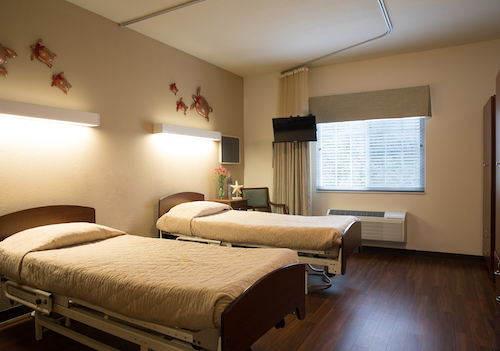
CMS rates Azalea Health & Rehab Center's staffing level at 3 out of 5 stars, which is average compared to other nursing homes. Staff turnover is 72%, which is 25 percentage points above the North Carolina average of 46%. High turnover can affect care consistency as new staff learn residents' individual needs. RN turnover specifically is 71%, which is notably high. RNs provide skilled clinical oversight, so turnover in this role can affect medical care quality.

What Have Inspectors Found at Azalea Health & Rehab Center?

State health inspectors documented 40 deficiencies at Azalea Health & Rehab Center during 2022 to 2025. These included: 1 Immediate Jeopardy (the most serious level, indicating potential for serious harm or death), 1 that caused actual resident harm, 35 with potential for harm, and 3 minor or isolated issues. Immediate Jeopardy findings are rare and represent the most serious regulatory concerns. They require immediate corrective action.

Who Owns and Operates Azalea Health & Rehab Center?

Azalea Health & Rehab Center is owned by a for-profit company. For-profit facilities operate as businesses with obligations to shareholders or private owners. The facility is operated by SABER HEALTHCARE GROUP, a chain that manages multiple nursing homes. With 80 certified beds and approximately 70 residents (about 88% occupancy), it is a smaller facility located in Wilmington, North Carolina.

How Does Azalea Health & Rehab Center Compare to Other North Carolina Nursing Homes?

Compared to the 100 nursing homes in North Carolina, Azalea Health & Rehab Center's overall rating (2 stars) is below the state average of 2.8, staff turnover (72%) is significantly higher than the state average of 46%, and health inspection rating (2 stars) is below the national benchmark.

What Should Families Ask When Visiting Azalea Health & Rehab Center?

Based on this facility's data, families visiting should ask: "What changes have been made since the serious inspection findings, and how are you preventing similar issues?" "How do you ensure continuity of care given staff turnover, and what is your staff retention strategy?" "Can I visit during a mealtime to observe dining assistance and food quality?" "How do you handle medical emergencies, and what is your hospital transfer rate?" These questions are particularly relevant given the facility's Immediate Jeopardy citations and the facility's high staff turnover rate.

Is Azalea Health & Rehab Center Safe?

Based on CMS inspection data, Azalea Health & Rehab Center has documented safety concerns. Inspectors have issued 1 Immediate Jeopardy citation (the most serious violation level indicating risk of serious injury or death). The facility has a 2-star overall rating and ranks #100 of 100 nursing homes in North Carolina. Families considering this facility should ask detailed questions about what corrective actions have been taken since these incidents.

Do Nurses at Azalea Health & Rehab Center Stick Around?

Staff turnover at Azalea Health & Rehab Center is high. At 72%, the facility is 25 percentage points above the North Carolina average of 46%. Registered Nurse turnover is particularly concerning at 71%. RNs handle complex medical decisions and coordinate care — frequent RN changes can directly impact care quality. High turnover means new staff may not know residents' individual needs, medications, or preferences. It can also be disorienting for residents, especially those with dementia who rely on familiar faces. Families should ask: What is causing the turnover? What retention programs are in place? How do you ensure care continuity during staff transitions?

Was Azalea Health & Rehab Center Ever Fined?

Azalea Health & Rehab Center has been fined $24,470 across 2 penalty actions. This is below the North Carolina average of $33,324. While any fine indicates a compliance issue, fines under $50,000 are relatively common and typically reflect isolated problems that were subsequently corrected. Families should ask what specific issues led to these fines and confirm they've been resolved.

Is Azalea Health & Rehab Center on Any Federal Watch List?

Azalea Health & Rehab Center is not on any federal watch list. The most significant is the Special Focus Facility (SFF) program, which identifies the bottom 1% of nursing homes nationally based on persistent, serious quality problems. Not being on this list means the facility has avoided the pattern of deficiencies that triggers enhanced federal oversight. This is a positive indicator, though families should still review the facility's inspection history directly.