Northchase Nursing and Rehabilitation Center

3015 Enterprise Drive, Wilmington, NC 28405 (910) 791-3451
For profit - Limited Liability company 140 Beds PRINCIPLE LONG TERM CARE Data: November 2025
Trust Grade
43/100
#270 of 417 in NC
Last Inspection: June 2025

Inspected within the last 6 months. Data reflects current conditions.

Overview

Northchase Nursing and Rehabilitation Center has a Trust Grade of D, indicating below-average performance with some significant concerns. It ranks #270 out of 417 facilities in North Carolina, placing it in the bottom half of the state, and #9 out of 11 in New Hanover County, meaning only two local options are worse. The facility is improving, as the number of reported issues decreased from 15 to 8 between 2024 and 2025. Staffing is a relative strength, rated 4 out of 5 stars, with a 36% turnover rate that is better than the state average, suggesting staff are familiar with the residents. However, there have been serious incidents, including one resident suffering a fall during a transfer that resulted in significant injuries, as well as concerns about expired food and medications not being properly discarded. While there are strengths, families should weigh these issues carefully when considering care options.

Trust Score
D
43/100
In North Carolina
#270/417
Bottom 36%
Safety Record
Moderate
Needs review
Inspections
Getting Better
15 → 8 violations
Staff Stability
○ Average
36% turnover. Near North Carolina's 48% average. Typical for the industry.
Penalties
✓ Good
$7,901 in fines. Lower than most North Carolina facilities. Relatively clean record.
Skilled Nurses
✓ Good
Each resident gets 42 minutes of Registered Nurse (RN) attention daily — more than average for North Carolina. RNs are trained to catch health problems early.
Violations
⚠ Watch
27 deficiencies on record. Higher than average. Multiple issues found across inspections.
★★☆☆☆
2.0
Overall Rating
★★★★☆
4.0
Staff Levels
★★★★☆
4.0
Care Quality
★★☆☆☆
2.0
Inspection Score
Stable
2024: 15 issues
2025: 8 issues

The Good

  • 4-Star Staffing Rating · Above-average nurse staffing levels
  • 4-Star Quality Measures · Strong clinical quality outcomes
  • Full Sprinkler Coverage · Fire safety systems throughout facility
  • No fines on record
  • Staff turnover below average (36%)

    12 points below North Carolina average of 48%

Facility shows strength in staffing levels, quality measures, fire safety.

The Bad

2-Star Overall Rating

Below North Carolina average (2.8)

Below average - review inspection findings carefully

Staff Turnover: 36%

10pts below North Carolina avg (46%)

Typical for the industry

Federal Fines: $7,901

Below median ($33,413)

Minor penalties assessed

Chain: PRINCIPLE LONG TERM CARE

Part of a multi-facility chain

Ask about local staffing decisions and management

The Ugly 27 deficiencies on record

1 actual harm
Jun 2025 8 deficiencies
CONCERN (D)

Potential for Harm - no one hurt, but risky conditions existed

Deficiency F0561 (Tag F0561)

Could have caused harm · This affected 1 resident

**NOTE- TERMS IN BRACKETS HAVE BEEN EDITED TO PROTECT CONFIDENTIALITY** Based on record review, and staff and family interviews, the facility failed to honor a resident's choice to receive a shower fo...

Read full inspector narrative →
**NOTE- TERMS IN BRACKETS HAVE BEEN EDITED TO PROTECT CONFIDENTIALITY** Based on record review, and staff and family interviews, the facility failed to honor a resident's choice to receive a shower for 1 of 1 resident reviewed for choices (Resident #172). Findings included: Resident #172 was admitted to the facility on [DATE]. Diagnoses included vascular dementia, anxiety, depression, and insomnia. The Minimum Data Set admission assessment dated [DATE] revealed Resident #172 was moderately cognitively impaired and demonstrated no behaviors or refusals of care. She required substantial / maximal assistance with one staff physical assistance with bed mobility and transfers, and substantial / maximal assistance with one staff physical assistance with personal hygiene. She had no functional impairments with range of motion, used a walker and a wheelchair and required one staff physical assistance with bathing/showering. Resident #172 was frequently incontinent of bowel and bladder. A review of Resident #172's care plan dated 06/04/25 revealed a plan of care for Activities of Daily Living/Personal Care will be completed with staff support as appropriate to maintain or achieve highest practical functioning through the next review. Resident required substantial/maximal assistance with personal hygiene. An observation was conducted on 06/09/25 at 12:33 PM of Resident #172' s shower schedule posted on her wall which revealed she was to be offered a shower on Wednesdays and Sundays during the 7:00 PM to 7:00 AM shift. Review of the Activity of Daily Living (ADL) shower sheet from 06/01/25 through 06/08/25 revealed there was no evidence that Resident #172 had received a shower since admission to the facility on [DATE]. The documentation revealed the following: - 06/01/25 no documentation of bathing - 06/02/25 bed bath - 06/03/25 no documentation of bathing - 06/04/25 no documentation of bathing - 06/05/25 full bed bath documented by Nurse Aide #9 - 06/06/25 full bed bath documented by Nurse Aide #9 - 06/07/25 no documentation of bathing - 06/08/25 no documentation of bathing Review of the nursing progress notes from 06/01/25 through 06/08/25 revealed there was no documentation to support the nurse aides offered Resident #172 a shower and she refused. An observation of Resident #172 on 06/09/25 at 12:33 PM revealed an alert resident sitting upright in her chair at the bedside. She was appropriately dressed, was without odors, and appeared to be well groomed. An interview was conducted with Resident's # 172's family member on 06/09/25 at 12:33 PM. The Family Member stated she arrived at the facility at 7:30 AM and stayed with Resident #172 until 11:30 PM every day since her admission. The Family Member stated she did not understand why Resident #172 has not had a shower since her admission. The Family Member stated that since the resident arrived on 06/01/25 she was present when Resident #172 got a bed bath on 06/02/25. The Family Member stated she requested to a staff member (unknown) that Resident #172 would like a shower and the staff member told her that Resident #172's shower days were Wednesday (06/04/25) and Friday (06/06/25) during the 7:00 PM to 7:00 AM shift. The Family Member stated on Wednesday evening 06/04/25 she asked the Nurse Aide assigned to Resident #172 (Nurse Aide #9) if the resident was going to get her shower today and she stated that Nurse Aide #9 replied Resident #172 would get a shower on 06/05/25. The Family Member stated on 06/05/25, Resident #172 did not receive her shower during her stay up until 11:30 PM. The Family Member stated she was told by Nurse Aide #9 that Resident #172 would get a shower on 06/06/25. She stated 06/06/25 came and went and Resident #172 was not offered nor did she receive a shower. The Family Member stated on 06/07/25 a staff member (Nurse Aide #12) provided her with a shower schedule of when Resident #172 should receive a shower and posted the shower schedule in the resident's room. The schedule revealed Resident #172 should get a shower on Wednesday and Sundays. The Family Member stated it had been 9 days since her admission and she knew that Resident #172 would really like a shower. An interview was conducted with Nurse Aide #12 on 06/09/25 at 1:10 PM. Nurse Aide #12 reviewed the shower schedule and confirmed Resident #172 was to get a shower on Wednesdays and Sundays on the 7:00 PM to 7:00 AM shift. She stated she provided a schedule to the Resident and the family on 06/07/25 and posted the schedule in her room on 06/07/25. Nurse Aide #12 reported that whenever she gave showers, she would document in the electronic record if a shower or bed bath was given to a resident and would let the nurse know if the resident refused. An interview was conducted with Nurse Aide #9 via phone on 06/11/25 at 4:45 PM. Nurse Aide #9 stated she did not recall her work activities on Wednesday 06/04/25. She stated if Resident #172 did not get a shower, there was a reason and she would have documented it in the electronic record and let the nurse know. The ADL sheet was reviewed with Nurse Aide #9 which indicated no shower or bed bath was given on 06/04/25 or 06/05/25 and she stated she did not recall giving Resident #172 a shower on 06/04/25 or 06/05/24. The shower schedule was reviewed with Nurse Aide #9 and revealed the Resident was scheduled to be offered a shower on third shift beginning on Wednesday 06/04/25 and ending on Thursday 06/05/25. Nurse Aide #9 stated if Resident #172 got a shower she would have documented it in the electronic record. Nurse Aide #9 stated if she did not document that the resident received a shower then the resident did not get one. Nurse Aide #9 stated she could not remember all her activities and conversations with residents that occurred during her shifts. An interview was conducted with the Director of Nursing on 06/12/25 at 4:00 PM. The Director of Nursing stated she expected her nursing staff to be offering and giving showers to all residents according to the shower schedule. The Director of Nursing stated if a resident refused the shower, the nurse aides should be notifying their nurse to see if the nurses could encourage the resident to have a shower and document any continued refusals. The Director of Nursing stated it was important to make sure residents were at least being offered a shower to maintain their personal hygiene.
CONCERN (D) 📢 Someone Reported This

A family member, employee, or ombudsman was alarmed enough to file a formal complaint

Potential for Harm - no one hurt, but risky conditions existed

Free from Abuse/Neglect (Tag F0600)

Could have caused harm · This affected 1 resident

**NOTE- TERMS IN BRACKETS HAVE BEEN EDITED TO PROTECT CONFIDENTIALITY** Based on record review, and staff, Nurse Practitioner (NP), Medical Director interviews, and Consultant Pharmacist interviews, t...

Read full inspector narrative →
**NOTE- TERMS IN BRACKETS HAVE BEEN EDITED TO PROTECT CONFIDENTIALITY** Based on record review, and staff, Nurse Practitioner (NP), Medical Director interviews, and Consultant Pharmacist interviews, the facility failed to protect a resident's right to be free from neglect, when a nurse (Nurse #1) disregarded a severe drug-to drug interaction alert sent from the pharmacy to the resident's electronic medical record (EMR), regarding a newly prescribed antibiotic and a heart medication the resident (Resident #30) was currently prescribed. Nurse #1 neglected to read a severe drug-to-drug interaction alert received from the pharmacy regarding a newly prescribed antibiotic and did not notify the physician of the alert. The resident was administered the antibiotic by the nurse and there was no significant harm to the resident. This deficient practice occurred for 1 of 1 resident reviewed for neglect. The findings included: Resident #30 was admitted to the facility on [DATE] with diagnoses including congestive heart failure (CHF), obstructive pulmonary disease (COPD), lymphedema, kidney disease, Stage 3, and paroxysmal atrial fibrillation (a type of atrial fibrillation (Afib) (irregular heart rhythm episodes that are intermittent and short lived), hypertension (high blood pressure), and history of transient ischemic attacks (TIA's are often a warning sign that a major stroke may occur). The quarterly Minimum Data Set (MDS) dated [DATE] revealed Resident #30 was cognitively intact, and she was receiving oxygen therapy as needed. Her primary diagnosis was listed as congestive heart failure (CHF). The care plan for Resident #30 dated 2/5/25 revealed a plan of care for risk for cardiac complications related to diagnoses that included peripheral vascular disease, hypertension, history of transient ischemic attacks, and paroxysmal atrial fibrillation. Interventions included administering oxygen as needed, monitoring for signs and symptoms of respiratory distress. An Encounter note written by the NP on 5/30/25 at 1:00 PM read in part the visit to Resident #30 was to evaluate her pulmonary status due to an acute episode of dyspnea (shortness of breath) at rest with associated increased oxygen demands and wheezing on 5/28/25. The note read that a chest x-ray was obtained on 5/29/25 and the results revealed she had consolidation in the right lower lung. The NP diagnosed Resident #30 with right lower lobe pneumonia due to infectious organism and ordered ceftriaxone 1 gram intramuscularly times one dose, then azithromycin 250 mg for 5 days. The physician's orders for Resident #30 revealed the following orders: 1. An order dated 5/30/25 at 12:42 PM for azithromycin (antibiotic prescribed for bacterial infections) 250 milligrams (mg) tablets. Give 500 mg by mouth one time a day for infection for one day and then a 250 mg tablet one time a day for 4 days. 2. An order dated 3/14/25 for amiodarone hydrochloride tablet 200 mg. Give one tablet by mouth one time a day for abnormal heart rhythm. Review of Resident #30's EMR revealed a Physician's Order Note alert was sent by the Pharmacy to the nursing staff on 5/30/25 at 3:11 PM. The note read in part, The order you have entered azithromycin 250 mg tablet, give 500 mg by mouth one time a day for infection for 1 day then give 250 mg one time a day for infection for 4 days has triggered the following drug protocol alerts/warnings: Drug-to-drug interaction. The system has identified a possible drug interaction with the following orders: Amiodarone 200 mg, give one tablet by mouth one time a day for abnormal heart rhythm. Severity: Severe. Interaction: additive QT interval prolongation may occur during coadministration of azithromycin, a moderate-risk QT-prolonging agent and amiodarone hydrochloride oral tablet 200 mg, a high-risk QT prolonging agent. The alert was acknowledged by Nurse #1. According to Resident #30's MAR the first dose of Azithromycin 250 mg, give 500 mg by mouth one time day for infection day 1 was administered on 5/31/25 at 8:00 AM by Nurse #1. An interview was completed with Nurse #1 on 6/11/25 at 11:53 AM. Nurse #1 stated that the NP entered the orders herself on 5/30/25 for the ceftriaxone and the azithromycin. She further stated that the NP usually entered her own orders. Nurse #1 indicated that she thought it was the responsibility of the NP to check allergies and contraindications. Nurse #1 indicated that she had seen the alert for the azithromycin, but she had just acknowledged it without reading it. She stated that Resident #30 was acting like herself on both 5/30/25 and 5/31/25. Nurse #1 further stated that Resident #30 was outside smoking most of the day and her vital signs were within normal limits on both days. An interview with the Consultant Pharmacist was conducted on 6/12/25 at 12:50 PM. The Consultant Pharmacist stated that when the pharmacy received the order for azithromycin for Resident #30 on 5/30/25, the pharmacy had immediately sent an electronic alert to Resident #30's EMR concerning the severe drug-to-drug interaction for azithromycin and amiodarone. He indicated the alert must be acknowledged by the nurse prior to administering the medication ordered. The Consultant Pharmacist stated that the nurses were supposed to read the pharmacy alerts and notify the physician of the drug-to-drug interaction to check if the Provider wanted the medication administered or wanted to prescribe a different medication. An interview was completed with the Director of Nursing (DON) on 6/12/25 at 3:31 PM. The DON stated she expected the nurses to read the pharmacy alerts regarding medication interactions and to notify the provider to see if they still wanted the medication to be given. An interview with the Medical Director was conducted remotely on 6/23/25 at 1:30 PM. The Medical Director stated that the drug-to-drug interaction regarding the azithromycin should have been identified by the nurse that received the alert. He further stated that Nurse #1 should not have administered the azithromycin without notifying the provider and obtaining a baseline electrocardiogram (EKG) and close monitoring for irregular heart rhythms. The Medical Director indicated that another option would have been to order a different antibiotic for Resident #30. The facility did provide a plan of correction to the state agency, but it was not accepted due to being unable to validate on site.
CONCERN (D) 📢 Someone Reported This

A family member, employee, or ombudsman was alarmed enough to file a formal complaint

Potential for Harm - no one hurt, but risky conditions existed

Deficiency F0602 (Tag F0602)

Could have caused harm · This affected 1 resident

**NOTE- TERMS IN BRACKETS HAVE BEEN EDITED TO PROTECT CONFIDENTIALITY** Based on record review and interviews with staff, Consultant Pharmacist, and Pharmacy Manager, the facility failed to prevent mi...

Read full inspector narrative →
**NOTE- TERMS IN BRACKETS HAVE BEEN EDITED TO PROTECT CONFIDENTIALITY** Based on record review and interviews with staff, Consultant Pharmacist, and Pharmacy Manager, the facility failed to prevent misappropriation of a resident's controlled medication (30 hydrocodone/acetaminophen 5-325 milligrams (mg) pills and 30 oxycodone hydrochloride 10 mg pills) prescribed by the physician for pain for 1 of 1 resident reviewed for misappropriation of property (Resident #267). Findings included: Resident #267 was admitted to the facility on [DATE] with diagnoses to include dementia, unspecified severity, without behavioral disturbance, psychotic disturbance, and mood disturbance, history of falls, atrial fibrillation. She was receiving hospice care at the time of the misappropriation. The physician's orders for Resident #267 included: - Hydrocodone/Acetaminophen 5-325 mg oral tablet every 8 hours for pain ordered on [DATE]. - Oxycodone hydrochloride oral tablet 10 mg. Give 10 mg by mouth every 6 hours as needed (PRN) for pain ordered on [DATE]. The pharmacy packing slips for Resident #267's controlled medications were reviewed and revealed the following information: 1. On [DATE] 30 oxycodone 10 mg tablets were delivered from the pharmacy. 2. On [DATE] 90 hydrocodone-acetaminophen 5-325 mg tablets and 30 oxycodone tablets were delivered from the pharmacy. 3. On [DATE] 30 oxycodone 10 mg tablets were delivered from the pharmacy. Review of Resident 267's [DATE] Medication Administration Record (MAR) from [DATE] through [DATE] revealed she was administered 93 doses of scheduled hydrocodone-acetaminophen 325 mg and 32 doses of PRN oxycodone 10 mg. Review of Resident #267's February 2025 MAR from [DATE] through [DATE] (the record indicated Resident #267 expired in the facility on [DATE]) revealed she was administered 65 doses of scheduled hydrocodone-acetaminophen 325 mg tablet and 32 doses of PRN oxycodone 10 mg. A telephone interview was conducted with the Consultant Pharmacist on [DATE] at 12:50 PM. The Consultant Pharmacist stated the pharmacy received a refill request for Resident #267's for hydrocodone-acetaminophen 5-325 mg tablets from the facility on [DATE]. He further stated the pharmacy delivered a 30-day supply of 90 pills on [DATE]. The Pharmacist indicated that on [DATE] the pharmacy had faxed a notification to the facility that it was too early to dispense the medication. He further indicated that [DATE] was the earliest the pharmacy would have refilled the medication. An Initial Allegation report dated [DATE] at 4:59 PM revealed the facility became aware of the possible misappropriation of a controlled medication for Resident #267 and a proactive investigation was initiated to determine if there were missing pills of hydrocodone/acetaminophen due to an early refill request that was sent by the facility to the pharmacy on [DATE]. The facility re-ordered the medication at the facility's expense and no missed doses were identified. Law Enforcement was notified on [DATE] at 4:40 PM. An Occurrence Investigation Report Summary for drug diversion dated [DATE] completed by the Director of Nursing (DON) was provided by the facility. The report revealed that on [DATE] the nurse on the 500-hall noted that Resident #267's hydrocodone-acetaminophen was not delivered yet, the pharmacy and the Hospice Provider were contacted. The facility was notified by the pharmacy Resident #267's hydrocodone-acetaminophen was ordered too early. Facility staff were utilizing the emergency kit to ensure Resident #267 was administered her pain medication. An investigation was initiated by the DON. On [DATE] the facility received 90 hydrocodone-acetaminophen tablets and the three medication blister packs were added to the shift count sheet by the assigned nurse. On [DATE] card #1 was initiated and completed on [DATE]. Card #3 of 3 was initiated on [DATE]. Between [DATE] and [DATE] 10 doses were documented on the MAR as given but no declining count sheet was found for card #2 of 3 and potentially 30 hydrocodone-acetaminophen pills were unaccounted for. The facility Nurse Practitioner (NP) then electronically prescribed hydrocodone-acetaminophen to replace the missing medications that were valued at $13.85 and paid for by the facility. Appropriate regulatory agencies were contacted to include the state, Adult Protective Services (APS), law enforcement and the Drug Enforcement Agency. During the investigation it was also noted that the resident had unaccounted for oxycodone 10 mg tablets. On [DATE] the resident received a new refill of oxycodone 10 mg tablets and another refill on [DATE] for an additional 30 tablets were received from the pharmacy. The oxycodone refill for [DATE] was requested by Nurse #7. Multiple attempts were made to contact Nurse #7 but were unsuccessful. It was determined that 24 doses were documented on the MAR as given from [DATE] and believed they were given from the refill delivered on [DATE]. There was no declining count sheet to review, and no evidence the medication was returned to the pharmacy. There was no evidence that any medication was administered from the oxycodone card filled on [DATE] and no return of drug or declining count sheet were available for review. By reviewing declining count sheets and staff schedules, both staff members (Nurse #5 and Nurse #7) noted to last be in possession of the medication and were suspended pending an investigation. Resident #267 was assessed for pain to ensure the pain regimen in place was effective with no negative findings. There was no harm to the resident because she did not go without pain medication. After a thorough investigation the facility was unable to determine the root cause of missing medications, the allegation of misappropriation was not substantiated. A new system process was initiated for monitoring receiving/returning controlled substances and shift to shift count. Review of the Nursing Assignment Sheets on [DATE] revealed Nurse #7 was the nurse working the 500 hall on the 7:00 PM to 7:00 AM and Nurse #5 was the nurse working the 7:00 AM to 7:00 PM shift 500 hall on [DATE]. A telephone interview was completed with Nurse #7 on [DATE] at 12:50 PM. Nurse #7 stated that she didn't know anything about missing medications at the facility. She further stated that she had stopped working at the facility in February 2025. Nurse #7 indicated due to personal issues she was unable to return to work. Nurse #7 stated she was never contacted by the Director of Nursing (DON) in regard to missing narcotic medications. She further stated that she was not aware she was terminated from the facility. Nurse #7 stated she couldn't remember anything about Resident #267's narcotic medication. An interview was conducted with Nurse #5 on [DATE] at 3:15 PM. Nurse #5 stated she had worked at the facility for 2 years. Nurse #5 stated that she had suspected Nurse #7 of diverting narcotics and had reported it to the DON on [DATE] right before Nurse #7 never came back to work. She further stated she and Nurse #7 were the 2 nurses involved in the investigation for missing medications. Nurse #5 indicated that the narcotic counts were always right. She indicated that on [DATE] she was not aware of the missing declining narcotic count sheets and missing medications. Nurse #5 further indicated she was allowed to return to work when the facility was unable to reach Nurse #7 after she left for personal reasons. Nurse #5 stated she was not the person who diverted the narcotic medications. The Investigation Report submitted to the stated agency on [DATE] completed by the DON revealed Resident #267 did not miss any doses of medication. A declining count sheet could not be located to verify the sign out of meds for hydrocodone/acetaminophen and oxycodone. The facility will replace unaccounted for medications. The report further read that an audit of controlled substance count sheets, audit of declining count sheets, audit of packing slips from pharmacy, audits of returned medication, witness statements, state registry check, education to all nurses on drug diversions and narcotic process. A telephone interview with the Pharmacy Manager occurred on [DATE] at 2:30 PM. The Pharmacy Manager stated he was aware of an incident that occurred at the facility on [DATE]. He further stated the facility had reached out for invoice slips and the names of the nursing staff who ordered the medication. An interview was completed with the DON on [DATE] at 1:26 PM. The DON confirmed Nurse #5 had come to her [DATE] with some concerns regarding narcotic medication and Nurse #7. She further stated before she could begin an investigation to confirm the allegation, she was notified by the Unit Manager working on the 500 hall on [DATE] that Resident #267's narcotic medication had not been delivered to the facility that evening. She further stated she instructed the nurse to obtain the medications from the emergency kit, so Resident #267 would receive her scheduled medication. The DON stated the next day she had started an investigation as to why the medication was not delivered. She indicated that she had tried to order the medication from the pharmacy and was told it was too early. The DON stated she had requested the packing slips and the names of the staff ordering the medication. During the investigation they discovered the narcotic shift change sheet and the declining pill count sheet for Resident #267's narcotic medications were missing from the narcotic book on the 500 hall and a new count sheet had been started by Nurse #7 on [DATE]. She further stated that one of the blister packs containing 30 hydrocodone-acetaminophen 5-325 mg tablets and the declining count sheet and the blister pack for 30 oxycodone 10 mg tablets delivered by the pharmacy on [DATE] were missing. The DON indicated that a refill of 30 oxycodone 30mg tablets were delivered on [DATE] and Nurse #7 had requested a refill for the medication on [DATE]. She stated that Nurse #7 had started a new declining count sheet, and the old one was missing. She further indicated that Nurse #7 left a note under her door on the morning of [DATE] stating she was out of state for personal reasons. The DON indicated Nurse #7 never returned to the facility after [DATE]. She stated she had tried to call and text message Nurse #7 multiple times, but the only response she received was that Nurse #7 was busy with personal issues. The DON indicated that the facility was unable to prove who took the medication, but they did substantiate that drug diversion occurred for Resident #267's narcotic medication. The DON stated Resident #267 never missed any scheduled narcotic medication doses. She further stated the facility had initiated pain assessments on non-alert residents for signs and symptoms of pain and interviews were conducted with alert and oriented residents to ensure they were not experiencing pain. The DON indicated the facility reviewed 60 days of packing slips, narcotic shift change sheets, narcotic declining count sheets and return of drug forms, and an audit of the residents' Controlled Substance Count sheets in comparison to the narcotic medication blister packs in the medication carts. She further stated they had inspected the blister packs for evidence of tampering and none was noted. The DON indicated an audit of all nurses' and medication aides license verification was completed and with no negative findings. She further stated the facility conducted in-services with all the nurses and medication aides regarding Controlled Substance Diversion and initiated a Narcotic Management Process. The DON indicated they facility was continuing to perform audits and reconciliation of all the narcotics in the facility. An interview was completed with the Administrator on [DATE] at 4:13 PM. The Administrator stated she expected no misappropriation from the staff regarding medications, especially narcotic medications. The facility provided a Plan of Correction (POC) that was not acceptable to the state agency, due to there was no evidence of how the facility would prevent future misappropriatoin, and it did not address the suspicion that the nurse diverted the medication and was not reported to the Board of Nursing.
CONCERN (D)

Potential for Harm - no one hurt, but risky conditions existed

Assessment Accuracy (Tag F0641)

Could have caused harm · This affected 1 resident

**NOTE- TERMS IN BRACKETS HAVE BEEN EDITED TO PROTECT CONFIDENTIALITY** Based on record review and staff interviews, the facility failed to accurately code the Minimum Data Set (MDS) assessments in th...

Read full inspector narrative →
**NOTE- TERMS IN BRACKETS HAVE BEEN EDITED TO PROTECT CONFIDENTIALITY** Based on record review and staff interviews, the facility failed to accurately code the Minimum Data Set (MDS) assessments in the area of Preadmission Screening and Resident Review (PASRR) for 2 of 26 residents reviewed for MDS assessments (Resident #14 and #16). Findings included: 1. Resident #14 was admitted to the facility on [DATE]. Diagnoses included anxiety, depression, and bipolar disorder. Review of Resident #14's electronic health record revealed Resident's PASARR was completed on 02/12/21 and indicated Resident #14 was screened as Level II (a person centered evaluation that is completed for residents identified as having a mental illness diagnoses. It helps to determine appropriate placement and the need of specialized services). A review of Resident #14's annual Minimum Data Set (MDS) assessment dated [DATE] revealed Resident #14 was not coded as a Level II PASRR. A review of Resident #14's care plan dated 05/29/25 revealed a plan of care for a Level II Preadmission Screening and Resident Review (PASRR) recommendations related to mental illness diagnoses of bipolar disorder, anxiety and depression and treated with psychotropic medications. The goal for the plan of care was that the Resident would receive recommended care and/or services as determined appropriate by Level II Preadmission Screening and Resident Review (PASRR) through next review. Interventions included provide a referral for new and updated PASSR as indicated, psychiatric services, close observation and assessments with corresponding documentation due to medications, provide daily care related to severe medical conditions which are debilitating or chronic illness and that cannot be given adequately at lower care levels, behavioral problems related to a medical condition (Depression, Anxiety, Bipolar), and requires treatment or observation by skilled professional personnel, to extent deemed appropriate for a nursing facility. An interview was conducted with the Social Worker on 06/11/25 at 4:22 PM. The Social Worker stated she had a list of the residents that were Level II PASRR and she answered the question on the MDS assessments regarding PASRR. The Social Worker stated she did not know why Resident #14 was not coded as a Level II PASRR on the 12/08/24 annual MDS assessment. The Social Worker stated she must have missed it. An interview was conducted with the Administrator on 06/12/25 at 4:00 PM. The Administrator indicated that she expected that the MDS assessments would be completed accurately and this included the coding of PASRR status for each resident. 2. Resident #16 was admitted to the facility on [DATE]. The resident's diagnoses included psychosis and hallucinations. Review of Resident #16's electronic health record revealed the resident had a PASARR screening completed on 3/7/21 and Resident #16 was screened as a Level II (a person-centered evaluation that is completed for residents identified as having a mental illness diagnosis. It helps to determine appropriate placement and the need for specialized services). A review of Resident #16's annual Minimum Data Set (MDS) assessment dated [DATE] indicated Resident #16 was not coded as a Level II PASRR. A review of Resident #16's care plan revealed a plan of care dated 6/10/25 for a Level II Preadmission Screening and Resident Review (PASRR) with recommendations related to psychoses and hallucinations. The goal for the plan of care was that the residents would receive recommended care and/or services as determined appropriate by Level II Preadmission Screening and Resident Review (PASRR) through next review. Interventions included provide a referral for new and updated PASSR as indicated, psychiatric services, close observation and assessments with corresponding documentation due to medications, provide daily care related to severe medical conditions which are debilitating or chronic illness and that cannot be given adequately at lower care levels, behavioral problems related to a medical condition ( psychoses and hallucinations) and requires treatment or observation by skilled professional personnel, to extent deemed appropriate for a nursing facility. An interview was conducted with the Social Worker on 06/11/25 at 4:22 PM. The Social Worker stated she had a list of the residents that were Level II PASRR, and she answered the question on the MDS assessments regarding PASRR. The Social Worker stated she did not know why Resident #16 was not coded as a Level II PASRR on the 12/5/24 annual MDS assessment. The Social Worker stated she must have missed it. An interview was conducted with the Administrator on 06/12/25 at 4:00 PM. The Administrator indicated that she expected that the MDS assessments would be completed accurately and this included the coding of PASRR status for each resident.
CONCERN (D) 📢 Someone Reported This

A family member, employee, or ombudsman was alarmed enough to file a formal complaint

Potential for Harm - no one hurt, but risky conditions existed

Deficiency F0757 (Tag F0757)

Could have caused harm · This affected 1 resident

**NOTE- TERMS IN BRACKETS HAVE BEEN EDITED TO PROTECT CONFIDENTIALITY** Based on record review and staff and Nurse Practitioner (NP), and Consultant Pharmacist interviews, the facility failed to preve...

Read full inspector narrative →
**NOTE- TERMS IN BRACKETS HAVE BEEN EDITED TO PROTECT CONFIDENTIALITY** Based on record review and staff and Nurse Practitioner (NP), and Consultant Pharmacist interviews, the facility failed to prevent the administration of unnecessary medication when a resident (Resident #30) a) received a dose of ceftriaxone (an antibiotic used to treat bacterial infections) as a one-time dose by intramuscular injection. Resident #30 had a documented allergy to ceftriaxone documented on the allergy list in the electronic medical record (EMR) and b) administered azithromycin ( an antibiotic used to treat bacterial infections) that had a drug to drug interaction alert not to be administered with amiodarone without a baseline electrocardiogram (EKG is a test that measures the electrical impulses in the heart for abnormal rhythms because of risk of long QT syndrome (prolonged QT interval on the EKG (which increases the risk of a dangerous heart rhythm). This deficient practice occurred for 1 of 6 residents reviewed for medication errors. The findings included: a).The hospital discharge summary sent to the facility on 1/30/25 for Resident #30 listed her allergies as: 1. Sulfa drugs with the reaction listed as 12/22/22 script for Bactrim (sulfa antibiotic) led to severe thrombocytopenia. She also received a dose of ceftriaxone. 2. Ceftriaxone with the reaction listed as 12/22/22 dose of ceftriaxone led to severe thrombocytopenia but could not exclude that it was from the sulfa antibiotic script given the same day. We would need to review her prior exposure to antibiotics and balance risks/benefits. 3. Statins (cholesterol reduction inhibitor) with the reaction of feeling faint and jittery. 4. Theophylline (medication used to treat symptoms of chronic obstructive pulmonary disease [COPD]) with the reaction of restlessness, and insomnia. Resident #30 was admitted to the facility on [DATE] with diagnoses including congestive heart failure (CHF), obstructive pulmonary disease (COPD), lymphedema, kidney disease, Stage 3, and paroxysmal atrial fibrillation (a type of atrial fibrillation (Afib) where the irregular heart rhythm episodes are intermittent and short lived), peripheral vascular disease (PVD), hypertension (high blood pressure), and history of transient ischemic attacks (TIA's are often a warning sign that a major stroke may occur). An interview was completed with the Unit Manager on 6/12/25 at 2:02 PM. The Unit Manager stated she was the nurse that entered the allergies into the EMR for Resident #30 when she was admitted to the facility. She further stated that she had obtained the information from the discharge summary sent by the hospital. She indicated that she had documented the allergies from the allergy section, but she had not seen the reactions listed for the allergies on a different page. The Unit Manager stated she had just read the top section of the summary but didn't read the reactions. She further stated that when the allergies were entered into the electronic medical record (EMR) they would show up in the banner in the record and they were transmitted automatically to the pharmacy and added to the medication administration record (MAR) screen. The Unit Manager indicated that it was important for the nursing staff to know the residents' allergies prior to the administration of medication. The quarterly Minimum Data Set (MDS) dated [DATE] revealed Resident #30 was cognitively intact, and she was receiving oxygen therapy as needed. Her primary diagnosis was listed as congestive heart failure (CHF). The care plan for Resident #30 dated 2/5/25 revealed a plan of care for risk for cardiac complications related to diagnoses that included peripheral vascular disease, hypertension, history of transient ischemic attacks, and paroxysmal atrial fibrillation. Interventions included administering oxygen as needed, monitoring for signs and symptoms of respiratory distress. An Encounter note written by the NP on 5/30/25 at 1:00 PM read in part the visit to Resident #30 was to evaluate her pulmonary status due to an acute episode of dyspnea (shortness of breath) at rest with associated increased oxygen demands and wheezing on 5/28/25. The note further read that the chest x-ray obtained on 5/29/25 results revealed she had consolidation in the right lower lung. The NP diagnosed Resident #30 with right lower lobe pneumonia due to infectious organism and ordered ceftriaxone 1 gram intramuscularly times one dose, then azithromycin 250 mg for 5 days. An interview was conducted with the NP on 6/12/25 at 2:18 PM. The NP stated that her process for entering orders involved using the EMR and putting the orders in herself or by giving a nurse a verbal order. She further stated that she had to list the name of the medication, the route, dosage, and the frequency of the medications or the pharmacy would not accept the order. The NP indicated that she usually checked the residents' allergies by clicking on the tool bar in the EMR. She stated that if she forgot to check the allergies and the resident was allergic to a medication she would expect the nursing staff to call and confirm the medication. She stated that the order for ceftriaxone 1 gm for Resident #30 was ordered in error. She further indicated that it was also contraindicated to administer azithromycin and amiodarone at the same time. The NP stated that she would have expected the nurse who received the alert from the pharmacy would call her to clarify the order. The physicians' orders for Resident #30 revealed an order dated 5/30/25 at 12:42 PM written by the NP for ceftriaxone one gram (gm) intramuscularly times one dose for pneumonia. An interview was completed with Nurse #1 on 6/11/25 at 11:53 Nurse #1 stated she was the nurse who signed off the order dated 5/30/25 at 12:42 PM written by the NP for ceftriaxone one gram intramuscularly times one dose for pneumonia for one day. Nurse #1 further stated that the NP entered the orders in the computer herself on 5/30/25 for the ceftriaxone and the azithromycin. She further stated that the NP usually entered her own orders. Nurse #1 indicated that she thought it was the responsibility of the NP to check the allergies. Nurse #1 indicated she was not aware of Resident #30's allergy to ceftriaxone when she had signed the order off. She further indicated that she had obtained the ceftriaxone from the emergency kit and filled out a slip and faxed it to the pharmacy. Nurse #1 stated she had attempted to give Resident #30 the ceftriaxone injection, but that she had refused to come inside from smoking to get the injection. She further stated that she was not the nurse that administered the medication and that Nurse #6 administered the injection on the next shift beginning at 7:00 PM. Nurse #1 stated that since she had obtained the ceftriaxone from the emergency kit, it had not triggered an alert stop from the pharmacy. She stated she had not checked Resident #30's allergies prior to removing the ceftriaxone from the emergency supply kit. The May 2025 Medication Administration Record (MAR) for Resident #30 revealed she was administered ceftriaxone sodium injection by intramuscular injection by Nurse #6 on 5/30/25 at 9:45 PM. An interview with Nurse #6 was completed on 6/12/25 at 4:37 PM. Nurse #6 stated that she was given report on the residents on 5/30/35 at 7:00 PM by Nurse #1. She further stated that Nurse #1 had informed her that she had received an order for Resident #30 for ceftriaxone 1 gm intramuscularly and she had pulled the medication from the emergency kit. Nurse #6 indicated that Nurse #1 had not administered the medication because Resident #30 had refused to come into the facility while she was outside smoking. She further indicated that she didn't believe she had received an alert from the pharmacy indicating Resident #30 had an allergy to the ceftriaxone. Nurse #6 stated that she usually does check for allergies prior to administering a medication. She further stated that it was a mistake that she hadn't checked the allergies prior to administering the medication. An interview with the Consultant Pharmacist was conducted on 6/12/25 at 12:50 PM. The Consultant Pharmacist stated that when the ceftriaxone was ordered for Resident #30 on 5/30/25 the pharmacy had sent a faxed alert to the facility concerning the allergy to ceftriaxone. He further stated that since the medication was removed from the emergency kit, the nurse would have to fill out a slip listing the residents' name, date, time, and the medication removed from the emergency kit and fax it to the pharmacy, so the medication could be replaced. The Consultant Pharmacist indicated that the reason the nurses faxed it to the pharmacy was so the resident could be charged and the medication that was used could be replaced the next day. The Consultant Pharmacist stated the pharmacy would have called the facility if the reaction listed was anaphylaxis but that was not listed as a reaction on her allergies list. An interview was conducted with the Medical Director on 6/12/2025 at 2:42 PM. The Medical Director stated that he was aware of the medication error related to Resident #30 receiving ceftriaxone and she had a documented allergy to it. He further stated that she was also administered a sulfa medication at the same time that the allergic reaction occurred and it had not been determined which medication had caused the reaction, which was thrombocytopenia (low platelets). The Medical Director stated that it would take longer than one day to develop thrombocytopenia He indicated that they didn't know if she truly had an allergy to ceftriaxone. The Medical Director acknowledged that the medication should not have been ordered because she was possibly allergic An interview was completed with the Director of Nursing (DON) on 6/12/25 at 3:31 PM. The DON stated that during the review of the chart on 6/2/25 they had discovered Resident #30 was administered a medication that she had a documented allergy to. The DON indicated that an investigation was conducted regarding the issue. She further indicated that the facility had noted that she was administered sulfa medication at the same time an allergic reaction had occurred, and that it was undetermined which medication had caused the reaction. The DON stated that she was unaware if the facility had received a fax alert from the pharmacy on the date it was ordered. She indicated that she expected the nurses to check the resident's allergies prior to administering a medication and to respond appropriately to pharmacy alerts regarding medications. The DON further indicated that the nurses should call the provider and verify the allergies and medication prior to administering the medication. She stated that the chart was reviewed on Monday 6/2/25 and that was how the error was discovered. The DON indicated the facility had immediately enacted a plan of correction involving a 100% check of all the allergies for every resident. She further indicated that they had entered the allergic reaction to the medications if they were able to identify them from the record or their former provider. The DON stated the all the nurses had received education and in-services regarding checking residents' allergies prior to administration of medications. She further stated that the facility had conducted an ad hoc Quality Assessment and Performance (QAPI) meeting regarding the medication error and that the facility was continuing to monitor and audit the charts for medication errors. An interview was conducted with the Administrator on 6/12/25 at 4:11 PM. The Administrator stated that she expected the nurses to check the allergies prior to administering a medication, especially new medications. The facility provided the following corrective action plan with a completion date of 6/4/25. Address how the corrective action will be accomplished for those residents found to have been affected by the deficient practice: On 6/2/25, during the morning QAPI Meeting the resident's chart was reviewed. Resident #30 received a medication she had potential sensitivity to. An investigation revealed Resident #30 was experiencing a change in condition with cough and decreased oxygen saturation on room air on 5/28/25. The Provider was notified and an order for a chest x-ray. The chest s-ray was obtained on 5/29/25 and resulted in the diagnosis of pneumonia. The resident was evaluated by the facility NP on 5/30/25 and she was prescribed ceftriaxone for this change in condition. The provider entered the order for the ceftriaxone and the day nurse confirmed the order. The medication was administered on the night of 5/30/25 by the night shift nurse with no side effects or adverse signs and symptoms noted. Resident #30 was at baseline the following day and was noted by staff throughout the day, up and out of bed and went outside multiple times to smoke. Upon review of the allergies in EPIC (hospital electronic medical record sofware) the allergy for ceftriaxone was added as precaution from a health event in 2022 and downgraded from severe. Allergies were validated with alert and oriented residents and there were no concerns from the audit. Residents' families were contacted to validate allergies of non-alert and oriented residents. A care plan audit was completed of all allergies and no concerns were identified. A 30-day look back of progress notes was performed and any concerns were addressed with the doctor. Medication allergies and policy changes were provided for both providers and nursing staff. Address how the facility will identify other residents having the potential to be affected by the same deficient practice. On 6/3/25, the Social Worker and Unit Manager initiated interviews with all alert and oriented residents regarding allergies including medication allergies. The purpose of the interviews was to ensure the allergy is reflected in Point Click Care (PCC) and in the care plan. The Social and Unit Manager updated the resident's clinical record accordingly for all identified areas of concern. The interviews were completed on 6/3/25. On 6/3/25, the Quality Improvement (QI) Nurse from a sister facility initiated interviews with all residents' representatives for non-alert and oriented residents regarding allergies, including medication allergies. The purpose of the interviews was to ensure the allergy was reflected on the residents' dashboard in PCC and in the care plan. The QI Nurse updated the residents' clinical records accordingly for all areas of concern identified. The interviews were completed on 6/3/25. On 6/3/25, the Pharmacy Manager obtained a list of facility notifications of drug alerts from pharmacy in the past 7 days. The purpose of the audit was to ensure the physician was notified of the alert with documentation in the clinical record. The Pharmacy Manager notified the physician of all identified areas of concern. The audit was completed on 6/3/25. On 6/3/25, the Director of Nursing from a sister facility initiated 100% audit of all current residents' medication allergies listed on the resident's dashboard in the EMR including ceftriaxone and the residents' care plans. All residents' medications allergies were compared to the residents' physician orders to ensure the resident was not receiving any medication that may cause an allergic reaction. The facility's DON contacted the physician for all identified areas of concern. The audits were completed on 6/3/25. On 6/3/25, the DON from a sister facility initiated an audit of all residents' progress notes for the past 30 days to identify any documented acute change in condition that may have been related to the resident receiving the medications with known allergies. The purpose of audit was to ensure the acute change was addressed to include physician notification. The audits were completed on 6/3/25. Address what measures will be put in place or systemic changes made to ensure that the deficient practice will not recur. On 6/3/25, an in-service was initiated with 100% of all nurses, medication aides, Medical Director regarding the following: 1. Nurses are to check all admission paperwork for resident's allergies upon admission. 2. Nurses are to ensure all resident allergies are reflected on the resident's dashboard in PCC and on the care plan upon admission 3. The residents' allergies should be reviewed on the dashboard in the EMR or the MAR for allergies every time a new medication is ordered. This should be done prior to nurses or medication aides administrating new medications. 4. If the provider orders medication and the resident has a known allergy on the dashboard in the EMR or the MAR to the medication, immediately contact the provider to verify whether they intend to proceed with the order or want an alternative. 5.The provider must be immediately notified of all fax or verbal allergy notices received from the pharmacy. 6. When a medication is entered into PCC and an alert is received from the pharmacy regarding an allergy, the nurse must immediately contact the provider to verify whether they intend to proceed with the order or want an alternative. Indicate how the facility plans to monitor its performance to make sure the solutions are sustained. On 6/3/25, the DON delegated the Unit Managers to audit all new residents' orders 5x per week times 4 weeks then monthly times 1 month and compare them to the resident's allergies on the dashboard in the EMR to ensure the resident is not receiving any medications that may cause an allergic reaction utilizing an allergy/order audit tool. The DON will notify the physician of any identified areas of concern. The Administrator or DON will review and initial the audits weekly times 4 weeks then monthly times 1. The QAPI committee will meet monthly for 2 months and review the Audit Tools to determine trends and/or issues that may need for additional monitoring. The POC for allergies will be presented at the QAPI meeting on 6/17/25. The facility implemented all corrective actions and was in compliance on 6/4/25. As part of the validation process on 6/12/24, the plan of correction was reviewed and included a sample of nursing staff, the Unit Managers, Administrator, and Medical Director regarding in-services and training related to deficient practice. The nursing staff verified the education and in-service training. The Unit Managers confirmed the audits and monitoring tools. The Medical Director confirmed that nursing staff were to notify him or the NP to verify orders if an allergy was identified. The Administrator stated that the investigation would be included in the QAPI meeting on 6/17/25. The completion date of 6/4/25 was validated. b). An Encounter note written by the NP on 5/30/25 at 1:00 PM read in part the visit to Resident #30 was to evaluate her pulmonary status due to an acute episode of dyspnea (shortness of breath) at rest with associated increased oxygen demands and wheezing on 5/28/25. The note further read that the chest x-[NAME] obtained on 5/29/25 results revealed she had consolidation in the right lower lung. The NP diagnosed Resident #30 with right lower lobe pneumonia due to infectious organism and ordered ceftriaxone 1 gram intramuscularly times one dose, then azithromycin 250 mg tablets for 5 days. An interview was conducted with the NP on 6/12/25 at 2:18 PM. The NP stated that her process for entering orders involved using the EMR and putting the orders in herself or by giving a nurse a verbal order. She further stated that she had to list the name of the medication, the route, dosage, and the frequency of the medications or the pharmacy would not accept the order. The NP stated that it was contraindicated to administer azithromycin and amiodarone at the same time. The NP stated that she would have expected the nurse who received the alert from the pharmacy to call her to clarify the order. She further stated that if the nurses had called her about the pharmacy alert and the drug-to-drug interaction she would have obtained a baseline EKG and then another one in about a week to compare for changes or ordered another antibiotic. The physician's orders for Resident #30 revealed the following orders: 1. An order dated 5/30/25 at 12:42 PM for azithromycin (antibiotic prescribed for bacterial infections) 250 milligrams (mg) tablets. Give 500 mg by mouth one time a day for infection for one day and then 250 mg tablet one time a day for 4 days. 2.An order dated 3/14/25 for an amiodarone hydrochloride tablet 200 mg. Give one tablet by mouth one time a day for abnormal heart rhythm. According to Resident #30's MAR she received the initial dose of Azithromycin 250 mg, give 500 mg by mouth one time day for infection day one, and it was administered on 5/31/25 at 8:00 AM by Nurse #1. Review of Resident #30's EMR revealed a Physician's Order Note alert was sent by the Pharmacy to the nursing staff on 5/30/25 at 3:11 PM. The note read in part, The order you have entered azithromycin 250 mg tablet, give 500 mg by mouth one time a day for infection for 1 day then give 250 mg one time a day for infection for 4 days has triggered the following drug protocol alerts/warnings: Drug to drug interaction. The system has identified a possible drug interaction with the following orders: Amiodarone 200 mg, give one tablet by mouth one time a day for abnormal heart rhythm. Severity: Severe. Interaction: additive QT interval prolongation may occur during coadministration of azithromycin, a moderate-risk QT-prolonging agent and amiodarone hydrochloride oral tablet 200 mg, a high-risk QT prolonging agent. The alert was acknowledged by Nurse #1. An interview was completed with Nurse #1 on 6/11/25 at 11:53 AM. Nurse #1 stated that the NP entered the orders herself on 5/30/25 for the ceftriaxone and the azithromycin. She further stated that the NP usually entered her own orders. Nurse #1 indicated that she thought it was the responsibility of the NP to check allergies and contraindications. Nurse #1 indicated that she had seen the alert for the azithromycin, but she had just acknowledged it without reading it. She stated that Resident #30 was acting like herself on both 5/30/25 and 5/31/25. Nurse #1 further stated that Resident #30 was outside smoking most of the day and her vital signs were within normal limits on both days. An interview with the Consultant Pharmacist was conducted on 6/12/25 at 12:50 PM. The Consultant Pharmacist stated that when the pharmacy received the order for azithromycin for Resident #30 on 5/30/25, the pharmacy had immediately sent an electronic alert to Resident #30's EMR concerning the severe drug-to-drug interaction for azithromycin and amiodarone. He indicated the alert must be acknowledged by the nurse prior to administering the medication ordered. The Consultant Pharmacist stated that the nurses were supposed to read the pharmacy alerts and notify the physician of the drug-to-drug interaction to check if the Provider wanted the medication administered or wanted to prescribe a different medication. An interview was completed with the DON on 6/12/25 at 3:31 PM. The DON stated she expected the nurses to read the pharmacy alerts regarding medication interactions and to notify the provider to see if they still wanted the medication to be given. A follow-up interview with the DON was conducted remotely on 6/23/25 at 9:26 AM. The DON stated the facility had a plan of correction for Nurse #1 failing to read the drug-to-drug interaction alert the pharmacy sent to Resident #30's EMR regarding the azithromycin and the amiodarone. She further stated that the audits for the drug-to drug interaction and education were completed at the same time as the audits were conducted regarding Resident #30's drug allergy. The DON indicated the facility had conducted audits of the charts to identify any alert notifications of drug interactions sent by the pharmacy. She stated education was provided regarding nurses responding to drug notifications sent from the pharmacy to the EMR. An interview with the Medical Director was conducted remotely on 6/23/25 at 1:30 PM. The Medical Director stated that the drug-to-drug interaction regarding the azithromycin should have been identified by the nurse that received the alert. He further stated that Nurse #1 should not have administered the azithromycin without notifying the provider and obtaining a baseline electrocardiogram (EKG) and close monitoring for irregular heart rhythms. The Medical Director indicated that another option would have been to order a different antibiotic for Resident #30. The facility provided the following corrective action plan with a completion date of 6/4/25. Address how the corrective action will be accomplished for those residents found to have been affected by the deficient practice On 6/2/25, during the morning QAPI Meeting the resident's chart was reviewed. Resident #30 received a medication that had a severe drug-to-drug interaction alert with a medication she was currently prescribed. An investigation revealed Resident #30 was experiencing a change in condition with cough and decreased oxygen saturation on room air on 5/28/25. The Provider was notified, and she ordered a chest x-ray. The chest s-ray was obtained on 5/29/25 and resulted in the diagnosis of pneumonia. The resident was evaluated by the facility NP on 5/30/25 and she prescribed azithromycin for this change in condition. The provider entered the order for the azithromycin and the day nurse confirmed the order. The nurse received a Pharmacy severe drug-to-drug interaction alert on 5/30/25 and she acknowledged it without reading it. The medication was administered on the morning of 5/31/25 by the nurse with no side effects or adverse signs and symptoms noted. Resident #30 was at baseline the following day and was noted by staff throughout the day, and up and out of bed. A review of the residents EMR's was conducted for drug interaction alerts sent by the pharmacy to ensure the physician was notified of the alert. Audits of all pharmacy alerts for the last 30 days were completed to ensure the physician was notified of all drug-to-drug interactions alerts, and no concerns were identified. Drug-to-drug interaction education and policy changes were provided for both providers and nursing staff. Address how the facility will identify other residents having the potential to be affected by the same deficient practice. On 6/3/35, the DON from a sister facility initiated an audit of all residents' electronic medical records for the past 30 days to identify any alert notifications of drug interactions. The purpose of the audit was to ensure the physician was notified of the alert. The physician was notified by the facility's DON with documentation in the clinical record for all identified areas of concern. The audits were completed on 6/3/25. On 6/3/25, the Pharmacy Manager obtained a list of facility notifications of drug interaction alerts from pharmacy in the past 7 days. The purpose of the audit was to ensure the physician was notified of the alert with documentation in the clinical record. The Pharmacy Manager was to notify the physician of all identified areas of concern. The audits were completed on 6/3/25 On 6/3/25, the Staff Development Coordinator (SDC) from a sister facility initiated quizzes with 100% of nurses to ensure knowledge and understanding of what to do when there was an alert of a drug interaction. All nurses that do not successfully pass the quiz after 3 attempts will be retrained and removed from the schedule until they achieve a passing score. The quizzes were completed on 6/3/35 for all nurses that worked. The DON will monitor staff completion. After 6/3/25 any nurse that has not worked or received the quiz will complete it upon starting their next scheduled work shift. This was completed on 6/3/25. Address what measures will be put in place or systemic changes made to ensure that the deficient practice will not recur. On 6/3/25, an in-service was initiated by the SDC from a sister facility with 100% of all nurses and the Medical Director regarding drug interactions: 1.When an order is entered into the EMR and an alert is triggered for a drug interaction (physicians order risk note) the nurse must immediately contact the provider to verify whether they intend to proceed with the order or want analternative. 2. The provider must immediately be notified of all fax or verbal drug interaction notifications received from the pharmacy. 3. Do not administer medications with a severe level alert drug interaction without first speaking to the physician. The in-service will be completed by 6/3/25 for all nurses that worked. The DON and/or the Administrator will monitor staff completion. After 6/3/25 any nurse who has not received the in-service will complete upon starting their next scheduled work shift. All newly hired nurses will receive education during orientation. Indicate how the facility plans to monitor its performance to make sure the solutions are sustained. On 6/3/25, the Unit Managers will audit the physician order risk notes 5 times per week for 4 weeks, then monthly for 1 month to ensure the physician was notified of all drug interaction alerts with documentation in the clinical record utilizing a drug interaction tool. The Unit Manager will notify the physician of any identified areas of concern. The Administrator or DON will review and initial audits weekly for 4 weeks then monthly for one month to ensure all areas of concern were addressed appropriately. The QAPI committee will meet monthly for 2 months and review the Audit Tools to determine trends and/or issues that may need for additional monitoring. The POC for drug interactions will be presented at the QAPI meeting on 6/17/25. The facility implemented all corrective actions and was in compliance on 6/4/25. As part of the validation process on 6/12/24, the plan of correction was reviewed and included a sample of nursing staff, the Unit Managers, Administrator, and Medical Director regarding in-services and training related to deficient practice. The nursing staff verified the education and in-service training. The Unit Managers confirmed the audits and monitoring tools. The Medical Director confirmed that nursing staff were to notify him or the NP to verify orders if a drug-to-drug interaction alert was identified. The Administrator stated that the investigation would be included in the QAPI meeting on 6/17/25. The completion date of 6/4/25 was validated.
CONCERN (D)

Potential for Harm - no one hurt, but risky conditions existed

Deficiency F0806 (Tag F0806)

Could have caused harm · This affected 1 resident

**NOTE- TERMS IN BRACKETS HAVE BEEN EDITED TO PROTECT CONFIDENTIALITY** Based on observations, record review, resident and staff interviews, the facility failed to honor a resident's food preferences....

Read full inspector narrative →
**NOTE- TERMS IN BRACKETS HAVE BEEN EDITED TO PROTECT CONFIDENTIALITY** Based on observations, record review, resident and staff interviews, the facility failed to honor a resident's food preferences. This deficient practice was for 1 of 3 residents reviewed for food preferences (Resident #14). Findings included: Resident #14 was admitted to the facility on [DATE]. A physician order dated 02/12/21 revealed Resident #14 had an order to receive a regular diet, with regular texture, and thin consistency. A diet communication slip dated 05/15/25 revealed resident requests grits in the morning and no orange juice. This slip was signed by Nurse #11. Review of a nursing note written on 05/17/25 by Nurse #11, revealed Resident approached nurse and stated that she needed nurse to go to the kitchen and reiterate that she wants grits for breakfast every morning and no orange juice. This nurse let resident know that she wrote a dietary slip the other day, as resident requested, and handed it to the kitchen staff herself. Nurse will again let kitchen know the residents' request. The Minimum Data Set quarterly assessment dated [DATE] revealed Resident #14 was cognitively intact and was independent with eating. Resident #14 received a regular diet and had no weight loss or gain. An interview was conducted with Resident #14 on 06/09/25 at 11:10 AM. Resident #14 stated she has been at the facility for 4 years and she did not ask for much. She stated she had been requesting to the staff to get a bowl of grits every morning and no orange juice for over 3 weeks and every morning she received orange juice on her tray and had to ask for a bowl of grits because it was never served on her tray. Resident #14 stated she preferred to have just a bowl of grits in the morning and was frustrated that she had to ask a staff member every single morning for her grits. Resident #14 stated this morning on her food tray she received orange juice, scrambled eggs, bacon and 1 piece of toast. A diet communication slip dated 06/09/25 (unsigned) revealed Grits for breakfast, and no OJ (orange juice). An interview with Resident #14 on 06/10/25 at 12:17 PM revealed she was not served grits again this morning and had to ask for them and she was given orange juice again. An observation of Resident #14's breakfast tray on 06/11/25 at 8:35 AM revealed she had no grits on her tray and was served orange juice. Resident stated she did not understand why she was not getting what she preferred served to her and then would have to wait for the staff to bring her what she wanted even though the kitchen was informed. Resident #14 stated she cannot drink orange juice and yet it was put on my tray every morning. Review of the dietary slip provided on Resident #14's meal tray on 06/11/25 at 8:35 AM revealed: prefers sausages, likes boiled and scrambled eggs, 1 piece of toast, prefers lemonade and dislikes cranberry juice. While reviewing and discussing Resident #14's likes and dislikes, Nurse Aide #7 entered the room and Resident #14 requested a bowl of grits at this time and reminded the Nurse Aide she did not like orange juice. Nurse Aide #7 removed the tray and stated she would get Resident #14 a bowl of grits. An observation of Resident #14's breakfast tray on 06/12/25 at 8:15 AM revealed she received grits on her meal tray with eggs and sausage and 1 piece of toast. She was also served apple juice. An interview with the Dietary Manager on 06/12/25 at 8:50 AM revealed she reviewed the dietary communication slips that were in a pile in her desk drawer and located the slips that were written on 05/15/25 and 06/09/25. She stated she used to have a system whereby she would initial the slip after she entered the information in the electronic record for meal trays to know that preferences were updated. She stated she stopped doing that and probably should not have because both of these slips were over looked. She stated she changed the revised the breakfast likes and dislikes on the evening of 06/11/25 to prefers grits, sausage, scrambled eggs, and 1 piece of toast and dislikes OJ after Nurse Aide #7 returned Resident #14's breakfast tray on 06/11/25 and stated Resident #14 just wanted grits and no orange juice. The Dietary Manager stated she would visit Resident #14 today and discuss her likes and dislikes again since it had been almost a year since she updated her preferences. An interview with the Administrator on 06/12/25 at 4:10 PM revealed she would expect the Dietary Manager to have a system in place to ensure resident preferences were being updated and the residents' choices were being honored.
CONCERN (E)

Potential for Harm - no one hurt, but risky conditions existed

Deficiency F0761 (Tag F0761)

Could have caused harm · This affected multiple residents

Based on observations and staff interviews, the facility failed to discard expired medications on 2 of 4 medication (med) carts observed (200 hall and 100 hall med carts) and date medications when the...

Read full inspector narrative →
Based on observations and staff interviews, the facility failed to discard expired medications on 2 of 4 medication (med) carts observed (200 hall and 100 hall med carts) and date medications when they were opened to allow for the determination of their shortened expiration date for medications stored on 3 of 4 med carts (100 hall, 200 hall, and 400 hall) med carts reviewed for medication storage. Findings included: 1 a. An observation was conducted on 6/11/25 at 9:46 AM of the 200 hall med cart in the presence of Nurse #8. The observation revealed the following medications were stored on the cart. - An opened box of ipratropium bromide 0.5 milligrams (mg) and albuterol sulfate 3 mg (inhaled medications used to treat chronic obstructive pulmonary disease (COPD) nebulizer treatments containing 3 vials dispensed for Resident #23 with an opened date 2/6/25. The manufacturer's instructions included discarding medication 2 weeks after it was opened. - An open bottle of floor stock zinc sulfate (a supplement) 50 mg tablets with a manufacturer's expiration date of 1/25. - An opened box of ipratropium bromide 0.5 mg and albuterol sulfate 3mg (inhaled medications used to treat COPD) 7 vials dispensed for Resident #8 with an opened date of 2/1/25. The manufacturer's instructions included discarding medication 2 weeks after opening. 1 b. An observation of the 100 hall med cart was conducted on 6/11/25 at 10:15 AM in the presence of Nurse #9. The observation revealed the following medication was stored on the cart. - An opened box of ipratropium bromide 0.5 mg and albuterol sulfate 3 mg (inhaled medications used to treat symptoms of COPD) containing 7 nebulizer vials dispensed from the pharmacy for Resident #13 with an opened date of 2/4/25. The manufacturer's instructions included discarding the medication 2 weeks after opening. 2 a. An observation of the 200 hall med cart was conducted on 6/11/25 at 9:46 AM in the presence of Nurse #8. The observation revealed the following medications were stored on the med cart. - An opened umeclidinium 62.5 mcg powder inhaler (medication used to treat symptoms of COPD) with 17 out of 30 doses left dispensed for Resident #23 with no opened date. - An opened box with 3 vials of ipratropium bromide 0.5 mg and albuterol sulfate 3mg dispensed to Resident #11 were laying out of their package with no date opened on the package. - An opened package of fluticasone furoate 10 mcg (a powdered corticosteroid used to treat allergies) inhaler dispensed to Resident #23 on 5/28/25 with no date opened on the package. The manufacturer's instructions included discarding the medication 6 weeks after opening. 2 b. An observation of the 100 hall medication cart was conducted on 6/11/25 at 10:15 AM in the presence of Nurse #9. The observation revealed the following medications were stored on the cart. - An opened package containing 6 vials of ipratropium bromide 0.5 mg and albuterol 3 mg (medication used to treat symptoms of COPD) dispensed for Resident #110 with no opened date. The manufacturer's instructions included discarding the medication 6 weeks after opening. - An opened inhaler of fluticasone furoate 10 micrograms (mcg) inhalations powder with 24 of 30 doses remaining dispensed on 5/28/25 for Resident #13 had no date opened on the package. The manufacturer's instructions included discarding 6 weeks after opening. 2 c. An observation of the 400 hall med cart occurred on 6/11/25 at 10:50 AM in the presence of Nurse #10. The observation revealed the following medication was stored on the cart. - An opened inhaler containing fluticasone furoate 110 mg and vilanterol 25 mcg (medication used to treat symptoms of COPD) inhalation powder with 20 of 30 doses remaining was without a label and no dated opened. An interview was conducted with the Director of Nursing (DON) on 6/12/25 at 3:45 PM. The DON stated she expected the nursing staff to label and date medications when they were opened and to discard them before their expiration date. She further stated she expected the nursing staff to follow manufacturer's instructions for labeling and storage of medications An interview was completed with the Administrator on 6/12/25 at 4:15 PM. The Administrator stated she expected the nursing staff to properly label and store medications and to dispose of medications prior to their expiration date.
CONCERN (E)

Potential for Harm - no one hurt, but risky conditions existed

Food Safety (Tag F0812)

Could have caused harm · This affected multiple residents

Based on record review, observations and staff interviews, the facility failed to remove expired food items stored for use in 1 of 1 walk-in refrigerator and 1 of 2 nourishment rooms and failed to lab...

Read full inspector narrative →
Based on record review, observations and staff interviews, the facility failed to remove expired food items stored for use in 1 of 1 walk-in refrigerator and 1 of 2 nourishment rooms and failed to label and date leftover food in 1 of 2 nourishment rooms observed (Rehabilitation Hall nourishment room). This deficient practice had the potential to affect the food served to the residents. The findings included: 1. An observation in the kitchen on 6/9/25 at 11:00 AM revealed the following items in the walk-in refrigerator: - an opened bag of Swiss cheese with no opened date. - a metal container with pureed mixed fruit with no label and no opened date. - a metal container with stewed tomatoes with an opened date of 5/28/25 and a use by date of 5/29/25. - a metal container with pimentos with a label with an open date of 6/4/25. - an opened plastic bag of deli turkey with no opened date. - an opened plastic bag of deli ham with no opened date. - an opened half full box of muffins with no opened date. - an opened carton of honey thick tea with no opened date. - an opened carton of honey thick orange juice with an opened date of 5/29/25. The manufacturer label for the honey thick tea and orange juice indicated the products were good for 7 days after they were opened if stored in the refrigerator. An interview was conducted with the Dietary Manager on 6/9/25 at 11:00 AM. The Dietary Manager stated she expected all items to be labeled with an opened date and expired items to be discarded. The Dietary Manager stated it was challenging to keep up with ensuring that all items were dated due to frequent staff turnover in the dietary department. The Dietary Manager stated she tried to conduct audits of the refrigerator and freezer to check dates and labeling of food items, but she had fallen behind on this. An interview was conducted with the Administrator on 6/12/25 at 4:00 PM. The Administrator indicated that she expected that all food items in the kitchen would be labeled and dated properly and that foods that were passed the used by date would be discarded. 2. An observation of the Rehabilitation Hall nourishment room on 6/9/25 at 11:30 AM with the Dietary Manager present revealed the following: - an opened carton of a nutritional supplement with no opened date. - an opened carton of a nutritional supplement with an opened date of 5/30/25. - a glass bowl of rice and vegetables with no date. - a large plastic bag with leftover food in it dated 5/8/25. - a plastic bag with a plastic container and a foil container with unidentifiable, food items with no name or date. - an opened plastic container of hummus with no name or date that it was opened. The manufacturer label for the nutritional supplement indicated the product was good for 4 days after it was opened if stored in the refrigerator. An interview was conducted with the Dietary Manager on 6/9/25 at 11:30 AM revealed she observed the expired food items in the plastic bags and stated she did not know why the expired items were in the nourishment room refrigerator and that they should have been discarded. The Dietary Manager stated that the dietary staff checked the nourishment room refrigerators daily, made sure they were clean and stocked them with items such as juice and soda for the residents. The Dietary Manager stated the dietary staff should have discarded the expired items and informed the nursing staff that there were items in the refrigerator that were not labeled with the resident name and date they were brought in. An interview was conducted with the Administrator on 6/12/25 at 4:00 PM. The Administrator stated she expected that items in the nourishment room refrigerators would be labeled with a resident name and the date when the item was brought in. The Administrator indicated that she expected that expired items would be discarded. The Administrator revealed the refrigerators should be free from expired items. The Administrator further stated she expected that all out-of-date items would be discarded immediately.
May 2024 14 deficiencies
CONCERN (D)

Potential for Harm - no one hurt, but risky conditions existed

Notification of Changes (Tag F0580)

Could have caused harm · This affected 1 resident

**NOTE- TERMS IN BRACKETS HAVE BEEN EDITED TO PROTECT CONFIDENTIALITY** Based on record review, staff interviews, and Nurse Practitioner (NP) interview the facility failed to notify the provider of si...

Read full inspector narrative →
**NOTE- TERMS IN BRACKETS HAVE BEEN EDITED TO PROTECT CONFIDENTIALITY** Based on record review, staff interviews, and Nurse Practitioner (NP) interview the facility failed to notify the provider of significant weight gain greater than 3-pounds (lbs.) in 24-hours (hrs.), or 5-lbs. in a week, for a resident that required weight gain monitoring for possible cardiac fluid overload due to resident's history of Congestive Heart Failure (CHF). This deficient practice occurred for 1 of 11 sampled residents reviewed for notification of change. (Resident #20) Findings included: Resident #20 was admitted on [DATE]. His medical diagnoses included Congestive Heart Failure (CHF). A physician order written to start on 05/01/24 revealed daily weights times 2-weeks and notify provider of 3-lb. weight gain in 24-hours or 5-lbs. in a week, then weekly during day shift for CHF for 14-days, with start day 05/01/24. Review of Resident #20's Medical Administration Record (MAR) dated 05/01/24 through 05/14/24 revealed to obtain daily weights and report weight gain greater than 3-lbs. in 24-hours or 5-lbs. in a week (started 05/01/24). Recorded weights in Resident #20's MAR were recorded daily and signed off as completed as evidenced by nursing initials and a check mark daily up to 05/14/24. Review of Resident #20's daily weight: On 05/06/24 was 182.5 lbs. and his daily weight on 05/07/24 was 190-lbs. a weight gain of 7.5-lbs. in 1-day. On 05/09/24 was 189-lbs. and his daily weight on 05/10/24 was 191-lbs. a weight gain of 3-lbs. in 1-day. On 05/11/24 was 184-lbs. and his daily weight on 05/14/24 was 189.3-lbs. a weight gain of 5.3-lbs. in 3-days. Further review of the medical record for Resident #20 revealed there was no evidence the physician was notified of weight changes as ordered. An interview was conducted on 05/16/24 3:20 PM with the Nurse Practitioner (NP). The NP stated this was the first time she or MD had heard of Resident #20's one day weight gain of 7.5-pound from 05/06/24 through 05/07/24, and the three-day weight gain of 5.3-lbs. from 05/11/24 through 05/14/24, or the other 3 lb. one day weight gain 05/09/24 through 05/10/24. She stated no staff had reported to her any weight concerns. The NP expected the MD to be notified if Resident #20's daily weights were greater than 3-lbs. in one day or 5-lbs. in a week related to resident having a diagnosis of CHF. NP said she was not made aware or notified by nursing staff of resident's weight gain and should have. NP said Resident #20's weight gains had no health outcome, but could have, and she expected the MD to have been notified, per order, to treat the weight gain to determine if related to CHF, and if additional medication needed to be ordered or change in treatment adjusted. An interview on 05/16/24 at 4:30 PM with the Director of Nursing (DON) revealed it was her expectation that Resident #20's MD should have been notified of resident's greater than 3-lb. weight gain in a day or 5-lb. weight gain in a week, per physician's order. She said she did not know why the MD was not notified and should have per MD order.
CONCERN (D)

Potential for Harm - no one hurt, but risky conditions existed

Deficiency F0582 (Tag F0582)

Could have caused harm · This affected 1 resident

**NOTE- TERMS IN BRACKETS HAVE BEEN EDITED TO PROTECT CONFIDENTIALITY** Based on record review and staff interviews the facility failed to provide a Centers for Medicare and Medicaid Services (CMS) Sk...

Read full inspector narrative →
**NOTE- TERMS IN BRACKETS HAVE BEEN EDITED TO PROTECT CONFIDENTIALITY** Based on record review and staff interviews the facility failed to provide a Centers for Medicare and Medicaid Services (CMS) Skilled Nursing Facility Advanced Beneficiary Notice (SNF-ABN) prior to discharge from Medicare Part A skilled services for 2 of 3 residents reviewed for beneficiary protection notification who required the provision of the SNF-ABN form (Resident #126 and #129). Findings included: a. Resident #126 was admitted to the facility on [DATE]. Review of Beneficiary Notices - Residents discharged Within the Last Six Months form revealed Resident #126 Medicare Part A skilled services ended on 01/29/24. She remained in the facility with benefit days remaining, per Notice of Medicare Non-Coverage (NOMNC, Form CMS-10123). Record review revealed that Resident #126 was not given the CMS-10555 Skilled Nursing Facility Advanced Beneficiary Notice (SNF-ABN). b. Resident #129 was admitted to the facility on [DATE]. Review of Beneficiary Notices - Residents discharged Within the Last Six Months form revealed Resident #129 Medicare Part A skilled services ended on 02/12/24. She remained in the facility with benefit days remaining, per Notice of Medicare Non-Coverage (NOMNC, Form CMS-10123). Record review revealed that Resident #129 was not given the CMS-10555 Skilled Nursing Facility Advanced Beneficiary Notice (SNF-ABN). An interview was conducted on 05/15/24 at 11:50 AM with the Social Services Director (SW#1). The SW #1 indicated she or SW #2, who was new, should have provided Residents #126 and #129 with the CMS-10555 Skilled Nursing Facility Advanced Beneficiary Notice (SNF-ABN) form, but was unable to provide documentation that they were provided. An interview was conducted on 05/16/2024 at 2:00 PM with the Administrator and she revealed it was her expectation that the residents at the facility or Responsible Party (RP) should be provided appropriate notices prior to being discharged from Medicare.
CONCERN (D)

Potential for Harm - no one hurt, but risky conditions existed

Deficiency F0676 (Tag F0676)

Could have caused harm · This affected 1 resident

**NOTE- TERMS IN BRACKETS HAVE BEEN EDITED TO PROTECT CONFIDENTIALITY** Based on observations, record review, resident and staff interviews the facility failed to provide tray set-up and assistance wi...

Read full inspector narrative →
**NOTE- TERMS IN BRACKETS HAVE BEEN EDITED TO PROTECT CONFIDENTIALITY** Based on observations, record review, resident and staff interviews the facility failed to provide tray set-up and assistance with eating to maintain resident's ability to feed themselves for 3 of 3 residents (Resident #112, #126, and #131) reviewed for activities of daily living (ADL). The findings included: 1. Resident #112 was admitted [DATE] with diagnoses that included: dysphagia, dementia, and mild protein calorie malnutrition. Resident #112 was receiving palliative care through hospice services. The resident's Quarterly Minimum Data Set (MDS) dated [DATE] indicated the resident had moderate to severe cognitive impairments and required supervision and set up only for meals during the assessment period. Resident #112's care plan dated 03/26/24 revealed a potential for fluid volume deficit related to anemia, with nourishment less than body requirement, inadequate intake, and decreased appetite. A nursing note dated 05/10/24 at 10:41 AM for Resident #112 revealed the resident had triggered a 110% weight loss over the last 180-days. The Resident's Health Care Provider and Responsible Party (RP) was notified with no new orders at that time. The resident continued Hospice services and continued to receive Med-Pass (a nutritional supplement) 120 mL by mouth twice per day, and enriched meals with staff encouragement. A Registered Dietitian (RD) note dated 05/10/24 at 1:37 PM for Resident #112 revealed the resident continued to receive hospice care, with mechanical soft texture diet and thin liquids. Her by mouth intake reflects 50-75%, occasionally more, with added med-pass supplement two times per day. An interview and observation were conducted on 05/14/24 at 8:45 AM with Resident #112. She said her breakfast tray was not set up and should have been. She was observed trying to punch a hole into her juice container with a plastic straw and failed to puncture the aluminum lid and dropping the broken straw onto the floor. She said with only one hand she was not able to open her mighty shake, milk carton, or juice, or cut her sausage or French toast. An interview was conducted on 05/14/24 at 9:15 AM with the Rehabilitation Director. She said all resident meal trays should be set-up by facility staff if the residents were not independent. She said Resident #112 was in Hospice and needed tray set-up assistance with meals. On 05/14/24 at 12:40 PM Resident #112 was observed sitting up in bed with her lunch tray in front of her. The Nursing Aide (NA) was not present. Resident #112 made several attempts to put a straw in the lid of a juice cup and was unsuccessful. She was observed trying to grasp and open her milk carton with her fingers and failed. An interview was conducted on 05/15/24 at 11:30 AM with the Registered Dietitian. She said all residents' meal trays should be set up unless they specifically requested to set-up their meal tray themselves. An interview was conducted on 05/15/24 at 2:06 PM with the Director of Nursing. She said all residents who needed partial/moderate assistance with meals means tray set-up and additional help if needed. She further stated Residents' meal trays should be set up unless they specifically requested to set-up their meal tray themselves. An interview was conducted on 05/16/24 at 3:20 PM with the Nurse Practitioner. She expected most of the resident meal trays to be set up by the NAs, unless the resident specifically requested to set-up their own meal tray. She said it is good nursing practice to do so, by improving meal intake, encouraging eating, and by getting to know residents likes and dislikes, and time to offer alternates. An interview was conducted on 05/17/24 at 9:45 AM with Nursing Aide (NA#2). NA#2 stated, she only worked part-time and could not remember which residents on the 500-hall (the hall where Resident #112 resided) needed their meal trays to be set-up or not. She was not aware Resident #112 received assistance with her meals. She said she rarely worked on the 500-hall and wasn't told which residents needed meal tray set-up or assistance with feeding. She said she could not remember anything about that day. 2. Resident #126 was admitted to the facility on [DATE] with diagnoses that included diabetes, congestive heart disease, adult failure to thrive, and anemia. Resident #126's Minimum Data Set (MDS) dated [DATE] revealed resident had had no cognitive impairments and needed supervision with eating. Resident #126's care plan dated 04/30/24 revealed: Potential for or Actual fluid volume deficit due to: 1500ml fluid restriction, daily diuretic use. State of nourishment; more than body requirement characterized by weight gain. Ms. [NAME] required assistance with the activities of Daily Living/Personal Care due to weakness, adult failure to thrive and congestive heart failure. Interventions included: Eating (oral intake): Set-up/clean-up assistance. An interview and observation were conducted on 05/14/24 at 8:50 AM with Resident #126. She said her breakfast tray was not set up and should have been. She was observed holding up a fork with a round sausage patty stuck to the end, eating around the edges of the sausage. She was also observed not able to open her milk or juice container and was unable to use the knife and fork together to cut her French toast into smaller pieces which would have been easier to eat. An interview was conducted on 05/14/24 at 9:15 AM with the Rehabilitation Director. She said all resident meal trays should be set-up by facility staff if the residents were not independent. She said Resident #126 was receiving Physical Therapy (PT) in her room and needed tray set-up assistance with meals. An interview was conducted on 05/17/24 at 9:45 AM with Nursing Aide (NA#2). NA#2 stated, she only worked part-time and could not remember which residents on the 500-hall (the hall where Resident #126) needed their meal trays to be set-up or not. She was not aware #126 received assistance with her meals. She said she rarely worked on the 500-hall and wasn't told which residents needed meal tray set-up or assistance with feeding. She said she could not remember anything about that day. 3. Resident #131 was admitted [DATE] with diagnoses that included hemiplegia, dysphagia, cerebral infarction (stroke), and diabetes. The resident's Minimum Data Set (MDS) dated [DATE] indicated the resident had no cognitive impairments and needed supervision with eating. Resident #131's care plan dated 04/08/24 revealed a potential for fluid volume deficit related to anemia, with nourishment less than body requirement, inadequate intake, and decreased appetite. Interventions included: Provide assistance with meal as indicated, with set-up/clean-up assistance, due to hemiplegia/hemiparesis following cerebral infarction affecting left non-dominant side. An interview was conducted on 05/14/24 at 8:15 AM with Resident #131. She said her breakfast tray was not set up and should have been. She said with only one hand she was not able to open her mighty shake, milk carton, or juice, or cut her sausage or French toast. An interview was conducted on 05/14/24 at 8:30 AM with Nurse #3. She said Resident #131 could only use her right hand due to a stroke and needed Nursing Aides (NAs) to set-up her tray and assist with her meals. The nurse said she did not know why the NAs did not set up Resident #131 meal tray.
CONCERN (D) 📢 Someone Reported This

A family member, employee, or ombudsman was alarmed enough to file a formal complaint

Potential for Harm - no one hurt, but risky conditions existed

Deficiency F0685 (Tag F0685)

Could have caused harm · This affected 1 resident

**NOTE- TERMS IN BRACKETS HAVE BEEN EDITED TO PROTECT CONFIDENTIALITY** Based on record review, observation, and resident, staff and Nurse Practitioner interviews, the facility failed to obtain an app...

Read full inspector narrative →
**NOTE- TERMS IN BRACKETS HAVE BEEN EDITED TO PROTECT CONFIDENTIALITY** Based on record review, observation, and resident, staff and Nurse Practitioner interviews, the facility failed to obtain an appointment with an ophthalmologist for evaluation of vision for 1 of 1 resident (Resident # 22) reviewed for vision. Findings included: Resident # 22 was admitted to the facility on [DATE]. Resident #22's medical diagnoses included cataracts and diabetes. Review of the facility grievance log revealed a grievance form dated 12/4/23 completed by Resident #22 was received by the Director of Nursing (DON) and the Assistant Administrator. The grievance was regarding Resident #22's request for a referral to an eye doctor for cataracts. Resident #22 stated the request had previously been made to the hall nurse. The outcome was that referrals and appointments were to be made. Findings of the grievance indicated that the DON stated Resident #22 sees the in-house eye care provider for her eye care and was last seen on 12/6/22. The grievance indicated an annual visit was tentatively scheduled for January 2024. The grievance further indicated Resident #22 would be placed on the list for the next in- house eye care visit. If the resident did not want to wait for the in-house provider, the grievance indicated will discuss an outside referral with the provider. The grievance resolution was issued to the resident on 12/6/23. Review of a 12/6/23 letter addressed to Resident #22 indicated resident requested a referral to see an eye doctor. The letter stated after an appropriate investigation supervised by the grievance official, it was determined that the resident sees the in-house eye care provider for eye care for annual eye exams. The letter indicated the resident would be informed of the next visit with the eye care company. Review of a 2/14/24 physician progress note revealed Resident #22 was evaluated and requested an ophthalmologist appointment regarding cataracts. The physician progress note indicated an order was written for referral to an ophthalmologist. Review of Resident #22's 2/14/24 physician orders revealed an order for follow up with ophthalmology regarding cataracts. Resident #22's quarterly Minimum Data Set (MDS) dated [DATE] indicated the resident was cognitively intact, had impaired vision and did not have glasses. Review of Resident #22's electronic health record revealed a 2/26/24 Nurse Practitioner progress note which indicated the resident required a referral for ophthalmology. The progress note indicated an order was written for the referral. Review of Resident #22's Nurse Practitioner progress note dated 3/7/24 indicated resident was asking about the ophthalmology appointment which was previously requested. The progress note indicated awaiting the scheduling of the ordered appointment. Review of Resident #22's care plan revealed a focus last revised on 3/7/24 for impaired vision and risk for complications. The goal indicated Resident #22 would use compensatory mechanisms for decreased vision through next review. Interventions indicated ensure eyeglasses are clean, appropriate and being worn by resident, and obtain eye exam consultation for resident to ensure appropriate medications and compensatory mechanisms are in place. An interview was conducted on 5/13/24 at 12:04 PM with Resident #22. Resident #22 stated she still had not received an eye doctor appointment. Resident #22 stated she thought her eyesight was getting worse and she was concerned since she had a diagnosis of diabetes and cataracts. A following up interview was conducted on 5/16/24 at 12:26 PM with Resident #22. Resident #22 stated no one had talked to her this week about her request to see an ophthalmologist. Resident indicated the Social Worker had not talked to her. Resident stated she was concerned about obtaining the appointments as she had not seen the eye doctor in over a year. Resident #22 stated she filed a grievance in December and still had not received the requested appointment. An interview was conducted on 5/15/24 at 12:10 PM with the Transportation Specialist. The Transportation Specialist stated she was responsible for scheduling appointments and transportation for the residents. She stated she was in the position for the past year. The Transportation Specialist stated she was informed of referrals by the nursing staff, family members and the providers. The Transportation Specialist stated she had not made any appointments lately for Resident #22. She stated she was informed a while back that Resident #22 required an appointment with an ophthalmologist. The Transportation Specialist stated she was still working on arranging the appointment but had not recently tried. She stated when she had extra time, she called ophthalmologist offices to see if they would see the resident. She stated the last time she tried calling was a few weeks ago. The Transportation Specialist stated she did not have any notes indicating what offices she called, when and what the outcome was. The Transportation Specialist stated she was not sure how Resident #22 needed to be transported and it was difficult to obtain stretcher transportation. The Transportation Specialist stated she was not involved in the grievance that Resident #22 filed in December 2023 and was not made aware of the request to schedule the appointment in December 2023. An interview was conducted on 5/15/24 at 12:30 PM with Social Worker (SW) #1. SW#1 stated she had been in the position since December 2023. SW #1 stated she arranged the ophthalmologist visits with the in-house provider. SW #1 stated the last in-house ophthalmologist visit at the facility was in August 2023. Resident #22 was not seen in August 2023. SW #1 indicated Resident #22 was not seen by the in-house eye care provider since December 2022. SW #1 did not know why Resident #22 was not seen in August 2023. SW #1 stated the in-house eye care provider should be seeing residents at the facility in August 2024. SW #1 stated if a resident had a concern or needed to be seen by an ophthalmologist sooner than the annual visit, she could reach out to the company and request a visit to be arranged sooner. SW #1 stated she was not informed Resident #22 had a physician order for a referral in February 2024 to be seen by ophthalmology. SW #1 stated she went on maternity leave in February 2024, and she may have been gone when the referral was written in February. SW #1 stated she would talk to Resident #22 about obtaining a visit with the in-house ophthalmologist. An interview was conducted on 5/15/24 at 12:40 PM with Social Worker (SW) #2. SW #2 stated she was new to the position having started in January 2024. SW# 2 stated she was not notified of the physician order written in February 2024 for Resident #22 to see the ophthalmologist. An interview was conducted on 5/15/24 at 1:45 PM with the Unit Manager. The Unit Manager stated she was not aware of a physician order for a referral for Resident #22 to see the ophthalmologist written by the provider in February 2023. The Unit Manager further stated she was not aware of a grievance that was filed by Resident #22 in December 2023 regarding her request to see an ophthalmologist. An interview was conducted on 5/16/24 at 3:30 PM with the Nurse Practitioner. The NP indicated a resident with a diagnosis of cataracts required evaluation at least annually. The NP stated the facility used a company that comes into the facility to provide ophthalmology care. The NP stated she expected to be notified if the facility did not complete a referral for an appointment. An interview was conducted on 5/17/24 at 4:30 PM with the Director of Nursing (DON). The DON stated they should have arranged the appointments for Resident #22 but there was a problem with the resident's payor source. An interview was conducted on 5/17/24 at 12:20 PM with the Administrator. The Administrator stated Resident #22 expressed a concern about having an ophthalmology appointment scheduled. The Administrator stated Resident #22 was not eligible to be seen by the in-house ophthalmologist that came in August 2023 since it wasn't a year since her last exam. The Administrator stated she guessed they could have tried to obtain the appointment with an outside provider. The Administrator stated there had been a delay in finding a provider that would accept the resident's insurance, but 5 months was a long time and maybe they could have tried to obtain the appointment sooner. The Administrator stated it was her understanding the only reason the resident wanted the appointment with the ophthalmologist was so she could see her iPad.
CONCERN (D)

Potential for Harm - no one hurt, but risky conditions existed

Deficiency F0761 (Tag F0761)

Could have caused harm · This affected 1 resident

Based on observations, and staff interviews the facility failed to secure a medication cart that was left unattended and unlocked with the keys in the lock while the cart was in the hallway near resid...

Read full inspector narrative →
Based on observations, and staff interviews the facility failed to secure a medication cart that was left unattended and unlocked with the keys in the lock while the cart was in the hallway near resident rooms. This was observed for 1 of 4 medication carts reviewed for medication storage. (400 Hall medication cart) Findings included. During an observation on 05/13/24 at 03:10 PM the medication cart on the 400 hallway was observed unattended and unlocked with the cart keys left in the lock. The nurse was not in site of the cart. A visitor was standing 3 feet away from the medication cart. The nurse was observed coming out of a resident's room from down the hallway approximately 2-3 minutes later. During an interview on 05/13/24 at 3:15 PM Nurse #3 stated she got distracted when she was called away by a resident. She acknowledged she walked away from the medication cart and left the keys in the lock and the cart unlocked. She stated it was done in error. During an interview on 05/17/24 at 11:43 AM the Director of Nursing stated Nurse #3 reported to her after the error. She stated Nurse #3 was called into a resident's room in a hurry and left the cart unlocked. She indicated education would be provided.
CONCERN (D)

Potential for Harm - no one hurt, but risky conditions existed

Infection Control (Tag F0880)

Could have caused harm · This affected 1 resident

Based on observations, record review, and staff, resident, and the Nurse Practitioner interviews the facility failed to implement the Enhanced Barrier Precautions (EBP) policy regarding donning Person...

Read full inspector narrative →
Based on observations, record review, and staff, resident, and the Nurse Practitioner interviews the facility failed to implement the Enhanced Barrier Precautions (EBP) policy regarding donning Personal Protective Equipment (PPE) to include donning gloves and gown during high contact resident care activities. Two Nurse Aides were observed providing care to a resident with an indwelling central venous catheter used for dialysis and who received wound care to the right lower extremity and were not wearing a gown during care. This occurred for 1 of 5 resident (Resident #82) observed for Infection Control. Findings included. The facility's Enhanced Barrier Precautions policy updated on 04/01/24 read: Enhanced Barrier Precautions were used in conjunction with Standard Precautions to reduce the risk of multidrug resistant organism (MDRO) transmission during high contact resident care activities. This included the use of both gloves and gown. Enhanced Barrier Precautions are to be in place for the duration of the residents stay or until resolution of a wound or discontinuation of an indwelling medical device. During an observation on 05/14/24 at 9:45 AM a sign was posted by Resident #82's room door that read in part: Enhanced Barrier Precautions. Providers and staff must wear gloves and a gown for the following high-contact resident care activities: dressing, bathing, showering, transferring, changing linens, providing hygiene, changing briefs, device care or use of a central line, urinary catheters, feeding tubes, and wound care. During an observation on 05/14/24 at 9:45 AM Nurse Aide #3 was observed in Resident #82's room changing the bed linens. Resident #82 was sitting at the bedside in her wheelchair. Nurse Aide #3 had on gloves when changing the bed linens but no gown. A cart with PPE (personal protective equipment) supplies was in the residents room. Nurse Aide #3 stated she had a gown on when she transferred Resident #82 to the wheelchair then took it off before changing the bed linens. She stated she knew Resident #3 was on Enhanced Barrier Precautions and acknowledged that she should wear a gown and gloves when providing direct care including changing bed linens. She indicated she had received training on Enhanced Barrier Precautions. She stated it was done in error. During an interview on 05/14/24 at 9:45 AM Resident #82 was alert and oriented to person, place, and time. She stated she was on precautions because of her dialysis port, and she had a wound on her leg. She stated she had also been on Contact Precautions for a while due to C. diff. (clostridium difficile - a bacteria that causes infection of the colon). During an interview on 05/14/24 at 10:00 AM the Nurse Practitioner stated Resident #82 was no longer on Contact Precautions for C. difficile as of 05/13/24 and was now on Enhanced Barrier Precautions due to having a dialysis access device and receiving wound care. During an observation on 05/15/24 at 2:10 PM Nurse Aide #4 was observed in Resident #82's room providing incontinence care. She was observed wearing gloves but no gown. She stated she had the gown on at first then discarded it then started with incontinence care without replacing her gown. She stated she had received training on Enhanced Barrier Precautions. She stated it was a mistake and she should have put a gown on before providing incontinence care. During an interview on 05/17/24 at 09:30 AM the Infection Control Nurse indicated Resident #82 was on Enhanced Barrier Precautions due to having a dialysis access device and wound care. She stated Resident #82 came off of Contact Precautions for C. difficile on 05/13/24 and was now on Enhanced Barrier Precautions. She indicated the nurse aides had been trained on Enhanced Barrier Precautions and should have worn a gown along with gloves when providing direct care. During an interview on 05/17/24 at 5:00 PM the Director of Nursing (DON) stated staff should wear the appropriate PPE when providing direct care to residents on Enhanced Barrier Precautions. She stated education would be provided.
CONCERN (E)

Potential for Harm - no one hurt, but risky conditions existed

Assessment Accuracy (Tag F0641)

Could have caused harm · This affected multiple residents

**NOTE- TERMS IN BRACKETS HAVE BEEN EDITED TO PROTECT CONFIDENTIALITY** Based on record review and staff interviews, the facility failed to code the Minimum Data Set (MDS) assessments accurately in th...

Read full inspector narrative →
**NOTE- TERMS IN BRACKETS HAVE BEEN EDITED TO PROTECT CONFIDENTIALITY** Based on record review and staff interviews, the facility failed to code the Minimum Data Set (MDS) assessments accurately in the area of nutrition for 4 of 11 residents whose MDS assessments were reviewed for nutrition (Residents #107, #12, #19, # 69). Findings included: 1. Resident #107 was admitted on [DATE] with diagnosis which included adult failure to thrive and diabetes. Review of Resident #107's electronic health record revealed the following weights were recorded: 10/2/2023- 207.3 pounds (Lbs.) 11/10/2023- 205.1 Lbs. 12/5/2023- 194.2 Lbs. 1/19/2024- 181.8 Lbs. 1/30/2024- 177.1 Lbs. 2/9/2024- 172.5 Lbs. 3/26/2024- 147.6 Lbs. 4/2/2024 1:14 PM- 152.3 Lbs. 4/10/2024 2:35 PM- 158.1 Lbs. Review of Resident #107's weights recorded revealed resident had a 47.1-pound weight loss in180 days (22.92 percent). Review of Resident #107's 4/12/24 quarterly Minimum Data Set (MDS) indicated resident had a mild cognitive impairment. Resident #107's weight was 158 pounds and resident was coded as had no weight loss or weight gain of 5 percent in the past 30 days or 10 percent in the past 180 days. An interview was conducted on 5/16/24 at 3:15 PM with MDS Coordinator #1. MDS Coordinator #1 stated the MDS Coordinator was responsible for the completion of the nutrition section of the MDS assessments. MDS Coordinator #1 stated Resident #107's 4/12/24 quarterly MDS should have been coded for a significant weight change. MDS Coordinator #1 further revealed the computer usually gave a warning when a resident had a significant weight change but it had not been giving the warnings so that may have contributed to the error. MDS Coordinator #1 indicated she was aware of how to calculate a weight change per the Resident Assessment Instrument (RAI) manual, but she had not done it. An interview was conducted on 5/16/24 at 4:35 PM with the Director of Nursing (DON). The DON stated she expected that the MDS assessments would be coded accurately, that the weight changes would be calculated, and she did not know why the resident had lost weight. An interview was conducted on 5/17/24 at 1:50 PM with the Administrator. The Administrator stated she expected the MDS assessments to be completed accurately. The Administrator further stated it was important for the MDS assessments to be accurate for the resident care plans to be accurate and reflect the resident's current condition. 2. Resident #12 was admitted on [DATE] with diagnosis which included in part end stage renal disease. Review of Resident #12's electronic health record revealed the following weights were recorded: 9/28/23- 224 pounds (Lbs.) 2/27/24- 222.2 Lbs. 3/26/24- 199.1 Lbs. Review of Resident #12's weights recorded revealed resident had a 23-pound weight loss in 30 days (10.4%) and 25-pound weight loss in 180 days (greater than 10%). Review of Resident #12's 3/26/24 quarterly Minimum Data Set (MDS) assessment revealed the resident had severe cognitive impairment. Resident #12 was coded as having a weight of 199 pounds with no weight loss or weight gain of 5 percent in the past 30 days or 10 percent in the past 180 days. An interview was conducted on 5/16/24 at 3:15 PM with MDS Coordinator #1. MDS Coordinator #1 stated the MDS Coordinator was responsible for the completion of the nutrition section of the MDS assessments and Resident #12's MDS should have been coded for a significant weight change. MDS Coordinator #1 revealed the computer usually gave a warning when a resident had a significant weight change but it had not been giving the warnings so that may have contributed to the error. MDS Coordinator #1 indicated she was aware of how to calculate a weight change per the Resident Assessment Instrument (RAI) manual but she had not done it. An interview was conducted on 5/16/24 at 4:35 PM with the Director of Nursing (DON). The DON stated she expected that the MDS assessments would be coded accurately. An interview was conducted on 5/17/24 at 1:50 PM with the Administrator. The Administrator stated she expected the MDS assessments to be completed accurately. The Administrator further stated it was important for the MDS assessments to be accurate for the resident care plans to be accurate and reflect the resident's current condition. 3. Resident #19 was admitted to the facility on [DATE] with diagnosis which included diabetes and hypertension. Review of Resident #19's electronic health record revealed the following weights were recorded: 11/29/2023- 156.5 pounds (Lbs.) 12/1/2023- 156.5 Lbs. 12/5/2023- 150.7 Lbs. 12/12/2023- 148.4 Lbs. 12/21/2023- 143.7 Lbs. 12/29/2023- 143.0 Lbs. 1/11/2024- 147.3 Lbs. 1/30/2024- 142.2 Lbs. 2/9/2024- 140.0 Lbs. 3/7/2024- 141.6 Lbs. 3/12/2024- 135.0 Lbs. 4/9/2024- 178.0 Lbs. 4/9/2024 incorrect documentation 4/9/2024- 178.0 Lbs. Review of Resident #19's weight record revealed resident had a 43-pound weight gain in 30 days (24.16 percent) and a 21.5-pound weight gain in 180 days (13.74 percent). Review of Resident #19's quarterly Minimum Data Set (MDS) assessment dated [DATE] indicated resident was coded as had a weight of 178 pounds. The MDS assessment indicated Resident #19 had no weight loss or weight gain of 5 percent in 30 days or 10 percent in 180 days. An interview was conducted on 5/16/24 at 3:15 PM with MDS Coordinator #1. MDS Coordinator #1 stated the MDS Coordinator was responsible for the completion of the nutrition section of the MDS assessments. MDS Coordinator #1 stated Resident #19's 4/11/24 quarterly MDS should have been coded for a significant weight change. MDS Coordinator #1 further revealed the computer usually gave a warning when a resident had a significant weight change but it had not been giving the warnings so that may have contributed to the error. MDS Coordinator #1 indicated she was aware of how to calculate a weight change per the Resident Assessment Instrument (RAI) manual. MDS Coordinator #1 stated she had not calculated the weight change and the computer populated the assessment with the weight, so she had not checked it. MDS #1 stated maybe she should have questioned the weight that entered on Resident #19's assessment and reviewed the weights more carefully. An interview was conducted on 5/16/24 at 4:35 PM with the Director of Nursing (DON). The DON stated she expected that the MDS assessments would be coded accurately, and the weight change would be calculated. An interview was conducted on 5/17/24 at 1:50 PM with the Administrator. The Administrator stated she expected the MDS assessments to be completed accurately. The Administrator further stated it was important for the MDS assessments to be accurate for the resident care plans to be accurate and reflect the resident's current condition. 4. Resident #69 was admitted to the facility on [DATE] with diagnoses that included: End stage renal disease, mild protein calorie malnutrition, dependence on renal dialysis, and Type 2 Diabetes Mellitus. Review of the MDS assessment for Resident #69 dated 03/29/24 documented he had intact cognition. He weighed 169 pounds. He had no weight gain in six months. Review of the recorded weights for Resident #69 revealed he weighed 135.3 pounds on 09/29/23 and 169 pounds on 03/29/24 showing a weight gain of 24.91 percent. In an interview with the DON and the Administrator on 05/16/24 at 8:45 AM they both stated they expected the MDS assessment to be coded correctly to reflect that Resident #69 had a weight gain during the six month assessment look back period. In an interview with MDS Nurse #1 on 05/16/24 at 13:51 PM she stated the MDS assessment dated [DATE] was coded incorrectly documenting the resident did not have a 10% or more weight gain in the previous six months because he did have a weight gain of 24.91 percent during this period. She did not know why the assessment had been coded incorrectly.
CONCERN (E)

Potential for Harm - no one hurt, but risky conditions existed

Deficiency F0657 (Tag F0657)

Could have caused harm · This affected multiple residents

**NOTE- TERMS IN BRACKETS HAVE BEEN EDITED TO PROTECT CONFIDENTIALITY** Based on record review, and staff and resident interviews, the facility failed to update the comprehensive care plan to reflect ...

Read full inspector narrative →
**NOTE- TERMS IN BRACKETS HAVE BEEN EDITED TO PROTECT CONFIDENTIALITY** Based on record review, and staff and resident interviews, the facility failed to update the comprehensive care plan to reflect changes in care interventions in the areas of mobility and nutrition. This was for 3 of 11 residents whose care plans were reviewed (Resident #107, Resident #12, and Resident #19). Findings included: 1.Resident #107 was admitted on [DATE] with diagnosis which included: stroke with hemiparesis, adult failure to thrive and diabetes. a. Review of Resident #107's nutrition care plan last revised on 1/31/2024 revealed a problem of state of nourishment more than body requirement characterized by weight gain, obesity, excessive appetite related to: increased caloric and fat intake, and sedentary lifestyle. The goal indicated the resident would adhere to a prescribed diet, would eat food only from their own plate, and would eliminate snacking between meals. The care plan did not include a goal of a desired weight to be achieved. Interventions included avoiding using food as a reward, using other means of positive encouragement, and referring to the dietitian for evaluation/recommendations. Review of Resident #107's record revealed the following weights and physician orders were recorded: 10/2/23- 207.3 pounds (lb.) 11/10/23-205.1 lb. 12/5/23- 194.2 lb. 1/19/24- 181.8 lb. 1/26/2024 a physician order was written for [brand name] nutritional supplement three times per day with meals and regular diet with enriched meals for Resident #107 due to weight loss. 1/30/24- 177.1 lb. 2/9/24- 172.5 lb. 3/26/24- 147.6 lb. 3/26/24 a physician order for Resident #107 to have weekly weights measured. 4/2/24- 152.3 lb. 4/10/24- 158.1 lb. Review of Resident #107's quarterly Minimum Data Set (MDS) dated [DATE] noted her weight was 158 pounds and had no weight loss or weight gain. An interview was conducted on 5/15/24 at 11:30 AM with the Registered Dietitian (RD). The RD revealed she was in the position since January 2024, her role was to complete a clinical review of the nutritional status of the residents, and she was not involved in the care planning process. The RD stated she was aware Resident #107 was not eating well and had lost a significant amount of weight. An interview was conducted on 5/16/24 at 3:10 PM with MDS Coordinator #1. MDS Coordinator #1 stated she was responsible for updating resident care plans and it was an error that Resident #107's care plan was not revised to reflect the weight loss and current interventions. She explained this had been an oversight. An interview was conducted on 5/17/24 at 1:50 PM with the Administrator. The Administrator stated she expected the care plans would be accurate and up to date, including current information and interventions. b. Review of Resident #107's quarterly Minimum Data Set (MDS) assessment dated [DATE] indicated she had impaired range of motion of the upper and lower extremities on one side, required extensive assistance with transfers, was noted as dependent for wheelchair mobility, and walking was coded as not applicable. A review of Resident #107's mobility care plan last reviewed on 4/26/24, included a focus of requires assistance for potential to restore or maintain maximum function of self-sufficiency for mobility characterized by the following functions: positioning, locomotion and ambulation related to at risk for limitation of range of motion in upper and lower extremities. The goal indicated resident will walk 50 feet with a hemi walker (a walker for a resident with the use of only 1 hand or arm) and left ankle brace through next review. Interventions included providing verbal cues and minimal assist of 1 person for ambulation of 50 feet with hemi walker and left ankle brace. An interview on 5/16/24 at 10:15 AM with the Rehabilitation Director revealed Resident #107 last received therapy from January 2024 through April 2024 to address mobility, positioning, and transfers. The Rehabilitation Director stated Resident #107 was non-compliant with splints, was non-ambulatory, and did not progress well with therapy. An interview was conducted on 5/16/24 at 3:10 PM with MDS Coordinator #1. MDS Coordinator #1 stated she was responsible for updating resident care plans and it was an error that Resident #107's care plan was not revised to reflect her current non ambulatory status. She explained this had been an oversight. An interview was conducted on 5/17/24 at 9:35 AM with Nurse #1. Nurse #1 indicated she was assigned to Resident #107 frequently and was familiar with her care. She explained Resident #107 had not walked or worn a leg brace for a long time. An interview was conducted on 5/17/24 at 1:50 PM with the Administrator. The Administrator stated she expected the resident care plans to be revised to reflect changes in condition and interventions. 2. Resident #12 was admitted on [DATE]. Resident's diagnoses included in part end stage renal disease and dependence on renal dialysis. Review of Resident #12's nutrition care plan last revised on 1/24/23 indicated a problem for state of nourishment related to diagnosis of obesity, diabetes mellitus, increased protein needs and on therapeutic diet. Interventions indicated cardiac diet, regular texture, supplement as ordered, monitor weight, and notify physician as indicated. The resident had actual weight loss, received a renal carbohydrate-controlled diet and was on dialysis which was not updated/included in this nutrition care plan. Review of Resident #12's record revealed the following weights were recorded: 9/28/23- 224 pounds (lb.) 2/27/24- 222.2 lb. 3/26/24- 199.1 lb. Review of the weights recorded revealed resident had a 23-pound weight loss in 30 days (10.4%) and 25-pound weight loss in 180 days (greater than 10%). Review of Resident #12's 3/26/24 quarterly Minimum Data Set (MDS) assessment revealed Resident #12 was coded as having a weight of 199 pounds with no weight loss or weight gain and received a therapeutic diet. Review of Resident #12's record revealed a physician order dated 3/29/24 for renal carbohydrate-controlled diet regular texture. Review of Resident #12's record revealed a 4/19/24 Registered Dietitian (RD) progress note which indicated resident's nutritional status was reviewed due to dialysis. The note indicated resident received a renal carbohydrate-controlled diet with regular texture and thin liquids and had a weight decrease of 14.5# (6.7 percent) over 30 days. An interview was conducted on 5/15/24 at 11:05 AM with the Registered Dietitian (RD). The RD stated she had been in the position since January 2024 and was following Resident #12 regarding the significant weight change. The RD stated she was not involved with the resident care plans. An interview was conducted on 5/16/24 at 3:10 PM with MDS Coordinator #1. MDS Coordinator #1 stated she was responsible for updating resident care plans and it was an error that Resident #12's care plan was not revised to reflect her current nutritional status. She explained this had been an oversight. An interview was conducted on 5/17/24 at 1:50 PM with the Administrator. The Administrator stated she expected the resident care plans would be accurate, person centered and revised as needed. 3. Resident #19 was admitted to the facility on [DATE] with diagnosis which included diabetes. Review of Resident #19's record revealed the following weights were recorded: 11/29/2023- 156.5 pounds (lb.) 12/5/23- 150.7 lb. Review of Resident #19's current nutrition care plan indicated a problem last revised on 12/11/23 which indicated state of nourishment more than body requirement characterized by weight gain, obesity, excessive appetite related to overweight, diabetes, and heart disease. The goals indicated Resident #19 would adhere to the prescribed diet, would eat food only from her own plate, would eliminate snacking between meals and total intake would meet resident's nutritional needs as evidenced by weight stability. Interventions included avoiding using food as a reward, using other means of positive reinforcement, consistent carbohydrate/no added salt diet, regular texture, refer to dietitian for evaluation/recommendations, and weigh per facility protocol. Review of Resident #19's record revealed the following weights were recorded: 12/12/23- 148.4 lb. 1/11/24- 147.3 lb. 2/9/24- 140.0 lb. 3/7/24- 141.6 lb. 3/12/24- 135.0 lb. 4/9/24- 178.0 lb. A 4/12/24 physician order indicated Resident #19 received a consistent carbohydrate diet pureed texture with nectar consistency liquids. Review of Resident #19's quarterly Minimum Data Set (MDS) assessment dated [DATE] noted a weight of 178 pounds with no weight loss or weight gain and they received a mechanically altered diet. A review of Resident #19's electronic health record revealed a 4/11/24 physician order for daily weights for 2 weeks then weekly due to 43-pound weight gain in 1 month. 4/12/24- 138.4 lb. 4/19/24- 132.4 lb. A 4/19/24 physician order indicated Resident #19 was to receive [brand name] nutritional supplement one time a day for additional calories and protein and a regular diet. 5/14/24- 129.7 lb. A 5/14/24 Nurse Practitioner progress note indicated Resident #19 was evaluated due to unintentional weight loss. The note indicated Resident #19's diet was advanced to regular diet to increase intake. An interview was conducted with the Registered Dietitian (RD) on 5/15/24 at 11:10 AM. The RD stated she was in the position since January 2024, her role was to complete clinical reviews of the residents' nutrition and she was not involved in the care planning process. The RD indicated Resident #19 had significant weight loss. An interview was conducted on 5/16/24 at 3:10 PM with MDS Coordinator #1. MDS Coordinator #1 stated it was an error that Resident #19's care plan was not updated regarding the weight loss and current interventions. She explained she was responsible for the completion of the nutrition focus in the care plan and Resident #19's care plan should have been revised when she began losing weight. MDS Coordinator #1 also explained that the previous RD who left in December updated and revised the nutrition care plans but the new RD did not. An interview was conducted on 5/17/24 at 1:50 PM with the Administrator. The Administrator stated she expected the resident care plans would be accurate and revised to reflect changes in condition and interventions.
CONCERN (E)

Potential for Harm - no one hurt, but risky conditions existed

Quality of Care (Tag F0684)

Could have caused harm · This affected multiple residents

**NOTE- TERMS IN BRACKETS HAVE BEEN EDITED TO PROTECT CONFIDENTIALITY** Based on observations, record review, staff, and the Nurse Practitioner interviews the facility failed to 1.) obtain blood press...

Read full inspector narrative →
**NOTE- TERMS IN BRACKETS HAVE BEEN EDITED TO PROTECT CONFIDENTIALITY** Based on observations, record review, staff, and the Nurse Practitioner interviews the facility failed to 1.) obtain blood pressure readings or heart rate prior to administering the antihypertensive medication Metoprolol which had parameters to hold the medication if the systolic blood pressure was less than 110 mmHg (millimeters of mercury) or heart rate less than 60 beats per minute. (Resident #17) and 2.) obtain physician ordered weekly weights for a resident with congestive heart failure. (Resident #44). This occurred for 2 of 2 residents (Resident #17, Resident #44) reviewed for quality of care. Findings included. 1.) Resident #17 was admitted to the facility on [DATE] with diagnoses including hypertension, and end stage renal disease. A care plan dated 02/10/23 with a target date of 06/18/24 revealed Resident #17 had end stage renal disease, received hemodialysis and was at risk for complications. Interventions included to monitor vital signs. A physician's order dated 04/02/24 for Resident #17 revealed Metoprolol Succinate extended release 50 milligrams (mgs). Give one tablet by mouth daily for hypertension. Hold for systolic blood pressure less than 110 mmHg or heart rate less than 60 beats per minute. Review of Resident #17's Medication Administration Record (MAR) dated April 2024 revealed Metoprolol Succinate extended release 50 milligrams was scheduled for administration daily at 8:00 AM. The medication was signed as administered on the following dates with no corresponding blood pressure or heart rate recorded. 04/19/24 at 8:00 AM with no blood pressure or heart rate recorded. 04/20/24 at 8:00 AM with no blood pressure or heart rate recorded. 04/21/24 at 8:00 AM with no blood pressure or heart rate recorded. 04/22/24 at 8:00 AM with no blood pressure or heart rate recorded. 04/24/24 at 8:00 AM with no blood pressure or heart rate recorded. 04/26/24 at 8:00 AM with no blood pressure or heart rate recorded. 04/28/24 at 8:00 AM with no blood pressure or heart rate recorded. 04/29/24 at 8:00 AM with no blood pressure or heart rate recorded. Review of Resident #17's progress notes dated 04/19/24 through 04/29/24 revealed no blood pressure or heart rate recordings that corresponded to the Metoprolol administration time. Review of Resident #17's Medication Administration Record (MAR) dated May 2024 revealed Metoprolol Succinate extended release 50 milligrams was scheduled for administration daily at 8:00 AM. The medication was signed as administered on the following dates with no corresponding blood pressure or heart rate recorded. 05/03/24 at 8:00 AM with no blood pressure or heart rate recorded. 05/04/24 at 8:00 AM with no blood pressure or heart rate recorded. 05/05/24 at 8:00 AM with no blood pressure or heart rate recorded. 05/08/24 at 8:00 AM with no blood pressure or heart rate recorded. 05/10/24 at 8:00 AM with no blood pressure or heart rate recorded. 05/12/24 at 8:00 AM with no blood pressure or heart rate recorded. Review of Resident #17's progress notes dated 05/03/24 through 05/12/24 revealed no blood pressure or heart rate recordings that corresponded to the Metoprolol administration time. The Minimum Data Set (MDS) quarterly assessment dated [DATE] revealed Resident #17 had moderately impaired cognition. She had no rejection of care and received hemodialysis. A progress note documented by the Nurse Practitioner dated 05/15/24 revealed in part; Resident #17 was alert and oriented to person, place, and time. She was sitting in her wheelchair at the nurses station in no distress. She was appropriate and not drowsy. Her blood pressure was 116/76 (systolic/diastolic), pulse rate was 88 beats per minute. The cardiovascular exam indicated Resident #17 was at her baseline. During an interview on 05/17/24 at 12:45 PM Resident #17 was observed in her wheelchair in the hallway. She was alert and oriented to person, place, and time. She was pleasant and easily engaged in conversation. She stated she was doing okay today and voiced no concerns. She indicated that she had no concerns with her medications and was not aware of the times her medications were scheduled for administration. During an interview on 05/17/24 at 2:00 PM the Director of Nursing stated Nurse #4 and Nurse #5 who administered the Metoprolol on the dates with no blood pressures or heart rate recorded were not available for interview. She stated Nurse #4 was away on vacation and she made attempts today to contact Nurse #5 and there was no response. She stated the Medical Director was unavailable for interview due to a family emergency. She indicated a blood pressure and heart rate should have been obtained and recorded prior to administering the Metoprolol. She acknowledged there were no corresponding blood pressures and heart rate recorded in Resident #17's medical record during the time the medication was administered for the dates listed. She indicated education would be provided to nursing staff regarding medication administration and monitoring blood pressures and heart rate. During a phone interview on 05/17/24 at 3:30 PM the Nurse Practitioner stated she routinely evaluated Resident #17 and last examined her on 05/15/24. She indicated she was not aware that Resident #17 was not having her blood pressure taken prior to Metoprolol administration. She stated the Metoprolol was prescribed to Resident #17 to control high blood pressure and her blood pressure reading on 05/15/24 was 116/76 (systolic/diastolic). She stated her blood pressures have been okay. She indicated Resident #17 received hemodialysis and her blood pressures fluctuated at times which was why parameters were in place to hold the medication if the blood pressure or heart rate was low. She stated there had been no reports to her regarding a change of condition and blood pressures and heart rate should be obtained prior to administering the medication. 2.) Resident #44 was admitted to the facility on [DATE] with diagnoses including congestive heart failure. A physician's order dated 02/16/24 for Resident #44 revealed Furosemide (diuretic) 40 milligrams (mgs). Give one tablet by mouth daily for congestive heart failure. A physician's order dated 02/16/24 for Resident #44 revealed Aldactone (a potassium sparing diuretic) 25 milligrams (mgs). Give one tablet by mouth daily for hypertension. The Minimum Data Set (MDS) admission assessment dated [DATE] revealed Resident #44 was cognitively intact. She had no rejection of care. A physician's order dated 03/20/24 for Resident #44 revealed to obtain weekly weights for congestive heart failure. Review of Resident #44's electronic medical record from 03/20/24 through 05/17/24 revealed the following weights recorded: 03/27/24 the recorded weight was 196.1 Lbs. (pounds) 04/02/24 the recorded weight was 201.5 Lbs. 04/23/24 the recorded weight was 202.5 Lbs. 05/14/24 the recorded weight was 207.0 Lbs. During an interview on 05/17/24 at 1:23 PM the Nurse Practitioner stated she was not aware Resident #44 was not getting weekly weights according to the order. She stated weekly weights were ordered to monitor fluid retention due to congestive heart failure. She stated Resident #44 had no change in condition and she expected weekly weights to get done according to the order. During an interview on 05/17/24 at 1:48 PM Resident #44 was observed sitting in her wheelchair. She was alert, and oriented to person, place, and time. She stated weekly weights have not been done, but she did get weighed 2 or 3 days ago. She stated she did not refuse care and wanted her weight monitored. During an interview on 05/17/24 at 2:00 PM the Director of Nursing stated upon reviewing Resident #44's Medication Administration Record (MAR) the order for weekly weights was on the MAR but it had an x on the MAR each day and therefore it would not populate on the MAR to obtain a weekly weight. She indicated the error was due to the way the order was entered into the electronic medical record that prevented it from populating on the MAR to obtain the weight weekly. She indicated if it had shown on the MAR the nurse would have informed a nurse aide to obtain the weight. She stated it would be corrected immediately. She stated Resident #44 was weighed on 05/14/24 and was evaluated by the Registered Dietician on 05/15/24. She stated she expected weight orders to be entered into the electronic medical record correctly and education to nursing staff would be provided.
CONCERN (E)

Potential for Harm - no one hurt, but risky conditions existed

Deficiency F0692 (Tag F0692)

Could have caused harm · This affected multiple residents

**NOTE- TERMS IN BRACKETS HAVE BEEN EDITED TO PROTECT CONFIDENTIALITY** Based on record review, observations and staff, resident and Nurse Practitioner interviews, the facility failed to provide physi...

Read full inspector narrative →
**NOTE- TERMS IN BRACKETS HAVE BEEN EDITED TO PROTECT CONFIDENTIALITY** Based on record review, observations and staff, resident and Nurse Practitioner interviews, the facility failed to provide physician ordered nutritional supplements on meal trays and failed to obtain physician ordered weights for 2 of 10 residents reviewed for nutrition (Resident #107 and Resident #19). 1.Resident #107 was admitted on [DATE]. Resident's medical diagnosis included stroke, failure to thrive, protein calorie malnutrition and diabetes. Review of Resident #107's electronic health record revealed the following weights were recorded: 10/2/2023- 207.3 pounds (Lbs.) 11/10/2023- 205.1 Lbs. 12/5/2023- 194.2 Lbs. 1/19/2024- 181.8 Lbs. 1/30/2024- 177.1 Lbs. 2/9/2024- 172.5 Lbs. 3/26/2024- 147.6 Lbs. 4/2/2024- 152.3 Lbs. 4/10/2024- 158.1 Lbs. 4/16/2024- 158.0 Lbs. 4/23/2024 No weight recorded. 4/30/2024 No weight recorded. 5/7/2024- 161.3 Lbs. 5/14/2024- 157.8 Lbs. Review of Resident #107's electronic health record revealed a 1/26/2024 physician order for Mighty Shake nutritional supplement three times per day with meals and regular diet with enriched meals. A 3/12/24 Nurse Practitioner (NP) progress note indicated resident continued with decreased appetite with stable decline in weight. Review of Resident #107's electronic health record revealed a 3/26/2024 physician order for weekly weights. Review of Resident #107's 4/12/24 quarterly Minimum Data Set (MDS) indicated resident had a mild cognitive impairment. Resident #107's weight was 158 pounds and the resident was coded as had no weight loss or weight gain of 5 percent in past 30 days or 10 percent in past 180 days. A 4/24/24 NP progress note indicated resident was seen due to poor appetite and weight loss. The progress note indicated to continue with the enriched meal diet, nutritional supplement and encourage intake. The progress note did not indicate Resident #107 was receiving end of life care. Observation of Resident #107's lunch meal tray card on 5/13/24 at 12:40 PM revealed resident was to receive enriched meals, double vegetables, 2 bowls of soup, a peanut butter and jelly sandwich and a Mighty Shake nutritional supplement. The meal tray card further indicated disliked fish, spaghetti squash, zucchini, rice, pasta, and vegetables. Observation of the meal tray revealed Resident #107 did not receive double vegetables, soup, a sandwich, or a Mighty Shake nutritional supplement on the meal tray. Resident #107's meal tray consisted of 2 chicken tenders, a single serving of macaroni and cheese and a single serving of coleslaw. Observation of Resident #107's lunch meal tray on 5/14/24 at 12:40 PM revealed resident did not receive a Mighty Shake nutritional supplement on her meal tray. An interview was conducted on 5/14/24 at 12:45 PM with Resident #107. Resident #107 stated she did not receive a milk shake on her meal tray. Resident stated she would really like a milk shake. An interview was conducted on 5/15/24 at 11:30 AM with the Registered Dietitian (RD). The RD revealed she completed a clinical review of the resident's nutritional status and did not routinely observe or interview the residents. The RD stated she was aware Resident #107 was not eating well and was losing weight. The RD stated she was not sure why Resident #107 continued to lose weight. The RD further stated she was not aware that Resident #107 had not received her nutritional supplement. An interview was conducted on 5/16/24 at 3:30 PM with the Nurse Practitioner (NP). The NP indicated she expected that residents would receive nutritional supplements as ordered and weekly weights would be completed as ordered. An interview was conducted on 5/17/24 at 9:50 AM with the Dietary Manager. The Dietary Manager stated she expected that supplements would be on the meal trays as ordered. The Dietary Manager stated she received the order for the nutritional supplement from nursing and then it is put on the meal tray card along with the likes and dislikes and any special items the resident was to receive. The dietary aides were responsible for placing the supplements on the trays. The Dietary Manager stated sometimes she ran out of supplements including Mighty Shakes. The Dietary Manager stated she currently had the Mighty Shake supplement in stock. The Dietary Manager stated it was an oversight that Resident #107 did not receive her Mighty Shakes as ordered and that the extra items were not on her lunch tray on 5/13/24. The Dietary Manager stated she had a lot of new staff, and it was hard to get them to pay attention to the meal tray cards. The Dietary Manager further stated she had a lot of staff turnover, and she was constantly trying to train new staff and trying to make sure they were doing things properly. An interview was conducted on 5/17/24 at 1:50 PM with the Administrator. The Administrator stated she expected the residents to receive nutritional supplements as ordered and weekly weights were to be completed as ordered. The physician was not available for interview on 5/17/24. 2. Resident #19 was admitted to the facility on [DATE] with diagnosis which included diabetes and hypertension. Review of Resident #19's electronic health record revealed the following weights were recorded: 11/29/2023- 156.5 pounds (Lbs.) 12/1/2023- 156.5 Lbs. 12/5/2023- 150.7 Lbs. 12/12/2023- 148.4 Lbs. 12/21/2023- 143.7 Lbs. 12/29/2023- 143.0 Lbs. 1/11/2024- 147.3 Lbs. 1/30/2024- 142.2 Lbs. 2/9/2024- 140.0 Lbs. 3/7/2024- 141.6 Lbs. 3/12/2024- 135.0 Lbs. 4/9/2024- 178.0 4/9/2024- 178.0 documented as incorrect documentation. 4/9/2024- 178.0 Lbs. Review of Resident #19's quarterly Minimum Data Set (MDS) assessment dated [DATE] indicated resident had a weight of 178 pounds. The MDS assessment indicated Resident #19 had no weight loss or weight gain of 5 percent in 30 days or 10 percent in 180 days. A review of Resident #19's electronic health record revealed a 4/11/2024 physician order for daily weights for 2 weeks then weekly due to 43-pound weight gain in 1 month. 4/12/2024- 138.4 Lbs. 4/13/2024- 136.2 Lbs. 4/13/2024- 136.2 Lbs. 4/14/2024- 135.6 Lbs. 4/15/2024- 133.2 Lbs. 4/16/2024- 133.9 Lbs. 4/17/2024- 132.6 Lbs. 4/18/2024- 132.2 Lbs. 4/19/2024- 132.4 Lbs. 4/20/2024 No weight recorded. 4/21/2024 No weight recorded. 4/22/2024- 133.3 Lbs. 4/23/2024- 133.4 Lbs. 4/24/2024- 131.5 Lbs. 4/25/2024- 134.7 Lbs. 5/2/2024 No weight recorded. 5/6/2024- 132.6 Lbs. 5/13/2024 No weight recorded. 5/14/2024- 129.7 Lbs. A physician order dated 4/17/2024 indicated regular diet. A 4/19/2024 physician order indicated Resident #19 was to receive Magic Cup supplement one time a day for additional kilocalories and protein. Observation of Resident #19's meal tray ticket on 5/13/2024 at 12:45 PM indicated resident received a regular cardiac consistent carbohydrate diet. The meal ticket also indicated Resident #19 was to receive a Magic Cup. Observation indicated a Magic Cup was not on resident's tray. Observation of Resident #19's meal tray on 5/14/2024 at 12:45 PM revealed no Magic Cup was observed on the meal tray. Interview with Resident #19 on 5/14/2024 at 12:45 PM revealed she could not eat the lunch meal that was served today as it did not look appetizing to her. Resident #19 stated she thought she had lost weight and that she often had crackers and juice for lunch. Observation indicated Resident #19 had a large cooler in her room of foods that her family had brought in. A 5/14/24 Nurse Practitioner (NP) progress note indicated resident was evaluated due to unintentional weight loss over the last 6 months and it appeared to be from the dislike of the taste of the food at the facility. Diet was advanced to regular diet. The progress note did not indicate that Resident #19 was receiving end of life care. An interview was conducted with the Registered Dietitian on 5/15/2024 at 11:10 AM. The RD stated she was following Resident #19 for significant weight loss. The RD stated Resident #19 had a nutritional supplement ordered and she had not heard of any issues with the resident not receiving it. The RD stated she mainly completed a chart review to evaluate the resident's nutritional status and did not observe the meal trays or interview the resident. The RD stated not receiving the nutritional supplement would contribute to continued weight loss. Observation of Resident #19's meal tray on 5/16/2024 at 12:45 PM revealed no Magic Cup was observed on the meal tray. An interview was conducted on 5/16/2024 at 3:30 PM with the Nurse Practitioner (NP). The NP indicated if a resident had an order for a nutritional supplement, she expected the resident to receive the supplement as ordered. The NP further stated resident weights were to be obtained as ordered. An interview was conducted on 5/16/2024 at 4:30 PM with the Director of Nursing (DON). The DON stated she expected the residents to receive nutritional supplements as ordered and resident weights to be obtained as ordered. An interview was conducted on 5/17/2024 at 9:50 AM with the Dietary Manager. The Dietary Manager stated she expected that supplements would be on the meal trays as ordered. The Dietary Manager stated she received a diet slip from nursing with orders for a nutritional supplement and changes in the diet. The Dietary Manager stated she put the nutritional supplement on the meal tray ticket along with the likes and dislikes and any special items the resident received. The dietary aides were responsible for placing the supplements on the meal trays. The Dietary Manager stated sometimes she ran out of nutritional supplements including the Magic Cups but currently she had them in stock. The Dietary Manager stated it was an oversight that Resident #19 did not receive her Magic Cup as ordered this week. The Dietary Manager stated she had a lot of new staff, and it was hard to get them to pay attention to the meal tray cards. The Dietary Manager further stated she had a lot of staff turnover, and she was constantly trying to train new staff and trying to make sure they were doing things properly. An interview was conducted on 5/17/2024 at 1:50 PM with the Administrator. The Administrator stated she expected the residents to receive nutritional supplements as ordered and resident weights to be obtained as ordered.
CONCERN (E) 📢 Someone Reported This

A family member, employee, or ombudsman was alarmed enough to file a formal complaint

Potential for Harm - no one hurt, but risky conditions existed

Deficiency F0745 (Tag F0745)

Could have caused harm · This affected multiple residents

**NOTE- TERMS IN BRACKETS HAVE BEEN EDITED TO PROTECT CONFIDENTIALITY** Based on record review, and resident, staff and Nurse Practitioner interviews, the facility failed to ensure a resident had an a...

Read full inspector narrative →
**NOTE- TERMS IN BRACKETS HAVE BEEN EDITED TO PROTECT CONFIDENTIALITY** Based on record review, and resident, staff and Nurse Practitioner interviews, the facility failed to ensure a resident had an appointment scheduled for a physician ordered mammogram (Resident #22) for 1 of 1 resident sampled for medically related social services. Findings included: Resident #22 was admitted to the facility on [DATE]. Resident #22's diagnoses included diabetes and history of left breast keloid (thick scar tisssue resulting from excessive growth of fibrous tissue). Resident #22's quarterly Minimum Data Set (MDS) dated [DATE] indicated the resident was cognitively intact. Review of the facility grievance log revealed a grievance form dated 12/4/23 completed by the resident received by the Director of Nursing/ Assistant Administrator. The grievance was regarding Resident #22's request for a referral for a mammogram. Resident #22 stated she had requested an appointment for a mammogram, and it had not been scheduled. The outcome of the grievance indicated an appointment for a mammogram was to be made for Resident #22. Findings of the grievance indicated Resident #22 had a history of a partial resection of the left breast keloid with request for a mammogram. The grievance indicated follow up was to be made with the provider regarding the request for a mammogram. Grievance resolution was issued to the resident on 12/6/23. Review of a 12/6/23 letter addressed to Resident #22 indicated resident requested an appointment for a mammogram. After an appropriate investigation supervised by the grievance official it was determined that follow up would be made with the provider about the request for a mammogram. Review of a 2/14/24 physician progress note revealed Resident #22 requested a mammography appointment. The progress note indicated the physician would write an order to schedule a mammogram. Review of Resident #22's physician orders revealed a 2/14/24 physician order to schedule a mammography appointment. Review of Resident #22's electronic health record revealed a 2/26/24 Nurse Practitioner progress note which indicated resident again requested a referral for a mammogram. The order was previously written to schedule the mammogram. An interview was conducted on 5/13/24 at 12:04 PM with Resident #22. Resident #22 stated she requested an appointment for a mammogram, and it had not been scheduled. Resident #22 stated she had a history of a cyst in her breast and had not had a mammogram for several years. A following up interview was conducted on 5/16/24 at 12:26 PM with Resident #22. Resident #22 stated she filed a grievance in December 2023 regarding her request for a mammogram to be scheduled and the appointment had still not been scheduled. Resident #22 further indicated she had breast pain and was concerned about the appointment for the mammogram. Resident #22 stated she was aware that the Nurse Practitioner had written a referral several months ago for the appointment, but it had not been scheduled. An interview was conducted on 5/15/24 at 12:10 PM with the Transportation Specialist. The Transportation Specialist stated she was responsible for scheduling appointments and transportation for the residents and was in the position for the past year. The Transportation Specialist stated she was informed of referrals by the nursing staff, family members and the providers. The Transportation Specialist stated she had not made any appointments lately for Resident #22. She stated she was informed a while back that Resident #22 required an appointment for a mammogram. The Transportation Specialist stated she was still working on trying to get an appointment for the resident for a mammogram. The Transportation Specialist stated she was not sure how Resident #22 needed to be transported and it was difficult to obtain stretcher transportation. An interview was conducted on 5/15/24 at 1:45 PM with the Unit Manager. The Unit Manager stated she was not aware of a referral for Resident #22 to have a mammogram written by the provider in February. The Unit Manager indicated the Transportation Specialist should have been notified of the physician order written in February to schedule a mammogram for Resident #22. An interview was conducted on 5/16/24 at 3:25 PM with the Nurse Practitioner (NP). The NP revealed she would expect to be notified if the facility was not able to schedule an appointment or if there was a delay in obtaining an appointment for a mammogram. The NP indicated a screening mammogram was indicated for Resident #22 and should have been scheduled when the order was written in February. The NP stated the NP that evaluated Resident #22 in February no longer worked at the facility. An interview was conducted on 5/17/24 at 12:20 PM with the Administrator. The Administrator stated Resident #22 had filed a grievance in December regarding the appointment for a mammogram and the resolution of the grievance was that administration would follow up. The Administrator stated she expected the appointment would be made when an order was written, and 5 months was too long to wait to obtain an appointment. The Administrator stated she did not know why there was a breakdown in the process to obtain the appointment for the mammogram following the grievance.
CONCERN (E) 📢 Someone Reported This

A family member, employee, or ombudsman was alarmed enough to file a formal complaint

Potential for Harm - no one hurt, but risky conditions existed

Deficiency F0760 (Tag F0760)

Could have caused harm · This affected multiple residents

**NOTE- TERMS IN BRACKETS HAVE BEEN EDITED TO PROTECT CONFIDENTIALITY** Based on record review, and staff, Pharmacy Consultant, and Nurse Practitioner interviews the facility failed to 1a.) administer...

Read full inspector narrative →
**NOTE- TERMS IN BRACKETS HAVE BEEN EDITED TO PROTECT CONFIDENTIALITY** Based on record review, and staff, Pharmacy Consultant, and Nurse Practitioner interviews the facility failed to 1a.) administer the antihypertensive medication Metoprolol prescribed to lower blood pressure, the oral diabetic medication Tradjenta prescribed to lower blood sugar , a phosphate binder Sevelamer (a medication prescribed to lower the amount of phosphorus in the blood when receiving dialysis), and Cymbalta prescribed for neuropathy to a hemodialysis resident after returning from dialysis treatments. This resulted in the resident (Resident #17) not receiving a total of 15 doses of Metoprolol, 15 doses of Tradjenta, 15 doses of Sevelamer, and 8 doses of Cymbalta. 1b.) administer the full course of the oral antifungal Diflucan prescribed for treatment of vaginitis according to the physicians order (Resident #17). This resulted in 2 of the 3 doses of Diflucan not administered. This occurred for 1 of 5 resident reviewed for medication administration (Resident #17). Findings included. 1a.) Resident #17 was admitted to the facility on [DATE] with diagnoses including hypertension, diabetes, end stage renal disease, and neuropathy. A physician's order dated 03/26/24 for Resident #17 revealed Hemodialysis on Tuesday, Thursday, Saturday at 6:00 AM. A physician's order dated 04/02/24 for Resident #17 revealed Metoprolol Succinate extended release 50 milligrams (mgs). Give one tablet by mouth daily for hypertension. Review of Resident #17's Medication Administration Record (MAR) dated April 2024 revealed Metoprolol Succinate extended release 50 milligrams was scheduled for administration daily at 8:00 AM. The MAR had chart code 3 documented on the following dates indicating the medication was not administered due to Resident #17 was out of the facility. 04/02/24 (Tuesday) 8:00 AM: out of the facility. 04/04/24 (Thursday) 8:00 AM: out of the facility. 04/06/24 (Saturday) 8:00 AM: out of the facility. 04/09/24 (Tuesday) 8:00 AM: out of the facility. 04/11/24 (Thursday) 8:00 AM: out of the facility. 04/16/24 (Tuesday) 8:00 AM: out of the facility. 04/18/24 (Thursday) 8:00 AM: out of the facility. 04/23/24 (Tuesday) 8:00 AM: out of the facility. 04/25/24 (Thursday) 8:00 AM: out of the facility. Review of Resident #17's Medication Administration Record (MAR) dated May 2024 revealed Metoprolol Succinate extended release 50 milligrams was scheduled for administration daily at 8:00 AM. The MAR had chart code 3 documented on the following dates indicating the medication was not administered due to Resident #17 was out of the facility. 05/02/24 (Thursday) 8:00 AM: out of the facility. 05/07/24 (Tuesday) 8:00 AM: out of the facility. 05/09/24 (Thursday) 8:00 AM: out of the facility. 05/11/24 (Saturday) 8:00 AM: out of the facility. 05/14/24 (Tuesday) 8:00 AM: out of the facility. 05/16/24 (Thursday) 8:00 AM: out of the facility. A physician's order dated 04/04/24 for Resident #17 revealed Tradjenta 5 milligrams. Give one tablet once daily for diabetes. Review of Resident #17's Medication Administration Record (MAR) dated April 2024 revealed Tradjenta 5 mgs give one tablet once daily for diabetes was scheduled for administration daily at 8:00 AM. The MAR had chart code 3 documented on the following dates indicating the medication was not administered due to Resident #17 was out of the facility. 04/04/24 (Thursday) 8:00 AM: out of the facility. 04/06/24 (Saturday) 8:00 AM: out of the facility. 04/09/24 (Tuesday) 8:00 AM: out of the facility. 04/11/24 (Thursday) 8:00 AM: out of the facility. 04/16/24 (Tuesday) 8:00 AM: out of the facility. 04/18/24 (Thursday) 8:00 AM: out of the facility. 04/23/24 (Tuesday) 8:00 AM: out of the facility. 04/25/24 (Thursday) 8:00 AM: out of the facility. 04/30/24 (Tuesday) 8:00 AM: out of the facility. Review of Resident #17's Medication Administration Record (MAR) dated May 2024 revealed Tradjenta 5 mgs give one tablet once daily for diabetes was scheduled for administration daily at 8:00 AM. The MAR had chart code 3 documented on the following dates indicating the medication was not administered due to Resident #17 was out of the facility. 05/02/24 (Thursday) 8:00 AM: out of the facility. 05/07/24 (Tuesday) 8:00 AM: out of the facility. 05/09/24 (Thursday) 8:00 AM: out of the facility. 05/11/24 (Saturday) 8:00 AM: out of the facility. 05/14/24 (Tuesday) 8:00 AM: out of the facility. 05/16/24 (Thursday) 8:00 AM: out of the facility. A physician's order dated 04/02/24 for Resident #17 revealed Sevelamer 800 milligrams. Give 2 tablets three times a day for Hypophosphatemia. Review of Resident #17's Medication Administration Record (MAR) dated April 2024 revealed Sevelamer 800 mgs. Give 2 tablets three times a day for Hypophosphatemia was scheduled for administration three times a day at 8:00 AM, 12:00 PM, and 4:00 PM. The 8:00 AM dose had chart code 3 documented on the following dates indicating the medication was not administered due to Resident #17 was out of the facility. The 12:00 PM and 4:00 PM doses were signed as administered. 04/02/24 (Tuesday) 8:00 AM: out of the facility. 04/04/24 (Thursday) 8:00 AM: out of the facility. 04/06/24 (Saturday) 8:00 AM: out of the facility. 04/09/24 (Tuesday) 8:00 AM: out of the facility. 04/11/24 (Thursday) 8:00 AM: out of the facility. 04/16/24 (Tuesday) 8:00 AM: out of the facility. 04/18/24 (Thursday) 8:00 AM: out of the facility. 04/23/24 (Tuesday) 8:00 AM: out of the facility. 04/25/24 (Thursday) 8:00 AM: out of the facility. Review of Resident #17's Medication Administration Record (MAR) dated May 2024 revealed Sevelamer 800 mgs. Give 2 tablets three times a day for Hypophosphatemia was scheduled for administration three times a day at 8:00 AM, 12:00 PM, and 4:00 PM. The 8:00 AM dose had chart code 3 documented on the following dates indicating the medication was not administered due to Resident #17 was out of the facility. The 12:00 PM and 4:00 PM doses were signed as administered. 05/02/24 (Thursday) 8:00 AM: out of the facility. 05/07/24 (Tuesday) 8:00 AM: out of the facility. 05/09/24 (Thursday) 8:00 AM: out of the facility. 05/11/24 (Saturday) 8:00 AM: out of the facility. 05/14/24 (Tuesday) 8:00 AM: out of the facility. 05/16/24 (Thursday) 8:00 AM: out of the facility. A physician's order dated 04/25/24 for Resident #17 revealed Cymbalta 60 milligrams (mgs) oral capsules delayed release. Give 30 mgs by mouth in the morning for neuropathy. Review of Resident #17's Medication Administration Record (MAR) dated April 2024 revealed Cymbalta 60 mgs oral capsules delayed release. Give 30 mgs by mouth in the morning for neuropathy was scheduled for administration at 9:00 AM daily. The MAR had chart code 3 documented on the following dates indicating the medication was not administered due to Resident #17 was out of the facility. 04/25/24 (Thursday) 9:00 AM: out of the facility. 04/30/24 (Tuesday) 9:00 AM: out of the facility. Review of Resident #17's Medication Administration Record (MAR) dated May 2024 revealed Cymbalta 60 mgs oral capsules delayed release. Give 30 mgs by mouth in the morning for neuropathy was scheduled for administration at 9:00 AM daily. The MAR had chart code 3 documented on the following dates indicating the medication was not administered due to Resident #17 was out of the facility. 05/02/24 (Thursday) 9:00 AM: out of the facility. 05/07/24 (Tuesday) 9:00 AM: out of the facility. 05/09/24 (Thursday) 9:00 AM: out of the facility. 05/11/24 (Saturday) 9:00 AM: out of the facility. 05/14/24 (Tuesday) 9:00 AM: out of the facility. 05/16/24 (Thursday) 9:00 AM: out of the facility. The Minimum Data Set (MDS) quarterly assessment dated [DATE] revealed Resident #17 had moderately impaired cognition. She had no rejection of care and received hemodialysis. A progress note documented by the Nurse Practitioner dated 05/15/24 revealed in part; Resident #17 was alert and oriented to person, place, and time. She was sitting in her wheelchair at the nurses station in no distress. She was appropriate and not drowsy. Her blood pressure was 116/76 (systolic/diastolic), pulse rate was 88 beats per minute. Her blood sugar was 144 mg/dl (milligrams per deciliter). The cardiovascular exam indicated Resident #17 was at her baseline. Neuropathic pain of stumps (bilateral below knee amputation) to thighs and right hand were minimal. She had no tremors. During an interview on 05/17/24 at 1:00 PM Medication Aide #1 stated on the days Resident #17 was at dialysis she documented code 3 indicating Resident #17 was out of the facility at the time the medications were due. She stated once she documented that the resident was out of the facility the medication would not show up again on the MAR. She stated the medications were not given once Resident #17 returned from dialysis because it did not show on the MAR as needing to be administered. During an interview on 05/17/24 at 2:00 PM the Director of Nursing stated Nurse #4 and Nurse #5 who documented Resident #17 was out of the facility for the dates the medication was not administered in April and May 2024 were not available for interview. She stated Nurse #4 was away on vacation and she made attempts today to contact Nurse #5 and there was no response. She stated the Medical Director was unavailable for interview due to a family emergency. She stated the medication times should have been adjusted to administer to Resident #17 after she returned from dialysis and that was not done. During a phone interview on 05/17/24 at 3:30 PM the Nurse Practitioner stated she routinely evaluated Resident #17 and last examined her on 05/15/24. She indicated she was not aware that Resident #17 was not receiving her morning medications on dialysis days. She stated the Metoprolol was prescribed to Resident #17 to control high blood pressure and her blood pressure reading on 05/15/24 was 116/76 (systolic/diastolic). She indicated her blood pressures have been okay. She stated the Tradjenta was prescribed to Resident #17 for additional protection for diabetes and she also received sliding scale insulin. She stated her blood sugars were stable. She indicated the Cymbalta was prescribed for neuropathy and there had been no reports of increased pain or adverse symptoms. She stated Sevelamer was prescribed to Resident #17 due to being on dialysis and was a phosphate binder. She indicated her phosphorus levels were within normal limits and no abnormal phosphorus levels had been reported from dialysis staff. She stated Resident #17 was alert, oriented, and typically in her wheelchair throughout the day. She stated there had been no reports to her regarding a change of condition and the medication times should have been adjusted to account for dialysis. She indicated Resident #17 had not exhibited any significant outcome from not receiving the Metoprolol, Tradjenta, Cymbalta, or Sevelamer daily. 1b.) A physician's order dated 04/30/24 for Resident #17 revealed Diflucan 150 milligrams. Give one tablet by mouth in the morning every other day for vaginitis. Review of the Medication Administration Record (MAR) dated May 2024 for Resident #17 revealed Diflucan 150 milligrams. Give one tablet by mouth in the morning every other day for vaginitis was scheduled to be administered at 9:00 AM beginning 05/01/24. The medication had chart code 10 documented on the following dates indicating the medication was not available. The MAR read as follows: 05/01/24 9:00 AM 10 medication not available. 05/03/24 9:00 AM 10 medication not available. 05/05/24 9:00 AM the medication was signed as administered. A progress note documented by the Nurse Practitioner dated 05/15/24 revealed in part; Resident #17 was evaluated for urinary tract infection. She was alert and oriented to person, place, and time. She was sitting in her wheelchair at the nurses station in no distress. She was positive for urinary tract infection and would start Gentamycin 80 mgs IM (intramuscular) daily for 7 days. During a phone interview on 05/17/24 at 9:30 AM the Consultant Pharmacist stated the order for Diflucan was received at the Pharmacy on 04/30/24 at 7:00 PM. The Pharmacy dispensed 3 tablets on 05/01/24. She stated Diflucan was also kept in the e-kit (kit located in the facility containing extra doses of medications for backup use) in the facility. Her record showed 6 doses of Diflucan were available on 05/01/24 in the e-kit at the facility. She reported they should have had the full course of the medication available for administration on 05/01/24. She indicated she was not aware of any adverse effects from Resident #17 not receiving the full course of treatment. During an interview on 05/17/24 at 2:00 PM the Director of Nursing stated Nurse #4 and Nurse #5 who documented the medication was not available on 05/01/24 and 05/03/24 were not available for interview. She reported that Nurse #4 was away on vacation, and she had made attempts today to contact Nurse #5 and there was no response. During a phone interview on 05/17/24 at 3:30 PM the Nurse Practitioner stated she was not aware that Resident #17 did not get the 3 doses of Diflucan. She stated it was prescribed for vaginitis and one dose (150 mgs) of Diflucan could be sufficient. She stated she prescribed 3 doses to effectively clear her symptoms. She stated she evaluated Resident #17 on 05/15/24 for symptoms of urinary tract infection (UTI) and prescribed Gentamycin IM (intramuscular) for UTI treatment. She indicated although Resident #17 was positive for urinary tract infection it was not necessarily a direct result from not getting the full course of Diflucan for vaginitis. During an interview on 05/17/24 at 4:00 PM the Director of Nursing (DON) stated 10 on the MAR indicated the medication was not available. She stated the Nurse should have checked the e- kit while waiting for the medication to come from the Pharmacy. She indicated once the medication was available the MAR was not adjusted to account for the missed doses. She stated education had already been started on medication administration last night when she was made aware of the concern with Diflucan. She stated the full course of the Diflucan should have been administered according to the physicians order.
CONCERN (E) 📢 Someone Reported This

A family member, employee, or ombudsman was alarmed enough to file a formal complaint

Potential for Harm - no one hurt, but risky conditions existed

Deficiency F0804 (Tag F0804)

Could have caused harm · This affected multiple residents

**NOTE- TERMS IN BRACKETS HAVE BEEN EDITED TO PROTECT CONFIDENTIALITY** Based on observation, record review, resident and staff interview, the facility failed to ensure food was palatable and served a...

Read full inspector narrative →
**NOTE- TERMS IN BRACKETS HAVE BEEN EDITED TO PROTECT CONFIDENTIALITY** Based on observation, record review, resident and staff interview, the facility failed to ensure food was palatable and served at an appetizing temperature for 4 of 8 residents reviewed for food palatability and temperature (Residents #22, #116, and #107) and 5 of 5 Resident Council members in attendance at a Resident Council meeting (Residents #23, #119, #14, #75 and #41). Findings included: 1. Resident #22 was admitted to the facility on [DATE] with diagnosis which included diabetes. Resident #22's quarterly Minimum Data Set (MDS) dated [DATE] indicated the resident was cognitively intact. An interview was conducted with Resident #22 on 5/13/24 at 12:00 PM. Resident #22 revealed the food was cold and not appetizing or cooked well. Resident #22 stated she wished she could make a choice about what she received to eat. Meal observation of Resident #22's lunch tray on 5/13/24 at 12:30 PM revealed resident received 2 chicken tenders, a scoop of potato salad and a scoop of macaroni and cheese. Resident refused the meal and stated the macaroni and cheese was dry and the chicken tenders were hard. Resident #22 requested 2 grilled cheese sandwiches. Resident received 1 grilled cheese sandwich. An interview was conducted on 5/14/24 at 9:12 AM with Resident #22. Resident #22 indicated the food was frequently not hot when it was served, and it was not palatable. Resident #22 stated she had received cold food and food that did not look or taste good for a while. An interview was conducted on 5/17/24 at 9:50 AM with the Dietary Manager. The Dietary Manager stated she was not aware that Resident #22 had any food complaints. The Dietary Manager indicated Resident #22 preferred grilled cheese for lunch and dinner recently and the kitchen provided them per resident's preference. An interview was conducted on 5/17/24 at 12:20 PM with the Administrator. The Administrator stated she was not aware of Resident #22 having any concerns about cold food. 2. Review of Resident #116's 3/19/24 quarterly Minimum Data Set (MDS) assessment revealed resident was cognitively intact. . Interview on 5/13/24 at 1:47 PM with Resident #116 indicated the food often does not look or taste good. Resident #116 stated she frequently drinks a nutritional supplement provided by her family instead of eating due to the meals being cold and not palatable. Resident #116 stated her meals were always cold, not reheated and she often could not eat it because of this. Meal observation on 5/14/24 at 12:45 PM indicated Resident #116 had her lunch meal tray in front of her which consisted of chicken and dumplings, carrots and mashed potatoes and gravy. Resident #116 indicated she had tried a few bites of her meal but could not eat it. Resident #116 stated the meal did not look appetizing and did not taste good. Resident was observed drinking a nutritional supplement that she received on her meal tray. Resident #116 indicated she was drinking her supplement instead because she could not eat the meal that was served. Resident #116 stated she could ask for an alternate, but it was usually a peanut butter and jelly sandwich, and she could not eat that since she had diabetes. An interview was conducted with the Registered Dietitian (RD) on 5/15/24 at 11:15 AM. The RD stated she was in the position at the facility for 5 months. The RD stated she was not aware of any issues with the food that was served. The RD stated she was not involved with the menu or the diet. The RD stated her main role was to provide a clinical review of the resident's record and this did not involve interview of the resident or observation of the meals. The RD stated Resident #116 had significant weight loss. The RD stated she was not aware Resident #116 was not eating the meals due to concerns with the food temperature and palatability. The RD did not indicate that she would follow up with the Dietary Manager. 3. Resident #107 was admitted on [DATE]. Review of Resident #107's electronic health record revealed a Nurse Practitioner progress note which indicated resident was evaluated on 3/5/24 due to staff concerns that resident's appetite was poor and resident was not eating the meals. The progress note indicated Resident #107 informed the Nurse Practitioner that the food was no good. The progress note further stated the resident had a poor appetite with a down trend in weights. The progress note did not indicate that resident was receiving end of life care. Interview with Resident #107 on 5/13/24 at 11:07 AM revealed the food was not good. Resident #107 stated she kept snacks in her room that her family supplied. Resident #107 stated the food frequently was not hot or palatable. Resident #107 indicated the staff were aware she did not like the food, and they added the extra items that sometimes she received and sometimes she did not. Observation of the lunch meal on 5/13/24 at 12:30 PM revealed Resident #107's meal tray ticket indicated resident was to receive a regular enriched meal program diet with double vegetables, 2 bowls of soup, a peanut butter and jelly sandwich, and a sugar free milk shake supplement. Observation of Resident #107's meal tray revealed resident received a Styrofoam container which contained 2 chicken tenders, a scoop of potato salad, and a scoop of macaroni and cheese. Resident was observed not eating the meal that was provided. Resident had a container with food that her family had provided that she was eating. Interview with Resident #107 indicated the chicken was cold and hard and the macaroni and cheese was cold and dry. Observation of Resident #107's lunch meal tray on 5/14/24 at 12:40 PM revealed resident received two bowls of soup, a peanut butter and jelly sandwich and a foam container which contained chicken and dumplings, carrots and mashed potatoes and gravy. An interview was conducted with Resident #107 on 5/14/24 at 12:40 PM. Resident #107 stated the meal she received was not hot and not palatable. Resident #107 stated the chicken and dumplings looked sloppy and messy with the chicken ground up and it was cold. An interview was conducted with Resident #107 on 5/15/24 at 12:45 PM. Resident #107 stated she ate a peanut butter and jelly sandwich for lunch. Resident #107 stated she did not think she should eat peanut butter and jelly sandwiches every day because she was diabetic, but the meals were not good, and she often just could not eat it. 4. Review of the Resident Council meeting minutes from December 2023 through May 2024 revealed the following food concerns: - 1/3/24 Concern was voiced regarding food thrown on trays and not hot enough. The grievance follow up indicated dietary staff were educated by the manager on food presentation and food temperatures were to be checked prior to leaving the kitchen. The grievance follow up indicated staff were to work on delivering the food quicker to ensure appropriate temperatures on arrival for the residents. - 3/6/24 Concern was voiced regarding vegetables being served mushy. The grievance follow up indicated the Dietary Manager explained that vegetables were sometimes mushy due to cooking a large quantity. - 5/1/24 Concern was voiced that food was not hot when served in Styrofoam trays and meals were repeated frequently. The grievance follow up indicated foam containers were used due to a recent dishwasher fire and they would resume normal meal service once the new dishwasher is installed. During the survey a Resident Council meeting was held on 5/14/24 at 2:30 PM and was attended by the Resident Council President (Resident #23) and a sample of other cognitively intact residents (Resident #119, #14, #75 and #41). The sample of residents in the Resident Council meeting stated the food had been discussed in the Resident Council meetings for months and they continued to receive cold food. The sampled residents stated they received meals that were not palatable and food that did not look or taste good. The residents stated the food was a big concern in the facility. An interview was conducted on 5/16/24 at 4:35 PM with the Director of Nursing (DON). The DON stated the facility needed to work on a system for residents to receive an alternate meal and to ensure the residents received a hot, palatable meal. The DON indicated food service and meal delivery was an area that needed to be investigated more closely. An interview was conducted on 5/17/24 at 9:50 AM with the Dietary Manager. The Dietary Manager stated she was not aware that the residents had any food complaints. The Dietary Manager stated she was not informed of any grievances filed regarding the food. The Dietary Manager stated that she had new staff, and it was hard to get them trained and to pay attention to how the meals were served. The Dietary Manager indicated she had a high turnover of staff and was constantly training staff. The Dietary Manager further stated she had some insulated meal carts, but not enough to deliver all the meals. The Dietary Manager indicated she obtained likes and dislikes from the residents on admission but did not make routine rounds to update these or receive feedback regarding the food. The Dietary Manager stated she was told by the Administrator to improve the food and the food temperatures, but she did not think there was anything she could do. An interview was conducted on 5/17/24 at 12:20 PM with the Administrator. The Administrator stated she expected that the food would be palatable and served at an appropriate temperature per resident preferences. The Administrator further stated she expected that staff would offer alternate meals if a resident did not like what was served and would take the meal to the kitchen to be reheated if it was cold.
CONCERN (E) 📢 Someone Reported This

A family member, employee, or ombudsman was alarmed enough to file a formal complaint

Potential for Harm - no one hurt, but risky conditions existed

Deficiency F0806 (Tag F0806)

Could have caused harm · This affected multiple residents

**NOTE- TERMS IN BRACKETS HAVE BEEN EDITED TO PROTECT CONFIDENTIALITY** c. Resident #22 was admitted to the facility on [DATE]. Resident #22's quarterly Minimum Data Set (MDS) dated [DATE] indicated t...

Read full inspector narrative →
**NOTE- TERMS IN BRACKETS HAVE BEEN EDITED TO PROTECT CONFIDENTIALITY** c. Resident #22 was admitted to the facility on [DATE]. Resident #22's quarterly Minimum Data Set (MDS) dated [DATE] indicated the resident was cognitively intact. An interview was conducted with Resident #22 on 5/13/24 at 12:00 PM. Resident #22 stated she wished she could make a choice about what she received to eat. An interview was conducted on 5/14/24 at 9:12 AM with Resident #22. The resident indicated the only thing she was offered as an alternate was a grilled cheese sandwich. A meal observation conducted on 5/16/24 at 12:26 PM revealed Resident #22 was in bed with the head of the bed elevated feeding herself a pasta take out meal. Resident stated she ordered take out as she did not like the lunch and did not want a grilled cheese sandwich again. Resident #22 stated the staff used to take the orders for the meals and offer the meal or an alternate prior to the meal but they had not been doing that for a long time. An interview was conducted on 5/17/24 at 9:50 AM with the Dietary Manager. The Dietary Manager stated she was not aware of Resident #22 having any food complaints. The Dietary Manager stated she had items available for alternate meals. The Dietary Manager indicated the facility was asking the residents about alternate meals, but it had not been done recently. An interview was conducted on 5/17/24 at 12:20 PM with the Administrator. The Administrator further stated she expected food preferences to be honored, residents to be served meals according to their preferences and alternate meals to be provided. d. Resident #116 was admitted to the facility on [DATE] with diagnosis which included in part chronic obstructive pulmonary disease and diabetes. Review of Resident #116's electronic health record revealed a physician order dated 1/22/24 for a consistent carbohydrate diet. Review of Resident #116's 3/19/24 quarterly Minimum Data Set (MDS) assessment revealed resident was cognitively intact. Interview on 5/13/24 at 1:47 PM with Resident #116 indicated the food often did not look or taste good and she was not aware of an alternate meal other than a peanut butter and jelly sandwich. Resident #116 stated she frequently drank a nutritional supplement provided by her family instead of eating. Meal observation on 5/14/24 at 12:45 PM revealed Resident #116 was sitting on the side of her bed with her lunch tray in front of her. Resident #116 had not eaten any of the lunch. Resident was observed drinking her nutritional supplement. Interview on 5/14/24 at 12:45 PM with Resident #116 revealed she was drinking a nutritional supplement instead of eating the meal. Resident #116 stated she did not like the meal and was not aware of a list of alternate meals. Resident #116 stated she knew that she could get a peanut butter and jelly sandwich, but she could not eat that since she was a diabetic. e. Resident #107 was admitted on [DATE] with diagnosis which included stroke and diabetes. Interview with Resident #107 on 5/13/24 at 11:07 AM revealed the food was not good and she mostly ate snacks supplied by her family. Resident #107 was not aware of alternate options at meals. Meal observation on 5/13/24 at 12:30 PM revealed Resident #107's was in bed with the head of the bed elevated with her meal tray in front of her. Resident #107 had not eaten from the meal tray but instead was eating from a container of food that her family had provided. An interview was conducted with Resident #107 on 5/14/24 at 12:40 PM. Resident #107 stated the meal she received was not hot and not palatable and she was not offered an alternate. An interview was conducted with Resident #107 on 5/15/24 at 12:45 PM. Resident #107 stated she ate a peanut butter and jelly sandwich for lunch. Resident #107 stated she was told you get what you get for your meals. Resident #107 stated she did not like to eat peanut butter and jelly sandwiches every day because she was diabetic. Resident #107 stated the food was not good, she often just could not eat it and was not offered an alternate meal. f. Resident #19 was admitted to the facility on [DATE] with diagnosis which included diabetes and hypertension. Review of Resident #19's 4/11/24 quarterly Minimum Data Set (MDS) assessment indicated resident was cognitively intact. Interview with Resident #19 on 5/14/24 at 12:45 PM revealed she could not eat the lunch meal that was served as it was not appetizing. Resident #19 stated sometimes staff stated they did not have an alternate meal available. An interview was conducted on 5/17/24 at 9:35 AM with Nurse #1. Nurse #1 stated the facility used to give copies of the menu and asked the residents if they wanted the meal or an alternate, but it had not been done for a while. An interview was conducted on 5/17/24 at 1:50 PM with the Administrator. The Administrator stated she expected the residents to receive alternate meals. The Administrator stated she did not know what the breakdown was with the alternate meals. Based on observations, record review and staff and resident interviews, the facility failed to provide alternative meals for 6 out of 8 residents reviewed for nutrition (Resident # 7, Resident #21, Resident #22, Resident #116, Resident #107, and Resident #19). Findings included: 1a. Resident #7 was admitted to the facility on [DATE]. Review of a quarterly Minimum Data Set assessment dated [DATE] for Resident #7 documented he had intact cognition. In an interview with Resident #21 on 05/16/24 at 12:08 PM he stated when he gets his food it's cold, dried out and hard. He stated he was not aware he could ask for an alternate meal if he did not like what was served to him. 1b. Resident #21 was admitted to the facility on [DATE]. Review of a quarterly MDS assessment dated [DATE] documented Resident #21 had intact cognition. An observation of the lunch meal served to Resident #21 included fried shrimp. In an interview with Resident #21 on 05/13/24 at 2:00 PM she stated she did not eat anything that came out of the ocean, and she was not going to eat the lunch that was served. She stated she had not told dietary about the seafood dislike, but they did know she did not eat eggs or sausage and sometimes she was served both. She reported that she had a dinner that her roommate's family had brought in for her and that was what she planned on eating. She stated she was not offered an alternative. She noted that in the past a staff member came around and reviewed the menu for the week and asked her to choose which meal she preferred. She stated that lasted about 2 weeks and after that no one had been around to offer her an alternate meal choice. She noted she ate food brought in a lot because half the time the food she was served she either didn't like or it was cold when it was served to her. Two examples of documentation for resident meal choices were reviewed. For the week of 04/15/24 documentation showed that residents were asked which meal or alternate was preferred each day beginning on Wednesday, 04/17/24. Residents were not interviewed regarding the menu on 04/15/24 or 04/16/24 of that week. The week of 5/13/24 documentation showed that residents were asked which meal or alternate was preferred each day beginning on Thursday, 05/16/24. Residents were not interviewed regarding the menu on 05/13/24, 05/14/24, or 05/15/24 the week of 05/13/24. In an interview with the Administrator on 05/17/24 at 11:23 AM she stated she did expect the residents to have a choice for meal preferences. She explained she did not know why residents were not interviewed this week on 05/13/24, 05/14/24 or 05/15/24 regarding meal choices and were not interviewed on 04/15/14 and 04/16/14 for the week of 04/15/24. She stated the evening receptionist was given a menu for the week. She then was to interview each resident who was able to be interviewed to obtain meal preferences. She stated this process started in April 2024. Prior to that menus were put on each unit and the aides would go around daily and ask each resident what they preferred. She explained that process failed because the aides didn't have time to do that and complete their other duties. In an interview with Receptionist #3 on 05/17/24 at 11:21 AM she stated she had only gone around with the menus and interviewed residents for meal preferences one time and that was this Wednesday. She explained because she wasn't given the menu until Wednesday, she could only interview for preferences beginning with Thursday's menu (05/16/24). In an interview with Receptionist #1 on 05/17/24 at 12:56 PM she stated she had in the past went around and asked residents what meal they wanted for a week at a time. It used to be that a list of residents was made and if any resident wanted something different that day it would be documented and given to the kitchen. She stated that currently it was done weekly. She explained the last time she did this she only asked 9 residents what they preferred to eat each day because it took too long to interview and circle the choices on the menu. She said she was supposed to ask all alert and oriented residents what their preferences were, but she could not get to everyone. She explained after the residents were interviewed the menus would then be given to the kitchen so that meal preferences could be honored each day. She explained the last time she did go around with the weekly menus she could only do Wednesday through Sunday because the menu for the week wasn't given to her until Tuesday evening. In an interview with Receptionist #2 on 5/17/24 at 2:48 PM she stated the process currently in place was to obtain menu preferences for a week at a time. She thought this process had been in place for 2 or 3 months. Prior to that she would go to the halls and ask the nurses which residents were alert and oriented and those were the residents she would interview and review the menu with them. She would circle the resident's choices and return the menus to the kitchen. Usually on Mondays and sometimes Tuesdays no choice were given because the receptionist would not get the menu in time to go around, plus whichever day they went around to inquire about choices would start the following day, not that day. She stated she had been employed since [DATE] and had completed choice menus plenty of times. She noted that recently the main receptionist thought it took too much time away from the receptionist answering the phone and had talked to the Dietary Manager about having someone else go around and interview the residents. In an interview with the Dietary Manager on 05/17/24 at 10:31 AM she stated she had worked at the facility for 2 years. She explained the process was for the receptionists to go around and interview residents for meal preferences. When the kitchen received the menus each meal ticket would be adjusted for residents who wanted something other than the main meal. She stated this process had been in place for about a month. She noted the main menus were posted on halls 300, 500, and 700. She explained alternate menu choices are not posted. She noted that any resident who did not get a choice was because the residents were not in their rooms when staff went around to ask. She reported that she was responsible for providing the receptionist with the menu each week. She did not know why for the week of 5/13/24 that residents were not asked what they wanted to eat on 05/13/24, 05/14/24, and 05/15/24 or for the week of 4/15/24 for 04/15/24 and 04/16/24 because the menu was out. She stated she wasn't sure why the process was not working but that it was a work in progress. She stated alternates were available from the everyday menu that included the following choices: cheeseburger, chef salad, cold cut sandwich, grilled cheese, or the chef's daily choice. All entrees except the chef's salad came with chips and the vegetable of the day.
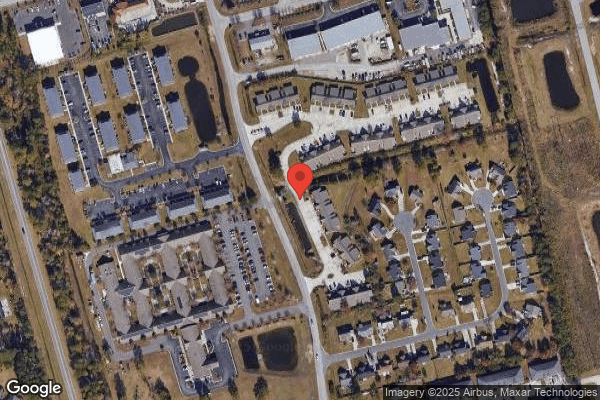
Jan 2024 1 deficiency 1 Harm
SERIOUS (G) 📢 Someone Reported This

A family member, employee, or ombudsman was alarmed enough to file a formal complaint

Actual Harm - a resident was hurt due to facility failures

Accident Prevention (Tag F0689)

A resident was harmed · This affected 1 resident

**NOTE- TERMS IN BRACKETS HAVE BEEN EDITED TO PROTECT CONFIDENTIALITY** Based on observations, record review, and staff and resident interviews, the facility failed to provide a safe transfer when a r...

Read full inspector narrative →
**NOTE- TERMS IN BRACKETS HAVE BEEN EDITED TO PROTECT CONFIDENTIALITY** Based on observations, record review, and staff and resident interviews, the facility failed to provide a safe transfer when a resident (Resident #1) fell from a mechanical lift while being transferred by Nurse Aide #1 and Nurse Aide #2 and sustained a 10-centimeter laceration to the right ankle requiring 9 sutures, a contusion to the left wrist and left shoulder, and pain as a result of the fall for 1 of 3 residents observed for falls. Findings included: Resident #1 was admitted to the facility on [DATE]. Resident #1 had a diagnoses of congestive heart failure and hypoxia. The Minimum Data Set (MDS) quarterly assessment dated [DATE] revealed Resident #1 was cognitively intact and demonstrated no behaviors. Resident #1 required total dependence with two person physical assistance with transfers and did not receive anticoagulant (blood thinner) medication. Resident #1's weight was recorded as 199 pounds. A review of Resident #1's care plan dated 09/21/23 revealed Resident #1 had a plan of care for activities of daily living/personal care with a goal that care would be completed with staff support as appropriate to maintain or achieve highest practical level of functioning. Interventions included, in part, two staff assistance required with extra-large mechanical lift and extra-large lift pad. A plan of care was also in place for at risk for falls with a goal that Resident #1 would be free of fall related injuries. Interventions included, in part, to observe and intervene for factors causing falls such as bowel and bladder needs, mobility, and transfers. The MDS quarterly assessment dated [DATE] revealed Resident #1 was cognitively intact, demonstrated no behaviors and was coded as having one fall with injury (not major). A review of a nursing progress note written by Nurse #1 on 09/29/23 at 7:21 PM revealed this nurse was called to the resident's room by the nursing assistant. Resident was noted lying on the floor next to the bathroom door with the mechanical lift pad under her. Resident was alert and talking and she stated she was having pain on her left side, which was the side she was laying on. There was blood around the resident's lower leg and it was noted that the resident had a laceration above the right ankle. A pressure dressing was applied to stop the bleeding. The resident was repositioned to make her more comfortable. The Nurse Practitioner ordered the resident to be sent to the hospital. Resident #1's responsible party and the Director of Nursing were notified. Review of the Emergency Department (ED) visit dated 09/29/23 revealed, in part, Resident #1 presented with a laceration. The note indicated per Emergency Medical Services the resident was coming from a nursing home facility where staff were attempting to transfer her using a mechanical lift. The lift broke, resident fell and landed on her left side and sustained a laceration on the right lower leg. Resident was not on blood thinners and denied hitting her head. The Emergency Department Course and Medical Decision Making section revealed, in part, x-ray results were discussed with the resident and family and there were no signs of fractures. Resident was noted to have a 10 centimeter laceration to the right ankle, a contusion to the left wrist and left shoulder. Area to the right ankle was sterilely prepped and draped and anesthetized (numbed) with 1% lidocaine (a numbing medication) and 9 sutures were placed. The note indicated Resident #1 tolerated the procedure without any problems and was given pain medication and antibiotics. Resident was discharged back to the facility on [DATE] on antibiotics and instructions to keep the ankle area clean and dry and watch for any signs of infection and remove sutures in 10 days. A nursing progress note written on 09/30/23 at 3:44 AM by Nurse #2 revealed Resident #1 returned from hospital ED via emergency medical services' transport. She was alert and oriented. No complaints of pain and moved all extremities at baseline. Dressing was intact to right ankle laceration. A follow up visit note from the Nurse Practitioner written on 10/01/23 revealed, in part, follow-up evaluation post fall of laceration to right ankle and pain. Resident reports she was sore on her left side from the mechanical lift fall and continued to have right knee pain and discomfort to right ankle laceration area. Will schedule hydrocodone-acetaminophen (narcotic pain reliever) 5-325 milligrams (mg) twice daily. Dressing was intact with no bleeding noted and she was followed by the wound nurse. An investigation was initiated on 09/29/23. The summary written by the Administrator included Resident #1 had just finished dinner and requested to go to bed. Resident #1 was sitting in her wheelchair at the end of her bed facing the door at the time. Nurse aide (NA) #1 got the extra-large mechanical lift and the extra-large lift pad to transfer Resident #1. Before transferring Resident #1, NA #1 asked NA #2 to assist and spot her during the transfer. NA #1 hooked all the straps up and NA #2 used the remote control. NA #1 turned the resident slightly to guide her toward the bed. The NAs and Resident #1 heard a loud pop and Resident #1 began sliding out of the lift with her left shoulder going first toward the floor. NA #2 immediately called for the hall nurse. Nurse #1 entered the room and saw the resident laying on the floor on her left side and called a code green (a code to indicate a fall had occurred). The Unit Manager (UM) and Director of Nursing (DON) responded. The UM went to get the Nurse Practitioner (NP) to assess the resident immediately. Nurse #1 noted blood coming from the back of the resident's right leg above her ankle. The NP ordered a pressure dressing to be applied. Resident #1 had no complaints of pain. Resident #1 stated she did not hit her head. Range of motion of upper and lower extremities were within normal limits. The NP ordered Resident #1 to be sent out to the Emergency Department (ED) to address the laceration on her lower right leg. Resident #1 went to the ED and received 9 sutures. Resident #1 received x-rays at the ED and was negative for any fractures. Resident #1 was transferred back to the facility around 3:50 AM on 09/30/23 with a new order for Keflex (antibiotic) for infection prevention. Resident #1 did complain of pain/soreness on the morning of 09/30/23 and was given Hydrocodone. After review of the resident's record, interviews with Resident #1 and staff, and observations of return demonstration, it was determined the loop of the lift pad came out of the ring and resident slid out of the lift pad backwards. Resident #1 related she was able to catch herself with her left hand and lower herself to the floor. This action did cause a contusion of the left shoulder and wrist. Review of a written statement by Nurse #1 written on 09/29/23 revealed I was called to [Resident #1's] room by the nurse aide. When I arrived to the room, I observed the resident lying on the floor next to the bathroom door with the mechanical lift pad underneath her. Resident was observed to be alert and talking. She stated she was having pain on her left side. The side she was laying on. There was blood around the resident's lower leg and it was found that the resident had a laceration above the right ankle. A pressure dressing was applied to stop the bleeding. The resident was repositioned to make her more comfortable. The NP ordered the resident to be sent to the hospital The DON was notified and she notified the responsible party. A phone interview was conducted with Nurse #1 on 01/03/24 at 1:21 PM. Nurse #1 reported he went to Resident #1's room and she was laying on the floor. He stated he assessed her and she was having pain on her left side. He added he applied pressure to her bleeding right ankle with towel. Nurse #1 stated after it happened there was a meeting to discuss the root cause. He stated he had understood that one of the straps to the lift pad had popped out of the ring that it would get secured too. Review of a written statement by the Wound Treatment Nurse written on 09/29/23 revealed I responded to the code green in the resident's room. Resident was supine [on her back] on the floor with nurse [#1] holding residents' right leg in his hands holding pressure to a laceration. No equipment or other items were near the resident. The NA stated that resident fell out of the mechanical lift when I asked how she fell. [Nurse #1] and I wrapped the wound with 4 X 4 pads and gauze. Resident was alert and responsive. Review of a written statement by Nurse Aide (NA) #1 written on 09/29/23 revealed I went in the room to spot [NA #2] with the transfer of [Resident #1]. We placed the straps on to the mechanical extra-large lift. We proceeded to lift her and I lifted her out of the wheelchair. I was instructed to lift her a little higher and the lift seemed to hesitate a little so then I gave [NA #2] the control to the lift to lift [Resident #1] higher and as we pulled her back to go to the bed, we all heard a snap and [Resident #1] was falling. My first instinct was to grab her/break the fall but it was absolutely an uncontrollable situation. She slipped out of the mechanical lift pad. I called the nurse and the nurse called EMS. An addendum to NA #1's statement written on 09/29/23 included: I observed [Resident #1] in her room about 30 minutes prior to the fall awaiting to get back into bed. I was in the room for the fall as a spotter to assist [NA #2] with the transfer. Prior to the fall she had nonskid socks on with no clutter or wetness observed on the floor. During the fall we were using the mechanical extra-large lift on [Resident #1]. A phone interview was conducted with NA #1 on 01/03/24 at 1:42 PM. NA #1 reported she had gone in to spot NA #2 with transferring Resident #1 from her wheelchair to the bed with the extra-large mechanical lift. NA #1 stated she and NA #2 secured the straps of the lift pad to the hooks on the mechanical lift. NA #1 stated she was standing beside Resident #1 spotting her and NA #2 proceeded to lift Resident #1 with the remote control. NA #1 stated she had asked NA #2 to lift Resident #1 a little higher from her wheelchair and the lift seemed to hesitate a little so NA #2 gave her the remote control. NA #1 stated NA #2 pulled the lift away from the wheelchair and began to roll her towards the bed. She stated at that time, she and NA #2 and the resident heard a snap and Resident #1 started falling out of the lift pad on her left side. NA #1 stated her first instinct was to grab Resident #1 to prevent her from falling but it was absolutely out of her control and Resident #1 slipped out of the lift pad. NA #1 stated she was certain the straps were secured to the rings on the mechanical lift and was not certain how the resident could have fallen out of the lift. NA #1 stated she had been educated on how to safely transfer a resident when she was first hired on 09/05/23. NA #1 stated she received additional education with return demonstrations after this happened with Resident #1. Review of a written statement by NA #2 written on 09/29/23 revealed Around 6: 00 PM [NA #1] came in to spot me with the transfer of [Resident #1] from her wheelchair to the bed with the mechanical lift. We placed the straps onto the lift. We proceeded to lift her and I was spotting her when she was being lifted from the wheelchair. I asked [NA #1) to go a little higher. The lift seemed to hesitate a little so [NA #1] gave me the remote control. [NA #1] pulled her back toward the bed. We all, including the resident, heard a snap and [Resident #1] was falling. Our first instinct was to grab her from falling but it was absolutely out of our control. [Resident #1] slipped out of the lift pad. [NA #1] called for the nurse and I called for a code green. Nonskid socks were on, the floor was free of clutter and dry. I was using the mechanical extra-large lift with resident and another aide when she fell. A phone interview was conducted with NA #2 on 01/03/24 at 1:27 PM. NA #2 reported Resident #1 was in her wheelchair and she and NA #1 hooked her up to the extra-large mechanical lift and while she was going up NA #2 was right next to her and NA #1 was lifting her up slowly with the remote control and they heard a snap and noticed that one of the sides of the lift pad fell off and Resident #1 was dangling out of the lift pad. NA #2 stated Resident #1 was not very high up from her chair, and added, her buttocks was level with the wheelchair arm. NA #2 explained that the straps on the lift pad have upper support straps that support the back and lower support straps that supports the legs. NA #2 stated there were rings that she would hook the strap too and the strap hook would get secured in the ring. NA #1 stated somehow the top left strap of the lift pad had snapped off while Resident #1 was on the lift and she fell out onto her left side. NA #2 stated her legs were still secured, but she slipped out and fell to the floor. NA #2 stated she did not know how it happened and swore she had secured the hooks in the rings. NA #2 stated it all happened so fast, she did not know if it was the actual lift malfunctioning or the lift pad, but somehow the lift pad got loose. NA #2 believed the laceration to the right ankle may have been caused by hitting the bottom of the lift legs when Resident #1 went down. NA #2 stated both aides, the Unit Manager and the DON tried to figure out what happened. There was no disrepair noted to the extra-large mechanical lift or the extra-large lift pad, but the DON took that mechanical lift off the floor to be checked out. NA #2 added, Resident #1 was in the appropriate extra-large lift pad. She was assigned to a green pad with a black stripes. NA #2 stated she received her yearly education regarding safe resident handling on 06/09/23 and was again in serviced on 09/30/23 with a return demonstration. An interview was conducted with Resident #1 on 01/03/24 at 11:40 AM. Resident #1 was alert and oriented and was lying in bed. She reported on 09/29/23 there were two aides in the room transferring her from the wheelchair with the mechanical lift to get her back to bed. Once she was in the mechanical lift and was raised up she heard a snap or a pop and she fell out to left side of the lift. She stated they used a green pad with black stripes which fit her and that was the pad they always used. She stated she did not fall straight down and that she actually fell out of the pad to her left side and put her left arm out to break the fall. She stated the mechanical lift did not fall, in fact, it did not even budge. She stated they quickly got the nurse and she had a wound to her right ankle but she was not certain how she got the wound which required 9 sutures and was bleeding. She stated she had never fallen from the mechanical lift before. She stated she did not have any pain to her ankle at that time, but her left side hurt and they put a pillow under my head for comfort. Resident reported she did not know what happened or how it happened. Resident #1 stated the two aides were not rushing while they were trying to transfer her. An observation of a transfer with the extra-large mechanical lift on Resident #1 was done on 01/03/24 at 2:00 PM with NA #3 and the Unit Manager. NA #3 was observed placing the green pad with a black stripes labeled extra-large under Resident #1 while she was lying in bed. The lift pad showed no signs of poor condition. The Unit Manager and NA #3 rolled the mechanical lift which was numbered 0 to position over Resident #1. NA #3 crissed crossed the lower straps and secured each hook noted on the end of the strap to a ring on the mechanical lift. NA #3 then raised the right strap by the Resident's shoulder and secured the hook on the end of the strap to a ring on the mechanical lift and repeated the same way with the left strap. The hooks were noted to lock in place and the rings were noted to only be moved inward toward the mechanical lift frame. Once the hook was in the ring, the ring would not move outward - away from the mechanical lift frame. Resident #1 was noted to fit in the lift pad securely. The Unit Manager used the remote control to raise Resident #1 and once she was above the bed, she moved the lift away from the bed and toward the secured wheelchair next to the bed while NA #3 guided Resident #1 with her hands holding on to the resident and the lift pad. The UM and NA #3 positioned Resident #1 over the wheelchair and the UM began to slowly lower her in the wheelchair while NA #3 guided the resident into position. Once seated, the hooks were unhooked from the rings on all four corners. An interview was conducted with the Assistant Maintenance Director on 01/03/24 at 2:00 PM. The Assistance Maintenance Director stated he did lift inspections to all lifts monthly which included cleaning the hair out of the wheels, checking the wheels for any damage, ensuring the guards (protective case) were on all the wheels, checked the remote to ensure it was in working order and the up and down buttons were working, making sure the battery was charging, and making sure all the rings that the straps were hooked on to were intact and not loose on all 4 points of the lift. The Assistant Maintenance Director stated he kept a log to ensure all the lifts were inspected and each of the 10 mechanical lifts were numbered. He stated after this event happened with Resident #1, the lift and the lift pad were immediately removed the floor so that he could inspect them. The Assistant Maintenance Director reported he inspected mechanical lift numbered 0 which was brand new in July 2023 and he could not find anything wrong with it. There was nothing noted to be in disrepair. The Assistant Maintenance Director stated he placed weighted materials on the lift pad, and secured the straps to the rings as though a resident was in the lift pad. He stated he raised the lift pad all the way up with the remote control and the straps remained secured in the rings. During this interview, the number 0 mechanical lift was inspected with the Assistant Maintenance Director and there was no disrepair to the mechanical lift noted. The rings that the mechanical lift straps clip into were noted to go inward and were not able to fold outwardly. The Assistant Maintenance Director stated the only way the strap would come out is if it was not securely clipped in. A maintenance log from June 2023 to September 2023 revealed monthly inspections of each numbered mechanical lift were being done. The dates the inspections were done were: 06/08/23, 07/25/23 (indicating lift number 0 was new), 08/07/23, 09/25/23, 10/02/23, 11/08/23 and 12/14/23. An interview as conducted with the Administrator on 01/03/24 at 3:13 PM. She stated she was in the facility when Resident #1 fell from the mechanical lift. She stated she, the Unit Manager and the DON went to Resident #1's room immediately to see what had happened. She added, she immediately took the mechanical lift out of service and had the Assistant Maintenance Director do a full inspection. She stated at that time he had also checked all the other mechanical lifts to be sure they were in working order. The Administrator stated after reenacting the event the only conclusion they could come up with was that the lift pad hook was not fully secured in the ring. The Administrator added, the ring would not pull out and would only push in with the force of putting the strap inside. She stated the mechanical lift was brand new in July and there were no signs of disrepair to the mechanical lift or the lift pad. The Administrator stated she brought both NAs into the room and had them show her how they hooked up Resident #1 and the process they went through. She stated, based off the reenactment it looked like they did everything correctly which was why we thought the actual strap did not get secured in the ring. The Administrator stated the lift pad went with Resident #1 when she was sent to the hospital and it was never returned back, but stated she looked over the lift pad and there were no rips or knots noted in the pad. The Administrator stated she initiated a plan of correction immediately to include education on safe handling and movement and return demonstrations. The Administrator stated we closed it out in December but continue to do random competency checks utilizing the questionnaire and return demonstration. The facility provided the following corrective action plan: F689 Failure to provide supervision to prevent accidents: 1. The facility identified how correction action will be accomplished for those residents to have been affected by the deficient practice: Resident #1 sustained a fall from a mechanical lift on 09/29/23. Resident was immediately assessed by Nurse #1, the Nurse Practitioner, and the Wound Treatment Nurse. Resident #1 was noted to have a laceration to her right ankle and a pressure dressing was ordered and applied. Resident #1 was sent to the Emergency Department for further evaluation. Resident #1 returned to facility with 9 sutures to her right ankle and was started on an antibiotic for infection prevention and pain medicine for pain control. The mechanical lift used for the transfer and all the other mechanical lifts were removed from the floor and immediately inspected by the Assistant Maintenance Director. Nurse Aide #1 and Nurse Aide #2 were provided additional in servicing regarding safe resident handling and provided a return demonstration for understanding on 09/30/23. 2. The facility identified other residents having the potential to be affected by the same deficient practice: Review of documentation to ensure there were no mechanical lift accidents in the past 30 days. An audit was completed of all mechanical lifts and lift pads. There were no issues identified. An audit of all falls were conducted. There were no falls related to mechanical lifts. Care plans were updated for all residents to include independent residents, stand by assist residents and one or two person assist residents for all transfers indicating the use of a mechanical lift, the type of mechanical lift and size of the lift pad. A 100 % skin assessment audit on non-alert and oriented residents was completed. A resident questionnaire was utilized for the alert and oriented residents regarding using a lift during transfers and if there had been any concerns. No concerns were noted. This was completed on 09/30/23. 3. The facility implemented systemic changes to ensure that the deficient practice will not recur: The Administrator and Director of Nursing conducted in services on safe resident handling and movement with return demonstration for all nursing staff. The in services and demonstration would be completed by 09/30/23. After 09/30/23, nursing staff who did not receive in services and provide return demonstration will have this completed prior to the start of their shift. Additional education was provided by the DON on 09/30/23 regarding mechanical lifts safe handling to include always ensure the mechanical lifts are in proper working order and the lift pad was intact before using the mechanical lift, make sure the straps were secured in the ring, always use the proper size lift pad, and refer to the care plan before transferring a resident. A staff questionnaire was provided to all staff to ensure understanding. All nursing staff were in serviced as of 10/02/23. 4. The facility plans to monitor its performance to make sure that solutions are sustained: Weekly monitoring for 4 weeks and then monthly for 1 month was conducted for observations of mechanical lift use to include the resident name, date, type of lift, if the care guide was reviewed prior to transfer, if the transfer was done properly and if there was reeducation needed. The Administrator and the Director of Nursing would review the transfer audit tools weekly for 4 weeks then monthly for 1 month for completion and to ensure that any areas of concern were addressed. The Administrator and DON will forward the results of the transfer audit tools to the Quality Assurance and Performance Improvement (QAPI) Committee monthly for 2 months. The QAPI committee will meet monthly for 2 months to review the transfer audit tools to determine trends and or issues that may need further interventions put into place and to determine the need for additional monitoring (NOV/DEC). Validation of the corrective action was completed on 01/03/24. This included staff interviews with nurses, nurse aides, and medication aides. Return demonstration of a mechanical lift transfer with nursing staff. Observation of all the current mechanical lifts and lift pads to ensure no disrepair. Review of other residents' medical records who required a mechanical lift for transfers to ensure there were no falls with injury with the lift. Care plans were reviewed to ensure they were updated to reflect residents' care. A review of the signature sign in sheets to affirm all nursing staff received education regarding utilizing mechanical lifts safely. The facility's alleged compliance date of 10/02/23 was validated.
Jan 2023 4 deficiencies
CONCERN (E)

Potential for Harm - no one hurt, but risky conditions existed

Safe Environment (Tag F0584)

Could have caused harm · This affected multiple residents

**NOTE- TERMS IN BRACKETS HAVE BEEN EDITED TO PROTECT CONFIDENTIALITY** Based on observations and staff interviews the facility failed to: 1a) repair drywall wall damage in 6 of 7 resident rooms (302,...

Read full inspector narrative →
**NOTE- TERMS IN BRACKETS HAVE BEEN EDITED TO PROTECT CONFIDENTIALITY** Based on observations and staff interviews the facility failed to: 1a) repair drywall wall damage in 6 of 7 resident rooms (302, 309, 506, 508, 514, and 612), 1b) failed to remove the black greenish substance from the commode base caulking in 4 of 13 resident rooms (506, 508, 510, and 615), 1c) failed to ensure the ceiling light cover was free from damage in 1 of 4 shower rooms (300 hall), 1d) failed to ensure the florescent ceiling light cover was free from damage in 1 of 3 nursing stations (over exit door by [NAME] nursing station). Findings included: 1a. An observation on 01/23/23 at 11:40 AM revealed drywall wall damage in 6 of 7 resident rooms (302, 309, 506, 508, 514, and 612). 1b. An observation on 01/23/23 at 11:40 AM revealed black greenish substance from the commode base caulking in 4 of 13 resident rooms (506, 508, 510, and 615). 1c. An observation on 01/23/23 at 11:40 AM revealed a shower ceiling light cover was damaged and hanging free in 1 of 4 shower rooms (300 hall). 1d. An observation on 01/23/23 at 11:40 AM revealed a florescent ceiling light cover was damaged in 1 of 3 nursing stations (over exit door by [NAME] nursing station). An interview and facilty tour of the facility was conducted with the Maintenance Director (MD) and Assistant Administrator on 01/25/23 at 1:15 PM. The MD Assistant Administrator stated there were multiple areas in the facility that still needed to be addressed, replaced, or repaired. MD stated he had had an assistant and was able to keep up with most of the faclity's repairs. He said he did not know what the black greenish substance actually was around some of the commodes and did not know about the leaking commodes. MD said housekeeping was responsible for cleaning bathrooms, and that maintenance was responsible for repairing or replacing items in the facility. The Assistant Administrator identified additional areas of concern she observed during the tour of the facility, shower rooms, and resident rooms. She said their current Quality Assurance and Performance Improvement Action (QAPI) Plan was not working, and was not specific enough to address all of the residents physical environment needs in the facility. An interview was conducted with the Administrator on 01/26/23 at 6:03 PM revealed they were making progress and were improving residents living environment to make it more home like. She said there were still areas in the facility that still needed to be addressed and they would be putting a plan in place, through QAPI, to address those areas identified. She said her additional concerns included: repair and paint needed in resident rooms/bathrooms, repair or replace of commodes, and repair or replace of any other identified physical plant concerns that needed to be addressed. The administrator stated it was her expectation for all the residents to have a safe and homelike environment that was clean and in good repair.
CONCERN (E) 📢 Someone Reported This

A family member, employee, or ombudsman was alarmed enough to file a formal complaint

Potential for Harm - no one hurt, but risky conditions existed

Deficiency F0804 (Tag F0804)

Could have caused harm · This affected multiple residents

**NOTE- TERMS IN BRACKETS HAVE BEEN EDITED TO PROTECT CONFIDENTIALITY** Based on observation, record review, resident and staff interview and test tray evaluation, the facility failed to ensure food w...

Read full inspector narrative →
**NOTE- TERMS IN BRACKETS HAVE BEEN EDITED TO PROTECT CONFIDENTIALITY** Based on observation, record review, resident and staff interview and test tray evaluation, the facility failed to ensure food was palatable and served at an appetizing temperature for 3 of 24 residents reviewed on the 100, 400 and 700 halls for food palatability and temperature (Resident #332, Resident #18, and Resident #81). Findings: a. Resident # 332 was admitted to the facility on [DATE]. Resident #332s 1/17/23 admission Minimum Data Set (MDS) assessment revealed resident was cognitively intact. Interview on 1/23/23 at 12:18 PM with Resident #332 revealed meals were served cold all the time. Resident #332 indicated the food was the biggest problem since she was admitted to the facility due to receiving cold food and food that did not taste good. Resident #332 stated if she couldn't eat what was served, she ate snacks that her visitors brought her. b. Resident #18 was admitted to the facility on [DATE]. Resident #18's admission Minimum Data Set (MDS) assessment on 12/28/22 indicated resident was cognitively intact. Interview on 1/23/23 at 4:10 PM with Resident #18 revealed that she received cold meals all the time. Resident #18 stated her meals were always cold, meals were not reheated, and she often could not eat it because of this. Resident #18 stated her family brought her snacks that she ate if she did not eat the meal. c. Resident #81 was admitted to the facility on [DATE]. Resident #81's admission MDS on 10/31/22 indicated resident was cognitively intact. Interview on 1/24/23 at 1:23 PM with Resident #81 revealed resident's breakfast was always served cold and the other meals were frequently served cold. Observation of breakfast and interview with Resident #81 on 1/25/23 at 9:26 AM revealed resident was served eggs, bacon, and an English muffin. The bacon was not crisp as resident preferred, the English muffin was not toasted and did not have butter or jelly on the tray and the eggs, the resident stated, were cold. Resident #81 stated she ate food that her family member brought instead. Observation on 1/26/23 at 8:30 AM of the breakfast meal served on 100 hall revealed all meals were served from an open, non-insulated metal cart. The test tray was taken off the cart after the last meal was served. The test tray was tasted for palatability with the Administrator present. When the dome lid was removed from the plate there was no steam coming off the plate. The meal was tasted by the surveyor and noted the scrambled eggs and pancake were cold, and the link sausage was lukewarm. Interview on 1/26/23 at 11:09 AM with the Dietary Manager (DM) revealed that she was not aware of resident concerns regarding cold food and the facility had some insulated meal carts, but not enough to deliver meals to all the halls. Interview on 1/26/23 at 5:35 PM with the Administrator revealed that she expected that food would be palatable and served at appropriate temperatures per resident preference. The Administrator further stated that she expected that food would be reheated as necessary.
CONCERN (E) 📢 Someone Reported This

A family member, employee, or ombudsman was alarmed enough to file a formal complaint

Potential for Harm - no one hurt, but risky conditions existed

QAPI Program (Tag F0867)

Could have caused harm · This affected multiple residents

**NOTE- TERMS IN BRACKETS HAVE BEEN EDITED TO PROTECT CONFIDENTIALITY** Based on record review, observations and staff interviews the facility's Quality Assessment and Assurance (QAA) program failed t...

Read full inspector narrative →
**NOTE- TERMS IN BRACKETS HAVE BEEN EDITED TO PROTECT CONFIDENTIALITY** Based on record review, observations and staff interviews the facility's Quality Assessment and Assurance (QAA) program failed to maintain implemented procedures and monitor interventions the committee put in place following the complaint survey conducted on 8/13/21. This was for two recited deficiencies on the current recertification and complaint survey in the areas of Resident Rights (F584) and Food and Nutrition Services (F804). The continued failure during two federal surveys of record shows a pattern of the facility's inability to sustain an effective QAA program. Findings included. This tag is cross-referenced to: F584: Based on observations and staff interviews, the facility failed to 1a). repair drywall wall damage in 6 of 7 resident rooms (302, 309, 506, 508, 514 and 612), 1b); failed to remove the black greenish substance from the commode base caulking in 4 of 13 resident rooms (506, 508, 510, and 615), 1c); failed to ensure the ceiling light cover was free from damage in 1 of 4 shower rooms (300 hall), 1d); and failed to ensure the fluorescent ceiling light cover was free from damage in 1 of 3 nursing stations (over exit door by [NAME] nursing station). During the complaint survey of 08/13/21 the facility was cited for failing to remove a black greenish substance from ceiling vents, remove the black greenish substance from the commode base caulking, ensure the ceilings were free from damaged drywall, replace the broken or missing toilet paper dispensers in resident rooms, repair overhead lights that were either non-functioning, missing a light cover, or had broken covers, repair leaking commode bases and unclog a resident's bathroom commode. F804: Based on observation, record review, resident and staff interview and test tray evaluation, the facility failed to ensure food was palatable and served at an appetizing temperature for 3 of 24 residents reviewed on the 100, 400 and 700 halls for food palatability and temperature (Resident #332, Resident #18, and Resident #81). During the complaint survey of 08/13/21, the facility was cited for failing to serve food that was palatable and at a preferable temperature during a lunch meal. An interview on 01/26/23 at 5:25 PM with the Administrator indicated that she had been the Administrator at the facility for 9-months and it was a large building. She said the facility had made progress and would continue to work toward making more progress. She stated she felt having two full-time Maintenance Staff was sufficient and they had a system in place that monitored and tracked work orders; but they would continue to work toward making more progress. A follow up interview on 01/26/23 at 6:00 PM with the Administrator revealed she was unaware that there were issues with food palatability. She further stated that there were new staff members in the dietary department and more training and monitoring was needed for food preparation.
CONCERN (F)

Potential for Harm - no one hurt, but risky conditions existed

Food Safety (Tag F0812)

Could have caused harm · This affected most or all residents

3). Observation of the 200-hall nourishment room on 01/24/23 at 1:23 PM revealed the following: 1.plastic bag which contained plastic food storage containers of green beans, chicken, mashed potatoes a...

Read full inspector narrative →
3). Observation of the 200-hall nourishment room on 01/24/23 at 1:23 PM revealed the following: 1.plastic bag which contained plastic food storage containers of green beans, chicken, mashed potatoes and rolls. The outside of the plastic bag was labeled 12/25/22 2.plastic bag which contained food including a jar of mayonnaise, a microwave sandwich that was to be stored in the freezer, and a package of deli sliced turkey. The outside of the plastic bag was dated 12/24/22 3.plastic bag which contained a bowl of potato salad which was visibly spoiled. No name or date was on the plastic bag or the bowl. 4. plastic container with a pork chop meal with no date. 5. plastic container with mashed potatoes, chicken and green beans labeled with a date of 1/13/23 6. a bottle of Ranch salad dressing labeled with a date of 11/9/22. 7. a bowl containing rice labeled with a date 1/17/23. 8. an open carton of Oat Milk with no opened date and no name. 9. a soda and a water bottle in the freezer with no name or date. The nourishment room refrigerator was visibly dirty with dried, sticky substances on the inside front panel and shelves. Interview on 01/26/23 at 10:15 AM with Nurse #7 revealed dietary staff cleaned and stocked the refrigerator. Nursing staff were to label and date food brought in by families for the residents. Nurse #7 stated she was not sure how long food was kept in the refrigerator before it was discarded. Interview on 01/26/23 at a10:33 AM with Nurse #1 revealed dietary cleaned the nourishment room refrigerator and discarded expired food. Nurse #1 further stated when families brought in food the nursing staff they labelled and dated it before placing it in the refrigerator. Dietary discarded items when they cleaned out the refrigerator. Interview on 01/26/23 t 10:39 AM with nursing assistant (NA) #7 revealed when a family brought in food, nursing staff labelled and dated it before putting it in the nourishment room refrigerator. NA #7 stated she thought food items could stay in the refrigerator 5-10 days before they were thrown away. NA #7 further stated she was not exactly sure how long food was stored in the refrigerator. NA #7 stated dietary discarded foods that were expired and was responsible for cleaning out the nourishment room refrigerator. Interview and observation of the 200 Hall nourishment room refrigerator with the Dietary Manager (DM) was conducted on 01/26/23 at 3:30 PM. DM observed the expired food items in the plastic bags in the refrigerator and stated she did not know why the expired items were in the nourishment room refrigerator and that they should have been discarded. DM stated that dietary staff checked the nourishment room refrigerators daily and made sure they were clean and stocked them with items such as juice and soda for the residents. Interview with the Administrator on 01/26/23 at 4:32 PM revealed that her expectation was that the dietary department ensured that there were no expired items in the nourishment room refrigerators and that all food was labelled and dated properly. The Administrator further stated that she expected that all out of date items would be discarded immediately. Based on observations, record review, and staff interviews the facility failed to maintain the final rinse cycle temperature of the high temperature sanitizing dish machine at or above 180 degrees Fahrenheit per manufacturers recommendations and failed to routinely monitor and record the dish machine wash and rinse cycle temperatures for 1 of 1 dish machines observed. 2) failed to obtain food temperatures prior to serving and failed to maintain consistent food temperature logs during 1 of 2 observations. 3). failed to label and date leftover food and ensure the nourishment room refrigerator was free from debris for 1 of 2 nourishment rooms (200 Hall nourishment room). This practice had the potential to affect the food served to the residents. Findings included. 1.) An observation was made on 01/23/23 at 1:27 PM of the wash and rinse sanitizing cycles of dishware placed in the high temperature sanitizing dish machine by Dietary Aide #1. The loaded dish rack placed in the dish machine was observed to have a wash cycle temp of 160 degrees Fahrenheit and a final rinse cycle temperature of 170 degrees Fahrenheit. A second loaded dish rack was placed in the dish machine and reached a wash temperature of 160 degrees and final rinse temperature of 177 degrees Fahrenheit. During an interview on 01/23/23 at 1:30 PM with Dietary Aide #1 he stated the dish machine did not always reach a final rinse temperature of 180 degrees. He stated the dish machine was old and after several cycles of washing dishware the rinse cycle would eventually reach the final rinse temperature of 180 degrees but not consistently. He stated the issue had been ongoing for a few months. On 01/23/23 at 1:35 PM a review of the temperature log for the high temperature dish machine dated January 2023 revealed many dates with no wash and rinse temperatures recorded. The temperature log revealed: 01/02/23 the wash cycle temperature was recorded at 164 degrees Fahrenheit with a final rinse cycle reading of 167 degrees Fahrenheit. 01/03/23 the wash cycle temperature was recorded at 153 degrees Fahrenheit with a final rinse cycle reading of 140 degrees Fahrenheit. 01/04/23 the wash cycle temperature was recorded at 175 degrees Fahrenheit with a final rinse cycle reading of 170 degrees Fahrenheit. 01/05/23 the wash cycle temperature was recorded at 141 degrees Fahrenheit and no final rinse cycle reading was recorded for this cycle. There were no dish machine temperatures recorded on 01/13/23, 01/14/23, 01/15/23, 01/16/23, 01/18/23, 01/22/23, or 01/23/23. Review of the manufacturer's guidelines revealed the final rinse minimum temperature of 180 degrees Fahrenheit on the dish machine must be maintained and corrective measures should be taken immediately to maintain the temperatures. The temperature displays must be checked repeatedly whenever the washer is running to make sure the proper temperatures were being maintained. A second observation was conducted on 01/24/23 at 12:28 PM of the high temperature dish machine with the Regional Dietary Consultant along with the Dietary Manager. The Regional Dietary Consultant placed a portable thermometer in the dish rack and cycled it through the dish machine. The portable thermometer reading registered at approximately 160 degrees after the cycle was completed. During an interview with the Dietary Manager on 01/24/23 at 12:45 PM she stated when she had problems with the dish machine, she usually just notified the Assistant Maintenance Director, and he would come in and try to resolve the problem with the temperatures and then the issue would start again, and she would just continue to notify him. She stated she did not always place a work order for the dish machine. An interview was conducted on 1/25/23 at 2:00 PM with the Maintenance Director. He stated he was not made aware that the dish machine was not reaching the final rinse temperatures of 180 degrees. He stated he relied on staff to place work orders on equipment in need of repair and he had not received a work order from the kitchen regarding the dish machine. He stated a new dish machine was approved for order and the order would be placed today and the plan was to repair the old machine while waiting on the new machine. A follow up interview was conducted on 01/26/23 at 11:09 AM with the Dietary Manger along with the Regional Dietary Consultant. The Dietary Manager stated the dish machine not reaching the required temperatures had been an ongoing problem. She acknowledged that the staff were not consistently checking and recording the dish machine temperature logs and stated staff had been trained to do so. The Regional Dietary Consultant stated staff should be consistently recording and maintaining temperature logs on the dish machine. The Dietary Manager stated the dish machine was taken out of service until the repairs could be made. In an interview on 01/26/23 at 4:00 PM with the Administrator she stated a new dish machine was ordered. She stated she expected the dietary staff to consistently monitor and record the temperatures on the dish machine to ensure the machine was working properly. 2.) During the initial tour of the kitchen on 01/23/23 at 11:30 PM food was observed being held on the steam table to be served for the lunch meal and included fried pork chops, cabbage, rice, gravy, cornbread, and fruit cobbler. Further observation on 01/23/23 at 12:30 PM of the food held on the steam table revealed food plates were being prepared and trays were observed on the tray carts ready to be delivered to residents. In an interview on 01/23/23 at 12:30 PM with the [NAME] #1 she stated she checked the food temperatures of the foods currently held on the steam table and the food plated on the tray carts while the food was still on the stovetop and prior to the food being placed on the steam table and stated the temperatures were recorded on the temperature log. She acknowledged the food had been on the steam table since approximately 11:30 AM before being plated. She stated she did not check the food temperatures for the lunch meal while the food was held on the steam table. A follow up observation conducted on 01/24/23 at 12:30 PM revealed staff checking the food temperatures of the food held on the steam table. The food was held at the appropriate temperatures. A review of the temperature log from the prior day (01/23/23) dinner meal revealed no food temperatures were recorded. Further review of the food temperature logs from September 2022 through January 2023 revealed many dates without food temperatures recorded. In an interview with the Dietary Manager on 01/24/23 at 12:45 PM she stated the kitchen staff failed to obtain and record temperatures for the dinner meal on 01/23/23. She stated the food temperature logs were not being maintained consistently. She stated the dietary staff had been educated on checking and recording food temperatures and maintaining temperature logs. A follow up interview was conducted on 01/26/23 at 11:09 AM with the Dietary Manger along with the Regional Dietary Consultant. The Dietary Manager stated food temperature logs should be consistently maintained. The Regional Dietary Consultant stated staff should be consistently recording and maintaining food temperature to ensure food reached the appropriate temperatures and to ensure food was being held on the steam table at the appropriate temperature. In an interview on 01/26/23 at 4:00 PM with the Administrator she stated dietary staff should being checking and recording food temperatures consistently to ensure foods were being held at the appropriate temperatures.
Understanding Severity Codes (click to expand)
Life-Threatening (Immediate Jeopardy)
J - Isolated K - Pattern L - Widespread
Actual Harm
G - Isolated H - Pattern I - Widespread
Potential for Harm
D - Isolated E - Pattern F - Widespread
No Harm (Minor)
A - Isolated B - Pattern C - Widespread

Questions to Ask on Your Visit

  • "Can I speak with families of current residents?"
  • "What's your RN coverage like on weekends and overnight?"

Our Honest Assessment

Strengths
  • • 36% turnover. Below North Carolina's 48% average. Good staff retention means consistent care.
Concerns
  • • 27 deficiencies on record, including 1 serious (caused harm) violation. Ask about corrective actions taken.
  • • Grade D (43/100). Below average facility with significant concerns.
Bottom line: Trust Score of 43/100 indicates significant concerns. Thoroughly evaluate alternatives.

About This Facility

What is Northchase Nursing And Rehabilitation Center's CMS Rating?

CMS assigns Northchase Nursing and Rehabilitation Center an overall rating of 2 out of 5 stars, which is considered below average nationally. Within North Carolina, this rating places the facility higher than 0% of the state's 100 nursing homes. A rating at this level reflects concerns identified through health inspections, staffing assessments, or quality measures that families should carefully consider.

How is Northchase Nursing And Rehabilitation Center Staffed?

CMS rates Northchase Nursing and Rehabilitation Center's staffing level at 4 out of 5 stars, which is above average compared to other nursing homes. Staff turnover is 36%, compared to the North Carolina average of 46%. This relatively stable workforce can support continuity of care.

What Have Inspectors Found at Northchase Nursing And Rehabilitation Center?

State health inspectors documented 27 deficiencies at Northchase Nursing and Rehabilitation Center during 2023 to 2025. These included: 1 that caused actual resident harm and 26 with potential for harm. Deficiencies causing actual harm indicate documented cases where residents experienced negative health consequences.

Who Owns and Operates Northchase Nursing And Rehabilitation Center?

Northchase Nursing and Rehabilitation Center is owned by a for-profit company. For-profit facilities operate as businesses with obligations to shareholders or private owners. The facility is operated by PRINCIPLE LONG TERM CARE, a chain that manages multiple nursing homes. With 140 certified beds and approximately 125 residents (about 89% occupancy), it is a mid-sized facility located in Wilmington, North Carolina.

How Does Northchase Nursing And Rehabilitation Center Compare to Other North Carolina Nursing Homes?

Compared to the 100 nursing homes in North Carolina, Northchase Nursing and Rehabilitation Center's overall rating (2 stars) is below the state average of 2.8, staff turnover (36%) is significantly lower than the state average of 46%, and health inspection rating (2 stars) is below the national benchmark.

What Should Families Ask When Visiting Northchase Nursing And Rehabilitation Center?

Based on this facility's data, families visiting should ask: "Can I visit during a mealtime to observe dining assistance and food quality?" "How do you handle medical emergencies, and what is your hospital transfer rate?" "Can I speak with family members of current residents about their experience?"

Is Northchase Nursing And Rehabilitation Center Safe?

Based on CMS inspection data, Northchase Nursing and Rehabilitation Center has a clean safety record: no substantiated abuse findings (meaning no confirmed cases of resident harm), no Immediate Jeopardy citations (the most serious violation level indicating risk of serious injury or death), and is not on the Special Focus Facility watch list (a federal program monitoring the lowest-performing 1% of nursing homes). The facility has a 2-star overall rating and ranks #100 of 100 nursing homes in North Carolina. While no facility is perfect, families should still ask about staff-to-resident ratios and recent inspection results during their visit.

Do Nurses at Northchase Nursing And Rehabilitation Center Stick Around?

Northchase Nursing and Rehabilitation Center has a staff turnover rate of 36%, which is about average for North Carolina nursing homes (state average: 46%). Moderate turnover is common in nursing homes, but families should still ask about staff tenure and how the facility maintains care continuity when employees leave.

Was Northchase Nursing And Rehabilitation Center Ever Fined?

Northchase Nursing and Rehabilitation Center has been fined $7,901 across 1 penalty action. This is below the North Carolina average of $33,158. While any fine indicates a compliance issue, fines under $50,000 are relatively common and typically reflect isolated problems that were subsequently corrected. Families should ask what specific issues led to these fines and confirm they've been resolved.

Is Northchase Nursing And Rehabilitation Center on Any Federal Watch List?

Northchase Nursing and Rehabilitation Center is not on any federal watch list. The most significant is the Special Focus Facility (SFF) program, which identifies the bottom 1% of nursing homes nationally based on persistent, serious quality problems. Not being on this list means the facility has avoided the pattern of deficiencies that triggers enhanced federal oversight. This is a positive indicator, though families should still review the facility's inspection history directly.