Davis Health and Wellness Center at Cambridge Vill
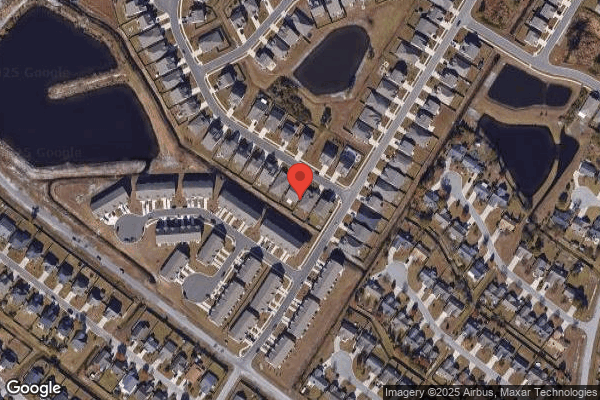
83 Cavalier Drive STE 200, Wilmington, NC 28405 (910) 679-8300
Non profit - Corporation 20 Beds Independent Data: November 2025
Trust Grade
43/100
#245 of 417 in NC
Last Inspection: January 2025

Within standard 12-15 month inspection cycle. Federal law requires annual inspections.

Overview

Davis Health and Wellness Center at Cambridge Vill has a Trust Grade of D, indicating below-average performance with some concerning issues. It ranks #245 out of 417 facilities in North Carolina, placing it in the bottom half of all nursing homes in the state, and #7 out of 11 in New Hanover County, meaning only six local options are better. The facility is improving, having reduced its issues from six in 2023 to just one in 2025. However, staffing is a significant concern with a poor rating of 1 out of 5 stars and a high turnover rate of 74%, which is much higher than the state average. While there is good RN coverage, exceeding that of 76% of North Carolina facilities, recent inspections revealed serious deficiencies, such as failing to implement a monitoring system for antibiotic use, not scheduling a Registered Nurse for required hours, and lacking a water management program to prevent potential health risks. Families should weigh these strengths and weaknesses carefully when considering this facility for their loved ones.

Trust Score
D
43/100
In North Carolina
#245/417
Bottom 42%
Safety Record
Low Risk
No red flags
Inspections
Getting Better
6 → 1 violations
Staff Stability
⚠ Watch
74% turnover. Very high, 26 points above average. Constant new faces learning your loved one's needs.
Penalties
⚠ Watch
$5,244 in fines. Higher than 97% of North Carolina facilities. Major compliance failures.
Skilled Nurses
✓ Good
Each resident gets 45 minutes of Registered Nurse (RN) attention daily — more than average for North Carolina. RNs are trained to catch health problems early.
Violations
⚠ Watch
18 deficiencies on record. Higher than average. Multiple issues found across inspections.
★★☆☆☆
2.0
Overall Rating
★☆☆☆☆
1.0
Staff Levels
★★★☆☆
3.0
Care Quality
★★★☆☆
3.0
Inspection Score
Stable
2023: 6 issues
2025: 1 issues

The Good

  • Full Sprinkler Coverage · Fire safety systems throughout facility
  • No fines on record

Facility shows strength in fire safety.

The Bad

2-Star Overall Rating

Below North Carolina average (2.8)

Below average - review inspection findings carefully

Staff Turnover: 74%

28pts above North Carolina avg (46%)

Frequent staff changes - ask about care continuity

Federal Fines: $5,244

Below median ($33,413)

Minor penalties assessed

Staff turnover is very high (74%)

26 points above North Carolina average of 48%

The Ugly 18 deficiencies on record

Jan 2025 1 deficiency
CONCERN (F)

Potential for Harm - no one hurt, but risky conditions existed

Antibiotic Stewardship (Tag F0881)

Could have caused harm · This affected most or all residents

Based on record review and staff interviews, the facility failed to implement a facility-wide system to monitor the use of antibiotics. This was evident for 12 of 12 months (January 2024, February 202...

Read full inspector narrative →
Based on record review and staff interviews, the facility failed to implement a facility-wide system to monitor the use of antibiotics. This was evident for 12 of 12 months (January 2024, February 2024, March 2024, April 2024, May 2024, June 2024, July 2024, August 2024, September 2024, October 2024, November 2024, December 2024) that surveillance data was reviewed. This practice had the potential to affect 18 of 18 residents in the facility. Findings included: The facility's Antibiotic Stewardship Program policy last revised on February 27, 2023, documented the antibiotic stewardship program will review essential data including antibiotic orders, clinical documentation, infection surveillance logs, microbiology testing, other tests to confirm infections, and trends in infection. A review of the monthly antibiotic summary reports for January 2024 through December 2024 revealed that no information for antibiotic monitoring was included. The monthly reports indicated the number of each type of infection including urinary tract infection, pneumonia, central line associated blood stream, gastrointestinal, skin, wound, conjunctivitis, or other type of infections but did not include surveillance logs, microbiology testing results or other tests to confirm infection, trends in infection. The monthly reports did not include the antibiotics ordered. The Compliance Coordinator was interviewed on 1/24/25 at 10:00 AM. The Compliance Coordinator explained that she was SPICE (Statewide Program for Infection Prevention and Control for Long Term Care) trained and was responsible for overseeing the Infection Control Program for this facility. The Compliance Coordinator stated the Infection Preventionist position was vacated in November 2024 and there was no system for compiling the information for antibiotic stewardship. The Compliance Coordinator stated although she was responsible for overseeing the Infection Control Program, the Infection Preventionist was responsible for the compilation of the necessary data for antibiotic stewardship. The Compliance Coordinator stated she was not aware that the previous Infection Preventionist had not completed the surveillance or tracking or trending of infections for the past year. The Compliance Coordinator revealed she had difficulty maintaining the Infection Control program and stated she reviewed the Antibiotic Summary Reports but was unable to locate any other antibiotic information that was completed by the previous Infection Preventionist. An interview was conducted with the Director of Nursing (DON) on 1/24/25 at 11:00 AM. The DON indicated that since she started in the position in December 2024, she was aware she was to function as the Infection Preventionist and was to complete these duties in addition to the duties of the DON. The DON stated she received a list of the antibiotics provided by the pharmacy, but she had not completed any documentation of antibiotic use in the facility and had not done any tracking or trending of the infections. An interview was conducted with the Administrator on 1/24/25 at 1:00 PM. The Administrator stated she was the interim Administrator and was in the position since 1/17/25. The Administrator stated the Infection Control Program should be a comprehensive program that included surveillance, tracking and trends. The Administrator stated unfortunately she had only been in the position for a short time and did not know why the infection control tracking trends of infections and use of antibiotics had not been completed. The Administrator stated she expected the Infection Preventionist to follow the facility protocol, complete the tasks for the antibiotic stewardship program including surveillance and tracking and trends of antibiotic use and infections.
Nov 2023 6 deficiencies
CONCERN (D)

Potential for Harm - no one hurt, but risky conditions existed

Deficiency F0554 (Tag F0554)

Could have caused harm · This affected 1 resident

**NOTE- TERMS IN BRACKETS HAVE BEEN EDITED TO PROTECT CONFIDENTIALITY** Based on observations, record review, and resident, staff, and Physician interviews the facility failed to assess a resident's a...

Read full inspector narrative →
**NOTE- TERMS IN BRACKETS HAVE BEEN EDITED TO PROTECT CONFIDENTIALITY** Based on observations, record review, and resident, staff, and Physician interviews the facility failed to assess a resident's ability to self-administer medications. This deficient practice occurred for 1 of 1 resident (Resident #3) reviewed for medication self-administration. Findings included: Resident #3 was admitted to the facility on [DATE] with diagnoses to include hypertension and major depressive disorder, recurrent, moderate. The quarterly Minimum Data Set (MDS) assessment 10/27/2023 for Resident #3 revealed she was cognitively intact and required extensive assistance of 1 staff for activities of daily living (ADL) care. The Care Plan for Resident #3 last reviewed on 11/16/2023, revealed a plan of care with a start date of 5/16/2023 which read in part, She has history of pocketing medications and then reporting that nurse didn't give to her, and reporting being given prn medications without asking for them. Interventions included administering medications as ordered and to document refusals. There was no plan of care for self-administration of medications. Review of the electronic medical record (EMR) for Resident #3 did not reveal an assessment for medication self-administration. The physician's orders for Resident #3 did not reveal an order for Resident #3 to self-administer her oral medications. An observation and interview with Resident #3 were completed on 11/27/2023 at 11:33 AM. A medication cup containing several pills was observed sitting on Resident #3's overbed table. Resident #3 stated the nurse must have left the pills in the room while she was sleeping. Resident #3 was observed immediately swallowing the medications. The November 2023 Medication Administration Record (MAR) for Resident #3 revealed she was administered aspirin 81milligrams (mg) tablet by mouth, vitamin D3 1000 units 1 capsule by mouth, duloxetine 20mg 1 capsule by mouth, fexofenadine 60 mg take 1 ½ tablets to equal 90 mg by mouth, tizanidine 4mg 1 pill by mouth, potassium chloride 20 milliequivalents (meq) 1 tablet by mouth, vitamin B complex 1 capsule by mouth, multivitamin 1 tablet by mouth, and fluticasone propionate 1 spray each nostril on 11/27/2023 by Nurse #3. An interview was completed with Nurse #3 on 11/28/2023 at 3:12 PM. Nurse #3 stated that she was the nurse that left Resident #3's morning medications on her bedside table on 11/27/2023. She further stated that Resident #3 would not take her medications before she eats, so she left them on the bedside table. Nurse #3 indicated Resident #3 was allowed to self-administer some of her medications. An interview was conducted with the Physician on 11/28/2023 at 3:14 PM. The Physician stated that she trusted Resident #3's judgment for self-administration of most of her medications, just not her fentanyl pain patch. She further stated that she wanted to allow Resident #3 some autonomy in her care. An interview with Nurse #4 was completed on 11/29/2023 at 09:33 AM. Nurse #4 stated she always observed Resident #3 taking her oral medications. She further stated Resident #3 did not have an order to self-administer her oral medications. An interview was conducted with the Director of Nursing (DON) on 11/30/2023 at 07:42 AM. The DON stated that she could not find any assessments for medication self-administration for Resident #3. She further stated that Resident #3 did not have a physician's order for self-administration of oral medications. The DON indicated that pills should not be left in resident's rooms without the resident being assessed and a physician's order for self-administration. An interview was conducted with the Clinical Nurse Administrator on 11/30/2023 at 3:14 PM. The Clinical Nurse Administrator stated that she was unable to find any evidence to support that any Medication Self Administration Assessments were completed for Resident #3. She further stated that there was not a physician's order for Resident #3 to self-administer her oral medications.
CONCERN (D) 📢 Someone Reported This

A family member, employee, or ombudsman was alarmed enough to file a formal complaint

Potential for Harm - no one hurt, but risky conditions existed

Medical Records (Tag F0842)

Could have caused harm · This affected 1 resident

**NOTE- TERMS IN BRACKETS HAVE BEEN EDITED TO PROTECT CONFIDENTIALITY** Based on record review and staff interview the facility failed to maintain an accurate Medication Administration Record (MAR) fo...

Read full inspector narrative →
**NOTE- TERMS IN BRACKETS HAVE BEEN EDITED TO PROTECT CONFIDENTIALITY** Based on record review and staff interview the facility failed to maintain an accurate Medication Administration Record (MAR) for the administration of fortified nutritional supplement for 1 of 1 resident reviewed (Resident #10). The Findings included: Resident #10 was admitted to the facility on [DATE]. The admission Minimum Data Set (MDS) dated [DATE] revealed Resident #10 had a memory problem and was severely impaired in cognitive skills for daily decision making. A review of Resident #10's diet orders dated 11/03/23 revealed the resident to receive a fortified nutritional supplement 237 milliliters (ml) once a day in the morning, with a start date of 11/03/23. A review of Resident #10's November/2023 Medication Administration Record (MAR) was conducted on 11/30/23. The MAR revealed from 11/04/23 through 11/30/23 nurses checked off the morning fortified nutritional supplement was given to the resident. An interview was conducted on 11/27/23 at 1:10 PM with Resident #10 and visitor #1. The resident was in her room with Visitor #1 and had just finished lunch. Both the resident and her visitor #1 said they knew what the fortified nutritional supplement looked like and had not received fortified nutritional supplement on her breakfast tray or lunch tray that day (11/27/23), or at any time during resident's stay at the facility. An interview was conducted on 11/30/23 at 1:00 PM with Nurse #1. The nurse said she passed out morning medications to Resident #10 that morning (11/30/23). She said she signed off in the resident's MAR that she gave the fortified nutritional supplement to the resident, but she had not, saying she signed in error. An interview was conducted on 11/30/23 at 1:50 PM with the Administrator. She said the facility should have provided the fortified nutritional supplement as ordered, and then document in the resident's chart amount consumed or refused. In an interview on 11/30/23 at 3:40 PM the Director of Nurses (DON) stated that Resident #10's ordered morning fortified nutritional supplement to be given during the morning medication pass, was never ordered to be delivered, and none were ever in stock to provide to the resident. She said she had reviewed resident's current Medication Administration Record (MAR), which revealed nursing had checked off that resident's fortified nutritional supplement was given, but she said the nurses shouldn't have because no fortified nutritional supplements were ever ordered to be delivered, and none were in stock. Also, the DON revealed nursing staff were expected to accurately document on a resident's MAR that medications, treatments, or nutritional supplements were completed per the physician order only when they were the ones who administered the medication, treatment, or nutritional supplement.
CONCERN (D) 📢 Someone Reported This

A family member, employee, or ombudsman was alarmed enough to file a formal complaint

Potential for Harm - no one hurt, but risky conditions existed

QAPI Program (Tag F0867)

Could have caused harm · This affected 1 resident

Based on record review and staff interviews, the facility's Quality Assessment and Assurance (QAA) committee failed to maintain implemented procedures and monitor interventions that the committee prev...

Read full inspector narrative →
Based on record review and staff interviews, the facility's Quality Assessment and Assurance (QAA) committee failed to maintain implemented procedures and monitor interventions that the committee previously put in place. This was for one repeat deficiency in the area of Resident Records (F842) originally cited on 3/26/2021 during the recertification and complaint investigation survey and subsequently recited on 11/30/2023 during the recertification and complaint survey. The continued failure of the facility during two federal surveys of record shows a pattern of the facility's inability to sustain an effective QAA. Findings included: This tag cross referenced to: F842 Based on record review and staff interview the facility failed to maintain an accurate Medication Administration Record (MAR) for the administration of fortified nutritional supplement for 1 of 1 resident reviewed (Resident #10). During the recertification and complaint investigation survey of 3/26/2021, the facility failed to provide consistent information regarding a resident's code status. An interview was completed with the Administrator on 11/30/2023 at 4:15 PM. The Administrator stated that she did not know why the QAA committee had failed to maintain compliance because she was not the Administrator 2021.
CONCERN (E) 📢 Someone Reported This

A family member, employee, or ombudsman was alarmed enough to file a formal complaint

Potential for Harm - no one hurt, but risky conditions existed

Deficiency F0692 (Tag F0692)

Could have caused harm · This affected multiple residents

**NOTE- TERMS IN BRACKETS HAVE BEEN EDITED TO PROTECT CONFIDENTIALITY** Based on observation, record review and staff interview the facility failed to provide a nutritional supplement ordered by the p...

Read full inspector narrative →
**NOTE- TERMS IN BRACKETS HAVE BEEN EDITED TO PROTECT CONFIDENTIALITY** Based on observation, record review and staff interview the facility failed to provide a nutritional supplement ordered by the physician for 1 of 9 sampled residents (Resident #10) reviewed for nutrition. The Findings included: Resident #10 was admitted to the facility on [DATE] and had diagnoses of protein malnutrition, chronic kidney disease, and dysphagia. A review of Resident #10's diet orders dated 11/03/23 revealed the resident to receive a fortified nutritional supplement 237 milliliters (ml) once a day in the morning, with a start date of 11/03/23. A review of Resident #10's November/2023 Medication Administration Record (MAR) was conducted on 11/30/23. The MAR revealed from 11/04/23 through 11/30/23 nurses checked off the morning fortified nutritional supplement was given to the resident. The admission Minimum Data Set (MDS) dated [DATE] revealed Resident #10 had a memory problem and was severely impaired in cognitive skills for daily decision making. Resident #10 needed set up help and supervision for meals. A review of Resident #10's weight record revealed that on 10/31/23 her weight was 116.8 pounds and on 11/21/23 her weight was 111 pounds, a weight loss of 5.8 lbs. in 10-days. Resident #10's most recent Care Plan dated 11/03/23 revealed she was at risk for potential alteration of nutrition and/or weight status related to cognitive decline and poor appetite. Interventions included monitoring by mouth (PO) intake of meals, offering alternates/substitutes and snacks as needed, and providing diet and supplement per physician order. An interview was conducted on 11/27/23 at 1:10 PM with Resident #10 and visitor #1. The resident was in her room with her sitter and had just finished lunch. Both the resident and her visitor #1 said they knew what the fortified nutritional supplement looked like and had not received fortified nutritional supplement on her breakfast tray or lunch tray that day (11/27/23), or at any time during resident's stay at the facility. A review of resident's meal card, served with this resident's breakfast and lunch meal trays, did not list a fortified nutritional supplement as something that needed to be provided with the breakfast or lunch meal. An interview was conducted on 11/30/23 at 1:00 PM with Nurse #1. The nurse said she passed out morning medications to Resident #10 that morning (11/30/23). The nurse said she did not know where they kept nutritional supplements like the fortified nutritional supplement ordered and did not provide Resident #10 her morning fortified nutritional supplement per Physician order because she was new and did not know where supplements were kept and did not think to ask the Director of Nursing (DON). She said she signed off in the resident's MAR that she gave the fortified nutritional supplement to the resident, but she had not, saying she signed in error. An interview was conducted on 11/30/23 at 1:20 PM. with Resident #10's Physician. She said she ordered fortified nutritional supplement one time per day in the morning for Resident #10 and expected the facility to follow that order to provide the supplement daily in the morning and did not. She said she also expected the facility to document the amount of fortified nutritional supplement the resident drank or refused, so she wound know if additional supplements were needed or type of supplement needed changing per resident preference. The Physician indicated that she did not feel that Resident #10's five-pound weight loss was detrimental to her. She indicated that Resident #10 was very old and that some weight loss was expected. An interview was conducted on 11/30/23 at 1:50 PM with the Administrator. She said Resident #10 had a Physician order for fortified nutritional supplement to be given to the resident once a day in the morning. She said the facility should have provided the fortified nutritional supplement as ordered, and then document in the resident's chart amount consumed or refused. The Administrator said she expected nursing staff to follow the Physician's order for fortified nutritional supplement as given, which they did not. An interview was conducted on 11/30/23 at 2:35 PM with the Registered Dietician (RD). She stated that she had been working in the facility and had assessed Resident #10 on 11/03/23, who reported that she had had poor appetite for a while, so she recommended fortified nutritional supplements every day related to poor appetite. She indicated she had not been contacted regarding Resident #10's nutritional status. She indicated that if a supplement, such as fortified nutritional supplements, was ordered it needed to be given to the resident. The RD indicated that the facility should have provided the Physician ordered fortified nutritional supplement and did not. In an interview on 11/30/23 at 3:40 PM the Director of Nurses (DON) stated that Resident #10's ordered morning fortified nutritional supplement to be given during the morning medication pass, was never ordered to be delivered, and none were ever in stock to provide to the resident. She said she had reviewed resident's current Medication Administration Record (MAR), which revealed nursing had checked off that resident's fortified nutritional supplement was given, but she said the nurses shouldn't have because no fortified nutritional supplements were ever ordered to be delivered, and none were in stock. Also, she indicated that if nursing was not providing the supplement to the resident, then no one, including kitchen staff or Nursing Aides (NAs) would know the resident was supposed to be given the RD ordered fortified nutritional supplement, and by whom. The DON stated no one ordered Resident #10's fortified nutritional supplement to be delivered, and that she expected all residents to receive nutritional supplements if ordered by the RD or Physician, especially if there was a weight loss.
CONCERN (F) 📢 Someone Reported This

A family member, employee, or ombudsman was alarmed enough to file a formal complaint

Potential for Harm - no one hurt, but risky conditions existed

Deficiency F0727 (Tag F0727)

Could have caused harm · This affected most or all residents

Based on record review and staff interviews, the facility failed to schedule a Registered Nurse (RN) for at least 8 consecutive hours per day, 7 days a week for 17 of 332 days reviewed for sufficient ...

Read full inspector narrative →
Based on record review and staff interviews, the facility failed to schedule a Registered Nurse (RN) for at least 8 consecutive hours per day, 7 days a week for 17 of 332 days reviewed for sufficient staffing 8/27/22, 9/17/22, 9/18/22, 10/30/22, 12/10/22, 12/24/22, 12/25/22, 2/19/23, 3/4/23, 4/1/23, 4/2/23, 4/15/23, 4/16/23, 5/27/23, 5/28/23, 6/10/23, and 6/24/23. This deficient practice had the potential to affect all facility residents. The findings included: The Payroll Based Journal (PBJ) data report for fiscal year 2022 Quarter 4 from August 1 to September 30, 2022, was reviewed. The report indicated that the facility had 3 days within the quarter with no registered nurse (RN) hours. The dates were 8/27/22, 9/17/22, and 9/18/22. Review of the facility's nursing schedule revealed no RN was scheduled to work on 8/27/22, 9/17/22, and 9/18/22. The time sheets revealed no RN, including the Director of Nursing (DON), had worked any shift on 8/27/22, 9/17/22, and 9/18/22. The PBJ data report for fiscal year 2023 Quarter 1 from October 1 to December 31, 2022, was reviewed. The report indicated that the facility had 4 days within the quarter with no RN hours. The dates were 10/30/22, 12/10/22, 12/24/22 and 12/25/22. Review of the facility's nursing schedule revealed the RN called out on 10/30/22 and 12/10/22 and was replaced with a Licensed Practical Nurse (LPN). There was no RN scheduled on 12/24/22 and 12/25/22. Review of the time sheets revealed no RN, including the DON, had worked any shift on 10/30/22, 12/10/22, 12/24/22, and 12/25/22. The PBJ data report for fiscal year 2023 Quarter 2 from January 1 to March 31, 2023, was reviewed. The report indicated that the facility had 2 days within the quarter with no RN hours. The dates were 2/19/23 and 3/14/23. Review of the facility's nursing schedule revealed no RN was scheduled to work on 3/4/23 and the RN scheduled on 2/19/23 called out and was replaced with a LPN. The time sheets revealed no RN, including the DON, had worked any shift on 2/19/23 and 3/14/23. The PBJ data report for fiscal year 2023 Quarter 3 from April 1 to June 30, 2023, was reviewed. The report indicated that the facility had 8 days within the quarter with no RN hours. The dates were 4/1/23, 4/2/23, 4/15/23, 4/16/23, 5/27/23, 5/28/23, 6/10/23, and 6/24/23. Review of the facility's nursing schedule revealed no RN was scheduled to work on 4/1/23, 4/2/23, 4/15/23, 4/16/23, 5/27/23, 5/28/23, 6/10/23, and 6/24/23. The times sheets revealed no RN, including the DON, had worked any shift on 4/1/23, 4/2/23, 4/15/23, 4/16/23, 5/27/23, 5/28/23, 6/10/23, and 6/24/23. An interview was completed with the Clinical Nurse Administrator on 11/29/2023 at 1:01 PM. The Clinical Nurse Administrator stated that she had worked for the facility as the Director of Nursing (DON) until the current DON was hired in August 2023. She further stated that since the facility was small and only had 20 beds, the DON could be counted as the RN hours for the day. The Clinical Nurse Administrator stated that weekend staffing was always a challenge, and all of dates listed were on the weekend. She indicated that an RN was always available on-call for the nursing staff. An interview was conducted with the Director of Nursing (DON) on 11/30/2023 at 7:33 AM. The DON stated she had only been the DON since August 2023. She further stated that the facility had no days without RN coverage for 8 hours a day since she had been the DON. The DON indicated that she was available by phone for the nursing staff if they had questions or concerns when she was not in the facility. An interview was conducted with the Administrator on 11/30/2023 at 1:58 PM. The Administrator stated that the dates listed were days that the facility did not have any RN coverage for 8 hours a day. She further stated that she had only been the Administrator since September 2023, and did not know why the facility did not have RN coverage for the days listed. The Administrator stated that getting a consistent staff for the facility was one of the first things she did when she started working at the facility. She indicated that there had not been any days without RN coverage for 8 hours a day since she became the Administrator.
CONCERN (F) 📢 Someone Reported This

A family member, employee, or ombudsman was alarmed enough to file a formal complaint

Potential for Harm - no one hurt, but risky conditions existed

Infection Control (Tag F0880)

Could have caused harm · This affected most or all residents

Based on record review, and staff interviews, the facility failed to have a documented water management program and failed to develop a program to assess/identify where legionella and other opportunis...

Read full inspector narrative →
Based on record review, and staff interviews, the facility failed to have a documented water management program and failed to develop a program to assess/identify where legionella and other opportunistic waterborne pathogens could grow and spread, and measures to prevent the growth of opportunistic waterborne pathogens and how to monitor them that could affect 9 of 9 residents. The findings included: Review of the facility's Emergency Preparedness Plan (effective 11/29/23) and Infection Prevention and Control Program Policy dated 02/27/23; revealed no information related to a facility water safety management program. An interview was conducted on 11/29/23 at 11:30 AM with the Maintenance Technician. He said a water safety management program was not in place to monitor legionella or other waterborne pathogens, and that they needed to develop a program. An interview was conducted on 11/29/23 at 1:15 PM with the Administrator. She stated she was unaware of the requirement to develop a water management program. She stated that she spoke with the facility Maintenance Technician, and he was also unaware of the requirement. The Administrator said they should have had a water management policy and program in place and didn't. A follow-up interview was conducted on 11/29/23 at 2:25 PM with the Administrator and Clinical Compliance Administrator. They both said the facility did not have a water management policy or had a water management program in place and should have. The Administrator said she and the Maintenance Technician would develop a water management policy and water safety management program.
Jul 2022 11 deficiencies
CONCERN (D)

Potential for Harm - no one hurt, but risky conditions existed

Comprehensive Assessments (Tag F0636)

Could have caused harm · This affected 1 resident

**NOTE- TERMS IN BRACKETS HAVE BEEN EDITED TO PROTECT CONFIDENTIALITY** Based on record review and staff interviews, the facility failed to complete the Minimum Data Set (MDS) comprehensive admission ...

Read full inspector narrative →
**NOTE- TERMS IN BRACKETS HAVE BEEN EDITED TO PROTECT CONFIDENTIALITY** Based on record review and staff interviews, the facility failed to complete the Minimum Data Set (MDS) comprehensive admission assessment for 1 of 16 residents (Resident #68) reviewed. Findings included: Resident #68 was admitted to the facility on [DATE] with diagnoses of dementia. The MDS admission assessment date was dated 07/05/22 and indicated in process. An interview with the MDS Nurse on 07/13/22 at 1:45 PM was conducted. The MDS Nurse stated she was aware the assessment needed to be completed within 14 days of the day of admission date of 06/28/22 and she was working on it. The MDS nurse stated she has been having to work between the two campus ' s and she got behind on her assessments and added the assessment should have been completed on 07/12/22. An interview was conducted with the Administrator on 07/13/22 at 6:00 PM. The Administrator stated her expectation of the MDS Nurses was to complete the comprehensive assessments on time. The Administrator added the timeliness of the assessments drives the care area assessments and care plans, so the assessments needed to be completed on time to accurately reflect the care of the residents.
CONCERN (D)

Potential for Harm - no one hurt, but risky conditions existed

Deficiency F0637 (Tag F0637)

Could have caused harm · This affected 1 resident

**NOTE- TERMS IN BRACKETS HAVE BEEN EDITED TO PROTECT CONFIDENTIALITY** Based on record review and staff interviews, the facility failed to complete the required Significant Change in Status Assessmen...

Read full inspector narrative →
**NOTE- TERMS IN BRACKETS HAVE BEEN EDITED TO PROTECT CONFIDENTIALITY** Based on record review and staff interviews, the facility failed to complete the required Significant Change in Status Assessments (SCSA) for 2 of 16 residents (#9, #3) reviewed for assessments. Resident #9 required SCSA due to changes in activities of daily living and incontinence patterns. Resident #3 required SCSA due to election of hospice benefits. The findings included: 1.Resident #9 was admitted on [DATE] with medical diagnoses which included in part congestive heart failure, hypertension, and neuropathy (nerve damage). Review of the quarterly Minimum Data Set (MDS) assessment dated [DATE] revealed resident had moderate cognitive impairment, required limited assistance with bed mobility and toileting and transfers did not occur. Resident #9 required supervision with eating, had minimal difficulty hearing and was always incontinent of bowel and bladder. Review of Resident #9's quarterly MDS assessment dated [DATE] revealed resident had moderate cognitive impairment and required extensive assistance with bed mobility, transfers and toileting. Resident was able to feed self with supervision after set up assistance. Resident #9 had minimal difficulty hearing and was frequently incontinent of bowel and bladder. A review of the MDS assessments for Resident #9 indicated that a Significant Change in Status Assessment (SCSA) was not completed within 14 days of the identification of changes in two or more activities of daily living (ADL's) including increased assistance with bed mobility and toileting as well as a change in incontinence patterns from always incontinent to frequently incontinent. Interview with MDS Nurse on 7/13/22 at 1:30 PM revealed that she was aware of the Long-Term Care Facility Resident Assessment Instrument user's manual indications regarding identifying and completing significant change assessments. She stated that the significant change assessment for Resident #9 should have been completed based on a comparison of the current status to the prior assessment. 2. Resident #3 was admitted to facility on 3/7/22 with medical diagnoses which included in part: open wound to left leg, osteomyelitis, pressure ulcer, chronic obstructive pulmonary disease, and neuropathy (nerve damage). Review of Resident #3's 3/11/22 admission Minimum Data Set (MDS) assessment revealed hospice services was not checked. Resident #3 was coded as cognitively intact on the assessment. Review of Resident #3's medical record revealed a document labeled Election of Hospice benefit which the resident signed and dated 3/14/22. Review of Resident #3's MDS assessments dated 3/11/22 and 6/11/22 indicated a SCSA had not been completed within 14 days of her admission to hospice care. An interview was conducted with the MDS Nurse on 7/13/22 at 1:30 PM. She confirmed that Resident #3 elected the hospice benefit on 3/14/22 and the services were ongoing. A review of the MDS assessments that indicated a SCSA had not been completed within 14 days of her admission to hospice was reviewed with the MDS Nurse. She indicated that a SCSA MDS assessment should have been completed within 14 days of Resident #3's admission to hospice. MDS nurse indicated that she did not know why the SCSA MDS assessment had not been completed after Resident #3 elected the hospice benefits. MDS Nurse stated that additional staff had been hired to assist with MDS assessments however they had left unexpectedly. The MDS Nurse indicated that because of the staffing changes the facility had been having difficulty completing the MDS assessments. The MDS Nurse stated that it was important to complete significant change assessments as part of the care planning process and to address resident's needs accurately. An interview was conducted with the Administrator on 7/13/22 at 5:55 PM. She indicated that it was her expectation that all MDS assessments were completed accurately and timely per the Long-Term Care Facility Resident Assessment Instrument User's manual.
CONCERN (D)

Potential for Harm - no one hurt, but risky conditions existed

Deficiency F0657 (Tag F0657)

Could have caused harm · This affected 1 resident

**NOTE- TERMS IN BRACKETS HAVE BEEN EDITED TO PROTECT CONFIDENTIALITY** Based on record review and staff interviews the facility failed to provide the resident and/or resident representative with a ca...

Read full inspector narrative →
**NOTE- TERMS IN BRACKETS HAVE BEEN EDITED TO PROTECT CONFIDENTIALITY** Based on record review and staff interviews the facility failed to provide the resident and/or resident representative with a care planning conference to participate with the interdisciplinary team and Hospice in the development of a comprehensive care plan for 1 of 16 residents (Resident #3) reviewed for care plans. The findings included: Resident #3 was admitted to the facility on [DATE] with medical diagnoses which included: open wound to left leg, osteomyelitis (inflammation of the bone usually due to infection), pressure ulcer, chronic obstructive pulmonary disease, and neuropathy (nerve damage). Review of Resident #3's 3/11/22 admission Minimum Data Set (MDS) assessment revealed resident was cognitively intact, required extensive assistance with bed mobility, transfers and toileting and had two areas of skin breakdown. Review of the record for Resident #3 revealed that she elected the Hospice benefit on 3/14/22. Interview with Resident #3 on 7/10/22 at 4:35 PM revealed that she had not been invited to participate in a care plan meeting. Resident #3 further stated that she was not aware that she was receiving Hospice services. There was no evidence in the medical record that an interdisciplinary care plan meeting for Resident #3 was held since she was admitted on [DATE]. There was no evidence in the medical record that Resident #3, or her representative was invited to a care plan meeting since she was admitted on [DATE]. There was no evidence in the medical record of a Hospice Plan of Care or that Hospice had attended a facility care plan meeting. Interview with the MDS Coordinator on 7/13/22 at 1:30 PM revealed that the Case Manager was responsible for inviting residents and /or resident representatives to the care plan meetings. MDS Coordinator stated that there was a new Case Manager who was only in the position for about a month. The MDS Coordinator was unable to provide evidence that a care plan meeting invitation had been extended to Resident #3 or her representative. MDS Coordinator was unable to explain why a care plan meeting had not been held. MDS Coordinator was unable to provide a copy of the Hospice Plan of Care. MDS Coordinator indicated that a Hospice Plan of Care should be available for Resident #3. Interview with Director of Nursing (DON) on 7/13/22 at 2:30 PM revealed that the care plan meeting was to involve the resident and resident representative in the care planning process. DON was unable to provide evidence that a care plan meeting invitation was provided to Resident #3 or her representative. DON was unable to provide evidence that a care plan meeting was held for Resident #3 since admission on [DATE]. The DON indicated that the expectation was that care plan meetings would be held at a minimum of every three months and that the resident and/or the representative would be invited to each meeting. DON further indicated that a Hospice care plan for each resident receiving Hospice services should be available in the facility to coordinate care. DON did not know why there wasn't one. DON revealed there was not a system in place to ensure that Hospice care plans were available for residents that received Hospice services. Interview with the Administrator on 7/13/22 at 5:55 PM revealed that she expected that residents and/or their representatives would be invited to care plan meetings at a minimum of every three months. She further stated that she expected that Hospice care plans were available in the facility for each resident that received Hospice services. The Case Manager was unavailable for interview due to illness.
CONCERN (D)

Potential for Harm - no one hurt, but risky conditions existed

Deficiency F0679 (Tag F0679)

Could have caused harm · This affected 1 resident

**NOTE- TERMS IN BRACKETS HAVE BEEN EDITED TO PROTECT CONFIDENTIALITY** Based on observations, family and staff interviews, and record review, the facility failed to develop and implement an activitie...

Read full inspector narrative →
**NOTE- TERMS IN BRACKETS HAVE BEEN EDITED TO PROTECT CONFIDENTIALITY** Based on observations, family and staff interviews, and record review, the facility failed to develop and implement an activities program that included resident centered one on one (1:1) and group activities to meet the individual needs of residents for 1 of 1 cognitively impaired resident (Resident #68) reviewed for activities. Findings included: Resident #68 was admitted to the facility on [DATE] with diagnoses that included dementia. The Minimum Data Set (MDS) admission assessment was dated 07/05/22 and indicated in process. The activity assessment for preferences for customary routine and activities was not completed as of 07/13/22. Resident #68 had a baseline care plan in place and no activities were care planned. The comprehensive care plan was due to be completed on 07/12/22 and had not been completed as of 07/13/22. There was no evidence of an activities assessment or evaluation in the medical record. Additionally, there was no evidence of any documentation related to group activities attended by Resident #68 or 1:1 activities provided to the resident. Observations of rooms 1 - 20 during the tour on 07/10/22 at 12:30 PM revealed there were no activity calendars displayed in the residents ' rooms. During the initial tour on 07/10/22 at 12:15 PM, Resident #68 was noted to be in his bed eating his lunch. Resident #68 was noted to be alert but confused. Observations on 07/10/22 from 12:00 PM till 6:00 PM revealed there were no structured activities being conducted in the facility. There were 20 rooms in the facility and one dining room/common area. The conference room, located off of the dining room, held activity supplies such as books, magazines, games, and puzzles. The common area adjacent to the dining room had a large screen TV, a piano, bird cage with birds, a radio, and a secured sun deck patio with table and chairs. Observations of Resident #68 throughout the day revealed Resident #68 stayed in his room from 12:00 PM till 6:00 PM on 07/10/22. An interview was conducted with a family member (FM) of Resident #68 on 07/10/22 at 4:45 PM. The FM stated Resident #68 was confused and could not make his needs known at all times, but she was concerned that whenever she would come to visit Resident #68 during the day hours or around dinner time, he would always be in his room and not participating in any activities. The FM stated she would visit daily during the afternoon hours and stay through dinner, and she had not ever seen any activities occur during her visits. The FM indicated she thought Resident #68 was lonely and needed more stimulation. Observations during the hours of 8:30 AM through 5:00 PM on 07/11/22 of Resident #68 revealed the resident stayed in his room. Observations from the conference room looking out to the dining room/common area (where activities would have been held) on 07/11/22 during the timeframe of 8:30 AM through 5:00 PM revealed there were no residents being brought out to the dining/common room area to participate in activities and no structured activities were observed. An interview with the MDS Nurse on 07/13/22 at 1:45 PM was conducted. The MDS Nurse acknowledged the MDS assessment that included the section for preferences for customary routine and activities for Resident #68 needed to be completed and she was working on completing the assessment. The MDS nurse stated she has been having to work between the two campuses and she got behind on her assessments. An interview was conducted with Nurse #2 on 07/12/22 at 11:10 AM. Nurse #2 stated he had been working at the facility for a couple of years. He stated he was not agency staff. He reported that he was not sure how the activities program worked at the facility, but he believed various staff went into the residents ' rooms to talk with the residents. He did not explain who the various staff were. Nurse #2 stated there were no group activities in the dining/common area that he was aware of. Nurse #2 stated he did not bring residents to any activities since COVID-19 started. An interview was conducted with Nurse Aide (NA) #1 on 07/12/22 at 1:33 PM. NA #1 stated she had been employed with the facility for about 6 years. She stated there used to be an Activities Director at the facility but that was a couple of years ago. NA #1 stated she would try to do 1:1 activities with the residents if she had time such as reading them a book, sitting with the resident, or playing music in their room, whatever interested the resident. NA #1 stated there were not any group activities, but a [NAME] player would sometimes come and play the [NAME] in the dining/common area once a week or so. NA #1 stated it was difficult to incorporate group activities with the long-term care residents and the rehab residents due to the workload of the aides and the nurses. NA #1 stated Resident #68 was getting therapy and would participate with therapy. NA #1 stated she invited Resident #68 to come out of his room to go to the dining room for his meals, but he would refuse to eat in the dining room and would stay in his room and just do the therapy. An interview was conducted with Administrator #1 on 07/12/22 at 11:00 AM. Administrator #1 reported there was no designated Activities Director, and the facility utilized the household model whereas everyone participated with the activities program. Administrator #1 stated there were no structured activities and the household was predicated on social interaction either in their rooms or in groups in the dining area/common area; adding, whatever the resident wanted it to be. Administrator #1 stated it was a group effort of all the staff to have residents attend activities. Administrator #1 was made aware that on 07/10/22 and 07/11/22 no activities were observed in the dining area/common area. Administrator #1 stated the facility was going to have to make changes with the household model as it pertained to activities, but she did not share what those changes would be. She added the new Administrator (Administrator #2 who was orienting during this survey) would be conducting the activities this week so that she could use this time to get to know the residents. Administrator #1 added, there had been a lot of agency staff working at the facility and they did not always know the expectation of being responsible for getting the residents involved with activities. During this interview Administrator #1 provided an activities calendar for the current week with the following schedule of activities that were to be conducted by Administrator #2: - Sunday 07/10/22: No activities listed - Monday 07/11/22: 3:00 PM ice cream social /lunchtime friendly visits - Tuesday 07/12/22: 11:00 AM Music and Movement - 3:00 PM Trivia - Wednesday 07/13/22: 11:00 AM Coffee and Current Events - 2:00 PM Bingo - Thursday 07/14/22: 1:00 PM Manicures - 3:00 PM Community Circle - Friday 07/15/22: 12:00 PM Self Directed Activity - 3:00 PM Funny movie Friday - Saturday 07/16/22: No activities listed An interview was conducted with Administrator #2 on 07/12/22 at 9:30 AM. Administrator #2 revealed on 07/11/22 around 3:00 PM she went around to each of the residents' rooms to introduce herself and brought them an ice cream. She stated it was not a group gathering, she just went to the individual rooms. Administrator #2 stated she had not done any activities prior to today with the residents, but she had personally met with a few of the residents prior to today. An observation of a group activity directed by Administrator #2 on 07/12/22 at 3:00 PM revealed Resident #68 was sitting within the group of 3 other residents in the common area and participating in a game of trivia. An observation of a group activity directed by Administrator #2 on 07/13/22 at 2:00 PM revealed Resident #68 was sitting within a group in the dining area while bingo was being played.
CONCERN (D)

Potential for Harm - no one hurt, but risky conditions existed

Deficiency F0849 (Tag F0849)

Could have caused harm · This affected 1 resident

**NOTE- TERMS IN BRACKETS HAVE BEEN EDITED TO PROTECT CONFIDENTIALITY** Based on record review, and staff interviews, the facility failed to coordinate a plan of care with the hospice provider for 1 o...

Read full inspector narrative →
**NOTE- TERMS IN BRACKETS HAVE BEEN EDITED TO PROTECT CONFIDENTIALITY** Based on record review, and staff interviews, the facility failed to coordinate a plan of care with the hospice provider for 1 of 1 resident (Resident #3) reviewed for hospice care. The findings included: Resident #3 was admitted to the facility on [DATE] with medical diagnoses which included in part: open wound to left leg, osteomyelitis, pressure ulcer, chronic obstructive pulmonary disease, and neuropathy (nerve damage). Review of the 3/11/22 admission Minimum Data Set (MDS) assessment revealed Resident #3 was cognitively intact and hospice care was not indicated. An Election of Hospice benefit was signed by the resident on 3/11/22. Review of the care plan dated 3/24/22 included a nutritional deficit problem which noted that Resident #3 received Hospice services. No other care plan problems indicated that resident received hospice services. A hospice binder, located at the nurse station, included information of all the residents receiving hospice services. The only information regarding Resident #3 contained in the binder was nurse progress notes dated 3/11/22 and 6/9/22. A review of Resident #3's medical record did not reveal a current hospice plan of care or hospice progress notes. An interview was conducted with the MDS Nurse on 7/13/22 at 1:30 PM. She confirmed that Resident #3 had elected the hospice benefit on 3/11/22 and the services were ongoing. The MDS Nurse stated that the facility care plan should contain information regarding the hospice services and interventions provided. The MDS Nurse could not locate any documentation to show that the care plan had been collaborated with the hospice staff. She further indicated that hospice had not participated in care plan meetings at the facility with the resident, family or facility staff and there was not a current copy of the hospice care plan available for Resident #3. An interview with the Director of Nursing (DON) on 7/13/22 at 1:30 PM revealed that there were no current hospice progress notes or care plan in the hospice binder or Resident #3's medical record. The DON then called the hospice provider and obtained a copy of the care plan dated 6/9/22 which indicated Resident #3 was to receive weekly visits. An interview was conducted with the Administrator on 7/13/22 at 5:55 PM. She indicated it was her expectation that a Hospice care plan was available for all residents receiving hospice services. She further explained that her expectation was coordination of care plans between the facility, resident, family, and hospice would take place.
CONCERN (E)

Potential for Harm - no one hurt, but risky conditions existed

Comprehensive Care Plan (Tag F0656)

Could have caused harm · This affected multiple residents

**NOTE- TERMS IN BRACKETS HAVE BEEN EDITED TO PROTECT CONFIDENTIALITY** 2) Resident #9 was admitted on [DATE] with diagnoses which included in part: congestive heart failure, hypertension, and neuropa...

Read full inspector narrative →
**NOTE- TERMS IN BRACKETS HAVE BEEN EDITED TO PROTECT CONFIDENTIALITY** 2) Resident #9 was admitted on [DATE] with diagnoses which included in part: congestive heart failure, hypertension, and neuropathy (nerve damage). Review of Resident #9's admission assessment dated [DATE] revealed the following care area assessments (CAAs): cognition, communication, incontinence, falls and pressure ulcers. The care plan decision was checked to proceed to care plan to address the following areas: cognition, communication, incontinence, falls and pressure ulcers. Review of Resident #9's care plan with a start date of 9/27/21 revealed the following problems were addressed in the care plan: cognitive loss, falls, psychosocial wellbeing, pressure ulcer, activity of daily living, nutrition and pain. Communication and incontinence were not addressed. An interview was conducted with the MDS Nurse on 07/13/22 01:53 PM. The MDS Nurse revealed that if a CAA was triggered by the MDS and the decision was made to proceed to care plan, that a problem, goal, and interventions should be in the care plan. After reviewing Resident #10's care plan with the MDS Nurse, she confirmed that communication and incontinence were still active problems for this resident, and she did not know why the areas listed in the CAA's that were to be included in the care plan were not there. An interview with the Administrator on 07/13/22 at 5:55 PM revealed if the CAA section indicated that an area was to be addressed in the care plan, she would expect the MDS Nurse to develop and implement those care plans. She added that she expected the plan of care to accurately reflect each resident. 3). Resident #10 was admitted on [DATE] with diagnosis which included in part falls, cognitive/communication deficit, pain, hypertension, anxiety. Review of Resident #10's 5/9/22 admission Minimum Data Set assessment revealed resident had minimal difficulty with hearing, had minimal cognitive impairment, required limited assistance of 2 people with bed mobility, transfers and toileting. Resident #10 was able to feed herself with set up assistance and was occasionally incontinent of bowel and bladder. Review of the Significant Change in Status Assessment (SCSA) dated 5/26/22 revealed Resident #10 had minimal difficulty hearing, was cognitively intact, and required assistance with bed mobility, transfers, and toileting. Resident #10 demonstrated rejection of care and was not interested in activities with groups of people. She received 3 days of antianxiety medication and 7 days of antidepressant. The care area assessments from the SCSA MDS assessment dated [DATE] revealed cognition, vision, communication, Activity of Daily Living (ADL), incontinence, psychosocial, behavior, activities, falls, pressure ulcers, and psychotropic medication. The care plan decision was marked as proceed to care plan for the following areas: cognition, communication, ADL, incontinence, psychosocial, behavior, activities, falls, pressure ulcers, and psychotropic medication. Review of Resident #10's care plan dated 5/26/22 revealed that there was no care plan for incontinence, behavior, activities and psychotropic medication. An interview was conducted with the MDS Nurse on 07/13/22 01:53 PM. The MDS Nurse revealed that if a CAA was triggered by the MDS and the decision was made to proceed to care plan, that a problem, goal, and interventions should be in the care plan. After reviewing Resident #10's care plan with the MDS Nurse, she stated she did not know why the areas listed in the CAA's that were to be included in the care plan were not there. An interview with the Administrator on 07/13/22 at 5:55 PM revealed if the CAA section indicated that an area was to be addressed in the care plan, she would expect the MDS Nurse to develop and implement those care plans. She added that she expected the plan of care to accurately reflect each resident. Based on record review and staff interviews, the facility failed to develop comprehensive care plans according to the care area assessments (CAA) for 3 of 16 residents reviewed. (Resident #8, #9, and #10). Findings included: 1) Resident #8 was readmitted to the facility on [DATE]. Diagnoses included, in part, Alzheimer ' s dementia, urinary tract infection, chronic pain and depression. The MDS admission assessment dated [DATE] revealed the resident was moderately cognitively impaired, demonstrated behaviors of rejection of care, and was always incontinent of bowel and bladder. She received 2 insulin injections, 3 days of antipsychotic medication, 3 days of antidepressant medication, and 3 days of antibiotic medication during this assessment. The care area assessments (CAAs) for the MDS assessment dated [DATE] revealed urinary incontinence, behaviors, falls and psychotropic drug use were selected to have a care plan in place. Resident #8 ' s care plan dated 05/05/22 revealed there was no care plan for urinary incontinence, behaviors, falls or psychotropic drug use. An interview with the MDS Nurse on 07/13/22 at 1:45 PM revealed the CAAs trigger for a care plan to be developed as a result of the information that she would put into the electronic record based on orders, progress notes, and medication review. The MDS Nurse stated Resident #8 should have a care plan in place for cognition, urinary incontinence, falls and psychotropic use since they triggered on the CAAs. The MDS nurse stated she should have developed the care plans and overlooked it. An interview with the Administrator on 07/13/22 at 6:00 PM revealed if any care plans were indicated to be developed in the CAA section, she would expect the MDS Nurse to develop and implement those care plans, so the plan of care accurately reflects the residents.
CONCERN (E)

Potential for Harm - no one hurt, but risky conditions existed

Deficiency F0761 (Tag F0761)

Could have caused harm · This affected multiple residents

Based on observations and staff interviews, the facility failed to date 2 of 2 insulin pens that were opened and kept inside the medication storage cabinet in the resident ' s room (Resident #119), di...

Read full inspector narrative →
Based on observations and staff interviews, the facility failed to date 2 of 2 insulin pens that were opened and kept inside the medication storage cabinet in the resident ' s room (Resident #119), discard expired nasal spray for Resident #67, and ensure medication storage cabinets inside of each resident room contained medication ordered for the resident who resided in the room (Resident #67) for 2 of 2 medication cabinets observed. Findings included: a. An observation 07/12/22 at 8:30 AM with Nurse #2 in Resident #119 ' s medication storage cabinet located inside the resident ' s room revealed 2 insulin pens that were opened and not dated. An interview with Nurse #2 on 07/12/22 at 8:30 AM revealed the resident received his insulin early this morning. Nurse #2 stated the insulin pens should have been dated when they were opened because they were only good for 28 days and if there was no date on the insulin pens, nurses would not know when to discard them. Nurse #2 stated all nurses and medication aides were responsible for checking the medication storage cabinets each time they administered medications to ensure medications including insulin pens were dated when they were opened and there were no expired medications in the cabinet. b. An observation on 07/12/22 at 8:55 AM with Nurse #2 in Resident #67 ' s medication storage cabinet located inside the resident ' s room revealed nasal spray that was expired on 02/22/22. It was also noted there were two blister cards of potassium supplement medication in the medication storage bin that was for another resident An interview with Nurse #2 on 07/12/22 at 8:55 AM revealed he was not aware the nasal spray had expired, and he had no idea how another resident ' s medication got into Resident #67 ' s cabinet. Nurse #2 stated all nurses and medication aides were responsible for checking the medication storage cabinets each time they administered medications to ensure they had the right patient, right drug, right dose, right route, and right time and to make sure there were no expired medications in the cabinet. An interview with the Director of Nursing (DON) on 07/13/22 stated nursing staff were responsible for labeling the insulin pens with an opened date as soon as it was opened. The DON added, the nursing staff should be checking that insulin pens are dated, there are no expired medications in the cabinet and checking each medication card before they administer the medication to ensure the nurses have the right patient, right drug, right dose, right route, and right time on the medication card.
CONCERN (E)

Potential for Harm - no one hurt, but risky conditions existed

QAPI Program (Tag F0867)

Could have caused harm · This affected multiple residents

**NOTE- TERMS IN BRACKETS HAVE BEEN EDITED TO PROTECT CONFIDENTIALITY** Based on observations and staff interviews, the facility ' s Quality Assurance (QA) program failed to maintain implemented proce...

Read full inspector narrative →
**NOTE- TERMS IN BRACKETS HAVE BEEN EDITED TO PROTECT CONFIDENTIALITY** Based on observations and staff interviews, the facility ' s Quality Assurance (QA) program failed to maintain implemented procedures and monitor interventions put into place following the recertification and complaint investigation survey of [DATE] to prevent the reoccurrence of deficient practice related to not labeling insulin pens with an open date which resulted in a repeat deficiency on the current recertification survey of [DATE] at F761 Label/Store Drugs and Biologicals. The continued failure of the facility during 2 federal surveys showed a pattern of the facility ' s inability to sustain an effective QA program. Findings included: This tag is cross referenced to: F761: Based on observations and staff interviews, the facility failed to date 2 of 2 insulin pens that were opened and kept inside the medication storage cabinet in the resident ' s room (Resident #119), discard expired nasal spray for Resident #67, and ensure medication storage cabinets inside of each resident room contained medication ordered for the resident who resided in the room (Resident #67) for 2 of 2 medication storage cabinets. Review of the facility ' s survey history revealed F761 was cited during the facility ' s [DATE] annual recertification and complaint survey for not labeling insulin pens with an open date once opened. The facility was re-cited during the current annual recertification for the same issue of not labeling insulin pens with an opened date. An interview was conducted with the Director of Nursing on [DATE] at 8:10 AM. The DON stated the previous plan of correction was for audits was done weekly for 4 weeks and then monthly for 3 months. The DON indicated that a longer period in QA may have allowed the facility to monitor and audit medication storage and to provide further education to the nurses if needed.
CONCERN (F)

Potential for Harm - no one hurt, but risky conditions existed

Deficiency F0680 (Tag F0680)

Could have caused harm · This affected most or all residents

Based on observations, and family and staff interviews, the facility failed to ensure the activities program was directed by a qualified professional which resulted in the facility ' s failure to deve...

Read full inspector narrative →
Based on observations, and family and staff interviews, the facility failed to ensure the activities program was directed by a qualified professional which resulted in the facility ' s failure to develop, implement, supervise, and provide ongoing evaluation of the activities ' program. This deficient practice had the potential to effect 19 of 19 residents that were residing in the facility. Findings included: Observations on 07/10/22 from 12:00 PM till 6:00 PM revealed there were no structured activities being conducted in the facility. An interview was conducted with a family member (FM) of Resident #68 on 07/10/22 at 4:45 PM. The FM stated Resident #68 was confused and could not make his needs known at all times. The FM revealed she was concerned that whenever she would come to visit Resident #68 during the day hours or around dinner time, he was always in his room and not participating in any activities. The FM stated she visited daily during the afternoon hours and stayed through dinner, and she had not ever seen any activities occur during her visits. The FM indicated she thought Resident #68 was lonely and needed more stimulation. Observations on 07/11/22 from 8:30 AM through 5:00 PM revealed there were no structured activities being conducted in the facility. An interview was conducted with Nurse #2 on 07/12/22 at 11:10 AM. Nurse #2 stated he had been working at the facility for a couple of years. He stated he was not agency staff. He reported that he was not sure how the activities program worked at the facility, but he believed various staff went into the residents ' rooms to talk with the residents. He did not explain who the various staff were. Nurse #2 stated there were no group activities in the dining/common area that he was aware of. Nurse #2 stated he did not bring residents to any activities since COVID-19 started. An interview was conducted with Nurse Aide (NA) #1 on 07/12/22 at 1:33 PM. NA #1 stated she had been employed with the facility for about 6 years. She stated there used to be an Activities Director at the facility but that was a couple of years ago. NA #1 stated she would try to do 1:1 activities with the residents if she had time such as reading them a book, sitting with the resident, or playing music in their room, whatever interested the resident. NA #1 stated there were not any group activities. NA #1 stated it was difficult to incorporate group activities with the long-term care residents and the rehab residents due to the workload of the aides and the nurses. An interview was conducted with Administrator #1 on 07/12/22 at 11:00 AM. Administrator #1 reported there was no designated Activities Director at the facility. She explained that the facility utilized the household model whereas everyone participated with the activities program and there was not one person who was responsible to direct the provision of activities to the residents. Administrator #1 stated there were no structured activities and the household was predicated on social interaction either in their rooms or in groups; adding, whatever the resident wanted it to be. Administrator #1 stated the facility was going to have to make changes with the household model as it pertained to activities. She did not explain what changes were going to be made. During a follow up interview via phone with Administrator #1 on 07/26/22 at 1:07 PM she provided conflicting information from her previous interview (07/12/22 at 11:00 AM) reporting the facility previously had a qualified activities professional employed from 10/29/2014 to 05/02/2022. Administrator #1 indicated a new employee was promoted to the Wellness Guide position (the job title the facility utilized for the activities professional position) on 05/26/22, but the new employee had not been enrolled in the activities professional class. She explained that staff at the facility were not aware that the activities director position was referred to as a Wellness Guide and not an Activities Director. Administrator #1 stated she believed that was why the staff were saying there was no Activities Director.
MINOR (B)

Minor Issue - procedural, no safety impact

Deficiency F0638 (Tag F0638)

Minor procedural issue · This affected multiple residents

**NOTE- TERMS IN BRACKETS HAVE BEEN EDITED TO PROTECT CONFIDENTIALITY** Based on record review and staff interviews, the facility failed to complete a quarterly Minimum Data Set (MDS) assessment withi...

Read full inspector narrative →
**NOTE- TERMS IN BRACKETS HAVE BEEN EDITED TO PROTECT CONFIDENTIALITY** Based on record review and staff interviews, the facility failed to complete a quarterly Minimum Data Set (MDS) assessment within the required 14-day timeframe for 1 of 16 residents reviewed for MDS assessments (Resident #3). Findings included: Resident #3 was admitted to facility on 3/7/22. Review of Resident #3's Minimum Data Set (MDS) assessments revealed an admission assessment was completed with an assessment reference date of 3/11/22. Review of Resident #3's quarterly MDS assessment dated [DATE] revealed the assessment was listed as in process, or incomplete. The MDS had an assessment reference date (ARD) of 6/11/22 and was incomplete as of 7/13/22. This was 33 days after the ARD. An interview was conducted on 7/13/22 at 1:30 PM with the MDS Nurse. The MDS Nurse indicated that the quarterly MDS assessment dated [DATE] was late and that she was working on it. The MDS Nurse indicated that she was having to complete assessments for both campuses and was behind. The MDS Nurse stated that it was important to complete the required assessments timely as part of the care planning process and to address resident's needs accurately. An interview with the Director of Nursing (DON) was conducted on 7/13/22 at 2:00 PM. The DON indicated that she was not aware that the quarterly assessment for Resident #3 was late. An interview was conducted with the Administrator on 7/13/22 at 5:55 PM. She indicated that it was her expectation that all MDS assessments were completed on time. The Administrator stated that the timeliness of the assessments impacted the care plans. She added that the assessments needed to be completed on time to accurately reflect the care of the residents.
MINOR (B)

Minor Issue - procedural, no safety impact

Assessment Accuracy (Tag F0641)

Minor procedural issue · This affected multiple residents

**NOTE- TERMS IN BRACKETS HAVE BEEN EDITED TO PROTECT CONFIDENTIALITY** Based on record review and staff interviews, the facility failed to accurately code the Minimum Data Set (MDS) assessment to inc...

Read full inspector narrative →
**NOTE- TERMS IN BRACKETS HAVE BEEN EDITED TO PROTECT CONFIDENTIALITY** Based on record review and staff interviews, the facility failed to accurately code the Minimum Data Set (MDS) assessment to include anticoagulant use for 1 of 5 residents (Resident #5) reviewed for unnecessary medications. Findings included: Resident #5 was admitted to the facility on [DATE]. Diagnoses included, in part, chronic embolism and thrombosis of lower extremity. The MDS quarterly assessment dated [DATE] revealed Resident #5 was severely cognitively impaired. The MDS indicated Resident #5 did not receive any anticoagulants (a medication to thin blood and prevent blood clots) during this assessment. A physicians' order written on 01/19/18 for Eliquis (anticoagulant) 5 milligrams (mg) to be given twice per day. The Medication Administration Record revealed Resident #5 received the medication Eliquis 5mg twice per day from 04/01/22 through 04/14/22 as evidenced by nursing initials. An interview was conducted with Nurse #2 on 07/12/22 at 11:18 AM. Nurse #2 stated Resident #5 was on Eliquis and had been since she was admitted . An interview was conducted with the MDS Nurse on 07/13/22 at 2:00 PM. The MDS Nurse revealed she should have coded Resident #5 for the anticoagulant use, but she overlooked it. An interview was conducted with the Administrator on 07/13/22 at 6:00 PM. The Administrator stated she expected the MDS nurse to code the assessments accurately to reflect the care of the residents.
Understanding Severity Codes (click to expand)
Life-Threatening (Immediate Jeopardy)
J - Isolated K - Pattern L - Widespread
Actual Harm
G - Isolated H - Pattern I - Widespread
Potential for Harm
D - Isolated E - Pattern F - Widespread
No Harm (Minor)
A - Isolated B - Pattern C - Widespread

Questions to Ask on Your Visit

  • "Why is there high staff turnover? How do you retain staff?"
  • "Can I speak with families of current residents?"
  • "What's your RN coverage like on weekends and overnight?"

Our Honest Assessment

Strengths
  • • No major safety red flags. No abuse findings, life-threatening violations, or SFF status.
Concerns
  • • 18 deficiencies on record. Higher than average. Multiple issues found across inspections.
  • • Grade D (43/100). Below average facility with significant concerns.
  • • 74% turnover. Very high, 26 points above average. Constant new faces learning your loved one's needs.
Bottom line: Trust Score of 43/100 indicates significant concerns. Thoroughly evaluate alternatives.

About This Facility

What is Davis Health And Wellness Center At Cambridge Vill's CMS Rating?

CMS assigns Davis Health and Wellness Center at Cambridge Vill an overall rating of 2 out of 5 stars, which is considered below average nationally. Within North Carolina, this rating places the facility higher than 0% of the state's 100 nursing homes. A rating at this level reflects concerns identified through health inspections, staffing assessments, or quality measures that families should carefully consider.

How is Davis Health And Wellness Center At Cambridge Vill Staffed?

CMS rates Davis Health and Wellness Center at Cambridge Vill's staffing level at 1 out of 5 stars, which is much below average compared to other nursing homes. Staff turnover is 74%, which is 28 percentage points above the North Carolina average of 46%. High turnover can affect care consistency as new staff learn residents' individual needs. RN turnover specifically is 80%, which is notably high. RNs provide skilled clinical oversight, so turnover in this role can affect medical care quality.

What Have Inspectors Found at Davis Health And Wellness Center At Cambridge Vill?

State health inspectors documented 18 deficiencies at Davis Health and Wellness Center at Cambridge Vill during 2022 to 2025. These included: 16 with potential for harm and 2 minor or isolated issues.

Who Owns and Operates Davis Health And Wellness Center At Cambridge Vill?

Davis Health and Wellness Center at Cambridge Vill is owned by a non-profit organization. Non-profit facilities reinvest revenue into operations rather than distributing to shareholders. The facility operates independently rather than as part of a larger chain. With 20 certified beds and approximately 15 residents (about 75% occupancy), it is a smaller facility located in Wilmington, North Carolina.

How Does Davis Health And Wellness Center At Cambridge Vill Compare to Other North Carolina Nursing Homes?

Compared to the 100 nursing homes in North Carolina, Davis Health and Wellness Center at Cambridge Vill's overall rating (2 stars) is below the state average of 2.8, staff turnover (74%) is significantly higher than the state average of 46%, and health inspection rating (3 stars) is at the national benchmark.

What Should Families Ask When Visiting Davis Health And Wellness Center At Cambridge Vill?

Based on this facility's data, families visiting should ask: "How do you ensure continuity of care given staff turnover, and what is your staff retention strategy?" "Can you walk me through typical staffing levels on day, evening, and night shifts?" "Can I visit during a mealtime to observe dining assistance and food quality?" "How do you handle medical emergencies, and what is your hospital transfer rate?" These questions are particularly relevant given the facility's high staff turnover rate and the below-average staffing rating.

Is Davis Health And Wellness Center At Cambridge Vill Safe?

Based on CMS inspection data, Davis Health and Wellness Center at Cambridge Vill has a clean safety record: no substantiated abuse findings (meaning no confirmed cases of resident harm), no Immediate Jeopardy citations (the most serious violation level indicating risk of serious injury or death), and is not on the Special Focus Facility watch list (a federal program monitoring the lowest-performing 1% of nursing homes). The facility has a 2-star overall rating and ranks #100 of 100 nursing homes in North Carolina. While no facility is perfect, families should still ask about staff-to-resident ratios and recent inspection results during their visit.

Do Nurses at Davis Health And Wellness Center At Cambridge Vill Stick Around?

Staff turnover at Davis Health and Wellness Center at Cambridge Vill is high. At 74%, the facility is 28 percentage points above the North Carolina average of 46%. Registered Nurse turnover is particularly concerning at 80%. RNs handle complex medical decisions and coordinate care — frequent RN changes can directly impact care quality. High turnover means new staff may not know residents' individual needs, medications, or preferences. It can also be disorienting for residents, especially those with dementia who rely on familiar faces. Families should ask: What is causing the turnover? What retention programs are in place? How do you ensure care continuity during staff transitions?

Was Davis Health And Wellness Center At Cambridge Vill Ever Fined?

Davis Health and Wellness Center at Cambridge Vill has been fined $5,244 across 1 penalty action. This is below the North Carolina average of $33,131. While any fine indicates a compliance issue, fines under $50,000 are relatively common and typically reflect isolated problems that were subsequently corrected. Families should ask what specific issues led to these fines and confirm they've been resolved.

Is Davis Health And Wellness Center At Cambridge Vill on Any Federal Watch List?

Davis Health and Wellness Center at Cambridge Vill is not on any federal watch list. The most significant is the Special Focus Facility (SFF) program, which identifies the bottom 1% of nursing homes nationally based on persistent, serious quality problems. Not being on this list means the facility has avoided the pattern of deficiencies that triggers enhanced federal oversight. This is a positive indicator, though families should still review the facility's inspection history directly.