Davis Health Care Center
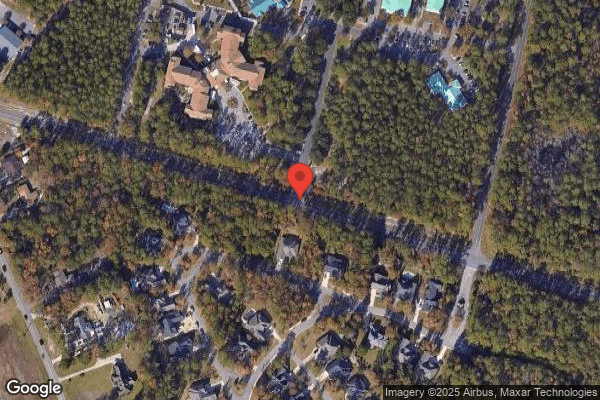

1011 Porters Neck Road, Wilmington, NC 28411 (910) 686-7195
Non profit - Corporation 115 Beds Independent Data: November 2025 1 Immediate Jeopardy citation
Trust Grade
36/100
#244 of 417 in NC
Last Inspection: April 2025

Within standard 12-15 month inspection cycle. Federal law requires annual inspections.

Overview

Davis Health Care Center has received a Trust Grade of F, indicating significant concerns about the facility's care and management. It ranks #244 out of 417 nursing homes in North Carolina, placing it in the bottom half of facilities in the state, and #6 out of 11 in New Hanover County, meaning only five local options are better. While the facility is showing signs of improvement, reducing issues from 7 in 2024 to 4 in 2025, it still has notable weaknesses, including a staffing rating of just 1 out of 5 stars and a turnover rate of 53%, which is average for the state. There are concerning incidents, such as a critical finding where a resident with severe cognitive impairment was found with a call light cord wrapped around her neck on multiple occasions, posing serious risks, and a serious issue where a nurse treated a resident disrespectfully, potentially causing emotional distress. Overall, while there are some strengths, families should weigh these serious deficiencies when considering this facility for their loved ones.

Trust Score
F
36/100
In North Carolina
#244/417
Bottom 42%
Safety Record
High Risk
Review needed
Inspections
Getting Better
7 → 4 violations
Staff Stability
⚠ Watch
53% turnover. Above average. Higher turnover means staff may not know residents' routines.
Penalties
✓ Good
$11,969 in fines. Lower than most North Carolina facilities. Relatively clean record.
Skilled Nurses
⚠ Watch
Each resident gets only 27 minutes of Registered Nurse (RN) attention daily — below average for North Carolina. Fewer RN minutes means fewer trained eyes watching for problems.
Violations
⚠ Watch
13 deficiencies on record. Higher than average. Multiple issues found across inspections.
★★☆☆☆
2.0
Overall Rating
★☆☆☆☆
1.0
Staff Levels
★★★★☆
4.0
Care Quality
★★★☆☆
3.0
Inspection Score
Stable
2024: 7 issues
2025: 4 issues

The Good

  • 4-Star Quality Measures · Strong clinical quality outcomes
  • Full Sprinkler Coverage · Fire safety systems throughout facility
  • No fines on record

Facility shows strength in quality measures, fire safety.

The Bad

2-Star Overall Rating

Below North Carolina average (2.8)

Below average - review inspection findings carefully

Staff Turnover: 53%

Near North Carolina avg (46%)

Higher turnover may affect care consistency

Federal Fines: $11,969

Below median ($33,413)

Minor penalties assessed

The Ugly 13 deficiencies on record

1 life-threatening 1 actual harm
Apr 2025 4 deficiencies
CONCERN (D)

Potential for Harm - no one hurt, but risky conditions existed

Deficiency F0849 (Tag F0849)

Could have caused harm · This affected 1 resident

**NOTE- TERMS IN BRACKETS HAVE BEEN EDITED TO PROTECT CONFIDENTIALITY** Based on record review, and staff interviews, the facility failed to coordinate a plan of care with the Hospice provider for 2 o...

Read full inspector narrative →
**NOTE- TERMS IN BRACKETS HAVE BEEN EDITED TO PROTECT CONFIDENTIALITY** Based on record review, and staff interviews, the facility failed to coordinate a plan of care with the Hospice provider for 2 of 2 residents (Resident #54 and #21) reviewed for Hospice care. The findings included: a. Resident #54 was admitted to the facility on [DATE] with medical diagnoses which included in part: Hospice, senile degeneration of the brain, influenza, malnutrition, abnormal weight loss, and dementia. An Election of Hospice Benefit form was signed by Resident #54's Responsible Party (RP) on 02/07/25. Review of the 02/20/25 significant change Minimum Data Set (MDS) assessment revealed Resident #54 had severe cognitive impairments, and Hospice care was indicated. Review of the care plan dated 04/10/25 included activities for daily living (ADL) self-deficit related to dementia, chronic pain related to the history of fractures, and a nutritional deficit problem. No facility care plan problems indicated that Resident #54 received Hospice services. A review of Resident #54's electronic care plan record did not reveal a current hospice plan of care, only Hospice progress notes. b. Resident #21 was admitted to the facility on [DATE] with medical diagnoses which included in part: encephalopathy (brain dysfunction or damage), polymyalgia (widespread muscle pain and stiffness), anorexia, depression, pleural effusion, dementia, pain, hypertension, and heart disease. Review of the 04/03/25 Minimum Data Set (MDS) assessment revealed Resident #21 had severe cognitive impairments, and Hospice care was indicated. An Election of Hospice benefit was signed by the resident and resident's power of attorney (POA) on 04/04/25. Review of the care plan dated 04/10/25 included activities for daily living (ADL) self-deficit related to dementia, acute and chronic pain related to the history of fractures, and a nutritional deficit problem due to diagnosis of dementia and weight loss. No facility care plan problems indicated that Resident #21 received Hospice services. An interview was conducted with the MDS Nurse Instructor/Director of Nursing (DON) on 04/15/25 at 1:15 PM. She confirmed that Residents #54 elected Hospice benefit on 02/07/25, and Resident #21 elected Hospice benefit on 04/04/25, and that the Hospice benefit services were ongoing. The MDS Nurse/DON stated that the facility care plan should contain information regarding Hospice services and interventions provided for the two residents but did not. The DON could not locate any documentation to show that the facility's care plan had been collaborated with the Hospice staff for either Resident #54 or Resident #21. She further indicated that she was training two new MDS Nurses, and that the two new MDS Nurses must have overlooked updating the facility's care plans for Resident #54 and Resident #21to include a Hospice section. The DON said she was ultimately responsible for not following up with Hospice as she should have, and for the facility of not having a clear process in place to obtain and coordinate a Hospice care plan. She said after the MDS Nurse received resident's complete Hospice admission documentation, including a Hospice care plan, the nurse would collaborate with the Hospice Nurse, to develop a facility Hospice care plan. The care plan should be developed and entered into the resident's electronic medical record within 3 to 5 days after receiving the Hospice documentation and care plan, which the MDS Nurse failed to do. An interview was conducted with the Clinical Compliance Administrator on 04/17/25 at 10:20 AM. She said it was her expectation that the MDS Nurses to incorporate Hospice documentation and care plan into their care plan, which they did not do. An interview was conducted with the Hospice Nurse on 04/17/25 at 10:30 AM. She stated that she kept most of Resident #54 and Resident #21's Hosice orders, assessments, and notes in her computer, which were scanned to the facility timely. The Hospice Nurse stated she was not aware that Resident #54 and Resident #21's Hospice care plans were not added to the facility's care plans by the facility's MDS nurses. She said the MDS nurses should have updated the facility's care plan to include her Hospice care plan, so that all facility and Hospice staff were all on the same page regarding residents' plan of care. An interview was conducted with the Administrator and Director of Nursing (DON) on 04/17/25 at 10:00 AM. The DON and Administrator revealed that there should have been Hospice information included in the facility's care plan for Resident #54 or #21 and there was not. An interview was conducted with the Administrator on 04/17/25 at 10:05 AM. She indicated it was her expectation that the Hospice section be available in the facility's care plan for all residents receiving Hospice services. She further explained that her expectation was for Hospice care plan to have been developed and available in the facility's care plan for Resident #54 and Resident #21, which there wasn't.
CONCERN (E)

Potential for Harm - no one hurt, but risky conditions existed

Deficiency F0565 (Tag F0565)

Could have caused harm · This affected multiple residents

Based on record review, and staff and resident interviews, the facility failed to provide a resolution and communicate the efforts to address grievances reported during Resident Council meetings for 1...

Read full inspector narrative →
Based on record review, and staff and resident interviews, the facility failed to provide a resolution and communicate the efforts to address grievances reported during Resident Council meetings for 10 of 12 months reviewed (June 2024, July 2024, August 2024, September 2024, October 2024, November 2024, December 2024, January 2025 February 2025, March 2025). Findings included. The Resident Council meeting minutes were reviewed for the period of April 2024 through March 2025. The meeting minutes did not include resolutions to the concerns expressed by the residents for the following months: 6/26/24: The Resident Council minutes noted concerns regarding not getting evening showers that were scheduled. Staff wearing headphones during their shift and having snacks available. 7/10/24: The Resident Council minutes did not include a discussion regarding resolution of old business including the concerns that were reported. Concerns were reported again regarding receiving scheduled showers and staff being on their phones and having ear buds in during resident care. 8/10/24: The Resident Council minutes did not include a discussion regarding resolution of old business including the concerns that were reported during the July meeting. No new concerns were reported. 9/4/24: The Resident Council minutes did not include a discussion regarding resolution of old business including concerns reported during July 2024 meeting. New concerns were reported regarding short staffing and answering call lights. 10/16/24: The Resident Council minutes did not include a discussion regarding resolution of old business. Concerns were reported regarding timeliness of medications, answering call lights, and getting breakfast served late. 11/13/24: The Resident Council minutes did not include a discussion regarding resolution of old business. Concerns were reported regarding timeliness of medications, answering call lights, and Nurse Aides being disrespectful, and staff using headphones and cell phones during shift. 12/11/24: The Resident Council minutes did not include a discussion regarding resolution of old business. Concerns were reported regarding shower schedules not being adhered to, and getting breakfast served to late and earlier than 10:00 AM. 1/29/25: The Resident Council minutes did not include a discussion regarding resolution of old business. No new concerns were reported in the meeting minutes. 2/12/25: The Resident Council minutes did not include a discussion regarding resolution of old business from previous months meetings. Concerns were voiced regarding shower schedules not being followed. 3/5/25: The Resident Council minutes did not include a discussion regarding resolution of old business. No repeat concerns were reported during the meeting. During the Resident Council meeting interviews on 4/16/25 at 10:05 AM residents in attendance stated that they had ongoing concerns that had been voiced for months during the Resident Council meetings. Residents stated their concerns were not being addressed and there was no discussion held at the beginning of each monthly meeting to address any resolutions regarding concerns voiced from the previous month. Residents reported breakfast continued to be served late on one of the units. Shower schedules continued to not be adhered to. Call lights were not being responded to within a reasonable time, and staff continued to use headphones or ear buds during care. During an interview with the Activity Director on 4/16/25 at 11:00 AM she stated she was recently hired two weeks ago and was now the full-time Activities Director. She stated she did not know how the meetings were being conducted prior to her taking on this role. She stated she would be including a discussion regarding resolution of any concerns at the beginning of each meeting moving forward. She indicated she had been instructed to notify the appropriate department of any concerns voiced during the monthly Resident Council meetings and would ensure that the concerns were being addressed. During an interview on 04/16/25 at 2:42 PM the Administrator stated she became the Administrator in January 2025. She stated she did not know how the previous Administrator and Activities Director handled the concerns voiced during the Resident Council meetings. She stated she had no documentation that could show the grievances reported during the monthly meetings had been addressed. She stated the process now included that the department managers typically attend the monthly Resident Council meetings, and the concerns voiced were sent to each department to address. She stated moving forward she would ensure that Resident Council minutes were being addressed each month. She indicated staff education would be held on Resident Rights and resolving and following up on grievances reported during the monthly Resident Council meetings.
CONCERN (F)

Potential for Harm - no one hurt, but risky conditions existed

Deficiency F0809 (Tag F0809)

Could have caused harm · This affected most or all residents

Based on observations, and staff, Ombudsman, Director of Dining Services, Certified Dietary Manager, Club Cook, Compliance Coordinator, and Registered Dietitian (RD) interviews, and record review, the...

Read full inspector narrative →
Based on observations, and staff, Ombudsman, Director of Dining Services, Certified Dietary Manager, Club Cook, Compliance Coordinator, and Registered Dietitian (RD) interviews, and record review, the facility failed to have no greater than a 14-hour lapse between the provision of a substantial evening meal and breakfast the following day for residents served their meals on 5 of 8 meal carts (Club area Cart-1&2; Pavilion area Cart; Haven area Cart, and River Bend area Cart) utilized for meal service. This practice had the potential to affect all the residents (91 of 91) in the facility for meal delivery. The findings included: An interview with the Ombudsman on 04/11/25 at 9:43 AM indicated that there were problems with the meal service times. The Ombudsman stated lunch and dinner meals were served early and breakfast was late. A schedule of the Dining Service Times was provided by the facility on 04/15/25. A review of this schedule indicated the meal cart delivery times allowed as much as 15 - 16 hours to lapse between the last meal of the day and first meal of the following day. An observation was conducted at the Rehabilitation Hall on 04/17/25 at 8:47 AM and indicated the breakfast trays were being served. An interview with Nursing Assistant (NA#1) on 04/17/25 at 8:47 AM revealed that they started serving breakfast between 8:15 AM and 8:45 AM. An observation in the Club Dining Room on 04/17/25 at 8:49 AM revealed the residents were being served breakfast. An interview with the Hospitality Aide (HA#1) 04/17/25 at 8:49 AM revealed they started serving the breakfast meal at 8:30 AM. An interview and observation with Resident #14 on 04/17/25 at 8:50 AM revealed the resident sitting in the Club dining room eating breakfast. Resident #14 stated breakfast was good, but anything would taste good when you were really hungry. The resident stated that it was a long time between dinner and breakfast, and she was hungry in the morning at breakfast. An observation on 04/17/25 at 8:55 AM revealed residents on the Riverbend Hall were being served breakfast trays. An observation in the Club Dining Room on 04/17/25 at 8:59 AM revealed meal trays were being plated to be served. On 04/17/24 at 9:30 AM, Director of Dining Services provided a copy of the facility's current Dining Service Times. A review of the facility's current Dining Service Times (not dated) were scheduled as follows: Breakfast 8:00 AM, Lunch 12:00 PM, and Dinner 5:00 PM. -The Club area Cart #1 delivered at 4:30 PM for dinner and 9:30 AM for Breakfast, indicative of a 17-hour and time span between the two meals. -The Club area Cart #2 was delivered at 4:30 PM for dinner and 9:30 AM for Breakfast, indicative of a 17-hour time span between the two meals. -The Pavilion area Cart was delivered at 4:30 PM for dinner and 8:30 AM for Breakfast, indicating a 16-hour time span between the two meals. -The Haven Hall meal cart was delivered at 4:30 PM for dinner and 8:30 AM for Breakfast, indicative of a 16-hour time span between the two meals. -The River Bend Hall meal cart was delivered at 4:30 PM for dinner and 8:30 AM for Breakfast, indicative of a 16-hour time span between the two meals. An interview with the Compliance Coordinator on 04/17/25 at 9:35 AM revealed the interdisciplinary team had discussed mealtimes in recent Quality Assurance (QA) meetings but had not come up with a conclusion as to how to ensure that meals are served timely and within the appropriate time frames. The Compliance Coordinator stated that there needs to be a process in place to ensure that meals are served within the appropriate time frames. An interview conducted on 04/17/25 at 9:40 AM with the Director of Dining Services and the Certified Dietary Manager revealed that residents' breakfast and dinner meals were currently served 15 hours or greater between the dinner meal and breakfast meal service times, which should be less than 14 hours. An interview conducted on 04/17/25 at 12:40 PM with the facility's Registered Dietitian (RD). During the interview, the RD was shown the facility's Dining Service Times schedule provided and asked what her thoughts were with regards to the time lapse between the evening meal and breakfast the following day. The RD stated, 15 hours or more, is not okay. The RD acknowledged that the facility would need to offer a nourishing snack to everyone if greater than 14 hours elapsed between Dinner and Breakfast the next day. She reported that to her knowledge, the facility did not meet these requirements. An interview was conducted on 04/17/25 at 12:50 PM with Club [NAME] #1. She said breakfast in the Club Dining Room was served usually between 9 AM - 9:30 AM. She said the facility staff does not pass out evening snacks to residents. She said facility staff used to go around with carts of substantial snack carts in the evenings, but no more. The [NAME] said dinner to breakfast meals from 5:00 PM to 9:00AM (16 hours) was way too long between meals, without a substantial evening snack. She said if they had the snack carts back, they would be able to go around and offer residents an evening substantial snack like a peanut butter or ham sandwich, like they used to, which according to her would be a great idea. Upon review, the [NAME] stated she was not sure why the dinner carts were delivered from the main kitchen around 4:30 PM or why breakfast was ready around 9:00 AM, which was over 15 hours between dinner and breakfast meals. The [NAME] also said she was not sure why the facility stopped using the snack carts or stopped offering residents a significant evening snack, like sandwiches, and now if the residents ask, they offer them a package of crackers or maybe a small plastic fruit cup.
MINOR (B)

Minor Issue - procedural, no safety impact

MDS Data Transmission (Tag F0640)

Minor procedural issue · This affected multiple residents

**NOTE- TERMS IN BRACKETS HAVE BEEN EDITED TO PROTECT CONFIDENTIALITY** Based on record review and staff interviews, the facility failed to transmit Annual Minimum Data Set (MDS) assessments (Resident...

Read full inspector narrative →
**NOTE- TERMS IN BRACKETS HAVE BEEN EDITED TO PROTECT CONFIDENTIALITY** Based on record review and staff interviews, the facility failed to transmit Annual Minimum Data Set (MDS) assessments (Resident #14, Resident #58, and Resident #27) and a Discharge MDS assessment (Resident #80) to the Centers for Medicare and Medicaid Services (CMS) system 14 days after completion of the assessment for 4 of 23 residents reviewed for MDS assessments. Findings included: a.Resident #14 was admitted on [DATE]. Resident #14's Annual MDS assessment with an assessment reference date (ARD) of 1/31/25 was listed as production batch. The Annual MDS assessment had not been transmitted to CMS within the required timeframe. b. Resident #58 was admitted on [DATE]. Resident #58's Annual MDS assessment dated [DATE] status indicated finalized. The Annual MDS assessment had not been transmitted to CMS within the required timeframe. c. Resident 27 was admitted on [DATE]. Resident #27's Annual MDS assessment dated [DATE] status was listed as production batch. The Annual MDS assessment had not been transmitted to CMS within the required timeframe. d. Resident #80 was admitted on [DATE]. Review of Resident #80's MDS assessments indicated a discharge return not anticipated MDS assessment dated [DATE] had a status listed as finalized. This discharge MDS assessment had not been transmitted to CMS within the required timeframe. An interview was conducted with the Director of Nursing (DON) on 4/15/25 at 1:15 PM. The DON stated she was new to the position, the MDS nurses were all new and she oversaw the MDS calendar of assessments. The DON stated she was responsible for the management and coordination of the assessments. The DON stated there were 3 new nurses that had not worked in MDS previously and they were being trained but were not functioning yet in the role of MDS. The DON stated the term finalized indicated that the MDS assessment was completed but not transmitted and the term production batch indicated the MDS assessment was not sent. The DON indicated that the assessments were to be transmitted within the regulatory time frame which was 14 calendar days after the completion date. The DON stated the assessments were not transmitted within the required time frame due to changes in personnel in the MDS department.
Feb 2024 7 deficiencies 1 Harm
SERIOUS (G) 📢 Someone Reported This

A family member, employee, or ombudsman was alarmed enough to file a formal complaint

Actual Harm - a resident was hurt due to facility failures

Resident Rights (Tag F0550)

A resident was harmed · This affected 1 resident

**NOTE- TERMS IN BRACKETS HAVE BEEN EDITED TO PROTECT CONFIDENTIALITY** Based on observations, record review and staff interviews the facility failed to treat a resident with dignity and respect when ...

Read full inspector narrative →
**NOTE- TERMS IN BRACKETS HAVE BEEN EDITED TO PROTECT CONFIDENTIALITY** Based on observations, record review and staff interviews the facility failed to treat a resident with dignity and respect when Nurse #3 spoke to a resident (Resident #41) in a demeaning way when she demanded the cognitively impaired resident to pick up food and dishes that the resident had thrown on the floor for 1 of 2 residents observed for dignity. This action would have caused a reasonable person psychosocial harm such as feelings of shame, humiliation, agitation, and degradation. Findings included: Resident #41 was admitted to the facility on [DATE]. Diagnoses included, in part, vascular dementia with behavioral disturbance, restlessness and agitation, Alzheimer's Disease, mild intellectual disabilities, and anxiety. A review of Resident #41's care plan written on 11/30/21 and last reviewed on 01/30/24 revealed a plan of care for the ability to self-propel in wheelchair with approaches to include that staff will allow resident to self-propel wheelchair as desired. Resident has episodes of verbal outbursts/verbal abuse toward staff at times with approaches to include staff will redirect resident with snack, stuffed bear, TV shows or drink when verbal outbursts occur. Staff should try to listen carefully to her requests when she displays outbursts. Resident displays behaviors related to particular dining habits, wants, needs, including pushing plates, food, and glassware when she determines she is finished. Approaches include remove dinner ware when resident requests or yells that she is finished. The Minimum Data Set (MDS) quarterly assessment dated [DATE] revealed Resident #41 was moderately cognitively impaired and demonstrated no behaviors during this assessment. Resident #41 was coded as having adequate hearing. Resident #41 required supervision with one staff physical assistance with bed mobility and was dependent with one staff physical assistance with transfers, independent with locomotion on the unit requiring no assistance, and independent with set up with meals. She had impairment to both sides to lower extremities and used a wheelchair. She was always continent of bowel and bladder and on hospice care. A written statement by the Hospice Social Worker (no date) revealed During a visit with a hospice resident in the [memory care household], I witnessed an event that occurred in the dining room while I was seated in the TV area facing the dining room. I heard a very loud clatter come from the dining room, and when I looked up I saw [Resident #41] in front of the kitchen counter waving her hands towards the kitchen staff member. The kitchen staff member spoke loudly back at [Resident #41] regarding her behavior and accusing the resident of being rude/mean/not nice. The kitchen staff member went to go around the counter and the Social Worker could then see a bowl and spoon on the floor along with some cake realizing [Resident #41] had thrown these items on the floor. [Resident #41] turned her chair and went back towards her room out of sight from me. I heard the [kitchen staff member] speaking loudly at someone else out of sight and then saw [Nurse #3] come towards the kitchen staff member asking her what happened. The staff member spoke to [Nurse #3] who then turned around out of site and returned quickly with [Resident #41) and pushed wheelchair up to where the dish was on the floor. [Nurse #3] proceeded to speak in a very loud voice to [Resident #41] that she needed to get out of her chair and pick up the items from the floor. [Nurse #3] stood next to [Resident #41] pointing at the items and repeatedly telling [Resident #41] to get up out of her chair and pick up her mess. I then started to stand and head toward them to see if I could help. [Nurse #3] looked up at me and then stopped what she was doing, turned [Resident #41]'s chair around back towards the resident's room stating loudly that she would be calling the resident's family. A phone interview was conducted with the Hospice Social Worker on 02/08/24 at 9:45 AM. The Hospice Social Worker stated she remembered she was in the common area and Resident #41 was in her wheelchair by the dining area and Resident #41 threw her dessert on the floor. The Hospice Social Worker stated she heard Nurse #3 yelling at Resident #41 and recalled that Nurse #3 was being insensitive and rude. The Hospice Social Worker added, Nurse #3 was telling Resident #41 she needed pick up the mess she made which Resident #41 would not have been able to do because she was in a wheelchair. The Hospice Social Worker stated, Nurse #3 said loudly to Resident #41, pick it up! Pick it up, now! The Hospice Social Worker stated she proceeded to the dining area to see if she could help and Nurse #3 took Resident #41 to her room in her wheelchair. The Hospice Social Worker stated Resident #41 was not crying or yelling out and she could not recall if she said anything back to Nurse #3, but she mumbled. The Hospice Social Worker stated Resident #41 would mumble when she spoke and it was difficult to understand what she was saying. The Hospice Social Worker stated a dietary cook was in the kitchen serving food but she could not remember if the dietary cook said anything or not. She added, I remember awful person being said but I do not recall who said it. She stated if I put it in my statement, then she [the dietary cook] must have said it. A written statement by Nurse #3 dated 03/15/23 revealed at approximately 12:30 PM, this nurse was asked by Resident [#41] for a spoon. I gave her a fork because I did not hear her ask for a spoon. I walked off from dining room and was walking back toward office when the resident threw her cake on the floor. Resident stated that she wanted a spoon. Resident started to leave. I pushed the resident back in her wheelchair toward the food on the floor and said I should make you get down and clean it up. The resident looked at me and I pushed her in her wheelchair toward her room as I cleaned cake off of the floor. When I entered the resident's room she proceeded to spit food from her mouth on the floor which I then picked up. I told the resident that was unacceptable behavior. Resident apologized to this nurse and asked for a hug. An interview with Nurse #3 on 02/07/24 at 2:30 PM revealed Resident #41 had behaviors and would get agitated very easily. Nurse #3 stated Resident #41 could stand and pivot from her wheelchair with assistance. Nurse #3 reported on 03/15/23 shortly after lunch, Resident #41 was having a piece of cake and she asked for a utensil to eat her cake with. Nurse #3 reported she got a fork from the kitchenette and that was not what Resident #41 wanted so she threw the cake that was in the bowl and the fork and yelled she wanted a spoon. Nurse #3 stated she informed Resident #41 that she did not hear her ask for a spoon and that it was unacceptable for her to be throwing dishes and food. Nurse #3 stated she had elevated her voice because Resident #41 was hard of hearing and stated to the resident that she should make her pick up the bowl and spoon, but added, she was not yelling she was just speaking loudly due to her hearing loss. Nurse #3 stated Resident #41 did not cry or seem upset, but there was no excuse for speaking to Resident #41 that way and she asked to be removed from the household due to burn out. Nurse #3 stated she received education regarding treating dementia residents with dignity and respect and obtained additional training through human resources on more effective ways to manage dementia residents with behaviors. A written statement by Dietary [NAME] #1 dated 03/16/23 revealed yesterday 03/15/23 after lunch Resident [#41] was at the bar area and wanted a piece of chocolate cake. I put it in a bowl and Resident [#41] asked for a spoon. I was about to give her a spoon but nurse [Nurse #3] gave her a fork. I asked her why she did not give her a spoon and [Nurse #3] said she could use a fork. [Resident #41] then threw the bowl with the cake and fork. I was behind the bar in the kitchenette and asked [Resident #41] why she threw the bowl and said, that was not very nice. At that time, [Nurse #3] took the resident in wheelchair to bowl and told her to pick it up. Resident was about to stand up from wheelchair and pick it up and nurse looked like she changed her mind and wheeled resident to her room. I am not sure where the nursing aides were at this time. An interview with the Dietary [NAME] #1 on 02/07/24 at 10:30 AM revealed someone reported her about a violation and what they said happened was not what happened. Dietary [NAME] #1 stated Resident #41 had behaviors and would throw stuff sometimes and was aggressive with staff. She added, as she could recall, Resident #41 did not want a fork to eat her cake and Nurse #3 gave her a fork and she got mad and violently threw everything on the floor in the dining room. Dietary [NAME] #1 stated she recalled telling Resident #41 not to throw things because that was not nice and someone said she yelled at Resident #41 and that was not true. Dietary [NAME] #1 stated she was from another country and she did not speak English very well and when she spoke she spoke loudly, but she was not yelling. She stated she was on the other side of the counter when she saw Resident #41 throw the cake and she was speaking loudly so Resident #41 could hear her. Dietary [NAME] #1 stated she never said to Resident #41 she was an awful or mean person. Dietary [NAME] #1 stated she could not remember what Nurse #3's reaction was. She stated if she wrote in her statement Nurse #3 told Resident #41 to pick up the cake, then that is what she must have said. Review of a 5 day investigation report submitted to the Department of Health and Human Services dated 03/22/23 by the Administrator revealed the following investigation was conducted regarding Resident #41: Resident #41 was admitted to the memory support household in November 2021 with diagnoses to include vascular dementia with behavioral disturbance, anxiety disorder, and mild intellectual disabilities with a history of verbal and physical outbursts. Resident [#41] threw cake in a bowl in the dining room as she asked a fork rather than a spoon to eat the cake and nurse [#3] and household cook [Dietary [NAME] #1] spoke sharply to the resident. It was reported the nurse [#3] pushed resident in wheelchair to the cake and stated that she should have to clean it up. Resident then wheeled herself back to her room and staff cleaned up the cake. During an interview with Nurse [#3], she stated she felt she could have handled the situation better and she had had a particularly rough weekend in the household as some of the residents' behaviors were increased. The nurse [#3] voiced that she felt like she had become very burnt out and hit the wall. During this investigation, it became apparent that Nurse [#3] had been experiencing caregiver burn out. While interviewing the [Dietary] cook, it became apparent that related to her cultural back ground she is naturally a bit louder and animated than some of our other staff. This cook did state that after the resident threw the cake, she did ask the resident why she threw the cake and stated, that was mean. She was behind the kitchen counter during this interaction. The facility determined that this incident was not a willful act to harm a resident in any way but rather a cultural difference. An interview was conducted with the Administrator on 02/08/24 at 2:30 PM. The Administrator reported she expected any staff that was providing care for residents with cognitive impairments with behaviors needed to step away from situations that were escalating and reapproach. The Administrator added if a nurse or staff member was demonstrating burn out and was having challenges she would expect to be notified so that she would take steps to help support them and protect the residents.
CONCERN (D) 📢 Someone Reported This

A family member, employee, or ombudsman was alarmed enough to file a formal complaint

Potential for Harm - no one hurt, but risky conditions existed

Comprehensive Assessments (Tag F0636)

Could have caused harm · This affected 1 resident

**NOTE- TERMS IN BRACKETS HAVE BEEN EDITED TO PROTECT CONFIDENTIALITY** Based on record review and staff interviews the facility failed to complete a comprehensive Minimum Data Set (MDS) admission ass...

Read full inspector narrative →
**NOTE- TERMS IN BRACKETS HAVE BEEN EDITED TO PROTECT CONFIDENTIALITY** Based on record review and staff interviews the facility failed to complete a comprehensive Minimum Data Set (MDS) admission assessment within the regulatory time frame as specified in the Resident Assessment Instrument (RAI) manual for 1 of 1 resident reviewed for completion of a comprehensive MDS assessment (Resident # 219). Findings included. Resident #219 was admitted to the facility on [DATE] with diagnoses of a fractured wrist and respiratory disease. A review of the Minimum Data Set (MDS) admission assessment dated [DATE] revealed the assessment was signed as completed on 01/18/23. During an interview on 02/07/24 at 12:45 PM MDS Coordinator #1 stated many of the MDS assessments were behind. She stated she and MDS Coordinator #2 were trying to get the MDS assessments up to date. She indicated she was aware of the time frame to complete the admission assessments. She stated the assessments were late getting completed due to both MDS nurses having medical issues and due to a change in staff. During an interview on 02/08/24 at 9:29 AM the Director of Nursing (DON) stated she was aware the MDS assessments were behind. She stated the MDS nurses were going to start attending Interdisciplinary Team (IDT) meetings to help with their process in gathering information to complete the assessments. She indicated the assessments should have been completed in full and completed in a timely manner according to the regulations. During an interview on 02/08/24 at 3:45 PM the Administrator indicated she was aware the MDS assessments were behind. She stated MDS assessments were to be completed within the regulatory timeframe.
CONCERN (D) 📢 Someone Reported This

A family member, employee, or ombudsman was alarmed enough to file a formal complaint

Potential for Harm - no one hurt, but risky conditions existed

Deficiency F0761 (Tag F0761)

Could have caused harm · This affected 1 resident

Based on observations and staff interviews, the facility failed to dispose of an expired box of acetaminophen 650 milligram suppositories (Rehab medication storage room) and an expired bottle of tuber...

Read full inspector narrative →
Based on observations and staff interviews, the facility failed to dispose of an expired box of acetaminophen 650 milligram suppositories (Rehab medication storage room) and an expired bottle of tuberculin solution (Riverbend medication storage room) for 2 of 3 medication storage rooms observed. Findings included: Observation of the Rehab medication storage room on 2/7/24 at 10:10 AM was made with Nurse #2 in attendance. Observation revealed a box of acetaminophen 650 milligram suppositories with a printed expiration date of 12/23. Interview on 2/7/24 at 10:10 AM with Nurse #2 revealed she did not know why the expired suppositories were in the cabinet and that they should have been removed. Observation of the Riverbend medication storage room on 2/7/24 at 10:15 AM with Nurse #3 in attendance revealed an opened bottle of tuberculin solution with a label which indicated an opened date of 12/6/23 and an expiration date of 1/6/24. An interview with Nurse #3 was conducted on 2/7/24 at 10:15 AM. Nurse #3 revealed the nurses try to check the medication expiration dates but they must have missed the bottle of tuberculin solution. An interview was conducted on 2/8/24 at 9:23 AM with the Director of Nursing (DON). The DON revealed she expected there would not be any expired medications in the facility. The DON further indicated she expected that expired medications would be discarded.
CONCERN (E) 📢 Someone Reported This

A family member, employee, or ombudsman was alarmed enough to file a formal complaint

Potential for Harm - no one hurt, but risky conditions existed

Food Safety (Tag F0812)

Could have caused harm · This affected multiple residents

Based on observations, record review, and staff interviews the facility failed to ensure perishable food items were labeled with a date when stored in 1 of 1 walk in refrigerator, and 1 of 1 reach in ...

Read full inspector narrative →
Based on observations, record review, and staff interviews the facility failed to ensure perishable food items were labeled with a date when stored in 1 of 1 walk in refrigerator, and 1 of 1 reach in refrigerator. These practices had the potential to affect food served to residents. Findings included. During the initial tour of the kitchen conducted on 02/05/24 at 10:00 AM along with the Head Chef and the Director of Kitchen Services the following perishable food items were observed: a.) A cardboard box containing 3 large bags of raw chicken thighs that were not labeled with a date to show when the chicken was placed into the walk-in refrigerator. b.) A plastic sealed raw pork roast that was not labeled with a date to show when the pork was placed into the walk-in refrigerator. c.) Three plastic sealed tubes of raw hamburger meat that were not labeled with a date to show when the hamburger was placed into the walk-in refrigerator. d.) A container of liquid eggs was observed along with the Director of Kitchen Services in the reach in refrigerator located in the kitchen on the 300 hall. The container was not labeled with an opened date. The container read that it was recommended to discard the eggs 3 days after opening. During an interview on 02/05/24 at 10:30 AM the Head Chef stated the chicken thighs were placed in the walk-in refrigerator on 02/02/24, and the pork shoulder was placed in the walk-in refrigerator on 02/03/24. He stated both the chicken, and the pork were fresh and not frozen when they were placed in the refrigerator. He stated the 3 packs of hamburger meat were frozen and were placed in the walk-in refrigerator that morning on 02/05/24 to thaw. He stated he should have dated the meat when it was placed in the refrigerator, and it was an oversight. During an interview on 02/05/24 at 10:30 AM the Director of Kitchen Services stated the perishable meat was good to stay in the refrigerator for up to 7 days. He stated the meats should have been labeled with the date of when it was placed in the walk-in refrigerator. He stated the liquid eggs should have also been labeled with an opened date and agreed that the eggs were to be discarded 3 days after opening. He indicated additional education would be provided to the Kitchen staff regarding food storage. During an interview with the Administrator on 02/08/24 at 1:44 PM she indicated food should be labeled and dated when placed in the refrigerators for use according to the recommended guidelines.
CONCERN (E) 📢 Someone Reported This

A family member, employee, or ombudsman was alarmed enough to file a formal complaint

Potential for Harm - no one hurt, but risky conditions existed

QAPI Program (Tag F0867)

Could have caused harm · This affected multiple residents

Based on record review, observations, and staff interviews, the facility's Quality Assurance and Performance Improvement (QAPI) Program failed to maintain implemented procedures and monitor interventi...

Read full inspector narrative →
Based on record review, observations, and staff interviews, the facility's Quality Assurance and Performance Improvement (QAPI) Program failed to maintain implemented procedures and monitor interventions the committee put into place following the recertification and complaint investigation survey of 6/21/21 and the recertification and complaint investigation survey of 8/9/22. This was for one recited deficiency on the current recertification and complaint investigation survey of 2/8/24 in the area of food preparation and storage (F812). The continued failure during three federal surveys of record shows a pattern of the facility's inability to sustain an effective Quality Assurance program. Findings included: This tag is cross referenced to: F812 Based on observations, record review, and staff interviews the facility failed to ensure perishable food items were labeled with a date when stored in the walk in and reach in refrigerators. These practices had the potential to affect food served to residents. During the recertification and complaint investigation survey of 6/21/21 the facility failed to ensure frozen items were sealed. Additionally, the facility failed to allow stainless steel pans and glasses to dry prior to stacking or placing the items in a cupboard. During the recertification and complaint investigation survey of 8/9/22 the facility failed to store handheld plastic scoops outside of dry food storage bins. An interview on 2/8/24 at 3:30 PM with the Administrator revealed ongoing monitoring and education was required to ensure that food was properly labeled and stored. The Administrator indicated the facility had changed to a corporate food service company to staff the dietary department. The Administrator stated that she would be working closely with the corporate food service company to ensure that regulations were followed and staff were properly trained.
MINOR (B)

Minor Issue - procedural, no safety impact

Deficiency F0637 (Tag F0637)

Minor procedural issue · This affected multiple residents

**NOTE- TERMS IN BRACKETS HAVE BEEN EDITED TO PROTECT CONFIDENTIALITY** Based on record review and staff interview, the facility failed to complete the Significant Change in Status Assessment (SCSA) M...

Read full inspector narrative →
**NOTE- TERMS IN BRACKETS HAVE BEEN EDITED TO PROTECT CONFIDENTIALITY** Based on record review and staff interview, the facility failed to complete the Significant Change in Status Assessment (SCSA) Minimum Data Set (MDS) assessment within the regulatory timeframe as specified in the Resident Assessment Instrument (RAI) manual for 1 of 1 resident reviewed for Significant Change in Status Assessments MDS assessments (Resident #12). Resident #12's SCSA MDS assessment was completed 27 days after the assessment reference date which was past the specified 14-day timeframe. Findings included: Resident #12 was admitted to the facility on [DATE] with diagnosis which included in part Alzheimer's dementia. Review of Resident #12's 1/11/24 Significant Change in Status Assessment Minimum Data Set (MDS) revealed a completion date of 2/6/24. The RN Assessment Coordinator signed the assessment as completed on 2/6/24. Interview on 2/7/24 at 1:00 PM with MDS Coordinator #1 revealed she was behind on assessments. MDS Coordinator #1 stated she was trying to catch up on the assessments and complete them in a timely manner. She stated she was aware of the time frame required for assessments to be completed. She indicated there were changes in staff completing the MDS assessments and that she had medical issues which contributed to late assessment completion. Interview on 2/8/24 at 9:25 AM with the Director of Nursing (DON) revealed she was in the position at the facility for one year. The DON stated she was aware the MDS assessments were completed late and further revealed the assessments were late for the past year. The DON stated the MDS Coordinators cannot get a handle on completion of the assessments timely. The DON indicated she expected that MDS assessments to be completed accurately and timely according to the RAI manual. Interview on 2/8/24 at 3:30 PM with the facility Administrator revealed she was aware the MDS assessments were completed late for a while now. The Administrator indicated she expected MDS assessments to be completed within the regulatory timeframe specified in the RAI manual.
MINOR (B)

Minor Issue - procedural, no safety impact

Deficiency F0638 (Tag F0638)

Minor procedural issue · This affected multiple residents

**NOTE- TERMS IN BRACKETS HAVE BEEN EDITED TO PROTECT CONFIDENTIALITY** Based on record review and staff interview, the facility failed to complete quarterly Minimum Data Set (MDS) assessments within ...

Read full inspector narrative →
**NOTE- TERMS IN BRACKETS HAVE BEEN EDITED TO PROTECT CONFIDENTIALITY** Based on record review and staff interview, the facility failed to complete quarterly Minimum Data Set (MDS) assessments within the regulatory timeframe as specified in the Resident Assessment Instrument (RAI) manual for 2 of 12 residents reviewed for quarterly MDS assessments (Resident #52 and Resident #22). Findings included: a). Resident #52 was admitted to the facility on [DATE]. Review of Resident #52's 1/5/24 quarterly Minimum Data Set (MDS) revealed the assessment was signed as completed by the MDS Coordinator on 1/23/24, 19 days after the assessment reference date (ARD). b). Resident #22 was admitted to the facility on [DATE]. Review of Resident #22's 12/15/23 quarterly MDS assessment revealed the assessment was completed on 12/29/23, 15 days after the ARD. Interview on 2/7/24 at 1:00 PM with MDS Coordinator #1 revealed that she and the other MDS Coordinator were behind on assessments. MDS Coordinator #1 stated she and the other MDS Coordinator were trying to catch up on the assessments and complete them timely. MDS Coordinator #1 stated she was aware of the time frame required for assessments to be completed. MDS Coordinator #1 indicated there were MDS nurses that quit and that she and the other MDS Coordinator had medical issues which contributed to late assessment completion. Interview on 2/8/24 at 9:25 AM with the Director of Nursing (DON) revealed she was aware of MDS assessments being completed late. The DON stated the MDS Coordinators cannot get a handle on completing the assessments timely. The DON stated MDS assessments had been late for a while. The DON indicated she expected all MDS assessments would be completed accurately and timely according to the RAI manual. Interview on 2/8/24 at 3:30 PM with the facility Administrator revealed the MDS assessments were completed late for a while. The Administrator stated she expected MDS assessments to be completed within the regulatory timeframe specified in the RAI manual.
Aug 2022 2 deficiencies 1 IJ
CRITICAL (J)

Immediate Jeopardy (IJ) - the most serious Medicare violation

Accident Prevention (Tag F0689)

Someone could have died · This affected 1 resident

**NOTE- TERMS IN BRACKETS HAVE BEEN EDITED TO PROTECT CONFIDENTIALITY** Based on record review and interviews with facility staff, Physician, Psychiatric Physician's Assistant (Psych PA), and observat...

Read full inspector narrative →
**NOTE- TERMS IN BRACKETS HAVE BEEN EDITED TO PROTECT CONFIDENTIALITY** Based on record review and interviews with facility staff, Physician, Psychiatric Physician's Assistant (Psych PA), and observations, the facility failed to protect a resident with severe cognitive impairment from a hazardous environment when a resident wrapped a call light cord around her neck and tied the cord in a knot on three separate occasions (04/29/22, 07/12/22 and 07/22/22) for 1 of 7 residents reviewed for accidents (Resident #11). This deficient practice placed Resident #11 at risk for asphyxiation (deprivation of oxygen) which can result in loss of consciousness, brain injury, or death. Immediate Jeopardy began on 7/12/22 when Resident #11 was observed with the call bell cord wrapped loosely around her neck and tied in a knot. The Immediate Jeopardy was removed on 8/6/22 when the facility provided and implemented an acceptable credible allegation of Immediate Jeopardy removal. The facility remains out of compliance at a lower scope and severity level of D (no actual harm with a potential for minimal harm that is not Immediate Jeopardy) to ensure monitoring systems are education put into place are effective. The findings included: Resident #11 was admitted to the facility on [DATE] with diagnoses to include dementia without behavioral disturbance, mild intellectual disabilities, and depression. Review of the electronic medical record (EMR) for Resident #11 revealed she was admitted to Hospice services on 4/11/22 with a diagnosis of senile dementia. Further review of Resident #11's EMR revealed she had a fall on 4/19/22 and was diagnosed with a left and right sinus fracture. Review of Resident #11's quarterly Minimum Data Set assessment dated [DATE] revealed she was severely cognitively impaired. She required extensive assist of 1 staff with activities of daily living (ADL). Resident #11 required extensive assistance of 1 staff with bed mobility, and toilet use. She required limited assistance of 1 staff for mobility and was occasionally incontinent of urine. a. A nurse progress note dated 4/29/22 at 5:01 PM by Nurse #1 revealed she was called to Resident #11's room by a nurse aide (NA). She observed Resident #11 with the call bell cord loosely wrapped around her neck with 2 knots in it. The call bell cord was removed from the room and an alternate call bell was provided. Review of the electronic medical record (EMR) revealed a physician's order dated 5/4/22 to obtain a psych consult. A psychiatric evaluation for Resident #11 was conducted on 5/5/22 by the Psych PA. The Psych PA assessment revealed Resident #11's suicidal ideation was now resolved however had suicide attempt over the weekend without true intention to harm herself. She indicated Resident #11 was in a secured nursing facility, with licensed clinical staff so no safety concerns were identified. The Psychiatric PA recommended antidepressant, antianxiety medication, and antipsychotic medication changes and she would follow-up in 2-4 weeks as needed. Review of the care plan (last reviewed on 7/30/22) for Resident #11, revealed a plan of care dated 5/10/22 for resident unsafe with call bell, wraps cord around neck at times with one intervention: to provide resident with manual bell for call bell usage and ensure manual bell is within reach. A psychiatric periodic evaluation for Resident #11 was conducted on 5/19/22 by the Psych PA. The Psych PA indicated the call bell cord was still removed from Resident #11's room. The Psych PA's mental status examination revealed Resident #11 had poor judgement and was no longer having suicidal ideations. The Psych PA indicated in the recommendations that she would allow Resident #11 to have her call bell cord back at this time. A psychiatric periodic examination was conducted on 5/31/22 by the Psych PA. The Psych PA indicated Resident #11 was very happy to have her call bell cord back. The Psych PA revealed that the facility nursing staff reported Resident #11 used her call bell frequently and there had been no issues with it. The Psych PA indicated Resident #11 was not experiencing suicidal ideations anymore. The Psych PA revealed in the recommendations that she would allow Resident #11 to have her call bell back at this time. b. A nurse progress note dated 7/12/22 at 6:50 AM by Nurse #2 revealed she had observed the call bell was wrapped loosely around Resident #11's neck and tied in a knot when she entered the room. Nurse #2 indicated she had telephoned the Psych PA and they agreed Resident #11 was displaying attention-seeking behaviors and was not at risk of self-harm at this time. The call bell cord was not removed from Resident #11's room by Nurse #2. There were no new interventions initiated to monitor Resident #11 more closely by the facility or the Psych PA. A psychiatric periodic evaluation was conducted by the Psych PA on 7/12/22. The Psych PA's history of present illness indicated Resident #11 had placed the call bell cord around her neck that morning. The Psych PA revealed Resident #11 denied any suicidal ideations and denied she had made any attempts on taking her own life. The Psych PA further revealed that Resident #11 continued to have very loose and vague suicidal threats, that she uses for attention seeking. The Psych PA indicated in the recommendations that she did not feel that Resident #11 needed any suicide monitoring or precautions at this time, and she felt these were attention seeking behaviors and there was no danger to self at the time. c. A nursing progress noted dated 7/22/22 at 6:27 PM by Nurse #1 revealed Resident #11 was observed with the call bell cord loosely wrapped around her neck with a knot in it. Resident #11 was also observed with the bathroom call cords wrapped around her neck. Nurse #1 revealed she had received a telephone order from the Hospice Physician to administer Resident #11 an antianxiety medication by injection. Nurse #1 indicated in the progress note that Resident #11 had been inconsolable all day and needed to see someone about her trying to kill herself. The call bell cord was removed by the Director of Nursing (DON) and replaced with a manual call bell. An interview with the DON on occurred on 8/4/22 at 8:55 Am. She stated that she had removed the call bell cord from Resident #11's room on 7/22/22. She stated that she had removed the call bell cord from the room because it was on a Friday, and she thought that was the best thing to do over the weekend. A psychiatric periodic evaluation was conducted by the Psych PA on 7/26/22. The Psych PA indicated she had once again been asked to see Resident #11 due to continued behaviors that appear to be suicide attempts. The Psych PA indicated Resident #11 was continuing to wrap the call bell cord around her neck, and then remove when staff entered the room. The Psych PA notes revealed Resident #11 at first denied that she was trying to kill herself by wrapping the call bell cord around her head, but later made a comment that she wished she was dead. The Psych PA indicated that Resident #11 reported she no longer plans to use the cord, and was told if she does, it will be taken away. The Psychiatric PA's assessment revealed Resident #11 continues to make suicidal comments, but no plan, for attention mostly. The Psych PA's recommendation for Resident #11 indicated that she did not need any suicide monitoring or precautions at this time because she felt this was attention seeking behavior and there was no danger to herself at this time. The DON removed the call bell from Resident #11's room and replaced it with a manual bell. An observation of Resident #11 on 8/3/22 at 8:55 AM revealed an approximately 6-foot-long call bell cord in her bed within reach. The cord for the electric bed control was noted beside bed and within reach of Resident #11. Resident #11's bathroom was observed to have an emergency cord in it and a shower cord. An interview with Nurse #1 was conducted on 8/3/22 at 09:20 AM. She stated she knew Resident #11 and her family and that these behaviors were attention seeking. She stated Resident #11 had other attention seeking behaviors such as hollering and shaking the bed rails. She stated the call bell cord had been removed from the room on 4/29/22 and 7/22/22 and replaced with a manual call bell. She further stated she didn't know who had given Resident #11 the call bell cord back. She indicated on 7/22/22, Resident #11 was saying she wanted to die, and she wished the place would burn down or she would have a heart attack. She stated Resident #11 was able to wheel herself into the bathroom and transfer on to the toilet. She further stated Resident #11 required assistance with transferring back to the wheelchair. A telephone interview was conducted the Psych PA on 8/3/22 at 10:50 AM. She stated she had not given Resident #11 her call bell cord back. She stated when she saw Resident #11 on 7/26/22 the call bell cord was already back in her room. She further stated Resident #11 was not suicidal when she interviewed her. The Psych PA indicated Resident #11 was attention seeking and she didn't think she would harm herself. She stated it was up to the facility to decide if the call bell cord should remain in Resident #11's room. A telephone interview was conducted on 8/3/22 at 11: 10 AM with a Physician in Resident #11's primary care physician's office. The Physician stated Resident #11's primary care physician was on vacation this week. The Physician indicated she was familiar with Resident #11 and had seen her twice. She stated she had been on call for one of the incidents involving the call bell cord. She stated that Resident #11 had severe dementia and poor judgement. She further stated the facility and Psych PA should not have depended on the Resident to make good decisions or trusted her judgment. She further stated that removing the call bell cords from the room was the facility's decision because they knew Resident #11 the best. An observation and interview with Resident #11 on 8/3/22 at 11:32 revealed she was sitting on the toilet in the bathroom with the wheelchair beside her. Resident #11's speech was difficult to understand because she has had a stroke and she is edentulous (no teeth). She indicated that she had gotten herself to the bathroom and transferred to the toilet by herself. An interview with Nurse #2 occurred on 08/4/22 at 11:55 AM. She stated that she had observed Resident #11 with a call bell cord wrapped loosely around her neck with a knot in it. She further stated that she had immediately untied the cord and removed it from her neck. She indicated that Resident #11 had not had any bruising or red marks on her neck. She stated that she just had a feeling these behaviors were just attention seeking. She further stated that she had not removed the call bell cord from Resident #11's room on July 12, 2022. The Administrator, DON, and the Clinical Services Administrator were notified of the Immediate Jeopardy on 8/4/22. F689 On 8/6/22 the facility provided the following credible allegation of Immediate Jeopardy Removal 1. Identify those recipients who have suffered, are likely to suffer, a serious adverse outcome as a result of the noncompliance. The facility failed to protect a resident from a hazardous situation when the resident wrapped a call light cord around her neck on three separate occasions (Resident #11). The residents at risk are those with severe cognitive impairment. There were 73 residents identified on the most recent 802. The 802 is a roster sample matrix used to identify pertinent care categories for all residents. 2.Specify the action the entity will take to alter the process or system failure to prevent a serious adverse outcome from occurring or recurring, and when action is complete. Resident #11 was in a private room. The call bell was immediately removed by the Social Worker upon identification by the surveyor on 8/3/22. Room assessment was completed on 8/4/22 at 1:15 pm to identify any other potential accident hazards in room. This included modification of all other cords in the room (bathroom cord and bed control cord) to ensure ability to use with a length short enough to prevent ability to wrap around neck. No other hazard beyond the cords were observed during the assessment. This task was completed on 8/4/22 at 1:30 pm. An audit was conducted on 8/4/22 to identify residents who triggered for severe cognitive impairment on the current MDS 802 (Resident Roster). Their environments are to be assessed to identify and remove any potential hazards. The audit was conducted by the Administrator and Director of Nursing. The resident environments will be assessed by the Nurse Educator, staff (MDS) nurse, and the Social Worker to be completed by the end of business day 8/5/22. Training: On 8/4/22 the facility Nurse educator-initiated training on identifying and removing hazards in the environment of cognitively impaired residents. Education will include supervision of residents to avoid accidents and hazards and will extend to 100% against payroll. The majority of work will be completed by end of business day 8/5/22 and all other staff including contract prior to or at the beginning of the next work shift. Completion date: 08/06/22 The Licensed Nursing Home Administrator is responsible for ensuring the removal plan had been implemented and completed. The facility alleges Immediate Jeopardy was removed 08/06/22. On 8/9/22 the Immediate Jeopardy removal plan was verified by onsite validation. A sample of staff that included nurses, nursing assistants, and housekeeping staff were interviewed regarding in-servicing related to the deficient practice. All staff interviewed stated they received Inservice training including in person education and written materials regarding identifying and removing hazards in the environment of cognitively impaired residents. All staff verbalized understanding of the in-services that were presented. A review of all documents developed to correct the deficient practice was completed. Facility policies and procedures that were revised to address the deficient practice were reviewed. The audit forms that were developed to monitor that the systems put in place were effective were also reviewed. An observation of Resident #11's room revealed: that there was a manual call bell; the bed cord was zip tied under the bed where she could not reach it; and the bathroom emergency call bell cord was shortened to a length that would not wrap around her neck. The facility's Immediate Jeopardy removal date was validated to be 8/6/22.
CONCERN (E)

Potential for Harm - no one hurt, but risky conditions existed

Food Safety (Tag F0812)

Could have caused harm · This affected multiple residents

Based on observations and staff interviews the facility failed to store the hand-held plastic scoops outside of 3 of 3 dry food bins holding breadcrumbs, flour, and sugar which were observed during th...

Read full inspector narrative →
Based on observations and staff interviews the facility failed to store the hand-held plastic scoops outside of 3 of 3 dry food bins holding breadcrumbs, flour, and sugar which were observed during the initial tour of the kitchen. Findings included: An observation was made on 08/01/22 at 12:05 PM of the flour, sugar, and bread-crumb bins with the scoops stored directly in the food item. During an interview with the Dietary Manager (DM) on 08/02/22 at 12:00 PM and 08/05/22 at 2:50 PM, he stated it was his expectation that scoops be stored in a closed container outside of each bin. During an interview with the Administrator on 08/05/22 at 2:15 PM revealed it was her expectation that the dietary staff follow the sanitation guidelines taught by the facility.
Understanding Severity Codes (click to expand)
Life-Threatening (Immediate Jeopardy)
J - Isolated K - Pattern L - Widespread
Actual Harm
G - Isolated H - Pattern I - Widespread
Potential for Harm
D - Isolated E - Pattern F - Widespread
No Harm (Minor)
A - Isolated B - Pattern C - Widespread

Questions to Ask on Your Visit

  • "What changes have you made since the serious inspection findings?"
  • "Can I speak with families of current residents?"
  • "What's your RN coverage like on weekends and overnight?"

Our Honest Assessment

Strengths
  • • Licensed and certified facility. Meets minimum state requirements.
Concerns
  • • Multiple safety concerns identified: 1 life-threatening violation(s), 1 harm violation(s). Review inspection reports carefully.
  • • 13 deficiencies on record, including 1 critical (life-threatening) violation. These warrant careful review before choosing this facility.
  • • $11,969 in fines. Above average for North Carolina. Some compliance problems on record.
  • • Grade F (36/100). Below average facility with significant concerns.
Bottom line: Trust Score of 36/100 indicates significant concerns. Thoroughly evaluate alternatives.

About This Facility

What is Davis Health Care Center's CMS Rating?

CMS assigns Davis Health Care Center an overall rating of 2 out of 5 stars, which is considered below average nationally. Within North Carolina, this rating places the facility higher than 0% of the state's 100 nursing homes. A rating at this level reflects concerns identified through health inspections, staffing assessments, or quality measures that families should carefully consider.

How is Davis Health Care Center Staffed?

CMS rates Davis Health Care Center's staffing level at 1 out of 5 stars, which is much below average compared to other nursing homes. Staff turnover is 53%, compared to the North Carolina average of 46%. RN turnover specifically is 78%, which is notably high. RNs provide skilled clinical oversight, so turnover in this role can affect medical care quality.

What Have Inspectors Found at Davis Health Care Center?

State health inspectors documented 13 deficiencies at Davis Health Care Center during 2022 to 2025. These included: 1 Immediate Jeopardy (the most serious level, indicating potential for serious harm or death), 1 that caused actual resident harm, 8 with potential for harm, and 3 minor or isolated issues. Immediate Jeopardy findings are rare and represent the most serious regulatory concerns. They require immediate corrective action.

Who Owns and Operates Davis Health Care Center?

Davis Health Care Center is owned by a non-profit organization. Non-profit facilities reinvest revenue into operations rather than distributing to shareholders. The facility operates independently rather than as part of a larger chain. With 115 certified beds and approximately 96 residents (about 83% occupancy), it is a mid-sized facility located in Wilmington, North Carolina.

How Does Davis Health Care Center Compare to Other North Carolina Nursing Homes?

Compared to the 100 nursing homes in North Carolina, Davis Health Care Center's overall rating (2 stars) is below the state average of 2.8, staff turnover (53%) is near the state average of 46%, and health inspection rating (3 stars) is at the national benchmark.

What Should Families Ask When Visiting Davis Health Care Center?

Based on this facility's data, families visiting should ask: "What changes have been made since the serious inspection findings, and how are you preventing similar issues?" "Can you walk me through typical staffing levels on day, evening, and night shifts?" "Can I visit during a mealtime to observe dining assistance and food quality?" "How do you handle medical emergencies, and what is your hospital transfer rate?" These questions are particularly relevant given the facility's Immediate Jeopardy citations and the below-average staffing rating.

Is Davis Health Care Center Safe?

Based on CMS inspection data, Davis Health Care Center has documented safety concerns. Inspectors have issued 1 Immediate Jeopardy citation (the most serious violation level indicating risk of serious injury or death). The facility has a 2-star overall rating and ranks #100 of 100 nursing homes in North Carolina. Families considering this facility should ask detailed questions about what corrective actions have been taken since these incidents.

Do Nurses at Davis Health Care Center Stick Around?

Davis Health Care Center has a staff turnover rate of 53%, which is 7 percentage points above the North Carolina average of 46%. Moderate turnover is common in nursing homes, but families should still ask about staff tenure and how the facility maintains care continuity when employees leave.

Was Davis Health Care Center Ever Fined?

Davis Health Care Center has been fined $11,969 across 2 penalty actions. This is below the North Carolina average of $33,199. While any fine indicates a compliance issue, fines under $50,000 are relatively common and typically reflect isolated problems that were subsequently corrected. Families should ask what specific issues led to these fines and confirm they've been resolved.

Is Davis Health Care Center on Any Federal Watch List?

Davis Health Care Center is not on any federal watch list. The most significant is the Special Focus Facility (SFF) program, which identifies the bottom 1% of nursing homes nationally based on persistent, serious quality problems. Not being on this list means the facility has avoided the pattern of deficiencies that triggers enhanced federal oversight. This is a positive indicator, though families should still review the facility's inspection history directly.