Liberty Commons Rehabilitation Center
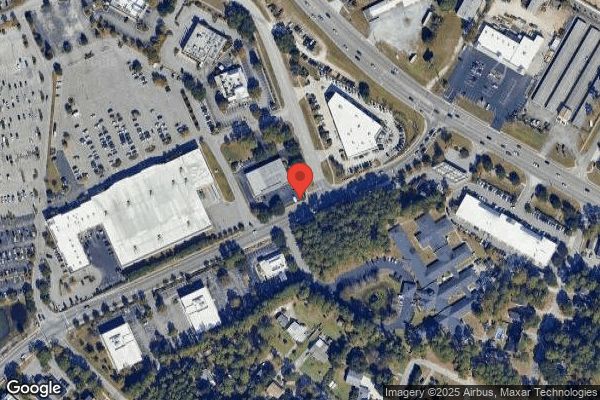

121 Racine Drive, Wilmington, NC 28403 (910) 452-4070
For profit - Corporation 82 Beds LIBERTY SENIOR LIVING Data: November 2025 1 Immediate Jeopardy citation
Trust Grade
0/100
#259 of 417 in NC
Last Inspection: January 2025

Within standard 12-15 month inspection cycle. Federal law requires annual inspections.

Overview

Liberty Commons Rehabilitation Center has received a Trust Grade of F, indicating poor performance with significant concerns about care quality. It ranks #259 out of 417 facilities in North Carolina, placing it in the bottom half of nursing homes statewide, and #8 out of 11 in New Hanover County, meaning only three local options are worse. The facility is improving, having reduced its number of issues from 10 in 2023 to 4 in 2025, but still, there are serious concerns. Staffing is rated at 2 out of 5 stars with a turnover rate of 55%, which is average for the state but suggests staff may not remain long enough to develop strong relationships with residents. Additionally, there have been alarming incidents, such as one resident suffering physical abuse and another receiving incorrect medication doses that led to health complications, highlighting the need for significant improvements in care practices.

Trust Score
F
0/100
In North Carolina
#259/417
Bottom 38%
Safety Record
High Risk
Review needed
Inspections
Getting Better
10 → 4 violations
Staff Stability
⚠ Watch
55% turnover. Above average. Higher turnover means staff may not know residents' routines.
Penalties
⚠ Watch
$20,988 in fines. Higher than 78% of North Carolina facilities, suggesting repeated compliance issues.
Skilled Nurses
⚠ Watch
Each resident gets only 24 minutes of Registered Nurse (RN) attention daily — below average for North Carolina. Fewer RN minutes means fewer trained eyes watching for problems.
Violations
⚠ Watch
22 deficiencies on record. Higher than average. Multiple issues found across inspections.
★★☆☆☆
2.0
Overall Rating
★★☆☆☆
2.0
Staff Levels
★★★★☆
4.0
Care Quality
★★☆☆☆
2.0
Inspection Score
Stable
2023: 10 issues
2025: 4 issues

The Good

  • 4-Star Quality Measures · Strong clinical quality outcomes
  • Full Sprinkler Coverage · Fire safety systems throughout facility
  • No fines on record

Facility shows strength in quality measures, fire safety.

The Bad

2-Star Overall Rating

Below North Carolina average (2.8)

Below average - review inspection findings carefully

Staff Turnover: 55%

Near North Carolina avg (46%)

Frequent staff changes - ask about care continuity

Federal Fines: $20,988

Below median ($33,413)

Minor penalties assessed

Chain: LIBERTY SENIOR LIVING

Part of a multi-facility chain

Ask about local staffing decisions and management

Staff turnover is elevated (55%)

7 points above North Carolina average of 48%

The Ugly 22 deficiencies on record

1 life-threatening 4 actual harm
Mar 2025 1 deficiency
CONCERN (D) 📢 Someone Reported This

A family member, employee, or ombudsman was alarmed enough to file a formal complaint

Potential for Harm - no one hurt, but risky conditions existed

Free from Abuse/Neglect (Tag F0600)

Could have caused harm · This affected 1 resident

**NOTE- TERMS IN BRACKETS HAVE BEEN EDITED TO PROTECT CONFIDENTIALITY** Based on record review, observation, and interviews with the Physician, Nurse Practitioner, resident, and staff, the facility fa...

Read full inspector narrative →
**NOTE- TERMS IN BRACKETS HAVE BEEN EDITED TO PROTECT CONFIDENTIALITY** Based on record review, observation, and interviews with the Physician, Nurse Practitioner, resident, and staff, the facility failed to protect a cognitively intact female resident's (Resident #2) right to be free of sexual abuse when another female resident (Resident #1), who was cognitively impaired entered Resident #2's room and got into the bed with Resident #2 on 2/25/25 at 6:19 am. While in the bed Resident #1 kissed Resident #2 on the face, touched Resident #1's breasts and placed her hand inside the front of Resident #2's brief and attempted to touch her vagina. Resident #2 yelled out and Resident #1 got out of the bed and left the room. Resident #2 stated she was scared at the time and was still upset that it happened but was no longer afraid. Resident #2 was initially afraid until she learned that it was Resident #1 in her bed and not a man. The deficient practice occurred for 1 of 5 residents reviewed for abuse (Resident #2). The findings included: Resident #1 was admitted to the facility on [DATE] and readmitted on [DATE] with diagnoses that included dementia. Resident #1's care plan dated 10/15/24 revealed a problem of impaired cognitive function related to dementia with interventions that included cue, orient, supervise, and assess for unmet needs as needed. A second problem revealed Resident #1 had increased wandering and confusion and wandered into other resident rooms, woke them up and attempted to help other residents. Interventions included to anticipate needs when possible. Resident # 1's quarterly Minimum Data Set (MDS) assessment dated [DATE] revealed Resident # 1 was severely cognitively impaired. She was not assessed to have behavioral problems or wandering during the assessment period. Resident #1 was coded as using a wheelchair for mobility but could ambulate with partial to moderate assistance for 150 feet. Resident #2 was admitted to the facility on [DATE] and readmitted on [DATE] Resident # 2's admission Minimum Data Set (MDS) assessment dated [DATE] revealed Resident # 2 was cognitively intact. She required substantial to maximum assistance for activities of daily living care and moderate to partial assistance with bed mobility and transfers. An initial report dated 2/27/25 at 3:10 pm revealed that on 2/27/25 Resident #2 reported an allegation of abuse perpetrated by Resident #1. The report stated that Resident #1 went into Resident #2's room on 2/25/25, got into bed with Resident #2 and felt her breasts. Resident #1 then put her hand into Resident #2's brief. Resident #2 yelled for help and Resident #1 got out of the bed and left the room. Resident #1 was placed on one-to-one supervision after the facility became aware of the allegation. The report was signed by the Administrator on 2/27/25. In an interview with Resident #2 on 3/11/25 at 10:33 am she stated Resident #1 came into her room about a week ago (could not recall date or time) and got into bed with her when it was still dark outside. Resident #2 stated it scared her at the time because she could not tell if it was a man or woman. She stated she was not strong enough to push Resident #1 off her bed. The interview further revealed Resident #1 lay down beside Resident #2 and touched her breasts, kissed her face, and placed her hand inside the front of her brief and tried to touch her vagina. Resident #2 stated Resident #1 said something to her, but she could not recall what was said. Resident #2 stated when she told Resident #1 that she was going to call the police and yelled for help that Resident #1 got out of her bed and went toward the door. Resident #2 stated when Resident #1 was near the doorway she could identify Resident #1, and she was no longer afraid but was still upset that it happened. Resident #2 stated she knew Resident #1 was a resident at the facility and had talked to her before. The interview further revealed that she felt safe and was no longer afraid. During an interview with the Director of Nursing (DON) on 3/12/25 at 8:52 am she stated on 2/27/25 the Administrator made her aware of an alleged sexual abuse concern made by Resident #2 and immediately interviewed Resident #2 and completed a full body audit to include a vaginal observation. She indicated that the allegation was Resident #1 entered Resident #2's room on 2/25/25 in the early morning and got into bed with her, told her she loved her and touched her inappropriately on the chest area and attempted to put her hand in her brief. The DON stated Resident #2 reported she was afraid until she learned that it was Resident #1 that got into her bed and not a man. The DON stated interventions we put in place immediately, Resident #1 was placed on 1 on 1 observation with a staff member, was given a baby doll as a distraction to wandering, a mesh stop sign was placed across Resident #2's room door, and Resident #2 was later relocated to another hallway per the family approval. The interview further revealed Resident #1 and Resident #2 were known to one another and Resident #1 often visited Resident #2's room. The DON stated that on 2/27/25, Resident #1 had been placed on one-to-one supervision pending investigation into the incident. On 3/5/25 the Interdisciplinary Team (IDT) reviewed Resident #1 for the continued need for a 1 on 1 sitter with an intervention of a weighted baby doll (a life sized baby doll intended to simulate a real baby, used as a diversional activity for cognitively impaired residents) implemented on 3/5/25 and Resident #1 had decreased wandering into other residents' rooms and a large picture of Resident #1 and her husband had been placed on Resident #1's doorway to help her identify her room. There had been no concerns reported/identified during the resident body audits and resident interviews related to abuse or inappropriate touching. The IDT felt 1 on 1 supervision could be removed when this was discussed on 3/7/25 during the weekly Quality Assurance (QA) Meeting. Resident #1 was observed on 3/11/25 at 10:25 am sitting in a wheelchair in her room beside her roommate's bed in a wheelchair holding a doll baby and talking about the sunshine outside. Attempts to interview Resident #1 were unsuccessful because Resident #1 was unable to hold a meaningful conversation and kept reverting to the baby doll and the sunshine. Resident #1's room was noted to be on the same hallway several rooms down the hallway from Resident #2's room. During a phone interview with Nurse #3 on 3/11/25 at 3:14 pm she worked the 7:00 pm to 7:00 am shift on 2/25/25. She stated Resident #2 had been on her assignment that night. Nurse #3 stated while Resident #1 would go into other resident's rooms that she had never attempted to get into anyone's bed with them. She stated she did not hear Resident #2 call out for help that night and did not witness Resident #1 enter Resident #2's room. In an interview with Nursing Assistant (NA) #3 on 3/11/25 at 3:53 pm she stated she worked the 7:00 pm to 7:00 am shift on 2/25/25 and had been assigned to Resident and #1 and #2. She further indicated she had not observed Resident #1 enter Resident# 2's room at any time and had not heard Resident #2 call out for help that night. She stated she would have been making rounds and may have been in another resident's room when Resident #2 called out. The interview further revealed Resident #1 could transfer herself from the bed to her wheelchair and could ambulate Independently. NA #3 further stated she assisted Resident #1 to bed at 11:00 pm on 2/25/25 and checked on her every 2 hours throughout the night and Resident #1 was not observed to be out of her bed at any time during her shift. In an interview with the Physician for Resident #1 and Resident #2 on 3/11/25 at 3:25 pm he revealed he had been made aware that Resident #1 had gotten into bed with Resident #2 and that was unusual behavior for Resident #1. He stated Resident #1 was pleasantly confused and oriented to person only and continually called out for her husband. He stated he did not meet with Resident #2, but the Nurse Practitioner (NP) had and did not report any concerns to him regarding her well-being. A phone interview with the NP on 3/12/25 at 10:08 am revealed she met with Resident #2 on 2/25/25 in the late afternoon and Resident #2 had not told her someone had gotten into her bed or touched her inappropriately. She stated Resident #2 was not distraught during her visit with her and was her normal happy self. The NP stated she was made aware of the concern of alleged sexual abuse a few days later by administration. She stated she did not order a psychiatric evaluation for Resident #2 because she was not distraught. She stated a vaginal exam was not ordered because there was no report or indication of penetration of any type. An interview with the Administrator on 3/12/25 at 10:18 am revealed he received a text from Resident #2's family member that someone had gone into Resident #2's room before lunch on 2/25/25 and he checked the facility camera's and could not verify that anyone had entered her room during that time frame. He stated he communicated back to Resident #2's family member that camera footage did not reveal anyone entering her room. He stated he talked to Resident #2 on 2/25/25 and she had not indicated that she had been sexually abused, just that someone came into her room. He stated he communicated back and forth with the family member and continued to review video camera footage until he finally saw Resident #1 enter Resident #2's room on 2/25/25 at 6:19 am and leave the room at 6:57 am. He stated at this time he still thought the concern was that someone had entered Resident #2's room and was not aware of a sexual abuse allegation. He told the family member he would put up a mesh stop sign across Resident #2's door to deter wandering residents from entering her room and they agreed. He stated he had not been made aware of the alleged sexual abuse concern until 2/27/25 at 3:10 pm when he went to put the stop sign on Resident #2's doorway and a family member was present and they told him Resident #2 failed to tell the Administrator what happened when the person entered his room on 2/25/25 because the Administrator was a male and Resident #2 was not comfortable talking to him. He stated he asked the DON to go in to interview Resident #2 and she told the DON about the sexual abuse concern. The Administrator stated upon learning of the alleged sexual abuse he contacted the Division of Health Service Regulation, local law enforcement, and Adult Protective Services within the required timeframes. He further indicated that he was able to identify the person that entered the room on 2/25/25 at 6:19 am as Resident #1. The Administrator stated after he learned of the alleged sexual abuse he started an investigation, completed education with staff on resident-to-resident abuse prevention, reporting and protection. Review of Surveillance video footage of the hallway outside of Resident #2's doorway was reviewed with the Administrator on 3/12/25 at 10:30 am and confirmed Resident #1 entered Resident #2's room on 2/25/25 at 6:19 am and exited the room at 6:57 am. The facility provided the following corrective action plan with a compliance date of 3/6/2025. 1. Address how corrective action will be accomplished for those residents found to have been affected by the deficient practice: On 2/27/2025, the Director of Nursing (DON) assessed Resident #2 for any noted change in condition or injuries with none noted. On 2/28 The IDT which consists of the DON, Unit Managers, Staff Development Coordinator, Administrator, Social Worker and MDS Coordinator completed a root cause analysis of Resident # 1's incident and determined she thought she was getting in bed with her husband based on Resident #2's statement that she (Resident #1) told her she has always loved her, and that Resident #1 frequently asked for her husband. On 2/27/25, Resident #1 was placed on one-to-one supervision pending investigation, a stop sign was placed on Resident #2's doorway to deter any wandering into her room. Resident #2 was moved to the rehab hall on 3/5/25 per family and resident's request. Resident #1 was to remain on one-to-one supervision until the IDT evaluated the effectiveness of the implemented interventions. On 2/27/25, the Administrator notified the local police department and Adult Protective Services (APS). On 2/27/25 the Administrator submitted the initial report to the State Agency. On 2/27/25, the DON/designee notified the Physician and responsible parties of Resident #1 & Resident #2. On 2/27/25 Resident #1's roommate had a skin assessment completed and was assessed for signs and symptoms of emotional distress with no noted decline. Resident #1 was on one-to-one during the abuse investigation. On 3/5/25 Resident #1's implemented interventions included a weighted babydoll, which has decreased residents wandering into other residents' rooms, and a large picture of Resident #1 and her husband was placed on her doorway to help her identify her room. 2. Address how the facility will identify other residents having the potential to be affected by the same deficient practice: On 2/28/25 the Social Worker (SW) interviewed alert and oriented residents concerning abuse with no noted concerns identified. On 2/28 /25 the Director of Nursing (DON) and Unit Managers (UMs) performed skin checks on cognitively impaired residents with no areas of concern identified. On 2/28/25 the Administrator reviewed grievances and Resident Council minutes for the previous 30 days with no concerns of inappropriate touching or abuse. 3. Address what measures will be put into place or systemic changes made to ensure that the deficient practice will not recur: On 2/28/25, the Staff Development Coordinator (SDC) and Director of Nursing (DON) began re-education for all staff regarding Abuse, which included reporting process and types of abuse along with Handling Challenging Behaviors. This education was completed by all staff including agency on 3/5/25. 4. Indicate how the facility plans to monitor its performance to make sure that solutions are sustained: The Facility initiated monitoring and one-to-one on 2/27/25. The Reportable Incident was reviewed on 2/28/25 in the weekly Quality Assurance Meeting. The Administrator or Social Worker are conducting random interviews on 6 cognitively intact residents. The interviews will include questions related to abuse and any inappropriate touching. Residents were, and are encouraged to report any issues related to abuse or inappropriate touching by Administrator or Social Worker during initial interviews and follow-up interviews conducted per the plan of correction. Nursing will conduct 3 body audits on non-cognitively intact residents to make sure there are no signs of suspicious skin injuries or signs of abuse. These interviews /audits will be conducted weekly for two weeks, and monthly for three months. The IDT will monitor the 24-hour report (a report shared between shift to communicate resident conditions) which is reviewed daily Monday through Friday and on the weekends the Shift Supervisors will report to the DON any concerns from 24-hour report or grievances for any safety concerns, or inappropriate touching. Staff will immediately place resident on one-to-one if identified. All data will be presented to the weekly Quality Assurance committee by the Administrator to ensure corrective action is initiated as appropriate. Compliance will be monitored and the ongoing auditing program reviewed at the weekly Quality Assurance Meeting. The weekly Quality Assurance Meeting is attended by the Administrator, Director of Nursing, Minimum Data Set Coordinator, Therapy, Health Information Manager, and the Dietary Manager. Alleged Date of compliance: 3/6/2025 Validation of the corrective action was completed on 3/12/25. This included staff interviews regarding resident-to-resident abuse. An observation of Resident #1 verified the weighted baby doll intervention was implemented. Education was verified for staff on abuse, resident protection, reporting, and handling challenging behaviors. The audits completed by the SW, DON, UMs, and Administrator were verified and there were no concerns identified. Skin assessment for Resident #2, documentation of one on one observation of Resident #1, and documents that indicated notification was made to the State Agency, local police, APS, Physician and responsible parties for Resident #1 and Resident #2 were all verified. As indicated in the corrective action plan, Resident #1 remained on one on one supervision until the IDT evaluated the effectiveness of interventions. On 3/7/25 the IDT determined the implemented interventions were affective and one on one supervision was removed. The facility's alleged compliance date of 3/6/25 was validated.
Jan 2025 3 deficiencies 1 Harm
SERIOUS (G) 📢 Someone Reported This

A family member, employee, or ombudsman was alarmed enough to file a formal complaint

Actual Harm - a resident was hurt due to facility failures

Deficiency F0760 (Tag F0760)

A resident was harmed · This affected 1 resident

**NOTE- TERMS IN BRACKETS HAVE BEEN EDITED TO PROTECT CONFIDENTIALITY** Based on record review, staff, Physician, and the Consultant Pharmacist interviews the facility failed to prevent significant me...

Read full inspector narrative →
**NOTE- TERMS IN BRACKETS HAVE BEEN EDITED TO PROTECT CONFIDENTIALITY** Based on record review, staff, Physician, and the Consultant Pharmacist interviews the facility failed to prevent significant medication errors by administering Resident #223 the incorrect dose of a blood pressure medication, Losartan 50 milligrams (an antihypertensive), and administering blood pressure medications without following the physician's ordered parameters to hold the medication (Residents #223 and #47). This resulted in Resident #223 experiencing hypotension (low blood pressure) and symptoms of head pressure, neck pain, and nausea. There was no significant outcome for Resident #47. This deficient practice occurred for 2 of 2 residents reviewed for medication administration. Findings Included. 1.) Resident #223 was admitted to the facility on [DATE] with diagnoses including hypertension. The Minimum Data Set (MDS) admission assessment dated [DATE] revealed Resident #223 was cognitively intact. A physician's order dated 07/23/24 for Resident #223 revealed Losartan 50 milligram tablets. Give via PEG (percutaneous endoscopic gastrostomy) tube at bedtime for hypertension. Hold if systolic blood pressure is less than 140 mmHg (millimeters of mercury). A nursing progress note dated 08/22/24 at 03:19 AM revealed Resident #223 requested to speak with the nurse at approximately 2:30 AM due to complaints of burning sensation, head pressure, neck pain, and nausea. Resident #223's blood pressure was 62/40 mmHg with a manual cuff, and 59/36 mmHg obtained by second nurse with an automatic cuff. His blood pressure was obtained again manually and was 62/40 mmHg and the second nurse obtained a reading of 65/45 mmHg manually. Resident #223's oxygen saturation was maintained around 95% and dropped as low as 82% with pulse oximetry. The physician was called and gave orders to have the resident sent out to the hospital for evaluation for low blood pressure. Resident #223 stated he didn't want to go to the hospital, but the physician insisted on calling the ambulance for further evaluation. Emergency Medical Services (EMS) arrived, and his blood pressure was 95/60 mmHg and pulse oximetry at 95%. His heart rate and temperature were within normal limits. EMS staff asked if the resident wanted to go to the hospital for further evaluation and Resident #223 declined. The Physician was made aware. During a phone interview on 01/09/25 at 10:33 AM Nurse #6 stated she was new to the facility at the time of the incident and was still in training. Nurse #6 stated she did give Resident #223 Losartan instead of holding the medication. She stated the blood pressure medication had hold parameters, but no box popped up in his electronic medical record to check the residents blood pressure. She stated that she administered the medication from the card that was in the medication cart. Later Resident #223 became lethargic, complained of headache, and nausea. His blood pressure was low, so they called the physician who instructed them to call 911. EMS arrived soon after. EMS asked if he wanted to go to the hospital, but the resident refused to go. She reported he did not go to the hospital, but they continued to do frequent blood pressure checks with no further complaints of headache or nausea and his blood pressure was trending up. She stated he was discharged home two days later. She stated the nurse that was orienting her questioned the dose after the resident became symptomatic when she told the nurse that she had administered it to him. She indicated she didn't realize she had given 100 milligrams instead of 50 milligrams, but she should have held the medication anyway according to the prescribed parameters. She indicated she received training on medication administration following the incident. A progress note dated 08/22/24 at 2:59 PM documented by Unit Manager #2 revealed Resident #223 was administered the right medication, but the wrong dose and the parameters were not followed per the Medication Administration Record. Resident #223's blood pressure dropped. The physician was notified, and actions were taken to improve his blood pressure. He refused to go to the hospital. Resident #223 was examined by the Physician at 8:00 this morning with this nurse present. No further adverse effects were noted. Resident #223 participated in physical therapy this morning and was up in his wheelchair. He and his family member were aware. During an interview on 01/08/25 at 1:30 PM Unit Manager #2 stated she was made aware of the incident the morning it occurred. Resident #223 was admitted for short term rehab therapy. They discovered that Nurse #6 gave the right medication but the wrong dose during the 9:00 PM medication pass. The order in Resident #223's electronic medical record revealed to administer 50 milligrams of Losartan, but the medication card read to give 100 milligrams. The order was changed from 100 milligrams to 50 milligrams, but the medication card was not updated because the new order was not sent to the pharmacy. She stated they also discovered that Resident #223's blood pressure recorded during the 9:00 PM medication pass was 117/69 mmHg so the resident should not have received the medication according to the parameters to hold the medication of the systolic blood pressure was less than 140 mmHg. She stated a few hours after receiving the medication around 2:30 AM the resident had complaints of headache and nausea, and his blood pressure was low. Resident #223 refused to go to the hospital, but EMS was called anyway. The resident continued to refuse to be sent out. The physician evaluated him later that morning and the assessment was within normal limits, and he had no further complaints. Resident #223 participated in physical therapy that morning and discharged home within a couple of days. A progress noted dated 08/24/24 at 3:19 PM Resident #223 discharged home with his family. During an interview on 01/08/24 at 1:00 PM the Director of Nursing (DON) stated on 08/21/24 Nurse #6 who was completing new hire orientation was working on the Rehab Hall on the night of the incident. Resident #223 was alert and oriented and called Nurse #6 to the room with complaints of nausea and other symptoms. His blood pressure was checked, and it was low. The physician was notified and ordered Resident #223 to be sent to the hospital for evaluation, but the resident refused to be sent out. EMS was notified to come evaluate and transport him but Resident #223 continued to refuse to go out. EMS also asked the resident if he wanted to go to the hospital, but he continued to refuse. She stated she was notified that morning, and they reviewed the Losartan medication card. She stated upon investigation they discovered that the Losartan order was changed on 07/23/24 from 100 milligrams to 50 milligrams. Nurse #6 gave 100 milligrams instead of the prescribed 50 milligram tablet. The order was updated in the electronic medical record, but the new order was not sent to the pharmacy. The nurses were still working from the old medication card that had the 100 milligram tablets. She stated the order should have been discontinued altogether and a new order entered for the 50 milligrams and the order sent to the pharmacy. The pharmacy would have sent a new card with the correct dosage and instructions. She stated they also discovered that the medication should have been held due to his systolic blood pressure being less than 140 mmHg, but Nurse #6 administered the medication. During an interview on 01/08/24 at 2:15 PM the Physician stated he was made aware of the medication error when it occurred. He indicated he evaluated Resident #223 following the incident. He stated Resident #223 was on long term antihypertensive therapy. Receiving the extra 50 milligrams would not have any severe outcome and there was no significant outcome regarding Resident #223 receiving Losartan 100 milligrams. He agreed that it was a medication error and stated he expected the nurses to follow the orders and the blood pressure parameters. During a phone interview on 01/09/25 at 1:38 PM the Consultant Pharmacist stated receiving a blood pressure medication when not indicated could cause symptoms such as low blood pressure, dizziness, nausea, and headache. 2.) Resident #47 was admitted on [DATE] with diagnoses including hypotension. The Minimum Data Set (MDS) admission assessment dated [DATE] revealed Resident #47 was cognitively intact. A physician's order dated 12/05/24 for Resident #47 revealed Midodrine (prescribed to treat low blood pressure) 2.5 milligrams. Give 1 tablet by mouth three times a day for hypotension. Hold for systolic blood pressure greater than 95 mmHg (millimeters of mercury). Review of the Medication Administration Record (MAR) for Resident #47 dated January 2025 revealed on 01/02/25 Midodrine 2.5 milligrams was administered by Nurse #7 at the following times with blood pressure readings as follows: 01/02/25 a 6:00 AM with a blood pressure reading of 120/56 mmHg. (systolic/diastolic) 01/02/25 at 12:00 PM with a blood pressure reading of 120/62 mmHg. 01/02/25 at 5:00 PM with a blood pressure reading of 118/60 mmHg. During an interview on 01/08/25 at 1:00 PM the Director of Nursing (DON) stated there had been ongoing issues with staff not following medication parameters ordered by the physician. She indicated that according to the MAR, Nurse #7 signed off that the Midodrine was administered to Resident #47 although her blood pressure was outside of the prescribed parameters. She stated Nurse #7, who administered the Midodrine outside of parameters on 01/02/25, was out on medical leave and was unavailable for interview. During an interview on 01/08/25 at 2:15 PM the Physician stated he was made aware by Unit Manager #2 of Midodrine being administered outside of parameters to Resident #47 on 01/02/25. He reported that the medication was discontinued today as it was no longer indicated for her. He stated Resident #47 did not have any symptoms or outcome from receiving the medication. During an interview on 01/09/25 at 1:38 PM the Consultant Pharmacist stated she had identified not following blood pressure parameters in her monthly medication reviews. She reported this in her monthly reports that were sent to the DON. She stated she would work with the DON to help ensure parameters were being followed. She indicated taking Midodrine when not needed would increase the blood pressure unnecessarily, or cause side effects such as dizziness and headaches. During a follow up interview on 01/09/25 at 1:00 PM, the Director of Nursing stated they had provided education regarding not following physician orders to hold medications according to the prescribed parameters to all nursing staff beginning in August 2024. Education had also been provided verbally to individual staff members between August through December 2024. She stated she had been providing education and conducting audits regarding following medication parameters, but the problem continued. She reported further education and medication audits would be conducted.
CONCERN (D) 📢 Someone Reported This

A family member, employee, or ombudsman was alarmed enough to file a formal complaint

Potential for Harm - no one hurt, but risky conditions existed

Quality of Care (Tag F0684)

Could have caused harm · This affected 1 resident

**NOTE- TERMS IN BRACKETS HAVE BEEN EDITED TO PROTECT CONFIDENTIALITY** Based on observations, record review, staff and the Nurse Practitioner interviews, the facility failed to comprehensively and ef...

Read full inspector narrative →
**NOTE- TERMS IN BRACKETS HAVE BEEN EDITED TO PROTECT CONFIDENTIALITY** Based on observations, record review, staff and the Nurse Practitioner interviews, the facility failed to comprehensively and effectively assess a resident's skin resulting in a delay in identifying and addressing a large, excoriated area (superficial wound or raw irritated patches with visible marks often caused by scratching, rubbing, or other mechanical trauma) behind the left knee of an immobile resident (Resident #25). The resident had a history of yeast developing in the folds of her skin. This deficient practice occurred for 1 of 1 resident reviewed for non-pressure related skin conditions. Findings included. Resident #25 was admitted to the facility on [DATE]. The Minimum Data Set (MDS) quarterly assessment dated [DATE] revealed Resident #25 was cognitively intact. She exhibited no behaviors and had no rejection of care. She required extensive two-person assistance with activities of daily living. Her weight was 240 pounds. A care plan revised 12/19/24 revealed Resident #25 had the potential for impaired skin integrity and was at risk for pressure ulcer development related to limited mobility and incontinence. Interventions included in part to report to the nurse immediately if redness, open areas, or skin irritation, and complete weekly full body skin assessments. A weekly skin evaluation documented by Nurse #5 dated 01/04/25 for Resident #25 revealed no new skin issues. During a phone interview on 01/09/25 at 12:00 PM Nurse #5 who completed the most recent weekly skin assessment dated [DATE] stated she typically completed the skin evaluations during the time the nurse aides were providing personal care. She stated she could have missed the excoriation on Resident #25's legs and abdomen because she just did a quick glance during her assessment. She stated she should not have rushed through the assessment. A Nursing Report Sheet (paper with written comments used by the nurse to report information regarding residents to the oncoming shift. It is not a part of the residents medical record) initially dated 01/06/25 but then crossed through and dated 01/07/25 revealed a note that Resident #25 had a left leg rash and rawness behind the left knee. The Director of Nursing (DON) reported this was documented by Nurse #7. During a phone interview on 01/22/25 at 4:20 PM Nurse #7 stated on the morning of 01/08/25 at approximately 6:30 AM, just before the end of her shift, Resident #25 had complaints of itching and burning to her left leg. She stated she observed a large red area behind the left knee, and she thought it was a rash. She reported this to Nurse #1, the oncoming nurse during end of shift report at approximately 6:45 AM. She stated Nurse #1 told her that she would notify the Wound Nurse and the Nurse Practitioner or Physician and make a note in the resident's medical record. She reported that she typically was not assigned to Resident #25 and did not know how long the rash could have been there. Review of Resident #25's progress notes from 01/01/25 through 01/08/25 was completed on 01/08/25 at 10:30 AM and revealed no documentation of any skin irritation. During an interview and observation conducted on 01/08/25 at 10:45 AM, Resident #25 was observed lying in bed. She was alert and oriented to person, place, and time. She complained of left knee pain. Nurse #1 was notified and entered Resident #25's room to evaluate. A large, excoriated area that appeared red and irritated was noted behind her left knee. Resident #25 stated the area behind her knee had been there for a month. She stated the nurses were aware but there had been no medications applied to the area. Resident #25 stated she didn't know what caused the area to be red and inflamed. Further observation of Resident #25 revealed she had excess skin folds hanging from her abdomen and thighs. Resident #25 stated she had gained a lot of weight and due to her excessive skin folds she relied on staff to check her skin between the large skin folds to determine if there were any concerns. She stated she would not refuse allowing staff to perform skin assessments in case she needed any type of treatment for her skin. During an interview on 01/08/25 at 10:50 AM Nurse #1 stated she was the assigned nurse. She indicated she was not aware that Resident #25 had excoriation behind her left knee. She stated she would notify the Wound Nurse. During a follow up phone interview on 01/22/25 at 4:15 PM Nurse #1 stated she was not made aware of the excoriated area behind Resident #25's left knee during shift change report on the morning of 01/08/25. She stated that had she been made aware she would have notified the Wound Nurse and Physician sooner so that treatment orders could be implemented. During an interview on 01/08/25 at 11:05 AM the Wound Nurse stated she was not aware of the excoriated area behind Resident #25's left knee until now. She did not say when the last time she had evaluated Resident #25, but she only evaluated residents when the nurses informed her of any skin concerns. The Wound Nurse stated the area behind the left knee had not been there for a month as indicated by Resident #25. She stated she would notify the Nurse Practitioner and implement treatment orders. A progress note dated 01/08/2025 at 11:07 AM for Resident #25 documented by the Wound Nurse revealed open excoriation was noted to the left leg folds. The physician was notified, and new orders were received. A physician's order dated 01/08/25 for Resident #25 revealed Nystatin external ointment 100000 units (antifungal). Apply to left leg folds topically every day and night shift for candida (fungal infection caused by an overgrowth of yeast). A skin evaluation form dated 01/09/25 documented by the Wound Nurse revealed Resident #25's left leg was noted with a red papular rash (solid raised bumps on the skin) behind the left knee with open excoriation noted at the crease of the left knee. The area behind the left knee measured 18 centimeters (cm) x 6 cm. The physician was notified, and an antifungal medication was applied to the area. During an interview on 01/09/25 at 12:42 PM the Nurse Practitioner stated she evaluated Resident #25 yesterday 01/08/25 after being notified of the excoriated skin condition. She implemented treatment orders at that time. She reported Resident #25 had large skin folds due to her weight and had issues before with yeast developing in the folds of her skin. She stated the nurses should be doing thorough skin assessments weekly to identify any issues or concerns so that treatment orders could be initiated promptly. During an interview on 01/09/25 at 1:00 PM the Director of Nursing (DON) stated Nurse #7 the night shift nurse identified the excoriation to Resident #25's knee on 01/06/25. She stated Nurse #7 made a handwritten note on the end of shift report sheet and wrote rash behind left knee but no description or measurements. She stated Nurse #7 did not document the area anywhere in the medical record. She stated the area should have been passed along in report the following morning and documented in the medical record. She indicated it should have been communicated to the Wound Nurse or to the Nurse Practitioner so that treatment could have been initiated sooner. She stated thorough skin assessments should be conducted and documented by the nurses and the Nurse Practitioner or Physician notified promptly for treatment orders. She indicated education would be provided. During a follow up phone interview on 01/22/25 at 4:30 PM the Director of Nursing stated upon further investigation, Nurse #7 stated to her that the area behind Resident #25's left knee was reported to Nurse #1 during shift report on the morning of 01/08/25. She indicated education would be provided regarding conducting thorough skin assessments and identifying and addressing any concerns.
MINOR (B) 📢 Someone Reported This

A family member, employee, or ombudsman was alarmed enough to file a formal complaint

Minor Issue - procedural, no safety impact

Safe Environment (Tag F0584)

Minor procedural issue · This affected multiple residents

Based on observations and staff interviews the facility, 1a) failed to remove black greenish substance from the commode base caulking in resident rooms (106,112, 214, 220, 303, and 410), 1b) failed to...

Read full inspector narrative →
Based on observations and staff interviews the facility, 1a) failed to remove black greenish substance from the commode base caulking in resident rooms (106,112, 214, 220, 303, and 410), 1b) failed to replace resident's missing florescent overbed light covers in rooms (201A, 201B, 203A, 203B, 207A, 207B, 208A, 208B, 212A, 212B, 214A, 214B, and 215B). These failures occurred on 4 of 4 hallways (100, 200, 300, and 400 Hall) observed for a safe, clean, homelike environment. Findings included: 1a. An initial observation on 01/08/25 at 8:10 AM revealed resident commodes (Rooms: 106, 112, 214, 220, 303, and 410) were noted to have black greenish substance located around the base of the commodes. An interview was conducted on 01/08/25 at 2:00 PM with the Housekeeping Supervisor. The Housekeeping Supervisor stated her staff was responsible for sweeping and mopping residents' rooms daily and the Maintenance Department was responsible for caulking and removing black greenish substances from commode bases. 1b. A follow-up observation on 01/09/25 at 7:30 AM with the Maintenance Director revealed missing florescent overbed light covers in rooms, which were occupied with residents at the time of the observation. (201A, 201B, 203A, 203B, 207A, 207B, 208A, 208B, 212A, 212B, 214A, 214B, and 215B). An interview and observation was conducted on 01/09/25 at 7:45 AM with the Maintenance Director. The Maintenance Director stated there were multiple resident room areas that still needed to be addressed. He stated he did not have an assistant but was slowly keeping up with facility repairs. He said he did not know what the black greenish substance was around some of the commodes on the 100,200,300 and 400 halls and did not notice resident rooms with missing overhead light covers. He said maintenance was responsible for repairing or replacing items in the facility, including removing blackened substances around commodes and re-caulking, as well as replacing missing fluorescent overbed light covers. No staff had reported to him the black greenish substance around the base of the commodes and no staff had reported to him the missing light covers. A follow-up facility tour was conducted on 01/09/25 at 11:15 AM of the 100 and 200 halls with the Administrator. The tour revealed: black greenish substance around the base of resident commodes and missing fluorescent overbed light covers. He stated the residents' rooms observed in the 100 and 200 halls with commodes that had black greenish substance around their bases and missing fluorescent overbed light covers needed to be addressed by the Maintenance Director. He revealed they were making progress and were improving residents' living environment to make it more home-like, and that it would take time. The Administrator stated it was his expectation for all the residents to have a safe and homelike environment that was clean and in good repair.
Nov 2023 10 deficiencies 1 Harm
SERIOUS (G) 📢 Someone Reported This

A family member, employee, or ombudsman was alarmed enough to file a formal complaint

Actual Harm - a resident was hurt due to facility failures

Accident Prevention (Tag F0689)

A resident was harmed · This affected 1 resident

**NOTE- TERMS IN BRACKETS HAVE BEEN EDITED TO PROTECT CONFIDENTIALITY** Based on record review and staff and resident interviews the facility failed to notify the nurse when a resident refused to be t...

Read full inspector narrative →
**NOTE- TERMS IN BRACKETS HAVE BEEN EDITED TO PROTECT CONFIDENTIALITY** Based on record review and staff and resident interviews the facility failed to notify the nurse when a resident refused to be transferred with a mechanical lift and two nurse aides decided to transfer the resident (Resident #2) by manually lifting the resident from the bed to the shower bed causing her to fracture her tibia for 1 of 4 residents reviewed for accidents. Findings included: Resident #2 was admitted to the facility on [DATE]. Diagnoses included cerebral palsy (spastic paralysis causing impaired muscle coordination), osteoporosis (brittle and fragile bones), anxiety, vitamin D deficiency, contractures to left elbow and left wrist, and fracture of shaft of right tibia. A review of Resident #2's care plan updated 11/03/22 revealed a plan of care for at risk for falls related to resistance to getting out of bed and refusal of care of the mechanical lift. Requires a mechanical lift for all transfers out of bed with a goal that resident would not sustain serious injury over the next 90 days with interventions to include, in part, use mechanical lift with two staff to get in and out of bed. A plan of care for receiving pain medication therapy related to cerebral palsy with joint restrictions and muscle spasms with interventions to include, in part, reposition in bed for comfort and encourage to get out of bed, and a plan of care for osteoporosis with risk for injuries and fractures and pain related to hypocalcemia and vitamin deficiency. Goal to remain free of injuries or complications related to osteoporosis with interventions to include observe for and document/report to the physician any signs or symptoms of complications related to osteoporosis, acute fractures, compression fractures, and pain. The Minimum Data Set (MDS) annual assessment dated [DATE] revealed Resident #2 was cognitively intact. She demonstrated no behaviors and required extensive assistance with two staff physical assistance with bed mobility and transfers. Resident #2 was not coded as having any falls during this assessment. A review of the physician's orders revealed Resident #2 was receiving the following medications: Tylenol 325 milligrams (mg) one tablet three times a day and 2 tablets every 4 hours as needed for pain/fever written on 04/22/22. Evista 60 mg give one tablet by mouth one time a day for osteoporosis written on 04/22/22. Norco (opioid pain medication) tablet 5-325 mg give one tablet three times daily for pain written on 04/23/21. Flexeril (muscle relaxing medication) 10 mg one tablet twice daily for muscle spasms written on 07/25/11. Pain assessment every shift - ask patient if in pain according to pain scale and document response written on 04/23/21. A review of the incident report dated 11/02/22 at 10:42 AM by Unit Manager revealed Resident #2 complained of pain in right leg, hip, and knee. Resident #2 was able to move right leg and toes and slightly bend her right knee. Resident #2 was offered Tylenol for pain but declined stating the medication she took routinely for pain was enough at this time. The Nurse Practitioner was in the building and made aware. A Nurse Practitioner (NP) progress note written on 11/02/22 AM revealed Resident #2 was seen on 11/02/22 resting in bed. Resident #2 reported pain to her right knee that radiated to right hip with onset after shower on 10/30/22. She had continuous sharp pain rating 8 out of 10 and was worse with moving or touching knee. Resident #2's right knee had mild edema (swelling) and no redness. Resident #2 stated when she was lying still it reduced the pain but did not alleviate the pain. There was no pain on palpation of right hip and an x-ray was ordered for the right knee and hip. A physician's order written on 11/02/22 revealed an x-ray to right knee and hip 2 views related to pain. A review of the x-ray results of the right knee dated 11/02/22 revealed Resident #2 had an acute obliquely oriented (broken at an angle) incomplete fracture at the proximal (near) tibial (shinbone) metaphysis (neck of bone where tibia starts to narrow) medially (middle), a new finding when compared to prior examination dated 01/18/19 and mild osteoarthritis predominantly involving the knee. A record review revealed on 11/03/22, Resident #2 was transferred via mechanical lift to a wheelchair for an appointment to a walk in clinic at nearby orthopedic center where resident was seen and a right leg immobilizer placed and resident returned to facility with orders. A review of a physician's order written on 11/03/22 from the orthopedic center revealed an order for a right knee immobilizer to be worn at all times for 6 to 8 weeks. A review of the Medication Administration Record from 10/30/22 through 11/02/22 revealed Resident #2 received her scheduled Norco 5-325 mg as ordered (three times daily). The Medication Administration Record from 10/30/22 through 11/02/22 revealed Resident #2's pain was assessed on 10/30/22 and 10/31/22, and 11/01/2 and was recorded as 0 for day, evening, and night shift pain assessments. Resident #2's pain was assessed on 11/02/22 and was recorded at 8 for the day shift. Review of an investigation conducted by the facility revealed on 11/02/22 Unit Manager was made aware by Resident #2 that her right leg was hurting. The Unit Manager completed a physical assessment on Resident #2 and reported findings to the Nurse Practitioner. The Nurse Practitioner assessed Resident #2 and ordered an x-ray of her right leg. On 11/03/22, Resident #2 was transferred via a mechanical lift to a wheelchair for an appointment at a walk-in orthopedic clinic where resident was seen and right leg immobilizer was placed. Resident returned to the facility with orders. On 11/04/22, Resident #2 reported she had no new pain from 10/30/22 to 11/02/22. Resident had a diagnoses of osteopenia, cerebral palsy and refused to use the mechanical lift. The root cause of the fractured leg was noted that Nursing Assistants demonstrated lack of knowledge about who to report residents' refusal of using the mechanical lift and did not follow the [NAME] (care guide specific to resident's needs) in Resident #2's care plan. The MDS annual assessment dated [DATE] revealed Resident #2 was cognitively aware and required extensive assistance with two person physical assistance with bed mobility, total dependence with two staff physical assistance with transfers. An interview was conducted with Resident #2 on 10/30/23 at 1:10 PM. Resident #2 revealed she did not get out of bed and that was her choice. Resident #2 stated she had a fall and fractured her right leg because she fell off a mechanical lift. Resident #2 stated she could not recall what had happened when she fell off the lift or when she fell off the lift. Resident #2 stated she no longer had that pain in her right leg. An observation of Resident #2 on 10/30/23 at 1:10 PM revealed an alert and oriented resident lying in bed with head of the bed elevated. Resident #2 did not demonstrate any signs or symptoms of pain. Resident was watching TV and waiting for her lunch to arrive. An interview was conducted via phone with Nurse Aide (NA) #2 on 11/02/23 at 12:37 PM. NA #2 stated Resident #2 refused to use the mechanical lift so we transferred her with two person assistance. NA #2 stated that on 10/30/23 at around 7:00 PM she and NA #1 were putting Resident #2 in the shower bed using a two person technique with her at the head of the bed to move Resident #2's shoulders and NA #1 at the bottom of bed to move Resident #2's legs. NA #2 stated we had the shower bed beside Resident #2's bed and NA #1 placed bath blankets on the shower bed, a pillow for her head, a pillow for under her legs and a pillow for under her feet for cushioning. NA #2 reported NA #1 was holding Resident #2 from her legs and she was at the top holding the resident's arms and we shifted Resident #2 over to the shower bed. NA #2 stated Resident #2 had no complaints of new pain during the transfer, during her shower, or during the transfer from the shower bed back to her bed. NA #2 stated Resident #2 was always complaining of aches and pains, but she did not say she had new pain. NA #2 stated we have used the mechanical lift with her, but that particular time she refused. NA #2 stated she believed NA #1 (who was assigned to Resident #2) let the nurse know, but she could not remember because it was over a year ago. NA #2 stated Resident #2 complained of pain to her knees and legs all the time and that was why we kept pillows under her legs while in her bed and in the shower bed. A follow up interview was conducted with Resident #2 on 11/02/23 at 10:00 AM. Resident #2 revealed she recalled that NA #1 and NA #2 were getting her ready for her shower and they transferred her from the bed to the shower bed. Resident #2 confirmed she did not fall off the mechanical lift but that she refused to use the mechanical lift so the nurse aides transferred her with one of the aides holding her shoulders and one of the aides holding her legs and slid her on to the shower bed. She stated at the time she did not have any new pain to her right leg. She stated she took her shower and they transferred her back to bed the same way and she did not have any new pain to her right leg. Resident #2 stated she could not remember when her knee started to hurt or when she reported the new pain to the nurse. Resident #2 added, she did not like to be transferred on the mechanical lift but knew that it was for her safety. A phone interview was conducted with Nurse #2 on 11/02/23 at 12:48 PM. Nurse #2 stated she had no recollection of any nurse aides reporting to her that Resident #2 was refusing to use the mechanical lift to be transferred. Nurse #2 stated she did not recall being informed that Resident #2 had any complaints of new pain on 10/30/23. Nurse #2 added, Resident #2 had chronic pain and received routine pain medications. Nurse #2 added, if she had been told by the NA that Resident #2 was refusing to be transferred with the mechanical lift, she would have explained to Resident #2 that it was for her safety to use the mechanical lift whenever she was being transferred. A phone interview was conducted with Medication Aide (MA) #3 on 11/02/23 at 2:18 PM. MA #3 confirmed he was assigned to Resident #2 from 7:00 PM to 7:00 AM on 10/30/22 and 10/31/22. MA #3 stated he could not recall if any nurse aides reported to him that Resident #2 refused to be transferred with a mechanical lift on 10/30/22. He also stated Resident #2 had chronic pain but he was not made aware of any new pain from Resident #2. An interview was conducted with MA #2 on 11/02/23 at 9:50 AM. MA #2 reported she was assigned to Resident #2 on 10/31/23 from 7:00 AM to 7:00 PM. She stated she was not made aware of any new pain Resident #2 had nor was she made aware that Resident #2 had her shower on Sunday 10/30/23. She stated she usually had a shower on Mondays and Thursdays. MA #2 stated Resident #2 had chronic pain and she received scheduled pain medicine which she administered on 10/31/23, but Resident #2 never indicated she had new knee pain. An interview was conducted with the Unit Manager (UM) on 11/01/23 at 3:10 PM. The UM reported on 11/02/22 she was called to Resident #2's room because she was complaining of pain. She stated she offered Resident #2 Tylenol, but she refused and added she asked Resident #2 where she was hurting and she stated her right knee. The UM stated she told the Nurse Practitioner (NP) #1 and she ordered an x-ray. The UM stated when she assessed Resident #2 she was able to move her right leg and toes and slightly bend her right knee. The UM stated Resident #2 told her that she got hurt when she was transferred from her bed to the shower bed by NA #1 and NA #2 on Sunday 10/30/22. The UM reported Resident #2 refused to use the mechanical lift and the nurse aides decided to transfer her without using the mechanical lift. Attempted a phone interview with NA #1 on 11/01/23 at 7:30 PM, on 11/02/23 at 10:30 AM, and a text message at on 11/02/23 at 11:58 AM. NA #1 no longer worked at the facility and did not return any calls. Attempted a phone interview with the Nurse Practitioner (NP) #1 via phone on 11/02/23 at 2:20 PM. NP #1 no longer worked at facility and did not return call. Attempted a phone interview with the Director of Nursing (DON) on 11/02/23 at 3:10 PM. The DON no longer worked at the facility and did not return call. An interview was conducted with the Administrator on 11/02/23 at 3:15 PM. He reported it was determined that the nurse aides should have followed Resident #2's [NAME] and transferred her with the mechanical lift for her safety. The Administrator added, the nurse aides should have informed the nurse that she refused to be transferred with the mechanical lift and they should not have transferred her without the lift. The Administrator stated once she complained of new pain, an x-ray was done and determined that she had a fracture to her tibia and she was sent to the orthopedic clinic for a brace. He stated he initiated a plan of correction as a result of her injury and the nurse aides not following the [NAME]. Failure to provide supervision to prevent accidents: The facility initiated the following plan of correction. 1. On 11/02/22, the Unit Manager (UM) completed a head to toe assessment on Resident #2. The results included increase pain and edema to right knee. The UM reported the finding to NP #1 who then assessed Resident #2 and ordered an x-ray of the right leg. The x-ray was completed and resulted in fracture to right tibia on 11/03/22. Resident #2 was taken to the outpatient orthopedic clinic on 11/03/22 and was assessed by a provider who ordered a leg brace for 6-8 weeks. There were no changes to medications due to resident having scheduled Norco that was currently effective. Skin checks were ordered every shift to assess for any skin breakdown under the brace. 2. On 11/03/22, the Director of Nursing (DON) identified residents that were potentially impacted by this practice by completing a review of all interviewable residents for the last 14 days for any similar incidents of residents declining interventions for their transfer status. This was completed on 11/03/22. The results included: no other incidents identified. On 11/03/22, the DON and MDS Nurse audited all resident care plans to assure the transfer status was up to date. All care plans were up to date. On 11/03/22, the DON and Staff Development Coordinator (SDC) Nurse audited all NAs and nurses, including agency NAs and nurses, to assure they could access the [NAME] and knew how to find the transfer status of the resident. The results included: All NAs and nurses, including agency NAs and nurses, were competent with using the [NAME]. On 11/03/22, the DON interviewed NAs and nurses for incidents of refusal to follow the designated transfer status indicated on the [NAME]/care plan. The results included: Resident #2 was the only resident refusing to use the mechanical lift and the resident's [NAME]/care plan was updated to reflect resident's refusal of the mechanical lift. 3. On 11/03/22, the DON began in services on all NAs and nurses, including agency NAs and nurses, on following the resident care plan/intervention process. This training will include all current above staff including agency. This training included: accessing the [NAME] prior to initiating care of transferring a resident, resident refusal to follow the identified transfer status and notification of the nurse before transferring the resident and how to access the [NAME]. 4. As of 11/08/22, 100% staff members have attended the in-service. The DON will ensure that any of the above identified staff who did not complete the in service training by 11/08/22 will not be allowed to work until training was completed. The DON/designee will observe 5 resident transfers on various shifts/days of the week to include weekends, weekly for 2 weeks and monthly for 3 months or until resolved for compliance with following the [NAME]/care plan. Reports will be presented to the weekly Quality Assurance (QA) Committee by the Administrator or DON to ensure corrective action initiated as appropriate. Compliance will be monitored and ongoing auditing program reviewed at the weekly QA meeting. The weekly QA meeting was attended by the Administrator, DON , MDS Coordinator, Therapy, and the Dietary manager. Validation of the corrective action was completed on 11/02/23. This included staff interviews regarding transferring residents according to their [NAME]/care plan and to report to nurse if a resident refused to be transferred according to their [NAME]/care plan to ensure understanding and knowledge of the training provided. An interview with Resident #2 revealed she understood the use of the mechanical lift for her transfers was for her safety, and Resident #2's care plan was updated to reflect refusal of mechanical lift for transfers. The audits were verified and there were no concerns identified. The facility's alleged compliance with the corrective action plan on 11/08/22 was validated.
CONCERN (D) 📢 Someone Reported This

A family member, employee, or ombudsman was alarmed enough to file a formal complaint

Potential for Harm - no one hurt, but risky conditions existed

Deficiency F0602 (Tag F0602)

Could have caused harm · This affected 1 resident

**NOTE- TERMS IN BRACKETS HAVE BEEN EDITED TO PROTECT CONFIDENTIALITY** Based on record review and the Administrator's interview, the facility failed to prevent a staff member from taking personal pro...

Read full inspector narrative →
**NOTE- TERMS IN BRACKETS HAVE BEEN EDITED TO PROTECT CONFIDENTIALITY** Based on record review and the Administrator's interview, the facility failed to prevent a staff member from taking personal property from a resident's room (Resident #85) for 1 of 1 residents reviewed for misappropriation of property. Findings included: Resident #85 was admitted to the facility on [DATE] and discharged on 08/23/23. Admitting diagnoses included, in part, non-displaced fracture of left radius and fracture of nasal bones. The Minimum Data Set admission assessment dated [DATE] revealed Resident #85 was cognitively intact. Resident #85's hearing and vision were adequate and he required limited assistance with one staff physical assistance with activities of daily living. An initial allegation report dated 08/07/23 was completed by the Administrator. The incident type was misappropriation of property. The facility became aware of the misappropriation of Resident #85's missing wallet at 1:45 PM. A summary of the allegation revealed Resident #85 stated a man came in his room and the resident woke up to see he was going through his bedside drawer. Resident #85 asked the man to give him his call light, and shortly thereafter, he noticed his wallet missing. Resident was upset with having to cancel his credit cards. The report was sent to the state agency on 08/07/23 at 3:27 PM. The investigation report was completed by the Administrator on 08/10/23 and submitted to the state agency at 4:09 PM. A summary of the allegation details revealed the following: Resident #85 was at the facility for short term rehabilitation from a fall and fracture. Resident #85 stated a tall man came in his room and he woke to find him going through his bedside table, he asked what he was doing. The aide stated he was looking for a cord. After the aide left, Resident #85 checked his drawer and his wallet was missing. He called the nurse and the nurse notified the Administrator. Review of the cameras identified Nursing Aide (NA) #8 entering Resident #85's room at 12:07 PM and departing the resident's room at 12:09 PM. NA #8 was asked to go to the Administrator's office and police were notified. NA #8 left the Administrator's office to use the men's room in the main lobby near the Administrator's office. The police arrived minutes later and NA #8 returned to the Administrator's office where an interview was conducted. NA #8 denied the theft and was asked to leave the facility. The officer and the Administrator interviewed Resident #85 and when they returned to the front lobby, they searched the men's room and found the toilet to be overflowing. Housekeeping was notified to unclog the toilet and were able to recover four credit cards, a driver's license, membership warehouse card, an insurance card, and boater's registration belonging to Resident #85. Resident #85 stated he had about $50.00 in cash in his wallet. Resident #85 canceled his credit cards. Adult Protective Services was notified and video footage and pictures of evidence were uploaded to the police department evidence share site. The agency NA #8 was employed with was notified of the allegation and subsequent findings. After the investigation, witness (Resident #85) statement and review of cameras, and finding items discarded in the restroom, it was reasonable to conclude NA #8 stole Resident #85's wallet. Review of the North Carolina Nurse Aide Registry for NA #8 revealed the staff member had no criminal record to speak of. He had a misdemeanor in 2001 for writing bad checks on 11/23/2001 and 12/23/2001. The facility provided the abuse policy to include misappropriation of property which was noted to have NA #8's signature to indicate it was reviewed and dated on 04/26/23 by NA #8. A phone interview was attempted with NA #8 on 10/31/23 at 4:35 PM. NA #8 did not return call. An interview was conducted with the Administrator on 11/01/23 at 2:57 PM. The Administrator stated NA #8 was assigned to the assisted living side of the facility. The Administrator stated NA #8 informed him that he was going over to the skilled nursing side to get a mechanical lift. The Administrator stated when he reviewed the cameras, he watched NA #8 go down the hall that Resident #85 resided on, but he did not seem to be looking for a mechanical lift. He stated he saw NA #8 go into Resident #85's room and come out. The Administrator stated he asked NA #8 to come to his office and while we were waiting for the police to arrive, NA #8 asked to use the men's room. While NA #8 was in the rest room, the officer arrived. The officer searched NA #8 and he found a couple of dollars on him, but that was all. The Administrator stated NA #8 denied taking Resident #85's wallet and was sent home. The Administrator stated the officer wanted to check the men's room NA #8 used and we found the toilet was overflowing. The Housekeeping Director was notified and started snaking (using a long thin drain cleaning tool) the toilet and little by little one of Resident #85's items would come out after another. The Administrator stated he notified the officer and sent pictures of what was retrieved from the toilet for evidence. The Administrator stated no wallet or cash was found but we retrieved everything else. The Administrator stated NA #8 was an agency nurse aide and had received orientation regarding the long term abuse policy and procedure when he began working at the facility. The Administrator stated the investigation was still in process with the Police Department and he did not know the outcome of the investigation at this time.
CONCERN (D)

Potential for Harm - no one hurt, but risky conditions existed

Assessment Accuracy (Tag F0641)

Could have caused harm · This affected 1 resident

**NOTE- TERMS IN BRACKETS HAVE BEEN EDITED TO PROTECT CONFIDENTIALITY** Based on record review and staff interviews, the facility failed to code the Minimum Data Set (MDS) assessments accurately in th...

Read full inspector narrative →
**NOTE- TERMS IN BRACKETS HAVE BEEN EDITED TO PROTECT CONFIDENTIALITY** Based on record review and staff interviews, the facility failed to code the Minimum Data Set (MDS) assessments accurately in the areas of 1) nutritional status (Resident #66), 2) skin conditions (Resident #88), and 3) urinary continence (Resident #86) for 3 of 26 residents whose MDS assessments were reviewed. Findings included: 1). Resident #66 was admitted to the facility on [DATE] with diagnosis which included in part: stroke with hemiparesis, dysphagia (swallowing difficulty), congestive heart failure, and diabetes. Review of Resident #66's electronic health record revealed a 1/28/22 physician order for low concentrated sweets diet regular texture with thin consistency liquids. Review of Resident #66's progress notes revealed a 8/16/23 registered dietician note, which indicated resident received a low concentrated sweets diet with double portions and had significant weight gain in the past 180 days. Review of Resident #66's weight summary indicated: 9/22/2023 210.0 8/2/2023 205.2 7/13/2023 201.0 6/1/2023 194.8 5/18/2023 188.6 4/7/2023 189.2 3/29/2023 187.2 2/10/23 185.2 Review of Resident #66's 9/26/23 annual Minimum Data Set (MDS) indicated resident was cognitively intact, required supervision with eating. The Nutritional Status section of the MDS indicated Resident #66 had no swallowing or chewing difficulty, had a weight of 210 pounds and did not have a 10 percent weight gain in the last 180 days. Therapeutic diet was not coded in the nutritional approaches section of the MDS. Interview with the MDS Nurse on 11/2/23 at 12:51 PM revealed Resident #66 received a low concentrated sweets diet which was classified as a therapeutic diet per the Resident Assessment Instrument manual. The MDS Nurse reviewed Resident #66's weights and indicated the resident had a significant weight gain in the past 6 months and this should have been coded on the 9/26/23 annual MDS assessment. The MDS Nurse stated the weight change and diet were coded incorrectly. The MDS Nurse further stated that she had been in the position for about a year and was still learning and sometimes she completed the nutritional section of the MDS and sometimes the Dietary Manager completed it. Interview with the Administrator on 11/2/23 at 4:50 PM revealed he expected the MDS assessments would be accurate, and that further education and monitoring was needed to ensure this. 2). Resident #88 was admitted to the facility on [DATE] with diagnoses which included: influenza, emphysema, congestive heart failure, and dementia. Review of Resident #88's electronic medical record revealed the following physician orders dated 12/2/22: - Vashe Wound Therapy Solution (antimicrobial wound cleanser) apply to Left iliac crest topically every day and night shift for pressure injury stage 4. Cleanse wound with Vashe solution, moisten plain packing strips with Vashe solution and insert moistened strips loosely into the wound tunnel. Cover with an abdominal pad and secure with cloth tape. - Apply Vashe Wound Therapy Solution (antimicrobial cleansing solution) to sacral topically every day and evening shift for Pressure Injury Stage 4. Cleanse wound with Vashe moistened gauze, moisten rolled gauze with Vashe and insert into wound including undermined area at 6 o'clock margin. Cover with gauze, abdominal pad, then secure with cloth tape. Review of Resident #88's progress notes revealed a 12/5/22 Nursing Review note which indicated resident had wounds to the buttocks and ischial crest. Resident #88's 12/5/22 admission MDS assessment indicated resident had severe cognitive impairment, required extensive assistance with bed mobility and transfers and had 1 unhealed Stage 4 pressure ulcer present on admission. Review of a Weekly Pressure Ulcer Review assessment signed on 12/13/22 indicated Wound #1 was assessed as a Stage 4 pressure ulcer to the left iliac crest with an onset date of 12/2/22. Review of a Weekly Pressure Ulcer Review assessment signed on 12/13/22 indicated Wound #2 was assessed as a Stage 4 pressure ulcer to the sacrum with an onset date of 12/2/22. Interview on 11/1/23 at 11:05 AM with the Wound Care Nurse revealed Resident #88 had 2 Stage 4 pressure ulcers present on admission. The Wound Care Nurse indicated Resident #88 had a Stage 4 pressure ulcer to the left iliac crest and a Stage 4 pressure ulcer to the sacrum on admission. Interview with MDS Nurse on 11/2/23 at 12:51 PM revealed she had been in the position for the past year. The MDS Nurse acknowledged that Resident #88 had 2 pressure ulcers noted on admission and the MDS should have been coded as 2 pressure ulcers instead of 1. The MDS Nurse did not know why the 12/5/22 admission MDS was coded as 1 pressure ulcer instead of 2, other than human error. Interview with the Administrator on 11/2/23 at 4:50 PM revealed he expected the MDS assessments would be accurate, and that further education and monitoring was needed to ensure this. 3) Resident #86 was admitted to the facility on [DATE] and discharged on 01/15/23. Review of a quarterly MDS assessment dated [DATE] documented Resident #86 had an indwelling urinary catheter and was occasionally incontinent of urine. In an interview with the MDS Nurse on 11/2/23 at 3:30 PM she stated urinary incontinence should have been coded not rated because the resident had a catheter. She noted this field in the assessment was auto populated from the aide charting and was incorrect. She explained she should have noticed it was incorrect and changed the answer to not rated. She said she simply missed it, and it was a coding error. In an interview with the Administrator on 11/02/23 at 4:07 PM he stated he expected the information in the MDS assessments to be accurate.
CONCERN (D)

Potential for Harm - no one hurt, but risky conditions existed

Deficiency F0761 (Tag F0761)

Could have caused harm · This affected 1 resident

**NOTE- TERMS IN BRACKETS HAVE BEEN EDITED TO PROTECT CONFIDENTIALITY** Based on observation and staff interview the facility failed to discard expired bottles of medication that were stored in the Re...

Read full inspector narrative →
**NOTE- TERMS IN BRACKETS HAVE BEEN EDITED TO PROTECT CONFIDENTIALITY** Based on observation and staff interview the facility failed to discard expired bottles of medication that were stored in the Rehab medication cart for 1 of 3 medication carts inspected. Findings included: The Rehab medication cart was inspected on 11/02/23 at 9:25 AM with the Director of Nursing present and was found to have the following expired medications on the cart: 1. [NAME]-Vite supplement that had expired 10/23. 2. Sodium Chloride 1 gram that had expired 9/23. 3. Aspirin 325mg that had expired 10/23. 4. Travel Ease Meclizine 25mg that had expired 9/23. 5. Gas Relief 180 mg (Smethicone) that had expired 9/23. 6. Zinc 50 mg that had expired 10/23. In an interview with the Director of Nursing on 11/02/23 at 9:30 AM she stated the cart had been inspected on 10/30/23 by a Medication Tech and nurse. She had expected any expired medications to be removed from the cart and destroyed.
CONCERN (D)

Potential for Harm - no one hurt, but risky conditions existed

Deficiency F0849 (Tag F0849)

Could have caused harm · This affected 1 resident

**NOTE- TERMS IN BRACKETS HAVE BEEN EDITED TO PROTECT CONFIDENTIALITY** Based on staff interviews, Hospice staff interviews and record review the facility failed to maintain communication and coordina...

Read full inspector narrative →
**NOTE- TERMS IN BRACKETS HAVE BEEN EDITED TO PROTECT CONFIDENTIALITY** Based on staff interviews, Hospice staff interviews and record review the facility failed to maintain communication and coordination of services provided by Hospice in the medical record for 1 of 1 resident reviewed for Hospice services (Resident #70). The findings included: Resident #70 was admitted to the facility on [DATE]. His diagnosis included cerebral infarction, hypertension, tachycardia, neurogenic bowel, and anemia. A Weekly Hospice note dated 08/04/23 for Resident #70 revealed Hospice Nurse (SN) visit for facility patient with diagnosis of hemiplegia following cerebral infarct affecting left side. Upon visit, the patient is in bed with head elevated. He is nonverbal and contracted in all extremities, with no signs or symptoms of pain or distress. He does blink and occasionally will track with his eyes when spoken to. He is frail and his skin is fragile and has an air mattress in use. Foam boots on feet. His trach is intact, with clear frothy sputum noted on gown, with tube feeding infusing, and his urine catheter was in place with yellow mucous urine in tubing. The patient's safety was maintained, and Activities for Daily Living (ADLs) were provided by facility staff and Hospice Aide (HA). A review of Resident #70's Quarterly Minimum Data Set, dated [DATE] indicated Resident #70 was severely cognitively impaired and needed total assistance with activities for daily living (ADLs). A review of Resident #70's care plan dated 09/15/23 identified Resident #70 had a progressive decline, and Hospice care was provided due to progressive decline. The resident had a tracheostomy with risk for complications including decreased oxygenation, infection, nutritional imbalance, and decreased ability to communicate due to respiratory distress, and was receiving Hospice services related to terminal condition. A review of Resident #70's Electronic Medical Record (EMR) from 08/04/23 through 11/01/23 revealed no documentation or evidence of Hospice services. The last documented Hospice note for Resident #70 was dated 08/04/23. An interview on 11/02/23 at 1:40 PM with the Director of Nursing (DON) revealed that it was her expectation that Hospice should have communicated more fully to facility staff as well as provided Hospice Nurse's complete visit documentation prior to leaving the facility and did not. She said Hospice failed, per their Hospice agreement dated 01/01/2016, to communicate and coordinate of services provided by facility personnel and Hospice personnel and the providing of Hospice services 24-hours per day. And failed to provide Resident #70's Hospice information from Hospice to the facility, which included resident assessments, vital signs, medications, care plan updates, physician order updates or notifications, discussions with facility nursing staff, nursing notes, and Hospice physician orders. The DON said it was her expectation that there be a complete verbal and paper communication process between Hospice and her nursing staff, and there was not. An interview on 11/02/23 at 1:45 PM with the facility Administrator revealed that it was expectation that the Hospice Nurse follow the Nursing Facility Hospice Services Agreement dated 01/01/2016 to provide information from Hospice to the facility to include: The Hospice Patient Care Coordinator will coordinate all aspects of patient care by assuring an adequate exchange of information and facilitating communication and interaction among the Inter Disciplinary Group (IDG) and family, and Nursing Facility personnel. The Administrator revealed that the facility and their Hospice provider failed to communicate or share Resident #70's documentation with facility's nursing staff, which was not available to facility staff on a 24-hour basis per Hospice agreement. An interview was conducted on 11/02/23 at 1:50 PM with Nurse #7 (Hospice Nurse). She stated the resident was visited weekly by her and 3-times per week by a Hospice Aide. She stated the resident was being well cared for by her and the facility's nursing staff. And if further assistance was needed, the facility could reach her 24/7 by phone. The Hospice nurse revealed that not all her notes or complete Hospice documentation had been provided to the facility to scan into their electronic medical record. She said it was her expectation that Resident's #70 complete Hospice medical records be available to facility staff on a 24-hour, 7-days per week, per facility agreement, and were not. The Hospice nurse agreed that a complete communication structure should have been set up (verbal and written form) between the facility and Hospice staff, and present at the facility, and was not. She said she kept most of the resident's orders, assessments, and notes on her computer. It was her expectation, that from now on, she would print off resident #70's complete visit notes, assessments, updated orders, timely for Medical Records to scan them into the facility's EMR system. She said she would also document after each visit, a visit summary electronically and place it in the resident's electronic medical chart, titled Hospice Note. An interview on 11/02/23 at 2:00 PM with Medical Records #1 revealed that it was her expectation that Resident #70's complete Hospice medical records be available to staff on a 24-hour, 7-days per week, per facility agreement, and were not. The Hospice nurse agreed that a complete communication structure should have been set up (verbal and written form) between the facility and Hospice staff, and was present at the facility, and was not.
CONCERN (E)

Potential for Harm - no one hurt, but risky conditions existed

Deficiency F0565 (Tag F0565)

Could have caused harm · This affected multiple residents

Based on record review and staff and resident interviews, the facility failed to resolve repeat grievances that were reported to the resident council meetings for 3 of 3 months that resident council m...

Read full inspector narrative →
Based on record review and staff and resident interviews, the facility failed to resolve repeat grievances that were reported to the resident council meetings for 3 of 3 months that resident council meetings were held (June 2023, July 2023, and September 2023). Findings included: The June 21, 2023, meeting minutes recorded by the Activity Director indicated concerns were expressed with dietary. The Resident Council stated meals were up to an hour late, were cold when received, and the food was overcooked and hard to chew. The June Grievance log listed no grievance dated 6/21/23 on behalf of the Resident Council related to the concerns expressed at the meeting regarding late meals, cold food and food that was overcooked and hard to chew. The July 31, 2023, meeting minutes recorded by the Activity Director indicated concerns were expressed with dietary. The Resident Council indicated meals were up to an hour late and were cold when received. Meals were served on Styrofoam trays instead of proper dinnerware. The council requested to meet with the Dietary Manager as soon as possible. The July Grievance log listed no grievance dated 7/31/23 on behalf of the Resident Council related to the concerns expressed at the meeting regarding late meals, cold food and meals served on Styrofoam. The August 23, 2023, meeting minutes indicated the meeting was canceled by the facility. The September 26, 2023, meeting minutes recorded by the Activity Director indicated concerns were expressed with dietary. The Resident Council stated meals had no regular schedule and were served very late. The Resident Council expressed that the Resident Council choice meal was of poor quality and meals were frequently served on Styrofoam trays and they did not like it. The September grievance log listed no grievance dated 9/26/23 filed on behalf of the Resident Council related to the concerns expressed at the meeting regarding late meals, poor overall food quality and meals served on Styrofoam trays. The October 18, 2023 meeting minutes indicated the meeting was postponed by the facility. A Resident Council meeting was conducted on 11/1/23 at 10:00 AM with a sample of 5 cognitively intact members of the Resident Council in attendance. The members revealed there was an issue with resolution of grievances regarding food service. The residents in the meeting expressed concern about the food including timeliness and overall quality of the food served. The residents stated they discussed these concerns regarding food in the Resident Council meetings repeatedly and nothing was done. Multiple members of the Resident Council explained for several months they had expressed a variety of concerns regarding food service and had not received a response or resolution to the concerns. The Resident Council president stated concerns regarding dietary service were discussed by the council with the Dietary Manager. The residents expressed that for a long time now the overall quality of the food was poor, and it frequently did not look or taste good. The residents stated they received lots of excuses why there were problems with the food, but ultimately nothing was done to change it. The residents stated breakfast was served as late as 9:30 AM, lunch as late as 2:00 PM and dinner as late as 8:00 PM. The residents indicated lunch was served at 2:00 PM and dinner at 8:00 PM on 10/30/23. The residents stated food was a huge concern, it felt like no one cared when the concerns discussed in Resident Council were not addressed and they were frustrated by this. An interview on 11/1/23 at 12:42 with the Administrator discussed the process for addressing concerns voiced during the resident council meetings. He stated he received the monthly Resident Council Meeting minutes, reviewed them, and initiated grievance forms for concerns expressed in the meetings. The grievance forms were then distributed to the appropriate department manager. Once addressed by the department manager, the forms were returned to the Administrator for his review and to generate a letter detailing the resolution of the grievance. The Administrator revealed he was aware of the food concerns and the timing of the meals expressed repeatedly at the Resident Council meetings. He stated he did not recall filing a formal grievance on behalf of the Resident Council for the concerns expressed at the meetings held in June, July, or September. The Administrator admitted a grievance should have been filed regarding the food concerns with follow-up completed. The Administrator revealed there had been changes in the department managers with the Dietary Manager and Activity Director new in their roles and the Social Worker recently left. These changes contributed to grievances not being filed and addressed. The Administrator stated he thought the Dietary Manager attended the Resident Council meetings to address the residents' food concerns. The Administrator stated there was no formal monitoring of the food issues in place and that each department manager was responsible for addressing the grievances reported during the resident council meetings. Interview with the Dietary Manager on 11/1/23 at 2:50 PM revealed she was aware of the issues with the overall food quality and the times for meal service delivery expressed by the Resident Council, but she had not attended a meeting to address the concerns with the residents. The Dietary Manager stated she had not done any root cause analysis of the problem regarding the food or the meal service times. The Dietary Manager stated there was no auditing in place for monitoring the concerns. A follow-up interview was conducted with the Administrator on 11/2/23 at 4:50 PM regarding the concerns expressed at the Resident Council meeting held on 11/1/23. The Administrator revealed he was responsible for ensuring grievances were addressed but acknowledged there had not been follow-up with the dietary issues expressed at the Resident Council meetings. The Administrator stated he tried to let the Dietary Manager grow in her role, develop leadership and accountability, and address the Resident Council concerns without a formal monitoring plan in place. The Administrator revealed there had been more concerns regarding food recently and he should have implemented measures to address the concerns expressed by the Resident Council members.
CONCERN (E)

Potential for Harm - no one hurt, but risky conditions existed

Deficiency F0804 (Tag F0804)

Could have caused harm · This affected multiple residents

**NOTE- TERMS IN BRACKETS HAVE BEEN EDITED TO PROTECT CONFIDENTIALITY** Based on observation, record review, resident and staff interviews, the facility failed to ensure food was palatable for 6 of 6 ...

Read full inspector narrative →
**NOTE- TERMS IN BRACKETS HAVE BEEN EDITED TO PROTECT CONFIDENTIALITY** Based on observation, record review, resident and staff interviews, the facility failed to ensure food was palatable for 6 of 6 residents (Resident #66, Resident #9, Resident #15, Resident # 45, Resident #55, Resident #30) reviewed for food palatability. Findings included: a). Resident #66 was admitted to the facility on [DATE]. Review of Resident #66's 9/26/23 annual Minimum Data Set (MDS) indicated resident was cognitively intact. Interview on 10/30/23 at 11:53 AM with Resident #66 revealed the food was usually cold, he often could not tell what the meals were, and the food usually did not taste good A follow up interview with Resident #66 on 10/31/23 at 5:45 PM, Resident #66 stated it was frustrating when the food was not palatable. b). Resident #9 was admitted to the facility on [DATE]. Review of Resident #9 ' s 9/18/23 quarterly MDS assessment indicated resident was cognitively intact. Interview with Resident #9 on 10/30/23 at 12:21 PM revealed the food was not prepared good and the meals did not look or taste good. Observation of the lunch meal on 10/30/23 at 2:10 PM revealed Resident #9 was served a patty melt sandwich on bread and a small dish of brussels sprouts in liquid. Resident #9 tasted the sandwich and stated she could not eat it as it did not taste good. Resident # 9 requested the meal tray be removed and proceeded to eat snacks that her family provided. A follow up interview with Resident #9 on 10/31/23 at 5:15 PM revealed she kept snacks in her room and her family brought her meals because the food did not look or taste good. Resident #9 indicated dinner usually did not look or taste good. Resident stated she would really like a good meal. c). Resident #15 was admitted to the facility on [DATE]. Review of Resident #15 ' s 9/22/23 quarterly MDS assessment indicated resident was cognitively intact. Interview with Resident #15 on 10/30/23 at 11:31 AM revealed the food did not taste good or look appetizing. Resident #15 indicated the food was often served cold. A follow up interview with Resident #15 on 10/31/23 at 5:40 PM revealed dinner was served whenever they decided to send it. Resident #15 stated the supper meal on 10/30/23 was a large, greasy turkey wing that was not edible, so she just went to bed without much to eat that night. d). Resident #45 was admitted to the facility on [DATE]. Review of a quarterly MDS assessment dated [DATE] indicated Resident #45 had intact cognition. In an interview with Resident #45 on 10/30/23 at 12:07 PM she stated the food at the facility was terrible. She commented that she could not eat it. An observation of her room during the interview revealed copious amounts of snacks stored in plastic bins beside her bed and ¼ of her bed covered with more bags of store bought snacks that had been brought in for her. e). Resident #55 was admitted to the facility on [DATE]. Review of a quarterly MDS assessment for Resident #55 indicated he was cognitively intact. In an interview with Resident #55 on 10/31/23 at 12:05 PM he stated he had the turkey wings the evening before that he thought were fully cooked, but they were cold in the middle and didn't taste very good to him. f). Resident #30 was admitted to the facility on [DATE]. Review of a quarterly assessment dated [DATE] for Resident #30 indicated she had intact cognition. In an interview with Resident #30 on 11/2/23 at 9:05 AM she stated most of the time the food she was served was not warm. She noted the turkey wing she had been served was skin and bone with no meat and she could not eat it. A picture she had taken of the meal was viewed. She stated she had recently been served corn chowder and the carrots in the soup were served whole-they were not sliced or chopped. She also reported she was recently served mashed potatoes that were so cold they had crusted and had to be chipped off and fell off in blocks. She could not eat them. Interview with the Dietary Manager on 11/1/23 at 2:50 PM revealed she had been in the position since April of this year. The Dietary Manager stated she was aware of the issue with the food and the concerns expressed. The Dietary Manager stated she had not done any analysis of the problem regarding the food and there was no auditing in place for monitoring. Interview with the Administrator on 11/2/23 at 4:50 PM revealed he was aware of the residents ' concerns regarding the food but there had not been any follow-up with the dietary issues. The Administrator stated he had tried to let the staff grow in their role and develop leadership and accountability. The Administrator revealed there were more concerns regarding food lately and he should have implemented measures to address the concerns.
CONCERN (E) 📢 Someone Reported This

A family member, employee, or ombudsman was alarmed enough to file a formal complaint

Potential for Harm - no one hurt, but risky conditions existed

Deficiency F0809 (Tag F0809)

Could have caused harm · This affected multiple residents

**NOTE- TERMS IN BRACKETS HAVE BEEN EDITED TO PROTECT CONFIDENTIALITY** 4. a.) Resident #9 was admitted to the facility on [DATE]. Review of Resident #9's 09/18/23 quarterly MDS assessment revealed Re...

Read full inspector narrative →
**NOTE- TERMS IN BRACKETS HAVE BEEN EDITED TO PROTECT CONFIDENTIALITY** 4. a.) Resident #9 was admitted to the facility on [DATE]. Review of Resident #9's 09/18/23 quarterly MDS assessment revealed Resident #9 was cognitively intact. An observation on 10/30/23 at 2:00 PM revealed the meal trays arrived on the hall for the top of the 200 Hall, the last scheduled hall to receive lunch meal trays. An interview with Resident #9 on 10/31/23 at 5:15 PM revealed Resident #9 ate her meals in her room on the 200 Hall. Resident #9 stated meals were frequently served late and were served whenever the kitchen decided to send them. Resident #9 stated there was supposed to be a schedule for meals, but they did not follow it. Resident #9 stated breakfast was frequently served as late as 9:30 AM, lunch frequently served as late as 2:00 PM and dinner frequently served as late as 8:00 PM. Resident #9 also stated no snacks were offered during the day or at night and she was often hungry between meals. b.) Resident #66 was admitted to the facility on [DATE]. Review of Resident #66's 10/08/23 annual MDS assessment revealed Resident #66 was cognitively intact. An interview with Resident #66 on 10/31/23 at 5:45 PM revealed he ate meals in his room on the 200 Hall. Resident #66 stated meals were frequently late, and he was so hungry by the time dinner was served. Resident #66 stated it was frustrating. An interview with the Dietary Manager on 11/01/23 at 2:50 PM revealed she had been in the position since April of this year. The Dietary Manager stated she was aware of the issue with meals served late and the concerns expressed by the resident council. The Dietary Manager indicated the lunch meal was served late on 10/30/23 due to the cook did not properly preparing the sandwiches that were to be served and she had to start the meal over. The Dietary Manager further stated there was a [NAME] effect since the lunch meal was late then the dinner was also late. The Dietary Manager reviewed the meal schedule that was provided to the survey team and stated she had not seen this schedule before. She later stated she might have seen a copy of the meal schedule posted in the kitchen, but she was not sure of this. The Dietary Manager stated she had not done any analysis of the problem regarding the meals being served late and there was no auditing in place for monitoring meal service times. An interview on 11/01/23 at 12:42 PM with the Administrator revealed he was aware of a problem in the facility with meals frequently served late and this was reported by the residents and the staff. The Administrator stated he reviewed the meal schedule with the Dietary Manager and discussed adhering to the schedule. The Administrator further stated there was no auditing or monitoring in place to track the adherence to the meal schedule. Based on observations, record review and staff, resident and physician interviews, the facility failed to provide evening snacks to diabetics and non-diabetics and failed to provide residents with lunch and dinner meals according to the meal schedule comparable to normal mealtimes in the community for 4 of 4 halls observed for dining causing residents (Resident #55, #1, #34, #12, # 46, #30 #45, #332, #6, #33, #9, and #66) to complain of feeling hungry. Findings included: A meal schedule was provided on 10/30/23 with meal delivery times recorded as scheduled in 10 minute intervals for the 4 different halls (100 Hall, 200 Hall, 300 Hall and 400 Hall). Breakfast schedule serving times were ranged from 7:30 AM - 8:10 AM Lunch schedule serving times were ranged from 12:00 PM - 12:50 PM Dinner schedule serving time were ranged from 5:30 PM - 6:10 PM 1. a.) Resident #55 was admitted to the facility on [DATE]. Review of a quarterly Minimum Data Set (MDS) assessment dated [DATE] for Resident #55 documented he had intact cognition. In an interview with Resident #55 on 10/31/23 at 12:05 PM, he stated the night before (10/30/23) dinner did not come until 7:45 PM and he was very hungry. He stated he does not receive a snack at bedtime and he was not offered one. b.) Resident #1 was most recently admitted to the facility on [DATE]. Review of a quarterly MDS assessment dated [DATE] for Resident #1 documented she had intact cognition. In an interview with Resident #1 on 11/02/23 at 8:47 AM, she stated the evening meal was usually late and she got hungry. Resident #1 reported she was a diabetic and did not get a snack at bedtime and was not offered one. Resident #1 stated she felt she needed a snack at bedtime because of her diabetes. c.) Resident #34 was most recently admitted to the facility on [DATE]. Review of a quarterly MDS assessment dated [DATE] documented Resident #34 had intact cognition. In an interview with Resident #34 on 11/02/23 at 8:52 AM, she stated lunch and supper were usually late and she got hungry waiting for the meals to arrive. Resident #34 reported she was a diabetic and was not offered or provided a snack at bedtime. d.) Resident #12 was most recently admitted to the facility on [DATE]. Review of an annual MDS assessment dated [DATE] for Resident #12 documented she had intact cognition. In an interview with Resident #12 on 11/02/23 at 8:55 AM, she stated she got a snack at bedtime if she asked for one but staff did not always come around so she could ask and therefore she doesn't receive a snack. Resident #12 stated she does get hungry waiting for supper because it comes so late in the evening. e.) Resident #46 was most recently admitted to the facility on [DATE]. Review of a quarterly MDS assessment dated [DATE] for Resident #46 documented he had intact cognition. In an interview with Resident #46 on 11/02/23 at 9:01 AM, he stated his meals come very late in the evening and his stomach grumbles with hunger. He reported he only got a snack at bedtime if he asked for one. f.) Resident #30 was most recently admitted to the facility on [DATE]. Review of a quarterly MDS assessment dated [DATE] for Resident #30 documented she had intact cognition. In an interview with Resident #30 on 11/02/23 at 9:10 AM, she reported most of the time the food was served late. Resident #30 commented that she got hungry between meals and she did not receive a snack at bedtime and she was not offered one. g.) Resident #45 was admitted to the facility on [DATE]. Review of quarterly MDS assessment dated [DATE] for Resident #45 documented she had intact cognition. In an interview with Resident #45 on 11/02/23 at 11:00 AM with Resident #45, she stated the food was served late and she did not receive a snack at bedtime. In an interview with the Dietary Manager on 10/31/23 at 2:25 PM, she stated she had been working at the facility since the middle of April 2023. She stated the kitchen started plating food at 8:00 AM, 12:00 PM and 5:00 PM. She reported she did not keep a log of when meal trays left the kitchen. She commented that she had discussed with the residents about mealtimes and let them know she was working on getting the meal trays out on time. She stated the kitchen did not pass out snacks and that snacks were kept in the nourishment station and the nurse aides were supposed to let the kitchen know if the snacks needed to be replenished. The Dietary Manager added, the kitchen staff did not monitor the nourishment rooms and the kitchen staff did not prepare or provide individually labeled bedtime snacks for diabetics. 3. During the initial tour on 10/30/23 at 11:30 AM, Resident #6 and Resident #33 reported that lunch and dinner were always late. Resident #6 and #33 stated lunch would arrive more often than not around 2:00 PM and dinner would arrive around 7:30 - 8:00 PM. Resident #33 stated it was a long time between meals and by the time the meals arrived she was hungry. An interview was conducted with Nurse Aide (NA) #9 who was assigned to the 200 hall on 10/30/23 at 12:50 PM. NA #9 was asked when the meal trays were typically delivered to the hall. He stated that the lunch meal trays were sometimes on time and arrived around 12:30 to 12:45 and sometimes were later and added, I guess it depends on the what they are cooking. NA #9 stated sometimes the residents would complain when lunch was served late. An interview was conducted with Nurse #8 on 10/30/23 at 12: 17 PM. Nurse #8 reported she worked from 7:00 AM to 7:00 PM. She stated the meal trays were getting passed out to the residents later and later every day. She stated the breakfast meal was not served until 9:00 AM this morning and it should be on the 200 hall between 7:45 and 8:15 AM. She stated the lunch meal was not served until 2:00 PM on 10/29/23 and the residents did not receive their dinner tray until after 7:00 PM on 10/29/23. Nurse #8 stated she believed it has been brought to the management's attention by the residents via formal written complaints. Nurse #8 stated residents have complained to her about the meal trays being so late and she had reported the issue to the Director of Nursing (DON) who no longer worked at the facility. An observation of the lunch meal was conducted on 10/30/23 starting at 12:45 PM on the 200 hall. The lunch tray meal cart arrived on the 200 hall (rooms 201 - 212) at 1:28 PM and the second meal cart arrived on the 200 hall (rooms 214 - 220) at 2:00 PM. This hall was the last scheduled hall to receive lunch meal trays. a.) Resident #6 was admitted to the facility on [DATE]. The MDS quarterly assessment dated [DATE] revealed Resident #6 was cognitively intact. An interview was conducted with Resident #6 on 10/30/23 at 2:10 PM. While interviewing Resident #6 her lunch meal tray arrived in her room. Resident #6 stated she was hungry and was happy lunch had finally arrived. Resident #6 added, I don't eat a lot but I'm hungry! A follow up interview was conducted with Resident #6 on 10/31/23 at 9:40 AM. Resident #6 reported she did not get her dinner tray until close to 8:00 PM on 10/30/23. She stated she ate what she could but it was an enormous turkey wing and it was not very good. b.) Resident #33 was admitted to the facility on [DATE]. The MDS quarterly assessment dated [DATE] revealed Resident #33 was cognitively intact. An interview was conducted with Resident #33 on 10/30/23 at 2:35 PM. Resident #33 was eating her lunch upon arrival to her room. Resident #33 stated I was starving and it was about time the lunch tray arrived. She stated she received her lunch tray at 2:15 PM. Upon arrival to the kitchen for a dinner observation, an interview was conducted with the Dietary Manager (DM) at 5:05 PM. The meal schedule was reviewed with the DM at this time and she reported the first cart should be out to the dining room by 5:15 PM and the second meal cart should be on the 100 hall by 5:30 PM. The DM affirmed the 100 hall tray cart would be on the floor by 5:30 PM. An observation of the kitchen staff while preparing the dinner meal was conducted starting at 5:05 PM on 10/31/23. Upon arrival to the kitchen, there was noted to be 4 staff in the kitchen to include the Dietary Manager (DM), the cook, and two dietary aides (DA). The steam table was not prepared with any food at this time and the cook was noted to be mixing the cooked entrée which was beef stroganoff with sour cream and placing it back in the oven at 5:10 PM. The DAs were noted to be preparing the beverages at 5:20 PM and the DM had just started preparing the baked bananas for dessert at 5:20 PM. At 5:25 PM, the cook began to prep the steam table with the entrée and mixed vegetables and checked the food temperatures. All the food was prepared and on the steam table with temperatures checked by 5:45 PM. The tray line had begun to start and the first cart was sent to the dining room at 6:00 PM. A follow up interview with the Dietary Manager on 10/31/23 at 6:00 PM revealed she did not know why they were so late serving the meal trays this evening. She stated the cook started at 1:00 PM and some meals were harder to prepare than others. When asked if this was a difficult meal to prepare she stated, No it was not. When asked why she supposed she got behind with getting the meal trays out on time, she replied, I will have to get back to you on that. A follow up interview was conducted with Resident #33 on 11/01/23 at 10:18 AM. Resident #33 reported she did not get her dinner meal tray until close to 7:00 PM on 10/31/23. She added, I was hungry and this is ridiculous, having to wait so long for our dinner. A follow up interview was conducted with the DM along with the cook on 11/01/23 at 11:00 AM when asked why they thought the cook was not ready on time to get the dinner trays out to the 100 hall by 5:30 PM, the DM stated the staff was trying to meet the times on the schedule and we were doing the best we could. The DM stated she did not need more staff but she could not definitively say why the lunch and dinner trays were being served late. The cook stated she was doing the best she could. An interview was conducted with the Administrator on 11/01/23 at 12:37 PM. The Administrator stated the time frame schedule for meals that was provided was in place for the previous Dietary Manager and there was no reason why the current Dietary Manager could not follow the same meal schedule. The Administrator stated he has had a performance improvement plan (PIP) in place with the Dietary Manager due to her poor time management for the last two weeks and will continue for another two weeks. He stated he has seen no improvement since the PIP was put in place. The Administrator stated he agreed that 2:00 PM for lunch being served and 8:00 PM for dinner was pushing it and was a little late. The Administrator added he was made aware that the meals were being served late by various residents as he walked the halls. He stated there were no formal grievances filed regarding meals being late, but there were some concerns from the Resident Council Meeting and that was when he put a PIP in place for the DM to include improvement with timeliness of meals, leadership, holding staff accountable, addressing issues timely, and engaging the dietary staff to help instead of the DM doing it all herself. 2. a) Resident #332 was admitted to the facility on [DATE]. MDS assessment revealed Resident #332 was moderately impaired. An interview was conducted on 11/01/23 at 8:20 AM with Dietary [NAME] #3. When asked about evening snacks, who offered or prepared them, and which halls received them, the cook said he was not sure about snacks and who provided them. He said as far as he knew the kitchen staff did not provide evening snacks to the nurses for residents who were diabetics. An interview was conducted on 11/01/23 at 11:40 AM with Nurse #3. Nurse #3 stated the meals were always delivered late, with an example of 10/30/23 dinner trays arriving on the 300 and 400 halls close to 8:00 PM. The nurse said up to that point she had been passing out crackers to hungry residents right and left. She said the 300 and 400 halls did not offer or provide diabetic residents with specific labeled evening snacks. An interview was conducted on 11/01/23 at 11:45 AM with Medication Technician (MT) #1. She said they did not offer or provide snacks like a sandwich. She said she usually passed out crackers when meals were late, which was usually all the time. An interview was conducted on 11/01/23 at 11:50 AM with Physician #2. The Physician said the standard of care was that meals be delivered on time, which was important for diabetic residents. He also said it was important for evening snacks to be offered and provided to diabetics. An interview was conducted on 11/02/23 at 12:15 PM with Resident #332's family member. The family member stated on 11/01/23 she was with Resident #332 all day and evening. She said at no time during that time did staff offer Resident #332 any snacks. The family member stated the resident had a history of diabetes and should have been offered or given an evening snack. She indicated that she had asked staff several times for a bedtime snack to be given to the resident, and still no snacks had been offered or given to the resident. An interview was conducted on 11/01/23 at 2:25 PM with the Dietary Manager (DM). The DM said she did not have a list of bedtime (HS) snacks available for all residents that were to receive a diabetic specific snack. The DM said they were not preparing or labeling any HS snacks for diabetic residents or non-diabetic residents. An interview on 11/01/23 at 8:25 AM with the Administrator who stated his expectation was that all residents be offered HS snacks, and that the diabetic snacks should be labeled resident specific per their need.
CONCERN (E)

Potential for Harm - no one hurt, but risky conditions existed

Food Safety (Tag F0812)

Could have caused harm · This affected multiple residents

Based on observation and staff interviews the facility failed to clean 1 of 3 ice machines used to provide ice for residents (300-400 hall ice machine). The findings include: An observation of an ice...

Read full inspector narrative →
Based on observation and staff interviews the facility failed to clean 1 of 3 ice machines used to provide ice for residents (300-400 hall ice machine). The findings include: An observation of an ice machine on 11/02/23 at 11:30 AM located in the nutrition room on the 300-400 hall revealed a black tinged substance located on the silver galvanized linear plate located inside the machine over the ice. This black substance was observed by the Maintenance Director. An interview was conducted on 11/02/23 at 11:35 AM with the Maintenance Director. The Maintenance Director stated the ice machine was last serviced and cleaned by their vendor on 07/18/23. He said nursing staff were supposed to clean out and wipe down the ice machine monthly and sign off on a log that the ice machine was wiped-out and cleaned, which they did not do. The Maintenance Director stated the ice machine needed to be consistently cleaned and sanitized to prevent mold or water borne pathogens from developing. The Maintenance Director stated the blackened substance he observed should not have been present inside the 300-400 hall ice machine with the ice, which could adversely affect the health of residents on the 300 and 400 halls. An interview was conducted on 11/02/23 at 11:40 AM with the Administrator. The Administrator indicated there was no current cleaning schedule log for the 300-400 halls ice machine. He stated the Maintenance Director contacted their outside vendor to perform cleaning and maintenance on the ice machine that day, and that the ice machine was currently shut down until it could be cleaned and sanitized by the vendor.
CONCERN (E) 📢 Someone Reported This

A family member, employee, or ombudsman was alarmed enough to file a formal complaint

Potential for Harm - no one hurt, but risky conditions existed

QAPI Program (Tag F0867)

Could have caused harm · This affected multiple residents

Based on record review, observations and staff interviews the facility's Quality Assessment and Assurance (QAA) program failed to maintain implemented procedures and monitor interventions the committe...

Read full inspector narrative →
Based on record review, observations and staff interviews the facility's Quality Assessment and Assurance (QAA) program failed to maintain implemented procedures and monitor interventions the committee put in place following the recertification and complaint investigation survey completed on 7/15/22 and the recertification survey completed on 05/03/21. This was for three repeat deficiencies originally cited in the areas of accuracy of assessments (F641), Label/Store Drugs and Biologicals (F761), and Food Procurement, Store/Prepare/Serve - Sanitary (F812). The continued failure during two or more federal surveys of record shows a pattern of the facility's inability to sustain an effective QA program. Findings included: This tag is cross-referenced to: F641: Based on record review and staff interviews, the facility failed to code the Minimum Data Set (MDS) assessments accurately in the areas of 1) nutritional status (Resident #66), 2) skin conditions (Resident #88), and 3) urinary continence (Resident #86) for 3 of 26 residents whose MDS assessments were reviewed. During the recertification and complaint investigation survey of 7/15/22 the facility failed to accurately code the Minimum Data Set (MDS) in the area of activities of daily living assistance. During the recertification and complaint investigation survey of 05/03/21 the facility failed to accurately code the quarterly Minimum Data Set (MDS) assessments in the areas of prognosis, falls, wander/elopement alarm, and medications. F761: Based on observation and staff interview the facility failed to discard expired bottles of medication that were stored in the Rehab medication cart for 1 of 3 medication carts inspected. During the recertification and complaint investigation survey of 05/03/21 the facility failed to report an equipment failure of a medication dispensing machine and dispose of expired medications. F812: Based on observation and staff interviews the facility failed to clean 1 of 3 ice machines used to provide ice for residents (300-400 hall ice machine). During the recertification and complaint investigation survey of 05/03/21 the facility failed to replace abraded bowls, to remove grease and filters above the stove/oven system, label unopened food, discard compromised pans and remove stains from coffee mugs. In an interview with the Administrator on 11/02/23 at 4:07 PM he stated he thought the previous plans of correction failed due to a lack of communication and a lack of auditing for correctness. He noted both of these aspects would be implemented in the new plans of correction. He also noted he would be consulting other sister facilities for plan of correction ideas.
Jul 2022 8 deficiencies 1 IJ
CRITICAL (J)

Immediate Jeopardy (IJ) - the most serious Medicare violation

Free from Abuse/Neglect (Tag F0600)

Someone could have died · This affected 1 resident

**NOTE- TERMS IN BRACKETS HAVE BEEN EDITED TO PROTECT CONFIDENTIALITY** Based on record review, police report and interviews with the resident, staff and nurse practitioner interview the facility fail...

Read full inspector narrative →
**NOTE- TERMS IN BRACKETS HAVE BEEN EDITED TO PROTECT CONFIDENTIALITY** Based on record review, police report and interviews with the resident, staff and nurse practitioner interview the facility failed to ensure a resident was free of staff to resident physical abuse for 1 of 3 residents reviewed for allegations of abuse (Resident #69). Resident #69 had bruises on her right arm and right forehead as well as a laceration to the bridge of her nose. The findings included: Resident #69 was admitted to the facility on [DATE]. Resident #69 ' s significant change Minimum Data Set assessment dated [DATE] revealed she was assessed as having a moderate cognitive impairment. She was assessed to have adequate hearing, clear speech and was able to make herself understood by others. She had no behaviors during the lookback period. She required extensive assistance with bed mobility and toilet use. Resident #69 was assessed as requiring physical assistance with bathing. Resident #69 ' s care plan dated 3/22/22 revealed no care plan for behaviors. Review of Resident #69 ' s physician orders revealed she was not prescribed an anticoagulant. An interview was conducted with Nurse Aide (NA) #2 on 7/13/22 at 10:22 AM who stated she worked with Resident #69 on 6/8/22 and 6/9/22. She stated she is very familiar with Resident #69 and Resident #69 frequently sleeps in her glasses and utilizes a bed rail for transfers and turning. NA #2 reported when she worked with Resident #69 on 6/8/22 she observed no bruising or lacerations on Resident #69. She reported she did not observe Resident #69 on 6/9/22 until lunchtime when she observed the bruising and laceration. Na #2 stated she saw the bruising to Resident #69 ' s forehead and the laceration to the right side of her face. She reported she observed blood on Resident #69 ' s pillow. NA #2 stated the employee with the outside agency was in Resident #69 ' s room when she entered the room. She stated Resident #69 stated that a nurse aide punched her and stated she would teach her a lesson. NA #2 stated she went to get the Unit Manager. She reported the Program of All-Inclusive Care for the Elderly (PACE) employee was in the room and asked Resident #69 if the person who struck her was NA #2. NA #2 stated she heard Resident #69 state she was not the employee who struck her. During an interview with Resident #69 on 7/13/22 at 11:04 AM she stated a nurse aide who worked at the facility hit her in the eyes. She reported the aide was wearing pink pants. Resident #69 stated she has not seen the nurse aide since it occurred. She reported she felt safe since the nurse aide no longer worked in the facility. An interview was conducted with Resident #11 on 7/13/22 at 11:05 who shared a room with Resident #69. She stated she did not see or hear the incident occur. Resident #11 stated she knew it happened because she saw the bruising and laceration on Resident #69 ' s face but did not know any details. During an interview with Nurse Aide (NA) #1 conducted on 7/13/22 at 11:45 AM. She reported she worked with Resident #69 from 3:00 PM until 8:00 PM on 6/8/22. NA #1 stated she did not provide any care to Resident #69. She reported she came in at approximately 3:00 PM and did a quick check on all her assigned residents. NA #1 stated she left the facility and returned at 4:15 PM. She reported when she returned an unnamed resident needed changing. NA #1 stated trays came out at approximately 5:00 PM and she assisted with passing trays. She stated she picked up finished dinner trays and then she changed Resident #11 who shared a room with Resident #69. She reported at approximately 7:30 PM she no longer was assigned Resident #69 ' s room. NA #1 stated she was contacted the next day and informed that Resident #69 specifically pointed her out as the person who struck her. She stated she resigned from the facility when she was questioned about striking Resident #69. She reported she did not strike the resident. NA #1 reported she was asked by the Director of Nursing to write a statement and she agreed. She stated she was arrested prior to writing a statement so it was never done. NA #1 indicated she was charged with felony abuse of an elderly person and has a court date scheduled for 11/17/22. A PACE social work progress note dated 6/9/22 revealed Resident #69 reported NA #1 was assisting her and pulled her right arm and she pulled back. She stated the aide pulled back and struck her with a fist twice in the face. The PACE social worker reported the incident to Adult Protective Services. The PACE social worker was unavailable for interview. Review of a skin review sheet completed by Nurse #3 on 6/9/22 at 12:35 PM revealed bruising on her forehead and right forearm. It also indicated another wound at her right eye and nose area. An interview was conducted with Nurse #3 on 7/14/22 at 2:00 PM who was the assigned nurse on 6/9/22. She stated Resident #69 told her that she was punched in the face. She reported the bridge of Resident #69 ' s face was burgundy and above her right elbow was light blue. Nurse #3 also stated Resident #69 ' s forearm has a light blue bruise which looked like two fingers had been pushed on her forearm. Nurse #3 stated Resident #69 did not give her any additional details. During an interview with the Unit Manager on 7/13/22 at 12:31 PM she stated she worked with Resident #69 on 6/8/22 and the resident did not have any injuries. She reported she did not work with Resident #69 on 6/9/22 and had no knowledge of the injuries. An interview was conducted with Nurse #4 on 7/13/22 at 2:06 PM who stated she worked the night shift on 6/8/22 and she had no knowledge of Resident #69 ' s injuries. She reported Resident #69 was asleep when she began her shift, and the room was dark. The police report dated 6/9/22 revealed a police officer was dispatched to the facility and was informed by Resident #69 that she was assaulted by a nurse aide when she was trying to get her up to get a bath. The police officer charged Nurse Aide #1 with abuse of an elderly person. Review of the facility incident report dated 6/9/22 revealed Resident #69 reported to PACE worker that a staff member punched in the face on the afternoon of 6/8/22. Resident #69 had a bruise on the bridge of her nose with a small laceration on the right bridge of her nose. A smaller bruise was noted on her forehead and a larger bruise on the right forearm. The facility ' s investigation report dated 6/16/22 revealed the allegation of abuse was substantiated. The incident report read in part, The resident stated the NA (nurse aide) grabbed her right arm. The resident pulled back and said to the NA ' don ' t do that, it hurts ' . The resident states the NA balled her fist and hit her twice in the face and told her, ' That would teach her how to treat people ' . The resident identified the alleged employee from a photo and identified the outfit she was [NAME] the day/time frame the incident occurred. Reviewing the camera footage confirmed the alleged perpetrator was wearing what the resident described. Review of a note written by the facility Nurse Practitioner (NP) on 6/9/22 read in part, Patient seen today due to bruising to face and arm. Found to have bruising to mid forehead and hematoma with laceration to bridge of the nose. Drops of dried blood noted to nose as well as glasses to right nose pad and on right side of bridge of nose. Bruising and minor swelling noted to right forearm. An interview was conducted with the facility Nurse NP on 7/13/22 at 11:06 AM who stated there were bruises on Resident #69 ' s face. She reported the bruising was very noticeable on Resident #69 ' s face. The NP stated after her examination she requested x-rays of her right humerus, elbow, wrist, forearm, and hand. She also requested x-rays of nasal bones and paranasal sinuses. All x-rays were negative. An interview with the Director of Nursing (DON) on 7/15/22 at 2:30 PM revealed the facility substantiated abuse due to the consistency of Resident #69 ' s statements through time and the fact the police charged NA #1 with a felony. She further stated review of surveillance camera footage revealed Nurse #2 was wearing pink pants. The DON also stated Resident #69 identified NA #1 by a picture on her Facebook page. The DON stated the surveillance camera footage was not saved. The facility provided a statement written by the Administrator which stated the footage of the incident was not available. The Administrator was notified of immediate jeopardy on 7/13/22 at 5:55 PM. The facility provided the following corrective action plan: F600 · For the resident affected by the deficient practice. All residents are at risk to be affected by the deficient practice. Resident #69 reported to an outside agency on 6/9/22 that she was struck by a Nurse Aide on the evening of 6/8/22. Records from the outside agency revealed Resident stated she was struck twice in the face by the nurse aide. Facility record review revealed Resident #69 had bruising to her face and right arm. She also had a laceration to the right bridge of her nose. Interviews with staff who worked on day shift on 6/8/22 revealed Resident #69 had no bruising or laceration at the end of the day shift. During an interview with the nurse aide who worked with Resident #69 on 6/9/22 she reported Resident #69 had bruising and a laceration on her face. Resident was examined on 6/9/22 by the facility Nurse Practitioner who ordered Resident #69 x-rays of her right arm (hand, wrist, forearm, elbow, upper arm, shoulder). She also requested x-rays of nasal bones and paranasal sinuses. All x-rays were negative. Resident #69 guardian was notified of the injuries and allegation on 6/9/2022. An interview was conducted with the nurse aide who was accused of hitting Resident #69. She stated she resigned from the facility when she was questioned. The nurse aide stated she did not strike Resident #69. She reported she was asked by the Director of Nursing if she would write a statement and she agreed. She stated she was arrested prior to writing a statement so it was never done. The accused nurse aide was charged with felony abuse of an elderly person and has a court date scheduled for 11/17/22. The accused CNA was suspended on 6/9/22 when the facility was made aware of the allegation. The employee remained on suspension until terminated. · Identification of potentially affected residents and corrective actions taken. All residents have the potential to be affected by this deficient practice. On 6/9/22, all current residents were audited by the Nurse Management team for abuse. Alert and oriented residents with a BIMS of 13 or higher were interviewed for abuse by asking the resident if they had been harmed, abused, or threatened in any way. Residents with a BIMS of 12 or less had full body skin assessments completed by the RN Supervisor for signs of abuse or injuries. No new allegations of abuse or injuries were identified. · Systemic Changes Training began on 6/9/22 by the Nurse Administration Team (Assistant Director of Nursing, Staff Development Coordinator and RN Supervisor). This training included all full time, part time, and as needed- all staff including agency staff. This training included: Education topic included abuse and burnout. This included how to prevent abuse, how to identify residents at risk for abuse, how to report suspicion of abuse and how to recognize and avoid burnout. Strategies for how to care for residents who are at high risk due to refusing care was also discussed. The Director of Nursing and Staff Development Coordinator will ensure that any staff who does not complete the in-service training by 6/13/22 will not be allowed to work until the training is completed. ·Quality Assurance (QA) The Director of Nursing or designee will interview and audit a sample of residents for concerns of abuse, neglect, or injury of unknown origin and timely reporting of these areas. The audits will be completed by the Director of Nursing or designee interviewing residents for concerns of abuse and neglect. Non-interview able residents will be assessed for injuries of unknown origin, tearfulness, or withdrawal from activities. QA audits will be completed weekly x 2 weeks then monthly x 3 months. Reports will be presented weekly in QA committee by the Administrator or Director of Nursing to ensure corrective action initiated as appropriate. Compliance will be monitored and ongoing auditing program reviewed in the weekly QA Meeting. The QA Meeting is attended by the Administrator, Director of Nursing, Assistant Director of Nursing, Infection Preventionist, Admissions Marketing, Dietary Manager, Maintenance Director, Social Services, Activities Director, Business Office Manager, Minimum Data Set Nurse, Medical Director, and Director of Rehab. Date of corrective action plan completion: 6/13/22 The plan of correction was validated through review of verification of education provided to both residents and staff, a review of the audits and monitoring documentation and quality assurance meeting minutes. Staff interviews verified the education provided. The facility reported the incident of alleged abuse and submitted their investigation. The facility ' s date of compliance of 6/13/22 was verified.
SERIOUS (G)

Actual Harm - a resident was hurt due to facility failures

Administration (Tag F0835)

A resident was harmed · This affected 1 resident

Based on record review, observation, and interviews with resident representative and staff, the facility failed to provide effective leadership and oversight to ensure systems and policies were implem...

Read full inspector narrative →
Based on record review, observation, and interviews with resident representative and staff, the facility failed to provide effective leadership and oversight to ensure systems and policies were implemented related to COVID-19 staff vaccinations for 3 of 3 dietary staff (Dietary Aide #1, Dietary Aide #2, and Dietary Aide #3), resident vaccinations for 1 of 5 residents (Resident #39), and staff testing for 3 of 3 unvaccinated staff (Nurse #3, Nurse Aide #3 and Housekeeper #1). The facility was in COVID-19 outbreak status and had 18 residents test positive for COVID-19 since 6/15/22 (Resident #31, Resident #64, Resident #21, Resident#1, Resident #17, Resident #40, Resident #35, Resident #270, Resident #5, Resident #38, Resident #24, Resident #54, Resident #3, Resident #36, Resident #39, Resident #42, Resident #101, and Resident #102). Findings included: This tag is cross reference to: F888: Based on observation, record review and interviews, the facility failed to implement their policy on COVID-19 vaccinations and to meet the requirement for staff vaccination when Dietary Aide (DA) #1, DA #2, and DA #3 worked without being fully vaccinated and without an exemption. This was for 3 of 3 kitchen staff reviewed for vaccinations. The facility was in COVID-19 outbreak status and had 18 residents test positive for COVID-19 since 6/15/22 (Resident #31, Resident #64, Resident #21, Resident#1, Resident #17, Resident #40, Resident #35, Resident #270, Resident #5, Resident #38, Resident #24, Resident #54, Resident #3, Resident #36, Resident #39, Resident #42, Resident #101, Resident #102). F887: Based on record review, resident representative interview and staff interviews, the facility failed to ensure residents not up to date with COVID-19 vaccinations were offered the COVID-19 vaccine prior to scheduled COVID-19 clinics and failed to maintain a record of refusal for the COVID-19 vaccine for 1 of 5 residents (Resident #39) reviewed for COVID-19 immunizations. This occurred during a COVID-19 pandemic, and the facility was in outbreak status for COVID-19. F-886: Based on record review and staff interviews, the facility which was located in a county with a high community transmission level and was in an outbreak status for COVID-19 failed to conduct COVID-19 testing per Centers for Medicare and Medicaid guidelines every three days and track documentation of COVID-19 testing twice a week for 3 of 3 COVID-19 unvaccinated staff members (Nurse #3, NA #3 and Housekeeper #1) reviewed for COVID-19 testing. Eighteen residents and eleven staff members tested COVID-19 positive since the outbreak. This occurred during a COVID-19 pandemic. In an interview with the Administrator on 7/15/2022 at 12:25 p.m., he stated the facility used broad based measures in response to the COVID-19 outbreak that began on 6/10/2022. He stated the last positive COVID case was on 6/30/2022 and the facility would remain in outbreak status until fourteen days without new positive cases. In an follow-up interview with Administrator on 7/15/202 at 5:16 p.m., he stated he had not explored into how residents were offered COVID-19 vaccination or the process when residents refused the COVID-19 vaccine and stated all staff were COVID-19 tested because of county's high community transmission level.
SERIOUS (G)

Actual Harm - a resident was hurt due to facility failures

Deficiency F0888 (Tag F0888)

A resident was harmed · This affected 1 resident

Based on observation, record review and interviews, the facility failed to implement their policy on COVID-19 vaccinations and to meet the requirement for staff vaccination when Dietary Aide (DA) #1, ...

Read full inspector narrative →
Based on observation, record review and interviews, the facility failed to implement their policy on COVID-19 vaccinations and to meet the requirement for staff vaccination when Dietary Aide (DA) #1, DA #2, and DA #3 worked without being fully vaccinated and without an exemption. This was for 3 of 3 kitchen staff reviewed for vaccinations. The facility was in COVID-19 outbreak status and had 18 residents test positive for COVID-19 since 6/15/22 (Resident #31, Resident #64, Resident #21, Resident#1, Resident #17, Resident #40, Resident #35, Resident #270, Resident #5, Resident #38, Resident #24, Resident #54, Resident #3, Resident #36, Resident #39, Resident #42, Resident #101, Resident #102). Findings included: The facility ' s Covid-19 Staff Vaccination Policy revised 2/2/22 read in part Staff must have the necessary vaccines to be fully vaccinated by February 26, 2022 and newly hired employees and other new staff will also be required to comply with this policy. In order for a person to be hired or eligible to provide services at the facility after 2/26/22, all such individuals must be fully vaccinated or request a medical/religious exception. Proof of vaccination will be required. Under the heading New Hires, the policy stated, Employees will not be allowed to work with residents unless they have either one vaccine or an approved exception. A review of the National Healthcare Safety Network (NHSH) data reported the week of 6/26/2022 indicated 84% of the staff had completed COVID-19 vaccinations and 84% of the staff had completed or was partially COVID-19 vaccinated. A review of the facility ' s surveillance COVID-19 log revealed 18 residents (Resident #31, Resident #64, Resident #21, Resident#1, Resident #17, Resident #40, Resident #35, Resident #270, Resident #5, Resident #38, Resident #24, Resident #54, Resident #3, Resident #36, Resident #39, Resident #42, Resident #101, Resident #102) residing in the facility tested positive for COVID-19 since 6/15/2022. a. A review of the facility ' s COVID-19 Staff Vaccination Status for Providers spreadsheet revealed DA #1 was partially vaccinated and DA #1 received the first dose of a two dose vaccination series on 7/5/2022. The kitchen schedule for dietary employees revealed DA#1 was scheduled to work on 7/9/22, 7/10/22 and 7/12/22 through 7/14/22. An observation and interview were conducted on 7/13/22 at 3:08 PM with DA #1. DA #1 was observed working in the facility ' s kitchen. He stated he started last week and started training after orientation. He stated he worked in the kitchen and had delivered meal carts to resident halls. An interview was conducted with the Corporate Nurse Consultant on 7/13/22 at 3:30 PM and she stated the facility was following their policy for new hires. She stated she thought new employees could work in the facility if they had their first dose of a vaccine as long as they followed personal protective equipment and testing protocols for exempt employees. b. A review of the facility ' s COVID-19 Staff Vaccination Status for Providers spreadsheet revealed DA #3 was partially vaccinated and received the first dose of a two dose vaccination series on 5/23/22. She was scheduled to work 7/7/22, 7/8/22, 7/10/22 and 7/12/22. An interview was conducted with DA #3 on 7/14/22 at 4:00 PM, and she stated she had been working at the facility for approximately 2 weeks. She also stated she received her second shot on 7/14/2022. An interview was conducted with the Corporate Nurse Consultant on 7/13/22 at 3:30 PM and she stated the facility was following their policy for new hires. She stated she thought new employees could work in the facility if they had their first dose of a vaccine as long as they followed personal protective equipment and testing protocols for exempt employees. c. A review of the facility ' s COVID-19 Staff Vaccination Status for Providers spreadsheet revealed DA #2 was partially vaccinated and received the first dose of a two dose vaccination series on 6/28/22. Dietary work schedules revealed DA #2 was scheduled to work 7/7/22, 7/8/22, 7/11/22, and 7/15/22. An interview was conducted with the Corporate Nurse Consultant on 7/13/22 at 3:30 PM and she stated the facility was following their policy for new hires. She stated she thought new employees could work in the facility if they had their first dose of a vaccine as long as they followed personal protective equipment and testing protocols for exempt employees.
CONCERN (D)

Potential for Harm - no one hurt, but risky conditions existed

Deficiency F0887 (Tag F0887)

Could have caused harm · This affected 1 resident

**NOTE- TERMS IN BRACKETS HAVE BEEN EDITED TO PROTECT CONFIDENTIALITY** Based on record review, resident representative interview and staff interviews, the facility failed to ensure residents not up t...

Read full inspector narrative →
**NOTE- TERMS IN BRACKETS HAVE BEEN EDITED TO PROTECT CONFIDENTIALITY** Based on record review, resident representative interview and staff interviews, the facility failed to ensure residents not up to date with COVID-19 vaccinations were offered the COVID-19 vaccine prior to scheduled COVID-19 clinics and failed to maintain a record of refusal for the COVID-19 vaccine for 1 of 5 residents (Resident #39) reviewed for COVID-19 immunizations. This occurred during a COVID-19 pandemic, and the facility was in outbreak status for COVID-19. Findings included: The facility's policy COVID-19 Vaccination dated revised 2/2022 stated all persons be offered the COVID-19 vaccine and the facility would follow the recommendation of the Centers for Disease Control and Prevention related to boosters and additional doses. It further stated under Procedure for Obtaining Consent consent would be obtained before each visitation clinic and would not be offered at admission, and every eligible vaccine candidate would receive a Liberty Consent/Declination Form and would be educated on the vaccine. This will be accomplished by providing a copy of the Emergency Use Authorization (EUA) Fact Sheet and other documents that may be required by eternal partner and stated under Documentation resident consent and declination forms should be kept in the hard charts or scanned into the Point Click Care (PCC). The Centers for Disease Control and Prevention (CDC) guidance dated 6/24/2022 recommended second COVID-19 booster for adults ages 50 years and older at least four months after the first booster. Resident #39 was admitted to the facility on [DATE], and diagnoses included dementia. The admission Minimum Data Set (MDS) assessment dated [DATE] and a quarterly MDS assessment dated [DATE] indicated the resident was severely cognitively impaired and exhibited no behaviors for rejecting care. Resident #39's care plan dated 5/9/2022 revealed a focus for impaired cognitive function and dementia or impaired thought processes related to anxiety, and interventions included communicating with the resident, family and caregivers regarding the resident ' s capabilities and needs. A review of Resident #39's immunization record revealed she received the first dose of COVID-19 vaccine on 1/20/2021, the second dose on 2/10/2021 and the first booster on 12/13/2021. A review of the facility's COVID-19 Clinic Schedule revealed a COVID-19 clinic was held for employees and residents on May 11, 2022, June 8, 2022 and July 6, 2022. There was no documentation in electronic medical record Resident #39 was offered and declined COVID-19 vaccine prior to the scheduled COVID-19 clinics on May 11, 2022 and June 8, 2022. The facility provided a COVID-19 vaccine consent form dated 6/24/2022 signed by Resident #39's Representative. A review of the facility's COVID-19 Surveillance log revealed the facility's outbreak status for COVID-19 started on 6/10/2022, and Resident #39 tested positive for COVID-19 on 6/27/2022. In an interview with Resident #39's representative on 7/11/2022 at 2:04 p.m., she stated Resident #39 was due the second COVID-19 booster vaccine in June 2022, and the facility did not contact her prior to the scheduled COVID-19 vaccination clinic in June 2022 for consent. She stated Resident #39 did not receive the second booster of COVID-19 vaccine and contracted COVID-19 in June 2022 while in the facility. In an interview with Infection Preventionist (IP) on 7/13/2022 at 2:40 p.m., she stated scheduled COVID-19 vaccine clinics were held monthly, and a local pharmacy came to the facility to administer staff and residents consenting to the COVID-19 vaccine. She stated she asked residents or resident representatives prior to scheduled COVID-19 vaccine clinics if they wanted the COVID-19 vaccine. If the vaccine was declined, it was documented on a declaration form and scanned in the electronic medical record (EMR). In a follow up interview on 7/15/2022 at 2:01p.m., the IP stated Resident #39 was offered the COVID-19 booster vaccination in May 2022 and June 2022, and Resident #39's Representative refused the vaccine. She stated declination forms were sent to medical records and would try to locate the forms since the information was not in Resident #39 s EMR. She stated Resident #39 was not given the COVID-19 booster vaccine in July 2022 on the scheduled COVID-19 clinic because Resident #39 had tested positive for COVID-19 in June 2022. On 7/15/2022 at 5:35 p.m., the IP stated she was unable to locate documentation of Resident #39's refusal for COVID-19 vaccination prior to May 2002 and June 2022 scheduled Covid-19 vaccination clinics. In an interview with Director of Nursing(DON) on 7/15/2022 at 4:45 p.m., she stated COVID-19 vaccination status was reviewed on admission, and the infection preventionist maintained a list of the residents not up to date with COVID-19 vaccinations. She stated the IP offered the COVID-19 to the residents prior to the scheduled COVID-19 vaccine clinics and the facility used a declination form to document refusal of the COVID-19 vaccine. In a follow up interview with the DON on 7/15/2022 at 5:39 p.m., she stated Resident #39's Representative did not think it was time for Resident #39 to have the COVID-19 booster vaccine in May 2022 and in June 2022 Resident #39 was positive for COVID-19. In an interview with the Nurse Consultant #1 on 7/15/2022 at 5:30 p.m., she stated when residents refused COVID-19 vaccines, a declination form needed to be completed.
CONCERN (E)

Potential for Harm - no one hurt, but risky conditions existed

Resident Rights (Tag F0550)

Could have caused harm · This affected multiple residents

**NOTE- TERMS IN BRACKETS HAVE BEEN EDITED TO PROTECT CONFIDENTIALITY** Based on observation, record review and staff interviews, the facility failed to maintain a resident ' s dignity while administe...

Read full inspector narrative →
**NOTE- TERMS IN BRACKETS HAVE BEEN EDITED TO PROTECT CONFIDENTIALITY** Based on observation, record review and staff interviews, the facility failed to maintain a resident ' s dignity while administering injections in a resident ' s abdomen without pulling the privacy curtain in a semi-private room or closing the door for 1 of 1 resident reviewed for dignity, Resident #48. Findings included: Resident #48 was admitted to the facility on with diagnoses which included insulin dependent diabetes. A review of the medical record for Resident #48 revealed a physician order dated 03/21/22 for Humalog insulin pen, 100/milliliters, give 50 units three times a day subcutaneously and Toujeo Max SoloStar 300/units/milliliters—give 70 units each day. A review of Resident #48 ' s quarterly Minimum Data Set (MDS) dated [DATE] revealed Resident #48 was cognitively intact and was administered insulin injections. An observation during medication administration on 07/13/22 at 8:55 am in Resident #48 ' s room revealed Resident #48 was sitting in her wheelchair next to her B-bed which was closest to the window and her roommate (Resident #62) was in A-bed closest to the entry door. Observation also revealed Nurse #2 asked Resident #48 to lift her dress because Nurse #2 needed to administer two insulin injections. Resident #48 lifted her dress which exposed her brief, bare legs and abdomen. Observation also revealed Resident #48 was visible from the hallway. Nurse #2 began to administer the insulin injections; one on the left side and one on the right side of her abdomen. Nurse #2 did not pull the privacy curtain and Resident #48 ' s room door remained open. Interview with Nurse #2 on 07/13/22 at 9:05 am revealed she should have asked Resident #48 if she wanted the privacy curtain pulled before administering the insulin injections. Nurse #2 added Resident #48 and her roommate knew each other very well and Nurse #2 felt like it was acceptable to provide care to Resident #48 with her roommate present because they knew each other so well. Nurse #2 also stated she had provided care before to Resident #48 while her roommate was in the room without pulling the privacy curtain. Nurse #2 added she should have shut the door, asked Resident #48 about the privacy curtain and pulled the privacy curtain to maintain Resident #48 ' s dignity. Nurse #2 stated she forgot to close the door upon entering Resident #48 ' s room. Interview with Resident #48 on 07/13/22 at 9:30 am revealed Nurse #2 should have asked her if it was okay to leave open the privacy curtain as well as her room door. Resident #48 also stated this kind of thing happened all the time. She explained that staff regularly came in and provided care with her roommate present without pulling the privacy curtain. Resident #48 stated she wished the nurse had asked her about the privacy curtain before administering the insulin injections. Resident #48 added she would have liked the privacy curtain to be pulled and the door shut before pulling up her dress. Interview with the Director of Nursing (DON) and Nurse Consultant #1 on 07/13/2022 at 9:46 am revealed the nurses should always ask the resident, close the door and pull the privacy curtain to maintain dignity and respect. In an additional interview with the DON and Nurse Consultant #1 on 07/13/2022 at 10:24 am revealed Resident #48 and her roommate were very familiar with each other, and the nursing staff were aware of the close relationship, and therefore Nurse #2 did not ask Resident #48 about pulling the privacy curtain prior to administering the two insulin injections. The DON and Nurse Consultant #1 added Nurse #2 should have closed the door and pulled the privacy curtain while administering injections to Resident #48 due to her abdominal area, her bare legs and brief being exposed. The DON and Nurse Consultant #1 added the facility ' s protocol was for staff to pull the curtain and shut the door prior to providing resident care and all staff should pull the privacy curtain and close the door prior to administering patient care.
CONCERN (E)

Potential for Harm - no one hurt, but risky conditions existed

Deficiency F0886 (Tag F0886)

Could have caused harm · This affected multiple residents

Based on record review and staff interviews, the facility which was located in a county with a high community transmission level and was in a n outbreak status for COVID-19 failed to conduct COVID-19 ...

Read full inspector narrative →
Based on record review and staff interviews, the facility which was located in a county with a high community transmission level and was in a n outbreak status for COVID-19 failed to conduct COVID-19 testing per Centers for Medicare and Medicaid guidelines every three days and track documentation of COVID-19 testing twice a week for 3 of 3 COVID-19 unvaccinated staff members (Nurse #3, NA #3 and Housekeeper #1) reviewed for COVID-19 testing. Eighteen residents and eleven staff members tested COVID-19 positive since the outbreak. This occurred during a COVID-19 pandemic. Findings included: The facility's policy Staff Vaccination Policy dated revised 2/2022 stated under Unvaccinated Employees (include exempted) employee that were not fully vaccinated or had been granted exemptions would be expected to follow all of the core principles of infection control. Additionally, they would be expected to do the following: (1) Test at least weekly or follow the facility testing plan based on county transmission rates. Staff that had been past positive in the last 90 days did not need to be tested. Centers for Medicare and Medicaid Services guidance QSO-20-38-NH dated revised 4/27/2021 stated for outbreak testing, all staff should be tested regardless of vaccination status and all staff that tested negative should be retested every 3 days to 7 days until testing identifies no new cases of COVID-19 infection among staff for a period of at least 14 days since the most recent positive staff. The facility's COVID-19 Policy dated 6/2022 stated under Create a Plan for Testing Residents and Healthcare Personnel (HCP) expanded screening testing of asymptomatic HCP should be as follows: in nursing homes located in counties with substantial to high community transmission, these HCP should have a viral test twice a week. If these HCP work infrequently at these facilities, they should ideally be tested within 3 days before their shift (including the day of the shift). A review of the facility's COVID-19 surveillance log revealed the facility's outbreak status started on 6/10/2022. The last positive COVID-19 test was on 6/30/2022, and the facility was in outbreak status for COVID-19. A review of the Centers of Disease Control and Preventions COVID-19 data dated 7/13/2022 revealed the facility was located in a county with high community transmission levels. 1. A review of the facility's COVID-19 Staff Vaccination Status for Providers revealed Nurse #3 was granted a non-medical exemption for the COVID-19 vaccinations. A review of Nurse #3's Clock Audit Report from May 1, 2022 to July 15, 2022 revealed she worked in the facility the following dates: Week 1: 5/5/2022, 5/3/2022, 5/6/2022 and 5/7/2022 Week 2: 5/7/2022, 5/8/2022 and 5/11/2022 Week 3: 5/16/2022, 5/17/2022, 5/20/2022 and 5/21/2022 Week 4: 5/22/2022, 5/25/2022 and 5/26/2022 Week 5: 5/30/2022, 5/31/2022, 6/3/2022 and 6/4/2022 Week 6: 6/5/2022 and 6/9/2022 Week 7: 6/13/2022, 6/14/2022, 6/17/2022 and 6/18/2022 Week 8: 6/19/2022, 6/22/2022 and 6/23/2022 Week 9: 6/27/2022, 6/28/2022 and 7/2/2022 Week 10: 7/3/2022, 7/6/2022 and 7/7/2022 Week 11: 7/11/2022, 7/12/2022 and 7/15/2022 A review of the facility's Point of Care COVID-19 Results Documentation forms from May 1, 2022 to July 15, 2022 for Nurse #3 revealed COVID-19 testing was not documented performed for 6 of 11 weeks (Week 1, Week 6, Week 7, Week 8, Week 9, Week 10) and was documented performed once a week for 5 of 11 weeks (Week 2, Week 3, Week 4, Week 5 and Week 11). In an interview with Nurse #3 on 7/15/2022 at 2:31 p.m. she stated COVID-19 staff testing was scheduled for Monday and Wednesday each week, and as an approved COVID-19 vaccination exempted staff member, she was required to test twice a week. She stated every other week when she worked on Wednesday and Thursday, she was COVID-19 tested that Wednesday morning before reporting to work and on Thursday evening before leaving the facility and the opposite weeks she was tested on Monday and Friday when reporting to work. 2. A review of the facility's COVID-19 Staff Vaccination Status for Providers revealed NA #3 was granted a non-medical exemption for the COVID-19 vaccinations. A review of NA #3's Clock Audit Report from May 1, 2022 to July 15, 2022 revealed she worked in the facility the following dates: Week 1: 5/1/2022 and 5/5/2022 Week 2: 5/9/2022, 5/10/2022, 5/11/2022, 5/13/2022 and 5/14/2022 Week 3: 5/15/2022 Week 4: 5/23/2022, 5/24/2022, 5/25/2022 and 5/28/2022 Week 5: 5/29/2022, 6/1/2022 and 6/4/2022 Week 6: 6/6/2022, 6/72022, 6/8/2022, 6/9/2022 and 6/11/2022 Week 7: 6/12/2022, 6/16/2022, 6/17/2022 and 6/18/2022 Week 8: 6/19/2022, 6/21/2022, 6/22/2022 and 6/25/2022 Week 9: 6/26/2022, 6/29/2022 and 6/30/2022 Week 10: 7/5/2022, 7/6/2022, 7/7/2022 and 7/9/2022 Week 11: 7/10/2022, 7/14/2022, 7/15/2022 A review of the facility's Point of Care COVID-19 Results Documentation forms from May 1, 2022 to July 15, 2022 for NA #3 revealed COVID-19 testing was not documented performed for 5 of 11 weeks (Week 1, Week 3, Week 7, Week 8, Week 11) and was documented conducted once a week for 3 of 11 weeks (Week 5, Week 9 and Week 10). COVID-19 testing documented performed twice a week for 3 of 11 weeks ( Week 2, Week 4, and Week 6) revealed COVID-19 testing occurred with less than three days between testing on Mondays and Wednesdays. In an interview with NA #3 on 7/15/2022 at 1:49 p.m., she stated due to receiving a COVID-19 vaccination exemption, she was required to test for COVID-19 twice a week at the facility on Monday and Wednesday. She stated when she was not working on Monday or Wednesday, she drove to the facility to receive the COVID-19 test. 3. A review of the facility's COVID-19 Staff Vaccination Status for Providers revealed Housekeeper #1 was granted a medical exemption for the COVID-19 vaccinations. A review of Housekeeper #1's Clock Audit Report from May 1, 2022 to July 15,2022 revealed she worked in the facility on the following dates: Week 1: 5/1/2022 Week 2: 5/14/2022 Week 3: 5/15/2022 Week 4: 6/8/2022, 6/11/2022 Week 5: 6/12/2022 A review of the facility's Point of Care COVID-19 Results Documentation forms from May 1, 2022 to July 15, 2022 for Housekeeper #1 revealed COVID-19 testing was not documented performed for 3 of 4 weeks (Week 1, Week 2, Week 3 and Week 5) and was documented performed once a week for 1 of 4 weeks (Week 4) on 6/8/2022. In a phone interview with Housekeeper #1 on 7/15/2022 at 3:54 p.m., she stated her COVID-19 vaccination exemption was approved by the facility and she was required to test twice a week for COVID-19 on Mondays and Wednesdays. She stated she worked every other Monday and Wednesday and drove into the facility to be COVID-19 tested on her days off. In an interview with the Infection Preventionist (IP) on 7/13/2022 at 2:40 p.m., she stated the facility was in outbreak status and all staff members were tested twice a week on Monday and Wednesday. She stated COVID-19 testing was conducted at the front desk and Point of Care COVID-19 Results Documentation Forms were completed when staff reported to work before 8:00p.m. and by the night shift nursing supervisor after 8:00 p.m. She stated the Point of Care COVID-19 Results Documentation Forms were placed in the IP mailbox and placed in each staff members file. She stated the business office kept copies of the staff roster used to track which staff members tested for the week. On 7/15/2022 at 2:01 p.m. in a follow up interview with the IP, she stated staff members completed Point of Care COVID-19 Results Documentation forms that included test dates and results of the COVID-19 test when COVID-19 test were performed. She stated the business office received the Point of Care COVID-19 Results Documentation forms, and the IP stated she was not tracking which staff members were COVID-19 tested each week. On 7/15/2022 at 4:38 p.m. in an interview with Receptionist #1, she stated COVID-19 testing was conducted twice a week usually on Monday and Wednesday. She stated staff members that did not work weekly were tested prior to reporting to work. She stated she did not have a staff roster to track when staff members tested. She stated COVID-19 testing was track by completion of the Point of Care COVID-19 Results Documentation forms and were given to the Director of Nursing and Business Office Manager. On 7/15/2022 at 4:40 p.m. in an interview with the Business Office Manager, she stated Point of Care COVID-19 Results Documentation forms documented COVID-19 testing and were used to report information on the National Healthcare Safety Network (NHSN) weekly. She stated she did not use a staff roster to identify which staff members tested for COVID-19. She stated she knew the staff members and when entering the information in NHSN would recognize if a staff member had not tested twice a week. She stated the Infection Preventionist received the original Point of Care COVID-19 Results Documentation forms and stated based on the COVID-19 testing process, staff members could have not been tested twice a week. On 7/15/2022 at 4:45 p.m. in an interview with the Director of Nursing (DON), she stated all staff members were COVID-19 tested twice a week because of the facility's outbreak status and the county's high community transmission level for COVID-19. She stated COVID-19 vaccination exempted staff members were tested twice a week whether in outbreak status for COVID-19 or the county's COVID-19 community transmission level. She stated staff members completed Point of Care COVID-19 Results Documentation forms when tested, and there should be three days between COVID-19 testing. The DON stated she did not know who was tracking COVID-19 testing to ensure staff members were tested. On 7/15/2022 at 5:16 p.m. in an interview with the Administrator, he stated the facility was conducting COVID-19 testing twice a week for the unvaccinated staff members and the vaccinated staff members. He stated the Infection Preventionist was responsible for tracking staff members were COVID-19 tested twice a week. On 7/15/2022 at 5:35 p.m. in an interview with Nurse Consultant #1, she stated COIVD-19 testing should be conducted every three days.
MINOR (B)

Minor Issue - procedural, no safety impact

Assessment Accuracy (Tag F0641)

Minor procedural issue · This affected multiple residents

**NOTE- TERMS IN BRACKETS HAVE BEEN EDITED TO PROTECT CONFIDENTIALITY** Based on record review, staff interviews, and observations the facility failed to accurately code the Minimum Data Set (MDS) for...

Read full inspector narrative →
**NOTE- TERMS IN BRACKETS HAVE BEEN EDITED TO PROTECT CONFIDENTIALITY** Based on record review, staff interviews, and observations the facility failed to accurately code the Minimum Data Set (MDS) for 2 of 18 residents whose MDS assessments were reviewed (Resident #19, Resident #69). Findings included: 1. Resident #19 was admitted to the facility on [DATE] with diagnoses including dementia and dysphagia. The quarterly MDS dated [DATE] revealed Resident #19 had moderate cognitive impairment. The MDS indicated Resident #19 required extensive assistance with the help of 2 or more people with eating. An interview was conducted with the MDS Nurse on 7/14/22 at 11:00 AM and she stated it doesn ' t take 2 people to assist a resident with a meal. She stated she was not the MDS Nurse at that time, but it was an error. Resident #19 was observed eating her meal with the assistance of one person (Nursing Assistant #1) on 7/14/22 at 1:00 PM. NA#1 and Resident #19 were interviewed at the same time as the observation. NA#1 stated Resident #19 needed only 1 person to assist her with eating. Resident #19 stated she has never needed 2 people to assist her with eating. She stated it has always been 1 person. 2. Resident #69 was admitted to the facility on [DATE] with diagnoses that included dementia. Resident #69 ' s quarterly Minimum Data Set assessment with a date of 3/22/22 revealed she was coded for supervision with eating with the assistance of two people. An interview was conducted with the MDS (Minimum Data Set) Nurse on 7/14/22 at 10:57 AM who stated it does not take two people to provide supervision with eating and this was an error. An interview was conducted with the Administrator on 7/15/22 at 11:10 AM who stated Resident #69's assessment should have been coded accurately.
MINOR (B)

Minor Issue - procedural, no safety impact

Deficiency F0655 (Tag F0655)

Minor procedural issue · This affected multiple residents

**NOTE- TERMS IN BRACKETS HAVE BEEN EDITED TO PROTECT CONFIDENTIALITY** Based on record review and staff interviews, the facility failed to complete baseline care plans for 4 of 19 residents reviewed ...

Read full inspector narrative →
**NOTE- TERMS IN BRACKETS HAVE BEEN EDITED TO PROTECT CONFIDENTIALITY** Based on record review and staff interviews, the facility failed to complete baseline care plans for 4 of 19 residents reviewed for baseline care plans, (Resident #68, Resident #65, Resident #33 and Resident #71). 1. Resident #68 was admitted to the facility on [DATE] with diagnosis including chronic respiratory failure, Type II diabetes mellitus and chronic kidney disease. Record review revealed Resident #68 had no baseline care plan. On 07/12/22 at 3:39 PM an interview was conducted with the Director of Nursing (DON) and Nurse Consultant #1 revealed they both stated a baseline care plan was not completed for Resident #68. 2. Resident #65 was admitted to the facility on [DATE] with diagnosis including fracture of the right hip, chronic kidney disease stage 5 and dependence on renal dialysis. Record review revealed Resident #65 had no baseline care plan. On 07/12/22 at 3:39 PM an interview was conducted with the Director of Nursing (DON) and Nurse Consultant #1 revealed they both stated a baseline care plan was not completed for Resident #65. 3. Resident #33 was admitted to the facility on [DATE] with diagnosis including Alzheimer ' s disease and heart-valve replacement. Record review revealed Resident #33 had no baseline care plan. On 07/12/22 at 3:39 PM an interview was conducted with the Director of Nursing (DON) and Nurse Consultant #1 revealed they both stated a baseline care plan was not completed for Resident #33. Interview with Nurse #1 on 07/12/22 at 03:27 pm revealed she completed most of the new admissions and stated she had not been completing a baseline care plan for any residents admitted since she began working at the facility. Nurse #1 added she was not aware she needed to complete a baseline care plan. On 07/12/22 at 3:39 PM The DON stated nursing staff had not been educated on the baseline care plan process. Nurse Consultant #1 stated it was not a part of the new hire orientation process. An additional interview with the DON on 07/15/22 at 5:47 pm revealed baseline care plans would be completed within 48 hours of the resident's admission date. 4. Resident #71 was admitted on [DATE] with diagnoses including dementia and adult failure to thrive. Record review revealed Resident #71 did not have a baseline care plan developed. On 07/12/22 at 3:39 PM an interview was conducted with the Director of Nursing and the Nurse Consultant, and they stated a baseline care plan was not completed for Resident #71. The Director of Nursing stated nursing staff had not been educated on the base line care plan process. The Nurse Consultant stated it was not part of the orientation process. The Director of Nursing was interviewed on 07/15/22 at 5:47 PM and she stated she expected baseline care plans to be completed within 48 hours of the resident ' s admission date.
Understanding Severity Codes (click to expand)
Life-Threatening (Immediate Jeopardy)
J - Isolated K - Pattern L - Widespread
Actual Harm
G - Isolated H - Pattern I - Widespread
Potential for Harm
D - Isolated E - Pattern F - Widespread
No Harm (Minor)
A - Isolated B - Pattern C - Widespread

Questions to Ask on Your Visit

  • "What changes have you made since the serious inspection findings?"
  • "What safeguards are in place to prevent abuse and neglect?"
  • "Why is there high staff turnover? How do you retain staff?"
  • "Can I speak with families of current residents?"
  • "What's your RN coverage like on weekends and overnight?"

Our Honest Assessment

Strengths
  • • Licensed and certified facility. Meets minimum state requirements.
Concerns
  • • Multiple safety concerns identified: Federal abuse finding, 1 life-threatening violation(s), 4 harm violation(s), Payment denial on record. Review inspection reports carefully.
  • • 22 deficiencies on record, including 1 critical (life-threatening) violation. These warrant careful review before choosing this facility.
  • • $20,988 in fines. Higher than 94% of North Carolina facilities, suggesting repeated compliance issues.
  • • Grade F (0/100). Below average facility with significant concerns.
Bottom line: This facility has a substantiated abuse finding. Extreme caution advised. Explore alternatives.

About This Facility

What is Liberty Commons Rehabilitation Center's CMS Rating?

CMS assigns Liberty Commons Rehabilitation Center an overall rating of 2 out of 5 stars, which is considered below average nationally. Within North Carolina, this rating places the facility higher than 0% of the state's 100 nursing homes. A rating at this level reflects concerns identified through health inspections, staffing assessments, or quality measures that families should carefully consider.

How is Liberty Commons Rehabilitation Center Staffed?
CMS rates Liberty Commons Rehabilitation Center's staffing level at 2 out of 5 stars, which is below average compared to other nursing homes. Staff turnover is 55%, which is 9 percentage points above the North Carolina average of 46%. High turnover can affect care consistency as new staff learn residents' individual needs.

What Have Inspectors Found at Liberty Commons Rehabilitation Center?

State health inspectors documented 22 deficiencies at Liberty Commons Rehabilitation Center during 2022 to 2025. These included: 1 Immediate Jeopardy (the most serious level, indicating potential for serious harm or death), 4 that caused actual resident harm, 14 with potential for harm, and 3 minor or isolated issues. Immediate Jeopardy findings are rare and represent the most serious regulatory concerns. They require immediate corrective action.

Who Owns and Operates Liberty Commons Rehabilitation Center?

Liberty Commons Rehabilitation Center is owned by a for-profit company. For-profit facilities operate as businesses with obligations to shareholders or private owners. The facility is operated by LIBERTY SENIOR LIVING, a chain that manages multiple nursing homes. With 82 certified beds and approximately 76 residents (about 93% occupancy), it is a smaller facility located in Wilmington, North Carolina.

How Does Liberty Commons Rehabilitation Center Compare to Other North Carolina Nursing Homes?

Compared to the 100 nursing homes in North Carolina, Liberty Commons Rehabilitation Center's overall rating (2 stars) is below the state average of 2.8, staff turnover (55%) is near the state average of 46%, and health inspection rating (2 stars) is below the national benchmark.

What Should Families Ask When Visiting Liberty Commons Rehabilitation Center?

Based on this facility's data, families visiting should ask: "What changes have been made since the serious inspection findings, and how are you preventing similar issues?" "What safeguards and monitoring systems are in place to protect residents from abuse or neglect?" "How do you ensure continuity of care given staff turnover, and what is your staff retention strategy?" "Can you walk me through typical staffing levels on day, evening, and night shifts?" These questions are particularly relevant given the facility's Immediate Jeopardy citations, the substantiated abuse finding on record, the facility's high staff turnover rate, and the below-average staffing rating.

Is Liberty Commons Rehabilitation Center Safe?

Based on CMS inspection data, Liberty Commons Rehabilitation Center has documented safety concerns. The facility has 1 substantiated abuse finding (meaning confirmed case of resident harm by staff or other residents). Inspectors have issued 1 Immediate Jeopardy citation (the most serious violation level indicating risk of serious injury or death). The facility has a 2-star overall rating and ranks #100 of 100 nursing homes in North Carolina. Families considering this facility should ask detailed questions about what corrective actions have been taken since these incidents.

Do Nurses at Liberty Commons Rehabilitation Center Stick Around?

Staff turnover at Liberty Commons Rehabilitation Center is high. At 55%, the facility is 9 percentage points above the North Carolina average of 46%. High turnover means new staff may not know residents' individual needs, medications, or preferences. It can also be disorienting for residents, especially those with dementia who rely on familiar faces. Families should ask: What is causing the turnover? What retention programs are in place? How do you ensure care continuity during staff transitions?

Was Liberty Commons Rehabilitation Center Ever Fined?

Liberty Commons Rehabilitation Center has been fined $20,988 across 2 penalty actions. This is below the North Carolina average of $33,289. While any fine indicates a compliance issue, fines under $50,000 are relatively common and typically reflect isolated problems that were subsequently corrected. Families should ask what specific issues led to these fines and confirm they've been resolved.

Is Liberty Commons Rehabilitation Center on Any Federal Watch List?

Liberty Commons Rehabilitation Center is not on any federal watch list. The most significant is the Special Focus Facility (SFF) program, which identifies the bottom 1% of nursing homes nationally based on persistent, serious quality problems. Not being on this list means the facility has avoided the pattern of deficiencies that triggers enhanced federal oversight. This is a positive indicator, though families should still review the facility's inspection history directly.