Mill Creek Center for Nursing and Rehabilitation
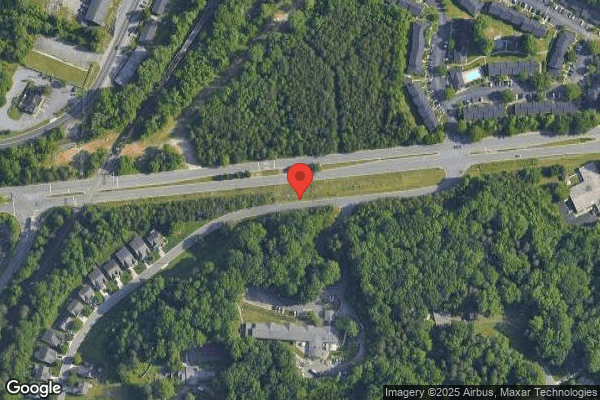
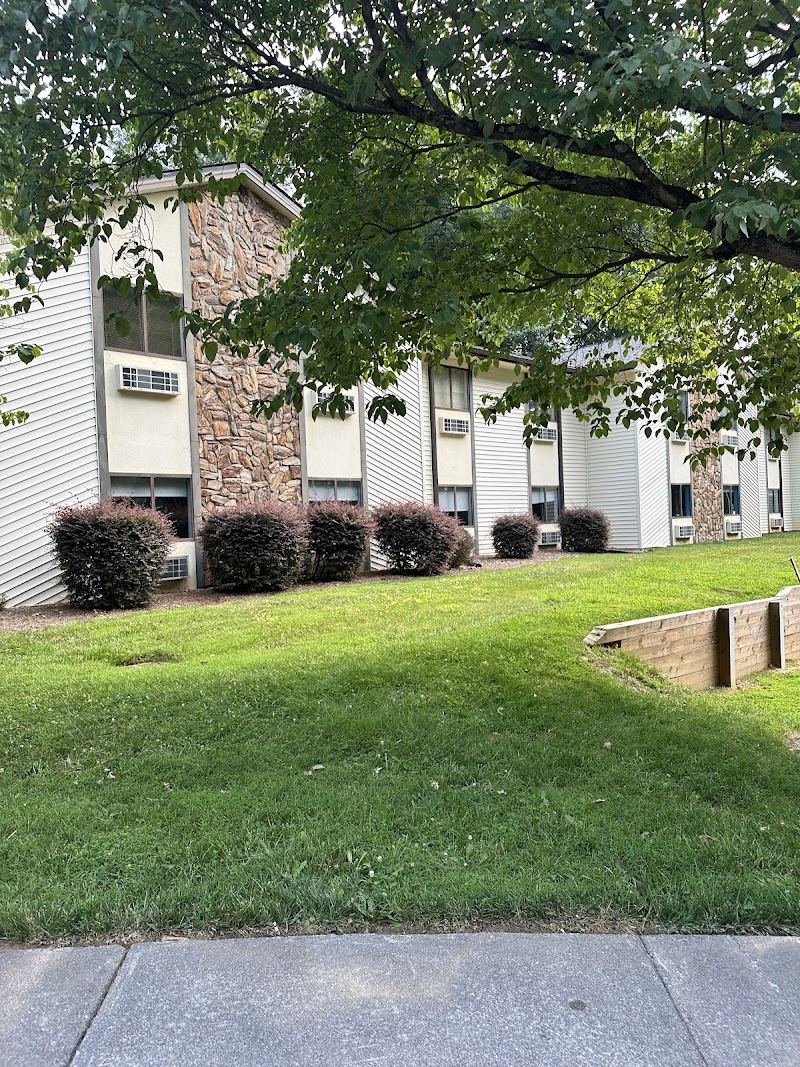
4911 Brian Center Lane, Winston-Salem, NC 27106 (336) 744-5674
For profit - Limited Liability company 66 Beds ALLIANCE HEALTH GROUP Data: November 2025 3 Immediate Jeopardy citations
Trust Grade
0/100
#361 of 417 in NC
Last Inspection: April 2025

Within standard 12-15 month inspection cycle. Federal law requires annual inspections.

Overview

Mill Creek Center for Nursing and Rehabilitation has received a Trust Grade of F, indicating significant concerns and that it is performing poorly compared to other facilities. It ranks #361 out of 417 in North Carolina, placing it in the bottom half of state facilities, and #10 out of 13 in Forsyth County, meaning only three local options are worse. The facility is worsening, with issues increasing from 2 in 2024 to 16 in 2025, raising red flags for potential future care quality. Staffing is rated at 2 out of 5 stars, which is below average, with a turnover rate of 60%, suggesting staff may not stay long enough to build relationships with residents. There have been troubling incidents, including a critical failure to assess a resident after a fall during transportation, resulting in a serious injury. Additionally, the facility did not properly disinfect shared medical equipment, increasing the risk of infection. While it has average RN coverage, the overall poor performance raises concerns for families considering this nursing home.
Trust Score
F
0/100
In North Carolina
#361/417
Bottom 14%
Safety Record
High Risk
Review needed
Inspections
Getting Worse
2 → 16 violations
Staff Stability
⚠ Watch
60% turnover. Above average. Higher turnover means staff may not know residents' routines.
Penalties
✓ Good
$29,876 in fines. Lower than most North Carolina facilities. Relatively clean record.
Skilled Nurses
○ Average
Each resident gets 36 minutes of Registered Nurse (RN) attention daily — about average for North Carolina. RNs are the most trained staff who monitor for health changes.
Violations
⚠ Watch
47 deficiencies on record. Higher than average. Multiple issues found across inspections.
★☆☆☆☆
1.0
Overall Rating
★★☆☆☆
2.0
Staff Levels
★☆☆☆☆
1.0
Care Quality
★☆☆☆☆
1.0
Inspection Score
Stable
2024: 2 issues
2025: 16 issues

The Good

  • Full Sprinkler Coverage · Fire safety systems throughout facility
  • No fines on record

Facility shows strength in fire safety.

The Bad

1-Star Overall Rating

Below North Carolina average (2.8)

Significant quality concerns identified by CMS

Staff Turnover: 60%

14pts above North Carolina avg (46%)

Frequent staff changes - ask about care continuity

Federal Fines: $29,876

Below median ($33,413)

Moderate penalties - review what triggered them

Chain: ALLIANCE HEALTH GROUP

Part of a multi-facility chain

Ask about local staffing decisions and management

Staff turnover is elevated (60%)

12 points above North Carolina average of 48%

The Ugly 47 deficiencies on record

3 life-threatening
Apr 2025 14 deficiencies
CONCERN (D) 📢 Someone Reported This

A family member, employee, or ombudsman was alarmed enough to file a formal complaint

Potential for Harm - no one hurt, but risky conditions existed

Resident Rights (Tag F0550)

Could have caused harm · This affected 1 resident

**NOTE- TERMS IN BRACKETS HAVE BEEN EDITED TO PROTECT CONFIDENTIALITY** Based on observations, record reviews, and resident and staff interviews, the facility failed to respect a resident's right to d...

Read full inspector narrative →
**NOTE- TERMS IN BRACKETS HAVE BEEN EDITED TO PROTECT CONFIDENTIALITY** Based on observations, record reviews, and resident and staff interviews, the facility failed to respect a resident's right to dignity when Resident #212 requested incontinence care and it was not provided until after all the meals trays were passed on the hall for 1 of 1 resident reviewed for dignity (Resident #212). The findings included: Resident #212 was admitted to the facility on [DATE] with diagnoses including bowel and bladder incontinence due to impaired mobility, and osteomyelitis. Resident #212's self-care deficit care plan dated 3/13/25 indicated staff were to aid with bowel and bladder incontinence related to immobility. The admission Minimum Data Set (MDS) dated [DATE] specified that Resident #212 was cognitively intact and dependent on toileting, dressing, bathing, transfers, and mobility care. The MDS also determined that the Resident required a mechanical lift for transfers. There were no indications of behaviors exhibited. The MDS indicated Resident #212 was frequently incontinent of bowel and bladder. An observation was conducted in conjunction with an interview with Resident 212 on 4/1/25 at 8:30 AM. When approaching Resident 212's room a strong odor of feces was noted. Upon entrance to Resident 212's room it was discovered the odor was coming from Resident #212's room. Resident #212 was interviewed, he stated he needed to be changed and had been waiting since before light (outside). The Resident stated they brought him his breakfast tray, but he had them remove it because he could not eat in that mess. Nurse Aide (NA) #1 was notified of Resident #212's request for incontinence care. An observation of incontinence care and an interview occurred with NA #1 and NA #2 on 4/01/25 at 8:40 AM. NA #1 stated they found him like that every time they work, and the 11:00 PM to 7:00 AM shift always leaves him (Resident #212) for us to clean up. When the NAs were asked why they didn't round on the resident earlier in their shift, they stated they were not supposed to do patient care while the trays were out. NA #1 further indicated the residents should be cleaned up by the 11:00 PM to 7:00 AM shift and ready for breakfast. NA #1 also stated the trays came out right after they arrived at 7:00 AM, and Resident #212 always needed cleaning up first thing in the morning, but they could not do patient care while the trays were being passed. On 4/01/25 at 9:06 AM, a follow-up interview with Resident #212 revealed that he turned his call light on and had asked the third shift (11:00 PM to 7:00 AM) aide, NA #5, to clean him up. He said NA #5 answered his light, turned it off, said she would return to provide incontinence care, left the room, and did not return. Resident #212 stated this treatment had been going on since his admission. He further said it was still dark outside when he rang for NA #5 but could not recall the exact time. Resident #212 noted the next shift (7:00 AM to 3:00 PM) NA came into his room around 7:00 AM with his breakfast tray, but did not provide care; it was light outside by this time. The resident recalled that NA #1 came in with his breakfast tray and told him she would clean him up after all the trays were passed. Resident #212 stated that he felt disgusted about sitting in this mess and being expected to eat breakfast like that. He asked NA #1 to put the tray back on the cart until he was cleaned up. The tray was removed by NA #1 and placed back on the cart until he was cleaned up. The resident further stated he was left in his soiled brief until after the breakfast trays were passed. He said, I can do bad at home by myself. Attempts were made to interview NA #5 by phone, but she did not return calls. An interview on 4/02/25 at 10:00 AM with Nurse # 4 (Unit Manager) revealed that the 11:00 PM to 7:00 AM shift should have the residents clean and dry for breakfast because the trays came out around 7:00 AM. An interview with the Director of Nursing (DON) on 4/04/25 at 9:45 AM revealed the staff should ensure the residents are clean and dry before breakfast on the first shift. She stated it was unacceptable for the residents to lie in soiled briefs while being expected to eat. She further noted that if a resident needed incontinence care, the staff should leave their tray on the cart and give incontinence care so they will be clean for the meal. The DON indicated the staff should treat the residents with dignity and not allow them to feel sad or like the staff did not care about them.
CONCERN (D)

Potential for Harm - no one hurt, but risky conditions existed

Deficiency F0554 (Tag F0554)

Could have caused harm · This affected 1 resident

**NOTE- TERMS IN BRACKETS HAVE BEEN EDITED TO PROTECT CONFIDENTIALITY** Based on record review, observations, and resident and staff interviews, the facility failed to assess and document the ability ...

Read full inspector narrative →
**NOTE- TERMS IN BRACKETS HAVE BEEN EDITED TO PROTECT CONFIDENTIALITY** Based on record review, observations, and resident and staff interviews, the facility failed to assess and document the ability of a resident to self-administer medications for 1 of 2 residents (Resident #38) reviewed for medication self-administration. Findings included: Resident #38 was admitted to the facility on [DATE]. The quarterly Minimum Data Set assessment dated [DATE] revealed Resident #38 was cognitively intact. On 4/1/25 at 9:53 am, an observation was made of fluticasone propionate nasal spray (a steroid nasal spray to treat allergic rhinitis) sitting on Resident #38's bedside table. During an interview with Resident #38 on 4/1/25 at 10:35 am he stated that he used the nasal spray a couple times a day when he needed to for his stuffy nose. Resident #38 reported he couldn't remember who gave the nasal spray to him but he had been using it for a month or two. A care plan last revised on 2/18/25 revealed Resident #38 did not have a care plan to address self-administration of medications. A review of physician orders for Resident #38 there was no order for fluticasone propionate nasal spray. During an interview with Nurse #2 on 4/1/25 at 10:40 am, she stated she was assigned to Resident #38 often but had never noticed the nasal spray on his bedside table before. She reported she was unsure if he had been assessed to self-administer any medications. During an interview on 4/1/25 at 11:00 am with the Director of Nursing (DON), she stated Resident #38 had never been assessed for self-administration of any medication. The DON reported if a resident wanted to have medications at their bedside there should be an order and an assessment for self-administration of medications.
CONCERN (D)

Potential for Harm - no one hurt, but risky conditions existed

Deficiency F0558 (Tag F0558)

Could have caused harm · This affected 1 resident

**NOTE- TERMS IN BRACKETS HAVE BEEN EDITED TO PROTECT CONFIDENTIALITY** Based on observations, record review, and resident and staff interviews, the facility failed to ensure the accessibility of a wh...

Read full inspector narrative →
**NOTE- TERMS IN BRACKETS HAVE BEEN EDITED TO PROTECT CONFIDENTIALITY** Based on observations, record review, and resident and staff interviews, the facility failed to ensure the accessibility of a wheelchair for 1 of 1 resident (Resident #1) reviewed for reasonable accommodations of needs. Findings included: Resident #1 was admitted to the facility on [DATE] and readmitted on [DATE] with diagnoses which included: osteomyelitis, cerebral infarction, and diabetes mellitus. The quarterly Minimum Data Set assessment dated [DATE] indicated Resident #1 was cognitively intact; and was totally dependent on staff and a mechanical lift for transfers. During an observation and interview on 3/31/25 at 1:20 p.m., Resident #1 revealed he had not attended the out of room group activities because he had not seen his wheelchair since his return from the hospital (2/18/25). The resident stated that prior to his hospitalization he would use the wheelchair to propel himself to the group activities. An observation of the resident's room and bathroom revealed there was no wheelchair in Resident #1's room or bathroom. On 4/3/25 at 1:50 p.m., Resident#1 was observed awake, lying in his bed. There was no wheelchair in the resident's room or bathroom. An interview was conducted on 4/3/25 at 3:00 p.m. with Nursing Assistant (NA) #8 who stated she had been working at the facility approximately 2 to 3 months during second shift (3:00 PM to 11:00 PM). NA #8 stated Resident #1 had never requested to get out of bed but acknowledged she never asked the resident if he wanted to get out of his bed to his wheelchair. The NA #8 indicated she was not aware there was no wheelchair in the resident's room or bathroom. During an interview on 4/3/25 at 3:05 p.m., NA #9 stated the resident currently required the use of the mechanical lift and two nursing assistants for transfers in and out of bed. Resident #1 did not like the use of the mechanical lift and would refuse to get out of bed. She recalled the resident's wheelchair had not been in his room for approximately three weeks, when the resident's room was deep cleaned. On 4/3/25 at 3:46 p.m., NA #7 stated that she worked every other weekend and whenever needed during second shift. NA#7 stated that she last worked with Resident #1 approximately two months ago. She revealed the resident used to get out of bed and was able to propel himself in his wheelchair. NA #7 indicated Resident #1 never requested to get out of bed since his return from the hospital. NA #7 acknowledged she never asked the resident if he wanted to get out of the bed and was not aware there was not a wheelchair in the resident's room or bathroom. During an interview on 4/4/25 at 10:07 a.m., the Interim Rehabilitation Director stated that on 4/1/25 she attempted to work with Resident #1 for out of bed tolerance for sitting on the side of his bed for activities of daily living and unsupported sitting balance on the side of his bed but the resident refused. The Interim Rehabilitation Director did not recall observing the resident's wheelchair in his room. On 4/4/25 at 10:12 a.m., during a follow-up interview, the Interim Rehabilitation Director stated that after the interview with this Surveyor, she was able to locate Resident#1's bariatric wheelchair on the second floor, in the empty therapy room which was used by the facility as a storage room. She revealed the bariatric wheelchair was labeled with the resident's name. The Interim Rehabilitation Director further stated she went to Resident#1's room and asked if he wanted to get out of his bed to his wheelchair. The resident replied yes, after his meal. She stated she informed the nursing staff.
CONCERN (D)

Potential for Harm - no one hurt, but risky conditions existed

Deficiency F0583 (Tag F0583)

Could have caused harm · This affected 1 resident

Based on observation and staff interviews, the facility failed to protect the private health information for 3 of 3 sampled residents by posting confidential medical information in an area accessible ...

Read full inspector narrative →
Based on observation and staff interviews, the facility failed to protect the private health information for 3 of 3 sampled residents by posting confidential medical information in an area accessible to the public (Resident #11, Resident #22, and Resident #158). Findings included: During observations on the 100 and 200 halls on 4/1/25 at 9:51 a.m. and 9:52 a.m., one 8.5 inch x 11-inch white sheet of paper with the updated date of 3/12/25 was posted on the wall with tape located behind and next to 2 of 2 nurses' stations. The signs were documented with Resident #11, Resident #22, and Resident #158's names and medical information concerning the residents' dialysis treatments. The documentation on the signs was in large print, typed and had additional handwritten notes about each dialysis resident. The signs included the residents' names, days of the week each resident was scheduled for dialysis treatment, departure times from the facility, and dialysis procedure times. The posted signs on the walls were visible and readable to residents and visitors from the front of each of the nurses' station countertops. During an interview on 4/1/25 at 10:02 a.m., the Director of Nursing acknowledged and stated residents' medical information was displayed on the signs posted on the wall next to the nurses' stations on the 100 and 200 halls in full view of residents and visitors to the facility. She indicated the signs should not have been posted in areas for anyone other than nursing staff to view due to Health Information Portability and Accountability Act (HIPAA) violations.
CONCERN (D) 📢 Someone Reported This

A family member, employee, or ombudsman was alarmed enough to file a formal complaint

Potential for Harm - no one hurt, but risky conditions existed

Safe Environment (Tag F0584)

Could have caused harm · This affected 1 resident

**NOTE- TERMS IN BRACKETS HAVE BEEN EDITED TO PROTECT CONFIDENTIALITY** Based on observations, and staff interviews, the facility failed to ensure an electrical outlet was securely covered in room [RO...

Read full inspector narrative →
**NOTE- TERMS IN BRACKETS HAVE BEEN EDITED TO PROTECT CONFIDENTIALITY** Based on observations, and staff interviews, the facility failed to ensure an electrical outlet was securely covered in room [ROOM NUMBER] and failed to ensure resident's clothing was clean and stored neatly in sufficient storage spaces for two residents on the 200 hall. The deficient practice occurred on 1 of 2 halls observed for a clean and homelike environment (200 hall). Findings included: 1. An observation in room [ROOM NUMBER] and interview of Resident #1 was conducted on 3/31/25 at 1:23 p.m. An electrical outlet cover located behind and to the left side of the head of Resident #1's bed was observed partially separated from the wall. There were two electrical cords inserted in the electrical outlet (attached to the bed and the air mattress on the bed) and both attached devices were functioning. The resident revealed he had not been out of his room since his return from the hospital (2/18/25). He indicated he was not aware of the condition of the electrical outlet. During a follow-up observation in room [ROOM NUMBER] on 4/03/25 at 1:50 p.m., the electrical outlet cover located behind and to the left side of the head of Resident #1's bed continued to be partially separated from the wall. On 4/03/25 at 1:50 p.m. during an observation of the electrical outlet cover in room [ROOM NUMBER] and an interview, the Environmental Services Director stated it appeared as if the electrical outlet cover was missing screws and should have been reported by the nursing staff and/or housekeeping staff when observed while cleaning the room An interview was conducted on 4/03/25 at 2:30 p.m. with the facility's Maintenance Director. He revealed none of the facility staff reported the outlet's condition in room [ROOM NUMBER] to the maintenance department. He explained that the facility's protocol for reporting maintenance repair needs was for them to be communicated to him via the Tels Program (an application on the facility's computers as well as the nursing assistants' automatic tasks and service access machine). The Maintenance Director indicated all facility staff were trained to input maintenance work order requests into the program in the computer. During an interview on 4/03/25 at 3:05 p.m., Nursing Assistant (NA) #9 revealed she was aware the outlet next to Resident #1's bed was partially pulled out from the socket and reported this to the staff nurse (no longer worked at the facility) in February 2025. 2.a. During an observation of room [ROOM NUMBER] on 4/01/25 at 10:51 a.m., there was an overflowing large, clear plastic bag of clothes on the floor, beneath the vanity which was visible from the room's open doorway. Resident #29 revealed there were dirty clothes in the plastic bag and she would prefer the dirty clothes to be placed in some sort of container/laundry bag. On 4/03/25 at 1:51 p.m., a follow-up observation of room [ROOM NUMBER] was conducted with the Environmental Services Director. The large clear, plastic bag of clothing remained on the floor beneath the vanity. The Environmental Services Director revealed residents' clothes were washed and dried in the facility's laundry room twice each week (Tuesdays and Saturdays) and whenever needed. He further stated that if the nursing assistants brought residents' dirty clothes to the laundry room, there would not be dirty clothes piled in overflowing bags and stored on the floor beneath the vanity. During a third observation on 4/04/25 at 12:43 p.m. room [ROOM NUMBER] a large, clear, plastic bag of clothing continued on the floor beneath the vanity. b. On 4/3/25 at 1:55 p.m., an observation of room [ROOM NUMBER] from the opened doorway revealed multiple large, clear, plastic bags of clothing on the floor beneath the vanity and piles of clothing scattered on top of the vanity. Resident #15 resided in room [ROOM NUMBER] was in the hospital at the time of the observation. discharged to the hospital prior to the observation. On 4/4/25 at 1:55 p.m., during a follow-up observation of room [ROOM NUMBER] clear, a large plastic bag of clothing continued on the floor beneath the vanity and piles of clothing continued to be on top of the vanity. During an interview on 4/4/25 at 1:25 p.m., Nursing Assistant (NA) #10 revealed the nursing assistants were required to sign up for the shower assistant team which included taking residents' dirty laundry to the laundry room.
CONCERN (D)

Potential for Harm - no one hurt, but risky conditions existed

Deficiency F0637 (Tag F0637)

Could have caused harm · This affected 1 resident

**NOTE- TERMS IN BRACKETS HAVE BEEN EDITED TO PROTECT CONFIDENTIALITY** Based on record review and staff interview, the facility failed to complete a Significant Change in Status Minimum Data Set (MDS...

Read full inspector narrative →
**NOTE- TERMS IN BRACKETS HAVE BEEN EDITED TO PROTECT CONFIDENTIALITY** Based on record review and staff interview, the facility failed to complete a Significant Change in Status Minimum Data Set (MDS) assessment for 1 of 2 sampled residents (Resident #39) reviewed for hospice services. Findings included: Resident #39 was admitted to the facility on [DATE] with diagnoses which included: dementia and chronic obstructive pulmonary disorder. Resident #39 was admitted to Hospice Services on 2/22/25 with the diagnosis of Alzheimer's disease with late onset. A review of the MDS assessments revealed a Significant Change in Status MDS Assessment was not completed after Resident #39 was admitted to hospice services. During an interview on 4/4/25 at 9:54 a.m., the facility's Administrator revealed the MDS Coordinator was not available. The Administrator acknowledged that a Significant Change MDS should have been completed within fourteen days of Resident #39's admission to Hospice Services.
CONCERN (D) 📢 Someone Reported This

A family member, employee, or ombudsman was alarmed enough to file a formal complaint

Potential for Harm - no one hurt, but risky conditions existed

ADL Care (Tag F0677)

Could have caused harm · This affected 1 resident

**NOTE- TERMS IN BRACKETS HAVE BEEN EDITED TO PROTECT CONFIDENTIALITY** Based on observations, record review, and resident and staff interviews, the facility failed to provide incontinence care to a r...

Read full inspector narrative →
**NOTE- TERMS IN BRACKETS HAVE BEEN EDITED TO PROTECT CONFIDENTIALITY** Based on observations, record review, and resident and staff interviews, the facility failed to provide incontinence care to a resident upon request for 1 of 1 dependent resident reviewed for activities of daily living (ADL) (Resident #212). The findings included: Resident #212 was admitted to the facility on [DATE] with a diagnosis that included osteomyelitis (bone infection) and bowel and bladder incontinence due to impaired mobility. The admission Minimum Data Set, dated [DATE] specified that Resident # 212 was cognitively intact and dependent for toileting, dressing, bathing, transfers, and mobility care. The MDS also determined that the Resident required a mechanical lift for transfers. There were no indications of behaviors exhibited. The MDS indicated Resident #212 was frequently incontinent of bowel and bladder. Resident #212's self-care deficit care plan dated 3/13/25 indicated staff were to provide assistance with bowel and bladder incontinence related to immobility. An observation was conducted in conjunction with an interview with Resident 212 on 4/1/25 at 8:30 AM. When approaching Resident 212's room a strong odor of feces was noted. Upon entrance to Resident 212's room it was discovered the odor was coming from Resident #212's room. Resident #212 was interviewed, he stated he needed to be changed and had been waiting since before light (outside). Nurse Aide (NA) #1 was notified of Resident #212's request for incontinence care. An observation of incontinence care and an interview occurred with NA #1 and NA #2 on 4/01/25 at 8:40 AM. The Resident had a saturated brief with a large amount of soft stool from the front to the back and upwards. The stool was not dry and was not stuck to Resident #212's skin and the skin in his sacral area was pink and intact. The bottom sheet had stool on it, but it was not observed that the bottom sheet was wet with urine. NA #1 stated that they find him like this every time they work, and that the 11:00 PM to 7:00 AM shift always leaves him for us to clean up. When the NAs were asked why they didn't round on the resident earlier in their shift, they stated they were not supposed to do patient care while the trays were out. NA #1 further indicated that the residents should be cleaned up and ready for breakfast by the 11:00 PM to 7:00 AM shift. She also stated the trays came out right after they got there at 7:00 AM. On 4/01/25 at 9:06 AM, a follow-up interview with Resident #212 revealed that he turned his call light on and had asked the third shift (11:00 PM to 7:00 AM) aide, NA #5, to clean him up. He said NA #5 answered his light, turned it off, said she would return to provide incontinence care, left the room, and did not return. He said that this treatment had been going on since his admission. He further stated it was still dark outside when he rang for NA #5 but could not recall the exact time. The resident noted that the next shift (7:00 AM to 3:00 PM) came in his room but did not change him; instead, they passed out his breakfast tray around 7:00 AM, and it was light outside by this time. The resident said that NA #1 came in and told him she would get him cleaned up as soon as all the trays were passed. The resident stated he was left in his soiled brief until after the breakfast trays were passed. He said, I can do bad at home by myself. NA# 5 was unable to be interviewed and did not return phone calls. An interview with the Director of Nursing (DON) on 04/04/25 at 09:45 AM revealed the staff should ensure the residents were clean and dry before the first shift. She stated that it was unacceptable for the residents to lie in soiled briefs for long periods. The DON further stated she felt the staff members understanding was to pass all trays no matter what and not to stop and clean up a resident who had not had a meal served and needed a brief change.
CONCERN (D)

Potential for Harm - no one hurt, but risky conditions existed

Accident Prevention (Tag F0689)

Could have caused harm · This affected 1 resident

Based on observations, record review and staff interviews, facility failed to secure a spray cleaner and spray deodorizer inside a housekeeping cart with a working lock for 1 of 2 housekeeping carts (...

Read full inspector narrative →
Based on observations, record review and staff interviews, facility failed to secure a spray cleaner and spray deodorizer inside a housekeeping cart with a working lock for 1 of 2 housekeeping carts (the 2nd floor housekeeping cart) observed for accidents hazards. The findings included: An observation of the housekeeping cart occurred on 3/31/25 at 1:17 PM on the second floor of the facility outside of a resident's room. The side door of the cart was partially ajar. The cart did not have a lock. There were three residents seen nearby the cart. There were no staff members near the cart at the time of observation. During an observation and interview with Housekeeper #1 on 3/31/25 at 1:25 PM, she stated she had a spray cleaner, and a spray deodorizer inside the cart. Houskeeper #1 reported the cart used to have a lock but it broke sometime over the weekend (3/28/25-3/30/25). She explained she reported it to the Environmental Manager but it had not been fixed yet. Housekeeper #1 stated she was aware the cart should have a working lock, but it was the only cart on the floor. Housekeeper #1 stated she was keeping it close to her as she was going from one resident's room to another. Review of the Safety Data Sheet issued 10/26/18 for the spray cleaner read, in part, all components are considered non-hazardous and proprietary in their quantities. The SDS indicated the cleaner could cause eye irritation and to wash any contacted parts of the body after handling with soap and water thoroughly. Review of the Safety Data Sheet issued 3/6/18 for the spray deodorizer revealed it contained propanol (a colorless alcohol) and was flammable. The SDS also indicated it could cause irritation to the eyes, nose, and throat and to wash any contacted parts of the body after handling with soap and water thoroughly. During an interview with the Housekeeping Manager on 3/31/25 at 3:40 PM, he stated he had been at the facility for two weeks. The Housekeeping Manager stated he had been made aware by Housekeeper #1 that the lock had broken off over the weekend but he had not had a chance to let maintenance know yet. During an interview with the Administrator on 4/4/25 at 4:10 PM, she verbalized the importance of having a working lock on all housekeeping carts due to the cleaning chemicals stored inside.
CONCERN (D)

Potential for Harm - no one hurt, but risky conditions existed

Respiratory Care (Tag F0695)

Could have caused harm · This affected 1 resident

**NOTE- TERMS IN BRACKETS HAVE BEEN EDITED TO PROTECT CONFIDENTIALITY** Based on observations, record review, and resident and staff interviews, the facility failed to post cautionary signage outside ...

Read full inspector narrative →
**NOTE- TERMS IN BRACKETS HAVE BEEN EDITED TO PROTECT CONFIDENTIALITY** Based on observations, record review, and resident and staff interviews, the facility failed to post cautionary signage outside the resident's room to indicate supplemental oxygen (O2) was in use and to obtain a physician order for oxygen therapy for 1 of 1 resident reviewed for respiratory care (Resident #6). The findings included: Resident #6 was admitted to the facility 7/15/24 with diagnoses including chronic lung disease and hypertension. Resident #6's care plan last revised on 1/18/25 addressed potential for breathing issues related to his lung disease and specified to administer oxygen at 3 liters per minute by nasal canula. The quarterly Minimum Data Set (MDS) assessment dated [DATE] indicated he was cognitively intact and used oxygen therapy. Review of Resident #6's physician orders showed there was no active order for continuous oxygen therapy. Observation of Resident #6 in his room on 4/1/25 at 9:45 AM revealed he had an oxygen concentrator by his bedside delivering 3 liters of continuous oxygen via nasal canula. There was no cautionary signage outside of Resident #6's room indicating there was oxygen in use inside. During an interview with Resident #6 on 4/1/25 at 9:45 AM, he stated that he had been on oxygen continuously for a while. He reported he had seen his lung specialist last week with no changes. Resident #6 reported that he saw a specialist outside of the facility who takes care of his oxygen needs. During an interview with Nurse #2 on 4/1/25 at 10:55 AM she stated Resident #6 moved to a new room the day before (3/31/25) and the oxygen in use sign was inadvertently not moved with him. During an interview with the Director of Nursing (DON) on 4/4/25 at 2:35 PM, she stated that she was unaware Resident #6 did not have an active order for oxygen use. She stated he previously had one for as needed use but that was discontinued at the end of last year. The DON reported Resident #6 should have had a physician order entered into the facility system for continuous oxygen and that would also include instructions for the flowrate. The DON explained that initiating continuous oxygen therapy based on orders from an outside physician was appropriate, but the facility physician also needed to be notified to write an order. The DON also explained that there should be a cautionary sign on the outside of each resident's room who was on oxygen indicating there was oxygen in use.
CONCERN (D)

Potential for Harm - no one hurt, but risky conditions existed

Deficiency F0698 (Tag F0698)

Could have caused harm · This affected 1 resident

**NOTE- TERMS IN BRACKETS HAVE BEEN EDITED TO PROTECT CONFIDENTIALITY** Based on record review and staff interviews, the facility failed to maintain ongoing communication with the dialysis treatment c...

Read full inspector narrative →
**NOTE- TERMS IN BRACKETS HAVE BEEN EDITED TO PROTECT CONFIDENTIALITY** Based on record review and staff interviews, the facility failed to maintain ongoing communication with the dialysis treatment center for 2 of 3 residents reviewed for dialysis (Resident #22 and Resident #11). The findings included: 1. Resident #22 was admitted to the facility on [DATE] with diagnoses which included end stage renal disease (ESRD) and dependence on dialysis (treatment to filter wastes and water from the blood). Resident #22 had an active physician order dated 8/21/23 for dialysis on Monday, Wednesday, and Friday. Review of Resident #22's care plan last reviewed 1/13/25 revealed the need for dialysis related to renal failure with an intervention to communicate with the dialysis center by the dialysis communication form. Review of Resident #22's electronic medical record showed completed dialysis communication forms last scanned into her chart on 11/20/24. Review of Resident #22's dialysis communication forms, located in medical records dated 11/13/24 through 3/28/25 revealed the facility was only able to locate 23 dialysis communications forms. Of the 23 forms located, 5 were incomplete with no documentation by the dialysis facility. There were no communication forms located for the month of December 2024. During an interview with Nurse #3 on 4/3/25 at 1:30 PM, she stated that she fills out the top part of the dialysis sheets, which included vital signs, and sends that form with the resident to her dialysis appointments. Nurse #3 then stated, she would assess the resident when she returned (vital signs and site assessment) and document the information on the resident's medication administration record. Nurse #3 reported that the dialysis center sends their own printed copy of post dialysis information instead of filling out the bottom portion of the facility provided form. Nurse #3 stated both dialysis communication papers (the partial facility and the dialysis center) go to medical records. Nurse #3 reported no dialysis sheets were kept on the floor that she was aware of. The Medical Records staff member was unavailable for interview. During an interview with the Director of Nursing (DON) on 4/4/25 at 2:08 pm she stated the facility was responsible for completing the dialysis communication form prior to the resident being sent to dialysis center and for making sure the dialysis center provides post dialysis information either by completing the bottom portion of the facility form or by providing their own printout. The DON stated she did not know why the facility had been unable to locate complete dialysis communication sheets or why they were not scanned into the chart. The DON explained it was the responsibility of medical records staff to scan completed dialysis communication forms into the electronic medical record. 2. Resident #11 was admitted to the facility on [DATE] with diagnoses which included end stage renal disease and dependence on dialysis. Resident #11 had an active physician order dated 8/21/23 for dialysis on Monday, Wednesday, and Friday. Review of Resident #11's care plan last reviewed 12/18/24 revealed the need for dialysis related to renal failure with an intervention to communicate with the dialysis center by the dialysis communication form. Review of Resident #11's electronic medical record showed completed dialysis communication forms last scanned into his chart on 11/22/24. Review of Resident #11's dialysis communication forms, located in medical records dated 11/8/24 through 3/28/25 revealed the facility was only able to locate 3 completed forms for the month of January 2025 and only 4 completed forms for the month of February 2025. During an interview with Nurse #3 on 4/3/25 at 1:30 PM, she stated that she fills out the top part of the dialysis sheets, which included vital signs, and sends that form with the resident to her dialysis appointments. Nurse #3 then stated, she would assess the resident when she returned (vital signs and site assessment) and document the information on the resident's medication administration record. Nurse #3 reported that the dialysis center sends their own printed copy of post dialysis information instead of filling out the bottom portion of the facility provided form. Nurse #3 stated both dialysis communication papers (the partial facility and the dialysis center) go to medical records. Nurse #3 reported no dialysis sheets were kept on the floor that she was aware of. The Medical Records staff member was unavailable for interview. During an interview with the Director of Nursing (DON) on 4/4/25 at 2:08 pm she stated the facility was responsible for completing the dialysis communication form prior to the resident being sent to dialysis center and for making sure the dialysis center provides post dialysis information either by completing the bottom portion of the facility form or by providing their own printout. The DON stated she did not know why the facility had been unable to locate complete dialysis communication sheets or why they were not scanned into the chart. The DON explained it was the responsibility of medical records staff to scan completed dialysis communication forms into the electronic medical record.
CONCERN (D)

Potential for Harm - no one hurt, but risky conditions existed

Dental Services (Tag F0791)

Could have caused harm · This affected 1 resident

**NOTE- TERMS IN BRACKETS HAVE BEEN EDITED TO PROTECT CONFIDENTIALITY** Based on observation, record reviews, and resident and staff interview, the facility failed to provide dental services as ordere...

Read full inspector narrative →
**NOTE- TERMS IN BRACKETS HAVE BEEN EDITED TO PROTECT CONFIDENTIALITY** Based on observation, record reviews, and resident and staff interview, the facility failed to provide dental services as ordered by the physician for 1 of 2 sampled residents (Resident #18). Findings included: Resident #18 was admitted to the facility on [DATE] diagnoses which included: COPD (chronic obstructive pulmonary disease), adult failure to thrive, diabetes mellitus, and Crohn's disease (chronic inflammatory bowel disease). Resident #18's most recent periodic oral evaluation was on 11/30/23. The oral exam showed the resident's oral tissue was red and inflamed, with heavy plaque buildup. The resident had no dental pain. The Dentist's recommendation included: dental cleaning and for the facility staff to remind/assist Resident #18 to brush her teeth twice daily, focusing at gum line. Also, dental follow-up, when needed. The review of the physician's order dated 1/29/24 documented a dental referral for Resident #18 due to a diagnosis of cavities. Review of the clinical record revealed Resident #18 was examined by the Nurse Practitioner (NP) on 3/15/24 due to a reported toothache. The examination showed the resident had cavities to several of her molars, several cracked/broken teeth, and excessive plaque. The resident's upper and lower posterior gingiva (gums) were mildly inflamed. The resulting diagnosis was oral cavity pain and poor oral hygiene. The treatment plan included: continue with (11/30/22) Tylenol (acetaminophen) as prescribed; continue (1/30/24) chlorhexidine (antiseptic) 0.12% swish and swallow; continue to (2/2/24) brush teeth twice daily and as needed; (3/15/24) Cefdinir (antibiotic) 300 mg (milligram) twice a day for seven days, refer to dentist. The review of Resident #18's March 2024 physician's orders included a dental referral for a toothache dated 3/15/24. The follow-up NP's note dated 3/19/24 revealed the cavity on the lower left side of Resident #18's mouth caused the resident to complain of pain when attempting to touch the gum area around that tooth. The dental referral was discussed along with the antibiotics for possible abscessed tooth. There was no documentation in Resident #18's clinical record indicating the resident was referred to or seen by a dentist as re-ordered on 3/15/24. It was originally ordered on 1/29/24. The quarterly minimum data set assessment dated [DATE] indicated Resident #18 was cognitively intact. During an interview on 3/31/25 at 11:38 a.m., Resident #18 revealed she had two cavities. She stated last year, during her last dental visit, she was informed the teeth required extraction. The resident recalled that x-rays of her teeth and gums were completed but she had not received any follow-up. Resident #18 acknowledged she had no oral pain and was able to chew her food without discomfort. A telephone interview was conducted on 4/14/25 at 10:01 a.m. with Nurse #4 who revealed she worked as the Unit Manager on the first floor but was familiar with Resident #18 who resided on the second floor in the facility. She indicated she would often see and speak with the resident, but Resident #18 did not complain of tooth or gum pain. Nurse #4 explained the facility's practice was for the physician to document the medication or referral order in the que (standby) of the electronic health record for signed confirmation by a facility nurse (including a unit manager). If the physician's order was a referral order, the nurse was required to print the order then deliver the order to the Appointment Scheduler via the Scheduler's mailbox or in person. She revealed during the time period of the referral order dated 3/15/24, the physician placed the order for Resident #18 into the que of Resident #18's electronic health, then confirmed the order, herself. Nurse #4 stated that because the physician did the confirmation process, the nurses were not aware of the Resident #18's dental referral and it would not appear on the medication administration record as the medications would. An interview with the Administrator on 4/2/25 at 3:06 p.m. revealed the facility had not had onsite dental services in six months. She further explained that if or when a resident had dental requests/needs, the resident's nurse would notify the physician who would write a referral order for dental services. The approved order would then be given to the Appointment Scheduler/Receptionist to schedule the dental appointment to an offsite dental service. During an interview on 4/03/25 at 10:24 a.m., the Appointment Scheduler stated she maintained documentation of all referrals and scheduled appointments for three years. The nurse would inform her and give her a copy of the physician's order. She revealed Resident #18 had been seen by the dentist during previous onsite facility visits. After she reviewed documentation of Resident #18's referrals, the Appointment Scheduler acknowledged there were no dental referrals for this resident throughout 2024. During an interview on 4/03/25 at 10:55 a.m., the Administrator stated the nurse failed to follow through on giving the physician's dental referral order to the Appointment Scheduler. During follow-up telephone interview on 4/14/25 at 9:36 a.m., the Administrator revealed Resident #18's most recent routine on-site dental examination was on 11/30/23. She stated that after reviewing the resident's medical record, there was no documentation indicating Resident #18 complained of oral pain prior to her visit with the nurse practitioner on 3/15/24, and the resident did not complain of tooth pain during or after completion of her antibiotic treatment. The Administrator stated the routine dental on-site visit on 11/30/23 was the most recent dental examination prior to 3/15/24. The Administrator revealed the facility's practice for physician's referral orders was that once the physician entered the order for the dental referral for Resident #18 into the electronic health record, the staff nurse was to confirm the order, print the order and submit it to the Appointment Scheduler.
CONCERN (E)

Potential for Harm - no one hurt, but risky conditions existed

Deficiency F0578 (Tag F0578)

Could have caused harm · This affected multiple residents

**NOTE- TERMS IN BRACKETS HAVE BEEN EDITED TO PROTECT CONFIDENTIALITY** Based on record review and staff interview, the facility failed to provide information to residents regarding the residents' rig...

Read full inspector narrative →
**NOTE- TERMS IN BRACKETS HAVE BEEN EDITED TO PROTECT CONFIDENTIALITY** Based on record review and staff interview, the facility failed to provide information to residents regarding the residents' right to accept or refuse medical/surgical treatment when formulating an advanced directive for 4 of 6 sampled residents reviewed for advanced directives (Residents #15, #25, #29, #39). Findings included: 1. Resident #15 was admitted to the facility on [DATE] and re-admitted on [DATE]. The most recent Minimum Data Set assessment dated [DATE] indicated Resident #15 was cognitively intact. Review of the physician's order dated 2/4/25 documented Resident #15's Advance Directive status as Full Code. There was no documentation in Resident #15's medical record indicating the resident was provided information about his right to accept or decline medical or surgical treatment prior to making a Advance Directive decision. During an interview on 4/2/25 at 8:40 a.m., the Social Worker acknowledged the facility did not inform or have any documentation indicating Resident #15 had the right to accept or decline medical or surgical treatment. 2. Resident #25 was admitted to the facility on [DATE]. The most recent Minimum Data Set assessment dated [DATE] indicated Resident #25 was severely cognitively impaired. Review of the physician's order dated 2/27/24 documented Resident #25's Advance Directive status as Full Code. There was no documentation in Resident #25's medical record indicating the resident or the resident's responsible party were provided information about the right to accept or decline medical or surgical treatment prior to making an Advance Directive decision. During an interview on 4/2/25 at 8:40 a.m., the Social Worker acknowledged the facility did not inform or have any documentation indicating Resident #25 had the right to accept or decline medical or surgical treatment. 3. Resident #29 was admitted to the facility on [DATE]. The most recent minimum data set assessment dated [DATE] indicated Resident #29 was Review of the physician's order dated 1/23/25 documented Resident #29's Advance Directive status as Full Code. There was no documentation in Resident #29's medical record indicating the resident and the resident's responsible party were provided information about the right to accept or decline medical or surgical treatment prior to making an Advance Directive decision. During an interview on 4/2/25 at 8:40 a.m., the Social Worker acknowledged the facility did not inform or have any documentation indicating Resident #29 had the right to accept or decline medical or surgical treatment. 4. Resident #39 was admitted to the facility on [DATE]. The most recent Minimum Data Set assessment dated [DATE] indicated Resident #39 was severely cognitively impaired. Review of the physician's order dated 12/24/24 documented Resident #39's Advance Directive status as Do Not Resuscitate. There was no documentation in Resident #39's medical record indicating the resident and the resident's responsible party were provided information about the right to accept or decline medical or surgical treatment prior to making an Advance Directive decision. During an interview on 4/2/25 at 8:40 a.m., the Social Worker acknowledged the facility did not inform or have any documentation indicating Resident #39 had the right to accept or decline medical or surgical treatment.
CONCERN (E)

Potential for Harm - no one hurt, but risky conditions existed

Deficiency F0883 (Tag F0883)

Could have caused harm · This affected multiple residents

**NOTE- TERMS IN BRACKETS HAVE BEEN EDITED TO PROTECT CONFIDENTIALITY** Based on staff interviews and record reviews, the facility failed to offer the opportunity to be vaccinated with the Prevnar 20 ...

Read full inspector narrative →
**NOTE- TERMS IN BRACKETS HAVE BEEN EDITED TO PROTECT CONFIDENTIALITY** Based on staff interviews and record reviews, the facility failed to offer the opportunity to be vaccinated with the Prevnar 20 (pneumococcal conjugate vaccine (PCV20) in accordance with nationally recognized standards for 4 of 5 residents reviewed for pneumococcal immunizations (Resident #16, #10, #15, and #36). Findings include: The Center for Disease Control and the Advisory Committee on Immunization Practices (ACIP), last reviewed on 10/26/24, now recommends routine vaccination against pneumococcal infection for all adults aged 65 years or older and 19-64 with certain underlying medical conditions. Beginning June 8, 2021, for persons aged 65 years and older who have not previously received a pneumococcal conjugate vaccine or whose previous vaccination history is unknown, they should receive 1 dose of PCV15 or 1 dose of PCV20. Review of the facility's immunization policy last revised in 2019 stated that all residents would be offered a pneumococcal vaccine upon admission; brand unspecified. A. Record review revealed Resident #16 was admitted to the facility on [DATE] and was over [AGE] years of age at the time of admission. Review of the pneumococcal immunizations, provided by the facility, indicated Resident #16 received a pneumococcal PPSV23 vaccine on 10/28/24. There was no documentation that the resident received a PCV20 vaccine prior to admission or since the last recertification on 11/16/2023. B. Record review revealed Resident #10 was admitted to the facility on [DATE] and was over [AGE] years of age at the time of admission. Review of the pneumococcal immunizations, provided by the facility, indicated Resident #10 declined to receive a pneumococcal PPSV23 vaccine. There was no documentation on the declination form that the resident had specifically been offered a PCV20 vaccine. There was no documentation that the resident received a PCV20 vaccine prior to admission or since the last recertification on 11/16/2023. C. Record review revealed Resident #15 was admitted to the facility on [DATE] and was over the age of 65. Review of the pneumococcal immunizations, provided by the facility, indicated Resident #15 declined to receive a pneumococcal PPSV23 vaccine. There was no documentation on the declination form that the resident had specifically been offered a PCV20 vaccine since the last recertification on 11/16/2023. There was no documentation that the resident received a PCV20 vaccine prior to admission. D. Record review revealed Resident #36 was admitted to the facility on [DATE] and was over [AGE] years of age at the time of admission. Review of the pneumococcal immunizations, provided by the facility, indicated Resident #36 declined to receive a pneumococcal PPSV23 vaccine. There was no documentation on the declination form that the resident had specifically been offered a PCV20 vaccine since the last recertification on 11/16/2023. There was no documentation that the resident received a PCV20 vaccine prior to admission. During an interview with the Staff Development Coordinator/Infection Preventionist (IP) on 4/4/2025 at 10:05 AM, she stated that the facility offers PPSV23 (Pneumovax 23) to all residents. The IP stated that, as far as she was aware of, the facility had never offered the Prevnar 20 vaccine. The IP reported she was not aware of the regulation that stated the facility should follow the ACIP recommendations. During an interview with the Director of Nursing on 4/4/2025 at 3:00 PM, she reported the facility offered the pneumococcal PPSV23 vaccine to all residents upon admission and she was unaware that the facility also needed to offer the Prevnar 20 vaccine.
MINOR (C)

Minor Issue - procedural, no safety impact

Deficiency F0577 (Tag F0577)

Minor procedural issue · This affected most or all residents

Based on observation, a Resident Council Meeting, and staff interviews, the facility failed to post the survey results in a location accessible to the residents. The findings included: While entering...

Read full inspector narrative →
Based on observation, a Resident Council Meeting, and staff interviews, the facility failed to post the survey results in a location accessible to the residents. The findings included: While entering the facility on 04/02/25 at 8:00 AM, an observation revealed the survey results binder was in the lobby on a table. The facility's lobby area was enclosed and secured by a door requiring a code to be entered for staff and residents to access. The Resident Council meeting was held on 04/02/25 at 1:30 PM. During the meeting, Resident #9, Resident #28, Resident #35, and Resident #12 stated they were unaware that survey results were posted in the facility or where the results were located. The Resident Council President, Resident #18, attended the meeting and stated she was aware that survey results could be reviewed and that they were in the lobby. They all stated they were not able to access the lobby to review the survey binder. An interview with the Administrator on 04/02/25 at 2:39 PM indicated that the survey results binder was available to the residents in the lobby; they just needed to let someone know they would like to look at the survey results binder. The interview further revealed the door leading to the lobby was always locked and required a staff member to enter a code to unlock it.
Jan 2025 2 deficiencies
CONCERN (D) 📢 Someone Reported This

A family member, employee, or ombudsman was alarmed enough to file a formal complaint

Potential for Harm - no one hurt, but risky conditions existed

Notification of Changes (Tag F0580)

Could have caused harm · This affected 1 resident

Based on record review, and staff, Nurse Practitioner (NP) and physician interviews, the facility failed to notify the physician when an anticonvulsant medication was not administered for 1 of 1 resid...

Read full inspector narrative →
Based on record review, and staff, Nurse Practitioner (NP) and physician interviews, the facility failed to notify the physician when an anticonvulsant medication was not administered for 1 of 1 resident reviewed for notification (Resident #1). The findings included: Resident #1 was admitted to the facility 11/27/24 with diagnoses that included stroke, nontraumatic subdural hemorrhage unspecified, and seizure disorder of epilepsy. Resident #1's Physician's orders included an order written 11/29/24 for Valproic Acid Oral Solution 250mg (milligrams)/5 ml (milliliters) solution to give 15ml by mouth every 8 hours for seizures. Resident #1's Medication Administration Records (MAR) for 11/2024 and 12/2024 were reviewed and revealed the following: Valproic Acid Oral Solution 250 mg/5ml solution was not signed on the MAR as given at 2:00 pm on 12/3/24, 12/5/24, 12/7/24, 12/10/24 and 12/12/24. Further review of the MARs revealed on 12/3/24 Nurse #3 documented Hold/See Nurse Notes, on 12/5/24 Nurse #2 documented LOA (leave of absence), on 12/7/24 Nurse #4 documented Other/See Nurse Notes, on 12/10/24 and 12/12/24 Nurse #1 documented Other/See Nurse Notes. Further review of Resident #1's medical record and nursing notes revealed there was no documentation the physician was notified on 12/3/24, 12/5/24, 12/7/24, 12/10, 24 or 12/12/24 of the Valproic Acid not being administered. Review of Resident #1's MAR on 12/3/24 at 2:00pm revealed Resident #1 did not receive Valproic Acid and Nurse #3 indicated hold/see nurse notes. Nurse #3's note on 12/3/24 at 3:16pm read in the dialysis. During a phone interview on 1/3/25 at 2:13pm, Nurse #3 revealed that she didn't remember Resident #1 and could not answer any questions. Review of Resident #1's MAR on 12/5/24 at 2:00pm revealed that Valproic Acid was not given, and Nurse #2 documented Resident #1 was on Leave of Absence (LOA). During a phone interview on 1/3/25 at 3:22pm, Nurse #2 revealed that she didn't remember Resident #1 well, but Valproic Acid was not given on 12/5/24 due to Resident #1 being at dialysis. Nurse #2 indicated she would have told the NP if medication was held, although she really didn't recall. Nurse #4's progress noted dated 12/7/24 at 1:20pm did not reveal why Valproic Acid was not administered. During a phone interview on 1/4/25 at 4:20pm, Nurse #4 revealed that she was fairly new to the facility, and she didn't recall Resident #1. Resident #1's MAR on 12/10/24 revealed Resident #1 did not receive Valproic Acid at 2:00pm and read other/see nurse notes. Resident #1'a MAR on 12/12/24 revealed Resident #1 did not receive Valproic Acid at 2:00pm and read other/see nurse notes. Nurse #1's progress note on 12/12/24 at 2:32pm read he is on dialysis. Nurse #1's progress note on 12/10/24 at 4:52pm revealed Resident #1 returned from dialysis at 4:45pm. During an interview on 1/3/25 at 11:38am, Nurse #1 confirmed that Valproic Acid was not administered on 12/10/24 and 12/12/24 and he wrote a progress note that Resident #1 was at dialysis. Nurse #1 indicated he didn't notify the physician because he wrote the note as he thought it was known that Resident #1 was at dialysis. During an interview on 1/3/25 at 10:08am, the Unit Manager revealed that Resident #1 missed the midday dose of Valproic Acid on 12/3/24, 12/5/24, 12/7/24, 12/10/24, and 12/12/24 due to being at dialysis. She was unsure if the physician was aware of missed doses. During an interview on 1/3/25 at 9:18am, NP revealed that she was not aware that Resident #1 missed several doses of his Valproic Acid that was scheduled while Resident #1 was at dialysis. The NP indicated the physician may have been aware of the missed doses and NP would have wanted Resident #1's medications given as ordered. During a phone interview on 1/3/25 at 10:47am the Physician revealed she was aware that Resident #1's midday Valproic Acid was scheduled during the time when Resident #1 would be at dialysis. During a phone interview with the Interim Director of Nursing on 1/6/25 at 4:30pm she indicated she expected medications to be given as ordered and if they were not given as ordered the physician needed to be notified. During a phone interview with the Administrator on 1/6/25 at 4:44pm she indicated that she expected medications to be given as ordered and if they were not given as ordered the physician needed to be notified.
CONCERN (D) 📢 Someone Reported This

A family member, employee, or ombudsman was alarmed enough to file a formal complaint

Potential for Harm - no one hurt, but risky conditions existed

Deficiency F0760 (Tag F0760)

Could have caused harm · This affected 1 resident

**NOTE- TERMS IN BRACKETS HAVE BEEN EDITED TO PROTECT CONFIDENTIALITY** Based on record review and staff, Pharmacist, Nurse Practitioner (NP) and Physician interviews, the facility failed to prevent a...

Read full inspector narrative →
**NOTE- TERMS IN BRACKETS HAVE BEEN EDITED TO PROTECT CONFIDENTIALITY** Based on record review and staff, Pharmacist, Nurse Practitioner (NP) and Physician interviews, the facility failed to prevent a significant medication error when they failed to administer antiseizure medication as prescribed by the physician. As a result, Resident #1 missed 5 doses of antiseizure medication. This affected 1 of 3 sampled residents reviewed for assuring facility was free of medication errors (Resident #1). The findings included: Resident #1 was admitted to the facility on [DATE] with diagnoses that included stroke, nontraumatic subdural hemorrhage unspecified, and seizure disorder or epilepsy. Resident #1's Care Plan dated 11/30/24 indicated he had a seizure disorder, and the interventions included administer seizure medication as ordered and monitor for effectiveness. Resident #1's Physician's orders included an order written 11/29/24 for Valproic Acid Oral Solution 250mg (milligrams)/5ml (milliliter) solution to give 15 milliliters by mouth every 8 hours for seizures. Resident #1's Medication Administration Records (MAR) for 11/2024 and 12/2024 were reviewed and revealed the following: Valproic Acid Oral Solution 250 mg/5ml solution was not signed on the MAR as given at 2:00 pm on 12/3/24, 12/5/24, 12/7/24, 12/10/24 and 12/12/24. Further review of the MARs revealed on 12/3/24 Nurse #3 documented Hold/See Nurse Notes, on 12/5/24 Nurse #2 documented LOA (leave of absence), on 12/7/24 Nurse #4 documented Other/See Nurse Notes, on 12/10/24 and 12/12/24 Nurse #1 documented Other/See Nurse Notes. Review of Resident #1's MAR on 12/3/24 at 2:00pm revealed Resident #1 did not receive Valproic Acid and Nurse #3 indicated hold/see nurse notes. Nurse #3's note on 12/3/24 at 3:16pm read in the dialysis. During a phone interview on 1/3/25 at 2:13pm, Nurse #3 revealed that she didn't remember Resident #1 and could not answer any questions. Review of Resident #1's MAR on 12/5/24 at 2:00pm revealed that Valproic Acid was not given, and Nurse #2 documented Resident #1 was on Leave of Absence (LOA). During a phone interview on 1/3/25 at 3:22pm, Nurse #2 revealed that she didn't remember Resident #1 well, but Valproic Acid was not given on 12/5/24 due to Resident #1 being at dialysis. Nurse #2 indicated she would have told the NP if medication was held, although she really didn't recall. Nurse #4's progress noted dated 12/7/24 at 1:20pm did not reveal why Valproic Acid was not administered. During a phone interview on 1/4/25 at 4:20pm, Nurse #4 revealed that she was fairly new to the facility, and she didn't recall Resident #1. Resident #1 MAR on 12/10/24 revealed Resident #1 did not receive Valproic Acid at 2:00pm and read other/see nurse notes. Nurse #1's progress note on 12/10/24 at 4:52pm revealed Resident #1 returned from dialysis at 4:45pm. Resident #1'a MAR on 12/12/24 revealed Resident #1 did not receive Valproic Acid at 2:00pm and read other/see nurse notes. Nurse #1's progress note on 12/12/24 at 2:32pm read he is on dialysis. During an interview on 1/3/25 at 11:38am, Nurse #1 confirmed that Valproic Acid was not administered on 12/10/24 and 12/12/24 and he wrote a progress note that Resident #1 was at dialysis. Nurse #1 indicated he didn't notify the physician because he wrote the note as he thought it was known that Resident #1 was at dialysis. During an interview on 1/3/25 at 10:08am, the Unit Manager revealed that Resident #1 missed the midday dose of Valproic Acid on 12/3/24, 12/5/24, 12/7/24, 12/10/24, and 12/12/24 due to being at dialysis. She was unsure if the Physician was aware of missed doses. A follow-up interview on 1/4/25 at 3:31pm with Unit Manager revealed Resident #1 went to dialysis on Tuesdays, Thursdays and Saturdays. Resident #1 had a chair time of 9:50am and was usually away from the facility between 5 - 6 hours. During an interview on 1/3/25 at 9:18am, NP revealed that she was not aware that Resident #1 missed several doses of Valproic Acid that were scheduled while Resident #1 was at dialysis and would have wanted Resident #1's Valproic Acid given as ordered. During a phone interview on 1/3/25 at 10:47am, Physician revealed she was aware that Resident #1's midday Valproic Acid was scheduled during the time when Resident #1 would be at dialysis. The interview further revealed she didn't feel like the missed medications were harmful to him and to her knowledge he didn't have any seizures at the facility. During a phone interview with the Pharmacist on 1/3/25 at 3:55pm she indicated that missing a dose of Valproic Acid would not have made Resident #1 subtherapeutic, Resident #1 would have had to have missed several doses in a row; Valproic Acid has 16-hour half-life. The interview further revealed missing one dose would not have caused Resident #1 to have a seizure. During a phone interview with the Interim Director of Nursing on 1/6/25 at 4:30pm she indicated Resident #1 didn't have any seizures while in the facility and she felt like the missed doses did not negatively affect Resident #1 in the short-term. The interview further revealed that she expected medications to be given as ordered and if they were not given as ordered the physician needed to be notified. During a phone interview with the Administrator on 1/6/25 at 4:44pm she indicated that she expected medications to be given as ordered and if they were not given as ordered the physician needed to be notified.
May 2024 2 deficiencies 2 IJ
CRITICAL (J) 📢 Someone Reported This

A family member, employee, or ombudsman was alarmed enough to file a formal complaint

Immediate Jeopardy (IJ) - the most serious Medicare violation

Quality of Care (Tag F0684)

Someone could have died · This affected 1 resident

Based on observations, record review, and staff, Medical Director and Transportation Agent staff (Driver #1, Supervisor #1, Supervisor #2) interviews, the facility failed to have Resident #1 assessed ...

Read full inspector narrative →
Based on observations, record review, and staff, Medical Director and Transportation Agent staff (Driver #1, Supervisor #1, Supervisor #2) interviews, the facility failed to have Resident #1 assessed by a medical professional before repositioning the resident after he was thrown forward out of his wheelchair while inside a contracted transportation van. On 03/20/24 Driver #1 for the Transportation Agent applied the van brakes suddenly to avoid a collision and Resident #1 slid out of his wheelchair onto the floor of the contracted transportation van. Driver #1 repositioned Resident #1 back into his wheelchair before the Resident was assessed by an emergency professional. Resident #1 complained of left knee pain 6 out of 10 (with 10 being the highest pain scale) and right foot pain, 10 out of 10 and was transferred to the hospital where he was diagnosed with an acute impacted oblique left femoral fracture (a break in the thighbone that occurs at an angle caused by direct trauma when the ends of the thighbone are jammed together) with edema (swelling) and bleeding around the left knee. This was for 1 of 3 residents reviewed for quality of care (Resident #1). Immediate jeopardy began on 3/20/24 when Resident #1 was repositioned into his wheelchair after a fall in the contracted transportation van without an assessment by a medical professional. Immediate jeopardy was removed on 5/25/24 when the facility implemented a credible allegation of immediate jeopardy removal. The facility remains out of compliance at a lower scope and severity level of D (no actual harm with potential for more than minimal harm that is not immediate jeopardy) to ensure education and monitoring systems put into place are effective. The findings included: Resident #1 was admitted to the facility 10/5/23 with diagnoses that included end stage renal disease, dependence on hemodialysis, diabetes mellitus, type 2, atherosclerotic heart disease, osteopenia, spinal stenosis, cervical disc degeneration and cerebrovascular accident. A 2/1/24 Transfer, Mobility Evaluation, assessed Resident #1 required the caregiver to perform 100% of the transfer task with the use of a mechanical lift because he was non-ambulatory, unable to stand, non-weight bearing and unable to sit at the bedside without full back and head support. A 3/1/24 quarterly Minimum Data Set assessment indicated Resident #1 expressed himself with clear speech, made himself understood, understood others, moderately impaired cognition with no acute changes in mental status, and used a wheelchair for mobility. Pain was assessed as almost constant pain that frequently interfered with activities and rated 10 out of 10. The facility's Appointment Schedule for 3/20/24, recorded Resident #1 had a 10:00 AM appointment. He was scheduled for transportation pick up at 9:30 AM on 3/20/24 by the Transportation Agent. A written statement by Driver #1 for the Transportation Agent, dated 3/20/24, recorded that on 3/20/24 at approximately 12:40 PM, Driver #1 was transporting Resident #1 to the facility while during transport she had to make a quick stop to avoid a collision. Because of the sudden stop, Resident #1 slid under his seat belt and landed partially on the floor of the van. Driver #1 pulled into the nearest driveway, Resident #1 was frightened and asked Driver #1 to help him up. Supervisor #1 for the Transportation Agent advised Driver #1 to call 911 and not to try to move Resident #1. Driver #1 recorded that she called 911. A 3/20/24 Emergency Medical Service (EMS) Report, recorded receipt of a call at 12:39 PM. EMS arrived on the scene at 12:55 PM, in response to injury from a fall for Resident #1. The EMS report documented once on the scene; Driver #1 directed EMS to Resident #1. The EMS Report recorded Resident #1 was alert to the event, person, place, and time, and he was found seated in a wheelchair. The Report recorded that to avoid a collision, Driver #1 slammed on the brakes and when this happened Resident #1 was thrown forward out of his wheelchair onto the floor. Resident #1 complained of left knee and right foot pain. Resident #1 complained his left knee was chronically painful, but he currently had increased pain. He reported his left knee pain was 6 out of 10 and his right foot was rated 10 out of 10. He was transported to the hospital at 1:19 PM on 3/20/24. An incident report dated 3/20/24 at 1:00 PM, recorded by the Regional Nurse Consultant, recorded the facility received a call from the Transportation Agent who reported that Resident #1 slid out of his wheelchair during transport, Driver #1 stayed with the Resident but did not attempt to move the Resident and called 911 immediately. A hospital History & Physical report dated 3/21/24 at 2:35 AM recorded Resident #1 presented for evaluation after he was riding in a wheelchair van when he tipped over, fell upon his left leg, and developed sudden severe left leg pain. Hospital x-ray results dated 3/21/24 revealed an acute impacted oblique left femoral fracture with swelling and bleeding around the left knee. A leg immobilizer was applied for non-surgical management due to a history of a blood clot in the same leg. Resident #1 discharged back to the facility on 3/27/24. Driver #1 for the Transportation Agent was interviewed via phone on 5/22/24 at 10:05 AM with Supervisor #1. During the interview, Driver #1 stated that on 3/20/24 she transported Resident #1 to an appointment and on the way back to the facility suddenly a car cut right in front of the van such that she had to hit her brakes to keep from running into the car. Driver #1 continued that when she hit the brakes Resident #1 slid forward. She immediately pulled over into the parking lot of a restaurant not more than 200 feet away and Resident #1 kept repeating, I need to get up. The interview with Driver #1 on 5/22/24 at 10:10 AM continued in person and included an observation of the securement system on the contracted transportation van. During the observation and continued interview, Driver #1 stated that when she applied brakes, Resident #1 did not hit anything and that he did not come out of the wheelchair onto the floor. During a follow up phone interview with Driver #1 on 5/22/24 at 12:06 PM with the Administrator and Regional Nurse Consultant present in person, Driver #1 stated that Resident #1's bottom moved out of the wheelchair and hung partially off the seat, while the top of his body was held in the wheelchair by the restraint. Driver #1 stated Resident #1 repeated pull me up, pull me up and said he was in pain. Driver #1 stated she called her Supervisor (Supervisor #1, [NAME] President) who advised Driver #1 to call 911 and not to move Resident #1. Driver #1 stated she called 911 and then positioned Resident #1 back into his wheelchair. Driver #1 described that she reached her arms under the arms of Resident #1 and pulled his bottom back into to the chair. Driver #1 stated she positioned his bottom back into the wheelchair because he kept asking her to pull him up. Driver #1 described that Resident #1 was in a panic state and stated that his bottom hung off the seat of the wheelchair. Driver #1 stated I called my supervisor and he said to call 911 and not to move him, but I did move him because he was in a panic state and complained of pain and I did not know how long it was going to take medic {paramedics} to get there, I did not want him yelling in pain that whole time. Driver #1 stated that when EMS arrived Resident #1 was not in the same position he was in at the time of the accident and that she told the facility and Supervisor #1 that she did not move him. Driver #1 denied that Resident #1 was thrown out of his wheelchair to the floor of the contracted transportation van. A phone interview occurred on 5/22/24 at 8:41 AM with Supervisor #1 (Vice President) of the Transportation Agent. Supervisor #1 stated that Driver #1 called him on 3/20/24 after the van accident to let him know someone pulled out in front of the van, she had to brake quickly, when she did, Resident #1 slid forward in his wheelchair, he complained of pain, and she was unable to pull him up. Supervisor #1 said he told Driver #1 not to move Resident #1, but to call 911. Supervisor #1 said he contacted the facility, told the Administrator and Regional Nurse Consultant about the accident, that Resident #1 complained of pain, but that he told Driver #1 not to move Resident #1, but to call 911. A follow up phone interview occurred on 5/23/24 at 8:43 AM with Supervisor #1 (Vice President) who asked Supervisor #2 (President) of the Transportation Agent to join the call. During the interview, Supervisor #1 stated that Driver #1 called him to notify of the accident and that he provided instructions not to move the Resident but to call 911. Supervisor #1 and Supervisor #2 both stated they were not aware that Driver #1 moved the Resident before EMS arrived. Supervisor #1 stated, That was not the training she received and that moving a Resident could cause further injury. The Administrator and the Regional Nurse Consultant were both interviewed on 5/21/24 at 12:54 PM. The Regional Nurse Consultant stated that on 3/20/24 in the afternoon, the facility received a call from Supervisor #1 of the Transportation Agent. Supervisor #1 informed the facility that there was an incident with the contracted transportation van, someone pulled out in front of Driver #1 and when she applied her brakes Resident #1 slid down in his wheelchair. Supervisor #1 stated that Driver #1 pulled over immediately, she did not touch the resident and she called 911. During a follow up interview with the Administrator and Regional Nurse Consultant on 5/22/24 at 12:06 PM, the Regional Nurse Consultant stated that Driver #1 did not report that she moved the Resident but that she left him in place until EMS arrived. The Regional Nurse Consultant stated that the facility was not aware that Resident #1 was moved by Driver #1 before EMS arrived and that moving a Resident involved in a car accident if you are not clinically trained could cause further injury. The Regional Nurse Consultant further stated if Driver #1 had called the facility, she would have asked questions to assess the situation and given Driver #1 further instruction based on the situation. During an interview on 5/22/24 at 12:30 PM the Medical Director stated that he was not aware that Driver #1 moved Resident #1 before EMS arrived to assess him. He stated that Resident #1 should have remained in place to avoid the risk of further injury until EMS arrived to assess Resident #1. The Administrator was notified of immediate jeopardy on 5/23/24 at 3:15 PM. The facility provided the following immediate jeopardy removal plan. Identify those recipients who have suffered, or are likely to suffer, a serious adverse outcome as a result of the noncompliance: On 3/20/24, Resident #1 was being transported back to the facility from dialysis appointment when the contracted Driver #1 quickly stepped on the brakes to avoid hitting a car that pulled out in front of her. Driver #1 pulled over at a safe location to check on the resident. At that time, Driver #1 observed that Resident #1's bottom slid to the edge of his wheelchair, he had a lap restraint that was positioned across his chest, both arms were positioned on the armrests, and both feet were off the footrests and his left leg bent. Resident #1 complained of pain to Driver #1. Resident #1 asked Driver #1 to reposition him back into his wheelchair. Driver #1 called her supervisor and received instruction not to move Resident #1, but to call 911. Driver #1 called 911 and then repositioned Resident #1 back into his wheelchair before paramedics arrived. When paramedics arrived, he expressed left knee pain that he rated 6 out of 10, and right ankle pain he rated 10 out of 10. Resident #1 was transferred to the emergency department for further evaluation and diagnosed with an acute left femoral fracture with soft tissue edema and bleeding around the left knee. Residents who require transportation services for outside physician services have the potential to be affected as a result of the lack of a full assessment for injury by Paramedics before a resident is moved does not allow for a thorough assessment of injury and places the resident at risk for further injury. Specify the action the entity will take to alter the process or system failure to prevent a serious adverse outcome from occurring or recurring, and when the action will be complete. To ensure no other residents are affected, the involved contracted transportation company contract was terminated on 5/23/24 in writing by the facility administrator. Driver #1 originally wrote in her 3/20/24 statement that she did not touch the resident. However, on 5/22/24 she stated she moved the resident because Resident #1 was crying in pain and pleading that she reposition him. Education was provided in person by 5/23/24 by the Director of Plant Operations to the facility van driver and provided the education to the company-contracted van drivers to pull over, not move a resident if he/she slides down or falls out of their wheelchair, call 911, and wait for paramedics to assess the resident, as well as the risks of moving a resident prior to EMS arrival. A reiteration of education and return demonstration was completed again on 5/24/24 in the presence of the Director of Plant Operations. Questions regarding education may be directed to nursing administration. Drivers will not be allowed to transport any resident until education has been completed. Education will be tracked by the Director of Plant Operations or Maintenance Director with documented signatures. Newly hired transportation drivers will be required to receive the same education in orientation prior to any transportation. The alleged date of immediate jeopardy removal was 5/25/2024. The immediate jeopardy removal plan of 5/25/24 was validated on 5/29/24. Staff were interviewed regarding the training received not to move a resident prior to the assessment of a medical professional, but to call 911, and to wait for a medical professional to assess the resident due to the risk involved for the potential of further injury. Documentation of staff training was reviewed. Interviews with alert and oriented residents who were transported to appointments by the facility staff or by a Transportation Agent were conducted. The interviews included if the residents were assessed by a medical professional prior to being moved after an accident. The immediate jeopardy removal on 5/25/24 was validated.
CRITICAL (J) 📢 Someone Reported This

A family member, employee, or ombudsman was alarmed enough to file a formal complaint

Immediate Jeopardy (IJ) - the most serious Medicare violation

Accident Prevention (Tag F0689)

Someone could have died · This affected 1 resident

Based on observations, record review, and staff, Medical Director, Regional Nurse Consultant and Transportation Agent (Driver #1, Supervisor #1 and Supervisor #2) interviews, the facility failed to ut...

Read full inspector narrative →
Based on observations, record review, and staff, Medical Director, Regional Nurse Consultant and Transportation Agent (Driver #1, Supervisor #1 and Supervisor #2) interviews, the facility failed to utilize an occupant restraint system, complete with a shoulder restraint and lap belt, per manufacturer's instructions for Resident #1 who slid out of his wheelchair during transport in a contracted transportation van. Driver #1 applied a shoulder restraint under the armrest of the wheelchair and across the lap of Resident #1 for transport, but did not apply a lap restraint. When Driver #1 applied brakes to avoid hitting a car, Resident #1's buttocks slid out of his wheelchair with his left leg bent forward, and his right leg extended straight out in front. Resident #1 expressed pain to Driver #1. Driver #1 called 911 and when paramedics arrived, Resident #1 complained of left knee pain 6 out of 10 (with 10 being the highest pain scale) and right foot pain, 10 out of 10. Resident #1 was transferred to the hospital where he was diagnosed with an acute impacted oblique left femoral fracture (a break in the thighbone that occurs at an angle caused by direct trauma when the ends of the thighbone are jammed together) with edema (swelling) and bleeding around the left knee. The death certificate recorded Resident #1's date of death as 5/5/24 and the primary cause of death was due to complications from the left femoral fracture. This failure occurred for 1 of 3 sampled residents reviewed for supervision to prevent accidents (Resident #1). Immediate jeopardy began on 3/20/24 when Driver #1 failed to secure Resident #1 per manufacturer's instructions for safe transport. The immediate jeopardy was removed on 5/25/24 when the facility implemented a credible allegation of immediate jeopardy removal. The facility remains out of compliance at a lower scope and severity level of D (no actual harm with potential for more than minimal harm that is not immediate jeopardy) to ensure education and monitoring systems put into place are effective. The findings included: The June 2001 manufacturer's operation instructions for the securement system posted inside the contracted transportation van, recorded the following, in part. Attach the lap belt. Secure the occupant by attaching the ends of the lap belt around the occupant, threading down and through opening between wheelchair side panel and seat, or through gap between wheelchair back and seat. Attach the shoulder belt. Bring the triangular fitting of the shoulder belt over the shoulder and across the upper chest of occupant. For track anchored shoulder belts install the belt track fitting into the desired opening that provides proper extension and placement. Connect triangular fitting to the stud of the lap belt latch plate. Pull loose end of the belt through the adjuster to achieve firm, but comfortable fitting. Pull on the belt to ensure that all fittings are properly attached. Always ensure that the shoulder belt is properly extended over the shoulder and across the upper torso of the occupant. According to the manufacturer's website, https://sure-lok.com/products/occupant-restraints/, for standards of compliance, the occupant restraints should be properly used as a complete system to include the wheelchair tie-down, track and anchorages, lap belt and shoulder restraint and to always secure the occupant in the vehicle using the complete system. A Transportation Agreement, effective 3/23/21, recorded the Transportation Agent would provide wheelchair lift vehicles which met all government regulations, requirements, and licensing. The Transportation Agent would ensure that all vehicles had equipment that included 4 Wheelchair Restraints per chair transported, a shoulder strap and a lap safety belt. A manufacturer's securement systems Training Completion dated 4/9/22 and signed by Driver #1 for the Transportation Agent recorded in part, Note: We strongly recommend the use of lap and shoulder belts to reduce the possibility of impact with vehicle components. Resident #1 was admitted to the facility 10/5/23 with diagnoses that included end stage renal disease (ESRD), dependence on hemodialysis, diabetes mellitus, type 2 (DM2), atherosclerotic heart disease, spinal stenosis, osteopenia, cervical disc degeneration and cerebrovascular accident. A 3/1/24 quarterly Minimum Data Set assessment indicated Resident #1 expressed himself with clear speech, made himself understood, understood others, moderately impaired cognition with no acute changes in mental status, and used a wheelchair for mobility. The facility's Appointment Schedule for 3/20/24, recorded Resident #1 had a 10:00 AM appointment. He was scheduled for Transportation Agent pick up at 9:30 AM on 3/20/24. A written statement by Driver #1 for the Transportation Agent, dated 3/20/24, recorded that on 3/20/24 at approximately 12:40 PM, Driver #1 traveled with Resident #1 back to the facility when a car pulled in front of the van and Driver #1 had to make a quick stop to avoid a collision. The statement recorded that because of the sudden stop, Resident #1 slid under his seat belt and landed partially on the floor of the van. Driver #1 recorded that she pulled into the nearest driveway, Resident #1 was frightened and asked Driver #1 to help him up. Driver #1 recorded that Supervisor #1 (Vice President) for the Transportation Agent advised Driver #1 to call 911. Driver #1 recorded that she called 911, Resident #1 was transported to the hospital for further evaluation. A 3/20/24 Emergency Medical Service (EMS) Report, recorded receipt of a call at 12:39 PM and arrived on the scene at 12:55 PM, in response to injury from a fall for Resident #1. The EMS report documented once they arrived, Driver #1 directed EMS to Resident #1. The EMS Report indicated that Resident #1 was alert to the event, person, place, and time, found by EMS seated in his wheelchair and complained of left knee and right foot pain. The EMS Report documented Resident #1 described that his left knee was chronically painful, but due to the accident, he currently had increased pain. The EMS Report indicated that Resident #1 reported his left knee pain was 6 out of 10 and his right foot pain was rated 10 out of 10. The report documented that Driver #1 reported to EMS that to avoid a collision, Driver #1 slammed on the brakes when a car pulled out in front of the van and when this happened Resident #1 was thrown forward out of his wheelchair onto the floor of the van. The EMS Report documented that Resident #1 and Driver #1 both reported that during transport Resident #1 wore a seat belt, and the wheelchair was properly restrained. The Report documented that Resident #1 requested to be transferred to the hospital for further evaluation. The EMS Report documented Resident #1 was transported to the hospital at 1:19 PM on 3/20/24 for further evaluation. An incident report dated 3/20/24 at 1:00 PM, completed by Regional Nurse Consultant, recorded the facility received a call from the Transportation Agent who reported that Resident #1 slid out of his wheelchair during transport. The incident report recorded Resident #1 sustained a left femur fracture. A hospital History & Physical Report dated 3/21/24 at 2:35 AM recorded Resident #1 presented for an evaluation after he was riding in a wheelchair van when he tipped over, fell upon his left leg, and developed sudden severe left leg pain. Hospital Xray results dated 3/21/24 revealed an acute impacted oblique left femoral fracture with swelling and bleeding around the left knee. A leg immobilizer was applied for non-surgical management due to a history of a blood clot in the same leg. Resident #1 discharged back to the facility on 3/27/24. A death certificate for Resident #1 recorded the date of death as 5/5/24 and the cause of death as complications from a left femur fracture. Driver #1 for the Transportation Agent was interviewed via phone on 5/22/24 at 10:05 AM with Supervisor #1 for the Transportation Agent present on the phone. During the interview, Driver #1 stated that on 3/20/24 she transported Resident #1 to an appointment and on the way back to the facility suddenly a car cut right in front of the van such that she had to hit her brakes to keep from running into the car. Driver #1 continued that when she hit the brakes Resident #1 slid forward and she immediately pulled over into the parking lot of a restaurant not more than 200 feet away. The interview with Driver #1 continued in person on 5/22/24 at 10:10 AM on the contracted transportation van. Driver #1 continued that she used the shoulder restraint equipped on the vehicle to transport occupants. She stated that to secure larger occupants, she applied the shoulder restraint per manufacturer's instructions, secured across the shoulder of the occupant, and for smaller occupants or occupants who could not maintain an upright position, she secured the shoulder restraint under both arm rests and across the lap of the occupant. Driver #1 stated that she secured the shoulder restraint attached to the contracted transportation van under both armrests and across the lap of Resident #1 for transport on 3/20/24 because she did not have a lap belt on the vehicle, he leaned forward as his usual position, and because that was her usual practice when securing Resident #1 for transport. Driver #1 stated that Resident #1 usually leaned forward as his typical posture during transport, so she did not secure the shoulder restraint across his shoulder according to the manufacturer instructions because she thought it would be a choking hazard for him. Driver #1 stated that when Resident #1 slid forward in his wheelchair, after she applied brakes to avoid hitting a car, he did not hit anything and that only his legs landed on the floor of the van, but that he did not come completely out of the wheelchair onto the floor. Driver #1 stated that when she applied brakes, Resident #1 slid forward until his bottom slid to the edge of his wheelchair, the shoulder restraint was across his chest, both arms remained on the armrests, both feet came off the footrests, his left leg was bent forward, and his right leg was straight out in front. Driver #1 said Resident #1 kept asking her to help him up because he said he was in pain. During a follow up phone interview with Driver #1 on 5/22/24 at 12:06 PM while the Administrator and Regional Nurse Consultant were present in-person, Driver #1 stated that Resident #1 was in a panic state, said he was in pain and that he wanted to go to the hospital. Driver #1 stated she called her supervisor (Supervisor #1); he advised her to call 911 and not to move Resident #1. Driver #1 stated she and Resident #1 both confirmed with paramedics that Resident #1 was wearing a seat belt and was properly restrained in his wheelchair during transport on 3/20/24. The Administrator and the Regional Nurse Consultant were both interviewed on 5/21/24 at 12:54 PM. The Regional Nurse Consultant stated that on 3/20/24 in the afternoon, the facility received a call from Supervisor #1 of the Transportation Agent. The Regional Nurse Consultant stated that Driver #1 came to the facility on 3/20/24 and wrote a statement and told the Regional Nurse Consultant and the Administrator about what happened. The Regional Nurse Consultant said that on 3/20/24, Driver #1 transported Resident #1 to an appointment, and on the way back to the facility, Resident #1 was the only passenger in the van, someone pulled out in front of the van and the Driver had to slam on brakes to keep from hitting the car. The Regional Nurse Consultant said the Driver described that when she slammed on brakes, Resident #1 slid forward in his wheelchair, but remained secured in the wheelchair with his arms on the arm rests. Driver #1 reported that she pulled into the parking lot nearby and called 911 immediately because Resident #1 said he was in pain. The Regional Nurse Consultant said when she read the EMS Report, it documented that Driver #1 and Resident #1 both reported that the wheelchair and the Resident were both secured properly. The Regional Nurse Consultant stated that the facility reviewed the manufacturer's instructions, for occupant securement and the wheelchair tie-down points, how to secure an occupant in the van, the Driver statement, the EMS Report and the hospital records to determine the root cause but could not identify what went wrong. The Regional Nurse Consultant reported that Driver #1 and Resident #1 both reported that he was wearing a seat belt that was secured properly and that his wheelchair was locked in place. The Administrator stated that when Resident #1 returned from the hospital, he was interviewed by the Administrator and he reported that he was coming from an appointment on 3/20/24, he was strapped in the wheelchair with a restraint, the wheelchair was tied down, during the transport, the driver pushed on the brakes hard and he slid forward. A follow up in-person interview with Driver #1 and an observation of the contracted transportation van occurred on 5/23/24 at 12:45 PM. Driver #2 from the Transportation Agent, the Administrator and the Regional Nurse Consultant were also present for this interview and observation. During this interview and observation, Driver #1 stated that she wanted to clarify her interview and the observation of the contracted transportation van that occurred on 5/22/24 at 10:10 AM. Driver #1 stated that the contracted transportation van observed on 5/22/24 at 10:10 AM was not the same contracted transportation van used to transport Resident #1 on 3/20/24, as previously stated, but that the contracted transportation van she currently had was the actual vehicle used to transport Resident #1 on 3/20/24. Driver #1 stated that the clarification was important because the occupant securement systems between the two contracted transportation vans were different. During the follow up in-person interview on 5/23/24 at 12:45 PM, Driver #1 and Driver #2 provided a demonstration of how Resident #1 was secured for transport on 3/20/24 in the actual van used to transport him on 3/20/24. The manufacturer's instructions for the occupant securement system were observed posted on the wall interior of the contracted transportation van. For the observation, Driver #2 sat in a wheelchair in the contracted transportation van while Driver #1 demonstrated that she centered the wheelchair between the floor tracks, applied the wheelchair brakes, applied the front tie-downs and secured them into the floor tracks of the contracted transportation van. Then Driver #1 applied the rear tie-downs and secured them into the floor tracks of the contracted transportation van. Driver #1 shook the wheelchair; it was observed not to move, and Driver #1 stated that the wheelchair was secure. While Driver #2 was seated in the wheelchair, Driver #1 was observed to thread the shoulder restraint (attached to the track on the wall of the van which was the difference in the occupant securement system of the two vans) under both arm rests of the wheelchair, securing it across the lap of Driver #2 rather than across the shoulder of Driver #2. Driver #1 stated she did not secure Resident #1 with a lap belt, because she did not have one available on the contracted transportation van at the time of transport, but rather used the shoulder restraint secured across the lap of Resident #1. Driver #1 stated that the contracted transportation van was equipped with a shoulder restraint but did not come equipped with a lap belt. The contracted transportation van was observed and did not have a lap belt attached, neither was a lap belt observed available for use. Driver #1 obtained a lap belt from Driver #2 for the demonstration. Driver #1 stated that she was trained to check the contracted transportation van before transport to ensure all parts of the wheelchair and occupant securement system were in place and functioning. Driver #1 stated she checked the van and occupant securement system on 3/20/24 before she transported Resident #1, she did not have a lap belt on the van but did not think she needed one because she usually used the shoulder restraint secured across the lap of Resident #1 for transport. Driver #1 stated that she did not routinely use both a shoulder restraint and lap belt to transport occupants, but when she did need a lap belt, she obtained a lap belt from Driver #2. A phone interview occurred on 5/22/24 at 8:41 AM with Supervisor #1 (Vice President) for the Transportation Agent. Supervisor #1 stated Driver #1 was employed as a driver with the Transportation Agent for the past two years with no prior driving experience. He described that she received two weeks of training, for a total of about 28 training hours. He stated that she drove with other experienced drivers to learn the routes, the global positioning system, loading/unloading residents in the vehicle, the wheelchair and occupant securement system, and required a competency evaluation with a return demonstration to a supervisor of these tasks for completion of the training. Supervisor #1 stated that Driver #1 called him on 3/20/24 to let him know someone pulled out in front of the van, she had to brake quickly, when she did, Resident #1 slid forward in his wheelchair, Resident #1 complained of pain, and that Driver #1 was unable to pull him up. Supervisor #1 said he told Driver #1 not to move the Resident, but to call 911. Supervisor #1 said he contacted the facility, told the Administrator and Regional Nurse Consultant about the accident, that Resident #1 complained of pain, and that he told Driver #1 to call 911. A follow up phone interview with Supervisor #1 occurred on 5/23/24 at 8:43 AM with Supervisor #2 (President) also on the phone. During the phone interview, Supervisor #2 stated that drivers were trained to routinely use either a lap restraint or a shoulder restraint based on the size of the occupant. He stated drivers were trained to typically use a lap restraint for a smaller framed person and the shoulder restraint for a larger framed person. He stated that both a shoulder restraint and a lap belt were used together as needed for occupants who could sit in an upright position, but that a shoulder restraint was not used for passengers who could not maintain an upright position due to the risk of the restraint presenting a choking hazard, but rather a lap belt was used to make sure there was no movement across the waist. Supervisor #1 described that the driver should thread the lap belt under both armrests of the wheelchair so that it fits snuggly around the occupant's waist and attach each end of the lap restraint to the floor latch. During a follow-up phone interview on 5/24/24 at 1:45 PM with Supervisor #1 and Supervisor #2 both on the phone, Supervisor #1 and Supervisor #2 stated they did not realize Driver #1 did not have both a shoulder restraint and lap belt on the van to transport Resident #1 on 3/20/24. Supervisor #2 stated when the contracted transportation van was purchased, it came equipped with a shoulder restraint but not a lap belt. Supervisor #2 stated the lap belt was purchased later and all contracted transportation vans should have both a shoulder restraint and a lap belt on the van for use during transportation. Supervisor #2 stated that for occupants who leaned forward and did not sit upright in the wheelchair, a shoulder restraint could present a choking hazard, so it was left to the driver's discretion in these situations to determine which restraint to use. Supervisor #2 stated that the contracted van used to transport Resident #1 on 3/20/24 had the shoulder restraint attached to a tracking device on the wall interior of the van and should be adjusted to the occupant for comfort and safety. Supervisor #2 stated that drivers were trained to conduct weekly safety checks on the assigned vehicles to check all items necessary for the wheelchair and occupant securement system and if anything was needed the driver should advise a supervisor. An interview with the Medical Director (MD) occurred on 5/21/24 at 2:39 PM. The MD stated that he was notified that on 3/20/24, during transportation in a contracted transportation van, Resident #1 sustained an acute left femur fracture with bleeding around the fracture because the muscle was also injured that was treated with non-operative management due to a history of a blood clot in the same leg. The MD stated he was told that a car pulled out in front of Driver #1, and she had to hit the brakes, but that according to the Resident and to the Driver, Resident #1 was properly secured in the van. The MD described Resident #1 was at high risk for fractures due to a history of fractures, advanced age, heart failure, DM2, and demineralized bones from ESRD. The MD stated that given everything considered Resident #1 was at high risk for spontaneous pathological fractures, due to his weakened bones. The MD stated that fractures in the case of Resident #1 could occur with or without impact, and if there was impact, the impact did not have to be of great force. The Administrator was notified of immediate jeopardy on 5/23/24 at 3:15 PM. The facility provided the following credible allegation of immediate jeopardy removal. Identify those recipients who have suffered, or are likely to suffer, a serious adverse outcome as a result of the noncompliance; and On 3/20/24, Resident #1 was being transported back to the facility from dialysis when the contracted Driver #1 quickly stepped on the brakes to avoid hitting a car that pulled out in front of her causing Resident #1 to slide forward from the wheelchair with the lap restraint positioned across his chest, both arms positioned on the armrests, both feet were off the footrests, and his left leg was bent. Driver #1 pulled over at a safe location to check on the resident. When EMS arrived, it was noted in the report that the resident was properly secured in a seat belt and the wheelchair was properly restrained. However, it was discovered that Driver #1 was not following the restraint manufacturer's guidelines during the surveyor observation reenactment on 5/23/24. Resident #1's normal posture was to lean forward. Driver #1 stated she applied a lap restraint but did not apply a shoulder restraint as per her training before transporting Resident #1. Driver #1 stated that she applied the shoulder restraint as a lap restraint, and she did not have an additional lap restraint available for use. It was discovered at the hospital that Resident #1 was diagnosed with an acute left femoral fracture with soft tissue edema and bleeding around the left knee. Residents who require dialysis and external physician services being transported by the facility and contracted drivers have the potential to be affected as a result of noncompliance with properly securing residents in the vehicle which may cause risk for serious injury or death. Specify the action the entity will take to alter the process or system failure to prevent a serious adverse outcome from occurring or recurring, and when the action will be complete To ensure no other residents are affected, the involved contracted transportation company contract was terminated by the facility on 5/23/24 in writing for noncompliance with not using an effective restraint system to safely secure a resident. Education of proper securement per manufacturer guidelines was provided to the one facility van driver on 5/22/24 by the Director of Plant Operations who is knowledgeable of the manufacturer guidelines for the single facility vehicle. A return demonstration was also completed on 5/22/24 to show full compliance and understanding. Other contracted van drivers will be educated by 5/23/24 by their company management who is knowledgeable on their specific vehicle's manufacturing guidelines. Re-education and return demonstration was completed on 5/24/24 by the facility and contracted van drivers by the Director of Plant Operations. Education included following the manufacturer's guidelines for the specific vehicle being used to prevent this event from reoccurring. Drivers will not be allowed to transport any resident until education has been completed. Newly hired transportation drivers will be required to receive the same education provided by the Director Plant Operations or Maintenance Director during orientation. The Administrator will be responsible for tracking the education. Facility will require return demonstrations of correct securement per the manufacturer's guidelines before transport and monitored by the Maintenance Director or designee. If stretcher transport is required, the facility will utilize the services of a medical transport company that specializes in stretcher transport. Residents with poor center of gravity will utilize the appropriate equipment for safe securement following the manufacturer guidelines. The alleged date of immediate jeopardy removal was 5/25/2024. The immediate jeopardy removal plan of 5/25/24 was validated on 5/29/24. Observations were made of staff securing residents for transport according to the manufacturer instructions which included the use of both a shoulder restraint and a lap belt. Staff were interviewed regarding training received on securing residents for transport according to the manufacturer instructions and the use of both a shoulder restraint and a lap belt. Documentation of staff training was reviewed. Interviews with alert and oriented residents who were transported by the facility or by a Transportation Agent were conducted and revealed residents were secured for transport with both a shoulder restraint, a lap belt and that the wheelchair was secured to the floor with tie-down restraints. The immediate jeopardy removal on 5/25/24 was validated.
Nov 2023 9 deficiencies 1 IJ
CRITICAL (J)

Immediate Jeopardy (IJ) - the most serious Medicare violation

Infection Control (Tag F0880)

Someone could have died · This affected 1 resident

Based on observations, staff and Medical Director interviews, and record reviews, the facility staff failed to disinfect a shared blood glucose meter (glucometer) between residents in accordance with ...

Read full inspector narrative →
Based on observations, staff and Medical Director interviews, and record reviews, the facility staff failed to disinfect a shared blood glucose meter (glucometer) between residents in accordance with the instructions provided by the manufacturer of the disinfectant wipes used for 2 of 6 residents whose blood glucose levels were checked (Residents #168 and #58). Shared glucometers can be contaminated with blood and must be cleaned and disinfected after each use with an approved product and procedure. Failure to use an Environmental Protection Agency (EPA) approved disinfectant in accordance with the manufacturer of the glucometer creates a high likelihood of exposing residents to the spread of blood borne infections. Immediate Jeopardy began on 11/14/2023 when Nurse #1 was observed during blood glucose testing for three residents on her assigned hall using a shared glucometer between the three residents but did not follow the manufacturer's instructions to allow for the wet contact time as specified for the disinfectant to be effective. Immediate Jeopardy was removed on 11/15/2023 when the facility provided and implemented an acceptable credible allegation of Immediate jeopardy removal. The facility will remain out of compliance at a lower scope and severity level of D (no actual harm with a potential for minimal harm that is not Immediate Jeopardy) to ensure monitoring of systems are put in place and to complete employee in-service training. The findings included: A review of the facility's policy entitled, Glucometer Disinfection (revised 5/2023) read: The purpose of this procedure is to provide guidelines for the disinfection of capillary-blood glucose sampling devices to prevent transmission of blood borne diseases to residents and employees. The guidelines included, in part: 1. The facility will ensure blood glucometers will be cleaned and disinfected after each use and according to manufacturer's instructions for multi-resident use. 2. If the manufacturers are unable to provide information specifying how the glucometer should be cleaned and disinfected, then the meter will not be used for multiple residents. 3. The glucometers will be disinfected with a wipe pre-saturated with an EPA registered healthcare disinfectant that is effective against Human immunodeficiency virus (HIV) or Hepatitis B or Hepatitis C virus. 4. The glucometers will be cleaned and disinfected after each use and according to manufacturer's instructions regardless of whether they are intended for single resident or multiple resident use. 5. Procedure: a. Obtain needed equipment and supplies: Gloves, glucometer, alcohol pads, gauze pads, single-use lancet, blood glucose testing strips, disinfecting wipes. b. Wash hands. c. Explain the procedure to the resident. d. Provide privacy. e. Put on gloves. f. Obtain capillary blood glucose sampling according to facility policy. g. Remove and discard gloves, perform hand hygiene prior to exiting the room. h. Reapply gloves if there is visible contamination of the device or if the resident is HIV or Hepatitis B or C positive. i. Retrieve (2) disinfectant wipes from container. j. Using the first wipe, clean first to remove heavy soil, blood and/or other contaminants left on the surface of the glucometer. k. After cleaning, use the second wipe to disinfect the glucometer thoroughly with the disinfectant wipe, following the manufacturer's instructions. Allow the glucometer to air dry. l. Discard disinfectant wipes in waste receptacle. m. Perform hand hygiene. The manufacturer instructions for the glucometer used at the facility indicated the cleaning and disinfection procedure should be performed after each use on a resident. The disinfecting procedure was needed to prevent the transmission of blood borne pathogens. These instructions read in part, The (Brand Name) meter should be cleaned and disinfected between each patient. A review of the manufacturer instructions for the disinfectant wipes used to disinfect individual-resident glucometers at the facility read, in part, Allow treated surface to remain wet for two (2) minutes. Let air dry. A continuous medication administration observation was conducted with Nurse #1 on 11/14/2023 at 11:30 a.m. The Nurse opened the medication cart, and a single glucometer was observed to be sitting in the top drawer. The glucometer was not labeled with a name and was stored without a covering in the cart. Nurse #1 removed the glucometer, two alcohol wipes, and one lancet from the cart. She placed the supplies on top of the medication cart, performed hand hygiene, and donned a pair of gloves. The Nurse then took the supplies and entered Resident #167's room. She conducted hand hygiene, donned a pair of gloves, cleaned the Resident's finger, placed a droplet on the test strip of the glucometer, and waited for the test results. The glucometer was placed on a bedside table and then on a refrigerator. She then exited the room with the supplies and glucometer. She placed the glucometer on the Medication Cart, discarded the trash she had removed from the room, removed her gloves, conducted hand hygiene, and removed a disinfectant wipe and placed it on the glucometer. The disinfectant wipe touched a portion of the top of the glucometer and did not touch the sides or the underside of the device. She picked up the glucometer and wiped the entire surface for 15 seconds. She placed the device on top of the medication cart to dry. Based on the clock it was allowed to dry for 1 minute. She picked up the device and placed it back in the top drawer of the medication cart. At 11:59 a.m. Nurse #1 removed the glucometer and a container of testing strips from the medication cart, gathered supplies for a blood glucose procedure, conducted hand hygiene, donned a pair of gloves, and entered the room for Resident # 168. She placed the glucometer and the testing strips on the bedside table. She cleansed the Resident's finger with an alcohol wipe, used the lancet to prick the skin, placed a droplet of blood on the testing strip of the glucometer. When the test was completed, she picked up the glucometer and the testing strips and then she exited the room. She placed the glucometer and the testing strips on the medication cart, threw the trash away, removed her gloves, removed a disinfectant wipe from the container, and wiped the glucometer for 30 seconds. She then allowed the glucometer to air dry. Based on the clock it was dry in less than one minute. At 12:01 p.m. Nurse #1 had gathered additional glucose testing supplies and went to enter Resident #58's room to perform a blood glucose test. The surveyor stopped the nurse as she was entering the room. An interview was conducted with Nurse #1 on 11/14/2023 at 12:01 p.m. When asked how long the disinfectant wipe needed to be in contact with the glucometer device, Nurse #1 responded that the disinfectant required two minutes for the solution to be effective. She revealed she was unsure if she had allowed two full minutes. She then reviewed the time she had entered the previous room for Resident #168 and the time she was entering Resident #58's room. She stated the time difference was only two minutes. She added the reason the facility utilized a shared glucometer system was because they had so many residents that come and go quickly and would find peoples blood pressure cuffs and other devices in a new resident's room, so the nurses decided to use only one glucometer. She revealed she received training upon hire at the facility on proper blood glucose cleansing and disinfection of the device. An interview was conducted with the Administrator on 11/14/2023 at 1:47 p.m. and she revealed the facility's practice was for each resident to have their own glucometer. She was unsure why the nurses had made the decision to share a glucometer. An interview was conducted with the Staff Development coordinator/Facility infection preventionist (SDC) on 11/15/2023 at 10:32 a.m. and she revealed the facility policy was to clean a glucometer after each use with an EPA-approved wipe and then use a second wipe for disinfection. The wet contact time should be according to the manufacturer's guidelines. She added this information was provided to all clinical staff that conduct blood glucose readings upon hire and on yearly re-education. She provided a copy of the education provided upon hire, to Nurse #1, dated 11/24/2021. An interview was conducted with the Medical Director on 11/16/2023 at 2:10 p.m. and he revealed every resident at the facility should have their own glucometer device. He added that sharing a device placed the Residents at risk of contracting a blood borne pathogen like HIV, Hepatitis B, or Hepatitis C. He added it was his expectation that all residents have their own device, and he was not asked if it would be acceptable to share the devices. A review of the electronic medical record for the medical diagnoses of all current residents at the facility was conducted and no blood borne pathogens were identified. The facility's Administrator and Director of Nursing were informed of the immediate jeopardy (IJ) on 11/14/2023 at 4:47 p.m. The facility provided the following plan for IJ removal. Identify those recipients who have suffered, or are likely to suffer, a serious adverse outcome as a result of the noncompliance; and On 11/14/2023, Nurse #1 checked resident #168 blood sugar without cleaning and disinfecting the device according to manufacturer's recommendations prior to testing. Nurse #1 began walking toward resident #58's room to check blood sugar with a glucometer that was not cleaned and disinfected according to manufacturer's recommendations but was stopped by the surveyor prior to testing. The current census as of 11/14/2023 was printed and any residents that required blood sugar finger sticks were added to the potential affected resident list. Root cause analysis: Based on the interview of Nurse #1 she was nervous when the surveyor was standing in observation and did not disinfect the glucometer with 2 disinfectant wipes for the full 2 minutes as indicated by the manufacturer's guide before using it for another resident. Specify the action the entity will take to alter the process or system failure to prevent a serious adverse outcome from occurring or recurring, and when the action will be complete. On 11/14/2023, The Director of Nursing and Staff Development Coordinator began in-servicing all nurses and medication aides on the policy and procedure of cleaning and disinfecting glucometers. All nurses and medication aides that were not in the building at the time of the in-service were called and educated verbally on 11/14/2023. All staff were instructed to see the Director of Nursing and Staff Development Coordinator before their next shift for a return demonstration education. The Staff Development Coordinator arranges all new hire nurses and medication aides. The Staff Development Coordinator will be responsible in keeping up with new staff and they will be in-serviced on glucometer disinfection prior to working on a medication cart and be required to perform a return demonstration by the Director of Nursing or the Staff Development Coordinator. The county health department was contacted, and messages left. The Medical Director was notified of the incident and affected residents and gave no new orders on 11/14/2023. Nurse #1 was immediately educated verbally and by demonstrating with return demonstration by the Regional Clinical Director, Director of Nursing, and Staff Development Coordinator, on 11/14/2023 on the following: The glucometer policy was put on every medication cart and shows the following procedure: 1. Obtain needed equipment and supplies: Gloves, glucometer, alcohol pads, gauze pads, single-use lancet, blood glucose testing strips, disinfecting wipes. 2. Perform Hand Hygiene 3. Explain the procedure to the resident. 4. Provide privacy. 5. Don gloves. 6. Obtain capillary blood glucose sampling. 7. Remove and discard gloves, perform hand hygiene prior to exiting the room. 8. Retrieve (2) disinfectant wipes from container. 9. Using the first wipe, clean first to remove heavy soil, blood and/or other contaminants left on the surface of the glucometer. 10. After cleaning, use the second wipe to disinfect the glucometer thoroughly with the disinfectant wipe, following the manufacturer's instructions for the dry time. Allow the glucometer to air dry. 11. Discard disinfectant wipes in waste receptacle. 12. Perform hand hygiene. Education was provided to nurses and medication aides by the Director of Nursing on 11/14/2023 that each resident with a blood sugar order is to have their own individual glucometer. Any nurse or medication aide found to be sharing glucometers is subject to disciplinary action. The Staff Development Coordinator and Unit Managers bagged and labeled the 8 residents without personal glucometers and placed them on their side of the room. Completed on 11/14/2023. The immediate jeopardy was removed on 11/15/2023. The facility's credible allegation of immediate jeopardy removal was validated on 11/15/2023. The validation was evidenced by nurse observations and interviews conducted that include the required infection control practices for the use of glucometers. All nurses who were interviewed reported they had received the required in-service training and were made aware of the facility's policy to use individually assigned glucometers for each resident requiring blood glucose monitoring. The education included review of the facility's infection control policy, manufacturer instructions related to glucometer disinfection, and a return demonstration. The nurses reported they were informed each resident's individual glucometer was now stored in his or her room. The credible allegation was validated, and the immediate jeopardy was removed on 11/15/2023.
CONCERN (D)

Potential for Harm - no one hurt, but risky conditions existed

Assessment Accuracy (Tag F0641)

Could have caused harm · This affected 1 resident

**NOTE- TERMS IN BRACKETS HAVE BEEN EDITED TO PROTECT CONFIDENTIALITY** Based on record reviews and staff interviews, the facility failed to accurately code the Minimum Data Set (MDS) assessment relat...

Read full inspector narrative →
**NOTE- TERMS IN BRACKETS HAVE BEEN EDITED TO PROTECT CONFIDENTIALITY** Based on record reviews and staff interviews, the facility failed to accurately code the Minimum Data Set (MDS) assessment related to the Preadmission Screening and Resident Review (PASRR) Level II status for 1 of 1 resident (Resident #37) reviewed with a PASRR Level II determination. The findings included: Resident #37 was admitted to the facility on [DATE] with cumulative diagnoses which included a history of cerebral infarction (a type of stroke which occurs when blood flow to the brain is disrupted), vascular dementia, recurrent major depressive disorder, and anxiety disorder. A review of Resident #37's electronic medical record (EMR) included a state Medicaid Uniform Screening Tool (NC MUST) form dated 7/2/22. This form indicated a Preadmission Screening and Resident Review (PASRR) was completed. Resident #37's PASRR number ended with the letter B, which was indicative of a PASRR Level II determination with no limitation on the timeframe. The results of the evaluation, including the determination of a PASRR Level II status, were used for formulating a determination of need, an appropriate care setting, and a set of recommendations for services to help develop an individual's plan of care. Resident #37's most recent comprehensive Minimum Data Set (MDS) was an annual assessment dated [DATE]. The Identification Information section of this MDS assessment did not report Resident #37 had a PASRR Level II determination. Further review of the resident's EMR revealed his care plan included the following area of focus, in part: Resident has a Level II PASRR related to serious mental illness/related condition due to vascular dementia, recurrent major depressive disorder and anxiety. This area of focus was initiated on 10/20/23. An interview was conducted on 11/16/23 at 12:50 PM with the facility's MDS Coordinator. Upon review of Resident #37's EMR, the MDS Coordinator confirmed the resident was determined to have PASRR Level II status. The MDS Coordinator reported the 6/1/23 annual MDS assessment was inaccurately coded and should have indicated Resident #37 was a PASRR Level II resident. She stated the error needed to be corrected.
CONCERN (D)

Potential for Harm - no one hurt, but risky conditions existed

Deficiency F0657 (Tag F0657)

Could have caused harm · This affected 1 resident

**NOTE- TERMS IN BRACKETS HAVE BEEN EDITED TO PROTECT CONFIDENTIALITY** Based on record review, resident and staff interviews the facility failed to invite a resident (Resident #30), who was his own r...

Read full inspector narrative →
**NOTE- TERMS IN BRACKETS HAVE BEEN EDITED TO PROTECT CONFIDENTIALITY** Based on record review, resident and staff interviews the facility failed to invite a resident (Resident #30), who was his own responsible party, to a care plan meeting quarterly. This occurred for 1 of 23 residents reviewed for resident specific care plans. The findings included: Resident #30 was admitted to the facility on [DATE]. A review of the quarterly Minimum Data Set (MDS) dated [DATE] revealed Resident #30 was cognitively intact. A review of the electronic medical record for Resident #30 documented a care plan meeting was conducted in March 2023. There was no documentation for a care plan meeting after March 2023. An interview was conducted with Resident #30 on 11/14/2023 at 10:17 a.m. and he stated he had not been invited to a care plan meeting in a long time. He was unsure of the date of the last care plan meeting and added it was possibly last winter. An interview was conducted with the admission Concierge on 11/15/2023 at 12:16 p.m. and she stated she was responsible to schedule all new admission care plan meetings, and the social worker (SW) would schedule the quarterly meetings. She revealed the facility does not have a current SW. She reviewed the medical record for Resident #30 and stated the last care plan meeting she located was from March of 2023. She revealed they had been without a SW for one week and was unsure who was responsible for scheduling the meetings in her absence. An interview was conducted with the Administrator on 11/15/2023 at 12:32 p.m. and she stated the admission Concierge schedules the care plan meetings and the SW previously scheduled the meetings. She added it was her expectation that the care plan meetings occur upon admission and quarterly. She also expected a resident to be invited to the meeting.
CONCERN (D) 📢 Someone Reported This

A family member, employee, or ombudsman was alarmed enough to file a formal complaint

Potential for Harm - no one hurt, but risky conditions existed

Deficiency F0658 (Tag F0658)

Could have caused harm · This affected 1 resident

**NOTE- TERMS IN BRACKETS HAVE BEEN EDITED TO PROTECT CONFIDENTIALITY** Based on staff interviews, a physician's telephone interview, and record review, the facility failed to accurately transcribe a ...

Read full inspector narrative →
**NOTE- TERMS IN BRACKETS HAVE BEEN EDITED TO PROTECT CONFIDENTIALITY** Based on staff interviews, a physician's telephone interview, and record review, the facility failed to accurately transcribe a medication order for 1 of 5 residents (Resident #23) reviewed for unnecessary medications. The transcription error resulted in Resident #23 missing two days of a steroid medication and receiving an extra dose of the steroid on two subsequent days. The findings included: Resident #23 was admitted to the facility on [DATE] from a hospital. His cumulative diagnoses included diabetes and a history of cerebrovascular accident (stroke). The resident's most recent Minimum Data Set (MDS) was a quarterly assessment dated [DATE]. Staff assessed Resident #23's cognitive status and reported he had modified independence for daily decision making with some difficulty in new situations only. A review of Resident #23's electronic medical record (EMR) revealed a physician's order was received on 10/30/23 for 10 milligrams (mg) prednisone (an oral corticosteroid medication) to be administered according to the following schedule: --Give 6 tablets by mouth one time a day times 2 days for dermatitis; --Give 4 tablets by mouth one time a day times 2 days for dermatitis; --Give 3 tablets by mouth one time a day times 2 days for dermatitis; --Give 2 tablets by mouth one time a day times 2 days for dermatitis; --Give 1 tablet by mouth one time a day times 2 days for dermatitis. The physician order indicated the start date for this prednisone taper was 10/31/23 and the end date was 11/10/23. A prednisone taper typically involved a gradual lowering of the steroid dose. The 10/30/23 physician orders for the prednisone taper were entered into the computer system by Nurse #2. A review of the orders revealed they were entered as follows: --On 10/31/23 and 11/1/23, 6 tablets (60 mg) of prednisone were scheduled to be given to the resident one time a day. --On 11/2/23 and 11/3/23, 4 tablets (40 mg) of prednisone were scheduled to be given to the resident one time a day. --On 11/4/23 and 11/5/23, 3 tablets (30) of prednisone were scheduled to be given to the resident one time a day. --On 11/6/23 and 11/7/12, no doses of prednisone were scheduled to be given to Resident #23 for these two days due to an error made in this computer entry. The physician order indicated 2 tablets (20 mg) of prednisone should have been scheduled to be given to the resident on 11/6/23 and 11/7/23. --On 11/8/23 and 11/9/23, 2 tablets (20 mg) of prednisone were scheduled to be given to the resident one time a day due to an error made in the computer entry for 11/8/23 and 11/9/23. -- Also on 11/8/23 and 11/9/23, 1 tablet (10 mg) of prednisone was scheduled to be given to the resident one time a day. Resident #23's electronic Medication Administration Records (MARs) from October 2023 and November 2023 were reviewed. The MARs revealed Resident #23 received the following: --On 10/31/23 and 11/1/23, 6 tablets (60 mg) of prednisone were administered to the resident one time a day. --On 11/2/23 and 11/3/23, 4 tablets (40 mg) of prednisone were administered to the resident one time a day. --On 11/4/23 and 11/5/23, 3 tablets (30 mg) of prednisone were administered to the resident one time a day. --On 11/6/23 and 11/7/12, no doses of prednisone were administered to Resident #23. --On 11/8/23 and 11/9/23, 2 tablets (20 mg) of prednisone were administered to the resident one time a day. Also on 11/8/23 and 11/9/23, 1 tablet of prednisone (10 mg) was administered to the resident. Administering the prednisone as erroneously entered into the computer system resulted in Resident #23 failing to receive any doses of prednisone on 11/6/23 and 11/7/23 and receiving a total of 30 mg of prednisone on 11/8/23 and 11/9/23. An interview was conducted with Nurse #2 on 11/15/23 at 3:25 PM. Nurse #2 was identified by the documentation in Resident #23's EMR as having entered the physician orders for the prednisone taper into the computer system on 10/30/23. During the interview, Nurse #2 reviewed the prednisone orders for Resident #23 and recalled putting these orders into the computer. Upon review, the nurse confirmed she made an error when she entered the orders into the computer and stated it was a calendar issue. Nurse #2 reported the 2 tablets of 10 mg prednisone should have been entered into the computer to be administered on 11/6/23 and 11/7/23 (instead of 11/8/23 and 11/9/23). An interview was conducted on 11/16/23 at 10:45 AM with the facility's Director of Nursing (DON). During the interview, the DON was shown Resident #23's November 2023 MAR and the progression of the prednisone taper ordered from 10/31/23 to 11/9/23. When asked what her thoughts were with regards to the error made during transcription of the prednisone doses, the DON stated she would need do a medication error report showing two days of missed prednisone doses and two days of prednisone double dosing. Also, the DON reported she would need to conduct education with the nurses responsible for the computer entry of physician orders and implement a system of second checks to minimize the risk of computer entry errors. A telephone interview was conducted on 11/16/23 at 2:13 PM with Resident #23's physician. The physician recalled ordering a prednisone taper to treat Resident #23 systemically (versus topically) for a rash that appeared to be atopic dermatitis. Atopic dermatitis is a common condition that typically causes inflammation, redness, and irritation of the skin. The physician confirmed he was contacted by the facility on this date (11/16/23) and made aware of the medication error that occurred with the resident's prednisone taper. When asked if he would consider the error to have been a significant medication error, the physician stated he did not. However, the physician added that he was not sure how a medication error such as this one could have been made.
CONCERN (D) 📢 Someone Reported This

A family member, employee, or ombudsman was alarmed enough to file a formal complaint

Potential for Harm - no one hurt, but risky conditions existed

ADL Care (Tag F0677)

Could have caused harm · This affected 1 resident

**NOTE- TERMS IN BRACKETS HAVE BEEN EDITED TO PROTECT CONFIDENTIALITY** 2. Resident #6 was admitted to the facility on [DATE] with diagnoses that included vascular dementia. A review of the quarterly...

Read full inspector narrative →
**NOTE- TERMS IN BRACKETS HAVE BEEN EDITED TO PROTECT CONFIDENTIALITY** 2. Resident #6 was admitted to the facility on [DATE] with diagnoses that included vascular dementia. A review of the quarterly Minimum Data Set (MDS) dated [DATE] revealed Resident #6 had moderate cognitive impairment and required extensive assistance of one staff member with personal hygiene and total assistance of one staff member for bathing. The Resident had no rejection of care identified during the look back period. A review of the care plan dated 9/8/2023 identified a focused area that Resident #6 had an activities of daily living (ADL) self-care performance deficit related to impaired mobility and dementia. The interventions included the Resident required extensive assist with personal hygiene. An observation was conducted on 11/13/2023 at 10:42 a.m. of Resident #6. She was lying in her bed with a blanket pulled up to her chin, being gripped by her hands. Her fingernails were observed to be ½ centimeter (cm) in length with jagged edges on her left middle, index, and pointer finger. There was a dark brown substance under each of her nails. An observation was conducted during a medication pass observation, on 11/15/2023 at 7:50 a.m. of Resident #06. The Resident reached out to take the medication cup with her right hand, her nails were ½ cm long with a dark brown/black substance underneath the nails. An observation was conducted on 11/15/2023 at 4:52 p.m. of Resident #06 and she was observed to have nails on both hands that were ½ cm in length with jagged edges on her left middle, index, and pointer finger. There was a dark brown substance under her nails. An interview was conducted with Nursing Assistant (NA) #2 on 11/15/2023 at 4:52 p.m. She revealed she was the assigned NA for Resident #06. She was present during an observation of Resident #06's fingernails at that time and stated she observed fingernails that were ½ cm in length with jagged edges on her left middle, index, and pointer finger with a dark brown substance under her nail. When asked what staff were responsible for providing nail care, she stated this was the responsibility of the activities staff. She added the dirty areas under the nail should be cleansed by the clinical staff. Based on observations, staff interviews, and record review, the facility failed to ensure residents' nails were clean and trimmed for 2 of 3 residents (Resident #15 and Resident #6) who were reviewed for Activities of Daily Living (ADL). The findings included: 1. Resident #15 was admitted to the facility on [DATE] from a hospital. Her cumulative diagnoses included a history of cerebral infarction (a type of stroke which occurs when blood flow to the brain is disrupted) and contractures of her left upper arm. Resident #15's care plan included the following area of focus, in part: The resident has an Activities of Daily Living (ADL) self-care performance deficit related to confusion, cerebrovascular accident (stroke) and left spastic hemiplegia (paralysis on one side of the body). This area of focus was initiated and revised on 9/1/23. A quarterly Minimum Data Set (MDS) assessment dated [DATE] indicated Resident #15 had moderately impaired cognition. No behaviors nor rejection of care were reported. The assessment indicated Resident #15 required set-up/clean-up assistance for eating; partial/moderate assistance for personal hygiene and bathing; and substantial/maximal assistance from staff for toileting. An observation was conducted on 11/13/23 at 10:00 AM of Resident #15 as she was lying in her bed. The resident's fingers of her left hand were observed to be contracted into a tight fist and she was holding a brown paper-like substance protruding between two of the fingers. When asked to see her fingernails on the left hand, the resident used her right hand to slightly open the fist of her left hand, revealing her left thumb nail as the protrusion that had been observed between the fingers of her left hand. No cuts or abrasions were observed on the resident's palm or fingers of her left hand. Resident #15's left thumbnail appeared to be approximately 3/8 long with a dark brown substance present underneath the nail. The nail on the little finger of her left hand (the only other nail visible at that time) was ¼ long with a black/brown substance observed to be present under that nail. The fingernails on the resident's right hand were observed to be 1/8-1/4 long with a black/brown substance observed under each one. At the time of this observation, Resident #15 stated, I wish they would trim and clean my nails. Another observation was conducted of Resident #15 on 11/15/23 at 11:17 AM. At that time, the resident was observed to be lying in her bed with both of her hands visible. Her left hand was tightly contracted into a fist, leaving the fingernails on her thumb, 4th, and 5th digit as the only nails visible on that hand. The fingernail on her left thumb was approximately 3/8 long with the nail on her left 4th and 5th digits approximately 1/4 long. The fingernails on her right hand were 1/8-1/4 long. Both hands had a dark brown substance under the nails. When asked if the staff would clean and trim her nails if she wanted them to, the resident stated, If they have time. Accompanied by the Nurse Aide (NA) #1, an observation and interview were conducted on 11/15/23 at 4:30 PM of Resident #15's fingernails. NA #1 was identified as the nurse aide assigned to care for the resident. After observing Resident #15's fingernails, the NA was asked what her thoughts were. She stated, They need to be cut, they are too long. The NA reported that a nurse was the only one who could trim the resident's fingernails. On 11/15/23 at 4:40 PM, Nurse #4 was asked to observe Resident #15's fingernails. Nurse #4 was the hall nurse assigned to care for the resident. Accompanied by Nurse #4, another observation was conducted of Resident #15's fingernails. Upon observing the resident's nails, the nurse stated her fingernails needed to be cut. She reported she would trim Resident #15's fingernails today. The nurse added, She (the resident) hasn't been up here (on the 200 Hall) that long. In a follow-up interview conducted with the nurse on 11/15/23 at 4:45 PM, the hall nurse reported the NAs should report to the hall nurse when a resident's fingernails needed to be cut. An interview was conducted on 11/16/23 at 10:45 AM with the facility's Director of Nursing (DON) regarding Resident #15's ADL care and observations of her long fingernails. The DON stated she was new to the facility. However, she reported she was already aware there were concerns regarding grooming for the residents. The DON stated these issues would be addressed.
CONCERN (D) 📢 Someone Reported This

A family member, employee, or ombudsman was alarmed enough to file a formal complaint

Potential for Harm - no one hurt, but risky conditions existed

QAPI Program (Tag F0867)

Could have caused harm · This affected 1 resident

Based on observations, record review, and staff interview the facility's Quality Assessment and Assurance (QAA) committee failed to maintain implemented procedures and monitor the interventions that t...

Read full inspector narrative →
Based on observations, record review, and staff interview the facility's Quality Assessment and Assurance (QAA) committee failed to maintain implemented procedures and monitor the interventions that the committee put into place following the recertification survey completed on 6/23/22. This was for 3 deficiencies that were cited in the areas of Accuracy of Assessments (F641), Baseline Care Plans (F655), and Care Plan Timing and Revision (F657) and recited on the current recertification and complaint survey of 11/16/23. The QAA committee additionally failed to maintain implemented procedures and monitor interventions the committee put in place following the recertification and complaint survey conducted on 5/13/21. This was evident for 1 deficiency in the area of Accuracy of Assessments (F641) originally cited on the recertification and complaint survey on 5/13/21 and recited on the current recertification and complaint survey of 11/16/23. The QAA committee additionally failed to maintain implemented procedures and monitor interventions the committee put in place following the complaint survey of 11/22/22. This was evident for 1 deficiency in the area of Services Provided Meet Professional Standards (F658) that was originally cited during a complaint investigation on 11/22/22 and recited on the current recertification and complaint survey of 11/16/23. It was also cited on the complaint survey of 2/24/21. Additionally, the QAA committee failed to maintain implemented procedures and monitor interventions the committee put in place following the complaint survey of 8/12/22. This was evident for 1 deficiency in the area of Infection Control (F880) that was originally cited during a complaint investigation on 8/12/22 and recited on the current recertification and complaint survey of 11/16/23. The continued failure of the facility during three federal surveys showed a pattern of the facility's inability to sustain an effective Quality Assessment and Assurance Program. The finding included: This citation is cross referred to: F641: During the facility's recertification survey on 11/16/23, the facility failed to accurately code the Minimum Data Set (MDS) assessment related to the Preadmission Screening and Resident Review (PASRR) Level II status for 1 of 1 resident (Resident #37) reviewed with a PASRR Level II determination. During the facility's recertification survey of 6/23/22, the facility failed to ensure the Minimum Data Set (MDS) was accurate for 1 of 2 residents reviewed for tube feedings. During the facility's recertification survey of 5/13/21, the facility failed to accurately code the Minimum Data Set (MDS) assessment in the areas of restraints and diagnoses for 2 of 5 residents and in the area of discharge status for 1 of 1 resident reviewed for discharge to the community. F655: During the facility's recertification survey on 11/16/23, the facility failed to develop a baseline care plan within 48 hours of a resident's admission and failed to provide a summary of the baseline care plan to the resident for one of one resident (Resident # 58) reviewed for baseline care plan. During the facility's recertification survey of 6/23/22, the facility failed to develop a baseline care plan within 48 hours of admission for 4 of 5 new admissions reviewed. F 657: During the facility's recertification survey on 11/16/23, the facility failed to invite a resident (Resident #30), who was his own responsible party, to a care plan meeting quarterly. This occurred for 1 of 23 residents reviewed for resident specific care plans. During the facility's recertification survey of 6/23/22, the facility failed to update the care plan to reflect the accurate shower schedule and preferences for 2 of 7 residents reviewed for Activities of Daily Living. F658: During the facility's recertification survey on 11/16/23, the facility failed to accurately transcribe a medication order for 1 of 5 residents (Resident #23) reviewed for unnecessary medications. The transcription error resulted in Resident #23 missing two days of a steroid medication and receiving an extra dose of the steroid on two subsequent days. During the facility's complaint survey on 11/22/22, the facility failed to obtain and administer prescribed medications to a newly admitted resident that included analgesic medications to treat chronic pain. This occurred for 1 of 3 residents reviewed for pharmacy services. During the facility's complaint survey on 2/24/21, the facility failed to assess and treat a laceration and a diabetic foot ulcer on a newly admitted resident upon admission for 1 of 3 residents reviewed for skin conditions. F880: During the facility's recertification survey on 11/16/23, the facility staff failed to disinfect a shared blood glucose meter (glucometer) between residents in accordance with the instructions provided by the manufacturer of the disinfectant wipes used for 2 of 6 residents whose blood glucose levels were checked (Residents #168 and #58). During the facility's complaint survey on 8/12/22, the facility failed to adhere to policy and procedures for an enhanced droplet and contact isolation precautions room. One of three staff members observed (Nurse #1) failed to don gloves or gown per signage instructions posted on the door. An interview was conducted on 11/16/23 at 10:45 AM with the facility's administrator. She stated that the QA members were made up of Administrator, the Director of Nursing, Dietary Manager, Business office manager, Maintenance Director, Social Worker, Activities Director, and Housekeeping Director. The Nurse Practitioner and the Medical Director were always invited to attend. She stated that both she and the director of nursing were new to the facility but have been made aware of the concerns regarding this survey and the repeat of several citations. She stated that all of the issues will be looked into, and a thorough plan of correction will be drawn up and implemented to ensure these citations would not be repeated again in the future.
CONCERN (E)

Potential for Harm - no one hurt, but risky conditions existed

Drug Regimen Review (Tag F0756)

Could have caused harm · This affected multiple residents

**NOTE- TERMS IN BRACKETS HAVE BEEN EDITED TO PROTECT CONFIDENTIALITY** Based on staff interviews, consultant pharmacist interview, and record reviews, the facility failed to address recommendations m...

Read full inspector narrative →
**NOTE- TERMS IN BRACKETS HAVE BEEN EDITED TO PROTECT CONFIDENTIALITY** Based on staff interviews, consultant pharmacist interview, and record reviews, the facility failed to address recommendations made by the consultant pharmacist based on the monthly Medication Regimen Review (MRR) for 1 of 5 residents reviewed for unnecessary medications (Resident #37). The findings included: Resident #37 was admitted to the facility on [DATE] with cumulative diagnoses which included a history of cerebral infarction (a type of stroke which occurs when blood flow to the brain is disrupted), chronic obstructive pulmonary disease (COPD), recurrent major depressive disorder, anxiety disorder, and gastrointestinal reflux disease (GERD). A review of the resident's electronic medical record (EMR) included the following physician orders, in part: --40 milligrams (mg) pantoprazole (a medication used to treat acid reflux) to be administered as 1 tablet by mouth one time a day for GERD (Start Date 6/3/22); --30 mg mirtazapine (an antidepressant medication) to be administered as 1 tablet by mouth at bedtime for depression (Start Date 6/3/22); --5 mg buspirone (an antianxiety medication) to be administered as 1 tablet by mouth two times a day for anxiety (Start Date 6/4/22); --100/62.5/25 micrograms (mcg) per inhalation of fluticasone-umeclidinium-vilanterol (a combination medication containing a steroid medication used to manage COPD) to be administered as one puff inhaled orally one time a day for respiratory disease (Start Date 9/29/22). Resident #37's EMR revealed the facility's consultant pharmacist conducted monthly Medication Regimen Reviews (MRRs). A review of the pharmacist's monthly MRR progress notes from November 2022 to October 2023 included a note dated 11/8/22 which read: Medical Record Reviewed including orders, available labs, progress notes. See consultant pharmacist report for consult if any irregularities and/or recommendations. Further review of Resident #37's EMR revealed no consultant pharmacist reports from November 2022 were included in his medical record. Upon request, a copy of the consultant pharmacist reports for Resident #37 from November 2022 to October 2023 was provided by the facility for review. This review revealed a consultant pharmacist report dated 11/10/22 recommended the need for the continued use of pantoprazole be addressed and documentation provided if a dose reduction was contraindicated. No physician response was documented on the consultant pharmacist report. Resident #37's EMR provided documentation to indicate his pantoprazole was continued at the same dose until 8/17/23. A review of the pharmacist's monthly MRR progress note dated 12/6/22 read: Medical Record Reviewed including orders, available labs, progress notes. See consultant pharmacist report for consult if any irregularities and/or recommendations. Further review of Resident #37's EMR revealed no consultant pharmacist reports from December 2022 were included in his medical record. Upon request, a copy of the consultant pharmacist reports for Resident #37 was provided by the facility for review. This review revealed a consultant pharmacist report dated 12/7/22 recommended the physician review the resident's mirtazapine for a possible dose reduction. No physician response was documented on the consultant pharmacist report. Resident #37's EMR provided documentation to indicate his mirtazapine was continued at the same dose until 11/3/23. A review of the pharmacist's monthly MRR progress note dated 1/9/23 read: Medical Record Reviewed including orders, available labs, progress notes. See consultant pharmacist report for consult if any irregularities and/or recommendations. Further review of Resident #37's EMR revealed no consultant pharmacist reports from January 2023 were included in his medical record. Upon request, a copy of the consultant pharmacist reports for Resident #37 was provided by the facility for review. This review revealed a consultant pharmacist report dated 1/11/23 recommended consideration of adding a note to rinse mouth after use of the resident's fluticasone-umeclidinium-vilanterol inhaler. The pharmacist noted that rinsing after corticosteroid inhalers reduced oral candidiasis (a fungal infection) per manufacturer's guidelines. No response was documented on the consultant pharmacist report. Resident #37's EMR provided documentation to indicate additional instructions were not added to the physician's order for the resident's fluticasone-umeclidinium-vilanterol inhaler to rinse mouth after use as of the date of the review (11/16/23). The pharmacist's monthly MRR progress notes dated 2/1/23 and 3/2/23 each read: Medical Record Reviewed including orders, available labs, progress notes. See consultant pharmacist report for consult if any irregularities and/or recommendations. Further review of Resident #37's EMR revealed no consultant pharmacist reports from either February 2023 or March 2023 were included in his medical record. Upon request, a copy of the consultant pharmacist reports for Resident #37 was provided by the facility for review. There were no consultant pharmacist reports identified for February 2023 or March 2023. A review of the pharmacist's monthly MRR progress note dated 4/11/23 read: Medical Record Reviewed including orders, available labs, progress notes. See consultant pharmacist report for consult if any irregularities and/or recommendations. Further review of Resident #37's EMR revealed no consultant pharmacist reports from April 2023 were included in his medical record. Upon request, a copy of the consultant pharmacist reports for Resident #37 was provided by the facility for review. This review revealed a consultant pharmacist report dated 4/12/23 recommended the physician consider addressing the possibility of a gradual dose reduction for Resident #37's mirtazapine and buspirone. No physician response was documented on the consultant pharmacist report. Resident #37's EMR provided documentation to indicate the resident's mirtazapine was continued at the same dose until 11/3/23 and his buspirone continued at the same dose as of the date of the review (11/16/23). A pharmacist's monthly MRR progress note dated 5/3/23 read: Medical Record Reviewed including orders, available labs, progress notes. See consultant pharmacist report for consult if any irregularities and/or recommendations. Further review of Resident #37's EMR revealed no consultant pharmacist reports from May 2023 were included in his medical record. Upon request, a copy of the consultant pharmacist reports for Resident #37 was provided by the facility for review. There were no consultant pharmacist reports identified for May 2023. A review of the pharmacist's monthly MRR progress note dated 6/1/23 read: Medical Record Reviewed including orders, available labs, progress notes. See consultant pharmacist report for consult if any irregularities and/or recommendations. Further review of Resident #37's EMR revealed no consultant pharmacist reports from June 2023 were included in his medical record. Upon request, a copy of the consultant pharmacist reports for Resident #37 was provided by the facility for review. This review revealed a consultant pharmacist report dated 6/2/23 recommended the physician consider a trial dose reduction of Resident #37's buspirone. No physician response was documented on the consultant pharmacist report. Resident #37's EMR provided documentation to indicate the resident's buspirone continued at the same dose as of the date of the review (11/16/23). The pharmacist's monthly MRR progress notes dated 7/2/23, 8/1/23, 9/4/23 and 10/3/23 each read: Medical Record Reviewed including orders, available labs, progress notes. See consultant pharmacist report for consult if any irregularities and/or recommendations. Further review of Resident #37's EMR revealed no consultant pharmacist reports from July 2023 through October 2023 were included in his medical record. Upon request, a copy of the consultant pharmacist reports for Resident #37 was provided by the facility for review. There were no consultant pharmacist reports with physician recommendations identified for July 2023 through October 2023. A telephone interview was conducted on 11/16/23 at 1:20 PM with the facility's consultant pharmacist. The consultant pharmacist reported both she and a partner pharmacist consulted to the facility for a little over one year. She stated a report was provided to the facility each month which listed all the residents reviewed by the pharmacist. The monthly report also identified which residents had a pharmacist consultation report completed with recommendations made to the physician. She reported the facility's failure to address recommendations made in the consultant pharmacist reports was a concern. The pharmacist also stated each month the facility was made aware of any outstanding recommendations that had not yet been acknowledged. The pharmacist gave an example by stating that in July 2023, only 10% of the recommendations made by the pharmacist had been addressed by the facility. An interview was conducted on 11/16/23 at 10:45 AM with the facility's Director of Nursing (DON). The DON reported she was new to the facility (within the last week). The DON stated she had been made aware the consultant pharmacist's reports were not signed by the provider, and it was her understanding that the pharmacist's recommendations were not done prior to her coming to the facility. At that time, the DON described the process that she would expect to be followed to appropriately address these recommendations. The DON reported after she received the pharmacist's recommendations, she would need to make two copies (one for herself and one for the provider). She would then pass the pharmacist's recommendation(s) to the provider. After the recommendation(s) were reviewed by the provider and accepted or rejected, they would be given back to her so she could compare the signed consultation form(s) with what she had to be sure all the recommendations were addressed. The DON stated she would then take care of any necessary changes made by the provider, make sure the orders were put into the computer as needed, then fax the completed forms back to the pharmacist. The DON would be responsible for giving these completed forms to medical records so they could be scanned into the resident's EMR.
CONCERN (E) 📢 Someone Reported This

A family member, employee, or ombudsman was alarmed enough to file a formal complaint

Potential for Harm - no one hurt, but risky conditions existed

Unnecessary Medications (Tag F0759)

Could have caused harm · This affected multiple residents

**NOTE- TERMS IN BRACKETS HAVE BEEN EDITED TO PROTECT CONFIDENTIALITY** Based on observations, interviews with staff and the consultant pharmacist, and record reviews, the facility failed to have a me...

Read full inspector narrative →
**NOTE- TERMS IN BRACKETS HAVE BEEN EDITED TO PROTECT CONFIDENTIALITY** Based on observations, interviews with staff and the consultant pharmacist, and record reviews, the facility failed to have a medication error rate of less than 5% as evidenced by 5 medication errors out of 30 opportunities, resulting in a medication error rate of 16.6% for 3 of 7 residents (Residents #6, #210, and #4) observed during the medication administration observation. The findings included: 1-a. Resident #6 was admitted to the facility on [DATE]. Her cumulative diagnoses included a history of hypertension and constipation. On 11/15/23 at 7:50 AM, Nurse #4 was observed as she checked Resident #6's vital signs. Her vital signs included a blood pressure of 125 / 68 and pulse rate of 54 beats per minute (bpm). After the resident's vital signs were taken, Nurse #4 reported she was going to hold the resident's amlodipine (a blood pressure medication) based on the vital sign parameters written by her physician and included in her orders. The nurse was then observed as she prepared and administered 5 other oral medications to Resident #6. A review of Resident #6's medication (med) orders revealed the resident had a current order initiated on 6/23/22 for 10 milligrams (mg) amlodipine to be given as one tablet by mouth one time a day for hypertension. The order also included instructions to hold the amlodipine for a systolic blood pressure less than 110. Systolic blood pressure is the maximum pressure the heart exerts while beating and is represented by the top number of a blood pressure reading. An interview was conducted with Nurse #4 on 11/15/23 at 12:22 PM. At that time, the nurse was asked to review the physician's order for amlodipine on Resident #6's November 2023 Medication Administration Record (MAR) and vital signs taken at the time of the medication administration observation earlier that morning. When she reviewed the MAR, vital sign results, and parameters of the order for Resident #6's amlodipine, Nurse #4 confirmed the resident's systolic blood pressure was greater than 110 and according to the current physician orders, the resident's amlodipine should have been administered to her. An interview was conducted with the 200 Unit Manager on 11/15/23 at 12:34 PM. During the interview, the morning medication administration observation for Resident #6 was discussed. The Unit Manager reviewed the physician orders and confirmed the resident's blood pressure medications (including amlodipine) should have been administered because her systolic blood pressure was 125 (greater than 110). The Unit Manager reported if the nurse had a concern about the administration of these medications, she would have wanted her to either come to her to discuss the concerns or call the provider directly for further guidance and a possible change in the vital sign parameters, if needed. An interview was conducted with the facility's Director of Nursing (DON) on 11/15/23 at 1:50 PM. During the interview, the medication administration observations were discussed. The DON reported if Nurse #4 wanted to hold Resident #6's antihypertensive medications per nursing judgement, she should have called the physician to get an order to either hold or give the medication and to clarify the order, if needed. If the nurse still did not feel comfortable giving the medication, the DON would have wanted her to discuss the issue with either her or the Unit Manager. 1-b. Resident #6 was admitted to the facility on [DATE]. Her cumulative diagnoses included a history of hypertension and constipation. On 11/15/23 at 7:50 AM, Nurse #4 was observed as she checked Resident #6's vital signs. Her vital signs included a blood pressure of 125 / 68 and pulse rate of 54 beats per minute (bpm). After the resident's vital signs were taken, Nurse #4 reported she was going to hold the resident's lisinopril (a blood pressure medication) based on the vital sign parameters written by her physician and included in her orders. The nurse was then observed as she prepared and administered 5 other oral medications to Resident #6. A review of Resident #6's medication (med) orders revealed the resident had a current order initiated on 6/23/22 for 10 milligrams (mg) lisinopril to be given as one tablet by mouth one time a day for hypertension. The order also included instructions to hold the lisinopril for a systolic blood pressure less than 110. Systolic blood pressure is the maximum pressure the heart exerts while beating and is represented by the top number of a blood pressure reading. An interview was conducted with Nurse #4 on 11/15/23 at 12:22 PM. At that time, the nurse was asked to review the physician's order for lisinopril on Resident #6's November 2023 Medication Administration Record (MAR) and vital signs taken at the time of the medication administration observation earlier that morning. When she reviewed the MAR, vital sign results, and parameters of the order for Resident #6's lisinopril, Nurse #4 confirmed the resident's systolic blood pressure was greater than 110 and according to the current physician orders, the resident's lisinopril should have been administered to her. An interview was conducted with the 200 Unit Manager on 11/15/23 at 12:34 PM. During the interview, the morning medication administration observation for Resident #6 was discussed. The Unit Manager reviewed the physician orders and confirmed the resident's blood pressure medications (including lisinopril) should have been administered because her systolic blood pressure was 125 (greater than 110). The Unit Manager reported if the nurse had a concern about the administration of these medications, she would have wanted her to either come to her to discuss the concerns or call the provider directly for further guidance and a possible change in the vital sign parameters, if needed. An interview was conducted with the facility's Director of Nursing (DON) on 11/15/23 at 1:50 PM. During the interview, the medication administration observations were discussed. The DON reported if Nurse #4 wanted to hold Resident #6's antihypertensive medications per nursing judgement, she should have called the physician to get an order to either hold or give the medication and to clarify the order, if needed. If the nurse still did not feel comfortable giving the medication, the DON would have wanted her to discuss the issue with either her or the Unit Manager. 1-c. Resident #6 was admitted to the facility on [DATE]. Her cumulative diagnoses included a history of hypertension and constipation. On 11/15/23 at 7:50 AM, Nurse #4 was observed as she prepared and administered 5 oral medications to Resident #6. The oral medications administered included two tablets of 8.6 milligrams (mg) sennosides (a laxative) taken from a stock bottle on the medication cart. A review of Resident #6's medication orders revealed the resident had a current order initiated on 6/23/22 for 8.6 mg sennosides / 50 mg docusate (a combination medication containing a laxative with a stool softener) to be administered as two tablets by mouth every day for constipation. An interview was conducted with Nurse #4 on 11/15/23 at 12:22 PM. Upon request, Nurse #4 reviewed Resident #6's November 2023 Medication Administration Record (MAR) and pulled out of the medication (med) cart drawer the stock bottle she used earlier that morning to obtain the sennosides tablet. During the interview, the nurse acknowledged the sennosides medication administered to the resident was not the combination medication ordered by the Medical Doctor (MD). Nurse #4 checked the stock medications on the med cart and confirmed a stock bottle containing a combination medication of 8.6 mg sennosides / 50 mg docusate was available on the cart. An interview was conducted with the facility's Director of Nursing (DON) on 11/15/23 at 1:50 PM. During the interview, the medication administration observations were discussed. The DON reported nursing staff administering medications to a resident needed to pay closer attention to the combination meds and dosages of each. She stressed the importance of nursing staff following the 5 rights of medication administration (right patient, right drug, right dose, right route of administration, and right time). 2. Resident #210 was admitted to the facility on [DATE]. His cumulative diagnoses included a history of cerebral infarction (stroke) and myocardial infarction (heart attack). On 11/15/23 at 8:40 AM, Nurse #7 was observed as she prepared and administered 12 oral medications to Resident #210. The oral medications administered included one (1) chewable tablet of 81 milligram (mg) aspirin taken from a stock bottle on the medication cart. A review of Resident #210's medication (med) orders revealed the resident had a current order initiated on 11/10/23 for four (4) chewable tablets of 81 mg aspirin to be administered one time a day as an antiplatelet medication. An interview was conducted with Nurse #7 on 11/15/23 at 11:04 AM. Upon request, Nurse #7 reviewed Resident #210's November 2023 Medication Administration Record (MAR). During the interview, the nurse confirmed the order for 81 mg aspirin was for 4 tablets instead of the one tablet she was observed to administer earlier that morning. The nurse stated she would need to administer the remaining 3 tablets of 81 mg aspirin chewable tablets to the resident. An interview was conducted with the facility's Director of Nursing (DON) on 11/15/23 at 1:50 PM. During the interview, the medication administration observations were discussed. The DON reported nursing staff administering medications to a resident needed to pay closer attention to the combination meds and dosages of each. She stressed the importance of nursing staff following the 5 rights of medication administration (right patient, right drug, right dose, right route of administration, and right time). 3. Resident #4 was admitted to the facility on [DATE]. His cumulative diagnoses included chronic kidney disease. On 11/15/23 at 8:19 AM, Nurse #6 was observed as she prepared and administered 3 oral medications to Resident #4. The oral medications administered included one tablet of 600 milligrams (mg) calcium / 400 units Vitamin D (a combination medication) taken from a stock bottle stored on the medication cart. A review of Resident #4's medication (med) orders revealed the resident had a current order initiated on 2/16/23 for 600 mg calcium carbonate tablet (not a combination medication) to be administered as one tablet by mouth two times a day for hypocalcemia (low levels of calcium in the blood). The resident's med orders also included a current (but separate) order for 50,000 units of Vitamin D3 to be administered as one tablet by mouth once every 7 days. An interview was conducted with Nurse #6 on 11/15/23 at 11:07 AM. Upon request, Nurse #6 reviewed Resident #4's November 2023 Medication Administration Record (MAR). At that time, Nurse #6 stated she later realized she had given the resident calcium with extra Vitamin D. The nurse reported the correct calcium dose (without the Vitamin D) was available on the med cart. She stated, I grabbed the wrong bottle. An interview was conducted with the facility's Director of Nursing (DON) on 11/15/23 at 1:50 PM. During the interview, the medication administration observations were discussed. The DON reported nursing staff administering medications to a resident needed to pay closer attention to the combination meds and dosages of each. She stressed the importance of nursing staff following the 5 rights of medication administration (right patient, right drug, right dose, right route of administration, and right time).
CONCERN (E)

Potential for Harm - no one hurt, but risky conditions existed

Deficiency F0761 (Tag F0761)

Could have caused harm · This affected multiple residents

Based on observations, interviews with staff, and record reviews, the facility failed to: 1) Accurately label medications (meds) to determine their shortened expiration date in accordance with the man...

Read full inspector narrative →
Based on observations, interviews with staff, and record reviews, the facility failed to: 1) Accurately label medications (meds) to determine their shortened expiration date in accordance with the manufacturer's instructions on 2 of 2 med carts (Med Cart for Rooms 200 - 209 and Med Cart for the 100 Front Hall); 2) Discard expired medications and/or meds without a legible expiration date on 2 of 2 medication carts (Med Cart for Rooms 200 - 209 and Med Cart for the 100 Front Hall); 3) Label medications with the minimum information required, including the name of the resident, on 1 of 2 medication carts (Med Cart for the 100 Front Hall) observed; 4) Store medications in accordance with the manufacturer's storage instructions on 2 of 2 medication carts (Med Cart for Rooms 200 - 209 and Med Cart for the 100 Front Hall) observed. The findings included: 1. An observation was conducted on 11/13/23 at 3:35 PM in the presence of Nurse #4 of the Medication (Med) Cart for Rooms 200-209. The observation revealed the following medications were stored on the med cart: a. An opened Novolog insulin FlexPen dispensed for Resident #3 was observed to be placed in a plastic bag labeled by the pharmacy for Resident # 44. The plastic bag also contained an insulin pen for Resident #44. A pharmacy auxiliary sticker placed on Resident #3's insulin pen included two blanks; one blank to hand-write the date the insulin was opened and the second blank to note the date the insulin expired. The auxiliary sticker also read, Discard After 28 Days. Resident #3's Novolog insulin FlexPen was not dated as to when it had been opened to allow for a determination of its shortened expiration date. According to the product manufacturer, in-use Novolog FlexPens should be stored at room temperature less than 86o Fahrenheit (o F) and used within 28 days. b. An opened Humalog KwikPen dispensed for Resident # 261 was stored on the med cart. A hand-written note on a pharmacy auxiliary sticker adhered to the insulin pen indicated the pen was opened on 8/23/23. The shortened expiration date for the Humalog KwikPen was not written on the auxiliary sticker. The pharmacy auxiliary sticker read, Discard After 28 Days. The Humalog KwikPen had been open for 82 days as of the date of the observation conducted on 11/13/23. According to the product manufacturer, in-use Humalog KwikPens should be stored at room temperature (less than 86o F) and used within 28 days. c. An opened insulin glargine pen dispensed for Resident #44 on 9/29/23 was stored on the med cart. A pharmacy auxiliary sticker placed on Resident #44's insulin pen included two blanks; one blank to hand-write the date the insulin was opened and the second blank to note the date the insulin expired. The auxiliary sticker also read, Discard After 28 Days. Resident #44's insulin glargine pen was not dated as to when it had been opened to allow for a determination of its shortened expiration date. According to the product manufacturer, in-use insulin glargine pens should be stored at room temperature (less than 86o F) and used within 28 days. d. An opened Humulin 70/30 KwikPen dispensed for Resident #15 on 9/10/23 was stored on the med cart. A hand-written notation on the pharmacy label adhered to a plastic bag containing the pen read, 10/1/23. A pharmacy auxiliary sticker adhered to the insulin pen indicated the pen was opened on 10/1/23. The shortened expiration date for the Humulin 70/30 KwikPen was not written on the auxiliary sticker. According to the product manufacturer, when stored at room temperature, Humulin 70/30 KwikPen can only be used for a total of 10 days including both not in-use (unopened) and in-use (opened) storage time. Resident #15's Humulin 70/30 KwikPen had been opened for 43 days as of the date of the observation conducted on 11/13/23. e. An opened vial of Humulin R (Regular) insulin dispensed for Resident #39 on 10/1/23 was stored on the med cart. A pharmacy auxiliary sticker placed on Resident #39's insulin vial included two blanks; one blank to hand-write the date the insulin was opened and the second blank to note the date the insulin expired. The auxiliary sticker also read, Discard After 28 Days. Resident #39's vial of insulin was not dated as to when it had been opened to allow for a determination of its shortened expiration date. According to the product manufacturer, an opened vial of Humulin R insulin may be stored under refrigeration (between 36o and 46o F) or at room temperature (less than or equal to 86o F) and should be used within 28 days. f. An opened Humalog KwikPen dispensed for Resident #7 on 9/29/23 was stored on the med cart. A pharmacy auxiliary sticker adhered to the insulin pen indicated the pen was opened on 10/13/23. The shortened expiration date for the Humalog KwikPen was not written on the auxiliary sticker. The pharmacy auxiliary sticker read, Discard After 28 Days. The Humalog KwikPen had been open for 31 days as of the date of the observation conducted on 11/13/23. According to the product manufacturer, in-use Humalog KwikPens should be stored at room temperature (less than 86o F) and used within 28 days. g. An opened vial of Humulin N (an intermediate-acting insulin) dispensed for Resident #39 was stored on the med cart. The pharmacy dispensed date was not legible on the insulin's label. A pharmacy auxiliary sticker placed on Resident #39's insulin pen included two blanks; one blank to hand-write the date the insulin was opened and the second blank to note the date the insulin expired. The auxiliary sticker also read, Discard After 28 Days. Resident #39's Humulin N insulin vial was not dated as to when it had been opened to allow for a determination of its shortened expiration date. According to the product manufacturer, in-use Humulin N vials may be stored under refrigeration (between 36o and 46o F) or at room temperature (less than or equal to 86o F) and should be used within 31 days. An interview was conducted with Nurse #4 on 11/13/23 at 4:05 PM. Upon inquiry, the nurse reported an insulin vial or insulin pen should be dated when it was put on the cart and used. When asked, she stated the insulin's expiration date should also be written on the pharmacy auxiliary sticker. An interview was conducted on 11/15/23 at 1:42 PM with the facility's Director of Nursing (DON). The DON stated all medications dispensed from the pharmacy should be labeled with the minimum required information, including the resident's name. During the interview, the DON also discussed the storage and dating of insulin. She stated unopened pens and vials of insulin should be stored in the Med Room refrigerator. The DON also reported she would expect nursing staff to write both the date an insulin vial or pen was opened and the medication's shortened expiration date on the label of the insulin. 2. An observation was conducted on 11/13/23 at 4:15 PM in the presence of the 100 Hall Unit Manager of the 100 Front Hall Medication (Med) Cart. The observation revealed the following medications were stored on the med cart: a. An opened Novolog insulin FlexPen stored on the med cart was labeled with a room number only written on the insulin pen. The insulin pen was not labeled with the minimum information required, including the resident's name. The insulin pen was also not dated as to when it had been opened to allow for a determination of its shortened expiration date. b. An unopened vial of Humalog insulin dispensed for Resident #210 on 11/2/23 was observed to be stored on the med cart. The pen was not dated as to when it had been placed on the med cart. At the time of the observation, the Unit Manager reported unopened insulin vials and pens should be stored in the Med Room refrigerator until they needed to be put into use. According to the product manufacturer, an unopened vial of Humalog insulin may be stored under refrigeration (between 36o and 46o F) until the expiration date or at room temperature (less than 86o F) for 28 days. c. Two individual vials of 0.5 milligrams (mg) / 3 mg ipratropium / albuterol inhalation solution were stored in an undated, open foil pack on the bottom of a drawer of the med cart. The inhalation solution was not labeled with the minimum information required, including the resident's name or the date the foil pack was opened. The manufacturer's storage information printed on the labeling of the open foil pack indicated that once the foil pack was opened, the individual vials should be used within one week. At the time of the observation, the Unit Manager reported the vials in the unlabeled foil pouch would need to be discarded. d. An unopened stock bottle of [Brand Name] antioxidant vitamins and minerals containing 60 tablets was stored on the med cart. The unopened stock bottle was outdated with a manufacturer expiration date of 10/2023. The Unit Manager stated the stock bottle was expired and needed to be discarded. An interview was conducted on 11/15/23 at 1:42 PM with the facility's Director of Nursing (DON). The DON stated all medications dispensed from the pharmacy should be labeled with the minimum required information, including the resident's name. During the interview, the DON also discussed the storage and dating of insulin. She stated unopened pens and vials of insulin should be stored in the Med Room refrigerator. The DON also reported she would expect nursing staff to write both the date an insulin vial or pen was opened and the medication's shortened expiration date on the label of the insulin.
Sept 2023 2 deficiencies
CONCERN (D) 📢 Someone Reported This

A family member, employee, or ombudsman was alarmed enough to file a formal complaint

Potential for Harm - no one hurt, but risky conditions existed

Comprehensive Care Plan (Tag F0656)

Could have caused harm · This affected 1 resident

**NOTE- TERMS IN BRACKETS HAVE BEEN EDITED TO PROTECT CONFIDENTIALITY** Based on record review and staff interviews, the facility failed to revise the individualized comprehensive care plan to include...

Read full inspector narrative →
**NOTE- TERMS IN BRACKETS HAVE BEEN EDITED TO PROTECT CONFIDENTIALITY** Based on record review and staff interviews, the facility failed to revise the individualized comprehensive care plan to include additional interventions implemented for 1 of 3 residents reviewed for smoking (Resident #1). The findings included: Resident #1 was admitted to the facility on [DATE] with diagnoses of spinal stenosis of cervical region and other specified behavioral and emotional disorders. The admission Minimum Data Set (MDS) dated [DATE] revealed Resident #1 was cognitively intact. Review of the smoking assessment dated [DATE] revealed Resident #1 was assessed to be a supervised smoker. Review of the care plan dated 6/7/23 for Resident #1 revealed she was a supervised smoker and would not smoke without supervision. Interventions included to instruct the resident about the smoking risks, and hazards and about smoking cessation aids that are available, instruct resident about the facility policy on smoking, locations, times, safety concerns, monitor oral hygiene, notify charge nurse immediately if resident is suspected of violating the smoking policy, observe clothing and skin for signs of cigarette burns, and resident is required to be supervised while smoking. On 6/12/23 Resident #1 was found smoking in room, staff re-educated Resident #1 on safe smoking. On 8/3/23, Resident #1's room smelled of smoke and staff re-educated the resident on the smoking policy. An interview was conducted with the MDS coordinator on 9/28/23 at 2:27pm. The care plan was reviewed, and she confirmed that she was aware of the smoking incidents on 6/12/23 and 8/3/23 and that staff had discussed safety concerns and re-educated the resident on the smoking policy but there were not any additional interventions added to the care plan. regarding the smoking incidents that occurred on 6/12/23 and 8/3/23. An interview was conducted with the Administrator on 9/28/23 at 5:48 PM. She confirmed that additional smoking interventions should have been updated on Resident #1's smoking care plan after each smoking related incident that occurred on 6/12/23 and 8/3/23.
CONCERN (D) 📢 Someone Reported This

A family member, employee, or ombudsman was alarmed enough to file a formal complaint

Potential for Harm - no one hurt, but risky conditions existed

Accident Prevention (Tag F0689)

Could have caused harm · This affected 1 resident

**NOTE- TERMS IN BRACKETS HAVE BEEN EDITED TO PROTECT CONFIDENTIALITY** Based on record review and staff interviews the facility failed to provide affective supervision to a resident assessed as needi...

Read full inspector narrative →
**NOTE- TERMS IN BRACKETS HAVE BEEN EDITED TO PROTECT CONFIDENTIALITY** Based on record review and staff interviews the facility failed to provide affective supervision to a resident assessed as needing supervision with smoking when the resident was found to be smoking in her private room for 1 of 3 residents reviewed for smoking (Resident #1). The findings included: Resident #1 was admitted to the facility on [DATE] with diagnoses of spinal stenosis of cervical region and other specified behavioral and emotional disorders. The admission Minimum Data Set (MDS) dated [DATE] revealed Resident #1 was cognitively intact, was not a smoker and did not use oxygen. Review of the smoking assessment dated [DATE] revealed Resident #1 was assessed to be a supervised smoker. Review of nursing progress note dated 6/1/23 revealed that Nurse #1 found Resident #1 smoking in room with the windows open. An interview was conducted on 9/28/23 at 4:38pm with Nurse #1 and revealed on 6/1/23 that she had observed Resident #1 smoking in her private room. Resident #1 was reeducated on the smoking policy, smoking materials were removed from the room, and the director of nursing was notified. There was no oxygen found near Resident #1's room at that time. Review of the care plan dated 6/7/23 for Resident #1 revealed she was a supervised smoker and would not smoke without supervision. Interventions included to instruct the resident about the smoking risks, and hazards and about smoking cessation aids that are available, instruct resident about the facility policy on smoking, locations, times, safety concerns, monitor oral hygiene, notify charge nurse immediately if resident is suspected of violating the smoking policy, observe clothing and skin for signs of cigarette burns, and resident is required to be supervised while smoking. A review of social service progress note dated 6/12/23 revealed Resident #1 was smoking in her room again. An interview was conducted with the social worker on 9/28/23 at 2:21 PM and she revealed that on 6/12/23 she observed Resident #1's room smelled of smoke and Resident #1 told her that she had been smoking in the room. There was no oxygen found to be near Resident #1's room at that time. Resident #1 was reeducated on the smoking policy and her cigarettes and lighter were taken and given to activities director to store and provide to Resident #1 as requested at the next supervised smoking time. A review of nursing progress note dated 8/3/23 revealed that Nurse #2 observed a rolled-up blanket under the door while entering and the room. The room smelled of smoke, but Resident #1 denied smoking. An interview was conducted on 9/28/23 at 12:59 pm with Nurse #2 and she revealed on 8/3/23 that she observed a rolled-up towel on the floor at the base of the door and that the room smelled of smoke. There was no oxygen found near Resident #1's room at that time. Resident #1 was reminded of the smoking policy again. Resident #1 was issued a notice of transfer/discharge on [DATE] (safety of individuals in this facility was endangered due to the clinical or behavioral status of this resident) and was discharged to the community on 9/15/23. An interview on 9/28/23 at 5:48 PM with the Administrator revealed that supervised smokers were required to follow the stated smoking policy and smoking materials were to be stored by activity staff in a locked box. She further revealed that smoking was not allowed indoors and only allowed outside in the designated smoking area. The Administrator stated Resident #1's known smoking materials were stored by staff however she had suspected that Resident #1 had acquired more smoking materials when she was out on leave of absence.
Nov 2022 2 deficiencies
CONCERN (D) 📢 Someone Reported This

A family member, employee, or ombudsman was alarmed enough to file a formal complaint

Potential for Harm - no one hurt, but risky conditions existed

Notification of Changes (Tag F0580)

Could have caused harm · This affected 1 resident

**NOTE- TERMS IN BRACKETS HAVE BEEN EDITED TO PROTECT CONFIDENTIALITY** Based on record review, resident, staff, Medical Director, and Nurse Practitioner interviews, the facility failed to notify the ...

Read full inspector narrative →
**NOTE- TERMS IN BRACKETS HAVE BEEN EDITED TO PROTECT CONFIDENTIALITY** Based on record review, resident, staff, Medical Director, and Nurse Practitioner interviews, the facility failed to notify the medical provider of missed administrations of prescribed medications (Resident #1). This was for 1 of 3 residents reviewed for pharmacy services. The findings included: Resident #1 was admitted to the facility on [DATE] with diagnoses that included chronic pain syndrome, acute cholecystitis (inflamed gallbladder) with surgical intervention, coronary artery disease (CAD), history of a stroke, fibromyalgia, anxiety disorder and depression. The November 2022 physician orders included the following orders dated 11/4/22: Trazodone (a medication used to treat depression and relieve insomnia) 150 milligrams (mg) one tablet by mouth at bedtime for insomnia associated with depression. Ciprofloxacin (an antibiotic) 500 mg one tablet by mouth two times a day for acute cholecystitis for 14 days Metronidazole (a medication used to treat infection) 500 mg one tablet by mouth three times a day for acute cholecystitis for 14 days. Gabapentin 600 mg one tablet by mouth two times a day for Neuropathy and 300 mg one tablet by mouth in the afternoon for neuropathy. Lexapro (an antidepressant medication) 20 mg one tablet by mouth one time a day for depression. Plavix (a medication used to prevent heart attacks and strokes in a person with heart disease) 75 mg one tablet by mouth one time a day for blood clot prevention. Methadone 10 mg one tablet by mouth three times a day for pain. Review of the Hospital Discharge Medication List dated 11/4/22 indicated the next dose due for: Trazodone would be 11/4/22. Ciprofloxacin would be 11/4/22. Metronidazole would be 11/4/22. Gabapentin would be 11/4/22. Lexapro would be 11/5/22. Plavix would be 11/5/22. Methadone would be 11/4/22. Review of the November 2022 Medication Administration Record (MAR) revealed there was no documentation to show if the medications were provided, held, or refused by the resident on 11/4/22 from 8:00 PM to 9:00 PM or 11/5/22 from 8:00 AM to 2:00 PM, as ordered. A Medicare 5-day MDS assessment dated [DATE] indicated Resident #1 was cognitively intact. A review of Resident #1's medical record, from 11/4/22 to 11/5/22, did not specify if the medications were held, not available or refused by the resident, nor did the medical record indicate if the medical provider was notified that the medications were not provided. A phone interview was completed with Resident #1 on 11/21/22 at 12:20 PM. She stated she went a day without receiving her medications to include her pain medications when she was admitted to the facility. She stated she asked multiple times about her medications and was told they were not at the facility yet. On 11/21/22 at 12:45 PM, an interview was conducted with the NP who was familiar with Resident #1 and was aware of the medications that she was prescribed. He was not able to recall being contacted about the delay in medications for Resident #1 due to her new admission to the facility. Nurse #2 was interviewed on 11/21/22 at 2:17 PM and explained that once a new admission was in the building their medications were activated in the Electronic Medical Record (EMR) system, which then alerted the pharmacy to fill. Any narcotic prescriptions were faxed to the pharmacy. Nurses were to check the CUBEX system for medications that could be given while waiting for the pharmacy delivery. If a resident was admitted later in the evening, there medications would most likely come the following afternoon unless it was sent as STAT (urgently). If medications were not found in the CUBEX the physician or NP should be notified regarding the need to hold the medication. The Director of Nursing (DON) was interviewed on 11/21/22 at 2:45 PM and stated he had been at the facility for less than three months. He explained that residents who were admitted later in the evening, as was Resident #1, would not have their medications delivered from the pharmacy until the following day. The facility had a CUBEX system that staff should utilize to provide medications. If a medication was needed urgently then the staff nurse could call the physician for an order and alert the pharmacy to the need for the certain medication to be sent quicker. The physician/NP should always be notified if a medication was not present and needed to be held. On 11/21/22 at 3:06 PM, an interview was held with Nurse #4 who was assigned to Resident #1 the day shift (7:00 AM to 3:00 PM) on 11/5/22. She stated Resident #1's medications were not available in the facility to administer. She stated Resident #1 asked several times about receiving her Methadone and was told the medication hadn't been delivered from the pharmacy and wasn't available in the CUBEX system. She was unable to recall if she had contacted the physician/NP regarding the medication not being available. The Medical Director was interviewed via phone on 11/22/22 at 12:00 PM. He was not able to recall being contacted about the delay in medications for Resident #1 due to her new admission to the facility. A second interview was completed with the Administrator and DON via the phone on 11/22/22 at 12:30 PM. They both stated it was their expectation for new admissions to have their medications provided to them in a timely manner and nursing to check the CUBEX system for the medication. If the medication was not available in the CUBEX system, it could be ordered STAT from the pharmacy. The physician/NP should be notified if the medication was unavailable. Multiple phone calls were made from 11/21/22 to 11/22/22 to Nurse #1, the nurse on duty 11/4/22 from 3:00 PM to 11:00 PM, with no return call receive
CONCERN (D) 📢 Someone Reported This

A family member, employee, or ombudsman was alarmed enough to file a formal complaint

Potential for Harm - no one hurt, but risky conditions existed

Deficiency F0658 (Tag F0658)

Could have caused harm · This affected 1 resident

**NOTE- TERMS IN BRACKETS HAVE BEEN EDITED TO PROTECT CONFIDENTIALITY** Based on record review, resident, staff, Medical Director, Nurse Practitioner and Pharmacy interviews, the facility failed to ob...

Read full inspector narrative →
**NOTE- TERMS IN BRACKETS HAVE BEEN EDITED TO PROTECT CONFIDENTIALITY** Based on record review, resident, staff, Medical Director, Nurse Practitioner and Pharmacy interviews, the facility failed to obtain and administer prescribed medications to a newly admitted resident that included analgesic medications to treat chronic pain. This occurred for 1 of 3 residents reviewed for pharmacy services (Resident #1). The findings included: Resident #1 was admitted to the facility on [DATE] with diagnoses that included chronic pain syndrome, acute cholecystitis (inflamed gallbladder) with surgical intervention, coronary artery disease (CAD), history of a stroke, fibromyalgia, anxiety disorder and depression. A hospital Discharge summary dated [DATE] revealed Resident #1 had a history of chronic pain syndrome maintained with medications that included Gabapentin (a medication used to control neurological pain) and Methadone (a scheduled II narcotic medication used to treat moderate to severe pain). The summary read to continue analgesic medications. The November 2022 physician orders included the following orders dated 11/4/22: - Trazodone (a medication used to treat depression and relieve insomnia) 150 milligrams (mg) one tablet by mouth at bedtime for insomnia associated with depression. - Ciprofloxacin (an antibiotic) 500 mg one tablet by mouth two times a day for acute cholecystitis for 14 days - Metronidazole (a medication used to treat infection) 500 mg one tablet by mouth three times a day for acute cholecystitis for 14 days. - Gabapentin 600 mg one tablet by mouth two times a day for Neuropathy and 300 mg one tablet by mouth in the afternoon for neuropathy. - Lexapro (an antidepressant medication) 20 mg one tablet by mouth one time a day for depression. - Plavix (a medication used to prevent heart attacks and strokes in a person with heart disease) 75 mg one tablet by mouth one time a day for blood clot prevention. - Methadone 10 mg one tablet by mouth three times a day for pain. Review of the Hospital Discharge Medication List dated 11/4/22 indicated the next dose due for: Trazodone would be 11/4/22. Ciprofloxacin would be 11/4/22. Metronidazole would be 11/4/22. Gabapentin would be 11/4/22. Lexapro would be 11/5/22. Plavix would be 11/5/22. Methadone would be 11/4/22. Review of the November 2022 Medication Administration Record (MAR) revealed there was no documentation to show if the medications were provided, held, or refused by the resident on 11/4/22 from 8:00 PM to 9:00 PM or 11/5/22 from 8:00 AM to 2:00 PM, as ordered. Review of a list of medications available in the CUBEX (emergency medication storage kit) system, indicated the following medications were available: Trazodone 50 mg tablets were available with a quantity of 10. Ciprofloxacin 250 mg tablets were available with a quantity of 10. Metronidazole 250 mg tablets were available with a quantity of 15. Gabapentin 300 mg capsules were available with a quantity of 10. Lexapro 5 mg tablets were available with a quantity of 10. Plavix 75 mg tablets were available with a quantity of 10. A Medicare 5-day Minimum Data Set (MDS) assessment dated [DATE] indicated Resident #1 was cognitively intact. A phone interview was completed with Resident #1 on 11/21/22 at 12:20 PM. She stated she went a day without receiving her medications to include her pain medications when she was admitted to the facility. She stated she asked multiple times about her pain medications and was told they were not at the facility yet. On 11/21/22 at 12:45 PM, an interview occurred with the Nurse Practitioner (NP) who was familiar with Resident #1. He stated the nurses should check the CUBEX system for the medications and if it wasn't available could have been ordered STAT from the pharmacy. The NP added it was his expectation for new admissions to have their medications provided in a timely manner. Nurse #2 was interviewed on 11/21/22 at 2:17 PM and explained that once a new admission was in the building their medications were activated in the Electronic Medical Record (EMR) system, which then alerted the pharmacy to fill. Any narcotic prescriptions were faxed to the pharmacy. Nurses were to check the CUBEX system for medications that could be given while waiting for the pharmacy delivery. If a resident was admitted later in the evening, there medications would most likely come the following afternoon unless it was sent as STAT (urgent). The Director of Nursing (DON) was interviewed on 11/21/22 at 2:45 PM and stated he had been at the facility for less than three months. He explained that residents who were admitted later in the evening, as was Resident #1, would not have their medications delivered from the pharmacy until the following day. The facility had a CUBEX system that staff should utilize to provide medications. If a medication was needed urgently then the staff nurse could call the physician for an order and alert the pharmacy to the need for the certain medication to be sent quicker. On 11/21/22 at 3:06 PM, an interview was held with Nurse #4 who was assigned to Resident #1 the day shift (7:00 AM to 3:00 PM) on 11/5/22. She could not state why she didn't retrieve any medications from the CUBEX system only to say that Resident #1's medications were not available in the facility to administer. She stated Resident #1 asked several times about receiving her Methadone and was told the medication hadn't been delivered from the pharmacy and wasn't available in the CUBEX system. A phone interview was conducted with the Lead Pharmacist on 11/22/22 at 9:34 AM. She stated Trazodone, Ciprofloxacin, Metronidazole, Gabapentin, Lexapro, and Plavix were available in the CUBEX and could have been obtained for Resident #1. She stated the Methadone prescription was faxed to the pharmacy from the facility on 11/5/22 at 12:36 AM. All medications for Resident #1 were delivered to the facility on [DATE] with the 4:00 PM to 6:00 PM delivery. If the medication was needed sooner, the facility could have ordered it STAT and would have gotten to the facility within 2 to 3 hours typically. The Medical Director was interviewed via phone on 11/22/22 at 12:00 PM. He stated it was his expectation that Resident #1 to have received her prescribed medications timely after her admission to the facility. He further stated he would have expected the nurses to have been contacted him for a STAT order for the Methadone if needed. A second interview was completed with the Administrator and DON via the phone on 11/22/22 at 12:30 PM. They both stated it was their expectation for new admissions to have their medications provided to them in a timely manner and nursing to check the CUBEX system for the medication. If the medication was not available in the CUBEX system, it could be ordered STAT from the pharmacy. Multiple phone calls were made from 11/21/22 to 11/22/22 to Nurse #1, the nurse on duty 11/4/22 from 3:00 PM to 11:00 PM, with no return call received.
Jun 2022 16 deficiencies
CONCERN (D)

Potential for Harm - no one hurt, but risky conditions existed

Deficiency F0553 (Tag F0553)

Could have caused harm · This affected 1 resident

**NOTE- TERMS IN BRACKETS HAVE BEEN EDITED TO PROTECT CONFIDENTIALITY** Based on record reviews, resident and staff interview, the facility failed to invite 1 of 1 sampled resident (Resident #23) and/...

Read full inspector narrative →
**NOTE- TERMS IN BRACKETS HAVE BEEN EDITED TO PROTECT CONFIDENTIALITY** Based on record reviews, resident and staff interview, the facility failed to invite 1 of 1 sampled resident (Resident #23) and/or her responsible party to the resident's care plan meeting. Findings included: Resident #23 was originally admitted to the facility on [DATE] and re-admitted on [DATE] with diagnoses which included: hemiplegia and hemiparesis following cerebral infarction affecting the right dominant side, sepsis, bradycardia, and other complications of gastrostomy. The quarterly Minimum Data Set, dated [DATE] indicated Resident #23 was moderately, cognitively impaired, required extensive to total assistance with activities of daily living, and received tube feeding. Resident #23's most recent care plan was dated 4/28/22. There was no documentation indicating the resident and/or family/responsible party attended a care plan meeting. On 6/21/22 at 10:00 a.m., during an interview Resident #23 revealed she was not invited to meetings involving her plan of care. During an interview on 6/23/22 at 3:11 p.m., Social Worker #1 explained she was responsible for the baseline care plan meetings and the other social worker, responsible for the quarterly and annual care plan meetings, no longer worked at the facility. After reviewing the facility's care plan meeting records, she stated there had not been a care plan invitation and/or meeting with Resident #23 and/or her family since 9/22/21.
CONCERN (D)

Potential for Harm - no one hurt, but risky conditions existed

Deficiency F0561 (Tag F0561)

Could have caused harm · This affected 1 resident

**NOTE- TERMS IN BRACKETS HAVE BEEN EDITED TO PROTECT CONFIDENTIALITY** Based on record review, observation, staff and resident interviews, the facility failed to provide showers as preferred and sche...

Read full inspector narrative →
**NOTE- TERMS IN BRACKETS HAVE BEEN EDITED TO PROTECT CONFIDENTIALITY** Based on record review, observation, staff and resident interviews, the facility failed to provide showers as preferred and scheduled for 2 of 4 residents (Residents #27 and #6) reviewed for activities of daily living. The findings included: 1. Resident #27 was admitted to the facility on [DATE] with diagnoses that included a hydrocele, paraplegia, and chronic pain syndrome. The annual Minimum Data Set (MDS), dated [DATE], indicated Resident #27 was cognitively intact for decision making, had no rejection of care and required minimal assistance of one staff member for transfers, personal hygiene and bathing and had impaired range of motion to the upper and lower extremities on one side. The rehabilitation assessment section of the MDS indicated the Resident required partial to moderate assistance from another person to complete bathing and shower activities. A review of the care plan, dated 4/25/2019, revealed a focused area that read: Resident #27 has an Activities of Daily Living (ADL) self care performance deficit related to recent joint replacement, osteoarthritis, and diabetes mellitus. The interventions included: provide a sponge bath when a full bath or shower cannot be tolerated, the Resident requires assistance of one staff with a shower. An interview was conducted with Resident #27, and he revealed he loved to take a shower and had not received a shower in a very long time. He stated the staff allow him to wash himself at the sink, but he cannot wash his back or legs and he cannot wash his hair at the sink. He stated he uses a washcloth and tries to wash his hair with the cloth. He stated he had told staff he prefers to take a shower and his days should be Tuesday, Thursday, and Saturday in the evenings before bed. He added the last time he had been offered a shower was when a previous Nursing Assistant worked at the facility, but she has not worked at the facility in months. He stated he was a late sleeper and does not like to shower in the mornings. A review of the ADL task [NAME] record for Resident #27 titled: ADL bathing had a schedule for Monday/Wednesday/Friday 7:00 a.m. - 3:00 p.m. and as needed. The Resident did not have a documented shower in the 30 days prior to 6/23/2022. An interview was conducted with the Director of Nursing (DON) on 6/23/2022 at 12:26 p.m. and she reviewed the ADL task documentation for Resident #27. She stated she observed Resident #27 did not have a documented shower in the last 30 days. She added that she had conducted a shower preference audit of the facility and Resident #27 had been included so she was very confused why the Resident had not been receiving his showers at his desired time of the day and on his preferred days. She provided a copy of the shower preference document for the second floor and the document indicated Resident #27 preferred to shower on Tuesday and Thursdays in the evening. The DON reviewed the ADL task [NAME] for the Resident and indicated the Resident's preference was not reflected on his [NAME] (the location that informs the nursing assistants (NA) of when a Resident's assigned task had been assigned to be completed). The DON added the Resident's electronic medical record would be updated immediately to reflect his choices and that it was her expectation that all residents receive a shower or be offered a shower on their scheduled days and if they had a preference, it would be honored by staff and be reflected in the electronic medical record. An interview was conducted with NA #1 on 6/23/2022 at 12:38 p.m. and she revealed she had been assigned to Resident #27 frequently. She stated Resident #27's routine was to stay awake late at night because he was a night owl and to sleep in, in the mornings. She added he prefers to take a shower in the evenings before bed and will turn down a shower in the morning and request to take it at night instead. She stated she had to document this request as a refusal of a shower in the electronic medical record because the system does not allow her to document the Resident prefers a different time of the day than what was scheduled. She revealed she had reported this to the nurses that the Resident likes to shower later in the day and not on day shift. 2. Resident #6 was admitted to the facility on [DATE] with diagnoses that included a stroke with hemiplegia/hemiparesis, Parkinson's disease, osteoporosis, and depression. A review of the comprehensive annual Minimum Data Set (MDS) dated [DATE] indicated Resident #6 was cognitively intact for decision making, had no rejection of care, no behaviors, required moderate assistance of one staff member with personal hygiene and was totally dependent on staff for bathing. She had an impairment with range of motion on one side with the upper and lower extremity. A review of the care plan dated 12/01/2021 revealed: 1) There was not a focused area for activities of daily living self care deficit identified. 2) A focused area for Parkinson's was present and had a goal that read: Resident #6 will remain free of further signs and symptoms of discomfort or complications related to Parkinson's disease. The interventions included, to See the self-care deficit (however a self-care deficit focus did not exist). 3) A focused area for, Resident #6 had a cerebral vascular accident (Stroke) and included a goal that read: Resident #6 will be able to communicate her needs daily, show improvement to maximum potential to perform activities of daily living (ADL) by the review date. The interventions included: Monitor and document Resident's abilities for ADLs and assist resident as needed and anticipate and meet Resident #6's needs. An interview was conducted with Resident #6 on 6/20/2022 at 10:25 a.m. and she stated she was paralyzed on her right side and required assistance with her bath and shower. She added she would like to get a shower two times a week but this had not occurred in greater than two weeks, but she could not remember the last time. She stated she preferred a female over a man to assist her due to her religion and the facility had told her they would be glad to accommodate this request. She stated she had a male on her assignment, and it made it very difficult for him to constantly go hunt another nursing assistant to complete her baths. A review of the Activities of daily living task documentation [NAME] report revealed no documentation of a shower in the last 30 days from 6/23/2022 for Resident #6 and only 3 full baths being completed. An interview was conducted with the DON on 6/23/2022 at 4:31 p.m. and she revealed she had reviewed the ADL task documentation sheet for Resident #6 and stated a shower had not been documented and only three full bed baths had been documented in the last 30 days. She stated the Resident was to be care planned for a scheduled shower on Monday, Wednesday, and Friday with three showers a week offered to the Resident. She stated the Resident only desired a female for baths and a male had been assigned to her assignment. She added a solution to ensure the Resident had her choices met but still received a shower would be considered and then put into place immediately by the administrative team. She stated the administrative team had informed the Resident that they could accommodate her request to only have a female provide showers.
CONCERN (D)

Potential for Harm - no one hurt, but risky conditions existed

Safe Environment (Tag F0584)

Could have caused harm · This affected 1 resident

**NOTE- TERMS IN BRACKETS HAVE BEEN EDITED TO PROTECT CONFIDENTIALITY** 1. On 06/21/22 at 3:26 PM an observation of room [ROOM NUMBER] revealed gouged sheetrock damage on wall at the head of resident'...

Read full inspector narrative →
**NOTE- TERMS IN BRACKETS HAVE BEEN EDITED TO PROTECT CONFIDENTIALITY** 1. On 06/21/22 at 3:26 PM an observation of room [ROOM NUMBER] revealed gouged sheetrock damage on wall at the head of resident's bed. The Resident stated the wall had been damaged since she was admitted to the room. 2. On 06/22/22 at 9:39 AM an observation of room [ROOM NUMBER] revealed the sheetrock damage not been repaired. 3. On 06/22/22 at 3:42 PM an observation revealed the sheetrock damage in room [ROOM NUMBER] had not been repaired. During an on 6/23/22 at 3:30 PM with the Director of Maintenance and the Administrator they explained that they had requested funding for an additional maintenance personnel and funding for the supplies to complete the drywall repairs interview needed in the facility. The Director of Maintenance revealed he was aware of multiple areas that needed repairs. He explained he made weekly rounds to assess for needed repairs. The Administrator stated it is her expectation that repairs be completed as soon as funds are available. Based on observations and resident and staff interviews, the facility failed to ensure the room and floor was clean in a resident room (room [ROOM NUMBER]), and failed to maintain the wall in good repair in a resident room (room [ROOM NUMBER]). The findings included: 1. An observation on 6/20/22 at 11:09 AM of room [ROOM NUMBER]-B revealed bagged clothing on the floor, the windowsill and counter area observed with dried substances, a thick layer of dust on the overbed light and the floor with debris black marks. On 6/21/22 at 9:30 AM, an observation of room [ROOM NUMBER]-B revealed the room had not been cleaned from the previous day. On 6/21/22 at 9:45 AM, observation and interview were conducted with Housekeeper #1. She stated she is responsible for cleaning room [ROOM NUMBER]-b. She stated she gets a list in the morning of rooms that must be deep cleaned (discharges) and she cleans those rooms first. She stated she begins cleaning the room by wiping down all the horizontal areas. She stated the horizontal surfaces included the windowsill, overbed light and counter. She stated she then will dust mop, sweep, gets the trashed picked up and mops. She observed the dust on the overbed light and stated that should be clean. She added she had to work around the resident if they were in the room. Regarding the black marks on the floor, she stated those would not come up. On 6/21/22 at 10:00 AM, the Environmental Services Director was interviewed. He stated he just started working as the Director and they currently did not have a floor tech. He was shown room [ROOM NUMBER]-B and stated that should all be cleaned during daily cleaning. Regarding the floor, he stated it would need to be stripped to get the black marks up. He stated he was going to have the housekeepers review the video and script on how to clean and he would be putting a floor cleaning schedule into place and would like to have the rooms deep cleaned including stripped and waxed twice a month.
CONCERN (D)

Potential for Harm - no one hurt, but risky conditions existed

Comprehensive Assessments (Tag F0636)

Could have caused harm · This affected 1 resident

**NOTE- TERMS IN BRACKETS HAVE BEEN EDITED TO PROTECT CONFIDENTIALITY** Based on record review and staff interviews, the facility failed to complete comprehensive resident assessments in the areas of ...

Read full inspector narrative →
**NOTE- TERMS IN BRACKETS HAVE BEEN EDITED TO PROTECT CONFIDENTIALITY** Based on record review and staff interviews, the facility failed to complete comprehensive resident assessments in the areas of cognition, behaviors, and pain for 2 of 25 sampled residents (Resident #146 and Resident #10). The findings included: a. Resident #146 was admitted to the facility on [DATE] with a diagnosis of, in part, dementia without behaviors. The admission Minimum Data Set (MDS) assessment dated [DATE] revealed Sections C and E were coded as not assessed or no information. On 6/23/22 at 7:50AM, an interview was conducted with Social Worker #2. She stated she started working in the facility in March and did not have any previous experience with the MDS. She stated her training was choppy. She stated she could not get Resident #146 to answer her questions, so she answered not assessed and she now understands the correct way to complete the portions of the MDS assessment she is responsible for. 2. Resident #10 was originally admitted to the facility on [DATE] and re-admitted on [DATE] with diagnoses which included: adult failure to thrive, diabetes mellitus with other neurological complications, other chronic pain, and opioid dependence. Review of the significant change Minimum Data Set, dated [DATE] indicated Resident #10 was cognitively intact; received scheduled pain medication. Review of the facility records revealed a pain assessment interview was not completed with Resident #10 during the significant change assessment period. During an observation on 6/21/22 at 11:41 a.m., Resident #10 was awake in bed with a grmacing facial expression grimacing. The resident revealed she received pain medication at 8:30 a.m. that morning but continued to experience pain in her shoulder and on her bottom. The Director of Nursing entered the resident's room and after assessing the resident stated she would check with the resident's nurse if she was able to have a when needed pain medication. The Director of Nursing also informed the resident she would have the nurse practitioner visit with her this day. During an interview on 6/22/22 at 2:42 p.m., the Corporate Clinical Reimbursement Consultant revealed that at the time of Resident #10's significant change assessment, the Minimum Data Set (MDS) Coordinator only worked part-time at the facility. He stated that the pain management sections (J0200 through J0850) required a resident interview and the facility staff had not completed a pain assessment on the resident during the look-back period of five days.
CONCERN (D)

Potential for Harm - no one hurt, but risky conditions existed

Assessment Accuracy (Tag F0641)

Could have caused harm · This affected 1 resident

**NOTE- TERMS IN BRACKETS HAVE BEEN EDITED TO PROTECT CONFIDENTIALITY** Based on observation, record review and staff interviews the facility failed to ensure the Minimum Data Set (MDS) was accurate f...

Read full inspector narrative →
**NOTE- TERMS IN BRACKETS HAVE BEEN EDITED TO PROTECT CONFIDENTIALITY** Based on observation, record review and staff interviews the facility failed to ensure the Minimum Data Set (MDS) was accurate for 1 of 2 residents (Resident #7) reviewed for tube feedings. The findings included: Resident #7 was admitted to the facility on [DATE] with diagnoses that included gastritis, adult failure to thrive, dysphagia of the oropharyngeal phase, pancytopenia, and unspecified protein calorie malnutrition. A review of the physician orders revealed from 6 p.m. to 6 a.m. osmolite 1.5 ml at 70 ml an hour. Give 200 milliliters after of water before and after feeding. Ordered 3/18/2022. A review of the physician orders revealed enteral feed in the morning for the gastro tube feeding, remove at 6:00 a.m. ordered on 4/13/2022. A review of the quarterly Minimum Data Set, dated [DATE] documented Resident #7 did not have a feeding tube and received a mechanically altered diet. A review of the daily nursing assessment dated [DATE] documented Resident #7 had a gastrointestinal tube (GT). A review of the care plan dated 6/3/2022 revealed a focused that read: Resident #7 has a nutritional problem related to diet restrictions and was a peg tube only. An interview was conducted with MDS #1 on 6/21/2022 and revealed the quarterly MDS for Resident #7 under section K should have been documented as having enteral feedings. She stated a correction MDS was being completed at that time.
CONCERN (D)

Potential for Harm - no one hurt, but risky conditions existed

PASARR Coordination (Tag F0644)

Could have caused harm · This affected 1 resident

**NOTE- TERMS IN BRACKETS HAVE BEEN EDITED TO PROTECT CONFIDENTIALITY** Based on observations, record review, and staff interviews, the facility failed to refer 1 of 1 sampled resident (Resident #21) ...

Read full inspector narrative →
**NOTE- TERMS IN BRACKETS HAVE BEEN EDITED TO PROTECT CONFIDENTIALITY** Based on observations, record review, and staff interviews, the facility failed to refer 1 of 1 sampled resident (Resident #21) with the diagnosis of paranoid schizophrenia, to the state-designated authority for Level II PASARR (Preadmission Screening Resident Review) evaluation. Findings included: Resident #21 was originally admitted to the facility on [DATE] and re-admitted on [DATE] with diagnoses which included: paranoid schizophrenia, cerebral infarction, and epilepsy. Review of the quarterly Minimum Data Set, dated [DATE] indicated Resident #21 was cognitively intact and had no behaviors. Review of the facility's records indicated Resident #21 was not referred to the state- designated authority for a Level II PASARR evaluation. During an observation on 6/21/22 at 11:20 a.m., Resident #21 was sitting in one of the chairs in the television/dayroom. The resident was alert, soft spoken but responsive to questions. During an interview on 6/22/22 at 11:37 a.m., Social Worker #1 stated that at the time of Resident #21's admission to the facility, the Social Worker was responsible for ensuring the resident was admitted with updated PASARR information based on his diagnosis. She acknowledged the resident should have had a PASARR II on admission to the facility. She stated that she and the other Social Worker would begin auditing PASARR information on all of the current residents in the facility, immediately.
CONCERN (D)

Potential for Harm - no one hurt, but risky conditions existed

Comprehensive Care Plan (Tag F0656)

Could have caused harm · This affected 1 resident

**NOTE- TERMS IN BRACKETS HAVE BEEN EDITED TO PROTECT CONFIDENTIALITY** Based on staff interviews and record review, the facility failed to develop a care plan that addressed falls, urinary incontinen...

Read full inspector narrative →
**NOTE- TERMS IN BRACKETS HAVE BEEN EDITED TO PROTECT CONFIDENTIALITY** Based on staff interviews and record review, the facility failed to develop a care plan that addressed falls, urinary incontinence, pressure ulcers and pain for 1 of 17 residents (Resident #46) reviewed for comprehensive care plans. Findings included: Resident #46 was admitted to the facility on [DATE] with diagnoses that included, in part, hip fracture and dementia. She discharged to the hospital on 3/17/22. The admission Minimum Data Set (MDS) assessment dated [DATE] revealed Resident #46 had severely impaired cognition. She had no falls since admission to the facility, endorsed pain and received as needed pain medication. The assessment further indicated Resident #46 was incontinent of bladder and had no pressure ulcers. A Care Area Assessment (CAA), completed 2/12/22 by MDS Nurse #2, was reviewed in the area of falls and indicated that a care plan would be developed that addressed falls related to a recent hip fracture. A CAA, completed 2/12/22 by MDS Nurse #2, was reviewed for urinary incontinence and stated a care plan would be written that addressed urinary incontinence issues. A CAA, completed 2/12/22 by MDS Nurse #2, was reviewed for pressure ulcers and indicated a care plan would be developed for pressure ulcer prevention. A CAA, completed 2/12/22 by MDS Nurse #2, was reviewed for pain and stated would proceed to care plan for assessment and management of pain. The comprehensive care plan, updated 3/16/22, did not include information that addressed falls, urinary incontinence, pressure ulcers or pain. On 6/22/22 at 11:33 AM an interview was completed with MDS Nurse #2. She explained she had worked at the facility since September 2021 on an as needed (prn) basis since the former MDS Nurse had gone out on medical leave. MDS Nurse #2 said she completed the MDS assessments and CAA's but had not developed comprehensive care plans since she was instructed by facility administration that the former MDS Nurse completed the comprehensive care plans. She added that facility staff informed her most residents wouldn't need a comprehensive care plan since they weren't staying past fourteen days at the facility and the baseline care plans were able to be used for the residents' stay at the facility. During an interview with the Clinical Reimbursement Consultant on 6/22/22 at 1:59 PM, he shared from December 2021 until June 2022 the facility had a prn MDS nurse who helped with MDS assessments since there had not been a permanent MDS nurse at the facility. He stated the process was that the MDS Nurse who completed the assessments and CAAs also completed the care plans. He and the newly hired permanent MDS Nurse had begun auditing charts for completion of assessments and care plans and were working on a performance improvement project that addressed timely completion of MDS assessments and care plans.
CONCERN (D)

Potential for Harm - no one hurt, but risky conditions existed

Deficiency F0657 (Tag F0657)

Could have caused harm · This affected 1 resident

**NOTE- TERMS IN BRACKETS HAVE BEEN EDITED TO PROTECT CONFIDENTIALITY** Based on observation, staff and resident interviews and record review the facility failed to update the care plan to reflect the...

Read full inspector narrative →
**NOTE- TERMS IN BRACKETS HAVE BEEN EDITED TO PROTECT CONFIDENTIALITY** Based on observation, staff and resident interviews and record review the facility failed to update the care plan to reflect the accurate shower schedule and preferences for 2 of 7 residents (Resident #27 and #6) reviewed for Activities of Daily Living. The findings included: 1. Resident #27 was admitted to the facility on [DATE] with diagnoses that included a hydrocele, paraplegia, and chronic pain syndrome. The annual Minimum Data Set (MDS), dated [DATE], indicated Resident #27 was cognitively intact for decision making, had no rejection of care and required minimal assistance of one staff member for transfers, personal hygiene and bathing and had impaired range of motion to the upper and lower extremities on one side. The rehabilitation assessment section of the MDS indicated the Resident required partial to moderate assistance from another person to complete bathing and shower activities. A review of the care plan, dated 4/25/2019, revealed a focused area that read: Resident #27 has an Activities of Daily Living (ADL) self-care performance deficit related to recent joint replacement, osteoarthritis, and diabetes mellitus. The interventions included: provide a sponge bath when a full bath or shower cannot be tolerated, the Resident requires assistance of one staff with a shower. An interview was conducted with Resident #27, and he revealed he loved to take a shower and had not received a shower in a very long time. He stated the staff allow him to wash himself at the sink, but he cannot wash his back or legs and he cannot wash his hair at the sink. He stated he uses a washcloth and tries to wash his hair with the cloth. He stated he had told staff he prefers to take a shower and his days should be Tuesday, Thursday, and Saturday in the evenings before bed. He added the last time he had been offered a shower was when a previous Nursing Assistant worked at the facility, but she has not worked at the facility in months. He stated he was a late sleeper and does not like to shower in the mornings. A review of the ADL task [NAME] record (the electronic location that informs the nursing assistant of a Resident's assigned care planned task) for Resident #27 titled: ADL bathing had a schedule for Monday/Wednesday/Friday 7:00 a.m. - 3:00 p.m. and as needed. The Resident did not have a documented shower in the 30 days prior to 6/23/2022. An interview was conducted with the Director of Nursing (DON) on 6/23/2022 at 12:26 p.m. and she reviewed the ADL task documentation for Resident #27. She stated she observed Resident #27 did not have a documented shower in the last 30 days. She added that she had conducted a shower preference audit of the facility and Resident #27 had been included so she was very confused why the Resident had not been receiving his showers at his desired time of the day and on his preferred days. She provided a copy of the shower preference document for the second floor and the document indicated Resident #27 preferred to shower on Tuesday and Thursdays in the evening. The DON reviewed the ADL task [NAME] for the Resident and indicated the Resident's preference was not reflected on his [NAME]. The DON stated the task to update the [NAME] and care plan had been assigned to another member of the administrative team. She did not state which member and had not been completed based on these findings. The DON added the Resident's electronic medical record would be updated immediately to reflect his choices and that it was her expectation that all residents receive a shower or be offered a shower on their scheduled days and if they had a preference, it would be honored by staff and be reflected in the electronic medical record. 2. Resident #6 was admitted to the facility on [DATE] with diagnoses that included a stroke with hemiplegia/hemiparesis, Parkinson's disease, osteoporosis, and depression. A review of the comprehensive annual Minimum Data Set (MDS) dated [DATE] indicated Resident #6 was cognitively intact for decision making, had no rejection of care, no behaviors, required moderate assistance of one staff member with personal hygiene and was totally dependent on staff for bathing. She had an impairment with range of motion on one side with the upper and lower extremity. A review of the care plan dated 12/01/2021 revealed: 1) There was not a focused area for activities of daily living self-care deficit identified. 2) A focused area for Parkinson's was present and had a goal that read: Resident #6 will remain free of further signs and symptoms of discomfort or complications related to Parkinson's disease. The interventions included, to See the self-care deficit (however a self-care deficit focus did not exist). 3) A focused area for, Resident #6 had a cerebral vascular accident (Stroke) and included a goal that read: Resident #6 will be able to communicate her needs daily, show improvement to maximum potential to perform activities of daily living (ADL) by the review date. The interventions included: Monitor and document Resident's abilities for ADLs and assist resident as needed and anticipate and meet Resident #6's needs. An interview was conducted with Resident #6 on 6/20/2022 at 10:25 a.m. and she stated she was paralyzed on her right side and required assistance with her bath and shower. She added she would like to get a shower two times a week, but this had not occurred in greater than two weeks. She could not remember the last time she received a shower. She stated she preferred a female over a man to assist her due to her religion and the facility had told her they would be glad to accommodate this request. A review of the Activities of daily living task documentation [NAME] report revealed no documentation of a shower in the last 30 days from 6/23/2022 for Resident #6 and only 3 full baths being completed. An interview was conducted with the DON on 6/23/2022 at 4:31 p.m. and she revealed she reviewed the care plan for Resident #6 and the Resident did not have a focused area for Activities of daily living self-care deficit and the Resident required assistance with all activities of daily living that included a shower or bed bath due to her disease process/diagnoses. The DON then reviewed the ADL task documentation sheet for Resident #6 and stated a shower had not been documented and only three full bed baths had been documented in the last 30 days. She stated the Resident was to be care planned for a scheduled shower on Monday, Wednesday, and Friday with three showers a week offered to the Resident. She stated the Resident only desired a female for baths and a male had been assigned to her assignment. She stated this would be a preference to be added to the care plan for the Resident. She added a solution to ensure the Resident had her choices met but still received a shower would be considered and then put into place immediately by the administrative team. She stated the administrative team had informed the Resident that they could accommodate her request to only have a female provide showers.
CONCERN (D)

Potential for Harm - no one hurt, but risky conditions existed

Quality of Care (Tag F0684)

Could have caused harm · This affected 1 resident

**NOTE- TERMS IN BRACKETS HAVE BEEN EDITED TO PROTECT CONFIDENTIALITY** Based on record review, resident, staff and Nurse Practitioner (NP) interviews the facility failed to request an x-ray be comple...

Read full inspector narrative →
**NOTE- TERMS IN BRACKETS HAVE BEEN EDITED TO PROTECT CONFIDENTIALITY** Based on record review, resident, staff and Nurse Practitioner (NP) interviews the facility failed to request an x-ray be completed as ordered for 5 days after the order was provided by the NP in 1 of 2 residents (Resident #27) reviewed for pain. The findings included: Resident #27 was admitted to the facility on [DATE] with diagnoses that included a hydrocele, paraplegia, synovium and tendon of the left shoulder disorder, osteoarthritis, and chronic pain syndrome. The annual Minimum Data Set (MDS), dated [DATE], indicated Resident #27 was cognitively intact for decision making. The pain assessment section of the MDS revealed the Resident did not receive scheduled pain medication and had pain at a baseline during the lookback period of a 1 out of 10 with 0 being no pain and 10 being the worst pain ever. A review of the nursing progress note dated 6/16/2022 at 12:36 p.m. written by Nurse #6 read, Resident #27 complained of right shoulder pain and requested an x-ray. This nurse asked the Resident what was causing his pain and if he had fallen and he stated, no, I don't know why, it just hurts. This writer stated, I will definitely let the doctor know so we can get that order placed for you. An as needed pain medication was provided and was effective. The Nurse Practitioner was called and made aware of the Resident's concern at 12:20 p.m. Resident was placed on the physician book for a visit. A review of the Nurse Practitioner orders revealed an order dated 6/17/2022 at 11:58 p.m. that read, X-ray right should if the Resident continues to complain of pain. Created on 6/17/2022 at 11:58 p.m. and confirmed in the electronic medical record as received on 6/20/2022 at 4:36 p.m. by the Unit Manager #1. An interview was conducted with Resident #27 on 6/20/2022 at 3:22 p.m. and he stated he had pain in his right arm and back. He added he had requested x-rays and informed the staff and the physician. He was told x-rays were ordered but they had not occurred, and this was some time ago. He stated it felt like a month ago but he could not remember how long ago. He revealed when he went to lay down the pain became an 8 out of 10. He stated the staff will get him an as needed pain medication if requested. A review of a nursing assessment dated [DATE] at 4:11 p.m. documented Resident#27 complained of pain in the right shoulder with intensity a 4-5 out of 10. An interview was conducted with the Unit Manager #1 on 6/22/2022 at 4:59 p.m. and she revealed she discovered Resident #27 had an order in the pending orders awaiting confirmation on the evening of 6/20/2022. She stated she went to the Resident and asked him if he still had pain and he confirmed he did. She stated she confirmed the order for the x-ray and entered an order in the system with the radiological company at that time. She revealed the order should have been confirmed over the weekend, but staff did not go to the appropriate location in the electronic medical record, in her opinion as the unit manager which delayed the confirmation of the order. She added that the x-ray should have been completed on 6/21/2022 and the facility was awaiting the results. When asked to provide the results, she stated she did not have the results for the x-ray. An interview was conducted with the NP on 6/22/2022 at 5:06 p.m. and she stated she was informed Resident #27 had pain in his right arm and entered an order for the Resident over the weekend. She stated in the Radiology lab system she was able to visualize the Resident was rescheduled for his x-ray and did not receive it on 6/21/2022 when they arrived at the facility. A call was placed to the Director of Nursing (DON) during this interview by the Unit Manager and the NP, and the DON stated It was discovered the lab company was called to the facility to conduct the x ray when the Resident was not at the facility and was not rescheduled to return. The Resident was not informed the x-ray was scheduled. The NP stated, the Resident will be sent to the Hospital for the x ray or the lab company will be called back out immediately. On 6/23/2022 at 10:30 a.m. an interview was conducted with the DON and she revealed Resident #27 received his x-ray on 6/22/2022 at 5:21 p.m. and the Resident had no fracture to the shoulder but showed evidence of osteoarthritis to the right shoulder joint.
CONCERN (D)

Potential for Harm - no one hurt, but risky conditions existed

Medical Records (Tag F0842)

Could have caused harm · This affected 1 resident

**NOTE- TERMS IN BRACKETS HAVE BEEN EDITED TO PROTECT CONFIDENTIALITY** Based on staff interviews and record review, the facility failed to 1. accurately document a physician (MD) ordered assessment a...

Read full inspector narrative →
**NOTE- TERMS IN BRACKETS HAVE BEEN EDITED TO PROTECT CONFIDENTIALITY** Based on staff interviews and record review, the facility failed to 1. accurately document a physician (MD) ordered assessment and site care in 1 of 2 residents (Resident #7) reviewed for tube feedings, 2. maintain a complete medical record in the area of diagnoses for 1 of 5 residents (Resident #8) reviewed for unnecessary medications, 3. document a completed physician (MD) ordered treatment in the electronic health record (EHR) for 1 of 3 residents (Resident #45) reviewed for pressure ulcers. The findings included: 1. Resident #7 was admitted to the facility on [DATE] with diagnoses that included gastritis, adult failure to thrive, dysphagia of the oropharyngeal phase, pancytopenia, and unspecified protein calorie malnutrition. A review of the quarterly Minimum Data Set, dated [DATE] documented Resident #7 did not have a feeding tube and received a mechanically altered diet. A correction was completed on 6/21/2022 to revealed the Resident had a enteral feeding tube. A review of the care plan dated 6/3/2022 revealed a focused that read: Resident #7 has a nutritional problem related to diet restrictions and was a peg tube only. Interventions included to administer medications as ordered, monitor/document for side effects and effectiveness of the gastrointestinal tube (GT) and report results to the MD and follow up as indicated. A review of the June Medication administration record revealed the following orders: 1. Every shift elevate head of bed 30-45 degrees during feedings to prevent aspiration/pneumonia. 2. For the order enteral feed order: Observe for signs of intolerance (diarrhea, Nausea and vomiting, constipation, abdominal distention, cramping, dehydration, fluid overload, aspiration, increased gastric residual, hypo/hyperglycemia) every shift. 3. Inspect surround skin of the GT stoma for redness, tenderness, swelling irritation, drainage or signs of infections. For each of these orders, on the dates of June 1, 2, 6, 7, 8, 9, 14, 15, and 16 Nurse #5 documented a 7 in the area other nurses had documented a checkmark. A review of the MAR key revealed a 7 indicated the Resident was not available due to sleeping. An interview was conducted with Nurse #5 on 6/22/2022 at 10:54 a.m. and she revealed she had conducted assessments of Resident #7 during her night shift and had meant that the Resident was sleeping during that time frame. When asked how she would demonstrate she had completed or given a medication on the MAR she stated, by signing it off with a checkmark. She added that the place a nurse can document a resident was allowed to rest or sleep would be in a nursing progress note and she stated she did not write a nursing progress note for this Resident on those nights to reveal she had slept. She stated this would be confusing documentation if she was following behind another nurse. She indicated Point click care has instruction on each page and she received training during orientation. An interview was conducted with the Administrator on 6/22/2022 at 11:06 a.m. and she revealed it was her expectation that the electronic medical record has accurate documentation that was easy to understand. She stated she would provide education to her staff. 2. Resident #8 was admitted to the facility 3/16/22 with two diagnoses per electronic health record (EHR): encounter for other orthopedic aftercare and generalized muscle weakness. A review of his 5-day Minimum Data Set, dated [DATE], showed that Resident #8 was admitted with daily insulin, antipsychotic, and an antidepressant. A review of Resident #8's current medication administration record showed he received insulin four times daily, and an antipsychotic and antidepressant daily. During an interview and review of record with the director of nursing on 6/22/22 at 11:25 AM, she stated that Resident #8 did have the following pertinent diagnoses: above the knee left leg amputation, insulin-dependent diabetes mellitus, anxiety, and depression. She stated the unit nurse, who quit during our survey, was responsible for making sure all resident's records were accurate and complete. She stated they will be complete going forward. 3. Resident #45 was admitted to the facility on [DATE] with diagnoses that included, in part, pressure ulcer of sacral region (an area at the base of the spine). Resident #45 discharged to the hospital on 3/10/22. The quarterly Minimum Data Set (MDS) assessment dated [DATE] revealed Resident #45 had four pressure ulcers. The assessment indicated the resident received pressure ulcer care which included application of an ointment. The comprehensive care plan, updated 1/11/22, was reviewed and included a focused area of pressure ulcers. An intervention to address the pressure ulcers included, Administer treatments as ordered and monitor for effectiveness. A MD order dated 2/22/22 stated, Sacrum: apply Zinc Oxide (an ointment used to treat minor skin irritations) every shift for wound care preventative. The EHR's Treatment Administration Record (TAR) was reviewed for March 2022. There was no documentation on the record that indicated Resident #45 received the Zinc Oxide on 3/4/22 (second shift), 3/7/22 (second shift), 3/8/22 (second shift), or 3/9/22 (third shift). During a phone interview with Nurse #5 on 6/22/22 at 10:40 AM, she confirmed she applied the Zinc Oxide to Resident #45 as ordered on 3/4/22, 3/7/22, 3/8/22 and 3/9/22 and that it was an oversight that she did not document it on the TAR. She said she knew she was supposed to check off in the EHR that the treatment was completed. On 6/22/22 at 10:00 AM an interview was completed with the Director of Nursing during which she stated Nurse #5 should have accurately documented in the EHR when she applied the Zinc Oxide to Resident #45. She added Nurse #5 had been immediately educated about documentation in the EHR.
CONCERN (E)

Potential for Harm - no one hurt, but risky conditions existed

Resident Rights (Tag F0550)

Could have caused harm · This affected multiple residents

**NOTE- TERMS IN BRACKETS HAVE BEEN EDITED TO PROTECT CONFIDENTIALITY** 2. Resident #34 was admitted to the facility on [DATE] with diagnoses that included neuromuscular dysfunction of the bladder. Th...

Read full inspector narrative →
**NOTE- TERMS IN BRACKETS HAVE BEEN EDITED TO PROTECT CONFIDENTIALITY** 2. Resident #34 was admitted to the facility on [DATE] with diagnoses that included neuromuscular dysfunction of the bladder. The most recent Minimum Data Set (MDS) revealed the was cognively intact and he had a suprapubic urinary catheter. On 06/20/22 at 10:00 AM observations made of Resident #34 in his room revealed his urine catheter bag attached to the bed visible from the hallway. The urine bag was half full of urine. 06/21/22 at 3:45 PM a second observation was made of Resident #34 and his urine catheter bag remained visible from the hallway with urine in it. 06/22/22 at 9:37 AM a third observation was made of Resident #34 and his urine catheter bag remained visible from the hallway with urine in it. During an interview on 6/23/22 at 3:30 PM the Director of Nursing (DON) stated staff were trained to keep urinary catheters covered. She added that the urine bags should be placed in a privacy bag or turned toward the bed to prevent a resident's urine from being visible. On 06/20/22 at 10:00 AM Resident #34 was interviewed in his room about his urinary catheter. He explained he had a suprapubic catheter. He said knew the bag was visible from the hallway because staff were able to see when it needed to be emptied. He stated if he knew it was uncovered, he would ask for it to be covered. Based on observations, resident, record review and staff interviews, the facility failed to offer the use of glassware/tumblers to residents who received beverages in styrofoam cups, and/or desserts, vegetables, and fruit cocktail in styrofoam bowls during 2 of 2 meal service observations and failed to maintain dignity for a resident with a urinary catheter, the urine collection bag was visible from the hallway for 1 of 3 residents with urinary catheters (Resident #34). Findings included: 1. During an observation in the kitchen on 6/20/22 at 11:10 a.m., styrofoam beverage cups filled with iced tea were placed near the steamtable in preparation for the meal service to the residents. The dietary cook revealed styrofoam cups had been used during the residents' meal service for several months due to meal trays were not always returned to the kitchen after meal services. On 6/23/22 at 12:35 p.m., during the meal observation, residents were served beverages in styrofoam cups, and vegetable/desserts were served in styrofoam bowls. During an interview on 6/23/22 at 1:17 p.m., the Dietary Manager (DM) stated dishware was frequently not returned to the kitchen from residents' rooms after each meal service. He revealed 8-ounce beverage glasses/tumblers were ordered several months ago, but 7-ounce glasses/tumblers were delivered. The DM stated that 8-ounce beverage tumblers/glasses were reordered but were on back-order. He stated that bowls were also ordered.
CONCERN (E)

Potential for Harm - no one hurt, but risky conditions existed

Deficiency F0578 (Tag F0578)

Could have caused harm · This affected multiple residents

**NOTE- TERMS IN BRACKETS HAVE BEEN EDITED TO PROTECT CONFIDENTIALITY** Based on record review and staff interviews the facility failed to maintain accurate electronic medical records that matched the...

Read full inspector narrative →
**NOTE- TERMS IN BRACKETS HAVE BEEN EDITED TO PROTECT CONFIDENTIALITY** Based on record review and staff interviews the facility failed to maintain accurate electronic medical records that matched the most recent advanced directive signed by a resident or their responsible party and the physician in 2 of 3 residents (Resident #19 and #10) reviewed for advanced directives. The findings included: 1. Resident #19 was originally admitted to the facility on [DATE] and readmitted from the hospital on [DATE]. A review of a significant change Minimum Data set (MDS) assessment for Resident #19, dated [DATE] revealed the Resident had moderate cognitive impairment. A review of the advanced directives binder, that stored all original copies of advanced directive orders, at the 200-hall nursing station revealed Resident #19 had medical orders for scope of treatment (MOST) form that documented for Cardiopulmonary resuscitation to be attempted with limited additional interventions to included intravenous fluids and cardiac monitoring as indicated. Do not use intubation or mechanical ventilation, provide comfort measures and transfer to the hospital if indicated. Signed by the physician and spouse of Resident #19 dated [DATE]. A review of the electronic medical record revealed an order entered on [DATE] entered by the Assistant Director of Nursing (ADON) that the Resident had an order for Do Not Resuscitate (DNR). An interview was conducted with the ADON on [DATE] at 12:02 p.m. and she reviewed the electronic medical record and stated Resident #19 became a DNR on [DATE]. She stated any resident with a DNR would have a signed golden rod order in the advanced directive book at the nursing station and it would be scanned in the system. The ADON then opened the miscellaneous section of the electronic chart and stated the Resident's old full code was scanned in but not the DNR order. She was asked if she knew about the Resident's MOST form and she stated she does recall he had a MOST form but the electronic system does not have a place to document specific request. She stated she was not aware the Resident requested CPR. She stated a solution to resolve this would be discussed with the administrative team and solved immediately. On [DATE] at 1:58 p.m. a review of the electronic medical record revealed the Resident was still listed as a DNR but now had additional instructions to call the wife before doing anything. On [DATE] at 2:25 p.m. an interview was conducted with the Director of nursing, and she reviewed the advanced directives book with the MOST form for Resident #19. She then reviewed the electronic medical record and stated the two do not match and she would immediately resolve this. She stated it was her expectation that all advanced directive orders be entered into the electronic medical record accurately according to the Resident's wishes. 2. Resident #10 was originally admitted to the facility on [DATE] and re-admitted on [DATE] with diagnoses which included: adult failure to thrive, diabetes mellitus with other neurological complications, other chronic pain, and opioid dependence. Review of the significant change Minimum Data Set, dated [DATE] indicated Resident #10 was cognitively intact. The review of the Physician's Order dated [DATE] revealed Resident #10's advance directive was at full code status (emergent measures in attempt to resuscitate the patient). The profile page of the resident's electronic medical record also indicated the resident had a full code advance directive status. The residents' portable medical forms, maintained at the nurse's station in the Advance Directives' notebook, documented Resident #10's advance directive status as DNR (Do Not Resuscitate) with the same effective date of [DATE]. During an interview on [DATE] at 10:46 a.m., Nurse #3 revealed she referred to a resident's profile page in the electronic medical record when checking the resident's advance directive due it was more accurate. She stated that a resident's advance directive status information was also maintained in a notebook located at the nurse's station and was sent with the resident when transferred out of the facility. During an interview on [DATE] at 2:42 p.m., the Administrator acknowledged the discrepancy between the physician's order, the portable advance directive and Resident #10's electronic profile record. She stated that her expectation was for each resident's advance directive to be correct and all documents with this information matches. On [DATE] at 4:24 p.m., during an interview, Nurse #4 revealed Resident #10 returned from the hospital on [DATE] with the advance directive status of Full Code. She stated that when the nurse practitioner visited the resident the next and explained to the resident her condition and repeated hospitalizations within two to three months, the resident made the decision to change her advance directive code status to DNR. Nurse #4 further explained that after the nurse practitioner completed the portable medical form, she failed to write the order to change the resident's advance directive status from Full Code to DNR. She also stated that once the nurse practitioner completed the DNR form, it was the nurse's responsibility to update the resident's code status in her medical record.
CONCERN (F)

Potential for Harm - no one hurt, but risky conditions existed

Deficiency F0655 (Tag F0655)

Could have caused harm · This affected most or all residents

**NOTE- TERMS IN BRACKETS HAVE BEEN EDITED TO PROTECT CONFIDENTIALITY** d. During an interview on 6/20/22 at 10:30 AM with Resident #201, she stated she was admitted with a left lower leg fracture. Sh...

Read full inspector narrative →
**NOTE- TERMS IN BRACKETS HAVE BEEN EDITED TO PROTECT CONFIDENTIALITY** d. During an interview on 6/20/22 at 10:30 AM with Resident #201, she stated she was admitted with a left lower leg fracture. She stated she was non-weight bearing and required two staff members, along with a trapeze above her bed, to transfer from one surface to another. A record review revealed Resident #201 was admitted on [DATE] and there was a baseline care plan still marked as in progress for Resident #201 that did not address her leg fracture or activities of daily living needs. During an interview and review of record with the director of nursing on 6/22/22 at 11:25 AM, she stated that the unit manager was in charge of completing those. She stated that she was aware all baseline care plans should be completed within 48 hours of admission to the facility. Based on record review, resident and staff interviews the facility failed to develop a baseline care plan within 48 hours of admission for 4 of 5 new admissions reviewed Resident # ' s 154, 146, 9 and 201). The findings included: a. Resident #154 was admitted to the facility on [DATE]. On 6/20/22 at 11:45 AM, during an interview with Resident #154, he stated he was getting his antibiotics so he could go out and smoke. Intravenous antibiotics were observed hanging in a bag and being administered to Resident #154. A record review revealed no evidence a baseline care plan was completed for Resident #154. On 6/23/22 at 3:30 PM an interview was conducted with Nurse #2 who stated the Unit Manager completed the baseline care plans. On 6/23/22 at 4:10 PM, an interview with the Director of Nursing who stated when a new admission arrives, the nurse on the hall completing the admission is responsible to completing the baseline care plan. She stated the Unit Manager was responsible for making sure they were complete. b. Resident #146 was admitted to the facility on [DATE] with diagnoses of dementia, chronic obstructive pulmonary disease, and protein calorie malnutrition. A record review revealed Resident #146 received a pureed diet with nectar thickened liquids. The medical record did include a baseline care plan for Resident #146. On 6/23/22 at 3:30 PM an interview was conducted with Nurse #2 who stated the Unit Manager completed the baseline care plans. On 6/23/22 at 4:10 PM, an interview with the Director of Nursing who stated when a new admission arrives, the nurse on the hall completing the admission is responsible to completing the baseline care plan. She stated the Unit Manager was responsible for making sure they were complete. c. Resident #9 was admitted to the facility on [DATE]. Diagnoses included pressure ulcer of sacral region, stage 4, pressure ulcer of right hip, stage 3, and colostomy. An observation on 6/20/22 at 10:55 AM revealed Resident #9 had a colostomy in place. Resident #9 stated his wound vac wasn't in place because it malfunctioned over night. A review of the medical record revealed a baseline care plan was not completed for Resident #9. On 6/23/22 at 3:30 PM an interview was conducted with Nurse #2 who stated the Unit Manager completed the baseline care plans. On 6/23/22 at 4:10 PM, an interview with the Director of Nursing who stated when a new admission arrives, the nurse on the hall completing the admission is responsible to completing the baseline care plan. She stated the Unit Manager was responsible for making sure they were complete.
CONCERN (F)

Potential for Harm - no one hurt, but risky conditions existed

Food Safety (Tag F0812)

Could have caused harm · This affected most or all residents

Based on observations and staff interviews, the facility failed to maintain sanitary conditions in the kitchen and in 1 of 2 nourishment rooms by not ensuring food items were not stored on the floor; ...

Read full inspector narrative →
Based on observations and staff interviews, the facility failed to maintain sanitary conditions in the kitchen and in 1 of 2 nourishment rooms by not ensuring food items were not stored on the floor; by not ensuring food items were dated and labeled; by not maintaining the food service equipment in clean and debris-free condition; dishware were stacked clean and in good condition; by not ensuring staff were wearing hair coverings and chin guards for facial hair during food preparations; and by not preventing cross contamination of cleaned dishware when using the dishwashing machine. Findings included: 1a. During the initial tour of the kitchen on 6/20/22 at 9:37 a.m., the following observations were made: 5-missing floor tiles around the floor drains throughout the kitchen; 1-broom and dustpan propped against the wall in the kitchen; 1-mop propped against the wall with the mop's head on the floor in the cleaning supply room; 1-large sugar bin with a large plastic measuring cup flushed in the sugar; 2-chipped plates stacked in the plate warmer next to the steamtable; --Ice machine-top panel cover with broken corner pieces; and --deep fryer-deep dark brown grease build-up inside and outside. On 6/20/22 at 10:15 a.m., the dietary cook stated new plates were ordered to replace the chipped plates but the plates received were too large for the food warmer. 1b. On 6/22/22 at 3:55 p.m., the following observations were made in the 100-hall nourishment room: 1-large bag of trash on the floor with brown liquid leaking from the bottom of the bag; the floor was sticky and littered with food crumbs; 1-empty meatball bowl box on top of the microwave; --inside of the microwave was dirty with food stains; --countertop with sticky, stains of red, yellow substances; --all shelves and the crisper in the refrigerator were dirty with yellow sticky substances. 4-boxes of partially eaten pizzas were stored on top of the refrigerator/freezer; and, 1-uncovered ice scoop stored faced down in opened case of multiple single serve thickened coffee mix on top of refrigerator/freezer. 06/23/22 at 8:58 a.m., the Dietary Manager revealed the housekeeping staff were responsible for cleaning the nourishment rooms. 2a. During and observation on 6/20/22 at 10:40 a.m., 7-cases of food items were stacked on the floor of the temporary portable freezer and a sleeve of pork loin was stored directly on the storage rack in the temporary portable refrigerator. 2b. On 6/23/22 at 12:25 p.m., during a follow-up in the kitchen, 1(#10) can of tomatoes was observed on the floor to hold the door open into the storage room. Also, the large plastic measuring cup remained in the sugar bin as observed during the initial tour. 3. The observation of the 100-hall residents' nourishment refrigerator/freezer on 6/22/22 at 3:55 p.m., revealed multiple food/beverage items that were not labeled with the resident's name, room number, and date stored: 1(20 ounce) bottle sports drink; 1-small plastic container of a red, unidentifiable substance; 1-partially eaten candy bar in small in a plastic bag; 1(16.9 ounce) soda; 3(1.5 quart) sherbet; 2(16.9 ounce) bottled water; 1-bag containing a precooked chicken pot pie; 1(1.05 quart bottled lemonade); 1-precooked beef broccoli bowl; and 1-bag containing an opened bag of single 8 ounce sealed bags of fruit pieces. During this observation a staff member entered and placed 3(11.5 ounce) bottles of lemonade (not labeled) in the freezer. During an interview on 6/23/22 at 8:58 a.m., the Dietary Manager stated dietary staff responsible for supplying supplements and snacks in both nourishment rooms which are checked twice per day (between 9:00 a.m.-10:00 a.m. and 2:00 p.m.-3:00 p.m.). He stated that a resident's personal food items must be labeled with the resident's name, room number, and the date the food item was stored. Any items not labeled would be discarded by dietary staff. 4. On 6/20/22 at 10:03 a.m. during the initial kitchen tour, one dietary staff was observed operating the high-temperature dishwashing machine. He was observed wearing plastic gloves and placing dirty dishware into the dishwasher then crossing to the end of the dishwasher and removing a rack of cleaned plate lid covers from the dishwasher, placing them on the storage rack without removing his soiled gloves and washing his hands. When asked, the staff indicated the lids were clean and ready for use. 5a. On 6/20/22 at 10:20 a.m., one male dietary staff observed assisting in the kitchen had facial hair that was not covered. 5b. On 6/23/22 at 11:45 a.m., during meal tray preparation in the kitchen, the Maintenance Director accompanied by another male entered the kitchen without hair coverings.
CONCERN (F)

Potential for Harm - no one hurt, but risky conditions existed

Garbage Disposal (Tag F0814)

Could have caused harm · This affected most or all residents

Based on observations and interview, the facility failed to ensure the doors of 1 of 1 trash dumpster and 1 of 1 cardboard dumpster remained closed when not in use and the area surrounding the dumpste...

Read full inspector narrative →
Based on observations and interview, the facility failed to ensure the doors of 1 of 1 trash dumpster and 1 of 1 cardboard dumpster remained closed when not in use and the area surrounding the dumpsters remained free from garbage, refuse and foul odors. Findings included: During the tour of the facility's garbage and refuse disposal area on 6/20/22 at 10:30 a.m., accompanied by the Administrator, 2-dumpsters were observed overflowing with bags of trash from the opened side doors and from the opened tops of the dumpsters. There was a sign posted on the side of one of the trash-filled dumpsters which read cardboard only. Also, there were soiled diapers, napkins, cardboard, plastic lids on the ground surrounding the dumpsters. Multiple flies and foul odors permeated the area. On 6/20/22 at 10:35 a.m., the Administrator stated that the trash service provider would be contacted immediately and the dumpsters emptied. She indicated the area surrounding the dumpsters would also be cleaned by facility staff. On 6/22/22 at 8:45 a.m., the side door of the trash dumpster was observed open with bags of trash inside.
MINOR (B)

Minor Issue - procedural, no safety impact

Deficiency F0582 (Tag F0582)

Minor procedural issue · This affected multiple residents

Based on staff interviews and medical record review, the facility failed to provide a CMS-10123 (Centers for Medicare and Medicaid Services) Notice of Medicare Non-Coverage Letter (NOMNC) prior to dis...

Read full inspector narrative →
Based on staff interviews and medical record review, the facility failed to provide a CMS-10123 (Centers for Medicare and Medicaid Services) Notice of Medicare Non-Coverage Letter (NOMNC) prior to discharge from Medicare part A services with benefit days remaining to three of three residents (Resident #346, Resident #347 and Resident #345) reviewed for SNF (Skilled Nursing Facility) Beneficiary Protection Notification Review. Findings included: 1. Resident #346 was admitted to the facility and Medicare part A services began on 1/13/22. She discharged to the community on 2/25/22. The medical record revealed a CMS-10123 NOMNC was not provided to the Resident or Resident Representative when part A Medicare services ended and Medicare benefit days remained. An interview was completed with Social Worker (SW) #1 and SW #2 on 6/22/22 at 3:50 PM. SW #2 explained the interdisciplinary team met weekly and discussed the progress of residents who received services under the Medicare part A benefit. She said the social workers were notified when a resident was coming off Medicare part A services, at which time they initiated the NOMNC form and provided it to the resident or resident representative. SW #1 stated when Resident #346 came off Medicare part A services, no one on the interdisciplinary team instructed her to initiate the NOMNC form and therefore, it was not completed. During an interview with the Administrator on 6/22/22 at 11:25 AM, she explained the social workers were responsible to complete and provide the NOMNC form to the resident or resident representative who had traditional Medicare and came off the Medicare part A benefit with benefit days remaining. 2. Resident #347 was admitted to the facility and Medicare part A services began on 2/23/22. She discharged to the community on 3/17/22. The medical record revealed a CMS-10123 NOMNC was not provided to the Resident or Resident Representative when part A Medicare services ended and Medicare benefit days remained. An interview was completed with Social Worker (SW) #1 and SW #2 on 6/22/22 at 3:50 PM. SW #2 explained the interdisciplinary team met weekly and discussed the progress of residents who received services under the Medicare part A benefit. She said the social workers were notified when a resident was coming off Medicare part A services, at which time they initiated the NOMNC form and provided it to the resident or resident representative. SW #1 stated when Resident #347 came off Medicare part A services, no one on the interdisciplinary team instructed her to initiate the NOMNC form and therefore, it was not completed. During an interview with the Administrator on 6/22/22 at 11:25 AM, she explained the social workers were responsible to complete and provide the NOMNC form to the resident or resident representative who had traditional Medicare and came off the Medicare part A benefit with benefit days remaining. 3. Resident #345 was admitted to the facility and Medicare part A services began on 3/28/22. She discharged to the community on 5/4/22. The medical record revealed a CMS-10123 NOMNC was not provided to the Resident or Resident Representative when part A Medicare services ended and Medicare benefit days remained. An interview was completed with Social Worker (SW) #1 and SW #2 on 6/22/22 at 3:50 PM. SW #2 explained the interdisciplinary team met weekly and discussed the progress of residents who received services under the Medicare part A benefit. She said the social workers were notified when a resident was coming off Medicare part A services, at which time they initiated the NOMNC form and provided it to the resident or resident representative. The social workers were unable to state why a NOMNC form was not completed when Resident #345 came off the Medicare part A benefit. During an interview with the Administrator on 6/22/22 at 11:25 AM, she explained the social workers were responsible to complete and provide the NOMNC form to the resident or resident representative who had traditional Medicare and came off the Medicare part A benefit with benefit days remaining.
Understanding Severity Codes (click to expand)
Life-Threatening (Immediate Jeopardy)
J - Isolated K - Pattern L - Widespread
Actual Harm
G - Isolated H - Pattern I - Widespread
Potential for Harm
D - Isolated E - Pattern F - Widespread
No Harm (Minor)
A - Isolated B - Pattern C - Widespread

Questions to Ask on Your Visit

  • "What changes have you made since the serious inspection findings?"
  • "Why is there high staff turnover? How do you retain staff?"
  • "Can I speak with families of current residents?"
  • "What's your RN coverage like on weekends and overnight?"

Our Honest Assessment

Strengths
  • • Licensed and certified facility. Meets minimum state requirements.
Concerns
  • • Multiple safety concerns identified: 3 life-threatening violation(s), $29,876 in fines. Review inspection reports carefully.
  • • 47 deficiencies on record, including 3 critical (life-threatening) violations. These warrant careful review before choosing this facility.
  • • $29,876 in fines. Higher than 94% of North Carolina facilities, suggesting repeated compliance issues.
  • • Grade F (0/100). Below average facility with significant concerns.
Bottom line: This facility has 3 Immediate Jeopardy findings. Serious concerns require careful evaluation.

About This Facility

What is Mill Creek Center For Nursing And Rehabilitation's CMS Rating?

CMS assigns Mill Creek Center for Nursing and Rehabilitation an overall rating of 1 out of 5 stars, which is considered much below average nationally. Within North Carolina, this rating places the facility higher than 0% of the state's 100 nursing homes. A rating at this level reflects concerns identified through health inspections, staffing assessments, or quality measures that families should carefully consider.
How is Mill Creek Center For Nursing And Rehabilitation Staffed?

CMS rates Mill Creek Center for Nursing and Rehabilitation's staffing level at 2 out of 5 stars, which is below average compared to other nursing homes. Staff turnover is 60%, which is 14 percentage points above the North Carolina average of 46%. High turnover can affect care consistency as new staff learn residents' individual needs. RN turnover specifically is 60%, which is notably high. RNs provide skilled clinical oversight, so turnover in this role can affect medical care quality.

What Have Inspectors Found at Mill Creek Center For Nursing And Rehabilitation?

State health inspectors documented 47 deficiencies at Mill Creek Center for Nursing and Rehabilitation during 2022 to 2025. These included: 3 Immediate Jeopardy (the most serious level, indicating potential for serious harm or death), 42 with potential for harm, and 2 minor or isolated issues. Immediate Jeopardy findings are rare and represent the most serious regulatory concerns. They require immediate corrective action.
Who Owns and Operates Mill Creek Center For Nursing And Rehabilitation?

Mill Creek Center for Nursing and Rehabilitation is owned by a for-profit company. For-profit facilities operate as businesses with obligations to shareholders or private owners. The facility is operated by ALLIANCE HEALTH GROUP, a chain that manages multiple nursing homes. With 66 certified beds and approximately 62 residents (about 94% occupancy), it is a smaller facility located in Winston-Salem, North Carolina.

How Does Mill Creek Center For Nursing And Rehabilitation Compare to Other North Carolina Nursing Homes?

Compared to the 100 nursing homes in North Carolina, Mill Creek Center for Nursing and Rehabilitation's overall rating (1 stars) is below the state average of 2.8, staff turnover (60%) is significantly higher than the state average of 46%, and health inspection rating (1 stars) is much below the national benchmark.

What Should Families Ask When Visiting Mill Creek Center For Nursing And Rehabilitation?

Based on this facility's data, families visiting should ask: "What changes have been made since the serious inspection findings, and how are you preventing similar issues?" "How do you ensure continuity of care given staff turnover, and what is your staff retention strategy?" "Can you walk me through typical staffing levels on day, evening, and night shifts?" "Can I visit during a mealtime to observe dining assistance and food quality?" These questions are particularly relevant given the facility's Immediate Jeopardy citations, the facility's high staff turnover rate, and the below-average staffing rating.

Is Mill Creek Center For Nursing And Rehabilitation Safe?

Based on CMS inspection data, Mill Creek Center for Nursing and Rehabilitation has documented safety concerns. Inspectors have issued 3 Immediate Jeopardy citations (the most serious violation level indicating risk of serious injury or death). The facility has a 1-star overall rating and ranks #100 of 100 nursing homes in North Carolina. Families considering this facility should ask detailed questions about what corrective actions have been taken since these incidents.

Do Nurses at Mill Creek Center For Nursing And Rehabilitation Stick Around?

Staff turnover at Mill Creek Center for Nursing and Rehabilitation is high. At 60%, the facility is 14 percentage points above the North Carolina average of 46%. Registered Nurse turnover is particularly concerning at 60%. RNs handle complex medical decisions and coordinate care — frequent RN changes can directly impact care quality. High turnover means new staff may not know residents' individual needs, medications, or preferences. It can also be disorienting for residents, especially those with dementia who rely on familiar faces. Families should ask: What is causing the turnover? What retention programs are in place? How do you ensure care continuity during staff transitions?

Was Mill Creek Center For Nursing And Rehabilitation Ever Fined?

Mill Creek Center for Nursing and Rehabilitation has been fined $29,876 across 2 penalty actions. This is below the North Carolina average of $33,378. While any fine indicates a compliance issue, fines under $50,000 are relatively common and typically reflect isolated problems that were subsequently corrected. Families should ask what specific issues led to these fines and confirm they've been resolved.

Is Mill Creek Center For Nursing And Rehabilitation on Any Federal Watch List?

Mill Creek Center for Nursing and Rehabilitation is not on any federal watch list. The most significant is the Special Focus Facility (SFF) program, which identifies the bottom 1% of nursing homes nationally based on persistent, serious quality problems. Not being on this list means the facility has avoided the pattern of deficiencies that triggers enhanced federal oversight. This is a positive indicator, though families should still review the facility's inspection history directly.