Oak Forest Health and Rehabilitation
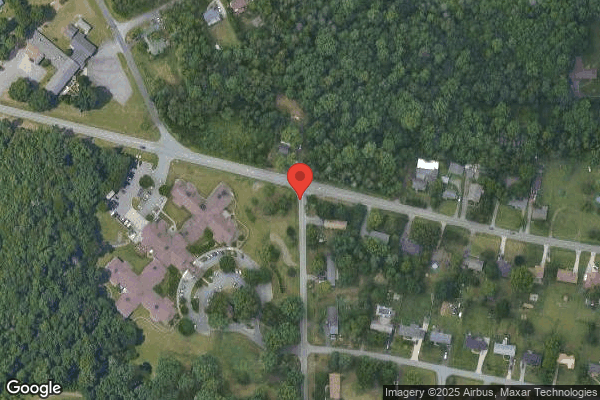
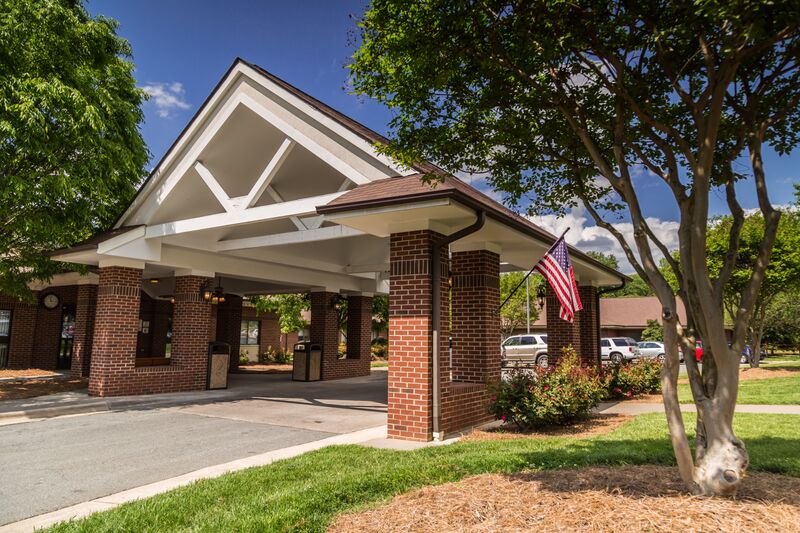
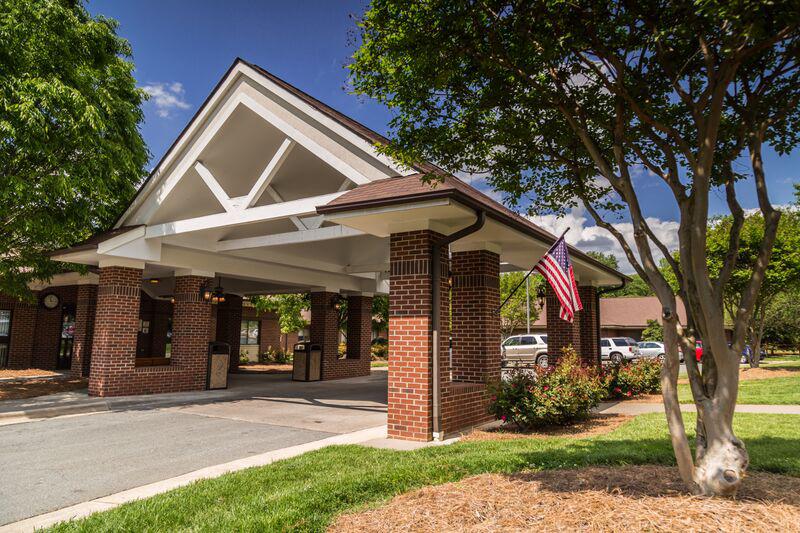
5680 Windy Hill Drive, Winston Salem, NC 27105 (336) 776-5000
For profit - Corporation 170 Beds LIBERTY SENIOR LIVING Data: November 2025 1 Immediate Jeopardy citation
Trust Grade
3/100
#365 of 417 in NC
Last Inspection: June 2025

Inspected within the last 6 months. Data reflects current conditions.

Overview

Oak Forest Health and Rehabilitation has received a Trust Grade of F, indicating significant concerns about the quality of care provided. Ranking #365 out of 417 nursing homes in North Carolina places it in the bottom half of facilities statewide, and at #11 out of 13 in Forsyth County, only one local option is better. The facility is worsening, with issues increasing from 9 in 2024 to 10 in 2025, and staffing is a major concern, reflected by a low 1-star rating, a high turnover rate of 68%, and less RN coverage than 89% of state facilities. There are serious incidents documented, including a critical medication error where a resident received the wrong medications and multiple falls leading to severe injuries for residents who were not adequately monitored. While the facility has some staff members who may be dedicated, the high turnover and numerous safety violations raise significant red flags for families considering care for their loved ones.
Trust Score
F
3/100
In North Carolina
#365/417
Bottom 13%
Safety Record
High Risk
Review needed
Inspections
Getting Worse
9 → 10 violations
Staff Stability
⚠ Watch
68% turnover. Above average. Higher turnover means staff may not know residents' routines.
Penalties
○ Average
$30,054 in fines. Higher than 74% of North Carolina facilities. Some compliance issues.
Skilled Nurses
⚠ Watch
Each resident gets only 20 minutes of Registered Nurse (RN) attention daily — below average for North Carolina. Fewer RN minutes means fewer trained eyes watching for problems.
Violations
⚠ Watch
34 deficiencies on record. Higher than average. Multiple issues found across inspections.
★☆☆☆☆
1.0
Overall Rating
★☆☆☆☆
1.0
Staff Levels
★☆☆☆☆
1.0
Care Quality
★★☆☆☆
2.0
Inspection Score
Stable
2024: 9 issues
2025: 10 issues

The Good

  • Full Sprinkler Coverage · Fire safety systems throughout facility
  • No fines on record

Facility shows strength in fire safety.

The Bad

1-Star Overall Rating

Below North Carolina average (2.8)

Significant quality concerns identified by CMS

Staff Turnover: 68%

21pts above North Carolina avg (46%)

Frequent staff changes - ask about care continuity

Federal Fines: $30,054

Below median ($33,413)

Moderate penalties - review what triggered them

Chain: LIBERTY SENIOR LIVING

Part of a multi-facility chain

Ask about local staffing decisions and management

Staff turnover is elevated (68%)

20 points above North Carolina average of 48%

The Ugly 34 deficiencies on record

1 life-threatening 3 actual harm
Jun 2025 9 deficiencies 1 Harm
SERIOUS (G) 📢 Someone Reported This

A family member, employee, or ombudsman was alarmed enough to file a formal complaint

Actual Harm - a resident was hurt due to facility failures

Accident Prevention (Tag F0689)

A resident was harmed · This affected 1 resident

**NOTE- TERMS IN BRACKETS HAVE BEEN EDITED TO PROTECT CONFIDENTIALITY** Based on observation, record review, and staff and Nurse Practitioner (NP) interviews, the facility failed to provide care in a ...

Read full inspector narrative →
**NOTE- TERMS IN BRACKETS HAVE BEEN EDITED TO PROTECT CONFIDENTIALITY** Based on observation, record review, and staff and Nurse Practitioner (NP) interviews, the facility failed to provide care in a safe manner when Resident #71 was rolled out of her bed during incontinent care hitting the floor. Resident #71 was sent to the Emergency Department (ED) and diagnosed with a fracture of her left distal (away from the center) clavicle, a closed fracture of the second rib on the left side, and a large left-sided scalp hematoma. The facility also failed to conduct smoking assessments when Resident #117 was not assessed for smoking. The deficient practice occurred for 2 of 4 sampled residents reviewed for supervision to prevent accidents (Resident #71 and Resident #117). Findings included: 1. Resident #71 was admitted to the facility on [DATE] with diagnoses which included dementia, adult failure to thrive, contractures of left and right extremities, right hip osteoarthritis, dysphagia, and a history of pulmonary embolism. The revised care plan dated 1/17/25 revealed Resident #71 had an activities of daily living (ADL) self-care performance deficit related to limited mobility and dementia. Interventions included: extensive, two-person staff assistance to re-position and turn in bed; and two-person assistance using a mechanical lift for transfers. Resident #71's physician orders revealed on 2/27/25 the Resident was ordered 5 milligrams of Eliquis (blood thinner medication) via a gastrostomy tube two times a day due to her history of pulmonary embolism/deep vein thrombosis (DVT). The annual Minimum Data Set assessment dated [DATE] indicated Resident #71was severely cognitively impaired, dependent on staff for bed mobility and transfer, had impairment of bilateral upper and lower extremities, had an indwelling catheter, was always incontinent of bowel, had a feeding tube, and had no falls since her last annual assessment. Review of a progress note by Nurse #3 dated 4/13/25 documented that at 6:15 a.m. nursing assistant (NA#3) reported she was performing personal care on Resident #71 and when she turned the Resident on her side to place a brief on her, the Resident rolled off the opposite side of bed. NA#3 reported that the Resident's bed was waist level to her during this time. Resident #71 had a golf ball sized hematoma to the left side of her head. The on-call health provider was notified and ordered the Resident to be sent out for further evaluation. Resident #71's normal mental baseline remained the same. The Resident left facility via ambulance via stretcher at 7:15 a.m. NA#3 was educated on the importance of requesting assistance with residents that required the assistance of two people to help prevent falls or potential injuries while performing personal care and transferring residents. A telephone interview was conducted on 5/20/25 at 5:30 p.m. with Nurse #3 who revealed she last worked at facility approximately 3.5 weeks ago. She revealed she worked at the facility on 4/13/25 during the 11:00 p.m. to 7:00 a.m. shift. Nurse #3 stated that at approximately 6:35 a.m. NA #3 informed her Resident #71 was on the floor in her room. The Nurse reported that she entered Resident #71's room and observed Resident #71 lying on her back, on the floor on the right side of the bed awake and moaning. Nurse #3 stated NA #3 informed her that as she was on the left side of the bed changing the Resident's brief, the NA #3 rolled the Resident away from her to apply the brief but Resident #71 rolled off the bed onto the floor. Nurse #3 stated she conducted a physical assessment of Resident #71 and noted a golf ball sized knot on the left side of her head, above her left ear but no bleeding. Nurse #3 stated she informed NA #3 that she should have requested her assistance with the Resident's care because the Resident required two staff for assistance with bed mobility and transfers due to the resident was very contracted and stiff. Nurse #3 stated she reminded NA #3 and pointed to a small note on yellow paper on the wall above the resident's head of bed which read two person assist. The Nurse reported NA #3 responded she did not notice the note. Nurse #3 stated that at approximately 6:45 a.m., with the use of the mechanical lift, she and NA#3 returned Resident #71 to her bed where her vital signs were taken and were within normal limits. Nurse #3 stated she notified the on-call physician of the incident who ordered the resident sent to the emergency room due to the large hematoma to her head. She revealed 911 was called and emergency medical services (EMS) arrived at approximately 7:15 a.m. Nurse #3 stated that throughout the incident, Resident #71 did not lose consciousness, had no bleeding, and was no longer moaning. Nurse #3 revealed she reported the resident's fall to the on-coming Charge Nurse (Nurse #4). On 5/20/25 at 8:47 a.m., an interview was conducted with Nurse #4 who stated she worked as the first shift Charge Nurse on 4/13/25. She recalled that upon her arrival to begin her shift (timecard indicated Nurse#4 reported to work at 6:51 a.m. on 4/13/25), Nurse #3 informed her Resident #71 had a fall and had an injury to the side of her head. Nurse #4 stated this prompted her to conduct an observation of the resident. Nurse #4 stated she observed the Resident was awake in bed, nonverbal (which was normal) at her baseline, with a large hematoma (palm size) to the left side of her head. Nurse #4 stated she immediately told Nurse #3 to phone the physician STAT (immediately). The physician gave orders to send the Resident to the emergency room, immediately. Nurse #4 revealed she was unsure if Resident #71 received blood thinning medication because she was not her assigned nurse; but there was no blood, and the hematoma was not purple and the Resident was not flinching in pain. Nurse #4 revealed she interviewed Nurse #3 and NA #3 on the amount of time since the resident was returned to her bed and both estimated no longer than thirty minutes. Nurse #4 stated she interviewed the NA #3 who reported that when she was providing incontinence care to Resident #71 she (NA) rolled the resident onto her side, and the Resident rolled off the other side of the bed. NA #3 admitted she did not have assistance and was aware Resident #71 was a two person assist with bed mobility and transfers but she had no help. When Nurse #4 asked if NA #3 asked assistance from her nurse, NA #3 response was no. Nurse #4 stated she immediately notified the Director of Nursing who instructed her to have the Schedular notify NA#3 (who had left at end of the shift) that she was suspended pending investigation. Nurse #4 stated NA #3 had not returned to the facility since the incident on 4/13/25. The review of the facility's Initial Falls Review form dated 4/13/25 documented Resident #71 rolled or fell out of the bed which was in the low position. NA#3 went in to perform personal care for Resident #71 and during the interaction NA#3 rolled the resident over to place brief on when the resident rolled off the opposite side of the bed resulting in a hematoma to left side of her head. The Resident remained alert, pupils were equally round and reactive to light, equal hand grasp, and moved all extremities. The Nurse Practitioner was notified and ordered to send the resident out to the emergency room. NA #3 was unable to be reached for an interview. The Hospital Discharge summary dated [DATE] revealed Resident #71 presented to the hospital's emergency room on 4/13/25 after a fall from the bed when being turned by staff at the nursing home. Reportedly staff was caring for the resident when they went to roll her back over they rolled her off the bed and the resident landed on her left side. As a result of the x-rays and computed tomography (CT scan), Resident #71 was diagnosed with a fracture of her left distal clavicle, a closed fracture of the second rib of the left side, and a large left-sided scalp hematoma. Also, a Complete Blood Count (CBC) test showed Resident #71 had a slightly elevated white count and a slightly elevated procalcitonin (a protein produced in response to bacterial infections). A urinalysis showed minimal infection. Resident #71 was diagnosed with possible sepsis along with her new fractures. The resident developed a low-grade temperature of 100.6 degrees Fahrenheit while in the emergency room. The Resident was hospitalized to allow for the administration of intravenous antibiotics before being discharged back to the facility. On 5/18/25 at 1:03 p.m., Resident #71 was observed in bed awake, nonverbal and covered with bed linen. An interview with the Administrator on 5/19/25 at 2:17 p.m. revealed NA #3 was terminated from the facility on 4/13/25 due to her failure to follow policy related to bed mobility. She also revealed Nurse #3 (an Agency nurse), last worked at the facility on 4/21/25. On 5/21/25 at 11:47 a.m., the Nurse Practitioner (NP) was interviewed and revealed she was not the on-call provider on 4/13/25 but based on the triage timing documented by the on-call provider, the time frame of the call was appropriate as well as the nurse's assessment. The NP indicated the nurse should always assess a resident before contacting the provider to be able to provide answers quickly to questions about a resident's injuries and/or health status. On 5/22/25 at 11:18 a.m. the Director of Nursing was interviewed and stated during admission, a resident's mobility and transfer ability would be assessed by nursing and therapy and the determination made if a resident required 1 or 2 staff assistance with bed mobility and the use of a mechanical lift for transfers. This determination would be documented in the Kardex (a resident's care plan used by staff when providing care) which all nursing assistants had been educated. 2. Resident #117 was admitted to the facility on [DATE] with diagnoses which included tobacco use. Review of Resident #117's annual Minimum Data Set (MDS) dated [DATE] revealed the resident was alert and oriented and was coded for tobacco use. Review of Resident #117's care plan revised on 03/18/25 revealed Resident #117 was at risk for injuries related to the preference of smoking. The goal was Resident #117's smoking related injuries would be minimized through current interventions. Review of Resident 117's smoking assessments revealed a smoking assessment was completed on 03/24/24 and the next assessment was not completed until 08/27/24. Smoking assessments were completed quarterly after 08/27/24. The smoking assessments from 03/24/24 and 08/27/24 concluded Resident #117 was an unsupervised smoker because he was able to demonstrate and understand the smoking policy, times, and place to smoke. An observation and interview conducted with Resident #117 on 05/20/25 at 2:00 PM revealed Resident #117 was outside in the designated smoking area smoking independently. Resident #117 stated he had always been an independent smoker in the facility. During the observation, Resident #117 was observed to safely ash his cigarette into an appropriate receptacle, and he was observed to not have any burns on his clothing, or his skin. An interview conducted with the Director of Nursing (DON) on 05/21/25 at 3:40 PM revealed she had expected quarterly smoking assessments to be completed. It was indicated nurses were notified by the medical record system what assessments were pending and needed to be completed during their shift, including smoking assessments, and they were expected to complete the assessments during their shift. The DON further revealed she was not aware Resident #117 had gone beyond the quarterly time frame without having had a smoking assessment conducted.
CONCERN (D) 📢 Someone Reported This

A family member, employee, or ombudsman was alarmed enough to file a formal complaint

Potential for Harm - no one hurt, but risky conditions existed

Deficiency F0561 (Tag F0561)

Could have caused harm · This affected 1 resident

**NOTE- TERMS IN BRACKETS HAVE BEEN EDITED TO PROTECT CONFIDENTIALITY** Based on observations, record review, and staff interviews, the facility failed to allow residents who had been assessed as a sa...

Read full inspector narrative →
**NOTE- TERMS IN BRACKETS HAVE BEEN EDITED TO PROTECT CONFIDENTIALITY** Based on observations, record review, and staff interviews, the facility failed to allow residents who had been assessed as a safe independent smoker the choice to smoke unsupervised for 2 of 3 residents reviewed for choices (Resident #114 and Resident #117). The findings included: Review of Policy Title: Smoking Agreement signed and dated 12/23/24 by Resident #114 stated independent smoker may smoke in designated areas when they would like to smoke. They must also adhere to the rules as outlined. 1. Resident #114 was admitted to the facility on [DATE] with diagnoses which included tobacco use. Review of Resident #114's quarterly Minimum Data Set (MDS) dated [DATE] revealed his cognition was intact. Review of Resident #114's care plan revised on 04/04/25 revealed Resident #114 was at risk for injuries related to the preference of smoking. The goal was Resident #114's smoking related injuries would be minimized. Review of Resident #114's quarterly smoking assessment dated [DATE] revealed Resident #114 was able to hold the cigarette safely without a device, extinguish cigarette safely, and ambulate independently. Resident #114 was assessed as able to smoke safely independently. An observation conducted on 05/20/25 at 12:30 PM revealed the designated smoking area door posted a sign that stated smoking was allowed from 8:00 AM- 8:00 PM daily. Observation and interview conducted with Resident #114 on 05/20/25 at 2:00 PM revealed Resident #114 was outside in the designated smoking area smoking independently. Resident #114 stated he was upset that times had been put in place and independent smokers were unable to smoke after 8:00 PM. Resident #114 stated he preferred to smoke independently in the evenings after 8:00 PM. An interview conducted with Nurse Aide (NA) #5 on 05/21/25 at 12:10 PM revealed she worked both 1st and 2nd shift. NA #5 stated multiple residents that smoked had complained that they were not able to smoke after 8:00 PM. NA #5 indicated Resident #114 had complained to her. NA #5 indicated she had spoken to multiple nursing staff before and told them that residents were upset. An interview conducted with the Director of Nursing (DON) and Administrator on 05/21/25 at 3:40 PM revealed Resident #117 was an independent smoker. The DON and Administrator stated they had not had any complaints from residents having to smoke at assigned times. It was indicated the assign times were implemented several months back and was a decision made by department heads. 2. Resident #117 was originally admitted to the facility on [DATE] with diagnoses which included tobacco use. Review of Resident #117's annual MDS dated [DATE] revealed his cognition was intact and was coded for tobacco use. Review of Resident #117's care plan revised on 03/18/25 revealed Resident #117 was at risk for injuries related to the preference of smoking. The goal was Resident #117's smoking related injuries would be minimized. Review of Resident #117's quarterly smoking assessment dated [DATE] revealed Resident #117 was able to hold the cigarette safely without a device, extinguish cigarette safely, and ambulate independently. Resident #117 was assessed as able to smoke safely independently. Observation conducted on 05/20/25 at 12:30 PM revealed on the door going out to the designated smoking area revealed smoking was allowed from 8:00 AM- 8:00 PM daily. Observation and interview conducted with Resident #117 on 05/20/25 at 2:00 PM revealed Resident #117 was outside in the designated smoking area smoking independently. Resident #117 stated he was upset that times had been put in place and independent smokers were unable to smoke after 8:00 PM. Resident #117 stated he used to be able to go out anytime to smoke and liked to smoke before 8:00 AM and after 8:00 PM. An interview conducted with Nurse Aide (NA) #5 on 05/21/25 at 12:10 PM revealed she worked both 1st and 2nd shift. NA #5 stated multiple residents that smoked had complained that they were not able to smoke after 8:00 PM. NA #5 indicated Resident #117 had complained to her. NA #5 indicated she had spoken to multiple nursing staff before and told them that residents were upset. An interview conducted with the Director of Nursing (DON) and Administrator on 05/21/25 at 3:40 PM revealed Resident #117 was an independent smoker. The DON and Administrator stated they had not had any complaints from residents having to smoke at assigned times. It was indicated the assign times were implemented several months back and was a decision made by department heads.
CONCERN (D) 📢 Someone Reported This

A family member, employee, or ombudsman was alarmed enough to file a formal complaint

Potential for Harm - no one hurt, but risky conditions existed

Deficiency F0602 (Tag F0602)

Could have caused harm · This affected 1 resident

**NOTE- TERMS IN BRACKETS HAVE BEEN EDITED TO PROTECT CONFIDENTIALITY** Based on record reviews, and staff, Pharmacy Consultant and Medical Director interviews, the facility failed to protect the resi...

Read full inspector narrative →
**NOTE- TERMS IN BRACKETS HAVE BEEN EDITED TO PROTECT CONFIDENTIALITY** Based on record reviews, and staff, Pharmacy Consultant and Medical Director interviews, the facility failed to protect the resident's right to be free from misappropriation of narcotic medications (Oxycodone) for 2 of 3 residents reviewed for misappropriation of property (Resident #2 and Resident #3). The findings included: a. Resident #2 was admitted to the facility on [DATE] with diagnoses that included chronic pain. The admission Minimum Data Set (MDS) assessment dated [DATE] indicated she was moderately cognitively impaired and received opioid medications. Physician's orders for Resident #2 revealed an order dated 5/28/25 for Oxycodone 5 milligrams (mg) every 8 hours by mouth as needed (PRN) for pain. Resident #2's Medication Administration Record (MAR) for May 2025 revealed that from 7:00 PM on 5/28/25 to 7:00 AM on 5/29/25, Resident #2 did not report pain and did not receive PRN Oxycodone. b. Resident #3 was admitted to the facility on [DATE] with diagnoses that included chronic pain. The admission MDS assessment dated [DATE] indicated she was moderately cognitively impaired and received opioid medications. Physician's order for Resident #3 revealed an order dated 5/8/25 for Oxycodone 5 mg every 8 hours via feeding tube for pain. Resident #3's MAR for May 2025 revealed that Nurse #5 administered 5 mg of Oxycodone tablet on 5/29/25 at 6:00 AM. The controlled drug form revealed Nurse #5 signed out Oxycodone 5 mg for Resident #3 on 5/29/25 at 6:00 AM. The Initial Allegation Report submitted to the State by the Administrator on 5/29/25 at 11:10 AM revealed an allegation of misappropriation of property was made on 5/29/25 when narcotic discrepancies were found on two residents (Resident #2 and Resident #3) narcotic records involving Nurse #5. The Investigation Report completed by the Administrator on 6/5/25 revealed that on 5/29/25 at 10:30 AM during the audit of narcotic process the Director of Nursing (DON) found that two cards of narcotics and the second page of Narcotic Count Sheet were missing from the C-100 hall medication administration cart: Oxycodone 5 mg tablets (30 tablets for Resident #2 and 54 tablets for Resident #3, 84 total). The DON initiated an investigation, suspended Nurse #5 who was assigned for C-100 hall medication administration cart from 7:00 PM on 5/28/25 to 7:00 AM on 5/29/25, and notified the Medical Director, Law Enforcement, the State, Adult Protective Service (APS), Drug Enforcement Administration (DEA), the Administrator, and Pharmacy. The DON conducted an interview with Nurse #5 who indicated that she counted narcotics during the shift change report with another nurse at the beginning and the end of her shift, and did not realize that two cards of narcotics were missing. The administration interviewed all the RN's, LPN's and Medication Aides, who had work on that specific medication cart, and there were no concerns related to Resident #2's and Resident #3's Oxycodone, and no suspicious behavior or narcotic discrepancies reported. All the staff members who worked on C-100 medication administration cart were sent for urine drug screens with negative results. Law Enforcement did not have charges related to the allegation and did not investigate further. On 6/11/25 at 10:30 AM during an interview, the DON indicated that the discrepancy with the narcotic count for the C-100 medication administration cart was discovered the morning of 5/29/25. She reported that during the narcotic process audit, the DON noted that on C-100 hall, two narcotic cards (30 tablets for Resident #2 and 54 tablets for Resident #3, 84 total) and the second page of the Narcotic Count Sheets were missing from the medication administration cart. The investigation started immediately and Nurse #5, the last nurse, assigned for this cart, was suspended. All medication carts were audited, and no additional missing narcotics were found. Nursing staff conducted pain assessments for all residents, including Residents #2 and #3, and no issues with pain on that shift were reported. Urine drug screen tests were conducted for all the staff who worked on C-100 hall medication administration cart with negative results. The DON interviewed Nurse #6 and Nurse #5, the outgoing and one oncoming nurses for 5/28/25 second shift, who reported no narcotic discrepancy. The DON notified the Medical Director, Law Enforcement, State, APS, DEA, the Administrator, and Pharmacy. The DON reviewed the facility cameras in the C-100 hall area, including the medication administration cart area. On 5/29/25, multiple employees were observed walking past the medication cart, but nobody had touched the medication cart, and no other suspicious behavior was noted. The pharmacy requested to bill the missing medications to the facility. The DON stated that two nurses were responsible for completion of the narcotic count at the change of shifts: one outgoing and one oncoming nurse. She further stated any discrepancy found must be reported immediately and an investigation would be started. On 6/11/25 at 2:45 PM during a phone interview, Nurse #7 indicated that she worked on 5/29/25 from 7:00 AM to 7:00 PM and received the change of shift report from Nurse #5 at 7:30 AM. Nurse #5 did not report a narcotic discrepancy. Nurse #7 indicated Both nurses counted the narcotics on C-100 hall medication administration cart, signed the narcotic book and did not see a problem. A couple of hours later, the DON notified her about two missing narcotic cards from the same medication administration cart. Nurse #7 did not know how the narcotics were lost. On 6/11/25 at 10:40 AM during a phone interview Nurse #5 indicated that from 7:00 PM on 5/28/25 to 7:00 AM on 5/29/25 she was assigned to C-100 hall medication administration cart. Nurse #5 stated that on 5/28/25 at 7:00 PM, she received the shift change report from Nurse #6 and the narcotic count was correct. On 5/29/25 at 7:30 AM, she gave the shift change report to Nurse #7 (agency) and did not find the discrepancy. After an hour and a half, the DON notified Nurse #5 that during the narcotic process audit, it was discovered that two Oxycodone tablets cards were missing from C-100 hall medication administration cart. Nurse #5 reported that during her shift, Resident #3 received her scheduled Oxycodone 5 mg at 6:00 AM, and Resident #2 did not require as needed pain medication. Nurse #5 confirmed that she did not leave the narcotic keys unattended and did not know how the narcotic loss occurred. Law Enforcement did not contact her in regards to missing narcotics. On 6/12/25 at 8:50 AM during a phone interview, Nurse #6 indicated that on 5/28/25 from 7:00 AM to 7:00 PM, she was assigned to C-100 hall medication administration cart. At the end of her shift, she reconciled the narcotics with the upcoming nurse, Nurse #5, and the count was correct. There was no problem with narcotics during her shift. She became aware of missing narcotics from the C-100 hall medication administration cart the next day (5/29/25). On 6/11/25 at 3:30 PM during a phone interview, the Pharmacist indicated that the pharmacy was notified of the missing narcotic cards by the DON, and helped the facility report the diversion to the DEA. She stated that the Pharmacy Consultant regularly performed monthly random narcotic audits of the medication carts, medication rooms, and did not report issues or concerns before or after this incident. On 6/12/25 at 10:00 AM during a phone interview, the Medical Director indicated that he was notified about the missing narcotics. He asked the staff to assess the residents for the pain. The staff reported that on 5/29/25, Resident #2 did not need her PRN narcotic, and Resident #3 received Oxycodone according to the order. On 6/12/25 at 10:30 AM during a phone interview, the Administrator indicated that her expectation was for the nursing staff to keep the narcotic drawer and medication cart locked at all times when not in use, medication cart keys on nurses at all times, for nursing staff to count narcotics on the cart each shift, and both ongoing and oncoming staff sign off the narcotic count was completed and was correct. The Administrator stated that the allegation of misappropriation of resident property was not substantiated because the investigation was unable to identify how the medications were missing.
CONCERN (D)

Potential for Harm - no one hurt, but risky conditions existed

Comprehensive Care Plan (Tag F0656)

Could have caused harm · This affected 1 resident

**NOTE- TERMS IN BRACKETS HAVE BEEN EDITED TO PROTECT CONFIDENTIALITY** Based on record review, observation and staff interviews, the facility failed to develop and implement care plan interventions f...

Read full inspector narrative →
**NOTE- TERMS IN BRACKETS HAVE BEEN EDITED TO PROTECT CONFIDENTIALITY** Based on record review, observation and staff interviews, the facility failed to develop and implement care plan interventions for 2 of 5 residents reviewed for smoking (Resident #30 and Resident #159). The findings included: 1. Resident #30 was admitted to the facility on [DATE] with diagnoses which included hypertension and nicotine dependence. Review of Resident #30's most current smoking assessment was dated 04/29/25. Review of Resident #30's quarterly Minimum Data Set (MDS) dated [DATE] revealed Resident #30 was cognitively intact and required limited assistance with activities of daily living (ADL). Review of Resident #30's care plan revealed no goals or interventions regarding Resident #30's smoking. Observation and interview conducted with Resident #30 on 05/20/25 at 2:00 PM revealed Resident #30 smoking independently. Resident #30 indicated he had been smoking since admission. An interview conducted with MDS Coordinator #1 on 05/21/25 at 3:20 PM revealed she was not aware Resident #30 had not been care planned for smoking. MDS Coordinator #1 stated through record review and communication with nursing staff Resident #30 should have been care planned for smoking. An interview conducted with the Director of Nursing (DON) and Administrator on 05/21/25 at 3:20 PM revealed Resident #30 smoked independently but they were not aware the resident had not been cared planned for smoking. The interview further revealed all residents that smoked were expected to be care planned for goals and interventions. 2. Resident #159 was admitted to the facility on [DATE] with diagnoses which included hypertension and nicotine dependence. Review of Resident #159's admission Minimum Data Set (MDS) dated [DATE] revealed the resident was cognitively intact and required extensive assistance for ADL. Review of Resident #159's care plan revealed no goals or interventions regarding smoking. Review of Resident #159's most current smoking assessment was dated 04/29/25. Observation and interview conducted with Resident #159 on 05/20/25 at 2:10 PM revealed Resident #159 smoking independently. Resident #159 indicated he started smoking two weeks after he was admitted . An interview conducted with MDS Coordinator #2 on 05/21/25 at 3:25 PM revealed she was not aware Resident #159 had not been care planned for smoking. MDS Coordinator #1 stated through record review and communication with nursing staff Resident #30 should have been care planned for smoking. An interview conducted with the Director of Nursing (DON) and Administrator on 05/21/25 at 3:20 PM revealed Resident #159 smoked independently but they were not aware the resident had not been cared planned for smoking. The interview further revealed all residents that smoked were expected to be care planned for goals and interventions.
CONCERN (D) 📢 Someone Reported This

A family member, employee, or ombudsman was alarmed enough to file a formal complaint

Potential for Harm - no one hurt, but risky conditions existed

ADL Care (Tag F0677)

Could have caused harm · This affected 1 resident

**NOTE- TERMS IN BRACKETS HAVE BEEN EDITED TO PROTECT CONFIDENTIALITY** Based on observation, record review, and resident and staff interviews, the facility failed to shave facial hair for 1 of 3 depe...

Read full inspector narrative →
**NOTE- TERMS IN BRACKETS HAVE BEEN EDITED TO PROTECT CONFIDENTIALITY** Based on observation, record review, and resident and staff interviews, the facility failed to shave facial hair for 1 of 3 dependent residents reviewed for assistance with activities of daily living (ADL) (Resident #56). The findings included: Resident #56 was admitted to the facility on [DATE] with diagnoses which included stroke, muscle weakness, hypertension, osteoporosis, and dysphagia. Review of Resident #56's care plan, revised 10/18/24, revealed the resident had an ADL self-care performance deficit due to left side hemiplegia (weakness on one side of the body), sequelae of poliomyelitis (Post-Polio Syndrome), muscle weakness, and a need for assistance with personal care. The goal was Resident #56 would receive staff assistance with all aspects of daily care to ensure that all needs are met. Interventions listed for Resident #56 included total assistance with bathing and required staff assistance with grooming and personal hygiene. Review of Resident #56's quarterly Minimum Data Set (MDS) dated [DATE] revealed the resident was cognitively intact and required extensive assistance with bathing and personal hygiene. An observation and interview conducted with Resident #56 on 05/18/25 at 11:55 AM revealed the resident was laying in bed watching television. Resident #56 had several hairs located on her chin, at an estimated length of one inch. Resident #56 stated she did not like having chin hair and she preferred for her chin and face to be kept trimmed. Resident #56 indicated she often had to ask staff to shave her chin for her. An interview conducted with Nurse Aide (NA) # 5 on 05/21/25 at 12:10 PM revealed she had cared for Resident #56 consistently and was assigned to Resident #56 on this date. NA #5 indicated Resident #56 rarely refused care and preferred to have a clean shaved face. NA #5 stated she was unsure why Resident #56's face had not been shaved but it needed to be. An interview conducted with Nurse #3 on 05/21/25 at 12:30 PM revealed she was the nurse assigned to Resident #56 and was not aware the resident had facial hair. Nurse #3 did not recall Resident #56 being resistive to personal care and expected residents to be clean shaved if preferred. A follow up interview with Nurse #3 on 05/21/25 at 2:30 PM revealed she had observed Resident #56 and indicated the resident had long chin hairs that needed to be shaved. Nurse #3 stated she shaved Resident #56 without any issue. An interview conducted with the Administrator and Director of Nursing (DON) on 05/21/25 at 3:40 PM revealed they were unsure why Resident #56 had not been clean shaven and they expected residents to remain clean and shaved as preferred.
CONCERN (D)

Potential for Harm - no one hurt, but risky conditions existed

Deficiency F0687 (Tag F0687)

Could have caused harm · This affected 1 resident

**NOTE- TERMS IN BRACKETS HAVE BEEN EDITED TO PROTECT CONFIDENTIALITY** Based on observation, record review, and resident and staff interviews, the facility failed to arrange or coordinate podiatry ca...

Read full inspector narrative →
**NOTE- TERMS IN BRACKETS HAVE BEEN EDITED TO PROTECT CONFIDENTIALITY** Based on observation, record review, and resident and staff interviews, the facility failed to arrange or coordinate podiatry care for 1 of 3 dependent residents reviewed for assistance with activities of daily living (ADL) (Resident #134). The findings included: Resident #134 was admitted to the facility on [DATE] with diagnoses which included stroke and hypertension. Review of Resident #134's care plan, revised 01/08/25, revealed the resident had an activities of daily living self-care performance deficit due to Cerebrovascular Accident (CVA) (stroke). The goal was for Resident #134 to improve the current level of functioning, including improvement in bed mobility, transfers, eating, dressing, toilet use, and personal hygiene. Review of Resident #134's quarterly Minimum Data Set (MDS) assessment dated [DATE] revealed the resident was cognitively intact and required extensive assistance with personal hygiene. The MDS further revealed the resident was coded for not being ambulatory. An interview and observation with Resident #134 on 05/21/25 at 11:30 AM revealed the resident's great toenails on both feet to be extending beyond the end of her toes, and were thick, and yellow in color. Resident #134 stated she had an ingrown toenail and was unable to wear shoes or socks because it was hurting and uncomfortable and had been that way for several days. Resident #134 stated a Nurse Aide had trimmed a couple toenails on her smaller toes a couple days prior but had not been seen by podiatry and would like to have a podiatry visit. An interview conducted with Nurse #5 on 05/21/25 at 3:30 PM revealed she was not aware Resident #134's was supposed to be seen by podiatry last week but was not seen. Nurse #5 further revealed she was unsure why she had not been seen by podiatry but observed Resident #134's toenails and stated they needed to be done. An interview was conducted with the Director of Nursing (DON) and Resident #134 in conjunction with an observation of Resident #134 on 05/21/25 at 2:00 PM. Resident #134 stated she could not wear enclosed shoes due to her toes hurting and the length of her great toenails. The DON revealed the podiatrist the facility used created a list of which residents were to be seen for their visit. The DON indicated Resident #134 had an ingrown toenail and needed to be seen by the podiatrist. The DON further stated she was going to contact the Podiatrist and make sure Resident #134 was seen as soon as possible but she went ahead and put her on the list for the next scheduled podiatry visit on 6/26/25. An interview conducted with the Administrator and DON on 05/21/25 at 3:40 PM revealed Resident #134 had not been assessed by podiatry since admission. The DON stated Resident #134 was on the list to be seen during the previous podiatry visit in May 2025 but was unsure why she had not been seen. The interview further revealed they expected for residents' toenails to remain trimmed and if there were issues, podiatry would be consulted.
CONCERN (D) 📢 Someone Reported This

A family member, employee, or ombudsman was alarmed enough to file a formal complaint

Potential for Harm - no one hurt, but risky conditions existed

Incontinence Care (Tag F0690)

Could have caused harm · This affected 1 resident

**NOTE- TERMS IN BRACKETS HAVE BEEN EDITED TO PROTECT CONFIDENTIALITY** Based on record review, observations, and staff interviews, the facility failed to keep a urinary catheter bag from touching the...

Read full inspector narrative →
**NOTE- TERMS IN BRACKETS HAVE BEEN EDITED TO PROTECT CONFIDENTIALITY** Based on record review, observations, and staff interviews, the facility failed to keep a urinary catheter bag from touching the floor to reduce the risk of infection for 1 of 5 residents reviewed with urinary catheters (Resident #14). The findings included: Resident #14 was admitted to the facility on [DATE] with diagnoses which included unspecified hydronephrosis (swelling of one or both kidneys due to a buildup of urine), presence of urogenital implants, and neuromuscular dysfunction of the bladder. A quarterly Minimum Data Set (MDS) assessment dated [DATE] revealed Resident #14 was moderately cognitively impaired. The assessment indicated Resident # 14 was dependent upon staff for all his activities of daily living (ADL). Resident #14 was coded for an indwelling urinary catheter. Resident #14's care plan revised 3/7/25 indicated Resident #14 had a goal of being free from a urinary tract infection due to the presence of an indwelling suprapubic catheter. Interventions included keeping the urinary collection bag below the level of the urinary bladder. An initial observation was conducted on 5/18/25 at 10:39 AM of Resident #14 as he was lying in his bed. The bed was noted to be in a low position. A urinary catheter drainage bag was observed to be hanging off the bedframe on the resident's right side of the bed with a solid, blue-colored privacy flap covering the bag facing the window. The entire bottom of the urinary catheter drainage bag was resting on the floor. Additional observations were conducted on 5/19/25 at 11:25 AM and on 5/20/25 at 4:00 PM. Resident #14's bed was noted to be in the low position, and a urinary catheter drainage bag was observed to be hanging off the bedframe on the resident's right side of the bed. The entire bottom of the urinary catheter drainage bag was resting on the floor during both observations. During an interview with Nurse Aide (NA) #1 on 5/20/25 at 4:19, she stated urinary catheter bags were not supposed to be touching the floor to prevent risk of infection. NA #1 stated she had noticed Resident #14's urinary catheter bag had been on the floor several times during her shift, and she had picked it up and repositioned the urinary catheter drainage bag so that it was not resting on the floor. An interview was conducted with the Director of Nursing (DON) on 5/21/25 at 11:51 AM. She stated she had educated all staff to keep urinary catheter bags off the floor, and there was a hook on the bag to hang it on the resident's bed. The Unit Manager was interviewed on 5/21/25 at 4:50 PM. She stated the resident's urinary drainage bag should not touch the floor. She further stated she had placed a basin underneath Resident #14's urinary catheter bag that day to prevent it from touching the floor since the resident preferred to keep his bed low.
CONCERN (D)

Potential for Harm - no one hurt, but risky conditions existed

Pharmacy Services (Tag F0755)

Could have caused harm · This affected 1 resident

**NOTE- TERMS IN BRACKETS HAVE BEEN EDITED TO PROTECT CONFIDENTIALITY** Based on record review and staff and Pharmacist interviews, the facility failed to have an effective system and safeguards in pl...

Read full inspector narrative →
**NOTE- TERMS IN BRACKETS HAVE BEEN EDITED TO PROTECT CONFIDENTIALITY** Based on record review and staff and Pharmacist interviews, the facility failed to have an effective system and safeguards in place to prevent drug diversion when they did not ensure narcotic medications for discharged residents were secured for 2 of 3 residents (Resident #1 and Resident #271) reviewed for medication management. As a result, a total of 75 doses of Oxycodone (a narcotic medication) 5 milligrams (mg) were unaccounted for. Findings included: a. Resident #122 was admitted to the facility on [DATE] and was readmitted on [DATE]. His diagnoses included diabetes and diabetic neuropathy. A quarterly Minimum Data Set assessment dated [DATE] indicated Resident #122 was cognitively intact and received opioid medications. Resident #122 had a Physician's Order dated [DATE] for Oxycodone (narcotic/opioid pain medication) 5 mg every 4 hours as needed for pain. The Medication Administration Record for [DATE] for Resident #122 indicated he received Oxycodone 5 mg as needed for pain on [DATE], [DATE], and [DATE]. On [DATE] a discharge with an anticipated return Minimum Data Set assessment indicated Resident #122 was discharged to the hospital. During an interview with the Director of Nursing (DON) on [DATE] at 11:06 am she stated the pharmacy had notified the facility on [DATE] when the pharmacy tote (a tote bag used to store medications to be returned to the pharmacy) was returned to the pharmacy there was a Narcotic Count Form for Oxycodone 5 mg with 45 doses ordered for Resident #122 and the medication correlating to the form was missing from the tote. The DON stated Resident #122 was discharged to the hospital on [DATE] and his medication should have been sent back to the pharmacy when he was discharged . The DON stated they immediately began an investigation. She stated Nurse #1 and Nurse #2 were interviewed and suspended pending an investigation; Nurse #1 and Nurse #2 both received narcotic drug tests; and the facility changed the process for returning unused narcotic medications to the pharmacy. Nurse #2 was interviewed by phone on [DATE] at 12:40 pm and she stated she counted 45 doses of Oxycodone 5 mg that was ordered for Resident #122 with Nurse #1 after the resident was discharged and placed the medication in the pharmacy tote and placed two numbered zip lock seals on the tote. Nurse #2 stated she left the tote in the Unit Managers office to be picked up by pharmacy. Nurse #2 stated when she worked as the night shift supervisor, she kept the Unit Manager's office door locked. Nurse #2 stated there were several staff (the Unit Managers and Administrative Staff) that had keys to the Unit Manager's office, but she was not aware of anyone leaving the Unit Manager's office unlocked. Nurse #1 was interviewed by phone on [DATE] at 11:37 am and stated she did not remember the date Nurse #2, the night shift supervisor, had asked her to reconcile narcotic medications with her that needed to be sent back to the pharmacy. Nurse #1 stated she did count the medications for Resident #122 with Nurse #2, and they put the medications in the pharmacy tote and placed the numbered zip lock tag on the tote. She stated she did not know when the pharmacy tote was returned to the pharmacy and did not know how long the pharmacy tote was left in the Unit Manager's office before it was sent back to the pharmacy. Nurse #1 stated on [DATE] she was suspended pending an investigation, she was drug tested, she received education regarding returning narcotic medication to the pharmacy, and the facility changed the process for sending unused narcotics back to the pharmacy. The Pharmacist was interviewed by phone on [DATE] at 2:59 pm and stated she received the facility's pharmacy tote on [DATE] and found a Narcotic Count Form for Oxycodone 5 mg, 45 doses, in the returned pharmacy tote. The Pharmacist stated the tote was sealed with two zip tie seals that were numbered, and the Medication Return Form in the tote had the corresponding numbers from the two zip ties. The Pharmacist stated she notified the facility that the narcotic medication was not in the tote when she received it at the pharmacy. The Pharmacist stated the Oxycodone 5 mg should have been secured under two locks to prevent diversion of the medication. During an interview with the DON on [DATE] at 11:06 am she stated that Resident #122 had not been charged for the medication and the medication was provided by the hospital when Resident #122 was admitted to the facility, so they had not considered the missing medication a misappropriation of Resident #122's property. b. Resident #271 was admitted to the facility on [DATE] with diagnoses that included and lung cancer. An admission Minimum Data Set assessment dated [DATE] indicated Resident #271 was cognitively intact and received opioid medications. A Physician's Order dated [DATE] indicated Oxycodone 5 mg for Resident #271 three times a day for pain. The Medication Administration Record for Resident #271 for [DATE] indicated he received Oxycodone 5 mg by mouth three times a day for pain from [DATE] to [DATE]. The medical record indicated Resident #271 died in the facility on [DATE]. The Director of Nursing was interviewed on [DATE] at 11:06 am and she stated during an investigation into missing narcotic medication for Resident #122 they discovered that a medication card of Oxycodone 5 mg that was ordered for Resident #271 was also missing. The Director of Nursing stated the Narcotic Count form for Resident #271's Oxycodone 5 mg with 30 doses was found in an unlocked desk drawer in the Unit Manager's office and the medication correlating to the form was missing. Nurse #2 stated she was the Night Shift Supervisor, and she was responsible for ensuring the narcotic medications were reconciled and sent back to the pharmacy when a resident was discharged . Nurse #2 stated after Resident #271's death, she placed the resident's medication in an unlocked desk drawer in the Unit Manager's office and the door to the office was locked but there were other staff members that had keys to the office. Nurse #2 stated all nurse management and supervisors had access to the office. Nurse #2 stated she kept the door to the office locked when she worked but she did not know if it was left open when she was not working. Nurse #2 stated she did not know that she should keep narcotic medications double locked until they were sent to the pharmacy. During an interview with the Pharmacist by phone on [DATE] at 2:59 pm she stated when the facility investigated the 45 missing doses of Oxycodone 5 mg for Resident #122, they notified her there was another card of 30 doses of Oxycodone missing for Resident #271. The Director of Nursing was interviewed on [DATE] at 11:06 am and she stated that the investigation into the missing Oxycodone for Resident #271 revealed Nurse #2, the night shift supervisor, had placed the medication in the drawer in the Unit Manager's office and had planned to return it to the pharmacy. She stated Nurse #2 stated she was not aware the medication should not be left in the desk drawer which was not locked. The Director of Nursing stated the facility changed the process for sending narcotic medications back to the pharmacy to prevent any further diversion of narcotic medications. The Director of Nursing stated Resident #271 was not charged for the 30 doses of Oxycodone 5 mg since the medication was provided by the hospital when Resident #271 was admitted to the facility and the facility did not investigate it as misappropriated for that reason. The Administrator was interviewed by phone on [DATE] at 2:25 pm and stated the facility should have ensured Resident #271 and Resident #122's narcotic medication was secured with two locks to prevent diversion of narcotic medications.
CONCERN (D)

Potential for Harm - no one hurt, but risky conditions existed

Deficiency F0761 (Tag F0761)

Could have caused harm · This affected 1 resident

**NOTE- TERMS IN BRACKETS HAVE BEEN EDITED TO PROTECT CONFIDENTIALITY** Based on record review, observations, and interviews with staff and the Pharmacist, the facility failed to store unused narcotic...

Read full inspector narrative →
**NOTE- TERMS IN BRACKETS HAVE BEEN EDITED TO PROTECT CONFIDENTIALITY** Based on record review, observations, and interviews with staff and the Pharmacist, the facility failed to store unused narcotics prescribed to Resident #122 and #271 in a separately locked, permanently affixed compartment. The narcotics for Resident #122 were stored in a pharmacy tote with a numbered zip lock tag and the doses for Rsdt #271 were placed in an unlocked desk drawer in the Unit managers office by the Nurse #2, the night shift supervisor. The Unit Manager's office was not always locked and several staff had keys to the office. On 5/1/2025, the Pharmacy identified that 45 doses of oxycodone, 5 milligrams, were missing for Resident #122 when they received the narcotic count sheet without the narcotic medication in the medication tote that was delivered to the pharmacy. The facility initiated an investigation and discovered 30 doses of oxycodone, 5 milligrams, missing for Resident #271. This deficient practice affected two of two discharged residents reviewed for drug storage (Resident #122 and #271). Findings included: The facility's Controlled Medication Storage Policy stated all narcotic medications are stored under double lock in a locked cabinet or safe designated for that purpose. 1. Resident #122 was admitted to the facility on [DATE] and had a recent readmission on [DATE]. Resident #122 had a Physician's Order dated 2/6/2025 for Oxycodone 5 mg every 4 hours as needed for pain. On 3/25/2025 a discharge with an anticipated return Minimum Data Set assessment indicated Resident #122 was discharged to the hospital. Nurse #1 was interviewed by phone on 5/22/2025 at 11:37 am and stated she did not remember the date Nurse #2, the night shift supervisor, had asked her to reconcile narcotic medications with her that needed to be sent back to the pharmacy. She stated she did count the medications for Resident #122 with Nurse #2, and they put the medications in the pharmacy tote (a plastic bin that medications are place in to transport to and from the pharmacy) and placed the numbered zip lock tag on the tote. She stated she did not know when the pharmacy tote was returned to the pharmacy and did not know how long the pharmacy tote was left in the Unit Manager's office before it was sent back to the pharmacy. Nurse #2 was interviewed by phone on 5/22/2025 at 12:40 pm and she stated she counted 45 doses of Oxycodone 5 mg that was ordered for Resident #122 with Nurse #1 and placed the medication in the pharmacy tote with the numbered zip lock tag on the tote which Nurse #2 stored in the unit managers office. She stated she did not remember the date they put the medication in the pharmacy tote and did not know the date the pharmacy tote was sent to the pharmacy. Nurse #2 stated when she worked as the night shift supervisor, she kept the door to the Unit Manager's office locked at all times, but she knew there were several staff that had keys to the Unit Manager's office, but she was not aware of anyone leaving the Unit Manager's office unlocked. The Pharmacist was interviewed by phone on 5/23/2025 at 2:59 pm and she stated when the facility's pharmacy tote was received in the pharmacy on 5/1/2025 the zip lock seals were in place and the Narcotic Return Form for Oxycodone 5 mg (45 doses) was not in the pharmacy tote. The Pharmacist stated she notified the facility's Director of Nursing (DON). During an interview with the DON on 5/22/2025 at 11:06 am she stated the pharmacy had notified the facility on 5/1/2025 when the pharmacy tote was returned to the facility there was a Narcotic Count Form for Oxycodone 5 mg with 45 doses ordered for Resident #122 and the medication was missing from the tote. The DON stated at that time the narcotics that were being sent back to the pharmacy were being stored in the Unit Manager's office and the door was not always locked, several people had keys to the office, and the medications were kept in an unlocked desk drawer. The DON stated they were not able to determine when the misappropriation occurred, but they had changed the process for sending narcotics back to the pharmacy. The DON stated the facility had installed a safe in the DON office, which was observed during the interview, and the process for storing and returning narcotic medications had changed. The DON stated the Assistant Director of Nursing (ADON) counted all narcotics that should be returned to the pharmacy (either when a resident was no longer taking them or the resident was discharged ) and placed them in the safe and they were kept in the safe until the pharmacy courier picked them up to return them to the pharmacy. The DON stated she and the ADON put the seals on the pharmacy tote after they counted the medications again and sent them with the courier to the pharmacy. 2. Resident #271 was admitted to the facility on [DATE]. A Physician's Order dated 3/12/2025 indicated Resident #271 should have Oxycodone 5 mg three times a day for pain. Nurse #2 was interviewed by phone on 5/22/2025 at 12:40 pm and stated she was the Night Shift Supervisor, and she was responsible for ensuring the narcotic medications were reconciled and sent back to the pharmacy when a resident was discharged . Nurse #2 stated she put Resident #271's medication in an unlocked desk drawer in the Unit Manager's office and the door to the office was locked but there were other staff members that had keys to the office. Nurse #2 stated all nurse management and supervisors had access to the office. Nurse #2 stated she kept the door to the office locked when she worked but she did not know if it was left open when she was not working. The Director of Nursing was interviewed on 5/22/2025 at 11:06 am and she stated during an investigation into the missing narcotic medication for Resident #122 they discovered that a medication card of Oxycodone 5 mg that was ordered for Resident #271 was also missing. The Director of Nursing stated the Narcotic Count form for Resident #271's Oxycodone 5 mg with 30 doses was found in an unlocked desk drawer in the Unit Manager's office and the medication was missing. The Director of Nursing stated Nurse #2, the night shift supervisor, had placed the medication in the drawer and had planned to return it to the pharmacy. The DON stated Nurse #2 stated she was not aware the medication should not be left in the desk drawer which was not locked. The Administrator was interviewed by phone on 5/22/2025 at 2:25 pm and stated the facility should have ensured Resident #271 and Resident #122's narcotic medication was secured with two locks to prevent diversion of narcotics. The facility submitted a plan of correction for past noncompliance but it was not acceptable to the state agency.
Feb 2025 1 deficiency
CONCERN (D) 📢 Someone Reported This

A family member, employee, or ombudsman was alarmed enough to file a formal complaint

Potential for Harm - no one hurt, but risky conditions existed

Assessment Accuracy (Tag F0641)

Could have caused harm · This affected 1 resident

**NOTE- TERMS IN BRACKETS HAVE BEEN EDITED TO PROTECT CONFIDENTIALITY** Based on observation, record review, and staff and resident interviews, the facility failed to accurately code the Minimum Data ...

Read full inspector narrative →
**NOTE- TERMS IN BRACKETS HAVE BEEN EDITED TO PROTECT CONFIDENTIALITY** Based on observation, record review, and staff and resident interviews, the facility failed to accurately code the Minimum Data Set (MDS) assessment in the area of the use of continuous positive airway pressure (CPAP) machine for 2 of 3 residents whose MDS assessments were reviewed (Residents #1 and #2). The findings included: 1. Resident #1 was admitted to the facility on [DATE] with diagnoses including obstructive sleep apnea and acute respiratory failure with hypoxia. Resident 1's plan of care, dated 1/9/25, indicated oxygen therapy related to continuous positive airway pressure (CPAP) for obstructive sleep apnea with an intervention to encourage to wear the CPAP as ordered by the physician. Resident #1 had an active physician's order, dated 9/2/24, for CPAP machine to apply at bedtime and remove when awake for sleep apnea. Review of the Medication Administration Record (MAR) for September 2024 - January 2025 revealed Resident #1 used the CPAP machine as ordered with often refusal episodes. Review of the Quarterly Minimum Data Set (MDS) assessment, dated 1/14/25, revealed Resident #1 was cognitively intact and was not coded for use of a CPAP machine or non-invasive mechanical ventilator. On 2/12/25 at 8:35 AM, during the observation and interview, Resident #1 had a CPAP machine located on the nightstand near bed. Resident #1 indicated she had the CPAP machine for a long time and used it at night while sleeping. On 2/12/25 at 1:55 PM, during the phone interview, MDS Nurse #1 indicated that if Resident #1 used the CPAP, it should have been coded as non-invasive mechanical ventilator on the Quarterly MDS assessment. MDS Nurse #1 continued she was not aware she had to answer the mechanical ventilation area in order to accurately code Resident #1 for use of the CPAP. On 2/12/25 at 2:10 PM, during an interview, the Administrator expected the MDS nurses to be responsible for coding Resident 1's MDS assessment accurately. 2. Resident #2 was admitted to the facility on [DATE] with diagnoses including obstructive sleep apnea. Resident 2's plan of care, dated 12/13/24, indicated oxygen therapy related to continuous positive airway pressure (CPAP) for obstructive sleep apnea with an intervention to encourage to wear the CPAP as ordered by the physician. Resident #2 had an active physician's order, dated 8/2/24, for CPAP machine to apply at bedtime and remove when awake for sleep apnea. Review of the MAR for December 2024 - January 2025 revealed Resident #2 used the CPAP machine as ordered. Review of the Significant Change Minimum Data Set (MDS) assessment, dated 11/15/24, revealed Resident #2 was moderately cognitively impaired and was not coded for use of a CPAP machine or non-invasive mechanical ventilator. On 2/12/25 at 11:20 AM, during the observation and interview, Resident #2 had a CPAP machine located on the bedside table. Resident #2 indicated he had the CPAP machine for years and used it at night while sleeping. On 2/12/25 at 1:55 PM, during the phone interview, MDS Nurse #1 indicated that if Resident #2 used add the CPAP, it should have been coded as non-invasive mechanical ventilator on the Significant Change MDS assessment. MDS Nurse #1 continued she was not aware she had to answer the mechanical ventilation area in order to accurately code Resident #2 for use of the CPAP. On 2/12/25 at 2:10 PM, during an interview, the Administrator expected the MDS nurses to be responsible for coding Resident 2's MDS assessment accurately.
Nov 2024 2 deficiencies 1 IJ
CRITICAL (J) 📢 Someone Reported This

A family member, employee, or ombudsman was alarmed enough to file a formal complaint

Immediate Jeopardy (IJ) - the most serious Medicare violation

Deficiency F0760 (Tag F0760)

Someone could have died · This affected 1 resident

**NOTE- TERMS IN BRACKETS HAVE BEEN EDITED TO PROTECT CONFIDENTIALITY** Based on record reviews, interviews with resident, staff, Nurse Practitioner (NP), and Medical Director, the facility failed to ...

Read full inspector narrative →
**NOTE- TERMS IN BRACKETS HAVE BEEN EDITED TO PROTECT CONFIDENTIALITY** Based on record reviews, interviews with resident, staff, Nurse Practitioner (NP), and Medical Director, the facility failed to protect a resident from a significant medication error when on 10/18/24, Nurse #1, an agency nurse, administered the wrong medications to Resident #1. On 10/18/24, Nurse #1 administered Resident #1's prescribed medications during the morning medication pass and then later in the morning administered medications prescribed for Resident #2 to Resident #1. The wrongly administered medications included olanzapine (antipsychotic medication), lamotrigine (anticonvulsant medication), gabapentin (anticonvulsant medication), paroxetine (antidepressant medication), haloperidol (antipsychotic medication), and clonazepam (antianxiety medication). Nurse #1 identified the medication administration error, reported the medication administration error to Resident 1's family and NP, and interventions were put into place to monitor the resident. On 10/19/24, Resident #1 became lethargic, he was sent to the Emergency Department (ED) for further evaluation. While in the ED, Resident #1 had an elevated blood pressure (145/94), mumbled responses, was not following commands, and was unable to provide any information. He was admitted to the hospital with diagnoses which included acute kidney injury, differential diagnoses including medication side effects, dehydration, and required intravenous fluid administration. Resident #1 was discharged from the hospital to another nursing home on [DATE] and was documented to be at his baseline upon discharge. This deficient practice was found for 1 of 3 residents reviewed for significant medication errors (Resident #1). The findings included: Resident #1 was admitted to the facility on [DATE], with diagnoses including bipolar disorder, dementia, anxiety disorder, heart failure and chronic kidney disease. Review of his quarterly Minimum Data Set (MDS) assessment, dated 9/2/24, revealed Resident #1 was moderately cognitively impaired. The resident received antipsychotic, antidepressant, antianxiety and antibiotic medications during the assessment period. The plan of care for Resident #1, dated 8/20/24, indicated the risk for adverse side effects of psychotropic and antidepressant medications, with interventions to provide treatment according to physician's orders, monitor behavior, medications side effects, and report the changes to the provider. The prescribed morning medications per physician's orders for Resident #1 included: quetiapine (antipsychotic) 25 mg and sertraline (antidepressant) 25 mg. The Medication Administration Record (MAR) for October 2024 documented on 10/18/24 at 9:58 AM, Resident #1 received his prescribed medications, including quetiapine 25 mg and sertraline 25 mg. The October 2024 prescribed morning medications per the physician's orders for Resident #2 included the following significant medications: Olanzapine 10 mg (antipsychotic medication), lamotrigine 100 mg (anticonvulsant medication), gabapentin 100 mg (anticonvulsant medication), paroxetine 20 mg (antidepressant medication), haloperidol 0.5 mg (antipsychotic medication), and clonazepam 0.25 mg (antianxiety medication). The Incident Report, created by Nurse #1 and dated 10/18/24 at 12:40 PM, revealed Nurse #1 went to the common area, where [Resident #1] was seated. She addressed [Resident #1] by the name of [Resident #2], and [Resident #1] replied yes. Nurse #1 gave [Resident 2's] medications to [Resident #1]. Nurse #1 obtained the vital signs, which were within normal limits: blood pressure 112/52 (normal blood pressure range 120/80), pulse 65 beats per minute (normal pulse is 60-100 beats per minute), and respirations were 17 breath per minute (normal respiration range is 12-18 breaths per minute). Nurse #1 called the Unit Manager, the provider, family member, and continued frequent monitoring. The Incident Report included an attached list of wrongly administered medications. The nurses' note dated 10/18/24 at 12:40 PM indicated Nurse #1 reported the medication administration error for Resident #1 to Nurse Practitioner (NP) #1 and NP #1 provided new orders to check vital signs every four hours for the current shift, and continue monitoring. On 10/18/24 at 3:51 PM, Resident 1's blood pressure (BP) became low. Nurse #1 reported it to NP #1, who ordered one Liter (L) of normal saline (intravenous solution) at the rate of 100 milliliter (ml) per hour for hypotension (low blood pressure). Review of physician's orders on 10/18/24 at 3:51 PM for Resident #1 revealed one L of normal saline at the rate of 100 ml per hour for hypotension. The Medication Administration Record (MAR) reflected the order for the normalsSaline solution on 10/18/24 and documented it was completed. During a phone interview on 11/5/24 at 10:10 AM Nurse #1 indicated she was an agency nurse and 10/18/24 was her second time in the facility. During the medication administration on 10/18/24 between 9:00 AM and 10:00 AM she gave Resident #1 his prescribed morning medications. Nurse #1 continued the morning medication pass and at approximately 11:00 AM she prepared medications for Resident #2. Nurse #1 went to the common area and addressed Resident #1 by Resident #2's name and the resident replied yes, which she felt the response indicated he was Resident #1. Nurse #1 gave Resident 2's medications to Resident #1. When Nurse #1 returned to her medication administration cart to document, she realized she accidently gave the wrong medications to Resident#1. Nurse #1 immediately called the Unit Manager and assessed Resident #1. The resident was not in distress and his vital signs were within normal limits. Nurse #1 notified the Nurse Practitioner (NP #1) and Resident #1's family. NP #1 gave an order to check the resident's vital signs every four hours, monitor for hypotension (low blood pressure), bradycardia (low heart rate), and notify provider of any abnormal results. After approximately one hour of monitoring, Resident #1's blood pressure (BP) became low (98/51). Nurse #1 explained she reported the low BP to NP #1 and received the new order for one L of normal saline intravenously, at the rate of 100 ml per hour, for hypotension. Resident #1 was asleep in bed and remained with stable vital signs to the end of Nurse #1's shift at 7:00 PM. She reported the medication administration error to Nurse #2 during the shift change report. On 11/5/24 at 9:15 AM, during an interview, Nurse Aide #1, who worked on 10/18/24 first shift (7:00 AM to 3:00 PM), indicated Resident #1 was alert, could make his needs known, was walking around facility in the morning, and resting in bed after lunch. Nurse Aide #1 mentioned that Resident #1 often wandered around the facility but at times preferred to have a rest in his bed after lunch. Nurse Aide #1 was aware the resident received wrong medications on 10/18/24, and observed Nurse #1 check his vital signs several times during the shift. On 11/5/24 at 11:30 AM and interview with Nurse #5 (Unit Manager) revealed she received report from Nurse #1 on 10/18/24 at 12:30 PM about accidentally administering Resident #2's medications to Resident #1. Upon assessment the resident was seated in bed, was not in distress, dnd stated he was fine. The resident's vital signs were within normal limits: BP 112/52, pulse 63 beats per minute, and respirations 17 breath per minute. During the monitoring between 2:00 PM and 3:00 PM Resident #1's blood pressure became low (98/61). NP #1 was notified by Nurse #1 and the NP ordered intravenous fluids of one liter of normal saline at the rate of 100 ml per hour. Nurse #1 started the intravenous fluids on Resident #1. The resident remained in bed, his vital signs stabilized and overall he appeared to be in stable condition. The Unit Manager observed the resident approximately at 4:00 PM when she found he was in bed, sleepy, and had a BP 120/70. Review of the nurses' notes, dated 10/19/24, documented at 12:53 AM, revealed Nurse #2 notified NP #2 about Resident 1's changes in condition, including altered level of consciousness. Nurse #2 documented the resident was lying in bed with eyes closed and had limited response to stimulation. NP #2 gave an order to send Resident #1 to the hospital for hospital evaluation. On 11/5/24 at 10:45 AM, during a phone interview, Nurse #2 indicated on 10/18/24 at 7:00 PM, she received shift change report from Nurse #1, who informed her about the medication administration error for Resident #1. Nurse #2 stated usually, Resident #1 was wandering around and talking. Nurse #2 explained during the monitoring, the resident had normal vital signs, however he was sleepy with limited response to stimulation. On 10/19/24 at approximately 1:00 AM Nurse #2 communicated Resident #1's altered mental status to NP #2, and received an order to send Resident #1 to the Emergency Department (ED) for evaluation. The resident left the nursing home via Emergency Medical Service (EMS). Review of the EMS report dated 10/19/24 revealed at 12:56 AM the EMS team arrived at Resident #1 to address the resident's altered mental status after administration of the wrong medications. Nurse #2 informed the EMS team she noticed the changes in Resident #1's behavior: he was ambulatory and more talkative at baseline, but this shift he remained in bed and did not eat or speak much. Upon assessment, Resident #1 was able to answer questions with delayed responses and kept his eyes closed during the conversation. He had the right forearm intravenous catheter in place. The staff stated he just finished an intravenous fluid administration. At 12:56 AM his vital signs were BP 162/104, pulse 88 beats per minute, respirations 14 breath per minute, and oxygen saturation 98% (normal oxygen saturation range is 95-100%) on room air. EMS took the resident to the ED. Review of the hospital records, dated 10/19/24 at 1:55 AM, revealed Resident #1 arrived at the ED via EMS with chief complaint of altered mental status. Per nursing home staff on 10/18/24 at 9:00 AM, the resident accidently received multiple wrong medications, became less alert/responsive, and more confused. In the ED, the resident presented with mumble responses, he was not following commands, had an elevated blood pressure of 145/94 and urinalysis, suggested a Urinary Tract Infection (UTI). Resident #1 was admitted to a general admission unit of the hospital for additional antibiotic therapy, hydration, and differential diagnosis including medication side effects and infection. On 11/5/24 at 1:50 PM a phone interview was conducted with Nurse Practitioner (NP) #1. NP #1 indicated on 10/18/24 she was informed of the medication administration error by Nurse #1. At the time of the report Resident #1 was stable, with no distress and NP #1 ordered to check his vital signs every four hours with continued monitoring for hypotension and bradycardia. NP #1 did not expect a long-term systemic (overall) negative effect, or changes in mental status due to the resident having received the wrong medications. She explained she was more concerned about the possibility of his blood pressure becoming low. At approximatelly 3:00 PM the nursing staff reported low blood pressure (98/61) for Resident #1. NP #1 stated she ordered intravenous fluid administration, monitoring vital signs for hypotension, low heart rate, and planned to assess Resident #1 on 10/19/24. During a phone interview on 11/6/24 at 11:20 AM the Medical Director indicated he was notified (could not recall the exact date) about the medication administration error for Resident #1. The Medical Director discussed the medication error with the NP #1 (could not recall the exact date), who communicated with the nursing staff at the facility on 10/18/24. The Medical Director agreed with the orders for monitoring, treatment, and hospital evaluation after the wrong medications were adminsitered to Residnet #1. The Medical Director mentioned that considering the single doses of wrongly admininstared medications, he was not worried about a potential negative outcome for Resident #1. On 11/5/24 at 11:55 AM, during an interview, the Director of Nursing (DON) stated she expected the nurses and medication aides to use the six rights of medication administration (right medication, right dose, right time, right route, and the right documentation), and identify the residents prior to medication pass. Nurse #1 was an agency nurse, who recently started to work in the facility, and did not know the residents. The facility's Administrator was notified of Immediate Jeopardy on 11/5/24 at 3:30 pm. The facility implemented the following corrective action plan: All current residents in the facility with orders for medication had the potential to be affected by the deficient practice. On 10/18/24 the Director of Nursing (DON) identified residents that were potentially impacted by this practice by completing a 100% (percent) audit on all current alert and oriented residents with brief interviews for mental status (BIMs) of 13 or greater (indicating the resident was interviewable) to ensure there were no issues with medication administration. This was completed on 10/18/24. The results included: 100 of 100 residents with medication orders had no concerns with medication administration. On 10/18/24 A body audit was completed by the DON, Assistant DON (ADON), and Unit Managers, on all non-verbal, non-alert residents with BIMS of 12 or lower to ensure there were no issues related to medication administration. This audit consisted of signs or symptoms related to change in condition, increased confusion, or mental status changes. The results included: 48 of 48 residents with no signs or symptoms, which were felt may indicate issues related to a possible error in medication administration. On 10/18/24 the DON implemented corrective action for those residents which included: no corrective action needed; no deficient practice identified. On 10/18/24 The DON, ADON, unit managers, and Staff Development Coordinator (SDC) began interviewing nurses and medication aids during med pass observations on if they had performed medication errors. The results: 46 of 46 Registered Nurses (RNs), Licensed Practical Nurses (LPNs), and med aids denied medication errors including giving medications to the wrong resident. On 10/18/24 The DON reviewed all incident reports for the last 14 days to identify any recent medication errors. The results: 0 of 8 incident reports were related to medication errors. Education: On 10/18/24, the Staff Development Clinician (SDC) began in-servicing all Registered Nurses (RNs), Licensed Practical Nurses (LPNs), and medication aides, (including agency) on Preventing Medication Error policy. This training included all current staff including agency. This training included: Following the 6 rights of medication administration The right person The right medication The right dose The right time The right route The right documentation The Director of Nursing ensured that any of the above identified staff who did not complete the in-service training by 10/22/24 would not be allowed to work until the training was completed. This education will be ongoing and included in our new hire and agency orientation packet for all RNs, LPNs, and medication aids. The DON, Assistant DON, unit managers, and SDC, will monitor medication administration passes 3 times weekly for 2 weeks and monthly for 3 months for using the Quality Assurance (QA) monitoring tool Med Pass Audit. Reports will be presented to the weekly QA committee by the Administrator or Director of Nursing to ensure corrective action is initiated as appropriate. Compliance will be monitored and ongoing auditing program reviewed at the weekly QA Meeting. The weekly QA Meeting is attended by the Administrator, DON, Minimum Data Set Coordinator, Therapy, Health Information Management, and the Dietary Manager. On 10/18/24 the decision was made to initiate this into the QA process and to review it in QA. IJ Removal Date: 10/23/24 On 11/8/24, the facility's corrective action plan was validated on-site by record review, observations, and interviews. Individual interviews with a sample of residents revealed they received their prescribed medications without concern. A medication administration observation was conducted on 11/8/24. The observation consisted of administration of medications for 3 different residents, by 2 nurses. The nurses and the medication aides were observed implementing the rights of medication administration before administering the medications from start to finish. No concerns were identified. Interviews with nurses and the medication aides revealed they were required to complete in-services for the 6 rights of medication administration and the facility's new process for medication administration. Record review of the in-service documents dated 10/18/24, 10/19/24 and 10/22/24 noted the DON completed the in-person in-services for the 6 rights of medication administration and the facility's new process for medication administration with nurses and medication aides. An interview with the DON on 11/8/24 revealed that the in-services were provided to Nurse #1 and all other nurses and medication aides that had not worked since the medication error, as well as to any new nurses and medication aides before they were allowed to administer medications. The corrective action plan's completion date of 10/23/24 was validated.
CONCERN (D) 📢 Someone Reported This

A family member, employee, or ombudsman was alarmed enough to file a formal complaint

Potential for Harm - no one hurt, but risky conditions existed

Deficiency F0658 (Tag F0658)

Could have caused harm · This affected 1 resident

**NOTE- TERMS IN BRACKETS HAVE BEEN EDITED TO PROTECT CONFIDENTIALITY** Based on record reviews, and interviews with staff, Nurse Practitioner (NP) and the Medical Director, the facility failed to pro...

Read full inspector narrative →
**NOTE- TERMS IN BRACKETS HAVE BEEN EDITED TO PROTECT CONFIDENTIALITY** Based on record reviews, and interviews with staff, Nurse Practitioner (NP) and the Medical Director, the facility failed to protect a resident from non-significant medication errors for 1 of 3 residents reviewed for medication administration (Resident #1). Findings included: Resident #1 was admitted to the facility on [DATE], with diagnoses including bipolar disorder, dementia, anxiety disorder, heart failure and chronic kidney disease. Review of his quarterly Minimum Data Set (MDS) assessment dated [DATE] revealed Resident #1 was moderately cognitively impaired. Review of the of the Medication Administration Record (MAR) for October 2024, revealed that on 10/18/24 at 9:58 AM, Resident #1 received his prescribed medications, including seroquel, 25 mg (milligrams), zoloft, 25 mg, acidophilus 1 tablet, Anoro Ellipta Inhaler (inhaler for asthma/COPD) 1 puff, ferrous sulfate 325mg, magnesium oxide 400 mg, multivitamin 1 tablet, proscar 5 mg, vitamin B12 500 mcg (micrograms), vitamin C 500 mg, and flomax 0.4 mg. Review of Resident 2's physician's orders for October 2024 revealed medications, including metformin (anti-diabetic medication) 500 mg, aspirin (nonsteroidal anti-inflammatory medication) 81 milligram (mg), Levocarnitine (nutritional supplement) 500 mg, Baclofen, 5 mg (muscle relaxant medication). The Incident Report, created by Nurse #1 and dated 10/18/24 at 12:40 PM, revealed Nurse #1 went to the common area, where [Resident #1] was seated. She addressed [Resident #1] by the name of [Resident #2], and [Resident #1] replied yes. Nurse #1 gave [Resident 2's] medications to [Resident #1] including metformin 500 mg, aspirin 81 mg, levocarnitine 500 mg, and baclofen 5 mg. Nurse #1 realized the medication administration error, obtained the vital signs, which were within normal limits. Nurse #1 called the Unit Manager, the Provider, family member and continued frequent monitoring. During a phone interview on 11/5/24 at 10:10 AM Nurse #1 indicated she was an agency nurse and 10/18/24 was her second time in the facility. During the medication administration on 10/18/24 between 9:00 AM and 10:00 AM she gave Resident #1 his prescribed morning medications. Nurse #1 continued the morning medication pass and at approximately 11:00 AM she prepared medications for Resident #2. Nurse #1 went to the common area and addressed Resident #1 by Resident #2's name and the resident replied yes, which she felt the response indicated he was Resident #1. Nurse #1 gave Resident 2's medications to Resident #1. When Nurse #1 returned to her medication administration cart to document, she realized she accidently gave the wrong medications to Resident#1. Nurse #1 immediately called the Unit Manager and assessed Resident #1. The resident was not in distress and his vital signs were within normal limits. Nurse #1 notified the Nurse Practitioner (NP #1) and Resident #1's family. NP #1 gave an order to check the resident's vital signs every four hours, monitor for hypotension (low blood pressure), bradycardia (low heart rate), and notify provider of any abnormal results. She reported the medication administration error to Nurse #2 during the shift change report. The nurses' note dated 10/18/24 at 12:40 PM indicated Nurse #1 reported the medication administration error for Resident #1 to Nurse Practitioner (NP) #1 and NP #1 provided new orders to check vital signs every four hours for the current shift, and continue monitoring. On 11/5/24 at 11:30 AM and interview with Nurse #5 (Unit Manager) revealed she received report from Nurse #1 on 10/18/24 at 12:30 PM about accidentally administering Resident #2's medications to Resident #1. Upon assessment together with Nurse #1, the resident was not in distress, seated in bed, and stated he was fine. The resident's vital signs were within normal limits: BP 112/52, pulse 63 beats per minute, and respirations 17 breath per minute. Nurse #1 notified the Nurse Practitioner (NP) and family. NP ordered to check resident's vital signs every four hours and report the abnormalities. On 11/5/24 at 1:50 PM a phone interview was conducted with Nurse Practitioner (NP) #1. NP #1 indicated on 10/18/24 she was informed of the medication administration error by Nurse #1. At the time of the report Resident #1 was stable, with no distress and NP #1 ordered to check his vital signs every four hours with continued monitoring for hypotension and bradycardia. NP #1 did not expect a long-term systemic (overall) negative effect, or changes in mental status due to the resident having received the wrong medications. NP #1 stated had planned to assess Resident #1 the next day (10/19/24). On 11/6/24 at 11:20 AM, during the phone interview, the Medical Director indicated that he was notified about the medication administration error that occurred for Resident #1. He did not expect negative outcome from the non-significant medications administered to Resident #1. The facility implemented the following corrective action plan for identified deficient practice: All current residents in the facility with orders for medication had the potential to be affected by the deficient practice. On 10/18/24 the Director of Nursing (DON) identified residents that were potentially impacted by this practice by completing a 100% (percent) audit on all current alert and oriented residents with brief interviews for mental status (BIMs) of 13 or greater (indicating the resident was interviewable) to ensure there were no issues with medication administration. This was completed on 10/18/24. The results included: 100 of 100 residents with medication orders had no concerns with medication administration. On 10/18/24 A body audit was completed by the DON, Assistant DON (ADON), and Unit Managers, on all non-verbal, non-alert residents with BIMS of 12 or lower to ensure there were no issues related to medication administration. This audit consisted of signs or symptoms related to change in condition, increased confusion, or mental status changes. The results included: 48 of 48 residents with no signs or symptoms, which were felt may indicate issues related to a possible error in medication administration. On 10/18/24 the DON implemented corrective action for those residents which included: no corrective action needed; no deficient practice identified. On 10/18/24 The DON, ADON, unit managers, and Staff Development Coordinator (SDC) began interviewing nurses and medication aids during med pass observations on if they had performed medication errors. The results: 46 of 46 Registered Nurses (RNs), Licensed Practical Nurses (LPNs), and med aids denied medication errors including giving medications to the wrong resident. On 10/18/24 The DON reviewed all incident reports for the last 14 days to identify any recent medication errors. The results: 0 of 8 incident reports were related to medication errors. Education: On 10/18/24, the Staff Development Clinician (SDC) began in-servicing all Registered Nurses (RNs), Licensed Practical Nurses (LPNs), and medication aides, (including agency) on Preventing Medication Error policy. This training included all current staff including agency. This training included: Following the 6 rights of medication administration The right person The right medication The right dose The right time The right route The right documentation The Director of Nursing ensured that any of the above identified staff who did not complete the in-service training by 10/22/24 would not be allowed to work until the training was completed. This education will be ongoing and included in our new hire and agency orientation packet for all RNs, LPNs, and medication aids. The DON, Assistant DON, unit managers, and SDC, will monitor medication administration passes 3 times weekly for 2 weeks and monthly for 3 months for using the Quality Assurance (QA) monitoring tool Med Pass Audit. Reports will be presented to the weekly QA committee by the Administrator or Director of Nursing to ensure corrective action is initiated as appropriate. Compliance will be monitored and ongoing auditing program reviewed at the weekly QA Meeting. The weekly QA Meeting is attended by the Administrator, DON, Minimum Data Set Coordinator, Therapy, Health Information Management, and the Dietary Manager. On 10/18/24 the decision was made to initiate this into the QA process and to review it in QA. The completion date of the corrective action plan: 10/23/24 On 11/8/24, the facility's corrective action plan was validated on-site by record review, observations, and interviews. Individual interviews with a sample of residents revealed they received their prescribed medications without concern. A medication administration observation was conducted on 11/8/24. The observation consisted of administration of medications for 3 different residents, by 2 nurses. The nurses and the medication aides were observed implementing the rights of medication administration before administering the medications from start to finish. No concerns were identified. Interviews with nurses and the medication aides revealed they were required to complete in-services for the 5 rights of medication administration and the facility's new process for medication administration. Review of the in-service documents dated 10/18/24 and 10/23/24 noted the DON completed the in-person in-services for the 6 rights of medication administration and the facility's new process for medication administration with nurses and medication aides. An interview with the DON on 11/8/24 revealed that the in-services were provided to Nurse #1 and all other nurses and medication aides that had not worked since the medication error, as well as to any new nurses and medication aides before they were allowed to administer medications. The corrective action plan's completion date of 10/23/24 was validated.
Feb 2024 7 deficiencies
CONCERN (D)

Potential for Harm - no one hurt, but risky conditions existed

Comprehensive Care Plan (Tag F0656)

Could have caused harm · This affected 1 resident

**NOTE- TERMS IN BRACKETS HAVE BEEN EDITED TO PROTECT CONFIDENTIALITY** 2. Resident #8 was admitted to the facility on [DATE]. The quarterly Minimum Data Set (MDS) assessment dated [DATE] revealed Re...

Read full inspector narrative →
**NOTE- TERMS IN BRACKETS HAVE BEEN EDITED TO PROTECT CONFIDENTIALITY** 2. Resident #8 was admitted to the facility on [DATE]. The quarterly Minimum Data Set (MDS) assessment dated [DATE] revealed Resident #8 was cognitively intact and participated in his assessment. The care plan was last reviewed on 1/9/24. During an interview with Resident #8 on 2/12/24 at 9:42 AM and he indicated he had not been invited to care plan meetings but would like to be included in the development of his care plan and participate in the process. During an interview with Social Worker #1 on 02/14/24 at 03:05 PM he indicated that Resident #8 had not been invited to a care plan meeting. He further revealed that he meets with each resident every quarter for an assessment and if the resident has an issue or concern then he will schedule a care plan. He further explained that Resident #8 did not have any concerns, so he did not offer a care plan meeting to Resident #8 or his resident representative. The Administrator was interviewed on 2/14/2024 at 2:50 pm and she stated typically there was an admission care plan meeting, quarterly care plan meeting, and care plan meetings when a resident or family member has concerns. The Administrator stated she was not aware the care plan meetings were not being done until Social Worker #1 told her after he was interviewed. The Administrator stated she was given a calendar of the scheduled Care Plan meetings and was not aware invitations were not being sent to the residents and family members and the Care Plan meetings were not completed. Based on record review, staff interviews and resident interview the facility failed to provide the resident the opportunity to participate in the care planning process for 2 of 2 residents (Resident #31 and #8). Findings included: 1. Resident #31 was admitted to the facility on [DATE] with diagnoses of quadriplegia and chronic pain. An annual Minimum Data Set (MDS) assessment completed 12/27/2023 indicated Resident #31 was cognitively intact and participated in his assessment. Resident #31 was interviewed on 2/12/2024 at 12:09 pm and he stated he had not been invited to a care plan meeting during his stay at the facility. During an interview with Social Worker #1 on 2/14/2024 at 2:27 pm he stated Resident #1 had not been invited to a care plan meeting. He stated he meets with each resident every quarter for an assessment and if the resident indicates they have an issue he would notify the other disciplines as needed and they meet with him individually. Social Worker #2 further stated the facility does not provide care plan meetings with the interdisciplinary team members unless there is a concern brought up by the resident or the resident's family member. Social Worker #1 further indicated there was no invitation sent out to the residents or family members from the facility and the facility does not document who attends care plan meetings when the resident or family member requests a care plan meeting. The Administrator was interviewed on 2/14/2024 at 2:50 pm and she stated typically there is an admission care plan meeting, quarterly care plan meeting, and care plan meetings when a resident or family member has concerns. The Administrator stated she was not aware the care plan meetings were not being done until Social Worker #1 told her after he was interviewed. The Administrator stated she was given a calendar of the scheduled Care Plan meetings and was not aware the invitations were not being sent to the residents and family members and the Care Plan meetings were not completed.
CONCERN (D) 📢 Someone Reported This

A family member, employee, or ombudsman was alarmed enough to file a formal complaint

Potential for Harm - no one hurt, but risky conditions existed

ADL Care (Tag F0677)

Could have caused harm · This affected 1 resident

**NOTE- TERMS IN BRACKETS HAVE BEEN EDITED TO PROTECT CONFIDENTIALITY** Based on record review, observation, staff, and resident interviews the facility failed shave facial hair for a female resident ...

Read full inspector narrative →
**NOTE- TERMS IN BRACKETS HAVE BEEN EDITED TO PROTECT CONFIDENTIALITY** Based on record review, observation, staff, and resident interviews the facility failed shave facial hair for a female resident that was dependent on staff for activity of daily living (ADL) care needs in 1 of 5 residents (Resident #70) reviewed for ADL care. The findings included: Resident #70 was admitted to the facility on [DATE] with diagnoses that included vascular dementia. A review of the quarterly Minimum Data Set (MDS) 1/29/24 revealed Resident #70 had moderate cognitive impairment, was able to communicate her needs, had no behaviors or rejection of care, and required extensive assistance of one staff member for personal hygiene and bathing. A review of the care plan for Resident #70, dated 1/29/24, had a focused area for activities of daily living (ADL) with interventions that included to assist resident with all aspects of daily care to ensure that all needs were met and to anticipate needs. A second focused area was for refusing staff to provide showers and medications with interventions that included to report all refusals of care to the nurse, document refusals, and if care was refused to return at later time and attempt again. A review of progress notes from 1/12/24-2/12/24 revealed no documentation of refusing facial hair removal by staff. An observation of Resident #70 was made on 2/12/24 at 9:50 AM. Resident #70 was observed sitting outside of her room in a wheelchair, dressed in street clothes and had gray and white facial hair covering her chin about ¼ inch long. A second observation and a resident interview was conducted on 2/14/24 at 12:47 PM. Resident #70 was observed to still have the ¼ inch long facial hair covering her chin. Resident #70 revealed that she preferred to get the facial hair shaved but that staff had not shaved it for her. An interview was conducted with Nursing Assistant (NA) #1 on 2/14/24 at 2:15 PM. NA #1 was the assigned NA for Resident #70 on 2/12/24-2/14/24. She revealed that Resident #70 relied on nursing staff to assist with all ADL's which included shaving of facial hair. On 2/14/24 at 2:19 PM an interview was conducted with the A Wing Nurse Manager #1. She revealed that the nursing assistant assigned to Resident #70 (NA #1) was responsible for assisting her with all personal hygiene needs. A follow up interview on 2/15/24 at 3:06 PM with the A Wing Nurse Manager #1 revealed that NA #1 did offer facial hair removal to Resident #70 on 2/15/24 and she accepted the care without refusal. On 2/15/24 at 9:20 AM an interview was conducted with the Administrator. She revealed that staff were required to assist residents who were dependent on staff for ADL's.
CONCERN (D)

Potential for Harm - no one hurt, but risky conditions existed

Infection Control (Tag F0880)

Could have caused harm · This affected 1 resident

Based on record review, observations, and staff interviews the facility failed to follow their policy regarding transmission-based precautions for 1 of 2 residents (Resident #93) reviewed for contact ...

Read full inspector narrative →
Based on record review, observations, and staff interviews the facility failed to follow their policy regarding transmission-based precautions for 1 of 2 residents (Resident #93) reviewed for contact precautions. A nursing staff member, Nurse #2, entered Resident #93's room, who was on contact precautions, without the required Personal Protective Equipment (PPE) including gloves and a gown, she was observed to check the resident's blood pressure, touch the resident's clothing, touch the resident's bed linens, repositioned the resident's ventilator tubing, touched the side rails, and then proceeded to provide care to Resident #93's roommate (Resident # 58) without washing her hands or using hand sanitizer. Upon completion of providing care to Resident #93's roommate (Resident #58), Nurse #2 then exited the residents' room without washing her hands or using hand sanitizer. Findings included: The facility's Infection Prevention and Control Standards Policy last reviewed 12/2023 indicated the facility's employees must adhere to all policy and procedures related to infection prevention, including standard and transmission-based precautions. The facility's Infection Prevention and Control Standards Policy further indicated contact precautions would be put into place if the route of transmission is not completely interrupted using standard precautions alone. The facility's Hand Hygiene Policy last reviewed 12/2023 indicated the facility's employees must practice hand hygiene when entering and leaving a resident's room and when providing resident care. A Physician's Order dated 2/9/2024. Resident #93 was on Contact Precautions for Extended Spectrum Beta-Lactamase (ESBL) a bacterium in her urine that was resistant to antibiotics. During an observation of Resident #93 on 2/12/2024 at 12:54 pm a contact precaution sign was noted on her door (which stated staff should wear a gown and gloves when entering the room and removed before exiting the room). Personal protective equipment (PPE), including gowns and gloves, were in a bin hanging from her door. Nurse #2 was observed to enter the room which was under contact precautions without donning a gown nor donning gloves. The nurse proceeded to check Resident #93's blood pressure, touch the resident's clothing, touch the resident's bed linens, repositioned the resident's ventilator tubing, touched the side rails. Without washing her hands nor using hand sanitizer in between residents, Nurse #2 touched Resident #58's side rails, clothing, and bed linens, and repositioned her ventilator tubing. Nurse #2 then left the room without washing her hands or using hand sanitizer. Nurse #2 was interviewed on 2/12/2024 at 1:00 pm and stated she did not put on a gown or gloves on because Resident #93 had a catheter. She stated she thought she sanitized her hands after caring for Resident #93, but she realized now she did not. She stated she knew she should wash her hands or use hand sanitizer between residents when she was providing care. On 2/12/2024 at 1:17 pm Nurse #2 returned and stated Resident #93 no longer had a catheter and was on contact precautions because she had a bacterium in her urine that is resistant to antibiotics. She stated she should have put a gown and gloves on before entering Resident #93's room and removed the gown and gloves and washed her hands before providing care to Resident #58. Nurse #3 who was assigned to Resident #93 was interviewed on 2/14/2024 at 12:39 pm and she stated Resident #93 had been on contact precautions and an antibiotic since 2/9/2023. She stated the staff should wear gloves and a gown before going into the room and providing care to Resident #93. She stated they should also remove the gown and gloves and wash their hands before caring for Resident #93's roommate. On 2/14/2024 at 12:26 pm Unit Manager #1 was interviewed, and she stated Resident #93 was ventilator dependent and was put on contact precautions on 2/9/2023 when they received the culture and sensitivity for her urinalysis which showed Resident #93 had bacterium in her urine that was resistant to antibiotics. Unit Manager #1 stated staff should put on a gown and gloves before entering the room to provide care for Resident #93 and should remove the gown and gloves and wash their hands before providing care for her roommate. The Administrator was interviewed on 2/16/2024 at 2:57 pm and she stated Nurse #2 should have followed the guidelines Disease Control and Prevention's (CDC) guidelines for personal protective equipment should be used and for handwashing when providing care for Resident #93 who was on contact precautions.
CONCERN (E) 📢 Someone Reported This

A family member, employee, or ombudsman was alarmed enough to file a formal complaint

Potential for Harm - no one hurt, but risky conditions existed

Food Safety (Tag F0812)

Could have caused harm · This affected multiple residents

Based on observations and staff interviews, the facility failed to ensure meal trays used to serve residents' meals were in good condition for 1 of 1 tray line observation. This practice had the poten...

Read full inspector narrative →
Based on observations and staff interviews, the facility failed to ensure meal trays used to serve residents' meals were in good condition for 1 of 1 tray line observation. This practice had the potential for cross contamination of food from chipped and cracked meal trays. Findings included: During a visit to the kitchen on 2/14/24 at 12:45 p.m., 33 meal trays with chipped, rough edges were observed stacked on the meal tray line, ready for use, during the plating of meals prepared for the residents. The Dietary Manager was present for the observation and did not offer an explanation or comment why the chipped/rough edged meal trays were stacked on the trayline, ready for use by the residents receiving plated meals in their rooms. On 2/15/24 at 11:16 a.m. the Administrator acknowledged some of the meal trays were chipped with rough edges. She revealed that prior to this survey the facility ordered more meal trays.
CONCERN (F)

Potential for Harm - no one hurt, but risky conditions existed

Garbage Disposal (Tag F0814)

Could have caused harm · This affected most or all residents

Based on observations and staff interviews, the facility failed to ensure the area surrounding 1 of 1 trash compactor remained free from garbage, refuse, and standing water. Findings included: During ...

Read full inspector narrative →
Based on observations and staff interviews, the facility failed to ensure the area surrounding 1 of 1 trash compactor remained free from garbage, refuse, and standing water. Findings included: During the initial tour of the facility on 2/12/24 at 10:00 a.m. a large trash compactor was observed outside, behind the facility. The area surrounding the trash compactor was littered with used plastic gloves, plastic cup lids, plastic straws, cardboard boxes, broken plastic pieces and pieces of plaster/tile. There were also 2 plastic trash barrels without lids, filled with trash less than three feet from the trash compactor. The follow-up observation on 2/14/24 at 1:10 p.m., revealed the area surrounding the trash compactor contained trash and debris scattered on the ground, including soiled plastic gloves, plastic cup lids, straws, face masks, and a broom lying in a pile of broken plaster. Also, behind the trash compactor, there was one uncovered trash barrel filled with trash and standing water. During an interview on 2/14/24 at 1:15 p.m., the Dietary Manager (DM) acknowledged the trash and debris surrounding the trash compactor needed cleaning. She revealed she was unsure which department was responsible for maintaining the trash compactor and its surrounding area. On 2/14/24 at 1:20 p.m., the Housekeeping Supervisor revealed the housekeeping floor technicians were responsible for maintaining the garbage disposal area, ensuring any trash/debris was removed from the ground. After observing the debris and trash surrounding the trash compactor, the Housekeeping Supervisor stated that the area would be cleaned immediately.
CONCERN (F)

Potential for Harm - no one hurt, but risky conditions existed

QAPI Program (Tag F0867)

Could have caused harm · This affected most or all residents

Based on observations, record review, and staff interview the facility's Quality Assessment and Assurance (QAA) committee failed to maintain implemented procedures and monitor the interventions that t...

Read full inspector narrative →
Based on observations, record review, and staff interview the facility's Quality Assessment and Assurance (QAA) committee failed to maintain implemented procedures and monitor the interventions that the committee put into place following the recertification survey completed on 6/14/21. This was for 2 deficiencies that were cited in the area of Food Procurement, Store/Prepare/Serve-Sanitary (F812) and Infection Prevention & Control (F880) that were cited on the recertification survey on 6/14/21 and then recited on the current recertification and complaint survey of 2/15/24. The continued failure of the facility during two federal surveys showed a pattern of the facility's inability to sustain an effective Quality Assessment and Assurance Program. The findings included: This citation is cross referred to: F812: During the recertification survey on 2/15/24, the facility failed to ensure meal trays used to serve residents' meals were in good condition for 1 of 1 tray line observation. This practice had the potential for cross contamination of food from chipped and cracked meal trays. During the recertification survey on 6/14/21, the facility failed to sanitize dishware for meal service by failing to ensure the wash and final rinse cycles of the dishwashing machine operated at accurate temperatures. Also, the facility failed to maintain sanitary conditions in the kitchen by not ensuring opened food items in the refrigeration/freezing units and dry storage areas were resealed, labeled, and dated; and by failing to ensure the food preparation areas, food storage areas, and food service equipment were maintained clean and free from debris. The facility also failed to ensure the food items stored in the snack/nourishment refrigerators in 2 of 2 residents' nourishment rooms were clean, and food items not provided by the facility were dated and labeled. These practices had the potential to affect food served to residents. F880: During the recertification survey on 2/15/24, the facility failed to follow the Centers for Disease Control and Prevention's (CDC) transmission-based precautions for 1 of 2 residents (Resident #93) reviewed for contact precautions. A nursing staff member, Nurse #2, entered Resident #93's room, who was on contact precautions, without the required Personal Protective Equipment (PPE) including gloves and a gown, she was observed to check the resident's blood pressure, touch the resident's clothing, touch the resident's bed linens, repositioned the resident's ventilator tubing, touched the side rails, and then proceeded to provide care to Resident #93's roommate (Resident # 58) without washing her hands or using hand sanitizer. Upon completion of providing care to Resident #93's roommate (Resident #58), Nurse #2 then exited the residents' room without washing her hands or using hand sanitizer. During the recertification survey on 6/14/21, the facility failed to ensure staff performed hand hygiene prior to entering a resident's room and after providing personal assistance to another resident during meal tray delivery in 2 of 2 observations of one staff member. During an interview on 2/15/24 at 3:15 PM with the facility's administrator. She stated that the QA members were made up of Administrator, the Director of Nursing, Dietary Manager, Business office manager, Maintenance Director, Social Worker, Activities Director, and Housekeeping Director. The Nurse Practitioner and the Medical Director were always invited to attend. She stated that she and the director of nursing were aware of the concerns regarding this survey and the repeat of several citations. She stated that all of the issues will be looked into, and a thorough plan of correction will be drawn up and implemented to ensure these citations would not be repeated again in the future.
MINOR (C)

Minor Issue - procedural, no safety impact

Staffing Information (Tag F0732)

Minor procedural issue · This affected most or all residents

Based on observation and staff interviews the facility failed to post accurate daily nurse staffing information for 3 of 7 days reviewed. Findings included: An observation and interview with the Staff...

Read full inspector narrative →
Based on observation and staff interviews the facility failed to post accurate daily nurse staffing information for 3 of 7 days reviewed. Findings included: An observation and interview with the Staffing Coordinator was conducted on 2/15/2024 at 1:39 pm and she stated she corrects the Posted Nurse Staffing forms from the previous day each morning when she arrives to work and when she arrives to work each Monday, she corrects the Posted Nurse Staffing forms for the previous weekend. She stated she was not aware of a staff member being assigned to correct the schedules each shift when the staff call out or there are changes to the schedule. The Staffing Coordinator reviewed a sample of 7 consecutive days, 1/1/2024 to 1/7/2024, of Posted Nurse Staffing forms and indicated the following: The 1/1/2024 Posted Nurse Staffing was reviewed with the Staffing Coordinator and the Posted Nurse Staffing form indicated the facility had 6 licensed nurses, but the Staffing Coordinator stated it should indicate the facility had 7 licensed nurses on the 7:00 am to 3:00 pm shift. The Staffing Coordinator also stated there were 7 licensed nurses on the first half of the 3:00 pm to 11:00 pm shift but the posted nurse staffing form indicated there were 6 licensed nurses. When the 1/2/2024 Posted Nurse Staffing form was reviewed with the Staffing Coordinator she stated the shift totals for licensed nurses was incorrect and should have been recorded as 6 instead of 5 on both the 7:00 am to 3:00 pm shifts and the first half on the 3:00 pm to 11:00 pm shift. The Posted Nurse Staffing form was reviewed with the Staffing Coordinator for 1/7/2024 and she stated the Registered Nurse shift total incorrect for the 7:00 am to 3:00 pm shift and the first half of the 3:00 pm to 11:00 pm shift. She stated the form indicated there was a registered nurse on the 7:00 am to 3:00 pm shift and the first half of the 3:00 pm to 11:00 pm shift on 1/7/2024, but a Registered Nurse was not working during those shifts. The Administrator was interviewed on 2/15/2024 at 1:44 pm and she stated there is a supervisor assigned to each shift and they are responsible for the correction of the Post Nurse Staffing forms when there are call-outs by staff or any changes to the schedule. The Administrator stated the Payroll-Based Journal (PBJ) Staffing Data Report is not affected by the Posted Nurse Staffing because the facility's electronic software records the staff's hours worked each shift from the facility's time clock. She stated the Posted Nurse Staffing should be posted correctly by the supervisors.
Dec 2023 2 deficiencies 1 Harm
SERIOUS (G) 📢 Someone Reported This

A family member, employee, or ombudsman was alarmed enough to file a formal complaint

Actual Harm - a resident was hurt due to facility failures

Accident Prevention (Tag F0689)

A resident was harmed · This affected 1 resident

**NOTE- TERMS IN BRACKETS HAVE BEEN EDITED TO PROTECT CONFIDENTIALITY** Based on record review, observations and staff interviews, the facility failed to provide care in a safe manner and failed to en...

Read full inspector narrative →
**NOTE- TERMS IN BRACKETS HAVE BEEN EDITED TO PROTECT CONFIDENTIALITY** Based on record review, observations and staff interviews, the facility failed to provide care in a safe manner and failed to ensure fall mat was in place for 1 of 3 residents reviewed for accidents (Resident #1). Resident #1 sustained a fall from his bed after the Nurse Aide walked away after raising the height of the bed and failed to ensure the fall mat was placed next to his bed when she left to retrieve items from his closet. The fall resulted in a 6.5 centimeter laceration to the forehead, 2 centimeter laceration to the nose, 1.5 centimeter laceration to the upper lip, 1 centimeter laceration inside of the mouth, and an 8 millimeter parenchymal hematoma corresponding in location to a previous hematoma (Resident #1). The resident was sent to the Emergency Department and discharged the following day where he required sutures for his lacerations. The findings included: Resident #1 was originally admitted to the facility on [DATE] with diagnoses which included nontraumatic intracerebral hemorrhage and muscle weakness. The quarterly Minimum Data Set (MDS) assessment dated [DATE] indicated Resident #1 was rarely/never understood, was severely impaired for decision making, and had short-term and long-term memory problems. He required extensive assistance with 2 staff members for bed mobility. Resident #1 was care planned on 10/29/23 for an actual fall with risk for further falls due to poor communication/comprehension and frequent attempts to get out of bed. The interventions included, in part, fall mats to floor at beside and bed in lowest position. A physician order dated 11/11/22 indicated a fall mat was to be on the floor at bedside every shift. A nursing note dated 11/21/23 at 11:25 AM read Resident #1 was noted to be lying slightly on his right side on the floor in front of his bed. He was alert and responsive and had some bleeding coming from the middle of his forehead, bridge of nose, and upper left nostril. A full assessment was completed including vital signs, neuro-assessment, and pain. Supervisor, Nurse Practitioner, and Resident #1's Responsible Party were notified. An order to send to the Emergency Department was received. Resident #1 was sent to the hospital for evaluation. A review of the Incident Summary dated 11/21/23 indicated Resident #1 was noted to be lying slightly on his right side on the floor in front of his bed. He was alert and responsive and had some bleeding coming from middle of his forehead, bridge of nose, and upper left nostril. A full assessment was completed including vital signs, neuro-assessment, and pain. Resident #1 stated he fell out of bed. An investigation of the fall was initiated. Nurse Aide #1 (NA) completed a reenactment of the fall and was suspended pending the investigation. All staff were educated and a 100% audit on bed mobility and transfers were completed on all care plans. NA #1's written statement dated 11/21/23 stated she arrived in the morning and the previous shift NA gave her report of all her assigned residents. She stated she had not worked on the assignment in months and was not familiar with the care plan for everyone but was told she could assist everyone on her own. She tried logging into the charting system to go over the care plan for each resident but received an error. She started doing rounds when she heard therapy tell the nurse they were going to get up Resident #1 today. She went to his room next. She moved the fall mat and lowered his head and legs and lifted the bed up to her knees. She turned away to pick clothes out of the closet a few feet away. When she looked back, his leg was crossed over the other hanging off as well as his right arm. She stated she was not sure if he willed himself off the bed or if the weight from his legs and arms pulled him down, but she saw him fall and hit his head then laid on his side. She immediately got the nurse and vital were taken. Attempts to interview NA #1 were not successful. Review of the Emergency Department Discharge summary dated [DATE] indicated Resident #1 presented to the Emergency Department after a mechanical fall out of the bed. Resident #1 was at the facility when a NA was in his closet with her back turned towards him and Resident #1 rolled off the bed onto the ground. He was alert, oriented, did not verbalize pain, and was not in acute distress. He was noted to have a laceration on the left side of his forehead with blood from his nose, laceration to his nose, laceration to his upper lip, and inside of his mouth all of which required sutures. A Computed Tomography (CT) Scan was performed which showed a small 8-millimeter parenchymal hematoma corresponding in location to a previous hematoma, an acute nasal arch fracture, and a large frontal scalp contusion and laceration without underlying fracture. Neurosurgery was consulted and recommended no acute neurosurgical intervention was necessary. An interview occurred with Nurse #1 on 12/18/23 at 12:25 PM. She recalled Resident #1's fall on 11/21/23 and explained she was retrieved by the NA. When she entered the room, Resident #1 was lying face down on the floor between the bed and fall mat with blood covering his face. During the assessment, she noticed resident had a laceration to his face and Resident #1 denied pain. She stated Resident #1 was unable to state what happened, but she noticed the fall mat was not near the bed. 911 was called for further evaluation at the Emergency Department. The facility provided the following corrective action plan for the past non-compliance with a compliance date of 11/24/23. Corrective action for resident involved: Resident assessed by the nurse, Medical Director notified, and Responsible Party updated. Resident was sent to the hospital for evaluation. Corrective action for potentially impacted residents: On 11/21/23 the DON identified residents that were potentially impacted by this practice by completing the [NAME] access and use for all CNA present at the time. This was completed on 11/21/2023. The results included: 3 out of 13 CNAs had not been able to log onto PCC and had not viewed the [NAME]. On 11/21/2023 the DON implemented corrective action for those residents which includes: resolving sign in issues for those 3 CNAs and completing bed mobility audits on all current residents. Systemic changes: On 11/21/2023, the DON and SDC in-serviced all nursing staff (including agency) on bed mobility policy. This training will include all current staff including agency. This training included: Preventing Injuries with Bed Mobility. The Director of Nursing will ensure that any of the above identified staff who does not complete the in-service training by 11/24/23 will not be allowed to work until the training is completed. Quality Assurance: Beginning 11/28/23 the DON will monitor [NAME] access and use weekly for 4 weeks and monthly for 2 months for concerns with logging in to PCC and looking at [NAME]. Reports will be presented to the weekly QA committee by the Administrator or Director of Nursing to ensure corrective action initiated as appropriate. Compliance will be monitored, and ongoing auditing program reviewed at the weekly QA Meeting. The weekly QA Meeting is attended by the Administrator, DON, MDS Coordinator, Therapy, HIM, and the Dietary Manager. The date of compliance was 11/24/23. As part of the validation process, the plan of correction was reviewed and verified through review of the audit sheet, the in-service records, and staff interviews. Multiples observations were conducted on 12/18/23 of Resident #1's fall mat placement. Each observation showed Resident #1's fall mat was next to his bed while he was in bed. Other observations of other residents with fall mats were conducted on 12/18/23, which revealed fall mats were in place while the residents were in bed. Interviews with the staff involved with the incident dated 11/21/23 were completed and with current staff. Interviews revealed they had received in-service education on preventing injuries with bed mobility. Additionally, interviews with Nurse Aides revealed they had access to the electronic medical chart so they can review each resident's [NAME] before starting their assignment. The validation process verified the facility's date of compliance of 11/24/23.
CONCERN (D) 📢 Someone Reported This

A family member, employee, or ombudsman was alarmed enough to file a formal complaint

Potential for Harm - no one hurt, but risky conditions existed

QAPI Program (Tag F0867)

Could have caused harm · This affected 1 resident

Based on record review and staff interviews the facility's Quality Assurance and Performance Improvement (QAPI) committee failed to maintain implemented procedures and monitor interventions that the c...

Read full inspector narrative →
Based on record review and staff interviews the facility's Quality Assurance and Performance Improvement (QAPI) committee failed to maintain implemented procedures and monitor interventions that the committee put into place following a complaint survey completed on 01/20/22 and a recertification and complaint investigation survey completed on 11/15/22. This was for one deficiency in the area of the supervision to prevent accidents and subsequently recited during the complaint survey dated 12/18/23. The continued failure of the facility during three federal surveys of record shows a pattern of the facility's inability to sustain an effective Quality Assurance program. Findings included: This tag is cross referenced to: F 689 - Based on record review, observations and staff interviews, the facility failed to provide care in a safe manner and failed to ensure fall mat was in place for 1 of 3 residents reviewed for accidents (Resident #1). Resident #1 sustained a fall from his bed after the Nurse Aide walked away after raising the height of the bed and failed to ensure the fall mat was placed next to his bed when she left to retrieve items from his closet. The fall resulted in a 6.5 centimeter laceration to the forehead, 2 centimeter laceration to the nose, 1.5 centimeter laceration to the upper lip, 1 centimeter laceration inside of the mouth, and an 8 millimeter parenchymal hematoma corresponding in location to a previous hematoma (Resident #1). The resident was sent to the Emergency Department and discharged the following day where he required sutures for his lacerations. During the facility's recertification survey of 11/22/22, the facility failed to provide care in a safe manner and/or implement fall safety interventions developed and care planned by its interdisciplinary team (IDT) for 4 of 5 residents reviewed for falls. During the facility's complaint survey dated 01/20/22, the facility failed to ensure 1 of 2 residents requiring extensive assistance with bed mobility and bathing was provided care safely to prevent injury. An interview was completed on 12/18/23 at 2:43 PM with the Administrator. She stated that the repeat citation could be because even though agency staff were educated before taking an assignment, they were not familiar with the residents.
Jul 2023 1 deficiency
CONCERN (D) 📢 Someone Reported This

A family member, employee, or ombudsman was alarmed enough to file a formal complaint

Potential for Harm - no one hurt, but risky conditions existed

Deficiency F0561 (Tag F0561)

Could have caused harm · This affected 1 resident

**NOTE- TERMS IN BRACKETS HAVE BEEN EDITED TO PROTECT CONFIDENTIALITY** Based on observations, record review, staff and resident interviews, the facility failed to honor a resident's (Resident #1) bat...

Read full inspector narrative →
**NOTE- TERMS IN BRACKETS HAVE BEEN EDITED TO PROTECT CONFIDENTIALITY** Based on observations, record review, staff and resident interviews, the facility failed to honor a resident's (Resident #1) bathing preference for 1 of 3 residents reviewed for choices. The findings included: Resident #1 was admitted to the facility on [DATE]. A review of Resident #1's care plan dated, 6/28/2023, identified a focus area that the Resident had an activities of daily living self-care performance deficit. The interventions included: 1. The Resident required assistance with bathing. 2. Resident #1 required total assistance of two staff members for transfers with a mechanical lift. 3. Allow the Resident to make decisions about the treatment regime, to provide a sense of control. A review of the quarterly Minimum Data Set (MDS) dated [DATE] revealed Resident #1 was cognitively intact, required extensive assistance of one staff member for personal hygiene and bathing. She had range of motion impairment on both sides of the upper and lower extremities. The Resident had no rejection of care during the lookback period. A review of the electronic medical record for Resident #1 revealed she was schedule for showers twice a week on Thursday and Sunday. The staff were provided a question, Shower completed. The answers included 1) yes, 2) no, 3) Resident not available, 4) Resident refused, 5) Not applicable. The shower documentation for the following dates revealed: 1. 6/29/2023 No shower completed. 2. 7/9/2023 Resident refused. 3. 7/13/2023 No shower completed. 4. 7/23/2023 Resident refused. An interview was conducted with Resident #1 on 7/25/2023 at 3:24 p.m. and she revealed in the past month she had received a shower 3 of the 8 scheduled showers. She added she had not refused to take a shower and preferred a shower to a bed bath because it felt like a spa day. She stated she was told by the agency Nursing Assistant (agency NA) #1 that the NA was unable to conduct a shower on 7/23/2023 because getting her into a mechanical lift was difficult and there was not enough staff. She stated this had been occurring for several months and she had not reported this to anyone in a long time because when she reported it in the past it had not made a difference. An observation of Resident #1 was conducted on 7/25/2023 at 3:26 p.m. and she had on a hospital gown (Resident's choice), groomed hair, nails trimmed and free of debris. An interview was conducted with the Agency NA #1 on 7/25/2023 at 1:32 p.m. and she revealed on the date of 7/23/2023 she had completed all the assigned bed baths for her assignment but had not provided showers to the residents that had scheduled showers on that date. She revealed it was difficult to locate a second NA if a resident required two staff assistance with a mechanical lift. She indicated the facility had scheduled shower days for some residents on Sundays and she found it difficult to complete showers on a Sunday. She indicated Resident #1 was on her assignment on 7/23/2023 and required two staff for assistance with a mechanical lift for transfers. She added Resident #1 preferred a shower and was offered a bed bath instead on 7/23/2023. She stated she had not requested a Nurse to assist or to locate assistance to transfer Resident #1. An interview was conducted with the Director of Nursing on 7/25/2023 at 3:52 p.m. and she revealed it was her expectation that an NA reach out to the hall nurse if she required a second staff member to be available and was unable to locate a staff member. She added that all residents should receive the scheduled shower on the shower days.
Jul 2023 2 deficiencies
CONCERN (D) 📢 Someone Reported This

A family member, employee, or ombudsman was alarmed enough to file a formal complaint

Potential for Harm - no one hurt, but risky conditions existed

Safe Environment (Tag F0584)

Could have caused harm · This affected 1 resident

**NOTE- TERMS IN BRACKETS HAVE BEEN EDITED TO PROTECT CONFIDENTIALITY** Based on observations and staff interviews, the facility failed to maintain a clean-living environment for 1 of 3 rooms (room [R...

Read full inspector narrative →
**NOTE- TERMS IN BRACKETS HAVE BEEN EDITED TO PROTECT CONFIDENTIALITY** Based on observations and staff interviews, the facility failed to maintain a clean-living environment for 1 of 3 rooms (room [ROOM NUMBER]) reviewed for environment. The findings included: An observation was conducted on 7/5/2023 at 2:08 p.m. of room [ROOM NUMBER]. A dried dark yellow/brown substance was observed on the left side of the A bed, 10 inches in diameter, that extended under the head of the bed. On the wall there were 7 streaks of a dried yellow/brown substance. The lines were 8 inches long. An observation was conducted on 7/6/2023 at 11:38 a.m. of room [ROOM NUMBER]. The dried yellow/brown substance remained on the left side of the bed and on the wall. An interview was conducted with the Housekeeping Supervisor on 7/6/2023 at 1:30 p.m. and he revealed he had responded to a need in room [ROOM NUMBER] on 6/18/2023 as the weekend manager on duty. He added while he was in the room, a family member had expressed concerns with the condition of the floors in room [ROOM NUMBER]. An observation was conducted on 7/6/2023 at 3:50 p.m., with the Director of Nursing (DON), of the floors in room [ROOM NUMBER]. The dried yellow substance remained on the floor and the wall. An interview was conducted with the DON on 7/6/2023 at 3:50 p.m. and she stated the dried yellow/brown substance on the floor and the wall appeared to be spilled, dried, tube feeding and should not have been left on the floor or wall. She stated the Nursing staff should have cleaned the tube feeding when it was discovered it had leaked or spilled.
CONCERN (F) 📢 Someone Reported This

A family member, employee, or ombudsman was alarmed enough to file a formal complaint

Potential for Harm - no one hurt, but risky conditions existed

Food Safety (Tag F0812)

Could have caused harm · This affected most or all residents

Based on observations and dietary staff interviews, the facility failed to maintain sanitary conditions in the kitchen by not ensuring the kitchen remained clean and free from the debris of peeling wa...

Read full inspector narrative →
Based on observations and dietary staff interviews, the facility failed to maintain sanitary conditions in the kitchen by not ensuring the kitchen remained clean and free from the debris of peeling wall plaster and broken tile; by not properly storing brooms and mops after use; and by not ensuring cases of food items were not used to keep the door of the storage room open. Also, the refrigeration unit in 1 of 2 nourishment rooms (C-unit) was contained sticky residue and food items that were not purchased by the facility were not labeled with a resident's name, room number or dated. The findings included: 1a. During two observations of the kitchen on 7/6/23 at 8:45 a.m. and 7/7/23 at 12:45 p.m. at the entrance of the walk-in cooler, there were peeling wall plaster with holes and broken tile to the lower wall and baseboard. This resulted in small dust particles of plaster and tiles collecting on the kitchen floor. An interview with the Dietary Manager on 7/6/23 at 8:55 a.m. revealed a dietary work order request (which included the damaged wall) was given to the Maintenance Director two months prior to this observation. During an interview on 7/7/23 at 1:55 p.m. the Maintenance Assistant revealed the Maintenance Director was on vacation and did not inform him of any request or work order plan for the damaged wall in the kitchen. 1b. On 7/6/23 at 8:47 a.m. during the tour of the kitchen, 2-brooms, 2-mops and 2-dustpans were observed leaning upright against a wall in the kitchen's preparation area. The heads of the brooms and the mops were on the floor. On 7/7/23 at 1:00 p.m. during a second observation of the kitchen, 2-brooms, 2-mops and 2-dustpans remained leaning upright against a wall in the kitchen's preparation area. The heads of the brooms and the mops were on the floor. On 7/7/23 at 1:40 p.m., Dietary [NAME] #1 stated the brooms, mops and dustpans should have been stored in the chemical room, not in the kitchen. 1c. During an observation of the dry storage room on 7/7/23 at 1:15 p.m., 1-case of nutrition supplement drinks was on the floor against the opened door of the dry storage room. During an interview on 7/723 at 1:25 p.m., Dietary Staff #1 revealed he placed the case of supplement drinks on the floor against the door to keep the door open because the door handle broke and he would have been unable to exit the room. He stated that this occurred during the meal service tray line service. On 7/7/23 at 1:28 p.m., Dietary [NAME] #2 stated that cases of food items were never to be placed on the floor, for any reason. 2. On 7/6/23 at 2:15 p.m., an observation of the residents' nourishment room on the C-Unit of the facility was conducted. There were sticky, brown substances in 2 of the 2 crispers in the refrigerator and a pink, sticky substance spread throughout the bottom inside the refrigerator. Also, there was 1-large plastic bag of assorted food items stored in the refrigerator and 1-opened package of breakfast wraps stored in the freezer section of the refrigeration unit. Both items were not labeled with a resident's name, room number, or date stored.
Feb 2023 2 deficiencies
CONCERN (D) 📢 Someone Reported This

A family member, employee, or ombudsman was alarmed enough to file a formal complaint

Potential for Harm - no one hurt, but risky conditions existed

Transfer Notice (Tag F0623)

Could have caused harm · This affected 1 resident

**NOTE- TERMS IN BRACKETS HAVE BEEN EDITED TO PROTECT CONFIDENTIALITY** Based on record review and staff interviews, the facility failed to notify an emergency contact of a resident transfer out of th...

Read full inspector narrative →
**NOTE- TERMS IN BRACKETS HAVE BEEN EDITED TO PROTECT CONFIDENTIALITY** Based on record review and staff interviews, the facility failed to notify an emergency contact of a resident transfer out of the facility (Resident #3). Resident #3 was transferred to the hospital with an altered mental status. His emergency contact was not notified and was not aware he was at the hospital until Resident #3 contacted her the following day. This deficient practice occurred for 1 of 2 residents reviewed for notification of changes. Findings included: Resident #3 was admitted to the facility on [DATE] with diagnoses cognitive impairment, diabetes mellitus, encephalopathy. His most recent minimum data set showed that he had moderate to severe cognitive impairment. He only required supervision for mobility, transfers, and eating. Resident #3 and his niece were both listed as contacts in his chart. During a record review on 2/2/22 at 11:25 AM, Nurse #1 documented that Resident #3 presented with altered mental status on 1/28/23 at 5:00 PM. She documented that increased confusion was observed. Vitals, including blood sugar, were within normal range. An ambulance was called and Resident #3 was transported to the hospital for evaluation. There was no documentation stating the responsible party was notified. Multiple attempts to contact Nurse #1, who was an agency nurse, were unsuccessful. During an interview with the administrator on 2/2/22 at 2:15 PM, she stated she had a soft file concerning that incident and that she was currently working on a plan of correction. She stated she had been made aware by Resident #3's emergency contact that she was not aware Resident #3 had been sent to the hospital until he contacted her asking for a ride back to the facility on 1/29/23. The administrator also stated that during their investigation, Nurse #1 stated that Resident #3 told her that he was taking his cell phone with him and would contact someone later. Nurse #1 also stated Resident #1 was the only one listed on the account and that was wasn't anyone else to contact. During an interview with the admissions coordinator on 2/2/22 at 2:45 PM, she was able to pull up the history portion of Resident #3's chart and it showed his niece was entered as an emergency contact into his chart on 12/30/23 at 10:34 AM.
CONCERN (D) 📢 Someone Reported This

A family member, employee, or ombudsman was alarmed enough to file a formal complaint

Potential for Harm - no one hurt, but risky conditions existed

Incontinence Care (Tag F0690)

Could have caused harm · This affected 1 resident

**NOTE- TERMS IN BRACKETS HAVE BEEN EDITED TO PROTECT CONFIDENTIALITY** Based on observation, record review, and staff interviews, the facility failed to provide necessary care and services of a urina...

Read full inspector narrative →
**NOTE- TERMS IN BRACKETS HAVE BEEN EDITED TO PROTECT CONFIDENTIALITY** Based on observation, record review, and staff interviews, the facility failed to provide necessary care and services of a urinary catheter when a Nurse (Nurse #02) failed to clean a resident's catheter prior to inserting an irrigation syringe. This occurred for 1 of 3 residents (Resident # 01) reviewed for catheter care. The findings included: A review of the facility policy, titled, Restorative Nursing - Bladder irrigation dated 01/2023 provided the policy and procedures for two types of intermittent urine bladder irrigation techniques, closed intermittent and open intermittent. The open irrigation provided the following steps: 1. Apply gloves. 2. Open sterile irrigation tray: establish sterile field and pour required amount of sterile solution into sterile solution container. Replace cap on large container of solution. 3. Position waterproof drape under catheter. 4. Aspirate the ordered amount of solution into irrigating syringe. 5. Move sterile collection basin close to client's thigh. 6. Wipe connection point between catheter and tubing with antiseptic wipe before disconnecting. 7. Disconnect catheter from drainage tubing, allowing urine to flow into sterile collection basin; cover open end of drainage tubing with sterile protective cap and position tubing so it stays coiled on top of bed. 8. Insert tip of syringe into lumen of catheter and gently instill solution. 9. Withdraw syringe, lower catheter, and allow solution to drain into basin. Repeat, instilling solution and draining several times until drainage is clear of clots and sediment. 10. If solution does not return, have client turn onto side facing nurse; if changing position does not help, reinsert syringe and gently aspirate solution. 11. After irrigation is complete, remove protector cap from drainage tubing adapter, cleanse adapter with alcohol swab, and reinsert adapter into lumen of catheter. 12. Anchor catheter to client's leg or thigh with tape or Velcro multipurpose tube holder. 13. Assist client into a comfortable position. 14. Lower bed to lowest position, and position side rails accordingly. 15. Dispose of contaminated supplies, remove gloves, and perform hand hygiene. Resident #1 was admitted to the facility on [DATE] with a diagnosis of neuromuscular dysfunction of the urine bladder with a urine catheter in place. A review of the quarterly Minimum Data Set (MDS) dated [DATE] for Resident #1 revealed he had severe cognitive impairment, required total assistance of staff with toilet use and personal hygiene, and had an indwelling urine catheter. A review of Resident #1's care plan dated 10/31/2022 had a focused area identified that read, Resident #1 had an indwelling catheter in place for a neurogenic bladder. The interventions included Resident #1 required total assistance of staff with all aspects of personal hygiene. A review of Resident #1's physician orders included to Irrigate the urine catheter with 50 milliliters (ml) of normal saline three times a day for urine retention. An observation was conducted on 2/2/2023 at 9:40 a.m. of Nurse #02 during the ordered urine catheter irrigation for Resident #1. The Nurse preformed hand hygiene, donned a pair of gloves, and opened a 60 ml sterile irrigation syringe. She then opened the normal saline and drew up 50 ml of normal saline. She walked over to Resident #1's bedside and explained the procedure to the Resident. She lifted the Resident's blanket, disconnected the urine collection bag tubing from the catheter and then inserted the syringe into the open area. She did not cleanse the site prior to inserting the syringe and did not check to ensure the urine from the bladder was emptied. She then slowly pushed the normal saline into the catheter. She removed the syringe and reconnected the drainage bag tubing to the catheter without cleansing the tubing tip. An interview was conducted with Nurse #02 at 2/2/2023 at 9:44 a.m. during the observation while she flushed the urine catheter for Resident #1. When she finished flushing and reconnected the tubing, she was asked if she had cleansed the catheter tip prior to inserting the irrigation syringe. She responded, No, I probably should have. When asked if she cleansed the tip of the drainage bag tubing prior to reinserting into the catheter, she replied, No, because I held it in my hand. When asked if she received education at the facility on flushing a catheter, she revealed she had received education on the care of a catheter and the insertion of a catheter but had not received education on how to conduct a flush (irrigation) of a catheter. An interview was conducted with the Assistant Director of Nursing (ADON) and the Corporate Nurse Consultant on 2/2/2023 at 10:18 a.m. and the ADON revealed if she was going to provide a urinary catheter flush, she would conduct hand hygiene, don gloves, set up the equipment/supplies, draw up the sterile normal saline, inform the resident what procedure she was going to do, disconnect the drainage bag tubing from the catheter, cleanse the catheter with alcohol or another antiseptic solution (provided in the irrigation tray), and then insert the tip of the syringe into the tubing. She stated she would disconnect the syringe and cleanse both the catheter and the drainage tubing prior to reinserting into the catheter. The Corporate Consultant revealed keeping the catheter system closed and assessing the sample port in the closed system irrigation was the preferred method but if using the open catheter flush system, she agreed with the ADON statement for the process. The ADON and the Corporate consultant stated they would provide catheter care and irrigation education immediately.
Nov 2022 8 deficiencies 1 Harm
SERIOUS (H) 📢 Someone Reported This

A family member, employee, or ombudsman was alarmed enough to file a formal complaint

Actual Harm - a resident was hurt due to facility failures

Accident Prevention (Tag F0689)

A resident was harmed · This affected multiple residents

**NOTE- TERMS IN BRACKETS HAVE BEEN EDITED TO PROTECT CONFIDENTIALITY** Based on record review, staff interviews, and nurse practitioner interviews, the facility failed to provide care in a safe manne...

Read full inspector narrative →
**NOTE- TERMS IN BRACKETS HAVE BEEN EDITED TO PROTECT CONFIDENTIALITY** Based on record review, staff interviews, and nurse practitioner interviews, the facility failed to provide care in a safe manner and/or implement fall safety interventions developed and care planned by its interdisciplinary team (IDT) for 4 of 5 residents (Residents #2, #335, #7 and #132) reviewed for falls. Resident #2 sustained a fall from his bed that resulted in a fracture of the left femur neck requiring open reduction and internal fixation (surgical intervention). Resident #335 sustained a fall from his bed that resulted in a non-displaced fracture to his right femur that was conservatively managed (no surgical intervention). The plan of correction implemented after Resident #2 had fallen failed to keep resident #335 safe from falls and injury. The findings included: Example 1 Resident #2 was admitted on [DATE] with a diagnosis of quadriplegia, and cerebral infarction. A review of a care plan dated 10/12/21 revealed Resident #2 was a fall risk. The one intervention noted was to anticipate and meet the Resident's needs as much as possible. There were no interventions to specify the number of staff required to provide bed mobility assistance. A Quarterly Minimum Data Set (MDS) dated [DATE] indicated Resident #2 was totally dependent on staff for bed mobility and required two staff members for assistance. A review of the [NAME] from 12/12/2021 revealed Resident #2 was total dependence for bed mobility and required two staff members for assistance. A note written by Nurse #2 dated 12/12/2021 stated that Nurse Aide #2 (NA #2) had rolled Resident #2 over on right side to change him and that the Resident used his left arm to pull himself over. The nurse also stated NA #2 tried to pull him back but was unsuccessful in keeping him from rolling off the bed. A statement written by NA #2 dated 12/12/21 stated she had Resident #2 turned on his side while bathing him and that he used his left arm to pull himself over and he rolled off the bed. NA #2 then stated she called for help and Nurse #2 came and assessed the Resident and assisted with putting him back in bed. A review of the hospital radiology report dated 12/12/21 revealed a nondisplaced fracture involving the greater trochanter with possible extension to the anterior cortex of the femoral neck. A hospital discharge record dated 1/3/22 revealed Resident #2 had an acute closed fracture of the neck of the left femur and underwent open reduction and internal fixation of his fracture on 12/13. In an interview on 9/27/22 at 4:17 PM with NA #3, she stated Resident #2 was not able to hold on to the side of the bed to assist with care. She explained Resident #2 was totally dependent on staff for all his personal care and hygiene. She explained that he required the total assistance of two people with bed mobility, turning and repositioning. She revealed the information on how much assistance a resident needed could be found in the [NAME]. During a phone interview with Nurse #2 on 9/27/22 at 5:22 PM, she stated she was passing medications when she and the Respiratory Therapist heard a loud boom. When they entered the room, they saw Resident #2 lying on the floor. She stated she and NA #2 got the lift and put the Resident back in bed. Nurse #2 said NA #2 told her that when she rolled the Resident over, he reached over and pulled himself too far and fell out of the bed. Nurse #2 explained Resident #2 required two people to provide his care. She further explained information regarding a resident's care needs could be found on the [NAME]. Multiple attempts to reach NA #2 were unsuccessful. In an interview with the Assistant Director of Nursing (ADON) on 9/28/22 at 10:03 AM she stated they expected the NAs to provide care according to the [NAME]. She further stated Resident #2 was a two-person physical assist with bed mobility. The ADON explained that NAs are trained upon hire to use the [NAME] and staff are checked off on skills competencies yearly. The facility also offered skills fairs throughout the year to reinforce skills. The ADON provided the Plan of Correction (POC) for review. The POC included education of all full time, part time, as needed and agency nurses on providing bed mobility according to the [NAME], and ensuring staff knew how to review the [NAME]. The Director of Nursing (DON) would ensure that any of the above identified staff who did not complete the in-service training by 12/20/2021 would not be allowed to work until the training was completed. The in-service was incorporated into the new employee facility orientation for the above identified staff. The DON or designee would monitor this issue using the Bed Mobility Quality Assurance Tool for monitoring compliance with bed mobility assistance. The monitoring included reviewing staff providing bed mobility according to [NAME] and ensuring the staff knew how to review the [NAME]. The Tool would be completed weekly times six weeks or until resolved by the Quality Assurance (QA) Committee. Reports would be presented weekly to the QA committee by the Administrator or DON to ensure corrective action was initiated as appropriate. Compliance would be monitored, and ongoing auditing program reviewed at the weekly QA Meeting. The weekly QA meeting was attended by the Administrator, DON, MDS Coordinator, Therapy, Health Information Management, and the Dietary Manager. In an interview with the Assistant Administrator on 9/29/22 at 3:00 PM she stated that she expected the nursing staff to follow the Resident's care plan regarding the number of staff required to provide assistance with bed mobility. 2. Resident #335 was admitted to the facility on [DATE] with diagnoses quadriplegia, epilepsy (seizure disorder), and persistent vegetative state. A Quarterly Minimum Data Set (MDS) dated [DATE] indicated Resident #335 was totally dependent on staff for bed mobility and required 2 staff members for assistance. The plan of care for Resident #335 included the focus area of falls related to quadriplegia and epilepsy. This focus area was initiated on 2/4/21 and last revised on 2/2/22. Interventions included frequent monitoring. A note dated 7/12/22 by Nurse #1 stated that the Nurse Aide #1 (agency aide) was changing Resident #335 and when she turned him, he slipped out of her hand and rolled to the floor. A review of Resident #335's hospital record dated 7/12/22 showed an x-ray of the right hip that was positive for an acute displaced basicervical femoral fracture with valgus alignment (a fracture through the base of the femur bone with good alignment). The report also stated that the fracture would be managed conservatively and no surgical intervention was needed at that time. A statement written by Nurse Aide #1 (NA#1) dated 7/12/22 stated that she turned Resident #335 on his left side to provide incontinent care and he slipped from her hand and fell to the floor off the left side of the bed landing with his weight on his right hip and back. NA #1 then stated that she immediately went to get the Assistant Director of Nursing (ADON) and then assisted him back into the bed using a lift. NA#1 stated that she was not aware he was a 2 person assist, she was not aware how to look on the care guide for resident information, she did not receive an electronic chart sign on, and she did not sign an orientation packet. During an interview with Nurse #1 on 9/27/22 at 10:52 AM, she stated she was aware that Resident #335 had always been a two person assist and that is stated on his care guide for staff to see. Nurse #1 stated was on lunch break when the incident occurred. She stated she was told that the resident fell by Nurse Aide #1 and the ADON when she returned to the floor. Nurse #1 stated there were no obvious injuries but Resident #335 was unable to let the staff know when he was in pain due to his diagnosis. She stated that Resident #335 was assessed by the ADON and she assisted in preparing him for transport to the hospital for assessment. Multiple attempts to contact Nurse Aide #1 were unsuccessful. During an interview with the ADON on 9/27/22 at 2:43 PM, she stated NA#1 alerted her that Resident #335 fell off the bed. She stated that she assessed him, completed vital signs, and then helped assist him into bed using the lift. She stated NA#1 told her she was not aware Resident #335 was a two person assist, she did not have an electronic sign on, and she didn't sign the orientation packet. The ADON stated the care guides were all electronic and the aides needed a sign on to assess them. She also stated the aide did receive training but was unsure if she actually signed the orientation packet and it was never located. She stated the facility was in the process of completing a plan of correction to address this issue including in-servicing for all staff, organizing on-boarding material for new directs hires and all contract staff, and conducting weekly audits. She also stated, as a part of the plan of correction, they plan on assuring that all staff is able to access the care guides for each resident. She stated they are currently in the auditing phase and they are discussing the need for ongoing audits in their morning meetings and within the interdisciplinary team during quality assurance meetings. 3. Resident #7 was admitted to the facility on [DATE] from a hospital. His cumulative diagnoses included dementia and Parkinson ' s disease. Review of a Fall Incident Report dated 5/31/22 at 3:45 PM revealed Resident #7 had an unwitnessed fall and was found lying on the floor on the right side of his bed. The resident stated that he was reaching for his call bell that had fallen to the floor. He reported he went too far to retrieve the call bell and fell out of bed. No injuries were reported. An additional note made on the Fall Incident Report was dated 6/1/22. This notation indicated Resident #7 had an air mattress at the time of the fall which increased his risk for falls. The note read, Mattress will be replaced with regular mattress to decrease risk of fall. The resident ' s most recent Minimum Data Set (MDS) was a quarterly assessment dated [DATE]. The MDS reported Resident #7 was assessed by staff as having severely impaired cognitive skills for daily decision making. Resident #7 required supervision with transfers and eating, limited assistance for walking in his room and locomotion on the unit, and extensive assistance for the remainder of his Activities of Daily Living (ADLs). The resident ' s MDS assessment revealed he had one fall without injury since his prior assessment. Resident #7's care plan included the following areas of focus: --I have had an actual fall with risk for further (Date Initiated 6/1/22). The planned interventions included, in part: Change mattress (Date Initiated: 6/1/22). --I have a communication problem related to hearing deficit (Date Initiated 4/14/22). The planned interventions included, in part: Ensure/provide a safe environment: Call light in reach, Adequate low glare light, Bed in lowest position and wheels locked, avoid isolation (Date Initiated 4/14/22). An observation was conducted on 9/26/22 at 3:36 PM of Resident #7 as he was lying on an air mattress on his bed. His bed was not in the low position at the time of the observation. On 9/27/22 at 9:50 AM, Resident #7 was observed to be lying on an air mattress on the bed. His bed was not placed in the low position. An observation was conducted on 9/27/22 at 3:55 PM as Resident #7 was lying in bed. Nurse #5 was in his room at the time of the observation. Upon leaving the room, the nurse confirmed Resident #7 was lying on an air mattress which was powered on. The bed was not in the low position at the time of the observation. An interview was conducted on 9/27/22 at 4:15 PM with Nurse Aide (NA) #4. NA #4 was assigned to care for Resident #7 on 2nd shift. During the interview, the NA was asked how she would find out what kind of care and assistance a resident required. The NA stated she typically received report from the off-going NA. Additionally, NA #4 stated she had log-in access for an electronic tablet which provided information on resident care. Upon request, the NA demonstrated how she could obtain access to a resident ' s Care Guide. The Care Guide detailed the resident ' s care needs. On 9/27/22 at 4:25 PM, a printed copy of Resident #7's Care Guide was provided for review. The Care Guide included a section on Safety which included the following interventions, in part: --Change mattress; --Ensure /provide a safe environment: Call light in reach, adequate low glare light, bed in lowest position and wheels locked. Avoid isolation. An observation conducted on 9/28/22 at 9:04 AM revealed Resident #7 was lying on a standard mattress placed on his bed (not an air mattress). The bed was not in the lowest position. On 9/28/22 at 12:00 PM, another observation revealed the resident ' s bed had a standard mattress and his bed had been placed in the low position. An interview was conducted on 9/28/22 at 2:42 PM with the MDS Nurse #1. During the interview, the MDS Nurse discussed the facility ' s process for reviewing a resident after he/she had experienced a fall. The nurse stated falls were discussed during the daily stand up (clinical) meetings on Monday through Friday each week. At that time, potential interventions to promote the resident ' s safety were discussed. If a new intervention was implemented, the MDS nurse was responsible to put the changes/revisions into the resident ' s care plan. If the new interventions were not yet decided upon and needed to be discussed later, the Director of Nursing (DON) would typically make the revisions to the care plan. On 9/28/22 at 2:55 PM, an interview was conducted with the facility's Assistant Director of Nursing (ADON). During the interview, the observations made on 9/26/22 and 9/27/22 were discussed. It was noted Resident #7' s care plan interventions had not been implemented as planned at the time of these observations. The ADON stated new care plan interventions were communicated to the direct care nursing staff when they were put into the care plan. She explained that when the interventions were care planned, they were typically put into the computer so they would be carried over into the Care Guide (available via the electronic tablet for NAs). Both nurses and NAs had electronic access to this resource. When asked, the ADON stated she would expect nursing staff to be following a resident ' s care plan. 4. Resident #132 was admitted to the facility on [DATE] from a hospital. Her cumulative diagnoses included Alzheimer's disease and functional quadriplegia (complete inability to move due to severe disability or frailty caused by another medical condition). Review of a Fall Incident Report dated 7/2/22 at 6:00 AM revealed Resident #132 had an unwitnessed fall and was found lying on top of a floor mat with her bed in a safe position. The resident was unable to provide a description of what had happened. No injuries were reported at the time of the incident. An additional note made on the Fall Incident Report was dated 7/4/22 and indicated the resident's current safety interventions included a low bed and mats placed on the floor. It also included a notation which read, Will place a beveled mattress on bed to define perimeter. Resident #132 's most recent Minimum Data Set (MDS) was a quarterly assessment dated [DATE]. This MDS reported the resident was assessed by staff as having severely impaired cognitive skills for daily decision making. Resident #132 was totally dependent on staff for all of her Activities of Daily Living (ADLs). The resident 's care plan included the following areas of focus: I have had an actual fall with risk for further falls. Poor communication and comprehension, functional quadriplegia (Date Initiated 6/12/21; Revision on 9/21/22). The planned interventions included, in part: --Concave mattress placed on resident's bed (Date Initiated 7/6/22); --Low bed (Date Initiated: 6/12/21; Revision on 7/6/22); --Mats to floor (Date Initiated 7/19/21). An observation was conducted on 9/26/22 at 9:56 AM as the resident was lying in her bed on a concave mattress. Her bed was not in the low position. No fall mats were placed on either side of the bed. On 9/26/22 at 3:35 PM, another observation was conducted as the resident was lying in bed asleep on a concave mattress. Her bed was not in the low position. No fall mats were placed on either side of the bed. Additional observations were conducted on 9/27/22 at 9:48 AM and on 9/27/22 at 4:00 PM of the resident lying on a concave mattress while in bed. The resident 's bed was not in the low position and there were no fall mats placed on the floor during these observations. An interview was conducted on 9/27/22 at 4:15 PM with Nurse Aide (NA) #4. NA #4 was assigned to care for Resident #132 on 2nd shift. When asked about Resident #132, the NA reported the resident could fidget at times resulting in slight movements and the removal of clothing. During the interview, the NA was asked how she would find out what kind of care and assistance a resident required. The NA stated she typically received report from the off-going NA. Additionally, NA #4 stated she had log-in access for an electronic tablet which provided information on resident care. Upon request, the NA demonstrated how she could obtain access to a resident ' s Care Guide. The Care Guide detailed the resident ' s care needs. On 9/27/22 at 4:25 PM, a printed copy of Resident #132 ' s Care Guide was provided for review. The Care Guide included a section on Safety which included the following interventions, in part: --Concave (beveled) mattress placed on resident's bed; --Mats to floor. An observation conducted on 9/28/22 at 9:04 AM revealed Resident #132 was lying on a concave mattress on her bed with a fall mat placed on each side of her bed. The bed was not in the lowest position. On 9/28/22 at 11:19 AM, another observation revealed the resident was lying in bed with a concave mattress, a fall mat on each side of her bed, and her bed placed in the low position. An interview was conducted on 9/28/22 at 2:42 PM with the MDS Nurse #1. During the interview, the MDS Nurse discussed the facility ' s process for reviewing a resident after he/she had experienced a fall. The nurse stated falls were discussed during the daily stand up (clinical) meetings on Monday through Friday each week. At that time, potential interventions to promote the resident ' s safety were discussed. If a new intervention was implemented, the MDS nurse was responsible to put the changes/revisions into the resident ' s care plan. If the new interventions were not yet decided upon and needed to be discussed later, the Director of Nursing (DON) would typically make the revisions to the care plan. On 9/28/22 at 2:55 PM, an interview was conducted with the facility ' s Assistant Director of Nursing (ADON). During the interview, the observations made on 9/26/22 and 9/27/22 were discussed. It was noted Resident #132 ' s care plan interventions had not been implemented as planned at the time of these observations. The ADON stated new care plan interventions were communicated to the direct care nursing staff when they were put into the care plan. She explained that when the interventions were care planned, they were typically put into the computer so they would be carried over into the Care Guide (available via the electronic tablet for NAs). Both nurses and NAs had electronic access to this resource. When asked, the ADON stated she would expect nursing staff to be following a resident ' s care plan.
CONCERN (D)

Potential for Harm - no one hurt, but risky conditions existed

Deficiency F0561 (Tag F0561)

Could have caused harm · This affected 1 resident

**NOTE- TERMS IN BRACKETS HAVE BEEN EDITED TO PROTECT CONFIDENTIALITY** Based on record reviews, resident and staff interviews, the facility failed to provide showers as scheduled for 1 of 2 sampled r...

Read full inspector narrative →
**NOTE- TERMS IN BRACKETS HAVE BEEN EDITED TO PROTECT CONFIDENTIALITY** Based on record reviews, resident and staff interviews, the facility failed to provide showers as scheduled for 1 of 2 sampled residents (Resident #14) reviewed for choices. Findings included: Resident #14 was originally admitted to the facility on [DATE] and re-admitted on [DATE] with diagnoses which included: osteomyelitis of the vertebra, sacral and sacrococcygeal region, paraplegia, and diabetes mellitus with diabetic neuropathy. The quarterly Minimum Data Set, dated [DATE] indicated Resident #14 was cognitively intact, required total assistance with bed mobility, transfers, hygiene, and bathing. The care plan dated 9/14/22 revealed Resident #14 had an activity of daily living self-care performance deficit related to paraplegia. Interventions included: required two staff assistance with all transfers and bed mobility; required total assistance with bathing; required total assistance using total mechanical lift for transfers; and offer choices in daily care. Review of the facility's Shower Schedule maintained at the nursing station on A-Wing indicated Resident #14 was to receive a shower during first shift every Monday and every Thursday. The schedule sheet included: Assure all showers are completed as scheduled. If a resident refuses, it must be documented in (electronic health record). Review of the Personal Care sheets from 9/1/22 through 9/26/22 indicated Resident #14 only received a shower on 9/16/22. During an interview on 9/26/22 at 3:51 p.m. Resident #14 confirmed his shower days as Mondays and Thursdays. The resident stated that when he asked the nursing assistant about receiving his shower on Thursday, 9/22/22 and again on Monday, 9/26/22 she told him the facility did not have enough help so that he could receive a shower. He indicated he had not received a shower in a couple of weeks. An interview with nursing assistant (NA#3) on 9/28/22 at 3:10 p.m. revealed 9/27/22 was the first time she worked with Resident #14 since 8/24/22 or 8/25/2022. She stated the resident was scheduled to receive a shower on Mondays and Thursdays, in the mornings. NA#3 recalled being informed by the resident that another nursing assistant told him there weren't enough staff to give him a shower. NA#3 stated the resident also informed her Nurse #3 gave him a shower on the previous night (Tuesday, 9/27/22). She was unsure if the resident received his scheduled shower on Monday (9/26/22) because she worked on a different hall. During an interview on 9/28/22 at 3:35 p.m., Nurse #3 stated she and a nursing assistant (no name provided) gave Resident#14 a shower the previous night (9/27/22) during second shift. He was scheduled to receive showers on Mondays and Thursdays during day shift. She stated on Tuesday, 9/27/22 she asked the resident if he received his scheduled shower on Monday, 9/26/22 and was told he only received a wash-up, and he would like to receive a shower. The resident also informed her that he did not receive a shower on Thursday (9/22/22). Nurse#3 revealed that on 9/28/22 she met with the nursing assistant who failed to provide the resident with his showers. She stated the nursing assistant informed her that she (nursing assistant) had requested two other nursing assistants for assistance with providing the resident with a shower on Monday (9/26/22) but was unable to name the two that she asked. The nursing assistant was unable to recall why she did not provide the resident with a shower on Thursday (9/22/22). Nurse #3 stated she informed the nursing assistant that she should have requested her (Nurse #3) assistance as she had helped nursing assistants with providing resident care many times.
CONCERN (D)

Potential for Harm - no one hurt, but risky conditions existed

Deficiency F0657 (Tag F0657)

Could have caused harm · This affected 1 resident

**NOTE- TERMS IN BRACKETS HAVE BEEN EDITED TO PROTECT CONFIDENTIALITY** Based on record review, staff interviews, and nurse practitioner interviews, the facility failed to revise a care plan for 2 of ...

Read full inspector narrative →
**NOTE- TERMS IN BRACKETS HAVE BEEN EDITED TO PROTECT CONFIDENTIALITY** Based on record review, staff interviews, and nurse practitioner interviews, the facility failed to revise a care plan for 2 of 2 residents (Resident #2 and Resident #335) reviewed for falls. Findings included: 1. Resident #2 was admitted on [DATE] with a diagnosis of cerebral infarction. A Quarterly Minimum Data Set (MDS) dated [DATE] indicated Resident #2 was totally dependent on staff for bed mobility and required 2 staff members for assistance. A progress noted dated 12/12/21 at 12:10 PM revealed the Resident fell off the bed while a nurse aid (NA) provided incontinence care. The most recent care plan dated 6/23/22 revealed Resident #2 was at increased risk for falls related to limited mobility. The two interventions noted were that the Resident ' s risk for falls would be minimized through current interventions x 90 days and anticipate and meet the Resident ' s needs as much as possible. An interview on 9/29/22 at 2:45 PM with MDS Nurse #1 revealed the facility administrative staff reviewed falls during the daily resident review meeting. She explained interventions appropriate for falls were updated in the care plan during the meeting. She stated she did not update the care plan for Resident #2 after his fall on 12/12/21. She further stated she did not have a reason for not updating his care plan. In an interview with MDS Nurse #2 on 9/29/22 at 2:45 PM she revealed it was her responsibility to update Resident #2 ' s care plan after his fall. She stated she did not know why she did not update his care plan. She further stated the MDS staff needed to focus better on updating care plans after falls. She explained she needed to update Resident #2 ' s care plan with appropriate interventions. In an interview with the Assistant Administrator on 9/30/22 at 3:00 PM she stated that she expected the resident ' s care plan to be reviewed and revised with appropriate interventions following a fall. 2. Resident #335 was admitted to the facility on [DATE] with diagnoses epilepsy (seizure disorder), and persistent vegetative state. A progress note dated 4/30/2022 at 10:33 PM stated that Resident #335 was observed laying on the floor next to his bed. No injury occurred. A Quarterly Minimum Data Set (MDS) dated [DATE] indicated Resident #335 was totally dependent on staff for bed mobility and required 2 staff members for assistance. The most recent care plan dated 5/20/22 revealed Resident #335 was at increased risk for falls related to limited mobility. The interventions noted were that the Resident's risk for falls would be minimized through current interventions x 90 days, anticipate and meet the Resident's needs as much as possible, and monitor frequently. This was unchanged from his last care plan review dated 2/22/22. An interview on 9/29/22 at 2:45 PM with MDS Nurse #1 revealed the facility administrative staff reviewed falls during the daily resident review meeting. She explained interventions appropriate for falls were updated in the care plan during the morning meetings. She stated she was unsure why Resident #335's care plan was not updated to include his recent fall with new interventions. In an interview with Assistant Director of Nursing on 9/29/22 at 2:45 PM she stated that they discuss incidents in their morning meetings. She stated the Director of Nursing did comment on the incident report to add bolsters to Resident #335's bed after he was found on the floor. She stated she did not know why he care plan was never updated following the incident. In an interview with the Assistant Administrator on 9/30/22 at 3:00 PM she stated that she expected the resident's care plan to be reviewed and revised with appropriate interventions following a fall.
CONCERN (D) 📢 Someone Reported This

A family member, employee, or ombudsman was alarmed enough to file a formal complaint

Potential for Harm - no one hurt, but risky conditions existed

Incontinence Care (Tag F0690)

Could have caused harm · This affected 1 resident

**NOTE- TERMS IN BRACKETS HAVE BEEN EDITED TO PROTECT CONFIDENTIALITY** Based on observations, staff interviews and record review, the facility failed to keep a urinary catheter bag from touching the ...

Read full inspector narrative →
**NOTE- TERMS IN BRACKETS HAVE BEEN EDITED TO PROTECT CONFIDENTIALITY** Based on observations, staff interviews and record review, the facility failed to keep a urinary catheter bag from touching the floor to reduce the risk of infection or injury for 1 of 5 residents (Resident #27) reviewed with indwelling urinary catheters. The findings included: Resident #27 was admitted to the facility on [DATE] with re-entry from a hospital on 8/29/22. His cumulative diagnoses included acute urinary retention, benign prostatic hyperplasia (an enlarged prostate gland), and a history of urinary tract infections (UTI). A review of Resident #27 ' s most recent Minimum Data Set (MDS) was an annual assessment dated [DATE]. This MDS indicated the resident had intact cognitive skills for daily decision making. The resident was reported to be occasionally incontinent of bladder. Resident #27 was seen by a urologist on 9/9/22 due to urinary retention. The urologist ' s recommendations included placement of a urinary catheter if he was unable to void. A urine culture was ordered by urology and an antibiotic initiated on 9/13/22. The resident ' s medical record indicated an indwelling catheter was placed on 9/14/22. An initial observation was made on 9/26/22 at 10:00 AM as Resident #27 was lying in bed. A urinary catheter bag was observed to be hanging from the bed frame with approximately 4 inches of the bag lying on the floor. On 9/26/22 at 12:59 PM, Resident #27 was observed to be lying in bed. His urinary catheter bag was hanging from the bed frame with approximately one-half of the bag lying on the floor at the time of the observation. An observation made on 9/26/22 at 1:42 PM revealed approximately one-half of Resident #27 ' s urinary catheter bag continued to be lying on the floor as the resident laid in his bed. An interview was conducted 9/26/22 at 1:55 PM with Nurse #4. Nurse #4 was the 1st shift nurse assigned to care for Resident #27. During the interview, the nurse was asked what her thoughts were about the placement of Resident #27's urinary catheter bag. Nurse #4 was observed as she entered the resident ' s room and repositioned the catheter bag so it was no longer touching the floor. After she exited the room, the nurse reported the urinary catheter bag should not have been on the floor. An interview was conducted on 9/29/22 at 12:04 PM with the facility ' s Assistant Director of Nursing (ADON). During the interview, the observations of Resident #27 ' s urinary catheter bag touching the floor were discussed. When asked, the ADON reported she would expect a catheter bag to be positioned off the floor.
CONCERN (D)

Potential for Harm - no one hurt, but risky conditions existed

Deficiency F0761 (Tag F0761)

Could have caused harm · This affected 1 resident

Based on observations, staff interviews and record reviews, the facility failed to discard expired medications stored in 1 of 4 medication carts observed (A100 Hall Medication Cart). The findings inc...

Read full inspector narrative →
Based on observations, staff interviews and record reviews, the facility failed to discard expired medications stored in 1 of 4 medication carts observed (A100 Hall Medication Cart). The findings included: 1. An observation was conducted on 9/28/22 at 12:10 PM of the A100 Hall Medication (Med) Cart in the presence of Med Aide #1 and Nurse #3. The observation revealed one - 10 milliliter (ml) opened vial of Humalog insulin dispensed from the pharmacy for Resident #94 was stored on the med cart. A yellow auxiliary sticker placed on the clear plastic box containing this vial of insulin read: Store using directions provided. Throw away any medicine that remains 28 days after first use. A hand-written notation on the box containing the insulin indicated the vial had been opened on 8/27/22 (32 days before the date of the observation). Upon inquiry, Nurse #3 reported the vial of insulin was expired and needed to be discarded. A review of Resident #94 ' s medication orders revealed he had a current order for Humalog insulin. According to Lexi-comp (a comprehensive electronic medication database), once punctured (in use), vials of Humalog insulin may be stored under refrigeration or at room temperature; use within 28 days. An interview was conducted on 9/28/22 at 2:55 PM with the facility's Assistant Director of Nursing (ADON) to discuss the findings of the medication storage observations. During the interview, the ADON stated she would expect that we follow the guidelines on the dates expired. 2. An observation was conducted on 9/28/22 at 12:10 PM of the A100 Hall Medication (Med) Cart in the presence of Med Aide #1 and Nurse #3. The observation revealed one - 10 milliliter (ml) opened vial of Lantus insulin dispensed from the pharmacy for Resident #99 was stored on the med cart. A yellow auxiliary sticker placed on the clear plastic box containing this vial of insulin read: Store using directions provided. Throw away any medicine that remains 28 days after first use. A hand-written notation on the box containing the insulin indicated the vial had been opened on 8/27/22 (32 days before the observation). Upon inquiry, Nurse #3 reported the vial of insulin was expired and needed to be discarded. A review of Resident #99 ' s medication orders revealed she had a current order for Lantus insulin. According to Lexi-comp (a comprehensive electronic medication database), once punctured (in use), vials of Lantus insulin may be stored under refrigeration or at room temperature; use within 28 days. An interview was conducted on 9/28/22 at 2:55 PM with the facility's Assistant Director of Nursing (ADON) to discuss the findings of the medication storage observations. During the interview, the ADON stated she would expect that we follow the guidelines on the dates expired. 3. An observation was conducted on 9/28/22 at 12:10 PM of the A100 Hall Medication (Med) Cart in the presence of Med Aide #1 and Nurse #3. The observation revealed one - 10 milliliter (ml) opened vial of Lantus insulin dispensed from the pharmacy for Resident #94 was stored on the med cart. A yellow auxiliary sticker placed on the clear plastic box containing this vial of insulin read: Store using directions provided. Throw away any medicine that remains 28 days after first use. A hand-written notation on the box containing the insulin indicated the vial had been opened on 8/28/22 (31 days before the date of the observation). Upon inquiry, Nurse #3 reported the vial of insulin was expired and needed to be discarded. A review of Resident #94 ' s medication orders revealed he had a current order for Lantus insulin. According to Lexi-comp (a comprehensive electronic medication database), once punctured (in use), vials of Lantus insulin may be stored under refrigeration or at room temperature; use within 28 days. An interview was conducted on 9/28/22 at 2:55 PM with the facility's Assistant Director of Nursing (ADON) to discuss the findings of the medication storage observations. During the interview, the ADON stated she would expect that we follow the guidelines on the dates expired.
CONCERN (E) 📢 Someone Reported This

A family member, employee, or ombudsman was alarmed enough to file a formal complaint

Potential for Harm - no one hurt, but risky conditions existed

Safe Environment (Tag F0584)

Could have caused harm · This affected multiple residents

**NOTE- TERMS IN BRACKETS HAVE BEEN EDITED TO PROTECT CONFIDENTIALITY** 2. During a tour of C wing-300 hall on 9/26/22 at 10:00 AM, a dark orange colored stain approximately 24 inches long and 12 inch...

Read full inspector narrative →
**NOTE- TERMS IN BRACKETS HAVE BEEN EDITED TO PROTECT CONFIDENTIALITY** 2. During a tour of C wing-300 hall on 9/26/22 at 10:00 AM, a dark orange colored stain approximately 24 inches long and 12 inches wide was observed under the bed of Resident #44. On 9/26/22 at 10:05 AM during an interview with the Resident #2's visitor, the visitor revealed the catheter bag for the Resident #44 had leaked on the floor one week prior and had not been cleaned up properly. There was a faint odor of urine in the room. An observation on 09/27/22 at 10:00 AM revealed the floor under the bed still a dark orange stain. On 09/27/22 at 11:24 AM the dark orange stain was still visible under Resident #44's bed. In an interview on 9/28/22 at 9:35 AM a nurse aide (NA) stated she did not know what the stain was under Resident #44's bed. She further stated she had not noticed the stain. On 9/28/22 at 9:55 AM an interview was conducted with the Housekeeping Supervisor. He stated the stain had not been reported to him. He further stated that there should not be a stain under bed 307A. He explained the resident room floors were swept and mopped daily. He further explained if the stain could not be mopped up, he would schedule for the floor to be stripped and waxed. An observation of room [ROOM NUMBER]A on 9/29/22 at 10:00 AM revealed the stain under had been removed. Resident #44 stated the housekeeping staff had mopped under the bed on 9/28/22. On 9/29/22 at 3:00 PM an interview was conducted with the assistant administrator. She stated she expected the floors to be cleaned routinely and as needed. She further stated the facility had floor projects in place to strip two rooms a week until all floors are done. 3. An observation of room [ROOM NUMBER] on 9/26/22 at 10:45 AM revealed dark colored stains on the floor tiles throughout the entire room. There were also several broken tiles underneath the resident's bed. During an interview with the resident in room [ROOM NUMBER] on 9/26/22 at 10:50 AM, she said housekeeping staff came in every day and swept and mopped the room, but the dark stains remained. She stated that sometimes they were able to get some the dark areas up but not much. She also stated that she really didn't want her family to come and visit in the room because the floor looked so bad. The resident also stated that the broken tiles didn't bother her because they were under the bed so she never rolled over them with her wheelchair. Housekeeper #1 was interviewed on 9/27/22 at 3:03 PM. She explained she cleaned resident rooms daily and swept and mopped the floors. She verified there was a lot of dirt build up on the floors in residents' rooms and halls which had been an issue throughout the entire facility since at least April 2022, when she started her employment. She thought the facility needed more floor technicians and added one went on medical leave three weeks ago. Housekeeper #1 added the floors needed to be stripped and waxed. On 9/28/22 at 3:35 PM, an observation of room [ROOM NUMBER] was completed with the Housekeeping Supervisor. During an interview on 9/28/22 at 3:38 PM, the Housekeeping Supervisor said he thought the stains on the floor were from aging floor tiles or glue. He stated the floor in room [ROOM NUMBER] was due to be stripped and waxed next week when the resident would be out of the building. He stated that will usually help but sometimes the stains would re-appear within a few weeks. He also stated that there were two floor technicians who worked at the facility, but one was out on medical leave The Assistant Administrator was interviewed on 9/29/22 at 2:57 PM. She said the housekeeping department stripped and waxed two resident rooms per day. She added the building was older and the flooring had thinned out and thought the cement under the floor had pushed up through and caused the stains on the floor. Based on observations, resident and staff interviews, and record reviews, the facility (1) failed to maintain the floor in good repair in 1 of 7 hallways (A wing-100 hall), maintain walls and baseboard in good repair in 2 of 6 rooms on the A wing- 100 hall (rooms [ROOM NUMBERS]), maintain clean floors in 3 of 6 rooms on the A wing- 100 hall (Rooms 104, 109 and 110); (2) failed to maintain clean floors in 1 of 3 rooms on the C wing-300 hall (room [ROOM NUMBER] bed A); (3) failed to maintain the floor in good repair in 1 of 13 rooms observed (A wing-room [ROOM NUMBER]); (4) failed to provide washcloths, towels, and fitted bed sheets to residents residing on 1 of 2 resident wings of the facility (A wing) and (5) failed to maintain a clean, safe and orderly living environment for residents residing in room numbers 402, 406, 407 and 412 of the A-wing in the facility. Findings included: 1a. During a tour of A wing-100 hall on 9/27/22 at 10:01 AM, across from room [ROOM NUMBER], a six inch long hole was observed in the middle of the floor and crumbled cement was visible. Medication Aide #1 was interviewed on 9/27/22 at 10:03 AM. She shared the hole in the floor had been there for at least three weeks and said the maintenance department was aware of the hole in the floor. She added sometimes she placed a yellow caution sign over the floor tile which prevented residents, staff and visitors from walking or rolling their wheelchairs over it. In an interview with the resident who resided in room [ROOM NUMBER] on 9/27/22 at 10:10 AM, he stated the hole in the floor had been there a while and he expressed concern that someone might fall if they walked over it. On 9/29/22 at 1:56 PM, a tour of the A wing-100 hall was completed with the Maintenance Director and Assistant Maintenance Director. During the observation, the Maintenance Director measured the hole in the floor and reported it was 6.5 inches long, 2.25 inches wide and 3/8 inch deep. He described the hole in the floor as damaged tile with cement coming up. The Assistant Maintenance Director added the hole had been in the floor for about six months, but had not been repaired since he was the only maintenance employee in the building from June 2022 until earlier in the week when the Maintenance Director had started employment at the facility. The Assistant Maintenance Director explained he had been more focused on other maintenance repairs and had not gotten to the repair of the floor in the hallway. The Assistant Administrator was interviewed on 9/29/22 at 2:57 PM. She said the hole in the hallway floor was identified on 9/23/22 and the facility had planned to cover the hole to prevent it from being a trip hazard. 1b. An observation of room [ROOM NUMBER] on 9/26/22 at 3:27 PM revealed gouges in the wall behind the resident's bed with exposed sheetrock. During an interview with the resident in room [ROOM NUMBER] on 9/26/22 at 3:30 PM, she shared the gouges in the wall had been there for almost a year. She said sometimes she asked staff to move her bed away from the wall so it wouldn't scratch up the wall. Observation of room [ROOM NUMBER] on 9/28/22 at 2:12 PM revealed gouges in the wall behind the resident's bed. On 9/29/22 at 2:06 PM, an observation of room [ROOM NUMBER] was completed with the Maintenance Director and Assistant Maintenance Director. In an interview with the Maintenance Director on 9/29/22 at 2:07 PM, he stated the gouges in the wall with exposed sheetrock were because there was no guard on the bed to prevent it from bumping up against the wall. The Assistant Maintenance Director explained there was a maintenance book at each nurse's station where staff wrote down repair requests. He had not performed routine audits of resident rooms to identify areas of concern; rather, he relied on staff to notify him of issues in the maintenance repair book. The maintenance repair book, located at the A wing nurse's station was reviewed on 9/29/22 at 2:14 PM and revealed no repair requests were located inside the book. The Assistant Administrator was interviewed on 9/29/22 at 2:57 PM. She said the Assistant Maintenance Director had been the only maintenance employee in the facility since March 2022. The Maintenance Director had started at the facility earlier in the week and would address the repair of walls in resident rooms. 1c. An observation of room [ROOM NUMBER] on 9/26/22 at 11:17 AM revealed scuff marks on the wall across from the B bed. The baseboard at the bottom of the A bed wardrobe had peeled away from the wall. During an interview with the resident in room [ROOM NUMBER]-A on 9/26/22 at 11:20 AM, he said the baseboard had been peeled away for a month and didn't think any staff member knew about it. On 9/29/22 at 2:06 PM, an observation of room [ROOM NUMBER] was completed with the Maintenance Director and Assistant Maintenance Director. The Maintenance Director measured the peeled baseboard at 24 inches long, and the scuff marks on the wall measured 83 inches long. In an interview with the Maintenance Director on 9/29/22 at 2:09 PM, he stated the scuff marks were from a wheelchair that had scraped against the wall. The Assistant Maintenance Director explained there was a maintenance book at each nurse's station where staff wrote down repair requests. He had not performed routine audits of resident rooms to identify areas of concern; rather, he relied on staff to notify him of issues in the maintenance repair book. The maintenance repair book, located at the A wing nurse's station was reviewed on 9/29/22 at 2:14 PM and revealed no repair requests were located inside the book. The Assistant Administrator was interviewed on 9/29/22 at 2:57 PM. She said the Assistant Maintenance Director had been the only maintenance employee in the facility since March 2022. The Maintenance Director had started at the facility earlier in the week and would address the repair of walls in resident rooms. 1d. An observation of room [ROOM NUMBER] on 9/26/22 at 3:27 PM revealed dark colored stains on the floor tiles throughout the room. During an interview with the resident in room [ROOM NUMBER] on 9/26/22 at 3:28 PM, she said housekeeping staff came in daily and swept and mopped the room, but the stains remained on the floor. Housekeeper #1 was interviewed on 9/27/22 at 3:03 PM. She explained she cleaned resident rooms daily and swept and mopped the floors. She verified there was a lot of dirt build up on the floors in residents' rooms and halls which had been an issue throughout the entire facility since at least April 2022, when she started her employment. She thought the facility needed more floor technicians and added one went on medical leave three weeks ago. Housekeeper #1 added the floors needed to be stripped and waxed. Observation of room [ROOM NUMBER] on 9/28/22 at 2:12 PM revealed dark colored stains on the floor tiles throughout the room. On 9/29/22 at 2:30 PM, an observation of room [ROOM NUMBER] was completed with the Housekeeping Supervisor. During an interview on 9/29/22 at 2:31 PM, the Housekeeping Supervisor said he thought the stains on the floor were from aging floor tiles or glue. He explained the floor in room [ROOM NUMBER] had recently been stripped and waxed which helped with removing the glue stains but typically within a few weeks the stains re-appeared. He confirmed there were two floor technicians who worked at the facility, but one was out on medical leave. The Assistant Administrator was interviewed on 9/29/22 at 2:57 PM. She said the housekeeping department stripped and waxed two resident rooms per day. She added the building was older and the flooring had thinned out and thought the cement under the floor had pushed up through and caused the stains on the floor. 1e. An observation of room [ROOM NUMBER] on 9/26/22 at 11:40 AM revealed dark colored stains on the floor tiles throughout the room. Housekeeper #1 was interviewed on 9/27/22 at 3:03 PM. She explained she cleaned resident rooms daily and swept and mopped the floors. She verified there was a lot of dirt build up on the floors in residents' rooms and halls which had been an issue throughout the entire facility since at least April 2022, when she started her employment. She thought the facility needed more floor technicians and added one went on medical leave three weeks ago. Housekeeper #1 added the floors needed to be stripped and waxed. Observation of room [ROOM NUMBER] on 9/28/22 at 2:10 PM revealed dark colored stains on the floor tiles throughout the room. On 9/29/22 at 2:32 PM, an observation of room [ROOM NUMBER] was completed with the Housekeeping Supervisor. During an interview on 9/29/22 at 2:33 PM, the Housekeeping Supervisor said he thought the stains on the floor were from aging floor tiles or glue. He confirmed there were two floor technicians who worked at the facility, but one was out on medical leave. The Assistant Administrator was interviewed on 9/29/22 at 2:57 PM. She said the housekeeping department stripped and waxed two resident rooms per day. She added the building was older and the flooring had thinned out and thought the cement under the floor had pushed up through and caused the stains on the floor. 1f. An observation of room [ROOM NUMBER] on 9/26/22 at 11:17 AM revealed dark colored stains on the floor tiles throughout the room. During an interview with the resident in room [ROOM NUMBER] on 9/26/22 at 11:18 AM, he said housekeeping staff came in every other day and swept and mopped the room, but didn't always mop the entire floor. Housekeeper #1 was interviewed on 9/27/22 at 3:03 PM. She explained she cleaned resident rooms daily and swept and mopped the floors. She verified there was a lot of dirt build up on the floors in residents' rooms and halls which had been an issue throughout the entire facility since at least April 2022, when she started her employment. She thought the facility needed more floor technicians and added one went on medical leave three weeks ago. Housekeeper #1 added the floors needed to be stripped and waxed. On 9/29/22 at 2:35 PM, an observation of room [ROOM NUMBER] was completed with the Housekeeping Supervisor. During an interview on 9/29/22 at 2:36 PM, the Housekeeping Supervisor said he thought the stains on the floor were from aging floor tiles or glue. He explained the floor in room [ROOM NUMBER] had recently been stripped and waxed which helped with removing the glue stains but typically within a few weeks the stains re-appeared. He confirmed there were two floor technicians who worked at the facility, but one was out on medical leave. The Assistant Administrator was interviewed on 9/29/22 at 2:57 PM. She said the housekeeping department stripped and waxed two resident rooms per day. She added the building was older and the flooring had thinned out and thought the cement under the floor had pushed up through and caused the stains on the floor. 4a. During an interview on 9/26/22 at 10:45 a.m., Resident #14 who was cognitively intact indicated there were no washcloths and towels available for the nursing assistant to use when providing his care. He stated the nursing assistant (unable to recall name) used a pillowcase to wash him. The resident indicated this occurred a few days prior to this interview. He also stated there were no fitted sheets available for his bed. An observation revealed a flat/top sheet was used as the bottom sheet of the resident's bed. 4b. An interview was conducted on 9/26/22 at 11:15 a.m. with Resident #82 who was cognitively intact. He stated he usually bathed himself but had been unable to bathe due to a lack of washcloths and towels. He revealed the facility had not provided washcloths and towels for at least 2-3 weeks. He also revealed there were no fitted bottom bed sheets available. Observation of the raised head of the resident's bed revealed a flat bed sheet that had loosened from the mattress. On 9/27/22 at 10:23 a.m. an observation of the linen cart on the A-200 hall revealed several hospital gowns, 1-blanket, several flat bedsheets. There were no washcloths and towels stored in the cart. On 9/27/22 at 10:48 a.m. the linen cart on the A-400 hall contained several top sheets, several bed pads, 1-blanket, and 7-towels. There were no washcloths in the cart. The observation on 9/27/22 at 3:42 p.m. of the linen closet on the A-100 hall revealed multiple hospital gowns, multiple flat bed sheets, 1-fitted sheet; 1-pillow; 1-tub of assorted socks, and 2-tan blankets. There were no towels or washcloths in the closet. On 9/27/22 at 4:26 p.m. the linen cart on the A-400 hall consisted of a pack of wipes, 1-bottle of perineal/body cleanser, 2-boxes of latex gloves on the top shelf, the second shelf was empty. The bottom shelf with multiple bags of adult diapers, 1-pack of wipes and a washbasin containing various items. There were no towels, washcloths or bed linen on the cart. During an interview on 9/28/22 at 3:26 p.m., NA#3 stated in the past 2-weeks there were not enough washcloths, towels and fitted sheets. She recalled when the laundry staff put the clean linen on the hall carts and in the linen closet, there were only 6-washcloths available for residents on three of the halls in the A-wing of the facility. An interview with the Environmental Director on 9/29/22 at 1:32 p.m. revealed he was first notified by Laundry Staff when there was a shortage of towels and washcloths in the facility. He stated the facility had a shortage of washcloths, towels, and fitted bedsheets for approximately two weeks. He also stated dirty fitted sheets were coming into the laundry department ripped at the seams. An order was placed for more linen one and a half weeks ago. Until the delivery of the new linen, the Laundry Staff was required to check the dirty linen closets every thirty minutes instead of every one hour and thereby wash linen more frequently due to the shortage. During an interview on 9/29/22 at 2:05 p.m., the Laundry Staff stated there had been a shortage on washcloths, towels, and fitted sheets since the prior month. He stated he put in an order request in August 2022 but had not received any of the items as of the time of this interview. He revealed the nursing assistants would horde clean linen in residents' rooms, put soiled linen in the same bag as trash, and/or throw away washcloths that have fecal material. The Laundry Staff also revealed that the day before this interview 1-large bag of washcloths, 1-large bag of towels, 1-large bag of fitted sheets, and 2-cases of bedpads were delivered from the facility's sister facility. 5. During an observation of room [ROOM NUMBER] on A-wing of the facility on 9/26/22 at 10:26 a.m. and on 9/29/22 at 12:34 p.m., the surfaces of 2-overbed tables were peeling, exposing rough edges. On 9/26/22 at 11:15 a.m. there were dirty, dried yellow and brown stains on floor, near the headboard of the bed and in the bathroom in room [ROOM NUMBER]a on A-wing. Also, there was torn drywall on the wall in the bathroom. A follow-up observation of room [ROOM NUMBER]a on 9/27/22 at 9:33 a.m. and 9/29/22 at 1:10 p.m. revealed the floor surrounding the bed remained dirty with the brown, yellow stains. On 9/27/22 at 10:33 a.m., 9/28/22 at 2:15 p.m. and 9/29/22 at 12:44 p.m., there was a dirty fall mat stained with white/gray residue and multiple brown particles on the floor next to the bed in room [ROOM NUMBER]b on A-wing. The frontal vents of the air conditioning/heating unit in the room were covered in thick, dark gray lint. Also, the drywall on the lower wall, near the head of the bed of 407a was scratched/torn. During an interview on 9/27/22 at 3:03 p.m., Housekeeper #1 indicated there was a lot of dirty build-up on floors in the residents' rooms and hallways and the floors were in this condition since April 2022. She stated the floors need to be stripped and waxed. The housekeeper stated there were not enough floor and housekeeping staff. She revealed there were no housekeepers on duty at the facility after 3:00 p.m. During an interview on 9/28/22 at 9:55 a.m., the Environmental Director revealed housekeeping department was responsible for deep cleaning one room on each hall per day and as needed. Also, when a resident was discharged from the facility housekeeping would deep clean the vacated room. He stated there should not be stains on the floors in the facility. On 9/28/22 at 2:17 p.m. and on 9/29/22 at 12:54 p.m. during an observation of room [ROOM NUMBER], the privacy curtain pulled between the residents' beds was stained with several large brown/tan blotches visible from the open doorway of the room. On 9/29/22 at 12:59 p.m., there was a large hole in the lower wall at the workstation located on the 400 hall of A-Wing in the facility. An interview on 9/29/22 at 1:16 p.m. with the Assistant Maintenance Director revealed he was aware of the hole in the wall at the workstation on the 400 hall of the A-Wing. He indicated he had been the only maintenance worker at the facility for one and a half years until two days prior to this interview. As a result, work orders were prioritized based on urgency with residents' requests as first priority. He stated he was unaware of the peeling overbed tables and would replace them, immediately.
CONCERN (E)

Potential for Harm - no one hurt, but risky conditions existed

QAPI Program (Tag F0867)

Could have caused harm · This affected multiple residents

**NOTE- TERMS IN BRACKETS HAVE BEEN EDITED TO PROTECT CONFIDENTIALITY** Based on observations, record review, and staff interview the facility's Quality Assessment and Assurance (QAA) committee failed...

Read full inspector narrative →
**NOTE- TERMS IN BRACKETS HAVE BEEN EDITED TO PROTECT CONFIDENTIALITY** Based on observations, record review, and staff interview the facility's Quality Assessment and Assurance (QAA) committee failed to maintain implemented procedures and monitor the interventions that the committee put into place following the recertification survey completed on 6/14/21. This was for 3 deficiencies that were cited in the areas of Safe/Clean/Comfortable/Homelike Environment (F584), Accuracy of Assessments (F641), and Bowel/Bladder Incontinence, Catheters (F690) on 6/14/21 and recited on the current recertification and complaint survey of 9/29/22. The QAA committee additionally failed to maintain implemented procedures and monitor interventions the committee put in place following the recertification and complaint survey conducted on 5/10/19. This was evident for 3 deficiencies in the area of Safe/Clean/Comfortable/Homelike Environment (F584), Accuracy of Assessments (F641), and Label/Store Drugs and Biologicals (F761) originally cited on the recertification and complaint survey on 5/10/19 and recited on the current recertification and complaint survey of 9/29/22. The QAA committee additionally failed to maintain implemented procedures and monitor interventions the committee put in place following the complaint survey of 1/20/22. This was evident for 1 deficiency in the area of Free of Hazards/Supervision/Devices/Accidents (F689) that was originally cited during a complaint investigation on 1/20/22 and recited on the current recertification and complaint survey of 9/29/22 which resulted in two residents who sustained hip fractures and one required surgical repair. The continued failure of the facility during three federal surveys showed a pattern of the facility's inability to sustain an effective Quality Assessment and Assurance Program. The finding included: This citation is cross referred to: F584: During the recertification of 09/29/22 the facility (1) failed to maintain the floor in good repair in 1 of 7 hallways (A wing-100 hall), maintain walls and baseboard in good repair in 2 of 6 rooms on the A wing- 100 hall (rooms [ROOM NUMBERS]), maintain clean floors in 3 of 6 rooms on the A wing- 100 hall (Rooms 104, 109 and 110); (2) failed to maintain clean floors in 1 of 3 rooms on the C wing-300 hall (room [ROOM NUMBER] bed A); (3) failed to maintain the floor in good repair in 1 of 13 rooms observed (A wing-room [ROOM NUMBER]); (4) failed to provide washcloths, towels, and fitted bed sheets to residents residing on 1 of 2 resident wings of the facility (A wing) and (5) failed to maintain a clean, safe and orderly living environment for residents residing in room numbers 402, 406, 407 and 412 of the A-wing in the facility. During the recertification investigation on 6/14/21, the facility failed to unpack a resident ' s belongings stored in cardboard boxes for 1 of 32 residents sampled. During the recertification investigation on 5/10/19, the facility failed to maintain the walls in 4 resident rooms (Room C212A, C211B, C207B, and A303) and failed to maintain a tray table and nightstand in good repair in 1 resident room (Room C207B). F641: During the recertification on 09/29/22 the facility failed to accurately complete Minimum Data Set (MDS) assessments to reflect a gradual dose reduction of an antipsychotic medication for 1 of 5 residents (Resident #7) reviewed for unnecessary medications and the behaviors for 1 of 1 resident (Resident #116) reviewed for behaviors. During the recertification investigation on 6/14/21, the facility failed to code the Minimum Data Set (MDS) assessments accurately in the areas of catheters, medications, and hospice. During the recertification investigation on 5/10/19, the facility failed to accurately code the Minimum Data Set (MDS) assessment to reflect dialysis, the Preadmission Screening and Resident Review (PASRR) Level status, and services provided by the facility's restorative nursing program. F689: During the recertification on 09/29/22, the facility failed to provide care in a safe manner and/or implement fall safety interventions developed and care planned by its interdisciplinary team (IDT) for 4 of 5 residents (Residents #2, #335, #7 and #132) reviewed for falls. Resident #2 sustained a fall from his bed that resulted in a fracture of the left femur neck requiring open reduction and internal fixation (surgical intervention). Resident #335 sustained a fall from his bed that resulted in a non-displaced fracture to his right femur that was conservatively managed (no surgical intervention). During a complaint investigation on 1/20/22, the facility failed to ensure 1 of 2 residents requiring extensive assistance with bed mobility and bathing was provided care safely to prevent injury. F690: During the recertification on 09/29/22, the facility failed to keep a urinary catheter bag from touching the floor to reduce the risk of infection or injury for 1 of 5 residents (Resident #27) reviewed with indwelling urinary catheters. During the recertification investigation on 6/14/21, the facility failed to change a urinary catheter as ordered for a resident. F761: During the recertification on 09/29/22, the facility failed to discard expired medications stored in 1 of 4 medication carts observed (A100 Hall Medication Cart). During a complaint investigation on 11/5/20, the facility failed to keep medications secured in a locked medication cart for 2 of 2 medication carts observed. During the recertification investigation on 5/10/19, the facility: 1) Failed to remove expired medications from 4 of 5 medication carts (Unit C-200 Hall, Unit C-100 Hall, Unit C-400, and Unit A-400 Hall med carts) observed; 2) Failed to store medications as specified by the manufacturer in 1 of 5 medication carts (Unit A-400 Hall med cart) observed; and, 3) Failed to label medications with the minimum required information (including the resident ' s name) in 2 of 5 medication carts (Unit C-200 Hall and Unit C-100 Hall med carts) observed. The Assistant Administrator (AA) was interviewed on 9/29/22 at 2:40 pm. The AA stated the QA members were made up of Administrator, the Assistant Administrator (AA), the Director of Nursing, Dietary Manager, Business office manager, Maintenance Director, Social Worker, Activities Director, and Housekeeping Director. The Nurse Supervisor and the Medical Director were always invited to attend. The AA stated that the QA committee usually meets quarterly but they have met monthly this year due to new staff. She stated that both her and the Administrator were new to the building, and this was their first recertification and she (the AA) had only been working in her position for a few months. She stated she did know there was a lot of turnover, and the facility was having to utilize a lot agency staff these last few months. She stated she was aware there were issues to address but was unaware to what extent. She stated they facility has a whole will meet to discuss these issues and how to achieve compliance. The facility administrator was unavailable for interview.
MINOR (B)

Minor Issue - procedural, no safety impact

Assessment Accuracy (Tag F0641)

Minor procedural issue · This affected multiple residents

**NOTE- TERMS IN BRACKETS HAVE BEEN EDITED TO PROTECT CONFIDENTIALITY** 2. Resident # 116 was admitted to the facility on [DATE] and had diagnoses of post-traumatic stress disorder, psychosis, and maj...

Read full inspector narrative →
**NOTE- TERMS IN BRACKETS HAVE BEEN EDITED TO PROTECT CONFIDENTIALITY** 2. Resident # 116 was admitted to the facility on [DATE] and had diagnoses of post-traumatic stress disorder, psychosis, and major depressive disorder. The admission minimum data set (MDS) assessment dated [DATE] revealed Resident #116 had cognitive impairment. No behaviors, or rejection of care were noted on the MDS. A review of the care plan dated 9/5/2022, last revised on 9/13/2022 read in part Resident #116 was resistive to care related to adjustment to nursing home, refusal of skin assessments, refusal to eat and activities of daily living (ADL) care, refusal of COVID testing, refusal of medications. Interventions included: allow Resident to make decisions about treatment regimen, to provide sense of control, educate Resident of the possible outcome(s) of not complying with treatment of care and give clear explanation of all care activities prior to and as they occur during each contact. A review of the nursing progress notes revealed on 9/3/2022, 9/5/2022, 9/6/2022, 9/7/2022, 9/8/2022, and 9/9/2022 Resident #116 refused medications and/or care. On 9/29/2022 at 9:42 AM an interview with Social Worker (SW) # 1 was conducted. She indicated she was responsible for noting behaviors on the MDS. She indicated she did not see the documentation of Resident #116 refusing care, and it had been an oversight. The SW indicated the refusal of medications/care should have been included. An interview was conducted on 9/29/2022 at 3:08 PM with the facility's Assistant Director of Nursing (ADON). During the interview, the ADON reported her expectation would be that the information on the MDS is accurate according to what has happened with the patient. During an interview with the Administrator on 9/29/2022 she indicated it was her expectation that the MDS was completed accurately. Based on staff interviews and record reviews, the facility failed to accurately complete Minimum Data Set (MDS) assessments to reflect a gradual dose reduction of an antipsychotic medication for 1 of 5 residents (Resident #7) reviewed for unnecessary medications and the behaviors for 1 of 1 resident (Resident #116) reviewed for behaviors. The findings included: 1. Resident #7 was admitted from the hospital on 1/24/22. The resident's cumulative diagnoses included Parkinson ' s disease and recurrent major depressive disorder. The resident ' s medical record indicated physician ' s orders were received on 3/16/22 for 25 milligrams (mg) of quetiapine (an antipsychotic medication) to be given as one-half tablet by mouth one time a day (scheduled in the morning) and 25 mg quetiapine given as one tablet by mouth every night at bedtime. A review of the resident ' s Minimum Data Set (MDS) assessments included an MDS for a significant change in status dated 4/12/22. This assessment reported the resident received an antipsychotic medication on 7 out of 7 days during the look back period. Resident ' s #7 medical record indicated a physician ' s order was received on 5/13/22 to discontinue the ½ tablet of quetiapine administered in the morning. He continued to receive 25 mg quetiapine given as one tablet by mouth every night at bedtime. Resident #7 ' s most recent MDS was a quarterly assessment dated [DATE]. A review of this MDS assessment revealed the resident continued to receive an antipsychotic medication on 7 out of 7 days during the look back period. However, the MDS indicated a gradual dose reduction (GDR) had neither been attempted nor documented as contraindicated by her physician since the date of the last MDS assessment. An interview was conducted on 9/29/22 at 12:38 PM with MDS Nurse #1. During the interview, MDS Nurse #1 reviewed Resident #7 ' s medication history and his quarterly MDS assessment dated [DATE]. When asked about the GDR for quetiapine, MDS Nurse #1 stated, I probably just didn't catch that. Upon further inquiry, the nurse reported the MDS should have indicated a GDR had been attempted for the resident ' s antipsychotic medication on 5/13/22. An interview was conducted on 9/29/22 at 3:08 PM with the facility's Assistant Director of Nursing (ADON). During the interview, concerns regarding the accuracy of MDS assessments were discussed. When asked, the ADON reported her expectation would be that the information on the MDS is accurate according to what has happened with the patient.
Understanding Severity Codes (click to expand)
Life-Threatening (Immediate Jeopardy)
J - Isolated K - Pattern L - Widespread
Actual Harm
G - Isolated H - Pattern I - Widespread
Potential for Harm
D - Isolated E - Pattern F - Widespread
No Harm (Minor)
A - Isolated B - Pattern C - Widespread

Questions to Ask on Your Visit

  • "What changes have you made since the serious inspection findings?"
  • "Why is there high staff turnover? How do you retain staff?"
  • "Can I speak with families of current residents?"
  • "What's your RN coverage like on weekends and overnight?"

Our Honest Assessment

Strengths
  • • Licensed and certified facility. Meets minimum state requirements.
Concerns
  • • Multiple safety concerns identified: 1 life-threatening violation(s), 3 harm violation(s), $30,054 in fines. Review inspection reports carefully.
  • • 34 deficiencies on record, including 1 critical (life-threatening) violation. These warrant careful review before choosing this facility.
  • • $30,054 in fines. Higher than 94% of North Carolina facilities, suggesting repeated compliance issues.
  • • Grade F (3/100). Below average facility with significant concerns.
Bottom line: Trust Score of 3/100 indicates significant concerns. Thoroughly evaluate alternatives.

About This Facility

What is Oak Forest Health And Rehabilitation's CMS Rating?

CMS assigns Oak Forest Health and Rehabilitation an overall rating of 1 out of 5 stars, which is considered much below average nationally. Within North Carolina, this rating places the facility higher than 0% of the state's 100 nursing homes. A rating at this level reflects concerns identified through health inspections, staffing assessments, or quality measures that families should carefully consider.

How is Oak Forest Health And Rehabilitation Staffed?

CMS rates Oak Forest Health and Rehabilitation's staffing level at 1 out of 5 stars, which is much below average compared to other nursing homes. Staff turnover is 68%, which is 21 percentage points above the North Carolina average of 46%. High turnover can affect care consistency as new staff learn residents' individual needs.

What Have Inspectors Found at Oak Forest Health And Rehabilitation?

State health inspectors documented 34 deficiencies at Oak Forest Health and Rehabilitation during 2022 to 2025. These included: 1 Immediate Jeopardy (the most serious level, indicating potential for serious harm or death), 3 that caused actual resident harm, 28 with potential for harm, and 2 minor or isolated issues. Immediate Jeopardy findings are rare and represent the most serious regulatory concerns. They require immediate corrective action.

Who Owns and Operates Oak Forest Health And Rehabilitation?

Oak Forest Health and Rehabilitation is owned by a for-profit company. For-profit facilities operate as businesses with obligations to shareholders or private owners. The facility is operated by LIBERTY SENIOR LIVING, a chain that manages multiple nursing homes. With 170 certified beds and approximately 157 residents (about 92% occupancy), it is a mid-sized facility located in Winston Salem, North Carolina.

How Does Oak Forest Health And Rehabilitation Compare to Other North Carolina Nursing Homes?

Compared to the 100 nursing homes in North Carolina, Oak Forest Health and Rehabilitation's overall rating (1 stars) is below the state average of 2.8, staff turnover (68%) is significantly higher than the state average of 46%, and health inspection rating (2 stars) is below the national benchmark.

What Should Families Ask When Visiting Oak Forest Health And Rehabilitation?

Based on this facility's data, families visiting should ask: "What changes have been made since the serious inspection findings, and how are you preventing similar issues?" "How do you ensure continuity of care given staff turnover, and what is your staff retention strategy?" "Can you walk me through typical staffing levels on day, evening, and night shifts?" "Can I visit during a mealtime to observe dining assistance and food quality?" These questions are particularly relevant given the facility's Immediate Jeopardy citations, the facility's high staff turnover rate, and the below-average staffing rating.

Is Oak Forest Health And Rehabilitation Safe?

Based on CMS inspection data, Oak Forest Health and Rehabilitation has documented safety concerns. Inspectors have issued 1 Immediate Jeopardy citation (the most serious violation level indicating risk of serious injury or death). The facility has a 1-star overall rating and ranks #100 of 100 nursing homes in North Carolina. Families considering this facility should ask detailed questions about what corrective actions have been taken since these incidents.

Do Nurses at Oak Forest Health And Rehabilitation Stick Around?

Staff turnover at Oak Forest Health and Rehabilitation is high. At 68%, the facility is 21 percentage points above the North Carolina average of 46%. High turnover means new staff may not know residents' individual needs, medications, or preferences. It can also be disorienting for residents, especially those with dementia who rely on familiar faces. Families should ask: What is causing the turnover? What retention programs are in place? How do you ensure care continuity during staff transitions?

Was Oak Forest Health And Rehabilitation Ever Fined?

Oak Forest Health and Rehabilitation has been fined $30,054 across 3 penalty actions. This is below the North Carolina average of $33,379. While any fine indicates a compliance issue, fines under $50,000 are relatively common and typically reflect isolated problems that were subsequently corrected. Families should ask what specific issues led to these fines and confirm they've been resolved.

Is Oak Forest Health And Rehabilitation on Any Federal Watch List?

Oak Forest Health and Rehabilitation is not on any federal watch list. The most significant is the Special Focus Facility (SFF) program, which identifies the bottom 1% of nursing homes nationally based on persistent, serious quality problems. Not being on this list means the facility has avoided the pattern of deficiencies that triggers enhanced federal oversight. This is a positive indicator, though families should still review the facility's inspection history directly.