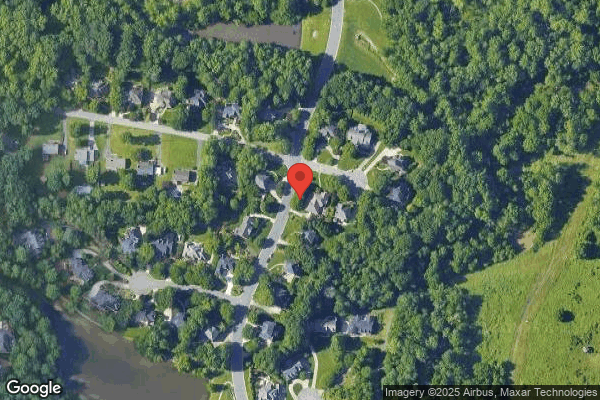
Salemtowne

1550 Babcock Drive, Winston-Salem, NC 27106 (336) 767-8130
Non profit - Corporation 100 Beds Independent Data: November 2025
Trust Grade
80/100
#118 of 417 in NC
Last Inspection: September 2024

Within standard 12-15 month inspection cycle. Federal law requires annual inspections.

Overview

Salemtowne has a Trust Grade of B+, which means it is above average and recommended for families considering a nursing home. It ranks #118 out of 417 facilities in North Carolina, placing it in the top half, and #6 out of 13 in Forsyth County, indicating only five local facilities are better. The facility's trend is stable, with only one issue reported in both 2024 and 2025, and it has a good staffing rating with a turnover of 47%, slightly below the state average. However, it faces some concerns, including less RN coverage than 85% of state facilities, which could impact care quality, and recent inspections revealed issues like staff not covering facial hair during food prep and failing to follow proper hand hygiene protocols after caring for a resident with a contagious infection. While Salemtowne has strengths, such as no fines and good overall ratings, families should be aware of these weaknesses when making their decision.

Trust Score
B+
80/100
In North Carolina
#118/417
Top 28%
Safety Record
Low Risk
No red flags
Inspections
Holding Steady
1 → 1 violations
Staff Stability
⚠ Watch
47% turnover. Above average. Higher turnover means staff may not know residents' routines.
Penalties
✓ Good
No fines on record. Clean compliance history, better than most North Carolina facilities.
Skilled Nurses
○ Average
Each resident gets 31 minutes of Registered Nurse (RN) attention daily — about average for North Carolina. RNs are the most trained staff who monitor for health changes.
Violations
✓ Good
Only 5 deficiencies on record. Cleaner than most facilities. Minor issues only.
★★★★☆
4.0
Overall Rating
★★★★☆
4.0
Staff Levels
★★★☆☆
3.0
Care Quality
★★★★☆
4.0
Inspection Score
Stable
2024: 1 issues
2025: 1 issues

The Good

  • 4-Star Staffing Rating · Above-average nurse staffing levels
  • Full Sprinkler Coverage · Fire safety systems throughout facility
  • No fines on record

Facility shows strength in staffing levels, fire safety.

The Bad

Staff Turnover: 47%

Near North Carolina avg (46%)

Higher turnover may affect care consistency

The Ugly 5 deficiencies on record

May 2025 1 deficiency
CONCERN (D) 📢 Someone Reported This

A family member, employee, or ombudsman was alarmed enough to file a formal complaint

Potential for Harm - no one hurt, but risky conditions existed

Infection Control (Tag F0880)

Could have caused harm · This affected 1 resident

**NOTE- TERMS IN BRACKETS HAVE BEEN EDITED TO PROTECT CONFIDENTIALITY** Based on record review and interviews with staff and family member, the facility failed to follow their infection control policy...

Read full inspector narrative →
**NOTE- TERMS IN BRACKETS HAVE BEEN EDITED TO PROTECT CONFIDENTIALITY** Based on record review and interviews with staff and family member, the facility failed to follow their infection control policy regarding Clostridium difficile infection (C. difficile) [bacteria that can cause diarrhea and inflammation in the colon, can cause serious complications, and is highly contagious] for hand hygiene after resident care. Two nursing assistants used alcohol-based hand sanitizer and had not washed their hands with soap and water after caring for a resident with C. difficile. The deficient practice affected 3 of 5 staff members (Nursing Assistant (NA) #1, NA #2, and Medication Aide #1) interviewed for hand hygiene specific to C. difficile management (Resident #1). Findings included: The Infection Control Protocol for C. Difficile Policy dated 1/20/25 documented, in part, 1.c. Wash hands with soap and water. Do not use alcohol gels since it does not kill spores (bacteria of C. difficile). Resident #1 was admitted to the facility on [DATE] with diagnoses of C. difficile and dehydration. Resident #1 had the following orders: Enteric precautions for C. Difficile dated 3/31/25. Vancomycin (antibiotic for C. difficile infection) 125 milligram capsule every 6 hours for 4 days starting 3/31/25 and ending 4/4/25. An interview was conducted on 5/19/25 at 12:05 pm with Resident #1's family member. The family member stated she observed nursing staff had used the hand sanitizer from the wall dispenser after providing care when the resident had C. difficile. There were gloves, gowns, and masks available and an enteric precaution sign on the door. She never observed staff washing their hands with soap and water. The family member commented she was aware that hand sanitizer was not effective to kill the C. difficile and had not informed anyone of her concern. The family member stated the resident's C. difficile infection resolved and he was transferred to an adult living facility. An interview was conducted with NA #1 on 5/19/25 at 1:10 pm. NA #1 stated she was assigned to Resident #1 when staff was required to follow enteric precautions for C. difficile. NA #1 stated she used personal protective equipment (PPE) for all care. NA #1 further stated she used alcohol hand sanitizer after care if there was no cleaning of stool when C. difficile was active. NA #1 commented she was not aware that alcohol hand sanitizer does not kill C. difficile. NA #1 stated there was a contact precaution sign on the resident's door to wear a gown, gloves, and mask when providing care. The NA did not recall parameters for hand washing with soap and water on the sign. An interview was conducted with Medication Aid (MA) #1 on 5/19/25 at 1:20 pm. MA #1 stated she was assigned to Resident #1 when he had the C. difficile infection and frequent diarrhea. MA #1 stated you could use hand sanitizer after care when a resident had C. difficile but she preferred to wash her hands with soap and water if there was stool. MA #1 stated she washed her hands with soap and water after incontinence care and always wore the mask, gown, and gloves for all care. MA #1 further stated she was not aware that alcohol hand sanitizer does not kill C. difficile. There was a contact precaution sign on the resident's door, but MA #1 did not recall parameters for hand washing with soap and water on the sign. An interview was conducted with NA #2 on 5/19/25 at 1:55 pm. NA #2 stated she remembered Resident #1 and that he had C. difficile infection in his stool, diarrhea, and was on enteric precautions. NA #2 stated she used a mask, gown, and gloves upon entry into the room and discarded upon leaving. Hand hygiene was hand sanitizer on the wall dispenser which was alcohol. NA #2 stated she was not aware that alcohol hand sanitizer does not kill C. difficile. She had not washed her hands with soap and water after care; she used the hand sanitizer as usual. An interview was conducted with the Director of Nursing (DON) on 5/19/25 at 3:35 pm. The DON stated the Infection Preventionist was not available, and she was covering. The DON stated all nursing staff were educated to wash their hands with soap and water when a resident had C. difficile after all care and this requirement was a facility policy. The DON also stated that Resident #1 had an enteric precaution sign on his door which included the requirement to hand wash with soap and water. The hand sanitizer was alcohol based which was not effective to kill C. difficile spores. There was no spread of C. difficile that she was aware of. The DON further commented that NA #1 and NA #2 were agency staff and were expected to have received education from the agency before working at the facility.
Sept 2024 1 deficiency
CONCERN (F)

Potential for Harm - no one hurt, but risky conditions existed

Food Safety (Tag F0812)

Could have caused harm · This affected most or all residents

Based on observations and dietary staff interviews, the facility failed to maintain sanitary conditions in the central kitchen and in 1 of 4 satellite kitchens (Garden/Mill kitchen) by not ensuring st...

Read full inspector narrative →
Based on observations and dietary staff interviews, the facility failed to maintain sanitary conditions in the central kitchen and in 1 of 4 satellite kitchens (Garden/Mill kitchen) by not ensuring staff covered their facial hair during food preparations, by not ensuring pots and pans were stacked clean on the storage rack, and by not ensuring pots, pans, and utensils were sanitized with a chemical sanitizing solution. These practices had the potential to affect food served to residents. Findings included: 1a. During a follow-up tour of the central kitchen on 9/11/24 at 10:43 a.m. accompanied by the Assistant General Manager of Culinary Services and the facility's Chef, the dietary cook was observed transferring pans of baked chicken from the ovens to the bulk transport containers for delivery to the satellite kitchens. The facility's Chef and the dietary cook were observed without covering their facial hair which was approximately half an inch to one inch in length on their faces. 1b. During an observation of the Garden/Mill satellite kitchen on 9/11/24 at 10:58 a.m., the facility's Chef and one dietary staff member were observed in the food preparation area without covering of their facial hair which was approximately half an inch to one inch in length on the lower faces. 2. The observation of the clean and dried pots/pans storage rack on 9/11/24 at 10:50 a.m. in the central kitchen revealed 8 stainless-steel pans with dried, dark brown debris on the inside, were stacked on the racks for use. 3. On 9/11/24 at 12:01 p.m. the three-compartment sink in the Garden/Mill satellite kitchen was observed with pots, pans, and serving utensils immersed in a clear liquid in the sanitizing section of the sink. The dietary staff indicated the pots, pans and utensils observed were immersed in water with sanitizing agent (Quaternary) and it read 200 ppm (parts per million) earlier that day. However, when requested, the dietary staff tested the concentration of the sanitizer in the sink using a sanitizing testing strip. The testing strip did not change color indicating there was no sanitizing agent in the sink containing the pots, pans, and utensils. On 9/11/24 at 12:10 p.m., the Assistant General Manager of Culinary Services directed the dietary staff to discontinue using the three-compartment sink, and wash and sanitize the pots, pans, and utensils in the dishwashing machine. During an interview on 9/11/24 at 12:20 p.m., the Assistant General Manager of Culinary Services revealed that after the demonstration after the three-compartment sink, she contacted the provider for the sanitizing device and a service technician would arrive soon.
Apr 2023 1 deficiency
CONCERN (D) 📢 Someone Reported This

A family member, employee, or ombudsman was alarmed enough to file a formal complaint

Potential for Harm - no one hurt, but risky conditions existed

Resident Rights (Tag F0550)

Could have caused harm · This affected 1 resident

Deficiency Text Not Available

Read full inspector narrative →
Deficiency Text Not Available
Nov 2021 2 deficiencies
CONCERN (D)

Potential for Harm - no one hurt, but risky conditions existed

Resident Rights (Tag F0550)

Could have caused harm · This affected 1 resident

**NOTE- TERMS IN BRACKETS HAVE BEEN EDITED TO PROTECT CONFIDENTIALITY** Based on observations, resident representative interview, staff interviews and record review, the facility failed to provide a d...

Read full inspector narrative →
**NOTE- TERMS IN BRACKETS HAVE BEEN EDITED TO PROTECT CONFIDENTIALITY** Based on observations, resident representative interview, staff interviews and record review, the facility failed to provide a dignified dining experience by standing over a resident while providing assistance with feeding for 1 of 8 residents (Resident #3) reviewed for assistance with dining. Findings included: Resident #3 was admitted to the facility on [DATE] with diagnoses that included, in part, dementia and gastro-esophageal reflux disease. The significant change in condition Minimum Data Set assessment dated [DATE] revealed Resident #3 had severely impaired cognition. She required limited assistance with eating. An activities of daily living care plan updated 8/10/21 revealed, Provide encouragement for intake and may require limited assist at meals. On 11/15/21 at 1:07 PM Resident #3 was observed in her bed in an upright seated position. A lunch tray was in front of her on the overbed table. At 1:13 PM Nurse Aide (NA) #3 entered the room and began feeding the resident. NA #3 stood next to the resident's bed as she provided the resident with feeding assistance. NA #3 stood above eye level of the resident for the duration of the meal while she fed Resident #3. NA #3 asked the resident if she wanted to feed herself, to which the resident replied, No. The resident indicated she didn't want any more food. NA #3 offered to get some cake for the resident and Resident #3 agreed. At 1:16 PM NA #3 returned to the room and fed a piece of cake to Resident #3 while she stood next to the bed. NA #3 exited the resident's room at 1:19 PM. An interview was completed with NA #3 on 11/16/21 at 1:20 PM, during which she stated Resident #3 needed assistance when she ate her meal. She said she stood up when she fed Resident #3 because she knew she probably wouldn't eat much and added she also had to complete her medication pass. NA #3 reported she was aware she needed to be seated when she fed a resident. On 11/17/21 at 9:10 AM Resident #3 was observed lying in her bed. NA #4 entered the resident's room, sat the resident in an upright position in the bed and placed a clothing protector on her. NA #4 set up the breakfast tray and fed Resident #3. NA #4 stood above eye level of the resident for the duration of the meal while she fed the resident. At 9:18 AM the resident indicated she was finished eating and NA #4 removed the breakfast tray. In an interview with NA #4 on 11/17/21 at 9:25 AM she stated the resident needed to be fed her meals and she normally stood when she fed Resident #3 since there was not a chair in the room that could be placed next to the bed. She explained the facility didn't say either way if staff were to sit or stand when they fed a resident. An observation of Resident #3's room during the interview with NA #4 revealed there was a chair located near the foot of the resident's bed. Resident #3's representative was interviewed by phone on 11/16/21 at 11:26 AM. She thought Resident #3 would want staff to be seated when they fed her to promote a more dignified dining experience. During an interview with the Director of Nursing on 11/18/21 at 10:13 AM, she explained staff should be seated when they fed a resident and would not expect them to be standing. She was unsure if protocol for feeding residents was included in the new hire orientation process. An interview was completed with the Clinical Education Director on 11/18/21 at 10:20 AM during which she said staff were supposed to be seated when they fed residents. She shared the information was included in the new hire orientation process but was unsure if it was included in the annual training of nursing staff. During the orientation process she instructed nursing staff they were to be seated when they fed a resident so they were at eye level and were not to stand over a resident when feeding them.
CONCERN (D)

Potential for Harm - no one hurt, but risky conditions existed

Comprehensive Care Plan (Tag F0656)

Could have caused harm · This affected 1 resident

**NOTE- TERMS IN BRACKETS HAVE BEEN EDITED TO PROTECT CONFIDENTIALITY** Based on observations, record review and staff interviews, the facility failed to implement care planned Interventions for press...

Read full inspector narrative →
**NOTE- TERMS IN BRACKETS HAVE BEEN EDITED TO PROTECT CONFIDENTIALITY** Based on observations, record review and staff interviews, the facility failed to implement care planned Interventions for pressure reducing devices for 1 of 2 residents reviewed for positioning (Resident #43) and 1 of 2 residents reviewed for pressure ulcers (Resident #28). The findings were: 1. Resident #43 was admitted to the facility on [DATE] with diagnoses of hemiplegia following cerebrovascular accident and vascular dementia. A quarterly Minimum Data Set assessment dated [DATE] revealed Resident #43 had severely impaired cognition and required extensive assistance to total dependence of 1-2 people for bed mobility and transfers, was non-ambulatory and incontinent of bowel and bladder. She was at risk of pressure ulcer development and had no current pressure ulcers. The care plan reviewed on 9/30/21 included a focus area of risk for pressure ulcers related to a history of pressure ulcers to left great toe and left heel. Interventions included heel protectors to be worn every shift while in bed. Resident #43 ' s care guide listed heel protectors while in bed under skin precautions. The November 2021 physician ' s orders included an order dated 5/30/17 to wear heel protectors every shift while in bed. On 11/16/21 at 3:45 PM, Resident #43 was observed in bed with no heel protectors on. On 11/17/21 at 4:00 PM, Resident #43 was observed in bed with no heel protectors on. On 11/18/21 at 1:31 PM, Resident #43 was observed in bed with no heel protectors on. Two heel protectors were observed on the windowsill of the room. On 11/18/21 at 2:28 PM, NA #1 was interviewed. She stated Resident #43 does wear heel protectors. When asked why she wasn ' t wearing them, NA #1 stated the night shift gets her out of bed in the morning and takes them off. NA #1 added she does put the heel protectors on when she is assigned to the resident. On 11/18/21 at 11:45 AM, the Director of Nursing was interviewed. She stated the nursing assistants should be applying heel protectors and the nurses are responsible for making sure the care planned interventions are implemented. 2. Resident #28 was admitted to the facility on [DATE] with diagnoses of vascular dementia, prostate cancer, and failure to thrive. A quarterly Minimum Data Set, dated [DATE] revealed Resident #28 had severely impaired cognition, required extensive assistance of one person for bed mobility and eating, extensive assistance with two people for transfers and toileting. Resident #28 was always incontinent of bladder and frequently incontinent of bowel. Resident #28 was at risk for pressure ulcers and had no unhealed pressure ulcers during the look back period. Resident #28 ' s care plan (date not obtained) indicated a focus problem of pressure ulcers due to failure to thrive and weight loss. Interventions included treatments as ordered and float heels while in bed. Resident #28 ' s care guide for skin precautions listed float heels when in bed. On 11/17/21 at 4:00 PM, Resident #28 was observed in bed with his heels flat on the mattress and not floated. On 11/18/21 at 7:51 AM, Resident #28 was observed in bed with his heels flat on the mattress and not floated. On 11/18/21 at 11:01 AM, an interview was conducted with NA #2. She stated she has never floated Resident #28 ' s heels because the nurse has never told her to. She stated she went into his room and checked on him but has not floated his heels. On 11/18/21 at 11:45 AM, the Treatment Nurse was interviewed. She stated she has educated nursing assistants and nurses about Resident #28 needing to have his heels floated. On 11/18/21 at 11:45 AM, the Director of Nursing was interviewed. She stated the nursing assistants should be floating Resident #28 ' s heels and the nurses should be making sure care planned interventions are implemented.
Understanding Severity Codes (click to expand)
Life-Threatening (Immediate Jeopardy)
J - Isolated K - Pattern L - Widespread
Actual Harm
G - Isolated H - Pattern I - Widespread
Potential for Harm
D - Isolated E - Pattern F - Widespread
No Harm (Minor)
A - Isolated B - Pattern C - Widespread

Questions to Ask on Your Visit

  • "Can I speak with families of current residents?"
  • "What's your RN coverage like on weekends and overnight?"

Our Honest Assessment

Strengths
  • • Grade B+ (80/100). Above average facility, better than most options in North Carolina.
  • • No major safety red flags. No abuse findings, life-threatening violations, or SFF status.
  • • No fines on record. Clean compliance history, better than most North Carolina facilities.
  • • Only 5 deficiencies on record. Cleaner than most facilities. Minor issues only.
Concerns
  • • No significant concerns identified. This facility shows no red flags across CMS ratings, staff turnover, or federal penalties.
Bottom line: Generally positive indicators. Standard due diligence and a personal visit recommended.

About This Facility

What is Salemtowne's CMS Rating?

CMS assigns Salemtowne an overall rating of 4 out of 5 stars, which is considered above average nationally. Within North Carolina, this rating places the facility higher than 99% of the state's 100 nursing homes. This rating reflects solid performance across the metrics CMS uses to evaluate nursing home quality.

How is Salemtowne Staffed?

CMS rates Salemtowne's staffing level at 4 out of 5 stars, which is above average compared to other nursing homes. Staff turnover is 47%, compared to the North Carolina average of 46%.

What Have Inspectors Found at Salemtowne?

State health inspectors documented 5 deficiencies at Salemtowne during 2021 to 2025. These included: 5 with potential for harm.

Who Owns and Operates Salemtowne?

Salemtowne is owned by a non-profit organization. Non-profit facilities reinvest revenue into operations rather than distributing to shareholders. The facility operates independently rather than as part of a larger chain. With 100 certified beds and approximately 89 residents (about 89% occupancy), it is a mid-sized facility located in Winston-Salem, North Carolina.

How Does Salemtowne Compare to Other North Carolina Nursing Homes?

Compared to the 100 nursing homes in North Carolina, Salemtowne's overall rating (4 stars) is above the state average of 2.8, staff turnover (47%) is near the state average of 46%, and health inspection rating (4 stars) is above the national benchmark.

What Should Families Ask When Visiting Salemtowne?

Based on this facility's data, families visiting should ask: "Can I visit during a mealtime to observe dining assistance and food quality?" "How do you handle medical emergencies, and what is your hospital transfer rate?" "Can I speak with family members of current residents about their experience?"

Is Salemtowne Safe?

Based on CMS inspection data, Salemtowne has a clean safety record: no substantiated abuse findings (meaning no confirmed cases of resident harm), no Immediate Jeopardy citations (the most serious violation level indicating risk of serious injury or death), and is not on the Special Focus Facility watch list (a federal program monitoring the lowest-performing 1% of nursing homes). The facility has a 4-star overall rating and ranks #1 of 100 nursing homes in North Carolina. While no facility is perfect, families should still ask about staff-to-resident ratios and recent inspection results during their visit.

Do Nurses at Salemtowne Stick Around?

Salemtowne has a staff turnover rate of 47%, which is about average for North Carolina nursing homes (state average: 46%). Moderate turnover is common in nursing homes, but families should still ask about staff tenure and how the facility maintains care continuity when employees leave.

Was Salemtowne Ever Fined?

Salemtowne has no federal fines on record. CMS issues fines when nursing homes fail to meet care standards or don't correct problems found during inspections. The absence of fines suggests the facility has either maintained compliance or corrected any issues before penalties were assessed. This is a positive indicator, though families should still review recent inspection reports for the full picture.

Is Salemtowne on Any Federal Watch List?

Salemtowne is not on any federal watch list. The most significant is the Special Focus Facility (SFF) program, which identifies the bottom 1% of nursing homes nationally based on persistent, serious quality problems. Not being on this list means the facility has avoided the pattern of deficiencies that triggers enhanced federal oversight. This is a positive indicator, though families should still review the facility's inspection history directly.