Willow Valley Center for Nursing and Rehabilitatio
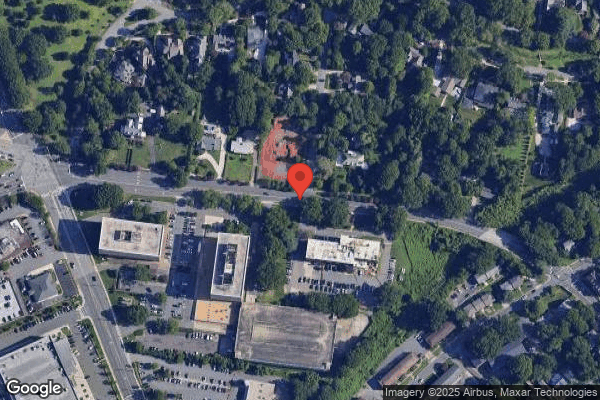
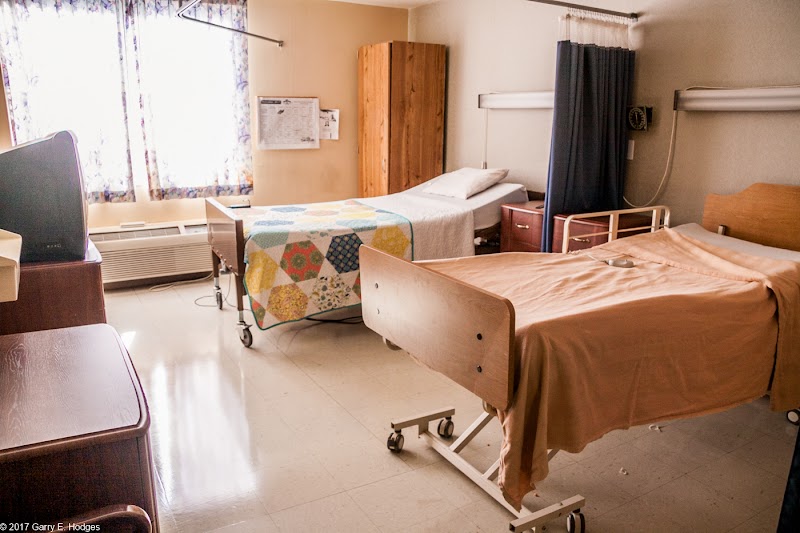
1900 W 1st Street, Winston-Salem, NC 27104 (336) 724-2821
For profit - Corporation 230 Beds SIMCHA HYMAN & NAFTALI ZANZIPER Data: November 2025 4 Immediate Jeopardy citations
Trust Grade
0/100
#414 of 417 in NC
Last Inspection: August 2025

Inspected within the last 6 months. Data reflects current conditions.

Overview

Willow Valley Center for Nursing and Rehabilitation has received a Trust Grade of F, indicating poor conditions with significant concerns. Ranked #414 out of 417 in North Carolina and #13 out of 13 in Forsyth County, this facility is in the bottom tier of local options. Although the number of issues has improved from 26 to 9 over the past year, the staffing situation is below average with a rating of 2 out of 5 stars and a turnover rate of 57%, which is higher than the state average. Additionally, the facility has accumulated $286,475 in fines, suggesting ongoing compliance problems. Specific incidents of concern include staff using the wrong blood glucose meter for a resident without proper disinfection, delays in notifying physicians about critical falls, and failures to conduct necessary assessments for residents experiencing serious health issues. Overall, while there are some signs of improvement, serious weaknesses remain that families should consider.

Trust Score
F
0/100
In North Carolina
#414/417
Bottom 1%
Safety Record
High Risk
Review needed
Inspections
Getting Better
26 → 9 violations
Staff Stability
⚠ Watch
57% turnover. Above average. Higher turnover means staff may not know residents' routines.
Penalties
✓ Good
$286,475 in fines. Lower than most North Carolina facilities. Relatively clean record.
Skilled Nurses
⚠ Watch
Each resident gets only 17 minutes of Registered Nurse (RN) attention daily — below average for North Carolina. Fewer RN minutes means fewer trained eyes watching for problems.
Violations
⚠ Watch
51 deficiencies on record. Higher than average. Multiple issues found across inspections.
★☆☆☆☆
1.0
Overall Rating
★★☆☆☆
2.0
Staff Levels
★☆☆☆☆
1.0
Care Quality
★☆☆☆☆
1.0
Inspection Score
Stable
2024: 26 issues
2025: 9 issues

The Good

  • Full Sprinkler Coverage · Fire safety systems throughout facility
  • No fines on record

Facility shows strength in fire safety.

The Bad

1-Star Overall Rating

Below North Carolina average (2.8)

Significant quality concerns identified by CMS

Staff Turnover: 57%

11pts above North Carolina avg (46%)

Frequent staff changes - ask about care continuity

Federal Fines: $286,475

Well above median ($33,413)

Significant penalties indicating serious issues

Chain: SIMCHA HYMAN & NAFTALI ZANZIPER

Part of a multi-facility chain

Ask about local staffing decisions and management

Staff turnover is elevated (57%)

9 points above North Carolina average of 48%

The Ugly 51 deficiencies on record

4 life-threatening 3 actual harm
Aug 2025 7 deficiencies 1 IJ
CRITICAL (J)

Immediate Jeopardy (IJ) - the most serious Medicare violation

Infection Control (Tag F0880)

Someone could have died · This affected 1 resident

**NOTE- TERMS IN BRACKETS HAVE BEEN EDITED TO PROTECT CONFIDENTIALITY** Based on record reviews, observations, and interviews with staff and the Medical Director, the facility staff failed to utilize ...

Read full inspector narrative →
**NOTE- TERMS IN BRACKETS HAVE BEEN EDITED TO PROTECT CONFIDENTIALITY** Based on record reviews, observations, and interviews with staff and the Medical Director, the facility staff failed to utilize a blood glucose meter (glucometer) assigned to Resident #11 and used a glucometer that was assigned to another resident, Resident #141, to check Resident #11's blood glucose level. In addition, the staff member did not disinfect the glucometer before or after obtaining Resident #11's blood glucose level and would have had no way to know if another staff member had previously disinfected the glucometer assigned to another resident. Glucometers can become contaminated with blood and must be disinfected after each use with an approved product and procedure. Failure to use an Environmental Protection Agency (EPA)-registered disinfectant in accordance with the manufacturer of the glucometer has the high likelihood of exposing residents to the spread of bloodborne pathogens. There were no residents with documented blood borne pathogens in the facility at the time of the observation. The deficient practice occurred for 1 of 2 staff members observed for glucometer use (Nurse #1). Immediate Jeopardy began on 8/28/2025 when Nurse #1 was observed performing a blood glucose level check on Resident #11 using Resident #141's assigned glucometer without disinfecting the glucometer per the glucometer manufacturer's instructions and the disinfectant wipes manufacturer's recommendations before or after using the glucometer on Resident #11. Immediate Jeopardy was removed on 8/29/2025 when the facility implemented an acceptable credible allegation of Immediate Jeopardy removal. The facility remained out of compliance at a lower scope and severity level of D (no actual harm with a potential for minimal harm that is not Immediate Jeopardy) to ensure monitoring of systems was in place and employee education was completed. The findings included: The facility's policy that was implemented on 12/1/2022 and reviewed on 1/1/2025 indicated glucometers would be disinfected with a wipe pre-saturated with an EPA registered healthcare disinfectant after each use and according to manufacturer's instructions regardless of whether they were intended for a single resident or multiple use. A review of the manufacturer's instructions for the glucometer used when Resident #11's blood glucose level was checked on 8/28/2025 at 9:42 am indicated the glucometer should be cleaned of any dirt, blood, or other bodily fluids from the exterior of the glucometer before performing the disinfecting procedure. The instructions further stated that the glucometer should be cleaned with two disposable, germicidal wipes after each use, one wipe to clean the glucometer and the second to disinfect the glucometer. The manufacturer's instructions for the disposable germicidal wipes used by the facility stated a glucometer should be wiped with a pre-moistened wipe on the surface of the glucometer remaining visibly wet for 2-minutes, additional wipes should be used to maintain wetness for the entire 2-minutes and then allow the surface to air dry after every blood glucose level check. Resident #11 was admitted to the facility on [DATE] with a cumulative list of diagnoses that included diabetes. Resident #141 was admitted to the facility on [DATE] with a cumulative list of diagnoses that included diabetes. Resident #141 did not have a diagnosis of a communicable disease. On 8/28/2025 at 9:42 am an observation and interview were conducted with Nurse #1 during a medication administration observation. During the observation Nurse #1 was observed to look through her medication cart and then removed a glucometer from the medication cart that was in a plastic bag and carried it into the resident's room without cleaning or disinfecting the glucometer. The name on the glucometer was not visible while Nurse #1 obtained Resident #11's blood glucose level. During the observation Nurse #1 checked Resident #11's blood glucose level and then placed the glucometer and storage bag on the table in front of the resident after sticking her finger and the name on the storage bag and glucometer were for another resident, Resident #141. Upon exiting Resident #11's room Nurse #1 stated she could not find Resident #11's glucometer in the medication cart and used Resident #141's glucometer which she stated was new and had not been used before, since the resident had just moved to unit from another unit. Review of the history for Resident #141's glucometer showed several previous blood glucose levels recorded. Nurse #1 placed Resident #141's glucometer on the medication cart and stated she would replace Resident #141's glucometer and obtain a new glucometer for Resident #11. Nurse #1 stated there were glucometers in the facility's supply room and she should have called down to get a replacement glucometer for Resident #11 but was anxious because of the observation. Nurse #1 stated she had been educated regarding how to clean the glucometer and stated they should be cleaned with disinfectant wipes after each time they were used. Nurse #1 opened the medication cart and identified the germicidal wipes used to clean the glucometer. She stated the glucometer should be cleaned with one wipe and then another wipe was to be used to disinfect the glucometer by wetting the surface for 2 minutes and then allowing the glucometer to air dry. Nurse #1 gave the Resident #141's glucometer to the Unit Manager and the Unit Manager stated she would dispose of the glucometer and obtain a new glucometer for Resident #141 and a new glucometer for Resident #11. An interview was conducted with the Administrator on 8/28/2025 at 10:39 am in the presence of the Chief of Nursing Operations (a corporate representative. The Director of Nursing was not available at the time. The Administrator and Chief of Nursing Operations were made aware Nurse #1 had used another resident's, Resident #141's, glucometer to check Resident #11's blood glucose level without cleaning and disinfecting the glucometer prior to use on Resident #11. The Administrator stated each resident in the facility had their own personal glucometer, and there were glucometers in the facility's central supply and the medication rooms on each floor to be assigned to any resident whose glucometer was not working or could not be found. The Administrator stated Nurse #1 should have notified the Unit Manager she was not able to find Resident #11's glucometer and a new glucometer should have been assigned to the resident. The Medical Director was interviewed by phone on 8/28/2025 at 1:41 pm and he stated he did not believe there was any harm, or risk, to Resident #11 when the staff used Resident #141's glucometer without cleaning it because there was no blood-to-blood contact. The Medical Director further stated Nurse #1 should have followed the facility's policy and cleaned the glucometer using the manufacturer's instructions for the disinfectant wipes. On 8/29/2025 at 8:37 am the Director of Nursing, who was certified as an Infection Preventionist, was interviewed, and she stated Nurse #1 should have immediately stopped what she was doing when she could not find Resident #11's glucometer in the medication cart and obtained a new glucometer from the Medication Room or the Supply Room. The Director of Nursing stated the facility felt it was best practice for residents who required a blood glucose level to have their own glucometer, and the glucometer should be labeled with the resident's name, room number, and the glucometer should be stored in a plastic bag in the medication cart. The Director of Nursing stated even though the facility had personal glucometers for each resident, Nurse #1 should have cleaned and disinfected the glucometer per the facility's protocol. The Director of Nursing stated Nurse #1 should have used one disinfectant wipe to clean the glucometer, another disinfectant wipe to disinfect the glucometer per the manufacturer's instructions and then allowed the glucometer to air dry before and after using the glucometer. The facility's Infection Preventionist was not available during the survey. The Administrator was made aware of the immediate jeopardy on 8/28/25 at 2:47 PM. The facility implemented the following plan for Immediate Jeopardy removal: Identify those recipients who have suffered, or are likely to suffer, a serious adverse outcome as a result of the noncompliance; [NAME] 8/28/2025 at 11:00 a.m., Nurse #1 prepared to conduct a fingerstick blood glucose check on Resident #11. The Nurse was unable to locate a glucometer labeled for Resident #11. The Nurse removed a glucometer from the medication cart which had been designated and labeled for Resident #141. The Nurse did not cleanse or disinfect the glucometer designated for Resident #141, according to the glucometer's manufacturer's instructions and germicidal wipe manufacturer's instructions, prior to conducting the fingerstick blood glucose check on Resident #11. The nurse proceeded to conduct the fingerstick blood glucose check on Resident #11 utilizing the glucometer designated for Resident #141, which had not been cleaned or disinfected. Upon completion of the fingerstick blood glucose check on Resident #11 the nurse failed to cleanse and disinfect the glucometer designated for Resident #141 according to the glucometer's manufacturer's instructions and germicidal wipe manufacturer's instructions.All residents that required blood glucose monitoring through the use of a glucometer were identified as having suffered, or are likely to suffer, a serious adverse outcome as a result of the noncompliance on the 8/28/2025. Through review of the census all residents who required blood glucose monitoring through the use of a glucometer were added to the potentially affected resident list. The facility had 61 residents who received blood glucose checks with a glucometer as of 8/28/2025. During the interview with Nurse #1 she denied using glucometer designated for a different resident on any resident other than when she used Resident #141's glucometer for Resident #11. The facility interviewed current nurses and current med aides and they denied using a glucometer labeled for another resident on a different resident. Residents that were alert and oriented, as determined by a Brief Interview for Mental Status (BIMS) score of 12 and higher, were interviewed and denied observing a glucometer used for checking their finger stick blood glucose with another resident's name.On 8/28/2025 at 11:48 a.m. the Assistant Director of Nursing (ADON) in-serviced Nurse #1 on the manufacturer's recommendations for the disinfectant wipes, and the glucometer's manufacturer's instructions for cleaning and disinfecting glucometers. The ADON then observed a return demonstration of cleaning and disinfecting the glucometer per manufacturer's instructions. Nurse #1 was educated by the ADON on potential consequences of not properly cleaning and disinfecting glucometers which included the potential to infect the resident with bloodborne pathogens. The education included the manufacturer's instructions for the glucometer and the germicidal wipe instructions to clean and then disinfect with two minutes of wet contact time as written in the germicidal wipe manufacturer's instructions.On 8/28/2025 the Unit Manager removed the glucometer of Resident #141 from the cart and discarded it. Resident #11's glucometer was not located. A new glucometer was placed and labeled in the resident's room for Resident #11 and Resident #141. Resident #11 was notified by the Unit Manager on 8/28/25 of the incident. Resident #11 had no questions or concerns. Resident #11 was her own responsible party and has a BIMS (Brief Interview for Mental Status) of 15 indicating no impairment in cognition. The BIMs was most recently assessed on 7/23/25. Labs for screening blood borne pathogens were offered to Resident #11 and she refused. Specify the action the entity will take to alter the process or system failure to prevent a serious adverse outcome from occurring or recurring, and when the action will be complete. On 8/28/2025 at 11:14 a.m., The Medical Director was notified of the incident by the Director of Nursing. The clinical team discussed education and systems to put into place to prevent future staff competency issues related to infection control of blood glucose monitoring. These systems included education provided by the Director of Nursing and Assistant Director of Nursing started on 8/28/25 to nurses, and medication aides in the facility. Education provided included the manufacturer's recommendations for the disinfectant wipes, and the glucometer's manufacturer's instructions for cleaning, disinfecting glucometers, and system to keep resident glucometer in resident's room labeled. The Director of Nursing, Assistant Director of Nursing, and Unit Managers audited residents that require glucometers and placed them in the resident room labeled with the resident's name. For staff not in the facility the Director of Nursing and Assistant Director of Nursing began making calls to provide education. The education will be monitored by the Assistant Director of Nursing and Director of Nursing and will be included in orientation to newly hired nurses and medication aides. Training will be completed with oncoming staff prior to starting their assignments. On 8/28/2025 at 11:48 a.m. the Assistant Director of Nursing (ADON) in-serviced Nurse #1 on the manufacturer's recommendations for the disinfectant wipes, and the glucometer's manufacturer's instructions for cleaning and disinfecting glucometers. The ADON then observed a return demonstration of cleaning and disinfecting the glucometer per manufacturer's instructions. Nurse #1 was educated by the ADON on potential consequences of not properly cleaning and disinfecting glucometers. The education included the manufacturer's instructions for the glucometer and the germicidal wipe instructions to clean and then disinfect with two minutes of wet contact time as written in the germicidal wipe manufacturer's instructions.On 8/28/2025 at 2:10 p.m. the clinical team reviewed the manufacturer's recommendations for glucose cleansing and disinfecting. The manual under section B read; Testing confirmed the following wipes will not damage the functionality or performance of the meter, this included suggested manufacturer germicidal disposable wipes. The germicidal disposable wipes directions for use read: To disinfect nonporous surfaces use a wipe to remove visible soil prior to disinfecting. Unfold a clean wipe and thoroughly wet surface of the glucometer. Allow the surface of the glucometer to remain wet for two minutes. Let the glucometer air dry. The Assistant Director of Nursing then began in-servicing nurses and medication aides working on 8/28/2025. The Assistant Director of Nursing then began in-servicing nurses and medication aides not currently working at the facility via the telephone. Nursing staff and medication aides were instructed to see the Director of Nursing (DON) and/or Assistant Director of Nursing before their next shift for a return demonstration of blood glucose monitoring cleansing and disinfection process. The Assistant Director of Nursing will educate newly hired nurses and medication aides regarding cleaning and disinfection of glucometers per manufacturer's instructions during orientation and before receiving an assignment. On 8/28/2024, the Assistant Director of Nursing was notified by Nurse Consultant #1 of his responsibility to conduct education with nurses and medications aides regarding each resident's personal glucometer for individual use, the proper steps to clean and disinfect a glucometer, storage of a glucometer, and where to locate a glucometer when needed. The Assistant Director of Nursing will be responsible for keeping up with the newly hired staff. In the event a nurse or med aide cannot locate a resident's glucometer, education was provided to retrieve a new glucometer from Central Supply. The glucometer will be labeled using a permanent marker with first initial and last name. The Unit Manager will be made aware the glucometer was placed/replaced. On 8/28/2025 the Director of Nursing, Assistant Director of Nursing and Unit Manager, assessed, cleansed, and disinfected all glucometers according to the manufacturer recommendations for glucometer disinfection and per the directions for the germicidal disposable wipes. On 8/28/2025, an audit was conducted by the Unit Managers to verify each resident who required fingerstick blood glucose monitoring had a designated glucometer on the medication carts, and that the designated glucometer was bagged and labeled. The audit revealed 100% of residents who required glucose monitoring had individualized glucometers available including Resident #11 and Resident #141, The Administrator notified [NAME] County Department of Health of the incident on 8/28/2025. The Health Department staff member was not available, but a message was left requesting a return call. The glucometer policy was placed on every medication cart by the Assistant Director of Nursing on 8/28/25 and read: 1. Obtain needed equipment and supplies: Gloves, glucometer, alcohol pads, gauze pads, single-use lancet, blood glucose testing strips, germicidal disposable wipe (bactericidal, tuberculocidal, and virucidal). 3. Perform Hand Hygiene. 3. Explain the procedure to the resident. 4. Provide privacy. 5. [NAME] gloves. 6. Obtain capillary blood glucose sampling. 7. Remove and discard gloves, perform hand hygiene prior to exiting the room. 8. Retrieve (2) wipes from germicidal (bactericidal, tuberculocidal, and virucidal) disposable wipe container. 9. Using the first wipe, clean first to remove heavy soil, blood and/or other contaminants left on the surface of the glucometer. 10. After cleaning, use the second wipe to disinfect the glucometer thoroughly with the germicidal (bactericidal, tuberculocidal, and virucidal) wipe, according to the glucometer manufacturer's instructions. Follow the germicidal wipe directions for the dry time. Allow the glucometer to air dry. 11. Discard germicidal (bactericidal/tuberculocidal/virucidal) wipes in waste receptacle.12. Perform hand hygiene. On 8/28/2025 the Director of Nursing, Assistant Director of Nursing, Unit Managers, Administrator and Nurse Consultant made the decision to move the glucometers off the medication carts and into each resident's room and will be stored in a pencil box/pouch. Education was provided by the Unit Managers to the nurses and the Medication Aides (MA) working on 8/28/2025 regarding the location of the glucometers in the rooms and this education will be provided to nursing and MA staff prior to working the next shift, by the Unit Managers. Any nurse or medication aide found to be sharing glucometers will be subject to disciplinary action. IJ removal date 8/29/2025Date of Removal of Immediate Jeopardy: 8/29/2025The facility's credible allegation of immediate jeopardy removal was validated on 8/29/2025. A review was conducted of the facility's education for glucometer disinfection with the nursing staff and the education was completed on 8/29/2025. The nursing staff were able to verbalize the education and training provided regarding disinfection of glucometers assigned to the residents before and after use. An observation was conducted on 8/29/2025 when a nurse performed a blood glucose check and there were no issues observed, the assigned glucometer was used on the correct resident, and the assigned nurse disinfected the glucometer before and after use. During the observation, disinfectant wipes were observed in the medication cart. A sample of residents were observed of the residents' personal glucometers in their room and stored in a container with each resident's name and room number on the glucometer and the container. An observation was also made to ensure the facility had replacement glucometers in stock. The immediate jeopardy removal date of 8/29/2025 was validated.
CONCERN (D)

Potential for Harm - no one hurt, but risky conditions existed

Deficiency F0565 (Tag F0565)

Could have caused harm · This affected 1 resident

Based on record review, and staff and resident interviews, the facility failed to act upon grievances that were reported by the Resident Council and communicate the facility's efforts to address griev...

Read full inspector narrative →
Based on record review, and staff and resident interviews, the facility failed to act upon grievances that were reported by the Resident Council and communicate the facility's efforts to address grievances voiced during Resident Council meetings for 2 of 2 consecutive months: June 2025, and July 2025.The findings included:a. A review of the Resident Council minutes completed by the Activities Director dated 6/24/25 revealed the following grievances were expressed: housekeeping does not take out their trash, nursing assistants take their time putting the residents to bed, 3rd shift nurses are sleeping in the day room and not answering call bells, laundry was not being sent up in a timely manner. A review of the grievances for the month of June 2025 revealed no Resident Council grievances were submitted. b. A review of the Resident Council minutes completed by the Activities Director dated 7/23/25 revealed the following grievances were expressed: second shift does not help residents into bed timely, television time in the day room is not being shared with residents and missing personal items. There was no documented discussion or resolution of the previous month's grievances. A review of the grievances for the month of July 2025 revealed no grievances were submitted. A Resident Council meeting was held on 8/27/25 at 11:00 AM with Residents #30, #83, #90 #161, # 189, 217. During the meeting, Resident #90, the resident council president, expressed that the Resident Council had voiced several grievances in the past two months which had not been fully addressed, and the staff have not communicated the facility's efforts in addressing their grievances. An interview with the Activities Director on 8/28/25 at 10:57 AM revealed that he was not aware that he needed to document resident council grievances or to communicate the facility's efforts in addressing the grievances.An interview with the Administrator on 8/29/25 at 12:45 PM revealed that Resident Council grievances should have been documented and the follow up to those grievances should have been provided to the Resident Council members at the next meeting.
CONCERN (D)

Potential for Harm - no one hurt, but risky conditions existed

Deficiency F0646 (Tag F0646)

Could have caused harm · This affected 1 resident

**NOTE- TERMS IN BRACKETS HAVE BEEN EDITED TO PROTECT CONFIDENTIALITY** Based on record review and staff interviews, the facility failed to notify the North Carolina Medicaid Uniform Screening Tool (N...

Read full inspector narrative →
**NOTE- TERMS IN BRACKETS HAVE BEEN EDITED TO PROTECT CONFIDENTIALITY** Based on record review and staff interviews, the facility failed to notify the North Carolina Medicaid Uniform Screening Tool (NC MUST), that is the State Mental Health or Intellectual Disability Authority, when a significant change in condition was identified for a resident with a mental disorder and failed to request a Preadmission Screening and Resident Review (PASRR) re-evaluation for PASRR Level II for 2 of 3 residents reviewed for significant change in condition (Resident #10 and Resident # 204). The findings included: 1. The resident's electronic medical record (EMR) included information from the North Carolina Medicaid Uniform Screening Tool (NC MUST). This record revealed Resident #10 was evaluated and found to have a PASRR Level I determination with a start date of 10/28/18. The PASRR Level I evaluation assessed the resident for the appropriateness of nursing facility placement and no further PASRR screening was required unless a significant change occurred with the individual's status which suggests a diagnosis of mental illness or mental retardation or, if present, suggests a change in treatment needs for those conditions. The Level I designation specified there was no end date and no limitation unless the resident had a change in condition. Resident #10 was admitted to the facility on [DATE]. His cumulative diagnoses included a diagnosis of schizoaffective disorder, bipolar type and post-traumatic stress disorder. Resident #10's electronic medical record revealed a hospital psychiatric care coordination note dated 7/11/24 which revealed a problem list and noted a diagnosis of other schizophrenia on 8/11/22 and a diagnosis of post-traumatic stress disorder dated 6/7/19. Physician order dated 3/19/25 revealed a new order for .5 milligrams of Ativan three times a day for anxiety. This medication was discontinued on 7/22/25. Physician order dated 7/23/25 revealed an order for quetiapine fumarate 200 milligrams to be administered at bedtime for bipolar disorder. A psychiatric quarterly treatment plan and progress note dated 7/25/25 indicated Resident #10 has had a decline in mental status and anxiety symptoms had worsened since her previous treatment plan. An interview was conducted on 8/28/25 at 9:27 AM with the Director of Social Services and she indicated she did not realize Resident #10 had diagnosis of schizoaffective disorder and post-traumatic stress disorder added to the diagnosis list after the initial level I PASRR screening had been completed. She further revealed that she and the social work assistants were not aware that Resident #10 and a decline in mental status and anxiety symptoms and therefore did not initiate a Level II PASRR screening. The Director of Social Services also indicated that a Level II PASRR screening should have been initiated for Resident #10 due to having a serious mental illness and a noted decline in mental status, anxiety symptoms and changes in treatment. An interview was conducted with the Director of Nursing on 8/28/2025 at 9:41 AM. She indicated that due to Resident #10 having a diagnosis of a serious mental illness with a change in behaviors and treatments he should have been screened for a level II PASRR. 2. The review of the PASRR Level 1 determination dated 8/3/23 for Resident #204, read in part: “No further PASRR screening is required unless a significant change occurs with the individual's status which suggests a diagnosis of mental illness or mental retardation or, if present, suggests a change in treatment needs for those conditions. Resident #204 was originally admitted to the facility on [DATE] with diagnoses which included moderate dementia with mood disturbance, and anxiety. Review of the quarterly Minimum Data Set, dated [DATE] indicated Resident #204 was moderately, cognitively impaired with the diagnoses of depression, mood disorder, and anxiety. The clinical record revealed Resident #204's diagnoses was updated on 11/4/24 to include bipolar disorder. A review of the Psychiatric Progress Note dated 8/1/25 revealed Resident #204's past medical history included the diagnosis of bipolar disorder for which he was ordered and received Seroquel (an antipsychotic medication) for mood disorder. Review of the facility's records indicated Resident #204 was not referred to the state-designated authority for a Level II PASRR evaluation post his bipolar disorder diagnosis. During an interview on 8/29/25 at 9:49 a.m. the facility's Director of Social Services revealed she began working at the facility in January 2025. She indicated she was not aware Resident #204 had a diagnosis of bipolar disorder added to her list of diagnoses after the initial level 1 PASRR. The Director of Social Services acknowledged a Level II PASRR screening request should have been submitted to the state's mental health authority when Resident #204's mental status changed resulting in the diagnosis of bipolar disorder.
CONCERN (D) 📢 Someone Reported This

A family member, employee, or ombudsman was alarmed enough to file a formal complaint

Potential for Harm - no one hurt, but risky conditions existed

ADL Care (Tag F0677)

Could have caused harm · This affected 1 resident

**NOTE- TERMS IN BRACKETS HAVE BEEN EDITED TO PROTECT CONFIDENTIALITY** Based on observations, record review, and staff interviews, the facility failed to ensure residents were provided clean footwear...

Read full inspector narrative →
**NOTE- TERMS IN BRACKETS HAVE BEEN EDITED TO PROTECT CONFIDENTIALITY** Based on observations, record review, and staff interviews, the facility failed to ensure residents were provided clean footwear for 1 of 5 residents dependent on staff for Activities of Daily Living (ADL) care (Resident #4). Findings Included: Resident #4 was admitted to the facility on [DATE] with diagnoses that included Dementia and enlarged prostate gland with an indwelling catheter. The Quarterly Minimum Data Set (MDS) assessment dated [DATE] revealed Resident #4 was assessed as severely cognitively impaired with no behaviors or rejection of care. Resident #4 was assessed as requiring substantial / maximum assistance for toileting hygiene and partial / moderate assistance personal hygiene. The care plan dated 7/3/25 revealed Resident #4 was care planned for ADL self-care deficit related to Dementia. The goal indicated Resident #4 will maintain current level of function through the review date. Interventions included provide sponge bath when a full bath or shower cannot be tolerated and make sure shoes are comfortable and not slippery. During an observation on 8/25/25 at 11:20am, Resident #4 was observed walking from his bedroom towards writer. Resident approached writer wearing yellow socks with purple stripes. Both socks were saturated with a liquid substance. Resident #4 wore plaid pajama pants that were saturated with a liquid substance down the back of his right pants leg. Visible wet footprints were coming from the resident's room door. At the foot of the residents' bed on the floor a small wet area was observed with multiple wet footprints surrounding the area. During an observation on 8/26/25 at 9:30am, Resident #4 was observed lying in bed on his left side wearing a hospital gown and yellow socks with two purple stripes with light brown stains on the bottom of both socks. During an observation on 8/26/25 at 11:25am, Resident #4 was observed lying in bed on his back with his legs crossed at the feet wearing yellow socks with two purple stripes with light brown stains on the bottom of both socks. During an observation on 8/27/25 at 8:40am, Resident #4 was observed wearing gray sweatpants with gray nonskid footies. During an interview on 8/27/25 at 9:10am, Nursing Assistant (NA) #1, indicated she was assigned to the resident. NA #1 further indicated she applied the yellow socks with purple stripes on Resident #4 the morning of 8/25/25. She stated she was not assigned to the resident on 8/26/25. NA #1 also indicated she removed the same yellow socks with purple strips she applied to the resident the morning of 8/25/25 the morning of 8/27/25. During an interview on 8/27/24 at 9:20am, Medication Aide (MA) #1, indicated Resident #4 normally lets staff groom him. She indicated the resident wore a leg bag because of his catheter. During an interview on 8/27/25 at 9:40am, the Unit Manager #1 indicated Resident #4 would mess with his leg bag sometimes. She indicated frequent checks were implemented to ensure Resident #4 was not disconnecting his leg bag from the catheter. Unit Manager #1 stated she was not aware the resident wore the same yellow socks with purple stripes from 8/25/25 through 8/27/25. She stated NA #2 told her she changed the residents' socks on 8/26/25. During an interview on 8/27/25 at 10:00am, NA #2 indicated she put gray socks on Resident #4 on 8/26/25. She stated she could not remember what socks he had on prior to her getting him dressed after lunch. She indicated she put the soiled clothing in a bag and placed it in the soil linen room. During an interview on 8/29/25 at 10:17am, the Assistant Director of Nursing (ADON) indicated staff were instructed to replace the resident's socks as needed. The ADON indicated he did not know why Resident #4 would have the same socks on for multiple days in a row. The ADON stated he would follow up with the unit manager and reinforce the importance of proper footwear to the unit staff.
CONCERN (F)

Potential for Harm - no one hurt, but risky conditions existed

Food Safety (Tag F0812)

Could have caused harm · This affected most or all residents

Based on observations and staff interviews, the facility failed to keep food preparation areas, floors and food service equipment clean, free from debris and/or dried spills during two kitchen observa...

Read full inspector narrative →
Based on observations and staff interviews, the facility failed to keep food preparation areas, floors and food service equipment clean, free from debris and/or dried spills during two kitchen observations. The facility failed to clean the ceiling vents located over the food preparation and food service areas. These practices had the potential to affect food served to residents. The findings included:During a kitchen tour on 8/25/25 at 10:32 AM, the following observations were made with the Dietary Manager:a. The 6- stove burners had heavy grease build-up on the stove burners, walls behind the stove, and front of the stove. There were large amounts of burnt foods, dried, encrusted, liquid and splatters throughout the stove area. b. The 4-plate warmers had 4 rows of clean plates stored inside the warmer. The inside of warmer had dried liquid spills and food particles inside and dried liquid spills on the outside. The inside also had old food crumbs all around.c. The 6-compartment steam table had floating food particles in standing water, the lids of the steam table had large volumes of dried food and greasy build up around edges.d. The fryer had dried brown/yellow liquid matter encrusted on edges inside and outside and the fryer also had a heavy grease and food build-up inside and outside. Food products were observed behind the fryer and on the floor that included paper products, dried meats and vegetables.e. The floor area under the stoves, oven, preparation tables, steam tables were sticky with old food debris when walking across the floor. f. All 10 meal carts with dry food products stored in them had dried liquids, food crumbs and particles inside. The outside of all 10 carts also had dried liquids running down the fronts/sides of the cart.g. The 3 ceiling vents had large volumes of black dust/debris blowing over the steam table, clean dry dishware storage racks, food service and preparation surfaces.h. The microwave had large amounts of dried food and liquid products on the inside and outside.An interview was conducted on 8/25/25 at 10:30 AM with the Dietary Manager (DM) who stated the dietary staff were required to wipe down kitchen equipment after each meal and deep clean weekly in accordance with the kitchen cleaning checklist. The DM stated she was responsible for ensuring the kitchen staff kept the equipment clean and orderly. The DM acknowledged the identified kitchen equipment and ceiling vents had not been cleaned in accordance with the checklist. An interview was conducted on 08/25/25 at 12:24 PM with the Maintenance Assistant who stated that he was unaware of the cleaning process for the kitchen vents or the grease container because he was recently hired. A follow-up observation and interview were conducted on 8/27/25 at 11:27 AM with the Dietary Manager (DM) and Regional Director of Dietary Services who observed the meals were placed in the dirty meal carts and delivered to the main dining rooms and on the halls of 4 floors. The ceiling fans had not been cleaned from the initial tour on 8/25/25. Staff was observed preparing meals with dust particles were blowing overtop of the food prep table and steam table. The steam tables continue to have food particles in water. An interview was conducted on 8/27/25 at 11:27 AM with the Regional Director of Dietary Services who stated the DM and Assistant Dietary Manager (ADM) was responsible for ensuring the kitchen equipment and floors were cleaned in accordance with the kitchen cleaning checklist. The Regional Director of Dietary Services acknowledged the vents needed to be cleaned and stated the dietary staff and maintenance staff were responsible for ensuring the vents were cleaned. An interview was conducted on 8/27/25 at 2:00 PM with the Regional Consultant for Maintenance and Environmental Services. He stated he was unable to confirm when the vents in the kitchen were last cleaned.
CONCERN (F)

Potential for Harm - no one hurt, but risky conditions existed

Garbage Disposal (Tag F0814)

Could have caused harm · This affected most or all residents

Based on observations and staff interviews, the facility failed to ensure the garbage and refuse was disposed of and keep 4 of 4 dumpsters and 1 of 1 grease interceptor container, and surrounding dump...

Read full inspector narrative →
Based on observations and staff interviews, the facility failed to ensure the garbage and refuse was disposed of and keep 4 of 4 dumpsters and 1 of 1 grease interceptor container, and surrounding dumpster area clean and free from debris. This practice had the potential to attract pests and rodents. The findings included:During an initial tour observation on 8/25/25 at 10:00 AM, 4 dumpsters and 1 grease interceptor container located near a wooded area at the back of the facility. The dumpsters had several bags of garbage and refuse overflowing from the tops. In addition, there were loose paper products, boxes, food products, mattresses, furniture, old pallets, clothing, and a blanket outside of the dumpster containers littering the ground and surrounding areas. The grease interceptor container was leaking grease on the ground along with the trash onto the parking lot. A follow-up observation and interview were conducted on 8/25/25 at 10:15 AM with the Dietary Manager revealed the trash bags filled with garbage left on the ground had been removed, however the surrounding area had not been thoroughly cleaned evidenced by the remaining paper and food products and grease was still on the ground around the sides and backs of the dumpsters. The Dietary Manager stated the dietary and housekeeping staff were responsible for cleaning the dumpsters daily.An observation and interview were conducted on 8/25/25 at 11:40 AM with the Administrator who acknowledged the condition of the dumpster area and the overflowing grease interceptor container. She stated the dumpster area has been in this condition for some time and stated housekeeping, dietary and maintenance staff were responsible for ensuring the dumpster and surrounding area cleaned and maintained daily.An interview was conducted on 8/25/25 at 3:20 PM with the Regional Consultant for Maintenance and Environmental Services who stated the housekeeping, dietary and maintenance were responsible for ensuring the dumpster area was cleaned daily. He further stated he was unaware of when grease interceptor container had been cleaned. He stated it should have been cleaned monthly.An interview was conducted on 8/27/25 at 11:00 AM with the Dietary Manager (DM) and Regional Director of Dietary Services who both stated the maintenance staff were also responsible to ensure the grease receptor was cleaned daily and free of any long-standing grease or debris. The Regional Director of Dietary Service acknowledged the grease interceptor had not been cleaned consistently for several months.
MINOR (B) 📢 Someone Reported This

A family member, employee, or ombudsman was alarmed enough to file a formal complaint

Minor Issue - procedural, no safety impact

Grievances (Tag F0585)

Minor procedural issue · This affected multiple residents

**NOTE- TERMS IN BRACKETS HAVE BEEN EDITED TO PROTECT CONFIDENTIALITY** Based on record reviews, responsible party and staff interviews, the facility failed to provide written conclusions and resoluti...

Read full inspector narrative →
**NOTE- TERMS IN BRACKETS HAVE BEEN EDITED TO PROTECT CONFIDENTIALITY** Based on record reviews, responsible party and staff interviews, the facility failed to provide written conclusions and resolutions of grievances reported by the Responsible Party (RP) for 1 of 1 resident (Resident #225) reviewed for grievances.Findings included: The review of the facility's policy on Resident and Family Grievances with a copyright date of 2024 read in part: It is the policy of this facility to support each resident's and family member's right to voice grievances without discrimination, reprisal or fear of discrimination or reprisal. The procedure of the policy included: In accordance with the resident's right to obtain a written decision regarding his or her grievance, the Grievance Official will issue a written decision on the grievance to the resident or representative at the conclusion of the investigation. The written decision will include at a minimum:i. The date the grievance was received. ii. The steps taken to investigate the grievance. iii. A summary of the pertinent findings or conclusions regarding the resident's concern(s).iv. A statement as to whether the grievance was confirmed or not confirmed.v. Any corrective action taken or to be taken by the facility as a result of the grievance.vi. The date the written decision was issued. Resident #225 was originally admitted to the facility on [DATE] and re-admitted on [DATE] with diagnoses which included: end-stage renal disease and diabetes mellitus. The most recent Minimum Data Set assessment dated [DATE] indicated Resident #225 was moderately, cognitively impaired. Review of the facility's grievances revealed two grievances (7/8/24 and 1/13/25) reported to the facility's Social Services department by Resident #225's RP. On 7/8/24 the resident's RP reported concerns about the cleanliness of Resident #225's room and concerns about the resident's wound treatment. The investigation and resolution revealed staff from the nursing department spoke with the RP regarding the resident's dressing change and frequency; and the environmental services' supervisor informed the RP the resident's room was deep cleaned. The RP also reported a grievance to the Social Services department on 1/13/25 concerning Resident #225's unclean bathroom. The findings of the investigation by the Environmental Services department and the resolution of the cleaning of the bathtub and floor and the refilled soap dispenser were verbally reported to the RP by the Environmental Services Manager. Each of these grievance forms documented the investigation results and resolution steps were verbally communicated to the RP but no written documentation of the investigations' conclusions and resolutions was sent to the RP as follow-up. During a telephone interview on 8/28/25 at 8:56 a.m., Resident #225's RP indicated the facility frequently did not communicate with him when he had concerns about the resident's care. He had filed grievances with Social Services, but the facility did not follow-up with him. During an interview on 8/29/25 at 1:05 p.m., the facility's Director of Social Services revealed she began working at the facility in January 2025. She stated after reviewing the notebook of copies of Grievance Response Letters maintained by the previous Director of Social Services, the letters sent to the complainants were discontinued after October 2024. She stated that she was not made aware of the federal requirement of notifying a complainant in writing of the conclusion and resolution of his/her reported grievance.
Jun 2025 2 deficiencies
CONCERN (D) 📢 Someone Reported This

A family member, employee, or ombudsman was alarmed enough to file a formal complaint

Potential for Harm - no one hurt, but risky conditions existed

Incontinence Care (Tag F0690)

Could have caused harm · This affected 1 resident

**NOTE- TERMS IN BRACKETS HAVE BEEN EDITED TO PROTECT CONFIDENTIALITY** Based on observations, record review, and staff interviews, the facility failed to keep a urinary catheter drainage bag from tou...

Read full inspector narrative →
**NOTE- TERMS IN BRACKETS HAVE BEEN EDITED TO PROTECT CONFIDENTIALITY** Based on observations, record review, and staff interviews, the facility failed to keep a urinary catheter drainage bag from touching the floor to reduce the risk of infection for 1 of 1 resident reviewed for urinary catheter (Resident #6). Findings included: Resident #6 was admitted to the facility on [DATE]. His related diagnoses included overactive bladder and neuromuscular dysfunction of bladder. The admission Minimum Data Set (MDS) assessment dated [DATE] indicated Resident #6 was moderately cognitively impaired with no behaviors. He was documented on the MDS as having an indwelling urinary catheter. Resident #6 had a care plan dated 03/11/25 for a suprapubic catheter due to neurogenic bladder (bladder doesn't empty or store urine properly due to nerve damage or dysfunction). The care plan interventions included positioning the catheter bag and tubing below the level of the bladder and away from entrance room door, checking for tubing kinks each shift. Record review revealed Resident #6 had a urinary tract infection (UTI) on 4/17/25. On 06/23/25 at 10:00 am Resident #6 was observed in his room in bed. He had an indwelling suprapubic urinary catheter connected to a bedside urine drainage bag. The bedside drainage bag was observed positioned below bladder level but unsecured and laying directly on the floor. The urine bag appeared to be half full. A follow up observation was conducted on 06/23/25 at 2:20 pm of Resident #6's suprapubic urinary catheter drainage system. The bedside drainage bag was observed positioned below bladder level but on the floor. The urine drainage bag appeared to be full. An interview and observation were conducted with Nurse Aide (NA) #1 on 06/23/25 at 2:20 pm who confirmed that she was assigned to Resident #6 on 06/23/25. NA #1 stated catheter care consisted of putting the drainage bag below the level of the bladder, not putting the bag on the bed, and securing it to the bedframe to keep it off the floor. NA #1 was accompanied to Resident #6's room and she confirmed Resident #6's urine drainage bag was lying on the floor. NA #1 attempted to hang the urine drainage bag back onto the bed frame but stated the hook for the bag was not able to be attached onto the bed frame. She stated that the nurse had been notified at beginning of shift when NA #1 observed in on the floor and determined it could not be attached to the bed frame. She stated that she would go now to obtain a privacy bag that would allow the urinary drainage bag to be attached to Resident #6's bed frame. When asked why she did not obtain a privacy bag earlier she stated, I didn't think about it. An interview was conducted with Nurse #1 on 06/23/25 at 2:25 pm. Nurse #1 stated she was the assigned nurse for Resident #6. Nurse #1 indicated she was told by the assigned NA the hook for Resident #6's urinary drainage bag would not attach to the bed frame and so the urine drainage bag was on the floor when she assumed the assignment that morning at 7:15 am. Nurse #1 confirmed she was aware the drainage bag had been on the floor all day and stated she meant to change the drainage bag to a drainage bag that would be able to attach to Resident #6's bed frame but had not had the time. An interview was conducted with the Infection Preventionist/Staff Development Coordinator (IP/SDC) on 06/24/25 at 4:10 pm. The IP/SDC stated urinary catheter drainage bags, and the drainage valve should be kept off the floor because of germs and to prevent contamination. The IP/SDC shared that urinary catheter bags should be hung on the side of the bed below the level of the bladder when a resident was in bed and the drainage valve should be secured. She stated that staff were provided with this training during the new hire process and during the facility's annual competency training. An interview was conducted with the Director of Nursing (DON) on 06/24/25 at 8:45 am. The DON stated that urinary catheter drainage bags should not be on the floor for infection control reasons. She stated the urinary drainage bag should be hung on the bed frame and positioned below the level of the bladder but should not be touching the floor. An interview was conducted with the Administrator on 06/24/25 at 8:45 am. The Administrator reported that urinary catheter drainage bags should not be on the floor for infection control reasons. She stated the urinary drainage bag should be hung on the bed frame and positioned below the level of the bladder but should not be touching the floor. The Administrator stated she did not know why staff had not fixed or changed out resident #6's drainage bag when they were aware of the issue.
CONCERN (E) 📢 Someone Reported This

A family member, employee, or ombudsman was alarmed enough to file a formal complaint

Potential for Harm - no one hurt, but risky conditions existed

Safe Environment (Tag F0584)

Could have caused harm · This affected multiple residents

**NOTE- TERMS IN BRACKETS HAVE BEEN EDITED TO PROTECT CONFIDENTIALITY** Based on observations, and resident and staff interviews, the facility failed to maintain walls, floors, baseboards in good cond...

Read full inspector narrative →
**NOTE- TERMS IN BRACKETS HAVE BEEN EDITED TO PROTECT CONFIDENTIALITY** Based on observations, and resident and staff interviews, the facility failed to maintain walls, floors, baseboards in good condition, and rooms free from debris in 9 resident rooms (room [ROOM NUMBER], room [ROOM NUMBER], room [ROOM NUMBER], room [ROOM NUMBER], Room#327, room [ROOM NUMBER], room [ROOM NUMBER], room [ROOM NUMBER], and room [ROOM NUMBER]) on 6 of 8 resident halls. In addition, the facility failed to maintain floors 3 of 8 halls and a ceiling in 1 of 4 common areas in good condition. The findings included: a. room [ROOM NUMBER] was observed on 06/23/25 at 9:46AM. The entrance to the room had dry black and brown raised material on the floor that scraped up with pressure from a shoe. The bathroom floor had visible dirt built up observed. A plastic wrapper and temperature probe were observed on the floor under the bed. During a walk around with the Regional Maintenance Director, Environmental Services (EVS) Director, and the acting Maintenance Director on 06/23/25 at 2:40pm, room [ROOM NUMBER] was observed to have the same issues. The EVS Director discussed not being aware of the black and brown raised material or the built-up dirt on the bathroom floor. He explained he did not believe housekeeping had been in the room to clean yet and stated the housekeeping department was short staffed. The EVS Director discussed needing 2 housekeepers per floor and explained right now there was only one housekeeper for the second floor. b. room [ROOM NUMBER] was observed on 06/23/25 at 9:51 AM. Heavy buildup of dirt and brown material was noted in all corners and along the baseboards of the bathroom. In the shared bathroom, there was a dark brown stain around the entire toilet base; the seal around the toilet base was absent. [NAME] material was seen on the wall on and above the commode grab bar. The bathroom wall behind the door had visible splatters of brown & orange matter. Dried green stains were seen around the toilet base bolt. A panel of the privacy curtain between the beds was pulled from the ceiling track and was laying on the floor with brown matter on it. Baseboards in all corners of the room were noted to have brown stains and dirt buildup. On 06/23/25 at 2:44 PM, room [ROOM NUMBER] was observed with the Regional Maintenance Director/Environmental Services (EVS) Director, the Acting Maintenance Director, and the Director of EVS. The EVS Director stated that housekeeping had completed cleaning of the room. The EVS Director shared his department was experiencing staffing problems. The Regional Maintenance Director/Environmental Services (EVS) Director stated the facility was working on increasing the number of housekeepers and floor technicians. The EVS Director stated he was unaware of the issues and that housekeeping staff were responsible for ensuring the room was clean, which would include wiping down walls/baseboards when there was visible dirt. He also discussed not being aware of the privacy curtain being on the floor. The EVS Director explained if a privacy curtain fell and/or was dirty, the housekeeper was responsible for letting him know so he could remove the curtain and place it in the laundry. The acting Maintenance Director stated he was unaware of the seal around the base of the toilet missing. He also discussed the lack of maintenance staff but explained a maintenance assistant was to start in a week. c. room [ROOM NUMBER] was observed on 06/23/25 at 9:56 AM. The trash can had no liner in place and the bottom of trash can was heavily soiled with a dried brown, orange, and black substance. On 06/23/25 at 2:42 PM, room [ROOM NUMBER] was observed with was observed with the Regional Maintenance Director/Environmental Services (EVS) Director, the Acting Maintenance Director, and the Director of EVS. The EVS Director stated that housekeeping had completed the cleaning of the room at the time of the observation. A trash can liner was in place, but the bottom of the trash can remained heavily soiled with brown, orange, and black substances. The EVS Director stated that housekeepers should clean trash cans before replacing the liner. The assigned housekeeper for room [ROOM NUMBER] on 06/23/25 was not available for interview. d. room [ROOM NUMBER] was observed on 06/23/25 at10:20 AM. The wall behind the room entry door had 2 holes near the baseboard. Hole #1 measured 6 inches x 3 inches. Hole #2 measured 6 inches x 6 inches and was packed with gauze pads. An approximately 6-inch section of baseboard was observed pulled away from the wall behind bed A. There was a heavy buildup of brown material in all corners of the room. The left entry wall of the bathroom had an approximately 3-inch section of baseboard pulling away from the wall. Above the displaced baseboard was a hole that measured 3 inches x 3 inches (These were measured by the Acting Maintenance Director during group observation rounds in the afternoon.) [NAME] dried matter was noted on the toilet seat. The toilet base seal was absent with heavy brown staining around the base and heavy buildup of dirt in corners behind the toilet. The wall tile behind the toilet was heavily splattered with dried brown and black matter. The wall by the commode grab bar was splattered with brown material. There was no trash can liners in place for the 2 trash cans and the bottom of both were covered with dried dark brown material with brown splatters to walls of both trash cans. On 06/23/25 at 2:49 PM, the holes in the wall behind the entry door and the left wall of the bathroom in room [ROOM NUMBER] were measured by the Acting Maintenance Director. He removed the gauze pads from hole # 1 and stated that he had no idea why someone put that gauze there. The acting Maintenance Director stated he was unaware of the holes in the wall/baseboards and explained there was a Maintenance Assistant starting next week and that he planned on having the Assistant work on fixing the walls which would include any loose baseboards. The EVS Director stated that the room had been cleaned earlier that day. The brown dried matter on the toilet seat, the absent toilet base seal with heavy brown staining around the base, the heavy buildup of dirt in corners behind the toilet were observed by the group. The wall tile behind the toilet and the wall by the commode grab bar remained splattered with dried brown and black matter. The Regional Maintenance/EVS Director asked the facility's EVS Director if housekeepers cleaned walls as part of their routine cleaning. He replied, if they see something then yes, they should clean it. Trash can liners were in place for both trash cans but the bottom of both were covered with dark brown material and brown splatters were observed on the walls of both trash cans. The Regional Maintenance/EVS Director shared with the EVS Director that trashcans should be cleaned before replacing liners. The assigned housekeeper for room [ROOM NUMBER] on 06/23/25 was not available for interview. e. room [ROOM NUMBER] was observed on 06/23/25 at 10:25 AM. Several patches of dried brown matter were noted on the floor between the beds. The entire room floor was sticky and heavy dirt built up was observed in all corners of the room as well as around the air conditioning unit and baseboards. There were dried dark brown raised splatters visible on the wall behind bed B. In the shared bathroom, the wall tiles behind the toilet and the shower curtain were splattered with dried brown matter. On 06/23/25 at 2:44 PM the Regional Maintenance Director/Environmental Services (EVS) Director, the Acting Maintenance Director, and the Director of EVS observed in room [ROOM NUMBER] several patches of brown, dried matter on the floor between the beds, heavy dirt build up on the floor around the air conditioning unit and baseboards, and dried dark brown, raised splatters on the wall behind bed B. In the shared bathroom, the wall tiles behind the toilet and the shower curtain remained splattered with dried brown matter. The EVS Director did not know if the room had been cleaned yet and he was unaware of the condition of the room. He again discussed the lack of housekeeping staff and stated there was only one housekeeper for the third floor. The EVS Director explained if the housekeeper had already cleaned the room he would have expected the housekeeper to clean the walls, air-conditioning unit, and remove the shower curtain for cleaning. The Regional Director discussed the room needing to be re-cleaned to the facility standards. f. room [ROOM NUMBER] was observed on 06/23/25 at 10:02 AM. It was noted that a one-foot section of the baseboard to the left of the air conditioning unit had pulled away from the wall. Black and brown stains were present on the exposed wall behind the baseboard that had pulled away from the wall. The ceiling above the air conditioning unit had a crumbling and peeling area with two baseball sized round, brown stains observed. A panel of the privacy curtain between the beds was pulled from the ceiling track and it was laying on the floor. The ceiling above the toilet had 2 round brown rings. There was no trash can liner in the trash can and the bottom of the trash can was heavily soiled dark brown matter, and brown splatters were observed to walls of trash can. One broken floor tile was noted on the floor near bed B. On the wall between the beds and approximately at the level of the headboards exposed electrical wires were observed in a square open area that was large enough for a hand to reach the wires located between two call light wall mounts between bed A and bed B. On 06/23/25 at 2:49 PM observations were made in room [ROOM NUMBER] along with the Regional Maintenance Director/Environmental Services (EVS) Director, the Acting Maintenance Director, and the Director of EVS. noted the displaced baseboards, the stains on the ceiling in the room and bathroom, the broken floor tile, and the privacy curtain panel laying on the floor. There was no trash can liner in the trash can and the bottom of the trash can was heavily soiled dark brown matter, and brown splatters were observed to walls of trash can. The exposed electrical wires located in a junction box between the two call light wall mounts between bed A and bed B were observed by the Acting Maintenance Director and the Regional Maintenance/EVS Director. The Acting Maintenance Director stated he was not aware of the exposed electrical wires, and broken floor tiles. He stated he was aware of the ceiling tiles and discussed the on-going issue of the pipe leaking. The EVS Director stated he was not aware of the trash can condition or the privacy curtain laying on the floor. The EVS Director confirmed the housekeeper had already cleaned the room today and should have informed him of the privacy curtain as well as cleaned the trash can. g. room [ROOM NUMBER] was observed on 06/23/25 at 10:10 AM. An approximately one-foot corner section of baseboard between bed A and the bathroom was observed to be pulled away from wall with an exposed nail visible. The entire room floor had visible scuff marks embedded in the flooring. Above bed A, a baseball sized round brown ring was observed on the ceiling. There was no trash can liners in place in 3 of the 3 trash cans and the bottoms of each had dried thick brown matter with brown splatters to walls of the trash cans. In the shared bathroom, a square cut was seen in the ceiling above the toilet with plumbing pipes visible. A steady flow of water from the ceiling hole was observed and heard. A large gray raised commode seat covered the toilet with a large white bucket on top to collect water and the bucket appeared to be half full. Water was noted on the floor of the entire bathroom extending to the threshold of the bathroom. Several dirty and water saturated towels were on the floor in front of the toilet. A musty smell was noted on entering the bathroom. A resident from room [ROOM NUMBER] (Resident #11) was interviewed on 06/23/25 at 10:30 AM. When asked how long the bathroom had been leaking water from the ceiling she said on and off for 2 months. She stated, they fix it and it leaks again. When asked how long this instance, she stated around 2 days. Resident #11 stated due to this leak she must use her wheelchair to go to the unit's shower room to use the commode, even at night due to the current leak which was inconvenient. She stated that the facility had not told her when this leak would be fixed. Review of Resident #11's MDS completed on 06/19/25 revealed that the resident was cognitively intact. An interview was held with the Maintenance Assistant on 06/23/25 at 3:24 PM. He stated he was on call on 06/20/25 when a staff member called him directly on his phone at 10:45 AM and again at 4:02 PM to report that there was flooding from the ceiling in the bathroom of room [ROOM NUMBER]. He stated he did not come in when he received the calls but told the staff to turn the faucets off in room [ROOM NUMBER], directly above room [ROOM NUMBER]. He explained that he was aware of the problem as the previous maintenance tech had worked on it. He stated he had ordered the parts to fix the leak a week or two ago but had not received the parts. He explained they typically took 4 to 10 days to ship. He stated that he had not checked the status of the order on 06/23/25. He shared that he had not put a formal work order in the system as of 06/23/25 at 3:24 PM but had communicated the issue verbally in a face-to-face report with the Acting Maintenance Director when he arrived at the facility that morning. 06/23/25 at 1:11 PM, the EVS Director was observed exiting the bathroom in room [ROOM NUMBER] with a mop and mop bucket. Observation of the bathroom revealed no water on the bathroom floor but several dirty and water saturated towels remained on the floor in front of the toilet. No water heard or seen from the open ceiling area above the toilet. When interviewed, the EVS Director stated that due to callouts in his department, he was assigned to room [ROOM NUMBER]. He explained he had just mopped the water up off the bathroom floor. When asked about the dirty wet towels on the floor the EVS Director stated, they were left there when someone was trying to clean up the water. The EVS Director left the room leaving the dirty wet towels on the bathroom floor. On 06/23/25 at 3:05 PM room [ROOM NUMBER] was observed along with the Regional Maintenance Director/Environmental Services (EVS) Director, the Acting Maintenance Director, and the Director of EVS. The EVS Director stated that the floor had been cleaned but scuff marks were visible in the flooring. The EVS Director stated that the floor and room had been cleaned. He stated he was aware of the issue and was working with the chemical representative to evaluate floor cleaning solution concentrations to address it. There was trash can liners in place in all the trash cans but the bottoms of each had dried thick brown matter with brown splatters to walls of the trash cans. The group observed the square cut in the bathroom ceiling. No dripping water was noted or heard. The Acting Maintenance Director stated that the Maintenance Assistant had instructed the staff to turn off the water and not use the faucets in the room directly above room [ROOM NUMBER]. A large gray raised commode seat covered the toilet with a large white bucket on top to collect water. The bucket was empty. Several dirty and water saturated towels were on the floor in front of the toilet. A musty smell was noted on entering the bathroom. The Acting Director of Maintenance stated he would ask the Maintenance Assistant to share the status of the leak and the timeline for fixing it. The EVS Director stated above he was assigned the room. h. room [ROOM NUMBER] was observed on 06/23/25 at 10:15 AM. Shoe impressions and dirt were observed in the floor wax on the entire room floor. Raised, brown material observed on the left and right walls of the bathroom door. The ceiling above the toilet had an area with paint flaking and a round, brown stain approximately the size of a dinner plate present. There was no trash can liners in place for 2 of 2 trashcans and the bottoms of both cans were heavily soiled with dried dark brown and red matter with brown splatter to the walls of the trash cans. The assigned housekeeper for room [ROOM NUMBER] on 06/23/25 was not available for interview. On 06/23/25 at 3:10 PM room [ROOM NUMBER] was observed with the Regional Maintenance Director/Environmental Services (EVS) Director, the Acting Maintenance Director, and the Director of EVS. Shoe impressions were present in the floor wax on the entire room floor. The EVS Director stated that the floor and room had been cleaned. He stated he was aware of the issue and was working with the chemical representative to evaluate floor cleaning solution concentrations to address it. Trash can liners were in place for both trashcans, but the bottoms of both cans remained heavily soiled with dried dark brown and red matter with brown splatter to the walls of the trashcans. The Regional Maintenance Director/Environmental Services (EVS) Director and the Acting Maintenance Director noted the ceiling stains and stated the building plumbing was older and leaks were an ongoing issue that was being addressed. i. room [ROOM NUMBER] was observed on 06/23/25 at 10:52 AM. The floor was noted to be sticky throughout the entire room. The shared closet area on right when entering the room had a hole just above the floor measuring 9 inches x 9 inches. (Measured by the Acting Maintenance Director during group observation rounds in the afternoon.) The closet shelf was broken and had pulled partially away from the wall of the closet. Under bed B by the headboard were a dinnerplate sized area of gray crumbles, which felt like plastic. In the bathroom a heavy buildup of brown/black material was observed in all corners and brown splatters on the walls behind the toilet and around the commode grab bars. The representatives of Resident #14 in room [ROOM NUMBER] were interviewed on 06/23/25 at 10:52 AM. They stated housekeeping did not clean her room daily. They stated that the gray plastic crumbles and dirt under Resident #14's bed had been there several days. 06/23/25 at 3:15 PM, in room [ROOM NUMBER]. The Acting Maintenance Director measured the hole in the shared closet and noted the broken closet shelf. The EVS Director, acting Maintenance Director, and Regional Maintenance/EVS Director observed under bed B by the headboard were a dinnerplate sized area of gray crumbles, which felt like plastic. In the bathroom a heavy buildup of brown/black material was observed in all corners and brown splatters on the walls behind the toilet and around the commode grab bars. The Acting Maintenance Director was unaware of the maintenance issues in room [ROOM NUMBER]. The Director of EVS stated that the room had been cleaned that day. He discussed not being aware of the issues in the room but would have expected the housekeeper to sweep under bed B and clean all surfaces in the bathroom that had visible dirt. j. On 06/23/25 at 09:30 AM and 2:30 PM the second-floor dayroom ceiling directly above air conditioning unit had two large, circular, brown rings. k. On 06/23/25 at 09:35 AM and 2:30 PM the second-floor metal threshold plates bolted to the floor on both hallways had heavy dirt buildup. l. On 06/23/25 at 10:45 AM and 2:43 PM the third-floor metal threshold plates bolted to the floor on the hallway had heavy dirt buildup. m. On 06/23/25 at 10:50 AM and 3:30 PM the fourth-floor metal threshold plates bolted to the floor on the hallway had heavy dirt buildup. On 06/23/25 at 3:25 PM, following the group walking rounds, a group interview was conducted with the Regional Maintenance Director/Environmental Services (EVS) Director, the Acting Maintenance Director, and the Director of EVS. The Acting Maintenance Director stated he was aware of the wall damage to the bathroom ceiling in room [ROOM NUMBER] and the bathroom wall holes but not to entry room walls in room [ROOM NUMBER] and room [ROOM NUMBER]. The Acting Maintenance Director stated that he spent a lot of his time trying to fix walls in the facility when it was brought to his attention. He stated he had been told of the pipe leak in room [ROOM NUMBER] by the Maintenance Assistant in the AM of 06/23/25 but he had not observed it himself before the group walking rounds. He offered to bring the Maintenance Assistant in to share the progress of repairs for room [ROOM NUMBER]. The Acting Maintenance Director stated that he was unaware of the baseboard issues in rooms of Rooms #311, #400, and #522 and the exposed electrical wires in room of room [ROOM NUMBER]. The Acting Maintenance Director stated that the expectations for staff were to report missing or loose baseboards, wall damage, leaks, or any other damage/issues through the electronic tracking system. The Regional Maintenance Director/Environmental Services (EVS) Director stated that he, the Acting Maintenance Director, and the Director of EVS all received immediate notification of issues on their phone app of work order system once staff entered a work order request. The Regional Maintenance/EVS Director and the Acting Maintenance Director stated they had not received notification of the issues in room [ROOM NUMBER] on their phone. On 06/23/25 at 3:35 PM. during the group interview, the Director of EVS stated that he was unaware of the floor, wall, and room cleanliness concerns for room [ROOM NUMBER], #228, room [ROOM NUMBER], room [ROOM NUMBER], room [ROOM NUMBER], room [ROOM NUMBER], room [ROOM NUMBER], and room [ROOM NUMBER] and the dirt on the metal thresholds on the hallways of the second, third and fourth floors. The Director of EVS explained that the assigned housekeeper should wipe down any high touch areas, dust, clean the bathroom, empty trashcans, and sweep/mop the floor of each resident room daily. He stated that he and a floor technician were responsible for carpet cleaning and buffing and cleaning corners of rooms and bathrooms throughout the facility. The Director of EVS stated if the housekeeper saw spillage or dirt on the walls/doors they were responsible for cleaning the area. He shared that he was responsible for training the EVS staff in how to clean rooms and floors. The Director of EVS stated the rooms observed were not cleaned to expectations. The Director of EVS stated that he did routine rounds to look for issues several times a week. On 06/23/25 at 3:35 PM. The Maintenance Assistant explained he and the Acting Maintenance Director relied heavily on housekeeping and nursing assistants to complete work orders in the computerized tracking system. The Maintenance Assistant stated he was unaware of the holes in any of the walls other than the ceiling in room [ROOM NUMBER] because no one had entered the issue into the computerized system. He explained that anyone can enter an issue into the computerized system which then sends an alert to his phone. The Maintenance Assistant stated once an issue had been fixed, he logged into the computerized system and marked the issue as completed. The Maintenance Assistant stated that he did not do routine rounds to look for issues. The Administrator was interviewed on 06/23/25 at 3:50 PM. She stated it was her expectation that staff report missing or loose baseboards, items in disrepair in resident rooms, and water leaks in resident rooms. She stated that this could be done through the electronic tracking system or directly to the Maintenance Assistant. She was aware of ceiling stains and the water leak in room [ROOM NUMBER] but had not observed the room herself. The Administrator stated she was not aware of any of the floor and wall issues in room [ROOM NUMBER] and #522, and the exposed electrical wires in room of room [ROOM NUMBER] but the facility was in the process of hiring additional environmental services staff and hoped to have an additional full-time maintenance staff soon.
Nov 2024 1 deficiency 1 Harm
SERIOUS (G) 📢 Someone Reported This

A family member, employee, or ombudsman was alarmed enough to file a formal complaint

Actual Harm - a resident was hurt due to facility failures

Accident Prevention (Tag F0689)

A resident was harmed · This affected 1 resident

**NOTE- TERMS IN BRACKETS HAVE BEEN EDITED TO PROTECT CONFIDENTIALITY** Based on record review and staff interviews, the facility failed to safely assist a resident with incontinence care causing inju...

Read full inspector narrative →
**NOTE- TERMS IN BRACKETS HAVE BEEN EDITED TO PROTECT CONFIDENTIALITY** Based on record review and staff interviews, the facility failed to safely assist a resident with incontinence care causing injury to 1 of 3 residents (Resident #1) reviewed for accidents. Resident #1 received care by Nurse Aide (NA) #1 and fell from her bed to the floor and sustained a closed fracture of the right hip. The findings included: Resident #1 was admitted on [DATE] with diagnoses which included dementia, malnutrition, and osteoporosis. Review of Resident #1's significant change Minimum Data Set (MDS) dated [DATE] revealed Resident #1 was severely cognitively impaired and required extensive assistance with two people assist for bed mobility. The MDS further revealed Resident #1 was not coded for any upper or lower extremity impairment. Review of Resident #1's vital sign's dated 9/10/24 revealed Resident #1 weighed 97.3 pounds (lbs.). Review of Resident #1's care plan revised on 09/18/24 revealed the resident had an activities of daily living (ADL) self-care performance deficit due to dementia. Resident #1 required extensive to total assistance with ADLs. Interventions included Resident #1 required staff participation to reposition and turn in bed and was a two person assist for ADLs. Resident #1's care guide (undated) revealed the resident required staff participation to reposition and turn in bed and was a two person assist for ADLs. A progress note dated 09/29/24 completed by Nurse #1 revealed Nurse Aide (NA) #1 had provided care and Resident #1 rolled off the bed onto the floor. The note further revealed Resident #1 was assessed and had a small skin tear to the left shoulder. According to the note, as needed pain medication was administered, responsible party was notified, on call provider was notified, and the hospice nurse was also notified and indicated they would assess the resident to determine if Resident #1 needed to seek emergency care. A progress note dated 09/29/24 completed by Nurse #2 revealed Resident #1 was positive for a right femur fracture and was ordered to send the resident to the emergency room. Resident #1's order dated 09/29/24 revealed to start morphine sulfate concentrate 10 mg (milligram) every 6 hours for pain for 24 hours and hold if blood pressure is lower than 85. Review of hospital admission note dated 09/29/24 revealed Resident #1 was admitted to the hospital for a fall at the facility and obtained a closed fracture of the right hip. It was decided Resident #1 to receive orthopedic care management and not receive surgery. Resident #1 was discharged from the hospital and was discharged to another facility on 09/30/24. A phone interview conducted with NA #1 on 10/16/24 at 3:15 PM revealed she consistently cared for Resident #1 and was normally a one person assist for bed mobility due to being so small. NA #1 further revealed it was around 6:00 AM and she was giving incontinence care to Resident #1 alone and had the resident sit up in bed. NA #1 indicated the resident was sitting up in bed but it was wet, so she decided to do a linen change and while removing a sheet the Resident rolled over to her side and fell off the bed to the left and landed on her right side. NA #1 stated it happened so fast that she was unable to catch her. NA #1 revealed she immediately yelled for staff and Nurse #1 entered the room and assessed the Resident. NA #1 stated Nurse #1 and she assisted Resident #1 back into bed. NA #1 indicated Resident #1 did not make facial expression or noises that she was in pain. NA #1 revealed once the Resident was in bed it was shift change and she left around 7:00 AM. It was further revealed to NA #1 by the Director of Nursing (DON) going forward that Resident #1 needed a second person for bed mobility assistance. A phone interview conducted with Nurse #1 on 10/16/24 at 1:50 PM revealed on 09/29/24 at the end of 3rd shift she heard NA#1 yell out for assistance. Nurse #1 further revealed she went to Resident #1's room and found the resident laying on her right side on the left side of the bed. Nurse #1 indicated she assessed Resident #1 and found a small skin tear towards her right back shoulder with no other injuries. Nurse #1 indicated Resident #1 complained of pain in her feet but did not show any other signs of pain when assessed. Nurse #1 stated they transferred Resident #1 back into bed with a bed sheet and notified the hospice on call. Nurse #1 revealed she believed Resident #1 was a one person assist due to being so small. Nurse #1 stated NA #1 disclosed to her that she was giving incontinence care, and the resident fell off the bed when the NA turned her to dry her. Nurse #1 revealed she updated Nurse #2 at shift change and left her shift with the hospice staff coming to assess the resident. An interview conducted with Nurse #2 on 10/16/24 at 12:10 PM revealed she worked first shift 09/29/24 at 7:00 AM and Nurse #2 disclosed Resident #1 had a fall from her bed and that hospice was on the way to assess the resident as well. Nurse #2 further revealed when hospice arrived Resident #1 had experienced pain in her right hip, and it was ordered for Resident #1 to have a x-ray completed. Nurse #2 stated a mobile x-ray was obtained and results showed a possible right femur fracture. Nurse #2 stated she notified the family and hospice and sent Resident #1 to the emergency room (ER). A phone interview conducted with Hospice Director of Patient Services on 10/16/24 at 2:20 PM revealed on 09/29/24 hospice staff received a call Resident #1 had fallen from her bed and went out to the facility around 8:40 AM. It was further revealed hospice nurse assessed Resident #1 and observed bruising on right hip and was very tender to the touch. The Hospice Director of Patient Services stated orders were obtained for mobile x-rays to be completed which resulted in a right femur fracture. It was revealed Resident #1 was admitted to hospice on 09/04/24. A phone interview conducted with the Nurse Practitioner (NP) on 10/17/24 at 9:40 AM revealed Resident #1's health had declined mentally and physically. The NP further revealed Resident #1 was small and recalled her being a one person assist. The NP stated after the incident on 09/29/24 the facility spoke to her about the incident. The NP revealed Resident #1 had osteoporosis and was fragile due to decline of health. An interview conducted with the DON dated 10/17/24 at 10:20 AM the DON stated Resident #1 was not alert and oriented and laid on an air mattress. The DON further revealed she expected staff to follow resident care guides and keep residents safe when giving care. The DON indicated in-service was completed the next day with nursing staff. An interview conducted with the Administrator on 10/17/24 at 11:00 AM the Administrator revealed Resident #1 was coded and documented to be a two person assist and she expected for nursing staff to follow that. The administrator provided the following Corrective Action Plan. · Address how corrective action will be accomplished for those residents found to have been affected by the deficient practice; On 9/28/2024 Resident #1 rolled off of the bed and on to the floor while Certified Nursing Assistant (CNA) #1 was turning the resident on her side to provide care. Resident #1 was assessed by the nurse and had a small skin tear to the left shoulder. Nurse administered pain medication, responsible party was notified, on call provider was notified, and the hospice nurse was also notified and indicated they would assess to determine if Resident #1 needed to seek emergency care. Mobile x-ray of Resident #1 right hip and pelvis were obtained at the facility revealing an intertrochanteric fracture of the right femur. Resident #1 was sent to the emergency department for further evaluation and treatment of an intertrochanteric fracture of the right femur. Hospital x-rays confirmed right femur fracture. Resident discharged to a hospice house from hospital on [DATE]. · Address how the facility will identify other residents having the potential to be affected by the same deficient practice; Residents care planned for maximum assistance of 2 people with activities of daily living (ADL) have been identified as having the potential to be affected by the deficient practice. The Director of Nursing (DON) and Unit Managers completed an audit of current residents with a care plan of maximum assistance of 2 people with ADLs, and 35 residents were identified to have the potential to be affected by the deficient practice by requiring maximum assistance of 2 people with ADLs. An audit was conducted 10/01/2024 to verify by observation that residents were provided the correct assistance with ADL care and bed mobility. No other residents were found to be affected as ADL care was provided by maximum assistance of 2 people for the 35 residents identified. Residents were interviewed while observations were completed, and none had concerns regarding with ADL care or assistance. DON, Assistant Director of Nursing (ADON), and Unit Managers will complete an assessment of residents upon admission, quarterly, and any change in condition will be re-assessed for any change required during ADL care assistance. Assessment will ensure if any changes are identified, care plan will be updated and referral to therapy if necessary. · Address what measures will be put into place or systemic changes made to ensure that the deficient practice will not recur; Root cause analysis revealed Resident #1 was care planned for maximum assistance of 2 people however CNA #1 was providing care alone. Education was completed on 9/29/2024 with CNA #1 and on 10/01/2024 with current CNA staff by the Staff Development Coordinator (SDC). Certified Nursing Assistants (CNA) were educated on ADL care and bed mobility for residents that require maximum assistance of 2 people for safety. CNAs and newly hired CNAs or agency CNAs that did not receive the education will receive education prior to his/her next scheduled shift. · Indicate how the facility plans to monitor its performance to make sure that solutions are sustained; and Quality assurance performance improvement (QAPI) committee met on 09/30/2024 and reviewed residents with ADL care that require maximum assistance and bed mobility. Plan for improvement was accepted by the committee. Results of audits and education will be presented by DON or ADON at QAPI committee for three months. Observational rounds during ADL care and ADL care plans were reviewed by administrative nurses to identify the amount of assistance required for residents on 10/01/2024. Administrative nurses will audit through observation 10 residents per week for twelve weeks to verify that ADL and bed mobility with maximum assist residents is completed correctly. The facility was in compliance effective 10/02/2024. An onsite validation of the facility's Corrective Action Plan was complated on 11/22/24. A review of the Bed Mobility Audit dated 10/1/24 revealed the audt was completed and there were no concerns. Reviewed education dated 10/1/24: Nursing Assistants (NAs) were to check the residents [NAME] prior to providing care to ensure the correct amount of assistance is being provided. If a resident was care planned for maximum assistance of 2 people then 2 people must be present while providing Activity of Daily Living (ADL) care/bed mobility. Reviewed Inservice sign-in sheets with staff signage with dates of 9/30/24 & 10/1/24 and NAs were found to be trained. Reviewed bed mobility audit sheets dated 10/4/24, 10/8/24, 10/15/24, 10/25/24, 11/1/24, 11/4/24, 11/11/24, and 11/19/24. No concerns were identified. Resident #1 discharged to hospital on 9/29/24. Reviewed falls for 2 residents and no concerns were identified. Staff interviewed and they were able to verbalize education training provided in reference to providing care to ensure the correct amount of assistance needed for ADL care/ bed mobility. The facility was validated as being back into compliance as of 10/2/24.
Jul 2024 25 deficiencies 2 Harm
SERIOUS (G) 📢 Someone Reported This

A family member, employee, or ombudsman was alarmed enough to file a formal complaint

Actual Harm - a resident was hurt due to facility failures

Resident Rights (Tag F0550)

A resident was harmed · This affected 1 resident

**NOTE- TERMS IN BRACKETS HAVE BEEN EDITED TO PROTECT CONFIDENTIALITY** Based on record review, observation, resident, and staff interviews the facility failed to protect a resident's dignity (a) when...

Read full inspector narrative →
**NOTE- TERMS IN BRACKETS HAVE BEEN EDITED TO PROTECT CONFIDENTIALITY** Based on record review, observation, resident, and staff interviews the facility failed to protect a resident's dignity (a) when the resident was left with 3 briefs on that were soiled and saturated with urine during the breakfast meal and (b) left to urinate in a brief after she had told a Nursing Assistant (NA) #10 she had to urinate. The resident voiced feeling dirty angry and neglected. This occurred for 1 of 1 resident (Resident #209) reviewed for incontinence care. Findings included: 1 (a) Resident #209 was admitted to the facility on [DATE] with multiple diagnoses that included enterocolitis (inflammation in the intestines) and diabetes. The 5-day Minimum Data Set (MDS) dated [DATE] revealed Resident #209 was cognitively intact and required substantial to max assistance with toileting. The MDS documented Resident #209 with adequate vision and no issues with communicating. The MDS also documented Resident #209 was frequently incontinent of urine and always incontinent of bowel. Resident #209's care plan dated 5-23-24 revealed the resident had an activities of daily living (ADL) deficit due to enterocolitis and diabetes. The goal for Resident #209 was to improve the current level of ADL function. The interventions were one staff assist for personal hygiene and toileting. Resident #209 also had an intervention for two staff to assist the resident with transfers. Resident #209 was interviewed on 6-10-24 at 11:25am. Resident #209 was observed to be tearful and stated she was angry because she had been laying in a soiled and urine saturated brief since 8:15am. The resident explained she had put her call light on at 8:15am (stated she knew it was 8:15am because she looked at the clock on the wall) and asked NA #8 to be changed. She stated NA #8 told her she had to wait because the breakfast trays were arriving on the unit. Resident #209 said she told NA #8 again when she delivered her tray that she needed changed and stated NA #8 told her she would get changed after breakfast. Resident #209 said It is not right that I had to eat in this dirty brief and expressed this made her feel neglected and dirty. She stated she still had not been changed. The resident was observed to put her call light back on for assistance. Observation of incontinence care occurred on 6-10-24 at 11:33am with NA #4. During the observation, Resident #209 was observed to have 3 briefs and another brief was laid flat under her. When asked if she requested 3 briefs, Resident #209 stated no, the aide (NA #9) told me I had to have them on because I was a heavy wetter. It was observed that Resident #209's bowel movement and urine had seeped through all 3 briefs, the draw sheet, the cotton pad, and the fitted sheet. There were areas on the draw sheet, cotton pad, and fitted sheet that had dark yellow rings and on Resident #209's skin there were areas where her bowel movement had dried to her skin. The resident's skin was intact with no redness. NA #4 was interviewed on 6-10-24 at 11:44am. The NA explained she had come into work late, so she had not completed initial rounds on her assigned residents. She confirmed Resident #209 was assigned to her. NA #4 stated NA #8 had not informed her when she arrived that Resident #209 needed to be changed. When discussing the condition of Resident #209, NA #4 discussed that it was not normal practice to see 3 briefs on a resident and that due to the drying of urine and dried feces, NA #4 said she did not think the resident had been changed since the night before. NA #4 explained staff could change residents even when trays were being delivered and did not know why Resident #209 had not received incontinence care. During an interview with NA #8 on 6-10-24 at 11:50am, NA #8 explained the NA assigned to Resident #209 had come to work late so initial rounds were not completed on the resident. She stated at 8:15am, Resident #209 had put her call light on but said the resident never informed her she needed to be changed. When asked, NA #8 could not state what activity she provided the resident or what the resident wanted at 8:15am when she answered her call light. She also stated when she provided Resident #209 with her breakfast tray, the resident never told her she needed to be changed. A telephone interview occurred with NA #9 on 6-12-24 at 7:30am. The NA confirmed she had been assigned to Resident #209 on 6-9-24 during the 11:00pm to 7:00am shift. NA #9 explained she had usually changed Resident #209 every hour because she urinates a lot. She stated she had last changed Resident #209 between 6:00am and 6:30am on 6-10-24. NA #9 discussed Resident #209 asking for 2 briefs, but the NA stated she placed one brief on the resident and laid another one down flat under the resident. NA #9 stated she had not placed 3 briefs on the resident. A follow up interview occurred with Resident #209 on 6-12-24 at 10:33am. Resident #209 again stated she had not asked for extra briefs to be placed on her. She explained that NA #9 had told her she had to have 3 briefs on because she was a heavy wetter. (b) Observation and interview occurred with Resident #209 on 6-12-24 at 10:33am. The resident was observed wiggling in her bed. When questioned, Resident #209 stated she had to urinate. She explained she had put her call light on and when Nursing Assistant (NA) #10 arrived she had told the NA she had to urinate. Resident #209 explained NA #10 adjusted her brief and told her If you get the fitted sheet wet you will have to lay on just the mattress because we don't have any other fitted sheets. The resident said she has been holding her urine because she does not want to get her sheets wet. Resident #209 voiced feeling angry and neglected having to go to the bathroom in her brief when she could use a bed pan. When asked, Resident #209 stated she did not know why she was not taken to the bathroom or provided a bed pan. This surveyor left Resident #209's room and requested the unit manager come to the resident's room. Interview with the unit manager occurred on 6-12-24 at 10:37am. This surveyor explained Resident #209's situation and the unit manager questioned why NA #10 did not provide a bed pan. The unit manager was observed going to Resident #209's room where Resident #209 explained the situation. The unit manager provided Resident #209 a bed pan. The unit manager stated any resident who was able to use a bed pan should be provided a bed pan and that it was not dignified to expect a resident to urinate in a brief when they are able to use the restroom or bed pan. During an interview with NA #10 on 6-12-24 at 10:41am, the NA confirmed she had answered Resident #209's call light. She explained the resident had informed her she needed to urinate, and that the resident had asked her to adjust her brief. NA #10 stated she adjusted the resident's brief and walked out. NA #10 discussed not thinking about giving the resident a bed pan, because she was wearing a brief, and the resident did not specifically ask for a bed pan or to go to the bathroom. The Director of Nursing was interviewed on 6-12-24 at 2:37pm. The DON discussed staff receiving yearly training on incontinence care, dignity, and resident rights. She stated staff were able to provide incontinence care if the meal trays were on the unit but that she would expect them to wash their hands prior to passing the trays. The DON discussed Resident #209 and stated no resident should have to eat their meal in a soiled and wet brief. She also stated it was not the facilities policy to apply more than one brief to a resident. The DON explained if the resident requested more than one brief, the resident would be care planned for more than one brief. She stated since Resident #209 was cognitive enough to know when she needed to use the restroom, she would have expected NA #10 to offer Resident #209 to go to the bathroom or a bed pan. The Administrator was interviewed on 6-12-24 at 4:32pm. The Administrator discussed it not being appropriate for a resident to have on more than one brief but also said she felt this may have been a one-time occurrence. She stated if Resident #209 urinated frequently, then she would expect the resident to be care planned for more frequent visits. The Administrator also discussed if a resident was aware enough to say they needed to use the bathroom, then NA #10 should have offered this to Resident #209 instead of expecting the resident to use the bathroom in a brief.
SERIOUS (G) 📢 Someone Reported This

A family member, employee, or ombudsman was alarmed enough to file a formal complaint

Actual Harm - a resident was hurt due to facility failures

Free from Abuse/Neglect (Tag F0600)

A resident was harmed · This affected 1 resident

Based on observation, record review, staff, and resident interviews, the facility failed to protect a resident's right to be free from neglect when Resident #209 was (a) left with 3 briefs on that wer...

Read full inspector narrative →
Based on observation, record review, staff, and resident interviews, the facility failed to protect a resident's right to be free from neglect when Resident #209 was (a) left with 3 briefs on that were soiled and saturated with urine during the breakfast meal and (b) left to urinate in a brief after she had told a Nursing Assistant (NA) #10 she had to urinate. The resident voiced feeling dirty angry and neglected. This occurred for 1 of 1 resident (Resident #209) reviewed for neglect. Findings included: This tag is cross referenced to: F550: Based on record review, observation, resident, and staff interviews the facility failed to protect a resident's dignity (a) when the resident was left with 3 briefs on that were soiled and saturated with urine during the breakfast meal and (b) left to urinate in a brief after she had told a Nursing Assistant (NA) #10 she had to urinate. The resident voiced feeling dirty angry and neglected. This occurred for 1 of 1 resident (Resident #209) reviewed for incontinence care. The Administrator was interviewed on 6-12-24 at 4:32pm. The Administrator stated NA #8 had answered Resident #209's call light at 8:15am but had not changed the resident but said if Resident #209 needed incontinence care provided at that time NA #8 should have provided the care.
CONCERN (D) 📢 Someone Reported This

A family member, employee, or ombudsman was alarmed enough to file a formal complaint

Potential for Harm - no one hurt, but risky conditions existed

Deficiency F0561 (Tag F0561)

Could have caused harm · This affected 1 resident

**NOTE- TERMS IN BRACKETS HAVE BEEN EDITED TO PROTECT CONFIDENTIALITY** Based on observations, resident and staff interviews, the facility failed to honor a resident's request to be assessed for smoki...

Read full inspector narrative →
**NOTE- TERMS IN BRACKETS HAVE BEEN EDITED TO PROTECT CONFIDENTIALITY** Based on observations, resident and staff interviews, the facility failed to honor a resident's request to be assessed for smoking for 1 of 3 sampled residents (Resident #128) reviewed for choices. Findings included: Resident #128 was admitted to the facility on [DATE] with diagnoses which included osteomyelitis of vertebra, lumbosacral region, Parkinson's disease, and congestive heart disease. The admission Minimum Data Set, dated [DATE] indicated Resident #128 was cognitively intact. Review of the facility's Safe Smoking Screening dated 4/30/24 included Resident #128 did not currently smoke. During an interview on 6/11/24 at 1:09 p.m., Resident #128 revealed she was a smoker and since she was admitted to the facility had requested to be assessed to smoke. The resident stated smoking calmed her and she frequently begged staff (unable to name staff) to be assessed for smoking but was always told that staff did not have time to assess her for smoking. On 6/14/24 at 2:10 p.m. Nurse #2 revealed she completed the Smoking Assessment on Resident #128 during the admission process and documented the resident as not being a smoker. Nurse #2 was unable to recall if she asked the resident if she smoked. She insisted the resident never requested to smoke until she had a roommate who smoked. Nurse #2 stated she spoke with the nurse practitioner who felt the resident would not be a safe smoker. The resident must be able to hold a cigarette without burning herself, sit upright without increase in pain for more than a few minutes because of chronic pain related to a sacral wound and rheumatoid arthritis. The nurse practitioner offered nicotine patches which the resident refused. Nurse #2 admitted that once facility staff became aware Resident #128 requested to smoke, an updated smoking assessment should have been completed at that time.
CONCERN (D)

Potential for Harm - no one hurt, but risky conditions existed

Deficiency F0583 (Tag F0583)

Could have caused harm · This affected 1 resident

**NOTE- TERMS IN BRACKETS HAVE BEEN EDITED TO PROTECT CONFIDENTIALITY** Based on observation, staff interviews, and record review the facility failed to maintain personal privacy by failing to prevent...

Read full inspector narrative →
**NOTE- TERMS IN BRACKETS HAVE BEEN EDITED TO PROTECT CONFIDENTIALITY** Based on observation, staff interviews, and record review the facility failed to maintain personal privacy by failing to prevent exposure of a resident's body parts during incontinence care for 1 of 3 residents (Resident #168) reviewed for personal privacy. The reasonable person concept was applied to this deficiency as individuals have the expectation of privacy during incontinence care. The findings included: Resident #168 was readmitted to the facility on [DATE]. The quarterly Minimum Data Set (MDS) assessment dated [DATE] revealed Resident #168 was severely cognitively impaired for daily decision making and required extensive to total assistance by 1 staff for toileting needs. On 06/12/24 at 2:17 PM, an observation was conducted of the 500 hall. This surveyor, the Maintenance Director, and the Environmental Services Director observed Nurse Aide #1 (NA) provide incontinence care to Resident #168. The Resident's door was open, and the privacy curtain was not fully pulled around the bed to ensure his privacy. His bare buttocks were visible from the open doorway. NA #13 entered the room to assist NA #1 and did not close the door or pull the curtain fully around the bed to ensure privacy. An interview was conducted with NA #2 on 06/12/24 at 2:45 PM and she stated it was not standard procedure for the door and curtain to be open during incontinence care. She stated she did not think to close it as she walked into the room. She explained the door should have been closed and the privacy curtain should have been pulled. NA #2 stated the door latch was broken on Resident #168's room and that was why the door was open. She stated she had not put in a work order or report it to Maintenance. During an interview with Nurse #1 on 06/12/24 at 2:54 PM she stated the door and curtain should be closed in residents' rooms during incontinence care. An interview was conducted with NA #1 on 06/12/24 at 3:01 PM and she stated she knew the door was broken and usually propped something against it to keep it closed to provide privacy when giving care to the resident. She further stated she thought the privacy curtain was pulled far enough around the bed to block visibility from the hall. She added she should have made sure the door stayed shut and pulled the curtain further around the bed before incontinence care was provided to Resident #168. An interview was conducted with the Administrator on 06/14/24 at 2:37 PM and she stated NA #1 should have fully drawn the privacy curtain whether the door was in working order or not. She further stated if the resident had a roommate, the curtain afforded a second layer of privacy in case the roommate wanted to enter the room.
CONCERN (D) 📢 Someone Reported This

A family member, employee, or ombudsman was alarmed enough to file a formal complaint

Potential for Harm - no one hurt, but risky conditions existed

Grievances (Tag F0585)

Could have caused harm · This affected 1 resident

**NOTE- TERMS IN BRACKETS HAVE BEEN EDITED TO PROTECT CONFIDENTIALITY** Based on record review, family interviews, and staff interviews the facility failed to record a grievance and to make efforts to...

Read full inspector narrative →
**NOTE- TERMS IN BRACKETS HAVE BEEN EDITED TO PROTECT CONFIDENTIALITY** Based on record review, family interviews, and staff interviews the facility failed to record a grievance and to make efforts to resolve the grievance for 1 of 3 residents reviewed for grievances (Resident #36). Findings include: Resident #36 was readmitted on [DATE]. Review of Resident #36's most recent Minimum Data Set (MDS) revealed a quarterly assessment with an Assessment Reference Date (ARD) of 04/19/24. The resident was coded as having severe cognitive impairment. During a phone interview with the guardian of Resident #36 on 06/13/24 at 11:43 AM she stated she had visited Resident #36 on 06/07/24 and observed that Resident #36's roommate removed his brief and shredded the brief into many pieces. She stated she observed the roommate masturbate and play in the feces from the shredded brief during her visit. The guardian stated she sent an email to Social Worker (SW) Assistant #1 to inform her of Resident #36's roommate's behavior and to request moving Resident #36 to another room. The guardian stated on 06/10/24 she received an email from SW Assistant #1 informing her she (SW Assistant #1) would let the Director of Nursing (DON) and the Unit Manager (UM) know of the concern. The guardian stated she replied to SW Assistant #1's email and asked for a response on how the concern would be resolved. The guardian said she received to no further written or oral communication from the facility regarding the result of the investigation from her grievance. An interview was conducted with SW Assistant #1 on 06/13/24 at 2:11 PM. SW Assistant #1 stated she received an email from Resident #36's guardian on 06/07/24. She said she responded to the email on 06/10/24 and forwarded the email to the DON and UM. She stated she sent a response to the guardian that she would inform the DON and UM of the guardian's concerns. She stated she and the UM were brainstorming to figure out which residents would be compatible to switch. She stated there was not an unoccupied bed to which Resident #36 could be moved. She stated she did not have a resolution at this time unless the guardian wished to move Resident #36 to another floor if they could find another resident with whom to switch rooms. When asked if she had consulted with the guardian regarding a solution she stated no. She said she thought the DON or UM would complete the grievance, resolve the guardian's concern and follow up with the guardian. She added anyone can fill out a grievance form, but she did not on this occasion. An interview was conducted with the DON on 06/13/24 at 2:30 PM. The DON stated she had not read her emails since 06/10/24 due to the recertification survey. She stated she did have an unread forwarded email from SW Assistant #1 dated 06/07/24. The DON stated she was not verbally informed of the guardian's concern. She stated a Grievance/Concern form should have been initiated by SW Assistant #1 on the day the email was received. She stated SW Assistant #1 should have followed up with the guardian by email and via telephone immediately on 06/10/24 to let her know the concern was being addressed. Review of the facility grievances on 06/14/24 at 2:30 PM revealed no recorded grievance for Resident #36 had been completed. An interview was conducted with the Administrator on 06/14/24 at 2:45 PM. The Administrator stated SW Assistant #1 should have immediately completed a grievance form when she received the email from the guardian on 06/10/24. She stated grievances/concerns needed to be documented on the Grievance/Concern form and followed through upon as part of the grievance process, which includes providing a copy of the Grievance/Concern Form to the resident/resident representative upon resolution of the grievance/concern.
CONCERN (D) 📢 Someone Reported This

A family member, employee, or ombudsman was alarmed enough to file a formal complaint

Potential for Harm - no one hurt, but risky conditions existed

Report Alleged Abuse (Tag F0609)

Could have caused harm · This affected 1 resident

**NOTE- TERMS IN BRACKETS HAVE BEEN EDITED TO PROTECT CONFIDENTIALITY** Based on record review, resident and staff interviews, the facility failed to complete and submit an Initial Allegation Report w...

Read full inspector narrative →
**NOTE- TERMS IN BRACKETS HAVE BEEN EDITED TO PROTECT CONFIDENTIALITY** Based on record review, resident and staff interviews, the facility failed to complete and submit an Initial Allegation Report within 2 hours to the State Regulatory Agency for 1 of 1 resident (Resident #209) reviewed for neglect. Findings included: Resident #209 was admitted to the facility on [DATE]. The 5-day Minimum Data Set (MDS) dated [DATE] revealed Resident #209 was cognitively intact and required substantial to max assistance with toileting. Upon interviewing Resident #209 on 6-10-24 at 11:25am, the resident voiced feeling dirty, neglected, and angry being left in 3 briefs that were soiled and urine soaked while she ate her breakfast meal. The Administrator was informed on 6-12-24 at 4:32pm by this surveyor of Resident #209's feelings of neglect, angry, and dirty' when the resident was left in 3 briefs, that were soiled, and urine soaked while she ate breakfast. A telephone interview on 6-18-24 at 11:17AM with the Administrator stated she had not completed an Initial Allegation Report and they had investigated the situation. She stated there had not been a resolution to the investigation as to why Resident #209 had on 3 briefs and not provided incontinence care. She stated she had not reported the allegation as neglect to the state agency.
CONCERN (D)

Potential for Harm - no one hurt, but risky conditions existed

Transfer Notice (Tag F0623)

Could have caused harm · This affected 1 resident

**NOTE- TERMS IN BRACKETS HAVE BEEN EDITED TO PROTECT CONFIDENTIALITY** Based on record reviews and Ombudsman and staff interviews, the facility failed to provide written notification to the ombudsman...

Read full inspector narrative →
**NOTE- TERMS IN BRACKETS HAVE BEEN EDITED TO PROTECT CONFIDENTIALITY** Based on record reviews and Ombudsman and staff interviews, the facility failed to provide written notification to the ombudsman of the transfer of 1 of 3 sampled residents (Resident #265) to the hospital. This practice had the potential to affect other residents discharged . Findings included: Resident #265 was originally admitted to the facility on [DATE]. The annual Minimum Data Set, dated [DATE] indicated Resident #265 was cognitively intact. Review of the clinical records revealed Resident #265 was transferred to the hospital on 5/10/24 per his request and physician's order related to pain and discomfort in his bilateral lower extremities. The resident was subsequently admitted to the hospital. There was no documentation indicating a written notice of transfer was provided to the ombudsman. A telephone interview with the Ombudsman on 6/13/24 at 9:24 a.m. revealed she had not received any of the facility's May 2024's discharge summaries, including Resident #265's discharge to the hospital on 5/10/24. During an interview on 6/13/24 at 9:39 a.m., the facility's Director of Social Work stated that it was her responsibility to send the Ombudsman a monthly list of discharged residents with their locations. She explained she usually emailed the list on the last day of every month or the beginning of the next month. After reviewing her emails, the Director of Social Work acknowledged she had not sent the Ombudsman the list and notices of residents when discharged from the facility in the month of May 2024. The most recent email the Director of Social Work sent to the Ombudsman was on 4/11/24 of a list of residents discharged in March 2024.
CONCERN (D)

Potential for Harm - no one hurt, but risky conditions existed

Assessment Accuracy (Tag F0641)

Could have caused harm · This affected 1 resident

**NOTE- TERMS IN BRACKETS HAVE BEEN EDITED TO PROTECT CONFIDENTIALITY** Based on record reviews and staff interviews, the facility failed to accurately code the Minimum Data Set (MDS) assessment relat...

Read full inspector narrative →
**NOTE- TERMS IN BRACKETS HAVE BEEN EDITED TO PROTECT CONFIDENTIALITY** Based on record reviews and staff interviews, the facility failed to accurately code the Minimum Data Set (MDS) assessment related to the Preadmission Screening and Resident Review (PASRR) Level II status for 1 of 4 residents (Resident #174) reviewed for PASRR. The findings included: Resident #174 was admitted to the facility on [DATE] with a cumulative diagnosis which included paranoid schizophrenia. Resident #174's most recent comprehensive Minimum Data Set (MDS) was an annual assessment dated [DATE]. The Identification Information section of this MDS assessment did not report Resident #174 had a PASRR Level II determination. Further review of the resident's electronic medical record (EMR) revealed Resident #174's care plan included the following area of focus, in part: The resident has a Level II PASRR related to serious mental illness (Initiated 8/3/23; Revised 4/2/24). An interview was conducted on 6/13/24 at 10:35 AM with the facility's Director of Social Work (SW). Upon request, the Director of SW reviewed Resident #174's medical record and provided a copy of the resident's PASRR Level II Determination Notification letter dated 4/17/23. This letter confirmed Resident #174 was determined to have PASRR Level II status. An interview was conducted on 6/13/24 at 3:25 PM with the facility's on-site MDS Nurse (MDS Nurse #1). During the interview, the MDS Nurse reported she was only responsible to conduct the MDS assessments on newly admitted residents. She also stated the facility utilized remote nursing staff to complete the remainder of the residents' MDS assessments. An unsuccessful attempt was made on 6/14/24 at 9:40 AM to conduct an interview with the remote MDS Nurse (MDS Nurse #2) identified as having completed the Identification Information Section on the 3/4/24 MDS related to PASRR status for Resident #174. An interview was conducted with the facility's Director of Nursing (DON) on 6/14/24 at 12:55 PM. During the interview, the inaccurate reporting of Resident #174's PASRR status on her 3/4/24 annual MDS assessment was discussed. In response, the DON indicated the resident's MDS assessment needed to be coded accurately.
CONCERN (D) 📢 Someone Reported This

A family member, employee, or ombudsman was alarmed enough to file a formal complaint

Potential for Harm - no one hurt, but risky conditions existed

Deficiency F0657 (Tag F0657)

Could have caused harm · This affected 1 resident

**NOTE- TERMS IN BRACKETS HAVE BEEN EDITED TO PROTECT CONFIDENTIALITY** Based on record review, staff and resident interviews the facility failed to involve the resident and/or resident representative...

Read full inspector narrative →
**NOTE- TERMS IN BRACKETS HAVE BEEN EDITED TO PROTECT CONFIDENTIALITY** Based on record review, staff and resident interviews the facility failed to involve the resident and/or resident representative in the care planning process for 1 of 1 sampled resident (Resident #94) reviewed for care plan participation. The findings included: Resident #94 was admitted on [DATE] with diagnoses in part, Diabetes Mellitus, Chronic Obstructive Pulmonary Disease and major depression. Review of the admission Minimum Data Set (MDS) assessment dated [DATE] revealed Resident #94 was assessed as cognitively intact Review of the Social Worker Note dated 2/21/24 and authored by Social Worker Assistant #2 indicated Resident #94 was assessed as alert and oriented to self, place, time and situation. The resident was able to make needs known to staff without issue. Resident #94 was assessed as cognitively intact. The resident would remain in the facility for Long Term Care (LTC) Services. SW will continue to monitor. Review of the resident's care plan (completion date) 3/18/24 revealed the resident was care planned for activities of daily living (ADLs), nutrition, falls, risk for pressure ulcers, discharge planning and other medical conditions. A record review of the Quarterly MDS assessment dated [DATE] revealed Resident #94 was assessed as cognitively intact and was dependent on staff for ADL care. During an interview on 6/10/24 at 10:09 AM, Resident #94 indicated he was not invited to participate in the care plan meeting for the past 4 months. He further indicated he had not recalled participating in developing his plan of care. During an interview on 6/12/24 at 11:00 AM, the Social Worker Assistant #2 stated the resident's base line care plan was completed on the phone with the resident's representative on 2/16/24. The resident's representative was the responsible party and emergency contact #1. The resident was also present and requested his representative for attendance. Resident #94's discharge planning was discussed, and he was a long-term care resident. The Social Worker Assistant #2 stated usually after the base line care plan meeting, a comprehensive care plan meeting was completed in 5 days. During the comprehensive care plan meeting team reviewed the care plan to see if there were any changes. The resident and/or resident representative was invited to participate in the care plan. The Social Worker Assistant #2 further stated that the resident's comprehensive care plan meeting with the resident and/or resident's representative was missed and there was no care plan meeting completed. The Social Worker Assistant #2 stated she was in contact with Resident #94's representative regarding the care plan meeting for the quarterly MDS assessments. The care plan meetings were done face to face or Virtual (over phone or online) based on their preferences and convenience. During an interview on 6/12/24 at 11:10 AM, the Social Worker Director stated the resident's admission MDS assessment was completed on 2/21/24. The resident's quarterly assessment was completed on 5/14/24. She indicated the Social Worker Assistant #2 was in the process of scheduling the quarterly assessment care plan meeting with Resident #94's representative. The Social Worker Director stated she goes by the date of MDS assessment and the letters to residents and resident's family members were sent out based on the MDS calendar. The Social Worker Director further stated she usually mailed out the care plan meeting letters. She indicated she had not recollected sending out the letter for comprehensive care plan meeting to the family or the resident. Social Worker Director stated the admission staff scheduled the baseline care plan meeting for the resident and/or representative. She further stated the Social Worker department was responsible for scheduling and conducting the comprehensive and other care conferences. During an interview on 6/12/24 at 4:09 PM, the Administrator stated the expectation was that care plan meetings and notifications were completed per the state/ federal regulations. The Administrator stated the care plan should be reviewed and revised by the interdisciplinary team after each assessment, including comprehensive and quarterly assessments. She further stated residents and/or resident representatives should be involved in the care plan meeting and make decision about their care. The Administrator further stated letters to the families should be sent out by social services for care plan meeting and accommodate the meeting based on families' convenience as much as possible.
CONCERN (D) 📢 Someone Reported This

A family member, employee, or ombudsman was alarmed enough to file a formal complaint

Potential for Harm - no one hurt, but risky conditions existed

ADL Care (Tag F0677)

Could have caused harm · This affected 1 resident

**NOTE- TERMS IN BRACKETS HAVE BEEN EDITED TO PROTECT CONFIDENTIALITY** Based on record review, observation, staff, and resident interviews, the facility failed to provide (1) incontinence care to a r...

Read full inspector narrative →
**NOTE- TERMS IN BRACKETS HAVE BEEN EDITED TO PROTECT CONFIDENTIALITY** Based on record review, observation, staff, and resident interviews, the facility failed to provide (1) incontinence care to a resident dependent on staff. The facility also (2) failed to provide nail care to a resident who was dependent on staff. This occurred for 2 of 2 residents (Resident #209 and Resident #14) reviewed for activities of daily living (ADL) care. Findings included: 1. Resident #209 was admitted to the facility on [DATE] with multiple diagnoses that included enterocolitis and diabetes. The 5-day Minimum Data Set (MDS) dated [DATE] revealed Resident #209 was cognitively intact and required substantial to max assistance with toileting. The MDS also documented Resident #209 was frequently incontinent of urine and always incontinent of bowel. Resident #209's care plan dated 5-23-24 revealed the resident had an activities of daily living (ADL) deficit due to enterocolitis and diabetes. The goal for Resident #209 was to improve the current level of ADL function. The interventions were one staff assist for personal hygiene and toileting. Resident #209 also had an intervention for two staff to assist the resident with transfers. Resident #209 was interviewed on 6-10-24 at 11:25am. Resident #209 was observed to be tearful and stated she had been laying in a soiled and urine saturated brief since 8:15am. The resident explained she had put her call light on at 8:15am (stated she knew it was 8:15am because she looked at the clock on the wall) and asked NA #8 to be changed. She stated NA #8 told her she had to wait because the breakfast trays were arriving on the unit. Resident #209 said she told NA #8 again when she delivered her tray that she needed changed and stated NA #8 told her she would get changed after breakfast. Resident #209 discussed not receiving incontinence care since the night before. She stated she still had not been changed. There was a strong urine odor observed in Resident #209's room. The resident was observed to put her call light back on for assistance. Observation of incontinence care occurred on 6-10-24 at 11:33am with NA #4. During the observation, Resident #209 was observed to have 3 briefs and another brief was laid flat under her. It was observed that Resident #209's bowel movement and urine had seeped through all 3 briefs, the draw sheet, the cotton pad, and the fitted sheet. There were areas on the draw sheet, cotton pad, and fitted sheet that had dark yellow rings and on Resident #209's skin there were areas where her bowel movement had dried to her skin. The resident's skin was intact with no redness. NA #4 was interviewed on 6-10-24 at 11:44am. The NA explained she had come into work late, so she had not completed initial rounds on her assigned residents. She confirmed Resident #209 was assigned to her. NA #4 stated NA #8 had not informed her when she arrived that Resident #209 needed to be changed. When discussing the condition of Resident #209, NA #4 discussed that it was not normal practice to see 3 briefs on a resident and that due to the drying of urine and dried feces, NA #4 said she did not think the resident had been changed since the night before. NA #4 explained staff could change residents even when trays were being delivered and did not know why Resident #209 had not received incontinence care. During an interview with NA #8 on 6-10-24 at 11:50am, NA #8 explained the NA assigned to Resident #209 had come to work late so initial rounds were not completed on the resident. She stated at 8:15am, Resident #209 had put her call light on but said the resident never informed her she needed to be changed. When asked, NA #8 could not state what activity she provided the resident or what the resident wanted at 8:15am when she answered her call light. She also stated when she provided Resident #209 with her breakfast tray, the resident never told her she needed to be changed. A telephone interview occurred with NA #9 on 6-12-24 at 7:30am. The NA confirmed she had been assigned to Resident #209 on 6-9-24 during the 11:00pm to 7:00am shift. NA #9 explained she had usually changed Resident #209 every hour because she urinates a lot. She stated she had last changed Resident #209 between 6:00am and 6:30am on 6-10-24. NA #9 discussed Resident #209 asked for 2 briefs, but the NA stated she placed one brief on the resident and laid another one down flat under the resident. NA #9 stated she had not placed 3 briefs on the resident. The Director of Nursing was interviewed on 6-12-24 at 2:37pm. The DON discussed staff receiving yearly training on incontinence care. She stated staff were able to provide incontinence care if the meal trays were on the unit but that she would expect them to wash their hands prior to passing the trays. The DON discussed Resident #209 and stated no resident should have to eat their meal in a soiled and wet brief and should have been provided incontinence care when requested. She also stated it was not the facilities policy to apply more than one brief to a resident. The DON explained if the resident requested more than one brief, the resident would be care planned for more than one brief. The Administrator was interviewed on 6-12-24 at 4:32pm. The Administrator discussed it not being appropriate for a resident to have on more than one brief but also said she felt this may have been a one-time occurrence. She stated if Resident #209 urinated frequently, then she would expect the resident to be care planned for more frequent visits. The Administrator stated Resident #209 should have been provided incontinence care when requested and not have to eat her meal in a soiled, wet brief. 2. Resident #14 was admitted to the facility on [DATE] with multiple diagnoses that included hemiplegia and hemiparesis affecting non-dominant side. The quarterly Minimum Data Set, dated [DATE] revealed Resident #14 was moderately cognitively impaired and was dependent on staff for bathing and personal hygiene. The MDS did not document any rejection of care. Resident #14's care plan dated 5-11-24 revealed an ADL deficiency related to hemiplegia. The goal for Resident #14 was to maintain her current level of function. The interventions for the goal included total staff participation in personal hygiene and bathing. Resident #14 was observed and interviewed on 6-10-24 at 1:12pm. Resident #14 discussed having a bath this morning by staff however during the observation of the resident, her fingernails were observed to have a brown substance caked under her nails, her gown had dried food particles, and her fitted sheet had holes and dried food. Observation and interview with Resident #14 occurred on 6-11-24 at 11:09am. Resident #14 discussed hospice providing her a bath this morning. Upon observation, Resident #14 was observed to have a brown substance caked under her fingernails. An observation of ADL care with Resident #14 occurred on 6-12-24 at 9:41am with Nursing Assistant (NA) #11. Resident #14's skin was observed to be intact with no redness. NA #11 was observed not to clean Resident #14's fingernails. NA #11 was interviewed on 6-12-24 at 9:57am. NA #11 discussed the steps she took providing a bath to a dependent resident. The NA stated she usually provided nail care to her dependent residents, but she had become nervous and forgot to perform nail care on Resident #14. The Director of Nursing (DON) was interviewed on 6-12-24 at 2:37pm. The DON discussed the training for the NAs regarding bathing and stated nail care was part of the bathing process. She stated between the facility staff and hospice, Resident #14 should not have gone without her nails being cleaned for 2 days. The Administrator was interviewed on 6-12-24 at 4:32pm. The Administrator discussed staff having tunnel vision when they are bathing a resident and forget that nail care was part of a bath. She stated she expected staff to look at the whole resident not just limbs and torso.
CONCERN (D)

Potential for Harm - no one hurt, but risky conditions existed

Respiratory Care (Tag F0695)

Could have caused harm · This affected 1 resident

**NOTE- TERMS IN BRACKETS HAVE BEEN EDITED TO PROTECT CONFIDENTIALITY** Based on observation, record review and staff interview the facility failed to have cautionary signage for oxygen (O2) use for 1...

Read full inspector narrative →
**NOTE- TERMS IN BRACKETS HAVE BEEN EDITED TO PROTECT CONFIDENTIALITY** Based on observation, record review and staff interview the facility failed to have cautionary signage for oxygen (O2) use for 1 of 2 residents (Resident #176) reviewed for respiratory care. The findings included: Resident #176 was admitted to the facility on [DATE] with a diagnosis that included chronic obstructive pulmonary disease (COPD). The admission Minimum Data Set (MDS) assessment dated [DATE] revealed Resident #176 was cognitively intact. She was further coded as receiving oxygen therapy. Review of Resident #176 physician order dated 4/10/24 stated oxygen continuously at 3 liters per minute (lpm) via nasal cannula for COPD. Observation on 6/10/24 at 10:29 am revealed Resident #176 to be in her room with O2 being delivered via nasal cannula. There was no cautionary signage observed to the entrance of Resident #176's room indicating the use of O2. Observation on 6/11/24 at 4:26 pm revealed Resident #176 to be in her room with O2 being delivered via nasal cannula. There was no cautionary signage indicating the use of O2. Interview and observation with Nurse #8 on 6/11/24 at 4:30 pm revealed she was assigned to Resident #176. She stated that Residents that received O2 were to have signage that identified O2 was in use on the outside of the their bedroom door. Upon observation of Resident #176's room door she confirmed it did not have O2 signage. She further stated that she was unsure if it was maintenance department or the Unit Supervisor who would place cautionary signage indicating the use of O2. Interview with Unit Supervisor on 6/12/24 at 11:45 pm revealed there was no cautionary signage on Resident #176's door indicating the use of O2 until she had noticed the signage was missing on 6/12/24. She stated she was told by the Director of Nursing (DON) 6/12/24 to check for cautionary signage for O2 which was when she identified Resident #176's was missing. The Unit supervisor indicated Resident #176 had been recently moved to room [ROOM NUMBER] from 212 about a month ago. Interview with the Director of Nursing (DON) on 6/13/24 at 3:18 pm revealed cautionary signage regarding the use of O2 should be placed on residents' doors that require O2. Resident #176 was on O2 and should have had cautionary signage. It was the responsibility of the admissions nurse or the floor nurse to ensure cautionary signage was posted for residents who utilized O2.
CONCERN (D) 📢 Someone Reported This

A family member, employee, or ombudsman was alarmed enough to file a formal complaint

Potential for Harm - no one hurt, but risky conditions existed

Deficiency F0745 (Tag F0745)

Could have caused harm · This affected 1 resident

**NOTE- TERMS IN BRACKETS HAVE BEEN EDITED TO PROTECT CONFIDENTIALITY** Based on record review, resident and staff interviews the facility failed to ensure a resident attended an infectious disease cl...

Read full inspector narrative →
**NOTE- TERMS IN BRACKETS HAVE BEEN EDITED TO PROTECT CONFIDENTIALITY** Based on record review, resident and staff interviews the facility failed to ensure a resident attended an infectious disease clinic appointment at an outside facility for 1 of 1 sampled resident reviewed for medically related social services (Resident #616). The findings included: Resident #616 was admitted on [DATE] with diagnoses that included pneumonia, diabetes, latent tuberculosis, and chronic kidney disease. Review of Resident #616's hospital discharge summary 02/29/24 revealed an infectious disease clinic appointment scheduled for 03/11/24. Resident #616's admission Minimum Data Set (MDS) assessment dated [DATE] revealed she was cognitively intact. There was no evidence in the medical record that Resident #616 attended her 03/11/24 infectious disease clinic appointment scheduled for 03/11/24 as noted on the hospital discharge summary. The medical record indicated Resident #616 was discharged from the facility on 03/13/24. A phone interview was conducted on 06/10/24 at 10:20 AM with Resident #616 and she stated she was informed the transportation van was not working the morning of 03/11/24 and her appointment would be rescheduled. She stated she was not rescheduled for her infectious disease clinic appointment prior to her discharge to the hospital on [DATE]. An interview was conducted with the Resident Appointment Coordinator on 06/13/24 at 3:00 PM. She stated Resident #616's appointment was on her transportation schedule for 3/11/24 and she verified the infectious disease clinic appointment was missed. She reported the transportation van wheelchair lift malfunctioned the morning of 03/11/24 and they could not use it to transport residents. She stated the other transportation van was being used to transport dialysis residents that morning. The Resident Appointment Coordinator stated she usually called the same day or next day to reschedule a missed appointment. She explained sometimes she was not able to reschedule within a day or two because she helped escort residents to appointments. The Resident Appointment Coordinator said Resident #616 was not rescheduled for her infectious disease clinic appointment before she was discharged to the hospital on 3/13/24. An interview was conducted with the Administrator on 06/14/24 at 2:00 PM. The Administrator stated the Resident Appointment Coordinator should have rescheduled the appointment in a timely manner.
CONCERN (D) 📢 Someone Reported This

A family member, employee, or ombudsman was alarmed enough to file a formal complaint

Potential for Harm - no one hurt, but risky conditions existed

Pharmacy Services (Tag F0755)

Could have caused harm · This affected 1 resident

Based on observations, interviews with a representative from the dispensing pharmacy and facility staff, and record reviews, the facility failed to ensure a medication (a topical anti-fungal powder) w...

Read full inspector narrative →
Based on observations, interviews with a representative from the dispensing pharmacy and facility staff, and record reviews, the facility failed to ensure a medication (a topical anti-fungal powder) was available for application as ordered by a physician, resulting in multiple doses of the prescribed medication being missed for 1 of 4 residents (Resident #416) observed during the medication administration observation. The findings included: Resident #416 was discharged from a hospital to the facility on 5/30/24 with a diagnosis which included cirrhosis of the liver. His hospital Discharge Medication List (dated 5/30/24) indicated Resident #416 should discontinue use of 250 milligram (mg) terbinafine (an oral antifungal medication) previously taken and initiate the use of 2 percent (%) miconazole powder (a topical antifungal medication) to be applied topically two times daily. The resident's admission orders to the facility included a medication order dated 5/30/24 for 2% miconazole powder to be topically applied to folds of the skin twice daily for dry skin (Start Date 5/31/24). The order was created and confirmed by Nurse #3 on 5/30/24. Further review of Resident #416's electronic medical record (EMR) included a 5/30/24 Admitting Daily Skin Assessment which reported the resident had Dry skin to feet . An admission Data Collection Note (also dated 5/30/24) included a notation which indicated the resident had Bruising to arms and hands, dry skin all over. On 6/12/24 at 9:53 AM, Nurse #3 was observed as she prepared and administered five oral medications to Resident #416. At that time, the nurse reported she knew this resident's miconazole powder was not available on the medication (med) cart for administration because it had not yet been delivered by the pharmacy. A follow-up interview was conducted on 6/12/24 at 10:10 AM with Nurse #3. During the interview, the nurse further explained that since she could not apply the miconazole powder as ordered for Resident #416, she made notations on the resident's Medication Administration Record (MAR) to indicate the medication was not available. A review of Resident #416's May 2024 and June 2024 MARs revealed the resident's miconazole was scheduled to be applied at 9:00 AM and 9:00 PM each day in accordance with the physician's orders. However, the MARs also documented the miconazole was not applied as ordered on 20 occasions between 5/31/24 and 6/12/24. The resident's EMR and pharmacy orders were reviewed on 6/12/24 at 10:48 AM. At that time, the physician's order for 2% miconazole topical powder was listed as an Active order for Resident #416 and its status was reported as On Order. An interview was conducted on 6/12/24 at 4:05 AM with the facility's Central Supply clerk. During the interview, the Central Supply clerk reported she was not aware that an over the counter antifungal powder was ordered for Resident #416 until that morning (6/12/24) when the Unit Manager (Nurse #2) came to the Central Supply to request it. The Central Supply clerk confirmed the medication requested was an over the counter (OTC) medication and reported she had a similar antifungal powder in stock that may be used as an alternative (with a physician's order). An inquiry was made as to what the facility's process was for an OTC medication to be sent up to the floor. In response, the Central Supply clerk stated as soon as the order was received for an OTC medication, the nursing staff was supposed to notify her so she could have it brought up to the floor. If that medication was not in the Central Supply stock, the clerk stated she would attempt to acquire it from a local retail pharmacy. However, the clerk reiterated that she relied on the nursing staff to notify her of the need for an OTC medication so she could be certain the product was available for the resident. A telephone interview was conducted on 6/14/24 at 10:10 AM with a representative from the facility's contracted dispensing pharmacy. During the interview, the representative reported, All facilities know we do not provide OTC medications. The representative added that normally the facilities knew what they had in stock and stated, They should know what is OTC. She reported the dispensing pharmacy would not call a facility to remind them that an OTC medication was not going to be provided by the pharmacy. However, the representative added, We would document if there had been an inquiry by the facility about whether a medication would be sent out by the pharmacy. Upon request, the representative checked to see if the facility had made an inquiry about Resident #416's miconazole not being delivered since it was ordered on 5/30/24. She stated there was no documentation of an inquiry being made by the facility. An interview was conducted on 6/13/24 at 4:01 PM with the facility's Director of Nursing (DON) and Administrator to discuss the results of the medication administration observation. At that time, the DON and Administrator were also informed of the facility's failure to obtain an OTC antifungal product ordered by the physician for a newly admitted resident (Resident #416). A follow-up interview was conducted on 6/14/24 at 12:55 PM with the DON. During the interview, the DON stated she would expect nursing staff to call the dispensing pharmacy if a medication ordered was not received so if that medication was an OTC product, the facility could acquire it on their own.
CONCERN (D)

Potential for Harm - no one hurt, but risky conditions existed

Medication Errors (Tag F0758)

Could have caused harm · This affected 1 resident

**NOTE- TERMS IN BRACKETS HAVE BEEN EDITED TO PROTECT CONFIDENTIALITY** 2. Resident #28 was admitted to the facility on [DATE] with diagnoses including dementia, repeated falls, major depressive disor...

Read full inspector narrative →
**NOTE- TERMS IN BRACKETS HAVE BEEN EDITED TO PROTECT CONFIDENTIALITY** 2. Resident #28 was admitted to the facility on [DATE] with diagnoses including dementia, repeated falls, major depressive disorder, and chronic diastolic heart failure. The resident's most recent Minimum Data Set (MDS) was a quarterly assessment dated [DATE]. Resident #28 was severely cognitively impaired and there were no behavior concerns during the 7-day look back period. The medication section showed that she received an antipsychotic medication (type of psychotropic medication). A review of Resident #28's electronic medical record (EMR) revealed a physician's order dated 5/8/24 for Haloperidol oral tablet 2 mg, give 1 tablet every 6 hours as needed for agitation. Haloperidol is a psychotropic medication. There was no end date documented for this medication. The Nurse Practitioner wrote this order. A review of Resident #28's May and June 2024 medication administration records revealed she had received a dose of Haloperidol 2 mg on 5/9, 5/11, 5/13, 5/15, 5/16, 5/19 (3doses), 5/20, 5/21, 5/22, 5/24, 5/30, 6/1, 6/5, 6/8, and 6/12. During an interview with Nurse #4 on 6/13/24 at 2:25 pm, he stated that he entered Resident #28's order for Haloperidol into the system and was unaware that prn psychotropics had to have a 14 day stop date. During an interview with the Nurse Practitioner on 6/14/24 at 1:25 pm, she confirmed she wrote the Haloperidol order dated 5/8/24 without the 14-day stop date and stated that she was aware that all prn psychotropics had a 14 day stop date and that was how she intended the order to be entered. During an interview on 6/14/24 at 3:34 PM with the Director of Nursing (DON), she stated she was aware that orders for PRN psychotropic medications required a stop date. She stated that the Nurse Practitioner came in that morning and noticed there was no stop date for Resident # 28's PRN Haloperidol. The Nurse Practitioner discontinued the current order and placed a new order with a 14-day stop date. Based on staff and consultant pharmacist interviews and record reviews, the facility failed to limit the duration of psychotropic medications (any drug that affects brain activities associated with mental processes and behavior) ordered on an as needed (PRN) basis to 14 days and/or indicate the duration and rationale for the PRN order to be extended beyond 14 days, when appropriate. This occurred for 2 of 7 residents whose medications were reviewed (Resident #97 and Resident #28). The findings included: 1. Resident #97 was admitted to the facility on [DATE]. Her cumulative diagnoses included chronic obstructive pulmonary disease (COPD) and adjustment disorder with anxiety. A review of the resident's electronic medical record (EMR) revealed the following medication orders were received for diazepam (an antianxiety medication). Diazepam is a psychotropic medication and a controlled substance medication. --A physician's order was received on 11/10/23 for 5 milligram (mg) diazepam to be given as one tablet by mouth every 8 hours as needed (PRN) for anxiety. The order was discontinued on 12/6/23. --On 12/12/23, 5 mg diazepam was ordered to be given by mouth every 8 hours PRN for anxiety and/or muscle relaxant. This order was discontinued on 12/19/23. --A physician's order was received on 12/19/23 for 5 milligram (mg) diazepam (an antianxiety medication) to be given as one-half tablet (2.5 mg) by mouth scheduled twice daily for anxiety. --On 2/23/24, an order was received for 10 mg diazepam to be given as one tablet by mouth every 8 hours as needed for crying and/or anxiety. There was no end date or rationale documented for this PRN diazepam order to be extended beyond 14 days. --The order for the 2.5 mg of scheduled diazepam given twice daily was discontinued on 3/22/24 and another order was received on 3/22/24 for 5 mg of diazepam to be given as one tablet by mouth scheduled twice a day for anxiety. The resident's most recent Minimum Data Set (MDS) was a quarterly assessment dated [DATE]. Resident #97 was reported to have intact cognition with no behaviors nor rejection of care. The Medication section of the MDS revealed Resident #97 received an antianxiety medication during the 7-day look back period. Resident #97's EMR indicated the physician's orders for both the scheduled diazepam (ordered on 3/22/24) and the PRN diazepam (ordered on 2/23/24) continued as active orders up through the date of the review on 6/12/24. A review of Resident #97's Medication Administration Records (MARs) revealed eight (8) doses of PRN diazepam were administered to the resident from 2/23/24 through the date of the review (6/12/24). The last dose of PRN diazepam was documented as having been administered on 6/7/24. A telephone interview was conducted on 6/13/24 at 3:23 PM with the facility's consultant pharmacist. During the interview, the pharmacist reported she had made multiple recommendations to address the use of Resident #97's PRN diazepam on each of the following dates: 11/30/23, 1/31/24, 2/29/24, and 5/31/24. Each recommendation read, in part, PRN psychotropic orders are limited to 14 days unless the prescriber deems it appropriate to extend the order. If elect to continue, please document a clinical rationale and a duration for the PRN order. An interview was conducted on 6/14/24 at 12:50 PM with the facility's Director of Nursing (DON). During the interview, the DON reported she was aware that orders for PRN psychotropic medications required a stop date. The DON also stated that she was now aware that additional documentation was required to continue PRN psychotropic medications (other than antipsychotic meds) for an extended duration.
CONCERN (D) 📢 Someone Reported This

A family member, employee, or ombudsman was alarmed enough to file a formal complaint

Potential for Harm - no one hurt, but risky conditions existed

Unnecessary Medications (Tag F0759)

Could have caused harm · This affected 1 resident

**NOTE- TERMS IN BRACKETS HAVE BEEN EDITED TO PROTECT CONFIDENTIALITY** Based on observations, staff interviews, and record reviews, the facility failed to have a medication error rate of less than 5%...

Read full inspector narrative →
**NOTE- TERMS IN BRACKETS HAVE BEEN EDITED TO PROTECT CONFIDENTIALITY** Based on observations, staff interviews, and record reviews, the facility failed to have a medication error rate of less than 5% as evidenced by 2 medication errors out of 29 opportunities, resulting in a medication error rate of 6.9% for 2 of 4 residents (Resident #74 and Resident #416) observed during the medication administration observation. The findings included: 1. Resident #74 was admitted to the facility on [DATE]. Her cumulative diagnoses included hypertension and a history of cerebrovascular accident (stroke) with dysphagia (difficulty swallowing). On 6/12/24 at 8:28 AM, Nurse #4 was observed as he prepared to administer medications to Resident #74. The nurse collected blood glucose (sugar) monitoring supplies, checked Resident #74's blood glucose, and administered 4 units of Humalog insulin (a rapid-acting insulin) to the resident in accordance with her physician's orders. At 8:39 AM on 6/12/24, Nurse #4 was observed as he completed his preparation of five (5) medications for administration via a percutaneous endoscopic gastrostomy (PEG tube) to Resident #74. A PEG tube is a feeding tube surgically inserted into the stomach. The medications administered to the resident included one tablet of 25 milligrams (mg) carvedilol (a blood pressure medication). Each medication was observed to be crushed individually, mixed with water, and administered separately into the PEG tube with 5-10 milliliters (ml) of water instilled between each medication. No vital signs were obtained for Resident #74 prior to the medication administration. On 6/12/24 at 8:56 AM, Nurse #4 completed the medication administration for Resident #74 and returned to the medication cart. A review of the resident's current medication orders was completed at that time. The orders included 25 mg carvedilol to be given as one tablet via PEG tube two times a day for hypertension. In capital letters, the order also included parameters which read: Hold for SBP [systolic blood pressure] less than 110 or HR [heart rate] less than 55. Systolic blood pressure is the maximum pressure the heart exerts while beating and is represented by the top number of a blood pressure reading. An interview was conducted on 6/12/24 at 8:58 AM with Nurse #4. During the interview, the nurse was asked when the resident had her vital signs last checked. Nurse #4 reviewed Resident #74's electronic medical record and reported her blood pressure and heart rate were last checked on 6/11/24 (yesterday) at 11:37 AM. The nurse acknowledged he did not notice the resident's orders indicated her vital signs needed to be taken prior to administering the carvedilol. An interview was conducted on 6/13/24 at 4:01 PM with the facility's Director of Nursing (DON) and Administrator to discuss the results of the medication administration observation. During the interview, the DON stated she needed to review physician orders with parameters attached to them so supplemental documentation could be added to the Medication Administration Record (MAR) when parameters were indicated for a resident. She explained that adding the supplemental documentation on the MAR would trigger obtaining vital signs so the parameters ordered would be observed prior to a medication's administration. A follow-up interview was conducted on 6/14/24 at 12:55 PM with the DON. At that time, the DON reported she would expect vital sign parameters to be observed and obtained in accordance with the physician orders (if written) prior to administering a medication. 2. Resident #416 was admitted to the facility on [DATE] with a diagnosis which included cirrhosis of the liver. On 6/12/24 at 9:53 AM, Nurse #3 was observed as she prepared and administered five (5) oral medications to Resident #416. At that time, the nurse reported this resident's miconazole powder (a topical antifungal powder) was not available on the medication (med) cart for administration because it had not yet been delivered by the pharmacy. A review of Resident #416's current orders revealed a medication order was received on 5/30/24 for 2% miconazole powder to be topically applied to folds of the skin twice daily for dry skin (Start Date 5/31/24). This order was created and confirmed by Nurse #3 on 5/30/24. The miconazole powder was scheduled to be applied at 9:00 AM and 9:00 PM each day in accordance with the physician's orders. A follow-up interview was conducted on 6/12/24 at 3:00 PM with Nurse #3 in the presence of the Unit Manager (Nurse #2). During the interview, the omission of a medication (such as miconazole powder) ordered for administration (or application) was discussed. The nurses reported they understood that because miconazole powder was ordered but not given during the medication administration observation, the omission was determined to be a medication error. An interview was conducted on 6/13/24 at 4:01 PM with the facility's Director of Nursing (DON) and Administrator to discuss the results of the medication administration observation. At that time, the DON and Administrator were informed of the facility's failure to obtain 2% miconazole powder (an over the counter or OTC medication) ordered by the physician for a newly admitted resident (Resident #416). A follow-up interview was conducted on 6/14/24 at 12:55 PM with the DON. During the interview, the DON stated she would expect nursing staff to call the dispensing pharmacy if a medication ordered was not received. She reported that if the medication was an OTC product, the facility would need to acquire it on their own.
CONCERN (D)

Potential for Harm - no one hurt, but risky conditions existed

Deficiency F0883 (Tag F0883)

Could have caused harm · This affected 1 resident

**NOTE- TERMS IN BRACKETS HAVE BEEN EDITED TO PROTECT CONFIDENTIALITY** Based on record review and staff interviews, the facility failed to document providing education of the influenza vaccine pneumo...

Read full inspector narrative →
**NOTE- TERMS IN BRACKETS HAVE BEEN EDITED TO PROTECT CONFIDENTIALITY** Based on record review and staff interviews, the facility failed to document providing education of the influenza vaccine pneumococcal vaccine and the resident's or resident representative's refusal to receive the pneumococcal vaccine for 1 of 5 residents reviewed for immunizations (Resident #182). Findings included: Resident #182 was admitted to the facility on [DATE]. The quarterly Minimum Data Set (MDS) assessment dated [DATE] indicated Resident #182 was severely impaired cognitively. There was no documentation in the electronic medical record (EMR) Resident #182 had received the pneumococcal vaccine at the facility. There was also no reported history of Resident #182 receiving a pneumococcal vaccine outside of the facility prior to being admitted . The facility was unable to provide written documentation Resident #182 or Resident #182's Representative had received education to consent to receive or refusal of administration of pneumococcal vaccine. Attempts to interview Resident #182's Responsible Party were unsuccessful. During an interview with the Infection Preventionist on 6/14/24 at 9:12am, she stated that she had worked in that role since July 2023 and was currently also acting as the Staff Development Coordinator. She stated that she had been working on making sure all residents had an updated Covid vaccine and a yearly influenza vaccine and had not focused as much on their pneumococcal status. She added that, previously, an agency nurse filled in the position, and she had been unable to locate several refusal forms for vaccines. During an interview with the Corporate Nurse Consultant on 6/14/2024 at 10:15am, she stated that she was also unable to locate any documentation of consent or refusal of the pneumococcal vaccine by Resident #182 or Resident #182's representative. She added the facility should have obtained written consent or refusal for all vaccines and that should have been a permanent part of their medical record.
CONCERN (E) 📢 Someone Reported This

A family member, employee, or ombudsman was alarmed enough to file a formal complaint

Potential for Harm - no one hurt, but risky conditions existed

Safe Environment (Tag F0584)

Could have caused harm · This affected multiple residents

**NOTE- TERMS IN BRACKETS HAVE BEEN EDITED TO PROTECT CONFIDENTIALITY** Based on observations and staff interviews the facility failed to maintain clean and sanitary floors and walls (bathroom of room...

Read full inspector narrative →
**NOTE- TERMS IN BRACKETS HAVE BEEN EDITED TO PROTECT CONFIDENTIALITY** Based on observations and staff interviews the facility failed to maintain clean and sanitary floors and walls (bathroom of rooms #321 and #509), maintain clean and sanitary shower curtains (rooms #503, #509, #512, and #525), maintain clean and sanitary privacy curtains (rooms #302, #321, #503, #504, and #506), ensure the toilet was clean and in good repair (room [ROOM NUMBER]), maintain doors and walls in good repair (rooms #424, #517, #525, and #528), maintain privacy curtain ceiling tracks in good repair (rooms #504 and #506), maintain bathtubs/showers clean and in good repair (rooms #506, #507, #516, #517, and #525), maintain furniture in good repair (rooms #409, #513), and maintain the ceiling and polyvinyl chloride pipe (PVC) in good repair (room [ROOM NUMBER]) for 4 of 4 halls (200 hall, 300 hall, 400 hall, and 500 hall ) reviewed for safe, clean, and homelike environment. The findings included: 1. (a). Observations of room [ROOM NUMBER] on 06/10/24 at 11:45 AM and 06/11/24 at 10:00 AM revealed dried brown matter scattered across the bottom of the shower curtain. The observation further revealed the bracket from which the polyvinyl chloride pipe (PVC) hung was dislodged from the ceiling. (b). Observations of room [ROOM NUMBER] on 06/10/24 at 11:50 AM and 06/11/24 at 10:05 AM revealed stained privacy curtains hung loosely off the eyelet hooks on the left side of 504 A bed and the left side of 504 B bed due to not being properly attached to the ceiling tracks. (c). Observations of room [ROOM NUMBER] on 06/10/24 at 12:00 PM and 06/12/24 at 11:18AM revealed hundreds of small pieces of shredded purple confetti paper and a sticky residue under the bed of 321 B. Stained privacy curtains hung on the left side in the bed of 321 A bed and the left side in the bed of 321 B bed. (d). Observations of room [ROOM NUMBER] on 06/10/24 at 12:17 PM and 06/11/24 at 10:07 AM revealed stained privacy curtains privacy curtains on the left side, by the door, of 506 A bed and the left side of 506 B bed due to not being properly attached to the eyelet hooks in the ceiling tracks. The privacy curtain rod for 506 B bed was dislodged from the drywall. Observation of the shared bathroom revealed the tiles around bathtub faucet had been removed and the plumbing pipes inside of the wall were exposed. (e). Observations of room [ROOM NUMBER] on 06/10/24 at 12:19 PM and 06/11/24 at 10:17 AM revealed the shower head was broken off from the shower fitting and was lying in the tub. (f). Observations of room [ROOM NUMBER] on 06/10/24 at 12:49 PM and 06/11/24 at 9:39 AM revealed a stained privacy curtain on the window side of the room was not attached well and the bracket was loose from wall. The privacy curtain near resident's bed was soiled with brown stains along the bottom and sides of the curtain. There were brown splatters and streaks on the wall behind the toilet in the bathroom and on the shower curtain. (g). Observations of room [ROOM NUMBER] on 06/10/24 at 1:18 PM and 06/11/24 at 10:24 AM revealed a stained shower curtain and dried smears of brown matter in the bathtub. There was a specimen collection container in the bathtub with dark amber matter in bottom. During the room observation on 06/10/24 the Resident's family member stated the brown matter on the wall, privacy curtain, shower curtain, and behind the toilet were from an episode of diarrhea the resident had experienced two weeks ago. She stated she had not expected there to still be feces on the wall when she arrived on 06/10/24. (h). Observations of room [ROOM NUMBER] on 06/12/24 at 8:46 AM and 06/12/24 at 4:00 PM revealed the vinyl wood grain veneer had peeled off the 3-drawer dressers on both resident's dressers. The middle drawer of 409 A's 3-drawer nightstand was missing and the bottom drawer of the nightstand had all the vinyl wood grain covering peeled off (exposing a plain yellow under surface). An interview was conducted with Housekeeper #2 on 06/11/24 at 10:07 AM while he cleaned room [ROOM NUMBER]. He stated the 500 hall was his assigned area for cleaning. He stated he swept and mopped each room daily. He further stated he disinfected the bathroom sink, toilet and bathtub in every resident room on the 500 hall daily. He said he had just completed his housekeeping duties for all rooms from 501through 514. When asked if he had swept, mopped, and disinfected the bedrooms and bathrooms for rooms 501through 514 he stated yes, completely. An interview and walking round were conducted with the Environmental Services Director and the Regional Director of Dietary and Environmental Services on 06/11/24 at 4:55 PM. Observations included the floors and walls of the bathrooms in rooms #321 and #509, the shower curtains in rooms #503, #509, #512, and #525, the privacy curtains in rooms #302, #321, #503, #504, and #506, the toilet in room [ROOM NUMBER], and the bathtubs/showers in rooms #506, #507, #516, #517, and #525. The Environmental Services Director stated routine cleaning of resident rooms included disinfecting all flat surfaces, sweeping and mopping the floor and bathroom floor, cleaning the bathroom sink, toilet, shower, and removing the trash. The Environmental Services Director stated all resident rooms were to be cleaned daily and as needed if the rooms needed further attention. The Environmental Services Director stated he expected bathrooms and resident rooms to be clean. He stated nursing staff were responsible for cleaning up any body fluids on the floor (blood, vomit, urine, and feces) and then environmental services staff disinfect the area after it has been cleaned. The Environmental Services Director and the Regional Director of Dietary and Environmental Services stated in-services on cleaning up body fluids on the floor will start immediately. They stated the stained shower curtains were being replaced. On 06/11/24 at 5:05 PM an interview was conducted with Nurse #1and she stated if a resident had diarrhea and it got on the floor, walls, or curtains the nursing staff cleaned visibly soiled areas and then housekeeping cleaned the rest. She stated this pertained to all other body fluids as well. An interview and walking round were conducted with the Maintenance Director on 06/12/24 at 2:11 PM. During observations of the rooms on the 500 hall he stated he was not aware of the condition of the rooms including the toilet in room [ROOM NUMBER], the doors and walls in rooms #424, #517, #525, and #528, the privacy curtain ceiling tracks in rooms #504 and #506, the bathtubs/showers in rooms #506, #507, #516, #517, and #525, the furniture in rooms #409, #513, and the ceiling and polyvinyl chloride pipe (PVC) in room [ROOM NUMBER]. He stated any staff could and should put in a work order through the computer-based maintenance reporting program. He stated when a member of staff observed broken equipment or furniture in disrepair it should be reported through a work order. He stated information would be placed at the nursing station to remind staff to enter work orders promptly. He stated the furniture in disrepair would be replaced. He stated he and his assistant made weekly rounds to prioritize repairs. He stated repairs that impacted resident safety were completed first. On 06/14/24 at 2:00 PM an interview was conducted with the Administrator, and she stated she was trying to get all needed repairs and cleaning up to date. She stated she had removed a lot of the broken furniture and prioritized replacements. She stated there were more needed repairs. She said staff should enter needed repairs in the computer-based maintenance reporting program but if it is an item that could impact resident safety it would need to be removed immediately. 4. An observation was conducted on 6/11/24 at 12:30 PM, room [ROOM NUMBER] showed 5 feet of baseboard trim lying on the floor and not attached to the drywall. The inside of the bathroom door had deep, large scrapes dug into the bottom quarter of the door exposing rough wood door grain. There were also deep, large gouges into the wall just inside of the bathroom on the right-hand side exposing the drywall. Further inspection of the bathroom revealed the faucet in the bathtub was running. The faucet handles were in the off position. During an interview with the resident in bed A, whose quarterly Minimum Data Set assessment dated [DATE] had him as cognitively intact, on 6/11/24 at 12:40 PM, he stated that maintenance had fixed the trim on the baseboard several weeks ago, but it didn't stay that way for long before it fell off again. He also stated that the bathtub faucet had been running for several days. He stated that he mentioned it to several aides, but nothing had been done to fix it. An interview and observation were conducted with the Administrator on 6/11/24 at 1:24 pm in room [ROOM NUMBER]. She stated that she was unaware of the issues in that room and was also unaware that the resident in bed A had attempted to bring it to the attention of staff multiple times. She stated that she would see to it that maintenance was made aware of the issues immediately. An interview was conducted on 6/13/24 at 3:34pm, the Maintenance Director stated the nursing staff would enter needed repairs into the computerized system that would notify him and his staff. He stated they would print out the work repair requests and assign the tasks to maintenance staff assigned to each floor who were supposed to be doing weekly rounds for all areas including resident rooms. He stated he was not aware of the issues in room [ROOM NUMBER] and was also not aware that the bathtub faucet was running. He stated that the system currently in place was for maintenance workers to check their assigned floor for any issues. 2. Initial tour and subsequent follow up tours of hall 300 revealed the following. (a) room [ROOM NUMBER] was observed on 6-10-24 at 9:57am. The floor was noted to be dirty with brown and orange particles and pieces of paper. On 6-11-24 at 8:32am, room [ROOM NUMBER] still had brown and orange particles as well as paper on the floor. Housekeeper #1 was interviewed on 6-11-24 at 8:34am. The housekeeper confirmed hall 300 was her assignment and explained she was not working yesterday (6-10-24). She explained when she was not working, management should assign another person to clean the hall. The housekeeper stated there were housekeeping staff on the weekends and should be emptying trash, cleaning the tables, sweeping, mopping and cleaning the bathrooms as she stated she completed each day. Observation of room [ROOM NUMBER] occurred on 6-11-24 at 8:38am directly after housekeeper #1 finished cleaning the room. The room was observed to still have brown and orange particles as well as paper on the floor. Housekeeper #1 observed room [ROOM NUMBER] with surveyor on 6-11-24 at 8:42am. The housekeeper stated, what did not come up needs to be scrapped and I do not have a scrapper. When showed the debris was not stuck to the floor, housekeeper #1 had no response. A fourth observation of room [ROOM NUMBER] occurred on 6-12-24 at 1:24pm with the Environmental Service Manager and the Maintenance Director. The room continued to have debris (brown/orange particles, paper) under the over the bed table, around the trash can, next to/under the bed, and in the corners. The Environmental Service Manager was interviewed on 6-12-24 at 1:25pm. The Environmental Service Manager stated the housekeepers are responsible for sweeping and mopping the floors. He explained his assistant conducted room to room morning rounds and if there were issues, he would speak to the housekeeper assigned to that room. When discussing the issues found, the Environmental Service Manager stated he did not believe his assistant was performing the rounds as he was supposed to. (b) During an initial observation of room [ROOM NUMBER], the room was observed to have an orange substance down the front of the heat/air unit, the floor had a yellow/orange substance that was sticky by the bathroom door, and there was debris on the floor that included food particles, paper, medicine cups, and dust. Another observation of room [ROOM NUMBER] occurred on 6-12-24 at 1:27pm with the Environmental Service Manager and the Maintenance Director. The room had orange substance down the front of the heat/air unit, the floor had a yellow/orange substance by the bathroom door, and there was debris on the floor that included food particles, paper, medicine cups, and dust. The Environmental Service Manager was interviewed on 6-12-24 at 1:28pm. The Environmental Service Manager stated the housekeepers are responsible for cleaning the front of the air/vent units. He stated he did not know why this had not been cleaned. (c) room [ROOM NUMBER] was observed on 6-10-24 at 10:42am. The privacy curtains in the room were observed to have 4 areas of a brown substance smeared on the curtain. On 6-12-24 at 1:30pm, a second observation was made of room [ROOM NUMBER] with the Environmental Service Manager and the Maintenance Director. The privacy curtains were observed to have 4 areas of a brown substance smeared on the curtain. The Environmental Service Manager was interviewed on 6-12-24 at 1:31pm. The Environmental Service Manager explained that HK was supposed to check the curtains for cleanliness and tell him if they needed to be cleaned. He also stated if staff saw the curtains were dirty, they could inform housekeeping so they could get them clean. The Environmental Service Manager stated he did not know why this was not completed. (d) An initial observation of room [ROOM NUMBER] occurred on 6-10-24 at 1:11pm. The room was observed to have paper, food particles, and an orange substance on the floor and a brown substance caked on the side rails of the resident's bed. A second observation of room [ROOM NUMBER] occurred on 6-11-24 at 11:09am. The room was observed to have been swept and mopped as the floor was still wet. However, the brown substance remained caked on the resident's side rails. During a third observation of room [ROOM NUMBER] occurred on 6-11-24 at 2:59pm. The observation revealed the caked on brown substance on the resident's side rails were still present. A fourth observation of room [ROOM NUMBER] occurred on 6-12-24 at 1:33pm with the Environmental Service Manager and the Maintenance Director. The observation revealed the caked on brown substance on the resident's side rails were still present. The Environmental Service Manager was interviewed on 6-12-24 at 1:34pm. The Environmental Service Manager explained that housekeeping would not clean up urine or feces. He explained nursing staff would perform the initial cleaning of the feces and then housekeeping would follow by disinfecting the area. The Environmental Service Manager stated he did not know if the brown substance was feces so housekeeping should have wiped down the resident's side rails. (d) room [ROOM NUMBER] was observed on 6-10-24 at 12:36pm. The observation revealed metal showing where the plaster and paint had been stripped away, the floor had a yellow/clear substance on the floor that was sticky, and there was a hole approximately 1 inch by 1 inch in the middle of the bathroom door. A follow up observation of room [ROOM NUMBER] occurred on 6-12-24 at 1:36pm with the Environmental Service Manager and the Maintenance Director. The observation revealed the yellow/clear substance had been cleaned however the metal was still showing where the plaster and paint had been stripped away and there was a hole approximately 1 inch by 1 inch in the middle of the bathroom door. The Environmental Service Manager was interviewed on 6-12-24 at 1:37pm. The Maintenance Director discussed having one person assigned to plaster and paint but said he did not know if he was aware of the issues in room [ROOM NUMBER]. (e) During a resident interview and observation of room [ROOM NUMBER] on 6-10-24 at 10:13am, the resident stated he was able to use the bedside commode but on Saturday (6-8-24) he stated he had a bowel movement on the floor by the bedside commode. Upon observing the room, the bowel movement was present under/behind the bedside commode. The resident stated staff were aware because he told them but said he could not remember who he told. Another observation of room [ROOM NUMBER] on 6-11-24 at 8:16 revealed there was still feces on the resident's floor under/behind the bedside commode. NA #18 was interviewed on 6-11-24 at 8:20am. The NA confirmed she had worked the weekend with the resident but stated she was not aware he had a bowel movement on the floor. A third observation on 6-11-24 at 11:00am, after the housekeeper was seen cleaning the resident's room, revealed remanence of feces under/behind the bedside commode. A fourth observation of room [ROOM NUMBER] occurred on 6-12-24 at 1:39pm with the Environmental Service Manager and the Maintenance Director. The observation revealed a brown/orange area where the feces had been under/behind the resident's bedside commode as well as red/orange debris under his bed and food particles on the floor. The Environmental Service Manager was interviewed on 6-12-24 at 1:40pm. The Environmental Service Manager discussed starting training with the housekeeping staff on how to properly clean a resident's room. He stated the training started yesterday (6-11-24) but that the housekeeper for hall 300 was not present. (f) room [ROOM NUMBER] was observed on 6-10-24 at 11:02am. The room was observed to have an approximately 2 foot wide by 2.5-foot-long area of a yellow dry sticky substance at the head of the bed. There were also brown and orange substances on the resident's wall next to her bed. A follow up observation of room [ROOM NUMBER] occurred on 6-12-24 at 1:41pm with the Environmental Service Manager and the Maintenance Director. The follow up observation revealed remanence of the yellow substance and the brown and orange substances on the resident's wall next to her bed remained present. The Environmental Service Manager and the Assistant Administrator were interviewed on 6-12-24 at 1:43pm. The Environmental Service Manager discussed that housekeeping was supposed to be checking the walls for any spills or dirt and cleaning any area that contained an issue. The Environmental Service Manager stated he had not been aware of the issues discussed during the observations. The Assistant Administrator stated she believed there was a disconnect between what the facility felt was clean and what the Environmental assistant believed to be clean. The Director of Nursing (DON) was interviewed on 6-12-24 at 3:04pm. The DON stated she could not speak to the environment but stated the Environmental Service Manager was new to the building. The DON also stated the nursing staff were aware they were responsible for cleaning any urine or feces first then contacting housekeeping to disinfect. She stated she did not know why feces had stayed on the resident's floor for days. The Administrator was interviewed on 6-12-24 at 5:09pm. The Administrator discussed housekeeping staff needing to identify those residents who require more frequent cleaning and develop a cleaning schedule. She also discussed that there were assigned staff to perform ambassador rounds each morning in the resident rooms and stated if the ambassador was not catching the issues, then staff or housekeeping should. The Administrator explained If a staff member (ambassador, nursing, maintenance) saw any issues, she would expect them to report the issue to the proper staff so the issue can be resolved. 3.a. Observation was conducted on 6/11/24 at 12:42 PM, room [ROOM NUMBER] there were several pieces of tile missing from the back wall in the bathtub. b. Observation was conducted on 6/11/24 at 12:47 PM, room [ROOM NUMBER] there was no drain faucet in the bathtub. c. Observation was conducted on 6/11/24 at 12:48 PM, room [ROOM NUMBER], the closet doors and drawers were broken apart. The floor was very sticky, heavily stained and a very strong urine odor was present. There was stained dried liquids and old food under resident beds and around dresser and closet area. An interview was conducted on 6/12/24 at 2:27pm, the Maintenance Director stated work orders are put into the maintenance work order program which generated a work list. He further stated he did not have a complete list of repairs that needed to be done throughout the facility. The assigned maintenance staff for each of the floors were responsible for doing rounds and completing the needed repairs in resident rooms such as shower heads, tiles in bathrooms should be reported to maintenance the work order system. He indicated he did not have a system in place to monitor the repairs.
CONCERN (E)

Potential for Harm - no one hurt, but risky conditions existed

PASARR Coordination (Tag F0644)

Could have caused harm · This affected multiple residents

**NOTE- TERMS IN BRACKETS HAVE BEEN EDITED TO PROTECT CONFIDENTIALITY** Based on record reviews and staff interviews the facility failed to submit a request for an evaluation for an updated Preadmissi...

Read full inspector narrative →
**NOTE- TERMS IN BRACKETS HAVE BEEN EDITED TO PROTECT CONFIDENTIALITY** Based on record reviews and staff interviews the facility failed to submit a request for an evaluation for an updated Preadmission Screening and Resident Review (PASRR) determination 3 of 4 residents (Resident #37, Resident #102 and Resident #103) reviewed for PASRR. Resident #37, Resident #103 and Resident #102 received a new mental health diagnosis following admission. The findings included: 1. Resident #37 was originally admitted to the facility on [DATE] and re-admitted on [DATE] with diagnoses that included traumatic brain injury (TBI), dementia with agitation and major depressive disorder. Upon re-admission, Resident #37 had a Level I PASRR number. Review of Quarterly Minimum Data Set (MDS) assessment dated [DATE] revealed Resident #37 was cognitively intact. The MDS further revealed the resident had no behaviors during the look back period. Nursing note dated 10/19/23 and authored by Nurse # 11 revealed Resident #37 had increased agitation. Further review of the nursing note revealed Situation, Background and Assessment (SBAR) for providers. The situation stated a change in condition were behavioral symptoms to include agitation and psychosis. Nursing progress note dated 11/8/23 and authored by Nurse #2 revealed Resident #37 was having behaviors of hallucination and being aggressive because of the hallucinations. The note continued with orders to refer the resident to psychiatry, give 1 time dose of Haldol (an anti-psychotic medication) 1 milligram (mg) and lab work to include complete blood count (CBC), comprehensive metabolic panel (CMP). Physician order dated 11/8/23 stated Haloperidol tablet 1mg. Give 1 tablet by mouth one time only for mood/aggressive behaviors until 11/8/23. Behavior note dated 2/19/24 and authored by Nurse #6 revealed Resident #37 was noted being aggressive with a visitor. Physician order dated 2/19/24 revealed Haloperidol lactate injection solution 5mg/ml (milliliter). Inject 2.5mg intramuscularly (IM) one time only for agitation and aggressiveness for 1 day. Care Plan dated 3/4/24 revealed Resident #37 had the potential to be verbally aggressive (resident hit/punching others) related to dementia, ineffective coping skills, mental/emotional illness, poor impulse control and resident had a history of Post Traumatic Stress Disorder (PTSD). The goals included Resident #37 would demonstrate effective coping skills and Resident #37 would verbalize understanding of need to control verbally abusive behavior. The interventions included psychiatric/psychogeriatric consult as indicated and when the resident became agitated intervene before agitation escalates; bide away from source distress, engage calmly in conversation; if response is aggressive staff to walk calmly away and approach later. Behavior note dated 3/3/24 and authored by Nurse #9 revealed the Resident #37 made inappropriate sexual remarks to the Medication Aide and verbalized delusional thoughts regarding implants in his ear and being ambushed by a family member. Quarterly MDS assessment dated [DATE] indicated Resident #37 was cognitively intact, had no behaviors during the look back period and had a diagnosis that included Post Traumatic Stress Disorder. Behavior note dated 5/24/24 and authored by Nurse #10 revealed Resident #37 went into two resident rooms and demanded the residents turn their tv's off. Resident #37 was educated that he could not go into other residents' rooms. The note continued with Resident #37 began swinging his cane in the hallway towards the resident in one of the rooms. Resident #37 was informed he could not use his cane to hit another person or swing it toward anyone in the facility. Resident #37 then called the nurse a racial slur and began swinging his cane towards the nurse. The nurse was able to get the cane and escorted Resident #37 back to his room. The Assistant Director of Nursing (ADON) was made aware. Nursing note dated 5/28/24 and authored by Nurse #2 started the nurse had spoken with Resident #37's family about his verbal and physical aggression towards staff and resident. A new order was received for Ativan 3 times a day (TID). Patient centered care follow note dated 5/28/24 revealed Resident #37 was seen for an acute visit due to nursing staff complaint of agitation. Resident #37 stated he had been feeling more agitated lately. There were no new recommendations identified on the follow up note. Review of SBAR Summary for providers dated 6/2/24 and authored by Nurse #4 indicated a change in condition that was identified as behavioral symptoms to include agitation and psychosis. The note continued with nursing observations, evaluation and recommendations were Resident #37 was observed being verbally aggressive with staff. Charged staff member resulting in loss of balance and fall without injury. Resident continued verbally aggression shortly after occurrence. The on-call Nurse Practitioner (NP) indicated to send resident to emergency room (ER) for evaluation. The recommendations stated send Resident #37 to ER for evaluation following combative/aggressive behavior. Review of Resident #37's medical record revealed a new application for PASRR had not been completed after the resident was diagnosed with PTSD and demonstrated a change in behaviors. Interview with the Social Worker on 6/13/24 at 11:00 am revealed she was responsible for submitting information to North Carolina Medicaid Uniform Screening Tool (NC MUST-an online platform used to complete PASRR applications) when a resident experienced a change in condition regarding behaviors that may be associated with mental illness. She further indicated she had a number of residents during her audit that were in need of being screened or re-screened. She indicated she was aware of an increase in behaviors with Resident #37 and indicated with his change in condition he would need to be screened to determine if there would be a change in his PASRR I status. In a continued interview with the Social Worker on 6/13/24 at 11:20 am indicated Resident #37 was not identified during her audit and had not had a request for screening by PASRR. She further stated she must have missed him during her audit. Interview with the Director of Nursing (DON) on 6/13/24 at 3:18 pm revealed the Social Woker was responsible for notifying NC MUST of residents that had a change in condition to establish a new PASRR level. 2. Review of Resident #102's medical record revealed documentation of a Level I PASRR determination dated 6/22/18 prior to his admission on [DATE]. His admission diagnoses included dysphagia and hypertension. A diagnosis of schizoaffective disorder was added on 11/1/23. Further record review did not indicate a referral for a Level II PASRR review had been made. An interview with the Social Worker on 6/13/24 at 2:01PM revealed that she was not aware of Resident #102 had a change of diagnosis. An interview with the Administrator on 6/14/24 at 10:40 AM revealed a new diagnosis of paranoid schizophrenia or schizoaffective disorder should be triggered for a new PASRR evaluation. She indicated that she had started an audit to make sure that the PASRR was getting done by the Social Worker. She stated maybe the audit was not as effective as she thought since one of the residents was missed by the audit. 3. Review of Resident #103's medical record revealed documentation of a Level I PASRR determination dated 7/21/17 prior to his admission on [DATE]. His admission diagnoses included anxiety, depression, respiratory failure and diabetes mellitus. A diagnosis of paranoid schizophrenia was added on 8/1/23. Further record review did not indicate a referral for a Level II PASARR review had been made. An interview with the Social Worker on 6/13/24 at 2:01PM revealed that Resident #103 had the new diagnosis of paranoid schizophrenia and corporate had directed her to refer for a new PASRR. She revealed that the new diagnosis was on 8/1/23 and it should have already been referred. She indicated that she had the stack of referrals on her desk, she was the only person with the PASRR logon, and she was behind. An interview with the Administrator on 6/14/24 at 10:40 AM revealed a new diagnosis of paranoid schizophrenia or schizoaffective disorder should be triggered for a new PASRR evaluation. She indicated that she had started an audit to make sure that the PASRR was getting done by the Social Worker. She stated maybe the audit was not as effective as she thought since one of the residents was missed by the audit.
CONCERN (E)

Potential for Harm - no one hurt, but risky conditions existed

Drug Regimen Review (Tag F0756)

Could have caused harm · This affected multiple residents

**NOTE- TERMS IN BRACKETS HAVE BEEN EDITED TO PROTECT CONFIDENTIALITY** Based on staff and consultant pharmacist interviews and record reviews, the facility failed to act on recommendations made by th...

Read full inspector narrative →
**NOTE- TERMS IN BRACKETS HAVE BEEN EDITED TO PROTECT CONFIDENTIALITY** Based on staff and consultant pharmacist interviews and record reviews, the facility failed to act on recommendations made by the consultant pharmacist and retain documentation of the physician's review and response to the pharmacist's findings / recommendations in the resident's medical record for 1 of 7 residents whose medications were reviewed (Resident #97). The findings included: Resident #97 was admitted to the facility on [DATE]. Her cumulative diagnoses included an adjustment disorder with anxiety. A review of the resident's electronic medical record (EMR) revealed the following medication orders were received for diazepam (an antianxiety medication). Diazepam is a psychotropic medication and a controlled substance medication. --A physician's order was received on 11/10/23 for 5 milligram (mg) diazepam to be given as one tablet by mouth every 8 hours as needed (PRN) for anxiety. The order was discontinued on 12/6/23. --On 12/12/23, 5 mg diazepam was ordered to be given by mouth every 8 hours PRN for anxiety and/or muscle relaxant. This order was discontinued on 12/19/23. --A physician's order was received on 12/19/23 for 5 milligram (mg) diazepam (an antianxiety medication) to be given as one-half tablet (2.5 mg) by mouth scheduled twice daily for anxiety. --On 2/23/24, an order was received for 10 mg diazepam to be given as one tablet by mouth every 8 hours as needed for crying and/or anxiety. There was no end date or rationale documented for this PRN diazepam order to be extended beyond 14 days. --The order for the 2.5 mg of scheduled diazepam given twice daily was discontinued on 3/22/24 and another order was received on 3/22/24 for 5 mg of diazepam to be given as one tablet by mouth scheduled twice a day for anxiety. The resident's most recent Minimum Data Set (MDS) was a quarterly assessment dated [DATE]. Resident #97 was reported to have intact cognition with no behaviors nor rejection of care. The Medication section of the MDS revealed Resident #97 received an antianxiety medication during the 7-day look back period. Resident #97's EMR indicated the physician's orders for both the scheduled diazepam (ordered on 3/22/24) and the PRN diazepam (ordered on 2/23/24) continued as active orders up through the date of the review on 6/12/24. A review of Resident #97's Medication Administration Records (MARs) revealed eight (8) doses of PRN diazepam were administered to the resident from 2/23/24 through the date of the review (6/12/24). The last dose of PRN diazepam was documented as having been administered on 6/7/24. The resident's EMR also included Pharmacist Reviews / Visit Progress Notes completed by the consultant pharmacist each month from August 2023 to May 2024 on the following dates: 8/31/23; 9/30/23 10/30/23; 11/29/23; 12/30/23; 1/30/24; 2/29/14; 3/30/24; 4/30/24; and 5/31/24. Each of these monthly notes read: MRR [Medication Regimen Review] completed: Medical Record Reviewed including: orders, available labs, progress notes. See consultant pharmacist report for consult on any noted irregularities and/or recommendations. A request was made for the facility to provide the consultant pharmacist reports with the noted irregularities and/or recommendations made for Resident #97 from August 2023 up to the date of the review (6/12/24). The facility provided two pharmacist reports (Consultant Pharmacist Medication Regimen Reviews) for Resident #97. Only one report (dated 2/29/24) was related to the PRN diazepam ordered for Resident #97. The Consultant Pharmacist Medication Regimen Review dated 2/29/24 noted the pharmacist made a recommendation to Psychiatry which read, PRN psychotropic orders are limited to 14 days unless the prescriber deems it appropriate to extend the order. If elect to continue, please document a clinical rationale and a duration for the PRN order. This recommendation was signed by a Nurse Practitioner (NP) on 3/21/24 with a response that read: Continue current dose of diazepam 10 mg q 8 hrs (every eight hours) PRN for anxiety. Neither the duration of the order nor the clinical rationale for continuation of the PRN diazepam were addressed in the provider's response. The NP who responded to the pharmacist's 2/29/24 recommendation related to PRN diazepam use for Resident #97 was not available for an interview and no longer worked at the facility. A telephone interview was conducted on 6/13/24 at 3:23 PM with the facility's consultant pharmacist. During the interview, the pharmacist confirmed she had made multiple recommendations to address the use of Resident #97's PRN diazepam over the last several months. The pharmacist was also informed of a concern regarding the facility's failure to retain the pharmacist's Consult Reports and/or provider responses. She stated that all the pharmacist's recommendations (without the physician's responses) were available for review within the facility via a connection with the pharmacy's software. The pharmacist reported she typically encouraged each of her facilities to give one copy of the pharmacy recommendations to the provider while they kept a second copy in a binder. After the provider returned a signed response for the recommendation, one copy should be scanned into the resident's permanent medical record with another copy replacing the unsigned recommendation in the binder. On 6/14/24 at 9:14 AM, additional documentation was provided by the consultant pharmacist for review. The documents included three (3) Consultant Pharmacist Medication Regimen Reviews with recommendations related to Resident #97's PRN diazepam. These three Consultant Pharmacist Medication Regimen Reviews had not been previously provided by the facility. Neither the resident's EMR nor the facility provided documentation to show Resident #97's physician reviewed or responded to the following Consultant Pharmacist Medication Regimen Reviews: --On 11/30/23, the pharmacist made a physician recommendation which noted, PRN psychotropic orders are limited to 14 days unless the prescriber deems it appropriate to extend the order. If elect to continue, please document a clinical rationale and a duration for the PRN order. --On 1/31/24, a recommendation was made to Psychiatry which read, PRN psychotropic orders are limited to 14 days unless the prescriber deems it appropriate to extend the order. If elect to continue, please document a clinical rationale and a duration for the PRN order. --On 5/31/24, a recommendation was again made to Psychiatry which read, PRN psychotropic orders are limited to 14 days unless the prescriber deems it appropriate to extend the order. If elect to continue, please document a clinical rationale and a duration for the PRN order. An interview was conducted on 6/14/24 at 12:50 PM with the facility's Director of Nursing (DON). During the interview, the DON reported she was aware that orders for PRN psychotropic medications required a stop date. The DON also stated that she was now aware that additional documentation was required to continue PRN psychotropic medications (other than antipsychotic meds) for an extended duration.
CONCERN (E)

Potential for Harm - no one hurt, but risky conditions existed

Deficiency F0761 (Tag F0761)

Could have caused harm · This affected multiple residents

Based on observations, interviews with staff, and record reviews, the facility failed to: 1) Label medications (meds) with the minimum information required, including the name of the resident, on 1 of...

Read full inspector narrative →
Based on observations, interviews with staff, and record reviews, the facility failed to: 1) Label medications (meds) with the minimum information required, including the name of the resident, on 1 of 5 medication (med) carts observed (300 Short Med Cart); 2) Discard expired medications and/or meds without a legible expiration date on 4 of 5 medication carts observed (300 Short Med Cart, 300 Long Med Cart, 200 Long Med Cart, and 200 Short Med Cart); 3) Discard opened single-dose vials (SDV) after their initial use on 2 of 5 medication carts observed (300 Short Med Cart and 300 Long Med Cart); 4) Store medications in accordance with the manufacturer's storage instructions on 2 of 5 medication carts observed (300 Long Med Cart and 200 Long Med Cart). The findings included: 1. An observation was conducted on 6/11/24 at 4:00 PM of the 300 Short Med Cart in the presence of Nurse #9. The observation revealed the following medications were stored on the med cart: a. According to the manufacturer, in-use insulin glargine prefilled pens should be stored at room temperature of less than 86 Fahrenheit (oF) and used within 28 days. One (1) opened insulin glargine pen was observed to be stored on the medication cart. The pen was not labeled with a resident's name or the date it had been opened. When asked, Nurse #9 examined the insulin pen and confirmed it was not labeled with a resident's name or date it was opened. The nurse stated the pen would need to be discarded. b. According to the product manufacturer, in-use insulin lispro prefilled pens should be stored at room temperature of less than 86 oF and used within 28 days. One (1) opened insulin lispro prefilled pen was observed to have an illegible name written in a blue marker on the pen. Initially, Nurse #9 stated she thought the insulin pen belonged to Resident #84. However, the pen was stored inside a plastic bag labeled with Resident #103's name. The pen was not labeled as to when it had been opened or put on the medication cart. Upon further inquiry, the nurse stated the pen would need to be discarded. c. According to the product manufacturer, in-use insulin aspart prefilled pens should be stored under refrigeration between 36 oF and 46 oF or at room temperature (less than 86 oF) and used within 28 days. One (1) opened insulin aspart prefilled pen with Resident #185's name hand-written on the pen was stored on the med cart. The pen was also labeled with a handwritten (but illegible) date as to when it had been opened. An interview was conducted with Nurse #9 at the time of the observation. When the nurse was asked whether she could read the date the pen had been opened, she reported she could not. d. The Center for Disease Control and Prevention (CDC) Injection Safety Guidelines include information on when single-dose vials (SDVs) should be discarded. The Guidelines state, Vials that are labeled as single-dose or single-use should be used for only a single patient as part of a single case, procedure, injection . Even if a single-dose or single-use vial appears to contain multiple doses or contains more medication than is needed for a single patient, that vial should not be used for more than one patient nor stored for future use on the same patient. One (1) opened 1 milliliter (ml) vial of 1000 micrograms (mcg) / ml of cyanocobalamin (Vitamin B12) for injection was observed stored on the med cart. The vial was labeled as a single dose vial (SDV). At the time of the observation, Nurse #9 was asked what her thoughts were about the opened SDV being stored on the med cart. The nurse responded by stating she would typically discard a SDV after it had been opened. An interview was conducted on 6/13/24 at 4:01 PM with the facility's Director of Nursing (DON) and Administrator to discuss the findings of the Medication Storage and Labeling facility task. Upon inquiry, the DON stated her expectation was for nursing staff to ensure a medication was on the cart at the time of its scheduled administration and to be sure the medication was not expired. With regards to the medications concerns discussed, the DON reported the nursing staff required education on the appropriate storage of medications. 2. An observation was conducted on 6/11/24 at 11:38 AM of the 300 Long Medication (Med) Cart in the presence of Nurse #5. The observation revealed the following medications were stored on the med cart: a. According to the product manufacturer, in-use insulin lispro prefilled pens should be stored at room temperature of less than 86 degrees Fahrenheit (oF) and used within 28 days. An opened insulin lispro pen dispensed for Resident #1 was stored on the medication cart. An illegible date was written on a yellow auxiliary sticker placed on the pen to indicate when the pen was opened. No expiration date was noted on the sticker. The yellow auxiliary sticker read, Discard after 28 days. The mini sticker on the pen included a date as to when the pen was dispensed from the pharmacy, but that date was also illegible. At the time of the observation, Nurse #5 was asked what her thoughts were about the dates on the insulin pen. The nurse stated she could not read them. b. According to the product manufacturer, in-use insulin aspart prefilled pens should be stored under refrigeration between 36 oF and 46 oF or at room temperature (less than 86 oF) and used within 28 days. One (1) opened insulin aspart pen dispensed for Resident #209 on 5/13/24 was stored on the med cart. The yellow auxiliary sticker placed on the pen by the pharmacy had two blanks (one blank was for the Date Opened and one for the Date Expired). Neither date was filled out. The auxiliary sticker read, Discard after 28 days. Upon review, it was determined 29 days had elapsed since the insulin pen had been dispensed from the pharmacy. c. According to the manufacturer, in-use insulin glargine prefilled pens should be stored at room temperature (less than 86 oF) and used within 28 days. One (1) opened insulin glargine pen dispensed from the pharmacy on 5/9/24 for Resident #190 was stored on the med cart. A yellow pharmacy auxiliary sticker placed on the pen had one date written on the Date Expired line which read, 6/9. Upon inquiry, Nurse #5 stated that most staff usually wrote the opened date on the insulin pens. However, she added that they probably should also write the shortened expiration date on the auxiliary sticker so there would be no confusion. The nurse confirmed it could not be determined for certain whether the insulin pen was past its expiration date. d. The Center for Disease Control and Prevention (CDC) Injection Safety Guidelines include information on when single-dose vials (SDVs) should be discarded. The Guidelines state, Vials that are labeled as single-dose or single-use should be used for only a single patient as part of a single case, procedure, injection . Even if a single-dose or single-use vial appears to contain multiple doses or contains more medication than is needed for a single patient, that vial should not be used for more than one patient nor stored for future use on the same patient. 1) Two (2) opened 10 milliliter (ml) single-dose vials (SDV) of sterile water for injection was stored on the med cart. The vial of sterile water for injection was labeled for single use only. 2) One (1) opened 5 ml SDV of 1% lidocaine for injection was stored on the med cart. The vial of lidocaine was labeled for single use only. At the time of the observation, Nurse #5 was asked what her thoughts were about the opened SDV being stored on the med cart. The nurse reported the vials needed to be discarded. e. According to the product manufacturer, an unopened Humalog KwikPen should be stored under refrigeration between 36 oF and 46 oF until the expiration date or at room temperature (less than 86 oF) and used within 28 days. One (1) unopened Humalog Kwikpen dispensed from the pharmacy on 6/10/24 for Resident #159 was stored on the med cart. No date was written on the pen as to when it had been put on the med cart. When Nurse #5 was asked, she reported the unopened pen should have been stored in the med room refrigerator until it needed to be opened. An interview was conducted on 6/13/24 at 4:01 PM with the facility's Director of Nursing (DON) and Administrator to discuss the findings of the Medication Storage and Labeling facility task. Upon inquiry, the DON stated her expectation was for nursing staff to ensure a medication was on the cart at the time of its scheduled administration and to be sure the medication was not expired With regards to the medications concerns discussed, the DON reported the nursing staff required education on the appropriate storage of medications. 3. An observation was conducted on 6/11/24 at 3:30 PM of the 200 Long Med Cart in the presence of Nurse #6. The observation revealed the following medications were stored on the med cart: a. The manufacturer's storage instructions printed on the box of 0.5 milligrams (mg) / 2 milliliters (ml) budesonide inhalation suspension read, in part: .Store unopened ampules in the foil envelope placed upright in the carton .Once the foil envelope is opened, use the ampules within two weeks. 1) One (1) manufacturer's box of 0.5 mg/ 2 ml budesonide inhalation suspension ampules dispensed from the pharmacy on 4/23/24 for Resident #415 was stored on the med cart. The box contained one opened envelope with 4 ampules stored inside. The opened envelope was not dated as to when it was opened. 2) One (1) manufacturer's box of 0.5 mg/ 2 ml budesonide inhalation suspension ampules dispensed on 4/30/24 for Resident #197 was stored on the med cart. The box contained one opened envelope with 2 ampules stored inside and one ampule placed outside of the foil envelope and lying on the bottom of the box. The opened envelope was not dated as to when it was opened. 3) One (1) manufacturer's box of 0.5 mg/ 2 ml budesonide inhalation suspension ampules dispensed on 5/11/24 for Resident #150 was stored on the med cart. The box contained 3 unopened pouches and one opened pouch with 1 ampule stored inside. The opened pouch was not dated as to when it was opened. b. The manufacturer's storage instructions printed on the box of 0.25 mg / 2 ml budesonide inhalation suspension read, in part: .Store unopened ampules in the foil envelope placed upright in the carton .Once the foil envelope is opened, use the ampules within two weeks. One (1) manufacturer's box of 0.25 mg/ 2 ml budesonide inhalation suspension ampules dispensed from the pharmacy on 4/23/24 for Resident #415 was stored on the med cart. The box contained three unopened envelopes and one opened envelope with 1 ampule stored inside. The opened envelope was not dated as to when it was opened. c. The manufacturer's storage instructions printed on the box of 0.5 mg / 3 mg ipratropium / albuterol inhalation solution read in capital letters: Store in pouch until time of use. One (1) manufacturer's box of 0.5 mg / 3 mg ipratropium / albuterol inhalation solution dispensed from the pharmacy on 4/25/24 for Resident #143 was stored on the med cart. Two vials were stored in the manufacturer's box (not inside of a pouch). No pouch was in the box. An interview was conducted with Nurse #6 at the time of the medication cart observation. During the interview, the nurse acknowledged the envelopes (or pouches) containing inhalation solution or suspension ampules needed to be dated when opened. An interview was conducted on 6/13/24 at 4:01 PM with the facility's Director of Nursing (DON) and Administrator to discuss the findings of the Medication Storage and Labeling facility task. Upon inquiry, the DON stated her expectation was for nursing staff to ensure a medication was on the cart at the time of its scheduled administration and to be sure the medication was not expired With regards to the medications concerns discussed, the DON reported the nursing staff required education on the appropriate storage of medications. 4. An observation was conducted on 6/11/24 at 3:05 PM of the 200 Short Med Cart in the presence of Nurse #8. The observation revealed the following medications were stored on the med cart: a. According to the manufacturer, in-use Fiasp insulin prefilled pens should be stored under refrigeration between 36 oF and 46 oF or at room temperature (less than 86 oF) and used within 28 days. One (1) opened Fiasp insulin pen dispensed from the pharmacy on 4/29/24 for Resident #78 was dated to indicate it was opened on 5/5/24. Upon review, it was determined 37 days had elapsed since the insulin pen had been opened and it was kept past its shortened expiration date. During an interview conducted with Nurse #8, the nurse was asked what her thoughts were with regards to this insulin pen. She confirmed the insulin pen was expired. b. According to the manufacturer, in-use Lantus insulin vials should be stored under refrigeration between 36 oF and 46 oF or at room temperature (less than 86 oF) and used within 28 days. One (1) opened Lantus insulin vial dispensed from the pharmacy on 4/18/24 for Resident #177 was stored on the med cart. A yellow pharmacy auxiliary sticker placed on the vial containing the insulin had two blanks (one blank for the Date Opened and one for the Date Expired). Neither of the dates were filled out. The auxiliary sticker also read, Discard after 28 days. When Nurse #8 was asked how she would know whether the insulin vial had been kept past its shortened expiration date, she stated, I wouldn't. An interview was conducted on 6/13/24 at 4:01 PM with the facility's Director of Nursing (DON) and Administrator to discuss the findings of the Medication Storage and Labeling facility task. Upon inquiry, the DON stated her expectation was for nursing staff to ensure a medication was on the cart at the time of its scheduled administration and to be sure the medication was not expired With regards to the medications concerns discussed, the DON reported the nursing staff required education on the appropriate storage of medications.
CONCERN (E) 📢 Someone Reported This

A family member, employee, or ombudsman was alarmed enough to file a formal complaint

Potential for Harm - no one hurt, but risky conditions existed

Deficiency F0804 (Tag F0804)

Could have caused harm · This affected multiple residents

Based on a meal test tray observation and interviews with the Dietary Manager (DM), the facility failed to serve food that was palatable and at temperatures acceptable to 1 of 5 Halls (200 Hall). This...

Read full inspector narrative →
Based on a meal test tray observation and interviews with the Dietary Manager (DM), the facility failed to serve food that was palatable and at temperatures acceptable to 1 of 5 Halls (200 Hall). This practice had the potential to affect other residents. Findings included: An observation of the meal tray line service in the kitchen was conducted on 6/12/24 at 1:15 p.m. The temperatures of the food items on the steamtable were taken by the DM using a calibrated stem thermometer. The temperatures of the food items of regular consistency were greater than the acceptable 135 degrees Fahrenheit. The top of the plated meals was protected with lid covers, but no insulated bottoms due to the large plate size. The meals were placed in a stainless-steel meal delivery cart. The delivery cart was filled with plated meals for the residents on the 200 hall was missing the doors. The cart left the kitchen at 1:23 p.m. and arrived on the 200 long hall at 1:25 p.m. where the nursing staff immediately began serving the residents. A test meal tray of the regular textured foods was included in the meal delivery cart. 6/12/24 at 2:05 p.m., the DM revealed that the doors to 4 of the 10 meal delivery carts have needed repair for approximately three months. She also revealed there were not enough insulated bottom plate covers to fit the large plates used for the residents' meals. She stated smaller plates were ordered several months ago but had not been delivered. The DM indicated she had not conducted any meal test trays surveys. On 6/12/14 at 2:32 p.m., after serving the residents of the 200 short halls, the DM and this Surveyor observed the test meal tray for palatability. The shepherd's pie was lukewarm and bland to taste. The greenbeans with corn was lukewarm to taste, flavorless and not thoroughly cooked. The DM participated in the testing of the meal tray and acknowledged these findings.
CONCERN (E) 📢 Someone Reported This

A family member, employee, or ombudsman was alarmed enough to file a formal complaint

Potential for Harm - no one hurt, but risky conditions existed

Deficiency F0924 (Tag F0924)

Could have caused harm · This affected multiple residents

**NOTE- TERMS IN BRACKETS HAVE BEEN EDITED TO PROTECT CONFIDENTIALITY** Based on observations, staff interviews and record review, the facility failed to ensure the handrails in the facility corridors...

Read full inspector narrative →
**NOTE- TERMS IN BRACKETS HAVE BEEN EDITED TO PROTECT CONFIDENTIALITY** Based on observations, staff interviews and record review, the facility failed to ensure the handrails in the facility corridors were properly secured to the walls, repaired and free from sharp edges on 3 of 4 floors where handrails were present. The findings included: An observation was conducted on 6/11/24 at 12:42 PM to 1:00 PM, revealed on the 500 floor the handrails were detached from the walls and needed repairs due to broken/cracked support backets and missing end caps in the corridor joining rooms 503, 507, 511, 514, 5/19, 520, 526, 527 on the hallways. The end of the handrails had sharp edges that were not covered by the endcaps. Staff and residents were observed using the handrails in the current condition. An observation was conducted on 6/11/24 at 1:30 PM to 1:45 PM on the 300 floor, revealed the unit handrails in the corridor joining the rooms 321, 326, 327 and near the janitor hall closet close to the dining room were loose, detached from the walls and needed repairs due to broken/cracked handrails and support brackets that had sharp or exposed edges without endcaps. An observation was conducted on 6/11/24 at 2:00PM to 2:16 PM on the 200 floor revealed the handrails in the corridor joining the rooms 200, 202, 204, 208, 210 and 226, the handrails were loose and detached from the wall with small unpatched holes in the wall. There were several broken/cracked support brackets that had exposed sharp edges and exposed screws. The end caps were missing on the handrail at room [ROOM NUMBER] near the elevators. A follow-up observation was conducted on 6/12/24 at 2:10 PM to 2:25 PM, revealed the identified handrails in the 200 floor 300 floor and 500 floor remained in the same condition and had not been repaired. Staff and residents continued to use the handrails for support during mobilization on the units. An interview was conducted on 6/12/24 at 2:27pm, the Maintenance Director stated he was aware of the condition of the handrails and the repairs or replacement of the broken handrails. He stated he had submitted an invoice for replacement parts for the handrails for some of the handrails that have already been replaced a few months ago. However, he further stated he did not have a system in place to monitor, replace or recheck any of the newly broken handrails. The Maintenance Director presented an invoice for new handrail parts effective on 6/14/24. An interview was conducted on 6/14/24 at 8:00 AM, the Administrator who stated the facility Environmental Service Director and Maintenance Director were responsible for ensuring the facility was clean and structural repairs were completed for the safety of all the residents. She included a handrail and resident room audits would be done for repairs and replacement immediately based on the recent invoice dated 6/14/24.
CONCERN (F)

Potential for Harm - no one hurt, but risky conditions existed

Food Safety (Tag F0812)

Could have caused harm · This affected most or all residents

Based on observations, record reviews, and staff interviews, the facility failed to ensure the sanitizing solution (chlorine) was maintained at the required concentration of 50 ppm (parts per million)...

Read full inspector narrative →
Based on observations, record reviews, and staff interviews, the facility failed to ensure the sanitizing solution (chlorine) was maintained at the required concentration of 50 ppm (parts per million) during the final rinse cycle according to manufacturer's instructions in the low temperature dish machine; failed to maintain the food service equipment clean, free from debris and in good working condition; failed to ensure leftover food items stored for use in the walk-in cooler and walk-in freezer were sealed, dated and labeled; and failed to ensure facial hair was covered by dietary staff during food preparation. These practices had the potential for cross-contamination of food served to residents. Findings included: 1a. During the initial tour of the kitchen on 6/10/24 at 10:40 a.m., the operation of the low temperature dishwasher of the soiled breakfast dishware by dietary staff was observed. The sanitizing solution (chlorine) for the low temperature dishwasher did not register on the chlorine testing strips provided by the dietary staff. After retesting the concentration of the chlorine solution in the dishwasher with the same results, this surveyor informed the DM (Dietary Manager) the observed dishware would have to be rewashed and sanitized: 1-rack of plates, 3-racks of lid covers, 2-racks of meal trays, and 1-rack of silverware. During an interview on 6/10/24 at 10:45 a.m., the DM revealed that earlier that morning she tested the chlorine sanitizer in the dishwasher, and it read 50 ppm. The DM directed the 2-dietary staff to discontinue using the dishwasher and transfer the dishware to the three compartment sink to be rewashed and sanitized. 1b. During an observation of the kitchen on 6/12/24 at 1:15 p.m., there were no doors attached to the door hinges of 4 of the 10 meal delivery carts. On 6/12/24 at 2:05 p.m., the DM revealed the doors to 4 of the 10 meal delivery carts had been in disrepair for approximately three months. 2a. On 6/10/24 at 10:46 a.m., during the initial tour, the floor of the kitchen had food particles scattered throughout and the floor area near the stove was slippery with grease. The lower wall behind the stove and convection ovens was also littered with dark grease spots. There was black grease and dried food crumbs on the inside and outside of the two convection ovens and the deep fryer. The inside of the two plate-warmers contained food debris and bread slices. Also, next to a food preparation table a stand-alone fan with dry, gray lint covering the protective grid while in use. 2b. A follow up visit to the kitchen on 6/12/24 at 2:05 p.m. revealed the lint covered standing fan was in operation while directed at the preparation table where dietary staff was preparing sandwiches. The two plate-warmers contained food debris and plastic gloves in the bottom and clean plates. The filter on the outside of the ice machine contained thick gray lint. During an interview on 6/12/24 at 4:56 p.m., the DM stated dietary did not have a cleaning policy but had a sanitation inspection policy checklist. The checklist the DM presented for review did not document the dietary staff assigned to any of the cleaning tasks. She revealed the dietary department did not maintain the completed sanitation checklists. 3. During the initial tour of the kitchen on 6/10/24 at 10:45 a.m., there was 1-unsealed and not dated box of rice on the shelf beneath the food preparation table. An observation of the walk-in cooler revealed 1-opened box with an opened bag of pork loin that was not dated; 1-resealed plastic bag of boiled eggs that was not dated, on the floor beneath the shelf; and 1-opened container of pasteurized liquid egg that was not dated. The walk-in freezer consisted of 10-plastic bags of unidentifiable frozen items, not dated or labeled (8-resealed and 2-not sealed). 4. During a kitchen observation on 6/12/24 at 1:15 p.m., 2 of 5 dietary staff were observed with exposed/uncovered facial hair ranging from ½ inch to 1 inch in length. The two staff were noted to perform various food service tasks including meal production and service without hair coverings over their facial hair.
MINOR (B) 📢 Someone Reported This

A family member, employee, or ombudsman was alarmed enough to file a formal complaint

Minor Issue - procedural, no safety impact

Deficiency F0569 (Tag F0569)

Minor procedural issue · This affected multiple residents

**NOTE- TERMS IN BRACKETS HAVE BEEN EDITED TO PROTECT CONFIDENTIALITY** Based on staff interviews, family interview and record review of resident trust account, the facility failed to convey funds wit...

Read full inspector narrative →
**NOTE- TERMS IN BRACKETS HAVE BEEN EDITED TO PROTECT CONFIDENTIALITY** Based on staff interviews, family interview and record review of resident trust account, the facility failed to convey funds within 30 days to a discharged resident and failed to forward the balance of funds to the estate of an expired resident for 2 of 3 residents reviewed for personal funds (Resident #619 and 620). The findings included: 1. Resident #619 was admitted to the facility on [DATE] and expired on [DATE]. Review of the resident trust account for Resident #619 revealed the amount of $984.79 was not conveyed to the resident estate within 30 days of his death. The facility did not send the check to the Clerk of Court until [DATE]. A telephone interview was conducted on [DATE] at 2:20 PM with Resident #619's family member who stated that Resident #619 died on [DATE] and when she contacted the facility regarding the remaining funds, she was given the run around that the money had been returned to the Medicaid office. She stated the previous Business Office Manager (BOM) continued to report the check would be sent to her being that she was the responsible person. She further stated the funds had not been sent to her and she had not received any correspondence from the facility about where the monies had been sent as of [DATE]. No one from the facility had informed her of the actual amount that would be refunded. An interview was conducted on [DATE] at 3:00 PM, in conjunction with a record review with the Business Office Manager who revealed the previous Business Office Manger had not sent out the check to the Clerk of Court within the designated 30 days. The Business Office Manager stated that it was not discovered until an audit was done at the end of [DATE] that the funds had not been forwarded to the Clerk of Court . The check was sent to the Clerk of Court on [DATE]. The Business Office Manager further stated after the completion of the audit and mailing of the check, the facility did not communicate or correspond with the family that the money in the amount of $984.79 had been forwarded to the Clerk of Court. An interview was conducted on [DATE] at 9:15 AM, in conjunction with a record review with the Regional Business Office Director revealed the previous Business Office Manager failed to complete an audit and forward the funds to the Clerk of Court. The Regional Business Office Director stated the money should have been sent to the Clerk of Court within 30 days of death per policy. The discrepancy was not discovered until an audit was done at the end of [DATE] and the monies were sent in April following the audit. An interview was conducted on [DATE] 10:21 AM with the Administrator who stated the Regional Business Office Director and Business Office Managers were responsible for ensuring a financial record for expired and discharged residents were reviewed and audited monthly and all refunds dispersed to the proper agency, resident and/or representative in accordance with the federal regulations within 30 days. 2. Resident #620 was admitted to the facility [DATE] and discharged home [DATE]. Review of the resident trust account for Resident #620 revealed the amount of $1, 984.13, had not been refunded to the resident within 30 days of discharge. An interview was conducted on [DATE] at 3:00 PM, in conjunction with a record review with the Business Office Manager who revealed the previous Business Office Manager failed to send the refund within the designated 30 days. She stated the facility system failed due to the billing system not responding or providing monies to refund the resident in the amount of $1, 984.13. The request was made on [DATE] to the home office for the funds however, no one responded as of [DATE]. Based on the audit and financial review, the previous Business Office Managers had not submitted a request for the refund when the resident was discharged . She further stated per policy discharged and expired residents' accounts should be reviewed and closed out and refunded to the resident or agency within 30 days per the conveyance policy. A telephone interview was conducted on [DATE] at 7:45 AM, with Resident #620's family member who stated she had requested from the previous Business Office Manager and assistant the return of funds from Resident #620's social security check be returned to her when she was discharged on [DATE]. She reported the previous Business Office Manager stated the check had been returned to the social security office and Medicaid, when the family contacted the social security office, they stated they had not received any correspondences from the facility about the discharge or the request for the social security check to be returned to the home address. She stated she again spoke with the previous BOM about the billing and address change for the check and he continued to give her the run around. She reported Resident #620 had several bills that were not paid for the month of April resulting in the delay of bills. She did not receive the reinstatement of the social security check until May. The family member further stated Resident #620 had not received any refund from the facility for the April check. She reported she had spoken with the current Business Office Assistant to resolve the issue and was told the money would be refunded in April and as of [DATE] she had not received any money. An interview was conducted on [DATE] 10:21 AM, with the Regional Business Office Manager who shared the Business Office Managers were responsible for ensuring a financial record for expired and discharged residents were reviewed and audited monthly and all refunds dispersed to the proper agency, resident and/or representative in accordance with the federal regulations. An interview was conducted on [DATE] 10:21 AM with the Administrator who stated the Regional Business Office Director and Business Office Managers were responsible for ensuring a financial record for expired and discharged residents were reviewed and audited monthly and all refunds dispersed to the proper agency, resident and/or representative in accordance with the federal regulations within 30 days.
MINOR (C) 📢 Someone Reported This

A family member, employee, or ombudsman was alarmed enough to file a formal complaint

Minor Issue - procedural, no safety impact

Deficiency F0576 (Tag F0576)

Minor procedural issue · This affected most or all residents

Based on staff interview and resident council interview, the facility failed to deliver mail to residents on Saturdays for 211 Residents. The findings included: During an interview with 6 members of ...

Read full inspector narrative →
Based on staff interview and resident council interview, the facility failed to deliver mail to residents on Saturdays for 211 Residents. The findings included: During an interview with 6 members of the Resident Council (Resident #20, Resident # 111, Resident #148, Resident #156, Resident #190 and Resident #365 on 6/13/24 at 9:30 am revealed they did not receive mail on Saturdays and the facility only delivered mail Monday through Friday. Interview with the Activities Director on 6/13/24 at 10:09 am revealed mail was sorted by the Business Office then given to the Activities Department to be delivered to residents. Activities delivered mail to residents 5 days a week, Monday through Friday. She stated mail was delivered to the facility on Saturdays, but the Business Office received the mail first. Interview with the Business Office Manager and Business Office Manager Assistant on 6/13/24 at 10:50 am revealed residents would receive packages on Saturday but not mail because the business office was closed. Mail was sorted and then given to the Activities Department to be delivered Monday through Friday when the business office was open. Mail was sorted to ensure the facilities mail was removed before giving mail to the Activities Department for delivery. Interview with the Director of Nursing on 6/13/24 at 3:18 pm revealed the Activities Department was responsible for delivering mail to residents. Mail should be delivered to residents on Saturdays.
Nov 2023 2 deficiencies
CONCERN (D) 📢 Someone Reported This

A family member, employee, or ombudsman was alarmed enough to file a formal complaint

Potential for Harm - no one hurt, but risky conditions existed

Accident Prevention (Tag F0689)

Could have caused harm · This affected 1 resident

**NOTE- TERMS IN BRACKETS HAVE BEEN EDITED TO PROTECT CONFIDENTIALITY** Based on record review, observations, and staff interviews the facility failed to prevent 1 of 3 residents (Resident #1), review...

Read full inspector narrative →
**NOTE- TERMS IN BRACKETS HAVE BEEN EDITED TO PROTECT CONFIDENTIALITY** Based on record review, observations, and staff interviews the facility failed to prevent 1 of 3 residents (Resident #1), reviewed for accidents, from falling from bed. Resident #1 fell from the bed when it was left at the highest level by a staff member which put him at increased risk of injury. Findings included: Resident #1 admitted to the facility on [DATE] with diagnoses of stroke and weakness. An admission Minimum Data Set (MDS) assessment dated [DATE] indicated Resident #1 was severely cognitively impaired and required extensive assistance with bed mobility and transfers from the bed. Resident #1's Care Plan dated 8/7/2023 indicated he was at increased risk of falls due to limited mobility and weakness due to a stroke. The Care Plan further indicated Resident #1 should have his bed in the lowest position to prevent injury. Review of Resident #1's medical record revealed a Progress Note written by Nurse #1 on 8/22/2023 at 10:09 pm which stated Resident #1 was found on the floor beside his bed on his stomach and his bed was in the highest position by Nurse Aide #1. The Progress Note also stated Nurse #1 assessed Resident #1 for injuries and he complained of pain in his left upper extremity and right lower extremity. Nurse #1 notified the Physician and obtained orders to send Resident #1 to the emergency department for evaluation. Nurse #1 was interviewed on 11/14/2023 at 11:48 am and she stated Nurse Aide #1 notified her she found Resident #1 on the floor, and she immediately assessed him. Nurse #1 stated when she entered the room Resident #1's bed was in the highest position. Nurse #1 also stated Nurse Aide #1 told her Resident #1's bed was in the lowest position and the Family Member was visiting shortly before she found Resident #1 in the floor. Nurse #1 stated she called the Family Member and was told by the Family Member Resident #1 was with the Physical Therapist when she left the Resident #1's room. Nurse #1 spoke to the Physical Therapist, and he stated he must have left Resident #1's bed in the highest position. Nurse #1 stated she did an in-service on ensuring resident's beds are left in the lowest position with the Physical Therapist and Nurse Aide #1 and notified the Director of Nursing. On 11/15/2023 at 12:13 pm an attempt was made to telephone the Physical Therapist, but his phone number was no longer in service, and he no longer worked for the facility. An Emergency Department Provider Note dated 8/22/2023 stated Resident #1 was evaluated for injury. Resident #1 had laboratory bloodwork which was unremarkable; x-rays of his bilateral knees which showed no acute abnormality; and a Computed Tomography Scan (CT) of his head showed no acute abnormality. The Emergency Department Provider Note stated Resident #1 did not have any significant injuries and he was sent back to the facility. The Director of Nursing (DON) was interviewed on 11/14/2023 at 5:00 pm and she stated the facility had tried several interventions to prevent Resident #1 from falling and when he fell on 8/22/2023 his bed was in the highest position; and it should have been in the lowest position because of his history of falls. The DON stated they immediately put a plan of correction in place to prevent further injuries for Resident #1 and all other residents. On 11/15/2023 at 3:44 pm the Administrator was interviewed and stated the Physical Therapist should have ensured Resident #1's bed was in the lowest position since he had a history of falls to prevent him from being injured. The Administrator stated the facility had put a plan of correction into place to prevent Resident #1 and any other resident from a bed being left in the highest position. The facility began a Plan of Correction on 8/22/2023: Identify Problem: Bed was left in high position when resident, WM, fell from bed. Interventions to correct problem: 1. Resident Resident #1 fell from his bed on 8/22/23 while it was in a high position. The Charge Nurse assessed Resident #1 on 8/22/2023 immediately after the fall, in which he complained of pain to his left and right upper extremities. A physician's order was given to send Resident #1 to the hospital for further evaluation. 2. Resident #1's bed was placed at an appropriate lowered height for the resident on 8/22/23 by the Charge Nurse. 3. All residents have the potential to be affected. On 8/22/23 all in-house residents' bed height was assessed for correct height by unit managers. Any issues identified were immediately addressed. 4. The Director of Nursing, Staff Development Coordinator and Unit Managers initiated an in-service education on 8/22/23 for all licensed nurses, certified nursing assistants, certified medication aides, housekeeping, therapy, and all department heads on keeping bed height at an appropriate level for the resident when residents are in the bed. No staff were allowed to work after 8/23/23 until in-service was completed. The education was added to the new hire orientation by the staff Development Coordinator on 8/29/23. 5. The Director of Nursing or designee will conduct audits for each unit one time a week x 4 weeks for correct bed height of resident in bed after staff provide care. The audits will be staggered throughout each shift. These audits will continue 3 times a week x 4 weeks, then weekly x 4 weeks. 6. The Director of Nursing or designee will bring the audit results to the Quality Assurance Committee Meeting x 3 consecutive months. At this time, the Quality Assurance Committee will determine if further monitoring is needed. Date of Compliance: 8/29/23
CONCERN (D) 📢 Someone Reported This

A family member, employee, or ombudsman was alarmed enough to file a formal complaint

Potential for Harm - no one hurt, but risky conditions existed

QAPI Program (Tag F0867)

Could have caused harm · This affected 1 resident

Based on record review and staff interviews the facility's Quality Assessment and Assurance Committee failed to maintain implemented procedures and monitor interventions that the committee had previou...

Read full inspector narrative →
Based on record review and staff interviews the facility's Quality Assessment and Assurance Committee failed to maintain implemented procedures and monitor interventions that the committee had previously put into place following the 5/24/2022 recertification and complaint investigation survey. The deficiency was in the area of supervision to prevent accidents F689. The continued failure during two federal surveys showed a pattern of the facility's inability to sustain an effective Quality Assurance Program. Findings included: The tag is cross-referenced to: F689-Based on record review, observations, and staff interviews the facility failed to prevent 1 of 3 residents reviewed for accidents (Resident #1) from falling from the bed. Resident #1 fell from the bed when it was left at the highest level by a staff member which put him at increased risk of injury. During a recertification and complaint investigation survey completed 5/24/2022 the facility failed to provide safe care to a dependent resident which resulted in the resident falling out of bed and sustaining injuries. On 11/21/2023 at 3:01 pm the Administrator was interviewed by phone and stated the facility's Quality Assessment and Assurance Committee had failed to delved into the trends and patterns of resident falls and getting processes into place to improve falls in the facility. The Administrator stated improving the Quality Assessment and Assurance Committee was a priority and the facility would continue to work to improve the processes they have in place.
Aug 2023 11 deficiencies 3 IJ
CRITICAL (J) 📢 Someone Reported This

A family member, employee, or ombudsman was alarmed enough to file a formal complaint

Immediate Jeopardy (IJ) - the most serious Medicare violation

Notification of Changes (Tag F0580)

Someone could have died · This affected 1 resident

**NOTE- TERMS IN BRACKETS HAVE BEEN EDITED TO PROTECT CONFIDENTIALITY** Based on record review, staff, and Nurse Practitioner (NP) interviews the facility failed to immediately notify the physician of...

Read full inspector narrative →
**NOTE- TERMS IN BRACKETS HAVE BEEN EDITED TO PROTECT CONFIDENTIALITY** Based on record review, staff, and Nurse Practitioner (NP) interviews the facility failed to immediately notify the physician of Resident #250's unwitnessed fall that occurred on [DATE] at 1:00 p.m. The on-call physician was not notified of the fall until [DATE] at 6:50 p.m. when it was discovered the resident had an altered mental status. The facility also failed to immediately notify the physician when the ordered intervention of STAT (immediate) laboratory work and normal saline (mixture of sodium chloride and water used to treat dehydration) were not able to be completed STAT. Additionally, the facility failed to notify the physician of Resident #250's tube feeding that was found leaking on the floor and in the bed. These failures resulted in a delay in the physician's initial assessment and initiation of treatment. Resident #250 was discovered unresponsive in her bed on [DATE] at 9:50 p.m. and pronounced as deceased at 10:09 p.m. This occurred in 1 of 2 residents reviewed for notification of change. Immediate Jeopardy began on [DATE] when Resident #250 had an unwitnessed fall from the bed that occurred at 1:00 p.m. and Charge Nurse #1 failed to immediately notify the physician. Immediate jeopardy was removed on [DATE] when the facility implemented a credible allegation of immediate jeopardy removal. The facility will remain out of compliance at a lower scope and severity of D (actual harm that is not immediate jeopardy) to ensure the monitoring of the systems put into place and to complete facility employee training. The findings included: Resident #250 was admitted to the facility on [DATE]. A review of the quarterly Minimum Data Set (MDS), dated [DATE], revealed Resident #250 had severe cognitive impairment and had not had a fall since the prior assessment. The Resident had a feeding tube and received greater than 51% of meals and greater than 501 cubic centimeters (cc) of fluids by this route. A review was conducted of an incident report for Resident #250, completed by Nurse # 6, dated [DATE], and revealed the Resident had an unwitnessed fall from the bed. She was discovered on the floor by staff. She was free of injury. The physician was notified. An interview was conducted with Charge Nurse #1 on [DATE] at 3:37 p.m. and revealed on [DATE] Resident #250 had a second unwitnessed fall and was discovered lying on the floor at 1:00 p.m. She assessed the Resident and she had no injuries. She then conducted a neurological assessment, and the Resident was verbally responsive. She then assisted the Resident back to the bed. She did not notify a physician of the fall at that time, and she was unsure why because a provider was available in the facility on that Friday at 1:00 p.m. Later in the shift, a nursing assistant, name unknown, informed her that the Resident was not responding like usual. Charge Nurse #1 was not able to specify an approximate time. She went to assess the Resident and discovered she had an altered mental status. The Resident was responding to questions with a yes or no reply only and was lethargic (drowsy, sluggish, and difficult to arouse). Charge Nurse #1 notified the on-call physician of the change in mental status and the fall that occurred at 1:00 p.m. She was not able to specify an approximate time for the on-call physician notification. This was the first time a physician was notified of the fall. The On-call Physician conducted a visit via video conference at 6:50 PM and felt the Resident might be dehydrated. He ordered STAT (immediate) intravenous (IV) fluids of Normal Saline (NS) at 100 milliliters/hour (ml/hr.) for 72 hours, STAT laboratory work that included a complete blood count (CBC), complete metabolic panel (CMP), and a urinalysis (UA) with a culture and sensitivity (C&S). She then stated she had been unsuccessful at starting an IV for the Resident and called the on-call Physician back to request the fluids be delivered by hypodermoclysis (a method of administering fluids subcutaneously under the skin). The physician agreed and adjusted the administration route as requested and the dosage was changed to 60 ml/hr. She added she had been unable to start the hypodermoclysis fluids because she needed to order the supplies from the pharmacy, and they did not arrive on her shift. She revealed she had not notified the on-call physician that the supplies for the fluids were unavailable and would be delayed. She added she had thought the on-call physician would know the facility did not have the supplies. She conducted an in an out urine catheterization and did not receive enough urine to complete the urine lab orders. She added she had not notified the on-call physician that she was unable to collect the urine. She stated she reported to the following shift nurse to try to collect more urine. A review of the On-Call Physician video visit summary, dated [DATE] at 6:50 p.m., documented the resident had a fall out of the bed earlier in the day, and the staff were requesting the Resident be evaluated due to an altered mental status. The Resident presented with lethargy, increased confusion, nonverbal, and not engaging. The Resident had tenting skin (a sign of poor skin turgor that can be dehydration), was in mild distress, and had occasional moans. The assessment plan noted recent repeated falls and altered mental status (a change from a resident's base line alertness and cognition). Recommendations included to continue the facility post fall protocol, conduct a STAT CBC, CMP, UA with C&S, and NS at 100 ml/hr. x 72 hours. A review of the On-Call Physician summary dated [DATE] at 8:35 p.m., documented Charge Nurse #1 requested to administer the IV fluids via hypodermoclysis. The order was adjusted to 60 ml/hr. NS via hypodermoclysis. Nurse reported the UA C&S and laboratory work was pending and an additional video conference was not needed. An interview was conducted with Nurse Aide #1 (NA) on [DATE] at 5:25 p.m. and she revealed she had been assigned as the care giver to Resident #250 frequently. About a month prior to [DATE]/5/2023 and [DATE]/6/2023, she had reported to the Unit Manager (UM) the Resident's gastrostomy (G-tube) was leaking. She stated the leaking and the flap to close the tube had not closed. She was informed by the UM a piece of tape had been placed over the closure area. She stated the concerns with the leaking tube feeding continued for the month and she had tried to inform the previous administrator by going to his office and requesting to speak with him regarding Resident #250 but he shooed her away without listening and was ignored. She continued to provide reports regarding the leaking tube feeding to the UM. She added the Resident could move a little but did not usually fall out of the bed from movement. The two falls ([DATE] and [DATE]), close together, were new for the Resident. A review of the facility progress notes for Charge Nurse #2, the 11:00 p.m. - 7:00 a.m. hall nurse for Resident #250, documented: 1) [DATE] at 3:48 a.m. she attempted to collect a UA C&S from Resident #250 and a small amount returned from the in and out urine catheterization. 2) [DATE] at 4:09 a.m. Resident #250 was started on NS via hypodermoclysis running at 60 ml/hr. Attempted the UA C&S earlier with no results due to a small amount of urine. This nurse will continue to monitor. An interview was conducted with Charge Nurse #2 on [DATE] at 9:31 a.m. and she revealed the Pharmacy delivery sometimes comes as late as 2:00 a.m. She added on the night of [DATE] through [DATE] Resident #250 looked dehydrated during her assessment and did not respond to her name. She had not reported to the physician about the time of the pharmacy delivery because she was not aware it had not been previously reported. A review of the electronic medical record revealed Resident #250 was discovered unresponsive in her bed on [DATE] at 9:50 p.m. and pronounced as deceased at 10:09 p.m. A review of the death certificate for Resident #250 listed the cause of death as a Cerebral Vascular Accident. An interview was conducted with the Medical Director on [DATE] at 12:25 p.m. and he revealed he was not allowed to list some conditions as the cause of death on a death certificate but if he was able, he would have listed fluid volume depletion disorder as the cause of death for Resident #250. An interview was conducted with Nurse Practitioner (NP) #1 on [DATE] at 10:17 a.m. and she revealed she had a routine visit with Resident #250 on the morning of [DATE] prior to 1:00 p.m. The Resident had responded to questions during the visit. The NP stated this was routine visit. The On-Call physician for the medical group, had been notified on [DATE] at 6:50 p.m. that the Resident had an unwitnessed fall from the bed at 1:00 p.m. When she arrived at the facility on [DATE] she read the On-Call physician documentation from the 6:50 p.m. video visit and went to visit the Resident. Upon arrival in the room, the Resident had NS 60 ml/hr running via hypodermoclysis. The STAT laboratory work was not available in the electronic medical record. She called the laboratory provider and requested the results. She was informed there was pending laboratory blood work for Resident #250, but they had not been informed it was a STAT lab. The NP added she had not been notified of an error in the ordering of the STAT laboratory blood work. She revealed the failure to notify a Physician of the fall on [DATE] at 1:00 p.m. and the STAT laboratory work delayed the treatment and workup. She added, if she had received the critical laboratory results, at the expected time, around noon on [DATE], she would have recommended treatment at a higher level of care. The Administrator and Corporate Consultant were notified of the immediate jeopardy on [DATE] at 6:15 p.m. The facility provided the following plan for IJ removal. Identify those recipients who have suffered, or are likely to suffer, a serious adverse outcome as a result of the noncompliance. On [DATE] resident #250 had a second unwitnessed fall from the bed at 1:00 p.m. that would have required medical attention. The charge nurse did not notify the medical provider regarding this fall from the bed. Approximately 6:40pm resident #250 had a change of condition. The charge nurse sent the medical director a message and called the on-call provider. The on-call provider called back and did a tele-health visit with the resident at 6:50 p.m. The nurse practitioner asked the charge nurse to perform a skin turgor on the resident and he then stated the resident seemed to be mildly dehydrated. The nurse practitioner provided stat orders on [DATE] for intravenous fluids normal saline at 100 milliliters per hour and urine for culture and sensitivity. The charge nurse attempted to gain IV access and failed twice. The charge nurse called the on-call provided approximately 8:15 p.m. The nurse practitioner gave a new order to change the IV fluids to be administered through a hypodermoclysis and change the rate to 60 milliliters per hour. Charge nurse #1 noted there were no hypodermoclysis kits in the facility. She called the pharmacy and requested the kits to be delivered on the next delivery. The kits were delivered on [DATE] at 3:05 a.m. and the IV fluids were started immediately by a different charge nurse. The charge nurse obtained the urine and she stated that she was unable to obtain enough urine to for the lab to be able to run the culture and sensitivity test. Charge nurse #1 failed to notify the physician of the second unwitnessed fall, the unavailability of the hypodermoclysis, and that she was unable to obtain enough urine for the culture and sensitivity. The charge nurse #1 also failed to notify the medical provider she failed to obtain stat labs. The nurses failed to notify the medical provider regarding the tube feeding that was found leaking on the floor and in the bed. Resident #250 was discovered unresponsive on [DATE] at approximately 8:45 p.m. and was pronounced deceased at 10:09 p.m. On [DATE] the Director of Nursing, unit managers, and MDS nurses reviewed current residents who have fallen during [DATE] through [DATE] to validate that a medical physician had been notified of the fall. Any opportunities identified during this audit will be corrected by the Nurse Managers by [DATE]. On [DATE] the Director of Nursing, unit managers, and MDS nurses reviewed notes during [DATE] through [DATE] for any change in conditions and new orders for stat labs of the current residents and validate that a medical physician was notified of the change in condition and that the stat labs were drawn. Any opportunities identified during this audit will be corrected by the Nurse Managers by [DATE]. On [DATE] the Registered Dietitian reviewed residents' medication administration record to ensure residents were receiving the correct amount of tube feeding. Any opportunities identified during this audit will be corrected by the Nurse Managers by [DATE]. On [DATE] the Director of Nursing, unit managers, and MDS nurses assessed the current residents for a change in condition. The assessment included a change in mental status, abnormal pain, a decrease in range of motion, and dehydration and will notify a medical physician immediately if a change in condition is noted. Specify the action the entity will take to alter the process or system failure to prevent a serious adverse outcome from occurring or recurring, and when the action will be complete: On [DATE] the Director of Nursing and Unit Managers educated Licensed Nurses regarding the requirement of notifying the medical provider following an incident, such as a fall, or change of condition and when they are unable to obtain a stat lab. The Director of Nursing and unit managers educated nurse aides and medication aides on when a change in condition is noted in the resident, they are to notify the Charge nurse immediately. The Director of Nursing and the Administrator will ensure no staff will work without receiving this education. Any new hires, including agency staff, will receive education prior to the start of their shift via phone or in person. Education will be completed by [DATE]. On [DATE] the Director of Nursing and unit managers educated licensed nurses when a resident is found to not receive the required amount of tube feeding the licensed nurses will inform medical provided immediately. The Director of Nursing and the Administrator will ensure no staff will work without receiving this education. Any new hires, including agency staff, will receive education prior to the start of their shift via phone or in person. Education will be completed by [DATE]. On [DATE], the Director of Nursing and unit managers educated the nurse aides on if a resident has fallen or if a change in condition is noted they are to notify the licensed nurses immediately. If the nurse aides assume the licensed nurses have not assessed the resident or made an attempt to call the medical physician, they will call the Director of Nursing and Administrator. The nurse aides were informed where the Administrator and the Director of Nursing numbers are posted, which is behind each nurse's station. On [DATE], the Director of Nursing called the staff that were scheduled in the facility on [DATE] for the hours of 7:00 a.m. until 3:00 p.m. to ensure education was received and understood. The Director of Nursing and the Administrator will ensure no staff will work without receiving this education. Any new hires, including agency staff, will receive education prior to the start of their shift via phone or in person. The education will include a pretest and posttest. Education will be completed by [DATE]. On [DATE] the Regional Nurse Consultant educated the Director of Nursing and unit managers on informing the Registered Dietitian when a resident is noted to have not received the required amount of tube feeding. Education completed on [DATE]. On [DATE] the Regional Director of Clinical Services educated the Director of Nursing, all unit managers, MDS nurse, and the Administrator regarding the clinical morning meeting process to include a review of residents with falls, stat labs, and change of condition, to validate completion and documentation notification of the MD and responsible party by reviewing progress notes, incident reports, medical provider notes, and orders. This education was completed on [DATE]. Effective [DATE] the Administrator will be responsible for ensuring implementation of this immediate jeopardy removal for this alleged non-compliance. Date of alleged immediate jeopardy removal is [DATE]. On [DATE] the facility's credible allegation for Immediate Jeopardy removal was validated. The validation was evidenced by record review of in-services given to staff and audits completed by staff management. Validation was also evidenced by interview of staff members from various departments. The facility's education was reviewed and included documentation of completion, per the facility's immediate jeopardy removal plan. The facility's audits were also reviewed. There was documentation that audits had been completed. Staff members from various departments were interviewed and reported that they had attended in-service training on notification of changes. The staff attendance was verified on the attendance logs. Staff members were able to report specific details of the training they had received that included notifying the medical providers following an incident, such as a fall, and if they were unable to complete a STAT order/lab. The Administrative team reported the education provided regarding notification of the medical team when a change of condition occurred. The immediate jeopardy was removed on [DATE].
CRITICAL (J) 📢 Someone Reported This

A family member, employee, or ombudsman was alarmed enough to file a formal complaint

Immediate Jeopardy (IJ) - the most serious Medicare violation

Quality of Care (Tag F0684)

Someone could have died · This affected 1 resident

**NOTE- TERMS IN BRACKETS HAVE BEEN EDITED TO PROTECT CONFIDENTIALITY** Based on record review and staff, Nurse Practitioner (NP) and Medical Director interviews the facility failed to ensure a reside...

Read full inspector narrative →
**NOTE- TERMS IN BRACKETS HAVE BEEN EDITED TO PROTECT CONFIDENTIALITY** Based on record review and staff, Nurse Practitioner (NP) and Medical Director interviews the facility failed to ensure a resident had on-going comprehensive assessments completed after a resident with functional quadriplegia experienced a second unwitnessed fall on [DATE] at 1:00 p.m. and then later that same day had altered mental status due to suspected dehydration. A Physician video visit was conducted on [DATE] at 6:50 p.m. to evaluate the resident due to altered mental status. At that time the physician noted the resident had tenting skin (a sign of poor skin turgor that can be dehydration), was in mild distress, and had occasional moans. The physician ordered STAT (immediately) laboratory blood work and intravenous (IV) normal saline (mixture of sodium chloride and water used to treat dehydration). The STAT blood work was not collected until the morning of [DATE]. The staff's failure to communicate pertinent information about the resident to each other and lack of comprehensive assessments caused a delay in medical evaluation and medical services which resulted in a serious adverse outcome. The Resident was discovered unresponsive in bed on [DATE] at 9:50 p.m. and pronounced as deceased at 10:09 p.m. This occurred for 1 of 1 resident reviewed for quality of care (Resident #250). Immediate Jeopardy began on [DATE] when Resident #250 had an acute change in condition and did not receive necessary care and services. Immediate Jeopardy was removed on [DATE] when the facility implemented a credible allegation of immediate jeopardy removal. The facility will remain out of compliance at a lower scope and severity of D (actual harm that is not immediate jeopardy) to ensure the monitoring of the systems put into place and to complete facility employee training. The findings include: Resident #250 was admitted to the facility on [DATE] with diagnoses that included functional quadriplegia, gastrostomy, and a cerebrovascular disease. A review of the quarterly Minimum Data Set (MDS), dated [DATE], revealed Resident #250 had severe cognitive impairment and had not had a fall since the prior assessment. She required extensive assistance of two staff members with bed mobility and personal hygiene and total assistance of one staff member for bathing. The Resident had a feeding tube and received greater than 51% of meals and greater than 501 cubic centimeters (cc) of fluids by this route. A review of the Care Plan dated [DATE], for Resident #250, had an identified focused area that read; The Resident had an activities of daily living self-care performance deficit related to confusion, dementia, and limited mobility. The interventions included, provide extensive assistance of staff to turn and reposition in bed, required extensive assistance with personal hygiene, and monitor/document declines in function. An incident report dated [DATE] and completed by Charge Nurse #7, revealed the Resident #250 had an unwitnessed fall from the bed. She was discovered on the floor by staff. She was free of injury. A mental status assessment documented Resident #250 was oriented to person, place, and time. The physician was notified. The Administrator and Corporate Nurse Consultant were requested to provide any neurological exams conducted on [DATE] after the fall and the fall incident report was the only documentation from Resident #250's medical record provided. An interview was conducted with the Corporate Nurse Consultant on [DATE] at 11:09 a.m. and she provided a fall incident report for Resident #250 dated [DATE]. She confirmed this was all the documents from the medical record she had regarding the fall on [DATE]. An interview was conducted with Charge Nurse #7 on [DATE] at 2:39 p.m. and revealed she had been assigned to Resident #250 on [DATE] and [DATE]. When asked if she conducted assessments and provided tube feedings as ordered, she stated she documents what she had completed in the electronic medical record and tube feeding documentation would be on the Medication Administration record (MAR). An interview was conducted with Nurse Practitioner (NP) #1 on [DATE] at 10:17 a.m. and she revealed she had a routine visit with Resident #250 on the morning of [DATE] prior to 1:00 p.m. The Resident had responded to questions during the visit. She had not been informed on [DATE] the family had concerns with leaking from the gastrostomy tube site and had not been informed the family had concerns for dehydration. A review of a grievance report, dated [DATE], filed by the Guardian for Resident #250, revealed the family had concerns the Resident was dehydrated and her diet had been changed. It stated the family had discussed the concern with the Administrator the previous Thursday, [DATE]. The findings of the investigation included a note from the Administrator, that read; I spoke with the family on Tuesday, [DATE], and not on Thursday. Resident showed no signs of dehydration at that time. Her skin turgor (the elasticity or firmness of skin) was good. Her mucous membranes were moist. Family were concerned regarding resident being wet and it not being urine but leakage from her tube feeding. Area being treated by the nurse. The nurse was not identified in the grievance report. An interview was conducted with the Administrator on [DATE] at 10:00 a.m. The grievance report, dated [DATE] for the date of [DATE], was reviewed and indicated the family had requested to meet with her. She met with the family in the Resident's room [DATE]. The family had expressed concerns that the Resident's tube feeding was leaking and causing dehydration. The Administrator stated assessed good skin turgor and moist mucous membranes. She did not assess the gastrostomy tube site. The Resident was wet as evidenced by dampness on her sheet. The Administrator indicated did not lift the sheet to assess if the wetness was from the tube site or urine. She requested the assigned nurse to arrange for the Resident to be provided dry sheets. She was unable to provide the name of the nurse because this was the Administrator's second day at the facility. A review of the nursing progress notes for [DATE] written by Charge Nurse #1 included the following late entries: - 9:04 p.m. A situation, background, assessment, recommendation (SBAR) report was completed for a fall. The report stated: At the time of the evaluation the resident's vital signs were: Blood Pressure: 132/68 taken on [DATE] at 2:40 p.m. Pulse: 63 taken on [DATE] at 2:40 p.m. Respiratory rate: 16 taken on [DATE] at 2:40 p.m. Temperature: 97.5 taken [DATE] at 2:40 p.m. Pulse oximetry: 96% taken [DATE] at 2:40 p.m. The recommendations provided by the provider were documented to follow the facility fall protocol. The SBAR did not include vital signs for the time of the fall. A post fall blood sugar was not included. - 9:17 p.m. An SBAR was conducted for altered mental status. The vital signs were: Blood Pressure: 109/67 taken on [DATE] at 8:11 p.m. Pulse: 86 taken on [DATE] at 8:12 p.m. Respiratory Rate: 20 taken on [DATE] at 8:12 p.m. Temperature: 97.7 taken [DATE] at 8:12 p.m. Pulse Oximetry: 90% taken [DATE] at 8:12 p.m. on room air. Findings reported on resident for this change in condition were altered level of consciousness. The Provider recommendations included a Complete Blood Count (CBC) with no differential, Comprehensive Metabolic Panel (CMP) with glomerular filtration rate (GFR), a Urine Analysis (UA) culture and sensitivity (C&S). A late entry progress note written at 9:17 p.m. on [DATE] by Charge Nurse #1 read: Resident rolled out of the bed onto floor, bed was in lowest position. No complaints of pain or discomfort. No injury to note. Vital signs within normal range. Resident alert and able to respond appropriately to staff. On-call made aware of incident. No new orders concerning fall to note. There were no details regarding, 1) what happened to the reported assessments, 2) the specific values for the vital signs, and 3) if the fall was witnessed or if neuro checks were initiated. There was not a fall incident report completed on [DATE] by Charge Nurse #1 for Resident #250's fall. In addition, there were no documented neurological checks located in the medical record. A late entry progress note written at 9:20 p.m. on [DATE], by Charge Nurse #1 read: Resident slightly lethargic, vital signs taken, and resident denies pain. Responding appropriately to staff, telehealth contacted. Video conference call made by on call physician. Determined altered mental status with tenting of skin the Resident had some dehydration. Labs were ordered and telephone order to begin resident on Intravenous (IV) normal saline at 100ml (milliliters)/hour x 72 hours. An attempt to start the IV was unsuccessful. Contacted telehealth on call to start hypodermoclysis (a method of administering fluids or medication under the skin). On call gave a telephone order to start the Normal saline at 60 ml/hour by hypodermoclysis until an IV could be started. There were no details regarding the specific values for the vital signs or if neurological checks were initiated or continued. A review of the On-Call Physician video visit summary, dated [DATE] at 6:50 p.m., documented the resident had a fall out of the bed earlier in the day, and the staff were requesting the Resident be evaluated due to an altered mental status. The Resident presented with lethargy, increased confusion, nonverbal, and not engaging. The Resident had tenting skin (a sign of poor skin turgor that can be dehydration), was in mild distress, and had occasional moans. The assessment plan noted recent repeated falls and altered mental status (a change from a resident's base line alertness and cognition). Recommendations included to continue the facility post fall protocol, conduct a STAT CBC, CMP, UA with C&S, and Normal Saline (NS) at 100 ml/hr. x 72 hours. A review of the On-Call Physician summary dated [DATE] at 8:35 p.m., documented Charge Nurse #1 requested to administer the IV fluids via hypodermoclysis. The order was adjusted to 60 ml/hr. NS via hypodermoclysis. The Nurse reported the UA C&S and laboratory work was pending and an additional video conference was not needed. The Corporate Nurse Consultant and Administrator provided a copy of the SBAR notes and the telehealth visit for the date of [DATE]. No other neurological assessments and no fall incident report for [DATE], were provided. An interview was conducted with Charge Nurse #1 on [DATE] at 3:37 p.m. and revealed on [DATE] she was the assigned nurse on the 7:00 a.m. - 11:00 p.m. shift. Resident #250 had a second unwitnessed fall and was discovered lying flat on the floor, on the window side of the bed, at 1:00 p.m. She was unable to provide the name of the staff member that discovered the Resident on the floor. She assessed the Resident, and she had no injuries. She was unsure if the Resident had hit her head, so she completed a neurological assessment, and the Resident was verbally responsive then she and another staff member (she did not recall) assisted the Resident back to the bed. She stated she had completed the neurological assessments and documented them on a piece of paper but did not conduct them at the recommended intervals required for an unwitnessed fall, that included every 15 minutes x 4, every 30 minutes x 4, every hour x 4, then every 4 hours x 4. When asked how many assessments she had completed, she stated, a few. She added she did not document an assessment (neurological assessment or vital signs), at the time of the fall, in the electronic medical record because she accidentally shredded the paper and was unable to obtain access to the shred storage box. Charge Nurse #1 added she did not write a progress note to summarize what she had assessed and did not notify a physician of the fall at that time. She was unsure why because a provider was available in the facility on that Friday at 1:00 p.m. Later in the shift, a nursing assistant, name unknown, informed her that the Resident was not responding like usual. Charge Nurse #1 was not able to specify an approximate time. She went to assess the Resident and discovered she had an altered mental status. The Resident was responding to questions with a yes or no reply only and was lethargic (drowsy, sluggish, and difficult to arouse). Charge Nurse #1 notified the on-call physician of the change in mental status and the fall that occurred at 1:00 p.m. She was not able to specify an approximate time for the on-call physician notification. This was the first time a physician was notified of the fall. She stated she created an SBAR that included the information reported to the physician and included the vital signs and neurological assessment conducted. The two SBAR progress notes were created at the end of her shift. Charge Nurse #1 explained the On-call Physician conducted a visit via video conference at 6:50 PM and felt the Resident might be dehydrated. He ordered STAT (immediate) intravenous (IV) fluids of Normal Saline (NS) at 100 milliliters/hour (ml/hr.) for 72 hours, STAT laboratory work that included a complete blood count (CBC), complete metabolic panel (CMP), and a urinalysis (UA) with a culture and sensitivity (C&S). She entered the STAT laboratory order into the computer and wrote the laboratory order on the lab book. She did not call the Laboratory provider to inform them she had STAT blood work ordered. She then stated she had been unsuccessful at starting an IV for the Resident and called the on-call Physician back to request the fluids be delivered by hypodermoclysis (a method of administering fluids subcutaneously under the skin). She added she did not request a second nurse to attempt to start the IV. The physician agreed and adjusted the administration route as requested and the dosage was changed to 60 ml/hr. She added she had been unable to start the hypodermoclysis fluids because she needed to order the supplies from the pharmacy, and they did not arrive on her shift. She revealed she had not notified the on-call physician that the supplies for the fluids were unavailable and would be delayed. Charge Nurse #1 added she had thought the on-call physician would know the facility did not have the supplies. She conducted an in and out urine catheterization and did not receive enough urine to complete the urine lab orders and she had not notified the on-call physician that she was unable to collect the urine. She stated she reported to the following shift, Charge nurse #2, to try to collect more urine and did not report to the nurse another attempt to start the IV was requested by the on-call physician. An interview was conducted with Nurse Aide (NA) #1 on [DATE] at 5:25 p.m. and she revealed she had been assigned as the care giver to Resident #250 frequently. She added the Resident could move a little but did not usually fall out of the bed from movement. She was assigned to Resident #250 on [DATE] and [DATE], day shift. She was assigned to Resident #250 on [DATE], 7:00 a.m. - 11:00 p.m. On [DATE] she was assigned to Resident #250 from 7:00 a.m. - 3:00 p.m. At 3:00 she was pulled to conduct showers. She was unsure what NA took over the assignment. During her shifts, she added the Resident was squirming around more like she was uncomfortable. She stated the Resident was not her normal self on [DATE] and this was reported this to the nurse. She did was not sure of the Nurses name. About a month prior to [DATE] and [DATE], she had reported to the Unit Manager (UM) the Resident's gastrostomy (G-tube) was leaking. She stated the leaking and the flap (the feeding port cover) to close the tube had not closed. She was informed by the UM a piece of tape had been placed over the closure area. She stated the concerns with the leaking tube feeding continued for the month and she had tried to inform the previous Administrator by going to his office and requesting to speak with him regarding Resident #250 but he shooed her away without listening and was ignored. She continued to provide reports regarding the leaking tube feeding to the UM. A review of the facility progress notes for Charge Nurse #2, the 11:00 p.m. - 7:00 a.m. shift hall nurse for Resident #250, documented: 1) [DATE] at 3:48 a.m. she attempted to collect a UA C&S from Resident #250 and a small amount returned from the in and out urine catheterization. 2) [DATE] at 4:09 a.m. Resident #250 was started on NS via hypodermoclysis running at 60 ml/hr. Attempted the UA C&S earlier with no results due to a small amount of urine. This nurse will continue to monitor. An interview was conducted with Charge Nurse #2 on [DATE] at 9:31 a.m. and she revealed she was assigned to Resident #250 on the [DATE] at 11:00 p.m. - [DATE] at 7:00 a.m. shift. She received a report from Charge Nurse #1 that the Resident required Hypodermoclysis at 60 ml/hour to be started when the supplies arrived from Pharmacy. She did not receive a report that the on-call Physician requested the hypodermoclysis be conducted until an IV could be obtained on the Resident. At 3:48 a.m. she received the supplies and started the ordered fluids. She attempted to collect urine and was unable. She reported the Resident appeared to be dehydrated and had labored breathing. Charge Nurse #2 did not notify the on-call physician that she was unable to collect the UA C&S or that the Resident appeared dehydrated, because she had not been told she needed to. She did not conduct scheduled neurological assessments and document them in the electronic medical record. A review of the [DATE] NP #1 progress note documented an unwitnessed fall without injury was reported. The Resident had a new onset of tachycardia and hypotension. Fluids from hypodermoclysis was observed initiated. Orders for a CBC, CMP, UA with C&S were ordered. The laboratory results were not completed at the time of the evaluation. Vital Signs: Blood pressure 83/46, Pulse 112, temperature 97.9, oxygen saturation 95% on room air. Level of consciousness: Nonverbal, lethargic, makes eye contact when spoken to. Information regarding this encounter were shared with the Unit Manager and Director of Nursing in person. An interview was conducted with Nurse Practitioner (NP) #1 on [DATE] at 10:17 a.m. and she revealed the On-Call physician for the medical group, had been notified on [DATE] at 6:50 p.m. that the Resident had an unwitnessed fall from the bed at 1:00 p.m. When she arrived at the facility on [DATE] she read the On-Call physician documentation from the 6:50 p.m. video visit on [DATE] and went to visit the Resident. Upon arrival in the room, the Resident had NS 60 ml/hr. running via hypodermoclysis. The Resident had vital signs, taken by NP #1, that included a blood pressure of 83/46 and a pulse of 112. The low blood pressure and the tachycardia could represent dehydration or an infection, therefore she needed to evaluate the laboratory results. The STAT laboratory work was not available in the electronic medical record. She called the laboratory provider and requested the results. She was informed there was pending laboratory blood work for Resident #250, but they had not been informed it was a STAT lab. The NP added she had not been notified of an error in the ordering of the STAT laboratory blood work. She revealed the failure to notify a Physician of the fall on [DATE] until 1:00 p.m. and the laboratory work not being drawn STAT delayed the treatment and workup. She added, if she had received the critical laboratory results, at the expected time, around noon on [DATE], she would have recommended treatment at a higher level of care. She did not receive the laboratory results prior to leaving for the day. The NP provided the following instructions and orders prior to leaving the facility on [DATE]: 1) Midline IV to be placed and once started, begin 0.45% normal saline at 100 ml/hr. x 2 liters. 2) Discontinue the hypodermoclysis once the Midline is obtained. 3) Obtain a chest x-ray. 4) If the chest x-ray or UA results were abnormal or if the [NAME] Blood cells were elevated, please initiate 1-gram Rocephin intramuscular every day for 7 days. 5) If the Oxygen saturation drops below 90% give supplemental oxygen via nasal cannula as needed to keep oxygen saturation above 90%. A progress note was written by Charge Nurse #3 for the date of [DATE] at 12:47 a.m. that read; Resident was alert and oriented x 1. Nurse Practitioner ordered a Midline to be placed for fluids. Laboratory blood work was ordered and blood drawn. Will continue to monitor. A progress note was written by the Unit Manager on [DATE] at 6:39 p.m. that read; This writer notified on-call Nurse Practitioner #2 about the Resident's critical lab values reported from the laboratory provider. The Blood urea nitrogen (BUN) was 157.4 (normal range 6-20 mg/dl) , Sodium 156 (normal range 135 - 145 mEq/l). The X-rays were ordered per the earlier orders and an IV access provider was contacted to start the midline. Attempts were made to interview NP #2 without success. Review of the critical lab results revealed: BUN at 157.4 mg/dL (normal range 6-20 mg/dL) Na at 156 mmol/L (normal range of 136-145) Creatinine at 6.01 mg/dL (normal range 0.5-1.2 mg/dL) BUN/Creatinine ratio at 26.2 (range of 6-25). A progress note was written by Nurse #3 at 10:44 p.m. written by Charge Nurse #3, that read; Resident #250 was discovered unresponsive in her bed on [DATE] at 9:50 p.m. and pronounced as deceased at 10:09 p.m. An interview was conducted with Charge Nurse #3 on [DATE] at 11:02 a.m. She revealed she had an assignment change on [DATE] at 3:00 p.m. and was then assigned to Resident #250. This was the first time she was assigned to this resident. She stated she did not get all the information she was supposed to get in report. The Director of Nursing was present during the report. She thought the Resident had transitioned to Hospice services based on her report and that the Resident was experiencing an expected decline. She was not informed of the pending laboratory values and when the critical laboratory value results were received, the Unit Manager had received them and failed to inform her of the status and the family had been in to visit the Resident. She reported she was informed by a staff member and did not recall the name, that the Resident was unresponsive at 8:50- 9:00 p.m. (the progress note stated 9:50) and she went to the telephone to contact the physician and the Guardian. That was when she discovered the Resident was a full code and she began cardiopulmonary resuscitation (CPR). The team contacted 911 and emergency medical services (EMS) arrived around 10:00 p.m. and pronounced the Resident as deceased at 10:09 p.m. The Midline was never placed. An interview was conducted with the Corporate Nurse Consultant on [DATE] at 12:48 p.m. and she reviewed the Laboratory provider results for Resident #250, dated [DATE]. She stated the results should have indicated the term, STAT somewhere on the results. She investigated and discovered the Laboratory order should have been entered into the electronic medical record and then the Nurse was expected to call the laboratory provider to inform them the order was STAT. She was informed this step did not occur because the nurse forgot to call. The death certificate signed by the Physician on [DATE] revealed the immediate cause of death were Cerebrovascular Accident (CVA), Vascular dementia, Lupus, and Dysphagia as late effect of CVA. An interview was conducted with the Medical Director on [DATE] at 12:25 p.m. and he revealed he was not allowed to list some conditions as the cause of death on a death certificate but if he was able, he would have listed fluid volume depletion disorder as the cause of death for Resident #250. He added it was his expectation that neurological assessments be conducted following an unwitnessed fall and documented in the electronic medical record. He stated it was his expectation that STAT laboratory work be conducted as ordered. The Administrator and Corporate consultant were notified of the immediate jeopardy (IJ) on [DATE] at 6:12 p.m. The facility provided the following plan for IJ removal. Identify those recipients who have suffered, or are likely to suffer, a serious adverse outcome as a result of the noncompliance. On [DATE] resident #250 had an unwitnessed fall approximately 11:07 a.m. The charge nurse stated in her interview that a nurse aide informed her the resident had slid out of the bed. Upon entering the residents' room, the charge nurse noted the resident sitting on the floor with her back up against the nightstand. She asked the resident if she slid out of the bed and the resident shook her head yes. The charge nurse assessed the resident for pain, abnormal range of motion, and obtained her vitals. She stated that this was all within normal limits. The charge nurse assessed the resident for mental status, cognition, strength, coordination, range of motion, pain, gait and mobility, and level of consciousness because she was under the impression the fall was witnessed by the nurse aide. The charge nurse stated the lack of documentation was due to her becoming busy and it was a lapse in judgement. There is no supporting documentation regarding the on-going assessments being performed on the resident on [DATE]. On [DATE] resident #250 had an unwitnessed fall approximately 1:00 p.m. The charge nurse stated in her interview that the maintenance assistant discovered the resident on the floor approximately 1:00 p.m. He asked the resident if she was okay, and she gave him a smile. The charge nurse was informed immediately and assessed the residents' range of motion, pain level, and vital signs. The charge nurse stated that the resident was not in pain and the range of motion and vital signs were within normal limits. During the duration of the day the charge nurse increased her rounds on the resident to ensure she did not have a change in condition. During the rounds the charge nurse stated she assessed the residents mental status, cognition, strength, coordination, range of motion, pain, gait and mobility, and level of consciousness. The mental status, cognition, strength, coordination, range of motion, pain, gait and mobility, and level of consciousness were within normal limits. The charge nurse stated the lack of documentation about the findings of her assessment were due to her throwing the sheet she had documented on in the shredder box and no one had a key to open the box. The charged nurse was asked why there was a lack of documentation in the residents' medical record from the fall and she stated that the day was extremely busy, and time got away from her. On [DATE] approximately 6:40 p.m. resident #250 was found to have a change in her mental status and the charge nurse informed the medical provider immediately. The medical provider called through tele-health and gave the charge nurse stat orders to obtain blood work, and urine for a culture and sensitivity and administer fluids via IV at 100mls per hour. The nurse attempted to start the IV twice and was unsuccessful. The nurse stated that she attempted to locate another nurse on a different unit and was unable to locate the nurse she was looking for. She called the on-call medical provider and received an order to run the fluids via hypodermoclysis and change the rate to 60mls per hour. The charge nurse could not locate a hypodermoclysis kit in the facility. She then called the pharmacy to send some kits on the next run. She stated she failed to call the provider back because she assumed the kits would be delivered before she left the facility. There is supporting documentation on [DATE] at the following times 9:04 p.m., 9:11p.m., 9:17 p.m., and 9:50 p.m. On [DATE] the kits arrived at the facility at approximately 3:00 a.m. The charge nurse that was on duty applied the cylsis kit and started the IV fluids approximately 3:20 a.m. The charge nurse #1 entered the orders for the blood work to be drawn stat in the resident's medical record, however she failed to enter the orders into the lab computer system and failed to call the lab company for the labs to be drawn. She stated the reason is due to her forgetting that she needed to call the lab company to have the labs drawn stat. The blood work was drawn as a routine lab on [DATE] due to the 11:00 p.m. to 7:00 a.m. nurse writing a requisition form at 6:00 a.m. and resulted at 5:28 p.m. per the lab results in the resident's medical record. The nurse practitioner viewed the resident medical recorded and noted the stat labs that were ordered had not resulted. She placed another order in the residents' medical record to obtain stat labs, however the NP was unaware of the labs being drawn that morning. The charge nurses and unit managers failed to call the lab company to follow-up on lab results. The NP called the lab company approximately 3:00 p.m. to follow up on the results and she was informed the labs were not drawn stat. She then asked the lab company to have the labs run stat. The lab work resulted at 5:28 p.m., and the critical labs were called to the facility at 6:28 p.m. to the unit manager. The unit manager attempted to reach out to the provider on-call immediately. The provider called the unit manager back approximately 9:23 p.m. with no new orders. The charge nurse stated the resident was last seen at 8:45 p.m. and the resident was resting. The resident was found to be unresponsive on [DATE] approximately at 8:45 p.m. and resident was pronounced deceased at 10:09 p.m. On [DATE], the Regional Nurse Consultant spoke with the Director of Client Services for the pharmacy regarding the cylsis kits. He stated that the kits are normally not sent to the facility unless it is requested. The Director of Client Services stated that 12 clysis kits will be sent to the facility on [DATE]. On [DATE], the Regional Nurse Consultant educated Central Supply on the ordering process for the cylsis kits, such as filling out the ordering form and faxing the sheet to pharmacy or calling the pharmacy to request to amount that is needed, to ensure 10 kits are in the facility for licensed nurses to access in the medication rooms. On [DATE] the Director of Nursing, unit managers, and MDS nurse reviewed current residents that had fallen on [DATE] through [DATE] to ensure nurse assessed residents for a change in condition by reviewing the progress notes in the residents' medical record. The assessments included range of motion to ensure within normal limits, pain to ensure resident has no abnormal pain, mental status, cognition, strength, coordination, gait and mobility, and level of consciousness to ensure there were no changes to the residents. There were no abnormal findings. On [DATE] the Director of Nursing, unit managers, and MDS nurse reviewed current residents progress notes from the medical providers from [DATE] through [DATE] to ensure orders that were ordered stat were implemented immediately. There were no stat orders that were not implemented immediately. Specify the action the entity will take to alter the process or system failure to prevent a serious adverse outcome from occurring or recurring, and when the action will be complete: On [DATE] the Director of Nursing and Unit Managers educated Licensed Nurses regarding the requirements to complete fall documentation after the resident is assessed. The requirements for the documentation will be when a resident falls the licensed nurse will assess the resident immediately for pain, decrease in range of motion, and vital signs. If the resident has an unwitnessed fall the licensed nurse will assess for mental status, cognition, str[TRUNCATED]
CRITICAL (J) 📢 Someone Reported This

A family member, employee, or ombudsman was alarmed enough to file a formal complaint

Immediate Jeopardy (IJ) - the most serious Medicare violation

Deficiency F0692 (Tag F0692)

Someone could have died · This affected 1 resident

**NOTE- TERMS IN BRACKETS HAVE BEEN EDITED TO PROTECT CONFIDENTIALITY** Based on record review and staff, Registered Dietician (RD), Speech Therapy (SLP), Nurse Practitioner (NP) and Physician intervi...

Read full inspector narrative →
**NOTE- TERMS IN BRACKETS HAVE BEEN EDITED TO PROTECT CONFIDENTIALITY** Based on record review and staff, Registered Dietician (RD), Speech Therapy (SLP), Nurse Practitioner (NP) and Physician interviews, the facility failed to maintain the hydration status for 1 of 2 residents reviewed for tube feedings (Resident # 250). When it was determined the resident was dehydrated, the facility failed to administer ordered fluids immediately, and failed to complete STAT (immediate) laboratory orders to assess the resident and provide information to the physician for needed treatment. The resident had critical laboratory values of Blood Urea Nitrogen (BUN) - 157.4 milligrams per deciliter (mg/dL) (normal range 6 - 20 mg/dL) (test measures the amount of urea nitrogen found in blood), Creatinine at 6.01 mg/dL (normal range 0.5-1.2 mg/dL), and Sodium level (Na) -156 millimoles per liter (mmol/L) (normal range 135 - 145 mEq)(measures the amount of sodium in your blood) (elevated BUN, Creatinine and Sodium can be indicators of dehydration; dangerously high BUN levels indicates kidney damage that should be addressed immediately) on 7/6/23 at 5:30 pm. The resident was pronounced dead on 7/6/23 at 10:09 pm. This was for 1 of 2 residents (Resident #250) reviewed for tube feeding. Immediate Jeopardy began on 7/5/23 when Resident #250 was observed to have signs and symptoms of dehydration and the facility failed to ensure the resident received immediate interventions. Immediate Jeopardy was removed on 8/4/23 when the facility implemented a credible allegation of immediate jeopardy removal. The facility remains out of compliance at a lower scope and severity of D (no actual harm with potential of more than harm that is not immediate jeopardy) to complete education and to immediately implement effective systems for residents with tube feedings to ensure adequate hydration. Findings included: Resident #250 was readmitted to the facility on [DATE] with diagnoses that included Cerebral Vascular Accident (CVA), lupus, dysphagia, and gastrostomy tube placement. Review of Medical Orders for Scope of Treatment (MOST) form with an effective date of 3/9/2021 revealed checked mark on Attempt Resuscitation with full scope of treatment including antibiotic use and feeding tube for long term if indicated. A lab report for CMP on 1/26/23 at 10:19 am revealed the results were BUN - 13.2 mg/dL, Na - 141 mmol/L, Creatinine - 0.57 mg/dL (check for normal function of kidney) (normal range 0.5 - 1.20 mg/dL), and BUN/Creatinine ratio - 23.2 (normal range 6 -25). Interview with RD on 8/2/23 at 8:28 am revealed Resident #250 had been receiving Gastrostomy Tube (GT) feedings since her admission to the facility in 2020. She stated that in October 2021, the resident had order for therapeutic nutrition formula 1.2 continuous tube feeding at 60ml/hr. A physician order on 3/23/23 revealed pleasure food with aspiration precautions was initiated. The pleasure food tray consisted of a pureed diet and thin liquids. The quarterly Minimum Data Set (MDS) on 5/1/23 coded Resident #250 with severely impaired cognition. Resident #250 could communicate her needs to staff. She was coded to require extensive assistance with bed mobility, transfer, dressing, eating, toilet use, and personal hygiene. She was coded to have a feeding tube for nutrition. A physician order for tube feeding on 5/4/23 revealed Resident #250 would receive a GT feed of therapeutic nutrition formula 1.2 Cal at 60 ml per hour continuous feeding and 125 ml of water flush every 4 hours. The order also included an instruction to allow tube feeding to be turned off for 2 hours per day to prevent the feeling of fullness for the resident. A care plan dated 5/31/23 revealed a goal to remain free of side effects or complications related to tube feeding, to maintain adequate nutritional and hydration status, and no signs and symptoms of malnutrition or dehydration. The intervention included to monitor aspiration, shortness of breath, tube dysfunction/malfunction, abnormal lab values, and dehydration. Interview with the RD on 8/2/23 at 9:10 am revealed the resident weighed 131 pounds (lbs.) on 6/12/23 and needed at least 1,800 ml of fluids per day to maintain her hydration. A telephone interview with SLP on 8/2/23 at 11:41 am revealed she evaluated Resident #250 on 6/27/23 for her swallowing and meal consumption. She stated the facility wanted to advance the resident to bolus tube feeding due to clogging issues with her GT. She stated the resident needed one person assistance to eat. She stated during her assessment, the resident ate 100% with her help. She said the resident demonstrated good rehabilitation potential as she followed direction and was an active participant. She further stated that the resident could drink thin liquids. A progress note written by RD on 6/28/23 revealed that Resident #250 was referred by Director of Nursing (DON) due to recently being seen by SLP with good oral intake of pureed diet with thin liquids. The height of 68 inches with Current Body Weight (CBW) of 131.30 (6/12/2023) with a normal Body Mass Index (BMI) of 20.0. Weight history of 1.00% change for 30 days and -0.45% for 90 days. There were no significant weight changes and/or trends present during her assessment. A weekly weight order was to monitor the resident. Resident #250 receives a pleasure tray of a pureed diet with thin liquids consuming about 51-100% of some meals. Resident previously reported that she normally doesn't eat anything by mouth. The resident on red tray status related to aspiration precautions. Resident #250 also receives therapeutic nutrition formula 1.2 at 60cc/hr. with 125cc H2O flushes q4hrs. Tube Feed (TF) may be turned off for 2 hours per day to prevent a feeling of fullness. The current TF regimen provides: 1320 mL, 1584 kcals (kilo calorie), 73-gram protein, and 1082 mL free water plus 750 mL from flushes equals to 1832 mL fluid total. The GT is also flushed with 30 ml of water before/after meds, before initiating feeding, or when there is an interruption of feeding to maintain tube patency. Resident tolerated the TF. RD Recommended to add to promote oral intake, to change TF regimen to 8 oz bolus feedings of therapeutic nutrition formula 1.5 TID 1 hour after each meal if consumes less than 50% of corresponding meal to promote oral intake/nutrition support. Always give 8 oz bolus of therapeutic nutrition formula 1.5 every day at 9 pm for additional nutrition support. Interview with RD on 8/2/23 at 8:29 am revealed that she visited Resident #250 twice a month since 2020 for her dietary evaluation. She stated Resident #250 was stable and had an order for pleasure trays with thin liquids. She stated that the Director of Nursing (DON) spoke to her on changing the continuous tube feeding to bolus for the resident was eating more than 75% of her food. The RD then recommended on 6/28/23 to give the resident pureed diet meal with thin liquids and changed the tube feeding to bolus of therapeutic nutrition formula 1.5 Cal 8oz 4 times a day with 30 ml of water flushes before and after the bolus. An additional instruction was that bolus will only be given if the resident ate less than 50% of her meal. A physician order that was initiated on 6/28/23 revealed Resident #250's GT feeding was changed to a bolus of therapeutic nutrition formula 1.5 Cal 8oz 4 times a day with 30 ml of water flush before and after the bolus. An instruction to give bolus 1 hour after every meal if the resident ate less than 50%. A 30 ml of water flushes before and after medication was also included. Interview with Medication Aide #1 (Med Aide) on 8/2/23 at 2:59 pm revealed she worked with Resident #250 for 2 to 3 weeks before she passed. She stated that the NA's would report how much the resident ate for her meals and if it was less than 50%, they should give the bolus feeding. She stated that the GT leaked feeding several times and she stated that NA #1 also reported the leaking to the Charge Nurse in the hall several times. Review of the staff schedule provided by the Director of Nursing (DON) on 8/2/23 revealed that NA #1 was scheduled to work with Resident #250 on 7/1/23, 7/2/23, 7/3/23, 7/4/23, 7/5/23, and 7/6/23 in the morning and part of the evening shift. Interview with NA #1 on 8/1/23 at 5:25 pm revealed she took care of Resident #250 most of the time when she was working on the third floor. She stated that the tube feeding was leaking and draining in the bed that started on June 16, 2023. She stated that when she checked the resident, the bed sheets would be wet with the tube feeding solution. She stated that the tube leaked due to the top of the GT not closing well and the nurses put tape around the top but would dislodge all the time. She also stated the GT would be clogged and it will keep the feeding pump beeping for hours before a nurse would come and stop the pump from beeping. She stated she told the Charge Nurse #1 of resident's poor meal intake which was less than 50% on 7/1/23, 7/2/23, 7/3/23, 7/4/23, 7/5/23, and 7/6/23. She stated she reported it to the Unit Manager and even reported it to the previous Administrator about the resident not eating and the GT was leaking. Interview with RD on 8/2/23 at 8:29 am stated that therapeutic nutrition formula 1.5 Cal 8oz 4 times a day amounted to 724 ml of free water. She stated after looking at the electronic record filled by the NA's, the resident received all tube feeding boluses from June 28 - 30, 2023 and from July 1 - 6, 2023. Review of the Medication Administration Record (MAR) and per mouth (PO) Intake form provided by the facility revealed Resident #250 was documented of receiving fluid on the following dates: 6/28/23 with 2,314 ml of fluid intake 6/29/23 with 2,264 ml of fluid intake 6/30/23 with 1.964 ml of fluid intake 7/1/23 with 1,894 ml of fluid intake 7/2/23 with 1,964 ml of fluid intake 7/3/23 with 2,014 ml of fluid intake 7/3/23 with 1,964 ml of fluid intake 7/4/23 with 1,964 ml of fluid intake 7/5/23 with 1,664 ml of fluid intake 7/6/23 with 2,384 ml of fluid intake. Interview with NA #2 on 8/3/23 at 11:51 am revealed she had seen the tube feed leaking from the Resident #250's tube. She saw the G-tube removed from resident's stomach one time and was hanging out, and she reported it to the Charge Nurse on the hall. She did not remember what day it happened or who the charge nurse was at that time. Interview with the Housekeeper #1 on 8/1/23 at 2:56 pm revealed she worked on the short hall on the third floor where Resident #250 resided. She stated that the tube feeding machine pump kept beeping and it could take an hour before nursing staff would come and look. Housekeeper #1 stated she reported the beeping to the Charge Nurse. She stated that the tube feeding leaked brown milky drips on the floor next to Resident #250's bed. She would mop them every day when she worked in the hall. She described the spill on the floor as big as a basketball ball and needed a scraper to remove the dried tube feeding on the floor. She reported the tube feeding leakage to her supervisor and the Charge Nurse on the hall. Interview with the Unit Manager on 8/2/23 at 2:02 pm revealed a Charge Nurse on the floor once reported Resident #250's feeding tube was leaking a little and she didn't remember when and who reported to her. She stated it was never leaked or clogged when she was working as a charge nurse on the hall. Interview with the Power of Attorney (POA) on 8/3/23 at 12:40 pm stated the family was visiting the resident twice a week. She stated the family told her they were worried about Resident #250's report from staff that Resident #250 was not eating well and her changed condition. She said the resident used to be alert and communicated her needs to family. She said the family reported the GT leaking to the Charge Nurse. She stated she didn't understand why the resident went downhill from the time they changed the tube feeding order. Interview with the Administrator on 8/2/23 at 10:13 am revealed the grievance report for 7/6/23 was received after the death of the resident. She documented on the bottom of the form that she had assessed Resident #250 on 7/4/23. The Administrator wrote that Resident #250 showed no signs of dehydration at that time. She wrote the skin turgor was good, observed her with moist mucous membranes. She stated the family was concerned of dehydration and the GT leaking. Record review of printed cellphone text messages provided by the facility on 7/5/23 at 6:40 pm revealed Charge Nurse #1 contacted the Physician via text messaging. She informed the Physician of Resident #250 was refusing meals, slightly lethargic and thought the resident may be dehydrated. The Physician answered that he was not the primary physician for Resident #250. Record of telehealth document dated 7/5/23 at 6:50 pm provided by NP#1 revealed that Charge Nurse #1 contacted the on-call Physician via telehealth, and she wanted Resident #250 to get checked out for altered mental status with lethargy and increased confusion. Resident #250 was seen by the on-call Physician through video call with the Charge Nurse and skin tenting (test that can indicate severe dehydration) was seen by the on-call Physician. It was also noted that the resident had multiple falls including earlier that day on 7/5/23. The on-call Physician ordered STAT Complete Blood Count (CBC) no differential (the total number of white blood cells), Comprehensive Metabolic Panel (CMP), Serum Osmolality (the concentration of chemicals in your blood for fluid imbalance), Urinalysis with Culture and Sensitivity (UA C&S) (culture looks for bacteria that cause UTI's and sensitivity test can pinpoint the bacteria), and IV of Normal Saline (NS) at 100 ml/hr. for 72 hours. The telehealth video was not recorded according to the facility Administrator when asked for a copy of the encounter. A Situation Background Assessment Recommendation (SBAR) note dated 7/5/23 at 8:17 pm completed by the Charge Nurse #1 revealed Resident #250 had altered mental status. The Nurse contacted the On-call Physician via telehealth, and she got the order for Intravenous (IV) fluids for Normal Saline (NS) to run for 100ml per hour (ml/hr.) for 72 hours, stat CBC, CMP, and UA C&S. Record review of the telehealth document dated 7/5/23 at 8:35 pm provided by NP #1 revealed Charge Nurse #1 contacted the on-call Physician asking if they can do hypodermoclysis since she could not get an IV started and on-call Physician advised her to do hypodermoclysis at 60 ml/hr. and to continue all previous orders. Interview with Charge Nurse #1 on 8/1/23 at 2:40 pm revealed she received an order from the on-call Physician after the Telehealth call 7/5/23 at 9:17 pm. She stated that Resident #250 was not as responsive as she was before the past two weeks. She stated she was on vacation a week before and came back the week of 7/5/23. She stated that the on-call Physician asked her to do skin tenting on the resident's skin and the on-call Physician determined that the resident was dehydrated and ordered the IV of NS for 100ml/hr. Charge Nurse #1 stated she was unsuccessful in her attempts to start an IV and there was no available nurse when she tried to seek help for the IV insertion. She called the on-call Physician again and asked for an order for hypodermoclysis (a method of administering fluids under the skin) instead of IV. She got the order to infuse NS 60ml per hour via hypodermoclysis until the IV could be placed. Charge Nurse #1 revealed that there was no hypodermoclysis kit available in the facility and she called the pharmacy to deliver hypodermoclysis kit in their next delivery. Charge Nurse #1 did not mention the order for urine C&S. A telephone interview with Charge Nurse #2 on 8/3/23 at 9:31 am revealed she started the hypodermoclysis on 7/6/23 at 3:57 am. She stated the pharmacy delivered the hypodermoclysis kit around 3 am. She stated that Resident #250 looked dehydrated with very dry lips. She also stated that Resident #250 had labored breathing. She stated that her attempt to collect the urine sample was unsuccessful with an in-and-out catheter because there was small amount urine output, and it was not enough to send to lab. She stated she didn't think of reporting anything to the Physician at that time. Record review of the progress note written on 7/6/23 at 3:57 am revealed the hypodermoclysis was started by Charge Nurse #2. A note included that the attempt to collect urine sample was unsuccessful due to the small amount of urine. The note also read to continue to monitor the resident. Interview with the NP #1 on 8/2/23 at 10:17 am revealed she visited Resident #250 in the morning of 7/6/23 around 10 am. She followed up on the stat laboratory results that were ordered by the on-call Physician and discovered they were not drawn or completed. No one from the facility staff could answer her about the labs. She said if they were ordered stat, they should already have the lab result. NP#1 stated she reordered the stat labs, chest x-ray, and reordered the IV. NP #1 spoke to the lab technician around 11 am -12 pm and stated the lab result should be out around 1 pm. She kept checking the electronic medical record around 1 pm and there was no lab result. NP #1 called the lab again to follow up and learned the lab requisition did not indicate stat. She stated the Lab Tech tracked the blood specimen to complete the testing. NP #1 stated she requested the RD to change the water flushes to 240ml of water for 24 hours for dehydration. Record review of the progress note on 7/6/23 at 12:47 pm written by Charge Nurse #3 revealed the NP ordered Mid-line catheter (an 8-12 centimeters catheter inserted in the upper arm with the tip located just below the axilla) for IV fluids. The blood sample was drawn at noon and was sent to the lab for testing. An encounter note dated 7/6/23 at 2:47 pm by the NP #1 revealed the resident was nonverbal and lethargic. The vital signs taken by the NP #1 revealed the Blood Pressure (BP) - 83/46-millimeter mercury (normal range above 90/60 and less than 120/80), and Heart Rate (HR) - 112 beats per minute (normal range 60 -100). The progress notes further revealed that Resident #250 became tachycardic (high HR) and hypotensive (low BP). NP #1 ordered Mid-line IV and to continue hypodermoclysis of Sodium chloride (NaCl) at 60 ml/hr. until IV was placed. Then begin 0.45% NaCl at 100 ml/hr. She added an order for stat chest x-ray and UA with C&S. NP #1 also ordered an increase in water flushes to 240 ml every four hours. NP #1 wrote that she was waiting for the stat CBC and CMP and would change fluids if needed. And then she wrote that for positive results, or elevated WBC, she will initiate treatment with 1gm Ceftriaxone (antibiotic) intramuscularly (IM) daily for 7 days. She added on her instruction that if SpO2 (oxygen saturation level) is less than 90% (normal range is 95% - 100%) to give supplemental oxygen via nasal cannula as needed to keep SpO2 less than 90%. Interview with NP #1 on 8/2/23 at 11:51 am revealed she didn't know about issues of GT leaking or clogging of Resident #250's GT. Interview with NP #1 at 8/2/23 on 10:17 am revealed the delay in drawing the labs and obtaining the results delayed the treatment and work up for the resident. NP #1 stated she would have sent the resident to a higher level of care for evaluation which would have provided the best possible outcome. The progress notes on 7/6/23 at 6:39 pm written by the Unit Manager revealed she notified NP for Resident #250's critical laboratory results with a BUN at 157.4 mg/dL (normal range 6-20 mg/dL), and Na at 156 mmol/L (normal range of 136-145). The other laboratory high results were Creatinine at 6.01 mg/dL (normal range 0.5-1.2 mg/dL), and BUN/Creatinine ratio at 26.2 (range of 6-25). There were orders for chest x-ray and Mid-line IV access to be started. The progress note revealed the Unit Manager contacted IV access (a third-party company that inserts Mid-line catheter) to place Mid-line catheter. Progress note written by Charge Nurse #3 on 7/6/223 at 10:44 pm revealed Resident #250 was found unresponsive at 9:50 pm. The emergency response was initiated immediately and 911 was called to help. Cardio-Pulmonary Resuscitation (CPR) was started. The NP #1 was notified about the resident's status. At 10:09 pm the Emergency Medical Services (EMS) team pronounced Resident #250 deceased and the Power of Attorney (POA) was notified. Interview with Charge Nurse #3 on 8/3/23 at 11:02 am revealed that she was working with Resident #250 on 7/6/23 at 7:30 pm and that there was an order from the NP #1 for Mid-line catheter placement. She stated that the Mid-line catheter was never inserted, and she did not know who was supposed to insert the Mid-line catheter. She stated Resident #250 didn't look too good and the family members were in the room with the resident. She stated that the resident was able to shake her head to answer when the family was talking to her. She stated there was so much confusion at that time and it was her first-time taking care of the resident. She said she was not told by the Unit Manager what was happening with the resident. Interview with the Physician on 8/2/23 at 12:25 pm revealed that the cause of death on the death certificate he signed for Resident #250 was chosen based on the most recent diagnoses. He stated that the state won't allow him to write fall or dehydration. He added he would have chosen Fluid Depletion Disorder based on the electronic medical record information that included critical lab values. The death certificate signed by the Physician on 7/20/23 revealed the immediate cause of death were Cerebrovascular Accident (CVA), Vascular dementia, Lupus, and Dysphagia as late effect of CVA. The Administrator and the Regional Nurse Consultant were notified of the immediate jeopardy on 8/2/23 at 6:12 pm. The Administrator provided and implemented the following credible allegation of compliance on 8/4/23. Identify those recipients who have suffered, or are likely to suffer, a serious adverse outcome as a result of the noncompliance. On 6/28/2023 resident #250 had an order to receive bolus tube feeding of 8 ounces of Osmolite 1.5 for nutrition support one time a day. She also had an order to receive 8 ounces of Osmolite 1.5 for nutrition support after corresponding meal if consumed <50% three times a day. The order includes flushing with 30 cc of water before and after bolus. The resident received the new orders due to her ability to eat a puree diet and drink thin liquids per the speech therapist. The resident received a new order on 7/6/2023 to receive 240ml of water flushes every 4 hours. In interviewing the staff that worked on the unit resident resided on the residents feeding from the tube were found to be leaking on the floor from the tube hanging on the pole or leaking in the bed due to the tube becoming disconnected from the peg. On 7/5/2023 approximately 6:40 p.m. resident #250 was found to have a change in her mental status and the charge nurse informed the medical provider immediately. On 7/5/2023 the medical provider called through tele-health at 6:50 p.m. and gave the charge nurse stat orders to obtain blood work, urine culture and sensitivity, and administer fluids via IV at 100mls per hour. The nurse attempted to start the IV twice and was unsuccessful. She called the on-call medical provider and received an order to run the fluids via hypodermoclysis and change the rate to 60mls per hour. The charge nurse could not locate a hypodermoclysis kit in the facility. She then called the pharmacy to send some kits on the next run. She stated she failed to call the provider back because she assumed the kits would be delivered before she left the facility. On 7/6/2023 the kits arrived at the facility at approximately 3:00 a.m. The charge nurse that was on duty applied the cylsis kit and started the IV fluids approximately 3:20 a.m. On 7/5/2023 charge nurse #1 entered the orders for the blood work to be drawn stat. The charge nurse failed to enter the orders into the lab computer system and failed to call the lab company for the labs to be drawn. She stated the reason is due to a lapse in memory to call the lab company. The charge nurse attempted to obtain urine on the resident. She stated she was unable to obtain enough for the lab company to run the lab. The blood work was drawn on 7/6/2023 at 6:00 a.m. and resulted at 5:28 p.m. The critical lab values of BUN 157.4 mg/dl and sodium level 156mEq/L were called to the unit manager at 6:28 p.m. By this evidence, the resident did not receive an adequate amount of fluid. Upon reviewing the residents' medical record there was a lack of evidence that assessments for dehydration were completed. On 8/2/2023 Registered Dietitian reviewed and assessed current residents that are receiving tube feeding to ensure residents are receiving adequate hydration. The RD assessed the following, estimated energy needs verses what the tube feeding regimes are providing and for any complications or intolerances. The RD reviewed the residents that are receiving continuous feeding via pump to ensure the correct feeding was being administered, rate of the feeding, flushes were entered correctly on the tube feeding pump, and to verify the amount that was administered correlated to the time it was started. The RD verified the residents that are receiving their tube feeding via bolus have the correct tube feeding on each unit. The RD confirmed there are no further residents residing in the facility receiving food intake and supplement tube feeding. There are no residents that reside in the facility that are receiving meals and supplement tube feeding. There was no area of concern. On 7/13/2023, the Director of Nursing was reviewing the medical recorded of resident #250. Upon reviewing the critical labs, the Director of Nursing called the medical director to receive new orders to obtain lab work on current residents that were receiving tube feeding. There were no areas of concern. On 7/13/2023, the Director of Nursing assessed current residents on tube feeding for nutrition and hydration for signs and symptoms of dehydration due to resident #250 not assessed appropriately for dehydration. This is to ensure residents that are receiving tube feeding are being properly hydrated. There were no areas of concern. Specify the action the entity will take to alter the process or system failure to prevent a serious adverse outcome from occurring or recurring, and when the action will be complete: On 8/2/2023, the Director of Nursing and unit managers educated license nurses to ensure residents are receiving the amount of tube feeding, this is also to include water flushes as ordered by the medical physician. Education includes when orders for fluids are received to give stat this is to be done without lapse of time, without delay. The Director of Nursing called the staff that were scheduled in the facility on 8/2/2023 for the hours of 7:00 a.m. until 3:00 p.m. to ensure education was received and understood. The Director of Nursing and the Administrator will ensure no staff will work without receiving this education. Any new hires, including agency staff, will receive education prior to the start of their shift via phone or in person. Education will be completed by 8/3/2023. On 8/2/2023, the Director of Nursing and unit managers educated current staff, to include housekeeping, dietary, maintenance, social workers, and nursing, if they notice the tube feeding leaking feeding pump alarming, or removal of tube, they are to notify the nurse immediately. The Director of Nursing called the following staff, housekeeping, dietary, and nursing, that were scheduled in the facility on 8/2/2023 to ensure education was received and understood. The Director of Nursing and the Administrator will ensure no staff will work without receiving this education. Any new hires, including agency staff, will receive education prior to the start of their shift via phone or in person. Education will be completed by 8/3/2023. On 8/3/2023, the Director of Nursing and unit manages educated the license nurses, medication aides, and nurse aides on the signs and symptoms of dehydration, which are fatigue, dark colored urine and low urine output, dry skin, decrease in skin elasticity, and cracked lips, headaches, light-headedness and dizziness, and low blood pressure. The Director of Nursing called the license nurses, medication aides, and nurse aides that were scheduled in the facility on 8/2/2023 on all shifts throughout the day to ensure education was received and understood. The Director of Nursing and the Administrator will ensure no staff will work without receiving this education. Any new hires, including agency staff, will receive education prior to the start of their shift via phone or in person. Education will be completed by 8/3/2023. On 8/3/2023, the Director of Nursing and unit managers educated the license nurses on dehydration is a serious risk for the long-term tube-fed resident who is not allowed oral intake, has an altered mental status, is unable to communicate, is elderly or fluid-restricted, or has thirst impairment. The Director of Nursing called the staff that were scheduled in the facility on 8/2/2023 on all shifts to ensure education was received and understood. The Director of Nursing and the Administrator will ensure no staff will work without receiving this education. Any new hires, including agency staff, will receive education prior to the start of their shift via phone or in person. Education will be completed by 8/3/2023. Effective 8/3/2023 the Administrator will be ultimately responsible for ensuring implementation of this immediate jeopardy removal for this alleged non-compliance. Alleged Date of IJ Removal: 8/4/2023 On 8/7/23, the facility's credible allegation for immediate jeopardy was validated. The survey team confirmed the education and training included information on calling the Physician, NP, and On-Call NP immediately after assessing a change of mental status for any residents. Education on implementing orders that are given stat to be done immediately without lapse, to report the inability to follow a physician order (that includes not being able to get stat orders carried out) to be reported to the physician immediately. Education on assessing and documenting residents with change of mental status. Education on signs and symptoms of dehydration. Education of any staff who notices a gastrostomy tube leaking, feeding pump alarming or removal of tube, will notify the nurse immediately. Interview with several facility staff about getting the educations were validated. The team observed a resident on tube feeding and there were no concerns. The facility provided the logs and audits for tube feedings. The facility also implemented the monitoring process for reviewing weekly assessments for each resident with tube feedings and to assess for clinical signs of dehydration weekly. The facility's corrective action plan was validated on 8/7/23.
CONCERN (D)

Potential for Harm - no one hurt, but risky conditions existed

Deficiency F0578 (Tag F0578)

Could have caused harm · This affected 1 resident

**NOTE- TERMS IN BRACKETS HAVE BEEN EDITED TO PROTECT CONFIDENTIALITY** 2. Resident #8 was re-admitted to the facility on [DATE]. The admission Minimum Data Set, dated [DATE] revealed Resident #8 to b...

Read full inspector narrative →
**NOTE- TERMS IN BRACKETS HAVE BEEN EDITED TO PROTECT CONFIDENTIALITY** 2. Resident #8 was re-admitted to the facility on [DATE]. The admission Minimum Data Set, dated [DATE] revealed Resident #8 to be cognitively intact. Review of #8's care plan dated 7/24/23 revealed a focus for advance directives with one intervention that indicated staff to follow advance directives on the MOST form. (Medical Orders for Scope of Treatment-a physician's order that outlines a plan of care respecting the patient's wishes concerning care at life's end). Review of # 8's physician orders revealed no order for code status. The facility's advanced directives notebook kept at the nurses' station was reviewed and did not contain a MOST form for Resident #8 to specify the resident's elected advanced directives. On 8/3/23 at 4:41 PM an interview was conducted with Nurse #6. She revealed the nurses utilize a resident information notebook at the station that holds all residents MOST forms and that there are no longer physician orders on file regarding code status, so the notebook is the only way to know the residents code status. Nurse #6 reviewed the resident information notebook, and she was not able to locate a MOST form for Resident #8's code status and indicated that if there was not a MOST form on file then the nurse would not know the resident's codes status and would have to assume the resident is a full code. Nurse #6 confirmed that Resident #8 was a Hospice resident. A review of the Hospice Progress Report dated 7/6/23 stated patient is a DNR (do not resuscitate) and do not hospitalize. On 8/3/23 at 4:51 PM an interview was conducted with the Director of Nursing. She revealed that nursing staff are trained to utilize the advance directive book to determine a resident's code status and that all residents should have a MOST form on file to reveal their choice in code status. The Director of Nursing was not aware that Resident #8 did not have a MOST form on file and confirmed that without this information the nurses would have to assume the resident is a full code until they could address the missing MOST form. An interview was conducted with the facility Administrator on 8/4/23 at 2:21 PM. She indicated there had been a change in the advanced directive process in July, they removed the orders from the file and that the MOST forms were to be the order to indicate code status. Her expectation was for nursing staff to have knowledge of their assigned residents code status via the MOST form. Based on record review and staff interviews the facility failed to determine on admission a resident's desired advanced directives throughout the medical record for 3 of 35 residents (Resident #189, # 399, and # 8) reviewed for advanced directives. The findings included: 1.a. Resident #189 was admitted to the facility on [DATE]. A review of Resident #189's quarterly Minimum Data Set (MDS) dated [DATE] revealed Resident had severe cognitive impairment. A review of Resident #189's care plan dated 4/6/23 and last revised on 7/27/23 for advance directive. The goal was to honor Resident's advanced directive through the next review. The intervention was to follow the advanced directive on the MOST (Medical Orders for Scope of Treatment) form. A review of Resident #189's physician orders revealed no order for advance directives and/or code status. A review of unit 500's code status/advance directive book revealed there was not a MOST form or information for Resident #189's code status/advance directive in the book. On 8/2/23 at 9:50 am an interview was conducted with Charge Nurse #4, and she indicated advance directives were kept in a book at the Nurses station. She verified Resident #189 did not have a code status in electronic record and did not have a MOST form in the code status book at the Nurses station. b. Resident #399's most recent admission to the facility was 7/27/23. Resident #399 did not have a completed MDS. A review of Resident #399's medical record was conducted and there was not a physician order, a care plan or a MOST form addressing Resident #399's code status/advance directive. An interview was conducted on 8/2/23 at 9:40 am with Charge Nurse #5 and she verified Resident # 399 did not have a MOST form in the code status/advance directive book located at the Nurses station. She indicated if there was not a MOST form in the book, then the resident was considered a full code. She indicated the book was the only place to find the code status. During an interview on 8/3/23 at 2:40 pm with the Director of Nursing (DON) she indicated on admission Nursing should establish the code status/advance directives and obtain a signed MOST form from the Physician. She stated if there was not a signed MOST form, they were considered a full code. The DON indicated once the MOST form was established the MOST form would be placed in the advance directive/code status book located at each Nursing station. She indicated the MOST form was considered the order, and it should be in the care plan. She indicated an audit was completed on 7/24/23, and she was not aware the residents did not have advance directives in place. She indicated she expected the code status/advance directives to be in place for the residents.
CONCERN (D)

Potential for Harm - no one hurt, but risky conditions existed

Deficiency F0637 (Tag F0637)

Could have caused harm · This affected 1 resident

**NOTE- TERMS IN BRACKETS HAVE BEEN EDITED TO PROTECT CONFIDENTIALITY** Based on staff interviews and medical record review, the facility failed to complete a significant change in status Minimum Data...

Read full inspector narrative →
**NOTE- TERMS IN BRACKETS HAVE BEEN EDITED TO PROTECT CONFIDENTIALITY** Based on staff interviews and medical record review, the facility failed to complete a significant change in status Minimum Data Set (MDS) assessment within 14 days after the facility determined a significant change occurred for 1 of 1 residents (Resident #8) reviewed for Hospice. Findings included: Resident #8 was admitted to the facility on [DATE]. The diagnosis included, in part, cerebrovascular disease and chronic pulmonary obstructive disease. The significant change MDS assessment with an assessment reference date (ARD, the last day of the assessment period) of 7/24/23 was reviewed and revealed the assessment has not been completed as of 8/4/23. Review of the Hospice admission agreement revealed Resident #8 received hospice services starting on 7/1/23. An interview was conducted with the MDS Coordinator on 8/4/23 at 3:28 PM. She revealed that the significant change in status assessment was late because she was not aware that Resident #8 had started hospice services on 7/1/23 until 7/24/23. She further revealed that if she had been notified at the start of hospice services, she would have initiated the significant change at that time. During an interview with the Director of Nursing on 8/4/23 at 3:48PM, she acknowledged that Resident #8 started to receive hospice services on 7/1/23 and therefore the significant change assessment should have been completed within 14 days.
CONCERN (D)

Potential for Harm - no one hurt, but risky conditions existed

Assessment Accuracy (Tag F0641)

Could have caused harm · This affected 1 resident

**NOTE- TERMS IN BRACKETS HAVE BEEN EDITED TO PROTECT CONFIDENTIALITY** Based on observation, record review, and staff interviews the facility failed to accurately document Preadmission Screening and ...

Read full inspector narrative →
**NOTE- TERMS IN BRACKETS HAVE BEEN EDITED TO PROTECT CONFIDENTIALITY** Based on observation, record review, and staff interviews the facility failed to accurately document Preadmission Screening and Resident Review (PASARR) status and dental status on the Minimum Data Set (MDS) assessment. This occurred for 1 of 35 residents reviewed for accuracy of assessments (Resident #31). The findings included: 1.a. A level II PASARR determination notification dated 12/30/2019 was observed for Resident #31. Resident #31 was admitted to the facility on [DATE] with diagnoses that included schizophrenia and a traumatic brain injury. The comprehensive MDS dated [DATE] noted Resident #31 was not currently considered by the state level II PASARR process to have serious mental illness and/or intellectual disability or a related condition. An interview was conducted with MDS Consultant #1 on 8/3/2023 at 10:55 a.m. He reviewed the comprehensive MDS dated [DATE] and stated the level II PASARR was coded inaccurately. 1.b. Resident #31 was admitted to the facility on [DATE] with diagnoses that included schizophrenia, and a traumatic brain injury. A review of the nursing admission assessment dated [DATE] documented Resident #31 had some missing teeth. A review of the Nurse Practitioner #2 progress note dated 8/13/2020 documented Resident #31 had poor dental health and was missing teeth. A review of the comprehensive MDS dated [DATE] did not indicate Resident #31 had obvious or likely cavities or broken natural teeth. An observation was conducted of Resident #31 on 7/31/2023 at 9:15 a.m. Resident #31 had multiple broken teeth that were brown and black at the gum surface with visible heavy yellow coating on the unbroken teeth. An interview was conducted on 8/4/2023 at 10:21 a.m. with the MDS Coordinator at the bedside of Resident #31. She stated she observed Resident#31 had broken teeth and caries. She reviewed the comprehensive MDS and stated the assessment should have indicated his broken teeth and caries.
CONCERN (E)

Potential for Harm - no one hurt, but risky conditions existed

Deficiency F0565 (Tag F0565)

Could have caused harm · This affected multiple residents

Based on resident and staff interviews, and review of the Resident Council Minutes, the facility failed to respond to repeat concerns related to dietary issues voiced by residents during Resident Coun...

Read full inspector narrative →
Based on resident and staff interviews, and review of the Resident Council Minutes, the facility failed to respond to repeat concerns related to dietary issues voiced by residents during Resident Council meetings for 3 of 4 months (April 19, 2023, June 22, 2023, July 19, 2023). Findings included: The Resident Council meeting minutes for April 2023, June 2023 and July 2023 revealed resident council members made the Activity Director aware of repeat dietary concerns and there was no evidence that follow up was provided to the resident council members. The minutes indicated Resident #25, Resident #249, Resident #87, Resident #171, and Resident #166 attended meetings routinely. A review of the grievance logs from April 2023- July 2023 revealed no group grievances were submitted by or on behalf of resident council members for these months. On 08/2/23 at 2:00 PM a Resident Council meeting was held and attended by 6 alert and oriented members of the resident council (Resident #25, Resident #249, Resident #87, Resident #171, Resident #166). During the meeting the residents were notified that based on review of the facility grievance logs from April 2023-July 2023 there were no group grievances submitted by or on behalf of resident council. The residents in attendance reported that their dietary related issues had been voiced at each of these meetings. Residents #38, #29 and #2 stated that concerns with food, portion sizes of food, were ongoing and were not resolved as stated in the June 2023 minutes. The residents further revealed they were not aware of administrative efforts to resolve their concerns and were simply told repeatedly that they were working on it but they had not seen an improvement. During an interview with the current Activities Director on 08/3/23 at 9:19 AM, she stated she began working in her current position in April 2023. She indicated she oversaw the Resident Council meetings and documented the minutes, but she was not aware that grievances/concerns from resident council needed to be documented as a grievance and for follow up to be addressed at the next meeting. During an interview on 8/2/23 at 2:32 PM, the Dietary Manager (DM) revealed he began working at the facility in March 2023 and had received complaints of residents not receiving adequate portion sizes. He stated as a resolution to the complaints, portion sizes served were increased and quantities of food items purchased were also increased. The Administrator was interviewed on 08/3/23 at 9:40 AM and she revealed that she had only been in this position for three weeks. She also indicated resident council group grievances should be placed onto a grievance form and submitted to the administrator for follow up. She was not aware that the Activities Director had not been told that she needed to document resident council group grievances on a grievance form and submit it her so that she could ensure the grievances received the appropriate follow up. She further revealed that if she were to have received these grievances, she would have assigned them to the appropriate department head and reviewed the follow-up. The Administrator indicated that she would address this issue of the group grievance process with the resident council members during their next meeting.
CONCERN (E) 📢 Someone Reported This

A family member, employee, or ombudsman was alarmed enough to file a formal complaint

Potential for Harm - no one hurt, but risky conditions existed

Menu Adequacy (Tag F0803)

Could have caused harm · This affected multiple residents

Based on observations, record reviews, and staff interview, the facility failed to provide residents with the correct portion sizes as specified by the menus and the meal production worksheets for 1 o...

Read full inspector narrative →
Based on observations, record reviews, and staff interview, the facility failed to provide residents with the correct portion sizes as specified by the menus and the meal production worksheets for 1 of 1 meal observation. This practice had the potential to affect all residents with regular consistency diets. Findings included: An observation of the dietary staff plating meals from the meal steamtable in the kitchen was conducted with the Dietary Manager (DM) on 8/2/23 at 1:15 p.m. One cooked patty of hamburger steak was placed on the plates of residents receiving meals of regular texture. The hamburger steaks on the tray line were all of equal shape and size. Only one hamburger steak patty was plated for each tray observed. This surveyor requested and the DM weighed one of the cooked hamburger steak patties from the steamtable which yielded a weight of 2-ounces. The dietary department's meal production worksheet used in determining the amount of each food item to serve to each resident indicated each resident was to receive 4-ounces of cooked hamburger steak patty. Review of the manufacturer's box containing the frozen hamburger steak patties revealed there were 40 portions of unbreaded, raw beef steaks each weighing 4 ounces. During an interview on 8/2/23 at 2:32 p.m., the Dietary Manager (DM) revealed he began working at the facility in March 2023. The DM indicated the hamburger beef steaks ordered by dietary were to yield 4-ounces in cooked weight. He concluded the dietary department would no longer purchase this product due to its inadequate portion size when cooked.
CONCERN (E) 📢 Someone Reported This

A family member, employee, or ombudsman was alarmed enough to file a formal complaint

Potential for Harm - no one hurt, but risky conditions existed

Deficiency F0804 (Tag F0804)

Could have caused harm · This affected multiple residents

**NOTE- TERMS IN BRACKETS HAVE BEEN EDITED TO PROTECT CONFIDENTIALITY** Based on test tray observation, record reviews and interviews with residents and the Dietary Manager (DM), the facility failed t...

Read full inspector narrative →
**NOTE- TERMS IN BRACKETS HAVE BEEN EDITED TO PROTECT CONFIDENTIALITY** Based on test tray observation, record reviews and interviews with residents and the Dietary Manager (DM), the facility failed to serve food that was palatable and at temperatures acceptable to 1 of 5 Halls (400 Hall). This practice had the potential to affect other residents. Findings included: Resident #26 was admitted to the facility on [DATE]. Resident #26 resided on the 400 Hall. A review of the Quarterly Minimum Data Set (MDS) assessment dated [DATE] revealed Resident #26 was cognitively intact and independent with eating after assistance with meal set up. During an interview with Resident #26 on 08/01/23 at 11:15am she indicated she had concerns with her meals being cold and the taste of the food was not good. She stated she only would receive a small amount of food and it would be cold on her meal trays. Resident #26 indicated she had reported this information to the Administrator, but he never did anything about it. An interview was conducted on 08/03/23 at 1:00pm with Resident #26 during her lunch meal and she revealed she had not eaten some of her meals because they tasted so bad. Resident #26 stated the food tasted like it was not seasoned (no salt or pepper) and it did not taste good at all. Resident #26 indicated the food was barely warm and the potatoes and rice were mushy. She stated, she just could not eat the meal and described the meal as being, awful, cold, tasted horrible, and not fit to eat. The Resident further stated her lunch meal on 08/03/23 was just another example of the food not being fit to eat. Her lunch meal appeared to be chopped meat (hamburger), mashed potatoes with gravy and corn. The weekly Test Meal Tray Audits conducted by the DM dated from 6/5/23-7/24/23 were reviewed. The audits were of different meal services, delivered on different floors, and were of different diets. The audits rated all the meals as Good in appearance, temperatures, portion control, quality, flavor, and tray accuracy. An observation of the meal tray line service in the kitchen was conducted on 8/2/23 at 1:15 p.m. The temperatures of the food items on the steamtable were taken by the DM using a calibrated stem thermometer. The temperatures of the food items of regular consistency were greater than the acceptable 135 degrees Fahrenheit. The food items were placed on heated plates from a plate warmer. The plated meals were covered with insulated, dome shaped lids with bottoms. The covered meals were placed in a 4-sided, stainless steel delivery cart and transported via elevator to the fourth floor at 2:22 p.m. where the nursing staff immediately began serving the residents on the 400 Hall. A test meal tray of the regular textured foods was included in the meal delivery cart. On 8/2/23 at 2:32 p.m., after the residents of the 400 short hall were served, the DM and this Surveyor observed the test meal tray for palatability. The hamburger steak patty was cool to taste with a rubbery texture. The corn and rice were cold. The DM participated in the testing of the meal tray and acknowledged these findings. During an interview on 8/2/23 at 2:32 p.m., the DM revealed he began working at the facility in March 2023 and did not frequently receive complaints from residents concerning the quality of the food.
CONCERN (E) 📢 Someone Reported This

A family member, employee, or ombudsman was alarmed enough to file a formal complaint

Potential for Harm - no one hurt, but risky conditions existed

QAPI Program (Tag F0867)

Could have caused harm · This affected multiple residents

**NOTE- TERMS IN BRACKETS HAVE BEEN EDITED TO PROTECT CONFIDENTIALITY** Based on observations, record review, resident and staff interview, the facility's Quality Assessment and Performance Committee ...

Read full inspector narrative →
**NOTE- TERMS IN BRACKETS HAVE BEEN EDITED TO PROTECT CONFIDENTIALITY** Based on observations, record review, resident and staff interview, the facility's Quality Assessment and Performance Committee (QAPI) failed to maintain implemented procedures and monitor interventions the committee put into place following the complaint investigation survey conducted on [DATE], recertification/revisit and complaint survey conducted on [DATE] and the recertification and complaint investigation survey conducted on [DATE]. This was for five deficiencies in the areas of: Advanced Directives (F578), Notification of Changes (F580), Quality of Care (F684), Nutrition/Hydration Status Maintenance (692), and Menus Meet Residents Needs (F803) which were originally cited during the recertification and complaint investigation survey conducted on [DATE] and recited during the current recertification and complaint investigation survey conducted on [DATE]. In addtion, Accuracy of Assessments (F641) was cited on the complaint investigation survey conducted on [DATE], recertification/revisit and complaint survey conducted on [DATE], recertification and complaint investigation survey conducted on [DATE] and recited during the current recertification and complaint investigation survey conducted on [DATE]. The continued failure of the facility during four federal surveys of record showed a pattern of the facility's inability to sustain an effective Quality Assurance and Performance Improvement Program. Findings Included: This tag is cross referenced to: F578 - Based on record review and staff interviews the facility failed to determine on admission a resident's desired advanced directives throughout the medical record for 3 of 35 residents (Resident #189, #399, and #8) reviewed for advanced directives. During the recertification and complaint investigation survey completed on [DATE] the facility failed to code the minimum data set (MDS) accurately in the area of hospice for 1 of 1 resident sampled for hospice services. F580- Based on record review, staff, and Nurse Practitioner (NP) interviews the facility failed to immediately notify the physician of Resident #250's unwitnessed fall that occurred on [DATE] at 1:00 p.m. The on-call physician was not notified of the fall until [DATE] at 6:50 p.m. when it was discovered the resident had an altered mental status. The facility also failed to immediately notify the physician when the ordered intervention of STAT (immediate) laboratory work and normal saline (mixture of sodium chloride and water used to treat dehydration) were not able to be completed STAT. Additionally, the facility failed to notify the physician of Resident #250's tube feeding that was found leaking on the floor and in the bed. These failures resulted in a delay in the physician's initial assessment and initiation of treatment. Resident #250 was discovered unresponsive in her bed on [DATE] at 9:50 p.m. and pronounced as deceased at 10:09 p.m. This occurred in 1 of 2 residents reviewed for notification of change. During the recertification and complaint investigation survey conducted on [DATE] the facility failed to: 1) immediately inform the physician when Resident #610 had an unwitnessed fall and could not get up as usual and notify the physician of x-ray results upon receipt from the radiology company. Resident #610 was diagnosed with a fractured femur and a spinal injury. 2) notify the physician, who received anticoagulant medication, fell for two of three residents reviewed for accidents. F641 - Based on observation, record review, and staff interviews the facility failed to accurately document Preadmission Screening and Resident Review (PASARR) status and dental status on the Minimum Data Set (MDS) assessment. This occurred for 1 of 35 residents reviewed for accuracy of assessments (Resident #31). During the recertification and complaint investigation survey conducted on [DATE] the facility failed to code the minimum data set (MDS) accurately in the area of hospice for 1 of 1 resident sampled for hospice services. During the recertification/complaint and focused infection control survey conducted on [DATE] the facility failed to accurately code the swallowing and nutrition section (Section K) on the Minimum Data Set (MDS) assessment for 2 of 15 residents reviewed for MDS accuracy. During the complaint investigation survey conducted on [DATE] the facility failed to accurately code the minimum data set for impairment in range of motion and significant weight loss for 1 of 1 resident that was reviewed for range of motion and nutrition F684 - Based on record review and staff, Nurse Practitioner (NP) and Medical Director interviews the facility failed to ensure a resident had on-going comprehensive assessments completed after a resident with functional quadriplegia experienced a second unwitnessed fall on [DATE] at 1:00 p.m. and then later that same day had altered mental status due to suspected dehydration. A Physician video visit was conducted on [DATE] at 6:50 p.m. to evaluate the resident due to altered mental status. At that time the physician noted the resident had tenting skin (a sign of poor skin turgor that can be dehydration), was in mild distress, and had occasional moans. The physician ordered STAT (immediately) laboratory blood work and intravenous (IV) normal saline (mixture of sodium chloride and water used to treat dehydration). The STAT blood work was not collected until the morning of [DATE]. The staff's failure to communicate pertinent information about the resident to each other and lack of comprehensive assessments caused a delay in medical evaluation and medical services which resulted in a serious adverse outcome. The Resident was discovered unresponsive in bed on [DATE] at 9:50 p.m. and pronounced as deceased at 10:09 p.m. This occurred for 1 of 1 resident reviewed for quality of care (Resident #250). During the recertification and complaint investigation survey conducted on [DATE] the facility failed to assess Resident #610 after he was found on the floor and was unable to get up without assistance, as he normally was able to do. Two nurse aides picked him up from the floor and put him in bed. The nurse was not informed. The next day, Resident #610 was prepared for a transfer by Social Worker Assistant #1 when Resident #610 was found in pain and had a swollen knee. An assessment was initiated, the Nurse Practitioner assessed, ordered x-rays and pain relievers. X-ray results were faxed to the facility late that night but were not seen until close to noon the following day. Resident #610 was diagnosed with a femur fracture, a spinal injury and a rectus sheath hematoma. A rectus sheath hematoma is an accumulation of blood in the sheath of the abdominus muscle. This deficient practice affected one of three residents reviewed for accidents. F692- Based on record review and staff, Registered Dietician (RD), Speech Therapy (SLP), Nurse Practitioner (NP) and Physician interviews, the facility failed to maintain the hydration status for 1 of 2 residents reviewed for tube feedings (Resident # 250). When it was determined the resident was dehydrated, the facility failed to administer ordered fluids immediately, and failed to complete STAT (immediate) laboratory orders to assess the resident and provide information to the physician for needed treatment. The resident had critical laboratory values of Blood Urea Nitrogen (BUN) - 157.4 milligrams per deciliter (mg/dL) (normal range 6 - 20 mg/dL) (test measures the amount of urea nitrogen found in blood), Creatinine at 6.01 mg/dL (normal range 0.5-1.2 mg/dL), and Sodium level (Na) -156 millimoles per liter (mmol/L) (normal range 135 - 145 mEq)(measures the amount of sodium in your blood) (elevated BUN, Creatinine and Sodium can be indicators of dehydration; dangerously high BUN levels indicates kidney damage that should be addressed immediately) on [DATE] at 5:30 pm. The resident was pronounced dead on [DATE] at 10:09 pm. This was for 1 of 2 residents (Resident #250) reviewed for tube feeding. During the recertification and complaint investigation survey conducted on [DATE] the facility failed to obtain weekly weights ordered by the physician for a resident with weight loss for 1 of 6 residents (Resident #23) reviewed for nutrition. F803 - Based on observations, record reviews, and staff interview, the facility failed to provide residents with the correct portion sizes as specified by the menus and the meal production worksheets for 1 of 1 meal observation. This practice had the potential to affect all residents with regular consistency diets. During the recertification and complaint investigation survey conducted on [DATE] the facility failed to follow the planned menu and document an approved menu substitution made during one of one meal observation conducted. This practice affected all residents receiving a regular-textured, mechanically-altered, or pureed diet. An interview with the Administrator on [DATE] at 5:22 pm revealed she was new to the facility and had only been there for 3 weeks. She stated she was not aware of any active QAPI (quality assurance and performance improvement) plans in place at the facility and that the facility had not been tracking and trending but had planned to start at the next QAPI meeting next month.
MINOR (B)

Minor Issue - procedural, no safety impact

Deficiency F0638 (Tag F0638)

Minor procedural issue · This affected multiple residents

**NOTE- TERMS IN BRACKETS HAVE BEEN EDITED TO PROTECT CONFIDENTIALITY** i. Resident #31 was admitted to the facility on [DATE]. A review of the comprehensive MDS revealed a completion date of 1/16/20...

Read full inspector narrative →
**NOTE- TERMS IN BRACKETS HAVE BEEN EDITED TO PROTECT CONFIDENTIALITY** i. Resident #31 was admitted to the facility on [DATE]. A review of the comprehensive MDS revealed a completion date of 1/16/2023. A review of the quarterly MDS assessment review date revealed a date of 4/18/2023. The quarterly MDS was completed and signed on 5/8/2023. This time frame was 112 days. An interview was conducted with the MDS Coordinator on 8/3/2023 at 10:55 a.m. and she revealed she was aware some assessments had been completed late. A review of Resident #31's MDS record was conducted, and she stated it was completed and signed past the required time frame. She added, she had been pulled to cover for other departments and had not been fully staffed in the MDS department until recently. An interview was conducted with the Administrator on 8/3/2023 at 10:03 a.m. and she revealed it was her expectation that MDS assessments be conducted on time. Based on record review and staff interviews, the facility failed to complete quarterly Minimum Data Set (MDS) assessments no later than 14 days after the Assessment Reference Date (ARD, the last day of the look-back period) for 9 of 53 residents (Residents #76, #104, #149, #165, #185, #141, #112, #171, and # 31) reviewed for resident assessments. The findings included: a. Resident #76 was admitted to the facility on [DATE]. Review of the resident's Minimum Data Set (MDS) assessment revealed a quarterly MDS had an Assessment Reference Date (ARD, the last day of the look-back period) of 6/23/23 and a completion date of 7/27/23. The quarterly MDS was completed 34 days after the ARD. b. Resident #104 was admitted to the facility on [DATE]. Review of the resident's Minimum Data Set (MDS) assessment revealed a quarterly MDS had an Assessment Reference Date (ARD, the last day of the look-back period) of 6/24/23 and a completion date of 7/28/23. The quarterly MDS was completed 34 days after the ARD. c. Resident #149 was admitted to the facility on [DATE]. Review of the resident's Minimum Data Set (MDS) assessment revealed a quarterly MDS had an Assessment Reference Date (ARD, the last day of the look-back period) of 6/24/23 and a completion date of 7/28/23. The quarterly MDS was completed 34 days after the ARD. d. Resident #165 was admitted to the facility on [DATE]. Review of the resident's Minimum Data Set (MDS) assessment revealed a quarterly MDS had an Assessment Reference Date (ARD, the last day of the look-back period) of 6/25/23 and a completion of 7/28/23. The quarterly MDS was completed 33 days after the ARD. e. Resident #185 was admitted to the facility on [DATE]. Review of the resident's Minimum Data Set (MDS) assessment revealed a quarterly MDS had an Assessment Reference Date (ARD, the last day of the look-back period) of 6/27/23 and a completion of 7/28/23. The quarterly MDS was completed 31 days after the ARD. f. Resident #141 was admitted to the facility on [DATE]. Review of the resident's Minimum Data Set (MDS) assessment revealed a quarterly MDS had an Assessment Reference Date (ARD, the last day of the look-back period) of 6/14/23 and a completion of 7/5/23. The quarterly MDS was completed 21 days after the ARD. g. Resident #112 was admitted to the facility on [DATE]. Review of the resident's Minimum Data Set (MDS) assessment revealed a quarterly MDS had an Assessment Reference Date (ARD, the last day of the look-back period) of 6/22/23 and a completion of 7/27/23. The quarterly MDS was completed 35 days after the ARD. h. Resident #171 was admitted to the facility on [DATE]. Review of the resident's Minimum Data Set (MDS) assessment revealed a quarterly MDS had an Assessment Reference Date (ARD, the last day of the look-back period) of 6/23/23 and a completion of 7/27/23. The quarterly MDS was completed 34 days after the ARD. An interview was conducted on 8/4/23 at 2:28 PM with the facility's MDS Coordinator and she verified the quarterly assessment should be completed 14 days after the ARD. She indicated she was the only full time MDS Coordinator and had been assigned to other duties in the facility and that caused the assessments to be completed late. She indicated there were 2 part time MDS Coordinators that were working to get them completed. An interview was conducted on 8/4/23 at 4:00 PM with the facility's Administrator. The Administrator indicated it was her expectation that the MDS assessments are completed timely. She indicated they were actively recruiting for another full time MDS Coordinator.
Feb 2023 2 deficiencies
CONCERN (D) 📢 Someone Reported This

A family member, employee, or ombudsman was alarmed enough to file a formal complaint

Potential for Harm - no one hurt, but risky conditions existed

Resident Rights (Tag F0550)

Could have caused harm · This affected 1 resident

**NOTE- TERMS IN BRACKETS HAVE BEEN EDITED TO PROTECT CONFIDENTIALITY** Based on observation, record review and staff interviews, the facility failed to provide a private area when providing a finger ...

Read full inspector narrative →
**NOTE- TERMS IN BRACKETS HAVE BEEN EDITED TO PROTECT CONFIDENTIALITY** Based on observation, record review and staff interviews, the facility failed to provide a private area when providing a finger stick for a blood glucose level and when administering insulin to 1 of 1 Residents, Resident #4, reviewed for administration of insulin. Nurse #1 administered a finger stick glucose level in the hallway at the elevator door with 3 other residents in the immediate area of resident #4 and administered insulin to Resident #4's in the dining area with 7 other residents in the room. Resident #4 did not have the cognition to express her expectation of privacy when care was provided. Findings included: Resident #4 was admitted to the facility on [DATE]. She discharged to the hospital on 1/14/2023 and reentered the facility on 1/19/2023 with diagnoses of right ankle fracture and cellulitis of the right lower extremity. A quarterly Minimum Data Set (MDS) assessment dated [DATE] indicated Resident #4's cognition was severely impaired. On 2/15/2023 at 10:15 am during an observation, Nurse #1 checked Resident #1's fingerstick blood glucose level at the nurse's desk directly in front of the doors to the elevator. There were 3 other residents and 4 staff members in the immediate area. Resident #4 was yelling and pulling away from Nurse #1 during the observation. During an observation on 2/15/2023 at 10:18 am, Nurse #1 administered an insulin injection to Resident #4 in the dining room area with 6 other residents present. Resident #4 was yelling and hitting Nurse #1 and told Nurse #1 she would kill her. Nurse #1 gave the insulin in her right arm after having Nurse Aide #1 hold Resident #4's hands. An interview was conducted with Nurse #1 on 2/15/2023 at 11:15 am and she stated she did not know that she should not check Resident #4's blood glucose level and give Resident #4 her insulin in a common area. She stated she had not received any education regarding providing privacy to the residents from the facility. The Director of Nursing was interviewed by phone on 2/17/2023 at 11:15 pm and stated Nurse #1 should have asked for Resident #4's permission to check her finger stick glucose level and administer her insulin in the hall or taken her to a private area to protect her dignity. On 2/17/2023 at 12:07 pm the Administrator was interviewed by phone, and she stated Nurse #1 should have provided care in a private area to protect Resident #4's dignity.
CONCERN (D) 📢 Someone Reported This

A family member, employee, or ombudsman was alarmed enough to file a formal complaint

Potential for Harm - no one hurt, but risky conditions existed

Comprehensive Care Plan (Tag F0656)

Could have caused harm · This affected 1 resident

**NOTE- TERMS IN BRACKETS HAVE BEEN EDITED TO PROTECT CONFIDENTIALITY** Based on observation, record review and staff interview the facility failed to include an intervention to the comprehensive care...

Read full inspector narrative →
**NOTE- TERMS IN BRACKETS HAVE BEEN EDITED TO PROTECT CONFIDENTIALITY** Based on observation, record review and staff interview the facility failed to include an intervention to the comprehensive care plan to address the intervention of holding a combative resident's hands during care for 1 of 3 residents, Resident #4, reviewed for abuse. Findings included: Resident #4 was admitted to the facility on [DATE]. She discharged to the hospital on 1/14/2023 and reentered the facility on 1/19/2023 with diagnoses of right ankle fracture, cellulitis of the right lower extremity, and dementia. A quarterly Minimum Data Set (MDS) assessment dated [DATE] indicated Resident #4's cognition was severely impaired, and she had behaviors that fluctuate. Resident #4's Care Plan which was revised on 1/31/2023 was reviewed and indicated she was resistive to care related to refusing finger stick glucose levels, refusing insulin, and refusing and spitting out oral medications. The Care Plan further stated the facility's interventions included allowing the resident to make decisions regarding her treatment regime to provide a sense of control, providing consistency in care to promote comfort with activities of daily living, and give a clear explanation of all care activities prior and during each contact. On 2/15/2023 at 10:15 am during an observation, Nurse #1 checked Resident #1's fingerstick blood glucose level and Resident #4 was yelling and pulling away from Nurse #1 during the observation. During an observation on 2/15/2023 at 10:18 am, Nurse #1 administered an insulin injection to Resident #4 in the dining room area. Resident #4 was yelling and hitting Nurse #1 and told Nurse #1 she would kill her. Nurse #1 gave the insulin in her right arm after having Nurse Aide #1 hold Resident #4's hands. On 2/15/2023 at 11:04 am an interview was conducted with Nurse Aide #1, and she stated she was not assigned to Resident #4, but she had cared for her previously, and was asked by Nurse #1 to assist her with giving Resident #4 her insulin. Nurse Aide #1 stated Resident #4 had frequent behaviors of yelling out and hitting staff. Nurse Aide #1 also stated she had held Resident #4's hands on previous occasions to keep her from hitting staff when staff were providing personal care, providing incontinence care, and when she was transported to appointments. An interview was conducted with Nurse #1 on 2/15/2023 at 11:15 am and she stated Resident #4 is frequently combative and refuses care. Nurse #1 stated she was trying to calm Resident #4 by holding her hands, but it did not work and since Nurse Aide #1 was holding Resident #4's hands she administered the insulin. Nurse #1 stated she had not received any in-service education from the facility regarding how to care for residents with behaviors. The Family Member was interviewed by phone on 2/15/2023 at 2:17 pm and she stated Resident #4 becomes very agitated and she did not have issues with how the staff handle her behaviors. The Family Member also stated the staff would never be able to clean or dress Resident #4 if they did not hold her hands for care. An interview was conducted with the Physician on 2/16/2023 at 9:07 am and he stated Resident #4 is very combative and impulsive. He stated she kicks, grabs, hits, spits on, and pulls the staff's hair and staff would have no choice but to hold Resident #4's hands down to provide care. The Physician further stated there were no other interventions that worked when attempting to provide care for Resident #4 and holding her hands protected her from hurting herself or staff. On 2/17/2023 at 9:07 am the Data Set (MDS) Nurse was interviewed, and she stated she care planned Resident #4 for physically aggressive behaviors but had not included an intervention for holding her hands during care. The MDS Nurse stated she had included interventions of separating her from other residents, reporting her behaviors to the physician, and redirecting her when she was physically aggressive. The Director of Nursing (DON) was interviewed by phone on 2/17/2023 at 11:15 am and stated holding Resident #4's hands allow the staff to render care that is essential to Resident #4's wellbeing. The DON stated the MDS Nurse should Care Plan interventions for Resident #4's combative behaviors. On 2/17/82023 at 12:07 pm the Administrator was interviewed by phone, and she stated Resident #4's Care Plan should reflect anything that is relative to her care. The Administrator stated if Resident #4 need her hands held during care, then the intervention should be care planned.
Jan 2023 1 deficiency
CONCERN (D) 📢 Someone Reported This

A family member, employee, or ombudsman was alarmed enough to file a formal complaint

Potential for Harm - no one hurt, but risky conditions existed

Tube Feeding (Tag F0693)

Could have caused harm · This affected 1 resident

**NOTE- TERMS IN BRACKETS HAVE BEEN EDITED TO PROTECT CONFIDENTIALITY** Based on observation, record review and staff interviews the facility failed to store a tube feeding syringe with the plunger se...

Read full inspector narrative →
**NOTE- TERMS IN BRACKETS HAVE BEEN EDITED TO PROTECT CONFIDENTIALITY** Based on observation, record review and staff interviews the facility failed to store a tube feeding syringe with the plunger separated from the syringe and failed to change the enteral feeding bag and tubing within 24 hours for 1 of 3 residents (Resident #12) reviewed for enteral feeding management, which created a potential for bacterial growth. Findings included: Resident #12 admitted to the facility on [DATE] with diagnoses of stroke and difficulty with swallowing. A quarterly Minimum Data Set assessment dated [DATE] indicated Resident #12 was severely cognitively impaired and received 51% or more or her total caloric intake from enteral tube feedings. On 1/4/2023 at 12:35 pm Resident #12 was observed in bed with the head of the bed elevated and her enteral feeding on hold and the pump beeping. The feeding bag was dated 1/1/2023 and the enteral feeding flush syringe was hanging in a clean plastic bag from the pump stand with the plunger inside the syringe and clear liquid in the tip of the syringe. The plastic bag containing the enteral feeding syringe was not labeled or dated. An interview was conducted with Medication Aide #1 on 1/4/2023 at 12:40 pm and she stated Nurse #1 was responsible for changing the enteral feedings and giving Resident #12 her medications through the gastrostomy tube. She stated Nurse #1 knew when the enteral feeding bags were changed by looking at the resident's Medication Administration Record. On 1/4/2023 at 12:53 pm an interview was conducted with Nurse #1, and she stated the enteral feeding bag and enteral feeding syringe should be changed each shift and sooner if needed, and the enteral feeding bag and enteral feeding syringe storage bag should be dated. She stated the enteral feeding bags should not be refilled. Nurse #1 was asked to observe Resident #12's enteral feeding bag and agreed the enteral feeding bag was dated 1/1/2023. Nurse #1 also stated Resident #12's enteral feeding syringe was stored with the plunger in the syringe; there was liquid in the syringe; and the storage bag was not dated. Nurse #1 stated she was aware the storage bag for the enteral feeding syringe should be dated but was not aware she should store the enteral feeding syringe plunger separate from the syringe to promote drying and decreased the risk for bacterial growth. During an interview with the Director of Nursing on 1/5/2023 at 4:37 pm she stated the enteral feeding bags, and the enteral feeding syringe should be changed every 24 hours and the syringe and plunger should be stored separately in a bag labeled with the date. The Director of Nursing also stated Resident #12's enteral feeding bag should not be refilled with feeding. The Director of Nursing stated not storing the enteral feeding syringe with the plunger removed and not providing Resident #12 with a new bag and tubing every 24 hours created a potential for bacterial growth. On 1/5/2023 at 5:14 pm an interview was conducted with the Regional Director of Operations, and she stated the facility should follow the policy as it relates to enteral feedings and the enteral feeding bag should be changed every 24 hours and the enteral feeding syringe should be stored properly with the plunger disengaged.
Understanding Severity Codes (click to expand)
Life-Threatening (Immediate Jeopardy)
J - Isolated K - Pattern L - Widespread
Actual Harm
G - Isolated H - Pattern I - Widespread
Potential for Harm
D - Isolated E - Pattern F - Widespread
No Harm (Minor)
A - Isolated B - Pattern C - Widespread

Questions to Ask on Your Visit

  • "What changes have you made since the serious inspection findings?"
  • "Why is there high staff turnover? How do you retain staff?"
  • "Can I speak with families of current residents?"
  • "What's your RN coverage like on weekends and overnight?"

Our Honest Assessment

Strengths
  • • Licensed and certified facility. Meets minimum state requirements.
Concerns
  • • Multiple safety concerns identified: 4 life-threatening violation(s), 3 harm violation(s), $286,475 in fines. Review inspection reports carefully.
  • • 51 deficiencies on record, including 4 critical (life-threatening) violations. These warrant careful review before choosing this facility.
  • • $286,475 in fines. Extremely high, among the most fined facilities in North Carolina. Major compliance failures.
  • • Grade F (0/100). Below average facility with significant concerns.
Bottom line: This facility has 4 Immediate Jeopardy findings. Serious concerns require careful evaluation.

About This Facility

What is Willow Valley Center For Nursing And Rehabilitatio's CMS Rating?

CMS assigns Willow Valley Center for Nursing and Rehabilitatio an overall rating of 1 out of 5 stars, which is considered much below average nationally. Within North Carolina, this rating places the facility higher than 0% of the state's 100 nursing homes. A rating at this level reflects concerns identified through health inspections, staffing assessments, or quality measures that families should carefully consider.
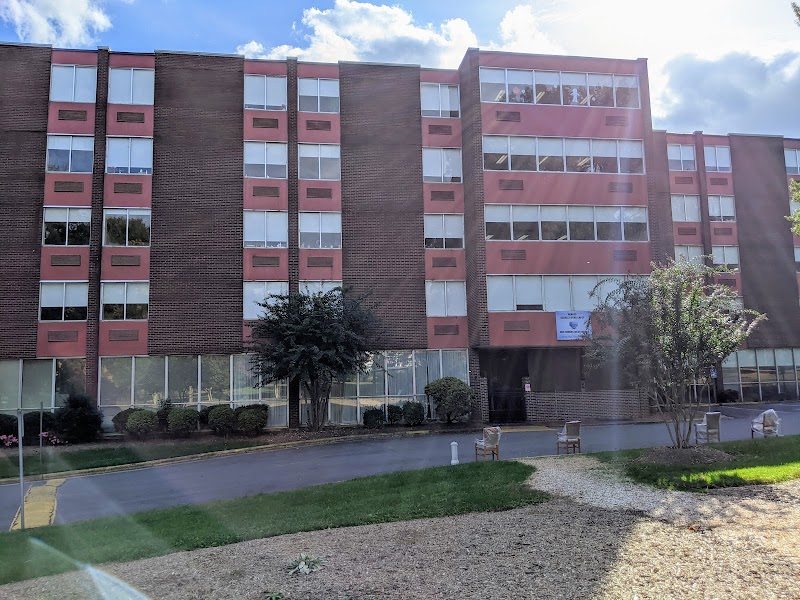
How is Willow Valley Center For Nursing And Rehabilitatio Staffed?

CMS rates Willow Valley Center for Nursing and Rehabilitatio's staffing level at 2 out of 5 stars, which is below average compared to other nursing homes. Staff turnover is 57%, which is 11 percentage points above the North Carolina average of 46%. High turnover can affect care consistency as new staff learn residents' individual needs.

What Have Inspectors Found at Willow Valley Center For Nursing And Rehabilitatio?

State health inspectors documented 51 deficiencies at Willow Valley Center for Nursing and Rehabilitatio during 2023 to 2025. These included: 4 Immediate Jeopardy (the most serious level, indicating potential for serious harm or death), 3 that caused actual resident harm, 40 with potential for harm, and 4 minor or isolated issues. Immediate Jeopardy findings are rare and represent the most serious regulatory concerns. They require immediate corrective action.
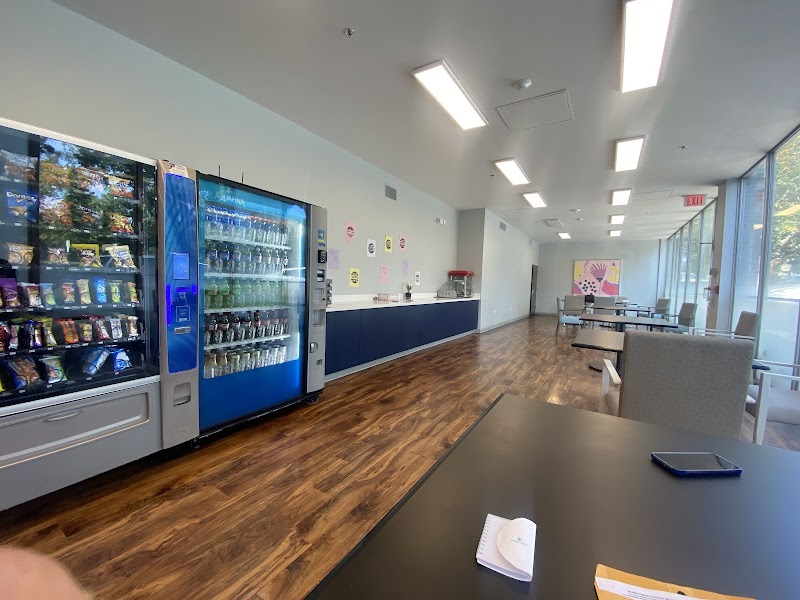
Who Owns and Operates Willow Valley Center For Nursing And Rehabilitatio?

Willow Valley Center for Nursing and Rehabilitatio is owned by a for-profit company. For-profit facilities operate as businesses with obligations to shareholders or private owners. The facility is operated by SIMCHA HYMAN & NAFTALI ZANZIPER, a chain that manages multiple nursing homes. With 230 certified beds and approximately 215 residents (about 93% occupancy), it is a large facility located in Winston-Salem, North Carolina.
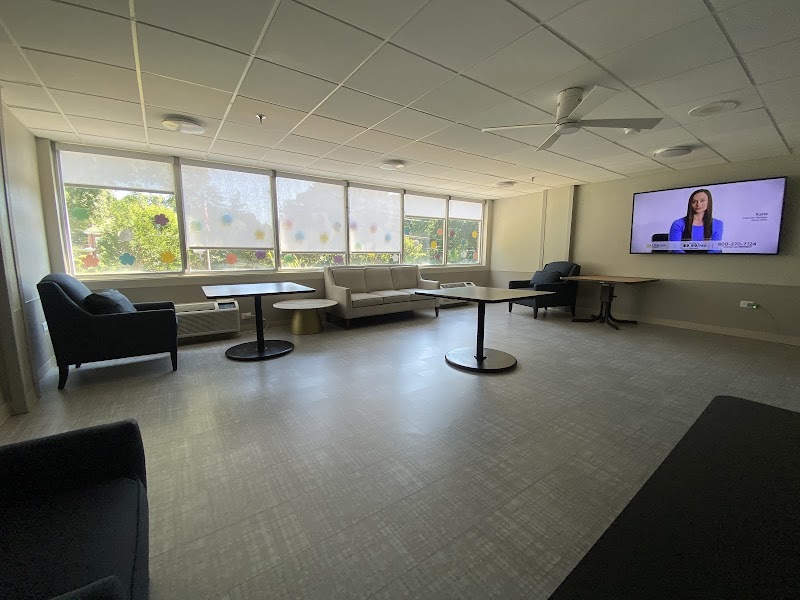
How Does Willow Valley Center For Nursing And Rehabilitatio Compare to Other North Carolina Nursing Homes?

Compared to the 100 nursing homes in North Carolina, Willow Valley Center for Nursing and Rehabilitatio's overall rating (1 stars) is below the state average of 2.8, staff turnover (57%) is significantly higher than the state average of 46%, and health inspection rating (1 stars) is much below the national benchmark.

What Should Families Ask When Visiting Willow Valley Center For Nursing And Rehabilitatio?

Based on this facility's data, families visiting should ask: "What changes have been made since the serious inspection findings, and how are you preventing similar issues?" "How do you ensure continuity of care given staff turnover, and what is your staff retention strategy?" "Can you walk me through typical staffing levels on day, evening, and night shifts?" "Can I visit during a mealtime to observe dining assistance and food quality?" These questions are particularly relevant given the facility's Immediate Jeopardy citations, the facility's high staff turnover rate, and the below-average staffing rating.

Is Willow Valley Center For Nursing And Rehabilitatio Safe?

Based on CMS inspection data, Willow Valley Center for Nursing and Rehabilitatio has documented safety concerns. Inspectors have issued 4 Immediate Jeopardy citations (the most serious violation level indicating risk of serious injury or death). The facility has a 1-star overall rating and ranks #100 of 100 nursing homes in North Carolina. Families considering this facility should ask detailed questions about what corrective actions have been taken since these incidents.

Do Nurses at Willow Valley Center For Nursing And Rehabilitatio Stick Around?

Staff turnover at Willow Valley Center for Nursing and Rehabilitatio is high. At 57%, the facility is 11 percentage points above the North Carolina average of 46%. High turnover means new staff may not know residents' individual needs, medications, or preferences. It can also be disorienting for residents, especially those with dementia who rely on familiar faces. Families should ask: What is causing the turnover? What retention programs are in place? How do you ensure care continuity during staff transitions?

Was Willow Valley Center For Nursing And Rehabilitatio Ever Fined?

Willow Valley Center for Nursing and Rehabilitatio has been fined $286,475 across 6 penalty actions. This is 8.0x the North Carolina average of $35,944. Fines at this level are uncommon and typically indicate a pattern of serious deficiencies, repeated violations, or failure to correct problems promptly. CMS reserves penalties of this magnitude for facilities that pose significant, documented risk to resident health or safety. Families should request specific documentation of what issues led to these fines and what systemic changes have been implemented.

Is Willow Valley Center For Nursing And Rehabilitatio on Any Federal Watch List?

Willow Valley Center for Nursing and Rehabilitatio is not on any federal watch list. The most significant is the Special Focus Facility (SFF) program, which identifies the bottom 1% of nursing homes nationally based on persistent, serious quality problems. Not being on this list means the facility has avoided the pattern of deficiencies that triggers enhanced federal oversight. This is a positive indicator, though families should still review the facility's inspection history directly.