
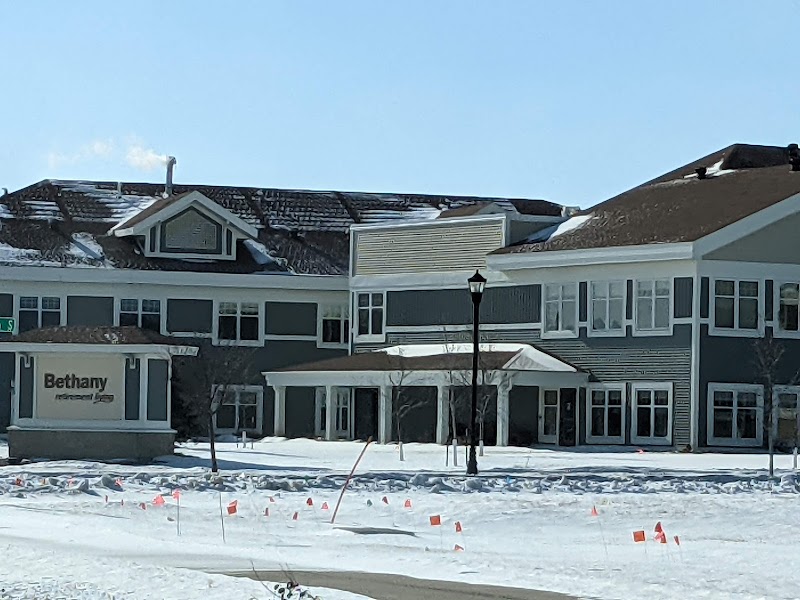
BETHANY ON 42ND

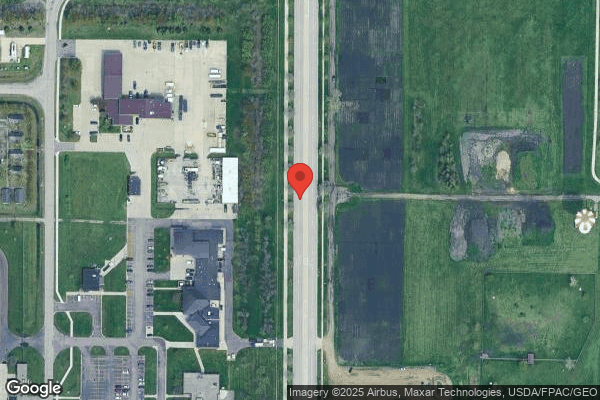
4255 30TH AVE S, FARGO, ND 58104 (701) 478-8900
Non profit - Corporation 116 Beds Independent Data: November 2025
Trust Grade
90/100
#2 of 72 in ND
Last Inspection: May 2025

Inspected within the last 6 months. Data reflects current conditions.

Overview

Bethany on 42nd has received an excellent Trust Grade of A, indicating that it is highly recommended and performs well compared to other nursing homes. It ranks #2 out of 72 facilities in North Dakota, placing it in the top tier, and is the best option among the 8 facilities in Cass County. The facility is improving, with reported issues decreasing from 2 in 2024 to 1 in 2025. While staffing is rated 4 out of 5 stars, the 52% turnover rate is average, suggesting some staff consistency, but there is less RN coverage than 93% of state facilities, which could impact care quality. Specific incidents noted by inspectors include failure to maintain resident dignity by not responding promptly to call lights and inaccuracies in resident assessments that could affect care planning. Overall, while Bethany on 42nd has strong ratings and is improving, there are areas of concern that families should consider.

Trust Score
A
90/100
In North Dakota
#2/72
Top 2%
Safety Record
Low Risk
No red flags
Inspections
Getting Better
2 → 1 violations
Staff Stability
⚠ Watch
52% turnover. Above average. Higher turnover means staff may not know residents' routines.
Penalties
✓ Good
No fines on record. Clean compliance history, better than most North Dakota facilities.
Skilled Nurses
○ Average
Each resident gets 39 minutes of Registered Nurse (RN) attention daily — about average for North Dakota. RNs are the most trained staff who monitor for health changes.
Violations
⚠ Watch
11 deficiencies on record. Higher than average. Multiple issues found across inspections.
★★★★★
5.0
Overall Rating
★★★★☆
4.0
Staff Levels
★★★★★
5.0
Care Quality
★★★★☆
4.0
Inspection Score
Stable
2024: 2 issues
2025: 1 issues

The Good

  • 4-Star Staffing Rating · Above-average nurse staffing levels
  • 5-Star Quality Measures · Strong clinical quality outcomes
  • Full Sprinkler Coverage · Fire safety systems throughout facility
  • No fines on record

Facility shows strength in staffing levels, quality measures, fire safety.

The Bad

Staff Turnover: 52%

Near North Dakota avg (46%)

Higher turnover may affect care consistency

The Ugly 11 deficiencies on record

May 2025 1 deficiency
CONCERN (D) 📢 Someone Reported This

A family member, employee, or ombudsman was alarmed enough to file a formal complaint

Potential for Harm - no one hurt, but risky conditions existed

Infection Control (Tag F0880)

Could have caused harm · This affected 1 resident

**NOTE- TERMS IN BRACKETS HAVE BEEN EDITED TO PROTECT CONFIDENTIALITY** Based on observation, record review, and review of facility policy, the facility failed to follow standards of infection control...

Read full inspector narrative →
**NOTE- TERMS IN BRACKETS HAVE BEEN EDITED TO PROTECT CONFIDENTIALITY** Based on observation, record review, and review of facility policy, the facility failed to follow standards of infection control and prevention for 3 of 9 sampled residents (Resident #28, #55 and #95) observed during cares. Failure to practice infection control standards related to hand hygiene and enhanced barrier precautions (EBP) has the potential to spread infection throughout the facility. Findings include: Review of the facility policy titled Hand Hygiene occurred on 04/30/25. This policy, revised February 2021, stated, . Hand Hygiene table . Soap and Water or Alcohol Based Hand Rub . Before applying and after removing personal protective equipment (PPE), including gloves . After assisting with personal body function . elimination . Review of the facility policy titled Infection Control - Enhanced Barrier Precautions occurred on 05/01/25. This policy, revised January 2025, stated, . Enhanced barrier precautions will be implemented for residents with the following . Wounds . High-contact resident care activities include . Wound care, any skin opening requiring a dressing. - Observation on 04/28/25 at 1:36 p.m. showed two certified nurse aides (CNAs) (#2 and #3) assisted Resident #28 with perineal care. The CNA (#2) performed perineal care, changed gloves, applied a clean brief, assisted the resident up in bed, and adjusted the resident's clothing and blankets. The CNA (#2) failed to perform hand hygiene after removing gloves. - Observation on 04/28/25 at 3:27 p.m. showed two CNAs (#4 and #5) assisted Resident #55 with perineal care. The CNA (#4) performed perineal care after an incontinent bowel movement, changed gloves, applied a clean brief, assisted the resident up in bed, adjusted the resident's blankets, lowered the bed and changed gloves. The CNA (#4) collected the garbage and exited the room. The CNA (#4) failed to perform hand hygiene after removing gloves and before exiting the room. - Review of Resident #95's medical record occurred on all days of survey. A quarterly Minimum Data Set (MDS), dated [DATE], identified the resident receives dialysis. The current care plan stated, . [Resident #95] is on Enhanced Barrier Precautions for presence of right chest port and wound. An observation on 04/29/25 at 8:25 a.m. showed a nurse (#6) entered Resident #95's room, applied gloves, and provided wound care. The nurse (#6) failed to follow EBP and apply a gown during high contact wound care.
Mar 2024 2 deficiencies
CONCERN (D)

Potential for Harm - no one hurt, but risky conditions existed

MDS Data Transmission (Tag F0640)

Could have caused harm · This affected 1 resident

**NOTE- TERMS IN BRACKETS HAVE BEEN EDITED TO PROTECT CONFIDENTIALITY** Based on record review, review of the Long-Term Care Facility Resident Assessment Instrument (RAI) 3.0 User's Manual (Version 1....

Read full inspector narrative →
**NOTE- TERMS IN BRACKETS HAVE BEEN EDITED TO PROTECT CONFIDENTIALITY** Based on record review, review of the Long-Term Care Facility Resident Assessment Instrument (RAI) 3.0 User's Manual (Version 1.16), and staff interview, the facility failed to ensure timely electronic data submission of required Minimum Data Sets (MDS) assessments for 1 of 1 supplemental residents (Resident #32) and one closed record (Resident #30). Failure to follow the MDS data submission specifications does not meet the intended regulatory requirements. Findings include: The Long-Term Care Facility RAI 3.0 User's Manual (Version 1.18.11), page 2-34 stated, . The MDS must be transmitted (submitted and accepted into iQIES [Internet Quality Improvement and Evaluation System]) electronically no later than 14 calendar days after the MDS completion date (Z0500B + 14 calendar days). and page 5-1, stated, Transmitting MDS Data. All Medicare and/or Medicaid-certified nursing homes . must transmit required MDS data records to CMS [Center for Medicare and Medicaid Services] Internet Quality Improvement and Evaluation System . Required MDS records are those assessments and tracking records that are mandated under OBRA [Omnibus Budget Reconciliation Act] . - Review of Resident #30's medical record occurred on 03/13/24 and showed a discharge MDS dated [DATE]. - Review of Resident #32's medical record occurred on 03/13/24 and showed a quarterly MDS dated [DATE]. During a phone interview on 03/14/24 at 8:16 a.m., an administrative nurse (#1) stated staff submitted Resident #30 and #32's MDS and confirmed the MDSs were not accepted by CMS. The facility failed to ensure CMS accepted the submitted assessments.
CONCERN (E)

Potential for Harm - no one hurt, but risky conditions existed

Assessment Accuracy (Tag F0641)

Could have caused harm · This affected multiple residents

**NOTE- TERMS IN BRACKETS HAVE BEEN EDITED TO PROTECT CONFIDENTIALITY** Based on record review, review of the Long-Term Care Facility Resident Assessment Instrument (RAI) 3.0 User's Manual (Version 1....

Read full inspector narrative →
**NOTE- TERMS IN BRACKETS HAVE BEEN EDITED TO PROTECT CONFIDENTIALITY** Based on record review, review of the Long-Term Care Facility Resident Assessment Instrument (RAI) 3.0 User's Manual (Version 1.18.11), and staff interview, the facility failed to ensure accurate coding of the Minimum Data Set (MDS) for 3 of 25 sampled residents (Resident #6, #9 and #51) and two supplemental residents (Resident #44 and #85). Failure to accurately complete the MDS does not allow each resident's assessment to reflect their current status/needs and may affect the accurate development of a comprehensive care plan and the care provided to the residents. Findings include: SECTION A: IDENTIFICATION INFORMATION The Long-Term Care Facility RAI Manual, revised October 2023, pages A-30 thru A-32, . A1500: Preadmission Screening and Resident Review (PASRR) . Code 1, yes: if PASRR Level II screening determined that the resident has a serious mental illness . and continue to A1510, Level II Preadmission Screening and Resident Review (PASRR) Conditions. - Review of Resident #44's medical record occurred all days of survey. A Level 1 PASRR, dated 08/07/23, stated, . You meet PASRR inclusion criteria for Serious Mental Illness . Resident #44's admission MDS dated [DATE] identified diagnoses of manic depression (bipolar disorder). Facility staff coded item A1500: Is the resident currently considered by the state level II PASRR process to have a serious mental illness . as no. During an interview on 03/13/24 at 10:55 a.m. two administrative staff (#2 and #3) confirmed staff failed to code Resident #44's admission MDS correctly. SECTION J: FALLS The Long-Term Care Facility RAI Manual, revised October 2023, page J-37, states, . If this is not the first assessment . the review period is from the day after the ARD [assessment reference date] of the last MDS assessment to the ARD of the current assessment. Determine the number of falls that occurred since . prior assessment . and code the level of fall-related injury for each. Code each fall only once. If the resident has multiple injuries in a single fall, code the fall for the highest level of injury. - Review of Resident #9's medical record occurred all days of survey. The medical record identified a fall with head laceration on 02/03/24. Resident #9's quarterly MDS, dated [DATE], identified no falls since previous assessment. SECTION N: MEDICATIONS The Long-Term Care Facility RAI User's Manual, revised October 2023, pages N-1, and N-6 to N-8 stated, Section N Medications . N0415I1. Antiplatelet: Check if an antiplatelet medication (e.g., [for example] aspirin/extended release . ) was taken by the resident at any time during the 7-day observation period . - Review of Resident #6's medical record occurred all days of survey. Physician's orders included aspirin 81 milligrams (mg) daily, initiated on 07/28/23. The quarterly MDS, dated [DATE], showed staff coded aspirin as an anticoagulant (blood thinner) rather than an antiplatelet medication. - Review of Resident #51's medical record occurred on all days of survey. Physician's orders included aspirin 81 mg daily, initiated on 08/08/23. The quarterly MDS, dated [DATE], showed staff coded aspirin as an anticoagulant and antiplatelet medication. - Review of Resident #85's medical record occurred on 03/12/24. Physician's orders included aspirin 81 milligrams (mg) daily, initiated on 01/29/24. The quarterly MDS, dated [DATE], showed staff coded aspirin as an anticoagulant (blood thinner) rather than an antiplatelet medication. During an interview on 03/14/24 9:45 a.m., an administrative nurse (#1) confirmed staff failed to code Resident #6, #9, #51, and #85's MDSs correctly.
Mar 2023 8 deficiencies
CONCERN (D) 📢 Someone Reported This

A family member, employee, or ombudsman was alarmed enough to file a formal complaint

Potential for Harm - no one hurt, but risky conditions existed

Report Alleged Abuse (Tag F0609)

Could have caused harm · This affected 1 resident

Based on record review, review of facility policy, and resident and family interview, the facility failed to report alleged violations of misappropriation of resident property to the State Survey Agen...

Read full inspector narrative →
Based on record review, review of facility policy, and resident and family interview, the facility failed to report alleged violations of misappropriation of resident property to the State Survey Agency (SSA) for 2 of 2 sampled residents (Resident #5 and #51) with reports of missing items. Failure to report allegations and submit investigation results placed all residents at risk for misappropriation of property. Findings include: Review of the facility policy titled Reporting Alleged Abuse and Neglect Violations occurred on 03/30/23. This undated policy stated, . All alleged violations involving abuse, neglect, exploitation or mistreatment must be reported immediately. This includes injury of unknown source and misappropriation of resident property. If the alleged violation does not involve abuse or does not involve serious bodily injury it must be reported no later than 24 hours after the allegation is made. The alleged violations must be reported to . other officials (including to the state survey agency and adult protective services where state law provides jurisdiction in long term care facilities) in accordance with state law through established procedures. - During an interview on 03/28/23 at 9:41 a.m., Resident #5 stated [I] had some perfume stolen. Now I keep it in the locked drawer. The perfume cost $150.00 and they won't replace it. The facility initiated a Loss Report Form for the perfume on 02/05/22. A progress note from social services on 02/17/22 at 4:47 p.m., stated Late Entry: Note text: SS [social services] checked in with [Resident #5] on this date. [Resident #5] voiced she bought new perfume and came today. SS provided education to [Resident #5] in depth on keeping her items of value in her drawer locked and keeping the key on her. [Resident #5] voiced she understood this and planned to keep her perfume in her locked drawer. - During an interview on the afternoon of 03/27/23, Resident #51 stated she had a new cell phone from her sister. She placed it on the overbed table when she went to bed one night, and when she woke up it was gone. Resident #51 stated, Now I keep it right here [indicating along side her body]. She identified she told a social services staff member, and stated, We looked everywhere for it but couldn't find it. Resident #51 stated facility staff told her they would not replace her phone. During a phone interview on the morning of 03/29/23, Resident #51's family member stated Resident #51 reported her phone went missing during the night. Resident #51's family member stated this happened about a month ago. A Loss Report Form, dated 02/23/23, identified staff attempted to find the phone, but lacked evidence of reporting the incident as possible misappropriation of resident property. A nurse's note, dated 03/02/23, stated, . SS spoke with [Resident #51's family] about the loss report for [Resident #51's] phone and confirmed the phone had not been found. SS also provided [Resident #51's family] is always welcome to call the nurses station and ask to speak with [Resident #51]. The facility failed to report the alleged misappropriation of property within 24 hours and submit the findings of the investigation within five days to the State Survey Agency.
CONCERN (D) 📢 Someone Reported This

A family member, employee, or ombudsman was alarmed enough to file a formal complaint

Potential for Harm - no one hurt, but risky conditions existed

Deficiency F0688 (Tag F0688)

Could have caused harm · This affected 1 resident

**NOTE- TERMS IN BRACKETS HAVE BEEN EDITED TO PROTECT CONFIDENTIALITY** Based on record review, resident and staff interview, the facility failed to ensure 2 of 2 sampled residents (Resident #51 and #...

Read full inspector narrative →
**NOTE- TERMS IN BRACKETS HAVE BEEN EDITED TO PROTECT CONFIDENTIALITY** Based on record review, resident and staff interview, the facility failed to ensure 2 of 2 sampled residents (Resident #51 and #57) reviewed for restorative therapy received the services developed by the therapy staff. Failure to consistently provide restorative nursing/therapy services may adversely affect the residents' abilities to maintain their range of motion (ROM), balance, strength, and mobility. Findings include: - During an interview on 03/27/23 at 3:10 p.m. Resident #57 stated, Look at my hands. I can't even open them. Resident #57 reported he/she had not received therapy. Review of Resident #57's medical record occurred on all days of survey. The current care plan stated, . requires a restorative program to maintain or improve functional ROM. At times (resident) may refuse the ROM program. Functional ROM will be maintained or improved to highest practicable level of function. PROM [passive range of motion] up to 4 x Week [four times a week], PROM to UE [upper extremity] and LE [lower extremity] . The quarterly minimum data set (MDS), dated [DATE], identified upper extremity impairment on one side. A Functional ROM Plan of Care, dated 11/07/22, identified PROM to LE 4 times a week and PROM to UE 4 times a week. Review of provider progress notes identified the following: * 01/12/23 . left hand contracture with decreased ROM, pain and decreased functional use of left hand. * 01/12/23 . Dupytren Contracture left hand chronic problem, now causing more pain. * 01/19/23 . secondary discharge diagnosis . Dupytrens contracture of left hand . Review of the restorative nursing documentation, dated 01/05/23 -03/30/23 identified staff provided passive range of motion (PROM) 10 times during the 12 week period with one refusal documented on March 20, 2023. The facility failed to provide restorative therapy services four times a week to Resident #57. During an interview the morning of 03/30/23, a restorative CNA (#8) confirmed resident #57 was on a restorative program. - During an interview on the afternoon of 03/27/23, Resident #51 stated, I was supposed to have therapy this whole last week. A lady stopped in one day when I was in the bathroom but she never came back. Hopefully they will try again this week. Review of Resident #51's medical record occurred on all days of survey. The current care plan stated, . requires restorative program to maintain or improve functional ROM. refuses RNP [restorative nursing program] at times . NURSING REHAB: AROM [active range of motion] up to 3X Week: LE, Supine (lying on back) Exercises 10 Reps [repetitions] . LE Seated Exercises 2# [pounds] Wts [weights] Red Thera Band 10 Reps or UE Exercises 2# Wt Dowel Exercises . A Functional ROM Plan of Care, dated 03/10/23, identified upper and lower extremity exercises three times per week. The medical record lacked evidence of restorative nursing provided or refused by the resident for the week of March 19-25, 2023. During an interview on 03/30/23 at 11:20 a.m., an MDS Coordinator (#9) confirmed restorative staff focus on the 6 day a week residents and get to the others when they are able.
CONCERN (E) 📢 Someone Reported This

A family member, employee, or ombudsman was alarmed enough to file a formal complaint

Potential for Harm - no one hurt, but risky conditions existed

Resident Rights (Tag F0550)

Could have caused harm · This affected multiple residents

Based on resident and family interviews and facility policy, the facility failed to provide care in a manner that maintains or enhances resident dignity for 7 of 7 (Resident A, B, C, D, E, F, and G) c...

Read full inspector narrative →
Based on resident and family interviews and facility policy, the facility failed to provide care in a manner that maintains or enhances resident dignity for 7 of 7 (Resident A, B, C, D, E, F, and G) confidential sampled resident interviews and 3 confidential family interviews. Failure to answer call lights promptly, provide care in a dignified manner, and treat residents respectfully does not enhance the resident's quality of life and may result in decreased self-esteem, incontinence, and skin breakdown. Findings include: Review of the facility policy titled Dignity occurred on 03/30/23. This policy, revised January 2018, stated, It is the practice of this facility to protect and promote residents rights and treat each resident with respect and dignity as well as care for each resident in a manner and in an environment that maintains or enhances resident's quality of life by recognizing resident's individuality. Respond to requests for assistance in a timely manner. Groom and dress residents according to resident preference. Speak respectfully to residents . Review of the facility policy titled Routine Care occurred on 03/30/23. This policy, revised December 2018, stated, . Answer call lights promptly . During a resident interview on the afternoon of 03/27/23, Resident A referred to a daytime certified nurse aide (CNA) as a bully. Resident A could not recall the CNAs name. Resident A also voiced concerns that it takes at least 20 minutes for staff to answer the call light and at times staff walk by the call light. During an interview on 03/27/23 at 12:58 p.m., Resident B reported there is a CNA that is really rough on their arms when the CNA gets the resident ready in the morning and at night. Resident B also reported that staff do not let the resident choose what they want to wear. During a resident interview on the afternoon of 03/27/23, Resident C reported One of the morning workers gets mad at me, sometimes she does not dress me, and she makes me cry. The resident later reported One day when she did help me I told her my pants were too tight and she made me wear them. During a resident interview on 03/28/23 at 1:55 p.m., Resident D reported a few months ago, a CNA would take their knuckles and dig them into the resident's side and back when repositioning or changing the resident. Resident D stated they would tell the CNA to stop but the CNA wouldn't. Resident D also stated a CNA entered the resident's room and yelled at the resident, calling them old .fat .and lays in bed all the time. - During an interview on the afternoon of 03/27/23, Resident E stated he/she waits for the call light to be answered, usually in the evenings and on weekends. Resident E stated, Sometimes it's 30-35 minutes. For example- last night after supper I had to use the commode. I turned on my light and waited for 20 minutes. My CNA came in and turned it off, said she'd be right back but never came back. So then I waited another 30 minutes and turned it on again. A different CNA came in and took my supper tray, and said she'd find someone to help. No one ever came back. So I turned it on a third time and waited another 30 minutes. Finally my CNA did come in and answer the light, she came back within 10-15 minutes with another person and the Hoyer [full body mechanical lift]. But all told, it was like an hour and a half from the time I put my light on until I actually got help to the commode. Resident E further identified staff are sometimes rough with cares and stated, Would I call it abuse, no. But rough handling? Definitely. It's like I'm not even a person, I'm just a body. - During an interview on 03/27/23 at 2:50 p.m., Resident F stated It often takes an hour for my light to be answered. - During an interview on the afternoon of 03/27/23, Resident G stated staff will often answer the call light, shut it off, and not help or come back. - During a confidential interview on the afternoon of 03/27/23, a family member (AA) stated she has been in the resident room with the call light on for 45 minutes. - During a confidential family interview on 03/27/23 at 1:17 p.m., a family member (BB) reported that staff is quick and rough with the resident in the morning and staff does not allow the resident to choose their own outfit. - During a confidential family interview on the afternoon of 03/29/23, a family member (CC) voiced concerns of staff pulling on the resident arms during cares, being gruff, and not very nice. The family member stated while on the phone they overheard staff saying, Now what do you want? and when the resident requested to use the bathroom staff said No you don't, you just went. Failure to provide care in a dignified manner and interact respectfully with the residents is a violation of their rights and may result in emotional/physical harm and a decreased quality of life.
CONCERN (E) 📢 Someone Reported This

A family member, employee, or ombudsman was alarmed enough to file a formal complaint

Potential for Harm - no one hurt, but risky conditions existed

Assessment Accuracy (Tag F0641)

Could have caused harm · This affected multiple residents

**NOTE- TERMS IN BRACKETS HAVE BEEN EDITED TO PROTECT CONFIDENTIALITY** Based on record review and review of the Long-Term Care Facility Resident Assessment Instrument (RAI) 3.0 User's Manual (Version...

Read full inspector narrative →
**NOTE- TERMS IN BRACKETS HAVE BEEN EDITED TO PROTECT CONFIDENTIALITY** Based on record review and review of the Long-Term Care Facility Resident Assessment Instrument (RAI) 3.0 User's Manual (Version 1.17.1), the facility failed to complete a Minimum Data Set (MDS) that accurately reflected the residents' status for 4 of 4 sampled residents (Resident #18, #38, #63, and #64) and 1 supplemental resident (Resident #55) reviewed for Preadmission Screening and Resident Review (PASRR). Failure to accurately code the MDS may negatively affect the development of a comprehensive care plan and the care provided to the residents. Findings include: The Long-Term Care Facility RAI Manual, revised October 2019, page A22-A23, stated, . A1500: Preadmission Screening and Resident Review (PASRR) . Review the Level I PASRR form to determine whether a Level II PASRR was required. Review the PASRR report provided by the State if Level II screening was required. Code 0, no: . if any of the following apply: PASRR Level I screening did not result in a referral for Level II screening, or Level II screening determined that the resident does not have a serious MI [mental illness] . Code 1, yes: if PASRR Level II screening determined that the resident has a serious mental illness . continue to A1510, Level II Preadmission Screening and Resident Review (PASRR) Conditions. - Review of Resident #18's medical record occurred on all days of survey and identified a level 2 PASRR completed on 01/08/21 with a diagnosis of bipolar disorder. The significant change MDS, dated [DATE] failed to identify the Level 2 PASRR and serious mental illness. - Review of Resident #38's medical record occurred on all days of survey and identified a Level 2 PASRR completed on 04/19/21 with a diagnosis of major depression. The annual MDS, dated [DATE], failed to identify the Level 2 PASRR and serious mental illness. - Review of Resident #55's medical record occurred on all days of survey and identified a Level 2 PASRR completed on 10/09/17 with a diagnosis of major depressive disorder. The annual MDS, dated [DATE], failed to identify the Level 2 PASRR and serious mental illness. - Review of Resident #63's medical record occurred on all days of survey and identified a level 2 PASRR completed on 04/02/20 with a diagnosis of schizophrenia, paranoid type. The significant change MDS, dated [DATE], failed to identify the Level 2 PASRR and serious mental illness. - Review of Resident #64's medical record occurred on all days of survey and identified a Level 2 PASRR completed on 04/22/22 with a diagnosis of schizophrenia and anxiety disorder. The significant change MDS, dated [DATE], failed to identify the Level 2 PASRR and serious mental illness.
CONCERN (E) 📢 Someone Reported This

A family member, employee, or ombudsman was alarmed enough to file a formal complaint

Potential for Harm - no one hurt, but risky conditions existed

Deficiency F0760 (Tag F0760)

Could have caused harm · This affected multiple residents

Based on record review, review of a professional reference, and staff interview, the facility failed to ensure a resident remained free from significant medication errors for 1 supplemental resident (...

Read full inspector narrative →
Based on record review, review of a professional reference, and staff interview, the facility failed to ensure a resident remained free from significant medication errors for 1 supplemental resident (Resident #95) reviewed for dialysis. Failure to administer medications according to the practitioner's order and report frequently missed doses to the practitioner, may inhibit the effectiveness of the medications and cause subtherapeutic levels. Findings include: Kozier & Erb's Fundamentals of Nursing, Concepts, Process and Practice, 11th Edition eText, 2021, Pearson, Boston, Massachusetts, page 816, stated, Because the purpose of most drug therapy is to maintain a constant drug level in the body, repeated doses are required to maintain that level. Another dose is given in order to maintain therapeutic levels. If the client does not receive another dose of the drug . the concentration steadily decreases. Pages 838-841, about medication administration, stated, Performance . Safety . All medications . 8. Administer the medication at the correct time. Report significant deviations from normal to the primary care provider. Review of Resident #95's medical record occurred on all days of survey. Diagnoses included diabetes, chronic atrial fibrillation, and pain. During an interview on 03/29/23 at 12:05 p.m., a nurse (#15) stated Resident #95's morning meds are skipped due to the resident being at dialysis. The medication administration records showed the following: - January 2023: Staff failed to complete the 7:00 a.m. accu checks (a test for blood sugar levels) and failed to administer the following 8:00 a.m. medications: acetaminophen (ordered twice a day for pain), apixaban (ordered twice a day for atrial fibrillation) carboxymethylcellulose sodium (eye drops ordered twice a day for dry eyes), and metoprolol tartrate (ordered twice a day for atrial fibrillation) on 11 dialysis days. - February 2023: Staff failed to administer the 8:00 a.m. nutritional supplement (ordered 02/14/23) on 2 dialysis days and the acetaminophen, apixaban, carboxymethylcellulose sodium, and metoprolol tartrate on 11 dialysis days. - March 2023: Staff failed to administer the 8:00 a.m. nutritional supplement on 5 dialysis days (discontinued 03/23/23) and failed to administer the following medications: glipizide (once a day for diabetes, ordered 03/01/23), acetaminophen, apixaban, and carboxymethylcellulose sodium on 10 dialysis days. During the months of January, February, and March 2023, Resident #95 missed 32 doses of pain medication, eye drops, and a medication for atrial fibrillation, 22 doses of another medication for atrial fibrillation, 10 doses of diabetic medication, 11 blood sugar checks, and seven servings of nutritional supplements. The medical record lacked documentation of notification to the provider of these missed doses of medications. On the afternoon of 03/30/23, administrative staff (#7) identified it is not the facility practice for residents to miss medications on dialysis days.
CONCERN (E) 📢 Someone Reported This

A family member, employee, or ombudsman was alarmed enough to file a formal complaint

Potential for Harm - no one hurt, but risky conditions existed

Deficiency F0804 (Tag F0804)

Could have caused harm · This affected multiple residents

Based on observation, review of facility policy, and resident interviews, the facility failed to serve foods at palatable temperatures for 2 of 8 units (Meadowlark Lane and Crestwood). Failure to serv...

Read full inspector narrative →
Based on observation, review of facility policy, and resident interviews, the facility failed to serve foods at palatable temperatures for 2 of 8 units (Meadowlark Lane and Crestwood). Failure to serve foods at a temperature acceptable to residents may result in decreased intake, weight loss, and inadequate nutrition. Findings include: Review of the facility policy titled Service of Food occurred on 03/30/23. This policy, revised December 2021, stated, 1. Hot foods will be held until service at 135 degrees F. [Fahrenheit] or above. 2. Hot foods should be at least 120-130 degrees F. when presented to the residents. Interviews on the afternoon of 03/27/23 identified the following: *Resident #51 - The food is often cold when staff deliver it to her room *Resident #66 - The food is not always hot when it's delivered to the room *Resident #68 - The food is not hot especially breakfast food, sausages, pancakes, and waffles. Sometimes it is so cold I cannot eat it. *Resident #79 - The food is usually not hot. *Resident #96 - By the time staff deliver food (to the room), it is cold. During an interview on the morning of 03/28/23, Resident #40 stated, Sometimes it's lukewarm, sometimes it's cold [the food]. Rarely is it hot enough. Observation on 03/29/23 at 8:29 a.m. showed a dietary assistant (#11) dished up food for residents. The steam table items did not have lids covering the food and when requested to check the temperature of the sausage patties the dietary assistant removed approximately six sausage patties and placed them on a plate. The sausage temperature showed 93 degrees F.
CONCERN (E) 📢 Someone Reported This

A family member, employee, or ombudsman was alarmed enough to file a formal complaint

Potential for Harm - no one hurt, but risky conditions existed

Food Safety (Tag F0812)

Could have caused harm · This affected multiple residents

Based on observation, review of manufacture instructions, review of facility sanitizer logs, and staff interview, the facility failed to prepare, store, and serve food under sanitary conditions in 1 o...

Read full inspector narrative →
Based on observation, review of manufacture instructions, review of facility sanitizer logs, and staff interview, the facility failed to prepare, store, and serve food under sanitary conditions in 1 of 1 kitchen (main kitchen) and 2 of 4 kitchenettes (Cottonwood and Sterling House). Failure to monitor the quaternary (quat) sanitizer concentration and follow facility guidelines for quat concentration procedure may result in unsafe preparation of food and foodborne illness. Findings include: Review of the manufacturer instructions for Smart Power Sink and Surface Cleaner Sanitizer posted above the kitchen dishwasher sinks, stated, EPA-registered cleaner sanitizer for pre-cleaned use on hard, non-porous food prep surfaces and wares, kills foodborne organisms . it is a no-rinse sanitizer that is effective across a dilution range of 0.27 to 0.55 oz.[ounce] per gallon of water. Sanitization Range Testing: Testing solution should be at or above room temperature: 65F [Fahrenheit]. Withdraw a test strip from the canister. Dip test strip for 5 seconds in test solution. Shake off excess solution. Compare colors after 10 seconds with colors on the test strip canister to determine concentration (oz/gal) [ounces/gallon] . Testing solution should be between 272-700 ppm [parts per million] DDBSA [dodecylbenzene sulfonic acid] . Review of the Facility Sanitizer Daily Test Strip Log stated, . Test strip must be between 272-700 ppm. If it is out of range, test again. If second test is still out of range, notify the supervisor. The staff failed to record the specific concentration of the sanitizer mix on the logs. Observation of the main kitchen on 03/27/23 at 12:00 p.m. with two directors of dining and nutrition (#1 and #2), and identified a red sanitizer bucket by the kitchen prep area. Using a test strip, staff obtained a reading of 848 (high) of the solution. Staff tested a second red sanitizer bucket located in the dishwasher area with a reading of 848 (high). On 03/28/23 at 10:40 a.m., an assistant director of dining services (#4) tested the two sanitizer buckets located in the main kitchen prep areas. Both buckets registered at 848. The assistant director of dining services (#4) confirmed the concentrations were high and not safe to use. Observations on 03/29/23 at 1:30 p.m. with two directors of dining services and nutrition (#1 and #3) in the facility kitchenettes and the main kitchen, showed staff obtained strip test readings of the sanitizer buckets that identified the following: * Cottonwood Kitchen: Sanitizer solution reading 848 (high) * Sterling House: Sanitizer solution reading 848 (high). The director of dining services and nutrition (#1), remixed and retested the solution, and obtained a second reading of 848 (high).
CONCERN (E) 📢 Someone Reported This

A family member, employee, or ombudsman was alarmed enough to file a formal complaint

Potential for Harm - no one hurt, but risky conditions existed

Infection Control (Tag F0880)

Could have caused harm · This affected multiple residents

- Observation on 03/27/23 at 4:02 p.m. showed CNAs (#16 and #17) donned gloves and transferred Resident #58 into the wheelchair, discarded their gloves, and CNA (#17) failed to perform hand hygiene up...

Read full inspector narrative →
- Observation on 03/27/23 at 4:02 p.m. showed CNAs (#16 and #17) donned gloves and transferred Resident #58 into the wheelchair, discarded their gloves, and CNA (#17) failed to perform hand hygiene upon exiting the resident's room. - Observation on 03/29/23 at 8:19 a.m. showed a CNA (#18) assisted Resident #37 to the bathroom. The CNA donned gloves and provided perineal care. Without removing the gloves, the CNA placed a gait belt around the resident's waist, assisted the resident to stand, placed a new brief, and pulled up the resident's pants. The CNA then placed the resident's call light pendant around Resident #37's neck and removed the gait belt before removing her gloves. Without performing hand hygiene, the CNA donned new gloves and combed the resident's hair. The CNA failed to remove her soiled gloves and perform hand hygiene after perineal care and before performing other tasks. Based on observation and review of facility policy, the facility failed to follow infection control practices for 4 of 14 sampled residents (Residents #19, #37, #58, and #93) observed during personal cares. Failure to follow infection control practices has the potential for transmission of communicable diseases and infections to residents, staff, and visitors. Findings include: Review of the facility policy titled Hand Hygiene occurred on 03/27/23. This policy, revised February 2021, stated, . Hand Hygiene Table . Before applying and after removing personal protective equipment (PPE) including gloves . after assistance with personal body functions . - Observation on 03/27/23 at 3:32 p.m. showed two certified nurse aides (CNAs) (#13 and #14) donned gloves and provided perineal care for Resident #93. The CNA (#13) cleansed the rectal area of stool using a wet wipe. The CNA (#13) removed her gloves and without performing hand hygiene, the CNA (#13) applied a clean brief, turned the resident from side to side to change the bed sheet, and changed the resident's shirt. The CNA (#13) failed to perform hand hygiene after removing the soiled gloves and before completing other tasks. - Observation on 03/27/23 at 4:01 p.m. showed a CNA (#8) donned gloves and provided perineal care for Resident #19. The CNA (#8) cleansed the rectal area of stool using a wet wipe. Without removing gloves, the CNA (#8) placed a clean brief, applied ointment to the resident's buttocks and groin, pulled up the resident's pants, placed the transfer sling under the resident, and relocated the resident's wheelchair. The CNA (#8) failed to remove the soiled gloves and complete hand hygiene before touching other surfaces.
Understanding Severity Codes (click to expand)
Life-Threatening (Immediate Jeopardy)
J - Isolated K - Pattern L - Widespread
Actual Harm
G - Isolated H - Pattern I - Widespread
Potential for Harm
D - Isolated E - Pattern F - Widespread
No Harm (Minor)
A - Isolated B - Pattern C - Widespread

Questions to Ask on Your Visit

  • "Can I speak with families of current residents?"
  • "What's your RN coverage like on weekends and overnight?"

Our Honest Assessment

Strengths
  • • Grade A (90/100). Above average facility, better than most options in North Dakota.
  • • No major safety red flags. No abuse findings, life-threatening violations, or SFF status.
  • • No fines on record. Clean compliance history, better than most North Dakota facilities.
Concerns
  • • 11 deficiencies on record. Higher than average. Multiple issues found across inspections.
Bottom line: Generally positive indicators. Standard due diligence and a personal visit recommended.

About This Facility

What is Bethany On 42Nd's CMS Rating?

CMS assigns BETHANY ON 42ND an overall rating of 5 out of 5 stars, which is considered much above average nationally. Within North Dakota, this rating places the facility higher than 99% of the state's 100 nursing homes. This rating reflects solid performance across the metrics CMS uses to evaluate nursing home quality.

How is Bethany On 42Nd Staffed?

CMS rates BETHANY ON 42ND's staffing level at 4 out of 5 stars, which is above average compared to other nursing homes. Staff turnover is 52%, compared to the North Dakota average of 46%.

What Have Inspectors Found at Bethany On 42Nd?

State health inspectors documented 11 deficiencies at BETHANY ON 42ND during 2023 to 2025. These included: 11 with potential for harm.

Who Owns and Operates Bethany On 42Nd?

BETHANY ON 42ND is owned by a non-profit organization. Non-profit facilities reinvest revenue into operations rather than distributing to shareholders. The facility operates independently rather than as part of a larger chain. With 116 certified beds and approximately 113 residents (about 97% occupancy), it is a mid-sized facility located in FARGO, North Dakota.

How Does Bethany On 42Nd Compare to Other North Dakota Nursing Homes?

Compared to the 100 nursing homes in North Dakota, BETHANY ON 42ND's overall rating (5 stars) is above the state average of 3.1, staff turnover (52%) is near the state average of 46%, and health inspection rating (4 stars) is above the national benchmark.

What Should Families Ask When Visiting Bethany On 42Nd?

Based on this facility's data, families visiting should ask: "Can I visit during a mealtime to observe dining assistance and food quality?" "How do you handle medical emergencies, and what is your hospital transfer rate?" "Can I speak with family members of current residents about their experience?"

Is Bethany On 42Nd Safe?

Based on CMS inspection data, BETHANY ON 42ND has a clean safety record: no substantiated abuse findings (meaning no confirmed cases of resident harm), no Immediate Jeopardy citations (the most serious violation level indicating risk of serious injury or death), and is not on the Special Focus Facility watch list (a federal program monitoring the lowest-performing 1% of nursing homes). The facility has a 5-star overall rating and ranks #1 of 100 nursing homes in North Dakota. While no facility is perfect, families should still ask about staff-to-resident ratios and recent inspection results during their visit.

Do Nurses at Bethany On 42Nd Stick Around?

BETHANY ON 42ND has a staff turnover rate of 52%, which is 6 percentage points above the North Dakota average of 46%. Moderate turnover is common in nursing homes, but families should still ask about staff tenure and how the facility maintains care continuity when employees leave.

Was Bethany On 42Nd Ever Fined?

BETHANY ON 42ND has no federal fines on record. CMS issues fines when nursing homes fail to meet care standards or don't correct problems found during inspections. The absence of fines suggests the facility has either maintained compliance or corrected any issues before penalties were assessed. This is a positive indicator, though families should still review recent inspection reports for the full picture.

Is Bethany On 42Nd on Any Federal Watch List?

BETHANY ON 42ND is not on any federal watch list. The most significant is the Special Focus Facility (SFF) program, which identifies the bottom 1% of nursing homes nationally based on persistent, serious quality problems. Not being on this list means the facility has avoided the pattern of deficiencies that triggers enhanced federal oversight. This is a positive indicator, though families should still review the facility's inspection history directly.