BETHANY ON UNIVERSITY
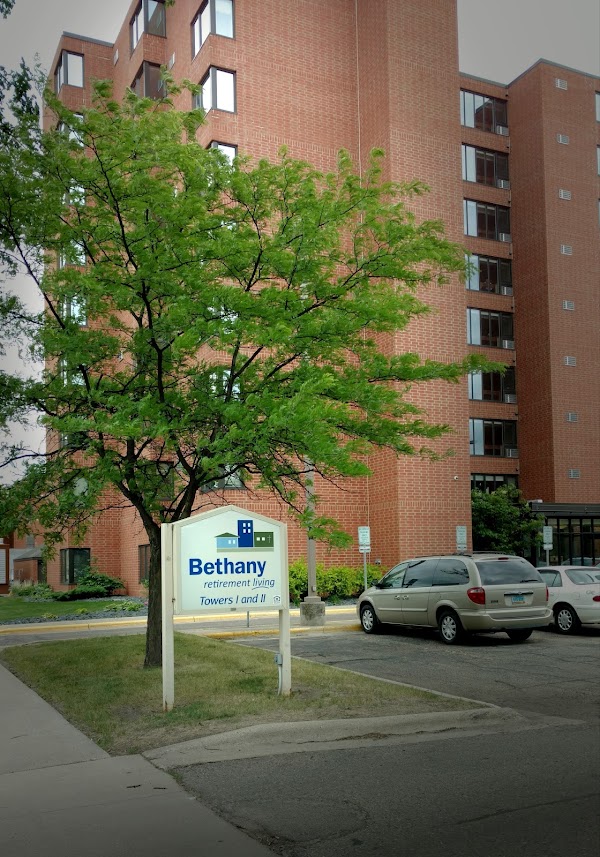
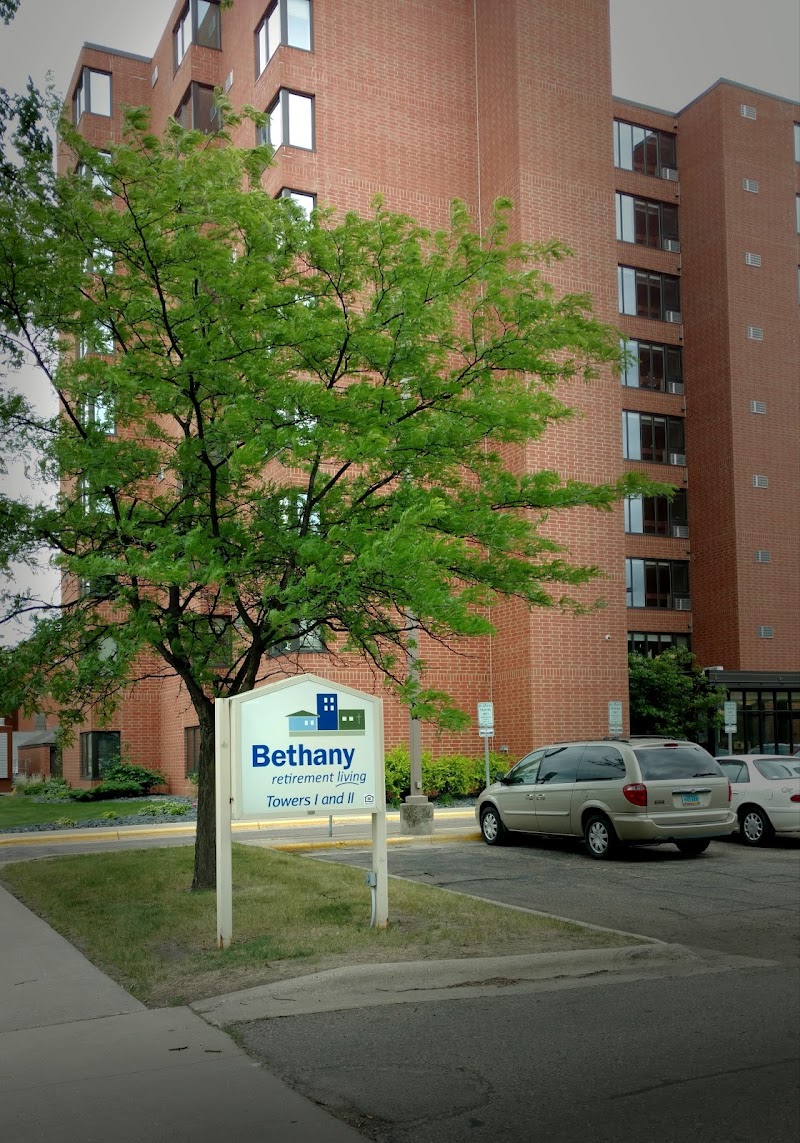
201 S UNIVERSITY DR, FARGO, ND 58103 (701) 239-3000
Non profit - Corporation 172 Beds Independent Data: November 2025
Trust Grade
85/100
#3 of 72 in ND
Last Inspection: October 2024

Within standard 12-15 month inspection cycle. Federal law requires annual inspections.

Overview

Bethany on University in Fargo, North Dakota has a Trust Grade of B+, which means it is recommended and above average compared to other facilities. It ranks #3 out of 72 nursing homes in the state, placing it in the top half, and #2 out of 8 in Cass County, indicating that only one other local option is better. However, the facility is currently worsening, with the number of issues increasing from 1 in 2024 to 2 in 2025. Staffing is a strength, with a perfect score of 5/5 stars, although the turnover rate is 52%, which is slightly above the state average. Notably, there have been no fines reported, which is a positive sign. On the downside, recent inspections revealed serious concerns. One incident involved a failure to respect a resident's right to have visitors, leading to emotional distress for both the resident and their spouse. Another issue highlighted medication errors where a resident did not receive the correct pre-operative instructions, which can have serious health consequences. Overall, while there are strengths in staffing and overall ratings, families should be aware of these specific issues that could impact care.

Trust Score
B+
85/100
In North Dakota
#3/72
Top 4%
Safety Record
Moderate
Needs review
Inspections
Getting Worse
1 → 2 violations
Staff Stability
⚠ Watch
52% turnover. Above average. Higher turnover means staff may not know residents' routines.
Penalties
✓ Good
No fines on record. Clean compliance history, better than most North Dakota facilities.
Skilled Nurses
✓ Good
Each resident gets 63 minutes of Registered Nurse (RN) attention daily — more than 97% of North Dakota nursing homes. RNs are the most trained staff who catch health problems before they become serious.
Violations
○ Average
9 deficiencies on record. Average for a facility this size. Mostly minor or procedural issues.
★★★★★
5.0
Overall Rating
★★★★★
5.0
Staff Levels
★★★★☆
4.0
Care Quality
★★★★☆
4.0
Inspection Score
Stable
2024: 1 issues
2025: 2 issues

The Good

  • 5-Star Staffing Rating · Excellent nurse staffing levels
  • 4-Star Quality Measures · Strong clinical quality outcomes
  • Full Sprinkler Coverage · Fire safety systems throughout facility
  • No fines on record

Facility shows strength in staffing levels, quality measures, fire safety.

The Bad

Staff Turnover: 52%

Near North Dakota avg (46%)

Higher turnover may affect care consistency

The Ugly 9 deficiencies on record

1 actual harm
Jun 2025 1 deficiency
CONCERN (D) 📢 Someone Reported This

A family member, employee, or ombudsman was alarmed enough to file a formal complaint

Potential for Harm - no one hurt, but risky conditions existed

Deficiency F0760 (Tag F0760)

Could have caused harm · This affected 1 resident

Based on record review, review of professional reference, and staff interview, the facility failed to ensure residents remained free from significant medication errors for 1 of 1 sampled resident (Res...

Read full inspector narrative →
Based on record review, review of professional reference, and staff interview, the facility failed to ensure residents remained free from significant medication errors for 1 of 1 sampled resident (Resident #1). Failure to follow physician's orders may result in adverse health consequences and/or delayed treatment for the resident. Findings include: Kozier & Erb's Fundamentals of Nursing, Concepts, Process and Practice, 11th Edition eText, 2021, Pearson, Boston, Massachusetts, page 63, stated, . It is the nurse's responsibility to seek clarification of ambiguous or seemingly erroneous orders from the prescriber. If the order is neither ambiguous nor apparently erroneous, the nurse is responsible for carrying it out. Review of Resident #1's medical record occurred on 06/04/25 and identified a surgical procedure scheduled on 05/22/25. Preoperative orders, dated 05/12/25, stated, . Warfarin (Coumadin) [a blood thinner] -contact Coumadin Clinic or prescribing provider [about medication hold time before surgery]. A progress note, dated 05/16/25 at 7:03 p.m., stated, . Hold Coumadin (Jantoven) 5/16/25 until procedure done [05/22/25]. Review of Resident #1's May 2025 Medication Administration Record (MAR) identified the resident received coumadin on 05/17/25 and 05/18/25. During an interview on 06/04/25, an administrative nurse (#1) confirmed staff failed to hold when the coumadin not held as the physician ordered.
Jan 2025 1 deficiency
CONCERN (D) 📢 Someone Reported This

A family member, employee, or ombudsman was alarmed enough to file a formal complaint

Potential for Harm - no one hurt, but risky conditions existed

Deficiency F0658 (Tag F0658)

Could have caused harm · This affected 1 resident

Based on record review and review of professional reference, the facility failed to follow professional standards of practice for 1 of 1 sampled resident (Resident #3) reviewed for pre-operative medic...

Read full inspector narrative →
Based on record review and review of professional reference, the facility failed to follow professional standards of practice for 1 of 1 sampled resident (Resident #3) reviewed for pre-operative medication orders. Failure to hold scheduled medications prior to surgery according to physician's orders may result in adverse outcomes for the resident. Findings include: Kozier & Erb's Fundamentals of Nursing, Concepts, Process and Practice, 11th Edition eText, 2021, Pearson, Boston, Massachusetts, page 63, stated, . Nurses are expected to analyze procedures and medications ordered by the physician or primary care provider. It is the nurse's responsibility to seek clarification of ambiguous or seemingly erroneous orders from the prescriber. Clarification from any other source is unacceptable and regarded as a departure from competent nursing practice. If the order is neither ambiguous nor apparently erroneous, the nurse is responsible for carrying it out. Review of Resident #3's medical record (electronic and paper) occurred on 01/29/25. Physician's orders in the paper medical record stated, okay to take day of surgery [11/25/24]: Tylenol [pain medication], combivent respimat [inhaler medication for the lungs], amlodipine [blood pressure medication], symbicort [inhaler medication for the lungs], cymbalta [antidepressant medication], gabapentin [medication used to treat pain and seizures], levothyroxine [thyroid medication], metoprolol [blood pressure medication], oxycodone [pain medication], prednisone [steroid medication], simvastatin [cholesterol lowering medication]. Hold all others morning of surgery. Review of Resident #3's medication administration record (MAR) showed facility staff administered the medications the physician identified as ok to take. In addition, facility staff administered furosemide (diuretic medication), Calcium plus Vitamin D (mineral and vitamin medication), Cholecalciferol (vitamin D medication), and Acidophilus (probiotic medication) on the morning of 11/25/24. Facility staff failed to follow the physician's order to hold all other medications on the morning of 11/25/24.
Oct 2024 1 deficiency
CONCERN (D) 📢 Someone Reported This

A family member, employee, or ombudsman was alarmed enough to file a formal complaint

Potential for Harm - no one hurt, but risky conditions existed

Infection Control (Tag F0880)

Could have caused harm · This affected 1 resident

Based on observation, record review, review of professional reference, and resident and staff interview, the facility failed to follow standards of infection control and prevention for 3 of 8 sampled ...

Read full inspector narrative →
Based on observation, record review, review of professional reference, and resident and staff interview, the facility failed to follow standards of infection control and prevention for 3 of 8 sampled residents (Resident #34, #88, and #139) receiving treatment for a wound or pressure ulcer. Failure to practice infection control standards related to enhanced barrier precautions (EBP) has the potential to spread infection throughout the facility. Findings include: Review of the Centers for Disease Control document titled Frequently Asked Questions (FAQs) about Enhanced Barrier Precautions in Nursing Homes, dated 06/28/24, stated, . Enhanced Barrier Precautions are an infection control intervention designed to reduce transmission of multidrug-resistant organisms (MDROs) in nursing homes. Enhanced Barrier Precautions involve gown and glove use during high-contact resident care activities for residents known to be colonized or infected with a MDRO as well as those at increased risk of MDRO acquisition (e.g., residents with wounds or indwelling medical devices). In the guidance, wound care is included as a high-contact resident care activity and is generally defined as the care of any skin opening requiring a dressing. However, the intent of Enhanced Barrier Precautions is to focus on residents with a higher risk of acquiring an MDRO over a prolonged period of time. This generally includes residents with chronic wounds, and not those with only shorter-lasting wounds, such as skin breaks or skin tears covered with a Band-aid or similar dressing. Examples of chronic wounds include, but are not limited to, pressure ulcers, diabetic foot ulcers, and chronic venous stasis ulcers. - Review of Resident #34's medical record occurred on all days of survey. A physician's order, dated 09/19/24, identified the onset of an open unstageable pressure ulcer (PU) to the coccyx. The care plan stated, . [resident] is at risk for developing a pressure ulcer due to: malnutrition, moisture, decreased activity, decreased mobility, nutrition, friction/sheer and/or history of pressure injury. [resident] has a unstageable PU to coccyx. Observation on 10/23/24 at 9:27 a.m., failed to show a sign for EBP on Resident #34's door or in her room. A staff nurse (#4) entered Resident #34's room and failed to don a gown before performing a dressing change on an open/draining wound. Observation on 10/23/24 at 9:47 a.m., failed to show a sign for EBP on Resident #34's door or in her room. Two certified nurse aides (CNAs) (#5 and #6) entered Resident #34's room and failed to don a gown before performing cares and transfering the resident to and from the toilet. During an interview on 10/23/24 at 3:29 p.m., a managerial staff member (#7) stated, We have not used EBP for newer wounds. - Review of resident #88's medical record occurred on all days of survey and showed diagnoses of non-pressure chronic ulcer of the left lower leg, right heel, right midfoot and other part of right foot with fat layer exposed present on admission. Physician's orders stated, . L) [left] anterior lower leg, L) lateral foot, R) [right] heel, R) medial foot, R) third toe, and any other open wound to BLE [bilateral (both) lower extremities (legs)]: Cleanse with soap and water each dressing change. Apply skin prep [a moisture barrier]. Allow to dry. Then cover with dry gauze. Then apply tubigrip [a type of covering] from toes to knees bil [bilateral] for light compression. Change dressing BID [two times a day] and PRN [as needed]. Should gauze stick upon removal simply get gauze wet for easy removal. The current care plan stated, [Resident] has several arterial ulcers to bilateral lower extremities. Observation on 10/22/24 at 8:57 a.m., failed to show a sign for EBP on Resident #88's door or in her room. A staff nurse (#8) entered room, performed hand hygiene, applied gloves, and applied wet towels to the resident's lower legs to moisten the old dressing. After removing the outer dressing, gauze pads stuck to the wound on the left leg requiring further moistening. After removing the dressing, the staff nurse (#8) proceeded with the dressing change. Staff nurse (#8) failed to don a gown before performing a dressing change on an open/weeping wound. - During an interview on 10/22/24 at 9:14 a.m., Resident #139 stated she came to the nursing facility from the hospital about a month ago with a wound on her right lower abdomen, which the doctor debrided as the wound had an infection. The resident stated the nurses here wear gloves to pack the open wound, but not a gown, during the twice daily dressing change. Observation throughout the survey failed to show a sign for EBP on Resident #139's door or in her room. Review of Resident #139's medical record occurred on all days of survey. Diagnoses included necrotic anterior abdominal wall wound, status post debridement and partial panniculectomy [surgery to remove excess skin/fat from the lower abdomen]. The care plan and activities of daily living (ADL) information sheet lacked inclusion of EBP. Nurses' notes stated the following: * 09/18/2024 at 11:54 a.m., . Reason for admission (diagnosis): Necretic [sic] anterior abdominal wound . Has JP [Jackson Pratt surgical suction device] drain for abodminal [sic] wound on right lower abdomen . * 09/27/2024 at 5:22 p.m., . Removed j/p drain today. Sutures and every other staple removed at right side abdominal. Continue to cover incision with dsg [dressing]. * 10/07/2024 at 8:14 a.m., . JP drain removed. Sutures removed at right side abdominal. 11 staples at right side abdominal wound. Abdomen- Pack with Vashe [type of wound cleanser] moistened Kerlix [type of gauze dressing] (single piece) pack twice per day, followed by Abd [Abdominal pad - thick absorbent pad] dressing. A weekly skin assessment, dated 10/23/24 at 6:55 a.m., identified a moderate amount of serosanguineous (pink to pale red fluid) wound drainage in the surgical right flank wound. During an interview on 10/24/24 at 10:28 a.m., a nurse manager (#9) stated Resident #139 only had a surgical wound with no infection and was not on precautions, so we do not wear gowns while changing the dressing.
Oct 2023 4 deficiencies 1 Harm
SERIOUS (G)

Actual Harm - a resident was hurt due to facility failures

Deficiency F0563 (Tag F0563)

A resident was harmed · This affected 1 resident

**NOTE- TERMS IN BRACKETS HAVE BEEN EDITED TO PROTECT CONFIDENTIALITY** Based on observation, record review, review of the North Dakota Resident Rights Resident Guide, and resident, staff, and family ...

Read full inspector narrative →
**NOTE- TERMS IN BRACKETS HAVE BEEN EDITED TO PROTECT CONFIDENTIALITY** Based on observation, record review, review of the North Dakota Resident Rights Resident Guide, and resident, staff, and family interviews, the facility failed to respect the resident right to have visitors of their choosing and at the time of their choosing for 1 of 1 sampled resident (Resident #136) and 1 supplemental resident (Resident #96), a married couple whose visitation was discontinued due to behaviors and ended in one resident transferred to another facility. Failure to ensure visitation rights are respected may have been the cause and/or increase of behaviors and/or emotional distress, which negatively impacted the psychosocial well-being of both residents. Findings include: Review of the North Dakota Long Term Care Ombudsman Program Resident's Rights Guide, dated 08/01/19, stated, . You have the right to visitors . with people of your choosing . - During an interview on 10/23/23 at 1:15 p.m., Resident #136 voiced concerns her husband, (who resides at the facility on another unit) has not been allowed to visit her and stated, . I just grieve for him. I just want to see my husband. They took my phone away a couple days ago so now I can't even call [Resident #96], or my sister or my son who both live out of the state. Review of Resident #136's medical record occurred on all days of survey and included a diagnosis of dementia. The Minimum Data Set (MDS), dated [DATE], identified a brief interview for mental status (BIMS) score of 11 (indicating moderate cognitive impairment). Resident #136's progress notes included the following: * 10/03/23 at 10:15 a.m. Resident was observed expression [sic] verbal aggression to staff members during an unexpected visit with her husband. Upon receipt of medications administered to the resident, she responded. 'do not talk to my husband, you're just going to take him away, I do not want your help, I don't even want you to look at him, just go away!' . Resident was observed telling her husband, 'Don't go with her [Resident #96]! She only wants to keep us apart! Don't listen to her!!' The husband had willingly began to leave at this point, even though the resident had a hold of his arm with her hand, and with encouragement from staff, was able to equip his walker and be successfully escorted to the wing which he resides. Upon return, our resident presented with irritability, yelling at another resident to stop something across the room . * 10/12/23 at 3:37 p.m. SS [social service worker] also informed [daughter's name] of the repetitive phone calls [Resident #136's] had been making to the facility's [sic] nurses stations, and explained the necessity to have these lines available for incoming/outgoing calls. [daughter's name] stated, 'My only worry with removing mom's phone is that she won't be able to connect with her sister.' SS assured [daughter's name] that each unit has a cordless phone that can be used for [resident's name] to visit with her sister, and FaceTime can also be initiated. * 10/14/23 at 6:53 p.m. Resident received a visit from her husband at 1800 [6:00 p.m.], which is outside of the agreed scheduled times. Husband requested to have his wife accompany him outside of the unit to another floor in which an activity was occurring (BINGO). Husband was soon accompanied by his primary CNA [certified nurse aide] who attempted to reason and convince husband and that he was not allowed to visit his wife during this time, nor was he allowed to remove her from the unit. Husband began to exhibit frustration with the situation, in which the [floor Resident #136 resided on] nurse intervened to briefly explain that d/t [due to] policy and the program in place for his wife and her safety, she would not be able to accompany him to BINGO. [Resident #136] was present during the discussion and was peaceful and compliant, reminding [husband] that she would not be allowed to leave. Staff nurse offered to allow [husband] to remain on the unit and participate in the activity occurring where his wife lives, but [husband] left, visibly upset, without aggression and outburst. staff assisted [Resident #136] with phone calls to [husband] later and throughout the evening, in which he even returned briefly to deliver her a cookie and report that he had won multiple games of BINGO, then proceeded to peacefully return to his room . * 10/16/23 at 11:23 a.m. [The residents' daughter] returned SS's call at this time, and participated in conversation held with SS and UM [unit manager] for both [Resident #136] and her husband, [Resident #96]. IDT [Interdisciplinary Team] on the call explained the efforts that have been put forth to allow meaningful visits between [Resident #136] and her husband. Further explanation was provided on some of the behavioral symptoms that have been displayed during these visits, and the possibility that potential emotional abuse may be present. Potential discharge planning was discussed at this time. * 10/16/23 at 5:41 p.m. resident became upset when husband went to go back to his unit and grabbed his arm and left a red mark . redirected educated and [sic] visiting hours . husband did leave unit and go to his unit . * 10/17/23 at 9:12 a.m. SS stopped by to check in with [resident] at this time. When SS approached [resident], she was dialing a number on the phone. SS informed [resident] that her husband had just sat down to eat breakfast. SS assured [resident] that staff will assist [husband] back to his room to call her when he is through with his meal. [resident] asked SS, 'well what am I supposed to do then just sit here and wait?' SS inquired about [residents] interests/hobbies, and asked what she would like to do while she waited for her husbands call. [resident] responded it really doesn't matter, I will just wait for [husband's] call. * 10/18/23 10:47 a.m. Note Text: Resident received a phone call from her son via the nursing station. Son [son's name] inquired upon whether resident's phone had been removed from her room and why, in which nursing staff replied generically, 'I will have to inquire within the notes we have butshe [sic] does not currently have a telephone in her room, it might be getting repaired.' Son requested to speak to resident, nursing staff obliged, but remained near to observe the communication between resident and family member, and the behavioral effect on resident. Resident was observed repeating 'I will continue to behave but [husband] is being a bad boy, not following the rules. I am following the rules, but [husband] must not want to comply with the rules!' The phone call appeared to disrupt resident's mood, as she became persistent about contacting her husband, while stating, 'this isn't fair, I haven't done anything wrong!' After a brief conversation with the nurse on staff, who attempted to reassure the resident kindly, and gently, that the staff members are available to provide support in ways that maintain her safety and comfort, they are not provided information as to why the situation is currently, nor are they able to provide resources that give her increased contact with her husband. Redirection and compassion was provided frequently throughout the conversation, but was unwelcomed by the resident, as it was stated by the resident that staff response was 'not what she wanted to hear' adding that 'this is all just a joke' to [everyone]. * 10/18/23 at 4:04 p.m. SS and UM placed a call to [daughter], to discuss discontinuing [Resident #136] phone service at this time, due to frequency of calls placed to the facility's nurses stations. as well as [Resident #136] fixation on the phone. SS assured [daughter] that a weekly FaceTime call can be initiated for [Resident #136] to connect with her sister. * 10/20/23 at 1:02 p.m. SS and UM visited with [Resident #136's] daughter [daughter's name], and son, [son's name] to provide update on previous conversations held with [daughter]. IDT members reiterated staff's efforts to allow meaningful visits between [Resident #136] and her husband. SS informed [son] of behavioral symptoms that have been displayed during these visits, including yelling at each other, as well as arguing with each other, staff and other residents. SS discussed instances where potential physical abuse was also present, as well the events that take place when staff attempt to assist [husband] off of the unit. Potential discharge planning was further discussed at this time. Both [daughter] and [son] stated, We would hate to see mom and dad in separate facilities. *10/21/23 at 5:30 p.m. resident had a zoom call with husband and they talked for about an hour, after getting done she started asking when she could see him in person, why are we keeping him away, I just want to see him in person make sure he is alive. * 10/23/23 at 3:36 p.m. [Resident #136] was on a phone call with her husband. [Resident #136] started to become very agitated and started yelling at her husband. Calling him 'Stupid' . Name of Representative notified: [Daughter]- stated she would still like them to have phone calls . *10/24/23 at 1:22 p.m. Resident was anxious about how her husband was doing and she wanted to call him. After calling him she was still nervous so nursing staff checked in with her husband and updated [Resident #136]. [Resident #136] was able to relax and participated in group exercise and lunch with no further issues. * 10/25/23 at 6:13 p.m. Resident told staff that she 'is grieving for [husband] and I am at the end of my rope!' Resident is upset about her husband and when talking to her daughter she stated, 'I don't think [husband] loves me and I have never been verbally abusive to [husband]. We never fight!' Resident is upset and tearful when talking with daughter. - Observation on 10/25/23 at 4:54 p.m. showed Resident #96, a social service designee (#4), and a CNA (#6) stood outside of the door to the memory care unit where Resident #96's wife (Resident #136) resides. The CNA (#6) stated, The door is locked [Resident #96] we've tried it a hundred times already. We can't get back there. The social service designee (#4) stated, [Resident #96] there is no visitation on that unit now. We can't go back there. The resident remained calm and spoke in a soft voice with head held down. His body language suggested potential sadness/disappointment related to not being allowed to visit his wife. At 4:58 p.m., a licensed social worker (LBSW) (#5) arrived and attempted to remove Resident #96 from the doorway telling him he could not visit his wife. The resident had a cupcake on his walker he wanted to give to his wife. When the surveyor asked the staff members (#4, #5, and #6) why the resident couldn't visit his wife, the staff members stated they did not know and would have to get back to the surveyor with the information. At 5:04 p.m., Resident #96 stated to the surveyor, They [staff] tell me I can't see my wife, and she's never done anything wrong. We've been married over 50 years, and we both love each other very much, and I'm proud of that. At 5:08 p.m., the social services designee (#4) reassured the resident she would personally take him to see his wife (Resident #136) after supper. During this conversation the resident showed increasing signs of frustration/anxiety, but reluctantly agreed to go to a private area and sit down. Review of Resident #96's medical record occurred on 10/26/23. The MDS, dated [DATE], identified a BIMS score of 15 (indicating cognitively intact). Resident #96's progress notes included the following: * 09/01/23 at 3:28 p.m. Social Services found resident in his room attempting to cut off his wander guard with a nail clipper. resident was noted saying 'I want to go visit my wife and the policy of the place doenst [sic] let me'. * 09/11/23 at 10:18 p.m. [Resident #96] visited wife outside of care planned timeframe and interrupted cares as reported by community life aide . Staff assisted [Resident #96] from the unit, to which he reportedly resisted by yelling at staff. * 10/04/23 at 2:20 p.m. SS spent time visiting with [Resident #96] in regards to his wife's placement on the memory care unit. (20 minute conversation). resident voiced he would like for his wife to be moved off of the memory and stated, 'I had no idea she was in a locked ward. She really doesn't need all of that.' SS provide reassurance to [Resident #96], and explained that his wife's placement is appropriate to best meet her needs. * 10/10/23 at 8:30 p.m. Patient went to visit his wife on separate floor within SNF [skilled nursing facility] and refused to leave when patients were being prepared for bed. Patient had to be told several times by charge on floor [unit's name] that he needed to return to his home floor. * 10/11/23 at 6:57 p.m. Charge Nurse was requested to separate floor [unit's name] to assist with escorting resident off unit, due to staff preparing for bed. Charge Nurse required therapeutic talk to console resident as he was attempting to remove another resident (wife) from [unit's name]. Charge Nurse additionally explained resident could visit with wife in the morning 10/12/23 and also provided that residents can speak to each other through via telephone. Resident although reluctant at first did comply. * 10/16/23 at 4:44 p.m. SS and UM for [Resident #96] and his wife called daughter [daughters name] at this time and date. IDT members on the call explained the efforts that have been put forth to allow meaningful visits between [Resident #96] and his wife. Further explanation was provided on some of the behavioral symptoms that have been displayed during these visits, and the possibility of that potential emotional abuse may be present. Potential discharge planning was discussed at this time. * 10/16/23 at 4:57 p.m. Visitations between [Resident #96] and his wife suspended as a behavior intervention . [Daughter] thanked writer for call and SS for update and expressed understanding. * 10/24/23 at 5:24 p.m. SS placed call to [daughter] to review placement preferences. [Daughter] voiced preference for VA (Veteran's affair) contracted facilities. * 10/25/23 at 5:55 p.m. SS placed call to [daughter] regarding transfer to [facility name]. [Daughter] voiced understanding of the room move. The medical records for Resident #96 and Resident #136 showed two progress notes regarding physical abuse: - 03/15/23 (Resident #136 scratched Resident #96) - 10/16/23 (Resident #136 grabbed Resident #96's arm during a visit leaving a red mark on Resident #96's wrist) documented potential emotional abuse in each medical record. After the 10/16/23 incident the medical record showed an order for a psychiatric referral on 10/25/23, and the initiation of a medication for mood on 10/19/23 for Resident #136. - Instances of verbal abuse between the residents were noted with documentation of redirected/reapproached by staff with family in agreement of interventions. During an interview on 10/25/23 at 5:09 p.m., a LBSW (#9) verified visitation between the couple had stopped last week due to concerns of emotional abuse during the residents' in-person visits. Prior to the stop of visits facility staff had set up scheduled visits three times a day. One incident occurred when Resident #136 grabbed onto Resident 96's arm and didn't want to let go. Also, Resident #96 would become upset when Resident #136 would not remember things. The LBSW denied the facility initiated the no visitation between the couple and stated, The residents' family suggested no visitation. During an interview on 10/25/23 at 5:34 p.m., an administrative staff member (#13) denied the facility initiated the no visitation between the couple and stated the residents' family suggested no visitation. The staff member identified all the documentation for [Resident #96 and Resident #136] is noted in progress notes, and offered no further documentation to the survey team. During an interview on 10/26/23 at 11:13 a.m., two administrative staff members (#7 and #8) stated the family had suggested visitation stop between Resident #96 and Resident #136 to keep them safe, stating Resident #96 has been physical. During a phone interview on 10/26/23 at 11:37 a.m., Resident #96 and Resident #136's daughter (Power of Attorney) stated, I did not suggest they stop visitations. Our [her and brother's] hope would be for them to be in the same building and see each other at least occasionally. When asked if she was aware of a possible discharge for her dad [Resident #96] the daughter stated, Yes, they have discussed moving him [dad] to [another facility] with me because dad figured out the code to the memory care unit where mom is. The daughter went on to say the facility had suggested supervised visits only when the family is present, however, the daughter stated that was not possible for her to be present at the facility to meet all the visitation needs of her mom and dad. This interview contradicted staff interviews regarding who initiated no visitation between Resident #96 and Resident #136. The facility failed to ensure continued alternative options/interventions were offered for visitation to maintain the residents' personal relationship and the family's verbalized hopes for their parents to remain in the same building. The facility action to discharge Resident #96 (family agreed to facility-initiated transfer/discharge) further limited the right to reasonable access for visitation.
CONCERN (D)

Potential for Harm - no one hurt, but risky conditions existed

Transfer Requirements (Tag F0622)

Could have caused harm · This affected 1 resident

Based on record review and staff and family interviews, the facility failed to ensure proper transfer/discharge and documentation processes were followed for 1 of 1 supplemental resident (Resident #96...

Read full inspector narrative →
Based on record review and staff and family interviews, the facility failed to ensure proper transfer/discharge and documentation processes were followed for 1 of 1 supplemental resident (Resident #96) and 1 of 2 closed records (Resident #161) discharged to another facility. Failure to complete the required facility and physician documentation did not show an appropriate reason the residents were unable to remain in the facility. Findings Include: - Review of Resident #96's medical record occurred on 10/26/23 and included the following progress notes: * 10/16/23 at 4:44 p.m. SS [social services] and UM [unit manager] for [Resident #96] and his wife called daughter [daughter's name] at this time and date. IDT [Interdisciplinary Team] members on the call explained the efforts that have been put forth to allow meaningful visits between [Resident #96] and his wife. Further explanation was provided on some of the behavioral symptoms that have been displayed during these visits, and the possibility of that potential emotional abuse may be present. Potential discharge planning was discussed at this time. * 10/24/23 at 5:24 p.m. SS [Social Services] placed call to [daughter] to review placement preferences. [Daughter voiced preference for VA (Veteran's Affairs) contracted facilities in the [city names] area. * 10/25/23 at 5:55 p.m. SS placed call to [daughter] regarding transfer to [facility name]. [Daughter] voiced understanding of the room move. During a phone interview on 10/26/23 at 11:37 a.m. with Resident #96's daughter (Power of Attorney) when asked if she was aware of a possible discharge for her dad [Resident #96] the daughter stated, . Yes, they have discussed moving him [dad] to [another facility name] with me, because dad figured out the code to the memory care unit where mom is. The medical record lacked the required facility and physician documentation for the reason of Resident #96's facility-initiated transfer/discharge to another facility. - Review of Resident #161's medical record occurred on 10/26/23 and progress notes included the following: * 08/24/23 at 2:26 p.m. IDT Discussed plan of care directed to having [Resident #161] be short stay, and to discharge back to ALF [Assisted Living Facility] setting, IDT further discussed discharge planning as well as discharge timelines, and services to be set up after discharge, family was agreeable to plan of care. * 08/29/23 at 3:37 p.m. MDS [Minimum Data Set] Summary . working with therapy at this time and improvements are anticipated. * 09/05/23 at 3:14 p.m. Family Communication Late Entry: Data: [Resident #161's] daughter . requested to meet with SS to discuss potential discharge options. Information on HH [Home Health] was provided, and placement options of SNF [Skilled Nursing Facility], ALF, and enhanced ALF were discussed. Discharge needs and potential will be monitored ongoing. * 09/12/23 12:44 p.m. Discharge Late Entry: Discharge to: [Facility Name]. During an interview on 10/26/23 at 12:00 p.m., a supervisory staff member (#14) identified the facility's admission agreement stated the Transitional Care Unit (TCU) was for short stay and if extended care was needed a transfer to the 42nd campus would be completed. The family was notified prior to transfer/discharge by phone on 09/12/23. The medical record lacked the required facility and physician documentation for the reason of Resident #161's facility-initiated transfer/discharge to another facility. Refer to F563
CONCERN (D)

Potential for Harm - no one hurt, but risky conditions existed

Transfer Notice (Tag F0623)

Could have caused harm · This affected 1 resident

Based on record review and staff interview, the facility failed to provide the resident or resident's representative and/or the State Long Term Care Ombudsman with the written notice of transfer or di...

Read full inspector narrative →
Based on record review and staff interview, the facility failed to provide the resident or resident's representative and/or the State Long Term Care Ombudsman with the written notice of transfer or discharge for 1 of 2 closed records (Resident #161) and 1 of 1 supplemental resident (Resident #96) discharged to another facility. Failure to provide the resident and/or resident's family member/legal representative a written notice of transfer or discharge, including the destination and reason for the transfer and the residents' right to appeal the action does not allow the resident and/or representative to make an informed decision regarding their rights or inform the Ombudsman of the discharge. Findings include: - Review of Resident #161's medical record occurred on 10/26/23. The record identified the facility discharged the resident to another facility on 09/12/23. The medical record lacked evidence the facility provided a written notice of discharge to the resident or their representative and the Ombudsman. - Review of Resident #96's medical record occurred on all days of survey. The record identified the facility discharged the resident to another facility on 10/26/23. The medical record lacked evidence the facility provided a written notice of discharge to the resident or their representative and the Ombudsman. During an interview on 10/26/23 at 12:40 p.m., an administrative staff member (#1) confirmed the facility failed to provide a notice of transfer or discharge.
CONCERN (D)

Potential for Harm - no one hurt, but risky conditions existed

Deficiency F0761 (Tag F0761)

Could have caused harm · This affected 1 resident

Based on observation, record review, and review of facility policy, the facility failed to ensure accurate labeling of medications for 1 of 3 residents (Resident #36) observed for insulin administrati...

Read full inspector narrative →
Based on observation, record review, and review of facility policy, the facility failed to ensure accurate labeling of medications for 1 of 3 residents (Resident #36) observed for insulin administration. Failure to correctly label medications to match the current physician orders increased the risk of residents receiving an inaccurate dose of insulin and placed the resident at risk for an adverse reaction (a blood sugar too high or too low). Findings include: Review of the facility policy titled MEDICATION LABELING occurred on 10/26/23. This policy, revised February 2019, stated, . All resident medications regardless of source shall be properly labeled as follows . directions for use . strength . quantity . If necessary, a 'signal' type label shall be placed on the medication indicating that there has been a change order affecting the administration of the medication and that the nurse should turn to the resident's health record for correct information. Review of Resident #36's medical record occurred on all days of survey. A physician's order, dated 04/17/23, stated, NovoLOG Injection Solution (Insulin Aspart) Inject as per sliding scale: if 131 - 180 = 4 units; 181 - 240 = 6 units; 241 - 300 = 8 units; 301 - 350 = 10 units; 351 - 400 = 14 units; 401 - 500 = 16 units, subcutaneously before meals . Observation on 10/25/23 at 9:31 a.m. showed the label on Resident #36's Novolog insulin read 21 units in AM [morning]. 16 units twice a day. When asked about the discrepancy between the label and the physician's order, the medication aide (#10) stated, I always use what it says [referring to the electronic medication administration record (MAR)]. Resident #36's pen lacked a signal type label instructing staff to refer to the MAR for dosing instructions.
Feb 2023 1 deficiency
CONCERN (D) 📢 Someone Reported This

A family member, employee, or ombudsman was alarmed enough to file a formal complaint

Potential for Harm - no one hurt, but risky conditions existed

Report Alleged Abuse (Tag F0609)

Could have caused harm · This affected 1 resident

**NOTE- TERMS IN BRACKETS HAVE BEEN EDITED TO PROTECT CONFIDENTIALITY** Based on complainant information, record review, facility investigation, review of facility policy, and staff interview, the fac...

Read full inspector narrative →
**NOTE- TERMS IN BRACKETS HAVE BEEN EDITED TO PROTECT CONFIDENTIALITY** Based on complainant information, record review, facility investigation, review of facility policy, and staff interview, the facility failed to report to the State Survey Agency a potential incident of abuse for 1 of 2 closed record residents (Resident #1). Failure to report the allegation of abuse to the State Agency places all residents at risk of potential abuse. Findings include: Review of complaint information identified a staff member grabbed Resident #1's arms, shook the resident, ripped the resident's blankets back, yelled at the resident for having a bowel movement in his brief, and stated the resident had a cut on his temple and bruising on his face. Review of the facility policy titled REPORTING ALLEGED ABUSE AND NEGLECT VIOLATIONS occurred on 02/21/23. This policy, dated January 2020, stated, . When an alleged violation is suspected, the Licensed Nurse should . Initiate an investigation immediately. Remove the employee from resident care areas immediately. Contact the State Agency and the local Ombudsman office to report the alleged abuse. Review of Resident #1's medical record occurred on 02/21/23. The admission Minimum Data Set (MDS), dated [DATE], identified the resident had a Brief Mental Status Interview (BIMS) of 14 indicating intact cognition. The medical record lacked documentation and assessment of the cut and bruising identified by the complainant. The facility's internal investigation, initiated on 01/11/23, stated, When talking with [Resident #1] and his daughter [daughter's name] in person, [daughter's name] reported that Resident #1 told his grandson about his concerns on Sunday, 01/08/23, but nobody in the family had relayed this information to any [NAME] staff member. During interview with Resident #1 and [daughter's name], daughter [daughter's name] stated everyone at [NAME] has been great, except for this one individual. Review of the facility's internal investigation, also identified interviews with staff and Resident #1, the reassignment of a staff member, and follow up with the resident's daughter on 01/16/23. The facility failed to report the incident to the State Survey Agency as possible abuse. On the afternoon of 02/21/23, two administrative nurses (#1 and #2) confirmed the facility did not report the allegation to the State Survey Agency.
Sept 2022 1 deficiency
CONCERN (D)

Potential for Harm - no one hurt, but risky conditions existed

Deficiency F0760 (Tag F0760)

Could have caused harm · This affected 1 resident

**NOTE- TERMS IN BRACKETS HAVE BEEN EDITED TO PROTECT CONFIDENTIALITY** Based on record review, review of professional reference, facility policy review, and information received from the complainant,...

Read full inspector narrative →
**NOTE- TERMS IN BRACKETS HAVE BEEN EDITED TO PROTECT CONFIDENTIALITY** Based on record review, review of professional reference, facility policy review, and information received from the complainant, the facility failed to ensure residents remained free from significant medication errors for 1 of 4 closed record reviewed (Resident #159). Failure to ensure professional standards of medication administration resulted in Resident #159 receiving a double dose of Coumadin (a blood thinner) and may have resulted in negative health outcomes. Findings include: Review of the facility policy titled Order Processing occurred on 09/29/22. This policy, revised August 2019, stated, . Obtain order by calling prescriber . Write order on telephone order from [sic] exactly as prescribed by physician . Transcribe order on Physician's Order Sheet in chart . Enter into Point Click Care [electronic medical record] . Transcribe the new order into the Physician's Orders and Notes in the chart. [NAME], [NAME], and Frandsen's Kozier & Erb's Fundamentals of Nursing: Concepts, Process, and Practice, 11th ed., Pearson Education, Inc., New Jersey, page 63, stated, . Carrying Out a Physician's Orders . Nurses are expected to analyze procedures and medications ordered by the physician or primary care provider. It is the nurse's responsibility to seek clarification of ambiguous or seemingly erroneous orders from the prescriber. Information received from the complainant identified staff administered an extra dose of Coumadin to Resident #159. Review of Resident #159's medical record occurred on September 28-29, 2022. Diagnoses included atrial fibrillation. Nurses' Notes identified the following: *07/29/22 at 10:23 a.m.: . Coumadin 2 mg [milligrams] on MWF [Monday, Wednesday, Friday] Coumadin 3 mg all other days . Recheck INR [international normalized ratio, a test used to determine the blood's clotting ability] on 8/5/22 . *08/05/22 at 10:53 a.m.: . Coumadin 2 mg every Monday, Wednesday, and Friday. Coumadin 3 mg all other day [sic]. INR recheck on 8/12/22 . *08/07/22 at 11:27 a.m.: . IV [intravenous]/Vascular Access Assessment . dialysis access . intacted [sic]. small amount of dried blood noted under dressing. *08/07/22 at 5:37 p.m.: . Order: Hold Coumadin dose for tomorrow 8/8/22. Reason for Order: hold . The medical record lacked a reason/indication to hold the Coumadin dose. Review of Resident #159's medication administration record (MAR) identified an order for warfarin (Coumadin) 3 milligrams (mg) on Tuesday, Thursday, Saturday, and Sunday for atrial fibrillation, and an INR redraw on 08/05/22. The start date for this order was 07/30/22, with an end date of 08/07/22. The record identified staff drew an INR on 08/05/22, and the Coumadin order remained at 3 mg on Tuesday, Thursday, Saturday, and Sunday. The start date for the order identified 08/06/22 with an end date of 08/09/22. The MAR showed Coumadin 3 mg appeared twice on the date of 08/06/22, once at 5:00 p.m. and once at 8:00 p.m. The MAR identified the same staff member administered two 3 mg doses of Coumadin on 08/06/22 (one at 5:00 p.m. and one at 8:00 p.m.). A medication error report (not part of the medical record), completed on 08/07/22, identified the following: . Description of the incident: Duplicate order, previous order not deleted. Extra dose given on 8/6/22 . The report also identified an INR of 3 on 08/07/22 (therapeutic range 2-3). Resident #159's medical record lacked evidence of a physician's order for the INR draw, and failed to include the result of the INR drawn by staff.
Understanding Severity Codes (click to expand)
Life-Threatening (Immediate Jeopardy)
J - Isolated K - Pattern L - Widespread
Actual Harm
G - Isolated H - Pattern I - Widespread
Potential for Harm
D - Isolated E - Pattern F - Widespread
No Harm (Minor)
A - Isolated B - Pattern C - Widespread

Questions to Ask on Your Visit

  • "Can I speak with families of current residents?"
  • "What's your RN coverage like on weekends and overnight?"

Our Honest Assessment

Strengths
  • • Grade B+ (85/100). Above average facility, better than most options in North Dakota.
  • • No fines on record. Clean compliance history, better than most North Dakota facilities.
Concerns
  • • 9 deficiencies on record, including 1 serious (caused harm) violation. Ask about corrective actions taken.
Bottom line: Generally positive indicators. Standard due diligence and a personal visit recommended.

About This Facility

What is Bethany On University's CMS Rating?

CMS assigns BETHANY ON UNIVERSITY an overall rating of 5 out of 5 stars, which is considered much above average nationally. Within North Dakota, this rating places the facility higher than 99% of the state's 100 nursing homes. This rating reflects solid performance across the metrics CMS uses to evaluate nursing home quality.
How is Bethany On University Staffed?

CMS rates BETHANY ON UNIVERSITY's staffing level at 5 out of 5 stars, which is much above average compared to other nursing homes. Staff turnover is 52%, compared to the North Dakota average of 46%.

What Have Inspectors Found at Bethany On University?

State health inspectors documented 9 deficiencies at BETHANY ON UNIVERSITY during 2022 to 2025. These included: 1 that caused actual resident harm and 8 with potential for harm. Deficiencies causing actual harm indicate documented cases where residents experienced negative health consequences.

Who Owns and Operates Bethany On University?

BETHANY ON UNIVERSITY is owned by a non-profit organization. Non-profit facilities reinvest revenue into operations rather than distributing to shareholders. The facility operates independently rather than as part of a larger chain. With 172 certified beds and approximately 164 residents (about 95% occupancy), it is a mid-sized facility located in FARGO, North Dakota.
How Does Bethany On University Compare to Other North Dakota Nursing Homes?

Compared to the 100 nursing homes in North Dakota, BETHANY ON UNIVERSITY's overall rating (5 stars) is above the state average of 3.1, staff turnover (52%) is near the state average of 46%, and health inspection rating (4 stars) is above the national benchmark.

What Should Families Ask When Visiting Bethany On University?

Based on this facility's data, families visiting should ask: "Can I visit during a mealtime to observe dining assistance and food quality?" "How do you handle medical emergencies, and what is your hospital transfer rate?" "Can I speak with family members of current residents about their experience?"

Is Bethany On University Safe?

Based on CMS inspection data, BETHANY ON UNIVERSITY has a clean safety record: no substantiated abuse findings (meaning no confirmed cases of resident harm), no Immediate Jeopardy citations (the most serious violation level indicating risk of serious injury or death), and is not on the Special Focus Facility watch list (a federal program monitoring the lowest-performing 1% of nursing homes). The facility has a 5-star overall rating and ranks #1 of 100 nursing homes in North Dakota. While no facility is perfect, families should still ask about staff-to-resident ratios and recent inspection results during their visit.

Do Nurses at Bethany On University Stick Around?

BETHANY ON UNIVERSITY has a staff turnover rate of 52%, which is 6 percentage points above the North Dakota average of 46%. Moderate turnover is common in nursing homes, but families should still ask about staff tenure and how the facility maintains care continuity when employees leave.

Was Bethany On University Ever Fined?

BETHANY ON UNIVERSITY has no federal fines on record. CMS issues fines when nursing homes fail to meet care standards or don't correct problems found during inspections. The absence of fines suggests the facility has either maintained compliance or corrected any issues before penalties were assessed. This is a positive indicator, though families should still review recent inspection reports for the full picture.

Is Bethany On University on Any Federal Watch List?

BETHANY ON UNIVERSITY is not on any federal watch list. The most significant is the Special Focus Facility (SFF) program, which identifies the bottom 1% of nursing homes nationally based on persistent, serious quality problems. Not being on this list means the facility has avoided the pattern of deficiencies that triggers enhanced federal oversight. This is a positive indicator, though families should still review the facility's inspection history directly.