FARGO ELIM HEALTH CARE CENTER
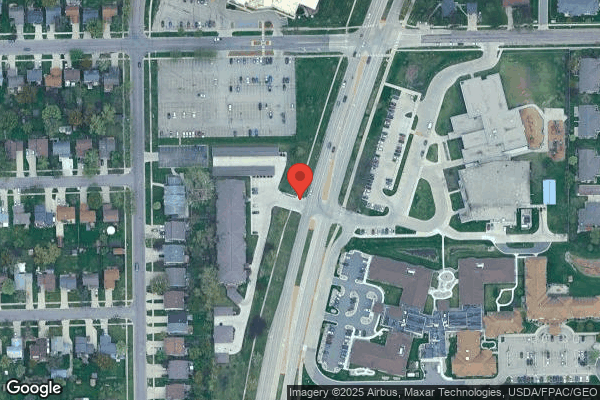
3534 UNIVERSITY DRIVE S, FARGO, ND 58104 (701) 271-1862
Non profit - Corporation 88 Beds CASSIA Data: November 2025
Trust Grade
90/100
#5 of 72 in ND
Last Inspection: February 2025

Within standard 12-15 month inspection cycle. Federal law requires annual inspections.

Overview

Fargo Elim Health Care Center has received a Trust Grade of A, which indicates it is considered excellent and highly recommended for families seeking care. Ranked #5 out of 72 facilities in North Dakota, it places in the top half, and #3 out of 8 in Cass County shows that while there are other options, this facility is among the better choices locally. The facility is improving, having reduced its issues from 4 in 2023 to 2 in 2025. Staffing is a strong point, with a 5/5 rating and a turnover rate of 41%, which is lower than the state average, meaning residents benefit from experienced staff. Notably, there have been no fines, indicating good compliance with regulations; however, there have been concerns, such as staff failing to ensure proper food safety practices and not maintaining adequate RN coverage on some days, which could impact resident care. Overall, while the facility has strengths in staffing and compliance, it is essential to be aware of the specific concerns noted during inspections.

Trust Score
A
90/100
In North Dakota
#5/72
Top 6%
Safety Record
Low Risk
No red flags
Inspections
Getting Better
4 → 2 violations
Staff Stability
○ Average
41% turnover. Near North Dakota's 48% average. Typical for the industry.
Penalties
✓ Good
No fines on record. Clean compliance history, better than most North Dakota facilities.
Skilled Nurses
✓ Good
Each resident gets 77 minutes of Registered Nurse (RN) attention daily — more than 97% of North Dakota nursing homes. RNs are the most trained staff who catch health problems before they become serious.
Violations
○ Average
7 deficiencies on record. Average for a facility this size. Mostly minor or procedural issues.
★★★★★
5.0
Overall Rating
★★★★★
5.0
Staff Levels
★★★★☆
4.0
Care Quality
★★★★☆
4.0
Inspection Score
Stable
2023: 4 issues
2025: 2 issues

The Good

  • 5-Star Staffing Rating · Excellent nurse staffing levels
  • 4-Star Quality Measures · Strong clinical quality outcomes
  • Full Sprinkler Coverage · Fire safety systems throughout facility
  • No fines on record
  • Staff turnover below average (41%)

    7 points below North Dakota average of 48%

Facility shows strength in staffing levels, quality measures, fire safety.

The Bad

Staff Turnover: 41%

Near North Dakota avg (46%)

Typical for the industry

Chain: CASSIA

Part of a multi-facility chain

Ask about local staffing decisions and management

The Ugly 7 deficiencies on record

Feb 2025 2 deficiencies
CONCERN (D) 📢 Someone Reported This

A family member, employee, or ombudsman was alarmed enough to file a formal complaint

Potential for Harm - no one hurt, but risky conditions existed

Assessment Accuracy (Tag F0641)

Could have caused harm · This affected 1 resident

**NOTE- TERMS IN BRACKETS HAVE BEEN EDITED TO PROTECT CONFIDENTIALITY** Based on record review, review of the Long-Term Care Facility Resident Assessment Instrument (RAI) 3.0 User's Manual (Version 1....

Read full inspector narrative →
**NOTE- TERMS IN BRACKETS HAVE BEEN EDITED TO PROTECT CONFIDENTIALITY** Based on record review, review of the Long-Term Care Facility Resident Assessment Instrument (RAI) 3.0 User's Manual (Version 1.19.1), and staff interview, the facility failed to ensure accurate coding of the Minimum Data Set (MDS) for 3 of 19 sampled residents (Resident #2, #19, and #40). Failure to accurately complete the MDS does not allow each resident's assessment to reflect their current status/needs and may affect the accurate development of a comprehensive care plan and the care provided to the residents. Findings include: The Long-Term Care Facility RAI User's Manual, revised October 2024, pages N-6 to N-8, stated, . Code all high-risk drug class medications according to their pharmacological classification . N0415: High-Risk Drug Classes: Use and Indication . N0415C1. Antidepressant: Check if an antidepressant medication was taken by the resident at any time during the 7-day look-back period . N0415E1. Anticoagulant: Check if an anticoagulant medication was taken by the resident at any time during the 7-day look-back period . N0415F1. Antibiotic: Check if an antibiotic medication was taken by the resident at any time during the 7-day look-back period. N0415I1. Antiplatelet: Check if an antiplatelet medication (e.g., [example] aspirin/extended release .) was taken by the resident at any time during the 7-day observation period. - Review of Resident #2's medical record occurred on all days of survey. A physician's order dated 11/16/24 included cefpodoxime (antibiotic). The facility failed to code the antibiotic medication on the quarterly MDS, dated [DATE]. - Review of Resident #19's medical record occurred on all days of survey. A physician's order dated 10/03/24 included escitalopram oxalate (antidepressant). The facility failed to code the antidepressant medication on the quarterly MDS, dated [DATE]. During an interview on the afternoon of 02/19/25, administrative staff member (#1) confirmed staff should have coded Resident #2's MDS for an antibiotic and Resident #19's MDS for an antidepressant. - Review of Resident #40's medical record occurred on all days of survey. A Physician's order dated 10/17/24 included aspirin (antiplatelet), and did not identify an anticoagulant medication. The facility staff coded both antiplatelet and anticoagulant on the quarterly MDS, dated [DATE]. During an interview on 02/19/25 at 3:19 p.m., an administrative staff member (#1) confirmed the facility staff coded Resident #40's MDS incorrectly.
CONCERN (E) 📢 Someone Reported This

A family member, employee, or ombudsman was alarmed enough to file a formal complaint

Potential for Harm - no one hurt, but risky conditions existed

Food Safety (Tag F0812)

Could have caused harm · This affected multiple residents

Based on observation, review of facility policy, review of professional reference, and staff interview, the facility failed to ensure food is prepared in accordance with professional standards for foo...

Read full inspector narrative →
Based on observation, review of facility policy, review of professional reference, and staff interview, the facility failed to ensure food is prepared in accordance with professional standards for food service sanitation in 1 of 1 kitchen. Failure to prepare food in a sanitary manner, such as not wearing beard restraints, may result in contamination of food served to residents, staff, and visitors. Findings include: Review of the facility policy titled; Food and Nutrition Services occurred on 02/20/25. This policy, revised 01/12/24 stated, . Hairnets or caps and/or beard restraints must be worn to keep hair from contacting exposed food, clean equipment, utensils and linens. The 2022 Food and Drug Administration (FDA) Food Code, Chapter 2, pages 21-22 states, . 2-402 Hair restraints . (A) . FOOD EMPLOYEES shall wear hair restraints such as . beard restraints . to effectively keep their hair from contacting exposed FOOD; clean EQUIPMENT, UTENSILS, and LINENS; and unwrapped SINGLE-SERVICE and SINGLE-USE ARTICLES. Observation of the kitchen during the initial tour on 02/18/25 at 12:53 p.m., during tray line on 02/18/25 at 4:40 p.m., and during the final tour on 02/19/25 at 2:30 p.m., showed two male cooks prepared food with no beard restraints. During an interview on 02/20/25 at 11:00 a.m., an administrative staff member (#2) stated newly hired staff are told their facial hair must remain trimmed.
Dec 2023 4 deficiencies
CONCERN (D) 📢 Someone Reported This

A family member, employee, or ombudsman was alarmed enough to file a formal complaint

Potential for Harm - no one hurt, but risky conditions existed

Deficiency F0554 (Tag F0554)

Could have caused harm · This affected 1 resident

Based on observation, record review, review of facility policy, and staff interview, the facility failed to assess a resident for self-administration of medications for 1 of 2 sampled residents (Resid...

Read full inspector narrative →
Based on observation, record review, review of facility policy, and staff interview, the facility failed to assess a resident for self-administration of medications for 1 of 2 sampled residents (Resident #29) observed with medications at bedside. Failure to evaluate the resident's ability to safely self-administer medications may result in medication errors and/or harm to the resident. Findings include: Review of the policy titled, Self administration of medication occurred on 12/19/23. This policy, last reviewed February 2023, stated, . Upon admission and PRN [as needed], the licensed nursing staff informs every resident of his/her rights to self-administer medications and explains the self-administration of medication program. If the resident wishes to self-administer medications, complete the applicable observation/assessment in the EHR [electronic health record]. If the nurse determines through this assessment that the resident is able to self-administer medications . Obtain an order from the provider that the resident may self-administer medications. Review of Resident #29's medical record occurred on all days of survey. The record lacked an assessment for self-administration of medications and a physician's order for resident to self-administer medications. Observation on 12/18/23 at 10:45 a.m., identified a bottle of Vitamin B6 and multiple unlabeled individual eye drop vials on the resident's bedside table. During an interview on 12/19/23 at 12:40 p.m., an administrative nurse (#1) confirmed the facility failed to complete an assessment and obtain a physician's order for Resident #29 to self-administer medications, and stated she would expect the facility to assess the resident's ability to independently administer eyedrops.
CONCERN (D) 📢 Someone Reported This

A family member, employee, or ombudsman was alarmed enough to file a formal complaint

Potential for Harm - no one hurt, but risky conditions existed

Notification of Changes (Tag F0580)

Could have caused harm · This affected 1 resident

**NOTE- TERMS IN BRACKETS HAVE BEEN EDITED TO PROTECT CONFIDENTIALITY** This citation is considered past non-compliance based on review of the corrective action implemented by the facility immediately...

Read full inspector narrative →
**NOTE- TERMS IN BRACKETS HAVE BEEN EDITED TO PROTECT CONFIDENTIALITY** This citation is considered past non-compliance based on review of the corrective action implemented by the facility immediately following the incident. Based on information from the complainant, record review, review of professional reference, review of facility policy, and staff interview, the facility failed to promptly notify the physician to maintain the resident's highest level of well-being for 1 of 5 sampled residents (Resident #1) transferred to the emergency room (ER) for a change in health status. Failure to notify a provider of a residents change in condition and implement provider orders timely may have resulted in worsening respiratory symptoms and a delay in treatment. Findings include: Review of the facility policy titled Change in condition occurred on 12/20/23. This policy, revised May 2022, stated, . The nurse will notify the resident's Attending Physician or physician on call when there has been a(an) . significant change in the resident's physical/emotional/mental condition . notifications will be made within twenty-four (24) hours of a change occurring in the resident's condition or status . Kozier & Erb's Fundamentals of Nursing, Concepts, Process and Practice, 11th Edition eText, 2021, Pearson, Boston, Massachusetts, page 538, stated, . Normal oxygen saturation [SpO2] is 95% to 100% . Information provided by the complainant identified concerns with timely notification of a change in a resident's condition and delays in initiating treatment. Review of Resident #1's medical record occurred on all days of survey. Diagnoses included acute hypoxic respiratory failure and bacterial lung infection. Resident #1's nurses' notes identified the following: *10/08/23 at 7:00 am: Resident is noted to have SOB [shortness of breath] evidenced by grunting with breathing. Oxygen sats [saturation] has been fluctuating between upper 80's and lower 90's, Resident was repositioned and HOB [head of bed] . oxygen sats from 89% to 92% on RA [room air]. *10/09/23 at 2:57 p.m.: . O2 [Oxygen] sats 88-92% on RA . upper lobes with Rhonchi [low pitched rattling sound] . resident is making a grunt when breathing in . Nurse and Nurse Manager listened to lungs, will leave a note to provider . *10/10/23 at 2:31 p.m: Resident has been coughing more with meals have noticed it more the last couple of days . today at dinner she coughed a lot . *10/10/23 at 3:55 p.m.: Resident was lying flat while being changed, she was struggling to breath on her side, check O2 Sats were 77-80% . when sat up were 90% . Orders for O2 per nasal cannula per standing order on 2 L [Liters] . will continue to observe, and update provider. *10/11/23 at 4:25 a.m.: Respiratory Assessment: . O2 [saturation] 91% on 2 L . there is a grunting sound when resident is inhaling . staff will continue to monitor. 10/11/23 at 6:34 p.m.: Supplemental oxygen at 2 L via NC [nasal cannula] and sats at 91% . Lung sounds . diminished at the bases . will monitor. *10/12/23 at 10:15 a.m.: . the provider was notified via the note left in her folder at facility. Imaging and labs were ordered. Results came back and CXR [chest x-ray] showed pneumonia and labs showing organ involvement with acute onset chronic kidney failure. The timeline regarding the resident changes and timely notification were discussed with nursing staff and administration. nursing discussed provider's recommendations with family . family elected to hospitalization. *10/12/23 at 3:05 p.m.: . X-ray results received, Levaquin [antibiotic] 250 mg for 4 days . *10/13/23 at 1:11 a.m.: . Resident sent to [hospital name] on 10/12/23 and admitted at 9:27 p.m. *10/17/23 at 2:28 p.m.: . resident passed away . During an interview on 12/20/23 at 3:12 p.m., an administrative nurse (#1) stated she expects nursing staff to notify the provider as soon as possible when there is a resident's change of condition and when initiating standing orders for oxygen administration. Resident #1 showed signs and symptoms of a deteriorating respiratory status on 10/08/23, and facility staff failed to notify the provider until 10/12/23 (four days after signs and symptoms began) which may have contributed to the resident's hospitalization and death. Based on the following information, non-compliance at F684 is considered past non-compliance. The facility implemented the corrective action for the resident affected by the deficient practice by: *Completing an investigation with interviews of staff responsible for the resident's care on 10/13/23. *Determining the investigation showed staff failed to notify the provider timely of a change in condition and implement provider's orders as soon as possible. *Providing 1 on 1 education immediately after the incident with involved staff regarding notification of providers and implementation of orders. The facility addressed measures put in place and implemented systemic changes to ensure the deficient practice does not recur by: *Providing education to all nursing staff stating, Any changes in condition must be reported to provider via phone, on 10/24/23 and 10/25/23 *Auditing 24-hour notification on one resident per week on each unit (if applicable) with a change in condition. The facility completed audits weekly on all four units starting on 10/16/23 and continuing. The survey team determined a deficient practice existed on 10/13/23. The facility implemented corrective action on 10/13/23 and completed nursing education on 10/13/23, 10/24/23, and 10/25/23.
CONCERN (D) 📢 Someone Reported This

A family member, employee, or ombudsman was alarmed enough to file a formal complaint

Potential for Harm - no one hurt, but risky conditions existed

Quality of Care (Tag F0684)

Could have caused harm · This affected 1 resident

This citation is considered past noncompliance based on review of the corrective action implemented by the facility immediately following the incident. Based on information from the complainant, recor...

Read full inspector narrative →
This citation is considered past noncompliance based on review of the corrective action implemented by the facility immediately following the incident. Based on information from the complainant, record review, review of professional reference, review of facility policy, and staff interview, the facility failed to provide care and services to maintain the resident's highest level of well-being for 1 of 5 sampled residents (Resident #23) transferred to the emergency room (ER) for a change in health status. Failure to implement provider orders timely may have resulted in worsening respiratory symptoms and a delay in treatment. Findings include: Kozier & Erb's Fundamentals of Nursing: Concepts, Process, and Practice, 11th Edition eText, 2021, Pearson, Massachusetts, page 63, stated, .Carrying Out a Physician's Orders. If the order is neither ambiguous nor apparently erroneous, the nurse is responsible for carrying it out. The nurse is considered responsible for notifying the primary care provider of any significant changes in the client's condition, whether the primary care provider requests notification or not. Information provided by the complainant identified concerns with delays in initiating treatment. - Review of Resident #23's medical record occurred on all days of survey. Diagnoses included chronic respiratory failure with hypoxia and chronic obstructive pulmonary disease with (acute) exacerbation. Resident #23's nurses' notes/medical record identified the following: *10/08/2023 at 1:00 p.m. Increase [sic] congestion noted this shift with intermittent nonproductive cough, fine crackles to bilateral lung fields with diminished bases. Resident voiced c/o [complaint of] chest discomfort when he coughs, resident's weight appears stable with no increase edema or [shortness of breath] noted. Scheduled nebulizers given et [and] helpful, will leave a note to update provider. The medical record identified staff updated the provider (via a note left in the provider's inbox at the facility) regarding Resident #23's condition on 10/08/23 at 12:00 p.m. *10/09/23 at 08:45 a.m. - The provider ordered a COVID test, complete blood count (CBC) and chest X-ray (CXR) with the note: Do today *10/09/23 - A chest x-ray report showed x-ray completed at 4:15 p.m. and results faxed to facility at 4:36 p.m. The record failed to identify staff notified the provider of the x-ray findings. *10/10/23 at 09:00 a.m. - The provider submitted an order to start the resident on Levaquin (an oral antibiotic) 500 milligrams (mg) daily for seven days. *10/10/2023 at 9:44 a.m. Resident was agitated and confused this morning when this nurse came on shift. T- [temperature] 99.6 [degrees Fahrenheit] O2- 90% on 4 L [liters] O2 via nasal cannula. Resident has been needing more assistance. Has been resting in bed all day. Appetite is poor but did take fluids. Will continue to monitor and update physician as needed. *10/11/23 - Resident #23's medication administration record (MAR) showed staff administered the first dose of Levaquin between 4:00 a.m. and 7:30 a.m. with no exact time recorded. The MAR showed staff failed to administer the Levaquin for approximately 19 to 22.5 hours from the date/time of the order. *10/11/2023 at 3:19 p.m. Increase [sic] confusion, congestion, lethargy and desaturation on 4 L of supplemental oxygen low 70's noted. This nurse called et [and] updated [provider name], an order received to send resident to [hospital name] ER [emergency room] for evaluation of hypoxia [low oxygen level, encephalopathy [brain dysfunction/confusion] and pneumonia. Resident left via non-emergent ambulance to [hospital name] medical center at 1310 [1:10 p.m.] . Observation on 12/20/23 at 3:15 p.m. showed the emergency medication kit (E-kit) contained Levaquin tablets available for immediate use. The facility failed to report results of the chest x-ray to the provider and initiate the prescribed antibiotic timely, which may have contributed to Resident #23's subsequent hospitalization. During an interview on 12/20/23 at 12:45 p.m., an administrative nurse (#1) stated she expects nursing staff to initiate orders and prescribed medications as quickly as possible and agreed there was a delay in treatment. Based on the following information, non-compliance at F684 is considered past non-compliance. The facility implemented the corrective action for the resident affected by the deficient practice by: *Completing an investigation with interviews of staff responsible for the resident's care on 10/13/23. *Determining the investigation showed staff failed to notify the provider timely of a change in condition and implement provider's orders as soon as possible. *Providing 1 on 1 education immediately after the incident with involved staff regarding notification of providers and implementation of orders. The facility addressed measures put in place and implemented systemic changes to ensure the deficient practice does not recur by: *Providing education to all nursing staff stating, Any changes in condition must be reported to provider via phone, on 10/24/23 and 10/25/23 *Auditing 24-hour notification on one resident per week on each unit (if applicable) with a change in condition. The facility completed audits weekly on all four units starting on 10/16/23 and continuing. The survey team determined a deficient practice existed on 10/13/23. The facility implemented corrective action on 10/13/23 and completed nursing education on 10/13/23, 10/24/23, and 10/25/23.
CONCERN (D) 📢 Someone Reported This

A family member, employee, or ombudsman was alarmed enough to file a formal complaint

Potential for Harm - no one hurt, but risky conditions existed

Infection Control (Tag F0880)

Could have caused harm · This affected 1 resident

Based on observation, record review, review of the facility policy, and staff interview, the facility failed to ensure staff followed infection control practices for 3 of 18 sampled residents (Residen...

Read full inspector narrative →
Based on observation, record review, review of the facility policy, and staff interview, the facility failed to ensure staff followed infection control practices for 3 of 18 sampled residents (Resident #7, #15, #47) observed during cares. Failure to follow infection control practices related to catheter cares, wound care, and wearing proper personal protective equipment (PPE) has the potential for the transmission of communicable diseases and infections to residents and staff. Findings include: Review of the facility policy titled Transmission based precautions and enhanced barrier precautions [EBP] occurred on 12/20/23. This policy, revised May 2023 stated, . use enhanced barrier precautions . use enhanced barrier precaution sign . during high contact resident cares requiring gown and glove use . goal is to keep our skin/uniform from touching the resident during high contact activities so that we can avoid potential transfer of organisms to other residents . examples include . urinary catheter care . peri-care . changing briefs or assisting with to toileting . wound care . Review of the facility policy titled Urinary Indwelling Catheter Insertion and Management occurred on 12/19/23. This policy, revised April 2022 stated, . To empty a urine collection bag: 1. Perform hand hygiene and apply gloves. 2. Set graduate on paper towel . 6. Measure urine and empty in toilet . 8. Remove gloves and perform hand hygiene. -Observation on 12/18/23 at 11:55 a.m. showed a CNA (#6) entered Resident #15's room. The CNA donned gloved and emptied the resident's urine collection leg bag into a urinal. The CNA removed her gloves and adjusted Resident #15's clothing and urine collection bag. The CNA (#6) failed to don a mask and gown and perform hand hygiene after removing her soiled gloves and before assisting the resident with his/her clothing. -Observation on 12/19/23 at 11:35 a.m. showed a CNA (#2) entered Resident #7's room. The CNA masked, applied gloves, and placed alcohol wipes on the overbed table. The CNA opened the valve of the catheter tubing before placing the tip in the urinal and urine leaked onto the floor and onto the CNA's gloves. The CNA then placed the tip into the urinal and emptied the leg bag. With soiled gloves, the CNA obtained an alcohol wipe from the overbed table and cleansed the valve tip prior to closing it. The CNA removed her soiled gloves and without sanitizing her hands, donned new gloves and used another alcohol wipe to wipe off the lower portion of the leg bag. The CNA removed her gloves and emptied the urinal in the toilet. Without performing hand hygiene, the CNA donned clean gloves and wiped the urine spill on the floor with sanitizing wipe and removed her gloves. Without performing hand hygiene, the CNA pulled down the resident's pants and positioned the resident's overbed table. The CNA (#2) failed to don a gown and perform hand hygiene after removing soiled gloves and before applying clean gloves. -Observation on 12/20/23 at 10:26 a.m. showed a nurse (#5) donned gloves and entered Resident #47's room to change a dressing to a draining coccyx pressure ulcer. The room lacked EBP signage and PPE, per policy for resident contact. The nurse (#5) removed the dressing, cleansed the wound, removed his/her gloves, donned clean gloves, and applied a clean dressing to the wound. The nurse (#5) failed to perform hand hygiene after removing soiled gloves and before donning clean gloves and failed to don a mask and gown. During an interview in the afternoon of 12/18/23, an administrative nurse (#7) stated she expects staff to follow infection control practices.
Oct 2022 1 deficiency
CONCERN (E)

Potential for Harm - no one hurt, but risky conditions existed

Deficiency F0727 (Tag F0727)

Could have caused harm · This affected multiple residents

Based on review of the facility's nursing staff schedule and staff interview, the facility failed to provide the services of a registered nurse (RN) for eight consecutive hours a day, seven days a wee...

Read full inspector narrative →
Based on review of the facility's nursing staff schedule and staff interview, the facility failed to provide the services of a registered nurse (RN) for eight consecutive hours a day, seven days a week, for 4 of 27 days from 09/08/22 to 10/04/22. Failure to ensure sufficient, qualified nursing staff are available daily has the potential to affect all the residents residing in the facility. Findings Include: The facility provided a copy of the nurses' schedule from 09/08/22 to 10/04/22. A review of the schedules showed the facility lacked the required RN coverage on 09/17/22, 09/18/22, 10/01/22 and 10/02/22. During an interview on 10/04/22 at 4:15 p.m., an administrative nurse (#1) confirmed the facility lacked eight consecutive hours of RN coverage on the days in question.
Understanding Severity Codes (click to expand)
Life-Threatening (Immediate Jeopardy)
J - Isolated K - Pattern L - Widespread
Actual Harm
G - Isolated H - Pattern I - Widespread
Potential for Harm
D - Isolated E - Pattern F - Widespread
No Harm (Minor)
A - Isolated B - Pattern C - Widespread

Questions to Ask on Your Visit

  • "Can I speak with families of current residents?"
  • "What's your RN coverage like on weekends and overnight?"

Our Honest Assessment

Strengths
  • • Grade A (90/100). Above average facility, better than most options in North Dakota.
  • • No major safety red flags. No abuse findings, life-threatening violations, or SFF status.
  • • No fines on record. Clean compliance history, better than most North Dakota facilities.
  • • 41% turnover. Below North Dakota's 48% average. Good staff retention means consistent care.
Concerns
  • • No significant concerns identified. This facility shows no red flags across CMS ratings, staff turnover, or federal penalties.
Bottom line: Generally positive indicators. Standard due diligence and a personal visit recommended.

About This Facility

What is Fargo Elim Health's CMS Rating?

CMS assigns FARGO ELIM HEALTH CARE CENTER an overall rating of 5 out of 5 stars, which is considered much above average nationally. Within North Dakota, this rating places the facility higher than 99% of the state's 100 nursing homes. This rating reflects solid performance across the metrics CMS uses to evaluate nursing home quality.

How is Fargo Elim Health Staffed?

CMS rates FARGO ELIM HEALTH CARE CENTER's staffing level at 5 out of 5 stars, which is much above average compared to other nursing homes. Staff turnover is 41%, compared to the North Dakota average of 46%. This relatively stable workforce can support continuity of care.

What Have Inspectors Found at Fargo Elim Health?

State health inspectors documented 7 deficiencies at FARGO ELIM HEALTH CARE CENTER during 2022 to 2025. These included: 7 with potential for harm.

Who Owns and Operates Fargo Elim Health?

FARGO ELIM HEALTH CARE CENTER is owned by a non-profit organization. Non-profit facilities reinvest revenue into operations rather than distributing to shareholders. The facility is operated by CASSIA, a chain that manages multiple nursing homes. With 88 certified beds and approximately 85 residents (about 97% occupancy), it is a smaller facility located in FARGO, North Dakota.

How Does Fargo Elim Health Compare to Other North Dakota Nursing Homes?

Compared to the 100 nursing homes in North Dakota, FARGO ELIM HEALTH CARE CENTER's overall rating (5 stars) is above the state average of 3.1, staff turnover (41%) is near the state average of 46%, and health inspection rating (4 stars) is above the national benchmark.

What Should Families Ask When Visiting Fargo Elim Health?

Based on this facility's data, families visiting should ask: "Can I visit during a mealtime to observe dining assistance and food quality?" "How do you handle medical emergencies, and what is your hospital transfer rate?" "Can I speak with family members of current residents about their experience?"

Is Fargo Elim Health Safe?

Based on CMS inspection data, FARGO ELIM HEALTH CARE CENTER has a clean safety record: no substantiated abuse findings (meaning no confirmed cases of resident harm), no Immediate Jeopardy citations (the most serious violation level indicating risk of serious injury or death), and is not on the Special Focus Facility watch list (a federal program monitoring the lowest-performing 1% of nursing homes). The facility has a 5-star overall rating and ranks #1 of 100 nursing homes in North Dakota. While no facility is perfect, families should still ask about staff-to-resident ratios and recent inspection results during their visit.

Do Nurses at Fargo Elim Health Stick Around?

FARGO ELIM HEALTH CARE CENTER has a staff turnover rate of 41%, which is about average for North Dakota nursing homes (state average: 46%). Moderate turnover is common in nursing homes, but families should still ask about staff tenure and how the facility maintains care continuity when employees leave.

Was Fargo Elim Health Ever Fined?

FARGO ELIM HEALTH CARE CENTER has no federal fines on record. CMS issues fines when nursing homes fail to meet care standards or don't correct problems found during inspections. The absence of fines suggests the facility has either maintained compliance or corrected any issues before penalties were assessed. This is a positive indicator, though families should still review recent inspection reports for the full picture.

Is Fargo Elim Health on Any Federal Watch List?

FARGO ELIM HEALTH CARE CENTER is not on any federal watch list. The most significant is the Special Focus Facility (SFF) program, which identifies the bottom 1% of nursing homes nationally based on persistent, serious quality problems. Not being on this list means the facility has avoided the pattern of deficiencies that triggers enhanced federal oversight. This is a positive indicator, though families should still review the facility's inspection history directly.