THE MEADOWS ON UNIVERSITY


1315 S UNIVERSITY DR, FARGO, ND 58103 (701) 237-3030
For profit - Limited Liability company 68 Beds EDURO HEALTHCARE Data: November 2025
Trust Grade
40/100
#55 of 72 in ND
Last Inspection: April 2025

Within standard 12-15 month inspection cycle. Federal law requires annual inspections.

Overview

The Meadows on University has a Trust Grade of D, which means it is below average and raises some concerns about the quality of care. It ranks #55 out of 72 facilities in North Dakota, placing it in the bottom half, and is the lowest-ranked option in Cass County. The facility has been worsening over time, with issues increasing from 4 in 2024 to 12 in 2025. Staffing is rated average with a turnover rate of 51%, which is comparable to the state average of 48%, while the RN coverage is also average, meaning they have enough registered nurses to catch potential issues. However, the facility has significant fines totaling $63,140, which is higher than 80% of North Dakota facilities, indicating repeated compliance problems. Recent inspector findings highlighted several areas of concern. For example, one resident experienced significant weight loss due to a lack of monitoring and assistance with meals, and six residents did not receive adequate help with personal hygiene, which could lead to further health issues. Additionally, there were issues with maintaining a clean kitchen environment, raising the risk of foodborne illnesses. Overall, while there are some strengths such as average staffing levels, the facility has notable weaknesses that families should consider carefully.

Trust Score
D
40/100
In North Dakota
#55/72
Bottom 24%
Safety Record
Moderate
Needs review
Inspections
Getting Worse
4 → 12 violations
Staff Stability
⚠ Watch
51% turnover. Above average. Higher turnover means staff may not know residents' routines.
Penalties
✓ Good
$63,140 in fines. Lower than most North Dakota facilities. Relatively clean record.
Skilled Nurses
✓ Good
Each resident gets 43 minutes of Registered Nurse (RN) attention daily — more than average for North Dakota. RNs are trained to catch health problems early.
Violations
⚠ Watch
18 deficiencies on record. Higher than average. Multiple issues found across inspections.
★★☆☆☆
2.0
Overall Rating
★★★☆☆
3.0
Staff Levels
★★★☆☆
3.0
Care Quality
★★☆☆☆
2.0
Inspection Score
Stable
2024: 4 issues
2025: 12 issues

The Good

  • Full Sprinkler Coverage · Fire safety systems throughout facility
  • No fines on record

Facility shows strength in fire safety.

The Bad

2-Star Overall Rating

Below North Dakota average (3.1)

Below average - review inspection findings carefully

Staff Turnover: 51%

Near North Dakota avg (46%)

Higher turnover may affect care consistency

Federal Fines: $63,140

Above median ($33,413)

Moderate penalties - review what triggered them

Chain: EDURO HEALTHCARE

Part of a multi-facility chain

Ask about local staffing decisions and management

The Ugly 18 deficiencies on record

1 actual harm
Apr 2025 8 deficiencies 1 Harm
SERIOUS (G) 📢 Someone Reported This

A family member, employee, or ombudsman was alarmed enough to file a formal complaint

Actual Harm - a resident was hurt due to facility failures

Deficiency F0692 (Tag F0692)

A resident was harmed · This affected 1 resident

Based on observation, record review, review of facility policy, and staff interview, the facility failed to maintain acceptable parameters of nutritional status for 1 of 1 sampled resident (Resident #...

Read full inspector narrative →
Based on observation, record review, review of facility policy, and staff interview, the facility failed to maintain acceptable parameters of nutritional status for 1 of 1 sampled resident (Resident #47) with weight loss. Failure to monitor/document intakes accurately and provide encouragement and assistance with meals and supplements resulted in a significant weight loss. Findings include: Review of the facility policy titled Weight Assessment and Intervention occurred on 04/09/25. This policy, dated September 2008, stated, . The multidisciplinary team will strive to prevent, monitor, and intervene for undesirable weight loss for our residents. 3. The Dietitian will review the weight record weekly to follow individual weight trends over time. Negative trends will be evaluated by the treatment team whether or not the criteria for significant weight change has been met. Provider will be updated with significant weight changes. Analysis . 1. Assessment information shall be analyzed by the multidisciplinary team and conclusions shall be made regarding the: . b. Approximate calorie, protein, and other nutrient needs compared with the resident's current intake . Interventions for undesirable weight loss shall be based on careful consideration of the following: a. Resident choice and preferences b. Nutrition and hydration needs of the resident c. Functional factors that may inhibit independent eating . f. Medications that may interfere with appetite, chewing, swallowing, or digestion . g. The use of supplementation . - Review of Resident #47's medical record occurred on all days of survey. Diagnoses included diabetes and malnutrition. Physician's orders identified Mounjaro (a medication to lower blood sugar that may also cause weight loss) weekly on Fridays, Boost (liquid supplement) three times (TID) (8:00 a.m., 2:00 p.m., and 8:00 p.m.) and as needed (PRN) for malnutrition, and a regular diet, easy to chew texture, thin consistency. The current care plan stated, . I have impaired physical functioning . Eating: supervision for meals . Potential for or presence of altered nutrition needs altered ability to feed self . requires mechanically altered diet, impaired cognition . Diet and food texture provided as ordered . Encourage food and fluid intake . Record % [percent] of meals consumed . An addition to the care plan on 03/06/25 stated, I have weight loss r/t [related to] loss of appetite, eating < [less than] 50% of meals, potential medication side effects, disinterest in food/meals . Dietitian consult for caloric, hydration and nutritional intake needs, with recommendations for increased caloric needs . Offer high calorie/nutrient dense supplements as ordered by physician/dietitian . Weekly weights as ordered by physician . A review of Resident #47's weight record identified the following: *12/27/24 (admission) 188 pounds *01/26/25 173 pounds (7% weight loss in one month) *03/23/25 169 pounds (10% weight loss in three months) *04/06/25 150 pounds (11% weight loss in two weeks and a 20% weight loss since admission) Observation of Resident #47 occurred on 04/07/25 and showed the following: *9:00 a.m., staff assisted Resident #47 with the morning meal in the dining room. The resident refused the meal and drank half a glass of juice. The meal intake record identified the resident consumed 25-50% of the morning meal which differed from the observation. *10:30 a.m., a medication aide (MA) (#12) brought the scheduled 8:00 a.m. Boost to the resident's room, placed it on the overbed table, and failed to provide assistance/encouragement to drink it. *11:55 a.m., a full glass of Boost remained on the resident's overbed table. *12:20 p.m., the MA (#12) confirmed the Boost on the overbed table as the 8:00 a.m. supplement. Review of the medication administration record (MAR) identified the resident consumed 25% of the 8:00 a.m. Boost which differed from the observation of a full glass of Boost . An unidentified certified nurse aide (CNA) confirmed Resident #47 refused lunch, and two glasses of juice were noted on the overbed table. *3:45 p.m., a full glass and one half glass of juice, and a full glass of the 8:00 a.m. Boost remained on the overbed table in the same position as earlier. *5:00 p.m., a staff member took Resident #47 to the dining room. A full glass and another half glass of juice and the full glass of Boost remained in in the same position as earlier on the resident's overbed table. *5:05 p.m., Resident #47 seated alone at the dining room table. The paper menu in front of the resident stated, doesn't want to eat. The resident's meal included a scoop of ham salad, creamed carrots, glass of juice, and two gelatin cups. Staff failed to offer assistance or alternative menu items to Resident #47 during the meal. *5:40 p.m., an unidentified dietary staff member cleared the table, and stated Resident #47 was done eating. The resident ate one spoonful of ham salad, no carrots, one spoonful of gelatin, and drank the juice. Review of Resident #47's meal intake identified the resident consumed 51-75% of evening meal which differed from the observation. Observation of Resident #47 on 04/08/25 showed the following: *8:52 a.m., Resident #47 sat alone at the dining room table with a glass of juice three-fourths full. An unidentified dietary aide stated, [Resident name] refused his meal and did not eat. *11:55 a.m., the resident sat in a wheelchair in his room. A nurse (#5) called a CNA on the walkie talkie and asked if the resident ate. The CNA responded, He refused, we asked him a couple of times. Another CNA in the hall said, He never eats. Observation showed two boxes of Boost (one opened and full and the other unopened), and a full glass of juice on the resident's overbed table. Review of the MAR identified the resident consumed 50% of the 8:00 a.m. Boost supplement which differed from the observation. *5:19 p.m., Resident #47 rested in bed. When asked if he was going to eat the resident replied No. Two boxes of Boost and a glass of juice remained on the bedside table as in prior observations. Review of the resident's meal intake identified staff documented 25-50% of the supper meal consumed; however, Resident #47 refused his meal. Review of the MAR identified the resident consumed 25% of the 2:00 p.m. Boost which differed from the observation. The MAR showed Resident #47 did not receive any PRN Boost on all days of survey. The Weekly Skin and Nutrition IDT [interdisciplinary team] Review, dated 03/27/25, identified a significant weight change of 10%. This assessment stated, Not eating well. Main intakes are supplements. Weight is stable over the past month. No new weight over the past week. Averaging 25-50% at meals . Diet: Regular . Supplements: Boost TID . Assistance/independence at meals: 1:1 [one to one] . Plan: Follow intakes and weight. No new weight this week. Will continue POC [plan of care]. Continue with Boost TID. Okay to drink supplement at meals if intakes poor. A nutrition/weight progress note on 04/03/2025 stated, Skin/Weight team met today to discuss resident. Resident continues to refuse food and prefers boost shakes, will continue to monitor per policy. Provider and resident updated. Resident #47's medical record lacked a dietitian's evaluation for the significant weight loss and current interventions or additional interventions to prevent further weight loss. The care plan failed to reflect the change to 1:1 assistance at meals as defined by the IDT. During an interview on 04/09/25 at 10:30 a.m., an administrative nurse (#1) stated she expected staff to accurately document meal intakes and observe and document percentage of supplements taken.
CONCERN (D) 📢 Someone Reported This

A family member, employee, or ombudsman was alarmed enough to file a formal complaint

Potential for Harm - no one hurt, but risky conditions existed

Resident Rights (Tag F0550)

Could have caused harm · This affected 1 resident

**NOTE- TERMS IN BRACKETS HAVE BEEN EDITED TO PROTECT CONFIDENTIALITY** Based on observation, review of facility policy, and resident and staff interviews, the facility failed to provide care in a man...

Read full inspector narrative →
**NOTE- TERMS IN BRACKETS HAVE BEEN EDITED TO PROTECT CONFIDENTIALITY** Based on observation, review of facility policy, and resident and staff interviews, the facility failed to provide care in a manner that maintained, enhanced, and respected the resident's dignity and individuality for 1 of 15 sampled residents (Resident #6). Failure to honor the resident's request during cares and ensure staff speak respectfully does not promote the resident's self-esteem, preserve the resident's personal dignity, and may affect the resident's psychosocial well-being. Findings include: Review of the facility policy titled Quality of Life - Dignity occurred on 04/09/25. This policy, dated 2018, stated, . Residents shall be treated with dignity and respect at all times. 'Treated with dignity' means the resident will be assisted in maintaining and enhancing his or her self-esteem and self -worth. Staff shall speak respectfully to residents at all times . Demeaning practices and standards of care that compromise dignity are prohibited. Staff shall promote dignity and assist residents as needed . Review of Resident #6's medical record occurred on all days of survey. A care plan intervention, dated 03/11/24, stated, . Bladder scan every shift and PRN [as needed] per [Resident's name] request. An annual Minimum Data Set (MDS), dated [DATE], identified a Brief Interview for Mental Status (BIMS) score of 15, indicating intact cognition. Observation on 04/07/25 at 2:45 p.m. showed two certified nurse aides (CNAs) (#18 and #20) and a nurse (#21) transferred Resident #6 from a wheelchair into bed in preparation for a bladder scan and toileting cares. The resident requested to have the bladder scan before the start of toileting cares. The three staff members failed to honor the resident's request and continued rolling the resident from side to side and placed a new brief. While rolling the resident to the side, one CNA (#20) stated, I am going to build muscles in my [slang word for breasts]. During an interview on 04/08/25 at 1:08 p.m., an administrative nurse (#1) stated she expected staff to honor Resident #6's bladder scan request and the CNA's statement during cares was unacceptable. During an interview on 04/08/25 at 3:39 p.m., Resident #6 confirmed hearing the comment made by the CNA (#20) and stated, I didn't think it was professional.
CONCERN (D) 📢 Someone Reported This

A family member, employee, or ombudsman was alarmed enough to file a formal complaint

Potential for Harm - no one hurt, but risky conditions existed

Deficiency F0558 (Tag F0558)

Could have caused harm · This affected 1 resident

**NOTE- TERMS IN BRACKETS HAVE BEEN EDITED TO PROTECT CONFIDENTIALITY** Based on observation, review of facility policy, and resident and staff interviews, the facility failed to ensure reasonable acc...

Read full inspector narrative →
**NOTE- TERMS IN BRACKETS HAVE BEEN EDITED TO PROTECT CONFIDENTIALITY** Based on observation, review of facility policy, and resident and staff interviews, the facility failed to ensure reasonable accommodation of needs regarding call lights for 1 of 15 sampled residents (Resident #6). Failure to place call lights within reach may result in an inability for residents to call for help, an increased risk for falls, and discomfort. Findings include: Review of the facility policy titled Call System, Resident occurred on 04/09/25. This undated policy stated, . Each resident is provided with a means to call staff directly for assistance from his/her bed . Review of Resident #6's medical record occurred on all days of survey. Diagnoses included quadriplegia. The care plan stated, . I use an easy call universal quadriplegic call bell [activated by a turn of the resident's head] or soft touch call bell [placed in the resident's hand] while in bed . An annual Minimum Data Set (MDS), dated [DATE], identified a Brief Interview for Mental Status (BIMS) score of 15, indicating intact cognition. Observations on 04/07/25 of Resident #6's call bell placement showed the following: * 2:55 p.m. and at 3:07 p.m., a nurse (#19) exited the resident's room and failed to place the call bell within reach. The call bell laid in the seat of the wheelchair. * 3:30 p.m., a certified nurse aide (CNA) (#20) exited the resident's room and failed to place the call bell within reach. The call bell remained in the seat of the wheelchair. * Approximately 4:05 p.m., a CNA (#20) clipped the easy call universal quadriplegic call bell to the resident's pillowcase adjacent to his head and left shoulder and exited the room. The resident was unable to reach the call bell for activation with his head. When asked how often staff fail to leave a call bell within reach or accessible to him, Resident #6 stated, more often than not. During an interview on 04/08/25 at 1:08 p.m., an administrative nurse (#1) stated she expected staff to place the call bell within the resident's reach and ensure the resident can activate it.
CONCERN (D) 📢 Someone Reported This

A family member, employee, or ombudsman was alarmed enough to file a formal complaint

Potential for Harm - no one hurt, but risky conditions existed

Assessment Accuracy (Tag F0641)

Could have caused harm · This affected 1 resident

**NOTE- TERMS IN BRACKETS HAVE BEEN EDITED TO PROTECT CONFIDENTIALITY** Based on record review, review of the Long-Term Care Facility Resident Assessment Instrument (RAI) 3.0 User's Manual (Version 1....

Read full inspector narrative →
**NOTE- TERMS IN BRACKETS HAVE BEEN EDITED TO PROTECT CONFIDENTIALITY** Based on record review, review of the Long-Term Care Facility Resident Assessment Instrument (RAI) 3.0 User's Manual (Version 1.19.1), and staff interview, the facility failed to ensure accurate coding of the Minimum Data Set (MDS) for 3 of 15 sampled residents (Residents #4, #26, and #36). Failure to accurately complete the MDS does not allow each resident's assessment to reflect their current status and may affect the accurate development of a comprehensive care plan and the care provided to the residents. Findings include: SECTION A: IDENTIFICATION INFORMATION The Long-Term Care Facility RAI User's Manual, revised October 2024, page A-32, stated, . Coding Instructions. Code A, Serious mental illness: if resident has been diagnosed with a serious mental illness . Review of Resident #26's medical record occurred on all days of survey. The record included diagnoses of psychosis, schizotypal disorder, bipolar disorder and psychophysical visual disturbances. A comprehensive MDS, dated [DATE], showed the facility failed to code Section A1510 for a serious mental illness. During an interview on 06/25/25 at 1:18 p.m., an administrative nurse (#1) confirmed staff failed to accurately code section A on Resident #26's MDS. SECTION H: BLADDER AND BOWEL The Long-Term Care Facility RAI User's Manual, revised October 2024, page H-3, stated, H0100: Appliances (cont.) Coding Tips and Special Populations. Suprapubic catheters and nephrostomy tubes should be coded as an indwelling catheter (H0100A) only . Review of Resident #36's medical record occurred on all days of survey and identified a supra pubic catheter. A physician's order, dated 02/03/25, stated, Indwelling Catheter . The quarterly MDS, dated [DATE], Section H0100 included coding for both an indwelling catheter and an external catheter. During an interview on 04/08/25 at 2:06 p.m., a corporate staff member (#15) confirmed staff failed to accurately code section H on Resident #36's MDS. SECTION I: ACTIVE DIAGNOSES The Long-Term Care Facility RAI User's Manual, revised October 2024, page I-8, stated, . Active Diagnoses . Coding Instructions: Code diseases that have a documented diagnosis in the last 60 days and have a direct relationship to the resident's current functional status . medical treatments . during the 7-day look-back period . Review of Resident #4's medical record occurred on all days of survey. A provider note, dated 02/11/25, identified a diagnosis of Parkinson's Disease and a new medication order for carbidopa-levodopa used to treat symptoms of the disease. The quarterly MDS, dated [DATE], failed to include an active diagnosis of Parkinson's disease. During an interview on 04/09/25 at 11:15 a.m., an administrative nurse (#1) confirmed staff failed to accurately code section I on Resident #4's MDS.
CONCERN (D) 📢 Someone Reported This

A family member, employee, or ombudsman was alarmed enough to file a formal complaint

Potential for Harm - no one hurt, but risky conditions existed

Quality of Care (Tag F0684)

Could have caused harm · This affected 1 resident

**NOTE- TERMS IN BRACKETS HAVE BEEN EDITED TO PROTECT CONFIDENTIALITY** Based on observation, record review, review of facility policy, review of professional reference, and resident and staff intervi...

Read full inspector narrative →
**NOTE- TERMS IN BRACKETS HAVE BEEN EDITED TO PROTECT CONFIDENTIALITY** Based on observation, record review, review of facility policy, review of professional reference, and resident and staff interviews, the facility failed to provide the necessary care and treatment for 1 of 3 sampled residents (Resident #6) with impaired skin integrity and concerns of incontinence care. Failure to assess, monitor, and treat skin issues in a timely manner may have resulted in a delay of treatment and risk for further skin breakdown. Failure to provide routine incontinence cares (check and change) placed the resident at risk for skin breakdown, poor grooming/hygiene, decreased self-esteem, and urinary tract infections. Findings include: Review of the facility policy titled Skin Breakdown-Clinical Protocol occurred on 04/09/25. This policy, dated 2022, stated, Evaluation and Recognition. the nurse shall describe and document/report the following . Full assessment including skin breakdown location, stage if applicable, length, width and depth . current treatments . The facility failed to provide a policy on the process/frequency of incontinence cares for residents who require check and change. Kozier & Erb's Fundamentals of Nursing: Concepts, Process and Practice, 11th Edition eText, 2021, Pearson, Boston, Massachusetts, page 892, stated, Fecal and Urinary Incontinence: Moisture from incontinence promotes skin maceration [tissue softened by prolonged wetting or soaking] and makes the epidermis [skin] more easily eroded and susceptible to injury. Digestive enzymes in feces, urea in urine . also contribute to skin excoriation [area of loss of the superficial layers of the skin] . Any accumulation of secretions . is irritating to the skin, harbors microorganisms, and makes an individual prone to skin breakdown and infection. Page 1221 stated, Managing Urinary Incontinence . attempts to keep clients dry by having them void at regular intervals, such as every 2 to 4 hours. The goal is to keep the client dry . Review of Resident #6's medical record occurred on all days of survey. A physician's order, dated 03/10/23, stated, Weekly Skin Assessments . every Wed [Wednesday] . The care plan stated, . has potential for altered skin integrity due to immobility and incontinence . conduct weekly skin inspection . I have a physical functioning deficit related to: limited mobility . Bed Mobility - Assist x3 [times three staff] . Toilet Use-Check and change assist x2 for pericares . Alteration in elimination of bowel and bladder r/t [related to] incontinence . History of recurrent UTI [urinary tract infections] . An annual Minimum Data Set (MDS), dated [DATE], identified a Brief Interview for Mental Status (BIMS) score of 15, indicating intact cognition. Observation on 04/07/25 at 10:15 a. m. identified a purple circular area to the outer area/pad of the fifth toe on the left foot approximately a half inch in size, and red circular abrasion-type areas with a white open pin dot in the centers of the red areas located on the distal joints of the 1st, 2nd, 3rd and 4th left foot toes and the 2nd and 3rd toes of the right foot. An observation with an administrative nurse (#16) occurred on 04/08/25 at 1:34 p.m. The nurse (#16) confirmed the wounds to Resident #6's toes/feet. During an interview on 04/08/25 at 12:58 p.m., an administrative nurse (#16) stated staff nurses complete and document the residents' weekly head to toe assessments. When a wound is identified, the nurses document it on the treatment administration record (TAR), and the wound nurse completes/documents measurements and weekly reviews. Review of Resident #6's weekly skin assessments lacked identification/documentation of the left and right toe/foot skin breakdown. Review of the resident's TAR and physician's orders failed to include monitoring and treatment of the toes/feet. During an interview on 04/06/25 at 3:56 p.m., Resident #6 stated the following: * Day [shift] will change me at the end of their shift [shift ends a 6:00 p.m.], and I won't get changed again until 11 [11:00 p.m.] or 12 [12:00 a.m.]. * The times I do put on my light [call bell] to be changed, they [staff] say, 'I will see if I can find somebody.' Then I get super soaked and they end up having to do a bed change and have to roll me around in bed. * I tend to be a heavy wetter. Review of Resident #6's check and change documentation record, dated March 9 through April 6, 2025, identified the following: * Thirteen days, check and change completed once in 24 hours * Eleven days, check and change completed twice in 24 hours * Four days, check and change completed three times in 24 hours * One day, check and change completed four times in 24 hours.
CONCERN (E) 📢 Someone Reported This

A family member, employee, or ombudsman was alarmed enough to file a formal complaint

Potential for Harm - no one hurt, but risky conditions existed

ADL Care (Tag F0677)

Could have caused harm · This affected multiple residents

**NOTE- TERMS IN BRACKETS HAVE BEEN EDITED TO PROTECT CONFIDENTIALITY** Based on observation, record review, review of facility policy, and staff interview, the facility failed to ensure residents rec...

Read full inspector narrative →
**NOTE- TERMS IN BRACKETS HAVE BEEN EDITED TO PROTECT CONFIDENTIALITY** Based on observation, record review, review of facility policy, and staff interview, the facility failed to ensure residents received the necessary services to maintain personal hygiene for 6 of 15 sampled residents (Resident #2, #6, #16, #36, #43, and #47) dependent on staff assistance for personal hygiene and dining. Failure to assist residents who cannot perform personal hygiene, position self, or open items at meals may result in poor hygiene, skin issues, weight issues, and decreased self-esteem. Findings include: Review of the facility policy titled Fingernails/Toenails, Care of occurred on 04/09/25. This policy, dated 2018, stated, . The purposes of this procedure are to clean the nail bed, to keep nails trimmed, and to prevent infections. Review of the facility policy titled Activities of Daily Living (ADLs), Supporting occurred on 04/09/25. This policy, dated 2021, stated, . Appropriate care and services will be provided for residents who are unable to carry out ADLs independently, . including appropriate support and assistance with: Hygiene (bathing, dressing, grooming, nail care and oral care) . Dining (meals and snacks) . - Review of Resident #2's medical record occurred on all days of survey. The current care plan identified, . has ADL self-care deficit as evidenced by decreased mobility related to paraplegia . Observation on 04/06/25 at 1:46 p.m. showed Resident #2 had long, thick, yellow toenails. The resident stated, I need someone else to cut them [toenails], it's been a while since they have been done. - Review of Resident #6's medical record occurred on all days of survey. The care plan identified dependent on staff for personal hygiene. Observation on 04/07/25 at 10:15 a.m. showed Resident #6's toenails on both feet approximately one-fourth inch in length. During an interview on 04/07/24 at 2:36 p.m., Resident #6 stated facility staff clip his/her toenails occasionally. During an interview on 04/08/25 at 1:34 p.m., an administrative staff member (#16) agreed Resident #6's toenails needed trimming. - Review of Resident #16's medical record occurred on all days of survey. A Minimum Data Set (MDS), dated [DATE], identified moderate assistance required for personal hygiene. Observation on 04/06/25 at 2:25 p.m. showed Resident #16's fingernails extended beyond her fingertips. The resident stated, The nurse was going to cut them today but hasn't yet. They cut them about every two to three weeks. Observation on 04/07/25 at 3:27 p.m. showed Resident #16's fingernails remained untrimmed and dirty under the nails. - Review of Resident #36's medical record occurred on all days of survey. Diagnoses included hemiplegia (paralysis of one side of the body) and hemiparesis (one sided muscle weakness) following a stroke affecting the right dominant side. A quarterly MDS, dated [DATE], identified Resident #36 required ADL setup assistance for eating and dependent on staff for oral cares and personal hygiene. The current care plan stated, . should be upright in wheelchair for all meals to decrease risk for aspiration/choking. should receive consistent oral cares. I have physical functioning deficit . Personal hygiene: mod [moderate] A [assistance] . Eating: set up A, sitting up in w/c [wheelchair] during meals. Review of Resident #36's oral hygiene charting, dated March 9 - April 7, 2025 (30 days), identified staff provided oral cares one time a day for 12 days, two times a day for 12 days, and three times a day for six days. Observations of Resident #36 showed the following: * 04/07/25 at 8:49 a.m., seated in a wheelchair in his room and leaning to the left. A dietary staff member (#3) delivered the resident's breakfast tray and sat the tray on the bedside table in front of the resident but to his right side. The resident could not reach the items on the tray due to his inability to use his right arm and hand. * 04/07/25 at 12:06 p.m., seated in a wheelchair in his room and leaning to the left side with his left arm pressed against the wheelchair armrest. The resident stated an aide washed his face, but did not brush his teeth this morning. The resident stated staff do not help him brush his teeth with any regularity and have not yet today. Observation showed small yellow particles below his right eye and a brown dried substance on the corner of the left side of his mouth and down his chin. A sign above the bed stated, PLEASE!! complete oral care (brush teeth) after every meal, morning, and night. Thank you! At 12:08 p.m., a certified nurse aide (CNA) (#4) arrived with the resident's lunch tray, placed it on the bedside table, and removed the breakfast tray. The CNA failed to assist Resident #36 with hand hygiene or setup the resident's lunch tray. With his left hand, the resident tried to move the tray closer to him and attempted to open the milk carton. Observation showed his fingernails dirty with brown debris underneath them. The resident was able to get his right thumb into the top of the milk carton but failed to open it. The resident stated staff open the milk carton about half the time. The resident opened the milk carton about 20 minutes later by sticking his second and third fingers inside the milk carton. At 1:42 p.m., Resident #36 agreed to call for assistance when, after five minutes, he failed to remove a plastic cover from a dish of fruit. * 04/08/25 at 8:31 a.m., a nurse (#5) and a CNA (#6) repositioned Resident #36 in bed. The CNA raised the resident's head of the bed to 45-60 degrees, set up his breakfast tray, and opened the milk and yogurt cartons. The resident had difficulty reaching the items on his meal tray. At 09:02 a.m., the resident had not started to eat and stated, It would be good to sit up a little higher but he didn't want to call staff. An unidentified CNA arrived to assist the resident with cares, but the resident stated he would like to eat first. The unidentified CNA exited the room and failed to assist the resident with positioning and set up with his meal. At 9:14 a.m. (43 minutes after receiving the meal tray) this surveyor requested assistance for the resident and a CNA (#6) called for another staff member to assist her to position the resident. - Review of Resident #43's medical record occurred on all days of survey. The current care plan stated, I have physical functioning deficit . Personal Hygiene: A x 1 [assistance of one staff] . An activities' note, dated 02/26/2025 at 10:30 a.m., stated, 1:1 [one to one] pamper and polish. Observation on 04/07/25 at 8:39 a.m. showed Resident #43's fingernails with dark colored debris under the end of the nails and at least half of the purple nail polish worn off the resident's left hand and no polish on the right hand. During an interview on 04/09/25 at 8:57 a.m., a CNA (#7) stated the CNAs provide resident cares and baths. The bath includes looking at their nails and clipping them as needed. - Review of Resident #47's medical record occurred on all day of survey. The current care plan stated, . I have impaired physical functioning related to: . L [left] sided weakness, impaired cognition . Observations for Resident #47 showed: * 04/06/25 at 4:30 p.m., teeth with a yellow-brown looking substance and white crust on the corners of mouth and fingernails on both hands long with a dark substance underneath the nail bed. An unlabeled basin containing a toothbrush was observed by the sink, and the other resident in the room identified the basin as mine. * 04/09/25 at 8:18 a.m., two CNA's (#8 and #9) assisted the resident with morning cares. The CNA (#9) assisted the resident to sink, could not locate a basin or toothbrush, and took a basin and toothbrush out of the roommates drawer with the roommates name written on the basin. The surveyor asked the CNA to identify the name on the basin. CNA (#9) stated, oh my mistake, and obtained a new basin and toothbrush for Resident #47. *04/09/25 at 10:50 a.m., observed an unlabeled basin containing a toothbrush on the sink in Resident #47's room. The CNA (#9) failed to label the basin. During interviews on 04/09/25 at 10:30 a.m. and 12:05 p.m., an administrative nurse (#1) stated she expected the CNAs to assist dependent residents with all ADLs.
CONCERN (E) 📢 Someone Reported This

A family member, employee, or ombudsman was alarmed enough to file a formal complaint

Potential for Harm - no one hurt, but risky conditions existed

Food Safety (Tag F0812)

Could have caused harm · This affected multiple residents

Based on observation, review of professional reference, and staff interview, the facility failed to maintain a clean and sanitary kitchen environment for 1 of 1 kitchen. Failure to ensure dishware is ...

Read full inspector narrative →
Based on observation, review of professional reference, and staff interview, the facility failed to maintain a clean and sanitary kitchen environment for 1 of 1 kitchen. Failure to ensure dishware is stored in a clean area and failure to ensure the floors and warewashing machine are free from food/dust debris has the potential for contamination of food and may result in a foodborne illness to residents, visitors, and staff. Findings include: The 2022 Food and Drug Administration (FDA) Food Code, reviewed 01/08/25, Chapter 4-6, pages 20-21, Section 4-601.11 Equipment, Food-Contact Surfaces, Nonfood-Contact Surfaces, and Utensils, stated, (A) EQUIPMENT FOOD-CONTACT SURFACES and UTENSILS shall be clean to sight and touch. (C) NonFOOD-CONTACT SURFACES of EQUIPMENT shall be kept free of an accumulation of dust, dirt, FOOD residue, and other debris. Observations on 04/09/25 at 10:30 a.m. showed the following in the main kitchen: * Loose debris and dust accumulated on the top of the mechanical warewashing machine. * Visible dry particles and debris on a tray of uncovered bowls located in a high traffic area of the kitchen. * Visible dry food/debris on the bottom of a cart used to store clean dishware. * An accumulation of food/dirt debris on the floor between the table legs of a stainless-steel counter and the wall in the dishwashing room. During an interview on 04/09/25 at 10:30 a.m., a dietary staff member (#3) confirmed the kitchen environment and floors should remain clean.
CONCERN (E) 📢 Someone Reported This

A family member, employee, or ombudsman was alarmed enough to file a formal complaint

Potential for Harm - no one hurt, but risky conditions existed

Infection Control (Tag F0880)

Could have caused harm · This affected multiple residents

Based on observation, record review, review of facility policy, review of professional reference, and staff interview, the facility failed to follow standards of infection control and prevention for 5...

Read full inspector narrative →
Based on observation, record review, review of facility policy, review of professional reference, and staff interview, the facility failed to follow standards of infection control and prevention for 5 of 8 sampled residents (Resident #2, #6, #8, #36, and #50) and one supplemental resident (Resident #15) observed during cares. Failure to practice infection control standards related to enhanced barrier precautions (EBP), perineal care, dressing changes, and hand hygiene, has the potential to spread infection throughout the facility. Findings include: Review of the facility policy titled Enhanced Barrier Precautions occurred on 04/09/25. This undated policy stated, . EBPs employ targeted gown and glove use during high contact care activities . Examples of high-contact care activities requiring the use of gown and glove for EBP include . urinary catheter . wound care (any opening requiring a dressing). Review of the facility policy titled Dressings, Dry/Clean occurred on 04/09/25. This undated policy stated, . Put on clean gloves. Loosen tape and remove soiled dressing. 7. Pull glove over dressing and discard into plastic or biohazard bag. 8. Wash and dry your hands thoroughly. Review of the facility policy titled Handwashing/Hand Hygiene occurred on 04/09/25. This undated policy stated, . Use an alcohol-based hand rub or . soap and water for the following situations: . after contact with resident's intact skin; j. After contact with blood or body fluids; k. After handling used dressings . After removing gloves . Findings include: ENHANCED BARRIER PRECAUTIONS - Review of Resident #50's medical record occurred on all days of survey. The current care plan stated, enhanced barrier precautions r/t [related to] an indwelling medical device catheter. A physician's order, dated 04/01/25, stated, CATHETER CARE: flush Foley catheter with 30mL [milliliters] NS [normal saline] every day shift for blockage/obstruction . Observation on 04/06/25 at 2:07 p.m. showed a red dot sticker on Resident #50's door frame indicating EBP and a supply container in the room containing personal protective equipment (PPE) including gowns and gloves. A nurse (#11) performed hand hygiene, applied gloves, and flushed Resident #50's foley catheter with normal saline. The nurse failed to apply a gown. - Review of Resident #8's medical record occurred on all days of survey. The current care plan stated, enhanced barrier precautions . A physician's order, dated 04/03/25, stated, L [left] heel unstageable pressure ulcer . change dressing every day shift . Observation on 04/06/25 at 2:18 p.m. showed a red dot sticker on Resident #8's door frame indicating EBP and a supply container in the room containing PPE including gowns and gloves. A nurse (#11) performed hand hygiene, applied gloves, removed Resident's #8's left heel dressing, and discarded the dressing. Without removing the contaminated gloves, the nurse exited the room and obtained supplies from the top of the treatment cart located outside the resident's door. The nurse (#11) removed his/her gloves, performed hand hygiene, and completed the dressing change. The nurse failed to remove gloves and perform hand hygiene after removing the left heel dressing and failed to wear a gown during the dressing change. - Review of Resident #36's medical record occurred on all days of survey. The current care plan stated, [Name of Resident #36] is on enhanced barrier precautions per physician orders r/t [related to] an indwelling medical device - foley catheter. A physician's order, dated 12/21/24, stated, Change suprapubic catheter dressing daily . Observation on 04/08/25 at 8:31 a.m. showed a red dot sticker on Resident #36's door frame indicating EBP and a supply container in the room containing PPE including gowns and gloves. A nurse (#5) performed hand hygiene, gloved, and changed Resident #36's suprapubic catheter dressing. The old dressing had a scant amount of light colored drainage. The nurse failed to apply a gown to change the suprapubic catheter dressing. HAND HYGIENE - Observation on 04/07/25 at 9:24 a.m. showed two certified nurse aides (CNAs) (#6 and #8) applied gloves and a gown to assist Resident #15 with morning cares. The CNA (#8) completed frontal perineal care, removed his/her gloves, applied clean gloves, assisted the resident to use the mechanical lift, and placed the resident onto the toilet. The CNA (#8) performed perineal cares after Resident #15 had a bowel movement, removed his/her gloves, applied new gloves, adjusted the resident's clothing, applied foot pedals to the wheelchair, and combed the resident's hair. The CNA (#8) failed to perform hand hygiene after removing gloves and after performing perineal care. - Review of Resident #2's medical record occurred on all days of survey. A red dot sticker on the Resident's door frame indicated EBP. The current care plan stated, . [Resident name] is on enhanced barrier precautions per physician orders r/t [related to] an indwelling medical device . catheter . [NAME] [apply] gown and gloves during high-contact resident care activities . Observation on 04/06/25 at 1:46 p.m. showed a nurse (#13) entered Resident #2's room. The nurse, without performing hand hygiene, applied gloves, removed a band aid soiled with blood from the resident's toe, and with the same gloves, obtained a new band aid from her uniform pocket, and applied it to the open wound. The nurse (#13) failed to perform hand hygiene before applying gloves, obtained a clean band aid from her pocket with soiled gloves, and failed to remove the soiled gloves, perform hand hygiene, and apply clean gloves before applying a clean band aid to Resident #2's toe wound. The nurse (#13) also failed to apply required PPE (gown) before providing wound cares. Observation on 04/06/25 at 1:55 p.m. showed two CNAs (#10 and #14) performed hand hygiene and applied a gown and gloves. The CNAs turned Resident #2 onto his/her side and removed the resident's brief. The CNA (#10) performed perineal care, and without changing gloves or performing hand hygiene, opened the resident's top nightstand drawer, obtained a tube of barrier cream, applied it to resident's buttocks over an open area of the skin, and placed it back in the resident's nightstand drawer. The CNA (#10) removed the soiled gloves, and without performing hand hygiene, applied new gloves and bagged linen from the resident's bed. The CNA (#10) failed to change gloves and complete hand hygiene between tasks and after completing personal resident care. - Observation on 04/07/27 at 3:37 p.m. showed a CNA (#20) assisted two other CNAs (#9 and #18) transfer Resident #6 from a wheelchair into bed and perform incontinence and perineal cares. After cares, the CNA (#20) removed her gloves, and without performing hand hygiene, obtained the resident's water mug, attempted to open the mug cover, and touched the resident's personal water pitcher. The CNA (#20) confirmed she failed to perform hand hygiene after removing her gloves and prior to performing other tasks. During interviews on 04/08/25 at 1:08 p.m. and 04/09/25 at 11:25 a.m., an administrative nurse (#1) stated she expected staff to wear a gown when flushing a foley catheter and doing a dressing change, and perform hand hygiene after removing gloves and prior to performing other tasks. PERINEAL CARES Kozier & Erb's Fundamentals of Nursing, Concepts, Process and Practice, 11th Edition eText, 2021, Pearson, Boston, Massachusetts, page 744, stated, . Retracting the foreskin is necessary to remove the smegma (thick, cheesy secretion) that collects under the foreskin and facilitates bacterial growth . Hold the shaft of the penis . securely in one hand. Clean the tip of the penis at the urethral meatus in a circular motion from the center outward and wash down the shaft . This follows the principle of cleaning from the least contamination to that of the greatest. Observations on 04/07/25 of Resident #6 showed the following: * 10:15 a.m., a CNA (#6) provided perineal cares for the resident while in bed. The CNA used a washcloth to cleanse the penis shaft and moved up to the penis tip. The CNA (#6) failed to retract the foreskin. * 2:45 p.m., a CNA (#18) performed perineal cares for the resident while in bed. The CNA (#18) failed to retract the foreskin. * 3:07 p.m., while performing straight catheterization preparation, a nurse (#19) retracted the foreskin, exposing a large amount of smegma. During an interview on 04/08/25 at 1:08 p.m., an administrative nurse (#1) stated she expected staff to follow appropriate infection control practices during male perineal cares.
Jan 2025 4 deficiencies
CONCERN (D) 📢 Someone Reported This

A family member, employee, or ombudsman was alarmed enough to file a formal complaint

Potential for Harm - no one hurt, but risky conditions existed

Deficiency F0658 (Tag F0658)

Could have caused harm · This affected 1 resident

**NOTE- TERMS IN BRACKETS HAVE BEEN EDITED TO PROTECT CONFIDENTIALITY** 1. Based on observation, record review, review of manufacturer's instructions for use, and staff interview, the facility failed ...

Read full inspector narrative →
**NOTE- TERMS IN BRACKETS HAVE BEEN EDITED TO PROTECT CONFIDENTIALITY** 1. Based on observation, record review, review of manufacturer's instructions for use, and staff interview, the facility failed to ensure staff followed standards of practice for 1 of 1 resident (Resident #1) who required rapid-acting insulin. Failure to administer rapid acting insulin within the time frame specified by the manufacturer may result in a hypoglycemic (low blood sugar) reaction. Findings include: Review of prescribing information for Humalog insulin (a rapid-acting insulin), found at https://www.humalog.com, occurred on 01/13/25, and stated, Administer HUMALOG . within 15 minutes before a meal or immediately after a meal. Review of Resident #1's medical record occurred on 01/13/25. Physician's orders included Humalog insulin 10 units three times a day. The Minimum Data Set (MDS), dated [DATE], identified dependent on staff for eating, Observations on 01/13/25 showed a nurse (#2) checked Resident #1's blood sugar at 11:57 a.m., obtained a blood glucose reading of 107 milligrams/deciliter (mg/dl), and administered 10 units of Humalog. At 12:56 p.m. (53 minutes after receiving a rapid acting insulin), Resident #1 received the noon meal, and staff assisted with eating. During an interview on 01/13/25 at 5:26 p.m., an administrative nurse (#1) stated she expected staff to serve a meal within 15 minutes of administering a rapid-acting insulin. 2. Based on record review, professional reference, and staff interview, the facility failed to obtain routine, regularly scheduled medication for 1 of 1 closed record reviewed (Resident #8). Failure to ensure Resident #8 received routine, regularly scheduled medications may result in exacerbation of congestive heart failure (CHF) and other adverse effects. Findings include: Kozier & Erb's Fundamentals of Nursing, Concepts, Process and Practice, 11th Edition eText, 2021, Pearson, Boston, Massachusetts, pages 63, stated, . medications ordered by the physician or primary care provider . If the order is neither ambiguous nor apparently erroneous, the nurse is responsible for carrying it out. Review of Resident #8's medical record occurred on 01/13/25 and included the diagnosis of CHF. Medications included Lasix (a diuretic) 40 milligrams (mg) in the morning for CHF. Nursing progress notes included the following: * 5/17/24 at 11:41 a.m. Lasix . Give 40 mg . for CHF Medication not available . * 5/18/24 at 10:36 a.m. Lasix received and resumed as ordered . During an interview on 01/13/25 at 5:48 p.m., an administrative nurse (#1) verified Resident #8 did not receive his scheduled Lasix on 05/17/24.
CONCERN (D) 📢 Someone Reported This

A family member, employee, or ombudsman was alarmed enough to file a formal complaint

Potential for Harm - no one hurt, but risky conditions existed

Incontinence Care (Tag F0690)

Could have caused harm · This affected 1 resident

Based on record review, review of a professional reference, and resident and staff interviews, the facility failed to provide appropriate toileting for 1 of 1 confidential resident (Resident A) who re...

Read full inspector narrative →
Based on record review, review of a professional reference, and resident and staff interviews, the facility failed to provide appropriate toileting for 1 of 1 confidential resident (Resident A) who required staff assistance with toileting/check and change. Failure to provide toileting/check and change may result in a loss of dignity and placed the resident at risk for skin breakdown, poor grooming/hygiene, decreased self-esteem, urinary tract infections, and risk for fall and/or injuries. Findings include: Kozier & Erb's Fundamentals of Nursing: Concepts, Process and Practice, 11th Edition eText, 2021, Pearson, Boston, Massachusetts, page 892, stated, Fecal and Urinary Incontinence: Moisture from incontinence promotes skin maceration [tissue softened by prolonged wetting or soaking] and makes the epidermis [skin] more easily eroded and susceptible to injury. Digestive enzymes in feces, urea in urine . also contribute to skin excoriation [area of loss of the superficial layers of the skin] . Any accumulation of secretions . is irritating to the skin, harbors microorganisms, and makes an individual prone to skin breakdown and infection. Page 1221 stated, Managing Urinary Incontinence . Habit training, also referred to as timed or prompted voiding and scheduled toileting, attempts to keep clients dry by having them void at regular intervals, such as every 2 to 4 hours. The goal is to keep the client dry . Review of Resident A's medical record occurred on 01/13/25. The careplan stated, . I have physical functioning deficit related to limited mobility . Toilet Use-Check and change assist . During an interview on 01/13/25 at 5:36 p.m., Resident A stated, he/she does not get their incontinent product changed for long periods of time. Review of Resident #A's check and change record, dated December 15th, 2024 through January 12, 2025, (29 days) identified the following: * Four days, not checked and changed for 24 hours. * Six days, checked and changed one time in 24 hours. * Fifteen days, checked and changed two times in 24 hours. * Four days, checked and changed three times in 24 hours. During an interview on 01/13/25 at 5:26 p.m., an administrative staff member (#1) stated she expected staff to assist residents with toileting/check and change every 2-3 hours and per resident request.
CONCERN (D) 📢 Someone Reported This

A family member, employee, or ombudsman was alarmed enough to file a formal complaint

Potential for Harm - no one hurt, but risky conditions existed

Deficiency F0804 (Tag F0804)

Could have caused harm · This affected 1 resident

Based on observation, review of facility policy, and resident interviews, the facility failed to serve foods at palatable temperatures for 2 of 2 sampled residents (Resident #1 and #3) who received a ...

Read full inspector narrative →
Based on observation, review of facility policy, and resident interviews, the facility failed to serve foods at palatable temperatures for 2 of 2 sampled residents (Resident #1 and #3) who received a meal tray in their room. Failure to serve foods at a temperature acceptable to residents may result in decreased intake, weight loss, and inadequate nutrition. Findings include: Review of the facility policy titled Food Preparation and Service occurred on 01/13/25. This policy, dated November 2022, stated, . Ready to eat foods that require reheating . cooked to at least 135 degrees F [Fahrenheit] for holding for hot service. - Observation on 01/13/25 at 12:45 p.m., showed the CNA (#3) delivered the noon meal to Resident #1. The certified nurses aide (CNA) gave the resident a bite of the fish, the resident spit it out, refused to eat the rest of the food, and stated, The food is cold, I would like warm food. The CNA (#3) removed the tray from the room and returned with a new tray. Resident #1 stated he often receives cold food and asks for a warm food tray. - Observation on 1/13/25 at 1:07 p.m. showed a nurse (#5) removed a meal tray from the conveyor cart in the hallway and entered Resident #3's room. The nurse told the resident she would change the catheter bag first. At 1:19 p.m., the nurse (#5) removed the cover from the resident's plate. At 1:20 p.m., this surveyor checked the temperature of the fish stick and obtained a reading of 120.5 degrees Fahrenheit. The resident then took a bite of the fish stick and stated, That is barely warm, not hot by any means. During an interview on 1/13/25 at 5:36 p.m., a confidential resident (Resident A), stated, I often get food served cold to me and I have to ask them to reheat it. Failure to serve foods at palatable temperatures may negatively impact residents' meal consumption.
CONCERN (D) 📢 Someone Reported This

A family member, employee, or ombudsman was alarmed enough to file a formal complaint

Potential for Harm - no one hurt, but risky conditions existed

Infection Control (Tag F0880)

Could have caused harm · This affected 1 resident

Based on observation, review of facility policy, and staff interview, the facility failed to follow standards of infection control and prevention for 1 of 1 supplemental resident (Resident #7) who tes...

Read full inspector narrative →
Based on observation, review of facility policy, and staff interview, the facility failed to follow standards of infection control and prevention for 1 of 1 supplemental resident (Resident #7) who tested positive for influenza and 1 of 6 sampled residents (Resident #3) observed during cares. Failure to practice infection control standards related to influenza precautions and hand hygiene has the potential to spread infection throughout the facility. Findings include: Review of the facility's policy titled Isolation - Categories of Transmission-Based Precautions occurred on 01/13/25. This policy, revised September 2022, stated, . Droplet Precautions . Masks are worn when entering. Review of the facility's policy titled Handwashing/Hand Hygiene occurred on 01/13/25. This policy, dated August 2019, stated, . Use an alcohol-based hand rub . or . soap . and water for the following situations . Before and after . handling food .Before and after assisting a resident with meals . - Review of Resident #3's medical record occurred on 01/13/25 and identified a foley catheter. Observation on 01/13/25 at 1:19 p.m. showed a nurse (#5) donned a gown and gloves to change Resident #3's catheter bag. The nurse was unable to disconnect the catheter bag and stated she would need to go get some assistance, but I will set your lunch tray up first. The nurse then removed her gown and gloves and without performing hand hygiene, removed the cover from Resident #3's meal tray, opened and placed the tartar sauce on the plate, opened the milk carton and poured the milk into a glass, and opened the pudding container. The nurse (#5) failed to perform hand hygiene after touching the resident's catheter and glove removal and before assiting with the meal. - Review of Resident #7's medical record occurred on 01/13/25. The current physician's orders identified contact and droplet precautions related to influenza. Observation on 01/13/25 at 12:55 p.m. showed a staff member (#4) entered Resident #7's room without masking to deliver laundry. During an interview on 01/13/25 at 5:24 p.m., an administrative staff member (#1) stated she expected staff to follow recommended infection control practices.
Feb 2024 4 deficiencies
CONCERN (D)

Potential for Harm - no one hurt, but risky conditions existed

Deficiency F0658 (Tag F0658)

Could have caused harm · This affected 1 resident

Based on observation, record review, review of facility policy, professional reference, and resident and staff interview, the facility failed to follow professional standards for 1 of 1 sampled reside...

Read full inspector narrative →
Based on observation, record review, review of facility policy, professional reference, and resident and staff interview, the facility failed to follow professional standards for 1 of 1 sampled resident (Resident #13) observed during blood glucose testing and insulin administration. Failure to clarify orders regarding the timing of blood glucose testing and administration of sliding scale insulin may result in inaccurate/inconsistent readings and insulin needs. Findings include: Review of a professional online reference Diabetes Education Online - Sliding Scale Therapy https://dtc.ucsf.edu/ Compiled 2007-2024, Diabetes Teaching Center at the University of California, San Francisco, stated, The term 'sliding scale' refers to the progressive increase in the pre-meal or nighttime insulin dose, based on pre-defined blood glucose ranges. short acting insulin (aspart, glulisine, lispro, Regular) before meals and at bedtime . The bolus insulin is based on the blood sugar level before the meal or at bedtime. Review of Kozier & Erb's Fundamentals of Nursing: Concepts, Process, and Practice, 11th ed., Pearson Education, Inc., New Jersey, page 62, stated, Nurses are expected to analyze procedures and medications ordered by the physician or primary care provider. It is the nurse's responsibility to seek clarification of ambiguous or seemingly erroneous orders from the prescriber. Clarification from any other source is unacceptable and regarded as a departure from competent nursing practice. Review of the facility policy titled Insulin Administration occurred on 02/06/24. This policy, revised September 2014, stated, . The nurse shall notify the Director of Nursing Services and Attending Physician of any discrepancies, before giving the insulin. Check blood glucose per physician order or facility protocol. Observation on 02/06/24 at 8:40 a.m. showed a staff nurse (#3) completed a blood glucose test on Resident #13. The test resulted in a blood glucose level of 237 milligrams per deciliter (mg/dL). The nurse administered six units of scheduled Humalog insulin (rapid acting) and an additional four units per sliding scale orders. When asked if the resident was going to eat breakfast, the resident replied, I ate earlier this morning. Resident #13's orders failed to identify if staff should complete accuchecks and sliding scale insulin administration before or after meals. During an interview on 02/06/24 at 10:40 a.m., when asked about Resident #13's blood glucose test after breakfast, an administrative nurse (#1) agreed the after-meal testing for sliding scale insulin administration was against facility protocol. When asked, the facility did not provide a protocol. During an interview on the afternoon of 02/06/24, two administrative nurses (#1 and #2) identified a facility camera showed Resident #13 in the dining room at approximately 7:50 a.m. and left at approximately 8:07 a.m. Both nurses indicated the order for blood glucose levels did not specify before or after meals. The facility staff failed to clarify an order for the timing of blood glucose testing and sliding scale insulin administration.
CONCERN (D)

Potential for Harm - no one hurt, but risky conditions existed

Medication Errors (Tag F0758)

Could have caused harm · This affected 1 resident

Based on record review, review of facility policy, and staff interview, the facility failed to ensure each resident's medication regimen was free from unnecessary medications for 1 of 3 sampled reside...

Read full inspector narrative →
Based on record review, review of facility policy, and staff interview, the facility failed to ensure each resident's medication regimen was free from unnecessary medications for 1 of 3 sampled residents (Resident #11) who received an as-needed (PRN) psychotropic medication. Failure to ensure the provider indicates the duration for the PRN order when documenting the clinical justification for continued use of a PRN psychotropic medication may result in the resident receiving the medication for an excessive duration and/or experiencing adverse side effects related to its use. Findings include: Review of the policy titled Medication Regimen Reviews occurred on 02/08/24. This policy, revised May 2019, stated, . An 'irregularity' refers to the use of medication that is inconsistent with accepted pharmaceutical services standards of practice; is not supported by medical evidence; and/or impedes or interferes with achieving the intended outcomes of pharmaceutical services. Review of Resident #11's medical record occurred on all days of survey. The physician's orders identified an active order for Ativan (an anti-anxiety medication), dated 09/27/23, which stated, Ativan Oral Tablet 0.5 MG [milligrams] . Give 0.5 mg by mouth as needed for anxiety, severe agitation, and aggression. Up to 2x [times] per day. The facility failed to ensure the provider established a stop date when documenting the clinical justification for continued use of the PRN psychotropic medication. During an interview on 02/08/24 at 9:00 a.m., an administrative nurse (#1) confirmed the facility failed to obtain a new order for the extended use of Resident #11's PRN Ativan.
CONCERN (D)

Potential for Harm - no one hurt, but risky conditions existed

Unnecessary Medications (Tag F0759)

Could have caused harm · This affected 1 resident

Based on observation, record review, review of facility policy, review of professional reference, and staff interview, the facility failed to ensure a medication error rate of less than five percent f...

Read full inspector narrative →
Based on observation, record review, review of facility policy, review of professional reference, and staff interview, the facility failed to ensure a medication error rate of less than five percent for 2 of 10 residents (Resident #23 and #294) observed during medication administration. Three medication errors occurred during staff administration of 27 medications, resulting in an 11% error rate. Failure to properly administer medications may result in residents receiving an ineffective dose and experiencing adverse reactions. Findings include: Review of the facility policy titled Administering Oral Medications occurred on 02/06/24. This policy, revised October 2010, stated, . Check the label on the medication and confirm the medication name and dose with the MAR [Medication Administration Record]. Check the medication dose. Re-check to confirm the proper dose. Review of Kozier & Erb's Fundamentals of Nursing: Concepts, Process, and Practice, 11th ed., Pearson Education, Inc., New Jersey, page 65, stated, Make sure the correct medications are given in the correct dose, by the right route, at the scheduled time, and to the right client. During an interview the morning of 02/06/24, two administrative nurses (#1 and #2) agreed the policy for administering oral medications applied to any type of medication for staff to confirm the label, medication name, and dose with the MAR. - Observation on 02/06/24 at 9:45 a.m. showed a medication aide (MA) (#4) took one Lidocaine (pain medication) 4% patch from Resident #14's prescription box and applied to Resident #23. The MA stated Resident #23's patch reorder had not been delivered from the pharmacy, and when the order came the MA would replace the patch taken from Resident #14's prescription box. The MA entered Resident #23's room, removed the previous day's Lidocaine patch, and applied the new patch. The MA stated the old patch should have been removed the previous evening. Review of Resident #23's medical record on February 6-8, 2024 showed an order for a Lidocaine 4% patch every 12 hours; on at 8 a.m. and off at 8 p.m. Review of the MAR for February 2024 identified staff documented removal of the Lidocaine patch on 02/05/24 at 8 p.m. During an interview on the morning of 02/06/24 an administrative nurse (#2) agreed staff failed to remove Resident #23's previous day's Lidocaine patch and failed to contact the pharmacy to reorder the medication. The nurse identified both issues as medication errors. - Observation on 02/07/24 at 9:57 a.m. showed a staff nurse (#5) placed two Lidocaine 4% patches to Resident #294's lower back. Review of Resident #294's medical record on February 7-8, 2024 showed an order for Lidocaine 5% patch; two patches for 12 hours in A.M. Review of the pharmacy label (Lidocaine 4%) and the MAR order (Lidocaine 5%) with a staff nurse (#3) occurred on 02/07/24 at 11:23 a.m. The staff nurse agreed the MAR and pharmacy label failed to match and required a physician's order to clarify.
CONCERN (D)

Potential for Harm - no one hurt, but risky conditions existed

Deficiency F0761 (Tag F0761)

Could have caused harm · This affected 1 resident

Based on observation, record review, and staff interview, the facility failed to ensure appropriate labeling of medications for 2 of 10 residents (Resident #13 and #37) observed during medication admi...

Read full inspector narrative →
Based on observation, record review, and staff interview, the facility failed to ensure appropriate labeling of medications for 2 of 10 residents (Resident #13 and #37) observed during medication administration. Failure to ensure medication cards contain the correct administration information may result in medication errors and adverse drug effects. Findings include: - Observation on 02/06/24 at 8:40 a.m. showed a staff nurse (#3) prepared Resident #13's Humalog insulin pen for the scheduled six units and additional four units per sliding scale. The pen's label stated, Inject 6 units subcutaneous three times a day with meals. The pen's label lacked instructions for sliding scale use. The nurse (#3) verified the resident's Humalog insulin pen was used for both scheduled and sliding scale administration. During an interview on 02/06/24 at 1:00 p.m. an administrative nurse (#1) stated the pharmacy placed stickers on insulin pens indicating Directions changed refer to chart. The nurse (#1) identified the sticker alerted nurses to read the medication administration record (MAR) for complete order instructions. The nurse confirmed Resident #13's insulin pen had no sticker applied. - Observation on 02/06/24 at 9:45 a.m. showed a medication aide (MA) (#4) administered rosuvastatin (cholesterol lowering medication) 40 milligrams (mg). The pharmacy label stated at bedtime and a handwritten AM (morning) noted in pink marker. When asked regarding the change, the MA stated the MAR identified to administer rosuvastatin in the morning, and the handwritten AM on the medication alerted staff of the order change. During an interview on 02/06/24 at 12:55 p.m. an administrative nurse (#1) stated nurses placed stickers on medication labels to note order changes in time of administration. The nurse confirmed the pharmacy does not send out new labels when there is a time change, and the next pharmacy delivery (every two weeks) will reflect the time change on the printed label. The nurse indicated the medication cart contained no AM stickers for nurses to place on medication labels. During an interview on 02/07/24 at 1:34 p.m., an administrative nurse (#1) stated the facility had no medication labeling policy, and educated nurses verbally regarding sticker labeling instructions.
Aug 2023 2 deficiencies
CONCERN (D) 📢 Someone Reported This

A family member, employee, or ombudsman was alarmed enough to file a formal complaint

Potential for Harm - no one hurt, but risky conditions existed

Safe Environment (Tag F0584)

Could have caused harm · This affected 1 resident

Based on observation, record review, and staff interview, the facility failed to ensure a safe, clean, comfortable, homelike environment for 2 of 5 sampled residents (Resident #20 and #27) on oxygen. ...

Read full inspector narrative →
Based on observation, record review, and staff interview, the facility failed to ensure a safe, clean, comfortable, homelike environment for 2 of 5 sampled residents (Resident #20 and #27) on oxygen. Failure to clean personal fans and oxygen concentrator filters does not provide a safe and clean environment and has the potential to place the residents at risk for illness. Findings include: The facility failed to provide a policy/procedure for the cleaning of personal fans and changing/cleaning the oxygen concentrator filters. -Observation on 08/06/23 at 11:18 a.m. showed Resident #20 lying in bed with oxygen being administered via nasal cannula. Observation showed the oxygen concentrator filter covered in dust and debris. Review of Resident #20's medical record occurred on all days of the survey. Diagnoses included chronic respiratory failure, chronic obstructive pulmonary disease, obstructive sleep apnea, and shortness of breath. During an interview on 08/08/23 at 3:07 p.m., an administrative nurse (#1) confirmed staff failed to clean the oxygen concentrator filter and clean the filter weekly as ordered. -Observation on 08/07/23 at 10:37 a.m. showed Resident #27 lying in bed with oxygen being administered via nasal cannula while two fans blew air toward the resident. Observation showed the fan covers/grates, fan blades, and oxygen concentrator filter covered in dust and debris. Review of Resident #27's medical record occurred on all days of the survey. Diagnoses included acute respiratory failure. During an interview on 08/09/23 at 8:52 a.m., an administrative nurse (#1) confirmed staff failed to clean the personal fans and oxygen concentrator filter and expects the filters and fans to be cleaned.
CONCERN (E) 📢 Someone Reported This

A family member, employee, or ombudsman was alarmed enough to file a formal complaint

Potential for Harm - no one hurt, but risky conditions existed

Assessment Accuracy (Tag F0641)

Could have caused harm · This affected multiple residents

**NOTE- TERMS IN BRACKETS HAVE BEEN EDITED TO PROTECT CONFIDENTIALITY** - Review of Resident #27's medical record occurred on all days of survey. The quarterly MDS, dated [DATE], identified daily use ...

Read full inspector narrative →
**NOTE- TERMS IN BRACKETS HAVE BEEN EDITED TO PROTECT CONFIDENTIALITY** - Review of Resident #27's medical record occurred on all days of survey. The quarterly MDS, dated [DATE], identified daily use of a bedrail as a restraint. Observation on 08/06/23 at 4:25 p.m. showed Resident #27 in bed with a side cane on both sides of the bed. - Review of Resident #29's medical record occurred on all days of survey. The quarterly MDS, dated [DATE], identified daily use of a bedrail as a restraint. Observation on 08/06/23 at 3:50 p.m. showed Resident #29 in bed with a side cane on both sides of the bed. During interviews on 08/08/23 at 2:50 p.m. and 08/09/23 at 9:35 a.m., an administrative nurse (#1) confirmed the facility coded Resident #14, #27, and #29's MDSs incorrectly for restraint use. - Review of Resident #14's medical record occurred on all days of survey. The quarterly MDS, dated [DATE], identified bed rail used daily as a restraint. A Physical Device and/or Restraint Evaluation and Review form was completed and showed staff checked no to the question, Would the assist/grab bar(s) be a restraint for this resident? Observation on 08/06/23 at 11:58 a.m. showed Resident #14 with 1/4 bed side rails on his bed. Based on observation, record review, review of the Long-Term Care Facility Resident Assessment Instrument (RAI) 3.0 User's Manual (Version 1.17.1), and staff interview, the facility failed to ensure accurate coding of the Minimum Data Set (MDS) for 3 of 13 sampled residents (Resident #14, #27, and #32) and one supplemental resident (Resident #29). Failure to accurately complete the MDS does not allow each resident's assessment to reflect their current status/needs and may affect the accurate development of a comprehensive care plan and the care provided to the residents. Findings include: SECTION J: HEALTH CONDITIONS The Long-Term Care Facility RAI User's Manual, revised October 2019, pages J-24 and J-25, stated, . HOSPICE SERVICES: A program for terminally ill persons . TERMINALLY ILL: Terminally ill means that the individual has a medical prognosis that his or her life expectancy is 6 months or less if the illness runs its normal course. Coding Instructions: . Code 1, yes: if the medical record includes physician documentation: 1) that the resident is terminally ill; or 2) the resident is receiving hospice services. Review of Resident #32's medical record occurred on all days of survey. A physician's order, dated 01/03/23, stated, Admit to [name of hospice provider] primary Diagnosis: Hypertension, Heart disease. The physician completed a Certification of Terminal Illness effective January 3-April 2, 2023, April 3-July 1, 2023, and July 2-August 30, 2023. The quarterly MDSs, dated 04/04/23 and 07/02/23, identified J1400 Prognosis: Does the resident have a condition or chronic disease that may result in a life expectancy of less than 6 months? (requires physician documentation) - answered 0. No. During an interview on 08/08/23 at 3:15 p.m., an administrative nurse (#1) confirmed the facility incorrectly coded Resident #32's MDSs for the prognosis of a terminal illness. SECTION P: PHYSICAL RESTRAINTS The Long-Term Care Facility RAI User's Manual, revised October 2019, pages P-1 and P-5, stated, . PHYSICAL RESTRAINTS: Any manual method or physical or mechanical device, material or equipment attached or adjacent to the resident's body that the individual cannot remove easily, which restricts freedom of movement or normal access to one's body. Coding Instructions: . After determining whether or not an item . is a physical restraint and was used during the 7-day look-back period, code the frequency of use: Code 0, not used: if the item was not used during the 7-day look-back or it was used but did not meet the definition. Code 2, used daily: if the item met the definition and was used on a daily basis during the look-back period.
Understanding Severity Codes (click to expand)
Life-Threatening (Immediate Jeopardy)
J - Isolated K - Pattern L - Widespread
Actual Harm
G - Isolated H - Pattern I - Widespread
Potential for Harm
D - Isolated E - Pattern F - Widespread
No Harm (Minor)
A - Isolated B - Pattern C - Widespread

Questions to Ask on Your Visit

  • "Can I speak with families of current residents?"
  • "What's your RN coverage like on weekends and overnight?"

Our Honest Assessment

Strengths
  • • Licensed and certified facility. Meets minimum state requirements.
Concerns
  • • 18 deficiencies on record, including 1 serious (caused harm) violation. Ask about corrective actions taken.
  • • $63,140 in fines. Extremely high, among the most fined facilities in North Dakota. Major compliance failures.
  • • Grade D (40/100). Below average facility with significant concerns.
Bottom line: Trust Score of 40/100 indicates significant concerns. Thoroughly evaluate alternatives.

About This Facility

What is The Meadows On University's CMS Rating?

CMS assigns THE MEADOWS ON UNIVERSITY an overall rating of 2 out of 5 stars, which is considered below average nationally. Within North Dakota, this rating places the facility higher than 0% of the state's 100 nursing homes. A rating at this level reflects concerns identified through health inspections, staffing assessments, or quality measures that families should carefully consider.
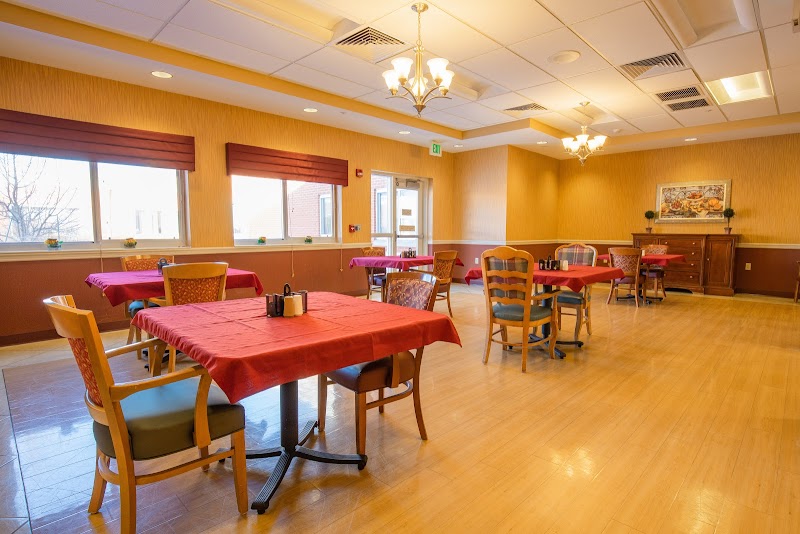
How is The Meadows On University Staffed?

CMS rates THE MEADOWS ON UNIVERSITY's staffing level at 3 out of 5 stars, which is average compared to other nursing homes. Staff turnover is 51%, compared to the North Dakota average of 46%. RN turnover specifically is 64%, which is notably high. RNs provide skilled clinical oversight, so turnover in this role can affect medical care quality.

What Have Inspectors Found at The Meadows On University?

State health inspectors documented 18 deficiencies at THE MEADOWS ON UNIVERSITY during 2023 to 2025. These included: 1 that caused actual resident harm and 17 with potential for harm. Deficiencies causing actual harm indicate documented cases where residents experienced negative health consequences.
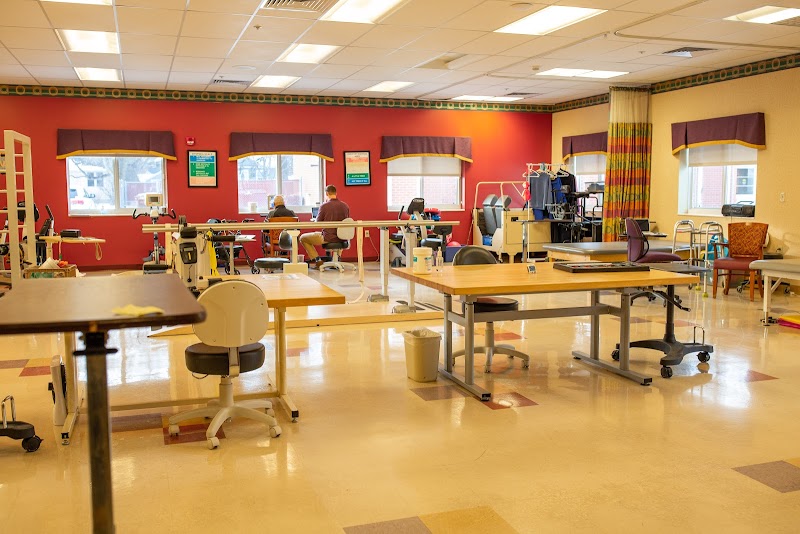
Who Owns and Operates The Meadows On University?

THE MEADOWS ON UNIVERSITY is owned by a for-profit company. For-profit facilities operate as businesses with obligations to shareholders or private owners. The facility is operated by EDURO HEALTHCARE, a chain that manages multiple nursing homes. With 68 certified beds and approximately 49 residents (about 72% occupancy), it is a smaller facility located in FARGO, North Dakota.
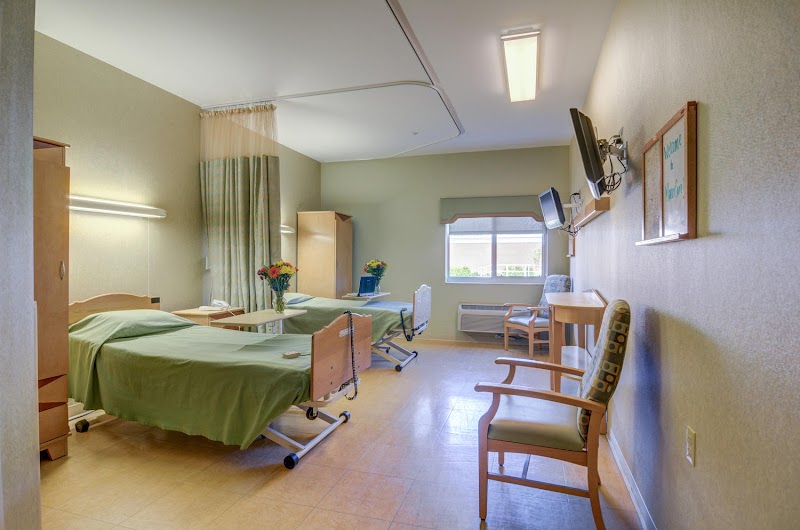
How Does The Meadows On University Compare to Other North Dakota Nursing Homes?

Compared to the 100 nursing homes in North Dakota, THE MEADOWS ON UNIVERSITY's overall rating (2 stars) is below the state average of 3.1, staff turnover (51%) is near the state average of 46%, and health inspection rating (2 stars) is below the national benchmark.

What Should Families Ask When Visiting The Meadows On University?

Based on this facility's data, families visiting should ask: "Can I visit during a mealtime to observe dining assistance and food quality?" "How do you handle medical emergencies, and what is your hospital transfer rate?" "Can I speak with family members of current residents about their experience?"

Is The Meadows On University Safe?

Based on CMS inspection data, THE MEADOWS ON UNIVERSITY has a clean safety record: no substantiated abuse findings (meaning no confirmed cases of resident harm), no Immediate Jeopardy citations (the most serious violation level indicating risk of serious injury or death), and is not on the Special Focus Facility watch list (a federal program monitoring the lowest-performing 1% of nursing homes). The facility has a 2-star overall rating and ranks #100 of 100 nursing homes in North Dakota. While no facility is perfect, families should still ask about staff-to-resident ratios and recent inspection results during their visit.

Do Nurses at The Meadows On University Stick Around?

THE MEADOWS ON UNIVERSITY has a staff turnover rate of 51%, which is 5 percentage points above the North Dakota average of 46%. Moderate turnover is common in nursing homes, but families should still ask about staff tenure and how the facility maintains care continuity when employees leave.

Was The Meadows On University Ever Fined?

THE MEADOWS ON UNIVERSITY has been fined $63,140 across 1 penalty action. This is above the North Dakota average of $33,710. Fines in this range indicate compliance issues significant enough for CMS to impose meaningful financial consequences. Common causes include delayed correction of deficiencies, repeat violations, or care failures affecting resident safety. Families should ask facility leadership what changes have been made since these penalties.

Is The Meadows On University on Any Federal Watch List?

THE MEADOWS ON UNIVERSITY is not on any federal watch list. The most significant is the Special Focus Facility (SFF) program, which identifies the bottom 1% of nursing homes nationally based on persistent, serious quality problems. Not being on this list means the facility has avoided the pattern of deficiencies that triggers enhanced federal oversight. This is a positive indicator, though families should still review the facility's inspection history directly.