HATTON PRAIRIE VILLAGE
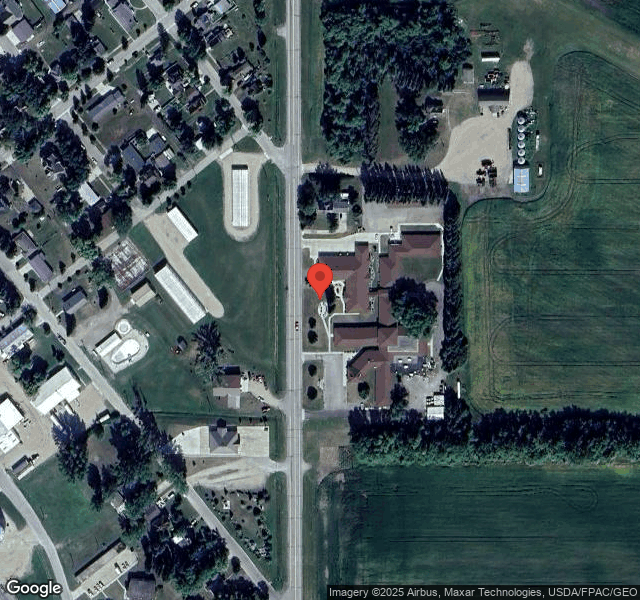

950 DAKOTA AVE, HATTON, ND 58240 (701) 543-3102
Non profit - Corporation 38 Beds Independent Data: November 2025
Trust Grade
80/100
#24 of 72 in ND
Last Inspection: September 2024

Within standard 12-15 month inspection cycle. Federal law requires annual inspections.

Overview

Hatton Prairie Village has a Trust Grade of B+, which means it is above average and recommended for families considering care options. It ranks #24 out of 72 facilities in North Dakota, placing it in the top half, and #1 of 3 in Traill County, indicating it is the best local option. However, the facility is currently worsening, with issues increasing from 2 in 2023 to 8 in 2024. Staffing is a strong point, rated 5 out of 5 stars with a turnover of 39%, which is below the state average, suggesting that staff are experienced and familiar with residents' needs. On the downside, the facility has reported 10 concerns, including failures to update care plans for several residents and ensure proper food storage to prevent contamination. Additionally, there was a lack of written transfer notices for a resident, which could hinder informed decision-making. Although there are strengths in staffing and no fines recorded, these issues highlight areas that need improvement.

Trust Score
B+
80/100
In North Dakota
#24/72
Top 33%
Safety Record
Low Risk
No red flags
Inspections
Getting Worse
2 → 8 violations
Staff Stability
○ Average
39% turnover. Near North Dakota's 48% average. Typical for the industry.
Penalties
✓ Good
No fines on record. Clean compliance history, better than most North Dakota facilities.
Skilled Nurses
✓ Good
Each resident gets 55 minutes of Registered Nurse (RN) attention daily — more than average for North Dakota. RNs are trained to catch health problems early.
Violations
○ Average
10 deficiencies on record. Average for a facility this size. Mostly minor or procedural issues.
★★★★☆
4.0
Overall Rating
★★★★★
5.0
Staff Levels
★★★☆☆
3.0
Care Quality
★★★☆☆
3.0
Inspection Score
Stable
2023: 2 issues
2024: 8 issues

The Good

  • 5-Star Staffing Rating · Excellent nurse staffing levels
  • Full Sprinkler Coverage · Fire safety systems throughout facility
  • No fines on record
  • Staff turnover below average (39%)

    9 points below North Dakota average of 48%

Facility shows strength in staffing levels, fire safety.

The Bad

Staff Turnover: 39%

Near North Dakota avg (46%)

Typical for the industry

The Ugly 10 deficiencies on record

Sept 2024 8 deficiencies
CONCERN (D)

Potential for Harm - no one hurt, but risky conditions existed

Transfer Notice (Tag F0623)

Could have caused harm · This affected 1 resident

Based on record review, review of facility policy, and staff interview, the facility failed to provide the resident or the resident's representative a written notice of transfer or a copy of the notic...

Read full inspector narrative →
Based on record review, review of facility policy, and staff interview, the facility failed to provide the resident or the resident's representative a written notice of transfer or a copy of the notice to the State Long Term Care Ombudsman for 1of 1 resident (Resident #4) reviewed for hospital transfer. Failure to provide a written copy of the transfer notice does not allow the resident and/or their representative to make an informed decision regarding their rights and does not allow the ombudsman to be aware of facility practices regarding transfer and discharge or advocate on the resident's behalf. Findings include: Review of the facility policy Transfer and Discharge of Resident occurred on 09/05/24. This policy, dated October 2022, stated, . Notify the resident and resident's representative in writing of the transfer . Give original notice to resident and resident's personal representative by first class mail or personal delivery; . send copies of transfer and discharge notices to the Office of the State Long Term Care Ombudsman . Review of Resident #4's medical record occurred on all days of survey. A hospital transfer occurred on 06/17/24. The medical record lacked evidence the facility provided the resident and/or representative with a written transfer notice or a copy of the transfer to the ombudsman. During an interview on 09/05/24 at 9:20 a.m., an administrative staff member (#1) confirmed the facility failed to provide a written notice of transfer to the resident or their representative, and send the notice to the ombudsman.
CONCERN (D)

Potential for Harm - no one hurt, but risky conditions existed

Deficiency F0625 (Tag F0625)

Could have caused harm · This affected 1 resident

Based on record review, review of facility policy, and staff interview, the facility failed to provide the resident or resident's representative a written bed hold notice for 1 of 1 resident (Resident...

Read full inspector narrative →
Based on record review, review of facility policy, and staff interview, the facility failed to provide the resident or resident's representative a written bed hold notice for 1 of 1 resident (Resident #4) reviewed for hospital transfer. Failure to provide a written copy of the bed hold notice and include the reserve bed amount does not allow the resident and/or their representative to make an informed decision regarding their rights. Findings include: Review of the facility policy Holding A Resident's Bed During Absences occurred on 09/05/24. This policy, dated November 2016, stated, . will inform a resident, legal representative and interested family members of our policy on holding a resident's bed during a resident's absence from our facility. prior to any hospitalization or therapeutic leave, including the amount of the bed-hold charge. Review of Resident #4's medical record occurred on all days of survey. A hospital transfer occurred on 06/17/24. The medical record lacked evidence the facility provided the resident and/or their representative with a written bed hold notice or the reserve bed hold amount. During an interview on 09/05/24 at 9:20 a.m., an administrative staff member (#1) confirmed the facility failed to provide a written bed hold notice or the reserve bed hold amount to the resident and/or their representative.
CONCERN (D)

Potential for Harm - no one hurt, but risky conditions existed

Deficiency F0637 (Tag F0637)

Could have caused harm · This affected 1 resident

Based on record review, review of the Long-Term Care Facility Resident Assessment Instrument (RAI) 3.0 User's Manual (Version 1.18.11), and staff interview, the facility failed to complete a significa...

Read full inspector narrative →
Based on record review, review of the Long-Term Care Facility Resident Assessment Instrument (RAI) 3.0 User's Manual (Version 1.18.11), and staff interview, the facility failed to complete a significant change is status assessment (SCSA) for 1 of 1 supplemental resident (Resident #35) who elected hospice services. Failure to complete a SCSA may affect the development of a comprehensive care plan and the care provided to the resident. Findings include: The Long-Term Care Facility RAI User's Manual, revised October 2023, page 2-25 stated, . An SCSA is required to be performed when a terminally ill resident enrolls in a hospice program . The ARD [assessment reference date] must be within 14 days from the effective date of the hospice election. Review of Resident #35's medical record occurred on September 3-4, 2024. A progress note, dated 07/03/24, identified the resident elected hospice services. The facility failed to complete a SCSA when Resident #35 elected hospice services. During an interview on 09/05/24 at 8:30 a.m., an administrative nurse (#7) confirmed the facility failed to complete a SCSA following Resident #35's election to hospice services.
CONCERN (D)

Potential for Harm - no one hurt, but risky conditions existed

Assessment Accuracy (Tag F0641)

Could have caused harm · This affected 1 resident

**NOTE- TERMS IN BRACKETS HAVE BEEN EDITED TO PROTECT CONFIDENTIALITY** Based on record review, review of the Long-Term Care Facility Resident Assessment Instrument (RAI) 3.0 User's Manual (Version 1....

Read full inspector narrative →
**NOTE- TERMS IN BRACKETS HAVE BEEN EDITED TO PROTECT CONFIDENTIALITY** Based on record review, review of the Long-Term Care Facility Resident Assessment Instrument (RAI) 3.0 User's Manual (Version 1.18.11), and staff interview, the facility failed to ensure accurate coding of the Minimum Data Set (MDS) for 3 of 13 sampled residents (Resident #4, #12, and #32). Failure to accurately complete the MDS does not allow each resident's assessment to reflect their current status/needs and may affect the accurate development of a comprehensive care plan and the care provided to the residents. Findings include: SECTION I: ACTIVE DIAGNOSES The Long-Term Care Facility RAI User's Manual, revised October 2023, pages I-7 to I-8, stated, . Code diseases that have a documented diagnosis in the last 60 days and have a direct relationship to the resident's current functional status, cognitive status, mood or behavior status, medical treatments, nursing monitoring, or risk of death during the 7-day look-back period. Review of Resident #12's medical record occurred on all days of survey. The care plan identified a problem, goals, and interventions related to Post-Traumatic Stress Disorder (PTSD). Review of psychiatry notes, dated 06/11/24 and 08/13/24, identified PTSD as a current diagnosis. Resident #12's annual MDS, dated [DATE], lacked identification of the PTSD diagnosis. SECTION N: MEDICATIONS The Long-Term Care Facility RAI User's Manual, revised October 2023, pages N-6 to N-7, stated, . Code all high-risk drug class medications according to their pharmacological classification . N0415: High-Risk Drug Classes . Coding Instructions . N0415F1. Antibiotic: Check if an antibiotic medication was taken by the resident at any time during the 7-day look-back period. N0415I1. Antiplatelet: Check if an antiplatelet medication (e.g., [example] . clopidogrel) was taken by the resident at any time during the 7-day observation period. - Review of Resident #4's medical record occurred on all days of survey. Physician's orders, dated 06/20/24, included clopidogrel 75 milligrams daily. The significant change in status assessment (SCSA) MDS, dated [DATE], lacked coding of the antiplatelet. During an interview on 09/05/24 at 8:30 a.m., an administrative nurse (#7) confirmed staff failed to code the MDS correctly for Resident #4. - Review of Resident #32's medical record occurred on all days of survey. The record identified the resident received doxycycline (an antibiotic) since 05/11/23. The quarterly MDS, dated [DATE], lacked coding of the antibiotic. During an interview on 09/04/24 at 5:43 p.m., an administrative nurse (#1) confirmed Resident #32 had been taking doxycycline since 05/11/23 and staff failed to code it on the resident's MDS.
CONCERN (D)

Potential for Harm - no one hurt, but risky conditions existed

Accident Prevention (Tag F0689)

Could have caused harm · This affected 1 resident

**NOTE- TERMS IN BRACKETS HAVE BEEN EDITED TO PROTECT CONFIDENTIALITY** Based on record review, review of facility policy, and staff interview, the facility failed to ensure residents received adequat...

Read full inspector narrative →
**NOTE- TERMS IN BRACKETS HAVE BEEN EDITED TO PROTECT CONFIDENTIALITY** Based on record review, review of facility policy, and staff interview, the facility failed to ensure residents received adequate supervision and/or monitoring for 1 of 1 sampled resident (Resident #28) with an elopement. Failure to identify the resident's risk for elopement and implement, monitor, and modify individualized resident-centered interventions when necessary placed the resident's health and safety at risk when they eloped from the facility. Findings include: Review of the facility policy titled MISSING RESIDENT occurred on 09/05/24. This policy, dated November 2018, stated, . [NAME] Prairie Village assesses residents prior to and upon admission for elopement risk, including all cognitively impaired residents. It also reassesses residents periodically to see if elopement risk is now present, has decreased or increased. Review of Resident #28's medical record occurred on all days of survey and included the diagnoses of dementia and restlessness and agitation. The care plan, dated 07/24/24, stated, . Resident exhibits wandering and a risk for elopement R/T [related to] was outside facility . The medical record showed the facility admitted Resident #28 and her husband in 2022. Resident #28's husband moved to a different facility in October of 2023 and Resident #28 moved to a different room. Resident #28's progress notes included the following: * 10/01/23 at 5:56 p.m. she is confused and wanders throughout the facility up and down the halls . Resident and her spouse tried to go outside for a walk . * 10/21/23 at 7:29 a.m. Resident . stating 'I want to get out of here!' . * 10/21/23 at 10:32 a.m. resident . insisting that she is 'leaving, going somewhere else'. She paced around the facility . * 11/24/23 at 11:31 a.m. Just now again she [Resident #28] brought a folder with photos in it to the nurse's station wondering what to do with them because 'we're leaving tonight' . * 12/12/23 at 4:53 p.m. [Resident #28's name] was putting her belongings out in the hallway. * 07/20/24 at 3:12 p.m. Writer saw [Resident #28's name] through the window walking around the east side of the building, staff was immediately sent to catch up with [Resident #28's name]. She came back inside with staff willingly without issue. [Resident #28's name] was unharmed. Wander guard on [Resident #28's name] wrist to prevent future elopement. During an interview on 09/05/24 at 10:55 a.m., an administrative nurse (#1) verified the facility lacked documentation of an assessment of Resident #28's elopement risk on admission and prior to or after her elopement on 07/20/24. The facility failed to evaluate Resident #28's elopement risk on admission and even though the resident expressed her wishes to leave the facility on several occasions, the facility failed to recognize those behaviors as possible signs of elopement and implement individualized interventions to prevent an elopement.
CONCERN (D)

Potential for Harm - no one hurt, but risky conditions existed

Infection Control (Tag F0880)

Could have caused harm · This affected 1 resident

Based on observation, record review, facility policy review, and staff interview, the facility failed to follow standards of infection control for 2 of 5 sampled residents (Resident #4, and #12) and 1...

Read full inspector narrative →
Based on observation, record review, facility policy review, and staff interview, the facility failed to follow standards of infection control for 2 of 5 sampled residents (Resident #4, and #12) and 1 supplemental resident (Resident #35) observed during cares. Failure to follow infection control practices during resident cares related to hand hygiene, glove use, and enhanced barrier precautions (EBP), has the potential to spread infection throughout the facility. Findings include: Review of the facility policy titled Glove Use occurred on 09/05/24. This policy, dated June 2024, stated, . Gloves shall be used for touching excretions, secretions, blood, body fluids, mucous membranes, and non-intact skin. Handwashing is necessary even if gloves are worn. Handwashing should be completed after every removal of gloves. Review of the facility policy titled Enhanced Barrier Precautions (EBP) occurred on 09/05/24. This policy, dated April 2024, stated, . staff will use EBP (gowns and gloves) for residents with any of the following: . Indwelling medical devices, . Indwelling medical device examples include: . urinary catheters, . Employees will use EBP (gowns and gloves) when performing the following high-contact resident care activities: . Transferring . HAND HYGIENE/GLOVE USE: - Observation on 09/03/24 at 4:09 p.m. showed a certified nurse aide (CNA) (#4) donned gloves, removed Resident #35's soiled brief, assisted the resident onto the toilet, removed her gloves and failed to perform hand hygiene. - Observation on 09/04/24 at 1:34 p.m. showed a CNA (#5) completed perineal cares for Resident #4 after an incontinent bowel movement. During the cares, the CNA failed to perform hand hygiene between glove changes. After the cares, the CNA (#5) removed the soiled gloves and without performing hand hygiene applied a clean brief and adjusted the resident's clothing. ENHANCED BARRIER PRECAUTIONS: Review of Resident #12's medical record occurred on all days of survey. The physician's orders included an indwelling urinary catheter. A supply cart located outside the resident's room contained a sign indicating EBP. Observation on 09/03/24 at 5:30 p.m. showed a CNA (#6) entered Resident #12's room with a stand lift. The CNA failed to donn a gown and gloves before utilizing a mechanical stand lift to assist Resident #12 from the wheelchair into the recliner chair, removing the sling from behind the resident, and placing the resident's personal items and call light within reach. During an interview on 09/05/24 at 10:50 a.m., an administrative nurse (#1) confirmed she expected staff to follow the policy and procedures for hand hygiene, glove use, and EBP.
CONCERN (E)

Potential for Harm - no one hurt, but risky conditions existed

Deficiency F0657 (Tag F0657)

Could have caused harm · This affected multiple residents

Based on record review, review of facility policy, and staff interview, the facility failed to review and revise care plans to reflect residents' current status for 5 of 13 sampled residents (Resident...

Read full inspector narrative →
Based on record review, review of facility policy, and staff interview, the facility failed to review and revise care plans to reflect residents' current status for 5 of 13 sampled residents (Resident #4, #13, #15, #30 and #32) and 1 supplemental resident (Resident #35). Failure to update care plans limited staffs' ability to communicate needs and ensure continuity of care. Findings include: Review of the facility policy titled Care Plans and Care Plan Team occurred on 09/05/24. This policy, dated 10/28/22, stated, . The Care Plan Team will develop and implement a comprehensive care plan for each resident. The care plan includes the following: Resident's doctor's plan of medical care to attain or maintain the resident's highest practicable physical, mental and psychosocial well-being . Care plans will be individualized to meet the needs of a resident . Each resident will have care plan meetings when moving into the facility, quarterly, annually and if the resident has a significant change in health. The care plan team will review and revise a resident's care plan at each of these times. - Review of Resident #4's medical record occurred on all days of survey. The progress notes identified Resident #4 returned from a hospitalization on 06/20/24 with a new diagnosis of STEMI (ST-elevation myocardial infarction, a type of severe heart attack). The hospital return medication orders included an antiplatelet (prevents blood clots), diuretics (increases fluid and salt loss from the body), and blood pressure medications. Resident #4's care plan lacked a problem, goal, and interventions related to a change in condition regarding a new diagnosis of STEMI and medication changes post hospitalization. - Review of Resident #13's medical record occurred on all days of survey and included physician's orders for insulin (lowers blood glucose levels) and a blood thinner. Resident #13's care plan lacked a problem, goal, or interventions related to the resident taking insulin and a blood thinner. - Review of Resident #15's medical record occurred on all days of survey. A physician's order, dated 08/19/24, identified the resident wears a wanderguard. A progress note, dated 08/20/24 at 12:12 a.m., indicated the resident attempted to exit the building and entered several rooms within the facility. Resident #15's care plan lacked a problem, goal, and interventions related to wandering/exit seeking behaviors. - Review of Resident #30's medical record occurred on all days of survey and identified the resident admitted to the facility in March 2024 on hospice services with a diagnosis of liver cancer. Resident #30's care plan lacked a problem, goal, or interventions related to hospice and the diagnosis of liver cancer. During an interview on 09/04/24 at 3:15 p.m., an administrative nurse (#1) agreed Resident #30's care plan lacked a specific hospice problem. - Review of Resident #32's medical record occurred on all days of survey. A physician's order, dated 05/11/23, identified the resident receives an antibiotic for ongoing therapy for an eye condition. Resident #32's care plan lacked a problem, goal, and interventions related to long term use of an antibiotic. - Review of Resident #35's medical record occurred on September 3-4, 2024. The progress notes identified Resident #35 elected hospice services and the hospice admission occurred on 07/03/24. Resident #35's care plan lacked a problem, goal, and interventions related to hospice services. During an interview on 09/04/24 at 3:50 p.m., an administrative nurse (#1) stated she expected staff to update the resident care plans following a change in condition.
CONCERN (E)

Potential for Harm - no one hurt, but risky conditions existed

Food Safety (Tag F0812)

Could have caused harm · This affected multiple residents

Based on observation, review of professional reference, and staff interview, the facility failed to ensure food is stored in accordance with professional standards and in a sanitary environment in 1 o...

Read full inspector narrative →
Based on observation, review of professional reference, and staff interview, the facility failed to ensure food is stored in accordance with professional standards and in a sanitary environment in 1 of 1 kitchen (main kitchen). Failure to ensure food is safe from sources of contamination may result in a foodborne illness or adverse effects for residents, visitors, and staff. Findings include: The 2022 Food and Drug Administration (FDA) Food Code, Annex 3-100 stated, . Preventing contamination from the premises . 3-305.11 Food Storage. Pathogens can contaminate and/or grow in food that is not stored properly. Drips of condensate . can be sources of microbial contamination for stored food. Chapter 6-3 Physical Facilities . 6-202.12 Heating, Ventilating, Air Conditioning System Vents. Heating, ventilating, and air conditioning systems shall be designed and installed so that . air intake and exhaust vents do not cause contamination of FOOD, FOOD-CONTACT SURFACES, EQUIPMENT, or UTENSILS. Observation of the kitchen on 09/03/24 at 11:45 a.m. showed the following: - Walk-in Freezer: Two fans with icicles dripping onto an open pail of steak strips. - Kitchen preparation and serving area: Water from an air conditioning unit running down the wall adjacent to the countertop. Dietary staff had taped aluminum foil to the wall to guide water into a plastic collection receptacle. Water splashed outside the receptacle and onto the countertop. During an interview on 09/05/24 at 10:30 a.m., a maintenance staff member (#3) stated unawareness of the issue with the kitchen air conditioner.
Oct 2023 1 deficiency
CONCERN (D)

Potential for Harm - no one hurt, but risky conditions existed

Deficiency F0658 (Tag F0658)

Could have caused harm · This affected 1 resident

Based on record review, review of facility policy, review of professional reference, and staff interview, the facility failed to provide care in accordance with professional standards for 1 of 13 samp...

Read full inspector narrative →
Based on record review, review of facility policy, review of professional reference, and staff interview, the facility failed to provide care in accordance with professional standards for 1 of 13 sampled residents (Resident #13) who experienced an unwitnessed fall. Failure to perform neurological assessments and follow up on a blood pressure identified as out-of-range following a fall may result in delayed identification and treatment of a resident's medical condition. Findings include: Review of the facility policy titled NEUROLOGICAL ASSESSMENT occurred on 10/05/23. This undated policy stated, . All residents experiencing an unwitnessed fall will have a neurological assessment completed by a nurse. The neurological assessment will be done every 12 hours x [for] 3 days . Kozier & Erb's Fundamentals of Nursing, Concepts, Process and Practice, 11th Edition eText, 2021, Pearson, Boston, Massachusetts, pages 535-536, stated, . blood pressure . is an important indicator of the client's condition and is used extensively as a basis for nursing interventions. confirm accuracy of the reading-especially if it falls outside the normal range . Review of Resident #13's medical record occurred on all days of survey. The record identified unwitnessed falls on 07/01/23 and 09/09/23 with only one documented neurological assessment for each fall. The record also identified one documented blood pressure reading of 171/78 for the 09/09/23 fall. This reading flagged as out-of-range. The record lacked evidence of follow-up blood pressure monitoring. During an interview on 10/04/23 at 9:32 a.m., an administrative nurse (#1) confirmed staff failed to continue with neurological assessments for Resident #13's unwitnessed falls and failed follow-up on the blood pressure reading recorded on 09/09/23.
May 2023 1 deficiency
CONCERN (D) 📢 Someone Reported This

A family member, employee, or ombudsman was alarmed enough to file a formal complaint

Potential for Harm - no one hurt, but risky conditions existed

Deficiency F0940 (Tag F0940)

Could have caused harm · This affected 1 resident

**NOTE- TERMS IN BRACKETS HAVE BEEN EDITED TO PROTECT CONFIDENTIALITY** Based on review of the facility reported incident investigation report, review of the facility employee handbook and policies, r...

Read full inspector narrative →
**NOTE- TERMS IN BRACKETS HAVE BEEN EDITED TO PROTECT CONFIDENTIALITY** Based on review of the facility reported incident investigation report, review of the facility employee handbook and policies, review of personnel records, review of the contract staffing agency policies, and staff interviews, the facility failed to complete new employee orientation for 1 of 1 contracted staff (Staff #1). Failure to appropriately train all staff, including facility staff, contracted staff, and volunteers has the potential to adversely affect resident safety, care and may increase the risk of adverse events. Findings include: Review of the facility Employee Handbook occurred on 05/15/23. Page 9 of this handbook, revised April 2023, stated . Orientation. Within seven (7) days of employment you will receive training in the following areas . Safe operating procedures . You will also receive a copy of HPV's [[NAME] Prairie Village] Employee Handbook which describes the expectations of employment at HPV, its policies and benefits available to you. Page 57 of the employee handbook included policy 6.30 titled Code of Conduct and Disciplinary Action This policy states . [NAME] Prairie Village may terminate an employee immediately . for certain actions, as follow .Carrying weapons of any kind in HPV's buildings or on its property . Review of facility policy number 8.64 titled Workplace Violence Policy states . Weapons in the Workplace. [NAME] Prairie Village prohibits employees or any person in its buildings .from possessing weapons of any kind. Prohibited weapons include, but are not limited to, hand guns . Review of the New Employee Onboarding Process effective April 26, 2022, showed on Page 2 that an employee is to Review policies/sign forms including Abuse and Neglect and Alcohol and Drug Use. This form is to be initialed by the orientator when complete. Review of contract staff #1's staffing agency's policies and procedures occurred on 05/15/23. This document, signed by contract staff #1 on 02/21/23 acknowledged I have received a copy of the following Policies and Procedures and any applicable supplement for [staffing agency] . Employee Handbook . Page 15 of the [staffing agency] employee handbook states, being under the influence of . alcohol . while on client premises . is strictly prohibited. Page 16 states . [staffing agency] prohibits the possession of weapons . additionally, while on duty, employees may not carry a weapon of any type. The facility's investigation report included the following documentation: On Sunday afternoon, May 7, (Staff #1) . approached (Individual A) . (Staff #1) was staying in HPV's motel room . The motel room is located at the very end of our south hallway. (Individual A) noticed a large hole in the door to the motel room. (Individual A) asked (Staff #1) what happened to the door. (Staff #1) told (Individual A) her gun had gone off accidentally and could he repair the door. (Individual A) asked (Staff #1) why she had a gun in the room and she said she normally keeps it in her car but brought the gun in with her after drinking/partying in a local bar . (Staff #1) main concern wasn't that her gun had discharged in a nursing home, but how to cover up/hide the damage. (Individual A) immediately called (Staff #2). [NAME] County Sheriff's Department was called immediately after this notification. Two deputies arrived timely at HPV and interviewed (Staff #1). HPV prohibits guns/firearm in our facility and on our grounds. We had no knowledge that (Staff #1) had a gun with her. We did do an orientation with (Staff #1) when she arrived for work at HPV which included our alcohol/drug policy. We did not review our gun/firearms prohibition policy with (Staff #1). It has not been a part of our orientation with agency employees. Review of contract staff #1's personnel file showed no documentation of orientation/onboarding/training provided or signed within seven days of employment. During interviews on 05/15/23 at 9:30 a.m. and 11:10 a.m. respectively, an administrative staff member (#2) confirmed the supervising manager did not complete orientation with contracted staff #1. When asked if it is each department supervisors' responsibility to orientate staff to their departments she stated, Yes. Administrative staff (#2) confirmed the facility does not have a contracted employee onboarding policy or checklist. The facility currently utilized their own employee onboarding checklist. During an interview on 05/15/23 at 12:10 p.m., an administrative staff member (#2) confirmed employee orientation should be done with all new staff including contract staff.
Understanding Severity Codes (click to expand)
Life-Threatening (Immediate Jeopardy)
J - Isolated K - Pattern L - Widespread
Actual Harm
G - Isolated H - Pattern I - Widespread
Potential for Harm
D - Isolated E - Pattern F - Widespread
No Harm (Minor)
A - Isolated B - Pattern C - Widespread

Questions to Ask on Your Visit

  • "Can I speak with families of current residents?"
  • "What's your RN coverage like on weekends and overnight?"

Our Honest Assessment

Strengths
  • • Grade B+ (80/100). Above average facility, better than most options in North Dakota.
  • • No major safety red flags. No abuse findings, life-threatening violations, or SFF status.
  • • No fines on record. Clean compliance history, better than most North Dakota facilities.
  • • 39% turnover. Below North Dakota's 48% average. Good staff retention means consistent care.
Concerns
  • • No significant concerns identified. This facility shows no red flags across CMS ratings, staff turnover, or federal penalties.
Bottom line: Generally positive indicators. Standard due diligence and a personal visit recommended.

About This Facility

What is Hatton Prairie Village's CMS Rating?

CMS assigns HATTON PRAIRIE VILLAGE an overall rating of 4 out of 5 stars, which is considered above average nationally. Within North Dakota, this rating places the facility higher than 99% of the state's 100 nursing homes. This rating reflects solid performance across the metrics CMS uses to evaluate nursing home quality.
How is Hatton Prairie Village Staffed?

CMS rates HATTON PRAIRIE VILLAGE's staffing level at 5 out of 5 stars, which is much above average compared to other nursing homes. Staff turnover is 39%, compared to the North Dakota average of 46%. This relatively stable workforce can support continuity of care.

What Have Inspectors Found at Hatton Prairie Village?

State health inspectors documented 10 deficiencies at HATTON PRAIRIE VILLAGE during 2023 to 2024. These included: 10 with potential for harm.
Who Owns and Operates Hatton Prairie Village?

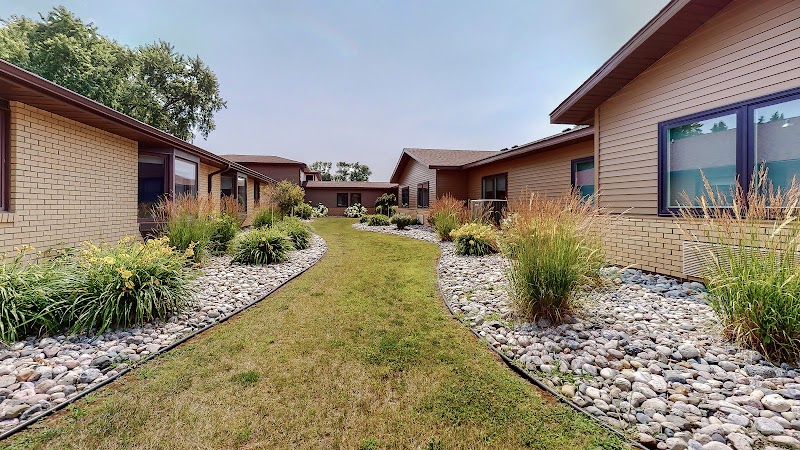
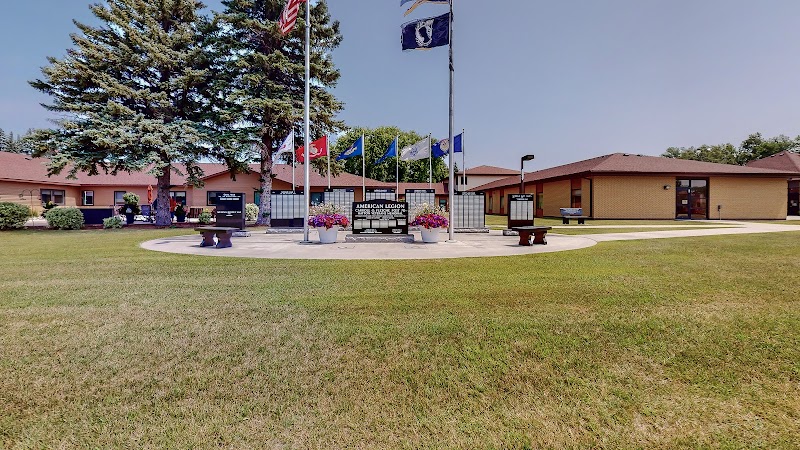
HATTON PRAIRIE VILLAGE is owned by a non-profit organization. Non-profit facilities reinvest revenue into operations rather than distributing to shareholders. The facility operates independently rather than as part of a larger chain. With 38 certified beds and approximately 34 residents (about 89% occupancy), it is a smaller facility located in HATTON, North Dakota.
How Does Hatton Prairie Village Compare to Other North Dakota Nursing Homes?

Compared to the 100 nursing homes in North Dakota, HATTON PRAIRIE VILLAGE's overall rating (4 stars) is above the state average of 3.1, staff turnover (39%) is near the state average of 46%, and health inspection rating (3 stars) is at the national benchmark.

What Should Families Ask When Visiting Hatton Prairie Village?

Based on this facility's data, families visiting should ask: "Can I visit during a mealtime to observe dining assistance and food quality?" "How do you handle medical emergencies, and what is your hospital transfer rate?" "Can I speak with family members of current residents about their experience?"

Is Hatton Prairie Village Safe?

Based on CMS inspection data, HATTON PRAIRIE VILLAGE has a clean safety record: no substantiated abuse findings (meaning no confirmed cases of resident harm), no Immediate Jeopardy citations (the most serious violation level indicating risk of serious injury or death), and is not on the Special Focus Facility watch list (a federal program monitoring the lowest-performing 1% of nursing homes). The facility has a 4-star overall rating and ranks #1 of 100 nursing homes in North Dakota. While no facility is perfect, families should still ask about staff-to-resident ratios and recent inspection results during their visit.

Do Nurses at Hatton Prairie Village Stick Around?

HATTON PRAIRIE VILLAGE has a staff turnover rate of 39%, which is about average for North Dakota nursing homes (state average: 46%). Moderate turnover is common in nursing homes, but families should still ask about staff tenure and how the facility maintains care continuity when employees leave.

Was Hatton Prairie Village Ever Fined?

HATTON PRAIRIE VILLAGE has no federal fines on record. CMS issues fines when nursing homes fail to meet care standards or don't correct problems found during inspections. The absence of fines suggests the facility has either maintained compliance or corrected any issues before penalties were assessed. This is a positive indicator, though families should still review recent inspection reports for the full picture.

Is Hatton Prairie Village on Any Federal Watch List?

HATTON PRAIRIE VILLAGE is not on any federal watch list. The most significant is the Special Focus Facility (SFF) program, which identifies the bottom 1% of nursing homes nationally based on persistent, serious quality problems. Not being on this list means the facility has avoided the pattern of deficiencies that triggers enhanced federal oversight. This is a positive indicator, though families should still review the facility's inspection history directly.