SANFORD HILLSBORO CARE CENTER
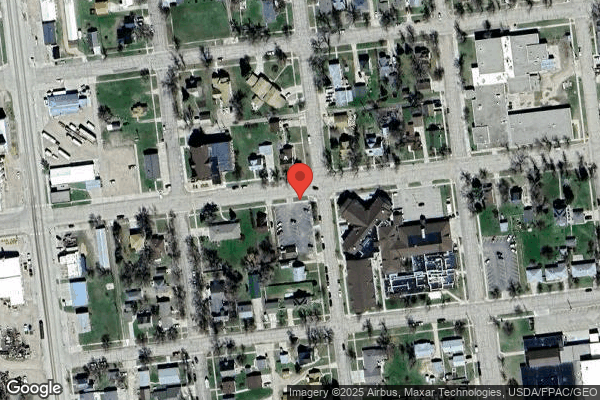
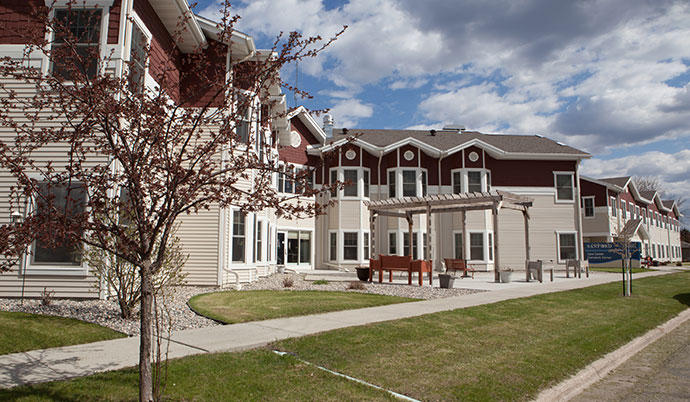
12 3RD ST SE, HILLSBORO, ND 58045 (701) 636-3235
Non profit - Corporation 34 Beds SANFORD HEALTH GOOD SAMARITAN (PROSPERA) Data: November 2025 1 Immediate Jeopardy citation
Trust Grade
28/100
#66 of 72 in ND
Last Inspection: June 2025

Inspected within the last 6 months. Data reflects current conditions.

Overview

Sanford Hillsboro Care Center has received a Trust Grade of F, indicating a poor rating with significant concerns about care quality. It ranks #66 out of 72 facilities in North Dakota, placing it in the bottom half for state performance, and #3 out of 3 in Traill County, meaning only one local option is better. Although the facility's issues have decreased from 6 in 2024 to 3 in 2025, there are still critical incidents, such as a resident suffering burns from hot coffee due to improper temperature monitoring and inadequate supervision leading to another burn injury. Staffing is a relative strength with a rating of 4 out of 5 stars, but a turnover rate of 51% is concerning. Lastly, the facility has incurred $42,488 in fines, which is higher than 89% of North Dakota facilities, indicating troubling compliance issues.

Trust Score
F
28/100
In North Dakota
#66/72
Bottom 9%
Safety Record
High Risk
Review needed
Inspections
Getting Better
6 → 3 violations
Staff Stability
⚠ Watch
51% turnover. Above average. Higher turnover means staff may not know residents' routines.
Penalties
✓ Good
$42,488 in fines. Lower than most North Dakota facilities. Relatively clean record.
Skilled Nurses
○ Average
Each resident gets 39 minutes of Registered Nurse (RN) attention daily — about average for North Dakota. RNs are the most trained staff who monitor for health changes.
Violations
○ Average
10 deficiencies on record. Average for a facility this size. Mostly minor or procedural issues.
★☆☆☆☆
1.0
Overall Rating
★★★★☆
4.0
Staff Levels
★☆☆☆☆
1.0
Care Quality
★★☆☆☆
2.0
Inspection Score
Stable
2024: 6 issues
2025: 3 issues

The Good

  • 4-Star Staffing Rating · Above-average nurse staffing levels
  • Full Sprinkler Coverage · Fire safety systems throughout facility
  • No fines on record

Facility shows strength in staffing levels, fire safety.

The Bad

1-Star Overall Rating

Below North Dakota average (3.1)

Significant quality concerns identified by CMS

Staff Turnover: 51%

Near North Dakota avg (46%)

Higher turnover may affect care consistency

Federal Fines: $42,488

Above median ($33,413)

Moderate penalties - review what triggered them

Chain: SANFORD HEALTH GOOD SAMARITAN (PROS

Part of a multi-facility chain

Ask about local staffing decisions and management

The Ugly 10 deficiencies on record

1 life-threatening 1 actual harm
Jun 2025 3 deficiencies
CONCERN (D)

Potential for Harm - no one hurt, but risky conditions existed

Deficiency F0657 (Tag F0657)

Could have caused harm · This affected 1 resident

Based on record review, review of facility policy, and staff interview, the facility failed to review and revise the care plan to reflect the current status for 1 of 5 sampled residents (Resident #30)...

Read full inspector narrative →
Based on record review, review of facility policy, and staff interview, the facility failed to review and revise the care plan to reflect the current status for 1 of 5 sampled residents (Resident #30) reviewed for unnecessary medications. Failure to revise the care plan limited the staff's ability to communicate needs and ensure continuity of care. Findings include: Review of the facility policy titled Care Plan occurred on 06/26/25. This policy, dated 12/02/24, stated, . The plan of care will be modified to reflect the care currently required/provided for the resident. Review of Resident #30's medical record occurred on all days of survey. Physician's orders identified Lasix (diuretic) 40 milligrams twice a day and Tramadol (opioid pain medication) 50 milligrams twice a day and as needed for pain. Resident #30's care plan failed to identify problems and interventions due to the use of diuretic and opioid pain medication. During an interview on 06/26/25 at 11:00 a.m., an administrative staff member (#1) confirmed staff failed to update Resident #30's care plan.
CONCERN (D)

Potential for Harm - no one hurt, but risky conditions existed

Deficiency F0658 (Tag F0658)

Could have caused harm · This affected 1 resident

Based on observation, record review, review of facility policy, professional reference, and staff interview, the facility failed to follow professional standards of practice for medication administrat...

Read full inspector narrative →
Based on observation, record review, review of facility policy, professional reference, and staff interview, the facility failed to follow professional standards of practice for medication administration for 1 of 1 supplemental resident (Resident #11). Failure to correctly administer and document medication administration may result in errors and/or adverse effects for the resident. Findings include: Kozier & Erb's Fundamentals of Nursing, Concepts, Process and Practice, 11th Edition eText, 2021, Pearson, Boston, Massachusetts, page 832, stated, Practice Guidelines . Administering Medications . Administer only medications personally prepared. Review of the facility policy titled Medication: Administration Including Scheduling and Medication Aides occurred on 06/26/25. This policy, dated April 2025, stated . Purpose: . To administer medications correctly and in a timely manner . Medications are administered to the resident according to the 'Six Rights.' . Administer only those medications that you prepared. Do not ask anyone else to administer medications that you prepared. Do not administer medications prepared by anyone else. Observation on 06/26/25 at 9:20 a.m. identified a medication aide (MA) (#3) obtained a cup of medications and a cup of applesauce from the drawer of the medication cart and handed them to a nurse (#4). The nurse asked, Are these [Resident #11's name]? The MA (#3) replied Yes, and the nurse (#4) proceeded to Resident #11's room and administered the medications. The MA (#3) confirmed she dished Resident #11's medications earlier that morning and attempted to administer twice. Resident #11's electronic medication administration record (eMAR) identified the following medications documented as administered by the MA (#3) on 06/26/25 at 9:48 a.m.: *Aspirin 81 milligrams (mg) tablet *Bactrim DS (antibiotic) 800-160 mg tablet *Duloxetine (antidepressant) 60 mg capsule *Prevagen (memory loss) 10 mg capsule *Rivastigmine tartrate (memory loss) 6 mg capsule *Senna (laxative) 8.6 mg tablet *Seroquel (antipsychotic) 25 mg tablet *Vitamin B-12 1,000 micrograms (mcg) tablet *Vitamin D3 50 mcg tablet During an interview on 06/26/25 at 11:00 a.m., an administrative staff member (#1) confirmed she expected medication aides and nurses to administer medications they personally prepared.
CONCERN (D)

Potential for Harm - no one hurt, but risky conditions existed

Accident Prevention (Tag F0689)

Could have caused harm · This affected 1 resident

**NOTE- TERMS IN BRACKETS HAVE BEEN EDITED TO PROTECT CONFIDENTIALITY** Based on record review, review of facility policy, and resident and staff interview, the facility failed to properly utilize ass...

Read full inspector narrative →
**NOTE- TERMS IN BRACKETS HAVE BEEN EDITED TO PROTECT CONFIDENTIALITY** Based on record review, review of facility policy, and resident and staff interview, the facility failed to properly utilize assistive devices necessary to prevent accidents and/or injury for 1 of 2 sampled residents (Resident #30) reviewed for falls. Failure to lock tub chair brakes placed residents at risk for falls and/or injury. Findings include: Review of the facility policy titled Fall Risk & Prevention: Standards of Care occurred on 06/26/25. This policy, dated February 2024, stated, . Procedure: Transfer/Locomotion: 2. Follow care-plan for level assistance required . 4. Lock brakes on wheelchair for pivot transfer. Review of the facility policy titled Falls Resource Packet occurred on 06/26/25. This policy, dated April 2025, stated, . Fall reduction efforts include . Safe and proper use of any assistive device (wheelchair, walker, etc.) and not to use moveable items, (furniture, etc.) for balance or transfers . During an interview on 06/23/25 at 5:30 p.m., Resident #30 stated he had fallen in the shower room. They were helping me to stand, and I wasn't quite out of the [tub] chair, and it rolled back. I fell on my right side. Review of Resident #30's medical record occurred on all days of survey. The care plan stated, . ADL [activities of daily living] Deficit r/t [related to] diagnosis of weakness . minimum of 1 assist with transfers and ambulation . [Resident] is at risk for falls due to: history of frequent falling prior to move-in . A Resident Event Review, dated 06/11/25, identified Resident #30 fell on [DATE] at 10:00 a.m. and stated, breaks [sic] were not locked on tub chair. Resident attempted to transfer from tub chair to wheelchair. Tub chair rolled out from under resident and resident fell. Education provided to CNA [certified nurse aide] by charge nurse at time of event. No residual injury occurred from fall. During an interview on 06/25/25 at 4:00 p.m., an administrative staff member (#1) confirmed the CNA failed to lock the tub chair.
Jun 2024 6 deficiencies 1 IJ (1 affecting multiple)
CRITICAL (K)

Immediate Jeopardy (IJ) - the most serious Medicare violation

Accident Prevention (Tag F0689)

Someone could have died · This affected multiple residents

**NOTE- TERMS IN BRACKETS HAVE BEEN EDITED TO PROTECT CONFIDENTIALITY** 1. Based on observation, record review, review of facility policy, and staff interview, the facility failed to ensure an environ...

Read full inspector narrative →
**NOTE- TERMS IN BRACKETS HAVE BEEN EDITED TO PROTECT CONFIDENTIALITY** 1. Based on observation, record review, review of facility policy, and staff interview, the facility failed to ensure an environment free of accident hazards for 1 of 1 sampled resident (Resident #27) who experienced a burn related to hot coffee. Failure to ensure appropriate coffee/water temperatures resulted in Resident #27 sustaining a burn and placed all residents at risk for serious burns/injuries. During the on-site recertification survey, the team consulted with the State Survey Agency (SSA) and determined an Immediate Jeopardy (IJ) situation existed on 05/28/24 at 6:20 p.m. The IJ resulted from temperature readings obtained from the coffee/hot water machine, a lack of temperature monitoring by staff, and an injury to a resident. This finding placed residents in immediate danger due to hot temperatures and the potential for serious burns. *05/28/24 at 6:50 p.m. The survey team notified the administrator and director of nursing of the IJ situation, provided the IJ template, and requested a plan for removal of the immediate jeopardy. *05/29/24 at 10:15 a.m. The survey team reviewed and accepted the facility's removal plan for the IJ. The removal plan contained the following: *Immediately disconnected power to coffee machines, coffee and hot water with temperatures at or below 150 degrees were made available in carafes *Implement focus audit to monitor coffee and hot water temperatures twice daily in carafes *Education was provided to dietary and nursing staff currently working and staff not present will be trained on their next scheduled shift *Message sent to nursing staff to review the policy related to hot liquids *06/05/24 The survey team verified the implementation of the removal plan as of 05/28/24 and the IJ removal. The deficient practice remained at an G scope and severity following the removal of the immediate jeopardy. Findings include: Review of the facility policy titled Hot Liquids - Food and Nutrition Services occurred on 05/29/24. This policy, revised 04/19/24, stated, . When self-service of hot liquids are available in the dining room: a. Consider serving liquids at temperatures at or below 150 degrees Fahrenheit . When serving hot liquids to residents with behavior or medical conditions that put them at increased risk for spills: . Allow hot liquids to cool before serving to reduce the risk and/or severity of burns. c. Add ice to hot liquids before serving, if resident agrees . Review of Resident #27's medical record occurred on 05/28/24. Nursing progress notes included the following: * 05/24/24 at 5:47 p.m. Resident was sitting in dining room eating her meal and drinking coffee. Resident spilled her hot coffee into her lap. Nurse observed the incident and immediately pulled her polyester pants away from her legs and got her back to her room and took the pants off. Cold washcloths were placed over her legs for about 10 minutes. Right inner thigh, labia, and left inner thigh were affected. Red tissue is observed with no blistering. Resident c/o [complained of] the cold washcloths but has since denied c/o pain since the initial incident. Burn boundaries outlined with a sharpie. Burn areas to [NAME] for measurement. On-call provider [Doctor's name] notified @ [at] 1710 [5:10 p.m.] and new orders were received: 1. Daily dressing changes to affected areas with Silvadene and Telfa until resolved. 2. Monitor for blistering and s/s [signs and symptoms] of complications; call provider if they appear. Silvadene obtained from hospital. Son/POA [power of attorney] (name) was notified of incident and verbalized understanding of new POC [plan of care] @ 1720 [5:20 p.m.]. RRVH [Red River Valley Hospice] notified @ 1755 [5:55 p.m.]. DON [Director of Nursing] notified @ 1725 [5:25 p.m.]. * 05/27/2024 12:14 p.m. Resident has 2nd degree burns to right and left inner thighs, and 1st degree to the right labia. Right inner thigh has a ruptured bullae [blister] measuring 2 cm [centimeters] in diameter and is 0.1 cm deep. Intact continuous serous filled bullae trace the inferior border of the right inner thigh burn. Small ruptured bullae measuring 1 cm x 0.3 cm x 0.1 cm to the left inner thigh is observed. Temperatures obtained by the survey team on 05/28/24 showed the following: *At 2:30 p.m. in the first floor dining room, the temperature of the coffee (dispensed from an automatic machine) was 178 degrees Fahrenheit (F). A sign posted on the coffee/hot water machine identified staff were to add one teaspoon of ice or wait three minutes before serving coffee/hot water to residents in order to avoid burns. *At 5:23 p.m. in the second floor dining room, the coffee and hot water (dispensed from an automatic machine) measured 180 degrees F and 181 degrees F, respectively. A sign posted on the coffee/hot water machine also indicated to add a teaspoon of ice or wait three minutes before serving. Observation showed an unidentified dietary aide brought two cups of coffee and one cup of tea to residents, but failed to add ice and/or wait three minutes to serve the hot liquids. During an interview on 05/28/24 at 6:05 p.m., a dietary supervisor (#6) verified staff do not complete routine or random temperature checks on the hot water/coffee machines. 2. Based on observation, record review, policy review, and staff interviews, the facility failed to provide adequate assistance for 1 of 4 sampled residents (Resident #27) observed during a sit-to-stand mechanical lift transfer. Failure to ensure staff properly used assistive devices placed residents at risk for accidents and injury. Findings include: Review of the facility policy titled Mobility, Support and Positioning occurred on 05/30/24. This policy, dated 05/06/24, stated, . Sit-to-Stand For residents who demonstrate leg strength for weight bearing and are able to hold their torso in an upright position . must have some upper body strength. Must be able to cognitively follow cues and cooperate with procedure. Review of Resident #27's medical record occurred on all days of survey and included the diagnoses of dementia. The current care plan stated, [Resident #27's name] has a history of falling. Assist x2 w/ [with] pivot transfer. Standing lift/Hoyer [mechanical lift] assist of 2 per nurse's discretion. Observation on 05/29/24 at 10:55 a.m. showed a certified nurse aide (CNA) (#5) and a licensed nurse (#3) transferred Resident #27 from the wheelchair to the bathroom using the sit to stand mechanical lift. The resident had a difficult time holding onto the lift handles and hung from the harness in a semi-seated position. During the transfer the harness sling slid up the resident's back to the axilla area causing the resident's elbows to bow outward above the shoulders. During an interview on 05/30/24 at 12:03 p.m., an administrative nurse (#1) agreed residents should be able to bear weight while using the sit-to-stand lift.
CONCERN (D)

Potential for Harm - no one hurt, but risky conditions existed

Deficiency F0578 (Tag F0578)

Could have caused harm · This affected 1 resident

Based on observation, record review, review of facility policy, and staff interview, the facility failed to ensure all forms of communication related to code level status accurately reflected the resi...

Read full inspector narrative →
Based on observation, record review, review of facility policy, and staff interview, the facility failed to ensure all forms of communication related to code level status accurately reflected the resident ' s wishes for 1 of 14 sampled residents (Resident #23) reviewed for advance directives. Failure to ensure the medical record and other forms of communication accurately reflected the resident's code status limited the facility's ability to communicate to direct care staff and emergency personnel the resident's choice in the event of a medical emergency. Findings include: Review of the facility policy titled Advance Care Planning occurred on 05/30/24. This policy, dated 11/13/23, stated, . Residents . have the right to make decisions concerning medical care, including the right to accept or to refuse medical or surgical treatment. Review of Resident #23's medical record occurred on all days of survey. The Uniform Code Level Directives for Cardiopulmonary Resuscitation, signed by the resident on 01/04/22, indicated Code Level 1: All available reasonable technology is used in the event of cardiac or respiratory arrest but would require transfer out of facility. *Wants chest compressions. No intubation. Observation on 05/28/24 at 5:39 p.m. showed a red dot on the spine of the resident's chart. During an interview on 05/28/24 at 5:39 p.m., an administrative nurse (#1) stated a green dot indicated a full code and a red dot indicated do not resuscitate (DNR). The administrative nurse (#1) confirmed that staff would identify Resident #23 as DNR based on the red dot on the resident's chart, and the facility would need another color circle to indicate resident's wishes of do not intubate (DNI).
CONCERN (D)

Potential for Harm - no one hurt, but risky conditions existed

Transfer Notice (Tag F0623)

Could have caused harm · This affected 1 resident

Based on record review, staff interview, and review of facility policy, the facility failed to provide the resident or the resident's representative a written notice of transfer for 1of 1 resident (Re...

Read full inspector narrative →
Based on record review, staff interview, and review of facility policy, the facility failed to provide the resident or the resident's representative a written notice of transfer for 1of 1 resident (Resident #9) reviewed for hospital transfer. Failure to provide a written copy of the transfer notice does not allow the resident and/or their representative to make an informed decision regarding their rights. Findings include: A review of the facility policy titled Transfer to Hospital Guide occurred on 05/30/24. This policy, dated, 02/19/23, stated, . Notify the resident, family member or legal representative of the transfer in a timely manner. Document completion in the Medical Record. Review of Resident #9's medical record occurred on all days of survey and identified a hospital transfer on 11/07/23. The medical record lacked documentation the facility provided the resident and/or representative with a written transfer notice. During an interview on the afternoon of 05/29/24 an administrative staff member (#1) confirmed the facility failed to provide written notice of a transfer to the family/representative.
CONCERN (D)

Potential for Harm - no one hurt, but risky conditions existed

Deficiency F0658 (Tag F0658)

Could have caused harm · This affected 1 resident

Based on observation and review of facility policy, the facility failed to follow professional standards of practice for 1 of 1 resident (#17) observed for insulin preparation and administrations. Fai...

Read full inspector narrative →
Based on observation and review of facility policy, the facility failed to follow professional standards of practice for 1 of 1 resident (#17) observed for insulin preparation and administrations. Failure to prime the insulin pens correctly may result in residents receiving an inaccurate dose. Findings include: Review of the policy Medication: Insulin Administration, Insulin Pens, Insulin Pumps occurred on 05/30/24. This policy, revised December 2023, stated . Insulin Pen . Turn the dosage knob to '2' units to prime the pen. Holding the pen with the needle pointing upwards, press the button until at least a drop in insulin appears. Observation on 05/29/24 at 11:30 a.m. showed a nurse (#3) prepared Resident #17's Humalog insulin pen for administration. The nurse (#3) dialed the insulin pen to the prescribed units without priming the insulin pen. The nurse (#3) failed to prime the insulin pen as per facility policy. During an interview on 05/29/24 at 4:52 p.m., an administrative staff member (#1) confirmed it is her expectation that staff prime insulin pens per policy.
CONCERN (D)

Potential for Harm - no one hurt, but risky conditions existed

Infection Control (Tag F0880)

Could have caused harm · This affected 1 resident

Based on observation, review of facility policy, and staff interview, the facility failed to follow standards of infection control for 3 of 14 sampled resident's (#17, #21, and #27) observed during me...

Read full inspector narrative →
Based on observation, review of facility policy, and staff interview, the facility failed to follow standards of infection control for 3 of 14 sampled resident's (#17, #21, and #27) observed during medication administration, resident cares, and wound cares. Failure to follow infection control standards related to hand hygiene and glove use has the potential to transmit infections to residents, staff, and visitors. Findings include: Review of the facility policy titled Hand Hygiene occurred on 05/30/24. This policy, dated 03/29/22, stated, . Policy: . All employees are responsible for maintaining adequate hand hygiene by adhering to specific infection control practices. All employees in patient care areas . will adhere to the '4 Moments of Hand Hygiene and 2 Zones of Hand Hygiene'. 1. Entering . After contact with a patient's non-intact skin, wounds . If gloves are used to perform a clean/aseptic procedure, hand hygiene must be completed before donning gloves . - Observation on 05/28/24 at 5:35 p.m. showed a certified nurse aide (CNA) (#4) donned gloves and assisted Resident #21 off the toilet with a sit to stand lift. The CNA stood the resident, performed perineal cares, removed gloves and without performing hand hygiene donned new gloves. The CNA (#4) applied a clean brief, pulled up the resident's pants and removed the gloves. Without performing hand hygiene, the CNA positioned Resident #21 in the wheelchair, offered the resident a drink of water, and pushed the resident's wheelchair to the dining room. The CNA (#4) failed to remove gloves and perform hand hygiene after performing perineal cares and before performing other tasks. - Observation on 05/29/24 at 10:55 a.m. showed a nurse (#3) donned gloves and performed perineal care for Resident #27. The nurse removed the gloves and without performing hand hygiene donned new gloves and removed the soiled dressing from the wound on the resident's left leg. Without changing gloves or performing hand hygiene, the nurse cleansed the wound, and applied the new dressing. The nurse removed the glove on the right hand and without performing hand hygiend, placed another glove on the right hand, applied a prescription ointment to the glove and applied the silvadene cream to the resident's right and left thighs and right perineal area. The nurse then removed both gloves and performed hand hygiene. The nurse (#3) failed to remove gloves and perform hand hygiene before and after incontinent cares, dressing change, and applying an ointment. - Observation on 05/29/24 at 11:30 a.m. showed a nurse (#3) donned gloves, and scanned Resident #17's Dexcom (wearable device that tracks blood glucose levels). Without removing the gloves, the nurse exited the room, placed the monitor back into the medication cart, and typed on the computer. With the same gloves on, the nurse (#3) gathered supplies for Resident #17's insulin administration from the medication cart, and administered the insulin. The nurse exited the room, placed the insulin supplies back into the medication cart, removed the gloves, and without performing hand hygiene, typed on the computer. The nurse (#3) failed to remove the gloves and perform hand hygiene prior to exiting the room, after performing the blood sugar scan, and before and after the insulin administration. During an interview on 05/30/24 at 10:45 a.m., an administrative nurse (#1) stated she expected staff to follow infection control guidelines regarding hand hygiene and glove use.
MINOR (C)

Minor Issue - procedural, no safety impact

Staffing Information (Tag F0732)

Minor procedural issue · This affected most or all residents

Based on review of daily staffing information and staff interview, the facility failed to post daily staffing data for all shifts on 9 of 15 days reviewed (May 14-28, 2024). Failure to post accurate s...

Read full inspector narrative →
Based on review of daily staffing information and staff interview, the facility failed to post daily staffing data for all shifts on 9 of 15 days reviewed (May 14-28, 2024). Failure to post accurate staffing data does not allow residents and visitors to be aware of the number of licensed and unlicensed staff on duty each shift. Findings include: Review of daily staffing data from May 14-28, 2024 showed on nine of the days, staff failed to post the number of staff working on six day shifts, six evening shifts, and one night shift. During an interview on the afternoon of 05/29/24, an administrative staff member (#1) confirmed staff failed to post staffing data for each shift on some of the days.
Nov 2023 1 deficiency 1 Harm
SERIOUS (G) 📢 Someone Reported This

A family member, employee, or ombudsman was alarmed enough to file a formal complaint

Actual Harm - a resident was hurt due to facility failures

Accident Prevention (Tag F0689)

A resident was harmed · This affected 1 resident

Based on record review, review of facility policy, and staff and resident interview, the facility failed to provide necessary supervision to prevent accidents for 1 of 1 sampled resident (Resident #1)...

Read full inspector narrative →
Based on record review, review of facility policy, and staff and resident interview, the facility failed to provide necessary supervision to prevent accidents for 1 of 1 sampled resident (Resident #1) with a burn. Failure to ensure placement of a barrier between the resident's skin and the heating pack and monitor the resident resulted in a burn to Resident #1's shoulder. Findings include: Review of the facility policy titled Heat Applications occurred on 11/02/23. This policy, dated 11/29/22, stated, . Procedure: Microwave Heating Packs . Place pack in microwave and follow manufacturer's recommendations for setting and length of heating time. Cover pack with towel and place on treatment area of resident . Check area in one minute for any redness of skin . Check area again every five minutes for any redness of skin or discomfort . Review of Resident #1's medical record occurred on 11/02/23. A physician's order, dated 10/19/23 and discontinued 10/31/23, stated, Ice/heat pack 3x [times]/day. If pt [patient] doesn't have preference between ice or heat, can alternate each throughout day for 10 minutes at a time. A nurse's note, dated 10/31/23 at 9:29 a.m., stated, . L) [left] shoulder wound: Resident is currently getting heat packs TID [three times per day] for L) shoulder pain. Upon entering residents room to give heat pack for today, some burning and blistering was noted in residents left shoulder. Most superior red area: Reddened area measures 2.3 cm [centimeters] x 2 m [sic, centimeters] in size. Within the reddened area there are 2 fluid filled blisters both smaller than 0.5 cm in size. Middle red area: Reddened area measures 5.3 cm x 4 cm in size. Located within the reddened area there are 2 fluid filled blisters at this time. Most inferior red area: The final reddened area measures 2.3 cm x 2 cm in size. It appears as though there were once 2 fluid filled areas than [sic] have since burst or fully drained. The two breaks in the skin are each around 2 cm x 1 cm in size. Bacitracin and Telfa bandage applied to open skin areas . Ice was given to resident instead of heat. During an interview on 11/02/23 at 10:18 a.m., Resident #1 stated, She [the nurse] had it [the heating pack] pretty hot. I just put it on though, didn't think much of it. The resident then stated, It hurt a little bit, but I'd rather have that than the arthritis pain, and usually they wrap it in a towel or something but not this time. I'm not sure why. During an interview on 11/02/23 at 9:45 a.m., an administrative nurse (#1) stated the night nurse brought the heating pack to the resident on the evening of 10/30/23. The nurse did not wrap the hot pack with a barrier and left it with the resident, telling the resident to wait to apply it for a few minutes so it could cool off. The administrative nurse (#1) stated the night nurse did not return to remove the heating pack or check on the resident.
Understanding Severity Codes (click to expand)
Life-Threatening (Immediate Jeopardy)
J - Isolated K - Pattern L - Widespread
Actual Harm
G - Isolated H - Pattern I - Widespread
Potential for Harm
D - Isolated E - Pattern F - Widespread
No Harm (Minor)
A - Isolated B - Pattern C - Widespread

Questions to Ask on Your Visit

  • "What changes have you made since the serious inspection findings?"
  • "Can I speak with families of current residents?"
  • "What's your RN coverage like on weekends and overnight?"

Our Honest Assessment

Strengths
  • • Licensed and certified facility. Meets minimum state requirements.
Concerns
  • • Multiple safety concerns identified: 1 life-threatening violation(s), 1 harm violation(s), $42,488 in fines. Review inspection reports carefully.
  • • 10 deficiencies on record, including 1 critical (life-threatening) violation. These warrant careful review before choosing this facility.
  • • $42,488 in fines. Higher than 94% of North Dakota facilities, suggesting repeated compliance issues.
  • • Grade F (28/100). Below average facility with significant concerns.
Bottom line: Trust Score of 28/100 indicates significant concerns. Thoroughly evaluate alternatives.

About This Facility

What is Sanford Hillsboro's CMS Rating?

CMS assigns SANFORD HILLSBORO CARE CENTER an overall rating of 1 out of 5 stars, which is considered much below average nationally. Within North Dakota, this rating places the facility higher than 0% of the state's 100 nursing homes. A rating at this level reflects concerns identified through health inspections, staffing assessments, or quality measures that families should carefully consider.
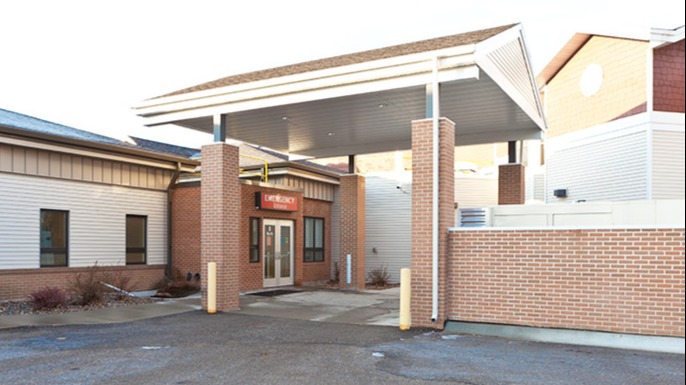
How is Sanford Hillsboro Staffed?

CMS rates SANFORD HILLSBORO CARE CENTER's staffing level at 4 out of 5 stars, which is above average compared to other nursing homes. Staff turnover is 51%, compared to the North Dakota average of 46%. RN turnover specifically is 69%, which is notably high. RNs provide skilled clinical oversight, so turnover in this role can affect medical care quality.

What Have Inspectors Found at Sanford Hillsboro?

State health inspectors documented 10 deficiencies at SANFORD HILLSBORO CARE CENTER during 2023 to 2025. These included: 1 Immediate Jeopardy (the most serious level, indicating potential for serious harm or death), 1 that caused actual resident harm, 7 with potential for harm, and 1 minor or isolated issues. Immediate Jeopardy findings are rare and represent the most serious regulatory concerns. They require immediate corrective action.

Who Owns and Operates Sanford Hillsboro?

SANFORD HILLSBORO CARE CENTER is owned by a non-profit organization. Non-profit facilities reinvest revenue into operations rather than distributing to shareholders. The facility is operated by SANFORD HEALTH GOOD SAMARITAN (PROSPERA), a chain that manages multiple nursing homes. With 34 certified beds and approximately 31 residents (about 91% occupancy), it is a smaller facility located in HILLSBORO, North Dakota.
How Does Sanford Hillsboro Compare to Other North Dakota Nursing Homes?

Compared to the 100 nursing homes in North Dakota, SANFORD HILLSBORO CARE CENTER's overall rating (1 stars) is below the state average of 3.1, staff turnover (51%) is near the state average of 46%, and health inspection rating (2 stars) is below the national benchmark.

What Should Families Ask When Visiting Sanford Hillsboro?

Based on this facility's data, families visiting should ask: "What changes have been made since the serious inspection findings, and how are you preventing similar issues?" "Can I visit during a mealtime to observe dining assistance and food quality?" "How do you handle medical emergencies, and what is your hospital transfer rate?" "Can I speak with family members of current residents about their experience?" These questions are particularly relevant given the facility's Immediate Jeopardy citations.

Is Sanford Hillsboro Safe?

Based on CMS inspection data, SANFORD HILLSBORO CARE CENTER has documented safety concerns. Inspectors have issued 1 Immediate Jeopardy citation (the most serious violation level indicating risk of serious injury or death). The facility has a 1-star overall rating and ranks #100 of 100 nursing homes in North Dakota. Families considering this facility should ask detailed questions about what corrective actions have been taken since these incidents.

Do Nurses at Sanford Hillsboro Stick Around?

SANFORD HILLSBORO CARE CENTER has a staff turnover rate of 51%, which is about average for North Dakota nursing homes (state average: 46%). Moderate turnover is common in nursing homes, but families should still ask about staff tenure and how the facility maintains care continuity when employees leave.

Was Sanford Hillsboro Ever Fined?

SANFORD HILLSBORO CARE CENTER has been fined $42,488 across 2 penalty actions. The North Dakota average is $33,504. While any fine indicates a compliance issue, fines under $50,000 are relatively common and typically reflect isolated problems that were subsequently corrected. Families should ask what specific issues led to these fines and confirm they've been resolved.

Is Sanford Hillsboro on Any Federal Watch List?

SANFORD HILLSBORO CARE CENTER is not on any federal watch list. The most significant is the Special Focus Facility (SFF) program, which identifies the bottom 1% of nursing homes nationally based on persistent, serious quality problems. Not being on this list means the facility has avoided the pattern of deficiencies that triggers enhanced federal oversight. This is a positive indicator, though families should still review the facility's inspection history directly.