GOOD SAMARITAN SOCIETY - LAKOTA
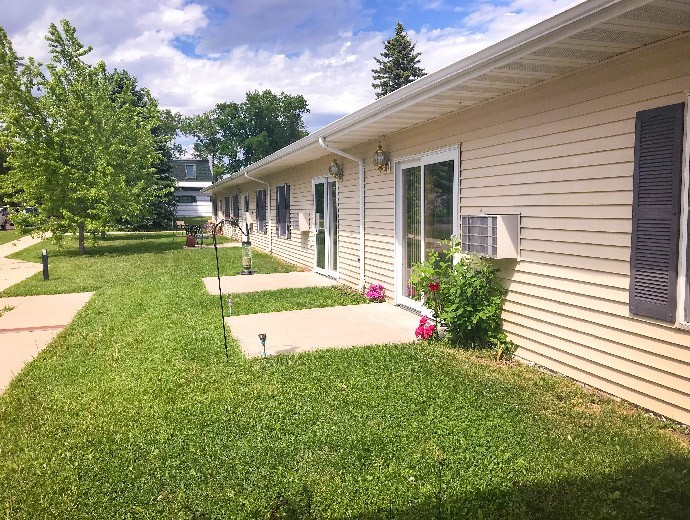
608 4TH AVE SW, LAKOTA, ND 58344 (701) 247-2902
Non profit - Corporation 38 Beds GOOD SAMARITAN SOCIETY Data: November 2025
Trust Grade
15/100
#59 of 72 in ND
Last Inspection: June 2024

Within standard 12-15 month inspection cycle. Federal law requires annual inspections.

Overview

Good Samaritan Society - Lakota has received a Trust Grade of F, indicating poor performance with significant concerns. It ranks #59 out of 72 in North Dakota, placing it in the bottom half of facilities statewide, and #3 out of 3 in its county, meaning it is the least favorable option locally. The facility is currently improving, having reduced its issues from 12 in 2024 to just 2 in 2025. Staffing is rated average at 3 out of 5 stars, with a turnover rate of 52%, which is close to the state average of 48%. However, the facility has incurred fines totaling $74,283, higher than 95% of North Dakota facilities, raising concerns about compliance. There is average RN coverage, which is beneficial as registered nurses can identify issues that nursing assistants might overlook. Specific incidents of concern include failing to provide necessary positioning devices for residents, which could lead to increased pain and complications, and not ensuring the safety of a resident who smoked, which could pose serious health risks. Additionally, the facility did not properly document residents' wishes regarding treatment, resulting in unwanted medical interventions for some residents. While there are some strengths in staffing and recent improvements, the significant fines and serious incidents highlight important weaknesses that families should consider.

Trust Score
F
15/100
In North Dakota
#59/72
Bottom 19%
Safety Record
High Risk
Review needed
Inspections
Getting Better
12 → 2 violations
Staff Stability
⚠ Watch
52% turnover. Above average. Higher turnover means staff may not know residents' routines.
Penalties
⚠ Watch
$74,283 in fines. Higher than 77% of North Dakota facilities, suggesting repeated compliance issues.
Skilled Nurses
✓ Good
Each resident gets 50 minutes of Registered Nurse (RN) attention daily — more than average for North Dakota. RNs are trained to catch health problems early.
Violations
⚠ Watch
28 deficiencies on record. Higher than average. Multiple issues found across inspections.
★☆☆☆☆
1.0
Overall Rating
★★★☆☆
3.0
Staff Levels
★☆☆☆☆
1.0
Care Quality
★☆☆☆☆
1.0
Inspection Score
Stable
2024: 12 issues
2025: 2 issues

The Good

  • Full Sprinkler Coverage · Fire safety systems throughout facility
  • No fines on record

Facility shows strength in fire safety.

The Bad

1-Star Overall Rating

Below North Dakota average (3.1)

Significant quality concerns identified by CMS

Staff Turnover: 52%

Near North Dakota avg (46%)

Higher turnover may affect care consistency

Federal Fines: $74,283

Well above median ($33,413)

Moderate penalties - review what triggered them

Chain: GOOD SAMARITAN SOCIETY

Part of a multi-facility chain

Ask about local staffing decisions and management

The Ugly 28 deficiencies on record

3 actual harm
Jan 2025 2 deficiencies
CONCERN (D) 📢 Someone Reported This

A family member, employee, or ombudsman was alarmed enough to file a formal complaint

Potential for Harm - no one hurt, but risky conditions existed

Pressure Ulcer Prevention (Tag F0686)

Could have caused harm · This affected 1 resident

**NOTE- TERMS IN BRACKETS HAVE BEEN EDITED TO PROTECT CONFIDENTIALITY** Based on observation, record review, review of facility policy, and staff interview, the facility failed to provide the necessar...

Read full inspector narrative →
**NOTE- TERMS IN BRACKETS HAVE BEEN EDITED TO PROTECT CONFIDENTIALITY** Based on observation, record review, review of facility policy, and staff interview, the facility failed to provide the necessary treatment/services to promote the healing or prevent the development of pressure ulcers for 2 of 3 sampled residents (Resident #1 and #2) identified with pressure ulcers. Failure to apply pressure relieving devices as ordered, complete weekly assessments with measurements of pressure ulcers per facility policy, may result in new pressure ulcers, the deterioration of existing pressure ulcers, and delayed healing. Findings include: Review of the facility policy titled Skin Assessment Pressure Ulcer Prevention and Documentation Requirements occurred on 01/08/25. This policy, dated April 2024 stated, . The pressure ulcer should be assessed/evaluated at least weekly . and should include at the least the following: Measurements - length, width, depth . Review of the Wound Data Collection form occurred on 01/08/25 and stated, . Measurements - Required at least every once every 7 days . - Review of Resident #1's medical record occurred on 01/08/25. Diagnoses included a history of urinary tract infections (UTIs), and clostridium difficile (inflammation of the colon caused by bacteria that can result in frequent diarrhea). The record identified a total of seven wounds, including two unstageable pressure ulcers and one stage two pressure ulcer. Physician's orders included weekly skin assessments, initiated 07/02/24; weekly registered nurse assessments, initiated 11/12/24; and wound care-right thigh, left gluteal fold, right gluteal fold - cleanse with wound cleanser, apply anasept gel (an antimicrobial skin and wound cleanser), with hydrogel gauze, cover dressings with border gauze every day shift and every one hour as needed for dislodged or soiled dressing, initiated 12/11/24. An initial assessment to Resident #1's left thigh wound, dated 11/07/24, measured 0.5 centimeters (cm) length x (by) 1.0 cm width x 0.1 cm depth. A second assessment, dated 11/19/24 (12 days later), failed to include measurements. Record review showed staff failed to complete weekly assessments and measurements after 11/19/24. An initial assessment to Resident #1's right thigh, dated 11/07/24, indicated an unstageable pressure ulcer and failed to include wound measurements. A second assessment dated , 11/13/24, showed a measurement of 2.5 cm x 4.0 cm. A third assessment dated , 11/19/24, showed a measurement of 3.0 cm x 2.8 cm x 0.2 cm. A fourth assessment dated , 12/06/24, indicated a stage two pressure ulcer with a measurement of 1.8 cm x 1.8 cm. Record review showed staff failed to complete weekly measurements after 12/06/24. An initial assessment to Resident #1's right gluteal fold, dated 12/07/24, indicated an unstageable pressure ulcer and showed a measurement of 0.7 cm x 1.6 cm. A second assessment, dated 12/11/24, showed a measurement of 8.2 cm x 5.5 cm x 0.1 cm. Record review showed staff failed to complete weekly wound measurements after 12/11/24 even though the resident's wound increased in size. An initial assessment to Resident #1's left gluteal thigh, dated 11/19/24, indicated a stage two moisture related pressure ulcer and measured 0.8 cm x 0.5 cm x 0.1 cm. A second assessment, dated 12/06/24 (17 days later), stated . open wound with necrosis [irreversible death of body tissue) at the center. and measured 2.0 cm x 1.7 cm. A third assessment, dated 12/07/24, indicated an unstageable pressure ulcer with a measurement of 1.6 cm x 1.0 cm. Record review showed staff failed to complete weekly wound measurements after 12/07/24. An initial assessment to Resident #1's right buttocks, dated 12/06/24, indicated an unstageable pressure ulcer with a measurement of 3.0 cm x 2.5 cm. Record review showed staff failed to complete weekly wound measurements after 12/06/24. An initial assessment to Resident #1's coccyx wound, dated 11/19/24, failed to include measurements and stated, . multiple areas to coccyx/peri area have moisture related first layer of skin removed. Record review showed staff failed to complete weekly assessments with wound measurements after 11/19/24. An assessment to Resident #1's left buttock wound, dated 11/20/24, stated, . red area with scattered small open areas . and measured 11.1 cm x 9.0 cm x 0.1 cm. Record review showed staff failed to complete weekly assessments with wound measurements after 11/20/24. Review of nursing progress notes showed Resident #1 had multiple loose incontinent stools throughout the day and received loperamide (an anti-diarrheal) as needed for the loose stools. The electronic treatment record showed the facility staff completed dressing changes as ordered and as needed due to the loose incontinent stool. - Review of Resident #2's medical record occurred on 01/08/25. A significant change Minimum Data Set, dated [DATE], indicated two unstageable pressure ulcers. A physician's order, dated 12/19/24, stated, . Bilateral heel check for wound condition, offloading and heel protector boot placement BID [twice a day]. Bilateral heels must remain raised offloaded in bed and chair. Keep heel protector boots on at all times. Observation on 01/08/25 at 10:04 a.m. showed Resident #2 in the recliner in his room, with a pillow under his knees and his heels resting directly on the foot rest of the recliner, without protector boots in place. Observation on 01/08/25 at 12:00 p.m. showed Resident #2 in the recliner in his room, with bilateral heels resting over the edge of the recliner's foot rest, without protector boots in place. The facility failed to follow pressure relief interventions as identified by the physician's orders. Assessments of Resident #2's right heel pressure ulcer showed the following: * 11/24/24 - 2.2 cm x 3.1 cm. * 12/07/24 - 3.0 cm x 3.5 cm., (13 days later) * 12/19/24 - 1.1 cm x 1.6 cm., (12 days later) * 12/25/24 - 1.0 x 0.6 cm. * 12/30/24 - 1.0 cm x 1.0 cm * Record review showed staff failed to complete weekly wound measurements. Assessments of Resident #2's left heel pressure ulcer showed the following: * 12/07/24 - 2.0 cm x 2.5 cm. * 12/19/24 4 cm x 5 cm., (12 days later) * Record review showed staff failed to complete weekly wound measurements after 12/19/24 and showed the resident's pressure ulcer increased in size. During an interview on 01/08/25 at 1:30 p.m., and administrative staff member (#1) verified the facility failed to ensure interventions were being followed and the medical record lacked weekly wound measurements. The facility failed to complete weekly assessments with measurements to monitor Resident #1 and #2's pressure ulcers to determine further treatments and interventions to prevent the deterioration of the pressure ulcers.
CONCERN (D) 📢 Someone Reported This

A family member, employee, or ombudsman was alarmed enough to file a formal complaint

Potential for Harm - no one hurt, but risky conditions existed

Incontinence Care (Tag F0690)

Could have caused harm · This affected 1 resident

**NOTE- TERMS IN BRACKETS HAVE BEEN EDITED TO PROTECT CONFIDENTIALITY** Based on record review and staff interview, the facility failed to ensure appropriate care and services for 1 of 1 sampled resid...

Read full inspector narrative →
**NOTE- TERMS IN BRACKETS HAVE BEEN EDITED TO PROTECT CONFIDENTIALITY** Based on record review and staff interview, the facility failed to ensure appropriate care and services for 1 of 1 sampled resident (Resident #1) with an indwelling urinary catheter. Failure to obtain a physician order for an indwelling urinary catheter, and provide catheter care may result in urinary tract infections (UTI's), unnecessary discomfort, unnecessary skin issues, and/or sepsis. Findings include: Review of Resident #1's medical record occurred on 01/08/25. Diagnoses included retention of urine, pressure ulcers, resistance to multiple antimicrobial drugs and recurrent UTI's. The quarterly Minimum Data Set, dated [DATE], identified a urinary catheter. The care plan stated, . indwelling medical device (foley catheter) . Review of the medical record included a nurse practioner's note dated 12/18/24 and stated, . Patient returned to nursing home [from hospital] on 11/18/2024. A trial off the foley catheter occurred shortly after return with noted urinary retention. She has a urology consult 2/12/2024 (sic) for urinary retention and recurrent UTIs. Review of Resident #1's progress notes included the following: * 11/19/24 at 3:07 p.m. catheter draining yellow urine. * 12/25/24 at 4:14 p.m.Indwelling foley catheter replaced today with 16fr [french] Cathether (sic). The facility failed to obtain a physician order for an indwelling foley catheter and how often to change the catheter. During an interview on 01/08/24 at 1:20 p.m., an administrative staff member (#1) confirmed Resident #1's medical record lacked an order for the catheter.
Jun 2024 12 deficiencies 1 Harm
SERIOUS (G) 📢 Someone Reported This

A family member, employee, or ombudsman was alarmed enough to file a formal complaint

Actual Harm - a resident was hurt due to facility failures

Quality of Care (Tag F0684)

A resident was harmed · This affected 1 resident

**NOTE- TERMS IN BRACKETS HAVE BEEN EDITED TO PROTECT CONFIDENTIALITY** 2. Based on observation, record review, review of facility policy, review of professional reference, and staff interview, the fa...

Read full inspector narrative →
**NOTE- TERMS IN BRACKETS HAVE BEEN EDITED TO PROTECT CONFIDENTIALITY** 2. Based on observation, record review, review of facility policy, review of professional reference, and staff interview, the facility failed to ensure staff provided care and services for 2 of 12 sampled residents (Resident #1 and #16) care planned for a positioning device and physician orders for devices for pain/swelling to an arm. Failure to apply a positioning device and to follow physician's orders for devices to control edema (swelling)/pain may result in poor posture, increased pain, worsening of edema, and other complications. Findings include: Review of the facility policy titled Positioning occurred on 06/19/24, This policy, dated 02/28/24, stated, . Purpose: To provide proper body alignment for residents in wheelchairs. Position . Resident is upright positioning and weight-bearing equally at hips (does not lean to one side). - Review of Resident #1's medical record occurred on all days of survey and included a diagnosis of dementia and osteoporosis. The current care plan stated, . The resident is at risk for falls R/T [related to] cognition deficit E/B [evidenced by] history of falls. Interventions: . Resident is to use an Evolution chair/Broda chair [reclining wheelchair]. Does tend to slide down in chair, at times. Monitor for sliding in chair at all times. Monitor resident for significant changes in mobility, positioning device, sitting balance and lower extremity joint function. Observations showed Resident #1 in a Broda wheelchair, with her body and head leaning to the left, and no positioning device present at the following times: *06/17/24 in the dining room at 12:02 p.m. in the TV room at 12:31 p.m. and in the dining room at 5:15 p.m. *06/18/24 in the TV room at 9:40 a.m. and 1:30 p.m. When asked if the resident had anything to keep her body and head upright, a certified nurse aide (CNA) (#7) stated, No, but she should have something as she always leans to that [left] side. *06/18/24 at 2:00 p.m. The CNA (#7) assisted Resident #1 to the toilet and laid her on the bed stating, she needs to lay down so she's not leaning. She is tired. *06/18/24 in the TV room at 3:20 p.m., asleep and with her body and head tilted to the left. The CNA (#7) stated the resident was restless and wouldn't stay in bed so she got her up again. *06/19/24 in the TV room at 8:15 a.m. During an interview on 06/19/24 at 1:10 p.m., an administrative nurse (#2) stated the positioning device in Resident #1's care plan is for an L-shaped pad that is supposed to be on the resident's left side in the wheelchair. The administrative nurse agreed the positioning pad should have been in the resident's wheelchair. The facility failed to assess Resident #1's positioning needs. - Review of Resident #16's medical record occurred on all days of survey. A physician's order dated 05/14/24 stated, Apply geri-sleeve [a compression device for edema/swelling and geri-sling [strapped sling] to left arm for swelling. Apply in the morning and remove at hs [hour of sleep] . for swelling to left arm. The care plan stated, . Apply geri-sleeve and geri-sling to left arm for swelling. Apply in the morning and remove at hs . Kozier & Erb's Fundamentals of Nursing, Concepts, Process and Practice, 11th Edition eText, 2021, Pearson, Boston, Massachusetts, page 63, stated, . Carrying Out a Physician's Order . Nurses are expected to analyze procedures and medications ordered by the physician or primary care provider. It is the nurse ' s responsibility to seek clarification of ambiguous or seemingly erroneous orders from the prescriber. Clarification from any other source is unacceptable and regarded as a departure from competent nursing practice. Observations of Resident #16 occurred on all days of survey and showed edema to the left hand and no geri-sleeve or geri-sling present. During an interview on 06/18/24 at 4:00 p.m., a nurse (#2) stated she assisted Resident #16 that morning and forgot to apply the geri-sleeve and sling. She also stated the sleeve and sling are for swelling and he had quite a bit when they got the order. The facility failed to follow the physician's order to apply Resident' #16's geri-sleeve and sling daily. 1. Based on observation, record review, review of facility policy, and staff and resident interview, the facility failed to provide care and services to maintain the resident's highest level of well-being for 1 of 1 sampled resident (Resident #30) with a change in health status followed by a transfer to the hospital. Failure to monitor and assess the resident's condition on an on-going basis resulted in worsening respiratory symptoms, a delay in treatment, and an admission to the hospital. Findings include: Review of the facility policy titled Notification of Change occurred on 06/19/24. This policy, dated 12/04/23, stated, . A facility must immediately inform the resident, consult with the resident's physician . when there is: . A significant change in the resident's physical, mental or psychosocial status . A need to alter treatment significantly . Observation on 06/17/24 at 11:12 a.m. showed Resident #30 ambulating in her room with oxygen in place via nasal cannula. The resident stated she was good, except I can't breathe. The resident was noticeably short of breath and sat in her recliner. The surveyor asked if the resident would like a staff member to come in, and the resident stated, No, they know, and indicated the doctor would be at the facility that day. The resident identified she has been feeling more short of breath and planned to speak with the doctor about it. Resident #30 stated she has needed increased oxygen in the last five days or so, and was now receiving 3 liters per minute (lpm) of oxygen. The resident also stated she had blisters on her leg and thought they were infected. Observation on the morning of 06/18/24 showed Resident #30 in her recliner with oxygen via nasal cannula at 3 lpm. Resident #30 stated she was still experiencing shortness of breath, and the doctor did not come to see her yesterday. Resident #30 stated she was very disappointed, but was told the doctor would be at the facility today (06/18/24). Review of Resident #30's medical record occurred on all days of survey. Diagnoses included chronic obstructive pulmonary disease (COPD), pulmonary heart disease, and congestive heart failure. Current physician's orders included: *Supplemental oxygen (O2) at 2 lpm *Ventolin HFA (hydrofluoroalkane) (used to treat or prevent bronchospasms) Inhalation Aerosol Solution, 2 puffs inhale orally every 4 hours as needed for shortness of breath (SOB), wheezing. Resident #30's nurses' notes identified the following: *06/14/24 at 5:06 a.m.: . Ventolin HFA Inhalation Aerosol Solution . 2 puff inhale orally every 4 hours as needed for SOB, wheezing. coughing with moist cough, inspiratory wheeze . *06/14/24 5:23 a.m.: . Ventolin HFA Inhalation . PRN [as needed] Administration was: Effective . *06/14/24 at 8:15 p.m.: . Entering resident's room and noted a dry hacky cough. She states that she has increased pain to the right mid back. With ascultation [sic] [listening to lung sounds with a stethoscope], noted moderately loud rhonchi [coarse, loud sounds caused by constricted airways] to all lobes on the right and the left was clear. Vitals taken and WNL [within normal limits]. noted that there are 5 intact fluid filled blisters to her RLL [right lower leg] and the left is more red. This was noted when taking off her thigh high ted hose. There was weeping fluid from an opened blister. Xeroform [a wound dressing] place [sic] and covered with gauze and kling [a type of gauze] until provider could be notified. Do [sic] review her weights and noted a 2.5# weight gain in a week and a 9# weight gain over the past month. Did request her ventalin [sic] inhaler to help her with her coughing and feeling winded. 02 is on a [sic] 2L/NC and sats are 96%. Wull [sic] continue to monitor and report to the oncoming shift to notify provider. The record lacked evidence of physician notification. *06/15/24 at 4:19 p.m.: . Ventolin HFA Inhalation Aerosol Solution . 2 puff inhale orally every 4 hours as needed for SOB, wheezing. CN [charge nurse] notified . The record lacked evidence of a respiratory assessment or vital signs. *06/15/24 at 5:40 p.m.: . Resident did not go to dining room for her supper because she stated she wasn't feeling well. She has rhonchi in right upper and lower lobes. SOB with any exertion. left lower leg has erythema [redness] 10 x 9 cm [centimeters]. Has oxygen at 3 LPM NC due to increased SOB. Resting in recliner with legs elevated . *06/15/24 at 8:54 p.m.: . Ventolin HFA Inhalation Aerosol Solution . PRN Administration was: Effective no longer wheezing . *06/15/24 at 9:20 p.m.: . LATE ENTRY . States her cough is better tonight. Lung sounds are notably clearer with only a few rhonchi heard. Still turns 02 up to 3 liters with any activity and states this helps. *06/16/24 at 7:20 a.m.: . Ventolin HFA Inhalation Aerosol Solution . 2 puff inhale orally every 4 hours as needed for SOB, wheezing. Per CN . The record lacked evidence of a respiratory assessment or vital signs. *06/16/24 at 8:58 a.m.: . Ventolin HFA Inhalation Aerosol Solution . PRN Administration was: Effective . *06/16/24 at 3:32 p.m.: . Right lower leg with 3 large fluid filled blisters and dark red around. Left leg is lighter red with no open areas. She has expiratory wheezes thoughout [sic] all posterior lung fields and left upper lobe. Also has rhonchi to left lower lobe anteriorly. Has had trays today in room. She is short of breath at rest. [Provider name] said she will see Resident tomorrow . *06/16/24 at 8:42 p.m.: . Ventolin HFA Inhalation Aerosol Solution . 2 puff inhale orally every 4 hours as needed for SOB, wheezing. The record lacked evidence of a respiratory assessment or vital signs. *06/17/24 at 12:00 a.m.: . Wraps applied at HS [bedtime] tonight after dressing change because they measure bigger than the day shift. Still has a harsh cough but the ventalin [sic] helps her breath [sic]. 02 is on at 3L/nc [nasal cannula] because she feels she breathes better on this. Lung sound still have rhonchi and an audible wheeze noted with activity. Provider will be seeing her this afternoon she states . *06/17/24 at 12:09 a.m.: . Ventolin HFA Inhalation Aerosol Solution . PRN Administration was: Effective less coughing . *06/17/24 at 4:34 p.m.: . received order for Mucinex [used to loosen mucus in the airways and clear congestion] 600mg [milligrams] BID [twice a day] x 1 week. Will see resident at facility tomorrow. *06/17/24 at 9:48 p.m.: . Ventolin HFA Inhalation Aerosol Solution . 2 puff inhale orally every 4 hours as needed for SOB, wheezing. The record lacked evidence of a respiratory assessment or vital signs. *06/17/24 at 10:51 p.m.: . Ventolin HFA Inhalation Aerosol Solution . PRN Administration was: Effective . *06/18/24 at 3:28 p.m.: . late entry for 0930 today. This Resident was having difficulty breathing and had wheezes throughout all lung fields. Her lower legs and feet has [sic] 4 PE [pitting edema] and bright red. I asked her if she wanted to go to the hospital and she said yes that she did. (11 [sic, 911] was called and the [NAME] Ambulance was called and they arrived at 10:00 am and transported Resident to [hospital name] . *06/18/24 at 3:55 p.m.: . called [hospital name] and Resident was admitted to the hospital. The medication administration record (MAR) identified Resident #30 received five doses of PRN Ventolin from 06/14/24 to 06/17/24, and had not used the Ventolin prior to this during the month of June. The medical record and interview with Resident #30 identified increasing respiratory distress, pitting edema, lower leg blisters, weight gain, need for continuous oxygen at 3 lpm (versus 2 lpm as ordered), and use of PRN inhalers. The facility failed to report and act on Resident #30's complaints of respiratory distress and increased oxygen needs in a timely manner, assess and monitor the resident's respiratory status on an ongoing basis, and notify the medical provider until the afternoon of 06/16/24. These failures resulted in a delay in treatment and subsequent hospital admission. During an interview on the afternoon of 06/19/24, an administrative nurse (#2) stated staff should complete an assessment when they notice a change in condition.
CONCERN (D) 📢 Someone Reported This

A family member, employee, or ombudsman was alarmed enough to file a formal complaint

Potential for Harm - no one hurt, but risky conditions existed

Notification of Changes (Tag F0580)

Could have caused harm · This affected 1 resident

Based on record review, review of facility policy, and staff interview, the facility failed to notify the resident's physician of a change in condition for 1 of 1 sampled resident (Resident #137) with...

Read full inspector narrative →
Based on record review, review of facility policy, and staff interview, the facility failed to notify the resident's physician of a change in condition for 1 of 1 sampled resident (Resident #137) with missed blood tests. Failure to notify the physician of unsucessful blood draws may have prevented the physician from altering the treatment/care provided to the resident. Findings include: Review of the facility policy titled Notification of change occurred on 06/19/24. This policy, reviewed 12/04/23, stated, . A facility must immediately inform the resident, consult with the resident's physician, and notify, consistent with her or her authority, the resident representative(s) when there is . A need to alter treatment significantly - a need to discontinue or change an existing form of treatment or to commence a new form of treatment. Review of Resident #137's medical record occurred on all days of survey. Diagnoses included chronic kidney disease. The physician's orders included a BMP [basic metabolic panel blood test] for 06/11/24 and 06/18/24. A hospital discharge summary , 05/27/24, stated, . Monitor labs and electrolytes, frequently has Hypokalemia [low potassium]. A Progress note, dated 06/11/24 at 5:37 p.m., stated, Lab draw this morning was unsuccessful, several staff attempted. Unable to find vein in upper extremities. The medical record lacked documentation the facility notified the provider regarding the missed BMPs on 06/11/24 and 06/18/24. During an interview on 06/19/24 12:55 p.m., an administrative nurse (#2) confirmed staff were unable to obtain blood samples on June 11th and 18th for the ordered lab work due to inability to find a vein. The administrative nurse stated the facility would notify the provider on next rounds.
CONCERN (D) 📢 Someone Reported This

A family member, employee, or ombudsman was alarmed enough to file a formal complaint

Potential for Harm - no one hurt, but risky conditions existed

Transfer Notice (Tag F0623)

Could have caused harm · This affected 1 resident

Based on record review and staff interview, the facility failed to provide the State Long Term Care Ombudsman a notice of transfer for 1 of 1 sampled resident (Resident #9) reviewed for hospital trans...

Read full inspector narrative →
Based on record review and staff interview, the facility failed to provide the State Long Term Care Ombudsman a notice of transfer for 1 of 1 sampled resident (Resident #9) reviewed for hospital transfers. Failure to provide a copy of the transfer notice does not allow the ombudsman to be aware of facility practices regarding transfer and discharge or advocate on the resident's behalf. Findings include: Review of Resident #9's medical record occurred on all days of survey and identified hospital transfers on 01/21/24, 02/17/24, and 03/03/24. The resident's medical record lacked evidence the facility provided a copy of the transfer notices to the ombudsman. During an interview on the afternoon of 06/19/24, an administrative staff member (#5) confirmed the facility failed to send the notices to the ombudsman prior to 06/19/24.
CONCERN (D) 📢 Someone Reported This

A family member, employee, or ombudsman was alarmed enough to file a formal complaint

Potential for Harm - no one hurt, but risky conditions existed

Assessment Accuracy (Tag F0641)

Could have caused harm · This affected 1 resident

**NOTE- TERMS IN BRACKETS HAVE BEEN EDITED TO PROTECT CONFIDENTIALITY** Based on record review, review of the Long-Term Care Facility Resident Assessment Instrument (RAI) 3.0 User's Manual (Version 1....

Read full inspector narrative →
**NOTE- TERMS IN BRACKETS HAVE BEEN EDITED TO PROTECT CONFIDENTIALITY** Based on record review, review of the Long-Term Care Facility Resident Assessment Instrument (RAI) 3.0 User's Manual (Version 1.18.11), and staff interview, the facility failed to ensure accurate coding of the Minimum Data Set (MDS) for 2 of 12 sampled residents (Resident #2 and #9). Failure to accurately complete the MDS does not allow each resident's assessment to reflect their current status/needs and may affect the accurate development of a comprehensive care plan and the care provided to the residents. Findings include: The Long-Term Care Facility RAI User's Manual, revised October 2023, page A-32, stated, . A1500 . Code 1, yes: if PASRR [Preadmission Screening and Resident Review] Level II screening determined that the resident has a serious mental illness and/or ID/DD or related condition, and continue to A1510, Level II Preadmission Screening and Resident Review (PASRR) Conditions. Page K-6 of the RAI manual stated, . K0300 Weight Loss . Code 2, yes, not on physician-prescribed weight-loss regimen: if the resident has experienced a weight loss of 5% or more in the past 30 days or 10% or more in the last 180 days, and the weight loss was not planned and prescribed by a physician. Section A: - Review of Resident #9's medical record occurred on all days of survey. Diagnoses included schizoaffective disorder, bipolar type; generalized anxiety disorder; and personality disorder. A PASRR Level II Outcome, dated 12/06/23, stated, . You fall in the category of having a diagnosis that the PASRR program was designed to assess. That diagnosis is: A mental health condition. Resident #9's annual MDS, dated [DATE], identified a no response under Section A1500, Is the resident currently considered by the state level II PASRR process to have serious mental illness and/or intellectual disability or a related condition? During an interview on the afternoon of 06/18/24, a social services staff member (#1) confirmed facility staff coded Section A1500 incorrectly. Section K: -Review of Resident #2's medical record occurred on all days of survey. A significant change MDS, dated [DATE], identified weight loss; however, record review failed to identify Resident #2 experienced a 5% or more weight loss in 30 days or a 10% or more weight loss in 180 days. - Review of Resident #9's medical record occurred on all days of survey. A quarterly MDS, dated [DATE], identified weight loss; however, record review failed to identify Resident #9 experienced a 5% or more weight loss in 30 days or a 10% or more weight loss in 180 days.
CONCERN (D) 📢 Someone Reported This

A family member, employee, or ombudsman was alarmed enough to file a formal complaint

Potential for Harm - no one hurt, but risky conditions existed

Pressure Ulcer Prevention (Tag F0686)

Could have caused harm · This affected 1 resident

Based on observation, record review, review of facility policy, and staff interview, the facility failed to provide treatment and services to aid in the healing of pressure ulcers for 1 of 3 sampled r...

Read full inspector narrative →
Based on observation, record review, review of facility policy, and staff interview, the facility failed to provide treatment and services to aid in the healing of pressure ulcers for 1 of 3 sampled residents (Resident #31) with current pressure ulcers. Failure to provide wound treatments as ordered may result in delayed healing or deterioration of a pressure ulcer. Findings include: Review of the facility policy titled Physician/Practitioner Orders occurred on 06/19/24. This policy, dated 04/01/24, stated, . Wounds: Orders must be obtained for wound care including product to be used, when to change and when to reassess. An order is required to discontinue a current order. Review of Resident #31's medical record occurred on all days of survey. Diagnoses included a healing stage IV pressure ulcer to the coccyx. Current physician's orders stated, Cleanse wound with wound cleanser, pat dry, apply collagen powder to wound bed, lightly pack wound with calcium alginate, cover with 2x2 non bordered foam, and cover with a bordered 4x4 foam. Apply skin protectant to macerated wound edges and to surrounding skin every day shift for wound care. Observation on 06/18/24 at 2:38 p.m. showed a nurse (#10) donned gloves and a gown and removed a dressing from Resident #31's coccyx. The nurse cleansed the wound with saline spray, applied collagen powder, and covered the wound with a 4 x4 bordered dressing. The nurse failed to apply calcium alginate, a 2 x2 nonbordered foam, and skin protectant. During an interview on the afternoon of 06/19/24, an administrative nurse (#2) identified the wound was healing.
CONCERN (D) 📢 Someone Reported This

A family member, employee, or ombudsman was alarmed enough to file a formal complaint

Potential for Harm - no one hurt, but risky conditions existed

Tube Feeding (Tag F0693)

Could have caused harm · This affected 1 resident

**NOTE- TERMS IN BRACKETS HAVE BEEN EDITED TO PROTECT CONFIDENTIALITY** Based on observation, record review, review of facility policy, and staff interview, the facility failed to ensure appropriate g...

Read full inspector narrative →
**NOTE- TERMS IN BRACKETS HAVE BEEN EDITED TO PROTECT CONFIDENTIALITY** Based on observation, record review, review of facility policy, and staff interview, the facility failed to ensure appropriate gastrostomy tube (G-tube) care and services for 2 of 3 sampled residents (Resident #27 and #31) with a G-tube. Failure to communicate the dietician's recommendations related to tube feedings and label the tube feeding set with identifying information may result in undesired weight gain and complications related to tube feedings. Findings include: Review of the facility policy titled Tube (Enteral) Feeding occurred on 06/19/24. This policy, dated February 2024, stated, . Tube (Enteral) Feeding Systems: . Open Enteral system - An enteral system in which the person preparing the formula is required to [NAME] formula into the entera container or bag. System Type - Open or gravity feeding: Change feeding administration set daily. Label the formula container, syringe and administration set with resident's name, date, time and nurse's initials. - Review of Resident #27's medical record occurred on all days of survey. The current care plan showed, . The resident requires tube feeding . E/B [evidenced by] swallowing problem and order for NPO [nothing by mouth] status. Resident #27's physician's orders identified, Tube feeding Osmolite [nutritional supplement] 1.2 Cal [calories]: Give 1.5 [one and a half] bottles QID [four times a day]. Observation on 06/17/24 at 10:49 a.m. showed Resident #27 in bed with the head of the bed elevated and an empty tube feeding bag connected to the resident with formula still visible in the tubing. The gravity feeding bag lacked a label to identify the type of formula, date, time, or initials. During an interview on 06/19/24 at 1:10 p.m., an administrative nurse (#2) stated her expectation is staff label all tube feeding bags with, at minimum, the date and time. - Review of Resident #31's medical record occurred on all days of survey. Diagnoses included gastrostomy tube, and dysphagia. Current physician's orders included Peptamin [sic] [an enteral feeding solution] 1.5 continuous tube feeding at 60 ml/hr [milliliters per hour] from 2100-0500 [9:00 p.m. until 5:00 a.m.] . Monitor weights and notify provider if weight loss greater than 3 pounds. A dietician's note, dated 06/04/24 at 1:21 p.m., stated, . Wt [weight]: 144# [pounds], up another 8# this month despite decrease in TF [tube feeding]. Intake is 76-100% at meals. Due to the continued weight gain, will D/C [discontinue] Peptamin [sic] feeding at night. Continue current water flushes. Expect weight to stabilize, but notify RD [registered dietician] if significant weight loss occurs. Observations on 06/18/24 and 06/19/24 showed G-tube feeding bags and a pump in Resident #31's room at 9:29 a.m. Staff members stated Resident #31 receives a tube feeding during the night but also eats meals by mouth. Review of Resident #31's medication administration record identified staff continued to administer Resident #31's tube feeding after the dietician's recommendation on 06/04/24. During an interview on the afternoon of 06/19/24, an administrative nurse (#2) confirmed the facility failed to discontinue the feeding as recommended.
CONCERN (D) 📢 Someone Reported This

A family member, employee, or ombudsman was alarmed enough to file a formal complaint

Potential for Harm - no one hurt, but risky conditions existed

Respiratory Care (Tag F0695)

Could have caused harm · This affected 1 resident

Based on observation, record review, review of facility policy, and staff interview, the facility failed to provide respiratory care in accordance with professional standards and the resident's plan o...

Read full inspector narrative →
Based on observation, record review, review of facility policy, and staff interview, the facility failed to provide respiratory care in accordance with professional standards and the resident's plan of care for 2 of 4 sampled residents (Resident #2 and #30) and one supplement resident (Resident #15) with oxygen therapy. Failure to follow physician's orders related to the flow of oxygen and change tubing regularly may result in complications related to oxygen use. Findings include: Review of the facility policy titled Oxygen Administration, Safety, Mask Types occurred on 06/19/24. This policy, dated 06/30/23, stated, . Oxygen administration is carried out only with a medical provider order. Disposable equipment should be changed weekly or according to manufacturer's instructions and marked with date and initials. - Review of Resident #2's medical record occurred on all days of survey. Current physician's orders included, Oxygen via nasal cannula 1 liter per minute [lpm] as needed for dyspnea [shortness of breath], hypoxia (O2 [oxygen] saturation less than 88%) or acute angina [chest pain]. Call provider/practitioner with nursing report as needed for dyspnea, hypoxia, acute angina, and O2 NC [nasal cannula] keep Sats [oxygen saturations] above 90 [percent]. Observations on all days of survey showed Resident #2 continuously wore oxygen via nasal cannula at 2 lpm. Observations also showed Resident #2's portable oxygen tubing undated, and the tubing on the resident's room concentrator dated 05/16/24. The resident's medication administration record (MAR) lacked evidence of oxygen tubing changes. - Review of Resident #15's medical record occurred on all days of survey. Current physician's orders included, Continuous oxygen therapy: 3L [liters]/NC at rest, 5L/NC with activity. Observations throughout the survey (both at rest and with activity [i.e., therapy]) showed Resident #15 wore oxygen via nasal cannula at 2 lpm. Observations showed undated tubing on both the portable and in room oxygen tubing. The resident's MAR lacked evidence of oxygen tubing changes. - Review of Resident #30's medical record occurred on all days of survey. Current physician's orders included, 02 orders.-- No oxygen at rest, 1Liter continuous with exertion at bedtime, and Supplemental O2 at 2L. Pulmonology will reassess at next visit. Observations on 06/17/24 and the morning of 06/18/24 showed Resident #30 wore oxygen continuously via nasal cannula at 3 lpm. The resident stated lately she has needed more oxygen and has been wearing it at all times. Observations also showed the resident's oxygen tubing undated. The resident's MAR lacked evidence of oxygen tubing changes. During an interview on the afternoon of 06/19/24, an administrative nurse (#2) stated she would get the residents' oxygen orders clarified, and she expected staff to change oxygen tubing weekly.
CONCERN (D) 📢 Someone Reported This

A family member, employee, or ombudsman was alarmed enough to file a formal complaint

Potential for Harm - no one hurt, but risky conditions existed

Pharmacy Services (Tag F0755)

Could have caused harm · This affected 1 resident

Based on observation, review of facility policy, review of narcotic record counts, and staff interview, the facility failed to recognize a tampered controlled medication container/packaging for 1 of 1...

Read full inspector narrative →
Based on observation, review of facility policy, review of narcotic record counts, and staff interview, the facility failed to recognize a tampered controlled medication container/packaging for 1 of 1 resident (Resident #27). Failure to physically examine the medication container/packaging for tampering in a timely manner increases the potential for medication error, loss, and diversion. Review of the facility policy titled Medications: Controlled occurred on 06/18/24. This policy, dated June 2023, stated, . The on-coming nurse will physically examine the containers/packages of each controlled medication for evidence of tampering (open packages, taped packaging, medications that look different than others .). Observations on 06/18/24 at 1:41 p.m. with a medication aide (#4) showed 16 tablets of Hydrocodone/acetaminophen, an opioid pain medication available for Resident #27. Closer examination showed one of the 16 tablets labeled G13, different than the others, and taped into the container. During this observation an administrative nurse (#2) identified the tablet as Gabapentin, a non-opioid pain medication and confirmed someone had tampered with the card.
CONCERN (D) 📢 Someone Reported This

A family member, employee, or ombudsman was alarmed enough to file a formal complaint

Potential for Harm - no one hurt, but risky conditions existed

Unnecessary Medications (Tag F0759)

Could have caused harm · This affected 1 resident

**NOTE- TERMS IN BRACKETS HAVE BEEN EDITED TO PROTECT CONFIDENTIALITY** Based on observation, record review, review of facility policy, review of professional reference, and staff interview, the facil...

Read full inspector narrative →
**NOTE- TERMS IN BRACKETS HAVE BEEN EDITED TO PROTECT CONFIDENTIALITY** Based on observation, record review, review of facility policy, review of professional reference, and staff interview, the facility failed to ensure a medication error rate of less than five percent for 1 of 14 residents (Resident #136) and one supplemental resident (Resident #7) observed during medication administration. Two medication errors occurred during staff administration of 25 medications, resulting in an 8% error rate. Failure to properly administer medications may result in residents receiving an ineffective dose and experiencing adverse reactions. Findings include: Review of the facility policy titled Medication: Documentation occurred on 06/18/24. This policy, dated September 2023, stated, .appropriate precautionary measures will accompany administration of certain medications and will be documented according to physician orders. Review of Kozier & Erb's Fundamentals of Nursing: Concepts, Process, and Practice, 11th ed., Pearson Education, Inc., New Jersey, page 65, stated, Make sure the correct medications are given in the correct dose, by the right route, at the scheduled time, and to the right client. Review of Resident #136's medical record occurred on 06/17/24. A physician's order identified the medication Ipratropium-Albuterol Inhalation 1 application inhale orally every 4 hours . Document oxygen saturation, pulse, respirations, and lung sounds pre [before] & post [after] administration and record the total time (min.) [minutes] nursing spent with resident on treatment. - Observation on 06/17/24 at 3:31 p.m. showed a medication aide (MA) (#3) prepared and administered an Ipratropium-Albuterol Inhalation (nebulizer treatment) for Resident #136. A licensed nurse failed to complete a pre and post assessment and failed to document vital signs and the total minutes spent with the resident. During an interview on the afternoon of 06/18/24, administrative nurse (#2) confirmed facility staff are expected to follow physician's orders as written. -Review of Mosby's 2023 Nursing Drug Reference Administer Drugs Safely, Accurately, and Professionally, 36th ed., Elsevier, Inc., Missouri, page 1046, stated, . Do not break, crush, or chew ext [NAME] [extended release] tabs . dissolve effervescent [tablet designed to dissolve in water] tabs . in 8 oz cold water or juice . Review of Resident #7's medical record occurred on 06/18/24. A physician's order identified a swallow evaluation completed. Medications included Potassium Chloride ER [extended release] daily. The medical record lacked instructions on how to administer this medication. - Observation on 06/18/24 at 8:14 a.m. showed a MA (#4) crushed and administered Potassium Chloride tablet in pudding to Resident #7. The MA (#4) failed to administer the medication dissolved in water/juice. During an interview on the afternoon of 06/18/24, an administrative staff member (#2) confirmed the MA administered the tablet incorrectly and confirmed the orders lacked details on how to administer the medication.
CONCERN (D) 📢 Someone Reported This

A family member, employee, or ombudsman was alarmed enough to file a formal complaint

Potential for Harm - no one hurt, but risky conditions existed

Infection Control (Tag F0880)

Could have caused harm · This affected 1 resident

Based on observation, record review, review of facility policy, and staff interview, the facility failed to follow standards of infection control for 2 of 3 sampled residents (Resident #27 and #31) ob...

Read full inspector narrative →
Based on observation, record review, review of facility policy, and staff interview, the facility failed to follow standards of infection control for 2 of 3 sampled residents (Resident #27 and #31) observed with enhanced barrier precautions (EBP). Failure to practice infection control standards by ensuring staff use the proper personal protective equipment (PPE) has the potential to spread infection throughout the facility. Findings include: Review of the facility policy titled Standard and Transmission-Based Precautions, All Service Lines occurred on 06/19/24. This policy, revised 04/02/24, stated, . Purpose . To prevent the spread of infection . Enhanced Barrier Precautions . Enhanced barrier precautions expand the use of PPE beyond situations in which exposure to blood and body fluids is anticipated and refer to the use of gown and gloves during high-contact resident care activities that provide opportunities for transfer of MDROs [multi drug resistant organisms] . Enhanced barrier precautions are needed for . Residents with Indwelling Medical devices (. indwelling urinary catheters . feeding tubes .) . - Review of Resident #27's medical record occurred on all days of survey. Current physician's orders included tube feeding [four times a day]. Observation on 06/17/24 at 11:05 a.m. showed a sign on Resident #27's door stating, Enhanced Barrier Precautions. A nurse (#9) without donning a gown or gloves, added water to Resident #27's tube feeding bag, flushed the line, and disconnected the tube feeding. The nurse failed to wear the appropriate PPE. During an interview on 06/19/24 at 1:10 p.m., an administrative nurse (#2) confirmed staff are to wear PPE for tube feedings. - Observation on 06/18/24 at 9:29 a.m. showed a sign on Resident #31's door identifying enhanced barrier precautions. A therapy staff member (#8) entered the room and without gowning or gloving, assisted Resident #31 to sit in an upright position and pivot to the edge of the bed for therapy exercises. During an interview on the afternoon of 06/19/24, an administrative nurse (#2) confirmed therapy staff should wear gowns and gloves while working in enhanced barrier precautions.
CONCERN (E) 📢 Someone Reported This

A family member, employee, or ombudsman was alarmed enough to file a formal complaint

Potential for Harm - no one hurt, but risky conditions existed

Food Safety (Tag F0812)

Could have caused harm · This affected multiple residents

Based on observation, review of facility policy, and staff interview, the facility failed to prepare, store, and serve food in a sanitary manner in 1 of 1 main kitchen and 1 of 1 resident nutrition ce...

Read full inspector narrative →
Based on observation, review of facility policy, and staff interview, the facility failed to prepare, store, and serve food in a sanitary manner in 1 of 1 main kitchen and 1 of 1 resident nutrition center. Failure to label food with date/time, to discard expired food, clean soiled equipment, and use outdated test strips all have the potential to affect food quality/preparation, improper sanitation, and may result in the spread of foodborne illness to residents, staff, and visitors. Findings include: Review of the facility policy titled Date Marking - Food and Nutrition occurred on 06/18/24. This policy, dated April 2023, stated, . PROCEDURE . 2. When TCS [time, temperature control for safety] food has been opened but remains in storage, employees: a. Ensure ready-to-eat TCS foods opened at the locations are clearly date-marked for: 1. The date/time the original container is opened. 2. The date or day by which the food shall be consumed on the premises, sold, or discarded. 4. A food item is discarded when: c. The container or package does not bear a date or day. d. The TCS item is beyond the use by date. Review of the facility policy titled Safe Handling of Personal Food, Outside Food - Food and Nutrition occurred on 06/18/24. This policy, dated May 2024, stated, POLICY: Location ensures safe and sanitary storage, handling and consumption of foods brought to the resident by family or other visitors for personal consumption. Personal food is stored separate from the location's food. Employees remove foods deemed unsafe for consumption . PERSONAL FOOD STORED IN COMMON AREAS: . Employees monitor common food storage areas . remove unsafe foods. *Observation of the main kitchen occurred on 06/17/24 at 10:30 a.m. with a nutrition services director (#11). Observations showed the following: Walk-in Cooler: - Individual servings of mandarin oranges (whole & puree) uncovered and undated sitting on a three-tiered cart. - One large container of blended shredded cheese not in the original container and lacked an open date/time. - One gallon of lemon lime juice (half full) lacked an open date/time. - One gallon of fat free Italian dressing (half full) lacked an open date/time. - One large container of picante sauce (half full) lacked an open date/time - One container of discolored cut up broccoli covered in saran wrap dated 5/28/24. Walk-in Freezer: - Packages of meatballs and sausage links (in an unsealed bag), and not in original containers lacked the date/time the original packages were received and lacked an open date/time. - One large bag of breaded chicken breasts with visible ice crystals in an unsealed package in the original opened box. The chicken lack lacked an open date/time. - Observation showed a section of pipe covered with a large chunk of ice that dripped water onto an unopened box of food below it. The box showed water damage and had ice accumulated on top of it. Ice/Water Dispenser: - Ice and water dispenser panel and drip/drainage pan covered in of buildup of mineralization and debris. Chemical Test Strips: - Test strips used to test cleanser solution expired on 05/15/12. - Chlorine test strips used to test the chlorine level for the dishwasher expired on 03/01/24. *Observation of the resident nutrition center refrigerator/freezer occurred on 06/18/2024 at 3:50 p.m. and showed the following: Resident Nutrition Center Refrigerator contained cheddar cheese dip lacked an open date/time. Resident Nutrition Center Freezer: - An open box of pizza rolls with original bag twisted closed. The box/bag lacked an open date/time. - Carmel delight ice cream (half full) lacked an open date/time. - Neapolitan ice cream (half full) lacked an open date/time. - Six ice packs. - Several packages of lemon mouth swabs. During an interview on 01/18/24 at 3:34 p.m., the nutrition services director (#11) confirmed the open food items lacked an open date/time and stated, I expect staff to follow policy and procedures. During an interview on 01/18/24 at 4:00 p.m., an administrative staff member (#2) stated, these [ice packs] should not be mixed with food.
CONCERN (F) 📢 Someone Reported This

A family member, employee, or ombudsman was alarmed enough to file a formal complaint

Potential for Harm - no one hurt, but risky conditions existed

Safe Environment (Tag F0921)

Could have caused harm · This affected most or all residents

Based on observation, review of the North Dakota Plumbing Code, and staff interview, the facility failed to provide an air gap for 1 of 1 food-preparation sink (main kitchen) observed. Failure to prov...

Read full inspector narrative →
Based on observation, review of the North Dakota Plumbing Code, and staff interview, the facility failed to provide an air gap for 1 of 1 food-preparation sink (main kitchen) observed. Failure to provide the required air gap for a food-preparation sink has the potential to allow contamination of the sink in the event of sewer back up and bacterial migration. Findings include: Review of the 2018 North Dakota Plumbing Code, Section 801.2 Air Gap, or Air Break Required, stated, Indirect waste piping shall discharge into the building drainage system through an air gap or air break as set forth in this code. Where a drainage air gap is required by this code, the minimum vertical distance as measured from the lowest point of the indirect waste pipe or the fixture outlet to the flood-level rim of the receptor shall be not less than 1 inch (25.4 mm). Section 801.3.3 Food-Handling Fixtures, stated, Food-preparation sinks, steam kettles, potato peelers, ice cream dipper wells, and similar equipment shall be indirectly connected to the drainage system by means of an air gap. Bins, sinks, and other equipment having drainage connections and used for the storage of unpackaged ice used for human ingestion or used in direct contact with ready-to-eat food, shall be indirectly connected to the drainage system by means of an air gap. Each indirect waste pipe from food-handling fixtures or equipment shall be separately piped to the indirect waste receptor and shall not combine with other indirect waste pipes. The piping from the equipment to the receptor shall be not less than the drain on the unit and in no case less than 1/2 of an inch (15 mm). Observation on 06/17/24 at 10:30 a.m., showed a continuous drainage pipe passed into the wall with no visible air gap for the main kitchen food-preparation sink. During an interview on the afternoon of 06/17/24, an environmental services director (#12) lacked an air gap.
Oct 2023 1 deficiency 1 Harm
SERIOUS (G) 📢 Someone Reported This

A family member, employee, or ombudsman was alarmed enough to file a formal complaint

Actual Harm - a resident was hurt due to facility failures

Accident Prevention (Tag F0689)

A resident was harmed · This affected 1 resident

**NOTE- TERMS IN BRACKETS HAVE BEEN EDITED TO PROTECT CONFIDENTIALITY** Based on observation, record review, review of facility policy, staff interviews, and information from a complainant, the facili...

Read full inspector narrative →
**NOTE- TERMS IN BRACKETS HAVE BEEN EDITED TO PROTECT CONFIDENTIALITY** Based on observation, record review, review of facility policy, staff interviews, and information from a complainant, the facility failed to ensure resident safety for 1 of 1 resident (Resident #1) closed record reviewed for smoking safety. Failure to ensure the safety of a resident who smoked placed the resident at risk for adverse events, serious injury, and death. Findings include: Review of the facility policy titled [Facility Name] Smoking Procedure for Residents, Employees and Visitors occurred on [DATE]. This policy dated [DATE] stated, . Smoking and tobacco use in the location is not permitted. On [DATE], all locations of the [Facility Name] implemented a procedure to establish a smoke-free environment. This policy applies to residents, employees, and location visitors. As of [DATE], [Facility Name] does not allow smoking on facility grounds. These procedures are in addition to the Smoking and Tobacco Use - Rehab/Skilled and Outpatient Therapy Policy (dated [DATE]) endorsed by [Facility Name] and [Facility Name] locations. Resident Smoking Procedure. Per [Facility Name] Policy, we do not condone resident smoking. However, if that resident should choose to forgo our recommendations, and they have were [sic] a current resident and smoking before [DATE], they have that right. The outdoor garden space to the west of the building is our designated resident smoking area for those that were a current resident and smoking before [DATE]. Review of Resident #1's medical record occurred on [DATE] and showed the following: * Sustained an injury on [DATE] while outdoors smoking. * Current care plan stated, Focus: The resident has impaired cognitive function/dementia or impaired thought processes . E/B [evidenced by] slight memory impairment, poor judgment skills & safety awareness, and impaired decision-making abilities . Revision on: [DATE]. Focus: The resident uses tobacco products E/B use of cigarettes. Goal: Resident will safely use tobacco products in designated area. Interventions: . Monitor resident via cameras at nurses' station or where easily visible while out in the garden. Revision on: [DATE]. * A smoking assessment, completed on [DATE], stated, . Cognitive Loss . [marked as modified independence] . Physical Limitations . [marked as no] . * admitted to the facility as a smoker in 2019. * Grandfathered in to smoke on the property per facility policy. * On [DATE] only skilled nursing facility smoker. Observation of the facility's main nurses' station on [DATE] at 9:25 a.m. showed a surveillance monitor screen scrolling through views of indoor hallways and outdoor areas, including the designated smoking area. No staff were present in the nurses' station at this time. Observation on [DATE] at 11:00 a.m. with an administrative staff member (#1) showed an interior locked door with a numbered keypad. A code needed to be entered to exit to and enter from the facility's designated smoking area. No alarm sounded when code was entered, or when the door opened. Interviews occurred on [DATE] from 12:39 p.m. to 2:30 p.m. Questions asked: Were the monitors at the nurses' station on at the time of the incident? Were any staff in the nurses' station when Resident #1 went out to smoke? Where/what were you doing during the time of the incident? * Staff (#2) had been in the nurses' station at the start of shift, could not recall if surveillance monitors were on, and was not in the nurses' station when Resident #1 was out smoking. Staff #2 was walking down the hallway carrying a clean soaker pad on the way to a resident's room. A resident walking in the hall told this staff member it smelled like something was burning. Staff member went down the hall and saw the resident in the vestibule, opened the door, tried to assist the resident, called the charge nurse on walkie talkie, smoke alarm went off, and maintenance and charge nurse responded. * Staff (#3) had been in the nurses' station earlier in shift, and the surveillance monitor was on. Staff #3 was in another resident's room when Resident #1 was out smoking, and the fire alarm sounded. * Staff (#4) does not routinely use the nurses' station and does not know if surveillance monitor was on. Staff #4 heard the fire alarm and responded to the area. * Staff (#5) had not been in the nurses' station, does not know if surveillance monitor was on, and was not in the nurses' station when Resident #1 was out smoking. Staff #5 heard the fire alarm while working in the kitchen. * Staff (#6) had been in the nurses' station throughout the morning, and the surveillance monitor was on. Staff #6 was in another resident's room when Resident #1 was out smoking, and the fire alarm sounded. During an interview on [DATE] at 2:45 p.m., when asked how facility staff monitor cameras at the nurses' station if no one is present, an administrative staff member (#1) stated, There is a doorbell that alerts at the nurses' station when that door opens. I don't know if it was on that day. It makes a sound; you can choose ring tones. On [DATE] Resident #1 sustained injury from fire, was transported by ambulance to the hospital, and later to a burn center where the resident died. The facility failed to monitor Resident #1 while smoking in the designated smoking area and ensure an alarm sounded/alerted staff when the resident left the building.
May 2023 5 deficiencies
CONCERN (D) 📢 Someone Reported This

A family member, employee, or ombudsman was alarmed enough to file a formal complaint

Potential for Harm - no one hurt, but risky conditions existed

Assessment Accuracy (Tag F0641)

Could have caused harm · This affected 1 resident

**NOTE- TERMS IN BRACKETS HAVE BEEN EDITED TO PROTECT CONFIDENTIALITY** - Review of Resident #32's medical record occurred on all days of survey. The quarterly MDS, dated [DATE], identified bed rail u...

Read full inspector narrative →
**NOTE- TERMS IN BRACKETS HAVE BEEN EDITED TO PROTECT CONFIDENTIALITY** - Review of Resident #32's medical record occurred on all days of survey. The quarterly MDS, dated [DATE], identified bed rail used daily as a restraint. The current care plan stated, The resident uses physical restraints assist bars R/T [related to] mobility E/B [evidenced by] independent bed mobility. STRENGTH: Resident is able to: reposition self in bed. A Physical Device and/or Restraint Evaluation and Review form, completed 02/22/23, showed staff checked no to the question, Would the assist/grab bar(s) be a restraint for this resident? During an interview on 05/24/23 at 6:30 p.m., an administrative nurse (#1) confirmed the facility coded Resident #28 and #32's restraint use incorrectly. SECTION N: MEDICATIONS The Long-Term Care Facility RAI User's Manual, revised October 2019, pages N-6 and N7, stated, . Coding Instructions N0410A-H: Code medications according to the pharmacological classification, not how they are being used. N0410E, Anticoagulant [blood thinner] . Record the number of days an anticoagulant medication was received by the resident at any time during the 7-day look-back period (or since admission/entry or reentry if less than 7 days). Do not code antiplatelet medications such as aspirin . here. Review of Resident #34's medical record occurred on all days of survey. The admission MDS, dated [DATE], identified the resident received an anticoagulant for six days of the look back period. The resident's orders showed the resident received Aspirin 325 milligrams one time a day for coronary artery disease and lacked an order for an anticoagulant. During an interview on 05/25/23 at 11:20 a.m., an administrative nurse (#1) confirmed the facility incorrectly coded Resident #34's MDS for an anticoagulant. Based on observation, record review, review of the Long-Term Care Facility Resident Assessment Instrument (RAI) 3.0 User's Manual (Version 1.17.1), and staff interview, the facility failed to ensure accurate coding of the Minimum Data Set (MDS) for 3 of 12 sampled residents (Resident #28, #32, and #34). Failure to accurately complete the MDS does not allow each resident's assessment to reflect their current status/needs and may affect the accurate development of a comprehensive care plan and the care provided to the residents. Findings include: SECTION P: PHYSICAL RESTRAINTS The Long-Term Care Facility RAI User's Manual, revised October 2019, pages P-1 and P-5, stated, . PHYSICAL RESTRAINTS: Any manual method or physical or mechanical device, material or equipment attached or adjacent to the resident's body that the individual cannot remove easily, which restricts freedom of movement or normal access to one's body. Coding Instructions: . After determining whether or not an item . is a physical restraint and was used during the 7-day look-back period, code the frequency of use: Code 0, not used: if the item was not used during the 7-day look-back or it was used but did not meet the definition. Code 2, used daily: if the item met the definition and was used on a daily basis during the look-back period. - Observation on 05/22/23 at 5:17 p.m. showed bilateral side rails at the head of Resident #28's bed. Review of Resident #28's medical record occurred on all days of survey. The quarterly MDS, dated [DATE], and the annual MDS, dated [DATE], identified bed rail used daily as a restraint. The Physical Restraint Care Area Assessment (CAA), dated 12/03/22, stated, Resident uses bed rail to aid in repositioning and getting out of bed. Resident is able to get around bed rail without any issues. Assist bars do not restrain resident, she uses them to aid her in getting up from her bed and getting back into bed. The current care plan stated, BED MOBILITY: . Resident is able to: position herself as desires in bed. Assist bars on bed to aide in repositioning. A Physical Device and/or Restraint Evaluation and Review form, dated 03/07/23, showed staff checked no to the question, Would the assist/grab bar(s) be a restraint for this resident?
CONCERN (D) 📢 Someone Reported This

A family member, employee, or ombudsman was alarmed enough to file a formal complaint

Potential for Harm - no one hurt, but risky conditions existed

Quality of Care (Tag F0684)

Could have caused harm · This affected 1 resident

**NOTE- TERMS IN BRACKETS HAVE BEEN EDITED TO PROTECT CONFIDENTIALITY** Based on observation, record review, review of facility policy, and resident and staff interview, the facility failed to ensure ...

Read full inspector narrative →
**NOTE- TERMS IN BRACKETS HAVE BEEN EDITED TO PROTECT CONFIDENTIALITY** Based on observation, record review, review of facility policy, and resident and staff interview, the facility failed to ensure 1 of 1 sampled resident (Resident #25) on fluid restrictions received the care and services necessary to attain the highest degree of physical well-being possible. Failure to provide the appropriate amount of fluids and monitor accurate intake placed the resident at risk for adverse effects from fluid overload. Findings include: Review of the facility policy titled Residents at Risk for Dehydration, Fluid Maintenance occurred on 05/25/23. This policy, dated 05/08/23, stated, . Fluid Restriction . Fluids will be distributed between meals, snacks and medication pass based on resident preferences, as able. The fluid allocations will be added to the resident's care plan using two fluid restriction interventions. The care plan intervention Fluid Restriction (1 of 2) contains the detail of the fluid allocation and care plan intervention Fluid Restriction (2 of 2) places a notification on the [NAME] that the resident is on fluid restriction. This notification is viewable by CNAs [certified nurse aides] and other department personnel . During an interview on 05/22/23 at 12:10 p.m., Resident #25 stated he has water on his lungs and his doctor referred him to a lung doctor [appointment on 07/21/23]. He stated he is on a water restriction due to swelling in his legs. Observation showed a one liter (1000 milliliter [ml]) covered water mug with a straw on the bed side table. The resident stated he drank about half the water since staff filled it at around 2:00 or 3:00 a.m. and expressed dissatisfaction this mug of water was all he could have all day with the restriction. Review of Resident #25's medical record occurred on all days of survey. Diagnoses included heart failure and chronic kidney disease. The quarterly Minimum Data Set (MDS), dated [DATE], identified intact cognition and shortness of breath with exertion. A physician order, dated 01/29/23, stated, Fluid restriction of 1500 ml daily [decreased from 2000 ml]. two times a day total intake for 24 hours documented. The current care plan stated, . Monitor for (overconsumption of fluids) . Explain and reinforce to resident the importance of . 1500 ML fluid restriction . The resident has fluid overload or potential fluid volume overload R/T [related to] (. heart failure) . Resident will remain free of s/s [signs/symptoms] of fluid overload through review date, as evidenced by no SOB [shortness of breath], reduced edema [swelling due to excess fluid accumulation] to lower extremities. FLUID RESTRICTION (2 of 2): Resident is on a fluid restriction. See charge nurse before giving any fluids between meals. Document all fluids provided. 1500 ml per day. Care plan reviews completed by dietary staff stated the following: * 01/10/23, Weight . up 16 lbs [pounds] during quarter. Fluid? . 2000 ml fluid restriction to be split evenly with nursing. Often noncompliant with dining room and will consume 1200-1800 ml on average with meals. Independent with meals, makes needs and wants known. Will educate staff and resident on importance of following fluid restrictions. No changes at this time regarding care plan. * 04/18/23 at 3:53 p.m., . [Ate] 100% at meals with 6 cups of fluid with meals per day (1500 CCs [cubic centimeters -equivalent to milliliters]) Resident does have order for 1500 cc fluid restriction and is non compliant. The meal intake record for April 25-May 24, 2023 showed staff documented from 990 ml to 1800 ml of fluid intake daily with meals. On 11 of the 30 days, Resident #25 consumed 1800 ml daily. Staff failed to ensure the resident followed the physician's order or have a plan to keep the intake within an average of 1500 ml daily, which put the intake over the restricted amount and left no fluids for snacks, medication pass, or to drink in his room. Resident #25's intake record for fluids outside of meals for April 25-May 24, 2023 showed staff recorded an entry during the day shift on five days, ranging from 0 to 700 ml water. Staff failed to document the resident's intake of water on 25 of the 30 days reviewed and twice daily as ordered. Staff failed to document other fluids offered with snacks or medication pass on all 30 days. On 05/24/23 at 5:20 p.m., an administrative nurse (#1) stated they recently started a book where staff record all of the residents' non-meal fluid intake for each shift. Observation showed the forms used, dated from May 1-11, 2023, had two columns labeled with times of 9:00 a.m. and 2:00 a.m. Staff entered fluid intake in both columns on three of the days and the other days in just one column. Resident #25's documented intake ranged from 600-880 ml on eight of the days. The facility failed to allocate the amount of the resident's 1500 ml fluid restrictions to be available for consumption with meals or at non-meal times, which increased the risk of exceeding the restrictions. During interviews on 05/24/23, staff stated the following: * 12:11 p.m., a dietary manager (#6) stated Resident #25 was on a 1500 cc fluid restriction but was very noncompliant. If he was compliant, then we would split the fluid half and half with nursing, so dietary would total 750 [ml] and nursing 750 [ml] fluids. * 5:22 p.m., an administrative nurse (#1) stated, The kitchen figures out how much fluid they give and let nursing know what they can give when on fluid restrictions. The nurse stated staff pass water three times daily, about 6:00 a.m., 2:30 p.m., and during the night. * 5:30 p.m., a CNA (#7) stated staff passed water between 1-2 p.m. and not everyone knew to record each residents' intake in the new book. The CNA stated staff usually passed water in the morning also and believed staff passed water during the night shift. Failure to have a consistent practice of passing water, ensure staff documented all fluid intake (not just with meals), ensure staff awareness of the amount of fluids allotted to meals and non-meal times, and ensure staff provide for and encourage adherence to fluid restrictions may contribute to a decline in health status, worsening edema, and shortness of breath.
CONCERN (D)

Potential for Harm - no one hurt, but risky conditions existed

Pressure Ulcer Prevention (Tag F0686)

Could have caused harm · This affected 1 resident

Based on observation, record review, review of facility policy, and staff interview, the facility failed to provide the necessary treatment/services to promote the healing and prevent the worsening of...

Read full inspector narrative →
Based on observation, record review, review of facility policy, and staff interview, the facility failed to provide the necessary treatment/services to promote the healing and prevent the worsening of pressure ulcers for 1 of 2 sampled residents (Resident #34) with a pressure ulcer. Failure to consistently implement interventions to prevent the worsening of an existing pressure ulcer and failure to notify the physician of identified changes may have resulted in delayed treatment and deterioration of Resident #34's pressure ulcer. Findings include: Review of the facility policy titled Skin Assessment Pressure Ulcer Prevention and Documentation Requirements occurred on 05/24/23. This policy, dated April 2023, stated, . If a pressure ulcer is identified, cleanse the area prior to observations being made to allow the wound bed and depth to be more accurately observed. The registered nurse [RN] should record the type of wound and the degree of tissue damage on the Wound RN Assessment UDA [user defined assessment] (i.e., for a pressure ulcer, record the stage). Notify the physician/practitioner of the ulcer and resident's condition to obtain orders for a treatment. A weekly skin assessment completed on 05/15/23 for Resident #34 identified a Stage 2 pressure ulcer of the right gluteal fold, application of a duoderm (type of dressing) but failed to include wound measurements. During an observation on 05/23/23 at 8:25 a.m., a CNA (#5) notified a staff nurse (#4) about a wound on Resident #34's gluteal fold. At 9:00 a.m., the nurse (#4) assessed, measured, and identified the wound as a Stage 3 pressure ulcer. The nurse cleansed the wound and applied a dressing. Review of Resident #34's medical record occurred on all days of survey. Diagnoses included diabetes mellitus, spondylopathy (arthritis of the spine), and pressure ulcer of left heel. The current care plan stated, . The resident has Diabetes Mellitus . Check all of body for breaks in skin and treat promptly as ordered by health care provider . The resident has impairment to skin integrity R/T [related to] hip fx [fracture] leading to immobility EB [evidenced by] stage 2 to right gluteal and unstageable pressure sore to left heel. Monitor location, size and treatment of skin injury. Report abnormalities, failure to heal, s/s [signs/symptoms] of infection, maceration, etc. to health care provider. A Braden Scale (assessment for risk of skin breakdown) dated 04/20/23, identified the resident at mild risk for skin breakdown. Review of Resident #34's May 2023 treatment administration record (TAR) lacked an order for wound care to the resident's right gluteal fold for eight days from May 15 to May 23, 2023. The medical record lacked documentation of physician notification of wound discovery on 05/15/23 or orders for intervention until 05/23/23. During an interview on 05/25/23 at 11:10 a.m., an administrative nurse (#1) reviewed Resident #34's medical record and confirmed the record lacked physician notification and orders for treatment of the resident's right gluteal fold pressure ulcer.
CONCERN (D) 📢 Someone Reported This

A family member, employee, or ombudsman was alarmed enough to file a formal complaint

Potential for Harm - no one hurt, but risky conditions existed

Deficiency F0761 (Tag F0761)

Could have caused harm · This affected 1 resident

Based on observation, review of facility policy, and staff interview, the facility failed to accurately label 3 of 8 opened multi-dose insulin vials (two vials of Lantus, a long-acting insulin, and on...

Read full inspector narrative →
Based on observation, review of facility policy, and staff interview, the facility failed to accurately label 3 of 8 opened multi-dose insulin vials (two vials of Lantus, a long-acting insulin, and one vial of Novolog, a short-acting insulin) in the refrigerator of the medication storage room. Failure to label multi-dose insulin vials with the opened date increases the risk of residents receiving outdated medications with reduced medication efficacy. Findings include: Review of the facility policy titled Medication: Insulin Administration, Insulin Pens occurred on 05/25/23. This policy, dated April 2023, stated, . Multi-dose vials should have open date written on vial. Refer to Insulin Storage Parameters for storage times based on manufacturer recommendations. Check label on vial carefully to ensure correct type of insulin and date vial was opened . Observation of the medication storage room occurred on 05/25/23 at 10:10 a.m. with a staff nurse (#2). The locked medication refrigerator showed two open vials of Lantus insulin and one open vial of Novolog insulin that were not labeled with the opened date. The staff nurse (#2) stated staff should write on the vial or use a label affixed to the vials on which to write the opened date. The facility staff failed to follow facility policy for labeling multi-dose insulin vials with the opened date.
CONCERN (E) 📢 Someone Reported This

A family member, employee, or ombudsman was alarmed enough to file a formal complaint

Potential for Harm - no one hurt, but risky conditions existed

Deficiency F0657 (Tag F0657)

Could have caused harm · This affected multiple residents

**NOTE- TERMS IN BRACKETS HAVE BEEN EDITED TO PROTECT CONFIDENTIALITY** - Review of Resident #4's medical record occurred on all days of survey. A quarterly MDS, dated [DATE], identified the resident ...

Read full inspector narrative →
**NOTE- TERMS IN BRACKETS HAVE BEEN EDITED TO PROTECT CONFIDENTIALITY** - Review of Resident #4's medical record occurred on all days of survey. A quarterly MDS, dated [DATE], identified the resident as independent with toileting. Observation on 05/22/23 showed the resident utilized a urinal independently at bedside. The current care plan lacked information related to Resident #4's toileting abilities. During an interview on 05/25/23 at 11:00 a.m., an administrative nurse (#1) confirmed she expected the current care plan to reflect the resident's ADLs, including toileting. - Review of Resident #32's medical record occurred on all days of survey. A progress note, dated 04/29/23, stated, . Writer heard bed alarm go off and responded. The current care plan stated, .The resident has had an actual fall with no injury R/T [related to] history of falls . ENVIRONMENTAL: Modify to maximize safety. Fall mat, low bed, and close proximity to nurses station. The care plan failed to identify the use of a bed alarm for Resident #32. During an interview on 05/25/23 at 11:00 a.m., an administrative nurse (#1) confirmed facility staff failed to modify Resident #32's care plan to reflect the addition of a bed alarm. - Review of Resident #26's medical record occurred on all days of survey. Diagnoses included diabetes mellitus and atrial fibrillation. Physician's orders included long-acting insulin, oral antidiabetic agents, weekly blood glucose monitoring, and an anticoagulant. Resident #26's current care plan lacked information related to diabetes mellitus such as dietary needs or insulin. The care plan lacked information related to the use of anticoagulants for atrial fibrillation. During an interview on 05/25/23 at 11:10 a.m., an administrative nurse (#1) stated the care plan should include problems and interventions pertinent to current diagnoses. Based on observation, record review, review of facility policy, and staff interview, the facility failed to review and revise comprehensive care plans to reflect the current status for 4 of 12 sampled residents (Resident #4, #26, #29, and #32). Failure to review and revise the care plan limited staffs' ability to communicate needs and ensure continuity of care. Findings include: Review of the facility policy titled Care Plan occurred on 05/25/23. This policy, dated 09/22/22, stated, . Comprehensive care plan includes measurable objectives and timeframes to meet a resident's medical, nursing, and mental and psychosocial needs that are identified in the comprehensive assessment. The plan of care will be modified to reflect the care currently required/provided for the resident. The care plan will emphasize the care and development of the whole person ensuring that the resident will receive appropriate care and services. - Observation throughout the survey showed Resident #29 in bed and requiring extensive staff assistance for all his activities of daily living (ADLs). Review of Resident #29's medical record occurred on all days of survey. A physician's order, dated 05/15/23, stated, Admit to HOSPICE care effective 5/14/23 Dx [diagnosis]: Senile degeneration of brain. A significant change Minimum Data Set (MDS), dated [DATE], identified extensive assistance of two staff for most of the ADLs, non-ambulatory, and weight loss not prescribed. The Cognition Care Area Assessment (CAA) stated, Resident has dementia and is currently experiencing overall decline in his health which is impacting not only his cognitive abilities but also his abilities to interact with and accurately interpret his environment. A nurse's note, dated 05/18/2023 at 11:40 a.m., stated, . The CNA [certified nurse aide] reported that he was complaining of chest pain. Resident was unable to rate the pain or describe it. Oxygen was applied at 5 LPM/NC [liters per minute per nasal cannula]. Sats [oxygen saturation] went up tp [sic] 100% so O2 [oxygen] was decreased to 2.5 LPM/NC. Resident #29's current care plan lacked revisions related to his significant change (decline in ADLs/increased assistance), admission to hospice, and oxygen use. During an interview on 05/25/23 at 11:40 a.m., an administrative nurse (#1) stated the facility staff should have updated Resident #29's care plan with changes related to his current condition.
Nov 2022 2 deficiencies 1 Harm
SERIOUS (G) 📢 Someone Reported This

A family member, employee, or ombudsman was alarmed enough to file a formal complaint

Actual Harm - a resident was hurt due to facility failures

Deficiency F0578 (Tag F0578)

A resident was harmed · This affected 1 resident

**NOTE- TERMS IN BRACKETS HAVE BEEN EDITED TO PROTECT CONFIDENTIALITY** Based on information provided by the complainant, record review, policy review, and staff interview, the facility failed to ensu...

Read full inspector narrative →
**NOTE- TERMS IN BRACKETS HAVE BEEN EDITED TO PROTECT CONFIDENTIALITY** Based on information provided by the complainant, record review, policy review, and staff interview, the facility failed to ensure the resident's right to request, refuse, and/or discontinue treatment for 2 of 9 sampled residents (Resident #1 and Resident #3) and 1 closed record resident (Resident #4) reviewed for advanced directives. Failure to ensure all methods of communication and/or documentation of code status accurately reflected the resident/resident representative wishes has the potential to limit his/her access to life-sustaining services or unwanted treatment, and did result in unwanted treatment for Resident #4. Findings include: Information provided by the complainants indicated that residents expressed different wishes for code status than what were ordered in the residents medical record resulting in unwanted treatment. Review of the facility policy titled Advanced Directive including Cardiopulmonary Resuscitation (CPR) and Automated External Defibrillator (AED) - Rehab/Skilled occurred on [DATE]. This policy, revised [DATE], stated, . Residents have the right to formulate advance directives.1. If cardiac arrests occurs, [sic] CPR must be initiated unless the resident has: a. A valid DNR [Do Not Resuscitate] order on file that includes the medical order issued by a physician or other authorized non-physician practitioner.Procedure: Admission/re-admission Advance Directive 1. At the time of admission or re-admission, social services or designated staff member asks the resident/healthcare decision-maker whether the resident has prepared an advance directive such as a living will, durable power-of-attorney for healthcare decisions . 2. The designated staff member will meet with the resident/healthcare decision-maker to answer questions and determine if the resident/healthcare-decision maker wish to develop or amend advance directives. 4. As necessary, physicians will be contacted for orders that reflect the resident's wishes.Procedure: Quickly Identifying Resident CPR status in the SNF [skilled nursing facility] . 2. When PCC [Point Click Care, electronic medical record] is available, the nurse may choose to access the code status on the dashboard. During an interview on [DATE] at 3:45 p.m., a staff nurse (#3) stated she verified resident code status by looking at the banner in the electronic medical record. The staff nurse (#3) accessed Resident #1's medical record and looked at the banner. No code status displayed. She stated I would treat this resident as a Full Code. She indicated that is how she was trained as a nurse and did not recall if she received any specific training to code status on orientation. Review of Resident #1's medical record occurred on all days of survey. A physician's order, dated [DATE], stated Full Code. The electronic medical record failed to display Resident #1's code status in the area direct care staff would access prior to providing life sustaining treatment. Review of Resident #3's medical record occurred on all days of survey. A physician's order, dated [DATE], stated Full Code. A social service progress note, dated [DATE], stated, . reviewed his advance directives with resident, and it continues to be DNR, DNI [Do Not Intubate], no tube feeding, Do hospitalize, and use antibiotics . The electronic medical record lacked an updated physician's order reflecting the resident's wishes for code status and failed to display Resident #3's code status in the area direct care staff would access prior to providing life sustaining treatment. Review of Resident #4's closed record occurred on all days of survey. A physician's order, dated [DATE], stated, Full Code. A social service progress note, dated [DATE], stated, . Advance directive was reviewed on admission, and it continues to be DNR, DNI, tube feeding only on a trial basis. He also agreed to the use of antibiotics. POLST [Physicians Order for Life Sustaining Treatment Form] will be sent to his primary for orders. Review of nursing progress notes for Resident #4 showed the following: * [DATE] at 10:14 p.m., stated, At approximately 2030, CN [charge nurse] and CNA [certified nursing assistant] heard residents bed alarm going off. CN went in to check on him and he was on his knees with his torso laying over the bed. CN called for CNA to come assist him back into bed. As we were in the process of trying to get him back into bed, he slumped over and we lowered him the rest of the way to the floor. CN noted that he was cyanotic [bluish coloring of the skin due to lack of oxygen], eyes were glazed over and CN could not find a pulse. CN started CPR and did it over about a minute when resident started to gasp for air and started looking around. In the process CN yelled for CNA to call 911 and report a transfer for a resident who was unresponsive. CN told med aid to go grab an O2 [oxygen] concentrator and start oxygenating him. We got the O2 on him and his color started coming back. Resident still was not responding, but was looking around and would occasionally make a moaning sound. Ambulance showed up and transferred resident to the [critical access hospital] ER [emergency room]. resident was currently intubated. [Physician name] (ER doctor) stated that they were going to air lift resident to the [acute care] hospital where he would be admitted to the ICU [intensive care unit]. * [DATE] at 12:03 p.m., stated, Rec'd [received] signed POLST from MD [medical doctor]. The facility failed to obtain an updated physician's order reflecting the resident's wishes for code status in a timely manner resulting in Resident #4 receiving CPR. The electronic medical record failed to display Resident #4's code status in the area direct care staff would access prior to providing life sustaining treatment. During an interview on [DATE] at 8:45 a.m., two administrative staff members (#1 and #2) confirmed the medical records lacked updated physician's orders for Resident #3 and Resident #4, the physician's orders present in the medical record did not match the documented conversations, and Resident #4 received CPR per facility policy. They confirmed the electronic medical records for all three residents failed to display the code status in an area direct care staff would access prior to providing life sustaining treatment. The administrative staff members (#1 and #2) identified the facility failure to obtain revised physician's orders for code status and provided meeting minutes that showed implementation of a new admission process that began on [DATE]. Education to nursing staff began on [DATE].
CONCERN (D) 📢 Someone Reported This

A family member, employee, or ombudsman was alarmed enough to file a formal complaint

Potential for Harm - no one hurt, but risky conditions existed

Notification of Changes (Tag F0580)

Could have caused harm · This affected 1 resident

**NOTE- TERMS IN BRACKETS HAVE BEEN EDITED TO PROTECT CONFIDENTIALITY** Based on information provided by the complainant, record review, review of facility policy, review of professional reference, an...

Read full inspector narrative →
**NOTE- TERMS IN BRACKETS HAVE BEEN EDITED TO PROTECT CONFIDENTIALITY** Based on information provided by the complainant, record review, review of facility policy, review of professional reference, and staff interview, the facility failed to notify the resident's physician of a change in condition for 1 of 1 closed record resident (Resident #4) who experienced low oxygen saturation levels and mental changes. Failure to notify the physician of these changes may have prevented the physician from altering the treatment/care provided to the resident. Findings include: Information provided by the complainant indicated nursing staff failed to communicate information regarding the resident's condition to the provider. Kozier & Erb's Fundamentals of Nursing, Concepts, Process and Practice, 11th Edition eText, 2021, Pearson, Boston, Massachusetts, pages 63, 538-540, 1283-1284 stated, . The nurse is considered responsible for notifying the primary care provider of any significant changes in the client's condition . Normal oxygen saturation [SpO2] is 95% to 100%; below 90% should be evaluated and treated, and below 70% is life-threatening. Document the oxygen saturation on the appropriate record . Compare the oxygen saturation to the client's previous oxygen saturation level . Conduct appropriate follow-up such as notifying the primary care provider . Hypoventilation (reduced amount of air) . may be caused by either slow or shallow breathing, or both. Hypoventilation may occur because of diseases of the respiratory muscles, drugs, or anesthesia. Hypoventilation may lead to . low levels of oxygen . If the cardiovascular system is unable to compensate or hypoxemia is severe, tissue hypoxia (insufficient oxygen anywhere in the body) results, potentially causing cellular injury or death . The face of the acutely hypoxic individual usually appears anxious, tired, and drawn. Review of the facility policy titled Notification of Change-R/S LTC [Rehabilitation/Skilled & Long Term Care] occurred on [DATE]. This policy, revised [DATE], stated, . A facility must immediately . consult with the resident's physician . when there is: . 2. A significant change in the resident's physical, mental, or psychosocial status 3. A need to alter treatment significantly . to commence a new form of treatment . Review of the facility policy titled Pulse Oximetry, revised [DATE], stated, . Procedure . 6. If findings are 90 [percent] or below, have resident cough or take deep breaths and recheck. If findings continue to be low, contact physician. 7. Record the findings after the readings have stabilized and document results, noting if at rest or during activity . Review of Resident #4's medical record occurred on all days of. Diagnoses included Arnold Chiari Syndrome with hydrocephalus (brain tissue extends into the spinal canal with buildup of fluid in the brain), presence of a cerebrospinal fluid drainage device (shunt), chronic continuous use of opioids, and anxiety. Resident #4's care plan stated: *The resident has cerebral subarachnoid shunt placed . Interventions: . Monitor/document/report to health care provider s/s [signs or symptoms] of shunt malfunction: headache, decreasing mental capabilities, restlessness, irritability, . difficulty walking . *The resident is a risk for falls . Interventions: . Review as indicated for significant changes in cognition, safety awareness and decision-making capacity . *The resident has chronic pain/discomfort R/T [related to] [diagnosis] . Chronic physical disability . Interventions: . Observe and report changes in usual routine, . decrease in functional abilities . During an interview on [DATE] at 11:15 a.m., a staff nurse (#3) identified she had assessed Resident #4 and found his SpO2 less than 90% on multiple occasions on [DATE]. She stated, If he was just laying there relaxing they could be in the 60's but if he took some deep breaths they would come back up. She further identified it had occurred a couple times when she had cared for him during his admission. She identified the resident was confused if awakened but that he stated that was his normal. She stated she did not document the low SpO2 and did not contact the provider. She stated she did report the low oxygen levels to the oncoming nurse. During an interview on [DATE] at 11:41 a.m., a staff nurse (#4) stated, No I did not get report about low oxygen levels for Resident #4 that day, referring to [DATE]. The nurse stated, I did get report about low oxygen sats [saturations/levels] on previous days in report from [staff nurse #3]. The staff nurse (#4) stated, I assessed him on one of his first nights ([DATE]) and found his SpO2 levels to be 65%. I repositioned him, had him sit up straighter, take some deeper breathes and they came up to 91%. She agreed she did not document the episode and did not notify the provider as she did not feel it was cause for concern since the levels increased with her interventions. In a statement provided by the facility, signed and dated [DATE], the staff nurse (#3), stated, . worked with Resident #4 on . [DATE] . Resident was confused at times, but when I assessed him, he was alert, oriented to self, place, date and time. Per resident's mother's request, I did check resident's O2 sats several times throughout my shift. Resident would be sating low (83, 84, 76), but with a few deep breaths (in his nose, out his mouth) resident would sat 90, 91. My nursing judgment [sic] was resident was within normal limits as he would bounce up. I would have been concerned and followed up with MD [medical doctor] if resident's sats would have maintained less than 90%. Review of Resident #4's vital sign documentation failed to show any SpO2 less than 90% documented. Review of the nursing progress notes and a fax sent to Resident #4's physician showed the following: * [DATE] at 5:29 p.m., admitted to Medicare A for follow up therapies . Did have a recent hospital stay for complications from his [diagnosis] with Hydrocephalus. and did have follow up care from surgery for different shunt placement due to Migraines and presence of cerebrospinal fluid in drainage device. Nursing to monitor Vitals [signs] . Mood and behavior concerns. * [DATE] at 7:05 a.m., stated, Heard resident yelling, cursing, CNA [certified nursing assistant] went to assist resident. Resident was sitting on the floor between his bed and his wheelchair. Resident was trying to put on his shoes. Resident very angry, refusing my assessment. Resident was flopping around on the floor determined to put his shoe on. Finally resident allowed CNA to assist him with shoes. * [DATE] at 8:25 a.m., Heard resident yelling, cursing, CNA went to assess; resident sitting on the floor again between his wheelchair and bed. Resident refused assessment until up in bed. CNA assisted resident to bed. No injuries noted, denies pain. *Review of a fax sent to the provider on [DATE] at 11:31 a.m. stated, Concern: Resident had 2 falls this morning trying to transfer himself without assistance. Resident was very angry, cursing that he fell. Can we please have something for increased anxiety/agitation? The fax failed to include the instances when nursing staff checked Resident #4's oxygen saturation and found readings less than 90 percent and staff instructed him to deep breathe. * [DATE] at 10:01 a.m., stated, . mother . Advised of resident's vital signs per her request . Nursing staff could only inform Resident #4's mother of normal vital signs because the abnormal findings, low oxygen saturation readings, were not documented. * [DATE] at 1:00 p.m., . Mother called, voiced concerns of resident being very confused, c/o not able to move extremities, trying to clean house, looking for family. Checked on resident, voiced waking from a deep sleep and being confused. Resident knows where he is and the date. Nursing staff failed to notify the resident's physician regarding signs/symptoms of possible shunt malfunctions as per care plan. * [DATE] at 10:14 p.m., At approximately 2030 [8:30 p.m], CN [charge nurse] and CNA heard residents bed alarm going off. CN went in to check on him and he was on his knees with his torso laying over the bed. CN called for CNA to come assist him back into bed. As we were in the process of trying to get him back into bed, he slumped over and we lowered him the rest of the way to the floor. CN noted that he was cyanotic, eyes were glazed over and CN could not find a pulse. CN started CPR [cardiopulmonary resuscitation] and did it over about a minute when resident started to gasp for air and started looking around. O2 on him and his color started coming back. Resident still was not responding, but was looking around and would occasionally make a moaning sound. Ambulance showed up and transferred resident to the [critical access hospital] ER [emergency room]. During a telephone interview on [DATE] at 10:30 a.m., an administrative nurse (#2) confirmed she expected nursing staff to document abnormal assessments, abnormal vital signs, and notify the provider and family of changes in resident status.
Feb 2022 6 deficiencies
CONCERN (D)

Potential for Harm - no one hurt, but risky conditions existed

Deficiency F0658 (Tag F0658)

Could have caused harm · This affected 1 resident

2. Based on record review, review of professional reference, and resident/staff interviews, the facility failed to follow professional standards of practice regarding physician's orders for 1 of 12 sa...

Read full inspector narrative →
2. Based on record review, review of professional reference, and resident/staff interviews, the facility failed to follow professional standards of practice regarding physician's orders for 1 of 12 sampled resident (Resident #16) at risk for skin impairment. Failure to assess, monitor, and document skin observations may result in worsening signs/symptoms and/or delayed treatment for new skin impairment. Findings include: Kozier & Erb's Fundamentals of Nursing, Concepts, Process, and Practice, 11th Edition eText, 2021, Pearson, Boston, Massachusetts, page 64, states, . Nurses are expected to analyze procedures and medications ordered by the physician or primary care provider. It is the nurse's responsibility to seek clarification of ambiguous or seemingly erroneous orders from the prescriber. If the order is neither ambiguous nor apparently erroneous, the nurse is responsible for carrying it out. During an interview on 02/15/22 at 10:14 a.m. Resident #16 stated, I often have bed sores on my butt, but the air mattress seems to help. Review of Resident #16's medical record occurred on all days of survey. A physician's order, dated 09/10/20 stated, Weekly skin assessment every day shift every Sat [Saturday] for skin care. Review of the Weekly Skin Assessments dated October 2021 - February 2022 identified nursing staff failed to complete 7 of 19 weekly skin assessment. During an interview on 02/17/22 at 11:40 a.m., an administrative staff member (#1) reported she expects nursing staff to carry out physician's orders as written. 1. Based on record review, review of facility policy, and staff interview, the facility failed to provide care in accordance with professional standards for 2 of 3 sampled residents (Resident #13 and #23) with a history of falls with head injury. Failure to perform neurological assessments following an unwitnessed fall or fall with head injury has the potential to delay identification and treatment of signs/symptoms of a closed head injury. Findings include: Review of the facility policy titled Neurological Evaluation-Rehab/Skilled occurred on 02/17/22. This policy, revised 02/08/22, stated, . To establish a baseline neurological status upon which subsequent evaluations may be compared and changes in neurological status may be determined . following an unwitnessed fall, following a resident event that results in a known or suspected head injury . After the completion of initial neurological evaluation with vital signs, continue with evaluations every 30 minutes x [times] 4, then every eight hours x 3 days or as directed by the provider. - Review of Resident #13's medical record occurred on all days of survey. The current care plan identified, . The resident has had an actual fall with minor injury, bump on his head R/T [related to] poor balance E/B [evidenced by] loss of balance. Review as indicated for significant changes in cognition, safety awareness and decision-making capacity. The progress notes identified the following: * 03/18/21 at 11:50 p.m., Resident had fall incident in room and sustained abrasion and raised area to posterior top of head. Area remains raised slightly soft and only tender to pressure. Abrasion area is dry and scabbed with no redness around. * 03/31/21 at 7:05 p.m., Resident was found on the floor beside his bed, his head was leaning against his concentrator. [Resident #13] is confused at this time. Full assessment has been completed at this time . Resident does not appear to have any physical injuries at this time. Resident fell weeks ago and still has a bump on his head and bruising throughout the body. Resident still has a black eye to the left from previous fall. Review of Resident #13's medical record identified facility staff failed to complete neurological assessments per facility policy. - Review of Resident #23's medical record occurred on all days of survey. The care plan identified, . The resident is at risk for falls R/T gait/balance problems, E/B history of falls. Review as indicated for significant changes in cognition, safety awareness and decision-making capacity. The progress noted identified the following: * 11/10/21 at 12:14 p.m., Writer was alerted . NP [nurse practitioner] . reported that resident had told him he leaned forward too much in his w/c [wheelchair] and tipped out. The scene supported this as well. Assessment done . Right shoulder discomfort with movement; bump to right forehead. * 11/12/21 at 11:03 a.m., [Resident #23] was resting with eyes closed in the recliner in the commons area. He was taken to his room for an assessment. He does appear to have a sore a right arm and he [has] brusing [sic] to his face where he fell out of wheelchair. * 11/16/2021 at 4:46 p.m., Charge Nurse was notified by [random resident] that [Resident #23] was on the floor . Resident was on the floor leaning on door . wheelchair was . 4 ft [feet] away from resident. Resident was assessed . Review of Resident #23's medical record identified facility staff failed to complete neurological assessments per facility policy. During an interview on 02/17/22 at 10:30 a.m., a staff nurse (#3) reported, We do neuro checks if there was an unwitnessed fall, a change in their cognitive state, if they hit their head, if there is an acute change in the mental state. The policy says we should do an initial one, then every 30 minutes times four, and then every eight hours times three days. They [nursing staff] definitely should do them [neuro checks] if there is a known head injury.
CONCERN (D)

Potential for Harm - no one hurt, but risky conditions existed

Accident Prevention (Tag F0689)

Could have caused harm · This affected 1 resident

Based on observation, record review, policy review, and resident/staff interviews, the facility failed to provide adequate assistance for 2 of 4 sampled residents (Resident #7 and #23) observed during...

Read full inspector narrative →
Based on observation, record review, policy review, and resident/staff interviews, the facility failed to provide adequate assistance for 2 of 4 sampled residents (Resident #7 and #23) observed during a sit-to-stand mechanical lift transfer. Failure to ensure proper use of the stand lift caused pain/discomfort and placed the residents at risk for additional pain and injury. Findings include: Review of the facility policy titled Safe Resident Handling Program (SRHP) Resource Packet-Rehab/Skilled, Assisted Living occurred on 02/17/22. This policy, revised 05/25/21, stated, . Sit-to-Stand - For residents who demonstrate leg strength for weight bearing and are able to hold their torso in an upright position but are unable to pull themselves to a standing position. The resident must be able to bear weight on at least one leg, have some upper body strength and be cognitively able to follow cues and cooperate with procedure. - Review of Resident #7's medical record occurred on all days of survey and included a diagnosis of dementia. The current care plan stated, . TRANSFER: Resident requires 1 staff assist, use standing lift medium harness and assist of one. Observations showed the following: * On 02/15/22 at 10:09 a.m., a certified nursing assistant (CNA) (#5) assisted Resident #7 from the wheelchair using the sit-to-stand lift. The CNA (#5) applied the safety harness and chest strap to the resident and lifted the resident onto the toilet. The resident did not bear weight and hung from the harness in a semi-seated position. * On 02/15/22 at 3:32 p.m., a CNA (#6) assisted Resident #7 out of the wheelchair using the sit-to-stand lift. The resident did not bear weight and hung from the harness in a semi-seated position. As the harness straps pulled upward into Resident #7's axillae, he groaned and his shoulders raised to ear level and elbows extended horizontally. - Review of Resident #23's medical record occurred on all days of survey. Diagnoses included dementia, osteitis (inflammation) of bone, and pain. The current care plan stated, . The resident has an ADL [Activities of Daily Living] self-care performance deficit R/T [related to] activity intolerance E/B [evidenced by] tires quickly. Resident is able to transfer with assist of 2 using the gait belt and walker. May use standing lift if resident is unable to stand or ambulate. Observation showed the following: * On 02/15/22 at 10:00 a.m. and 11:04 a.m., two CNAs (#7 and #8) transferred Resident #23 into the bathroom, then to bed, and later into his wheelchair utilizing the sit-to-stand lift. The resident did not bear weight and hung from the harness in a semi-seated position during the transfers. As the harness straps pulled upward into Resident #23's axillae, he groaned and his shoulders raised to ear level and elbows extended horizontally. * On 02/16/22 at 2:22 p.m., two CNAs (#7 and #9) transferred Resident #23 from his wheelchair into bed utilizing a sit-to-stand lift. The resident did not bear weight and hung from the harness in a semi-seated position. As the harness straps pulled upward into Resident #23's axillae, he groaned and his shoulders raised to ear level and elbows extended horizontally. Resident #23 stated, I can't do it. I can't do it. The CNAs (#7 and #9) lowered him approximately six inches for him to sit on the edge of the bed. Neither CNA reported Resident #23's discomfort to the charge nurse. During an interview on 02/17/22 at 10:30 a.m., a staff nurse (#3) reported, The residents have to bear weight. They shouldn't use one if they don't have leg strength, aren't able to ambulate safely by themselves, can't pivot, [and/or] can't follow commands. After discussing the observations identified above, the nurse (#3) stated, In that case, we need to re-evaluate him [Resident #23] and they maybe should have used a Hoyer.
CONCERN (D)

Potential for Harm - no one hurt, but risky conditions existed

Deficiency F0727 (Tag F0727)

Could have caused harm · This affected 1 resident

Based on review of the nursing staff schedule, review of facility policy, and staff interview, the facility failed to provide the services of a registered nurse (RN) for eight consecutive hours a day ...

Read full inspector narrative →
Based on review of the nursing staff schedule, review of facility policy, and staff interview, the facility failed to provide the services of a registered nurse (RN) for eight consecutive hours a day for 3 of 21 days reviewed (01/30/22, 02/12/22, and 02/13/22). Failure to ensure sufficient, qualified nursing staff are available on a daily basis has the potential to affect all the residents residing in the facility. Findings include: Review of the facility policy titled Nursing Services Staff-Rehab/Skilled occurred on 02/17/22. This policy, revised 05/27/21, stated, . The location will use the services of a registered nurse for at least eight consecutive hours a day, seven days a week . The facility provided a copy of the nurse's schedule for the time period of 01/30/22 to 02/19/22. A review of the schedule showed the facility lacked the required RN coverage on 01/30/22, 02/12/22, and 02/13/22. During an interview on 02/16/22 at 1:39 p.m., an administrative nurse (#1) confirmed the facility lacked eight consecutive hours of RN coverage on the days of 01/30/22, 02/12/22, and 02/13/22.
CONCERN (D)

Potential for Harm - no one hurt, but risky conditions existed

Deficiency F0919 (Tag F0919)

Could have caused harm · This affected 1 resident

Based on observation, resident interview, staff interview, and policy review, the facility failed to maintain a working call system at each resident's bedside for 1 of 12 sampled residents (Resident #...

Read full inspector narrative →
Based on observation, resident interview, staff interview, and policy review, the facility failed to maintain a working call system at each resident's bedside for 1 of 12 sampled residents (Resident #6). Failure to ensure residents have working call lights may result in the resident not able to call for assistance, including after a fall, an injury, or other medical condition. Findings include: Review of facility policy titled Call Light occurred on 02/17/22. This policy, dated 07/1/21, stated, Purpose: To ensure resident always has a method of calling for assistance . When resident's call light is observed/heard, go to resident's room promptly. Respond to request as soon as possible. During an interview on 02/14/22 at 2:14 p.m., Resident #6 stated, I don't have a call light. I don't need one. Observation of Resident #6's room on all four days of survey showed the call light cord unplugged from the call system jack next to the resident's bed. During an interview on 02/17/22 at 8:34 a.m., when asked why Resident #6 did not have a functioning call light, a nurse (#3) identified the resident had a call light, but it was unplugged from the wall jack, and stated she planned to inform maintenance.
CONCERN (E)

Potential for Harm - no one hurt, but risky conditions existed

Deficiency F0804 (Tag F0804)

Could have caused harm · This affected multiple residents

Based on observations, review of resident council minutes, staff interview and sample meal trays, the facility failed to serve food that is palatable, safe and appetizing for 2 of 2 meals sampled (noo...

Read full inspector narrative →
Based on observations, review of resident council minutes, staff interview and sample meal trays, the facility failed to serve food that is palatable, safe and appetizing for 2 of 2 meals sampled (noon meals on February 15 and 16, 2021). Failure to serve meats that are easy to cut and chew may cause choking, decreased intake, weight loss, and inadequate nutrition. Findings include: Review of Resident Council meeting minutes from 08/31/21 to 01/25/22 occurred on 02/14/21 and identified monthly concerns related to the palatability of the meat. - The survey team received a test tray on 02/15/22 at 11:59 a.m. The test tray from the main kitchen consisted of a chopped steak with gravy, baked potato, carrots, and diced peaches. Two surveyors identified the edges of the chopped steak as tough to cut and chew, but the center as tender. - A surveyor received a test tray on 02/16/22 at 12:08 p.m. The test tray from the main kitchen consisted of pork loin, fried potatoes, vegetable blend, and diced pears. The surveyor identified the pork loin was difficult to cut and chew. Surveyor findings of the test trays support the resident council minutes where five of the six months reviewed identified the meat as tough, one specifying pork. During an interview on 2/17/22 at 11:30 a.m., a dietary staff member (#2) stated she expects staff to cook and cut meat to maintain its tenderness.
CONCERN (E)

Potential for Harm - no one hurt, but risky conditions existed

Food Safety (Tag F0812)

Could have caused harm · This affected multiple residents

Based on observation, professional reference, and staff interview, the facility failed to clean food preparation equipment in 1 of 1 kitchen. Failure to clean food preparation equipment between uses m...

Read full inspector narrative →
Based on observation, professional reference, and staff interview, the facility failed to clean food preparation equipment in 1 of 1 kitchen. Failure to clean food preparation equipment between uses may result in the spread of illness and/or foodborne illness to residents, staff, and visitors. Findings include: The Food and Drug Administration (FDA) Food Code 2017, Page 142, states, . EQUIPMENT FOOD-CONTACT SURFACES and UTENSILS shall be clean to sight and touch. The FOOD-CONTACT SURFACES of cooking EQUIPMENT and pans shall be kept free of encrusted grease deposits and other soil accumulations. Observations showed the following: * 02/14/22 at 1:04 p.m., two toasters covered with breadcrumbs. * 02/16/22 at 10:20 p.m., two toasters covered with breadcrumbs, microwave turntable visibly soiled with grease , and a hotel pan (steam table pan) soiled with dirty water/meat juices in the oven. During an interview on 02/17/2 at 11:30 a.m., a dietary staff member (#2) agreed staff failed to clean the equipment.
Understanding Severity Codes (click to expand)
Life-Threatening (Immediate Jeopardy)
J - Isolated K - Pattern L - Widespread
Actual Harm
G - Isolated H - Pattern I - Widespread
Potential for Harm
D - Isolated E - Pattern F - Widespread
No Harm (Minor)
A - Isolated B - Pattern C - Widespread

Questions to Ask on Your Visit

  • "Can I speak with families of current residents?"
  • "What's your RN coverage like on weekends and overnight?"

Our Honest Assessment

Strengths
  • • Licensed and certified facility. Meets minimum state requirements.
Concerns
  • • Multiple safety concerns identified: 3 harm violation(s), $74,283 in fines. Review inspection reports carefully.
  • • 28 deficiencies on record, including 3 serious (caused harm) violations. Ask about corrective actions taken.
  • • $74,283 in fines. Extremely high, among the most fined facilities in North Dakota. Major compliance failures.
  • • Grade F (15/100). Below average facility with significant concerns.
Bottom line: Trust Score of 15/100 indicates significant concerns. Thoroughly evaluate alternatives.

About This Facility

What is Good Samaritan Society - Lakota's CMS Rating?

CMS assigns GOOD SAMARITAN SOCIETY - LAKOTA an overall rating of 1 out of 5 stars, which is considered much below average nationally. Within North Dakota, this rating places the facility higher than 0% of the state's 100 nursing homes. A rating at this level reflects concerns identified through health inspections, staffing assessments, or quality measures that families should carefully consider.

How is Good Samaritan Society - Lakota Staffed?

CMS rates GOOD SAMARITAN SOCIETY - LAKOTA's staffing level at 3 out of 5 stars, which is average compared to other nursing homes. Staff turnover is 52%, compared to the North Dakota average of 46%.

What Have Inspectors Found at Good Samaritan Society - Lakota?

State health inspectors documented 28 deficiencies at GOOD SAMARITAN SOCIETY - LAKOTA during 2022 to 2025. These included: 3 that caused actual resident harm and 25 with potential for harm. Deficiencies causing actual harm indicate documented cases where residents experienced negative health consequences.
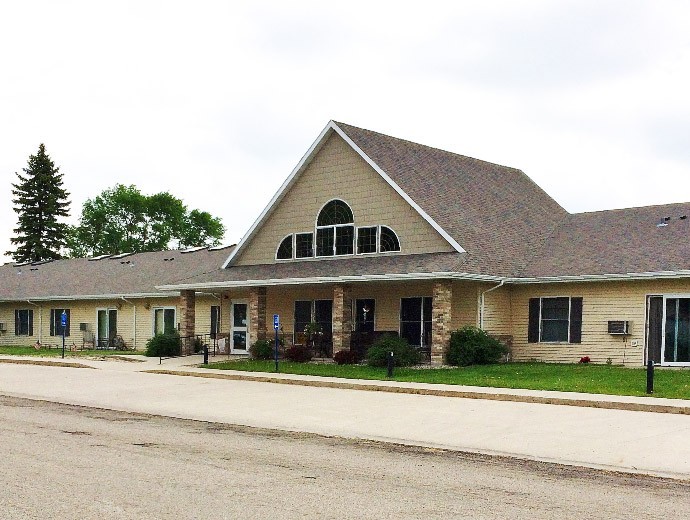
Who Owns and Operates Good Samaritan Society - Lakota?

GOOD SAMARITAN SOCIETY - LAKOTA is owned by a non-profit organization. Non-profit facilities reinvest revenue into operations rather than distributing to shareholders. The facility is operated by GOOD SAMARITAN SOCIETY, a chain that manages multiple nursing homes. With 38 certified beds and approximately 36 residents (about 95% occupancy), it is a smaller facility located in LAKOTA, North Dakota.

How Does Good Samaritan Society - Lakota Compare to Other North Dakota Nursing Homes?

Compared to the 100 nursing homes in North Dakota, GOOD SAMARITAN SOCIETY - LAKOTA's overall rating (1 stars) is below the state average of 3.1, staff turnover (52%) is near the state average of 46%, and health inspection rating (1 stars) is much below the national benchmark.

What Should Families Ask When Visiting Good Samaritan Society - Lakota?

Based on this facility's data, families visiting should ask: "Can I visit during a mealtime to observe dining assistance and food quality?" "How do you handle medical emergencies, and what is your hospital transfer rate?" "Can I speak with family members of current residents about their experience?"

Is Good Samaritan Society - Lakota Safe?

Based on CMS inspection data, GOOD SAMARITAN SOCIETY - LAKOTA has a clean safety record: no substantiated abuse findings (meaning no confirmed cases of resident harm), no Immediate Jeopardy citations (the most serious violation level indicating risk of serious injury or death), and is not on the Special Focus Facility watch list (a federal program monitoring the lowest-performing 1% of nursing homes). The facility has a 1-star overall rating and ranks #100 of 100 nursing homes in North Dakota. While no facility is perfect, families should still ask about staff-to-resident ratios and recent inspection results during their visit.

Do Nurses at Good Samaritan Society - Lakota Stick Around?

GOOD SAMARITAN SOCIETY - LAKOTA has a staff turnover rate of 52%, which is 6 percentage points above the North Dakota average of 46%. Moderate turnover is common in nursing homes, but families should still ask about staff tenure and how the facility maintains care continuity when employees leave.

Was Good Samaritan Society - Lakota Ever Fined?

GOOD SAMARITAN SOCIETY - LAKOTA has been fined $74,283 across 2 penalty actions. This is above the North Dakota average of $33,822. Fines in this range indicate compliance issues significant enough for CMS to impose meaningful financial consequences. Common causes include delayed correction of deficiencies, repeat violations, or care failures affecting resident safety. Families should ask facility leadership what changes have been made since these penalties.

Is Good Samaritan Society - Lakota on Any Federal Watch List?

GOOD SAMARITAN SOCIETY - LAKOTA is not on any federal watch list. The most significant is the Special Focus Facility (SFF) program, which identifies the bottom 1% of nursing homes nationally based on persistent, serious quality problems. Not being on this list means the facility has avoided the pattern of deficiencies that triggers enhanced federal oversight. This is a positive indicator, though families should still review the facility's inspection history directly.