NELSON COUNTY HEALTH SYSTEM CARE CENTER
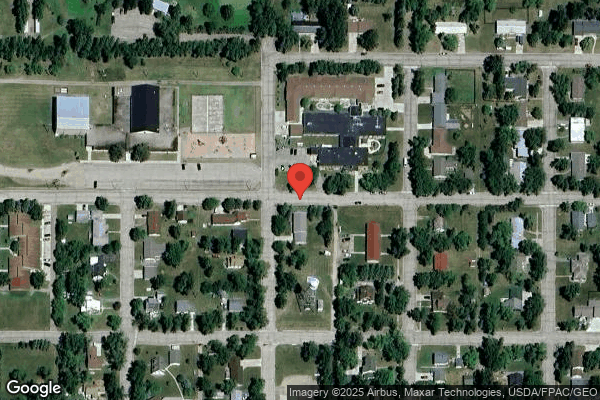
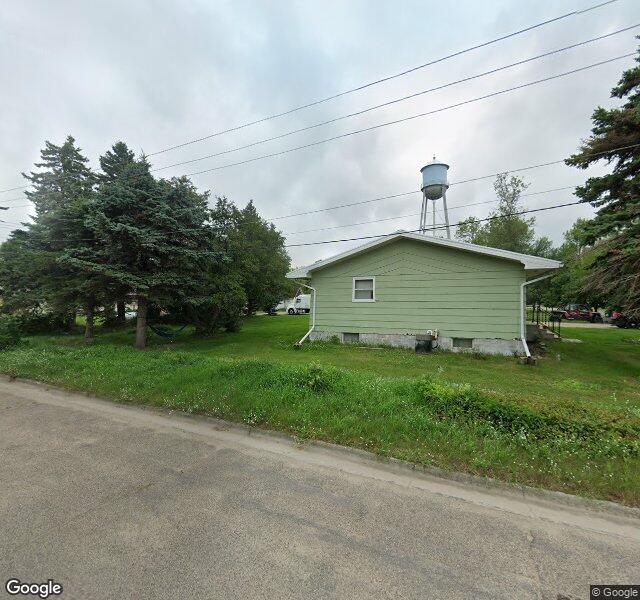
108 E NYHUS AVE, MCVILLE, ND 58254 (701) 322-4314
Government - City 35 Beds Independent Data: November 2025
Trust Grade
40/100
#43 of 72 in ND
Last Inspection: April 2025

Within standard 12-15 month inspection cycle. Federal law requires annual inspections.

Overview

Nelson County Health System Care Center has a Trust Grade of D, indicating below-average performance with some concerning issues. It ranks #43 out of 72 nursing homes in North Dakota, placing it in the bottom half of the state's facilities, but it is #2 out of 3 in Nelson County, meaning there is only one local option better. The facility is improving, as it went from 9 issues in 2024 to 2 in 2025, but it still faces challenges, including $36,855 in fines, which is higher than 87% of North Dakota facilities, suggesting ongoing compliance problems. Staffing is a strong point with a perfect 5/5 rating and a turnover rate of 48%, matching the state average, indicating staff stability. However, there have been serious concerns about resident safety, including incidents where one resident displayed abusive behaviors towards others, highlighting a need for better protective measures. Overall, while there are strengths in staffing, the facility has significant concerns regarding resident safety and compliance that families should weigh carefully.

Trust Score
D
40/100
In North Dakota
#43/72
Bottom 41%
Safety Record
High Risk
Review needed
Inspections
Getting Better
9 → 2 violations
Staff Stability
⚠ Watch
48% turnover. Above average. Higher turnover means staff may not know residents' routines.
Penalties
✓ Good
$36,855 in fines. Lower than most North Dakota facilities. Relatively clean record.
Skilled Nurses
✓ Good
Each resident gets 56 minutes of Registered Nurse (RN) attention daily — more than average for North Dakota. RNs are trained to catch health problems early.
Violations
⚠ Watch
13 deficiencies on record. Higher than average. Multiple issues found across inspections.
★★★☆☆
3.0
Overall Rating
★★★★★
5.0
Staff Levels
★★★★☆
4.0
Care Quality
★★☆☆☆
2.0
Inspection Score
Stable
2024: 9 issues
2025: 2 issues

The Good

  • 5-Star Staffing Rating · Excellent nurse staffing levels
  • 4-Star Quality Measures · Strong clinical quality outcomes
  • Full Sprinkler Coverage · Fire safety systems throughout facility
  • No fines on record

Facility shows strength in staffing levels, quality measures, fire safety.

The Bad

3-Star Overall Rating

Near North Dakota average (3.1)

Meets federal standards, typical of most facilities

Staff Turnover: 48%

Near North Dakota avg (46%)

Higher turnover may affect care consistency

Federal Fines: $36,855

Above median ($33,413)

Moderate penalties - review what triggered them

The Ugly 13 deficiencies on record

1 actual harm
Jun 2025 1 deficiency
CONCERN (D) 📢 Someone Reported This

A family member, employee, or ombudsman was alarmed enough to file a formal complaint

Potential for Harm - no one hurt, but risky conditions existed

Free from Abuse/Neglect (Tag F0600)

Could have caused harm · This affected 1 resident

**NOTE- TERMS IN BRACKETS HAVE BEEN EDITED TO PROTECT CONFIDENTIALITY** Based on record review, review of the facility reported incident (FRI) and investigation, review of facility policy, and staff i...

Read full inspector narrative →
**NOTE- TERMS IN BRACKETS HAVE BEEN EDITED TO PROTECT CONFIDENTIALITY** Based on record review, review of the facility reported incident (FRI) and investigation, review of facility policy, and staff interview, the facility failed to ensure residents remained free from abuse for 1 of 1 sampled resident (Resident #1) who displayed physical behaviors towards other residents. Failure to provide necessary services to protect residents from abuse resulted in physical abuse. This citation is considered past non-compliance based on review of the corrective actions the facility implemented immediately following the incident. Findings include: The surveyor determined a deficient practice existed on 06/17/25. The facility implemented and completed corrective action on 06/23/25. Review of the facility policy titled Abuse, Neglect, Mistreatment, and Misappropriation of Resident Property occurred on 06/24/25. This policy, revised 07/07/21, stated, . It is the policy of the [facility] that all residents have the right to be free from . physical . abuse . PHYSICAL ABUSE includes hitting, slapping, pinching, and kicking. Review of Resident #1's medical record occurred on 06/23/25. Diagnoses included bipolar disorder, dementia, Parkinson's disease, and schizoaffective disorder. The Annual Minimum Data Set (MDS), dated [DATE], identified physical behaviors directed towards others and worsening behaviors. The current care plan stated, . [Resident #1] can have a behavior problem of wandering, refusing cares, verbal and physical aggression r/t [related to] Dementia, Parkinson's Disease. Administer medications as ordered. [Resident #1] can be physically aggressive at times. Use [a] positive approach to cares and interactions. Ask for more staff assistance as needed. Facility is pursuing placement in a special care unit d/t [due to] his elopement . A progress note, dated 06/17/25 at 2:31 p.m., stated, . This resident [#1] slapped resident [#2] on the L) [left] side of her face and pulled her hair. The FRI, dated 06/18/25, stated, . Resident [#1], was sitting in his wheelchair in the day room when Resident [#2] came up beside him in her wheelchair. Resident [#2]'s wheelchair got hung up on this resident's wheelchair. He took a swing with a closed fist and connected with her head, on the R [right] side above her temple and glasses. They were separated without incident. Again at [2:30 p.m.] Resident [#1] came past Resident [#2] . This resident slapped resident [#2] on the L) side of her face and pulled her hair. Again, they were separated by staff without difficulty. Resident [#1] is on hourly checks d/t an elopement risk. These [hourly checks] will continue for this reason as well. Resident [#2] will be monitored hourly for her safety. Staff will be informed of this, and will be told to be on the alert for any other residents that [Resident #1] may target. During interviews on 06/23/25 at 4:45 p.m. and 5:30 p.m., an administrative nurse (#1) reported Resident #2 did not have any injuries following the incident. We developed safety plans for both residents and educated staff. Staff are checking on them on an hourly basis. Based on the following information, non-compliance at F600 is considered past non-compliance. The facility implemented corrective actions for residents who may be affected by the deficient practice as follows: * Completed an investigation into the incidents that occurred on 06/17/25 involving Resident #1 and #2, * Developed a safety plan for Resident #1 and #2, * Educated direct care staff regarding the safety plans that required hourly monitoring of Resident #1 and #2, * Implemented audits to ensure both residents were monitored hourly, * Monitored incidents involving resident-to-resident abuse, and * Arranged for Resident #1's transfer to a locked memory care unit at another facility.
Apr 2025 1 deficiency
CONCERN (D)

Potential for Harm - no one hurt, but risky conditions existed

Infection Control (Tag F0880)

Could have caused harm · This affected 1 resident

Based on observation, record review, review of facility policy, and staff interview, the facility failed to follow standards of infection control and prevention for 1 of 2 sampled residents (Resident ...

Read full inspector narrative →
Based on observation, record review, review of facility policy, and staff interview, the facility failed to follow standards of infection control and prevention for 1 of 2 sampled residents (Resident #9) observed with an indwelling catheter. Failure to practice infection control standards related to enhanced barrier precautions (EBP), urinary catheters, and hand hygiene has the potential to spread infection throughout the facility. Findings include: Review of the facility policy titled Enhanced Barrier Precautions occurred on 04/01/25. This policy, dated April 2024, stated, . Enhanced Barrier Precautions refers to the use of gown and gloves for certain residents during specific high-contact resident care activities that have been found to increase risk for transmission of multidrug-resistant organisms. Signage will be posted on the door or wall of the resident room indicating the type of precautions, required personal protective equipment (PPE), and the high-contact resident care activities that require the use of gown and gloves. High-contact resident care activities . Transferring . Providing hygiene . Device care or use: . urinary catheter . Review of the facility policy titled HANDWASHING SPECIFICS occurred on 04/01/25. This policy, dated January 2015, stated, . Handwashing decreases contamination of the hands and prevents the spread of pathogens . WHEN SHOULD YOUR HANDS BE WASHED? . Before and after handling in-use patient/resident care devices. after handling urinals, bedpans and similar contaminated items. Review of the facility policy titled Catheter Bag Draining occurred on 04/01/25. This policy, dated October 2016, stated, . Leg bag: . Dispose of urine in the toilet. Rinse out the collection container using the bedpan washer [wand sprayer]. Review of Resident #9's medical record occurred on all days of survey. The record identified an indwelling urinary catheter. Review of the care plan identified, . Urology notes that catheter will be long term. On enhanced barrier precautions (EBP) . TRANSFER: requires total assistance by 2 staff with the use of total mechanical lift for transfers. Observation on 03/30/25 at 1:43 p.m. showed Resident #9's room with signage for EBP and a supply cart located at the entrance of the room. The certified nurse aide (CNA) (#2) entered the room, applied gloves, failed to apply a gown, and emptied the urine contents from the leg bag into a collection container. The CNA then discarded the urine into the toilet, held the contaminated container under the sink faucet of a shared bathroom, obtained water, rinsed, and emptied the contents of the container into the toilet. The CNA removed her gloves, failed to complete hand hygiene, obtained the full body mechanical lift from the hallway, applied gloves, and paged for transfer assistance. The staff nurse (#3) stood at the doorway and instructed the CNA (#2) to apply a gown before the resident transfer, and both staff transferred Resident #9 into the bed. The CNA (#2) completed a brief change, cleansed an incontinent bowel movement, failed to remove her gloves, and applied skin barrier cream to the perineal area. The CNA applied a clean brief, removed her gloves and without performing hand hygiene, applied the nasal cannula/oxygen, and placed the call light for Resident #9. During an interview on 04/01/25 at 10:17 a.m., an administrative staff member (#1) reported she expected staff to change gloves after incontinence cares, perform hand hygiene after removing gloves, use the spray wand to rinse contaminated containers, and wear a gown for residents in EBP when providing high-contact care tasks.
Nov 2024 2 deficiencies 1 Harm
SERIOUS (G) 📢 Someone Reported This

A family member, employee, or ombudsman was alarmed enough to file a formal complaint

Actual Harm - a resident was hurt due to facility failures

Free from Abuse/Neglect (Tag F0600)

A resident was harmed · This affected 1 resident

**NOTE- TERMS IN BRACKETS HAVE BEEN EDITED TO PROTECT CONFIDENTIALITY** Based on observation, record review, review of the facility reported incident, review of facility policy, and staff interviews t...

Read full inspector narrative →
**NOTE- TERMS IN BRACKETS HAVE BEEN EDITED TO PROTECT CONFIDENTIALITY** Based on observation, record review, review of the facility reported incident, review of facility policy, and staff interviews the facility failed to ensure residents remained free from abuse from 1 of 1 sampled resident (Resident #1) who displayed verbal and physical behaviors towards residents. Failure to provide necessary services to protect residents from abuse resulted in physical and psychosocial harm. Findings include: Review of the facility policy titled Abuse Prohibition Policy occurred on 11/26/24. This policy, dated July 2021, stated, . Residents must not be subjected to abuse by anyone, including, but not limited to . other residents . Review of the facility reported incident identified on 11/02/24 at 7:30 p.m. Resident #1 kicked Resident #2 in the leg. - Review of Resident 1's medical record occurred on 11/26/24. The quarterly MDS, dated [DATE], identified severely impaired cognition. The care plan included, . [Resident #1] has a behavior problem e/b [evidenced by] verbal taunting, seeks out others, has been physically aggressive at times r/t [related to] Dementia and cognitive decline. Anticipate and meet [Resident #1's] needs. Assist [Resident #1] to develop more appropriate methods of coping and interacting. Encourage him to express feelings appropriately. Caregivers to provide opportunity for positive interaction, attention. Stop and talk with him as passing by. Follow behavior plan and interventions. See print out in nurses [sic] for reference. Intervene as necessary to protect the rights and safety of others. Approach/Speak in a calm manner. Divert attention. Remove from situation and take to alternate location as needed. Minimize potential for [Resident #1's] disruptive behaviors by offering tasks which divert attention such as hands on activities, 1-1s [sic] talking sports. Monitor behavior episodes and attempt to determine underlying cause. Consider location, time of day, persons involved, and situations. Document behavior and potential causes. Praise any indication of [Resident #1's] progress/improvement in behavior. Provide a program of activities that is of interest and accommodates residents status. Review of Resident #1's progress notes included the following: * 11/02/24 at 7:30 p.m., . Resident was bickering with another resident [Resident #2] and sought her out in the day room. When she [Resident #2] tried to move away from him he kicked her several times in the lower leg. * 11/06/24 at 12:50 p.m., . [Resident #1] was seen kicking [Resident #2]. Writer removed [Resident #1] from [Resident #2]. After removing [Resident #1] was chasing [Resident #2] down the hall. [Resident #2] was taken into own room away from [Resident #1]. * 11/07/24 at 12:30 p.m., . charge nurse reported that resident kick [sic] resident [Resident #2] in the lower leg. This is the 3rd resident to resident contact made in three days. * 11/07/24 at 12:30 p.m., . Resident seen by [physician's name] for 60 day recert [recertification]. Shortly before seeing him charge nurse reported that resident kick [sic] [Resident #2] in the lower leg. This is the 3rd resident to resident contact made in three days. Order received from [physician's name] 'I recommend this resident be transferred to a facility with a locked special care unit'. Message left with [power of attorney]. Awaiting call back to inform of recommendations. * 11/09/24 at 12:29 p.m., . Resident was seeking out resident [Resident #2]. Resident was antagonizing [Resident #2]. [Resident #2] was motioning with her arms for him to go away. CNA [certified nurse aide] has separated the two residents 3 times in the last 30 minutes. * 11/09/24 at 8:09 p.m., . at 1820 [6:20 p.m.] [Resident #1] said 'I'm going to get her' and then proceeded to try and kick [Resident #2]. At 1825 [6:25 p.m.] he [Resident #1] started chasing [Resident #2] and when asked why he said 'she wants me to' this writer explained to him that she doesn't and to please go the other way. At 1840 [6:40 p.m.] he trapped [Resident #2] in the dining room and she yelled 'get out of the way' he said 'no' and was intercepted by staff and denied doing it. At 1843 [6:43 p.m.] resident was in hallway, turned his head then his chair and stopped [Resident #2] and yelled 'now who is following who?' At 1845 [6:45 p.m.] he waited for [Resident #2] to turn the corner looked around him then followed her but acted surprised when staff stopped him and said that he didn't do anything. At 1855 [6:55 p.m.] he started mocking [Resident #2] and had to be pulled away from her. * 11/10/24 at 12:30 p.m., . resident in the dinning [sic] room at [Resident #2] table. He was found shaking her wheelchair and kicking at her. * 11/10/24 at 10:21 p.m., . between 1835 [6:35 p.m.] and 1905 [7:05 p.m.] resident had to be re-directed 8 times away from [Resident #2]. Wouldn't let resident pass X3 [three times] tried to approach her X3 and followed her X3. He would wait for her and say 'there she comes again' and then follow her. 'there she goes, I should chase after her'. [Resident #2] tried to avoid him by doing a u-turn through the nurse's station and yelled 'leave me alone what's the matter with you?' Resident was told multiple times to leave her alone and he kept it up even once saying 'lets take her to the woods' . * 11/11/24 at 1:36 p.m., . CNA behavior log: intercepted 4 times in 10 mins [minutes]when he started chasing down [Resident #2] Intervention: 'tried offering snack or to go to room.' outcome: 'behavior got worse, resident became combative, resident became agitated. resident started kicking at staff when interventions were placed'. * 11/11/24 at 3:48 p.m., . Writer faxed on-call [physician] about behavior changes, blood pressure, and not sleeping at night. On-call [ordered] '3mg melatonin [an over the counter sleep aid] 30 mins before bed as needed for insomnia. Referral placed for psychiatry due to recent behavioral changes.' * 11/11/24 at 4:54 p.m., . resident was found kicking at [Resident #2]. [Resident #2] wheelchair hit the wall. * 11/15/24 at 7:27 p.m., . Within a short time he was calling [Resident #2] names and persistently chasing after her until staff intervened. He then stated 'do you want to end up on the floor?' When he was turned to be taken away from the situation, he began to swing the remote and raise his voice. * 11/16/24 at 3:54 a.m., . Resident had been picking on just one or two residents now he's starting to just yell and chase any of them around. Staff needs to keep a close eye on him when he is out of his room. * 11/19/24 at 11:00 p.m., . Management team met with [physician's name] today to discuss this resident and incidents which have been often occurring. Resident seems to be fixated on one specific resident and we met to discuss what can be done to help the situation. A resident behavior plan has been created that will be introduced to all staff to follow. Along with this, we will work with all staff and follow staff to ensure that the positive approach to care [PAC] [a specialized training specifically for taking care of patients with dementia] is being used, as we are trained and PAC certified. [Physician's name] is in agreeance with the following plan: buff up skills and alert staff as stated above, really working hard to approach resident positively; refer out to see options; Thursday, [physician's name] will see resident in regardsd [sic] to his compulsive tendancies [sic] with possible psych [psychiatry] eval [evaluation]. We will follow and document progress on situation. * 11/20/24 at 8:50 a.m., . Writer heard [Resident #2] screaming 'get away from me' this resident was behind [Resident #2] laughing. * 11/21/24 at 1:36 p.m., . Resident seen by [physician's name] for PRN [as needed] follow up visit. Reviewed behaviors. Will start Paxil [a antidepressant medication] 10mg [milligrams] daily X 1 [times 1] week then increase to 20mg daily. Call placed to [power of attorney] to inform. He appreciated the call. Also notified of team members monitoring of behaviors plans. * 11/22/24 at 10:47 p.m., . At 1830 [6:30 p.m.] resident approached and kicked the w/c of res [Resident #2], this writer removed [Resident #1] from the situation and . tried to re-direct him but he just became angry and tried to hit me and denied going near her. At 1840 [6:40 p.m.] he was removed from her again and . this writer tried to explain that she said 'stop bothering me' he denied going near her and this writer told him that I saw him do it and he said 'that's in the past I need to get her attention' this upset [another resident] who told him to 'buzz off' At 1845 [6:45 p.m.] approached [Resident #2], had to be removed . At 1846 [6:46 p.m.] he had to be removed from her again and kicked staff and raised his fist [sic] another [resident] then moved her chair between the 2 and said 'I will take care of her' At 1900 [7:00 p.m.] resident was again removed from [Resident #2], . - Review of Resident #2's medical record occurred on 11/26/24. The MDS, dated [DATE], identified severely impaired cognition. On 11/26/24 at 12:24 p.m., this surveyor heard a female voice screaming loudly outside the conference room and then heard another voice say Resident #1's name. When this surveyor exited the conference room, observation showed Resident #1 and Resident #2 in the television area with two unidentified staff members in between them. When the staff members moved away Resident #1 immediately started to move his wheelchair towards Resident #2. Review of the facilities physical abuse altercation investigation which occurred on 11/02/24 between Resident #1 and #2 included interviews with staff directly involved with the physical abuse, notification to Resident #1 and #2's physician, notification to the facilities medical director, notification to Resident #1 and #2's families, and discussion with the resident care coordinator and licensed social worker. Interventions showed the following: - A behavior plan including a behavior log for Resident #1 - A safety plan for Resident #2 - Education to all nursing staff (CNAs and nurses) regarding Resident #1's behaviors/behavior plan and a safety plan for Resident #2. During an interview on 11/26/24 at 1:08 p.m., an administrative staff member (#2) stated all current staff have been trained in PAC training which is an 8 hour class she teaches. The administrative staff member (#2) also stated any new staff are trained immediately upon hire in the PAC training. During an interview on 11/26/24 at 1:41 p.m., an administrative staff member (#1) verified the facility had contacted 4 facilities with a memory care unit regarding possible transfer for Resident #1 and stated the other facilities did not have any openings at that time. The administrative staff member (#1) also stated the facility has a meeting scheduled on 12/03/24 with Resident #1's personal representatives and physician to discuss his behaviors and other possible options. The facility failed to provide necessary services to protect residents from verbal, psychosocial and physical abuse resulted in an unsafe environment and the potential for further harm.
CONCERN (D) 📢 Someone Reported This

A family member, employee, or ombudsman was alarmed enough to file a formal complaint

Potential for Harm - no one hurt, but risky conditions existed

Deficiency F0605 (Tag F0605)

Could have caused harm · This affected 1 resident

**NOTE- TERMS IN BRACKETS HAVE BEEN EDITED TO PROTECT CONFIDENTIALITY** Based on record review and staff interview, the facility failed to ensure 1 of 1 closed record (Resident #1) remained free from ...

Read full inspector narrative →
**NOTE- TERMS IN BRACKETS HAVE BEEN EDITED TO PROTECT CONFIDENTIALITY** Based on record review and staff interview, the facility failed to ensure 1 of 1 closed record (Resident #1) remained free from a chemical restraint (morphine sulfate-an opioid pain medication). Failure to attempt non-pharmacological interventions and/or utilize the least restrictive alternative medication does not allow the resident to attain and/or maintain his/her highest level of practicable well-being. Findings include: The facility failed to provide a policy on pain management or opioid use when requested. Review of Resident #1's medical record occurred on 01/28/25. Diagnoses included Alzheimer's disease, obsessive compulsive disorder, and dementia with agitation. The current care plan stated, . [Resident #1] has behaviors e/b [evidenced by] verbal taunting, seeks out others, has been physically aggressive at times r/t [related to] Dementia and cognitive decline . Intervene as necessary to protect the rights and safety of others. Approach/Speak in a calm manner. Divert attention. Remove from situation and take to alternate location as needed. Monitor behavior episodes and attempt to determine underlying cause . Document behavior and potential causes. The care plan lacked a problem related to pain. Review of Resident #1's quarterly pain assessments, dated 08/23/24 and 11/22/24, identified the resident did not experience pain during the assessment period or display any non-verbal indicators of pain. A quarterly Minimum Data Set (MDS), dated [DATE], identified a BIMS of 5 (indicating severely impaired cognition), physical and verbal behaviors, and No for presence of pain. Resident #1's physician's orders included: * 11/18/23, acetaminophen 325 milligrams (mg). Give 2 tablets orally every 4 hours as needed for mild pain or fever. * 01/19/25 at 6:10 a.m., morphine sulfate 2.5 mg by mouth one time only for anxiety for 1 day * 01/19/25 at 1:45 p.m., morphine sulfate 2.5 mg by mouth every 2 hours as needed * 01/20/25, morphine sulfate 2.5 mg by mouth every 2 hours as needed for anxiety/pain. Review of Resident #1's progress notes and Medication Administration Record (MAR), dated January 19-21, 2025, identified the following: * 01/19/25 6:05 a.m., Late Entry: Resident up and dressed and is pacing in halls by nurses station in his w/c [wheelchair]. He is anxious as evidenced by facial scowl, repeated and troubled calling out to staff, clenched fists and repetitive negative comments. [Physician name] informed and order received for one time dose Roxanol [morphine sulfate] 2.5 mg for apparent signs of pain and anxiety. * 01/19/25 at 6:18 a.m., morphine sulfate administered for anxiety, pacing in halls, and a pain rating of 8 out of 10. * 01/19/25 at 2:21 p.m., morphine sulfate administered for a pain rating of 8 out of 10. * 01/19/25 at 8:15 p.m., morphine sulfate administered. The record lacked a pain rating. * 01/20/25 at 4:50 a.m. Behavior Note . sitting in w/c hollering 'help me.' Morphine sulfate 2.5 mg. given. The record lacked a pain rating. * 01/20/25 at 10:21 a.m., morphine sulfate administered for a pain rating of 6 out of 10. * 01/20/25 at 6:20 p.m., morphine sulfate administered for, . becoming agitated in day room now. The record lacked a pain rating. * 01/20/25 at 11:25 p.m., morphine sulfate administered for, . Sitting at bedside hollering 'help me help me' then he starts making his other vocal noises. He didn't want anything. He was given morphine sulfate and assisted to lay down. The record lacked a pain rating. * 01/21/25 at 4:45 a.m., morphine sulfate administered for . lying in bed hollering. The record lacked a pain rating. * 01/21/25 at 3:21 p.m., . monitor behaviors every day and evening shift. Resident has been go [good] this shift so far. * 01/21/25 at 6:23 p.m., morphine sulfate administered for anxiety/pain . The record lacked a pain rating. * 01/21/25 at 10:20 p.m., Behavior Note. At 6:30 [p.m.] he was lying in bed hollering 'help me' but didn't need anything. Morphine Sulfate given. He has been sleeping since then. * 01/21/25 at 10:50 p.m., morphine sulfate administered for, . needs to calm down. The record lacked a pain rating. The record showed the facility failed to administer acetaminophen in the month of January 2025. During an interview on 01/28/25 at 4:09 p.m., an administrative nurse (#1) confirmed Resident #1's medical record lacked pain documentation, use of non-pharmacological behavioral interventions, and/or use of the least restrictive medications (acetaminophen) before administering Morphine. The facility failed to complete a pain assessment related to Resident #1's new onset of pain, provide a rationale for the initiation of morphine, and attempt non-pharmacological interventions or administer the least restrictive medication (acetaminophen).
Mar 2024 7 deficiencies
CONCERN (D)

Potential for Harm - no one hurt, but risky conditions existed

Deficiency F0657 (Tag F0657)

Could have caused harm · This affected 1 resident

Based on observation, record review, and resident and staff interview, the facility failed to review and revise the comprehensive care plan to reflect the resident's current status for 3 of 14 sampled...

Read full inspector narrative →
Based on observation, record review, and resident and staff interview, the facility failed to review and revise the comprehensive care plan to reflect the resident's current status for 3 of 14 sampled residents (Resident #13, #25, and #32). Failure to revise the care plan for Residents #13 and #32 limited the staff's ability to communicate care needs and ensure continuity of care for each resident and failure to update Resident #25's transfer status placed the resident at risk for injury. Findings include: The facility failed to provide a care plan policy. - Review of Resident #13's medical record occurred on all days of survey. The care plan stated, . TOILET USE: Requires assist of 1 staff with mechanical stand lift for toileting. TRANSFER: The resident requires assist of 1 staff w/ [with] mechanical stand lift . A physician's order, dated 01/04/24, stated, Resident will transfer using mechanical stand lift with assist of 1 and gluteal [buttock] strap. Observation on 03/19/24 at 9:59 a.m. showed two certified nurse aides (CNAs) (#7 and #9) assisted Resident #13 with toileting. The CNAs applied the lift sling around the resident's waist and started to raise the lift. The resident unable to grasp the handles and the CNA (#9) stated, We better use the other strap [gluteal strap]. The CNAs then lowered the stand lift, applied the gluteal strap, and transferred the resident to the toilet. Observation on 03/20/24 at 12:24 p.m. showed a CNA (#9) transferred Resident #13 from the wheelchair to the bed using the mechanical stand lift and failed to use the gluteal strap. Resident #13's care plan lacked an intervention to use the gluteal strap when transferring the resident with the mechanical stand lift. - Review of Resident #25's medical record occurred on all days of survey. The current care plan showed, . Walking Program . Walk with 4WW [4 wheeled walker] 2x/day [twice a day] distance as tolerated assist x 1 [of 1 person] with gait belt. Initiated 07/19/23 . Physical Therapy ended Resident #25's walking program on 02/20/24. The current resident care card, used by the CNAs, dated 03/04/24, showed . Amb. [ambulate] w/ [with] FWW [front wheeled walker] short dist. [distance] . Resident #25's current care card lacked updated ambulation information to match the care plan. During an interview on 03/21/24 at 10:39 a.m., administrative staff members (#4, #5, and #6) confirmed Resident #25's care card, which the CNAs follow, lacked the resident's current ambulation status. - Review of Resident #32's medical record occurred on all days of survey. Diagnoses included atrial fibrillation (irregular heartbeat). Current physician's orders showed Rivaroxaban (a blood thinning medication) 15 mg (milligrams) one time a day related to atrial fibrillation and Mirtazapine (an antidepressant) 7.5 mg at bedtime for mood. Resident #32's current care plan lacked problems and interventions related to use of an antidepressant and anticoagulant. During an interview on 03/21/24 at 10:39 a.m., administrative staff (#4, #5, and #6) agreed Resident #32's care plan should include a problem and interventions for use of an antidepressant and anticoagulant.
CONCERN (D)

Potential for Harm - no one hurt, but risky conditions existed

Quality of Care (Tag F0684)

Could have caused harm · This affected 1 resident

Based on observation, record review, and resident and staff interview, the facility failed to provide care and services for 1 of 1 sampled residents (Resident #25) reviewed for edema (fluid retention)...

Read full inspector narrative →
Based on observation, record review, and resident and staff interview, the facility failed to provide care and services for 1 of 1 sampled residents (Resident #25) reviewed for edema (fluid retention) and 1 of 2 sampled residents (Resident #26) observed wearing a splint. Failure to apply compression stockings as ordered may result in worsening edema and failure to obtain an order for use of a splint may result in worsening pain. Findings include: - Review of Resident #25's medical record occurred on all days of survey. A physician's order, dated 08/30/23, stated, Compression stockings to be utilized for edema management. A physicians note, dated 02/20/24, stated, . bilateral lower extremity edema. Chronic. Continue with compressions [stockings] as directed. The care plan stated, . Staff to apply compression stockings to BLE [bilateral lower extremities] for edema management . Observations of Resident #25 showed the following: * On 03/19/24 at 03:26 p.m., wearing non compression stockings. The resident reported she has those socks [compression stockings] but not sure if I have them on. * On 03/20/23 at 12:30 p.m., wearing non compression stockings. * On 03/21/24 at 08:45 a.m., dressed for the day, wearing slippers without socks or compression stockings. During an interview on 03/21/24 at 10:39 a.m., administrative staff members (#4, #5, and #6) agreed they expected staff to apply compression stockings as ordered. - Review of Resident #26's medical record occurred on all days of survey. Observations on all days of survey showed Resident #26 wore a splint to the left hand/wrist. During an interview on 03/20/24 at 4:05 p.m., when asked about the splint to the left hand, Resident #26 stated, It was all swollen and very painful and the physician didn't know what was wrong with it so he told me to use this brace all the time. I'm having an MRI [magnetic resonance imaging] on Monday to see what's wrong with it. During an interview on 03/20/24 at 4:20 p.m., when asked about the left hand splint, a nurse (#10) stated, He had swelling in that hand and was using ace wraps until the last time he returned from the hospital he had the splint on. I was told he is to wear it at all times. Review of the March 2024 treatment administration record (TAR) identified an order, for a splint to left wrist for left wrist pain was discontinued on 03/11/24. The facility failed to obtain a physician's order for Resident #26 to wear the left hand splint after he returned from the hospital, monitor if the splint was in place, and failed to update the care plan to identify the splint was to be worn at all times. During an interview on 03/21/24 at 11:08 a.m., an administrative staff member (#5) stated, When the resident returned from the hospital he did not have an order for the splint, so it was discontinued on the TAR. The staff member agreed staff failed to clarify the order for the splint when Resident #26 returned from the hospital.
CONCERN (D)

Potential for Harm - no one hurt, but risky conditions existed

Accident Prevention (Tag F0689)

Could have caused harm · This affected 1 resident

Based on observation, record review, review of professional reference, facility policy, and staff interviews, the facility failed to provide supervision and assistive devices necessary to prevent acci...

Read full inspector narrative →
Based on observation, record review, review of professional reference, facility policy, and staff interviews, the facility failed to provide supervision and assistive devices necessary to prevent accidents for 2 of 14 sampled residents (Residents #13 and #19). Failure to provide supervision of certified nurse aides (CNAs) by a licensed nurse regarding resident transfer modes and failure to utilize safe/proper technique during transfers may result in unnecessary pain, falls and/or injury for residents. Findings included: Review of the North Dakota Administration Code (NDAC) online at www.ndlegis.gov/information/acdata/pdf/33-43-01.pdf stated, . 33-43-01-12. Supervision and delegation of nursing interventions. An individual on the department's nurse aide registry [CNA] may perform nursing interventions which have been delegated by a licensed nurse. An individual on the departments's nurse aide registry as delegated and supervised by a licensed nurse . Review of the facility policy titled STANDING LIFT occurred on 03/21/24. This policy, dated December 2017, stated, . The knee rest has a built-in leg strap to be used on residents without much control. it is not advised that the standing lift be used if the resident cannot assist with his/her hands and arms. - Review of Resident #13's medical record occurred on all days of survey and included diagnoses of weakness and dementia. The current care plan stated, . TRANSFER: The resident requires assist of 1 staff w/ [with] mechanical stand lift . The certified nurse aide (CNA) pocket care guide stated, . Standing lift assist of 1 with gluteal strap . A physician's order, dated 01/04/24, stated, Resident will transfer using mechanical stand lift with assist of 1 and gluteal strap. Observation on 03/19/24 at 9:59 a.m. showed two CNAs (#7 and #9) attempted to transfer Resident #13 from the wheelchair to the toilet utilizing a mechanical sit-to-stand lift without applying the gluteal strap. The CNA (#9) began to lift the resident and he/she failed to hold onto the handles. The CNA (#9) stated, We better use the other [gluteal] strap. The CNAs then utilized the gluteal strap. When asked if staff always use two assist with the sit-to-stand lift, the CNA (#9) stated, No, just with [Resident #13's name] we do because she does not always stand very good. During an interview on 03/20/24 at 11:29 a.m., when asked how she knows when to use two staff with transfers the CNA (#9) stated, It was in report a long time ago. Observation on 03/20/24 at 12:24 p.m. showed a CNA (#9) utilized the sit-to-stand mechanical lift to transfer Resident #13 from the wheelchair to the bed. The resident appeared restless and unable to follow commands. The CNA transferred the resident to the bed without using the gluteal strap, leg strap, and without the resident grasping onto the stand handles. The CNA stated, sometimes we can use one with her and the sit-to-stand. When asked how the CNA knows to use one or two staff the CNA stated, We decide based on her day and her behaviors and how she is standing. The CNAs failed to use the leg and gluteal straps while transferring Resident #13. - Review of Resident #19's medical record occurred on all days of survey. The current care plan stated, . TOILET USE: Assist of 1-2 . TRANSFER: The resident is able to transfer with extensive of 1-2 assist. The CNA pocket care guide stated, . SBA [stand by assist] of 1/FWW[front wheeled walker]/Gait belt Assist of 1 . Observation on 03/18/24 at 6:34 p.m. showed a CNA (#11) applied a gait belt and assisted Resident #19 to the bathroom. The resident ambulated slowly and grimaced the majority of the way to the bathroom. Observation on 03/20/24 at 10:02 a.m. showed a CNA (#12) assisted Resident #19 off the toilet and ambulated the resident back to his wheelchair. When asked how the CNA knows to use one or two assist the CNA stated, I only use one because that's what his care card says. It just depends upon what kind of a day he is having if we need 2 staff. When asked who makes the decision to use one or two assist the CNA stated We, the CNAs do depending upon what kind of day he is having. During an interview on 03/20/24 at 5:15 p.m., when asked how she knows whether to use one or two assist to transfer/ambulate Resident #19 the CNA (#13) stated, I usually only use one for him depends on how he is feeling. If weaker I take him with the wheelchair into the bathroom and then he can just grab the bar and get up instead of walking into the bathroom. At night we use two when getting him out of bed. When asked who makes the decision to use one or two assist the CNA stated, I do depending on how he is standing. During an interview on 03/21/24 at 11:53 a.m., an administrative staff member (#5) confirmed being unaware CNAs could not determine the number of staff needed to transfer and stated she expected staff to use the leg and gluteal straps when transferring Resident #13.
CONCERN (D)

Potential for Harm - no one hurt, but risky conditions existed

Incontinence Care (Tag F0690)

Could have caused harm · This affected 1 resident

Based on observation, record review, review of a professional reference, and staff interview, the facility failed to provide appropriate toileting for 2 of 12 sampled residents (Resident #8 and #13) w...

Read full inspector narrative →
Based on observation, record review, review of a professional reference, and staff interview, the facility failed to provide appropriate toileting for 2 of 12 sampled residents (Resident #8 and #13) who required staff assistance with toileting. Failure to provide toileting may result in a loss of dignity and placed residents at risk for skin breakdown, poor grooming/hygiene, decreased self-esteem, urinary tract infections, and risk for fall and/or injuries. Findings include: The facility failed to provide a policy related to toileting of residents. Kozier & Erb's Fundamentals of Nursing: Concepts, Process and Practice, 11th Edition eText, 2021, Pearson, Boston, Massachusetts, page 892, stated, Fecal and Urinary Incontinence: Moisture from incontinence promotes skin maceration [tissue softened by prolonged wetting or soaking] and makes the epidermis more easily eroded and susceptible to injury. Digestive enzymes in feces, urea in urine . also contribute to skin excoriation [area of loss of the superficial layers of the skin .]. Any accumulation of secretions . is irritating to the skin, harbors microorganisms, and makes an individual prone to skin breakdown and infection. Page 1221 stated, Managing Urinary Incontinence . Habit training, also referred to as timed or prompted voiding and scheduled toileting, attempts to keep clients dry by having them void at regular intervals, such as every 2 to 4 hours. The goal is to keep the client dry . - Review of Resident #8's medical record occurred on all days of survey. The care plan stated, . has an ADL [activities of daily living] self-care performance deficit r/t [related to] Alzheimer's disease. TOILET USE: The resident requires supervision-limited assistance by 1 staff for toileting. is at risk for falls r/t diagnoses of Alzheimer's and tremors, and has a hx [history] of falls. Bed and chair alarms . The certified nurse aide (CNA) pocket care guide stated, . Assist of 1 w/ [with] toileting q [every] 2-3 hr [hours] & prn [as needed] Pull ups-Assist to chge [change] prn . Review of Resident #8's toileting record, dated February 21 through March 20, 2024, identified 43 occasions where staff failed to assist the resident with toileting as care planned. The log showed gaps of approximately 3.5 to 14 hours between staff assistance with toileting. Progress notes stated the following: * 1/9/24 at 12:30 a.m. found [Resident #8's name] resting on buttocks in front of door . with his shoulders resting against the door. Bed alarm was not sounding. He said he had just been to the bathroom . Said after he was done on toilet he slipped. Skin tear to L) [left] elbow and 3 abrasions in a line down R) [right] elbow. He complained of pain to the ulnar [sic] side [one of the two bones in the forearm] ofhis [sic] R) hand. * 01/09/24 at 12:19 p.m. Writer informed on-call provider of fall with injury to right hand. Writer described resident's difficulty with moving 4th and 5th digits of right hand, swelling and bruising to lateral side of right hand. Provider ordered x-ray of right hand to be read stat[immediately]. * 01/09/24 at 1:45 p.m. Writer received call from on-call provider notifying that resident's x-ray revealed a broken 5th metacarpal. Provider applied splint to resident's hand and ordered orthopedics consult. During an interview on 03/19/24 at 2:17 p.m., a CNA (#7) stated, [Resident #8's name] is independent with toileting, he takes himself and does his own thing. During an interview on 03/20/24 at 11:33 a.m., a CNA (#12) stated, Most of the time [Resident #8] goes by himself once in a while he will put his call light for help but not very often. When asked if he was able to use the bathroom himself , the CNA stated, Oh yes he does all the time. - Review of Resident #13's medical record occurred on all days of survey. The care plan stated, . has an ADL self-care performance deficit r/t dementia . TOILET USE: Requires assist of 1 staff with mechanical stand lift for toileting. is at risk for skin breakdown related to incontinence, decreased mobility and cognitive decline. Open skin area to R lateral foot. is at risk for falls. Resident uses chair and bed electronic alarm. The CNA pocket care guide stated, . Toilet q 2-3 hr & PRN-Inc.[incontinent] bladder-brief . Review of Resident #13's toileting record, dated February 21 through March 20, 2024, identified 82 occasions where staff failed to assist the resident with toileting as care planned. The log showed gaps of approximately 3.5 to 13 hours between staff assistance with toileting. Observation on 03/20/24 at 9:53 a.m. showed two CNAs (#7 and #14) attempted to assist Resident #13 to the bathroom. The resident appeared restless, agitated and failed to hold onto the sit-to-stand lift. The CNA (#7) stated, We'll give her some time to calm down and try again in ten minutes. During an interview on 03/20/24 at 11:29 a.m., when asked if they had attempted to take Resident #13 to the bathroom again, the CNA (#7) stated, We tried again about 45 minutes ago, but [Resident #13] started crying so we didn't take her then either. Observation on 03/20/24 at 12:24 p.m. showed a CNA (#7) attempted to take Resident #13 to the bathroom. Using the sit-to-stand mechanical lift the CNA assisted the resident to the bed for a check and change. The resident's incontinent product appeared very wet with urine. When asked how long it had been since the CNA had toileted/checked and changed the resident, the CNA stated, Not since I got her up this morning about 7-7:30 [7 am -7:30 am]. Five hours prior to the resident being checked and changed. During an interview on 03/20/24 at 12:40 p.m., a licensed nurse (#10) stated the CNAs had not informed her Resident #13 wasn't able to stand or, hold onto the sit-to-stand mechanical lift, having behaviors, and not been toileted or changed since 7:00-7:30 this morning. During an interview on 03/21/24 at 11:53 a.m., an administrative staff member (#5) confirmed Resident #8 is not independent and expected staff to toilet/check and change residents per the care plan.
CONCERN (D)

Potential for Harm - no one hurt, but risky conditions existed

Deficiency F0761 (Tag F0761)

Could have caused harm · This affected 1 resident

Based on observation, review of facility policy, and staff interview, the facility failed to ensure safe and secure storage of medications in 1 of 1 medication carts. Failure to store all medications ...

Read full inspector narrative →
Based on observation, review of facility policy, and staff interview, the facility failed to ensure safe and secure storage of medications in 1 of 1 medication carts. Failure to store all medications securely may result in unauthorized access to medications. Findings include: Review of the facility policy titled Medication Administration occurred on 03/20/24. This policy, revised 2016, stated, . The medication cart should be locked when left unattended . Medications should not be left on top of the medication cart . if the nurse or CMA [certified medication aide] is in a resident room and the medication cart is not locked . it has to be in an area where the nurse or CMA can see it . Observation on 03/19/24 at 11:47 a.m., showed a staff nurse (#8) left the medication cart unattended for over eight minutes with six insulin pens/vials on top of the medication cart. The medication cart remained unlocked in the hallway and out of view of the nurse. During an interview, on 03/20/24, an administrative nurse (#5) confirmed she expected staff to ensure medications are secured within the medication cart and to lock the cart when out of eyesight.
CONCERN (D)

Potential for Harm - no one hurt, but risky conditions existed

Infection Control (Tag F0880)

Could have caused harm · This affected 1 resident

Based on observation, facility policy review, and staff interview, the facility failed to ensure staff followed standard infection control practices for 2 of 10 sampled residents (Resident #6 and #16)...

Read full inspector narrative →
Based on observation, facility policy review, and staff interview, the facility failed to ensure staff followed standard infection control practices for 2 of 10 sampled residents (Resident #6 and #16) and 1 supplemental resident (Resident#1). Failure to follow infection control practices related to hand hygiene and glove use has the potential for transmission of communicable diseases and infections to residents and staff. Findings include: Review of the facility policy, Handwashing Specifics occurred on 3/21/24. This policy, revised January 2015, stated, . Handwashing decreases contamination of the hands and prevents spread of pathogens . personnel who perform procedures on residents . should wear gloves . even though gloves are worn, hands should still be washed . before, between and after all physical contacts with the resident . before and after performing any personal body function . - Observation on 03/18/24 at 10:18 a.m., showed a certified nurse aide (CNA) (#15) performed incontinence cares on Resident #16 while in bed. Without performing hand hygiene, the CNA (#15) donned gloves, lowered the resident's pants and brief, cleaned the resident's perineal area of bowel movement (BM), and with the same gloves on, turned the resident onto their side, removed two barrier cream tubes from the bedside drawer, applied the creams to the resident skin, and returned the tubes to the drawer. The CNA (#15) removed her gloves, and without performing hand hygiene, exited the room. - Observation on 03/19/24 at 10:20 a.m., showed a CNA (#9) provided incontinence cares for Resident #1. The CNA (#9), without performing hand hygiene, donned gloves, lowered the resident's pants, and lowered the front side of the soiled brief to perform perineal cares. The CNA (#9), without removing used gloves and performing hand hygiene, removed tubes of cleansing cream and barrier cream from the bedside drawer, put the cleansing cream on disposable wipes and cleansed the buttocks. The CNA (#9) then applied a barrier cream, placed a new brief and repositioned the resident onto their back. Resident #1 started to void and the CNA placed wipes to catch the urine. The CNA removed her gloves, and without performing hand hygiene, went to the residents closet for gloves, applied them, removed the soiled wipes, applied barrier cream under the resident's abdominal folds and fastened the brief. The CNA (#9) removed her gloves and without performing hand hygiene, touched several other surfaces/items, applied Resident #1's oxygen and gave the resident a drink of water and then performed hand hygiene. -Observation on 03/19/24 at 10:54 a.m., showed a CNA (#15) used a stand lift to provide toileting cares to Resident #6. Without performing hand hygiene, the CNA donned gloves, lowered the residents pants and brief and lowered them on the toilet. The CNA (#15) cleaned the resident's perineal area of BM, put on a clean brief and pulled up her pants, moved the lift, touched the sink, the door handle, the wheelchair, and the leg pedals, then removed her gloves and exited the room without performing hand hygiene. The staff failed to perform hand hygiene between glove changes and touched numerous items in the resident's room. During an interview on the afternoon on 03/20/24, an administrative nurse (#5) confirmed she expected staff to perform good hand hygiene with resident cares.
CONCERN (F)

Potential for Harm - no one hurt, but risky conditions existed

Staffing Data (Tag F0851)

Could have caused harm · This affected most or all residents

Based on review of the Electronic Staffing Data Submission Payroll-Based Journal (PBJ) Long-Term Care Facility Policy Manual and staff interview the facility failed to submit direct care staffing info...

Read full inspector narrative →
Based on review of the Electronic Staffing Data Submission Payroll-Based Journal (PBJ) Long-Term Care Facility Policy Manual and staff interview the facility failed to submit direct care staffing information based on payroll data to the Electronic Staffing Data Submission PBJ for 2 of 4 reporting periods. Failure to submit direct care staffing information may result in inaccurate representation of the level of staff in the facility which can impact the quality of care delivered. Findings include: The June 2022, version 2.6 Electronic Staffing Data Submission Payroll-Based Journal (PBJ), pages 1-3, stated, . Direct care staffing and census data will be collected quarterly, and is required to be timely and accurate. Facilities that do not meet these requirements will be considered noncompliant and subject to enforcement actions by CMS. Review of the PBJ Data Staff Report CASPER Report 1705D FY (fiscal year) Quarter 4 (July 1 - September 30, 2023) and Quarter 1 (October 1 - December 31, 2023) occurred on 03/18/23, stated, . Failed to Submit Data for the Quarter. Triggered. During an interview on 03/19/24 at 4:40 p.m. an administrative staff member (#2) confirmed the facility failed to submit staffing data for the reporting periods listed on the reports.
Mar 2023 2 deficiencies
CONCERN (D) 📢 Someone Reported This

A family member, employee, or ombudsman was alarmed enough to file a formal complaint

Potential for Harm - no one hurt, but risky conditions existed

Report Alleged Abuse (Tag F0609)

Could have caused harm · This affected 1 resident

Based on observation, record review, review of facility policy, and staff interview, the facility failed to investigate and report to the State Survey Agency (SSA) potential incidents of abuse/neglect...

Read full inspector narrative →
Based on observation, record review, review of facility policy, and staff interview, the facility failed to investigate and report to the State Survey Agency (SSA) potential incidents of abuse/neglect for 2 of 2 sampled residents (Resident #13 and #29) who experienced injury. Failure to investigate and report allegations of abuse/neglect to the SSA places all residents at risk of potential abuse. Findings include: Review of the facility policy titled ABUSE, NEGLECT, MISTREATMENT, AND MISAPPROPRIATION OF RESIDENT PROPERTY occurred on 03/14/23. This policy, dated June 24, 2018, stated, . It is the facility's responsibilities to prevent not only abuse, but also those practices and omissions that if left unchecked, lead to abuse. Everyone must monitor the resident for possible signs of abuse: like suspicious or unexplained bruising . All alleged violations involving mistreatment, neglect, or abuse, including injuries of unknown source . must be completed within 24 hours of the initial allegation report. Administration will provide a final written report to the North Dakota Department of Health, Division of Health Services within 5 days of the initial allegation. - Review of Resident #29's medical record occurred on all days of survey. Diagnoses included left sided muscle weakness, dementia and history of falling. Observation showed Resident #29 wearing a right wrist splint on all days of survey. The nursing progress notes identified the following: * 02/10/23 9:28 p.m. At 2050 [8:50 p.m.] one of the CNA's [certified nursing assistants] called this writer to pt [patient] room saying that he notice the pt right wrist swollen. This writer assessed pt, as the arm was red and painful to touch. This writer asked the pt what happened to his wrist? He said that he does not know what happen. Pt temp [temperature] was 98.1% [sig] This writer called at the hospital wanting to talk to the [name of provider] This nurse, [name of nurse] explained to [name of provider] about it and Dr [doctor] said that I should use cool ice pack on wrist until in the morning and try to call back if it does not resolve. This writer did that and also gave the pt Tylenol for pain. This writer later informed pt cousin, [name of cousin] about pt wrist. Will continue to monitor. * 02/11/23 6:30 a.m. Writer assessed resident's right wrist, noting that it was reddened and swollen when compared with left. Wander-guard removed from right wrist. Resident is normally stoic regarding pain, but c/o [complain of] discomfort to wrist especially when touched. Writer called hospital to speak to on-call provider. On-call provider had ordered during the night shift that resident be brought to ER if he still had pain and swelling after area iced. Rt[right] wrist had ice packs applied during the night shift with no improvement to pain or swelling. NCHS staff brought resident to hospital . * 02/11/23 11:55 a.m. Late Entry: Res. [Resident] returned from ER [Emergency Room] per facility van and driver at 10:15. Res. to wear Spica splint to R) [Right] wrist at all times, except for hygiene and cold packs. Will x ray again in 4 weeks time. Res. appears to have a non-displaced ulnar fracture of the R) [Right] wrist. During an interview on 03/15/23 at 2:40 p.m. administrative staff (#1 and #3) stated at the time of the injury, Resident #29 reported to the staff nurse, he fell. Staff (#1 and #3) failed to provide documentation with details of the fall and confirmed staff failed to complete an investigation of the injury, or report the incident to the SSA. - Review of Resident #13's medical record occurred on all days of survey. Diagnoses included dementia and anxiety disorder. Review of Resident #13's nurses notes identified the following: * 04/20/22 at 5:33 a.m. resident has a bruise on her rt [right] front thigh that measures 7.5 x 7.5 cm [centimeters] the color is dark purple and red it is not warm to touch and the resident does not c/o [complain of] pain. * 04/22/22 at 12:23 p.m. CNA reported that a bruise was noted on resident's right thigh. Upon assessment, a black purple bruise measuring 10cm x 11cm was noted to resident's right thigh. Resident denies any pain to the area and was unable to report how bruising occurred. On 04/22/22 at 11:20 a.m. the SSA received an Initial Allegation of Mistreatment, Abuse, Neglect, or Theft and Facility Reported Incidents Reporting Form identifying a bruise on the front thigh measuring 7.5 cm x 7.5 cm. The facility failed to notify the SSA within 24 hours of the initial report of bruising and send a final report within 5 days. Resident #13's nursing notes identified the following: 11/08/2022 at 6:16 a.m. bruise discovered on outer part of left knee l[length]:6cm w [width]:5cm and raised approximately .1cm. Pt [Patient] denied pain in area no redness or swelling around bruise temperature is normal to touch will continue to monitor. The facility failed to investigate the cause of Resident #13's bruise to the left knee. During an interview on 03/15/23 at 2:40 p.m. administrative staff (#1 and #3) confirmed the facility failed to complete a final report for the bruise on 04/20/22 and failed to investigate the bruise on 11/08/22.
CONCERN (D) 📢 Someone Reported This

A family member, employee, or ombudsman was alarmed enough to file a formal complaint

Potential for Harm - no one hurt, but risky conditions existed

Deficiency F0888 (Tag F0888)

Could have caused harm · This affected 1 resident

Based on observation, record review, review of facility policy, and staff interview, the facility failed to implement policies and procedures that included additional precautions, intended to mitigate...

Read full inspector narrative →
Based on observation, record review, review of facility policy, and staff interview, the facility failed to implement policies and procedures that included additional precautions, intended to mitigate the transmission and spread of COVID-19, for all staff who are not fully vaccinated for COVID-19 for 2 of 2 unvaccinated staff (Staff A and B). Failure to implement additional precautions for staff who are not fully vaccinated may lead to increased risk of transmission and spread of COVID-19 among patients, staff, and visitors. Findings Include: Review of the policy titled Employee COVID-19 Vaccinations occurred on 03/15/23. This policy, revised 10/15/22, stated, . This policy is developed to ensure that all eligible employees are vaccinated against COVID-19 . will implement additional precautions to mitigate the transmission and spread of COVID-19 for all staff who are not fully vaccinated . They will continue to wear surgical masks, check in when getting to work per recommendations. Review of employee vaccination records identified Staff A and B completed appropriate COVID-19 vaccine exemptions. Observations showed the following: * 03/14/23 8:27 a.m. Staff A walked throughout the facility, administering medications without a face mask. * 03/15/23 9:00 a.m. Staff B walked alongside a resident to the therapy room without a face mask. During an interview on 03/15/23 at 9:05 a.m., Staff B stated she is not required to wear a surgical mask and if she felt ill the recommendation is to talk to the infection preventionist or nurse. During an interview on 03/15/23 at 10:30 a.m., two administrative staff (#1 and #2) agreed the facility failed to follow the policy for mitigation strategies for unvaccinated staff.
Understanding Severity Codes (click to expand)
Life-Threatening (Immediate Jeopardy)
J - Isolated K - Pattern L - Widespread
Actual Harm
G - Isolated H - Pattern I - Widespread
Potential for Harm
D - Isolated E - Pattern F - Widespread
No Harm (Minor)
A - Isolated B - Pattern C - Widespread

Questions to Ask on Your Visit

  • "What safeguards are in place to prevent abuse and neglect?"
  • "Can I speak with families of current residents?"
  • "What's your RN coverage like on weekends and overnight?"

Our Honest Assessment

Strengths
  • • Licensed and certified facility. Meets minimum state requirements.
Concerns
  • • Multiple safety concerns identified: Federal abuse finding, 1 harm violation(s), $36,855 in fines. Review inspection reports carefully.
  • • 13 deficiencies on record, including 1 serious (caused harm) violation. Ask about corrective actions taken.
  • • $36,855 in fines. Higher than 94% of North Dakota facilities, suggesting repeated compliance issues.
  • • Grade D (40/100). Below average facility with significant concerns.
Bottom line: This facility has a substantiated abuse finding. Extreme caution advised. Explore alternatives.

About This Facility

What is Nelson County Health System's CMS Rating?

CMS assigns NELSON COUNTY HEALTH SYSTEM CARE CENTER an overall rating of 3 out of 5 stars, which is considered average nationally. Within North Dakota, this rating places the facility higher than 0% of the state's 100 nursing homes. This mid-range rating indicates the facility meets federal standards but may have areas for improvement.

How is Nelson County Health System Staffed?

CMS rates NELSON COUNTY HEALTH SYSTEM CARE CENTER's staffing level at 5 out of 5 stars, which is much above average compared to other nursing homes. Staff turnover is 48%, compared to the North Dakota average of 46%.

What Have Inspectors Found at Nelson County Health System?

State health inspectors documented 13 deficiencies at NELSON COUNTY HEALTH SYSTEM CARE CENTER during 2023 to 2025. These included: 1 that caused actual resident harm and 12 with potential for harm. Deficiencies causing actual harm indicate documented cases where residents experienced negative health consequences.

Who Owns and Operates Nelson County Health System?

NELSON COUNTY HEALTH SYSTEM CARE CENTER is owned by a government entity. Government-operated facilities are typically run by state, county, or municipal agencies. The facility operates independently rather than as part of a larger chain. With 35 certified beds and approximately 30 residents (about 86% occupancy), it is a smaller facility located in MCVILLE, North Dakota.

How Does Nelson County Health System Compare to Other North Dakota Nursing Homes?

Compared to the 100 nursing homes in North Dakota, NELSON COUNTY HEALTH SYSTEM CARE CENTER's overall rating (3 stars) is below the state average of 3.1, staff turnover (48%) is near the state average of 46%, and health inspection rating (2 stars) is below the national benchmark.

What Should Families Ask When Visiting Nelson County Health System?

Based on this facility's data, families visiting should ask: "What safeguards and monitoring systems are in place to protect residents from abuse or neglect?" "Can I visit during a mealtime to observe dining assistance and food quality?" "How do you handle medical emergencies, and what is your hospital transfer rate?" "Can I speak with family members of current residents about their experience?" These questions are particularly relevant given the substantiated abuse finding on record.

Is Nelson County Health System Safe?

Based on CMS inspection data, NELSON COUNTY HEALTH SYSTEM CARE CENTER has documented safety concerns. The facility has 1 substantiated abuse finding (meaning confirmed case of resident harm by staff or other residents). The facility has a 3-star overall rating and ranks #100 of 100 nursing homes in North Dakota. Families considering this facility should ask detailed questions about what corrective actions have been taken since these incidents.

Do Nurses at Nelson County Health System Stick Around?

NELSON COUNTY HEALTH SYSTEM CARE CENTER has a staff turnover rate of 48%, which is about average for North Dakota nursing homes (state average: 46%). Moderate turnover is common in nursing homes, but families should still ask about staff tenure and how the facility maintains care continuity when employees leave.

Was Nelson County Health System Ever Fined?

NELSON COUNTY HEALTH SYSTEM CARE CENTER has been fined $36,855 across 1 penalty action. The North Dakota average is $33,447. While any fine indicates a compliance issue, fines under $50,000 are relatively common and typically reflect isolated problems that were subsequently corrected. Families should ask what specific issues led to these fines and confirm they've been resolved.

Is Nelson County Health System on Any Federal Watch List?

NELSON COUNTY HEALTH SYSTEM CARE CENTER is not on any federal watch list. The most significant is the Special Focus Facility (SFF) program, which identifies the bottom 1% of nursing homes nationally based on persistent, serious quality problems. Not being on this list means the facility has avoided the pattern of deficiencies that triggers enhanced federal oversight. This is a positive indicator, though families should still review the facility's inspection history directly.