SIENNA HILLS NURSING & REHABILITATION
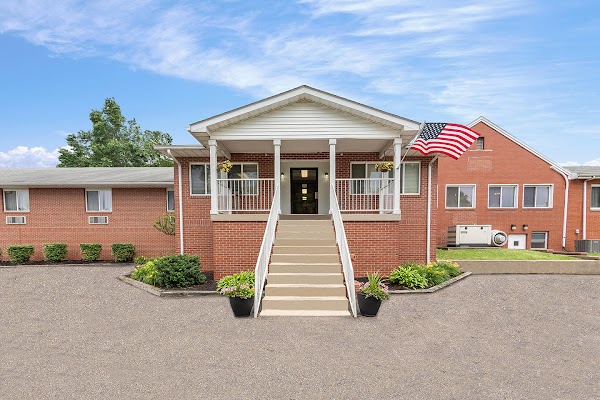
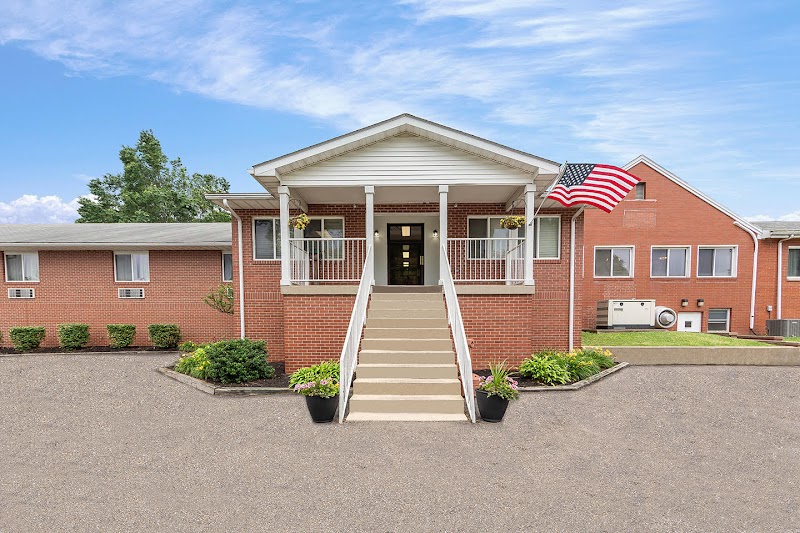
73841 PLEASANT GROVE ROAD, ADENA, OH 43901 (740) 546-3013
For profit - Corporation 43 Beds HILLSTONE HEALTHCARE Data: November 2025
Trust Grade
45/100
#776 of 913 in OH
Last Inspection: February 2025

Within standard 12-15 month inspection cycle. Federal law requires annual inspections.

Overview

Sienna Hills Nursing & Rehabilitation has a Trust Grade of D, which means it is below average and raises some concerns about the quality of care provided. It ranks #776 out of 913 facilities in Ohio, placing it in the bottom half, and #8 out of 10 in Belmont County, indicating limited local options for better care. The facility is getting worse, with issues increasing from 2 in 2023 to 11 in 2025. Staffing is rated at 2 out of 5 stars, with a turnover rate of 44%, which is slightly better than the state average, but still indicates instability among staff. While the facility has not incurred any fines, there are serious incidents reported, including a case of resident-to-resident sexual assault and concerns about unsanitary food handling practices, which highlight significant areas for improvement. Overall, while there are some strengths, such as a lack of fines, the serious issues and declining trend in quality make it essential for families to carefully consider their options.

Trust Score
D
45/100
In Ohio
#776/913
Bottom 16%
Safety Record
Moderate
Needs review
Inspections
Getting Worse
2 → 11 violations
Staff Stability
○ Average
44% turnover. Near Ohio's 48% average. Typical for the industry.
Penalties
✓ Good
No fines on record. Clean compliance history, better than most Ohio facilities.
Skilled Nurses
○ Average
Each resident gets 35 minutes of Registered Nurse (RN) attention daily — about average for Ohio. RNs are the most trained staff who monitor for health changes.
Violations
⚠ Watch
31 deficiencies on record. Higher than average. Multiple issues found across inspections.
★★☆☆☆
2.0
Overall Rating
★★☆☆☆
2.0
Staff Levels
★★★★☆
4.0
Care Quality
★★☆☆☆
2.0
Inspection Score
Stable
2023: 2 issues
2025: 11 issues

The Good

  • 4-Star Quality Measures · Strong clinical quality outcomes
  • Full Sprinkler Coverage · Fire safety systems throughout facility
  • No fines on record
  • Staff turnover below average (44%)

    4 points below Ohio average of 48%

Facility shows strength in quality measures, fire safety.

The Bad

2-Star Overall Rating

Below Ohio average (3.2)

Below average - review inspection findings carefully

Staff Turnover: 44%

Near Ohio avg (46%)

Typical for the industry

Chain: HILLSTONE HEALTHCARE

Part of a multi-facility chain

Ask about local staffing decisions and management

The Ugly 31 deficiencies on record

1 actual harm
Apr 2025 2 deficiencies
CONCERN (D) 📢 Someone Reported This

A family member, employee, or ombudsman was alarmed enough to file a formal complaint

Potential for Harm - no one hurt, but risky conditions existed

Resident Rights (Tag F0550)

Could have caused harm · This affected 1 resident

**NOTE- TERMS IN BRACKETS HAVE BEEN EDITED TO PROTECT CONFIDENTIALITY** Based on record review, review of a facility-reported incident, staff statements, and staff interview, the facility failed to en...

Read full inspector narrative →
**NOTE- TERMS IN BRACKETS HAVE BEEN EDITED TO PROTECT CONFIDENTIALITY** Based on record review, review of a facility-reported incident, staff statements, and staff interview, the facility failed to ensure staff treated all residents with respect and dignity. This affected one resident (#10) of three residents reviewed for facility-reported incidents (FRI). The facility census was 33 . Findings include: Record review revealed Resident #10 was admitted to the facility on [DATE] with diagnoses including nontraumatic intracerebral hemorrhage, cerebral infarction, and vascular dementia. Review of a minimum data set (MDS) dated [DATE] revealed Resident #10's cognition was severely impaired. Review of a witness statement by Certified Nursing Assistant (CNA) #300 dated 02/13/25 revealed Resident #10 had asked to go back to her room. CNA #300 and #215 took Resident #10 to her room and when they opened the door, CNA #110 was there and stated, I'm not putting her to f*cking bed, I put her to bed once already. CNA #300 stated this was said in front of Resident #10. CNA #300 & #215 laid Resident #10 down and had not asked CNA #110 for help. Review of a witness statement by CNA #215 dated 02/13/25 revealed she and CNA #300 took Resident #10 to her room because she requested to be laid down. Upon entering the room, CNA #110 stated, I'm not putting her to f*cking bed, I already put her to bed once, in front of Resident #110. CNA #215 and #300 put Resident #10 in bed per her request. The nurse was notified of the situation. Review of a witness statement by Licensed Practical Nurse (LPN) #120 dated 02/13/25 revealed it was reported to her by CNAs #300 and #215 that Resident #10 requested to go to bed and the CNAs took her to her room to lay her down, when CNA #110 stated she would not put Resident #10 to bed because she already did once. Review of a FRI dated 02/14/25 revealed a staff member had a verbal incident with Resident #10. Review of an undated statement by the Administrator revealed an interview was completed with CNA #110 who denied cussing in front of Resident #10 but did admit to saying Resident #10 just got up and could stay up for a while. CNA #110 was educated on resident choices and preferences via phone interview. Review of a corrective action form dated 02/14/25 revealed CNA #110 was given a first written warning due to cussing in front of a resident. She was educated on company policies and refused to sign the corrective action form stating, I quit. Interview on 04/02/25 at 3:10 P.M. with Director of Nursing (DON) revealed she had not been employed at the facility at the time of the incident, but the information provided in the witness statements was not what she would consider treating residents with dignity and respect. Review of a policy titled Resident Rights dated 12/2016 revealed residents have the right to a dignified existence and to be treated with respect, kindness, and dignity. This deficiency represents an incidental finding of non-compliance investigated under Complaint Number OH00162782.
CONCERN (E) 📢 Someone Reported This

A family member, employee, or ombudsman was alarmed enough to file a formal complaint

Potential for Harm - no one hurt, but risky conditions existed

Safe Environment (Tag F0584)

Could have caused harm · This affected multiple residents

**NOTE- TERMS IN BRACKETS HAVE BEEN EDITED TO PROTECT CONFIDENTIALITY** Based on observation, review of a service order, review of the facility's grievance/ concern log, review of resident council mee...

Read full inspector narrative →
**NOTE- TERMS IN BRACKETS HAVE BEEN EDITED TO PROTECT CONFIDENTIALITY** Based on observation, review of a service order, review of the facility's grievance/ concern log, review of resident council meeting minutes, resident interview, and staff interview, the facility failed to ensure residents were afforded the right to a comfortable living environment by not maintaining comfortable temperature levels in the facility's shower room while residents were bathing. This had the potential to affect all but three residents (#10, #27, and #33) of the facility's 33 residents, who the facility identified as not having the use of the shared shower room. Findings include: On 04/01/25 at 10:18 A.M., an observation of the facility's only shared shower room located on the 300 hall revealed it did not have a working heater. There was a long heater that was noted to run along the back wall of the shower room that was part of the heat supplied by the facility's boilers. There was no way to turn on the wall unit that was part of the boiler system from inside the shower room. There was another 12 inch by 12 inch heater on a wall that was located to the left side of the shower room. That heater had a knob to turn, but did not function when the knob was turned in any direction. The shower room was slightly cooler than the temperature in the hallway, but staff currently had portable pedestal high velocity shop fan in the shower room that was turned on. Thermostats were checked throughout the facility in the hallways. The thermostat on the 200 hall was a manual thermostat that was behind a metal box on the wall and located about midway down the hall. The metal box was not locked and was able to be raised to access the manual thermostat. It was turned all the way down to 42 degrees Fahrenheit (F.) and was reading 68 degrees F. as the temperature in the hall. The other two halls (100 and 300) had digital thermostats and were reading 69 degrees F. On 04/10/25 at 10:19 A.M., an interview with Certified Nursing Assistant (CNA) #100 and CNA #200 revealed they were the two aides that were working that day. They reported they had already completed their (assigned resident) showers they had scheduled for that day and they included Resident #8, #9, and #28. They denied they had the portable fan on in the shower room when the residents were given their showers. It was not until after the showers had been given that they turned the fans on for their comfort. They were asked about the condition of the heater in the facility's main shower room. CNA #200 reported the smaller fan hanging on the left wall of the shower room had not worked in the past 10 years. She denied they were able to get any heat out of the other heating unit that was against the back wall. The CNA's reported it had been a bigger problem during the colder months and they had residents who were refusing to take a shower when scheduled due to it being too cold in the shower room. They would just have to give the residents a complete bed bath instead. She denied it was as much of a problem recently due to it being warmer outside. On 04/01/25 at 11:10 A.M., an interview with Resident #9 confirmed he was one of the residents that were given showers earlier that morning. He reported the facility has had problems with the shower room not being warm enough when he received his showers. He did not feel the shower room was either warm or cold that morning, but it had been cold in the past. He did get cold that morning when he was wet, but it was not bad in there when he was dry. He was not sure how long it had been that the heater in the shower was not working. He knew the facility had used a space heater in the past, but was told they could not use them. He commented that it would be nice to have some heat in the shower room. On 04/01/25 at 11:20 A.M., an interview with Resident #28 confirmed she had been given a shower earlier that morning. She reported it was cold in the shower room and the heater had been broke. It had been broke ever since she had been there and that had been about two years now. They did have a space heater in there, but was told it was dangerous and they had to take it out. It was really cold in there this past winter. She would take her showers anyway despite her being cold when she received them. She stated she would like it to be warmer in the shower room when she received her showers. On 04/01/25 at 11:25 A.M., an interview with Resident #8 confirmed she too received a shower earlier that morning. She did not have any concerns with the temperature of the shower room that day, but had problems over the winter with the shower room being cold. She confirmed the facility used a portable heater during the winter. She was not sure how long the heater in the shower room had been broken, she just knew it was cold in there. She would like the shower room to be warmer when she received her showers. Review of the facility's resident council meeting minutes for the past three months (01/16/25 to 03/19/25) revealed the meeting minutes for the council meeting held on 02/25/25 indicated one of the residents (Resident #28) attending that meeting stated a heater was needed in the shower room when it was cold outside. The meeting minutes did not include a response to the concern to include who was assigned that concern or what was done about it. Review of the facility's grievance/ concern log from 02/06/25 to present revealed Resident #28 voiced concern on 02/25/25 regarding wanting a heater in the shower room in colder weather. The facility's Social Service Director (SSD) was the staff member assigned to that concern. Findings from investigation revealed the heater had been inspected by an outside boiler company. A plan to restore the boiler use was indicated to be in place. On 04/01/25 at 12:18 P.M., an interview with the Administrator revealed the facility had a company come out and check the facility's heater in the shower room. They were awaiting them to come back to give them an estimate in replacing some radiator units on the 300 hall. She was asked to provide the invoice/ service order to show when the boiler company had been out to check the heating problem in the shower room. Review of the service order from an outside boiler company revealed a technician had been out to the facility on [DATE] at 9:00 A.M. He indicated he checked over the facility's boiler system. He indicated when it was very cold, a few areas in the facility were colder than others. He indicated both the 200 and the 300 hallways and rooms ran off one thermostat located in the 200 hall. A smaller area with more radiators could cause the 300 hall to not be as warm. He also indicated, at the end of the 300 hall entrance area, there were two radiators where the heat from those were no longer in use. He surmised, if that area was heated, it may help the two end rooms on the 300 hall stay warm. Also separate T-stats (thermostats). The technician recommended replacing the heaters at the end of the 300 hallway. He also recommended making two zones instead of one to make the heat more even. They could also add supplement heat in alternate cooling only or add radiator in places if short. He took a couple pictures and indicated another representative would have to come out to look at it. It did not mention anything specific to the lack of heat in the shower room, just addressing the lack of heat on the 300 hall, which is where the shower room was located. There was no documented evidence of the other representative from the boiler company returning to the facility to further address the lack of heating issue. After asking for the boiler company service order, a member of the facility's administrative staff was heard contacting the boiler company to get a representative back to the facility. On 04/01/25 at 1:30 P.M., a representative from the boiler company arrived on site and requested to speak with the facility's Administrator. He identified where he was from and informed the staff of who he was there to see. He was then heard telling the Administrator that he was there to give an estimate on the work that needed to be done to their boiler system. He referenced the service order dated 02/25/25 and informed the Administrator that it indicated a couple units were recommended to be replaced. The issue with a lack of heat in the shower room was not specifically mentioned. He left the facility around 2:05 P.M. and informed the facility's administrator that he would get back to her with their recommendations/ estimates. On 04/01/25 at 2:15 P.M., an interview with the facility's Administrator confirmed the boiler company was contacted by the facility and a representative did come out to check things out to be able to give them an estimate of the work that was needing to be done. She confirmed the facility's boiler system was controlled by a single thermostat on the 200 hall. She acknowledged that the manual thermostat on the 200 hall was noted to be turned all the way down to 42 degrees F. and was reading 68 degrees F. when it was checked during the initial tour on 04/01/25. She suspected that a resident likely turned the thermostat down, which also controlled the temperature on the 300 hall. She confirmed there was talk about replacing a couple radiator units at the end of the 300 hall that they hoped with help with the temperature in the main shower room. This deficiency represents non-compliance investigated under Complaint Number OH00163435 and Complaint Number OH00162782.
Feb 2025 9 deficiencies
CONCERN (D)

Potential for Harm - no one hurt, but risky conditions existed

Deficiency F0582 (Tag F0582)

Could have caused harm · This affected 1 resident

**NOTE- TERMS IN BRACKETS HAVE BEEN EDITED TO PROTECT CONFIDENTIALITY** Based on interview, review of the Beneficiary Notice worksheet, review of the Notice of Medicare Non-Coverage (NOMNC) 10123 inst...

Read full inspector narrative →
**NOTE- TERMS IN BRACKETS HAVE BEEN EDITED TO PROTECT CONFIDENTIALITY** Based on interview, review of the Beneficiary Notice worksheet, review of the Notice of Medicare Non-Coverage (NOMNC) 10123 instructions, and record reviews, the facility failed to provide the Quality Improvement Organization (QIO) name and contact information. This affected four (Resident #1, Resident #11, Resident #33, Resident #34) of five residents reviewed for beneficiary notification. Findings included: 1. Record review revealed Resident #34 was admitted to the facility on [DATE] with a diagnoses including atrial fibrillation, dysphagia, muscle weakness, and cognitive communication deficit. Review of entrance conference worksheet for Beneficiary Notice (resident who has been discharged from Medicare covered Part A stay with benefits days remaining in the past six months) undated revealed Resident #34 was discharged from skilled services on 12/26/24 and had remained in the facility. Review of Notice of Medicare Non-Coverage (NOMNC) 10123 dated 12/24/24 revealed the QIO name and contact information was not provided on the form. 2. Record review revealed Resident #11 was admitted to the facility on [DATE] with diagnoses including hypokalemia, anxiety, multiple sclerosis, and pulmonary embolism. Review of the entrance conference worksheet for Beneficiary Notice undated revealed Resident #11 was discharged from skilled services on 01/26/25 and discharged to home or lesser care. Review of Notice of Medicare Non-Coverage (NOMNC) 10123 dated 1/24/25 revealed the QIO name and contact information was not provided on the form. 3. Record review revealed Resident #33 was admitted to the facility on [DATE] with diagnoses including anemia, vascular dementia, adult failure to thrive, and myocardial infarction. Review of the the entrance conference worksheet for Beneficiary Notice undated revealed Resident #33 was discharged from skilled services on 09/13/24 and remained in the facility. Review of the NOMNC 10123 dated 9/11/24 revealed the QIO name and contact information was not provided on the form. 4. Record review revealed Resident #1 was admitted to the facility on [DATE] with a diagnoses including arthritis, hypertension, cognitive communication deficit, and cerebral infarction. Review of the the entrance conference worksheet for Beneficiary Notice undated revealed Resident #1 was discharged from skilled services on 09/29/24 and remained in the facility. Review of the NOMNC 10123 dated 9/26/24 revealed the QIO name and contact information was not provided on the form. Review of the NOMNC 10123 instruction form dated 12/31/11 revealed the facility was to insert the Quality Improvement Organization (QIO) name and phone number on the NOMNC 10123. QIO was the independent reviewer authorized by Medicare to review the decision to end the services if the resident chose to appeal the decision Interview on 02/06/25 at 09:14 AM with the Administrator confirmed that the QIO name and contact information listed on the notice for the appeal was not provided for Resident #34 and Resident #11, Resident #1 and Resident #33.
CONCERN (D)

Potential for Harm - no one hurt, but risky conditions existed

Safe Environment (Tag F0584)

Could have caused harm · This affected 1 resident

**NOTE- TERMS IN BRACKETS HAVE BEEN EDITED TO PROTECT CONFIDENTIALITY** Based on observation, interview, and record review the facility failed to ensure resident personal items were safe guarded from ...

Read full inspector narrative →
**NOTE- TERMS IN BRACKETS HAVE BEEN EDITED TO PROTECT CONFIDENTIALITY** Based on observation, interview, and record review the facility failed to ensure resident personal items were safe guarded from potential theft. This affected one resident (Resident #15) of one residents reviewed for personal property. Findings included: Medical record review revealed Resident #15 was admitted to the facility on [DATE] with diagnoses including chronic respiratory failure, type II diabetes, hypertension, dysphagia, major depressive disorder, end stage renal disease and dialysis dependent. Review of Resident #15's quarterly minimum data set (MDS) dated [DATE] revealed a brief interview of mental status score (BIMS) of 15 (out of 15), meaning cognition intact. Interview on 02/03/25 at 9:01 A.M. with Resident #15 revealed his personal snacks, located in his drawer, have come up missing. The resident believed Resident #6, who shared a [NAME] and [NAME] bathroom, comes in through the bathroom door and takes his snacks. The resident had reported the missing snacks several times to staff, however it continued to happen. Interview on 02/04/25 at 11:28 A.M. with Certified Nursing Aide (CNA) #102 stated about one month ago she saw Resident #6 go into Resident #15's room and take a snack while he was out at dialysis. The CNA stated she had reported it to a nurse but was unable to recall who the nurse was at this time. Interview on 02/04/25 at 11:38 A.M. with Registered Nurse (RN) #105 confirmed Resident #15 did have some complaints of missing snacks. The RN shared that when Resident #15 leaves the facility for dialysis, the staff close the door to his room. Interview on 02/04/25 at 3:25 P.M. with Social Service (SS) #101 revealed she was the person responsible to report resident concerns. SS #101 confirmed no one had reported any issues to her regarding Resident #15's missing snacks. Interview on 3:35 P.M. on 02/04/25 with the Director of Nursing (DON) revealed she has not heard that Resident #15 had any issues with missing items. Interview on 02/05/25 7:22 A.M. with Resident #15 revealed the last time he could recall items missing was about a week or two ago. Specifically, he was missing packs of Oreo cookies that have two cookies each in them and a few bags of chips but he was unsure of the exact amount that was missing. Resident #15 stated had told several staff members about this issue, and they said they would get it taken care of but no one had updated him on the issue or came to further investigate the problem with him. Interview on 02/05/25 at 8:15 A.M. with RN #120 stated she had heard through the grape vine that items in Resident #15's room were going missing. The last she heard about the situation was about two weeks ago. The facility was unsure who was taking the items and she thought they were going to start keeping a closer eye on the room on days Resident #15 left for dialysis but has not heard anything since. Review of concern/missing item log from January 2024 to January 2025 revealed no evidence of missing snacks for Resident #15. Review of missing items policy and procedure revised December 2020 stated the facility will make every attempt to locate any items that come up missing and assist with a resolution. The procedure to be followed is staff will log all missing items and communicate missing items and attempt to locate them, staff will provide information to residents and family about missing items, and lastly family and staff will come up with a resolution that is satisfactory to both parties.
CONCERN (D)

Potential for Harm - no one hurt, but risky conditions existed

PASARR Coordination (Tag F0644)

Could have caused harm · This affected 1 resident

**NOTE- TERMS IN BRACKETS HAVE BEEN EDITED TO PROTECT CONFIDENTIALITY** Based on medical record review and staff interview, the facility failed to ensure a Pre-admission Screening and Resident Review ...

Read full inspector narrative →
**NOTE- TERMS IN BRACKETS HAVE BEEN EDITED TO PROTECT CONFIDENTIALITY** Based on medical record review and staff interview, the facility failed to ensure a Pre-admission Screening and Resident Review (PASRR) document accurately reflected an in-patient psychiatric hospitalization/significant change of condition. This affected one (Resident #37) of one residents reviewed for PASRR documents. The census was 34. Findings Include: Medical record review revealed Resident #5 was admitted to the facility on [DATE] with diagnoses including schizophrenia, bipolar disorder, anxiety disorder, dementia, liver disease, multiple sclerosis, anxiety disorder, epilepsy, unspecified intellectual disabilities, and mild cognitive impairment. Review of the quarterly Minimum Data Set (MDS) assessment, dated 01/09/25, revealed the resident was cognitively intact. Review of a nursing progress note, dated 10/29/24, revealed Resident #5 was admitted for an inpatient psychiatric evaluation. Review of the psychiatric hospital's Discharge Summary revealed Resident #5 was admitted on [DATE] for increased aggression and agitation. The resident was discharged on 11/05/24. Review of the medical record revealed Resident #5's most recent PASRR document was dated 01/31/24 and was not revised/updated following the inpatient psychiatric hospitalization on 10/29/24. Interview on 02/03/25 at 4:25 P.M. with the Administrator confirmed Resident #5's PASRR document was not accurate and did not reflect the inpatient psychiatric hospitalization on 10/29/24.
CONCERN (D)

Potential for Harm - no one hurt, but risky conditions existed

Deficiency F0679 (Tag F0679)

Could have caused harm · This affected 1 resident

**NOTE- TERMS IN BRACKETS HAVE BEEN EDITED TO PROTECT CONFIDENTIALITY** Based on medical record review, interviews, observations, and policy review the facility failed to ensure Resident #195 was asse...

Read full inspector narrative →
**NOTE- TERMS IN BRACKETS HAVE BEEN EDITED TO PROTECT CONFIDENTIALITY** Based on medical record review, interviews, observations, and policy review the facility failed to ensure Resident #195 was assessed for activity preferences and offered activities to meet his interests. This affected one (Resident #195) of one residents reviewed for activities. Findings included: Record review revealed Resident #195 was admitted to the facility on [DATE] with diagnoses including depression, cerebral infarction, diabetes type one, and difficulty walking. Review of Resident #195's medical record revealed no evidence of an activity assessment. Review of Resident #195's progress notes revealed on 01/24/25 a social services note was entered at 4:08 P.M., that indicated the resident was dependent for all care and administration of medications. The resident had hearing aids and glasses. His speech was clear, and he was easily understood. There was no evidence that the resident's activity preferences were reviewed. Review of Resident #195's task (Certified Nursing Assistants) documentation dated 01/24/25 to 02/03/25 revealed no evidence of which activities the resident attended. There was an activity tab showing if the resident was active, passive, or observed only for activities. The resident was passive for activity on 01/24/25, 01/27/25, 01/28/25, 01/29/25, and 01/31/25 and observed only on 02/01/25. Review of Resident #195's 48-hour care plan dated 01/24/25 revealed no evidence of an activity plan of care. Review of Resident #195's plan of care revealed no evidence of a comprehensive activity plan of care. Further review of Resident #195's plan of care revealed the resident discharge planning plan of care indicated to encourage the resident to attend activities of interest and the potential for mood problems related to depression plan of care indicated to invite/assist resident to activities of choice. An interview on 02/03/25 at 12:31 P.M., with Resident #195 revealed he doesn't attend activities due to the facility didn't offer him activities that he was interested in. Observation on 02/03/25 at 3:42 P.M., and 02/04/25 at 2:19 P.M., revealed the resident was in his room and not participating in the activity program. Interview on 02/04/25 at 8:17 A.M. and 2:22 P.M., with Resident #195 confirmed no one had talked to him regarding his activity preference/interest. The resident reported he liked working on model cars/planes. The resident confirmed he doesn't attend the facility activities because he was not interested in the activities the facility had to offer. Interview on 02/04/25 at 1:36 P.M., with Social Service (SS) #101 revealed she was just re-hired as the social service/activity director about three weeks ago. SS #101 confirmed Resident #195 did not have an activity assessment completed nor an individualized plan of care for activities initiated. SS #101 confirmed the task didn't include the activity the resident attended and she was not sure what active, and passive referred to under the task for activities. The SS confirmed she had spoken to the resident and his wife but there was no documented evidence they had discussed his activities preferences, nor did she know what activities the resident liked. Interview on 02/04/25 at 1:47 P.M., with Activity Assistant (AA) #100 revealed he had only been the activity assistant since 01/29/25. AA #100 confirmed he had not spoken to the resident regarding his activity preferences. The AA reported there had been a lot of turnovers in the activity department lately. AA #100 confirmed the type of activity the resident attended should be under the task tab, however the resident did not have the task and the only documentation in the task was if the resident was active, passive, or observed in an activity. The AA reported he had taken cake or something into the resident the other day, so he documented passive for that activity. AA reported he thought active meant the resident participated and passive was when the resident required assistance and observed the resident did not participate and just watched an activity. AA reported he was going to speak with administrative staff about adding the type of activity to the resident task. Review of the facility's policy titled Activity Programs dated 06/2018 revealed activities were programs designed to meet the interest of and support the physical, mental, and psychosocial well-being of each resident. The activities program was provided to support the well-being of residents and to encourage both independence and community interaction. Activities offered are based on the comprehensive resident-centered assessment and the preferences of each resident. The activities program is ongoing and includes facility-organized group activities, independent individual activities and assisted individual activities. Our activity programs are designed to encourage maximum individual participation.
CONCERN (D)

Potential for Harm - no one hurt, but risky conditions existed

Accident Prevention (Tag F0689)

Could have caused harm · This affected 1 resident

**NOTE- TERMS IN BRACKETS HAVE BEEN EDITED TO PROTECT CONFIDENTIALITY** Based on medical record review, observation, interviews, and policy review, the facility failed to ensure an individualized, com...

Read full inspector narrative →
**NOTE- TERMS IN BRACKETS HAVE BEEN EDITED TO PROTECT CONFIDENTIALITY** Based on medical record review, observation, interviews, and policy review, the facility failed to ensure an individualized, comprehensive plan of care was in place to ensure safe smoking strategies and skin alterations from smoking were timely identified. This affected one resident (Resident #6) of one residents reviewed for smoking. Findings included: Medical record review revealed Resident #6 was admitted to the facility on [DATE] with diagnoses including delusions, paranoid schizophrenia, depression, diabetes, dementia, behavioral disturbances, Alzheimer's, glaucoma, nicotine dependence (cigarettes), and abnormal involuntary movements. Review of Resident #6 smoking assessment dated [DATE] and 01/03/25 revealed the resident had no cognitive loss or dexterity problems. The resident had a visual deficit. The resident smokes five-10 times a day and used a smoking apron and required supervision. The facility stored the lighter and cigarettes. The plan of care was to assure residents were safe while smoking. There was no evidence the resident had or required an extender to prevent the resident from burning himself with a cigarette. Review of quarterly Minimum Data Set (MDS) dated [DATE] revealed a Brief Interview for Mental Status (BIMS) score of 14 out of a possible score of 15, indicating the resident was cognitively intact. No impairment of range of motion to the upper or lower body had been identified. The resident had no skin alterations. The resident was partial to moderate assistance with personal hygiene and supervision for mobility. Review of resident weekly skin assessment dated [DATE] revealed the resident had no skin alterations. Further review of skin assessments and progress notes dated 01/30/25 to 02/03/25 at 12:34 P.M., revealed no evidence of skin alterations to the resident's middle right finger. Observation and interview on 02/03/24 at 12:34 P.M. with Resident #6 revealed the resident had a skin alteration on his right middle finger near the first knuckle. Resident #6 confirmed he had burned himself with a cigarette. The resident reported he had a cigarette extender he used when smoking. A follow-up interview on 02/04/25 at 9:22 A.M., revealed he had burned his finger about five days ago with a cigarette. The skin was starting to peel off on one side of the resident's finger. Observation and interview on 02/04/25 at 9:41 A.M., with Registered Nurse (RN) #105 confirmed the resident was to use an extender on the end of his cigarette to prevent him from burning himself. The RN showed the surveyor the extender that was in the cigarette box. The extender was not labeled to identify which resident was to use the extender. Review of Resident #6's nursing note dated 02/03/25 at 10:04 P.M., revealed the nurse noticed an open area on the resident's right middle finger. The resident stated it was a blister that opened. The area was cleaned with normal saline. The physician was notified and new orders received to monitor area every shift and leave open to air. Review of Resident #6 current orders revealed no evidence of an order for an extender to be added to the cigarette. Review of Resident #6's smoking plan of care revealed the resident was supervision at all times for smoking and an apron was to be worn when smoking. There was no evidence of an extender to be added to the cigarette to prevent theresident from being burned. Interview on 02/04/25 at 9:27 A.M., with Certified Nursing Assistants (CNA) #102 and #103 revealed they had just noticed the skin alteration on the resident's finger today. The CNA's reported that the resident smokes the cigarettes to the filter and he was to have a plastic extender applied to the end of the cigarette to prevent him from burning himself. The CNAs reported laundry and housekeeping usually take the residents out to smoke. An interview on 02/04/25 at 10:16 A.M., with Registered Nurse (RN) #106 revealed the resident reported he had a blister that popped. She was not aware he had burned his finger on a cigarette. The RN confirmed she did not do a skin assessment of the area. Interview on 02/04/25 at 10:41 A.M., with the Director of Nursing (DON) confirmed there was no skin assessment completed for the skin alteration until identified during the survey. A CNA had reported yesterday that the resident had burned himself with a cigarette, but she didn't know when the incident occurred. The facility had not started an investigation to determine the cause of the cigarette burn. The DON also verified there was no order for a cigarette extender, the care plan did not reflect the use of a cigarette extender, and the smoking assessment did not identify the resident needed an extender for his cigarette (to prevent burns despite some staff having knowledge of the use of the cigarette extender). The DON confirmed the resident required supervision with smoking and he had the extender for a while and he was known to remove the extender. Review of the facility's policy titled Smoking dated 08/2023 revealed the resident would be evaluated upon admission and routinely to determine if he or she would be able to smoke safely. The facility would make the best effort to establish and maintain safe resident smoking practice.
CONCERN (D)

Potential for Harm - no one hurt, but risky conditions existed

Deficiency F0692 (Tag F0692)

Could have caused harm · This affected 1 resident

**NOTE- TERMS IN BRACKETS HAVE BEEN EDITED TO PROTECT CONFIDENTIALITY** Based on observation, interview, review of dialysis dietician notes, and medical record review, the facility failed to provide R...

Read full inspector narrative →
**NOTE- TERMS IN BRACKETS HAVE BEEN EDITED TO PROTECT CONFIDENTIALITY** Based on observation, interview, review of dialysis dietician notes, and medical record review, the facility failed to provide Resident #15 with appropriate diet and snacks as ordered by the dialysis center dietician and failed to ensure communication between the facility dietician and dialysis dietician occurred to provide Resident #15 a comprehensive nutrition plan to meet the resident's needs. This affected one resident (Resident #15) of one reviewed for dialysis. Findings included: Review of Resident #15's medical record revealed an admission date of 09/14/24 with diagnoses including type 2 diabetes, morbid obesity, heart failure, sepsis, hypertension, and end stage renal disease- dialysis dependent. Further review revealed no evidence of dialysis dietician communication notes since 04/23/24. Review of the nutritional communication forms/notes from dialysis dated 10/28/24, 12/18/24 and 01/27/25 (with a faxed date of 02/04/25 on the forms) revealed the dialysis dietician ordered a high protein snack at night, double portions, 132 grams of protein, no added sugar, and no added salt diet. The resident did not meet the albumin goal of greater than or equal to 4.0. Review of Resident #15's quarterly Minimum Data Set (MDS) dated [DATE] revealed the resident had a brief interview of mental status score of 15 out of a possible 15, indicating the resident was cognitively intact. Review of Resident #15's nutrition plan of care dated 01/23/25 revealed a therapeutic diet low in salt, diabetic, low cholesterol, low concentrated sweets, renal fluid restriction, house supplement, with needs for 90-102 grams of protein a day, and 2,000-2,200 calories per day. There was no mention of the high protein snack at night. Review of Resident #15's physician orders dated 01/24/25 revealed renal, high protein, controlled carbohydrates, no added salt, regular diet with thin liquids. Review of Resident #15's orders dated 02/25 revealed no evidence the resident was ordered a high protein snack at night per dialysis orders Review of the dietary supplement list dated 02/05/25 revealed no high protein snack to be provided to Resident #15 at night. Review of Resident #15's task (Certified Aides Documentation) for February 2025 revealed no evidence the resident was receiving a high protein snack at night. Interview with Resident #15 on 02/05/25 at 8:36 A.M. confirmed he was receiving a snack around 8:00 P.M. daily, however he only received a fudge round or an oatmeal cream pie. He stated the facility does have other things on the cart such as cheese doodles and chips, but he doesn't want those items. Observation of Resident #15's packed lunch on 02/05/25 at 9:44 A.M. revealed the resident received one bologna sandwich with cheese, one Styrofoam bowl with a lid containing cottage cheese, one grape juice, and one four count pack of [NAME] shortbread cookies. Interview on 02/05/25 at 9:44 A.M with the Transportation Driver #73 and Resident #15 confirmed the contents of the resident's packed lunch .The resident confirmed he received the same items in his packed lunch on his scheduled dialysis days of Monday, Wednesday and Friday. Interview on 02/05/25 at 10:47 A.M. with the facility Registered Dietician (RD) #302 revealed Resident #15 should receive three ounces of meat such as turkey, chicken, roast beef, tuna, or even egg salad; ham and bologna should not be given due to the high salt content. Further interview with the RD confirmed there was no order for Resident#15 to be given a high protein snack at night. The RD reported there have been issues with the dietary staff changeover and not providing high protein meals and snacks to Resident #15 and she planned to do further education and in-services with the staff. A subsequent interview with RD #302 on 02/05/25 at 10:50 A.M. verified she had not been provided with dialysis dietician communication forms/notes until recently. Interview with dialysis RD #32 on 02/05/25 at 12:41 P.M. revealed she had not been in contact with the facility dietician, and said she was wondering if they even had a dietician. Interview with RD #32 on 02/05/25 at 12:43 P.M. confirmed she has recommended Resident #15 receive a high proteins snack at bedtime due to albumin goals not being met. She shared she had also recommended high protein options for Residents #15 such as tuna or egg salad sandwiches rather than bologna due to the salt content. Lastly, RD #32 confirmed she re-faxed the dialysis nutrition notes to the facility on [DATE].
CONCERN (D)

Potential for Harm - no one hurt, but risky conditions existed

Deficiency F0698 (Tag F0698)

Could have caused harm · This affected 1 resident

**NOTE- TERMS IN BRACKETS HAVE BEEN EDITED TO PROTECT CONFIDENTIALITY** Based on observation, interview, review of dialysis communication notes, and record review the facility failed to ensure Residen...

Read full inspector narrative →
**NOTE- TERMS IN BRACKETS HAVE BEEN EDITED TO PROTECT CONFIDENTIALITY** Based on observation, interview, review of dialysis communication notes, and record review the facility failed to ensure Resident #15 received medication as ordered and the dialysis plan of care was accurate. This affected one (Resident #15) of one reviewed for dialysis. Findings included: Record review revealed Resident #15 was admitted to the facility on [DATE] with diagnoses including chronic respiratory failure, type 2 diabetes, morbid obesity, pneumonia, heart failure, sepsis, hypertension, dysphagia, bundle branch block, major depressive disorder, end stage renal disease dialysis dependent. a. Review of the nutritional communication form from dialysis dated 10/28/24, 12/18/24, and 01/27/25 revealed Resident # 15 did not meet his phosphorous goal of 3.0-3.5. Orders to administer calcium acetate at each meal and snack. Review of un-dated mealtimes (provided by the facility) revealed breakfast was at 7:45 A.M., lunch at 12:00 P.M., and dinner at 5:15 P.M. Review of Resident #15's orders and Medication Administration Records (MAR) dated 02/25 revealed calcium acetate (phosphorus binder) was to be given four times a day by mouth at A.M. (7:00 A.M. to 10:30 A.M.), noon, 3:00 P.M., and between 8:00 P.M.- 11:00 P.M. Review of the medication administration audit report from 02/01/25 through 02/04/25 revealed the calcium acetate (phosphorus binder) 667 milligrams (mg) was administered on 02/01/25 at 11:05 A.M., 11:06 A.M., 5:51 P.M., and 7:32 P.M.; 02/02/25 at 6:48 A.M., 10:19 A.M., 3:54 P.M., and 7:32 P.M. on 02/03/25 at 9:19 A.M., 10:31 A.M., 5:02 P.M. and 8:57 P.M. and on 02/04/25 at 8:32 A.M., 12:22 P.M., 5:25 P.M., and 8:13 P.M. Review of Resident #15's progress note dated 02/03/25 revealed the resident was at dialysis and noon medicine given at 10:31 A.M. Interview with Registered Dietician (RD) #32 on 02/05/25 at 12:42 P.M. confirmed the calcium acetate (phosphorus binder) must be given with meals and snacks. The RD reported she had spoken with a facility staff member on January 24 th, 2025, on the importance of taking the calcium acetate (phosphorus binder) with meals and snacks. Interview with the Director of Nursing (DON) on 02/05/24 at 3:11 P.M. confirmed calcium acetate was not being given during mealtimes. Review of undated liberalized medication administration policy revealed the interdisciplinary team, including health care providers, nursing staff, and pharmacists, should work together to develop and implement flexible medication administration plans. b. Review of Resident #15's dialysis care plan revised on 10/23/24 revealed the resident's dialysis days were Tuesdays, Thursdays, and Saturdays and to obtain weights per order. Review of Resident #15's orders dated 02/25 revealed the resident attends an outside dialysis center on Monday, Wednesday, and Friday at 10:30 A.M. and there was no evidence of an order to weigh the resident per the plan of care. Observation and Interview of Resident #15 on 02/03/25 at 9:13 A.M. revealed Resident #15 was preparing to leave the facility. The resident reported he leaves around 9:30 A.M. and returns to the facility around 4:30 P.M., on Monday, Wednesday, and Friday. Interview on 02/04/25 at 9:20 A.M. with Registered Nurse (RN) #105 confirmed Resident #15 had dialysis every Monday, Wednesday, and Friday. Interview on 02/04/25 at 3:20 P.M. with the Director of Nursing (DON) confirmed Resident #15 care plan indicated that the resident was to receive dialysis treatment on Tuesdays, Thursdays, and Saturdays however, he goes on Monday, Wednesdays, and Fridays and the care plan had not been updated to reflect the corrected days he goes and the resident did not have an order for weights per the plan of care.
CONCERN (D)

Potential for Harm - no one hurt, but risky conditions existed

Infection Control (Tag F0880)

Could have caused harm · This affected 1 resident

**NOTE- TERMS IN BRACKETS HAVE BEEN EDITED TO PROTECT CONFIDENTIALITY** Based on observation, interviews, and policy review, the facility failed to ensure appropriate infection control practice were i...

Read full inspector narrative →
**NOTE- TERMS IN BRACKETS HAVE BEEN EDITED TO PROTECT CONFIDENTIALITY** Based on observation, interviews, and policy review, the facility failed to ensure appropriate infection control practice were implemented when an indwelling urinary catheter drainage bag was in contact with the floor. This affected one (Resident #185) of one resident reviewed for indwelling urinary catheters. There were no additional residents with urinary catheters residing in the facility. The facility census was 43. Findings include: Review of the medical record revealed Resident #185 was admitted to the facility on [DATE] with diagnoses including obstructive reflex uropathy, acute kidney failure, diabetes mellitus, coronary artery disease, morbid obesity, bipolar disorder, and Fournier gangrene (serious, sometimes fatal, bacterial infection of the external genitalia or scrotum.) Review of the admission Minimum Data Set (MDS) assessment, dated 02/01/25, revealed Resident #5 was cognitively intact. There were no behaviors or rejection of care. The resident required physical assistance from staff for activities of daily living. Review of the Care Plan, dated 02/03/25, revealed Resident #5 had an indwelling supra-pubic catheter related to obstructive uropathy with the goal for the resident to remain free of infection. Interventions included utilizing enhanced barrier precautions and providing catheter care every shift. Observation on 02/03/25 at 8:40 A.M. revealed Resident #5 lying in bed with his indwelling, urinary catheter bag encased within a white, cloth privacy cover. The catheter bag with cover was touching the floor. Subsequent observation on 02/03/25 at 8:55 A.M., revealed the catheter bag with cover continued to touch the floor. During observation and interview on 02/03/25 at 8:56 A.M., the Director of Nursing (DON) confirmed the urinary catheter bag/privacy cover should not be in contact with the floor. Review of the facility's policy titled, Urinary Catheter Care, dated April 2007, revision date 2021, revealed to use standard precautions when handling or manipulating the drainage system and to be sure the catheter tubing and drainage bag are kept off the floor.
CONCERN (F)

Potential for Harm - no one hurt, but risky conditions existed

Safe Environment (Tag F0921)

Could have caused harm · This affected most or all residents

**NOTE- TERMS IN BRACKETS HAVE BEEN EDITED TO PROTECT CONFIDENTIALITY** Based on observation and staff interview, the facility failed to ensure resident rooms and common areas were maintained in a cle...

Read full inspector narrative →
**NOTE- TERMS IN BRACKETS HAVE BEEN EDITED TO PROTECT CONFIDENTIALITY** Based on observation and staff interview, the facility failed to ensure resident rooms and common areas were maintained in a clean and comfortable manner by repairing and painting walls properly. This had the potential to affect all 34 residents within the facility. Findings include: Observations throughout the survey from 02/03/25 to 02/06/25 revealed numerous resident rooms and common areas with evidence of repaired drywall which had not been properly painted. Observations with the facility administrator on 02/06/25 from 9:30 A.M. to 9:40 A.M. revealed the following areas of disrepair concerns: • room [ROOM NUMBER] had drywall repair without evidence of repainting • hallway next to room [ROOM NUMBER] had drywall repair without evidence of repainting • room [ROOM NUMBER] had drywall repair without evidence of repainting • room [ROOM NUMBER] had drywall repair without evidence of repainting • room [ROOM NUMBER] drywall repair without evidence of repainting • room [ROOM NUMBER] damaged drywall from resident beds • room [ROOM NUMBER] drywall repair without evidence of repainting • hallway across from 205 drywall without evidence of repainting • room [ROOM NUMBER] drywall repair without evidence of repainting • room [ROOM NUMBER] drywall repair without evidence of repainting • hallway between room [ROOM NUMBER] and shower room drywall without evidence of repainting • hallway by room [ROOM NUMBER] drywall without evidence of repainting • 307 drywall repair without evidence of repainting During the observations the facility administrator verified all findings.
Oct 2023 1 deficiency
CONCERN (D) 📢 Someone Reported This

A family member, employee, or ombudsman was alarmed enough to file a formal complaint

Potential for Harm - no one hurt, but risky conditions existed

Deficiency F0657 (Tag F0657)

Could have caused harm · This affected 1 resident

Based on record review, review of self-reported incident report (SRI) tracking number 239957, and interview, the facility failed to ensure a comprehensive, resident-centered care plan related to resid...

Read full inspector narrative →
Based on record review, review of self-reported incident report (SRI) tracking number 239957, and interview, the facility failed to ensure a comprehensive, resident-centered care plan related to resident behaviors was maintained. This affected one (Resident #1) of three residents reviewed for abuse. The facility census was 29. Findings include: Review of the medical record for Resident #1 revealed an admission date of 08/05/22. Diagnoses included Down syndrome, morbid obesity, urethral stricture, and impulse disorder. Review of Resident #1's plan of care, dated 08/23/22, revealed the resident received psychotropic medication related to behaviors of agitation and combativeness (flailing arms during personal care and hitting himself during personal care) due to impulse control problems. Interventions included administering medication as ordered and monitoring for target behaviors: agitation, aggression, combativeness, verbal outbursts, and throwing food and drinks onto floor. Review of the annual Minimum Data Set (MDS) assessment, dated 07/21/23, revealed the resident had moderately impaired cognition. The assessment indicated no behaviors nor rejection of care. The resident was totally dependent on two staff members to assist with bed mobility, transfers, toileting, and personal hygiene. Review of the facilities self-reported incident (SRI) tracking number 239957, discovery date 10/08/23, revealed Resident #1 reported to nursing staff that STNA #99 had struck him with her hand the previous night when she came into his room to ask him to turn off his television (tv) because it was too loud. An investigation was immediately initiated. STNA #99 was immediately suspended until the completion of the investigation. Resident #1 was assessed and found to have a mark on his chest that matched his own hand print. During the assessment, Registered Nurse (RN) #100 asked Resident #1 to place his hand over the mark and she confirmed that the resident's hand matched the outline of bruise. During interview with the Administrator, STNA #99 denied hitting the resident as alleged and denied turning off his tv. STNA #99 stated that she did go to his room to remind him that people were sleeping and not to be so loud as he had been yelling at the tv and could be heard down the hall. The resident's guardian and the local sheriff's department were notified. The facility unsubstantiated the allegations due to inconclusive evidence of abuse. Review of Resident #1's skin assessment, dated 10/08/23 at 7:15 P.M., revealed a bruise located on the chest which measured 8.5 centimeters (cm) x 17 cm x 0 depth. During interview and observation on 10/17/23 at 11:10 A.M., Resident #1 stated STNA #99 yelled at him and slapped him on the chest because his tv was too loud. Resident #1 further stated that he wanted to be with his dad and didn't want to be in the facility. The resident denied any further incidents of abuse and stated that he felt safe in the facility. Observation revealed a circular, quarter-sized bruise, yellowish purple in color, and located approximately one inch above the xiphoid process (a small cartilaginous process located in the inferior segment of the sternum) in the middle of the resident's chest. Resident #1 denied pain or discomfort from the bruised area. During interview on 10/17/23 at 9:20 A.M., Registered Nurse (RN) #100 stated that she was notified by STNA #105 on 10/08/23 that Resident #1 alleged a staff member had hit him on the previous night shift. The resident did not know the STNA's name but provided a physical description of the STNA. The resident was assessed, and a bruise was observed in the shape of a hand, in the center of the resident's chest. The resident's hand was placed inside the mark and appeared to match the size and shape of the bruise. The resident did not complain of pain. The Director of Nursing (DON) was notified immediately. RN #100 stated that she had never witnessed any abuse while working in the facility. During interview on 10/17/23 at 12:25 P.M., the DON stated the facility investigation could not substantiate the alleged abuse and it was determined by the evidence that Resident #1's bruise located on his chest was the result of the resident hitting himself while watching wrestling on the night of the alleged incident. The DON confirmed the care plan did not reflect behaviors of hitting himself while watching wrestling, although the facility was aware of the self-hitting behavior during wrestling tv shows prior to the alleged incident. This deficiency is an incidental finding discovered during the course of the investigation.
Aug 2023 1 deficiency 1 Harm
SERIOUS (G) 📢 Someone Reported This

A family member, employee, or ombudsman was alarmed enough to file a formal complaint

Actual Harm - a resident was hurt due to facility failures

Free from Abuse/Neglect (Tag F0600)

A resident was harmed · This affected 1 resident

**NOTE- TERMS IN BRACKETS HAVE BEEN EDITED TO PROTECT CONFIDENTIALITY** Based on observation, record review, hospital record review, self-reported incident review, policy review and interview the faci...

Read full inspector narrative →
**NOTE- TERMS IN BRACKETS HAVE BEEN EDITED TO PROTECT CONFIDENTIALITY** Based on observation, record review, hospital record review, self-reported incident review, policy review and interview the facility failed to prevent an incident of resident-to-resident sexual abuse/assault involving Resident #13. Actual harm occurred based on the reasonable person concept on 08/22/23 when Resident #13, who was severely cognitively impaired and was unable to provide evidence of consent was sexually assaulted by Resident #26 who was observed fondling the resident's breast and with possible vaginal bleeding (per hospital record review). This affected one (Resident #13) of three residents reviewed for abuse. The facility census was 25. Findings include: Review of the medical record revealed Resident #13 was admitted to the facility on [DATE]. Resident #13 had diagnoses including early onset Alzheimer's disease, muscle contractures of the right hand and right and left elbows, oral phase dysphagia, insomnia, and major depressive disorder. Review of the quarterly Minimum Data Set (MDS) 3.0 assessment dated [DATE] revealed Resident #13 had severely impaired cognition. The assessment revealed the resident required total assistance from two staff members for bed mobility, transfers, dressing, toilet use and personal hygiene. Review of the resident's progress notes from 08/02/23 to 08/23/23 revealed no documentation of an incident between Resident #13 and another resident involving sexual touching/assault . Review of the medical record revealed Resident #26 was admitted to the facility on [DATE] with diagnoses including Alzheimer's dementia, cognitive communication deficit, dementia with behavior disturbance and other dissociative and conversion disorders. Review of the MDS 3.0 assessment, dated 08/17/23 for Resident #26 revealed the resident had no cognitive impairment, no behaviors and he required only (staff) supervision for activities of daily living. Review of the plan of care for Resident #26 indicated Resident #26 had inappropriate behaviors related to his dementia including refusing care, refusing to speak to staff, refusing to look at staff, and refusing daily living needs like showering and medications. Review of a Nursing Home to Hospital Transfer Form, dated 08/22/23, revealed Resident #26 was transferred to a psychiatric hospital due to behavioral symptoms of agitation and psychosis. Review of a facility Self-Reported Incident (SRI) dated 08/22/23 related Staff Member #100 reported to the Director of Nursing (DON) at 12:55 P.M. he saw Resident #26 standing in Resident #13's room. Staff Member #100 reported Resident #26 had one hand on Resident #13's breast, on top of the sheet, and the resident's other hand was on the bed. Staff Member #100 reported Resident #26 was fully clothed at the time. Staff Member #100 told Resident #26 he was not supposed to be in that room and Resident #26 immediately left the room. Resident #26 was immediately placed on one-on-one supervision until he was transferred from the facility to a psychiatric hospital. The DON notified the administrator at 1:02 P.M. and an investigation began. The investigation noted Resident #26 had a Brief Interview for Mental Status (BIMS) score of 14, (indicating he had intact cognition). A follow up interview was performed with Resident #26 regarding the alleged incident, and he would not respond to the questions. A nursing assessment was completed, and Resident #26 displayed no signs or symptoms of injury and was at baseline for his mood and behavior. During a subsequent interview with Resident #26, he admitted to touching Resident #13's breast but stated he did nothing else. Resident #13 was not able to be interviewed. A nursing assessment was completed for Resident #13. Resident #13 displayed no signs or symptoms of discomfort and no had obvious injuries noted, no signs or symptoms of distress were noted. Resident #13 was at baseline for mood and behavior. However, there was blood seen on her sheet and on her brief. The [NAME] County Sheriff's office was called, and the Medical Director was notified. The Sheriff Deputy arrived at the scene at 2:12 P.M., assessed Resident #13, collected evidence and Resident #13 left the facility by squad at 2:55 P.M. to be transferred to the emergency room (ER) for an evaluation. Review of the hospital ER report dated 8/22/23 at 5:40 P.M. revealed Resident #13 had vaginal blood after possible sexual assault. A sexual assault examination was performed by a nurse. Resident #13 had very rigid extremities and performing a speculum exam required the assistance of four people therefore the examining nurses did not believe an individual would be able to separate the resident's legs to have sexual intercourse. The person that was witnessed (to have been assaulted Resident #13) was not unclothed per report and had only manually grabbed her breasts. A pelvic exam was performed with a nurse, and the resident seemed to have red blood in her vaginal vault. There were no obvious lacerations or a clear source of the bleeding. Review of the signed witness statement from Registered Nurse #101 revealed on 08/22/23 at 1:00 P.M. she was called to the room of Resident #13 by the housekeeper, who stated he found Resident #26 leaning over Resident #13 beds with his left hand fondling her right breast and with his right hand over her gown, When she entered the room of Resident #13 she noticed what appeared to be blood on the sheet next to the resident's right leg, When she pulled the sheet down to perform a body check it was noted her Depend (incontinence brief) was not fastened on the right side. While unfastening the brief completely, blood was noted on the left side of the resident's brief that was bright red in color and she also had blood on her left groin area. The brief was removed and wrapped up in a Chux (disposable pad). The statement indicated the resident appeared to be in no distress. Review of the signed witness statement Staff Member #100 dated 08/22/23 at 12:50 P.M. revealed another resident told him that Resident#26 had walked into another resident's room. When he went into the room, Resident #26 had his right hand on a female resident's right breast. He stated he told Resident #26 he did not belong in that room, and he went back to his own room. Resident #13 did not show any sign of distress. Resident #26 had his left hand on the bed. Review of the signed witness statement from Social Service Director #102 dated 08/22/3 at 3:30 P.M. revealed Resident #26 admitted to touching the breast of Resident #13. Review of the police report dated 08/22/23 at 1:22 P.M. revealed the Sheriff's department received a call from the facility and responded. A female resident was being transported to the hospital and two pieces of evidence were collected . On 08/29/23 at 12:00 P.M. an interview with Staff Member #100 revealed he had seen Resident #26 standing on the side of Resident #13's bed so he walked into the room so he could see him face to face and he saw Resident #13 massaging the breast of Resident #16. He stated Resident #26's other hand was on the resident's bed. He stated he told Resident #26 to stop, he did not belong in Resident #13's room and the resident left the room. He stated he had never seen Resident #26 inappropriate with anyone else. On 08/29/23 at 2:36 P.M. an interview with the DON revealed Resident #26 was admitted from another facility and had not been having any sexual behaviors at that facility. The DON stated Resident #26's niece had seen him at the other facility and Resident #26 did have some inappropriate behaviors which were care planned. The DON indicated Resident #26 would be returning to the prior facility after his current hospitalization. When asked about the possible source of the vaginal blood, the DON said Resident #13 had never had a menses prior to the incident, but the physician stated they could not rule it out. She indicated no one checked Resident #26's hands after the incident to see if there was any blood on his hands. Observation of incontinence care on 08/29/23 at 3:40 P.M. revealed State Tested Nursing Assistant (STNA) #103 and STNA #104 provided incontinence care to Resident #13 with no concerns. The resident was relaxed, and they had no issues being able to spread the resident's legs open and access her peri-area. The resident was able to open her legs about two feet apart without difficulty. An interview at this time with STNA #103 revealed that sometimes if the resident did not want you touching her, she would cross her legs and hold them together but normally there were no issues with being able to access her peri-area for hygiene. On 08/30/23 at 9:30 A.M. an interview with LPN #150 revealed the LPN was unaware of any prior issues with Resident #26 acting inappropriate, as he just walked up and down the halls, sat in the dining room or sunroom looking out the windows. On 08/30/23 at 11:00 A.M. an interview with Registered Nurse #101 revealed (following the incident on 08/22/23) she had gone into the room of Resident #13 to do an assessment and noticed blood on the resident's sheet. She stated at first, she did not know what was on the sheet because the resident had green sheets on her bed, and it was not bright red because of the sheet. She stated there was an area on the sheet that looked like someone had wiped blood off of it because it was smeared on the sheet. She stated when she pulled back the top sheet, the resident's brief was opened on the left side which was very unusual because the staff always fastened all briefs up on the residents. She stated there was bright red blood on the resident's brief and on the left side of the resident's groin. She stated it was bright red with no clots in it. She stated she assessed the resident's vagina and rectum but could not tell where the blood was coming from. She indicated she never looked at Resident #26's hand to see if he had blood on them. Review of the facility policy titled, Abuse, Neglect, Exploitation, and Misappropriation of Resident Property, dated 2016 revealed the facility would not tolerate abuse, neglect, exploitation, and misappropriation of resident property. It was the facility's policy to investigate all alleged violations involving abuse, neglect, exploitation, and misappropriation of resident property. Sexual abuse was defined as any nonconsensual sexual contact of any type with a resident. This deficiency represents non-compliance investigated under Control Number OH00145890.
Dec 2022 7 deficiencies
CONCERN (D)

Potential for Harm - no one hurt, but risky conditions existed

Deficiency F0604 (Tag F0604)

Could have caused harm · This affected 1 resident

**NOTE- TERMS IN BRACKETS HAVE BEEN EDITED TO PROTECT CONFIDENTIALITY** Based on observation, interview, record review, and facility policy review the facility failed to ensure Resident #12 had a phys...

Read full inspector narrative →
**NOTE- TERMS IN BRACKETS HAVE BEEN EDITED TO PROTECT CONFIDENTIALITY** Based on observation, interview, record review, and facility policy review the facility failed to ensure Resident #12 had a physician order for a physical restraint called a Merry Walker. This affected one Resident (#12) of one Resident (#12) reviewed for physical restraints. The facility census was 34. Findings included: Review of Resident #12's medical record revealed she was initially admitted to the facility on [DATE] with the diagnoses of mild intellectual disabilities, hyperthyroidism, bipolar, and unspecified dementia. Review of Resident #12's quarterly Minimum Data Set (MDS) 3.0 assessment dated [DATE] revealed she was minimally cognitively impaired, walked in the room, walked in the corridor, and had locomotion off the unit with supervision and no setup or physical help from staff. Her locomotion on unit required supervision and setup help only. Review of Resident #12's physician orders revealed no order for a Merry [NAME] ( an adaptive device combining a chair and walker which has four wheels and plastic bars surrounding a resident's body so they can not get free from the device without physical help of staff. The device is for residents who are at risk for falling and would normally be placed in a wheelchair for mobility. It allows them to stand from the seat and walk independently from within the bars of the device ). Review of Resident #12's care plan dated 11/10/22 revealed she was noncompliant with fall interventions and the safety precaution intervention of a Merry [NAME] for ambulation throughout facility was initiated on 08/16/22. Observation on 11/28/22 at 3:59 P.M. of Resident #12 walking in facility hallway in a Merry Walker. Observation on 11/29/22 at 8:30 A.M. of Resident #12 sitting in her Merry [NAME] watching television. On 11/30/22 at 8:50 A.M. an interview with Licensed Practical Nurse (LPN) #233 revealed Resident #12 does use a Merry [NAME] for ambulation. After reviewing Resident #12's physician orders, LPN #233 verified there was no order for Resident #12 to have a Merry Walker. LPN #233 verified residents should not be in a Merry [NAME] without an order from the physician. Review of the facility policy titled, Restraint Guidelines, dated 01/01/16, revealed documentation for a restraint should have an order which has been transcribed to the treatment administration record.
CONCERN (D)

Potential for Harm - no one hurt, but risky conditions existed

Deficiency F0679 (Tag F0679)

Could have caused harm · This affected 1 resident

**NOTE- TERMS IN BRACKETS HAVE BEEN EDITED TO PROTECT CONFIDENTIALITY** Based on record review, observation and interview, the facility failed to provide Resident #25 with activities to meet their pre...

Read full inspector narrative →
**NOTE- TERMS IN BRACKETS HAVE BEEN EDITED TO PROTECT CONFIDENTIALITY** Based on record review, observation and interview, the facility failed to provide Resident #25 with activities to meet their preferences and interests. This affected one Resident (#25) of one Resident reviewed for activities. The facility census was 34. Findings include: Review of Resident #25's medical record revealed an admission date of 08/23/19 with diagnoses including dementia, anxiety and depression. Review of the annual Minimum Data Set (MDS) 3.0 assessment dated [DATE] revealed a severely impaired cognition level. Further review of the MDS assessment indicated Resident #25's activity interests included independent activities such as television and music. Review of the Annual Activity assessment, completed on 05/16/22, indicated Resident #25 preferred independent activities such as 1:1 visits. The assessment further identified Resident #25's favorite activities included television, people watching and sitting in the dining room observing other residents and activities. Review of the activity participation records for Resident #25 revealed no evidence of any 1:1 activities provided, no group activity participation and no evidence of any independent activities. Observations conducted intermittently throughout the annual survey on 11/28/22 and 11/29/22 revealed Resident #25 laying in bed without the television on nor any music playing in the room. Interview with Activity Director (AD) #206 on 11/30/22 at 9:40 A.M. verified no evidence of any activity participation and no activities provided for Resident #25 on 11/28/22 and 11/29/22.
CONCERN (D)

Potential for Harm - no one hurt, but risky conditions existed

Incontinence Care (Tag F0690)

Could have caused harm · This affected 1 resident

**NOTE- TERMS IN BRACKETS HAVE BEEN EDITED TO PROTECT CONFIDENTIALITY** Based on observation, interview, record review and facility policy review the facility failed to ensure staff used appropriate h...

Read full inspector narrative →
**NOTE- TERMS IN BRACKETS HAVE BEEN EDITED TO PROTECT CONFIDENTIALITY** Based on observation, interview, record review and facility policy review the facility failed to ensure staff used appropriate hand hygiene when providing incontinence care. This affected one Resident (#24) of one Resident reviewed for bladder and bowel incontinence. The facility census was 34. Findings included: Review of Resident #24's medical record revealed she was admitted to the facility on [DATE] with the diagnoses of Alzheimer's disease with early onset, essential hypertension, weakness, and hypothyroidism. Review of Resident #24's quarterly Minimum Data Set (MDS) 3.0 assessment dated [DATE] revealed she was rarely or never understood and was severely impaired with cognitive skills for daily decision making. Review of the Activity for Daily Living (ADL) assistance section revealed she was totally dependent on two plus persons for physical assistance. The MDS also revealed Resident #24 was always incontinent of bladder and bowel. Observation on 11/30/22 at 10:19 A.M. of incontinence care for Resident #24 provided by State Tested Nursing Assistant (STNA) #231 and STNA #225 revealed both STNA #231 and #225 did not wash their hands or use hand sanitizer prior to donning (putting on) gloves. Incontinence care was provided using proper technique. During and after completion of Resident #24's incontinence care, STNA #231 touched the handle on the bedside drawer twice, the bed controls, the over bed table, a hair brush, and a teddy bear while wearing the same gloves he had on to provide the incontinence care. After completion of the incontinence care, both STNA #231 and #225 doffed (removed) their gloves and used hand sanitizer. On 11/30/22 at 10:25 A.M. an interview with STNA #231 and STNA #225 verified neither one of them washed their hands or used hand sanitizer prior to donning their gloves. STNA #231 also verified he touched multiple items in the room with the same gloves he wore to provide incontinence care. Review of the facility policy titled, Hand Washing Guidelines, undated, revealed hands should be washed with soap and water or an antiseptic agent used before and after providing routine care and before putting on gloves.
CONCERN (D)

Potential for Harm - no one hurt, but risky conditions existed

Respiratory Care (Tag F0695)

Could have caused harm · This affected 1 resident

**NOTE- TERMS IN BRACKETS HAVE BEEN EDITED TO PROTECT CONFIDENTIALITY** Based on observation, interview, record review, and facility policy review the facility failed to ensure oxygen was administered...

Read full inspector narrative →
**NOTE- TERMS IN BRACKETS HAVE BEEN EDITED TO PROTECT CONFIDENTIALITY** Based on observation, interview, record review, and facility policy review the facility failed to ensure oxygen was administered at the correct flow rate. This affected one Resident (#31) of one Resident reviewed for respiratory care. The facility census was 34. Findings included: Review of Resident #31's medical record revealed he was admitted to the facility on [DATE] with diagnoses including essential hypertension, hyperlipidemia, and chronic obstructive pulmonary disease (COPD). Review of Resident #31's quarterly Minimum Data Set (MDS) 3.0 assessment dated [DATE] revealed Resident #31 was cognitively independent and did not receive oxygen. Review of Resident #31's physician order dated 11/25/22 revealed an order to administer oxygen at two liters per minute via a nasal cannula continuously to keep oxygen saturation above 92%. Review of Resident #31's oxygen saturations revealed saturations ranging from 92% to 98%. Review of Resident #31's care plan dated 11/17/22 revealed he was at risk for altered respiratory status related to the diagnosis of COPD and untreated lung cancer diagnosed in 2018. The goal of this care plan was Resident #31 would maintain a normal breathing pattern through the next review. One of the interventions was administer oxygen as ordered. Observation on 11/28/22 at 10:43 A.M. of Resident #31 lying in bed with his oxygen flow rate set at two-and-a-half liters per minute via a nasal cannula. Observation on 11/29/22 at 7:55 A.M. of Resident #31 lying in bed with his oxygen flow rate set at two-and-a-half liters per minute via a nasal cannula. On 11/29/22 at 11:02 A.M. an interview with Licensed Practical Nurse (LPN) #233 revealed the drive to breath for a resident with COPD was a lower oxygen saturation. Observation on 11/29/22 at 11:05 A.M. of Resident #31's oxygen flow rate with LPN #233 revealed a flow rate of two-and-a-half liters per minute via a nasal cannula. An interview with LPN #233 at the time revealed she was not sure what the oxygen should be flowing at and would like to review Resident #31's order for oxygen. On 11/29/22 at 11:09 A.M. an interview with LPN #233, revealed the oxygen flow rate for Resident #31 was not correct based on the order for two liters per minute via nasal cannula and should be lowered. Review of the facility policy titled, Oxygen Administration, undated, revealed adjust the oxygen delivery device so that it is comfortable for the resident and the proper flow of oxygen is being administered.
CONCERN (F)

Potential for Harm - no one hurt, but risky conditions existed

Food Safety (Tag F0812)

Could have caused harm · This affected most or all residents

Based on observation, interview, facility record review and facility policy review the facility failed to ensure food was stored and prepared under sanitary conditions. This had the potential to affec...

Read full inspector narrative →
Based on observation, interview, facility record review and facility policy review the facility failed to ensure food was stored and prepared under sanitary conditions. This had the potential to affect all Residents living in the facility and receiving meals from the kitchen. The were no Residents identified by the facility as receiving nothing by mouth. The facility census was 34. Findings included: 1. Observation on 11/28/22 at 8:40 A.M. of meat in a plastic bag floating in water in the staff hand washing sink. The water was not running in the sink and the sink was plugged to make a pool of water. On 11/28/22 at 9:00 A.M. an interview with Dietary #213 verified the meat should not be thawed in a pool of water or in the staff hand washing sink. She reported the staff the evening before forgot to defrost the meat in the fridge and she was trying to thaw it quickly. Review of the facility policy titled, Food Handling Guidelines, undated, revealed thawing of frozen meat should be done in the following manners: under refrigeration at temperature below 41 degrees Fahrenheit, under potable running water at a temperature of 70 degrees Fahrenheit or below, as part of the conventional cooking process, or in a microwave only when the food will be immediately transferred to conventional cooking facilities as port of a continuous cooking process or when the entire, uninterrupted cooking process takes place in a microwave oven. 2. Observation on 11/28/22 at 8:41 A.M. of both ovens with charred, burned on food evidence the ovens had not been properly cleaned for some time. On 11/28/22 at 9:02 A.M. an interview with Dietary #213 verified the ovens were dirty and she wasn't sure when they were last cleaned. On 11/29/22 at 10:00 A.M. an interview with Dining Services Director (DSD) #204 verified the ovens were only cleaned once every three weeks and the ovens were dirty and needed cleaned. Review of the facility policy titled, Sanitation, undated, revealed ovens were to be free of spills. 3. Observation on 11/28/22 at 8:44 A.M. of Resident Assistant (RA) #228 entering the kitchen and walking past both hazard tape lines on the floor without her hair covered. She walked over to the steam table area which had ham, eggs, and hot cereals without coverings. An interview at the time with RA #228 verified she was not wearing a hair net and had never been told to wear a hairnet or to cover her hair when she was in the kitchen. On 11/28/22 at 8:45 A.M. an interview with Dietary #213 revealed all staff were to wear hair covering once past the second hazard tape line on the floor. Review of the facility policy titled, Personal Hygiene, undated, revealed hair must be kept clean and kept restrained with a hair net or cap covering all hair. 4. Observation on 11/19/22 at 9:30 A.M. of a 106 ounce can of corn with a dent on the edge of the can compromising the seal. An interview at the time with the DSD #204 revealed cans were checked upon delivery, and dented cans were supposed to be put in another room to be donated to a local food bank. She verified the can of corn was dented on the seal and was in the pantry to be used and not with the other items to be donated. Review of the facility policy titled, Receiving, undated, revealed store damaged goods separately from non-damaged goods. 5. Observation on 11/29/22 at 12:30 P.M. of DSD #204 preparing puree. She pureed enchiladas following the recipe. DSD #204 then ran the processor through the chemical dishwasher. Once the dishwasher was done, the processor was placed on the counter to air dry. Observation on 11/29/22 at 12:55 P.M. of DSD #204 continuing the puree process using the processor she had run through the dishwasher. The processor was not dry. DSD #204 put rice in the processor and pureed it following a recipe. On 11/29/22 at 1:00 P.M. an interview with DSD #204 revealed she did not let the processor completely dry and should have to prevent potential contamination. She verified that all dishes are to air dry completely prior to use. 6. Observation on 11/29/22 at 12:35 P.M. of the large can opener with black, crusted food like substance on the puncture blade. An interview at the time with DSD #204 verified the can opener was dirty and it is not on the daily cleaning schedule. Review of the facility policy titled, Sanitation, undated, revealed can openers are to be clean.
CONCERN (F)

Potential for Harm - no one hurt, but risky conditions existed

Garbage Disposal (Tag F0814)

Could have caused harm · This affected most or all residents

Based on observation, interview and facility policy review, the facility failed to ensure an outdoor dumpster lid was completely covering the opening to the dumpster to protect from pest infestation. ...

Read full inspector narrative →
Based on observation, interview and facility policy review, the facility failed to ensure an outdoor dumpster lid was completely covering the opening to the dumpster to protect from pest infestation. This had the potential to affect all 34 Residents living in the facility. The facility census was 34. Findings included: Observation on 11/28/22 at 08:30 A.M. of the outdoor dumpster revealed one fourth of the lid was missing leaving the refuse open to air and pests. Observation on 11/29/22 at 12:30 P.M. of the outdoor dumpster revealed one fourth of the lid was missing leaving the refuse open to air and pests. On 11/29/22 an interview with Dining Services Director (DSD) #204 revealed the trash dumpster had been missing part of the lid for a few weeks and the facility probably should have notified the trash company of the broken lid. Review of the facility policy titled, Solid Waste Disposal, undated, revealed garbage containers would be covered at all times.
CONCERN (F)

Potential for Harm - no one hurt, but risky conditions existed

Room Equipment (Tag F0908)

Could have caused harm · This affected most or all residents

Based on observation and interview the facility failed to ensure a kitchen oven was maintained in safe operating condition. This had the potential to affect all 34 Residents living in the facility. Th...

Read full inspector narrative →
Based on observation and interview the facility failed to ensure a kitchen oven was maintained in safe operating condition. This had the potential to affect all 34 Residents living in the facility. The facility census was 34. Findings included: Observation on 11/28/22 at 8:40 A.M. of the left kitchen oven revealed the door of the oven had a piece of wood wedged into the top of it. An interview at the time of the observation with Dietary #213 revealed the oven door did not close properly so the piece of wood was used to wedge the oven door closed. On 11/29/22 at 10:00 A.M. an interview with Dining Services Director (DSD) #204 revealed the spring in the left oven door was not working correctly and a company came to fix it but ended up making it worse and the door would not close all the way. DSD #204 verified the broke oven door and revealed the facility had been using the piece of wood to wedge the oven door closed for over a week. DSD #204 verified using the piece of wood on a hot oven was not safe operating condition.
Mar 2020 11 deficiencies
CONCERN (D)

Potential for Harm - no one hurt, but risky conditions existed

Grievances (Tag F0585)

Could have caused harm · This affected 1 resident

**NOTE- TERMS IN BRACKETS HAVE BEEN EDITED TO PROTECT CONFIDENTIALITY** Based on medical record review, missing item log, policy review and interview, the facility failed to ensure staff were actively...

Read full inspector narrative →
**NOTE- TERMS IN BRACKETS HAVE BEEN EDITED TO PROTECT CONFIDENTIALITY** Based on medical record review, missing item log, policy review and interview, the facility failed to ensure staff were actively looking for missing items and that missing items were documented when reported. This affected one (Resident #2) of two residents reviewed for missing property. Findings include: Medical record review revealed Resident #2 was admitted on [DATE] with diagnosis including schizoaffective disorder. Review of the medical record and the Concern/Missing Item Log dated January 2020 through March 2020 revealed no evidence Resident #2 had any missing personal property. On 03/02/20 at 2:08 P.M., interview with Resident #2 stated he was missing one country compact disc (CD) and one gospel CD since the first part of February 2020. Resident #2 stated he had told Social Service (SS) #7, and the facility did not look for the items or replace them. On 03/04/20 at 9:19 A.M., interview with SS #7 verified Resident #2 had told her the CD's were missing and stated the CD's were not on his inventory list so she didn't know if he ever really had the CD's or not. SS #7 verified she had not entered the items onto the Concern/Missing Items list because she normally does not document missing items unless it had been a while and the items did not show up. SS #7 stated she just found out on 03/01/20 of the missing items but still did not log or inform the interdisciplinary team (IDT) of the missing items because the Ohio Department of Health was in the building. On 03/04/20 between 10:07 A.M. and 10:18 A.M., interview with the Administrator stated any resident or family who reported an item missing was to be logged on the missing item log and a search conducted. If the item was not found within a day or two, the entire team should conduct a search and inform the resident of the outcome in order to come to a resolution. The investigation was to start immediately and there had been no missing items reported to her since taking over as Administrator in mid February 2020. Review of the undated policy titled Missing Item, revealed all missing items were to be reported to social services and/or the Administrator. Social services was responsible for tracking and communicating the item description to the interdisciplinary team and completing a missing item form. A thorough investigation was to be conducted and the results of the investigation was to be reviewed with the resident and/or representative.
CONCERN (D)

Potential for Harm - no one hurt, but risky conditions existed

Assessment Accuracy (Tag F0641)

Could have caused harm · This affected 1 resident

**NOTE- TERMS IN BRACKETS HAVE BEEN EDITED TO PROTECT CONFIDENTIALITY** Based on medical record review and interview, the facility failed to ensure comprehensive assessments were accurate. This affect...

Read full inspector narrative →
**NOTE- TERMS IN BRACKETS HAVE BEEN EDITED TO PROTECT CONFIDENTIALITY** Based on medical record review and interview, the facility failed to ensure comprehensive assessments were accurate. This affected two (Residents #2 and #12) of four residents reviewed for preadmission screening and resident review. The census was 37. Findings include: 1. Medical record review revealed Resident #2 was admitted on [DATE] with diagnoses including schizoaffective disorder and anxiety disorder. On 01/04/19, Resident #2 was diagnosed with severe mania without psychotic symptoms. Review of the discharge return anticipated Minimum Data Set 3.0 (MDS) assessment dated [DATE] revealed the cognition section of the comprehensive assessment was documented as 'not assessed'. On 03/04/20 at 10:50 A.M., interview with Assistant Director of Nursing (ADON) #4 verified the cognition section of Resident #2's above MDS assessment should have been completed. ADON #4 stated Social Service (SS) #7 did not complete the section due to the resident was not at the facility, and SS #7 did not realize there was a second part of the cognition assessment that should have been completed if the resident was unavailable or unwilling to participate in the assessment. 2. Review of the Preadmission Screen (PAS) dated 01/31/12 revealed PAS Determination included to consult with the local county department of human services for facility payment, and the resident was transferring to the facility on [DATE]. Review of the record revealed Resident #12 was admitted on [DATE] with diagnoses including intellectual disability, cerebral palsy, paranoid schizophrenia and anxiety. Review of the the History and Physical Examination dated 02/02/12 revealed the resident had diagnoses of intellectual disability and bipolar disorder. Review of the annual MDS assessment dated [DATE] revealed Resident #12 did not have a serious mental illness and/or intellectual disability. On 03/04/20 at 9:07 A.M., observation revealed Resident #12 was sitting in a specialty wheelchair with a communication board to the right of the resident. On 03/04/20 at 7:05 P.M., interview with SS #7 verified Resident #12's annual MDS assessment was inaccurate for intellectual disability.
CONCERN (D)

Potential for Harm - no one hurt, but risky conditions existed

PASARR Coordination (Tag F0644)

Could have caused harm · This affected 1 resident

**NOTE- TERMS IN BRACKETS HAVE BEEN EDITED TO PROTECT CONFIDENTIALITY** Based on record review and interview the facility failed to ensure Residents #1, #12 and #20, who had indicators of serious ment...

Read full inspector narrative →
**NOTE- TERMS IN BRACKETS HAVE BEEN EDITED TO PROTECT CONFIDENTIALITY** Based on record review and interview the facility failed to ensure Residents #1, #12 and #20, who had indicators of serious mental illness and/or developmental disability, had a pre-admission screening and resident review (PASARR) completed to determine whether the resident qualified for Level II services. This affected three residents reviewed for PASARR. Findings include: 1. Review of Resident #1's medical record revealed an admission date of 10/20/10 with diagnoses including adjustment disorder with mixed anxiety, depressed mood and anxiety disorder. Further review of the diagnosis list revealed paranoid schizophrenia was added to the resident's list on 08/14/18 when seen by Psychiatrist #99. Review of the five day/significant change Minimum Data Set (MDS) assessment dated [DATE] revealed the resident was cognitively intact and was not currently considered by the state level 2 PASARR process to have a serious mental illness and/or intellectual disability or related condition. Review of the PASARR results dated 10/19/10 revealed the resident may be admitted to a nursing facility and would benefit from mental health counseling. No assessment was noted after the diagnosis of paranoid schizophrenia was added. Review of the psychoactive medication required due to alteration in mood and behavior related to anxiety and restlessness, sadness, loss of interest, difficulty falling asleep initiated 01/19/19 revealed interventions including acknowledge resident's moods in 1:1 interactions. encourage resident to attend group activities, encourage resident to take active social role within the facility, encourage verbalization, monitor for adverse psychoactive medication effects. Review of the physical orders revealed Valium (antianxiety medication) five milligrams 1/2 tab four times a day for adjustment disorder with mixed anxiety, depression and paranoid schizophrenia written 09/24/19. On 03/02/20 at 5:40 P.M. interview with Social Services Designee (SSD) #7 verified a new assessment should have been completed when the diagnosis of paranoid schizophrenia was added 2. Review of Resident #20's medical record revealed an admission date of 01/07/11 with diagnoses including paranoid schizophrenia, behavioral disturbance and intellectual disability. Review of the annual MDS dated [DATE] revealed the resident had moderate cognitive impairment and had serious mental illness and intellectual disability but no services. Review of the 2011 PASARR revealed to link the resident to developmental disability services. On 03/04/20 at 3:00 P.M. interview with SSD #7 verified the resident was not linked to the developmental disability services. Further interview revealed she called the county board for developmental disabilities and he was not in the system. SSD #7 verified the resident should have been linked to the services for screening to see if his was eligible through the county board for developmental disabilities. 3. Review of the Preadmission Screen (PAS) dated 01/31/12 revealed PAS Determination included to consult with the local county department of human services for facility payment and the resident was transferring to the facility on [DATE]. Review of the record revealed Resident #12 was admitted on [DATE] with diagnoses including intellectual disability, cerebral palsy, paranoid schizophrenia and anxiety. Review of the the History and Physical Examination dated 02/02/12 revealed the resident had a diagnosis of intellectual disability and bipolar disorder. Review of the record revealed no evidence an admission PASARR was completed, and the resident had a qualifying intellectual disability diagnoses. Review of the annual MDS assessment dated [DATE] revealed Resident #12 did not have a serious mental illness and/or intellectual disability. On 03/04/20 at 9:07 A.M., observation revealed Resident #12 was sitting in a specialty wheelchair with a communication board to the right of the resident. On 03/04/20 at 7:05 P.M., interview with SSD #7 verified there was no evidence a PASARR for Resident #12 had been completed, the annual MDS assessment was inaccurate, and Resident #12 had qualifying diagnoses of a developmental disability, paranoid schizophrenia, anxiety and major depressive disorder. On 03/05/20 at 8:31 A.M., interview with SSD #7 stated there was no admission or subsequent PASARR completed or submitted for Resident #12 and the resident had not been receiving any county services since admission.
CONCERN (D)

Potential for Harm - no one hurt, but risky conditions existed

Deficiency F0645 (Tag F0645)

Could have caused harm · This affected 1 resident

**NOTE- TERMS IN BRACKETS HAVE BEEN EDITED TO PROTECT CONFIDENTIALITY** 2. Review of Resident #26's medical record revealed an admission date of 11/04/19 with diagnoses including cerebral palsy, bipol...

Read full inspector narrative →
**NOTE- TERMS IN BRACKETS HAVE BEEN EDITED TO PROTECT CONFIDENTIALITY** 2. Review of Resident #26's medical record revealed an admission date of 11/04/19 with diagnoses including cerebral palsy, bipolar disorder, chronic kidney disease and intellectual disability. Review of the PASARR dated 07/18/14 revealed the resident had no indication of mental illness nor a developmental disability; however, an in-person assessment was required and may be performed after admission to the nursing facility. No other PASARR was located on the medical record. Review of the Significant Change MDS dated [DATE] revealed the resident was cognitively intact and required extensive assistance of two staff members with bed mobility, transfers, dressing and toilet use. The resident also required extensive assistance of one staff member. The resident was not currently considered by the state level II PASARR process to have pervious mental illness and/or developmental disability. On 03/04/20 at 3:03 P.M. interview with SS #7 verified the resident had a developmental disability, and the facility should have identified the PASARR was not accurate. The resident should have had an in-person review after admission to the facility to determine if he required a level II screen Based on observation, medical record review, preadmission screening and resident review (PASARR) and interview, the facility failed to complete PASARR's as required. This affected two (Resident #12 and #26) of four residents reviewed for PASARR. The census was 37. Findings include: 1. Review of the Preadmission Screen (PAS) dated 01/31/12 revealed PAS Determination included to consult with the local county department of human services for facility payment. The resident was transferring to the facility on [DATE]. Review of the record revealed Resident #12 was admitted on [DATE] with diagnoses including intellectual disability, cerebral palsy, paranoid schizophrenia and anxiety. Review of the the History and Physical Examination dated 02/02/12 revealed the resident had a diagnosis of intellectual disability and bipolar disorder. Review of the record revealed no evidence an admission PASARR was completed, and the resident had a qualifying intellectual disability diagnoses. On 03/04/20 at 9:07 A.M., observation revealed Resident #12 was sitting in a specialty wheelchair with a communication board to the right of the resident. On 03/04/20 at 7:05 P.M., interview with Social Service (SS) #7 verified there was no evidence a PASARR for Resident #12 had been completed, and Resident #12 had qualifying diagnoses including developmental disability, paranoid schizophrenia, anxiety and major depressive disorder. On 03/05/20 at 8:31 A.M., interview with SS #7 stated there was no PASARR completed or submitted for Resident #12, and the resident had not been receiving any county services since admission.
CONCERN (D)

Potential for Harm - no one hurt, but risky conditions existed

Deficiency F0657 (Tag F0657)

Could have caused harm · This affected 1 resident

**NOTE- TERMS IN BRACKETS HAVE BEEN EDITED TO PROTECT CONFIDENTIALITY** Based on record review, policy review, resident and staff interview, the facility failed to ensure a resident was afforded the o...

Read full inspector narrative →
**NOTE- TERMS IN BRACKETS HAVE BEEN EDITED TO PROTECT CONFIDENTIALITY** Based on record review, policy review, resident and staff interview, the facility failed to ensure a resident was afforded the opportunity to participate in her own care plan conference. This affected one (Resident #8) of one resident reviewed for care plan conferences. Findings include: A review of Resident #8's medical record revealed the resident was admitted to the facility on [DATE]. Her diagnoses included unspecified dementia with behaviors, major depressive disorder, anxiety disorder, delusional disorder, Alzheimer's disease with early onset, osteoarthritis, atrial fibrillation, adult onset diabetes mellitus, hypertension, chronic obstructive pulmonary disease and atherosclerotic heart disease. A review of Resident #8's profile in her electronic health record revealed she had a court appointed guardian. The guardianship went into effect on 11/01/13, and the resident was deemed to be incompetent. A review of Resident #8's quarterly Minimum Data Set (MDS) assessment dated [DATE] revealed she had adequate hearing and clear speech. She was able to make herself understood and was able to understand others. She was cognitively intact and was not known to have any behaviors nor was she known to reject care. She required an extensive assist of one for transfers. A review of a multidisciplinary care conference assessment dated [DATE] revealed that was the last care conference held for the resident. The assessment identified those in attendance, which included a Registered Nurse (RN), dietician, social worker, activity director and nursing administration. There was no indication of the resident attending the meeting nor her court appointed guardian. The notification of the plan of care meeting was indicated to have been done by written notification but did not specify who was notified/ invited. A review of Resident #8's nurses' progress notes revealed a care plan conference invitation was sent to the resident's guardian on 12/06/19. There was no indication of the resident being invited to attend her care plan conference. On 03/02/20 10:37 A.M., an interview with Resident #8 revealed she had not been invited to attend any of her care plan conferences. She stated she did not know what that even was. On 03/03/20 at 12:00 P.M., an interview with Social Service Designee (SSD) #7 revealed the facility held plan of care meetings upon admission, quarterly, when there was a significant change in the resident's status or if something was going on that needed to be communicated to the resident's family or guardian. She reported they invited the residents' power of attorneys or any family member the resident wanted to attend. Residents were invited by receiving the same postcard the families received that included the date and time of the meeting. She said she hand delivered them but did not document doing so. If a resident had a guardian, she stated they left it up to the guardian to decide whether or not the resident would be invited to attend the care plan conference. If they did not hear back from the guardian, they hold the meeting without the guardian or the resident present. She acknowledged care conferences were to review a resident's plan of care, discuss their goals and plans for discharge, and anything else that was going on with the resident. She agreed the residents should be a part of that meeting, if they were cognitively intact, without needing the guardian's permission for the resident to attend. A review of the facility's policy on plan of care meetings undated revealed plan of care meetings would be held on each resident upon admission, quarterly, and as needed. Participants would be the following : resident and/ or the resident's representative, nursing, dietary, social services, activities and therapy as needed. The meeting minutes would be recorded in the electronic health record (EHR) during or after the plan of care meeting.
CONCERN (D)

Potential for Harm - no one hurt, but risky conditions existed

Deficiency F0660 (Tag F0660)

Could have caused harm · This affected 1 resident

**NOTE- TERMS IN BRACKETS HAVE BEEN EDITED TO PROTECT CONFIDENTIALITY** Based on medical record review, preadmission screening and resident review (PASARR) and interview, the facility failed to ensure...

Read full inspector narrative →
**NOTE- TERMS IN BRACKETS HAVE BEEN EDITED TO PROTECT CONFIDENTIALITY** Based on medical record review, preadmission screening and resident review (PASARR) and interview, the facility failed to ensure discharge planning was on-going to meet the needs of the resident. This affected one (Resident #2) of four residents reviewed for PASARR. The census was 37. Findings include: Medical record review revealed Resident #2 was admitted on [DATE] with diagnoses including schizoaffective disorder and anxiety. Review of the care plan: Discharge planning, dated 04/13/18, revealed the resident's placement at the facility was long term, and the goal was to continue to adjust and accept facility placement. On 11/25/19, an assessment was completed by the Area of Aging for an Assisted Living Waiver for Resident #2. Review of the Multidisciplinary Care Conferences dated 11/27/19 revealed the resident was to be discharged to the community. Passport had completed their assessment and recommendations were to be sent to the facility and Home Choice had appointed a transition coordinator. Further review of the medical record revealed no documented evidence of discharge planning after 11/27/19. Review of the discharge return anticipated Minimum Data Set 3.0 assessment dated [DATE] revealed a discharge plan was already occurring for the resident to return to the community and a referral had been made to the local agency. Review of the PASARR Summary of Findings dated 02/05/20 revealed care in a nursing facility did not appear to be the best setting for Resident #2, and the resident's needs were determined to be able to be met in a community setting. The medical necessity determination for nursing home placement was denied. On 03/04/20 at 3:55 P.M., interview with the Director of Nursing verified the advanced care planning for discharge was not accurate and the resident has been working towards an apartment outside the facility. On 03/04/20 at 5:35 P.M., interview with Social Service (SS) #7 stated at the time of the Multidisciplinary Care Conference on 11/27/19 there was no rush to proceed with discharge planning because there was no where for him to go. SS #7 stated he then developed cancer, had an admission to the hospital and the facility had been appealing the PASARR decision. On 03/05/20 at 10:10 A.M., interview with SS #7 verified there was no evidence of on-going discharge planning or assistance to proceed with community discharge for Resident #2, and she had not been working towards a discharge plan prior to 2020 because they were appealing the PASARR decision. SS #7 verified payment for long term care has been denied and now she was unsure how this would affect him financially.
CONCERN (D)

Potential for Harm - no one hurt, but risky conditions existed

Deficiency F0675 (Tag F0675)

Could have caused harm · This affected 1 resident

**NOTE- TERMS IN BRACKETS HAVE BEEN EDITED TO PROTECT CONFIDENTIALITY** Based on medical record review, personal fund review, social security administration payee request review and interview, the fac...

Read full inspector narrative →
**NOTE- TERMS IN BRACKETS HAVE BEEN EDITED TO PROTECT CONFIDENTIALITY** Based on medical record review, personal fund review, social security administration payee request review and interview, the facility failed to consistently pursue the whereabouts of a resident's social security payee status. This affected one (Resident #6) of three residents reviewed for personal funds. Findings include: Medical record review revealed Resident #6 was admitted on [DATE] with diagnosis of early onset of Alzheimer's disease. Review of the admission Minimum Data Set (MDS) 3.0 assessment dated [DATE] revealed Resident #6 entered the facility from the community and had impaired cognition for daily decision-making. Review of the Social Security Administration: Payee Request dated 09/05/19 revealed the facility requested payee for resident social security, and the resident owed the facility the patient's monthly liability. There was no confirmation the request dated 09/05/19 was sent or received by Social Security Administration. There was also no evidence of subsequent attempts to receive the resident's monthly liability. Review of the Resident Fund Management Service dated 09/05/19 revealed the resident fund account was a transferring account with no monthly allowance amount documented. There were no transactions completed between 09/05/19 and 12/31/19. Review of the Resident Statement Landscape dated 02/12/20 revealed $110.00 was deposited into the resident's account. Review of the record revealed no documented evidence the resident was aware money had been deposited into her fund account. On 03/02/20 at 2:30 P.M., interview with Resident #6 stated she had no knowledge if she had any money, but if she did would like some personal care items like better shampoo, lotion, etc. On 03/04/20 at 12:38 P.M., interview with the Administrator stated Resident #6 did not have any funds in her account between 09/05/19 and 02/12/20. The Administrator stated the resident's family had deposited $110.00 into her account; however, there was no evidence the resident was notified. The Administrator further stated Resident #6 had not been receiving her Social Security monthly allowance because no one knew where her social security check had been going, she had contacted the Social Security Administration twice without any response but did not have any proof or documentation of this. The resident has a guardian appointed by the court, and she did not know where the resident's Social Security money was either. The Administrator stated the facility was paid by Medicaid for the resident's care and the social security was only the resident's monthly spending allowance of $30.00 but had not received it since admission. Review of the provided Fax sheet and Social Security Administration revealed no evidence of proof submitted or when. Review of the medical record revealed no evidence the facility was actively pursuing where the resident's social security monthly allowance was. On 03/04/20 at 1:27 P.M., interview with the Administrator stated she was able to contact Social Security Administration since the surveyor's inquiry of the resident's monthly allowance and was told the resident needed a re-determination. A claims representative would be contacting the facility for the re-determination.
CONCERN (D)

Potential for Harm - no one hurt, but risky conditions existed

Quality of Care (Tag F0684)

Could have caused harm · This affected 1 resident

**NOTE- TERMS IN BRACKETS HAVE BEEN EDITED TO PROTECT CONFIDENTIALITY** Based on observation, medical record review and interview, the facility failed to ensure specialized equipment met the positioni...

Read full inspector narrative →
**NOTE- TERMS IN BRACKETS HAVE BEEN EDITED TO PROTECT CONFIDENTIALITY** Based on observation, medical record review and interview, the facility failed to ensure specialized equipment met the positioning needs of a resident. This affected one (Resident #12) of two residents reviewed for positioning. The census was 37. Findings include: Medical record review revealed Resident #12 was admitted on [DATE] with diagnoses including cerebral palsy and intellectual developmental disorder. Review of the care plan: Potential for Self-care Deficit, revised 07/13/17, revealed therapy was to treat and evaluate as needed and staff was to notify therapy of any decline in condition. Review of the monthly Order Summary Report dated 03/05/20 revealed Resident #12 was ordered a tilt and space (specialty) wheelchair with Dycem (non-slip material) and pressure reduction cushion as tolerated. On 03/04/20 at 9:07 A.M., Resident #12 was observed in the dining room in a specialized wheelchair leaning to right with no bolsters, positioning devices or supports to maintain an upright position. A communication board was observed on the table to the right of the resident. Resident #12 was observed eating mechanical soft meat at the time of the observation. On 03/04/20 at 2:00 P.M., Resident #12 was observed in her specialty wheelchair leaning to the right with no support to keep the resident upright. Resident #12 was observed drinking from a lidded cup at the time of the observation. On 03/05/20 at 10:15 A.M., Resident #12 was observed in her specialty wheelchair going into the dining room for an activity, and the resident was leaning to the right with a bed pillow behind her right shoulder and head. At the time of the observation, interview with Licensed Practical Nurse (LPN) #27 verified the above observation and stated the resident had not had the wheelchair for longer than a year, the resident consistently leaned to the right and was difficult to properly positioned her wheelchair. On 03/05/20 at 11:27 A.M., interview with LPN #15 verified Resident #12 was unable to be properly positioned in the specialty wheelchair and consistently leaned to the right even with attempts to use a pillow behind her.
CONCERN (D)

Potential for Harm - no one hurt, but risky conditions existed

Medication Errors (Tag F0758)

Could have caused harm · This affected 1 resident

**NOTE- TERMS IN BRACKETS HAVE BEEN EDITED TO PROTECT CONFIDENTIALITY** Based on record review, review of the facility's nursing drug handbook and staff interview, the facility failed to ensure hypnot...

Read full inspector narrative →
**NOTE- TERMS IN BRACKETS HAVE BEEN EDITED TO PROTECT CONFIDENTIALITY** Based on record review, review of the facility's nursing drug handbook and staff interview, the facility failed to ensure hypnotic (medications that induce sleep) medications were not used longer than their intended use, without a gradual dose reduction attempt, and without adequate monitoring of the resident's target behavior. This affected one (Resident #28) of five residents reviewed for unnecessary medications. Findings include: A review of Resident #28's medical record revealed she was admitted to the facility from another nursing facility on 01/30/20. She was [AGE] years old and had the diagnoses of insomnia, dementia without behavioral disturbances and major depressive disorder. A review of Resident #28's active physician's orders revealed she was receiving Restoril (a hypnotic/ benzodiazepine used for the treatment of insomnia) 7.5 milligrams (mg) by mouth (po) every night at bedtime for insomnia. The order had been in place since her admission on [DATE] but originated on 07/03/19, while she was residing in the other nursing facility. A review of Resident #28's medication administration record (MAR) for March 2020 revealed she received the Restoril 7.5 mg po every night at bedtime for insomnia as ordered. A review of Resident #28's behavior monitoring sheets revealed the resident was being monitored for signs of feeling down, depressed or hopeless. She was also being monitored for the generic behaviors of frequent crying, repetitive movements, yelling/ screaming, kicking/ hitting, pushing, grabbing, pinching/ scratching/ spitting, biting, wandering, abusive language, threatening behavior, sexually inappropriate behavior, rejection of care or none of the above. The generic behaviors were the same for each resident who was being monitored for behaviors and were not resident specific. She was not being monitored for insomnia as a target behavior for which she was receiving the Restoril for. There was no evidence in Resident #8's medical record that a gradual dose reduction attempt (GDR) was attempted for the use of Restoril. She had been on the same dose since she was admitted to the facility on [DATE] and had been on that same dose since 07/03/19 when she resided in the prior nursing facility. A review of the Nursing Drug Handbook from PharMerica (used by the facility as a drug reference book) revealed Restoril was a high risk medication for geriatric clients. Restoril was identified in the Beers Criteria as a potentially inappropriate medication to be avoided in clients 65 years and older due to an increased risk of impaired cognition, delirium, falls, fractures with Benzodiazepine use. The drug reference book indicated it was intended for the short term use for insomnia. On 03/04/20 at 1:45 P.M., an interview with Licensed Practical Nurse (LPN) #27 revealed she was not aware of Resident #28 displaying any behaviors. She stated she had worked the night shift and had not known the resident to have any problems with insomnia. She was not familiar with the psychoactive medications Resident #28 was receiving nor did she know what target behaviors they should be monitoring for. She acknowledged the behaviors they were monitoring Resident #28 for were the same behaviors being monitored for with all residents. She denied insomnia was one of the target behaviors they were monitoring her for. She indicated any behaviors that occurred would be documented in the nurses' progress notes or in the Point of Care (POC) Response History in the electronic health record (EHR). She indicated the resident came from another nursing facility on the Restoril. She was not sure how long the drug hand book recommended Restoril to be used for and did not know it was intended for short term use. She agreed, since the resident was receiving Restoril for insomnia, they should be monitoring for that as one of her target behaviors. On 03/04/20 at 2:20 P.M., an interview with the Director of Nursing revealed there was no evidence a GDR was attempted for the use of Restoril since Resident #28 had been in the facility. She also acknowledged the behavior monitoring sheets being used to document the resident's behaviors did not include insomnia as one of the target behaviors.
CONCERN (E)

Potential for Harm - no one hurt, but risky conditions existed

Safe Environment (Tag F0584)

Could have caused harm · This affected multiple residents

Based on observation and interview the facility failed to ensure the facility was maintained in a clean, sanitary and homelike environment. This affected four residents (Resident #4, #12, #20, #29) of...

Read full inspector narrative →
Based on observation and interview the facility failed to ensure the facility was maintained in a clean, sanitary and homelike environment. This affected four residents (Resident #4, #12, #20, #29) of 37 residents residing in the facility. The census was 37. Findings include: 1. On 03/03/20 at 7:43 A.M. Resident #4's wheelchair armrests were observed to be cracked and torn on both arms. An additional observation on 03/04/20 at 4:00 P.M. revealed the arm rests remained cracked and torn with the left armrest missing approximately two inches of padding and the cracks remaining on both arm rests. 2. On 03/02/20 at 11:01 A.M. observation of Resident #29's room revealed brown splatter on the wall above the head board of her bed, and the privacy curtain hanging between her bed and her roommate's had multiple brown spots on the curtain. 3. On 03/02/20 at 2:30 P.M. observation of the sofas in the sitting room on 100 hall revealed the vinyl sofa facing the television to have approximately a twelve inch by six inch group of small cracks on the left sofa cushion, and the arms of the sofa were cracked. Resident #20 was seated on the right side of the sofa and stated the sofa was in poor condition and needed replaced. 4. On 03/02/20 at 4:24 P.M. observation of Resident #12's room revealed the wall behind the resident's head board had gouges in the drywall. The wall to the left of the resident's bed had a golf ball sized hole in it, and the tile floor at the entry of the room was chipped and had missing pieces of tile where the floor met the transition strip. On 03/05/20 at 12:35 P.M. interview with Maintenance #5 verified the above findings and stated the sofas had been removed from use, and the arm rests on Resident #4's wheel chair had been replaced.
CONCERN (F)

Potential for Harm - no one hurt, but risky conditions existed

Food Safety (Tag F0812)

Could have caused harm · This affected most or all residents

Based on observation, interview and policy review, the facility failed to ensure the kitchen was maintained in a clean, safe and sanitary condition. This had the potential to affect 36 of 37 residents...

Read full inspector narrative →
Based on observation, interview and policy review, the facility failed to ensure the kitchen was maintained in a clean, safe and sanitary condition. This had the potential to affect 36 of 37 residents. The facility identified one resident, Resident #26, as receiving nothing by mouth. Findings include: 1. On 03/02/20 at 10:50 A.M. the dishwasher repair man was observed in the dish room working on the dish washer and was not wearing a hair net. The stove/oven were located to the repairmen's right side and he had to walk past the food preparation areas/steam table to provide his service. This was verified with Dietary Director #13 at the time of the observation. Review of the facility Hair Net Policy, dated 05/19 revealed hair restraints shall be worn by all dietary employees while on duty to cover ALL hair and by anyone in the food preparation area. 2. On 03/02/20 at 10:55 A.M. observation of the reach in cooler revealed the following: • Two vanilla Dannon Creamy Yogurt and two strawberry Dannon Creamy Yogurt all dated 12/13/19; • Five vanilla Dannon Creamy Yogurt and four strawberry Dannon Creamy Yogurt all dated 01/24/20; and • 24 vanilla and 23 strawberry Dannon Creamy Yogurt dated 02/21/20 On 03/02/20 at 11:00 A.M. interview with Dietary Director #13 revealed the date on the yogurt was the expiration date and the yogurts should not be provided to residents after the date stamped on the container. Further interview revealed Resident #36 had an order for yogurt every morning with breakfast and was the only resident who ate the yogurt. Dietary Director #13 verified the yogurts should have been disposed of and not given to the residents after the date stamped on the container had past. Review of the Date Marking Policy, dated 09/16, revealed commercially processed foods with high acidity (example: yogurt, sour cream, hard cheese, cured meat) may be held until their manufacturer's use by date and all foods shall be discarded after their manufacturer's use by date.
Understanding Severity Codes (click to expand)
Life-Threatening (Immediate Jeopardy)
J - Isolated K - Pattern L - Widespread
Actual Harm
G - Isolated H - Pattern I - Widespread
Potential for Harm
D - Isolated E - Pattern F - Widespread
No Harm (Minor)
A - Isolated B - Pattern C - Widespread

Questions to Ask on Your Visit

  • "Can I speak with families of current residents?"
  • "What's your RN coverage like on weekends and overnight?"

Our Honest Assessment

Strengths
  • • No fines on record. Clean compliance history, better than most Ohio facilities.
  • • 44% turnover. Below Ohio's 48% average. Good staff retention means consistent care.
Concerns
  • • 31 deficiencies on record, including 1 serious (caused harm) violation. Ask about corrective actions taken.
  • • Grade D (45/100). Below average facility with significant concerns.
Bottom line: Trust Score of 45/100 indicates significant concerns. Thoroughly evaluate alternatives.

About This Facility

What is Sienna Hills Nursing & Rehabilitation's CMS Rating?

CMS assigns SIENNA HILLS NURSING & REHABILITATION an overall rating of 2 out of 5 stars, which is considered below average nationally. Within Ohio, this rating places the facility higher than 0% of the state's 100 nursing homes. A rating at this level reflects concerns identified through health inspections, staffing assessments, or quality measures that families should carefully consider.
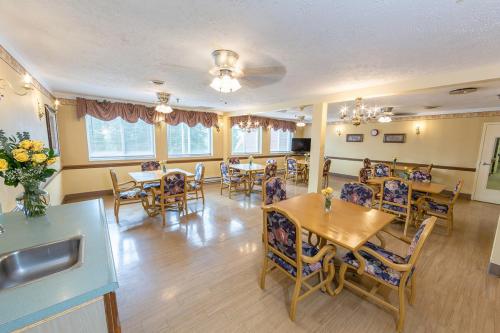
How is Sienna Hills Nursing & Rehabilitation Staffed?

CMS rates SIENNA HILLS NURSING & REHABILITATION's staffing level at 2 out of 5 stars, which is below average compared to other nursing homes. Staff turnover is 44%, compared to the Ohio average of 46%. This relatively stable workforce can support continuity of care. RN turnover specifically is 57%, which is notably high. RNs provide skilled clinical oversight, so turnover in this role can affect medical care quality.

What Have Inspectors Found at Sienna Hills Nursing & Rehabilitation?

State health inspectors documented 31 deficiencies at SIENNA HILLS NURSING & REHABILITATION during 2020 to 2025. These included: 1 that caused actual resident harm and 30 with potential for harm. Deficiencies causing actual harm indicate documented cases where residents experienced negative health consequences.
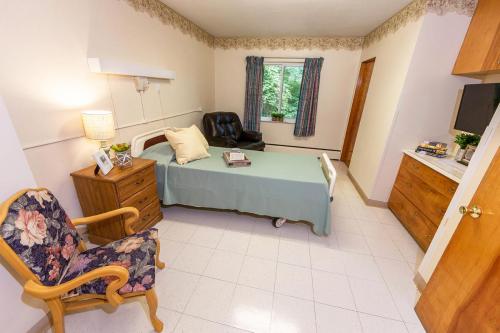
Who Owns and Operates Sienna Hills Nursing & Rehabilitation?

SIENNA HILLS NURSING & REHABILITATION is owned by a for-profit company. For-profit facilities operate as businesses with obligations to shareholders or private owners. The facility is operated by HILLSTONE HEALTHCARE, a chain that manages multiple nursing homes. With 43 certified beds and approximately 32 residents (about 74% occupancy), it is a smaller facility located in ADENA, Ohio.
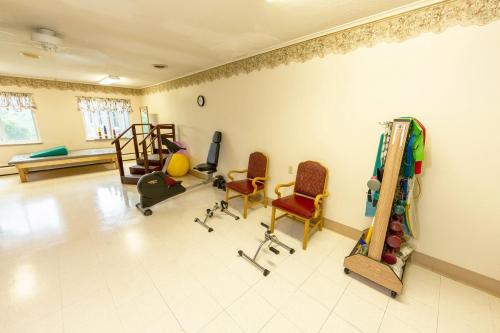
How Does Sienna Hills Nursing & Rehabilitation Compare to Other Ohio Nursing Homes?

Compared to the 100 nursing homes in Ohio, SIENNA HILLS NURSING & REHABILITATION's overall rating (2 stars) is below the state average of 3.2, staff turnover (44%) is near the state average of 46%, and health inspection rating (2 stars) is below the national benchmark.

What Should Families Ask When Visiting Sienna Hills Nursing & Rehabilitation?

Based on this facility's data, families visiting should ask: "Can you walk me through typical staffing levels on day, evening, and night shifts?" "Can I visit during a mealtime to observe dining assistance and food quality?" "How do you handle medical emergencies, and what is your hospital transfer rate?" "Can I speak with family members of current residents about their experience?" These questions are particularly relevant given the below-average staffing rating.

Is Sienna Hills Nursing & Rehabilitation Safe?

Based on CMS inspection data, SIENNA HILLS NURSING & REHABILITATION has a clean safety record: no substantiated abuse findings (meaning no confirmed cases of resident harm), no Immediate Jeopardy citations (the most serious violation level indicating risk of serious injury or death), and is not on the Special Focus Facility watch list (a federal program monitoring the lowest-performing 1% of nursing homes). The facility has a 2-star overall rating and ranks #100 of 100 nursing homes in Ohio. While no facility is perfect, families should still ask about staff-to-resident ratios and recent inspection results during their visit.

Do Nurses at Sienna Hills Nursing & Rehabilitation Stick Around?

SIENNA HILLS NURSING & REHABILITATION has a staff turnover rate of 44%, which is about average for Ohio nursing homes (state average: 46%). Moderate turnover is common in nursing homes, but families should still ask about staff tenure and how the facility maintains care continuity when employees leave.

Was Sienna Hills Nursing & Rehabilitation Ever Fined?

SIENNA HILLS NURSING & REHABILITATION has no federal fines on record. CMS issues fines when nursing homes fail to meet care standards or don't correct problems found during inspections. The absence of fines suggests the facility has either maintained compliance or corrected any issues before penalties were assessed. This is a positive indicator, though families should still review recent inspection reports for the full picture.

Is Sienna Hills Nursing & Rehabilitation on Any Federal Watch List?

SIENNA HILLS NURSING & REHABILITATION is not on any federal watch list. The most significant is the Special Focus Facility (SFF) program, which identifies the bottom 1% of nursing homes nationally based on persistent, serious quality problems. Not being on this list means the facility has avoided the pattern of deficiencies that triggers enhanced federal oversight. This is a positive indicator, though families should still review the facility's inspection history directly.