BATH MANOR SPECIAL CARE CENTRE
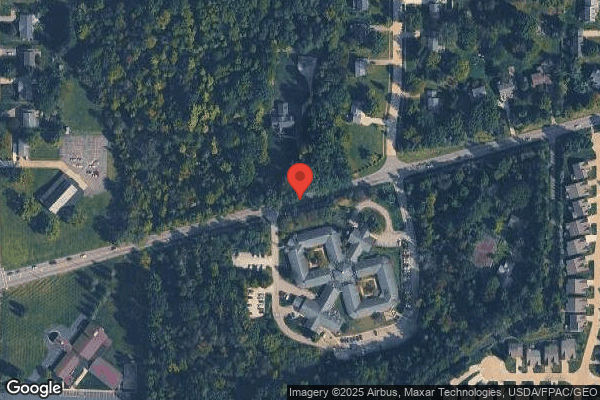
2330 SMITH ROAD, AKRON, OH 44333 (330) 836-1006
For profit - Corporation 130 Beds SABER HEALTHCARE GROUP Data: November 2025 1 Immediate Jeopardy citation
Trust Grade
21/100
#837 of 913 in OH
Last Inspection: May 2025

Inspected within the last 6 months. Data reflects current conditions.

Overview

Bath Manor Special Care Centre in Akron, Ohio has received a Trust Grade of F, indicating poor performance with significant concerns regarding resident care. Ranking #837 out of 913 facilities in Ohio places it in the bottom half, and among local options, it is #40 out of 42 in Summit County, suggesting limited better alternatives nearby. The facility's trend is worsening, with issues increasing from 9 in 2024 to 15 in 2025, and it has reported a total of 50 deficiencies, including critical incidents of medication errors that caused actual harm. Staffing is a weak point, with a rating of 2 out of 5 stars and a turnover rate of 52%, which is average but could indicate instability. While there is average RN coverage, past inspections revealed incidents such as a resident being harmed due to a medication error and another falling without proper follow-up care, alongside concerns about kitchen cleanliness, highlighting both serious weaknesses and a need for improvement.

Trust Score
F
21/100
In Ohio
#837/913
Bottom 9%
Safety Record
High Risk
Review needed
Inspections
Getting Worse
9 → 15 violations
Staff Stability
⚠ Watch
52% turnover. Above average. Higher turnover means staff may not know residents' routines.
Penalties
✓ Good
$14,433 in fines. Lower than most Ohio facilities. Relatively clean record.
Skilled Nurses
○ Average
Each resident gets 35 minutes of Registered Nurse (RN) attention daily — about average for Ohio. RNs are the most trained staff who monitor for health changes.
Violations
⚠ Watch
50 deficiencies on record. Higher than average. Multiple issues found across inspections.
★☆☆☆☆
1.0
Overall Rating
★★☆☆☆
2.0
Staff Levels
★★★★☆
4.0
Care Quality
★☆☆☆☆
1.0
Inspection Score
Stable
2024: 9 issues
2025: 15 issues

The Good

  • 4-Star Quality Measures · Strong clinical quality outcomes
  • Full Sprinkler Coverage · Fire safety systems throughout facility
  • No fines on record

Facility shows strength in quality measures, fire safety.

The Bad

1-Star Overall Rating

Below Ohio average (3.2)

Significant quality concerns identified by CMS

Staff Turnover: 52%

Near Ohio avg (46%)

Higher turnover may affect care consistency

Federal Fines: $14,433

Below median ($33,413)

Minor penalties assessed

Chain: SABER HEALTHCARE GROUP

Part of a multi-facility chain

Ask about local staffing decisions and management

The Ugly 50 deficiencies on record

1 life-threatening 1 actual harm
May 2025 9 deficiencies
CONCERN (D) 📢 Someone Reported This

A family member, employee, or ombudsman was alarmed enough to file a formal complaint

Potential for Harm - no one hurt, but risky conditions existed

Resident Rights (Tag F0550)

Could have caused harm · This affected 1 resident

**NOTE- TERMS IN BRACKETS HAVE BEEN EDITED TO PROTECT CONFIDENTIALITY** Based on observation, record review, and interview, the facility failed to ensure a resident was provided with a dignified dinin...

Read full inspector narrative →
**NOTE- TERMS IN BRACKETS HAVE BEEN EDITED TO PROTECT CONFIDENTIALITY** Based on observation, record review, and interview, the facility failed to ensure a resident was provided with a dignified dining experience. This affected one (#220) resident of one resident reviewed for dignity. The facility census was 112. Findings include: Review of the medical record for Resident #220 revealed an admission date of 04/09/25 with diagnoses that included congestive heart failure, mild protein-calorie malnutrition, and dysphagia. Review of the care plan dated 04/10/25 revealed Resident #220 had a self-care deficit with interventions that included, but not limited to, assistance from staff. Review of the Minimum Data Set (MDS) assessment dated [DATE] revealed Resident #220 had a Brief Interview for Mental Status (BIMS) score of 15 that indicated she was alert and oriented to person pace, and time. Observation and interview on 05/06/25 at 8:30 A.M. revealed Resident #220 was lying in bed with her over-the-bed table positioned above her with her breakfast meal. Resident #220's breakfast meal consisted of pancakes and crumbled sausage. MDS Registered Nurse (RN) #709 was observed standing over Resident #220, scooping up crumbled sausage on a spoon and feeding her. Interview with MDS RN #709, at the time of the observation, revealed she walked by Resident #220's room and saw she needed to eat. MDS RN #709 revealed Resident #220 was just sitting there and usually had someone sitting, cueing, and encouraging her during meals. MDS RN #709 confirmed she was standing up and over Resident #220 feeding her and the policy was to sit down while assisting with meals. This deficiency represents non-compliance investigated under Complaint Number OH00165140, OH00165044, and OH00162078.
CONCERN (D)

Potential for Harm - no one hurt, but risky conditions existed

Deficiency F0568 (Tag F0568)

Could have caused harm · This affected 1 resident

**NOTE- TERMS IN BRACKETS HAVE BEEN EDITED TO PROTECT CONFIDENTIALITY** Based on record review, interviews, and facility policy review, the facility failed to ensure quarterly statements for resident ...

Read full inspector narrative →
**NOTE- TERMS IN BRACKETS HAVE BEEN EDITED TO PROTECT CONFIDENTIALITY** Based on record review, interviews, and facility policy review, the facility failed to ensure quarterly statements for resident funds accounts were mailed to the individuals who were identified as the guardian or primary financial contact for residents. This affected three residents (#33, #71,#93) out of six residents reviewed for resident funds. The facility identified 50 residents (#1 to #3 , #5, #6, #9, #11, #15 to #19, #21, #24, #26 to #28, #30 to #33, #35, #37, #39, #40, #42, #46, #47, #49 to #55, #61, #62, #64, #68, #69, #71, #72, #81, #82, #86, #89, #93, #94 , and #121) as having a personal funds account. The facility census was 112. Findings include: 1. Review of the medical record for Resident #33 revealed an admission date of 06/12/19 and the mother of Resident #33 was listed as the primary power attorney for healthcare and the primary financial contact. Review of the Resident Fund Management Service Authorization Agreement to Handle Resident Funds, revealed on 10/25/19, the mother had signed to set up a resident fund account for Resident #33. The document indicated with a signature, the person was authorizing the facility to establish an insured interest-bearing account and the person signing the document would receive a statement at least quarterly. Review of the facility document Trial Balance, dated 05/07/25, revealed Resident #33 had a resident fund account with a balance of $73.27. Review of Resident #33's quarterly statements for the period of 10/01/24 through 12/31/24 and for the period of 01/01/25 through 03/31/25 revealed the resident had a balance of $73.27 for both periods. The resident fund statement was addressed to Resident #33 at the facility's address of 2330 [NAME] Road, Akron, Ohio, 44333. Interview on 05/05/25 at 3:24 P.M. with the mother of Resident #33 revealed she had not received quarterly statements and she had no clue what was in his personal fund account. Interview on 05/12/25 at 9:03 A.M. with Business Office Manager (BOM) #715 revealed the facility used a third party to mail out the residents' quarterly statements, and the statements were mailed to the address at the top of the quarterly statements. BOM #715 confirmed Resident #33's quarterly statements were not mailed to the primary financial contact for Resident #33. 2. Review of medical record for Resident #71 revealed an admission date of 09/07/21 and the daughter of Resident #71 was listed as the primary financial contact. Review of the Resident Fund Management Service Authorization Agreement to Handle Resident Funds, revealed on 09/24/21, the daughter had signed to set up a resident Qualified Income Trust (QIT), a special form of trust designed to help people receive long-term benefits under Medicaid , fund account for Resident #71, and on 06/09/22 the daughter had signed to set up a resident personal fund account for Resident #71. The document indicated with a signature, the person was authorizing the facility to establish an insured interest-bearing account and the person signing the document would receive a statement at least quarterly. Review of facility document Trial Balance, dated 05/07/25, revealed Resident #71 had a QIT account with a balance of $21,574.62 and a resident fund account balance of $151.28. Review of Resident #71's quarterly statements for the period of 01/01/25 through 03/31/25 revealed the resident's QIT account had a balance of $21,574.24 and the resident's personal fund account had a balance of $151.28. Both of the resident's fund statements were addressed to Resident #71 at the facility's address at 2330 [NAME] Road, Akron, Ohio, 44333. Interview on 05/08/25 at 11:53 A.M. with the daughter of Resident #71 revealed she was not receiving any quarterly statements. Interview on 05/12/25 at 9:03 A.M. with Business Office Manager (BOM) #715 revealed the facility used a third party to mail out the residents' quarterly statements, and the statements were mailed to the address at the top of the quarterly statements. BOM #715 confirmed Resident #33's quarterly statements were not mailed to primary financial contact for Resident #71. 3. Review of medical record for Resident #93 revealed an admission date of 04/10/24 and the resident had a guardian. Review of the Resident Fund Management Service Authorization Agreement to Handle Resident Funds, revealed on 11/25/24, the guardian had signed to set up a resident fund account for Resident #93. The document indicated with a signature, the person was authorizing the facility to establish an insured interest-bearing account and the person signing the document would receive a statement at least quarterly. Review of facility document Trial Balance, dated 05/07/25, indicated Resident #93 had a resident fund account with a balance of $3642.01. Review of Resident #93's quarterly statements for the period of 11/07/24 through 12/31/24 revealed the resident had a balance of $50.00 and for the period of 01/01/25 through 03/31/25 had a balance of $200.00. The resident fund statement was addressed to Resident #93 at the facility's address at 2330 [NAME] Road, Akron, Ohio, 44333. Interview on 05/12/25 at 9:03 A.M. with Business Office Manager (BOM) #715 revealed the facility used a third party to mail out the residents' quarterly statements, and the statements were mailed to the address at the top of the quarterly statements. BOM #715 confirmed Resident #33's quarterly statements were not mailed to the guardian of Resident #93. Review of the facility policy Resident Fund Management (RFMS) Policy, revised 10/13/21, revealed quarterly trust statements would be mailed by a third party and statement addresses were to be correct.
CONCERN (D)

Potential for Harm - no one hurt, but risky conditions existed

Deficiency F0569 (Tag F0569)

Could have caused harm · This affected 1 resident

**NOTE- TERMS IN BRACKETS HAVE BEEN EDITED TO PROTECT CONFIDENTIALITY** Based on record review, interviews, and facility policy review, the facility failed to provide notice to Resident #94 when his r...

Read full inspector narrative →
**NOTE- TERMS IN BRACKETS HAVE BEEN EDITED TO PROTECT CONFIDENTIALITY** Based on record review, interviews, and facility policy review, the facility failed to provide notice to Resident #94 when his resident funds account reached $200 less than the Supplemental Security Income (SSI) resource limit for one person and failed to ensure Resident #226's account funds were dispersed timely after expiration. This affected two residents (#94 and #226) of six residents reviewed for resident funds. The facility census was 112 residents. Findings include: 1. Review of the medical record for Resident #94 revealed an admission date of [DATE] and Medicaid was a payor source. The resident was the primary financial contact and was cognitively intact. Review of Resident #94's resident fund account's quarterly statement for the period of [DATE] through [DATE] revealed a balance of $8,266.94 and for the period of [DATE] through [DATE] revealed a balance of $8,087.63. Review of the facility's document Trial Balance, dated [DATE], revealed Resident #94 had a current balance of $3,797.16. There was no documented proof Resident #94 had received a spend down notification. Interview on [DATE] at 12:31 P.M. with Resident #94 revealed he did not know he had an account, and did not know how much he had in the account. Interview on [DATE] at 9:03 A.M. with Business Office Manager (BOM) #715 confirmed there was no documented proof spenddown letters had been sent to Resident #94, and when asked why there was no documented proof spenddown letters had been sent, BOM #715 stated during that time she had been busy covering the admissions position along with her own position as the BOM. Review of the facility policy Resident Fund Management (RFMS) Policy, revised [DATE], revealed the business office was to notify all Medicaid residents when the asset limit was approaching. 2. Review of the medical record for Resident #226 revealed an admission date of [DATE] and an expiration date of [DATE]. Review of the facility document Resident Statement revealed Resident #226's account was closed on [DATE] and had a balance of $1,192.86 dollars in the account when the account was closed. Review of a check, numbered 10055474 and dated [DATE], written to the funeral home in the amount of $1,1192.86 for Resident #226's funeral expenses revealed the check was written over three months after the resident had expired. Interview on [DATE] at 11:52 A.M. with BOM #715 and Regional Director #950 confirmed the date on the check and the check had not been sent out timely. Review of the facility policy Resident Fund Management (RFMS) Policy, revised [DATE], revealed trust accounts for expired residents were to be closed and funds dispersed timely.
CONCERN (D)

Potential for Harm - no one hurt, but risky conditions existed

Comprehensive Care Plan (Tag F0656)

Could have caused harm · This affected 1 resident

**NOTE- TERMS IN BRACKETS HAVE BEEN EDITED TO PROTECT CONFIDENTIALITY** Based on observations, record review, interviews, and facility policy review, the facility failed to develop a person- centered ...

Read full inspector narrative →
**NOTE- TERMS IN BRACKETS HAVE BEEN EDITED TO PROTECT CONFIDENTIALITY** Based on observations, record review, interviews, and facility policy review, the facility failed to develop a person- centered care plan related to the consumption of alcohol. This affected one (#44) of one resident reviewed for alcohol consumption. The facility census was 112. Findings include: Review of the medical record for Resident #44 revealed he was admitted to the facility on [DATE] with diagnoses that included chronic diastolic congestive heart failure, cellulitis of left lower limb, and acute kidney failure. Review of the Minimum Data Set (MDS) assessment dated [DATE] revealed Resident #44 had a Brief Interview for Mental Status (BIMS) score of 14 that indicated he was alert and oriented to person, place, and time. Review of the MDS assessment also revealed Resident #44 required some assistance from staff for Activities of Daily Living (ADLs). Review of Resident #44's current physician orders revealed no orders for alcohol consumption. Review of Resident #44's current care plan revealed no plan/interventions related to alcohol consumption. Observation on 05/06/25 at 8:35 A.M. revealed the Administrator looking inside Resident #44's compact refrigerator located inside his room. The Administrator was observed removing two 6.8 ounce bottles of [NAME] Bootlegger Ice Lemonade canned cocktails which contained 12 percent (%) alcohol. The Administrator was then observed informing Resident #44 he had no care plan or orders in place to consume or have alcohol stored in his room. The Administrator was then observed placing the alcohol bottles back into the refrigerator and exiting Resident #44's room. Interview and observation on 05/06/25 at 8:46 A.M. revealed Resident #44 had two 6.8 ounce bottles of [NAME] Bootlegger Ice Lemonade canned cocktails which contained 12 percent (%) alcohol located in his compact refrigerator. Resident #44 revealed his friend purchased the alcohol for his consumption. The Administrator entered Resident #44's room during this observation and interview and confirmed the above findings. The Administrator stated Resident #44 did not have a order or care plan in place to consume or store alcohol beverages in his room. Interview on 05/06/25 at 4:25 P.M. with Regional Registered Nurse (RRN) #900 revealed Resident #44 had two bottles of hard liquor removed from his room compact refrigerator. Review of the facility document titled Alcoholic Beverage Use revised 08/11/20, revealed residents could have alcoholic beverages if prescribed by their provider, could be obtained by family, and must be administered by a licensed nurse only. Further review of the policy revealed residents were not allowed to keep alcoholic beverages in their room.
CONCERN (D)

Potential for Harm - no one hurt, but risky conditions existed

Respiratory Care (Tag F0695)

Could have caused harm · This affected 1 resident

**NOTE- TERMS IN BRACKETS HAVE BEEN EDITED TO PROTECT CONFIDENTIALITY** Based on observation, resident record review, resident interview, staff interview, and facility policy review, the facility fail...

Read full inspector narrative →
**NOTE- TERMS IN BRACKETS HAVE BEEN EDITED TO PROTECT CONFIDENTIALITY** Based on observation, resident record review, resident interview, staff interview, and facility policy review, the facility failed to ensure oxygen tubing was changed and an order was in place for administering oxygen. This affected one (#221) of one resident for respiratory care. The facility census was 112. Findings include: Review of the medical record for Resident #221 revealed an admission dated of 04/28/25 with diagnoses that included peripheral vascular disease, type 2 diabetes, and congestive heart failure. Review of the progress note dated 04/29/25 timed 2:03 P.M. revealed Resident #221 had oxygen established in the home. Review of Resident #221's current physician orders revealed no orders for oxygen. Review of Resident #221's care plan dated 04/30/25 revealed no current interventions related to oxygen administration. Review of the Minimum Data Set (MDS) assessment dated [DATE] revealed Resident #221 had a Brief Interview for Mental Status (BIMS) score of 15 that indicated he was alert and oriented to person, place, and time. Further review of the MDS assessment revealed Resident #221 required some assistance for activities of daily living (ADLs). Observation and interview on 05/05/25 at 12:11 P.M. revealed Resident #221 seated in his wheelchair with oxygen in place and being administered via nasal cannula. The oxygen tubing and nasal cannula was undated. Resident #221 revealed his oxygen and nasal cannula tubing had not been changed. Observation and interview on 05/05/25 at 12:15 P.M. with Licensed Practical Nurse (LPN) #638 revealed Resident #221 was on oxygen via nasal cannula as needed. LPN #638 revealed she did not know when the last time the tubing and nasal cannula was changed. LPN #638 confirmed there were no current orders in place for Resident #221's oxygen administration. Review of Resident #221's Medication Administration Record from 04/28/25 to 05/13/25 revealed the first documentation the oxygen concentrator and filter were cleaned and oxygen tubing changed was 05/09/25. Review of the facility policy Oxygen Administration (All Routes) revised 07/30/24, revealed the facility would verify the provider order and then assemble equipment. Further review of the policy revealed the facility would change tubing, mask and cannula weekly and document.
CONCERN (D)

Potential for Harm - no one hurt, but risky conditions existed

Deficiency F0761 (Tag F0761)

Could have caused harm · This affected 1 resident

**NOTE- TERMS IN BRACKETS HAVE BEEN EDITED TO PROTECT CONFIDENTIALITY** Based on observation, resident record review, resident interview, staff interview, and facility policy review, the facility fail...

Read full inspector narrative →
**NOTE- TERMS IN BRACKETS HAVE BEEN EDITED TO PROTECT CONFIDENTIALITY** Based on observation, resident record review, resident interview, staff interview, and facility policy review, the facility failed to ensure all drugs and biologicals were properly secured and permit only authorized personnel to have access. This affected one (#221) of one resident reviewed for self-administration of medications. The facility census was 112. Findings include: Review of the medical record for Resident #221 revealed an admission dated of 04/28/25 with diagnoses that included peripheral vascular disease, type 2 diabetes, and congestive heart failure. Further review of Resident #221's medical record revealed there was no assessment indicating Resident #221 was safe to self-administer medication. Review of the progress note dated 04/29/25 timed 11:08 A.M. revealed Resident #221 had multiple scattered tinea areas on bilateral arms with discoloration. Review of the care plan dated 04/30/25 revealed Resident #221 had tinea corporis located on the left and right posterior forearm. Review of the physician orders dated 04/30/25 revealed Resident #221 had an order for clotrimazole one percent cream to be applied twice a day to bilateral forearms. Review of the Minimum Data Set (MDS) assessment dated [DATE] revealed Resident #221 had a Brief Interview for Mental Status (BIMS) score of 15 that indicated he was alert and oriented to person, place, and time. Further review of the MDS assessment revealed Resident #221 required some assistance for activities of daily living (ADLs). Observation and interview on 05/05/25 at 12:11 P.M. revealed two tubes of clotrimazole one percent cream located on Resident #221's bedside table. Resident #221 revealed he had ringworm on both arms and he applied the cream himself. Interview on 05/05/25 at 12:15 P.M. with Licensed Practical Nurse (LPN) #638 revealed Resident #221 had ringworm and the facility applied cream daily. LPN #638 confirmed Resident #221 did not have a self-administration assessment or order to apply the antifungal cream himself. At the time of the interview, LPN #638 entered Resident #221's room as he was rubbing the cream into his forearm. LPN #638 revealed the cream located on the bedside table was the prescribed medication for his ringworm. LPN #638 was observed putting on gloves and removing two tubes of clotrimazole one percent cream from Resident #221's room. Review of the facility policy Self-Administration of Medications revised 06/01/24, revealed the facility, in conjunction with the interdisciplinary care team was to assess and determine, with respect to each resident, whether self-administration of medication was safe and clinically appropriate, based on the resident's functionality and health condition. The facility was to ensure that orders for self-administration listed the specific medication(s) the resident could self administer.
CONCERN (E) 📢 Someone Reported This

A family member, employee, or ombudsman was alarmed enough to file a formal complaint

Potential for Harm - no one hurt, but risky conditions existed

Safe Environment (Tag F0921)

Could have caused harm · This affected multiple residents

Based on observation and interview, the facility failed to ensure clean linen rooms and common shower rooms were maintained in a clean and sanitary manner. This affected 25 (#43, #33, #220, #24, #15, ...

Read full inspector narrative →
Based on observation and interview, the facility failed to ensure clean linen rooms and common shower rooms were maintained in a clean and sanitary manner. This affected 25 (#43, #33, #220, #24, #15, #48, #400, #219, #45, #78, #51, #97, #220, #225, #107, #44, #79, #221, #112, #113, #80, #269, #270, #114, and #63) of 112 facility residents. Findings include: Environmental tour on 05/12/25 from 2:06 P.M. to 2:37 P.M. with Maintenance Assistant (MA) #806 and Housekeeping and Laundry Supervisor (HLS) #620 revealed the floor of the 300-unit clean linen room was covered with old, dried spills, scuffs marks, paper scraps, straw covers, large dust bunnies, and multiple Chetos. Observation of the 300 hall shower room revealed a toilet, sink, shower area, bathtub, storage cabinet, bedside commode, and a shower bed. A tee shirt was on the floor. A cigarette butt, pillow without pillow case, two plastic parts of a bedside commode, a fitted sheet that was wet with a large reddish brown stain and when lifted a strong urine odor was noted, a multicolored sweater, three wet wash cloths, a bottle of body wash, deodorant, and a bottle of peri wash were inside the bathtub and beneath the items was loose black debris and dried unidentifiable liquid spills. HLS #620 and MA #806 indicated the bath tub was not functional and never used. Interview with Certified Nurse Aide (CNA) #808 on 05/12/25 at approximately 2:15 P.M. revealed after showering a resident in the 300 unit shower room she had to return the resident to her room quickly. CNA #808 threw the fitted bed sheet, wash cloths, body wash, deodorant and peri wash in the bathtub and then went on break. CNA #808 said she had planned to come back to clean. She indicated the bathtub was not used. Further observation revealed the shower room floor was not wet to indicate a resident was recently showered, nor was the room filled with humidity. Interview on 05/13/25 at 8:40 A.M. with CNA #654 revealed housekeeping was responsible for cleaning the shower rooms. CNA #654 thought the shower rooms were cleaned twice daily but was not sure. Interview on 05/13/25 at 8:45 A.M. with Housekeeper #625 revealed she was assigned to clean the 300 unit. Housekeeper #625 normally started at the front of the unit and worked her way through to the shower room. The shower room was cleaned everyday, sometimes twice a day if needed. Housekeeper #625 said she rechecked the shower room throughout the day; however, yesterday (05/12/15) she had not made it back to check a second time. Housekeeper #625 was unsure whose responsibility it was to ensure the bath tub was cleaned and maintained in a sanitary manner so she completed the task. Interview on 05/13/25 at 8:58 A.M. with Regional Registered Nurse #900 revealed there was not a specific policy and procedure or job description related to keeping the shower rooms in a clean and sanitary manner. Because the bathtub in the shower room on the 300 hall had not been functional for several years the staff were using it as a storage area. The CNAs were responsible for cleaning and sanitizing the areas of the shower room which were used. All residents residents on the 300 unit used the shower room. Review of the facility census dated 05/12/25 revealed Residents #43, #33, #220, #24, #15, #48, #400, #219, #45, #78, #51, #97, #220, #225, #107, #44, #79, #221, #112, #113, #80, #269, #270, #114, and #63 resided on the 300 halls. This deficiency represents non-compliance investigated under Complaint Number OH00162078.
CONCERN (F)

Potential for Harm - no one hurt, but risky conditions existed

Food Safety (Tag F0812)

Could have caused harm · This affected most or all residents

Based on kitchen observation, staff interview, and facility policy review, the facility failed to maintain a clean and sanitary kitchen. This had the potential to affect all residents receiving meals ...

Read full inspector narrative →
Based on kitchen observation, staff interview, and facility policy review, the facility failed to maintain a clean and sanitary kitchen. This had the potential to affect all residents receiving meals from the kitchen. The facility identified six Residents (#30, #57, #60, #75, #119, and #269) as receiving nothing by mouth (NPO). The facility census was 112. Findings include: Observations on 05/05/25 (Monday) at 9:03 A.M. of the facility kitchen with Food and Nutrition Services Director (FNSD) #633 revealed in the reach-in refrigerator near the steam table there was two undated or labeled salads and approximately 10 bagged sandwiches without labels or dates. FNSD #633 indicated they usually disposed of salads and sandwiches after the weekend. There was dried food splatter on the preparation table for the food processor and a container of applesauce and a spoon on floor under the table. Observation of the kitchen hood revealed the metal grates and fire suppression system had a coating of built-up dust. FNSD #633 indicated there was an outside company who cleaned the kitchen hood every three months. The microwave had dried food splatter on the top panel. There was a whisk on the floor under the steamer. Observation inside the walk-in refrigerator revealed a container of milk with expiration date of 05/01/25. The floors of the walk-in refrigerator under storage racks were dirty with debris and dried milk on the left side of the walk-in refrigerator. There were boxes stacked to the ceiling on the storage racks. There was an undated salad covered with plastic wrap. FNSD #633 indicated staff had last cleaned the floor of the walk-in refrigerator about a month prior. Observation inside the walk-in freezer revealed ice buildup on boxes of fish, mashed potatoes, and egg rolls. There was additional ice buildup on the ceiling of the freezer. There were boxes stacked to the ceiling in the freezer. Observation inside the dry storage room revealed a box of powdered thickener was open to air and a one cup measuring cup in the box resting on the product. Interview on 05/05/25 with FNSD #633 confirmed findings at time of observation during kitchen tour. Review of the facility policy Kitchen Sanitation and Cleaning Schedules Policy dated 05/24/18 revealed food and nutrition services staff would maintain the sanitation of the kitchen through compliance with a written, comprehensive cleaning schedule. Review of the facility policy Storage of Refrigerated Foods Policy dated 03/09/25 revealed all refrigerated items must be stored at least six inches above the floor and 18 inches from the ceiling and sprinkler heads.
CONCERN (F)

Potential for Harm - no one hurt, but risky conditions existed

Infection Control (Tag F0880)

Could have caused harm · This affected most or all residents

**NOTE- TERMS IN BRACKETS HAVE BEEN EDITED TO PROTECT CONFIDENTIALITY** Based on record review, observation, and interview, the facility failed to ensure Enhanced Barrier Precautions (EBP) were implem...

Read full inspector narrative →
**NOTE- TERMS IN BRACKETS HAVE BEEN EDITED TO PROTECT CONFIDENTIALITY** Based on record review, observation, and interview, the facility failed to ensure Enhanced Barrier Precautions (EBP) were implemented as required. This had the potential to affect all residents residing in the facility. Facility census was 112. Findings include: Review of Resident #269 medical record revealed the resident was admitted on [DATE] with diagnoses of Parkinsonism, primary pulmonary hypertension, protein-calorie malnutrition, acute respiratory failure, other rheumatic mitral valve diseases, pressure ulcer stage 4, history of malignant neoplasm of prostate, dysphagia and muscle weakness. Further review of the medical record revealed an order dated 04/18/25 for enhanced barrier precautions (EBP). Observation on 05/07/25 at 11:34 A.M. revealed a sign outside Resident #269's room for Enhanced Barrier Precautions with instructions stating Providers and Staff Must Also: Wear gloves and a gown for the following High-Contact Resident Care Activities. Dressing, Bathing/Showering, Transferring, Changing Linens, Providing Hygiene, Changing briefs or assisting with toileting, Device care or use, and Wound Care. Observation on 05/07/25 at 11:34 A.M. revealed Rehab #910 and Rehab #909 in Resident #269's room assisting the resident with repositioning in his wheelchair. Rehab #910 and Rehab #909 were not wearing PPE. Interview on 05/07/25 at 11:35 A.M. with Rehab #910 and Rehab #909 revealed they heard Resident #269 yelling out and they both ran into resident's room to assist him without donning PPE. Rehab #910 and Rehab #909 confirmed they should have donned PPE prior to assisting Resident #269. Review of the facility Transmission-Based Precautions and Isolation Policy with a revision date of 03/20/25 revealed EBP were indicated for high contact care actives for residents with chronic wounds and indwelling devices such as central lines, urinary catheters, and trachs and for all those colonized or infected with a Multidrug-resistant bacteria (MDRO) currently targeted by the Centers for Disease Control. Review of the facility Transmission-Based Precautions and Isolation Policy with a revision date of 03/20/25 revealed EBP were indicated for high contact care actives for residents with chronic wounds and indwelling devices such as central lines, urinary catheters, and trachs and for all those colonized or infected with a Multidrug-resistant bacteria (MDRO) currently targeted by the Centers for Disease Control.
Jan 2025 6 deficiencies
CONCERN (D) 📢 Someone Reported This

A family member, employee, or ombudsman was alarmed enough to file a formal complaint

Potential for Harm - no one hurt, but risky conditions existed

Notification of Changes (Tag F0580)

Could have caused harm · This affected 1 resident

**NOTE- TERMS IN BRACKETS HAVE BEEN EDITED TO PROTECT CONFIDENTIALITY** Based on record review, interview, review of the Emergency Medical Services (EMS) Prehospital Care Report and review of the faci...

Read full inspector narrative →
**NOTE- TERMS IN BRACKETS HAVE BEEN EDITED TO PROTECT CONFIDENTIALITY** Based on record review, interview, review of the Emergency Medical Services (EMS) Prehospital Care Report and review of the facility policy, the facility failed to timely notify the Guardian of Resident #18 when a significant change in condition occurred. This affected one resident (#18) of three residents reviewed for notification of changes. The facility census was 109. Findings include: Record review for Resident #18 revealed an admission date of 12/31/21. Diagnoses included Alzheimer's disease with early onset, schizophrenia, mood disorder, impulse disorder, restlessness and agitation, and need for assistance with personal care. Record review revealed Resident #18 had a Legal Guardian. Review of the quarterly Minimum Data Set (MDS) 3.0 assessment dated [DATE] revealed Resident #18 was severely cognitively impaired, dependent upon staff for transfers, used a wheelchair, and was dependent for mobility. Review of the progress note for Resident #18 dated 12/27/24 at 2:29 A.M. completed by Licensed Practical Nurse (LPN) #499 included during the P.M. medication pass, Resident #18 became unresponsive. The TeleMedicine (TeleMed) (use of technology to remotely deliver medical services) Certified Nurse Practitioner (CNP) wanted Resident #18 sent out to the hospital. The paramedics arrived, and Resident #18 needed Narcan (medication to treat narcotic overdose). Resident #18 became responsive. TeleMed was notified and ordered neuro checks per facility protocol. Resident #18 became unresponsive again and was aroused in five minutes. Contacted TeleMed again, and they ordered every 15 min checks and to hold any narcotics until seen by the doctor. Will notify the Director of Nursing (DON) and family in the A.M. Review of the undated written statement created by LPN #499 included she (LPN #499) started the shift on 12/26/24 at 7:00 P.M. During the medication pass for residents she went to Resident #18's room to give him his medications. Resident #18 seemed like he was asleep. LPN #499 began to say Resident 18's name multiple times and put the head of the bed up. Resident #18 opened his eyes and closed them again. LPN #499 started to say his name again and rubbed his chest, doing a sternal rub. LPN #499 sat Resident #18 up more and told him she had his medications. Resident #18 said, Huh and opened his mouth and took his medication. LPN #499 revealed Resident #18 still did not seem right, and she contacted TeleMed and was instructed to send Resident #18 to the emergency room. EMS arrived and assessed Resident #18's pupils and said, They are pinpointed; he needs Narcan. Resident #18 came to in five to ten seconds after receiving the Narcan and started to be himself again. LPN #499 revealed she never told EMS not to take Resident #18 to the hospital. They said since he was back to himself, there was no reason to take him to the hospital. LPN #499 revealed EMS instructed to keep an eye out or if it happened again to administer Narcan because of the half-life of Narcan. Documentation included EMS left, Resident #18 was checked every 30 minutes. Around 12:00 A.M. the Certified Nurse Aide (CNA) reported Resident #18 was not himself again. Both staff were saying his name, and he ended up waking up. TeleMed was contacted, gave an order for the Narcan but because the resident was awake was told not to give it and monitor resident every 15 minutes. LPN #499 revealed she did not notify the family that late at night, she informed them in the morning. Review of the Fire Department #606's Prehospital Care Report with the call dated 12/26/24 at 8:48 P.M. completed by Emergency Medical Technician (EMT) #605 revealed the unit was on scene on 12/26/24 at 9:02 P.M. related to an emergent response. The resident's name was (Resident #18). Primary Impression: Poisoning by drug/meds/biol substance, accidental. Narrative included, the unit was dispatched for an unknown problem. Upon arrival, Resident #18 was lying in bed with a pulse and breathing. Staff stated they were unable to wake him. They gave him pain medication around 8:00 P.M. and when they went to check on him, he was unresponsive. Resident #18 had pinpoint pupils. Staff grabbed Narcan and wanted to administer. Staff administered two milligrams (mg) Narcan. Resident #18 woke up one minute later. Staff stated he was now acting normal, they did not want him to go to the hospital, and they would monitor him. Staff refused transport. Resident #18 was nonverbal. Review of the Refusal form included: Resident #18 refusal of service; Resident #18 advised of medical treatment and evaluation needed and further harm may result without medical treatment. Depart 12/26/24 at 9:24 P.M. The phone interview on 01/22/24 at 4:42 P.M. with the Guardian of Resident #18 revealed she was upset that the facility did not notify her on 12/26/24 when Resident #18 was found to be unresponsive, was administered Narcan and the decision was made by someone not to send him to the hospital. The Guardian revealed the signature on the refusal form was Resident#18's signature. The Guardian revealed the paramedics did not know Resident #18 had a guardian. The facility did though, and they should have called her. The Guardian revealed the nurse called her on 12/27/24 at 6:00 A.M. and revealed she was upset because she would have sent Resident #18 to the hospital after receiving the Narcan to see what was in his system. An interview on 01/23/25 at 2:52 P.M. with the Director of Nursing (DON) revealed the Guardian for Resident #18 should have been notified of the change in condition as soon as possible. Review of the policy titled, Resident Change in Condition Policy revised 11/10/20 revealed the provider/family/responsible party will be notified as soon as practicably possible. This deficiency represents non-compliance investigated under Complaint Number OH00161054.
CONCERN (D) 📢 Someone Reported This

A family member, employee, or ombudsman was alarmed enough to file a formal complaint

Potential for Harm - no one hurt, but risky conditions existed

ADL Care (Tag F0677)

Could have caused harm · This affected 1 resident

**NOTE- TERMS IN BRACKETS HAVE BEEN EDITED TO PROTECT CONFIDENTIALITY** Based on observation, interview, record review and review of the facility policy, the facility failed to provide A.M. care to in...

Read full inspector narrative →
**NOTE- TERMS IN BRACKETS HAVE BEEN EDITED TO PROTECT CONFIDENTIALITY** Based on observation, interview, record review and review of the facility policy, the facility failed to provide A.M. care to include washing face and hands and oral care for Residents #76 and #106. This affected two residents (#76 and #106) of three residents reviewed for activities of daily living (ADL). The facility census was 109. Findings include: 1. Record review for Resident #76 revealed an admission date of 10/27/24. Diagnoses included spastic hemiplegic cerebral palsy, multiple sclerosis, cervical disc disorder, blindness in the left eye, muscle weakness and need for assistance with personal care. Review of the care plan dated 10/28/24 revealed Resident #76 had an ADL self-care and mobility deficit related to multiple sclerosis, weakness, debility, cerebral palsy, and impaired mobility. Interventions included assistance with hygiene/bathing hygiene, dressing, grooming, toileting, feeding, and oral care. Review of the quarterly Minimum Data Set (MDS) 3.0 assessment dated [DATE] revealed Resident #76 was cognitively intact. Resident #76 required substantial/maximal assistance from staff with oral hygiene, bathing, and personal hygiene. Resident #76 used a wheelchair and was dependent upon staff for chair/bed transfers. Observation on 01/22/25 at 10:04 A.M. of Certified Nursing Assistant (CNA) #457 providing A.M. care for Resident #76 revealed CNA #457 did not wash or offer to wash Resident #76's face or hands and did not provide or offer to provide Resident #76 with oral care. CNA #457 confirmed she completed all A.M. care for Resident #76 and exited the room. Observation revealed Resident #76 had visible residual food particles left in his mouth, and his face was oily. Resident #76 revealed the staff never provided him with oral care. Resident #76 revealed he would like his mouth cleansed and rinsed and it would be nice to get his face washed in the morning. CNA #457 returned to Resident #76's room per the surveyor's request and confirmed mouth care was not completed, food residual was left in Resident #76's mouth, and Resident #76 did not have his face or hands washed at all this A.M. 2. Record review for Resident #106 revealed an admission date of 01/10/20. Diagnoses included chronic obstructive pulmonary disease (COPD), muscle weakness, muscle wasting and atrophy, malignant neoplasm of cervix uteri, and the need for assistance with personal care. Review of the care plan dated 05/13/24 revealed Resident #106 had a self-care deficit related to weakness, impaired mobility, COPD, depression, and cancer. Interventions included bathing/hygiene with assistance from one to two staff. Review of the quarterly MDS 3.0 assessment dated [DATE] revealed Resident #106 was moderately cognitively impaired. Resident #106 required partial/moderate assistance with oral hygiene and was dependent upon staff for personal hygiene. Observation on 01/22/25 at 10:39 A.M. revealed Resident #106 was sitting up in bed. Resident #106's hair had a big knot and was disheveled in the back. Resident #106 revealed she was not assisted with or provided oral care this A.M. and did not have her hair combed. Resident #106 revealed it would be nice to have those things done every morning. Interview on 01/22/25 at 10:43 A.M. with CNA #457 confirmed she had already completed A.M. care with Resident #106. CNA #457 verified she did not brush or offer to brush Resident #106's hair and did not provide or offer to provide oral care for Resident #106 before, during, or after A.M. care. Interview on 01/22/25 at 11:27 A.M. with the Director of Nursing (DON) revealed during A.M. care, CNAs were expected to do head-to-to-tee care, which included washing residents' face, cleaning the resident's body and providing oral care. Review of the facility policy titled, Morning Care/AM Care revised 06/15/20 revealed morning care will be offered each day to promote resident comfort, cleanliness, grooming and general wellbeing. The procedure included assisting with/provide oral hygiene, provide nail care, and brush/comb hair. This deficiency represents non-compliance investigated under Complaint Number OH00161110.
CONCERN (D) 📢 Someone Reported This

A family member, employee, or ombudsman was alarmed enough to file a formal complaint

Potential for Harm - no one hurt, but risky conditions existed

Quality of Care (Tag F0684)

Could have caused harm · This affected 1 resident

**NOTE- TERMS IN BRACKETS HAVE BEEN EDITED TO PROTECT CONFIDENTIALITY** Based on observation, interview, record review and review of the Emergency Medical Service (EMS) Prehospital Care Report, the fa...

Read full inspector narrative →
**NOTE- TERMS IN BRACKETS HAVE BEEN EDITED TO PROTECT CONFIDENTIALITY** Based on observation, interview, record review and review of the Emergency Medical Service (EMS) Prehospital Care Report, the facility failed to provide appropriate care and services to Resident #18, who had a significant change in condition with an altered mental status, difficult to arouse, and periods of unconsciousness. Resident #18 was administered by mouth routine medications to include psychotropic medications while being difficult to arouse and prior to notifying the physician of the change in condition. Once contacted, the physician requested Resident #18 to be transported to the emergency room. Resident #18 was not transported to the hospital emergency room per direction of the physician, Resident #18 was administered Narcan for a potential drug overdose then resided at the facility. There were no labs obtained to determine the cause for the potential drug overdose nor was the pharmacy utilized to review medications related to the potential drug overdose. This affected one resident (#18) of one resident reviewed for a potential drug overdose. The facility census was 109. Findings include: Record review for Resident #18 revealed an admission date of 12/31/21. Diagnoses included Alzheimer's disease with early onset, schizophrenia, mood disorder, impulse disorder, restlessness and agitation, and need for assistance with personal care. Record review revealed Resident #18 had a Legal Guardian. Resident #18 had no known allergies. Review of the care plan dated 07/15/24 revealed Resident #18 had behavioral symptoms not directed to others verbal/vocal symptoms like screaming, disruptive sounds, and refused to be shaved. Interventions included when the resident yells out, ask the resident if he needs anything. Provide encouragement and calmness. Review of the quarterly Minimum Data Set (MDS) 3.0 assessment dated [DATE] revealed Resident #18 was severely cognitively impaired, had no hallucinations or delusions, no verbal or physical behaviors exhibited no rejection of care and no wandering in the seven-day assessment reference period. Resident #18 required set up or clean up assist with eating, dependent upon staff for toileting hygiene, bathing, dressing, and personal hygiene. Resident #18 required substantial/maximal assistance for bed mobility, dependent for transfers, used a wheelchair and was dependent upon staff for mobility. Review of the physician orders for Resident #18 revealed changes in medications for December 2024 included on 12/09/24 Risperidone (antipsychotic) was increased from 0.5 milligrams (mg) two times a day to one mg two times a day (7:00 A.M. to 11:00 A.M. and 7:00 P.M. to 11:00 P.M.) and on 12/19/24 Ativan 0.5 mg (antianxiety) was increased from 0.5 mg every day to 0.5 mg three times a day (6:00 A.M., 2:00 P.M. and 9:00 P.M.). Additional orders included Divalproex capsule delayed release (DR) sprinkles 125 mg (anticonvulsant) give two capsules in the A.M. ordered 04/18/24 and Divalproex capsule DR sprinkles 125 mg give four capsules night shift ordered 07/12/24. Review of the progress note dated 12/09/24 at 12:26 P.M. completed by LPN #428 revealed new order to increase risperidone to one mg two times a day. The progress note did not express the reason for the increase in Risperidone. Review of the progress note dated 12/19/24 at 3:07 P.M. completed by Licensed Practical Nurse (LPN) #465, Resident #18 continues to yell when needing things. Yells when wanting food/fluids. Yells when wanting trash thrown out after eating snack; gets staff attention by yelling then will verbalize a need or request. Certified Nurse Practitioner (CNP) gives new order to increase Ativan to three times a day (TID). Review of the progress notes from 11/01/24 through 12/25/24 revealed Resident #18 had no episodes of being difficult to arouse or unconscious. Review of the Medication Administration Record (MAR) for Resident #18 for December 2024 revealed on 12/26/24, Resident #18 received all the scheduled doses of medication. No additional medications were administered. On 12/26/24, the evening administration of medications, LPN #499 administered Carvedilol 3.125 mg (used to treat high blood pressure), Divalproex DR sprinkles 125 mg four capsules, Gabapentin 100 mg (used to treat epilepsy), Ativan 0.5 mg, Tamsulosin 0.4 mg (used to treat enlarged prostate), Risperidone 1 mg and Spironolactone 25 mg (used to treat high blood pressure). Review of the progress note dated 12/27/24 at 2:29 A.M. completed by LPN #499 included during P.M. medication pass Resident #18 became unresponsive. TeleMedicine (TeleMed) (use of technology to remotely deliver medical services) CNP wanted Resident #18 sent out to the hospital, paramedics arrived, and Resident #18 needed Narcan (medication to treat narcotic overdose). Resident #18 became responsive, and TeleMed was notified and ordered neuro checks per facility protocol. LPN #499 and Certified Nursing Assistant (CNA) checked on Resident #18 every 30 minutes to an hour. At 12:30 A.M. Resident #18 became unresponsive again and was aroused in five minutes. LPN #499 contacted TeleMed again, and they ordered every 15-minute checks and vital signs (VS) for an hour and hold any narcotics until the resident was seen by the doctor. LPN #499 notify the Director of Nursing (DON) and family (guardian) in the morning. Review of the progress note for Resident #18 dated 12/27/24 at 6:14 A.M. completed by LPN #499 revealed resident #18's Guardian and the DON were notified. Record review for Resident #18 revealed after the 12/26/24-12/27/24 episode, Resident #18 had no further episodes of change in mental status from the baseline. Review of the untimed Witness Statement dated 12/31/24 completed by LPN #427 included on 12/26/24 she gave Resident #18 his afternoon medication. Resident #18 was in his wheelchair, and he was alert, pleasant, and at his baseline. Review of the untimed Witness Statement dated 12/26/24 completed by LPN #304 revealed on 12/26/24 she worked the 3:00 P.M. to 7:00 P.M. shift. Resident #18 was actively yelling and talking the entire time. The CNA put Resident #18 to bed around 6:00 P.M., and Resident #18 was actively responding. Review of the typed statement dated 12/31/24 at 2:32 P.M. completed by LPN #336 revealed on 12/26/24 at the end of medication pass, the nurse (LPN #499) came and got her and stated Resident #18 was not waking up but breathing. Upon assessment, Resident #18 was lethargic and hard to wake up. LPN #499 was saying his name and rubbing his chest. He would respond a little then go right back to sleep. LPN #336 instructed LPN #499 to call the doctor and let them decide what to do next. LPN #499 called the doctor, and they said to send the resident to the emergency room for evaluation. EMS arrived, and the nurse (LPN #499) came out and said she needed Narcan for EMS to give to the resident. LPN #336 revealed she obtained the Narcan through the stock medication supplies, gave it to the nurse (LPN #499) who then handed it to EMS in the hallway. LPN #336 revealed she did not go back into the resident while the Narcan was being administered. The nurse (LPN #499) came out of the resident's room and said he was back to normal. EMS told the nurse (LPN #499) that if he went unresponsive again to give him another dose if the Narcan. Review of the undated written statement created by LPN #499 included LPN #499 started the shift on 12/26/24 at 7:00 P.M. During the medication pass for residents she went to Resident #18's room to give him his medications. Resident #18 seemed like he was asleep. LPN #499 began to say Resident 18's name multiple times and put the head of the bed up. Resident #18 opened his eyes and closed them again. LPN #499 started to say his name again and rubbed his chest doing a sternal rub. LPN #499 sat Resident #18 up more and told him she had his medications. Resident #18 said, Huh and opened his mouth and took his medication. LPN #499 revealed she did watch Resident #18 swallow his medication and revealed, But (Resident #18) still did not seem right to me so I asked another nurse (LPN #336) who knew (Resident #18) longer than me to come and look at him. She agreed with me that (Resident #18) did not seem like himself. LPN #499 revealed after taking Resident #18's vital signs, she contacted TeleMed and was instructed to send Resident #18 to the emergency room. EMS arrived and assessed Resident #18's pupils and said, They are pinpointed; he needs Narcan. EMS reviewed the medications Resident #18 was given. Another facility nurse (LPN #336) obtained the Narcan from the stock medications, and EMS administered the Narcan to Resident #18. Resident #18 came to in five to ten seconds after receiving the Narcan and started to be himself again. LPN #499 revealed she never told EMS not to take Resident #18 to the hospital. They said since he was back to himself, there was no reason to take him to the hospital. LPN #499 revealed EMS instructed staff to keep an eye out or that if it happened again, to administer Narcan because of the half-life of Narcan. EMS left; Resident #18 was checked every 30 minutes. Around 12:00 A.M., the CNA reported Resident #18 was not himself again. Both staff were saying his name, and he ended up waking up. TeleMed was contacted, gave an order for the Narcan but because the resident was awake was told not to give it and monitor resident every 15 minutes. LPN #499 revealed she charted Resident 18's medical record at around 2:00 A.M., did not notify the family (Guardian) that late at night, so she informed them in the morning. Review of the Fire Department #606's Prehospital Care Report with the call dated 12/26/24 at 8:48 P.M. completed by Emergency Medical Technician (EMT) #605 revealed the unit was on scene on 12/26/24 at 9:02 P.M. related to an emergent response. The resident's name was (Resident #18). Primary Impression: Poisoning by drug/meds/biol substance, accidental. Narrative included the unit was dispatched for an unknown problem. Upon arrival, Resident #18 was lying in bed with a pulse and breathing. Staff stated they were unable to wake him. They gave him pain medication around 8:00 P.M. and when they went to check on him, he was unresponsive. Resident #18 had pinpoint pupils. Staff grabbed Narcan and wanted to administer. Staff administered two milligrams (mg) Narcan. Resident #18 woke up one minute later. Staff stated he was now acting normal, they did not want him to go to the hospital, and they would monitor him. Staff refused transport. Resident #18 was nonverbal. Review of the Refusal form included: Resident #18 refusal of service; Resident #18 advised of medical treatment and evaluation needed and further harm may result without medical treatment. Depart 12/26/24 at 9:24 P.M. Phone call placed to the Fire Department #606 on 01/22/25 at 10:55 A.M. and a request was made to have the Fire Chief or EMT #605 return the call. Interview on 01/22/25 at 1:00 P.M. with CNP #600 revealed she visited Resident #18 on 12/27/24 in the morning due to his unresponsiveness the evening prior. CNP #600 revealed on 12/27/24 when she visited him, he was the same as prior to the episode on 12/26/24. There was no change; he was completely at baseline. CNP #600 revealed she would not have given Resident #18 the medication on the evening of 12/26/24 if he was not responding. CNP #600 revealed she was unsure why Resident #18 was not sent to the emergency room (ER). CNP #600 revealed she worked with an insurance group that visited the residents at the facility routinely. When she saw Resident #18 on 12/27/24, she thought the other CNP had already ordered his drug screen. She then found out later that the other CNP did not order the labs because she thought CNP #600 ordered them. Ultimately the drug screen was not ordered timely to determine if Resident #18 had an overdose of medications/drugs on 12/26/24. Phone call made on 01/22/25 at 2:31 P.M. to the Fire Department #606. Spoke with EMS Administrator Assistant #607 who revealed she spoke with Fire Chief who will return the surveyor call today or tomorrow. Interview and observation on 01/23/25 at 7:45 A.M. with LPN #343 revealed she was Resident #18's nurse for approximately two years. Resident #18 never had an episode where he was unresponsive or even lethargic. Resident #18 had a difficult time communicating, so he normally yelled or screamed when he wanted something until he got it and then he would stop. Medications Risperidone and Ativan were increased due to the yelling behaviors. Observation of medication administration revealed LPN #343 crushed all Resident #18's medications including the Divalproex DR capsules. LPN #343 opened the two Divalproex capsules, 125 mg each, and placed the sprinkles that were inside the capsules into a small clear pouch with the remainder of the 7:00 A.M. medications and crushed all the medications together in one pouch to a fine powder using a pill crusher. LPN #343 then placed the powder in applesauce and administered the medications to Resident #18. Review of the patient information leaflet for Divalproex DR capsules revealed the capsules should be swallowed whole and should not be crushed or chewed, the capsule can be opened and sprinkled on food. Interview and record review of Resident #18's medications on 01/23/25 at 10:00 A.M. with the facility Pharmacist Consultant #602 revealed monthly reviews were completed on each resident reviewing all medications. For Resident #18, there were no indications in the physician orders that the medications were being crushed. The Divalproex DR could be opened and added to food, but the sprinkles should not be crushed or chewed. The medication was used for schizophrenia. The idea is to extend the absorption time to the next dose which if they were crushed or chewed, would not happen. Reviewed all other medications with Pharmacist Consultant #602 who revealed there were no other concerns with the ordered medications. Pharmacist Consultant #602 revealed he would not expect that reaction with Divalproex DR even if it was crushed due to he was taking it for so long. Ativan would have an immediate action which was started three times a day on 12/19/24. The Risperidone increase on 12/09/24 may take a few days but would not expect the unresponsive episode one time. The Narcan was like a drug test, it would not be effective if it was not an overdose causing Resident #18 to be unresponsive then suddenly wake up with the administration of Narcan, he had to have something in his system for the Narcan to block that would allow him to wake up. Pharmacist Consultant #602 revealed the facility never requested him to review the medications due to possible overdose. Interview on 01/23/24 at 10:31 A.M. with LPN #370 revealed she worked on 12/25/24 night shift. She stayed over the morning of 12/26/24 until 9:00 A.M. due to a call off. LPN #370 revealed she gave Resident #18 all his morning medications on 12/26/24 as ordered. There was nothing unusual with Resident #18. His behavior was baseline. At 9:00 A.M. she handed the keys off to Unit Manager LPN #427 and left the facility. Phone interview on 01/23/25 at 11:15 A.M. with LPN #499 revealed on 12/26/24 she started her shift at 7:00 P.M. She got a report from the previous nurse and started her medication pass. LPN #499 stated, When I got to him, (Resident #18) he was unresponsive; I gave a sternum rub, sat him up, said (Resident #18's name) I got your meds. He said huh, so I gave them to him. There was no report of a med error, so then I called TeleMed, got an order to send him out. Two EMT's came, the paramedic checked his vital signs and said his eyes were pinpointed; he needed Narcan. The other nurse went to get the Narcan then EMS administered it. (Resident #18) woke up right after and was himself; he started screaming. I told the paramedic that it was normal for him. The paramedic said if he was normal, there was no need to go to the ER. LPN #499 revealed she did not know who signed the form to refuse transport, no one signed anything while she was there. Resident #18 became lethargic again but was responsive. The physician said to monitor him. Phone call made on 01/23/25 at 12:09 P.M. to the Fire Department #606. Spoke with EMS Administrator Assistant #607 who revealed she spoke with Fire Chief who is waiting for a response from the attorneys before he will return the surveyor's call. An interview on 01/23/25 at 2:52 P.M. with the DON revealed she reviewed the incident on 12/26/24 -12/27/24 with Resident #18. She asked LPN #499 why she would give medications to a drowsy or sleepy resident. LPN #499 revealed when she did a sternal rub, he said huh, so she felt it was okay to give him his medications. The DON revealed she reviewed the narcotic forms throughout the whole facility, and there were no discrepancies. The DON confirmed the facility never consulted with the pharmacy to assist in determining the change in condition on 12/26/24 for Resident #18 that required Narcan administration. The DON also confirmed that a drug screen was not done timely to determine the change in condition on 12/26/24 for Resident #18 that required Narcan administration. As of 01/27/25, no call was received from Fire Department #606. This deficiency represents noncompliance investigated under Complaint Number OH00161054.
CONCERN (D) 📢 Someone Reported This

A family member, employee, or ombudsman was alarmed enough to file a formal complaint

Potential for Harm - no one hurt, but risky conditions existed

Pharmacy Services (Tag F0755)

Could have caused harm · This affected 1 resident

**NOTE- TERMS IN BRACKETS HAVE BEEN EDITED TO PROTECT CONFIDENTIALITY** Based on interview, record review and review of the Emergency Medical Services (EMS) Prehospital Care Report, the facility faile...

Read full inspector narrative →
**NOTE- TERMS IN BRACKETS HAVE BEEN EDITED TO PROTECT CONFIDENTIALITY** Based on interview, record review and review of the Emergency Medical Services (EMS) Prehospital Care Report, the facility failed to involve pharmacy services related to a possible overdose involving Resident #18 who was administered Narcan. This affected one resident (#18) of three residents reviewed for a potential overdose. The facility census was 109. Findings include: Record review for Resident #18 revealed an admission date of 12/31/21. Diagnoses included Alzheimer's disease with early onset, schizophrenia, mood disorder, impulse disorder, restlessness and agitation, and need for assistance with personal care. Record review revealed Resident #18 had a Legal Guardian. Resident #18 had no known allergies. Review of the care plan dated 07/15/24 revealed Resident #18 had behavioral symptoms not directed to others verbal/vocal symptoms like screaming, disruptive sounds, and refused to be shaved. Interventions included when the resident yells out, ask the resident if he needs anything. Provide encouragement and calmness. Review of the quarterly Minimum Data Set (MDS) 3.0 assessment dated [DATE] revealed Resident #18 was severely cognitively impaired, had no hallucinations or delusions, no verbal or physical behaviors exhibited no rejection of care and no wandering in the seven-day assessment reference period. Resident #18 required set up or clean up assist with eating, dependent upon staff for toileting hygiene, bathing, dressing, and personal hygiene. Resident #18 required substantial/maximal assistance for bed mobility, dependent for transfers, used a wheelchair and was dependent upon staff for mobility. Review of the physician orders for Resident #18 revealed changes in medications for December 2024 included on 12/09/24 Risperidone (antipsychotic) was increased from 0.5 milligrams (mg) two times a day to one mg two times a day (7:00 A.M. to 11:00 A.M. and 7:00 P.M. to 11:00 P.M.) and on 12/19/24 Ativan 0.5 mg (antianxiety) was increased from 0.5 mg every day to 0.5 mg three times a day (6:00 A.M., 2:00 P.M. and 9:00 P.M.). Additional orders included Divalproex capsule delayed release (DR) sprinkles 125 mg (anticonvulsant) give two capsules in the A.M. ordered 04/18/24 and Divalproex capsule DR sprinkles 125 mg give four capsules night shift ordered 07/12/24. Review of the progress note dated 12/09/24 at 12:26 P.M. completed by LPN #428 revealed new order to increase risperidone to one mg two times a day. The progress note did not express the reason for the increase in Risperidone. Review of the progress note dated 12/19/24 at 3:07 P.M. completed by Licensed Practical Nurse (LPN) #465, Resident #18 continues to yell when needing things. Yells when wanting food/fluids. Yells when wanting trash thrown out after eating snack; gets staff attention by yelling then will verbalize a need or request. Certified Nurse Practitioner (CNP) gives new order to increase Ativan to three times a day (TID). Review of the progress notes from 11/01/24 through 12/25/24 revealed Resident #18 had no episodes of being difficult to arouse or unconscious. Record review for Resident #18 revealed after 12/26/24 episode, Resident #18 had no further episodes of change in mental status from the baseline. Review of the undated written statement created by LPN #499 included LPN #499 started the shift on 12/26/24 at 7:00 P.M. During the medication pass for residents she went to Resident #18's room to give him his medications. Resident #18 seemed like he was asleep. LPN #499 began to say Resident 18's name multiple times and put the head of the bed up. Resident #18 opened his eyes and closed them again. LPN #499 started to say his name again and rubbed his chest doing a sternal rub. LPN #499 sat Resident #18 up more and told him she had his medications. Resident #18 said, Huh and opened his mouth and took his medication. LPN #499 revealed she did watch Resident #18 swallow his medication and revealed, But (Resident #18) still did not seem right to me so I asked another nurse (LPN #336) who knew (Resident #18) longer than me to come and look at him. She agreed with me that (Resident #18) did not seem like himself. LPN #499 revealed after taking Resident #18's vital signs, she contacted TeleMed and was instructed to send Resident #18 to the emergency room. EMS arrived and assessed Resident #18's pupils and said, They are pinpointed; he needs Narcan. EMS reviewed the medications Resident #18 was given. Another facility nurse (LPN #336) obtained the Narcan from the stock medications, and EMS administered the Narcan to Resident #18. Resident #18 came to in five to ten seconds after receiving the Narcan and started to be himself again. LPN #499 revealed she never told EMS not to take Resident #18 to the hospital. They said since he was back to himself, there was no reason to take him to the hospital. LPN #499 revealed EMS instructed staff to keep an eye out or that if it happened again, to administer Narcan because of the half-life of Narcan. EMS left; Resident #18 was checked every 30 minutes. Around 12:00 A.M., the CNA reported Resident #18 was not himself again. Both staff were saying his name, and he ended up waking up. TeleMed was contacted, gave an order for the Narcan but because the resident was awake was told not to give it and monitor resident every 15 minutes. LPN #499 revealed she charted Resident 18's medical record at around 2:00 A.M., did not notify the family (Guardian) that late at night, so she informed them in the morning. Review of the Fire Department #606's Prehospital Care Report with the call dated 12/26/24 at 8:48 P.M. completed by Emergency Medical Technician (EMT) #605 revealed the unit was on scene on 12/26/24 at 9:02 P.M. related to an emergent response. The resident's name was (Resident #18). Primary Impression: Poisoning by drug/meds/biol substance, accidental. Narrative included the unit was dispatched for an unknown problem. Upon arrival, Resident #18 was lying in bed with a pulse and breathing. Staff stated they were unable to wake him. They gave him pain medication around 8:00 P.M. and when they went to check on him, he was unresponsive. Resident #18 had pinpoint pupils. Staff grabbed Narcan and wanted to administer. Staff administered two milligrams (mg) Narcan. Resident #18 woke up one minute later. Staff stated he was now acting normal, they did not want him to go to the hospital, and they would monitor him. Staff refused transport. Resident #18 was nonverbal. Review of the Refusal form included: Resident #18 refusal of service; Resident #18 advised of medical treatment and evaluation needed and further harm may result without medical treatment. Depart 12/26/24 at 9:24 P.M. Interview on 01/22/25 at 1:00 P.M. with CNP #600 revealed she visited Resident #18 on 12/27/24 in the morning due to his unresponsiveness the evening prior. CNP #600 revealed on 12/27/24 when she visited him, he was the same as prior to the episode on 12/26/24. There was no change; he was completely at baseline. CNP #600 revealed she would not have given Resident #18 the medication on the evening of 12/26/24 if he was not responding. CNP #600 revealed she was unsure why Resident #18 was not sent to the emergency room (ER). CNP #600 revealed she worked with an insurance group that visited the residents at the facility routinely. When she saw Resident #18 on 12/27/24, she thought the other CNP had already ordered his drug screen. She then found out later that the other CNP did not order the labs because she thought CNP #600 ordered them. Ultimately the drug screen was not ordered timely to determine if Resident #18 had an overdose of medications/drugs on 12/26/24. Interview and observation on 01/23/25 at 7:45 A.M. with LPN #343 revealed she was Resident #18's nurse for approximately two years. Resident #18 never had an episode where he was unresponsive or even lethargic. Resident #18 had a difficult time communicating, so he normally yelled or screamed when he wanted something until he got it and then he would stop. Medications Risperidone and Ativan were increased due to the yelling behaviors. Observation of medication administration revealed LPN #343 crushed all Resident #18's medications including the Divalproex DR capsules. LPN #343 opened the two Divalproex capsules, 125 mg each, and placed the sprinkles that were inside the capsules into a small clear pouch with the remainder of the 7:00 A.M. medications and crushed all the medications together in one pouch to a fine powder using a pill crusher. LPN #343 then placed the powder in applesauce and administered the medications to Resident #18. Review of the patient information leaflet for Divalproex DR capsules revealed the capsules should be swallowed whole and should not be crushed or chewed, the capsule can be opened and sprinkled on food. Interview and record review of Resident #18's medications on 01/23/25 at 10:00 A.M. with the facility Pharmacist Consultant #602 revealed monthly reviews were completed on each resident reviewing all medications. For Resident #18, there were no indications in the physician orders that the medications were being crushed. The Divalproex DR could be opened and added to food, but the sprinkles should not be crushed or chewed. The medication was used for schizophrenia. The idea is to extend the absorption time to the next dose which if they were crushed or chewed, would not happen. Reviewed all other medications with Pharmacist Consultant #602 who revealed there were no other concerns with the ordered medications. Pharmacist Consultant #602 revealed he would not expect that reaction with Divalproex DR even if it was crushed due to he was taking it for so long. Ativan would have an immediate action which was started three times a day on 12/19/24. The Risperidone increase on 12/09/24 may take a few days but would not expect the unresponsive episode one time. The Narcan was like a drug test, it would not be effective if it was not an overdose causing Resident #18 to be unresponsive then suddenly wake up with the administration of Narcan, he had to have something in his system for the Narcan to block that would allow him to wake up. Pharmacist Consultant #602 revealed the facility never requested him to review the medications due to possible overdose. An interview on 01/23/25 at 2:52 P.M. with the DON revealed she reviewed the incident on 12/26/24 -12/27/24 with Resident #18. The DON confirmed the facility never consulted with the pharmacy to assist in determining the change in condition on 12/26/24 for Resident #18 that required Narcan administration. The DON also confirmed a drug screen was not done timely to determine the change in condition on 12/26/24 for Resident #18 that required Narcan administration. This deficiency was an incidental finding identified during the complaint investigation.
CONCERN (D) 📢 Someone Reported This

A family member, employee, or ombudsman was alarmed enough to file a formal complaint

Potential for Harm - no one hurt, but risky conditions existed

Deficiency F0760 (Tag F0760)

Could have caused harm · This affected 1 resident

**NOTE- TERMS IN BRACKETS HAVE BEEN EDITED TO PROTECT CONFIDENTIALITY** Based on record review, observation, interview and review of the facility policy, the facility failed to ensure blood sugars wer...

Read full inspector narrative →
**NOTE- TERMS IN BRACKETS HAVE BEEN EDITED TO PROTECT CONFIDENTIALITY** Based on record review, observation, interview and review of the facility policy, the facility failed to ensure blood sugars were assessed prior to meal for Residents #82 and #112 as ordered by the physician to ensure accurate dosage of the sliding scale insulin and failed to ensure Resident #18's medication was administered correctly, (not to be crushed). This affected three residents (#82, #112, and #18) of four residents reviewed for medication administration. The facility census was 109. Findings include: 1. Record review for Resident #82 revealed an admission date of 01/06/25. Diagnosis included type two diabetes mellitus. Review of the admission Minimum Data Set (MDS) 3.0 assessment dated [DATE] revealed Resident #82 was cognitively intact. Resident #82 used a wheelchair for mobility and was dependent upon staff for transfers. Active diagnosis included diabetes mellitus. Review of the physician order dated 01/19/25 for Resident #82 included insulin lispro solution 100 units (u) per milliliter (ml) subcutaneously per sliding scale with meals scheduled at 8:00 A.M., 12:00 P.M. and 5:00 P.M. If blood sugar is 111 to 150, give one u; If blood sugar is 151 to 200, give three u; If blood sugar is 201 to 250, give six u; If blood sugar is 251 to 300, give nine u; If blood sugar is 301 to 350, give 12 u; If blood sugar is 351 to 400, give 15 u. Observation of medication administration on 01/22/25 at 8:42 A.M. with Licensed Practical Nurse (LPN) #418 administering medications to Resident #82 revealed Resident #82 was sitting up in his bed and confirmed he had completed his breakfast meal. Resident #82 revealed he had bacon, waffles, syrup, and juice. LPN #418 assessed Resident #82's blood sugar via fingerstick glucometer. Resident #82 revealed his concern to the nurse that he already ate all that food, that will push the blood sugar high. LPN #418 revealed it was okay, and she would check it anyway. Observation revealed Resident #82's blood sugar was 120. LPN #418 administered Lispro one unit. LPN #418 confirmed Resident #82's blood sugar should have been assessed prior to eating his meals and revealed sometimes things happen, and she was unable to check residents blood sugars until after the meal. Phone interview on 01/22/25 at 4:33 P.M. with Resident #82's Primary Care Physician #609 revealed Resident #82's blood sugar was to be assessed prior to the meals to determine the correct amount of the sliding scale insulin to be given. 2. Record review for Resident #112 revealed an admission date of 03/20/19. Diagnoses included dependence on respirator (ventilator) and diabetes mellitus. Review of the physician order dated 07/12/24 for Resident #112 revealed Humulin R Regular U-100 Insulin 100 u/ml per sliding scale, if blood sugar is 201 to 250, give four u; If blood sugar is 251 to 300, give six u; If blood sugar is 301 to 350, give eight u; If blood sugar is 351 to 400, give 10 u; If blood sugar is 401 to 450, give 12 u before meals and at bedtime. Review of the quarterly MDS 3.0 assessment dated [DATE] revealed Resident #112 was cognitively intact. Active diagnosis included diabetes mellitus. Observation of medication administration on 01/22/25 at 9:15 A.M. with Registered Nurse (RN) #608 administering medications to Resident #112 revealed Resident #112 ate 100 % of her breakfast. Resident #112 revealed she had biscuits and gravy, milk and Jello and confirmed she ate 100 % of her breakfast. Observation revealed RN #608 assessed Resident #112's blood sugar via fingerstick glucometer with a result of 260. Observation revealed RN #608 administered Humulin R insulin six u. Interview with RN #608 confirmed he did not check Resident #112's blood sugar until after breakfast because he was running behind. Interview on 01/22/25 at 9:34 A.M. with Resident #112 revealed some nurses check blood sugars before meals and some do it after the meals. 3. Record review for Resident #18 revealed an admission date of 12/31/21. Diagnoses included Alzheimer's disease with early onset, schizophrenia, mood disorder, impulse disorder, restlessness and agitation, and need for assistance with personal care. Review of the care plan dated 07/15/24 revealed Resident #18 had behavioral symptoms not directed to others verbal/vocal symptoms like screaming, disruptive sounds, refused to be shaved. Interventions included when the resident yells out, ask the resident if he needs anything. Provide encouragement and calmness. Review of the quarterly MDS 3.0 assessment dated [DATE] revealed Resident #18 was severely cognitively impaired, had no hallucinations or delusions, no verbal or physical behaviors exhibited, no rejection of care and no wandering during the seven-day assessment reference period. Resident #18 required set up or clean up assist with eating, dependent upon staff for toileting hygiene, bathing, dressing, and personal hygiene. Resident #18 required substantial/maximal assistance for bed mobility, dependent upon staff for transfers, used a wheelchair and was dependent for mobility. Resident #18 had an ostomy and was always incontinent of urine. Review of the physician orders for Resident #18 revealed changes in medications for December 2024 included on 12/09/24 Risperidone (antipsychotic) was increased from 0.5 milligrams (mg) two times a day to one mg two times a day (7:00 A.M. to 11:00 A.M. and 7:00 P.M. to 11:00 P.M.) and on 12/19/24, Ativan 0.5 mg (antianxiety) was increased from 0.5 mg every day to 0.5 mg three times a day (6:00 A.M., 2:00 P.M. and 9:00 P.M.). Additional orders included Divalproex capsule delayed release (DR) sprinkles 125 mg (anticonvulsant) give two capsules in the A.M., ordered 04/18/24 and Divalproex capsule DR sprinkles 125 mg give four capsules night shift, ordered 07/12/24. Observation on 01/23/25 at 7:45 A.M. with LPN #343 revealed she was Resident #18's nurse for approximately two years. Resident #18 had a difficult time communicating, so he normally yelled or screamed when he wanted something until he got it then he would stop. Resident #18's medications Risperidone and Ativan were increased due to behaviors. Observation of medication administration revealed LPN #343 crushed all Resident #18's medications including the Divalproex DR capsules. LPN #343 opened the two Divalproex DR capsules, 125 mg each, and placed the sprinkles that were inside the capsules into a small clear pouch with the remainder of the medications and crushed all the medications together in one pouch to a fine powder using a pill crusher. LPN #343 then placed the powder in applesauce and administered the medications to Resident #18. LPN #343 confirmed she crushed Resident #18's medications including the Divalproex DR sprinkles. Review of the patient information leaflet for Divalproex DR capsules (Depakote) revealed Divalproex DR capsules should be swallowed whole and should not be crushed or chewed, the capsule can be opened and sprinkled on food. Interview and record review of Resident #18's medications on 01/23/25 at 10:00 A.M. with the facility Pharmacist Consultant #602 revealed Resident #18 had no indications in the physician orders that the medications were being crushed. The Divalproex DR capsules could be opened and added to food, but the sprinkles should not be crushed or chewed. The medication was used for schizophrenia. The idea is to extend the absorption time to be effective longer, which if they were crushed or chewed, would not happen. Review of the facility policy titled, General dose Preparation and Medication Administration revised 01/01/13 revealed facility staff should crush oral medications only in accordance with pharmacy guidelines as set forth in Appendix 16: common oral dosage forms that should not be crushed and/or facility policy. Verify each time a medication is administered that it is the correct medication, at the correct dose, at the correct route, at the correct rate, at the correct time. The deficiency was an incidental finding identified during the complaint investigation.
CONCERN (D) 📢 Someone Reported This

A family member, employee, or ombudsman was alarmed enough to file a formal complaint

Potential for Harm - no one hurt, but risky conditions existed

Infection Control (Tag F0880)

Could have caused harm · This affected 1 resident

Based on observation, interview, record review, review of the label directions on the cleaning wipes and review of the facility policy, the facility failed to ensure infection control practices were m...

Read full inspector narrative →
Based on observation, interview, record review, review of the label directions on the cleaning wipes and review of the facility policy, the facility failed to ensure infection control practices were maintained while assessing Residents #82 and #112's blood glucose levels via fingerstick. This affected two residents (#82 and #112) and had the potential to affect an additional 19 residents (#1, #7, #13, #14, #17, #21, #31, #49, #50, #53, #63, #65, #66, #69, #74, #80, #91, #94, and #97) identified by the facility as receiving blood glucose levels via fingerstick. The facility census was 109. Findings include: 1. Record review for Resident #82 revealed an admission date of 01/06/25. Diagnosis included type two diabetes mellitus. Review of the physician order dated 01/19/25 for Resident #82 included insulin lispro solution 100 units (u) per milliliter (ml) subcutaneously per sliding scale with meals scheduled at 8:00 A.M., 12:00 P.M. and 5:00 P.M. Observation on 01/22/25 at 8:42 A.M. of a blood sugar assessment via glucometer revealed Licensed Practical Nurse (LPN) #418 took the glucometer out of the top drawer of the medication cart. The glucometer was not covered or stored in a pouch. LPN #418 did not clean the glucometer before assessing Resident #82' blood sugar via fingerstick. LPN #418 then returned the glucometer to the medication cart, wiped the glucometer off for approximately five seconds then placed the glucometer in a cup (without a cleaning wipe). LPN #418 verified she was done cleaning the glucometer. LPN #418 confirmed the glucometer was used for all residents residing in her hall that required fingerstick blood sugars. LPN #418 confirmed she worked in all areas of the facility. LPN #418 then reviewed the directions on the Sani wipes for cleaning the glucometer and confirmed she did not allow the surface on the glucometer to remain wet two minutes. 2. Record review for Resident #112 revealed an admission date of 03/20/19. Diagnoses included dependence on respirator (ventilator) and diabetes mellitus. Review of the physician order dated 07/12/24 for Resident #112 revealed Humulin R Regular U-100 Insulin 100 unit/ml per sliding scale before meals and at bedtime. Observation on 01/22/25 at 9:15 A.M. of a blood sugar assessment via glucometer revealed with Registered Nurse (RN) #608 took the glucometer out of the top drawer of the medication cart. The glucometer was not covered or stored in a pouch. RN #608 did not clean the glucometer before assessing Resident #112's blood sugar via fingerstick. RN #608 then returned the glucometer to the medication cart, sat the glucometer on top of the medication cart, opened the drawer and placed the glucometer directly on top of the opened box of lancets. RN #608 then closed the drawer and locked the medication cart. RN #608 confirmed he did not clean the glucometer before or after use and confirmed he sat the soiled glucometer directly on top of multiple lancets used to obtain blood from residents' fingers. RN #608 then removed the glucometer from the cart and wiped the glucometer with an alcohol wipe for approximately five seconds revealing that was how he would clean the glucometer between each use. Interview on 01/22/25 at 9:45 A.M. and review of the Sani wipes directions for cleaning glucometer's with Regional Director of Clinical Services (RDCS) #601 revealed the facility used Super Sani cloth wipes to clean all glucometer's. RDCS #601 revealed alcohol wipes were not an approved method for cleaning glucometers. Review of the label directions on the container of the Super Sani cloth wipes for cleaning hard surfaces including glucometers revealed to thoroughly wet surface. Allow the surface to remain wet for two minutes, let air dry. Review of the facility policy titled, Glucometer/Point of Care Blood Testing and Disinfection Procedure revised 12/27/23 revealed whether shared or assigned to a singular resident, blood testing meters will be disinfected between each use (before use the clinician should assume the meter is dirty and disinfect before use according to manufacturer instructions and infection prevention guidelines). This deficiency was an incidental finding identified during the complaint investigation.
Nov 2024 2 deficiencies 1 IJ
CRITICAL (J) 📢 Someone Reported This

A family member, employee, or ombudsman was alarmed enough to file a formal complaint

Immediate Jeopardy (IJ) - the most serious Medicare violation

Deficiency F0760 (Tag F0760)

Someone could have died · This affected 1 resident

**NOTE- TERMS IN BRACKETS HAVE BEEN EDITED TO PROTECT CONFIDENTIALITY** THE FOLLOWING DEFICIENCY REPRESENTS AN INCIDENT OF PAST NON-COMPLIANCE THAT WAS SUBSEQUENTLY CORRECTED PRIOR TO THIS SURVEY. Bas...

Read full inspector narrative →
**NOTE- TERMS IN BRACKETS HAVE BEEN EDITED TO PROTECT CONFIDENTIALITY** THE FOLLOWING DEFICIENCY REPRESENTS AN INCIDENT OF PAST NON-COMPLIANCE THAT WAS SUBSEQUENTLY CORRECTED PRIOR TO THIS SURVEY. Based on observation, medical record review, review of a facility Self-Reported Incident (SRI) and investigation, review of a police report and medical examiner information, personnel file review, review of narcotic/controlled drug sheets, review of Medscape drug reference information, facility policy review and interviews, the facility failed to ensure Resident #117 was free from a significant medication error and failed to ensure the error was reported immediately so that timely and appropriate medical intervention could be provided. This resulted in Immediate Jeopardy and actual harm/death of Resident #117 when on [DATE] at approximately 6:56 A.M. LPN #381 administered Resident #56's medications that included Methadone (medication used to treat opioid use disorder) 40 milligrams (mg) and likely hydromorphone (potent opioid used to treat severe and chronic pain) eight mg to Resident #117. LPN #381 did not report the medication error and therefore no medical intervention was initiated. On [DATE] at approximately 7:15 P.M. Resident #117 was found unresponsive in a common area and resuscitative measures were initiated but ultimately unsuccessful. Resident #117 was pronounced deceased on [DATE] at 8:15 P.M. On [DATE] at approximately 9:15 P.M. LPN #381 confessed to LPN #365 she had made the medication error. However, LPN #381 later denied making the medication error upon facility investigation. On [DATE] at 2:06 P.M. a telephone interview with the Medical Examiner revealed Resident #117's initial blood work screening (postmortem) was positive for Methadone and opiates, which the resident was not ordered to receive. This affected one resident (#117) of six residents reviewed for medication administration and one resident (#117) of three residents reviewed for death. The facility census was 112. On [DATE] at 9:57 A.M. the Administrator and Regional Registered Nurse (RRN) #408 were notified Immediate Jeopardy began on [DATE] at approximately 6:56 A.M. when LPN #381 administered Resident #56's medications that included Methadone 40 mg to Resident #117. LPN #381 did not report the medication error and therefore no medical intervention was immediately initiated. On [DATE] at approximately 7:15 P.M. Resident #117 was found unresponsive in a common area and resuscitative measures were initiated. Resident #117 was pronounced deceased on [DATE] at 8:15 P.M. On [DATE] at approximately 9:15 P.M. LPN #381 confessed to LPN #365 she had made the medication error. On [DATE] at 2:06 P.M. a telephone interview with the Medical Examiner revealed Resident #117's initial blood work screening showed Methadone and opiates in Resident #117's system indicative of the medication error occurring. The Immediate Jeopardy was removed and the deficient practice corrected on [DATE] when the facility implemented the following corrective actions: • On [DATE] Resident #117 passed away at the facility. • On [DATE] at approximately 12:00 P.M., LPN #414 reported to the Administrator a medication error rumor involving narcotics was being spread throughout the facility. It was alleged on [DATE] LPN #381 gave medication, including narcotics, that belonged to Resident #56 to Resident #117. LPN #414 reported that LPN #381 allegedly confessed this error to LPN #365. • On [DATE] at approximately 1:00 P.M., LPN #381 was interviewed by the Administrator and RRN #408 regarding the medication error. LPN #381 gave a written statement denying all allegations including sharing this allegation with another nurse. LPN #381 was then suspended (on [DATE]) pending investigation. LPN #381 was subsequently terminated on [DATE] for failure to cooperate with the facility investigation. No additional/new information was obtained from LPN #381 by the facility regarding the medication error incident. • On [DATE] between 12:30 P.M. and 8:30 P.M. all staff who were working at the time of the alleged incident and the following shift were interviewed by the Administrator and RRN #408. • On [DATE] at approximately 1:45 P.M., LPN #365 was interviewed by the Administrator and RRN #408 and was questioned regarding knowledge of the medication error. LPN #365 provided a written statement stating she was notified of the medication error by LPN #381 on [DATE]. LPN #365 indicated she notified (by phone) Unit Manager (UM) #332 on [DATE]. LPN #365 then indicated on [DATE], she notified UM #400 in person at the facility of the alleged confession of a medication error by LPN #381 involving Resident #117. • On [DATE] at approximately 2:00 P.M., RRN #408 and the Director of Nursing (DON) notified NP #410 and Physician #411 (Resident #117' primary care physician) of the alleged medication error. At the time of the notification, Nurse Partitioner (NP) #410 reported she had been aware of the alleged incident/error since [DATE] when it had been reported to her by another NP in the facility. It was noted the primary care physician had previously contacted (on [DATE]) the medical examiner with this information. • On [DATE] at approximately 2:00 P.M., RRN #408 implemented a new protocol for all zeroed narcotic sheets to stay in the narcotic book until removed by unit manager and/or DON, and all empty narcotic cards were to stay in narcotic drawer until removed by unit manager and/or DON. • On [DATE] at approximately 2:30 P.M., RRN #408 and the Administrator spoke with NP #410 and Physician #411 via phone and educated them of the requirement to report any allegations of abuse, neglect and misappropriation, including rumors of medication errors directly to the administrator. • On [DATE] at approximately 3:00 P.M., UM #332 was interviewed by the Administrator and RRN #408. UM #332 denied hearing of the allegation prior to the time of interview. Following the interview, UM #332 was suspended pending further investigation. UM #332 returned to work on [DATE]. One on one education was provided on [DATE] by the Administrator and RRN #408 on reporting medication errors, medication administration, abuse/neglect procedures, and immediate reporting protocol to the abuse coordinator (Administrator). Education was completed again on [DATE] by the Administrator prior to returning to work. • On [DATE] at approximately 3:15 P.M., UM #400 was interviewed by the Administrator and RRN #408. UM #400 denied hearing of the allegation prior to the time of interview. Following the interview, UM #400 was suspended pending further investigation. UM #400 returned to work on [DATE]. One on one education was provided on [DATE] by the Administrator regarding reporting medication errors, medication administration and abuse reporting and protocol including immediate reporting to abuse coordinator (Administrator). Education was completed again on [DATE] by the Administrator prior to returning to work. • On [DATE] at approximately 4:00 P.M., RRN #408 reviewed the employee files of LPN #381, LPN #365, UM #332 and UM #400 per facility investigation protocol. • On [DATE] at approximately 5:00 P.M. an in-house audit was completed by the DON, Assistant Director of Nursing (ADON) and RRN #408 for all residents receiving narcotics to ensure that medication was being received as ordered. In addition, the DON and ADON interviewed alert and oriented residents without any negative findings. The DON and ADON completed assessments on residents who were not alert and oriented, and no skin concerns or behavioral concerns were identified. RRN #408, DON and the ADON completed audits of all narcotics on each medication cart to ensure all narcotics were accounted for. • On [DATE] at approximately 6:00 P.M., the DON, ADON and RRN #408 completed audits of Resident #56 and Resident #117 reviewing their controlled substance narcotic individual record and identified two controlled substance individual sheets for Methadone that were zeroed out (indicating medication card was empty) for Resident #56 and two missing Methadone narcotic sheets. Upon this finding a complete review for all residents ordered narcotics was completed for two weeks prior with no additional negative findings. The missing narcotic sheets have not been recovered as of [DATE]. • On [DATE] at approximately 7:30 P.M., the DON, ADON, and RRN #408 completed a house audit on all narcotic accountability sheets to ensure there was no diversion noted and narcotic shift to shift count and individual control sheets matched the narcotic cards. • On [DATE] at 12:30 P.M. and 8:30 P.M., following education to the DON and ADON by RRN #408, all nursing staff were in-serviced by the DON, ADON and RRN #408 on medication administration, abuse and neglect-with protocol to report allegations directly to abuse coordinator (Administrator), shift to shift count of narcotics, destruction of narcotics, change of condition with notification to physician and family, discontinued home medications would be verified by manager and nurse, medication errors and reporting. The in-service was followed by nurses completing a medication administration competency which was completed by the DON and nursing management. Any staff not educated in person on [DATE] were educated via phone on [DATE] with follow-up in person education conducted on the employee's next working day. Completion of the education and competencies was confirmed through review of sign-in sheets and interviews with nurses. • On [DATE] between 12:30 P.M. and 8:30 P.M., the DON, ADON, and RRN #408 educated nurses on principles of medication administration per policy. The education was completed by [DATE]. Completion of the education was confirmed through review of sign-in sheets and interviews with nurses. • On [DATE] from approximately 12:30 P.M. to 8:30 P.M., nurses and STNAs were educated on the abuse, neglect and misappropriation policy and reporting requirements. Staff were educated that any allegation of abuse, including rumors of medications errors must be immediately reported to the administrator. This information was also posted at the nurses' station, by the time clock and in break rooms. • On [DATE] at 2:00 P.M. and 8:30 P.M., after RRN #408 educated the DON and ADON, the DON, ADON and RRN #408 educated all licensed nurses of the new protocol all zero on narc sheets needing to stay on book until removed by unit manager and/or DON; all empty narc cards must stay in narc drawer until removed by unit manager and/or DON. Education was completed by [DATE]. Completion of the education was confirmed through review of sign-in sheets and interviews with nurses. • On [DATE] Alert signs with reporting requirements including the telephone number for the Administrator were placed at nurse's stations, time clock and break room. • On [DATE] a Self-Reported Incident was submitted to the State agency involving Resident #117. • On [DATE] at approximately 4:00 P.M., the facility Corporate Medical Director (MD) #418 was notified of the alleged medication error with no additional recommendations provided. MD #418 indicated to follow facility protocols. • On [DATE] the facility implemented a plan for the DON/designee to audit narcotic medications to ensure the narcotic counts were correct three times per week for three weeks and then randomly. Audits would remain in place until at least [DATE]. • On [DATE] the facility implemented a plan for the DON/designee to ensure medication administration compliance by observing medication administration with two nurses three times per week for three weeks and then randomly. Audits would remain in place until at least [DATE]. • On [DATE] the facility implemented a plan to ensure compliance with the zeroed narcotic control sheets by collecting empty narcotic cards with narcotic sheets from the medication carts three times per week ongoing. This process would be an ongoing protocol. • On [DATE] the facility implemented a plan for the DON/Designee to ensure compliance of reporting medication errors by interviewing two nurses three times per week for three weeks and then randomly. Interviews would be ongoing. • The facility implemented a plan for all negative findings to be reviewed during Quality Assurance Performance Improvement (QAPI) meetings to determine if additional audits were necessary. A QAPI meeting was held on [DATE] in person with staff that were present in the facility and via phone for those not present in facility. A QAPI meeting was held on [DATE] in person with staff that were present in the facility and via phone for those not present in facility. The QAPI committee attending the meetings included the Administrator, DON, ADON, RRN #408, Corporate MD #418, Regional Director of Operations, Physician #411, NP #410, Social Services Designee (SSD) #419, Human Resources (HR) #420, and Unit managers #332, #400 and #402. • On [DATE] at approximately 3:30 P.M., the State Agency Surveyor notified RRN #408 and the Administrator of Resident #117's preliminary toxicology results (obtained from the coroner) which indicated Methadone and opioid were present. Information obtained from the coroner revealed a final report would not be available for four to 12 weeks. The Administrator contacted the Police, and the police officer indicated the investigation would be handled by the Board of Pharmacy. The DON and RRN #408 notified Physician #411 and MD #418 of the preliminary results. • On [DATE] at 8:38 A.M. telephone interview with the Administrator and on [DATE] at 9:24 A.M. telephone interview with the Administrator and RRN #408 revealed while the facility was continuing to attempt to obtain additional information internally related to this incident involving Resident #117 following the communication of the preliminary toxicology report, they were dependent on external investigations being conducted by other agencies as well which were ongoing as of this date. On [DATE] the facility made a follow-up call and left a message with the Board of Pharmacy to confirm their on-going investigation and to obtain any available updates. The facility also revealed they would be adding an addendum to the previously submitted SRI with the updated information from the coroner and also to reflect that Resident #117 had passed away on [DATE]. Findings include: Review of Resident #117's closed medical records revealed an admission date of [DATE] with diagnoses including cerebral palsy, developmental disorder of speech and language and cognitive deficits. Record review revealed the resident passed away in the facility on [DATE]. Review of Resident #117's Minimum Data Set (MDS) assessment dated [DATE] revealed Resident #117 was rarely understood. Resident #117 was dependent (on staff) for bed mobility, eating, toileting and personal hygiene. Review of Resident #117's care plan dated [DATE] revealed Resident #117 had impaired cognition related to cerebral palsy and difficulty communicating. Interventions included making eye contact with Resident #117 and being patient. Resident #117 was at risk for seizures. Interventions included administering medications as ordered. Review of Resident #117's physician orders for [DATE] revealed medication including Clonazepam (a benzodiazepine used to treat seizures, panic disorder and anxiety) one mg three times a day to be administered at 6:00 A.M., 2:00 P.M. and 10:00 P.M., Oxcarbazepine (seizure medication) 600 mg three times a day to be administered at 6:00 A.M., 2:00 P.M. and 10:00 P.M., and Zonisamide (seizure medication) 200 mg, three times a day to be administered at 6:00 A.M., 2:00 P.M. and 10:00 P.M. Review of Resident #117's Medication Administration Record (MAR) for [DATE] revealed LPN #381 documented Resident #117's Clonazepam, Oxcarbazepine, and Zonisamide were administered at 6:54 A.M. Review of Resident #117's progress note dated [DATE] timed 10:17 P.M. authored by LPN #310 revealed Resident #117 was found unresponsive. Resident #117 was moved to the ground, Cardiopulmonary Resuscitation (CPR) was performed, and emergency medical services (EMS) were called. CPR was unsuccessful and EMS pronounced Resident #117 deceased . Review of the facility Code Blue (an emergency code that indicates a resident is in critical condition and needs immediate medical care. It is usually used to describe a resident who is in cardiac or respiratory arrest) investigation dated [DATE] revealed Resident #117 was found unresponsive in the TV room at 7:15 P.M. CPR was initiated. EMS were called and arrived at 7:25 P.M. Resident #117 was pronounced deceased at 8:15 P.M. by EMS. Review of LPN #374's statement dated [DATE] revealed she administered Resident #117's medications around 3:00-3:30 P.M. and Resident #117 was alert. Review of the MAR dated [DATE] revealed medications scheduled for 2:00 P.M. were documented as administered including Clonazepam 1mg (benzodiazepine), Oxcarbazepine 600 mg and Zonisamide 200 mg. These were the same medications scheduled for 6:00 A.M. Review of a police report dated [DATE] revealed the police responded to the emergency medical services call. The report indicated Resident #117 was deceased and no foul play was detected. Review of a facility self-reported incident (SRI) initiated on [DATE] revealed the facility reported an allegation of Neglect/Mistreatment/Abuse involving Resident #117. The date of occurrence was identified as [DATE] at 12:00 P.M. and included LPN #414 reported to the Administrator a rumor that LPN #381 had made a medication error with the resident. The SRI noted Resident #117 was no longer in the facility, but failed to include this was due to the resident passing away on [DATE]. In addition, the SRI failed to include any information related to the medication error actually occurring on [DATE]. Review of the facility's final disposition revealed the facility interviewed staff and residents but were unable to determine a medication error had occurred. The SRI included LPN #381 was suspended during the investigation. Facility staff were educated on proper medication administration and reporting of medication errors. Review of the facility investigation regarding the death of Resident #117 which was initiated on [DATE] revealed a statement authored by LPN #365 indicating on [DATE], LPN #381 arrived at LPN #365's home sometime after 9:15 P.M. LPN #381 told LPN #365 Resident #117 had passed away and on the morning of [DATE] during her morning medication pass she had given Resident #117 another resident's medications that had included narcotics. LPN #381 told LPN #365 she had not reported the medication error to anyone. After LPN #381 left LPN #365's home, LPN #365 made several attempts to contact staff that were on call including the DON, UM/LPN #332 and UM/LPN #400. UM/LPN #332 contacted LPN #365 and was made aware of what LPN #381 had reported to LPN #365. UM/LPN #332 told LPN #365 she would contact the DON. The statement also indicated on the morning of [DATE], LPN #365 spoke with UM/LPN #400 and explained the reasons for her calls and text messages on [DATE] and UM/LPN #400 stated she had not been made aware of the situation. Review of LPN #381's statement dated [DATE] revealed she could not recall giving any wrong medications and Resident #117 was fine when she had left. Review of LPN #374's statement dated [DATE] revealed on the morning of [DATE] while sitting at the nurses' station she was speaking with LPN #309 about Resident #117's death. While speaking with LPN #309, LPN #309 stated a night shift nurse (LPN #381) admitted to a fellow night shift nurse (LPN #365) that she made a mistake and gave Resident #117, Resident #56's medications. The statement indicated LPN #309 told her the DON was aware of the situation and was handling it. Review of LPN #321's statement dated [DATE] revealed she was told and had overheard LPN #381 had administered the wrong medications to Resident #117. Review of LPN #414's statement dated [DATE] revealed LPN #321 said Resident #117 died due to a medication error made when LPN #381 administered Resident #56's medications to Resident #117 and did not report the error. Review of LPN #323's statement dated [DATE] revealed she observed Resident #117 in a common dining area at lunchtime on [DATE]. Resident #117 did not appear to be his chipper self. Resident #117 normally became excited and gave out high [NAME] when staff/visitors approached. Resident #117 did not respond to LPN #323, he just continued to eat his meal. LPN #323 saw Resident #117 later in a common area (time not identified in statement) and Resident #117 appeared to be taking a nap, LPN #323 indicated time went by and an aide said, Oh my God, I think he's dead. LPN #323 performed chest compressions until EMS arrived. Review of the Administrator's statement dated [DATE] revealed on [DATE], LPN #414 informed her of a rumor regarding a medication error for Resident #117. LPN #414 stated LPN #381 had administered Resident #56's medications to Resident #117; LPN #381 had confessed to LPN #365. The Administrator interviewed LPN #381 who denied making a medication error. The Administrator also interviewed LPN #365 who stated LPN #381 had confessed to making the medication error. LPN #365 stated after LPN #381 had left her home, she called UM/LPN #332 to report the incident. LPN #365 further stated she reported the incident to UM/LPN #400 on the morning of [DATE]. The Administrator interviewed UM/LPN #332 and UM/LPN #400, and both denied they had been notified of the medication error. Review of Resident #56's medical record revealed an admission date of [DATE] with diagnoses including alcoholic hepatitis, anxiety, and altered mental status. Review of Resident #56's care plan dated [DATE] revealed Resident #56 had self-care deficits related to pain, weakness and terminal illness. Resident #56 had a history of substance abuse. Interventions included if Resident #56 was symptomatic for substance abuse, hold medications and obtain urine/blood samples for drug testing. Review of Resident #56's MDS assessment dated [DATE] revealed Resident #56 had intact cognition. Review of Resident #56's physician orders for [DATE] revealed medications including Clonazepam one mg to be administered at 6:00 A.M., 2:00 P.M. and 10:00 P.M., Methadone 40 mg, every eight hours to be administered at 6:00 A.M., 2:00 P.M. and 10:00 P.M., and Hydromorphone eight mg every three hours as needed for pain. Review of Resident #56's MAR for [DATE] revealed LPN #381 documented Resident #56's Clonazepam, and Methadone were administered at 7:00 A.M. Review of Resident #56's narcotic sheet for Hydromorphone revealed LPN #381 documented the medication was signed out on [DATE] at 6:00 A.M. However, the Hydromorphone was not documented on the MAR as being administered at that time. Review of Medscape drug reference information revealed the dosage of Methadone for opioid-naïve patients was 2.5 mg by mouth every eight to 12 hours; titrate slowly with dose increases no more frequent than every three to five days. Warnings included accidental exposure of even one dose, especially in children could result in a fatal overdose. Monitor for hypotension during dose initiation; use with caution in patients with hypovolemia, cardiovascular disease, or drugs which may significantly increase hypotensive effects. Concomitant use of opioids with benzodiazepines or other central nervous system depressants, including alcohol may result in profound sedation, respiratory depression, coma, and death. Onset of action when taken by mouth 0.5 to 1 hour. Duration four to eight hours; repeated administration, 22-48 hours; overdosage, 36-48 hours. Interview on [DATE] at 8:00 A.M. with LPN #309 revealed she was aware of LPN #381 making a medication error involving Resident #117 and UM/LPN #332 was also aware of the situation. LPN #309 stated she had reported concerns regarding LPN #381 being unsafe including LPN #381 pre-pouring resident medications, leaving medications in resident rooms and not crushing residents' medications that were supposed to be crushed. LPN #309 stated Resident #117 was mostly nonverbal and spent most of his time in the common area playing with his toys. Resident #117 was known to high five everyone who walked past and he was chipper all the time. LPN #309 stated LPN #323 reported LPN #381 to the nursing board on [DATE] because she believed management did not do anything regarding the medication error (that occurred on [DATE]). LPN #309 reported the situation to NP #409 on [DATE] who reported it to Resident #117's NP (NP #410) on the same date. NP #410 then contacted Resident #117's physician and the Board of Pharmacy on [DATE]. Interview on [DATE] at 8:55 A.M. with the Administrator and RRN #408 revealed the Board of Pharmacy arrived at the facility on [DATE] and requested Resident #117's Medication Administration Record (MAR) and physician orders. However, they stated the Board of Pharmacy did not disclose why they requested Resident #117's information. The Administrator stated on [DATE] she was informed by LPN #414 of rumors that LPN #381 had administered Resident #56's medications to Resident #117 (on [DATE]) and they initiated an investigation at that time. Interview on [DATE] at 10:12 A.M. with LPN #414 revealed on [DATE] he had reported to the Administrator a rumor he had heard regarding LPN #381 admitting to LPN #365 she had administered Resident #56's medications to Resident #117. Telephone interview on [DATE] at 10:50 A.M. with NP #410 revealed on [DATE] she was contacted by NP #409 who reported she was told LPN #381 administered Resident #56's medications to Resident #117 (on [DATE]). NP #410 stated she was told the facility was aware of the situation. NP #410 did not talk to the administrative staff about what she was told regarding the error, but stated she contacted the physician and the Board of Pharmacy on [DATE]. On [DATE] at 12:36 P.M. an attempt to interview LPN #381 was unsuccessful. LPN #381 stated she was sleeping and would return the call. Interview on [DATE] at 2:04 P.M. with LPN #365 revealed on the evening on [DATE], LPN #381 arrived at her home sometime after 9:15 P.M. LPN #381 told her (on [DATE]) she had given Resident #117 Resident #65's Methadone and had not reported the error. LPN #365 stated after LPN #381 had left her home she called the DON, UM/LPN #332 and UM/LPN #400. UM/LPN #332 returned her call approximately 30 minutes later and she informed her what LPN #381 had stated. UM/LPN #332 said she would contact the DON. LPN #365 stated on the morning of [DATE] she informed UM/LPN #400. Interview on [DATE] at 2:30 P.M. with LPN #323 revealed she had been aware LPN #381 admitted to LPN #365 she administered Resident #56's medications to Resident #117. LPN #323 was present on [DATE] from 7:00 A.M. to 7:00 P.M. and saw Resident #117 in a common area around lunchtime and he appeared lethargic and more tired than normal. Resident #117 normally gave high [NAME] and often yelled out to staff and residents. At approximately 7:00 P.M. LPN #323 was notified Resident #117 was unresponsive and she assisted with placing Resident #117 on the ground and performed CPR. Resident #117 had no pulse, was cold and his fingertips were blue. LPN #323 stated she had previously expressed concerns to the DON regarding LPN #381 being unsafe and stated she did not believe the management team took any action. LPN #323 said LPN #381 pre-poured resident medications and did not act like an actual nurse. During an interview on [DATE] at 3:05 P.M. with UM/LPN #332 she denied she was notified of a potential medication error or that LPN #381 confessed she made an error after Resident #117's death. UM/LPN #332 said she was not aware of the possible error involving LPN #381 until [DATE]. Telephone interview on [DATE] at 3:17 P.M. with LPN #374 revealed she was present on [DATE] from 7:00 A.M. to 7:00 P.M. and was assigned to Resident #117. LPN #374 stated she administered Resident #117's medications between 3:00-3:30 P.M. and Resident #117 appeared to be more tired than normal. After LPN #374 left the facility at approximately 7:00 P.M. she received a phone call from LPN #310 who stated Resident #117 was unresponsive. LPN #374 returned to the facility as the paramedics were arriving. LPN #374 stated she became aware of a medication error approximately one week later and had been informed that management was aware. LPN #374 did not report what she had been told to administrative staff. Telephone interview on [DATE] at 3:26 P.M. with LPN #321 revealed she was informed LPN #381 administered Resident #56's medications to Resident #117 on the morning of [DATE]. LPN #321 was told when LPN #381 returned to the medication cart after administering medications to Resident #117 she saw Resident #117's medications were still in his cup (they had been pre-poured) and LPN #381 could not locate Resident #56's medications. LPN #321 stated on [DATE] LPN #381 admitted to LPN #365 she had administered Resident #56's medications to Resident #117. LPN #321 was told LPN #365 made management aware after LPN #381 left her home after confessing to the error. Interview on [DATE] at 6:22 A.M. with LPN #310 revealed she was Resident #117's nurse on the evening of [DATE] from 7:00 P.M. to 7:00 A.M. Shortly after LPN #310 began the shift she was alerted by Certified Nursing Assistant (CNA) #311 that Resident #117 was unresponsive. LPN #310 immediately placed Resident #117 on the ground and initiated a Code Blue. LPN #310 performed CPR until the paramedics arrived. The LPN revealed Resident #117 was already cold and blue when CPR was initiated. LPN #310 stated she had been made aware of the medication error a few days later. Interview on [DATE] at 8:38 A.M. with the Administrator and RRN #408 revealed during the Board of Pharmacy's investigation it was determined narcotic sheets for Resident #56's Methadone were missing from this time period including from [DATE]. During an interview on [DATE] at 10:06 A.M. with the DON, the DON indicated she was not aware of the medication error until [DATE]. Telephone interview on [DATE] at 12:32 P.M. with Physician #411 revealed he was notified on the evening of [DATE] that Resident #117 had passed away. Physici[TRUNCATED]
CONCERN (D) 📢 Someone Reported This

A family member, employee, or ombudsman was alarmed enough to file a formal complaint

Potential for Harm - no one hurt, but risky conditions existed

Deficiency F0698 (Tag F0698)

Could have caused harm · This affected 1 resident

**NOTE- TERMS IN BRACKETS HAVE BEEN EDITED TO PROTECT CONFIDENTIALITY** Based on record review, interview, observation of photographic evidence, and review of the Centers for Disease Control and Preve...

Read full inspector narrative →
**NOTE- TERMS IN BRACKETS HAVE BEEN EDITED TO PROTECT CONFIDENTIALITY** Based on record review, interview, observation of photographic evidence, and review of the Centers for Disease Control and Prevention (CDC) guidelines, the facility failed to ensure communication and coordination of services with the dialysis center regarding the care of Resident #119's dialysis catheter. This affected one resident (#119) of four residents reviewed and observed for dialysis catheter care. The facility census was 112. Findings include: Review of Resident #119's closed medical records revealed an admission date of [DATE] and a discharge date of [DATE]. Resident #119 had a diagnosis of chronic kidney disease and was dialysis dependent. Resident #119 expired on [DATE]. Review of Resident #119's Minimum Data Set (MDS) assessment dated [DATE] revealed Resident #119 had impaired cognition. Review of Resident #119's care plan dated [DATE] revealed Resident #119 required dialysis. Interventions included providing access site care as ordered and monitor and report signs of infection. Review of Resident #119's physician orders for [DATE] revealed an order to monitor dialysis access site for signs of infection, intact dressing and bleeding, and notify physician as needed. There were no physician orders to change the dialysis catheter dressing. Telephone interview on [DATE] at 11:20 A.M. with Resident #119's son revealed Resident #119 was admitted to the hospital's Intensive Care Unit on [DATE] and diagnosed with an infection from his dialysis catheter that spread to his heart valves. Resident #119's son stated he arrived at the hospital on [DATE] and observed the dressing over Resident #119's dialysis catheter it was soiled and dated [DATE]. Resident #119's son took a picture of the dressing over the dialysis catheter insertion site and sent the picture to the Ombudsman's office. At the time of the interview Resident #119's son provided the photograph. Observation of the photograph revealed the photo was dated [DATE] and timed 1:27 P.M. The photograph showed a viably soiled transparent dressing with gauze border covering a central venous access device located on Resident #119's right upper chest. The dressing was dated [DATE] in black marker and had dried dark red/maroon colored drainage on the border and underneath the transparent dressing was a pool of dark red drainage around the insertion site. Interview on [DATE] at 11:21 A.M. with Licensed Practical Nurse (LPN) #392 revealed she was unsure exactly when dialysis dressings were to be changed. LPN #392 then stated I don't know, maybe every week. Interview on [DATE] at 12:26 P.M. with Dialysis Registered Nurse (RN) #413 revealed she had spoken to the Ombudsman (could not recall date) regarding Resident #119's dialysis catheter she told the Ombudsman she was not aware of any concerns related to Resident #119's dialysis catheter. RN #413 stated she had not observed any photos of the dialysis catheter or insertion site. RN #413 was shown the photograph provided by Resident #119's son and confirmed the dressing was dated [DATE]. RN #413 was unable to provide an explanation as to why the dressing had not been changed. RN #413 stated dialysis catheter dressings were usually changed on Mondays and as needed. RN #413 looked through Resident #119's dialysis treatment record and found no documentation the dressing to the dialysis catheter insertion site had been changed from [DATE] through [DATE]. RN #413 stated the facility floor nurses were supposed to monitor the dialysis site daily and report any concerns. Interview on [DATE] at 10:23 A.M. with LPN #357 revealed she had cared for Resident #119 on [DATE] and stated Resident #119's son requested that he be sent to the hospital. LPN #357 could not recall any issues with Resident #119's dialysis catheter prior to Resident #119 being sent to the hospital. LPN #357 confirmed she had signed the Treatment Administration Record (TAR) on [DATE] indicating she had assessed Resident #119's dialysis catheter site, however she could not recall if the dialysis dressing had been dated or appeared soiled. Interview on [DATE] at 9:36 A.M. with Regional Registered Nurse (RRN) #408 revealed dialysis dressings should be changed every seven days and as needed. RRN #408 stated the nursing staff was to monitor dialysis dressings and sites daily and to report any concerns to the dialysis nurses. Review of Resident #119's death certificate revealed the resident passed away on [DATE] with causes of death listed as septic shock, bacteremia (blood infection), endocarditis (infection of the hearts inner lining, usually caused by bacteria that enters the bloodstream and collects on the heart valves), and infected dialysis catheter. Review of facility policy titled Central, Venous Catheter Care revised [DATE] revealed trained and qualified dialysis care personnel were to change dressings every seven days. Review of facility policy titled Hemodialysis Care revised [DATE] revealed if a dressing was ordered over the site, monitor and change as needed. Review of CDC guidelines for the prevention of Intravascular Catheter related infections revealed the following. VII. Catheter-site dressing regimens A. Use either sterile gauze or sterile, transparent, semipermeable dressing to cover the catheter site (146,210--212). Category IA B. Tunneled CVC sites that are well healed might not require dressings. Category II C. If the patient is diaphoretic, or if the site is bleeding or oozing, a gauze dressing is preferable to a transparent, semi-permeable dressing (146,210--212). Category II D. Replace catheter-site dressing if the dressing becomes damp, loosened, or visibly soiled (146,210). Category IB E. Change dressings at least weekly for adult and adolescent patients depending on the circumstances of the individual patient (211). Category II F. Do not use topical antibiotic ointment or creams on insertion sites (except when using dialysis catheters) because of their potential to promote fungal infections and antimicrobial resistance (107,213). Category IA (See Central Venous Catheters, Including PICCs, Hemodialysis, and Pulmonary Artery Catheters, in Adult and Pediatric Patients, Section II.I.) G. Do not submerge the catheter under water. Showering should be permitted if precautions can be taken to reduce the likelihood of introducing organisms into the catheter (e.g., if the catheter and connecting device are protected with an impermeable cover during the shower (214,215). Category II This deficiency represents non-compliance investigated under Complaint Number OH00158341.
Sept 2024 2 deficiencies
CONCERN (D) 📢 Someone Reported This

A family member, employee, or ombudsman was alarmed enough to file a formal complaint

Potential for Harm - no one hurt, but risky conditions existed

Notification of Changes (Tag F0580)

Could have caused harm · This affected 1 resident

**NOTE- TERMS IN BRACKETS HAVE BEEN EDITED TO PROTECT CONFIDENTIALITY** Based on medical record review, interview, and review of the facility policy, the facility failed to ensure timely notification ...

Read full inspector narrative →
**NOTE- TERMS IN BRACKETS HAVE BEEN EDITED TO PROTECT CONFIDENTIALITY** Based on medical record review, interview, and review of the facility policy, the facility failed to ensure timely notification of death of the legal guardian for Resident #119. This affected one resident (#119) of three residents who were reviewed for notification of significant incidents or changes in condition. The facility census was 118. Findings include: Review of the closed medical record for Resident #119 revealed an admission date of [DATE] with diagnoses including acute and chronic respiratory failure, extended spectrum beta lactamase (ESBL) resistance, hypothyroidism, major depressive disorder, end stage renal disease, thrombocytopenia, severe protein-calorie malnutrition, dysphagia, myxedema coma, dysphagia, and abnormalities of gait and mobility. Further review of the medical record revealed a discharge date of [DATE] after expiring in the facility. Review of the significant change Minimum Data Set (MDS) assessment completed on [DATE] revealed Resident #119's cognitive function was severely impaired, and she was receiving Hospice care. Review of the face sheet revealed Resident #119 had a legal guardian. Further review of the face sheet revealed the legal guardian was the responsible party, and the face sheet listed the name, address, telephone number, and email address for the legal guardian. The face sheet also listed a spouse as an emergency contact. Review of the admission documents revealed a court document which appointed guardianship of Resident #119's person and estate to the listed legal guardian on the face sheet as of [DATE]. The court document specified the appointed legal guardian had the power to perform all duties of a guardian, indefinitely. Review of the progress notes revealed a progress note date [DATE] timed 9:06 P.M. indicating Resident #119 passed away at 8:45 P.M., the Director of Nursing (DON) was notified at 8:53 P.M., the Hospice provider was notified at 8:55 P.M., and the listed emergency contact was notified at 9:20 P.M. The note did not indicate the legal guardian was contacted. An additional progress note, dated and timed for [DATE] at 9:21 P.M. revealed the spouse of Resident #119 was notified of her death and told the facility which funeral home he wished to use. A progress note dated [DATE] at 12:28 A.M. revealed the Hospice nurse arrived at the facility at 9:51 P.M. and notified the physician that Resident #119 had expired at 8:45 P.M. There were no documented evidence indicating Resident #119's legal guardian was notified of her death on the evening or night she expired. Review of the social services progress note dated [DATE] at 10:46 A.M. revealed the legal guardian of Resident #119 called and left a message requesting the time of death and funeral home information from the facility, and Social Worker #509 returned the call and provided the requested information at that time. Telephone interview on [DATE] at 2:48 P.M. with Licensed Practical Nurse (LPN) #504 confirmed once she and LPN #633 verified the absence of vital signs, she notified Hospice and a man she referred to as either the resident's boyfriend, fiancée, or spouse., that Resident #119 had expired. When asked if the legal guardian was contacted, said she was trying to figure out who she was supposed to notify so she called the person listed as an emergency contact, who was also listed as the spouse. During the interview, LPN #504 confirmed she did not know that Resident #119 had a legal guardian or that the daughter was involved in Resident #119's care and should have been listed as the family contact. Interview on [DATE] at 3:44 P.M. with the legal guardian for Resident #119 confirmed the facility did not notify her of Resident #119's passing on the date of her death. During the interview, the legal guardian confirmed she was responsible for all medical and financial decisions and was to be informed of any changes, including death. The legal guardian further confirmed she should have been called, regardless of whether it was after what was normal business hours, and that her answering service would have taken the message and forwarded it to her so she could have informed the resident's family. At the time of the interview, the legal guardian stated Resident #119, and her spouse had been estranged for quite some time, since before she was admitted to the facility, and that it was the resident's daughter who remained involved in Resident #119's care and with whom she communicated. The legal guardian further confirmed Resident #119's daughter visited her mother in the facility frequently and was devastated she was not afforded the opportunity to come to the facility before her mother's body was released to the funeral home (because the legal guardian was not informed timely), despite Resident #119's passing away during what the legal guardian referred to as normal waking hours. Review of the facility policy titled Resident Change in Condition Policy, [DATE], revealed the Physician/Provider, family, and the residents responsible party were to be notified of a significant change in condition. This deficiency represents non-compliance investigated under Master Complaint Number OH00157657.
CONCERN (D) 📢 Someone Reported This

A family member, employee, or ombudsman was alarmed enough to file a formal complaint

Potential for Harm - no one hurt, but risky conditions existed

Quality of Care (Tag F0684)

Could have caused harm · This affected 1 resident

**NOTE- TERMS IN BRACKETS HAVE BEEN EDITED TO PROTECT CONFIDENTIALITY** THE FOLLOWING DEFICIENCY REPRESENTS AN INCIDENT OF PAST NON-COMPLIANCE THAT WAS SUBSEQUENTLY CORRECTED PRIOR TO THIS SURVEY. Bas...

Read full inspector narrative →
**NOTE- TERMS IN BRACKETS HAVE BEEN EDITED TO PROTECT CONFIDENTIALITY** THE FOLLOWING DEFICIENCY REPRESENTS AN INCIDENT OF PAST NON-COMPLIANCE THAT WAS SUBSEQUENTLY CORRECTED PRIOR TO THIS SURVEY. Based on medical record review, interview, review of drug information on triamcinolone 0.1% cream (a topical corticosteroid) on Drugs.com, and review of the facility policy the facility failed to ensure ongoing care and services remained appropriate and failed to address repeated concerns voiced by state tested nurse aides (STNAs) regarding a black discoloration in Resident #82's percutaneous endoscopic gastrostomy (PEG) tube (a surgically placed feeding tube into the stomach) resulting in the resident being transferred to the hospital related to a clogged PEG tube with maggots noted in the tube. This affected one resident (#82) of three residents reviewed for tube feedings and had the potential to affect twelve residents (#67, #68, #70, #71, #72, #73, #74, #75, #76, #77, #81, and #82) whom the facility indicated were receiving nutrition via an enteral feeding tube. The facility census was 118. Findings include: Review of the medical record for Resident #82 revealed an admission date of 02/03/22. Resident #82 was sent out to the hospital on [DATE] and returned to the facility on [DATE]. Diagnoses included acute respiratory failure, type two diabetes mellitus, aphasia, cognitive communication deficit, cerebral aneurysm, and obesity. Review of wound progress note dated 03/13/24 for Resident #82 revealed the moisture associated skin damage (MASD) to the open area around the PEG tube site was healed and that the treatment of triamcinolone 0.1% cream with calcium alginate (dressing for heavily draining wounds) and split gauze was to be continued each shift as a preventative measure. Review of physician order dated 04/08/24 for Resident #82 revealed an order to check enteral tube placement each shift. Further review of the orders revealed a physician order dated 04/04/24 for PEG tube site care as follows: cleanse the PEG tube site with wound cleanser, pat dry, apply triamcinolone 0.1%, and cover with calcium alginate and split gauze dressing each shift and as needed. Review of the care plan revealed Resident #82 was noted on 04/25/24 to be at risk for skin breakdown related to incontinence, diabetes mellitus, picking at skin, and extensive assistance for bed mobility. Additionally, the care plan revealed Resident #82 had a potential for altered nutritional status secondary to dysphagia and nothing by mouth status. Intervention dated 05/08/24 included the administration of tube feeding and flushes and provision of tube site care per physician orders and facility policy. Review of the care plan revealed Resident #82 required staff assistance for ADL. Further review of the care plan dated 05/17/24 revealed Resident #82 was non-compliant with care at times, including showers, refusal of tube feeding at times, and picking at her PEG tube site. On 09/16/24, an additional care plan problem was added to reflect Resident #82 declined to have her PEG tube replaced (there was no date of occurrence related to PEG replacement refusal). Interventions included education related to complications of non-compliance and physician notification. Review of Nurse Practitioner (NP) communication notes with the facility dated 06/07/24 revealed Resident #82's PEG tube was malfunctioning, and attempt was made for exchange. The communication notes also indicated Resident #82 refused PEG tube replacement multiple times, and the tube feeding was infusing with no further issues. Review of progress notes from 05/01/24 to 08/21/24 revealed no indications of redness or other signs of infection to Resident #82's PEG tube site and revealed no documented evidence of attempts to schedule a PEG tube replacement. Review of weekly skin check dated 08/21/24 for Resident #82 completed by Licensed Practical Nurse (LPN) #528 revealed no indication abdominal redness and no documented evidence of concerns related to the stoma. Review of nursing progress note dated 08/22/24 timed at 2:16 A.M. revealed Resident #82 complained of itching on her stomach while nurse was hanging a new tube feed set up. Resident #82's PEG site was noted to be red with purulent drainage. A hole was found on the tube near the bumper (which rests on the edge of the skin) that was leaking enteral feed. The on-call NP was notified, and Resident #82 was sent to the emergency room. Review of witness statement dated 08/22/24 from LPN #640 revealed she went to change the tube feeding bag and Resident #82 stated she was having pain and itching at the dressing site. LPN #640 went to look at the dressing site and noticed maggots around the site. LPN #640 alerted Registered Nurse (RN) #624 to come assist cleaning the site. Both nurses observed a hole in the side near the PEG bumper, and Resident #82 was sent to the hospital. Review of the witness statement dated 08/22/24 from RN #624 revealed she was called down by another nurse to observe Resident #82's PEG site and after lifting the PEG bumper she observed maggots. Dakin fluid (a cleaning solution) was used to kill them, and no more maggots reappeared. Resident #82's PEG tube was noted to have a hole in the side near the bumper and tube feed was leaking out of the tube. The on-call NP was notified, and Resident #82 was sent out for evaluation. Review of hospital admission note dated 08/22/24 timed at 2:51 P.M. revealed Resident #82 presented to the hospital with a PEG tube issue and abdominal pain with stercoral colitis and possible cystitis. The hospital admission notes further revealed Resident #82 was transferred from the nursing home to the hospital due to a clogged PEG tube with maggots noted in PEG tube. Review of the discharge Minimum Data Set (MDS) 3.0 assessment dated [DATE] revealed Resident #82 had severely impaired cognition. Resident #82 was dependent on staff for activities of daily living (ADL), received nothing by mouth, and received nutrition though enteral tube feedings. Review of nursing progress note dated 08/25/24 timed at 6:28 P.M. revealed Resident #82 returned from the hospital following treatment and a PEG tube replacement. Interview on 09/16/24 at 8:50 A.M. with Unit Manager #518 stated she was unaware of any concerns related to resident feeding tubes and denied knowledge of black discoloration in feeding tubes or the presence of maggots. She denied being informed by STNA's of black discoloration in the PEG tube. Interview on 09/16/24 at 9:58 A.M. with the Director of Nursing (DON) confirmed Resident #82 was sent to the hospital on [DATE] for drainage coming out of her PEG tube insertion site and maggots found near the tube insertion site. The DON further confirmed Resident #82 had a blockage in the tube and while at the hospital the tube was replaced. During the interview the DON stated PEG site treatment had been completed the night before and no concerns were noted. Interview on 09/16/24 at 10:51 A.M. with NP #654 confirmed she noticed some leaking from the PEG tube site back in May 2024 and tried to get her an appointment for a consult for replacement, but no return phone call was received despite trying several times. NP #654 also confirmed Resident #82's PEG tube did not appear to be leaking as of 06/28/24, and Resident #82 declined a follow up appointment for the PEG tube. NP #654 also stated she discussed PEG tube replacement with Resident #82 again on 07/31/24, but she declined, stating it was not leaking and stated was experiencing no pain. On 08/22/24 the on-call NP was called at 1:30 A.M. and was informed Resident #82's PEG site was reddened with purulent drainage and itching at the site. It was also reported the PEG tube portion where the piston went attached had a blackened area and what the facility nurse reported to look like maggots around the bumper. Resident #82 was sent to the emergency room (ER) for treatment. NP #654 revealed Resident #82's history of picking at her skin and pulling at the PEG tube dressing may have made her more susceptible to infection. NP #654 confirmed she was unable to determine how long the blackened portion of the PEG tube was there as it had not been there when she last saw Resident #82 on 07/31/24 and was not aware of the blackening until 08/22/24 when Resident #82 was sent to the ER for evaluation and treatment. Interview on 09/16/24 at 12:06 P.M. with LPN #582 confirmed Resident #82 picked at her skin and pulled at her PEG tube. LPN #582 further confirmed Resident #82's PEG tube was to be cleansed twice a day and covered with a split gauze around it for skin protection. Ther was no mention of triamcinolone 0.1% or calcium alginate. During the interview, LPN #582 confirmed she was aware of moisture around the PEG insertion site, and the NP's recommendation for PEG replacement but denied knowledge of skin redness or the PEG tube appearing black in color. Interview on 09/16/24 at 1:35 P.M. with State Tested Nurse Aide (STNA) #591 revealed she had noticed tube feeding formula leaking from Resident #82's PEG tube and had also reported the PEG tube was discolored and had black on the inside to nursing at least ten times. STNA #591 further stated Resident #82's PEG tube did not look like other residents' feeding tubes and had been discolored for several months. STNA #591 stated when giving a bed bath to Resident #82, she would clean around the dressing and would ask the nurse to replace the dressing. During the interview, STNA #591 stated she never noticed redness, swelling, or drainage coming from the PEG site, but had reported tube feeding product leaking from the PEG tube. Phone interview on 09/16/24 at 5:17 P.M. with STNA #523 revealed she had reported Resident #82's PEG tube leaking to a nurse who no longer worked at the facility and had told Unit Manager #518 about Resident #82's PEG tube having black inside back in May of 2024. Phone interview on 09/16/24 at 5:25 P.M. with RN #624 confirmed she was aware the reddened area around Resident #82's PEG tube for about a month prior to being sent to the hospital but she thought it was getting better. RN #624 also stated she noticed the PEG tube had a black color that appeared to be mold about a week prior to the incident and had reported it to LPN #630 at the end of her shift. (Review of the progress notes revealed no documentation of the assessment findings or report of the findings). RN #624 further confirmed the night Resident #82 was sent out, and aide had reported the tube feeding was leaking in her bed, and Resident #82 was complaining of itching of her entire abdomen. During the interview, RN #624 confirmed when she examined the PEG tube, she noticed a hole in the peg tube and noticed clear mucous-like drainage around the tube site bumper with approximately ten maggots under it. A follow up phone interview on 09/16/24 at 5:45 P.M. with LPN #630 (who previously had stated she was unaware of any concerns related to tube feeding or maggots) revealed Resident #82's PEG tube was discolored from medications but denied noticing any black discoloration that appeared to be mold. LPN #630 further stated the area around Resident #82's PEG tube was reddened, and a treatment of calcium alginate had been in place. Phone interview on 09/16/24 at 5:56 P.M. with STNA #549 revealed she had reported Resident #82's PEG tube being black inside for several months. STNA #549 stated she had reported it more than once to Unit Manager #518 over the past three of four months and stated she knew the nurses saw the color of the PEG tube because they are the ones who administer her tube feeding each day. STNA #549 also confirmed the area around the PEG tube was reddened, and the nurse was doing a treatment for it. Interview on 09/17/24 at 1:05 P.M. with NP #654 revealed she would not order calcium alginate to be applied to healed skin because it could cause skin irritation, especially with prolonged use, but she also confirmed calcium alginate could be used if there was chronic drainage, then she deferred any further questions to the wound nurse. Interview on 09/1/24 at 2:10 P.M. with LPN #528 revealed she completed a head-to-toe assessment for Resident #82 on 08/21/24 and found no concerns, such as redness or drainage, related to her PEG tube site. Review of the drug information on triamcinolone cream on Drugs.com (https://www.drugs.com/triamcinolone-acetonide-cream.html , an online pharmaceutical encyclopedia) revealed the medication was not indicate for prolonged use and could increase the risk of skin irritation, including redness, itching, burning, and irritation, as well as atrophy of the epidermis. Further review of the triamcinolone cream drug information page revealed, when applicable, a recommendation to hold application of the cream until an infection can be controlled. Review of the facility policy titled Enteral Feeding Tube(s) Policy, last reviewed 09/29/21, revealed enteral tube entrance sites were to be monitored at least daily. Further review of the policy revealed enteral feeding tube sites did not require a dressing unless there was continued drainage or discharge, and if a dressing was used, it should be only one layer thick. The deficient practice was corrected on 08/23/24 when the facility implemented the following corrective actions: • The physician was notified on 08/22/24 upon becoming aware of the PEG tube site status. • The ordered treatment was completed, and Resident #82 was transferred to the hospital on [DATE]. A head-to-toe assessment was completed on Resident #82 prior to hospital transfer. • On 08/22/24, pest control was contacted to spray for flies as a facility precaution. • On 08/22/24 and 08/23/24, the DON and/or designee completed a full house audit on all residents that had tracheostomies, enteral feeding tubes, wounds, and Foley catheters with no adverse findings. • Braden scale skin risk assessments were reviewed and updated for all residents on 08/22/24 and care plans were reviewed and updated as indicated. The consulting wound Provider was contacted for any areas requiring further evaluation and treatment. • Commencing on 08/22/24 and finishing on 08/23/24, the maintenance department completed internal and external checks on all doors, windows, and screens to ensure no holes or cracks were identified. • All nursing staff completed education on changes in condition, PEG tube site care/dressing changes, skin checks, showers, and reporting adverse findings by 08/23/24. Staff not working on 08/22/24 or 08/23/24 were contacted and educated by telephone. Any staff unable to be reached were not able to work until the education was completed and newly hired staff were to receive the education as part of the orientation and training process. • On 08/23/24, the DON/designee continued with another whole house audits on all residents that had tracheostomies, enteral feeding tubes, wounds, and foley catheters. • To maintain ongoing compliance: 1) The DON/designee audited all enteral feeding tube dressing sites daily and as needed and audited staff on change in condition procedure and notifications, 2) the DON/designee were to audit all new admissions and current residents with feeding tubes three times a week for three weeks, and then weekly, to ensure all insertion sites are cleaned and inspected for signs of infection, skin breakdown or contamination, and 3) all audit results were to be forwarded to the Quality Assurance and Performance Improvement (QAPI) committee for review and further recommendations. • During the interview on 09/16/24 at 9:58 A.M. with the DON, she confirmed the facility completed audits on all residents with PEG tube, trach stomas, catheters, and wounds to ensure there were no other concerns related to new signs of infection or other concerns. She further confirmed the facility continued audits for three weeks and did not find any other concerns. This deficiency represents non-compliance investigated under Complaint Number OH00157145.
Jun 2024 3 deficiencies 1 Harm
SERIOUS (G) 📢 Someone Reported This

A family member, employee, or ombudsman was alarmed enough to file a formal complaint

Actual Harm - a resident was hurt due to facility failures

Accident Prevention (Tag F0689)

A resident was harmed · This affected 1 resident

**NOTE- TERMS IN BRACKETS HAVE BEEN EDITED TO PROTECT CONFIDENTIALITY** Based on observation, interview, record review, facility Self-Reported Incident review, hospital record review, and review of th...

Read full inspector narrative →
**NOTE- TERMS IN BRACKETS HAVE BEEN EDITED TO PROTECT CONFIDENTIALITY** Based on observation, interview, record review, facility Self-Reported Incident review, hospital record review, and review of the facility policy the facility failed to ensure a comprehensive fall risk assessment with individualized interventions was in place for Resident #83 and failed to timely assess and properly treat the resident after a fall. Actual harm occurred on 04/29/24 when Resident #83, who was at risk for falls did not have individualized interventions in place to address the risk, fell in her room and was not thoroughly assessed before being returned to bed. This resulted in the resident experiencing severe pain to her leg and a delay in immediate treatment. The resident was subsequently transferred to the emergency room for treatment of a femur fracture requiring surgical repair. This affected one resident (#83) of three residents reviewed for falls. The facility census was 122. Findings include: Review of Resident #83's medical record revealed an admission date of 04/10/24 and a readmission date of 05/08/24. Resident #83's diagnoses included displaced intertrochanteric fracture of the right femur, type two diabetes mellitus without complications, rhabdomyolysis and bipolar disorder, current episode depressed, mild or moderate severity. Review of Resident #83's handwritten Preadmission Fall Review dated 04/10/24 included yes was checked for mental status, but the document did not specify as indicated if Resident #83 was confused, had delirium, had altered level of consciousness, disorganized thinking, memory or cognitive impairment, or poor safety awareness. Mobility was checked, but the document did not specify as indicated if Resident #83 had ataxia, unsteady, shuffling gait, ambulated with assistance of one person, had balance impairment or was unable to transfer, ambulate. The Preadmission Fall Review further included if yes was checked for either category of mental status or mobility the resident was considered high risk and appropriate interventions should be implemented. A preliminary review of pre-admission medical information revealed factors that might place the resident at a greater risk for falls. Please note the following interventions made by therapy and nursing in an attempt to decrease the risk of falls. The area stating what the risk factors were was not completed. Immediate Fall Prevention Interventions circled were bed in lowest position. Review of Resident #83's handwritten Therapy-to-Nursing Communication Form dated 04/12/24 revealed the front of the form was not completed, and the back of the form had a [NAME] Fall Risk Questionnaire which was completed, but unsigned. The Questionnaire included Resident #83 had a fall or near fall in the past year. Resident #83 felt uneasy or unsteady when walking down the aisle of a supermarket or in an area congested with other people. Resident #83 took medication for depression, anxiety, nerves, sleep or pain. Review of Resident #83's admission Minimum Data Set (MDS) 3.0 assessment dated [DATE] revealed Resident #83 was cognitively intact. The assessment also noted Resident #83 had a fall within the last month of her admission to the facility. Review of Resident #83's care plan (initiated 04/10/24) included Resident #83 was at risk for falls related to impaired balance, muscle weakness, med use, debility, and impaired mobility. Resident #83 would minimize risk for falls and minimize injuries related to falls with a target date of 12/01/24. However, there were not fall interventions identified to address the fall risk. On 04/23/24 an intervention stated a fall risk evaluation would be completed to identify and minimize initial risk factors for falls and injury. There was no evidence individualized interventions were implemented including bed in lowest position until 04/29/24 (the date of Resident #83's injury of unknown origin). Interventions documented on 04/29/24 included encourage Resident #83 to keep bed in low position; fall risk assessment per routine and as needed; maintain call light within reach; reinforce need to call for assistance. When attempt was made to click on each intervention on 04/29/24 to review the history of the intervention, there were no historical interventions identified to review. Review of Resident #83's progress notes and care plan dated 04/10/24 through 04/29/24 did not reveal evidence Resident #83's bed was in the lowest position. Review of Resident #83's medical record including progress notes from 04/10/24 through 04/29/24 did not reveal a fall risk evaluation was completed. Review of Resident #83's care plan dated 04/23/24 included Resident #83 was at risk for deterioration in ADLs due to immobility, fall risk, diagnosis process, medications, and incontinence. The goal indicated Resident #83 would not deteriorate in ADLs as evidenced by maintaining ability to eat after set up. Interventions included to provide assistance for all ADLs. Review of Resident #83's progress notes dated 04/29/24 at 8:00 A.M. revealed Resident #83 was complaining of right lower extremity (RLE) pain. New order obtained from Certified Nurse Practitioner (CNP), and responsible party notified. There was no documentation describing what was causing the pain or the appearance of Resident #83's right lower extremity at this time. Review of Resident #83's physician's orders dated 04/29/24 at 9:26 A.M. revealed an order for a stat x-ray right femur 1-2 view, and stat x-ray right hip 1-2 view. Review of Resident #83's Physical Therapy Missed Visit Details dated 04/29/24 revealed nursing hold due to Resident #83 had complaints of hip pain after possible fall. X-rays ordered. Review of Resident #83's progress notes dated 04/29/24 at 3:15 P.M. revealed Resident #83 was noted to have pain in the right lower extremity, and was painful to touch. Resident #83's Nurse Practitioner (NP), NP #339, was notified and x-rays were ordered. Resulted with comminuted mild displaced femoral fracture. NP gave order to transfer Resident #83 to the local hospital orthopedic department for further evaluation. Responsible party notified. Review of an Event Report initiated 04/29/24 at 3:10 P.M. and completed 05/21/24 at 4:56 P.M. included Resident #83 had a fracture of the right femur and the location where the event occurred was unknown. Resident #83 complained of pain in right lower extremity, painful to touch, Resident #83's Nurse Practitioner (NP), NP #339, was notified and gave orders for an x-ray. Resident #83's x-ray results were comminuted (fracture producing multiple bone splinters) mild displaced femoral fracture. When Resident #83 was asked what happened she stated she fell at home. Resident #83 was transported to the hospital emergency room. The report indicated Resident #83 was oriented to person, and was ambulatory with assistance. The event was not witnessed. Further review of the Event Report included the facility completed a thorough investigation and was not able to determine the cause of the fracture. Resident #83 was alert and oriented times two with confusion. Resident #83 stated she had a fall at her apartment prior to coming to the facility. Resident #83 had a history of noncompliance with ambulating without assistance and fall prior to admission at home and also in hospital. After interviewing all staff and residents no abuse or fall was suspected. Resident #83 had the ability to self-transfer, ambulate and get herself off the floor. Resident #83 was receiving therapy services (PT, OT, and ST) and was ambulating in therapy up to 100 feet. Review of a facility self-reported incident (SRI), tracking number 246928, dated 04/29/24 revealed the facility reported Resident #83 had an injury of unknown source. The SRI included Resident #83 did not provide meaningful information when interviewed. The Administrator was notified Resident #83 had a fracture of unknown origin. Resident #83 complained of RLE pain and when interviewed she stated she fell at home. The facility obtained an x-ray which showed a fracture. The nurse practitioner (NP) gave orders to transport Resident #83 to the emergency room for further evaluation from orthopedics. The facility was obtaining hospital notes prior to nursing home admission to see if Resident #83's fracture was prior and RLE complaint of pain was present. Resident #83 had an extensive social history, APS involvement, unsafe and unsanitary living conditions. Resident #83 had a Brief Interview for Mental Status of 14 (cognitively intact), and stated she fell at home but the facility was not aware of fracture prior to admission. Resident #83 received surgery to repair the fracture and would return to the facility. The SRI revealed all nurses and State Tested Nursing Assistants (STNAs) assigned to care for Resident #83 were interviewed and all staff denied Resident #83 fell as well as any other events taking place. The facility believed the incident happened at home (prior to the 04/10/24 admission) as Resident #83 described or while at the hospital prior to admission to the facility. Review of the staffing schedule revealed on 04/28/24 at 10:00 P.M. through 04/29/24 at 6:00 A.M. there were nine STNA staff, including four male STNA's. STNA #257 was assigned to care for Resident #83. Review of Licensed Practical Nurse (LPN) #341's Witness Statement dated 05/29/24 (meant 04/29/24) revealed after report and counting (medications) an unidentified aide asked her to come to Resident #83's room and look at her related to complaints of pain while the aide was dressing her. LPN #341 stated upon assessment she observed internal rotation to the right foot and Resident #83 complained of RLE pain. LPN #341 contacted the on call and obtained orders for an x-ray. Review of a Witness Statement written by the Director of Nursing (DON) included on the morning of 04/29/24 an unidentified floor nurse noted Resident #83 voiced complaints of pain in the lower back and right hip. Upon assessment Resident #83's right hip was painful to touch. When asked what happened Resident #83 stated she had a fall at home prior to coming to the facility. The DON asked if she had a fall at the facility at any time Resident #83 stated no. The NP was notified, and orders were given to get an x-ray due to pain. Review of Resident #83's Ortho Consult at the hospital on [DATE] at 9:35 P.M. included Resident #83 presented with right hip pain after a fall from standing at her facility (contradictory account of the accident from the facility injury of unknown origin report and investigation). Resident #83 was unable to get up and had to call for help. Resident #83 denied new significant pain other than right hip. Resident #83 denied head trauma and loss of consciousness. Resident #83 was awake and oriented times three (person, place, time), and her mood and affect were calm and appropriate to the situation. Resident #83 was in bed and unable to ambulate secondary to known injury. Resident #83's right lower extremity was shortened and externally rotated. Resident #83's x-ray of the right hip dated 04/29/24 revealed she had a four part intertrochanteric femur fracture. No other acute fracture or dislocation. X-ray results of the right femur were pending. Plan for surgery (OR) for right hip cephalomedullary nailing (CMN) on 04/30/24. Review of Resident #83's progress notes dated 04/30/24 at 12:01 P.M. included Resident #83 was admitted to the local hospital and was scheduled for surgery this morning per NP #339. Review of Resident #83's Discharge Summary for her hospital admission dated 04/29/24 through 05/08/24 included Resident #83 had a right intertrochanteric femur fracture, status post (s/p) CMN on 04/30/24. Review of Resident #83's physician progress note dated 05/13/24 written by NP #339 included on 04/29/24 Resident #83 was sent to the emergency room after a fall with RLE pain, an x-ray showed right intertrochanteric femur fracture. Resident #83 underwent CMN on 04/30/24. Resident #83 returned to the facility for rehab. Observation on 05/29/24 at 5:04 P.M. revealed Resident #83 was lying in bed, the lights were dim and observation of her window blinds revealed a couple slats were broken and large pieces of the blinds were missing. During an interview with Resident #83 on 05/29/24 at 5:04 P.M. the resident revealed she fractured her hip. Resident #83 stated (on 04/29/24) she got out of bed, she was standing and went to hang her clothing on a chair and fell down. Resident #83 stated she broke her blinds when she fell. The resident stated she laid on the floor and knew she broke something when she fell. Resident #83 stated a guy came into her room, picked her up, was not gentle, put her in bed and he really hurt her as he was putting her in bed. Resident #83 stated her fall happened between 12:00 A.M. and 1:00 A.M. Resident #83 stated she did not remember anyone coming in her room after that, her call button was not in her reach and she could not activate it to call for help. Resident #83 indicated she did not know how long she laid on the floor before the guy came in and put her to bed. Resident #83 stated later in the day the paramedics were called and she was taken to the hospital. During a follow-up interview with Resident #83 on 05/30/24 at 9:54 A.M., the resident revealed she had told the staff about her fall at the facility (on 04/29/24), how she was standing in her room, turned around and fell, and the aide picked her up and roughly put her in bed. Resident #83 stated she did not tell the staff she fell at home. Resident #83 again stated after the aide put her back in bed no one came in to see how she was, and that surprised her because she thought a nurse would come in to see if she was okay. Resident #83 stated she was in a lot of pain and her hip hurt so bad. Resident #83 indicated she was trying to remember what the male aides name was, but she could not remember. An interview with STNA #257 on 05/30/24 at 3:30 P.M. revealed she was assigned to care for Resident #83 on 04/29/24 but she could not recall an incident with Resident #83 on 04/29/24 and did not know anything about Resident #83's injury. Interview on 06/03/24 at 11:55 A.M. with Minimum Data Set (MDS) Nurse #237 revealed the facility recently changed companies for Residents Electronic Health Records (EHR), and the date of the change was 04/08/24. MDS Nurse #237 revealed Resident #83 was admitted two days after the facility changed companies. MDS #237 confirmed she edited Resident #83's care plan on 04/29/24, but stated she could not remember the details surrounding the edit. MDS Nurse #237 stated some of the problems and interventions were copied and pasted from the old EHR company to the care plans of the new EHR during the transition. The MDS Nurse stated she could not remember if she copied and pasted the problem and intervention for falls into Resident #83's care plan on 04/29/24, but said it was likely because when the interventions were clicked on in the care plan a history could not be seen. Interview on 06/03/24 at 2:39 P.M. with LPN #341 revealed on 04/29/24 she worked day shift and arrived for work at 7:00 A.M. LPN #341 stated she got report, counted and was preparing for the med pass when an unidentified aide yelled for her to go to Resident #83's room because she was having pain. LPN #341 stated Resident #83 was having pain and it was obvious her leg did not look normal, it was turned in and did not look right. LPN #341 indicated she barely touched Resident #83 leg and the touch caused severe pain. LPN #341 stated she called the nurse who worked night shift, but the nurse had no knowledge of any incident regarding Resident #83, and said nothing was reported to her. LPN #341 stated she told NP #339 there was definitely something wrong with Resident #83's leg and obtained an order for an x-ray. LPN #341 stated she asked Resident #83 what happened and Resident #83 said at around 2:00 A.M. she fell and was on the floor and a guy that helped everyone helped her up, but she did not know his name. LPN #341 stated she told Unit Manager (UM) #200 that Resident #83 fell, was on the floor and a male aide helped her off the floor and put her back to bed. When asked why she did not include Resident #83 had a fall, was found on the floor and helped back to bed by a male aide in her witness statement regarding the incident, LPN #341 stated she was told to write a statement of what she found when she got to Resident #83's room, so she only put that and not what Resident #83 told her. LPN #341 stated that was why she did not write anything else about Resident #83's fall and assistance back to bed by a male aide. Interview on 06/03/24 at 2:44 P.M. with Unit Manager (UM) #200 revealed UM #200 stated from her understanding Resident #83 was in bed and said her leg was hurting. UM #200 indicated a couple STNAs were asked what happened but they could not say. UM #200 stated Resident #83 was reaching for her pants, she heard Resident #83 was on the floor and an aide helped her up. UM #200 stated she did not interview Resident #83, only observed her leg. UM #200 stated Resident #83 required extensive assistance and could not ambulate safely by self. Interview on 06/03/24 at 2:55 P.M. with STNA #203 and #228 revealed they took care of Resident #83 and were familiar with her. STNA #228 stated Resident #83 liked to stay up until around 1:00 A.M. then she would put her call light on for them to assist her into bed. STNA #228 stated Resident #83 had to be reminded to use the call light and she would try to get up on her own if she did not have the call light close by. STNA #228 stated before Resident #83's incident on 04/29/24 Resident #83's leg was not painful to touch or turned in. STNA #228 stated he wrote a witness statement stating he had no knowledge of Resident #83's incident. STNA #203 stated he was not asked about the incident or told to write a witness statement because Resident #83 was not his resident. Interview on 06/03/24 at 3:00 P.M. with STNA #228 revealed he was not usually assigned to care for Resident #83, but the STNA's on the nursing unit worked together as a team and would help each other out with the assignments. STNA #228 stated he knew Resident #83 well and often went in her room to assist with her needs. STNA #228 stated he could not recall an incident on 04/29/24 and had no knowledge of a fall. Interview on 06/03/24 at 3:36 P.M. with the DON revealed on 04/29/24 she was driving to the facility and she was called by UM #200 regarding Resident #83 and UM #200 was going to assess her. The DON stated NP #339 was in the facility, saw Resident #83 and ordered x-rays. The DON indicated the x-rays showed Resident #83 had a fracture and NP #339 gave orders for Resident #83 to be transported to the hospital for evaluation. The DON stated the facility started an investigation for injury of unknown origin, and stated she interviewed Resident #83 multiple times. The DON indicated Resident #83 stated she fell at her apartment, not at the facility. The DON stated no one told her Resident #83 fell at the facility or that Resident #83 said she fell and a male helped her back to bed. The DON indicated Resident #83 had a history of falls before she was admitted to the facility. Interview on 06/03/24 at 4:41 P.M. with NP #339 revealed she received a call on 04/29/24 at around 8:00 A.M. by a nurse who just came on shift. NP #339 stated the nurse told her Resident #83 had fallen overnight, was having a lot of pain, and her leg did not look right. NP #339 stated she requested an x-ray and the x-ray showed Resident #83 had a fracture. NP #339 indicated she did not talk to Resident #83 about her fall because she not in the facility that day. NP #339 stated Resident #83's fall was around 3:00 A.M., somebody picked her up and put her back to bed, the facility did an investigation about that but she was not sure of the outcome. NP #339 stated Resident #83 had frequent falls at home, but she did not recall having any information about a fracture at home before she was admitted to the facility. NP #339 stated in her previous visits with Resident #83 before the fall on 04/29/24 she did not remember her leg being internally rotated or painful to the touch. NP #339 stated she read the hospital records and Resident #83's assessment when she arrived to the ED, and the assessment was not what Resident #83 had prior to her fall. NP #339 stated her leg did not look like that prior to the fall on 04/29/24. Interview on 06/04/24 at 9:35 A.M. with Regional Director of Clinical Services (RDCS) #342 revealed the RDCS did not believe the facility had evidence Resident #83 fell and hurt her hip. RDCS #342 stated Resident #83 had pain, the DON called her, and a self-reported incident was opened for an Injury of Unknown Origin. RDCS #342 stated the DON said she did not know how Resident #83 fell, an investigation was conducted, everyone was interviewed, and no one admitted to picking Resident #83 off the floor and putting her back to bed. RDCS #342 stated she did not know how Resident #83 fell and got herself back to bed. When Resident #83 returned to the facility they made sure all interventions were in place and the facility ruled out abuse. RDCS #342 indicated she talked to the therapy department staff and was told Resident #83 was ambulatory and could walk 100 feet. RDCS #342 stated she did not know what truly happened. RDCS #342 confirmed Resident #83 did not have a fall risk evaluation completed when she was admitted to the facility. RDCS #342 indicated the handwritten Preadmission Assessment was completed by therapy and was usually completed by nursing or therapy or both. Review of the facility policy titled Fall Prevention and Management, references were State Operations Manual 2017 and included residents would be assessed for fall risks on admission, quarterly, after any fall and as needed. If risks were identified, preventative measures would be put in place and care planned. All falls would be reviewed and investigated. Providers would be consulted regarding risks and interventions, feedback, and any further approaches. This deficiency represents non-compliance investigated under Complaint Number OH00154506, OH00153567, and OH00154128.
CONCERN (D) 📢 Someone Reported This

A family member, employee, or ombudsman was alarmed enough to file a formal complaint

Potential for Harm - no one hurt, but risky conditions existed

Investigate Abuse (Tag F0610)

Could have caused harm · This affected 1 resident

**NOTE- TERMS IN BRACKETS HAVE BEEN EDITED TO PROTECT CONFIDENTIALITY** Based on observation, interview, record review and review of the facility policy the facility failed to ensure and allegation of...

Read full inspector narrative →
**NOTE- TERMS IN BRACKETS HAVE BEEN EDITED TO PROTECT CONFIDENTIALITY** Based on observation, interview, record review and review of the facility policy the facility failed to ensure and allegation of verbal abuse towards Resident #23 was thoroughly investigated. This affected one resident (Resident #23) out of three residents reviewed for abuse. The facility census was 122. Findings include: Review of Resident #23's medical record revealed an admission date of 04/30/15 and a readmission date of 11/14/23. Resident #23's diagnoses included hemiplegia (paralysis) and hemiparesis (weakness) following nontraumatic subarachnoid hemorrhage affecting left dominant side, repeated falls, and need for assistance with personal care. Review of Resident #23's Self-Reported Incident (SRI) tracking number 246669 dated 04/23/24 included the category of allegation, suspicion was neglect by facility staff. The initial source of the allegation, suspicion was a visitor, family member. Resident #23 provided meaningful information when interviewed. The Administrator received an allegation Resident #23 was being mistreated by a staff member during a shower. The accused staff member was suspended pending investigation. Resident #23 was interviewed and stated abuse did not occur. Resident #23 was cognitively intact. Resident #23 remained at facility at baseline and was annoyed by the accusation. The allegation was made by another residents family member who heard a conversation through the walls. The family member had a history of accusations and did not care for many staff members. Resident #23 received a skin check and denied abuse occurred. Interviewable residents were interviewed with no concerns. Non-interviewable residents received skin checks with no concerns. Staff were inserviced on abuse, neglect and misappropriation. Based on the facility investigation the allegation, suspicion was unsubstantiated. Review of Resident #23 Witness Statement dated 04/23/24 and written by Family Member (FM) #340 included FM #340 overheard a young lady (STNA #281) say to Resident #23 why would I do that, I would not bring you out exposed. FM #340 stated she heard STNA #281 say omg these people are getting on my nerves, I can't wait to go home and Resident #23 stated don't take me out, why are you talking to me like that. FM #340 stated STNA #281 rolled Resident #23 into the shower room and the water was hot, Resident #23 said the water was hot, and STNA #281 stated the water was not hot and was that warmer. FM #340 stated STNA #281 left Resident #23 in the shower room alone and was taking selfies before going back in the shower room. FM #340 heard STNA #281 speak in a mean way to Resident #23 while both of them were in the shower room. FM #340 found an unidentified aide to listen outside the door and had the aide get her supervisor to quickly come and hear how STNA #281 was talking to Resident #23. The aide told Licensed Practical Nurse (LPN) #236 to come and listen, but LPN #236 who was assigned to the section did not come to address the concern. FM #340 had LPN #292 come to the shower room because LPN #236 was still sitting at the desk doing nothing. FM #340 stated she told LPN #236 if she did not get up and address the concern she was going to report her. LPN #236 then got up from her chair, went to the shower room and told STNA #281 that FM #340 reported her doing something to Resident #23. STNA #281 was still in the shower room with Resident #23 and stated people need to mind their business and worry about their family, and STNA #281 walked by Resident #65's room where FM #340 was inside the room repeatedly, and made comments about the incident each time. LPN #236 entered Resident #23's room, interviewed her, but seemed like she was directing Resident #23 in her answers. Review of Resident #23's Witness Statements dated 04/23/24 written by Assistant Director of Nursing (ADON) #328 included she spoke with Resident #23 concerning an incident this morning that happened during her shower. Resident #23 stated the water temperature was comfortable, and she was satisfied with the care she received. Resident #23 stated she had customer service concerns with STNA #281, although Resident #23 felt cared for despite the concerns. Review of Resident #23's Witness Statements dated 04/23/24 written by STNA #281 included STNA #281 stated while she was assisting a resident with their shower at 5:00 A.M. that LPN #236 came in the shower room to see if everything was okay, and STNA #281 told her everything was okay. STNA #281 stated Resident #23 did not share any complaints while LPN #236 was in the shower room, and LPN #236 told STNA #281 she was accused of scolding Resident #23 while she assisted Resident #23 with her shower. STNA #281 stated Resident #23 was able to do most of her bathing including washing her hair while she stood by. STNA #281 stated she would never scold a resident and was very upset with the accusation. STNA #281 stated she heard the visitor (FM #340) was walking in the hall with another visitor looking in the resident rooms, did not think it was appropriate, and STNA #281 mentioned it to a coworker and she thinks the visitor (FM #340) heard her. Review of SRI #246669 dated 04/23/24 did not reveal any other Witness Statements from staff who were working and involved in the incident including LPN #236, LPN #292 and other STNA's. Review of Resident #23's progress notes dated 04/23/24 through 04/28/24 did not reveal documentation regarding the incident in the shower room with STNA #281 and the allegation she was mistreating Resident #23. Review of Resident #23's Quarterly Minimum Data Set (MDS) 3.0 assessment dated [DATE] revealed Resident #23 was cognitively intact. Resident #23 required supervision or touching assistance for bathing. Review of Resident #23's care plan dated 05/10/23 included Resident #23 was at risk for self-care deficit due to left sided weakness related to CVA (cerebrovascular accident) and impaired mobility. Resident #23 would have ADL needs met daily through the next review. Interventions included bathing and hygiene with assist of one as needed. Interview on 05/28/24 at 3:11 P.M. of FM #340 revealed weeks ago she witnessed a situation where Resident #23 did not want to come out of her room because she felt too naked and STNA #281 told her to be quiet and come on. FM #340 stated she heard STNA #281 say she was so sick of ya'll and I want to go home while she wheeled Resident #23 into the shower room. FM #340 heard Resident #23 say the water was too hot and STNA #281 said she did not do it on purpose in a not very nice way. FM #340 stated during the shower STNA #281 was verbally not nice to Resident #23. FM #340 stated she reported the event immediately and had LPN #231 come to the room to listen to the conversation. FM #340 stated she told LPN #231 to have LPN #236 come to the shower room because she was assigned to the nursing unit. FM #340 stated LPN #236 did not come and she had to threaten to report her to get her to come. When LPN #236 arrived to the shower room she told STNA #281 that FM #340 reported that she was being mean to Resident #23. FM #340 stated LPN #236 should not have told STNA #281 she was the one who reported her because STNA #281 lashed out at her. FM #340 indicated STNA #281 was mean to Resident #23 because she was tired and sleepy. FM #340 stated she spoke with ADON #328 about the situation and STNA #281 being mean to Resident #23. Interview on 05/30/24 at 5:25 A.M. of STNA #281 revealed she was giving Resident #23 a shower and when she finished a nurse told her she needed to write a statement because she was accused of being verbally abusive to Resident #23. STNA #281 stated a nurse told her a family member wanted the nurse to listen outside the shower door because STNA #281 was being verbally abusive to Resident #23. STNA #281 stated it was frustrating to her because she did not like being accused of abusing Resident #23. STNA #281 stated she had a strong voice and in the shower room it probably echoed. STNA #281 stated Resident #23 was alert and oriented times three (time, place, person), Resident #23 adjusted the water temperature herself and she just stood by and assisted Resident #23 as needed. STNA #281 stated a nurse did not come to the shower room (even though her witness statement indicated a nurse came into the shower room with her and Resident #23) and she did not know about the allegation until she finished assisting Resident #23 with her shower and went to the nurse's station, and was told a lady was saying she was verbally abusive to Resident #23. Interview on 05/30/24 at 5:49 A.M. of LPN #236 revealed she was told by FM #340 that STNA #281 was being mean to and hollering at Resident #23 in the shower room. LPN #236 stated she went into the shower room to make sure Resident #23 was okay, and Resident #23 told her she was alright and the water was not to hot. LPN #236 stated when she went into the shower room with Resident #23, STNA #281 was in the shower room assisting Resident #23 with her shower. LPN #236 stated she told STNA #281 that someone in the hall said she was yelling at and mistreating Resident #23. LPN #236 stated she did not report the verbal abuse allegation because Resident #23 stated nothing was wrong, and there was nothing to report. Interview on 05/30/24 at 8:26 A.M. of LPN #231 revealed on 04/23/24 about 5:00 A.M. FM #340 told her STNA #281 was aggressive towards Resident #23. LPN #231 stated she stood for a short time at the door, but did not hear STNA #231 talking aggressively towards Resident 23. LPN #231 stated she told both STNA #281 and FM #340 to write statements about the situation, and once the statements were completed she made copies and slid the statements under the managers door. LPN #231 stated she informed ADON #328 about the situation. LPN #231 stated LPN #236 told STNA #281 that FM #340 brought it to her attention that she was being aggressive to Resident #23. Interview on 05/30/24 at 8:49 A.M. of ADON #328 revealed she found out in a round about way about the incident between STNA #281 and Resident #23. ADON #328 stated FM #340 told her STNA #281 was being mean to Resident #23 and ADON #328 went to talk to Resident #23 in the morning. ADON #328 stated Resident #23 told her STNA #281 was not mean, the water was not hot, and ADON #328 further stated STNA #281 was talking loudly because Resident #23 wears hearing aides and she had to speak loudly. ADON #328 stated Resident #23's customer service concerns were she did not think STNA #281 was yelling but was talking loudly. ADON #328 stated she reported the situation to the DON between 7:00 A.M. and 9:00 A.M. and only saw witness statements from FM #340 and STNA #281. Interview on 06/02/24 at 2:45 P.M. of LPN #292 revealed she was working on 04/23/24 when STNA #281 was giving Resident #23 a shower. LPN #292 stated she was not assigned to Resident #23, but FM #340 came to get her, and said she wanted me to listen at the shower door because STNA #281 was speaking inappropriately to Resident #23. LPN #292 stated she listened at the shower room door, but did not hear any inappropriate language from STNA #281. LPN #292 stated she heard LPN #236 tell STNA #281 that FM #340 could hear her screaming at Resident #23 and reported it. LPN #292 stated she did not report it because LPN #236 was assigned to Resident #23 and was supposed to be taking care of it. LPN #292 stated she was not asked to write a statement, and did not write a statement concerning the incident. Interview on 06/03/24 at 9:50 A.M. of the Administrator and Regional Director of Clinical Services (RDCS) #342 revealed the Administrator stated she spoke with Resident #23 and anyone with involvement and determined straight away that nothing happened. RDCS #342 confirmed the questions residents were asked pertaining to the investigation did not include questions specific for abuse. Observation on 06/03/24 at 4:09 P.M. of Resident #116 revealed she was lying in bed watching television. Interview on 06/03/24 at 4:09 P.M. of Resident #116 revealed she was Resident #23's roommate and when Resident #23 returned from her shower with STNA #281 she was almost in tears. Resident #116 stated STNA #281 did not want to give Resident #23 her shower. Resident #116 stated STNA #281 stated she was not supposed to give showers and both Resident's #23 and #116 put their call light on to damned much and STNA #281 slammed the door on her way out of their room. Resident #116 indicated after STNA #281 left the room Resident #23 was in tears and stated she would never let STNA #281 give her a shower again. Resident #116 indicated Resident #23 told her STNA #281 would not let her wash herself, and washed her real quick and was hollering and screaming. Resident #116 stated Resident #23 was really sad. Resident #116 stated she felt STNA #281 was verbally abusive to her. Observation on 06/03/24 at 4:15 P.M. of Resident #23 revealed she was in her wheelchair in the common area and was heading back to her room. Interview on 06/03/24 at 4:15 P.M. of Resident #23 revealed when STNA #281 gave her a shower she was mean to her, speaking in a nasty voice and was yelling continually and saying things like she did not have to be there and she was ready to leave. Resident #23 asked STNA #281 why she was yelling at her and STNA #281 said she was not yelling, that the way she was talking was her regular voice, but Resident #23 said she knew that was not her regular voice because she was yelling. Resident #23 stated she was so upset when she was in the shower room with STNA #281 because she didn't want to be in the shower room with her, she was very uncomfortable, and could not wait for the shower to be over. Resident #23 stated she told STNA #281 she could wash her own hair, but STNA #281 would not let her, and continued to wash it herself. Resident #23 stated she felt STNA #281 was verbally abusive to her. Review of Resident #23's SRI dated 04/23/24 revealed the questions residents were asked were not specific to abuse. The questions were Do staff assist you with your needs?; Do staff members assist you with incontinence care?; Do you receive your medications?; Are you assisted when you need help with something?; and Do you have anything else you would like to tell me?. Review of the facility policy titled Ohio Resident Abuse Policy revised 03/03/17 included the facility would not tolerate abuse, neglect, mistreatment, exploitation of residents, and misappropriation of resident property by anyone. It was the facility policy to investigate all allegations, suspicions and incidents of abuse, neglect, involuntary seclusion, exploitation of residents, misappropriation of resident property and injuries of unknown source. Facility must immediately report all such allegations to the Administrator or Abuse Coordinator, and the Administrator or Abuse Coordinator would immediately begin an investigation and notify the applicable local and state agencies in accordance with the procedures in the policy. Residents, interested family members, or other persons might contact any member of the administration, or the facilities nursing staff at any time with concerns relating to abuse, mistreatment, neglect, involuntary seclusion, the misappropriation of a resident's property, or concerns about a resident's injury. Verbal abuse was defined as the use of oral, written, or gestured language that willfully included disparaging and derogatory terms to residents or their families, or within hearing distance, regardless of their age, ability to comprehend, or disability. Documentation in the nurses' notes should include the results of the resident's ROM, body assessment, vital signs, the notification of the physician and the responsible party and treatment provided. All allegations of Abuse, Neglect, Involuntary Seclusion, Injuries of unknown source, and misappropriation of resident property must be reported immediately to the Administrator, Director of Nursing and to the applicable State Agency. If the event that caused the allegation involved an allegation of abuse or serious bodily injury, it should be reported to eh DOH (Department of Health) immediately, but no later than two hours after the allegation was made. The person investigating the incident should interview the resident, the accused, and all witnesses. Witnesses generally include anyone who witnessed or heard the incident, came in close contact with the resident the day of the incident, and employees who worked closely with the accused employee and or alleged victim the day of the incident. This deficiency represents non-compliance investigated under Complaint Number OH00153519.
CONCERN (D) 📢 Someone Reported This

A family member, employee, or ombudsman was alarmed enough to file a formal complaint

Potential for Harm - no one hurt, but risky conditions existed

Deficiency F0660 (Tag F0660)

Could have caused harm · This affected 1 resident

**NOTE- TERMS IN BRACKETS HAVE BEEN EDITED TO PROTECT CONFIDENTIALITY** Based on interview, record review and review of the facility policy the facility failed to ensure Resident #125's physician was ...

Read full inspector narrative →
**NOTE- TERMS IN BRACKETS HAVE BEEN EDITED TO PROTECT CONFIDENTIALITY** Based on interview, record review and review of the facility policy the facility failed to ensure Resident #125's physician was provided accurate information regarding a discharge Against Medical Advice to ensure the safest discharge possible. This affected one resident (Resident #125) out of three residents reviewed for a safe discharge. The facility census was 122. Findings include: Review of Resident #125's medical record revealed an admission date of 09/27/23 and diagnoses included anxiety disorder, depression, and disorder of the brain, unspecified. Review of Resident #125's admission Minimum Data Set (MDS) 3.0 assessment dated [DATE] revealed Resident #125 was independent for self-care, needed some help with ambulation, and used a walker. Review of Resident #125's physician orders dated 09/27/23 revealed Resident #125 may go on LOA (leave of absence) with supervision. Review of Resident #125's Quarterly Minimum Data Set, dated [DATE] revealed Resident #125 was cognitively intact. Review of Resident #125's care plan dated 10/02/23 included Resident #125 required suprvised leave of absences (LOA) related to Resident #125 was a [AGE] year old widowed femaile admitted to the facility on [DATE] with a diagnosis of disorder of the brain, depression, anxiety and other diagnoses, Resident #125 was alert and oriented times three (time, place, person), was forgetful, impulsive, easily frustrated and easily tearful. Resident #125 would be safe while out of the facility as evidenced by no falls or bodily harm. Interventions included nursing would acquire a physician order for leave of absence status, for example independent, supervised; educate Resident #125 on the importance of coming back on time for medication, treatments. Review of Resident #125's physician orders dated 10/25/23 revealed Resident #125 could go on LOA up to four hours daily as needed. Review of Resident #125's progress notes dated 12/04/23 at 7:12 P.M. included Resident #125 stated she was leaving the facility due to her dinner being cold. Staff offered a new dinner, but Resident #125 refused and continued to cuss and yell at the staff. Attempt to contact Resident #125's sons was unsuccessful. Resident #125 went to the front lobby, pushed the doors open, sounding the alarm and left the building. Staff went after her, but were unable to get her to come back inside the facility. Staff currently outside with Resident #125, and she refused to sign an AMA (against medical advice) form. Review of Resident #125's police incident report dated 12/04/23 at 7:01 P.M. included it was super dark outside, hard to see, at least six people were standing on street as if in distress, and someone was waving a flashlight around, possibly signaling for help. The police officers were told Resident #125 was leaving the facility without consent. During the investigation it was found out that Resident #125 was her own power of attorney and could leave the nursing home. Officers help was not needed. Review of Resident #125's progress notes dated 12/04/23 at 7:24 P.M. included a physician was notified of the incident. AMA signed by the resident and DON (Director of Nursing) aware. Resident #125's progress notes did not state which physician was notified, and if the physician was notified prior to Resident #125 signing the AMA form or after the AMA form was signed, or what the physicians recommendations were. The progress notes did not specify what happened after Resident #125 signed the AMA paper, and the police left. Resident #125's progress notes did not document what the temperature was, what Resident #125 was wearing, if she had a coat and shoes on, and if she walked away from the facility. Resident #125's progress notes did not state if Resident #125 was picked up by her friend. Review of Resident #125's police incident report dated 12/05/23 at 12:34 A.M. included a Resident (Resident #125) at the facility was lost in the woods of the facility, and stated she was freezing. Resident #125 was roughly 30 feet from the street, could no longer crawl from weakness, and was also wet. The caller (Resident #125) was disoriented, stated she was in the woods but unsure of any other direction. The caller (Resident #125) stated she left the facility because she was angry. Resident #125 was found on 12/05/23 at 12:47 A.M. EMS was going to try to return Resident #125 to the facility. Review of Resident #125's local fire department patient care record included a call was received on 12/05/23 at 12:33 A.M. and EMS (Emergency Medical Services) were on scene and at patient at 12:50 A.M. Resident #125 was alert, and at 12:58 A.M. had a blood pressure of 150/100, pulse 98, and temperature of 98.7 Fahrenheit. Resident #125's skin was cold to touch. EMS was dispatched for a chief complaint of cold exposure. EMS arrived on scene and found Resident #125 outside about 30 feet off the side of the road right next to the nursing home. Resident #125 was able to ambulate to the med unit. Resident #125 stated her lunch and dinner were late at the nursing home, this made her mad, so she signed herself out. Resident #125 stated she walked around but now was too cold and wanted to return to the nursing home. Resident #125 was alert and oriented times four (time, place, person, event), was escorted back to the nursing home, the nursing home supervisor was contacted and agreed to allow Resident #125 to return. Interview on 05/29/24 at 12:51 P.M. with Licensed Practical Nurse (LPN) #290 revealed Resident #125 was angry her food was cold and tried to exit the facility through the front entrance. LPN #290 stated she talked Resident #125 into coming back inside the facility, and Resident #125 became angry again and said we were plotting against her, and she left through the back door to the facility. LPN #290 stated she tried to get Resident #125 to come back inside the facility, but she would not come. LPN #290 had another nurse assist them, they took a wheelchair outside and Resident #125 came back inside the facility, but would not sign the AMA form. LPM #290 indicated quite a few staff were assisting with Resident #125. LPN #290 stated she put the note in Resident #125's progress notes stating the physician had been called, but she did not call the physician, it was the nurse helping her who called Resident #125's physician. LPN #290 stated she spoke to the DON and the DON told her she notified Resident #125's physician. LPN #290 indicated she did not have Resident #125 sign the AMA form, but it was the other nurse who had her sign it. LPN #290 stated she did not know what happened after that because it was shift change and she went home. Interview on 05/29/24 at 1:09 P.M. with LPN #231 revealed on 12/04/24 she arrived for work at 6:30 P.M. and was told Resident #125 was on a rampage all day, Resident #125 ran out of the building, and the staff was able to bring her back inside the facility. LPN #231 stated she was told someone called to get her. LPN #231 indicated she was able to have Resident #125 sign the AMA form, the police came and said we had to let her go because she signed the AMA form. LPN #231 stated she was not assigned to care for Resident #125 and she was not sure if Resident #125's physician was contacted about Resident #125 leaving the facility AMA. LPN #231 stated Resident #125 fell asleep in a ditch after she left the facility, and when she returned she was cold, was given food and readmitted . Interview on 05/29/24 at 2:03 P.M. with the Director of Nursing (DON) revealed she did not know much about the incident where Resident #125 signed herself out of the facility AMA. The DON stated Resident #125 did not like her food and she told the staff to offer her different food from the kitchen, but Resident #125 was unable to be redirected and was adamant she wanted to leave the facility. The DON indicated Resident #125 said someone was going to pick her up, but the DON did not remember if anyone came to pick up Resident #125. The DON stated she told someone to call Resident #125's Nurse Practitioner or physician, but she did not remember who she told. The DON stated her direction was to call Resident #125's physician, and to make sure Resident #125 signed the AMA form if she was unable to be redirected, and wanted to leave the facility. The DON stated she wanted Resident #125 to be sent to the ER (Emergency Room). The DON stated she was called in the middle of the night, Resident #125's friend did not pick her up and the police and an ambulance brought Resident #125 back to the facility. Interview on 05/29/24 at 3:30 P.M. with Nurse Practitioner (NP) #343 revealed Resident #125's husband died in 12/2022 and a close friend who was a resident at the facility passed away in 12/2023 and Resident #125 was not allowed by the family to say goodbye to her friend. NP #343 stated Resident #125 was spiraling and did not have the best decision making for herself at the time she signed herself out AMA. NP #343 stated it was a tricky situation, Resident #125 was alert and oriented times four, and she could tell right from wrong. NP #343 stated she was not called until after Resident #125 signed herself out AMA and left the facility, but if she had been called before she signed herself out AMA she would have encouraged her to stay at the facility, call family to sit with her, and send Resident #125 to the hospital for a psych evaluation if she was spiraling. Interview on 05/30/24 at 10:28 A.M. with the Administrator and Regional Director of Clinical Services (RDCS) #342 revealed the facility Medical Director was notified per the Director of Nursing. The Administrator stated Resident #125 was upset, the staff walked with her and was able to stop her at the top of the driveway. The Administrator stated Resident #125 was adamant about leaving, she did not want facility staff near her, and she signed the AMA form. The Administrator indicated the police said she signed AMA papers and to leave her alone. The Administrator revealed Resident #125 was sitting on a rock waiting for her friend to pick her up, but staff did not see Resident #125 get picked up by anyone. RDCS #342 stated Resident #125 was homeless before she came to the facility. Interview on 06/03/24 at 3:35 P.M. of Physician #344 revealed he cared for Resident #125 for several months while she was at the facility. Physician #344 stated Resident #125 was depressed because she was close to a resident who passed away at the facility. Physician #344 indicated he was called on the day Resident #125 signed herself out AMA, but could not remember who called or if he was called before or after Resident #125 signed herself out AMA. Physician #344 stated he was told someone came to pick her up, was not aware the friend did not pick her up, and he thought someone picked her up. Physician #344 indicated he did not know Resident #125 walked off into the night. Physician #344 stated he could not remember details about his conversation with the facility staff, if he gave recommendations on how the facility should proceed, or how Resident #125 returned to the facility. Review of the facility policy titled Discharge Against Medical Advice (AMA) policy revised 08/12/20 included any mentally competent adult resident had the right to discharge themselves from the facility even if it was thought that refusal of treatment might result in serious harm. The direct nursing staff and or social service designee would advise the resident of the risks involved in discontinuing treatment or leaving the facility before it was medically indicated to encourage a resident to continue to their prescribed course of medical treatment. The Director of Nursing, the Administrator, the Attending Physician, Provider and Psychiatrist if applicable would be notified of the resident's decision to self-discharge by the nurse in charge. The nurse in charge and social service designee would document in the resident's medical record all parties notified, interventions attempted to prevent an unsafe discharge, any counseling given to the resident and the resident's condition at time of self-discharge. This deficiency represents non-compliance investigated under Complaint Number OH00154128.
Apr 2024 2 deficiencies
CONCERN (D) 📢 Someone Reported This

A family member, employee, or ombudsman was alarmed enough to file a formal complaint

Potential for Harm - no one hurt, but risky conditions existed

Quality of Care (Tag F0684)

Could have caused harm · This affected 1 resident

**NOTE- TERMS IN BRACKETS HAVE BEEN EDITED TO PROTECT CONFIDENTIALITY** Based on record review and interview, the facility failed to timely ensure a comprehensive treatment plan was in place to proper...

Read full inspector narrative →
**NOTE- TERMS IN BRACKETS HAVE BEEN EDITED TO PROTECT CONFIDENTIALITY** Based on record review and interview, the facility failed to timely ensure a comprehensive treatment plan was in place to properly drain, monitor, and dress Resident #125's chest tube. This affected one resident (Resident #125) of three residents reviewed for quality of care. Findings include: Review of the closed medical record for Resident #125 revealed an admission date of 03/14/24 and a discharge to the hospital on [DATE]. Diagnoses included acute and chronic diastolic heart failure, end stage renal disease and cardiomyopathy. Review of the hospital discharge orders dated 03/15/24 revealed the orders did not identify how to care for the chest tube or how often it should be drained and how often the dressing should be changed. Review of an email dated 03/15/24 from the admission Director to the facility care team revealed the facility was aware Resident #125 had a chest tube upon admission. Review of the care plan initiated on 03/17/24 revealed a goal to manage Resident #125's diagnosis of congestive heart failure. The interventions for CHF did not identify any care or monitoring of the resident's chest tube. Resident #125's medical record did not indicate why the resident had a chest tube. Review of Resident #125's physician orders and medical record revealed no evidence of orders to drain, monitor, or care for chest tube until 03/18/24. Review of the physician orders and Treatment Administration Records (TAR) for March 2024 revealed an order dated 03/18/24 for the chest tube to be drained every three days and as needed. The chest tube was initially drained on 03/19/24 then subsequently drained on 03/20/24, 3/22/24, 03/25/24, 03/26/24, 03/27/24, 03/28/24, 03/29/24, 03/30/24 and 03/31/24. On 03/19/24 orders to drain the chest tube three times a week and record volume was put in place. Further review of the medical record and TAR revealed the facility did not order a dressing change to Resident #125's chest tube until 03/26/24 that included drain daily and as needed, access site and drain using sterile technique. Replace dressing using sterile technique and record volume. The order did not specify the type of dressing required. Interview on 04/16/24 at 9:30 A.M. with Director of Nursing in review of hospital paperwork showed Resident #125's chest tube was last drained on 03/15/24 before admission and the facility was aware of the chest tube prior to admission without specific care orders. Interview on 04/16/24 at 9:30 A.M. with Certified Nurse Practitioner (CNP) #900 revealed she addressed the admission orders and acknowledged the resident had a chest tube upon admission. She confirmed there were not orders to care for the chest tube upon admission. A subsequent interview at 10:10 A.M. with the CNP #900 revealed the hospital did not know the proper diagnoses for the chest tube. She stated they used it because of fluid build-up. It was meant to be temporary. This deficiency represents non-compliance investigated under Complaint Number OH00152477.
CONCERN (D) 📢 Someone Reported This

A family member, employee, or ombudsman was alarmed enough to file a formal complaint

Potential for Harm - no one hurt, but risky conditions existed

Incontinence Care (Tag F0690)

Could have caused harm · This affected 1 resident

**NOTE- TERMS IN BRACKETS HAVE BEEN EDITED TO PROTECT CONFIDENTIALITY** Based on observation, interview, record review and review of the facility policy the facility failed to ensure Resident #121's i...

Read full inspector narrative →
**NOTE- TERMS IN BRACKETS HAVE BEEN EDITED TO PROTECT CONFIDENTIALITY** Based on observation, interview, record review and review of the facility policy the facility failed to ensure Resident #121's incontinence care was completed timely. This affected one resident (Resident #121) out of three residents reviewed for incontinence care. The facility census was Findings include: Review of Resident #121's medical record revealed an admission date of 04/13/23 and diagnoses included altered mental status, unspecified dementia, unspecified severity with agitation, type two diabetes mellitus with diabetic chronic kidney disease. Review of Resident #121's care plan dated 04/14/23 included Resident #121 was incontinent of bladder and bowel. Resident #121 would receive assistance with toileting, maintained comfortable, clean and dry, and free from skin breakdown. Interventions included to provide incontinence care as needed, and monitor peri-area for redness, irritation, skin excoriation and breakdown. Resident #121 had noncompliance related to history of noncompliance at home with not taking medications and refusing care. Resident #121 would not have any negative outcomes related to noncompliance through the next review. Interventions included to explain procedures prior to starting them and the benefits of the procedure, and to notify Resident #121's physician of noncompliance per routine and as needed. Review of Resident #121's Annual Minimum Data Set (MDS) 3.0 assessment dated [DATE] revealed Resident #121's Brief Interview for Mental Status was not assessed. Resident #121 was always incontinent of urine and bowel. Resident #121 had no impairment of the upper or lower extremities. Resident #121 required substantial to maximal assistance with toileting and personal hygiene. Review of the facility Daily Staffing assignments revealed State Tested Nursing Assistant (STNA) #700 was assigned to care for Resident #121 on 04/18/24 from 6:00 A.M. until 2:00 P.M. STNA #701 was assigned to care for Resident #121 on 04/18/24 from 2:00 P.M. until 5:00 P.M. Review of Resident #121's progress notes on 04/18/24 from 6:00 A.M. through 4:00 P.M. did not reveal evidence Resident #121 refused to have her incontience brief changed or she had redness to her buttocks, abdomen, crease of right thigh, perineal area, and posterior thighs. Observation on 04/18/24 at 4:02 P.M. of STNA #701 revealed she walked into Resident 121's room, Resident #121 was sitting in a wheelchair in her room near her bed, and a large puddle of liquid was observed underneath the wheelchair. STNA #701 found a dry towel and soaked up the large puddle of liquid, and wiped the floor dry with the towel. Observation of the towel revealed it was wet with a large amount of dirt on the towel and it was hard to determine if the puddle under Resident #121's wheelchair was urine. STNA #701 left the room and returned with Licensed Practical Nurse (LPN) #702, and the two of them assisted Resident #121 to stand up, and sit on the edge of the bed. Observation revealed when Resident #121 stood up her pants were drenched with urine and the seat of the wheelchair was extremely wet with urine. Before assisting Resident #121 to sit on the side of the bed STNA #701 slid Resident #121's pants down and observation of her incontinence brief revealed it was saturated with urine and hanging down and away from her body. LPN #702 and STNA #701 helped Resident #121 into a lying position and proceeded to provide incontinence care. When Resident #121's brief was removed along with being saturated with urine a moderate to large greenish-brown semi-formed bowel movement could be seen in the brief. Resident #121's buttocks, inner buttocks, upper posterior thighs and perineal area were reddened, and Resident #121 cried out in pain when STNA #701 was cleansing her buttocks and perineal area. Observation of Resident #121's anterior upper thigh, crease of her right leg, and abdomen near the crease of her right leg revealed a large, reddened, irritated area of skin. LPN #702 and STNA #701 confirmed Resident #121's buttocks, inner buttocks, upper posterior thighs and perineal area were reddened, and Resident #121 had a large reddened, irritated area in her right leg crease, right thigh and abdomen. STNA #701 left the room to find Wound Nurse (WN) #703. WN #703 arrived and confirmed the large red area to Resident #121's right leg crease and abdomen and said she would need to call Resident #121's Nurse Practitioner to discuss the treatment. Interview on 04/18/24 at 4:02 P.M. with STNA #701 revealed Resident #121's incontinence brief looked like it had not been changed for awhile and it was not on her and it was not her who was responsible because she just took over the care of Resident #121 at 2:00 P.M. STNA #701 stated STNA #700 took care of her from 6:00 A.M. until 2:00 P.M. and STNA #700 did not say anything about Resident #121's incontinence brief needing changed before she left. Interview on 04/18/24 at 4:02 P.M. with LPN #702 revealed she was not aware and no STNA had reported to her Resident #121 had a large reddened, irritated area on the crease of her right thigh and abdomen and she was not aware Resident #121 had redness on her buttocks, inner buttocks, and perineal area. Review of Resident #121's progress notes dated 04/18/24 at 5:00 P.M. included Resident #121's Nurse Practitioner was contacted and informed Resident #121 had redness in lower abdomen, groin and side fold areas. Resident #121's Nurse Practitioner gave instructions to wash the area with mild soap, pat dry and apply nystatin powder (treats fungal or yeast infections) twice a day for fourteen days. This deficiency represents non-compliance investigated under Master Complaint Number OH00152597 and Complaint Number OH00152477.
Dec 2023 12 deficiencies
CONCERN (D)

Potential for Harm - no one hurt, but risky conditions existed

Deficiency F0558 (Tag F0558)

Could have caused harm · This affected 1 resident

**NOTE- TERMS IN BRACKETS HAVE BEEN EDITED TO PROTECT CONFIDENTIALITY** Based on observation, record review and interview, the facility failed to ensure Resident #470's call light was available and ac...

Read full inspector narrative →
**NOTE- TERMS IN BRACKETS HAVE BEEN EDITED TO PROTECT CONFIDENTIALITY** Based on observation, record review and interview, the facility failed to ensure Resident #470's call light was available and accessible for the resident's use. This affected one (Resident #470) of 18 residents (Residents #4, #10, #11, #48, #50, #52, #53, #54, #63, #85, #107, #112, #118, #470, #471, #472, #475 and #570) who were observed for call lights within reach. The facility census was 123. Findings include: Review of Resident #470's medical record revealed the resident was initially admitted on [DATE] and readmitted on [DATE] with diagnoses including acute respiratory failure with hypoxia, shortness of breath and acquired clubfoot. Review of Resident #470's Minimum Data Set (MDS) 3.0 assessment dated [DATE] indicated Resident #470 exhibited intact cognition. Observation on 12/04/23 at 8:30 A.M. revealed Resident #470's call light was not plugged into the wall for Resident #470 to call the nursing staff for assistance. Interview on 12/04/23 at 8:30 A.M. with Resident #470 revealed they had not had a call light since admission on [DATE]. Interview on 12/04/23 at 3:46 P.M. with Licensed Practical Nurse (LPN) #873 verified Resident #470 did not have a call light and there was no call light plugged into the wall. A search of the room revealed the unplugged call system in the bed of Resident #470's roommate. The call system was plugged in and tested by LPN #873. Residents #4, #10, #11, #48, #50, #52, #53, #54, #63, #85, #107, #112, #118, #470, #471, #472, #475 and #570 were alert and oriented and capable of using a call light to request staff assistance. Review of the policy titled: Resident Communication and Call Light Policy dated 02/24/23 revealed it was the policy of the facility to provide residents with a means of communicating with staff. A call system was to be installed in each resident room and toilet/bath areas.
CONCERN (D)

Potential for Harm - no one hurt, but risky conditions existed

Safe Environment (Tag F0584)

Could have caused harm · This affected 1 resident

**NOTE- TERMS IN BRACKETS HAVE BEEN EDITED TO PROTECT CONFIDENTIALITY** Based on observation and interview, the facility failed to ensure Residents #82's and #470's bathrooms were maintained at a comf...

Read full inspector narrative →
**NOTE- TERMS IN BRACKETS HAVE BEEN EDITED TO PROTECT CONFIDENTIALITY** Based on observation and interview, the facility failed to ensure Residents #82's and #470's bathrooms were maintained at a comfortable ambient temperature. This affected two (Residents #82 and #470) of nine residents (Residents #10, #54, #55, #78, #82, #116, #470, #471 and #473) whose bathroom temperatures were checked. The census was 123. Findings include: Interview on 12/04/23 at 9:00 A.M. with Resident #82 revealed the resident's bathroom was cold. Resident #82 was observed in bed across from the bathroom with three blankets on and was wearing a stocking cap. Resident #82 stated cold air blew on them from the bathroom. Upon entering the bathroom it felt cold. Interview on 12/04/23 at 9:15 A.M. with Resident #470 revealed the resident's bathroom was cold. Interview and observation on 12/06/23 at 8:10 A.M. with Maintenance Director (MD) #856 revealed the ambient temperature on the 300 hall was 73.9 degrees Fahrenheit (F). The temperature in resident rooms was controlled by the thermostat in room [ROOM NUMBER]. Resident rooms did not have individual thermostats to control the temperatures in their rooms. Resident #82's room temperature was 75.3 degrees F and the temperature in the bathroom was 61.5 degrees F. The ambient temperature in Resident #470's bathroom was 62.2 degrees F. All temperatures were taken and verified by MD #856. A review of the policy titled; Temperature dated January 2016 revealed a comfortable temperature would be maintained in all resident areas within the home. The temperature range was to be maintained between 71 and 81 degrees F.
CONCERN (D)

Potential for Harm - no one hurt, but risky conditions existed

ADL Care (Tag F0677)

Could have caused harm · This affected 1 resident

**NOTE- TERMS IN BRACKETS HAVE BEEN EDITED TO PROTECT CONFIDENTIALITY** Based on observation, interview and record review, the facility failed to provide timely incontinence care for residents. This a...

Read full inspector narrative →
**NOTE- TERMS IN BRACKETS HAVE BEEN EDITED TO PROTECT CONFIDENTIALITY** Based on observation, interview and record review, the facility failed to provide timely incontinence care for residents. This affected one (Resident #4) of one resident reviewed for incontinence care. The facility census was 123. Findings include: Review of the medical record for Resident #4 revealed an admission date of 09/03/21 with diagnoses including adult failure to thrive, need for assistance with personal care, and muscle weakness. Review of the care plan for Resident #4 dated 05/11/23 revealed she was incontinent of bladder. Staff were to provide incontinence care as needed. Review of the physician's orders for December 2023 revealed Resident #4 had an order for staff to check and change Resident #4 every two to three hours and as needed dated 08/11/23. Review the Treatment Administration Record (TAR) for October 2023 revealed staff had not documented that they had checked and changed Resident #4 every two to three hours on 10/05/23 and 10/15/23 for the 7:00 P.M. shift. Review of the TAR for November 2023 revealed staff had not documented that they had checked and changed Resident #4 every two to three hours on 11/07/23, 11/17/23 and 11/28/23 on the 7:00 P.M. shift as well as on 11/11/23 and 11/24/23 on the 7:00 A.M. shift. Review of the quarterly Minimum Data Set (MDS) 3.0 assessment dated [DATE] revealed Resident #4 had no behaviors, did not refuse care and had an intact cognition. She was dependent on staff for toileting and was always incontinent of urine. Observation and interview on 12/04/23 at 9:02 A.M. of Resident #4 revealed she was in bed and eating breakfast. Resident #4 stated the staff did not provide incontinence care timely and she had not had incontinence care this morning. Observation and interview on 12/07/23 at 8:35 A.M. of Resident #4 revealed she was still in bed. She stated staff had not provided incontinence care for her today and care was never timely. Observation and interview on 12/07/23 at 10:25 A.M. of Resident #4 revealed she was in her wheelchair and dressed for the day. State Tested Nurse Aide (STNA) #951 was present in the room and finishing morning care. The bed was unmade and the draw sheet was wet and had a yellow circled area on it. When STNA #951 removed the draw sheet, the bed pad underneath was also wet and had yellow coloring on it. The room had an odor of urine. Resident #4 stated she had not been provided incontinence care since she went to bed the night before. STNA #951 stated she arrived at the facility at 6:00 A.M. and had not been able to provide care to Resident #4 because she had been taking care of other residents. Interview on 12/07/23 at 11:08 A.M. with Licensed Practical Nurse (LPN) #876 revealed Resident #4 had put on her call light at 8:30 A.M. and stated she was ready to get up, get cleaned up and dressed for the day. LPN #876 stated she checked Resident #4's colostomy. LPN #876 stated she updated STNA #951 that Resident #4 was ready to get out of bed. Review of the policy titled, Morning Care/AM Care, revised on 11/08/23, revealed morning care would be offered each day to promote resident comfort, cleanliness, grooming and general well-being.
CONCERN (D)

Potential for Harm - no one hurt, but risky conditions existed

Tube Feeding (Tag F0693)

Could have caused harm · This affected 1 resident

**NOTE- TERMS IN BRACKETS HAVE BEEN EDITED TO PROTECT CONFIDENTIALITY** Based on observation, record review and interview, the facility failed to ensure Resident #107's tube feeding was infused per th...

Read full inspector narrative →
**NOTE- TERMS IN BRACKETS HAVE BEEN EDITED TO PROTECT CONFIDENTIALITY** Based on observation, record review and interview, the facility failed to ensure Resident #107's tube feeding was infused per the physician's orders. This affected one resident (Resident #107) of one resident reviewed for tube feedings. The facility census was 123. Findings include: Review of Resident #107's medical record revealed the resident was admitted on [DATE] with diagnoses including hemiplegia and hemiparesis, gastrostomy status and cognitive communication deficit. Review of Resident #107's physician orders revealed an order dated 08/01/23 for Isosource 1.5 at 60 cubic centimeters (cc) via a percutaneous endoscopic gastrostomy tube (PEG) for 20 hours per day. Turn off the tube feed solution at 12:00 P.M. and turn back on at 4:00 P.M. Review of Resident #107's Minimum Data Set (MDS) 3.0 assessment dated [DATE] revealed the resident exhibited moderate cognitive impairment. Observation on 12/07/23 at 9:45 A.M. revealed Resident #117 in bed. The tube feeding pump was turned off. The end of the tube was hanging over the tube feeding pole and not connected to the resident. Interview on 12/07/23 at 9:50 A.M. with Licensed Practical Nurse (LPN) #607 verified the tube feeding was disconnected and not running. LPN #607 stated medications were administered via the PEG tube at 8:15 A.M. and the tube feed was reconnected at that time. LPN #607 was unaware how or when the feeding for Resident #117 became disconnected/turned off. Interview on 12/07/23 at 3:15 P.M. with the Director of Nursing (DON) revealed the feeding was disconnected by her at approximately 9:15 A.M. due to Resident #117 complaining of abdominal pain. The DON confirmed there was no documentation as to why it was turned off and the DON did not notify anyone about the disconnection of the feeding or the abdominal pain. A review of the policy titled; Enteral Feeding Tube Policy dated 09/29/21 revealed the feeding tube should not be used if there was any doubt as to placement. The physician or provider should be contacted for guidance.
CONCERN (D)

Potential for Harm - no one hurt, but risky conditions existed

Pharmacy Services (Tag F0755)

Could have caused harm · This affected 1 resident

Based on record review and interview, the facility failed to ensure medications were obtained timely from the pharmacy and were administered as ordered. This affected one (Resident #48) of three resid...

Read full inspector narrative →
Based on record review and interview, the facility failed to ensure medications were obtained timely from the pharmacy and were administered as ordered. This affected one (Resident #48) of three residents reviewed for pain medications being administered as ordered. The facility census was 123. Findings include: Review of the medical record for Resident #48 revealed an admission date of 06/28/23 with diagnoses including anxiety disorder, epilepsy, restlessness/agitation, polyneuropathy, and diffuse traumatic brain injury (TBI) with loss of consciousness. Review of the physician's order dated 06/29/23 revealed an order for hospice services related to TBI with loss of consciousness. Review of the plan of care dated 06/29/23 revealed Resident #48 had chronic pain related to TBI and polyneuropathy. Interventions included to administer pharmacological interventions as ordered. Review of the physician's order dated 06/30/23 revealed an order for Hydromorphone Hydrochloride (HCl) eight milligrams (mg) every four hours for pain. Review of the plan of care dated 07/02/23 revealed Resident #48 required hospice services. Interventions included to maintain Resident #48's comfort level. Review of the Medication Administration Record (MAR) for July 2023 revealed Resident #48's order for Hydromorphone HCl eight mg was reduced from every four hours to every six hours on 07/07/23. There was no evidence of administration of Hydromorphone HCl eight mg on 07/01/23 at 9:00 P.M., 07/02/23 at 1:00 A.M., 07/02/23 at 5:00 A.M., 07/02/23 at 9:00 A.M., 07/02/23 at 1:00 P.M., 07/02/23 9:00 P.M., 07/03/23 at 1:00 A.M., 07/04/23 at 9:00 A.M., 07/22/23 at 6:00 A.M., 07/29/23 at 6:00 A.M. Review of Medication Administration Note dated 07/02/23 at 8:47 A.M. revealed Hydromorphone HCl was unavailable. Review of Medication Administration Note dated 07/02/23 at 10:12 P.M. revealed the facility was awaiting Hydromorphone HCl from pharmacy. Review of Medication Administration Note dated 07/03/23 at 5:45 A.M. revealed the facility was awaiting Hydromorphone HCl from pharmacy. Review of the physician's order dated 07/07/23 revealed an order for Hydromorphone Hydrochloride (HCl) eight milligrams (mg) every six hours for pain. Review of the MAR for September 2023 revealed there was no evidence of administration of Hydromorphone HCl eight mg on 09/29/23 at 12:00 P.M. Review of Medication Administration Note dated 09/29/23 at 1:38 P.M. revealed Hydromorphone HCl was unavailable and pending delivery from pharmacy. Review of Nursing Note dated 09/29/23 at 3:29 P.M. revealed Resident #48 was very tearful and emotional. Resident #48 expressed feelings towards dying and hospice was contacted. Review of Medication Administration Note dated 09/29/23 at 5:27 P.M. revealed Hydromorphone HCl was not available and pending delivery from pharmacy. Review of Medication Administration Note dated 09/29/23 at 6:13 P.M. revealed Resident #48 was administered Alprazolam for displaying signs and symptoms of anxiety and agitation. Review of Nursing Note dated 09/29/23 at 6:33 P.M. revealed Hospice services nurse visited Resident #48 and assured him comfort medications were available and prescriptions were up to date. Review of the MAR for October 2023 revealed there was no evidence of administration of Hydromorphone HCL eight mg on 10/27/23 at 6:00 P.M. Review of the MAR for November 2023 revealed there was no evidence of administration of Hydromorphone HCL eight mg on 11/04/23 at 12:00 A.M., 11/11/23 at 12:00 P.M., and 11/11/23 at 6:00 P.M. Review of Medication Administration Note dated 11/04/23 at 5:48 A.M. revealed Hydromorphone HCl was unavailable and pharmacy was notified for drop shipment. Review of Medication Administration Note dated 11/11/23 at 2:03 P.M. revealed Hydromorphone HCl was on order. Review of Medication Administration Note dated 11/11/23 at 6:00 P.M. revealed Hydromorphone HCl was unavailable and awaiting delivery from pharmacy. Interview on 12/04/23 at 11:54 A.M. with Resident #48 and his wife revealed he frequently ran out of medications including pain medication Hydromorphone HCl. Resident #48 indicated he was told by hospice the order was standing and he should not have trouble getting refills on medications. Attempts on 12/07/23 at 1:28 P.M. and 12/07/23 2:49 P.M. to review missing medication administration with the Director of Nursing (DON) were unsuccessful. The DON indicated she needed more time to obtain documentation. Attempts to obtain documentation were made on 12/06/23 at 4:39 P.M., 12/07/23 at 10:00 A.M., 10:50 A.M., and 11:39 A.M. The DON indicated there were concerns with pharmacy and reported plans to change pharmacy services to another company. The DON indicated there was a limited amount of medications in the emergency/starter kit for use and with the size of the facility they needed a better starter kit. Interview on 12/07/23 at 4:00 P.M. with the Administrator, Regional Nurse, and DON revealed no additional evidence related to missing Hydromorphone HCl administrations on MARs was provided.
CONCERN (D)

Potential for Harm - no one hurt, but risky conditions existed

Deficiency F0761 (Tag F0761)

Could have caused harm · This affected 1 resident

**NOTE- TERMS IN BRACKETS HAVE BEEN EDITED TO PROTECT CONFIDENTIALITY** Based on observation, interview and record review, the facility failed to dispose of medications when they expired. This affecte...

Read full inspector narrative →
**NOTE- TERMS IN BRACKETS HAVE BEEN EDITED TO PROTECT CONFIDENTIALITY** Based on observation, interview and record review, the facility failed to dispose of medications when they expired. This affected two (Residents #30 and #69) of four residents reviewed for medication storage. The facility census was 123. Findings include: 1. Review of the medical record for Resident #30 revealed an admission date of [DATE] with diagnoses including stroke, diabetes mellitus and depression. Review of the physician's orders for [DATE] revealed Resident #30 had an order for Humalog KwikPen 100 units/milliliter (mL), inject six units with meals for diabetes dated [DATE]. Review of the Medication Administration Record (MAR) for [DATE] revealed Resident #30 had received Humalog medication at meals on [DATE], [DATE], [DATE], [DATE] and [DATE]. Observation and interview on [DATE] at 11:10 A.M. with Licensed Practical Nurse (LPN) #919 of the medication cart for the 200 hall revealed Resident #30's Humalog Kwik Pen to be expired as it stated on the pen date opened on [DATE]. LPN #919 verified the insulin had been opened and used longer than 28 days. Review of the facility policy titled, Storage and Expiration Dating of Medications, revised [DATE] revealed the facility should destroy or return all discontinued, outdated/expired or deteriorated medications. Review of manufacturer guidance for use of Humalog KwikPen, revised 07/2023, revealed in use Humalog KwikPen should be stored at room temperature, below 86 degrees Fahrenheit (F) and must be used within 28 days or be discarded even if it still contains Humalog. 2. Review of the medical record for Resident #69 revealed an admission date of [DATE] with diagnoses including altered mental status, depression and diabetes mellitus. Review of the physician's orders for [DATE] revealed Resident #69 had an order for Insulin Lispro 100 units/milliliter (mL), inject per sliding scale three times a day dated [DATE]. Review of the Medication Administration Record (MAR) for [DATE] revealed Resident #69 had received Insulin Lispro medication three times a day as ordered on [DATE], [DATE], [DATE], [DATE] and [DATE]. Observation and interview on [DATE] at 11:10 A.M. with Licensed Practical Nurse (LPN) #919 of the medication cart for 200 hall revealed Resident #69's Novolog Flex Pen (therapeutic interchange for Insulin Lispro) to be expired as it stated on the pen date opened on [DATE]. LPN #919 verified the insulin had been opened and used longer than 28 days. Review of the facility policy titled, Storage and Expiration Dating of Medications, revised [DATE] revealed the facility should destroy or return all discontinued, outdated/expired or deteriorated medications. Review of the manufacture package insert for Novolog Flex Pen, revised 03/2023, revealed in use (opened) single patient use FlexPen were to be stored at room temperature for 28 days.
CONCERN (D)

Potential for Harm - no one hurt, but risky conditions existed

Medical Records (Tag F0842)

Could have caused harm · This affected 1 resident

**NOTE- TERMS IN BRACKETS HAVE BEEN EDITED TO PROTECT CONFIDENTIALITY** Based on record review and interview, the facility failed to ensure Resident #10's medical record was complete and accurate. Thi...

Read full inspector narrative →
**NOTE- TERMS IN BRACKETS HAVE BEEN EDITED TO PROTECT CONFIDENTIALITY** Based on record review and interview, the facility failed to ensure Resident #10's medical record was complete and accurate. This affected one resident (#10) of two residents reviewed for antibiotic use. The facility census was 123. Findings include: Review of Resident #10's medical record revealed the resident was admitted on [DATE] with diagnoses including diabetes, neuromuscular dysfunction of the bladder and osteomyelitis. Review of Resident #10's physician orders revealed an order dated 11/04/23 for Vancomycin intravenous solution (antibiotic) infuse 1.5 grams intravenously every 12 hours for osteomyelitis until 11/20/23 and an order dated 11/04/23 for piperacillin sod-tazobactam intravenous solution (antibiotic) 3.375 grams infuse 3.375 grams every eight hours for osteomyelitis until 11/20/23. Review of Resident #10's Minimum Data Set (MDS) 3.0 assessment dated [DATE] revealed the resident exhibited intact cognition. Review of Resident #10's medication administration records (MARS) from 11/04/23 to 11/20/23 did not reveal evidence the vancomycin antibiotic was administered as ordered on 11/07/23 at 9:00 A.M., 11/08/23 at 9:00 A.M., 11/16/23 at 9:00 A.M., 11/17/23 at 9:00 A.M. and 11/20/23 at 9:00 A.M. The MARS did did not reveal evidence the piperacillin-sod-tazobactam antibiotic was administered as ordered on 11/05/23 at 6:00 A.M., 11/06/23 at 2:00 P.M., 11/07/23 at 2:00 P.M., 11/08/23 at 2:00 P.M. and 11/20/23 at 2:00 P.M. Interview with Registered Nurse (RN) #861 on 12/07/23 at 11:30 A.M. revealed the antibiotics were given as ordered by her. RN #861 verified the medications were not signed off as administered. Interview with Resident #10 on 12/07/23 at 1:00 P.M. verified that all antibiotics were administered as ordered. Review of the Medication Administration policy dated 01/01/22 revealed, After medication administration, facility staff should take all measures required by facility policy and applicable law including but not limited to the the following: Document medication administration/treatment information on appropriate forms.
CONCERN (D)

Potential for Harm - no one hurt, but risky conditions existed

Infection Control (Tag F0880)

Could have caused harm · This affected 1 resident

Based on observation, interview and record review, the facility failed to maintain adequate infection control practices during administration of medications to residents. This affected one (Resident #...

Read full inspector narrative →
Based on observation, interview and record review, the facility failed to maintain adequate infection control practices during administration of medications to residents. This affected one (Resident #6) of six residents observed during medication administration. The facility census was 123. Findings include: Review of the medical record for Resident #6 revealed an admission date of 12/02/22 with diagnoses including hypertension (high blood pressure), anxiety and altered mental status. Review of the physician's orders for December 2023 revealed Resident #6 had orders for venlafaxine (medication for depression) 150 milligrams (mg), furosemide (diuretic) 40 mg, clonazepam (medication for anxiety) 1 mg and oxybutynin chloride (medication for overactive bladder) 5 mg. Observation on 12/05/23 at 8:05 A.M. of the medication administration to Resident #6 by Licensed Practical Nurse (LPN) #917 revealed LPN #917 pulled the clonazepam medication card from the narcotic drawer, popped the pill in her hand and placed the card back in the narcotic drawer. When asked to see the medication card and pill, LPN #917 held her hand out and the medication was in her bare hand. LPN #917 then placed the medication into a medication cup. LPN #917 then continued with Resident #6's medication administration and placed oxybutynin, furosemide and venlafaxine into the medication cup. LPN #917 moved the medication cup which then spilled the medications on to the top of the medication cart. LPN #917 picked up the medications in her bare hand and placed them back in the medication cup. LPN #917 then administered the medications to Resident #6. Review of the facility policy titled, General Dose Preparation and Medication Administration, revised 01/01/22, revealed staff should not touch the medication when opening a bottle or unit dose package.
CONCERN (E)

Potential for Harm - no one hurt, but risky conditions existed

Assessment Accuracy (Tag F0641)

Could have caused harm · This affected multiple residents

**NOTE- TERMS IN BRACKETS HAVE BEEN EDITED TO PROTECT CONFIDENTIALITY** Based on record review and interview, the facility failed to ensure assessments were accurately completed. This affected four (R...

Read full inspector narrative →
**NOTE- TERMS IN BRACKETS HAVE BEEN EDITED TO PROTECT CONFIDENTIALITY** Based on record review and interview, the facility failed to ensure assessments were accurately completed. This affected four (Residents #4, #52, #93 and #112) of four residents reviewed for Minimum Data Set (MDS) 3.0 assessments. The facility census was 123. Findings include: 1. Review of the medical record for Resident #4 revealed an admission date of 09/03/21 with diagnoses including chronic respiratory failure, depression and adult failure to thrive. Review of the physician's orders for November 2023 revealed Resident #4 had an order for a regular diet dated 08/11/23. Review of the quarterly MDS 3.0 assessment dated [DATE] for Resident #4 revealed under section K0520 that she did not have a feeding tube or parenteral/intravenous feedings. However, section K0710 was documented as receiving 25% or less total calories through parenteral or tube feeding as well as 500 cubic centimeters (cc)/day or less fluid intake per day by IV or tube feeding. Section K0710 stated to complete K0710 only if checked in section K0520 for intake by artificial route. Interview on 12/05/23 at 2:25 P.M. with Dietitian #817 verified she had completed this section incorrectly. 2. Review of the medical record for Resident #52 revealed an admission date of 02/21/22 with diagnoses including dementia, hypertension (high blood pressure) and Parkinson's Disease. Review of the physician's orders for November 2023 revealed Resident #52 had an order for a regular diet with mechanical soft texture dated 10/03/23. Review of the quarterly MDS 3.0 assessment dated [DATE] for Resident #52 revealed under section K0520 that he did not have a feeding tube or parenteral/intravenous feedings. However, section K0710 was documented as receiving 25% or less total calories through parenteral or tube feeding as well as 500 cc/day or less fluid intake per day by IV or tube feeding. Section K0710 stated to complete K0710 only if checked in section K0520 for intake by artificial route. Interview on 12/05/23 at 2:25 P.M. with Dietitian #817 verified she had completed this section incorrectly. 3. Review of the medical record for Resident #93 revealed an admission date of 10/13/21 with diagnoses including diabetes mellitus, chronic kidney disease and anxiety. Review of the physician's orders for November 2023 revealed Resident #93 had an order for a regular diet with pureed texture dated 10/03/23. Review of the annual MDS 3.0 assessment dated [DATE] for Resident #93 revealed under section K0520 that she did not have a feeding tube or parenteral/intravenous feedings. However, section K0710 was documented as receiving 25% or less total calories through parenteral or tube feeding as well as 500 cc/day or less fluid intake per day by IV or tube feeding. Section K0710 stated to complete K0710 only if checked in section K0520 for intake by artificial route. Interview on 12/05/23 at 2:25 P.M. with Dietitian #817 verified she had completed this section incorrectly. 4. Review of the medical record for Resident #112 revealed an admission date of 09/07/23 with diagnoses including chronic kidney disease, anxiety, depression and hypertension. Review of the physician's orders for November 2023 revealed Resident #112 had an order for a regular diet with regular texture dated 09/28/23. Review of the admission MDS 3.0 assessment dated [DATE] for Resident #112 revealed under section K0520 that she did not have a feeding tube or parenteral/intravenous feedings. However, section K0710 was documented as receiving 25% or less total calories through parenteral or tube feeding as well as 500 cc/day or less fluid intake per day by IV or tube feeding. Section K0710 stated to complete K0710 only if checked in section K0520 for intake by artificial route. Interview on 12/05/23 at 2:25 P.M. with Dietitian #817 verified she had completed this section incorrectly.
CONCERN (E)

Potential for Harm - no one hurt, but risky conditions existed

Safe Environment (Tag F0921)

Could have caused harm · This affected multiple residents

Based on observation and interview, the facility failed to ensure space heaters were not used by residents in the facility. This affected one resident (Resident #116) and had the potential to affect a...

Read full inspector narrative →
Based on observation and interview, the facility failed to ensure space heaters were not used by residents in the facility. This affected one resident (Resident #116) and had the potential to affect an additional 28 residents (Residents #1, #10, #17, #25, #26, #39, #50, #54, #58, #63, #66, #67, #82, #84, #85, #101, #107, #110, #120, #470, #471, #472, #473, #474, #475, #476, #477 and #670) residing on the 300 hall. The census was 123. Findings include: Observation on 12/05/23 at 9:00 A.M. revealed a space heater in use in Resident #116's room. Interview with Resident #116's wife at the time of the observation revealed the space heater was used to keep the room warm. An interview on 12/05/23 at 1:45 P.M. with the Administrator revealed space heaters were prohibited in the building. The administrator stated the space heater had since been removed. Review of the Census form revealed 29 residents resided on the 300 hall including Residents #1, #10, #17, #25, #26, #39, #50, #54, #58, #63, #66, #67, #82, #84, #85, #101, #107, #110, #116, #120, #470, #471, #472, #473, #474, #475, #476, #477 and #670. Review of policy titled Prohibition on Use of Space Heaters dated March 2020 revealed the facility prohibited the use of any portable space heating devices.
CONCERN (F)

Potential for Harm - no one hurt, but risky conditions existed

Food Safety (Tag F0812)

Could have caused harm · This affected most or all residents

**NOTE- TERMS IN BRACKETS HAVE BEEN EDITED TO PROTECT CONFIDENTIALITY** Based on observation, interview, and record review, the facility failed to ensure a clean and sanitary kitchen area. This had th...

Read full inspector narrative →
**NOTE- TERMS IN BRACKETS HAVE BEEN EDITED TO PROTECT CONFIDENTIALITY** Based on observation, interview, and record review, the facility failed to ensure a clean and sanitary kitchen area. This had the potential to affect all residents who received meals from the kitchen. The facility identified 12 residents (#2, #13, #15, #41, #62, #77, #80, #88, #94, #96, #420, and #670) that had a nothing by mouth (NPO) diet. The facility census was 123. Findings include: Observations of the facility kitchen on 12/04/23 at 8:22 A.M. revealed a fan located by the ice machine covered in dust. The ice machine had a white colored build up at the gaskets and the down sides. There was an unidentified brown substance on the inside of the ice machine. There were juice concentrate boxes (cranberry, fruit punch, orange, and apple) on the floor in front of the juice and coffee preparation table. Observation of the dish machine area revealed the walls were splattered with dried on food debris/drips. The floor of the dish machine area had a sticky residue with food debris throughout. There was a strong odor coming from garbage disposal and observation revealed there was large amount of food blocking the drain. The dish machine had food residue down the sides and front. Interview on 12/04/23 at 8:24 A.M. with Dietitian #817 revealed she did not typically spend much time in the kitchen. Dietitian #817 indicated she did sanitation audits and had identified issues in the past. The findings were confirmed with Dietitian #817. Observations of the dry storage area on 12/04/23 at 8:28 A.M. revealed multiple boxes resting on the floor including bags of egg noodles, boxes of fudge rounds, cans of white potato, cans of peaches, cans of chicken noodle soup, containers of mayonnaise, cans of banana pudding, cans of mandarin oranges, cans of pear, cans of creamed corn, box of orange juice concentrate, box of lemonade concentrate, boxes of cornbread mix, bag of rice, and containers of ketchup. There was a large bin of granulated sugar that was uncovered. Kitchen staff coats and purses were on the racks containing food. The floors in the dry storage area, including under storage racks were coated in food residue and debris. Interview on 12/04/23 at 8:31 A.M. with Dietitian #817 confirmed the findings in the dry storage area. Dietitian #817 indicated dry storage deliveries were on Thursdays. Observations of the walk-in cooler on 12/04/23 at 8:32 A.M. revealed the floors were coated in food debris and dark sticky residue in the walkway and under the storage racks. A plastic tub of left over canned pears was covered in plastic wrap unlabeled and undated with a serving spoon resting inside, a half bag of shredded cheddar cheese was wrapped in plastic wrap with no date or label, sliced cheese was wrapped in plastic wrap with no date or label, there was an uncovered packet of sliced cheese with no open date or label, deli ham was wrapped in plastic wrap with no label or date, an onion was wrapped in plastic wrap with no label or date, a half of an onion was wrapped in plastic wrap with no label or date, there was a bag of shredded mozzarella cheese with a bag clip on top however the bag was not fully sealed with no label or date, an open bag of shredded parmesan cheese with no label or date, and a second open bag of shredded mozzarella cheese with no label or date. There was a tray of dished pudding not covered or dated. There was an unidentified white substance in an eight-quart bin with no label or date and the top of the food product was covered in mold. There was an open bin of hard-boiled eggs. Observation of the walk-in freezer on 12/04/23 at 8:37 A.M. revealed ice buildup at the freezer condenser and a food storage rack below. There were boxes of pancakes, dinner rolls, and pizza resting on the floor. Observation of the food preparation area on 12/04/23 at 8:38 A.M. revealed the outside of oven with drips of food debris and burnt on grease buildup. The kitchen ventilation hood grates were covered in thick layer of dust. The four-burner range had a layer of burnt on grease on grates and drips of food debris on sides of equipment. There was a preparation table with food debris on the lower rack. The can opener had dark dried on debris. The tilt skillet had dried food splatters down the front. The toaster had dark dried on food debris. The floors in preparation areas were sticky with food debris and debris under equipment. Interview on 12/04/23 at 8:42 A.M. with Dietitian #817 confirmed the findings in the walk-in cooler, walk-in freezer, and food preparation areas. Review of the facility Storage of Dry Food Policy dated 06/21/21 revealed dry goods would be stored in a manner to avoid contamination, optimize food safety, and protect food quality. Food would be stored a minimum of six inches above the floor. When the original packaging was opened food must be stored in a container that could be sealed or covered. Dry storage rooms would be neat and orderly. Review of the facility Storage of Refrigerated Foods Policy dated 08/02/23 revealed perishable foods would be stored in order to maximize food safety and quality. All food and leftovers would be stored in covered approved food grade containers. Food items would be marked to indicate the date the food would be consumed or discarded by. Review of the facilityFood Preparation Area Policy dated 06/07/21 revealed the facility would maintain clean, sanitary and safe food preparation areas. All machines and equipment would be cleaned after use. Review of Daily Cleaning Assignments undated revealed each position had daily cleaning assignments including preparation equipment, floors, walls, dish machine area, ice machine, coolers, and freezers. Review of facility Delivery Schedule undated revealed the facility received deliveries from US Foods on Thursdays, Prairie Farms Dairy on Tuesdays, and [NAME] Breads on Saturdays.
CONCERN (F)

Potential for Harm - no one hurt, but risky conditions existed

Garbage Disposal (Tag F0814)

Could have caused harm · This affected most or all residents

Based on observation, interview, and record review, the facility failed to ensure the dumpster area was maintained in a clean and sanitary manner. This had the potential to affect all residents. The f...

Read full inspector narrative →
Based on observation, interview, and record review, the facility failed to ensure the dumpster area was maintained in a clean and sanitary manner. This had the potential to affect all residents. The facility census was 123. Findings include: Observation on 12/04/23 at 8:45 A.M. revealed three dumpsters. One dumpster was propped open with a white post. Observation behind and around the sides of the dumpsters revealed significant debris including gloves, boxes, plastic bags, plastic cups, a gas can, a wheelchair, stack of wooden pallets, and an upholstered chair. Interview on 12/04/23 at 8:47 A.M. with Dietitian #817 confirmed the findings. Dietitian #817 indicated she was unsure of who was responsible for keeping the area clean and clear. Review of the facility Waste Disposal Policy dated 06/05/18 revealed trash bags would be sealed prior to removing them from the facility. Trash would be deposited into a sealed container outside the premises. Outside dumpster lids and doors would remain closed and secure when not in use.
May 2023 4 deficiencies
CONCERN (E) 📢 Someone Reported This

A family member, employee, or ombudsman was alarmed enough to file a formal complaint

Potential for Harm - no one hurt, but risky conditions existed

Resident Rights (Tag F0550)

Could have caused harm · This affected multiple residents

Based on observation and staff and resident interview, the facility failed to ensure all residents had the right to a dignified existence and self-determination by not providing knives on their meal t...

Read full inspector narrative →
Based on observation and staff and resident interview, the facility failed to ensure all residents had the right to a dignified existence and self-determination by not providing knives on their meal trays so their food could be cut up for ease of consumption. This affected 28 residents (#11, #12, #22, #27, #36, #38, #39, #40, #42, #43, #44, #49, #53, #57, #63, #70, #75, #76, #77, #79, #83, #90, #94, #95, #97, #104, #106, #110) on the secured units and four residents (#26, #62, #81 and #112) on the unsecured units of the 102 residents receiving meals from the kitchen. The facility identified 13 residents (#8, #10, #25, #48, #50, #65, #72, #80, #92, #103, #107, #111, and #113) as receiving nothing by mouth. The facility census was 115. Findings include: Observation of the tray line on 05/09/23 from 11:16 A.M. to 12:40 P.M. revealed meal trays for the [NAME] (dementia) unit had a fork and spoon on their meal tray but did not have a knife. When asked why those trays were not receiving a knife, Dietary Aide #334 replied no one receives a knife on that unit. The Regional Dietitian #398, at the time of observation, confirmed all meal trays should receive a knife unless it was individually care planned not to have one, and told the dietary staff to start putting knives on the trays. Observation of breakfast tray on 05/10/23 at 8:30 A.M. and interview with Resident #26, who did not reside on the [NAME] unit, revealed there was a fork and spoon on the tray but no knife. Resident #26 stated very seldom had she received a knife on her meal tray. Observation of breakfast tray on 05/10/23 at 8:32 A.M. and interview with Resident #112, who did not reside on the [NAME] unit, revealed the tray had a spoon and a fork but no knife. Resident #112 stated she rarely received knives on her meal tray. Licensed Practical Nurse #351, who delivered the breakfast tray to Resident #112, confirmed there was no knife on the breakfast tray. Interview on 05/10/23 at 8:38 A.M. with Resident #62 revealed she never received a knife on her meal tray and if she couldn't cut something up with her fork, she wouldn't eat it. Interview on 05/10/23 at 8:45 A.M. with Resident #81 revealed when she didn't receive a knife on her tray and if she had to spread margarine, she would use a spoon. Interview on 05/10/23 at 9:00 A.M. with Licensed Practical Nurse #265 confirmed the residents on the dementia unit (Jefferson) had not been receiving knives on their meal trays, and she had families complain to her it was hard to cut the food without knives. Interview on 05/10/23 at 12:59 P.M. with the Administrator revealed there was plenty of knives in the facility, the only time residents should not receive a knife was if it was care planned, and she did not know why knives were not being provided on meal trays. This deficiency was a result of incidental findings during the investigation of Complaint Number OH00141721.
CONCERN (E) 📢 Someone Reported This

A family member, employee, or ombudsman was alarmed enough to file a formal complaint

Potential for Harm - no one hurt, but risky conditions existed

Menu Adequacy (Tag F0803)

Could have caused harm · This affected multiple residents

Based on observation, staff and resident interviews and record review, the facility failed to ensure correct portions were served and standardized recipes were followed to ensure proper nutritional co...

Read full inspector narrative →
Based on observation, staff and resident interviews and record review, the facility failed to ensure correct portions were served and standardized recipes were followed to ensure proper nutritional content of the meals. This had the potential to affect all residents receiving regular and mechanical soft diets excluding the 13 residents the facility identified as receiving nothing by mouth (Resident #8, #10, #25, #48, #50, #65, #72, #80, #92, #103, #107, #111, and #113) and five residents (#28, #33, #57, #74 and #83) who were ordered pureed diets. The facility census was 115. Findings include: Record review was conducted of the facility document titled Diet Type Report, dated 05/09/23, revealing all residents received either regular texture or mechanical soft diets except for 13 residents (#8, #10, #25, #48, #50, #65, #72, #80, #92, #103, #107, #111 and #113) who were NPO (nothing by mouth) and five residents (#28, #33, #57, #74 and #83) who were ordered pureed texture diets. Interview on 05/10/23 at 9:02 A.M. revealed when Resident #114 received a grilled cheese sandwich, there was not enough cheese. Interview on 05/10/23 at 8:55 A.M. with State Tested Nursing Assistant (STNA) #318 revealed food portions were not always equal. Review of the facility recipe titled Sandwich Grilled Cheese revealed five slices of cheese would be placed between two slices of bread brushed with melted margarine and then grilled on both sides until golden brown on both sides. Review of facility spreadsheet for 05/09/23 revealed for lunch residents would be served one six-ounce ladle of chicken and dumplings and one-half cup (one number eight scoop) of peas and pearl onions, one dinner roll with one packet of margarine, and one square of fruited gelatin. Observation of the tray line on 05/09/23 from 11:16 A.M. to 12:40 P.M. with Regional Dietitian #398 and Food Service Director (FSD) #332 revealed the following concerns: 1. One number six scoop (5.33 ounces) of chicken and dumplings was used for the regular and mechanical soft diets instead of a one six-ounce ladle per spread sheet, and one number 12 scoop (.33 cup) of lima beans was served to the regular diets, which was the substitute for peas and pearl onions once the facility ran out, instead of one number eight (one half cup) scoop. 2. Observation of two grilled cheese sandwiches being placed on a resident's plate revealed the grilled cheese was made with two slices of American cheese between two slices of bread. Two more grilled cheeses prepared with two slices of American cheese were being prepared in a frying pan at the same time the two grilled cheese sandwiches were being placed on a plate. At the time of observation, The FSD #332 confirmed all four grilled cheese being served for lunch had been made with two slices of American cheese. The Regional Dietitian #398 confirmed the grilled cheese should have had five slices of American cheese instead of two slices according to the grilled cheese sandwich recipe, one six-ounce ladle should have been used instead of one number six scoop for the chicken and dumplings, one number eight scoop instead of one number 12 scoop should have been used for the lima beans. This deficiency represents non-compliance investigated under Complaint Number OH00141721.
CONCERN (E) 📢 Someone Reported This

A family member, employee, or ombudsman was alarmed enough to file a formal complaint

Potential for Harm - no one hurt, but risky conditions existed

Deficiency F0804 (Tag F0804)

Could have caused harm · This affected multiple residents

Based on observation, staff and resident interviews, and record review, the facility failed to ensure the coffee was served at a palatable temperature. This affected seven residents (#15, #26, #71, #8...

Read full inspector narrative →
Based on observation, staff and resident interviews, and record review, the facility failed to ensure the coffee was served at a palatable temperature. This affected seven residents (#15, #26, #71, #88, #98, #112 and #115) out of the 102 residents who received meals from the kitchen. The facility identified 13 residents (#8, #10, #25, #48, #50, #65, #72, #80, #92, #103, #107, #111, and #113) as receiving nothing by mouth. The facility census was 115. Findings include: Interview on 05/10/23 at 8:38 A.M. with Resident #98 revealed the coffee was always cold and because the coffee was always cold, she wouldn't drink it. Review of 04/18/23 food committee minutes revealed Residents #15, #26, #71, #88, #112 and #115 had voiced a concern the coffee was cold. Observation of the tray line from 11:16 A.M. to 12:40 P.M. revealed three trays full of hot beverages with lids were prepared prior to the start of tray line at 11:16 A.M, and there was no replenishment of hot beverages during the tray line. Observation of the test tray completed on 05/09/23 revealed the coffee that was placed on the test tray that left the kitchen at 12:40 P.M. had been poured prior to the start of tray line at 11:16 A.M. and had a temperature of 120 degrees Fahrenheit at the time the test tray items were temped at 12:47 P.M. by the Regional Dietitian #398. At the time of observation, the Regional Dietitian #398 confirmed the coffee was too cold and was not palatable. This deficiency represents non-compliance investigated under Complaint Number OH00141721.
CONCERN (F) 📢 Someone Reported This

A family member, employee, or ombudsman was alarmed enough to file a formal complaint

Potential for Harm - no one hurt, but risky conditions existed

Food Safety (Tag F0812)

Could have caused harm · This affected most or all residents

Based on observation, staff interview and facility policy, the facility failed to ensure the kitchen was clean and sanitary. This had the potential to affect all residents who received food from the k...

Read full inspector narrative →
Based on observation, staff interview and facility policy, the facility failed to ensure the kitchen was clean and sanitary. This had the potential to affect all residents who received food from the kitchen. The facility identified 13 residents (#8, #10, #25, #48, #50, #65, #72, #80, #92, #103, #107, #111, and #113) as receiving nothing by mouth. The facility census was 115. Findings include: Observation of the kitchen on 05/09/23 from 12:25 P.M. to 12:35 P.M. with Regional Dietitian #398 revealed the following concerns: The juice machine nozzle was observed hanging off the counter and was laying on top of a lemonade bag sitting on top of a box, the stand mixer had an accumulation of dried debris on the metal guard, the walk-in cooler on the back right hand corner floor had what appeared to be a white colored large dried-up spill of chicken and dumplings with a package of turkey lunch meat sitting on top of it, the chest freezer had a dangling seal when lid was opened and an accumulation of ice buildup, the insulated dome lid storage rack was sticky to touch and had a buildup of debris where the domes were stored, the microwave located on the stainless-steel table located behind the steam table had an accumulation on the inside walls and inside top of top, the vent located in the wall behind the steam table and above the stainless-steel table where the microwave was located had a large accumulation of black dust. An interview was conducted with Regional Dietitian (RD) #398 during the observation of the kitchen on 05/09/23 from 12:25 P.M. to 12:35 P.M. and RD #398 verified the areas of concern. Review of facility policy Food Preparation and Handing Policy, revised 01/05/23, revealed the kitchen would be clean and equipment would be washed and sanitized between each use. This deficiency was a result of incidental findings during the investigation of Complaint Number OH00141721.
Feb 2023 1 deficiency
CONCERN (E) 📢 Someone Reported This

A family member, employee, or ombudsman was alarmed enough to file a formal complaint

Potential for Harm - no one hurt, but risky conditions existed

Menu Adequacy (Tag F0803)

Could have caused harm · This affected multiple residents

Based on interview, observations and review of the facility menus, the facility failed to provide food portions according to the menu. This affected Resident #2 and had the potential to affect 104 res...

Read full inspector narrative →
Based on interview, observations and review of the facility menus, the facility failed to provide food portions according to the menu. This affected Resident #2 and had the potential to affect 104 residents receiving meals prepared in the kitchen. The facility identified 10 residents who did not receive nourishment by mouth, Residents #38, #39, #40, #41, #42, 43, #44, #45, #46 and #47 . The census was 114. Findings Include: Interview on 01/30/23 at 9:25 A.M. with Resident #2 revealed when she ordered toasted cheese sandwiches there was a small piece of cheese in the middle and the rest was bread. Observations on 01/30/23 at 11:30 A.M. of tray line revealed staff plating baked ham and green beans. Dietary Manager (DM) #165 was observed plating unequal portions of ham for the residents. Interview with Regional Dietitian (RD) #164, at the time of the observation, verified the varied serving sizes of ham. DM #165 stated she sliced the ham by hand because the slicer was in the back room and needed to be cleaned. RD #164 stated portions needed to be equal throughout the tray line service. Observations on 01/30/23 at 12:07 P.M. revealed Kitchen Aide (KA) #168 making a toasted cheese sandwich using one and a half slices of cheese. Interview immediately after the observation with RD #164 revealed toasted cheese sandwiches were to have five pieces of cheese. Continued observations revealed staff plating unequal slices of cake. Staff were further observed preparing chocolate pudding to serve because they ran out of cake due to not cutting equal slices. Interview immediately after observation with RD #164 verified the observations. Review of the recipe for pineapple ham and toasted cheese sandwiches with RD #164 revealed one serving of ham was two ounces and grill cheese sandwiches were to have five slices of cheese. RD #164 confirmed the serving sizes on the menu.
Dec 2022 1 deficiency
CONCERN (F) 📢 Someone Reported This

A family member, employee, or ombudsman was alarmed enough to file a formal complaint

Potential for Harm - no one hurt, but risky conditions existed

Food Safety (Tag F0812)

Could have caused harm · This affected most or all residents

Based on observation, policy review and interview, the facility failed to ensure food was stored and served in a sanitary manner. This affected all 110 residents who received meals from the kitchen ex...

Read full inspector narrative →
Based on observation, policy review and interview, the facility failed to ensure food was stored and served in a sanitary manner. This affected all 110 residents who received meals from the kitchen except Resident #5, #6, #7, #8, #9, #10, #11, #12, #13, #14 and #15 who were ordered nothing to eat/drink by mouth. The census was 121. Finding include: An initial tour of the kitchen on 12/13/22 at 2:15 P.M. with Dietary Manager (DM) #1 revealed the following in the walk-in refrigerator: cheesecake filling in a three-quart container dated 11/07/22, chocolate mousse in an eight-quart container dated 11/21/22, mushroom soup in a two-quart container without a date, a brown solid substance in a two-quart container without a label or a date and a light brown substance in a two-quart container without a label or a date. Interview, during the observation, with DM #1 verified the above findings including foods not properly dated or discarded. Observation on 12/13/22 at 5:03 P.M. of [NAME] #4 serving dinner revealed [NAME] #4 was using his right gloved hand to grab rolls from the steam table and placing the rolls on the resident dinner plates. [NAME] #4 grabbed the plate warmer handle then grabbed a roll to place on a resident dinner plate. [NAME] #4 grabbed a drawer handle then grabbed a roll to place on a resident's dinner plate. Interview on 12/13/22 at 5:30 P.M. with Regional Director of Food and Nutrition Services #6 verified [NAME] #4 was not serving food in a sanitary manner as he was touching contaminated surfaces and then touching the rolls. Review of the facility's Storage of Refrigerated Foods policy, revised on 02/19/19, revealed potential hazardous food/time-temperature controlled for safety foods that have been prepared in-house can be stored for a maximum of seven days at 41 degrees Fahrenheit (F) or lower. Review of the facility's Food Preparation and Handling policy, revised 02/29/19, revealed in order to avoid cross-contamination of foods, single-use gloves will be used when handling food directly with hands, or a contact barrier. This deficiency represents non-compliance investigated under Complaint Number OH00137569.
Nov 2021 8 deficiencies
CONCERN (D)

Potential for Harm - no one hurt, but risky conditions existed

Deficiency F0558 (Tag F0558)

Could have caused harm · This affected 1 resident

**NOTE- TERMS IN BRACKETS HAVE BEEN EDITED TO PROTECT CONFIDENTIALITY** Based on record review, observation and interview the facility failed to ensure the call light was in reach at all times for Res...

Read full inspector narrative →
**NOTE- TERMS IN BRACKETS HAVE BEEN EDITED TO PROTECT CONFIDENTIALITY** Based on record review, observation and interview the facility failed to ensure the call light was in reach at all times for Resident #89 who had limited mobility. This affected one of 24 residents reviewed for accommodation of needs. The facility census was 109. Findings include: Record review was conducted for Resident #89 who was admitted to the facility on [DATE] with diagnoses including generalized muscle weakness, heart failure, major depression and memory deficit related to cerebrovascular disease. The Minimum Data Set Assessment (MDS) dated [DATE] revealed she had difficulty hearing unless the speaker raised voice volume, was totally dependent on staff for transfers and toileting, did not walk, needed extensive assistance of one staff person for bed mobility and hygiene and could feed herself after tray set up. Review of the plan of care with a date initiated of 06/19/15 indicated she had self care deficits related to weakness and being nonambulatory and her call light should be kept within reach so she could call for assistance when needed. Observation and interview was conducted on 11/16/21 from 9:46 A.M. to 10:05 A.M. of Resident #89 sitting in her room in her wheelchair with her back to the door and her tray table in front of her with her breakfast tray on it. Staff were in the hallways passing breakfast trays which had come to the unit late that morning. Upon greeting the resident she appeared to be alert, hard of hearing and oriented to person, place and conversation. She was not eating her breakfast and when asked why she said she needed butter for her meal but did not get any. Her call light was observed to be tied to her bed and over five feet away and out of her reach so she had no way to call for help. State Tested Nursing Assistant (STNA) #423 walked into the room and verified the call light was not within reach and said she would get her some butter. Observation was conducted on 11/18/21 at 10:41 A.M. of Resident #89 sitting in the doorway of her room looking at clothing in her closet. Inside the left side of the closet door was a sign reminding the resident to use her call light for help. The call light was across the room tied to the portion of the bed that was against her wall. In order to get to the call light she would have had to cross a fall mat with her wheelchair and reach clear across the bed. Regional Nurse Consultant (RNC) #316 was present and verified the findings. RNC #316 said the resident was capable of navigating her wheelchair throughout her room, using her call light and verified her call light was not in reach. Observation and interview was conducted on 11/22/21 at 9:05 A.M. of Resident #89 laying in her bed in a hospital gown. Her call light button was over five feet out of her reach, as the button was on the chair at the foot of her bed. Upon greeting her she said, I am hungry, are they bringing breakfast? When assured breakfast trays were being passed at that time, she replied, can you hand me that?, and pointed to her call light. Patient Care Associate (PCA) #319 came into the room with her breakfast tray and verified she could not reach her call light. Interview was conducted on 11/22/21 at 2:15 P.M. with the Director of Nursing (DON) who verified the resident was capable of using her call light and it should be kept within her reach because she was not able to get up to get it on her own if it was not within her reach. This deficiency substantiates Complaint Number OH00126968.
CONCERN (D)

Potential for Harm - no one hurt, but risky conditions existed

Deficiency F0698 (Tag F0698)

Could have caused harm · This affected 1 resident

**NOTE- TERMS IN BRACKETS HAVE BEEN EDITED TO PROTECT CONFIDENTIALITY** 2. A review of the medical record for Resident #56 revealed he was admitted on [DATE]. Diagnoses included nutritional deficiency...

Read full inspector narrative →
**NOTE- TERMS IN BRACKETS HAVE BEEN EDITED TO PROTECT CONFIDENTIALITY** 2. A review of the medical record for Resident #56 revealed he was admitted on [DATE]. Diagnoses included nutritional deficiency, end stage renal disease, muscle weakness and major depressive disorder. Review of the current orders for November 2021 revealed he would receive dialysis off-site three times a week on Tuesdays, Thursdays and Saturdays. Review of the assessments revealed there were no Departure and Return Dialysis Assessments since 01/23/21. Review of the vitals in the electronic health record revealed Resident #56's last blood pressures recorded were on 11/09/21, 10/21/21, 10/18/21 and 9/28/21. His last weights recorded were on 11/09/21, 11/04/21, 11/03/21, 10/21/21, 10/09/21 and 9/30/21. Interview on 11/17/21 at 8:27 A.M. with LPN #302 verified Resident #56 did not have an assessment done in the electronic medical record since 01/23/21. LPN #302 also verified the last weight and blood pressure was obtained on 11/09/21. Review of the facility policy titled Hemodialysis Care Policy, dated 11/10/2020, stated the pre-dialysis process should include the resident assessment of condition to communicate any concerns to the dialysis provider. Based on record review, observation, interview, and policy review the facility failed to conduct predialysis and postdialysis blood pressure checks and assessments for Resident #2 and Resident #56. This affected two of nine residents reviewed for dialysis. The facility census was 109. Findings include: 1. Record review was conducted for Resident #2 who admitted to the facility on [DATE] with diagnoses including adult failure to thrive, protein-calorie malnutrition, heart failure, primary hypertension, atrial fibrillation and chronic kidney disease with dependence on hemodialysis. The Minimum Data Set assessment dated [DATE] revealed he was independent for his activities of daily living, had no cognitive impairment, no significant weight gain or loss and was receiving hemodialysis treatments. Review of a physician order dated 07/20/21 revealed he would receive dialysis treatments three times a week on Tuesday, Thursday and Saturday. A physician order dated 09/24/21 revealed he was to have vital signs taken daily. His current cardiac medications included amlodipine besylate 10 milligrams (mg) once a day for high blood pressure, hydralazine HCL 50 mg three times a day for hypertensive chronic kidney disease stage five, isosobide mononitrate ER (extended release) 30 mg once a day for chronic congestive heart failure (CHF), veltessa packet 8.4 grams once a day for chronic CHF, amiodarone HCL (hydrochloride) 200 mg once a day for tachycardia (rapid heart rate ) and aspirin 81 mg once a day for tachycardia. Review of the Progress Note dated 09/27/21 authored by Physician #990 revealed Resident #2 was having problems with a low blood pressure during and in between dialysis treatments. He had been hospitalized on [DATE] for malignant hypertension (the most severe form of high blood pressure) due to missing dialysis treatments. The physician's plan was to monitor blood pressure closely and he reordered vital signs to be taken daily. Review of the plan of care with a date initiated of 11/09/21 indicated he was receiving hemodialysis due to chronic kidney disease and had altered cardiac status. The interventions included monitoring catheter site for bleeding or infection, dialysis per order, maintain communication with dialysis center and physician, monitor thrill and bruit and monitor for chest pain, blood pressure, nausea and vomiting, shortness of breath, diaphoresis and edema. Review of the blood pressure records from 10/01/21 to 11/17/21 revealed his last recorded blood pressure was on 10/03/21. Review of the resident assessments in the medical record revealed there were no Departure and Return Dialysis Assessments completed for the resident since his admission on [DATE]. This deficient practice identified by the surveyor on 11/17/21 was brought to the attention of the Regional Nurse Consultant (RNC) #316 who said she would take care of it immediately. Interview was conducted on 11/18/21 at 9:10 A.M. with RNC #316 who verified the dialysis assessments had not been done so she educated all the nursing staff on 11/17/21 to make sure they understood any resident going to offsite dialysis had to have those assessments completed before and after the appointment. Interview was conducted on 11/18/21 at 9:16 A.M. with Resident #2 who was seen in his room sitting on his bed putting on his shoes. He said he was finishing up his breakfast and waiting to get picked up for dialysis. He was asked if the nurses assessed his vital signs before and after each dialysis treatment. He replied they only checked his blood pressure every now and then and they did not always check his pulse or temperature. When asked if they checked his dialysis access area he opened his shirt to show the access catheter covered by a dressing. He said they did check the dressing often. Resident #2 shared he had been having problems with his heart rate going too low and the dialysis center monitored it closely during his treatments. Interview and record review were conducted on 11/18/21 at 10:57 A.M. with Licensed Practical Nurse (LPN) #391 who said she was the nurse who assessed Resident #2 before he left for dialysis this day. She said she had received training from RNC #316 last night on making sure the Departure and Return from Dialysis Assessments were completed for all residents going to dialysis and a copy was sent with him to dialysis today with his vitals on it. When asked what the resident assessment should have included she said all vital signs, his weight, diet orders and it should be sent with him to the dialysis center. While viewing the documentation in the electronic medical record she verified the last recorded blood pressure had been done on 10/03/21 and no pre or post dialysis assessments had been done prior to the one on 11/18/21 which had been completed by the Director of Nursing (DON).
CONCERN (D)

Potential for Harm - no one hurt, but risky conditions existed

Pharmacy Services (Tag F0755)

Could have caused harm · This affected 1 resident

Based on observation, interview, record review and policy review the facility failed to ensure narcotics were reconciled every shift. The facility also failed to ensure accurate accounting of narcotic...

Read full inspector narrative →
Based on observation, interview, record review and policy review the facility failed to ensure narcotics were reconciled every shift. The facility also failed to ensure accurate accounting of narcotics were maintained in one of four medication carts reviewed. This affected one (Resident #55) of eight (Residents #32, #53, #55, #70, #73, #74, #91 and #117) residents who had narcotics in the 100 hall medication cart. The facility census was 109. Findings include: Review of the medical record for Resident #55 revealed an admission date of 09/16/21 with diagnoses including hypertension, schizophrenia and burns involving 40-49% of his body surface. Resident #55's physician's order dated 09/09/21 for Methadone HCl (a narcotic used for pain) 5 milligrams (mg) stated to give three tablets via peg-tube (a tube inserted into the stomach for providing nutrition and medications) four times a day (qid) for pain. The resident's Medication Administration Record (MAR) for 11/16/21 revealed the resident did receive three tablets of Methadone as prescribed. Observation on 11/16/21 at 10:43 A.M. of the medication cart on the 100 hall with LPN #306 revealed Resident #55's Methadone 5 mg. medication card to have 36 pills. However, the Controlled Drug Receipt Record Disposition Form stated there were 39 pills remaining. Licensed Practical Nurse (LPN) #306 verified the count did not match. LPN #306 stated the nurse on the previous shift did not document the three pills given at 6:00 A.M. LPN #306 also verified there were no signatures for who administered the Methadone on 11/14/21 at 6:00 A.M., 11/15/21 at 12:00 A.M., and on 11/15/21 at 6:00 A.M. LPN #306 stated she did not count the narcotics with another nurse at the beginning of her shift so she did not know the narcotic count was incorrect. Review of the facility policy titled, General Dose Preparation and Medication Administration, revised 01/01/13, revealed facility staff should document necessary medication administration information on appropriate forms.
CONCERN (D)

Potential for Harm - no one hurt, but risky conditions existed

Deficiency F0808 (Tag F0808)

Could have caused harm · This affected 1 resident

**NOTE- TERMS IN BRACKETS HAVE BEEN EDITED TO PROTECT CONFIDENTIALITY** Based on record review, observation and interview the facility failed to provide a therapeutic diet as ordered for Resident #2 w...

Read full inspector narrative →
**NOTE- TERMS IN BRACKETS HAVE BEEN EDITED TO PROTECT CONFIDENTIALITY** Based on record review, observation and interview the facility failed to provide a therapeutic diet as ordered for Resident #2 who was receiving hemodialysis treatments. This affected one of 23 residents reviewed for therapeutic diets. The facility census was 109. Findings include: Record review was conducted for Resident #2 who admitted to the facility on [DATE] with diagnoses including adult failure to thrive, protein-calorie malnutrition and chronic kidney disease with dependence on hemodialysis. The Minimum Data Set assessment dated [DATE] revealed he was independent for his activities of daily living, had no cognitive impairment, no significant weight gain or loss and was receiving hemodialysis treatments. Review of a physician order dated 07/20/21 revealed he went to hemodialysis three times a week. On 07/23/21 a renal, regular texture diet with a 2000 cubic centimeter (CC) fluid restriction was ordered. On 07/27/21 large portions was added to the diet orders. Review of the plan of care with a date initiated of 07/23/21 indicated he was at nutritional risk due to hemodialysis treatments and altered meal times three days a week related to out of facility hemodialysis treatments. Interventions included provide the renal, large portion, regular diet as ordered, 2000 cubic centimeters (cc) fluid restriction, alter meal times around dialysis and respect residents meal choices. Review of the Medical Nutrition Therapy assessment dated [DATE] revealed he had increased calorie and protein needs related to hemodialysis and was prescribed a renal diet, regular texture. The large portions was not specified in the assessment. Review of the Quarterly Dietary assessment dated [DATE] completed by Registered Dietitian (RD) #352 clarified his diet order was large portion, renal, regular texture with a 2000 cc fluid restriction. RD #352 noted he did not want a packed lunch sent with him to dialysis nor did he want his lunch tray held for when he returned from dialysis. There was no explanation as to why he did not want those dietary accommodations. She noted he had a good appetite, had no significant weight changes and would continue with the current diet. Observation and interview were conducted on 11/18/21 at 9:16 A.M. of Resident #2 in his room with his breakfast tray. He was alert and oriented to person, place, time and situation. When asked if he had any concerns with his care and services at the facility he said the food was a big concern. When asked to elaborate he revealed he was to receive large portions but often does not get large portions so he has to order out for food. Beside his bed was an empty pizza box and various chocolate peanut butter cups and candy bars. He said he ordered out pizza several times a week. He said he would be leaving soon to go to dialysis and did not have enough to eat for breakfast. He explained he did not get the oatmeal he requested each morning and only received one and a half slices of toast and a jelly packet because he did not like eggs so all he got was toast for an entree. Also on his tray was a small cup of juice and coffee. Patient Care Aide (PCA) #319 came into the room and verified he did not get his oatmeal. The tray ticket on his tray read 1 cup hot cereal as a standing order for breakfast. The ticket also said four ounces of apple juice as a standing order but he said he did not like apple juice. Interview and record review was conducted on 11/18/21 at 9:48 A.M. with RD #352 who verified Resident #2 was to receive a large portion, Renal diet, regular texture diet with thin liquids. When asked if he ordered any food from the outside she replied she was not aware he got outside foods. She mentioned he had been gaining weight and was a good eater. Review of his tray ticket with RD #352 confirmed he was suppose to get one cup of oatmeal everyday for breakfast. Review of the menu with the RD revealed he was supposed to get large portion pancakes and eggs but the kitchen did not have pancakes so he was sent only toast for breakfast because he did not like eggs. The RD verified one and half slices of toast with jelly was not a nutritionally adequate breakfast for the resident with his increased calorie and protein needs.
CONCERN (D)

Potential for Harm - no one hurt, but risky conditions existed

Medical Records (Tag F0842)

Could have caused harm · This affected 1 resident

Based on record review, interview and policy review the facility failed to ensure administered medications were consistently documented on the Medication Administration Record (MAR). This affected one...

Read full inspector narrative →
Based on record review, interview and policy review the facility failed to ensure administered medications were consistently documented on the Medication Administration Record (MAR). This affected one (Resident #55) of 13 (Residents #21, #25, #27, #30, #36, #51, #52, #55, #102, #106, #112, #120 and #320) residents whose MARs were reviewed. The facility census was 109. Findings include: Review of the medical record for Resident #55 revealed an admission date of 09/16/21 with diagnoses including hypertension, schizophrenia and burns involving 40-49% of his body surface. Resident #55's physician's order dated 09/09/21 for Methadone HCl (a narcotic used for pain) five milligrams (mg) stated to give three tablets via peg-tube (a tube inserted into the stomach used to provide nutrition and/or medications) four times a day for pain. Review of the Controlled Drug Receipt Record Disposition Form revealed Methadone was administered on 11/06/21 at 6:00 A.M., 11/13/21 at 6:00 P.M. and 11/14/21 at 6:00 P.M. However, staff did not sign off on the MAR indicating the medications were given. Interview on 11/16/21 at 1:51 P.M. with Regional Nurse #316 verified Resident #55's MAR was not signed off by the nurse on duty which wound indicate the Methadone was administered on 11/06/21 at 6:00 A.M., 11/13/21 at 6:00 P.M. and on 11/14/21 at 6:00 P.M. Regional Nurse #316 verified the Controlled Drug Receipt Disposition Form revealed the resident was administered the medication on those dates. Review of the facility policy titled, General Dose Preparation and Medication Administration, revised 01/01/13, revealed facility staff should document necessary medication administration information on appropriate forms.
CONCERN (E)

Potential for Harm - no one hurt, but risky conditions existed

Deficiency F0800 (Tag F0800)

Could have caused harm · This affected multiple residents

Based on record review, observation and interview the facility did not ensure menus were posted in a highly visible area and/or ensure residents received a copy of the menu to support individual food ...

Read full inspector narrative →
Based on record review, observation and interview the facility did not ensure menus were posted in a highly visible area and/or ensure residents received a copy of the menu to support individual food choices each day. This affected four residents (#19, #52, #68, and #95) of 24 residents who were reviewed for choices. The facility census was 109. Findings include: Record review was conducted of the facility's four week cycle menu titled Spring/Summer 2021 Week 3 for the date range of 11/14/21 to 11/20/21. For each lunch and dinner there was one meal being prepared without a second entree option. For lunch on 11/16/21 the menu read Celebration Day, starch of choice, vegetable of the day, margarine, dessert of the day and beverage of choice. Observations and interviews were conducted on 11/15/21 from 9:00 A.M. to 9:30 A.M. on the 200 unit and 400 unit of the facility and in the adjoining common areas. There was no evidence of a posted menu in the common areas nor in resident rooms. Interviews revealed Resident #68 had no idea what food was going to be served to her each day because there was no select menu nor any menu posted in her room or in common areas. She said sometimes she just did not eat what was served to her because she did not like it. Resident #52 who identified herself as diabetic said there was no select menu and no way for her to make choices in her meals because she was bed bound. Resident #95 also complained there was no way to know what was going to be served at each meal because there was no menu available for the residents who stayed in their rooms nor a select menu. Interview and observation on 11/16/21 at 10:35 A.M. with Resident #19 who was sitting in her room revealed she had an irritable bowel which made it very important for her to know what was being served at all meals. She said she did have a copy of the weekly menu because she asked the activity staff for it. She said most residents did not get a choice though because there was no menu posted and there had been a select menu but the current dietary manager had stopped offering the select menu a while ago. She said she had no idea what the celebration day meal for lunch was going to be, and that it concerned her because of her irritable bowel problem. A staff interview was conducted on 11/16/21 at 10:46 A.M. with Licensed Practical Nurse (LPN) #354 who verified there were no menus posted in the common areas. When asked what she would do if a resident wanted to know what was on the menu she said she would have to call dietary or sometimes activities will take the residents a menu. Observation and interview was conducted on 11/16/21 at 10:49 A.M. with State Tested Nursing Assistant (STNA) #309 who verified there were no menus posted in common areas or at the menu board outside of the main dining room/activity room. She said activities would be the department responsible for ensuring the residents had a copy of the menu. Interview was conducted on 11/16/21 at 10:52 A.M. with Activity Staff #364 who verified no menu was posted and the residents had not received a copy of the menu in their rooms. Interview was conducted on 11/17/21 at 10:01 A.M. with Dietary Supervisor #377 who verified the residents do not get a select menu but she does keep track of what they don't like on their tray tickets. Follow up interviews and observations were conducted on 11/21/21 from 9:16 A.M. to 9:49 A.M. with Resident #19 and #95 who verified they had still not been given a select menu nor brought a copy of the current week menu. Observation of the menu board outside of the main dining room which was located at the end of a long hallway revealed there was a menu posted there as well as a list of alternative food choices available in the kitchen.
CONCERN (E)

Potential for Harm - no one hurt, but risky conditions existed

Deficiency F0809 (Tag F0809)

Could have caused harm · This affected multiple residents

Based on record review, observation and interview the facility failed to serve meals in a timely manner. This affected 21 residents (#2, #3, #5, #11, #16, #19, #23, #28, #31, #46, #52, #59, #65, #68, ...

Read full inspector narrative →
Based on record review, observation and interview the facility failed to serve meals in a timely manner. This affected 21 residents (#2, #3, #5, #11, #16, #19, #23, #28, #31, #46, #52, #59, #65, #68, #76, #86, #88, #89, #99, #100 and #114) residing on the 200 unit and had the potential to affect all residents in the facility except eight residents (#9, #25, #26, #35, #38, #45, #105 and #109) who did not receive food/nutrition by mouth. The facility census was 109. Findings include: Observation was conducted on 11/15/21 beginning at 9:00 A.M. on the 200 unit. Patient Care Aide (PCA) #423 was working on the unit and said the meals were often late due to staffing problems in the kitchen. PCA #423 said breakfast should come to the unit around 8:30 A.M. Resident #68 said they sometimes don't get breakfast until 9:30 A.M. to 10:00 A.M. The tray cart arrived to the unit at 9:14 A.M. and PCA #423 was passing all the trays by herself. Residents #76 and #100 were sitting in their doorways asking where breakfast was. Both said breakfast was supposed to be served at 8:30 A.M. but had been getting later and later. The last tray was served to Resident #52 at 9:28 A.M. Interview was conducted on 11/15/21 at 9:30 A.M. with Resident #52 who said late meal service had been a problem for a while. Observation was conducted on 11/16/21 from 9:00 A.M. to 9:47 A.M. on the 200 unit. State Tested Nurse Aide (STNA) #440 was working on the unit and verified the cart was not delivered to the unit for the breakfast meal until 9:46 A.M. and she began passing right away. Interview was conducted on 11/17/21 at 10:01 A.M. with Dietary Supervisor #377 who said she was not aware of the meals running behind beyond 15 minutes late at the most. She said she was not invited to the resident council meetings, and did not keep food council notes so she was not aware this issue had been brought up at the resident council meetings. She attributed the late meals to being understaffed in the kitchen. When asked what she meant by understaffed she said she needed at least one more cook and two to three dietary aides to help cover call offs in the kitchen. She said she was filling in as a dishwasher for the current shift. Review was conducted of the facility document titled Scheduled Start and Delivery Times Worksheet, dated effective 04/08/19. The document indicated breakfast would be delivered to the 200 unit at 8:30 A.M., lunch at 1:00 P.M. and dinner at 6:30 P.M. Review was conducted of the resident council minutes dated 11/08/21 revealing the council had complained the food was getting out to the units too late. They did not specify which meals were late.
CONCERN (F)

Potential for Harm - no one hurt, but risky conditions existed

Food Safety (Tag F0812)

Could have caused harm · This affected most or all residents

Based on record review, observation and interview the facility failed to store and prepare foods under sanitary conditions. This had the potential to affect all residents receiving meals from the kitc...

Read full inspector narrative →
Based on record review, observation and interview the facility failed to store and prepare foods under sanitary conditions. This had the potential to affect all residents receiving meals from the kitchen except eight residents (#9, #25, #26, #35, #38, #45, #105 and #109) who did not receive food/nutrition by mouth. The facility census was 109. Findings include: An initial tour of the kitchen was conducted on 11/15/21 at 6:10 A.M. with [NAME] #417 revealing multiple sanitation concerns. In the large, walk-in cooler there was a large, steam-table pan of cooked, breaded chicken loosely covered with tin foil leaving it open to air and dated 11/07/21. The breading on the chicken looked like it was partially hardened on top yet the bottom pieces appeared to be decomposing in a liquid substance throughout the pan. A soft ball sized chuck of white meat was dated 11/04/21 and the bag was open to air. Two rotting half onion pieces were inside a bag with ham floating in cloudy water and random tomato slices dated 11/06/21. An approximate one pound block of yellow cheese was open to air and dated 11/05/21. [NAME] #417 verified the findings and said she thought all of the foods identified should have been discarded by 11/13/21. The entire perimeter of the dry stock room floor where the baseboard met the floor had a heavy build up of staining, multicolor debris and crumbs with evidence of a large, silver rodent bait box near the dry stock room door. Underneath the food storage shelves were many individual servings of unopened syrups, jellies and various condiment packets demonstrating no one had been sweeping or mopping underneath the shelves leaving food sources for potential rodents around the food supply. The entire perimeter of the kitchen floor where the baseboards met the floor and most notably underneath and behind large kitchen equipment, sinks and steel tables was a heavy build up of black dirt, food particles and dried on yellow and brown splatters along the walls. The grout lines throughout the tile in the kitchen were dirty with dried on food. Underneath the two bay sink next to the dry stock room was a silver rodent bait box. Over the two bay sink was a black, mounted knife rack heavily coated in dust and crumbs. Upon removal four knives to inspect for cleanliness all four had been put away with spots of dried-on white chunks of a substance resembling cake batter on the blades. The meat slicer below the knife rack was covered with plastic and underneath the plastic was found multiple dried on pieces of brown meat approximately a half inch each in length stuck onto the blade and base below the blade. A large, standing fan was located by the two bay sink. The fan blades and blade cover had a heavy build up of dust and was pointed in the direction of the food production area. [NAME] #415 was working near by and was asked for a cleaning list of duties for the kitchen staff. [NAME] #415 replied there was no cleaning list available in the kitchen and everyone just pitched in as they were able. Observation of the single-door, tray line cooler during the initial tour revealed it had no internal thermometer to monitor the food temperature inside the cooler which consisted of milks, juices, thickened beverages, salads containing chicken and various desserts. [NAME] #417 said she would find a thermometer to put into the tray line cooler. On 11/16/21 at 10:44 A.M. the trayline cooler was inspected and the internal, dial thermometer was reading in the red zone over 41 degrees Fahrenheit (F). [NAME] #417 said the staff had been in and out of the cooler and that was probably why it was reading high. Observation on 11/17/21 at 3:25 P.M. with [NAME] #372 and Dietary Aide (DA) #420 of the tray line cooler revealed the internal thermometer was reading 46 degrees F. [NAME] #372 took a container of nectar thick juice from the cooler and poured it into an eight ounce glass and proceeded to take the temperature using a dial thermometer and a digital touch point thermometer. The dial thermometer read 42 degrees F and the digital thermometer read 52 degrees F. [NAME] #372 said she believed the dial thermometer was more accurate and was the thermometer she used for tray line. Both she and DA #420 were asked if they kept a log of temperatures for the tray line cooler. DA #420 retrieved a Trayline Freezer and Refrigerator Temperature Log and identified it as the current month's log for that cooler. She said temperatures should be taken in the morning and evening each day and verified no temperature monitoring had been recorded from 11/11/21 through 11/17/21. The Administrator was standing in the doorway while this was being discussed with DA #420 and the findings were reviewed with the Administrator who said he would have the cooler looked at right away by maintenance. A follow up visit on 11/17/21 at 4:02 P.M. was made to the kitchen to check the tray line cooler. [NAME] #372 read the internal thermometer at 32 degrees F. The cook was asked how she knew what the internal temperature of the cooler was if there had been no internal thermometer. She pointed to the external thermometer on the face of the cooler that was reading six degrees Celsius. When asked if 6 degrees Celsius was an acceptable temperature to safely store food she said she did not know how to read Celsius so she did not know what was a safe Celsius temperature. She said she did not know why it was set to Celsius. Record review was conducted of the facility document titled Storage of Refrigerated Foods Policy, dated 02/19/19. The policy stated refrigerators will be maintained at temperatures of 41 degrees F or below. Every refrigerator in the facility used to store food should be equipped with an internal thermometer and those should be checked at least twice a day. Unacceptable temperatures should be reported to the food and nutrition services manager or designee immediately and maintenance should be notified of unacceptable temperatures. Potentially hazardous foods must be used within seven days of the date opened or made. The date made counts as the first day and should be discarded by day seven. Staff should monitor daily for expired foods. Record review was conducted of the facility documents identified by Registered Dietician (RD) #900 as cleaning guides for the kitchen. The guides were blank without signatures of completion and gave no instruction to clean the knife rack, the perimeter of the floor underneath and behind tables and equipment nor the fan in the kitchen.
Understanding Severity Codes (click to expand)
Life-Threatening (Immediate Jeopardy)
J - Isolated K - Pattern L - Widespread
Actual Harm
G - Isolated H - Pattern I - Widespread
Potential for Harm
D - Isolated E - Pattern F - Widespread
No Harm (Minor)
A - Isolated B - Pattern C - Widespread

Questions to Ask on Your Visit

  • "What changes have you made since the serious inspection findings?"
  • "Can I speak with families of current residents?"
  • "What's your RN coverage like on weekends and overnight?"

Our Honest Assessment

Strengths
  • • Licensed and certified facility. Meets minimum state requirements.
Concerns
  • • Multiple safety concerns identified: 1 life-threatening violation(s), 1 harm violation(s). Review inspection reports carefully.
  • • 50 deficiencies on record, including 1 critical (life-threatening) violation. These warrant careful review before choosing this facility.
  • • $14,433 in fines. Above average for Ohio. Some compliance problems on record.
  • • Grade F (21/100). Below average facility with significant concerns.
Bottom line: Trust Score of 21/100 indicates significant concerns. Thoroughly evaluate alternatives.

About This Facility

What is Bath Manor Special Care Centre's CMS Rating?

CMS assigns BATH MANOR SPECIAL CARE CENTRE an overall rating of 1 out of 5 stars, which is considered much below average nationally. Within Ohio, this rating places the facility higher than 0% of the state's 100 nursing homes. A rating at this level reflects concerns identified through health inspections, staffing assessments, or quality measures that families should carefully consider.
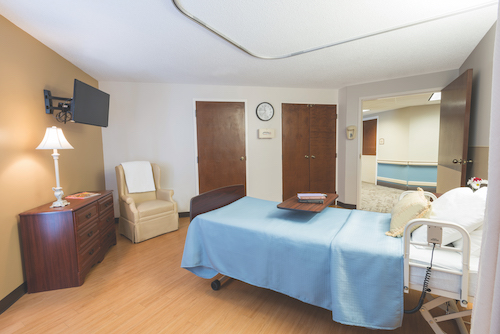
How is Bath Manor Special Care Centre Staffed?

CMS rates BATH MANOR SPECIAL CARE CENTRE's staffing level at 2 out of 5 stars, which is below average compared to other nursing homes. Staff turnover is 52%, compared to the Ohio average of 46%.

What Have Inspectors Found at Bath Manor Special Care Centre?

State health inspectors documented 50 deficiencies at BATH MANOR SPECIAL CARE CENTRE during 2021 to 2025. These included: 1 Immediate Jeopardy (the most serious level, indicating potential for serious harm or death), 1 that caused actual resident harm, and 48 with potential for harm. Immediate Jeopardy findings are rare and represent the most serious regulatory concerns. They require immediate corrective action.
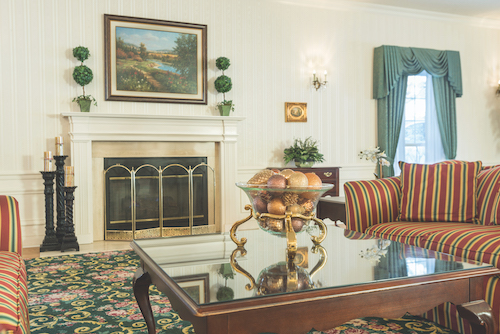
Who Owns and Operates Bath Manor Special Care Centre?

BATH MANOR SPECIAL CARE CENTRE is owned by a for-profit company. For-profit facilities operate as businesses with obligations to shareholders or private owners. The facility is operated by SABER HEALTHCARE GROUP, a chain that manages multiple nursing homes. With 130 certified beds and approximately 107 residents (about 82% occupancy), it is a mid-sized facility located in AKRON, Ohio.
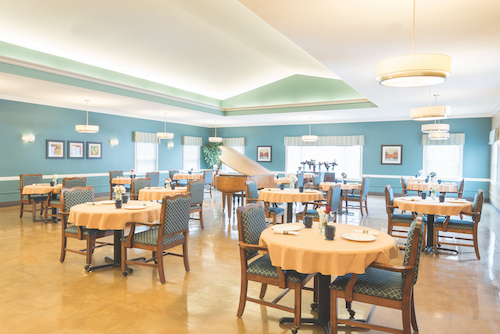
How Does Bath Manor Special Care Centre Compare to Other Ohio Nursing Homes?

Compared to the 100 nursing homes in Ohio, BATH MANOR SPECIAL CARE CENTRE's overall rating (1 stars) is below the state average of 3.2, staff turnover (52%) is near the state average of 46%, and health inspection rating (1 stars) is much below the national benchmark.

What Should Families Ask When Visiting Bath Manor Special Care Centre?

Based on this facility's data, families visiting should ask: "What changes have been made since the serious inspection findings, and how are you preventing similar issues?" "Can you walk me through typical staffing levels on day, evening, and night shifts?" "Can I visit during a mealtime to observe dining assistance and food quality?" "How do you handle medical emergencies, and what is your hospital transfer rate?" These questions are particularly relevant given the facility's Immediate Jeopardy citations and the below-average staffing rating.

Is Bath Manor Special Care Centre Safe?

Based on CMS inspection data, BATH MANOR SPECIAL CARE CENTRE has documented safety concerns. Inspectors have issued 1 Immediate Jeopardy citation (the most serious violation level indicating risk of serious injury or death). The facility has a 1-star overall rating and ranks #100 of 100 nursing homes in Ohio. Families considering this facility should ask detailed questions about what corrective actions have been taken since these incidents.

Do Nurses at Bath Manor Special Care Centre Stick Around?

BATH MANOR SPECIAL CARE CENTRE has a staff turnover rate of 52%, which is 6 percentage points above the Ohio average of 46%. Moderate turnover is common in nursing homes, but families should still ask about staff tenure and how the facility maintains care continuity when employees leave.

Was Bath Manor Special Care Centre Ever Fined?

BATH MANOR SPECIAL CARE CENTRE has been fined $14,433 across 1 penalty action. This is below the Ohio average of $33,223. While any fine indicates a compliance issue, fines under $50,000 are relatively common and typically reflect isolated problems that were subsequently corrected. Families should ask what specific issues led to these fines and confirm they've been resolved.

Is Bath Manor Special Care Centre on Any Federal Watch List?

BATH MANOR SPECIAL CARE CENTRE is not on any federal watch list. The most significant is the Special Focus Facility (SFF) program, which identifies the bottom 1% of nursing homes nationally based on persistent, serious quality problems. Not being on this list means the facility has avoided the pattern of deficiencies that triggers enhanced federal oversight. This is a positive indicator, though families should still review the facility's inspection history directly.