PLEASANT VIEW HEALTH CARE CENTER
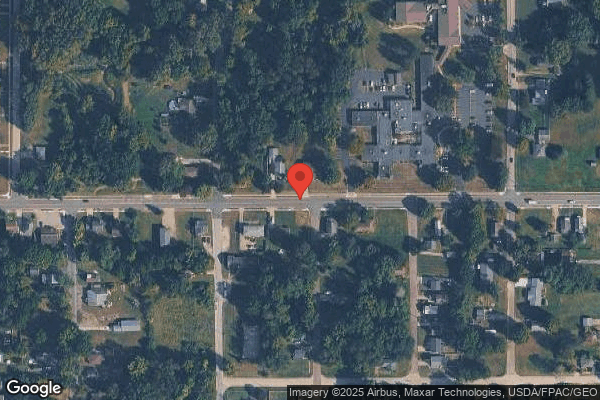
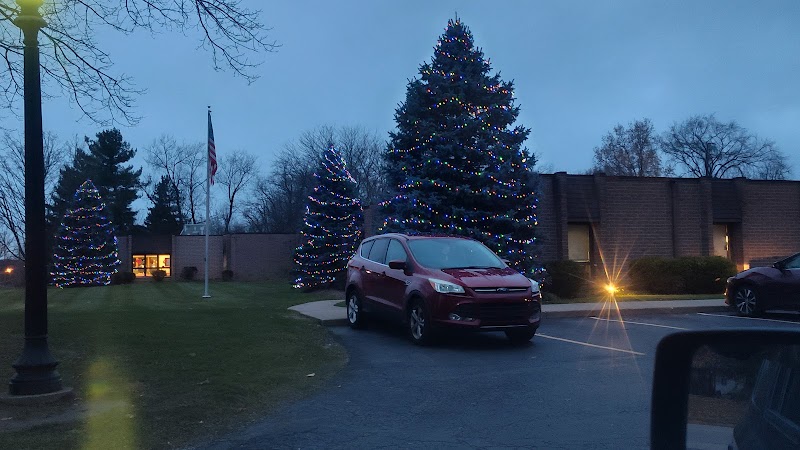
401 SNYDER AVE, BARBERTON, OH 44203 (330) 745-6028
For profit - Corporation 121 Beds Independent Data: November 2025
Trust Grade
90/100
#148 of 913 in OH
Last Inspection: June 2023

Over 2 years since last inspection. Current conditions may differ from available data.

Overview

Pleasant View Health Care Center has earned a Trust Grade of A, indicating excellent quality and a strong recommendation for families considering care options. It ranks #148 out of 913 facilities in Ohio, placing it in the top half, and #5 out of 42 in Summit County, meaning only four local facilities are rated higher. However, the facility is showing a worsening trend, with issues increasing from one in 2023 to two in 2025. Staffing is a weakness, rated at 2 out of 5 stars with a turnover rate of 46%, which is below the state average but still indicates staff instability. Notably, there have been incidents where residents did not receive their routine showers as planned and where medications were left unsecured, raising concerns about resident care and safety. On the positive side, the facility has zero fines on record and provides adequate RN coverage, which is important for catching potential health issues.

Trust Score
A
90/100
In Ohio
#148/913
Top 16%
Safety Record
Low Risk
No red flags
Inspections
Getting Worse
1 → 2 violations
Staff Stability
⚠ Watch
46% turnover. Above average. Higher turnover means staff may not know residents' routines.
Penalties
✓ Good
No fines on record. Clean compliance history, better than most Ohio facilities.
Skilled Nurses
⚠ Watch
Each resident gets only 23 minutes of Registered Nurse (RN) attention daily — below average for Ohio. Fewer RN minutes means fewer trained eyes watching for problems.
Violations
○ Average
10 deficiencies on record. Average for a facility this size. Mostly minor or procedural issues.
★★★★★
5.0
Overall Rating
★★☆☆☆
2.0
Staff Levels
★★★★☆
4.0
Care Quality
★★★★★
5.0
Inspection Score
Stable
2023: 1 issues
2025: 2 issues

The Good

  • 4-Star Quality Measures · Strong clinical quality outcomes
  • Full Sprinkler Coverage · Fire safety systems throughout facility
  • No fines on record

Facility shows strength in quality measures, fire safety.

The Bad

Staff Turnover: 46%

Near Ohio avg (46%)

Higher turnover may affect care consistency

The Ugly 10 deficiencies on record

Aug 2025 1 deficiency
CONCERN (D) 📢 Someone Reported This

A family member, employee, or ombudsman was alarmed enough to file a formal complaint

Potential for Harm - no one hurt, but risky conditions existed

Report Alleged Abuse (Tag F0609)

Could have caused harm · This affected 1 resident

**NOTE- TERMS IN BRACKETS HAVE BEEN EDITED TO PROTECT CONFIDENTIALITY** Based on record review, resident interview, staff interview, review of facility witness statements, review of facility self-repo...

Read full inspector narrative →
**NOTE- TERMS IN BRACKETS HAVE BEEN EDITED TO PROTECT CONFIDENTIALITY** Based on record review, resident interview, staff interview, review of facility witness statements, review of facility self-reported incidents, and review of the facility policy, the facility failed to report an allegation of sexual abuse to the State agency. This finding affected one (Resident #47) of three residents reviewed for abuse. Review of the incident witness statement between Residents #47 and #119 authored by the DON dated 08/10/25 revealed the facility received a call reporting Resident #119 was sitting on the roommate's bed having a conversation with him when Resident #47 reported that Resident #119 tried to kiss and grab his genitalia. Resident #47 was assisted out of bed and removed from the room and taken to a common area where he was placed in a recliner. The DON instructed staff to move Resident #47's to a new room with Resident #47's permission. Review of Resident #47's witness statement dated 08/10/25 authored by the DON revealed Resident #119 sat on the resident's bed and tried to kiss and grab the resident (pointing to his groin). Resident #47 pushed Resident #119 away. Resident #47 reported Resident #119 was laughing like nothing happened. Review of Resident #119's witness statement 08/10/25 authored by the DON revealed Resident #119 denied attempts to touch Resident #47 inappropriately and did not recall sitting on Resident #47's bed. Review of Resident #119's closed medical record revealed the resident was admitted on [DATE] and discharged on 08/11/25 with diagnoses including acute respiratory failure with hypoxia, Alzheimer's disease with late onset and dementia. Review of Resident #119's admission Minimum Data Set (MDS) 3.0 assessment dated [DATE] revealed the resident exhibited moderate cognitive impairment.Review of Resident #47's medical record revealed the resident was admitted on [DATE] with diagnoses including anxiety disorder, hemiplegia and hemiparesis following a cerebral infarction affecting the left non-dominant side and hyperlipidemia.Review of Resident #47's admission MDS 3.0 assessment dated [DATE] revealed the resident exhibited intact cognition. Interview on 08/27/25 at 6:23 A.M. with Resident #47 revealed staff were nice to him except he had one issue with Resident #119. When questioned, Resident #47 stated on 08/09/25 Resident #119 came into his room and sat on his bed and attempted to rub his back and grab his penis. Resident #47 stated he had his pants on, and he pushed Resident #119's hands away when he tried to grab his penis. Interview on 08/27/25 at 7:16 A.M. with the DON revealed Resident #47 did report that Resident #119 tried to kiss him and grab his penis, but Resident #47 pushed Resident #119's hand away. Resident #119 did not connect with Resident #47. The DON stated Resident #47 reported the incident right away but because nothing occurred (did not connect), that was why the facility did not file a self-reported incident (SRI) on abuse. Interview on 08/27/25 at 8:46 A.M. with the Administrator and DON revealed that since the incident between Resident #47 and Resident #119 did not actually occur (no contact), it was not reportable. Review of the facility self reported incidents for August and September 2025 revealed no report to the state agency of the incident between Resident #47 and Resident #119 that the facility investigated on 08/10/25. Review of the Abuse Investigation and Reporting policy dated 09/2024 revealed all reports of resident abuse, neglect, exploitation, misappropriation of resident property, or injuries of unknown source shall be promptly reported to the local, state and federal agencies and thoroughly investigated by facility management. Findings of the abuse investigations would also be reported. This deficiency represents non-compliance investigated under Complaint Number 2580746.
Feb 2025 1 deficiency
CONCERN (D) 📢 Someone Reported This

A family member, employee, or ombudsman was alarmed enough to file a formal complaint

Potential for Harm - no one hurt, but risky conditions existed

Accident Prevention (Tag F0689)

Could have caused harm · This affected 1 resident

**NOTE- TERMS IN BRACKETS HAVE BEEN EDITED TO PROTECT CONFIDENTIALITY** Based on record review and interview, the facility did not ensure Resident #10 was transferred safely to prevent falls per the p...

Read full inspector narrative →
**NOTE- TERMS IN BRACKETS HAVE BEEN EDITED TO PROTECT CONFIDENTIALITY** Based on record review and interview, the facility did not ensure Resident #10 was transferred safely to prevent falls per the physician order. This finding affected one (Resident #10) of three residents reviewed for accident hazards. Findings include: Review of Resident #10's medical record revealed the resident was admitted on [DATE] with diagnoses including a non-displaced subtrachanteric fracture of the right femur (closed fracture with routine healing) dated 02/10/25 and a age-related current pathological fracture of the vertebrae with routine healing dated 11/02/23. Review of Resident #10's Annual Minimum Data Set (MDS) 3.0 assessment dated [DATE] revealed the resident exhibited intact cognition, was dependent for toileting and bathing. Review of Resident #10's fall investigation form dated 11/24/24 at 3:55 P.M. revealed the resident was assisted to the toilet and the resident fell to the bathroom floor. The Nurse Practitioner (NP) and brother were notified of the incident. Review of Resident #10's physician orders revealed an order dated 11/25/24 (discontinued 01/03/25) for 2-staff assist for all transfers and the resident was not to be alone in the bathroom. Review of Resident #10's fall care plans revealed an intervention dated 12/02/24 indicating the resident was not to be left alone while in the bathroom and an intervention dated 01/27/25 which indicated a mechanical sling lift due to leg weakness in and out of the bed with two assist in the spa and a grab bar and bedside commode in use. Review of Resident #10's fall investigation form dated 01/03/25 at 11:30 A.M. revealed the resident was toileted and his knees got weak, and he was lowered to the floor. The transfer orders were changed to a mechanical sling lift in and out of bed (Hoyer mechanical lift). (Occurred in the spa and the resident was on a sit-to-stand mechanical lift and his knees got weak and was lowered to the floor. The physician and family were notified). Review of Resident #10's physician orders dated 01/03/25 for transfers mechanical sling lift for transfers in and out of bed. Staff assist for toileting in the spa only with bedside commode and grab bars. Resident #10 was not to be left alone in the bathroom every shift. Review of Resident #10's fall investigation dated 01/06/25 at 5:32 A.M. revealed two certified nursing assistants (CNAs) were transferring the resident out of his bed to the shower chair to get a shower. The CNAs stated the resident did not bend his legs during the transfer, so they had to lower the resident to the floor for safety. The resident revealed his legs gave out trying to transfer. No complaints of pain or injuries. The resident was transferred into the shower chair. The resident's order was a 2-person assist in and out of bed but was recently changed to a mechanical sling lift in and out of bed. The CNAs were not aware of the recent change and were educated to verify orders due to possible changes. The physician and family were notified. Review of Resident #10's fall investigation dated 01/06/25 at 6:00 A.M. revealed the resident was in the spa after receiving a shower. With the assistance of two CNAs, the resident stood up at the grab bar to pull up his pants. While attempting to stand, the resident was not able to keep standing and the resident was lowered to the ground by the CNAs. The resident stated that his legs got tired while standing. The resident was transferred back into the shower chair from the floor. The resident had a recent downgrade in transfers to a mechanical sling lift in and out of bed but was a 2-person assist in the spa using a grab bar (no pivoting). The family and physician were notified. Interview on 02/20/25 at 9:44 A.M. with the Director of Nursing (DON) confirmed when Resident #10's was transferred from the bed to the shower chair on 01/06/25 at 5:32 A.M., staff were required to use a Hoyer mechanical lift and did not use the device, and the resident was unable to maintain his weight and was lowered to the floor. The DON confirmed when Resident #10 was transferred from the shower to stand at the grab bar in the shower (spa) room on 01/06/25 at 6:00 A.M., the CNAs stood the resident to pull up his pants and the resident was unable to hold his weight and was lowered to the floor. The DON confirmed the order was for the staff to only use the grab bar when toileting the resident and the resident was being dressed while standing in the bathroom, which was inappropriate. She confirmed staff were educated and the resident required the use of the Hoyer mechanical lift. Review of the Using a Mechanical Lifting Machine dated 09/2024 revealed at least two nursing assistants were needed to safely move a resident with a mechanical lift. This deficiency represents non-compliance investigated under Complaint Number OH00162322.
Feb 2023 1 deficiency
CONCERN (F) 📢 Someone Reported This

A family member, employee, or ombudsman was alarmed enough to file a formal complaint

Potential for Harm - no one hurt, but risky conditions existed

Deficiency F0725 (Tag F0725)

Could have caused harm · This affected most or all residents

**NOTE- TERMS IN BRACKETS HAVE BEEN EDITED TO PROTECT CONFIDENTIALITY** Based on interview, resident record review, and review of the facility assessment, the facility failed to provide adequate staff...

Read full inspector narrative →
**NOTE- TERMS IN BRACKETS HAVE BEEN EDITED TO PROTECT CONFIDENTIALITY** Based on interview, resident record review, and review of the facility assessment, the facility failed to provide adequate staff to assure residents received their routine showers. This affected three residents, (Resident #188, #131, and #135) of four residents reviewed for showers/bathing. The facility census was 114. Findings include: 1. Record review for Resident #188 revealed an admission date of 02/24/22. Diagnosis included retention of urine, obstructive and reflux uropathy, and frontal lobe and executive function deficit following cerebral infarction. Record review of the quarterly Minimum Data Set (MDS) dated [DATE] revealed Resident #188 was moderately cognitively impaired. Resident #188 required physical help in part of bathing activity. Record review of the care plan dated 01/16/23 revealed Resident #188 needed assistance with activities of daily living. Interventions included one assist with bathing. Record review of the shower schedule revealed Resident #188 was to receive a shower every Tuesday and Friday. Record review of the shower sheets dated 12/06/22 through 02/14/23 revealed on 12/09/22, 12/27/22, 12/30/22, 01/06/23, 01/10/23, and 02/10/23 Resident #188 did not receive nor was offered a bath or shower for those scheduled days. Record review revealed no alternative days were offered during that period. Interview on 02/14/23 at 9:20 A.M. with Resident #188 revealed he did not always get his showers. Resident #188 revealed some days when he was supposed to get his shower, staff did not even ask him if he wanted a shower. Interview and record review on 02/15/23 at 10:00 A.M. with the Director of Nursing (DON) confirmed Resident #188 did not receive the scheduled showers and was not offered alternative showers for the missed shower. The DON confirmed if a shower was refused, the shower sheet would still be completed. The DON revealed if a resident refused, the State Tested Nurse Aide (STNA)would be expected to offer a shower two additional times before notifying the charge nurse. Once the charge nurse was notified of the refusal, the charge nurse would be expected to encourage the resident and document the refusal. 2. Record review for Resident #131 revealed an admission date of 02/14/21. Diagnosis included neuromuscular dysfunction of the bladder, retention of urine, and Alzheimer ' s disease. Record review of the quarterly Minimum Data Set (MDS) dated [DATE] revealed Resident #131 was moderately cognitively impaired. Resident #131 required total dependence for bathing. Record review of the care plan dated 01/05/23 revealed Resident #131 needed assistance with activities of daily living. Interventions included extensive of one with bathing. Record review of the shower schedule revealed Resident #131 was to receive a shower every Monday and Thursday. Record review of the shower sheets for Resident #131 dated 12/01/22 through 02/14/23 revealed on 12/15/22, 12/22/22, 12/29/22, 01/05/23, 01/12/23, 01/26/23, and 02/02/23, Resident #131 did not receive nor was offered a bath or shower for those scheduled days. Record review revealed no alternative days were offered for those scheduled showers that were not given. Interview on 02/14/23 at 10:26 A.M. with Resident #131 revealed at times staff did not give him his showers. Interview and record review on 02/15/23 at 10:05 A.M. with the DON confirmed Resident #131 did not receive the scheduled showers and was not offered alternative showers for the missed shower. The DON confirmed if a shower was refused, the shower sheet would still be completed. 3. Record review for Resident #135 revealed an admission date of 01/27/23. Diagnosis included acute respiratory failure with hypoxia and lack of coordination. Record review of the admission Medicare five-day MDS dated [DATE] revealed Resident #135 was cognitively intact. Resident #135 required physical help in part of bathing activity. Record review of the care plan dated 01/30/23 revealed Resident #135 needed assistants with activities of daily living. Interventions included to assist with showers as needed. Record review of the shower schedule revealed Resident #135 was to receive a shower every Tuesday and Friday. Record review of the shower sheets for Resident #135 dated 01/27/23 through 02/14/23 revealed on 01/31/23, 02/03/23, and 02/10/23, Resident #135 did not receive nor was offered a bath or shower for those scheduled days. Record review revealed no alternative days were offered for those scheduled showers that were not given. Interview on 02/14/23 at 10:05 A.M. with Resident #135 revealed she only got one shower, that was it. Resident #135 revealed staff did not offer her showers. Interview and record review on 02/15/23 at 10:10 A.M. with the DON confirmed Resident #135 did not receive the scheduled showers and was not offered alternative showers for the missed shower. The DON confirmed if a shower was refused, the shower sheet would still be completed. Review of the Facility Assessment Tool dated August 2022 revealed the facility required 12 nurses daily providing direct care, 28 to 32 STNA ' s daily, and eight nursing personnel with administrative duties. Review of the staffing tool excluding personnel with administrative duties from 12/07/23 through 12/13/23 with Administrator revealed on 12/07/22 there were 24 STNA ' s and 13 nurses, 12/08/22 there were 24 STNA ' s and 14.5 nurses, 12/09/22 there were 21 STNA ' s and 17.5 nurses, 12/10/23 there were 25 STNA ' s and 11.5 nurses, 12/11/22 there were 26 STNA' s with 14 nurses. Interview with Administrator confirmed administrative staff did not work on weekends for administrative duties and Administrator confirmed the Facility Assessment numbers of staff required did not meet the numbers of staff available on 12/07/22 through 12/11/22. This deficiency represents noncompliance investigated under complaint number OH00139640
Feb 2020 5 deficiencies
CONCERN (D)

Potential for Harm - no one hurt, but risky conditions existed

Notification of Changes (Tag F0580)

Could have caused harm · This affected 1 resident

**NOTE- TERMS IN BRACKETS HAVE BEEN EDITED TO PROTECT CONFIDENTIALITY** Based on medical record review, staff interview and facility policy, the facility failed to notify the physician when Resident #...

Read full inspector narrative →
**NOTE- TERMS IN BRACKETS HAVE BEEN EDITED TO PROTECT CONFIDENTIALITY** Based on medical record review, staff interview and facility policy, the facility failed to notify the physician when Resident #37 refused numerous doses of medication. This affected one resident (Resident #37) of five residents reviewed for unnecessary medications. Findings include: Review of the medical record revealed Resident #37 was admitted to the facility on [DATE] with diagnoses including cerebral atherosclerosis, cerebral infarction, vascular dementia, diabetes, delusional disorder, hypertension, encephalopathy, major depressive disorder and mixed receptive expressive language disorder. Review of the quarterly Minimum Data Set (MDS) 3.0 assessment dated [DATE] Resident #37 had severely impaired cognition and required extensive assistance with activities of daily living. Review of the February 2020 medication administration record (MAR) revealed Resident #37 refused: five milligrams (mg) of Abilify (antipsychotic) and 75 mg Effexor XR (antidepressant) at lunch on 02/09/20 and 02/19/20, 40 mg of Atorvastatin calcium (cholesterol), 30 mg of delsym (cough suppressant), 15 mg of Remeron (antidepressant), 1000 mg of metformin (diabetic) and 25 mg of Metoprolol tartrate (blood pressure) at bedtime on 02/02/20, 02/07/20, 02/08/20, 02/15/20, 02/17/20, 02/18/20, 02/20/20 and 02/22/20, 1000 mg of metformin, 81 mg of aspirin and 2.5 mg of Lisinopril (blood pressure) in the morning on on 02/13/20, 02/19/20 and 02/25/20. Review of the nursing progress notes from 02/01/20 to 02/25/20 revealed no documentation of the physician being notified Resident #37 had been refusing numerous medication on numerous days. Interview on 02/26/20 at 10:12 A.M., the Director of Nursing (DON) indicated the resident always refuses her medication, and the physician was aware. She verified there was no documentation the physician had been notified in the medical record. Review of the undated facility policy, Change in a Resident's Condition or Status, revealed the facility shall promptly notify the resident, his or her attending physician, and representative of changes in residents's medical/mental condition and/or status. The nurse would notify the residents attending physician or physic on call when there has been an refusal of treatment or medication two or more consecutive times.
CONCERN (D)

Potential for Harm - no one hurt, but risky conditions existed

Assessment Accuracy (Tag F0641)

Could have caused harm · This affected 1 resident

**NOTE- TERMS IN BRACKETS HAVE BEEN EDITED TO PROTECT CONFIDENTIALITY** Based on record review and interview, the facility failed to ensure Minimum Data Set (MDS) 3.0 assessments were correct for thre...

Read full inspector narrative →
**NOTE- TERMS IN BRACKETS HAVE BEEN EDITED TO PROTECT CONFIDENTIALITY** Based on record review and interview, the facility failed to ensure Minimum Data Set (MDS) 3.0 assessments were correct for three residents (Residents #29, #45, and #111) of 25 residents reviewed for MDS accuracy. Findings include: 1. Resident #29 was admitted to the facility with diagnoses including Alzheimer's disease, generalized anxiety disorder, and major depressive disorder. Review of Resident #29's medical record revealed a quarterly MDS 3.0 assessment dated [DATE]. The MDS revealed Resident #29 received the following medications in the previous seven days, one injection, six days of antipsychotics, seven days of antidepressants, seven days of anticoagulants, seven days of diuretics, and seven days of opioids. Review of Resident #29's December 2019 Medication Administration Record (MAR) revealed Resident #29 received one injection, six days of antipsychotics, seven days of antidepressants, seven days of anticoagulants, three days of diuretics, and seven days of opioids during the reference period of 12/05/19 through 12/11/19 . Staff interview with Licensed Practical Nurse (LPN) #500 on 02/25/20 at 2:22 P.M. verified Resident #29's 12/11/19 quarterly MDS 3.0 assessment was incorrect and verified the medication discrepancy. 2. Review of the medical record revealed Resident #45 was admitted to the facility on [DATE] with the diagnoses of neuropathy, major depression, vitamin D deficiency, protein-calorie malnutrition, heart block, erosive osteoarthritis, atherosclerotic heart disease, end stage renal disease, dependence on renal dialysis, and non-Hodgkin lymphoma. Review of the physician's order dated 09/26/19 revealed Resident #45 received dialysis on Tuesday, Thursday, and Saturday. Review of the quarterly MDS 3.0 assessment dated [DATE] revealed Resident #45 had severely impaired cognition and did not receive dialysis. Interview on 02/25/20 at 1:38 P.M. MDS Nurse #206 verified the quarterly MDS dated [DATE] was for Resident #45 was coded incorrectly indicating Resident #45 did not receive dialysis. 3. Review of the medical record revealed Resident #111 was admitted to the facility on [DATE] and discharged on 01/26/20 to home with the diagnoses of anemia, chronic kidney disease, pulmonary edema, bronchitis, pneumonia and respiratory failure. Review of the discharge return not anticipated assessment revealed Resident #111 was discharged to a acute hospital. Review of the progress notes dated 01/26/20 at 2:15 P.M. revealed Resident #111 was discharged to home. Interview on 02/25/20 at 11:27 A.M. MDS Nurse #206 verified Resident #111 was discharged to home and not an acute hospital. She verified the MDS was coded incorrectly.
CONCERN (D)

Potential for Harm - no one hurt, but risky conditions existed

Pressure Ulcer Prevention (Tag F0686)

Could have caused harm · This affected 1 resident

**NOTE- TERMS IN BRACKETS HAVE BEEN EDITED TO PROTECT CONFIDENTIALITY** Based on observation, interview and record review, the facility failed to ensure Resident #40's pressure ulcer interventions wer...

Read full inspector narrative →
**NOTE- TERMS IN BRACKETS HAVE BEEN EDITED TO PROTECT CONFIDENTIALITY** Based on observation, interview and record review, the facility failed to ensure Resident #40's pressure ulcer interventions were in place at all times. This affected one (Resident #40) of three residents reviewed for pressure ulcers. Findings include: Resident #40 was admitted on [DATE] with diagnoses including orthopedic aftercare, part of neck of left femur fracture, vascular dementia and muscle weakness. Resident #40's physician orders, dated 12/29/19, revealed he should have bilateral heel boots. Resident #40's admission Minimum Data Set (MDS) 3.0 assessment dated [DATE], revealed his cognition was moderately impaired, required two person extensive assistance for bed mobility, and was totally dependent on two people for transfers. Observation on 02/24/20 at 10:37 A.M. revealed Resident #40 was sitting in his wheelchair in his room, with his feet resting on food pedals. Resident #40 had a visible dressing to his left foot, with socks on both feet. Review of Resident #40's Wound Evaluation note dated 02/18/20 revealed he had a suspected deep tissue injury to his left heel. Observation on 02/25/20 at 7:41 A.M. with Licensed Practical Nurse (LPN) #200 revealed Resident #40 was lying in bed without bilateral heel protectors on. Both of Resident #40's feet were lying directly on his bed. Interview with LPN #200 at this time confirmed the observation. LPN #200 looked in Resident #40's closet and found one heel boot and was unsure if he should have two heel boots or not. Observation on 02/25/20 at 11:22 A.M. revealed Resident #40 was sitting in his wheelchair with his left foot on the ground and he had socks on. LPN #200 joined the observation and confirmed Resident #40 was wearing socks. LPN #200 revealed she was unsure if the resident should be wearing bilateral heel boots to his feet while out of bed. Interview on 02/25/20 at 11:25 A.M. with LPN #201 revealed Resident #40 should be wearing bilateral heel boots at all times per physician orders.
CONCERN (E)

Potential for Harm - no one hurt, but risky conditions existed

Deficiency F0761 (Tag F0761)

Could have caused harm · This affected multiple residents

Based on observation, interview, and record review, the facility failed to ensure medications were secured at all times. This had the potential to affect 26 (Resident #5, Resident #6, Resident #8, Res...

Read full inspector narrative →
Based on observation, interview, and record review, the facility failed to ensure medications were secured at all times. This had the potential to affect 26 (Resident #5, Resident #6, Resident #8, Resident #11, Resident #12, Resident #17, Resident #26, Resident #27, Resident #29, Resident #33, Resident #35, Resident #37, Resident #46, Resident #47, Resident #54, Resident #59, Resident #63, Resident #67, Resident #68, Resident #70, Resident #76, Resident #78, Resident #84, Resident #89, Resident #95, Resident #99) of 26 residents who were cognitively impaired and independently mobile. Findings include: 1. Observation on 02/25/20 at 7:30 A.M. revealed a medication cart was unlocked on Side 1 in the facility. There were no staff in sight of the medication cart. Interview on 02/25/20 at 7:31 A.M. with Licensed Practical Nurse (LPN) #200 confirmed the medication cart was unlocked. 2. Observation on 02/26/20 at 11:43 A.M. revealed there was an unidentified loose pill in a medication cup on top of the medication cart near the Side 1 nurses station. There were no staff in sight of the medication cart. Interview on 02/26/20 at 11:43 A.M. with LPN #500 confirmed the loose pill on the medication cart and took it off the medication cart. Interview on 02/26/20 at 12:12 P.M. with Director of Nursing (DON) revealed the loose pill was Effexor 37.5 milligrams (anti-depressant medication), and Resident #102 received this medication. DON revealed the resident was administered multiple medication and the nurse who administered the medications thought she took all the medications. The facility believed the pill was found at bedside and someone had placed the loose pill in the medication cup on the medication cart. 3. Observation on 02/26/20 at 4:20 P.M. revealed the medication cart near the Side 1 nursing station revealed the cart was unlocked. There were no staff in sight of the medication cart. Administrator walked into the hall and confirmed the observation of the medication cart being unlocked. Review of a list of residents who are cognitively impaired and independently mobile revealed Resident #5, Resident #6, Resident #8, Resident #11, Resident #12, Resident #17, Resident #26, Resident #27, Resident #29, Resident #33, Resident #35, Resident #37, Resident #46, Resident #47, Resident #54, Resident #59, Resident #63, Resident #67, Resident #68, Resident #70, Resident #76, Resident #78, Resident #84, Resident #89, Resident #95, Resident #99 had the potential to be affected by unsecured medication.
CONCERN (E)

Potential for Harm - no one hurt, but risky conditions existed

Menu Adequacy (Tag F0803)

Could have caused harm · This affected multiple residents

Based on observation, interview and record review, the facility failed to ensure Resident #11, Resident #14, Resident #28, Resident #43, Resident #56, Resident #77, Resident #114 were were served the ...

Read full inspector narrative →
Based on observation, interview and record review, the facility failed to ensure Resident #11, Resident #14, Resident #28, Resident #43, Resident #56, Resident #77, Resident #114 were were served the proper portion of their pureed lunch according to the menu. This affected seven (Resident #11 Resident #14, Resident #28, Resident #43, Resident #69, Resident #77, and Resident #114 ) of seven residents that were served pureed meals in the small dining room, with the potential to affect all ten residents (Resident #11 Resident #14, Resident#16, Resident #28, Resident #43, Resident #56, Resident #69, Resident #77, Resident #114, and Resident #115) on a pureed diet. Findings include: Review of the facility lunch menu for 02/26/20 revealed residents on a pureed diet should be served pureed meatloaf with gravy using a number six scoop (5 and 1/3 ounces), and the pureed scalloped potatoes and pureed green beans did not have a scoop size listed. Residents on a regular diet were to receive a half cup (4 ounces) of scalloped potatoes and a half cup of green beans. Review of the Portion Control Chart (undated), revealed a number six size scoop is 5 and 1/3 ounces, a number eight size scoop is 4 ounces, and a number ten size scoop is 3 ounces. Review of a list of residents on pureed diet revealed Resident #11 Resident #14, Resident#16, Resident #28, Resident #43, Resident #56, Resident #69, Resident #77, Resident #114, and Resident #115 were on pureed diets. Review of the facility list of what dining rooms residents ate in, revealed Resident #11 Resident #14, Resident #28, Resident #43, Resident #69, Resident #77, and Resident #114 ate in the small dining room. Observation on 02/26/20 at 12:08 P.M. revealed [NAME] #203 had plated all trays for residents on a pureed diet, who ate in the small dining room. Interview on 02/26/20 at 12:08 P.M. with [NAME] #203 and [NAME] #204 revealed their was a number eight size scoop in the pureed meatloaf, pureed scalloped potatoes, and pureed green beans. Interview on 02/26/20 at 12:10 P.M. with Certified Dietary Manager #205 confirmed the above scoop sizes, and revealed the pureed meatloaf should have been served with a number six scoop and the pureed scalloped potatoes and green beans should have been served with a number eight scoop.
Jan 2019 2 deficiencies
CONCERN (D)

Potential for Harm - no one hurt, but risky conditions existed

Resident Rights (Tag F0550)

Could have caused harm · This affected 1 resident

**NOTE- TERMS IN BRACKETS HAVE BEEN EDITED TO PROTECT CONFIDENTIALITY** Based on observation, record review and interview the facility failed to ensure Resident #247 was treated with dignity and respe...

Read full inspector narrative →
**NOTE- TERMS IN BRACKETS HAVE BEEN EDITED TO PROTECT CONFIDENTIALITY** Based on observation, record review and interview the facility failed to ensure Resident #247 was treated with dignity and respect. The affected one resident (Resident #247) of two residents reviewed for dignified treatment in the facility. Findings include: Record review revealed Resident #247 was admitted to the facility on [DATE] with diagnoses including heart and lung disease, multiple fractures of the ribs which resulted from a fall prior to admission to the facility, spinal stenosis (narrowing of the spinal canal causing numbness, weakness or pain in the arms and/or legs) spondylosis (spinal arthritis) and macular degeneration (blurred or no vision). The resident was admitted for rehabilitation following a fall at home. Review of Resident #247's Minimum Data Set (MDS) 3.0 assessment dated [DATE] indicated he needed extensive assistance of one staff member with bed mobility (how one moves to and from a lying position, turns side to side, and positions body while in bed). Interview with Resident #247 on 01/13/19 at 10:36 P.M. revealed he was frustrated with the staff answering his call light and not providing requested assistance at the time they answered. He reported when staff finally provided the needed assistance, they rushed out of his room before he could ask for anything else. He then had to push the call light again to ask for additional assistance and the process repeated in the same manner. During observation of medication pass with Registered Nurse (RN) #400 on 01/15/19 at 8:40 A.M., RN #400 entered Resident #52's room to administer medications through the resident's gastrostomy (feeding) tube. The tube wasn't functional and RN #400 was attempting measures to unclog it. Resident #247, the roommate, was in the bed near the door and called out in a loud voice saying he couldn't find his call light. RN #400 continued to attempt to unclog Resident #52's gastrostomy tube. After a brief pause she walked over to Resident #247 and told the resident it's right here, you have it. Resident #247 responded that he did not have it and when the covers were pulled back he in fact had the TV remote but the call light was in the sheets. RN #400 gave the call light to Resident #247 and without comment or apology for being mistaken walked back to Resident #52's bedside. As RN #400 again sat near Resident #52 waiting for another nurse to bring supplies to unclog the tube at 8:47 A.M., Resident #247 stated loudly, I wondered if I could be pulled up. RN #400 did not respond to the resident. After several minutes, RN #400 asked the surveyor questions about the survey process. Resident #247 continued to watch the surveyor and RN #400 conversing. After about 5 minutes, Resident #247 loudly said, I need to lay on my side. RN #400 said to him, Well, roll to your side. The resident said, That's what they tell me. She did not get up to assist the resident. At about 9:05 A.M., another surveyor walked by the room and looked in to say hello to the resident. He asked her, Could you help me to roll to my side? They tell me I have a wound and I need to lay on my side. She stated that she was a visitor to the facility but would get help for him. RN #400 initially did not add to the conversation, but when asked by the second surveyor who the nursing assistant was, she told the other surveyor who to look for. On 01/15/19, at 10:07 A.M., RN #400 was interviewed about the interaction with Resident #247. She stated he wanted to go home, but consistently would not do anything for himself. She stated he thinks he is paralyzed and we are getting nowhere with him. She verified the record indicated he needed assistance with care but stated he was able to do more for himself that he often did. RN #400 verified the resident had called for assistance to move up in bed and she had not responded to him verbally or physically with help. She stated she had not responded because I would have had to yell for him to hear me. She verified she did not explain to Resident #247 that she was helping the other resident, nor did she call for other staff assistance. RN #400 also verified when the resident asked again for help to roll to his side, she instructed him to roll on his own, did not approach to assist him and did not call for other staff to assist him. Help was not solicited until another surveyor requested staff assistance for the resident. This information was confirmed with the director of nursing on 01/15/19 at 10:50 A.M. She verified the nurse had not treated the resident in a polite, respectful or dignified manner. Resident #247 was interviewed again on 01/15/19 at 11:00 A.M. He stated he did not feel staff responded to his needs and did not think the nurse had heard his initial requests when he called for help earlier in the day. He stated the staff often leave without ensuring he has everything he needs.
CONCERN (D)

Potential for Harm - no one hurt, but risky conditions existed

Medical Records (Tag F0842)

Could have caused harm · This affected 1 resident

**NOTE- TERMS IN BRACKETS HAVE BEEN EDITED TO PROTECT CONFIDENTIALITY** Based on record review and interview the facility failed to ensure accurate documentation of Resident #72's and Resident #247's ...

Read full inspector narrative →
**NOTE- TERMS IN BRACKETS HAVE BEEN EDITED TO PROTECT CONFIDENTIALITY** Based on record review and interview the facility failed to ensure accurate documentation of Resident #72's and Resident #247's toileting programs was maintained in the resident's medical records. This affected two residents (Resident #72 and #247) of 24 residents whose records were reviewed for accuracy of documentation. Findings include: 1. Resident #72 was admitted to the facility on [DATE] with diagnoses including dementia, heart, cerebral vascular and lung disease, urinary incontinence and altered mental status. A review of Resident #72's Minimum Data Set (MDS) 3.0 assessment dated [DATE] indicated frequent urinary incontinence with a toileting program initiated. A review of the restorative toileting program initiated on 08/30/18 indicated to check Resident #72 for incontinence and offer to assist to the bathroom at 9:00 A.M., 11:00 A.M., 2:00 P.M., 5:00 P.M. and 8:00 P.M. An review of the documentation dated 01/01/19 to 01/14/19 of the scheduled toileting program indicated inaccurate documentation of the time the toileting was provided. On 01/01/19 the documentation indicated at 10:52 P.M. two entries were documented for 10:52 P.M. which indicated Resident #72 was continent and urinated in toilet/bedpan/urinal, and incontinence brief was dry. On 01/06/19 the documentation indicated Resident #72 was continent and urinated in toilet/bedpan/urinal, and incontinence brief was dry three entries each timed at 2:24 P.M. On 01/07/19 at 8:47 P.M. there were two separate entries at 8:47 P.M. indicating continent and urinated in toilet/bedpan/urinal, and incontinence brief was dry. On 01/09/19 at 2:01 P.M. there were three separate entries documenting Resident #72 was continent and urinated in toilet/bedpan/urinal, and incontinence brief was dry. On 01/11/19 there were three separate entries at 1:50 P.M., 1:51 P.M. and 1:52 P.M. that Resident #72 was continent and urinated in toilet/bedpan/urinal, and incontinence brief was dry. On 01/12/19 there were three entries documented at 1:12 P.M., 1:13 P.M., 1:14 P.M. that Resident #72 was continent and urinated in toilet/bedpan/urinal, and incontinence brief was dry. An interview with Registered Nurse (RN) #1 on 01/14/19 at 2:24 P.M. indicated some of the State Tested Nursing Assistants (STNAs) were documenting the number of times the resident was continent/incontinent at the end of their shift, rather than the actual time of the occurrence. RN #1 indicated the STNAs had been inserviced to enter the actual time incontinence care was provided and not to wait until the end of their shift to document the care. RN #1 verified the documentation was inaccurate. 2. Resident #247 was admitted to the facility on [DATE] with diagnoses including heart/vascular disease, pulmonary disease, spinal stenosis, macular degeneration and rib fractures resulting from a fall prior to admission. A review of Resident #247's MDS 3.0 assessment, dated 01/10/19 indicated Resident #24 was occasionally incontinent of urine and provided a scheduled toileting program. A review of the scheduled toileting program indicated to provide incontinence care and offer to assist to the bathroom at 8:00 A.M., 12:00 P.M., 4:00 P.M. and 8:00 P.M. A review of Resident #247's documentation of the scheduled toileting program dated 01/07/19 to 01/14/19 indicated on 01/08/19 at 1:59 P.M. and 1:59 P.M. Resident #247 was continent and urinated in toilet/bedpan/urinal, and incontinence brief was dry. On 01/09/19 the documentation indicated two entries timed at 9:31 P.M. that Resident #247 was continent and urinated in toilet/bedpan/urinal, and incontinence brief was dry. On 01/10/19 at 7:02 P.M. two entries indicated Resident #24 was continent and urinated in toilet/bedpan/urinal, and incontinence brief was dry. On 01/13/19 two entries timed at 10:30 P.M. indicated Resident #247 was continent and urinated in toilet/bedpan/urinal, and incontinence brief was dry. An interview with Registered Nurse (RN) #1 on 01/14/19 at 2:24 P.M. indicated some of the State Tested Nursing Assistants (STNAs) were documenting the number of times the resident was continent/incontinent at the end of their shift, rather than the actual time of the occurrence. RN #1 indicated the STNAs had been inserviced to enter the actual time incontinence care was provided and not to wait until the end of their shift to document the care. RN #1 verified the documentation was inaccurate.
Understanding Severity Codes (click to expand)
Life-Threatening (Immediate Jeopardy)
J - Isolated K - Pattern L - Widespread
Actual Harm
G - Isolated H - Pattern I - Widespread
Potential for Harm
D - Isolated E - Pattern F - Widespread
No Harm (Minor)
A - Isolated B - Pattern C - Widespread

Questions to Ask on Your Visit

  • "Can I speak with families of current residents?"
  • "What's your RN coverage like on weekends and overnight?"

Our Honest Assessment

Strengths
  • • Grade A (90/100). Above average facility, better than most options in Ohio.
  • • No major safety red flags. No abuse findings, life-threatening violations, or SFF status.
  • • No fines on record. Clean compliance history, better than most Ohio facilities.
Concerns
  • • No significant concerns identified. This facility shows no red flags across CMS ratings, staff turnover, or federal penalties.
Bottom line: Generally positive indicators. Standard due diligence and a personal visit recommended.

About This Facility

What is Pleasant View Health's CMS Rating?

CMS assigns PLEASANT VIEW HEALTH CARE CENTER an overall rating of 5 out of 5 stars, which is considered much above average nationally. Within Ohio, this rating places the facility higher than 99% of the state's 100 nursing homes. This rating reflects solid performance across the metrics CMS uses to evaluate nursing home quality.

How is Pleasant View Health Staffed?

CMS rates PLEASANT VIEW HEALTH CARE CENTER's staffing level at 2 out of 5 stars, which is below average compared to other nursing homes. Staff turnover is 46%, compared to the Ohio average of 46%. This relatively stable workforce can support continuity of care.

What Have Inspectors Found at Pleasant View Health?

State health inspectors documented 10 deficiencies at PLEASANT VIEW HEALTH CARE CENTER during 2019 to 2025. These included: 10 with potential for harm.

Who Owns and Operates Pleasant View Health?

PLEASANT VIEW HEALTH CARE CENTER is owned by a for-profit company. For-profit facilities operate as businesses with obligations to shareholders or private owners. The facility operates independently rather than as part of a larger chain. With 121 certified beds and approximately 112 residents (about 93% occupancy), it is a mid-sized facility located in BARBERTON, Ohio.

How Does Pleasant View Health Compare to Other Ohio Nursing Homes?

Compared to the 100 nursing homes in Ohio, PLEASANT VIEW HEALTH CARE CENTER's overall rating (5 stars) is above the state average of 3.2, staff turnover (46%) is near the state average of 46%, and health inspection rating (5 stars) is much above the national benchmark.

What Should Families Ask When Visiting Pleasant View Health?

Based on this facility's data, families visiting should ask: "Can you walk me through typical staffing levels on day, evening, and night shifts?" "Can I visit during a mealtime to observe dining assistance and food quality?" "How do you handle medical emergencies, and what is your hospital transfer rate?" "Can I speak with family members of current residents about their experience?" These questions are particularly relevant given the below-average staffing rating.

Is Pleasant View Health Safe?

Based on CMS inspection data, PLEASANT VIEW HEALTH CARE CENTER has a clean safety record: no substantiated abuse findings (meaning no confirmed cases of resident harm), no Immediate Jeopardy citations (the most serious violation level indicating risk of serious injury or death), and is not on the Special Focus Facility watch list (a federal program monitoring the lowest-performing 1% of nursing homes). The facility has a 5-star overall rating and ranks #1 of 100 nursing homes in Ohio. While no facility is perfect, families should still ask about staff-to-resident ratios and recent inspection results during their visit.

Do Nurses at Pleasant View Health Stick Around?

PLEASANT VIEW HEALTH CARE CENTER has a staff turnover rate of 46%, which is about average for Ohio nursing homes (state average: 46%). Moderate turnover is common in nursing homes, but families should still ask about staff tenure and how the facility maintains care continuity when employees leave.

Was Pleasant View Health Ever Fined?

PLEASANT VIEW HEALTH CARE CENTER has no federal fines on record. CMS issues fines when nursing homes fail to meet care standards or don't correct problems found during inspections. The absence of fines suggests the facility has either maintained compliance or corrected any issues before penalties were assessed. This is a positive indicator, though families should still review recent inspection reports for the full picture.

Is Pleasant View Health on Any Federal Watch List?

PLEASANT VIEW HEALTH CARE CENTER is not on any federal watch list. The most significant is the Special Focus Facility (SFF) program, which identifies the bottom 1% of nursing homes nationally based on persistent, serious quality problems. Not being on this list means the facility has avoided the pattern of deficiencies that triggers enhanced federal oversight. This is a positive indicator, though families should still review the facility's inspection history directly.