PEBBLE CREEK HEALTHCARE CENTER
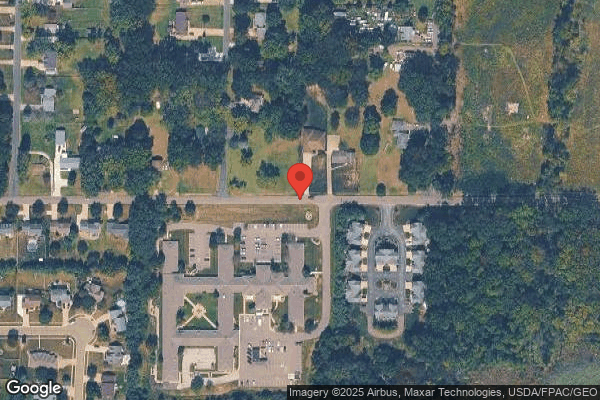
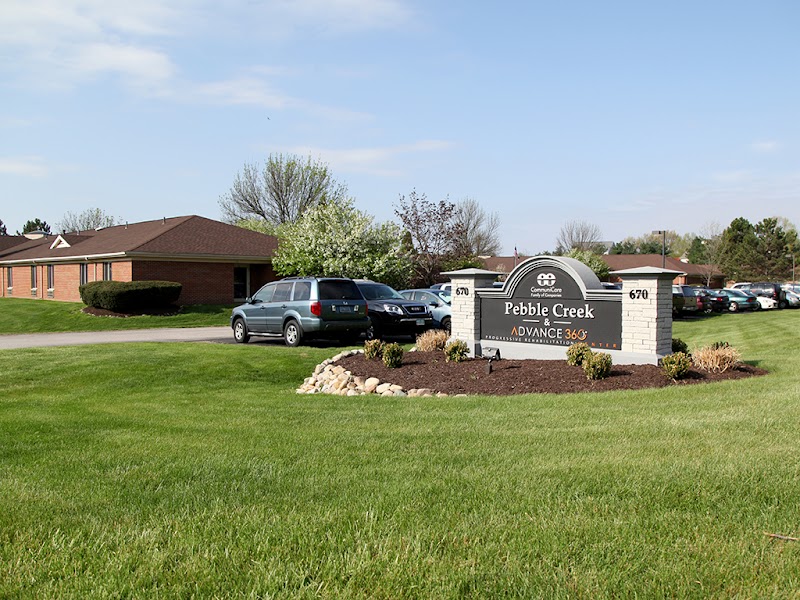
670 JARVIS RD, AKRON, OH 44319 (330) 645-0200
For profit - Corporation 150 Beds COMMUNICARE HEALTH Data: November 2025
Trust Grade
93/100
#145 of 913 in OH
Last Inspection: March 2025

Within standard 12-15 month inspection cycle. Federal law requires annual inspections.

Overview

Pebble Creek Healthcare Center in Akron, Ohio, holds an excellent Trust Grade of A, indicating it is highly recommended and performing well compared to other facilities. It ranks #145 out of 913 in Ohio, placing it in the top half of the state, and #4 out of 42 in Summit County, meaning only three local options are better. However, the facility's trend is worsening, with the number of issues rising from 2 in 2024 to 3 in 2025. Staffing is rated average with a turnover of 27%, which is significantly lower than the state average, suggesting that staff are generally stable. While there have been no fines, the facility has faced concerns such as failing to implement fall prevention measures for a resident and not providing timely incontinence care, which could lead to skin issues. Despite these weaknesses, the overall quality measures and health inspections are rated excellent, showing a commitment to resident care.

Trust Score
A
93/100
In Ohio
#145/913
Top 15%
Safety Record
Low Risk
No red flags
Inspections
Getting Worse
2 → 3 violations
Staff Stability
✓ Good
27% annual turnover. Excellent stability, 21 points below Ohio's 48% average. Staff who stay learn residents' needs.
Penalties
✓ Good
No fines on record. Clean compliance history, better than most Ohio facilities.
Skilled Nurses
○ Average
Each resident gets 37 minutes of Registered Nurse (RN) attention daily — about average for Ohio. RNs are the most trained staff who monitor for health changes.
Violations
✓ Good
Only 5 deficiencies on record. Cleaner than most facilities. Minor issues only.
★★★★★
5.0
Overall Rating
★★★☆☆
3.0
Staff Levels
★★★★★
5.0
Care Quality
★★★★★
5.0
Inspection Score
Stable
2024: 2 issues
2025: 3 issues

The Good

  • 5-Star Quality Measures · Strong clinical quality outcomes
  • Low Staff Turnover (27%) · Staff stability means consistent care
  • Full Sprinkler Coverage · Fire safety systems throughout facility
  • No fines on record
  • Staff turnover is low (27%)

    21 points below Ohio average of 48%

Facility shows strength in quality measures, staff retention, fire safety.

The Bad

Chain: COMMUNICARE HEALTH

Part of a multi-facility chain

Ask about local staffing decisions and management

The Ugly 5 deficiencies on record

Mar 2025 3 deficiencies
CONCERN (D) 📢 Someone Reported This

A family member, employee, or ombudsman was alarmed enough to file a formal complaint

Potential for Harm - no one hurt, but risky conditions existed

Pressure Ulcer Prevention (Tag F0686)

Could have caused harm · This affected 1 resident

**NOTE- TERMS IN BRACKETS HAVE BEEN EDITED TO PROTECT CONFIDENTIALITY** 2. Review of the medical record revealed Resident #108 was admitted to the facility on [DATE]. Diagnoses included Alzheimer's di...

Read full inspector narrative →
**NOTE- TERMS IN BRACKETS HAVE BEEN EDITED TO PROTECT CONFIDENTIALITY** 2. Review of the medical record revealed Resident #108 was admitted to the facility on [DATE]. Diagnoses included Alzheimer's disease, chronic pain, metabolic encephalopathy, peripheral vascular disease, adult failure to thrive, dementia, dysphagia, insomnia, hypertensive heart disease, anxiety disorder, bullous pemphigoid, protein-calorie malnutrition, vitamin D deficiency, major depressive disorder, syncope and collapse, and hyperlipidemia. Review of the March 2025 medication administration record revealed Resident #108 had an order for the nurse to use adhesive removal when changing the dressing to the sacrum every shift dated 01/27/25 and was signed off as completed twice daily. Review of the March 2025 physician orders revealed Resident #108 had an order to cleanse the sacral wound with Hibiclens, pat dry, apply iodoform, and cover with bordered foam dressings every shift and as needed dated 03/17/25 and a nurse to use adhesive removal when changing dressing to sacrum dated 01/27/25. Observation of wound care on 03/26/25 at 8:00 A.M. revealed LPN #280 provided wound care to Resident #108. LPN #280 started to remove the border foam from the sacrum of Resident #108 and the resident voiced expressions of pain numerous times while LPN #280 removed the treatment. On 03/26/25 at 12:30 P.M. an interview with the Director of Nursing (DON) stated she does not know why Resident #108 still had an order for adhesive remover because she thought it was discontinued. The DON stated at one time Resident #108 had a dressing that was irritating the skin around her sacrum so they got an order of adhesive remover so it would be easier on her. On 03/26/25 at 11:21 A.M. an interview with LPN #280 confirmed she did not use the adhesive remover prior to removing the border foam dressing from the sacrum of Resident #108. LPN #280 stated she did not know Resident #108 had an order for adhesive remover. Review of the undated facility policy titled, Skin Care and Wound Management Overview, revealed the facility strives to prevent resident skin impairment and to promote the healing of exiting wounds. The interdisciplinary team works with the resident and for family to identify and implement interventions to prevent and treat potential skin integrity issues. This deficiency represents non-compliance investigated under Complaint Number OH00162412. Based on observation, medical record review, resident and staff interview, review of shower sheets, and policy review, the facility failed to ensure pressure ulcer treatments were implemented as ordered and failed to ensure pressure ulcers were properly identified and addressed in a timely manner. This affected two (#9 and #108) of four residents reviewed for pressure ulcers. The facility census was 148. Findings included: 1. Review of Resident #9's medical record revealed an admission date of 01/25/24. Diagnoses included hepatic encephalopathy, type two diabetes mellitus, dysphagia, and congestive heart failure. Review of Resident #9's quarterly Minimum Data Set (MDS) assessment dated [DATE] revealed Resident #9 had moderate cognitive impairment. Resident #9 was dependent for toileting hygiene, bathing, and lower body dressing. Resident #9 required partial to moderate assistance with personal hygiene. Resident #9 was always incontinent of urine and bowel. Resident #9 was at risk of developing a pressure ulcer but did not have a pressure ulcer or injury. Resident #9 did not reject care during the seven-day assessment look-back period. Review of Resident #9's Braden scale observation tool dated 03/11/25 revealed Resident #9 was at low risk for developing a pressure ulcer. Review of Resident #9's progress notes dated 02/05/25 at 1:40 A.M. revealed Resident #9 was transported to the local hospital. Review of Resident #9's progress notes dated 02/10/25 at 4:03 P.M. revealed Resident #9 was readmitted to the facility and had three pressure ulcers with treatments ordered. Resident #9 was placed on a low air loss mattress and Resident #9's son was notified. Review of Resident #9's wound assessment report dated 02/12/25 revealed Resident #9 had a stage two pressure ulcer (partial-thickness skin loss with exposed dermis) to the sacrum present on admission with measurements of 2.0 centimeters (cm) long by 1.0 cm wide by 0.2 cm deep. Treatment initiated to cleanse the wound with normal saline, apply Triad cream (a zinc oxide-based paste used for managing wounds), and a bordered foam dressing daily and as needed. Resident #9 had a stage one pressure ulcer (non-blanchable erythema of intact skin) to the mid-back on admission with measurements of 1.0 cm long by 1.5 cm wide with no measurable depth. Treatment was initiated to cleanse the wound with wound cleanser, apply skin prep and a bordered foam dressing three times a week and as needed. Resident #9 also had a stage one pressure ulcer to the right lateral ankle present on admission with measurements of 1.0 cm long by 1.0 cm wide with no measurable depth. Treatment was initiated to cleanse the wound with normal saline, apply skin prep and a bordered foam dressing three times per week and as needed. Review of Resident #9's wound assessment report dated 02/19/25 included Resident #9's right lateral ankle stage one pressure injury was resolved. Review of Resident #9's wound assessment report dated 02/26/25 included Resident #9's sacral stage two pressure ulcer was resolved. Review of Resident #9's wound assessment report dated 03/05/25 included Resident #9's stage one pressure ulcer to the mid-back was resolved. Review of Resident #9's progress notes and assessments dated 03/05/25 through 03/25/25 did not reveal evidence Resident #9 had reddened or open areas on her back and coccyx. Review of Resident #9's medication administration record and treatment administration record dated 03/05/25 through 03/26/25 did not reveal treatment orders were provided for Resident #9's back, buttocks, or coccyx areas. Review of Resident #9's nurse aide assignment sheets dated 03/20/25, 03/21/25, and 03/25/25 revealed Certified Nurse Aide (CAN) #253 was assigned to care for Resident #9. Review of Resident #9's shower sheet revealed the documented month was March 2025, but the specific date was unable to be determined. Further review revealed there was an area of concern over Resident #9's right buttock. Review of Resident #9's shower sheet dated 03/20/25 and 03/22/25 revealed there was a mark placed over the drawing of a back on the shower sheet indicating there was an area of concern. Observation and interview during incontinence care on 03/26/25 at 8:30 A.M. with CNA #215 revealed Resident #9 had three areas of injury on the skin including one to her mid-back which was red, non-blanchable, and the size of a deck of cards; one to her coccyx which was reddened, open, approximately 0.1 cm deep, and the size of a dime; and the third area was over slightly to the right of the coccyx wound on the right buttock which was the size of a pencil eraser, and was reddened and non-blanchable. Further observation by the surveyor determined the areas identified were pressure- related. CNA #215 verified the three areas of injury on the resident's skin at the time of the observation. Interview on 03/26/25 at 1:22 P.M. with Nurse Practitioner (NP) #412 revealed she evaluated Resident #9 today on 03/26/25 and Resident #9 had two areas of MASD on her coccyx. Interview on 03/26/25 at 12:00 P.M. with CNA #253 revealed Resident #9 had red areas on her back and coccyx for a while. CNA #253 stated she told the nurse a couple days ago about Resident #9's red areas on her back and coccyx, but she did not remember what day it was or which nurse she told. CNA #253 stated the areas were reddened and were not open the last time she cared for Resident #9.
CONCERN (D)

Potential for Harm - no one hurt, but risky conditions existed

Accident Prevention (Tag F0689)

Could have caused harm · This affected 1 resident

**NOTE- TERMS IN BRACKETS HAVE BEEN EDITED TO PROTECT CONFIDENTIALITY** Based on observation, staff interview, medical record review, and review of the facility policy, the facility failed to ensure f...

Read full inspector narrative →
**NOTE- TERMS IN BRACKETS HAVE BEEN EDITED TO PROTECT CONFIDENTIALITY** Based on observation, staff interview, medical record review, and review of the facility policy, the facility failed to ensure fall interventions were in place as care planned to prevent falls. This affected one (#111) of three residents reviewed for falls. The facility census was 148. Findings include: Review of Resident #111's medical record revealed an admission date of 06/02/23 and diagnoses included hemiplegia affecting the right dominant side, acute respiratory failure with hypoxia, and vascular dementia. Review of Resident #111's annual Minimum Data Set (MDS) assessment dated [DATE] revealed Resident #111 did not have a Brief Interview for Mental Status (BIMS) completed due to Resident #111 being rarely or never understood. Resident #111 was dependent for toileting hygiene, bathing, personal hygiene, and lower body dressing. Resident #111 required partial to moderate assistance for the ability to roll from lying on her back to the left and right side and return to lying on her back on the bed. Resident #111 was always incontinent of urine and bowel. Review of Resident #111's fall risk observation tool dated 11/02/24 revealed Resident #111 was at risk for falls. Review of Resident #111's care plan revised 04/22/24 included Resident #111 was at risk for falls related to diagnoses with a goal Resident #111 would not sustain a major injury related to falls through the review date. Interventions included Dycem (non-slip pad) to chair as ordered; move Resident #111 closer to the nurses station when available; and an intervention initiated 11/12/24 revealed to place Dycem between Resident #111 and the Hoyer (mechanical lift) pad. Review of Resident #111's progress notes dated 02/01/25 at 12:30 P.M. revealed the nurse heard Resident #111 start yelling, when she checked on her she was found in the common area on the floor in front of her chair. A head-to-toe assessment was completed and no injuries or pain was noted. Resident #111 was assisted back to her chair using a mechanical lift with the assistance of three staff. Neurological checks were started and an intervention was documented for extra Dycem in the resident's chair to prevent future falls. Review of Resident #111's fall risk observation tool dated 02/02/25 revealed Resident #111 was at risk for falls. Interview on 03/25/25 at 2:07 P.M. with Licensed Practical Nurse (LPN) #221 revealed when Resident #111 fell on [DATE] she was sitting in her padded tilt-in-space wheelchair and had recently been checked and changed for incontinence. LPN #221 stated she did not see the fall, she heard yelling, and ran to where the yelling was. LPN #221 stated Resident #111 slid out of her chair and she did not know how it happened. LPN #221 stated she saw Resident #111 about five minutes before she experienced the fall and she was fine. LPN #221 stated she could not remember the position of Resident #111's tilt-in-space wheelchair when she had the fall. There was no evidence she had a seizure, and sometimes Resident #111 moved around a bit in the chair. Observation on 03/25/25 at 2:32 P.M. of Resident #111 with Unit Manager (UM) #230 revealed she was lying in bed with her eyes open. A fall mat was observed on the floor next to her bed and the bed was in the lowest position. Resident #111 told UM #230 she wanted to get out of bed. UM #230 instructed Certified Nurse Aide (CNA) #292 and CNA #293 to assist Resident #111 out of her bed into her padded tilt-in-space wheelchair. CNA #292 and CNA #293 assisted Resident #111 to her padded wheelchair using a mechanical lift. Observation on 03/25/25 at 4:40 P.M. of UM #230 and LPN #270 revealed they assisted Resident #111 to her bed using a mechanical lift to check her for incontinence. Observation revealed there was Dycem located on the wheelchair cushion, but there was no Dycem between Resident #111 and the mechanical lift pad. The Dycem that was supposed to be between Resident #111 and the mechanical lift pad was observed laying on Resident #111's bedside table. UM #230 and LPN #270 confirmed the Dycem was not placed between Resident #111 and the mechanical lift pad and should have been. Review of the undated facility policy titled, Fall Prevention and Management, revealed fall prevention and management was the process of identifying risk factors that could minimize the potential for falls and also a process to manage a resident's care if a fall occurred. If the resident was identified to be at risk for falls, a care plan should be initiated that included a plan to potentially diminish the risk for falls. The care plan should be reviewed and updated as needed with each change of condition.
CONCERN (D)

Potential for Harm - no one hurt, but risky conditions existed

Incontinence Care (Tag F0690)

Could have caused harm · This affected 1 resident

**NOTE- TERMS IN BRACKETS HAVE BEEN EDITED TO PROTECT CONFIDENTIALITY** Based on observation, resident and staff interview, medical record review, and review of the facility policy, the facility faile...

Read full inspector narrative →
**NOTE- TERMS IN BRACKETS HAVE BEEN EDITED TO PROTECT CONFIDENTIALITY** Based on observation, resident and staff interview, medical record review, and review of the facility policy, the facility failed to ensure incontinence care was completed timely. This affected one (#15) of three residents reviewed for incontinence. The facility census was 148. Findings include: Review of Resident #15's medical record revealed an admission date of 11/15/24 and diagnoses included congestive heart failure, type two diabetes mellitus with diabetic peripheral angiopathy without gangrene, and chronic kidney disease. Review of Resident #15's care plan revised 03/18/25 revealed Resident #15 had impaired skin integrity or was at risk for altered skin integrity. Resident #15 would have improved or maintain current skin status through the next review date. Interventions included to provide peri-care as needed to avoid skin breakdown due to incontinence. Review of Resident #15's quarterly Minimum Data Set (MDS) assessment dated [DATE] revealed Resident #15 was cognitively intact. Resident #15 was dependent for toileting hygiene and lower body dressing. Resident #15 was dependent for the ability to transfer to and from a bed to a chair or wheelchair. Resident #15 was always incontinent of urine and frequently incontinent of bowel. Observation and interview on 03/24/25 at 2:48 P.M. of Certified Nurse Aide (CNA) #289 and CNA #417 revealed they transferred Resident #15 back to her bed. Resident #15 stated she was put in her chair around 10:00 A.M. and she was unable to be put back to bed until now because there is no care during meals and you might as well forget it if you need something. Resident #15 stated she had to wait until the lunch meal was finished. Observation of Resident #15's incontinence care revealed her left and right buttocks had large red areas on them. Resident #15's left buttock was more reddened than her right buttock. Resident #15 stated she had a huge bowel movement that morning that was not diarrhea, and it took at least two hours for her to be changed because it happened during the breakfast meal. CNA #289 confirmed Resident #15 had reddened areas on the right and left buttocks. CNA #289 stated she was not working at the time of the lunch meal and just came to work. CNA #417 confirmed residents often had to wait for care during meal times because the staff was passing out meal trays and feeding residents. Review of the undated facility policy titled, Perineal Care Male or Female, revealed the purpose of the procedure was to provide cleanliness and comfort to the resident, to prevent infections and skin irritation, and to observe the resident's skin condition. It was the policy of the facility to provide resident care that met the psychosocial, physical, emotional needs and concerns of the the residents. Providing personal care services promoted a sense of well-being and met hygiene standards of care. Perineal care was performed on residents who were unable or unwilling to maintain body cleanliness and, or who were incontinent of bowel and bladder.
Jul 2024 2 deficiencies
CONCERN (D) 📢 Someone Reported This

A family member, employee, or ombudsman was alarmed enough to file a formal complaint

Potential for Harm - no one hurt, but risky conditions existed

Incontinence Care (Tag F0690)

Could have caused harm · This affected 1 resident

**NOTE- TERMS IN BRACKETS HAVE BEEN EDITED TO PROTECT CONFIDENTIALITY** Based on record review and interview, the facility failed to ensure Resident #69 received appropriate and timely incontinence ca...

Read full inspector narrative →
**NOTE- TERMS IN BRACKETS HAVE BEEN EDITED TO PROTECT CONFIDENTIALITY** Based on record review and interview, the facility failed to ensure Resident #69 received appropriate and timely incontinence care. This finding affected one (Resident #69) of three residents reviewed for incontinence care. Findings include: Review of Resident #69's medical record revealed the resident was admitted on [DATE] with diagnoses including paraplegia complete, neuromuscular dysfunction of the bladder and colostomy status. Review of Resident #69's admission Minimum Data Set (MDS) 3.0 assessment dated [DATE] revealed the resident exhibited intact cognition. Review of Resident #69's physician orders revealed an order dated 06/21/24 for colostomy care every shift, monitor for stoma changes; and an order dated 06/21/24 to change the suprapubic catheter as needed for occlusion/dysfunction every shift. Review of Resident #69's care plans indicated a consult was obtained with palliative care and would go outside or common areas without pants but covered his lower body with towels. Was admitted with impaired skin integrity and was non-compliant with preventative and protective interventions related to skin despite education. Had behaviors of making false statements related to not getting meals, then found hoarding food items in his room. admitted for skilled care and refused to allow adjustments to personalized wheelchair for skin protection and prevention. Would grab onto another resident's motorized wheelchair for a ride despite education related to safety. Refused to wear clothing on his lower body and covered himself with sheets and towels. Review of Resident #69's progress note dated 07/08/24 at 3:24 A.M. authored by Physician #701 revealed the resident had a history of chronic pain and opioid abuse and spends long periods of time outside. Patient now essentially unresponsive and barely upright. He had been in and out of the building. The blood pressure was 178/83, heart rate 77 beats per minute (BPM), respirations 17 and pulse oximetry 97% (percent). The resident was slumped over, breathing and arousable but barely. No Narcan was available in the building. The telehealth physician was concerned for an overdose and emergency medical services (EMS) were called immediately. Review of Resident #69's telehealth notification progress note dated 07/08/24 at 3:59 A.M. authored by Licensed Practical Nurse (LPN) #989 indicated the resident was unable to stay awake while talking to him and unable to sit up straight. He refused to be put in bed after the intravenous antibiotic was administered and stated he was going outside to smoke. He never made it outside and was found in his chair at his door slumped over in his chair. Telehealth was called and notified of the resident's condition. An order was obtained to administer Narcan, but it was unavailable. An order was obtained to call 911 immediately and they were notified when they arrived of the resident's condition. They were also notified that the resident's ostomy was just changed prior to shift change and he refused all other care including to be placed in bed. The rapid response team was rude during the transport of the resident. The resident was transferred to the gurney and his seat was filled with urine and stool all over the floor. Resident #69 had a habit of taking off his ostomy and never putting it back on. Review of Resident #69's progress note dated 07/08/24 at 1:41 P.M. authored by Registered Nurse (RN) Clinical Manager #981 indicated the resident was admitted to the hospital with a diagnosis of decubitus ulcer. Review of Resident #69's hospital Emergency Department (ED) Provider Note form authored by Physician #702 dated 07/08/24 indicated the resident presented with an altered level of consciousness and arrived via EMS from the skilled nursing facility (SNF). Per report, the resident was found in his room in a wheelchair covered in feces with a urine puddle under his chair after the facility called for a suspected overdose. The EMS stated the resident had been in the facility for a few weeks and was alert and oriented times one. The [AGE] year-old male present to the ER via EMS for altered mental status and had a past medical history of paraplegia, neurogenic bladder, decubitus ulcers, suprapubic catheter and colostomy placement. The resident was recently admitted to the hospital for decubitus ulcers and left lower extremity osteomyelitis. He was placed on Vancomycin antibiotic and declined a recommended left above the knee amputation (AKA). He was discharged to the SNF for intravenous (IV) Vancomycin and wound management. The EMS described a traumatic scene of neglect including large amounts of feces to be strewn across the resident and urine that began to puddle on the floor out of the resident's catheter bag. A colostomy bag was not attached, and the resident had altered mentation for no obvious reason. The resident was placed on oxygen by EMS. Resident #69 presented to the ED covered in feces and urine, the ostomy was uncovered/unbagged, the peripherally inserted central catheter (PICC) line was covered in feces and the resident was oriented to self. The resident had obvious multiple decubitus wounds that do not look obviously infected on the resident's sacrum and right thigh. The Disposition/Plan indicated the resident was present to the ER via EMS for altered mental status. Once the resident arrived to the ER, the resident was cleaned including but not limited to the PICC line, suprapubic catheter, and the ostomy with no bag attached. The resident's decubitus ulcers were examined and redressed. A urinalysis was ordered, but due to the complexity of the suprapubic catheter and the amount of feces that was found on the resident, an inpatient urologist would need to be consulted for management and replacement. Based on the resident's presentation and lab work, the resident was not believed to be suffering from an acute stroke, hypoglycemia, anemia or sepsis. The resident was believed to be suffering from failure to thrive secondary to neglect and was admitted for further management in addition to IV antibiotics and wound management. Interview on 07/10/24 at 10:56 A.M. with Nurse Practitioner (NP) #703 indicated Resident #69 had expressed to her that he wanted to care for his own colostomy and Suprapubic catheter. NP #703 confirmed the resident had a habit of lying his suprapubic catheter on the ground and was educated multiple times. She stated he had refused her to assess him and on a specific incident, she had refused to allow her to assess his colostomy bag. She had never noticed urine or stool on the resident's floor and the staff cleaned the room multiple times. NP #703 confirmed the resident went out to smoke. Telephone interview on 07/10/24 at 12:03 P.M. with Resident #69 indicated the facility provided good care to him and he changed his own catheter and ostomy bags. He stated on 07/07/24 during the dayshift, his suprapubic catheter bag was leaking, and the nurse changed the bag. Resident #69 confirmed it solved the issue until later during the night on 07/07/24 when the resident's bag started leaking again. He stated he did not tell the nursing staff and just cleaned it up with a towel. Resident #69 stated the facility did not do anything wrong and the colostomy bag came off on its own during the nightshift. He denied concerns with his care while in the facility. Telephone interview on 07/10/24 at 12:36 P.M. with LPN #989 indicated she went in to Resident #69's room around 10:00 P.M. on 07/07/24 and the resident was in his room. LPN #989 denied any urine or feces on the resident or floor at that time. She stated she went in the resident's room shortly before 2:00 A.M. during a wellness check and the resident was in his wheelchair in his room sleeping. She denied the resident had urine or feces on his person or stool. When questioned, she stated the resident refused to allow staff to put him in bed. She stated at 2:00 A.M., she went in Resident #69's room and administered his scheduled pain medications. She stated at that point, the resident was groggy but arousable. LPN #989 indicated the resident told her he wanted to go outside to smoke. LPN #989 denied the resident had urine or feces on his person at this point. She stated she was at the desk charting around 2:45 A.M. when she realized Resident #69 did not go outside to smoke so she went to check on the resident and found him slumped over in his wheelchair in the doorway of the resident's room. She stated she tried to arouse the resident, immediately took vitals and called the physician. She stated at this point, she had noticed the urine on the floor of the resident's room underneath of his chair but did not see any feces on the resident. LPN #989 stated she was more concerned with determining the cause of the change in condition and the telehealth physician told her to administer Narcan for a suspected drug overdose. LPN #989 indicated she went to the Omnicell medication distribution center to obtain the Narcan and determined the medication was not loaded for the resident's use. She confirmed she sent the resident out by 911 and when they arrived, it was discovered the resident was sitting in feces and was set with urine. Email interview on 07/11/24 at 10:55 A.M. with EMS #705 indicated their department received a call from the SNF on 07/08/24 at 3:33 A.M. and they arrived on the scene at 3:42 A.M. Telephone interview on 07/11/24 at 11:03 A.M. with EMS #704 indicated when their squad arrived at the facility on 07/08/24, there was a horrendous smell coming from down the hallway. EMS #704 stated when they arrived, it was clear the smell was coming from Resident #69's room. The resident was sitting just inside the doorway with his head slumped over to his knees and his airway was not protected. Three staff members were standing outside the room in the hallway looking in and not providing care to the resident. Resident #69 was adjusted to sit upright by EMS #704 and that was when the resident was observed to having caked on stool on his person and lap. The resident was moved to the gurney by the squad and more caked on stool was located on the wheelchair seat. EMS #704 indicated it appeared to be a large amount of stool on the wheelchair seat and resident which appeared to be more than one instance of incontinence. EMS #704 confirmed the resident's colostomy bag was not in place at the time of the observation. Telephone interview on 07/11/24 at 12:48 P.M. with EMS #711 stated he had responded to a call from the facility because of a suspected overdose and change in mental status. EMS #711 indicated when they arrived on the scene, a bunch of staff members were outside of Resident #69's room looking in. He stated the resident had his eyes open and was mumbling. EMS#711 confirmed the resident had a large amount of fecal matter on his genitals and caked on his body and clothing. He also stated urine was puddled underneath of the wheelchair with a trail across the room and towards the window. EMS #711 stated the resident appeared extremely disheveled and he did not believe the caked on fecal matter and urine on the floor and on the resident was a recent occurrence. Telehealth interview on 07/11/24 at 12:59 P.M. with Physician #701 revealed she had assessed Resident #69 on 07/08/24 for a change in mental status. She stated she did observe something on his shirt and thought it was vomit. She stated he was seated in his wheelchair and was sitting upright with his head slumped over and looking downward. She stated she suspected the resident had overdosed on something and she ordered Narcan for the resident. Physician #701 stated the facility could not get the Narcan out of their system and she ordered the resident to go to the hospital. She denied the resident was neglected when questioned. Review of the undated Routine Resident Care policy revealed it was the policy of the facility to promote resident centered care by attending to the total medical, nursing, physical, emotional, mental, social, and spiritual needs and honor lifestyle and preferences while in the facility. Review of the undated Male and Female Perineal Care policy indicated the purpose of the procedure was to provide cleanliness and comfort to the resident, to prevent infections and skin irritation, and to observe the residents' skin conditions. This deficiency represents non-compliance investigated under Complaint Numbers OH00155493 and OH00154792.
CONCERN (D) 📢 Someone Reported This

A family member, employee, or ombudsman was alarmed enough to file a formal complaint

Potential for Harm - no one hurt, but risky conditions existed

Deficiency F0760 (Tag F0760)

Could have caused harm · This affected 1 resident

**NOTE- TERMS IN BRACKETS HAVE BEEN EDITED TO PROTECT CONFIDENTIALITY** Based on observation, interview, and record review, the facility failed to ensure Resident #69 was free from significant medicat...

Read full inspector narrative →
**NOTE- TERMS IN BRACKETS HAVE BEEN EDITED TO PROTECT CONFIDENTIALITY** Based on observation, interview, and record review, the facility failed to ensure Resident #69 was free from significant medication error. This finding affected one (Resident #69) of three residents reviewed for medication administration. Findings include: Review of Resident #69's medical record revealed the resident was admitted on [DATE] with diagnoses including paraplegia complete, neuromuscular dysfunction of the bladder and colostomy status. Review of Resident #69's admission Minimum Data Set (MDS) 3.0 assessment dated [DATE] revealed the resident exhibited intact cognition. Review of Resident #69's progress note dated 07/08/24 at 3:24 A.M. authored by Physician #701 revealed the resident had a history of chronic pain and opioid abuse and spends long periods of time outside. Patient now essentially unresponsive and barely upright. He had been in and out of the building. The blood pressure was 178/83, heart rate 77 beats per minute (BPM), respirations 17 and pulse oximetry 97% (percent). The resident was slumped over, breathing and arousable but barely. No Narcan (medication to treat narcotic overdose in an emergency) was available in the building. The telehealth physician was concerned for an overdose and emergency medical services (EMS) were called immediately. Review of Resident #69's telehealth notification progress note dated 07/08/24 at 3:59 A.M. authored by Licensed Practical Nurse (LPN) #989 indicated the resident was unable to stay awake while talking to him and unable to sit up straight. He refused to be put in bed after the intravenous antibiotic was administered and stated he was going outside to smoke. He never made it outside and was found in his chair at his door slumped over in his chair. Telehealth was called and notified of the resident's condition. An order was obtained to administer Narcan, but it was unavailable. An order was obtained to call 911 immediately and they were notified when they arrived of the resident's condition. They were also notified that the resident's ostomy was just changed prior to shift change and he refused all other care including to be placed in bed. The rapid response team was rude during the transport of the resident. The resident was transferred to the gurney and his seat was filled with urine and stool all over the floor. Resident #69 had a habit of taking off his ostomy and never putting it back on. Review of Resident #69's progress note dated 07/08/24 at 1:41 P.M. authored by Registered Nurse (RN) Clinical Manager #981 indicated the resident was admitted to the hospital with a diagnosis of decubitus ulcer. Interview on 07/10/24 at 12:36 P.M. with LPN #989 indicated she went in to Resident #69's room around 10:00 P.M. on 07/07/24 and the resident was in his room. LPN #989 denied any urine or feces on the resident or floor at that time. She stated she went in the resident's room shortly before 2:00 A.M. during a wellness check and the resident was in his wheelchair in his room sleeping. She denied the resident had urine or feces on his person or stool. When questioned, she stated the resident refused to allow staff to put him in bed. She indicated at approximately 2:00 A.M., she went in Resident #69's room and administered his scheduled pain medications. She stated at that point, the resident was groggy but arousable. LPN #989 indicated the resident told her he wanted to go outside to smoke. LPN #989 denied the resident had urine or feces on his person at this point. She stated she was at the desk charting around 2:45 A.M. when she realized Resident #69 did not go outside to smoke so she went to check on the resident and found him slumped over in his wheelchair in the doorway of the resident's room. She stated she tried to arouse the resident, immediately took vitals and called the physician. She stated at this point, she had noticed the urine on the floor of the resident's room underneath his chair but did not see any feces on the resident. LPN 989 stated she was more concerned with determining the cause of the change in condition and the telehealth physician told her to administer Narcan for a suspected drug overdose. LPN #989 indicated she went to the Omnicell medication distribution center to obtain the Narcan and determined the medication was not loaded for the resident's use. She confirmed she sent the resident out by 911 and when they arrived, it was discovered the resident was sitting in feces and was set with urine. Interview on 07/10/24 at 1:32 P.M. with the Director of Nursing (DON) indicated the Narcan was loaded in the Omnicell but LPN #989 was attempting to remove the medication by the brand name of Narcan instead of the generic name of Naloxone. The DON confirmed the facility had both nasal spray and injectable forms of the medication. Observation on 07/10/24 at 1:35 P.M. with RN Clinical Manager #981 of the Omnicell medication distribution center revealed the Narcan, under the name Naloxone, was available in both nasal spray and injectable forms. RN Clinical Manager #981 confirmed she educated LPN #989 on how to remove Narcan from the machine since she was a new nurse.
Understanding Severity Codes (click to expand)
Life-Threatening (Immediate Jeopardy)
J - Isolated K - Pattern L - Widespread
Actual Harm
G - Isolated H - Pattern I - Widespread
Potential for Harm
D - Isolated E - Pattern F - Widespread
No Harm (Minor)
A - Isolated B - Pattern C - Widespread

Questions to Ask on Your Visit

  • "Can I speak with families of current residents?"
  • "What's your RN coverage like on weekends and overnight?"

Our Honest Assessment

Strengths
  • • Grade A (93/100). Above average facility, better than most options in Ohio.
  • • No major safety red flags. No abuse findings, life-threatening violations, or SFF status.
  • • No fines on record. Clean compliance history, better than most Ohio facilities.
  • • Only 5 deficiencies on record. Cleaner than most facilities. Minor issues only.
Concerns
  • • No significant concerns identified. This facility shows no red flags across CMS ratings, staff turnover, or federal penalties.
Bottom line: Generally positive indicators. Standard due diligence and a personal visit recommended.

About This Facility

What is Pebble Creek Healthcare Center's CMS Rating?

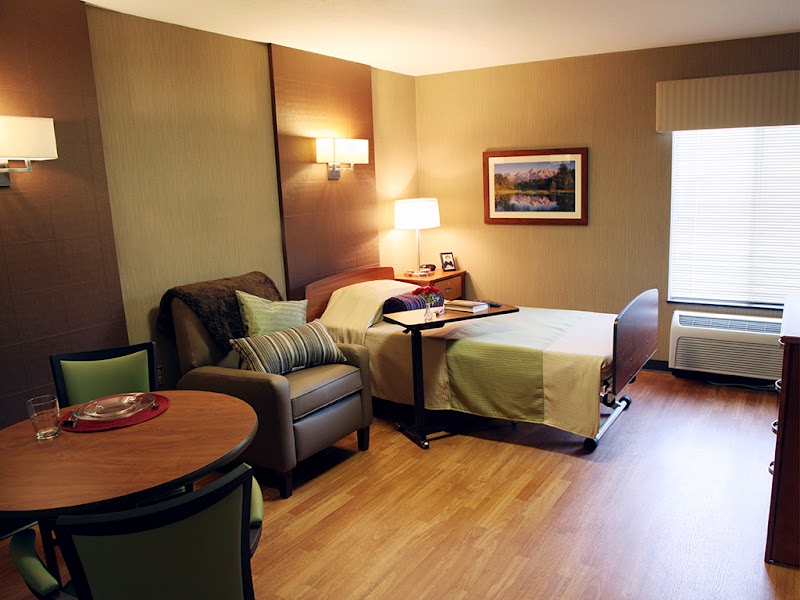
CMS assigns PEBBLE CREEK HEALTHCARE CENTER an overall rating of 5 out of 5 stars, which is considered much above average nationally. Within Ohio, this rating places the facility higher than 99% of the state's 100 nursing homes. This rating reflects solid performance across the metrics CMS uses to evaluate nursing home quality.
How is Pebble Creek Healthcare Center Staffed?

CMS rates PEBBLE CREEK HEALTHCARE CENTER's staffing level at 3 out of 5 stars, which is average compared to other nursing homes. Staff turnover is 27%, compared to the Ohio average of 46%. This relatively stable workforce can support continuity of care.

What Have Inspectors Found at Pebble Creek Healthcare Center?

State health inspectors documented 5 deficiencies at PEBBLE CREEK HEALTHCARE CENTER during 2024 to 2025. These included: 5 with potential for harm.
Who Owns and Operates Pebble Creek Healthcare Center?

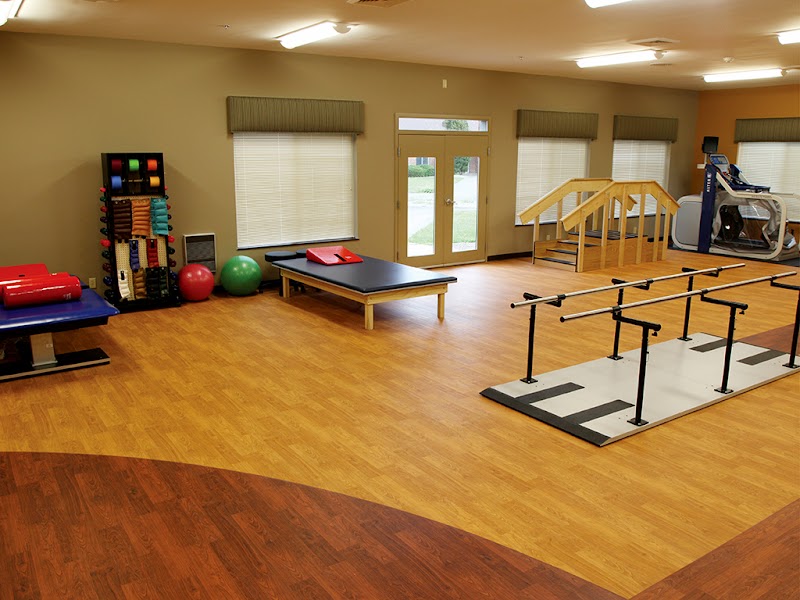
PEBBLE CREEK HEALTHCARE CENTER is owned by a for-profit company. For-profit facilities operate as businesses with obligations to shareholders or private owners. The facility is operated by COMMUNICARE HEALTH, a chain that manages multiple nursing homes. With 150 certified beds and approximately 143 residents (about 95% occupancy), it is a mid-sized facility located in AKRON, Ohio.

How Does Pebble Creek Healthcare Center Compare to Other Ohio Nursing Homes?

Compared to the 100 nursing homes in Ohio, PEBBLE CREEK HEALTHCARE CENTER's overall rating (5 stars) is above the state average of 3.2, staff turnover (27%) is significantly lower than the state average of 46%, and health inspection rating (5 stars) is much above the national benchmark.

What Should Families Ask When Visiting Pebble Creek Healthcare Center?

Based on this facility's data, families visiting should ask: "Can I visit during a mealtime to observe dining assistance and food quality?" "How do you handle medical emergencies, and what is your hospital transfer rate?" "Can I speak with family members of current residents about their experience?"

Is Pebble Creek Healthcare Center Safe?

Based on CMS inspection data, PEBBLE CREEK HEALTHCARE CENTER has a clean safety record: no substantiated abuse findings (meaning no confirmed cases of resident harm), no Immediate Jeopardy citations (the most serious violation level indicating risk of serious injury or death), and is not on the Special Focus Facility watch list (a federal program monitoring the lowest-performing 1% of nursing homes). The facility has a 5-star overall rating and ranks #1 of 100 nursing homes in Ohio. While no facility is perfect, families should still ask about staff-to-resident ratios and recent inspection results during their visit.

Do Nurses at Pebble Creek Healthcare Center Stick Around?

Staff at PEBBLE CREEK HEALTHCARE CENTER tend to stick around. With a turnover rate of 27%, the facility is 19 percentage points below the Ohio average of 46%. Low turnover is a positive sign. It means caregivers have time to learn each resident's needs, medications, and personal preferences. Consistent staff also notice subtle changes in a resident's condition more quickly. Registered Nurse turnover is also low at 18%, meaning experienced RNs are available to handle complex medical needs.

Was Pebble Creek Healthcare Center Ever Fined?

PEBBLE CREEK HEALTHCARE CENTER has no federal fines on record. CMS issues fines when nursing homes fail to meet care standards or don't correct problems found during inspections. The absence of fines suggests the facility has either maintained compliance or corrected any issues before penalties were assessed. This is a positive indicator, though families should still review recent inspection reports for the full picture.

Is Pebble Creek Healthcare Center on Any Federal Watch List?

PEBBLE CREEK HEALTHCARE CENTER is not on any federal watch list. The most significant is the Special Focus Facility (SFF) program, which identifies the bottom 1% of nursing homes nationally based on persistent, serious quality problems. Not being on this list means the facility has avoided the pattern of deficiencies that triggers enhanced federal oversight. This is a positive indicator, though families should still review the facility's inspection history directly.