DIVINE REHABILITATION AND NURSING AT CANAL POINTE
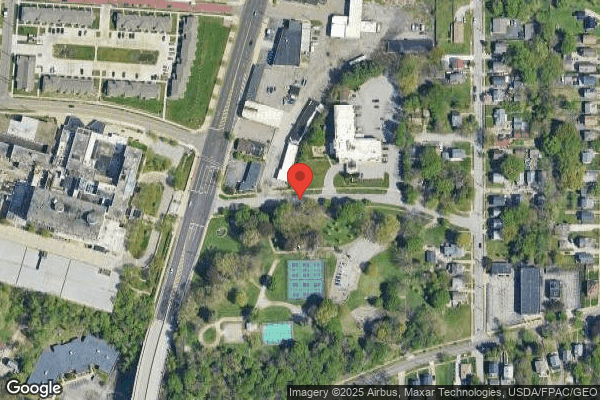
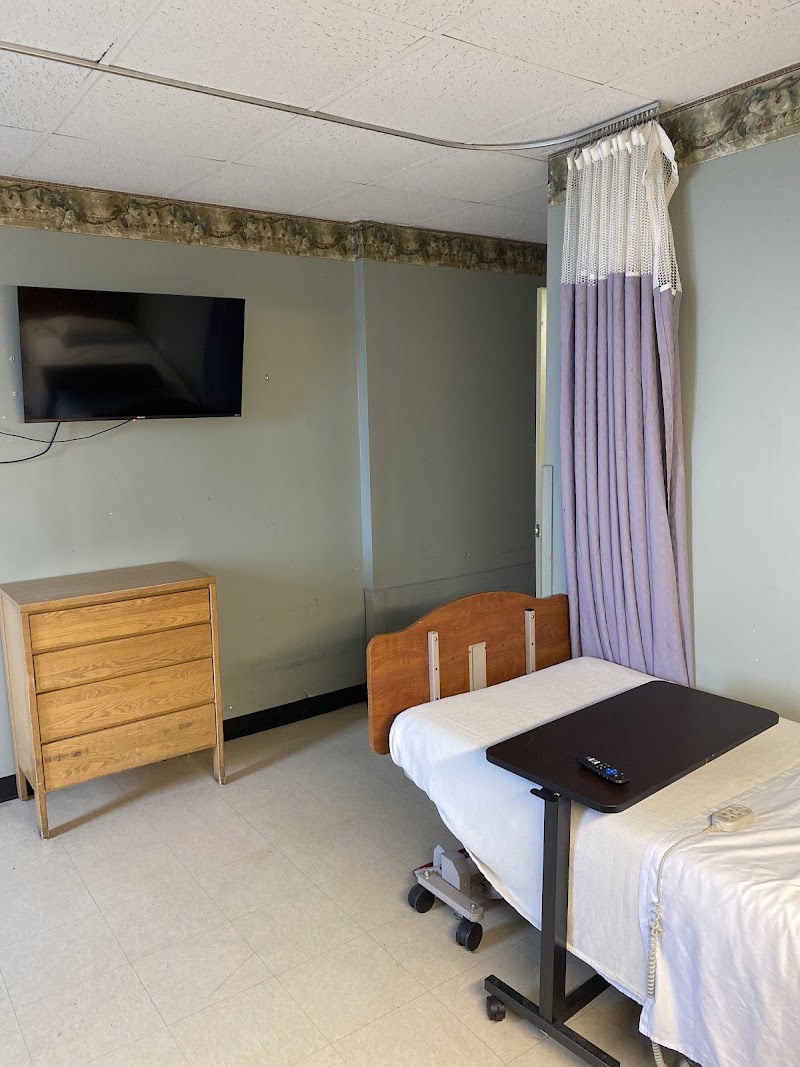
145 OLIVE ST, AKRON, OH 44310 (330) 762-0901
For profit - Limited Liability company 120 Beds DIVINE HEALTHCARE MANAGEMENT Data: November 2025
Trust Grade
35/100
#659 of 913 in OH
Last Inspection: June 2025

Inspected within the last 6 months. Data reflects current conditions.

Overview

Divine Rehabilitation and Nursing at Canal Pointe has received a Trust Grade of F, indicating significant concerns about the facility's quality of care. Ranked #659 out of 913 facilities in Ohio, this places it in the bottom half statewide and #32 out of 42 in Summit County, meaning there are many better options available nearby. The facility is worsening, with issues increasing from 2 in 2024 to 23 in 2025, which highlights significant care problems. Staffing has a rating of 2 out of 5 stars, with a high turnover rate of 49%, which is concerning as it suggests that staff may not have the continuity needed to provide quality care. Although there have been no fines, inspections revealed critical issues such as cold food being served to residents, unsanitary kitchen conditions with pest problems, and medications not being securely stored, all of which pose risks to resident safety and well-being.

Trust Score
F
35/100
In Ohio
#659/913
Bottom 28%
Safety Record
High Risk
Review needed
Inspections
Getting Worse
2 → 23 violations
Staff Stability
⚠ Watch
49% turnover. Above average. Higher turnover means staff may not know residents' routines.
Penalties
✓ Good
No fines on record. Clean compliance history, better than most Ohio facilities.
Skilled Nurses
⚠ Watch
Each resident gets only 13 minutes of Registered Nurse (RN) attention daily — below average for Ohio. Fewer RN minutes means fewer trained eyes watching for problems.
Violations
⚠ Watch
57 deficiencies on record. Higher than average. Multiple issues found across inspections.
★★☆☆☆
2.0
Overall Rating
★★☆☆☆
2.0
Staff Levels
★★★★★
5.0
Care Quality
★☆☆☆☆
1.0
Inspection Score
Stable
2024: 2 issues
2025: 23 issues

The Good

  • 5-Star Quality Measures · Strong clinical quality outcomes
  • Full Sprinkler Coverage · Fire safety systems throughout facility
  • No fines on record

Facility shows strength in quality measures, fire safety.

The Bad

2-Star Overall Rating

Below Ohio average (3.2)

Below average - review inspection findings carefully

Staff Turnover: 49%

Near Ohio avg (46%)

Higher turnover may affect care consistency

Chain: DIVINE HEALTHCARE MANAGEMENT

Part of a multi-facility chain

Ask about local staffing decisions and management

The Ugly 57 deficiencies on record

Sept 2025 2 deficiencies
CONCERN (F) 📢 Someone Reported This

A family member, employee, or ombudsman was alarmed enough to file a formal complaint

Potential for Harm - no one hurt, but risky conditions existed

Deficiency F0804 (Tag F0804)

Could have caused harm · This affected most or all residents

Based on observation, interview, and policy review the facility failed to provide food at appetizing temperatures. This had the potential to affect 108 residents receiving meals from the kitchen. The ...

Read full inspector narrative →
Based on observation, interview, and policy review the facility failed to provide food at appetizing temperatures. This had the potential to affect 108 residents receiving meals from the kitchen. The facility identified three residents (#31, #51, and #108) who received nothing by mouth (NPO). The facility census was 111.Findings include:An interview on 09/09/25 at 10:06 A.M. with Dietary Supervisor (DS) #100 revealed there had been residents complaining about hot foods being served cold. An observation was conducted on 09/09/25 at 10:46 A.M. of the kitchen tray line being set-up for the lunch meal service. The lunch meal consisted of corn, Spanish rice, chicken enchilada, and enchilada sauce. Temperatures at the start of tray line service were recorded as followed by [NAME] #306 between 11:15 A.M. and 11:16 A.M.: the corn was 158 degrees Fahrenheit (°F), Spanish rice was 170 °F, chicken enchilada was 170 °F and enchilada sauce was 170°F. During the tray line observation there were no plate warmers nor hot pellets used to help conserve food temperature after the foods were plated for service. The chicken enchiladas were being held for service on a baking sheet that was placed uncovered on a cart next to the steam table. No method of heat conservation was observed, as the enchiladas remained on the cart instead of on the steam table. The temperature of the last chicken enchilada being served from the uncovered baking sheet was taken at 11:33 A.M. by [NAME] #306, and the temperature was 130°F. The chicken enchilada was then put on a plate, placed in a tray cart, and sent to the fourth floor to be served. Observation of the the lunch tray line meal service continued and [NAME] #306 was observed removing additional pans of chicken enchiladas from the oven and setting them out next to the tray line for meal service. At 12:02 P.M. the last tray for the second floor was plated. The final serving temperature of the chicken enchilada was 160°F, mashed potatoes taken from the steam table was 120°F, and green beans taken from the steam table was 80°F taken by [NAME] #306. A plate cover was then placed over the dish and placed on the tray cart. The tray cart left the kitchen at 12:05 P.M. and was served to Resident #4 at 12:15 P.M. Permission was given by Resident #4 for DS #100 to take the final temperature of their food items. At 12:15 P.M. the temperature of the meal was observed to be chicken enchilada 115°F, mashed potatoes 115°F, and green beans 95°F. The findings above were verified by DS #100 at the time of the observation. An interview on 09/09/25 at 2:50 P.M. with Certified Nurse Aid (CNA) #356 revealed residents had been complaining about hot foods being served cold. An interview on 09/09/25 at 3:14 P.M. with Resident #4 revealed he preferred a warmer chicken enchilada. An interview on 09/10/25 at 10:09 A.M. with Resident #33 revealed the hot food was often served cold. Review of the facility policy titled Food Preparation Guidelines, dated 2025, revealed food should be at an appetizing temperature including serving hot foods hot and addressing resident complaints about food. Review of the facility policy titled Record of Food Temperatures, dated 2025, revealed hot foods will be held at 135°F.
CONCERN (F) 📢 Someone Reported This

A family member, employee, or ombudsman was alarmed enough to file a formal complaint

Potential for Harm - no one hurt, but risky conditions existed

Food Safety (Tag F0812)

Could have caused harm · This affected most or all residents

Based on observation, interview, record review and policy review the facility failed to ensure food was stored, prepared and served under sanitary conditions. This had the potential to affect 108 resi...

Read full inspector narrative →
Based on observation, interview, record review and policy review the facility failed to ensure food was stored, prepared and served under sanitary conditions. This had the potential to affect 108 residents receiving meals from the kitchen. The facility identified three residents (#31, #51, and #108) as receiving nothing by mouth (NPO). The facility census was 111. Findings include: Review of pest control invoices dated 07/15/25 to 08/27/25 revealed pest control serviced for kitchen insects and existing rodent bait stations on 07/15/25, and on 08/27/25 extra service was provided for rodents. An interview on 09/09/25 at 10:06 A.M. with Dietary Supervisor (DS) #100 revealed they were aware of an existing problem with small, flying insects in the kitchen. An observation was conducted on 09/09/25 at 10:46 A.M. with DS #100 and revealed the following concerns: ten small, flying insects were hovering above the handwash sink. Two small, flying insects were hovering around the dishwasher. Six small, flying insects were flying near a hanging dish cabinet, and three small, flying insects were flying near the oven which demonstrated a pervasive insect problem throughout the kitchen. There were multiple areas of chipped or bubbled paint and damaged drywall near the handwash sink and in food preparation areas. There was a moderate collection of food debris on the vertical food storage rack and on the wall near the standing mixer. There was an area of standing water on the floor near the dishwasher. Also, the following areas were observed to have a layer of moderate to heavy black grime: the oven doors, the range top, a pipe near the top of the range, various areas of the kitchen floor, the nozzles of the range hood fire suppression system, and the horizontal surface of the sprinkler pipes. The above findings were verified by DS #100 at the time of the observations. An observation was conducted on 09/09/25 at 2:22 P.M. of the second floor kitchenette and revealed a rodent bait box against the wall near the microwave stand. Multiple rodent droppings were noted to be around the bait box on the floor and on the microwave stand behind the microwave. An interview on 09/09/25 at 2:25 P.M. with the Assistant Director of Nursing verified the above findings in the second floor kitchenette. Review of the facility policy titled Sanitation Inspection, dated 2025, revealed all food service areas should be kept clean, sanitary, and protected from rodents and insects. Noted within the policy was that inspections should be conducted weekly to ensure the main production area and food preparation area were clean and comply with sanitation and food service regulations. This deficiency represents non-compliance investigated under Complaint Number 2611175.
Jun 2025 21 deficiencies
CONCERN (D)

Potential for Harm - no one hurt, but risky conditions existed

Notification of Changes (Tag F0580)

Could have caused harm · This affected 1 resident

**NOTE- TERMS IN BRACKETS HAVE BEEN EDITED TO PROTECT CONFIDENTIALITY** Based on record review, interview, and review of the facility policy, the facility failed to ensure the physician and resident's...

Read full inspector narrative →
**NOTE- TERMS IN BRACKETS HAVE BEEN EDITED TO PROTECT CONFIDENTIALITY** Based on record review, interview, and review of the facility policy, the facility failed to ensure the physician and resident's responsible party were notified when lab draws were not completed according to the physician/certified nurse practitioner (CNP) orders. This affected one (Resident #66) of three residents reviewed for notification. The facility census was 111. Findings include: Record review for Resident #66 revealed an admission date of 04/01/24. Diagnoses included vascular dementia, cerebral infarction, personal history of transient ischemic attack (TIA), and acute embolism and thrombosis of unspecified deep veins of unspecified lower extremity. Review of the annual Minimum Data Set (MDS) assessment dated [DATE] revealed Resident #66 was severely cognitively impaired. Review of the care plan dated 04/13/24 revealed Resident #66 had a cerebral vascular accident (CVA/Stroke) related to embolism. Interventions included administering medications as ordered by the physician. Review of the Pharmacy Medical Record Review dated 04/16/25 completed by Consultant Pharmacist #610 revealed Resident #66 was currently receiving Eliquis (blood thinner) 5 milligrams (mg) two times a day (BID). Although the resident's age and weight supported a 5 mg BID dose, renal function may not. Creatinine clearance was estimated to be between 15-29 milliliters per minute (ml/min) for which there was evidence to suggest a 2.5 mg BID dose should be considered. Physician Response documented on the Pharmacy Medical Record Review dated 04/23/25 completed by CNP #516 revealed an order for a complete metabolic panel (CMP), complete blood count (CBC), and renal function panel. Medical Record Review for Resident #66 revealed the CMP, CBC, and renal function panel ordered 04/23/25 was not available in the medical record and there was no documented evidence available in the medical record to indicate why the ordered labs were not completed. Interview on 06/05/25 at 8:48 A.M. with Assistant Director of Nursing (ADON) #429 revealed the order for Resident #66 for a CMP, CBC, and renal function panel was ordered 04/23/25. The lab was scheduled to complete the blood draw on 05/02/25. Review of the lab requisition for Resident #66 dated 05/02/25 revealed the blood specimen was not collected, Resident (#66) was combative/refused. No qualified personnel were available. The reschedule date/signature on the lab requisition was left blank. ADON #429 revealed the lab tech came to the facility on [DATE] (untimed) and attempted to draw Resident #66's blood for the ordered labs. Resident #66 refused. The lab tech should have gone to the floor nurse and the floor nurse would go with the lab tech and attempt to obtain the lab. This never occurred so the nurse was not aware the lab was not obtained and did not document the lab was not completed or reattempted. The labs orders were not followed up on, and there was no documented evidence that the physician/CNP and responsible party were notified. Review of the undated facility policy titled, Notification of Changes revealed the facility must inform the resident, consult with the resident's physician and/or notify the resident's family member or legal representative when there was a change requiring such notification. Circumstances requiring notification include circumstances that require a need to alter treatment.
CONCERN (D)

Potential for Harm - no one hurt, but risky conditions existed

Free from Abuse/Neglect (Tag F0600)

Could have caused harm · This affected 1 resident

**NOTE- TERMS IN BRACKETS HAVE BEEN EDITED TO PROTECT CONFIDENTIALITY** Based on medical record review, self-reported incident (SRI) review, interview and facility policy review, the facility failed t...

Read full inspector narrative →
**NOTE- TERMS IN BRACKETS HAVE BEEN EDITED TO PROTECT CONFIDENTIALITY** Based on medical record review, self-reported incident (SRI) review, interview and facility policy review, the facility failed to prevent resident-to-resident between Residents #48 and #214. This affected two (Residents #48 and #214) of four residents reviewed for abuse. The facility census was 111. Findings Include: 1. Resident #48 was admitted to the facility on [DATE] with diagnoses including chronic obstructive pulmonary disease (COPD), congestive heart failure, diabetes, heart disease, major depressive disorder, post-traumatic stress disorder (PTSD), a left below the knee amputation, and an internal cardiac defibrillator. Review of the comprehensive quarterly Minimum Data Set (MDS) assessment dated [DATE] revealed Resident #48 was cognitively intact, refused aspects of care daily, and needed no assistance with personal care. Review of SRI tracking number 260710, dated 05/21/25, filed with the State agency for an allegation of physical abuse. Resident #48 and Resident #214 were in the facility's lobby waiting for the elevator after a smoke break. Too many residents attempted to get on the elevator at the same time, and Resident #214 attempted to pull a female resident in a wheelchair out of the elevator so he could get his own wheelchair on the elevator. Resident #48 attempted to stop Resident #214 from removing the female, and Resident #214 swung and hit Resident #48. Resident #48 hit Resident #214 back and both residents ended up on the floor hitting each other. Staff separated the two residents, and both residents were placed on one-to-one supervision. Another staff member called the police, and Resident #214 was transported to a local hospital by the police after Nurse Practitioner (NP) #517 wrote an order for a mandatory psychiatric admission. The Administrator went to the hospital to give Resident #214 an immediate discharge notice due to being a threat to himself, other residents, and staff. Resident #214 refused to see the Administrator, so the discharge notice was sent to him by certified mail. Resident #214 signed himself out of the hospital against medical advice (AMA) and returned to the facility. The police were called again and escorted the resident from the property. Review of the SRI revealed the facility did not list any witnesses to the incident nor any perpetrator. The facility unsubstantiated the allegation of abuse. Interview with the Administrator on 06/04/25 at 4:00 P.M. revealed the facility did not substantiate the allegation of abuse as they were unable to determine who started the resident-to-resident altercation. Review of the nurse's notes revealed on 05/21/25 at 11:59 P.M. Licensed Practical Nurse (LPN) #454 documented Resident #48 attempted to stop Resident #214 from attempting to remove a female resident in a wheelchair from the elevator so he could go to his room first. Resident #214 then swung his fist at Resident #48 and both residents fell out of their wheelchairs and continued their altercation on the floor. On 05/22/25 at 7:10 A.M. Licensed Social Worker (LSW) #419 met with Resident #48 to provide psychosocial-emotional support. The resident said he had no concerns or distress after the previous night's altercation with Resident #214. 2. Resident #214 was admitted to the facility on [DATE] with diagnoses including paraplegia and male erectile dysfunction. He was discharged from the facility and sent for an involuntary psychiatric admission on [DATE] where he was given an immediate discharge from the facility. Review of the comprehensive admission MDS dated [DATE] revealed Resident #214 was cognitively intact. The resident had numerous behaviors including physical aggression towards others four to six times during the seven-day assessment period. He was also verbally aggressive on a daily basis. Resident #214's behaviors significantly interfered with the resident's care and participation in daily activities. His behaviors put others at significant risk of physical injury, significantly intruded on other residents' privacy and daily activities, and significantly disrupted care and the living environment. He rejected care daily. Review of the progress notes from admission through discharge for Resident #214 revealed he was physically aggressive, verbally threatening, and disrespectful of other residents and staff daily. The resident refused counseling with the psychiatric services and refused to take his medication. He frequently requested pain medication which was not ordered for him. When staff were working with others, Resident #214 would interrupt and insist his needs be dealt with immediately. Review of Resident #214's care plans revealed the resident had behaviors of aggression, attacking staff, trapping staff in rooms, anger, and foul language. Interview with the Administrator on 06/04/25 at 4:00 P.M. revealed despite Resident #214's continuous verbal threats and physical aggression, they did not place him on the secured unit as he was his own responsible party and he refused to agree to be placed on the secured unit. The facility was going to present him with a behavior contract at his care plan conference which was scheduled for the day the resident was discharged to the psychiatric unit of a local hospital. The Administrator said she took an immediate discharge notice to the hospital to present it to him, but he refused to see her and called security to have her removed from the hospital. They sent the immediate discharge notice to him via certified mail. The Administrator said a few days later, Resident #214 returned to the facility after leaving the hospital AMA demanding to be allowed to return. The police were called and again escorted the resident off facility grounds. Interview with the Administrator on 06/09/25 at 2:00 P.M. revealed there was a hearing on Resident #214's immediate discharge appeal, and they maybe should have admitted the resident to the secured unit due to his behaviors towards residents and staff. Review of the facility's undated Abuse, Neglect and Exploitation policy revealed the facility must protect the residents from abuse. The Quality Assessment and Performance Improvement (QAPI) committee will review the risk factors that contributed to the abuse (a history of aggressive behaviors, environmental factors) and if there is a need for further systemic action such as tracking patterns of similar occurrences.
CONCERN (D) 📢 Someone Reported This

A family member, employee, or ombudsman was alarmed enough to file a formal complaint

Potential for Harm - no one hurt, but risky conditions existed

Report Alleged Abuse (Tag F0609)

Could have caused harm · This affected 1 resident

**NOTE- TERMS IN BRACKETS HAVE BEEN EDITED TO PROTECT CONFIDENTIALITY** Based on record review, interview and facility policy review, the facility failed to report an allegation of resident-to-residen...

Read full inspector narrative →
**NOTE- TERMS IN BRACKETS HAVE BEEN EDITED TO PROTECT CONFIDENTIALITY** Based on record review, interview and facility policy review, the facility failed to report an allegation of resident-to-resident sexual abuse to the State agency for one (Resident #58) of four residents reviewed for abuse. The facility census was 111. Findings include: Resident #58 was admitted to the facility on [DATE] with diagnoses of bipolar disorder, major depression disorder, schizophrenia, high blood pressure, and mood disorder. Review of the comprehensive annual Minimum Data Set (MDS) assessment dated [DATE] revealed Resident #58 was severely cognitively impaired, had delusions, and had behaviors which significantly interfered with the resident's care and social interaction, significantly intruded on the privacy or activities of others, and had behaviors that significantly disrupted the living environment. Review of the nursing progress notes for Resident #58 revealed on 05/28/25 at 10:56 A.M. Nurse Practitioner (NP) #517, who is the facility's psychiatric NP, evaluated the resident. Resident #58 reported to NP #517 that she lifted her shirt up and a peer touched her breast. The resident denied being assaulted in any fashion. Interview with the Administrator on 06/04/25 at 2:00 P.M. revealed she was unaware of NP #517's evaluation as neither the nurse or NP #517 said anything to her about the allegation of sexual abuse, so it had not been reported to the State agency, had not been investigated, and Resident #58's guardian was not notified. A self-reported incident (SRI) was filed by the facility to the State agency on 06/06/25 at 10:12 A.M. Review of the facility's undated Abuse, Neglect and Exploitation policy revealed the facility must report all allegations of abuse to the State agency, the police if required, and investigate while keeping the resident safe from further abuse. This deficiency represents non-compliance investigated under Complaint Number OH00163815.
CONCERN (D)

Potential for Harm - no one hurt, but risky conditions existed

Incontinence Care (Tag F0690)

Could have caused harm · This affected 1 resident

**NOTE- TERMS IN BRACKETS HAVE BEEN EDITED TO PROTECT CONFIDENTIALITY** Based on interview and record review, the facility failed to monitor Resident #66's daily fluid intake and daily urine output re...

Read full inspector narrative →
**NOTE- TERMS IN BRACKETS HAVE BEEN EDITED TO PROTECT CONFIDENTIALITY** Based on interview and record review, the facility failed to monitor Resident #66's daily fluid intake and daily urine output related to a diagnosis of urinary retention requiring the use of an indwelling urinary catheter and discontinuation of the indwelling urinary catheter. This affected one (Resident #66) of two residents reviewed for indwelling catheters. The facility census was 111. Findings include: Record review for Resident #66 revealed an admission date of 04/01/24. Diagnoses included vascular dementia, cerebral infarction, neuromuscular dysfunction of bladder, and retention of urine. Review of the quarterly Minimum Data Set (MDS) assessment dated [DATE] revealed Resident #66 was severely cognitively impaired. Resident #66 had an indwelling urinary catheter and required set up or clean up assistance with personal hygiene. Review of the progress note dated 12/31/24 at 6:19 A.M. revealed Resident #66 was observed coming to the nurse's station to speak with the nurse. Resident #66 then went back towards his room when a loud noise was heard. Resident #66 was found lying on the floor. The documentation included that the resident was assessed with a change in condition. The Nurse Practitioner (NP) was notified, and Resident #66 was sent to the emergency room (ER). Review of the progress note dated 12/31/24 at 6:45 P.M. revealed Resident #66 returned from ER. He was noted to have urinary retention, and a Foley (indwelling) urinary catheter was in place. Review of the care plan dated 01/02/25 revealed Resident #66 had an indwelling urinary catheter due to neurogenic bladder. Interventions included monitoring and documenting intake and output per facility policy. Review of the progress note dated 01/30/25 at 3:31 P.M. completed by Unit Manager #416 revealed Resident #66 was observed in the hallway holding the Foley catheter in hand. Resident #66 refused to have the catheter replaced at this time. The NP was notified, and orders were received to discontinue (d/c) the Foley catheter and monitor input and output at this time. Review of the medical record for Resident #66 from 12/31/24 through 06/05/25 revealed Resident #66's daily fluid intake and daily urine output was not documented to assure Resident #66 had adequate output due to urinary retention diagnosis. Record review and interview on 06/05/25 at 10:33 A.M. with the Director of Nursing (DON) confirmed Resident #66's amount of daily fluid intake and daily urine output was not documented and should have been documented and monitored, both while having the indwelling urinary catheter and after discontinuing the indwelling urinary catheter, to ensure Resident #66 had adequate output due to a diagnosis of urinary retention.
CONCERN (D)

Potential for Harm - no one hurt, but risky conditions existed

Deficiency F0692 (Tag F0692)

Could have caused harm · This affected 1 resident

**NOTE- TERMS IN BRACKETS HAVE BEEN EDITED TO PROTECT CONFIDENTIALITY** Based on observation, interview, record review, and review of the facility policy, the facility failed to ensure Resident #67 re...

Read full inspector narrative →
**NOTE- TERMS IN BRACKETS HAVE BEEN EDITED TO PROTECT CONFIDENTIALITY** Based on observation, interview, record review, and review of the facility policy, the facility failed to ensure Resident #67 received all nutritional interventions recommended by the registered dietitian to treat and prevent significant weight loss. This affected one resident (Resident #67) of three residents reviewed for nutrition. The facility census was 111. Findings include: Record review for Resident #67 revealed an admission date of 06/13/24. Diagnoses included Alzheimer's disease, type one diabetes mellitus, and dysphagia. Review of the quarterly Minimum Data Set (MDS) 3.0 assessment dated [DATE] revealed Resident #67 was severely cognitively impaired. Resident #67 required set up or clean up assistance with meals, had weight loss and was not on a prescribed weight loss regimen. Review of the care plan for Resident #67 dated revised 04/17/25 revealed the resident had nutritional problem or potential nutritional problem related to forgetfulness related to Alzheimer's/dementia. Diagnoses including type one diabetes mellitus, hypothyroidism, dysphagia, unspecified psychosis, and anxiety which may affect nutritional status. Interventions included to provide and serve diet as ordered. Monitor intake and record every meal, regular texture, thin liquids, plus sugar substitute, prefers side of soup with lunch and dinner. Review of the physician orders revised 04/29/25 for Resident #67 revealed regular diet, regular texture, thin consistency provide soup on tray with lunch and dinner. Review of Resident #67's weight history revealed from 03/05/25 through 06/02/25 Resident #67 had a 6.72 % weight loss. Interview on 06/05/25 at 11:54 A.M. with Certified Nursing Assistant (CNA) #508 revealed Resident #67 always ate his meals in the dining room and was able to feed himself. Observation on 06/05/25 at 12:06 P.M. revealed Resident #67 ambulated independently to the dining room. Resident #67 was served the lunch tray of rice, vegetable, chicken, roll and cake. No soup was observed on the tray. CNA #508 confirmed there was no soup on Resident #67's lunch tray and revealed, He normally don't get soup with his meals. CNA #508 revealed she worked routinely with Resident #67 for the past several weeks. Resident #67 ate one bite of rice then stood to leave the dining room. Licensed Practical Nurse (LPN) #455 asked Resident #67 if he was done. Resident #67 said yes. LPN #455 did not say anything more, picked up Resident #67's lunch tray while Resident #67 returned to his room. LPN #455 never offered Resident #67 soup and never encouraged Resident #67 to eat his lunch. Interview on 06/05/25 at 12:58 P.M. with Registered Dietitian (RD) #426 confirmed Resident #67 had a significant weigh loss of 6.72 %. RD #426 revealed she had been working with the Speech Therapist due to Resident #67's weight loss. Through discussion and assessment due to weight loss, RD #426 stated we added soup every lunch and dinner. RD #426 revealed she would expect staff to encourage Resident #67 to eat his meals and offer an alternative if he did not eat what was served. Observation on 06/05/25 at 5:17 P.M. revealed Resident #67 was sitting in the dining room. At 5:20 P.M. Resident #67 was served the dinner meal by CNA #508. Observation revealed there was no soup on the tray. CNA #508 confirmed there was no soup on Resident #67's meal tray and confirmed Resident #67 had a ticket on the tray revealing soup with lunch and dinner. CNA #508 revealed she don't read the tickets. Interview on 06/05/25 at 5:24 P.M. with LPN #455 who was located at a different dining room revealed she was not sure if Resident #67 was to get soup with lunch and dinner. LPN #455 revealed she did not have a computer right now but will check into it. Review of the facility policy titled, Nutritional Management undated revealed the facility provides care and services to each resident to ensure the resident maintains acceptable parameters of nutritional status in the context of his or her overall condition. A systemic approach was used to optimize each resident's nutritional status. A comprehensive nutritional assessment will be completed by the dietitian within 72 hours of admission, annually, and upon significant change in condition. Follow up assessments will be completed as needed. The dietitian shall use data gathered from the nutritional assessment to estimate the resident's nutritional needs. The resident's goals and preferences regarding nutrition will be reflected in the resident's plan of care. Interventions will be individualized to address the specific needs of the resident.
CONCERN (D)

Potential for Harm - no one hurt, but risky conditions existed

Respiratory Care (Tag F0695)

Could have caused harm · This affected 1 resident

**NOTE- TERMS IN BRACKETS HAVE BEEN EDITED TO PROTECT CONFIDENTIALITY** Based on observation, interview, record review and review of the facility policy, the facility failed to ensure orders were in p...

Read full inspector narrative →
**NOTE- TERMS IN BRACKETS HAVE BEEN EDITED TO PROTECT CONFIDENTIALITY** Based on observation, interview, record review and review of the facility policy, the facility failed to ensure orders were in place for the administration of oxygen and failed to date oxygen tubing as required. This affected one resident (#107) of one resident reviewed for oxygen and had the potential to affect an additional 13 residents (#1, #57, #65, #69, #74, #80, #84, #89, #97, #99, #106, #262 and #311) the facility identified as receiving oxygen in the facility. Facility census was 111. Findings include: Review of Resident #107's medical record revealed an admission date of 04/08/25 and diagnoses including malignant neoplasm of prostate, chronic obstructive pulmonary disease, anxiety and hypertension. Review of an admission Minimum Data Set (MDS) 3.0 assessment dated [DATE] revealed Resident #107 was cognitively intact and receiving hospice services. Oxygen was not coded on the MDS assessment. Review of Resident #107's physician's orders as of 06/02/25 revealed no orders were in place relative to oxygen. Observation on 06/02/25 at 2:00 P.M. revealed Resident #107 was up and awake in his bed. Oxygen was in use and no date was noted on the tubing connected to Resident #107. Interview on 06/02/25 at 2:00 P.M. with Resident #107 revealed he recently got oxygen. Interview on 06/04/25 at 7:54 A.M. with Licensed Practical Nurse (LPN)/Unit Manager (UM) #416 verified Resident #107 did not have orders for oxygen in place in the paper or electronic medical records and indicated there were always to be orders relative to oxygen administration. Follow-up observation on 06/04/25 at 7:58 A.M. of Resident #107 with LPN/UM #416 revealed Resident #107 was laying in bed and his oxygen cannula was in his nose with the oxygen concentrator noted to be in use. The oxygen tubing connected to Resident #107 lacked a date. Follow-up interview on 06/04/25 at 7:58 A.M. with LPN/UM #416 verified Resident #107's oxygen tubing should have been dated. Review of the policy, Oxygen Administration, dated 2025 revealed oxygen was administered under the orders of a physician, except in the case of an emergency. Staff shall document the initial and on-going assessment of the resident's condition warranting oxygen and the response to oxygen therapy .other infection control measures include change oxygen tubing and mask/cannula weekly and as needed if it becomes soiled or contaminated.
CONCERN (D)

Potential for Harm - no one hurt, but risky conditions existed

Deficiency F0698 (Tag F0698)

Could have caused harm · This affected 1 resident

**NOTE- TERMS IN BRACKETS HAVE BEEN EDITED TO PROTECT CONFIDENTIALITY** Based on interview and record review the facility failed to obtain communication from the dialysis provider after each dialysis ...

Read full inspector narrative →
**NOTE- TERMS IN BRACKETS HAVE BEEN EDITED TO PROTECT CONFIDENTIALITY** Based on interview and record review the facility failed to obtain communication from the dialysis provider after each dialysis treatment. This affected one resident (Resident #94) of one resident reviewed for dialysis. The facility census was 111. Findings Include: Review of the medical record revealed Resident #94 was admitted to the facility on [DATE] with diagnoses including acute osteomyelitis of the left ankle and foot, diabetes with diabetic neuropathy, end stage renal disease dependent on dialysis, congestive heart failure, high blood pressure, Tourette's disorder, schizophrenia, and anxiety. Review of the physician's orders revealed Resident #94 attended dialysis on Mondays, Wednesdays, and Fridays. The resident was on a fluid restriction of 2000 milliliters (ml) per 12 hour shift. Review of the comprehensive annual Minimum Data Set (MDS) 3.0 , dated 05/20/25, revealed Resident #94 was cognitively intact, received daily insulin medications and diuretics, and received dialysis. Review of the pre and post dialysis assessments for Resident #94 revealed the facility was completing the assessments on each day the resident received dialysis. Review of the nurses' notes for Resident #94 revealed he was noncompliant with care including attending dialysis appointments and with his fluid restrictions. Interview with the Assistant Director of Nursing (ADON on 06/04/25 at 4:35 P.M. revealed the facility did not receive communication from the dialysis center after each treatment. The ADON was not certain how often the facility received communication from dialysis but it was not after each visit. Interview with Resident #94 on 06/04/25 at 4:40 P.M. revealed the dialysis center had never given him any paperwork to give to the facility upon completion of his treatment. On 06/05/25 at 12:00 P.M. a request for the dialysis information provided to the facility after each dialysis treatment was made to the Administrator. On 06/05/25 at 5:00 P.M. no information had been provided. On 06/09/25 at 7:30 A.M. the facility provided a monthly summary of Resident #94's lab work and his weights. No communication was provided indicating the facility was being updated by the dialysis center after each treatment. The facility's dialysis policy was requested for review but the policy was never provided throughout the survey process.
CONCERN (D)

Potential for Harm - no one hurt, but risky conditions existed

Deficiency F0740 (Tag F0740)

Could have caused harm · This affected 1 resident

**NOTE- TERMS IN BRACKETS HAVE BEEN EDITED TO PROTECT CONFIDENTIALITY** Based on record review, observation, interview, and review of the facility policy, the facility failed to ensure a safe environm...

Read full inspector narrative →
**NOTE- TERMS IN BRACKETS HAVE BEEN EDITED TO PROTECT CONFIDENTIALITY** Based on record review, observation, interview, and review of the facility policy, the facility failed to ensure a safe environment for Resident #212. This affected one (Resident #212) of one resident reviewed for suicidal ideations. The facility census was 111. Findings include: Record review for Resident #212 revealed an admission date of 05/02/25 and a readmission date of 05/16/25. Diagnoses included anxiety disorder, depression, post-traumatic stress disorder, gender identity disorder, and borderline personality disorder. Review of the Medicare five-day Minimum Data Set (MDS) assessment dated [DATE] revealed Resident #212 was cognitively intact. Resident #212 had little interest or pleasure in doing things, feeling down, depressed or hopeless, feeling bad about herself/himself or a failure or have let herself/himself or her/his family down, and had trouble concentrating on things such as reading the newspaper or watching television. Resident #212 used a manual wheelchair, had no impairments of the upper or lower extremity, was independent with bed mobility, sit-to-stand and wheelchair mobility. Review of the Progress Note for Resident #212 dated 05/12/25 at 12:45 P.M. completed by Nurse Manager #416 revealed, This nurse was called to therapy gym d/t (due to) Resident #212 having a tearful anxious episode. While speaking with the resident, the resident verbalized wanting to die stating I don't want to do this anymore, I don't have a purpose, there is no point to me being here. All I need is 3-5 (three to five) minutes alone in my room. This writer asked the resident, if she had a plan resident verbalized I was researching on my phone things I could use to sharpen my butter knives with or different ways to end my life with the limited resources I have in here. Psych NP (Nurse Practitioner) was notified and orders received to send the resident to the ED (Emergency Department) for suicidal ideations with intent. Resident was notified and agreeable. Review of the Progress Note dated 05/16/25 at 6:50 P.M. completed by Licensed Practical Nurse (LPN) #455 revealed Resident #212 return from the hospital. Resident states she has recently had thoughts of harming self but currently does not and was feeling ok at this time. Resident #212 was alert and oriented to person, place and time. Interview on 06/05/25 at 2:59 P.M. with Resident #212 revealed, I want to hurt myself, but if I do, I will be without a place to live. I think about it all the time, I got a razor upstairs, all I have to do is tear it apart and I can use that. On 06/05/25 at 3:12 P.M. the Administrator was notified of Resident #212's statement. Interview on 06/05/25 at 3:44 P.M. with the Director of Nursing (DON) confirmed three disposable razors were removed from Resident #212's room. The DON revealed the hospital cleared her, so she has rights. Interview on 06/05/25 at 4:09 P.M. with Certified Nursing Assistant (CNA) #512 confirmed he worked with Resident #212 and revealed he was unaware of any precautions used for Resident #212 due to suicidal thoughts. Interview on 06/05/25 at 4:11 P.M. with CNA #485 confirmed she worked with Resident #212 and revealed she didn't know her very well. CNA #485 confirmed Resident #212 had asked her for razors, but she only gave them to her when she showered then disposed of them. Interview on 06/05/25 at 4:18 P.M. with LPN #461 confirmed she was Resident #212's primary charge nurse. LPN #461 revealed Resident #212 had suicidal tendencies. LPN #461 revealed, I don't know of any interventions. LPN #461 revealed nursing staff was to store and administer all Resident #212's medications. Observation with LPN #461 revealed there was an albuterol inhaler (bronchodilator) visible on Resident #212's bedside table. In the top drawer of the nightstand was a trelegy (once daily inhaler that includes three drug classes including corticosteroid, long-acting muscarinic antagonist, and a long-acting beta 2 adrenergic agonist) inhaler. In the bathroom was a full sharps container that was filled with used needles and syringes to the top, above the fill line. LPN #212 confirmed the inhalers and sharps container revealing she should not have the inhalers in her room then left the room leaving the inhalers on the bedside table. Interview on 06/05/25 at 4:23 P.M. with CNA #476 confirmed she also worked with Resident #212. CNA #476 revealed she helped transfer Resident #212 to the shower and washed her back, but she pretty much did everything else herself. Interview on 06/05/25 at 4:27 P.M. with DON confirmed the sharps container in Resident #212's room was full above the full line. Per DON that was not appropriate, and the sharps container should have been emptied. Interview on 06/05/25 at 5:27 P.M. with Certified Nurse Practitioner (CNP) #517 revealed Resident #212 was admitted for taking too much hormone therapy, she stated she wanted the transition process to progress faster. After she came, she had chronic suicidal ideation's and should not have medications, including inhalers, razors, or sharps containers unsecured in her room. Interview on 06/09/25 at 8:30 A.M. with the DON who revealed the sharps container was hanging on the wall in Resident #212's bathroom it was full, but it was not the facilities. The DON revealed he was unsure how it got there. Also, the inhalers that were in her room were hers from home and staff cannot take them without her permission. Observation and interview on 06/09/25 at 9:13 A.M. with LPN #461 confirmed the sharps container that was in Resident #212's room was the same container as when she was admitted to the room. Observation revealed LPN #212 had the key to unlock the sharps containers to remove it from the walls. Observation revealed LPN #212 unlocked the sharps container in a nearby room stating all the rooms have sharps containers, you cannot remove them or replace them without the key, the nurses carry the key on their key ring with other facility keys. LPN #461 revealed residents did not have access to the keys to remove the sharps containers. Interview on 06/09/25 at 9:25 A.M. with the DON to review the observation with LPN #461 which required a key to hang or remove a sharps container. DON stated, Oh. Review of the undated facility policy titled, Behavioral Health Services revealed Behavioral Health encompasses a resident's whole emotional and mental well-being, which includes but is not limited to, the prevention and treatment of mental and substance use disorders, psychosocial adjustment difficulty, and trauma or post-traumatic stress disorders. The facility will ensure that necessary behavioral health care services are person-centered and reflect the resident's goal for care, while maximizing the resident's dignity, autonomy, privacy, socialization, independence, choice and safety.
CONCERN (D) 📢 Someone Reported This

A family member, employee, or ombudsman was alarmed enough to file a formal complaint

Potential for Harm - no one hurt, but risky conditions existed

Pharmacy Services (Tag F0755)

Could have caused harm · This affected 1 resident

**NOTE- TERMS IN BRACKETS HAVE BEEN EDITED TO PROTECT CONFIDENTIALITY** Based on record review, observation, interview and review of the facility policy, the facility failed to ensure blood sugar resu...

Read full inspector narrative →
**NOTE- TERMS IN BRACKETS HAVE BEEN EDITED TO PROTECT CONFIDENTIALITY** Based on record review, observation, interview and review of the facility policy, the facility failed to ensure blood sugar results were obtained prior to eating the breakfast meal for Resident #72 and failed to prime the insulin pen prior to administering the insulin injection for residents #72 and #19. This affected two (Residents #19 and #72) observed for blood sugar assessments and insulin administration and had the potential to affect an additional 24 (Resident #2, #5, #16, #17, #21, #23, #24, #25, #29, #34, #44, #48, #51, #53, #55, #62, #67, #68, #69, #83, #211, #212, #262, and #311) identified by the facility as requiring a blood sugar assessment prior to meals and or requiring insulin via insulin pen. The facility census was 111. Findings include: 1. Record review for Resident #72 revealed an admission date of 07/27/22. Diagnoses included diabetes mellitus (DM) with diabetic nephropathy. Review of the care plan dated 07/29/24 revealed Resident #72 had diabetes mellitus. Interventions included diabetes medication as ordered by doctor. Review of the quarterly Minimum Data Set (MDS) assessment dated [DATE] revealed Resident #72 was moderately cognitively impaired. Resident #72 had DM and received insulin injections seven days a week. Review of the physician orders for Resident #72 revealed an order dated 05/15/25 for Humalog injection solution (insulin) 100 units per milliliter (ml), which included to inject as per sliding scale: the sliding scale included if the blood sugar results were 151 to 200 give one unit; 201 to 250 give two units; 251 to 300 give three units; subcutaneously with meals for diabetes mellitus and inject six units subcutaneously one time a day for DM with breakfast. Observation on 06/03/25 at 8:06 A.M. of Licensed Practical Nurse (LPN) #455 assessing Resident #72's blood sugar and administering insulin revealed Resident #72 was sitting up in bed. Resident #72's breakfast tray was in front of with all the food was consumed. Resident #72 confirmed he ate pancakes with syrup, rice crispies and milk, and he finished his breakfast consuming 100%. LPN #455 assessed Resident #72's blood sugar with a result of 272. LPN #455 returned to the medication cart to prepare Resident #72's insulin injection. LPN #455 obtained the Humalog Kwik pen for Resident #72 and set the insulin pen at nine units. LPN #455 revealed six units were the routine order and three were for the sliding scale order for a total of nine units. LPN #455 did not prime the needle prior to administering the insulin injection. LPN #455 confirmed she assessed Resident #72's blood sugar after breakfast and confirmed she never primed Resident #72's insulin pen. LPN #455 revealed she had been doing this for 20 plus years and never primed the insulin pen unless it was a new pen and the first injection from the pen. LPN #455 confirmed she worked on all residential floors of the facility and worked with all residents. 2. Record review for Resident #19 revealed an admission date of 10/10/14. Diagnoses included type two DM with diabetic neuropathy. Review of the care plan updated 05/13/20 revealed Resident #19 was at risk for hypo/hyperglycemia related to type two diabetes mellitus. Interventions included to monitor blood sugar levels as ordered. Review of the care plan updated 05/24/23 for Resident #19 revealed the resident had DM and was at risk of complications. Interventions included diabetes medication as ordered by doctor. Review of the quarterly MDS assessment dated [DATE] revealed Resident #19 was moderately cognitively impaired. Resident #19 had DM and received insulin injections seven days a week. Review of the physician orders for Resident #19 revealed an order revised 04/29/24 for Humalog solution 100 units per ml, inject 10 units subcutaneously two times a day related to type two DM with diabetic neuropathy. Hold if the blood sugar is less than 100. An additional insulin order dated 05/19/25 included insulin glargine inject 30 units subcutaneously two times a day. Observation on 06/03/25 at 8:30 A.M. with LPN #453 of Resident #19's blood sugar assessment and medication administration for Resident #19 revealed Resident #19 was sitting up in bed. The breakfast tray sitting in front of Resident #19 revealed the food and fluids were all consumed. Resident #19 confirmed she had pancakes with syrup, cereal, apple juice, orange juice, and milk. Resident #19 confirmed she finished her breakfast a while ago and ate and drank everything. LPN #453 assessed Resident #19's blood sugar via fingerstick with a result of 136. LPN #453 administered Resident #19's Humalog 10 units and glargine 30 units. LPN #453 confirmed she assessed Resident #19's blood sugar after breakfast and administered the Humalog insulin per the results of the blood sugar. LPN #453 confirmed she worked on all residential floors of the facility and worked with all residents. Interview on 06/03/25 at 9:35 A.M. with the Director of Nursing (DON) confirmed blood sugar assessments were to be completed prior to meals. Review of the undated facility policy titled, Insulin Pen included the policy of this facility to use insulin pens in order to improve the accuracy of insulin dosing. Insulin pens contain multiple doses of insulin; a new needle will be used for each injection; insulin pens will be primed prior to each use to avoid collection of air in the insulin reservoir; Screw the pen needle onto the insulin pen; Dial two units by turning the dose selector clockwise, push the plunger and watch to see that at least one drop appears; turn the dose selector to ordered dose. The deficiency represents noncompliance investigated under Master Complaint Number OH00165919 and Complaint Number OH00163185.
CONCERN (D)

Potential for Harm - no one hurt, but risky conditions existed

Laboratory Services (Tag F0770)

Could have caused harm · This affected 1 resident

**NOTE- TERMS IN BRACKETS HAVE BEEN EDITED TO PROTECT CONFIDENTIALITY** Based on record review, interview, pharmacy medical record review and lab requisition review, revealed the facility failed to en...

Read full inspector narrative →
**NOTE- TERMS IN BRACKETS HAVE BEEN EDITED TO PROTECT CONFIDENTIALITY** Based on record review, interview, pharmacy medical record review and lab requisition review, revealed the facility failed to ensure the physician ordered labs were completed timely for Resident #66. This affected one (Resident #66) of five residents reviewed for unnecessary medications. The facility census was 111. Findings include: Record review for Resident #66 revealed an admission date of 04/01/24. Diagnoses included vascular dementia, cerebral infarction, personal history of transient ischemic attack (TIA), and acute embolism and thrombosis of unspecified deep veins of unspecified lower extremity. Review of the annual Minimum Data Set (MDS) assessment dated [DATE] revealed Resident #66 was severely cognitively impaired. Resident #66 did not receive an anticoagulant. Review of the physician orders for Resident #66 revealed an order for Eliquis (anticoagulant) five milligram (mg) tablet, take one tablet by mouth twice daily, ordered on 04/01/24. Interview on 06/09/25 at 10:50 A.M. with Corporate MDS Nurse #513 confirmed an error on the MDS dated [DATE]. Resident #66 did receive the anticoagulant, Eliquis, at the time the MDS dated [DATE] was completed. Review of the care plan dated 04/13/24 revealed Resident #66 had a cerebral vascular accident (CVA/Stroke) related to embolism. Interventions included to give medications as ordered by the physician. Review of the pharmacy medical record review dated 04/16/25 completed by Consultant Pharmacist #610 revealed Resident #66 was currently receiving Eliquis in a five mg two times a day (BID) dose. Although the resident's age and weight support a five mg BID dose, renal function may not. Creatinine clearance is estimated to be between 15-29 milliliters/minute (ml/min) for which there is evidence to suggest a 2.5 mg BID dose should be considered. The physician response documented on the pharmacy medical record review dated 04/23/25 completed by Certified Nurse Practitioner (CNP) #516 revealed orders to complete a complete metabolic panel (CMP), complete blood count (CBC), and renal function panel. Medical record review for Resident #66 revealed the CMP, CBC, and renal function panel ordered 04/23/25 was not available in the medical record for review. Interview on 06/05/25 at 8:48 A.M. with Assistant Director of Nursing (ADON) #429 revealed the order for Resident #66 for a CMP, CBC, and renal function panel was ordered 04/23/25. The lab was scheduled to complete the blood draw on 05/02/25. ADON #429 revealed she was unsure why the lab was not scheduled until 05/02/25. Review of the lab requisition for Resident #66 dated 05/02/25 revealed the blood specimen was not collected because Resident #66 was combative/refused; no qualified personnel were available. The reschedule date/signature on the lab requisition was left blank. ADON #429 revealed the lab tech came to the facility on [DATE] (untimed) and attempted to draw Resident #66's blood for the ordered labs. Resident #66 refused. The lab tech should have gone to the floor nurse, and the floor nurse would go with the lab tech and attempt to obtain the lab. This never occurred, so the nurse was not aware the lab was not obtained and did not follow up on the ordered lab, notify the physician the lab was not completed, or document the lab was not completed or reattempted.
CONCERN (D)

Potential for Harm - no one hurt, but risky conditions existed

Infection Control (Tag F0880)

Could have caused harm · This affected 1 resident

**NOTE- TERMS IN BRACKETS HAVE BEEN EDITED TO PROTECT CONFIDENTIALITY** Based on observation, interview, record review and review of the facility policy, the facility failed to maintain infection cont...

Read full inspector narrative →
**NOTE- TERMS IN BRACKETS HAVE BEEN EDITED TO PROTECT CONFIDENTIALITY** Based on observation, interview, record review and review of the facility policy, the facility failed to maintain infection control practices and or ensure personal protective equipment (PPE) was readily available for two residents, Resident #6 and #104 who required enhanced barrier precautions (EBP). This affected two residents (#6 and #104) of two residents reviewed for EBP and had the potential to affect all residents residing at the facility. The facility census was 111. Findings include: 1. Record review for Resident #6 revealed an admission date of 03/05/20. Diagnoses included attention deficit hyperactivity disorder and dementia. Review of the annual Minimum Daa Set (MDS) 3.0 assessment dated [DATE] revealed Resident #6 was severely cognitively impaired. Resident #6 had no impairment to the upper or lower extremities, required set up or clean up assistants with eating and bathing. Review of the care plan dated 05/27/25 revealed Resident #6 had cellulitis of the right lower leg related to abrasion on shin. Interventions included to complete daily treatments as ordered. Record review of the physician orders dated 04/01/25 revealed Resident #6 received an order for enhanced barrier precautions (EBP) due to chronic wounds. Check signage and personal protective equipment (PPE) every shift. Resident #6 received an order dated 05/30/25 to cleanse the right shin with normal saline, apply oil emulsion, cover with island dressing daily and as needed. Observation on 06/02/25 at 9:18 A.M. revealed Resident #6 was lying in bed. A soiled dressing (soiled with blood and brown drainage) was lying on the floor next to the bed. The dressing was dated 05/31/25. Observation on 06/02/25 at 9:24 A.M. with Licensed Practical Nurse (LPN) #429 confirmed Resident #6's wound dressing dated 05/31/25 was lying on the floor. LPN #429 confirmed the dressing was to be completed daily and revealed Resident #6 often removed his own dressing. LPN #429 confirmed there was an EBP sign on Resident #6's door and revealed she was not sure why it was there. No PPE was observed inside or outside the room. Interview and observation on 06/02/25 at 9:28 A.M. with LPN #458 confirmed Resident #6 had no PPE inside or outside his room, used or new. Resident #6 also had no trash can near the exit for disposing of used PPE. LPN #458 revealed if PPE was being utilized, it would be located hanging on the inside of the bathroom door. LPN #458 confirmed PPE was not readily available for staff use and no trash can was near the exit available for disposing of used PPE. 2. Record review for Resident #104 revealed am admission date of 03/19/25. Diagnoses included severe protein calorie malnutrition and obstructive and reflux uropathy. Review of the quarterly MDS 3.0 assessment dated [DATE] revealed Resident #104 had short term and long-term memory problem. Resident #104 had an indwelling catheter and a feeding tube. Review of the care plan dated 04/01/25 revealed Resident #104 required enhanced barrier precautions (EBP) due to Foley (indwelling catheter) and peg (percutaneous endoscopic gastrostomy) tube. Interventions included isolation maintained by staff during acute infection period. Review of the physician orders for Resident #104 revealed an order dated 04/01/25 for enhanced barrier precautions due to Foley and peg, check and maintain PPE and signage every shift. Observation of medication administration on 06/03/25 at 9:08 A.M. with LPN #461 revealed Resident #104 was lying in bed. Resident #104 had an indwelling catheter draining urine. Resident #104's peg tube was intact and infusing Vital tube feeding at 50 milliliters (ml) and hour. LPN #461 did not donn an isolation gown. LPN #461 disconnected the tube feeding and administered five medications to Resident #104 via peg tube with flushes between each medication. LPN #104 then reinitiated the tube feeding. LPN #104 confirmed she never wore an isolation gown revealing she did not need to for administering medications in tube feedings. LPN #104 revealed she did not have a consistent floor she work, she rotated floors and worked all floors with all residents. Review of the facility policy titled, Enhanced Barrier Precautions undated revealed it is the policy of the facility to implement EBP for the prevention of transmission of multi-drug-resistant organisms. EBP refers to an infection control intervention designed to reduce transmission of multi-drug-resistant organisms that employs targeted gown and gloves use during high contact resident care activities. An order for EBP will be obtained for residents with any of the following: including wounds, and or indwelling medical devices (urinary catheters and feeding tubes). Implementation of EBP included to make gowns and gloves available immediately near or outside of the resident's room. Position a trash can inside the resident's room and near the exit for discarding PPE after removal.
CONCERN (E) 📢 Someone Reported This

A family member, employee, or ombudsman was alarmed enough to file a formal complaint

Potential for Harm - no one hurt, but risky conditions existed

Safe Environment (Tag F0584)

Could have caused harm · This affected multiple residents

**NOTE- TERMS IN BRACKETS HAVE BEEN EDITED TO PROTECT CONFIDENTIALITY** Based on record review, observation, interview and review of the facility policy, the facility failed to ensure residents had a ...

Read full inspector narrative →
**NOTE- TERMS IN BRACKETS HAVE BEEN EDITED TO PROTECT CONFIDENTIALITY** Based on record review, observation, interview and review of the facility policy, the facility failed to ensure residents had a safe, clean, homelike environment. This affected two (Residents #3 and #6) reviewed for their bedroom environment and had the potential to affect an additional 78 (Resident #1, #2, #3, #4, #5, #6, #7, #8, #9, #11, #12, #13, #14, #17, #18, #20, #21, #22, #23, #24, #26, #27, #28, #29, #30, #32, #33, #34, #37, #38, #39, #40, #41, #42, #44, #45, #47, #49, #50, #52, #53, #56, #58, #59, #60, #61, #62, #64, #65, #66, #67, #68, #69, #70, #71, #72, #73, #74, #75, #77, #78, #82, #85, #86, #87, #88, #89, #90, #91, #92, #93, #96, #97, #103, #104, #112, #211, #212, #213, and #311) residing on the second and third floor of the facility. The facility census was 111. Findings include: 1. Record review for Resident #3 revealed an admission date of 07/03/24. Diagnosis included Alzheimer's disease. Review of the quarterly Minimum Data Set (MDS) assessment dated [DATE] revealed Resident #3 was moderately cognitively impaired. Resident #3 required set up/clean up assistance with meals, toileting hygiene, bathing and personal hygiene. Observation on 06/02/25 at 8:58 A.M. revealed Resident #3 was resting in bed. Resident #3's closet door had a broken panel, the floor was covered with potato chip crumbs and other food crumbs, a buildup of dirt and grime throughout, toilet paper, and soiled clothing. The bedside table had a thick buildup of dust. There were dried spills of colored liquids on the arm and leg of the table. The bedside stand had a thick buildup of dust. The privacy curtain was pink with the bottom half discolored from dirt, food and liquid spills. The window curtains were soiled with multiple dried spills and dust buildup. The air conditioner unit had multiple dried spills, and a thick dirt/dust buildup. The dresser had multiple dried spills, and the bottom drawer was broken and unusable. The bathroom had a foul odor. There was dried stool on the inside of the toilet bowl and on the lid. The floor and sink had a large amount of dirt and grime buildup. Resident #3 stated, No one cleans. Licensed Practical Nurse (LPN) #458 confirmed each identified concern at the time of the observation. 2. Record review for Resident #6 revealed an admission date of 03/05/20. Diagnoses included attention deficit hyperactivity disorder (ADHA) and dementia. Review of the annual MDS assessment dated [DATE] revealed Resident #6 was severely cognitively impaired. Resident #6 required set up or clean up assistance with eating and bathing. Observation on 06/02/25 at 9:18 A.M. revealed Resident #6 was lying in bed. The top dresser drawer was broken and unusable. There were multiple dried liquid spills down the front of the dresser. The air conditioning unit had multiple dried liquid spills and dust/grime buildup. The window curtain was soiled and dangling from the rod. The recliner had multiple stains and dried spills. There was a large brown substance on the seat of the chair. The footboard of the bed was broken and unsecured. Observation and interview on 06/02/25 at 9:24 A.M. with LPN #429 of Resident #6's room confirmed each identified item. LPN #429 revealed, I see it dirty every day. Interview on 06/05/25 at 8:05 A.M. with Housekeeper #442 revealed rooms were cleaned daily. The facility only deep cleaned rooms if a major mess. Housekeeper #442 revealed he had been doing housekeeping at the facility for nine months, and they never clean the edges of floors to remove buildup. Interview on 06/05/25 at 8:19 A.M. with Lead Housekeeper #436 revealed there was no schedule or routine cleaning for wall or privacy curtains. Observation on 06/05/25 at 8:22 A.M. with Certified Nursing Assistant (CNA)/Scheduler #420 of the shower room on the second floor revealed the shower stall ceiling had a large brown/gray area that appeared wet. The floors were very dirty throughout with thick scum buildup that was worse on all edges and corners. The bedside commode had rusted peeling legs. CNA #420 confirmed residents used the bedside commode. The floor around the toilet bowl had scum/grime buildup. The ceiling in the corner near the linen had a large brown/black area and the paint was peeling large strips. CNA #420 revealed all residents on the second floor used the shower room. Observation on 06/05/25 at 8:28 A.M. with Housekeeper #442 verified the condition of the shower room and shower room ceiling. Housekeeper #442 revealed the shower room ceilings had been in the same condition since he started working at the facility nine months ago and revealed the black on the ceiling was mold. 3. Observation of the third-floor resident's lounge revealed two sitting chairs that were very worn with material that was ripped on the arms and the seats of the chairs. Interview on 06/05/25 at 10:34 A.M. with Maintenance Director #422 verified the chairs were very worn. He agreed he would not have those in his own home. Review of the undated facility policy titled Safe and Homelike Environment revealed the environment was defined as any area frequented by the residents. Staff were to report any furniture in disarray to maintenance and report any unresolved environmental concerns to the Administrator. Housekeeping and maintenance services will be provided as necessary to maintain a sanitary, orderly and comfortable environment. The deficiency represents noncompliance investigated under Master Complaint Number OH00165919 and Complaint Numbers OH00163815 and OH00163417.
CONCERN (E) 📢 Someone Reported This

A family member, employee, or ombudsman was alarmed enough to file a formal complaint

Potential for Harm - no one hurt, but risky conditions existed

Investigate Abuse (Tag F0610)

Could have caused harm · This affected multiple residents

**NOTE- TERMS IN BRACKETS HAVE BEEN EDITED TO PROTECT CONFIDENTIALITY** Based on interview, record review, self-reported incident (SRI) review and policy review, the facility failed to thoroughly inve...

Read full inspector narrative →
**NOTE- TERMS IN BRACKETS HAVE BEEN EDITED TO PROTECT CONFIDENTIALITY** Based on interview, record review, self-reported incident (SRI) review and policy review, the facility failed to thoroughly investigate allegations of abuse. This affected four (Residents #48, #50, #58, #214) of four residents reviewed for abuse. The facility census was 111. Findings include: 1. Resident #48 was admitted to the facility on [DATE] with diagnoses including chronic obstructive pulmonary disease (COPD), congestive heart failure (CHF), diabetes, heart disease, major depressive disorder, post-traumatic stress disorder (PTSD), left below the knee amputation, and an internal cardiac defibrillator. Review of the comprehensive quarterly Minimum Data Set (MDS) assessment dated [DATE] revealed Resident #48 was cognitively intact, refused aspects of care daily, and needed no assistance with personal care. Review of SRI tracking number 260710, dated 05/21/25, was filed with the State agency for an allegation of physical abuse. Resident #48 and Resident #214 were in the facility's lobby waiting for the elevator after a smoke break. Too many residents attempted to get on the elevator at the same time, and Resident #214 attempted to pull a female resident in a wheelchair out of the elevator so he could get his own wheelchair on the elevator. Resident #48 attempted to stop Resident #214 from removing the female, and Resident #214 swung and hit Resident #48. Resident #48 hit Resident #214 back and both residents ended up on the floor hitting each other. Staff separated the two residents and both residents were placed on one-to-one supervision. Another staff member called the police, and Resident #214 was transported to a local hospital by the police after Nurse Practitioner (NP) #517 wrote an order for a mandatory psychiatric admission. The Administrator went to the hospital to give Resident #214 an immediate discharge notice due to being a threat to himself, other residents, and staff. Resident #214 refused to see the Administrator, so the discharge notice was sent to him by certified mail. Resident #214 signed himself out of the hospital against medical advice (AMA) and returned to the facility. The police were called again and escorted the resident from the property. Review of the SRI revealed the facility did not list any witnesses to the incident nor any perpetrator. The facility unsubstantiated the allegation of abuse. Interview with the Administrator on 06/04/25 at 4:00 P.M. revealed the facility did not substantiate the allegation of abuse as they were unable to determine who started the resident-to-resident altercation. Review of the nurse's notes revealed on 05/21/25 at 11:59 P.M. Licensed Practical Nurse (LPN) #454 documented Resident #48 attempted to stop Resident #214 from attempting to remove a female resident in a wheelchair from the elevator so he could go to his room first. Resident #214 then swung his fist at Resident #48 and both residents fell out of their wheelchairs and continued their altercation on the floor. On 05/22/25 at 7:10 A.M. Licensed Social Worker (LSW) #419 met with Resident #48 to provide psychosocial-emotional support. The resident said he had no concerns or distress after the previous night's altercation with Resident #214. Resident #214 was admitted to the facility on [DATE] with diagnoses including paraplegia and male erectile dysfunction. He was discharged from the facility and sent for an involuntary psychiatric admission on [DATE] where he was given an immediate discharge from the facility. Review of the comprehensive admission MDS assessment dated [DATE] revealed Resident #214 was cognitively intact. The resident had numerous behaviors including physical aggression towards others four to six times during the seven-day assessment period. He was also verbally aggressive daily. Resident #214's behaviors significantly interfered with the resident's care and participation in daily activities. His behaviors put others at significant risk of physical injury, significantly intruded on other residents' privacy and daily activities, and significantly disrupted care and the living environment. He rejected care daily. Review of the progress notes from admission through discharge for Resident #214 revealed he was physically aggressive, verbally threatening, and disrespectful of other residents and staff daily. The resident refused counseling with the psychiatric services and refused to take his medication. He frequently requested pain medication which was not ordered for him. When staff were working with others, Resident #214 would interrupt and insist his needs be dealt with immediately. Review of Resident #214's care plans revealed the resident had behaviors of aggression, attacking staff, trapping staff in rooms, anger and foul language. Interview with the Administrator on 06/04/25 at 4:00 P.M. revealed despite Resident #214's continuous verbal threats and physical aggression, they did not place him on the secured unit as he was his own responsible party, and he refused to agree to be placed on the secured unit. The Administrator said she took an immediate discharge notice to the hospital to present it to him, but he refused to see her and called security to have her removed from the hospital. The facility sent the immediate discharge notice to him via certified mail. The Administrator said a few days later, Resident #214 returned to the facility after leaving the hospital against medical advice demanding to be allowed to return. The police were called and again escorted the resident off facility grounds. Interview with the Administrator on 06/09/25 at 2:00 P.M. revealed there was a hearing on Resident #214's immediate discharge appeal, and they maybe should have admitted the resident to the secured unit due to his behaviors towards residents and staff and to protect the residents from Resident #214. Review of the facility's undated Abuse, Neglect and Exploitation policy revealed the facility must protect the residents from abuse. The Quality Assessment and Performance Improvement (QAPI) committee will review the risk factors that contributed to the abuse (a history of aggressive behaviors, environmental factors) and if there is a need for further systemic action such as tracking patterns of similar occurrences. The facility must protect the residents from further abuse. 2. Resident #50 was admitted to the facility on [DATE] with diagnoses including schizoaffective disorder, major depressive disorder, convulsions, panic disorder, vascular dementia with mood disturbance, high blood pressure, traumatic brain injury (TBI), and anxiety disorder. Review of the comprehensive annual MDS assessment dated [DATE] revealed Resident #50 was moderately cognitively impaired, had behaviors which significantly interfered with the resident's participation in activities or social interactions, behaviors which significantly intrude on the privacy or activity of others, and rejected care daily. Review of the progress notes for Resident #50 revealed on 04/03/25 at 5:42 P.M. the resident made sexually explicit comments toward LSW #419. On 04/11/25 at 5:15 P.M. LPN #452 documented that Resident #50 became irritate with another resident on the unit and attempted to hit him. Staff separated the residents and talked to Resident #50 until he was calmer. Staff kept the two residents apart for the rest of the shift. On 04/24/25 at 12:51 P.M. LPN #515 documented that Resident #50 was waiting for a smoke break and became agitated with an activity staff member and threw his cigarette and towel at the staff member. LPN #515 attempted to redirect the resident to his room, and he grabbed the wall railing and punched the wall three times. Assistant Director of Nursing (ADON) #429 also responded and notified psychiatric Nurse Practitioner (NP) #517 who ordered the antipsychotic medication Haldol to be administered every 12 hours intramuscularly (IM) as needed for aggressive behavior. On 05/13/25 at 1:51 P.M. the Director of Nursing (DON) documented Resident #50 was separated and emotional support was given. Interview with the Administrator on 06/06/25 at 1:00 P.M. revealed the facility did not file an SRI for the incident which occurred on 05/13/25. The Administrator said LPN #515 documented the incident incorrectly in the nurses' notes. Review of the facility's Physical Aggression Report dated 05/13/25 indicated the incident occurred at 12:30 P.M. LPN #515 authored the report. Resident #50 was sitting in his wheelchair in front of the elevator waiting for smoke break. Resident #6 was also at the elevator waiting for smoke break and accidentally spit on Resident #50 while he was talking. Resident #50 believed Resident #6 spit on him on purpose. Resident #50 became angry and pursued Resident #6, grabbed his shirt and attempted to punch him. Resident #50 was removed from the area by a nurse who explained Resident #6 did not purposefully spit on him. Staff kept Residents #50 and #6 apart from each other for the rest of the shift. The staff took the residents down for smoke break in two separate groups with Resident #50 in one group and Resident #6 in the other. The predisposing situational factors of the incident were listed as a resident-to-resident altercation in which physical contact was made. The Administrator interviewed Resident #50 on 05/13/25 who said he thought Resident #6 had spit on him on purpose, but the nurse spoke with him and he now thinks it was not on purpose. The only documentation on the incident was the DON documenting the residents were separated and all parties made aware. Both residents lived on the same floor. Review of the facility's undated Abuse, Neglect and Exploitation policy revealed all allegations of abuse must be investigated and the resident must be protected from abuse during the investigation. 3. Resident #58 was admitted to the facility on [DATE] with diagnoses of bipolar disorder, major depression disorder, schizophrenia, high blood pressure, and mood disorder. Review of the comprehensive annual MDS dated [DATE] revealed Resident #58 was severely cognitively impaired, has delusions, and had behaviors which significantly interfere with the resident's care and social interaction, they significantly intrude on the privacy or activity of others, and behaviors that significantly disrupt the living environment. Review of the nursing progress notes for Resident #58 revealed on 05/28/25 at 10:56 A.M. NP #517, who is the facility's psychiatric nurse practitioner, evaluated the resident. The resident reported to NP #517 that she lifted her shirt up, and a peer touched her breast. The resident denied being assaulted in any fashion. Interview with the Administrator on 06/04/25 at 2:00 P.M. revealed she was unaware of NP #517's evaluation and staff did not inform her about the allegation of sexual abuse, so it had not been investigated. Review of the facility's undated Abuse, Neglect and Exploitation policy revealed the facility revealed all allegations of abuse must be investigated and the resident protected during the investigation. This deficiency represents non-compliance investigated under Complaint Number OH00163815.
CONCERN (E)

Potential for Harm - no one hurt, but risky conditions existed

Comprehensive Care Plan (Tag F0656)

Could have caused harm · This affected multiple residents

**NOTE- TERMS IN BRACKETS HAVE BEEN EDITED TO PROTECT CONFIDENTIALITY** Based on record review, observation, interview and review of facility policies, the facility failed to ensure comprehensive care...

Read full inspector narrative →
**NOTE- TERMS IN BRACKETS HAVE BEEN EDITED TO PROTECT CONFIDENTIALITY** Based on record review, observation, interview and review of facility policies, the facility failed to ensure comprehensive care plans were in place relative to residents' medical, psychosocial and mental needs. This affected five (Residents #6, #46, #69, #102 and #107) out of 37 resident records reviewed. The facility census was 111. Findings include: 1. Review of Resident #107's medical record revealed an admission date of 04/08/25 with diagnoses including malignant neoplasm of prostate, chronic obstructive pulmonary disease, anxiety and hypertension. Review of an admission Minimum Data Set (MDS) 3.0 assessment dated [DATE] revealed Resident #107 was cognitively intact and receiving hospice services. Oxygen was not coded on the MDS assessment. Review of Resident #107's care plans as of 06/02/25 revealed no plan of care was in place for the use of oxygen. Observation on 06/02/25 at 2:00 P.M. revealed Resident #107 was up and awake in his bed. Oxygen was in use, and no date was noted on the tubing connected to Resident #107. Follow-up observation on 06/04/25 at 7:58 A.M. of Resident #107 with Licensed Practical Nurse (LPN)/Unit Manager (UM) #416 revealed Resident #107 was lying in bed and his oxygen cannula was in his nose with the oxygen concentrator noted to be in use. Follow-up interview on 06/04/25 at 8:54 A.M. with LPN/UM #416 verified Resident #107 did not have a care plan in place for the use of oxygen, and he should have. Review of the policy, Oxygen Administration, dated 2025, revealed oxygen was administered under the orders of a physician, except in the case of an emergency. The resident's care plan shall identify the interventions for therapy, based on the resident's assessment and orders, such as but not limited to a) the type of oxygen delivery system, b) when to administer, such as continuous or intermittent and/or when to discontinue, c) equipment setting for the prescribed flow rates, d) monitoring of oxygen saturation levels and/or vital signs as ordered and e) monitoring for complications associated with the use of oxygen. 2. Review of Resident #102's medical record revealed an admission date of 12/15/24 with diagnoses including bilateral osteoarthritis of hip, muscle weakness, anemia, acute kidney failure, and hypertension. Review of a quarterly MDS assessment dated [DATE] revealed Resident #102 was moderately cognitively intact, was dependent on staff for bathing, required set up for eating and required partial assistance for personal hygiene. Resident #102 received anticoagulant, antiplatelet, anticonvulsant and opioid medications. Review of Resident #102's physician's orders as of 06/04/25 revealed an order dated 12/15/24 for apixaban oral tablet 5 milligrams (mg) by mouth twice a day for deep vein thrombosis (DVT) and an order dated 12/16/24 for anticoagulant-monitor for side effects (blood in urine/stool, black stool, severe bruising, prolonged nosebleeds, bleeding gums, vomiting/coughing up blood) every shift and complete documentation in progress note if side effects noted. Review of Resident #102's care plans as of 06/04/25 revealed no plan of care in place for his high-risk anticoagulant medication. Interview on 06/04/25 at 5:31 P.M. with the Director of Nursing (DON) verified Resident #102 received anticoagulant medication and monitoring but no plan of care relative to his high-risk medication was in place as required. 3. Review of Resident #46's medical record revealed an admission date of 10/09/23 with diagnoses including depression, human immunodeficiency virus (HIV), chronic hepatitis C, insomnia, paraplegia, anxiety, colostomy, post-traumatic stress disorder and neuromuscular dysfunction of bladder. Review of a quarterly MDS assessment dated [DATE] revealed Resident #46 was cognitively intact, had a colostomy and a catheter, utilized a wheelchair and was independent with toileting. Review of Resident #46's plan of care dated 10/18/23 in place for colostomy revealed interventions including change colostomy bag once a week and as needed (PRN); apply skin barrier, center the pouch over stoma and apply to skin, press area directly around stoma to ensure adherence and apply closure clip to bag; empty ostomy bag each shift and PRN; observe stoma and surrounding skin for irritation and notify nurse; and odor control: rinse pouch, keep pouch tail free of stool and avoid creating pinholes in pouch. Review of Resident #46's plan of care dated 10/18/23 in place for suprapubic catheter revealed interventions including position catheter bag and tubing below the level of the bladder and away from entrance room door; provide catheter care as ordered; change catheter drainage bag monthly and PRN; change suprapubic catheter monthly and PRN if dislodged or plugged and unable to clear with irrigation; check tubing for kinks PRN/as indicated; monitor and document urine output; monitor/document for pain/discomfort due to catheter; and monitor/record/report to physician for signs/symptoms of urinary tract infection (pain, burning, blood tinged urine, cloudiness, no output, deepening of urine color, increased pulse, increased temperature, urinary frequency, foul smelling urine, fever, chills, altered mental status, change in behavior, change in eating patterns). Interview on 06/02/25 at 1:56 P.M. with Resident #46 revealed he had a catheter which he cleaned himself daily as well as a colostomy. Interview on 06/05/25 at 12:13 P.M. with Licensed Practical Nurse (LPN) #448 revealed when she cared for Resident #46, he completed his own colostomy and catheter care. Interview on 06/05/25 at 12:18 P.M. with LPN/UM #416 verified Resident #46 completed his own catheter and colostomy care at the facility. Nursing staff would provide catheter supplies, and Resident #46 would change out his catheter with nurse oversight. LPN/UM #416 confirmed Resident #46's care plans related to his colostomy and suprapubic catheters did not reflect his self-management of these areas and should have. 4. Record review for Resident #6 revealed an admission date of 03/05/20. Diagnoses included attention deficit hyperactivity disorder and dementia. Review of the annual MDS assessment dated [DATE] revealed Resident #6 was severely cognitively impaired. Record review of the physician orders dated 04/01/25 revealed Resident #6 received an order for enhanced barrier precautions (EBP) due to chronic wounds. Check signage and personal protective equipment (PPE) every shift. Resident #6 received an order dated 05/30/25 to cleanse the right shin with normal saline, apply oil emulsion, cover with island dressing daily and as needed. Record reviews of the medical record revealed there was no care plan for EBP for Resident #6. Interview on 06/03/25 at 5:07 P.M. with the DON revealed Resident #6 should have a care plan for EBP, and DON confirmed Resident # 6 did not have a care plan in the medical record for EBP. 5. Review of the medical record for Resident #69 revealed an admission date of 02/16/24. Diagnoses included chronic respiratory failure, dementia, post-traumatic stress disorder (PTSD) and depression. Review of the quarterly MDS assessment dated [DATE] revealed Resident #69 was cognitively impaired. Review of the psychiatric note dated 04/22/25 revealed current stressor as being at the nursing home and an alleviating factor was watching television. Review of the care plan for Resident #69 revealed PTSD was not fully addressed. The goal was blank and there was only one intervention of allowing a quiet area alone to calm down when overwhelmed dated 11/12/24. The care plan did not indicate the triggers of PTSD or what may alleviate his symptoms. Interview on 06/09/25 at 10:51 A.M. with Licensed Social Worker (LSW) #419 verified the care plan was incomplete by not personalizing his triggers and what helped him specifically. Review of the policy, Comprehensive Care Plans, dated 2025, revealed the facility would develop and implement a comprehensive person-centered care plan for each resident, consistent with resident's rights, that includes measurable objectives and time frames to meet a resident's medical, nursing and medical and psychosocial needs and ALL services that are identified in a resident's comprehensive assessment and meet professional standards of quality.
CONCERN (E)

Potential for Harm - no one hurt, but risky conditions existed

Accident Prevention (Tag F0689)

Could have caused harm · This affected multiple residents

**NOTE- TERMS IN BRACKETS HAVE BEEN EDITED TO PROTECT CONFIDENTIALITY** Based on record reviews, interviews and facility policy review, the facility failed to timely assess and/or accurately assess re...

Read full inspector narrative →
**NOTE- TERMS IN BRACKETS HAVE BEEN EDITED TO PROTECT CONFIDENTIALITY** Based on record reviews, interviews and facility policy review, the facility failed to timely assess and/or accurately assess residents for smoking. This affected four (Residents #22, #58, #64 and #86) of four residents reviewed for smoking. The census was 111. Findings include: 1. Review of the medical record for Resident #22 revealed an admission date of 03/30/12. Diagnoses included alcoholic cirrhosis of liver, asthma, anemia and viral hepatitis. Review of the quarterly Minimum Data Set (MDS) assessment dated [DATE] revealed Resident #22 was cognitively impaired. The Brief Interview for Mental Status (BIMS) score was six out of 15, indicating severe cognitive impairment. Review of the June 2025 orders revealed Resident #22 was okay to smoke without supervision. The order was dated 06/04/25 at 7:00 P.M. Review of the smoking safety screen for Resident #22 dated 06/04/25 revealed the question Does resident have cognitive loss? with an answer marked as No. Review of the care plan initiated on 04/12/12 revealed: 1) Resident #22 was able to use tobacco products without supervision, last revised on 04/29/25; 2) Resident #22 was at risk for delirium due to disease process as evidenced by inattention and disorganized thinking and 3) Resident #22 had a self-care deficit where his activities of daily living could fluctuate. 2. Review of the medical record for Resident #86 revealed an admission date of 08/04/23. Diagnoses included chronic obstructive pulmonary disease, alcohol-induced dementia and viral hepatitis. Review of the quarterly MDS assessment dated [DATE] revealed Resident #86 was cognitively impaired. The BIMS score was four out of 15, indicating severe cognitive impairment. Review of the June 2025 orders revealed Resident #86 was okay to smoke without supervision. The order was dated 06/04/25 at 7:00 P.M. Review of the smoking safety screen for Resident #86 dated 06/04/25 revealed the question Does resident have cognitive loss? with an answer marked as No. Review of the care plan initiated on 09/08/23 and revised on 04/10/25 revealed: 1) Resident #86 does not need to be supervised for tobacco use, 2) Resident is/has potential to be physically aggressive related to history of harm to others and poor impulse control, and 3) Resident has impaired cognitive function, decision making and short-term memory loss. 3. Review of the medical record revealed Resident #58 was admitted to the facility on [DATE] with diagnoses of bipolar disorder, major depression disorder, schizophrenia, high blood pressure, and mood disorder. Review of the comprehensive annual MDS assessment dated [DATE] revealed Resident #58 was severely cognitively impaired, has delusions, and has behaviors which significantly interfere with the resident's care and social interaction, they significantly intrude on the privacy or activity of others, and behaviors that significantly disrupt the living environment. Review of Resident #58's smoking assessment revealed a smoking assessment had not been completed for the previous 12 months. The resident was listed as a supervised smoker. Review of the progress note dated 04/10/25 at 7:59 A.M. revealed Licensed Social Worker (LSW) #419 documented Resident #58 was a supervised smoker as determined by the nursing smoking assessment. 4. Review of the medical record for Resident #64 revealed an admission date of 10/10/21. Diagnoses included cardiac arrhythmia, major depressive disorder and hypertension. Review of the quarterly MDS assessment dated [DATE] revealed Resident #64 was cognitively intact. The BIMS score was 14 out of 15, indicating intact cognition. Review of the assessments tab revealed the last smoking safety screen was completed on 05/05/23 for Resident #64. Review of a Social Service progress noted dated 04/10/25 at 8:39 A.M. revealed Resident #64 was currently a smoker and was determined by the nursing staff assessment not needing to be supervised for safety reasons at this time. Interview on 06/05/25 at 11:03 A.M. with Registered Nurse (RN) #416 revealed they did smoking assessments quarterly. When she was shown there was no assessment for two years for Resident #64, she stated they had not been getting done. Her expectation of completing smoking assessments was at least annually. A subsequent interview at 12:27 P.M. with RN #416 revealed she assessed residents for the smoking safety screen. When asked why smoking assessments were marked as no for cognitive impairment for Resident #22, Resident #58 and Resident #86, RN #416 stated I know them. When asked about the cognitive status, based on information in the MDS, which reflected cognitive impairment, she stated another cognitive test was more accurate. When asked to see a copy of the other test, she stated Speech Therapy will sometimes do the more detailed test. No other cognitive test was provided for Resident #22, Resident #58 or Resident #86. Interview on 06/05/25 at 11:21 A.M. with Licensed Social Worker #419 revealed smoking assessments were reviewed at risk meetings which was where she got the information for her progress note dated 04/10/25 via verbally and review of assessment. When shown that Resident #64's last assessment was from 2023, she responded oops, you caught us. Interview on 06/05/25 at 1:42 P.M. with the Administrator revealed what the BIMS scores meant: 13-15 cognitively intact, eight-12 moderately cognitively impaired and seven or below was severely cognitively impaired. Review of the undated facility policy titled Resident Smoking revealed all residents will be asked about tobacco use during admission process and each quarterly or comprehensive MDS assessment. Residents who smoke would be further assessed using Resident Safe Smoking assessment.
CONCERN (E) 📢 Someone Reported This

A family member, employee, or ombudsman was alarmed enough to file a formal complaint

Potential for Harm - no one hurt, but risky conditions existed

Deficiency F0760 (Tag F0760)

Could have caused harm · This affected multiple residents

4.Review of the medical record for Resident #48 revealed an admission date of 01/25/23 with diagnoses including chronic obstructive pulmonary disease (COPD), congestive heart failure, and diabetes mel...

Read full inspector narrative →
4.Review of the medical record for Resident #48 revealed an admission date of 01/25/23 with diagnoses including chronic obstructive pulmonary disease (COPD), congestive heart failure, and diabetes mellitus. Review of the MDS assessment for Resident #48 dated 04/01/25, revealed the resident was cognitively intact. Review of the MAR for Resident #48 dated May 2025 revealed medications were administered several hours after the medication was ordered: metoprolol, Entresto, Lasix, Ativan, gabapentin, spironolactone, Macrobid scheduled for 05/04/25 at 9:00 A.M. were given at 11:27 A.M., Macrobid, Colchicine, Eliquis, trazodone scheduled for 05/04/25 at 9:00 P.M. were given at 11:27 P.M., insulin Lispro scheduled for 05/04/25 at 8:00 A.M. was given at 10:46 A.M., Depakote, metoprolol, Entresto, Tamsulosin scheduled for 05/04/25 at 9:00 P.M. were given at 11:24 P.M., insulin Glargine scheduled for 05/05/25 at 9:00 A.M. was given at 11:23 A.M., Gabapentin, Tamsulosin, Entresto, metoprolol, Depakote, trazodone, Eliquis, Colchicine, Macrobid and insulin Glargine scheduled for 05/05/25 at 9:00 P.M. were given at 11:36 P.M., insulin Lispro and insulin Glargine scheduled for 05/06/25 at 8:00 A.M. were given at 10:26 A.M., insulin Lispro scheduled for 05/07/25 was given at 11:31 A.M., insulin Lispro scheduled for 05/07/25 at 12:00 P.M. was given at 2:29 P.M., insulin Lispro scheduled for 05/08/25 at 12:00 P.M. was given at 1:48 P.M., insulin Lispro and Gabapentin scheduled for 05/10/25 at 5:00 P.M. was given at 7:23 P.M., insulin Lispro scheduled for 05/17/25 at 12:00 P.M. was given at 2:34 P.M., Gabapentin, metoprolol, Depakote, Entresto, Tamsulosin, Colchicine, Eliquis, trazodone, and insulin Glargine scheduled for 05/17/25 at 9:00 P.M. were given 05/18/25 at 12:34 A.M., insulin Lispro and Gabapentin scheduled for 05/18/25 at 5:00 P.M. were given at 7:45 P.M., Gabapentin, Entresto, Tamsulosin, metoprolol, Depakote, trazodone, Colchicine, and insulin Glargine scheduled for 05/19/25 at 9:00 P.M. were given on 05/20/25 at 3:31 A.M., Depakote, Entresto, Lasix, Eliquis, Colchicine, Ativan, Gabapentin, metoprolol, and Tamsulosin scheduled for 05/23/25 at 9:00 P.M. were given at 11:25 P.M., metoprolol, Gabapentin, trazodone, Ativan, Colchicine, and Eliquis scheduled for 05/24/25 at 9:00 P.M. were given on 05/25/25 at 12:19 A.M. , insulin Lispro scheduled for 05/26/25 at 8:00 A.M. was given at 11:51 A.M., insulin Lispro scheduled for 05/26/25 at 12:00 P.M. was given at 2:06 P.M., Entresto, Lasix, Gabapentin, Eliquis, Ativan, and Colchicine scheduled for 05/30/25 at 9:00 A.M. were given at 1:02 P.M., insulin Lispro scheduled for 05/30/25 at 12:00 P.M. was given at 3:45 P.M., trazodone, Depakote, Tamsulosin, Entresto, Ativan, insulin Glargine, Colchicine, Gabapentin scheduled for 05/30/25 at 9:00 P.M. were given on 05/31/25 at 5:56 A.M. Interview on 06/04/25 at 4:10 P.M. with the DON confirmed multiple medications for Resident #48 were administered over an hour late on 05/04/25, 05/05/25, 05/06/25, 05/07/25, 05/08/25, 05/10/25, 05/17/25, 05/18/25, 05/19/25, 05/20/25, 05/23/25, 05/25/25, 05/26/25, 05/30/25, 05/31/25. 5. Review of the medical record for Resident #102 revealed an admission date of 12/15/24 with diagnoses including bilateral osteoarthritis of hip, muscle weakness, anemia, acute kidney failure and hypertension. Review of the MDS assessment for Resident #102 dated 03/24/25 revealed the resident was moderately cognitively intact and was dependent on staff assistance with activities of daily living (ADLs.) Review of the MAR for Resident #102 dated May 2025 and June 2025 revealed the following medications were administered late: Eliquis and Gabapentin scheduled for 05/04/25 at 9:00 A.M. were given at 11:28 A.M., Eliquis and Gabapentin scheduled for 05/05/25 at 9:00 P.M. were given at 10:46 P.M., Eliquis and Gabapentin scheduled for 05/06/25 at 9:00 A.M. were given at 10:41 A.M., Eliquis and Gabapentin scheduled for 05/14/25 at 9:00 A.M. were given at 11:05 A.M., Eliquis and Gabapentin scheduled for 05/16/25 at 9:00 P.M. were given on 05/17/25 at 12:30 A.M., Robaxin scheduled for 05/16/25 at 10:00 P.M. was given on 05/17/25 at 12:30 A.M., Eliquis and Gabapentin scheduled for 05/17/25 at 9:00 P.M. were given on 05/18/25 at 12:43 A.M., Robaxin scheduled for 05/17/25 at 10:00 P.M. was given on 05/18/25 at 12:43 A.M., Eliquis and Gabapentin scheduled for 05/20/25 at 9:00 A.M. were given at 11:01 A.M., Eliquis and Gabapentin scheduled for 05/23/25 the 9:00 A.M. were given at 10:51 A.M., Eliquis and Gabapentin scheduled for 05/23/25 at 9:00 P.M. were given at 11:28 P.M., Robaxin scheduled for 05/23/25 at 10:00 P.M. was given at 11:28 P.M., Eliquis and Gabapentin scheduled for 05/24/25 at 9:00 P.M. were given at 10:43 P.M., Eliquis and Gabapentin scheduled for 05/26/25 at 9:00 P.M. were given at 11:19 P.M., Robaxin and Gabapentin scheduled for 05/31/25 at 2:00 P.M. were given at 3:42 P.M., Robaxin scheduled for 06/01/25 at 6:00 A.M. was given at 9:02 A.M., Eliquis and Gabapentin scheduled for 06/02/25 at 9:00 P.M. were given on 06/03/25 at 4:47 A.M., Robaxin scheduled for 06/02/25 at 10:00 P.M. was given on 06/03/25 at 4:47 A.M. Interview on 06/02/25 at 11:22 A.M. with Resident #102 confirmed his medications were often late, and at times he would get his 6:00 A.M. medications with his 9:00 A.M. medications. Interview on 06/04/25 at 4:10 P.M. with the DON confirmed Resident #102's Eliquis, Gabapentin, and Robaxin were late on multiple dates in May and June 2025. Review of the facility policy titled Medication Administration undated revealed medications should be administered within 60 minutes prior to or after the scheduled time. This deficiency represents noncompliance investigated under Complaint Number OH00165919 and Complaint Number OH00163185. Based on medical record review, observation, staff interview, and review of the facility policy, the facility failed to ensure residents were free of significant medication errors. This affected five (Residents #19, #48, #72, #102, #111) of nine residents reviewed for medication administration. The facility census was 111 residents. Findings include: 1. Review of the medical record for Resident #72 revealed an admission date of 07/27/22 with a diagnosis of diabetes mellitus with diabetic nephropathy. Review of the Minimum Data Set (MDS) assessment for Resident #72 dated 04/02/25 revealed the resident was moderately cognitively impaired, had diabetes mellitus, and received insulin injections seven days per week. Review of the care plan for Resident #72 dated 07/29/24 revealed the resident had diabetes mellitus. Interventions included staff to administer diabetes medication as ordered by doctor. Review of the physician's orders for Resident #72 revealed an order dated 05/15/25 for Humalog insulin inject per sliding scale (one unit for a blood sugar of 151 to 200, two units for a blood sugar of 201 to 250, three units for a blood sugar of 251 to 300) subcutaneously with meals and inject six units one time a day with breakfast. Observation on 06/03/25 at 8:06 A.M. of medication administration for Resident #72 per Licensed Practical Nurse (LPN) #455 revealed the resident was in bed and had consumed his entire breakfast meal. Resident #72 told LPN #455 he had consumed 100 percent (%) of his breakfast. LPN #455 administered 9 units of Humalog insulin to Resident #72 and did not prime the insulin pen prior to administration. Interview on 06/03/25 at 8:16 A.M. with LPN #455 confirmed she administered 9 units of Humalog insulin to Resident #7 based on the six units ordered at breakfast and 3 units per sliding scale. LPN #455 confirmed she did not check the resident's blood sugar before the resident consumed his breakfast, and she also did not prime the insulin pen prior to administration. 2. Review of the medical record for Resident #19 revealed an admission date of 10/10/14 with a diagnosis of type two diabetes mellitus with diabetic neuropathy. Review of the care plan for Resident #19 updated 05/13/20 revealed the resident was at risk for hypo/hyperglycemia related to type two diabetes mellitus. Interventions included staff to monitor blood sugar levels as ordered. Review of the care plan for Resident #19 updated 05/24/23 for Resident #19 revealed the resident had diabetes mellitus and was at risk for complications. Interventions included staff to administer diabetes medication as ordered by doctor. Review of the physician's orders for Resident #19 revealed an order dated 04/29/24 for Humalog insulin inject 10 units subcutaneously two times a day and to hold if the blood sugar was less than 100. Review of the MDS assessment for Resident #19 dated 05/02/25 revealed the resident was moderately cognitively impaired, had diabetes mellitus, and received insulin injections seven days a week. Observation of medication administration for Resident #19 on 06/03/25 at 8:30 A.M. per LPN #453 revealed Resident #19 told LPN #453 she had consumed 100% of her breakfast. LPN #453 checked Resident #19's blood sugar at 136 and administered 10 units of Humalog insulin. Interview on 06/03/25 at 9:35 A.M. with the Director of Nursing (DON) confirmed blood sugar checks should be completed prior to meals. Review of the facility policy titled Insulin Pen undated revealed insulin pens should be primed prior to administration of each dose. 3. Review of the medical record for Resident #111 revealed an admission date of 01/20/24, a readmission date of 02/22/24 and a discharge date of 02/26/25 with diagnoses including hypertension, chronic obstructive pulmonary disease (COPD), anxiety disorder, and insomnia. Review of the physician's orders for Resident #111 dated February 2025 included orders for the following medications: trazadone 50 milligram (mg) one time a day at 9:00 P.M., Mucinex 1200 mg two times a day at 9:00 A.M. and 9:00 P.M., Atorvastatin 80 mg one tablet at 9:00 P.M., Montelukast 10 mg one time a day at 9:00 P.M., Primidone 50 mg two times a day at 9:00 A.M. and 9:00 P.M., metoprolol tartrate 12.5 mg two times a day at 9:00 A.M. and 9:00 P.M. Review of the Medication Administration Record (MAR) for Resident #111 dated February 2025 revealed the following medications were scheduled for administration at 9:00 P.M. but were not administered timely: trazodone, Mucinex, Atorvastatin, Montelukast, Primidone, metoprolol tartrate. Medications scheduled for on 02/03/25 at 9:00 P.M. were given on 02/04/25 at 1:33 A.M., medications scheduled for 02/04/25 at 9:00 P.M. were given on 02/05/25 at 3:19 A.M., medications scheduled for 02/06/25 at 9:00 P.M. were given on 02/07/25 at 12:15 A.M., medications scheduled for 02/18/25 at 9:00 P.M. were given on 02/19/25 at 3:04 A.M., medications scheduled for 02/25/25 at 9:00 P.M. were given on 02/26/25 at 1:13 P.M. Interview on 06/04/25 at 4:10 P.M. with the Director of Nursing (DON) confirmed medications should be administered one hour before or after the scheduled time. The DON confirmed if a medication were given outside of that two-hour window this was considered a medication error. The DON confirmed Resident #111 had multiple medication errors due to late administration of medications (9:00 P.M. doses of trazodone, Mucinex, Atorvastatin, Montelukast, Primidone, and metoprolol tartrate) on 02/03/25, 02/04/25, 02/06/25, 02/18/25, and 02/25/25.
CONCERN (E) 📢 Someone Reported This

A family member, employee, or ombudsman was alarmed enough to file a formal complaint

Potential for Harm - no one hurt, but risky conditions existed

Menu Adequacy (Tag F0803)

Could have caused harm · This affected multiple residents

Based on observation, interview, menu review and review of the menu spreadsheet, the facility failed to provide food items at the designated portions as written. This affected 101 residents receiving ...

Read full inspector narrative →
Based on observation, interview, menu review and review of the menu spreadsheet, the facility failed to provide food items at the designated portions as written. This affected 101 residents receiving food from the kitchen as three residents (#63, #104 and #106) were ordered nothing-by-mouth (NPO) and seven residents (#9, #10, #24, #54, #74, #95 and #112) were observed to receive alternate meals during the observation. The facility census was 111. Findings include: Review of the menu for week three, dated as Spring/Summer 2025, revealed for lunch on Tuesday (06/03/25), the meal to be served included Polish sausage, potato wedges, sauteed peppers and onions, choice of roll, choice of cookie, milk and coffee/tea. Review of the menu spreadsheet for the lunch meal on 06/03/25 revealed the following portions were to be served: Polish sausage, one each; potato wedges, three ounces; sauteed peppers and onions, four ounces; choice of roll, one each; choice of cookie; one each. The diet extension for mechanical soft diets revealed these residents were to receive a #6-scoop (two thirds of a cup) of ground Polish sausage with two ounces of gravy. An interview on 06/02/25 at 11:22 A.M. with Resident #102 revealed the facility portions were not what they should be and residents did not get enough food to eat at times. Observation on 06/03/25 starting at 11:15 A.M. revealed [NAME] #409 took the temperatures of the foods to be served using an analog stick thermometer. Utensils and portions were observed at this time to be as follows: Polish sausage, one each; potato wedges, a large tongs grab (three ounces); onions and peppers, three-ounce spoodle; buns, one each; mechanically ground sausage, one #12-scoop (one third of a cup); green beans, four ounces; gravy, two ounces; and mashed potatoes, #8-scoop (a half of a cup). Trayline started at 11:23 A.M. Observations during this time revealed [NAME] #409 used a tan-gray three-ounce spoodle to serve peppers and onions and used a green #12-scoop for the ground sausage. [NAME] #409 was not observed to provide multiple scoops of food on plates unless the resident was ordered double protein at meals but continued to use the utensils identified above. During an interview on 06/03/25 at 12:06 P.M. Dietary Manager (DM) #425 verified [NAME] #409 did not serve the correct portions of onions and peppers (one ounce short per serving) and ground sausage (one third of a cup short per serving). DM #425 accompanied the surveyor to re-check the serving utensils used for the lunch meal which included a green #12-scoop for the ground sausage and a tan-gray three-ounce spoodle for the main vegetable as observed above and caused the facility to under-serve food at the lunch meal. Review of the facility diet list dated 06/02/25 identified three residents (Residents #63, #104 and #106) as NPO. This deficiency represents noncompliance investigated under Master Complaint Number OH00165919.
CONCERN (F) 📢 Someone Reported This

A family member, employee, or ombudsman was alarmed enough to file a formal complaint

Potential for Harm - no one hurt, but risky conditions existed

Deficiency F0761 (Tag F0761)

Could have caused harm · This affected most or all residents

Based on medical record review, observation, staff interview, and review of the facility policy, the facility failed to ensure medications were securely stored. This affected one resident (Resident #2...

Read full inspector narrative →
Based on medical record review, observation, staff interview, and review of the facility policy, the facility failed to ensure medications were securely stored. This affected one resident (Resident #212) and had the potential to affect all residents residing at the facility. The facility also failed to discard expired medications. This had the potential to affect all of the residents residing in the facility. The facility census was 111 residents. Findings include: 1. Review of the medical record for Resident #212 revealed an admission date of 05/02/25 and a readmission date of 05/16/25 with diagnoses including anxiety disorder, depression, post-traumatic stress disorder, and borderline personality disorder. Review of the Minimum Data Set (MDS) dated for Resident #212 dated 05/23/25 revealed the resident was cognitively intact and was independent with mobility. Record the medical record for Resident #212 revealed it did not include a physician's order or other documentation indicating the resident was capable of self-administration of medications. Observation of Resident #212's room on 06/05/25 at 4:18 P.M. with Licensed Practical Nurse (LPN) #461 revealed there was an albuterol inhaler and a Trelegy inhaler unsecured at the resident's bedside. Interview on 06/05/25 at 4:19 P.M. with LPN #461 confirmed nursing staff were to store and administer all of Resident #212's medications and the inhalers should not be left at the resident's bedside. Interview on 06/05/25 at 5:27 P.M. with Certified Nurse Practitioner (CNP) #517 confirmed Resident #212 should not have medications, including inhalers, unsecured in her room. 2.Observation of the 200-hall medication storage room on 06/04/25 at 8:37 A.M. with the Director of Nursing (DON) revealed the following: a COVID-19 test with an expiration date of 11/09/24, four boxes of glucose test strips with an expiration date of 02/01/25, a bottle of magnesium with an expiration date of December 2024. Observation of the medication room on the third floor with the DON revealed the following: an opened bottle Bisacodyl tablets with an expiration date of March 2025, an opened box of guaifenesin with an expiration date of April 2024, a container of omeprazole with an expiration date of January 2025. Interview on 06/04/25 at 8:50 A.M. with the DON confirmed the 200 Hall medication storage room and the third-floor medication room contained expired house stock items which should have been discarded. Review of the facility policy titled Medication Storage undated revealed all drugs and biologicals would be stored in locked compartments under proper temperature controls. The pharmacy and all medication rooms are routinely inspected by the consultant pharmacist for discontinued or outdated medications. The deficiency represents noncompliance investigated under Master Complaint Number OH00165919.
CONCERN (F)

Potential for Harm - no one hurt, but risky conditions existed

Food Safety (Tag F0812)

Could have caused harm · This affected most or all residents

Based on observation, interview, review of the facility policy and record review the facility failed to ensure foods in unit refrigerators were labeled, dated and not retained when expired and stored ...

Read full inspector narrative →
Based on observation, interview, review of the facility policy and record review the facility failed to ensure foods in unit refrigerators were labeled, dated and not retained when expired and stored in a clean environment. This had the potential to affect 108 residents receiving meals from the kitchen as three residents (#63, #104 and #106) were ordered nothing-by-mouth (NPO). Facility census was 111. Findings include: Observation on 06/02/25 with Dietary Manager (DM) #425 starting at 9:58 A.M. revealed the following areas of concern: • In the third floor nourishment refrigerator, there was an expired bottle of soy sauce dated 11/29/24, an expired container of 2% milk dated 05/04/25, an undated bowl of mashed potatoes, an undated bowl containing a piece of cake, a bag labeled with Resident #112's name and the date 05/19/25, a container with Resident #32's name and no date, three bags of various takeout/fast foods with no name and no date, a wilted salad with no date, an expired container of apples dated 05/23/25, an expired container of potato salad dated 04/07/25 and a expired Trix yogurt dated 05/25/25. The base of the refrigerator was moderately stained with an unidentifiable pink substance. • In the fourth floor nourishment refrigerator, there was a red sticky substance and crumbs inside along with an expired bottle of hot sauce dated 04/09/25 and two containers of takeout/fast food dated 05/24/25. In the freezer compartment there was an expired frozen entrée dated 04/18/25. • In the second floor nourishment refrigerator, there was an expired bowl of cut cantaloupe dated 05/21/25, a bag of cut watermelon with no date, an undated lunch bag with brown apples and an undated bag of takeout/fast food. There was an unidentifiable spilled substance on the base of the refrigerator. A sign posted to the exterior of the refrigerator read that every Sunday, the refrigerator would be cleaned and foods would be thrown out. Interviews with DM #425 verified the above findings at the time of observation. DM #425 stated foods should be labeled, dated and not retained when expired. Interview on 06/02/25 at 10:26 A.M. with the Administrator and Quality Assurance Registered Nurse (QARN) #513 present revealed it was housekeeping staff's task to clean the unit refrigerators every three days. The Administrator and QARN #513 were made aware of the condition of the three unit refrigerators at the time of the interview. Review of the facility policy, Use of Storage of Food Brought in by Family or Visitors, dated 2025 revealed all food items that are already prepared by the family or visitor brought in must be labeled with content and dated. The facility may refrigerate labeled and dated prepared items in the nourishment refrigerator. The prepared food must be consumed by the resident within three days and if not consumed, will be thrown away by facility staff. All items not maintained are subjected to being thrown away if not removed by the resident and/or resident representative. Review of the facility policy, Date Marking for Food Safety, dated 2025 revealed foods shall be clearly marked to indicate the date or day by which the food shall be consumed or discarded. Prepared foods that are delivered to the nursing units shall be discarded within two hours, if not consumed. These items shall not be refrigerated as the time/temperature controls cannot be verified. Review of the facility diet list dated 06/02/25 identified three residents (Residents #63, #104 and #106) as NPO.
CONCERN (F)

Potential for Harm - no one hurt, but risky conditions existed

Deficiency F0836 (Tag F0836)

Could have caused harm · This affected most or all residents

Based on review of personnel files and interviews with staff, the facility failed to ensure employees received the required annual training. This affected 13 of 13 employees reviewed for personnel fil...

Read full inspector narrative →
Based on review of personnel files and interviews with staff, the facility failed to ensure employees received the required annual training. This affected 13 of 13 employees reviewed for personnel files and had the potential to affect all 111 residents residing in the facility. Findings include: Review of the personnel files with Human Resource Director (HRD) #423 revealed the employees were receiving two packets of in-services. One was titled Yearly In-services listing 9.5 hours' worth of in-services. By signing, employees acknowledged they had read and reviewed all in-services listed above. The other one was titled Annual Inservice Packet with 12.5 hours. By signing, employees acknowledged they had read and reviewed all in-services listed above. The second page of this packet stated This packet of annual mandatory in-services has been developed to help remind you of important policies and practices. Please take time to read them and sign the forms included. Review of the personnel files for the Administrator, Dietary #404, Dietary #410, Maintenance #422, Dietary Supervisor #425, Activity Director #428, Houskeeper #436, and Certified Nurse's Aide (CNA) #487 all signed upon hire. Licensed Practical Nurse (LPN) #445, LPN #464, CNA #474, CNA #501 and CNA #512 signed two copies: one upon hire and one on their annual due date. The packets were provided for the upcoming year therefore they were signed in advance of reading the information. Interview on 06/05/25 at 11:30 A.M. with HRD #423 stated the facility stopped using an on-line training program and came up with these packets. She stated she did not know how to track the education otherwise. Interview on 06/05/25 at 1:00 P.M. with the Administrator revealed she reviewed other training/education provide by the Director of Nursing (DON) throughout the year but stated it was not enough as they were not held every month. Interview on 06/09/25 at 11:42 A.M. with two of the above employees, who wish to remain anonymous, revealed one who stated they briefly reviewed everything all at once but said they could review further on their own time. One stated, I don't even know what I did with my packet. The other thought her packet was in her car.
CONCERN (F)

Potential for Harm - no one hurt, but risky conditions existed

Deficiency F0947 (Tag F0947)

Could have caused harm · This affected most or all residents

Based on review of personnel files and interviews with staff the facility failed to provide regular training for the certified nursing assistants (CNAs) for their 12 in-services annually. This had the...

Read full inspector narrative →
Based on review of personnel files and interviews with staff the facility failed to provide regular training for the certified nursing assistants (CNAs) for their 12 in-services annually. This had the potential to affect all 111 residents residing in the facility. Findings include: Review of the personnel files for CNA #474 with hire date of 06/23/22, CNA #501 with hire date of 02/28/24 and CNA #512 with the hire date of 05/15/24 revealed there was no evidence they received regular training throughout the year for their required 12 hours of in-services annually. Interview on 06/05/25 at approximately 11:30 A.M. with Human Resource Director (HRD) #423 revealed the facility stopped using an online training program over a year ago. The facility provided staff with a stack of in-services for the whole year at one time upon orientation and annually. The first page was signed by the employee. It listed all of the in-services. The rest of the packet was information on each topic. HRD #423 stated she was not sure how to track in-services otherwise and verified there was no system in place to follow up with the employees to ensure they actually read and completed the training packet annually.
May 2024 1 deficiency
CONCERN (E) 📢 Someone Reported This

A family member, employee, or ombudsman was alarmed enough to file a formal complaint

Potential for Harm - no one hurt, but risky conditions existed

Deficiency F0761 (Tag F0761)

Could have caused harm · This affected multiple residents

**NOTE- TERMS IN BRACKETS HAVE BEEN EDITED TO PROTECT CONFIDENTIALITY** Based on observation, interview, and facility policy review the facility failed to ensure all medications were disposed of in a ...

Read full inspector narrative →
**NOTE- TERMS IN BRACKETS HAVE BEEN EDITED TO PROTECT CONFIDENTIALITY** Based on observation, interview, and facility policy review the facility failed to ensure all medications were disposed of in a safe and secure manner. This had the potential to affect an unidentified number of staff and 46 residents (#1, #4, #9, #10, #17, #18, #19, #20, #22, #23, #25, #27, #28, #30, #32, #35, #38, #39, #40, #49, #50, #51, #52, #55, #56, #59, #60, #65, #66, #67, #70, #73, #74, #75, #76, #77, #80, #81, #82, #84, #89, #90, #94, #97, #99, and #100) residing on the third floor of the facility who potentially could have accessed the unsecured medications. The facility census was 101. Findings include: Observation on [DATE] at 1:05 P.M. of the medication room on the third-floor revealed a large sharps disposal container on the counter that was approximately one quarter of the way full of an array of multiple different medications. There was no lid on the sharps container. Interview on [DATE] at 1:10 P.M. with Registered Nurse (RN) #709 verified there was a large sharps disposal container in the third-floor medication room on the counter without a lid on it, and it was one quarter of the way full of an array of multiple different medications. She stated the container was not secure. This was how they destroyed medications for residents who were discharged , or medications that were discontinued. She stated there was no fluid for the destruction of the medications, so they just keep putting the medications in sharps container. Interview on [DATE] at 1:20 P.M. with Licensed Practical Nurse (LPN) #10 confirmed there was a large sharps disposal container in the third-floor medication room on the counter without a lid on it, and it was one quarter of the way full of an array of multiple different medications. She stated the container was not secure. This was how they destroyed medications for residents who were discharged , or medications that were discontinued. She stated there was no fluid for the destruction of the medications, so they just keep putting the medications in sharps container. Interview on [DATE] at 3:30 P.M. with the Director of Nursing (DON) revealed the facility was out of the liquid used to destroy medications and they would order more from the pharmacy and destroy the medications when it arrived. The DON stated the facility had a policy for the destruction of medications; however, the policy was not provided when requested. Review of the undated Medication Administration policy revealed no information regarding destruction of expired or discontinued medications. This deficiency represents non-compliance investigated under Complaint Number OH00153460.
Feb 2024 1 deficiency
CONCERN (D) 📢 Someone Reported This

A family member, employee, or ombudsman was alarmed enough to file a formal complaint

Potential for Harm - no one hurt, but risky conditions existed

Deficiency F0602 (Tag F0602)

Could have caused harm · This affected 1 resident

Based on review of the facility Self-Reported Incident (SRI), record reviews and interviews the facility failed to ensure Resident #98 was free from misappropriation. This affected one resident (Resid...

Read full inspector narrative →
Based on review of the facility Self-Reported Incident (SRI), record reviews and interviews the facility failed to ensure Resident #98 was free from misappropriation. This affected one resident (Resident #98) of three residents reviewed. The census was 103. Findings include: Review of the medical record for Resident #98 revealed an admission date of 04/22/22. Diagnoses included blindness, dementia and adjustment disorder. Review of the SRI on 01/29/24 revealed Resident #98 gave his debit card and personal identification number (PIN) to State Tested Nursing Assistant (STNA) #306 on 01/25/24 to purchase some items for him. On 01/28/24 he reported to Licensed Practical Nurse (LPN) #301 he had not received his debit card or items purchased yet. LPN #301 notified LPN #302, manager on call, who reported it to the Director of Nursing (DON) and the Administrator. A thorough investigation was completed including interviews of residents on his unit, witness statements and education on abuse policy. STNA #306 admitted to having used the resident's debit card and said she had yet to drop off the items. The STNA was terminated on 01/29/24 related to attendance. The facility replaced the items purchased. The allegation was substantiated. Interview on 02/22/24 at 11:22 A.M. with Resident #98 revealed he willingly gave his debit card to STNA #306 however he was concerned she had not returned it or brought him the items she said she purchased for him. He stated she would say she was too busy to get them out of her car. He stated he did not want the police called and the facility helped him get a new debit card. He stated he kept the card in his wallet in his pants. Denied wanting a lock box. He felt the facility handled the situation well. Interview on 02/22/24 at 12:56 P.M. with LPN #301 revealed she reported the misappropriation immediately to LPN #306. She verified the facility did re-education on abuse policy as part of the process. Interview on 02/22/24 at 1:28 P.M. with LPN #302 revealed she reported the misappropriation to the DON and LNHA who started the investigation. She stated she assisted Resident #98 in canceling his debit card and replacing it. She stated he denied wanting the police involved though it was offered. LPN #302 stated they offered to replace the money or purchase the items he wanted. He chose the items. Review of the facility policy titled Abuse, Neglect and Exploitation, dated 2023 revealed the facility will prohibit and prevent abuse, neglect, and exploitation of residents and misappropriation of resident property. This deficiency represents non-compliance investigated under Complaint Number OH00150866.
Nov 2023 14 deficiencies
CONCERN (D)

Potential for Harm - no one hurt, but risky conditions existed

Abuse Prevention Policies (Tag F0607)

Could have caused harm · This affected 1 resident

**NOTE- TERMS IN BRACKETS HAVE BEEN EDITED TO PROTECT CONFIDENTIALITY** Based on record review, interview, and facilities policy review, the facility failed to follow their policy for abuse in regard ...

Read full inspector narrative →
**NOTE- TERMS IN BRACKETS HAVE BEEN EDITED TO PROTECT CONFIDENTIALITY** Based on record review, interview, and facilities policy review, the facility failed to follow their policy for abuse in regard to allegations of resident to resident abuse. This affected three residents (Residents #19, #48 and #103) of three reviewed for abuse. The facility census was 105. Findings include: 1. Review of the medical record for Resident #19 revealed an admission date of 07/13/15. Diagnoses included cerebral infarction, schizoaffective disorder, anxiety and dementia. Review of the quarterly Minimum Data Set (MDS) assessment dated [DATE] revealed the resident was severely cognitively impaired. He required partial to moderate assistance for toileting and hygiene and used a wheelchair to ambulate. Review of the skin observation tool dated 10/17/23 and timed 5:30 A.M. revealed the residents' skin was intact. 2. Review the medical record for Resident #48 revealed an admission date of 07/25/23. Diagnoses included dementia, psychotic disorder and diabetes. Review of the quarterly MDS assessment dated [DATE] revealed the resident was severely cognitively impaired. He was independent in eating, oral hygiene, toileting showering, dressing and hygiene. 3. Review of the medical record for Resident #103 revealed an admission date of 10/16/23 and a discharge date of 11/15/23. Diagnoses included dementia, bipolar disorder, epilepsy and depression. Review of the psychiatric progress note dated 10/17/23 and timed 9:28 P.M. revealed the resident had been increasingly agitated and physically aggressive with peers, was picking fights with other residents and punched his peer who was sitting in a wheelchair three times and kicked at him once. Review of the Application for Emergency admission dated 10/17/23 revealed the resident was picking fights with other residents and punched his peer who was sitting in a wheelchair three times and kicked at him once and needed inpatient psychiatric stabilization. Interview on 11/28/23 at 1:33 P.M. with Resident #103's daughter revealed the resident used to be a boxer. She revealed the facility called her on 10/17/23 and reported the resident hit another resident and was being sent to the hospital for a psychiatric evaluation. Interview on 11/29/23 at 9:26 A.M. with the Director of Nursing (DON) revealed he was at the facility when the incident occurred and was aware Resident #19 had thrown punches, but was unsure if any contact was made. He revealed there were no injuries as a result of the incident. Interview on 11/29/23 at 1:14 P.M. with State Tested Nurse Aide (STNA) #75 revealed she was working at the time of the incident. She witnessed Resident #103 strike Resident #19 who sustained a right swollen eye as a result. She revealed he also struck Resident #48 in the stomach. Interview on 11/30/23 at 8:25 A.M. with Resident #19 revealed he was struck in the eye by a boxer about two months ago. He revealed one of the women who worked at the facility witnessed the incident. Interview on 11/30/23 at 8:25 A.M. with Resident #48 revealed he could not provide any information relevant to the incident. Review of the investigation of the incident provided by the facility revealed a statement from STNA #75 which revealed she witnessed Resident #103 strike Resident #19 and he had no injuries. The investigation revealed no evidence Resident #48 was assessed for injury. Review of the facility policy titled Abuse, neglect and exploitation, undated, revealed alleged violations observed or reported by staff and not yet investigated would be immediately investigated including identifying and interviewing all involved people including the alleged victim(s), perpetrator, witnesses and others who might have knowledge of the incident, and provide complete and thorough documentation.
CONCERN (D)

Potential for Harm - no one hurt, but risky conditions existed

Investigate Abuse (Tag F0610)

Could have caused harm · This affected 1 resident

**NOTE- TERMS IN BRACKETS HAVE BEEN EDITED TO PROTECT CONFIDENTIALITY** Based on record review, interview, and facilities policy review, the facility failed to thoroughly investigate a witnessed incid...

Read full inspector narrative →
**NOTE- TERMS IN BRACKETS HAVE BEEN EDITED TO PROTECT CONFIDENTIALITY** Based on record review, interview, and facilities policy review, the facility failed to thoroughly investigate a witnessed incident of Resident to Resident abuse. This affected three Residents (Residents #19, #48 and #103) of three reviewed for abuse. The facility census was 105. Findings include: 1. Review of the medical record for Resident #19 revealed an admission date of 07/13/15. Diagnoses included cerebral infarction, schizoaffective disorder, anxiety and dementia. Review of the quarterly Minimum Data Set (MDS) assessment dated [DATE] revealed the resident was severely cognitively impaired. He required partial to moderate assistance for toileting and hygiene and used a wheelchair to ambulate. Review of the skin observation tool dated 10/17/23 and timed 5:30 A.M. revealed the residents' skin was intact. 2. Review the medical record for Resident #48 revealed an admission date of 07/25/23. Diagnoses included dementia, psychotic disorder and diabetes. Review of the quarterly MDS assessment dated [DATE] revealed the resident was severely cognitively impaired. He was independent in eating, oral hygiene, toileting showering, dressing and hygiene. 3. Review of the medical record for Resident #103 revealed an admission date of 10/16/23 and a discharge date of 11/15/23. Diagnoses included dementia, bipolar disorder, epilepsy and depression. Review of the psychiatric progress note dated 10/17/23 and timed 9:28 P.M. revealed the resident had been increasingly agitated and physically aggressive with peers, was picking fights with other residents and punched his peer who was sitting in a wheelchair three times and kicked at him once. Review of the Application for Emergency admission dated 10/17/23 revealed the resident was picking fights with other residents and punched his peer who was sitting in a wheelchair three times and kicked at him once and needed inpatient psychiatric stabilization. Interview on 11/28/23 at 1:33 P.M. with Resident #103's daughter revealed the resident used to be a boxer. She revealed the facility called her on 10/17/23 and reported the resident hit another resident and was being sent to the hospital for a psychiatric evaluation. Interview on 11/29/23 at 9:26 A.M. with the Director of Nursing (DON) revealed he was at the facility when the incident occurred and was aware Resident #19 had thrown punches, but was unsure if any contact was made. He revealed there were no injuries as a result of the incident. Interview on 11/29/23 at 1:14 P.M. with State Tested Nurse Aide (STNA) #75 revealed she was working at the time of the incident. She witnessed Resident #103 strike Resident #19 who sustained a right swollen eye as a result. She revealed he also struck Resident #48 in the stomach. Interview on 11/30/23 at 8:25 A.M. with Resident #19 revealed he was struck in the eye by a boxer about two months ago. He revealed one of the women who worked at the facility witnessed the incident. Interview on 11/30/23 at 8:25 A.M. with Resident #48 revealed he could not provide any information relevant to the incident. Review of the investigation of the incident provided by the facility revealed a statement from STNA #75 which revealed she witnessed Resident #103 strike Resident #19 and he had no injuries. The investigation revealed no evidence Resident #48 was assessed for injury. Review of the facility policy titled Abuse, neglect and exploitation, undated, revealed alleged violations observed or reported by staff and not yet investigated would be immediately investigated including identifying and interviewing all involved people including the alleged victim(s), perpetrator, witnesses and others who might have knowledge of the incident, and provide complete and thorough documentation.
CONCERN (D)

Potential for Harm - no one hurt, but risky conditions existed

Assessment Accuracy (Tag F0641)

Could have caused harm · This affected 1 resident

**NOTE- TERMS IN BRACKETS HAVE BEEN EDITED TO PROTECT CONFIDENTIALITY** Based on observation, record review and interview, the facility failed to ensure the Minimum Data Set (MDS) assessment was accur...

Read full inspector narrative →
**NOTE- TERMS IN BRACKETS HAVE BEEN EDITED TO PROTECT CONFIDENTIALITY** Based on observation, record review and interview, the facility failed to ensure the Minimum Data Set (MDS) assessment was accurate for one resident (Resident #9) regarding dental status. This affected one resident (Resident #9) of nine reviewed for assessments. The facility census was 105. Findings include: Review of the medical record for Resident #9 revealed an admission date of 07/10/14. Diagnoses included diabetes, dysphagia, heart failure and dementia. Review of the quarterly MDS assessment dated [DATE] revealed the resident was severely cognitively impaired. He required extensive assistance of two people for bed mobility, transfers, dressing, toilet use and hygiene. He required supervision and set up help for eating. He had no broken or missing teeth. Review of the care plan dated 09/29/23 revealed the resident was at risk for oral problems to due some missing teeth. Interventions included a dental consult as needed, monitoring and reporting oral pain as needed and providing the resident with the necessary items to perform adequate oral care. Interview and observation on 11/28/23 at 2:18 P.M. with Resident #9 revealed he had several broken teeth in the bottom half of his mouth. Interview on 11/28/23 at 3:11 P.M. with Licensed Practical Nurse (LPN) #77 revealed she was not sure if the resident had all his natural teeth, or any broken teeth, but she confirmed the assessment and the care plan did not match.
CONCERN (D)

Potential for Harm - no one hurt, but risky conditions existed

Quality of Care (Tag F0684)

Could have caused harm · This affected 1 resident

**NOTE- TERMS IN BRACKETS HAVE BEEN EDITED TO PROTECT CONFIDENTIALITY** Based on observation, interview, and record review, the facility failed to ensure anti-embolic stockings (stockings used to prev...

Read full inspector narrative →
**NOTE- TERMS IN BRACKETS HAVE BEEN EDITED TO PROTECT CONFIDENTIALITY** Based on observation, interview, and record review, the facility failed to ensure anti-embolic stockings (stockings used to prevent swelling or blood clots) were applied as ordered. This affected one resident (Resident #77) of three reviewed. The facility census was 105. Findings include: A review of resident records for Resident #77 revealed an admission date of 02/28/22. Pertinent diagnoses included epilepsy, alcohol dependence, alcoholic cirrhosis of liver, neuromuscular dysfunction of bladder, depression, hemiplegia, impulse disorder, cerebral infarction chronic embolism (blood clot), ileostomy, hypertension (high blood pressure) and bipolar disorder. Review of the November 2023 physician's order revealed Resident #77 had orders that included anti-embolic stockings on in the morning and off in the evening. A review of the quarterly Minimum Data Set, dated [DATE] revealed Resident #77 had moderately impaired cognition. On 11/28/23 at 12:00 P.M., an interview with Resident #77 revealed anti-embolic stockings were not on because staff can't find them. On 11/29/23 at 9:45 AM, an observation of Resident #77 revealed his anti-embolic stockings were not on as ordered. At the time of the observation, Licensed Practical Nurse (LPN) #64 verified the anti-embolic stockings were not on as ordered. Resident #77 stated the anti-embolic stockings had not been applied for months. LPN #64 verified the statement by Resident #77 at the time of the observation. On 11/29/23 at 10:00 AM, a review of the treatment administration records dated 11/01/23 through 11/29/23 with Licensed Practical Nurse (LPN) #64 revealed the anti-embolic stockings were signed off for as being applied and removed on 11/28/23. The anti-embolic stockings were signed off for as being applied and removed daily for the entire month.
CONCERN (D)

Potential for Harm - no one hurt, but risky conditions existed

Accident Prevention (Tag F0689)

Could have caused harm · This affected 1 resident

**NOTE- TERMS IN BRACKETS HAVE BEEN EDITED TO PROTECT CONFIDENTIALITY** Based on observations, review of the medical record, and interviews with staff the facility failed to ensure fall intervention w...

Read full inspector narrative →
**NOTE- TERMS IN BRACKETS HAVE BEEN EDITED TO PROTECT CONFIDENTIALITY** Based on observations, review of the medical record, and interviews with staff the facility failed to ensure fall intervention were in place for Resident #26. This affected one resident (Resident #26) of six reviewed for accidents. The facility census was 105. Findings included: Review of the medical record revealed Resident #26 was admitted to the facility on [DATE]. Diagnoses alcohol dependence, seizures, chronic obstructive pulmonary disease, heart failure, anemia, psychoactive substance abuse, cerebral infarction, abnormal aortic aneurysm, schizoaffective disorder, peripheral vascular disease, anxiety disorder, depression, dementia, hypertension, COVID-19, mood disorder, and left leg amputation. Review of the annual Minimum Data Set assessment dated [DATE] revealed Resident #26 had moderately impaired cognition and he required limited assistance of one staff member for transfers. He has had no falls. Review of the physician's orders revealed Resident #26 had an order for a mat to the floor dated 10/06/23. Review of the fall risk evaluation dated 10/09/23 revealed Resident#26 was at risk for falls. Review of the plan of care dated 08/18/23 with a revision date of 11/16/23 revealed Resident #26 had an actual fall secondary to impaired physical functioning, he had unsteady gait, poor balance, and amputation. Interventions included to put his bed up against the wall to increase floor space, encourage resident to toilet prior to bed, encourage bed in the lowest position, encourage the resident to be at the nurses station when up, mat to the floor at bedside while in bed, therapy consults, and sign in the room to call for assistance. Observation on 11/27/23 at 11:12 A.M. revealed Resident #26 was in bed sleeping. The left side of his bed was against the wall. His floor mat was not on the floor on the open side of the bed. It was folded up against the wall. Observation on 11/28/23 at 8:45 A.M. revealed Resident #26 was in bed sleeping. The left side of his bed was against the wall. His floor mat was not on the floor on the open side of the bed. It was folded up against the wall. On 11/28/23 at 8:47 A.M. an interview Licensed Practical Nurse #107 verified Resident #26 did not have his floor mat on the floor on his open side of the bed.
CONCERN (D)

Potential for Harm - no one hurt, but risky conditions existed

Deficiency F0698 (Tag F0698)

Could have caused harm · This affected 1 resident

**NOTE- TERMS IN BRACKETS HAVE BEEN EDITED TO PROTECT CONFIDENTIALITY** Based on interview, record review, and facilities policy review, the facility failed to ensure pre and post dialysis assessments...

Read full inspector narrative →
**NOTE- TERMS IN BRACKETS HAVE BEEN EDITED TO PROTECT CONFIDENTIALITY** Based on interview, record review, and facilities policy review, the facility failed to ensure pre and post dialysis assessments and vitals and weights were obtained as ordered for one resident (Resident #98). This affected one resident (Resident #98) of one review for dialysis services. The facility census was 105. Findings include: Review of the medical record for Resident #98 revealed an admission date of 08/31/23. Diagnoses included respiratory failure, depression, chronic kidney disease, anemia, diabetes, dementia. and heart failure. Review of the physician's orders for November 2023 revealed an order for pre and post dialysis vitals and weights once per day on Mondays, Wednesdays and Fridays. Review of the quarterly Minimum Data Set assessment (MDS) dated [DATE] revealed the resident was severely cognitively impaired. She required extensive assistance of one person for dressing and hygiene, limited assistance of one person for toileting and supervision of one person for bed mobility and transfers. She was on dialysis. Review of the care plan dated 09/25/23 revealed the resident received renal dialysis on Mondays, Wednesdays and Fridays. Interventions included monitoring for changes in intake, labs, skin status and tolerance for dialysis sessions, weights per current orders, and a regular diet. Further review of the medical record revealed the Resident attended dialysis on 09/04/23, 09/06/23, 09/08/23, 09/11/23, 09/13/23, 09/15/23, 9/18/23, 09/20/23, 09/22/23, 09/25/23, 09/27/23, 09/29/23, 10/02/23, 10/04/23, 10/06/23, 10/09/23, 10/11/23, 10/13/23, 10/16/23, 10/18/23, 10/20/23, 10/23/23, 10/25/23, 10/27/23, 10/30/23, 11/01/23, 11/03/23, 11/06/23, 11/08/23, 11/10/23, 11/13/23, 1/15/23, 11/17/23, 11/20/23, 11/22/23, 11/24/23 and 11/27/23. There was no evidence the resident was assessed before or after dialysis treatments. Review of the Residents' vitals revealed pre dialysis vitals and weights were obtained 09/06/23, 09/11/23, 09/18/23, 09/20/23, 09/22/23, 09/25/23, 09/27/23, 10/02/23, 10/04/23, 10/09/23, 10/11/23, 10/20/23, 10/23/23, 10/30/23, 11/01/23, 11/03/23, 11/06/23, 11/10/23, 11/13/23, 11/17/23, 11/24/23 and 11/27/23. Post dialysis vitals and weights were obtained on 9/04/23, 9/20/23, 09/22/23, 09/25/23, 09/27/23, 10/02/23, 10/04/23, 10/09/23, 10/20/23, 10/25/23, 10/27/23, 10/30/23, 11/03/23, 11/06/23, 11/10/23, 11 to 1523, 11/17/23, 11/22/23 and 11/27/23. Interview on 11/30/23 at 9:30 AM with the Director Of Nursing (DON) confirmed pre and post dialysis assessments were not done and vitals and weights were not obtained both before and after dialysis for Resident #98. Review of the facility policy titled Hemodialysis undated, revealed the facility would provide necessary care and treatment for the provision of dialysis to following physician's orders and monitoring for complications before and after dialysis treatments.
CONCERN (D)

Potential for Harm - no one hurt, but risky conditions existed

Drug Regimen Review (Tag F0756)

Could have caused harm · This affected 1 resident

**NOTE- TERMS IN BRACKETS HAVE BEEN EDITED TO PROTECT CONFIDENTIALITY** Based on review of the medical record, review of the pharmacy recommendation, interview with staff, and review of facilities pol...

Read full inspector narrative →
**NOTE- TERMS IN BRACKETS HAVE BEEN EDITED TO PROTECT CONFIDENTIALITY** Based on review of the medical record, review of the pharmacy recommendation, interview with staff, and review of facilities policy, the facility failed to ensure pharmacy recommendation were addressed and implemented timely. This affected one resident ( Resident #26) of five reviewed for unnecessary medications. The facility census was 105. Findings included: Review of the medical record revealed Resident #26 was admitted to the facility on [DATE]. Diagnoses alcohol dependence, seizures, chronic obstructive pulmonary disease, heart failure, anemia, psychoactive substance abuse, cerebral infarction, abnormal aortic aneurysm, schizoaffective disorder, peripheral vascular disease, anxiety disorder, depression, dementia, hypertension, COVID-19, mood disorder, and left leg amputation. Review of the annual Minimum data set assessment dated [DATE] revealed Resident #26 had moderately impaired cognition and he was administered an anti-psychotic medication seven days a week. Review of the November 2023 physician's orders revealed Resident#26 had orders for haloperidol 2.0 milligrams three times daily for restlessness and paliperidone 6.0 milligrams at bedtime related to mood disorder. Review of the Pharmacy Recommendation dated 10/22/23 revealed Resident # 26 was receiving Invega, an antipsychotics, without any Abnormal Involuntary Movement Scale (AIMS) testing done. The pharmacist suggested to have nursing complete an AIMS test at the earliest convenience. The physician agreed (no date as to when he signed the recommendation) however, the AIMS testing was never completed. It was completed during the survey on 11/29/23. On 11/29/23 at 1:51 P.M. an interview with the Director of Nursing revealed the facility did not do AIMS testing routinely, he stated they only did the testing if they believe the resident was demonstrating side effects. He stated he was going to initiate them and use them more frequently. He verified the pharmacy recommendation was not addressed timely on 10/22/23 and they just did he AIMS testing on 11/29/23 after realizing it was not addressed yet. Review of the undated facility policy titled,Use of Psychotropic Medication, revealed resident were not given psychotropic drugs unless the medication was necessary to treat a specific condition, as diagnosed and documented in the clinical record, the medication was beneficial to the resident as demonstrated by monitoring and documentation of the resident's response to the medication. Residents who receive a antipsychotic medication would have a Abnormal Involuntary Movement Scale (AIMS) test performed on admission, quarterly, with a significant change in condition, change in antipsychotic medication, as needed and as per facility policy.
CONCERN (D)

Potential for Harm - no one hurt, but risky conditions existed

Deficiency F0757 (Tag F0757)

Could have caused harm · This affected 1 resident

**NOTE- TERMS IN BRACKETS HAVE BEEN EDITED TO PROTECT CONFIDENTIALITY** Based on observation, interview, record review, and facilities policy review, the facility failed to ensure nonpharmacological i...

Read full inspector narrative →
**NOTE- TERMS IN BRACKETS HAVE BEEN EDITED TO PROTECT CONFIDENTIALITY** Based on observation, interview, record review, and facilities policy review, the facility failed to ensure nonpharmacological interventions were in place prior to administering as needed (prn) pain medication and failed to ensure parameters were in place to determine which type of pain medication to administer. This affected one resident (Resident #53) of six reviewed for unnecessary medications. The facility census was 105. Findings include: Review of the medical record for Resident #53 revealed an admission date of 01/25/23. Diagnoses included chronic obstructive pulmonary disease, heart disease, diabetes, depression, Absence of left leg below knee, hepatitis and generalized muscle weakness. Review of the physicians orders for November 2023 revealed an order for Norco (an opioid medication used to treat moderate to severe pain) 5-235 milligrams (mg) one tablet by mouth (po) every 12 hours prn for pain and Tylenol 1000 mg every eight hours as needed for pain. Review of the quarterly Minimum Data Set (MDS) assessment dated [DATE] revealed the Resident was cognitively intact. He required supervision and set up help for bed mobility, transfers, hygiene, toileting and dressing. Review of the Medication Administration Record (MAR) for August 2023 revealed the resident received prn Norco on 08/16/23 one time for a pain level of 4, 08/17/23 one time for pain level of 6, twice on 08/20/23 for pain level of 5, 08/22/23 one time for pain 8, 08/23/23 time for a pain level of 8, 08/24/23 one time for pain level of 8, 08/26/23 one time for a pain level of 6, 08/27/23 one time for a pain level of 8 and 08/28/23 one time for pain level 6. Review of the MAR for September 2023 revealed the resident received prn Norco on 09/01/23 one time for pain level of 8, 09/02/23 one time for pain level of 8, 09/05/23 one time for a pain level of 8, 09/09/23 one time for a pain level of 8, 09/10/23 one time for pain level of 8, 09/12/23 one time for pain level of 6 and one time for pain level of 9, 09/15/23 one time for pain level of 8, 09/19/23 one time four pain level of 7, 09/22/23 one time for pain level of 6, 09/23/23 one time for a pain level of 8 and 09/24/23 one time for a pain level of 4. Review of the MAR for October 2023 revealed the resident received prn Norco 10/22/23 one time for a pain level of 7. Further review of the medical record revealed no evidence the facility had attempted non pharmacological interventions prior to administering prn Norco. Interview and observation on 11/28/23 at 2:24 PM revealed Resident #53 was sitting on his bed using his cell phone. He reported no pain or discomfort at the time. Interview and observation on 11/29/23 at 8:18 AM revealed Resident #53 was lying in bed watching TV and had no complaints of pain. Interview on 11/29/23 at 9:21 AM with the Director Of Nursing (DON) revealed it depended on the pain level reported by the resident as to whether or not the facility would attempt non pharmacological interventions or just administer pain medication. He could not explain what level of pain word substantiate the need for pain medicine to be administered. He confirmed non pharmacological interventions were not always documented. Interview on 11/29/23 at 2:51 PM with the DON revealed the facility did not do non pharmacological interventions and the residents typically asked for and received whatever pain medication they wanted. Review of the facility policy titled Pain Management undated, revealed non pharmacological interventions including but not limited to environmental comfort measures, physical repositioning and cognitive or behavioral interventions would be attempted as part of pain management and lower doses of medication would initially be administered before titrating upward.
CONCERN (D)

Potential for Harm - no one hurt, but risky conditions existed

Medication Errors (Tag F0758)

Could have caused harm · This affected 1 resident

**NOTE- TERMS IN BRACKETS HAVE BEEN EDITED TO PROTECT CONFIDENTIALITY** Based on record review, interview, and facilities policy review, the facility failed to ensure one resident (Resident #97) had a...

Read full inspector narrative →
**NOTE- TERMS IN BRACKETS HAVE BEEN EDITED TO PROTECT CONFIDENTIALITY** Based on record review, interview, and facilities policy review, the facility failed to ensure one resident (Resident #97) had a diagnosis for a prescribed antipsychotic. This affected one resident (Resident #97) of six reviewed for unnecessary medications. The facility census was 105. Findings include: Review of the medical record for Resident #97 revealed an admission date of 10/18/23. Diagnoses included depression, anxiety, substance abuse and cardiac arrest. Review of the comprehensive Minimum Data Set (MDS) assessment dated [DATE] revealed the resident was cognitively intact. He needed partial to moderate assistance with showering, set up assistance for hygiene and was independent and eating. Review of the physicians orders for November 2023 revealed an order for Zyprexa (an antipsychotic medication) 5 milligrams (mg) once per day for depression. Interview on 11/29/23 at 2:44 PM with the Director of Nursing confirmed the resident did not have an appropriate diagnosis for Zyprexa. Review of the facility policy titled Psychotropic drug use undated, revealed the facility would ensure psychotropic drugs were used for the correct reason, and with the appropriate diagnosis.
CONCERN (D)

Potential for Harm - no one hurt, but risky conditions existed

Unnecessary Medications (Tag F0759)

Could have caused harm · This affected 1 resident

**NOTE- TERMS IN BRACKETS HAVE BEEN EDITED TO PROTECT CONFIDENTIALITY** Based on observation, record review, interview, and facilities policy review, the facility failed to ensure Resident #63's, Resi...

Read full inspector narrative →
**NOTE- TERMS IN BRACKETS HAVE BEEN EDITED TO PROTECT CONFIDENTIALITY** Based on observation, record review, interview, and facilities policy review, the facility failed to ensure Resident #63's, Resident #74's and Resident #95's medications were administered as ordered by the physician causing a medication error rate of 45 percent. This affected three ( Resident #63,#74, and #95) out of five residents observed during medications administration. The facility census was 105. Findings include: 1. Resident #63 was admitted on [DATE] with diagnoses including urinary tract infection, acute kidney failure, uropathy, depression, emphysema, gastroesophageal reflux disease, shortness of breath, quadriplegia, high blood pressure, osteoarthritis, pulmonary nodule, anemia, lumbago with sciatica nerve pain, chronic fatigue, alcohol abuse, psychoactive substance use. Resident #63's plan of care initiated on 09/20/23 indicated interventions to administer medications as ordered by the physician to manage his diagnosis of high blood pressure, gastroesophageal reflux disease, symptoms of dehydration and shortness of breath. Resident #63's physician orders dated 11/01/23 to 11/30/23 indicated to administer the following medications, daily at 9:00 A.M.: -amlodipine besylate 5 milligrams (mg) one time of day orally for high blood pressure. -ferrous fumerate 324 mg one time of day orally for supplement. -folic acid 1 mg one time of day orally for supplement. -lisinopril 20 mg one time of day orally for high blood pressure. -magnesium oxide 400 mg one time of day orally for supplement. -potassium chloride extended release 10 milliequivalents (mEq) one time of day orally for high blood pressure. -vitamin B1 one tablet orally one time of day. -vitamin B12 500 mg one time of day orally for supplement. -vitamin D3 25 mg one time of day orally for supplement. An observation of Registered Nurse (RN) #79 administer medications to Resident #63 on 11/28/23 at 8:01 A.M. revealed the magnesium oxide, Vitamin B12 and Vitamin D3 medications listed above were not administered. A review of Resident #63 Medication Administration Record (MAR) dated 11/01/23 to 11/30/23 indicated RN #79 had documented she had administered the magnesium oxide, vitamin B12 and vitamin D3 medications during the medication administration scheduled for 9:00 A.M. on 11/28/23. An interview with RN #79 on 11/28/23 at 10:10 A.M. verified the above findings and stated she thought she had administered all the medications to Resident #63 that were scheduled at 9:00 A.M. on 11/28/23. 2. Resident #74 was admitted on [DATE] with diagnoses including chronic obstructive pulmonary disease, cerebrovascular disease with encysted hydrocele (fluid collection along the spermatic cord), dementia, atherosclerotic heart disease, chest pain, malnutrition, kidney stones, anxiety, depression, dementia with mood disturbance, autonomic neuropathy, hyperlipidemia, osteoarthritis, eye disease, amnesia, prostate cancer, affective mood disorder, and ulnar nerve lesion. Resident #74's plan of care initiated on 02/10/23 indicated the administer medications as ordered by the physician to manage his alteration in fluid balance, allergic reactions, behavioral symptoms, impaired cognitive function, impaired dentition, anticoagulation, pain level, mood disorder, chronic obstructive pulmonary disease. A review of Resident #74's physician orders dated 11/01/23 to 11/30/23 indicated to administer the following medications every day, scheduled to administer at 8:00 A.M. or 9:00 A.M.: - aspirin 81 mg orally once a day to prevent deep vein thrombosis. - duloxetine hydrochloride delayed release 30 mg orally once a day for depression. - finasteride 5 mg orally once a day for benign prostatic hypertrophy. - flonase suspension 50 micrograms/actuation (mcg/act) one spray in each nostril one time of day for allergies. - lasix 40 mg one time of day orally for edema. - provera 5 mg orally one time of day for sexual behavior. - tagamet HB (heart burn) 200 mg administer two tablets orally once a day for sexual behaviors. - thera M (multiple vitamin with minerals) administer one tablet once a day for vitamin deficiency. - fenobibrate 145 mg orally one a day for hypertriglyceride. - ativan 0.5 mg orally two times a day for anxiety. - colace 100 mg administer two tablets twice a day for constipation. - carvedilol 3.125 mg orally two times a day for high blood pressure. - eliquis 5 mg orally two times a day for deep vein thrombosis. - lamictal 50 mg orally two times a day for mood disorder. - lyrica 150 mg orally every 12 hours for neuropathy. - Tylenol 325 mg administer 2 tablets three times a day for pain. An observation on 11/28/23 at 8:15 A.M. of RN #79 administer Resident #74's medications listed above revealed she did not administer the provera, Thera M, Tagamet, Colace, and Tylenol medications listed above. A review of Resident #74's Medication Administration Record (MAR) dated 11/01/23 to 11/30/23 indicated RN #79 had documented she had administered the provera, Thera M, Tagamet, Colace, and Tylenol medications during the medication administration scheduled for 8:00 A.M. or 9:00 A.M. on 11/28/23. An interview with RN #79 on 11/28/23 at 10:10 A.M. verified the above findings and stated she thought she had administered all the medications to Resident #74 that were scheduled at 8:00 A.M. or 9:00 A.M. on 11/28/23. 3. Resident #95 was admitted on [DATE] with diagnoses including chronic obstructive pulmonary disease, fractured right radial styloid process, anxiety, alcohol induced disorder, chronic hepatitis C, chronic pain, and cancerous neuroendocrine tumors. Resident #95's plan of care initiated on 08/07/23 indicated intervention to administer medications to manage aggressive behaviors, and on 09/08/23 administer medications to manage anxiety, depression, pain level, and chronic obstructive pulmonary disease. Resident #95's physician orders dated 11/01/23 to 11/30/23 indicated to administer the following medications at 8:00 A.M. or 9:00 A.M.: - folic acid 1 mg orally once a day for supplement. - magnesium oxide 400 mg once a day orally for supplement. - thiamine hydrochloride 100 mg orally once a day for alcohol-induced disorder. - sertraline hydrochloride 50 mg orally once a day for anxiety. - buspirone hydrochloride 5 mg orally once a day for anxiety. - ibuprofen 600 mg orally twice a day for pain. - risperdal 0.5 mg orally twice a day for psychosis. - Anoro Ellipta 62.5-25 mcg/act aerosol powder, breath activated one puff orally one time of day for shortness of breath. A review of Resident #95's Medication Administration Record (MAR) dated 11/01/23 to 11/30/23 indicated RN #79 had documented she had administered the magnesium oxide, thiamine, Anoro Ellipta medications as listed above during the medication administration scheduled for 8:00 A.M. or 9:00 A.M. on 11/28/23. An observation on 11/28/23 at 8:17 A.M. of RN #79 administer medications to Resident #95 revealed she did not administer the magnesium oxide, thiamine, Anoro Ellipta medications to Resident #95 as listed above. An interview with RN #79 on 11/28/23 at 10:10 A.M. verified the above findings and stated she thought she had administered all the medications to Resident #95 that were scheduled at 8:00 A.M. and 9:00 A.M. on 11/28/23. A review of the facility policy and procedure titled Medication Administration (undated) indicated medications were administered by licensed staff who were legally authorized to do so in the state of Ohio, as ordered by the physician and in accordance with professional standards of practice, in a manner to prevent contamination or infection. The explanation and compliance guidelines included the licensed staff to compare the medication source with MAR to verify resident name, medication name, form, dose, route, and time. Administer medications within 60 minutes of the scheduled time unless otherwise ordered by the physician. Observe resident consume the medication(s), wash hands and sign/document the administration on the resident's MAR.
CONCERN (E)

Potential for Harm - no one hurt, but risky conditions existed

Safe Environment (Tag F0584)

Could have caused harm · This affected multiple residents

**NOTE- TERMS IN BRACKETS HAVE BEEN EDITED TO PROTECT CONFIDENTIALITY** Based on observations, review of the medical record, interview with staff and review of the facility policy, the facility failed...

Read full inspector narrative →
**NOTE- TERMS IN BRACKETS HAVE BEEN EDITED TO PROTECT CONFIDENTIALITY** Based on observations, review of the medical record, interview with staff and review of the facility policy, the facility failed to ensure a comfortable water temperature in Resident #75's room and failed to ensure a comfortable temperature in the dining room on floor one. This affected one resident (Resident #75) but had the potential to affect all the resident on the 300 hall unit and affected three residents ( Resident #67, #69 and #74) in the first-floor dining room. The facility census was 105. Findings included: 1. Review of the medical record revealed Resident #75 was admitted to the facility on [DATE]. Diagnoses included cerebral infarction, mood disorder. major depressive disorder, pulmonary embolism, convulsions, schizoaffective disorder, bipolar disorder, hypersomnia, hypertension, antisocial personality disorder, hemiplegia and COVID-19. Review of the quarterly Minimum Data Set assessment dated [DATE] revealed Resident #75 had intact cognition. Observation on 11/29/23 at 8:30 A.M. revealed the water temperature in room [ROOM NUMBER] was 98 degrees Fahrenheit. On 11/128/23 at 9:03 A.M. an interview with Resident #75 revealed the water was cold and he had to bath with it everyday. On 11/29/23 at 8:35 A.M. an interview with State Tested Nursing Assistant (STNA) #48 revealed the water not being warm enough has been an ongoing problem. She stated it does not get very hot. On 11/29/23 at 8:40 A.M. an interview with Registered Nurse (RN) #10 revealed the water not being warm enough has been an problem. Observation and interview with Maintenance Director #18 on 11/30/23 at 9:00 A.M. verified the water temperature in Resident #75's room was only 101.7 degrees Fahrenheit. He stated he would turn up the water heater to bring the hot water temperature up. He used the facility thermometer to check the water temperature. Review of the facility temperature log revealed Resident #75's room was to be tested on [DATE] however, no temperature was listed. Review of the facility policy titled, Safe Water Temperature, dated 02/23 revealed the facility would maintain appropriate water temperatures in resident care areas. 2. Observation of lunch service on 11/27/23 at 12:27 P.M. in the first-floor dining room revealed a cool temperature. The temperature in the dining room was 69 degrees Fahrenheit. The setting on the thermostat was set to cool and read 69 degrees Fahrenheit. Three residents, #67, #69 and #84 complained it was cold. There were 16 residents in the first-floor dining room. The temperature reading and settings on the thermostat were verified by the Director of Dining Services (DDS) #69. An interview on 11/30/23 at 08:56 A.M. with Maintenance Supervisor #18 revealed he does environmental rounds weekly and monthly. Weekly rounds check water temperatures, and air temperatures. A review of the policy titled, Safe and Homelike Environment that was undated revealed the facility will provide a safe, clean, comfortable and homelike environment. The definition of comfortable and safe temperature levels within the policy was defined as ambient temperature in a relatively narrow range that minimizes residents' susceptibility to loss of body heat and risk for hypothermia/hyperthermia and is comfortable for residents. The policy also stated that the facility will maintain comfortable and safe temperature levels and strive to keep the temperature in common resident areas between 71 and 81 degrees Fahrenheit.
CONCERN (E)

Potential for Harm - no one hurt, but risky conditions existed

Food Safety (Tag F0812)

Could have caused harm · This affected multiple residents

Based on observation and interview the facility failed to store flour in a manner to prevent contamination. This had the potential to affect all 105 residents in the facility. The facility census was ...

Read full inspector narrative →
Based on observation and interview the facility failed to store flour in a manner to prevent contamination. This had the potential to affect all 105 residents in the facility. The facility census was 105. All residents receive meals from the kitchen. Findings Included: On 11/27/23 at 9:00 A.M. a tour of the kitchen with the Director of Dining Services (DDS) #69 revealed two styrofoam cups in the flour bin. This was verified by DDS #69 at the time of the kitchen tour. A review of the policy titled, Food Safety Requirements that was undated revealed the definition of contamination is the unintended presence of potentially harmful substances including, but not limited to microorganisms, chemicals, or physical objects. It also revealed that food safety practices shall be followed throughout the facility's entire food handling process. This process begins when food is received from the vendor and ends with delivery of food to the resident. Elements of the process include storage of food in a manner that helps prevent the deterioration or contamination of the food.
CONCERN (E)

Potential for Harm - no one hurt, but risky conditions existed

Infection Control (Tag F0880)

Could have caused harm · This affected multiple residents

**NOTE- TERMS IN BRACKETS HAVE BEEN EDITED TO PROTECT CONFIDENTIALITY** 2. Review the personnel records for State Tested Nurses Aide (STNA) #70 revealed a hire date of 08/05/22. There was no evidence ...

Read full inspector narrative →
**NOTE- TERMS IN BRACKETS HAVE BEEN EDITED TO PROTECT CONFIDENTIALITY** 2. Review the personnel records for State Tested Nurses Aide (STNA) #70 revealed a hire date of 08/05/22. There was no evidence a tuberculosis test was administered before her hire date for 2023. Review the personnel records for STNA #75 revealed a hire date of 06/09/22. There was no evidence a tuberculosis test was administered before her hire date for 2023. Interview on 11/30/23 at 11:15 A.M. with the Director of Nursing (DON) confirmed the TB tests were not administered timely. Review of the facility policy titled Tuberculosis Risk Assessment Worksheet dated 03/02/23, revealed screening of employees for TB infection on would occur annually. Based on observation, record review, interview and review of facility policy the facility failed to ensure staff washed their hands to prevent possible cross contamination of germs during medication administration for four (Resident #63, Resident #74, Resident #85, and Resident #95) out of six residents observed during medication administration and failed to ensure all employees were administered a baseline Tuberculosis (TB) test . This had the potential to affect all 105 residents in the facility. Findings include: 1. Resident #63 was admitted on [DATE] with diagnoses including urinary tract infection, acute kidney failure, uropathy, depression, emphysema, gastroesophageal reflux disease, shortness of breath, quadriplegia, high blood pressure, osteoarthritis, pulmonary nodule, anemia, lumbago with sciatica nerve pain, chronic fatigue, alcohol abuse, psychoactive substance use. Resident #63's plan of care initiated on 09/20/23 indicated interventions to administer medications as ordered by the physician to manage his diagnosis of high blood pressure, gastroesophageal reflux disease, symptoms of dehydration and shortness of breath. 2. Resident #74 was admitted on [DATE] with diagnoses including chronic obstructive pulmonary disease, cerebrovascular disease with encysted hydrocele (fluid collection along the spermatic cord), dementia, atherosclerotic heart disease, chest pain, malnutrition, kidney stones, anxiety, depression, dementia with mood disturbance, autonomic neuropathy, hyperlipidemia, osteoarthritis, eye disease, amnesia, prostate cancer, affective mood disorder, and ulnar nerve lesion. Resident #74's plan of care initiated on 02/10/23 indicated the administer medications as ordered by the physician to manage his alteration in fluid balance, allergic reactions, behavioral symptoms, impaired cognitive function, impaired dentition, anticoagulation, pain level, mood disorder, chronic obstructive pulmonary disease. 3. Resident #95 was admitted on [DATE] with diagnoses including chronic obstructive pulmonary disease, fractured right radial styloid process, anxiety, alcohol induced disorder, chronic hepatitis C, chronic pain, and cancerous neuroendocrine tumors. Resident #95's plan of care initiated on 08/07/23 indicated intervention to administer medications to manage aggressive behaviors, and on 09/08/23 administer medications to manage anxiety, depression, pain level, and chronic obstructive pulmonary disease. 4. Resident #85 was admitted on [DATE] with diagnoses including schizoeffective disorder, chronic obstructive pulmonary disease, obesity, hyperlipidemia, alcohol abuse, obstructive sleep apnea, asthma, mood disorder, insomnia, depression, diabetes mellitus, intellectual disabilities, anxiety and low back pain. Resident #85's plan of care initiated on 12/08/22 indicated to administer medications as ordered by the physician to manage diagnoses including depression, schizoeffective disorder, anxiety, mood disorder, pain, chronic obstructive pulmonary disease. On 04/04/23 the plan of care indicated to administer medications according to the physician order to manage behaviors. On 06/16/23 the plan of care indicated to administer medications as ordered by the physician to manage allergic reactions. An observation on 11/28/23 between 8:00 A.M. and 8:30 A.M. of Registered Nurse (RN) #79 administer medications to Resident #63, Resident #74, Resident #95, and Resident #85 revealed a failure to wash/sanitize her hands to prevent cross contamination of germs. RN #79 approached the medication cart to administer medications to Resident #63 on 11/28/23 at 8:01 A.M. RN #79 started dispensing the medications but did not wash/sanitize her hands prior to starting the task. After dispensing the medications in to a medication cup, RN #79 then poured a cup of water and placed her right index finger inside the cup holding the lip of the cup and carried the cup of water in to Resident #63's room. RN #79 proceeded to administer the medications and water to Resident #63. RN #79 exited the room and did not wash/sanitize her hands and approached the medication cart, tucked her hair behind her ears, and started to dispense medications to Resident #74 in a medication cup. RN #79 dispensed nine medications in a medication cup, and entered Resident #74's room. RN #79 administered Resident #74 the medications and exited the room without washing/sanitizing her hands. RN #79 then approached the medication cart and proceeded to dispense five medications in a medication cup to administer to Resident #95. RN #79 entered Resident #95's room and administered the medications to Resident #95. RN #79 exited Resident #95's room and did not wash/sanitize her hands. LPN #79 proceeded to gather Resident #85's medications from the medication cart and was asked to wash/sanitize her hands. RN #79 stated she had already dispensed a narcotic medication and could not wash her hands until after she had administered Resident #85 his medications. RN #79 proceeded to dispense the rest of Resident #85's medications in a medication cup and entered Resident #85's room without washing/sanitizing her hands and administered the medications to Resident #85. Immediately following the observation on 11/28/23 at 8:30 A.M. RN #79 verified she the above findings. A review of the facility policy and procedure titled Hand Hygiene (undated) indicated all staff will perform proper hand hygiene procedures to prevent the spread of infection to other personnel, residents, and visitors. This applies to all staff working in all locations in the facility. The policy explanation and compliance guidelines included the use of gloves does not replace hand hygiene. Perform hand hygiene prior to donning gloves, and immediately after removing the gloves, when hands are visibly dirty, hands are soiled with blood and/or body fluids, before and after eating, after using the restroom, exposure to infectious diseases, after caring for someone with infectious diarrhea, when coming on duty, between resident contact, after handling contaminated objects, before performing invasive procedures, before and after donning personal protective equipment, before preparing and handling medications, before and after handling clean or soiled dressings, linens etc., before performing resident care procedures, before and after care of residents in isolation precautions, after handling items potentially contaminated with blood, body fluids, secretions, or excretions, when moving from a contaminated body site to a clean body site, after assistance with personal bodily functions, after sneezing, coughing, and/or blowing or wiping nose, before going off duty and when in doubt. A review of the facility policy and procedure titled Medication Administration (undated) indicated medications were administered by licensed staff who were legally authorized to do so in the state of Ohio, as ordered by the physician and in accordance with professional standards of practice, in a manner to prevent contamination or infection.
CONCERN (F)

Potential for Harm - no one hurt, but risky conditions existed

Staffing Data (Tag F0851)

Could have caused harm · This affected most or all residents

Based on record review and interview, the facility failed to submit complete and accurate staffing information for the Payroll-Based Journal (PBJ) report to Centers for Medicare and Medicaid Services ...

Read full inspector narrative →
Based on record review and interview, the facility failed to submit complete and accurate staffing information for the Payroll-Based Journal (PBJ) report to Centers for Medicare and Medicaid Services (CMS) for the third fiscal quarter of 2023. This had the potential to affect all 105 residents in the facility. Findings include: Review of [NAME] PBJ Staffing data report revealed facility triggered for low weekend staffing and one star staffing for Quarter Three of the fiscal year 2023. Interview on 11/30/23 at 10:05 A.M. with Administrator revealed he did research with the corporate/home office and determined this was a reporting error. The hours were not added for some agency nursing staff for that period as well as some nursing managers who worked the weekends, which was not included in the corporate PBJ report sent into CMS. On 11/30/23 at 10:11 A.M. the Administrator sent a follow up email to this surveyor confirming that after additional research the Administrator had found the submitter of the PBJ staffing information submitted to CMS did not include the agency staffing and the weekend managers.
Aug 2023 3 deficiencies
CONCERN (D) 📢 Someone Reported This

A family member, employee, or ombudsman was alarmed enough to file a formal complaint

Potential for Harm - no one hurt, but risky conditions existed

Notification of Changes (Tag F0580)

Could have caused harm · This affected 1 resident

**NOTE- TERMS IN BRACKETS HAVE BEEN EDITED TO PROTECT CONFIDENTIALITY** Based on review of the medical record, interview with the staff and interview with the family, the facility failed to notify the...

Read full inspector narrative →
**NOTE- TERMS IN BRACKETS HAVE BEEN EDITED TO PROTECT CONFIDENTIALITY** Based on review of the medical record, interview with the staff and interview with the family, the facility failed to notify the responsible party/family for Resident #101 with a new order to remove his bed from his room and place his mattress on the floor for safety reasons. This affected one resident ( Resident #101) of three residents reviewed for resident rights. The facility census was 101. Findings included: Review of the medial record revealed Resident #101 was admitted to the facility on [DATE]. Diagnoses included cerebral infarction, aphasia, cerebral edema, moderate protein-calorie malnutrition, hemiplegia, pulmonary hypertension, restlessness and agitation and insomnia. Review of the Quarterly Minimum Data Set (MDS) assessment dated [DATE] revealed Resident #101 had severely impaired cognition. He required total assistance with two staff members for bed mobility, transferring, dressing, toilet use, personal hygiene, and bathing and with one staff member for eating. He was always incontinent of bladder and frequently incontinent of bowels. Review of the physician's orders revealed Resident #101 had an order for his mattress to the floor for safety dated 07/25/23. Review of the progress notes from 07/23/25 to 07/27/23 revealed no documentation that the family or responsible party was notified of the new order to place Resident #101's mattress on the floor. Observation on 08/16/23 at 10:25 A.M. revealed Resident #101 did not have a bed in his room and he was lying on a mattress directly on the floor. On 08/16/23 at 10:27 A.M. an interview with Licensed Practical Nurse # 206 revealed Resident #101 was a fall risk. She stated he had gone over the head of his bed onto the floor and he was sliding down between the bed and the wall so they decided to take his bed out of his room for his safety. On 08/16/23 at 12:43 P.M. an interview with Family Member #500, who was listed as an emergency contact on the medical record, revealed the family was never notified of the new order to place Resident #101's mattress on the floor. She indicated she was shocked when she walked into the room and saw him lying on the floor. On 08/17/23 at 9:53 A.M. an interview with the Director of Nursing verified there was no documentation in the progress notes the family or responsible party was notified of the new order dated 07/25/23 to place the mattress for Resident #101 on the floor for safety. This deficiency resulted from incidental findings during the investigation of Complaint Number OH00145424.
CONCERN (E) 📢 Someone Reported This

A family member, employee, or ombudsman was alarmed enough to file a formal complaint

Potential for Harm - no one hurt, but risky conditions existed

Safe Environment (Tag F0584)

Could have caused harm · This affected multiple residents

Based on the observations and interviews with staff, the facility failed to ensure rooms for Resident #7 and #101 and the shower rooms on the third and fourth floors were maintained in a clean, sanita...

Read full inspector narrative →
Based on the observations and interviews with staff, the facility failed to ensure rooms for Resident #7 and #101 and the shower rooms on the third and fourth floors were maintained in a clean, sanitary manner. This affected two residents ( Resident #7 and #101) of three residents reviewed for physical environment in their rooms, and had the potential to affect all 47 residents (Resident #1, #2, #3, #8, #10, #11,#14, #17, #18, #19, #20, #21, #23, #24, #27, #29, #30, #37, #38, #40, #41, #45, #49, #50, #53. #55, #61, #63, #64, #68, #69, #71, #72, #74, #75, #76, #77, #78, #81, #86, #87, #89, #92, #94, #97, #99 and #100) on the third floor and all 27 residents ( Resident #4, #5, #13, #22, #25, #26, #28, #31, #33, #34, #39, #42, #48, #51, #52, #57, #58, #59, #73, #79, #88, #90, #91, #93, #96, #98, and #101) on the fourth floor where the shower rooms were located for use by those residents. The facility census was 101. Findings included: 1. Observation of the room of Resident #7 on 08/17/23 at 10:10 AM revealed the floor was dirty with dirt buildup around the perimeter of the room. There was an unidentifiable brown substance splashed up all over his dresser, the wall and floor behind his recliner and on his bed frame. Interview with State Tested Nursing Assistant #203 at this time revealed the facility was short housekeepers and her and the other aides do the best they can to clean. On 08/17/23 at 10:13 AM an interview with Licensed Practical Nurse (LPN)#201 verified the above concerns in the room of Resident #7. She stated they have had an ongoing issue with housekeepers and they were doing the best they could but the building was really big. 2. Observation in the room of Resident #101 on 08/16/23 at 10:25 A.M. revealed there was a large area on the floor in the middle of the room with something gray and sticky spilled on it, there was something brown spilled on the floor by the top right corner of the mattress he was currently lying on, which was directly on the floor, he had no bed in the room. There was dirt debris build-up along the wall around the top of his mattress. There was a sign on the door that stated to please deep clean this room. He was sleeping on a mattress on the floor with the right side against the wall and the left side had a mat on the floor. On 08/16/23 at 10:30 A.M. an interview with Housekeeper #205 revealed she was able to clean every room on her floor daily. She stated they were short housekeepers and only had one housekeeper per floor. Further Observation in the room of Resident #101 with LPN # 201 on 08/17/23 at 9:10 A.M. revealed his room still had the large area on the floor in the middle of the room with something gray and sticky spilled on it, there also was still something brown spilled on the floor by the top right corner of the mattress and there was still dirt debris build-up along the wall around the top of his mattress. LPN #210 verified these concerns at this time. 3. Observation on 08/16/23 at 10:05 A.M. revealed the third-floor shower room was dirty, there was mold on the shower tile and mold in the grout lines on the wall and around the base of the shower floor. There were clumps of hair on the shower wall, trash debris on the floor, the floor had a buildup of dirt, there was feces on the toilet lid and smeared in the toilet, and there was a yellow substance dried around the base of the toilet. The small shower had mold (easily wiped off) on the walls and was dirty. An interview at this time with LPN #200 verified the above concerns in the third-floor shower room. She stated the staff does not use the small shower. 4. Observation on 08/16/23 at 10:20 A.M. revealed the fourth-floor shower room was dirty with trash debris on the floor. The small shower had trash debris laying all over the shower floor and the drain. An interview at this time with LPN # 201 verified the above concerns and stated it looked like someone dumped something down the drain and did not clean it up. This deficiency represents non-compliance investigated under Complaint Number OH00145424 and OH00145359.
CONCERN (F) 📢 Someone Reported This

A family member, employee, or ombudsman was alarmed enough to file a formal complaint

Potential for Harm - no one hurt, but risky conditions existed

Food Safety (Tag F0812)

Could have caused harm · This affected most or all residents

Based on observation and staff interview, the facility failed to store, prepare and serve food under sanitary conditions. This affected all residents in the facility, as there were no residents identi...

Read full inspector narrative →
Based on observation and staff interview, the facility failed to store, prepare and serve food under sanitary conditions. This affected all residents in the facility, as there were no residents identified by the facility as receiving nothing by mouth (NPO). The facility census was 101. Findings included: Observations during the kitchen tour with Dietary Manger #600 on 08/16/23 at 10:35 A.M. revealed the following concerns: there were two black, three-tiered carts dirty with food debris and food splashed down the sides of them, the top of the plate warmer was dirty with food debris and dust, two metal carts for the oven pans were dirty with food splashed on them, two drink carts were dirty with dirt and food debris, and three trash cans in the food preparation area with no lids on them. An observation of the walk-in cooler revealed a bag of pepperoni, a quarter of a whole ham wrapped in plastic wrap, a plastic container of shredded cheddar cheese, a plastic container o shredded mozzarella cheese, a plastic container of shredded parmesan cheese, a plastic container of bacon bits and a half a tomato wrapped in plastic wrap were all not dated as to when they were opened. An interview at this time with the Dietary Manager #600 verified the above concerns. This deficiency resulted from incidental findings during the investigation of Complaint Number OH00145424.
May 2023 4 deficiencies
CONCERN (D) 📢 Someone Reported This

A family member, employee, or ombudsman was alarmed enough to file a formal complaint

Potential for Harm - no one hurt, but risky conditions existed

Deficiency F0558 (Tag F0558)

Could have caused harm · This affected 1 resident

**NOTE- TERMS IN BRACKETS HAVE BEEN EDITED TO PROTECT CONFIDENTIALITY** Based on observation, record review, interview, and facility policy review the facility failed to ensure call lights were within...

Read full inspector narrative →
**NOTE- TERMS IN BRACKETS HAVE BEEN EDITED TO PROTECT CONFIDENTIALITY** Based on observation, record review, interview, and facility policy review the facility failed to ensure call lights were within reach and accessible for Resident #73. This affected one resident (#73) of three residents reviewed for call light placement. The facility census was 99. Findings include: Review of the medical record for Resident #73 revealed an admission date of 07/10/14. Diagnoses included diabetes, heart failure, hypertension, insomnia, and dementia. Review of the quarterly Minimum Data Set (MDS) assessment dated [DATE] revealed Resident #73 was severely cognitively impaired. He required extensive assistance of two people for bed mobility and transfers, extensive assistance of one person for toilet use and hygiene, and limited assistance of one person for dressing and eating. Observation on 05/30/23 at 1:50 P.M. revealed Resident #73 was self-propelling his wheelchair in his room. He wanted to get into bed but could not find his call light. Interview on 05/30/23 at the time of the observation with Licensed Practical Nurse (LPN) #207 confirmed the call light was behind Resident #73's dresser, and he would be able to use the call light if it was within reach. Review of the facility policy titled Call Lights: Accessibility and Timely Response, dated 2022, revealed the facility would ensure the call light was within reach of the resident. This deficiency is an incidental finding to Complaint Number OH00142922.
CONCERN (E) 📢 Someone Reported This

A family member, employee, or ombudsman was alarmed enough to file a formal complaint

Potential for Harm - no one hurt, but risky conditions existed

Deficiency F0804 (Tag F0804)

Could have caused harm · This affected multiple residents

Based on observation, record review, interview, and facility policy review the facility failed to ensure meals were hot and palatable. This affected seven residents (#6, #7, #9, #13, #15, #19 and #44)...

Read full inspector narrative →
Based on observation, record review, interview, and facility policy review the facility failed to ensure meals were hot and palatable. This affected seven residents (#6, #7, #9, #13, #15, #19 and #44) of seven residents reviewed for meal palatability and had the potential to affect all residents receiving meals from the facility. The facility census was 99. Findings include: Review of the medical record for Resident #6 revealed an admission date of 05/10/22. Diagnoses included schizophrenia, anxiety, diabetes, hyperlipidemia, and atrial fibrillation. Review of the medical record for Resident #7 revealed an admission date of 06/17/15. Diagnoses included schizophrenia, diabetes, dementia, and insomnia. Review of the medical record for Resident #9 revealed an admission date of 03/05/20. Diagnoses included schizophrenia, hypertension, and dementia. Review of the medical record for Resident #13 revealed an admission date of 06/15/22. Diagnoses included depression, dementia, and hyperlipidemia. Review of the medical record for Resident #15 revealed an admission date of 05/23/23. Diagnoses included schizophrenia, diabetes, and hyperlipidemia. Review of the medical record for Resident #19 revealed an admission date of 10/07/13. Diagnoses included depression, diabetes, and hyperlipidemia. Review of the medical record for Resident #44 revealed an admission date of 06/27/22. Diagnoses included osteoarthritis, depression, opioid dependence, tachycardia, and chronic pain syndrome. Interview on 05/30/23 at 8:25 A.M. with Resident #44 revealed the food was terrible. Observation of the tray line on 05/30/23 from 11:42 A.M. to 12:55 P.M. revealed a lunch menu of fried chicken, French fries, and mixed vegetables. As the tray line neared an end, the surveyor requested a test tray be prepared and placed on the 200-unit food cart. Observation was made as the test tray was prepared, placed on the cart at 12:47 P.M., and transported by Certified Dietary Manager (CDM) #204 to the 200-unit where it arrived at 12:51 P.M. The test tray remained on the cart in view of the surveyor, until all other trays were distributed to residents. The test tray was removed from the cart at 12:54 P.M. by CDM #204 who used a facility thermometer that confirmed the temperatures of the fried chicken and green beans were not at appropriate temperatures. The friend chicken read a temperature of 106 degrees Fahrenheit (F) and the green beans read at a temperature of 104 degrees F. The test tray did not contain French fries as the facility had no more available. CDM #204 revealed had the tray been for a resident, he would have ensured a different variety of potato was served. CDM #204 confirmed the temperatures were not considered palatable, and food temperatures should be 135 degrees or higher when it was served to the resident. Immediately following confirmation of the test tray temperatures, the surveyor taste-tested the fried chicken and green beans which were found to be lukewarm. CDM #204 also taste-tested the fried chicken and green beans and confirmed the findings. Review of the policy titled Food Preparation Guidelines, dated 2023, revealed food should be palatable, attractive, and served at a safe and appetizing temperature. This deficiency represents non-compliance investigated under Complaint Number OH00142922.
CONCERN (E) 📢 Someone Reported This

A family member, employee, or ombudsman was alarmed enough to file a formal complaint

Potential for Harm - no one hurt, but risky conditions existed

Deficiency F0806 (Tag F0806)

Could have caused harm · This affected multiple residents

Based on observation, record review, interview, and review of the facility policy the facility failed to ensure meal and food preferences were honored. This affected five residents (#6, #7, #9, #15 an...

Read full inspector narrative →
Based on observation, record review, interview, and review of the facility policy the facility failed to ensure meal and food preferences were honored. This affected five residents (#6, #7, #9, #15 and #19) of seven residents reviewed for food preferences. The facility census was 99. Findings include: Review of the medical record for Resident #6 revealed an admission date of 05/10/22. Diagnoses included schizophrenia, anxiety, diabetes, hyperlipidemia, and atrial fibrillation. Review of the physician's orders for May 2023 revealed Resident #6 was on a regular diet with double entrée. Review of the medical record for Resident #7 revealed an admission date of 06/17/15. Diagnoses included schizophrenia, diabetes, dementia, and insomnia. Review of the physician's orders for May 2023 revealed Resident #7 was on a regular diet with double entrée. Review of the medical record for Resident #9 revealed an admission date of 03/05/20. Diagnoses included schizophrenia, hypertension, and dementia. Review of the physician's orders for May 2023 revealed Resident #9 was on a regular diet with double entrée. Review of the medical record for Resident #15 revealed an admission date of 05/23/23. Diagnoses included schizophrenia, diabetes, and hyperlipidemia. Review of the physician's orders for May 2023 revealed Resident #15 was on a regular diet with double entrée. Review of the medical record for Resident #19 revealed an admission date of 10/07/13. Diagnoses included depression, diabetes, and hyperlipidemia. Review of the physician's orders for May 2023 revealed Resident #19 was on a regular diet with double entrée. Review of the lunch tray cards for Residents #6, #7, #9, #15 and #19 revealed a preference for a double entrée. The tray card for Resident #6 also revealed a dislike of potatoes, and the tray card for Resident #19 also revealed a dislike of chicken. Observation of the tray line on 05/30/23 from 11:42 A.M. to 12:55 P.M. revealed a lunch menu of fried chicken, French fries, and mixed vegetables. Certified Dietary Manager (CDM) #204 plated the meals and gave them to dietary aide #211. Interview at the time of the observation with CDM #204 confirmed he looked at the tray cards to ensure preferences are honored. He confirmed preferences were not honored for Residents #6, #7, #9, #15, and #19. Interview on 05/30/23 at 4:00 P.M. with Registered Dietitian #20 confirmed residents who had a physician's order for double entree was a preference and not an order from the physician. Review of the policy titled Food Preparation Guidelines, dated 2023, revealed staff would accommodate preferences. This deficiency is an incidental finding to Complaint Number OH00142922.
CONCERN (E) 📢 Someone Reported This

A family member, employee, or ombudsman was alarmed enough to file a formal complaint

Potential for Harm - no one hurt, but risky conditions existed

Safe Environment (Tag F0921)

Could have caused harm · This affected multiple residents

**NOTE- TERMS IN BRACKETS HAVE BEEN EDITED TO PROTECT CONFIDENTIALITY** Based on observation, record review, interview, and review of the facility policy the facility failed to ensure the environment ...

Read full inspector narrative →
**NOTE- TERMS IN BRACKETS HAVE BEEN EDITED TO PROTECT CONFIDENTIALITY** Based on observation, record review, interview, and review of the facility policy the facility failed to ensure the environment was maintained in a clean and sanitary manner. This affected four residents (#44, #73, #74, and #93) and had the potential to affect all 99 residents residing in the facility. Findings include: Review of the medical record for the Resident #44 revealed an admission date of 06/27/22. Diagnoses included osteoarthritis, depression, opioid dependence, tachycardia, and chronic pain syndrome. Review of the quarterly Minimum Data Set (MDS) assessment dated [DATE] revealed Resident #44 had moderately impaired cognition. He required extensive assistance of two people for transfers, extensive assistance of one person for toilet use, limited assistance of one person for bed mobility, ambulation in and out of his room, dressing, and hygiene. He had no delusions, hallucinations, or behavioral concerns. Review of the medical record for Resident #73 revealed an admission date of 07/10/14. Diagnoses included diabetes, heart failure, hypertension, insomnia, and dementia. Review of the quarterly MDS assessment dated [DATE] revealed Resident #73 was severely cognitively impaired. He required extensive assistance of two people for bed mobility and transfers, extensive assistance of one person for toilet use and hygiene, and limited assistance of one person for dressing and eating. Review of the medical record for Resident #74 revealed an admission date of 08/10/18. Diagnoses included diabetes, schizophrenia, and sleep apnea. Review of the comprehensive MDS assessment dated [DATE] revealed Resident #74 was cognitively intact. He required limited assistance of one person for transfers and toilet use and supervision for bed mobility, dressing, eating, and hygiene. Review of the medical record for Resident #93 revealed an admission date of 06/24/22. Diagnoses included diabetes, heart failure, gout, and anxiety. Review of the quarterly MDS assessment dated [DATE] revealed Resident #93 was cognitively intact. He required limited assistance of one person for transfers, dressing, toilet use, and hygiene. He had no delusions or hallucinations. Observation and interview on 05/30/23 at 8:04 A.M. with Resident #93 revealed a large insect on the floor which the resident identified as a centipede. Registered Nurse (RN) #201 confirmed the observation and stepped on the centipede. Interview on 05/30/23 at 8:25 A.M. with Resident #44 revealed he felt the facility was filthy, and housekeeping did not clean enough. Observation of the environment on the 400-hall near the nurse's station on 05/30/23 at 1:50 P.M. revealed multiple large pieces of debris. Interview at the time of the observation with RN #201 revealed the remnants were from lunch and removed the debris with a paper towel. Observation on 05/30/23 at 1:56 P.M. of Resident #73 and #74's bedroom revealed multiple large pieces of brown debris on the floor between the two beds. Resident #73 identified the debris as crumbs of chicken from lunch. Observation on 05/31/23 at 7:36 A.M. of Resident #73 and #74's bedroom revealed the same debris remained on the floor as what was observed on 05/30/23 at 1:50 P.M. The floor was also sticky with two or three footprints and many dark black spots ranging in size from approximately two to five inches. Interview at the time of the observation with Licensed Practical Nurse (LPN) #209 confirmed the debris and confirmed the floors were not clean. Interview on 05/31/23 at 7:36 A.M. with LPN #209 revealed the facility had a hard time keeping housekeepers, and there were times when routine cleaning was delayed on incomplete. Observation of the environment on the 400-hall near the nurse's station on 05/31/23 at 7:41 A.M. revealed multiple large pieces of debris and a white liquid on the floor. Interview on 05/31/23 at 10:29 A.M. with Director of Housekeeping #210 revealed housekeepers work 8:00 A.M. to 4:00 P.M. There was no one working outside of those hours, and the State Tested Nurse Aides (STNAs) were not helpful if cleaning needed done. He was aware housekeepers did not go back to rooms once they were cleaned and there were times common areas and resident rooms got dirty after housekeeping staff were gone for the day. Review of the facility policy titled, Routine Cleaning and Disinfection, dated 2023, revealed the facility would ensure routine cleaning to ensure a safe and sanitary environment. This deficiency represents non-compliance investigated under Complaint Number OH142922.
Aug 2021 11 deficiencies
CONCERN (D)

Potential for Harm - no one hurt, but risky conditions existed

Deficiency F0561 (Tag F0561)

Could have caused harm · This affected 1 resident

**NOTE- TERMS IN BRACKETS HAVE BEEN EDITED TO PROTECT CONFIDENTIALITY** Based on review of the Nursing Home Resident's [NAME] of Rights, medical record review, and interview the facility failed to res...

Read full inspector narrative →
**NOTE- TERMS IN BRACKETS HAVE BEEN EDITED TO PROTECT CONFIDENTIALITY** Based on review of the Nursing Home Resident's [NAME] of Rights, medical record review, and interview the facility failed to respect a resident's right to determine when to go to bed. This affected one (Resident #145) of two residents reviewed for choices (18 residents were interviewed regarding choices). Findings include: Review of Resident #145's medical record revealed diagnoses including fusion of the cervical region of the spine and diffuse traumatic brain injury. An admission Minimum Data Set (MDS) assessment dated [DATE] indicated Resident #145 was able to make himself understood and was able to understand others. Resident #145 was assessed with moderate cognitive impairment. Resident #145 required extensive assist with transfers. On 08/02/21 at 3:40 P.M., Resident #145 indicated a few days earlier State Tested Nursing Assistant (STNA) #210 refused to assist him to the bedside commode and placed him in bed against his will. On 08/04/21 at 7:07 P.M., STNA #210 verified after lunch one day over the prior weekend Resident #145 requested assistance to transfer to the bedside commode. However, the nurse had instructed him to place Resident #145 in bed so he placed Resident #145 in bed although he was aware that was not Resident #145's preference. Resident #145 did tell STNA #210 he did not want to go to bed. Review of the Nursing Home Resident's [NAME] of Rights revealed residents had the right to be treated with respect, as well as make their own schedule. Residents had the right to decide when they went to bed. This deficiency substantiates Complaint Number OH00124207.
CONCERN (D)

Potential for Harm - no one hurt, but risky conditions existed

Report Alleged Abuse (Tag F0609)

Could have caused harm · This affected 1 resident

**NOTE- TERMS IN BRACKETS HAVE BEEN EDITED TO PROTECT CONFIDENTIALITY** Based on medical record review, policy review and interview, the facility failed to ensure an allegation of abuse was reported. ...

Read full inspector narrative →
**NOTE- TERMS IN BRACKETS HAVE BEEN EDITED TO PROTECT CONFIDENTIALITY** Based on medical record review, policy review and interview, the facility failed to ensure an allegation of abuse was reported. This affected one (Resident #145) of three residents reviewed for abuse. Findings include: Review of Resident #145's medical record revealed diagnoses including fusion of the cervical region of the spine and diffuse traumatic brain injury. An admission Minimum Data Set (MDS) assessment dated [DATE] indicated Resident #145 was able to make himself understood and was able to understand others. Resident #145 was assessed with moderate cognitive impairment. Resident #145 required extensive assist with transfers. On 08/02/21 at 3:40 P.M., Resident #145 alleged a few days earlier State Tested Nursing Assistant (STNA) #210 refused to assist him onto the bedside commode and tossed him in bed against his will. Resident #145 indicated he filed a police report because he considered it abusive. Resident #145 stated Licensed Practical Nurse (LPN) #230 was aware. Resident #145 indicated STNA #210 continued to work. On 08/02/21 at 4:21 P.M., the Administrator stated she was unaware of a police report being filed or allegations that Resident #145 was abused by STNA #210. Therefore, the allegation was not reported to the state agency. On 08/03/21 at 8:46 A.M., LPN #230 stated on 08/01/21 she received a physician's order to call the police department about another resident. While police were there, Resident #145 reported STNA #210 put him in bed roughly. LPN #230 stated she informed the unit manager of what happened but should have reported the allegation of abuse to the Administrator and Director of Nursing (DON). LPN #230 stated she did not believe Resident #145 was abused. On 08/04/21 at 7:07 P.M., STNA #210 verified after lunch one day over the prior weekend Resident #145 requested assistance to transfer to the bedside commode. However, the nurse had instructed him to place Resident #145 in bed so he placed Resident #145 in bed although he was aware that was not Resident #145's preference. Resident #145 did tell STNA #210 he did not want to go to bed. STNA #210 stated Resident #145 told him he was going to report him for being rough because of him putting him to bed against his will. Review of the facility's Abuse, Neglect, Exploitation and Misappropriation of Resident Property policy (dated 11/21/16) indicated all allegations of abuse were required to be reported to immediately to the Administrator or designee. All alleged violations must then be reported to other officials, including the State Survey Agency. This deficiency is a recite from the survey dated 05/20/21.
CONCERN (D)

Potential for Harm - no one hurt, but risky conditions existed

ADL Care (Tag F0677)

Could have caused harm · This affected 1 resident

**NOTE- TERMS IN BRACKETS HAVE BEEN EDITED TO PROTECT CONFIDENTIALITY** Based on medical record review, observations, and interview the facility failed to ensure one (Resident #145) of four residents ...

Read full inspector narrative →
**NOTE- TERMS IN BRACKETS HAVE BEEN EDITED TO PROTECT CONFIDENTIALITY** Based on medical record review, observations, and interview the facility failed to ensure one (Resident #145) of four residents reviewed for activities of daily living received bathing assistance. The facility identified 81 residents who required assistance with or who were dependent on staff for bathing. Findings include: Review of Resident #145's medical record revealed diagnoses including fusion of the cervical region of the spine and diffuse traumatic brain injury. An admission Minimum Daily Set (MDS) assessment indicated Resident #145 was able to make himself understood and was moderately cognitively impaired. Resident #145 was dependent on staff for bathing. On 07/14/21, an order was written for showers on Wednesday and Saturday on second shift. Review of bathing records indicated Resident #145 received bed baths on 07/15/21, 07/16/21, 07/24/21 and 07/25/21. On 08/02/21 at 3:49 P.M., Resident #145 stated he had only received one shower since his admission on [DATE]. Resident #145 stated he would prefer a shower a minimum of every other day. Resident #145 stated he was scheduled for showers on Wednesday and Saturday on night shift but he would take one any time as long as he could get one. On 08/03/21 at 9:01 A.M., Resident #145 reported he still had not received a shower and requested the surveyor tell staff he would like to have a shower. The request was communicated to State Tested Nursing Assistant (STNA) #231 at that time. At 1:37 P.M., Resident #145 was observed propelling himself in his wheelchair toward the elevator. Resident #145 stated he was told he could only be bathed by male staff and repeated he wanted a shower. Licensed Practical Nurse (LPN) #230 overheard Resident #145 and stated to him that he could get a shower and asked what time was convenient for him. Resident #145 stated he was willing to get a shower at that time as he just wanted a shower. Resident #145 repeated he was told only males could give him a shower to which LPN #230 stated she would check. On 08/03/21 at 1:50 P.M., LPN #202 stated she was unable to locate any documentation of Resident #145 receiving a shower. The facility maintained documentation of showers in a binder at the nursing station. LPN #202 stated Resident #145 was sexually inappropriate with female staff so only male staff could bathe him. On 08/04/21 at 11:15 A.M., Resident #145 stated he had still not received a shower and again stated a desire to have one. LPN #230 was present. On 08/04/21 at 12:03 P.M., LPN #202 stated she had communicated Resident #145's request for a shower to the night shift on 08/03/21. LPN #202 verified there was no evidence Resident #145 was offered and refused a shower. This deficiency substantiates Complaint Number OH00124207.
CONCERN (D)

Potential for Harm - no one hurt, but risky conditions existed

Deficiency F0679 (Tag F0679)

Could have caused harm · This affected 1 resident

**NOTE- TERMS IN BRACKETS HAVE BEEN EDITED TO PROTECT CONFIDENTIALITY** Based on observation, medical record review, and interview the facility failed to ensure an activity program was implemented in ...

Read full inspector narrative →
**NOTE- TERMS IN BRACKETS HAVE BEEN EDITED TO PROTECT CONFIDENTIALITY** Based on observation, medical record review, and interview the facility failed to ensure an activity program was implemented in accordance with a resident's assessment and preferences. This affected one (Resident #59) of two residents reviewed for activities. Findings include: Review of Resident #59's medical record revealed diagnoses including chronic obstructive pulmonary disease, schizoaffective disorder, tracheostomy status, congestive heart failure, and bipolar disorder. An admission Minimum Data Set (MDS) assessment dated [DATE] indicated Resident #59 was sometimes able to make herself understood and was sometimes able to understand others. Resident #59 was assessed with short and long term memory problems and severely impaired cognitive skills for daily decision making. The assessment indicated it was very important for Resident #59 to have reading material, listen to music she liked, keep up with the news, do her favorite activities, go outside and get fresh air when weather was good, and participate in religious services or practices. An activities assessment dated [DATE] indicated Resident #59 preferred to spend her time with others with a preference for group activities. Community activity interest included rides, shopping, and entertainment. Creative activity interests included television, movies, and cooking/baking. Other interests included magazines, Bible study/devotions, and animals/pets. Resident #59 provided responses to questions. A plan of care initiated 06/29/21 revealed Resident #59 was dependent for meeting emotional, intellectual, physical and social needs related to physical limitations. Interventions included ensuring the activities were compatible with physical and mental capabilities, compatible with known interests and preferences and adapted as needed. Another intervention indicated Resident #59 needed one on one bedside/in-room visits and activities if she was unable to attend out of room events. Planned activities included readings of the Bible, music, manicures, hand massages, and games. An activity assessment dated [DATE] revealed no changes in Resident #59's activity preferences. Review of activity logs revealed: On 06/29/21, ten minutes was spent for manicures/relaxing music. Response was documented as good. On 06/30/21, ten minutes was spent for Genesis quotes about [NAME] and Eve. Response was documented as good. On 07/12/21, ten minutes was spent for the newspaper. Response was listed as great. On 07/14/21, ten minutes was spent for Exodus quotes and reading the Bible. Response was listed as good. On 07/20/21, ten minutes was spent for the newspaper. Response was listed as good. On 07/28/21, ten minutes was spent on Bible Study, preaching, and starting a family. Response was recorded as good. On 08/02/21 at 11:31 A.M. and 3:14 P.M., 08/03/21 at 9:25 A.M., 12:15 P.M., and 2:05 P.M., 08/04/21 at 11:49 A.M., 1:20 P.M. and 1:28 P.M., and 08/05/21 at 9:00 A.M., Resident #59 was observed lying in bed. The television was playing but no other activity was noted. On 08/03/21 at 2:14 P.M., State Tested Nursing Assistant (STNA) #231 stated she was unaware of any activities being offered for Resident #59 other than the television. STNA #231 stated she believed Resident #59 would benefit from more activity. On 08/05/21 at 1:10 P.M., the Administrator was informed of concerns regarding the activity assessment indicating Resident #59's preferred group activities and preferred to spend time with others without activity logs indicating such activities were offered. Activity participation logs were reviewed for frequency and time spent in activities and the Administrator voiced understanding of concerns.
CONCERN (D)

Potential for Harm - no one hurt, but risky conditions existed

Deficiency F0687 (Tag F0687)

Could have caused harm · This affected 1 resident

Based on resident interview, medical record review and staff interview the facility failed to ensure physician's orders for foot care were implemented and provided as ordered. This affected one (Resid...

Read full inspector narrative →
Based on resident interview, medical record review and staff interview the facility failed to ensure physician's orders for foot care were implemented and provided as ordered. This affected one (Resident #36) of one resident reviewed for foot care services. The facility census was 95. Findings include: Interview with Resident #36 on 08/02/21 at 12:51 P.M. revealed no foot care was being completed as ordered by the physician. Review of Resident #36's medical record revealed an admission date of 01/24/18 with diagnosis that included diabetes mellitus type two. Further review of the medical record including physician's orders revealed on 04/08/21 Resident #36 was ordered foot soaks in warm soapy water for 15 minutes for one week. Review of the treatment administration record (TAR) revealed no evidence the foot soak was transcribed onto the TAR and completed as ordered. Interview with Regional Staff #216 on 08/05/21 at 8:45 A.M. verified foot soaks for Resident #36 were not provided as ordered.
CONCERN (D)

Potential for Harm - no one hurt, but risky conditions existed

Deficiency F0688 (Tag F0688)

Could have caused harm · This affected 1 resident

Based on observation, resident interview, medical record review and staff interview the facility failed to provide restorative range of motion services as indicated. This affected two (Residents #69 a...

Read full inspector narrative →
Based on observation, resident interview, medical record review and staff interview the facility failed to provide restorative range of motion services as indicated. This affected two (Residents #69 and #76) of three residents reviewed for range of motion. The facility census was 95. Findings include: 1. Observation of Resident #69 on 08/02/21 at 10:15 A.M. identified bilateral contractures to the hands and wrists with no evidence of any type of splint device in place. Continued observations identified no splint devices in place. Review of Resident #69's medical record revealed an admission date of 07/28/16 with diagnoses that include cerebrovascular accident. Further review of the medical record including the State Tested Nurse Aide (STNA) Tasks identified Resident #69 was to receive nursing rehabilitation services including active assist range of motion (AROM) to the bilateral upper extremities including hands, fingers, wrists, elbows and shoulders. Further review of the STNA Tasks for the last 30 days from 07/04/21 to 08/03/21 indicated the AROM assistance was provided only on 07/24/21, 07/25/21, 07/28/21, 08/02/21 and 08/03/21. Interview with STNA #213 on 08/04/21 at 12:10 P.M. verified restorative services were not provided as indicated for Resident #69. 2. Interview with Resident #76 on 08/02/21 at 1:45 P.M. revealed restorative nursing services were not provided daily as ordered. Review of Resident #76's medical record revealed an admission date of 10/03/07 with diagnoses that include quadriplegia and cerebrovascular accident. Physician's orders indicated the use of bilateral resting hand splints up to eight hours during the day. Review of the Treatment Administration Record (TAR) revealed no evidence of splint application as ordered by the physician. Further review of the medical record for Resident #76 including the STNA Tasks indicated a restorative program to provide assistance with splint or brace to bilateral hands for contractures due to quadriplegia and a restorative program for Passive Range of Motion (PROM) to all extremities for contractures due to quadriplegia. Further review of the STNA Tasks for the last 30 days from 07/04/21 to 08/03/21 revealed no evidence of services for splint device and PROM to all extremities were only provided on 07/07/21, 07/08/21, 07/09/21, 07/11/21, 07/12/21, 07/13/21, 07/14/21, 07/17/21, 07/18/21, 07/19/21, 07/22/21, 07/23/21, 07/26/21, 07/27/21, 07/29/21, 07/31/21 and 08/01/21. Interview with STNA #213 on 08/04/21 at 12:05 P.M. verified restorative services were not provided as indicated for Resident #76. This deficiency substantiates Complaint Number OH00124207.
CONCERN (D)

Potential for Harm - no one hurt, but risky conditions existed

Accident Prevention (Tag F0689)

Could have caused harm · This affected 1 resident

**NOTE- TERMS IN BRACKETS HAVE BEEN EDITED TO PROTECT CONFIDENTIALITY** 2. Review of the medical record for Resident #43 revealed an admission date of 06/07/21. Diagnoses included metabolic encephalop...

Read full inspector narrative →
**NOTE- TERMS IN BRACKETS HAVE BEEN EDITED TO PROTECT CONFIDENTIALITY** 2. Review of the medical record for Resident #43 revealed an admission date of 06/07/21. Diagnoses included metabolic encephalopathy, dementia, type two diabetes mellitus and muscle weakness. Review of the Minimum Data Set (MDS) assessment dated [DATE] revealed Resident #43 had cognitive impairment. He required extensive assistance for transferring, bathing, toileting, locomotion and dressing. He required supervision for eating. Review of the care plan dated 06/09/21 revealed Resident #43 was an elopement risk and wanderer. Interventions included using a wander guard (a bracelet used to define a boundary that alerts staff when a resident attempts to exit the facility) and using diversions. Review of the Wandering Risk Assessments dated 06/14/21 and 07/19/21 revealed the resident was at risk for wandering. Review of the physician orders active on August 2021 revealed an order for a Wanderguard related to elopement risk to be checked for placement to right wrist and to check the function every shift. Review of the TAR for August 2021 revealed the Wanderguard was documented to be on Resident #43's wrist on 08/01/21, 08/02/21 and 08/03/21. Observation on 08/03/21 at 12:22 P.M. of Resident #43 in his room revealed there was no Wanderguard in place as ordered. Interview on 08/03/21 at 12:29 P.M. with Licensed Practical Nurse (LPN) #205 confirmed Resident #43's Wanderguard was not in place as ordered. Observation on 08/03/21 at 3:09 P.M. revealed Resident #43 was not still wearing a Wanderguard. Interview at the time of the observation with LPN #202 confirmed Resident #43's Wanderguard was not in place as ordered. Review of the facility policy titled Wanderguard System Utilization Protocol, revised 05/01/17, revealed a wanderguard device may be utilized as an intervention to identify when wandering and/or elopement behavior occurs. This deficiency is a recite from the survey dated 05/20/21. This deficiency substantiates Complaint Number OH00124207. Based on observation, medical record review, staff interview and policy review the facility failed to ensure fall interventions were in place as ordered for one (Resident #62) of four residents reviewed for falls. The facility also failed to ensure monitoring devices were in place as ordered to prevent unwanted exit from the facility for one (Resident #43) of two residents reviewed for supervision. The facility census was 95. Findings include: 1. Review of Resident #62's medical record revealed an admission date of 10/16/18 with diagnoses that include cerebrovascular accident with hemiplegia and hemiparesis. Further review of the medical record revealed a physician's order from 07/27/21 which indicated the use of a low bed for safety following a fall from the resident's bed. Observation of Resident #62 on 08/04/21 at 10:14 A.M. revealed Resident #62 asleep in bed, the bed was observed to be raised approximately two feet off the floor and not in the low position. Interview with Licensed Practical Nurse (LPN) #202 on 08/04/21 at 10:16 A.M. verified Resident #62's bed was not in the low position as ordered.
CONCERN (D)

Potential for Harm - no one hurt, but risky conditions existed

Respiratory Care (Tag F0695)

Could have caused harm · This affected 1 resident

Based on observation, medical record review and interview the facility failed to ensure implementation of physician orders for residents with tracheostomies. This affected two (Residents #20 and #59) ...

Read full inspector narrative →
Based on observation, medical record review and interview the facility failed to ensure implementation of physician orders for residents with tracheostomies. This affected two (Residents #20 and #59) of three residents reviewed for respiratory care. The facility identified two residents with tracheostomies. Findings include: 1. Review of Resident #20's medical record revealed diagnoses including acute and chronic respiratory failure, heart failure, anxiety disorder, and tracheostomy {A surgically created opening through the front of the neck and into the windpipe (trachea) into which a tracheostomy tube (trache) is placed to maintain breathing status.} A nursing note dated 06/29/21 at 5:30 P.M. indicated Resident #20 pulled her trache out and the registered nurse was unable to replace it. Resident #20 was sent to the emergency room for trache replacement. Resident #20 had a physician order dated 06/30/21 to keep a spare trache (size 4 uncuffed Shiley) at the bedside. On 07/30/21 at 10:48 A.M., Registered Nurse (RN) #232 confirmed there was no spare trache (size 4 uncuffed Shiley) at the bedside. 2. Review of Resident #59's medical record revealed diagnoses including acute respiratory failure with hypoxia (below normal level of oxygen in the blood), chronic obstructive pulmonary disease, obstructive sleep apnea, and tracheostomy status. A nursing note dated 07/07/21 at 10:01 P.M. indicated the nurse practitioner was notified of dry sputum causing an increase in mucus plugs. A new order was written for humidification to the trache system every 24 hours for decrease in mucus plugs and increased humidity. On 07/30/21 at 10:30 A.M., Resident #59 was observed lying in bed. The humidification bottle dated 07/18 was empty. At 10:41 A.M., RN #232 verified Resident #59 had humidification ordered and that the bottle was empty. On 08/03/21 at 9:15 A.M., Resident #59's humidification bottle had insufficient fluid in the canister to permit the tubing from the canister to enter the fluid enabling the humidification of the oxygen. The canister was dated 07/31/21 at 11:00 A.M. The Licensed Practical Nurse (LPN) present at the time of the observation verified the humidification bottle was ineffective due to lack of fluid. This deficiency substantiates Complaint Number OH00124207.
CONCERN (D)

Potential for Harm - no one hurt, but risky conditions existed

Infection Control (Tag F0880)

Could have caused harm · This affected 1 resident

Based on medical record review, observation, policy review, and interview the facility failed to maintain infection control practices during tracheostomy care. This affected one (Resident #59) of one ...

Read full inspector narrative →
Based on medical record review, observation, policy review, and interview the facility failed to maintain infection control practices during tracheostomy care. This affected one (Resident #59) of one resident observed for tracheostomy care. Findings include: Review of Resident #59's medical record revealed diagnoses including acute respiratory failure with hypoxia (below normal level of oxygen in the blood), chronic obstructive pulmonary disease, obstructive sleep apnea, and tracheostomy (trache) status {A surgically created opening through the front of the neck and into the windpipe (trachea) into which a tracheostomy tube (trache) is placed to maintain breathing status.} A care plan intervention initiated 08/03/21 indicated Resident #59 was to be suctioned as necessary. During observation of trache care on 08/04/21 at 1:20 P.M., Licensed Practical Nurse (LPN) #230 was observed opening a tracheal suctioning kit. A pack of sterile gloves was removed. One glove was donned. The gloved hand was used to reposition flexible tubing lying on the bed and across Resident #59's chest. The contaminated glove was then used to apply the other glove which had been sterile. The gloved hands were then used to turn on the suction machine and move the table prior to suctioning through the trache. On 08/04/21 at 1:29 P.M. LPN #230 verified she had contaminated the gloves used to provide tracheal suctioning. Review of the facility's policy, Respiratory: Suctioning Tracheostomy (revised April 2009) revealed secretions could be suctioned from the trachea as often as necessary. To reduce the possibility of contamination, a sterile technique was essential. This deficiency substantiates Complaint Number OH00124207.
CONCERN (D)

Potential for Harm - no one hurt, but risky conditions existed

Antibiotic Stewardship (Tag F0881)

Could have caused harm · This affected 1 resident

Based on medical record review and staff interview the facility failed to ensure antibiotic assessments were used to ensure appropriate antibiotic use. This affected one (Resident #62) of five residen...

Read full inspector narrative →
Based on medical record review and staff interview the facility failed to ensure antibiotic assessments were used to ensure appropriate antibiotic use. This affected one (Resident #62) of five residents reviewed for medications. The facility census was 95. Findings include: Review of Resident #62's medical record revealed an admission date of 10/16/18 with diagnoses that included cerebrovascular accident. Further review of the medical record including medication orders revealed antibiotic orders on 03/20/21 for Levaquin (antibiotic) 500 milligram (mg) every day for five days for a toe infection, 04/15/21 Bactrim DS (antibiotic) one every day for 10 days for a toe infection, 05/04/21 Bactrim DS one every day for 10 days for a toe infection and 05/30/21 gentamicin (antibiotic) 120 mg/100 milliliter (ml) intravenous every eight hours for 14 days for a toe infection. Further review of the medical record found no evidence of any type of assessment completed to determine if antibiotic use was appropriate. Interview with the Director of Nursing on 08/04/21 at 8:50 A.M. verified no assessment was completed for Resident #62 prior to utilizing antibiotic therapy.
CONCERN (F)

Potential for Harm - no one hurt, but risky conditions existed

Deficiency F0730 (Tag F0730)

Could have caused harm · This affected most or all residents

Based on record review and interview the facility failed to ensure annual performance evaluations and twelve hours of regular in-service education were completed as required for State Tested Nursing A...

Read full inspector narrative →
Based on record review and interview the facility failed to ensure annual performance evaluations and twelve hours of regular in-service education were completed as required for State Tested Nursing Assistants (STNAs). This affected four of four STNA personnel files reviewed and had the potential to affect all 95 residents currently residing in the facility. Findings include: Review of the personnel file for STNA #200 revealed a hire date of 03/17/13 and the last annual performance evaluation was completed on 05/21/20. There was no documentation in the personnel file of a performance evaluation for STNA #200 since 05/21/20, and no documentation of twelve hours of regular in-service education. Review of the personnel file for STNA #201 revealed a hire date of 03/06/18 and the last annual performance evaluation was completed on 05/21/20. There was no documentation in the personnel file of a performance evaluation for STNA #201 since 05/21/20, and no documentation of twelve hours of regular in-service education. Review of the personnel file for STNA #209 revealed a hire date of 01/17/20. There was no documentation in the personnel file of twelve hours of regular in-service education. Review of the personnel file for STNA #210 revealed a hire date of 10/31/16. There was no documentation in the personnel file of twelve hours of regular in-service education. Review of facility provided in-service titled, Abuse, Neglect, and Exploitation, undated, revealed STNA #200, #201, #209 and #210 attended the in-service and there was no documentation of the length of the in-service provided. Review of facility provided in-service titled, Behaviors, undated, revealed STNA #200, #201, #209 and #210 attended the in-service and there was no documentation of the length of the in-service provided. Review of facility provided in-service titled, Six Reasons Why You Should Get the COVID-19 Vaccine, dated 07/07/21, revealed STNA #200, #201, #209 and #210 attended the in-service and there was no documentation of the length of the in-service provided. Review of facility provided in-service titled, Bloodborne Pathogens, undated, revealed STNA #200, #201, #209 and #210 attended the in-service and there was no documentation of the length of the in-service provided. Review of facility provided in-service titled, Handwashing, undated, revealed STNA #200, #201, #209 and #210 attended the in-service and there was no documentation of the length of the in-service provided. Interview on 08/03/21 at 3:12 P.M. with Human Resources #202 verified there were no annual performance evaluations completed for STNA #200 and #201 since 05/21/20. Interview on 08/04/21 at 1:07 P.M. with Human Resources #202 confirmed STNA #200, #201, #209 and #210 had no documentation of twelve hours of in-services in their personnel files, and verified the facility in-services provided for review had no documented dates or times to determine hours of training for the STNAs.
Understanding Severity Codes (click to expand)
Life-Threatening (Immediate Jeopardy)
J - Isolated K - Pattern L - Widespread
Actual Harm
G - Isolated H - Pattern I - Widespread
Potential for Harm
D - Isolated E - Pattern F - Widespread
No Harm (Minor)
A - Isolated B - Pattern C - Widespread

Questions to Ask on Your Visit

  • "What safeguards are in place to prevent abuse and neglect?"
  • "Can I speak with families of current residents?"
  • "What's your RN coverage like on weekends and overnight?"

Our Honest Assessment

Strengths
  • • No fines on record. Clean compliance history, better than most Ohio facilities.
Concerns
  • • Multiple safety concerns identified: Federal abuse finding. Review inspection reports carefully.
  • • 57 deficiencies on record. Higher than average. Multiple issues found across inspections.
  • • Grade F (35/100). Below average facility with significant concerns.
Bottom line: This facility has a substantiated abuse finding. Extreme caution advised. Explore alternatives.

About This Facility

What is Divine Rehabilitation And Nursing At Canal Pointe's CMS Rating?

CMS assigns DIVINE REHABILITATION AND NURSING AT CANAL POINTE an overall rating of 2 out of 5 stars, which is considered below average nationally. Within Ohio, this rating places the facility higher than 0% of the state's 100 nursing homes. A rating at this level reflects concerns identified through health inspections, staffing assessments, or quality measures that families should carefully consider.
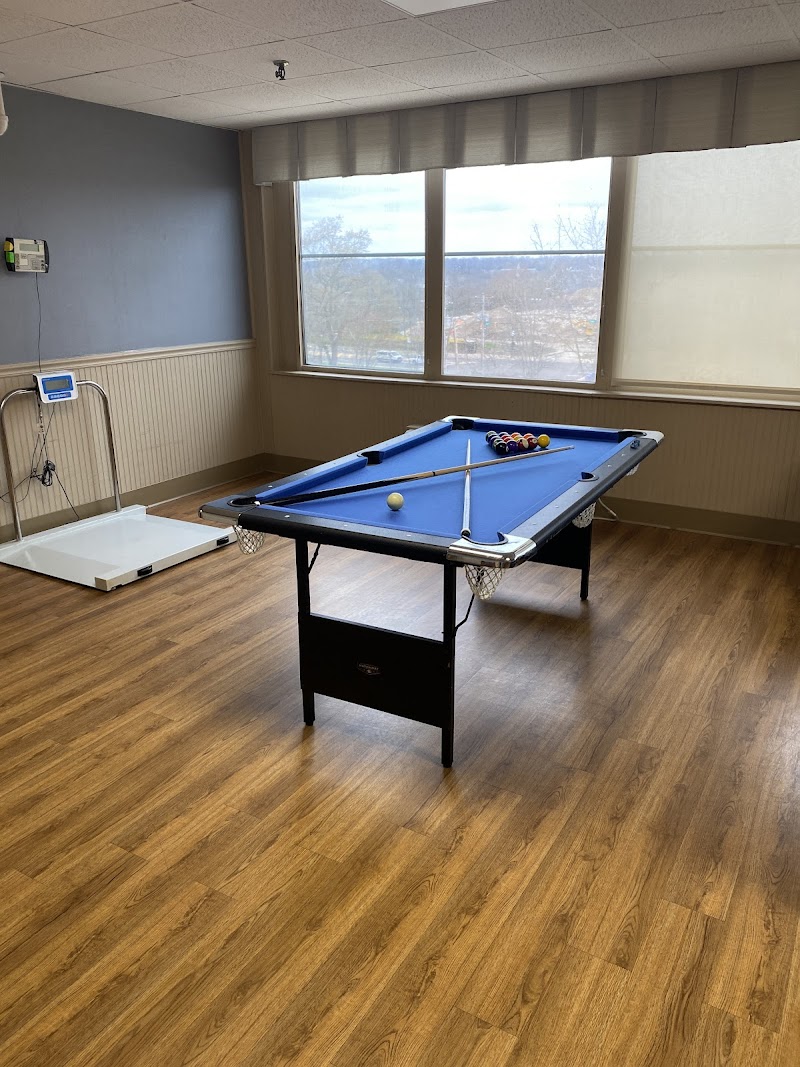
How is Divine Rehabilitation And Nursing At Canal Pointe Staffed?

CMS rates DIVINE REHABILITATION AND NURSING AT CANAL POINTE's staffing level at 2 out of 5 stars, which is below average compared to other nursing homes. Staff turnover is 49%, compared to the Ohio average of 46%.

What Have Inspectors Found at Divine Rehabilitation And Nursing At Canal Pointe?

State health inspectors documented 57 deficiencies at DIVINE REHABILITATION AND NURSING AT CANAL POINTE during 2021 to 2025. These included: 57 with potential for harm. While no single deficiency reached the most serious levels, the total volume warrants attention from prospective families.
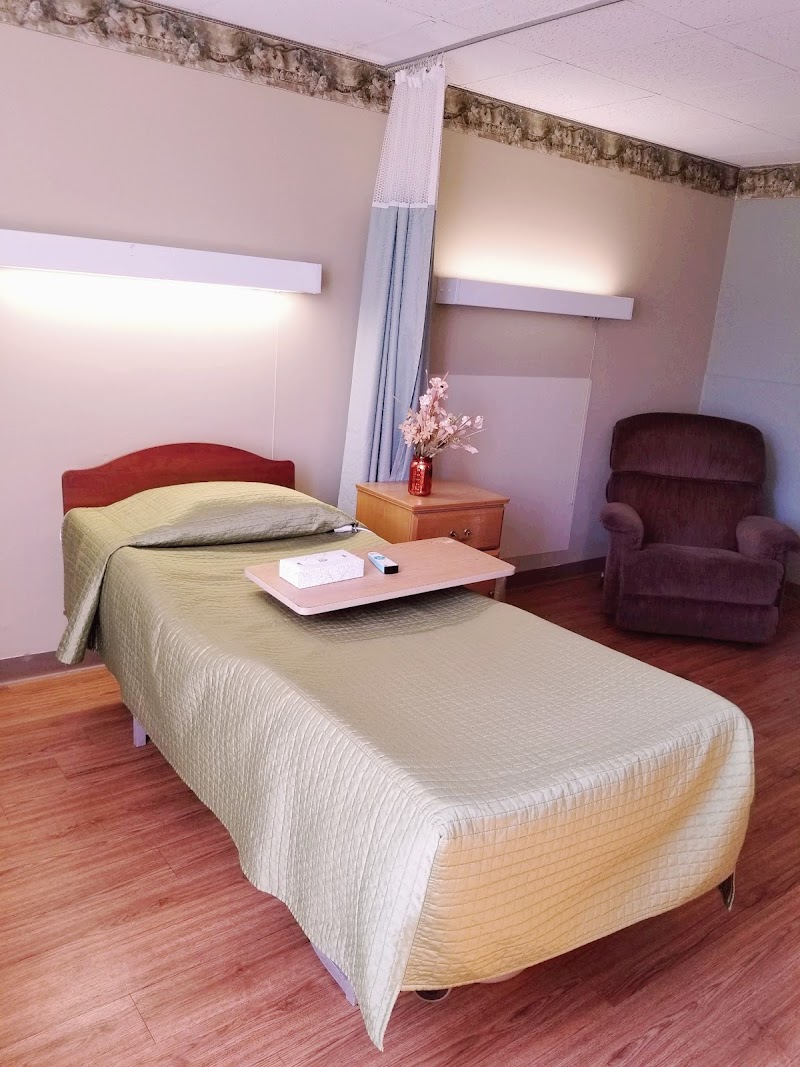
Who Owns and Operates Divine Rehabilitation And Nursing At Canal Pointe?

DIVINE REHABILITATION AND NURSING AT CANAL POINTE is owned by a for-profit company. For-profit facilities operate as businesses with obligations to shareholders or private owners. The facility is operated by DIVINE HEALTHCARE MANAGEMENT, a chain that manages multiple nursing homes. With 120 certified beds and approximately 111 residents (about 92% occupancy), it is a mid-sized facility located in AKRON, Ohio.
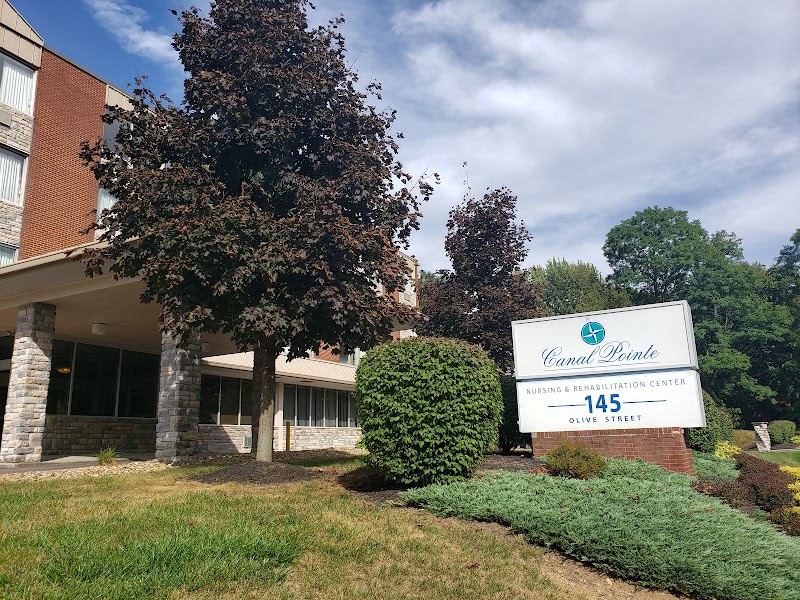
How Does Divine Rehabilitation And Nursing At Canal Pointe Compare to Other Ohio Nursing Homes?

Compared to the 100 nursing homes in Ohio, DIVINE REHABILITATION AND NURSING AT CANAL POINTE's overall rating (2 stars) is below the state average of 3.2, staff turnover (49%) is near the state average of 46%, and health inspection rating (1 stars) is much below the national benchmark.

What Should Families Ask When Visiting Divine Rehabilitation And Nursing At Canal Pointe?

Based on this facility's data, families visiting should ask: "What safeguards and monitoring systems are in place to protect residents from abuse or neglect?" "Can you walk me through typical staffing levels on day, evening, and night shifts?" "Can I visit during a mealtime to observe dining assistance and food quality?" "How do you handle medical emergencies, and what is your hospital transfer rate?" These questions are particularly relevant given the substantiated abuse finding on record and the below-average staffing rating.

Is Divine Rehabilitation And Nursing At Canal Pointe Safe?

Based on CMS inspection data, DIVINE REHABILITATION AND NURSING AT CANAL POINTE has documented safety concerns. The facility has 1 substantiated abuse finding (meaning confirmed case of resident harm by staff or other residents). The facility has a 2-star overall rating and ranks #100 of 100 nursing homes in Ohio. Families considering this facility should ask detailed questions about what corrective actions have been taken since these incidents.

Do Nurses at Divine Rehabilitation And Nursing At Canal Pointe Stick Around?

DIVINE REHABILITATION AND NURSING AT CANAL POINTE has a staff turnover rate of 49%, which is about average for Ohio nursing homes (state average: 46%). Moderate turnover is common in nursing homes, but families should still ask about staff tenure and how the facility maintains care continuity when employees leave.

Was Divine Rehabilitation And Nursing At Canal Pointe Ever Fined?

DIVINE REHABILITATION AND NURSING AT CANAL POINTE has no federal fines on record. CMS issues fines when nursing homes fail to meet care standards or don't correct problems found during inspections. The absence of fines suggests the facility has either maintained compliance or corrected any issues before penalties were assessed. This is a positive indicator, though families should still review recent inspection reports for the full picture.

Is Divine Rehabilitation And Nursing At Canal Pointe on Any Federal Watch List?

DIVINE REHABILITATION AND NURSING AT CANAL POINTE is not on any federal watch list. The most significant is the Special Focus Facility (SFF) program, which identifies the bottom 1% of nursing homes nationally based on persistent, serious quality problems. Not being on this list means the facility has avoided the pattern of deficiencies that triggers enhanced federal oversight. This is a positive indicator, though families should still review the facility's inspection history directly.