GREEN VILLAGE SKILLED NURSING & REHABILITATION LTD
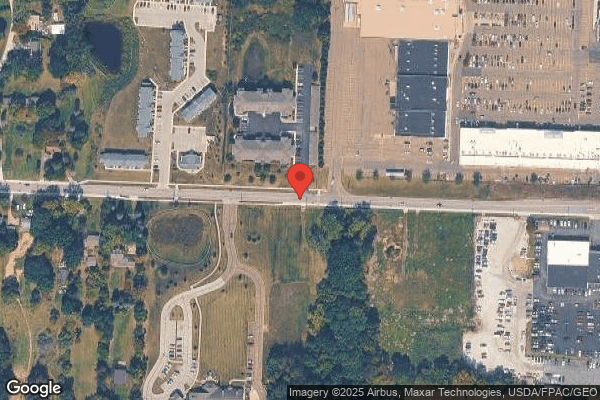

708 MOORE ROAD, AKRON, OH 44319 (330) 409-0345
For profit - Limited Liability company 69 Beds VRC MANAGEMENT Data: November 2025
Trust Grade
70/100
#269 of 913 in OH
Last Inspection: April 2025

Within standard 12-15 month inspection cycle. Federal law requires annual inspections.

Overview

Green Village Skilled Nursing & Rehabilitation Ltd has a Trust Grade of B, which indicates it is a good choice among nursing homes. With a state rank of #269 out of 913 facilities in Ohio, they are in the top half, and they rank #8 out of 42 in Summit County, meaning there are only seven local options that perform better. However, the facility is experiencing a worsening trend, with issues increasing from 2 in 2024 to 10 in 2025. Staffing is average with a rating of 3 out of 5 stars and a turnover rate of 57%, which is slightly above the state average. There have been no fines, which is a positive sign, and they have average RN coverage. While there are strengths, such as a solid quality measure rating of 5 out of 5, there are also notable concerns. For example, the facility failed to test the sanitation levels in the dishwashing area, which could potentially affect all residents receiving dietary services. Additionally, an insulin pen was incorrectly used for multiple residents, raising infection control issues. Furthermore, the comprehensive care plans for some residents lacked necessary goals and interventions, which could impact their overall care.

Trust Score
B
70/100
In Ohio
#269/913
Top 29%
Safety Record
Low Risk
No red flags
Inspections
Getting Worse
2 → 10 violations
Staff Stability
⚠ Watch
57% turnover. Above average. Higher turnover means staff may not know residents' routines.
Penalties
✓ Good
No fines on record. Clean compliance history, better than most Ohio facilities.
Skilled Nurses
○ Average
Each resident gets 40 minutes of Registered Nurse (RN) attention daily — about average for Ohio. RNs are the most trained staff who monitor for health changes.
Violations
⚠ Watch
16 deficiencies on record. Higher than average. Multiple issues found across inspections.
★★★★☆
4.0
Overall Rating
★★★☆☆
3.0
Staff Levels
★★★★★
5.0
Care Quality
★★★☆☆
3.0
Inspection Score
Stable
2024: 2 issues
2025: 10 issues

The Good

  • 5-Star Quality Measures · Strong clinical quality outcomes
  • Full Sprinkler Coverage · Fire safety systems throughout facility
  • No fines on record

Facility shows strength in quality measures, fire safety.

The Bad

Staff Turnover: 57%

11pts above Ohio avg (46%)

Frequent staff changes - ask about care continuity

Chain: VRC MANAGEMENT

Part of a multi-facility chain

Ask about local staffing decisions and management

Staff turnover is elevated (57%)

9 points above Ohio average of 48%

The Ugly 16 deficiencies on record

Apr 2025 10 deficiencies
CONCERN (D)

Potential for Harm - no one hurt, but risky conditions existed

Comprehensive Care Plan (Tag F0656)

Could have caused harm · This affected 1 resident

Based on medical record review, interview, and review of facility policy, the facility failed to ensure Resident #2 and Resident #18's comprehensive care plans included all goals and interventions nee...

Read full inspector narrative →
Based on medical record review, interview, and review of facility policy, the facility failed to ensure Resident #2 and Resident #18's comprehensive care plans included all goals and interventions needed to meet the residents' total care needs. This affected two residents (Resident #2 and Resident #18) of 27 residents reviewed for comprehensive care plans. Findings include: Review of the medical record for Resident #2 revealed an admission date of 02/19/22 with diagnoses including chronic obstructive pulmonary disease (COPD), diverticulitis, type two diabetes mellitus with metabolic diabetic polyneuropathy, chronic pain syndrome, atrial fibrillation, gout, major depressive disorder, unspecified psychosis, mild cognitive impairment, and need for assistance with personal care. Review of the annual minimum data set (MDS) 3.0 assessment completed on 01/17/25 revealed Resident #2 had moderate cognitive impairment with no behavior, wandering, or rejection of care during the seven-day look-back period. Review of the care plan dated 02/19/22 through 05/05/25 revealed Resident #2 had refusal of care as evidenced by refusal of showers, refusal to get out of bed, refusal of ancillary services, and removal of her Dexcom sensor (a small wearable sensor that sends real-time blood glucose level readings to an application on a mobile device). Further review of the care plan revealed there were no related goals or interventions for Resident #2's listed problem to refusal of care. Review of the care plan revision history revealed the care plan item indicating Resident #2 had refusal of care was put into place on 09/12/22, revised on 12/21/22 with verbiage that Resident #2 refused showers, getting out of bed, and ancillary services, and was last updated on 05/14/25 to reflect Resident #2 removed her Dexcom sensor. The care plan history contained no entries or edits related to interventions and goals for refusal of care. Interview on 04/24/25 at 9:39 A.M. with MDS Coordinator #437 confirmed Resident #2 confirmed that Resident #2 had a history of refusing care and should have had an active care plan which included the identified problem, goals, and interventions related to her refusal of care behaviors. During the interview, MDS Coordinator #437 reviewed the active care plan for Resident #2 and confirmed there were no listed goals or desired outcomes, no interventions, and no updated information regarding her refusal history since 05/14/25. Review of the policy titled Resident Care Planning - Interdisciplinary Team dated 12/03/14 revealed the comprehensive care plan was to be specific to each resident's needs, problems, and/or strengths and was to be based on the comprehensive resident assessment data, physician orders, resident needs, and resident's self-identification of their needs. The care plan was to contain each identified problem, measurable goals and outcomes, and interventions aimed at meeting the stated goals or mitigating the identified risks. The policy further revealed care planning was to be an ongoing process and was to be reviewed and updated at least quarterly and within seven days of the comprehensive assessments. 2. Review of the medical record for Resident #18 revealed an admission date of 05/05/22 with diagnoses including acute on chronic diastolic congestive heart failure (CHF), respiratory failure with hypoxia and hypercapnia, depression, chronic obstructive pulmonary disease (COPD), osteoarthritis, left lateral neoplasm of the left kidney, systemic inflammatory response syndrome of non-infectious origin (SIRS), muscle spasms, shortness of breath, contracture of the right fingers and right elbow, and constipation. Review of the quarterly minimum data set (MDS) 3.0 assessment completed on 03/25/25 revealed Resident #18 had moderate cognitive impairment and was on a scheduled pain regimen. Further review of the MDS revealed Resident #18 received opioids. Review of the orders revealed an order dated 11/03/14 for Oxycodone Hydrochloride (HCL) five milligram (mg) tablets, one tablet by mouth every four hours as needed for pain. Review of the care plan dated 09/23/20 through 06/25/25 revealed no care plan focus related to opioid use. The care plan did reveal Resident #18 could experience altered comfort related to a history of a fractured right humerus, generalized weakness, history of foot pain, and decreased range of motion of the right fingers and elbow. Further review of the care plan revealed no goals related to remaining free from adverse effects of opioid use and no interventions related to monitoring Resident #18 for opioid related side effects. Interview on 04/24/25 at 4:40 P.M. with the Director of Nursing (DON) confirmed residents receiving opioids should have interventions which included monitoring for adverse effects related to opiod use and that Resident #18's care plan had no listed goals or interventions specific to monitoring and reporting opioid side effects. Review of the policy titled Resident Care Planning - Interdisciplinary Team dated 12/03/14 revealed the comprehensive care plan was to be specific to each resident's needs, problems, and/or strengths and was to be based on the comprehensive resident assessment data, physician orders, resident needs, and resident's self-identification of their needs. The care plan was to contain each identified problem, measurable goals and outcomes, and interventions aimed at meeting the stated goals or mitigating the identified risks. The policy further revealed care planning was to be an ongoing process and was to be reviewed and updated at least quarterly and within seven days of the comprehensive assessments.
CONCERN (D)

Potential for Harm - no one hurt, but risky conditions existed

Deficiency F0657 (Tag F0657)

Could have caused harm · This affected 1 resident

Based on review of the medical record, interview, and review of facility policy, the facility failed to ensure the care plan for Resident #4 was updated with new fall interventions after a fall with i...

Read full inspector narrative →
Based on review of the medical record, interview, and review of facility policy, the facility failed to ensure the care plan for Resident #4 was updated with new fall interventions after a fall with injury. This affected one resident (Resident #4) of two residents reviewed for accidents. The facility census was 59. Findings include: Review of the medical record for Resident #4 revealed an admission date of 10/14/24 with diagnoses including syncope and collapse, lower back pain, unspecified head injury, dizziness and giddiness, muscle weakness, unsteadiness on the feet, difficulty walking, and unspecified disorders of bone density and structure. Additional diagnoses listed with an onset date of 03/03/25 included nondisplaced fracture of the medial wall of the left acetabulum and unspecified fracture of the left pubis with routine healing. Review of the quarterly minimum data set (MDS) 3.0 assessment revealed Resident #4 had intact cognition and required moderate assistance with all transfers. Further review of the MDS revealed Resident #4 had one fall with major injury since completion of the prior comprehensive assessment. Review of the assessment titled Fall PN dated 03/03/25 revealed the facility would implement signage to remind Resident #4 to use the call light to ask for help. Review of the progress notes revealed a fall progress note dated 03/03/25 at 2:15 P.M. indicating the facility was to add a new intervention to remind Resident #4 to use the call light to ask for help. Review of the orders revealed an order dated 03/05/25 for signage to Resident #4's room to remind the resident to wait for assistance. Review of the care plan dated 10/15/24 through 07/02/25 revealed Resident #4 was at risk for falls. Further review of the care plan revealed no care plan updates had been made since 01/07/25 and no new interventions were added regarding signage to the room to remind Resident #4 to wait for assistance. Review of the fall investigation alongside the Director of Nursing (DON) on 04/24/25 at 2:55 P.M. revealed the fall investigation and fall related interdisciplinary team (IDT) meeting post-fall outcome was to add signage to Resident #4's room to remind her to use the call light. At this time, the DON revealed she could not provide a copy of the fall investigation to the surveyor. A follow-up interview with the DON on 04/24/25 at 4:35 P.M. confirmed the care plan was not updated and the new intervention had not been added after Resident #4's fall that occurred on 03/03/25. Review of the policy titled Resident Care Planning - Interdisciplinary Team dated 12/03/14 revealed the comprehensive care plan was to be specific to each resident's needs and list all interventions aimed at meeting the residents' needs or mitigating the identified risks. The policy further revealed care planning was to be an ongoing process and the care plan was to be reviewed and updated at least quarterly and within seven days of the comprehensive assessments.
CONCERN (D) 📢 Someone Reported This

A family member, employee, or ombudsman was alarmed enough to file a formal complaint

Potential for Harm - no one hurt, but risky conditions existed

ADL Care (Tag F0677)

Could have caused harm · This affected 1 resident

Based on review of the medical record, interview, and review of facility policy, the facility failed to ensure Resident #2 received assistance with baths and showers per preferences or the care plan. ...

Read full inspector narrative →
Based on review of the medical record, interview, and review of facility policy, the facility failed to ensure Resident #2 received assistance with baths and showers per preferences or the care plan. This affected one resident (Resident #2) of six residents reviewed for activities of daily living (ADL). The facility census was 59. Findings include: Review of the medical record for Resident #2 revealed an admission date of 02/19/22 with diagnoses including chronic obstructive pulmonary disease (COPD), diverticulitis, type two diabetes mellitus with metabolic diabetic polyneuropathy, chronic pain syndrome, atrial fibrillation, gout, major depressive disorder, unspecified psychosis, mild cognitive impairment, and need for assistance with personal care. Review of the annual minimum data set (MDS) 3.0 assessment completed on 01/17/25 revealed Resident #2 had moderate cognitive impairment with no behaviors or rejection of care. Further review of the MDS revealed Resident #2 required substantial assistance for toileting hygiene and bathing and that it was very important to this resident to choose between a tub bath, shower, bed bath, or sponge bath. Review of the physician order dated 01/10/25 revealed Resident #2 was to have a shower schedule per resident preference or facility protocol. Review of the care plan dated 02/19/22 through 05/05/25 revealed Resident #2 had communicated preferences regarding everyday living which included receiving one bed bath per week and one shower per week. Listed interventions reflected this preference. Review of the shower schedule revealed Resident #2 was to be bathed on the 3:00 P.M. to 11:00 P.M. shift on Mondays and receive a COMPLETE SHOWER NO BED BATH BB [bed bath] on the 3:00 P.M. to 11:00 P.M. shift on Fridays. Review of the point of care (POC) bathing task documentation in the electronic medical record from the past 30 days (03/25/25 through 04/23/24 at 10:40 A.M.). revealed Resident #2 received a sponge bath in bed on 03/28/25, 04/04/25, 04/14/25, and 04/18/25. There was no POC bathing task documentation Resident #2 received a bed bath or shower, or that Resident #2 refused the bathing task, on 03/31/25, 04/07/25, 04/11/25, or 04/21/25 as scheduled. There were no paper shower sheets for any bathing, or bathing refusals, after 03/10/25. Interview on 04/21/25 at 11:41 P.M. with the resident representative and listed power of attorney (POA) for Resident #2 revealed concerns Resident #2 was not getting showers like she was supposed to and that the shower in Resident #2's room was often blocked by equipment and staff found it difficult to get Resident #2 in and out of the bathroom for showers. Observation on 04/22/25 at 1:59 P.M. revealed two wheelchairs lined up in Resident #2's bathroom in front of the shower. Interview on 04/23/25 at 3:24 P.M. with Resident #2 confirmed Resident #2 wished to be gotten up to the shower once a week, but stated she typically received bed baths. During the interview, Resident #2 confirmed bathing was typically only offered on Fridays, usually as a bed bath, and sometimes on Mondays. Interview on 04/23/25 at 4:50 P.M. with Certified Nurse Aide (CNA) #423 confirmed residents were to be bathed according to their shower schedules in the shower book, which was pointed out at the time of the interview, unless the resident refused. CNA #423 further confirmed all shower refusals were to be documented on the paper shower sheet. During the interview, CNA #423 stated she could not confirm when Resident #2 was scheduled for bathing because that room was not part of her assignment. Interview on 04/23/25 at 4:54 P.M. with CNA #416 confirmed resident shower schedules were kept in the shower book. CNA #416 confirmed that if a resident refused to be bathed, she would make another attempt and then note the refusal on the paper shower sheet. CNA #416 further stated that Resident #2 mostly gets a bed bath. Interview with the Director of Nursing (DON) on 04/24/25 at 4:35 P.M. confirmed there was no documentation Resident #2 received any showers from 03/25/25 through 04/23/24 and only received a bed bath on 03/28/25, 04/04/25, 04/14/25, 04/18/25 with no documentation of bathing refusals or why the bed baths occurred on Fridays instead of the showers per the schedule and as care planned. Review of the Activities of Daily Living (ADLs), Supporting policy revised March 2018 revealed appropriate care and services would be provided to residents unable to carry out their own ADLs independently in accordance with resident consent and the care plan, including bathing, grooming, dressing, and oral care. This deficiency represents non-compliance related to allegations investigated under Complaint Number OH00163622, Complaint Number OH00163171, and Complaint Number OH00163085.
CONCERN (D)

Potential for Harm - no one hurt, but risky conditions existed

Quality of Care (Tag F0684)

Could have caused harm · This affected 1 resident

**NOTE- TERMS IN BRACKETS HAVE BEEN EDITED TO PROTECT CONFIDENTIALITY** Review of the closed medical record for Resident #66 revealed an admission dated of 02/05/25. Diagnoses included spinal stenosis...

Read full inspector narrative →
**NOTE- TERMS IN BRACKETS HAVE BEEN EDITED TO PROTECT CONFIDENTIALITY** Review of the closed medical record for Resident #66 revealed an admission dated of 02/05/25. Diagnoses included spinal stenosis, lumbar region with neurogenic claudication, depression, and anxiety disorder. Review of the discharge return not anticipated Minimum Data Set (MDS) assessment dated [DATE] revealed Resident #66 had intact cognition. Review of the physician orders for February 2025 revealed an order for nicotine transdermal patch 24 hour 21 milligrams (mg)/24 hour (hr.). Apply one patch transdermally one time a day related to tobacco use with a start date of 02/06/25. Review of the medication administration record (MARS) for February 2025 revealed on 02/07/25, 02/208/25, and 02/09/25 a number 9 indicating to see progress note for the nicotine transdermal patch. Review of the progress notes dated 02/07/25 at 8:53 A.M., 02/08/25 at 8:53 A.M. and on 02/09/25 at 8:30 A.M. it was noted the nicotine transdermal patch was not available. Interview on 04/28/25 at 12:36 P.M. with the Director of Nursing (DON) revealed it was her expectation for the staff to notify the doctor when the medication was unavailable, and she did not see the documentation of the physician being notified. DON stated it was the same nurse for all three occasions and when she spoke with the nurse the nurse could not remember. DON stated the nicotine patches were typically house stock and if she was notified they could have gotten them from the store or ensure something else was in place. DON stated she was not made aware that the nicotine transdermal patches were not available. Based on medical record review, interview, and review of facility policy, the facility failed to ensure Resident #66's nicotine patch was administered as ordered. This affected one residents (Resident #66) of five residents reviewed for quality of care. Findings include:
CONCERN (D)

Potential for Harm - no one hurt, but risky conditions existed

Incontinence Care (Tag F0690)

Could have caused harm · This affected 1 resident

Based on medical record review, interview, and review of facility policy, the facility failed to ensure Resident #65's care needs were addressed related to a urine sample and the results of the urine ...

Read full inspector narrative →
Based on medical record review, interview, and review of facility policy, the facility failed to ensure Resident #65's care needs were addressed related to a urine sample and the results of the urine analysis were properly followed up on. This affected one resident (Resident #65) of two residents reviewed for bowel and bladder continence. Findings include: Review of the closed medical record for Resident #65 revealed an admission date of 02/03/25 and a discharge date of 02/19/25. Diagnoses included COVID-19, sepsis, acute respiratory failure, history of cerebral infarction without residual deficits, polyneuropathy, hypertension, and urge incontinence. Review of the admission Minimum Data Set (MDS) 3.0 assessment completed on 02/10/25 revealed Resident #65 was cognitively intact. Further review of the MDS revealed Resident #65 was occasionally incontinent of bowel and bladder. Review of the orders for Resident #65 revealed a laboratory order dated 02/17/25 at 11:54 A.M. for a urinalysis (UA) with culture and sensitivity (C&S). There was no indication/reason for the UA with C&S noted within the order. Review of the progress notes from 02/03/25 to 02/19/25 revealed a note dated 02/09/25 dated 9:46 A.M. stating the family reported to staff that Resident #65's gastrointestinal symptoms experienced on 02/08/25, which had improved, were typical symptoms Resident #65 exhibited when she had a urinary tract infection (UTI). The note further revealed the nurse performed an assessment and Resident #65's vital signs were within normal limits, she was alert and oriented to person, place, and time, and denied any pain or urgency with urination. There were no progress notes after 02/09/25 related to genitourinary assessments or concerns, or why a urinalysis with culture and sensitivity was ordered. Review of the assessments revealed one skilled progress nursing assessment completed on 02/11/24 revealed Resident #65 had no changes in genitourinary function, no alteration in mental status, and no pain. There were no additional nursing assessments in the medical record. Review of the February 2025 treatment administration record (TAR) revealed a urine sample was collected from Resident #65 for the ordered UA C&S during night shift on 02/17/25. Review of the final laboratory report dated 02/20/25 at 3:24 P.M. revealed Resident #65's urine was turbid and contained evidence of blood, protein, nitrites, leukocytes, red blood cells, white blood cells, white blood cell clumps, calcium oxalate crystals, mucous, and bacteria. The culture further showed greater than 100,000 colony forming units (CFU) per milliliter (ml) of Escherichia Coli. Interview with the Director of Nursing (DON) on 04/24/25 at 4:40 P.M. confirmed there was no evidence that Resident #65's urine culture results were communicated with Resident #65 or her medical provider. At the time of this interview, the DON was unable to confirm whether any follow-up to the positive culture occurred. Interview on 04/28/25 at 11:47 A.M. with Registered Nurse (RN) #434, who confirmed she was primarily assigned to the 200 hall where Resident #65 resided, confirmed she was unable to recall Resident #65 and had no knowledge as to why she had a urine culture ordered. During the interview, RN #434 revealed that if a urine culture returned with positive results after the resident had been discharged , the facility would not be able to prescribe further treatment, but the responsible thing to do would be to send the lab report to the resident's primary care physician (PCP) for follow-up. A follow-up interview on 04/28/25 from11:53 A.M. to 11:57 A.M. with the DON confirmed she could not find physician, nursing, or other provider notes to indicate why a UA C&S had been ordered and had no personal recall as to why the urine sample was ordered. The DON also confirmed no recollection or documentation notifying the PCP or home health agency of the lab results. Review of the policy titled Change in Resident's Condition or Status last revised 11/19/17 revealed the facility was to promptly notify the resident, resident's representative, and primary physician of changes in resident status, which included any changes that indicated a need to alter medical treatment.
CONCERN (D)

Potential for Harm - no one hurt, but risky conditions existed

Deficiency F0692 (Tag F0692)

Could have caused harm · This affected 1 resident

**NOTE- TERMS IN BRACKETS HAVE BEEN EDITED TO PROTECT CONFIDENTIALITY** Based on record review and interview, the facility failed to timely and accurately address and monitor significant weight loss. ...

Read full inspector narrative →
**NOTE- TERMS IN BRACKETS HAVE BEEN EDITED TO PROTECT CONFIDENTIALITY** Based on record review and interview, the facility failed to timely and accurately address and monitor significant weight loss. This affected one resident (#40) of four residents (#40, #47, #48, and #55) reviewed for nutrition. The facility census was 59. Findings include: Review of the medical record for Resident #40 revealed an admission date of 10/05/23. Diagnoses included depression, muscle weakness, severe protein-calorie malnutrition, and type 2 diabetes mellitus with hyperglycemia. Review of the physician orders for April 2025 revealed active orders for weight upon admission, then weekly times four every day shift every Monday for four weeks with start date of 03/28/25 and end date of 04/28/25. Review of Resident #40's weight history revealed: • 02/27/25 187.2 pounds (lbs.) • 03/04/25 169.2 lbs. • 03/13/25 164.2 lbs. • 03/31/25 164.0 lbs. • 04/01/25 166.2 lbs. • 04/08/25 163.2 lbs. • 04/09/25 162.2 lbs. • 04/23/25 164.8 lbs. The weight on 03/04/25 had a line drawn through noted to be incorrect documentation by Registered Dietitian (RD) #404. Review of the progress notes dated 03/23/25 at 1:17 P.M. revealed Resident #40 was transported via cot by ambulance to the hospital. Resident family member present for transfer. Review of the progress note dated 03/28/25 at 5:35 P.M. revealed Resident #40 was returned to the facility. Review of the comprehensive medical nutrition therapy assessment dated [DATE] revealed Resident #40 was re-admitted after hospital stay due to urinary tract infection (UTI) with weakness. Returned on a regular diet, however, will resume [NAME] diet due to diagnosis of diabetes mellitus. Recommend starting supplement for weight gain due to 20 pound weight loss which occurred during hospital stay. Resident #40 reporting not eating well since discharge. Resident #40's goal weight was in the 180's. Will start Boost breeze every day per preference. Will continue to monitor and follow up as needed. Review of the quarterly minimum data set (MDS) assessment dated [DATE] revealed Resident #40 had intact cognition and had unplanned weight loss. Interview on 04/23/25 at 2:45 P.M. with RD #404 revealed she talked with Resident #40 when he had returned from the hospital, and he told her that he had weight loss while in the hospital. RD #404 stated nursing would let her know if someone was not eating and if there was a weight change. RD #404 stated she was not made aware of the weight loss for Resident #40 on 03/13/25. RD #404 stated she crossed the weight 03/04/25 because she had thought it was inaccurate and had asked for a reweigh. RD #404 stated sometimes reweigh can take a little while but don't recall that one specifically for 03/04/25 but remember asking for it. RD #404 stated when Resident #40 returned from the hospital her interventions included weekly weights. RD #404 verified the weekly weight from last week was not obtained but stated Resident #40 weight was stabilizing. RD #404 stated she typically print a list of the significant weight changes and gives it to the physician for notification. RD #404 stated she doesn't always document that she notified the physician of significant weight changes. RD #404 verified she did not document that she had informed the physician of Resident #40's weight loss. Interview on 04/23/25 at 3:39 P.M. with the Director of Nursing (DON) stated nursing does not inform RD #404 about weights, RD #404 monitors the weights once they are put into the resident electronic medical record. DON stated RD #404 also informs the physician of any significant weight changes. DON stated when there is a request for a re-weigh they try to have them done within the day, but it does not always work that way. DON stated she has Resident #40's weight for 04/21/25 and would put that in his electronic medical record but was not sure what happened with the weekly weight from previous week. Follow-up interview on 04/24/25 at 10:51 A.M. with RD #404 and DON revealed they were unable to provide evidence that Resident #40's significant weight loss that occurred prior to his hospitalization on 03/23/25 was addressed and the physician was notified. Review of the policy Weight Management/Monitoring, dated 10/10/23 revealed any weight change of five pounds or more since the last weight assessment will be verified with a reweigh. If the weight loss is not desirable, the dietician will complete an assessment of the Resident. The physician and the multidisciplinary team will identify conditions and medications that may be causing anorexia, weight loss, or increasing the risk of weight loss. Under documentation: the physician should be informed of a significant change in weight and may order nutritional interventions. Physician notification will be documented in the resident's medical record.
CONCERN (D)

Potential for Harm - no one hurt, but risky conditions existed

Deficiency F0697 (Tag F0697)

Could have caused harm · This affected 1 resident

Based on review of the medical record, interview, and review of facility policy, the facility failed to ensure Resident #18 pain medications had proper indications for use, their pain was re-evaluated...

Read full inspector narrative →
Based on review of the medical record, interview, and review of facility policy, the facility failed to ensure Resident #18 pain medications had proper indications for use, their pain was re-evaluated after administration of analgesics, and had interventions in place to ensure effective monitoring for adverse effects of opioid use. This affected one Resident (Resident #18) of five residents reviewed for unnecessary medications. The facility census was 59. Findings include: Review of the medical record for Resident #18 revealed an admission date of 05/05/22 with diagnoses including acute on chronic diastolic congestive heart failure (CHF), respiratory failure with hypoxia and hypercapnia, depression, chronic obstructive pulmonary disease (COPD), osteoarthritis, left lateral neoplasm of the left kidney, systemic inflammatory response syndrome of non-infectious origin (SIRS), muscle spasms, shortness of breath, contracture of the right fingers and right elbow, and constipation. Review of the quarterly minimum data set (MDS) 3.0 assessment completed on 03/25/25 revealed Resident #18 had moderate cognitive impairment and was on a scheduled pain regimen. Further review of the MDS revealed Resident #18 received opioids. Review of the orders revealed an order dated 11/01/24 for Acetaminophen 325 milligram (mg) tablets, two tablets by mouth every six hours as needed for general discomfort. Further review of the orders revealed an order dated 11/03/14 for Oxycodone Hydrochloride (HCL) 5 mg tablets, one tablet by mouth every four hours as needed for pain. There was no indication of what type of pain or level of pain severity for which the Oxycodone was to be administered. Review of the care plan dated 09/23/20 through 06/25/25 revealed no care plan focus related to opioid use and no interventions related to monitoring Resident #18 for opioid related side effects. The care plan did reveal Resident #18 could experience altered comfort related to a history of a fractured right humerus, generalized weakness, history of foot pain, and decreased range of motion of the right fingers and elbow. Interventions included monitoring for effectiveness of pain medication and to notify the medical provider of the medication was ineffective. Review of the March 2025 Medication Administration record (MAR) revealed Resident #18 received Acetaminophen 325 mg, 2 tablets by mouth on 03/13/25, 03/19/25, and 03/26/25 for discomfort. The effectiveness of acetaminophen doses given on 03/13/25 and 03/19/25 were listed as unknown. The linked electronic medication administration record (eMAR) progress notes contained no follow-up pain assessments. There were no other assessments that contained documentation of pain re-evaluations dated 03/13/25 or 03/19/25. Review of the March 2025 MAR revealed Resident #18 received Oxycodone 5 mg for pain a total of 10 times between 03/01/25 and 03/31/25. Six of the Oxycodone doses administered, doses given on 03/03/25, 03/09/25, 03/13/25, 03/17/25, 03/22/25, and 03/25/25, included documentation that the effectiveness of the Oxycodone was unknown. The linked eMAR progress notes for doses given on 03/03/25, 03/09/25, 03/13/25, 03/17/25, 03/22/25, and 03/25/25 listed the effectiveness as unknown and contained no follow-up pain assessments. There were no nursing assessments or other forms of documentation dated 03/03/25, 03/09/25, 03/13/25, 03/17/25, 03/22/25, or 03/25/25 that included follow-up pain assessments or evidence Resident #18 had been monitored for adverse effects of opioid analgesic use. Review of the April 2025 MAR revealed Resident #18 received Oxycodone 5 mg for pain a total of eight times between 04/01/25 and 04/23/25. Six of the Oxycodone doses administered, doses given on 04/02/25, 04/06/25, 04/07/25, 04/15/25, 04/21/25, and 04/23/25, included documentation that the medication effectiveness was unknown. The linked eMAR progress notes for doses given on 04/02/25, 04/06/25, 04/07/25, 04/15/25, 04/21/25, and 04/23/25 contained no follow-up pain assessments after pain medication administration. There were no nursing assessments or other forms of documentation dated 04/02/25, 04/06/25, 04/07/25, 04/15/25, 04/21/25, and 04/23/25 that included follow-up pain assessments or evidence Resident #18 had been monitored for adverse effects of opioid analgesic use. Interview on 04/24/25 at 12:07 P.M. with Registered Nurse (RN) #434 confirmed a pain reassessment was to be performed when any analgesic medication was administered for pain management. RN #434 further confirmed reassessment of pain directly after administration of the medication would be inappropriate and that the average appropriate timing for re-evaluating residents' pain medication effectiveness was around one hour after giving the medication. During the interview, RN #434 denied circumstances when an unknown response related to effectiveness would be warranted, unless the resident was no longer in the facility, and stated there was always a method that could be used to assess for indicators of pain. RN #434 also confirmed there was no place nurses were prompted to assess and document whether residents receiving opioids experienced adverse effects. Interview with the Director of Nursing (DON) on 04/24/25 at 4:40 P.M. confirmed any resident who received pain medication on an as needed basis was required to have their pain level re-evaluated no sooner than 15 minutes after administration. The DON further confirmed that if the nurse reassessed the resident, the response of Unknown should never be selected, unless the resident had been transferred out of the facility before it was time to re-evaluate the effectiveness of the administered medication. During the interview, the DON also confirmed there was no designated place for nurses to document that they were monitoring for side effects of opioids, and the care plan should have listed an intervention regarding monitoring and reporting opioid side effects. Review of the policy titled Administering Pain Medications last revised October 2022 revealed residents prescribed opioids were to be monitored for medication effectiveness, adverse effects, and potential signs of overdose. The policy further revealed residents being administered analgesics were to have their pain re-evaluated 30 to 60 minutes after administration.
CONCERN (D)

Potential for Harm - no one hurt, but risky conditions existed

Unnecessary Medications (Tag F0759)

Could have caused harm · This affected 1 resident

Based on observation, record review, and interview, the facility failed to administer medications with an error rate of under 5%. Two medication errors out of 29 opportunities for error, creating a to...

Read full inspector narrative →
Based on observation, record review, and interview, the facility failed to administer medications with an error rate of under 5%. Two medication errors out of 29 opportunities for error, creating a total medication error rate of 6.9%. This affected two (Resident #5 and #11) of five residents observed for medication administration. Findings include: 1. Record review of Resident #5 revealed he had an active order for 12 units of Humalog insulin to be given with meals dated 02/20/24, and an active order for sliding scale insulin dated 04/10/24. Observation of an insulin administration for Resident #5 on 04/21/25 at 4:28 P.M. revealed Registered Nurse (RN) #434 programmed a dose of 21 units of Humalog insulin from a Humalog Kwikpen device (a multi-use insulin injection syringe). Observation of the syringe revealed it was a previously-opened device labeled as belonging to Resident #46. Additionally, the nurse did not prime the needle with a two-unit push before programming the 21 units. The surveyor intervened before the resident was injected. Interview with RN #434 on 04/21/25 at 4:45 P.M. confirmed the above findings. Following surveyor intervention, she retrieved a new Humalog insulin vial from storage and used that to medicate the resident. Record review of the facility's insulin administration policy dated 2017 revealed staff were to follow manufacturer instructions when using insulin devices. Review of the manufacturer instructions for Humalog Kwikpen devices dated 07/2023 revealed Humalog Kwikpens were not to be used for multiple people, as this carried the risk of transmitting a serious infection. Additionally, the insulin needle was to be primed before each injection with two units of insulin. The instructions said that if the needle was not primed before injection it could result in too much or little insulin may be administered. 2. Record review of Resident #11 revealed they had an active order dated 11/29/24 to receive two tablets of cholecalciferol 1000 units for a total dose of 2000 units once per day. Observation of a medication administration on 04/23/25 at 9:08 A.M. for Resident #11 by Licensed Practical Nurse (LPN) #409 revealed one of the medications given was one pill of 1000 units of vitamin D3 (also called cholecalciferol). Interview with LPN #409 on 04/23/25 at 11:40 A.M. confirmed she only gave one tablet of cholecalciferol and the order called for two. The above two events created two medication errors out of 29 opportunities for error, creating a total medication error rate of 6.9%.
CONCERN (E)

Potential for Harm - no one hurt, but risky conditions existed

Infection Control (Tag F0880)

Could have caused harm · This affected multiple residents

**NOTE- TERMS IN BRACKETS HAVE BEEN EDITED TO PROTECT CONFIDENTIALITY** Based on observation, record review, and interview, the facility failed to ensure insulin pens were only used for one resident a...

Read full inspector narrative →
**NOTE- TERMS IN BRACKETS HAVE BEEN EDITED TO PROTECT CONFIDENTIALITY** Based on observation, record review, and interview, the facility failed to ensure insulin pens were only used for one resident and failed to follow infection control precautions for Resident #32 and #73. This affected Resident #5, Resident #32, and Resident #73 with the potential to affect five residents (#42, #70, #71, #72, and #73) who resided on the 100 hall. The facility census was 59. Findings include: 1. Observation of an insulin administration for Resident #5 on 04/21/25 at 4:28 P.M. revealed Registered Nurse (RN) #434 programmed a dose of 21 units of Humalog insulin from a Humalog Kwikpen device (a multi-use insulin injection syringe). Observation of the syringe revealed it was a previously-opened device labeled as belonging to Resident #46. The surveyor intervened before the resident was injected. Interview with RN #434 on 04/21/25 at 4:45 P.M. confirmed the above findings. Following surveyor intervention, she retrieved a new Humalog insulin vial from storage and used that to medicate the resident. Record review of the facility's insulin administration policy dated 2017 revealed staff were to follow manufacturer instructions when using insulin devices. Review of the manufacturer instructions for Humalog Kwikpen devices dated 07/2023 revealed Humalog Kwikpens were not to be used for multiple people, as this carried the risk of transmitting a serious infection. 2. Review of the medical record for Resident #73 revealed and admission date of 04/18/25. Diagnoses included Enterocolitis due to Clostridium Difficile (C. Diff). Resident #73 resided on the 100 hall. Review of the physician orders for April 2025 revealed active orders to maintain contact precautions for C. Diff. Review of the care plan dated 04/22/25 revealed Resident #73 required isolation precautions for C. Diff. Interventions included use appropriate personal protective equipment as indicated by isolation type when providing care for Resident #73. Observation on 04/22/25 at 11:24 A.M. revealed Resident #73 sitting in his wheelchair in the hall outside of his room. On the back of the resident door was a yellow plastic bag with slots that held disposable gowns and gloves. The door jamb had a sign that read contact precautions: wash hands before entrance/and exit, gown, and glove. CNA #442 was observed taking Resident #73 into his room and closed the door behind them without donning gloves or gown. Resident #73's door was opened and CNA #422 brought Resident 73 back out into the hall and then entered Resident #72's room and then come right out. Interview on 04/22/25 at 11:26 A.M. with CNA #442 verified she did not don a gown when she took Resident #73 into his room but stated she put on gloves once she was in his room and lifted him up in his wheelchair. CNA #442 stated there were gloves in the room in the resident's bathroom. CNA #442 stated she put gloves on and threw them away in the room and then sanitized her hands. CNA #442 stated she was aware Resident #73 was on precautions for C. Diff and all he needed was to get lifted up in chair. CNA #442 stated the sign was only when they had to change him. CNA #442 stated she then went into Resident #72's room but the resident was not in her room. Interview on 04/22/25 at 12:49 P.M. with Infection Control Preventionist (ICP) #481 stated the expectation was to don gown and glove when entering Resident #73's room for any reason and washing hands with soap and water not hand sanitizer. Review of the facility census revealed #42, #70, #71, #72, and #73 resided on the 100 hall. Review of the facility policy Isolation-Categories of Transmission-Based Precautions, revised September 2017 revealed wear gloves when entering the room, while caring for a resident, change gloves after having contact with infective material, remove gloves before leaving the room and perform hand hygiene. After removing gloves and washing hands, do not touch potentially contaminated environmental surfaces or items in the resident's room. Wear a disposable gown upon entering the contact precautions room or cubicle. After removing the gown, do not allow clothing to contact potentially contaminated environmental surfaces. 3. Review of Resident #32 medical record revealed resident was admitted on [DATE] with diagnosis including but not limited to aneurysm of carotid artery, insomnia, major depressive disorder, pruritus, gastro-esophageal reflux disease, difficulty in walking, pain in right leg, need for assistance with/ personal care, muscle weakness, hemiplegia and hemiparesis following cerebral infraction affecting right dominant side. Resident #32's physician orders revealed an order of enhanced barrier precautions dated 04/02/25 for staff to use Enhanced Barrier Precautions during high contact resident care activities due to (wounds). Observation on 04/23/25 at 11:55 A.M. of Certified Nursing Assistant (CNA) #442 exiting Resident #32 room with gloves in hand, mask on and carrying a trash bag. Interview on 04/23/25 at 12:05 P.M. with CNA #442 revealed she was performing perineal care and Resident #32 was not on precautions. CNA #442 revealed she threw gloves away outside of room and then sanitized her hands. CNA #442 revealed for enhanced barrier precautions she wears a mask and gloves. Confirmed with CNA #442 the enhanced barrier precaution sign on the inside of Resident #32 door and that the sign says to wear gloves and a gown. CNA #442 confirmed she did not have a gown on while providing care. Review of the facilities Enhanced Barrier Precautions policy dated August 2022, revealed gloves and gown are applied prior to performing high contact resident care activities and that personal protective equipment (PPE) is removed before leaving the resident room.
CONCERN (F) 📢 Someone Reported This

A family member, employee, or ombudsman was alarmed enough to file a formal complaint

Potential for Harm - no one hurt, but risky conditions existed

Food Safety (Tag F0812)

Could have caused harm · This affected most or all residents

**NOTE- TERMS IN BRACKETS HAVE BEEN EDITED TO PROTECT CONFIDENTIALITY** Based on observation, interview and policy review, the facility failed to have test strips at the three-sink manual dishwash are...

Read full inspector narrative →
**NOTE- TERMS IN BRACKETS HAVE BEEN EDITED TO PROTECT CONFIDENTIALITY** Based on observation, interview and policy review, the facility failed to have test strips at the three-sink manual dishwash area to test for proper sanitation levels. This had the potential to affect all 59 of 59 residents receiving dietary services. Findings include: On [DATE] at 8:30 A.M. an initial tour of the kitchen revealed Hydrion test strips to test for proper sanitation levels at the three-sink manual dishwash station expired 10/2024. An interview at the time of the observation with Dietary Manager (DM) #448 verified the expired test strips. DM #448 also stated they were unaware of an expiration date for test strips existed. A review of the policy titled; General Sanitation of Kitchen dated 2010 revealed the staff shall maintain the sanitation of the kitchen through compliance with a written, comprehensive cleaning schedule. A review of the policy titled; Cleaning Dishes-Manual Dishwashing dated 2010 revealed dishes and cookware will be washed after each meal to assure that all dishes are clean and sanitary. Subpoint six with in the policy stated to check sanitation sink often using a test strip to assure the level of sanitation solution is appropriate. A review of the documents titled; Kitchen Sanitation Audit dated [DATE], [DATE] and [DATE], completed by Licensed Dietician/Registered Dietician #404 revealed test kits available and staff using appropriately to test sanitizer level. A review of the website microessentiallab.com revealed the color chart is marked with the expiration and lot number for that specific roll. The pH paper will remain accurate until the expiration date listed.
Jul 2024 1 deficiency
CONCERN (D) 📢 Someone Reported This

A family member, employee, or ombudsman was alarmed enough to file a formal complaint

Potential for Harm - no one hurt, but risky conditions existed

Deficiency F0808 (Tag F0808)

Could have caused harm · This affected 1 resident

**NOTE- TERMS IN BRACKETS HAVE BEEN EDITED TO PROTECT CONFIDENTIALITY** Based on observation, interview and record review, the facility failed to appropriately provide the physician ordered thickened ...

Read full inspector narrative →
**NOTE- TERMS IN BRACKETS HAVE BEEN EDITED TO PROTECT CONFIDENTIALITY** Based on observation, interview and record review, the facility failed to appropriately provide the physician ordered thickened liquid diet to Resident #2. This affected one resident (Resident #2) of three residents reviewed for food/nutrition. The facility identified three residents (#2, #4, and #58) who were prescribed thickened liquids. The facility census was 61. Findings include: Record review revealed Resident #2 was admitted on [DATE] to the facility with diagnoses including but not limited to cerebral infarction, chronic obstructive pulmonary disease, and diabetes mellitus. Review of the most recent Minimum Data Set (MDS) 3.0 assessment dated [DATE] revealed Resident #2 had intact cognition and required maximal assistance for activities of daily living. Further review of the MDS revealed that Resident #2 was on a mechanically altered therapeutic diet. Review of physician's order for July 2024 revealed Resident #2 was ordered a pureed diet with honey consistency liquids. Review of the care plan for Resident #2 revealed she was at nutritional risk related to diagnoses and mechanically altered diet, swallowing difficulties and thickened liquids. Interventions were to provide a diet as ordered. Review of the diet ticket for Resident #2 revealed her diet was a pureed diet with honey thick fluids. Observation on 07/22/24 at 12:43 P.M. in the dining room revealed Resident # 2 was given gelatin as a dessert. Resident #2's diet ticket located on the table revealed Resident #2 was to receive honey thick liquids. State Tested Nursing Assistant (STNA) #211 verified Resident #2 had gelatin and was on honey thickened liquids at the time of observation. Interview on 07/22/24 at 12:44 P.M. with Speech Therapist (ST) #401 revealed gelatin can be given to certain residents when they are on honey thickened liquids. ST #401 stated he was not the regular ST in the building and cannot state if Resident #2 was allowed to have gelatin. Interview on 07/22/24 at 1:10 P.M. with [NAME] #213 revealed thickened liquids do not get gelation, ice cream or popsicles. Interview on 07/22/24 at 1:12 P.M. with Registered Dietitian (RD) #204 revealed residents prescribed thicken liquids should not get gelatin. RD #204 stated she had not done a tray audit since she has worked in the past six months. Interview on 07/22/24 at 3:38 P.M. with Dietary Aide #270 revealed thickened liquids do not get gelation, ice cream or popsicles. Interview on 07/23/24 at 9:41 A.M. with STNA #211 revealed she never knew residents who received thickened liquids should not receive gelatin, so she researched it the night before and found out that they are not supposed to get gelatin, ice cream or popsicles. This deficiency represents non-compliance investigated under Complaint Number OH00155797.
Jun 2024 1 deficiency
CONCERN (D) 📢 Someone Reported This

A family member, employee, or ombudsman was alarmed enough to file a formal complaint

Potential for Harm - no one hurt, but risky conditions existed

Infection Control (Tag F0880)

Could have caused harm · This affected 1 resident

**NOTE- TERMS IN BRACKETS HAVE BEEN EDITED TO PROTECT CONFIDENTIALITY** Based on record review, interview, observation, and review of the facility policy, the facility failed to ensure proper Personal...

Read full inspector narrative →
**NOTE- TERMS IN BRACKETS HAVE BEEN EDITED TO PROTECT CONFIDENTIALITY** Based on record review, interview, observation, and review of the facility policy, the facility failed to ensure proper Personal Protective Equipment (PPE) was used for Enhanced Barrier Precautions (EBP). This affected one resident (Resident #49) out of three residents reviewed for infection control. The facility census was 58. Findings include: 1. Review of the medical record for Resident #49 revealed an admission date of 06/15/23 with diagnoses including but not limited to dementia, peripheral vascular disease, and neuromuscular dysfunction of the bladder. Review of the Minimum Data Set (MDS) assessment dated [DATE] revealed Resident #49 had intact cognition. Review of the physician orders revealed an order for catheter care every shift and as needed and staff to use Enhanced Barrier Precautions during high contact resident care activities due to chronic Foley every shift. Observation made on 06/13/24 at 1:09 P.M. of catheter care for Resident #49 by State Tested Nursing Assistant (STNA) #707 revealed the resident was in enhanced barrier precautions (EBP), STNA #707 did not wear proper Personal Protective Equipment (PPE) including a gown. STNA #707 set up and covered the over bed table with a towel, water basin, and wash cloths. He then washed his hands, applied gloves, explained what was happening, prepared the towels and wash cloths, provided appropriate catheter care with no concerns. STNA #707 changed Resident #49's brief, bed linen, and assisted with reposition in the resident. Interview on 06/13/24 at 1:32 P.M. with STNA #707 revealed he confirmed Resident #49 was EBP and he was to wear a gown when performing catheter care and he did not. Review of the facility policy titled Enhanced Barrier Precautions dated August 2022, revealed under the section titled Policy Interpretation and Implementation number two EBPs employ the use of gown and glove during high contact resident care activities when contact precautions do not otherwise apply. Under letter A. Gloves and gown are applied prior to performing high contact resident care activity (as opposed to before entering the room) Under number three Examples of high-contact resident care activities requires the use of gown and gloves for EBPs include: d. providing hygiene e. changing linens f. changing briefs or assisting in toileting This deficiency represents non compliance investigated under Master Complaint Number OH00154707.
Nov 2022 1 deficiency
MINOR (B) 📢 Someone Reported This

A family member, employee, or ombudsman was alarmed enough to file a formal complaint

Minor Issue - procedural, no safety impact

Respiratory Care (Tag F0695)

Minor procedural issue · This affected multiple residents

Based on observation, interview and record review, the facility failed to maintain water in oxygen concentrators that had humidification. This affected three of three residents (#3, #19, and #20) usin...

Read full inspector narrative →
Based on observation, interview and record review, the facility failed to maintain water in oxygen concentrators that had humidification. This affected three of three residents (#3, #19, and #20) using humidified oxygen. Findings include: Observations made with Licensed Practical Nurse (LPN) #80 on 11/17/22 beginning at 7:00 A.M. verified Residents #3, #19 and #20's oxygen concentrator humidifier bottles were empty. Interview with LPN #80 on 11/17/22 at 7:10 A.M. reported all tubing and bottles were changed every Sunday night and those with humidifiers were filled. She reported it was the nurses responsibility to check the bottles daily and refill them as needed. Interview with Resident #19's family on 11/17/22 at 9:15 A.M. reported the humidifier bottle had been empty since 11/15/22. Review of Residents #3, #19 and #20's medical record revealed all had orders for oxygen with humidification. This deficiency represents non-compliance investigated under Complaint Number OH00137326.
Oct 2019 3 deficiencies
CONCERN (D)

Potential for Harm - no one hurt, but risky conditions existed

Deficiency F0578 (Tag F0578)

Could have caused harm · This affected 1 resident

**NOTE- TERMS IN BRACKETS HAVE BEEN EDITED TO PROTECT CONFIDENTIALITY** Based on record review and interview, the facility failed to ensure Resident #2's advance directives and physician orders accura...

Read full inspector narrative →
**NOTE- TERMS IN BRACKETS HAVE BEEN EDITED TO PROTECT CONFIDENTIALITY** Based on record review and interview, the facility failed to ensure Resident #2's advance directives and physician orders accurately reflected the resident's code status. This affected one (Resident #2) of one resident reviewed for hospice. Findings include: Review of Resident #2's medical record revealed the resident was admitted to the facility on [DATE] with diagnoses including unspecified dementia without behavioral disturbance, malaise and difficulty in walking. Review of Resident #2's physician orders revealed an order dated 10/22/19 which indicated the resident's code status was Do Not Resuscitate Comfort Care Arrest (DNR CCA) which included life saving measures that would be implemented up to the point of cardiac arrest or respiratory arrest. Review of Resident #2's Ohio Do Not Resuscitate (DNR) Identification Form dated 07/09/19 indicated the resident's code status was DNR comfort care (DNR CC) which would not include chest compressions, resuscitative drugs, cardiac monitoring or anything other than comfort care measures. Interview on 10/29/19 at 8:55 A.M. with Licensed Social Worker (LSW) #114 confirmed Resident #2's medical record and physician order did not match the resident's Ohio DNR Identification Form.
CONCERN (D)

Potential for Harm - no one hurt, but risky conditions existed

Assessment Accuracy (Tag F0641)

Could have caused harm · This affected 1 resident

**NOTE- TERMS IN BRACKETS HAVE BEEN EDITED TO PROTECT CONFIDENTIALITY** 2. Review of Resident #20's medical record revealed the resident was admitted to the facility on [DATE] with diagnoses including...

Read full inspector narrative →
**NOTE- TERMS IN BRACKETS HAVE BEEN EDITED TO PROTECT CONFIDENTIALITY** 2. Review of Resident #20's medical record revealed the resident was admitted to the facility on [DATE] with diagnoses including dementia, anxiety and muscle weakness. Review of Resident #20's Minimum Data Set (MDS) 3.0 assessment dated [DATE] revealed the resident exhibited moderate cognitive impairment, was on hospice services and did not have a life expectancy of six months or less. Review of Resident #20's physician orders revealed an order dated 07/22/19 for hospice services effective 06/20/19 for diagnoses of cardiac dysrhythmia, dysphagia and protein calorie malnutrition. Review of Resident #20's Hospice Initial Certification page dated 06/20/19 confirmed the resident had a limited life expectancy of six months or less if the terminal illness ran its normal course and the resident was eligible for hospice care. Interview on 10/29/19 at 3:36 P.M. with MDS Licensed Practical Nurse #120 confirmed Resident #20's MDS dated [DATE] did not accurately reflect the resident's life expectancy of six months or less. Based on observation, interview and record review the facility failed to ensure the comprehensive assessment for Resident #3 was accurate for dental and Resident #20 for life expectancy. This effected two of 20 residents whose comprehensive assessments were reviewed. The facility census was 46. Findings include: 1. Record review revealed Resident #3 was admitted on [DATE] with diagnoses which included gastroesophageal reflux disease, major depression, anxiety, cerebral palsy, constipation, and dysphagia. Interview with Resident #3 on 10/28/19 at 10:03 A.M. revealed she had dentures that had been relined but they rubbed in two spots and need to be tweaked. Observation of Resident #3 on 10/28/19 at 10:03 A.M., 10/29/10 at 3:20 P.M. and 10/30/19 at 8:28 A.M. revealed the resident was edentulous and was not wearing dentures. Review of the annual comprehensive assessment dated [DATE] revealed the question referring to the resident's oral/dental status indicated Broken or loosely fitting full or partial denture (chipped, cracked) was answered no, and No natural teeth of tooth fragment(s) (edentulous) was answered no. Interview 10/29/19 at 10:50 A.M. with the minimum data set nurse, Licensed Practical Nurse #120, verified that the annual comprehensive assessment dated [DATE] was incorrect concerning the resident's edentulous status.
CONCERN (D)

Potential for Harm - no one hurt, but risky conditions existed

Deficiency F0804 (Tag F0804)

Could have caused harm · This affected 1 resident

Based on observation, record review and interview, the facility failed to ensure pureed foods were prepared according to the facility recipe and best practice guidelines. This affected four (Residents...

Read full inspector narrative →
Based on observation, record review and interview, the facility failed to ensure pureed foods were prepared according to the facility recipe and best practice guidelines. This affected four (Residents #2, #8, #19 and #22) of four residents the facility identified as requiring pureed meals. Facility census was 46. Findings include: Review of the menu for 10/29/19 revealed the lunch meal consisted of herb lemon chicken, egg noodles, asparagus spears, dinner roll, margarine and yellow cake with chocolate frosting. Observation on 10/29/19 at 11:18 A.M. with Dietary Manager #56 and Dietitian #57 revealed [NAME] #96 preparing the pureed lunch entree which consisted of pureed herb lemon chicken. [NAME] #96 placed five scoops of chicken in the food processor then added chicken broth and pureed the mixture. After pureeing the mixture [NAME] #96 placed sliced bread in the chicken mixture one slice at a time for a total of seven slices and then pureed the mixture again. Review of the undated Pureed Lemon Herb Chicken recipe form indicated to debone the chicken and remove the skin, measure the desired amount of servings into the food processor and blend until smooth. Add broth or gravy if the product needed thinning and add commercial thickener if the product needed thickening. The liquid measure was approximate and slightly more or less may be required to achieved the desired pureed consistency. Interview on 10/29/19 at 11:30 A.M. with Dietitian #57 confirmed [NAME] #96 did not follow the recipe and should have pureed the bread separately. Dietitian #57 also confirmed the cook added seven slices of bread for five servings of chicken and this was too much bread which had the potential to alter the allotted amount of protein per each resident's three ounce serving of the pureed lemon chicken. Review of a list provided by the facility revealed Residents #2, #8, #19 and #22 where identified as requiring pureed meals.
Understanding Severity Codes (click to expand)
Life-Threatening (Immediate Jeopardy)
J - Isolated K - Pattern L - Widespread
Actual Harm
G - Isolated H - Pattern I - Widespread
Potential for Harm
D - Isolated E - Pattern F - Widespread
No Harm (Minor)
A - Isolated B - Pattern C - Widespread

Questions to Ask on Your Visit

  • "Why is there high staff turnover? How do you retain staff?"
  • "Can I speak with families of current residents?"
  • "What's your RN coverage like on weekends and overnight?"

Our Honest Assessment

Strengths
  • • No major safety red flags. No abuse findings, life-threatening violations, or SFF status.
  • • No fines on record. Clean compliance history, better than most Ohio facilities.
Concerns
  • • 16 deficiencies on record. Higher than average. Multiple issues found across inspections.
  • • 57% turnover. Above average. Higher turnover means staff may not know residents' routines.
Bottom line: Mixed indicators with Trust Score of 70/100. Visit in person and ask pointed questions.

About This Facility

What is Green Village Skilled Nursing & Rehabilitation Ltd's CMS Rating?

CMS assigns GREEN VILLAGE SKILLED NURSING & REHABILITATION LTD an overall rating of 4 out of 5 stars, which is considered above average nationally. Within Ohio, this rating places the facility higher than 99% of the state's 100 nursing homes. This rating reflects solid performance across the metrics CMS uses to evaluate nursing home quality.
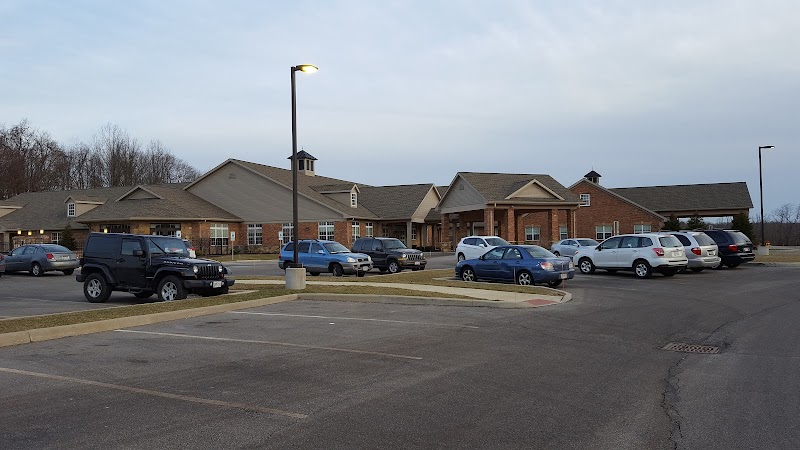
How is Green Village Skilled Nursing & Rehabilitation Ltd Staffed?

CMS rates GREEN VILLAGE SKILLED NURSING & REHABILITATION LTD's staffing level at 3 out of 5 stars, which is average compared to other nursing homes. Staff turnover is 57%, which is 11 percentage points above the Ohio average of 46%. High turnover can affect care consistency as new staff learn residents' individual needs.

What Have Inspectors Found at Green Village Skilled Nursing & Rehabilitation Ltd?

State health inspectors documented 16 deficiencies at GREEN VILLAGE SKILLED NURSING & REHABILITATION LTD during 2019 to 2025. These included: 15 with potential for harm and 1 minor or isolated issues.

Who Owns and Operates Green Village Skilled Nursing & Rehabilitation Ltd?

GREEN VILLAGE SKILLED NURSING & REHABILITATION LTD is owned by a for-profit company. For-profit facilities operate as businesses with obligations to shareholders or private owners. The facility is operated by VRC MANAGEMENT, a chain that manages multiple nursing homes. With 69 certified beds and approximately 61 residents (about 88% occupancy), it is a smaller facility located in AKRON, Ohio.
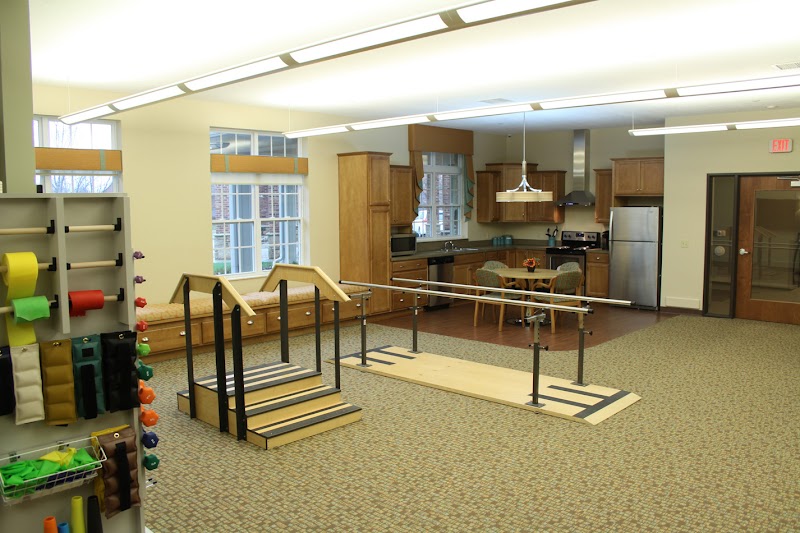
How Does Green Village Skilled Nursing & Rehabilitation Ltd Compare to Other Ohio Nursing Homes?

Compared to the 100 nursing homes in Ohio, GREEN VILLAGE SKILLED NURSING & REHABILITATION LTD's overall rating (4 stars) is above the state average of 3.2, staff turnover (57%) is significantly higher than the state average of 46%, and health inspection rating (3 stars) is at the national benchmark.

What Should Families Ask When Visiting Green Village Skilled Nursing & Rehabilitation Ltd?

Based on this facility's data, families visiting should ask: "How do you ensure continuity of care given staff turnover, and what is your staff retention strategy?" "Can I visit during a mealtime to observe dining assistance and food quality?" "How do you handle medical emergencies, and what is your hospital transfer rate?" "Can I speak with family members of current residents about their experience?" These questions are particularly relevant given the facility's high staff turnover rate.

Is Green Village Skilled Nursing & Rehabilitation Ltd Safe?

Based on CMS inspection data, GREEN VILLAGE SKILLED NURSING & REHABILITATION LTD has a clean safety record: no substantiated abuse findings (meaning no confirmed cases of resident harm), no Immediate Jeopardy citations (the most serious violation level indicating risk of serious injury or death), and is not on the Special Focus Facility watch list (a federal program monitoring the lowest-performing 1% of nursing homes). The facility has a 4-star overall rating and ranks #1 of 100 nursing homes in Ohio. While no facility is perfect, families should still ask about staff-to-resident ratios and recent inspection results during their visit.

Do Nurses at Green Village Skilled Nursing & Rehabilitation Ltd Stick Around?

Staff turnover at GREEN VILLAGE SKILLED NURSING & REHABILITATION LTD is high. At 57%, the facility is 11 percentage points above the Ohio average of 46%. High turnover means new staff may not know residents' individual needs, medications, or preferences. It can also be disorienting for residents, especially those with dementia who rely on familiar faces. Families should ask: What is causing the turnover? What retention programs are in place? How do you ensure care continuity during staff transitions?

Was Green Village Skilled Nursing & Rehabilitation Ltd Ever Fined?

GREEN VILLAGE SKILLED NURSING & REHABILITATION LTD has no federal fines on record. CMS issues fines when nursing homes fail to meet care standards or don't correct problems found during inspections. The absence of fines suggests the facility has either maintained compliance or corrected any issues before penalties were assessed. This is a positive indicator, though families should still review recent inspection reports for the full picture.

Is Green Village Skilled Nursing & Rehabilitation Ltd on Any Federal Watch List?

GREEN VILLAGE SKILLED NURSING & REHABILITATION LTD is not on any federal watch list. The most significant is the Special Focus Facility (SFF) program, which identifies the bottom 1% of nursing homes nationally based on persistent, serious quality problems. Not being on this list means the facility has avoided the pattern of deficiencies that triggers enhanced federal oversight. This is a positive indicator, though families should still review the facility's inspection history directly.