HICKORY RIDGE NURSING & REHABILITATION CENTER
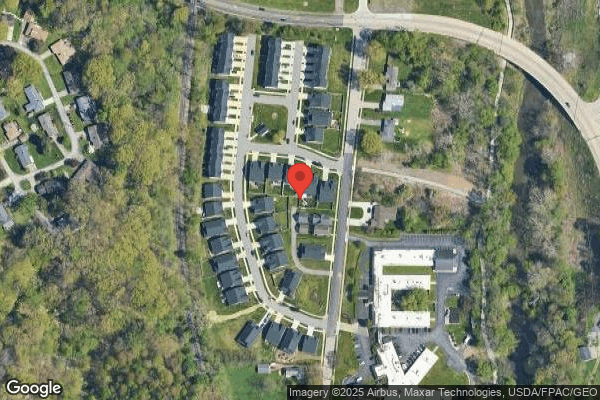

721 HICKORY ST, AKRON, OH 44303 (330) 762-6486
For profit - Corporation 165 Beds FOUNDATIONS HEALTH SOLUTIONS Data: November 2025
Trust Grade
70/100
#272 of 913 in OH
Last Inspection: January 2023

Over 2 years since last inspection. Current conditions may differ from available data.

Overview

Hickory Ridge Nursing & Rehabilitation Center received a Trust Grade of B, indicating it is a good choice among nursing homes. It ranks #272 out of 913 facilities in Ohio, placing it in the top half, and #10 out of 42 in Summit County, meaning only nine local options are better. The facility is experiencing a worsening trend, with issues increasing from one in 2024 to five in 2025. While staffing is a concern with a low rating of 1 out of 5 stars and 40% turnover, which is better than the state average, the facility has good quality measures and no fines reported. However, there are notable weaknesses, including incidents where residents reported cold and unappetizing food, and lapses in maintaining kitchen cleanliness, which could affect all residents receiving meals. Overall, while there are strengths in quality measures and lack of fines, the staffing issues and reported food quality concerns warrant careful consideration.

Trust Score
B
70/100
In Ohio
#272/913
Top 29%
Safety Record
Low Risk
No red flags
Inspections
Getting Worse
1 → 5 violations
Staff Stability
○ Average
40% turnover. Near Ohio's 48% average. Typical for the industry.
Penalties
✓ Good
No fines on record. Clean compliance history, better than most Ohio facilities.
Skilled Nurses
⚠ Watch
Each resident gets only 18 minutes of Registered Nurse (RN) attention daily — below average for Ohio. Fewer RN minutes means fewer trained eyes watching for problems.
Violations
⚠ Watch
21 deficiencies on record. Higher than average. Multiple issues found across inspections.
★★★★☆
4.0
Overall Rating
★☆☆☆☆
1.0
Staff Levels
★★★★★
5.0
Care Quality
★★★★☆
4.0
Inspection Score
Stable
2024: 1 issues
2025: 5 issues

The Good

  • 5-Star Quality Measures · Strong clinical quality outcomes
  • Full Sprinkler Coverage · Fire safety systems throughout facility
  • No fines on record
  • Staff turnover below average (40%)

    8 points below Ohio average of 48%

Facility shows strength in quality measures, fire safety.

The Bad

Staff Turnover: 40%

Near Ohio avg (46%)

Typical for the industry

Chain: FOUNDATIONS HEALTH SOLUTIONS

Part of a multi-facility chain

Ask about local staffing decisions and management

The Ugly 21 deficiencies on record

Jan 2025 5 deficiencies
CONCERN (D) 📢 Someone Reported This

A family member, employee, or ombudsman was alarmed enough to file a formal complaint

Potential for Harm - no one hurt, but risky conditions existed

Comprehensive Care Plan (Tag F0656)

Could have caused harm · This affected 1 resident

**NOTE- TERMS IN BRACKETS HAVE BEEN EDITED TO PROTECT CONFIDENTIALITY** Based on record review and staff interview the facility failed to ensure Resident #65's care plan clearly reflected intervention...

Read full inspector narrative →
**NOTE- TERMS IN BRACKETS HAVE BEEN EDITED TO PROTECT CONFIDENTIALITY** Based on record review and staff interview the facility failed to ensure Resident #65's care plan clearly reflected interventions to be used for safe transfer. This affected one (#65) out of three residents reviewed for falls. The facility census was 147. Findings include: Clinical record review revealed Resident #65 was admitted on [DATE] with diagnoses including liver cancer, chronic bronchitis, aphasia, high blood pressure, heart failure, intermittent explosive disorder, dementia, anxiety, viral hepatitis, hyperlipidemia, ventral hernia, and intestinal obstruction. Review of Resident #65's plan of care initiated on 08/15/24 indicated Resident #65 was at risk for falls related to a diagnosis of impaired cognition, dementia, anxiety, pain, use of psychotropic medications, and medical conditions including unsteadiness on feet, abnormalities of gait and mobility, abnormal posture, dizziness and giddiness. Interventions on the plan of care included to ensure environment was free of clutter and maintain a clear pathway. On 11/18/24 an additional intervention was added to use a Hoyer lift for transfers (Hoyer is a brand name that includes many different types of lifts including manual lifts, power lifts, stand up lifts, overhead lifts, bath lifts, and pool lifts). The care plan was not specific to whether a mechanical lift, power lift, overhead lift or stand up lift should be utilized. Review of Resident #65's fall risk assessment dated [DATE] indicated Resident #65 had a high risk for falls. Review of Resident #65's health status note dated 11/18/24 indicated Resident #65 was assessed for safety in use of sit-to-stand mechanical lift. Resident #65 was assessed and participated in a transfer from a bed to a chair, demonstrating upright stance with feet in proper placement on base of lift, bilateral knees supported by leg support, sling secured in place around waist with use of blue loops on hooks. Resident #65 demonstrated safe hand placement on lift, and assisted to maintain upright stance during transfer. An interview on 01/28/25 at 3:20 P.M. with the Administrator and Regional Clinical Director confirmed the plan of care was revised on 11/18/24 for the use of a Hoyer lift for transfers instead of a sit-to-stand lift. Regional Clinical Director verified the health assessment indicated Resident #65 could safely transfer with the use of a sit-to-stand lift.
CONCERN (D) 📢 Someone Reported This

A family member, employee, or ombudsman was alarmed enough to file a formal complaint

Potential for Harm - no one hurt, but risky conditions existed

ADL Care (Tag F0677)

Could have caused harm · This affected 1 resident

**NOTE- TERMS IN BRACKETS HAVE BEEN EDITED TO PROTECT CONFIDENTIALITY** Based on observation, record review, interview, and review of the nursing assistant job description, the facility failed to ensu...

Read full inspector narrative →
**NOTE- TERMS IN BRACKETS HAVE BEEN EDITED TO PROTECT CONFIDENTIALITY** Based on observation, record review, interview, and review of the nursing assistant job description, the facility failed to ensure Resident #17 was consistently assisted with shaving his facial hair on a daily basis. This affected one (#17) out of three residents reviewed who were dependent of staff for assistance with their activity of daily living (ADL) needs. The facility census was 147. Findings include: Clinical record review revealed Resident #17 was admitted on [DATE] with diagnoses including multiple sclerosis, cerebral infarction (stroke), depression, transient ischemic attack (TIA), heart failure and dementia. Review of Resident #17's Minimum Data Set (MDS) assessment dated [DATE] indicated he had mild cognitive impairment. Review of Resident #17's plan of care initiated on 11/08/24 revealed Resident #17 could require assistance with ADLs and could be at risk of developing complications associated with decreased ADL self-performance. Fluctuations and/or decline expected due to progressive neurological disease (multiple sclerosis). Interventions on the plan of care indicated Resident #17 needed assistance with bathing, grooming including nails, shaving and hair grooming. An observation and interview with Resident #17 on 01/27/25 at 12:05 P.M. revealed Resident #17 had thick unshaven facial hair. Resident #17 stated he hated the facial hair and wanted assistance with shaving but the facility did not provide an electric razor or assist him routinely with shaving his facial hair. Resident #17 stated he had a diagnosis of multiple sclerosis and needed assistance with grooming. An interview with Certified Nursing Assistant (CNA) #153 on 01/27/25 at 12:50 P.M. revealed Resident #17 preferred an electric razor for shaving his facial hair but the facility only had disposable razors available to shave the residents' facial hair. CNA #153 stated Resident #17's facial hair was too coarse to shave with a disposable razor. Resident #17 informed CNA #153 he would like to have his facial hair shaved every day and she offered and provided Resident #17 the disposable razors to shave his facial hair. An observation and interview with Resident #17 on 01/28/25 at 9:20 A.M. revealed he had unshaved facial hair. Resident #17 stated he needed assistance with shaving his facial hair and a couple of days ago an aide (unnamed) had assisted him with shaving his facial hair. Resident #17 stated he was not provided the disposable razors to shave his facial hair and had not been assisted with shaving for the last few days. An interview with CNA #154 on 01/27/25 at 9:55 A.M. revealed she had assisted Resident #17 with shaving his facial hair two days ago. CNA #154 stated she was aware Resident #17 needed assistance with shaving his facial hair but did not have time to assist Resident #17 with shaving on a daily basis. Review of the Nursing Assistant Job description revealed the nursing assistant was responsible for providing direct care to residents, assisting the clinical team in providing activities of daily living for the residents and worked under the supervision of a licensed nurse. The nursing assistant worked in accordance with facility policies and procedures and reported resident needs and concerns to a licensed nurse. The nursing assistant was responsible for assisting all responsible residents with activities of daily living (ADLs), including but not limited to feeding, bathing, dressing, transferring, ambulation, locomotion, personal hygiene, and toileting. This deficiency represents non-compliance investigated under Complaint Number OH00161220.
CONCERN (D) 📢 Someone Reported This

A family member, employee, or ombudsman was alarmed enough to file a formal complaint

Potential for Harm - no one hurt, but risky conditions existed

Accident Prevention (Tag F0689)

Could have caused harm · This affected 1 resident

**NOTE- TERMS IN BRACKETS HAVE BEEN EDITED TO PROTECT CONFIDENTIALITY** Based on record review, resident and staff interviews, and policy and procedure review, the facility failed to ensure the safe t...

Read full inspector narrative →
**NOTE- TERMS IN BRACKETS HAVE BEEN EDITED TO PROTECT CONFIDENTIALITY** Based on record review, resident and staff interviews, and policy and procedure review, the facility failed to ensure the safe transfer of Resident #65 resulting in a fall and failed to maintain Resident #137's care planned interventions to prevent falls. This affected two (#65 and #137) of three residents reviewed for falls. The facility census was 147. Findings include: 1. Clinical record review revealed Resident #65 was admitted on [DATE] with diagnoses including liver cancer, chronic bronchitis, aphasia, high blood pressure, heart failure, intermittent explosive disorder, dementia, anxiety, viral hepatitis, hyperlipidemia, ventral hernia, and intestinal obstruction. Review of Resident #65's plan of care initiated on 08/15/24 indicated Resident #65 was at risk for falls related to a diagnosis of impaired cognition, dementia, anxiety, pain, use of psychotropic medications, and medical conditions including unsteadiness on feet, abnormalities of gait and mobility, abnormal posture, dizziness and giddiness. Interventions on the plan of care included to use a mechanical lift for transfers, ensure environment was free of clutter and maintain a clear pathway. Review of a fall investigation dated 11/17/24 revealed contributing factors of the fall included Resident #65's legs gave out. Certified Nursing Assistant (CNA) #152's witness statement revealed while attempting to transfer Resident #65 using a sit-to-stand lift, the lift tilted to one side and Resident #65 fell. Review of Resident #65's fall risk assessment dated [DATE] indicated Resident #65 had a high risk for falls. An interview with Resident #65 on 01/27/25 at 11:45 A.M. indicated he had a fall when an aide was assisting him out of bed using a sit-to-stand lift. Resident #65 stated while using the lift to transfer him back to bed the lift tilted and he fell on his buttocks on the floor. Resident #65 stated he had no injury except his bottom was sore for a few days. An interview with CNA #152 on 01/28/25 at 11:17 A.M. revealed CNA #152 was assisting Resident #65 to bed on 11/17/24 using the sit to stand lift. Resident #65 started to slide down due to weakness, the sit-to-stand lift tilted and he fell to the floor on his buttocks. CNA #152 stated the front wheel of the sit-to-stand lift was caught on a washcloth that was located under the bed which contributed to the lift tilting to the side. CNA #152 stated he was educated to have two staff assist when using the sit-to-stand lift to transfer a resident. Review of CNA #152's education document dated 11/18/24 indicated the Director of Nursing conducted the training. The training included ensuring the mechanical lift was working correctly and ensuring proper sweep of the floor to ensure it was free of clutter. The education indicated a washcloth was under the bed and caught on the wheel of the sit-to-stand lift causing the lift to tilt to one side. An interview on 01/28/25 at 3:20 P.M. with Administrator and Regional Clinical Director verified the above findings. 2. Clinical record review revealed Resident #137 was admitted on [DATE] with diagnoses including diabetes mellitus, pulmonary disease, cerebral vascular disease, heart failure with a cardiac defibrillator implanted device, high blood pressure, atherosclerotic disease, peripheral vascular disease, cataracts with visual disturbances, thrombocytopenia, carpal tunnel syndrome of upper limbs, osteoarthritis, and breast cancer. Resident #137 had medical conditions including low back pain, unsteadiness on feet, muscle weakness, and abnormal gait, mobility and need for assistance with personal care. Review of Resident #137's plan of care initiated 12/05/23 indicated a risk of falls related to acute/unstable medical condition, stroke, debilitation, weakness, disease process, impaired balance, pain, history of falls, poor coordination, unsteady gait, and visual deficit. Interventions on the plan of care included to keep the bed in the lowest position, Call, don't fall sign, Dycem (non slip mat) to wheelchair, encourage and remind to ask for assistance, encourage resident to wear non-skid socks at all times when not wearing shoes, encourage resident to ask for assistance to get items out of closet, encourage resident to not do activity of daily living tasks while sitting on rollator, ensure call light is within reach, ensure environment is free of clutter, have commonly used articles within easy reach, maintain a clear pathway, new shoes provided to resident, non-skid strips next to bed, provide rest periods and resident to wear proper and non slip footwear. An observation of Resident #137's room on 01/27/28 at 2:00 P.M. and on 01/28/25 at 8:30 A.M. revealed there was no Dycem on Resident #137's wheelchair and there were no non-skid strips located on the floor beside Resident #137's bed. On 01/28/25 at 9:15 A.M. Certified Nursing Assistant (CNA) #150 verified there was no Dycem on Resident #137's wheelchair and there were no non-skid strips located on the floor beside Resident #137's bed. CNA #150 also verified Resident #137's plan of care to prevent falls had interventions including to place a Dycem to the wheelchair and non-skid strips should have been placed on the floor beside Resident #137's bed. An interview with Assistant Director of Nursing (ADON) #151 on 01/28/25 at 2:45 P.M. verified she was informed of the missing Dycem and non-skid strips in Resident #137's room to prevent falls and verified Resident #137's plan of care included these interventions. Review of the facility policy titled Fall Management dated 10/17/16 indicated each resident would be assessed throughout the course of treatment for different parameters such as: cognition, safety awareness, fall history, mobility, medications, or predisposing health conditions that could contribute to fall risk. An interdisciplinary plan of care would be developed, implemented, reviewed and updated as necessary to reflect each resident's current safety needs and fall reduction interventions. The interdisciplinary team would attempt to balance safety needs, resident rights, and quality of life issues that would positively impact each resident's individual situation and reduce the risk of occurrence. Residents who experienced a fall would receive prompt medical attention. Immediate needs would be quickly assessed and responded to. A plan would be identified and implemented as necessary to protect the resident and/or others from recurrence. This deficiency represents non-compliance investigated under Complaint Number OH00161220.
CONCERN (D) 📢 Someone Reported This

A family member, employee, or ombudsman was alarmed enough to file a formal complaint

Potential for Harm - no one hurt, but risky conditions existed

Medical Records (Tag F0842)

Could have caused harm · This affected 1 resident

**NOTE- TERMS IN BRACKETS HAVE BEEN EDITED TO PROTECT CONFIDENTIALITY** Based on record review, interview, and review of the American Nurses Association (ANA) guidelines for accuracy of documentation,...

Read full inspector narrative →
**NOTE- TERMS IN BRACKETS HAVE BEEN EDITED TO PROTECT CONFIDENTIALITY** Based on record review, interview, and review of the American Nurses Association (ANA) guidelines for accuracy of documentation, the facility failed to ensure staff accurately documented the presence of interventions to prevent a fall. This affected one of three residents reviewed for falls (Resident #137). The facility census was 147. Findings include: Clinical record review revealed Resident #137 was admitted on [DATE] with diagnoses including diabetes mellitus, pulmonary disease, cerebral vascular disease, heart failure with a cardiac defibrillator implanted device, high blood pressure, atherosclerotic disease, peripheral vascular disease, cataracts with visual disturbances, thrombocytopenia, carpal tunnel syndrome of upper limbs, osteoarthritis, and breast cancer. Resident #137 had medical conditions including low back pain, unsteadiness on feet, muscle weakness, and abnormal gait, mobility and need for assistance with personal care. Review of Resident #137's plan of care initiated 12/05/2023 indicated a risk of falls related to acute/unstable medical condition, stroke, debilitation, weakness, disease process, impaired balance, pain, history of falls, poor coordination, unsteady gait, and visual deficit. Interventions on the plan of care included to keep the bed in the lowest position, Call, don't fall sign, Dycem (non skid mat) to wheelchair, encourage and remind to ask for assistance, encourage Resident #137 to wear non-skid socks at all times when not wearing shoes, encourage resident to ask for assistance to get items out of closet, encourage resident to not do activity of daily living tasks while sitting on rollator, ensure call light was within reach, ensure environment was free of clutter, have commonly used articles within easy reach, maintain a clear pathway, new shoes provided to resident, non-skid strips next to bed, provide rest periods and resident was to wear proper and non slip footwear. An observation of Resident #137's room on 01/27/28 at 2:00 P.M. and on 01/28/25 at 8:30 A.M. revealed there was no Dycem on Resident #137's wheelchair and there were no non-skid strips located on the floor beside Resident #137's bed. Review of Resident #137's treatment administration record (TAR) dated 01/01/25 to 01/27/25 indicated documentation the Dycem was present on Resident #137's wheelchair and the non-skid strips were present on the floor. During an interview on 01/28/25 at 9:15 A.M., Certified Nursing Assistant (CNA) #150 verified there was no Dycem on Resident #137's wheelchair and there were no non-skid strips located on the floor beside Resident #137's bed. An interview with Assistant Director of Nursing (ADON) #151 on 01/28/25 at 2:45 P.M. verified the documentation on Resident #137's TAR indicated the care planned interventions of Dycem to wheelchair and non-skid strips were in place from 01/01/25 to 01/27/25. Review of the American Nurses Association (ANA) guidelines for accuracy of documentation dated 2010 indicated clear, accurate, and accessible documentation was an essential element of safe, quality, evidence-based nursing practice. Accurate nursing documentation significantly influenced the quality of patient care. It not only provided a clear picture of the patient's medical history but also served as a vital tool of communication among healthcare professionals. When filled accurately and systematically, it could also protect nurses legally if there was a complaint or lawsuit related to patient care. This deficiency represents non-compliance investigated under Complaint Number OH00161120.
CONCERN (E) 📢 Someone Reported This

A family member, employee, or ombudsman was alarmed enough to file a formal complaint

Potential for Harm - no one hurt, but risky conditions existed

Infection Control (Tag F0880)

Could have caused harm · This affected multiple residents

**NOTE- TERMS IN BRACKETS HAVE BEEN EDITED TO PROTECT CONFIDENTIALITY** Based on observation, record review, interview, policy and procedure review, and review of the Centers for Disease Control (CDC)...

Read full inspector narrative →
**NOTE- TERMS IN BRACKETS HAVE BEEN EDITED TO PROTECT CONFIDENTIALITY** Based on observation, record review, interview, policy and procedure review, and review of the Centers for Disease Control (CDC) guidance, the facility failed to ensure staff performed appropriate hand hygiene and ensure all staff implemented enhanced barrier precautions. This affected two of three residents reviewed for incontinence care (Residents #65 and #8) and one of 20 residents who ate their meals and resided on the 100 hall (Resident #58). These failures also had the potential to affect all 20 residents currently residing on the 100 hall (Residents #8 #17, #25, #37, #58, #65, #71, #74, #75, #78, #94, #95, #105, #109, #117, #135, #137, #139, #143 and #146). The facility census was 147. Findings include: 1. Clinical record review revealed Resident #65 was admitted on [DATE] with diagnoses including liver cancer, chronic bronchitis, aphasia, high blood pressure, heart failure, intermittent explosive disorder, dementia, anxiety, viral hepatitis, hyperlipidemia, ventral hernia, and intestinal obstruction. Review of Resident #65's plan of care initiated on 08/02/25 indicated Resident #65 was at risk for infection related to chronic disease including viral hepatitis with liver cell carcinoma. The goal of the plan of care was for Resident #65 to remain free from signs and symptoms of infection. Further review of Resident #65's care plan initiated on 08/02/25 indicated Resident #65 had an alteration in elimination with frequent bowel and bladder incontinence. Intervention on the plan of care included to provide incontinence care as needed. An observation of Certified Nursing Assistant (CNA) #150 and Assistant Director of Nursing (ADON) #151 on 01/28/25 at 11:00 A.M. perform Resident #65's incontinence care revealed a failure to perform hand hygiene to prevent cross contamination of germs. ADON #151 did not perform hand hygiene prior to assisting Resident #65 with incontinence care. ADON #151 donned a pair of gloves and removed the urine soaked bed linen by assisting Resident #65 with turning side-to-side. ADON #151 placed the soiled linens in a plastic bag and removed her gloves and did not perform hand hygiene. ADON #151 then donned another pair of gloves and proceeded to assist CNA #150 with obtaining clean linens needed for the incontinence care changing her gloves a third time during the process and donning another pair of gloves without performing hand hygiene. CNA #150 proceeded to don two pairs of gloves and cleaned Resident #65's perineal area with soap was water and cleaned the urine and feces from Resident #65's skin. CNA #150 completed cleaning Resident #65's perineal area of feces and urine and removed one of the two pairs of gloves and proceeded to assist Resident #65 with donning a clean incontinence brief. CNA #150 changed her gloves and did not perform hand hygiene. CNA #150 then obtained clothing from Resident #65's closet and assisted him with donning the clothing and transferring him to his wheelchair using a sit-to-stand mechanical lift. CNA #150 then removed the soiled linen from Resident #65's room, exited the room and placed the soiled linen in the shower room and did not wash her hands and proceeded to gather clean linens and placed the linens in Resident #65's room. An interview with CNA #150 on 01/28/25 at 11:30 A.M. verified the above findings and confirmed she should have performed hand hygiene between glove changes and before she obtained the clean linens from the shower room. An interview with ADON #151 on 01/28/25 at 11:45 A.M. verified she had failed to perform hand hygiene between glove changes while assisting with Resident #65's incontinence care. 2. Clinical record review revealed Resident #8 was admitted on [DATE] and re-admitted on [DATE] with diagnoses including end stage prostate/colon/bone/skin cancer, diabetes mellitus, severe malnutrition, severe adjustment disorder with anxiety, anemia, bradycardia, venous thrombosis, and schwannomatosis (a rare genetic disorder characterized by the formation of multiple benign tumors called schwannomas on the nerve). Review of Resident #8's plan of care initiated on 01/14/25 indicated Resident #8 was at risk for infection related to cancer, chronic disease, implanted vascular access device to right chest, and pressure wound. The goal of the plan of care was for Resident #8 to remain free of signs and symptoms of infection. Interventions included to follow enhanced barrier precautions (EBP) as needed and to assess for signs and symptoms of infection and report to physician; redness, swelling, increased pain, purulent drainage, elevated temperature, change in color of secretions, cough, congestion, abnormal lung sounds, diarrhea, and/or vomiting. Further review of Resident #8's plan of care initiated on 01/14/25 indicated Resident #8 had a alteration in elimination with frequent episodes of bowel and bladder incontinence. Interventions on the plan of care indicated to monitor signs and symptoms of urinary tract infection including elevated temperature dysuria, flank pain, hematuria, and foul smelling urine and report to the physician and to provide incontinence care as needed. Review of Resident #8's Minimum Data Set (MDS) assessment dated [DATE] indicated Resident #8 had frequent bowel and bladder incontinence. An observation on 01/28/25 at 10:46 A.M. of CNA #150 checking Resident #8 for incontinence revealed CNA #150 failed to wear appropriate personal protective equipment (PPE) . CNA #150 entered Resident #8's room and donned a pair of gloves and proceeded to assist Resident #8 with rolling side-to-side. CNA #150 then opened Resident #8's incontinence brief to ensure the incontinence brief was dry. CNA #150 then secured the incontinence brief and assisted Resident #8 with repositioning for comfort. Outside of Resident #8's room a cart with three drawers containing PPE was present with a sign located above Resident #8's name plate outside of his room. The sign indicated enhanced barrier precautions (EBP) should be implemented when providing care for Resident #8. CNA #150 verified the signage was present outside of Resident #8's room and verified she had failed to wear the additional PPE including a gown. ADON #151 was present during the observation and also confirmed Resident #8 had EBP in place due to the presence of a wound and verified CNA #150 should have implemented the EBP when checking Resident #8 for incontinence. 3. Clinical record review revealed Resident #58 was admitted on [DATE] with diagnoses including anemia, high blood pressure, peripheral vascular disease, hyperlipidemia, arthritis, dementia, malnutrition, anxiety, depression, schizophrenia, and asthma. Review of Resident #58's MDS assessment dated [DATE] indicated Resident #58 needed assistance with meals. Clinical record review revealed Resident #8 was admitted on [DATE] and re-admitted on [DATE] with diagnoses including end stage prostate/colon/bone/skin cancer, diabetes mellitus, severe malnutrition, severe adjustment disorder with anxiety, anemia, bradycardia, venous thrombosis, and schwannomatosis (a rare genetic disorder characterized by the formation of multiple benign tumors called schwannomas on the nerves). Review of Resident #8's MDS assessment dated [DATE] indicated Resident #8 needed assistance with meals. An observation of the breakfast meal tray service on 01/28/25 at 8:12 A.M. revealed CNA #150 was delivering trays to the residents on the 100 hallway. CNA #150 opened the food cart and obtained a meal tray for Resident #8 and delivered the tray. CNA #150 assisted with repositioning Resident #8 in bed and setting-up the food items on the meal tray. Resident #8 refused his meal. CNA #150 exited Resident #8's room, did not perform hand hygiene and returned Resident #8's meal tray to the meal cart. CNA #150 proceeded to obtain Resident #58's meal tray and delivered the meal to Resident #58. CNA #150 assisted with the set-up of Resident #58's meal tray and exited the room and obtained a packet of honey, opened the packet and emptied the packet of honey on Resident #58's cereal. CNA #150 exited Resident #58's room and was stopped and asked to perform hand hygiene. Interview on 01/28/25 at 8:40 A.M. with CNA #150 verified the above observations and confirmed she did not perform hand hygiene between delivery of the meal trays between Resident #8 and Resident #58. CNA #150 stated she was not aware she was supposed to perform hand hygiene between delivery of the meal tray to each resident. Review of the facility policy titled Hand Hygiene revised 11/23/16 indicated hand hygiene would be properly performed to assist in the prevention of spreading infections. Staff would perform hand hygiene when indicated, using proper technique. Alcohol-based hand sanitizers were the most effective products for reducing the number of germs on the hands of healthcare providers. Alcohol-based hand sanitizers were the preferred method for cleaning hands in most clinical situations. During routine resident care, use of alcohol-based hand sanitizers was acceptable: a. Before touching a resident, b. Before performing an aseptic task (e.g., placing an indwelling device) or handling invasive medical devices, c. Before moving from work on a soiled body site to a clean body site on the same resident (when hands are not visibly dirty), d. After touching a resident or the resident's immediate environment, e. After contact with blood, body fluids or contaminated surfaces, f. Immediately after glove removal, g. When there was a single case of Clostridium difficile or Norovirus or during non-outbreak times in the facility, h. All other situations not listed under bullet seven (7.) of this policy. Hands were washed with soap and water: a. Whenever they were visibly dirty, b. Before eating, c. After using the restroom, d. After caring for a person with known or suspected infectious diarrhea, and, e. After caring for a resident with known or suspected Clostridium (C.) difficile or Norovirus infection during an outbreak, or if infection rates of C.difficile infection (CDI) are high. Review of the facility policy titled Infection Prevention and Control Program (IPCP) indicated it was a policy of the facility to establish and maintain an infection prevention and control program designed to provide a safe, sanitary, and comfortable environment and to help prevent the development and transmission of communicable diseases and infections. Item number three indicated: Hand Hygiene Protocol a. All staff shall perform hand hygiene their when coming on duty, between resident contacts, after handling contaminated objects, after PPE removal, before/after eating, before/after toileting, and before going off duty. b. Staff shall perform hand hygiene before and after performing resident care procedures and per our facility's established hand hygiene procedure. Review of the CDC enhanced barrier precautions information dated 10/20/24 indicated during high contact resident care task including dressing, bathing/showering, transferring, providing hygiene, changing linens, changing briefs or assisting with toileting, during device care or use, and during wound care enhanced barrier precautions should be implemented. Enhanced barrier precautions included the use of a gown and gloves during high contact resident care tasks. Review of the census provided by the facility revealed Residents #8 #17, #25, #37, #58, #65, #71, #74, #75, #78, #94, #95, #105, #109, #117, #135, #137, #139, #143 and #146 resided on the 100 unit. This deficiency represents non-compliance investigated under Complaint Number OH00161669.
Jun 2024 1 deficiency
CONCERN (D) 📢 Someone Reported This

A family member, employee, or ombudsman was alarmed enough to file a formal complaint

Potential for Harm - no one hurt, but risky conditions existed

ADL Care (Tag F0677)

Could have caused harm · This affected 1 resident

Based on medical record review, observation, and interview the facility failed to provide oral care in a timely manner. This affected one (Resident #1) of three residents reviewed for activities of da...

Read full inspector narrative →
Based on medical record review, observation, and interview the facility failed to provide oral care in a timely manner. This affected one (Resident #1) of three residents reviewed for activities of daily living. The census was 139. Findings include: Review of the medical record for Resident #1 revealed an admission date of 11/13/20. Diagnoses included schizoaffective disorder, type two diabetes, morbid obesity, unspecified dementia. Resident #1 required assistance with personal care. Review of the quarterly Minimum Data Set (MDS) assessment, dated 04/26/24, revealed Resident #1 had intact cognition and was dependent for bed mobility, transfers, and oral care. Review of the Plan of care dated 01/19/20 revealed Resident #1 had impaired dentition and was at risk for oral problems related to broken, loose teeth with interventions including to provide oral care at least daily and/or more frequently as needed. Review of the oral care task sheet for Resident #1 dated 05/20/24 through 06/17/24 revealed on 05/22/24, 05/24/24, 05/25/24, 05/26/24, 05/27/24, 05/30/24, 06/03/24, 06/03/24, 06/06/24, 06/08/24, and 06/13/24 there was no documentation oral care was completed. Interview on 06/17/24 at 8:41 A.M. with Resident #1 revealed he did not receive oral care daily and he had not received oral care this morning. Observation of Resident #1 revealed his teeth were not clean and he was not shaved. Interview on 06/17/24 at 8:59 A.M. with State tested Nurse Assistant (STNA) #204 revealed he did not complete Resident #1's oral care because third shift staff were responsible for providing oral care. Record review and interview on 06/17/24 at 11:13 A.M. with Assistant Director of Nursing (ADON) #208 and ADON #210 verified oral care was not documented as completed for Resident #1 on 05/22/24, 05/24/24, 05/25/24, 05/26/24, 05/27/24, 05/30/24, 06/03/24, 06/03/24, 06/06/24, 06/08/24, and 06/13/24. There was documentation that oral care was provided on 06/17/24 at 9:32 A.M. A follow up interview on 06/17/24 at 11:18 A.M. with STNA #204 verified that he had not completed oral care for Resident #1 on 06/17/24. Observation of Resident #1's oral cavity on 06/17/24 at 11:23 A.M. with ADON #208 and ADON #210 verified Resident #1 had caked on food debris between his teeth. Both ADON #208 and #210 indicated oral care had not been completed. This deficiency represents non-compliance investigated under Complaint Number OH00154437.
Jul 2023 1 deficiency
CONCERN (D) 📢 Someone Reported This

A family member, employee, or ombudsman was alarmed enough to file a formal complaint

Potential for Harm - no one hurt, but risky conditions existed

Report Alleged Abuse (Tag F0609)

Could have caused harm · This affected 1 resident

**NOTE- TERMS IN BRACKETS HAVE BEEN EDITED TO PROTECT CONFIDENTIALITY** Based on record review and interviews, the facility failed to timely report an allegation of sexual abuse involving Resident #94...

Read full inspector narrative →
**NOTE- TERMS IN BRACKETS HAVE BEEN EDITED TO PROTECT CONFIDENTIALITY** Based on record review and interviews, the facility failed to timely report an allegation of sexual abuse involving Resident #94 and Resident #44 to the state agency. This affected two residents (Resident #64 and #94) of three reviewed for abuse. The facility census was 145. Findings included: Review of the medical record revealed Resident #94 was admitted to the facility on [DATE]. Diagnoses included diabetes, inflammatory spondylopathy, chronic obstructive pulmonary disease, nutritional marasmus, heart failure, neurogenic bowel, schizophrenia, anxiety disorder, hypertension, neuromuscular dysfunction of the bladder, COVID-19, and paraplegia. Review of the quarterly Minimum Data Set (MDS) assessment dated [DATE] revealed Resident #94 had moderately impaired cognition with no behaviors. He required extensive assistance from one staff member for bed mobility, transfers, dressing toilet use and personal hygiene. Further review revealed he was incontinent of bowel and bladder. Review of the medical record revealed Resident #64 was admitted to the facility 02/16/18. Diagnoses included dementia, paranoid schizophrenia, epilepsy, anxiety disorder, alcohol abuse, nicotine dependence, COVID-19, left leg amputation, major depressive disorder, severe protein-calorie malnutrition, adult failure to thrive, vitamin D deficiency, and constipation. Review of the quarterly MDS assessment dated [DATE] revealed Resident #64 had intact cognition and he had no behaviors. Review of the incident note dated 07/16/23 at 5:43 A.M. revealed Resident #64 was noted to be sexually inappropriate with his roommate (Resident #94). They were separated and Resident #94 was moved to a new room on the 100 Hall. Resident #94 was interviewed by the nursing supervisor and stated he was fine, not hurt and was okay with moving to a new room. Review of the social service note dated 07/16/23 at 9:42 A.M. revealed the Licensed Social Worker (LSW) interviewed Resident #64 and he denied any sexual behavior between him and his previous roommate. His last documented Brief Interview for Mental Status score was 15. Review of a signed witness statement dated 07/16/23 written by State Tested Nursing Assistant (STNA) #200 at 4:45 A.M. indicating she noticed the door of room [ROOM NUMBER] was shut so she went into the room to check on the residents. The resident in bed two (Resident #94) was in bed naked and the resident in bed one (Resident #64) was digging in the rectum of Resident #94. Resident #64 been in the bed with Resident #94. She indicated there was bowel movement (BM) all over the bed. The linens were on the floor with BM on them. Review of the signed witness statement dated 07/16/23 by Licensed Practical Nurse (LPN) # 210 revealed at approximately 4:50 A.M. the charge nurse and STNA notified LPN #210 that Resident #94 and Resident #64 were being sexually inappropriate. Both residents denied anything sexual occurred between them. On 07/20/23 at 3:15 P.M. an interview with Resident #94 revealed he was confused, he stated he was practicing his praying, and was going on about his brother not coming to see him. He stated he did not think he was sexual assaulted. On 07/20/23 at 4:15 P.M. an interview with the Interim Administrator verified they had not reported the incident to the Ohio Department of Health on 07/16/23 because they did not feel it was sexual abuse. She stated they believe Resident #94 had asked Resident #64 to help him. She stated they had been roommates for years with no problems. On 07/20/23 at 4:17 P.M. an interview with the Director of Nursing (DON) revealed the niece of Resident #94 came into the facility on [DATE] around 11:00 P.M. with the Akron police alleging there was sexual abuse against her uncle by Resident #64. She stated the niece demanded Resident #94 go to the hospital to be checked out. She stated Resident #94 did not want to go to the hospital but finally went after the niece persisted. She stated the hospital would not give them any paperwork because the resident was his own responsible party. She stated at that point she started the investigation and filed the Self-Reported Incident. Review of the facility policy titled, Abuse, Neglect, Exploitation and Misappropriation of Resident Property, dated 11/21/16, revealed it was the facility policy to investigate all alleged violations of abuse, neglect, exploitation, mistreatment of the resident or misappropriation of resident property including injuries of unknown source. Additionally, the facility should immediately report all such allegation to the Administrator and the Ohio Department of Health . This deficiency represents non-compliance investigated under Complaint Number OH00144686.
Jan 2023 1 deficiency
CONCERN (F)

Potential for Harm - no one hurt, but risky conditions existed

Deficiency F0804 (Tag F0804)

Could have caused harm · This affected most or all residents

Based on interviews with residents, interview with dietary staff, review of a test tray, and review of the facility policy the facility failed to ensure foods were palatable and served at appropriate ...

Read full inspector narrative →
Based on interviews with residents, interview with dietary staff, review of a test tray, and review of the facility policy the facility failed to ensure foods were palatable and served at appropriate temperatures. This had the potential to affect 127 residents who received food from the kitchen. The facility identified one resident (#117) as receiving nothing by mouth. The facility census was 128. Findings include: On 01/09/23 at 10:35 A.M., interview with Resident #87 stated the food did not taste good. On 01/09/23 at 10:43 A.M., interview with Resident #77 stated the food was cold and did not taste good. On 01/09/23 at 10:50 A.M., interview with Resident #63 stated the food was cold. On 01/11/23 from 12:36 P.M. to 12:51 P.M., review of a test tray with Certified Dietary Manager (CDM) #700 revealed the meal included meatloaf, mashed potatoes, and corn. The test tray was started on the tray line at 12:36 P.M., had a hot plate warmer under the plate, was covered with a dome lid, loaded onto a closed cart at 12:37 P.M., the cart was delivered to the 400-hall at 12:38 P.M., and the test tray was delivered to the 400-hall nurse's station at 12:51 P.M. CDM #700 used the facility thermometer to measure the temperature of the food items on the test tray. The meatloaf was 111 degrees Fahrenheit (F) and felt cold while eating. The mashed potatoes were 114 degrees F, felt cold while eating and lacked flavor. The corn was 95 degrees F and felt cold while eating. At the time of the test tray review, CDM #700 verified all food items were cold and the mashed potatoes were bland. Review of the facility policy titled Infection Control - Dietary/Food Handling, dated March 2016, revealed hot food items should be at a palatable temperature at the point of service.
Jan 2020 4 deficiencies
CONCERN (D)

Potential for Harm - no one hurt, but risky conditions existed

Quality of Care (Tag F0684)

Could have caused harm · This affected 1 resident

**NOTE- TERMS IN BRACKETS HAVE BEEN EDITED TO PROTECT CONFIDENTIALITY** Based on interview and record review the facility failed to develop and implement an individualized meal plan to meet Resident #...

Read full inspector narrative →
**NOTE- TERMS IN BRACKETS HAVE BEEN EDITED TO PROTECT CONFIDENTIALITY** Based on interview and record review the facility failed to develop and implement an individualized meal plan to meet Resident #22's needs. This affected one (Resident #22) of eight residents reviewed for nutrition. Findings include: Review of the medical record revealed Resident #22 was admitted to the facility on [DATE] with diagnoses including Huntington's disease, gastroesophageal reflux disease, dysphagia, anxiety disorder, dementia with behavioral disturbance, mild protein calorie malnutrition, mood disorder, chronic migraines and major depressive disorder. Review of the comprehensive assessment (MDS 3.0) dated 10/03/19 indicated Resident #22 was alert, oriented and independent in daily decision making ability. He had indications of delusions and rejected care on one to three days of the assessment period. He required supervision and setup help only for eating. He was provided a therapeutic diet. Review of the nutrition assessment dated [DATE] indicated Resident #22 had a body mass index of 19. Supplement orders included med pass 120 milliliters (ml) three times daily. The resident's meal intake ranged from 75-100%, with supplement intake of 50-75%. The comments indicated the average intake was 84% with refusal at times. Also noted was a history of the behavior of not eating to get what he wanted. The ideal body weight was 154 pounds. The goal was for gradual weight gain. Review of the dietary assessment narrative dated 01/02/20 at 9:15 P.M. indicated the fortified cereal at breakfast provided 536 calories, 14 grams of protein and the med pass 2.0 provided 720 calories and 30 grams or protein. He was noted to refuse 100%. Review of the nutrition plan of care indicated the interventions included providing the diet per current orders, honor food preferences as able, offer an evening snack, provide adaptive equipment, may have one energy drink every day, recommend diet pop in place of regular if consuming multiple per day, supplements and fortified foods per orders. Review of weights revealed from 06/05/19 to 01/02/20 the resident's weight went from 132 pounds to 125 pounds. A total weight loss of 5.3 percent over a seven month period of time. Review of meal intakes for the last 30 days revealed the resident had one meal during typical breakfast hours on 12/26/19 and missed all three meals on five days (12/19/19, 12/20/19, 12/24/19, 01/06/20 and 01/11/20). Interview with Resident #22 on 01/12/20 at 3:30 P.M. revealed he didn't like the food very much. He had his own whey powder and used it to make his own shakes. He could not say how often he did that. Review of the nutrition assessment revealed it did not take into account his own supplement. Numerous observations of Resident #22 on 01/12/20 at 3:30 P.M. and throughout the survey through 01/15/20 revealed he appeared to be very thin and was in constant motion. Interview with Licensed Practical Nurse (LPN) #465 on 01/13/20 at 3:03 P.M. reported the resident never ate breakfast. Resident #22 said when he ate it slowed him down and he became tired. He would eat double portions of chicken fingers, macaroni and cheese, but absolutely hated turkey. His intake of ordered supplements was hit or miss. Interview with Dietary Manager #427 on 01/13/20 at 2:34 P.M. revealed Resident #22 ate pretty well occasionally. She reported his mother brought food in for him. The resident was changed from a regular supplement to a very high calorie supplement on 01/02/20 to increase calories. Dietary Manager #427 was aware of his occasional use of the whey supplement but could not count it because it was so sporadic. Interview with State Tested Nurse Aide (STNA) #527 on 01/14/20 at 2:05 P.M. revealed the resident always refused breakfast because he did not get up until after noon, and sometimes refused lunch. He would have eaten the biscuits and gravy they had for breakfast that morning, but none was reserved for him. He was very picky about foods and they offered him an alternate but when he did not like the alternate either he wouldn't eat anything. The alternates included burgers and salads but didn't include foods the resident liked such as macaroni and cheese, tuna fish, fried chicken, chicken fingers and sloppy joe. STNA #527 reported if she requested a food Resident #22 liked, but it was not on the alternate list, she was told that's not scheduled and he would not receive it. STNA #527 felt it would be good for the the kitchen manager, diet technician and dietitian to get together so they could meet Resident #22's needs. STNA #527 said the resident sometimes missed many meals in a row. Interview with Resident #22 on 01/14/20 at 2:10 P.M. verified he had no breakfast or lunch this day. He said he requested his energy drink and had yet to receive it. He verified missing many meals because he slept until after noon and because they served him foods he did not like. He listed the foods STNA #527 identified as his favorites and said he had a strong dislike of turkey but loved sloppy joe. Interview with Registered Dietitian (RD) #543 on 01/14/20 at 3:02 P.M. reported she only consulted with the facility one day a month. She said if a resident refused meals they had a whole kitchen full of foods that could be made to accommodate them. RD #543 said there were a number of ways to handle Resident #22's frequent refusals. They could talk with him, could hold his breakfast until later and could serve him a heavy evening snack. Interview was conducted with the Diet Technician #427, Dietary Manager #426 and the Administrator on 01/14/20 at 03:26 P.M. and they were informed there was no individualized meal plan set up for Resident #22, and no evidence his likes or dislikes were obtained. They reported his likes and dislikes were listed on his meal ticket. Review of Resident #22's meal ticket indicated he liked fortified cereal, cheeseburgers and macaroni and cheese. No food dislikes were listed.
CONCERN (D)

Potential for Harm - no one hurt, but risky conditions existed

Tube Feeding (Tag F0693)

Could have caused harm · This affected 1 resident

**NOTE- TERMS IN BRACKETS HAVE BEEN EDITED TO PROTECT CONFIDENTIALITY** Based on record review, observation, interview, and policy review the facility failed to ensure medication was properly administ...

Read full inspector narrative →
**NOTE- TERMS IN BRACKETS HAVE BEEN EDITED TO PROTECT CONFIDENTIALITY** Based on record review, observation, interview, and policy review the facility failed to ensure medication was properly administered via a percutaneous endoscopic gastrostomy (peg) tube. This affected one resident (Resident #139) of four residents observed for medication administration. There was only one resident identified with a gastrostomy tube in the facility. Findings include: Resident #139 was admitted to the facility on [DATE]. His admitting diagnoses included type II diabetes, cerebral infarction, aphasia, epilepsy, hypertension, Alzheimer's disease and adult failure to thrive. Review of a Minimum Data Set, dated [DATE] revealed the resident had moderate cognitive impairment and was totally dependent on staff for eating due to the resident having a peg tube (a tube inserted into the abdomen for the purpose of providing medications and nutrition for those unable to take these by mouth). Review of the physician order dated 08/08/18 revealed the resident was to receive liquid Potassium Chloride (a supplement) 20 milliequivalents (mEq) via peg tube three times a day. Observation on 01/14/20 at 9:00 A.M. during medication administration for Resident #139 revealed Licensed Practical Nurse (LPN) #453 entered Resident #139's room and administered the Potassium Chloride 20 mEq. At the time of the observation the tube feeding bag was empty but still attached to the resident's gastrostomy tube. LPN #453 stated a bolus of tube feeding solution had just finished infusing. There was no tube feeding solution visibly remaining in the bag or tubing. LPN #453 proceeded to pour the potassium chloride liquid into the feeding bag and let it infuse by gravity into the resident's stomach. He then poured 20 cubic centimeters (cc) of water into the feeding bag and let the water infuse into the resident's stomach. When this was done he disconnected the tubing of the feeding bag from the gastrostomy tube. On 01/14/20 at 9:15 A.M. LPN #453 verified he did not check placement or for residual before giving the Potassium Chloride because he had done so before giving the bolus feeding. When asked why he did not disconnect the feeding bag tubing and administer the medication medication directly into the peg tube, LPN #453 said he did not have an order to push the medication in via syringe. LPN #453 also verified he did not flush the peg tube with a full 30 ccs of water prior to and then again after administration of the medication. Review of the facility policy titled Medication Administered Through an Enteral Tube dated 01/22/13 revealed after unclamping the tube, the nurse should check placement by inserting a small amount of air into the tube with a syringe and listen with a stethoscope for placement and/or insert the syringe in the tube and pull back the plunger to aspirate gastric contents. The nurse was then to administer 30 cc of warm water or per the physician's order, then pour the medication into the syringe. The medication was to flow in via gravity from the syringe. At the end of the administration of the medication the nurse was to flush the feeding tube with 30 cc of warm water.
CONCERN (E)

Potential for Harm - no one hurt, but risky conditions existed

Safe Environment (Tag F0584)

Could have caused harm · This affected multiple residents

**NOTE- TERMS IN BRACKETS HAVE BEEN EDITED TO PROTECT CONFIDENTIALITY** Based on observation and interview the facility failed to provide a safe, functional, sanitary and comfortable environment for a...

Read full inspector narrative →
**NOTE- TERMS IN BRACKETS HAVE BEEN EDITED TO PROTECT CONFIDENTIALITY** Based on observation and interview the facility failed to provide a safe, functional, sanitary and comfortable environment for all residents. This affected 27 (Resident #13, #21, #22, #26, #33, #35, #43, #48, #52, #63, #67, #79, #81, #93, #96, #100, #104, #107, #112, #123, #129, #130, #131, #131, #133, #138, #147) currently residing on the 600 unit. The facility census was 147. Findings include: 1. Observation on 01/12/20 at 10:09 A.M. of the 600 hallway between rooms [ROOM NUMBERS] revealed an overwhelming, highly offensive, musky, odor lingering in hallway. Interview on 01/12/19 at 3:34 P.M. with 10:56 A.M. with Licensed Practical Nurse (LPN) #455 verified the odor was presently strong and was persistent, but fluctuated from weak to strong. Interviews from 01/13/20 at 3:30 P.M. through 01/15/19 at 10:33 A.M. with staff five staff members Licensed Practical Nurse (LPN) #454, LPN #451, State Tested Nurse Aide (STNA) #492 and STNA #529 revealed the residents in rooms [ROOM NUMBERS] (Residents #63, #93, #43 and #112) were compliant with care and received showers, and housekeeping cleaned the rooms daily, but the odor coming from the rooms persisted. Interview with the Administrator on 01/15/20 at 4:15 P.M. revealed he was aware of the persistent odor on the 600 unit. The Administrator confirmed the residents were provided care and received their showers, but despite several attempts to remove it the odor remained offensive and pervasive on the 600 unit. 2. An environmental tour conducted on 01/15/20 at 12:00 P.M. with Maintenance Director #475 and Housekeeping Supervisor #442 revealed the following concerns which were verified at the time of the observation Resident #48's room revealed a torn patch of wallpaper approximately four inches by four inches above the night stand. Interview on 01/15/20 at 4:15 P.M. with the Administrator revealed the 600 hallway was a behavioral unit.
CONCERN (F)

Potential for Harm - no one hurt, but risky conditions existed

Food Safety (Tag F0812)

Could have caused harm · This affected most or all residents

Based on observation, interview and policy review the facility failed to ensure the kitchen floor, storage areas and equipment was maintained in a clean manner, foods were properly stored in the refri...

Read full inspector narrative →
Based on observation, interview and policy review the facility failed to ensure the kitchen floor, storage areas and equipment was maintained in a clean manner, foods were properly stored in the refrigerator and freezer, and foods were served to the residents in a sanitary manner. This had the potential to affect all 146 residents currently residing in the facility who received food prepared in the kitchen. Findings include: 1. Initial tour of the kitchen on 01/12/20 at 9:00 A.M. revealed papers, multiple food crumbs, and a piece of plastic silverware on the floor in the hallway where the freezer and refrigerator were kept. Behind the ice machine, which was located in the same area there was an accumulation of dust, dirt and a disposable plastic cup. Additionally, food crumbs were observed inside the microwave. 2. Observation of the freezer revealed three sheet pans containing frozen breadsticks, and a bag containing cooked hamburger patties that were not labeled with a date or time. Additional items not labeled with a date or time found in the refrigerator included three steam table pans filled with frozen mixed vegetables on a cart, a large plastic container filled with chocolate pudding on a second cart, and a large metal bowl with hamburger buns on the top shelf. Interview with Dietary Manager #426 and Dietician Tech #427 on 01/12/20 at 10:00 A.M. verified the above findings. 3. Observation during the dinner meal on 01/14/19 in the main dining room at 5:35 P.M. revealed Dietary Aide (DA) #419 plating foods from the steam table. DA #419 was observed using her bare hands to put french fries onto a resident's plate. DA #419 was also observed obtaining plates from the lower shelf under the steam table, and handling meal tickets brought into the kitchen from resident tables the dining room. DA #419 did not wash her hands after obtaining plates or handling meal tickets and continued to plate the french fries with her bare hands. Interview with Dietary Manager #426 on 01/20/20 at 5:45 P.M. DA #419 was plating foods with her bare hands and did not wash her hands appropriately. Review of the facility policy titled Food Storage-Labeling and Dating dated 07/18 revealed items must be dated after opening with an open date and a Use by Date.
Nov 2018 9 deficiencies
CONCERN (D)

Potential for Harm - no one hurt, but risky conditions existed

Abuse Prevention Policies (Tag F0607)

Could have caused harm · This affected 1 resident

**NOTE- TERMS IN BRACKETS HAVE BEEN EDITED TO PROTECT CONFIDENTIALITY** Based on record review and interview, the facility failed to implement their abuse policy to ensure one Self-Reported Incident (...

Read full inspector narrative →
**NOTE- TERMS IN BRACKETS HAVE BEEN EDITED TO PROTECT CONFIDENTIALITY** Based on record review and interview, the facility failed to implement their abuse policy to ensure one Self-Reported Incident (SRI) investigation was complete and thoroughly investigated. This finding affected two residents, Resident #3 and Resident #252, in one of four SRI's reviewed. Findings include: Resident #3 was initially admitted to the facility on [DATE] with diagnoses including paranoid schizophrenia, paranoid personality disorder, major depressive disorder, anxiety disorder, and mild cognitive impairment. Resident #3's quarterly Minimum Data Set (MDS) assessment, dated 11/02/18, revealed Resident #3 to have intact cognition with a Brief Interview for Mental Status (BIMS) score of 15. Resident #3's MDS also revealed Resident #3 to have delusions and behaviors not directed towards others four to six days a week. Resident #252 was admitted to the facility on [DATE] and discharged on 10/09/18. Resident #252's diagnoses included schizoaffective disorder, bipolar type, intellectual disabilities, glaucoma, and development disorder of scholastic skills. Resident #252's quarterly MDS assessment, dated 08/22/18, revealed Resident #252 to have severe cognitive impairment with a BIMS score of 6. Resident #252's MDS also revealed Resident #252 to have fluctuating inattention, fluctuating disorganized thinking, fluctuating altered level of consciousness, hallucinations, delusions, verbal behaviors towards others four to six days a week, behaviors not directed towards others daily, and rejection of care four to six days a week. Review of the SRI dated 09/03/18 revealed at 6:30 P.M. on 09/03/18 Resident #3 reported Resident #252 exposed himself to her and touched her on her leg. The SRI further stated the following actions were taken: Resident #252 was placed on one to one one supervision and subsequently moved to a secured unit, Resident #252 was also sent to the hospital for evaluation, where he initially returned to the facility and then was admitted to a psychiatric unit on 09/05/18, a sexual risk assessment was completed on Resident #252, pain and skin assessments were completed on Resident #3, physicians and psychiatrists were notified for both Resident #252 and Resident #3, and a police report was made to the Akron Police Department. Additional review of the SRI revealed the facility stated female residents on the same unit as Resident #3 were interviewed regarding any residents bothering them, however the SRI was silent as to the names of the residents interviewed. Interview with the Administrator on 11/27/18 at 11:19 A.M. confirmed the SRI did not have names of specific residents interviewed. Review of the facility policy titled, Abuse, Neglect, Exploitation and Misappropriation of Resident Property, dated 11/21/16, stated the facility must have evidence all alleged violations are thoroughly investigated.
CONCERN (D)

Potential for Harm - no one hurt, but risky conditions existed

Investigate Abuse (Tag F0610)

Could have caused harm · This affected 1 resident

**NOTE- TERMS IN BRACKETS HAVE BEEN EDITED TO PROTECT CONFIDENTIALITY** Based on record review and interview, the facility failed to ensure a Self-Reported Incident (SRI) investigation was complete an...

Read full inspector narrative →
**NOTE- TERMS IN BRACKETS HAVE BEEN EDITED TO PROTECT CONFIDENTIALITY** Based on record review and interview, the facility failed to ensure a Self-Reported Incident (SRI) investigation was complete and thoroughly investigated according to the facility abuse policy. This finding affected two residents, Resident #3 and Resident #252, in one SRI of four SRI's reviewed. Findings include: Resident #3 was initially admitted to the facility on [DATE] with diagnoses including paranoid schizophrenia, paranoid personality disorder, major depressive disorder, anxiety disorder, and mild cognitive impairment. Resident #3's quarterly Minimum Data Set (MDS) assessment, dated 11/02/18, revealed Resident #3 to have intact cognition with a Brief Interview for Mental Status (BIMS) score of 15. Resident #3's MDS also revealed Resident #3 to have delusions and behaviors not directed towards others four to six days a week. Resident #252 was admitted to the facility on [DATE] and discharged on 10/09/18. Resident #252's diagnoses included schizoaffective disorder, bipolar type, intellectual disabilities, glaucoma, and development disorder of scholastic skills. Resident #252's quarterly MDS assessment, dated 08/22/18, revealed Resident #252 to have severe cognitive impairment with a BIMS score of 6. Resident #252's MDS also revealed Resident #252 to have fluctuating inattention, fluctuating disorganized thinking, fluctuating altered level of consciousness, hallucinations, delusions, verbal behaviors towards others four to six days a week, behaviors not directed towards others daily, and rejection of care four to six days a week. Review of the SRI dated 09/03/18 revealed at 6:30 P.M. on 09/03/18 Resident #3 reported Resident #252 exposed himself to her and touched her on her leg. The SRI further stated the following actions were taken: Resident #252 was placed on one to one one supervision and subsequently moved to a secured unit, Resident #252 was also sent to the hospital for evaluation, where he initially returned to the facility and then was admitted to a psychiatric unit on 09/05/18, a sexual risk assessment was completed on Resident #252, pain and skin assessments were completed on Resident #3, physicians and psychiatrists were notified for both Resident #252 and Resident #3, and a police report was made to the Akron Police Department. Additional review of the SRI revealed the facility stated female residents on the same unit as Resident #3 were interviewed regarding any residents bothering them, however the SRI was silent as to the names of the residents interviewed. Interview with the Administrator on 11/27/18 at 11:19 A.M. confirmed the SRI did not have names of specific residents interviewed. Review of the facility policy titled, Abuse, Neglect, Exploitation and Misappropriation of Resident Property, dated 11/21/16, stated the facility must have evidence all alleged violations are thoroughly investigated.
CONCERN (E)

Potential for Harm - no one hurt, but risky conditions existed

Assessment Accuracy (Tag F0641)

Could have caused harm · This affected multiple residents

**NOTE- TERMS IN BRACKETS HAVE BEEN EDITED TO PROTECT CONFIDENTIALITY** Based on record review and interview, the facility failed to ensure Minimum Data Set (MDS) assessments were correct for Resident...

Read full inspector narrative →
**NOTE- TERMS IN BRACKETS HAVE BEEN EDITED TO PROTECT CONFIDENTIALITY** Based on record review and interview, the facility failed to ensure Minimum Data Set (MDS) assessments were correct for Resident #59, Resident #63, Resident #80, and Resident #101. This affected four of 31 residents reviewed for accurate MDS assessments. Findings include: 1. Resident #59 was initially admitted to the facility on [DATE] with diagnoses including major depressive disorder, dementia with behavioral disturbance, delusional disorders, and alcohol dependence with alcohol induced persisting dementia. Resident #59's annual MDS assessment, dated 10/06/18, revealed Resident #59 had moderate cognitive impairment. Resident #59's depression scale was marked as no response by Resident #59 and not assessed under staff assessment. Resident #59's medical record revealed a social service assessment narrative progress note dated 10/05/18 by Social Service Designee (SSD) #500 which stated Resident #59 refused to participate in the assessment process and a staff assessment had to be completed. SSD #500 further documented a staff assessment for mood indicators was also completed. Interview with SSD #500 on 11/27/18 at 1:07 P.M. revealed when a resident refused to complete an assessment, staff is interviewed and the information is documented in the progress notes. SSD #50 verified Resident #59's MDS dated [DATE], the section for depression/mood indicators, did not reflect it was completed by staff assessment. 2. Resident #101 was admitted to the facility on [DATE] with diagnoses including end stage renal (kidney) disease, dementia without behavioral disturbance, and anxiety disorder. Resident #101's quarterly MDS assessment, dated 10/02/18, revealed Resident #101 to have a staff assessment completed for cognition which indicated severe cognitive impairment. Resident #101's depression scale was marked as no response by Resident #101 and not assessed under staff assessment. Resident #101's medical record revealed a social service assessment narrative progress note dated 10/02/18 by SSD #500 which stated Resident #101's mood was stable and Resident #101 was noted to be feeling tired and having little energy. Staff interview with SSD #500 on 11/27/18 at 1:07 P.M. revealed when a resident refuses or is unable to complete an assessment, staff is interviewed and the information is documented in the progress notes. SSD #500 verified Resident #101's MDS dated [DATE] did not reflect either a completed depression assessment by Resident #101 or a completed staff assessment. 3. Review of Resident #63's medical record revealed the resident was re-admitted to the facility on [DATE] with diagnoses including diabetes, heart failure, major depressive disorder and difficulty in walking. Review of Resident #63's MDS assessment dated [DATE] indicated the resident exhibited intact cognition and received seven doses of a hypnotic medication. Review of Resident #63's medication administration record from 10/02/18 to 10/08/18 and physician orders did not reveal the resident received a hypnotic medication. Interview on 11/27/18 at 2:17 P.M. with Registered Nurse #805 confirmed Resident #63's MDS assessment dated [DATE] inaccurately reflected the administration of a hypnotic medication. 4. Review of Resident #80's medical record revealed the resident was re-admitted to the facility on [DATE] with diagnoses including dementia, impulse disorder, mild cognitive impairment and anxiety disorder. Review of Resident #80's MDS assessment dated [DATE] revealed the resident exhibited a memory problem and had a weight gain of 5% (percent) or more in the last month or a gain of 10% or more in the last six months. Review of Resident #80's dietary progress note dated 10/01/18 3:16 P.M. indicated the resident was recommended a supplement at bedtime related to weight loss due to an infection. Review of Resident #80's medical record confirmed the resident's weight on 10/04/18 at 115.5 lbs (pounds), on 09/27/18 the weight was 115.8 lbs, on 08/29/18 the weight was 115.3 lbs and on 05/10/18 the weight was 125.5 lbs, confirming the resident did not have a significant weight loss or weight gain. Interview on 11/27/18 at 2:11 P.M. with Registered Nurse #805 confirmed Resident #80's MDS dated [DATE] was inaccurate and the resident did not have a significant weight loss or weight gain.
CONCERN (E)

Potential for Harm - no one hurt, but risky conditions existed

Deficiency F0725 (Tag F0725)

Could have caused harm · This affected multiple residents

Based on observation, record review and interview, the facility failed to ensure sufficient nursing staff to assist residents with meals. This affected four (Resident #5, #48, #60 and #100) of five re...

Read full inspector narrative →
Based on observation, record review and interview, the facility failed to ensure sufficient nursing staff to assist residents with meals. This affected four (Resident #5, #48, #60 and #100) of five residents who needed eating assistance in the main dining room. The facility census was 148. Findings include: Record review of Resident #100 indicated an admission date of 06/24/17 with diagnoses of dysphagia (difficulty swallowing), altered mental status and auditory hallucinations. Review of the 10/16/18 Minimum Data Set (MDS) 3.0 quarterly assessment indicated Resident #100 was severely cognitively impaired and needed supervision with eating. Record review of Resident #48 indicated an admission date of 10/16/17 with diagnoses of dehydration and altered mental status. Review of the 09/18/18 MDS 3.0 annual assessment indicated Resident #48 was severely cognitively impaired and was totally dependent on staff with eating. Record review of Resident #60 indicated an admission date of 02/16/17 with diagnoses of paraplegia and feeding difficulties. Review of the 10/07/18 MDS 3.0 quarterly assessment indicated Resident #60 was severely cognitively impaired and was totally dependent on staff with eating. Record review of Resident #5 indicated an admission date of 08/13/15 with diagnoses of dementia without behavioral disturbance and dysphagia. Review of the 11/06/18 MDS 3.0 quarterly assessment indicated Resident #5 was severely cognitively impaired and needed extensive assistance of staff with eating. Observation on 11/26/18 at 12:07 P.M. revealed Resident #45 was served beverages. At 12:08 P.M., Resident #45 started being assisted with eating his lunch meal by Licensed Practical Nurse (LPN) #1. Resident #100, Resident #48, Resident #60, Resident #5 and Resident #104 were sitting at the same table and hadn't been served their lunch meal. Observation 11/26/18 at 12:18 P.M. revealed Resident #45 had finished eating his lunch, with LPN #1 assisting him. Resident #100, Resident #48, Resident #60, Resident #5 and Resident #104 continued sitting at the same table and hadn't been served their lunch meal. Observation on 11/26/18 at 12:21 P.M. revealed Resident #48, Resident #60, Resident #5, Resident #100 and Resident #104 were served their meals. LPN #1 was assisting Resident #48 with eating his meal. Registered Nurse #3 was assisting Resident #60 with her meal and State-Tested Nurse Aide (STNA) #2 was assisting Resident #5 with her meal. Observation on 11/26/18 at 12:26 P.M. revealed Resident #45 was served applesauce. At 12:31 P.M., LPN #1 started assisting Resident #45 with his applesauce. Interview on 11/26/18 at 12:45 P.M. with LPN #1 revealed Resident #45 was served before the other five residents sitting at the table as there wasn't enough nursing staff to assist with feeding the other four residents at the table.
CONCERN (E)

Potential for Harm - no one hurt, but risky conditions existed

Safe Environment (Tag F0921)

Could have caused harm · This affected multiple residents

Based on observation, record review and interview, the facility failed to maintain a clean and sanitary environment. This finding affected five residents (Residents #32, #56, #57, #69 and #97) and had...

Read full inspector narrative →
Based on observation, record review and interview, the facility failed to maintain a clean and sanitary environment. This finding affected five residents (Residents #32, #56, #57, #69 and #97) and had the potential to affect all twenty-one residents (Residents #8, #12, #17, #24, #35, #36, #38, #47, #51, #64, #73, #80, #97, #111, #117, #123, #133, #137, #138, #144 and #551) residing on the 500 unit. The facility census was 148. Findings include: Observations on 11/28/18 from 10:15 A.M. to 10:27 A.M. with Registered Nurse (RN) #801 revealed and verified the following concerns: 1. Resident #32's curtain appeared to be stained and soiled and the wall by the bed had unpainted patched areas. 2. Resident #56's over bed light appeared broken and was hanging by a hinge on the right side. 3. Resident #57's window curtains were stained and soiled. 4. Resident #69's wall behind and near the bed was patched and unpainted. 5. Resident #97's toilet had brown stains around the base of the toilet and floor, the safety floor strip was missing between the bathroom and the bedroom and the wallpaper was torn. 6. The food servery wall in the common area of the 500 unit had stains, missing paint and appeared unclean.
CONCERN (F)

Potential for Harm - no one hurt, but risky conditions existed

Menu Adequacy (Tag F0803)

Could have caused harm · This affected most or all residents

Based on observation, menu review and interview, the facility failed to ensure the menu was followed for serving size of all foods. This affected 146 residents who received meals from the kitchen and ...

Read full inspector narrative →
Based on observation, menu review and interview, the facility failed to ensure the menu was followed for serving size of all foods. This affected 146 residents who received meals from the kitchen and ordered a regular, mechanical soft or pureed diet (Resident #95 and Resident #14 were ordered nothing by mouth). Findings include: Review of the menu spreadsheet revealed mashed potatoes with gravy indicated a #8 scoop (four-ounce) serving size was to be used. Review of the 11/26/18 Tuesday menu spreadsheet indicated a #8 scoop (four-ounce) serving size for fruit cocktail was to be used. Observation on 11/27/18 at 11:51 A.M. revealed [NAME] #6 started serving lunch from the steam table. [NAME] #6 used a six-ounce scoop to serve the mashed potatoes. Observation on 11/27/18 at 11:58 A.M. revealed the fruit cocktail was in bowl and placed on each resident's meal tray. Dietary Manager (DM) #5 measured the fruit cocktail from the bowl and was two ounces. Interview, during the observation, with DM #5 verified four-ounces of fruit cocktail should have been provided. Interview on 11/27/18 at 12:11 P.M. with Dietary Manager #5 verified the incorrect serving size was used to serve the mashed potatoes.
CONCERN (F)

Potential for Harm - no one hurt, but risky conditions existed

Food Safety (Tag F0812)

Could have caused harm · This affected most or all residents

Based on observation, product specifications review and interview, the facility failed the ensure sanitary conditions in the kitchen and on the nursing unit. This affected 146 residents who received m...

Read full inspector narrative →
Based on observation, product specifications review and interview, the facility failed the ensure sanitary conditions in the kitchen and on the nursing unit. This affected 146 residents who received meals from the kitchen (Resident #95 and Resident #14 were ordered nothing by mouth). The facility census was 148. Findings include: 1. Observation on 11/26/18 at 9:00 A.M. during the initial tour of the kitchen revealed the apple juice, orange juice and cranberry juice (used in the juice dispenser) did not have an open date on the containers. There was heavy dust on the fan in the dish machine room which was pointed towards the clean dish area. There was dust on the outside of the two fan covers in the walk-in refrigerator. Observation on 11/26/18 at 9:25 A.M. revealed there were three Mighty Shake nutritional supplements in the 500-unit refrigerator. The label stated to, keep frozen. There wasn't a date on any of the supplements of when the Mighty Shakes were taken out of the freezer. Interview, during the observation, with Registered Dietitian #4 and Dietary Manager (DM) #5, verified the above findings. 2. Review of the product specifications for pureed, shaped roast beef indicated to steam the product to an internal temperature of 165 degrees Fahrenheit (F) for 20 to 30 minutes. Observation 11/27/18 at 11:38 A.M. revealed [NAME] #6 was taking food temperatures from the steam table and stovetop for the lunch meal. [NAME] #6 took the temperature of the prepackaged pureed roast beef that was submerged in water. The temperature of the pureed roast beef was 123 degrees Fahrenheit (F). Interview, during the observation, with [NAME] #6 stated 123-degrees F was the appropriate holding temperature for the pureed roast beef. Interview on 11/27/18 at 12:05 P.M. with [NAME] #6 revealed the prepackaged roast beef was 135 degrees F when it was taken out of the steamer. DM #5 verified the pureed roast beef temperature should have reached 165 degrees F. 3. Observation on 11/27/18 at 2:23 P.M. revealed [NAME] #7 preparing pureed beef chili. [NAME] #7 had a patch of approximately one-inch long facial hair on his chin that was not covered while preparing the chili. Interview on 11/27/18 at 2:30 P.M. with DM #5 verified [NAME] #7 should have been wearing a beard guard.
MINOR (C)

Minor Issue - procedural, no safety impact

MDS Data Transmission (Tag F0640)

Minor procedural issue · This affected most or all residents

Based on record review and interview, the facility failed to submit Minimum Data Set (MDS) assessments within 14 days of completion from the time period of 07/12/18 through 10/22/18. This affected all...

Read full inspector narrative →
Based on record review and interview, the facility failed to submit Minimum Data Set (MDS) assessments within 14 days of completion from the time period of 07/12/18 through 10/22/18. This affected all 151 residents residing in the facility on 10/22/18. Findings include: Review of facility records revealed the facility did not submit any of the following types of MDS assessments for any of their 151 residents during the time period of 7/12/18 through 10/22/18: Admission Quarterly Significant Change Annual Entry Trackers Discharge Trackers Five Day/ Prospective Payment System Fourteen Day/ Prospective Payment System Thirty Day/ Prospective Payment System Sixty Day/ Prospective Payment System Ninety Day/ Prospective Payment System Unscheduled Prospective Payment System Assessment Start of Therapy End of Therapy Change of Therapy Start and End of Therapy Death in Facility Significant Correction Interview with Regional MDS Registered Nurse (RN) #501 on 11/28/18 at 8:17 A.M. revealed he indicated he had reached out to several different people as resources, who informed him if he did not have the correct Medicaid or National Provider Identifier (NPI) numbers, then MDS assessments should not be submitted. Regional MDS RN #501 stated he did not consult with anyone in June or July 2018 because there were no further questions. Regional MDS RN #501 also said he could not say if he discussed the information provided by his resources with any one at the facility regarding not submitting the required MDS assessments. Interview with Chief Operating Officer (COO) #502 on 11/28/18 at 4:21 P.M. confirmed they had not submitted any MDS assessments for the three month period referenced. COO #502 stated if the facility had submitted the MDS assessments during the change of ownership, they would have to pay a five percent penalty each day.
MINOR (C)

Minor Issue - procedural, no safety impact

Administration (Tag F0835)

Minor procedural issue · This affected most or all residents

Based on record review and staff interview the facility failed to be administered in an effective manner to ensure continuity of care during a change of ownership related to Minimum Data Set (MDS) 3.0...

Read full inspector narrative →
Based on record review and staff interview the facility failed to be administered in an effective manner to ensure continuity of care during a change of ownership related to Minimum Data Set (MDS) 3.0 assessment transmissions from the time period of 07/12/18 through 10/22/18. This affected all 151 residents residing in the facility on 10/22/18. Findings include: Review of facility records revealed the facility did not submit any of the following types of MDS assessments within the required time frames to the Centers for Medicare and Medicaid System for any of their 151 residents during the time period of 7/12/18 through 10/22/18: Admission Quarterly Significant Change Annual Entry Trackers Discharge Trackers Five Day/ Prospective Payment System Fourteen Day/ Prospective Payment System Thirty Day/ Prospective Payment System Sixty Day/ Prospective Payment System Ninety Day/ Prospective Payment System Unscheduled Prospective Payment System Assessment Start of Therapy End of Therapy Change of Therapy Start and End of Therapy Death in Facility Significant Correction Interview with Regional MDS Registered Nurse (RN) #501 on 11/28/18 at 8:17 A.M. revealed he indicated he had reached out to several different people as resources, who informed him if he did not have the correct Medicaid or National Provider Identifier (NPI) numbers, then MDS assessments should not be submitted. Regional MDS RN #501 stated he did not consult with anyone in June or July 2018 because there were no further questions. Regional MDS RN #501 also said he could not say if he discussed the information provided by his resources with any one at the facility regarding not submitting the required MDS assessments. Interview with Chief Operating Officer (COO) #502 on 11/28/18 at 4:21 P.M. confirmed they had not submitted any MDS assessments for the three month period referenced. COO #502 stated if the facility had submitted the MDS assessments during the change of ownership, they would have to pay a five percent penalty each day. ?
Understanding Severity Codes (click to expand)
Life-Threatening (Immediate Jeopardy)
J - Isolated K - Pattern L - Widespread
Actual Harm
G - Isolated H - Pattern I - Widespread
Potential for Harm
D - Isolated E - Pattern F - Widespread
No Harm (Minor)
A - Isolated B - Pattern C - Widespread

Questions to Ask on Your Visit

  • "Can I speak with families of current residents?"
  • "What's your RN coverage like on weekends and overnight?"

Our Honest Assessment

Strengths
  • • No major safety red flags. No abuse findings, life-threatening violations, or SFF status.
  • • No fines on record. Clean compliance history, better than most Ohio facilities.
  • • 40% turnover. Below Ohio's 48% average. Good staff retention means consistent care.
Concerns
  • • 21 deficiencies on record. Higher than average. Multiple issues found across inspections.
Bottom line: Mixed indicators with Trust Score of 70/100. Visit in person and ask pointed questions.

About This Facility

What is Hickory Ridge Nursing & Rehabilitation Center's CMS Rating?

CMS assigns HICKORY RIDGE NURSING & REHABILITATION CENTER an overall rating of 4 out of 5 stars, which is considered above average nationally. Within Ohio, this rating places the facility higher than 99% of the state's 100 nursing homes. This rating reflects solid performance across the metrics CMS uses to evaluate nursing home quality.
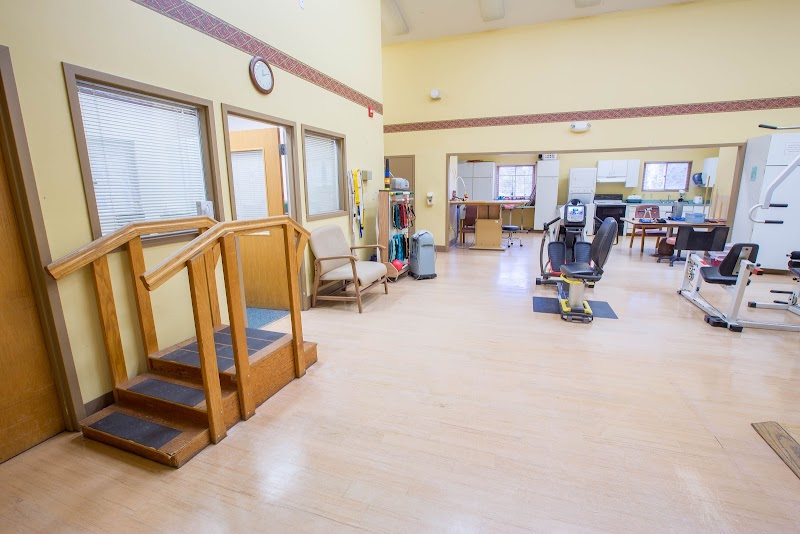
How is Hickory Ridge Nursing & Rehabilitation Center Staffed?

CMS rates HICKORY RIDGE NURSING & REHABILITATION CENTER's staffing level at 1 out of 5 stars, which is much below average compared to other nursing homes. Staff turnover is 40%, compared to the Ohio average of 46%. This relatively stable workforce can support continuity of care.

What Have Inspectors Found at Hickory Ridge Nursing & Rehabilitation Center?

State health inspectors documented 21 deficiencies at HICKORY RIDGE NURSING & REHABILITATION CENTER during 2018 to 2025. These included: 19 with potential for harm and 2 minor or isolated issues.
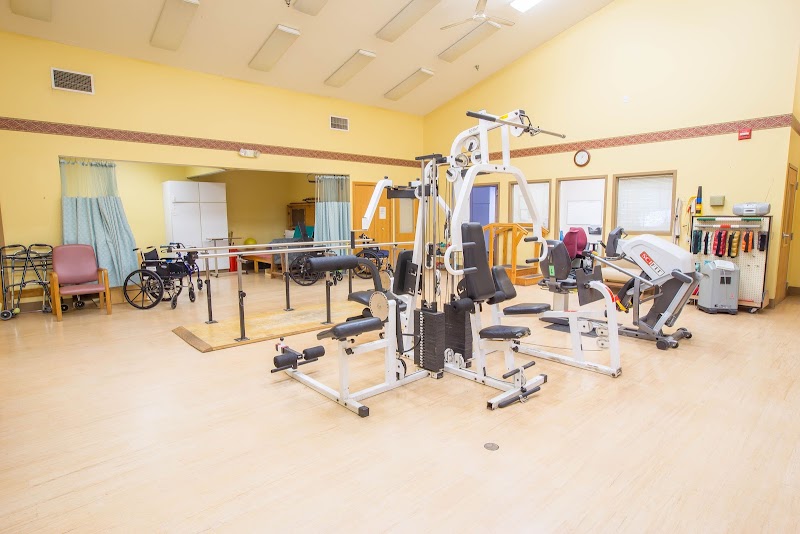
Who Owns and Operates Hickory Ridge Nursing & Rehabilitation Center?

HICKORY RIDGE NURSING & REHABILITATION CENTER is owned by a for-profit company. For-profit facilities operate as businesses with obligations to shareholders or private owners. The facility is operated by FOUNDATIONS HEALTH SOLUTIONS, a chain that manages multiple nursing homes. With 165 certified beds and approximately 141 residents (about 85% occupancy), it is a mid-sized facility located in AKRON, Ohio.
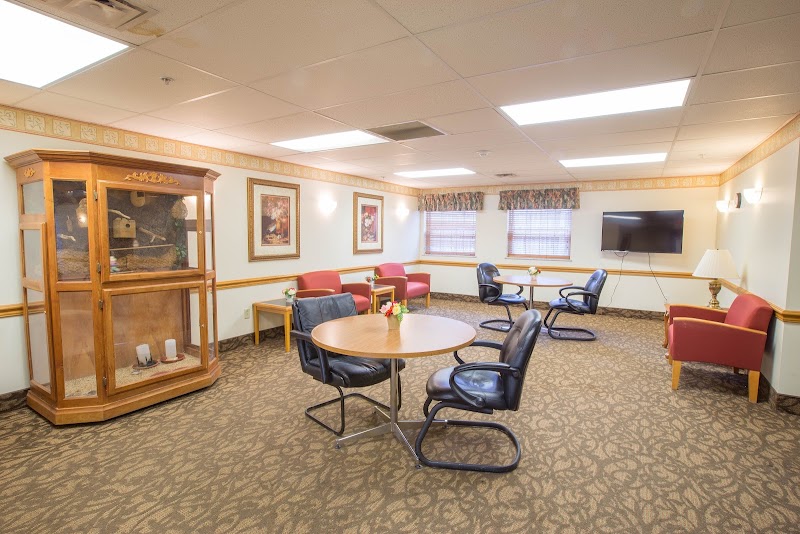
How Does Hickory Ridge Nursing & Rehabilitation Center Compare to Other Ohio Nursing Homes?

Compared to the 100 nursing homes in Ohio, HICKORY RIDGE NURSING & REHABILITATION CENTER's overall rating (4 stars) is above the state average of 3.2, staff turnover (40%) is near the state average of 46%, and health inspection rating (4 stars) is above the national benchmark.

What Should Families Ask When Visiting Hickory Ridge Nursing & Rehabilitation Center?

Based on this facility's data, families visiting should ask: "Can you walk me through typical staffing levels on day, evening, and night shifts?" "Can I visit during a mealtime to observe dining assistance and food quality?" "How do you handle medical emergencies, and what is your hospital transfer rate?" "Can I speak with family members of current residents about their experience?" These questions are particularly relevant given the below-average staffing rating.

Is Hickory Ridge Nursing & Rehabilitation Center Safe?

Based on CMS inspection data, HICKORY RIDGE NURSING & REHABILITATION CENTER has a clean safety record: no substantiated abuse findings (meaning no confirmed cases of resident harm), no Immediate Jeopardy citations (the most serious violation level indicating risk of serious injury or death), and is not on the Special Focus Facility watch list (a federal program monitoring the lowest-performing 1% of nursing homes). The facility has a 4-star overall rating and ranks #1 of 100 nursing homes in Ohio. While no facility is perfect, families should still ask about staff-to-resident ratios and recent inspection results during their visit.

Do Nurses at Hickory Ridge Nursing & Rehabilitation Center Stick Around?

HICKORY RIDGE NURSING & REHABILITATION CENTER has a staff turnover rate of 40%, which is about average for Ohio nursing homes (state average: 46%). Moderate turnover is common in nursing homes, but families should still ask about staff tenure and how the facility maintains care continuity when employees leave.

Was Hickory Ridge Nursing & Rehabilitation Center Ever Fined?

HICKORY RIDGE NURSING & REHABILITATION CENTER has no federal fines on record. CMS issues fines when nursing homes fail to meet care standards or don't correct problems found during inspections. The absence of fines suggests the facility has either maintained compliance or corrected any issues before penalties were assessed. This is a positive indicator, though families should still review recent inspection reports for the full picture.

Is Hickory Ridge Nursing & Rehabilitation Center on Any Federal Watch List?

HICKORY RIDGE NURSING & REHABILITATION CENTER is not on any federal watch list. The most significant is the Special Focus Facility (SFF) program, which identifies the bottom 1% of nursing homes nationally based on persistent, serious quality problems. Not being on this list means the facility has avoided the pattern of deficiencies that triggers enhanced federal oversight. This is a positive indicator, though families should still review the facility's inspection history directly.