HIGHLAND SQUARE NURSING AND REHABILITATION
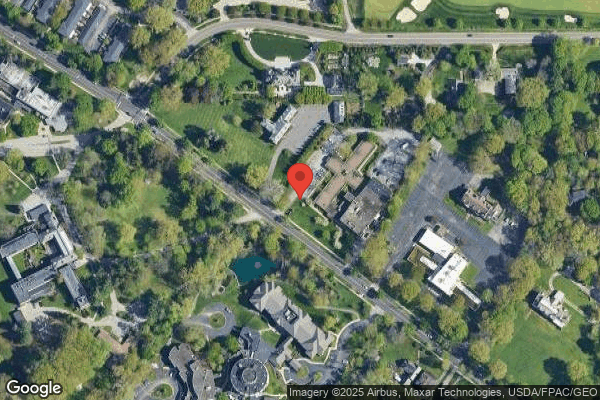
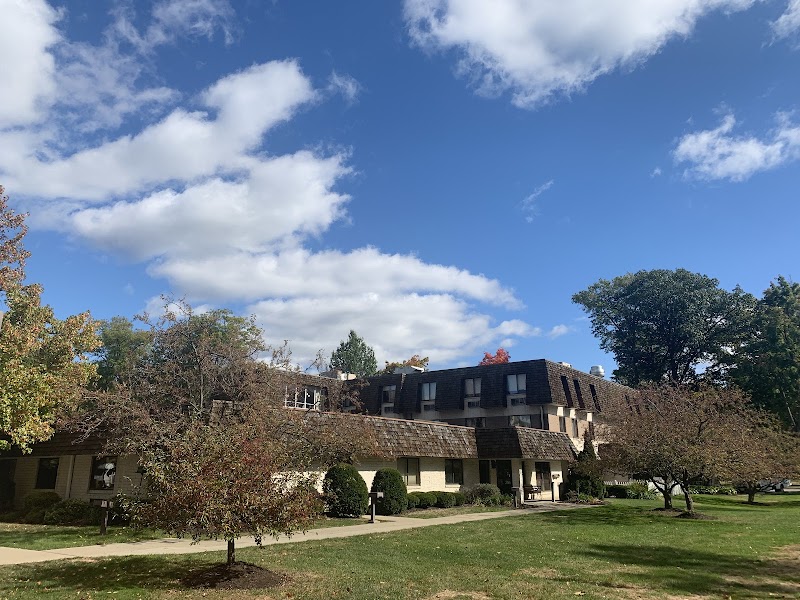
1211 W MARKET ST, AKRON, OH 44313 (330) 867-8530
For profit - Corporation 91 Beds Independent Data: November 2025 5 Immediate Jeopardy citations
Trust Grade
0/100
#703 of 913 in OH
Last Inspection: February 2025

Within standard 12-15 month inspection cycle. Federal law requires annual inspections.

Overview

Highland Square Nursing and Rehabilitation has received an F grade, indicating significant concerns about the quality of care provided. Ranking #703 out of 913 facilities in Ohio places it in the bottom half, and it is #33 out of 42 in Summit County, meaning there are much better options nearby. The facility is reportedly improving from a high number of issues in previous years, dropping from 19 problems in 2024 to just 5 in 2025. However, there are serious weaknesses, including $116,452 in fines-higher than 93% of facilities in Ohio-which suggests ongoing compliance issues. Staffing levels are average, but the facility has faced critical incidents, such as a resident being subjected to sexual abuse by a staff member and another resident not receiving necessary CPR in a life-threatening situation, raising significant concerns about safety and care protocols.

Trust Score
F
0/100
In Ohio
#703/913
Bottom 24%
Safety Record
High Risk
Review needed
Inspections
Getting Better
19 → 5 violations
Staff Stability
⚠ Watch
52% turnover. Above average. Higher turnover means staff may not know residents' routines.
Penalties
✓ Good
$116,452 in fines. Lower than most Ohio facilities. Relatively clean record.
Skilled Nurses
○ Average
Each resident gets 33 minutes of Registered Nurse (RN) attention daily — about average for Ohio. RNs are the most trained staff who monitor for health changes.
Violations
⚠ Watch
64 deficiencies on record. Higher than average. Multiple issues found across inspections.
★★☆☆☆
2.0
Overall Rating
★☆☆☆☆
1.0
Staff Levels
★★★★★
5.0
Care Quality
★☆☆☆☆
1.0
Inspection Score
Stable
2024: 19 issues
2025: 5 issues

The Good

  • 5-Star Quality Measures · Strong clinical quality outcomes
  • Full Sprinkler Coverage · Fire safety systems throughout facility
  • No fines on record

Facility shows strength in quality measures, fire safety.

The Bad

2-Star Overall Rating

Below Ohio average (3.2)

Below average - review inspection findings carefully

Staff Turnover: 52%

Near Ohio avg (46%)

Higher turnover may affect care consistency

Federal Fines: $116,452

Well above median ($33,413)

Significant penalties indicating serious issues

The Ugly 64 deficiencies on record

5 life-threatening
Sept 2025 1 deficiency 1 IJ
CRITICAL (J) 📢 Someone Reported This

A family member, employee, or ombudsman was alarmed enough to file a formal complaint

Immediate Jeopardy (IJ) - the most serious Medicare violation

Free from Abuse/Neglect (Tag F0600)

Someone could have died · This affected 1 resident

**NOTE- TERMS IN BRACKETS HAVE BEEN EDITED TO PROTECT CONFIDENTIALITY** Based on medical record review, review of a facility Self-Reported Incident (SRI), review of a facility investigation, review of...

Read full inspector narrative →
**NOTE- TERMS IN BRACKETS HAVE BEEN EDITED TO PROTECT CONFIDENTIALITY** Based on medical record review, review of a facility Self-Reported Incident (SRI), review of a facility investigation, review of text messages, review of a police report, review of the facility abuse policy, and interview, the facility failed to protect Resident #50's right to be free from sexual abuse by Housekeeper (HK) #208. This resulted in Immediate Jeopardy and the potential for actual physical and psychosocial harm beginning on 08/15/25 when Housekeeper (HK) #208 sent his picture and inappropriate text messages to Resident #50's phone asking for sexual favors to Resident #50 and then subsequently had the resident perform oral sex on him on two occasions, with evidence the resident performed the act out of fear. The facility failed to recognize the staff to resident sexual contact as abuse and failed to properly follow up with police regarding the incident. This affected one resident (#50) of three residents reviewed for abuse. The facility census was 63. On 09/16/25 at 4:28 P.M., the Administrator, Director of Nursing (DON) and Regional Director of Operations (RDO) #201 were notified Immediate Jeopardy began on 08/15/25 when the facility failed to prevent incidents of sexual abuse by HK #208 to Resident #50, a vulnerable resident with moderate cognitive impairment. HK #208 sent his picture and inappropriate text messages asking for sexual favors to Resident #50 and had Resident #50 perform oral sex on him out of fear. Based on HK #208's position of power, Resident #50's diagnoses and cognitive impairment, there was no evidence Resident #50 was able to consent to a sexual relationship. The facility also failed to recognize staff to resident sexual contact as abuse and failed to properly follow up with police. The Immediate Jeopardy was removed on 09/17/25 when the facility implemented the following corrected actions: On 08/19/25 Resident #50's friend updated facility staff that HK #208 came into Resident #50's room on two separate occasions in the previous week and made her perform oral sex on him. On 08/19/25 HK #208 was suspended pending further investigation. On 08/19/25 the facility opened a self-reported incident (SRI) tracking number 264268. On 08/25/25 HK #208's employment ended with the facility when the employee resigned. On 09/09/25 Resident #50 was signed up for psychological services with consent from her guardian and assistance from Social Services Designee (SSD) #212. On 09/16/25 Resident #50 was referred to follow-up with psychological services on 09/17/25 by Social Service Designee (SSD) #212 to evaluate mood the resident's status related to the incidents with HK #208. The social services designee also completed a depression test, Patient Health Questionnaire-9 (PHQ-9), to evaluate the resident's mood status related to the incidents with the staff member. On 09/16/25 at 4:45 P.M. the [NAME] President of Operations and [NAME] President of Clinical Services educated the RDO #201 on the following: Brief Interview for Mental Status (BIMs) assessment and scoring.Staff to Resident Relation (as included in updated facility abuse policy deeming this act abuse): At no time can staff develop, participate and/or engage in an emotional or physical intimate relationship with a resident. This would include, but not limited to, communication (text, phone calls, social media) and/or in person regardless of what resident BIMS assessment result is or if they consent. (as included in updated facility abuse policy deeming this act abuse).When a police report was made, staff would follow up with the police to determine if any charges would be pursued. Thorough Investigations: A thorough investigation must be completed for all investigations. A thorough investigation should include interviewing the resident, the accused, and all witnesses. Witnesses generally include anyone who: witnessed or heard the incident; came in close contact with the resident on the day of the incident (including other residents, family members); and employees who worked closely with the accused employee(s) and/or alleged victim the day of the incident. On 09/16/25 at 5:15 P.M. the [NAME] President of Clinical Services updated the facility Abuse Policy to include staff to resident relations. Specifically in the policy training section the facility added:Training would also include education on staff to resident relationships: At no time could staff develop, participate and/or engage in an emotional or physical intimate relationship with a resident. This would include, but not limited to, communication (text, phone calls, social media) and/or in person as this was abuse. On 09/16/25 at 5:20 P.M. the facility re-opened the SRI related to Resident #50. The police were updated that Resident #50 wanted to re-speak with them again. On 09/16/25 at 5:30 P.M. the RDO #201 and Regional Director of Clinical Services educated the Administrator and DON on the following:BIMs assessment and scoring.Staff to Resident Relation (as included in updated facility abuse policy deeming this act abuse): At no time can staff develop, participate and/or engage in an emotional or physical intimate relationship with a resident. This would include, but not limited to, communication (text, phone calls, social media) and/or in person regardless of what resident BIMS assessment result is or if they consent. (as included in updated facility abuse policy deeming this act abuse).When a police report was made, staff would follow up with the police to determine if any charges would be pursued. Thorough Investigations: A thorough investigation must be completed for all investigations. A thorough investigation should include interviewing the resident, the accused, and all witnesses. Witnesses generally include anyone who: witnessed or heard the incident; came in close contact with the resident on the day of the incident (including other residents, family members); and employees who worked closely with the accused employee(s) and/or alleged victim the day of the incident. On 09/16/25 at 5:30 P.M. the Administrator and DON educated the following staff members: Activities Director, Human Resources Director, Unit Manager, Wound Nurse, Maintenance Director, Social Services Director, Central Supply Clerk and Housekeeping Supervisor on the following:BIMs assessment and scoring.Staff to Resident Relation (as included in updated facility abuse policy deeming this act abuse): At no time can staff develop, participate and/or engage in an emotional or physical intimate relationship with a resident. This would include, but not limited to, communication (text, phone calls, social media) and/or in person regardless of what resident BIMS assessment result is or if they consent. (as included in updated facility abuse policy deeming this act abuse).When a police report was made, staff would follow up with the police to determine if any charges would be pursued. Thorough Investigations: A thorough investigation must be completed for all investigations. A thorough investigation should include interviewing the resident, the accused, and all witnesses. Witnesses generally include anyone who: witnessed or heard the incident; came in close contact with the resident on the day of the incident (including other residents, family members); and employees who worked closely with the accused employee(s) and/or alleged victim the day of the incident. On 09/16/25 at 6:00 P.M. the facility held an Ad Hoc Quality Assurance Performance Improvement (QAPI) meeting to review the incident involving HK #208 and Resident #50, the investigation and the facility abuse policy not outlining physical and emotional contact between staff and resident. The facility identified the root cause of the incident included that the facility policy did not outline physical or emotional contact between staff and resident or that Resident #50 was cognitively impaired. Staff in attendance included the Medical Director via phone, the Administrator, Director of Nursing (DON), Activities Director, Human Resources Director, Unit Manager, Wound Nurse, Maintenance Director, Social Services Director, Central Supply Clerk and Housekeeping Supervisor. On 09/16/25 at 8:15 P.M. the facility completed a Brief Interview for Mental Status (BIMs) Assessment on all residents. All care plans were reviewed regarding cognitive status after the BIMS assessments were updated. This was completed by the clinical management staff, Social Services Designee and Activity Director. On 09/16/25 at 7:00 P.M. the facility wound nurse completed skin assessments on all residents who had a BIMS of 12 or below. On 09/16/25 at 7:30 P.M. the facility Social Services Designee, Activity Director and the clinical management staff completed resident abuse questionnaires for residents with a BIMs score of 13 or above. On 09/16/25 at 7:45 P.M. all staff were educated on the following:BIMs assessment and scoring.Staff to Resident Relation (as included in updated facility abuse policy deeming this act abuse): At no time can staff develop, participate and/or engage in an emotional or physical intimate relationship with a resident. This would include, but not limited to, communication (text, phone calls, social media) and/or in person regardless of what resident BIMS assessment result is or if they consent. (as included in updated facility abuse policy deeming this act abuse).When a police report was made, staff would follow up with the police to determine if any charges would be pursued. Thorough Investigations: A thorough investigation must be completed for all investigations. A thorough investigation should include interviewing the resident, the accused, and all witnesses. Witnesses generally include anyone who: witnessed or heard the incident; came in close contact with the resident on the day of the incident (including other residents, family members); and employees who worked closely with the accused employee(s) and/or alleged victim the day of the incident. On 09/17/25 at 12:11 P.M. the facility notified the police department regarding the abuse allegation, re-opening of the facility investigation for sexual abuse and provided the alleged perpetrator's information. Beginning on 09/17/25 the facility implemented a plan to complete head-to-toe assessments on five random residents who had a BIMs score of 12 or less to assess for signs and symptoms of abuses, five times a week for four weeks then five residents weekly for four weeks. Beginning on 09/17/25 the facility would interview five random residents five times for four weeks and then five random residents weekly for four weeks with abuse questionnaires for residents with a BIMs of 13 or higher. Beginning on 09/17/25 the facility would complete five random staff questionnaires on new abuse policy five times a week for four weeks and then five random staff weekly for four weeks. Beginning on 09/17/25 RDO #201 and the Regional Director of Clinical Services would audit facility SRIs for a thorough and proper investigation. Beginning on 09/17/25 RDO #201 and the Regional Director of Clinical Services would audit SRIs for police notification.All discrepancies would be submitted to the QAPI Committee and revised as needed for three months. Although the Immediate Jeopardy was removed on 09/17/25 the deficiency remained at Severity Level 2 (no actual harm with potential for more than minimal harm that is not Immediate Jeopardy) as the facility was in the process of implementing their corrective action plan and monitoring to ensure continued compliance. Findings include: Review of the medical record for Resident #50 revealed an admission date of 09/19/24 with diagnoses including diffuse traumatic brain injury with loss of consciousness of 31 minutes to 59 minutes, hemiplegia affecting right dominant side and depression. The resident was noted to have a guardian. Review of the care plan dated 01/10/25 for Resident #50 revealed she had impaired cognitive function and thought process related to a traumatic brain injury related to a gun shot wound and skull fracture with impaired decision making and memory loss. Interventions included to communicate with the resident, family and caregivers regarding resident's capabilities and needs. Review of a Durable Power of Attorney and Guardianship document dated 05/09/25 for Resident #50 revealed she had a guardian in place. Review of the quarterly Minimum Data Set (MDS) assessment dated [DATE] for Resident #50 revealed she had an impaired cognition, scoring a nine out of 15 on the BIMs assessment. Review of text messages dated 08/15/25 and 08/16/25 revealed HK #208 sent Resident #50 his picture on 08/15/25. On 08/16/25 at 4:40 A.M. HK #208 asked Resident #50 to ensure her phone was locked as he did not want her to get caught with his picture on it. On 08/16/25 at 7:20 A.M. HK #208 stated he was working all day and asked if he could get these balls licked and see you jack that cat off. Resident #50 never responded. On 08/16/25 at 4:18 P.M. HK #208 sent another text asking if he could see her before he got off work. Resident #50 responded she had a boyfriend. Review of a facility SRI, tracking number 264268 dated 08/19/25 revealed Resident #50's friend notified the police, the facility compliance hotline and an attorney that Resident #50 had a sexual relationship with HK #208. When interviewed, Resident #50 stated she and HK #208 had begun communicating approximately two weeks prior but couldn't provide the exact dates. Resident #50 stated the conversations progressed to sexual topics and she performed oral sex on HK #208 twice, first on 08/15/25 and then on 08/16/25. Information included in the facility SRI revealed Resident #50 stated she had willingly participated during an interview with Activities Director #200. The facility conducted their investigation and concluded that Resident #50 willingly consented to a relationship with the staff member and the staff member did not try or have intent to cause harm to the resident. Review of police report #2025-00098017 completed by Patrolman #210 revealed on 08/19/25 at 9:34 P.M. the reporting officer arrived at the facility after being called for force of threat of rape to Resident #50. There report identified an unknown black male suspect. The narrative stated the victim was sexually assaulted by the suspect. Review of a facility investigation revealed a statement dated 08/19/25 at 9:15 P.M. by Licensed Practical Nurse (LPN) #209. The statement included the LPN interviewed Resident #50 related to the allegation of sexual abuse. Resident #50 stated the housekeeper came into her room on two separate occasions within the previous week and made her perform oral sex on him. She stated she did the sex acts out of fear. Resident #50 also stated that she had text (messages) on her phone from the staff member asking for sexual favors from her. Review of a BIMs assessment performed on 08/20/25 revealed Resident #50 scored 12 out of 15 which reflected the resident exhibited moderately impaired cognition. Review of a typed statement by Activities Director #200 on 08/20/25 for Resident #50 revealed Resident #50 was educated on the term of consensual and non-consensual sexual actions. She stated understanding of the definitions. Resident #50 stated that inappropriate communication with HK #208 had begun two weeks prior. She stated she had done it two times but did not profit. When asked what she meant regarding the statement Resident #50 stated I gave him head and he did not cum. Resident #50 stated she was not raped and was a willing participant. She stated on 08/15/25 she pulled out his penis from his clothing and put it into her mouth. She stated on 08/16/25 HK #208 pulled his penis out and put it into her mouth. Resident #50 stated she did not plan to give him head that day, but she did not tell him no. She stated when he attempted to contact her again, she told him she had a new boyfriend. Resident #50 signed the statement. Review of Resident #50's medical record revealed there was no further follow up with additional interventions to address the 08/15/25 and 08/16/25 incidents of sexual abuse. Interview on 09/16/25 at 8:37 A.M. with the Administrator revealed he believed that both the resident and the housekeeper were consenting to the sexual activity, and the facility abuse policy did not state staff and residents could not be intimate with each other. He stated the police did not open a case because both the resident and HK #208 consented to the relationship. During an interview on 09/16/25 at 8:47 A.M. with Resident #50 the resident stated she did consent to oral sex with HK #208 one time. She stated she performed oral sex on HK #208 the second time because she felt scared. Upon further conversation, the resident was unable to state what she was fearful of with HK #208. She then presented her cellphone and reviewed texts she had received from HK #208. Interview on 09/16/25 at 9:30 A.M. with Activities Director (AD) #200 revealed Resident #50 had told her she never refused to have oral sex with Housekeeper #208 and based on this, AD #200 stated she felt the interaction was consensual. Interview on 09/16/25 at 10:14 A.M. with RDO #201 revealed the RDO felt Resident #50 understood was consent meant and she ensured she cognitively understood what was being asked during the investigation. She stated in addition, to her knowledge the resident's guardian had no concerns with the incidents that had occurred. RDO #201 also stated the police were called and had no further concerns. Interview on 09/16/25 at 11:16 A.M. with RDO #201 revealed she suspended HK #208 on 08/20/25. The employee refused to give a statement but stated he denied the allegation of sexual abuse. RDO #201 stated HK #208 never returned to the facility to provide a statement and quit by voicemail. The facility had been unable to reach HK #208 since that time. Interview on 09/16/25 at 1:18 P.M. with the Administrator revealed Resident #50 and her friend spoke to the police in regard to the incidents with HK #208. He stated Resident #50's friend, who was another resident, had called the police to report an allegation of sexual abuse. The Administrator was unaware if anyone from the facility spoke to police while they were at the facility on 08/19/25. He verified the police report did not have HK #208 listed as the suspect. The Administrator also verified the facility had not updated the police department once they were made aware of the staff member (HK #208) involved. The Administrator revealed he believed the police would follow with the facility if there was a concern. The Administrator verified reviewing Resident #50's statement dated 08/19/25 with LPN #209 (which indicated the resident performed the act out of fear). Interview on 09/16/25 at 3:01 P.M. with Resident #50's guardian revealed she was contacted by the facility and Resident #50 that the resident had oral sex with HK #208 on two occasions. She stated she was told the first occasion Resident #50 had consented to and on the second she had not but performed oral sex out of fear. Resident #50's guardian stated she was concerned men would pray on Resident #50 due to her desperation and age. Interview on 09/17/25 at 10:39 A.M. with LPN #209 revealed Resident #50 had come to her to speak about a sexual abuse allegation on 08/19/25. She stated Resident #50's friend, another resident, stated he had called the police. She stated during her interview with Resident #50 she took her to a private location without any other staff or residents. She stated Resident #50 stated HK #208 had texted her sexually inappropriate statements and she had provided him oral sex on two occasions. She stated Resident #50 stated she had performed oral sex to HK #208 the first time willingly but did not want to the second time. LPN #209 stated Resident #50 told her she only performed oral sex the second occasion due to fear. She stated when the police arrived, they asked her where the resident's room was and then she had no further discussions with them. She stated when Resident #50 showed her the texts on her phone she was able to identify the picture as HK #208 and she updated the Administrator and RDO #201 with the information. She stated Resident #50 had a name saved in her phone that was not HK #208's name but was able to verify it was his picture. Attempted interview on 09/17/25 at 2:23 P.M. with Detective #211 with the police department major crimes unit was unsuccessful. Interview on 09/17/25 at 5:02 P.M. with Patrolman #210 revealed when he arrived at the facility he spoke to a couple of staff members inquiring on who the alleged perpetrator was. He stated the employees were unable to verify the suspect. He stated he had no contact with the facility staff after he left the building on 08/19/25. Review of the facility policy titled, Abuse, Neglect, Exploitation and Misappropriation of Resident Property, dated 10/27/17, revealed sexual abuse was defined as the non-consensual contact of any type with a resident. It also defined exploitation as taking advantage of a resident for personal gain through manipulation, intimidation, threats or coercion. The policy did not address staff to resident sexual relations as abuse situations despite a residents' cognition or willingness to consent. This deficiency represents non-compliance investigated under Complaint Number 2605456.
May 2025 1 deficiency 1 IJ
CRITICAL (J) 📢 Someone Reported This

A family member, employee, or ombudsman was alarmed enough to file a formal complaint

Immediate Jeopardy (IJ) - the most serious Medicare violation

Deficiency F0678 (Tag F0678)

Someone could have died · This affected 1 resident

**NOTE- TERMS IN BRACKETS HAVE BEEN EDITED TO PROTECT CONFIDENTIALITY** THE FOLLOWING DEFICIENCY REPRESENTS AN INCIDENT OF PAST NON-COMPLIANCE THAT WAS SUBSEQUENTLY CORRECTED PRIOR TO THIS SURVEY. Bas...

Read full inspector narrative →
**NOTE- TERMS IN BRACKETS HAVE BEEN EDITED TO PROTECT CONFIDENTIALITY** THE FOLLOWING DEFICIENCY REPRESENTS AN INCIDENT OF PAST NON-COMPLIANCE THAT WAS SUBSEQUENTLY CORRECTED PRIOR TO THIS SURVEY. Based on closed record review, review of the facility's investigation, review of facility timeline, review of emergency medical services (EMS) run report, staff interview, and policy review, the facility failed to provide basic life support (BLS), including Cardiopulmonary resuscitation (CPR) to Resident #61 per the resident's advance directive, when the resident was found unresponsive on the toilet. This resulted in Immediate Jeopardy and serious life-threatening harm and the subsequent of death of Resident #61 beginning on [DATE] when Certified Nursing Assistant (CNA) staff alerted Licensed Practical Nurse (LPN) #341 who assessed Resident #61 and found the resident to be unresponsive. Instead of providing immediate care, LPN #341 contacted LPN #346 who was working on another floor for guidance. LPN #346 then contacted Unit Manager #354, who was at home asking for guidance related to finding Resident #61's advanced directives. LPN #341 had a difficult time finding the resident's advanced directives as LPN #341 denied having immediate access to the computer and the resident's hard medical chart. EMS was contacted and arrived on-site at which time Resident #61 was pronounced deceased ; EMS staff indicated it was too late for CPR. This affected one resident (#61) of four residents reviewed for death in the facility. On [DATE] at 10:33 A.M. the Administrator, Regional Nurse, Regional Administrator and [NAME] President of Operations were notified Immediate Jeopardy began on [DATE] at approximately 11:30 P.M. when upon answering Resident #61's call light, CNA #329 and CNA #368 observed Resident #61 in the bathroom sitting on the toilet in distress. The CNA staff alerted LPN #341 who assessed Resident #61 and found the resident to be unresponsive. Instead of providing immediate care, LPN #341 contacted LPN #346 who was working on another floor for guidance. LPN #346 then contacted Unit Manager #354, who was at home asking for guidance related to finding Resident #61's advanced directives. LPN #341 had a difficult time finding the resident's advanced directives as LPN #341 denied having immediate access to the computer and the resident's hard medical chart. EMS was contacted and arrived on-site at which time the resident was pronounced deceased as EMS staff indicated it was too late for CPR. The staff had left Resident #61 slumped over on the toilet until EMS arrived (at approximately 11:45 P.M. per the facility timeline). The Immediate Jeopardy was removed on [DATE] and subsequently corrected on [DATE] when the facility implemented the following corrective actions. • On [DATE] between 12:00 A.M.-4:00 P.M., the Director of Nursing (DON) provided education on Advance Directives, location of advanced directives, change of condition, and immediate response of CPR. The education was provided to all staff that were in-house and those not in-house received training via phone. Training was verified by review of sign in sheets. • On [DATE] the DON and Administrator interviewed and/or collected statements from all staff working at the time of the incident involving Resident #61. All staff involved were on site for these interviews. • On [DATE] at 1:35 P.M., a whole house audit of all residents was completed by the Regional Director of Clinical Services (RDCS) verifying code status, care plans and signed Do Not Resuscitate (DNR) forms. No concerns were identified. • On [DATE] at 2:30 P.M. the Human Resource Director reviewed all nursing staff files to verify cardiopulmonary resuscitation (CPR) certifications were valid. All certifications were valid and up to date. • On [DATE] at 2:35 P.M. the RDCS verified all laptops on the units were accounted for. Three laptops and two desktops were available. (One desktop at first and third floor nurse stations and three laptops on three of the six medication carts [one on each unit. One nurse passes medications for the entire unit. The nurse takes the laptop from one medication cart to the other]). This was verified via surveyor observation. • On [DATE] at 4:30 P.M. the DON audited crash carts and all equipment was in place. • On [DATE] at 7:30 P.M., an ADHOC Quality Assurance and Performance Improvement (QAPI) meeting was completed to discuss Advance Directives for all residents. The outcome of the meeting was the development of education pertaining to Advance Directives, location of advanced directives, change in condition, immediate response of CPR. All interdisciplinary team members including the Administrator, DON, Unit Manager, Maintenance Director, Activities Director, Dietary Director, Business Office Manager and admission Director were in attendance with the Medical Director in attendance via phone. • On [DATE] at 11:30 A.M. a second ADHOC QAPI meeting was held. Discussion included but was not limited to the different code status levels and how staff were expected to respond and implementation of the corrective action plan and if any adjustments were required. • On [DATE] at 11:45 A.M., staff received education on advanced directives, location of the advanced directives, immediate response of CPR and change in condition by The RDCS and DON. Any staff who were unable to attend in-house were trained via telephone. Completion of this training was verified via review of staff sign-in sheets and random interviews with staff. • Beginning [DATE] at 3:10 P.M. the facility implemented a plan for the DON/Designee to conduct Code Blue drills and location of advance directives on alternating shifts three times a week for four weeks then weekly thereafter. Audit completion was reviewed and confirmed via review of auditing documentation sheets beginning on [DATE]. • Beginning [DATE] at 3:10 P.M. the facility implemented a plan for the Administrator/Designee to audit all deaths that occurred to ensure resident's advanced directives were honored per preference five times a week for four weeks, then weekly thereafter. Auditing was confirmed via review of auditing documentation sheets (there were three deaths reviewed (one occurred on [DATE], one on [DATE] and one on [DATE]); two residents had advance directives for a DNRCCA status, and one resident was a DNR-CC). • Beginning on [DATE] at 3:10 P.M. the facility implemented a plan for the DON/Designee to conduct audits to ensure that residents' change in conditions were addressed five times a week for four weeks, then weekly thereafter. Audit completion was reviewed and confirmed via review of auditing documentation sheets beginning on [DATE]. • Beginning on [DATE] at 3:10 P.M. the facility implemented a plan for the DON/Designee to conduct audits to ensure each unit had a laptop for nursing access five times a week for four weeks. Audit completion was reviewed and confirmed via review of auditing documentation sheets beginning on [DATE]. Findings include: Review of Resident #61's closed medical record revealed the resident was admitted to the facility on [DATE] with diagnoses including cognitive social or emotional deficit following an unspecified cerebrovascular disease, mild vascular dementia, chronic obstructive pulmonary disease, atrial fibrillation (irregular heart rhythm), congestive heart failure, polyosteoarthritis, and old myocardial infarction (MI). Review of the physician's orders revealed an advance directive order dated [DATE] indicating the resident was a full code status. Review of Resident #61's care plan with a creation date of [DATE] revealed Resident #61 desired to be a full code (advance directives). A full code status indicates a resident wants all life-saving measures used in a medical emergency. Review of the admission Minimum Data Set assessment with an assessment reference date of [DATE] revealed Resident #61 had range of motion impairment to upper and lower extremities on one side and required substantial/maximal (staff) assistance with toilet transfers. Resident #61 utilized a manual wheelchair for mobility. Review of an untimed progress note dated [DATE] revealed Resident [Resident #61] expired [DATE] at 00:00. R [resident] assessed by nurse and other nurse in building. Contacted MD, DON, sister. Contacted summit county corner (sic) spoke with (name provided) at 00:16 gave permission to release r [resident] to funeral home. Contacted (name of funeral home) spoke with (name provided). Funeral home picked r [resident] up at 01:27 exited on elevator gave copy of face sheet & medication list. Review of an EMS run report revealed a public safety answering point of [DATE] at 11:41 P.M. EMS was at patient at 11:48 P.M. The incident/patient disposition indicated DOA (dead on arrival)-no resuscitation attempted. Primary impression indicated obvious death. The narrative indicated M9 dispatched to (address of facility) Skilled Nursing Facility. 67 yom (year old male) reports of not breathing. Upon arrival facility staff in room and state we think he's deceased . Pt (patient) has rigor set in and pooling noted. Pt is cold to touch, obvious signs of death and 3 lead ecg (electrocardiogram) shows asystole (no heartbeat). Pronouncement and after death care left to facility. Facility requested medic crew assistance moving body, declined by crew due to nature of pt and possible medical examiner investigation. Detailed findings indicated skin cold, mottled, lividity. Review of the timeline (and corresponding staff statements) provided by the facility revealed the following information: CNA #368 reported on [DATE] about 11:30 P.M. Resident #61's bathroom call light was on when she responded she saw Resident #61 appeared to be slumped over on his toilet and appeared to be talking with CNA #329. CNA #368 could hear CNA #329 talking but couldn't tell if Resident #61 was talking. CNA #368 reported she immediately called for the nurse. CNA #329 reported on [DATE] about 11:30 P.M. Resident #61 was banging on his wall and when he entered the room Resident #61 was saying something about getting off the toilet to his wheelchair; he appeared to be in distress, and CNA #368 and CNA #329 went and got the nurse. LPN #341 reported on [DATE] at 11:35 A.M. she was standing at the nurse's station when CNAs (unnamed) near Room (number provided) called her to the room. LPN #341 reported Resident #61 was slumped over, face was pale, and hands and feet were purplish. LPN #341 assessed Resident #61 and was unable to feel a pulse. LPN #341 then went and got the vitals cart and again no vital signs were detected. At 11:39 P.M. (verified with DON's phone) LPN #341 called and let DON know Resident #61 was in distress and was instructed to call 911. At 11:40 P.M. LPN #341 reported calling 911 while other nurse on duty (not identified) also assessed Resident #61 at this time and couldn't get a pulse. LPN #341 immediately went to get Resident #61's chart but couldn't find his chart, so she checked Point Click Care (PCC) for code status. When going to get the CPR equipment EMS arrived. At 11:45 P.M. EMS was on site in resident's room; hooked Resident #61 up to monitor and reported Resident #61 was deceased . EMS refused to assist with moving the resident. Between 11:50 P.M. and 12:00 A.M. staff assisted in getting Resident #61 from toilet to wheelchair to bed. On [DATE] at 12:00 A.M. the nurse (not identified) contacted the MD, DON and resident's sister to notify that Resident #61 had expired. Interview with LPN #354 (nurse supervisor) on [DATE] at 4:03 P.M. revealed she received a call from LPN #346 (on [DATE]) around 12:00 A.M. asking what she should do as staff didn't know what to do regarding Resident #61 being on the toilet unresponsive. The supervisor revealed LPN #346 was instructed to call EMS, get the crash cart and look for code status. Interview with LPN #346 on [DATE] at 11:39 A.M. revealed she was working on [DATE] on another unit downstairs when LPN #341 called for help. LPN #346 went to the third floor and assessed Resident #61 and asked staff for the resident's code status. However, they couldn't find Resident #61's chart. LPN #346 stated she checked for pulses, and the resident was mottled. When EMS arrived, they declared Resident #61 dead. LPN #341 said she called the DON at that point, and she called Resident #61's sister. There was a nurse and two CNAs working on the third floor at the time and no code was called. Interview with CNA #368 on [DATE] at 1:51 P.M. revealed on [DATE] she was working on the third floor and went into Resident #61's room. Resident #61 was on the toilet, and she saw his hands were yellowish, CNA #329 asked Resident #61 if he was okay. CNA #329 said Resident #61 mumbled. LPN #341 was in and out of room several times. CNA #368 reported Resident #61's pulse was faint at first, but a couple minutes later the pulse was gone. CNA #368 indicated Resident #61 was not taken off the toilet and CPR was not completed. EMS said Resident #61 was DOA and left the facility. CNA #368 reported the audible signal to the call light system was disconnected that night; the cord from the annunciator panel at the desk had been disconnected. CNA #368 revealed when she arrived for her night shift she saw Resident #61's call light was on but there was no sound. CNA #368 said she checked the call light panel and saw Resident #61's call light had been on for more than 30 minutes. Interview with LPN #341 on [DATE] at 1:56 P.M. revealed CNAs were outside of Resident #61's room when they heard a sound on the wall and they entered the room. When LPN #341 entered the room Resident #61 was on the toilet. LPN #341 checked for a pulse and found no signs of a pulse. Resident #61 was slumped forward, his hands were purplish, face was pale, and his skin was warm. LPN #341 said she called 911 and asked the aides for his chart. A second nurse came up to help. LPN #341 had looked at the computer and Resident #61 was a full code. EMS arrived and declared Resident #61 dead. LPN #341 reported they were not able to complete CPR because they could not get the resident off the toilet. A follow-up interview with LPN #341 on [DATE] at 8:09 A.M. revealed at the time of the incident, she went to the computer to find Resident #61's code status. LPN #341 stated she was not sure who found the chart, but it was nowhere to be found on the third floor. LPN #341 confirmed Resident #61 did not have a pulse when she first assessed him. Interview with LPN #307 (unit manager) on [DATE] at 8:33 A.M. revealed a resident's code status could be found in the electronic medical record and the nurses always had access to a computer. Review of the facility's Emergency Procedure-Cardiopulmonary Resuscitation policy and procedure dated [DATE] revealed if an individual was found unresponsive and not breathing normally, a licensed staff member who was certified in CPR/BLS was to initiate CPR unless it was known that a DNR order that specially prohibited CPR and/or external defibrillation existed for that individual or if there were obvious signs of irreversible death (e.g., rigor mortis). If the resident's DNR status was unclear, CPR was to be initiated until it was determined that there was a DNR or a physician's order not to administer CPR. This deficiency represents non-compliance investigated under Complaint Number OH00165334.
Apr 2025 1 deficiency
CONCERN (E) 📢 Someone Reported This

A family member, employee, or ombudsman was alarmed enough to file a formal complaint

Potential for Harm - no one hurt, but risky conditions existed

Free from Abuse/Neglect (Tag F0600)

Could have caused harm · This affected multiple residents

**NOTE- TERMS IN BRACKETS HAVE BEEN EDITED TO PROTECT CONFIDENTIALITY** Based on observation of camera footage, interview, record review, and policy review the facility failed to ensure staff members ...

Read full inspector narrative →
**NOTE- TERMS IN BRACKETS HAVE BEEN EDITED TO PROTECT CONFIDENTIALITY** Based on observation of camera footage, interview, record review, and policy review the facility failed to ensure staff members remained awake and alert while on duty to prevent the potential for resident neglect. This had the potential to affect 39 residents (#14, #15, #16, #17, #18, #19, #20, #21, #22, #23, #24, #25, #26, #27, #28, #45, #46, #57, #48, 49, #51, #52, #53, #54, #55, #56, #57, #58, #59, #60, #61, #62, #63, #64, #65, #66, #67, #68, #69) of 39 residents the facility identified as residing on the second and third floors. The facility census was 68. Findings include: An interview was conducted on 04/07/25 at 10:45 A.M. with Resident #15 who reported staff on midnight shift sleep while on duty, and the other night he took several videos of facility staff asleep while call lights were going off. Resident #15 revealed he reported this to the Administrator, and the Administrator stated, I don't want to see those and refused to watch the videos. Resident #15 stated he had wanted facility management to review the videos. Resident #15 also revealed during the time he was taking the videos there were no staff, nurses or nursing assistants on the units except for the employee who was asleep. Review of the medical record for Resident #15 revealed an admission date of 02/12/2025. Review of Resident #15's admission Minimum Data Set (MDS) 3.0 assessment dated [DATE] revealed he had intact cognition. Review of the facility's concern log revealed Resident #15 reported on 03/14/25 that staff were sleeping at night. The Director of Nursing (DON) was assigned to the concern. The resolution stated the DON worked night shift on 03/16/25 and no one slept. The concern was marked as resolved, however, there was no evidence the facility investigated Resident #15's concern in relation to the specific direct care staff who worked the night shift on 03/14/25. Review of the staffing schedules for 03/13/25 from 7:00 P.M. until 03/14/25 at 7:00 A.M. revealed Certified Nursing Assistant (CNA) #417 was the only CNA assigned to the second floor, and Licensed Practical Nurse (LPN) #440 and LPN #319 were assigned to split the second floor for nursing coverage. Review of the staffing schedules for 03/14/25 7:00 P.M. until 03/15/25 7:00 A.M. revealed CNA #413 was the only CNA assigned to the second floor, and CNA #236 was assigned to the third floor. LPN #440 was assigned to the third floor and LPN #427 was assigned to the first floor and both were to split the second floor for nursing coverage. An observation was conducted on 04/07/25 at 12:45 P.M. with the Regional Director of Operations (RDO) #500 of the time stamped and date stamped videos and pictures Resident #15 had taken to share with facility management. The videos and photos revealed the following concerns. • A photo dated 03/14/25 at 5:24 A.M. revealed CNA #417 was sitting on a chair at the nurse's station with the hood from her sweatshirt covering her head. Her arms spread on the table and her head was laying on her arms with her head face down on her arms. This location was on the second floor of the facility. • A photo dated 03/15/25 at 3:08 A.M. of CNA #413 revealed she was sitting in a computer chair at the nurses station with her arm on the table, and she was bent over with her face on her arm facing the nurses station desk and her eyes were closed. This location was on the second floor. • A photo dated 03/15/25 at 3:12 A.M. revealed CNA #413 was sitting in a computer chair at the nurses station with her arm on the table. The photo showed the back of her head as it was resting on her arm. The location was on the second floor. • A photo dated 03/15/25 at 3:13 A.M. revealed Resident #28's call light was activated. • A 15-second video dated 03/15/25 and timed 3:27 A.M. revealed CNA #413 was sitting at the nurse's station with her arm on the desk, her head resting on her arm with her eyes closed. The location was on the second floor. • A 15-second video dated 03/15/25 at 3:28 A.M. revealed Resident #28's call light remained activated. • A 15-second video dated 03/15/25 at 3:32 A.M. revealed CNA #236 was sitting at a dining table on the third floor. Her upper body was positioned on the dining table, head resting on her hands and her eyes were closed. This location was on the third floor. • A 19-second video dated 03/15/25 at 4:04 A.M. revealed CNA #236 remained in the same position with her eyes closed. • A six-second video dated 03/15/25 at 4:31 A.M. revealed CNA #236 remained in the same position with her eyes closed. Record review of statements dated 04/09/25 from of LPN #427 and LPN #319 revealed they were not aware of staff sleeping while on their shift. Interview on 04/09/25 at 6:12 A.M. with LPN #440 revealed she worked on 03/14/25 and 03/15/24 on night shift and was unaware whether or not the identfied CNAs were sleeping. LPN #440 confirmed no CNA had asked her to cover them for call lights or resident care on 03/14/25 and 03/15/25. LPN #440 stated if she had been aware of any staff sleeping on the job she would have notified management. Interview with the Administrator could not be conducted due to the Administrator being unavailable for interview. Interview on 04/09/25 at 2:00 P.M. with Regional Director of Operation (RDO) #500 revealed it was against facility policy for staff to sleep while on duty. RDO #500 stated if staff want to rest while on duty they can rest during their break time but they are required to do so in their vehicles or in a designated staff break area. RDO #500 verified the contents of the video footage and photos provided by Resident #15 and confirmed the staff assigned to the second and third floor on 03/14/24 and 03/15/25 were resting in resident care areas. RDO #500 stated the pictured CNAs reported that their nurses were covering while they slept but nursing interviews revealed they were not aware of the staff sleeping. Review of the Meals and Breaks facility form revealed Staff members rest breaks are assigned by the supervisor or department head and may be taken in the designated break areas for a total of 30 minutes and be taken in 15-minute increments and are paid. Review if the facility policy, Abuse, Neglect, Exploration, and Misappropriation of Resident property last revised 11/01/19 revealed the definition of neglect is the failure of the facility its employees, or facility service providers to provide goods and services to a resident necessary to avoid physical harm, pain, mental anguish or emotional distress. This deficiency represents non-compliance investigated under Complaint Number OH00163855.
Feb 2025 2 deficiencies
CONCERN (D)

Potential for Harm - no one hurt, but risky conditions existed

Quality of Care (Tag F0684)

Could have caused harm · This affected 1 resident

**NOTE- TERMS IN BRACKETS HAVE BEEN EDITED TO PROTECT CONFIDENTIALITY** Based on observation, interview, and record review the facility failed to ensure Resident #43's received treatment and comprehen...

Read full inspector narrative →
**NOTE- TERMS IN BRACKETS HAVE BEEN EDITED TO PROTECT CONFIDENTIALITY** Based on observation, interview, and record review the facility failed to ensure Resident #43's received treatment and comprehensive care to ensure leg braces were in place. This affected one resident (Resident #43) of two residents reviewed for leg braces. The facility census was 59. Findings include: Review of the medical record for Resident #43 revealed an admission date of 10/24/24. Diagnoses included schizoaffective disorder, borderline personality disorder, and polyosteoarthritis. Review of the quarterly Minimum Data Set (MDS) assessment dated [DATE] revealed Resident #43 had mild cognitive impairment. Resident #43 required extensive assistance for all activities of daily living. Review of the nursing progress note dated 01/14/25 revealed the bionics facility called to set up an appointment in the facility on 01/14/25 for her leg braces. Resident #43 agreed to the appointment. Review of the physical therapy evaluation dated 01/17/25 revealed Resident #43 wanted to wear her braces despite education on high risk for skin breakdown on left lower extremity due to blisters and picked open skin. Resident #43 refused therapy treatments on 01/22/25 and was seen and treated on 02/03/25 and 02/06/25. Review of the therapy notes from 02/03/25 and 02/06/25 revealed no information regarding her leg braces. Review of the care plan for Resident #43 dated 01/31/24 revealed no information regarding her leg braces. Review of the physical therapy Discharge summary dated [DATE] revealed that Resident #43 requires 24-hour assistance and a mechanical lift for all transfer due to lower extremities contractures and inability to bear weight through lower extremities. Resident #43 may use a wheelchair in the facility with supervision from the staff. Interview with Resident #43 on 02/20/25 08:39 A.M. confirmed she does not want to wear the braces or participate in therapy because they never gave her a chance to wear them. Observation of the resident on 02/20/25 09:11 A.M. revealed Resident #43 sleeping in bed with no braces on. Interview during the observation with Licensed Practical Nurse (LPN) #410 reported she knew nothing about those braces and confirmed there was no order and it was not care planned. She reported to speak with therapy and maybe they knew something. She also reported that Resident #43 was extremely non-compliant with care. Interview on 02/20/25 at 9:15 A.M. with Activity Director #402 revealed Resident #43 refuses therapy a lot but she does wear the braces sometimes and is very non-compliant with them. Interview on 02/20/25 at 9:20 A.M. with Infection Preventionist #481 confirmed that Resident #43 does not have an order for the braces and does not have a care plan for the braces. She reported that the facility does not necessarily need an order for braces or a care plan if the resident is only wearing them during therapy. Interview on 02/20/25 09:34 AM with Occupational Therapist (OT) #482 revealed that the braces were just delivered to the facility with no notice. She reported that Resident #43 could not tolerate them. Therapy was unable to evaluate her safety with them. She was unsure if the physician was notified because there was no documentation. Review of the facility policy titled, Assistive Devices and Equipment, undated, revealed the facility provides, maintains, trains, and supervises the use of assistive devices and equipment for residents. Review of the facility policy titled, Care plan, Comprehensive Person-Centered, undated, revealed a comprehensive, person-centered care plan that includes measurable objectives and timetables to meet the resident's physician, psychosocial and functional needs is developed and implemented for each resident.
CONCERN (F)

Potential for Harm - no one hurt, but risky conditions existed

Food Safety (Tag F0812)

Could have caused harm · This affected most or all residents

Based on observation, interview and policy review, the facility failed to ensure beard restraints covered the beard to prevent hair from contacting the food and failed to use sanitary methods when han...

Read full inspector narrative →
Based on observation, interview and policy review, the facility failed to ensure beard restraints covered the beard to prevent hair from contacting the food and failed to use sanitary methods when handling food items. This had the potential to affect 56 of 59 residents as three residents (Residents #51, #106, and #110) received no food by mouth (NPO). The facility census was 59. Findings include: The following observations were made and confirmed with the Regional Dietary Manager #483 and [NAME] #462 on 02/20/25 between 11:25 A.M. and 12:02 P.M.: 1. [NAME] #462's beard net was worn around his neck during the meal temperature observation and during the first meal in the service. The meal was discarded and [NAME] #462 pulled up the beard net over his cheeks and upper lip. 2. [NAME] #462 removed hamburger and hotdog buns from their bags with his hands instead of utilizing a pair of tongs. Interview with Regional Dietary #483 on 02/20/25 at 12:15 P.M. verified [NAME] #462 was not wearing the beard net properly. She also confirmed [NAME] #462 used his hands to remove hamburger and hotdog buns from their bags. Review of a list of resident diets revealed Residents #51, #106, and #110 were NPO. Review of facility policy Hair Covering, undated, indicated any exposed body hair needs to be effectively restrained. Review of facility policy Sanitation/Infection Control, undated, indicated appropriate utensils were used to serve food and they vary according to the type of food served. Tongs, ladles, and scoops were frequently used.
Oct 2024 2 deficiencies
CONCERN (D) 📢 Someone Reported This

A family member, employee, or ombudsman was alarmed enough to file a formal complaint

Potential for Harm - no one hurt, but risky conditions existed

Quality of Care (Tag F0684)

Could have caused harm · This affected 1 resident

**NOTE- TERMS IN BRACKETS HAVE BEEN EDITED TO PROTECT CONFIDENTIALITY** Based on review of the medical record and interview with the staff the facility failed to ensure Resident #5 received his medica...

Read full inspector narrative →
**NOTE- TERMS IN BRACKETS HAVE BEEN EDITED TO PROTECT CONFIDENTIALITY** Based on review of the medical record and interview with the staff the facility failed to ensure Resident #5 received his medication as ordered by the physician. This affected one resident (Resident #5) of three reviewed for mediation administration. The facility census was 58. Findings included: Review of the medical record revealed Resident #5 was admitted to the facility on [DATE]. Diagnoses included diabetes, pain in leg, psychoactive substance abuse, asthma, and muscle weakness. Review of the admission Minimum Data Set assessment dated [DATE] revealed Resident #5 had intact cognition. He had no upper or lower extremity impairment and he was receiving physical and occupational therapy. Review of the physician's progress notes dated 07/22/24 revealed Resident #5 was seen in the office for epigastric pain and was ordered pantoprazole (stomach acid reducer) 40 milligrams (mg) once daily. Review of the physician's orders revealed Resident #5 was not ordered pantoprazole 40 mg once daily until 08/08/24. Review of the medication administration records revealed Resident #5 received his first dose of pantoprazole 40 mg on 08/08/24. Review of the pharmacy delivery sheets revealed Resident #5 received three tablets of pantoprazole on 08/10/24. Review of the progress note dated 09/14/24 at 10:00 A.M. revealed Resident #5 was complaining of nausea and vomiting, feeling hot, and his tonsils were sore. He vomited liquid. The physician was notified and new orders were given. Review of the physician's progress note date 09/14/24 revealed staff called the physician due to the resident was complaining of nausea and vomiting, onset was one to two days ago, and denied the nausea and vomiting increased after eating. The plan was for laboratory tests and continue Zofran four mg every six hours as needed. Review of the September 2024 physician's order revealed Resident #5 did not have an order for Zofran four mg every six hours as needed. Review of the September 2024 Medication Administration Record revealed Resident #5 was never ordered or administered Zofran 4 mg every six hours as needed Review of the progress note dated 09/16/24 at 3:00 P. M. revealed Resident #5 went to a doctors' appointment with his mother regarding his sore throat. He was later admitted to the hospital for tonsilitis. On 09/25/24 at 4:45 P.M. an interview with Regional Director of Clinical Services #403 verified there was an order for pantoprazole 40 mg for Resident #5 however they were not given the progress notes from the physician's visit. She stated she did not know if any of the staff reached out to the physician's office to see if there were any new orders. On 09/26/24 at 9:38 A.M. an interview with Family Member #500 revealed the facility knew Resident #5 had an appointment on 07/22/24 with his physician. She sated because their van was broken down and she had to take him. She stated she had to get permission from his facility counselor to take him. She stated the doctor gave her a prescription for Pantoprazole for his acid reflux and she went to the drug store to have it filled. She stated when she got to the facility, she handed it to Receptionist #522. She stated Receptionist #522 told her she would get the Administrator. She stated the Administrator told her the facility had their own pharmacy, she explained she would have to order them through their pharmacy and she would take the medication just in case they could not get it in. She stated she did not know they could not use another pharmacy. She stated one week later Resident #5 told her he still had not received the medication. She stated she spoke to the Administrator again and the Administrator told her Resident #5 was receiving the medication. She explained to the Administrator Resident #5 would know if he was getting the medication and the Administrator stated she would look into it. She stated another week went by and Resident #5 had not received his medication. She stated her and her son called the ombudsman and explained to her what was going on. She stated the Ombudsman went to the facility and the Administrator told her the medication was lost but they would get it taken care of that day. On 09/26/24 at 09/26/24 at 10:35 A.M. with Resident #5 revealed he did not receive his medication for his acid reflux for about two weeks after he brought it to the facility. On 09/26/24 at 11:10 A.M. an interview with Regional Director of Clinical Service # 403 revealed the facility was aware Resident #5 was going out to physician's appointments and they had sent paperwork with him to those appointments. She verified again none reached out to the physician's office to see if there was any paperwork or new orders. On 09/26/24 at 1:50 P.M. an interview with the Director of Nursing confirmed no order for Zofran was written on 09/14/24 and she would speak to the nurse who worked that day to find out why. On 09/26/24 at 2:05 P.M. an interview with Ombudsman Supervisor #530 revealed the Ombudsman covering the facility was on vacation however he had access to her notes. He stated the notes indicated that Resident #5 and his mother reached out to the Ombudsman, stated Resident #5 was ordered a medication for acid reflux and had not received it and it had been over two weeks. He stated the notes indicated the Ombudsman spoke to the Administrator about the issue and she verified the administrator stated they had received his mediation and it was in the medication cart however she would not say how long of a gap there was between receiving the medications and him actually getting the medication. Observation of medication with Licensed Practical Nurse #400 on 09/30/24 at 2:50 P.M. revealed the staff was using a bottle of 90 tablets of pantoprazole 40 mg from a local drug store. Review of the facility policy titled, Administering Medications, dated 12/12 revealed medication would be administered in a safe and timely manner and as prescribed. This deficiency represents non-compliance investigated under Complaint Number OH00157506 and OH00157525.
CONCERN (D) 📢 Someone Reported This

A family member, employee, or ombudsman was alarmed enough to file a formal complaint

Potential for Harm - no one hurt, but risky conditions existed

Deficiency F0825 (Tag F0825)

Could have caused harm · This affected 1 resident

**NOTE- TERMS IN BRACKETS HAVE BEEN EDITED TO PROTECT CONFIDENTIALITY** Based on review of the medical record, review of therapy notes, and interview with staff the facility failed to provide therapy ...

Read full inspector narrative →
**NOTE- TERMS IN BRACKETS HAVE BEEN EDITED TO PROTECT CONFIDENTIALITY** Based on review of the medical record, review of therapy notes, and interview with staff the facility failed to provide therapy services to Resident #5 after he won his appeal. This affected one resident ( Resident #5) of three reviewed for therapy services. The facility census was 58. Findings Included: Review of the medical record revealed Resident #5 was admitted to the facility on [DATE]. Diagnoses included diabetes, pain in leg, psychoactive substance abuse, asthma, and muscle weakness. Review of the physician's orders revealed Resident #5 had orders for physical therapy (PT) to evaluate and treat four times a week for four weeks and occupational therapy (OT)would evaluate and treat four times a week for four weeks dated 07/08/24. Review of the OT evaluation and plan of treatment dated 07/08/24 revealed Resident #5 was certified from 07/08/24 through 08/06/24 for four times per week for four weeks. Review of the PT evaluation and plan of treatment dated 07/08/24 revealed Resident #5 was certified from 07/08/24 to 08/05/24 for four times a week for four weeks. Review of the skilled review dated 07/11/24 revealed Resident #5 was due to be reviewed for further skilled services on 07/18/24 at 8:30 A.M. Items needed included medication administration records, treatment administration records, last seven days of narrative notes, physician's documentation, therapy notes target dated for discharge, and care conference notes. Review of the admission Minimum Data Set assessment dated [DATE] revealed Resident #5 had intact cognition. He had no upper or lower extremity impairment and he was receiving physical and occupational therapy. Review of the occupation therapy notes revealed Resident #5 last day of OT was on 07/30/24. Review of the physical therapy notes revealed Resident #5 last of PT was on 07/31/24. Review of the appeal letter from Anthem dated 08/06/24 revealed Resident #5 was approved for more therapy days from 08/06/24 to 08/10/24 however he never received those extra four days of therapy he was approved for. On 09/26/24 at 09/26/24 at 10:35 A.M. with Resident #5 revealed he was cut from therapy at the end of July. He stated he appealed and won but never received anymore days. He stated therapy cut him because he refused to use the weight machine anymore because he felt something move in his back every time, he used it and he was not hurting himself. On 09/26/24 at 2;35 P.M. an interview with Regional Director of Operation #483 revealed the therapy department stated Resident #5 did not need any more therapy so they did not pick him up from 08/06/24 to 08/10/24. On 09/30/24 at 1:13 P.M. an interview with Director of Therapy #464 revealed Resident #5 last covered day was 07/31/24. However , he appealed and won more time. She stated she did not believe he needed more therapy due to he was up walking around with a walker independently. She verified normally when a resident appeals and wins they would continue therapy for the certification period but they did not for Resident #5. She stated his therapy was only approved for discharged purposes. On 09/30/24 at 4:40 P.M. an interview with Regional Director of Operations #483 verified the facility had no documentation indicating the certification period from 08/06/24 through 08/10/24 were for discharge planning only and not therapy. She verified he had not received therapy at this time. This deficiency represents non-compliance investigated under Complaint Number OH00157525.
Jul 2024 3 deficiencies
CONCERN (D) 📢 Someone Reported This

A family member, employee, or ombudsman was alarmed enough to file a formal complaint

Potential for Harm - no one hurt, but risky conditions existed

Deficiency F0697 (Tag F0697)

Could have caused harm · This affected 1 resident

**NOTE- TERMS IN BRACKETS HAVE BEEN EDITED TO PROTECT CONFIDENTIALITY** Based on record review and interview the facility failed to ensure a palliative care consult was arranged for Resident #24 to ad...

Read full inspector narrative →
**NOTE- TERMS IN BRACKETS HAVE BEEN EDITED TO PROTECT CONFIDENTIALITY** Based on record review and interview the facility failed to ensure a palliative care consult was arranged for Resident #24 to address the resident's chronic pain. This affected one resident (#24) of three residents reviewed for pain management. The facility census was 58. Findings included: Review of the medical record revealed Resident #24 was admitted to the facility on [DATE] with diagnoses including osteoarthritis left knee, spinal stenosis, radiculopathy, pain in the left knee, benign prostatic hyperplasia, hypertension, chronic pain, alcohol abuse, anxiety disorder, and depression. Review of a progress notes dated 05/02/24 at 3:46 P.M. revealed the nurse spoke to the resident regarding his chronic pain. Resident #24 stated he had tried everything for pain and nothing seemed to be working. Resident #24 was informed that palliative care was an option to which he responded he would like to try it. A request was sent to the nurse practitioner. Review of the physician's order dated 05/04/24 revealed Resident #24 had an order for a referral for palliative care. Record review revealed no evidence the resident had been seen for palliative care as of this time. On 07/23/24 at 3:10 P.M. an interview with Resident #24 revealed he had pain in his lower back that was related to spinal stenosis. The resident stated there was some possibility of him having back surgery, but that seemed to no longer be an option at this time. The resident stated the head nurse (Director of Nursing) had spoken to him a while back and said they (the facility) would look into palliative care for him to help with his pain control; however, the resident stated he had not heard anything at all since that time (over two months prior per the facility written progress note). On 07/24/24 at 2:10 P.M. interview with the Administrator confirmed there had been no palliative care consultation completed for Resident #24 as of this date. This deficiency is a recite to the complaint survey completed on 06/27/24.
CONCERN (F) 📢 Someone Reported This

A family member, employee, or ombudsman was alarmed enough to file a formal complaint

Potential for Harm - no one hurt, but risky conditions existed

Food Safety (Tag F0812)

Could have caused harm · This affected most or all residents

Based on observation, staff interview and facility policy review the facility failed to maintain the kitchen in a clean and sanitary manner. This affected 57 of 57 residents who received meals from th...

Read full inspector narrative →
Based on observation, staff interview and facility policy review the facility failed to maintain the kitchen in a clean and sanitary manner. This affected 57 of 57 residents who received meals from the kitchen. The facility identified one resident (#36) who received nothing by mouth. The facility census was 58. Findings included: On 07/23/24 at 9:40 A.M. observations during a kitchen tour with Dietary Manger #635 revealed there were several gnats flying around in the kitchen. The trash can by the hand washing sink had a red substance splashed all over the lid and the side. There was also a brown substance spilled all over the side of it. There was a three-tiered silver cart with two mixers on it that were dirty with dried build-up of food debris, a trash can in the middle of the kitchen was dirty and had no lid on it, the steam table was dirty with dried on food, the shelf underneath the steam table was dusty and dirty with food debris, the plate warmer was dirty with dried food debris, there were several three tiered carts that were dirty with food build up, and there was dirt and food debris on the floor of the freezer. On 07/23/24 at 9:50 A.M. an interview with Dietary Manger #635 verified the above concerns. Dietary Manager #635 revealed the steam table should be cleaned after every meal , the trash cans should be cleaned and have a lid on them. She stated she was going to throw away a few of the three-tiered carts but had not received the approval from corporate yet and she stated the freezers were to be cleaned daily. Review of the undated facility policy titled, Cleaning and Sanitizing Dietary Areas and Equipment, revealed all kitchen area and equipment would be maintained in a sanitary manner and be free of buildup of food, grease and other soil. This deficiency represents noncompliance as an incidental finding during the investigation of Complaint Number OH00155325.
CONCERN (F) 📢 Someone Reported This

A family member, employee, or ombudsman was alarmed enough to file a formal complaint

Potential for Harm - no one hurt, but risky conditions existed

Smoking Policies (Tag F0926)

Could have caused harm · This affected most or all residents

Based on observation, interview with staff and review of the facility policy, the facility failed to implement the smoking policy to maintain a safe and clean environment free from discarded cigarette...

Read full inspector narrative →
Based on observation, interview with staff and review of the facility policy, the facility failed to implement the smoking policy to maintain a safe and clean environment free from discarded cigarette butts at the facility's side entrance door and the resident smoking area. This had the potential to affect all the residents in the facility. The facility census was 58. Findings included: Observation of the resident smoking area on 07/23/24 at 4:10 P.M. with the administrator revealed several cigarette butts (over 30) all over in the mulch. The cigarette butts were also observed on the facility window ledge. The administrator stated staff go out with the residents. She verified there were cigarette butts in the mulch. Observation of the side guest entrance of the facility on 07/24/24 at 11:35 A.M. revealed several cigarette butts (over 50) all over in the mulch and bushes. An interview at this time with the Administrator verified there were cigarette butts in the mulch. She stated she would have them cleaned up. Review of the undated facility policy titled, Smoking Policy and Procedure, revealed the residents may smoke in a designated area outside the building. Cigarette butts and other smoking debris must be discarded in the designated receptacle and should never be thrown on the ground and in the mulch. The staff would empty ashtrays and keep the area free of debris, at the end of each smoke break. This deficiency represents noncompliance as an incidental finding during the investigation of Master Complaint Number OH00155560.
Jun 2024 1 deficiency
CONCERN (D) 📢 Someone Reported This

A family member, employee, or ombudsman was alarmed enough to file a formal complaint

Potential for Harm - no one hurt, but risky conditions existed

Deficiency F0697 (Tag F0697)

Could have caused harm · This affected 1 resident

Based on record review and interviews, the facility failed to ensure pain medications were available and administered as ordered by the physician. This affected one (Resident #5) of three residents re...

Read full inspector narrative →
Based on record review and interviews, the facility failed to ensure pain medications were available and administered as ordered by the physician. This affected one (Resident #5) of three residents reviewed for pain management. The facility census was 57. Findings include: Review of the medical record for Resident #5 revealed an admission date of 01/29/24 with diagnoses including chronic pain. Review of the physician's orders for Resident #5 revealed she had an order dated 01/29/24 for Methadone HCl 80 milligrams (mg) two times a day for pain. Review of the care plan dated 01/30/24 for Resident #5 revealed she was on pain medication related to having pain. Interventions included to take Methadone HCl 80 mg two times a day for pain. Review of the Medication Administration Record (MAR) for May 2024 and June 2024 revealed Resident #5 did not receive her Methadone HCl 80 mg on 05/18/24, 06/01/24, 06/09/24, 06/20/24 and 06/21/24 in the morning and on 06/09/24 and 06/20/24 at night. Review of the nursing progress notes for Resident #5 revealed on 05/18/24 at 8:10 A.M. her Methadone was not able to be giving due to unavailability. The pharmacy was notified and was going to deliver that day. The physician was not updated. The nursing progress note dated 06/01/24 at 8:33 A.M. revealed nursing staff were only able to provide Methadone 40 mg to Resident #5 as that was all that was available on her medication card. The pharmacy was updated and was going to send more that day. The physician was not updated on the decreased dose provided to Resident #5. The nursing progress note dated 06/09/24 at 8:31 A.M. stated Resident #5's Methadone was not available to administer and the pharmacy was notified. The physician was not updated. The nursing progress dated 06/20/24 at 8:06 A.M. stated Resident #5's Methadone was not available. The physician was not updated. The nursing progress note dated 06/21/24 at 2:49 A.M. stated the staff were waiting for the Methadone to arrive. The physician was not updated. Interview on 06/26/24 at 2:10 P.M. with Registered Nurse (RN) #268 verified Resident #5 had not received her Methadone as ordered on the dates and times listed above and the physician was not updated. Interview on 06/27/24 at 8:45 A.M. with Resident #5 verified she had gone without her pain medication because the nursing staff did not order her medications timely. She stated she did have other as needed pain medications available during those times. Review of the facility policy titled, Administering Medications, revised December 2012, revealed medications were to be administered in accordance with the orders.
May 2024 1 deficiency 1 IJ
CRITICAL (J) 📢 Someone Reported This

A family member, employee, or ombudsman was alarmed enough to file a formal complaint

Immediate Jeopardy (IJ) - the most serious Medicare violation

Accident Prevention (Tag F0689)

Someone could have died · This affected 1 resident

**NOTE- TERMS IN BRACKETS HAVE BEEN EDITED TO PROTECT CONFIDENTIALITY** THE FOLLOWING DEFICIENCY REPRESENTS AN INCIDENT OF PAST NON-COMPLIANCE THAT WAS SUBSEQUENTLY CORRECTED PRIOR TO THIS SURVEY. Bas...

Read full inspector narrative →
**NOTE- TERMS IN BRACKETS HAVE BEEN EDITED TO PROTECT CONFIDENTIALITY** THE FOLLOWING DEFICIENCY REPRESENTS AN INCIDENT OF PAST NON-COMPLIANCE THAT WAS SUBSEQUENTLY CORRECTED PRIOR TO THIS SURVEY. Based on record review, review of the facility assessment, visitation policy, substance use disorder program contract and interview, the facility failed to properly identify potential risks/hazards for residents with a substance use disorder and provide adequate supervision and/or supervised visitation to prevent intentional/unintentional drug overdoses for residents in the facility. This resulted in Immediate Jeopardy and actual harm on [DATE] when Resident #44 who had known substance abuse history was found unresponsive and required cardiopulmonary resuscitation (CPR) and hospitalization after a Fentanyl and Methadone overdose. The Immediate Jeopardy and actual harm continued on [DATE] when Resident #61 with a known substance abuse history was found unresponsive requiring CPR after a drug overdose. The Immediate Jeopardy continued on [DATE] when Resident #61 was assessed to be difficult to arouse and identified to have an overdose of Fentanyl leading to hospitalization. On [DATE] at 1:55 P.M. the Administrator, Director of Nursing (DON), Regional Director of Operation (RDO) #710, [NAME] President of Clinical Services #750 and Regional Nurse #700 were notified Immediate Jeopardy began on [DATE] following the identification of drug overdoses occurring in the facility. Resident #44 who had known substance abuse history was found unresponsive and required cardiopulmonary resuscitation (CPR) and hospitalization after a Fentanyl and Methadone overdose. The Immediate Jeopardy continued on [DATE] and [DATE] related to drug overdoses involving Resident #61. This affected two residents (#44 and #61) of four residents reviewed for substance use disorder. The facility identified 15 residents with active or current substance use disorders, ten residents with behavioral health needs and 14 residents (#7, #9, #12, #14, #19, #20, #23, #24, #28, #29, #37, #44, #47 and #52) who participated in the facility substance abuse program. The Immediate Jeopardy was removed, and the deficiency was corrected on [DATE] when the facility implemented the following corrective actions: • On [DATE] at 9:32 P.M. Licensed Practical Nurse (LPN) #223 called 911 (related to Resident #44). • On [DATE] at 9:36 P.M. the Director of Nursing (DON) was notified by LPN #216 of a possible overdose of Resident #44. • On [DATE] at 9:38 P.M. Akron City Emergency Medical Services (EMS) arrived at the facility, administered Resident #44 Narcan. MD #800 was notified, orders to monitor resident and complete tox screen. LPN #223 was asked by LPN #216 to witness an interview with Resident #61 about an incident that occurred with Resident #44. When both nurses approached Resident #61's room, they observed the resident lying face down on his floor and unresponsive. LPN #223 initiated CPR and LPN #216 went to the third floor to alert the paramedics that were already in the building. • On [DATE] at 9:42 P.M. DON was notified by LPN #223 that Resident #61 was found unresponsive of possibly an overdose. • On [DATE] at 9:43 P.M. the DON advised charge nurses LPN #223 and LPN #216 to complete a head count of residents and check the status of all residents. All other residents were accounted for with no concerns. Charge nurses LPN #223 and LPN #216 were directed to obtain statements from all staff in the building regarding the incident. • On [DATE] at 9:44 P.M. the DON notified the Administrator two residents (#44 and #61) were found unresponsive from a possible (drug) overdose. • On [DATE] at 10:10 P.M. LPN #223 notified MD #800 of Resident #61 being unresponsive. • On [DATE] at 10:35 P.M. the DON arrived at the facility. A whole house audit was completed to ensure no other residents had been affected. The DON went to Resident #61's room to check his status. Then, DON went to the third floor to check the status of Resident #44. • On [DATE] at 10:45 P.M. Resident #44 and Resident #61 were placed on Q 15-minute safety checks. • On [DATE] at 10:55 P.M. the Administrator arrived at the facility. • On [DATE] at 11:10 P.M. LPN #223 received an order from MD #800 to complete urinalysis from both residents (#44 and #61). • On [DATE] at 11:30 P.M. the Administrator reviewed and made a copy of the visitor log with the findings of a visitor for Resident #44 on [DATE] from 5:10 P.M. to 5:20 P.M. • On [DATE] at 12:38 A.M. the DON received a call from nurse LPN #223 for a change in condition for Resident #44. MD #800 was notified and 911 was called and Resident #44 was transferred to the hospital. • On [DATE] at 1:15 A.M. RDCS #700, the Administrator and the DON reviewed staff statements, and staffing list for current day. It was determined the root cause of the drug overdose incident was a facility failure to supervise visitation per the facility substance abuse program policy. • On [DATE] at 1:00 P.M. education on the facility substance abuse program interventions and monitoring was initiated by the Administrator and DON for all facility staff. • On [DATE] at 1:30 P.M. the third-party program residents were provided with their signed contracts in order to review the expectations of the contract by SS #276, the counselor from the program. • On [DATE] at 2:00 P.M. at Quality Assessment Performance Improvement (QAPI) meeting was held with RDO #710 and MD #800 via telephone, RDCS #700, the Administrator, DON, Unit Manager/LPN #201, Medical Records (MR) #204, Admissions Director (AD) #205, Business Office Manager (BOM) #202, Human Resources (HR) #203, and Therapy Director (DOR) #720, to discuss the incidents on [DATE]. • On [DATE] at 7:00 P.M. Resident #44 returned to the facility and agreed to participate in individual and case management services through the third-party program. Resident #44 had participated in the third-party program from [DATE] through [DATE] and then again began participation on [DATE]. • On [DATE] at 9:44 P.M. LPN #216 notified the DON of concern for Resident #61 appearing under the influence due to resident being difficult to arouse and not acting like self. The nurse then called MD #800 and EMS to transport the resident to the hospital. EMS arrived at the facility with police due to concern of possible overdose. Staff at the facility searched Resident #61's room with police officers. Inside his notebook a folded-up bus pass was located with a black substance in it. Officers tested the substance which was positive for Fentanyl. • On [DATE] at 3:55 A.M. Resident #61 returned to the facility after testing positive for Fentanyl in hospital. • On [DATE] at 9:45 A.M. the facility clinical team met with SS #276 to discuss the incident that occurred on [DATE] involving Resident #61. • On [DATE] at 10:00 A.M. the Administrator held a QAPI meeting to discuss the root cause of the [DATE] incident and determined facility failure to conduct adequate room searches. Staff in attendance at the QAPI meeting included RDO #710 and MD #800 via telephone, RDCS #700, the Administrator, the DON, Unit Managers LPN #201 and LPN #200, MR #204, AD #205, BOM #202, HR #203, and DOR #720. • On [DATE] at 11:00 A.M. the Administrator and RDO #710 completed room searches for all residents in the substance use disorder program with no additional negative findings. Residents were observed at this time for any changes in behaviors such as slurring of words, change in cognition, increase in agitation and avoidance of eye contact or conversation. No concerns noted at this time. • On [DATE] at 1:26 P.M. Resident #61 discharged from the facility. The resident was given discharge instructions and summary. MD #800 was in agreement with the resident's discharge. • On [DATE] at 2:30 P.M. RDO #710 educated the department head team which included the Administrator, the DON, Unit Managers LPN #200 and LPN #201, MR #204, AD #205, BOM #202, HR #203 and DOR #720 on the facility's substance abuse disorder program policy with emphasis on random room searches, random search of any delivered packages and supervised visitation. • On [DATE] at 6:00 P.M. department head (BOM #202, DON, the Administrator, HR #203, AD #205, Unit Manager/LPN #201, MR #204, Activities Director (AD) #208, and Minimum Data Set nurse (MDS) #207) education was provided regarding the substance abuse contract completed by RDO #710. • On [DATE] at 6:20 P.M. all staff education was completed regarding the substance abuse contract by the department heads BOM #202, DON, the Administrator, HR #203, AD #205, Unit Manager/LPN #201, MR #204, AD #208 and MDS #207. • On [DATE] at 6:30 P.M. Front desk staff receptionist (RCP) #265, RCP #266 and RCP #267 were re-educated on the process of supervised visitation by the Administrator: 1. Visitation would be conducted in the main lobby and would be supervised by the receptionist or designee. 2. In the event the phone rings during a visit, the phones would not be answered by the receptionist and would roll over to the floors. 3. If assistance was needed, notify another staff member. 4. In the event of needing to leave the desk notify another staff member to cover. • At least once a week the administrator and clinical team meet with SS #276, the third- party counselor, on Wednesdays and as needed. During this meeting a discussion of all residents who were active with attending groups through third-party program. Discussion of the residents, discharge plans, meeting goals, progress, or any concerns such as decreased participation, changes in behaviors or at risk. The bed board was present to discuss any residents who were not active in the program for reassessment and encouragement to participate. At the time of this meeting, it would be discussed for room searches and random tox screens to be completed with the third-party program and at the facility level. Communication between the Administrator and the third-party program/counselor would be continuous and as needed if any concerns arise. • On [DATE] the facility implemented a plan for the Administrator/designee to audit the visitation log, to include monitoring of the sign in book (for completion) and to ensure visitations five times per week for four weeks and then randomly thereafter. Discrepancies would be reviewed in QAPI and revised as needed. • On [DATE] the facility implemented a plan for the Administrator/designee to audit to ensure random room searches of residents participating in the substance use disorder program were completed for three residents weekly for four weeks and then randomly thereafter. All audit findings would be submitted to QAPI for recommendations and review. Findings include: Review of the facility assessment dated [DATE] reflected 15 residents with active or current substance use disorders and ten residents with behavioral health needs. The assessment reflected the facility managed the medical conditions and medication-related issues causing psychiatric symptoms and behavior, identified and implemented interventions to help support individuals with issues such as dealing with anxiety, care of someone with cognitive impairment, care of individuals with depression, trauma/PTSD, other psychiatric diagnoses, intellectual or developmental disabilities. The facility made available a third-party program for case management and counseling for residents with substance use disorders. 1. Review of Resident #44's medical record revealed an admission date of [DATE] with diagnoses including encephalopathy, multiple sclerosis, nicotine dependence and other psychoactive substance abuse. Review of Resident #44's medical record revealed a signed consent for the facility's Substance Use Disorder Program dated [DATE]. Review of the initial care plan dated [DATE] revealed Resident #44 had mood and behavior problems related to anxiety, depression, substance abuse and recent placement at facility. Interventions included consulting behavioral health as needed and educating the resident/family on expectations of treatment. The resident's plan of care was revised on [DATE] to reflect a third-party program which offered case management and counseling for residents with substance use disorder. The goal was for Resident #44 to remain substance free for duration of the stay. Interventions included the resident must adhere to the program's rules, have no leave of absences (LOAs), participation in the program's group activities and completing homework for the program. Review of a progress note dated [DATE] dated 1:28 A.M. and authored by LPN #223 revealed within the 9:00 P.M. hour (on [DATE]), Resident #44 was observed leaning forward in his wheelchair unresponsive to stimuli. LPN #223 initiated code status alert and called 911. LPN #223 wrote Resident #44's airway was patent, she did a sternum rub, bounding pulse noted. LPN #223 stated the response team used Narcan one time. Resident #44 was monitored every 15 minutes. LPN #223 notified MD #800 at 12:40 A.M. concerning the resident having shallow respirations. MD #800 gave an order to send the resident to the emergency room. Administration and DON were notified and had assessed needs until 911 arrived. Review of the incident report dated [DATE] at 9:36 P.M. and authored by LPN #223 revealed Resident #44 was found unresponsive in his wheelchair. LPN #223 checked the resident's pulse and initiated CPR. Airway was noted to be patent. Sternum rub was completed and 911 was called. EMS arrived on the scene and utilized Narcan on Resident #44 one time. EMS relayed since Resident #44 was responsive and vital signs were stable, he did not need to go to the emergency room. In the resident description Resident #44 initially stated he took Fentanyl and Methadone. The immediate action taken per the incident report indicated MD #800, the DON, RDCS #700, RDO #710 and the third-party program counselor were notified. The incident report indicated the predisposing factor was taking narcotic/analgesic. Under the area of other it noted Resident #44 had a history of substance use and a diagnosis of psychoactive substance abuse. The resident was in the facility's program. Resident #44 was not supervised during a visit prior to overdose. Review of the Change in Condition form dated [DATE] at 6:14 A.M. and authored by LPN #223 revealed around midnight Resident #44 had abnormal vital signs, an altered mental status and was unresponsive. MD #800 ordered urinalysis or culture. Under review of findings it was marked as opioid overdose. Family was notified. Review of a progress noted dated [DATE] at 9:24 A.M. and authored by LPN #218 revealed Resident #44 was admitted to the hospital with a diagnosis of urinary tract infection. The resident returned to the facility on [DATE] at 7:03 P.M. Review of a progress note dated [DATE] at 12:35 A.M. and authored by Registered Nurse #217 revealed Resident #44 was given a urine drug test which resulted positive for THC. Interview on [DATE] at 8:20 P.M. with LPN #223 revealed she was present on [DATE] as the third-floor nurse. She stated State Tested Nursing Assistant (STNA) #226 found Resident #44 slumped over in his wheelchair in his room. She stated she started CPR and called 911. When EMS took over, LPN #223 stated she went to the second floor to speak to another resident (Resident #61) who Resident #44 hung out with regularly. She wanted to find out if this resident gave Resident #44 drugs. She stated at that time she found Resident #61 on the floor with an apparent drug overdose. She stated there were police who showed up but did not come into the building on [DATE]. During the interview, the LPN indicated the facility substance use disorder program was too much explaining the residents in the program were on all three units instead of one like it used to be. She also stated the facility was not enforcing the visitation policy. She acknowledged receiving education on supervised visits stating visits now had to happen in the lobby for any resident on the facility program. Interview on [DATE] at 8:35 P.M. with LPN #216 revealed she was the nurse on second floor and had been at work on [DATE]. She stated on [DATE] she was called to the third floor to assist with Resident #44's overdose. Once the EMS took over care of Resident #44, she and another nurse thought they should check with Resident #61 to see if he knew what Resident #44 took. Following the incident, LPN #216 stated staff were given education on the facility's (substance abuse) program and the need for enforcement of visitation. She stated the visits would now have to be supervised unlike before. Interview on [DATE] at 2:49 P.M. with the DON revealed she arrived at the facility on [DATE] at 9:50 P.M. after being notified of the resident drug overdoses. She stated Resident #44 had not gone on any type of leave of absences (LOA) prior to the incident, but did have a visitor on [DATE], his father. The DON denied knowing how Resident #44 acquired drugs. She stated Resident #44 initially refused to go to the hospital, but he was sent around 12:00 A.M. and was admitted . The resident returned to the facility on [DATE]. Interview on [DATE] at 9:20 A.M. with the Administrator revealed she had requested the EMS report for Resident #44 but had not received it during the survey. Interview on [DATE] at 3:15 P.M. with Regional Director of Operations (RDO) #710 revealed visitation should have always been restricted to common areas (based on the facility substance abuse program). However, this was not enforced until [DATE] and now all visitation was limited to the lobby area. RDO #710 revealed only one resident (#44) had been identified to have a visitor on [DATE] which was how they believed residents obtained the drugs. The residents, including Resident #44, were not being supervised for visitation (as per the facility protocol) prior to [DATE]. Interview on [DATE] at 4:54 P.M. with RDO #710 and the Administrator confirmed on [DATE], Resident #44 had an unsupervised visit with his father, and he was not assessed afterwards as per the facility policy. RDO #710 stated the facility's role was to provide a safe, structured environment. The Administrator stated she met with SS #276 every week, usually Wednesdays, and as needed to discuss residents with signed Substance Use Disorder contracts. Both RDO #710 and the Administrator reviewed their contract and indicated they were tightening up the program. 2. Review of the closed medical record for Resident #61 revealed an admission date of [DATE] and a discharge date of [DATE]. Resident #61 had diagnoses including other psychoactive substance abuse, opioid dependence, cannabis use and nicotine dependence. Review of the medical record for Resident #61 revealed a signed consent for the facility's Substance Use Disorder Program dated [DATE]. Review of the initial care plan dated [DATE] revealed Resident #61 had mood and behavior problems related to anxiety, depression, substance abuse and recent decline in health related to substance abuse. The resident had an order for Naloxone (Narcan) as needed for opioid abuse. Interventions included consulting behavioral health as needed and educating the resident/family on expectations of treatment. The resident's care plan was revised on [DATE] to reflect a third- party program which offered case management and counseling for residents with substance use disorder. The goal was for Resident #61 to remain substance free for duration of the stay. Interventions included, he must adhere to the program's rules, have no leave of absences (LOAs), participation in the program's group activities and completing homework for the program. Review of a progress note dated [DATE] at 9:50 P.M. and authored by LPN #216 revealed the third-floor nurse, LPN #223, knocked on Resident #61's door. There was no response. She discovered the resident was lying on the floor face down and not breathing. The resident was turned over and CPR was initiated. While performing CPR Resident #61 began to breathe as EMS entered the room and took over care. Review of an incident report, noted Resident #61 sustained a fall on [DATE] at 9:50 P.M. The report was authored by LPN #216 and revealed upon entering Resident #61's room the resident was lying face down on the floor, unresponsive and not breathing. The floor nurse and STNA turned the resident over, and initiated CPR until EMS arrived. EMS administered Narcan twice. Resident #61 was responsive and immediately stood up. He refused to go to the hospital. Resident #61's description of what happened revealed he and another resident were smoking the same cigarette before this occurred. The immediate action taken was MD #800, the DON, the Administrator and SS #276 were notified. The predisposing factor was identified as taking narcotic/analgesic. The report revealed Resident #61 had a history of substance use and a diagnosis of psychoactive substance abuse. The resident was currently part of the facility program, and he was not supervised during visit. Review of a progress note dated [DATE] at 9:44 P.M. and authored by the DON revealed the DON received a call regarding Resident #61 being under the influence. The resident was not acting like his normal self but was alert and oriented. The DON instructed the nurse to complete vital signs, a drug test, search his room and do a head count on all residents. The DON was then notified that the resident was not easily arousable/unresponsive. Vital signs were checked again, and the resident's continuous pulse oxygen reflected 90%. The DON instructed staff to give Resident #61 two liters of oxygen, call MD #800 and call EMS. Resident #61 stated he was having sharp pain in his chest. EMS arrived and Resident #61 was taken to the hospital where he tested positive for Fentanyl. The local police were involved and stated Resident #61 would be charged with possession. Review of the incident report dated [DATE] at 9:44 P.M. and authored by the DON revealed the DON was notified of Resident #61 being under the influence. The resident was not acting like his normal self but was alert and oriented. The DON instructed the nurse to complete vital signs, a drug test, search his room and do a head count on all residents. The DON was notified the resident was not easily arousable/unresponsive. Vital signs were checked again, and his continuous pulse oxygen reflected 90%. The DON instructed to give Resident #61 two liters of oxygen, call MD #800 and call EMS. Resident #61 stated he was having sharp pain in his chest. EMS arrived and Resident #61 was taken to the hospital where he tested positive for Fentanyl. The predisposing factor was identified as taking narcotic/analgesic. The immediate action taken was MD #800, EMS, RDO #700 and DON were notified. EMS arrived and transferred the resident to the hospital where he tested positive for Fentanyl. The police were involved and stated he would be charged with possession. The report revealed Resident #61 had a history of substance use and a diagnosis of psychoactive substance abuse. The resident was currently part of the facility program. Resident #61 was discharged following the incident due to violating the program contract. The resident was discharged on [DATE]. Review of the police report dated [DATE] at 10:07 P.M. revealed police were present from 9:30 P.M. to 10:05 P.M. Resident #61 was identified as the suspect and event was identified as an overdose. Offenses listed were possession of drugs (Fentanyl), illegal conveyance of drugs of abuse and unintentional overdose. The police seized 1.56 grams of suspected Fentanyl which was found in folded bus pass. Review of the progress noted dated [DATE] at 3:55 A.M. authored by LPN #216 revealed Resident #61 returned to the facility. EMS stated resident was tested and results were negative with the exception of the Fentanyl results. Interview on [DATE] at 8:20 P.M. with LPN #223 revealed she was present on [DATE] as the third-floor nurse. She stated after STNA #226 found Resident #44 slumped over in his wheelchair and EMS took over care for the resident, she went to second floor to speak to Resident #61 (who Resident #44 hung out with regularly). She stated she wanted to find out if Resident #61 gave Resident #44 drugs. She stated she found Resident #61 on the floor with an apparent drug overdose. She stated there were police who showed up but did not come into the building on [DATE]. She stated she was not present on [DATE] when Resident #61 experienced a second overdose. She stated the substance use disorder program was too much explaining the residents in the program were on all three units instead of one like it used to be. She also stated the facility was not enforcing the visitation policy. She acknowledged receiving education on supervised visits stating visits now had to happen in the lobby for any resident on the facility program. Interview on [DATE] at 8:35 P.M. with LPN #216 revealed she was the nurse on second floor and present both times Resident #61 overdosed. She stated on [DATE] she was called to the third floor to assist with Resident #44's overdose. Once the EMS took over both she and another nurse thought they should check with Resident #61 to see if he knew what Resident #44 took. She stated they knocked on his door with no answer. They opened the door and found Resident #61 on the floor; he was blue. They started CPR, the STNA was getting a crash cart when Resident #61 started breathing and threw up. The other nurse got EMS who were present in the building on the third floor. They administered Narcan to Resident #61. Resident #61 jumped up and did not know what happened. He denied taking anything and refused to go to the hospital. The LPN revealed she was also working on [DATE] when Resident #61 again overdosed. LPN #216 stated he had been passing snacks with the STNA. Resident #61 came out of his room and his eyes were squinty, slurring speech and wobbly. He had gone to the room next door to visit another resident for a few minutes. When he went back to his room, LPN #216 heard a loud boom. When she checked Resident #61 was standing by his closet. He denied falling, stating it was the closet door. LPN #216 suspected he was reaching up in the ceiling tile. She stated the police found marijuana in a roach clip. The neighboring resident he visited, Former Resident #90, suggested they use Narcan on Resident #61. FSR #90 responded Oh, I don't know when asked why she would suggest Narcan. LPN #216 stated STNA #249 found Resident #61 lying on the foot of the bed perpendicular and not easily aroused. His legs were blue. STNA #249 got LPN #216 who called the DON. LPN #216 assessed Resident #61 who said he had pain. She called 911. EMS stated the resident's pupils were like needle points, but the resident denied drug use. LPN #216 stated she had tried to administer Narcan, but he refused. The resident initially refused to go to the hospital, but the EMS were able to convince him to go to the hospital. Afterwards the police searched the resident's room with staff. LPN #216 stated they found marijuana on a roach clip and a bus pass with black sand, Fentanyl. The police stated he would be charged, and they would get a warrant for his arrest. She stated Resident #61 was to be discharged because of violation of contract. LPN #216 stated they were given education on the facility's program and the need for enforcement of visitation. She stated the visits would now have to be supervised unlike before. Interview on [DATE] at 9:09 P.M. with STNA #249 revealed she was present on [DATE] for Resident #61's second overdose. She stated she found the resident; he was acting differently. She reported to the nurse the resident was turning colors even with oxygen. The nurse called 911. EMS took over. STNA #249 denied ever seeing drug exchanges. She stated she felt there should be more limitations to visitation. She stated she was off work the past two weeks and did not realize the facility had implemented supervised visitation until she returned. She stated the residents were not allowed to go into other residents' rooms and had to visit in common areas. Interview on [DATE] at 10:11 A.M. with SS #276 from the third-party program revealed he was limited on what he could share. He explained residents who come to the facility for the Substance Use Disorder program had to sign a contract prior [TRUNCATED]
Feb 2024 3 deficiencies
CONCERN (D) 📢 Someone Reported This

A family member, employee, or ombudsman was alarmed enough to file a formal complaint

Potential for Harm - no one hurt, but risky conditions existed

Free from Abuse/Neglect (Tag F0600)

Could have caused harm · This affected 1 resident

**NOTE- TERMS IN BRACKETS HAVE BEEN EDITED TO PROTECT CONFIDENTIALITY** Based on medical record review, Self-Reported Incident (SRI) review, employee warning notice review, policy review and interview...

Read full inspector narrative →
**NOTE- TERMS IN BRACKETS HAVE BEEN EDITED TO PROTECT CONFIDENTIALITY** Based on medical record review, Self-Reported Incident (SRI) review, employee warning notice review, policy review and interview, the facility failed to ensure Resident #38 was free from staff-to-resident abuse. This affected one (Resident #38) of three residents reviewed for abuse. The census was 74. Findings include: Review of the medical record for Resident #38 revealed an admission date of 10/23/23 with diagnoses of injury in motor vehicle accident, opioid abuse with opioid-induced psychotic disorder, anxiety disorder, behavior insomnia of childhood sleep onset. Review of the Minimum Data Set (MDS) 3.0 quarterly assessment dated [DATE] revealed Resident #38 was cognitively intact. Review of the behavior care plan updated 02/20/24 revealed Resident #38 had a behavior problem related to being very manipulative, would twist what people said to him and would state things that been proven not factual. Interventions included caregivers to provided opportunity for positive interaction/attention, approach/speak in a calm manner, divert attention, remove from situation and take to alternate location as needed. Review of the SRI dated 02/23/24 revealed an allegation of a staff-to-resident verbal altercation between Resident #38 and kitchen staff member, Dietary Aide (DA) #10. On 02/23/24, Resident #38, an alert and oriented times three spheres resident, went to the kitchen requesting two hamburgers stating he did not receive the burgers on his dinner tray. DA #10 stated the burgers were on the tray when the meal cart was sent out to the floor. Resident #38 became upset and began cursing and using foul language calling DA #10 a liar. DA #10 and Resident #38 began going back and forth regarding if the burgers were sent out. Resident #38 threatened DA #10, stating, I will beat your [expletive]. Review of the witness statement dated 02/23/24 timed 5:30 P.M. authored by Resident #38 revealed he had walked down to the kitchen to tell them he didn't get burgers. State Tested Nurse Aide (STNA) #13 was already telling them and DA #10 screamed Resident #38 was lying. Resident #38 got his plate of food to show them he was not lying. DA #10 came out saying he did not care, he made the burgers. DA #10 started getting real loud and stood over Resident #38 and said, he don't feel good and ain't the one. I'm not gonna let some [NAME] punk me so Resident #38 stood up to be prepared to defend himself. The witness statement indicated I felt threatened enough to stand up and be ready to fight. Review of the witness statement dated 02/23/24, authored by Scheduler #11 revealed, on 02/03/24 just before 5:00 P.M., I was in my office on the first floor .when I heard two people yelling. I came out of my office and heard the yelling by the dietary door and when I came around the corner, I noticed [Resident #38] shove his rollator at least five feet from him and it hit the wall and he was yelling at [DA #10]. [Resident #38] was yelling for [DA #10] to come outside and handle [expletive]. [DA #10] replied back, go ahead and come out back, let's go. [Resident #38] also stated to [DA #10], fat [expletive] can't get me in time. At this point, I intervened in between [DA #10] and [Resident #38] and noticed that [NAME] #12 was observing the situation from the dietary door but did not intervene. I got in front of [DA #10] and tried to get him to calm down and to go back in the kitchen. After a couple of minutes, I did get [DA #10] back into the kitchen . Interview on 02/27/24 at 11:45 A.M. with Regional Director of Operations (RDO) #8 and Regional Director of Clinical Services (RDCS) #5 verified DA #10 should have de-escalated the situation and should not have threatened Resident #38 during the request for burgers. Review of the Employee Warning Notice dated 02/26/24 revealed DA #10 was terminated due failure to maintain a calm and nonjudgmental approach with a resident who was escalating. Review of the facility's Abuse, Neglect, Exploitation and Misappropriation of Resident Property policy updated 11/01/19 revealed the facility would educate its staff upon hire regarding the facility's Abuse, Neglect, Exploitation of residents and Misappropriation of Resident Property. The training sessions would include appropriate interventions to deal with aggressive and/or catastrophic reactions of residents. Review of the facility's undated Tips for Handling Patients When They Are Angry policy revealed de-escalation involved maintaining a calm demeanor and avoiding attempts to control the patient. It was okay to walk away from a situation if staff felt they were in danger. This deficiency represents continued non-compliance investigated under Complaint Number OH00151422.
CONCERN (D) 📢 Someone Reported This

A family member, employee, or ombudsman was alarmed enough to file a formal complaint

Potential for Harm - no one hurt, but risky conditions existed

Deficiency F0744 (Tag F0744)

Could have caused harm · This affected 1 resident

**NOTE- TERMS IN BRACKETS HAVE BEEN EDITED TO PROTECT CONFIDENTIALITY** Based on observation, medical record review, policy review and interview, the facility failed to provide care and services to en...

Read full inspector narrative →
**NOTE- TERMS IN BRACKETS HAVE BEEN EDITED TO PROTECT CONFIDENTIALITY** Based on observation, medical record review, policy review and interview, the facility failed to provide care and services to ensure the safety of Resident #33 who had a diagnosis of dementia. This affected one (Resident #33) of three residents reviewed for dementia. The census was 74. Findings include: Review of the medical record for Resident #33 revealed an admission date of 03/10/23 with diagnoses of diabetes, symbolic dysfunction, bipolar disorder, atrial flutter, psychoactive substance abuse, anxiety disorder and dementia. Resident #33 resided on the third-floor unit and the only emergency contact was her brother-in-law/significant other. Review of the weight note dated 11/08/23 revealed Resident #33 ate well but went on leave of absences (LOAs) where she did not get fed. Review of the general progress note dated 11/09/23 timed 5:17 P.M. revealed family was at the facility to take Resident #33 on LOA. Family member was instructed that resident did not feel well and should not go out of the facility. The family member stated, we are going out. The family member was told that the resident's shoes did not fit properly, and they posed a fall risk. Resident #33 and family member left the facility. Review of the psychiatry nurse practitioner note dated 11/14/23 revealed Resident #33 left on LOAs with a family member and staff continued to endorse concern of the possibility of illicit activity. Resident #33 returned from visits disheveled and in soiled pants. Review of the general progress note dated 11/15/23 timed 10:53 A.M. revealed the family member was at the facility and took Resident #33 out for the day. The family member was instructed that Resident #33 would miss insulin and medications. The family member stated they were still going out. Review of the general progress note dated 11/26/23 timed 5:03 P.M. revealed Resident #33's significant other came into the facility at approximately 12:00 P.M. stating he was taking resident out on LOA. The family member was instructed Resident #33 needed a winter coat to go outside in the cold weather. The family member stated, she's going to be in the car. When Resident #33 returned, she was walking with an unsteady gait and almost fell, her hair was messed up, she was sitting in a chair rocking pelvic area, and her pupils were dilated. The nurse practitioner (NP) was notified. Review of the general progress note dated 11/30/23 timed 5:08 P.M. revealed although Resident #33's significant other was instructed Resident #33 needed a coat to leave the facility, the significant other took Resident #33 out of the facility without a coat. Review of the psychiatry nurse practitioner note dated 12/06/23 revealed Resident #33 was asked about her LOAs and Resident #33 stated she went out with her husband. When asked what kind of activities they did, she stated, visit with his friends. The nurse practitioner asked what she did when visiting with her spouse's friends and the resident was slightly hesitant to answer then said they just talked. Resident #33 had been noted to leave the building without appropriate cold weather attire and she was noted to miss medications when she went on leave. Review of the Statement of Expert Evaluation dated 12/08/23 revealed there was an application for Guardianship for Resident #33. Resident #33 was mentally impaired as evidenced by diagnoses of bipolar disorder, anxiety disorder, psychoactive substance abuse, moderate dementia with agitation and tardive dyskinesia. Resident #33 had an impairment in orientation, motor behavior, thought process, memory, concentration and comprehension and judgment. Resident #33 referenced her brother-in-law as her husband which appeared to be reflection of their close relationship and she was aware they were not legally married. Per facility staff, concerns were noted about her frequent LOAs from the facility with her brother-in-law. Staff had noted that Resident #33 had been returned to the facility disheveled and disoriented. She had been noted several times to return from visits soiled from diarrhea. During interview, Resident #33 was hesitant to share details on her activities with her brother-in-law when she was on leave. She replied, we just talk and hang out. When asked directly she denied the relationship was abusive. Her response suggested some awareness of her actions but poor judgment and a lack of ability to perform basic activities of daily living with assistance. The evaluation indicated that overall, given Resident #33's cognition impairment and demonstrable inability to care for herself, establishing guardianship was warranted at this time. Review of the general progress note dated 12/13/23 timed 5:43 P.M. revealed Resident #33's significant other arrived as super trays were arriving. The nurse asked if he was supplying a meal for her, and he stated they were just going outside. Resident #33 still did not have a winter coat and was taken out of the building with a thin sweater against the nurse's wishes. The significant other was asked to please obtain a winter coat for Resident #33. Review of the Minimum Data Set (MDS) 3.0 quarterly assessment dated [DATE] revealed Resident #33 was severely cognitively impaired and independent with walking. Review of the general progress note dated 12/24/24 timed 3:31 P.M. revealed Resident #33 was out with her significant other. The significant other was instructed that Resident #33 was missing blood sugar, medications and meal when she was taken out at that time of day. The significant other was instructed Resident #33 would need a meal while out or would need to be back by 5:00 P.M. Review of the general progress note dated 12/15/24 timed 4:18 P.M. revealed the significant other was at the facility to take Resident #33 out. The significant other was instructed Resident #33 needed to be back for insulin and meal and Resident #33 was consistently missing medications and meals going out at that time of day. Review of the LOA care plan updated 01/02/24 revealed Resident #33's brother-in-law/boyfriend interfered with her care. He took her out on LOA and she did not have medications during the time she was gone from the facility. Resident #33 was also incontinent of bowel and bladder at times and would return to facility with fecal matter dried on her skin from not being changed during the LOA. Review of the general progress note dated 01/04/24, timed 6:59 P.M. revealed Resident #33 came back from being out with significant other. Resident #33 wanted to use the phone to talk to him as he got in the elevator. Resident #33 was instructed she could not use phone since he was just there and that her clothes were covered in stool. Review of the general progress note dated 01/06/24 timed 4:56 P.M. revealed Resident #33 returned from LOA with family member. When Resident #33 left the facility, the nurse instructed the family member that Resident #33 would need to eat since he was taking her out prior to meals arriving to unit. Review of the general progress note dated 01/13/24 timed 5:15 P.M. revealed Resident #33 was back from LOA. The significant other was instructed to talk to nurse before taking resident out due to needed medications. The significant other became argumentative with the nurse stating, I signed her out. The significant other was instructed that he still needed to see a nurse not the STNA and he walked passed the nurse and got on elevator. Review of the general progress note dated 01/13/24 timed 5:21 P.M. revealed Resident #33 told the nurse she was hungry and she did not get a lunch. Resident #33 had left on LOA before lunch was served. Resident #33 said they were out and about. Resident #33 was cold to touch. Review of the general progress note dated 01/17/24 timed 4:07 P.M. revealed the significant other came to take Resident #33 out for several hours. The nurse requested that Resident #33 remain and eat dinner so that insulin could be given. The significant other said no and took the resident out. The nurse advised the significant other to get Resident #33 something to eat while out so that blood sugar would remain stable. Review of the general progress note dated 01/24/24 timed 6:27 P.M. revealed Resident #33 returned from being out with family member. Resident #33 returned with clothes soiled with bowel movement and stated she did not eat while out and was hungry. Review of the general progress noted dated 02/07/24 timed 10:02 A.M. revealed the significant other came to take Resident #33 out on LOA stating they would be back at 4:30 P.M. or 5:00 P.M. The family member was told Resident #33 would miss two blood sugars and her medications. The significant other did not respond to the nurse and turned his back to the nurse and left. Review of the general progress note dated 02/08/24 revealed per nurse practitioner, Resident #33 was given a no LOA order. Review of the general progress note dated 02/08/23 timed 3:15 P.M. revealed Resident #33 signed the LOA book to leave with her brother-in-law. Resident #33 and brother-in-law were educated that Resident #33 leaving was against medical advice (AMA). The brother-in-law and Resident #33 both stated that they were leaving and left. Review of the general progress note dated 02/21/24 revealed Physician #9 called in and rescinded the LOA order after recalling issues with brother-in-law taking Resident #33 out before. Physician #9 gave order for no LOAs. The note indicated Resident #33 was aware. Review of the February 2024 physician orders revealed Resident #33 did not have LOA privileges at that time. The order was written on 02/21/24. Review of the general progress note dated 02/23/24 timed 5:24 P.M. revealed Resident #33's significant other came to the desk to take Resident #33 down to smoke. He instructed the nurse she had doctor's appointment on Monday (02/26/24) at 11:00 A.M. with a medical doctor. The significant other was instructed Resident #33 couldn't be seen by medical doctors while at the facility but he began arguing with the nurse. The significant other was also instructed dinner was on the way and Resident #33 needed medication. The significant other responded they would return when they wanted to. Review of the general progress note dated 02/23/24 timed 6:29 P.M. revealed Resident #33's significant other instructed the nurse earlier that he was taking Resident #33 down to the front lobby to smoke and he would be gone approximately 30 minutes. The nurse went to administer medications when meal tray arrived and Resident #33 was not in her room. The significant other was called and the call went to voicemail. A voice message was left instructing the significant other to bring Resident #33 back. The Director of Nursing (DON) was notified. Observation on 02/27/14 at 8:10 A.M. revealed Resident #33 lying in bed, in the fetal position, asleep in her third-floor room. STNA #2 served Resident #33 her breakfast tray in her room. Resident #33 sat up on the side of the bed without assistance and began feeding herself. Resident #33's appearance and hair were disheveled, and the resident had involuntary face and bodily movements. Resident #33 was wearing a Wanderguard ankle bracelet (a device that sounds an alarm and/or locks designated armed doors when the bracelet is within a certain proximity of the door) on her left ankle. Interview, during the observation, with Resident #33 revealed she did not know how long she had resided at the facility or the names of her children. Attempts to interview Resident #33's brother-in-law/significant other/emergency contact on 02/27/24 at 9:25 A.M. and 11:25 A.M. were unsuccessful. Interview on 02/27/24 at 10:00 A.M. with Registered Nurse (RN) #6 revealed the DON told RN #6 that Resident #33 had an order for no LOAs because Resident #33's brother-in-law took the resident on LOAs during meal times and Resident #33 would miss meals and medications. Observation on 02/27/24 at 10:15 A.M. revealed Resident #33 walking in a shuffling manner from her bedroom to the third-floor nursing station. Resident #33 asked STNA #3 if she could use her phone to call her husband and STNA #3 responded, you just used the phone. Resident #33 continued to ask to use the phone and STNA #3 provided the phone to Resident #33. Resident #33 dialed a phone number herself. Interview on 02/27/24 at 10:35 A.M. with the DON revealed the facility had been working on obtaining Resident #33 a guardian. The DON stated a no LOA order was given because the resident's brother-in-law would take her out on LOAs during meals, without proper winter attire and she would not get fed and missed her medications. Interview on 02/27/24 at 3:00 P.M. with Regional Director of Operations (RDO) #8 and Regional Director of Clinical Services (RDCS) #5 verified Resident #33 lacked the mental capacity to make informed and appropriate decisions for her care and verified Physician #9 had a no LOA order due to Resident #33's brother-in-law's history of bringing Resident #33 back to the facility after missing meals and medications and she would be soiled from a lack of incontinence care. Review of the facility's Signing Residents Out policy dated August 2006 revealed restrictions noted on the resident's chart concerning who could not sign the resident out must be honored unless otherwise prohibited by facility policy or state/federal law governing such releases. If the resident chose to go with the individual, the DON and/or Administrator must be contacted and informed of the situation. Inquires concerning the signing out of residents should be referred to the DON or the Administrator. Review of the facility's Dementia Clinical Protocol policy dated March 2015 revealed the staff and physician would jointly define the decision-making capacity of someone with dementia, including the extent to which the individual could participate in making everyday decisions and considerations about healthcare treatments choices. The interdisciplinary team (IDT) would identify and address ethical issues and related treatment options; for example, management of continued functional decline or unplanned weight loss. The physician would order appropriate medications and other interventions to manage behavioral and psychiatric symptoms related to dementia based on pertinent clinical guidelines and regulatory expectations. The IDT would adjust interventions and the overall plan depending on the individual's responses to those interventions.
CONCERN (E) 📢 Someone Reported This

A family member, employee, or ombudsman was alarmed enough to file a formal complaint

Potential for Harm - no one hurt, but risky conditions existed

Deficiency F0576 (Tag F0576)

Could have caused harm · This affected multiple residents

**NOTE- TERMS IN BRACKETS HAVE BEEN EDITED TO PROTECT CONFIDENTIALITY** Based on observation, medical record review, policy review and interview, the facility failed to provide a phone in a private ar...

Read full inspector narrative →
**NOTE- TERMS IN BRACKETS HAVE BEEN EDITED TO PROTECT CONFIDENTIALITY** Based on observation, medical record review, policy review and interview, the facility failed to provide a phone in a private area where calls could be made without being overheard. This affected 47 residents (Residents #25, #11, #23, #40, #49, #45, #69, #53, #8, #3, #72, #52, #47, #2, #44, #63, #54, #57, #22, #55, #58, #19, #28, #33, #6, #66, #64, #27, #48, #31, #26, #32, #51, #16, #30, #35, #56, #69, #36, #61, #15, #29, #24, #14, #7, #62 and #10) who resided on the second and third floor units. The census was 74. Findings include: Review of the medical record for Resident #33 revealed an admission date of 03/10/23 with diagnoses of diabetes, symbolic dysfunction, bipolar disorder, atrial flutter, psychoactive substance abuse, anxiety disorder and dementia. Review of the Minimum Data Set (MDS) 3.0 quarterly assessment dated [DATE] revealed Resident #33 was severely cognitively impaired and independent with walking. Resident #33 resided on the third-floor unit. Review of the general progress note dated 12/28/23, timed 6:44 P.M. revealed Resident #33 was up to desk frequently wanting to use the phone. Resident #33 tried to pick up phone when the phone was ringing. The author of the note instructed Resident #33 the phone was used for business and could not always be used for personal phone calls. Resident #33 stated, bite me, I said I want to use the phone and I will. Resident #33 continued to come up to the desk. The progress indicated Resident #33 could not always be redirected. Review of the general progress note dated 01/04/24, timed 6:59 P.M. revealed Resident #33 came back from being out with significant other. Resident #33 wanted to use the phone to talk to him as he got in the elevator. Resident #33 was instructed she could not use phone since he was just here and that her clothes were covered in stool. Resident #33's comment to the nurse was, bite me, [expletive]. Review of the general progress note dated 01/12/24 timed 2:50 P.M. revealed Resident #33 requested to use the phone throughout the day. When told not at this time due to nurse needing phone or phone ringing, resident stated, bite me, [expletive]. Review of the general progress note dated 01/12/24 timed 5:17 P.M. revealed Resident #33 was instructed she could not use the phone because she had just used it five minutes ago. Resident #33 leaned over the desk and picked up the phone and dialed a number. Resident #33 was instructed she could not use phone at that time. Review of the general progress note dated 01/20/24 timed 12:57 P.M. revealed Resident #33 could not be redirected at times when using the phone. Resident #33 was told not to use the phone at a certain time because the phone was ringing but picked up the phone and used it against staff direction. Review of the psychiatry nurse practitioner note dated 02/01/24 revealed per staff, Resident #33 was noted to have increased behaviors. Resident was noted to attempt to use the phone without asking. Review of the general progress note dated 02/03/24 timed 5:57 P.M. revealed Resident #33 came to desk wanting to use the phone. When told she could not use the phone due to nurse needing the phone and resident just getting back from leave of absence (LOA), resident reached across the nurse and attempted to take the phone. Resident #33 was instructed to return to her room and eat supper. Review of the general progress note dated 02/14/24 timed 6:56 P.M. revealed Resident #33 was not listening to direction of staff. Resident #33 wanted to use the phone and cursed staff when told not at this time. Resident stated bite me, [expletive]. Review of the general progress note dated 02/18/24 timed 4:40 P.M. revealed Resident #33 was instructed by the nurse she could not use the phone since she had just used it and another resident wanted to use it. Resident #33 waited until the nurse went to aid another resident and reached over the desk and grabbed the phone trying to pull the phone out of the desk area. Resident #33 became belligerent and tried to strike the nurse. Review of the general progress note dated 02/18/24 timed 5:13 P.M. revealed Resident #33 returned to the desk. Resident #33 looked around to see if any staff members were by the desk and proceeded to reach for the phone. When instructed by the nurse she could not use the phone, Resident #33 became belligerent and started screaming, mind you own business, mind your own business, [expletive]. Resident #33 walked close to the nurse and stated, I can make something happen to you. Review of the general progress note dated 02/21/24 timed 9:50 A.M. revealed Resident #33 came to the desk wanting to use the phone. Resident #33 was instructed she could not use the phone since someone was on it. Resident #33 was instructed to come back later and Resident #33 yelled bite me, [expletive] and [expletive] you. Review of the general progress note dated 02/23/24 timed 4:00 P.M. revealed Resident #33 was at the desk to use the phone. The nurse was just getting ready to dial a nurse practitioner when Resident #33 tried to take the phone. The nurse instructed Resident #33 that nurse was calling a nurse practitioner for an order but she took the phone from the desk and tired to keep it from the nurse. When Resident #33 was instructed to hand the phone to the nurse, she threw it at the nurse striking the nurse's hand. Review of the behavior care plan updated 02/24/24 revealed Resident #33 had a behavior problem related to not always following physician orders, could be verbally aggressive to staff, using extreme profanity, yelling out and had the potential to be physically aggressive to staff. An intervention included to anticipate and meet the resident's needs. Observation on 02/27/14 at 8:10 A.M. revealed Resident #33 lying in bed in the fetal position, asleep in her third-floor room. State Tested Nurse Aide (STNA) #2 served Resident #33 her breakfast tray and Resident #33 sat up on the side of the bed without assistance and began feeding herself. Resident #33's appeared disheveled and had involuntary face and bodily movements. Interview, during the observation, with Resident #33 revealed she did not know how long she had resided at the facility or the names of her children. Interview on 02/27/24 at 10:00 A.M. with Registered Nurse (RN) #6 revealed Resident #33 frequently used the two phones at the third-floor nursing station since there was no longer a phone in the dining room. Resident #33 did not have a phone to use in her room. RN #6 stated Resident #33 was able to dial the phone numbers herself. RN #6 reported that when the nurses were doing shift-to-shift report, residents were unable to use the phone due to the health insurance portability and accountability act (HIPPA). Observation on 02/27/24 at 10:15 A.M. revealed Resident #33 walking in a shuffling manner from her bedroom to the third-floor nursing station. Resident #33 asked STNA #3 if she could use her phone to call her husband and STNA #3 kindly responded, you just used the phone. Resident #33 continued to ask to use the phone. STNA #3 provided the phone to Resident #33 and Resident #33 dialed a phone number herself. Interview, during the observation, with STNA #3 and Licensed Practical Nurse (LPN) #4 revealed there used to be phone in the dining room however Resident #33 intentionally broke the phone a week or so ago because she became anxious when she could not get a hold of her significant other. Interviews on 02/27/24 between 10:35 A.M. and 11:00 A.M. with the Director of Nursing and Director of Maintenance (DOM) #7 revealed they were both unaware there had ever been a phone in the third-floor dining room. Observation on 02/27/24 at 11:10 A.M. of the third-floor unit with DOM #7 and Regional Director of Operations (RDO) #8 revealed there were two cordless phones at the nursing station on the third floor however neither of the cordless phones worked. Interview, during the observation, with DOM #7 and RDO #8 verified the two cordless phones did not work and the corded phones at the nursing station did not provide privacy to residents while on the phone. Observation on 02/27/24 at 11:15 A.M. of the second-floor unit with RDO #8 revealed there was a corded phone hanging in the second-floor dining room/activities room. Interview, during the observation, with RDO #8 verified the placement of the second floor phone did not provide privacy to residents while on the phone. Review of the facility's Resident Use of Telephones policy dated March 2017 revealed designated telephones were available to residents to make and receive private telephone calls. The telephones at the nursing stations should ordinarily be reserved for staff use, unless no other alternative was available. Residents should use telephones at the nursing stations for as brief a period as possible. Telephones would be in areas that offered privacy and accommodate the hearing impaired and wheelchair bound residents. Review of the facility census sheet revealed Residents #25, #11, #23, #40, #49, #45, #69, #53, #8, #3, #72, #52, #47, #2, #44, #63, #54, #57, #22, #55, #58, #19, #28, #33, #6, #66, #64, #27, #48, #31, #26, #32, #51, #16, #30, #35, #56, #69, #36, #61, #15, #29, #24, #14, #7, #62 and #10) resided on the second and third floor units.
Feb 2024 6 deficiencies 1 IJ
CRITICAL (J) 📢 Someone Reported This

A family member, employee, or ombudsman was alarmed enough to file a formal complaint

Immediate Jeopardy (IJ) - the most serious Medicare violation

Accident Prevention (Tag F0689)

Someone could have died · This affected 1 resident

**NOTE- TERMS IN BRACKETS HAVE BEEN EDITED TO PROTECT CONFIDENTIALITY** Based on observation, medical record review, review of a local police and missing persons' report, resident, family and legal gu...

Read full inspector narrative →
**NOTE- TERMS IN BRACKETS HAVE BEEN EDITED TO PROTECT CONFIDENTIALITY** Based on observation, medical record review, review of a local police and missing persons' report, resident, family and legal guardian interview, staff interviews, local police detective interview, review of the National Weather Forecast, and review of the facility Elopement Policy and Procedure, the facility failed to provide adequate supervision to prevent Resident #71, who had a diagnosis of vascular dementia with moderate cognitive impairment from leaving the facility without staff knowledge. This resulted in Immediate Jeopardy and the potential for serious harm, injury, death on [DATE] at 7:35 P.M. when Resident #71 exited the facility through a supervised smoking area door without staff knowledge. At 9:30 P.M. Licensed Practical Nurse (LPN) #309 noted Resident #71 was not in his room during medication pass. However, the resident's whereabouts were not further investigated by the LPN at that time. On [DATE] at 12:00 A.M. nursing staff began searching for Resident #71 (2.5 hours after the nurse initially observed Resident #71 not in his room and nearly 4.5 hours after the resident walked out of the facility). Resident #71 was unable to be located. At 12:43 A.M. the Director of Nursing (DON) was notified and at 1:02 A.M. a search for Resident #71 was re-initiated. At 1:31 A.M., the local police department was notified of Resident #71's elopement. The police arrived to the facility at approximately 2:00 A.M. to take a report and then subsequently issued a missing person alert. Resident #71 was missing from the facility for approximately 12 hours during which time it was noted he was confused and lost, walking along streets with two to four lanes of traffic with speed limits ranging from 25 to 35 miles per hour (mph), with inadequate lighting and remaining outside overnight in cold ambient air temperatures. The ambient air temperature outside from [DATE] through [DATE] was a low of 32 degrees Fahrenheit (F) to a high of 39 F. Resident #71 was subsequently found by a citizen of the community, who had seen the missing person alert, at a park located approximately 2.2 miles from the facility and assisted the resident back to the facility at 7:32 A.M. On [DATE] Resident #71 again exited the facility without staff knowledge. The resident exited the building through a door that alarmed when it was opened, however staff failed to timely respond to the door alarm to identify the resident had exited. This affected one resident (#71) of six residents reviewed for elopement. The facility identified 11 residents (#3, #22, #27, #28, #33, #35, #43, #57, #63, #71 and #74) who were at risk for elopement. The facility census was 72. On [DATE] at 4:05 P.M., the Regional Director of Operations (RDO) and Regional Director of Clinical Service (RDCN) #395 were notified Immediate Jeopardy began on [DATE] at 7:35 P.M. when Resident #71 exited the facility through the smoking area exit door without staff knowledge. Resident #71 was located approximately 12 hours later by a citizen of the community, after seeing a missing person alert, at a park located approximately 2.2 miles from the facility. Staff failed to timely identify the resident was missing from the facility, failed to timely initiate a search for the resident and failed to ensure the resident's safety was maintained. Resident #71 was placed at potential risk for injury or harm as a result of incidents including but not limited to being hit by a car while being lost and confused and walking through areas that had two to four lane roads of traffic with speed limits ranging from 25 to 35 miles per hour (mph), with inadequate lighting and remaining outside, overnight in cold air temperatures. The Immediate Jeopardy was removed on [DATE] when the facility implemented the following corrective actions: • On [DATE] at 7:35 P.M. per facility video camera footage, Resident #71 left the facility after holding the door for 15 seconds as the door was enabled allowing him to exit the door. The staff did not respond to the alarm. • On [DATE] at 12:00 A.M. Licensed Practical Nurse (LPN) #309 notified in-house facility staff of concern for residents' whereabouts and staff began a search. Between 12:41 A.M. and 1:36 A.M. notification of the resident's elopement were made to the resident's legal guardian, DON, RDO and local (Akron) Police Department. • On [DATE] at 2:00 A.M. the Akron Police Department arrived to the facility and a Missing Persons Report was filed. On [DATE] at 7:23 A.M. the resident was returned to the facility. • On [DATE] at 7:30 A.M. the Director of Nursing (DON) completed a head-to-toe assessment of Resident #71 with no negative findings noted. Resident #71's care plan was updated to address the resident's level of supervision required for safety and elopement risk. • On [DATE] at 8:30 A.M. Licensed Social Worker (LSW) #341 reviewed the Brief Interview for Mental Status (BIMS) scores for all facility residents to assist with evaluating the appropriateness of LOA status based on resident cognition. • On [DATE] at 11:15 A.M. a Secure Care Representative was at the facility to inspect and assess functionality of alarming doors, increase in volume, and sensitivity. • On [DATE] at 8:10 P.M. the Assistant Director of Nursing (ADON) and LPN Unit Manager #399 reviewed and updated elopement assessments for all facility residents to ensure LOA status was appropriate. • On [DATE] at 2:00 P.M. Minimum Data Set (MDS) RN #355 updated Resident #71's care plan to reflect the resident had a no LOA order. The facility bed board was also updated on this date to reflect all resident LOA statuses. • On [DATE] at 9:00 A.M. the facility conducted further investigation in which the facility identified a failure in processes for nursing staff to properly identify when a resident was on LOA and also failure to properly educate residents on need to sign out on a LOA when leaving and returning. In addition, the facility identified the need for education to families and guardians on safety of LOAs based on residents' diagnoses. • On [DATE] the DON changed/updated nurse assignment report sheets to include a box identifying those residents who were are out on a LOA. The DON then conducted education to all nursing staff on the use of the box and to check it for those residents out on LOA. • On [DATE] beginning at 9:35 A.M. the facility clinical team implemented education to all nursing staff that upon shift change they were to round on each resident at the beginning of their shift and re-education was provided that at least every two-hour rounding was to continue throughout the shift. Notification was to be made to the supervisor of any concerns or residents not identified who were not accounted for and who had not signed out on a LOA. A box would now be included on the shift-to-shift report form to check when a resident was out of the facility with an expected return time. • On [DATE] beginning at 9:48 A.M. the DON/clinical team implemented education to all licensed nurses that a detailed shift to shift report must be made to include any residents who had gone out on an appointment or LOA and had not returned back prior to their shift end. The nurse would then reach out to the resident or responsible party to inquire on resident status. • On [DATE] beginning at 10:10 A.M. the facility implemented a plan for all residents, power of attorneys (POAs) and/or legal guardians to be educated on the need for LOA books to be signed with their signatures upon leaving and returning to the facility. Education was also provided to ensure nursing staff were given an estimated return time. All residents, POAs and legal guardians would be educated and sign an acknowledgement of the need and in addition were educated on resident diagnosis that could cause safety concerns for allowed LOAs and that LOAs could require supervision. • On [DATE] at 1:20 P.M. MDS RN #355 reviewed all resident care plans and updated for accuracy and completion of LOA status to include those residents who had independent LOA, LOA with assistance of friend, family or staff, or no LOA. • On [DATE] at 2:30 P.M. a Quality Assessment Performance Improvement (QAPI) meeting was held with the clinical team which included the RDO, Medical Director, DON, MDS RN #355, Regional Director of Clinical Services (RDCS) #395, Regional Director of Operations, (RDO) #400, Business Office Manager (BOM) #374, Central Supply Manager #374, Maintenance Director #372, Medical Director #396 via phone, Housekeeping and Laundry Supervisors #334, Dietary Manager #332, and LSW #341 to determine the root cause of the incident involving Resident #71 on [DATE] and any other identified system failures. • Beginning on [DATE] the facility implemented a plan for the DON/designee to audit resident change/concern for elopements which included a review of change in condition, new diagnosis, review of BIMS scores, elopement assessment, care plans, accuracy of LOA status (resident sign in and out, LOA binder for signatures) and staff response to door alarms five times a week for four weeks and then weekly for eight weeks. All audit findings would be submitted to the facility QAPI for recommendation/review. • Beginning on [DATE] the facility implemented a plan for the DON/designee to audit the LOA book to ensure resident signatures were being obtained when leaving the building five times a week for four weeks and then weekly for eight weeks. All audit findings would be submitted to the facility QAPI for recommendation/review. • Beginning on [DATE] the facility implemented a plan for the DON/designee to audit shift to shift report sheets to ensure LOAs were discussed in report five times a week for four weeks and then weekly for eight weeks. All audit findings would be submitted to the facility QAPI for recommendation/review. • Beginning on [DATE] the facility implemented a plan for the DON/designee to audit that staff completed appropriate notifications if a resident had not returned from an LOA by the estimated time five times a week for four weeks and then weekly for eight weeks. All audit findings would be submitted to the facility QAPI for recommendation/review. • Beginning on [DATE] the facility implemented a plan for the Maintenance Director/designee to audit staff responses to door alarms five times a week for four weeks and then weekly for eight weeks. All audit findings would be submitted to the facility QAPI for recommendation/review. • On [DATE] at 8:15 A.M. Resident #71's guardian approved transfer to a nursing home with a secured unit. At 11:07 A.M. Resident #71 was transferred to a different nursing home with a secured unit. • On [DATE] at 4:30 P.M. DON and Assistant Director of Nursing (ADON) #397 educated all staff on timely and appropriate response to door alarms. • On [DATE] at 4:35 P.M. the facility implemented a 24-hour seven day a week door security staff to monitor the door alarm annunciator panel and respond to all door alarms. Until a full-time security guard was hired, this position would be staffed 24 hours seven days a week with STNA, dietary aid, or receptionist etc. • On [DATE] at 5:30 P.M. a QAPI meeting was conducted with the DON. Administrator #405, RDO, [NAME] President of Operations, [NAME] President of Clinical Services, Maintenance Director, Scheduler #332, Admissions via phone, Activity Director #318, Housekeeping Director #334, Marketing #326, Dietary Manager #332, via phone, and the Medical Director. The Administrator/ designee would audit schedules daily to ensure the door security position was staffed 24 hours seven days a week. Audits would be completed five times a week for four weeks and then weekly for eight weeks. Although the Immediate Jeopardy was removed on [DATE], the facility remained out of compliance at a Severity Level 2 (no actual harm with potential for more than minimal harm that is not Immediate Jeopardy) as the facility was in the process of implementing their corrective action plan and monitoring to ensure on-going compliance. Findings include: Review of Resident #71's medical record revealed an admission date of [DATE] with diagnoses including vascular dementia, major depression, cataract, abnormalities of gait and mobility, altered mental status, psychoactive substance abuse, and a history of traumatic brain injury (TBI). Additionally, Resident #71 had a legal guardian. Review of Resident #71's Intensive Outpatient Program (IOP) contract dated [DATE] (prior to admission) revealed for Resident #71 to be in compliance with the program the resident would have random room searches, random drug screens, supervised visitation and no leave of absence (LOA). A plan of care dated [DATE] revealed the resident's parole officer indicated the resident had cognitive issues and a decline had been noted over the past two years, the resident had gotten lost in town before from wandering and, at one point, did not remember his divorce from his ex-wife and tried to return home. On [DATE] the resident was found in the facility parking lot and redirected back into the facility. Interventions included monitoring behavior episodes, attempt to determine underlying causes and to intervene as necessary to protect the rights and safety of others. Lastly, the plan of care indicated Resident #71 spent 12 years in prison for involuntary manslaughter and was released in 2021. The resident did not have any type of plan of care addressing leave of absence (LOA) status, including the resident's ability to be unsupervised in the community and/or his supervision needs. Review of the quarterly Minimum Data Set 3.0 (MDS) assessment, dated [DATE], revealed Resident #71 had a Brief Interview for Mental Status (BIMS) score of 11, indicating the resident was moderately cognitively impaired. Additionally, at the time of the assessment, Resident #71 had a wander guard device in place (a device worn to trigger alarms and lock monitored doors and used to prevent a resident at risk for wandering/elopement from leaving the facility unattended). Review the care plan, dated [DATE], revealed Resident #71 was at risk for elopement and had security guard (wander guard) placement. The care plan was discontinued/resolved on [DATE] when the wander guard was removed. The care plan reflected Resident #71 was at risk for a mood problem related to homelessness and had a history of stimulant abuse. Review of an elopement risk assessment, dated [DATE], revealed Resident #71 was assessed to be at low risk for elopement. This assessment noted Resident #71 was cognitively intact, responsive to redirection and had no history of elopement. However, the assessment did also note the resident had diagnoses of vascular dementia and TBI and was able to ambulate. Review of the [DATE] physician orders revealed Resident #71 had no order for LOA and/or related to the resident's supervision status in the community. Review of the bed board sheet, dated [DATE] and used by staff to determine a resident's LOA status, revealed Resident #71 was coded as G and SS. Review of the codes revealed G was for guardian and SS indicated the resident was enrolled in an outpatient drug program with no LOA privileges. The top of the sheet noted No LOA for SS. Review of a nursing progress note, dated [DATE] and written by LPN #309, revealed Resident #71 was not observed in his room at 9:30 P.M. After completing patient care, around 12:00 A.M., LPN #309 and STNA staff began searching for the resident. On [DATE] at 12:43 A.M., the Director of Nursing (DON) was notified that the resident was missing. The note indicated at 1:02 A.M. the DON re-initiated the search for Resident #71. At 1:31 A.M., the local police department was notified of the missing resident. At 2:00 A.M. the police arrived and filed a report. Review of the LOA binder, located on the first floor where Resident #71 resided, revealed no evidence of an entry Resident #71 signed himself out on [DATE]. Review of the police report, dated [DATE] at 1:31 A.M., revealed Resident #71 was last seen at 7:00 P.M. on [DATE]. Officers reviewed cameras, capturing the exits of the facility, and Resident #71 was observed exiting the building at 7:35 P.M. LPN #309 stated Resident #71 was not allowed to leave the facility but, in the past, he had signed the signature sheet under another resident's page and left anyway. Review of the Ohio Attorney General Missing Person Unit, Endangered Missing Adult Alert revealed an alert was issued noting Resident #71 left the faciity on [DATE] at 7:45 P.M. and provided a picture and description of the resident. Review of a note handwritten by the RDO, dated [DATE] and untimed, revealed the resident was brought to the facility by a citizen and was found at a park at 7:35 A.M. The park was located approximately 2.2 miles from the facility. Interview on [DATE] at 6:50 A.M. with LPN #339 revealed he worked on the second floor the night Resident #71 eloped. LPN #339 stated he was not the resident's nurse. LPN #339 stated the facility initiated a search; however, he was unable to provide further information and referred to the facility administration for further details. Observation on [DATE] at 9:10 A.M. of Resident #71 revealed he was able to independently ambulate down the hall without difficulty. Interview on [DATE] at 11:30 A.M. with Resident #71 confirmed he left the faciity on [DATE]. During the interview, the resident stated he thought he left at about 9:00 P.M. Resident #71 was unable to articulate where he was during the nearly 12 hours he was gone from the facility or provide any other details, except to state a nice citizen drove him back to the facility. Resident #71 stated he pushed on the facility doors and walked out when staff were busy. While the resident stated the door alarm sounded, Resident #71 stated staff did not pay attention to the alarms. Interview on [DATE] at 12:05 P.M. with STNA #306 revealed Resident #71 would leave the facility at least once a week, during the day, for about an hour to go down the street to a shopping area. STNA #306 stated on [DATE], Resident #71 got lost on his way back to the facility and called it the great escape. Interview on [DATE] at 12:59 P.M. with STNA #315 revealed she worked on the first floor the night of [DATE] but was not assigned to Resident #71. STNA #315 stated she thought she last saw Resident #71 on [DATE] at approximately 8:00 P.M., eating pizza with two other residents. STNA #315 stated Resident #71 wandered throughout the building. STNA #315 stated LPN #309 indicated Resident #71 was not in his room later that night and a search was initiated. STNA #315 stated Resident #71 left the facility several times before and would leave when staff were busy. Interview on [DATE] at 2:07 P.M. with STNA #358 revealed she worked on the second floor the evening Resident #71 exited the building. STNA #358 stated she was unaware Resident #71 was missing on her shift. Interview on [DATE] at 2:15 PM with the (RDO) revealed she did not believe Resident #71 eloped but rather was on an LOA from the facility, stating Resident #71 was allowed LOA's without supervision. The RDO stated the facility required residents to sign out for LOAs; however, the RDO stated it was the resident's right to leave the facility and staff could not make them sign out. The RDO verified Resident #71 was currently on parole and had a legal guardian. The RDO also verified Resident #71 had previously utilized a wander guard device which was removed on [DATE] due to good behavior and the guardian wanted the resident to have access to the community. Video footage from [DATE] was requested but the RDO stated the footage was unavailable as it erased after 72 hours. Observation on [DATE] at 2:30 P.M. of a photo on the RDO's phone, reportedly taken of video footage from [DATE], with Regional Clinical Nurse (RCN) #395 revealed Resident #71 was standing in front of the smoking door. Resident #71 was dressed in a black coat, dark pants and a black hat. There was no time stamp indicating the date and time of the video footage captured in the photo, nor did it show Resident #71 exiting the facility. Interview on [DATE] at 3:51 P.M. with Resident #71's legal guardian confirmed she had previously voiced approval of the resident having LOAs during the day, but she had safety concerns related to the resident leaving the facility without staff knowledge, getting lost and being away from the facility all night. Following Resident #71's return to the facility, the guardian stated she requested a wander guard be placed on Resident #71 to prevent further elopements. Interview on [DATE] at 6:55 A.M. with STNA #379 revealed a nurse came to the third floor on [DATE], around 11:30 P.M., looking for Resident #71. On [DATE], at 2:00 A.M., STNA #379 stated a search was initiated and she was asked to do a head count while other staff were sent to search the area Resident #71 was known to frequent in the community. STNA #379 stated she was unsure if Resident #71 was able to leave the facility unsupervised. Interview on [DATE] at 9:15 A.M. with Medical Director (MD) #396 revealed he was notified of Resident #71's elopement and believed the facility initiated and followed the proper protocols. Although no specific reason was provided, MD #396 stated he was very concerned the resident was gone from the facility all night. Interview on [DATE] at 1:20 P.M. with Resident #71's daughter revealed she learned of the resident's elopement when she heard it on the news, with the facility returning her call about an hour later. Resident #71's daughter stated the resident had poor judgement and had difficulty understanding the difference between right and wrong. Observation on [DATE] at 8:00 A.M. of the park Resident #71 was located at revealed the park had a swimming pool. Basketball court lights were noted in the area. On the opposite side of the park was a large open field with no lighting observed. Interview on [DATE] at 9:32 A.M. with LPN #305 revealed she worked the day shift on [DATE]. LPN #305 stated at approximately 7:30 P.M. she exited the building through the front door, passing the smoking area door on her way out. LPN #305 stated she recalled seeing several residents in the area but did not recall seeing Resident #71. The following morning, [DATE], LPN #305 stated she was notified of Resident #71 exiting the building and arriving back to the facility around 7:30 A.M. LPN #305 stated she assessed Resident #71, and no injuries were noted. Resident #71 stated he had gotten lost after leaving the facility the previous evening and a citizen drove him back to the facility. Interview on [DATE] at 9:22 A.M. with Chemical Dependent Counselor Assistant (CDCA) revealed Resident #71 was enrolled in the Intensive Outpatient Program (IOP). The program had no control over any LOAs at the facility. CDCA stated the resident had cognitive issues that prevented him absorbing information to stay sober. The CDCA indicated leaving the facility without telling anyone was in poor judgement. The CDCA stated the facility turned a blind eye. The CDCA revealed the morning when Resident #71 returned to the facility she heard a staff at the nurses' station state to Resident #71 your back early. Interview on [DATE] at 10:09 A.M. with Local Police Detective (LPD) #378 revealed the missing person report completed indicated Resident #71 was not allowed to leave the facility. LPD #378 stated she was concerned about facility procedures since this was not the first resident to go missing from the facility in a short period of time. Interview on [DATE] at 11:29 A.M. with the DON confirmed she was notified Resident #71 was missing on [DATE] at 1:00 A.M. The DON stated LPN #309 did not see Resident #71 on her shift. LPN #309 had received a new admission and got busy. The DON immediately instructed LPN #309 to initiate a search and notify the police. Subsequently, the police issued a missing person alert. The DON stated she reviewed the camera video footage from [DATE] and Resident #71 was observed by the smoking area exit door. The resident was wearing a black coat, black sweatpants, black hoody, and a black hat. The DON stated she could not tell if the door was closed or ajar or if Resident #71 used a code to get out of the door. The DON was unable to tell from the video if the alarm was sounding. Interview on [DATE] at 12:40 P.M. with the RDO revealed she reviewed the camera video footage and knew the smoking area exit door alarm went off when Resident #71 exited the facility. The RDO could not tell if Resident #71 pushed open door or used a code to get the door open. The RDO stated she interviewed staff but did not know who reset the alarm. Interview on [DATE] at 3:13 P.M. with LPN #320 P.M. revealed she worked the evening Resident #71 exited the building. At approximately 7:30 P.M., LPN #320 supervised another resident on a smoke break. LPN #320 was told by administration, following Resident #71's elopement and administration review of the video camera footage, Resident #71 was viewed following her out of the building. LPN #320 did not remember seeing Resident #71 and stated she would have started a conversation with him if he had followed her out of the door. LPN #320 stated she did not hear any alarms. LPN #320 stated during the search for Resident #71, staff tried to locate the LOA binder to check Resident #71's LOA status and staff were unable to locate it. Review of the National Weather Forecast, located at https://www.accuweather.com, confirmed ambient air temperatures on [DATE] through [DATE] ranged from a low of 32 F to a high of 39 F. Review of Resident #71's late entry progress noted dated [DATE] at 11:00 P.M. created on [DATE] at 5:05 P.M. revealed Resident #71 was outside the facility after removing his wander guard. The resident was assessed and the physician was notified. Review of the progress note dated [DATE] at 11:30 P.M. by LPN #402 revealed prior to Resident #71's eloping, the resident was exit-seeking, and the wander guard bracelet (that had been applied following the resident's previous elopement) was removed by the resident. Upon the resident's return to the facility the resident was assigned to a one-to-one supervision level by staff. Review of Resident #71's progress note dated [DATE] at 11:15 P.M. and later corrected to be 11:30 P.M. revealed the resident was assessed upon his return to the facility. A new wander guard was applied to the left ankle and the resident was educated on the facility Intensive Outpatient Program (IOP) protocol. Review of Resident #71's late entry progress note dated [DATE] at 11:35 P.M. created on [DATE] at 7:55 A.M. revealed the DON called the resident's guardian and left a voicemail requesting a return call. Review of Resident #71's late entry progress note dated [DATE] at 8:59 A.M. created on [DATE] at 9:08 A.M. revealed the resident was discharged to a secured facility on this date. The guardian was notified of the time of transportation. Review of Resident #71's progress note dated [DATE] at 11:07 A.M. revealed the resident was discharged to a nursing home with secure unit. The resident was escorted by staff and facility driver. Review of camera footage on [DATE] at 9:30 A.M. with the DON revealed Resident #71 exited the facility on [DATE] at 10:41 P.M. through the vending area exit. He was wearing hat, black jacket and dark sweatpants. At 10:48 P.M. STNA #362 exited through the same vending door and returned through the same door at 10:51 P.M. At 10:55 P.M. STNA #362 was viewed coming through the front door with Resident #71. At 10:56 P.M. STNA #362 was seen resetting the alarm to the south door. There was a seven-minute delay from the time Resident #71 exited out the door to the time STNA #362 exited the door to locate Resident #71. Interview on [DATE] at 5:33 A.M. with LPN #402 revealed she was in a resident room administering medication when an STNA notified her that door alarms were sounding. LPN #402 instructed STNA #362 to check the doors and look for Resident #71. STNA #362 then drove her car to pick up Resident #71 and bring him back to the facility. LPN #402 stated there was an STNA who saw the resident's back walking away; however, she could not identify which STNA this was. Interview [DATE] at 8:45 A.M. with Resident #71 revealed he removed his wander guard and left through the exit located by the vending machine to get a coke at the drug store. He stated he was about a block away when an STNA told him to get in her car and returned him to the facility. Observation at this time revealed Resident #71 had a wander guard to the right ankle. Interview on [DATE] at 9:05 A.M. with STNA #362 revealed she was sitting at the nurses' station when STNA #312 told her Resident #71 went out the exit by the vending machine and to get him. She stated that another STNA was following Resident #71 and thought it might have been STNA #392. Review of STNA #362's witness statement dated [DATE] revealed she was sitting at the nurse's station and heard the (door) alarm go off. STNA #312 told her Resident #71 was outside with another STNA. She ran out the door to find Resident #71 and the STNA (unidentified) stated he was outside walking fast. STNA #362 went to get her car while another STNA followed behind him. STNA #362 got in her car and returned Resident #71 to the facility. Through interviews and camera footage there was no evidence Resident #71 was followed by a staff member. Interview on [DATE] 11:58 A.M. with STNA #392 revealed she was on the bus going to work. STNA #392 rang the bell for the next stop and saw Resident #71 walking in front of the church about a block away from the facility. An STNA asked if she saw Resident #71 and replied he was down the sidewalk a block away in front of the church. STNA #392 walked off the bus directly into the facility. Follow-up interviews on [DATE] at 1:01 P.M. and at 1:30 P.M. revealed her information of the incident remained consistent. Review of STNA #392's witness statement dated [DATE] taken by phone by DON revealed STNA #392 was outside and stated she saw Resident #71 exit the building. STNA #392 stayed with the resident until STNA #362 brought Resident #71 back into the building. This was contradictory to STNA #392's interview as she indicated she saw Resident #71 from the bus a block away from the facility and she walked off the bus directly into the facility. Interview on [DATE] at 12:17 P.M. with STNA #312 revealed she was leaving the building to go[TRUNCATED]
CONCERN (D) 📢 Someone Reported This

A family member, employee, or ombudsman was alarmed enough to file a formal complaint

Potential for Harm - no one hurt, but risky conditions existed

Deficiency F0555 (Tag F0555)

Could have caused harm · This affected 1 resident

**NOTE- TERMS IN BRACKETS HAVE BEEN EDITED TO PROTECT CONFIDENTIALITY** Based on record review and interview, the facility failed to ensure all residents and their guardians were provided the opportun...

Read full inspector narrative →
**NOTE- TERMS IN BRACKETS HAVE BEEN EDITED TO PROTECT CONFIDENTIALITY** Based on record review and interview, the facility failed to ensure all residents and their guardians were provided the opportunity to choose a physician prior to their attending physician leaving the facility. This affected two residents (#8 and #24) of 14 residents reviewed for choice of physician. The facility census was 72. Findings include: 1. Review of the medical record for Resident #8 revealed an admission date of 8/05/22. Diagnoses included dementia with behavioral disturbance, adult failure to thrive, and cocaine dependence. Review of the quarterly Minimum Data Set (MDS) assessment dated [DATE] revealed the resident had moderately impaired cognition. Further review of Resident #8's medical record revealed the resident had a legal guardian. Resident #8's physician's last day at the facility was 01/20/24. There was no documentation that the guardian was notified the attending physician was leaving or was given the opportunity to choose a new physician. Interview on 02/14/24 at 2:41 P.M. with Resident #8's guardian revealed he was not made aware of the resident's attending physician had left the facility or given the opportunity to choose a new physician. Interview on 02/14/24 at 3:45 P.M. and follow-up via text message at 4:15 P.M. with Former Social Worker (FSW) #407, revealed he communicated via text message with Resident #8's guardian. FSW #407 stated he did not document in any of the residents' records if he had attempted or made contact with the guardians and was unable to provide evidence of communicating with Resident #8's guardian. 2. Review of the medical record for Resident #24 revealed an admission date of 04/23/14. Diagnoses included weakness, Alzheimer's disease, and moderate dementia with mood disturbance. Review of the quarterly MDS assessment dated [DATE] revealed the resident had severely impaired cognition. Further review of Resident #24's medical record revealed the resident had a legal guardian. Resident #24's physician's last day at the facility was 01/20/24. There was no documentation that the guardian was notified the attending physician was leaving or was given the opportunity to choose a new physician. Interview on 02/14/24 at 3:45 P.M. and follow-up via text message at 4:15 P.M. with Former Social Worker (FSW) #407, revealed he was not able to contact everyone regarding physician changed because he was leaving the facility for another job opportunity. FSW #407 stated he did not document in any of the residents' records if he had attempted or made contact with the guardians. Interview on 02/14/24 at 4:14 P.M. with Resident #24's guardian stated she was not made aware the resident's physician had left the facility or given the opportunity to choose a new physician. This deficiency represents non-compliance investigated under Complaint Number OH00150887.
CONCERN (D) 📢 Someone Reported This

A family member, employee, or ombudsman was alarmed enough to file a formal complaint

Potential for Harm - no one hurt, but risky conditions existed

Deficiency F0567 (Tag F0567)

Could have caused harm · This affected 1 resident

**NOTE- TERMS IN BRACKETS HAVE BEEN EDITED TO PROTECT CONFIDENTIALITY** Based on record review, and resident and staff interview, the facility failed to ensure a resident was afforded the right manage...

Read full inspector narrative →
**NOTE- TERMS IN BRACKETS HAVE BEEN EDITED TO PROTECT CONFIDENTIALITY** Based on record review, and resident and staff interview, the facility failed to ensure a resident was afforded the right manage their financial affairs as requested. This affected one resident (Resident #29) of two residents reviewed for finances. The facility census was 72. Findings Include: Review of the medical record for Resident #29 revealed an admission date of 8/18/23. Diagnoses included osteoarthritis of the left knee, alcohol abuse, anxiety, and depression. Review of the quarterly Minimum Data Set (MDS) assessment dated [DATE] under section C revealed Resident #29 had a brief interview for mental status score of 15 indicating no cognitive impairment. Review of the face sheet for Resident #29 was his own responsible party and managed his own medical and financial affairs. Review of the Social Security Administration form (SSA)787 dated 09/26/23, revealed the resident was not able to handle his own benefits due to cognitive impairment from alcohol abuse, and the ability to make sound financial decisions. This was signed on 09/26/23 by the Business Office Manager (BOM) #374. Review of Resident #29's medical record revealed no evidence of a facility discussion with the resident regarding representative payee. Interview on 02/06/24 at 9:55 A.M. with Resident #29 revealed he managed his own finances and paid the facility $500.00 a month. Resident #29 received a letter from SSA stating the facility filed for representative payee due to a diagnosis of dementia and the need for assistance with money. Resident #29 denied he had dementia. On 01/25/24 he drove down to the SSA office and stopped the process. Resident #29 stated there was no discussion on changing his representative payee and he desires to continue to handle his own finances. Interview on 02/06/24 at 2:29 P.M. with BOM #374 revealed Resident #29 paid the facility $500.00 monthly for patient liability. The monthly payment did not cover the full liability and there was a balance of $9,737.00. BOM #374 applied for SSA representative payee. The claim was denied due to the resident being cognitively intact. Follow up interview on 02/20/24 at 5:37 P.M. with BOM #374 revealed she discussed patient liability with Resident #29 however she did not discuss filing for representative payee with Resident #29. This deficiency represents non-compliance investigated under Complaint Number OH00150738.
CONCERN (D) 📢 Someone Reported This

A family member, employee, or ombudsman was alarmed enough to file a formal complaint

Potential for Harm - no one hurt, but risky conditions existed

Report Alleged Abuse (Tag F0609)

Could have caused harm · This affected 1 resident

**NOTE- TERMS IN BRACKETS HAVE BEEN EDITED TO PROTECT CONFIDENTIALITY** Based on interview, record review, and facility Self-Reported Incident (SRI) review, the facility failed to ensure all allegatio...

Read full inspector narrative →
**NOTE- TERMS IN BRACKETS HAVE BEEN EDITED TO PROTECT CONFIDENTIALITY** Based on interview, record review, and facility Self-Reported Incident (SRI) review, the facility failed to ensure all allegations of sexual abuse and potential neglect were reported to the proper officials. This affected two residents (Resident #37 and #71) of three residents reviewed for abuse, neglect, exploitation, or mistreatment. Findings include: 1. Review of the medical record for Resident #37 revealed an admission date of 10/23/23. Diagnoses included left leg fractures and nasal bone fracture following a motor vehicle accident, opioid abuse, and depression. Review of the quarterly Minimum Data Set (MDS) assessment dated [DATE] revealed the resident had intact cognition. Interviews 02/13/24 at 9:54 A.M. and 4:21 P.M. with Resident #37 revealed on the night of his admission, Licensed Practical Nurse (LPN) #366 performed oral sex on him and then three nights later she entered his room and asked if he wanted to have sexual intercourse with her. Resident #37 stated they had sexual intercourse and later on that night he found out she was married and ended it; however, they continued sending text messages to each other including LPN #366's off days. Resident #37 stated the first time it happened he felt LPN #366 took advantage of him because he was still loopy from the pain medication he was given while in the hospital after suffering a fracture from a motorcycle accident. Resident #37 stated he reported the two incidents to the Director of Nursing (DON) sometime in December 2023. Review of Resident #37's record revealed no evidence the resident reported allegations of sexual abuse. Review of the facility history of SRI's revealed no evidence the facility reported allegations of sexual abuse towards Resident #37. Review of LPN #366 personnel file revealed she was on probation with the board of nursing as of 07/27/23 due to history of drug use, a misdemeanor of disorderly conduct, marking no to pleading guilty of a misdemeanor while renewing nursing license, and did not disclose on a job application that her nursing license was restricted. Interview on 02/13/24 at 12:05 with the DON revealed Resident #37 reported to her the initial incident of oral sex and text messages between him and LPN #366. DON stated she spoke with LPN #366 and she denied the sexual interactions, but she had been terminated her due to unprofessionalism, texting outside of work to a resident, sending pictures of herself with her tongue sticking out and pictures of her kids. DON stated she reported the allegations of sexual abuse to either the former Administrator, Regional Clinical Nurse (RCN) #395, or Regional Director of Operation (RDO) #400 but could not remember who exactly. DON stated she did not think a self-reported incident (SRI) was submitted because they deemed the allegation made by Resident #37 as consensual and as hearsay because Resident #37 said it happened and LPN #366 stated it did not. Interview on 02/13/24 at 2:37 P.M. with RDO #400 stated they did not report LPN #366 to her licensing board and had recently learned that she already had some misconduct on her nursing license and any additional misconduct needed to be reported to the board of nursing. Interview on 02/14/24 with RDO #400 and RCN #395 revealed RCN #395 was not aware Resident #37 reported having sex with LPN #366 and was not sure why the term consensual was used. RDO #400 stated the DON told her after the fact and that an SRI was not submitted. Interview on 02/15/24 at 10:41 A.M. with LPN #366 revealed she engaged in texting Resident #37 but never had any sexual interactions with the resident or any residents. LPN #366 stated she had sent Resident #37 a picture of her sticking her tongue out and that she had a tongue ring and one of her children in the picture. LPN #366 stated it was inappropriate for her to text Resident #37 but at that time she was not making the best choices. LPN #366 stated she was terminated based on both the sexual allegations made by Resident #37 and for the text messages. Reviewed policy Abuse, Neglect, Exploitation & Misappropriation of Resident Property dated 11/01/19 revealed under initial report if the event that caused the allegation involves an allegation of abuse or serious bodily injury, it should be reported to ODH immediately, but not later than two (2) hours after the allegation is made. All other allegations, the Administrator or his/her designee will notify ODH of all alleged violations involving Abuse, Neglect, Exploitation, Mistreatment of a resident, or Misappropriation of Resident Property and injuries of unknown source as soon as possible, but in no event later than twenty-four (24) hours from the time the incident/allegation was made known to staff member. 2. Review of Resident #71's medical record revealed an admission date of 07/25/23 with diagnoses including vascular dementia, major depression, cataract, abnormalities of gait and mobility, altered mental status, psychoactive substance abuse, and a history of traumatic brain injury (TBI). Additionally, Resident #71 had a legal guardian. The Resident was discharged on 02/10/24. Review of the quarterly Minimum Data Set 3.0 (MDS) assessment, dated 10/31/23, revealed Resident #71 had a Brief Interview for Mental Status (BIMS) score of 11, indicating the resident was moderately cognitively impaired. Additionally, at the time of the assessment, Resident #71 had a wander guard device in place (a device worn to trigger alarms and lock monitored doors and used to prevent a resident at risk for wandering/elopement from leaving the facility unattended). A plan of care dated 08/01/23 revealed the resident's parole officer indicated the resident had cognitive issues and a decline had been noted over the past two years, the resident had gotten lost in town before from wandering and, at one point, did not remember his divorce from his ex-wife and tried to return home. On 08/17/23 the resident was found in the facility parking lot and redirected back into the facility. Interventions included monitoring behavior episodes, attempt to determine underlying causes and to intervene as necessary to protect the rights and safety of others. Lastly, the plan of care indicated Resident #71 spent 12 years in prison for involuntary manslaughter and was released in 2021. The care plan was discontinued/resolved on 11/28/23 when the wander guard was removed. The care plan reflected Resident #71 was at risk for a mood problem related to homelessness and had a history of stimulant abuse. The resident did not have any type of plan of care addressing leave of absence (LOA) status, including the resident's ability to be unsupervised in the community and/or his supervision needs. Review of a nursing progress note, dated 01/30/24 and written by LPN #309, revealed Resident #71 was not observed in his room at 9:30 P.M. After completing patient care, around 12:00 A.M., LPN #309 and STNA staff began searching for the resident. On 01/31/24 at 12:43 A.M., the Director of Nursing (DON) was notified that the resident was missing. The note indicated at 1:02 A.M. the DON re-initiated the search for Resident #71. At 1:31 A.M., the local police department was notified of the missing resident. At 2:00 A.M. the police arrived and filed a report. Review of the Ohio Attorney General Missing Person Unit, Endangered Missing Adult Alert revealed an alert was issued noting Resident #71 left the faciity on [DATE] at 7:45 P. M and provided a picture and description of the resident. Review of a note handwritten by the Regional Director of Operations (RDO), dated 01/31/24 and untimed, revealed the resident was brought to the facility by a citizen and was found at a park at 7:35 A.M. The park was located approximately 2.2 miles from the facility. Review of the progress note dated 02/09/24 at 11:30 P.M. by Licensed Practical Nurse (LPN) #402 revealed wander guard bracelet was removed by the resident. The resident was exit seeking. The resident was assigned to a one-to-one supervision level. Progress note dated 02/09/24 at 11:00 P.M., created on 02/12/24 at 5:05 P.M. by the Director of Nursing (DON), Late entry the notified Resident #71 was outside the facility and removed his wander guard. The resident was assessed, and the MD was notified. Review of the camera footage on 02/10/24 at 9:30 A.M. with the DON revealed Resident #71 exited the facility at 10:41 P.M. through the vending area exit. He was wearing hat, black jacket, and dark sweatpants. At 10:48 P.M. There was a seven-minute delay from the time Resident #71 exited out the door to the time STNA #362 exited the door to locate Resident #71. Interview on 02/12/24 at 2:15 P.M. with the [NAME] President of Clinical Services (VPCS) #404 stated the incident of Resident exiting the facility on 01/30/24 was not reported to the state agency because it was not an allegation of neglect. Resident #71 had LOA privileges. VPCS #404 stated the facility followed the proper protocol for LOA. Interview on 02/13/24 at 6:15 P.M. with the Regional Director of Clinical Services (RDCS) #395 verified a SRI was not reported to the state agency when Resident #71 exited the facility on 02/09/24. RDCS stated Resident #71 was always in view by staff. Reviewed policy Abuse, Neglect, Exploitation & Misappropriation of Resident Property dated 11/01/19 revealed under initial report if the event that caused the allegation involves an allegation of abuse or serious bodily injury, it should be reported to ODH immediately, but not later than two (2) hours after the allegation is made. All other allegations, the Administrator or his/her designee will notify ODH of all alleged violations involving Abuse, Neglect, Exploitation, Mistreatment of a resident, or Misappropriation of Resident Property and injuries of unknown source as soon as possible, but in no event later than twenty-four (24) hours from the time the incident/allegation was made known to staff member. This deficiency represents non-compliance investigated under Complaint Number OH00150886.
CONCERN (D) 📢 Someone Reported This

A family member, employee, or ombudsman was alarmed enough to file a formal complaint

Potential for Harm - no one hurt, but risky conditions existed

Investigate Abuse (Tag F0610)

Could have caused harm · This affected 1 resident

**NOTE- TERMS IN BRACKETS HAVE BEEN EDITED TO PROTECT CONFIDENTIALITY** Based on interview, record review, and facility Self-Reported Incident (SRI) Review, the facility failed to thoroughly investiga...

Read full inspector narrative →
**NOTE- TERMS IN BRACKETS HAVE BEEN EDITED TO PROTECT CONFIDENTIALITY** Based on interview, record review, and facility Self-Reported Incident (SRI) Review, the facility failed to thoroughly investigate an allegation of staff to resident sexual abuse towards Resident #37. This affected one resident (#37) of three residents reviewed for abuse, neglect, exploitation, or mistreatment. Findings include: Review of the medical record for Resident #37 revealed an admission date of 10/23/23. Diagnoses included left leg fractures and nasal bone fracture following a motor vehicle accident, opioid abuse, and depression. Review of the quarterly Minimum Data Set (MDS) assessment dated [DATE] revealed the resident had intact cognition. Further review of Resident #37's record revealed no documented concerns related to reported allegations of sexual interactions or abuse with facility staff. Interviews 02/13/24 at 9:54 A.M. and 4:21 P.M. with Resident #37 revealed on the night of his admission, Licensed Practical Nurse (LPN) #366 performed oral sex on him and then three nights later she entered his room and asked if he wanted to have sexual intercourse with her. Resident #37 stated they had sexual intercourse and later on that night he found out she was married and ended it; however, they continued sending text messages to each other including LPN #366's off days. Resident #37 stated the first time it happened he felt LPN #366 took advantage of him because he was still loopy from the pain medication he was given while in the hospital after suffering a fracture from a motorcycle accident. Resident #37 stated he reported the two incidents to the Director of Nursing (DON) sometime in December 2023. Interview on 02/13/24 at 12:05 with the DON revealed Resident #37 reported to her the initial incident of oral sex and text messages between him and LPN #366. DON stated she spoke with LPN #366 and stated she denied the sexual interactions, but she had been terminated her due to unprofessionalism, texting outside of work to a resident, sending pictures of herself with her tongue sticking out and pictures of her kids. DON stated she reported the allegation sex to either the former Administrator, Regional Clinical Nurse (RCN) #395, or Regional Director of Operation (RDO) #400 but could not remember who exactly. DON stated she did not think a self-reported incident (SRI) was submitted because they deemed the allegation made by Resident #37 as consensual and as hearsay because Resident #37 said it happened and LPN #366 stated it did not. DON stated no other residents were interviewed. Review of the facility Self-Reported Incident history revealed the allegation of sexual abuse towards Resident #37 was not reported and the facility could not provide a formal investigation regarding the allegations made. Reviewed policy Abuse, Neglect, Exploitation & Misappropriation of Resident Property dated 11/01/19 revealed under initial report if the event that caused the allegation involves an allegation of abuse or serious bodily injury, it should be reported to ODH immediately, but not later than two (2) hours after the allegation is made. All other allegations, the Administrator or his/her designee will notify ODH of all alleged violations involving Abuse, Neglect, Exploitation, Mistreatment of a resident, or Misappropriation of Resident Property and injuries of unknown source as soon as possible, but in no event later than twenty-four (24) hours from the time the incident/allegation was made known to staff member. Once the Administrator and ODH are notified, an investigation of the allegation violation will be conducted. This deficiency represents non-compliance investigated under Complaint Number OH00150886.
CONCERN (D) 📢 Someone Reported This

A family member, employee, or ombudsman was alarmed enough to file a formal complaint

Potential for Harm - no one hurt, but risky conditions existed

Deficiency F0658 (Tag F0658)

Could have caused harm · This affected 1 resident

**NOTE- TERMS IN BRACKETS HAVE BEEN EDITED TO PROTECT CONFIDENTIALITY** Based on interview and record review the facility failed to ensure staff provided care and services that met professional standa...

Read full inspector narrative →
**NOTE- TERMS IN BRACKETS HAVE BEEN EDITED TO PROTECT CONFIDENTIALITY** Based on interview and record review the facility failed to ensure staff provided care and services that met professional standards. This affected one resident (#37) of three residents reviewed for abuse, neglect, exploitation, and mistreatment. Findings include: Review of the medical record for Resident #37 revealed an admission date of 10/23/23. Diagnoses included left leg fractures and nasal bone fracture following a motor vehicle accident, opioid abuse, and depression. Review of the quarterly minimum data set (MDS) assessment dated [DATE] revealed the resident had intact cognition. Further review of Resident #37's record revealed no documented concerns related to reported allegations of sexual interactions or abuse with facility staff. Interviews 02/13/24 at 9:54 A.M. and 4:21 P.M. with Resident #37 revealed on the night of his admission, Licensed Practical Nurse (LPN) #366 performed oral sex on him and then three nights later she entered his room and asked if he wanted to have sexual intercourse with her. Resident #37 stated they had sexual intercourse and later on that night he found out she was married and ended it; however, they continued sending text messages to each other including LPN #366's off days. Resident #37 stated the first time it happened he felt LPN #366 took advantage of him because he was still loopy from the pain medication he was given while in the hospital after suffering a fracture from a motorcycle accident. Resident #37 stated he reported the two incidents to the Director of Nursing (DON) sometime in December 2023. Interview on 02/13/24 at 12:05 with the DON revealed Resident #37 reported to her the initial incident of oral sex and text messages between him and LPN #366. DON stated she spoke with LPN #366 and stated she denied the sexual interactions, but she had been terminated her due to unprofessionalism, texting outside of work to a resident, sending pictures of herself with her tongue sticking out and pictures of her kids. DON stated she reported the allegation sex to either the former Administrator, Regional Clinical Nurse (RCN) #395, or Regional Director of Operation (RDO) #400 but could not remember who exactly. DON stated she did not think a self-reported incident (SRI) was submitted because they deemed the allegation made by Resident #37 as consensual and as hearsay because Resident #37 said it happened and LPN #366 stated it did not. Interview on 02/13/24 at 2:37 P.M. with RDO #400 stated they did not report LPN #366 to her licensing board and had recently learned that she already had some misconduct on her nursing license and any additional misconduct needed to be reported to the board of nursing. Interview on 02/15/24 at 10:41 A.M. with LPN #366 revealed she engaged in texting Resident #37 but never had any sexual interactions with the resident or any residents. LPN #366 stated she had sent Resident #37 a picture of her sticking her tongue out and that she had a tongue ring and one of her children. LPN #366 stated it was inappropriate for her to text Resident #37 but at that time she was not making the best choices. LPN #366 stated her mother had recently passed. LPN #366 stated she was terminated based on both the sexual allegations made by Resident #37 and for the text messages. Review of LPN #366 personnel file revealed she was on probation with the board of nursing as of 07/27/23 due to history of drug use, a misdemeanor of disorderly conduct, marking no to pleading guilty of a misdemeanor while renewing nursing license, and no disclosing on a job application that her nursing license was restricted. Review of the state nursing licensing board website revealed the state administrative rule and code, Chapter 4723-4 Standards of Practice Relative to registered nurses or licensed practical nurses. In this chapter revealed rule 4723-4-06 Standards of nursing practice promoting patient safety revealed for the purpose of this paragraph, the patient is always presumed incapable of giving free, full, or informed consent to the behaviors by the nurse set forth in this paragraph. Under section (M) a licensed nurse shall not: (1) Engage in sexual conduct with a patient; (2) Engage in conduct in the course of practice that may reasonably be interpreted as sexual; (3) Engage in any verbal behavior that is seductive or sexually demeaning to a patient; or (4) Engage in verbal behavior that may reasonably be interpreted as seductive, or sexually demeaning to a patient. For the purpose of this paragraph, the patient is always presumed incapable of giving free, full, or informed consent to sexual activity with the nurse. Further review of the rule also stated under section (Q) for purposes of paragraphs (I), (J), (K), (L), and (M) of this rule, a nurse shall not use social media, texting, emailing, or other forms of communication with, or about a patient, for non-health care purposes or for purposes other than fulfilling the nurse's assigned job responsibilities. This deficiency represents non-compliance investigated under Complaint Number OH00150886.
Jan 2024 3 deficiencies 1 IJ
CRITICAL (J) 📢 Someone Reported This

A family member, employee, or ombudsman was alarmed enough to file a formal complaint

Immediate Jeopardy (IJ) - the most serious Medicare violation

Accident Prevention (Tag F0689)

Someone could have died · This affected 1 resident

**NOTE- TERMS IN BRACKETS HAVE BEEN EDITED TO PROTECT CONFIDENTIALITY** THE FOLLOWING DEFICIENCY REPRESENTS AN INCIDENT OF PAST NON-COMPLIANCE THAT WAS SUBSEQUENTLY CORRECTED PRIOR TO THIS SURVEY. Bas...

Read full inspector narrative →
**NOTE- TERMS IN BRACKETS HAVE BEEN EDITED TO PROTECT CONFIDENTIALITY** THE FOLLOWING DEFICIENCY REPRESENTS AN INCIDENT OF PAST NON-COMPLIANCE THAT WAS SUBSEQUENTLY CORRECTED PRIOR TO THIS SURVEY. Based on closed record review, review of a facility Self-Reported Incident (SRI), review of a Police Report, review of the facility Elopement Policy and Procedure, and interviews, the facility failed to provide adequate supervision and failed to respond and act appropriately when Resident #70, who was cognitively impaired, demonstrated exit seeking behaviors, and was ordered to wear a wander guard (a bracelet integrated with a security system to alert caregivers when residents have wandered from a protected zone), eloped from the facility. This resulted in Immediate Jeopardy and the potential for actual harm, injury, or death on [DATE] at approximately 7:28 A.M. when Resident #70 left the facility via an exit door without the knowledge of staff. State Tested Nursing Assistant (STNA) #320 called the facility at 7:30 A.M. to alert staff that Resident #70 was walking through the parking lot. STNA #307 left the facility at 7:32 A.M. to locate Resident #70 and bring him back to the facility. Resident #70 refused to return to the facility with STNA #307. At 7:40 A.M. STNA #307 called and spoke with Licensed Practical Nurse (LPN) #367 who told STNA #307 to return to the facility without Resident #70. STNA #307 left Resident #70 at approximately 7:43 A.M. at the end of the facility parking lot. On [DATE] at approximately 12:20 P.M. Resident #70's friend found the resident approximately 25 miles away from the facility at a local bank. Resident #70's friend contacted the police to report Resident #70 was driving his car and was parked at a local bank. At 12:22 P.M. police arrived on scene and requested emergency medical services (EMS) to transport Resident #70 to the emergency department for a psychiatric evaluation. This affected one resident (#70) of three residents reviewed for elopement. The facility census was 65. On [DATE] at 3:45 P.M. the Administrator, Regional Director of Clinical Services (RDCS) #392 and [NAME] President of Clinical Services (VPCS) #393 were notified Immediate Jeopardy began on [DATE] at approximately 7:28 A.M. when Resident #70 exited the facility via an exit door without staff knowledge. After notification that Resident #70 was outside in the facility parking lot, STNA #307 exited the facility to locate Resident #70 and bring him back to the facility, which she was unsuccessful. STNA #307 was told by LPN #367 to return to the facility without Resident #70. Resident #70 was subsequently found approximately 25 miles from the facility driving his car and was at a local bank. Resident #70 was sent to the hospital for a psychiatric evaluation. The resident did not return to the facility following this incident. The Immediate Jeopardy was removed, and the deficiency corrected on [DATE] when the facility implemented the following corrective actions: • On [DATE] the DON disciplined the nurse, LPN #367, who instructed State Tested Nurse Aide (STNA) #307 to leave the resident and return to the facility for instructing STNA #307 to return to facility leaving resident unaccompanied, and failure to notify management in a timely manner of resident leaving the facility, unauthorized/elopement. • On [DATE] 7:35 A.M. a head count of all residents was completed by Assistant Director of Nursing (ADON) #335 without any further concerns. • On [DATE] at 8:44 A.M. the DON notified the local police department that Resident #70 was missing. • On [DATE] at 10:40 A.M. the Medical Director was notified of Resident #70's elopement by the DON. • On [DATE] at 1:00 P.M. the Regional Director of Clinical Services (RDS) #392 reviewed the Elopement policy with no changes were made at that time. • On [DATE] at 11:00 A.M. the RDCS #392 in-serviced the DON and ADON #335 on the importance of keeping door codes private, on immediate notification to management staff for displays of removing wander guard, exit seeking, and increased speaking of leaving the building. • On [DATE] immediate education was provided by the DON/designee to all staff to reiterate the importance of keeping door codes private. The facility implemented a plan for all new staff to be in-serviced upon hire by the DON/designee. Agency staff would be oriented by the DON/designee to the agency binders to include to view the elopement binders located on each unit. • On [DATE] all staff were in-serviced by the DON/designee on immediate notification to management staff for displays of removing wander guard, exit seeking, elopement policy, and residents with increased speaking of leaving the building. A plan for all new staff to be in-serviced upon hire by the DON/designee. Agency staff would be oriented by the DON/designee to the agency binders to include to view the elopement binders located on each unit. This was verified by the sign in sheet for the in-service. • On [DATE] elopement assessments were reviewed and updated for all residents in the facility by the DON/designee. Residents #12, #26, #27, #29, #32, #40, #47, #57 and #62 were identified as being at risk of elopement. • On [DATE] elopement care plans were reviewed and updated as needed for residents at risk for elopement by the DON/designee. • On [DATE] the elopement binders were updated on each unit by the DON/designee. • On [DATE] Licensed Social Worker (LSW) #340 reviewed all residents Brief Interview for Mental Status (BIMS) scores. • On [DATE] 9:15 A.M. an elopement drill (code amber) was completed by Maintenance Director #371 with no concerns identified. The facility implemented a plan for elopement drills to be completed on all shifts by the Maintenance Director weekly for four weeks and quarterly after. • Beginning on [DATE] wander guard checks were completed by the DON/designee and would continue to be checked every shift by the DON/designee. Four residents (#26, #27, #32 and #40) were identified by the facility to require the use of a wander guard device. • On [DATE] the door security codes were changed by Maintenance Director #371. • Beginning on [DATE] daily clinical review, which included the DON, ADON #335, and Minimum Data Set (MDS)/ Registered Nurse (RN) #354 for any changes with residents related to elopement. The nurse on call would cover this review on the weekends. • Beginning on [DATE] audits were implemented to be completed daily on five residents' times two weeks then five residents' weekly times two weeks and randomly thereafter for residents with wandering concerns, BIMS scores, and care plans by the DON/designee. Any discrepancies were to be reviewed in the Quality Assurance and Performance Improvement (QAPI) meetings. • Beginning [DATE] reminders of the above in-services would be included in the monthly town hall meetings. Town Hall meetings were conducted by the DON, ADON #335, and the Administrator. All staff were required to come to the all-staff meetings. • Beginning on [DATE] audits would be conducted by the DON/designee regarding staff covering keypads and keeping codes private three times a week on each shift for two weeks and then randomly thereafter. • All audits would be reviewed in QAPI times three months and revised as needed. • Interviews on [DATE] from 8:20 A.M. to 12:28 P.M. with the DON, Registered Nurse (RN) #359, LPN #305 #394, STNA #306, #337, #350, #362, #384 #387 revealed staff were knowledgeable regarding the elopement policy, importance of keeping the door codes private, on immediate notification to management staff for displays of removing wander guard, exit seeking, and increased speaking of leaving the building. Findings include: Review of the closed medical record for Resident #70 revealed an admission date of [DATE] with diagnoses including aphasia following cerebral infarction, unspecified sequelae of other cerebrovascular disease, unspecified dementia, severe with agitation, transient ischemic attack, and cerebral infarction. Review of the Elopement Review assessment dated [DATE] revealed Resident #70 was assessed not at risk for elopement. Review of the Elopement Review assessment dated [DATE] revealed Resident #70 was assessed to be at high risk for elopement and a wander guard was placed to Resident #70's right ankle. Review of the admission Minimum Data Set (MDS) 3.0 assessment dated [DATE] revealed Resident #70 had severe impaired cognition with a Brief Interview for Mental Status (BIMS) score was a seven (out of 15). The assessment revealed Resident #70 did not show any behavior of wandering. Resident #70 required set-up or clean-up assistance with activities of daily living (ADL). Review of an investigation timeline, for an elopement incident (on [DATE]) involving Resident #70 revealed on [DATE] Registered Nurse (RN) #359 had noticed Resident #70 walk past an open elevator door without the wander guard alarm sounding at approximately 3:30 P.M. Upon immediate assessment RN #359 found that Resident #70 had removed his wander guard and placed it on the bedside table. RN #359 put the wander guard back on Resident #70. Resident #70 later asked RN #359 to use the phone and asked RN #359 how someone would leave this place. At shift change, approximately 7:00 P.M., RN #359 reported to oncoming LPN #367 that Resident #70 had behaviors throughout the day. Review of a witness statement dated [DATE] and completed by STNA #307 revealed upon receiving a phone call from STNA #320 indicating Resident #70 was walking in the parking lot, STNA #307 went downstairs and drove to the end of the parking lot where Resident #70 was seen walking from the facility. STNA #307 drove up to Resident #70 and asked Resident #70 to get in the vehicle, so she was able to take him back to the facility. Resident #70 said no and started walking in the opposite direction of her. STNA #307 turned around and parked at the end of the parking lot and tried to get Resident #70's attention by yelling his name which Resident #70 responded by saying hi and proceeded to continue walking away. STNA #307 stated she went back and called the nurse who told her that she didn't have to continue following Resident #70. Further review of the facility witness statements revealed no witness statement was obtained from or completed by LPN #367 related to the incident. Review of Police Report #2024-0108047 dated [DATE] at 12:19 P.M. revealed emergency dispatch received a call from a community member regarding information on a missing person. The report revealed Resident #70 was found at a local bank at approximately 12:20 P.M. and was transported to the hospital by EMS for psychiatric evaluation. Review of Resident #70's medical record revealed no nursing progress note was completed/ documented on [DATE] related to the actual elopement incident. Review of a facility self-reported incident (SRI), tracking number 242836 revealed the facility filed a report for neglect/mistreatment. The SRI revealed on [DATE] at 8:31 A.M. the Administrator was notified Resident #70 was missing. The DON notified the resident's power of attorney (POA) at 8:08 A.M., the police at 8:44 A.M., and the medical director at 10:40 A.M. Administrative staff continued to drive around the area looking for the resident. On [DATE] at 12:24 P.M. Resident #70's POA called and informed the facility that Resident #70 was found approximately 25 miles from the facility at his friend's home where he picked up his wallet and keys to his vehicle and then went to a local bank. The family notified the police department who then escorted Resident #70 to a hospital for an evaluation. Review of the resident's medical record revealed the resident did not return to the facility following this incident. Weather conditions on [DATE] were cold, rainy and windy at the time of the incident. Review of a late entry general progress note dated [DATE] at 11:40 A.M. written by the Director of Nursing (DON) revealed she was notified on [DATE] by LPN #367 that Resident #70 was observed exiting the building and walking through the parking lot and attempting to exit the facility grounds. Nursing staff attempted to redirect Resident #70 back to the facility property but Resident #70 declined. Resident #70 had a diagnosis of aphasia and appeared to understand what he was doing as he was dressed appropriately for the weather by wearing a hat, winter coat, pants, and shoes. Resident #70's POA, police department, Administrator, and Medical Director were notified. Resident #70's POA had reached out to other contacts resident had due to Resident #70 still owned a vehicle, recreational vehicle (RV), and a boat on a nearby property. Resident #70's POA was informed that Resident #70 had picked up his vehicle to go to the bank. Police notified the facility that they were able to escort Resident #70 from the bank to a local hospital for evaluation. Conversation was had with Resident #70's POA who indicated that Resident #70 had previous impulsive behaviors and was not easily deterred and was going to do whatever he wants. Interview on [DATE] at 12:56 P.M. with STNA #307 revealed she met Resident #70 on [DATE] at the end of the facility driveway. STNA #307 stated that she attempted to have Resident #70 get into her car to return to the facility, but Resident #70 continued to refuse and walked away from her. STNA #307 called LPN #367 and notified her that Resident #70 refused to return, and LPN #376 told her to return to the facility without Resident #70. STNA #307 stated that she left Resident #70 at the end of the facility driveway at approximately 7:43 A.M. Interview on [DATE] at 3:16 P.M. with LPN #367 revealed she had received in report that Resident #70 had cut off his wander guard and the previous nurse had replaced it. LPN #367 stated Resident #70 did not have any behaviors during her shift from 7:00 P.M. on [DATE] to 7:00 A.M. on [DATE]. LPN #367 was unable to say if Resident #70 still had his wander guard on when she last saw him on [DATE] at approximately 6:00 A.M. when she gave him medication. LPN #367 confirmed that she had spoken with STNA #307 and advised STNA #307 to return to the facility without Resident #70 as he refused to come back with STNA #307. Interview on [DATE] at 3:28 P.M. with Resident #70's POA revealed Resident #70 remained at the hospital at this time pending placement to a secured/locked facility. Review of the facility policy titled Elopements, dated 12/2007, revealed staff shall promptly report any resident who tried to leave the premises or was suspected of being missing to the charge nurse or the DON. If an employee observes a resident leaving the premises, they should attempt to prevent the departure in a courteous manner, get help from other staff members in the immediate vicinity, and instruct another staff member to inform the charge nurse or DON that a resident had left the premises. If an employee discovers that a resident was missing from the facility they shall determine if the resident was out on an authorized leave or pass. If the resident was not authorized to leave, initiate a search of the building or premises. If the resident was not located, notify the Administrator and the DON, the resident's legal representative, the attending physician, law enforcement officials, and volunteer agencies, provide search teams with resident identification information, and initiate an extensive search of the surrounding area. This deficiency represents non-compliance investigated under Self-Reported Incident, Control Number OH00149874.
CONCERN (D) 📢 Someone Reported This

A family member, employee, or ombudsman was alarmed enough to file a formal complaint

Potential for Harm - no one hurt, but risky conditions existed

Medical Records (Tag F0842)

Could have caused harm · This affected 1 resident

**NOTE- TERMS IN BRACKETS HAVE BEEN EDITED TO PROTECT CONFIDENTIALITY** Based on record review, review of the facility Self-Reported Incident (SRI), review of the facility investigation, and interview...

Read full inspector narrative →
**NOTE- TERMS IN BRACKETS HAVE BEEN EDITED TO PROTECT CONFIDENTIALITY** Based on record review, review of the facility Self-Reported Incident (SRI), review of the facility investigation, and interview the facility failed to ensure Resident #70's medical record was accurate and completed to reflect incidents. This affected one resident (#70) of three residents reviewed for medical record accuracy. The facility census was 65. Findings include: Review of the medical record for Resident #70 revealed an admission date of 12/28/23 with diagnoses including aphasia following cerebral infarction, unspecified sequelae of other cerebrovascular disease, unspecified dementia, severe with agitation, transient ischemic attack, and cerebral infarction. Review of the admission Minimum Data Set (MDS) 3.0 assessment dated [DATE] revealed Resident #70 had severe impaired cognition as his Brief Interview for Mental Status (BIMS) score was a seven (out of 15). The assessment revealed Resident #70 did not show any behavior of wandering. Resident #70 required set-up or clean-up assistance with activities of daily living (ADL). Review of the elopement review assessment dated [DATE] revealed Resident #70 was not at risk for elopement. Review of the elopement review assessment dated [DATE] revealed Resident #70 was at high risk for elopement and a wander guard (a bracelet integrated with a security system to alert caregivers when residents have wandered from a protected zone) was placed to Resident #70's right ankle. Review of the facility SRI, tracking number 242836 revealed the facility filed a report for neglect/mistreatment. The SRI revealed on 01/08/24 at 8:31 A.M. the Administrator was notified that Resident #70 was missing. The Director of Nursing (DON) notified resident's Power of Attorney (POA) at 8:08 A.M., the police at 8:44 A.M., and the Medical Director at 10:40 A.M. Administrative staff continued to drive around the area looking for the resident. On 01/08/24 at 12:24 P.M. Resident #70's POA called and informed the facility that Resident #70 was found approximately 25 miles from the facility at his friend's home where he picked up his wallet and keys to his vehicle and then went to a local bank. The family notified the police department who then escorted Resident #70 to a hospital for an evaluation. Review of Resident #70's progress notes revealed no documentation regarding why Resident #70 was reassessed and found to be at risk for elopement and had a wander guard placed on his right ankle. Further review of Resident #70's progress notes revealed no documentation of when Resident #70 eloped from the facility on 01/08/24. Review of investigation timeline for Resident #70's elopement on 01/08/24, revealed on 01/07/24 Registered Nurse (RN) #359 had noticed Resident #70 walk past an open elevator door without the wander guard alarm sounding at approximately 3:30 P.M. Upon immediate assessment RN #359 found that Resident #70 had removed his wander guard and placed it on the bedside table. RN #359 put the wander guard back on Resident #70. Resident #70 later asked RN #359 to use the phone and asked RN #359 how someone would leave this place. At shift change, approximately 7:00 P.M., RN #359 reported to oncoming LPN #367 that Resident #70 had behaviors throughout the day. Interview on 01/11/24 at 9:53 A.M. with Regional Director of Clinical Services (RDCS) #392 confirmed there was no documentation in Resident #70's medical record regarding Resident #70's elopement incident on 01/08/24 or when on 01/03/24 Resident #70 was reassessed and found to be at risk for elopement and had a wander guard placed was due to having exit seeking behaviors. Further review of Resident #70's progress notes revealed a late entry general progress note dated 01/11/24 at 11:40 A.M. written by the DON revealed that she was notified on 01/08/24 by LPN #367 that Resident #70 was observed exiting the building and walking through the parking lot and attempting to exit the facility grounds. Nursing staff attempted to redirect Resident #70 back to the facility property but Resident #70 declined. Resident #70 had a diagnosis of aphasia and appeared to understand what he was doing as he was dressed appropriately for the weather by wearing a hat, winter coat, pants, and shoes. Resident #70's POA, local police department, Administrator, and Medical Director were notified. Resident #70's POA had reached out to other contacts resident had due to Resident #70 still owned a vehicle, recreational vehicle (RV), and a boat on a nearby property. Resident #70's POA was informed that Resident #70 had picked up his vehicle to go to the bank. Police notified the facility that they were able to escort Resident #70 from the bank to a local hospital for evaluation. Conversation was had with Resident #70's POA who indicated that Resident #70 had previous impulsive behaviors and was not easily deterred and was going to do whatever he wants. This deficiency represents non-compliance investigated under Self-Reported Incident, Control Number OH00149874.
CONCERN (D) 📢 Someone Reported This

A family member, employee, or ombudsman was alarmed enough to file a formal complaint

Potential for Harm - no one hurt, but risky conditions existed

Safe Environment (Tag F0921)

Could have caused harm · This affected 1 resident

Based on observation and staff interview, the facility failed to ensure residents rooms and restrooms were maintained in a clean, comfortable, and homelike environment. This affected one resident (#39...

Read full inspector narrative →
Based on observation and staff interview, the facility failed to ensure residents rooms and restrooms were maintained in a clean, comfortable, and homelike environment. This affected one resident (#39) of three residents reviewed for homelike environment. The facility census was 65. Findings include: Observation of Resident #39's room and bathroom and interview with Maintenance Director #371 and Interim Administrator at approximately 10:47 A.M. on 01/16/ 24 confirmed the exposed baseboard by Resident #39's head of the bed and nightstand was peeling and falling off the wall, the shower in the resident's bathroom had black discoloration and buildup along the shower floor as well as the shower tiles along the wall, the toilet had a black ring on the inside of the toilet where the water sits, the ceiling plaster was cracked and peeling away from the ceiling and the wallpaper to the left of the toilet next to the shower was peeling off the wall. Interview with Housekeeping Manager #333 on 01/16/24 4:30 P.M. stated that Resident #39's shower should have been cleaned and that she personally cleaned the shower and toilet to remove the black discoloration and buildup, and that there was no excuse for the shower and toilet to become that dirty before someone cleaned them. This deficiency represents non-compliance investigated under Master Complaint Number OH00150000, Complaint Number OH00149411, and Complaint Number OH00149297.
Dec 2023 1 deficiency
CONCERN (D) 📢 Someone Reported This

A family member, employee, or ombudsman was alarmed enough to file a formal complaint

Potential for Harm - no one hurt, but risky conditions existed

Pressure Ulcer Prevention (Tag F0686)

Could have caused harm · This affected 1 resident

**NOTE- TERMS IN BRACKETS HAVE BEEN EDITED TO PROTECT CONFIDENTIALITY** Based on observation, medical record review, review of facility policy, and interview, the facility failed to implement physicia...

Read full inspector narrative →
**NOTE- TERMS IN BRACKETS HAVE BEEN EDITED TO PROTECT CONFIDENTIALITY** Based on observation, medical record review, review of facility policy, and interview, the facility failed to implement physician orders, care-planned interventions and professional standards of practice to promote healing of a Stage 3 pressure ulcer to Resident #52's heel. This affected one (Resident #52) of three residents reviewed for pressure ulcers. The census was 74. Finding include: Review of the medical record for Resident #52 revealed an admission date of 03/15/23 with diagnoses of morbid obesity, reduced mobility, weakness, encephalopathy, conversion disorder with seizures or convulsions and pressure ulcer of the left heel. Review of the skin integrity care plan updated 08/28/23 revealed Resident #52 was at risk for the potential/actual impairment to skin integrity related to diagnoses of cellulitis of left lower extremity, muscle weakness, lymphedema, hypertension, heart failure, and spinal stenosis with an intervention to encourage to float heels as tolerated. Review of the Wound Weekly Observation Tool dated 09/22/23 revealed Resident #52 was admitted (from the hospital) with a left heel blister measuring six centimeters (cm) by 5.5 cm. Review of the Minimum Data Set (MDS) 3.0 quarterly assessment dated [DATE] revealed Resident #52 was cognitively intact and needed substantial/maximum assistance with putting on/taking off footwear and personal hygiene. Review of the physician orders from December 2023 revealed Resident #52 had an order to encourage to float heels. Review of Wound Weekly Observation Tool dated 12/04/23 revealed Resident #52 had a suspect deep tissue injury (persistent non-blanchable deep red, maroon or purple discoloration intact skin with localized area of persistent non-blanchable deep red, maroon, purple discoloration due to damage of underlying soft tissue) to the left heel measuring 1.4 cm by 0.7 cm. The wound was improving. Review of the Wound Weekly Observation Tool dated 12/11/23 revealed Resident #52 had a Stage 3 pressure ulcer (Full-thickness loss of skin, in which subcutaneous fat may be visible in the ulcer and granulation tissue and rolled wound edges are often present. Slough and/or eschar may be visible but does not obscure the depth of tissue loss. The depth of tissue damage varies by anatomical location. Undermining and tunneling may occur) to the left heel measuring 0.6 cm by 0.6 cm by 0.1 cm. The wound was improving. Review of the Wound Nurse Practitioner progress note dated 12/11/23 revealed Resident #52 depended on a staff for activities of daily living (ADLs) and bed repositioning. The left heel had a Stage 3 pressure injury with measurements of 0.6 cm length, 0.6 cm width and 0.1 cm depth. There was a small amount of serous drainage noted which had no odor. The wound was improving. Orders to offload heels per facility protocol and cleanse wound with normal saline, pat dry, apply oil emulsion gauze, cover wound with bordered foam dressing and change dressing daily and as needed. Observation on 12/12/23 at 9:40 A.M. of Assistant Director of Nursing (ADON) #3 and Registered Nurse (RN) #4 performing Resident #52's left heel dressing change revealed Resident #52's feet were in heel protectors; however, there were softball-size openings where the heels exited the heel protector, and both heels were resting directly on the mattress. There was evidence of red and yellow drainage underneath Resident #52's left heel on the white mattress sheet. Interview, during the observation, with RN #4 verified Resident #52's heels were resting on the mattress. During the left heel dressing change, ADON #3 was holding Resident #52's left calf while RN #4 performed the dressing change. After RN #4 cleansed the left heel pressure ulcer with normal saline, ADON #3 rested the resident's left heel wound on the Velcro part of the heel protector potentially contaminating the wound. Interview, after the observation, with ADON #3, with RN #4 present, revealed ADON #3 was not aware Resident #52's left heel pressure wound rested on the Velcro part of the heel protector after the wound was cleansed. ADON #3 and RN #4 verified the heel wound shouldn't have touched an object, potentially contaminating the wound. Interview on 12/12/23 at 12:10 P.M. with Resident #52 revealed she had limited ability to move her own legs and stated her heels often rested on the mattress. Review of the facility's Prevention of Pressure Ulcers/Injuries policy dated July 2017 revealed staff should review the resident's care plan and identify risk factors as well as the interventions designed to reduce or eliminate those considered modifiable. Review of the facility's Dry/Clean Dressing policy dated September 2013 revealed cleanse wound with ordered cleanser. If using gauze, use clean gauze for each cleaning stroke. Clean from the least contaminated area to the most contaminated area (usually from the center outward).
Oct 2023 1 deficiency
CONCERN (D) 📢 Someone Reported This

A family member, employee, or ombudsman was alarmed enough to file a formal complaint

Potential for Harm - no one hurt, but risky conditions existed

Deficiency F0602 (Tag F0602)

Could have caused harm · This affected 1 resident

**NOTE- TERMS IN BRACKETS HAVE BEEN EDITED TO PROTECT CONFIDENTIALITY** THE FOLLOWING DEFICIENCY REPRESENTS AN INCIDENT OF PAST NON-COMPLIANCE THAT WAS SUBSEQUENTLY CORRECTED PRIOR TO THIS SURVEY. Ba...

Read full inspector narrative →
**NOTE- TERMS IN BRACKETS HAVE BEEN EDITED TO PROTECT CONFIDENTIALITY** THE FOLLOWING DEFICIENCY REPRESENTS AN INCIDENT OF PAST NON-COMPLIANCE THAT WAS SUBSEQUENTLY CORRECTED PRIOR TO THIS SURVEY. Based on record review, review of facility self-reported incident (SRI), facility investigation, facility policy review, and interview, the facility failed to ensure a resident was free from misappropriation of medications. This affected one resident (#74) of three residents reviewed for misappropriation. Findings include: Review of the medical record for Resident #74 revealed an admission date of 08/29/23. Diagnoses included unilateral primary osteoarthritis of the right knee, low back pain, chronic obstructive pulmonary disease, and type two diabetes mellitus. Review of the Medicare five-day Minimum Data Set (MDS) assessment dated [DATE] revealed Resident #74 was cognitively intact. The resident required limited assistance from one staff member for bed mobility, transfers, dressing and required extensive assistance of one staff member for toileting. Review of Resident #74's physician order dated 08/30/23 revealed the order for Oxycodone-Acetaminophen 10-325 milligram (mg) tablet (opioid pain medication), give one tablet by mouth every four hours as needed for pain. Review of the SRI tracking number 238993, dated 09/09/23, revealed one 30 tablet card of Oxycodone-Acetaminophen 10 mg that belonged to Resident #73 was missing. Licensed Practical Nurse (LPN) #321 worked 7:00 P.M. to 7:00 A.M. on 09/07/23 and before the shift ended at 7:00 A.M. on 09/08/23 LPN #321 placed a card of 30 tablets of Oxycodone-Acetaminophen 10 mg in the narcotic drawer of the medication cart. LPN #381 relieved LPN #321 and worked 7:00 A.M. to 7:00 P.M. on 09/08/23. LPN #321 then relieved LPN #381 on 09/08/23 at 7:00 P.M. and worked till 7:00 A.M. on 09/09/23. LPN #321 noticed that the card of Oxycodone-Acetaminophen tablets was missing. Both LPN #321 and #381 had counted on 09/08/23 but the controlled substance inventory was not counted at the change of shift. Resident #74 did not miss any doses of Oxycodone-Acetaminophen because there was a second card of 30 Oxycodone-Acetaminophen tablets in the narcotic drawer. Review of the facility investigation, dated 09/09/23, revealed the investigation included resident assessments, resident interviews, staff interviews, medical record reviews, and narcotic record reviews. LPN #381 was suspended immediately pending further investigation. LPN #381 denied misappropriating any medications and consented to a drug screen which resulted negative. LPN #381 was terminated due to poor compliance with documentation. The allegation of misappropriation of narcotic medication was unsubstantiated as the evidence was inconclusive. Interview with Interim Director of Nursing (DON) and the Administrator on 10/24/23 at 9:39 A.M. confirmed one 30 tablet card of Oxycodone-Acetaminophen for Resident #74 was missing and could not be located. Investigation was initiated on 09/09/23 and unsubstantiated misappropriation of narcotics due to lack of evidence. Interim DON and the Administrator further stated that both LPN #321 and #381 were drug tested and were negative. LPN #381 was terminated due to poor compliance with narcotic documentation. They revealed that the Board of Pharmacy and Board of Nursing were notified of the incident. Review of the facility policy titled, Abuse Neglect, Exploitation and Misappropriation of Resident Property, dated 10/27/17, revealed the facility will not tolerate abuse, neglect, exploitation of its residents or the misappropriation of resident property. The definition of misappropriation of resident property is the deliberate misplacement, exploitation, or wrongful temporary or permanent use of a resident's belongings or money without the resident's consent. The deficient practice was correct on 09/13/23 when the facility implemented the following corrective actions: • On 09/08/23 LPN #321 was terminated. • On 09/13/23 Resident #74 was interviewed related to pain management with no negative findings. • On 09/13/23 all residents were interviewed related to main management and receipt of medications with no negative findings. • On 09/13/23 all current residents had pain assessments completed by licensed nurses. • On 09/13/23 the Administrator and Interim Director of Nursing educated all licensed nurses on the Abuse, Neglect, and Misappropriation policy and reporting, as well as procedure on completed narcotic cards, shift to shift narcotic count. Staff not on duty were educated via phone.
Sept 2023 4 deficiencies
CONCERN (D) 📢 Someone Reported This

A family member, employee, or ombudsman was alarmed enough to file a formal complaint

Potential for Harm - no one hurt, but risky conditions existed

Deficiency F0567 (Tag F0567)

Could have caused harm · This affected 1 resident

**NOTE- TERMS IN BRACKETS HAVE BEEN EDITED TO PROTECT CONFIDENTIALITY** Based on record review and interview, the facility failed to safeguard Resident #69's personal funds to ensure funds were only d...

Read full inspector narrative →
**NOTE- TERMS IN BRACKETS HAVE BEEN EDITED TO PROTECT CONFIDENTIALITY** Based on record review and interview, the facility failed to safeguard Resident #69's personal funds to ensure funds were only dispersed for Resident #69. This finding affected one (Resident #69) of three residents reviewed for personal funds. Findings include: Review of Resident #69's medical record revealed the resident was initially admitted on [DATE] and was discharged to the hospital on [DATE]. Facility stopped billing the resident on 02/28/23. Review of Resident #69's Resident Fund Management Service Statement with an ending balance date of 12/14/22 revealed the resident's balance in his personal fund account was 11,683.15 dollars ($). Review of Resident #69's Minimum Data Set (MDS) 3.0 assessment dated [DATE] revealed the resident exhibited severe cognitive impairment. Review of Resident #69's Resident Fund Management Service Statement revealed on 01/03/23 the resident received a credit for $756.50 and interest of $53.16 for a starting balance of $12,492.81. Review of Resident #69's Resident Fund Management Service Statement revealed on 01/03/23 the resident was charged $482.50 for care costs. Review of the undated spend down form indicated the resident was above the $2,000 limit for Medicaid. In handwriting on the bottom of the form dated 01/26/23 revealed handwritten documentation which indicated the family agreed to use money from the resident fund account to pay to hold the bed while the resident was in the hospital (private pay). The form was signed by the resident's sister. Review of receipts and a corresponding check paid by the facility to Resident #69's family out of the resident's person fund account dated 01/31/23 in the amount of $1,274.70 revealed receipts for hotel room charges from 01/18/23 to 01/25/23 in the amount of $637.35 and $637.35 for two hotel rooms. Review of receipts and a corresponding check paid by the facility to Resident #69's family out of the personal funds account dated 01/31/23 in the amount of $367.28 revealed receipts for Burger King for $11.13, Walmart for $74.08, $40.00 gas receipts and O'Reilly Auto Parts for $17.07 and $225.00 for Resident #69's brother for travel expenses. The $225.00 receipt was a handwritten document which stated the brother had travel expenses in the amount of $225.00 and not an actual receipt. The total amount for these receipts were for a total amount of $367.28. Review of Resident #67's Resident Fund Management Statement revealed a travel visit charge on on 02/01/23 for $431.61 with receipts for food for $7.48, food for $7.42, food for $11.13, food for $9.08, gas for $40,00, paper towels, bulk items, snack items for $15.70, food items at Walmart for $33.92, [NAME] department store for $7.38, Dollar tree for soup for $13.01, Outback steakhouse for $20.77, chicken dinner for $8.99, food for $20.77, [NAME] department store for $94.39, [NAME] department store for active wear for $12.48, Giant Eagle for blueberries and tea for $18.76, oranges and juice for $12.28, mashed potatoes and soup for $21.95, fast food for $10.54, gas for $15.05, dollar tree for $8.01 plus 42.50 assorted receipts. Review of Resident #67's Resident Fund Management Statement revealed on 02/03/23 he was charged $482.50 for care costs in error since the resident was in the hospital and private paying for a bedhold. Review of receipts and a corresponding check paid by the facility to Resident #69's family out of the resident's person funds account account dated 02/08/23 in the amount of $167.12 revealed receipts for hotel charges. Review of receipts and a corresponding check paid by the facility to Resident #69's family out of the resident's persona funds account dated 02/08/23 for $1808.55 revealed receipts for $637.35 for hotel expenses, $628.15 for hotel expenses, $402.04 for hotel expenses, Dollar Tree store for assorted socks for $7.50, food receipt for $7.93, food receipt $18.00, food receipt for $13.00, food receipt for $18.80, pizza receipt for $12.99, pizza receipt for $6.79, gas receipt for $25.00, taco bell $10.35 and $20.65 for Kentucky Fried Chicken for a total of $1808.55. Review of Resident #67's Resident Fund Management Service Statement revealed a charge dated 02/15/23 for $4,704.00 for partial bedhold payment. Review of Resident #67's Resident Fund Management Service Statement revealed a charge dated 02/15/23 for $448.00 insurance premiums. Review of receipts and a corresponding check paid by the facility to Resident #69's family out of the resident's personal funds account dated 03/01/23 in the amount of $313.00 revealed receipts for Macy's department store men's lounge pants, screen [NAME] and slippers for $61.19, Walmart store for whoppers, milk duds, barbecue sauce, goldfish, socks and women's wear for $25.69, hotel charges for $113.06 and 113.06 for a total of $313.00. Review of receipts and a corresponding check paid by the facility to Resident #69's family out of the resident's personal funds account dated 03/02/23 in the amount of $52.72 revealed receipts for food for $13.99, pizza for $32.36, Acme grocery store for $6.37 for a total of $52.72. Review of Resident #67's Resident Fund Service Statement revealed a charge dated 03/15/23 for a partial bedhold payment of $2331.48. Review of Resident #69's personal funds account account revealed a check dated 04/04/23 for $385.88 was returned to the Social Security Administration. Telephone interview on 08/30/23 at 10:35 A.M. with Resident #69's sister with Business Office Manager (BOM) #808 in attendance indicated the family did not give consent for the facility to use the resident's personal fund account to pay for a private pay bed. Telephone interview on 08/30/23 at 11:13 A.M. with Resident #69's second sister with BOM #808 in attendance indicated she was aware the facility was rep payee for the resident's personal funds account and she admitted to signing the form but stated she misunderstood that the funds would come out of his personal funds account for the private pay. Interview on 08/30/23 at 10:34 A.M. with BOM #808 indicated she thought since both sisters were visiting Resident #69, the receipts that they had turned in were payable out of his personal funds account even though most of the items were not for the resident. Interview on 08/31/23 at 11:40 A.M. with BOM #808 confirmed Resident #67 was charged on 02/03/23 for care costs of $482.50 when the resident was in the hospital and was paying for a bedhold. She stated this was charged in error. She confirmed Resident #67's family were reimbursed for charges that were not specifically for the resident or the resident's care. Review of the Resident Trust Fund Policy revised 02/24/15 indicated refund checks and withdrawals were to be posted three business days before the last day of the month. This deficiency represents non-compliance investigated under Complaint Number OH00145712.
CONCERN (D) 📢 Someone Reported This

A family member, employee, or ombudsman was alarmed enough to file a formal complaint

Potential for Harm - no one hurt, but risky conditions existed

Deficiency F0571 (Tag F0571)

Could have caused harm · This affected 1 resident

**NOTE- TERMS IN BRACKETS HAVE BEEN EDITED TO PROTECT CONFIDENTIALITY** Based on record review and interview, the facility failed to ensure only non-covered items and services from Resident #69 were p...

Read full inspector narrative →
**NOTE- TERMS IN BRACKETS HAVE BEEN EDITED TO PROTECT CONFIDENTIALITY** Based on record review and interview, the facility failed to ensure only non-covered items and services from Resident #69 were paid from the resident's personal funds account. This finding affected one (Resident #69) of three residents reviewed for personal funds accounts. Findings include: Review of Resident #69's medical record revealed the resident was initially admitted on [DATE] and was discharged to the hospital on [DATE]. Facility stopped billing the resident on 02/28/23. Review of Resident #69's Resident Fund Management Service Statement with an ending balance date of 12/14/22 revealed the resident's balance in his personal fund account was 11,683.15 dollars ($). Review of Resident #69's Minimum Data Set (MDS) 3.0 assessment dated [DATE] revealed the resident exhibited severe cognitive impairment. Review of Resident #69's Resident Fund Management Service Statement revealed on 01/03/23 the resident received a credit for $756.50 and interest of $53.16 for a starting balance of $12,492.81. Review of Resident #69's Resident Fund Management Service Statement revealed on 01/03/23 the resident was charged $482.50 for care costs. Review of the undated spend down form indicated the resident was above the $2,000 limit for Medicaid. In handwriting on the bottom of the form dated 01/26/23 revealed handwritten documentation which indicated the family agreed to use money from the resident fund account to pay to hold the bed while the resident was in the hospital (private pay). The form was signed by the resident's sister. Review of receipts and a corresponding check paid by the facility to Resident #69's family out of the resident's person fund account dated 01/31/23 in the amount of $1,274.70 revealed receipts for hotel room charges from 01/18/23 to 01/25/23 in the amount of $637.35 and $637.35 for two hotel rooms. Review of receipts and a corresponding check paid by the facility to Resident #69's family out of the personal funds account dated 01/31/23 in the amount of $367.28 revealed receipts for Burger King for $11.13, Walmart for $74.08, $40.00 gas receipts and O'Reilly Auto Parts for $17.07 and $225.00 for Resident #69's brother for travel expenses. The $225.00 receipt was a handwritten document which stated the brother had travel expenses in the amount of $225.00 and not an actual receipt. The total amount for these receipts were for a total amount of $367.28. Review of Resident #67's Resident Fund Management Statement revealed a travel visit charge on on 02/01/23 for $431.61 with receipts for food for $7.48, food for $7.42, food for $11.13, food for $9.08, gas for $40,00, paper towels, bulk items, snack items for $15.70, food items at Walmart for $33.92, [NAME] department store for $7.38, Dollar tree for soup for $13.01, Outback steakhouse for $20.77, chicken dinner for $8.99, food for $20.77, [NAME] department store for $94.39, [NAME] department store for active wear for $12.48, Giant Eagle for blueberries and tea for $18.76, oranges and juice for $12.28, mashed potatoes and soup for $21.95, fast food for $10.54, gas for $15.05, dollar tree for $8.01 plus 42.50 assorted receipts. Review of Resident #67's Resident Fund Management Statement revealed on 02/03/23 he was charged $482.50 for care costs in error since the resident was in the hospital and private paying for a bedhold. Review of receipts and a corresponding check paid by the facility to Resident #69's family out of the resident's person funds account account dated 02/08/23 in the amount of $167.12 revealed receipts for hotel charges. Review of receipts and a corresponding check paid by the facility to Resident #69's family out of the resident's persona funds account dated 02/08/23 for $1808.55 revealed receipts for $637.35 for hotel expenses, $628.15 for hotel expenses, $402.04 for hotel expenses, Dollar Tree store for assorted socks for $7.50, food receipt for $7.93, food receipt $18.00, food receipt for $13.00, food receipt for $18.80, pizza receipt for $12.99, pizza receipt for $6.79, gas receipt for $25.00, taco bell $10.35 and $20.65 for Kentucky Fried Chicken for a total of $1808.55. Review of Resident #67's Resident Fund Management Service Statement revealed a charge dated 02/15/23 for $4,704.00 for partial bedhold payment. Review of Resident #67's Resident Fund Management Service Statement revealed a charge dated 02/15/23 for $448.00 insurance premiums. Review of receipts and a corresponding check paid by the facility to Resident #69's family out of the resident's personal funds account dated 03/01/23 in the amount of $313.00 revealed receipts for Macy's department store men's lounge pants, screen [NAME] and slippers for $61.19, Walmart store for whoppers, milk duds, barbecue sauce, goldfish, socks and women's wear for $25.69, hotel charges for $113.06 and 113.06 for a total of $313.00. Review of receipts and a corresponding check paid by the facility to Resident #69's family out of the resident's personal funds account dated 03/02/23 in the amount of $52.72 revealed receipts for food for $13.99, pizza for $32.36, Acme grocery store for $6.37 for a total of $52.72. Review of Resident #67's Resident Fund Service Statement revealed a charge dated 03/15/23 for a partial bedhold payment of $2331.48. Review of Resident #69's personal funds account account revealed a check dated 04/04/23 for $385.88 was returned to the Social Security Administration. Telephone interview on 08/30/23 at 10:35 A.M. with Resident #69's sister with Business Office Manager (BOM) #808 in attendance indicated the family did not give consent for the facility to use the resident's personal fund account to pay for a private pay bed. Telephone interview on 08/30/23 at 11:13 A.M. with Resident #69's second sister with BOM #808 in attendance indicated she was aware the facility was rep payee for the resident's personal funds account and she admitted to signing the form but stated she misunderstood that the funds would come out of his personal funds account for the private pay. Interview on 08/30/23 at 10:34 A.M. with BOM #808 indicated she thought since both sisters were visiting Resident #69, the receipts that they had turned in were payable out of his personal funds account even though most of the items were not for the resident. Interview on 08/31/23 at 11:40 A.M. with BOM #808 confirmed Resident #67 was charged on 02/03/23 for care costs of $482.50 when the resident was in the hospital and was paying for a bedhold. She stated this was charged in error. She confirmed Resident #67's family were reimbursed for charges that were not specifically for the resident or the resident's care. Review of the Resident Trust Fund Policy revised 02/24/15 indicated refund checks and withdrawals were to be posted three business days before the last day of the month. This deficiency represents non-compliance investigated under Complaint Number OH00145712.
CONCERN (D) 📢 Someone Reported This

A family member, employee, or ombudsman was alarmed enough to file a formal complaint

Potential for Harm - no one hurt, but risky conditions existed

Free from Abuse/Neglect (Tag F0600)

Could have caused harm · This affected 1 resident

**NOTE- TERMS IN BRACKETS HAVE BEEN EDITED TO PROTECT CONFIDENTIALITY** Based on record review and interview, the facility failed to ensure Residents #27 and Resident #70 were free from sexual abuse. ...

Read full inspector narrative →
**NOTE- TERMS IN BRACKETS HAVE BEEN EDITED TO PROTECT CONFIDENTIALITY** Based on record review and interview, the facility failed to ensure Residents #27 and Resident #70 were free from sexual abuse. This finding affected two (Residents #27 and #70) of three residents investigated for abuse. Findings include: 1. Review of Resident #27's medical record revealed the resident was initially admitted to the facility on [DATE] and readmitted on [DATE] with diagnoses including early onset Alzheimer's disease, paranoid schizophrenia and muscle weakness. Review of Resident #27's Minimum Data Set (MDS) 3.0 assessment dated [DATE] revealed the resident exhibited severe cognitive impairment. Review of Resident #53's medical record revealed an admission date of 12/08/20 with diagnoses including hyperlipidemia, schizoaffective disorder and unspecified dementia with mood disorder. Review of Resident #53's MDS 3.0 assessment dated [DATE] revealed the resident exhibited severe cognitive impairment. Review of Resident #27's and #53's medical record revealed no evidence an incident of sexual abuse occurred between the residents. Interview on 08/30/23 at 6:15 A.M. with State Tested Nursing Assistant (STNA) #805 indicated Resident #53 had sexual behaviors. He stated on 08/24/23, he had heard Resident #53 ask Resident #27 if she wanted him to perform oral sex on her. He indicated Resident #27 was not alert and oriented and he had redirected Resident #53. STNA #805 revealed he did not report the incident, therefore no new interventions were in place to address Resident #53's sexual behavior. Interview on 08/30/23 at 7:52 A.M. with the Administrator revealed she was not informed that Resident #53 had asked Resident #27 for oral sex in an inappropriate manner on 08/24/23 as no staff had informed her. She stated on 08/25/23 she was aware the nurse thought Resident #53 was not acting appropriately and the resident was placed on every 30-minute safety checks. The Administrator was unable provide details of what was not appropriate or how it was determined to take the resident off of safety checks on 08/27/23. 2. Review of Resident #53's medical record revealed an admission date of 12/08/20 with diagnoses including hyperlipidemia, schizoaffective disorder and unspecified dementia with mood disorder. Review of Resident #53's MDS 3.0 assessment dated [DATE] revealed the resident exhibited severe cognitive impairment. Review of Resident #53's Every 30-Minute Check form indicated the safety checks started on 08/25/23 at 7:00 A.M. and ended on 08/27/23 at 6:30 A.M. The medical record did not include details as to why safety checks were initiated. Review of Resident #53's Every 15-Minute Check form indicated the safety checks started on 08/27/23 at 7:00 A.M. and ended at 7:00 P.M. (except for one entry on the form on 08/28/23 at 6:45 A.M.). There was no indication as to why the 15-Minute Checks were discontinued. Review of Resident #53's Every 15-Minute Check form indicated the safety checks started on 08/28/23 at 7:00 A.M. and ended on 08/29/23 at 6:45 A.M. Review of Resident #70's medical record revealed an initial admission date of 06/29/23 with diagnoses including chronic obstructive pulmonary disease, fibromyalgia and weakness. Review of Resident #70's MDS 3.0 assessment dated [DATE] revealed the resident exhibited intact cognition. Review of Resident #70's progress note dated 08/27/23 at 4:30 P.M. indicated the resident's granddaughters were at the facility demanding to take the resident out of the facility due to hearing that their grandmother was sexually assaulted by another resident. The physician was made aware of the allegations. The nurse requested to do a full body sweep on the resident and the family refused. The family was educated against leaving the facility against medical advice (AMA). Review of Resident #70's hospital documentation dated 08/27/23 revealed the [AGE] year-old female with dementia presented today with concerns of assault. The resident was largely a poor historian and was unable to provide a history. The granddaughter said the resident was sexually abused by another resident within the extended care facility. Per the emergency medical squad (EMS), the patient also endorsed a sexual assault. However, while talking with the patient, she was unable to report why she was in the hospital. The patient was referred from the hospital emergency department so the patient could undergo a SANE (sexual assault nurse examiner) exam and the patient was a resident of the extended care facility. According to the patient, she stated that a man came into her room, spread her legs, and inserted his fingers inside of her. Interview on 08/30/23 at 5:45 A.M. with Licensed Practical Nurse (LPN) #802 indicated Resident #70 was no longer in the facility but she was called to Resident #70's room by a STNA because the resident stated she wanted Resident #53 to come back to the room and perform oral sex on her. LPN #802 indicated Resident #70 was not upset or in distress in any manner. Interview on 08/30/23 at 5:50 A.M. with Resident #53 and the resident stated he did not sexually assault any resident. When asked if he had sexual relations with Resident #70, he stated it was his personal business and if someone was offering, he was taking. He refused to answer any more questions. Interview on 08/30/23 at 5:55 A.M. with STNA #803 indicated she had observed Resident #53 trying to sneak down to Resident #70's room on multiple occasions. STNA #803 denied Resident #53 had sexual relations with any other resident. Interview on 08/30/23 at 6:15 A.M. with STNA #805 indicated Resident #53 had sexual behaviors. Interview on 08/30/23 at 7:10 A.M. with STNA #806 revealed she had provided care to Resident #70 after the alleged incident occurred. She stated Resident #70 had asked for Resident #53 to come back into her room for oral sex because it felt good. STNA #806 indicated she told Resident #70 that it was not appropriate. Interview on 08/30/23 at 7:52 A.M. with the Administrator revealed she was not informed that Resident #53 had asked Resident #27 for oral sex in an inappropriate manner on 08/24/23 as no staff had informed her. She stated on 08/25/23 she was aware the nurse thought Resident #53 was not acting appropriately and the resident was placed on every 30-minute safety checks. Interview on 08/30/23 at 9:08 A.M. with STNA #812 stated on 08/27/23 she had observed the smoke break and then checked on her residents. She stated on 08/27/23 around 2:50 P.M. she had observed Resident #70's door was closed. She knocked and opened the door and observed Resident #53 on top of Resident #70. She stated Resident #53 had a gown and incontinence brief in place and Resident #53 had pants on. She denied she had observed Resident #53's penis out of his pants but stated Resident #70's incontinence brief was pushed to the side. STNA #812 denied Resident #70 appeared upset or was crying and in distress at any point. Interview on 08/30/23 at 9:20 A.M. with Registered Nurse (RN) #805 indicated she had assessed Resident #70 when STNA #812 had reported concerns of sexual abuse. She stated the resident was not in any distress, her legs were closed, and her incontinence brief was slightly disheveled. She stated she did a physical examination on the resident and did not observe any semen or other body fluids and no obvious signs of forced penetration in the resident's vaginal area. Review of the Abuse, Neglect, Exploitation and Misappropriation of Resident Property policy revised 11/01/19 indicated the facility would not tolerate abuse, neglect, exploitation of a resident and facility staff should immediately report all such allegations to the Administrator/designee and to the Ohio Department of Health in accordance with the procedures in this policy. This deficiency represents non-compliance investigated under Complaint Numbers OH00145917 and OH00145905.
CONCERN (D) 📢 Someone Reported This

A family member, employee, or ombudsman was alarmed enough to file a formal complaint

Potential for Harm - no one hurt, but risky conditions existed

Report Alleged Abuse (Tag F0609)

Could have caused harm · This affected 1 resident

**NOTE- TERMS IN BRACKETS HAVE BEEN EDITED TO PROTECT CONFIDENTIALITY** Based on record review and interview, the facility failed to ensure all staff reported an allegation of sexual abuse immediately...

Read full inspector narrative →
**NOTE- TERMS IN BRACKETS HAVE BEEN EDITED TO PROTECT CONFIDENTIALITY** Based on record review and interview, the facility failed to ensure all staff reported an allegation of sexual abuse immediately and then reported the allegation to the State agency timely. This finding affected one (Resident #27) of three residents investigated for abuse. Findings include: Review of Resident #27's medical record revealed the resident was initially admitted to the facility on [DATE] and readmitted on [DATE] with diagnoses including early onset Alzheimer's disease, paranoid schizophrenia and muscle weakness. Review of Resident #27's Minimum Data Set (MDS) 3.0 assessment dated [DATE] revealed the resident exhibited severe cognitive impairment. Review of Resident #53's medical record revealed an admission date of 12/08/20 with diagnoses including hyperlipidemia, schizoaffective disorder and unspecified dementia with mood disorder. Review of Resident #53's MDS 3.0 assessment dated [DATE] revealed the resident exhibited severe cognitive impairment. Review of Resident #53's Every 30-Minute Check form indicated safety checks started on 08/25/23 at 7:00 A.M. and ended on 08/27/23 at 6:30 A.M. The medical record did not include details as to why safety checks were initiated. Review of the facility Self Reported Incident history revealed no evidence an allegation of abuse occurred between Resident #53 and Resident #27. Interview on 08/30/23 at 6:15 A.M. with State Tested Nursing Assistant (STNA) #805 indicated Resident #53 had sexual behaviors. He stated on 08/24/23, he had heard Resident #53 ask Resident #27 if she wanted him to perform oral sex on her. He indicated Resident #27 was not alert and oriented and he had redirected Resident #53. He denied he had reported the abuse concern to the administrative staff. Interview on 08/30/23 at 7:52 A.M. with the Administrator revealed she had not reported Resident #27's abuse allegation because she was not informed that Resident #53 had asked Resident #27 for oral sex in an inappropriate manner on 08/24/23 as no staff had informed her. She confirmed on 08/25/23 she was aware the nurse thought Resident #53 was not acting appropriately and the resident was placed on every 30-minute safety checks. She could not identify what the resident was doing that wasn't appropriate. Review of the Abuse, Neglect, Exploitation and Misappropriation of Resident Property policy revised 11/01/19 indicated the facility would not tolerate abuse, neglect, exploitation of a resident and facility staff should immediately report all such allegations to the Administrator/designee and to the Ohio Department of Health in accordance with the procedures in this policy. This deficiency represents non-compliance investigated under Master Complaint Number OH00145917 and Complaint Number OH00145905.
Jul 2023 2 deficiencies
CONCERN (D) 📢 Someone Reported This

A family member, employee, or ombudsman was alarmed enough to file a formal complaint

Potential for Harm - no one hurt, but risky conditions existed

Quality of Care (Tag F0684)

Could have caused harm · This affected 1 resident

**NOTE- TERMS IN BRACKETS HAVE BEEN EDITED TO PROTECT CONFIDENTIALITY** Based on review of the medical record, review of the pharmacy delivery sheets, review of the facility emergency medication kit s...

Read full inspector narrative →
**NOTE- TERMS IN BRACKETS HAVE BEEN EDITED TO PROTECT CONFIDENTIALITY** Based on review of the medical record, review of the pharmacy delivery sheets, review of the facility emergency medication kit supply, review of facility policy and interview with staff, the facility failed to ensure Resident #63 received all his ordered medication timely after admission. This affected one resident ( Resident #63) of three reviewed for medications. The facility census was 61. Findings included. Review of the medical record revealed Resident #63 was admitted to the facility on [DATE] and discharged on 06/26/23. Diagnoses included acute respiratory failure, emphysema, transient ischemic attack, opioid abuse, restlessness, agitation, hypertension, benign prostatic hyperplasia, chronic prostatitis, anxiety disorder, diverticulitis, male erectile dysfunction, nicotine dependence, atherosclerotic heart disease, paresthesia of skin, and seizures. Further review of the medical record revealed there was no admission note indicating what time Resident #63 was admitted however the first progress note was dated 06/23/23 at 5:22 P.M. Review of the Brief Interview for Mental Status dated 06/23/23 revealed Resident #63 had intact cognition. Review of Resident #63's plan of care, dated 06/23/23, revealed he required valproate sodium due to seizures and tamsulosin due to chronic prostatitis (inflammation of the prostate gland). Review of the June 2023 physician's orders revealed Resident #63 was admitted to the facility with orders for tamsulosin (for prostate) 0.4 milligrams (mg) once daily, valproate sodium (for seizures) 500 mg every 12 hours, aspirin (blood thinner) enteric coated 81 mg once daily, vitamin D 2000 units once daily, Miralax powder 17 grams once daily, lisinopril (for blood pressure) 20 mg once daily, and sulfamethoxazole-trimethoprim (antibiotic) 800 mg-160 mg twice daily for two days. Review of the progress notes from 06/23/23 to 06/24/23 revealed no documentation Resident #63 refused his medications. Review of the June 2023 electronic medication administration record (EMAR) and EMAR progress notes revealed Resident #63 had not received the 0.4 mg dose of Tamsulosin at 10:00 P.M. and the valproate sodium 500 mg at 9:00 P.M. on 06/23/23 with the reason being documented as the medications were on order. Review of the facility's emergency medication supply kit revealed the facility had six tablets of tamsulosin 0.4 mg in the kit to be pulled for resident use. Review of the pharmacy delivery sheets dated 06/24/23 at 4:09 A.M. revealed Resident #63's medications as ordered were delivered to the facility. An interview was conducted on 07/19/23 at 12:30 P.M. with the Director of Nursing who verified the tamsulosin and valproate sodium were not administered and added the tamsulosin could have been pulled from the facility emergency supply kit. The DON indicated Resident #63 was admitted to the facility at 3:00 P.M. on 06/23/23 so there had been time to ensure all his ordered medications were available to be administered that evening. The DON revealed the nurse responsible for giving those medications that evening was an agency nurse and the DON did not know why the medications were not given so she had a call out to speak with that nurse. Review of the facility policy Administering Medications, dated 12/2012, stated medications would be administered in a safe and timely manner and as prescribed. This deficiency represents non-compliance investigated under Complaint Number OH00144512.
CONCERN (D) 📢 Someone Reported This

A family member, employee, or ombudsman was alarmed enough to file a formal complaint

Potential for Harm - no one hurt, but risky conditions existed

Medical Records (Tag F0842)

Could have caused harm · This affected 1 resident

**NOTE- TERMS IN BRACKETS HAVE BEEN EDITED TO PROTECT CONFIDENTIALITY** Based on record review and interview, the facility did not ensure complete and accurate documentation of medication administrati...

Read full inspector narrative →
**NOTE- TERMS IN BRACKETS HAVE BEEN EDITED TO PROTECT CONFIDENTIALITY** Based on record review and interview, the facility did not ensure complete and accurate documentation of medication administration for Resident #63. This affected one resident (Resident #63) of three reviewed for medications. The facility census was 61. Findings included. Review of the medical record revealed Resident #63 was admitted to the facility on [DATE] and discharged on 06/26/23. Diagnoses included acute respiratory failure, emphysema, transient ischemic attack, opioid abuse, restlessness, agitation, hypertension, benign prostatic hyperplasia, chronic prostatitis, anxiety disorder, diverticulitis, male erectile dysfunction, nicotine dependence, atherosclerotic heart disease, paresthesia of skin, and seizures. Review of the June 2023 physician's orders revealed Resident #63 was admitted to the facility with orders for tamsulosin (for prostate) 0.4 milligrams (mg) once daily, valproate sodium (for seizures) 500 mg every 12 hours, aspirin (blood thinner) enteric coated 81 mg once daily, vitamin D 2000 units once daily, Miralax powder 17 grams once daily, lisinopril (for blood pressure) 20 mg once daily, and sulfamethoxazole-trimethoprim (antibiotic) 800 mg-160 mg twice daily for two days. Review of the June 2023 electronic medication administration record (EMAR) revealed multiple blank EMAR spaces on 06/24/23 at 8:00 A.M. for the following medications: aspirin enteric coated 81 mg, vitamin D 2000 units, Miralax powder 17 grams, lisinopril 20 mg and sulfamethoxazole-trimethoprim 800 mg-160 mg. In addition, on 06/24/23, valproate sodium 500 mg at 9:00 A.M. was left blank in the EMAR. An interview was conducted on 07/19/23 at 12:30 P.M. with the Director of Nursing who verified there was no documentation to show whether Resident #63 received all his ordered medications on 06/23/23 and 06/24/23. Review of the facility policy Administering Medications, dated 12/2012, stated medications would be administered in a safe and timely manner and as prescribed. The individual administering the medications must document in the medical record the date and time the medication was given along with their signature/initials. If the medication was refused, the individual administering the medications will initial and circle that MAR space provided for that drug and dose. This deficiency represents non-compliance investigated under Complaint Number OH00144512.
Mar 2023 1 deficiency
CONCERN (D) 📢 Someone Reported This

A family member, employee, or ombudsman was alarmed enough to file a formal complaint

Potential for Harm - no one hurt, but risky conditions existed

Accident Prevention (Tag F0689)

Could have caused harm · This affected 1 resident

**NOTE- TERMS IN BRACKETS HAVE BEEN EDITED TO PROTECT CONFIDENTIALITY** Based on observation, interview, record review, and policy review the facility failed to ensure interventions and protocols were...

Read full inspector narrative →
**NOTE- TERMS IN BRACKETS HAVE BEEN EDITED TO PROTECT CONFIDENTIALITY** Based on observation, interview, record review, and policy review the facility failed to ensure interventions and protocols were in place to prevent unauthorized resident leave from the facility. This affected two residents (#27 and #75) of three residents reviewed for elopement. The facility census was 72. Findings include: 1. Review of Resident #27's medical record revealed an admission date of 08/30/22 and diagnoses including type two diabetes, failure to thrive, schizophrenia, anxiety, severe protein-calorie malnutrition, and moderate dementia with agitation. Review of the quarterly Minimum Data Set (MDS) 3.0 assessment dated [DATE] revealed Resident #27 had moderate cognitive impairment and utilized an elopement alarm daily. Review of Resident #27's physician's orders revealed no current order for a Wanderguard (device used to alert staff to a resident's unauthorized leave). The last available physician's order regarding a Wanderguard had been discontinued on 02/10/23. Review of Resident #27's Treatment Administration Record (TAR) for February 2023 revealed daily Wanderguard monitoring on day and night shift stopped on 02/10/23. No subsequent monitoring was available after that date or on the March 2023 TAR. Review of Resident #27's assessments revealed an elopement review dated 03/10/23 that indicated Resident #27 scored a 12 which was high risk for elopement. A Wanderguard was in place to Resident #27's right ankle. Review of Resident #27's nurses' notes since 11/24/22 revealed no mention of Resident #27's Wanderguard being discontinued. Review of Resident #27's care plans revealed no plans in place regarding elopement risk or a Wanderguard. Observation of Resident #27 on 03/20/23 at 1:09 P.M. with Licensed Practical Nurse (LPN) #360 revealed Resident #27 was lying in bed with a Wanderguard his right ankle. Interview on 03/20/23 at 1:09 P.M. with LPN #360 revealed staff had something that popped up from the Medication Administration Record (MAR) to sign off on Resident #27's Wanderguard. LPN #360 reviewed Resident #27's electronic medical record with the surveyor and verified no physician's order was in place for the Wanderguard and verified there was no evidence of routine monitoring of Resident #27's Wanderguard. Interview on 03/20/23 at 1:14 P.M. with the Director of Nursing (DON) and the Regional Director of Nursing (RDON) #384 verified Resident #27's record lacked a physician's order, monitoring, and care plan for the Wanderguard. A follow-up interview on 03/20/23 at 3:50 P.M. with the DON verified the facility did not have a policy that addressed Wanderguards. Review of an undated list provided by the facility indicated five residents (Residents #27, #55, #56, #64 and #67) had Wanderguards. 2. Review of Resident #75's closed medical record revealed an admission date of 03/03/23 and diagnoses including chest pain, cardiomegaly, compression of brain, depression, moderate protein-calorie malnutrition, anxiety, and unspecified psychosis. The face sheet indicated Resident #75 discharged to other on 03/12/23. Resident #75 was her own responsible party. Review of the MDS 3.0 assessment dated [DATE] revealed Resident #75 was cognitively intact, did not display behaviors, and required staff supervision for bed mobility, transfers, and ambulation. Review of the social service assessment dated [DATE] revealed Resident #75 made her own decisions, was cognitively intact, and had history of drug and alcohol abuse, homelessness, lack of support, and concern for own safety. Resident #75 had plans to return to the community but had homelessness listed as a barrier to discharge. Review of the nurses' note dated 03/11/23 at 8:17 P.M. and written by LPN #360 revealed Resident #75 was last seen by staff at 3:50 P.M. Resident #75 had asked this nurse if she could have a dollar for a candy bar and some Tylenol (pain-relieving medication). LPN #360 instructed Resident #75 she would just need a moment. Resident #75 stated she was going down to the vending machine. Around 4:30 P.M. LPN #360 noticed Resident #75 did not return. LPN #360 searched inside the building and up and down the street the facility was located on with no sign of Resident #75. LPN #360 spoke with Resident #75's mother and informed her of the resident's leave of absence (LOA). Review of the nurses' note dated 03/11/23 at 11:50 P.M. and written by LPN #352 revealed Resident #75 was [out] Against Medical Advice (AMA). Review of the late entry nurses' note dated 03/12/23 at 10:59 A.M. and written by LPN/Unit Manager (UM) #379 on 03/13/23 revealed she spoke with Resident #75's mother who stated she had not heard from Resident #75 since 03/11/23. The resident's mother was notified Resident #75 was [out] AMA. Further investigation about Resident #75 leaving the building indicated the receptionist (not identified) reported on 03/11/23 Resident #75 was at the front door with her belongings and stated to the receptionist, I am discharged now. The receptionist opened door for Resident #75, and she exited the building. Interview on 03/20/23 at 8:50 A.M. with LPN/UM #379 revealed Resident #75 left with her belongings on 03/11/23 and no one knew except the receptionist (not identified). LPN #360 looked for Resident #75 but she did not find her. LPN/UM #379 stated residents on the second floor Stepping Stones program, a drug and alcohol rehabilitation program, (including Resident #75) were to have a staff member with them if they left the building. LPN/UM #379 indicated they look into it when a resident left the building then it was deemed an AMA. Staff would then try to find the resident, reach out to any listed contacts, call their cell phones if applicable, and try to get them to come back to the facility. LPN/UM #379 stated Resident #75 did not have a cell phone. LPN/UM #379 denied there being any other documentation regarding Resident #75 leaving the facility. Interview on 03/20/23 at 9:05 A.M. with LPN #360 revealed Resident #75 did not need help with activities of daily living and did not need a device to ambulate. LPN #360 recalled it was either a Saturday or Sunday around 4:30 P.M. and Resident #75 came to her while she was charting at the nurses' station and asked her for a dollar and Tylenol. LPN #360 instructed Resident #75 she would just need a moment. LPN #360 stated she had her back to Resident #75's room and Resident #75 went in her room, but she did not see Resident #75 get on the elevator. Twenty minutes later Resident #75 did not come back so LPN #360 checked the smoking area and all exits. LPN #360 called LPN/UM #379 and drove down the street the facility was on and did not see Resident #75. LPN #360 stated residents in the Stepping Stones program were not to leave the building and if people left on a LOA there was a form to sign. Interview on 03/20/23 at 12:40 P.M. with Receptionist #367 revealed a resident list was kept at the desk and residents on the second floor were not to leave. Staff were to try to get the resident to stay and call the nurse. Receptionist #367 indicated the front door was always locked, and a code or card was needed to get out. Phone interview was attempted with Receptionist #382 on 03/20/23 at 12:46 P.M. but was not successful. Interview on 03/20/23 at 1:14 P.M. with the DON verified Resident #75 had told staff she was discharged and left the facility. The DON confirmed the medical record lacked any attempt at educating Resident #75 before she left AMA. Interview on 03/20/23 at 3:00 P.M. with State Tested Nursing Assistant (STNA) #326 revealed she was working when Resident #75 left. Around 4:50 P.M. drinks for dinner had come to the floor, and Resident #75 asked her and LPN #360 for a dollar. LPN #360 stated she had five dollars in her car and asked to give her a minute. Resident #75 was going down to the vending machine, and STNA #326 saw her get on the elevator but had nothing in her hand. About 20 minutes passed and STNA #326 stated she assumed Resident #75 came up for her belongings then left again. Around 5:15 P.M. staff started to look for Resident #75 and she came down to talk to Receptionist #382 who said Resident #75 went to the parking lot through the front door. STNA #326 stated Receptionist #382 thought Resident #75 was a visitor and indicated residents from the Stepping Stones program were not supposed to leave the building. STNA #326 stated to leave the facility someone would have had to let her out as the doors were locked. Interview on 03/20/23 at 3:08 P.M. with Human Resources Director (HRD) #351 revealed Receptionist #382 said Resident #75 told her she was discharged and that is why she let Resident #75 leave on 03/11/23. HRD #351 confirmed she was responsible for training the receptionists, and if residents from the Stepping Stones program tried to leave, staff were to redirect them and call the nurses' station. HRD #351 verified Receptionist #382 did not call the nurse's station. Interview on 03/20/23 at 3:13 P.M. with STNA #306 revealed on 03/11/23 around 3:45 P.M. she saw Resident #75 walking towards the front of the facility with her bags but did not see her leave the facility. STNA #306 did not tell anyone as she thought Resident #75 was taking her laundry to her family and thought the staff upstairs knew. STNA #306 indicated the receptionist would have had to let Resident #75 out of the facility as the doors were locked. Review of the policy, Discharging a Resident without a Physician's Approval, dated October 2012, revealed if the resident insists on being discharged without the approval of the attending physician the resident must sign a release of responsibility form. Should [the resident] refuse to sign the release such refusal must be documented in the resident's medical record and witnessed by two staff members. The Director of Nursing Services or charge nurse shall inform the resident of the potential hazards involved in the early discharge of the resident. This deficiency represents non-compliance investigated under Complaint Number OH00141082.
Feb 2023 2 deficiencies
CONCERN (D) 📢 Someone Reported This

A family member, employee, or ombudsman was alarmed enough to file a formal complaint

Potential for Harm - no one hurt, but risky conditions existed

Respiratory Care (Tag F0695)

Could have caused harm · This affected 1 resident

**NOTE- TERMS IN BRACKETS HAVE BEEN EDITED TO PROTECT CONFIDENTIALITY** Based on observation, interview, record review, and facility policy review the facility failed to ensure oxygen orders were in p...

Read full inspector narrative →
**NOTE- TERMS IN BRACKETS HAVE BEEN EDITED TO PROTECT CONFIDENTIALITY** Based on observation, interview, record review, and facility policy review the facility failed to ensure oxygen orders were in place and oxygen equipment was maintained in a sanitary manner for Resident #12, and oxygen tubing was dated per acceptable standards of nursing practice for Residents #12, #49 and #66. This affected three residents (#12, #49, #66) of three residents reviewed for respiratory care. The census was 72. Findings include: 1. Record review revealed Resident #12 was admitted on [DATE] with diagnoses including chronic obstructive pulmonary disease (COPD), asthma, cerebral infarction (stroke), adult failure to thrive, obstructive sleep apnea (sleep related breathing disorder), major depressive disorder, anxiety, and essential primary hypertension (high blood pressure). Review of the quarterly Minimum Data Set (MDS) 3.0 assessment dated [DATE] revealed Resident #12 was cognitively intact. Observation on 02/27/23 at 2:23 P.M. revealed Resident #12 had an oxygen concentrator in the room with a nasal cannula setting on the bed. The oxygen tubing was not dated and had a sticky substance on it. Observation on 02/27/23 at 2:25 P.M. of the Resident #12's oxygen tubing with Registered Nurse (RN) #373 confirmed the oxygen tubing was dirty and was not dated. RN #373 stated the oxygen tubing should be changed weekly and dated when changed. Review of physician's orders on 02/27/23 at 3:00 P.M. for Resident #12 revealed no orders for oxygen. Interview on 02/27/23 at 3:15 P.M. with the Director of Nursing (DON) confirmed there was no order for oxygen for Resident #12 and she was going to obtain orders. Review of the physician's orders for Resident #12 revealed an order dated 02/27/23 at 3:46 P.M. was written for oxygen at two liters per minute per nasal cannula to keep oxygen saturation above 90 percent (%) as needed. Review of the facility policy, Oxygen Administration, revised October 2010, revealed to verify there was a physician's order and to review the physician's orders or facility protocol for oxygen administration. 2. Record review revealed Resident #49 was admitted to the facility on [DATE] with diagnoses including hemiplegia and hemiparesis following cerebral infarction affecting the right dominant side, COPD, tracheostomy status, and quadriplegia (paralysis of all four limbs). Review of the quarterly MDS 3.0 assessment dated [DATE] revealed Resident #49 had moderate cognitive impairment. Review of the physician's orders for Resident #49 revealed an order dated 10/26/22 for oxygen at five liters per minute continuous via trach mask with fraction of inspired oxygen (FiO2) 28% every shift. Observation on 02/27/23 at 4:05 P.M. revealed Resident #49 had an oxygen concentrator running in the room and the oxygen tubing was not dated. Interview at the time of the observation with RN #372 verified the oxygen tubing was not dated as required. Review of the facility policy, Oxygen Administration, revised October 2010, revealed to verify there was a physician's order and to review the physician's orders or facility protocol for oxygen administration. 3. Record review revealed Resident #66 was admitted to the facility on [DATE] with diagnoses including acute and chronic postprocedural respiratory failure, COPD, centrilobular emphysema (a type of COPD that gets worse over time), and tracheostomy status. Review of the quarterly MDS 3.0 assessment dated [DATE] revealed Resident #66 had moderate cognitive impairment. Review of the physician's orders for Resident #66 revealed an order dated 09/21/22 for oxygen at six liters per minute continuous every shift. Observation on 02/27/23 at 3:58 P.M. revealed Resident #66 had an oxygen concentrator running in the room and the oxygen tubing was not dated. Interview at the time of the observation with RN #372 verified the oxygen tubing was not dated as required. Review of the facility policy, Oxygen Administration, revised October 2010, revealed to verify there was a physician's order and to review the physician's orders or facility protocol for oxygen administration.
CONCERN (E) 📢 Someone Reported This

A family member, employee, or ombudsman was alarmed enough to file a formal complaint

Potential for Harm - no one hurt, but risky conditions existed

Deficiency F0919 (Tag F0919)

Could have caused harm · This affected multiple residents

**NOTE- TERMS IN BRACKETS HAVE BEEN EDITED TO PROTECT CONFIDENTIALITY** Based on observation, staff interviews, and facility policy review the facility failed to have a fully functioning emergency cal...

Read full inspector narrative →
**NOTE- TERMS IN BRACKETS HAVE BEEN EDITED TO PROTECT CONFIDENTIALITY** Based on observation, staff interviews, and facility policy review the facility failed to have a fully functioning emergency call system for residents residing on the first and second floors of the facility. The facility identified 40 residents (#1, #2, #4, #5, #7, #8, #9, #10, #11, #14, #15, #16, #18, #20, #21, #25, #30, #31, #33, #34, #36, #38, #40, #42, #43, #44, #45, #47, #48, #49, #50, #55, #57, #59, #65, #66, #67, #72, #73, and #74) as residing on the first and second floor. The facility census was 72. Findings include: Interview with State Tested Nursing Assistant (STNA) #315 on 02/27/23 at 11:27 A.M. revealed the first and second floor emergency call light systems were not fully functioning since the system would activate a light above the resident's room but no longer made any sound. The only way for staff to know if a call light had been activated was to look up and down the hallways for a lit-up light outside of the resident room. Interview with STNA #308 on 02/27/23 at 12:45 P.M. revealed when a resident pushed an emergency call light system on the second floor, a light would be lit above a resident's door and a pager connected to the system would make a sound and go off. STNA #308 stated the pagers were not always functional since the batteries would run out. Observation of the call light activated in room [ROOM NUMBER] on 02/27/23 at 2:12 P.M. revealed a white light turned on outside room [ROOM NUMBER] but there was no sound indicating a call light had been activated. Observation and interview with Registered Nurse (RN) #372 on 02/27/23 at 2:12 P.M. confirmed there was no sound when room [ROOM NUMBER]'s call light was activated. RN #372 stated there had been a box located at the nurse's station which was taken away since it no longer worked. RN #372 confirmed the only way to know if a call light was activated was to look for a lit-up light outside of residents' rooms. Observation and interview on 02/27/23 at 2:13 P.M. with RN #375 and STNA #308 revealed RN #375 did not have a pager and STNA #308 stated she did not have a pager on her and proceeded to pull a pager out of a drawer at the nurse's station. Observation of the pager pulled out of the drawer revealed the pager did not have a battery. STNA #308 confirmed the pager was nonfunctional, and there would be no sound from the pager when the emergency call system was activated. STNA #308 stated the only way to know if a call light was activated was to look up and down the hallways for a lit-up light outside of residents' rooms. Observation of the call light activated in room [ROOM NUMBER] on 02/27/23 at 2:16 P.M. with RN #375 revealed a light was activated outside room [ROOM NUMBER] but there was no sound coming from the nurse's station. RN #375 confirmed at the time of observation there was no sound when the call light was activated. Interview on 02/27/23 at 4:45 P.M. with the Administrator confirmed the first and second floor emergency call system was not fully functioning, and parts had been ordered. The Administrator was unaware of how long the first and second floor emergency call system had not been fully functional. Review of the facility policy titled Answering the Call Light, revised October 2010, revealed all defective call lights should be reported to the nurse supervisor promptly.
Feb 2023 3 deficiencies
CONCERN (D) 📢 Someone Reported This

A family member, employee, or ombudsman was alarmed enough to file a formal complaint

Potential for Harm - no one hurt, but risky conditions existed

Quality of Care (Tag F0684)

Could have caused harm · This affected 1 resident

**NOTE- TERMS IN BRACKETS HAVE BEEN EDITED TO PROTECT CONFIDENTIALITY** Based on interview and record review the facility failed to ensure Resident #53 was assessed and treated timely for a change in ...

Read full inspector narrative →
**NOTE- TERMS IN BRACKETS HAVE BEEN EDITED TO PROTECT CONFIDENTIALITY** Based on interview and record review the facility failed to ensure Resident #53 was assessed and treated timely for a change in health condition. This affected one resident (Resident #53) out of three residents reviewed for quality of care. The facility census was 73. Findings include: Review of Resident #53's medical record revealed an admission date of 04/06/20. Diagnoses included COPD, aphasia following a cerebral infarction, vascular dementia, and seizure disorder. Continue reviewed revealed the resident was sent and admitted to the hospital due to a change in condition on 01/06/23. Review of Resident #53's annual Minimum Data Set, dated [DATE], revealed the resident was cognitively impaired and required extensive assistance of one person for eating. Review of Resident#53's care plan, dated 01/10/23, revealed the resident had a swallowing problem related to a history of coughing or choking during meals, swallowing medications, a diagnosis of dysphasia, and aspiration pneumonia. Interventions included monitor the resident for shortness of breath, choking, labored respirations, and lung congestion, monitor and document and report any signs or symptoms of dysphasia (pocketing, choking, coughing, drooling, holding food in mouth, and several attempts at swallowing). Interview on 01/30/23 at 2:17 P.M. with Registered Nurse (RN) #140 revealed she sent the resident to the hospital on [DATE]. She continued the prior day prior the resident had an episode where he might have possibly aspirated while eating in the dining room after coughing on his food. She continued after the incident he was not his normal self and declined in condition. He developed a fever and congestion. RN #140 stated that the physician was notified on 01/06/23 of the resident's status and ordered lab work and a chest X-Ray (CXR). The residents condition continued to decline, and he was sent to the emergency room before the CXR could be completed. Interview on 01/31/23 at 8:40 A.M. with Licensed Practical Nurse (LPN) #127 stated she replaced RN #138 on 01/05/23 at 7:00 P.M. She continued that RN #138 thought that Resident #53 may have had a seizure on her shift. She stated that he did not appear to have had a seizure, but instead was congested and hot to the touch. She heard later that the resident may have choked earlier that day. She stated in the morning she made the physician aware of the resident's condition and he ordered a CXR and lab work. She continued that she did not document an assessment on the resident until the morning of 01/06/23. Interview on 01/31/23 at 9:05 A.M. with State Tested Nursing Assistant (STNA) #107 revealed she was working on 01/05/23 with Resident #53. She stated that while feeding the resident breakfast he had a coughing episode and she had to stop feeding him. She stated the same thing happened again at lunch. STNA #107 stated she notified the nurse of his coughing episodes. She stated he continued to cough off and on throughout the shift. Interview on 01/31/23 at 9:44 A.M. with RN #138 stated she worked day shift (7:00 A.M. through 7:00 P.M.) on 01/05/23. She stated she does not remember witnessing Resident #53 choking or coughing on this day. She reported that the resident did appear more tired, and she thought that he may have had a possible seizure at some point causing the increased tiredness. She does recall one of the STNA's around dinner time asking her to assess the resident. She continued that she looked him over and had the STNA lay him down due to increased tiredness. She stated prior to leaving her shift she went back and visually checked on the resident and he appeared ok. She confirmed that she did not make any documentation on the resident's condition or did not document an assessment on him. Review of Resident #53's nursing progress noted revealed there was no documentation on the resident from 01/03/23 through 01/05/23. On 01/06/23 at 12:09 A.M. LPN #127 documented one word, congestion. There was no evidence of assessment or vitals to go along with her documentation. On 01/06/23 at 6:49 A.M. she documented Physician #149 was notified of the resident's congestion on auscultation, temperature was 98.6 degrees Fahrenheit. The physician ordered a CXR, Complete Blood Count (CBC) blood test, Comprehensive Metabolic Panel (CMP) blood test, and a COVID 19 test which was negative. There was no further documentation until 01/06/2023 at 4:03 P.M. when RN #140 documented she sent the resident to the emergency department for a change in condition. She documented vital signs indicating a blood pressure of 156/78, temperature of 100.0, pulse 102, and oxygen saturation of 92% on room air. The resident's lung sounds clear but diminished. Review of Resident #53's 01/07/23 hospital documentation revealed the resident was admitted to the hospital with acute hypoxic respiratory failure, acute encephalopathy, and leukocytosis. Interview on 01/31/23 at 10:50 A.M. the Director of Nursing confirmed that Resident #53 was not properly assessed for a change in condition. She confirmed a proper assessment was not completed on the resident when he initially had a change of condition on 01/05/23 until he was sent to the hospital on [DATE] at 4:03 P.M. This deficiency represents non-compliance investigated under Complaint Number OH00139428, Complaint Number OH00139066, and Complaint Number OH00138758.
CONCERN (D) 📢 Someone Reported This

A family member, employee, or ombudsman was alarmed enough to file a formal complaint

Potential for Harm - no one hurt, but risky conditions existed

Unnecessary Medications (Tag F0759)

Could have caused harm · This affected 1 resident

Based on observation, interview and record review, the facility failed to maintain a medication error rate of less than five (5) percent (%). The medication error rate was calculated to be 12% and inc...

Read full inspector narrative →
Based on observation, interview and record review, the facility failed to maintain a medication error rate of less than five (5) percent (%). The medication error rate was calculated to be 12% and included three medication errors of 25 medication administration opportunities. This affected two residents (#40 and #43) of four residents observed during medication administration. Findings include: 1. Review of the medical record for Resident #40 revealed an admission date of 10/15/21. Diagnoses included COPD, heart failure, and acute kidney disease. Review of Resident #40's January 2023 physician's orders revealed Resident #40 had an order to receive Aspirin 81 milligram (mg) by mouth in the morning for clot prevention and Guaifenesin extended release 12 hour 600 mg by mouth in the morning and at night for COPD. Observation on 01/30/23 at 9:45 A.M. of Registered Nurse (RN) #140 passing medications to Resident #40 revealed RN #140 was unable to administer Resident #40's Aspirin 81 mg and Guaifenesin extended release 12 hour 600 mg. Interview on 01/30/23 at 9:45 A.M. RN #140 confirmed that the facility did not have the medication available to administered to Resident #40. She stated that the facility ran out of these stock medications. 2. Review of the medical record for Resident #43 revealed an admission date of 10/07/14. Diagnoses included COPD, dementia, and diabetes mellitus type two. Review of Resident #43's January 2023 physician's orders revealed an order for Calcium-Cholecalciferol Tablet 500-200 mg-UNIT by mouth in the morning as a supplement. Observation on 01/11/23 at 9:57 A.M. of RN #140 revealed she was unable to the administer Resident #43's Calcium-Cholecalciferol Tablet 500-200 mg-UNIT because the medication due to it not being available in the medication cart. Interview on 01/11/23 at 8:07 A.M. LPN #140 confirmed she was unable to administer Resident #43's Calcium-Cholecalciferol Tablet 500-200 mg-UNIT due to it not being reordered. This deficiency represents non-compliance investigated under Complaint Number OH00138758.
CONCERN (D) 📢 Someone Reported This

A family member, employee, or ombudsman was alarmed enough to file a formal complaint

Potential for Harm - no one hurt, but risky conditions existed

Safe Environment (Tag F0921)

Could have caused harm · This affected 1 resident

Based on observation, interview, and record review the facility failed to maintain an adequate supply of linens available for personal care. This had the potential to affect all 73 residents residing ...

Read full inspector narrative →
Based on observation, interview, and record review the facility failed to maintain an adequate supply of linens available for personal care. This had the potential to affect all 73 residents residing in the facility. Findings include: Review of the 10/27/22 resident council meeting minutes revealed the facility does not have enough towels or linens. Observation on 01/31/23 at 11:10 A.M. of the second floor linen storage area revealed there were only five wash cloths and three towels for 14 residents. Observation on 01/31/23 at 8:17 A.M. of the third floor linen storage area revealed only five towels and seven washcloths available for 32 residents. Interview on 01/30/23 at 2:35 P.M. Resident #19 revealed the facility will run out of linens, towels and sheets at times. Interview on 01/30/23 at 2:48 P.M. Resident #43 stated that the facility frequently runs out of sheets and linens and at times the staff cannot provide her with clean sheets for her bed. Interview on 01/30/23 at 2:38 P.M. State Tested Nursing Aide (STNA) #109 stated the facility does not have enough linen to provide care to all the residents on her floor. Interview on 01/30/23 at 2:41 P.M. STNA #103 stated she does not always have enough linens or wipes for all the residents on her floor. Interview on 01/31/23 at 10:55 A.M. Laundry Aide #117 stated the facility does not have enough linens, wash cloths, and towels. Interview on 01/30/23 at 3:06 P.M. Laundry and Housekeeping Manager #98 confirmed that at times the facility does run out of linens. He believes they may be getting disposed or not being transfer to the laundry in time for them to be washed and brought back to the units. He stated that he recently ordered more linens for the facility. This deficiency represents non-compliance investigated under Complaint Number OH00139066.
Dec 2022 3 deficiencies
CONCERN (D) 📢 Someone Reported This

A family member, employee, or ombudsman was alarmed enough to file a formal complaint

Potential for Harm - no one hurt, but risky conditions existed

Notification of Changes (Tag F0580)

Could have caused harm · This affected 1 resident

**NOTE- TERMS IN BRACKETS HAVE BEEN EDITED TO PROTECT CONFIDENTIALITY** Based on interview and record review the facility failed to provide timely notification to the resident representative regarding...

Read full inspector narrative →
**NOTE- TERMS IN BRACKETS HAVE BEEN EDITED TO PROTECT CONFIDENTIALITY** Based on interview and record review the facility failed to provide timely notification to the resident representative regarding medication changes. This affected one Resident (#73) of four residents reviewed for notification. The facility census was 73. Findings include: Review of the medical record for Resident #73 revealed an admission date of 04/15/22. Diagnoses included hemiplegia and hemiparesis, aphasia, personal history of traumatic brain injury, diabetes, and gastroesophageal reflux disease (GERD). Resident #73 was discharged to another facility on 12/08/22. Review of the quarterly Minimum Data Set (MDS) 3.0 assessment dated [DATE] revealed Resident #73 had impaired cognition. The residents speech was unclear, he was sometimes understood. Resident #73 required supervision for bed mobility, transfers, locomotion, dressing, eating, toilet use, and personal hygiene. The resident had no broken or loose-fitting dentures and no mouth or facial pain. Review of the plan of care dated 05/17/22 revealed Resident #73 was care planned for GERD. Interventions included: avoid activities that require bending, lifting. Avoid snacks that aggravate the condition, avoid lying down for at least one hour after eating, avoid overeating, encourage resident to avoid alcohol, smoking, coffee, fatty foods, chocolate, citrus juices, cola, tomato products, garlic, and onions. Encourage a bland diet. Give medications as ordered. Review of the physician orders for 11/2022 and 12/2022 identified orders for Omeprazole Tablet Delayed Release 20 milligrams (mg), one tablet by mouth at bedtime for GERD started 09/26/22, Penicillin V Potassium tablet 500 mg, one tablet by mouth four times a day for tooth decay for seven days was ordered 11/17/22 and Sucralfate Tablet one Gram, one tablet by mouth three times a day for antacid was ordered 11/26/22. Review of the Medication Administration Record (MAR) for 11/2022 and 12/2022 the medications were given as ordered. Review of the progress notes dated 11/14/22 through 12/04/22 revealed there were no notes that indicated the guardian was notified of the addition of an additional medication for antacid or the antibiotic medication for tooth decay. Review of the social service note on 11/10/22 at 3:03 P.M. revealed Resident #73 was seen today by the dentist. The guardian was not notified. Interviews on 12/12/22 from 11:54 A.M. through 3:19 P.M. with Registered Nurse (RN) #301, RN #304, Licensed Practical Nurse (LPN) #302, LPN #303 stated they notified the family/representative if there was a change in mental status, change in condition, if a resident was positive for COVID-19, and changes in medication. Interview on 12/14/22 at 11:22 A.M. with Unit Manager/ LPN #306 revealed she was unable to locate documentation of notification. The nurse on the unit would have been the one who contacted the guardian with a change in medication. The facility was unable to locate, after several requests, any documentation that Resident #73's guardian received notification of a change/addition of medications or of any dental treatment. This deficiency represents non-compliance investigated under Master Complaint Number OH00138705.
CONCERN (D) 📢 Someone Reported This

A family member, employee, or ombudsman was alarmed enough to file a formal complaint

Potential for Harm - no one hurt, but risky conditions existed

Transfer Requirements (Tag F0622)

Could have caused harm · This affected 1 resident

**NOTE- TERMS IN BRACKETS HAVE BEEN EDITED TO PROTECT CONFIDENTIALITY** Based on interview and record review the facility failed to provide the receiving facility with complete and timely transfer doc...

Read full inspector narrative →
**NOTE- TERMS IN BRACKETS HAVE BEEN EDITED TO PROTECT CONFIDENTIALITY** Based on interview and record review the facility failed to provide the receiving facility with complete and timely transfer documentation. This affected one Resident (#73) of three residents reviewed for transfer and discharge. The facility census was 73. Findings include: Review of the medical record for Former Resident #73 revealed an admission date of 04/15/22. Diagnoses included hemiplegia and hemiparesis, aphasia, personal history of traumatic brain injury, diabetes, and gastroesophageal reflux disease (GERD). Resident #73 was discharged to another facility on 12/08/22. Review of the quarterly Minimum Data Set (MDS) 3.0 assessment dated [DATE] revealed Resident #73 had impaired cognition. The resident's speech was unclear, he was sometimes understood. Resident #73 required supervision for bed mobility, transfers, locomotion, dressing, eating, toilet use, and personal hygiene. Review of the general progress note dated 12/08/22 at 10:45 A.M. revealed Resident #73 was discharged to another facility per facility van accompanied by the activities director. Resident #73's belongings were with the resident. Paperwork was completed by the Licensed Social Worker (LSW) #406. Review of the progress note on 12/06/22 revealed LSW #406 discussed the discharge with the guardian but there was no date for transfer. Review of emails between facilities revealed Resident #73 was transferring on 12/08/22, but the time of transfer was not included. Interview on 12/20/22 at 10:05 A.M. with the Administrator, Director of Nursing (DON), and LSW #406 revealed LSW #406 faxed all the discharge information to the receiving facility. However, there was no verification available of a fax being sent or what time it was sent. Interview on 12/20/22 at 11:28 A.M. with receiving facility LSW #407 and Administrator #408 for the receiving facility revealed they were in communication with the facility and knew Resident #73 was coming 12/08/22 but had not received confirmation of the time. When Resident #73 arrived, they didn't have all the information they needed. They had not yet received a fax with Resident #73's current information. Administrator #408, for the receiving facility, and the receiving facilities DON drove directly to Resident #73's previous facility and picked up the Discharge Summary, MDS, care plan, recent nursing notes, and the Resident #73's current medications and when he had last received them. This deficiency represents non-compliance investigated under Master Complaint Number OH00138705.
CONCERN (E) 📢 Someone Reported This

A family member, employee, or ombudsman was alarmed enough to file a formal complaint

Potential for Harm - no one hurt, but risky conditions existed

Deficiency F0563 (Tag F0563)

Could have caused harm · This affected multiple residents

Based on observation, interview, and review of Center for Medicare and Medicaid Quality, Safety, and Oversight (QSO) memoranda QSO-20-39-NH the facility failed to allow visitation as required. This ha...

Read full inspector narrative →
Based on observation, interview, and review of Center for Medicare and Medicaid Quality, Safety, and Oversight (QSO) memoranda QSO-20-39-NH the facility failed to allow visitation as required. This had the potential to affect the 53 residents (Residents #2, #4, #5, #7, #8, #9, #10, #11, #13, #16, #17, #18, #20, #21, #22, #23, #24, #25, #26, #27, #28, #29, #30, #32, #34, #35, #36, #38, #39, #40, #41, #42, #43, #44, #45, #46, #48, #49, #51, #52, #53, #54, #55, #56, #57, #58, #59, #61, #65, #67, #69, #70, and #71) on the second and third floor. The facility census was 73. Findings include: Observation upon entry to the facility signage was observed posted stating no visitation to the second and third floors. Observations on 12/12/22 from 10:48 A.M. to 5:12 P.M. revealed there were no visitors on the second and third floor of the facility. Interview on 12/12/22 at 5:10 P.M. with the Administrator and Director of Nursing (DON) revealed the sign prohibiting visitation was posted on 12/04/22. Family/representatives had not been notified regarding the visitation restrictions. Review of the Visitation policy, dated 05/17, revealed the facility provides 24-hour access to all individuals visiting with the consent of the resident. The facility was not following its policy. Review of the Center for Medicare and Medicaid Quality, Safety, and Oversight (QSO) memoranda QSO-20-39-NH, revised 09/23/22, revealed facilities must allow visitation at all times and for all residents. While previously accepted, facilities can no longer limit the frequency and length of visits, the number of visitors, or require advance scheduling of visits. Facilities may offer well-fitting facemasks or other appropriate Personal Protective Equipment (PPE) however and are not required to provide PPE for visitors. This deficiency represents non-compliance investigated under Master Complaint Number OH00138705.
Nov 2022 2 deficiencies
CONCERN (D) 📢 Someone Reported This

A family member, employee, or ombudsman was alarmed enough to file a formal complaint

Potential for Harm - no one hurt, but risky conditions existed

Quality of Care (Tag F0684)

Could have caused harm · This affected 1 resident

**NOTE- TERMS IN BRACKETS HAVE BEEN EDITED TO PROTECT CONFIDENTIALITY** Based on observation and interview the facility failed to ensure residents were turned and repositioned as needed. This affected...

Read full inspector narrative →
**NOTE- TERMS IN BRACKETS HAVE BEEN EDITED TO PROTECT CONFIDENTIALITY** Based on observation and interview the facility failed to ensure residents were turned and repositioned as needed. This affected two residents (#45 and #65) of four residents observed for provision of care and services. The facility census was 76. Findings include: Review of Resident #45's medical records revealed an admission date of 11/11/4. Diagnoses included quadriplegia, stroke with right sided weakness, bladder dysfunction and tracheostomy. Review of the Minimum Data Set (MDS) assessment dated [DATE] revealed Resident #45 had impaired cognition, required total dependence for bed mobility, transfers, toileting and personal hygiene, was incontinent of bladder and had a colostomy (surgical opening in the abdomen for bowel elimination). Review of Resident #65's medical records revealed an admission date of 09/21/22. Diagnoses included respiratory failure, tracheostomy, voice disorder and dysphasia (difficulty swallowing). Review of the MDS assessment dated [DATE] revealed Resident #65 had impaired cognition, had total dependence for bed mobility, transfers, toileting and personal hygiene, had a colostomy and urinary catheter for elimination. Review of the care plan dated 09/30/22 revealed Resident #65 had self care deficits. Interventions included extensive assist of two staff for bed mobility. Observation on 11/28/22 at 7:30 A.M. revealed Resident #65 was lying on his back in bed. Resident #65 was non verbal. Observation on 11/28/22 at 7:52 A.M. revealed Resident #45 was lying in bed on her back. Resident #45 was non verbal. Observation on 11/28/22 at 9:14 A.M. revealed Resident #45 was in the same position as previous observation. Observation of incontinence care on 11/28/22 at 10:05 A.M. for Resident #45 with State Tested Nurse Aide (STNA) #301 revealed Resident #45 was positioned in the same position as previous observations. STNA #301 stated she had not provided care for the resident until this time. Observation on 11/28/22 at 10:29 A.M. revealed Resident #65 remained in the same position as previous observations. Observation on 11/28/22 at 11:27 A.M. revealed Resident #65 remained in the same position as previous observations. Interview with STNA #310 at time of observation revealed she was informed Resident #65's care was to be done after lunchtime. STNA #310 stated she had not provided Resident #65 with care and she stated the resident should have been turned and repositioned at least every two hours. Review of facility policy titled Repositioning revised May 2013 revealed residents who were in bed should be repositioned at least every two hours. This deficiency represents non-compliance investigated under Complaint Number OH00137346.
CONCERN (D) 📢 Someone Reported This

A family member, employee, or ombudsman was alarmed enough to file a formal complaint

Potential for Harm - no one hurt, but risky conditions existed

Incontinence Care (Tag F0690)

Could have caused harm · This affected 1 resident

**NOTE- TERMS IN BRACKETS HAVE BEEN EDITED TO PROTECT CONFIDENTIALITY** Based on observation, interview, record review, and policy and procedure review the facility failed to provide timely incontinen...

Read full inspector narrative →
**NOTE- TERMS IN BRACKETS HAVE BEEN EDITED TO PROTECT CONFIDENTIALITY** Based on observation, interview, record review, and policy and procedure review the facility failed to provide timely incontinence care and failed to ensure urinary catheter care was completed to prevent urinary tract infections. This affected three residents (#45, #56 and #65) of four residents observed for incontinence care. The facility identified 44 incontinent residents. The facility census was 76. Findings include: 1. Review of Resident #45's medical records revealed an admission date of 11/11/4. Diagnoses included quadriplegia, stroke with right sided weakness, bladder dysfunction and tracheostomy. Review of Minimum Data Set (MDS) assessment dated [DATE] revealed Resident #45 had impaired cognition, had total dependence for bed mobility, transfers, toileting and personal hygiene, was incontinent of bladder and had a colostomy (surgical opening in the abdomen for bowel elimination). Review of Resident #56's medical records revealed an admission date of 04/12/28. Diagnoses included need for personal care assistance and difficulty walking. Review of the care plan revised on 05/16/22 revealed Resident #56 was incontinent of bladder. Interventions included provide incontinence care as needed. Review of the MDS assessment dated [DATE] revealed Resident #56 had intact cognition, required extensive assistance with toileting and personal hygiene, and was incontinent of bowel and bladder. Observation on 11/28/22 at 7:49 A.M. revealed Resident #56's call light was active outside of her room. Interview with Resident #56 at time of observation revealed she had her call light on for assistance with incontinence care as well as getting out of bed. Observation on 11/28/22 at 7:54 A.M. revealed State Tested Nurse Aide (STNA) #300 entering Resident #56's room and asking Resident #56 to wait until after breakfast to receive assistance, and Resident #56 agreed. Interview with STNA #300 revealed Resident #56 was usually up before she arrived at 7:00 A.M. Observation of incontinence care on 11/28/22 at 9:28 A.M. for Resident #56 with STNA #301 revealed Resident #56 was incontinent of a large amount of stale smelling urine. Resident #56 said she had been changed sometime before bedtime the previous evening. STNA #301 stated Resident #56 was usually up before 7:00 A.M. and the night shift was supposed to get her up and changed before they left at the end of their shift. Observation of incontinence care on 11/28/22 at 10:05 A.M. for Resident #45 with STNA #301 revealed Resident #45 was incontinent of large amount of urine that had soaked through to her mattress pad. Resident #45 was non verbal and STNA #301 stated she had not provided care for Resident #45 since beginning her shift and was unable to state when Resident #45 had last received incontinence care. Review of the facility policy titled Incontinence Care dated 11/04/19 revealed residents should be checked for incontinence care at least every two hours. 2. Observation on 11/28/22 at 11:27 A.M. revealed STNA #310 with the assistance of Registered Nurse (RN) #200 providing care to Resident #65 which included incontinence care. Resident #65 had a urinary catheter. Observation of the urinary catheter revealed a thick amount of white drainage around the insertion site as well as other areas of the catheter that had dried brown colored debris on it. RN #200 stated catheter care should be performed daily and was unable to state when care had last been done. STNA #310 stated she worked for agency and had not been to the facility previously and therefore could not provide additional information. Review of facility policy titled Catheter Care, Urinary revised September 2014, revealed to wash the resident genitalia with soap and water and dry thoroughly, and cleanse the catheter from insertion site outward. This deficiency represents non-compliance investigated under Complaint Number OH00137346.
May 2022 8 deficiencies
CONCERN (D)

Potential for Harm - no one hurt, but risky conditions existed

Transfer Notice (Tag F0623)

Could have caused harm · This affected 1 resident

**NOTE- TERMS IN BRACKETS HAVE BEEN EDITED TO PROTECT CONFIDENTIALITY** Based on medical record review, interview, and review of facility policy, the facility failed to notify the State Long Term Care...

Read full inspector narrative →
**NOTE- TERMS IN BRACKETS HAVE BEEN EDITED TO PROTECT CONFIDENTIALITY** Based on medical record review, interview, and review of facility policy, the facility failed to notify the State Long Term Care Ombudsman of the transfer and discharge for Resident #68 and failed to provide written notification of transfer and discharge and bed-hold policy to Resident #68's representative. This affected one of one residents reviewed for hospitalization. The facility census was 68. Findings include: Review of the medical record for Resident #68 revealed an admission date of 11/10/21 and a discharge date of 03/11/22. Diagnoses included acute respiratory failure with hypoxia, acute kidney failure, urinary tract infection, COVID-19, type 2 diabetes, atrial fibrillation, heart failure, and senile degeneration of the brain. Review of the discharge Minimum Data Set (MDS) 3.0 assessment dated [DATE] revealed a Brief Interview for Mental Status (BIMS) score of 12 indicating moderate cognitive impairment. She required extensive assistance of two staff members for bed mobility, toilet use, dressing, personal hygiene, and bathing. She was frequently incontinent of bowel and bladder. There was no discharge plan. Review of the nursing assessment dated [DATE] for change in condition revealed Resident #68 had altered mental status and osteomyelitis of a sacral wound. The resident was transferred to a local hospital on [DATE] at 8:30 P.M. and the physician and her niece were notified. On 05/19/22 at 12:12 P.M. with the Administrator and the Business Office Manager (BOM) #489 verified lack of evidence the representative received notification of the resident's transfer and bed hold days, and no evidence of Ombudsman notification of hospitalization dated 03/04/22. Review of facility policy titled Transfer or Discharge Notice revised 12/2016, revealed the facility would provide a resident and/or the resident's representative with a 30- day written notice of an impending transfer or discharge. Under the following circumstances, the notice would be given as soon as it was practical but before the transfer or discharge including an immediate transfer or discharge was required by the resident's urgent medical needs. The resident and/or representative would be notified in writing of information including the effective date of the transfer or discharge and the reason for the transfer or discharge. At the time of notification, the facility would provide the responsible party with the bed-hold policy. A copy of the notice would be sent to the to the Office of the State Long-Term Care Ombudsman.
CONCERN (D)

Potential for Harm - no one hurt, but risky conditions existed

MDS Data Transmission (Tag F0640)

Could have caused harm · This affected 1 resident

Based on record review, interview and facility policy review the facility failed to submit Minimum Data Set 3.0 assessments timely. This affected two residents (Resident #1 and #2) of three reviewed (...

Read full inspector narrative →
Based on record review, interview and facility policy review the facility failed to submit Minimum Data Set 3.0 assessments timely. This affected two residents (Resident #1 and #2) of three reviewed (Resident #1, #2, and #3). The facility census was 68. Findings include: 1. Review of the medical record for Resident #1 revealed an admission date of 07/26/21 with diagnoses of hemiplegia and hemiparesis following cerebral infarction affecting non-dominant left side, essential primary hypertension, and major depressive disorder. Review of the quarterly Minimum Data Set (MDS) for Resident #1 with an Assessment Reference Date (ARD) of 12/31/21 revealed it was completed on 01/13/22. A modification of the quarterly MDS with an ARD date of 12/31/21 revealed it was was completed on 01/14/22. The assessment not submitted as required until 05/18/22. Interview on 05/19/22 at 12:46 P.M. with MDS Registered Nurse (RN) #413 confirmed Resident #1's MDS modification was completed on 01/14/22 but was not encoded and transmitted until 05/18/22 and was late. 2. Review of medical record for Resident #2 revealed and admission date of 06/23/06 with diagnoses of multiple sclerosis, diabetes mellitus type II, peripheral vascular disease, and dementia. Record review of the annual MDS for Resident #2 with an ARD of 02/24/21 revealed it was completed on 03/03/21. A modification of the annual MDS with an ARD date of 02/24/21 revealed it was completed on 03/03/21. The assessment was not submitted as required until 06/25/21. Interview on 05/19/22 at 12:46 P.M. with MDS RN #413 confirmed Resident #2's modified annual MDS was completed on 03/03/21 and was not encoded and transmitted until 06/25/21 which was late. Review of the revised the December 2016 Comprehensive Assessments and the Care Delivery Process facility policy revealed the MDS assessment is to be completed within 14 days after admission, and within 14 days after it is determined the resident has had a significant change and annually.
CONCERN (D)

Potential for Harm - no one hurt, but risky conditions existed

Comprehensive Care Plan (Tag F0656)

Could have caused harm · This affected 1 resident

**NOTE- TERMS IN BRACKETS HAVE BEEN EDITED TO PROTECT CONFIDENTIALITY** Based on medical record review, interview and review of facility policy the facility failed to develop a comprehensive person-ce...

Read full inspector narrative →
**NOTE- TERMS IN BRACKETS HAVE BEEN EDITED TO PROTECT CONFIDENTIALITY** Based on medical record review, interview and review of facility policy the facility failed to develop a comprehensive person-centered care plan timely after admission. This affected one resident (Resident #316) of seven residents (Residents #1, #18, #26, #49, #51, #67 and #316) reviewed. The facility census was 68. Findings include: Review of the medical record for Resident #316 revealed and admission date of 04/15/22 and diagnoses including type II diabetes mellitus without complications, hemiplegia and hemiparesis following unspecified cerebrovascular disease affecting left non-dominant side, adult failure to thrive and epilepsy. Review of the minimum data set (MDS) 3.0 assessment dated [DATE], revealed Resident #316 was alert and oriented, had adequate hearing, usually understands others, had unclear speech, and was sometimes understood. Functionally, Resident #316 required one-person extensive assist for bed mobility, transfers, dressing, toileting and bathing, and locomotion on and off the unit. Review of the comprehensive care plan revealed an initiation date of 05/02/22. However, the care area of communication was not developed or initiated until 05/17/22. Interview on 05/17/22 at 3:30 P.M. with MDS Registered Nurse (RN) #413 confirmed Resident #316's comprehensive care plan was initiated on 05/02/22 from the MDS dated [DATE], but was not finished until today, 05/17/22. RN #413 confirmed it was not completed within the appropriate timeframe. Review of December 2016 revised Care Plans, Comprehensive Person-Centered facility policy revealed the interdisciplinary team must review and update the care when a desired outcome is not met or at least quarterly in conjunction with the MDS assessment.
CONCERN (D)

Potential for Harm - no one hurt, but risky conditions existed

Deficiency F0657 (Tag F0657)

Could have caused harm · This affected 1 resident

**NOTE- TERMS IN BRACKETS HAVE BEEN EDITED TO PROTECT CONFIDENTIALITY** Based on record review and staff interview the facility failed to timely revise care plans following a change in resident status...

Read full inspector narrative →
**NOTE- TERMS IN BRACKETS HAVE BEEN EDITED TO PROTECT CONFIDENTIALITY** Based on record review and staff interview the facility failed to timely revise care plans following a change in resident status and failed to provide care conferences as required. This affected three (Residents #24, Resident #26 and #49) of eight residents (Residents #1, #18, #24, #26, #49, #51, #67, and #316) reviewed for care plans. The facility census was 68. Findings include: 1. Resident #49 was admitted to the facility on [DATE] with diagnoses of hemiplegia and hemiparesis following unspecified cerebrovascular disease affecting right non-dominant side, dysphagia following unspecified cerebrovascular disease, irritable bowel syndrome and gastro-esophageal reflux disease. Review of the modified quarterly Minimum Data Set (MDS) 3.0 assessment dated [DATE] revealed Resident #49 was rarely/never understood and required two staff assistance for activities of daily living (ADLs). Review of a progress note dated 12/12/21 revealed the resident had one or more falls in the last 2- 6 months. Resident #49 had a fall at 2:00 A.M. and was found on the floor. Resident #49 stated he was reaching for the chair next to his bed. Further record review for Resident #49 revealed a weight of 176.6 pounds on 12/07/21 and 159.2 pounds on 03/01/22 which calculated over three months as a loss of 17.4 pounds or 9.8 percent. Review of Resident #49's care plan for falls revealed it was initiated on 12/17/15 and was not revised after the 12/12/21 fall until 01/15/22. The nutrition care plan was created on 05/06/19, the last revision was on 01/12/22, and had not been revised since the weight loss was identified on 03/28/22. On 05/17/22 at 1:44 P.M. Registered Dietitian (RD) #511 confirmed Resident #49 had weight loss between December 2021 and March 2022 and his care plan had not been updated. On 05/18/22 at 4:34 P.M. the Assistant Director of Nursing (ADON) and the Director of Nursing (DON) verified Resident #49's care plan was not updated following his fall on 12/12/21. 2. Review of the medical record for Resident #24 revealed an admission date of 10/22/20. Diagnoses included metabolic encephalopathy, type II diabetes mellitus, acute kidney disease and dementia. Review of the quarterly MDS dated [DATE] revealed Resident #24 was cognitively impaired. She required extensive assistance to total dependence of one to two people for ADLs. She was receiving hospice care. Review of the plan of care dated 03/02/22 revealed a care plan for hospice care. There were no revisions to discontinue hospice care effective 04/17/22 or after. Review of nurses notes dated 04/17/22 revealed the resident was no longer receiving hospice care per the guardian ' s request. Interview on 05/19/22 at 4:31 P.M. with Licensed Practical Nurse (LPN) #444 verified the care plan had not been revised to reflect hospice care was discontinued. 3. Resident #26 was admitted to the facility on [DATE] with diagnoses including chronic obstructive pulmonary disease, vascular dementia with behavioral disturbance, epilepsy, and stage III kidney disease. Review of the MDS 3.0 assessment dated [DATE] revealed Resident #26 was dependent on two staff assistance for ADLs and speech was rarely understood. Review of the medical record for Resident #26 revealed a weight of 204.4 pounds on 01/03/22 and 188.5 pounds on 04/12/22 which calculated over three months was a loss of 15.9 pounds or 7.8 percent (%). Interview on 05/17/22 at 1:54 P.M. with RD #511 confirmed Resident #26 had significant weight loss of 7.8% over three months on 04/12/22. Interview on 05/18/22 at 3:51 P.M. with ADON #418 confirmed the care plan was not updated after weight loss was identified in April 2022. 4. Resident #26 was admitted to the facility on [DATE] with diagnoses including chronic obstructive pulmonary disease, vascular dementia with behavioral disturbance, epilepsy, and stage III kidney disease. Review of Resident #26's medical record revealed MDS 3.0 assessments were completed on 04/08/21, 07/08/21, 10/04/21, 01/03/22 and on 03/31/22. Medical record review also revealed care conferences were held on 08/20/21 and on 01/12/22 and family attended. No evidence was found of further care conferences conducted between 08/20/21 and 01/12/22. Interview on 05/16/22 at 10:50 A.M. with Resident #26's power of attorney revealed she had not received an invitation to attend care conferences in over three months. Interview on 05/18/22 at 3:51 P.M. with ADON #418 confirmed lack of evidence of care conferences conducted for Resident #26 between 08/20/21 and 01/12/22.
CONCERN (D)

Potential for Harm - no one hurt, but risky conditions existed

Accident Prevention (Tag F0689)

Could have caused harm · This affected 1 resident

**NOTE- TERMS IN BRACKETS HAVE BEEN EDITED TO PROTECT CONFIDENTIALITY** Based on observation, record review, interview the facility failed to ensure Resident #59 kept all smoking materials at the nurs...

Read full inspector narrative →
**NOTE- TERMS IN BRACKETS HAVE BEEN EDITED TO PROTECT CONFIDENTIALITY** Based on observation, record review, interview the facility failed to ensure Resident #59 kept all smoking materials at the nurses' station as assessed and care planned. This affected one (Resident #59) of four residents (Resident #39, Resident #44, Resident #55 and Resident #59) reviewed for smoking. Findings include: Review of the medical record for Resident #59 revealed an admission date of 06/01/21. Diagnoses included type two diabetes mellitus, schizophrenia and anxiety disorder. Review of the care plan dated 07/08/21 revealed Resident #59 was to maintain a safe environment while smoking. Interventions included for him to keep smoking materials at the nurses' station. Review of the quarterly Minimum Data Set (MDS) dated [DATE] revealed Resident #59 was cognitively intact. He required supervision for his activities of daily living. Review of the smoking assessment dated [DATE] revealed Resident #59 was able to smoke with supervision and needed assistance with lighting cigarettes. Materials were to be kept at the nurses' station. Observation on 05/17/22 at 2:25 P.M. of Resident #59 in the smoking area revealed he pulled out a box of matches from his clothing and proceeded to light his own cigarette. Interview on 05/17/22 at 2:34 P.M. with Resident #59 verified he had matches on him. He did not answer when asked where he obtained the matches. Interview on 05/17/22 at 2:36 P.M. with State Tested Nurse Aide (STNA) #409 verified Resident #59 had matches on him during smoke break. Interview on 05/17/22 at 4:06 P.M. with the Director of Nursing (DON) revealed she was unaware Resident #59 had matches on him. She verified smoking materials should be kept at the nurses' station. She stated she would confiscate the matches and the resident and staff would be educated immediately. The DON verified there had been no fires in the facility or any smoking incidents involving Resident #59 or any other resident. Observation and interview on 05/18/22 at 10:01 A.M. with Resident #59 revealed he no longer had matches on him and was aware all smoking materials must be kept at the nurses' station.
CONCERN (D)

Potential for Harm - no one hurt, but risky conditions existed

Deficiency F0692 (Tag F0692)

Could have caused harm · This affected 1 resident

**NOTE- TERMS IN BRACKETS HAVE BEEN EDITED TO PROTECT CONFIDENTIALITY** Based on record review, interview, and policy review the facility failed to ensure residents' monthly weights were consistently ...

Read full inspector narrative →
**NOTE- TERMS IN BRACKETS HAVE BEEN EDITED TO PROTECT CONFIDENTIALITY** Based on record review, interview, and policy review the facility failed to ensure residents' monthly weights were consistently obtained for adequate monitoring of resident nutritional status. This affected three (Residents #26, #49 and #51) of seven residents (Resident #1, #18, #26, #49, #51, #67, and #316) reviewed for nutrition. 1. Resident #26's medical record revealed an admission date of 04/06/20 and diagnoses of chronic obstructive pulmonary disease, vascular dementia with behavioral disturbance, epilepsy, and stage III kidney disease. Review of Resident #26's physician orders dated 04/20/22 revealed to obtain weights monthly. Review of Resident #26's weights revealed a weight of 202.5 pounds (#) on 11/05/21, 204# on 12/27/21, 204.4# on 01/03/22, 197.6# on 02/02/22, and 188.5# on 04/12/22. There was no weight recorded for March or May of 2022. There was a weight loss over three months from 01/10/22 to 04/12/22 of 14.9# which was 7.8 percent (%). Interview on 05/17/22 at 1:54 P.M. with Registered Dietitian (RD) #511 verified Resident #26 had a significant weight loss of 7.8%, and a reweigh after 04/12/22 to confirm the weight loss and a weight for May 2022 were requested, which were not obtained. Interview on 05/18/22 at 2:05 P.M. with RD #511 confirmed reweighs were requested for Resident #26 via email to the Director of Nursing (DON) on 03/07/22, 03/14/22, 04/11/22, which were not obtained although Resident #26 refused a reweigh on 04/20/22. Interview on 05/18/22 at 3:51 P.M. with the Assistant Director of Nursing (ADON) #418 confirmed missing weights for March 2022 and May 2022. 2. Resident #49 was admitted to the facility on [DATE] with diagnoses including hemiplegia and hemiparesis following unspecified cerebrovascular disease affecting right non-dominant side, dysphagia following unspecified cerebrovascular disease, irritable bowel syndrome and gastro-esophageal reflux disease. Review of Resident #49's medical record revealed weights were as follows: 10/11/21, 178#; 11/09/21, 175.5#; 12/07/21, 176#; and 03/01/22, 159.2#. No weights were found for 01/2022, 02/2022 or 05/2022. A refusal was documented on 04/20/22. Weight loss between 12/07/21 and 03/01/22 was 17.4# (9.8%). Review of physician visit on 02/07/22 for Resident #49's biannual exam revealed no weight was available for January or February 2022. Interview on 05/17/22 at 1:44 P.M. with RD #511 confirmed Resident #49 had weight loss between 12/2021 and 03/2022 and no further weights were available. He stated Resident #49 was not always compliant with being weighed but was unable to produce documentation for refusals and stated 03/28/22 was the last time he did a progress note or requested a weight. He stated he sent an email to the DON requesting an additional weight on 04/11/22 but had not heard back since the email. Interview on 05/18/22 at 2:33 P.M. with Licensed Practical Nurse (LPN) #455 confirmed she was unable to find additional documentation of weights or refusals for Resident #49 between 12/2021 and 03/2022. Interview on 05/18/22 at 4:17 P.M. with the DON and ADON confirmed no additional weights or refusals for Resident #49 between 12/2021 and 03/2022 could be found. 3. Resident #51 was admitted to the facility on [DATE] with diagnoses including chronic obstructive pulmonary disease, unspecified hemiplegia and hemiparesis following cerebral infarction affecting left non-dominant side, dysphagia, type II diabetes mellitus without complications, stage IV chronic kidney disease, and unspecified dementia with behavioral disturbance. Review of Resident #51's medical record revealed weights completed as follows: on 11/05/21, 200#; 12/07/21, 200#; 01/18/22, 202.4#; 02/02/22, 206.4#; 04/12/22, 215# and 05/05/22, 202#. No documentation was found for any weight obtained or resident refusal during 03/2022. Interview on 05/17/22 at 2:00 P.M. with RD #511 revealed obtaining ongoing weights was sometimes a problem. When he noticed issues with obtaining weights, he made a list of residents who needed weekly, or monthly weights and gave it to the DON. The minimum should be a monthly weight for each resident to done by the 5th of the month. If a resident refused a weight, it should be documented under the task bar in PCC (the electronic health record). If it was not on the task list, the Aides alerted the nurse or floor manager to put the refusal in PCC. Interview on 05/18/22 at 5:06 P.M. with the DON confirmed no weight was completed for 03/2022 and no refusal of weight was documented. Review of the facility Weight Assessment and Intervention policy (revised September 2008) revealed weights were to be done on admission and if no concerns, measured monthly thereafter.
CONCERN (F)

Potential for Harm - no one hurt, but risky conditions existed

Food Safety (Tag F0812)

Could have caused harm · This affected most or all residents

Based on observation, interview, and facility policy review the facility failed to ensure kitchen staff wore hair restraints, food items were properly stored and labeled, refrigerator temperatures wer...

Read full inspector narrative →
Based on observation, interview, and facility policy review the facility failed to ensure kitchen staff wore hair restraints, food items were properly stored and labeled, refrigerator temperatures were monitored, the kitchen was maintained in a clean and sanitary manner to prevent contamination and/or food borne illness. This had the potential to affect 66 of 66 residents who received meals from the kitchen. The facility identified two residents (#5 and #54) who received nothing by mouth. The facility census was 68. Findings include: Initial tour of the kitchen on 05/16/22 at 9:00 A.M. revealed [NAME] #463 was not wearing a hair restraint properly with hair exposed around the face and hanging to the shoulders while slicing ham. Dietary Aide (DA) #497 was not wearing any hair restraint with long hair exposed. In addition, the following was observed: 1. A large bin of onions was uncovered and stored on the bottom shelf under the food preparation table. 2. A box of frozen green vegetables was on a shelf next to frozen meat in the walk-in freezer. 3. A bag of pepperoni dated 03/18/22 in the freezer was not properly sealed. 4. A container of sour cream in the refrigerator was opened and not dated. 5. A bag of grapes was not properly sealed and was not dated. 6. A bag of lettuce was not properly sealed and was not dated. 7. A bag of croissants was not properly sealed and was not dated. 8. The floor of the walk-in refrigerator was coated with a thick, dried, white substance. 9. The oven handles and doors were coated with grease, all racks in the oven, the oven walls, and the drip pan were coated with grease and a black substance. Interviews on 05/16/22 with Dietary Manager (DM) #416, [NAME] #463, and DA #497, at the time of the observations, verified the above findings. DM #416 also stated she could not recall the last time the oven was cleaned. Additional observations in the kitchen on 05/16/22 at 12:01 P.M. revealed refrigerator temperature logs were not complete and temperatures were not recorded on 05/09/22, 05/10/22, 05/11/22, 05/13/22, 05/14/22, 05/15/22, and 05/16/22. Interview on 05/16/22 at 12:01 P.M. with DM #416 verified the temperatures had not been logged. Review of the facility policy titled Food Storage updated 03/07/21, revealed all foods would be covered, labeled, and dated. All foods would be checked to assure that foods would be consumed by their safe use by dates, or frozen, or discarded. All refrigerators would be kept clean and in good working condition at all times. Thermometers would be checked at least two times each day. Review of the facility policy titled Leftover Food Usage undated, revealed all leftover foods would be stored in approved containers and labeled with the name of the item and the date opened. Review of the facility policy titled Sanitation/Infection Control undated, revealed the dietary department was responsible for cleaning all areas of the kitchen. All cooking equipment would be wiped off daily and cleaned regularly. All kitchen areas and equipment would be maintained in a sanitary manner and would be free of buildup of food, grease, or other soil. The facility would provide sanitary food service that meets state and federal regulations.
CONCERN (F)

Potential for Harm - no one hurt, but risky conditions existed

Infection Control (Tag F0880)

Could have caused harm · This affected most or all residents

**NOTE- TERMS IN BRACKETS HAVE BEEN EDITED TO PROTECT CONFIDENTIALITY** Based on observation, interview, record review, facility policy review, review of guidelines from the Centers for Disease Contro...

Read full inspector narrative →
**NOTE- TERMS IN BRACKETS HAVE BEEN EDITED TO PROTECT CONFIDENTIALITY** Based on observation, interview, record review, facility policy review, review of guidelines from the Centers for Disease Control and Prevention the facility failed to maintain clean fans in the clean linen areas of the laundry rooms, failed to ensure proper use of Personal Protective Equipment (PPE) by staff in a transmission based precaution room for Resident #23 and throughout the facility and failed to ensure staff practiced proper hand hygiene during medication administration and food service for Residents #7, #29, #46, #50 and #220. This affected six residents (#7, #23, #29, #46, #50 and #220) and had the potential to affect all 68 residents residing currently residing in the facility. Findings include: 1. Observation on 05/17/22 at 10:07 A.M. of the clean laundry folding area revealed a box fan sitting on the countertop with heavily soiled fan blades and debris attached to the front of the fan which was pointed toward shelves holding clean laundry items. Interview at the time of the observation with Laundry Manager (LM) #485 confirmed the observation and stated the fan was used in the clean laundry area while folding clean laundered items. Observation on 05/17/22 at 10:10 A.M. of the clothes washing machine area revealed a circular fan mounted to the wall pointed toward the washing machines. The circular fan was heavily soiled with visible thick, black dirt on the exterior as well as on each fan blade. Interview at the time of the observation with LM #485 confirmed the observation. Interview on 05/17/22 at 10:16 A.M. with LM #495 verified the box fan in the laundry folding area was used while folding laundry and the circular fan was used while obtaining clean laundry from the washing machines in the washing machine area. 2. Observation on 05/19/22 at 9:38 A.M. on the facility first floor hallway revealed Medical Records #443 wearing an N95 respirator mask with the bottom mask strap dangling below the chin. Interview at the time of the observation with Medical Records #443 verified the N95 respirator mask was not donned properly as required. Observation on 05/19/22 at 9:52 A.M. on the 100 hallway revealed Certified Nurse Aide (CNA) #409 wearing an N95 respirator mask with the bottom mask strap dangling below the chin. Interview at the time of the observation with CNA #409 verified the N95 respirator mask was not donned properly as required, and CNA #409 stated she usually ripped off the bottom strap and forgot to do it today. Interview on 05/19/22 at 1:03 P.M. with the Director of Nursing (DON) confirmed facility staff were required to wear N95 respirator masks at all times while in the facility and verified the facility was in outbreak status which required proper use of the N95 respirator masks for all staff. 3. Review of the medical record for Resident #23 revealed an initial admission date of 09/20/21, a recent discharge to hospital on [DATE] and re-admission date of 05/15/22. Diagnoses included chronic obstructive pulmonary disease, stage IV chronic kidney disease, anemia and bipolar disease. Resident #23's second COVID-19 vaccine was completed on 06/14/21. Observation on 05/19/22 at 9:43 A.M. revealed Licensed Practical Nurse (LPN) #509 entering Resident #23's room with an N95 respirator mask and gloves to administer medications. Resident #23's room had a cart outside the door containing PPE and a no entry sign which indicated COVID-19 Precautions were in place and directive to see the nurse before entry. LPN #509 was observed to administer an aerosol treatment, an inhaler medication, and oral medications to Resident #23 before removing the gloves, using hand sanitizer and exiting the room. Interview at the time of the observation with LPN #509 verified Resident #23's room was identified under COVID-19 precautions although stating she was unsure of what PPE was required to enter the room. LPN #509 confirmed wearing only the N95 respirator mask and gloves while providing care to Resident #23 and that she did not change the N95 respirator mask after exiting Resident #23's room. LPN #509 indicated not seeing the PPE cart or the sign by the door prior to entering the room. Interview on 05/19/22 at 1:03 P.M. with the DON confirmed Resident #23 was under quarantine for COVID-19 after a re-admission to the facility due to not having up-to-date vaccination status. The DON verified the facility staff were required to wear an N95 respirator mask, gown, and gloves to enter Resident #23's room when providing resident care including administering medications. 4. Observation on 05/16/22 at 12:42 P.M. revealed State Tested Nurse Aide (STNA) #499 was delivering lunch trays to residents on the second floor. She delivered a tray to Resident #50, walked back to the cart, and retrieved another tray and delivered it to Resident #29 without performing hand hygiene between residents. Further observation revealed STNA #499 delivered a tray to Resident #7, assisted him with setting up his silverware in a bowl and on the plate, opening beverage containers and returned to the cart. Hand hygiene was not performed. STNA #499 then proceeded to retrieve another tray and deliver it to Resident #46. She did not perform hand hygiene between residents. Interview on 05/16/22 with STNA #499 at the time of the observations verified the lack of hand hygiene between residents. 5. Observation on 05/17/22 at 9:58 A.M. with Registered Nurse (RN) #469 revealed a narcotic count was completed with this observer before RN #469 prepared a narcotic medication for administration to Resident #220. He proceeded to administer the medication to Resident #220. At no time was hand hygiene performed. Interview on 05/16/22 with RN #469 at the time of the observation verified hand hygiene was not performed prior to administering medication to Resident #220. Review of Infection Control for Nursing Homes, updated 02/02/22, from the Centers for Disease Control and Prevention COVID-19, located at https://www.cdc.gov/Coronavirus/2019-ncov/hcp/long-term-care.html#anchor_1631031505598 revealed all residents who are not up to date with all recommended COVID-19 vaccine doses and are new admissions and readmissions should be placed in quarantine, even if they have a negative test upon admission. Review of Best Practices for Management of Clean Linen, last reviewed on 03/27/20, from the Centers for Disease Control and Prevention's Healthcare-Associated Infections (HAIs) Appendix D: Linen and Laundry Management, located at https://www.cdc.gov/hai/prevent/resource-limited/laundry.html#anchor_1585334108204 revealed to store clean linens in a manner that prevents risk of contamination by dust, debris, soiled linens, or other soiled items. Review of Infection Control Guidance, updated 09/10/21, from the Centers for Disease Control and Prevention COVID-19 for Healthcare Workers, located at https://www.cdc.gov/Coronavirus/2019-ncov/hcp/infection-control-recommendations.html, revealed source control refers to use of respirators or well-fitting facemasks to cover a person's mouth and nose to prevent spread of respiratory secretions when they are breathing, talking, sneezing, or coughing, and should wear source control when in areas of the facility where they could encounter patients.
Jun 2019 13 deficiencies
CONCERN (D)

Potential for Harm - no one hurt, but risky conditions existed

Deficiency F0583 (Tag F0583)

Could have caused harm · This affected 1 resident

**NOTE- TERMS IN BRACKETS HAVE BEEN EDITED TO PROTECT CONFIDENTIALITY** Based on observation and interview, the facility failed to ensure privacy during incontinence care for Resident #59. This affect...

Read full inspector narrative →
**NOTE- TERMS IN BRACKETS HAVE BEEN EDITED TO PROTECT CONFIDENTIALITY** Based on observation and interview, the facility failed to ensure privacy during incontinence care for Resident #59. This affected one resident of 19 sampled residents. The facility census was 91. Findings include: Review of Resident #59's medical record revealed the resident was admitted to the facility on [DATE] with diagnoses including Alzheimer's Disease, full bowel incontinence, spinal stenosis, dementia without behavioral disturbance, diverticulosis of large intestine, cachexia, and muscle wasting and atrophy. Review of Resident #59's quarterly Minimum Data Set 3.0 assessment dated [DATE] revealed the resident required and extensive assist of two persons for bed mobility. Resident #59 required total dependence of two persons for transfers and total dependence of one person for toilet use and personal hygiene. Review of Resident #59's plan of care dated 08/27/18 revealed the resident had bowel incontinence related to functional incontinence. Resident #59's goal indicated the resident will be maintained in as clean and dry dignified state as possible. Will have no skin breakdown. Collaborate care with Hospice. Record BM (bowel movement) and report any abnormalities. Report changes in bowel movement frequency, consistency, and control. Observation of Resident #59 on 06/04/19 at 2:08 P.M. revealed Hospice Aide (HA) #101 changed the resident's soiled brief with the door open and the curtain not pulled to protect the resident's privacy. Resident #59's brief was filled with loose bowel movement. Loose bowel movement was on the resident, on the bed protector and on the floor. The resident's night gown with loose stool on it was thrown on the floor by HA #101. Interview with Hospice Aide #101 revealed she came on duty after 2:00 P.M. to care for Resident #59. Interview with Hospice Aide (HA) #101 on 06/04/19 at 2:15 P.M. revealed when she went to the resident's room she found the resident had been soiled with loose stool on the resident and in the bed. This was verified with Registered Nurse Supervisor (RNS) #1 on 06/04/19 at 3:30 P.M. Interview with RNS #1 on 06/04/19 at 2:30 P.M. revealed there was only one nurse for each hallway and one State Tested Nurse Aide (STNA) for each of the two hallways. RNS #1 stated the unit was short staffed and on multiple occasions there was only one aide for each hall and one nurse for each hall. RNS #1 stated at no times was staff to throw soiled clothing on the floor. RNS #1 stated all staff including Hospice aides are to provide privacy which included shutting the door and pulling the curtain around the resident.
CONCERN (D)

Potential for Harm - no one hurt, but risky conditions existed

Safe Environment (Tag F0584)

Could have caused harm · This affected 1 resident

Based on observation and interview, the facility failed to maintain resident rooms in good repair for Residents #28, #38, and #75. This affected three of 19 sampled residents whose rooms were observed...

Read full inspector narrative →
Based on observation and interview, the facility failed to maintain resident rooms in good repair for Residents #28, #38, and #75. This affected three of 19 sampled residents whose rooms were observed. The facility census was 91. Findings include: Tour of the facility with the Maintenance Director on 06/06/19 at 1:30 p.m. revealed the following: 1. In Resident #38's room, on the wall behind the head of the bed, about a foot from the floor, the wall paper and the drywall were gouged. 2. In Resident #28's room, there was wall paper coming off the wall to the right side of his bed. 3. In Resident #75's room, there was wall paper coming off the wall and the wall had gouges in it. Interview with the Maintenance Director on 06/06/19 at 1:30 P.M. verified the disrepair of the walls in the rooms including gouges and wall paper coming off the walls. This deficiency is a recite to the complaint survey completed on 05/01/19.
CONCERN (D)

Potential for Harm - no one hurt, but risky conditions existed

Comprehensive Assessments (Tag F0636)

Could have caused harm · This affected 1 resident

**NOTE- TERMS IN BRACKETS HAVE BEEN EDITED TO PROTECT CONFIDENTIALITY** Based on observation, interview and record review the facility failed to ensure an accurate comprehensive was completed for Resi...

Read full inspector narrative →
**NOTE- TERMS IN BRACKETS HAVE BEEN EDITED TO PROTECT CONFIDENTIALITY** Based on observation, interview and record review the facility failed to ensure an accurate comprehensive was completed for Resident #7. This affected one of 29 (#5, #7, #8, #22, #28, #29, #30, #34, #38, #47, #49, #51, #52, #53, #54, #57, #59, #62, #63, #67, #69, #71, #75, #79, #87, #88, #89, #91, #290 ) residents who were reviewed for comprehensive assessments. Findings include: Resident #7 was admitted to the facility on [DATE] with diagnoses that included multiple sclerosis, dementia, chronic pain syndrome, metabolic encephalopathy, trigeminal neuralgia, major depressive disorder, and anxiety. Review of the quarterly comprehensive assessment dated [DATE] and 05/05/19 documented the resident as not receiving Hospice and End of Life care. Review of the physicians orders revealed the resident was admitted to hospice care on 09/27/17 with the admitting diagnosis of multiple sclerosis, dementia and chronic pain. On 06/05/19 at 10:32 A.M. Registered Nurse (RN) #3 verified Resident #7 continued with hospice services with visitation from hospice staff three times a week. The comprehensive assessment was inaccurate.
CONCERN (D)

Potential for Harm - no one hurt, but risky conditions existed

Deficiency F0676 (Tag F0676)

Could have caused harm · This affected 1 resident

**NOTE- TERMS IN BRACKETS HAVE BEEN EDITED TO PROTECT CONFIDENTIALITY** Based on record review and interview the facility failed to provide interventions for decline in eating ability for Resident #8....

Read full inspector narrative →
**NOTE- TERMS IN BRACKETS HAVE BEEN EDITED TO PROTECT CONFIDENTIALITY** Based on record review and interview the facility failed to provide interventions for decline in eating ability for Resident #8. This affected one (Resident #8) of five residents reviewed for activities of daily living. The facility census was 91. Findings include: 1. Resident #8 was admitted to the facility on [DATE] with diagnoses of acute pulmonary edema, altered mental status, reduced mobility, cerebral infarction, hypertension, chronic respiratory failure, rheumatic mitral stenosis, anemia, diabetes, polyneuropathy, atrial fibrillation, depression, pain, hemiplegia affecting the left side, dysphagia, acquired deformity of the head, and muscle weakness. Review of the Comprehensive assessments dated 04/12/18 and 09/21/18 revealed the resident had a decline in eating ability from set-up assistance to extensive assistance of one staff. Review of physician orders dated 08/09/18 revealed the resident was to receive a regular textured carb controlled diet, and the last speech therapy order for evaluation and treatment was 08/14/18. Review of the nutritional assessment dated [DATE] indicated the resident's feeding ability was with extensive assistance. On 06/03/19 at 12:32 P.M. observation of Resident #8 revealed she was in her room, dressed and groomed with State Tested Nursing Assistant (STNA) #16 beside her. Interview with STNA #16 revealed the resident required extensive assistance with feeding but was a good eater. Review of the resident record revealed there was no indication of cause of the decline, nor were there any new interventions initiated to restore or maintain eating function. On 06/01/19 at 10:15 A.M. interview with the Director of Nursing (DON) and discussion of Resident #8's decline in eating ability and a lack of new interventions to prevent further decline revealed the facility did not have a restorative nurse. No further information was provided.
CONCERN (D)

Potential for Harm - no one hurt, but risky conditions existed

Accident Prevention (Tag F0689)

Could have caused harm · This affected 1 resident

**NOTE- TERMS IN BRACKETS HAVE BEEN EDITED TO PROTECT CONFIDENTIALITY** Based on observation, interview and record review, the facility failed to ensure adequate supervision for Resident #59 to preven...

Read full inspector narrative →
**NOTE- TERMS IN BRACKETS HAVE BEEN EDITED TO PROTECT CONFIDENTIALITY** Based on observation, interview and record review, the facility failed to ensure adequate supervision for Resident #59 to prevent falls. This affected one of two residents reviewed for accidents. Findings include: Review of Resident #59's medical record revealed the resident was admitted to the facility on [DATE] with diagnoses including Alzheimer's Disease, full incontinence of the bowel, spinal stenosis, dementia without behavioral disturbance, diverticulosis of large intestine, cachexia, and muscle wasting and atrophy. Review of Resident #59's quarterly Minimum Data Set (MDS) 3.0 assessment dated [DATE] revealed the resident required extensive assist of two persons for bed mobility. Resident #59 required total dependence of two persons for transfers and total dependence of one person for toilet use and personal hygiene. Review of Resident #59's plan of care dated 03/16/19 revealed the resident was at risk for falls due to decreased mobility with a goal to minimize risk for falls. Interventions included to administer medication per physician's order. Bed Fellow to assist with safe positioning. Collaborate care with Hospice. Encourage to transfer and change positions slowly. Evaluate medications if patient demonstrates changes in mental status, activity of daily living function (ADL), appetite or neurological status. Report development of pain, bruises, change in mental status, ADL function, appetite, or neurological status per facility guidelines post fall. Observation of Resident #59 on 06/05/19 at 3:30 P.M. revealed the resident was falling out of her low bed. The floor did not have any mats to prevent injury. Resident #59's legs were hanging over the left side of bed with the resident's feet tangled in sheets. The upper portion of the resident's body was leaning to the left, in position to fall out of bed. Resident #59 did not have the positioning device Bed Fellow on her bed to prevent the fall. The call system was activated by the surveyor and Agency Registered Nurse (ARN) #102 responded and immediately assisted Resident #59 back to bed, preventing the fall. Interview with ARN #102 on 06/05/19 at 3:30 P.M. verified the resident was in the process of falling out of bed. ARN #102 verified the facility was short staffed and the resident required additional supervision to prevent falling out of bed. This deficiency is a recite to the complaint survey completed on 05/01/19. This deficiency substantiates Complaint Numbers OH00104734, OH00104635, and OH00104519.
CONCERN (D)

Potential for Harm - no one hurt, but risky conditions existed

Infection Control (Tag F0880)

Could have caused harm · This affected 1 resident

**NOTE- TERMS IN BRACKETS HAVE BEEN EDITED TO PROTECT CONFIDENTIALITY** Based on observation, interview, and review of the facility policy and procedure, the facility failed to ensure infection contro...

Read full inspector narrative →
**NOTE- TERMS IN BRACKETS HAVE BEEN EDITED TO PROTECT CONFIDENTIALITY** Based on observation, interview, and review of the facility policy and procedure, the facility failed to ensure infection control standards were followed during incontinence care and wound care. This affected one (Residents #22) of two residents reviewed for wound care and one (Resident #59) resident observed for incontinence care. The facility census was 91 residents. Findings include: 1. Resident #22 was admitted to the facility on [DATE] with diagnoses including a bacterial infection, pulmonary disease, severe protein-calorie malnutrition, osteoarthritis, muscle weakness, peripheral vascular disease, and fibromyalgia. A review of Resident #22's clinical record indicated a pressure ulcer was present upon admission on the left outer ankle. On 05/25/19 the skin assessment indicated venous stasis ulcers were present on both lower extremities on the inner calf area. Wound treatments were provided daily. Resident #22's physician order dated 04/16/19 indicated to clean the venous stasis ulcer wounds and left lateral ankle wound with normal saline, apply calcium alginate, apply skin prep to the peri-wound area, and cover with a foam dressing. An observation on 06/05/19 at 2:30 P.M. of Resident #22's wound treatment performed by Registered Nurse (RN) #2 revealed a concern with following infection control standards. RN #2 gathered supplies including scissors and placed all supplies on Resident #22's over-the-bed tray. RN #2 cleaned the three wounds with normal saline and gauze. RN #2 proceeded the use the scissors to cut the calcium alginate dressing in to three small squares. RN #2 did not disinfect the scissors prior to using them to cut the calcium alginate dressing. RN #2 then covered each wound with a calcium alginate square and placed the scissors back on the over-the bed tray. Upon completion of the wound treatments RN #2 discarded all opened packaging and picked up the scissors off of the over-the-bed tray and placed them in her pocket with a marker pen. RN #2 did not disinfect the scissors upon completion of the wound treatment. An interview at the time of the observation with RN #2 verified she had failed to disinfect the scissors before and after Resident #22's wound treatment. A review of the policy and procedure titled, Dressings, Dry/Clean Policy & Procedure (dated 12/01/18) indicated the purpose of the policy was to provide guidelines for the application of dry, clean dressings. The procedure included to assemble all equipment and supplies as needed and clean the equipment with an alcohol pledget before use. Place the clean equipment on the bedside table where easily reached. Upon completion of the procedure clean the over-the-bed table and discard all opened packaging. 2. Review of Resident #59's medical record revealed the resident was admitted to the facility on [DATE] with diagnoses including Alzheimer's Disease, functional incontinence of bowel, spinal stenosis, dementia without behavioral disturbance, diverticulosis of large intestine, cachexia, and muscle wasting and atrophy. Review of Resident #59's quarterly Minimum Data Set 3.0 assessment dated [DATE] revealed the resident required and extensive assist of two persons for bed mobility. Resident #59 required total dependence of two person for transfers and total dependence of one person for toilet use and personal hygiene. Review of Resident #59's plan of care dated 08/27/18 revealed the resident had bowel incontinence related to functional incontinence. Resident #59's goal indicated the resident will be maintained in as clean and dry dignified state as possible, will have no skin breakdown; collaborate care with Hospice; record BM (bowel movement) and report any abnormalities; and report changes in bowel movement frequency, consistency, control, etc. Observation of Resident #59 on 06/04/19 at 2:08 P.M. revealed Hospice Aide (HA) #101 changed the resident's soiled brief with the door open and the curtain not pulled to protect the resident's privacy. Resident #59 brief was filled with loose bowel movement. Loose bowel movement was on the resident, on the bed protector, and on the floor. The resident's night gown with loose stool on it was thrown on the floor by HA #101. Interview with Hospice Aide (HA) #101 on 06/04/19 at 2:15 P.M. revealed when she went to the resident room she found the resident had been soiled with loose stool on the resident and in the bed. HA #101 stated she threw the soiled linen on the floor because she did not have a bag to put the linen in. This observation was verified with Registered Nurse Supervisor (RNS) #1 on 06/04/19 at 3:30 P.M. Interview with RNS #1 on 06/04/19 at 2:30 P.M. revealed all staff including Hospice aides were to provide privacy which includes shutting the door and pulling the curtain around the resident and not throw soiled linen on the floor.
CONCERN (E)

Potential for Harm - no one hurt, but risky conditions existed

Comprehensive Care Plan (Tag F0656)

Could have caused harm · This affected multiple residents

**NOTE- TERMS IN BRACKETS HAVE BEEN EDITED TO PROTECT CONFIDENTIALITY** 3. Resident #53 was admitted to the facility on [DATE] with diagnoses of acute respiratory failure with unspecified hypoxia or h...

Read full inspector narrative →
**NOTE- TERMS IN BRACKETS HAVE BEEN EDITED TO PROTECT CONFIDENTIALITY** 3. Resident #53 was admitted to the facility on [DATE] with diagnoses of acute respiratory failure with unspecified hypoxia or hypercapnia, and disease of stomach and duodenum. Review of the comprehensive assessment dated [DATE] indicated the resident received an Anticoagulant seven days a week. Review of the physicians orders dated 03/08/19 revealed the resident had an order for Lovenox Solution (anticoagulant) 40 MG/0.4 ML (Enoxaparin Sodium) Inject 1 application subcutaneous in the morning for anticoagulant. Review of the Medical Administration Record (MAR) for April and May revealed the Lovenox had been signed off daily as given by nursing staff. Review of the care plan revealed there was no care plan for Lovenox. Interview on 06/05/19 at 10:53 A.M. with LPN #15 revealed the resident received Lovenox injections every morning and there was no care plan that addressed the use of an anticoagulant. This deficiency is a recite to the complaint survey completed on 05/01/19. Based on observation, interview and record review, the facility failed to develop and implement care plans for Resident #63 for a palm enabler, Resident #53 for anticoagulant use, and for Resident #57 for sleep apnea. This affected three of 19 residents reviewed for the development and implementation of care plans. The facility census was 91. Findings include: 1. Review of Resident #57's medical record revealed the resident was admitted to the facility on [DATE] with diagnoses of atrial flutter, chronic obstructive pulmonary disease, heart failure, alcohol dependence with withdrawal. type II diabetes, opioid abuse, obstructive sleep apnea, and depressive disorders. Review of Resident #57's quarterly Minimum Data Set (MDS) 3.0 assessment dated [DATE] revealed the resident as independent with set up only to minimal assist for activities of daily. Resident #57's medical record revealed no plan of care that addressed the resident's diagnosis of sleep apnea or for the use of oxygen. Interview with Registered Nurse (RN) #1 on 06/05/19 at 1:50 P.M. verified Resident #57 did not have a plan of care for sleep apnea or the use of oxygen. 2. Review of Resident #63's medical record revealed the resident was admitted to the facility with diagnoses including urinary tract infection, gastrostomy malfunction, type II diabetes, neuromuscular dysfunction of bladder, pressure ulcer of unspecified site, dysphagia, bipolar disorder, depression and paraplegia and cerebrovascular disease. Review of Resident #63's annual MDS dated [DATE] revealed the resident required an extensive assist of one person for bed mobility, dressing, eating, toilet use and personal hygiene. Resident #63 required an extensive assist of two persons for transfers. Review of Resident #63 plan of care dated 06/04/19 revealed the resident was identified to have ADL Self-care deficit as evidence by the need for extensive staff assistance with ADLs related to physical limitations and refusal of nail care. The goal was for the resident to receive assistance necessary to meet ADL needs. Interventions included bathing schedule per preference. No male caregivers. Bilateral palm guards maintain as tolerated and remove for hygiene. Provide nail care as resident permits, encourage her to allow proper hygiene. Observations of Resident #63 on 06/04/19 at 11:10 A.M., 06/04/19 at 2:45 P.M., 06/05/19 at 3:30 P.M. and 06.06/19 at 8:45 A.M. revealed the resident's bilateral hands/ wrists were contracted. The left hand had a rolled-up washcloth in it and the right had nothing in it. Neither hand had the bilateral palm guards as indicated in the plan of care. The observation was verified with RN #1 on 06/04/19 at 2:45 P.M. and ARN #102 on 06/05/19 at 3:30 P.M. Interview with RN #1 on 06/04/19 at 2:45 P.M. verified Resident #63 was to wear the bilateral palm enablers and verified she did not know why staff had used a rolled-up washcloth in the left hand and had nothing in the right hand.
CONCERN (E)

Potential for Harm - no one hurt, but risky conditions existed

Deficiency F0657 (Tag F0657)

Could have caused harm · This affected multiple residents

**NOTE- TERMS IN BRACKETS HAVE BEEN EDITED TO PROTECT CONFIDENTIALITY** 3. An interview with Resident #79's son on 06/03/19 at 3:02 P.M. indicated he was unable to attend the plan of care meetings on ...

Read full inspector narrative →
**NOTE- TERMS IN BRACKETS HAVE BEEN EDITED TO PROTECT CONFIDENTIALITY** 3. An interview with Resident #79's son on 06/03/19 at 3:02 P.M. indicated he was unable to attend the plan of care meetings on the date and time the meetings were scheduled. When asked if the facility had attempted to offer alternate dates or times or other options to include him in the meeting the son responded he was unaware he could request a different time or other options to be included in the meetings. Resident #79's son indicated he was the Power of Attorney (POA) for his mother and would like to be included in the meetings. A review of Resident #79's clinical record indicated a care plan progress note dated 10/17/18. The progress note indicated the family was invited to attend the care plan meeting but could not attend. The clinical record indicated one care plan meeting was conducted quarterly on 04/17/18, 07/17/18, 12/11/18 and 05/02/19 with no concerns identified. Documentation in Resident #79's clinical record indicated Resident #79's son was invited to each meeting but was unable to attend on the date and time the meetings were conducted. There was no documentation alternative options had been offered to attempt to include Resident #79's son in the plan of care quarterly meetings. An interview with the Licensed Social Worker (LSW) on 06/05/19 at 3:30 P.M. indicated the facility had conducted quarterly plan of care meetings. The LSW indicated Resident #79's clinical record had no documentation indicating the facility had attempted an alternative date, time or other option to enable Resident #79's son to participate during the plan of care meetings. The LSW verified the above findings. Based on record review and interview the facility failed to revise the plan of care for Resident #8 for activities of daily living (ADL) and for Resident #38 for dialysis and nutritional needs, and failed to include Resident #79's son during the plan of care meetings. This affected two (Residents #8 and #38) of 29 resident (#5, #7, #8, #22, #28, #29, #30, #34, #38, #47, #49, #51, #52, #53, #54, #57, #59, #62, #63, #67, #69, #71, #75, #79, #87, #88, #89, #91, and #290 ) were reviewed for care plans, and one (Resident #79) of three residents (#18, #71, #79) reviewed for participation in care plan meetings. Findings include: 1. Resident #8 was admitted to the facility on [DATE] with diagnoses of acute pulmonary edema, altered mental status, reduced mobility, cerebral infarction, hypertension, chronic respiratory failure, rheumatic mitral stenosis, diabetes, polyneuropathy, atrial fibrillation, depression, pain, hemiplegia affecting the left side, acquired deformity of the head, and muscle weakness. Review of physician orders dated 08/09/18 revealed the resident was to receive a regular textured carb controlled diet. Review of the Comprehensive assessments dated 04/12/18 and 09/21/18 revealed the resident had a decline in eating ability from set-up assistance on 04/12/18 to extensive assist of one staff on 09/21/18. Review of the nutritional assessment dated [DATE] indicated the resident required extensive assistance for feeding. Review of the care plan revealed the resident's eating ability had not been updated to indicate she required extensive assistance. On 06/03/19 at 12:32 P.M. observation of the resident in her room revealed she was dressed and groomed with State Tested Nursing Assistant (STNA) #16 seated beside her. STNA #16 verified Resident #8 required extensive assistance with feeding but was a good eater. 2. Resident #38 was admitted on [DATE] with diagnoses that included orthopedic aftercare following surgical amputation, end stage renal disease, and legal blindness. Review of the nursing progress note dated 05/03/19 indicated the resident had had his chest catheter, utilized for hemodialysis, removed due to improved kidney function. Hemodialysis (a process by which waste was removed from the blood) had been discontinued. Review of the residents care plan revealed it had not been updated to reflect the residents current status of discontinuation of hemodialysis and nutritional needs. Interview 06/03/19 at 6:10 P.M. with the resident verified dialysis had been discontinued and his dialysis chest catheter had been removed. Observation of the resident's chest revealed there was no chest catheter, however, there was chest scarring where the catheter had been. On 06/03/19 at 6:18 P.M. Registered Nurse (RN) #17 checked the medication administration record (MAR) and verified the resident no longer required hemodialysis. Interview on 06/05/19 at 11:00 A.M. with Registered Licensed Dietician (RDLD) #18 revealed he was unaware the resident no longer received hemodialysis and the care plan had not been updated.
CONCERN (E)

Potential for Harm - no one hurt, but risky conditions existed

Deficiency F0741 (Tag F0741)

Could have caused harm · This affected multiple residents

Based on observation and interview, the facility failed to ensure there was adequate staffing to provide for the direct care needs of the residents. This affected 26 (Residents #4, #5, #12, #18, #22, ...

Read full inspector narrative →
Based on observation and interview, the facility failed to ensure there was adequate staffing to provide for the direct care needs of the residents. This affected 26 (Residents #4, #5, #12, #18, #22, #28, #30, #31, #34, #37, #38, #47, #49, #53, #54, #56, #57, #63, #69, #71, #72, #73, #75, #83, #95, and #29) residents, and had the potential to affect the remaining 65 residents. The facility census was 91 residents. Findings include: During individual resident interviews on 06/03/19 and 06/04/19 with Residents #4, #5, #12, #22, #28, #30, #31, #34, #38, #47, #49, #53, #54, #57, #63, #69, #73, #75, #83, and #29, as well as during the group interview on 06/06/19 at 2:10 P.M. which included Residents #37, #56, #72, and #95), it was revealed that there were not enough staff to meet their needs citing lack of showers, call light response time, and having beds made. Family members of residents #18 and #71 also complained of insufficient staff to meet resident care needs. Confidential interview across all shifts on all days of the survey with seven staff revealed there were not enough employed staff, and the facility was having to use agency staffing. Observations of the direct care staff were made on 06/03/019, 06/04/19, and 06/05/19. The direct care staff appeared rushed in carrying out their resident care responsibilities. Interview on 06/06/19 at 4:20 P.M. with the Administrator verified they had begun to use agency staff and were attempting to hire new staff with bonuses, contracting with a school for nurse aides. This deficiency substantiates Complaint Number OH00104734.
CONCERN (E)

Potential for Harm - no one hurt, but risky conditions existed

Pharmacy Services (Tag F0755)

Could have caused harm · This affected multiple residents

**NOTE- TERMS IN BRACKETS HAVE BEEN EDITED TO PROTECT CONFIDENTIALITY** Based on observation and interview, the facility failed to ensure medications stored in the medication room and the first floor ...

Read full inspector narrative →
**NOTE- TERMS IN BRACKETS HAVE BEEN EDITED TO PROTECT CONFIDENTIALITY** Based on observation and interview, the facility failed to ensure medications stored in the medication room and the first floor medication cart were not expired. This affected three (Residents #37, #43, and #72), and had the potential to affect all 91 facility residents. Findings include: 1. On [DATE] at 8:15 A.M. during the medication administration task one plastic bottle of aspirin 81 milligrams (mg) was observed with an expiration date of 04/2019. Registered Nurse (RN) #3 administered oral medications to Resident #37 including one 81 mg aspirin tablet. RN #3 dispensed the aspirin in the medication cup and proceeded to enter Resident #37's room to administer the medication. The surveyor stopped RN #3 and verified the plastic bottle of aspirin 81 mg used to dispense Resident #37's 81 mg aspirin tablet had expired on 04/2019. RN #3 verified there were 118 aspirin tablets left in the plastic bottle containing a total of 300 aspirin tablets when opened. A review of Resident #43's, Resident #37's and Resident #72's Medication Administration Record dated [DATE] to [DATE], and an interview with Director of Nursing on [DATE] at 9:30 A.M., verified there were three residents (Resident #43, Resident #37, Resident #72) who received the expired 81 mg aspirin from [DATE] to [DATE]. Resident #43 received 28 expired 81 mg aspiring tablets. Resident #37 received 33 expired 81 mg aspirin tablets. Resident #72 received 31 expired 81 mg aspirin tablets. 2. On [DATE] at 9:52 A.M., an inspection of the medication storage room on the third floor on [DATE] revealed there was a large bag of bisacodyl 10 milligram (mg) suppositories (laxative) stored in the refrigerator. All the suppositories in the bag were labeled as expired. There were 31 suppositories labeled as expired on 10/2018; 83 suppositories labeled as expired on 04/2019; and 43 suppositories labeled as expired on 05/2019. This finding was verified by RN #1 at the time of the observation. On [DATE] at 11:20 A.M., an inspection of the first floor medication storage room revealed a large bag of bisacodyl suppositories in the refrigerator. All the suppositories in the bag were labeled as expired. There were 147 suppositories labeled as expired 05/2019. This finding was verified by RN #2 at the time of the observation.
CONCERN (F)

Potential for Harm - no one hurt, but risky conditions existed

Deficiency F0802 (Tag F0802)

Could have caused harm · This affected most or all residents

**NOTE- TERMS IN BRACKETS HAVE BEEN EDITED TO PROTECT CONFIDENTIALITY** Based on observation and interview, the facility failed to ensure the dietary department had adequate staffing to carry out diet...

Read full inspector narrative →
**NOTE- TERMS IN BRACKETS HAVE BEEN EDITED TO PROTECT CONFIDENTIALITY** Based on observation and interview, the facility failed to ensure the dietary department had adequate staffing to carry out dietary services. This had the potential to affect all 91 residents residing in the facility. Findings include: Tour of the facility with the Housekeeping/Laundry Supervisor on 06/03/19 at 9:07 A.M. and Culinary Supervisor #103 on 06/03/19 at 9:15 A.M., 06/03/19 at 11:15 A.M., and 06/05/19 at 9:50 A.M. revealed the following: a. Free standing water and black debris was observed in a tan trash can, which also did not have a liner. b. The handwashing sink was stained, soiled, and had a buildup of loose debris. c. The ice machine vent was covered with dust and debris. The floor around the ice machine had loose paper, loose debris, and dust. d. The walk-in refrigerator had a spilled red substance. e. The metal storage carts had dishes and pans placed in free standing water near the large exhaust fan. f. The large exhaust fan screen was covered with dust and debris. g. Five long large metal pans were stored with a greasy substance on the outside, which was verified with Culinary Supervisor #103 on 06/05/19 at 9:30 A.M. as she used a white towel to remove the substance from the pans. h. The can opener had a with a large amount of a black unidentified substance caked on the cutting mechanism. i. A black greasy substance was observed on the wall at the entrance of the dirty (loading) side of the dishwasher. j. Rusted pipes were observed holding up the dirty (loading) side of the dishwasher work table. k. The single rack [NAME] temperature dishwasher temperature was 140 degrees Fahrenheit and had ran out of liquid sanitizer to ensure the dishes were sanitized. Further observation of the kitchen revealed one dietary aide was running the dishwasher, and two were preparing for the lunch meal. Interview with Dietary Aide #106 on 06/03/19 at 9:18 A.M. revealed the kitchen required four staff and one supervisor to ensure meals were prepared properly and the cleaning was completed. Dietary Aide #106 stated the kitchen had been short staffed and they could not get the cleaning done. Interview with Culinary Supervisor #103 on 06/03/19 at 9:30 A.M. revealed the kitchen was short staffed and had been operating with three staff and herself. Culinary Supervisor #103 stated she was in the process of hiring additional staff. Culinary Supervisor #103 stated the cleaning had not been done because of inadequate staffing. Interview with the new contracted Registered Dietitian/ Licensed Dietitian (RD/LD) #105 on 06/05/19 9:20 A.M. revealed he had been with the facility since April 2019, and he comes to the facility once a week for eight hours. RD/LD # 105 said his priority was to get the Minimum Data Set Assessments correct, make sure the diets were correct, and ensure there was no unplanned weight loss. RD/LD #105 said he had not monitored the kitchen for sanitation, serving of food, or cross contamination issues. RD/LD #105 said he was not supervising Culinary Supervisor #103 and was not sure who was supervising Culinary Supervisor #103. RD/LD #105 verified the kitchen had inadequate staffing and needed additional staff to ensure dietary services were carried out in a sanitary manner.
CONCERN (F)

Potential for Harm - no one hurt, but risky conditions existed

Food Safety (Tag F0812)

Could have caused harm · This affected most or all residents

Based on observation and interview, the facility failed to ensure food was stored and prepared under sanitary conditions. This had the potential to affect all 91 residents who were served meals prepar...

Read full inspector narrative →
Based on observation and interview, the facility failed to ensure food was stored and prepared under sanitary conditions. This had the potential to affect all 91 residents who were served meals prepared in the facility kitchen. Findings include: Tour of the facility with the Housekeeping /Laundry Supervisor on 06/03/19 at 9:07 A.M. and Culinary Supervisor #103 on 06/03/19 at 9:15 A.M., 06/03/19 at 11:15 A.M., and 06/05/19 at 9:50 A.M. revealed the following: a. Free standing water and black debris was observed in a tan trash can, which also did not have a liner. b. The handwashing sink was stained, soiled, and had a buildup of loose debris. c. The ice machine vent was covered with dust and debris. The floor around the ice machine had loose paper, loose debris, and dust. d. The walk-in refrigerator had a spilled red substance. e. The metal storage carts had dishes and pans placed in free standing water near the large exhaust fan. f. The large exhaust fan screen was covered with dust and debris. g. Five long large metal pans were stored with a greasy substance on the outside, which was verified with Culinary Supervisor #103 on 06/05/19 at 9:30 A.M. as she used a white towel to remove the substance from the pans. h. The can opener had a with a large amount of a black unidentified substance caked on the cutting mechanism. i. A black greasy substance was observed on the wall at the entrance of the dirty (loading) side of the dishwasher. j. Rusted pipes were observed holding up the dirty (loading) side of the dishwasher work table. k. The single rack dual temperature dishwasher temperature was 140 degrees Fahrenheit and had ran out of liquid sanitizer to ensure the dishes were sanitized. Review of three dietary audit tools dated February 2019, March 2019, and April 2019 revealed a check off system, completed by Dietitian #104 indicated sanitation rounds revealed no problems with sanitation, food storage, or the dishwasher. A total of six dietary sanitary audit tools were provided to the surveyor, with three of the six checks not dated as to when the audits were completed. Three of the six checks did not indicate who completed the checks. Interview with contracted Registered Dietitian/ Licensed Dietitian (RD/LD) #105 on 06/05/19 9:20 A.M. revealed he had been with the facility since April 2019 and came to the facility once a week for eight hours. RD/LD #105 said his priority was to get the Minimum Data Set Assessments correct, make sure the diets were correct, and ensure there was no unplanned weight loss. RD/LD #105 said he had not monitored the kitchen for sanitation, serving of food, or cross contamination issues. RD/LD #105 said the dietary department was disorganized with so many changes in management staff, with no consistent management of the of the department. RD/LD #105 said he was not supervising Culinary Supervisor #103 at this time, and was not sure who was supervising Culinary Supervisor #103. RD/LD #105 verified the kitchen had inadequate staffing because the cleaning had not been done.
CONCERN (F)

Potential for Harm - no one hurt, but risky conditions existed

Room Equipment (Tag F0908)

Could have caused harm · This affected most or all residents

Based on observation and interview, the facility failed to ensure the food delivery system was working properly in order to assure hot food temperatures were maintained during meal service. This had t...

Read full inspector narrative →
Based on observation and interview, the facility failed to ensure the food delivery system was working properly in order to assure hot food temperatures were maintained during meal service. This had the potential to affect all 91 residents receiving meals served from the facility kitchen. Findings include: Interview with the resident group on 06/06/19 at 1:30 P.M. revealed Residents #37, #56, #72, #95 complained of meals which were cold or lukewarm when served to them. On 06/03/19 from 11:38 A.M. to 12:30 P.M., observation of the plate warmer used during meal service in the kitchen revealed the warmer was flashing an error message and not beeping when the plate had been warmed. Interview with Culinary Supervisor #103 at the time of the observation revealed the plate warmer was not working properly.
Understanding Severity Codes (click to expand)
Life-Threatening (Immediate Jeopardy)
J - Isolated K - Pattern L - Widespread
Actual Harm
G - Isolated H - Pattern I - Widespread
Potential for Harm
D - Isolated E - Pattern F - Widespread
No Harm (Minor)
A - Isolated B - Pattern C - Widespread

Questions to Ask on Your Visit

  • "What changes have you made since the serious inspection findings?"
  • "What safeguards are in place to prevent abuse and neglect?"
  • "Can I speak with families of current residents?"
  • "What's your RN coverage like on weekends and overnight?"

Our Honest Assessment

Strengths
  • • Licensed and certified facility. Meets minimum state requirements.
Concerns
  • • Multiple safety concerns identified: Federal abuse finding, 5 life-threatening violation(s), $116,452 in fines. Review inspection reports carefully.
  • • 64 deficiencies on record, including 5 critical (life-threatening) violations. These warrant careful review before choosing this facility.
  • • $116,452 in fines. Extremely high, among the most fined facilities in Ohio. Major compliance failures.
  • • Grade F (0/100). Below average facility with significant concerns.
Bottom line: This facility has a substantiated abuse finding. Extreme caution advised. Explore alternatives.

About This Facility

What is Highland Square Nursing And Rehabilitation's CMS Rating?

CMS assigns HIGHLAND SQUARE NURSING AND REHABILITATION an overall rating of 2 out of 5 stars, which is considered below average nationally. Within Ohio, this rating places the facility higher than 0% of the state's 100 nursing homes. A rating at this level reflects concerns identified through health inspections, staffing assessments, or quality measures that families should carefully consider.
How is Highland Square Nursing And Rehabilitation Staffed?

CMS rates HIGHLAND SQUARE NURSING AND REHABILITATION's staffing level at 1 out of 5 stars, which is much below average compared to other nursing homes. Staff turnover is 52%, compared to the Ohio average of 46%. RN turnover specifically is 64%, which is notably high. RNs provide skilled clinical oversight, so turnover in this role can affect medical care quality.

What Have Inspectors Found at Highland Square Nursing And Rehabilitation?

State health inspectors documented 64 deficiencies at HIGHLAND SQUARE NURSING AND REHABILITATION during 2019 to 2025. These included: 5 Immediate Jeopardy (the most serious level, indicating potential for serious harm or death) and 59 with potential for harm. Immediate Jeopardy findings are rare and represent the most serious regulatory concerns. They require immediate corrective action.
Who Owns and Operates Highland Square Nursing And Rehabilitation?

HIGHLAND SQUARE NURSING AND REHABILITATION is owned by a for-profit company. For-profit facilities operate as businesses with obligations to shareholders or private owners. The facility operates independently rather than as part of a larger chain. With 91 certified beds and approximately 61 residents (about 67% occupancy), it is a smaller facility located in AKRON, Ohio.
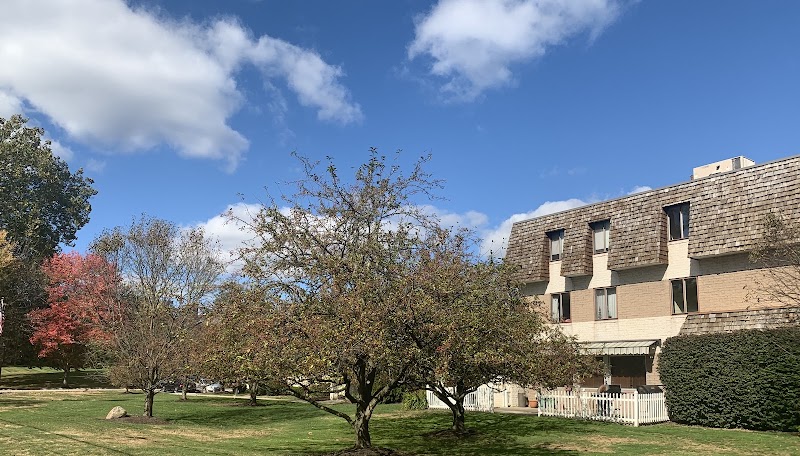
How Does Highland Square Nursing And Rehabilitation Compare to Other Ohio Nursing Homes?

Compared to the 100 nursing homes in Ohio, HIGHLAND SQUARE NURSING AND REHABILITATION's overall rating (2 stars) is below the state average of 3.2, staff turnover (52%) is near the state average of 46%, and health inspection rating (1 stars) is much below the national benchmark.

What Should Families Ask When Visiting Highland Square Nursing And Rehabilitation?

Based on this facility's data, families visiting should ask: "What changes have been made since the serious inspection findings, and how are you preventing similar issues?" "What safeguards and monitoring systems are in place to protect residents from abuse or neglect?" "Can you walk me through typical staffing levels on day, evening, and night shifts?" "Can I visit during a mealtime to observe dining assistance and food quality?" These questions are particularly relevant given the facility's Immediate Jeopardy citations, the substantiated abuse finding on record, and the below-average staffing rating.

Is Highland Square Nursing And Rehabilitation Safe?

Based on CMS inspection data, HIGHLAND SQUARE NURSING AND REHABILITATION has documented safety concerns. The facility has 1 substantiated abuse finding (meaning confirmed case of resident harm by staff or other residents). Inspectors have issued 5 Immediate Jeopardy citations (the most serious violation level indicating risk of serious injury or death). The facility has a 2-star overall rating and ranks #100 of 100 nursing homes in Ohio. Families considering this facility should ask detailed questions about what corrective actions have been taken since these incidents.

Do Nurses at Highland Square Nursing And Rehabilitation Stick Around?

HIGHLAND SQUARE NURSING AND REHABILITATION has a staff turnover rate of 52%, which is 5 percentage points above the Ohio average of 46%. Moderate turnover is common in nursing homes, but families should still ask about staff tenure and how the facility maintains care continuity when employees leave.

Was Highland Square Nursing And Rehabilitation Ever Fined?

HIGHLAND SQUARE NURSING AND REHABILITATION has been fined $116,452 across 4 penalty actions. This is 3.4x the Ohio average of $34,243. Fines at this level are uncommon and typically indicate a pattern of serious deficiencies, repeated violations, or failure to correct problems promptly. CMS reserves penalties of this magnitude for facilities that pose significant, documented risk to resident health or safety. Families should request specific documentation of what issues led to these fines and what systemic changes have been implemented.

Is Highland Square Nursing And Rehabilitation on Any Federal Watch List?

HIGHLAND SQUARE NURSING AND REHABILITATION is not on any federal watch list. The most significant is the Special Focus Facility (SFF) program, which identifies the bottom 1% of nursing homes nationally based on persistent, serious quality problems. Not being on this list means the facility has avoided the pattern of deficiencies that triggers enhanced federal oversight. This is a positive indicator, though families should still review the facility's inspection history directly.