HEATHER KNOLL RETIREMENT VILLAGE
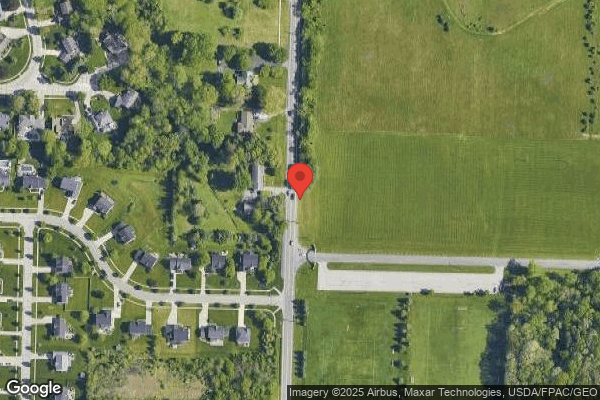
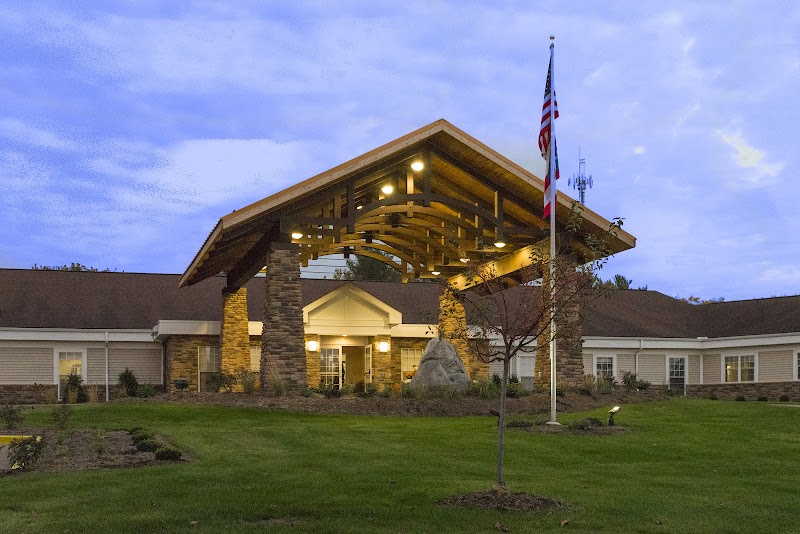
1134 NORTH AVE, TALLMADGE, OH 44278 (330) 688-8600
For profit - Corporation 115 Beds SPRENGER HEALTH CARE SYSTEMS Data: November 2025
Trust Grade
90/100
#77 of 913 in OH
Last Inspection: March 2025

Within standard 12-15 month inspection cycle. Federal law requires annual inspections.

Overview

Heather Knoll Retirement Village in Tallmadge, Ohio, has received a Trust Grade of A, indicating it is an excellent facility that is highly recommended. It ranks #77 out of 913 nursing homes in Ohio, placing it in the top half, and is #2 out of 42 in Summit County, meaning there is only one better local option. The facility is on an improving trend, with issues decreasing from three in 2024 to one in 2025. Staffing is rated average with a turnover rate of 49%, which aligns with the state average, but the facility has no fines on record, a positive sign regarding compliance. While the home excels in overall care and health inspections, there have been concerns noted in specific incidents, such as failing to provide meaningful activities for residents and not adhering to care plans for incontinence management, which could lead to discomfort. Additionally, there was a medication error for one resident, indicating room for improvement in following physician orders. Overall, while there are strengths, potential families should be aware of these weaknesses as well.

Trust Score
A
90/100
In Ohio
#77/913
Top 8%
Safety Record
Low Risk
No red flags
Inspections
Getting Better
3 → 1 violations
Staff Stability
⚠ Watch
49% turnover. Above average. Higher turnover means staff may not know residents' routines.
Penalties
✓ Good
No fines on record. Clean compliance history, better than most Ohio facilities.
Skilled Nurses
○ Average
Each resident gets 37 minutes of Registered Nurse (RN) attention daily — about average for Ohio. RNs are the most trained staff who monitor for health changes.
Violations
○ Average
7 deficiencies on record. Average for a facility this size. Mostly minor or procedural issues.
★★★★★
5.0
Overall Rating
★★★☆☆
3.0
Staff Levels
★★★★★
5.0
Care Quality
★★★★★
5.0
Inspection Score
Stable
2024: 3 issues
2025: 1 issues

The Good

  • 5-Star Quality Measures · Strong clinical quality outcomes
  • Full Sprinkler Coverage · Fire safety systems throughout facility
  • No fines on record

Facility shows strength in quality measures, fire safety.

The Bad

Staff Turnover: 49%

Near Ohio avg (46%)

Higher turnover may affect care consistency

Chain: SPRENGER HEALTH CARE SYSTEMS

Part of a multi-facility chain

Ask about local staffing decisions and management

The Ugly 7 deficiencies on record

Mar 2025 1 deficiency
CONCERN (D)

Potential for Harm - no one hurt, but risky conditions existed

Deficiency F0679 (Tag F0679)

Could have caused harm · This affected 1 resident

**NOTE- TERMS IN BRACKETS HAVE BEEN EDITED TO PROTECT CONFIDENTIALITY** Based on observations, interviews, record review and policy review, the facility failed to provide meaningful activities of inte...

Read full inspector narrative →
**NOTE- TERMS IN BRACKETS HAVE BEEN EDITED TO PROTECT CONFIDENTIALITY** Based on observations, interviews, record review and policy review, the facility failed to provide meaningful activities of interest. This affected one resident #(#89) of one resident reviewed for activities. The facility census was 107. Findings include: Review of the medical record for Resident #89 revealed an admission date 12/07/24. Diagnosis included heart failure, abnormal posture, and dependence on wheelchair. Review of the Minimum Data Set (MDS) comprehensive assessment dated [DATE] revealed Resident #89 had intact cognition. Under the area of activity preferences, when asked how important it was to him to keep up with the news, he responded it was somewhat important. When asked how important it was to him to do things with a group of people, and how important it is to do his favorite activities, he responded it was very important. Review of the Activity assessment dated [DATE] revealed when not in activities, Resident #89 liked to talk with other residents and staff. His preferred setting for activities was his room, day room, and indoors. Review of the activities log from 02/18/25 through 03/05/25 revealed Resident #89 was only offered coloring page and word search daily and he watched television. He was given communion on 02/20/25 and received mail on 03/04/25. There were no other activities documented for Resident #89. Review of the record of one-on-one activities for Resident #89 from 01/01/25 through 03/05/25 revealed one-on-one activities were only provided on 01/15, 01/20, 01/21, 01/22 and 01/24. There were no one-on-one activities recorded for February 2025 or for March 2025 to-date (through 03/05/25). Interview on 03/03/25 at 10:36 A.M. with Resident #89 revealed he stayed in his room most of the time and watched television. When asked if he attended activities or if the facility provided activities for him, he stated No, I would like that. Interview on 03/05/25 at 12:47 P.M. with Certified Nursing Assistants (CNA) #412, #397, and #422 stated Resident #89 does not attend group activities. The CNAs reported Resident #89 watched television all the time. CNA #412, #397 and #422 verified Resident #89 had not received any one-on-one activity visits throughout the day, as far as they know. The CNAs reported Resident #89 is not routinely offered any other activity throughout the day. Interview on 03/05/25 at 3:10 P.M. with Activities Director #353 stated residents that are unable to attend activities outside of their rooms or don't want to participate in group activities will be provided one-on-one visits in their room. Activities Director #353 verified there was no documentation of Resident #89 having a 1:1 visit since January. Activities Director #353 stated Resident #89 was given the daily Chronicle, which had a coloring page and word puzzle he could complete but did not know if he liked coloring or word puzzles. Review of the facility policy Activity Programs Policy, dated 08/2021 revealed resident who are unable and/or willing to participate in group programs shall receive one on one (1:1) programming based on their interest, abilities, and likes.
Oct 2024 3 deficiencies
CONCERN (D) 📢 Someone Reported This

A family member, employee, or ombudsman was alarmed enough to file a formal complaint

Potential for Harm - no one hurt, but risky conditions existed

Incontinence Care (Tag F0690)

Could have caused harm · This affected 1 resident

**NOTE- TERMS IN BRACKETS HAVE BEEN EDITED TO PROTECT CONFIDENTIALITY** Based on observation, interview, record review, review of facility policy and review of manufacturers instructions, the facility...

Read full inspector narrative →
**NOTE- TERMS IN BRACKETS HAVE BEEN EDITED TO PROTECT CONFIDENTIALITY** Based on observation, interview, record review, review of facility policy and review of manufacturers instructions, the facility failed to ensure Resident #108 received proper treatment and care planned interventions to prevent the development of redness and moisture associated skin damage to his buttocks, scrotum, and penis. In addition the facility failed to ensure Resident #20 had appropriate incontinence care. This affected two residents (Resident's #20 and #108) out of four reviewed for incontinence care. The facility census was 107. Findings include: Review of Resident #108's medical record revealed an admission date of 09/10/24 and diagnoses included dementia, unspecified severity, with other behavioral disturbance, hypertensive heart disease with heart failure, and post traumatic stress disorder. Resident #108 resided at the facility for eight days and was discharged on 09/18/24. Review of Resident #108's care plan dated 09/10/24 included Resident #108 had an ADL (activity of daily living) self-care deficit. ADL's would be completed per Resident #108's needs and Resident #108 would achieve maximum functional mobility. Interventions included to check and change Resident #108 every two hours. Review of Resident #108's progress notes dated 09/10/24 at 4:17 P.M. included Resident #108's Braden Scale for Predicting Pressure Sore Risk revealed he was low risk. Review of Resident #108's admission assessment dated [DATE] included Resident #108 was admitted for a respite stay. Resident #108's skin was intact. Review of Resident #108's aide charting in the electronic record from 09/15/24 through 10/15/24 revealed on 09/16/24 Resident #108's disposable undergarment was changed at 11:34 A.M. for urinary incontinence and at 3:01 P.M. for bowel incontinence. There was no further evidence on 09/16/24 that Resident #108 was checked and his disposable undergarment was changed for urinary or bowel incontinence. On 09/17/24, Resident #108's disposable undergarment was changed at 12:24 A.M. and 11:26 A.M. for urinary incontinence and at 11:28 A.M. for bowel incontinence. There was no further evidence on 09/17/24 that Resident #108 was checked and his disposable undergarment changed for urinary or bowel incontinence. On 09/18/24 Resident #108's disposable undergarment was changed at 6:59 A.M. for urinary incontinence and bowel incontinence. There was no further evidence on 09/18/24 that Resident #108's disposable undergarment was checked and his disposable undergarment changed for urinary or bowel incontinence. Review of Resident #108's physician orders dated 09/16/24 revealed orders for sacral area, cleanse with normal saline, apply foam dressing three times a week and as needed. Check placement every shift, every night shift very Tuesday, Thursday, and Saturday for discoloration. Review of Resident #108's Stasis, Surgical, other Wound Track dated 09/17/24 at 10:30 A.M. included Resident #108's right buttock had a new area of MASD (moisture associated skin damage) acquired on 09/16/24. Measurements were length 5.0 cm, width 5.0 cm, depth 0.1 cm. Description of the wound was MASD with inflamed skin and scattered areas within the measurement. Blanching skin noted to wound bed and peri wound. There was a scant amount of serosanguineous drainage noted. Resident #108's physician, CNP (Certified Nurse Practitioner) and family were notified and new MASD area treatment ordered and in place. Review of Resident #108's Weekly Skin Check dated 09/18/24 at 1:21 P.M. included Resident #108 had a new area of MASD to the buttocks, scrotum, and tip of penis. Review of Resident #108's physician orders dated 09/18/24 at 12:45 P.M. revealed right buttock, cleanse with normal saline, apply EPC (extra protective cream) and cover with foam dressing, every night shift, every Tuesday, Thursday and Saturday and as needed for discoloration. Review of Resident #108's Discharge Minimum Data Set (MDS) 3.0 assessment dated [DATE] revealed Resident #108 was unable to complete the Brief Interview for Mental Status. Resident #108 was dependent for toileting and personal hygiene, eating, bathing, and dressing. Resident #108 was dependent for rolling left and right, sit to lying, lying to sitting on side of bed, sit to stand and chair, bed-to-chair transfer, and toilet transfer. Resident #108 was always incontinent of urine and bowel. Interview on 10/15/24 at 12:19 P.M. with Family Member (FM) #200 revealed when Resident #108 was admitted to the facility his body was perfectly clear, and when he left the facility his sores were pretty bad on his backside, penis and testicles. FM #200 stated she felt like Resident #108 received terrible care at the facility and with the amount of wounds on his areas she felt like there was no way the wounds would have developed if he was attended to properly. FM #200 stated she went to an out of state funeral and kept calling the facility to talk to Resident #200 and no one answered the phone. FM #200 stated finally the facility phone was answered and she was able to talk to Resident #108. FM #200 indicated Resident #108 told her something dangerous was going on and someone needed to know about it. Resident #108 said his navel was burning and something was sticking out of his [expletive]hole. FM #200 stated she could not remember the nurse's name, asked her what was going on, and the nurse said she did not know but would check. The nurse checked Resident #108's disposable undergarment and said his diaper was twisted, and later sent me a voice mail which stated he had two sores on his bottom. FM #200 stated she called the nurse and was told the sores were the size of a pencil eraser, FM #200 asked if the sores were skin tears or wounds, and the nurse clarified Resident #108 had two wounds on his buttocks. FM #200 stated she went to the facility as soon as she was back in town to check on Resident #108 and found his disposable undergarment was soaked with urine and feces, his penis and testicles had sores all over them, and she was extremely upset, broke down and started crying. FM #200 stated she stayed in the room while facility staff cleaned Resident #108 and noted he had two dime sized sores on his buttocks, and there were no dressings covering the sores. FM #200 stated she asked the man who ran the facility how he would feel if he saw his parent in that condition and the man said he would be livid if he saw his parent in that condition. FM #200 stated Resident #108 used a female urinal at home, she sent it to the facility with a detailed letter about his care, but it was never used and was still in the bag she sent it to the facility in. The facility could not locate the letter with instructions regarding Resident #108's care. FM #200 stated she wanted Resident #108 sent home immediately and the facility arranged the transportation. Interview on 10/15/24 at 1:13 P.M. with Licensed Practical Nurse/Wound Nurse (LPN/WN) #201 revealed she tracked wounds weekly, measured wounds, documented healing and deterioration of wounds, and did skin assessments on all resident wounds. LPN/WN #201 stated Resident #108 was admitted to the facility for a respite stay, and skin breakdown was discovered the day he was discharged . LPN/WN #201 stated Resident #108 had moisture dermatitis on his buttocks, scrotum and penis and she documented the areas in his electronic record. When asked LPN/WN #201 stated MASD could be caused from sweat, wound drainage, but exposure to moisture was generally from incontinence, and any extended exposure to moisture would cause MASD. LPN/WN #201 stated she did not know how often Resident #108 received incontinence care, and would make the assumption he was not getting incontinence care promptly because he developed redness and MASD. LPN/WN #201 indicated Resident #108 was not admitted with redness or skin breakdown to his buttocks, scrotum, testicles, and penis. LPN/WN #201 confirmed she talked to the family about Resident #108's redness and skin breakdown, and the family was upset. Interview on 10/16/24 at 8:44 A.M. with State Tested Nursing Assistant (STNA) #202 revealed she usually worked on the hospice and respite nursing unit. STNA #202 stated she worked on 09/14/24, it was a Saturday, and was assigned to care for Resident #108. STNA #202 indicated when she provided incontinence care she noted redness on Resident #108's testicles, penis and back side, put barrier cream on the areas and told a nurse. STNA #108 stated she could not remember which nurse she told. STNA #108 stated Resident #108 did not have redness or sores to his testicles, penis or buttocks when he was first admitted . Review of the facility policy titled Incontinence Care Protocol reviewed 03/2022 included it was the policy of the facility to outline appropriate management for all residents with incontinence, to prevent the loss of skin integrity. Assess and monitor skin with each incontinent episode. 2. Review of Resident #20's Quarterly MDS 3.0 assessment dated [DATE] included Resident #20 was admitted to the facility on [DATE] and had severe cognitive impairment. Resident #20 had diagnoses including diabetes mellitus, CVA (cerebrovascular accident), and aphasia. Resident #20 required substantial to maximal assistance with toileting hygiene and bathing, and was always incontinent of urine and bowel. Observation on 10/15/24 at 3:47 P.M. of STNA's #209 and #212 revealed they entered Resident #20's room to provide incontinence care. STNA #209 and #212 provided Resident #20's incontinence care, and removed one disposable incontinence liner soiled with urine and feces when they were providing care. When they were finished STNA's #209 and #212 put two clean incontinence liners on Resident #20. When asked why two incontinence liners were used STNA #212 confirmed two incontinence liners were used and stated so her bed won't get soaked, and one liner did not keep the bed from getting wet. STNA #209 stated mesh panties were not used often because it was hard to situate the liners inside the panties. Review of the incontinence liners manufacturers instructions included two incontinence liners should not be worn at the same time, and you should not wear more than one liner at a time. Wearing multiple pads could cause hard edges that could damage skin and be uncomfortable. Using more than one pad did not provide extra absorbency. Leakage from the first product would overflow into the second product, causing both products to leak more quickly. The first product would leak onto the second and both would become less absorbent. Wearing more than one pad was considered bad practice. Review of the facility policy titled Incontinence Care Protocol revised 03/2022 included it was the policy of the facility to outline the appropriate management for all residents with incontinence, to prevent loss of skin integrity. This deficiency represents non-compliance investigated under Complaint Number OH00158178.
CONCERN (D) 📢 Someone Reported This

A family member, employee, or ombudsman was alarmed enough to file a formal complaint

Potential for Harm - no one hurt, but risky conditions existed

Deficiency F0760 (Tag F0760)

Could have caused harm · This affected 1 resident

**NOTE- TERMS IN BRACKETS HAVE BEEN EDITED TO PROTECT CONFIDENTIALITY** Based on observation, interview, record review, and review of the facility policy the facility failed to follow Resident #66's p...

Read full inspector narrative →
**NOTE- TERMS IN BRACKETS HAVE BEEN EDITED TO PROTECT CONFIDENTIALITY** Based on observation, interview, record review, and review of the facility policy the facility failed to follow Resident #66's physician orders and care planned interventions to ensure the resident was free from significant medication error. This affected one resident out of five reviewed for medication administration. The facility census was 107. Findings include: Review of Resident #66's medical record revealed an admission date of 02/27/24 and a re-entry date of 10/02/24. Diagnoses included osteomyelitis of vertebra, thoracic region, hypertensive heart disease with heart failure, methicillin susceptible staphylococcus aureus infection (MSSA) as the cause of diseases classified elsewhere, and aftercare following explanation of knee joint prosthesis. Review of Resident #66's Discharge Minimum Data Set (MDS) 3.0 assessment dated [DATE] revealed Resident #66 was dependent for toileting and lower body dressing. Resident #66 was frequently incontinent of urine and bowel. Review of Resident #66's hospital discharge instructions for a hospital stay from 09/26/24 through 10/02/24 included on 09/26/24 Resident #66 had an Incision and Drainage and left knee revision. Resident #66's physician orders written by Infectious Disease Physician (IDP) #205 included Oxacillin IV (intravenous), 2 Gm (gram) every four hours until 11/07/24. Further review revealed Keflex 500 mg by mouth four times a day from 11/08/24 through 12/06/24. Resident #66 had a left knee PJI (prosthetic joint infection, MSSA). Review of Resident #66's hospital discharge instructions for a hospital stay from 09/26/24 through 10/02/24 revealed Resident #66 received Oxacillin 2 Gm (2000 mg) per 50 ml intravenous solution every four hours and the next dose was due on 10/02/24 at 3:00 P.M. Review of Resident #66's care plan dated 10/02/24 included Resident #66 had a MSSA infection. Resident #66 would be free of signs and symptoms of infection with no complications. Interventions included to administer medications as ordered and monitor for side effects and effectiveness and adverse reactions. Review of Resident #66's admission Assessment progress notes dated 10/02/24 at 2:00 P.M. included Resident #66 was alert and oriented times three (time, place, person). Resident #66's left upper arm single lumen PICC (peripherally inserted central catheter) dressing was clean, dry and intact. Admitting diagnosis was Incision and Drainage, left knee revision. Resident #66 was currently being treated with antibiotics for sepsis of left knee, back. Resident #66 was incontinent of urine and bowel. Review of Resident #66's physician orders dated 10/02/24 at 2:00 P.M. revealed orders for Oxacillin Sodium Injection Solution Reconstituted 2 Gm, use 2000 mg intravenously every four hours for sepsis in left knee, back, Oxacillin 2 Gm per 50 ml in left upper arm PICC single lumen. Review of Resident #66's progress notes dated 10/02/24 at 5:03 P.M. and written by Registered Nurse (RN) #203 revealed Oxacillin Sodium Injection Solution Reconstituted 2 Gm (gram), use 2000 mg intravenously every four hours for sepsis in left knee, back, Oxacillin 2 Gm per 50 milliliters (ml), in left upper arm PICC single lumen. Waiting for pharmacy delivery, in house Certified Nurse Practitioner (CNP) #204 aware. Review of Resident #66's progress notes dated 10/02/24 at 5:03 P.M. through 10/03/24 at 1:44 P.M. did not reveal orders or instructions from CNP #204 regarding the delay of delivery of Oxacillin from the pharmacy. Further review did not reveal Infectious Disease Physician (IDP) #205 was notified IV (intravenous) Oxacillin was unavailable, and there was no evidence of instructions, orders regarding the Oxacillin being unavailable. Review of Resident #66's pharmacy email dated 10/02/24 at 5:51 P.M. revealed Oxacillin 2 Gm per 100 ml of normal saline was not sent. Oxacillin 2 Gm per 100 ml of normal saline was ordered for tomorrow (10/03/24), RN #203 was informed Oxacillin would not be delivered to the pharmacy until 10/03/24 and would most likely not arrive to the facility until 10/04/24. RN #203 would check with CNP #204 to see if the facility wanted to switch or wait for the medication. Review of Resident #66's progress notes dated 10/03/24 at 9:26 A.M. included Oxacillin 2 Gm per 50 ml, use 2000 mg intravenously every four hours for sepsis was not available. CNP #204 was updated. Review of Resident #66's pharmacy email dated 10/03/24 at 10:13 A.M. revealed no order was received from the facility regarding Resident #66's antibiotic Oxacillin. Further review revealed Resident #66 was receiving Oxacillin and Keflex at the hospital and both were prescribed by ID (Infectious Disease). Resident #66 was prescribed Keflex by mouth, please clarify dosing as well as keeping with Oxacillin. Review of Resident #66's progress notes dated 10/03/24 at 1:44 P.M. revealed CNP #204 was updated that IV (intravenous) antibiotics (Oxacillin) were not available. Attempted to update Infectious Disease Physician (IDP) #205, left voicemail. Review of Resident #66's pharmacy email dated 10/03/24 at 1:54 P.M. revealed order for Keflex, four times a day from 11/08/24 through 12/06/24. Nurse would call back regarding Oxacillin. Review of Resident #66's progress notes dated 10/03/24 at 1:55 P.M. included IDP #205 was updated regarding Resident #66's IV antibiotics not being available. New orders to start Keflex 500 mg four times a day until Oxacillin was available to give, then discontinue the Keflex and restart on originally scheduled date. Review of Resident #66's physician orders dated 10/03/24 at 2:18 P.M. revealed Keflex oral capsule 500 mg, give one capsule by mouth four times a day for MSSA. Review of Resident #66's Medication Administration Record (MAR) dated 10/03/24 at 4:00 P.M. revealed Resident #66 received a Keflex 500 mg capsule by mouth, and would receive it four times a day for MSSA. Review of Resident #66's pharmacy email dated 10/03/24 at 4:35 P.M. included the physician would like to continue Oxacillin when it arrived and would start Keflex 500 mg four times a day until Oxacillin arrived, and then Keflex would start back on original date of 11/08/24 and Keflex was sent to the facility on [DATE]. Review of Resident #66's pharmacy email dated 10/04/24 at 3:59 P.M. revealed med arrived (Oxacillin) and was sent to the facility on [DATE]'s evening run. Review of Resident #66's MAR revealed Oxacillin 2 Gm per 50 ml, use 2000 mg intravenously every four hours for sepsis in left knee, back was administered on 10/05/24 at 8:00 A.M. (although pharmacy documented it was sent on the 10/04/24 evening run to the facility). Observation on 10/16/24 at 8:05 A.M. of Resident #66 revealed she was lying in bed, and an IV pole was noted next to her bed. Resident #66 stated she recently had a staph infection in her left knee, had the same type of staph infection in her back in 01/2024, and needed to have surgeries to get rid of the staph infection in January and October. Resident #66 stated she was on IV antibiotics for six weeks, then she would be on oral antibiotics. Resident #66 stated she wanted to do everything she could to make sure the infection did not come back. Interview on 10/16/24 at 11:34 A.M. of the Director of Nursing (DON) revealed the facility had a medication starter system, but it did not include an Oxacillin starter kit. The DON stated the facility had two pharmacy runs (deliveries) per day, one in the morning, and one in the afternoon, and she did not know what times the deliveries were completed. The DON revealed the facility received notification from the pharmacy stating Oxacillin was not available because they had to compound the drug. The DON indicated CNP #204 was aware the facility was waiting on the Oxacillin. The DON stated the pharmacy was two hours away and medications including antibiotics and Oxacillin were not drop shipped unless they were urgent. Interview on 10/16/24 at 2:32 P.M. of CNP #204 revealed Resident #66 was extremely immunocompromised. Resident #66 recently had a MSSA infection in her left knee prosthesis, and earlier this year she had a MSSA spine infection. Resident #66 received Oxacillin to treat the spine staph infection, the staph infection in her left knee was the same and IDP #205 wanted to use Oxacillin because it was known infection would be a problem. CNP #204 stated when antibiotics including Oxacillin were ordered they should be started as soon as possible. CNP #204 indicated the facility did not always have the ordered antibiotics in the starter kit and had to wait for pharmacy to deliver them. CNP #204 stated she was texted on 10/02/24 at 5:51 P.M. by RN #203 and notified Resident #66's Oxacillin would not arrive to the facility until 10/05/24. CNP #204 stated on 10/02/24 at 5:51 P.M. she told RN #203 to call IDP #205 to inform him Resident #66's Oxacillin was not available. CNP #204 indicated IDP #205 ordered the Oxacillin and he needed to be contacted to see if he wanted Resident #66 to receive another antibiotic until the Oxacillin arrived to the facility. CNP #204 stated it was sometimes hard to contact the Infectious Disease Physician in the evening. Interview on 10/16/24 at 3:09 P.M. of Registered Nurse/Restorative Nurse (RNR) #206 revealed when Resident #66 was readmitted to the facility on [DATE] her Oxacillin was not available from the pharmacy. RNR #206 indicated on 10/03/24 she talked to CNP #204 and was told to contact IDP #205 about Resident #66's Oxacillin not being available. RNR #206 stated she called IDP #205 on 10/03/24 at 1:44 P.M., this was the first time she tried to contact IDP #205, updated him on the missed doses of Oxacillin, and IDP #205 extended out the amount of missed doses of Oxacillin so Resident #66 received the correct amount. RNR #206 indicated IDP #205 started Resident #66 on Keflex 500 mg by mouth until the Oxacillin arrived to the facility. Interview on 10/16/24 at 4:10 P.M. of the DON, the Administrator, and Regional Quality Assurance (RQA) #207 revealed RQA #207 stated IDP #205 was unable to be contacted until the next day (10/03/24), but confirmed there was no evidence the facility tried to contact IDP #205 in Resident #66's medical record including progress notes from 10/02/24 at 5:51 P.M. through 10/03/24 at 1:44 P.M. Review of the facility policy titled Medication Administration Policy reviewed 03/2022 included it was the policy of the facility to ensure medications were administered in a safe and sanitary manner. The EMAR (electronic Medication Administration Record) would be utilized to reference current orders to which medications were due for administration. Licensed nurses would ensure the 6 medication rights were followed, the right resident, right drug, right dose, right time, right route and right documentation. This deficiency represents non-compliance investigated under Complaint Number OH00158178.
CONCERN (D) 📢 Someone Reported This

A family member, employee, or ombudsman was alarmed enough to file a formal complaint

Potential for Harm - no one hurt, but risky conditions existed

Infection Control (Tag F0880)

Could have caused harm · This affected 1 resident

**NOTE- TERMS IN BRACKETS HAVE BEEN EDITED TO PROTECT CONFIDENTIALITY** Based on observation, interview, record review and review of the facility policy the facility failed to ensure Resident #65's in...

Read full inspector narrative →
**NOTE- TERMS IN BRACKETS HAVE BEEN EDITED TO PROTECT CONFIDENTIALITY** Based on observation, interview, record review and review of the facility policy the facility failed to ensure Resident #65's incontinence care was provided in a sanitary manner and staff donned appropriate PPE for Resident #66 who required enhanced barrier precautions when entering the room to provide incontinence care. This affected one resident (Resident #65) of four residents reviewed for incontinence care and one resident (Resident #66) of one resident observed for enhanced barrier precautions. Findings include: 1. Review of Resident #65's medical record revealed and admission date of 04/12/19 and diagnoses included cerebral infarction due to embolism of right middle cerebral artery, hemiplegia (paralysis) and hemiparesis (weakness) following cerebral infarction affecting the left non-dominant side, and major depressive disorder. Review of Resident #65's care plan dated 04/25/19 included Resident #65 had the potential for impaired skin integrity, UTI (urinary tract infection) and impaired dignity related to incontinence. Resident 365's skin integrity would be maintained. Interventions included apply protective cream after each incontinent episode. Review of Resident #65's Quarterly Minimum Data Set (MDS) 3.0 assessment dated [DATE] revealed Resident #65 was cognitively intact. Resident #65 was dependent for toileting hygiene, bathing and lower body dressing. Resident #65 required substantial to maximal assistance to roll left and right. Resident #65 was always incontinent of urine and bowel. Observation on 10/15/24 at 4:24 P.M. of State Tested Nursing Assistant (STNA) #211 revealed she entered Resident #65's room to provide incontinence care. Resident #65 stated she was on the bedpan, tried to remove it herself, and messed it up. Observation of STNA #211 revealed she did not prepare plastic bags prior to Resident #65's incontinence care for soiled linens and disposable undergarments. Observation of Resident #65 and her sheets revealed there was feces on the sheets and on Resident #65's buttocks. STNA #211 proceeded to provide incontinence care and and as she provided care she placed the feces soiled wash cloths, soiled sheet and soiled disposable undergarment at the end of the bed in a pile. There was no barrier under the pile of soiled linens and disposable undergarment that protected the clean bed linens from feces contamination. When STNA #211 was finished with Resident #65's incontinence care she lifted the pile of soiled linens and disposable undergarment and moved it to Resident #65's wheelchair and placed the soiled pile onto a blanket on the wheelchair. There was no protective barrier between the soiled pile and the blanket. STNA #211 found plastic bags in Resident #65's room and separated the soiled linens from the disposable undergarment, and put them in separate plastic bags, and placed the bags on the floor. STNA #211 then picked up the feces contaminated blanket that was under the soiled pile of linens and disposable undergarment and used it to cover Resident #65. STNA #211 confirmed she placed the soiled linens and disposable undergarment at the foot of Resident #65's bed and on her wheelchair without using a protective barrier underneath the soiled items. STNA #211 confirmed she covered Resident #65 with the feces contaminated blanket which was under the soiled items on her wheelchair. STNA #211 stated she forgot to prepare plastic bags ahead of time. Review of the facility policy titled Incontinence Care Protocol reviewed 03/2022 included it was the policy of the facility to outline appropriate management for all residents with incontinence, to prevent the loss of skin integrity. 2. Review of Resident #66's medical record revealed an admission date of 02/27/24 and a re-entry date of 10/02/24. Diagnoses included osteomyelitis of vertebra, thoracic region, hypertensive heart disease with heart failure, methicillin susceptible staphylococcus aureus infection (MSSA) as the cause of diseases classified elsewhere, and aftercare following explanation of knee joint prosthesis. Review of Resident #66's Discharge Minimum Data Set (MDS) 3.0 assessment dated [DATE] revealed Resident #66 was dependent for toileting and lower body dressing. Resident #66 was frequently incontinent of urine and bowel. Review of Resident #66's care plan dated 10/02/24 included Resident #66 had a MSSA infection. Resident #66 would be free of signs and symptoms of infection with no complications. Interventions included to administer medications as ordered and monitor for side effects and effectiveness and adverse reactions. Resident #66 had a need for Enhanced Barrier Precautions (EBP) related to surgical incision, IV (intravenous). Resident #66 would have minimized risk of MDRO (multidrug-resistant organisms) infections. Interventions included to don appropriate PPE (personal protective equipment) prior to providing high-contact resident care activities such as providing hygiene, changing linens, changing briefs or assisting with toileting, device care or use; EBP related to surgical incision, IV. Resident #66 had the potential for impaired skin integrity, UTI (urinary tract infection) related to incontinence. Resident #66's skin integrity would be maintained. Interventions included apply protective cream after each incontinent episode. Review of Resident #66's physician orders dated 10/03/24 revealed Enhanced Barrier Precautions related to surgical incision, IV (intravenous), every shift. Observation on 10/16/24 at 8:05 A.M. of Resident #66's room revealed an Enhanced Barrier Precaution sign was posted to the right of the doorway to her room. The sign included providers and staff must wear gloves and a gown for the following high-contact resident care activities, dressing, bathing, showering, transferring, bathing, showering, providing hygiene, changing briefs, changing linens, device care, wound care. Observation on 10/16/24 at 8:05 A.M. of State Tested Nursing Assistant's (STNA)'s #208 and #209 revealed they entered Resident #66's room to provide incontinence care, donned gloves but did not don a gown. Resident #66 stated she was last changed at 5:00 A.M. Observation revealed STNA's #208 and #209 provided incontinence care and during the care their clothing brushed against Resident #66's gown and bed linens. Further observation revealed Resident #66 had an undated dressing on her coccyx area. Resident #66 stated it was not changed on a regular schedule, she just let the staff know when it bunched up and was uncomfortable, then the dressing was changed. After surveyor intervention Licensed Practical Nurse (LPN) #210 stated he would check Resident #66's physician orders, then would come in her room. LPN #210 entered Resident #66's room but did not don a gown before entering her room or during his evaluation of her coccyx dressing. LPN #210's clothing brushed Resident #66's bed linens as he leaned over to check her coccyx dressing, and removed the dressing. Observation of Resident #66's coccyx revealed it was red, but there were no open areas. LPN #210 confirmed there was no date written on the dressing indicating when it was changed, but stated he checked with Resident #66's physician and the physician said the dressing could be discontinued. Interviews on 10/16/24 at 8:15 A.M. of STNA's #208 and #209 confirmed they did not wear a gown when providing Resident #66's incontinence care, and confirmed there was a sign to the right of the doorway to Resident #66's room stating they should wear a gown and gloves when providing high contact resident care activities. Interview on 10/16/24 at 10:17 A.M. of LPN #210 confirmed there was a sign posted to the right of Resident #66's doorway to her room stating to wear a gown and gloves for high contact resident care activities, and he did not don a gown when he checked Resident #66's coccyx dressing and removed the dressing. Review of the CDC (The Centers for Disease Control and Prevention) Enhanced Barrier Precautions in Skilled Nursing Facilities dated 04/05/22 included providers and staff must wear gloves and a gown for the following high-contact resident care activities, dressing, bathing, showering, transferring, bathing, showering, providing hygiene, changing briefs, changing linens, device care, wound care. This deficiency represents non-compliance investigated under Complaint Number OH00158178.
Sept 2022 1 deficiency
CONCERN (D)

Potential for Harm - no one hurt, but risky conditions existed

Respiratory Care (Tag F0695)

Could have caused harm · This affected 1 resident

**NOTE- TERMS IN BRACKETS HAVE BEEN EDITED TO PROTECT CONFIDENTIALITY** Based on observation, record review and interview, the facility failed to ensure appropriate tracheostomy care was completed for...

Read full inspector narrative →
**NOTE- TERMS IN BRACKETS HAVE BEEN EDITED TO PROTECT CONFIDENTIALITY** Based on observation, record review and interview, the facility failed to ensure appropriate tracheostomy care was completed for Resident #2. This affected one (Resident #2) of one resident reviewed for tracheostomy care. Findings include: Review of Resident #2's medical record revealed he was readmitted to the facility on [DATE] with diagnoses including hemiplegia and hemiparesis, dysphagia and tracheostomy status. Review of Resident #2's physician orders revealed an order dated 01/26/22 for tracheostomy care every shift and as needed. Observation on 09/28/22 at 11:58 A.M. with Registered Nurse (RN) #847 and Licensed Practical Nurse (LPN) Infection Preventionist #835 revealed RN #847 washed her hands, opened the packages of sterile suctioning equipment, put on a pair of sterile gloves, picked up the sterile suction catheter and attached it to one end of the plastic connector tubing which LPN Infection Preventionist #835 was holding. The other end of the connector tubing was connected to a suction machine sitting on Resident #2's bedside stand. RN #847 turned to suction the resident while holding the sterile suction catheter with connector tubing and the suction catheter dislodged from the connector tubing. The connector tubing fell to the floor and LPN Infection Preventionist #835 picked up the connector tubing and handed the tubing to RN #847. RN #847 reattached the sterile suction catheter to the contaminated connector tubing and proceeded to suction Resident #2's tracheostomy. An interview on 09/28/22 at 12:05 P.M. with LPN Infection Preventionist #835 confirmed improper technique was used during Resident #2's tracheostomy care. Review of the Tracheostomy Care policy revised 05/20 indicated the purpose of the tracheostomy care was to ensure airway patency by keeping the tracheostomy tube free of blood clots after insertion and free of mucus buildup as well as to maintain mucous membrane and skin integrity while helping to prevent infection.
Sept 2019 2 deficiencies
CONCERN (D)

Potential for Harm - no one hurt, but risky conditions existed

Deficiency F0583 (Tag F0583)

Could have caused harm · This affected 1 resident

**NOTE- TERMS IN BRACKETS HAVE BEEN EDITED TO PROTECT CONFIDENTIALITY** Based on observation, record review, and interview, the facility failed to provide full visual privacy during the provision of w...

Read full inspector narrative →
**NOTE- TERMS IN BRACKETS HAVE BEEN EDITED TO PROTECT CONFIDENTIALITY** Based on observation, record review, and interview, the facility failed to provide full visual privacy during the provision of wound care for two (Resident #7 and Resident #51) of two sampled residents observed during the provision of wound care. Findings include: 1. The admission Record documented Resident #7 had been admitted to the facility on [DATE]. The wound assessment, dated 09/10/19, found in the Assessment section of the electronic clinical record (EHR), documented the resident had a stage IV wound to the sacrum. On 09/10/19 at 2:40 P.M., Licensed Practical Nurse (LPN) #47, the facility's wound nurse, was observed as he performed wound care for Resident #7. After he washed his hands and donned gloves, LPN #47 proceeded to expose the resident from the waist down to perform the wound treatment. The window blinds were pulled up and the lower two feet of the window had no covering, allowing exposure of the resident to anyone who would have walked by on the sidewalk in the garden area outside. On 09/10/19 at 3:30 P.M., LPN #47 was asked if he had provided full visual privacy for the resident by not closing the window blinds during the wound treatment. He stated, I didn't. 2. The admission Record documented Resident #51 was admitted to the facility on [DATE]. The wound assessment, dated 09/03/19, found in the Assessment section of the EHR, documented the resident had a healing stage IV wound to the left ischium. On 09/10/19 at 3:01 P.M., LPN #47 was observed as he performed a wound treatment for Resident #51. After he washed his hands and donned gloves, LPN #47 proceeded to pull down the resident's pants and incontinent pad, exposing Resident #51's genitals. He then turned the resident onto his right side, facing the window. The window blinds were wide open, exposing the resident to anyone who might have walked by on the sidewalk in the garden outside. LPN #47 did not pull the privacy curtain to protect the resident from view from the hallway. At 3:08 P.M., LPN #47 left the room to retrieve supplies from the treatment cart in the hallway, leaving the door open approximately two to two- and one-half feet, exposing the resident's naked left hip/buttock to anyone who might have walked by in the hallway. At 3:15 P.M., LPN #47 went back to the treatment cart in the hallway to get a supply, allowing the door to open all the way before closing it. This, again, exposed the resident's naked left hip/buttock to anyone who might have walked by in the hallway. The wound treatment lasted approximately 20 minutes, all of which time the resident's genitals were exposed through the open window blinds. On 09/10/19 at 3:29 P.M., the above observation regarding the exposure of Resident #51 during the wound treatment was reviewed with LPN #47. When asked if he had provided full visual privacy by not closing the blinds and by opening the door to the hallway two times to get supplies, exposing the resident to anyone who might have walked by, he stated, No. On 09/10/19 at 3:49 P.M., the above observations regarding the exposures of Resident #7 and Resident #51 during the provision of wound care were reviewed with the Director on Nursing (DON). When asked if it was facility's policy/procedure to provide full visual privacy during the provision of care, including wound care, she stated, I would assume that we would. On 09/11/19 at 1:37 P.M., the DON stated the facility had no policy/procedure for providing privacy during the provision of wound care. When asked if her expectation would be for staff to provide full visual privacy during a wound treatment, she stated, Yes.
CONCERN (D)

Potential for Harm - no one hurt, but risky conditions existed

Infection Control (Tag F0880)

Could have caused harm · This affected 1 resident

**NOTE- TERMS IN BRACKETS HAVE BEEN EDITED TO PROTECT CONFIDENTIALITY** Based on observation, record review, and interview, the facility failed to provide care in a manner to prevent cross contaminati...

Read full inspector narrative →
**NOTE- TERMS IN BRACKETS HAVE BEEN EDITED TO PROTECT CONFIDENTIALITY** Based on observation, record review, and interview, the facility failed to provide care in a manner to prevent cross contamination for two (Resident #7 and Resident #30) of four sampled residents for whom the provision of care was observed. Findings include: 1. The admission Record documented Resident #7 had been admitted to the facility on [DATE]. The wound assessment, dated 09/10/19, found in the Assessment section of the electronic health record (EHR), documented the resident had a stage IV wound to the sacrum. On 09/10/19 at 2:40 P.M., Licensed Practical Nurse (LPN) #47, the facility's wound nurse, was observed performing wound care for Resident #7. Upon completion of the wound treatment, LPN #47 repositioned the resident's urine-saturated incontinent brief, rolled the resident onto her back and, without removing his contaminated gloves, proceeded to handle the resident's call light, bed control, and linens and re-applied her pressure-reducing boots. On 09/10/19 at 3:30 P.M., the above observation regarding touching clean items with contaminated gloves was reviewed with LPN #47. He was asked if his failure to remove soiled/contaminated gloves prior to touching clean items in the room was good infection control to prevent cross contamination. He stated, No. On 09/10/19 at 3:49 P.M., the above observation regarding touching clean items with contaminated gloves was reviewed with the Director of Nursing (DON). When asked if touching clean items while wearing soiled gloves was a good infection control practice, the DON stated she agreed it was not good infection control to handle clean items with soiled gloves. On 09/11/19 at 1:37 P.M., the DON stated the facility had no policy/procedure for the performance of wound care. She stated her expectation would be for staff to use proper hand hygiene to prevent cross contamination during the provision of a wound treatment. The facility's Infection Control Policies Transmission-Based Precautions policy, last reviewed 11/2017, documented: Gloves and Hand washing 1) Wear gloves as you would in standard precautions, and during the course of providing direct personal care for a resident. Change gloves after having contact with infective material that may contain high concentrations of microorganisms. 2. Review of Resident #30's Face Sheet located in the resident's paper medical chart indicated Resident #30 had been admitted to the facility on [DATE] with diagnoses including but not limited to quadriplegia and Parkinson's Disease. Review of Resident #30's quarterly Minimum Data Set (MDS) with an Assessment Reference Date (ARD) of 04/02/19, documented the resident had been re-admitted from an acute hospital setting. The quarterly resident assessment documented the resident was totally dependent on one person for physical assistance with all personal/hygienic care; had a suprapubic catheter, a neurogenic bladder, Parkinson's Disease, was quadriplegic, and was taking an antibiotic medication. Review of Resident #30's annual MDS assessment, with an ARD of 07/03/19, documented the resident was totally dependent on staff for all her care needs; had a suprapubic catheter, a neurogenic bladder, Parkinson's Disease, was quadriplegic; and had a urinary tract infection (UTI) within the last 30 days. Review of Resident #30's plan of care, revised on 07/17/19, documented a potential for complications related to an indwelling catheter; had bladder spasms, chronic UTI, and had a very malodorous urine. The goal was for Resident #30 to remain free of signs and symptoms (s/s) of UTI's and avoid complications. Interventions included: catheter care per the facility's policy and after each incontinent episode of bowel; assess patency of elimination equipment; observe drainage; assess urine color; observe and record output every shift; urinary assessment as needed; administer medications as ordered; observe for side effects and effectiveness; monitor labs; obtain urine analysis (U/A) and culture and sensitivity (C&S) per medical doctor (MD) if s/s of UTI occur; report results to MD and initiate treatment as ordered. Review of Resident #30's recent lab results revealed on 06/21/19, a urine sample was obtained for a UA and C&S. Results were positive for a UTI. On 07/10/19, a urine sample was obtained for a UA and C&S. Results were positive for a UTI with a culture of Acinetobacter Baumanni/Haemolyticus, a multidrug-resistant [superbug], emerging pathogen in the healthcare system commonly found on the skin. On 08/02/19, a urine sample was obtained for a UA and C&S. Results were positive for a UTI. Lab was reported critical and was positive for Ecoli, a type of bacteria that normally lives in the intestine, and ESBL (extended spectrum beta lactamase) positive, an enzyme that causes some antibiotics not to work for treating bacterial infections [superbug]. Observation on 09/09/19 at 2:37 P.M. revealed Resident #30 lying in her bed. Attached on the side of the resident's bed was a catheter bag draining per gravity. The catheter bag was approximately half full of pale-yellow urine with white colored mucus and sediment. On 09/11/19 at 2:20 P.M. State Tested Nursing Assistant (STNA) #81 was observed performing suprapubic care for Resident #30. STNA #81 washed her hands, put on disposable gloves, filled two plastic pans with warm water, and placed a washcloth in each pan of warm water. STNA #81 took a bottle of cleansing body soap and squirted the soap out of the bottle onto one washcloth. STNA #81 then took the soapy washcloth and cleaned around Resident #30's suprapubic catheter site. STNA #81 then returned the soapy washcloth back into the pan. Without changing the gloves STNA #81 had just cleaned the catheter site with, STNA #81 took the clean, unused washcloth and wiped the soap off from around the suprapubic catheter site. The catheter bag at that time remained draining per gravity from the side of the resident's bed. The urine was light yellow and slightly cloudy. Following the observation, STNA #81 was asked why she did not change her gloves after cleaning the suprapubic catheter with the soapy washcloth and before cleansing the soap off the catheter site (dirty to clean). STNA #81 replied, I was not taught that way. I understand what you are saying though. During an interview, regarding the suprapubic catheter care performed on Resident #30 by STNA #81 on 09/11/19 at 3:00 P.M., the DON was explained how everything had been set up and then explained how the care had been performed step by step. The DON was then asked if she had noticed anything performed incorrectly by STNA #81. The DON stated, She (STNA #81) didn't change gloves between dirty and clean. On 09/12/19 at 9:15 A.M., LPN #14 who worked on Resident #30's unit was asked if Resident #30 experienced frequent UTI's. She stated, Yes, she does. She was asked who performed the care to Resident #30's suprapubic catheter site. LPN #14 said the assistants did the care every shift. Review of the facility's policy titled, Catheter Care undated, indicated, Policy: It is the policy of [name deleted] that catheter care will be provided as ordered. Protocol: A. Gather soap and water. B. Wash hands, put on gloves. C. Wash around catheter site, monitor for drainage or bleeding from site. D. Remove gloves and wash hands. E. Notify nurse of any abnormal findings. F. Catheter Care to be prepared Q [every] shift and PRN [as needed].
Understanding Severity Codes (click to expand)
Life-Threatening (Immediate Jeopardy)
J - Isolated K - Pattern L - Widespread
Actual Harm
G - Isolated H - Pattern I - Widespread
Potential for Harm
D - Isolated E - Pattern F - Widespread
No Harm (Minor)
A - Isolated B - Pattern C - Widespread

Questions to Ask on Your Visit

  • "Can I speak with families of current residents?"
  • "What's your RN coverage like on weekends and overnight?"

Our Honest Assessment

Strengths
  • • Grade A (90/100). Above average facility, better than most options in Ohio.
  • • No major safety red flags. No abuse findings, life-threatening violations, or SFF status.
  • • No fines on record. Clean compliance history, better than most Ohio facilities.
Concerns
  • • No significant concerns identified. This facility shows no red flags across CMS ratings, staff turnover, or federal penalties.
Bottom line: Generally positive indicators. Standard due diligence and a personal visit recommended.

About This Facility

What is Heather Knoll Retirement Village's CMS Rating?

CMS assigns HEATHER KNOLL RETIREMENT VILLAGE an overall rating of 5 out of 5 stars, which is considered much above average nationally. Within Ohio, this rating places the facility higher than 99% of the state's 100 nursing homes. This rating reflects solid performance across the metrics CMS uses to evaluate nursing home quality.
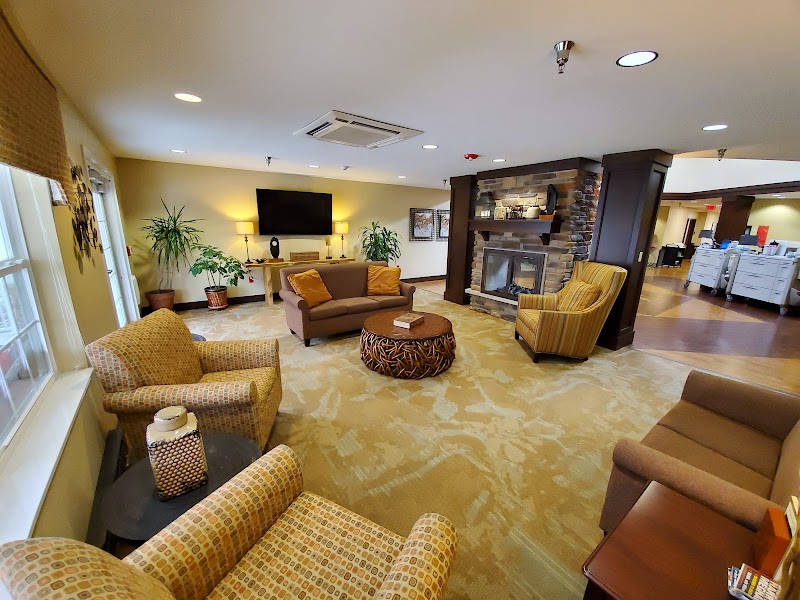
How is Heather Knoll Retirement Village Staffed?

CMS rates HEATHER KNOLL RETIREMENT VILLAGE's staffing level at 3 out of 5 stars, which is average compared to other nursing homes. Staff turnover is 49%, compared to the Ohio average of 46%.

What Have Inspectors Found at Heather Knoll Retirement Village?

State health inspectors documented 7 deficiencies at HEATHER KNOLL RETIREMENT VILLAGE during 2019 to 2025. These included: 7 with potential for harm.
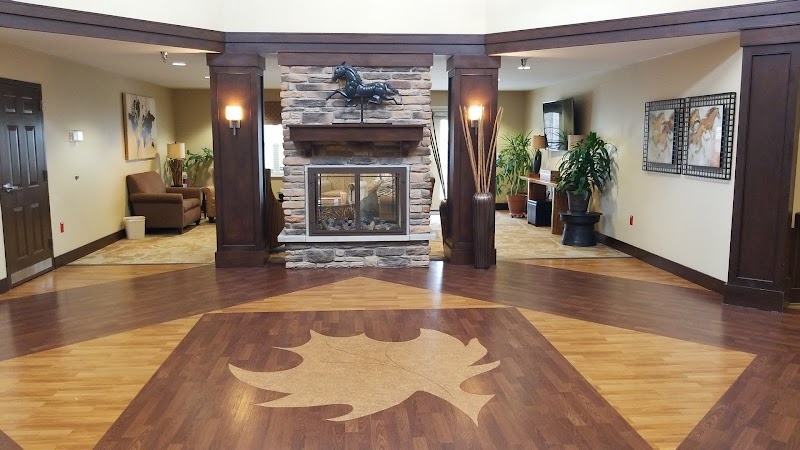
Who Owns and Operates Heather Knoll Retirement Village?

HEATHER KNOLL RETIREMENT VILLAGE is owned by a for-profit company. For-profit facilities operate as businesses with obligations to shareholders or private owners. The facility is operated by SPRENGER HEALTH CARE SYSTEMS, a chain that manages multiple nursing homes. With 115 certified beds and approximately 102 residents (about 89% occupancy), it is a mid-sized facility located in TALLMADGE, Ohio.
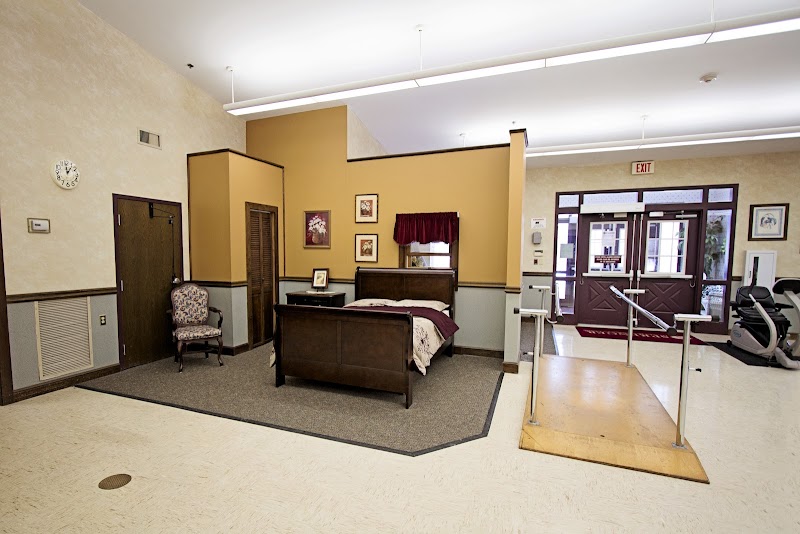
How Does Heather Knoll Retirement Village Compare to Other Ohio Nursing Homes?

Compared to the 100 nursing homes in Ohio, HEATHER KNOLL RETIREMENT VILLAGE's overall rating (5 stars) is above the state average of 3.2, staff turnover (49%) is near the state average of 46%, and health inspection rating (5 stars) is much above the national benchmark.

What Should Families Ask When Visiting Heather Knoll Retirement Village?

Based on this facility's data, families visiting should ask: "Can I visit during a mealtime to observe dining assistance and food quality?" "How do you handle medical emergencies, and what is your hospital transfer rate?" "Can I speak with family members of current residents about their experience?"

Is Heather Knoll Retirement Village Safe?

Based on CMS inspection data, HEATHER KNOLL RETIREMENT VILLAGE has a clean safety record: no substantiated abuse findings (meaning no confirmed cases of resident harm), no Immediate Jeopardy citations (the most serious violation level indicating risk of serious injury or death), and is not on the Special Focus Facility watch list (a federal program monitoring the lowest-performing 1% of nursing homes). The facility has a 5-star overall rating and ranks #1 of 100 nursing homes in Ohio. While no facility is perfect, families should still ask about staff-to-resident ratios and recent inspection results during their visit.

Do Nurses at Heather Knoll Retirement Village Stick Around?

HEATHER KNOLL RETIREMENT VILLAGE has a staff turnover rate of 49%, which is about average for Ohio nursing homes (state average: 46%). Moderate turnover is common in nursing homes, but families should still ask about staff tenure and how the facility maintains care continuity when employees leave.

Was Heather Knoll Retirement Village Ever Fined?

HEATHER KNOLL RETIREMENT VILLAGE has no federal fines on record. CMS issues fines when nursing homes fail to meet care standards or don't correct problems found during inspections. The absence of fines suggests the facility has either maintained compliance or corrected any issues before penalties were assessed. This is a positive indicator, though families should still review recent inspection reports for the full picture.

Is Heather Knoll Retirement Village on Any Federal Watch List?

HEATHER KNOLL RETIREMENT VILLAGE is not on any federal watch list. The most significant is the Special Focus Facility (SFF) program, which identifies the bottom 1% of nursing homes nationally based on persistent, serious quality problems. Not being on this list means the facility has avoided the pattern of deficiencies that triggers enhanced federal oversight. This is a positive indicator, though families should still review the facility's inspection history directly.