REGENCY CARE OF COPLEY
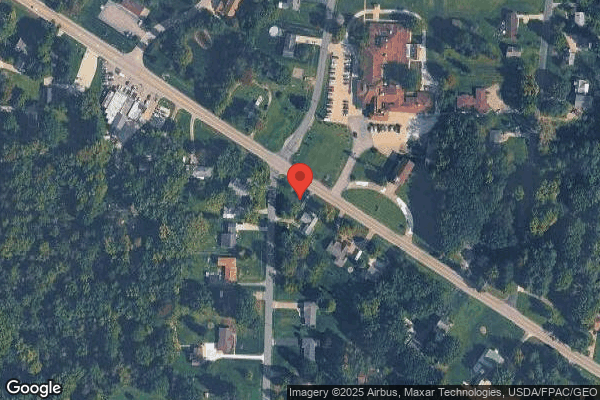
2631 COPLEY ROAD, AKRON, OH 44321 (330) 666-2631
For profit - Corporation 70 Beds Independent Data: November 2025
Trust Grade
65/100
#327 of 913 in OH
Last Inspection: October 2022

Over 2 years since last inspection. Current conditions may differ from available data.

Overview

Regency Care of Copley has a Trust Grade of C+, indicating it is decent and slightly above average compared to other facilities. It ranks #327 out of 913 in Ohio, placing it in the top half of state facilities, and #14 out of 42 in Summit County, meaning only 13 local options are rated higher. However, the facility is currently worsening, with issues increasing from 1 in 2024 to 2 in 2025. Staffing is a significant concern, as it received a poor rating of 0/5 stars, and while turnover is low at 0%, the lack of adequate staffing is alarming. Notably, the facility has had no fines, which is a positive aspect, and it offers more RN coverage than many others, suggesting strong oversight. On the downside, there have been some serious incidents, including a resident suffering a humeral fracture during care due to a lack of proper behavioral management. Additionally, the facility failed to adequately screen employees for past abuse or neglect, which could jeopardize resident safety. Observations also revealed unsanitary conditions with dirty meal carts, indicating potential hygiene issues. Overall, while Regency Care of Copley has strengths in its low fines and decent trust grade, families should be cautious about staffing issues and the recent uptick in problems.

Trust Score
C+
65/100
In Ohio
#327/913
Top 35%
Safety Record
Moderate
Needs review
Inspections
Getting Worse
1 → 2 violations
Staff Stability
○ Average
Turnover data not reported for this facility.
Penalties
✓ Good
No fines on record. Clean compliance history, better than most Ohio facilities.
Skilled Nurses
○ Average
RN staffing data not reported for this facility.
Violations
⚠ Watch
30 deficiencies on record. Higher than average. Multiple issues found across inspections.
★★★★☆
4.0
Overall Rating
☆☆☆☆☆
0.0
Staff Levels
★★★★★
5.0
Care Quality
★★★☆☆
3.0
Inspection Score
Stable
2024: 1 issues
2025: 2 issues

The Good

  • 5-Star Quality Measures · Strong clinical quality outcomes
  • Full Sprinkler Coverage · Fire safety systems throughout facility
  • No fines on record

Facility shows strength in quality measures, fire safety.

The Bad

No Significant Concerns Identified

This facility shows no red flags. Among Ohio's 100 nursing homes, only 0% achieve this.

The Ugly 30 deficiencies on record

1 actual harm
Aug 2025 2 deficiencies
CONCERN (D) 📢 Someone Reported This

A family member, employee, or ombudsman was alarmed enough to file a formal complaint

Potential for Harm - no one hurt, but risky conditions existed

Investigate Abuse (Tag F0610)

Could have caused harm · This affected 1 resident

**NOTE- TERMS IN BRACKETS HAVE BEEN EDITED TO PROTECT CONFIDENTIALITY** Based on record review, observation, interview, review of nursing schedules for 07/15/25 through 07/21/25, review of the purchas...

Read full inspector narrative →
**NOTE- TERMS IN BRACKETS HAVE BEEN EDITED TO PROTECT CONFIDENTIALITY** Based on record review, observation, interview, review of nursing schedules for 07/15/25 through 07/21/25, review of the purchase order and receipt from facility maintenance, review of facility policies, and review of the facility investigation of self-reported incident (SRI) number 263186, the facility failed to ensure a thorough investigation and documentation was completed related to allegations of inadequate care of Resident #4 who had a tracheostomy. This affected one (Resident #4) of two residents reviewed for tracheostomy care and had the potential to affect two (Residents #4 and #23) identified by the facility with tracheostomies. The facility census was 46. Findings include:Review of the medical record for the Resident #4 revealed an admission date of 01/10/25 with diagnoses including acute respiratory failure with hypoxia, cerebral infarction, type two diabetes mellitus, atrial fibrillation, paranoid schizophrenia, post-traumatic subdural hemorrhage, lymphangioma, sepsis, encephalopathy, gastrostomy status, and encounter for attention to tracheostomy. Review of the quarterly Minimum Data Set (MDS) 3.0 assessment completed on 07/10/25 revealed Resident #4 had severely impaired cognition and was dependent for all activities of daily living (ADL), including, bathing, dressing, personal hygiene, oral hygiene, bed mobility, and transfers. Further review of the MDS revealed Resident #4 required oxygen therapy, suctioning, and tracheostomy (trach) care. Review of all progress notes from 06/07/25 through 08/07/25 revealed no mention of the presence of maggots around the trach ties or trach stoma or of any unusual substance noted around the trach and surrounding area. Review of the assessments titled Respiratory Assessment/Vent Check completed on 07/17/25 at 7:26 A.M., 9:00 A.M., 10:36 A.M., and 2:15 P.M. revealed no mention of any unusual assessment criteria or occurrences related to Resident #4's trach or surrounding area from the previous shift (night shift on 07/16/25). There was no respiratory therapist on duty on night shifts to record assessments on the Respiratory Assessment/Vent Check form. Telephone interview on 08/07/25 at 12:59 P.M. with the Ombudsman confirmed allegations were received from two separate sources on 07/24/25 of improper care of a resident's tracheostomy (trach). The first source was anonymous and did not provide the name of the resident but included three photos which appeared to be maggots around a trach collar. The second source revealed they had been sent or shown pictures of Resident #4 with maggots around his trach ties. The Ombudsman further revealed an in-person visit was made to the facility on [DATE] where it was confirmed the facility had been informed of maggots being noted near Resident #4's trach between the night of 07/16/25 and the morning of 07/17/25 (a Wednesday night to Thursday morning shift) and the facility had not filed a SRI with the Ohio Department of Health. During the on-site visit, the Ombudsman further found that the window to Resident #4's room had no screen at the time of the incident, and staff reported a wasp had previously been observed entering that window. Review of the facility incident log from 06/01/25 through 08/07/25 revealed no incidents or unusual occurrences were logged regarding trach care for Resident #4. Interview on 08/07/25 at 2:11 P.M. with the Licensed Nursing Home Administrator (LNHA) confirmed being alerted by the previous Director of Nursing (DON) #399 on the morning of 07/17/25 that there were some maggots noted on Resident #4 but that she had not seen them and did not see the picture of the maggots until shown by the Ombudsman on 07/24/25. During the interview, the LNHA confirmed the facility had not filed a SRI until after the Ombudsman was at the facility on 07/24/25. The LNHA confirmed a witness statement was never obtained from the nurse who initially discovered and reported the maggots, Licensed Practical Nurse (LPN) #325, and that previous DON #399 failed to do a proper investigation before employment ended at the facility. Review of the nursing scheduled from 07/15/25 through 07/17/25 confirmed LPN #325 worked the 7:00 P.M. to 7:00 A.M. shift on 07/15/25, 07/16/25, 07/19/25, and 07/20/25. Further review of the nursing schedules revealed a total of two nurses, Registered Nurse (RN) #337 and LPN#325) and six Certified Nurse Aides (CNAs #302, #326, #340, #375, #379, and #383) worked nightshift on 07/16/25. Review of the SRI investigation revealed only three witness statements, including an undated statement from LPN #366 who was not on duty the night of the alleged incident but noted an unsuccessful attempt to contact LPN #325, a statement from respiratory Therapist (RT) #385, who was not on duty on 07/16/25 or 07/17/25 and had not observed or include knowledge of any maggots, and a third statement, also written by LPN #366, detailing an interview conducted with LPN #321, who was on duty for day shift on 07/17/25. There was no witness statements obtained from any staff scheduled from 7:00 P.M. on 07/16/25 to 7:00 A.M. on 07/17/25 and no notes indicating attempts were made to contact any of the scheduled staff except LPN #325 (no date, time, or details were documented). The investigation included no mention of maggots and no mention of Resident #4's room missing a screen and what facility follow-up was regarding the screen. Additionally, there was no evidence Resident #23 had a comprehensive assessment or that any other resident had been interviewed or their skin was assessed for excess moisture or the presence of maggots. Telephone interview on 08/11/25 at 5:06 P.M. with LPN #366 confirmed the investigative role involved talking with RT #385 and nurses, assisting with nursing re-education, and policy reviews. LPN #366 further confirmed the current DON performed a head-to-toe assessment on Resident #4 after the facility filed the SRI. According to LPN #366, nursing in-services that were marked as reviewed over the phone included nurses being provided copies of the policies when they returned to the facility for their shifts and did not include a return demonstration of trach care and suctioning. During the interview, LPN #366 confirmed there were other interviews she conducted, other than the one nurse (LPN #321) and RT #385. Interview on 08/11/25 at 5:40 P.M. with the LNHA confirmed the information in the folder provided to the surveyor to be reviewed on site was the complete investigation conducted by the facility, including all witness statements. During the interview, the LNHA confirmed both trach residents were checked, but the LNHA verbalized uncertainty as to whether a full assessment was completed and documented of any like residents (other resident(s) with a trach) or any other resident susceptible to altered skin integrity. Interview on 08/12/25 at 10:10 A.M. with Maintenance #362 confirmed the facility installed new windows in March 2025, and Resident #4 did not have a screen prior to the incident with the maggots around his trach on 07/17/25. Review of the purchase order for Quality Glass & Mirror, Incorporated, revealed an order was placed for two window screens measuring approximately 29.5 inches by 17 5/16 inches on 07/18/25 and a receipt for the total price charged for the two screens dated 07/28/25. Review of the undated procedure titled Incidents Requiring Immediate Notification revealed facility incident reports were crucial for documenting the event and facilitating investigations. Further review of the procedure revealed all relevant details about the incident, witnesses, and actions taken were considered essential documentation. This deficiency represents noncompliance investigated under Incident Number 2579881 and Complaint Number 2579936.
CONCERN (D) 📢 Someone Reported This

A family member, employee, or ombudsman was alarmed enough to file a formal complaint

Potential for Harm - no one hurt, but risky conditions existed

Respiratory Care (Tag F0695)

Could have caused harm · This affected 1 resident

**NOTE- TERMS IN BRACKETS HAVE BEEN EDITED TO PROTECT CONFIDENTIALITY** Based on observation, interview, medical record review, review of facility policies, and review of the facility investigation of...

Read full inspector narrative →
**NOTE- TERMS IN BRACKETS HAVE BEEN EDITED TO PROTECT CONFIDENTIALITY** Based on observation, interview, medical record review, review of facility policies, and review of the facility investigation of self-reported incident (SRI) number 263186, the facility failed to ensure appropriate care and services were provided to Resident #4, who had a tracheostomy. This affected one resident (Resident #4) of two residents (residents #4 and #23) who were reviewed for appropriate tracheostomy care. The facility census was 46. Review of the medical record for Resident #4 revealed an admission date of 01/10/25 with diagnoses including acute respiratory failure with hypoxia, cerebral infarction, type two diabetes mellitus, atrial fibrillation, paranoid schizophrenia, post-traumatic subdural hemorrhage, lymphangioma, sepsis, encephalopathy, gastrostomy status, and encounter for attention to tracheostomy. Review of the quarterly Minimum Data Set (MDS) 3.0 assessment completed on 07/10/25 revealed Resident #4 had severely impaired cognition and was dependent for all activities of daily living (ADL), including, bathing, dressing, personal hygiene, oral hygiene, bed mobility, and transfers. Further review of the MDS revealed Resident #4 required oxygen therapy, suctioning, and tracheostomy (trach) care. Review of the plan of care dated 01/10/24 to 10/12/25, last reviewed 07/18/25, revealed Resident #4 had a tracheostomy secondary to encephalopathy, acute and chronic respiratory failure, subdural hygroma, and cerebrovascular accident. Interventions included ensuring the trach ties were always secured, wearing a gown and gloves when providing direct care and tracheostomy care, monitoring and documenting respiratory status per orders, and specific instructions in the event of an unplanned decannulation (trach tube out/dislodged). There were no interventions specified for routine trach care or maintenance. Review of the current physician orders revealed an order dated 07/17/25 for Resident #4 to have trach care rendered every shift and as needed (PRN). Review of the previous trach care orders revealed an order dated from 01/10/25 through 07/17/25 for trach care daily and PRN. Additional tracheostomy-related orders for Resident #4 included: Change the trach tube every month starting on 01/10/25 and continuing monthly on the 10th each month and as needed (dated 01/10/25). Change the trach ties weekly every Monday on day shift and as needed (dated 01/10/25). Suction the trach every shift as needed (dated 01/10/25). Change the inner cannula daily with trach care and as needed (dated 01/27/25).Review of the treatment administration record (TAR) for July 2025 revealed documentation that trach care was performed once daily from 07/01/25 through 07/16/25 and then every shift starting with the night shift on 07/17/25. PRN trach-related documentation included trach tie changes on 07/17/25 and on 07/21/25 and triple antibiotic ointment application to the trach as needed for redness on 07/17/25 at 6:19 A.M. There was no documentation that additional trach care was performed on an as-needed basis from 07/01/25 through 07/31/25. Review of the nurses' notes dated 07/17/25 at 6:15 A.M. revealed Resident #4 had the trach ties changed with a note indicating the site was cleansed with normal saline, dried with gauze, triple antibiotic ointment was applied to the trach site, and the area was left open to air. The note revealed no description of the trach stoma or surrounding area or reason for the additional trach tie change. Review of a follow-up note dated 07/17/25 at 8:00 A.M. revealed Physician #395 was at the facility and was notified of excoriation underneath the trach ties and an order was given for mupirocin lidocaine 2-2% ointment to be applied four times a day for 14 days and that the resident representative for Resident #4 was notified of the new order. Review of all progress notes from 06/07/25 through 08/07/25 revealed no mention of the presence of maggots around the trach ties or trach stoma or of any unusual substance noted around the trach and surrounding area. Review of the assessments titled Respiratory Assessment/Vent Check completed on 07/17/25 at 7:26 A.M., 9:00 A.M., 10:36 A.M., and 2:15 P.M. revealed no mention of any unusual assessment criteria or occurrences related to Resident #4's trach or surrounding area. Interview on 08/07/25 at 10:22 A.M. with Registered Nurse (RN) #396 confirmed viewing video footage of maggots crawling around the neck, the trach, and under the trach ties on both sides of the neck of Resident #4 during the night shift on 07/16/25. RN #396 further stated the video was recorded by Licensed Practical Nurse (LPN) #325 and forwarded to the previous Director of Nursing (DON) #399 and the Licensed Nursing Home Administrator (LNHA). RN #396 revealed during the interview that the maggots were able to be removed by staff on duty, new trach ties were applied after cleaning Resident #4, and the physician was notified that maggots were found around the trach and neck of Resident #4. Telephone interview on 08/07/25 at 12:59 P.M. with the Ombudsman confirmed allegations were received from two separate sources on 07/24/25 of improper care of a resident's tracheostomy (trach). The first source was anonymous and did not provide the name of the resident but included three photos which appeared to be maggots around a trach collar. The second source revealed they had been sent or shown pictures of Resident #4 with maggots around his trach ties. The Ombudsman further revealed an in-person visit was made to the facility on [DATE] where it was confirmed the facility had been informed of maggots being noted near Resident #4's trach between the night of 07/16/25 and the morning of 07/17/25 (a Wednesday night to Thursday morning shift). During the on-site visit, the Ombudsman further found that the window to Resident #4's room had no screen at the time of the incident, and staff had reported a wasp had previously been observed entering that window. Interview on 08/07/25 at 2:11 P.M. with the LNHA confirmed being alerted by the previous DON #399 on the morning of 07/17/25 that there were some maggots noted on Resident #4 but that she had not seen them and did not see the picture of the maggots until shown by the Ombudsman on 07/24/25. At the time of this interview, the LNHA confirmed the trach care orders changed for Resident #4 once discovery of the maggots was made to prevent it from happening again. Interview on 08/07/25 at 4:22 P.M. with Certified Nursing Assistant (CNA) #326 confirmed LPN #325 reported to staff during the nightshift on 07/16/25 that some small white things were seen moving around near Resident #4's neck and trach tube and had requested assistance from staff in identifying and addressing the concern. CNA #326 further confirmed observing maggots were localized around the trach and completely around Resident #4's neck. During the interview, CNA #326 stated Resident #4 was given a complete bed bath, the neck was washed thoroughly while the aide and two nurses removed the maggots, trach care was provided by LPN #325, and all the bedding and clothing was changed. Interview on 08/07/25 at 4:49 P.M. with RN #337 confirmed the presence of maggots around the trach collar of Resident #4 during nightshift on 07/16/25 and assisting LPN #325 and the aide with cleaning and removing the maggots. During the interview, RN #337 stated most of the trach care in the facility was performed by the Respiratory Therapist (RT) and night nurses typically just suctioned the trach and changed trach ties if needed. RN #337 further confirmed Resident #4 tended to drool a lot, causing the trach ties to get moist and on that night (night shift scheduled 07/16/25 to 07/17/25), Resident #4's trach ties were very moist. Observation on 08/11/25 at 8:55 A.M. revealed CNA #315 entered Resident #4's room and informed RT #385 that Resident #4 was going to be showered. During the observation, RT #385 stated she would return and do trach care after Resident #4 was out of the shower adding trach care had also been completed earlier that morning. Observation on 08/11/25 from 10:10 A.M to 10:20 A.M. of trach care for Resident #4 performed by RT #385 revealed the old trach ties were wet from the shower earlier that morning and the skin beneath was moist. During the observation, the new trach ties were applied and secured to hold the trach in place without the moist skin beneath the trach ties first being dried. Skin beneath the new trach ties appeared shiny and slightly moist. Trach care continued once the new ties were replaced with no additional concerns with the procedure. Interview with RT #385 after completion of the trach care confirmed the new trach ties were applied directly after removing the wet ones without drying the area in between steps. While in Resident #4's room for trach care, a note was observed posted next to the window requesting nobody open the window because there was no screen and a wasp had previously flown in through the window. A closer observation of the window revealed there was a screen in place on this date. At this time, RT #385 confirmed the presence and content/verbiage of the sign. A follow-up interview on 08/11/25 at 10:28 A.M. with RT #385 confirmed trach care frequency was typically conflicting as to whether it was performed one or two times a day. Per RT #385, changing of trach pads would be done as needed but opening the whole pack for trach care was usually only done once a day. During the interview, RT #385 confirmed Resident #4's order changed to twice daily after the maggots were noted because he drooled a lot and the order change was also to reiterate to the nurses that care was getting done. RT #385 also confirmed Resident #23, the other resident with a trach, still had orders for trach care once a day and as needed and his orders had not changed. Further interview confirmed trach ties were changed once weekly and as needed and the RT would often need to change the trach ties when in the facility on Mondays and Fridays due to the increased secretions or drainage around Resident #4's neck. Interview on 08/11/25 at 2:02 P.M. with CNA #340 confirmed that Resident #4 had no screen, staff sometimes opened that window, and a wasp was observed flying into the room. CNA #340 further stated she verbalized concerns that Resident #4 was unable to speak for himself or make sure insects did not land on him, so a sign was placed instructing that nobody open the window. CNA #340 also confirmed assisting to identify and help remove maggots from around the trach of Resident #4 during the night shift on 07/16/25. Interview on 08/11/25 at 3:02 P.M. with LPN #325 confirmed that the night of 07/16/25 to 07/17/25 Resident #4 was receiving oral care when it was noted the trach dressing was saturated. Upon closer inspection when preparing to change the gauze dressing, hundreds of tiny white things she had never seen before were noted moving around under the gauze, around the trach stoma, and around the neck under the trach ties. Further interview with LPN #325 confirmed she requested other facility staff to help identify the white moving items and help clean Resident #4. During the interview, LPN #325 stated the initial attempts to reach the Nurse Practitioner on-call and the DON were unsuccessful so video was taken to show the DON what the concern was so Resident #4 could get cleaned up and appropriate orders could be obtained. Interview on 08/11/25 at 4:10 P.M. with CNA #324 confirmed Resident #4 did not have a screen in the window and CNA #324 had observed the window being left open with no screen. Telephone interview on 08/11/25 at 5:06 P.M. with LPN #366 confirmed the investigative role involved talking with RT #385 and nurses, assisting with nursing re-education, and policy reviews. According to LPN #366, nursing in-services that were marked as reviewed over the phone included nurses being provided copies of the policies when they returned to the facility for their shifts and did not include a return demonstration of trach care and suctioning. Interview on 08/11/25 at 5:59 P.M. with CNA #302 confirmed she visualized the maggots around Resident #4's trach the night of 07/16/25 to 07/17/25. CNA #302 further confirmed Resident #4's trach pad (she described as the gauze around the stoma) and trach ties typically got easily saturated and nurses would change the gauze when notified of it being soiled but had not personally observed trach ties being changed during the night shifts. During the interview, CNA #302 confirmed Resident #4 did not have a screen in the window for several months and that there were occasions it was cracked open and had to be shut upon CNA #302s arrival. Interview on 08/12/25 at 10:10 A.M. with Maintenance #362 confirmed the facility installed new windows in March 2025 and Resident #4 did not have a screen prior to the incident with the maggots around his trach on 07/17/25. Interview on 08/12/25 at 10:24 A.M. with the DON confirmed Resident #4 had orders changed to increase the frequency of trach care to twice a day after an incident involving maggot around his trach. During the interview, the trach care policy was reviewed and the DON confirmed that the facility policy was to provide trach care at least two times a day. The DON further confirmed that when wet or moist trach ties were removed, the skin was to be thoroughly dried prior to placing and securing new trach ties. Review of the policy titled Tracheostomy Care, dated 03/01/25, revealed trach care should be performed at least twice daily, and trach ties were to be changed whenever soiled or wet. This deficiency represents noncompliance investigated under Incident Number 2579881 and Complaint Number 2579936.
Apr 2024 1 deficiency
CONCERN (D) 📢 Someone Reported This

A family member, employee, or ombudsman was alarmed enough to file a formal complaint

Potential for Harm - no one hurt, but risky conditions existed

Accident Prevention (Tag F0689)

Could have caused harm · This affected 1 resident

**NOTE- TERMS IN BRACKETS HAVE BEEN EDITED TO PROTECT CONFIDENTIALITY** Based on observation, record review and interviews, the facility failed to provide adequate supervision to prevent exit seeking ...

Read full inspector narrative →
**NOTE- TERMS IN BRACKETS HAVE BEEN EDITED TO PROTECT CONFIDENTIALITY** Based on observation, record review and interviews, the facility failed to provide adequate supervision to prevent exit seeking behavior and elopement for Resident #40 and a fall for Resident #11. This affected two (Residents #11 and #40) of two residents reviewed for accident hazards. The facility census was 51. Findings include: 1. Review of the medical record for Resident #40 revealed an admission date of 03/01/24 with diagnosis including late onset Alzheimer's Disease, dementia, anxiety and depression. Her medical record contained a photograph so that she was identifiable to staff. Review of the admission Elopement assessment dated [DATE] revealed Resident #40 was mobile and had unsafe wandering prior to coming to the facility. Review of the Elopement assessment dated [DATE] revealed Resident #40 was at risk for elopement due to being cognitively impaired, making poor decisions, exit seeking and having a history of an actual elopement or unsafe wandering. Review of the physician's orders dated 03/04/24 revealed Resident #40 had a wander guard (a device that an at-risk resident wears which alerts caregivers when the resident has wandered from the protected and secured zone) to her right ankle. The staff were to check placement and function every shift. Review of the Treatment Administration Record (TAR) for March 2024 and April 2024 for Resident #40 revealed staff were checking placement of her wander guard and it was in place on her right ankle. Review of Resident #40's care plan dated 03/04/24 revealed she was an elopement risk and wanderer related to dementia, being disoriented to place, history of attempts to leave the facility unattended and impaired safety awareness. The care plan stated she wandered aimlessly. Interventions included checking the wander guard placement every shift, identifying patterns of wandering and intervene as appropriate. Review of the nursing progress note dated 03/04/24 at 4:09 P.M. revealed while Resident #40 was at home, her family had become aware that she had symptoms of dementia as she had gotten out of her home and fell and broke her wrist. It was noted on 03/06/24, 03/23/24, 03/24/24 and 03/25/24 that Resident #40 was exit seeking and wandering, however, the facility staff were able to redirect her and keep her from exiting the building. Review of the admission Minimum Data Set 3.0 assessment dated [DATE] revealed Resident #40 had impaired cognition. She had wandered one to three days on this assessment and had delusions. Review of the nursing progress note on 03/26/24 at 2:52 P.M. revealed that approximately 1:30 P.M. Resident #40 pushed another resident out the front door of the facility. An STNA noted the residents outside the front door and both residents were brought back into the facility. An additional nursing progress note on 04/14/24 at 6:05 P.M. revealed Resident #40 had her wander guard on and alarmed the front door of the facility attempting to exit the building. However, a nurse had intervened before she was able to leave. She was observed to be pacing in the hallways and pushing on the doors to leave the facility. Review of the facility elopement investigation for 03/26/24 at 1:30 P.M. for Resident #40 revealed she had escorted another resident outside by pushing her in her wheelchair. State Tested Nurse Aide (STNA) #209's witness statement dated 03/26/24 revealed at 1:30 P.M. she was going to her car to get her lunch when she saw two residents (Residents #11 and #40) outside the facility doors. She stated one resident (Resident #11) was out of her wheelchair and on her knees. She stated she got assistance from another nurse and was able to bring both residents back in the building. Resident #40 was placed on 15 minutes checks from 03/26/24 through 03/28/24. Review of the facility elopement investigation for Resident #40 on 04/09/24 revealed she had gone to the front of the facility and was attempting to push open the doors to leave. Resident #40 then went to the back of the facility to the door where the generator was located. She pushed on the door, and it alarmed and opened after 15 seconds. The facility staff heard the alarm, called a code [NAME] (elopement code) and went to the door that alarmed as well as around the front of the building where Resident #40 was located in the parking lot. Resident #40 was redirected and brought back into the building. She was placed on 1:1 supervision at that time until 04/10/24 and then 15 minutes checks were initiated. Interview on 04/15/24 at 7:23 A.M. with Resident #40 revealed she was confused and was unable to understand the questions this surveyor asked. She was observed to have a wander guard to her right ankle. Interview on 04/15/24 at 10:27 A.M. with Licensed Practical Nurse (LPN) #204 revealed Resident #40 had been ambulating independently on 04/09/24 and seen by an aide who thought the resident was going to her room. She stated one minute later, the generator door alarm sounded, and the aide called a code brown and then went to the generator door. LPN #204 stated staff went to the parking lot where Resident #40 was located and redirected her inside. She stated Resident #40 exited on 04/09/24 at 3:52 P.M. and the staff were able to redirect her though it did take seven minutes due to the resident not wishing to return to the building. Interview on 04/15/24 at 10:40 A.M. with the Maintenance Director #207 revealed on 04/09/24 he had heard the code brown and he went out the front of the facility and observed Resident #40 in the parking lot. He stated she was only in the parking lot 30 seconds before he reached her. Interview on 04/15/24 at 11:16 A.M. with the Director of Nursing (DON) revealed on 03/26/24 Receptionist #206 was at the front desk, had put the code in and opened the door for Resident #11 and Resident #40 for them to leave the facility. The DON stated Receptionist #206 did not know that Resident #40 was a resident at the facility and was an elopement risk. He stated she was educated and 15-minute checks on Resident #40 were initiated. Interview on 04/15/24 at 11:29 A.M. with STNA #209 revealed she was going to lunch on 03/26/24 at 1:30 P.M. when she observed Residents #11 and #40 outside of the facility. She stated both residents were outside by the facility doors. She updated the nurse and went to assist both residents. STNA #209 stated she was also working on 04/09/24 when Resident #40 went out the generator door and staff called a code brown and went immediately to both the generator door and front doors where Resident #40 was located in the parking lot. Interview on 04/15/24 at 11:40 A.M. with Receptionist #206 revealed she had been at the front entrance on 03/26/24 and saw Resident #40 pushing Resident #11 in her wheelchair and believed that Resident #40 was a family member and not a resident. She stated Resident #40 was new to the facility and she did not recognize her. She stated she placed the code in so that the doors would unlock and both residents would be able to exit the building. Receptionist #206 stated an STNA came to the front to leave for lunch and noted both residents outside. She stated the aide was able to redirect them back into the building. Interview and observation on 04/15/24 at 12:05 P.M. with the Maintenance Director #207 revealed a video on his phone dated 03/26/24 at 1:32 P.M. of Resident #40 pushing Resident #11 in her wheelchair. Receptionist #206 placed the door code and allowed both residents to exit the facility. Receptionist #206 then was observed walking away from the front doors at 1:33 P.M. At 1:34 P.M. STNA #205 was seen to be walking in the common area and over to the main doors when she witnessed both residents outside the door. She then called for assistance and went outside with the residents. He was unable to provide a copy of the video file. Interview on 04/16/24 at 8:33 A.M. with the Administrator revealed Resident #40 attempted to exit the building for a third time on 04/14/24 at 5:59 P.M. but the nurse on duty intervened and was able to redirect her. Interview and observation on 04/16/24 at 9:18 A.M. with Maintenance Director #207 revealed Resident #40 was seen on 04/14/24 at 5:58 P.M. pushing on the main entrance doors waiting for the 15 seconds for the door to open. At 5:59 the door open and Resident #40 was seen exiting through the first set of doors, however, the nurse on duty was seen running to the resident before the second set of doors were opened. He was unable to provide a copy of the video file. Review of the facility policy titled, Elopements and Wandering Residents, last reviewed/revised on 02/02/21, revealed the facility would ensure residents who exhibit wandering behavior or are a risk for elopement receive adequate supervision. 2. Review of the medical record for Resident #11 revealed an admission date of 10/14/15 with diagnoses including Huntington's Disease (disorder that causes nerve cells in parts of the brain to gradually break down and die), schizoaffective disorder, dementia and depression. Review of the elopement assessment dated [DATE] for Resident #11 revealed resident was at risk for elopement. She was cognitively impaired with poor decision-making skills. Resident #11 had a history of elopement or unsafe wandering. Resident #11 had no other elopement assessments in her chart from 06/06/22 until 04/10/24. Review of Resident #11's physician's orders revealed an order dated 12/27/23 for a wander guard to be on the left ankle. Staff were to check placement and function every shift. Review of the TAR for March 2023 and April 2023 for Resident #11 revealed staff ensured the wander guard was on her left ankle and functioning. Review of the care plan dated 03/04/24 and last updated on 04/10/24 revealed Resident #11 was an elopement risk related to dementia, disoriented to place, history of attempts to leave the facility unattended and impaired safety awareness. It was noted that she wandered aimlessly. Interventions included checking for wander guard placement each shift, to identify pattern of wandering and to intervene as appropriate. Review of the nursing progress note dated 03/26/24 at 1:45 P.M. revealed Resident #11 was pushed outside the door in her wheelchair by another resident. Review of the facility elopement investigation for 03/26/24 for Residents #11 and #40 at 1:30 P.M. revealed Resident #40 escorted Resident #11 outside by pushing her in her wheelchair. STNA #209's witness statement dated 03/26/24 revealed at 1:30 P.M. she was going to her car to get her lunch when she saw two residents (Residents #11 and #40) outside the facility doors. She stated one resident (Resident #11) was out of her wheelchair and on her knees. She stated she got assistance from another nurse and was able to bring both residents back into the building. Interview on 04/15/24 at 11:16 A.M. with the DON revealed on 03/26/24 Receptionist #206 was at the front desk, had put the code in and opened the door for Resident #11 and Resident #40 for them to leave the facility. The DON stated Receptionist #206 did not know that Resident #40 was a resident at the facility and believed she was a family member of Resident #11. Interview on 04/15/24 at 11:29 A.M. with STNA #209 revealed she was going to lunch on 03/26/24 at 1:30 P.M. when she observed Residents #11 and #40 outside of the facility. She stated both residents were outside by the facility doors. She updated the nurse and went to assist both residents. Interview on 04/15/24 at 11:40 A.M. with Receptionist #206 revealed she had been at the front entrance on 03/26/24 and saw Resident #40 pushing Resident #11 in her wheelchair and believed that Resident #40 was a family member and not a resident. She stated Resident #40 was new to the facility and she did not recognize her. She stated she placed the code in so that the doors would unlock and both residents were able to exit the building. Receptionist #206 stated an STNA came to the front to leave for lunch and noted both residents outside. She stated the aide was able to redirect them back into the building. Interview and observation on 04/15/24 at 12:05 P.M. with the Maintenance Director #207 revealed a video on his phone dated 03/26/24 at 1:32 P.M. of Resident #40 pushing Resident #11 in her wheelchair. Receptionist #206 placed the door code and allowed both residents to exit the facility. Receptionist #206 then was observed walking away from the front doors at 1:33 P.M. At 1:34 P.M. STNA #205 was seen to be walking in the common area and over to the main doors when she witnessed both residents outside the door. She then called for assistance and went outside with the residents. He was unable to provide a copy of the video file. Review of the facility policy titled, Elopements and Wandering Residents, last reviewed/revised on 02/02/21, revealed the facility would ensure residents who exhibit wandering behavior or are a risk for elopement receive adequate supervision. This deficiency represents non-compliance investigated under Complaint Number OH00152322.
Jul 2023 1 deficiency 1 Harm
SERIOUS (G) 📢 Someone Reported This

A family member, employee, or ombudsman was alarmed enough to file a formal complaint

Actual Harm - a resident was hurt due to facility failures

Deficiency F0742 (Tag F0742)

A resident was harmed · This affected 1 resident

**NOTE- TERMS IN BRACKETS HAVE BEEN EDITED TO PROTECT CONFIDENTIALITY** Based on observation, medical record review, review of a Self-Reported Incident (SRI), review of witness statements, resident in...

Read full inspector narrative →
**NOTE- TERMS IN BRACKETS HAVE BEEN EDITED TO PROTECT CONFIDENTIALITY** Based on observation, medical record review, review of a Self-Reported Incident (SRI), review of witness statements, resident interviews, staff interviews, review of the police report, review of facility fall incident reports, and review of the facility polices for Behavioral Health Services, Unmanageable Residents and Behavioral, Assessment, Intervention and Monitoring, the facility failed to ensure Resident #203, who had a history of behaviors, was provided an effective and individualized plan of care to address how staff would provide care and treatment safely and/or interventions to address behaviors when the resident was displaying behaviors. This resulted in Actual Harm on 07/01/23 at approximately 9:00 P.M., when Resident #203 sustained an acute, nondisplaced humeral fracture during care by State Tested Nursing Assistant (STNA) #515. While STNA #515 was providing personal care, Resident #203 exhibited signs of agitation, aggression, and combative behaviors, however the STNA failed to address the behaviors, failed to stop providing care and reproach and/or provide care in a safe and non-threatening manner. As the STNA continued to provide care, Resident #203 was yelling out expletive words and stop that hurts. The STNA failed to stop until care was completed. This affected one Resident (#203) of three residents reviewed. The facility census was 54. Findings include: Review of the medical record for Resident #203 revealed an admission date of 01/04/23. Diagnoses included infection and inflammatory reaction due to internal left knee prosthesis, type II diabetes mellitus with stage III chronic kidney disease, methicillin resistant staphylococcus aureus, catatonic schizophrenia, and schizoaffective disorder. Review of Resident #203's care plan initiated on 01/13/23 revealed she required one to two staff for care due to frequent behaviors such as yelling out, swearing, swatting at staff, kicks at staff, kicks at bed and wall. The plan of care did not provide parameters for which situations required two staff for care. Resident #203's care plan did not identify all targeted behaviors when the resident became combative with care, there were no person-centered interventions to provide safeguards for the resident when displaying combative behaviors or to identify interventions for staff to utilize to ensure resident and staff safety. Review of the quarterly Minimum Data Set (MDS) 3.0 assessment dated [DATE] for Resident #203 revealed a Brief Interview of Mental Status (BIMS) score of 13 which indicated the resident was cognitively intact. Review of activities of daily living (ADLs) section of the MDS revealed the resident required extensive assist of two staff for bed mobility, dressing total dependence of two staff for transfer, toileting, personal hygiene, bathing, total dependence of one staff for locomotion on unit, and supervision of one for eating. Resident #203 was noted to be incontinent of bladder and frequently incontinent of bowel. Resident #203 was assessed to be short tempered and easily annoyed almost daily and exhibited physical and verbal behaviors one to three days of the review period. Review of Behavior Symptom monitoring from 06/08/23 to 07/07/23 for Resident #203 revealed she was being monitored for behaviors daily. Resident #203 was noted to exhibit daily behaviors including yelling, kicking/hitting, grabbing, biting, abusive language, threatening behavior, and rejection of care. Review of the nurse progress note dated 07/01/23 at 9:24 P.M., revealed Registered Nurse (RN) #549 was outside of Resident #203's room when she heard the resident yelling. RN #549 approached Resident #203 and asked what wrong and Resident #203 stated her left arm was hurting. RN #549 asked for clarification on where exactly her arm was hurting. Resident #203 stated, the whole arm, and then clarified it was the elbow. No redness, swelling, bruising or obvious deformity noted at time of assessment. Medical Doctor (MD) #570 was notified of new onset of pain. An as needed (PRN) analgesic was administered, and guardian was notified. Review of radiology report dated 07/02/23, performed at 12:26 P.M. and reported at 12:50 P.M., for Resident #203 revealed an acute, transverse, nondisplaced epicondylar fracture of the distal humerus. The proximal radius and ulna appeared intake. No significant joint effusion. Mild soft tissue swelling. Severe atherosclerosis. Review of the facility SRI dated 07/02/23 and timed 5:04 P.M., revealed the facility noted an injury of unknown injury related to resident complaining of pain, which was not normal for Resident #203. Resident #203's x-ray results revealed a to a distal humerus fracture. The facility unsubstantiated any evidence of abuse. Review of the witness statement provided by Assistant Director of Nursing (ADON) #573 revealed she called LPN #574, and she was in Resident #203's room at the time. ADON #573 requested to speak with Resident #203 and LPN #574 held the phone for Resident #203. ADON #573 asked Resident #203 if she was able to tell her what happened to her arm. Resident #203 stated, it hurt. ADON #573 proceeded to ask her when it began hurting and Resident #203 stated late last night and further stated STNA #515 (identified by name) pulled on it. ADON #573 asked Resident #203 what STNA #515 was doing and Resident #203 stated, she was changing me. ADON #573 asked Resident #203 if another staff was present and Resident #203 stated, she was alone. Review of witness statement dated 07/02/23 from STNA #515 revealed while she was changing Resident #203, she began reaching back and hitting her. STNA #515 stated she asked Resident #203 to stop, and it got worse and when STNA #515 pulled Resident #203 towards her to untuck her brief from the other side, Resident #203 grabbed her right arm and scratched her. Resident #203 continued to kick and swing and hit STNA #515 as she pulled her up in the bed. As STNA #515 was leaving the room, Resident #203 was telling her to (expletive word) off, (expletive word)! and called her (expletive word)! STNA #515 stated she knew nothing about Resident #203's arm or her having pain until STNA #536 asked her what happened because RN #549 has asked STNA #536 about what happened. STNA #515 stated RN #549 did not ask her what happened. Review of police report #22307007 dated 07/02/23 timed at 7:43 P.M., for Resident #203 revealed Police Officer (PO) #571 was dispatched to the local hospital due to RN #571 reporting Resident #203 stated STNA #515 pulled her arm out of place while she was changing her at Regency Care of [NAME] (which is now called Tranquility of [NAME]). There was no mention of Resident #203 having stated she had a fall. Based on the police investigation, nothing criminal was identified. The alleged perpetrator reported having to hold Resident #203 down to finish care, but no further description was described. Interview on 07/05/23 at 2:40 P.M., with RN #549 revealed on 07/01/23 at around 9:00 P.M., State Tested Nurse Aide (STNA) #515 went into Resident #203's room to provide care. Resident #203 yelled out, Stop you (expletive word)!. RN #549 stated she was passing medications and since Resident #203 yells out frequently during care she did not think it necessarily unusual. RN #549 continued to pass medications and then heard Resident #203 yell out in pain again, It hurts you, (expletive word). RN #549 stated she went in to investigate since Resident #203 does not usually yell out in pain. Resident #203 stated her entire left arm hurt. RN #549 lightly touched different points on Resident #203's arm but did not see any visible bruising or obvious deformity. Resident #203 stated her left elbow hurt and agreed to take pain medication. RN #549 contacted MD #570 and obtained an order for a STAT x-ray. RN #549 confirmed she was not aware of any other staff in the room with Resident #203 other than STNA #515. RN #549 stated Resident #203 was a two-person transfer and one to two staff for care due to the resident's history of combativeness. RN #549 confirmed she did not ask Resident #203 what happened and did not ask staff for witness statements. Interview on 07/05/23 at 3:29 P.M., with STNA #530 revealed on 07/02/23 around 7:10 A.M. she entered Resident # 203's room with STNA #531 to provide care for both Resident #203 and #204. While STNA #530 was washing Resident #203's face, she moved the pillow by Resident #203's left arm and she immediately screamed out that her left arm hurt. STNA #530 stated she noticed a small bruise just above the left elbow. STNA #530 asked Resident #203 what happened and Resident #203 screamed the name, STNA #515 (identified by name). STNA #530 asked Resident #203 about what happened, Resident #203 stated, STNA #515 (identified by name) yanked on my arm. STNA #530 went to go get Licensed Practical Nurse (LPN) #574. LPN #574 stated she was aware of the order for the x-ray and proceeded to evaluate her and stated she was waiting for the x-ray to be completed. STNA #530 stated she and STNA #531 finished changing the resident and kept her in bed and did not move her. STNA #530 stated she asked Resident #203's roommate (Resident #204) about what happened and Resident #204 stated staff had been aggressive with Resident #203 but she was not able to see because the curtain was pulled. After lunch the x-ray revealed a fracture and LPN #574 notified the Director of Nursing (DON). Interview on 07/05/23 at 4:40 P.M., with STNA #531 revealed on 07/02/23 around 7:00 A.M. she was in changing Resident #204 while STNA #530 was assisting Resident #203. When STNA #530 removed the pillow from underneath her left arm, Resident #203 cried out in pain. STNA #530 asked for assistance from STNA #531 and when they rolled Resident #203 over to change her, she again cried out in pain. After STNA #530 and #531 finished cleaning her up, they asked her what happened and Resident #203 replied, STNA #515 (identified by name). When STNA #530 and #531 asked Resident #203 about what happened she stated, she yanked my left arm. Resident #203's roommate (Resident #204) stated she heard night shift being rough with Resident #203. Initially, Resident #204 stated it was just STNA #515 in the room but then later stated, them but was unsure if another staff member was in the room since the curtain was pulled. Resident #204 stated she heard Resident #203 tell staff, Stop! You are hurting me! STNA #530 and #531 told LPN #574 and she proceeded to assess the resident. A telephone interview on 07/05/23 at 5:05 P.M., with STNA #515 revealed she went in to assist Resident #204 (Resident #203's roommate) to get her up to smoke around 9:00 P.M. on 07/01/23. RN #549 was in the room passing medications to Resident #203 and RN #549 told STNA #515 Resident #203 had removed her brief. After STNA #515 finished with Resident #204, she proceeded to assist Resident #203. STNA #515 stated she got supplies to clean Resident #203 up and proceeded to roll Resident #203 onto her right arm towards the wall to clean her up. Resident #203 began swinging at her. STNA #515 stated Resident #203 hit her (STNA #515) in the face and scratched her right arm. STNA #515 stated she finished changing Resident #203 and left the room. STNA #515 stated RN #549 did not ask her what happened, but asked STNA #536 about what happened with Resident #203. Around 11:00 P.M., STNA #515 stated she was sitting at the nurses' station with STNA #536, and STNA #537 and saw an order for an x-ray for Resident #203. STNA #537 asked RN #549 why Resident #203 needed an x-ray and RN #549 stated Resident #203 was complaining of pain to her left arm, but was not accusing STNA #515 of foul play and just wanted to be safe. STNA #515 stated she received a call from Police Officer (PO) #571 on 07/02/23, who informed her of Resident #203's left elbow fracture. STNA #515 stated PO #571 told her Resident #203 stated she fell out of bed and that was how she injured her arm. STNA #515 stated Resident #203 did not fall out of bed while she was working with her on 07/01/23 and had not mentioned a fall to her during her shift. Interview on 07/05/23 at 5:29 P.M., with Resident #204, the roommate of Resident #203, revealed she was in the room when STNA #515 was providing care to Resident #203. The curtain was pulled, and she heard Resident #203 scream loudly, which was sometimes normal, but this time was very different. Resident #204 stated it sounded like extreme pain. Resident #203 stated to STNA #515, You are hurting me, you (expletive words)! and said it multiple times. Resident #204 stated STNA #515 continued to provide care. Resident #204 stated STNA #515 said, Shut up, we're not hurting you. When asked if there was another staff member in the room, Resident #204 stated she was unsure because the curtain was pulled. Interview on 07/06/23 at 6:35 A.M., with STNA #519 revealed she asked Resident #203 what happened during the night shift of 07/01/23. Resident #203 stated she didn't want to say. Resident #204 (Resident #203's roommate) stated she was asleep and woke up to them fighting. She stated STNA #515 was arguing with Resident #203 and was holding Resident #203's arms and Resident #203 began screaming loudly. Resident #203 stated Resident #203 yelled out in pain. Resident #204 stated she could see STNA #515 from her bed because of the mirror on the opposite of the room across from her bed even though the curtain was pulled. Interview on 07/06/23 at 9:25 A.M., with the Director of Nursing (DON) revealed he became aware of this incident on 07/02/23 at around 2:00 A.M., when he read a text from RN #549 which stated Resident #203 was having pain and had been combative while care was being provided by STNA #515. The DON revealed Resident #203 was combative with care at times but does not cry out in pain frequently. On 07/02/23, an x-ray for Resident #203 was obtained and based on those results, she was sent out to the hospital for further evaluations. The DON stated around 5:00 P.M. on 07/02/23, the facility opened a self-reported incident (SRI), and they obtained witness statements from the staff. The DON stated he was not aware of any previous concerns related to STNA #515 and did not believe abuse had occurred. The DON stated STNA #515 told him Resident #203 had fallen a few days earlier, but he was not aware of any fall incidents prior to the injury noted on 07/01/23. The DON confirmed there was not a fall incident listed on the facility incident report around the time of the incident nor over the past month involving Resident #204. Review of the facility fall incident reports revealed Resident #203 had not had a documented fall in the past 30 days. Interview on 07/06/23 at 11:03 A.M., with Resident #203 revealed on 07/01/23 during the evening shift, STNA #515 was changing her brief and pulled on her arm and it hurt. Resident #203 confirmed this had not happened before. Resident #203 declined to speak further about the incident. Observation at the time of the interview revealed Resident #203 had a flat affect and her was voice was monotone while answering. Follow up interview on 07/06/23 at 1:05 P.M., with Resident #203 revealed falling out of bed was not how she was injured, and she did not want to speak about it further. Observation at the time of the interview with Resident #203 revealed she had a flat affect and she spoke with a monotone voice. Follow up interview on 07/06/23 at 2:25 P.M., with STNA #515 revealed around 9:00 P.M. on 07/01/23 she responded to the call light for Resident #204 to get up to go smoke. RN #549 was already in the room giving Resident #203 her medications and proceeded to tell STNA #515 Resident #203 had removed her brief. After finishing with Resident #204 she proceeded to assist Resident #203. STNA #515 gathered water and a soapy cloth to clean Resident #203 up before putting on her brief. STNA #515 rolled Resident #203 onto her right side towards the wall to clean her bottom. Resident #203 began flailing and hitting her. Resident #203 attempted to hit STNA #515, and she attempted to block her with her own arm and Resident #203 scratched her right arm. Resident #203 then rolled back onto her back. STNA #515 stated she already had the brief underneath her tucked in and was able to pull the tab for the brief out of the other side to fasten the brief. While STNA #515 was fastening the brief, Resident #203 was holding STNA #515's right arm and scratched it. When asked about clarification about the statement given to the police officer, STNA #515 stated she did not tell the police officer she had to hold Resident #203 down to finish her care. STNA #515 stated she raised the foot of Resident #203's bed and used the pad underneath her to pull her up. STNA #203 stated she did not have her hands on Resident #203 when pulling her up and stated she was trying to do it herself. When asked if she should have continued to provide care when Resident #203 became combative, STNA #515 stated What was I supposed to do, leave the resident half-changed? STNA #515 stated she did not know where her partner (the other STNA) or the nurse was. STNA #515 confirmed if a resident becomes combative with care, she was supposed to request other staff to assist, and confirmed she did not yell out for help or text for assistance. STNA #515 stated she looked out in the hallway but did not see anyone, so she proceeded to finish. Phone interview on 07/06/23 at 5:50 P.M., with STNA #536 revealed she did not become aware of the incident with Resident #203 until around 10:00 P.M. when RN #549 asked about why Resident #203 was yelling out. Following being asked, STNA #536 proceeded to enter Resident #203's room and found Resident #203 sleeping with her arms behind her head and left the room. Around 12:30 A.M., STNA #515 came to get STNA #536 to assist with changing Resident #203 because her lower half was hanging off the bed. STNA #536 entered the room after STNA #515, and they proceeded to use the sheets from the bed to hoist Resident #203 back into bed. Once Resident #203 was back in bed, they proceeded to change Resident #203 with no complaints of pain. STNA #536 confirmed Resident #203 was not combative when they changed her. STNA #515 told STNA #536 that Resident #203 had been combative with her around 9:00 P.M. and had scratched her arm. STNA #536 confirmed she did not ask Resident #203 what happened to her left arm and Resident #203 never made comments as to what had occurred. Follow up interview on 07/07/23 at 5:40 A.M., with RN #549 revealed she asked Resident #203 where her arm hurt but did not recall asking her how it happened. RN #549 stated she figured since Resident #203 was sometimes combative with care, she may have gotten hurt while being changed, possibly she had hyper-extended it, if she tried to swing at the aide. After talking with MD #570, he gave an order for a STAT x-ray to be completed. RN #549 stated she requested the x-ray just to be safe but did not think it was potentially abuse and did not start an investigation. RN #549 attempted to place the STAT order for the -x-ray for Resident #203, but her sign in for the x-ray company did not work. RN #549 stated she called Assistant Director of Nursing (ADON) #573 at 9:15 P.M. and the DON at 9:20 P.M. and informed them Resident #203 had complained of pain and MD #570 had requested a STAT x-ray and she was unable to place the order. ADON #573 asked RN #549 to call LPN #576 to place the order, but she was also unable to complete the order for the x-ray, so she called ADON #573 again around 10:00 P.M. RN #549 finished her med pass around 11:30 P.M.-12:00 A.M. and had still not heard back from ADON #573 or the DON, so she called the mobile x-ray company, and they were able to place the order for Resident #203. The x-ray company had not come when she left at 7:15 A.M. on 07/02/23. RN #549 stated she was told she did not have to write a witness statement because she had already written the nursing progress note. RN #549 confirmed STNA #515 finished her shift as scheduled on 07/01/23. RN #549 stated if she suspected potential abuse, she would separate the employee from the resident and ask the employee to leave immediately, report the incident to the DON, start an investigation immediately and obtain witness statements from all the employees involved and residents, since there is only two hours to report it to the state. Interview on 07/07/23 at 10:09 A.M., with LPN #574 revealed around 12:55 P.M. she checked Resident #203's arm and lifted it and Resident #203 stated, Ow!. Observation at the time, revealed Resident #203's arm to be more swollen and bluish in color, oblong in shape about two inches by one and a half inches left of the antecubital. While LPN #574 was in Resident #203's room she got a call from ADON #573 who requested to speak with Resident #203. LPN #574 held the phone up to Resident #203's ear and ADON #573 asked what happened to which Resident #203 responded that it happened while being turned in bed while she was being changed. LPN #574 stated no additional questions were asked and no additional information was given by Resident #203. When the x-ray results came back, LPN #574 notified ADON #573 who made the arrangements for the ambulance transfer. Interview on 07/07/23 at 10:42 A.M. with ADON #573 revealed while she was on the phone with Resident #203 on 07/02/23 around 1:00 P.M., Resident #203 responded that she was injured while being turned and stated STNA #515 was helping her. Based on that conversation, ADON #573 stated the facility opened a self-reported incident (for an injury of unknown origin) and began requesting witness statements of anything that may have been out of the ordinary for Resident #203. Phone interview on 07/07/23 at 12:36 P.M., with MD #570 revealed he was informed Resident #203 had probably slammed her elbow into something and thought it from trauma and suspected Resident #203 had osteopenia. Since it was a clean break and not a spiral fracture, he did not suspect abuse. Interview on 07/07/23 at 2:46 P.M., with the Administrator and ADON #573 revealed they were not aware of any disciplinary actions related to STNA #515. The Administrator stated they were not informed by the hospital of any suspected abuse. The police officer showed up at the facility on 07/07/23 at 9:06 P.M. and was referred to the DON. Interview on 07/07/23 at 3:37 P.M., with the DON revealed he spoke on the phone with Police Officer #571 who stated he did not suspect anything related to abuse and stated the nurses at the hospital had stated they did not feel the injury was a result of physical abuse, but stated it was customary to report to the police for investigation. The facility had started the SRI investigation after receiving the x-ray results for Resident #203 and proceeded under injury of unknown origin. Based on the investigation and witness statements, they did not feel there was definitive proof of the cause of Resident #203's fracture. Review of the policy titled Behavioral, Assessment, Intervention and Monitoring revised 2016, revealed interventions and approaches would be based on a detailed assessment of physical, psychological and behavioral symptoms and their underlying causes, as well as the potential situational and environmental reasons for behavior, targeted and individualized interventions for the behavioral and psychosocial symptoms, rational for the interventions, specific an measurable goals for behaviors and how the staff would monitor for effectiveness of the interventions. Review of the policy titled, Unmanageable Residents dated revised April 2010, revealed should a resident's behavior become abusive, hostile, assaultive, or unmanageable that would jeopardize his or her safety or the safety of other, the Nurse Supervisor/Charge nurse must immediately provide for the safety of all concerns, notify the resident physician, notify the DON, and notify the representative. Review of the policy titled, Behavioral Health Services dated October 01, 2010, revealed non-pharmacological intervention refers to approaches to care that do not involve medications, generally directed towards stabilizing and/or improving a resident's mental, physical, and psychosocial well-being. The facility would ensure that necessary behavioral health care services were person-centered and reflect the resident's goal for care, while maximizing the resident's dignity, autonomy, privacy, socialization, independence, choice, and safety. Facility staff would implement person-centered care approaches designed to meet the individual goals and needs of each resident which includes non-pharmacological interventions. This deficiency represents non-compliance investigated under Complaint Number OH00144212.
Oct 2022 7 deficiencies
CONCERN (D)

Potential for Harm - no one hurt, but risky conditions existed

Pressure Ulcer Prevention (Tag F0686)

Could have caused harm · This affected 1 resident

Based on observation, interview, medical record review, and policy review, the facility failed to thorough assess Resident #33's pressure ulcer, notify the physician of the pressure ulcer, and timely ...

Read full inspector narrative →
Based on observation, interview, medical record review, and policy review, the facility failed to thorough assess Resident #33's pressure ulcer, notify the physician of the pressure ulcer, and timely initiate wound treatment. This affected one resident (Resident #33) out of two residents reviewed for pressure ulcers. Findings include: Review of Resident #33 medical record revealed an admission date of 05/19/22 with diagnoses including morbid obesity due to excess calories, diabetes mellitus type two, and stage four pressure ulcer to the residents coccyx. Review of Resident #33's Nursing Note, dated 6/30/2022, revealed the nurse was notified of open areas to the residents buttocks. The resident's left buttock area measured 1.6 centimeter (cm) by 1.6 cm and an open area on right buttock measured 0.5 cm x 2.0 cm. The areas were cleaned and cream applied. The note did not indicate the physician or family were notified. Review of Resident #33's June and July 2022 Physician orders revealed that the facility did not seek treatment for the residents open areas until 07/04/22. Orders included to cleanse the area pat dry, apply zinc, and apply border gauze daily and as needed for wound treatment. Review of Resident #33's first document Wound Assessment sheet, dated 07/06/22, revealed the resident had a stage three pressure ulcer to the resident's coccyx that was acquired on 06/30/22. They were described as being 40 percent (%) granulation and 60% skin. The area measured 4.3 cm (length) by 7.5 cm (width), no depth. The note stated the resident had a recurrent stage three pressure ulcer noted to the resident's bilateral buttocks/coccyx with intervening skin. Review of Resident #33's quarterly Minimum Data Set (MDS) assessment, dated 08/17/22, revealed the resident had impaired cognition and required extensive assistance of two people for bed mobility. Interview on 10/06/22 at 12:40 P.M. with Licensed Practical Nurse #539, who identified herself as the wound nurse, revealed Resident #33 developed a pressure area on 06/30/22. She confirmed the facility did not notify the physician and begin treatment of the area until 07/04/22. She confirmed the facility did not complete a full assessment of the area until 07/06/22 and at this time it was assessed as a stage three pressure ulcer. She stated it is facility policy to assess the areas and notify the physician right away to start timely treatment. Review of the facility's undated policy, Pressure Injury Prevention and Management, revealed the attending physician would be notified of the presence of a new a new pressure injury upon identification.
CONCERN (D)

Potential for Harm - no one hurt, but risky conditions existed

Tube Feeding (Tag F0693)

Could have caused harm · This affected 1 resident

Based on record review, observation, and interview, the facility failed to ensure Resident #18's head was elevated per the physician's order while receiving continuous tube feeding. This affected one ...

Read full inspector narrative →
Based on record review, observation, and interview, the facility failed to ensure Resident #18's head was elevated per the physician's order while receiving continuous tube feeding. This affected one resident (Resident #18) of one resident reviewed for enteral feedings. Findings include: Review of the medical record for Resident #18 revealed an admission date of 03/09/18 with diagnoses including dysphagia (difficulty swallowing), anoxic brain damage (damage due to lack of oxygen) and quadriplegia (paralysis to all four limbs). Review of the physician's order dated 03/13/22 revealed she had an order for Isosource enteral feed (type of tube feeding) to run at 50 milliliters (mL) per hour continuous via peg tube. Resident #18 also had a physician's order dated 08/05/22 for the head of the bed to be elevated 30 to 45 degrees when not providing care to prevent aspiration from tube feeding. Review of her care plan dated 03/14/18 revealed Resident #18 required a tube feeding via peg tube related to anoxic brain damage and inability to swallow effectively. Interventions included to have the head of the bed elevated 45 degrees during and thirty minutes after tube feeding. Observation on 10/04/22 at 12:53 P.M. with Licensed Practical Nurse (LPN) #565 revealed Resident #18 to be lying flat in bed with a pillow on each side of her. Her bed was not elevated nor did she have a pillow under her head. Resident #18's tube feeding was running at 50 mL per hour (continuously). There were no other staff present in the room providing care. LPN #565 verified Resident #18 was lying flat and she should have had her head elevated between 30 to 45 degrees to prevent aspiration from the tube feeding. Review of the facility policy titled, Care and Treatment of Feeding Tubes, dated 2021, revealed feeding tubes would be utilized according to the physician's orders.
CONCERN (D)

Potential for Harm - no one hurt, but risky conditions existed

Unnecessary Medications (Tag F0759)

Could have caused harm · This affected 1 resident

**NOTE- TERMS IN BRACKETS HAVE BEEN EDITED TO PROTECT CONFIDENTIALITY** Based on staff interview, observation, medical record review, and facility policy review, the facility failed to ensure medicati...

Read full inspector narrative →
**NOTE- TERMS IN BRACKETS HAVE BEEN EDITED TO PROTECT CONFIDENTIALITY** Based on staff interview, observation, medical record review, and facility policy review, the facility failed to ensure medication error rate was less than five percent. There were 12 medication errors out of 31 opportunities, resulting in a 38.71 percent medication error rate. This affected one Resident (Resident #11) out of six residents reviewed for medication administration. Findings include: Review of the medical record for Resident #11 revealed he was admitted on [DATE] with diagnoses including diabetes mellitus, hypertension (high blood pressure) and hemiplegia (paralysis to his right side). Review of the physician's order dated 01/28/21 for Resident #11 revealed nursing was to administer his morning medications after breakfast. He also had physician's orders dated 01/05/21 for Allopurinol 100 milligrams (mg) (medication for gout), Amlodipine Besylate 10 mg (medication for hypertension), Cholecalciferol 2000 units (Vitamin D supplement), Cilostazol 50 mg (medication for peripheral vascular disease), Docusate Sodium 100 mg (medication for constipation), Ergocalciferol 50,000 units (Vitamin D supplement), Furosemide 40 mg (medication for edema), Metoprolol Tatrate 25 mg (medication for hypertension), multivitamin, Potassium Chloride extended release 10 milliequivalents (meq) and Pravastatin Sodium 40 mg (medication for high cholesterol), all of which were scheduled for 8:00 A.M. Resident #18 also had an order for Terazosin 10 mg (medication for hypertension) dated 09/11/21 scheduled for 9:00 A.M. Observation on 10/04/22 at 8:05 A.M. with Licensed Practical Nurse (LPN) #536 of the medication administration to Resident #11 revealed he was in the dining room waiting on breakfast to be served. LPN #536 administered Resident #11's medications including Allopurinol mg, Amlodipine 100 mg, Vitamin D3 2000 units, Cilostazol 50 mg, Docusate Sodium 100 mg, Furosemide 40 mg, Metoprolol Tartrate 25 mg, multi-vitamin, potassium chloride 10 meq, Pravastatin 40 mg, Vitamin D3 50,000 units and Terazosin 10 mg. Interview on 10/04/22 at 8:22 A.M. with LPN #536 revealed Resident #11 still had not received breakfast and was waiting in the dining room. She verified the physician's order that Resident #11 was to have his morning medications after he had breakfast. LPN #536 verified she administered his medications prior to him receiving breakfast. Review of the facility policy titled, Medication Administration, dated 2022, revealed nursing staff should review the MAR to identify medications to be administered.
CONCERN (D)

Potential for Harm - no one hurt, but risky conditions existed

Deficiency F0761 (Tag F0761)

Could have caused harm · This affected 1 resident

Based on observation, interview and facility policy review, the facility failed to ensure expired medications were removed from the medication cart and the medication storage room. This affected one r...

Read full inspector narrative →
Based on observation, interview and facility policy review, the facility failed to ensure expired medications were removed from the medication cart and the medication storage room. This affected one resident (Resident #11) but had the potential to affect all residents residing in the facility. Findings include: Observation and interview on 10/04/22 at 7:46 A.M. with Licensed Practical Nurse (LPN) #536 during the medication administration for Resident #11, revealed she was unable to administer Aspirin 325 milligrams (mg) as it was not available in her medication cart on the Emerald Unit. LPN #536 went to the medication storage room where it was observed that eight of eight bottles of Aspirin 325 mg had the expiration date of August 2022. LPN #536 verified all eight bottles were expired. LPN #536 then went to the medication cart on the Sapphire Unit where LPN #565 verified the bottle of Aspirin 325 mg in her cart had the expiration date of August 2022. There were no other available bottles of Aspirin 325 mg in the facility. Facility policy review titled, Medication Storage, dated 2022, revealed the facility did not follow their policy related to disposing of expired medications.
CONCERN (E)

Potential for Harm - no one hurt, but risky conditions existed

Food Safety (Tag F0812)

Could have caused harm · This affected multiple residents

Based on interview and observation, the facility failed to ensure the kitchen was maintained in a clean, sanitary manner. This had the potential to affect 47 of the 49 residents, excluding Resident #1...

Read full inspector narrative →
Based on interview and observation, the facility failed to ensure the kitchen was maintained in a clean, sanitary manner. This had the potential to affect 47 of the 49 residents, excluding Resident #18 and Resident #39, who received nothing by mouth. Findings included: Observation of the kitchen on 10/03/22 at from 9:30 A.M. to 10:15 A.M. revealed the following: - Dietary Aide #522 was standing inside kitchen by the entrance door with no hairnet on. - The hood above the stove had brown drip spots on the outside of it - The wall behind the stove had numerous amount of brown drip stains on it. - [NAME] colored stains were noted on the outside of the upper steamer. - In the walk in cooler, there was a plastic canister with strawberry glaze in it that was not dated - There was paper, dirt and debris noted under the main freezer - The counter across from the stove that had a shelve below it was noted to have large bowls, and metal baking sheets and the shelve was noted to have a white colored shelve paper on it that had brown stains, and food crumbs on it. - Observation of the large kitchen mixer showed dried stuck on debris on the inside of the mixing bowel. -There was noted paper, food crumbs, dirt and grease noted on the floor of the kitchen and some areas of the floor were sticky. Interview on 10/03/22 at 9:30 A.M. with Dietary Aide #522 revealed she did take her hairnet off because it was too hot in the kitchen Interview on 10/03/22 at 10:00 A.M. with the Dietary Manager #525 verified the above findings of uncleanliness. He stated he had just got back from vacation and usually these areas were kept clean,
CONCERN (E)

Potential for Harm - no one hurt, but risky conditions existed

Infection Control (Tag F0880)

Could have caused harm · This affected multiple residents

Based on observation, interview, medical record review, and policy review, the facility failed to ensure proper infection control was maintained throughout the facility related to COVID-19 and cathete...

Read full inspector narrative →
Based on observation, interview, medical record review, and policy review, the facility failed to ensure proper infection control was maintained throughout the facility related to COVID-19 and catheter care. This affected 41 of 49 residents residing in the facility as eight residents were identified as COVID-19 positive (Resident #1, #33, #40, #19, #150, #5, #45, #16). Findings include: 1. Review of Resident #150 medical record revealed an admission date of 09/09/22. Review of Resident #150's October 2022 physician orders revealed an order dated 09/26/22 for the resident to be on droplet precaution isolation every shift for 10 days due to being positive for COVID-19. Observation on 10/03/22 at 11:54 A.M. revealed State Tested Nursing Aide (STNA) #566 walk into Resident #150's room without eye protection, collected trash, removed her gown and gloves, exited the room, and walked down the hall. Upon exiting the room she did not put on a clean N-95 Mask. Interview on 10/03/22 at 11:55 A.M. with STNA #566 confirmed that she did not have eye protection on when entering Resident #150's room, saying that she forgot her goggles up front. She also confirmed she did not put a clean N-95 mask on upon exiting the COVID positive room. Review of the undated facility policy, Transmission-Based (Isolation) Precaution, revealed the category of transmission-based precautions will determine the type of personal protective equipment (PPE) to be used. Signage that included instructions for use specific PPE will be placed in a conspicuous location outside of the residents room. Regarding Droplet precautions the policy states, based on the pathogen or clinical syndrome, if there is risk of exposure of mucous membranes or substantial spraying of respiratory secretions is anticipated, gloves, a gown as well as goggles or a face shield should be worn. 2. Observation on 10/03/22 until 10/04/22 revealed Resident #150, Resident #19, Resident #1, Resident #33 all had signs outside of their rooms indicating the residents were on contact isolation. The signage stated to clean hands before and after leaving, put gloves on before room entry, discard at exit, and use disposable equipment. Interview on 10/04/22 at 10:05 A.M. with Director of Nursing confirmed Resident #150, Resident #19, Resident #1, Resident #33 were all COVID-19 positive and on droplet isolation. He continued that the wrong signs were in front of their rooms, and verified that the signage does not indicate that mask and eye protection should be worn while taking care of the residents. Review of the undated facility policy, Transmission-Based (Isolation) Precaution, revealed the category of transmission-based precautions will determine the type of personal protective equipment (PPE) to be used. Signage that included instructions for use specific PPE will be placed in a conspicuous location outside of the residents room. Regarding Droplet precautions the policy states, based on the pathogen or clinical syndrome, if there is risk of exposure of mucous membranes or substantial spraying of respiratory secretions is anticipated, gloves a gown as well as goggles or a face shield should be worn. 3. Observation on 10/03/22 at 2:57 P.M. of the facility laundry room with Maintenance Director # 545 and Laundry Aide #535 revealed the facility did not have gowns available for the laundry staff to wear while doing the facility isolation laundry. Maintenance Director #545 confirmed the gowns were not in the laundry room and he stated he would replace them right away. Interview on 10/03/22 at 3:03 P.M. with Laundry Aide #535 revealed the facility does not always have gowns available to wear while doing isolation laundry. She continued she at times she has to just wear gloves and was careful not to let the isolation laundry touch her as she was placing it in the washing machine. Interview on 10/04/22 at 10:05 A.M. with the Director of Nursing confirmed the facility has had COVID-19 positive residents in the facility since 09/26/22. Review of the facility's policy, Laundry, dated 10/01/22, revealed the facility's laundry area would provide hand washing facilities and products as well as PPE. 4. Review of Resident #39 medical record revealed an admission date of 07/27/22 with diagnoses including neuromuscular dysfunction of the bladder, anemia, and anoxic brain damage. Review of Resident #39's October 2022 physician orders revealed the resident was to receive Foley catheter care daily and as needed. Observation on 10/05/22 at 8:48 A.M. revealed Resident #39 lying in bed. The resident's catheter and catheter tubing was laying directly on the floor. Observation on 10/05/22 at 11:48 A.M. revealed the residents catheter and tubing was still laying directly on the floor. Interview on 10/05/22 at 11:48 A.M. with the Director of Nursing confirmed Resident #39 catheter and catheter tubing was laying directly on the floor.
CONCERN (E)

Potential for Harm - no one hurt, but risky conditions existed

Deficiency F0887 (Tag F0887)

Could have caused harm · This affected multiple residents

Based on interview, record review, and policy review, the facility failed to timely vaccinate residents for COVID-19 after consents were signed to receive the vaccine. This affected four residents (Re...

Read full inspector narrative →
Based on interview, record review, and policy review, the facility failed to timely vaccinate residents for COVID-19 after consents were signed to receive the vaccine. This affected four residents (Resident #19, Resident #29, Resident #33, and Resident #48) out of five unvaccinated residents reviewed for vaccinations. Findings include: 1. Review of Resident #19's medical record revealed an admission date of 04/29/22. Review of Resident #19's COVID=19 immunization form revealed a consent was signed on 04/29/22 verifying the resident wanted to receive the COVID-19 vaccine. Review of the Resident #19's nursing notes revealed the resident tested positive for COVID-19 on 09/26/22 and was unvaccinated against COVID-19. Interview on 10/06/22 at 10:52 A.M. with Director of Nursing (DON) confirmed Resident #19 did not timely receive COVID-19 vaccinations after consenting to receive the vaccinations. 2. Review of Resident #29's medical record revealed an admission date of 08/08/22. Review of Resident #29's COVID-19 immunization form revealed a consent was signed on 08/19/22 verifying the resident wanted to receive the COVID-19 vaccine. Review of Resident #29's medical record revealed she never received a COVID-19 vaccination. Interview on 10/06/22 at 10:52 A.M. with DON confirmed Resident #29 did not timely receive COVID-19 vaccinations after consenting to receive the vaccinations. 3. Review of Resident #33's medical record revealed an admission date of 05/19/22. Review of Resident #33's COVID-19 immunization form revealed a consent was signed on 06/08/22 verifying the resident wanted to receive the COVID-19 vaccine. Review of Resident #33's medical record revealed she received her first COVID-19 vaccine on 06/17/22 but did not receive her second vaccination. Review of Resident #33's nursing notes revealed she tested positive for COVID-19 on 09/26/22 and was not fully vaccinated. Interview on 10/06/22 at 10:52 A.M. with DON confirmed Resident #33 did not timely receive COVID-19 vaccinations after consenting to receive the vaccinations. 4. Review of Resident #48's medical record revealed an admission date of 02/10/22. Review of Resident #48's COVID-19 immunization form revealed a consent was signed on 02/16/22 verifying the resident wanted to receive the COVID-19 vaccine. Review of the Resident #48's medical record revealed the resident did not receive the first dose of her COVID-19 vaccine until 06/17/22 and did not receive her second vaccination. Interview on 10/06/22 at 10:52 A.M. with DON confirmed Resident #48 did not receive timely COVID-19 vaccinations after consenting to receive the vaccinations. Reviewed of the facility's COVID-19 Vaccination Policy, dated 09/28/22, revealed the interval between the first and second dose should be three to eight weeks. The facility may administer the vaccine directly or through an arrangement with a pharmacy partner or local health department.
Oct 2019 14 deficiencies
CONCERN (D)

Potential for Harm - no one hurt, but risky conditions existed

Deficiency F0578 (Tag F0578)

Could have caused harm · This affected 1 resident

Based on interview, record review and policy review, the facility failed to have consistent documentation related to Resident's #47 and #54's wishes related to life-sustaining treatments. This affecte...

Read full inspector narrative →
Based on interview, record review and policy review, the facility failed to have consistent documentation related to Resident's #47 and #54's wishes related to life-sustaining treatments. This affected two of 24 records during the screening process. Findings include: 1. Review of the medical record revealed Resident #47 was on Hospice services. The medical record had a clear sleeve under the advanced directives tab that had a white sheet of paper indicating DNRCC (do not resuscitate comfort care) and the other side of the clear sleeve was a green sheet indicating DNRCCA (do not resuscitate comfort care arrest). The electronic medical record had DNRCCA in the current physician orders. Review of the Hospice binder contained a DNRCCA form. 2. Review of Resident #54's medical record contained a form under the advanced directives sleeve indicated DNRCCA; however, the electronic medical record current physician orders indicated the resident desired to be Full Code status. Interview with the corporate nurse on 10/17/19 at 9:22 A.M. indicated the nurse should look in the hard chart under advanced directives for the code status. He reviewed Resident #47's progress notes and reported the most recent documentation about code status was in September 2019 after a hospitalization where he had requested to have Full Code status. He verified the advance directive tab in the chart should have been updated to Full Code. Review of the resident's rights policy regarding treatment and advanced directives, dated 01/01/19, upon admission advanced directives would be placed in the chart as well as communicated to staff. The facility would periodically assess for decision making ability and advanced directives would be reviewed during the care planning process.
CONCERN (D)

Potential for Harm - no one hurt, but risky conditions existed

Deficiency F0582 (Tag F0582)

Could have caused harm · This affected 1 resident

Based on recorded review and interview, the facility failed to provide the correct Quality Improvement Organization Appeal information (QIO) on their Notice of Medicare Non-Coverage letter for Residen...

Read full inspector narrative →
Based on recorded review and interview, the facility failed to provide the correct Quality Improvement Organization Appeal information (QIO) on their Notice of Medicare Non-Coverage letter for Residents #32 and #53. This affected two of three residents reviewed for notice of Medicare Non-Coverage. The facility census was 58. Findings include: Review of the Notice of Medicare Non-Coverage letter (NOM-NC), revealed Residents #32 and #53 letters were sent by certified mail within the required time frame. Further review revealed both letters were not updated with the new QIO information for appeals. Interview with Social Worker (SW) #103 on 10/17/19 at 10:00 A.M. confirmed the findings.
CONCERN (D)

Potential for Harm - no one hurt, but risky conditions existed

ADL Care (Tag F0677)

Could have caused harm · This affected 1 resident

**NOTE- TERMS IN BRACKETS HAVE BEEN EDITED TO PROTECT CONFIDENTIALITY** 2. A medical record review revealed Resident #30 was admitted to the facility on [DATE] with the diagnoses of chronic ischemic h...

Read full inspector narrative →
**NOTE- TERMS IN BRACKETS HAVE BEEN EDITED TO PROTECT CONFIDENTIALITY** 2. A medical record review revealed Resident #30 was admitted to the facility on [DATE] with the diagnoses of chronic ischemic heart disease, dementia, cerebral infarction, major depressive disorder, noncompliance, psychosis, mild cognitive impairment, anemia and schizophrenia. Review of the quarterly MDS 3.0 assessment dated [DATE] revealed Resident #30 had severely impaired cognition and required extensive assistance of one staff member for all activities of daily living. The resident was always incontinent of bowel and bladder. Observations on 10/16/19 at 9:00 A.M. and 10/17/19 at 8:33 A.M. revealed Resident #30 had not been shaved. An interview on 10/17/19 at 10:00 A.M. the Director of Nursing indicated the residents should be shaved as needed. An interview on 10/17/19 at 10:26 A.M. Licensed Practical Nurse (LPN) #401 indicated she was not aware of Resident #30 refusing to be shaved. An interview on 10/17/19 at 3:52 P.M. State Tested Nursing Assistant (STNA) #402 indicated the men were shaved usually every other day. She indicated she shaved Resident #30 on Sunday when she was here. She verified he needed to be shaved. An interview on 10/17/19 at 3:54 P.M. Resident # 30 indicated he liked to be clean shaved and wanted shaved. Review of the facility policy dated 01/01/19, Grooming a Resident's Facial Hair, revealed it was the practice of the facility to assist residents with grooming facial hair to help maintain proper hygiene. Based on observation, interview and record review, the facility failed to provide personal hygiene and bathing services for Resident's #30 and #35 who were dependent on staff for activities of daily living. This affected two Residents (#30 and #35) of five Residents (#5, #15, #30, #35 and #52) reviewed for activities of daily living. The facility census was 58. Findings include: 1. Review of the medical record revealed Resident #35 was admitted to the facility on [DATE] with diagnoses including open wound right lower leg, Methicillin resistant staphylococcus aureus infection, morbid obesity, Parkinson's disease, heart failure, diabetes, chronic pain, dementia without behaviors, major depressive disorder, schizophrenia, peripheral vascular disease and chronic obstructive pulmonary disease. Review of the Minimum Data Set (MDS) 3.0 assessment dated [DATE] indicated she was severely cognitively impaired and was totally dependent on one person for bathing. Review of the activity of daily living plan of care indicated she required the extensive assistance of one staff with bathing/showing as necessary and to provide a sponge bath when a full bath or shower could not be tolerated. Review of the nurse aide documentation indicated she was to be bathed on Monday's and Thursdays. Review of the electronic bath records and the shower sheets revealed she received six of eight showers in August 2019, five of nine showers in September 2019 and two of four in October 2019. Resident #35 was observed on 10/15/19 at 1:26 P.M. and daily through 10/17/19 at 10:05 A.M. to have greasy separated hair. Interview with the family on 10/17/19 at 9:35 A.M. said Resident #35's hair was oily, and he wished she could have more baths. He said prior to her admission she bathed daily. He said he requested she receive more baths in the past but said due to the lack of staff they bathe residents once a week. Interview with the Director of Nursing on 10/17/19 at 2:57 P.M. indicated the resident just got a shower today after surveyor inquiry.
CONCERN (D)

Potential for Harm - no one hurt, but risky conditions existed

Deficiency F0688 (Tag F0688)

Could have caused harm · This affected 1 resident

**NOTE- TERMS IN BRACKETS HAVE BEEN EDITED TO PROTECT CONFIDENTIALITY** Based on observations, medical record review and staff interview, the facility failed to provide restorative nursing programs as...

Read full inspector narrative →
**NOTE- TERMS IN BRACKETS HAVE BEEN EDITED TO PROTECT CONFIDENTIALITY** Based on observations, medical record review and staff interview, the facility failed to provide restorative nursing programs as recommended by the physical therapist. This affected one resident (Resident #15) of two reviewed for mobility and a decline in activities of daily living. The facility census was 58. Findings include: Review of a medical record revealed Resident #15 was admitted to the facility on [DATE] withe the diagnoses of anoxic brain damage, quadriplegia, dysphagia, contractures of muscle at multiple sites, spinal stenosis, gastrostomy, chronic respiratory failure and poisoning by heroin. Review of the quarterly Minimum Data Set (MDS) 3.0 assessment dated [DATE] revealed Resident #15 had severely impaired cognition, required total dependence of two staff members for bed mobility, transfers, dressing, toilet use, required one staff member for personal hygiene and was not on restorative programs. She was always incontinent of bowel and bladder. Observation on 10/16/19 at 9:14 A.M. revealed Resident #15 had extensive contractures to both elbows, both wrists, both knees and all of her fingers. Review of the Occupational Therapy Discharge summary dated [DATE] revealed the staff was to be providing Resident #15 with a maintenance program for passive range of motion (PROM) to her bilateral upper extremities (BUE) to decrease any further contractures of BUE. An interview on 10/17/19 05:22 PM the Director of Nursing verified there was no documentation Resident #15 had received restorative nursing services.
CONCERN (D)

Potential for Harm - no one hurt, but risky conditions existed

Incontinence Care (Tag F0690)

Could have caused harm · This affected 1 resident

**NOTE- TERMS IN BRACKETS HAVE BEEN EDITED TO PROTECT CONFIDENTIALITY** Based on medical record review and staff interview, the facility failed to provide Resident #32 with intervention to prevent con...

Read full inspector narrative →
**NOTE- TERMS IN BRACKETS HAVE BEEN EDITED TO PROTECT CONFIDENTIALITY** Based on medical record review and staff interview, the facility failed to provide Resident #32 with intervention to prevent constipation. This affected one resident (Resident #32) of five reviewed for unnecessary medications. The facility census was 58. Findings include: Review of a medical record revealed Resident #32 was admitted to the facility on [DATE] with the diagnoses of dementia, anxiety disorder, osteoporosis, and muscle weakness. Review of the 60-day Minimum Data Set (MDS) 3.0 assessment revealed Resident #32 had severely impaired cognition, required extensive assistance of two staff members for transfers and one staff member for toilet use. The resident was frequently incontinent of bowel and bladder. Observation on 10/15/19 at 9:30 A.M. Resident #32 was moaning and complaining of her belly hurting. She indicated she had to go to the bathroom, and she had not had a bowel movement for four days. Review of the October 2019 physician's orders revealed an order dated 09/30/19 for 100 milligrams (mg) of Colace, a stool softener, twice a day for constipation and a order dated 10/14/19 for 30 milliliters (ml) of Milk of Magnesia Suspension (MOM), a laxative, every 24 hours as needed for constipation, however the MOM was never administered. Review of the Bowel Elimination Record from 10/01/19 to 10/13/19 revealed Resident #32 had not had a bowel movement (BM) documented. The resident had had a small BM on 10/14/19, a medium BM an 10/15//19 and 10/17/19. An interview on 10/17/19 at 3:22 P.M. the Director of Nursing indicated the facility does not have a bowel protocol. She verified Resident #32 had not had a BM documented from 10/02/19 to 10/13/19. She indicated the computer would trigger a warning if the resident had not had a BM in three days, and the nurse's were to administer something to the resident.
CONCERN (D)

Potential for Harm - no one hurt, but risky conditions existed

Tube Feeding (Tag F0693)

Could have caused harm · This affected 1 resident

**NOTE- TERMS IN BRACKETS HAVE BEEN EDITED TO PROTECT CONFIDENTIALITY** Based on medical record review and staff interview, the facility failed to timely address Resident #15's weight loss. This affec...

Read full inspector narrative →
**NOTE- TERMS IN BRACKETS HAVE BEEN EDITED TO PROTECT CONFIDENTIALITY** Based on medical record review and staff interview, the facility failed to timely address Resident #15's weight loss. This affected one resident (Resident #15) of two residents reviewed for nutrition. The facility census was 58. Findings included: Review of a medical record revealed Resident #15 was admitted to the facility on [DATE] with the diagnoses of anoxic brain damage, quadriplegia, dysphasia, contractures of muscle at multiple sites, spinal stenosis, gastrostomy, chronic respiratory failure and poisoning by heroin. Review of the quarterly Minimum Data Set (MDS) 3.0 assessment dated [DATE] revealed Resident #15 had severely impaired cognition, required total dependence of two staff members for bed mobility, transfers, dressing, toilet use, required one staff member for personal hygiene and was not on restorative programs. She was always incontinent of bowel and bladder. The resident had not had a weight loss or gain and received enteral tube feeding. Review of the October 2019 physician's order revealed an order dated 09/12/19 for an enteral feed tube of Isosource 1.5 at 55 milliliters an hour continuously. Review of weights revealed Resident #15 had weighed 120.4 pounds on 08/02/19 and dropped to 114.2 on 09/01/19 for a loss of 6.56 percent in six months and a loss of five percent for one month. The resident's current weight was 118.4 for a 4.2 pound weight gain since the resident enteral tube feed was increased. An interview on 10/17/19 at 10:15 A.M., Registered Dietitian #400 indicated she had just started last week and did not know why Resident #15's weight loss was not address until 09/12/19. She verified at this time Resident #15 had a significant weight loss from 08/02/19 to 09/01/19 with no interventions put into place until 09/12/19. Review of the facility policy, Weight Monitoring, dated 01/01/19, revealed based on the resident's comprehensive assessment, the facility would ensure all residents maintain acceptable parameter of nutritional status, such as usual body weight or desirable body weight range and electrotype balance, unless the residents's clinical condition demonstrates this was not possible or resident preferences indicate otherwise.
CONCERN (D)

Potential for Harm - no one hurt, but risky conditions existed

Laboratory Services (Tag F0770)

Could have caused harm · This affected 1 resident

**NOTE- TERMS IN BRACKETS HAVE BEEN EDITED TO PROTECT CONFIDENTIALITY** Based on medical record review and staff interviews, the facility failed to obtain physician's order laboratory tests for Reside...

Read full inspector narrative →
**NOTE- TERMS IN BRACKETS HAVE BEEN EDITED TO PROTECT CONFIDENTIALITY** Based on medical record review and staff interviews, the facility failed to obtain physician's order laboratory tests for Resident #30. This affected one (Resident #30) of 23 residents records reviewed. The facility census was 58. Findings include: A medical record review revealed Resident #30 was admitted to the facility on [DATE] with the diagnoses of chronic ischemic heart disease, dementia, cerebral infarction, major depressive disorder, noncompliance, psychosis, mild cognitive impairment, anemia and schizophrenia. Review of the quarterly Minimum Data Set (MDS) 3.0 assessment dated [DATE] revealed Resident #30 had severely impaired cognition and required extensive assistance of one staff member for all activities of daily living. The resident was always incontinent of bowel and bladder. Review of the October 2019 physician's orders revealed Resident # 30 had an order dated 09/12/19 to obtain three stool samples for occult blood. Review of laboratory tests dated 09/12/19 revealed Resident #30 had a low hemoglobin level of 8.8 grams per deciliter (g/dL) with normal levels being 14.0-18.0 g/dL. Review of laboratory tests dated 06/03/19 revealed Resident #30's previous hemoglobin level was 10.1 g/dL. Review of the physician's progress notes date 09/12/19 revealed Resident #30 hemoglobin was low at 8.8 g/dL, and a stool for occult blood was ordered. Review of the September 2019 Medication Administration Records (MARS) revealed the order for occult blood stools were on the MARS but were never obtained and sent to the laboratory. Review of the October 2019 MARS revealed the order for occult blood stools were on the MARS but were never obtained and sent to the laboratory. Review of the bowel movement record from September 2019 revealed Resident #30 had bowel movements on 09/12/19, 09/16/19, 09/17/19, 09/19/19, two times on 09/20/19, two times on 09/21/19, 09/22/19, 09/23/19, 09/25/19, 09/26/19, 09/27/19, 09/28/19, and 09/29/19 An interview on 10/17/19 at 11:20 A.M. Licensed Practical Nurse (LPN) #410 indicated he had wrote the order for the laboratory tests and put the order into the computer. LPN #410 indicated the facility sent the occult blood stools out to the laboratory to be tested, and the laboratory would send the results to the facility. Interview on 10/17/19 at 3:15 P.M. the Director of Nursing verified Resident #30's stools were never sent to the laboratory to be tested for occult blood.
CONCERN (E)

Potential for Harm - no one hurt, but risky conditions existed

Deficiency F0569 (Tag F0569)

Could have caused harm · This affected multiple residents

Based on interview and review of resident funds, the facility failed to have evidence Resident's #20, #41, #49 and #54 and/or representative were notified when their account reached $200.00 less than ...

Read full inspector narrative →
Based on interview and review of resident funds, the facility failed to have evidence Resident's #20, #41, #49 and #54 and/or representative were notified when their account reached $200.00 less than the Medicaid resource limit which could result in loss of Medicaid benefits. This affected four of six residents reviewed for personal funds. Findings include: The review of resident funds was conducted with Business Office Manager (BOM) #420 on 10/16/19 at 2:45 P.M. who verified the total in four resident account exceeded the Medicaid resource limit. Resident #20 had $16,570.49, Resident #41 had $10,460.21, Resident #54 had $2356.65, and Resident #49 had $3086.00 in their accounts. Interview with BOM #420 on 10/16/19 at 3:25 P.M. confirmed the facility had no evidence the residents/representatives were notified when their accounts reached $200.00 less than the Medicaid resource limit.
CONCERN (E)

Potential for Harm - no one hurt, but risky conditions existed

Safe Environment (Tag F0584)

Could have caused harm · This affected multiple residents

Based on observation, record review and interview, the facility failed to provide a home like environment. This affected Residents #11, #12, #15, and #48 of 58 residents who reside in the facility. Fi...

Read full inspector narrative →
Based on observation, record review and interview, the facility failed to provide a home like environment. This affected Residents #11, #12, #15, and #48 of 58 residents who reside in the facility. Findings: Environmental tour was conducted with Maintenance Director (MD) #104 on 10/17/19 from 8:25 A.M. to 8:50 A.M. Resident #11's base board padding under the sink had peeled away from the wall exposing the wall and tile flooring. Resident #12's room contained wall damage by the bed, Resident #15's tube feed pole was dirty, and Resident #48's door to the room had significant damage by the door handle where the catch lock meets when closing the door. Review of the maintenance request log did not reveal any work orders for the rooms that were inspected. Interview with the MD #104 on 10/17/19 at 8:50 A.M. confirmed the above findings.
CONCERN (E)

Potential for Harm - no one hurt, but risky conditions existed

Deficiency F0761 (Tag F0761)

Could have caused harm · This affected multiple residents

**NOTE- TERMS IN BRACKETS HAVE BEEN EDITED TO PROTECT CONFIDENTIALITY** Based on observation, staff interview, review of manufacture guidelines and review of the facility policy, the facility failed t...

Read full inspector narrative →
**NOTE- TERMS IN BRACKETS HAVE BEEN EDITED TO PROTECT CONFIDENTIALITY** Based on observation, staff interview, review of manufacture guidelines and review of the facility policy, the facility failed to discard expired culture tubes in the Emerald unit medication room and Lantus insulin for Resident #5. This had the potential to affect 29 residents (Resident #28, #33, #42, #9, #54, #49, #16, #52, #36, #19, #45, #57, #47, #35, #59, #23, #13, #44, #259, #26, #7, #29, #5, #25, #50, #38, #6, #56 and #10) on the Emerald unit and Resident #5 on the Sapphire unit. Findings include: 1. Observation on [DATE] at 8:35 A.M. of the Emerald unit Medication storage room with Registered Nurse (RN) #405 revealed 23 Remel Micro Test M6 culture tubes with the expiration date of [DATE]. An interview at this time, RN #405 verified the culture tubes were expired. 2. Observation on [DATE] at 10:05 A.M. of the Sapphire unit medication cart with Licensed Practical Nurse (LPN) #401 revealed a 10 milliliters (ml) multiple dose vial of Lantus insulin for Resident #5 had an opened dated on [DATE] (36 days). An interview at this time LPN #401 indicated insulin should only be opened in the medication cart for 30 days. She verified the Lantus insulin for Resident #5 was passed the date safe to be used. Review of the facility policy dated [DATE], Medication Disposal and Returns, revealed the nursing staff would date multi-dose vials and discard opened vials as outlined to decrease the risk of contamination and bacterial or fungal growth from multi-dose vials. When initially entering a multiple dose, nursing staff shall date the vial when first entered. If a multi-dose has been opened or accessed, the vial should be dated and discarded within 28 days unless the manufacturer recommendations or available literature specifies a different date for that opened vial Review of the Sanofi-Aventis Lantus manufacturer guidelines section 16.2 revealed a 10 ml multiple- dose vial was good for 28 days opened at room premature, 28 days not in use unopened at room temperature, and not in use unopened in the refrigerator until expiration date.
CONCERN (F)

Potential for Harm - no one hurt, but risky conditions existed

Abuse Prevention Policies (Tag F0607)

Could have caused harm · This affected most or all residents

Based on staff interview, review of personnel files and the abuse policy and procedure, the facility failed to implement policies and procedures including screening of all employees against the State ...

Read full inspector narrative →
Based on staff interview, review of personnel files and the abuse policy and procedure, the facility failed to implement policies and procedures including screening of all employees against the State of Ohio Nurse Aide Registry to identify if an employee had a finding concerning abuse, neglect, exploitation, mistreatment of residents or misappropriation of resident property and failed to obtain reference checks. This affected four (Housekeeping Staff #60, #62 and #63 and Dietary Aide #61) of personnel files reviewed. This had the potential to affect all 58 residents in the facility resulting in substandard quality care. Findings include: Review of 12 personnel files revealed four staff were not checked against the State of Ohio Nurse Aide Registry. Review of three Housekeeping Staff (#60, #62 and #63) and Dietary Aide #61 lacked evidence they were screened against the State of Ohio Nurse Aide Registry for negative findings. State Tested Nurse Aides (STNA) #64, #65 and #66, Registered Nurses (RN) #67 and #71 and Licensed Practical Nurses (LPN) #68, #69 and #70 had evidence they were screened on the State of Ohio Nurse Aide Registry and were in good standing. The identification of findings would be necessary to determine if any employee had actions identified that would validate allegations of abuse, neglect, exploitation, mistreatment of residents, or misappropriation of their property. The facility provided a document that they hired 52 staff since the last annual survey dated 09/20/19. Twelve of the new hires were not nurses, aides, therapy or activity staff and had no evidence they were screened against the State of Ohio Nurse Aide Registry. Interview with the Business Office Manager (BOM) #420 on 10/16/19 at 8:50 A.M. indicated only the nurses and aides had been checked. Interview with the Administrator on 10/16/19 at 9:10 A.M. said the Ohio Department of Health Abuse Investigator came out and told him he had to check all staff against the State of Ohio Nurse Aide Registry. Interview with the Corporate Nurse on 10/16/19 at 10:26 A.M. provided evidence the facility screened all activity, housekeeping, laundry and dietary staff today against the State of Ohio Nurse Aide Registry. Interview with BOM #420 on 10/16/19 at 10:41 A.M. verified activity, housekeeping, dietary and laundry staff had not been screened against the State of Ohio Nurse Aide Registry until this morning. Review of the Ohio Resident Abuse Policy dated 03/03/17 identified screening to include not employing individuals who had a finding of abuse, neglect, mistreatment, exploitation, involuntary seclusion and/or misappropriation of property reported into a state nurse aide registry.
CONCERN (F)

Potential for Harm - no one hurt, but risky conditions existed

Food Safety (Tag F0812)

Could have caused harm · This affected most or all residents

2. Observation on 10/15/19 at 11:50 AM revealed the closed metal meal cart came of out to the Emerald unit with lunch trays. The outside of the meal cart had a large amount of a white substance and a ...

Read full inspector narrative →
2. Observation on 10/15/19 at 11:50 AM revealed the closed metal meal cart came of out to the Emerald unit with lunch trays. The outside of the meal cart had a large amount of a white substance and a tan substance splashed all over the outside of the cart. There was a thick, black, sticky substance on the bottom ledge of the meal cart along with a large amount of food debris. The inside of the meal cart had a white substance splashed inside of it and had a large amount of food debris littering the bottom shelve. There were old, dried, noodles in the bottom corners in the inside of the meal cart. An interview at this time, State Tested Nursing Assistant (STNA) #406 verified the meal cart was very dirty. She indicated the meal carts were always dirty, you always are putting your hand in something sticky, and it was gross. Observation on 10/15/19 at 12:00 P.M. the metal meal cart came out to the Sapphire unit with lunch trays. The outside of the meal cart had a white substance splashed al over the outside of it. There was a thick, black, sticky substance on the bottom ledge of the meal cart along with food debris. The inside of the meal cart had a large amount of dried food debris in the corners. An interview at this time, STNA #407 verified the meal cart was very dirty. Review of the cleaning task worksheet revealed it was the morning and evening dishwashers responsibility to clean the meal carts twice a day. An interview on 10/16/19 at 3:45 P.M. Dietary Manager #404 indicated the meal carts were to be cleaned in the morning after breakfast and in the evening after supper. She indicated the staff indicated to her the meal carts had been cleaned. Based on observation, interview and policy review, the facility failed to maintain a clean and sanitary kitchen. This affected all residents who take food by mouth. The facility census was 58. Findings include: The initial tour of the kitchen was conducted with the Dietary Manager (DM) #404 on 10/15/19 at 8:45 A.M. The DM #404 verified the following: the walk in cooler had a container the DM #404 identified as containing coleslaw and another with vegetables that was not labeled or dated. A milk carton and dried spilled milk was on the floor in the walk in cooler. A cup was stored in a container the DM #404 identified as thickener. The large stand mixer was heavily splattered with a dried beige substance on the splash guard, turning mechanism and outside of the bowl. The whish attachment stored in the bowl also had areas of dried food debris. Two Vulcan ovens were heavily rusted on the outside. There was a moderate amount of food debris on the floor of the oven. The back covers were stained and had oily drips over the flat top. The space between the flat top and the burners had black charred food debris. The wall behind the ovens had a moderate amount of grease. Three tiered carts were observed to transport food from one area to the other and were soiled with food debris. The floor and wall in the dish washing area was heavily soiled with thick scum. Interview with DM #404 on 10/15/19 at 9:00 A.M. verified the above observations. She said the dietary aides were responsible for cleaning and labeling items. Tray line temperatures were observed on 10/16/19 at 7:25 A.M. by Dietary Aide (DA) #421. She took a probe thermometer out of the sheath and put it into oatmeal. She began looking around for a wipe. There were alcohol wipes on the shelf next to her. She looked over the alcohol wipes and said she does not want to use them. She got a white towel and wiped the probe of the thermometer. She tested cream of wheat, egg patty, sausage patties, puree eggs and pureed muffins and wiped off the probe with the dish towel after each food item. After the food temperatures were taken the tray line began. There was a tray of coffee in mugs with lids. There was an excess amount of spilled coffee on the tray and some on the plastic lids. Each cup that was put on a food tray splashed coffee on the meal tray and onto the clean napkins. On 10/16/19 at 11:00 A.M., DA #421 was observed to puree foods. The DM #404 had to direct her to change her gloves and wash her hands prior to hand tearing food to place in the food processor. At the end of the process, after DA #421 tore food, poured milk out of a gallon jug, operated the food processor and stirred the mixture, she used her soiled gloved finger to scrape food from the rubber spatula into the steam table pan. During a test tray on 10/16/19 at 12:04 P.M., DM #404 was observed to use an alcohol swab to cleanse the probe of the thermometer. Interview with DM #404 on 10/16/19 at 12:04 P.M. verified the probe thermometer should be cleansed with an alcohol swab after each food item. Review of the undated thermometer policy and procedure indicated to clean and sanitize the thermometer before and between each product tested. The use of individually wrapped alcohol pads were acceptable; however, allow time for the alcohol to evaporate before using.
CONCERN (F)

Potential for Harm - no one hurt, but risky conditions existed

Deficiency F0925 (Tag F0925)

Could have caused harm · This affected most or all residents

Based on observation, interview and review of pest control documentation, the facility failed to maintain a pest free environment. This affected all 58 residents in the facility. Findings include: The...

Read full inspector narrative →
Based on observation, interview and review of pest control documentation, the facility failed to maintain a pest free environment. This affected all 58 residents in the facility. Findings include: The kitchen was observed on 10/15/19 at 8:45 A.M. There were small winged flying insects near the dish washing area and around the steam table. Interview with Dietary Manager (DM) #420 on 10/15/19 at 9:00 A.M. said they had a problem with gnats. She said after each meal she puts bleach down the drains and was not able to eliminate the gnats. A subsequent visit to the kitchen on 10/16/19 at 11:00 A.M. revealed gnats were still flying around the kitchen. Interview with Director of Maintenance #104 on 10/16/19 at 2:50 P.M. said they have monthly pest control who treat the kitchen for gnats, and the Dietary Manager also does a bleach treatment after every meal. Review of the pest control service reports indicated the facility was treated for flying insects monthly. The service report dated 04/29/19 indicated the kitchen had an accumulation of food product in grout lines from damaged goods noted. It noted to please remove food product to prevent attraction by pests. Standing water was identified in the kitchen. This could provide a breeding site for flies. Standing water should be eliminated. On 05/22/19, the kitchen had the same recommendations as 04/29/19. The severity was medium. The drains were treated for fruit flies. On 06/12/19, debris or other material in the drain causing a blockage in the kitchen. Please remove the debris to unblock the drain and prevent attraction by pests. Mop sink. An accumulation of food product in grout lines from damaged goods noted. Please remove food product to prevent attraction by pests. Standing water in the kitchen could provide a breeding site for flies. Eliminate standing water. On 08/29/19, they treated all floor drains, conducted a thorough inspection and made recommendations to staff. On 09/18/19, a high severity of an accumulation of food product from damaged goods was noted. Please remove food product to prevent attraction by pests. A water leak/standing water was inside the kitchen. The recommendation was to please remove water and repair the leak to prevent unsanitary conditions and attraction by pests, debris or other material in the drain was causing a blockage. Please remove debris to unblock the drain and prevent attraction by pests.
MINOR (C)

Minor Issue - procedural, no safety impact

Deficiency F0868 (Tag F0868)

Minor procedural issue · This affected most or all residents

Based on interview and review of the Quality Assessment and Assurance (QAA) Committee attendance records, the facility failed to ensure the QAA committee ensured the Medical Director or his/her design...

Read full inspector narrative →
Based on interview and review of the Quality Assessment and Assurance (QAA) Committee attendance records, the facility failed to ensure the QAA committee ensured the Medical Director or his/her designee attended the quarterly QAA meetings. This had the potential to affect all 58 residents. Findings include: Review of the two QAA attendance records dated 04/30/19 and 07/30/19 verified the Medical Director nor his designee attended the meetings to provide valuable perspective in identifying, analyzing and correcting problems in resident care areas and other areas affecting the facility. Interview with the Administrator on 10/15/19 at 10:30 A.M. during the entrance conference and further interview with the Administrator during the QAA interview on 10/17/19 at 4:49 P.M. verified the Medical Director nor his designee attended the quarterly QAA meetings.
Sept 2018 5 deficiencies
CONCERN (D)

Potential for Harm - no one hurt, but risky conditions existed

Deficiency F0625 (Tag F0625)

Could have caused harm · This affected 1 resident

**NOTE- TERMS IN BRACKETS HAVE BEEN EDITED TO PROTECT CONFIDENTIALITY** Based on record review and interview the facility failed to ensure one resident (Resident #17) received written notification of ...

Read full inspector narrative →
**NOTE- TERMS IN BRACKETS HAVE BEEN EDITED TO PROTECT CONFIDENTIALITY** Based on record review and interview the facility failed to ensure one resident (Resident #17) received written notification of the Bed Hold policy upon transfer to the hospital. This affected one of two residents reviewed for hospitalization. The facility census was 55. Findings included: Resident #17 was admitted to the facility on [DATE] with diagnoses that included paranoid schizophrenia, diabetes, mild cognitive impairment, bipolar disorder, post traumatic stress syndrome, anxiety, and a history of falls. The Minimum Data Set 3.0 dated 07/05/18 indicated the resident was cognitively intact. Review of the medical record revealed the resident was sent to the hospital on [DATE], returned to the facility on [DATE], and then was transported to a psychiatric hospital on [DATE]. There was no evidence found the resident was provided a copy of the Bed Hold policy upon either occasion. On 09/20/18 at 10:44 A.M. review of Resident #17's medical record with Licensed Practical Nurse (LPN) #12 revealed no Bed hold policy/form was found. LPN #12 verified there was no evidence the Bed Hold form was provided on either 07/28/18 or on 07/29/18. LPN #12 said she would check the thinned record, but provided no further information. Interview on 09/20/18 at 2:49 P.M. with LPN/Social Services Designee (SSD) #11, revealed all residents were provided a written Bed Hold policy upon admission to the facility and whenever they left. When asked if this was provided to Resident #17 on 07/28/18 or 07/29/18, LPN/SSD #11 she stated she would have to call the nurse who transferred the resident to the hospital and ask if the resident was given the policy. LPN/SSD #11 then verified there was no documentation found in the resident's electronic record or in the hard chart to evidence the resident was provided the Bed Hold policy on 07/28/18 or 07/29/18.
CONCERN (D)

Potential for Harm - no one hurt, but risky conditions existed

ADL Care (Tag F0677)

Could have caused harm · This affected 1 resident

**NOTE- TERMS IN BRACKETS HAVE BEEN EDITED TO PROTECT CONFIDENTIALITY** 2. Resident #2 was admitted to the facility on [DATE] with diagnoses of weakness, post-traumatic osteoarthritis and anxiety diso...

Read full inspector narrative →
**NOTE- TERMS IN BRACKETS HAVE BEEN EDITED TO PROTECT CONFIDENTIALITY** 2. Resident #2 was admitted to the facility on [DATE] with diagnoses of weakness, post-traumatic osteoarthritis and anxiety disorder. Review of the MDS 3.0 quarterly assessment dated [DATE] indicated Resident #2 was cognitively intact and needed supervision and set-up help with bathing. Review of the 08/31/18 activities of daily living assessment indicated Resident #2 required transfer assistance by one-staff member with showering as necessary. Review of the August and September 2018 bathing self-performance task indicated Resident #2 was independent with bathing on 08/31/18, needed physical help with bathing on 08/22/18, 08/24/18, 09/03/18, 09/05/18, 09/07/18 and 09/20/18, and needed supervision with bathing on 09/05/18 and 09/19/19. There was no evidence Resident #2 received a shower or bed-bath on those days. Review of the August 2018 and September 2018 nursing progress notes revealed no evidence Resident #2 received a bath or shower on those days. Interview on 09/17/18 at 5:17 P.M. with Resident #2 revealed he was scheduled for three showers a week, however, staff didn't offer him three showers a week. Resident #2 stated his scheduled shower days were Monday, Wednesday and Friday per his preference. On 09/20/18 at 2:02 P.M. DCS #7 confirmed there was no evidence Resident #2 received a bath or shower on 08/22/18, 08/24/18, 08/31/18, 09/03/18, 09/05/18, 09/07/18, 09/19/19 and 09/20/18. DCS #7 verified Resident #2 was not provided scheduled baths/showers. Based on record review and interview the facility failed to ensure Residents #29 and #2 received scheduled baths or showers. This affected two of four residents reviewed for activities of daily living. The facility census was 55. Findings include: 1. Resident #29 was admitted to the facility on [DATE] with diagnoses including anoxic brain injury and quadriplegia (total paralysis). Review of a quarterly Minimum Data Set assessment (MDS) dated [DATE] revealed she was cognitively impaired and required the extensive assistance of two staff to total dependence of two staff for her activities of daily living (ADLs). Review of the care plan for ADLs dated 07/04/18 revealed the resident was totally dependent on staff for a bath or shower and a sponge bath should be provided when a full bath or shower could not be tolerated. A phone interview with Resident #29's mother on 09/18/18 at 11:55 A.M. revealed she was unsure how often her daughter received showers. She stated the resident had a problem with acne for which she was currently being treated with an anti-biotic. The mother thought more frequent showers and hair washing would help with that problem. Review of the shower schedule for Resident #29 revealed she was scheduled for a bath or shower on Mondays, Wednesdays and Saturdays. Review of shower sheets for 07/01/18 through 08/18/18 revealed the resident was only marked for shower or bed bath on 5 days in July (07/06/18, 07/11/18, 07/21/18, 07/28/18 and 07/30/18). The shower sheets for August indicated she had shower or bed bath on 08/04/18 and 08/08/18. Three other shower sheets for August 2018 indicated that her skin was checked on those days, but no evidence that a bath was provided. The sheet dated 08/04/18 was specifically marked to indicate the resident's hair was washed on that day, but hair washing was not marked on any other days. Review of electronic documentation beginning 08/18/18 revealed entries for 08/22/18, 08/23/18, 08/25/18, 08/27/18, 08/28/18, 08/29/19, 09/07/18, 09/09/18, 09/13/18, 09/18/18 and 09/20/18. These entries only indicated the amount of assistance required by the resident for bathing but did not indicate if the resident received a bath or shower or if her hair was washed. Review of the shower sheets and electronic documentation of bed baths or showers revealed evidence the resident was bathed/showered only five out of 13 scheduled shower days in July and only two of 13 scheduled shower days in August. The resident did not have a shower or bath from 08/29/18 through 09/07/18, (8 days). Review of electronic documentation for September revealed level of assistance was indicated for five days, none of which corresponded to scheduled shower days. An interview with the Director of Nursing on 09/20/18 at 1:15 P.M. revealed she could not provide any further evidence as to when Resident #29 received a bed bath or shower. She stated it was expected that residents' hair was washed when they were bathed or showered. She confirmed she was aware of concerns expressed by the resident's mother regarding showers and hair washing, but verified there was no documentation to indicate the frequency of hair washing. An interview with the corporate nurse, Director of Clinical Services (DCS) #7 on 09/20/18 at 2:00 P.M. confirmed the electronic documentation did not provide evidence of baths or showers provided for Resident #29 only level of assistance. He verified there was no evidence that Resident #29 received scheduled showers or baths.
CONCERN (E)

Potential for Harm - no one hurt, but risky conditions existed

Deficiency F0806 (Tag F0806)

Could have caused harm · This affected multiple residents

Based on observation, interview, resident council meeting minutes review and recipe review, the facility did not ensure Resident #2's dietary preferences were honored. This affected one resident (Resi...

Read full inspector narrative →
Based on observation, interview, resident council meeting minutes review and recipe review, the facility did not ensure Resident #2's dietary preferences were honored. This affected one resident (Resident #2) and had the potential to affect 41 additional residents ordered a regular diet (excluding Residents #26, #48, #43, #35, #18, #44, #16, #13, #36, #11, #10, #31 and #53 who were ordered a mechanical soft or pureed diet and Resident #29 who was ordered nothing-by-mouth). The facility census was 55. Findings include: Observation on 09/17/18 at 5:29 P.M. revealed State-tested Nurse Aide (STNA) #5 served Resident #2's dinner. Resident #2's meal ticket indicated he wanted milk and diet ginger ale at dinner. Resident #2 did not receive milk or ginger ale on his meal tray. The salad delivered to him had shredded lettuce and one Julienne carrot slice. STNA #5 verified Resident #2 did not receive milk or diet ginger ale and the salad contained only shredded lettuce and one slice of carrot. Interview on 09/17/18 at 5:30 P.M. with Resident #2 revealed he was unhappy with receiving a salads that usually contained lettuce and no other vegetables. Observation on 09/17/18 at 5:52 P.M. revealed Resident #5 And Resident #22 (who were both also ordered a regular texture diet) had only lettuce and had one Julienne carrot slice in their tossed salads. At the time of the observation Certified Dietary Manager (CDM) #1 and CDM #6 verified lettuce, cucumbers, tomatoes and mushrooms should be in a tossed salad for residents ordered a regular diet. Review of the 07/26/18 resident council meeting minutes indicated Resident #2 and Resident #15 complained about little to no salad ingredients offered during lunch or dinner. Review of the tossed salad recipe indicated lettuce, tomatoes, cucumbers and mushrooms were to be in a tossed salad for residents ordered a regular diet; residents ordered a mechanical soft diet only received lettuce and residents ordered a pureed diet received pureed vegetable blend.
CONCERN (E)

Potential for Harm - no one hurt, but risky conditions existed

Safe Environment (Tag F0921)

Could have caused harm · This affected multiple residents

**NOTE- TERMS IN BRACKETS HAVE BEEN EDITED TO PROTECT CONFIDENTIALITY** Based on observation, interview and record review, the facility failed to ensure resident rooms and common areas were kept clean...

Read full inspector narrative →
**NOTE- TERMS IN BRACKETS HAVE BEEN EDITED TO PROTECT CONFIDENTIALITY** Based on observation, interview and record review, the facility failed to ensure resident rooms and common areas were kept clean, without odors and in good repair. This affected Residents #10, #11, #16, #30, #32, #35, #36, #37, #38, #49 and #202 (who resided in rooms #109, #110, #112, #114, #115, and #202) and had the potential to affect all 55 residents in the facility. Findings include: room [ROOM NUMBER] was observed on 09/17/18 at 12:05 P.M. with dirty, sticky adhesive patches on the floor of the room. The window had a curtain rod but no curtain. Dry wall patches were observed on the walls in the bathroom but had not been painted over. A sharp, nail like object was sticking out of the inside of the bathroom door, apparently from a missing towel or robe hook. room [ROOM NUMBER] was observed on 09/17/18 at 12:10 P.M. with a loose faucet in the bathroom and no door for the closet. room [ROOM NUMBER] was observed on 09/17/18 at 12:25 P.M. with broken tile on the floor in the bathroom and did not have a closet door. room [ROOM NUMBER] was observed on 09/17/18 at 12:22 P.M. and had a slow draining sink, and dry wall patches by the window, to the left of the sink, by the bed, and by the door that had not been painted. room [ROOM NUMBER] was observed on 09/18/18 at 12:27 with small holes on the wall outside the bathroom, near the sink and nail holes and large circular scratches in the wood near the sink. room [ROOM NUMBER] was observed on 09/17/18 at 3:50 P.M. with the bottom molding between the floor and the wall missing, exposing dirty, unpainted wall. Observation of the main dining room throughout the survey revealed large missing sections of bottom molding between the floor and the bottom of the wall. This was missing along the wall near the smoking area and along the wall to the left of the 100 hall, as well as in small sections on the other side of the dining room near the restroom, kitchen and doors to the administrative offices. The missing molding exposed dirty, unpainted and unattractive sections of wall. Throughout the survey, odors were noted on the Sapphire Hall. The odor was strong at times and seemed to be an odor of stool or sewer smell. Two staff members who did not want to be identified indicated the odor was strong frequently and was felt to come from the sewer system. Staff members were seen at times spraying deodorizer in the hall. A tour with the facility director of maintenance, DM #15, on 09/20/18 at 1:30 P.M. confirmed the findings in the resident rooms as above. He verified the sticky substances on the floor, missing curtains, broken tile and unpainted drywall patches, as well as holes, scratches and the sharp nail sticking out of the door. He also verified the missing moldings near the floor in resident rooms and the dining room. He stated the dining room had been painted and floor replaced but stated he was unsure of the status of the molding along the wall near the floor. DM #15 also verified he had noted the odor in the Sapphire hall. He stated he was unsure what the odor was but stated there had been some drainage problems repaired several months prior. An interview with the facility administrator on 09/20/18 at 2:00 P.M. confirmed the odor in the hall. He stated he had smelled the odor but had not considered it to be pervasive and attributed it to resident care.
CONCERN (F)

Potential for Harm - no one hurt, but risky conditions existed

Food Safety (Tag F0812)

Could have caused harm · This affected most or all residents

Based on observation, dish machine temperature log review, dish machine instructions review and interview, the facility failed to ensure the kitchen was maintained in a clean manner, dishware was prop...

Read full inspector narrative →
Based on observation, dish machine temperature log review, dish machine instructions review and interview, the facility failed to ensure the kitchen was maintained in a clean manner, dishware was properly sanitized, and resident foods stored in unit refrigerators were dated. This had the potential to affect 54 of 55 residents who currently resided in the facility and received food from the kitchen. (Resident #29 was ordered nothing-by-mouth). The facility census was 55. Findings include: 1. Observations during initial tour of the kitchen on 09/17/18 from 8:30 A.M. to 8:54 A.M. revealed the following. Multiple tiny, flying pests were observed near the juice dispenser. There was a small area of black debris on the bottom of the ice scoop holder. There was dust hanging from two ceiling tiles above the steam table. There were two vents located above the toasters with a heavy accumulation of dust hanging from the covers. There were dried beverage spills and dirt on the floor in the walk-in refrigerator. There was dust hanging off two vents and multiple ceiling tiles located above the food preparation table. There was an open two-quart container of what appeared to be sugar that was not labeled or dated. On 09/17/18 at 8:54 A.M. Certified Dietary Manager (CDM) #1 verified the above mentioned findings. Observation on 09/17/18 at 8:55 A.M. revealed Dietary Aide (DA) #2 was running the dish machine. CDM #1 tested the concentration of the sanitizer by putting a test strip on a plate that had just come through the dish machine. The test strip indicated the sanitizer level was zero Parts Per Million (PPM). CDM #1 obtained a different type of test strip, ran the dish machine again and tested the same plate which again indicated zero PPM. There was a hose running from the dish machine leading into a five-gallon container of chorine sanitizer. CDM #1 picked up the five-gallon chorine sanitizer container and the found it was empty. Interview with DA #2 revealed she'd never tested the dish machine sanitizer concentration before because the dietary supervisor usually did that. CDM #1 then verified the dish machine was set to be operated at a low temperature and required the use of a chemical sanitizer. CDM #1 also verified the last time the dish machine sanitizer concentration was tested was during the lunch meal on 08/28/18. Review of the dish machine operating instructions (posted directly on the dish machine) indicated for chemical sanitizing, wash and rinse temperatures needed to be 120-degrees Fahrenheit (F) with a minimum concentration of 50 PPM of chlorine. Review of the August 2018 dish machine temperature log indicated the last time the temperature and sanitizer concentration were tested was at lunch on 08/28/18. The temperature and sanitizer concentration were not logged for any meals on 08/29/18, 08/30/18 and 08/31/18. Review of the September 2018 dish machine temperature log indicated the temperature and sanitizer concentration were not logged for any meals on 09/01/18, 09/02/18, 09/03/18, 09/04/18, 09/08/18, 09/09/18, 09/10/18, 09/15/18, 09/16/18 and 09/17/18. The sanitizer concentration was not logged for any of the meals from 09/01/18 to 09/17/18. Interview on 09/17/18 at 10:50 A.M. with Dish Machine Representative #13 revealed in order to ensure proper sanitization the dish machine temperatures should be at least 120 degrees F for the wash and rinse cycle and the chlorine level at 50 PPM. 2. Observation on 09/18/18 at 11:02 A.M. of the refrigerator designated for resident use located at the nurses' station revealed five undated deli sandwiches. Licensed Practical Nurse (LPN) #20 verified the findings at the time of observation.
Understanding Severity Codes (click to expand)
Life-Threatening (Immediate Jeopardy)
J - Isolated K - Pattern L - Widespread
Actual Harm
G - Isolated H - Pattern I - Widespread
Potential for Harm
D - Isolated E - Pattern F - Widespread
No Harm (Minor)
A - Isolated B - Pattern C - Widespread

Questions to Ask on Your Visit

  • "Can I speak with families of current residents?"
  • "What's your RN coverage like on weekends and overnight?"

Our Honest Assessment

Strengths
  • • No fines on record. Clean compliance history, better than most Ohio facilities.
Concerns
  • • 30 deficiencies on record, including 1 serious (caused harm) violation. Ask about corrective actions taken.
Bottom line: Mixed indicators with Trust Score of 65/100. Visit in person and ask pointed questions.

About This Facility

What is Regency Care Of Copley's CMS Rating?

CMS assigns REGENCY CARE OF COPLEY an overall rating of 4 out of 5 stars, which is considered above average nationally. Within Ohio, this rating places the facility higher than 99% of the state's 100 nursing homes. This rating reflects solid performance across the metrics CMS uses to evaluate nursing home quality.

How is Regency Care Of Copley Staffed?

Detailed staffing data for REGENCY CARE OF COPLEY is not available in the current CMS dataset.

What Have Inspectors Found at Regency Care Of Copley?

State health inspectors documented 30 deficiencies at REGENCY CARE OF COPLEY during 2018 to 2025. These included: 1 that caused actual resident harm, 28 with potential for harm, and 1 minor or isolated issues. Deficiencies causing actual harm indicate documented cases where residents experienced negative health consequences.

Who Owns and Operates Regency Care Of Copley?

REGENCY CARE OF COPLEY is owned by a for-profit company. For-profit facilities operate as businesses with obligations to shareholders or private owners. The facility operates independently rather than as part of a larger chain. With 70 certified beds and approximately 48 residents (about 69% occupancy), it is a smaller facility located in AKRON, Ohio.

How Does Regency Care Of Copley Compare to Other Ohio Nursing Homes?

Compared to the 100 nursing homes in Ohio, REGENCY CARE OF COPLEY's overall rating (4 stars) is above the state average of 3.2 and health inspection rating (3 stars) is at the national benchmark.

What Should Families Ask When Visiting Regency Care Of Copley?

Based on this facility's data, families visiting should ask: "Can I visit during a mealtime to observe dining assistance and food quality?" "How do you handle medical emergencies, and what is your hospital transfer rate?" "Can I speak with family members of current residents about their experience?"

Is Regency Care Of Copley Safe?

Based on CMS inspection data, REGENCY CARE OF COPLEY has a clean safety record: no substantiated abuse findings (meaning no confirmed cases of resident harm), no Immediate Jeopardy citations (the most serious violation level indicating risk of serious injury or death), and is not on the Special Focus Facility watch list (a federal program monitoring the lowest-performing 1% of nursing homes). The facility has a 4-star overall rating and ranks #1 of 100 nursing homes in Ohio. While no facility is perfect, families should still ask about staff-to-resident ratios and recent inspection results during their visit.

Do Nurses at Regency Care Of Copley Stick Around?

REGENCY CARE OF COPLEY has not reported staff turnover data to CMS. Staff turnover matters because consistent caregivers learn residents' individual needs, medications, and preferences. When staff frequently change, this institutional knowledge is lost. Families should ask the facility directly about their staff retention rates and average employee tenure.

Was Regency Care Of Copley Ever Fined?

REGENCY CARE OF COPLEY has no federal fines on record. CMS issues fines when nursing homes fail to meet care standards or don't correct problems found during inspections. The absence of fines suggests the facility has either maintained compliance or corrected any issues before penalties were assessed. This is a positive indicator, though families should still review recent inspection reports for the full picture.

Is Regency Care Of Copley on Any Federal Watch List?

REGENCY CARE OF COPLEY is not on any federal watch list. The most significant is the Special Focus Facility (SFF) program, which identifies the bottom 1% of nursing homes nationally based on persistent, serious quality problems. Not being on this list means the facility has avoided the pattern of deficiencies that triggers enhanced federal oversight. This is a positive indicator, though families should still review the facility's inspection history directly.