ST LUKE LUTHERAN COMMUNITY-PORTAGE LAKES
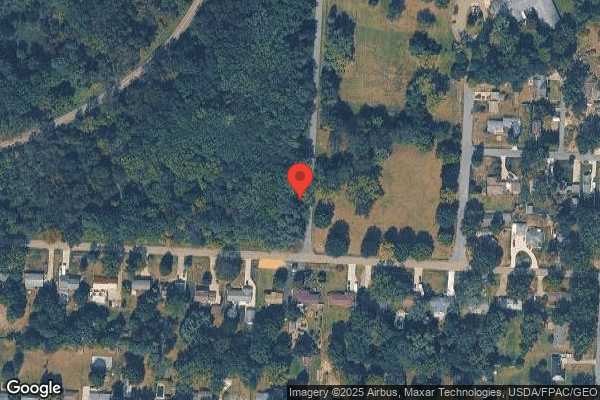

615 LATHAM LN, AKRON, OH 44319 (330) 644-3914
Non profit - Corporation 56 Beds Independent Data: November 2025
Trust Grade
55/100
#344 of 913 in OH
Last Inspection: November 2024

Within standard 12-15 month inspection cycle. Federal law requires annual inspections.

Overview

St. Luke Lutheran Community-Portage Lakes has a Trust Grade of C, indicating it is average compared to other nursing homes. It ranks #344 out of 913 facilities in Ohio, placing it in the top half, and #16 out of 42 in Summit County, meaning only 15 local options are better. The facility is improving, with reported issues decreasing from 8 in 2024 to 3 in 2025. Staffing is a concern with a rating of 2 out of 5 stars and a high turnover rate of 76%, significantly above the Ohio average of 49%. While the facility has not incurred any fines, it has experienced serious incidents, including a case of staff-to-resident physical abuse that resulted in significant bruising for one resident, and failures in their call system which delayed response times for residents needing assistance. Overall, while there are notable strengths, such as good quality measures and no fines, the issues with staffing and specific incidents of abuse raise significant concerns for families considering this home.

Trust Score
C
55/100
In Ohio
#344/913
Top 37%
Safety Record
Moderate
Needs review
Inspections
Getting Better
8 → 3 violations
Staff Stability
⚠ Watch
76% turnover. Very high, 28 points above average. Constant new faces learning your loved one's needs.
Penalties
✓ Good
No fines on record. Clean compliance history, better than most Ohio facilities.
Skilled Nurses
○ Average
Each resident gets 30 minutes of Registered Nurse (RN) attention daily — about average for Ohio. RNs are the most trained staff who monitor for health changes.
Violations
⚠ Watch
25 deficiencies on record. Higher than average. Multiple issues found across inspections.
★★★★☆
4.0
Overall Rating
★★☆☆☆
2.0
Staff Levels
★★★★★
5.0
Care Quality
★★★☆☆
3.0
Inspection Score
Stable
2024: 8 issues
2025: 3 issues

The Good

  • 5-Star Quality Measures · Strong clinical quality outcomes
  • Full Sprinkler Coverage · Fire safety systems throughout facility
  • No fines on record

Facility shows strength in quality measures, fire safety.

The Bad

Staff Turnover: 76%

30pts above Ohio avg (46%)

Frequent staff changes - ask about care continuity

Staff turnover is very high (76%)

28 points above Ohio average of 48%

The Ugly 25 deficiencies on record

1 actual harm
Jan 2025 3 deficiencies
CONCERN (D) 📢 Someone Reported This

A family member, employee, or ombudsman was alarmed enough to file a formal complaint

Potential for Harm - no one hurt, but risky conditions existed

Comprehensive Care Plan (Tag F0656)

Could have caused harm · This affected 1 resident

**NOTE- TERMS IN BRACKETS HAVE BEEN EDITED TO PROTECT CONFIDENTIALITY** Based on interview, record review, and facility policy review the facility failed develop a comprehensive care plan for wounds a...

Read full inspector narrative →
**NOTE- TERMS IN BRACKETS HAVE BEEN EDITED TO PROTECT CONFIDENTIALITY** Based on interview, record review, and facility policy review the facility failed develop a comprehensive care plan for wounds and wound care for Resident #1. This affected one resident (Resident #1) out of three residents reviewed for wound care. The facility census was 40. Findings include: Review of Resident #1's medical record revealed an admission date of 12/05/16. Diagnoses included dementia, cerebral infarction, ataxia, diabetes mellitus, anxiety disorder, seizures, drug induced subacute dyskinesia, muscle wasting and atrophy. Review of Resident #1's annual Minimum Data Set (MDS) 3.0 assessment dated [DATE] revealed the resident had severely impaired cognition. Resident #1 required supervision or touching assistance for eating, substantial to maximal assistance for bed mobility, and was dependent on staff for oral hygiene, toileting, showers, dressing, and personal hygiene. Review of the facility document titled Provider Consultation, dated 12/05/24 and authored by WCNP #807 revealed the WCNP #807 had been consulted for a new wound to the coccyx for evaluation and treatment for Resident #1. A treatment for Santyl for enzymatic debriding, alginate, bordered foam dressing everyday and as needed was the treatment ordered and signed on 12/09/24 by the WCNP #807. Review of Resident #1's care plan revealed there was not a care plan triggered for Resident #1's coccyx wound nor the wound treatment intervention ordered by WCNP #807 on 12/09/24. Interview on 01/28/25 at 12:39 P.M. with the Director of Nursing and the Assistant Director of Nursing (ADON) verified a wound care plan had not been developed for Resident #1. Review of the facility policy titled Baseline Care Plan, last reviewed August 2024 revealed it stated The facility will develop and implement a care plan for each resident that includes the instructions needed to provide effective and person-centered care of the resident that meet professional standards of quality care. This deficiency represents noncompliance identified during investigation of Complaint Number OH00160998.
CONCERN (D) 📢 Someone Reported This

A family member, employee, or ombudsman was alarmed enough to file a formal complaint

Potential for Harm - no one hurt, but risky conditions existed

Pressure Ulcer Prevention (Tag F0686)

Could have caused harm · This affected 1 resident

**NOTE- TERMS IN BRACKETS HAVE BEEN EDITED TO PROTECT CONFIDENTIALITY** Based on record review and interview the facility failed to ensure wound care treatments were completed timely and per physician...

Read full inspector narrative →
**NOTE- TERMS IN BRACKETS HAVE BEEN EDITED TO PROTECT CONFIDENTIALITY** Based on record review and interview the facility failed to ensure wound care treatments were completed timely and per physician orders for Resident #41. This affected one resident (Resident #41) out of three residents reviewed for wound care. The faciltiy census was 40. Findings include: Review of Resident #41's medical record revealed an admission date of 12/13/24 and a discharge date of 12/21/24. Diagnosis included cellulitis of right lower extremity, sepsis, fracture of right tibia, type two diabetes, atrial fibrillation, rash, head laceration, wedge compression fracture of T4, ulcerative colitis, age related osteoporosis, nicotine dependency, and gastroesophageal reflux disease. Review of Resident #41's discharge Minimum Data Set (MDS) 3.0 assessment dated [DATE] revealed Resident #41 had intact cognition. They required supervision or touching assistance for eating, set up or clean up assistance for bed mobility, and partial to moderate assistance for oral hygiene, toileting, showers, dressing and personal hygiene. Review of Resident #41's care plan revealed there was a care plan initiated related to Resident #41 was at risk for skin breakdown due to impaired balance, fractured right lower extremity, head laceration, and multiple medical conditions. Interventions including supervision for showering, barrier cream after each incontinence episode and as needed, float heels when in bed if the resident allows, turn and reposition every two hours and as needed, pressure reduction mattress, and anticipate the residents needs. There was a care plan initiated on 12/17/24 related to venous stasis ulcers to lower extremities related to CHF with no interventions or goals listed. Review of Resident #41's physician orders dated 12/17/24 revealed orders to clean the right foot venous wounds with normal saline, apply mesalt and cover with boarder foam dressing every day and as needed, and a physician order dated 12/19/24 to cleanse right leg venous wounds with normal saline, apply Dakins moistened gauze to wounds, cover with ABD pad and wrap with kerlix every day. Review of Resident #41's Treatment Administration Record (TAR) dated December 2024 revealed the residents treatments were not completed on 12/17/24, 12/18/24 and 12/21/24. Interview on 01/28/25 at 10:35 A.M. with Licensed Practical Nurse (LPN) #803 revealed there were issues with LPN #805 completing Resident #41's treatments as ordered and was ultimately fired for not doing them. Interview on 01/28/25 at 12:39 P.M. with the Director of Nursing and the Assistant Director of Nursing (ADON) revealed LPN #805 was educated and disciplined multiple times for not completing Resident #41's treatments as ordered and was terminated on 12/22/24 for insubordination related to not completing the treatments for Resident #41 as ordered and instructed to by the DON. The DON and the ADON both confirmed treatments were not completed by LPN #805 on 12/17/24, 12/18/24 and 12/21/24. Review of LPN #805's employee file revealed she was terminated on 12/22/24 due to insubordination and for not completing treatments for Resident #41 as instructed to do by the DON. This deficiency represents noncompliance identified during investigation of Complaint Number OH00160998.
CONCERN (D) 📢 Someone Reported This

A family member, employee, or ombudsman was alarmed enough to file a formal complaint

Potential for Harm - no one hurt, but risky conditions existed

Medical Records (Tag F0842)

Could have caused harm · This affected 1 resident

**NOTE- TERMS IN BRACKETS HAVE BEEN EDITED TO PROTECT CONFIDENTIALITY** Based on interview and record review the facility failed to ensure the residents medical record was complete and reflected treat...

Read full inspector narrative →
**NOTE- TERMS IN BRACKETS HAVE BEEN EDITED TO PROTECT CONFIDENTIALITY** Based on interview and record review the facility failed to ensure the residents medical record was complete and reflected treatment orders put in place for wound care. This affected one resident (Resident #1) of three residents reviewed for wound care. The facility census was 40. Findings Include: Review of Resident #1's medical record revealed an admission date of 12/05/16. Diagnoses included dementia, cerebral infarction, ataxia, diabetes mellitus, anxiety disorder, seizures, drug induced subacute dyskinesia, muscle wasting and atrophy. Review of Resident #1's annual Minimum Data Set (MDS) 3.0 assessment dated [DATE] revealed the resident had severely impaired cognition. Resident #1 required supervision or touching assistance for eating, substantial to maximal assistance for bed mobility, and was dependent on staff for oral hygiene, toileting, showers, dressing, and personal hygiene. Review of the facility document titled Provider Consultation, dated 12/05/24 and authored by WCNP #807 revealed the WCNP #807 had been consulted for a new wound to the coccyx for evaluation and treatment for Resident #1. A treatment for Santyl for enzymatic debriding, alginate, bordered foam dressing everyday and as needed was the treatment ordered and signed on 12/09/24 by the WCNP #807. Review of Resident #1's care plan revealed there was no care plan triggered to address the wound to the coccyx and the recommended treatment by the WCNP. Review of Resident #1's physician orders dated for December 2024 and January 2025 revealed the orders put in place by WCNP #807 were not transcribed into the Electronic Medical Record (EMR) physician orders. Review of Resident #1's Treatment Administration Record (TAR) dated December 2024 and January 2025 revealed there was no order or documentation of treatment for the wound to the residents coccyx. Review of Resident #1's nurse progress notes dated from 12/09/24 through 01/28/25 revealed nursing staff were monitoring and completing the treatment to Resident #1's coccyx as recommended by WCNP #807. Review of Resident #1's facility weekly wound care assessments for December 2024 and January 2025 revealed the Director of Nursing (DON) or the Assistant Director of Nursing (ADON) monitored, assessed and measured the residents wound weekly. Observation made on 01/28/25 at 10:20 A.M. of wound care for Resident #1 by Licensed Practical Nurse (LPN) #803 with help from Certified Nursing Assistant (CNA) #804 revealed all infection control measures were followed, and the treatment recommended by the WCNP was being followed. Interview on 01/28/25 at 10:35 A.M. with LPN #803 revealed she completed wound care for Resident #1 per orders put in place by WCNP #807. When asked to show the survey where the wound care orders were in the EMR physician orders, LPN #803 confirmed the orders were never transcribed from WCNP #807's weekly assessments. Interview on 01/28/25 at 12:39 P.M. with the DON and the ADON revealed they confirmed treatments for Resident #1 were being completed as noted in the progress notes however the physician orders and the TAR did not reflect the orders put in place by WCNP #807 on 12/09/24. They confirmed the orders were never transcribed into the EMR. They stated they had completed all weekly wound care assessments and monitored, assessed and measured the residents wounds and communicated with WCNP #807 if needed. Interview on 01/29/25 at 11:15 A.M. with the WCNP #807 regarding Resident #1 revealed she put all her orders on her assessments which were provided to the facility so it would be up to the facility to ensure her orders were entered into the physician orders in the EMR. She stated if there were changes to the orders she communicated them to the nursing staff. Interview on 01/29/25 at 11:30 A.M. with Registered Nurse (RN) #808 revealed they completed wound care for Resident #1 when assigned to the resident and would enter what care was provided into a nurse progress note. This deficiency represents noncompliance identified during investigation of Complaint Number OH00160998.
Nov 2024 3 deficiencies
CONCERN (D)

Potential for Harm - no one hurt, but risky conditions existed

Deficiency F0582 (Tag F0582)

Could have caused harm · This affected 1 resident

**NOTE- TERMS IN BRACKETS HAVE BEEN EDITED TO PROTECT CONFIDENTIALITY** Based on review of Notice of Medicare Non-Coverage (NOMNC) letters and staff interview, the facility failed to provide the corre...

Read full inspector narrative →
**NOTE- TERMS IN BRACKETS HAVE BEEN EDITED TO PROTECT CONFIDENTIALITY** Based on review of Notice of Medicare Non-Coverage (NOMNC) letters and staff interview, the facility failed to provide the correct Quality Improvement Organization (QIO) information to residents who were completing therapy. This affected three (Resident #145, Resident #146 and Resident #147) of three reviewed for liability notices. The census was 37. Findings include: 1. Review of Resident #145's medical record revealed they were readmitted to the facility on [DATE]. A Notice of Medicare Non-Coverage letter revealed services were ended on 09/26/24. The letter did not provide the correct QIO information. Interview on 11/27/24 at 11:45 A.M. with the Administrator and Social Service Designee #240 verified the letters to the residents did not provide the correct QIO information. 2. Review of Resident #146's medical record revealed they were admitted to the facility on [DATE]. A Notice of Medicare Non-Coverage letter revealed services were ended on 08/31/24. The letter did not provide the correct QIO information. Interview on 11/27/24 at 11:45 A.M. with the Administrator and Social Service Designee #240 verified the letters to the residents did not provide the correct QIO information. 3. Review of Resident #147's medical record revealed they were admitted to the facility on [DATE]. A Notice of Medicare Non-Coverage letter revealed services were ended on 02/20/24. The letter did not provide the correct QIO information. Interview on 11/27/24 at 11:45 A.M. with the Administrator and Social Service Designee #240 verified the letters to the residents did not provide the correct QIO information.
CONCERN (D) 📢 Someone Reported This

A family member, employee, or ombudsman was alarmed enough to file a formal complaint

Potential for Harm - no one hurt, but risky conditions existed

ADL Care (Tag F0677)

Could have caused harm · This affected 1 resident

**NOTE- TERMS IN BRACKETS HAVE BEEN EDITED TO PROTECT CONFIDENTIALITY** Based on record reviews, review of shower documentation and interviews the facility failed to ensure residents received adqueate...

Read full inspector narrative →
**NOTE- TERMS IN BRACKETS HAVE BEEN EDITED TO PROTECT CONFIDENTIALITY** Based on record reviews, review of shower documentation and interviews the facility failed to ensure residents received adqueate assistance with activities of daily living to completed showers as scheduled. This affected three residents (Resident #15, Resident #25 and Resident #29) of three residents reviewed for showers. The census was 37. Findings include: 1. Review of the medical record for Resident #15 revealed an admission date of 07/22/22. Diagnoses included complete lesion at T-7 through T-10 level of thoracic spinal cord, neuromuscular dysfunction of bladder and hypotension. The resident was cognitively intact. Review of the quarterly Minimum Data Set (MDS) assessment dated [DATE] revealed he was dependent for showers. Review of the shower sheets for the last 60 days revealed showers were offered or given on 09/09/24, 09/11/24, 11/07/24 and 11/25/24. Interview on 11/25/24 at 10:06 A.M. with Resident #15 revealed he did not getting showers as scheduled. Interview on 11/26/24 at 6:30 P.M. with the Director of Nursing verified there was a lack of evidence showers were given twice a week as scheduled for Resident #15. 2. Review of the medical record for Resident #25 revealed an admission date of 11/18/21. Diagnoses included Down Syndrome, difficulty walking and anxiety disorder. The resident was cognitively impaired. Review of the quarterly MDS assessment dated [DATE] revealed she was dependent for showers. Review of the shower sheets revealed showers were offered or given on 10/07/24, 10/29/24, 11/01/24, 11/15/24, 11/19/24, 11/20/24, 11/22/24. Interview on 11/26/24 at 6:30 P.M. with the Director of Nursing verified there was a lack of evidence showers were given twice a week as scheduled for Resident #25. 3. Review of the closed medical record for Resident #29 revealed an admission date of 11/01/24. Diagnoses included radiculopathy lumbar region, type 2 diabetes mellitus and hyperlipidemia. The resident was cognitively intact. Review of the 5-day MDS assessment dated [DATE] revealed he was dependent for showers. Review of the shower sheets since admission revealed a shower was given on 11/05/24. Interview on 11/25/24 at 11:37 A.M. with Resident #29 revealed he did not get showers as scheduled. Interview on 11/26/24 at 6:30 P.M. with the Director of Nursing verified there was a lack of evidence showers were given twice a week as scheduled for Resident #29. This deficiency represents non-compliance investigated under Complaint Number OH00159785.
CONCERN (D) 📢 Someone Reported This

A family member, employee, or ombudsman was alarmed enough to file a formal complaint

Potential for Harm - no one hurt, but risky conditions existed

Deficiency F0800 (Tag F0800)

Could have caused harm · This affected 1 resident

**NOTE- TERMS IN BRACKETS HAVE BEEN EDITED TO PROTECT CONFIDENTIALITY** Based on record review and interviews the facility failed to ensure Resident #29 received meals as scheduled to meet their dieta...

Read full inspector narrative →
**NOTE- TERMS IN BRACKETS HAVE BEEN EDITED TO PROTECT CONFIDENTIALITY** Based on record review and interviews the facility failed to ensure Resident #29 received meals as scheduled to meet their dietary needs. This affected one resident (Resident #29) of three residents reviewed for meal service. Findings include: Review of the medical record for Resident #29 revealed an admission date of 11/01/24. Diagnoses included radiculopathy of lumbar region, type 2 diabetes mellitus and hyperlipidemia. He was on a regular diet with thin liquids. Review of the 5-day Minimum Data Set assessment dated [DATE] revealed he was cognitively intact. Interview on 11/25/24 at 11:37 A.M. with Resident #29 revealed he was not served breakfast one day and lunch another day but couldn't recall the dates. Interview on 11/26/24 at 4:00 P.M. with the Food Service Director #213 revealed she was off the day Resident #29 was admitted and therefore there was no diet card created for him. She stated she believed he missed at least two meals from the kitchen. Interview on 11/26/24 at 6:30 P.M. with the Director of Nursing revealed Resident #29 missed breakfast and missed a dinner but could not identify the dates. Review of the concern log revealed Resident #29 had a concern on 11/04/24 that a dinner tray was not served timely. The resolution was the facility was called and the facility retrieved him food from an outside source. This deficiency represents non-compliance investigated under Complaint Number OH00159785.
Sept 2024 4 deficiencies 1 Harm
SERIOUS (G) 📢 Someone Reported This

A family member, employee, or ombudsman was alarmed enough to file a formal complaint

Actual Harm - a resident was hurt due to facility failures

Free from Abuse/Neglect (Tag F0600)

A resident was harmed · This affected 1 resident

**NOTE- TERMS IN BRACKETS HAVE BEEN EDITED TO PROTECT CONFIDENTIALITY** Based on medical record review, interviews, review of facility policy, and review of a facility self-reported incident (SRI) inv...

Read full inspector narrative →
**NOTE- TERMS IN BRACKETS HAVE BEEN EDITED TO PROTECT CONFIDENTIALITY** Based on medical record review, interviews, review of facility policy, and review of a facility self-reported incident (SRI) investigation, the facility failed to ensure Resident #7 was free from staff to resident physical abuse. This affected one resident (#7) of three residents reviewed for abuse. The facility census was 38. Actual harm occurred on 09/09/24 when Resident #7 was physically abused by a State Tested Nursing Assistant (STNA) during care resulting in large areas of bruising to both of the resident's arms. Bruising to the left upper arm measured 4.5 centimeters (cm) in length by 3.0 cm width and was described as purple to dark red in color. Bruising to the right upper arm measured 15.0 cm in length by 6.0 cm with and was described as deep purple and dark red with intact skin. A facility SRI dated 09/09/24 indicated Resident #7 reported pain as a result of in incident, however the type or level of pain was not described. An interview with Resident #7 by the Director of Nursing (DON) on 09/09/24 about the nature of his injuries revealed the resident reported the STNA had been rough with him. An interview with Resident #7's daughter revealed this bruising was not the first time Resident #7 had sustained bruising from staff as a result of rough care. In addition to the actual physical harm/pain caused to the resident, by using the reasonable person concept, Resident #7 would have experienced psychosocial harm as a result of the physical abuse since there was an expectation the resident would not be harmed by staff providing his care. Findings include: Review of the medical record for Resident #7 revealed an admission date of 07/27/24 with diagnoses including hypertensive heart disease without heart failure, asthma with status asthmaticus, dementia with agitation, depression, type two diabetes mellitus, pulmonary fibrosis, left eye cataract, dizziness, and insomnia. Review of the care plan dated 07/29/24 revealed Resident #7 had a self-care deficit related to multiple medical conditions. The care plan was updated on 09/09/24 to reflect Resident #7 had bilateral arm bruising with an added intervention to monitor the bilateral arm bruising and report any other type of skin abnormality. Further review of Resident #7's care plan revealed an update dated 09/13/24 which noted Resident #7 demonstrated anxiety and resistance with transfers. Interventions included breaking tasks into manageable subtasks, providing cuing and prompting as needed, allowing for frequent rest periods, and monitoring for signs of fatigue, frustration, being overwhelmed, or intolerance to care. Review of the admission Minimum Data Set (MDS) 3.0 assessment completed on 08/02/24 revealed Resident #7 had intact cognition. Resident #7 was always continent of urine but required substantial assistance for toileting hygiene, bathing, personal hygiene, chair to bed transfers, and toilet transfers. The MDS did not indicate the use of anticoagulants. Review of a nurse's note dated 09/09/24 timed at 3:15 P.M. revealed Certified Nurse Practitioner (CNP) #300 and the resident's family were notified Resident #7 sustained bruises to both of his arms. Review of the Skin and Wound Assessment dated 09/09/24 revealed in-house acquired bruising to Resident #7's left upper arm measuring 4.5 centimeters (cm) by 3.0 cm by 0.0 cm, described as purple to dark red in color with no pain. Review of a second Skin and Wound Assessment completed on 09/09/24 revealed in-house acquired bruising to Resident #7's right upper arm measuring 15.0 cm by 6.0 cm by 0.0 cm, described as deep purple and dark red with intact skin and no pain. Review of the progress notes dated 09/10/24 timed at 10:47 A.M., authored by CNP #300, revealed an assessment of bilateral arm contusions with additional similar discolorations over the antecubital region of both arms. At the time of this assessment, Resident #7 was noted to have full range of motion of both arms and no indicators of pain. Review of the nursing progress note dated 09/10/24 timed at 1:50 P.M. revealed an x-ray was taken of the right humerus with no acute osseous abnormality noted. Review of a facility SRI submitted to the Ohio Department of Health (ODH) Enhanced Information Dissemination & Collection (EIDC) on-line system on 09/09/24 revealed Hospice Nurse #329 reported to the facility Administrator that Resident #7 sustained bruising on his right upper arm after the assigned STNA from the prior night shift was too rough with him. The SRI initial report revealed Resident #7 did report pain and the Nurse Manager reported Resident #7 sustained bruising on both the right and left upper arms. Resident #7 was interviewed by the DON on 09/09/24 about the nature of his injuries and reported the STNA had been rough with him. Review of the findings for the incident investigation competed on 09/13/24 revealed the facility did not substantiate abuse had occurred due to the nurse on duty at the time, Licensed Practical Nurse (LPN) #323, reported the alleged perpetrator, STNA #332, was not rough with Resident #7 when she requested STNA #332 to stay with him while he was in the bathroom. Review of LPN #323's undated witness statement revealed no indication she was present at the time of Resident #7's injuries but did indicate STNA #332 was witnessed entering Resident #7's room later that shift. Review of a witness statements from Hospice Nurse #329 dated 09/09/24 (untimed), STNA #333 (undated and untimed), and STNA #334 dated 09/09/24 timed 11:19 A.M. revealed none had witnessed the cause of Resident #7's bilateral arm bruises. Review of the witness statement from STNA #332 forwarded from the staffing agency to the facility on [DATE] at 3:47 P.M. revealed no knowledge of abuse and no confirmation she provided care to Resident #7 on the night shift scheduled from 11:00 P.M. on 09/08/24 to 09/09/24 at 7:00 A.M. Interview on 09/24/24 at 10:07 A.M. with Resident #7 confirmed he remembered a couple of girls being too rough with him and hurting his arms, but he could not recall any additional details. During the interview, Resident #7 used hand gestures to demonstrate his arms being grabbed. Observation at that time revealed a medium purplish to yellow healing bruise on his right forearm, a yellow healing bruise to his right upper arm, and a faint yellowish bruise to his left upper arm. Interview on 09/24/24 at 10:10 A.M. with the daughter of Resident #7 (Daughter #1) confirmed the resident had sustained bruises to both of his arms on 09/09/24 and a few weeks prior. She further stated the previous DON was informed of the first incident and the STNAs involved were not allowed back in the facility and the family was shocked when the resident was injured again in the same manner. Interview on 09/24/24 at 11:28 A.M. with the power of attorney (POA) for Resident #7's healthcare (Daughter #2) confirmed Resident #7 sustained bruises on his arms on two separate occasions by staff handling him too roughly during night shifts. The POA further revealed both incidents were first assessed and reported by the Hospice nurses and the previous DON was involved in investigating and terminating facility privileges to the perpetrators after the first incident, which she was unable to confirm the date of. Daughter #2 further indicated the current DON had informed the family the staff responsible for Resident #7's injuries reported on 09/09/24 were not allowed back to the facility. The POA had no knowledge of who the named alleged perpetrators were for either incident. Telephone interview on 09/24/24 with Hospice Nursing Supervisor #327 at 11:39 A.M. confirmed Resident #7 sustained two separate negative events leading to bruising of his arms, one reported by Hospice Nurse #329 on 09/09/24 and one reported by Hospice Nurse #328 on 08/28/24. Telephone interview on 09/24/24 at 12:47 P.M. with Hospice Nurse #328 confirmed she visited Resident #7 on 08/28/24 for a (hospice) recertification visit and noted bruises on his arms in various stages, some new around both upper arms. Hospice Nurse #328 further stated Resident #7 reported an STNA, described as a short, heavy-set black lady, threw him onto the bed like he was a rag doll (Hospice Nurse #328 said those were his exact words). Hospice Nurse #328 stated she was informed by the previous DON the girl Resident #7 reported was agency staff and was placed on the do not return list as a result of the incident. Hospice Nurse #328 was unaware of any additional follow-up. Interview on 09/24/24 at 4:05 P.M. with STNA #325 confirmed Resident #7 informed her he had been handled too roughly and was injured by another staff member. During the interview, STNA #325 confirmed she reported it to the nurse who informed her the facility was aware and involved staff would not be allowed to return to the facility. Telephone interview on 09/24/24 at 5:32 P.M. with LPN #323 revealed she was the only nurse on duty on the night shift beginning 09/08/24 until 09/09/24 and that STNA #332 from a staffing agency was the STNA assigned to the hall where Resident #7 resided. LPN #323 further confirmed she was not present in Resident #7's room for any chair, bed, or toilet transfers but had found Resident #7 on the toilet by himself and instructed STNA #332 to stay with Resident #7 and not leave him unattended while in the bathroom because he was a fall risk. LPN #323 stated there was no bruising to Resident #7's arms when she left him with STNA #332, and she had not seen his arms or been present during any other care by STNA #332 after that encounter. The next night, LPN #323 noticed the bruising on Resident #7's right arm and stated it looked suspicious of a fracture. According to LPN #323, Resident #7 stated the aide from the previous night had to show him who was the boss, so she threw him near the couch in the room. LPN #323 revealed she immediately reported this information to the DON via telephone and was informed the facility was aware and investigating and the aide involved would not be allowed back in the facility. LPN #323 confirmed an x-ray was ordered. The x-ray showed there was no fracture. Telephone interview on 09/25/24 at 7:06 A.M. with STNA #309 confirmed knowledge of bilateral arm bruises on Resident #7, stating there was no reason for that sort of bruising if he was handled properly, as he described large bright red bruises on both arms, including from the forearm all the way to his upper arm. During the interview, STNA #309 revealed Resident #7 informed STNA #309 the night aides were too rough with him during a previous incident as well and gave no indicators that would cause facility staff not to believe Resident #7. STNA #309 further stated when the conversation with Resident #7 was reported to the previous DON, the STNA was informed the facility was aware and that two female STNAs were not allowed back to work in the facility as a result of the incidents. STNA #309 denied receiving any in-service or training related to abuse after the reported injuries sustained by Resident #7. Telephone interview on 09/25/24 at 8:56 A.M. with STNA #306 confirmed she had knowledge Resident #7 had bright red bruises on both arms. During the interview, STNA #306 was unable to recall the date she first noted bilateral arm bruising, but stated she reported the bruises to the nurse on duty who informed her the incident was under investigation. STNA #306 stated when Resident #7 was asked about the origin of the bruises, he responded that the aide from the previous night had to show me who's boss. Interview on 09/25/24 at 10:35 A.M. with Hospice Nurse #329 confirmed that on 09/09/24 she noted large bright red bruises on both of Resident #7's arms. She further confirmed Resident #7 would occasionally get small, scattered marks on his skin, but stated this was different, they looked like two hand grasps and were new skin concern areas. During the interview, Hospice Nurse #329 confirmed Resident #7 had occasional short-term memory issues, but was alert and oriented to person, place, time, and situation and could see no reason to doubt his recall of events. Hospice Nurse #329 also stated that the facility seemed to believe Resident #7 right away. She also confirmed that when she reported the incident to her supervisor, she was informed that Hospice Nurse #328 had reported an incident of bruising that occurred previously after being handled too rough by facility staff. Interview on 09/25/24 at 1:31 P.M. with STNA #326 confirmed awareness that Resident #7 sustained bruises on his arms somewhere around the end of August 2024 or the beginning of September 2024 then heard there was a second similar incident not long after. STNA #326 was not certain of the date(s) of injury. During the interview, STNA #326 stated some of the other aides may not have the patience required for Resident #7's night-time confusion and this was reported to the previous DON. STNA #326 was not aware of the outcome after reporting to the previous DON. Interview with the current DON on 09/25/24 between 2:30 P.M. and 2:50 P.M. confirmed she placed two agency STNAs (STNAs #332 and #334) on the do not return list because she felt they were both being dishonest and could not confirm with 100 percent certainty which one of them may have been providing care to Resident #7 the night he sustained bilateral arm bruising and accused staff of being too rough with him. During the interview, the DON confirmed she had no reason not to believe Resident #7's report of how he sustained the bruises, but added he did have a tendency to display some confusion and agitation in the late afternoon or evenings and thought the injuries could possibly have been incidentally caused during a difficult transfer. The DON also confirmed after learning on 09/24/24 that the Hospice staff, Resident #7, and Resident #7's two daughters reported there was a previous incident involving staff causing bruises by handling too roughly, she went to the room and spoke with the daughter who was Resident #7's POA for care. Resident #7's POA confirmed there was an incident in August 2024 where Hospice Nurse #328 reported bilateral arm bruising Resident #7 told her happened when the aide was too rough with him. According to the DON, the POA stated this was reported to the previous DON who immediately placed that staff member on the facility's do not return list, though she did not know who the alleged perpetrator was determined to be. Interview on 09/25/24 at 3:00 P.M. with the Administrator confirmed there had been no thorough/comprehensive investigation completed regarding the bruises reported by the Hospice Nurse to the previous DON on 08/28/24 and that he was waiting for Hospice to provide additional information at which time he planned to move forward with an investigation. He reported this was all new information to him and was awaiting additional information before moving forward. Review of the policy titled Abuse, Neglect, Exploitation & Misappropriation of Resident Property dated 11/28/16 revealed the facility was to take steps to identify and prevent resident harm, including injury caused by rough handling during resident care. The definition of abuse included the willful infliction of injury, unreasonable confinement, intimidation, or punishment resulting in physical harm, pain or mental anguish. Mistreatment was defined as inappropriate treatment or exploitation of resident. The policy indicated willful meant the individual must have acted deliberately, not that the individual must have attended to inflict injury or harm. This deficiency represents non-compliance investigated under Complaint Number OH00157332.
CONCERN (D) 📢 Someone Reported This

A family member, employee, or ombudsman was alarmed enough to file a formal complaint

Potential for Harm - no one hurt, but risky conditions existed

Investigate Abuse (Tag F0610)

Could have caused harm · This affected 1 resident

**NOTE- TERMS IN BRACKETS HAVE BEEN EDITED TO PROTECT CONFIDENTIALITY** Based on medical record review, interviews, review of facility policy, and review of facility self-reported incident (SRI) inves...

Read full inspector narrative →
**NOTE- TERMS IN BRACKETS HAVE BEEN EDITED TO PROTECT CONFIDENTIALITY** Based on medical record review, interviews, review of facility policy, and review of facility self-reported incident (SRI) investigation, the facility failed to ensure allegations of potential abuse were thoroughly investigated, thereby preventing further similar instances of abuse involving the same resident. This affected one resident (Resident #7) of three residents reviewed for abuse. The facility census was 38. Findings include: Review of the medical record for Resident #7 revealed an admission date of 07/27/24 with diagnoses including hypertensive heart disease without heart failure, asthma with status asthmaticus, dementia with agitation, depression, type two diabetes mellitus, pulmonary fibrosis, left eye cataract, dizziness, and insomnia. Review if the admission Minimum Data Set (MDS) 3.0 assessment completed on 08/02/24 revealed Resident #7 had intact cognition. Resident #7 was always continent of urine but required substantial assistance for toileting hygiene, bathing, personal hygiene, chair to bed transfers, and toilet transfers. The MDS did not indicate the use of anticoagulants. Review of the care plan dated 07/29/24 revealed Resident #7 had a self-care deficit related to multiple medical conditions. Further review of the care plan revealed on 09/09/24 Resident #7 was noted to have bilateral arm bruising with an added intervention to monitor the bilateral arm bruising and report any other type of skin abnormality. On 09/13/24, the care plan noted Resident #7 demonstrated anxiety and resistance with transfers. Interventions included breaking tasks into manageable subtasks, providing cuing and prompting as needed, allowing for frequent rest periods, and monitoring for signs of fatigue, frustration, being overwhelmed, or intolerance to care. Review of the nurses note dated 09/09/24 timed at 3:15 P.M. revealed Certified Nurse Practitioner (CNP) #300 and the resident's family were notified that Resident #7 sustained bruises to both of his arms. Review of the progress note dated 09/10/24 timed at 10:47 A.M. entered by CNP #300 revealed an assessment of bilateral arm contusions with additional similar discolorations over the antecubital region of both arms. At the time of this assessment, Resident #7 was noted to have full range of motion of both arms and no indicators of pain. Review of the nursing progress note dated 09/10/24 timed at 1:50 P.M. revealed an x-ray was taken of the right humorous with no acute osseous abnormality noted. Review of the assessments revealed Resident #7 had no weekly skin assessments completed since the date of admission to present. There was no skin or wound assessment completed on 08/28/24. Review of the Skin and Wound Assessment dated 09/09/24 revealed in-house acquired bruising to Resident #7's left upper arm measuring 4.5 centimeters (cm) by 3.0 cm by 0.0 cm, described as purple to dark red in color with no pain. Review of a second Skin and Wound Assessment completed on 09/09/24 revealed in-house acquired bruising to Resident #7's right upper arm measuring 15.0 cm by 6.0 cm by 0.0 cm, described as deep purple and dark red with intact skin and no pain. Review of the facility SRI submitted to the Ohio Department of Health (ODH) Enhanced Information Dissemination & Collection (EIDC) on-line system on 09/09/24 revealed Hospice Nurse #329 reported to the facility Administrator that Resident #7 sustained bruising on his right upper arm after the assigned State Tested Nurse Aide (STNA) from the prior night shift was too rough with him. The SRI initial report revealed Resident #7 did report pain and the Nurse Manager reported Resident #7 sustained bruising on both the right and left upper arms. Resident #7 was interviewed by the Director of Nursing (DON) on 09/09/24 about the nature of his injuries and reported the STNA had been rough with him. Review of the facility SRI submitted to the ODH EIDC on-line system on 09/25/24 revealed the facility opened an investigation into allegations made by Resident #7 to Hospice Nurse (#328) on 08/28/24. The preliminary incident detail did not include Resident #7's power of attorney (POA) corroboration of this being a separate occurrence from the incident reported 09/09/24. Review of the incident investigation findings for the incident reported on 09/09/24 revealed the facility did not substantiate abuse had occurred due to the nurse on duty at the time, Licensed Practical Nurse (LPN) #323, reported the alleged perpetrator, STNA #332, was not rough with Resident #7 when she requested STNA #332 to stay with him while he was in the bathroom. Review of LPN #323's witness statement (dated?) revealed no indication she was present at the time of Resident #7's injuries but did indicate STNA #332 was witnessed entering Resident #7's room later that shift. Further review of the investigation documentation revealed written witness statements were collected but there was no documentation of witness or alleged perpetrator interviews. The written witness statements were collected through email or in writing from Hospice Nurse #329, LPN #323 (as noted above), STNA #332, STNA #333, and STNA#334. Review of the in-service sign-in sheet dated 09/11/24 on abuse, neglect, and misappropriation revealed a total of nine signatures, including the DON. Interview on 09/24/24 at 10:07 A.M. with Resident #7 confirmed he remembered a couple of girls being too rough with him and hurting his arms, but he could not recall any additional details. During the interview, Resident #7 used hand gestures to demonstrate his arms being grabbed. Observation at that time revealed a medium purplish to yellow healing bruise on his right forearm, a yellow healing bruise to his right upper arm, and a faint yellowish bruise to his left upper arm. Interview on 09/24/24 at 10:10 A.M. with the daughter of Resident #7 (Daughter #1) confirmed he sustained bruises to both of his arms on 09/09/24 and a few weeks prior. She further stated the previous DON was informed of the first incident and the STNAs involved were not allowed back in the facility and they were shocked when he was injured again in the same manner. During the interview, Resident #7's daughter did verbalize she was pleased with the swift outcome of restricting the alleged perpetrators from returning to the facility. Interview on 09/24/24 at 11:28 A.M. with the power of attorney (POA) for Resident #7's healthcare (Daughter #2) confirmed Resident #7 sustained bruises on his arms on two separate occasions by staff handling him too roughly during night shifts. The POA further confirmed both incidents were first assessed and reported by the Hospice nurses and the previous DON was involved in investigating and terminating facility privileges to the perpetrators after the first incident, which she was unable to confirm the date. She further confirmed the current DON had informed the family the staff responsible for Resident #7's injuries reported on 09/09/24 were not allowed back to the facility. The POA had no knowledge of who the named alleged perpetrators were for either incident. Telephone interview on 09/24/24 with Hospice Nursing Supervisor #327 at 11:39 A.M. confirmed Resident #7 sustained two separate negative events leading to bruising of his arms, one reported by Hospice Nurse #329 on 09/09/24 and one reported by Hospice Nurse #328 on 08/28/24. Hospice Supervisor #327 further confirmed the facility followed up after both incidents and reported the involved staff were no longer allowed in the facility. Telephone interview on 09/24/24 at 12:47 P.M. with Hospice Nurse #328 confirmed she visited Resident #7 on 08/28/24 for a recertification visit and noted bruises on his arms in various stages, some new around both upper arms. Hospice Nurse #328 stated Resident #7 reported an STNA, described as a short, heavy-set black lady, threw him onto the bed like he was a rag doll (Hospice Nurse #328 said those were his exact words). Hospice Nurse #328 stated she was informed by the previous DON the girl Resident #7 reported was agency staff and was placed on the do not return list. She was unaware of any additional follow-up. Interview on 04/24/24 at 4:45 P.M. with the Administrator regarding the determination of the investigation for the incident reported on 09/09/24 confirmed the facility concluded the allegation was unsubstantiated because he thought LPN #323's witness statement pointed to the LPN being present during the toilet transfer, which was when he thought Resident #7 sustained the bruising, and LPN #323 indicated in the witness statement that she did not witness any rough care at that time. Telephone interview on 09/24/24 at 5:32 P.M. with LPN #323 revealed she was the only nurse on duty on the night shift 09/08/24 - 09/09/24 and that STNA #332 from the staffing agency was the STNA assigned to the [NAME] Hall room [ROOM NUMBER], where Resident #7 resided. LPN #323 further confirmed she was not present in Resident #7's room for any chair, bed, or toilet transfers but had found Resident #7 on the toilet by himself and instructed STNA #332 to stay with Resident #7 and not leave him unattended while in the bathroom because he was a fall risk. LPN #323 confirmed that there was no bruising to Resident #7's arms when she left him with STNA #332, and she had not seen his arms or been present during any other care rendered by STNA #332 after that encounter. The next night, LPN #323 noticed the bruising on Resident #7's right arm looked suspicious of a fracture. According to LPN #323, Resident #7 stated the aide from the previous night had to show him who was the boss, so she threw him near the couch in the room. LPN #323 also confirmed she immediately reported this information to the DON via telephone and was informed the facility was aware and investigating and the aide involved would not be allowed back in the facility. Interview on 09/25/24 at 10:35 A.M. with Hospice Nurse #329 confirmed that on 09/09/24 she noted large bright red bruises on both of Resident #7's arms. She further confirmed Resident #7 would occasionally get small, scattered marks on his skin, but stated this was different, they looked like two hand grasps and were new skin concern areas. During the interview, Hospice Nurse #329 revealed Resident #7 had occasional short-term memory issues, but was alert and oriented to person, place, time, and situation and could see no reason to doubt his recall of events. Hospice Nurse #329 also stated that the facility seemed to believe Resident #7 right away. She also confirmed that when she reported the incident to her supervisor, she was informed that Hospice Nurse #328 had reported an incident of bruising that occurred previously after being handled too rough by facility staff. Interview with the current DON on 09/25/24 between 2:30 P.M. and 2:50 P.M. revealed she placed two agency STNAs (STNAs #332 and #334) on the do not return list because she felt they were both being dishonest and could not confirm with 100% certainty which one of them may have been providing care to Resident #7 the night he sustained bilateral arm bruising and accused staff of being too rough with him. During the interview, the DON confirmed she had no reason not to believe Resident #7's report of how he sustained the bruises, but added he did have a tendency to display some confusion and agitation in the late afternoon or evenings and thought the injuries could possibly have been incidentally caused during a difficult transfer. The DON also confirmed after learning on 09/24/24 that the Hospice staff, Resident #7, and Resident #7's two daughters reported there was a previous incident involving staff causing bruises by handling too roughly, she went to the room and spoke with the daughter who was Resident #7's POA for healthcare. The DON stated Resident #7's POA confirmed there was an incident in August 2024 where Hospice Nurse #328 reported bilateral arm bruising Resident #7 told her happened when the aide was too rough with him. According to the DON, the POA stated this was reported to the previous DON who immediately placed that staff member on the facility's do not return list, though she did not know who the alleged perpetrator was determined to be. She confirmed there was no facility record of this previously reported incident. A follow-up interview with the Administrator on 09/25/24 at 3:00 P.M. confirmed he was unaware two staff were placed on the do not return list after the reported incident on 09/09/24 and he could not determine the cause of the bruises on Resident #7's arms because he was not clinical. The Administrator stated the information found by the DON on 09/24/24 after interviewing Resident #7's POA and the information gained from the surveyor regarding LPN #323 not being a witness to Resident #7's injuries was all new news to him and he would have to interview LPN #323 prior to determining whether to reopen and continue to investigate the allegation of abuse on 09/09/24 and he would have to investigate the allegation of abuse alleged to have been reported to the previous DON on 08/28/24. Review of the policy titled Abuse, Neglect, Exploitation & Misappropriation of Resident Property dated 11/28/16 revealed the facility was to take steps to identify and prevent resident harm, including injury caused by rough handling during resident care. The policy further revealed all alleged incidents involving suspected abuse or injuries of unknown origin were to be reported to the Administrator and the Ohio Department of Health and investigated. Information gathered during the investigation was to be thoroughly analyzed to determine whether the allegation could be substantiated. This deficiency represents non-compliance investigated under Complaint Number OH00157332.
CONCERN (D) 📢 Someone Reported This

A family member, employee, or ombudsman was alarmed enough to file a formal complaint

Potential for Harm - no one hurt, but risky conditions existed

Deficiency F0657 (Tag F0657)

Could have caused harm · This affected 1 resident

Based on medical record review, interview, and review of facility policy, the facility failed to review and revise the comprehensive care plan as resident needs and required interventions changed. Thi...

Read full inspector narrative →
Based on medical record review, interview, and review of facility policy, the facility failed to review and revise the comprehensive care plan as resident needs and required interventions changed. This affected one resident (Resident #10) of three residents whose care plans were reviewed for timely and appropriate interventions. The facility census was 38. Findings include: Review of the medical record for Resident #10 revealed an admission date of 02/29/24 with diagnoses including senile degeneration of the brain, dysphagia, hemiplegia or hemiparesis of the left dominant side following a cerebrovascular accident, major depressive disorder, anxiety disorder, and neuromuscular dysfunction. Review of the quarterly Minimum Data Set (MDS) 3.0 assessment completed on 09/03/24 revealed Resident #10 had severely impaired cognition, impaired range of motion on one side and was dependent for eating. The MDS also revealed Resident #10 was not on any mechanically altered or therapeutic diet. Review of the physician orders revealed the following meal related orders: • An order dated 02/29/24 for staff to assist with meals. • An order date 03/06/24 directing that Resident #10 needed to be asked to go to the dining room for all meals to be fed and if she refused, please feed Resident #10 in her room. • Orders dated 06/28/24 for Resident #10 to have a regular diet with regular texture and thin liquids, as well as a pleasure diet as tolerated. • An order dated 08/10/24 to verify meal intake was documented in the orange folder in Resident #10's room. Review of the care plan initiated 03/01/24 revealed Resident #10 had self-care deficits requiring staff assistance with activities of daily living (ADLs). There were no interventions related to level of assistance needed for eating. Further review of the care plan revealed that Resident #10 was at risk for altered nutrition or hydration related to needing meal assistance, depression, difficulty chewing or swallowing, increased confusion in the evenings, and a mechanically altered diet. Interventions included honoring preferences, providing a mechanical soft, chopped diet, and encouraging completion of meals. There were no care plan interventions that spoke to Resident #10's abilities or level of feeding assistance requirements, encouraging to eat in the dining room, logging the amount eaten in the orange folder, resident food preferences, resident history of meal refusals, or that the diet had been upgraded to a regular texture diet and pleasure diet as tolerated on 06/28/24. Review of the progress notes and assessments from 05/01/24 through 09/25/24 revealed no information regarding interdisciplinary care planning meetings or outcomes. Review of the Dietary/Nutrition Assessment dated 09/07/24 revealed Resident #10 was upgraded to a regular diet on 06/28/24 and was allowed a pleasure diet as tolerated. Resident #10 was to receive staff assistance with every meal and she had a tendency to sundown late afternoons or evenings which sometimes caused variability with her appetite. Resident #10 was to be asked if she wanted to eat in the dining room for all meals and may be fed in her room upon refusal. Interview on 09/24/24 at 10:22 A.M. with Resident #10 revealed sometimes staff assisted her with meals and sometimes they did not. She also stated the level of assistance varied, from feeding her to cutting things up and letting her eat while watching. Observation at this time revealed there was no orange folder in Resident #10's room on which to log meal intake. At this time, Resident #10's daughter stated it had been missing for a few days. Resident #10 revealed it was removed from the room on 09/21/24. Interview on 09/24/24 at 10:48 A.M. with Licensed Practical Nurse (LPN) #335 revealed she was informed there was a binder the aides were required to document on after they fed Resident #10. LPN #335 stated the folder was at the nurses' station (she pointed out its location), was not sure why it was there, and could not speak to why the logs had some missing information, as well as some dates written in out of sequence. Review of the meal intake logs from 08/10/24 to 09/24/24 revealed inconsistency with date sequences and how the logs were being filled out. Most dates were accounted for but appeared to contain some overlap with different details. For example, 09/13/24 was on top of one page and noted Resident 10 refused breakfast but was noted at the bottom of a different page noting she ate 75% of her breakfast, while the top of the page noted Resident #10 ate a hotdog and was fed by her daughter on 09/13/24 but the bottom of the previous page noted she ate 25% of her breakfast. Another example included each meal entry dated 09/23/24 was blank; however, the line below it marked 09/24 appeared to have a light mark over the four that looked like a three, and indicated breakfast was refused but Resident #10 had coffee cake and yogurt and ate 50% of her lunch, which had not yet been served on 09/24/24 at the time this form was being reviewed. There was no entry for dinner for 09/23/24 in either row. Interview on 09/24/24 at 3:30 P.M. with State Tested Nurse Aide (STNA) #324 revealed she was aware staff were supposed to provide feeding assistance but was unclear on how much, since Resident #10 demonstrated the ability to hold her own cup and eat finger foods independently. STNA #324 also confirmed Resident #10 had a history of meal refusals and would often tell staff her boyfriend would be bringing her food and would become agitated at times if staff kept offering her tray. STNA #324 was uncertain if the resident's care plan mentioned staff were to log meal intakes in the orange folder, but stated the previous Director of Nursing (DON) told them to do so and pass it on to other staff in report. Interview on 09/24/24 at 4:05 P.M. with STNA #325 revealed Resident #10 refused meal trays and preferred to wait until her daughter or boyfriend brought in food from home or take-out. STNA #325 was not aware of any paper log on which staff were to document meal intake. Interview on 09/25/24 with STNA #326 confirmed the care plan did not say what level of assistance was required to feed Resident #10. She further stated she was initially told she needed some assistance and supervision with finger foods, but then was told she was a total feed, despite Resident #10's ability to have some independence when offered finger foods. STNA #326 revealed the previous and the current DON educated aides on documenting on the log and further confirmed the log was not in Resident #10's room on 09/24/24. Interview on 09/25/24 with the DON from 2:30 P.M. to 2:50 P.M. revealed interdisciplinary team (IDT) meetings were held quarterly and with changes in condition and each resident's care plan should be reviewed and updated as necessary at that time, based on the assessments and the meeting outcomes. The DON used to document IDT meetings on a specific form, but those forms stopped being utilized at some point with the previous DON. The DON said there were multiple care conferences regarding Resident #10, and she was not in attendance for the last meetings, so she was unaware the care plan had not been updated. The DON confirmed Resident #10's care plan did not accurately reflect her current diet orders, level of assistance required with meals, history of refusals, encouraging meals in the dining room, or logging meal intake. During a follow-up interview with the DON on 09/25/24 at 3:44 P.M., she confirmed there was no record of any care conference meetings, including dates, attendees, progress toward goals, or meeting outcomes/need for new interventions. Review of the policy titled Comprehensive Care Plans, undated (but from a 2024 compliance manual) revealed the facility was to develop and implement a comprehensive person-centered care plan based on an assessment of each resident's needs and strengths which incorporated the residents personal and cultural preferences, as well as the care and services required to attain or maintain the resident's highest practical physical, mental, and psychosocial well-being. The policy further revealed all care assessment areas (CAA's) from the MDS assessment were to be considered during the development of the care plan. This deficiency represents non-compliance investigated under Complaint Number OH00157294.
CONCERN (F) 📢 Someone Reported This

A family member, employee, or ombudsman was alarmed enough to file a formal complaint

Potential for Harm - no one hurt, but risky conditions existed

Deficiency F0919 (Tag F0919)

Could have caused harm · This affected most or all residents

**NOTE- TERMS IN BRACKETS HAVE BEEN EDITED TO PROTECT CONFIDENTIALITY** Based on observation, interview, review of call light audits, and review of facility policy, the facility failed to maintain a r...

Read full inspector narrative →
**NOTE- TERMS IN BRACKETS HAVE BEEN EDITED TO PROTECT CONFIDENTIALITY** Based on observation, interview, review of call light audits, and review of facility policy, the facility failed to maintain a resident call system that adequately communicated resident calls directly to a staff member or to a centralized location to alert staff to a resident in need. This had the potential to affect all residents in the facility. The facility census was 38. Findings include: Observation of the call lights from the centralized common area (between all four halls) on 09/24/24 from 9:36 A.M. to 10:00 A.M. revealed the following: • room [ROOM NUMBER]: At 9:36 A.M. the call light was on. It was not observed what time room [ROOM NUMBER]'s light was triggered. This light was answered at 9:46 A.M. for a total of 10 minutes. • room [ROOM NUMBER]: At 9:38 A.M., room [ROOM NUMBER]'s light was noted to be lit above the room door. Staff responded to the call light at 9:55 A.M. for a total of 17 minutes observed. • room [ROOM NUMBER]: At 9:38 A.M. the light at the end of the North hallway was on, indicating the suite around the corner triggered the light. Staff responded to the light at 9:48 A.M. for a total of 10 minutes observed. • At 9:52 A.M., the call light in room [ROOM NUMBER] was activated, State Tested Nurse Aide (STNA) responded at 9:56 A.M. During observation of the call lights, no audible sound was noted. There was no light panel near the nurses' station indicating call lights were triggered. During the 24-minute observation, Licensed Practice Nurse (LPN) #321 was observed sitting at the nurses' station and for approximately 10 to 15 minutes of this observation a second nurse, LPN #335, also sat at the nurse's station. While the lights remained lit in the hallway, one STNA was in the bathing room, one STNA was assisting a resident in room [ROOM NUMBER] and then room [ROOM NUMBER], and one STNA was observed entering a resident's room in the [NAME] Hall. Additionally, two staff from the therapy department and one office staff member walked by rooms [ROOM NUMBERS]. Interview on 09/23/24 at 4:43 P.M. with Resident #23 revealed it took quite some time for staff to answer call lights. No specifics were provided during the interview. Interview on 09/24/24 at 10:22 A.M. with Resident #10 revealed she was concerned with call light response times. When asked how long she must wait, she exclaimed that they sometimes never came but was unable to provide details. During the interview, Resident #10's daughter stated the call light was put on around 10:00 A.M. over the weekend and at 2:00 P.M. Resident #10 called her daughter for help because staff did not respond to her call light. Interview on 09/24/24 at 10:43 A.M. with LPN #321 confirmed call lights did not emit an audible sound, but lit up outside the resident's door and the signal went to a pager that the STNAs were supposed to carry. When asked how the nurses knew if the lights were activated when they were sitting at the nurse's station, LPN #321 stated there was no centralized panel at the nurses' station and nurses were also supposed to be alerted through a pager. LPN #321 confirmed she had no pager. Observation at this time revealed three pagers in a basket at the nurses station with no batteries. Interview on 09/24/24 at 10:48 A.M. with LPN #335 confirmed she was unaware the call lights in rooms [ROOM NUMBER] were on between 9:40 A.M. and 10:00 A.M. when she was at the nurses' station and further confirmed she did not know about a pager for call light alerts. Interview on 09/24/24 at 3:50 P.M. with STNA #324 confirmed the pagers for the call lights had no batteries so she had not been carrying one. STNA #324 further confirmed the only way to know if a resident activated a call light was to watch the lights in the hall and whoever saw the light should be the first responder to the resident call. Interview on 09/24/24 at 4:05 P.M. with STNA #325 confirmed call lights should be answered immediately or as soon as possible, but the only way to know if one was activated was to be up and moving around the assigned halls. STNA #325 further confirmed she would not know a call light was going off in her assigned area if she was not in the hall watching because the pagers for the alerts were not in use. STNA #325 was unable to specify exactly how long staff had been without the pagers, but stated it has been a while and stated they needed batteries and set-up to work correctly. Interview on 09/24/24 at 4:25 P.M. with STNA #322 confirmed it was her belief only one pager in the facility was working and it was being used in the Assisted Living section of the facility. STNA #322 stated the STNAs must constantly be looking at the lights above the doors as the only method of call light notification. Interview on 09/24/24 at 4:40 P.M. with the Director of Nursing (DON) revealed it was the responsibility of all staff to respond timely to call lights. There was not a set time frame, but lights should be answered immediately or as soon as able by whoever saw the light first. Interview on 09/25/24 at 12:16 P.M. with Resident #13 revealed call lights took a while to get answered, stating it had taken up to one to two hours at times to get staff to answer her light. Interview on 09/25/24 at 1:31 P.M. with STNA #326 revealed staff were educated on the call system requiring the use of pagers for alerts, but nobody had been using them, except on the assisted living unit. STNA #326 further confirmed the only way to determine if a call light was going off was to be watching above all the doors and not to be at the nurses' station. Review of a 24-hour look-back audit for call light response times for room [ROOM NUMBER] between 09/23/24 and 09/24/24 revealed the following response times greater than 20 minutes: • 09/23/24 from 11:14 P.M. to 12:10 A.M., 55 minutes and 52 seconds • 09/24/24 from 5:54 A.M. to 6:17 A.M., 23 minutes and 38 seconds • 09/2424 from 9:19 A.M. to 9:46 A.M., 27 minutes and 30 seconds Review of a 24-hour look-back audit for call light response times for Rooms 111 between 09/23/24 and 09/24/24 revealed the following response times greater than 20 minutes: • 09/23/24 from 7:12 A.M. to 7:32 A.M., 20 minutes and 51 seconds • 09/23/24 from 10:42 A.M. to 11:06 A.M., 24 minutes and 12 seconds • 09/24/24 from 9:14 A.M. to 9:48 A.M., 34 minutes and 48 seconds Review of a 24-hour look-back audit for call light response times for room [ROOM NUMBER] between 09/23/24 and 09/24/24 revealed the following response times greater than 20 minutes: • 09/23/24 from 7:21 A.M. to 7:46 A.M., 24 minutes and 57 seconds • 09/23/24 from 8:31 A.M. to 8:57 A.M. 26 minutes and 22 seconds • 09/23/24 from 9:08 A.M. to 9:59 A.M., 51 minutes and 14 seconds • 09/23/24 from 2:34 A.M. to 3:11 A.M., 37 minutes and 13 seconds • 09/23/24 from 4:25 A.M. to 4:55 A.M., 30 minutes and 27 seconds • 09/23/24 from 6:43 A.M. to 7:07 A.M., 23 minutes and 49 seconds • 09/23/24 from 8:04 A.M. to 8:33 A.M., 28 minutes and 37 seconds • 09/24/24 from 8:22 A.M. to 9:15 A.M., 52 minutes and 37 seconds • 09/24/24 from 9:15 A.M. to 9:37 A.M., 21 minutes and 14 seconds Review of the facility policy Call Lights: Accessibility and Timely Response dated September 2023 revealed the facility was to ensure call lights went to the staff members directly or that the calls went to a centralized staff work area. The policy further revealed staff members who saw or heard the activated call light were responsible for responding. This deficiency represents non-compliance investigated under Complaint Number OH00157294.
Aug 2024 1 deficiency
CONCERN (D) 📢 Someone Reported This

A family member, employee, or ombudsman was alarmed enough to file a formal complaint

Potential for Harm - no one hurt, but risky conditions existed

Deficiency F0561 (Tag F0561)

Could have caused harm · This affected 1 resident

**NOTE- TERMS IN BRACKETS HAVE BEEN EDITED TO PROTECT CONFIDENTIALITY** Based on observation, medical record review, policy review and interview, the facility failed to accommodate Resident #13's pref...

Read full inspector narrative →
**NOTE- TERMS IN BRACKETS HAVE BEEN EDITED TO PROTECT CONFIDENTIALITY** Based on observation, medical record review, policy review and interview, the facility failed to accommodate Resident #13's preference in regard to transferring out of bed. This affected one (Resident #13) of three residents revealed for mechanical lift transfers. Findings include: Review of the medical record for Resident #13 revealed an admission date of 09/26/23 with diagnoses of cerebral infarction, hemiplegia affecting left non-dominant side, alcoholic fatty liver, morbid obesity, diabetes, restlessness and agitation, and depression. Review of the of the Minimum Data Set (MDS) 3.0 quarterly assessment dated [DATE] revealed Resident #13 was moderately cognitively impaired, required substantial/maximal assistance with rolling left and right in bed, was totally dependent on staff for transferring from the bed to the chair and used a wheelchair for mobility. Review of the self-care deficit care plan updated 09/26/23 revealed Resident #13 had a self-care deficit related to status post cerebral vascular accident (CVA) with left-sided weakness, impaired balance, and medical condition. Interventions included Hoyer (mechanical lift) assist and used a motorized wheelchair. An initial observation on 07/30/24 at 4:20 P.M. revealed Resident #13 was sitting in his electric wheelchair while propelling around the units. Interview, during the observation, with Resident #13 revealed the staff did not always get him out of bed when he wanted. Resident #13 stated he needed a mechanical lift to transfer out and into bed and he preferred to get out bed in the morning after he finished eating breakfast. Observation on 08/05/24 at 7:40 A.M. revealed Resident #13 was lying in his bed, asleep and his electric wheelchair was plugged in, charging outside his room. At 8:10 A.M., Resident #13 was awake, looking at his cellphone. At 8:36 A.M., the meal cart was delivered to the units and staff were passing breakfast trays. At 10:35 A.M., Resident #13 continued to lay in bed, looking at his cellphone. Interview, during the observation, with Resident #13 revealed he asked a state tested nurse aide (unknown name) to get out of bed however the state tested nurse aide (STNA) told him to wait until after he had a bowel movement. Resident #13 stated, I hate when they do that. Interview on 08/05/24 at 10:38 A.M. with STNA #3 verified she was Resident #13's STNA that day. STNA #3 verified that Resident #13 asked to get out of bed that morning and STNA #3 stated that she would get him out of bed after he had a bowel movement and after she finished her showers [for other residents]. Observation on 08/05/24 at 11:15 A.M. revealed Resident #13's electric wheelchair continued to sit outside his room. At 11:25 A.M., Agency STNA #3 was observed sitting at the nursing station chatting with Agency STNA #6. At 11:55 A.M., Resident #13 continued to lay in bed, and he was asleep. At 12:05 P.M., the Director of Nursing served Resident #13 his lunch while the resident was still in bed and his electric wheelchair was outside his room. Interview on 08/05/24 at 12:30 P.M. with the interim Administrator and Director of Nursing (DON) verified Resident #13 should have been assisted out of bed when he requested to get out of bed. Review of the facility's AM Care policy dated September 2013 revealed nursing personnel would perform AM care on all residents who needed assistance. Non-ambulatory residents: transfer to wheelchair. This deficiency represents non-compliance investigated under Complaint Number OH00155952.
Oct 2023 6 deficiencies
CONCERN (D) 📢 Someone Reported This

A family member, employee, or ombudsman was alarmed enough to file a formal complaint

Potential for Harm - no one hurt, but risky conditions existed

Deficiency F0604 (Tag F0604)

Could have caused harm · This affected 1 resident

**NOTE- TERMS IN BRACKETS HAVE BEEN EDITED TO PROTECT CONFIDENTIALITY** Based on observations, record review, interview and facility policy review, the facility failed to ensure physician orders and c...

Read full inspector narrative →
**NOTE- TERMS IN BRACKETS HAVE BEEN EDITED TO PROTECT CONFIDENTIALITY** Based on observations, record review, interview and facility policy review, the facility failed to ensure physician orders and comprehensive assessments were completed prior to the implementation of physical restraints. This affected two residents (Resident #2 and #9) of three residents reviewed for restraints. The census was 31. Findings included: Review of the medical record revealed Resident #2 was admitted to the facility on [DATE]. Diagnoses included dementia with behavioral disturbance, cerebral infarction, diabetes, anxiety disorder, vascular dementia, seizures, drug induced dyskinesia, impulse disorder, insomnia, abnormal posture, and lack of coordination. Review of the plan of care dated 01/23/23 revealed Resident #2 was at risk for falls due to balance issues, antidepressant medication use, no recent falls, was transferred with a Hoyer (brand of mechanical sling lift). Interventions included self-releasing seatbelt in the wheelchair. Review of the Modification to the quarterly Minimum Data Set assessment dated [DATE] revealed Resident #2 had severely impaired cognition, no behaviors and no trunk or chair restraint. Review of the physician's orders revealed Resident #2 had an order for a self-releasing seatbelt to the tilt and space wheelchair to keep resident in the proper position to propel self in the wheelchair dated 09/25/23. Further review of the medical record revealed no restraint assessment was completed prior to the implementation of the self-release seatbelt in the wheelchair. Review of the Physical Restraint and Elimination assessment dated [DATE] revealed Resident #2 was non-ambulatory/wheelchair mobile with assist, non-weight bearing, slides down when sitting, required total assist of one staff for activities of daily living (ADLs), had a history of falls, was forgetful, was taking antipsychotic and antidepressants (medications). She received a total score of 22 per the assessment, indicating she had a good candidate status for a restraint elimination program however further documentation on the assessment revealed the resident was not a candidate for a restraint reduction or elimination program and the action plan was to continue with the self-releasing seat belt to the wheelchair due to a history of falls. Observation on 10/18/23 at 9:10 A.M. revealed Resident #2 had a seatbelt buckled over her hips in her tilt in space wheelchair. Agency State Tested Nursing Assistant #200 asked Resident #2 to release her seatbelt buckle several times and she was unable to release the buckle herself. STNA #200 verified the resident was unable to unbuckle the seatbelt. On 10/18/23 at 9:15 A.M. an interview with Licensed Practical Nurse (LPN) #101 revealed Resident #2 had dyskinesia (abnormal, involuntary movements) and jerking movement, She stated the seatbelt was to prevent her from falling out of the wheelchair and her responsible party was insistent she have the seat belt on. Observation on 10/18/23 at 12:00 P.M. revealed Resident #2 was in the dining room eating lunch with her seatbelt on and buckled. Observation on 10/18/23 at 5:00 P.M. revealed Resident #2 was in the dining room eating dinner with her seatbelt on and buckled. On 10/19/23 at 9:00 A.M. an interview with the Director of Nursing verified there was not proper assessment or documentation to indicate the need for a seatbelt for Resident #2 to determine if it was a restraint. On 10/23/23 at 2:26 P.M. an interview with the Administrator revealed Resident #2 could release her seatbelt herself. An observation at this time with the Administrator revealed Resident #2 was unable to release her seatbelt herself. She would grab it and try to pull it apart and then she would grab her lift pad and pull on it. He stated she was able to do it two months ago when the physician asked to see her release it. 2. Review of the medical record revealed Resident #9 was admitted to the facility on [DATE]. Diagnoses included intellectual disabilities, intracranial injury, epilepsy, hemiplegia affecting the left side, abnormal involuntary movements, and abnormal posture. Review of the plan of care dated 12/20/04 revealed Resident #9 was at risk for falls related to needing assistance in ADLs and mobility, inability to maintain positioning on own, unable to effectively communicate needs, seizure disorder, generalized muscle weakness, spastic hemiplegia affecting both sides, intellectual disabilities, and history of falls. Interventions included for staff to not leave Resident #9 unattended without her seatbelt or tray on. Review of the annual Minimum Data Set assessment dated [DATE] revealed Resident #9 had severely impaired cognition and had no trunk or chair restraint. Further review of the medical record revealed Resident #9 did not have a physician's order or a restraint assessment completed for a self-releasing seatbelt. Observation on 10/18/23 at 11:10 A.M. with LPN #101 revealed Resident #9 could not remove her self-releasing seatbelt. She verified the resident could not remove it herself. On 10/19/23 at 9:00 A.M. an interview with the Director of Nursing verified Resident #9 did not have a restraint assessment completed for the use of the self-release seatbelt. On 10/23/23 at 1:36 P.M. an interview with the Director of Nursing verified Resident #9 did not have an order for the self-releasing seatbelt in the tilt in space wheelchair. Review of the undated facility policy titled, Restraint Free Environment, revealed the was the facility policy each resident should attain the maintain their highest practicable well-being in an environment that prohibits the use of restraints for discipline or convenience and limits restraint use to circumstances in which the resident had medical symptoms that warrant the use of medical restraints. A physical restraint referred to any manual method or physician or mechanical device, material, or equipment attached or adjacent to the resident's body that the individual cannot remove easily which restricts freedom of movement or normal access to one's body. Physical restraints may include, but are not limited to: using devices in conjunction with a chair such as trays, tables, cushions, bars or belts, that the resident cannot remove and prevents the resident from rising. Falls do not constitute self-injurious behavior or a medical symptom that warrants the use of a physician restraint. A physician's order alone was not sufficient to warrant the use of a physical restraint. The facility is responsible for the appropriateness of the determination to use the restraint. Before a resident is restrained, the facility will determine the presence of a specific medical symptom that would require the use of restraints and determine how the use of restraints would treat the medical symptoms; This deficiency represents non-compliance investigated under Complaint Number OH00146827.
CONCERN (D) 📢 Someone Reported This

A family member, employee, or ombudsman was alarmed enough to file a formal complaint

Potential for Harm - no one hurt, but risky conditions existed

Pressure Ulcer Prevention (Tag F0686)

Could have caused harm · This affected 1 resident

**NOTE- TERMS IN BRACKETS HAVE BEEN EDITED TO PROTECT CONFIDENTIALITY** Based on observation, record review, manufacturer guideline review, policy review and interview the facility failed to ensure co...

Read full inspector narrative →
**NOTE- TERMS IN BRACKETS HAVE BEEN EDITED TO PROTECT CONFIDENTIALITY** Based on observation, record review, manufacturer guideline review, policy review and interview the facility failed to ensure comprehensive wound management was provided per orders and care plan. This affected one resident (Resident #18) of three residents reviewed for pressure ulcers. The census was 31. Findings included: Review of the medical record revealed Resident #18 was admitted to the facility on [DATE]. Diagnoses included abnormal posture, severe protein-calorie malnutrition, cerebral palsy, and epilepsy. The resident was discharged to the hospital on [DATE] and re-admitted to the facility on [DATE]. Review of the Discharge Minimum Data Set assessment dated [DATE] revealed Resident #18 had moderately impaired cognition and no unhealed pressure injures. Review of the nurse's note dated 09/24/23 at 12:18 A.M. revealed Resident #18 had a Stage II pressure ulcer (partial thickness loss of dermis presenting as a shallow open ulcer with a red or pink wound bed, without slough (yellow or white substance in a wound) or bruising) to his left ankle upon re-admission to the facility. Review the wound assessment dated [DATE] revealed Resident #18 had a Stage II pressure ulcer to the left inner ankle which measured 0.5 centimeters (cm) in length by 0.7 cm in width by 0.1 cm in depth. There was scant amount of serosanguineous (clear, blood tinged) drainage. Review of the care plan dated 09/25/23 revealed the resident returned from the hospital with a pressure injury to the left ankle with interventions including air mattress, consult the wound nurse practitioner, encourage turning and repositioning, measure (the wound) weekly, treatment provided per physician orders, Review the wound assessment dated [DATE] revealed Resident #18 had a suspected deep tissue injury (SDTI) (purple or maroon localized area of discolored intact skin or blood-filled blister due to damage of underlying soft tissue from pressure and/or shear) to the left inner ankle which measured 1.5 cm in length by 2.0 cm in width by 0.0 cm in depth. There was no drainage. Review of the Wound Nurse Practitioner (WNP) note dated 09/28/23 revealed Resident #18 had a SDTI to his left medial ankle measuring 1.5 cm by 2.0 cm by 0.0 cm. The wound was intact, non-blanchable, dark purple/maroon in color. Review of the physician's orders revealed Resident #18 had an order to cleanse the left ankle with normal saline, apply skin prep, cover with an abdominal dressing, and wrap with kerlix (gauze) three times a week and as needed on Tuesday, Thursday and Sunday. The order was dated 09/28/23. Review the wound assessment dated [DATE] revealed Resident #18 had a Stage II pressure ulcer to the left inner ankle which measured 0.5 cm in length by 0.5 cm in width by 0.1 cm in depth. There was no drainage. Review the wound assessment dated [DATE] revealed Resident #18 had a SDTI to the left inner ankle which measured 1.0 cm in length by 1.0 cm in width by 0.0 cm in depth. There was no drainage. Review the wound assessment dated [DATE] revealed Resident #18 had a SDTI to the left inner ankle measuring 2.5 cm in length by 4.0 cm in width by 0.0 cm in depth. There was no drainage. Further review revealed both areas to the left ankle were now measured as one total area. Review of the WNP note dated 10/16/23 revealed the SDTI to the left medial ankle of Resident #18 measured 2.5 cm by 4.0 cm by 0.0 cm. Review of the October 2023 treatment administration record revealed no documentation of the treatment to the resident's left ankle as ordered on 10/01/23, 10/12/23, 10/15/23, and 10/19/23. Observation of wound care on 10/23/23 at 10:37 A.M. with Licensed Practical Nurse (LPN) # 102 and Registered Nurse #103 revealed Resident #18 was on an air mattress. The dressing to his left ankle was dated 10/20/23 and was initialed by LPN #102. The air mattress on the resident's bed was set at 260 pounds (setting for a resident weighing 260 pounds). LPN #102 verified the resident did not weigh that much (the resident weighed 153 pounds on 10/01/23). His wound measured 3.0 cm by 2.5 cm by 0.0 centimeters. There were two separate wounds however the nurse measured them together as one wound. Both wounds were approximately the size of a dime with the top wound having a small yellow center with the rest of the wound bed with pink tissue, and dry peeling edges and the lower wound had two small scabbed areas in the wound bed with the remaining wound bed pink with peeling edges. LPN #102 stated she was measuring them as one single wound because the WNP was measuring the wounds as one area. On 10/23/23 at 11:10 A.M. interview with LPN #102 verified the resident's dressing was dated 10/20/23 and had had not been changed on 10/22/23 despite documentation on the TAR indicating the dressing had been changed on 10/22/23. LPN #102 verified there was no documentation his dressing had been changed on 10/01/23, 10/12/23, 10/15/23, and 10/19/23. Review of the un-dated Wound Treatment Management Policy revealed it was the policy of the facility to provide evidence-based treatments in accordance with current standards of practice and physician orders. Treatments will be documented on the Treatment Administration Record (TAR) or in the electronic health record. Review of the manufacturer's guidelines for the air alternating pressure mattress revealed to adjust the weight (setting) according to each individual. This deficiency represents non-compliance investigated under Complaint Number OH00146827.
CONCERN (D) 📢 Someone Reported This

A family member, employee, or ombudsman was alarmed enough to file a formal complaint

Potential for Harm - no one hurt, but risky conditions existed

Accident Prevention (Tag F0689)

Could have caused harm · This affected 1 resident

**NOTE- TERMS IN BRACKETS HAVE BEEN EDITED TO PROTECT CONFIDENTIALITY** Based on observation, record review, interview, facility policy review and product safety data sheet review the facility failed ...

Read full inspector narrative →
**NOTE- TERMS IN BRACKETS HAVE BEEN EDITED TO PROTECT CONFIDENTIALITY** Based on observation, record review, interview, facility policy review and product safety data sheet review the facility failed to ensure hazardous chemicals were properly stored and failed to ensure fall interventions were in place for Resident #2. This had the potential to affect five residents (Resident #2, #6, #14, #15, and #24) identified with impaired cognition and independent mobility and one resident (Resident #2) of three residents reviewed for falls. The facility census was 31. Findings included: 1. Observation on 10/18/23 at 11:45 A.M. revealed a bottle of toilet bowl cleaner was located on the floor, outside of room [ROOM NUMBER]. No staff were observed. On 10/18/23 at 11:58 A.M. an interview with Registered Nurse #100 verified the toilet bowl cleaner should not be in the hallway unattended. The facility identified Resident #2, #6, #14, #15, and #24 with impaired cognition and independent with mobility. Review of the undated facility policy titled, Environmental Services Safety Procedures, revealed staff would ensure equipment and chemical were properly stored and not left unattended in areas that were accessible to residents. Review of the Product Safety Data Sheet for Clinging Toilet Bowl Cleaner dated 07/12/19, revealed the chemical causes severe skin burns, serious eye damage and burns/serious damage to the mouth throat and stomach if ingested. 2. Review of the medical record revealed Resident #2 was admitted to the facility on [DATE]. Diagnoses included dementia with behavioral disturbance, cerebral infarction, diabetes, anxiety disorder, vascular dementia, seizures, drug induced dyskinesia (involuntary, abnormal movements), impulse disorder, insomnia, abnormal posture, and lack of coordination. Review of the Modification to the quarterly Minimum Data Set assessment dated [DATE] revealed Resident #2 had severely impaired cognition, no behaviors and no trunk or chair restraint. Review of the plan of car dated 02/21/22 revealed Resident #2 had a potential for falls due to she required assist with mobility needs and received medication that increased her risk. Interventions included to place Dysem (a pliable, anti-slid material) on top of and under the cushion in the wheelchair to prevent sliding dated 09/24/21. Observation on 10/19/23 at 10:30 AM revealed Resident #2 did not have any Dysem to her wheelchair. State Tested Nursing Assistant (STNA) #201 verified at this time she did not have any Dysem in her wheelchair or between her lift pad and the wheelchair. She stated midnight shift assisted the resident into her chair but she did not believe the resident was to get the Dysem anymore. On 10/23/23 at 9:25 A.M. an interview with the Director of Nursing revealed Resident #2 was to have Dysem in her wheelchair when she was in the wheelchair as a fall intervention. This deficiency represents non-compliance investigated under Complaint Number OH00146827.
CONCERN (D) 📢 Someone Reported This

A family member, employee, or ombudsman was alarmed enough to file a formal complaint

Potential for Harm - no one hurt, but risky conditions existed

Incontinence Care (Tag F0690)

Could have caused harm · This affected 1 resident

**NOTE- TERMS IN BRACKETS HAVE BEEN EDITED TO PROTECT CONFIDENTIALITY** Based on observation, medical record review, interview and policy review the facility failed to provide timely incontinence care...

Read full inspector narrative →
**NOTE- TERMS IN BRACKETS HAVE BEEN EDITED TO PROTECT CONFIDENTIALITY** Based on observation, medical record review, interview and policy review the facility failed to provide timely incontinence care. This affected one resident ( Resident #2) of three residents reviewed for incontinence. The census was 31. Findings included: Review of the medical record revealed Resident #2 was admitted to the facility on [DATE]. Diagnoses included dementia with behavioral disturbance, cerebral infarction, diabetes, anxiety disorder, vascular dementia, seizures, drug induced dyskinesia (uncontrolled movements), impulse disorder, insomnia, abnormal posture, and lack of coordination. Review of the plan of care dated 01/23/23 revealed Resident #2 needed assistance due to incontinence noted and multiple medical conditions. Staff to help with proper change and assist with clothing adjustments. Interventions included check for wetness before meals, after meals, at bedtime and on rounds during the night. Review of the Modification to the quarterly Minimum Data Set assessment dated [DATE] revealed Resident #2 had severely impaired cognition and was incontinent of bowel and bladder. Observation of incontinence care on 10/19/23 at 10:30 AM revealed State Tested Nursing Assistant (STNA) #201 and STNA #202 provide incontinence care for Resident #2. Resident #2 had a strong urine odor and was incontinent of a large amount of urine in her brief. STNA #201 verified the resident was wet, had a strong urine odor, and the STNA stated the midnight shift had assisted the resident into her wheelchair around 6:00 A.M. and STNA #201 verified her shift began at 7:00 A.M. and this was the first time, during her shift, that staff provided incontinence care to Resident #2. On 10/19/23 at 10:53 A.M. an interview with the Director of Nursing verified incontinence care was to be provided to residents with incontinence at least every two hours or as needed. Review of the facility policy titled, Perineal Care, dated 10/04 revealed perineal care was to be provided to clean the perineum, provide comfort, and decrease risks of infection. All residents were to receive perineal care after each episode of incontinence by the nursing personnel who are trained to provide such care. This deficiency represents non-compliance investigated under Complaint Number OH00146827.
CONCERN (D) 📢 Someone Reported This

A family member, employee, or ombudsman was alarmed enough to file a formal complaint

Potential for Harm - no one hurt, but risky conditions existed

Respiratory Care (Tag F0695)

Could have caused harm · This affected 1 resident

**NOTE- TERMS IN BRACKETS HAVE BEEN EDITED TO PROTECT CONFIDENTIALITY** Based on observation, record review, and interview the facility failed to ensure oxygen tubing was changed per physician orders....

Read full inspector narrative →
**NOTE- TERMS IN BRACKETS HAVE BEEN EDITED TO PROTECT CONFIDENTIALITY** Based on observation, record review, and interview the facility failed to ensure oxygen tubing was changed per physician orders. This affected three residents (Resident #3, #6 and #11) of five residents who receive oxygen therapy. The census was 31. Findings included: 1. Review of the medical record revealed Resident #3 was admitted to the facility on [DATE]. Diagnoses included respiratory failure, metabolic encephalopathy, acute cough, adult failure to thrive, and heart failure. Review of the physician's orders revealed Resident #3 had an order to change oxygen tubing and nebulizer tubing and date every Sunday night dated 07/24/22. Review of the October Medication administration records revealed no documentation of the oxygen tubing being changed on 10/22/23 for Resident #3. Observation on 10/23/23 at 9:32 A.M. with Agency Registered Nurse #103 revealed the oxygen tubing for Resident #3 was dated 10/16/23. She verified it had not been changed the night before. 2. Review of the medical record revealed Resident #6 was admitted to the facility on [DATE]. Diagnoses included chronic obstructive pulmonary disease, pacemaker, congestive heart failure, and acute kidney failure. Review of the physician's orders revealed Resident #6 had an order to change oxygen tubing and nebulizer tubing and date every Sunday night dated 07/24/22. Review of the October Medication administration records revealed no documentation of the oxygen tubing being changed on 10/22/23 for Resident #6. Observation on 10/23/23 at 9:32 A.M. with Agency Registered Nurse #103 revealed the oxygen tubing for Resident #6 was dated 10/17/23. She verified it had not been changed the night before. 3. Review of the medical record revealed Resident #11 was admitted to the facility on [DATE]. Diagnoses included acute respiratory failure, anxiety disorder, hypertension, hypoxemia, and asthma. Review of the physician's orders revealed Resident #11 had an order to change oxygen tubing and nebulizer tubing and date every Sunday night dated 07/24/22. On 10/19/23 at 1:30 P.M. an interview with Resident #11 revealed the staff never change her oxygen tubing like they should. She stated sometimes it will go a month without being changed. Review of the October Medication administration records revealed no documentation of the oxygen tubing being changed on 10/22/23 for Resident #11. Observation on 10/23/23 at 9:32 A.M. with Agency Registered Nurse #103 revealed the oxygen tubing for Resident #11 was dated 10/17/23. She verified it had not been changed the night before. This deficiency represents non-compliance investigated under Complaint Number OH00146827.
CONCERN (E) 📢 Someone Reported This

A family member, employee, or ombudsman was alarmed enough to file a formal complaint

Potential for Harm - no one hurt, but risky conditions existed

Pharmacy Services (Tag F0755)

Could have caused harm · This affected multiple residents

Based on record review, interview and policy review the facility failed to ensure narcotic medication were reconciled each shift for medication carts two and three. This affected 10 residents (Residen...

Read full inspector narrative →
Based on record review, interview and policy review the facility failed to ensure narcotic medication were reconciled each shift for medication carts two and three. This affected 10 residents (Resident #3, #5, #8, #23, #24, #25, #29, #30, #31, #33) who received narcotic medication from medication cart two and three. The facility census was 31. Findings included: Review of the narcotic reconciliation sheet for medication cart two revealed no documentation the shift to shift narcotic reconciliation was completed on 10/11/23, 10/16/23, 10/17/23 and 10/18/23. Review of the narcotic reconciliation sheet for medication cart three revealed no documentation of the shift-to-shift narcotic reconciliation was completed on 10/13/23, 10/17/23 and 10/18/23. On 10/18/23 at 9:20 A.M. an interview with Registered Nurse #100 revealed she had completed the narcotic count with the night shift nurse but the night shift nurse was in a hurry and never documented narcotic reconciliation had occurred. On 10/19/23 at 9:00 A.M. an interview with the Director of Nursing verified the narcotic count/reconciliation sheets did not indicate narcotic count was completed on the dates identified. She stated the nurses were to count and document the narcotic count was completed at every shift change. Review of the facility policy titled, Narcotic Accountability, dated 03/17 revealed all drugs with abuse potential were stored and monitored properly and accurate record keeping maintained. All controlled substances were to be counted each shift or whenever there was an exchange of keys between off-going and on-coming licensed nurses. This deficiency represents non-compliance investigated under Complaint Number OH00146827.
May 2023 1 deficiency
CONCERN (D) 📢 Someone Reported This

A family member, employee, or ombudsman was alarmed enough to file a formal complaint

Potential for Harm - no one hurt, but risky conditions existed

Pressure Ulcer Prevention (Tag F0686)

Could have caused harm · This affected 1 resident

**NOTE- TERMS IN BRACKETS HAVE BEEN EDITED TO PROTECT CONFIDENTIALITY** Based on observation, record review and interview, the facility failed to ensure necessary treatment and services for pressure u...

Read full inspector narrative →
**NOTE- TERMS IN BRACKETS HAVE BEEN EDITED TO PROTECT CONFIDENTIALITY** Based on observation, record review and interview, the facility failed to ensure necessary treatment and services for pressure ulcers was provided according to physician's orders for Resident #29. This affected one resident (#29) of three residents reviewed for wounds. The facility census was 31. Finding included: Review of the medical record revealed Resident #29 was admitted to the facility on [DATE] with diagnoses including Parkinson's disease, schizoaffective disorder, hypertension, COVID-19, repeated falls, cerebral infarction, and major depressive disorder. Review of the admission assessment dated [DATE] revealed Resident #29 was admitted with a red, blanchable left hip and a bony right trochanter. Review of the Braden scales dated 01/16/23, 02/07/23 and 05/03/23 revealed Resident #29 scored a seven indicating she was at high risk for pressure ulcer development. Review of the physician's orders revealed an order dated 01/16/23 for Resident #29 to wear heel boots as tolerated, 01/17/23 order to apply foam dressing to the left ischium every morning for skin integrity and 02/20/23 order for Resident #29 to be turned and repositioned every two hours and as needed every shift for preventative care. Review of the plan of care, revised 02/06/23 revealed Resident #29 was admitted to the facility with a pressure ulcer and Hospice care and had the potential for further skin breakdown because she required assist with mobility and was incontinent. Interventions included air mattress to the bed (03/22/23), notify the nurse of any skin abnormalities, wear heel boots as tolerated, weekly skin checks, apply barrier cream, float heels when in bed if resident allows, turn and reposition every two hours an as needed, and provide incontinence care after each episode. Review of the quarterly Minimum Data Set 3.0 assessment dated [DATE] revealed Resident #29 had severely impaired cognition, required extensive assistance from two staff members for bed mobility, transfers, dressing, toilet use and one staff member for eating and personal hygiene. Resident #29 was always incontinent of bladder and bowel, had a prognosis of less than six months and was at risk of pressure ulcer development. Review of the wound assessments dated 03/06/23 through 05/11/23 revealed Resident #29 was being monitored for skin breakdown to her coccyx/sacrum, left lower buttock/ischium, left hip/trochanter and right lateral foot. Resident #29 had end-stage disease. Review of the nurse's note dated 03/08/23 at 1:18 P.M. revealed the nurse spoke with the social worker from hospice and asked her to ask the hospice nurse for an air mattress order due to Resident #29's left trochanter wound and the hospice social worker stated she would speak to the nurse and get it ordered for the facility. Review of the physician's orders dated 03/11/23 revealed Resident #29 had an order to apply skin prep and a silicone foam dressing to the left ischium every third day and as needed for skin integrity. Review of the nurse's note dated 03/13/23 at 2:45 P.M. revealed the nurse asked the hospice nurse on 3/10/23 for an air mattress for the resident and the hospice nurse stated to this nurse that hospice would not cover the cost of an air mattress, the resident did not meet the qualifications, and the resident had a gel overlay mattress. The Director of Nursing (DON) was notified. Review of the nurse's note dated 03/13/23 at 4:08 P.M. revealed the nurse called hospice and requested an air mattress for Resident #29. They stated they would have one delivered the next day. Review of the physician's orders dated 03/16/23 revealed Resident #29 had an order for an air mattress to the bed. Review of the physician's orders dated 03/27/23 revealed Resident #29 had an order to cleanse the sacrum, left buttock cheek and left hip with normal saline, apply calcium alginate with silver and Medi-honey, and cover with border foam dressing every day and as needed. Review of the physician's order dated 05/03/23 revealed Resident #29 had orders to cleanse the sacrum, left buttock cheek and left hip with normal saline, apply calcium alginate and Medi-honey, skin prep to the peri-wound and cover with border foam dressing every day and as needed and to cleanse the right foot planter with normal saline, apply collagen with silver and Medi honey, cover with abdominal dressing and wrap with kerlix every day and as needed. Review of the Treatment Administration Record (TAR), dated May 2023, revealed the orders dated 05/03/23 for treatments to the sacrum, left buttock cheek, left hip and right foot coincided with the physician orders dated 05/03/23. All of these orders were documented as being completed from 05/03/23 through 05/17/23 on the TAR. Observation on 05/18/23 at 1:15 P.M. with Hospice Aide (HA) #100 who was providing care to Resident #29 revealed Resident #29 had a dressing to her left hip, left buttock and right foot all dated 05/15/23. The dressing to the coccyx was not visible due to Resident #29 wearing a brief. Observation and record review on 05/18/23 at 1:20 P.M. with Agency Registered Nurse (ARN) #101 revealed Resident #29 had an order for her wound dressings to be changed daily and as needed. ARN #101 verified at this time the dressing to her left buttock, left hip and right foot were dated 05/15/23 and the dressing to the coccyx did not have a date on it as to when it had last been changed. On 05/18/23 at 2:05 P.M. an interview with Licensed Practical Nurse (LPN) #102 revealed she completed wound rounds with the Wound Nurse Practitioner (NP) every Thursday, however, Resident #29 was on hospice, so the wound NP would not see her. LPN #102 stated Resident #29's wound treatments had been ordered every three days, but the orders changed to daily on 05/03/23 per the daughter's request. LPN #102 stated there must have been a miscommunication because Resident #29's wound treatments were not getting done daily. LPN #102 stated she was trying to get to all residents with wounds, but she was only one person and the facility only had two staff nurses and the rest were agencies. LPN #102 verified the nurses should have seen that the order in the computer was changed to daily dressing changes and completed Resident #29's treatments daily. On 05/22/23 at 11:45 A.M. an interview with LPN #102 revealed she had asked the hospice for an air mattress, and it took them a week to give the facility an order for it. On 05/22/23 at 1:15 P.M. an interview with Family Member #801 revealed she had visited the facility on 05/02/23 and had concerns related to the resident's wound care. The family member indicated her mother's (Resident #29) room had a foul odor when she walked into the room and the wound dressings were dated 04/25/23. This deficiency represents non-compliance investigated under Complaint Number OH00142643.
Jun 2022 4 deficiencies
CONCERN (D)

Potential for Harm - no one hurt, but risky conditions existed

Deficiency F0688 (Tag F0688)

Could have caused harm · This affected 1 resident

**NOTE- TERMS IN BRACKETS HAVE BEEN EDITED TO PROTECT CONFIDENTIALITY** Based on observations, medical record review, and interviews the facility failed to implement physician order for a splint to be...

Read full inspector narrative →
**NOTE- TERMS IN BRACKETS HAVE BEEN EDITED TO PROTECT CONFIDENTIALITY** Based on observations, medical record review, and interviews the facility failed to implement physician order for a splint to be placed on Resident #12's left hand every night. This affected one (Resident #12) out of one resident for contractures. The facility census was 30. Findings include: Record review revealed Resident #12 was admitted on [DATE] and a readmission date of 12/08/09 with diagnoses including intellectual disabilities, aphasia, contracture, and abnormal posture. Review of the most recent Minimum Data Set (MDS) 3.0 assessment dated [DATE] revealed Resident #12 was rarely understood and required extensive assistance of two staff for mobility, toileting, and transfer. Review of the physician's orders for June 2022 revealed the use of left-hand splint (1/2-inch roll) to be worn at bedtime overnight until the A.M. care every day. Observation on 06/22/22 at 6:59 A.M. revealed Resident #12 was lying in bed with no splint to the left hand. Licensed Practical Nurse (LPN) # 814 verified the observation and stated a rolled-up wash cloth was usually used but night shift must have forgotten. Observation on 06/23/22 at 7:45 A.M. revealed that Resident #12 was lying in bed with no splint to the left hand. State Tested Nursing Assistant (STNA) # 823 verified that no splint or rolled wash cloth was in Resident #12's left hand at time of observation.
CONCERN (D)

Potential for Harm - no one hurt, but risky conditions existed

Deficiency F0757 (Tag F0757)

Could have caused harm · This affected 1 resident

**NOTE- TERMS IN BRACKETS HAVE BEEN EDITED TO PROTECT CONFIDENTIALITY** Based on record review and interview the facility failed to ensure the pharmacy recommendations were addressed by the physician ...

Read full inspector narrative →
**NOTE- TERMS IN BRACKETS HAVE BEEN EDITED TO PROTECT CONFIDENTIALITY** Based on record review and interview the facility failed to ensure the pharmacy recommendations were addressed by the physician in a timely manner. This affected two residents (Resident's #4 and #13) of five residents reviewed for unnecessary medications. The facility census was 30. Findings include: 1. Review of Resident #4's medical record revealed an admission date of 12/27/19 with diagnoses including dementia with behavioral disturbances, major depressive disorder, and COVID-19. Review of the quarterly Minimum Data Set (MDS) 3.0 assessment dated [DATE] revealed Resident #4 had impaired cognition and required extensive assistance for activities of daily living. Resident #4 received antidepressant medication daily over the seven-day look back period. Review of the pharmacy recommendation dated 03/01/22 revealed Pharmacist #827 recommended options to reduce antiplatelet medication. Resident #4 was currently on 81 milligrams (mg) aspirin once a day and clopidogrel (blood thinner) 75 mg given daily in the A.M. Pharmacist #827 recommended either to discontinue the aspirin or clopidogrel related to geriatric syndromes increase the risk for both thrombotic and bleeding events. Pharmacist #827 recommended that if physician would continue both antiplatelets, that reasoning should be provided. On 06/22/22 Physician #828 responded to the recommendation by requesting more investigation with daughter, cardiologist, and neurologist. Review of the pharmacy recommendation dated 06/01/22 revealed that Pharmacist #827 recommended a gradual dose reduction consideration for Resident #4, who received 250 mg divalproex (medication to treat epilepsy and manic-depressive disorder) at bedtime, 25 mg quetiapine (antipsychotic) and 20 mg duloxetine (antidepressant). Physician #828 responded with no rationale and checked the box to continue use is in accordance with standards of practice. Interview on 06/23/22 at 8:59 A.M. with Interim Director of Nursing (IDON) #833 verified the above findings. 2. Review of Resident #13's medical record revealed an admission date of 10/14/21 with diagnoses including Alzheimer's disease, major depressive disorder, anxiety disorder, and chronic kidney disease. Review of the quarterly MDS 3.0 assessment dated [DATE] revealed Resident #13 had impaired cognition and required extensive assistance for most activities of daily living. Resident #4 received antipsychotic and antidepressant medications daily during the seven-day look back period. Review of the pharmacy recommendation dated 03/01/22 revealed Pharmacist #827 recommended a gradual dose reduction consideration for Resident #13, who received 25 mg quetiapine (antipsychotic) in the A.M. and 50 mg in the P.M. and 30 mg once a day citalopram (antidepressant). Pharmacist #827 indicated the maximum recommended dose for citalopram in the elderly is 20 mg per day. On 06/22/22 Physician #828 responded with no rationale and checked the box to continue use is in accordance with standards of practice. Review of the pharmacy recommendation dated 06/01/22 revealed Pharmacist #827 recommended a gradual dose reduction consideration for Resident #13, who received 25 mg quetiapine in the A.M. and 50 mg in the P.M. and 30 mg once a day citalopram. Pharmacist #827 indicated the maximum recommended dose for citalopram in the elderly is 20 mg per day. On 06/22/22 Physician #828 responded with no rationale and checked the box to continue use is in accordance with standards of practice. Interview on 06/23/22 at 8:59 A.M. with IDON #833 verified the above findings.
CONCERN (F)

Potential for Harm - no one hurt, but risky conditions existed

Deficiency F0727 (Tag F0727)

Could have caused harm · This affected most or all residents

Based on record review and staff interview, the facility failed to maintain the services of a registered nurse (RN) for at least eight consecutive hours a day, seven days a week as required. This had ...

Read full inspector narrative →
Based on record review and staff interview, the facility failed to maintain the services of a registered nurse (RN) for at least eight consecutive hours a day, seven days a week as required. This had the potential to affect all 30 residents currently residing in the facility. Findings include: On 06/22/22 from 10:30 A.M. to 11:30 A.M., facility staffing tool was completed with Scheduler #900. Scheduler #900 stated that four different agencies were utilized to staff the facility. Review of all timecards for facility staff and agency staff for 05/26/22 through 06/01/22, revealed that on 05/26/22 the Interim Director of Nursing (IDON) worked in the facility 3.75 hours. Scheduler #900 verified the IDON was agency contracted and confirmed the timecard at the time of the finding. Further review of agency timecards for 05/26/22 through 06/01/22, revealed Registered Nurse (RN) #902 worked in the facility on 05/30/22 for 7.0 hours. This was verified by Scheduler #900 at the time of the finding. Phone interview on 06/24/22 at 5:17 P.M. with the Administrator revealed an email was sent regarding registered nurse coverage on 05/26/22 and 05/30/22. The Administrator stated RN #901 had worked at the facility doing Minimum Data Set (MDS) assessments on 05/26/22 for two hours and was reviewing orders for MDS on 05/30/22 for four and half hours. RN #901 was not on the staff identification list that was provided by the facility. The Administrator stated that RN #901 was from the sister facility. A request was made for electronic documentation that RN #901 was physically in the facility, and no documented evidence was received. This deficiency substantiates Master Complaint Number OH00133308 and Complaint Numbers OH00133030 and OH00132348.
CONCERN (F)

Potential for Harm - no one hurt, but risky conditions existed

Food Safety (Tag F0812)

Could have caused harm · This affected most or all residents

Based on observation, staff interview and facility policy, the facility failed to ensure kitchen food storage and handling was maintained in a safe and sanitary manner. This had the potential to affec...

Read full inspector narrative →
Based on observation, staff interview and facility policy, the facility failed to ensure kitchen food storage and handling was maintained in a safe and sanitary manner. This had the potential to affect 29 of 30 residents receiving food from the kitchen. Resident #12 received no food from the kitchen. The facility census was 30. Findings include: A kitchen tour was conducted on 06/21/22 between 8:25 A.M. and 9:20 A.M. with the Dietary Chef Manager (DCM) #831. Observation of the following packaged foods stored in the kitchen refrigerator were noted to be expired, without a dated label and/or open to the air: mozzarella cheese, American cheese, two jars of beef base, pickle relish, and a head of lettuce. DCM #831 verified the packaged foods listed above was not labeled and/or left open to the air at the time of observation. Observation of the kitchen freezer on 06/21/22 at 8:40 A.M. with DCM #831, revealed the following packaged foods were noted to be expired, without a dated label and/or open to the air: two packages of chicken fingers, blueberry muffins, cranberry muffins, green beans, four packages of hot dogs, onion rings; loaf of multigrain bread; tater tots; two packages chicken breast, frozen diced potatoes, and chicken strips. DCM #831 verified the packaged foods listed above were not labeled and/or left open to the air at the time of observation. Observation of kitchen walk-in refrigerator on 06/21/22 at 8:50 A.M. with DCM #831, revealed the following packaged foods were noted to be expired, without a dated label and/or open to the air: macaroni salad, minestrone soup, beef Orzo soup, and a carton of whipping cream. DCM #831 verified the packaged foods listed above were not labeled and/or left open to the air at the time of observation. Observation on 06/21/22 at 11:08 A.M. revealed Administrative Assistant (AA) #799 entered the kitchen area through a side door without a hairnet or washing her hands and proceeded to scoop ice from the kitchen ice bin. AA #799 walked past the sink and a posted sign that stated masks and hairnets are to be always worn in the kitchen and hallway. Interview on 06/21/22 at 11:10 A.M. with General Food Manager (GFM) #829, verified AA #799 entered the kitchen food preparation area without a hairnet and without washing her hands prior to handling kitchen equipment. Interview on 06/21/22 at 11:00 A.M. with Regional Director of Operations for the food service management company (RDO) #826 confirmed stored food items were to be sealed airtight and labeled with the opened date and the expiration date. Review of Resident Dining and Meal Summary, dated 06/22/22, revealed 30 residents received food from the kitchen and one resident (Resident #12) was ordered NPO (nothing by way of mouth). Review of the undated policy titled, Morrison Orange Food labels, stated every item prepped, prepared, or opened, must have a label with every line filled out. Further review revealed all labels must have the name of the product, the date prepared or opened, expiration date, and initial of person completing the label.
Aug 2019 3 deficiencies
CONCERN (D)

Potential for Harm - no one hurt, but risky conditions existed

Deficiency F0657 (Tag F0657)

Could have caused harm · This affected 1 resident

**NOTE- TERMS IN BRACKETS HAVE BEEN EDITED TO PROTECT CONFIDENTIALITY** 3. Review of the medical record for Resident #40 revealed the resident was admitted on [DATE] with diagnoses that included vascu...

Read full inspector narrative →
**NOTE- TERMS IN BRACKETS HAVE BEEN EDITED TO PROTECT CONFIDENTIALITY** 3. Review of the medical record for Resident #40 revealed the resident was admitted on [DATE] with diagnoses that included vascular dementia with behavioral disturbance, altered mental status and major depressive disorder. Review of the physician's orders revealed Resident #40 is receiving Seroquel (antipsychotic) dated 09/06/18 and Zoloft (antidepressant) dated 09/06/18, used for certain psychiatric disorders. Review of the plan of care dated 07/15/19 revealed no plan of care created for the treatment and care of depression and psychosis. Interview on 08/01/19 at 12:17 P.M., the DON verified the plan of care lacked documentation related to treating psychosis. Based on record review and interview the facility failed to maintain complete resident care plans. This affected three (Residents #27, #34, and #40) of 18 residents reviewed for complete plans of care. The census was 45. Findings Include: 1. Review of medical record for Resident #27 revealed a diagnosis of unspecified psychosis dated 07/11/19. Review of physician orders revealed the resident is receiving Risperdal (antipsychotic) dated 03/09/19, and Depakote (antiseizure) dated 01/12/19, used for certain psychiatric disorders. Review of plan of care dated 01/25/19 revealed no plan of care or interventions for psychosis or seizures. 2. Review of medical record for Resident #34 revealed diagnoses including acute respiratory failure, cerebral infarction, unspecified, chronic kidney disease, and deep tissue wounds to right foot. Review of physician orders revealed the resident is receiving acetaminophen 500 milligrams dated 06/15/16, morphine 20 milligrams, and tramadol 50 milligrams for pain. Review of plan of care dated 04/18/19 revealed no plan of care created for the treatment and control of pain. Interview on 08/01/19 at 11:30 A.M., the Director of Nursing (DON) verified that Residents #27 and #34 plans of care lacked documentation related to treating psychosis and pain.
CONCERN (E)

Potential for Harm - no one hurt, but risky conditions existed

Deficiency F0761 (Tag F0761)

Could have caused harm · This affected multiple residents

Based on observation and staff interview the facility failed to ensure medications were secured in the medication cart to prevent them from falling to the floor. This had the potential to affect 19 re...

Read full inspector narrative →
Based on observation and staff interview the facility failed to ensure medications were secured in the medication cart to prevent them from falling to the floor. This had the potential to affect 19 residents identified as cognitively impaired and independently mobile by the facility (Residents #2, #11, #13, #19, #24, #26, #28, # 29, #30, #31, #32, #33, #35, #36, #38, #39, #40, #44 and #145). The facility census was 45. Findings include: On 07/31/19 between 11:21 A.M. and 11:32 A.M. the surveyor observed the interior of the medication carts with licensed practical nurse (LPN) #400. The Hall Two medication cart had five unidentified loose pills in the bottom of the drawer. There were small holes in the bottom of the drawer which would allow loose pills to fall through and onto the floor. The Hall Three medication cart had five unidentified loose pills in the bottom of the drawer. There were small holes in the bottom of the drawer which would allow loose pills to fall through and onto the floor. This observation was verified with the Registered Nurse (RN) Coordinator on 07/31/19 at 11:51 A.M.
CONCERN (F)

Potential for Harm - no one hurt, but risky conditions existed

Food Safety (Tag F0812)

Could have caused harm · This affected most or all residents

Based on observations, interviews, and record review the facility failed to prepare and serve food in a sanitary manner. This affected 44 of 45 residents residing in the facility (Resident #20 does no...

Read full inspector narrative →
Based on observations, interviews, and record review the facility failed to prepare and serve food in a sanitary manner. This affected 44 of 45 residents residing in the facility (Resident #20 does not take nutrition by mouth). The census was 45. Findings Include: Observations on 07/29/19 at 8:54 A.M., revealed a hood range above the stove and lights covered with a layer of dust and grease. These observations were verified by the Director of Dietary (DD). The DD stated the hood had not been cleaned since 05/22/19; this was verified by a sticker located on the outside of hood range. Observations on 07/30/19 at 11:15 A.M., revealed Kitchen Aide (KA) #302 was observed to be wearing gloves as he grabbed cups, trays and cooked hamburgers on the stove. KA#302 pulled bread out of the bag and placed cold cuts on bread without washing hands or changing gloves. DD verified these observations and instructed KA#302 on proper hand washing and changing gloves. Observations made on 07/30/19 at 4:50 P.M., KA #301 placed a stack of frozen hamburgers on the counter, which had meal trays lying on it. The hamburgers were not wrapped, there was no barrier between the hamburgers and the counter top. Interview on 07/30/19 at 4:55 P.M., KA#301 stated that she was going to place the hamburgers on a cookie tray and verified there was no barrier between the raw meat and the counter. Observations on 07/31/19 at 12:00 P.M., KA#300 was observed setting meal trays on counter top, adding drinks, utensils and small cups. KA#300 grabbed paper wrapping, while wearing gloves, and lifted the garbage can lid, placed garbage in can, then grabbed a cup of cottage cheese without washing hands or changing gloves. Interview on 07/31/19 at 12:05 P.M., DD verified that KA#300 did not change gloves or wash hands. DD instructed KA#300 to change gloves and wash hands. Review of Dietary Services policy (dated 2016) revealed that hands are to be washed and gloves changed after handling garbage, food is to be placed on sanitary surfaces, and the hood range is to be cleaned weekly. This deficiency is evidence of continued noncompliance from the survey dated 07/16/19.
Understanding Severity Codes (click to expand)
Life-Threatening (Immediate Jeopardy)
J - Isolated K - Pattern L - Widespread
Actual Harm
G - Isolated H - Pattern I - Widespread
Potential for Harm
D - Isolated E - Pattern F - Widespread
No Harm (Minor)
A - Isolated B - Pattern C - Widespread

Questions to Ask on Your Visit

  • "Why is there high staff turnover? How do you retain staff?"
  • "Can I speak with families of current residents?"
  • "What's your RN coverage like on weekends and overnight?"

Our Honest Assessment

Strengths
  • • No fines on record. Clean compliance history, better than most Ohio facilities.
Concerns
  • • 25 deficiencies on record, including 1 serious (caused harm) violation. Ask about corrective actions taken.
  • • Grade C (55/100). Below average facility with significant concerns.
  • • 76% turnover. Very high, 28 points above average. Constant new faces learning your loved one's needs.
Bottom line: Mixed indicators with Trust Score of 55/100. Visit in person and ask pointed questions.

About This Facility

What is St Luke Lutheran Community-Portage Lakes's CMS Rating?

CMS assigns ST LUKE LUTHERAN COMMUNITY-PORTAGE LAKES an overall rating of 4 out of 5 stars, which is considered above average nationally. Within Ohio, this rating places the facility higher than 99% of the state's 100 nursing homes. This rating reflects solid performance across the metrics CMS uses to evaluate nursing home quality.
How is St Luke Lutheran Community-Portage Lakes Staffed?

CMS rates ST LUKE LUTHERAN COMMUNITY-PORTAGE LAKES's staffing level at 2 out of 5 stars, which is below average compared to other nursing homes. Staff turnover is 76%, which is 30 percentage points above the Ohio average of 46%. High turnover can affect care consistency as new staff learn residents' individual needs.

What Have Inspectors Found at St Luke Lutheran Community-Portage Lakes?

State health inspectors documented 25 deficiencies at ST LUKE LUTHERAN COMMUNITY-PORTAGE LAKES during 2019 to 2025. These included: 1 that caused actual resident harm and 24 with potential for harm. Deficiencies causing actual harm indicate documented cases where residents experienced negative health consequences.
Who Owns and Operates St Luke Lutheran Community-Portage Lakes?

ST LUKE LUTHERAN COMMUNITY-PORTAGE LAKES is owned by a non-profit organization. Non-profit facilities reinvest revenue into operations rather than distributing to shareholders. The facility operates independently rather than as part of a larger chain. With 56 certified beds and approximately 36 residents (about 64% occupancy), it is a smaller facility located in AKRON, Ohio.

How Does St Luke Lutheran Community-Portage Lakes Compare to Other Ohio Nursing Homes?

Compared to the 100 nursing homes in Ohio, ST LUKE LUTHERAN COMMUNITY-PORTAGE LAKES's overall rating (4 stars) is above the state average of 3.2, staff turnover (76%) is significantly higher than the state average of 46%, and health inspection rating (3 stars) is at the national benchmark.

What Should Families Ask When Visiting St Luke Lutheran Community-Portage Lakes?

Based on this facility's data, families visiting should ask: "How do you ensure continuity of care given staff turnover, and what is your staff retention strategy?" "Can you walk me through typical staffing levels on day, evening, and night shifts?" "Can I visit during a mealtime to observe dining assistance and food quality?" "How do you handle medical emergencies, and what is your hospital transfer rate?" These questions are particularly relevant given the facility's high staff turnover rate and the below-average staffing rating.

Is St Luke Lutheran Community-Portage Lakes Safe?

Based on CMS inspection data, ST LUKE LUTHERAN COMMUNITY-PORTAGE LAKES has a clean safety record: no substantiated abuse findings (meaning no confirmed cases of resident harm), no Immediate Jeopardy citations (the most serious violation level indicating risk of serious injury or death), and is not on the Special Focus Facility watch list (a federal program monitoring the lowest-performing 1% of nursing homes). The facility has a 4-star overall rating and ranks #1 of 100 nursing homes in Ohio. While no facility is perfect, families should still ask about staff-to-resident ratios and recent inspection results during their visit.

Do Nurses at St Luke Lutheran Community-Portage Lakes Stick Around?

Staff turnover at ST LUKE LUTHERAN COMMUNITY-PORTAGE LAKES is high. At 76%, the facility is 30 percentage points above the Ohio average of 46%. High turnover means new staff may not know residents' individual needs, medications, or preferences. It can also be disorienting for residents, especially those with dementia who rely on familiar faces. Families should ask: What is causing the turnover? What retention programs are in place? How do you ensure care continuity during staff transitions?

Was St Luke Lutheran Community-Portage Lakes Ever Fined?

ST LUKE LUTHERAN COMMUNITY-PORTAGE LAKES has no federal fines on record. CMS issues fines when nursing homes fail to meet care standards or don't correct problems found during inspections. The absence of fines suggests the facility has either maintained compliance or corrected any issues before penalties were assessed. This is a positive indicator, though families should still review recent inspection reports for the full picture.

Is St Luke Lutheran Community-Portage Lakes on Any Federal Watch List?

ST LUKE LUTHERAN COMMUNITY-PORTAGE LAKES is not on any federal watch list. The most significant is the Special Focus Facility (SFF) program, which identifies the bottom 1% of nursing homes nationally based on persistent, serious quality problems. Not being on this list means the facility has avoided the pattern of deficiencies that triggers enhanced federal oversight. This is a positive indicator, though families should still review the facility's inspection history directly.