WYANT WOODS HEALTHCARE CENTER
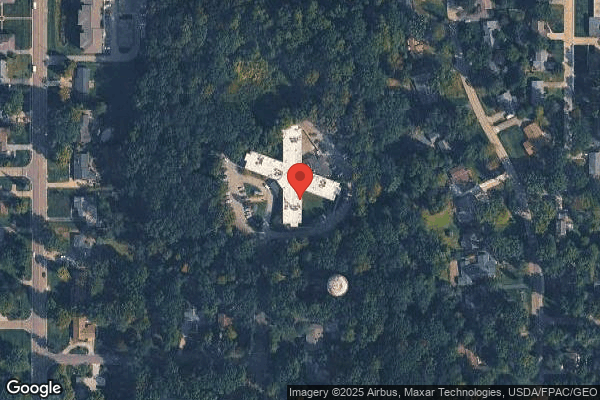
200 WYANT RD, AKRON, OH 44313 (330) 836-7953
For profit - Corporation 180 Beds COMMUNICARE HEALTH Data: November 2025 3 Immediate Jeopardy citations
Trust Grade
9/100
#578 of 913 in OH
Last Inspection: April 2025

Within standard 12-15 month inspection cycle. Federal law requires annual inspections.

Overview

Wyant Woods Healthcare Center has received a Trust Grade of F, indicating significant concerns and that it is performing poorly compared to other facilities. It ranks #578 out of 913 in Ohio, placing it in the bottom half of nursing homes in the state, and #25 out of 42 in Summit County, meaning only a few local options are worse. Although the facility is improving overall, reducing the number of issues from 15 in 2024 to 5 in 2025, it still has substantial challenges, such as $163,067 in fines which is higher than 90% of Ohio facilities, indicating compliance problems. Staffing is a concern, with a rating of 2 out of 5 stars and less RN coverage than 88% of state facilities, which raises questions about the quality of care. Notably, there have been critical incidents of staff to resident abuse, including one case where a staff member used pepper spray on a resident, resulting in physical and psychological harm. While the facility has some strengths, including a high quality measure rating, families should weigh these serious issues when considering care for their loved ones.

Trust Score
F
9/100
In Ohio
#578/913
Bottom 37%
Safety Record
High Risk
Review needed
Inspections
Getting Better
15 → 5 violations
Staff Stability
○ Average
42% turnover. Near Ohio's 48% average. Typical for the industry.
Penalties
✓ Good
$163,067 in fines. Lower than most Ohio facilities. Relatively clean record.
Skilled Nurses
⚠ Watch
Each resident gets only 20 minutes of Registered Nurse (RN) attention daily — below average for Ohio. Fewer RN minutes means fewer trained eyes watching for problems.
Violations
⚠ Watch
56 deficiencies on record. Higher than average. Multiple issues found across inspections.
★★★☆☆
3.0
Overall Rating
★★☆☆☆
2.0
Staff Levels
★★★★★
5.0
Care Quality
★★☆☆☆
2.0
Inspection Score
Stable
2024: 15 issues
2025: 5 issues

The Good

  • 5-Star Quality Measures · Strong clinical quality outcomes
  • Full Sprinkler Coverage · Fire safety systems throughout facility
  • No fines on record
  • Staff turnover below average (42%)

    6 points below Ohio average of 48%

Facility shows strength in quality measures, fire safety.

The Bad

3-Star Overall Rating

Near Ohio average (3.2)

Meets federal standards, typical of most facilities

Staff Turnover: 42%

Near Ohio avg (46%)

Typical for the industry

Federal Fines: $163,067

Well above median ($33,413)

Significant penalties indicating serious issues

Chain: COMMUNICARE HEALTH

Part of a multi-facility chain

Ask about local staffing decisions and management

The Ugly 56 deficiencies on record

3 life-threatening
Jun 2025 1 deficiency
CONCERN (D) 📢 Someone Reported This

A family member, employee, or ombudsman was alarmed enough to file a formal complaint

Potential for Harm - no one hurt, but risky conditions existed

Accident Prevention (Tag F0689)

Could have caused harm · This affected 1 resident

**NOTE- TERMS IN BRACKETS HAVE BEEN EDITED TO PROTECT CONFIDENTIALITY** Based on interview, record review and review of facility policies, the facility failed to ensure residents were appropriately su...

Read full inspector narrative →
**NOTE- TERMS IN BRACKETS HAVE BEEN EDITED TO PROTECT CONFIDENTIALITY** Based on interview, record review and review of facility policies, the facility failed to ensure residents were appropriately supervised while smoking, resulting in an elopement. This affected one resident (#144) and had the potential to affect all 11 residents who smoked on the Hickory Unit (#24, #55, #75, #101, #102, #122, #129, #134, #144, #148 and #157). Facility census was 163. Findings include: Review of Resident #144's medical record revealed an admission date of 06/05/18 and diagnoses including alcohol dependence with alcohol-induced persisting dementia, major depressive disorder, paranoid schizophrenia, bipolar disorder, delusional disorder, mild cognitive impairment, impulsive disorder, intermittent explosive disorder, cocaine abuse and dementia in other diseases, severe, with other behavioral disturbances, psychotic disturbance and mood disturbance. Review of a plan of care dated 02/18/21 and revised 07/18/22 revealed Resident #144's guardian had no plans for discharge secondary to Resident #144 walked away from about 20 group homes and was not safe to live alone. Interventions included invite and encourage to attend activities of interest; monitor for signs and symptoms of anxiety, distress, withdrawal or depression relating to not returning to previous home environment and provide visits for support and observe for any concerns. Review of a plan of care dated 02/18/21 and revised 12/14/23 revealed Resident #144 wished to smoke and her guardian agreed to implement a money plan where Resident #144 would receive four dollars a week for spending money and the rest would be set aside to purchase cigarettes so that she could smoke; Resident #144 would attempt to go outside to smoke outside of designated smoking times. Interventions included complete smoking evaluation; educate resident/resident representative to designated smoking areas and long term side effects of extended nicotine use; educate resident/resident representative to facility smoking policy and obtain resident signature and provide supervision during designated smoke times. Review of Resident #144's current physician's orders revealed an order dated 04/13/25 for secured unit placement due to paranoid schizophrenia and need for decreased stimuli and a controlled environment. Review of a wander observation tool dated 04/13/25 revealed Resident #144 was at risk for elopement. Review of a plan of care dated 04/13/25 and revised on 04/15/25 revealed Resident #144 was an elopement risk. Interventions included assess for hunger, thirst, ambulation, toileting needs; complete wandering evaluation, upon admission/readmission, quarterly, and as needed (PRN); educate resident/resident representative of the need for secured unit/device to maintain resident safety; evaluate for need of secured unit, notify medical provider as needed; notify medical provider and resident representative of behavior changes; notify staff of elopement risk; obtain a current photograph and list of identifiable characteristics, and place in the elopement risk identification book; provide diversionary activities as needed and redirect when appropriate; provide structured activities at times of increased elopement risk, diversional tasks, redirection of ambulation pattern and utilization of safe wandering area. Review of a quarterly Minimum Data Set (MDS) 3.0 assessment dated [DATE] revealed Resident #144 was cognitively intact, displayed verbal behaviors four to six days, wandered one to three days and displayed other behaviors one to three days of the review period. Resident #144 was independent or required set up for activities of daily living and required supervision for walking 150 feet. Review of a nurses' note dated 05/22/25 timed 4:30 P.M. and signed by the Director of Nursing (DON) revealed Resident #144 was returned safely to her room by the DON. Resident #144 stated she wanted food from a restaurant. Resident #144 voiced no complaints or concerns. Resident #144 denied pain or discomfort, and did not display any signs or symptoms of pain, discomfort, or distress. A head to toe assessment was completed including vital signs and skin assessment which was within normal limits to resident's baseline, no injuries or skin alterations noted, skin warm to touch. All required parties were notified with new orders for psychiatric medication changes. The note indicated to see new orders for detailed medication changes. The guardian was notified and guardian noted that Resident #144 had a history of exit seeking and the police did not need to be notified at that time. Review of the facility investigation into Resident #144's elopement on 05/22/25 revealed a timeline including the following: • On 05/22/25 at 4:05 P.M. Former Activities Director (FAD) #211 called the DON and explained while leaving for the day, he saw Resident #144 in the parking lot. The DON told FAD #211 to remain with Resident #144 and instructed unit managers and floor nurses to call a Code Green and complete head counts while Director of Maintenance (DOM) #205 checked gates and doors. • On 05/22/25 at 4:06 P.M. the DON arrived to the parking lot and saw Resident #144 and began to talk to her. • On 05/22/25 at 4:07 P.M. the DON spoke with Resident #144 who stated she did not want to return to the facility because she wanted to see her family and eat at a restaurant. When asked, Resident #144 would not state how she left the secured unit. Resident #144 was returned safely to her secured unit and placed on one on one (1:1) supervision. Review of a witness statement dated 05/22/25 and authored by Certified Nursing Assistant (CNA) #210 revealed he let the residents out to smoke and watched from the window because it was raining. The witness statement indicated Resident #144 must have eloped while CNA #210 helped Resident #129 back into the building, which was when the code green was called. Review of a witness statement dated 05/22/25 and authored by Registered Nurse (RN) #23 revealed she last saw Resident #144 just right before she was about to start passing medications at 4:00 P.M. Resident #144 was standing a few feet away from the medication cart at that time. Review of a witness statement dated 05/22/25 and authored by FAD #211 revealed on 05/22/25 at approximately 4:15 P.M. while he was leaving the facility/premises for the day, he observed Resident #144 walking through the employee parking lot in the front of the building down towards the entrance and exit. FAD #211 immediately called the DON who arrived moments later and began conversing with Resident #144. Continued review of the facility investigation identified CNA #210 and CNA #212 as the staff responsible for supervising the smoke break on 05/22/25 at 4:00 P.M. CNA #210 and CNA #212 failed to supervise smoke break which led to a resident [Resident #144] kicking the courtyard gate during smoke break and eloping. Both staff were suspended and received final written warnings on 05/27/25 for violating facility policy and failing to supervise smoke break resulting in a resident elopement. Review of a plan of care dated 05/23/25 revealed Resident #144 wandered aimlessly from place to place. Interventions included assess for hunger, thirst, ambulation, toileting needs; complete wandering evaluation, upon admission/readmission, quarterly, and PRN; evaluate for need of secured unit, notify medical provider as needed; notify medical provider, resident representative of behavior changes; notify staff of wandering risk; personalize room with familiar objects and/or photographs; provide diversionary tactics/activities as needed and redirect when appropriate and provide structured activities at times of increased wandering, diversional tasks, redirection of ambulation pattern, and utilization of safe wandering areas. Interview on 06/12/25 at 10:18 A.M. with Resident #144 revealed she had been at the facility 37 years and had eloped from the facility twice. Resident #144 stated she was caught within 20 minutes this last time. When asked why she left the facility, Resident #144 stated she did not like the facility. Interview on 06/12/25 at 2:00 P.M. with CNA #210 revealed on 05/22/25 they were doing smoke break on the unit between 4:00 P.M. and 5:00 P.M. and the snack cart had come so staff were waiting on a few residents to come out for smoking. CNA #210 stated it was raining so he was watching smoking from the window inside the Hickory unit. CNA #210 stated at this time Resident #144 slipped out and estimated she was gone 15 minutes as they began to count the residents and heard the Code [NAME] over the overhead paging system. During an interview on 06/12/25 at 3:38 P.M. with the DON and Corporate Nurse #209, the DON verified the content of the investigation provided and indicated the root cause of Resident #144's elopement was staff not supervising the resident smoke break appropriately on the Hickory unit. The DON stated when she interviewed CNA #210 he admitted he was looking away at the time of the actual elopement and was not actually outside during the smoke break. The DON confirmed both CNA #210 and CNA #212 did not supervise the smoke break appropriately which enabled Resident #144 to elope from the Hickory courtyard. When asked how long Resident #144 was gone for, the DON estimated Resident #144 was gone for five or six minutes. Review of the facility's undated policy Resident Smoking Guidelines revealed the facility would promote resident centered care by providing a safe smoking area for residents that requested to smoke. Supervised smoking would be performed by a staff member. Review of the facility's undated policy Elopement Prevention and Management Overview revealed elopement was defined as when a resident left the premises or a safe area without authorization and/or any necessary supervision and placed the resident at risk for harm or injury . The interdisciplinary team planned the least restrictive interventions to promote mobility and safety and to meet the individualized needs and goals of the resident. This deficiency represents noncompliance investigated under Master Complaint Number OH00166205.
Apr 2025 4 deficiencies
CONCERN (D) 📢 Someone Reported This

A family member, employee, or ombudsman was alarmed enough to file a formal complaint

Potential for Harm - no one hurt, but risky conditions existed

ADL Care (Tag F0677)

Could have caused harm · This affected 1 resident

**NOTE- TERMS IN BRACKETS HAVE BEEN EDITED TO PROTECT CONFIDENTIALITY** 3. Review of the medical record for Resident #114 revealed he admitted to the facility on [DATE] with diagnoses that included bi...

Read full inspector narrative →
**NOTE- TERMS IN BRACKETS HAVE BEEN EDITED TO PROTECT CONFIDENTIALITY** 3. Review of the medical record for Resident #114 revealed he admitted to the facility on [DATE] with diagnoses that included bipolar disorder, Alzheimer's disease, and osteoarthritis. Review of the physician orders dated 12/29/23 revealed an order for podiatry consultation. Review of the MDS annual assessment dated [DATE] revealed Resident #114 was alert and oriented to person, place, and time with a cognitive impairment. Review of the MDS assessment revealed Resident #114 required assistance from staff for ADLs. Review of the care plan dated 02/13/25 revealed Resident #114 had a self-care performance deficit that required staff assistance for ADL completion related to dementia. Observation on 04/07/25 at 10:43 A.M. revealed Resident #144 laying in bed with his feet exposed. Resident #114 toenails located on both left and right feet revealed long, jagged, in various lengths, and brownish yellow in color. Interview and observation on 04/07/25 at 10:44 A.M. with CNA #880 revealed Resident #114 toenails were never clipped or maintained. CNA #880 revealed herself or other CNA's maintained resident toenails during shower or bath days, but staff never maintained Resident #114's toenails. CNA #880 revealed some resident's toenails were maintained by the podiatrist, but she could not remember the last time the podiatrist was in the facility. CNA #880 observed, confirmed, and verified Resident #114 toenails at the time of the interview. Interview on 04/07/25 at 10:46 A.M. with LPN #809 revealed Resident #114 was unable to maintain his toenails on his own. LPN #809 revealed sometimes residents could not utilize the podiatrist due to the resident's payor source. LPN #809 confirmed and verified Resident #114 brownish yellow, long, and jagged toenails in various lengths at the time of the interview. Observation on 04/08/25 at 3:18 P.M. revealed Resident #114 laying in bed with nails in the same condition as observed on 04/07/25 at 10:43 A.M. Follow-up interview on 04/08/25 at 3:19 P.M. with LPN #809 revealed the schedule of the podiatrist visits was hard to know due to her not being notified until the day prior by social services. LPN #809 confirmed and verified Resident #114 toenails had not been maintained by staff or the podiatrist and she could not state when the last time they were was clipped or trimmed. Interview on 04/08/25 at 3:25 P.M. with CNA #708 revealed she had not touched Resident #114 feet, and they always looked like that. Interview on 04/08/25 at 3:42 P.M. with Licensed Social Worker (LSW) #823 revealed she was responsible for setting up ancillary services including podiatry appointments. LSW #823 revealed she kept a running list of residents needing to be seen by the podiatrist, who visited the facility twice a month. LSW #823 revealed Resident #114 had not been added to the list, had not been seen by the podiatrist, and could not confirm the last time he received care related to his feet. Follow-up interview on 04/09/25 at 9:20 A.M. with LSW #823 confirmed and verified Resident #114 had not been seen by the podiatrist and was now placed on the list to be seen on 04/22/25. Review of the facility document titled Nail and Hair Hygiene Services undated, revealed the facility had a policy in place to provide routine nail hygiene services that included trimming, cleaning, and filing. Review of the document revealed the facility did not implement the policy. Based on observations, interview, record review, and review of facility policy, the facility failed to ensure residents received proper assistance with personal hygiene and grooming tasks. This affected three residents (#25, #99, and #114) of five residents reviewed for activities of daily living. The census was 158. Findings include: 1. Review of the medical record for Resident #99 revealed an admission date of 08/11/21 with diagnosis of hypertensive heart and chronic kidney disease, asthma, moderate intellectual disabilities, abnormalities of gait and mobility, arthritis, peripheral vascular disease, and dementia. Review of the Minimum Data Set (MDS) quarterly assessment dated [DATE] revealed Resident #99 required moderate assistance with personal hygiene. Review of the Plan of Care dated 02/05/25 revealed Resident #99 had a deficit related to Activities of Daily Living (ADL) and required moderate assistance with personal hygiene. Observation and interview of Resident #99 on 04/09/25 at 8:11 A.M. revealed resident had a full beard and long fingernails. Resident #99 stated he would like to be shaved and have his nails cut. Observation and interview on 04/09/25 at 9:02 A.M. with Certified Nursing Assistant (CNA) #818 confirmed Resident #99 had a beard and long fingernails. Resident #99 confirmed with CNA #818 that he would like to be shaved and for his fingernails to cut. 2. Review of the medical record for Resident #25 revealed an admission date of 9/11/24 with diagnosis of chronic obstructive pulmonary disease (COPD), arthritis, dementia, and cataracts. Review of the Plan of Care dated 01/07/25 revealed Resident #25 had a deficit related to ADLs and required moderate assistance with personal hygiene. Observation on 04/07/25 at 2:20 P.M. of Resident #25 revealed the resident had a mustache and chin hairs. Resident #25 said she would like her mustache shaved and that staff has not done it. On 04/08/25 05:20 P.M. Licensed Practical Nurse (LPN) #740 confirmed mustache and chin hairs on Resident #25. Resident #25 confirmed with LPN #740 that she would like to be shaved by staff.
CONCERN (D)

Potential for Harm - no one hurt, but risky conditions existed

Infection Control (Tag F0880)

Could have caused harm · This affected 1 resident

**NOTE- TERMS IN BRACKETS HAVE BEEN EDITED TO PROTECT CONFIDENTIALITY** Based on record review, observation and interview, the facility failed to maintain infection control standards during medication...

Read full inspector narrative →
**NOTE- TERMS IN BRACKETS HAVE BEEN EDITED TO PROTECT CONFIDENTIALITY** Based on record review, observation and interview, the facility failed to maintain infection control standards during medication administration and failed to appropriately clean a glucometer. This affected one resident (#32) of four residents reviewed for medication administration. The facility identified 29 residents who required blood sugar monitoring. The facility census was 158. Findings include: Review of medical record for Resident #32 revealed an admission date of 02/20/14. Diagnoses included type two diabetes mellitus with hyperglycemia. Review of the comprehensive Minimum Data Set (MDS) 3.0 assessment dated [DATE], revealed Resident #32 had intact cognition. Review of plan of care noted Resident #32 had diabetes. Interventions included to administer medications as ordered and check blood sugars before meals. Observation on 04/07/25 at 11:54 A.M. revealed Licensed Practical Nurse (LPN) #891 preparing medications to be administered to Resident #32. LPN #891 prepared four medications into a medication cup. LPN #891 then bumped into the medication cart, causing the medications to fall out of the cup and land on top of the medication cart. LPN #891 proceeded to pick up the medications up with a bare, ungloved hand and place the medications back into the medication cup. Interview with LPN #891 following the observation revealed LPN #891 confirmed the lack of glove use and touching the bare medications. LPN #891 looked confused as to what was asked regarding hand hygiene during medication administration. Continued observations at 12:04 P.M. revealed LPN #891 was observed checking blood sugar for Resident #32. LPN #891 completed the task and returned to the medications cart. LPN #891 placed the un-sanitized glucometer on top of the medication cart. Approximately 5 minutes later, LPN #891 was asked if he was going to clean the still un-sanitized glucometer. LPN #891 proceeded to use an alcohol wipe to cleanse the glucometer. LPN #891 was asked what he usually used to sanitize the glucometer, LPN #891 stated he used alcohol wipes and bleach wipes. LPN #891 stated the bleach wipes were hard to come by, so he used the alcohol wipes in place of bleach wipes. Review of the undated facility policy titled Medication Administration noted not to touch the medications, either by opening a liquid or dose pack. Review of the undated facility policy titled Cleaning and Disinfecting of Glucose Meter noted to use an Environmental Protective Agency (EPA) approved disinfectant against Hepatitis B and C and human immunodeficiency virus (HIV). The policy also indicated alcohol wipes were not appropriate for cleaning/disinfecting a used glucometer.
CONCERN (E)

Potential for Harm - no one hurt, but risky conditions existed

Deficiency F0565 (Tag F0565)

Could have caused harm · This affected multiple residents

Based on record review, observations and interviews, the facility failed to respond to or resolve concerns voiced by residents. This affected seven residents (#16, #21, #32, #42, #47, #56, and #112) o...

Read full inspector narrative →
Based on record review, observations and interviews, the facility failed to respond to or resolve concerns voiced by residents. This affected seven residents (#16, #21, #32, #42, #47, #56, and #112) of seven residents reviewed for Resident Council. The facility census was 158. Findings include: Review of Resident Council Meeting minutes dated January 2024 through April 2025 noted residents requested more activities both in and out of the facility in January, February, June, July, September, and December of 2024 and January and March of 2025. There were no responses or actions documented or provided to indicate the facility was acting on the concerns voiced every month by residents. Interview on 04/07/25 at 2:19 P.M. with Resident #32, who was the Resident Council President (RCP), stated the facility has not a a transportation bus in years. The RCP stated no activities are offered after 4:00 P.M. or on the weekends due to lack of staffing. The RCP stated residents complain about activities all the time. Interview on 04/07/25 at 2:27 P.M. with Activities Leader (AL) #873 stated she worked every other weekend and was unable to provide activities because she was the only one working. AL #873 also stated residents complain about not being able to attend activities outside the facility, like going to the store or going to the movies. Interview on 04/08/25 at 8:52 A.M. with AL #822 stated the facility did not have sufficient staff to provide activities as scheduled and did not have a transportation van for years. AL#822 stated residents complain all the time about not having activities and not being able to go to activities outside the facility. AL#822 stated staff used to take residents to see Christmas lights, see movies, go to museums, and parks. AL #822 stated activities were not provided on the weekends because there was usually only one staff working. AL #822 stated that, at times, the residents will help pass out the handouts and run the activities. A Resident Council meeting was held on 04/08/24 at 2:08 P.M. with Resident #16, #21, #32, #42, #47, #56, and Resident #112. All residents stated they voice concerns all the time to activity staff, including the Activity Director. Residents stated they would like to go to outside activities including shopping, movies, and bowling. Interview on 04/08/25 at 2:18 P.M., Activity Director (AD) #867 stated he had worked at the facility for three years. AD#867 stated he was aware of resident concerns related to activities and stated there were not enough staff to provide activities as scheduled and the facility was not able to provide transportation for residents to attend outside activities. AD #867 stated all activity staff leave at 4:00 P.M. daily. AD #867 stated direct-care staff provide handouts to residents for activities after 4:00 P.M. Interview on 04/08/25 at 4:04 P.M., the Administrator, Director of Nursing (DON), Regional Director of Clinical Services #900 and #901 confirmed staff were aware that the facility had no transportation bus for years and aware of the resident concerns regarding lack of daily activities. The Administrator stated he recently purchased items for staff to provide activities on the units. Staff had little response to concerns voiced regarding residents attending outside activities.
CONCERN (E)

Potential for Harm - no one hurt, but risky conditions existed

Deficiency F0679 (Tag F0679)

Could have caused harm · This affected multiple residents

**NOTE- TERMS IN BRACKETS HAVE BEEN EDITED TO PROTECT CONFIDENTIALITY** Based on observation, interview, record review, and review of facility policy, the failed to provide activities to meet the inte...

Read full inspector narrative →
**NOTE- TERMS IN BRACKETS HAVE BEEN EDITED TO PROTECT CONFIDENTIALITY** Based on observation, interview, record review, and review of facility policy, the failed to provide activities to meet the interest and needs of residents. This affected eleven residents (#16, # 21, #23, #24, #28, #32, #42, #47, #56, #62, and #112) of 30 residents observed for activities and had the potential to affect the 22 additional residents (#29, #73, #90, #103, #104, #107, #113, #114, #119, #120, #132, #136, #137, #138, #139, #142, #145, #150, #151, #152, #209, and #210) residing on the Birch unit. The facility census was 158. Findings include: 1. Review of the facility activity calendar for April 2025 revealed no activities were provided after 4:00 P.M. Further review noted handouts were the only activity provided after 4:00 P.M. Review of Resident Council Meeting minutes dated January 2024 through April 2025 noted residents requested more activities in and out of the facility in January, February, June, July, September, December of 2024 and January and March of 2025. a. Review of the medical record for Resident #16 noted an admission date of 09/14/01. Diagnoses included generalized anxiety disorder and paranoid schizophrenia. Review of the comprehensive Minimum Data Set (MDS) 3.0 assessment dated [DATE], revealed Resident #16 had intact cognition. Attending activities of interest was noted to be very important to Resident #16. Review of a revised plan of care dated 11/04/24 noted Resident #16 attended activities of interest. b. Review of the medical record for Resident #21 noted an admission date of 09/15/03. Diagnoses included unspecified dementia, anxiety disorder and schizoaffective disorder. Review of the comprehensive Minimum Data Set (MDS) 3.0 assessment dated [DATE], revealed Resident #21 had intact cognition. Attending activities of interest was very important to Resident #21. Review of a revised plan of care dated 11/04/24 noted Resident #21 attended activities of interest. c. Review of the medical record for Resident #32 noted an admission date of 02/20/14. Diagnoses included chronic obstructive pulmonary disease, type two diabetes, and chronic kidney disease. Review of the comprehensive Minimum Data Set (MDS) 3.0 assessment dated [DATE], revealed Resident #32 had intact cognition. Attending activities of interest was very important to Resident #32. Review of a revised plan of care dated 08/07/23 noted Resident #32 attended activities of interest. d. Review of the medical record for Resident #42 noted an admission date of 06/09/21. Diagnoses included major depressive disorder and schizophrenia. Review of the comprehensive Minimum Data Set (MDS) 3.0 assessment dated [DATE], revealed Resident #42 had intact cognition. Attending activities of interest was very important to Resident #42. Review of a revised plan of care dated 07/03/24 noted Resident #42 attended activities of interest. e. Review of the medical record for Resident #47 noted an admission date of 01/17/13. Diagnoses included generalized anxiety disorder, paranoid schizophrenia, and intermittent explosive disorder. Review of the comprehensive Minimum Data Set (MDS) 3.0 assessment dated [DATE], revealed Resident #47 had intact cognition. Attending activities of interest was very important to Resident #47. Review of a revised plan of care dated 02/03/25 noted Resident #47 attended activities of interest. f. Review of the medical record for Resident #56 noted an admission date of 06/26/18. Diagnoses included generalized anxiety disorder, schizoaffective disorder. Review of the comprehensive Minimum Data Set (MDS) 3.0 assessment dated [DATE], revealed Resident #56 had intact cognition. Attending activities of interest was very important to Resident #56. Review of a revised plan of care dated 11/16/24 noted Resident #56 attended activities of interest. g. Review of the medical record for Resident #112 noted an admission date of 12/21/21. Diagnoses included Alzheimer's disease and delusional disorder. Review of the comprehensive Minimum Data Set (MDS) 3.0 assessment dated [DATE], revealed Resident #112 had intact cognition. Attending activities of interest was very important to Resident #112. Review of a revised plan of care dated 02/24/24 noted Resident #112 attended activities of interest. Interview on 04/07/25 at 2:19 P.M., Resident #32 who was the Resident Council President (RCP) stated the facility has not a a transportation bus in years. The RCP stated no activities are offered after 4:00 P.M. or on the weekends due to lack of staffing. The RCP stated residents complain about activities all the time. Interview on 04/07/25 at 2:27 P.M., Activity Leader (AL) #873 stated she worked every other weekend and was unable to provide activities because she was the only one working. AL #873 also stated residents complain about not being able to attend activities outside the facility like going to the store or going to the movies. Interview on 04/08/25 at 8:52 A.M., AL #822 stated the facility did not have sufficient staff to provide activities as scheduled and did not have a transportation van for years. AL#822 stated residents complain all the time about not having activities and not being able to go to activities outside the facility. AL #822 stated staff used to take residents to see Christmas lights, see movies, go to museums, and parks. AL #822 stated activities were not provided on the weekends because there was usually one staff working. AL #822 stated that at times, the residents will help pass out the handouts and run the activities. A Resident Council meeting was held on 04/08/24 at 2:08 P.M. with Resident #16, #21, #32, #42, #47, #56, and Resident #112. All residents stated they voice concerns all the time to activity staff, including the Activity Director. Residents stated they would like to go to outside activities including shopping, movies, and bowling. 2. Observation on 04/07/25 at 10:20 A.M. and 04/08/25 at 3:00 P.M. of the locked Birch unit, revealed multiple residents seated in the common area. One television was mounted to the wall playing a black and white movie. No residents were observed watching the television. Interview on 04/08/25 at 3:19 P.M. with Licensed Practical Nurse (LPN) #809, revealed the activity department did not visit the unit as they should. LPN #809 revealed someone from the activity department would come at 2:00 P.M. on scheduled day and to do the store activity. However, if a resident did not have funds they couldn't get anything. LPN #809 revealed, in return caused residents to be confused on why they couldn't get something causing more issues. LPN #809 revealed the activities and activity department was not great at all and the last outside trip was before COVID-19 pandemic. 3. Observations on 04/08/25 at 11:18 A.M., of the Buckeye unit noted residents seated in the dining room watching television. Review of the activity calendar noted an activity of crafts including painting was scheduled. Interview on 04/08/25 at 11:10 A.M., Residents #23, #24, and Resident #28 who were seated in the dining room stated activities were not provided on the unit. Interview on 04/08/25 at 11:40 A.M., CNA #813 and CNA #890 stated they must initial the activities and there was not enough staff to provide activities every day. Interview on 04/08/25 at 2:18 P.M., Activity Director #867 stated he had worked at the facility for three years. AD#867 stated there were not enough staff to provide activities as scheduled and the facility was not able to provide transportation for residents to attend outside activities. AD #867 stated all activity staff leave at 4:00 P.M. daily. AD #867 stated direct-care staff provide handouts to residents for activities after 4:00 P.M. Interview on 04/08/25 at 4:04 P.M., the Administrator, Director of Nursing (DON), Regional Director of Clinical Services (RDCS) #900 and RDCS #901 noted staff were aware that the facility had no transportation bus for years and the lack of daily activities. The Administrator stated he recently purchased items for staff to provide activities on the units. Staff had little response to concerns voiced regarding residents attending outside activities. Review of facility policy titled Activities Program, dated 10/16/24 noted the activity program consists of individual and small and large group activities which are designed to meet the needs and interests of each resident. The activities program included social activities, indoor and outdoor activities, activities away from the facility, religious activities, exercise activities, individualized activities, in-room activities, and community activities.
Oct 2024 5 deficiencies 1 IJ
CRITICAL (J) 📢 Someone Reported This

A family member, employee, or ombudsman was alarmed enough to file a formal complaint

Immediate Jeopardy (IJ) - the most serious Medicare violation

Free from Abuse/Neglect (Tag F0600)

Someone could have died · This affected 1 resident

**NOTE- TERMS IN BRACKETS HAVE BEEN EDITED TO PROTECT CONFIDENTIALITY** THE FOLLOWING DEFICIENCY REPRESENTS AN INCIDENT OF PAST NON-COMPLIANCE THAT WAS SUBSEQUENTLY CORRECTED PRIOR TO THIS SURVEY. Bas...

Read full inspector narrative →
**NOTE- TERMS IN BRACKETS HAVE BEEN EDITED TO PROTECT CONFIDENTIALITY** THE FOLLOWING DEFICIENCY REPRESENTS AN INCIDENT OF PAST NON-COMPLIANCE THAT WAS SUBSEQUENTLY CORRECTED PRIOR TO THIS SURVEY. Based on record review, review of the facility's self-reported incident (SRI) and associated facility investigation, review of police reports, review of facility policy, and interviews, the facility failed to prevent an incident of staff to resident abuse for Resident #78. This resulted in Immediate Jeopardy and actual physical and psychosocial harm on 09/19/24 when State Tested Nursing Assistant (STNA) #942 physically abused Resident #78 by spraying the resident in the face with oleoresin capsicum (OC) spray (also known as pepper spray). As a result, Resident #78 complained of his eyes burning and facility staff observed his eyes were red. In addition, a Post-Traumatic Stress Disorder (PTSD) Assessment was completed for Resident #78 on 09/20/24, which indicated Resident #78 considered the event traumatic, had nightmares or thought about the event when he did not want to, had been frequently on guard or watchful or easily startled, and felt guilty or unable to stop blaming himself or others for the event. On 10/17/24 at 4:38 P.M., the Administrator, Director of Nursing (DON), Regional Nurse #938, and Regional Director of Operations #943 were notified Immediate Jeopardy began on 09/19/24 when STNA #942 physically abused Resident #78 by spraying the resident in the face with pepper spray. Resident #78 complained of his eyes burning and his eyes were red as observed and reported by Licensed Practical Nurse (LPN) #941. STNA #919 alerted Unit Manager #809 via text message on 09/19/24 at 9:54 A.M. that a resident had been maced and help was needed. Per the facility's timeline for the incident, an investigation did not begin until 09/19/24 at 1:56 P.M., approximately four hours after the incident was reported to Unit Manager #809. STNA #942 continued working in the facility until 2:17 P.M. A PTSD Assessment, completed 09/20/24, indicated Resident #78 considered the incident traumatic and described the incident as he had a heated conversation with staff and then he was sprayed in the face with pepper spray. The Immediate Jeopardy was removed and the deficient practice was corrected on 09/25/24 when the facility implemented the following corrective actions: • On 09/19/24 at 1:51 P.M. STNA #919 notified the DON that Resident #78 was maced. Educated STNA #919 that she was to report any incidents related to abuse to the Administrator and DON immediately. Obtained STNA #919's witness statement. • On 09/19/24 at 1:54 P.M. the DON interviewed STNA #942 of the alleged incident. STNA #942 relayed she was cleaning the hallway and Resident #78 must have touched the railing and touched his eyes. She also stated the floor nurse already educated her and made her dispose of the cleaning supplies. The DON obtained STNA #942's witness statement and placed STNA #942 in the receptionist area to immediately separate Resident #78 and STNA #942. • On 09/19/24 at 1:59 P.M. the DON interviewed Licensed Practical Nurse (LPN) #941 who communicated cleaning supplies were used on Hickory unit and that she made STNA #942 empty the chemical mixture and educated her on not using cleaning supplies in the facility again. • On 09/19/24 at 2:00 P.M. the DON notified the Administrator, Regional Director of Operations #943 and Regional Director of Clinical Operations #944 of the incident. • On 09/19/24 at 2:00 P.M. the DON notified the facility's nurse practitioner (NP) of the incident and requested for NP to assess resident. The resident was assessed at 2:28 P.M. • On 09/19/24 at 2:10 P.M. the DON suspended STNA #942 for possibly spraying [NAME] towards Resident #78. • On 09/19/24 at 2:30 P.M. the DON obtained a new order to monitor Resident #78's eyes and face for abnormalities. New order confirmed. The resident was assessed by the DON on 09/19/24 at 3:20 P.M. related to the incident and for pain. Additional assessment was completed on 09/20/24 at 4:37 P.M. • On 09/19/24 at 2:30 P.M. the DON attempted to call Resident #78's guardian to notify the guardian of the incident. A voicemail message was left. The guardian was notified at 6:46 P.M. • On 9/19/24 2:59 P.M. the DON notified the local police department of the incident. • On 09/19/24 at 3:00 P.M. Unit Manager #809 completed a respiratory assessment on Resident #78. • On 09/19/24 at 3:03 P.M. Unit Manager #835 suspended LPN #941. • On 09/19/24 3:45 P.M. all residents on the Hickory unit were assessed for respiratory, skin and eye concerns related to the chemicals that were sprayed on the unit. • On 09/19/24 all interviewable residents were interviewed regarding abuse by Unit Manager #861. Skin sweeps were completed for residents with a low cognition. • On 09/19/24 at 4:20 P.M. facility managers completed skin checks and interviews on all facility residents. • On 09/19/24 at 4:30 P.M. the DON notified the Medical Director of the incident. • On 09/19/24 at 4:52 P.M. social services staff met with Resident #78 to provide support to the resident. • On 09/19/24 at 7:04 P.M. Resident #78's psych physician was notified of incident and new orders were given to increase Seroquel (antipsychotic medication). • On 09/19/24 the DON/Designee interviewed staff on any potential abuse to ensure all incidents had been investigated and reported. • On 09/19/24 the DON/Designee interviewed all staff on the current shift and next shift to identify if any weapons were on the facility grounds. • On 09/19/24 the DON/Designee educated all staff on the facility policy identified as, abuse, neglect, and misappropriation with emphasis on timely reporting, who to report incidents of abuse to, ensuring safety of the residents, and effective investigation. • On 09/19/24 the DON/Designee educated all staff on no tolerance/allowance of weapons in the facility with emphasis on what was considered a weapon. Staff were educated that all harmful substances on person, key chains, purses, backpacks must be left outside of facility. All harmful substances on keychains must be removed prior to entrance in the building. Staff educated that increase observation would be ongoing for such items and that all violations identified would result in suspension until a thorough investigation was completed and had the potential to lead to termination. • On 09/19/24 the DON/Designee educated all facility department managers on increase supervision and Ambassador rounds with emphasis on monitoring and observation of any form of weapon, this includes observation of uniforms, keys, and open bags or purses. • On 09/19/24 around 5:00 P.M. via a zoom call Divisional [NAME] President of Risk educated the DON and Unit Managers on reporting guidelines related to abuse, investigation, reporting, maintaining safety of residents, and what constitutes an allegation, company weapons policy and expectations. • On 09/20/24 STNA #942's employment was terminated related to the incident with Resident #78. • On 09/20/24 at 7:34 P.M. local police were updated with findings of the facility investigation. The police were pursuing assault charges against STNA #942. • On 09/23/24 the Administrator/Designee reviewed LPN #941 and STNA #942's employee files for background checks, references, abuse and resident rights training due to the fact they were the perpetrators in this incident. • On 09/23/24 all facility staff were educated by an outside company on Empathy, Psychiatric Behaviors, and De-Escalation. Staff on Leave or Paid Time Off will be educated upon return and prior to working. Two employees remain on leave and will be educated by the ED/Designee upon return. • Beginning the week of 09/25/24 the facility implemented a plan for the DON/Designee to educate all new staff in behavioral health management, abuse, and weapons policy. This would be ongoing as part of new hire orientation which was ongoing. • Beginning the week of 09/24/24 the DON/Designee would interview five residents weekly for four weeks for any abuse concerns. Then three residents weekly for four weeks. Then randomly thereafter until compliance was confirmed. • Beginning the week of 09/25/24 the Administrator/Designee would interview five staff members weekly for four weeks for any abuse concerns. Then three staff members weekly for four weeks. Then randomly thereafter until compliance was confirmed. • Beginning the week of 09/25/24 the DON/Designee would review five weekly skin assessments on residents who were unable to be interviewed to ensure no new skin findings for four weeks. Then three weekly skin assessments weekly four weeks. Then randomly thereafter. • Beginning the week of 09/25/24 the Administrator/Designee would audit completion of daily ambassador rounds for increased surveillance of weapons in the facility daily for four weeks then three times weekly for four weeks, then randomly thereafter. • Beginning the week of 09/25/24 the Administrator/Designee would audit completion of new hire education on Weapon Free Workplace policy weekly for four weeks then randomly thereafter. • Beginning the week of 09/25/24 the Administrator or DON would monitor compliance in monthly Quality Assessment and Performance Improvement (QAPI) meeting for three months, then as needed for one year. • Beginning on 10/01/24 to ensure staff comprehend understanding of education on responding to challenging behaviors the facility implemented monthly monitoring with education and pre/post test times for months. • The facility implemented a plan for all allegations of abuse to be reported to the Regional Director of Clinical Operations #944 by the Director of Nursing or Administrator as soon as the allegation was made as additional oversight. • The facility implemented a plan for Regional Director of Clinical Operations #944 to monitor compliance during monthly visits for three months then on an as needed basis. Findings include: Review of the medical record for Resident #78 revealed an admission date of 12/31/22 and re-admission date of 02/03/23. Diagnoses included hemiplegia and hemiparesis affecting right dominant side, aphasia following cerebral infarction, hypertension, vascular dementia with mood and behavior disturbance, expressive language disorder, adjustment disorder with mixed disturbance of emotions and conduct, dysphagia following cerebral infarction, impulse disorder, anxiety disorder, delusional disorders, intermittent explosive disorder, bipolar disorder, and major depressive disorder. Review of the behavior care plan, revised 08/27/24, revealed Resident #78 had a behavior problem related to impulse disorder, dementia, bipolar disorder, verbally aggressive or threatening, touching staff inappropriately, making inappropriate comments, and refusal of care. Interventions included provide medications as ordered (01/06/23), approach and speak in a calm manner (01/06/23), consult behavioral health as needed (01/06/23), communicate with resident regarding behaviors and treatment (01/06/23), encourage resident to express feelings (01/06/23), encourage resident to maintain as much independence and control or decision making as possible (01/06/23), intervene as necessary to protect the rights and safety of others (01/06/23), minimize the potential for disruptive behaviors by offering snacks that divert attention (01/06/23), monitor behavioral episodes and attempt to determine underlying causes (01/06/23), notify medical director of increased behaviors (01/06/23), observe and anticipate resident's needs (01/06/23), praise any indication of progress in behaviors (01/06/23), psychosocial assessment completed (09/19/24), and PTSD screen completed (09/19/24). Review of a nursing note dated 09/19/24 at 2:00 P.M. revealed the nurse practitioner was notified by the Director of Nursing (DON) that Resident #78 had possible contact with chemical to eyes. Another note dated 09/19/24 at 2:00 P.M. revealed the DON notified the Administrator, Regional Director of Operations, and Regional Director of Clinical Services of the incident. A note dated 09/19/24 at 2:28 P.M. revealed the nurse practitioner assessed Resident #78 and noted Resident #78's face and eyes were clear with no redness or swelling noted. Resident #78 denied pain and reported to the nurse practitioner that he had been rubbing his eyes. A note dated 09/19/24 at 3:20 P.M. revealed Resident #78 was assessed to be pleasant without signs of discomfort or distress and there was no redness or irritation to Resident #78's eyes, face, or skin. Review of a facility submitted SRI dated 09/19/24 revealed a chemical made contact with Resident #78's eyes. Further review of the facility's SRI investigation revealed STNA #942 had sprayed oleoresin capsicum (OC) spray (also known as pepper spray) toward Resident #78. Review of facility witness statements revealed Resident #81 witnessed STNA #942 spray Resident #78 with [NAME]. STNA #919's statement indicated STNA #942 told STNA #919 that she sprayed Resident #78 with [NAME] and STNA #919 reported it to the nurse and unit manager immediately. Licensed Practical Nurse (LPN) #941's statement indicated Resident #78's eyes were burning and red and Resident #78 indicated he was sprayed with something. STNA #942's witness statement indicated she was cleaning the unit railings and door handles with a cleaning chemical and Resident #78 got some on his hands and then touched his face. There was no mention of pepper spray or [NAME] in STNA #942's witness statement. Review of Maintenance Director #899's witness statement indicated he was notified of a chemical odor on 09/19/24 at 9:40 A.M., he went to the designated unit, he did not smell anything unusual, and staff on the unit reported the odor was cleaning chemicals. The facility's timeline of their investigation indicated the alleged incident occurred around 10:00 A.M., facility management were not notified of the alleged abuse until 1:55 P.M., and the investigation of the incident began at 1:56 P.M. The facility's timeline further indicated STNA #942 was suspended on 09/19/24 at 2:15 P.M. and LPN #941 was suspended on 09/19/24 at 3:03 P.M. as a result of the incident. Review of the time punch detail for STNA #942 revealed she worked on 09/19/24 from 7:07 A.M. to 2:17 P.M. Review of the time punch detail for LPN #941 revealed she worked on 09/19/24 from 6:03 A.M. to 3:06 P.M. Review of the nurse aide behavior task record for 09/19/24 revealed Resident #78 refused care at 2:06 A.M. and no other behaviors were documented to have occurred. Review of the behavior monitoring report for September 2024 revealed Resident #78 had no documented behaviors on 09/19/24. Review of the police report, dated 09/19/24 at 2:59 P.M., revealed the local police department was contacted by the DON to report Resident #78 got a chemical in his eyes. Review of a second police report, dated 09/20/24 at 7:34 P.M., revealed the local police department was contacted by the DON to report staff to resident abuse and to update that the chemical in Resident #78's eyes was pepper spray. Review of the Post-Traumatic Stress Disorder (PTSD) Assessment, dated 09/20/24, indicated Resident #78 considered the event (that had occurred on 09/19/24) traumatic, had nightmares or thought about the event when he did not want to, had been frequently on guard or watchful or easily startled, and felt guilty or unable to stop blaming himself or others for the event. Resident #78 described the event as he got into a heated conversation with staff about the smoke break, he got agitated, and the next thing he knew was he was getting sprayed in the eyes with pepper spray. Review of the PTSD Assessment, dated 09/21/24, indicated Resident #78 considered the event (that occurred on 09/19/24) traumatic and had been frequently on guard or watchful or easily startled. He described the event as he got into an argument with staff over the smoke break, he got agitated, and the next thing he knew was he was getting sprayed in the eyes with that spray. Review of the quarterly Minimum Data Set (MDS) Assessment, dated 09/23/24, revealed Resident #78 was rarely or never understood with moderately impaired cognitive skills for daily decision making. The assessment indicated Resident #78 did not have any indicators of psychosis and no physical or verbal behaviors during the seven-day lookback period. Further review of Resident #78's record revealed there was no other documentation regarding the incident prior to the progress note dated 09/19/24 at 2:00 P.M. On 10/16/24 at 9:11 A.M., an interview with LPN Unit Manager #835 revealed Resident #78 could be combative with care sometimes and that his behaviors were not serious enough to cause fear or require restraint. She stated Resident #78 was usually cooperative with care. On 10/16/24 at 11:55 A.M., an interview with the Administrator and DON revealed the Administrator was out of town at the time of the incident and the DON conducted the investigation. The Administrator and DON confirmed STNA #942 sprayed Resident #78 with pepper spray. The Administrator and DON said initially it was reported that Resident #78 got cleaning chemicals in his eyes and further investigation determined that was inaccurate. On 10/16/24 at 2:00 P.M., an interview with Unit Manager #861 stated the management team was sitting in morning meeting around 9:30 A.M. on the day of the incident when one of the managers received a text about someone being maced on the unit and there was an odor. Unit Manager #861 stated maintenance staff went to the unit and the nurse closed the door in his face. Unit Manager #861 asked LPN #941 three times about the reported odor on the unit and LPN #941 told him on the third time, which Unit Manager #861 said was around 12:00 P.M., that it was cleaning chemicals that had been used and since thrown out. Unit Manager #861 said he was not involved in the entire investigation. On 10/16/24 at 2:31 P.M., an attempt was made to contact STNA #942 was unsuccessful. A recorded message indicated the number was out of service. On 10/16/24 at 2:50 P.M., an interview with the Administrator and DON confirmed the facility's timeline for the incident as noted above, including that management staff were not aware of the incident until 09/19/24 at 1:55 P.M. and suspensions were implemented after management staff were notified. On 10/17/24 at 10:49 A.M., an interview with STNA #919 revealed she was assisting another resident with breakfast when she heard a commotion in the hallway. Upon entering the hallway, she noted Resident #78 had an orange residue dripping down his face and STNA #942 told her Resident #78 tried to hit STNA #942 and she maced him. STNA #919 stated she alerted the nurse, Resident #78's eyes were cleaned, and Resident #78 was given a shower to remove the remaining orange residue from his hair and face. STNA #919 said she texted Unit Manager #809 on 09/19/24 at 9:54 A.M. to notify her that Resident #78 had been maced on the unit. Observation of the text conversation at the time of interview confirmed the date and time the text message notification was sent from STNA #919 to Unit Manager #809. On 10/17/24 at 11:27 A.M., an interview with Unit Manager #809 revealed she was in morning meeting when someone reported an odor on the unit. Unit Manager #809 confirmed STNA #919 texted her on 09/19/24 at 9:54 A.M. notifying her that someone had been massed on the unit, STNA #919 then clarified it smelled like bear [NAME], and STNA #919 said Resident #78 needed help. Unit Manager #809 said she asked STNA #919 if the nurse was over there and STNA #919 said she told LPN #941 and LPN #941 was in the office. Unit Manager #809 said she texted LPN #941 on 09/19/24 at 10:34 A.M. to ask if everything was okay and LPN #941 texted back that Resident #78 must have gotten a chemical in his eyes because his eyes were burning, and they flushed his eyes. Unit Manager #809 stated she went to the unit around 11:15 A.M. to assess Resident #78 with no significant findings, there was no odor of [NAME] on the unit, and none of the residents complained of burning sensations or difficulty breathing at that time. Unit Manager #809 further stated that STNA #919 did not approach management staff until later in the day to state what really happened and that's when management began investigating the possibility of [NAME] instead of a cleaning chemical. On 10/22/24 at 1:07 P.M., and interview with LPN #941 revealed Resident #78 got some sort of chemical in his eyes, she assessed him, flushed his eyes, and alerted the unit manager he got a chemical in his eyes and she had flushed them. LPN #941 revealed she had the STNA dispose of the chemical and she denied knowledge of the chemical being [NAME] or pepper spray. LPN #941 revealed later in the day she was suspected pending an investigation and at the time, she didn't have any reason to suspect it was anything other than a cleaning chemical because what is what the STNA reported to her. LPN revealed she was fired for supposedly covering up abuse of a resident but she denies she did this. LPN #941 revealed staff were fearful for their lives because of the dangerous people in the building, and management staff did not care and told staff they couldn't restrain residents or lay a hand on the residents to protect themselves in any way from resident behaviors. LPN #941 reiterated it was dangerous at the facility. Review of the facility's policy titled OHIO Abuse, Neglect & Misappropriation, dated 10/27/21, revealed the facility would prevent abuse, mistreatment, or neglect of residents and provide guidance to staff to manage any concerns or allegations of abuse or neglect. Employees would receive abuse prevention training during orientation, annually, and as needed. Staff would be educated upon hire, annually, and as needed to include reporting allegations of abuse or neglect without fear of reprisal, interventions to deal with aggressive behaviors, and timely reporting of reasonable suspicion of a crime in the facility. Any employee who was alleged or accused of being a party to abuse or neglect would be immediately removed from the area of resident care, interviewed by facility leadership for a written statement, and not left alone. After completing their statement, the employee(s) would be asked to vacate the facility until further investigation of the incident was completed. Appropriate measures would be taken with the employee post investigation including disciplinary action and termination if appropriate. Each occurrence of resident incidents or alleged abuse would be identified and reported to the supervisor for timely investigation. The supervisor or designee would notify the DON and ED of the allegation immediately and the ED would direct the investigation. This deficiency represents non-compliance investigated under Complaint Numbers OH00159114, OH00158216, and OH00158183.
CONCERN (D) 📢 Someone Reported This

A family member, employee, or ombudsman was alarmed enough to file a formal complaint

Potential for Harm - no one hurt, but risky conditions existed

Report Alleged Abuse (Tag F0609)

Could have caused harm · This affected 1 resident

**NOTE- TERMS IN BRACKETS HAVE BEEN EDITED TO PROTECT CONFIDENTIALITY** Based on record review, review of the facility's self-reported incident (SRI) and associated facility investigation, review of f...

Read full inspector narrative →
**NOTE- TERMS IN BRACKETS HAVE BEEN EDITED TO PROTECT CONFIDENTIALITY** Based on record review, review of the facility's self-reported incident (SRI) and associated facility investigation, review of facility policy, and staff interviews, the facility failed to ensure staff reported allegations of abuse in a timely manner. This affected one resident (#78) of three reviewed for abuse. The facility census was 167. Findings include: Review of the medical record for Resident #78 revealed an admission date of 12/31/22 and re-admission date of 02/03/23. Diagnoses included hemiplegia and hemiparesis affecting right dominant side, aphasia following cerebral infarction, hypertension, vascular dementia with mood and behavior disturbance, expressive language disorder, adjustment disorder with mixed disturbance of emotions and conduct, dysphagia following cerebral infarction, impulse disorder, anxiety disorder, delusional disorders, intermittent explosive disorder, bipolar disorder, and major depressive disorder. Review of the behavior care plan, revised 08/27/24, revealed Resident #78 had a behavior problem related to impulse disorder, dementia, bipolar disorder, verbally aggressive or threatening, touching staff inappropriately, making inappropriate comments, and refusal of care. Interventions included provide medications as ordered (01/06/23), approach and speak in a calm manner (01/06/23), consult behavioral health as needed (01/06/23), communicate with resident regarding behaviors and treatment (01/06/23), encourage resident to express feelings (01/06/23), encourage resident to maintain as much independence and control or decision making as possible (01/06/23), intervene as necessary to protect the rights and safety of others (01/06/23), minimize the potential for disruptive behaviors by offering snacks that divert attention (01/06/23), monitor behavioral episodes and attempt to determine underlying causes (01/06/23), notify medical director of increased behaviors (01/06/23), observe and anticipate resident's needs (01/06/23), praise any indication of progress in behaviors (01/06/23), psychosocial assessment completed (09/19/24), and PTSD screen completed (09/19/24). Review of the facility submitted SRI dated 09/19/24 revealed a chemical made contact with Resident #78's eyes. Further review of the facility's SRI investigation revealed STNA #942 had sprayed oleoresin capsicum (OC) spray (also known as pepper spray) toward Resident #78. Review of the witness statements revealed Resident #81 witnessed STNA #942 spray Resident #78 with [NAME], STNA #919's statement indicated STNA #942 told STNA #919 that she sprayed Resident #78 with [NAME] and STNA #919 reported it to the nurse and unit manager immediately, and Licensed Practical Nurse (LPN) #941's statement indicated Resident #78's eyes were burning and red and Resident #78 indicated he was sprayed with something. The facility's timeline of their investigation indicated the alleged incident occurred around 10:00 A.M., facility management were not notified of the alleged abuse until 1:55 P.M., and the investigation of the incident began at 1:56 P.M. Review of the Post-Traumatic Stress Disorder (PTSD) Assessment, dated 09/20/24, indicated Resident #78 considered the event traumatic, had nightmares or thought about the event when he did not want to, had been frequently on guard or watchful or easily startled, and felt guilty or unable to stop blaming himself or others for the event. Resident #78 described the event as he got into a heated conversation with staff about the smoke break, he got agitated, and the next thing he knew was he was getting sprayed in the eyes with pepper spray. Review of the PTSD Assessment, dated 09/21/24, indicated Resident #78 considered the event traumatic and had been frequently on guard or watchful or easily startled. He described the event as he got into an argument with staff over the smoke break, he got agitated, and the next thing he knew was he was getting sprayed in the eyes with that spray. On 10/16/24 at 11:55 A.M., an interview with the Administrator and DON stated the Administrator was out of town at the time of the incident and the DON conducted the investigation. The Administrator and DON confirmed STNA #942 sprayed Resident #78 with pepper spray. The Administrator and DON said initially it was reported that Resident #78 got cleaning chemicals in his eyes and further investigation determined that was inaccurate. On 10/16/24 at 2:00 P.M., an interview with Unit Manager #861 stated the management team was sitting in morning meeting around 9:30 A.M. on the day of the incident when one of the managers received a text about someone being maced on the unit and there was an odor. On 10/16/24 at 2:50 P.M., an interview with the Administrator and DON confirmed the facility's timeline for the incident, including that management staff were not aware of the incident until 09/19/24 at 1:55 P.M. On 10/17/24 at 10:49 A.M., an interview with STNA #919 stated she was assisting another resident with breakfast when she heard a commotion in the hallway. Upon entering the hallway, she noted Resident #78 had an orange residue dripping down his face and STNA #942 told her Resident #78 tried to hit STNA #942 and she maced him. STNA #919 stated she alerted the nurse, Resident #78's eyes were cleaned, and Resident #78 was given a shower to remove the remaining orange residue from his hair and face. STNA #919 said she texted Unit Manager #809 on 09/19/24 at 9:54 A.M. to notify her that Resident #78 had been maced on the unit. Observation of the text conversation at the time of interview confirmed the date and time the text message notification was sent from STNA #919 to Unit Manager #809. On 10/17/24 at 11:27 A.M., an interview with Unit Manager #809 stated she was in morning meeting when someone reported an odor on the unit. Unit Manager #809 confirmed STNA #919 texted her on 09/19/24 at 9:54 A.M. notifying her that someone had been massed on the unit, STNA #919 then clarified it smelled like bear [NAME], and STNA #919 said Resident #78 needed help. Unit Manager #809 said she asked STNA #919 if the nurse was over there and STNA #919 said she told LPN #941 and LPN #941 was in the office. Unit Manager #809 said she texted LPN #941 on 09/19/24 at 10:34 A.M. to ask if everything was okay and LPN #941 texted back that Resident #78 must have gotten a chemical in his eyes because his eyes were burning and they flushed his eyes. Unit Manager #809 stated she went to the unit around 11:15 A.M. to assess Resident #78 with no significant findings, there was no odor of [NAME] on the unit, and none of the residents complained of burning sensations or difficulty breathing at that time. Unit Manager #809 further stated that STNA #919 did not approach management staff until later in the day to state what really happened and that's when management began investigating the possibility of [NAME] instead of a cleaning chemical. Review of the facility's policy titled OHIO Abuse, Neglect & Misappropriation, dated 10/27/21, revealed the facility would prevent abuse, mistreatment, or neglect of residents and provide guidance to staff to manage any concerns or allegations of abuse or neglect. Each occurrence of resident incidents or alleged abuse would be identified and reported to the supervisor for timely investigation. The supervisor or designee would notify the DON and ED of the allegation immediately and the ED would direct the investigation. This deficiency represents non-compliance investigated under Complaint Numbers OH00159114, OH00158216, and OH00158183.
CONCERN (D) 📢 Someone Reported This

A family member, employee, or ombudsman was alarmed enough to file a formal complaint

Potential for Harm - no one hurt, but risky conditions existed

Quality of Care (Tag F0684)

Could have caused harm · This affected 1 resident

**NOTE- TERMS IN BRACKETS HAVE BEEN EDITED TO PROTECT CONFIDENTIALITY** Based on observation, record review and interview, the facility failed to appropriately assess and monitor Resident #80's closed...

Read full inspector narrative →
**NOTE- TERMS IN BRACKETS HAVE BEEN EDITED TO PROTECT CONFIDENTIALITY** Based on observation, record review and interview, the facility failed to appropriately assess and monitor Resident #80's closed reduction of the resident's left ankle fracture, a closed reduction of the resident's right first proximal phalanx fracture and a L1 inferior endplate fracture. This finding affected one (Resident #80) of three residents reviewed for quality of care. Findings include: Review of Resident #80's hospital progress note prior to facility admission, dated 08/08/24 at 10:36 A.M., revealed the resident had a closed reduction of the resident's left ankle fracture, a closed reduction of the resident's right first proximal phalanx fracture and a L1 inferior endplate fracture. A closed reduction of the left ankle was completed in the hospital. The left lower extremity was placed in a bulky splint and the toes had minimal edema. Review of Resident #80's medical record revealed the resident was admitted on [DATE] with diagnoses including nondisplaced fracture of the medial malleolus of the left tibia, anemia and schizoaffective disorder bipolar type. Review of Resident #80's Modified admission Minimum Data Set (MDS) 3.0 Comprehensive assessment dated [DATE] revealed the resident exhibited moderate cognitive impairment. Review of Resident #80's history and physical form dated 08/10/24 revealed the resident was identified to have a closed left ankle fracture and a first proximal phalanx fracture and was placed in a fixed mobilization. The facility would continue her care as ordered and would work with therapy to improve the resident's function and plan for post-acute care as well. Review of Resident #80's physician orders, medication administration records (MARS) and treatment administration records (TARS) from 08/09/24 to 10/16/24 did not reveal evidence of assessments and monitoring of the closed reduction of the resident's left ankle fracture, a closed reduction of the resident's right first proximal phalanx fracture and a L1 inferior endplate fracture. A telephone interview on 10/16/24 at 10:56 A.M. with Hospital Scheduling #940 indicated the resident's original orthopedic appointment was on 09/12/24 and the appointment was canceled. Hospital Scheduling #940 stated on 10/01/24 a staff member called in and rescheduled the appointment for 10/31/24. She indicated their office needed the financial information for the resident. Review of Resident #80's physician orders revealed an order dated 10/30/24 for an orthopedic follow-up appointment dated 10/31/24; and an order dated 08/09/24 for a wound consult. Observation on 10/16/24 at 11:27 A.M. with Regional Nurse #938 of Resident #80's bilateral feet revealed the resident had wrapped her right foot in paper products and debris. No wounds were identified on the right foot when the resident removed the dressings. Further observations revealed the resident removed a plastic bag and paper on the left foot. The left foot/leg was wrapped with a soiled ace wrap and underneath of the wrap, the resident had a soft sided cast. The resident's toes appeared within normal limits and no edema or odors were identified. Telephone interview on 10/16/24 at 11:40 A.M. with Nurse Practitioner (NP) #939 indicated she did not follow Resident #80's left lower extremity fracture, and the facility wound nurse as well as the wound NP followed this resident for the left lower extremity. Interview on 10/16/24 at 12:02 P.M. with Licensed Practical Nurse (LPN) Unit Manager (UM) #807 (facility wound nurse) stated the resident was a surgical resident and was not being followed by her or the Wound NP on the left lower extremity fracture. Interview on 10/16/24 at 12:10 P.M. with the Administrator confirmed Resident #80's orthopedic appointment was canceled on 09/12/24 because of insurance issues and the resident was rescheduled for an appointment on 10/31/24 with Medicaid insurance. The Administrator confirmed Resident #80's medical record did not have assessments and monitoring of the closed reduction of the resident's left ankle fracture, a closed reduction of the resident's right first proximal phalanx fracture and a L1 inferior endplate fracture. Review of the undated Wound Care policy revealed residents/patients admitted with or develop skin integrity issues would receive treatment as indicated based on location, stage and drainage. This deficiency represents non-compliance investigated under Complaint Number OH00158183.
CONCERN (E) 📢 Someone Reported This

A family member, employee, or ombudsman was alarmed enough to file a formal complaint

Potential for Harm - no one hurt, but risky conditions existed

Investigate Abuse (Tag F0610)

Could have caused harm · This affected multiple residents

**NOTE- TERMS IN BRACKETS HAVE BEEN EDITED TO PROTECT CONFIDENTIALITY** Based on record review, review of the facility's self-reported incident (SRI) and associated facility investigation, review of f...

Read full inspector narrative →
**NOTE- TERMS IN BRACKETS HAVE BEEN EDITED TO PROTECT CONFIDENTIALITY** Based on record review, review of the facility's self-reported incident (SRI) and associated facility investigation, review of facility policy, and staff interviews, the facility failed to remove a perpetrator of abuse from the facility immediately to ensure all residents were protected from further abuse. This affected one resident (#78) and had the potential to affect 22 additional residents (#61, #62, #63, #64, #65, #66, #67, #68, #69, #70, #71, #72, #73, #74, #75, #76, #77, #79, #80, #81, #82, and #83) who resided on the secured Hickory unit. The facility census was 167. Findings include: Review of the medical record for Resident #78 revealed an admission date of 12/31/22 and re-admission date of 02/03/23. Diagnoses included hemiplegia and hemiparesis affecting right dominant side, aphasia following cerebral infarction, hypertension, vascular dementia with mood and behavior disturbance, expressive language disorder, adjustment disorder with mixed disturbance of emotions and conduct, dysphagia following cerebral infarction, impulse disorder, anxiety disorder, delusional disorders, intermittent explosive disorder, bipolar disorder, and major depressive disorder. Review of the facility submitted SRI dated 09/19/24 revealed a chemical made contact with Resident #78's eyes. Further review of the facility's SRI investigation revealed STNA #942 had sprayed oleoresin capsicum (OC) spray (also known as pepper spray) toward Resident #78. Review of the witness statements revealed Resident #81 witnessed STNA #942 spray Resident #78 with [NAME], STNA #919's statement indicated STNA #942 told STNA #919 that she sprayed Resident #78 with [NAME] and STNA #919 reported it to the nurse and unit manager immediately, and Licensed Practical Nurse (LPN) #941's statement indicated Resident #78's eyes were burning and red and Resident #78 indicated he was sprayed with something. The facility's timeline of their investigation indicated the alleged incident occurred around 10:00 A.M., facility management were not notified of the alleged abuse until 1:55 P.M., and the investigation of the incident began at 1:56 P.M. The facility's timeline further indicated STNA #942 was suspended on 09/19/24 at 2:15 P.M. and LPN #941 was suspended on 09/19/24 at 3:03 P.M. Review of the time punch detail for STNA #942 revealed she worked on 09/19/24 from 7:07 A.M. to 2:17 P.M. Review of the time punch detail for LPN #941 revealed she worked on 09/19/24 from 6:03 A.M. to 3:06 P.M. Review of the Post-Traumatic Stress Disorder (PTSD) Assessment, dated 09/20/24, indicated Resident #78 considered the event traumatic, had nightmares or thought about the event when he did not want to, had been frequently on guard or watchful or easily startled, and felt guilty or unable to stop blaming himself or others for the event. Resident #78 described the event as he got into a heated conversation with staff about the smoke break, he got agitated, and the next thing he knew was he was getting sprayed in the eyes with pepper spray. Review of the PTSD Assessment, dated 09/21/24, indicated Resident #78 considered the event traumatic and had been frequently on guard or watchful or easily startled. He described the event as he got into an argument with staff over the smoke break, he got agitated, and the next thing he knew was he was getting sprayed in the eyes with that spray. On 10/16/24 at 2:00 P.M., an interview with Unit Manager #861 stated the management team was sitting in morning meeting around 9:30 A.M. on the day of the incident when one of the managers received a text about someone being maced on the unit and there was an odor. On 10/16/24 at 2:50 P.M., an interview with the Administrator and DON confirmed the facility's timeline for the incident, including that management staff were not aware of the incident until 09/19/24 at 1:55 P.M. and suspensions were implemented after management staff were notified. On 10/17/24 at 10:49 A.M., an interview with STNA #919 stated she was assisting another resident with breakfast when she heard a commotion in the hallway. Upon entering the hallway, she noted Resident #78 had an orange residue dripping down his face and STNA #942 told her Resident #78 tried to hit STNA #942 and she maced him. STNA #919 stated she alerted the nurse, Resident #78's eyes were cleaned, and Resident #78 was given a shower to remove the remaining orange residue from his hair and face. STNA #919 said she texted Unit Manager #809 on 09/19/24 at 9:54 A.M. to notify her that Resident #78 had been maced on the unit. Observation of the text conversation at the time of interview confirmed the date and time the text message notification was sent from STNA #919 to Unit Manager #809. On 10/17/24 at 11:27 A.M., an interview with Unit Manager #809 confirmed STNA #919 texted her on 09/19/24 at 9:54 A.M. notifying her that someone had been massed on the unit, STNA #919 then clarified it smelled like bear [NAME], and STNA #919 said Resident #78 needed help. Unit Manager #809 said she asked STNA #919 if the nurse was over there and STNA #919 said she told LPN #941 and LPN #941 was in the office. Unit Manager #809 said she texted LPN #941 on 09/19/24 at 10:34 A.M. to ask if everything was okay and LPN #941 texted back that Resident #78 must have gotten a chemical in his eyes because his eyes were burning and they flushed his eyes. Review of a list of residents STNA #942 cared for on 09/19/24 revealed Resident #61, #62, #63, #64, #65, #66, #67, #68, #69, #70, #71, #72, #73, #74, #75, #76, #77, #79, #80, #81, #82, and #83 had the potential to be affected. Review of the facility's policy titled OHIO Abuse, Neglect & Misappropriation, dated 10/27/21, revealed the facility would prevent abuse, mistreatment, or neglect of residents and provide guidance to staff to manage any concerns or allegations of abuse or neglect. Staff would be educated upon hire, annually, and as needed to include reporting allegations of abuse or neglect without fear of reprisal, interventions to deal with aggressive behaviors, and timely reporting of reasonable suspicion of a crime in the facility. Any employee who was alleged or accused of being a party to abuse or neglect would be immediately removed from the area of resident care, interviewed by facility leadership for a written statement, and not left alone. After completing their statement, the employee(s) would be asked to vacate the facility until further investigation of the incident was completed. Appropriate measures would be taken with the employee post investigation including disciplinary action and termination if appropriate. This deficiency represents non-compliance investigated under Complaint Numbers OH00159114, OH00158216, and OH00158183.
CONCERN (F) 📢 Someone Reported This

A family member, employee, or ombudsman was alarmed enough to file a formal complaint

Potential for Harm - no one hurt, but risky conditions existed

Food Safety (Tag F0812)

Could have caused harm · This affected most or all residents

Based on observation and interview, the facility failed to discard expired food items timely and appropriately label or date opened and prepared food items. This had the potential to affect all 166 of...

Read full inspector narrative →
Based on observation and interview, the facility failed to discard expired food items timely and appropriately label or date opened and prepared food items. This had the potential to affect all 166 of 167 resident who received food from the kitchen as Resident #151 received nothing by mouth (NPO). The facility census was 167. Findings include: On 10/15/24 from 6:45 A.M. to 7:00 A.M., the initial walkthrough of the kitchen revealed the reach-in refrigerator contained the following: - One container of beans that was not labeled or dated. - One container of mayonnaise that was not labeled with the open date. - One container of sour cream with an expiration date of 10/12/24. - Three plastic wrapped bundles of sliced cheese that were not labeled or dated. - One bag of lettuce that was not labeled or dated. - One plastic tub containing open packages of hot dogs that was not labeled or dated. - Two small containers of a brown substance that were not labeled or dated. - One container of Dannon Light + Fit vanilla yogurt with an expiration date of 10/03/24 and writing in black marker indicated the container had been opened on 10/14/24. Interview at the time of observation with Culinary Supervisor #818 verified the above observations. Culinary Supervisor #818 stated all staff in the kitchen were responsible for ensuring items were appropriately labeled and dated and to check the expiration date on food items. Culinary Supervisor #818 further stated the expiration date of the yogurt should have been checked before it was opened and served to residents. This deficiency represents non-compliance investigated under Complaint Numbers OH00158037 and OH00158183.
Sept 2024 2 deficiencies
CONCERN (D) 📢 Someone Reported This

A family member, employee, or ombudsman was alarmed enough to file a formal complaint

Potential for Harm - no one hurt, but risky conditions existed

Quality of Care (Tag F0684)

Could have caused harm · This affected 1 resident

**NOTE- TERMS IN BRACKETS HAVE BEEN EDITED TO PROTECT CONFIDENTIALITY** Based on observation, interview, record review, and policy review the facility failed to ensure Resident #165's diabetes was man...

Read full inspector narrative →
**NOTE- TERMS IN BRACKETS HAVE BEEN EDITED TO PROTECT CONFIDENTIALITY** Based on observation, interview, record review, and policy review the facility failed to ensure Resident #165's diabetes was managed appropriately by ensuring insulin was administered according to physician orders. This affected one (#165) of four residents observed for medication administration. The facility census was 170. Findings include: Review of Resident #165's medical records revealed an admission date of 08/23/24. Diagnoses included diabetes, developmental delays and schizophrenia. Review of Resident #165's Minimum Data Set (MDS) assessment dated [DATE] revealed Resident #165 had intact cognition and required moderate assistance with toileting, bathing and personal hygiene. Review of Resident #165's current physician orders for September 2024 revealed Resident #165 was ordered Fiasp (fast acting insulin) 15 units before meals. Observation of medication administration on 09/10/24 at 7:56 A.M. for Resident #165 with Registered Nurse (RN) #427 revealed RN obtained Resident #165's insulin pen and the packaging indicated to administer 12 units. RN #427 removed the Fiasp out of the package and dialed in the dosage of the insulin to be administered. Observation of the pen revealed the dosage was dialed to deliver 18 units. RN #427 took the pen back and stated Oh I was only supposed to draw up 12 units. RN #427 then dialed in 12 units of Fiasp and administered the Fiasp. Interview on 09/10/24 at 1:08 P.M. with the Director of Nursing (DON) confirmed Resident #165's physician orders were to administer 15 units of Fiasp. Review of facility policy titled Medication Administration undated revealed to administer medications only as prescribed by the provider. This deficiency represents non-compliance investigated under Complaint Number OH00157395.
CONCERN (E) 📢 Someone Reported This

A family member, employee, or ombudsman was alarmed enough to file a formal complaint

Potential for Harm - no one hurt, but risky conditions existed

Infection Control (Tag F0880)

Could have caused harm · This affected multiple residents

**NOTE- TERMS IN BRACKETS HAVE BEEN EDITED TO PROTECT CONFIDENTIALITY** Based on observation, interview, record review, and policy review the facility failed to maintain proper infection control techn...

Read full inspector narrative →
**NOTE- TERMS IN BRACKETS HAVE BEEN EDITED TO PROTECT CONFIDENTIALITY** Based on observation, interview, record review, and policy review the facility failed to maintain proper infection control techniques during wound care and insulin administration. This affected one (#40) of three residents observed for wound care, one (#165) of one resident observed for insulin administration, and had the potential to affected 52 residents (#2, #11, #12, #19, #21, #22, #26, #27, #35, #40, #46, #55, #56, #59,#62, #64, #69, #72, #73, #81, #83,#87, #91,#98, #102, #103, #106, #110, #111, #112, #115, #120, #122, #123, #126, #128, #129, #131, #134, #137, #140, #141, #142, #147, #149, #151, #153, #156, #157, #165 #166 and #169) residing on the Oak and Walnut halls where Registered Nurses #427 and 304 were providing care. The facility census was 170. Findings include: 1. Review of Resident #40's medical records revealed an admission date of 08/26/24. Diagnoses included diabetes and non-compliance with medical treatments. Review of Resident #40's Minimum Data Set (MDS) assessment dated [DATE] revealed Resident #40 had intact cognition. Review of Resident #40's care plan dated 09/06/24 revealed Resident #40 required Enhanced Barrier Precautions (EBP) related to a wound. Interventions included to wear appropriate Personal Protective Equipment (PPE) during high contact care. Review of Resident #40's current physician orders for September 2024 revealed Resident #40 required EBP related to wound. Observation on 09/10/24 at 10:28 A.M. revealed a sign posted outside of Resident #40's room that indicated Resident #40 was on (EBP) and an isolation bin with PPE was located outside of Resident #40's room. Interview with Registered Nurse (RN) #427 at the time of observation revealed she believed Resident #40 was no longer on EBP because he had completed his course of antibiotics for an infection in his wound. RN #304 and RN #427 proceeded to enter Resident #40's room without donning PPE. RN #427 placed wound care supplies on Resident #40's bedside table without cleaning the surface of the table or placing a barrier down. RN #427 placed a soiled towel that was on the floor underneath Resident #40's left leg and then using scissors that were removed from her pocket cut the dressing covering Resident #40's wound. RN #304 and RN #427 cleansed Resident #40's wound, and while wearing the soiled gloves RN #427 proceeded to open Resident #40's dresser drawers to look for additional wound care supplies. Without changing gloves or completing hand hygiene the RNs placed a new dressing on Resident #40's wound. RN #427 returned to Resident #40's drawer and obtained a pair or socks and placed them on Resident #40's feet. After completing the wound care RN #304 and RN #427 discarded their gloves and without completing hand hygiene exited the room. Interviews with RN #304 and RN #427 immediately after the observation revealed they did not don PPE prior to entering Resident #40's because they did not believe he required isolation; RN #304 and RN #427 confirmed they had not performed hand hygiene; RN #427 confirmed she placed a soiled towel under Resident #40's leg stating it was already dirty, and RN #427 confirmed she did not clean the surface of the table or disinfect the scissors she removed from her pocket stating she was not aware that was a required. Immediately after interviewing RNs #304 and #427, Unit Manager LPN #326 and Wound Care Nurse LPN #352 asked how Resident #40's dressing change went they were made aware of the observations. LPNs #326 and #352 confirmed Resident #40 was currently on EBP and staff were required to wear PPE prior to providing care. Review of facility policy titled Enhanced Barrier Precautions undated, revealed EBP was indicated for residents with wounds and staff were to don PPE when providing high contact care activities. 2. Review of Resident #165's medical records revealed an admission date of 08/23/24. Diagnoses included diabetes, developmental delays and schizophrenia. Review of Resident #165's Minimum Data Set (MDS) assessment dated [DATE] revealed Resident #165 had intact cognition and required moderate assistance with toileting, bathing and personal hygiene. Review of Resident #165's current physician orders for September 2024 revealed Resident #165 was ordered Fiasp (fast acting insulin) 15 units before meals. Observation of medication administration on 09/10/24 at 7:56 A.M. for Resident #165 with Registered Nurse (RN) #427 revealed RN #427 checked Resident #165's blood sugar. RN #427 then obtained Resident #165's Fiasp insulin pen and dialed in 12 units and administered the insulin to Resident #165. RN #165 did not wear gloves while obtaining the blood sugar or while preparing or administering the insulin, nor did RN #165 complete hand hygiene after completion of the tasks. Interview with RN #427 at time of observation confirmed she did not wear gloves while obtaining the blood sample and completing the blood sugar check or while administering Resident #165's insulin. RN #427 stated she was unaware she was required to wear gloves during these tasks. RN #427 stated she should have performed hand hygiene after completion of blood sugar check and insulin administration. Review of facility's undated policy titled Medication Administration revealed staff were to perform appropriate hand hygiene before and after each residents' medication was administered. This deficiency represents non-compliance investigated under Complaint Number OH00157390 and OH00157395.
Aug 2024 4 deficiencies 2 IJ
CRITICAL (J) 📢 Someone Reported This

A family member, employee, or ombudsman was alarmed enough to file a formal complaint

Immediate Jeopardy (IJ) - the most serious Medicare violation

Free from Abuse/Neglect (Tag F0600)

Someone could have died · This affected 1 resident

**NOTE- TERMS IN BRACKETS HAVE BEEN EDITED TO PROTECT CONFIDENTIALITY** Based on record review, self-reported incident (SRI) review, review of a police report, personnel file review, facility policy r...

Read full inspector narrative →
**NOTE- TERMS IN BRACKETS HAVE BEEN EDITED TO PROTECT CONFIDENTIALITY** Based on record review, self-reported incident (SRI) review, review of a police report, personnel file review, facility policy review and interviews, the facility failed to ensure Resident #161 was free from staff to resident physical abuse. This resulted in Immediate Jeopardy, the potential for actual physical harm and actual psychosocial harm on 07/24/24 at approximately 10:40 A.M. when Activity Aide (AA) #307 physically abused Resident #161 by jumping on and punching the resident after the resident hit AA #307 with his cane. Staff in the area told AA #307 to back away from Resident #161 but she did not. AA #307 then had to be restrained by Maintenance Technician (MT) #438 as she continued to kick and further assault Resident #161. Interview with Resident #161 on 07/30/24 at 4:18 P.M. revealed he did not feel safe at the facility due to the incident. This affected one resident (#161) of four residents reviewed for abuse and neglect. The facility census was 161 residents. On 08/01/24 at 2:37 P.M. the Administrator, Director of Nursing (DON) and Regional Director of Clinical Operations (RDCO)/Registered Nurse (RN) #475 were notified Immediate Jeopardy began on 07/24/24 at approximately 10:40 A.M. when AA #307 physically abused Resident #161, resulting in the potential for actual physical harm/injury and psychological harm. The Immediate Jeopardy was removed on 08/01/24 when the facility implemented the following corrective actions: • On 07/24/24 at 10:30 A.M. AA #307 was witnessed in altercation with Resident #161. • On 07/24/24 at 10:30 A.M. AA #307 was immediately removed from the building by witnessing staff member MT #438. • On 07/24/24 at 10:37 A.M. Admissions Coordinator (AC) #309 called police and emergency medical services (EMS). • On 07/24/24 at 10:44 A.M. EMS were on-site and assessed Resident #161, found no (physical) injury. No transfer to hospital required. • On 07/24/24 at 10:45 A.M. Licensed Practical Nurse (LPN) #423 completed skin and pain assessments on Resident #161 and initiated neurological assessments. Neurological checks continued through 07/29/24 with no negative findings. Resident #161 found to be at baseline. Physician and Resident Representative notified of incident by LPN)/Assistant Director of Nursing (ADON)/Risk #469. • On 07/24/24 at 10:49 A.M. police were on-site conducting staff interviews with the Administrator. • On 07/24/24 at 11:30 A.M. the Administrator/Designee began all staff abuse/reporting education. Education completed same day. • On 07/24/24 at 1130 A.M. LPN/Unit Manager (UM) #466, LPN/UM #464, LPN/UM#465, and RN/UM #467 interviewed all residents using the Centers for Medicare and Medicaid Quality Indicator Survey abuse tool to identify any additional concerns. • On 07/24/24 at 12:06 P.M. the Administrator initiated a self-reported incident (SRI) related to the staff to resident abuse situation. • On 07/24/24 (no time) the Administrator added Abuse Quality Assurance to Quality Assurance Performance Improvement (QAPI) process for July 2024. • On 07/25/24 (no time) the police filed assault charges against AA #307. • On 07/25/24 the Administrator notified AA #307 of termination of employment. • On 07/25/24, 07/26/24 and 07/29/24 Licensed Social Worker (LSW) #410 followed up with Resident #161 for concerns regarding incident. LSW #410 to continue offering support to Resident #161 until Resident #161 feels safe. • On 07/31/24 Resident #161 had a weekly skin check done and no new areas noted. Re-assessment on 08/02/24 revealed no new concerns. • On 08/01/24, Resident #161 received counseling from in-house service. Counseling service to continue offering support to Resident #161 until Resident #161 felt safe. • On 08/01/24 RDCO/RN #475 educated the DON and Administrator using Relias Handling Aggressive Behaviors with exit quiz for competency. • On 08/01/24 the DON/designee provided Relias Handling Aggressive Behaviors education with exit quiz to demonstrate competency for all staff. (This training was initiated as a result of the facility's identification that the lack of behavioral health training likely contributed to the incident of staff to resident abuse involving Resident #161.) Education completed same day. Staff on vacation or leave to complete on return. At this time, two staff members were on leave and would receive this education upon return. • On 08/02/24 the DON/Designee interviewed all residents, then would continue interviews with five residents weekly for four weeks regarding any abuse concerns. This would then continue randomly thereafter until compliance was confirmed. • Starting on 08/02/24 Administrator/Designee would interview five staff members weekly for four weeks for any abuse concerns. This would then continue randomly thereafter until compliance was confirmed. • Starting on 08/02/24 Administrator/Designee to audit five staff members weekly for four weeks for competency listing the warning signs of aggression and identifying ways to prevent and manage aggressive behaviors. • On 08/02/24 the Psychiatrist #476 assessed Resident #161, who remained at baseline. • On 08/02/24 the DON/Designee interviewed all residents for any abuse concerns. All non-interviewable residents received skin assessment. • The facility implemented a plan for reported incidents to be reviewed by DON/Designee within 24 hours to ensure no other residents were affected. DON/Designee to address issues with reported incidents immediately upon identification. • On 08/02/24, the DON/designee would re-educate facility staff on the abuse and neglect policy which would include: (a) What constitutes abuse and types of abuse and neglect; (b) Identification of signs and symptoms in residents and staff of potential abuse and abusers; (c) Actions to take when abuse is witnessed, suspected, or alleged; (d) Timely and appropriate reporting of witnessed, suspected, or alleged abuse to all responsible parties per facility policy; (e) Protection of resident while conducting a thorough investigation of alleged abuse; (f) Proper assessment of residents who have been or suspected to be abused; and (g) Prevention of future incidents of abuse from occurring. Staff on Leave or PTO to be educated upon return and prior to working. Two employees remain on leave and will be educated by the ED/Designee upon return. • The facility implemented a plan for the DON/Designee to educate all new staff in Behavioral Health management. This would be ongoing as part of new hire orientation. • The facility implemented a plan for the DON/Designee to interview five residents weekly for four weeks for any abuse concerns, then randomly thereafter until compliance was confirmed. • The facility implemented a plan for the Administrator/Designee to interview five staff members weekly for four weeks for any abuse concerns, then randomly thereafter until compliance is confirmed. • The Administrator or DON would monitor compliance with above in monthly QAPI meeting for three months then as needed for one year. • All allegations of abuse would be reported to RDCO/RN #475 by the DON or Administrator as soon as the allegation was made. This would be ongoing. • RDCO/RN #475 would monitor compliance during monthly visits for three months then on an as needed basis. • On 08/05/24 from 1:40 P.M. to 2:00 P.M. interviews with LPN #425, RN #390, STNA #353 and STNA #319 confirmed they received education regarding abuse and behavior training. Although the Immediate Jeopardy was removed on 08/01/24 the deficiency remained at Severity Level 2 (no actual harm with potential for more than minimal harm that is not Immediate Jeopardy) as the facility was in the process of implementing their corrective action plan and monitoring to ensure continued compliance. Findings include: Review of Resident #161's medical record revealed an admission date of 06/12/24 with diagnoses including atrial fibrillation, type two diabetes mellitus, vitamin D deficiency, mixed hyperlipidemia, major depressive disorder, Alzheimer's disease with late onset, vascular dementia and osteitis deformans of multiple sites. Review of Resident #161's admission Minimum Data Set (MDS) 3.0 assessment dated [DATE] revealed Resident #161 had moderate cognitive impairment, no behaviors coded and utilized a walker and a wheelchair. Review of Resident #161's plan of care dated 06/13/24 revealed the resident had impaired cognitive function due to dementia and Alzheimer's disease. A listed intervention also dated 06/13/24 indicated staff were to use resident's preferred name. Face resident when speaking to them. Reduce any distractions- turn off television, radio, close door et cetera. Use consistent, simple, directive sentences. Provide with necessary cues- stop and return if agitated. Review of Resident #161's progress notes revealed a note dated 07/24/24 at 10:45 A.M. and authored by Licensed Practical Nurse (LPN) #423 indicating he did not witness the incident (incident not specified) but was notified by staff. A full head to toe assessment was done and no areas found. Resident #161 stated he was in no pain at this time of care. Vitals were within normal limits, neurological checks (neuros) were put into place and the responsible party had been notified. Review of a facility self-reported incident (SRI) reported to the State Agency (SA) by the Administrator on 07/24/24 at 12:06 P.M. revealed an allegation of physical abuse between Resident #161 and Activity Aide (AA) #307 which was witnessed by Maintenance Technician (MT) #436, MT #438, LPN #427 and Admissions Coordinator (AC) #309. The SRI included Resident #161 was near the nurses' station on the first floor of the facility seated in his wheelchair and holding his cane. Resident #161 approached AA #307 regarding smoking and struck AA #307 with his cane several times. Staff in the area told AA #307 to back away from Resident #161 but she did not move and instead proceeded to strike Resident #161. AA #307 was removed from Resident #161 and police as well as Emergency Medical Services (EMS) were called. The facility found the allegation of physical abuse to be substantiated. AA #307 was terminated, and police were pursuing assault charges against AA #307 as a result of the facility's investigation. Review of a witness statement dated 07/24/24 and authored by MT #436 revealed the following information: On 07/24/24 at 10:40 A.M. I was walking down to the first-floor nurses' station and seen [Resident #161] hitting [AA #307] with the cane that he had, he hit her about five times and AA #307 said, you really [NAME][g] to hit me? AA #307 threw her papers on the floor and started to hit Resident #161 over and over until MT #438 pulled AA #307 off of Resident #161. AA #307 started kicking and swinging breaking stuff, screaming and saying stuff. Review of a witness statement authored by MT #438 revealed the following information: On 07/24/24 at 10:40 A.M. I was walking towards the main nurses' station when I noticed Resident #161 swinging his cane at AA #307. She put her papers down and hit Resident #161 in the head. I then grabbed AA #307 and escorted her out. A second witness statement authored by MT #438 revealed the following information: On 07/24/24 at 10:40 A.M. I was walking towards the main nursing station when I saw Resident #161 swinging his cane at AA #307. Resident #161 hit her at least three times in her arm. It might have knocked the papers out of her hand then AA #307 tried to hit Resident #161 back but then I grabbed AA #307 and escorted her outside. Review of a witness statement authored by LPN #427 revealed the following information: On 07/24/24 at 10:30 A.M. I witnessed AA #307 having a confrontation with Resident #161. Resident #161 hit AA #307 with his cane. I instructed AA #307 to back up so Resident #161 could not hit her, but AA #307 stood there and let Resident #161 continue to hit her. After being hit four to five times, AA #307 attacked Resident #161 hitting him in the face and head with her fist. AA #307 was restrained and removed away from Resident #161. Review of a witness statement dated 07/24/24 and authored by AC #309 revealed the following information: On 07/24/24 at 10:35 A.M. I was on the other side of the nurses' station when I heard two people yelling. I walked to the other side and saw Resident #161 strike AA #307 with his cane. Resident #161 took another swing and AA #307 yelled out, 'He's hitting me, y'all just going to let him hit me?' I, along with others (not named) told her to move away from Resident #161 as he was in a wheelchair. AA #307 continued to let Resident #161 strike her with the cane. AA #307 then put her paper and pen down and attacked Resident #161, punching him multiple times before we could get her off of him. MT #438 restrained AA #307. As MT #438 picked her up she kicked Resident #161 in the back and in his head. AA #307 was then removed from the area. I called 9-1-1 at 10:37 A.M. and EMS came to check Resident #161 out and reported no injuries. Review of a witness statement for AA #307 dated 07/25/24 and completed by the Administrator via phone revealed the following information: I told multiple people that [Resident #161] was going after me with his cane because I told him he couldn't smoke because of being sick. Ever since he was told he could not smoke, he has been behavioral towards me. He kept going at me with his cane. Resident #161 said he was going to call the police because [I] wouldn't give him his cigarette. Yesterday, Resident #161 hit me with his cane six different times .it does not matter where I got hit, I took six blows. I got on Resident #161 and hit him back and they (not specified) put me in the lobby and that was it. Review of a police report dated 07/24/24 at 10:37 A.M. revealed a call to the facility for assault listing AA #307 as a suspect and Resident #161 as a victim. AC #309 made the call and stated a female employee later identified as AA #307 physically assaulted Resident #161 and left the scene before officers arrived. Resident #161 stated he and AA #307 were involved in a verbal altercation regarding him smoking cigarettes. Resident #161 then stated AA #307 struck him with a closed fist multiple times in the head and kicked him multiple times in the legs. Resident #161 stated he then struck AA #307 with his cane but did not sustain any apparent injuries. AA #307 stated Resident #161 was aggravated that she would not give him a cigarette to smoke and he approached her while in his wheelchair. Resident #161 then struck her in the legs and arms five to six times with his metal cane. AA #307 stated she asked the staff for help when Resident #161 continued to strike her. In AA #307's written statement (not included with the report) she stated 'so I defended myself and put my hands on him.' AA #307 was placed under arrest for assault. Other staff at the facility by the names of MT #436, MT #438, LPN #427 and AC #309 all witnessed the altercation and stated AA #307 had to be restrained from continuing to assault Resident #161. Review of AA #307's personnel file revealed a hire date of 06/19/24 and background checks completed on 06/27/24 and 07/10/24. AA #307 signed off on reviewing the facility handbook which included abuse as well as the behavioral management video on 06/19/24. AA #307's employment was terminated with the facility on 07/25/24. Interview on 07/30/24 at 11:40 A.M. with AA #307 revealed on 07/24/24 around 10:30 A.M. in the morning there had been an incident with Resident #161. AA #307 stated she was the only activity staff in the facility due to the facility's COVID-19 outbreak. Around 8:00 A.M. on 07/24/24 Resident #161 had approached her outside wanting a cigarette, but she was told by staff (not identified) Resident #161 had COVID-19 and had to wait until a different smoke break time. AA #307 stated Resident #161 wanted to smoke with everyone else but could not as he was sick. Resident #161's aide, State Tested Nursing Assistant (STNA) #323 gave him a cigarette then Resident #161 was telling people that she would not give him a cigarette. AA #307 stated she walked down the hallway and Resident #161 started whacking her arms and legs with his cane. AA #307 told the nurse (not named) to get Resident #161 as he had hit her five times. AA #307 reported she jumped on Resident #161 after the sixth time he had hit her but did not recall if she hit him or not. AA #307 became increasingly upset during the interview, then stated I did not assault that man, that (racial slur) hit me and assaulted me .they let that man beat my (expletive). AA #307 stated she was charged with assault the same date of the incident then ended the interview. Interview on 07/30/24 at 12:03 P.M. with the Administrator verified while the SRI was not yet completed as of the time of the interview, the allegation of staff to resident abuse was going to be substantiated. Interview on 07/30/24 at 2:24 P.M. with MT #436 revealed sometime on 07/24/24 after 10:00 A.M. he was coming down the [NAME] hall and saw Resident #161 in his wheelchair hit AA #307 with his cane five times and AA #307 just stood there. MT #436 stated Resident #161 and AA #307 had been going back and for the last few days but did not further elaborate on this matter. MT #436 continued that AA #307 told Resident #161, Are you going to hit me? and then AA #307 punched Resident #161 fast and more than once. MT #438 pulled AA #307 off of Resident #161, took her to the front desk and she left before the police came. MT #436 stated there was never an instance where hitting a resident was acceptable. Interview on 07/30/24 at 2:32 P.M. with MT #438 revealed on 07/24/24 between 10:30 A.M. and 10:45 A.M. he was coming down the [NAME] hall and AA #307 was coming to get four or five people for smoke break. MT #438 stated how AA #307 was walking, he felt they were about to fight. Resident #161 hit AA #307 with his cane four or five times. AA #307 did not do anything, but MT #438 did not think AA #307 would do anything to Resident #161. AA #307 told Resident #161 you gonna hit me? then yelled out he is hitting me. AA #307 put what was in her hands down then grabbed Resident #161's shirt collar and then went to swing at Resident #161. MT #438 stated he grabbed AA #307, and she was in his arms, kicking like a cat and he took her to the front lobby. MT #438 confirmed he witnessed AA #307 hit Resident #161 two times with an open hand slap. MT #438 also confirmed it was never acceptable to hit a resident. Interview on 07/30/24 at 4:18 P.M. with Resident #161 revealed he recalled the incident that had occurred with AA #307. The resident reported last week, AA #307 threw her stuff on the ground, he hit AA #307 one time with his cane then AA #307 hit the back of his head with her fist twice and a male staff (not identified) grabbed AA #307 and dragged her to the front of the facility. Resident #161 asked AA #307 why she did this but did not elaborate further during the interview. Resident #161 stated he did not feel safe at the facility as a result of the incident on 07/24/24. Interview on 07/31/24 at 8:28 A.M. with LPN #427 revealed last week during late morning, the newer activity staff, AA #307 got into a verbal altercation with Resident #161. LPN #427 stated Resident #161 told AA #307, get the (expletive) away from me, I am going to hit you with my cane. Resident #161 then hit AA #307 with his cane in her shoulder and face. LPN #427 reported he told AA #307 to back up and get away from Resident #161 and Resident #161 hit AA #307 again, hitting her three or four times. Then AA #307 began to beat the hell out of Resident #161, punching him in the face and body and one of the maintenance staff had to hold AA #307 in the air, with AA #307 still kicking Resident #161. AA #307 was taken to the lobby, and he had not seen her since. LPN #427 confirmed it was not ok to ever hit a resident. Interview on 07/31/24 at 8:38 A.M. with AC #309 revealed on 07/24/24 around 10:35 A.M. she was walking towards the Hickory hall from the Buckeye hall and saw Resident #161 hit AA #307 with his cane. AC #309 reported she told AA #307 to step away from Resident #161 as AA #307 said, You all gonna let him hit me? AC #309 stated AA #307 was not cornered by Resident #161 and was not stepping away from him. Resident #161 was striking AA #307 and maintenance staff (not specified) came up the hallway and words were exchanged with them and AA #307 but she could not recall what was said. AA #307 then put the pen and paper that was in her hands on the floor and she looked like she was going to attack and jumped on Resident #161 who was in his wheelchair and began to punch Resident #161. AA #307's arms were swinging so fast, and she made contact multiple times with a closed fist. MT #438 put his arms around AA #307 to lift her up and she kept trying to make contact with Resident #161 and did kick him in the back. AA #307 was taken to the lobby and was trying to get back into the facility. AC #307 stated she called 9-1-1 at 10:37 A.M. AC #307 confirmed it was never ok to hit a resident. Interview was attempted with STNA #323 on 07/31/24 at 9:04 A.M. but was unsuccessful. Interview on 07/31/24 at 3:47 P.M. with Medical Director (MD) #470 revealed he was aware of AA #307's employment and stated AA #307 had wanted to be a STNA. MD #470 stated he was made aware of the situation from last week where Resident #161 had tapped AA #307 on the leg with his cane and AA #307 proceeded to challenge Resident #161, put her belongings down and then attacked Resident #161, which was unacceptable, and the facility had no tolerance for that. Interview on 08/01/24 beginning at 10:02 A.M. with LPN/Assistant Director of Nursing (ADON)/Risk #469 and the Administrator revealed the facility determined the root cause of the (abuse) incident involving Resident #161 and AA #307 was due to AA #307's lacking behavioral health training. The administrative staff indicated moving forward the facility was going to utilize a competency packet with quiz for staff regarding behavioral health needs but stated they had not started this process as of the time of this interview. Review of the facility undated policy titled, Ohio Abuse, Neglect and Misappropriation, defined abuse as the willful infliction of injury, unreasonably confinement, intimidation, or punishment with resulting physical harm, pain or mental anguish and defined physical abuse as hitting, slapping, pinching, kicking or flicking with fingers or striking in any manner that is demeaning. It was the intent of this facility to prevent the abuse, mistreatment or neglect of residents or the misappropriation of their property, corporal punishment and/or involuntary seclusion and to provide guidance to direct staff to manage any concerns or allegations of abuse, neglect or misappropriation of their property. All investigations of abuse, neglect and misappropriation would be reviewed by the Quality Assurance/Performance Improvement (QAPI) committee who would determine if the investigation was complete and if the action taken had resolved the issue or if a performance improvement plan was needed. Cases of sexual or physical abuse by staff or other residents always required tracking and corrective action by the QAA committee and this coordinated effort would allow the QAA committee to determine if there was further need for systemic action such as: insight on needed revisions to the policies and procedures that prohibit and prevent abuse/neglect/misappropriation and exploitation. This deficiency represents noncompliance investigated under Master Complaint Number OH00156356 and Complaint Number OH00155912.
CRITICAL (J) 📢 Someone Reported This

A family member, employee, or ombudsman was alarmed enough to file a formal complaint

Immediate Jeopardy (IJ) - the most serious Medicare violation

Accident Prevention (Tag F0689)

Someone could have died · This affected 1 resident

**NOTE- TERMS IN BRACKETS HAVE BEEN EDITED TO PROTECT CONFIDENTIALITY** Based on observations, record review, facility investigation review, police report review, facility policy review, review of wea...

Read full inspector narrative →
**NOTE- TERMS IN BRACKETS HAVE BEEN EDITED TO PROTECT CONFIDENTIALITY** Based on observations, record review, facility investigation review, police report review, facility policy review, review of weather information from www.wunderground.com and interviews, the facility failed to maintain a safe environment and provide necessary supervision to prevent Resident #158, who had diagnoses including schizoaffective disorder, auditory hallucinations, dementia with other behavioral disturbance, homicidal ideations and delusional disorder from eloping from the facility. This resulted Immediate Jeopardy and the potential for actual harm on 07/14/24 when Resident #158 exited the facility without staff knowledge after State Tested Nursing Assistant (STNA) #356 propped the back (locked) door of the secured Buckeye unit open with a wet floor sign. Resident #158 was subsequently located at her father's house in a city approximately 16 miles away from the facility on 07/15/24 around 8:00 A.M. after Family Member (FM) #474 called the facility asking where Resident #158 was and informed Receptionist #451 that Resident #158 was at his home, not at the facility. FM #474 reported the resident had been at his home since 07/15/24 at 4:00 A.M. This affected one resident (#158) of three residents reviewed for elopement. The facility identified 38 residents at risk for elopement (Residents #3, #17, #19, #39, #41, #42, #43, #44, #48, #54, #55, #66, #67, #73, #75, #77, #82, #87, #91, #92, #101, #105, #109, #110, #122, #134, #141, #144, #147, #150, #151, #156, #157, #158, #160, #162, #163 and #167). The facility census was 161 residents. On 08/01/24 at 2:37 P.M. the Administrator, Director of Nursing (DON) and Regional Director of Clinical Operations (RDCO)/Registered Nurse (RN) #475 were notified Immediate Jeopardy began on 07/14/24 when Resident #158, who had a legal guardian and was care-planned as an elopement risk, left the facility unauthorized and without staff knowledge after STNA #356 had placed a wet floor sign in the secured door in the back of the Buckeye unit, rendering it unsecured and accessible to residents. On night shift on 07/14/24, STNA #337 and Licensed Practical Nurse (LPN) #432 did not conduct complete rounding and were unaware Resident #158 had exited the facility. On day shift on 07/15/24, STNA #341, STNA #357 and LPN #431 failed to conduct timely and complete rounding and were unaware Resident #158 had exited the facility until 07/15/24 at approximately 7:45 A.M. when STNA #341 went into Resident #158's room to deliver her breakfast tray and discovered Resident #158 was not there. The facility was unaware of Resident #158's whereabouts until 07/15/24 at 8:00 A.M. when FM #474 called the facility asking where Resident #158 was, and informed Receptionist #451 that Resident #158 was at his home 16 miles away and had been there since 4:00 A.M. that morning. Resident #158 was returned to the facility by the police. The Immediate Jeopardy was removed on 08/02/24 when the facility implemented the following corrective actions: • On 07/15/24 at 7:55 A.M. LPN/Unit Manager (UM) #466, LPN/UM #464, LPN/UM #465 and RN/UM #467 completed whole house head count. All residents were accounted for except for Resident #158. • On 07/15/24 at 9:45 A.M. Resident #158 returned to facility with police. Full head to toe assessment and Wandering Observation Tool completed by RN/UM #467. No injuries noted on assessment. Brief Interview for Mental Status (BIMS) completed by Minimum Data Set (MDS)/LPN #439. • On 07/15/24 at 9:45 A.M. LPN/Assistant Director of Nursing (ADON)/Risk #469/Designee conducted staff interviews. Staff interviews determined STNA #356 had been responsible for propping open a door on the Buckeye Unit. STNA #356 was immediately suspended by Administrator and was subsequently terminated from employment on 07/25/24. • On 07/15/24 at 9:50 A.M. Maintenance Technician (MT) #436 assessed all coded doors to ensure they were working properly and there were no items in them to prohibit proper locking. • On 07/15/24 at 11:12 A.M. LPN/ADON/Risk #469 notified Medical Director (MD) #470 of Resident #158's return. MD #470 requested Resident #158 be seen at hospital for further evaluation. Non-emergent transportation requested. • On 07/15/24 at 12:00 P.M. the DON/Designee implemented daily audits for resident counts, shift change reports, and removal of items used to prop doors once per week for four weeks, then randomly thereafter. Night shift supervisors LPN #435, LPN #413 or Designee to audit using midnight census, rounding on residents and doors daily for four weeks, then randomly thereafter. All findings would be reported to the Quality Assurance Committee. DON/Designee to audit night shift randomly for three months. • On 07/15/24 at 12:30 P.M. Social Service Designee (SSD) #457 spoke with Resident #158 finding that she believed everything was ok, she feels safe and remains at baseline. SSD #457 followed up on 07/16/24 to offer support. Licensed Social Worker (LSW) #410 and in house counseling services to continue offering support to Resident #158 as needed. • On 07/15/24 at 12:45 P.M. RN/UM #467 made Psychiatrist #476 aware of Resident #158's elopement. Psychiatrist #476 made medication adjustments for Resident #158. Psychiatrist #476 to continue following Resident #158 as needed. • On 07/15/24 the DON/Designee educated all staff regarding elopement prevention and management, emergency door use, not propping doors open, as well as nurse shift change and walking rounds procedures. Education completed same day. All staff not scheduled during education were educated via telephone. • On 07/15/24 door vendors called to building to inspect doors. • On 07/15/24 Elopement drills completed on day and night shift by DON/Designee. Drills to capture 6:00 A.M. to 2:00 P.M. shift completed 08/02/24 by LPN/UM #465. • On 07/15/24 DON/Designee reviewed all facility elopement books. Elopement books included a list of residents at risk for elopement, the face sheets, photos, contact information, diagnosis, of all residents at risk. There was an elopement binder at each nurse's station on the first and the second floor as well as the front receptionist's desk. • On 07/15/24 DON/Designee assessed all residents for elopement risk. • Beginning on 07/15/24 night shift supervisors LPN #435, LPN #413 or Designee to complete head count daily on night shift using midnight census report and this would be ongoing. This was to be signed and documented on the midnight census report generated in Point Click Care (electronic medical record). • Interview on 07/30/24 at 1:53 P.M. with STNA #367 revealed she was aware of Resident #158's elopement from the facility but was not physically present that date. STNA #367 was asked if STNA #357 was available for interview, and she reported STNA #357 had left for the day already before shift change at 2:00 P.M. • Interview on 07/31/24 at 5:48 A.M. with STNA #337 indicated nothing different was occurring with staff at shift change since Resident #158 eloped from the facility. • Interview on 08/01/24 at 7:38 A.M. with STNA #341 also indicated the facility was not auditing staff at shift change to ensure staff did not leave before the on-coming shift arrived and there remained no STNA to STNA report since Resident #158 eloped from the facility. • On 08/02/24 DON/Designee re-assessed Resident #158 for elopement risk and reviewed the resident's care plan to provide structured activities, diversional tasks, redirection of ambulation pattern, and utilization of safe wandering areas (safe and highly visible areas). • On 08/02/24 DON/Designee re-reviewed all residents' elopement risk assessments with no changes. • On 08/02/24 DON/Designee re-educated all staff regarding elopement prevention/management, emergency door use, not propping doors open, as well as nurse shift change and walking rounds procedures. • The facility implemented a plan for the DON/Designee to audit resident counts at shift change log on locked units weekly for four weeks then randomly thereafter. • Unit Managers (LPN/UM #466, LPN/UM #464, LPN/UM #465 and RN/UM #467) and Night shift supervisors (LPN #435 and LPN #413) or Designee to audit walking rounds weekly for four weeks then randomly thereafter. • Walking rounds and door check logs to be placed on all units and these would be audited by the DON/Designee weekly for four weeks. • The facility implemented a plan for the Administrator/Designee to audit all coded doors to ensure they were latched and had no props in or near them weekly for four weeks then randomly thereafter. • The facility implemented a plan for the Administrator to monitor compliance in monthly Quality Assurance Performance Improvement meetings for three months then as needed until compliance was maintained. • On 08/05/24 from 1:40 P.M. to 2:00 P.M. interviews with LPN #425, RN #390, STNA #353 and STNA #319 confirmed they received education regarding elopement, not propping emergency doors open, emergency door use, nurse shift changes and walking rounds procedures. Although the Immediate Jeopardy was removed on 08/02/24 the deficiency remained at Severity Level 2 (no actual harm with potential for more than minimal harm that is not Immediate Jeopardy) as the facility was in the process of implementing their corrective action plan and monitoring to ensure continued compliance. Findings include: Review of Resident #158's medical record revealed an admission date of 01/03/23 with diagnoses including obsessive-compulsive personality disorder, schizoaffective disorder-bipolar type, polydipsia, attention-deficit hyperactivity disorder, auditory hallucinations, dementia with other behavioral disturbance, generalized anxiety disorder, delusional disorders, other psychoactive substance abuse in remission and homicidal ideations. Record review revealed Resident #158 had a legal guardian, identified as Legal Guardian (LG) #472. Review of a historical social service note dated 01/23/23 revealed Resident #158 lived at a group home prior to nursing home stay and was homicidal at that time. She was not following any of the rules at the group [NAME] and was using a family member's money to use Uber and not let anyone know where she was going. Resident #158 was not safe in the community. Resident #158 was incompetent with a guardian and the guardian reported the plan was for Resident #158 to be placed permanently. Review of a court order dated 01/26/23 revealed Resident #158's guardianship was to continue as FM #474 enabled her harmful behavior. FM #474 would give Resident #158 large sums of money and a cell phone and Resident #158 would use these items to purchase such things as Uber (rideshare service) rides to spend time at a homeless shelter in Cleveland and Amazon orders of food, drink and dietary supplements. A crack pipe was found in her room at her previous group residence after one such visit. Due to her diagnosis of psychogenic polydipsia her nutrition intake must be closely monitored. Resident #158 continued to require LG #472 as her insight and judgement was severely impaired due to her mental illness, her insight and judgement were too limited due to psychosis to make decisions and Resident #158 remained detached from reality and unable to make reasoned decisions. The order found it was in Resident #158's best interests to not be allowed to visit FM #474 and FM #474 could only have contact with Resident #158 via phone going forward. Review of historical wandering observation tools for Resident #158 dated 06/08/23 and 02/15/24 indicated Resident #158 had a history of elopement and was at risk for elopement. Review of a historical nurse practitioner note dated 09/27/23 revealed Resident #158 remained on the locked unit for safety of potential elopement. Review of a historical social service note dated 02/05/24 revealed Resident #158 continued to have behaviors on the behavior unit, was delusional and was not appropriate to be moved off of the locked unit. Doctors recommend no discharge for resident, and she needed continued placement on the locked unit. Failed attempts in the community due to her non-compliance make her unsafe and she already has a guardian in place. Review of Resident #158's quarterly Minimum Data Set (MDS) 3.0 assessment dated [DATE] revealed Resident #158 had moderate cognitive impairment, experienced delusions, displayed other behavioral symptoms not directed towards others one to three days in the seven-day look-back period and wandered one to three days in the seven-day look-back period. Resident #158 required set up assistance for most activities of daily living, supervision or touching assistance for bathing/showering and required supervision for ambulation. Review of Resident #158's physician's orders revealed an order dated 01/04/24 for Haloperidol (antipsychotic medication) oral tablet 5 milligrams (mg) give three tablets by mouth at bedtime for schizophrenia; an order dated 02/15/23 for Depakote (anticonvulsant medication) oral tablet delayed release 250 mg give 250 mg by mouth three times a day for mood; an order dated 06/26/23 for Invega (antipsychotic medication) oral tablet extended release 24 hour 3 mg give 3 mg by mouth in the morning for schizoaffective disorder bipolar type; an order dated 10/23/23 for Propranolol Hydrochloride (beta blocker medication) tablet 20 mg give one tablet by mouth every morning and at bedtime for anxiety; an order dated 07/11/24 for secured unit placement due to need for decreased stimuli and controlled environment and an order dated 07/16/24 for Invega Sustenna intramuscular suspension pre-filled syringe 234 mg inject 234 mg intramuscularly every day shift every four weeks on Tuesday for schizoaffective disorder bipolar type. Review of Resident #158's wandering observation tool dated 04/23/34 and completed by RN/UM #467 revealed Resident #158 was not identified as a risk for elopement at the time of this assessment. Review of the next available wandering observation tool dated 07/15/24 and completed by RN/UM #467 revealed Resident #158 was identified at risk for elopement. Review of Resident #158's care plan (dated 01/04/23) revealed Resident #158 required a secured unit due to schizophrenia diagnosis. Listed interventions also dated 01/04/23 included provide diversionary activities as needed and redirect as appropriate. Review of Resident #158's care plan (dated 01/09/23) revealed Resident #158 was an elopement risk. Listed interventions dated 01/09/23 included: assess for hunger, thirst, ambulation and toileting needs; complete wandering evaluation upon admission, re-admission, quarterly and as-needed (PRN); educate resident/resident representative of the need for secured unit/device to maintain resident safety; evaluate for need of secured unit, notify medical provider as needed; notify medical provider, resident representative of behavior changes; notify staff of elopement risk; and obtain a current photograph and list of identifiable characteristics and place in the elopement risk identification book. An additional intervention dated 07/17/24 instructed staff to provide diversionary activities as needed and redirect when appropriate. Review of an incident log from May 2024 through July 2024 revealed Resident #158 had an elopement incident on 07/15/24 at 7:55 A.M. Review of a late entry nurse's note dated 07/15/24 at 9:45 A.M. and authored by RN/UM #467 on 07/16/24 revealed Resident #158 returned to facility at this time, full head to toe assessment completed, no skin impairments noted. Guardian notified of Resident #158's return. Review of historical weather data from www.wunderground.com revealed on 07/14/24 the high temperature was 87 degrees Fahrenheit (F) with a low temperature of 68 degrees F and on 07/15/24, the high temperature was 88 degrees F with a low temperature of 70 degrees F. Review of the facility's investigation regarding Resident #158's elopement revealed a root cause analysis meeting was conducted on 07/15/24 with the Administrator, DON, ADON/LPN/Risk #469, LPN/UM #464, LPN/UM #465 and RN/UM #467. The investigation revealed at approximately 1:00 A.M. Resident #158 left the facility unauthorized using an emergency exit door that was propped open by staff. The investigation documented Resident #158 walked to the Speedway gas station in Fairlawn and from there, called for a ride to FM #474's house in [NAME] (approximately 16 miles away). Resident #158 arrived at FM #474's house at approximately 4:00 A.M. FM #474 immediately called the facility and the police to notify them of Resident #158's whereabouts. Staff called a Code [NAME] (missing person) prior to FM #474 calling the facility. Contributing factors to the elopement included nurses and STNAs not completing rounds upon shift change. Review of a witness statement dated 07/15/24 and completed by the Administrator and the DON for FM #474 included the following information: Resident #158 walked out [of the facility], walked down the street (not named) and then somebody somewhere gave her a ride and dropped her off down the street (not named) then Resident #158 was walking on my door. Somebody (not named) picked her up from the gas station in Fairlawn Resident #158 called me from the gas station (time not given). Resident #158 arrived at my house at approximately 4:00 A.M. and she was happy and glad to be here and to see me. I tried calling the facility and police almost immediately. I tried calling the facility multiple times and it rang and rang. Resident #158 said she does not want to be at the facility and she wants to come home as she is confined to a small area and she wants to go out and participate in activities. Review of a witness statement dated 07/15/24 and completed by LPN/ADON/Risk #469 for Resident #158 included the following information: I wanted to see FM #474 because he doesn't eat home cooked meals and I worry about him. I want to go somewhere where I can lay out in the sun and not pace all day. Review of a witness statement dated 07/15/24 and authored by RN/UM #467 included the following information: I asked Resident #158 what she did while she was at FM #474's house and how she got there. Resident #158 stated she walked to FM #474's house. Review of a witness statement dated 07/15/24 and authored by STNA #341 included the following information: I got here at 6:30 A.M. and I got Resident #106 washed and dressed. My co-worker (not named) was getting Resident #14 washed and dressed. Breakfast trays came and we checked Resident #158's room and she was not there. Nursing was notified and a Code [NAME] was called. Review of a witness statement dated 07/15/24 and authored by Receptionist #451 included the following information: Call received from FM #474 at approximately 8:00 A.M. to 8:05 A.M. FM #474 asked where Resident #158 was at and I told him she was on her hall. FM #474 stated no, Resident #158 wasn't as she was at his home. FM #474 stated Resident #158 arrived around 4:00 A.M. and he had tried calling here, the DON and the police. FM #474 also stated that the door [on the Buckeye unit] was propped open. Review of a witness statement dated 07/15/24 and authored by LPN #471 included the following information: At 7:55 A.M. Buckeye nurse (not named) came to me and stated Resident #158 was missing. I immediately did a hall check, looked in all opened and unlocked doors and Resident #158 was not found. I called a Code Green, staff responded and a search was started. Receptionist #451 came back at 8:00 A.M. and said FM #474 just called and Resident #158 was at his house since 4:00 A.M. Code [NAME] was canceled and LG #472 was notified. Review of a witness statement dated 07/15/24 and authored by STNA #357 included the following information: I came in at 6:20 A.M., I checked the rooms and Resident #158 was not in her bed but the bathroom door was closed so I assumed she was using the bathroom. About an hour later we were passing breakfast trays and noticed Resident #158 was missing. Review of a witness statement dated 07/15/24 and authored by LPN #432 included the following information: I came in at 6:00 P.M. for my shift (6:00 P.M. to 6:30 A.M.). I passed before bed (HS) medications on the unit and Resident #158 was present. When I came back to Buckeye at approximately 12:00 A.M. the aide (not identified) was having a conversation with Resident #158 about the time and encouraging Resident #158 to try to go to sleep. That was the last time I had physically seen Resident #158. A text-message screen shot from LPN #432 dated 07/15/24 at 6:09 P.M. revealed the following information: I had heard a conversation with STNA #356 from Buckeye hall admitting to propping the door open with a wet floor sign as STNA #356 stated it was too hot and muggy in the dining room. STNA #356 also stated she was not owning up to it as she would get fired if she did. Review of a witness statement dated 07/15/24 and authored by LPN #413 included the following information: I did not know Resident #158 was missing. I never knew the door at the back of the unit was propped open. Review of a witness statement dated 07/19/24 and authored by LPN #413 included the following information: I was told by STNA #356 that she accidentally left the door open. Review of a text-message screenshot between the Administrator and STNA #356 on 07/19/24 revealed STNA #356 would not provide a statement. Review of a witness statement dated 07/15/24 and authored by LPN #431 included the following information: Average morning, nothing reported to me during shift change. Rounds made around 8:00 A.M. and noticed Resident #158 was not in her room. Complete check of the hall was done when we (not specified) noticed the back door was propped open with a wet floor sign. This was reported. Review of a [NAME] police report dated 07/15/24 at 8:35 A.M. revealed a call placed from RN/UM #467 regarding Resident #158 who was at FM #474's house but was supposed to be at the facility but had escaped. Resident #158 had a legal guardian identified as LG #472. Dispatch personnel had reached out to FM #474 who indicated Resident #158 was wearing a blue dress and had left his home but FM #474 was not sure where. LG #472 believed Resident #158 may have enough money to have gotten an Uber to leave the area. There is a history of FM #474 giving Resident #158 money as well as Resident #158 taking an Uber to Cleveland for a purchase. Resident #158 was with RN/UM #467 in the facility at 9:52 A.M. Review of STNA #356's personnel file revealed a date of hire dated 03/06/23. STNA #356's employment was terminated with the facility on 07/25/24 due to failure to cooperate with an investigation related to a serious resident incident. Interview on 07/29/24 at 3:56 P.M. with LPN #431 revealed on 07/15/24 she arrived at the facility to start her shift at 6:00 A.M. and received shift report from LPN #432 but nothing out of the ordinary had been reported to her. As Buckeye was her normal hall, she knew who to get up and reported that Resident #158 and her roommates all slept in, so she did not check on them. Between 7:45 A.M. and 8:00 A.M. she was in the dining room and the STNA (name not known) went to take Resident #158 her breakfast tray and Resident #158 was not there. LPN #431 acknowledged at this point she had not done rounds during her shift which had started at 6:00 A.M. LPN #431 stated a head count was done and only Resident #158 was missing. It was discovered at this time a folded up wet floor sign was propping the back door of the Buckeye unit open. LPN #431 stated she contacted LPN #471, and a Code [NAME] was called. Interview on 07/29/24 at 4:15 P.M. with Resident #158 revealed she was missing a book. This surveyor asked Resident #158 if she ever left the facility. Resident #158 stated yes, she left as the door was open and had left the facility between 10:30 P.M. to 11:00 P.M. but was unable to provide a date. Resident #158 said she went to [NAME] and had walked this way (pointed) then that way (pointed). Resident #158 stated the door had been left open two times but was unable to elaborate further. Interviews were attempted with STNA #356 on 07/30/24 at 11:37 A.M., 07/30/24 at 11:55 A.M. and 07/31/24 at 8:59 A.M. but were unsuccessful. Interview on 07/30/24 at 12:43 P.M. with LG #472 revealed she had been Resident #158's guardian for about two years. LG #472 stated FM #474 was to have no physical contact with Resident #158, but they were allowed to talk on the phone. LG #472 explained Resident #158 had psychogenic polydipsia and would drink fluids in excess and make herself sick so her fluid intake had to be monitored but FM #474 did not understand this and instead would give her drinks or money to buy drinks. LG #472 stated she was made aware of Resident #158's elopement from the facility and shared she was aware someone had left a wet floor sign in the secured door at the back of the unit and Resident #158 had observed people coming in and out of that door and had gotten out of the facility through that door sometime after 11:00 P.M. on 07/14/24. LG #472 stated Resident #158 told her and Resident #158's mother that she walked to [NAME] then a friend (not named) came to get her. LG #472 stated at the meeting with the facility, Resident #158 reported to them she had hitchhiked to [NAME]. LG #472 shared Resident #158 had a history of using Uber to go to Cleveland and reiterated Resident #158 required supervision and could not be out in the community alone. LG #472 shared at the meeting with the facility, a wander guard (device that would automatically lock doors upon approach) was discussed to be used for three or four weeks but stated she was unaware this had not been put in place for Resident #158. (Record review revealed no physician order for a wander guard device was noted and the resident resided on a unit that was not equipped with the wander guard system). Interview on 07/30/24 at 1:27 P.M. with LPN #471 revealed on 07/15/24, LPN #431 told her at 7:55 A.M. that Resident #158 was missing. They did a head count, and a Code [NAME] was called. While responding to the Code Green, Receptionist #451 came back to the unit to report FM #474 had just called the facility and told them Resident #158 had been at his house since 4:00 A.M. LPN #471 stated they cleared the code and did a facility-wide head count before working on obtaining witness statements from staff. LPN #471 shared Resident #158 was not an elopement risk for nursing but would not be safe outside of the facility as she had poor coping and decision-making skills and would not take her medications. LPN #471 revealed Resident #158 was independent with most of her activities of daily living and worked with therapy to do laundry for herself. Interview on 07/30/24 at 3:34 P.M. with LSW #410 revealed SSD #457 previously addressed any social service needs for Resident #158's unit but he no longer worked for the facility. LSW #410 explained the facility had three secured units: Buckeye and Hickory were on the first floor and were for behavioral management and Birch was on the second floor and was for dementia management. LSW #410 indicated a resident with elopement risk could reside on any of the three secured units. LSW #410 indicated nursing would decide if a resident required a wander guard. LSW #410 shared she had only limited interactions with Resident #158 but reported Resident #158 had a (legal) guardian, made a lot of delusional statements and was currently an elopement risk at the facility. Interviews were attempted with SSD #457 on 07/30/24 at 3:49 P.M. and 07/31/24 at 9:01 A.M. but were unsuccessful. Interview on 07/30/24 at 3:53 P.M. with Receptionist #451 revealed on 07/15/24 sometime between 8:00 A.M. and 8:30 A.M. FM #474 called and asked her where Resident #158 was. Receptionist #451 stated she told FM #474 that Resident #158 was on her unit and then FM #474 reported Resident #158 was at FM #474's house and had been there since 4:00 A.M. Interview on 07/31/24 at 5:04 P.M. with LPN #432 revealed Resident #158 was currently an elopement risk but was not at risk before. LPN #432 stated she worked the night shift starting on 07/14/24 at 6:00 P.M. and did before bed medication administration around 8:00 P.M. LPN #432 stated she last saw Resident #158 around 11:00 P.M. with STNA #337 and Resident #158 wanted coffee and STNA #337 was encouraging her to try to lay down. LPN #432 reported she rounded on the halls at 1:00 A.M., 3:00 A.M. and 5:00 A.M. but indicated she did not look in Resident #158's room at those times. LPN #432 explained there were certain residents who were an elopement risk, and those rooms were specifically checked during rounds. LPN #432 stated she completed shift report with LPN #431 and left the faciity on [DATE] around 6:30 A.M. but got a call around 8:00 A.M. from LPN #431 asking her where Resident #158 was and that was how she learned Resident #158 had left the facility. LPN #432 stated STNA #356 had worked until 10:00 P.M. on 07/14/24 and knew the back door code but she herself did not know that code. LPN #432 stated she went to school with LPN #431 and LPN #413 and LPN #413 had called STNA #356 to ask her about the back door and STNA #356 had admitted she had left the back door popped open but was concerned about losing her job. Interview on 07/31/24 at 5:48 A.M. with STNA #337 revealed she worked on 07/14/24 from 10:00 P.M. to 6:00 A.M. with LPN #432 and last saw Resident #158 on 07/15/24 around 1:00 A.M. when she asked for coffee. STNA #337 stated she did not check on Resident #158 at all after that time and left at the end of her shift around a little after 6:00 A.M. STNA #337 stated she was made aware the door to the unit had been propped open all night when LPN/ADON/Risk #469 called her later that morning but had not noticed this while on the unit. Interview on 07/31/24 at 8:06 A.M. with STNA #357 revealed she came in to work on 07/15/24 at 6:20 A.M. and was running behind but did her hall check around 6:40 A.M. When asked to elaborate what a hall check entailed, STNA #357 stated this was when she checked all the rooms on the hall to make sure all the residents were present and breathing. STNA #357 stated she went into Resident #158's room and noticed Resident #158 was not in her bed but the light was on in the bathroom and the door was shut so she assumed Resident #158 was in the bathroom. Around 8:00 A.M. they were passing breakfast trays, and it was at that point she realized Resident #158 was not in her room and stated she told LPN #431. STNA #437 reported Resident #158 t[TRUNCATED]
CONCERN (F) 📢 Someone Reported This

A family member, employee, or ombudsman was alarmed enough to file a formal complaint

Potential for Harm - no one hurt, but risky conditions existed

Employment Screening (Tag F0606)

Could have caused harm · This affected most or all residents

Based on personnel file review, interview and review of the facility policy, the facility failed to hire staff free of disqualifying offenses including abuse. This affected three out of five personnel...

Read full inspector narrative →
Based on personnel file review, interview and review of the facility policy, the facility failed to hire staff free of disqualifying offenses including abuse. This affected three out of five personnel files reviewed and had the potential to affect all 161 residents in the facility. Findings include: Review of personnel files on 07/30/24 at 12:03 P.M. and 4:25 P.M. with the Administrator revealed the following areas of concern: • Review of State Tested Nursing Assistant (STNA) #356's personnel file revealed a date of hire of 03/06/23. Review of STNA #356's background check report dated 03/10/23 revealed a charge dated 03/31/04 for cruelty towards child and child neglect and a charge of aggravated child abuse and cruelty towards child with a note that charge was dropped/abandoned on 07/09/04. Both charges occurred in the state of Florida. • Review of Maintenance Technician (MT) #438's personnel file revealed a date of hire of 06/19/24. Review of MT #438's background check report dated 07/01/24 revealed a charge dated 11/05/18 for possession of drugs (2925.11). • Review of STNA #367's personnel file revealed a date of hire of 04/24/24. Review of STNA #367's background check dated 05/03/24 revealed a charge dated 05/03/21 for endangering children, a charge dated 10/21/20 for possession of drugs (2925.11) and a charge dated 08/30/21 for possession of marijuana (2925.11). Interviews with the Administrator verified the above findings at the time of discovery. The Administrator indicated the internal facility processes regarding questionable background checks was not followed, as any applicant with findings on their background checks that Human Resources staff had questions about would have to go to the Divisional [NAME] President of Human Resources for further review. The Administrator also stated based on STNA #356's findings of child neglect, STNA #356 never should have been hired by the facility. Review of the facility policy, Background Checks/Abuse Checks Under Ohio Law, dated 10/01/19 revealed if an individual had convictions you will see a printout that will list all convictions for that individual not just convictions for disqualifying crimes. You will need to review the printout to determine whether any of the convictions are disqualifying. The printout will also include arrests for which the Bureau of Criminal Investigation (BCII) or the Federal Bureau of Investigation (FBI) has no record of disposition (i.e. they do not know how the matter turned out in the courts). If a job applicant has been arrested for what would be a disqualifying crime but there is no disposition listed, you will have to investigate yourself to find out what the result was. You may put the burden on the applicant to provide you with evidence of what the disposition of the offense was you are not required to hire someone with a prohibited offense regardless of whether they can meet personal care standards or not Any individual found not eligible to work may not be employed. Review of the policy, Ohio Prohibited Offenses, dated 10/01/19 revealed applicants coming under final consideration for employment with the facility's corporation may not have been convicted of, plead guilty to or plead no contest to the listed offenses including 2925.11 drug abuse. This deficiency represents noncompliance investigated under Master Complaint Number OH00156356 and Complaint Number OH00155912.
CONCERN (F) 📢 Someone Reported This

A family member, employee, or ombudsman was alarmed enough to file a formal complaint

Potential for Harm - no one hurt, but risky conditions existed

Abuse Prevention Policies (Tag F0607)

Could have caused harm · This affected most or all residents

Based on personnel record review, facility policy review, and interview, the facility failed to implement their abuse policy and procedure regarding checking potential applicants against the Ohio Nurs...

Read full inspector narrative →
Based on personnel record review, facility policy review, and interview, the facility failed to implement their abuse policy and procedure regarding checking potential applicants against the Ohio Nurse Aide Registry (NAR). This affected three out of five personnel files reviewed and had the potential to affect all 161 residents who resided in the facility. Findings include: Review of personnel files on 07/30/24 at 12:03 P.M. and 4:25 P.M. with the Administrator revealed the following areas of concern: • Review of State Tested Nursing Assistant (STNA) #356's personnel file revealed a date of hire of 03/06/23. STNA #356's personnel file lacked evidence she was checked against the NAR prior to 07/30/24. A copy of the NAR ran by the Administrator on 07/30/24 was on top of her personnel file. • Review of Maintenance Technician (MT) #438's personnel file revealed a date of hire of 06/19/24. MT #438's personnel file lacked evidence he was checked against the NAR. • Review of Activity Aide (AA) #307's personnel file revealed a date of hire of 06/19/24. AA #307's personnel file lacked evidence she was checked against the NAR. Interviews with the Administrator verified the above findings at the time of discovery. The Administrator indicated she ran STNA #356 against the NAR this date for her own peace of mind and confirmed all staff regardless of position were to be ran against the NAR to ensure they do not have a finding of abuse, neglect, mistreatment, exploitation of residents or misappropriation of their property. Review of the policy, Background Checks/Abuse Checks Under Ohio Law, dated 10/01/19 revealed it was policy of the facility's corporation to assure a check of the Ohio STNA registry was completed on all candidates for employment prior to a job offer being made. Review of the facility policy, Ohio Abuse, Neglect and Misappropriation, no date revealed a licensure/registry checks will be performed, as applicable, after the interview to verify the Nurse Aide Registry. All checks will be managed by the facility Human Resources manager/designee and results will be reviewed with the appropriate department head and administration. This deficiency represents noncompliance investigated under Master Complaint Number OH00156356 and Complaint Number OH00155912.
Apr 2024 1 deficiency
CONCERN (D) 📢 Someone Reported This

A family member, employee, or ombudsman was alarmed enough to file a formal complaint

Potential for Harm - no one hurt, but risky conditions existed

Deficiency F0742 (Tag F0742)

Could have caused harm · This affected 1 resident

**NOTE- TERMS IN BRACKETS HAVE BEEN EDITED TO PROTECT CONFIDENTIALITY** Based on medical record review, review of admission documents, staff interviews, and review of facility policy, the facility fai...

Read full inspector narrative →
**NOTE- TERMS IN BRACKETS HAVE BEEN EDITED TO PROTECT CONFIDENTIALITY** Based on medical record review, review of admission documents, staff interviews, and review of facility policy, the facility failed to timely implement effective and individualized interventions to address behavioral health concerns. In addition, the facility failed to monitor the effectiveness of interventions once implemented. This affected one (#70) of three residents reviewed for behavioral health services. The facility census was 167. Findings include: Review of the medical record for Resident #70 revealed an admission date of 04/17/24. Further review revealed Resident #70 passed away in the facility on 04/26/24. Resident #70 had diagnoses including left non-dominant side hemiplegia and hemiparesis following cerebral infarction, type one diabetes mellitus, psychosis, anxiety disorder, major depressive disorder, delirium, and insomnia. Further review of the medical record revealed Resident #70 was transferred from another facility. Review of admission documents, which included progress notes from the previous facility, revealed the following behaviors: 04/09/24 Resident yelling out, refused to use call light, called staff inappropriate names, used foul language, and wanted someone to stay in the room with her; 04/10/24 behaviors of yelling out; 04/11/24 Resident yells out; 04/15/24 at 12:28 A.M. Resident yells out often, almost constantly, tries to get out of bed, pulled tube feeding line apart, resident needs constant monitoring; and 04/15/24 at 9:40 A.M. Resident continues to yell out frequently and several attempts to self-transfer, interventions ineffective except sitting with resident and providing 1:1. Review of the Nursing admission Evaluation, dated 04/17/24, indicated Resident #70 exhibited no behaviors and included care planning for psychosocial well-being. Interventions included to observe for signs and symptoms of psychosocial issues and initiate resident specific interventions. Review of the plan of care initiated 04/18/24 revealed no care plan interventions related to behavioral challenges. On 04/19/24, a focus area was initiated for the use of antipsychotic and antidepressant medication. Interventions included administer medications as ordered, monitor for side effects, encourage resident to voice feelings and discuss coping skills, maintain consistent daily routine when possible, provide calm environment and limit over stimulation. Further review revealed on 04/23/24 (six days after admission), a care plan focus area was initiated, which indicated Resident #70 had a behavior problem: yelling out, delusions, agitation, resistive to personal care, crawling out of bed onto fall mat, removing soft boots and dressing to left foot, and crawling and rolling on the floor. Interventions included administer medications as ordered, observe and document effectiveness and side effects of medications, educate resident/resident representative to medication effectiveness, behavioral health consults as needed, encourage active support by family/resident representative, encourage to maintain as much independence and control as possible, intervene as necessary to protect the rights and safety of others, minimize the potential for disruptive behaviors by offering tasks that divert attention, monitor behavioral episodes and attempt to identify underlying causes, notify the provider of increased episodes of behaviors, non-pharmacological interventions to include 1:1 support, reorient, redirect, and reapproach, observe and anticipate resident's needs, praise any indication of progress in behaviors, approach/speak in a calm manner, and communicate with resident/resident representative regarding behaviors and treatment. Review of physician orders, dated 04/18/24, revealed Resident #70 was ordered quetiapine 50 milligrams (mg) one tablet via feeding tube two times daily for psychosis, venlafaxine HCI oral tablet 50 mg one tablet via feeding tube three times a day for depression, monitor for antidepressant and antipsychotic medication side effects, bed against wall per resident preference, fall mat to floor to open side of bed, and a perimeter mattress to define edges. Review of the Medication Administration Record (MAR) from 04/17/24 through 04/26/24 revealed on 04/18/24, 04/19/24, 04/21/24, 04/22/24, 04/23/24, and 04/25/24 Resident #70 was documented to have delusions, on 04/22/24, 04/23/24, 04/24/24, and 04/25/24 Resident #70 was documented to yell out, on 04/19/24, 04/22/24, 04/23/24, and 04/24/24 Resident #70 was documented to be agitated, on 04/23/24 Resident #70 was documented to resist personal care, and on 04/23/24, 04/24/24, and 04/25/24 Resident #70 was noted to crawl onto floor mat. Interventions included one on one support, reorientation, redirection, and reapproach. There was no documentation to evaluate the effectiveness of interventions. Review of an undated Witness Statement revealed Nursing Supervisor (NS) #802 provided one to one care for Resident #70 on 04/18/24, 04/19/24, 04/22/24, 04/23/24, 04/24/24, and 04/25/24 for two to three hours each day. NS #802 provided nail care, braided the resident's hair, listened to music, put puzzles together, colored, and attempted to do word searches. Emotional support was given, and Resident #70 was receptive. No additional information was included to determine the effectiveness of each intervention. Review of a nursing note dated 04/18/24 at 5:00 P.M. revealed Resident #70 was observed crawling onto the floor mat. Resident #70 indicated she was stretching. Staff assisted Resident #70 back to bed. Record review revealed no documented evidence of staff interventions at this time to address the resident crawling onto the floor mat. Review of a physician's order, dated 04/19/24, revealed to monitor every shift for behaviors of yelling out, delusions, agitation, crawling out of bed onto fall mat, and resistance to personal care. Non-pharmacological interventions included one on one support, reorientation, redirection, and reapproach. Review of a nursing note dated 04/19/24 at 8:47 A.M. revealed Resident #70 was pulling on soft boots to remove them and had already removed a wound care treatment. Boots were properly placed back on the resident's feet and floor nurse notified of treatment needing replaced. Record review revealed no additional documented evidence of staff interventions at this time to address the resident removing the wound care treatment or information as to why the treatment was removed. Review of a nursing note dated 04/19/24 at 4:42 P.M. revealed Resident #70 was agitated for most of the day. Resident #70 was observed trying to crawl out of bed multiple times. The note indicated Resident #70 was confused at times. Record review revealed no documented evidence of staff interventions at this time to address the resident's behavior. Review of an attending physician progress note dated 04/20/24 revealed Resident #70 had a history of depression and staff reported Resident #70 was easily anxious. The attending physician indicated Resident #70 would likely be seen by psychological services. Further review revealed no additional information on Resident #70's behaviors or interventions implemented at that time. Review of a Medication Administration Note dated 04/21/24 at 7:26 A.M. revealed Resident #70 refused to wear soft boots for skin integrity. Record review revealed no documented evidence of staff interventions at this time to address the resident's behavior. Review the the Medicare admission Minimum Data Set (MDS) assessment dated [DATE] revealed Resident #70 had moderately impaired cognition and moderate depressive symptoms. There were no behaviors identified on the assessment. Additional review of a physician order dated 04/23/24 revealed Resident #70 was ordered hydroxyzine pamoate (Vistaril) capsule 50 mg one capsule every six hours as needed for anxiety. Further review of the plan of care revealed on 04/23/24 a care plan focus area was initiated, which indicated Resident #70 had a behavior problem: yelling out, delusions, agitation, resistive to personal care, crawling out of bed onto fall mat, removing soft boots and dressing to left foot, and crawling and rolling on the floor. Interventions included administer medications as ordered, observe and document effectiveness and side effects of medications, educate resident/resident representative to medication effectiveness, behavioral health consults as needed, encourage active support by family/resident representative, encourage to maintain as much independence and control as possible, intervene as necessary to protect the rights and safety of others, minimize the potential for disruptive behaviors by offering tasks that divert attention, monitor behavioral episodes and attempt to identify underlying causes, notify the provider of increased episodes of behaviors, non-pharmacological interventions to include 1:1 support, reorient, redirect, and reapproach, observe and anticipate resident's needs, praise any indication of progress in behaviors, approach/speak in a calm manner, and communicate with resident/resident representative regarding behaviors and treatment. Interview on 04/23/24 at 7:37 A.M. with State Tested Nursing Assistant (STNA) #809 revealed Resident #70 was on her assigned hallway. STNA #809 noted Resident #70 had challenging behaviors including rolling onto the floor, screaming, taking clothing off, and repeatedly pressing her call light, despite staff just leaving the room. STNA #809 indicated staff had to go into Resident #70's room frequently to comfort her; however, it was challenging when there were others to care for. A telephone interview on 04/23/24 at 2:15 P.M. with Licensed Practical Nurse (LPN) #804 revealed Resident #70 was on his assigned hallway on 04/21/24. LPN #804 indicated Resident #70 was screaming a lot on his shift. LPN #804 indicated he had to go into her room several times to reassure her she was okay. LPN #804 indicated this was the first time he had worked with Resident #70 and she was making strange comments he did not understand. Interview on 04/23/24 at 2:28 P.M. with STNA #807 revealed Resident #70 was on her assigned hallway. STNA #807 indicated Resident #70 screamed a lot during her shift. STNA #807 indicated she provided routine care for Resident #70 including dressing and incontinence care. STNA #807 reported Resident #70 was accepting of care but used inappropriate language. STNA #807 indicated Resident #70 did not have behaviors when staff were in the room talking with her; however, she had others to care for so was unable to stay in the resident's room for her entire shift. Review of a nursing note dated 04/23/24 at 3:21 P.M. revealed Resident #70 had multiple episodes of screaming out for help and when staff respond she had no specific request. Resident #70 was not redirectable. Resident #70 was brought to the activities room and started yelling again. Resident #70 was then brought to the nursing station and offered an activity but refused. Redirection and emotional support were offered with no success. Telephone interview on 04/23/24 at 3:06 P.M. with LPN #806 revealed Resident #70 yelled all night, despite staff checking on her. LPN #806 indicated when she checked on Resident #70 she would report she did not need anything. LPN #806 indicated Resident #70 also used the call light repeatedly. LPN #806 indicated this behavior was baseline for Resident #70. Interview on 04/23/24 at 4:09 P.M. with the Administrator revealed Resident #70 was transferred from another facility due to behaviors. The Administrator confirmed the facility had been informed Resident #70 had behaviors of putting herself on the floor, fidgeting with the call light, yelling out and was a fall risk. However, the Administrator indicated Resident #70's behaviors were more severe than reported from the previous facility. Review of a Behavior Note dated 04/23/24 at 9:52 P.M. revealed Resident #70 had multiple episodes of screaming and increased anxiety. The physician was notified of the behaviors and gave a new order for hydroxyzine pamoate 50 milligrams (mg) tablet as needed. Review of a Medication Administration Note dated 04/23/24 at 10:30 P.M. revealed Vistaril was administered for increased anxiety and yelling. Review of a follow up note dated 04/23/24 at 11:30 P.M. revealed Vistaril administration was unsuccessful and Resident #70 continued to yell. Review of a Medication Administration Note dated 04/24/24 at 3:45 A.M. revealed Vistaril was administered for uncontrolled yelling and anxiety. Review of a follow up note dated 04/24/24 at 4:42 A.M. revealed Vistaril was effective. Review of a Medication Administration Note dated 04/24/24 at 9:45 A.M. revealed Vistaril was administered for anxiety. Review of a follow up note dated 04/24/24 at 10:44 A.M. revealed Vistaril was ineffective. Resident #70 was noted to have increased behaviors. Record review revealed no documented evidence any additional staff interventions were attempted at this time to address the resident's behaviors. Review of a nursing note dated 04/24/24 at 1:50 P.M. revealed Resident #70 with labile moods (rapid, exaggerated changes in mood) and inappropriate affect. Resident #70 had delusions and disorganized thought process. Resident #70 had intermittent screaming out without a cause and redirection was not very effective. It was noted Resident #70 could be distracted with activities. Record review revealed no documented evidence of any specific activities provided for distraction or additional staff interventions attempted at this time to address the resident's behaviors. Review of a Medication Administration Note dated 04/24/24 at 5:48 P.M. revealed Vistaril was administered for anxiety. Review of a nursing note dated 04/24/24 at 5:49 P.M. revealed Resident #70 was yelling and climbing onto the floor mat. Vistaril medication was ineffective. Record review revealed no documented evidence any additional staff interventions were attempted at this time to address the resident's behaviors. Review of a Medication Administration Note dated 04/24/24 at 11:50 P.M. revealed Resident #70 was having increased anxiety with screaming and yelling. Vistaril was administered. Review of a nursing note dated 04/25/24 at 4:53 A.M. revealed Resident #70 had increased anxiety when her husband left. Resident #70 continued to yell out and crawl onto the floor. Resident #70 did not sleep despite administration of Vistaril. Resident #70 was brought to the nurse's station and offered ice chips. When Resident #70 was put back to bed she continued to yell out and crawl onto the floor mat. Record review revealed no documented evidence any additional staff interventions were attempted at this time to address the resident's behaviors. Review of a nursing note dated 04/25/24 at 9:20 P.M. revealed Resident #70 had increased anxiety. Resident #70 was yelling and crawling on the floor. Education was attempted. Record review revealed no documented evidence any additional staff interventions were attempted at this time to address the resident's behaviors. Review of a nursing note dated 04/25/24 at 11:10 P.M. revealed Resident #70 was screaming and yelling. Resident #70 was brought to the nurse's station so she could see the staff. Interview on 04/29/24 at 12:39 P.M. with the Administrator revealed Resident #70's behaviors were addressed in the care plan. The Administrator indicated Resident #70 had one on one interactions when she was yelling or experiencing behavioral challenges. The Administrator indicated Resident #70 had an order to see psychological services on 04/26/24; however, she passed away prior to the appointment. Interview on 04/29/24 at 1:48 P.M. with Assistant Director of Nursing (ADON) #842 and the Administrator revealed there were no set behavioral interventions for all residents and they had to test out interventions to determine what would be effective. ADON #842 confirmed there was no documentation for the effectiveness of behavior interventions attempted with Resident #70. Review of facility policy titled Behavior Management General, undated, revealed residents would be provided with a resident centered behavioral management plan to safely manage the resident.
Mar 2024 2 deficiencies
CONCERN (D) 📢 Someone Reported This

A family member, employee, or ombudsman was alarmed enough to file a formal complaint

Potential for Harm - no one hurt, but risky conditions existed

Deficiency F0583 (Tag F0583)

Could have caused harm · This affected 1 resident

**NOTE- TERMS IN BRACKETS HAVE BEEN EDITED TO PROTECT CONFIDENTIALITY** Based on observation of a video recording, resident interview, staff interview, medical record review, self-reported incident (S...

Read full inspector narrative →
**NOTE- TERMS IN BRACKETS HAVE BEEN EDITED TO PROTECT CONFIDENTIALITY** Based on observation of a video recording, resident interview, staff interview, medical record review, self-reported incident (SRI) review, and policy review, the facility failed to ensure a resident's privacy was maintained, when the resident was video recorded without their permission. During the recording, a staff member was questioning the resident about their opinion on body piercing's. Subsequently the video was posted to a social media website with laughing emojis (small digital image or icon used to express an idea, emotion, etc.) at the bottom of the video. This affected one (#4) of three resident reviewed for privacy. The facility census was 163. Findings include: Review of Resident #4's medical record revealed an admission date of 02/14/2012. Diagnoses included paranoid schizophrenia, dementia, severe psychotic disturbances and with agitation, extrapyramidal and movement disorders, anxiety disorder, delusional disorder, and epilepsy. Review of the quarterly Minimum Data Set (MDS) assessment dated [DATE] revealed Resident #4 was cognitively intact with disorganized thinking which fluctuates and changes in severity. Review of a SRI dated 03/04/24 revealed a State Tested Nurse Aide (STNA) was scrolling through Instagram and came across familiar worker from activities and seen a video of a Resident #4 from [NAME] Woods. The STNA immediately reported to the Assistant Director of Nursing (ADON)/RISK manager immediately. Resident #4 was immediately interviewed and stated she felt safe. Activities Lead #464 was suspected called immediately and suspended pending investigation. Interviews and investigation in progress. Interview on 03/11/24 at 10:27 A.M., with Resident #4 revealed she was talkative. Resident #4 identified herself as a recruiter, a captain, and a volunteer. Resident revealed she never recalled being videotaped. Interview on 03/11/24 at 10:30 A.M., with Registered Nurse (RN) Unit Manager #441 revealed Resident #4 identified as different people daily. Interview on 03/11/24 at 10:33 A.M., with Administrator confirmed on 02/18/24, Activities Lead #464 recorded Resident #4 on her personal phone and posted it on social media. The Administrator revealed she was made aware of the post by another employee on 03/04/23. Administrator revealed she spoke with Activities Lead #464 on 03/04/24 who confirmed she recorded Resident #4 on her personal phone and posted it on social media. Administrator revealed she viewed the post on social media on 03/04/23 and removed the post at that time. Observations on 03/11/24 at 10:35 A.M., with the Administrator viewed the video with surveyor which revealed Resident #4 was sitting in the dining room while being recorded. Activities Lead #464 was talking with Resident #4 while video recording her. The conversation included Resident #4 revealing she did not understand those nose rings, Activities Lead #464 laughing questioning what my nose rings. Resident #4 revealed they were like lasers in her eyes, revealed Activities Lead #464 was not working and made a threatening statement. On the bottom of the video shared by Activities Lead #464 on social media were four laughing emojis. Review of the facility policy titled, Social Media Policy dated 10/01/19, included Site Contributors are responsible for assuring it complies with all HIPPA Privacy Policies. This deficiency represents non-compliance investigated under Complaint Number OH00151704 and OH00151219.
CONCERN (F) 📢 Someone Reported This

A family member, employee, or ombudsman was alarmed enough to file a formal complaint

Potential for Harm - no one hurt, but risky conditions existed

Deficiency F0725 (Tag F0725)

Could have caused harm · This affected most or all residents

Based on record review of the Payroll Based- Journal (PBJ) Staffing Data Report and staff interview, the facility failed ot meet the required minimum staffing levels to meet the needs of the residents...

Read full inspector narrative →
Based on record review of the Payroll Based- Journal (PBJ) Staffing Data Report and staff interview, the facility failed ot meet the required minimum staffing levels to meet the needs of the residents. This had the potential to affect all 163 residents residing at the facility. The facility census was 163. Findings include: Review of the PBJ Staffing Data Report for quarter three 2023, dated 04/01/23 through 06/30/23, revealed a one star staffing rating and excessively low weekend staffing. Interview on 03/12/24 at 2:51 P.M., with Administrator confirmed the PBJ Staffing Data Report for 04/01/23 through 06/30/23 was reported correctly. The facility reported less than sufficient staffing to meet the needs of the residents. The Administrator verified the facility has no evidence of corrective action to fix the low staffing situation. This deficiency represents non-compliance investigated under Complaint Number OH00151062 and OH00151071.
Jan 2024 1 deficiency
CONCERN (D) 📢 Someone Reported This

A family member, employee, or ombudsman was alarmed enough to file a formal complaint

Potential for Harm - no one hurt, but risky conditions existed

Accident Prevention (Tag F0689)

Could have caused harm · This affected 1 resident

Based on medical record review, observation and staff interview, the facility failed to ensure fall prevention interventions were in place as ordered by the physician and per the fall plan of care. Th...

Read full inspector narrative →
Based on medical record review, observation and staff interview, the facility failed to ensure fall prevention interventions were in place as ordered by the physician and per the fall plan of care. This affected two (Residents #15 and #62) of three residents reviewed for falls. The facility census was 164. Findings include: 1. Review of Resident #15's medical record revealed an admission date of 06/05/22 with diagnoses that include Alzheimer's disease with dementia, chronic kidney disease and hypertension. A fall risk assessment completed on 12/28/23 indicated Resident #15 was at high risk for falls. Review of the fall risk plan of care for Resident #15 revealed a new intervention of mat to floor beside open side of bed added on 01/06/24. Review of the physician's orders revealed an order dated 01/08/24 which identified the use of a fall mat to the bedside. Observation on 01/09/24 at 12:00 P.M. revealed Resident #15 lying in bed on her left side with no evidence of any fall mat to the floor beside the bed. On 01/09/24 at 12:02 P.M. Licensed Practical Nurse (LPN) #211 verified there was no fall mat to the floor next to Resident #15's bed and the care plan and physician's orders indicate a fall mat should be in use. 2. Review of Resident #62's medical record revealed an admission date of 03/05/21 with diagnoses that include schizoaffective disorder, bipolar disorder, chronic obstructive pulmonary disease and dementia. A fall risk assessment completed on 11/26/23 indicated Resident #62 was a high risk for falls. Review of the fall risk plan of care for Resident #62 revealed a new intervention of mat to floor open side of bed added on 11/12/22. Review of the physician's orders revealed an order dated 11/14/22 which identified the use of a fall mat to the bedside. Observation on 01/09/25 at 11:50 A.M. revealed no evidence of any fall mat to the floor beside the bed and a fall mat was not located in the resident's room. On 01/09/25 at 11:52 A.M. Registered Nurse (RN) #209 verified there was no fall mat to the floor next to Resident #62's bed and the care plan and physician's orders indicate a fall mat should be in use. This deficiency represents non-compliance investigated under Complaint Number OH00149543.
Jul 2023 1 deficiency
CONCERN (E) 📢 Someone Reported This

A family member, employee, or ombudsman was alarmed enough to file a formal complaint

Potential for Harm - no one hurt, but risky conditions existed

Safe Environment (Tag F0921)

Could have caused harm · This affected multiple residents

Based on observation and interview, the facility failed to maintain resident rooms and common areas in a clean and sanitary manner. This affected nine residents (Residents #9, #21, #91, #117, #121, #1...

Read full inspector narrative →
Based on observation and interview, the facility failed to maintain resident rooms and common areas in a clean and sanitary manner. This affected nine residents (Residents #9, #21, #91, #117, #121, #135, #140, #142 and #165) and had the potential to affect all 166 residing in the facility. Findings include: 1. Observation on 07/21/23 at 8:00 A.M. revealed dirty linens and old meal trays that had food from the previous evening in a common dining area on one of two secured units located on the first floor. Interview with Licensed Practical Nurse (LPN) #385 on 07/21/23 at 8:05 A.M. confirmed the observation. LPN #385 stated the linens and dirty dishes should have been removed by the previous evening shift staff. 2. Observation on 07/21/23 at 8:12 A.M. revealed dirty linens in the hallway and old meal trays that had food from the previous meal in a common dining area on the second secured unit located on the first floor. The observation was confirmed by LPN #373 at time of observation. LPN #373 stated the linens and dishes should have been removed the previous shift. 3. Observation on 07/21/23 at 8:20 A.M. revealed Resident #21's toilet had stool and urine on the toilet seat and lid. Resident #21 was not interviewable. 4. Observation on 07/21/23 at 8:22 A.M. revealed Resident #165's room had large amounts of food and debris on the floor. Further observation revealed Resident #165's bathroom had stool on the walls, and toilet seat as well as an extremely large amount of stool and various other undetermined items in the toilet. Resident #165's bedding was dirty and soiled. The observations were confirmed by State Tested Nurse Aide (STNA) #414. STNA #414 stated Resident #165 had behaviors that included placing items in the toilet and the room was to be cleaned as needed. Resident #165 was not interviewable. 5. Observation on 07/21/23 at 8:29 A.M. revealed Resident #117's bedding was dirty and soiled. The observation was confirmed with STNA #414 at the time of the observation. STNA #414 stated resident bedding was to be changed at least weekly and as needed. 6. Observation on 07/21/21 at 8:33 A.M. revealed Resident #91's bathroom had numerous soiled incontinence briefs in an overflowing trash can and on the floor. Further observation revealed stool on the toilet and toilet seat. 7. Observation on 07/21/23 at 8:35 A.M. revealed Residents #135's and #140's bathroom had a broken toilet seat that had stool on the seat and the toilet. The observation was confirmed with Housekeeper #421 who stated she did not work for the facility directly. Housekeeper #421 did not know when the bathroom had last been cleaned. 8. Observation on 07/21/23 at 9:12 A.M. revealed Resident #142's bedding had a large soiled areas and there was a large amounts of food and debris on the floor. The observation was confirmed by Registered Nurse (RN) #381. RN #381 stated resident bedding was to be changed when soiled. Interview on 07/21/23 at 9:18 A.M. with Housekeeper #422 revealed she did not work for the facility directly; however, she had been cleaning at the facility for a few months. Housekeeper #422 stated resident rooms and common areas were to be cleaned daily and as needed. 9. Observation on 07/21/23 revealed Housekeeper #386 was cleaning Resident #165's room. Housekeeper #386 stated Resident #165 had behaviors and often had a dirty room. Housekeeper #386 stated resident rooms were to be cleaned daily and as needed. At time of interview Maintenance Director (MD) #403 was observed in Resident #165's bathroom cleaning the toilet. MD #403 stated he was not sure of the last time the toilet was cleaned out and there were numerous items in the toilet. MD #403 stated staff had been instructed to take things out of the resident's toilet. 10. Interview on 07/21/23 at 11:00 A.M. with Resident #121 revealed he had taken a shower in a shower room and there were piles of old moldy towels and clothes that appeared as if they needed to be thrown out. Observation of the shower room at time of interview revealed there were no towels or clothing; however, the toilet had a black film around the inside of the toilet bowel. The observation of the black film inside the toilet bowl was confirmed by LPN #389. This deficiency represents non-compliance investigated under Complaint Number OH00143844.
Dec 2022 19 deficiencies
CONCERN (D)

Potential for Harm - no one hurt, but risky conditions existed

Resident Rights (Tag F0550)

Could have caused harm · This affected 1 resident

**NOTE- TERMS IN BRACKETS HAVE BEEN EDITED TO PROTECT CONFIDENTIALITY** Based on observation, record review and interview, the facility failed to ensure residents were treated with dignity and respect...

Read full inspector narrative →
**NOTE- TERMS IN BRACKETS HAVE BEEN EDITED TO PROTECT CONFIDENTIALITY** Based on observation, record review and interview, the facility failed to ensure residents were treated with dignity and respect at all times. This affected three residents (Resident #3, #9, and #23) of 42 reviewed for dignity. Findings include: 1. Review of the medical record for Resident #9 revealed an admission date of 03/18/15. Resident #9's diagnoses included schizoaffective disorder, dementia and gastro-esophageal reflux disease (GERD). Review of the quarterly MDS assessment dated [DATE] revealed Resident #9 could not complete a mental status assessment. He required extensive assistance of two people for bed mobility, transfers, dressing, toilet use and hygiene. Interview and observation on 12/12/22 at 9:46 A.M. revealed Resident #9's bedroom door closed. The resident was lying in bed with a sheet covering him. He stated staff often entered his room without knocking or introducing themselves and did not wear nametags. He revealed he would like to get out of bed and get dressed for the day. Interview and observation on 12/13/122 at 1:30 P.M. revealed Resident #9's bedroom door was closed. The resident was lying in bed and wanted to get up, but he reported staff told him they did not want him getting out of bed. Observation on 12/13/22 at 1:57 P.M. revealed State Tested Nursing Assistant (STNA) #572 entered Resident #9's room without knocking or introducing herself and began assisting him in getting out of bed. Interview on 12/13/22 at 2:02 P.M. with STNA #572 confirmed she did not knock or introduce herself before entering Resident #9's room. She reported he liked to sleep in in the morning and preferred to get out of bed in the afternoon. Interviews on 12/14/22 at 10:00 A.M. with STNA's #549 and #616 confirmed they did not have name tags. 2. Resident #3 was admitted on [DATE] with diagnoses including paranoid schizophrenia, chronic kidney disease, intermittent explosive disorder, and post-traumatic stress disorder. Resident #3's comprehensive MDS assessment dated [DATE] revealed his cognition was not assessed, and required limited two person assist for bed mobility, and extensive two person assistance for transfers, dressing, and toileting. Observation on 12/15/22 at 8:32 A.M. revealed Resident #3 in bed with a shirt on and nothing covering his bottom half. A disposable brief was at the foot of the bed around his ankle. The door to his room was open and the curtain pulled back. Interview on 12/15/22 at 8:32 A.M. with Registered Nurse (RN) #550 confirmed Resident #3's door and curtain were open. She confirmed staff were aware the resident would remove his brief at times and as a result, his curtain and bedroom door should be closed to maintain dignity. 3. Review of the medical record for Resident #23 revealed an admission date of 11/09/11 with diagnoses including dementia, traumatic brain injury and hyperlipidemia. Review of the comprehensive MDS dated [DATE] revealed Resident #23 could not complete a mental status assessment. He required extensive assistance of two people for bed mobility and toilet use and was totally dependent on two staffing for transfers, hygiene and dressing. Observation on 12/14/22 at 9:40 A.M. revealed resident #23's door was closed. The resident was lying in bed and appeared to be sleeping. STNA #616 entered the residents' room without knocking or asking for permission to enter. Interview on 12/14/22 at 10:00 A.M. with STNA #616 confirmed she entered Resident #23's bedroom without knocking or asking for permission to enter. Review of the facility policy for Resident Rights, undated, revealed staff would knock before entering a resident's room and doors and privacy curtains would be closed when providing care to a resident.
CONCERN (D)

Potential for Harm - no one hurt, but risky conditions existed

Deficiency F0558 (Tag F0558)

Could have caused harm · This affected 1 resident

**NOTE- TERMS IN BRACKETS HAVE BEEN EDITED TO PROTECT CONFIDENTIALITY** Based on observation, record review and interview, the facility failed to ensure call lights were in reach. The affected two res...

Read full inspector narrative →
**NOTE- TERMS IN BRACKETS HAVE BEEN EDITED TO PROTECT CONFIDENTIALITY** Based on observation, record review and interview, the facility failed to ensure call lights were in reach. The affected two residents (Resident #19 and Resident #37) out of nine residents reviewed for accommodation of needs. Findings include: 1. Review of the medical record for Resident #19 revealed an admission date of 06/09/2019. Resident #19's diagnoses included multiple sclerosis, dementia, epilepsy and paraplegia. Review of the quarterly Minimum Data Set (MDS assessment dated [DATE] revealed Resident #19 had moderately impaired cognition. She required extensive assistance of two people for bed mobility and toilet use, extensive assistance of one person for dressing, eating and hygiene and was totally dependent on two staff for transfers. Review of the care plan dated 09/21/22 revealed the resident had a self-care performance deficit. Interventions included assistance with locomotion and tasks that caused frustration. She also used a mechanical lift for transfers with interventions to ensure her call bell was within reach. Observation on 12/14/22 at 10:12 A.M. revealed Resident #19 was in her power wheelchair in her room and asked for a nurse. She used her wheelchair to move toward the nurse's station at the end of the hall and asked for a nurse to help her get into bed. Licensed Practical Nurse (LPN) #548 escorted the resident back to her room. Observation at the time revealed the resident's call light wrapped up and lying against the floor at the foot of her bed. Interview with LPN #548 at the time of the observation confirmed the call light was not within the resident's reach. 2. Review of the medical record for Resident #37 revealed an admission date of 03/05/21 with diagnoses including Alzheimer's, diabetes, depression and sleep apnea. Resident #37 resided a secured unit. Review of the comprehensive MDS dated [DATE] revealed Resident #37 had moderately impaired cognition. He required extensive assistance of two people for bed mobility, transfers, dressing, toilet use and hygiene. Review of the care plan dated 10/06/22 revealed the resident had a self-care performance deficit. Interventions included assistance ambulation, bathing, dressing and hygiene. He was also at risk for falls due to impaired cognition, mobility and balance. Interventions included ensuring the call bell was within reach. Observation on 12/12/22 at 9:05 A.M. of Resident #37 revealed his bed was against the wall with the call light attached to the wall at the foot of his bed. A sign next to his bed read use call light for assistance. Interview on 12/12/22 at 9:05 A.M. with Registered Nurse #592 confirmed Resident #37 could not access his call light and should have a bell on his bedside table. She confirmed the bell was at the nurses' station since the resident had just moved into that room the previous weekend. Review of the facility policy for Resident Rights, undated revealed call lights or bells would be within the residents' reach.
CONCERN (D)

Potential for Harm - no one hurt, but risky conditions existed

Deficiency F0569 (Tag F0569)

Could have caused harm · This affected 1 resident

**NOTE- TERMS IN BRACKETS HAVE BEEN EDITED TO PROTECT CONFIDENTIALITY** Based on record review and interview, the facility failed to ensure resident funds were disbursed in a timely manner for Residen...

Read full inspector narrative →
**NOTE- TERMS IN BRACKETS HAVE BEEN EDITED TO PROTECT CONFIDENTIALITY** Based on record review and interview, the facility failed to ensure resident funds were disbursed in a timely manner for Resident #209 after death as required. This affected one resident (Resident #209) of five residents reviewed for resident funds. Findings include: Review of Resident #209's closed medical record revealed an admission date of [DATE] and diagnoses including moderate protein-calorie malnutrition, dementia without behavioral disturbance, hypertension, alcohol abuse, delusional disorders, major depressive disorder and peripheral vascular disease. Review of an annual minimum data set (MDS) assessment dated [DATE] revealed Resident #209 was cognitively intact. Review of a nurses' note dated [DATE] revealed Resident #209 passed away at 6:15 P.M. Review of a closed account summary report from [DATE] to [DATE] revealed Resident #209 expired on [DATE]. Review of Resident #209's quarterly statement for [DATE] through [DATE] revealed a balance of $1760.36 on [DATE] and the account was closed on that date. A check dated [DATE] in the amount of $1760.36 was sent as final disbursal. Interview on [DATE] at 11:42 A.M. with Business Office Manager (BOM) #593 revealed a check dated [DATE] was to be sent as final disbursal for Resident #209 but it was voided and BOM #593 did not know why the check was voided, when it was voided or who voided the check. BOM #593 showed the surveyor the check information for the check on [DATE] on her computer which indicated the check was voided but no rationale or void date was provided. BOM #593 verified the check dated [DATE] was the final disbursal for Resident #209 and confirmed this exceeded the 30 day limit. Review of the policy, Resident Trust Fund, revised [DATE] revealed for expired residents, refer to state regulations for further guidelines regarding release of funds.
CONCERN (D) 📢 Someone Reported This

A family member, employee, or ombudsman was alarmed enough to file a formal complaint

Potential for Harm - no one hurt, but risky conditions existed

Notification of Changes (Tag F0580)

Could have caused harm · This affected 1 resident

Based on observation, record review and interview, the facility failed to notify Resident #61's representative of a change in condition. This affected one resident (Resident #61) of three reviewed for...

Read full inspector narrative →
Based on observation, record review and interview, the facility failed to notify Resident #61's representative of a change in condition. This affected one resident (Resident #61) of three reviewed for notifications. Findings include: Review of the medical record for the Resident #61 revealed an admission date of 07/16/19. Resident #61's diagnoses included Chronic Obstructive Pulmonary Disease (COPD), respiratory failure and dementia. Review of the nurses notes dated 10/06/22 through 10/07/22 revealed the resident reported shoulder pain after reaching for his wheelchair and missing it. He was sent to the Emergency Department (ED) for evaluation and treatment and returned with a dislocation shoulder and his arm in a sling. There was no evidence the guardian was notified. Review of the quarterly Minimum Data Set (MDS) assessment, dated 10/18/22, revealed the resident had intact cognition. Review of physician orders for October 2022 identified orders for an orthopedic appointment on 10/18/22. Review of the plan of care dated 10/26/22 revealed the resident had a left shoulder dislocation. Interventions included completing fall evaluations, following orders from the physician and assisting with activities of daily living (ADL)'s. Observation and interview on 12/13/22 at 2:05 P.M. of Resident #61 revealed he was lying in bed on his right side. He reported he was not feeling well since he was just getting over the flu. He had no recollection of a dislocated shoulder. Interview on 12/14/22 at 3:34 P.M. with the Director of Nursing (DON) confirmed there was no evidence the guardian was notified of the injury, transfer to the ED or subsequent appointments. Review of facility policy titled Resident Rights, dated 10/10/12, revealed residents had the right to have a representative notified in the event of an accident or need to be seen by a Physician. This deficiency represents non-compliance investigated under Complaint Number OH00137658.
CONCERN (D)

Potential for Harm - no one hurt, but risky conditions existed

ADL Care (Tag F0677)

Could have caused harm · This affected 1 resident

**NOTE- TERMS IN BRACKETS HAVE BEEN EDITED TO PROTECT CONFIDENTIALITY** Based on observation, interview, and record review, the facility failed to provide shaving assistance to Resident #50 and nail c...

Read full inspector narrative →
**NOTE- TERMS IN BRACKETS HAVE BEEN EDITED TO PROTECT CONFIDENTIALITY** Based on observation, interview, and record review, the facility failed to provide shaving assistance to Resident #50 and nail care to Resident #103 timely. This affected two residents (Residents #50 and #103) of four residents reviewed for activities of daily living (ADL). Findings include: 1. Review of the medical record for Resident #50 revealed an admission date of 08/31/17. Resident #50's diagnoses included metabolic encephalopathy, type two diabetes mellitus, and paranoid schizophrenia. Review of care plan dated 05/27/21 revealed Resident #50 had a self-care performance deficit and required assistance with activities of daily living. Interventions included to provide assistance with personal hygiene and bathing. Review of the quarterly Minimum Data Set (MDS) assessment dated [DATE] revealed Resident #50 had moderate cognitive impairment. Resident #50 required extensive one-person physical assistance for bed mobility, transfers, and personal hygiene; supervision of one person for dressing; supervision with set-up help only for eating; and extensive two-person physical assistance for toilet use. Review of shower sheets for Resident #50 from 09/01/22 to 12/14/22 revealed Resident #50 received shaving assistance on 09/01/22, 09/05/22, 09/09/22, 09/15/22, 09/22/22, 09/26/22, 10/03/22, 10/07/22, 10/11/22, 10/15/22, 10/23/22, 10/27/22, 11/05/22, 11/12/22, 11/24/22, 12/01/22, 12/04/22, 12/11/22, and 12/14/22. Interview and observation on 12/13/22 at 8:30 A.M. with Resident #50 revealed half inch chin hairs hanging from her chin. She reported she does not like the chin hairs, but the staff is too busy to take care of them and they often forget. Resident #50 reported the chin hair embarrass her. Observation on 12/14/22 at 10:56 A.M. revealed Resident #50 sitting in the common area with chin hairs still on her chin. Interview during the observation with the resident revealed they have been busy, and she still did not like them there. Interview on 12/14/22 at 11:02 A.M. with State Tested Nursing Assistant (STNA) #611 confirmed Resident #50 did have chin hairs. She reported Resident #50 has never asked to have them shaved. She confirmed Resident #50 does get shaved every shower day which is twice a week on Sundays and Wednesdays. STNA #611 reported this is a locked behavioral Alzheimer's unit and residents often have different stories from minute to minute. Review of facility policy on nail and hair hygiene services, undated revealed residents will have routine nail hygiene and hair hygiene as part of the bath or shower. Hair shampooing and trimming if needed will be completed on an as needed basis but no less than weekly. 2. Review of the medical record for Resident #103 revealed an admission date of 11/30/16. Resident #103's diagnoses included Alzheimer's disease with late onset, dementia, and peripheral vascular disease. Review of care plan dated 09/22/22 for Resident #103 revealed she had a self-care performance deficit. Interventions included to provide assistance with hygiene and praise all efforts for self-care. Review of quarterly Minimum Data Set (MDS) assessment dated [DATE] revealed Resident #103 had severe cognitive impairment with a memory problem. Resident #103 required extensive one-person physical assistance for bed mobility, dressing, toileting, and personal hygiene; and limited one-person physical assistance for transfers and eating. Review of shower sheets for Resident #103 from 09/01/22 to 12/14/22 revealed Resident #103 received nail care as part of her shower on 09/03/22, 09/11/22, 09/18/22, 10/03/22, 10/10/22, 10/13/22, 10/20/22, 10/24/22, 11/01/22, 11/12/22, 11/15/22, 11/22/22, 12/06/22, and 12/14/22. Observation on 12/13/22 at 8:17 A.M. of Resident #103 sitting in the common area with long dirt filled fingernails. Observation on 12/13/22 at 1:21 P.M. of Resident #103 sitting in the common area scratching her leg with long dirt filled fingernails. Observation on 12/14/22 at 10:58 A.M. of Resident #103 sitting in the common area listening to music and her fingernails were still long and dirt filled. Interview on 12/14/22 at 11:02 A.M. with State Tested Nursing Assistant (STNA) #611 confirmed Resident #103 had long dirt filled fingernails. STNA #611 reported this was a locked Alzheimer's behavioral unit. Review of facility policy nail and hair hygiene services, undated revealed residents will have routine nail and hair hygiene as part of the bath or shower.
CONCERN (D)

Potential for Harm - no one hurt, but risky conditions existed

Quality of Care (Tag F0684)

Could have caused harm · This affected 1 resident

**NOTE- TERMS IN BRACKETS HAVE BEEN EDITED TO PROTECT CONFIDENTIALITY** Based on observation, interview, and record review, the facility failed to change a unsecured sterile dressing utilized to preve...

Read full inspector narrative →
**NOTE- TERMS IN BRACKETS HAVE BEEN EDITED TO PROTECT CONFIDENTIALITY** Based on observation, interview, and record review, the facility failed to change a unsecured sterile dressing utilized to prevent infection at a peripherally inserted central catheter (PICC) line site for Resident #53. This affected one resident (Resident #53) of one resident reviewed for care of PICC line dressings. Findings include: Record review for Resident #53 revealed an admission date of 08/24/16. Resident #53's diagnoses included dementia severe with psychotic disturbances. Record review of the quarterly Minimum Data Set (MDS) dated [DATE] revealed Resident #53 had a Brief Interview of Mental Status (BIMS) score of 12 showing mild cognitive impairement. Resident #53 required limited assistance for bed mobility and extensive assistance for transfers. Record review of the care plan for Resident #53 revealed no care plan for the care of the PICC line. Record review of the physician orders for Resident #53 revealed an order for vancomycin hcl (antibiotic) intravenous solution reconstituted 750 milligrams (mg) intravenous (IV) every eight hours for right foot infection until 12/15/22 (vancomycin initiated 12/04/22 and adjusted by pharmacy). Orders included PICC line dressing change weekly on Mondays and as needed. Record review of the Treatment Administration Record (TAR) for Resident #53 revealed the PICC line dressing change was completed on 12/12/22. Observation on 12/13/22 1:33 PM of Resident #53's dressing covering the PICC line insertion site located on the right inner upper arm revealed the white border of the dressing was dingy and discolored. The edges of the dressing was partially lifted on three sides leaving the insertion site exposed to potential infection. There was one piece of dingy white paper tape securing the fourth edge of the dressing. The dressing was undated and no initials were present. Interview on 12/13/22 at 1:44 P.M. with Licensed Practical Nurse (LPN) #539 confirmed she was Resident #53's charge nurse. LPN #539 revealed she was unsure the last time Resident #53's PICC line dressing was changed. Observation with LPN #539 of Resident #53's PICC line dressing revealed LPN #539 confirmed the white border of the dressing was dingy and discolored. The edges of the dressing was partially lifted on three sides leaving the insertion site exposed at different areas of the dressing. The piece of paper tape applied to the fourth edge was also dingy white. LPN #539 revealed it was no concern with a loose, dingy dressing as long as the line was not dislodged and was intact. Observation on 12/13/22 at 4:44 PM with Unit Manager, Registered Nurse (RN) #634 verified Resident #53's PICC line dressing's white border of the dressing was dingy and discolored. The edges of the dressing was lifted on three sides leaving the insertion site exposed. There was a fresh piece of clear tape applied to the fourth edge since the last observation on 12/13/22 at 1:44 P.M. with LPN #539. RN #634 revealed the dressing should be fine because it was not like it was a central line. Interview on 12/14/22 at 8:04 A.M. with Director of Nursing confirmed Resident #53 dressing to the PICC line site should be secure surrounding the site to prevent potential infection.
CONCERN (D)

Potential for Harm - no one hurt, but risky conditions existed

Deficiency F0688 (Tag F0688)

Could have caused harm · This affected 1 resident

**NOTE- TERMS IN BRACKETS HAVE BEEN EDITED TO PROTECT CONFIDENTIALITY** Based on record review and interview, the facility failed to ensure Resident #94's restorative program and splint devices were i...

Read full inspector narrative →
**NOTE- TERMS IN BRACKETS HAVE BEEN EDITED TO PROTECT CONFIDENTIALITY** Based on record review and interview, the facility failed to ensure Resident #94's restorative program and splint devices were implemented to assist with range of motion. This affected one resident (Residents #94) of three reviewed for restorative services. Findings include: Review of the medical record for Resident #94 revealed an admission date of 02/21/20. Resident #94's diagnoses included hemiplegia and hemiparesis following cerebral infarction affecting left non-dominant side, dementia without behavioral disturbance, and vascular dementia. Review of the quarterly minimum data set (MDS) assessment dated [DATE] revealed Resident #94 had intact cognition, required extensive assistance of two staff for bed mobility and toilet use, required total dependence of two staff for transfers, and supervision of one staff for eating. The assessment also indicated the resident was impaired on one side for both upper and lower extremities. Review of the plan of care for Resident #94 dated 10/31/22 revealed the resident was on a restorative program for splint/brace assistance. Interventions included restorative/maintenance for left hand/wrist and elbow splint. Encourage resident to wear four hours per day. May be removed for hygiene. Place following range of motion (ROM) upon removal and application in the morning. Hand hygiene before and after application. Remove and check entire skin area each shift. Stop with any signs or symptoms of pain and notify nurse. Review of the task documentation for a 30 day look back period of the restorative/maintenance for the left hand/wrist and elbow splint revealed not applicable was documented on 11/16/22, 11/18/22, 11/19/22, 11/22/22, 11/23/22, 11/26/22, 12/2/22, 12/03/22, 12/05/22, 12/10/22, 12/11/22, and 12/13/22. Review of the December 2022 physician orders revealed orders for restorative maintenance: splint/brace program 15 minutes per day, six to seven days per week with a start date of 10/31/22. Observation on 12/12/22 at 2:34 P.M. with Resident #94 revealed the resident had a contracture of the left hand with no splint. Interview at this time with Resident #94 revealed he was unable to open his left hand and stated that the staff did not place a splint or anything in it Observations on 12/13/22 at 1:15 P.M., 12/13/22 at 5:25 P.M., and on 12/14/22 at 9:21 A.M. of Resident #94 with no splint in his left hand. Interview on 12/14/22 at 10:45 A.M. with State Tested Nurse Aide (STNA) #635 stated she completed the restorative program with Resident #94 but was only able to do his range of motion and not the splint for his left hand. STNA #94 stated she had not seen Resident #94's splint in at least a month. STNA #535 stated she did ensure Resident #94's hand was kept clean. Observation on 12/14/22 at 10:57 A.M. of Resident #94's room with STNA #535 revealed no splint. Interview at this time with STNA #535 verified the observation. Follow-up interview on 12/14/22 at 10:59 A.M. with Resident #94 revealed that no one puts anything in his hand. Observation at this time revealed no splint in Resident #94's hand. STNA #535 stated she did not place a splint in the resident's hand today. Interview on 12/14/22 at 4:53 P.M. with STNA 502 revealed he worked second shift and often cared for Resident #94 including putting him to bed. STNA #502 stated he had not seen a splint in the resident's room. Interview on 12/14/22 at 5:08 P.M. with Registered Nurse (RN) #554 revealed she oversaw the restorative program. RN #554 stated the floor STNAs were responsible for providing ROM and splints for the residents in the program. RN #554 stated Resident #94's physician orders for the restorative program were generic orders and more of a reminder. RN #554 stated the STNAs were to follow the task and care plan for the restorative program and Resident #94 should be wearing the splint four hours per day. RN #554 stated the STNAs were to document in the task when this was done. RN #554 stated the STNAs were documenting not applicable when at times they should had documented resident refused. RN #554 stated not all the not applicable were refusals and she was not able to tell which were true refusals. RN #554 stated she was not aware Resident #554 did not have his splint. Review of policy dated Restorative Program undated revealed the purpose of the policy is to provide direction and guidance to the clinical team to assess and implement a plan of action for resident-specific care to maintain or improve mobility with maximum practicable independence unless a reduction in mobility is demonstrably unavoidable.
CONCERN (D)

Potential for Harm - no one hurt, but risky conditions existed

Incontinence Care (Tag F0690)

Could have caused harm · This affected 1 resident

**NOTE- TERMS IN BRACKETS HAVE BEEN EDITED TO PROTECT CONFIDENTIALITY** Based on record review and interview, the facility failed to ensure Resident #9 urine and bowel restorative program was implemen...

Read full inspector narrative →
**NOTE- TERMS IN BRACKETS HAVE BEEN EDITED TO PROTECT CONFIDENTIALITY** Based on record review and interview, the facility failed to ensure Resident #9 urine and bowel restorative program was implemented as ordered. This affected one resident (Resident #9) of three reviewed for restorative services. Findings include: Review of the medical record for Resident #9 revealed an admission date of 03/18/15. Resident #9's diagnoses included schizoaffective disorder, dementia and gastro-esophageal reflux disease (GERD). Review of Resident #9's bowel assessment dated [DATE] revealed a scheduled toileting program would be initiated. Review of Resident #9's care plan dated 10/25/22 revealed the resident was incontinent of urine and bowel. Interventions included checking for incontinence, establishing voiding patterns and referring to restorative toileting. Review of the quarterly MDS assessment dated [DATE] revealed the resident could not complete a mental status assessment. He required extensive assistance of two people for bed mobility, transfers, dressing, toilet use and hygiene. Review of Resident #9's physician's orders for December 2022 revealed an order beginning on 03/14/22 for restorative toileting. The resident was to be assisted with toileting upon rising, after breakfast, before lunch and dinner, at bedtime and twice between 12:00 A.M. and 6:00 A.M. Interview on 12/13/22 at 1:57 P.M. with State Tested Nurses Aide (STNA) #571 revealed the resident was never assisted with a toileting program. She had no knowledge of a restorative program for toileting for the resident. Interview on 12/15/22 at 8:22 A.M. with Registered Nurse (RN) #554 revealed she had no knowledge of changes to Resident #9's toileting needs and was on a restorative program for toileting. Interview on 12/15/22 at 8:30 A.M. with RN #550 confirmed the resident was checked for incontinence and has never been offered a toileting program.
CONCERN (D)

Potential for Harm - no one hurt, but risky conditions existed

Deficiency F0692 (Tag F0692)

Could have caused harm · This affected 1 resident

**NOTE- TERMS IN BRACKETS HAVE BEEN EDITED TO PROTECT CONFIDENTIALITY** 2. Review of the medical record for Resident #3 revealed an admission date of 01/10/19. Resident #3's diagnoses included paranoi...

Read full inspector narrative →
**NOTE- TERMS IN BRACKETS HAVE BEEN EDITED TO PROTECT CONFIDENTIALITY** 2. Review of the medical record for Resident #3 revealed an admission date of 01/10/19. Resident #3's diagnoses included paranoid schizophrenia, chronic kidney disease and post-traumatic stress disorder (PTSD). He weighed 153 pounds on 11/09/22 and 138 pounds on 12/07/22, which was a 9.8 % weight loss over 30 days. Review of the comprehensive Minimum Data Set (MDS) assessment dated 10/2722 revealed the resident could not complete a mental status assessment. He required limited assistance of two people for bed mobility and extensive assistance of two people for transfers, dressing, toilet use and hygiene. He required supervision and set up help to eat. Review of the care plan dated 10/04/22 revealed had a self-care performance deficit. Interventions included staff assistance with bed mobility, dressing, hygiene and eating. He was also at risk for nutrition issues. Interventions included providing assistance with meals and notifying nurses when feeding assistance increases and monitoring weights to include notifying nursing of any significant changes. Interview on 12/14/22 at 10:37 A.M. with Registered Dietician (RD) #556 revealed once she received the monthly weights from the unit managers, she assessed for any significant weight losses. She confirmed Resident #3 had a significant weight loss and had not yet asked that he be reweighed. Observation on 12/14/22 revealed RD #556 asking STNA #571 to obtain a weight on Resident #3. After doing so, RD #556 left the secured unit. STNA #571 and STNA #538 used a weight chair to obtain the weight and told the surveyor he weighed 127 pounds. Interview on 12/15/22 at 12:30 P.M. with RD #556 revealed she was told Resident #3 refused to be reweighed. She confirmed she did not track weight loss occurring for longer than one month. Review of the medical record on 12/15/22 at 12:45 P.M. revealed no evidence a weight had been documented as completed since 12/07/22. 3. Review of the medical record for the Resident #459 revealed an admission date of 11/02/22. Diagnoses included diabetes, dementia, sleep apnea and epilepsy. Review of Resident #459's weights revealed he weighed 163 pounds on 11/02/22 and 142 pounds on 12/38/22, which was a 12.9 % weight loss in thirty days. Review of the quarterly Minimum Data Set (MDS) assessment, dated 12/05/22, revealed the resident had severely impaired cognition. He required extensive assistance of two people for bed mobility, transfers, dressing, toilet use and hygiene. He required supervision of one person when eating. There was not weight loss or gain identified. Interview on 12/14/22 at 11:22 A.M. with Licensed Practical Nurse (LPN) #548 revealed a list of weights that needed to be obtained was provided to floor staff at the end of each month. Staff had until the sixth of the month to obtain weights. The list provided the previous months weight and if there was a five pound difference from the weight obtained, staff were to immediately reweigh the resident. If the re-weigh is accurate, the unit manager was notified and would investigate potential causes. Interview on 12/14/22 at 11:43 A.M. with LPN #516 revealed the registered dietician (RD) put out a weight sheet monthly which included the previous months' weights and any weights which need to be obtained. After staff weighed the resident, the report was given to the unit managers and entered into the electronic medical record. If the unit manager saw a variance, they asked staff to reweigh the resident and made the RD aware. Interview on 12/15/22 at 11:53 A.M. with RD # 556 confirmed no interventions were in place to address Resident #459's weight loss. Based on interview and record review, the facility failed to recognize and address Residents #3, #140, and #459's significant weight loss. This affected three residents (Resident #3, #140, and #459) of eight residents reviewed for weight loss. Findings include: 1. Review of the medical record for Resident #140 revealed an admission date of 07/15/20. Resident #140's diagnoses included hemiplegia and hemiparesis, weakness, atrial fibrillation, and obstructive sleep apnea. Review of Resident #140's weight as of admission was 147.2 pounds on 07/22/22. Resident then weighed 131.3 pounds on 11/04/22. This reflected a weight loss in three months of 10.8 percent (%). Resident #140's weight on 12/02/22 revealed 143.2 pounds. Review of the medical record for Resident #140 revealed only one nutritional assessment was completed on 07/29/22 in which the Dietician #556 recommended a regular diet with thin liquids. Review of physician's order dated 10/29/22 for Resident #140 revealed an order for a regular diet with thin liquids. Review of quarterly Minimum Data Set (MDS) assessment dated [DATE] revealed Resident #140 had severe cognitive impairment. Resident #140 required extensive one-person physical assistance for bed mobility, dressing, toilet use, and personal hygiene; extensive two-person physical assistance for transfers; and supervision with set-up help only for eating. Resident #140 was always incontinent of urine and frequently incontinent of bowel. Review of the care plan dated 11/04/22 revealed Resident #140 had a risk for nutrition and hydration issues. Interventions included to maintain current body weight within 4 % of previous months weight and to provide the prescribed diet and notify nursing or dietician of any changes in appetite, feeding performance, or compliance concerns. Interview on 12/13/22 at 1:23 P.M. with Resident #140 revealed he really liked being at the facility but every morning he woke up hungry and felt like he was not getting enough to eat. Interview on 12/14/22 at 10:28 A.M. with the Dietician #556 revealed she does not trust the facility's weights. She reported she only looks back at the month before or the week before weight and compares them to the current weight. Dietician #556 reported she does not ask the staff to reweigh the residents if she questions it. Dietician #556 also confirmed Resident #140 did have a 10.8% weight loss in three months and it was not acknowledged for staff to put interventions in place or a reassessment of his nutritional status. Interview 12/14/22 at 11:36 A.M. with Registered Nurse (RN) #634 (unit manager) reported her State Tested Nursing Assistants (STNA) weigh each resident monthly and complete a form. The form is then given to her, and she inputs the weights into the electronic medical record. She reported if there is a greater then or less than five-pound difference the staff then reweighs the resident for accuracy. RN #634 then reported the report is given to the dietician. Interview on 12/14/22 at 11:44 A.M. with Licensed Practical Nurse (LPN) #513 reported the STNAs weigh the residents monthly and fill out a form. The form is then given to her, and she inputs it into the electronic medical record. LPN #513 reported if she suspects an error or a weight loss or gain greater than five pounds, she asks her staff to reweigh the resident. The report is then given to the Dietician. Interview on 12/15/22 at 12:33 P.M. with the Director of Nursing (DON) and LPN #564 revealed identified weight losses are discussed monthly in clinical meetings with the interdisciplinary team and the physician. She reported Dietician #556 has never discussed with her any concerns over the accuracy of weights. She also reported any concerns staff have can be brought forward at any time for review. The DON confirmed Resident #140 did have a 10.8% weight loss over three months and it was not identified, and interventions were not put into place. Review of the facility policy titled resident weight, reviewed 05/29/19 revealed a plus/minus of five pounds of weight in one week will result in: a reweight with in 24 hours, validation from the nurse for accurate weight, and notify interdisciplinary team, doctor, and the family if indicated. Weight loss concerns will be discussed at weekly clinical meetings.
CONCERN (D)

Potential for Harm - no one hurt, but risky conditions existed

Deficiency F0694 (Tag F0694)

Could have caused harm · This affected 1 resident

**NOTE- TERMS IN BRACKETS HAVE BEEN EDITED TO PROTECT CONFIDENTIALITY** Based on observation, interview, and record review, the facility failed to change a unsecured sterile dressing utilized to preve...

Read full inspector narrative →
**NOTE- TERMS IN BRACKETS HAVE BEEN EDITED TO PROTECT CONFIDENTIALITY** Based on observation, interview, and record review, the facility failed to change a unsecured sterile dressing utilized to prevent infection at a peripherally inserted central catheter (PICC) line site for Resident #53. This affected one resident (Resident #53) of one resident reviewed for care of PICC line dressings. Findings include: Record review for Resident #53 revealed an admission date of 08/24/16. Resident #53's diagnoses included dementia severe with psychotic disturbances. Record review of the quarterly Minimum Data Set (MDS) dated [DATE] revealed Resident #53 had a Brief Interview of Mental Status (BIMS) score of 12 showing mild cognitive impairment. Resident #53 required limited assistance for bed mobility and extensive assistance for transfers. Record review of the care plan for Resident #53 revealed no care plan for the care of the PICC line. Record review of the physician orders for Resident #53 revealed an order for Vancomycin hcl (antibiotic) intravenous solution reconstituted 750 milligrams (mg) intravenous (IV) every eight hours for right foot infection until 12/15/22 (Vancomycin initiated 12/04/22 and adjusted by pharmacy). Orders included PICC line dressing change weekly on Mondays and as needed. Record review of the Treatment Administration Record (TAR) for Resident #53 revealed the PICC line dressing change was completed on 12/12/22. Observation on 12/13/22 1:33 P.M. of Resident #53's dressing covering the PICC line insertion site located on the right inner upper arm revealed the white border of the dressing was dingy and discolored. The edges of the dressing was partially lifted on three sides leaving the insertion site exposed to potential infection. There was one piece of dingy white paper tape securing the fourth edge of the dressing. The dressing was undated and no initials were present. Interview on 12/13/22 at 1:44 P.M. with Licensed Practical Nurse (LPN) #539 confirmed she was Resident #53's charge nurse. LPN #539 revealed she was unsure the last time Resident #53's PICC line dressing was changed. Observation with LPN #539 of Resident #53's PICC line dressing revealed LPN #539 confirmed the white border of the dressing was dingy and discolored. The edges of the dressing was partially lifted on three sides leaving the insertion site exposed at different areas of the dressing. The piece of paper tape applied to the fourth edge was also dingy white. LPN #539 revealed it was no concern with a loose, dingy dressing as long as the line was not dislodged and was intact. Observation on 12/13/22 at 4:44 P.M. with Unit Manager, Registered Nurse (RN) #634 verified Resident #53's PICC line dressing's white border of the dressing was dingy and discolored. The edges of the dressing was lifted on three sides leaving the insertion site exposed. There was a fresh piece of clear tape applied to the fourth edge since the last observation on 12/13/22 at 1:44 P.M. with LPN #539. RN #634 revealed the dressing should be fine because it was not like it was a central line. Interview on 12/14/22 at 8:04 A.M. with Director of Nursing confirmed Resident #53 dressing to the PICC line site should be secure surrounding the site to prevent potential infection.
CONCERN (D)

Potential for Harm - no one hurt, but risky conditions existed

Deficiency F0726 (Tag F0726)

Could have caused harm · This affected 1 resident

**NOTE- TERMS IN BRACKETS HAVE BEEN EDITED TO PROTECT CONFIDENTIALITY** Based on observation, interview, and record review, the facility failed to assure staff were trained and competent on assessment...

Read full inspector narrative →
**NOTE- TERMS IN BRACKETS HAVE BEEN EDITED TO PROTECT CONFIDENTIALITY** Based on observation, interview, and record review, the facility failed to assure staff were trained and competent on assessment and monitoring of a peripherally inserted central catheter (PICC) line dressings to assure the insertion site was secure and not left exposed. This affected one resident (Resident #53) of one resident reviewed for care of PICC line dressings. Findings include: Record review for Resident #53 revealed an admission date of 08/24/16. Resident #53's diagnoses included dementia severe with psychotic disturbances. Record review of the quarterly Minimum Data Set (MDS) dated [DATE] revealed Resident #53 had a Brief Interview of Mental Status (BIMS) score of 12 showing mild cognitive impairment. Resident #53 required limited assistance for bed mobility and extensive assistance for transfers. Record review of the care plan for Resident #53 revealed no care plan for the care of the PICC line. Record review of the physician orders for Resident #53 revealed an order for Vancomycin hcl (antibiotic) intravenous solution reconstituted 750 milligrams (mg) intravenous (IV) every eight hours for right foot infection until 12/15/22 (Vancomycin initiated 12/04/22 and adjusted by pharmacy). Orders included PICC line dressing change weekly on Mondays and as needed. Record review from Medline Plus Medical Encyclopedia dated 10/17/21 revealed a PICC is a long, thin tube that goes into the body through a vein in the upper arm. The end of the catheter goes into a large vein near your heart. A dressing is a special bandage that blocks germs and keeps the catheter site dry and clean. The dressing should be changed once a week. The dressing would need changed sooner if it becomes loose or gets wet or dirty. Observation on 12/13/22 1:33 P.M. of Resident #53's dressing covering the PICC line insertion site located on the right inner upper arm revealed the white border of the dressing was dingy and discolored. The edges of the dressing was partially lifted on three sides leaving the insertion site exposed to potential infection. There was one piece of dingy white paper tape securing the fourth edge of the dressing. The dressing was undated and no initials were present. Interview on 12/13/22 at 1:44 P.M. with Licensed Practical Nurse (LPN) #539 confirmed she was Resident #53's charge nurse. LPN #539 revealed she was unsure the last time Resident #53's PICC line dressing was changed. Observation with LPN #539 of Resident #53's PICC line dressing revealed LPN #539 confirmed the white border of the dressing was dingy and discolored. The edges of the dressing was partially lifted on three sides leaving the insertion site exposed at different areas of the dressing. The piece of paper tape applied to the fourth edge was also dingy white. LPN #539 revealed it was no concern with a loose, dingy dressing as long as the line was not dislodged and was intact. Observation on 12/13/22 at 4:44 P.M. with Unit Manager, Registered Nurse (RN) #634 verified Resident #53's PICC line dressing's white border of the dressing was dingy and discolored. The edges of the dressing was lifted on three sides leaving the insertion site exposed. There was a fresh piece of clear tape applied to the fourth edge since the last observation on 12/13/22 at 1:44 P.M. with LPN #539. RN #634 revealed the dressing should be fine because it was not like it was a central line. Interview on 12/14/22 at 8:04 A.M. with Director of Nursing (DON) confirmed Resident #53 dressing to the PICC line site should be secure surrounding the site to prevent potential infection. Interview on 12/15/22 at 2:41 P.M. with DON revealed LPN #539 was not IV certified. DON revealed there was no evidence of any training, and she could not recall providing training for any staff on monitoring or providing care for a PICC line including dressings.
CONCERN (D)

Potential for Harm - no one hurt, but risky conditions existed

Deficiency F0806 (Tag F0806)

Could have caused harm · This affected 1 resident

**NOTE- TERMS IN BRACKETS HAVE BEEN EDITED TO PROTECT CONFIDENTIALITY** Based on observation, interview and record review, the facility failed to provide foods per preference. This affected one reside...

Read full inspector narrative →
**NOTE- TERMS IN BRACKETS HAVE BEEN EDITED TO PROTECT CONFIDENTIALITY** Based on observation, interview and record review, the facility failed to provide foods per preference. This affected one resident (Resident #62) of four residents reviewed for dietary preferences. Findings include: Review of Resident #62's medical record revealed an admission date of 06/09/21 and diagnoses including syncope and collapse, altered mental status, suicidal ideations, anxiety disorder, hypertension, unspecified dementia severe with other behavioral disturbance, unspecified dementia severe with mood disturbance, schizoaffective disorder, delusional disorders, type two diabetes and paranoid schizophrenia. Review of Resident #62's physician's orders revealed an order dated 10/07/22 for regular diet with diabetic condiments. Review of a food preference assessment dated [DATE] revealed Resident #62 received a regular diet. The assessment had food dislikes listed including scrambled eggs. Review of a quarterly minimum data set (MDS) assessment dated [DATE] revealed Resident #62 was cognitively intact, had inattention that came and went but changed in severity. Resident #62 required staff supervision for ambulation and eating. No weight loss was recorded on the MDS assessment. Review of a nutritional assessment dated [DATE] revealed Resident #62 was alert and oriented, able to make needs known and feeds self. No food preferences were documented on this assessment. Nurses' notes from 10/01/22 through 12/13/22 revealed no mention of food preferences. Interview on 12/12/22 at 10:00 A.M. with Resident #62 revealed she was upset she received scrambled eggs for breakfast. Resident #62 stated she didn't like eggs and stated they were not listed on her meal ticket either. Observation on 12/12/22 at 10:00 A.M. of Resident #62's breakfast tray revealed a meal of cold cereal, french toast and scrambled eggs. Observation of a diet ticket for Resident #62 for breakfast dated 12/14/22 (wrong date) revealed Resident #62 was to receive one serving of apple cinnamon french toast bake, one serving of toasted oat cereal, eight ounces of 2% milk, six ounces of hot coffee and four ounces of orange juice. Interview on 12/12/22 at 10:05 A.M. with State Tested Nursing Assistant (STNA) #623 verified Resident #62 had eggs on her tray and it was not printed on her ticket to receive eggs. STNA #623 stated if it was not on the ticket dietary staff were not supposed to serve it. Interview on 12/14/22 at 11:26 A.M. with Dietary Manager (DM) #555 revealed she did food preferences with residents yearly and provided the surveyor with Resident #62's food preferences which indicated she disliked eggs.
CONCERN (D)

Potential for Harm - no one hurt, but risky conditions existed

Medical Records (Tag F0842)

Could have caused harm · This affected 1 resident

**NOTE- TERMS IN BRACKETS HAVE BEEN EDITED TO PROTECT CONFIDENTIALITY** Based on record review and interview, the facility failed to ensure the resident's medical record was complete and accurate. Thi...

Read full inspector narrative →
**NOTE- TERMS IN BRACKETS HAVE BEEN EDITED TO PROTECT CONFIDENTIALITY** Based on record review and interview, the facility failed to ensure the resident's medical record was complete and accurate. This affected one (Resident #156) of one resident reviewed for discharge records. Findings include: Review of the closed medical record for Resident #156 revealed an admission date of 10/10/22 and a discharge date of 10/11/22. Resident #156's diagnoses included dementia with agitation, hypertension, and anxiety disorder. Review of the discharge no return anticipated Minimum Data Set assessment dated [DATE] revealed the resident had impaired cognition and had an unplanned discharge to the community. Review of the closed hard chart revealed a form titled discharge: Release from Responsibility for Discharge Against Medial Advice (AMA) Form dated 10/11/22 at 4:05 P.M. and signed by Resident #156's power of attorney (POA). Review of the progress notes revealed no documentation related to Resident #156's discharge. Interview on 12/14/22 at 3:23 P.M. with the Director of Nursing (DON) revealed Resident #156's daughter, who was also his POA, wasn't happy with the facility and signed the resident out AMA. DON verified there was no documentation in the medical record detailing the resident's discharge. Review of the facility policy titled Leaving Against Medical Advice (AMA) undated revealed document events, discussions, and notifications in the medical record.
CONCERN (E)

Potential for Harm - no one hurt, but risky conditions existed

Investigate Abuse (Tag F0610)

Could have caused harm · This affected multiple residents

**NOTE- TERMS IN BRACKETS HAVE BEEN EDITED TO PROTECT CONFIDENTIALITY** 2. Record review for Resident #33 revealed an admission date of 11/24/21. Resident #33's diagnoses included dementia moderate wi...

Read full inspector narrative →
**NOTE- TERMS IN BRACKETS HAVE BEEN EDITED TO PROTECT CONFIDENTIALITY** 2. Record review for Resident #33 revealed an admission date of 11/24/21. Resident #33's diagnoses included dementia moderate with agitation, impulse disorder, schizoaffective disorder, bipolar type, severe intellectual disabilities, down syndrome, and visual hallucinations. Record review of the Minimum Data Set (MDS) dated [DATE] revealed Resident #33 required extensive assistants for bed mobility, transfers, toilet use, and required limited assistants for locomotion with use of a wheelchair. Resident #33 was at risk for falls. Record review of the skin assessment for Resident #33 dated 12/13/22 at 6:31 A.M. completed by Unit Manager, Registered Nurse (RN) #634 revealed a new red area was found on the mid-lower back with redness caused by the brief rubbing. The area measured 12 centimeters (cm) by .1 cm by zero cm. Area was not open. A treatment was applied to pad and protect, cover the area with an abdominal dressing and secure the dressing with tape. Record review revealed Resident #33 had no falls documented for the month of December 2022. Interview on 12/13/22 at 1:56 P.M. with Resident #33's roommate, Resident #115, revealed the previous night Resident #33 had a fall, she saw her lying on the floor and assisted her back to bed. Interview on 12/14/22 at 10:05 A.M. with Unit Manager, RN #634 revealed Resident #33 had a urinary tract infection. Resident #33 required assistance for transfers and had been trying to transfer herself. Unit Manager, RN #634 revealed Resident #33 had no recent falls. Interview on 12/15/22 9:31 A.M. with Unit Manager, RN #634 revealed on 12/13/22 in the morning she was assisting Resident #33 to get cleaned up when she noticed a wound on Resident #33's back. Unit Manager, RN #634 revealed the wound was located where the brief was on the lower back. When the surveyor requested Unit Manage, RN #634 to describe what the wound looked like, Unit Manager, RN #634 took her forearm and quickly and firmly pulled her arm down the edge of the desktop of the nurses station then showing her arm to the surveyor revealed that was what the wound would have looked like. Unit Manager, RN #634 revealed Resident #33's brief was not tight, the brief fit appropriately, there was no elastic on the brief, Resident #33 had always worn the same type and size of brief, and there was no prior history of the brief causing a wound to Resident #33. Unit Manager, RN #634 revealed she was not sure how the brief would have caused the wound on Resident #33 but it must have been the brief because that was the only thing near Resident #33 when she (Unit Manager, RN #634) found the wound. Unit Manager, RN #634 confirmed she did not do any investigation to determine the cause of Resident #33's wound to her lower back and the wound had not yet healed. Unit Manager, RN #634 confirmed Resident #33 continued to wear the same type of brief. Interview on 12/15/22 at 1:35 P.M. with Director of Nursing (DON) confirmed Resident #33's wound to her lower back was unwitnessed. DON confirmed there was no investigation initiated or completed on how the brief, as stated in the progress note dated 12/13/22 at 6:31 A.M. completed by Unit Manager, RN #634, would have caused the wound on Resident #33's back. DON confirmed Resident #33 continued to wear the same type of brief. Based on record review and interview, the facility failed to conduct a thorough investigations when investigating a self-reported incident (SRI) for Resident #7, #53, and #409 and when investigating an injury of unknown origin for Resident #33. This affected four residents (Resident #7, #33, #53, and #409) out of five residents reviewed for abuse. Findings include: 1. Review of the medical record for Resident #7 revealed an admission date of 05/14/21. Resident #7's diagnoses included hemiplegia and hemiparesis following cerebral infarction affecting right dominant side, dementia with agitation, and impulse disorder. Review of the quarterly minimum data set (MDS) assessment dated [DATE] revealed Resident #7 had intact cognition, required extensive assistance of one staff for bed mobility, transfers, and toilet use. The resident had no behaviors. Review of the medical record for Resident #53 revealed an admission dated of 03/23/22. Resident #53's diagnoses included schizophrenia, impulse disorder, and delusional disorders. Review of the quarterly MDS assessment dated [DATE] revealed Resident #53 had moderately impaired cognition, required extensive assistance of one staff for bed mobility, limited assistance of one staff for transfers and toilet use. The resident exhibited other behaviors not directed toward others one to three days of the seven day look back period. Review of the medical record for Resident #409 revealed an admission date of 06/08/22 and a discharge date of 10/26/22. Resident #409's diagnoses included hemiplegia and hemiparesis following cerebral infarction affecting left non-dominate side, schizophrenia, and bipolar disorder. Review of the quarterly MDS assessment dated [DATE] revealed Resident #409 had intact cognition and required extensive assistance of two staff for bed mobility, total dependence of two staff for transfers, and extensive assistance of one staff for toilet use. The resident had no behaviors. Review of the SRI #224160 revealed on 07/16/22 at 5:00 P.M. Resident #7, #53, and #409 were outside during smoke break when Resident #53 began to yell at Resident #7. Resident #7 hit Resident #53 for yelling at him. Residents were immediately separated. When Resident #53 turned to leave the smoke break, Resident #409 was in her wheelchair leaving smoke break in front of Resident #53. Resident #409 was moving out of Resident #53's way when he yelled at her and hit her for not moving quick enough. Resident #53 and Resident #409 were immediately separated. Review of the facility investigation revealed no written statements from Residents #7, #33, or #409. The investigation also did not include any written statements from any witnesses or staff. Interview on 12/15/22 at 10:35 A.M. with Licensed Practical Nurse (LPN) #564 revealed she conducted the investigation and stated she all residents involved she documented their statements inside of the SRI report. LPN #564 stated she did not get statements from the staff that were there at the time of the incident. Reviewed policy Ohio Abuse, Neglect & Misappropriation revised 09/20/22 revealed under investigations of incidents, statements will be obtained from the resident or from the reporter of the incident, in writing whenever possible by the executive director or designee. Statements will be obtained from staff related to the incident, including written victim, person reporting incident, accused perpetrator, and witness. This statement should be in writing, signed and dated it at the time it was written. Supervisors may write the statement for a person giving a statement about the incident to them and the person giving the statement must sign and date it, or a third party may witness the statements. Statements should include the following: first-hand knowledge of the incident and a description of what was witnessed, seen, or heard.
CONCERN (E)

Potential for Harm - no one hurt, but risky conditions existed

Accident Prevention (Tag F0689)

Could have caused harm · This affected multiple residents

**NOTE- TERMS IN BRACKETS HAVE BEEN EDITED TO PROTECT CONFIDENTIALITY** Based on observation, interview, and record review, the facility failed to residents were supervised during smoking. This affect...

Read full inspector narrative →
**NOTE- TERMS IN BRACKETS HAVE BEEN EDITED TO PROTECT CONFIDENTIALITY** Based on observation, interview, and record review, the facility failed to residents were supervised during smoking. This affected eight residents (Resident #30, #35, #36, #54, #70, #80, #129, and #133) of nine residents reviewed for smoking. Findings include: 1. Record review for Resident #30 revealed an admission date of 01/26/21. Resident #30's diagnoses included dementia, severe with mood disturbances, psychotic disturbances, need for assistance with personal care, muscle weakness, and nicotine dependence. Record review of the Minimum Data Set (MDS) dated [DATE] revealed Resident #30 was severely cognitively impaired and required supervision with activities of daily living. Record review of the list of residents who smoke and require supervision while smoking revealed Resident #30 required supervision during their smoking breaks. Observation on 12/14/22 at 8:37 A.M. revealed Resident #30 was outside in the courtyard of the secured behavioral unit smoking unsupervised. Interview on 12/14/22 at 8:40 A.M. with State Tested Nursing Assistant (STNA) #529 revealed she lit each residents cigarettes then went back inside the facility leaving residents unattended to complete breakfast trays. STNA #529 confirmed Resident #30 required supervision while smoking cigarettes. STNA #529 confirmed there were times staff did not supervise residents while smoking. Interview on 12/14/22 at 8:42 A.M. with Licensed Practical Nurse (LPN) #621 confirmed Resident #30 required supervision while smoking cigarettes. LPN #621 revealed she was collecting breakfast trays and confirmed staff were not supervising residents during their smoking break. Interview on 12/15/22 at 1:57 P.M. with Director of Nursing (DON) and Administrator confirmed Resident #30 required supervision during smoking breaks. 2. Record review for Resident #35 revealed an admission date of 02/09/12. Diagnosis included paranoid schizophrenia, dementia severe with other behavioral disturbances, psychotic disturbances, delusional disorder, and nicotine dependence. Record review of the MDS dated [DATE] revealed Resident #35 had moderately impaired cognition. Resident #35 required supervision with activities of daily living. Record review of the list of residents who smoke and require supervision while smoking revealed Resident #35 required supervision during their smoking breaks. Observation on 12/14/22 at 8:37 A.M. revealed Resident #35 was outside in the courtyard of the secured behavioral unit smoking unsupervised. Interview on 12/14/22 at 8:40 A.M. with STNA #529 revealed she lit each residents cigarettes then went back inside the facility leaving residents unattended to complete breakfast trays. STNA #529 confirmed Resident #35 required supervision while smoking cigarettes. STNA #529 confirmed there were times staff did not supervise residents while smoking. Interview on 12/14/22 at 8:42 A.M. with LPN #621 confirmed Resident #35 required supervision while smoking cigarettes. LPN #621 revealed she was collecting breakfast trays and confirmed staff were not supervising residents during their smoking break. Interview on 12/15/22 at 1:57 P.M. with DON and Administrator confirmed Resident #35 required supervision during smoking breaks. 3. Record review for Resident #36 revealed an admission date of 11/04/21. Diagnosis included schizophrenia, monoplegia of upper limb affecting right dominant side, dementia with severe agitation, severe with psychotic disorder and severe with mood disturbances, muscle weakness, and nicotine dependence. Record review of the MDS dated [DATE] revealed Resident #36 was cognitively intact. Resident #36 required extensive assistance with bed mobility, transfers, and dressing. Record review of the list of residents who smoke and require supervision while smoking revealed Resident #36 required supervision during their smoking breaks. Observation on 12/14/22 at 8:37 A.M. revealed Resident #36 was outside in the courtyard of the secured behavioral unit smoking unsupervised. Interview on 12/14/22 at 8:40 A.M. with STNA #529 revealed she lit each residents cigarettes then went back inside the facility leaving residents unattended to complete breakfast trays. STNA #529 confirmed Resident #36 required supervision while smoking cigarettes. STNA #529 confirmed there were times staff did not supervise residents while smoking. Interview on 12/14/22 at 8:42 A.M. with LPN #621 confirmed Resident #36 required supervision while smoking cigarettes. LPN #621 revealed she was collecting breakfast trays and confirmed staff were not supervising residents during their smoking break. Interview on 12/15/22 at 1:57 P.M. with DON and Administrator confirmed Resident #36 required supervision during smoking breaks. 4. Record review for Resident #54 revealed an admission date of 05/14/19. Diagnosis included dementia severe with agitation, behavioral disturbances, psychotic disturbances, impulse disorder, and nicotine disturbance. Record review of the MDS dated [DATE] revealed Resident #54 was unable to complete a Brief Interview of Mental Status (BIMS) to assess cognition. Resident #54 required supervision with activities of daily living. Record review of the list of residents who smoke and require supervision while smoking revealed Resident #54 required supervision during their smoking breaks. Observation on 12/14/22 at 8:37 A.M. revealed Resident #54 was outside in the courtyard of the secured behavioral unit smoking unsupervised. Interview on 12/14/22 at 8:40 A.M. with STNA #529 revealed she lit each residents cigarettes then went back inside the facility leaving residents unattended to complete breakfast trays. STNA #529 confirmed Resident #54 required supervision while smoking cigarettes. STNA #529 confirmed there were times staff did not supervise residents while smoking. Interview on 12/14/22 at 8:42 A.M. with LPN #621 confirmed Resident #54 required supervision while smoking cigarettes. LPN #621 revealed she was collecting breakfast trays and confirmed staff were not supervising residents during their smoking break. Interview on 12/15/22 at 1:57 P.M. with DON and Administrator confirmed Resident #54 required supervision during smoking breaks. 5. Record review for Resident #70 revealed an admission date of 03/01/14. Diagnosis included paranoid schizophrenia, dementia, severe with agitation, and nicotine dependence. Record review of the MDS dated [DATE] revealed Resident #70 had moderately impaired cognition. Resident #70 required supervision with activities of daily living. Record review of the list of residents who smoke and require supervision while smoking revealed Resident #70 required supervision during their smoking breaks. Observation on 12/14/22 at 8:37 A.M. revealed Resident #70 was outside in the courtyard of the secured behavioral unit smoking unsupervised. Interview on 12/14/22 at 8:40 A.M. with STNA #529 revealed she lit each residents cigarettes then went back inside the facility leaving residents unattended to complete breakfast trays. STNA #529 confirmed Resident #70 required supervision while smoking cigarettes. STNA #529 confirmed there were times staff did not supervise residents while smoking. Interview on 12/14/22 at 8:42 A.M. with LPN #621 confirmed Resident #70 required supervision while smoking cigarettes. LPN #621 revealed she was collecting breakfast trays and confirmed staff were not supervising residents during their smoking break. Interview on 12/15/22 at 1:57 P.M. with DON and Administrator confirmed Resident #70 required supervision during smoking breaks. 6. Record review of the medical record for Resident #80 revealed an admission date of 02/18/22. Diagnosis included schizoaffective disorder, bipolar type, obsessive compulsive disorder, dementia severe with psychotic disturbances and mood disturbances, muscle weakness, and nicotine dependence. Record review of the MDS dated [DATE] revealed Resident #80 had intact cognition. Resident #80 required extensive assistance with bed mobility and supervision transfers, ambulation, and eating. Record review of the list of residents who smoke and require supervision while smoking revealed Resident #80 required supervision during their smoking breaks. Observation on 12/14/22 at 8:37 A.M. revealed Resident #80 was outside in the courtyard of the secured behavioral unit smoking unsupervised. Interview on 12/14/22 at 8:40 A.M. with STNA #529 revealed she lit each residents cigarettes then went back inside the facility leaving residents unattended to complete breakfast trays. STNA #529 confirmed Resident #80 required supervision while smoking cigarettes. STNA #529 confirmed there were times staff did not supervise residents while smoking. Interview on 12/14/22 at 8:42 A.M. with LPN #621 confirmed Resident #80 required supervision while smoking cigarettes. LPN #621 revealed she was collecting breakfast trays and confirmed staff were not supervising residents during their smoking break. Interview on 12/15/22 at 1:57 P.M. with DON and Administrator confirmed Resident #80 required supervision during smoking breaks. 7. Record review for Resident #129 revealed an admission date of 07/12/21. Diagnosis included dementia moderate with behavioral disturbances, vascular dementia, moderate with agitation, delusional disorder, and nicotine dependence. Record review of the MDS dated [DATE] revealed Resident #129 was severely cognitively impaired. Resident #129 required supervision with activities of daily living (ADL). Record review of the list of residents who smoke and require supervision while smoking revealed Resident #129 required supervision during their smoking breaks. Observation on 12/14/22 at 8:37 A.M. revealed Resident #129 was outside in the courtyard of the secured behavioral unit smoking unsupervised. Interview on 12/14/22 at 8:40 A.M. with STNA #529 revealed she lit each residents cigarettes then went back inside the facility leaving residents unattended to complete breakfast trays. STNA #529 confirmed Resident #129 required supervision while smoking cigarettes. STNA #529 confirmed there were times staff did not supervise residents while smoking. Interview on 12/14/22 at 8:42 A.M. with LPN #621 confirmed Resident #129 required supervision while smoking cigarettes. LPN #621 revealed she was collecting breakfast trays and confirmed staff were not supervising residents during their smoking break. Interview on 12/15/22 at 1:57 P.M. with DON and Administrator confirmed Resident #129 required supervision during smoking breaks. 8. Record review for Resident #133 revealed an admission date of 06/25/21. Diagnosis included alcohol abuse with alcohol induced psychotic disorder, dementia with other behavioral disturbances, impulse disorder, and nicotine dependence. Record review of the MDS dated [DATE] revealed Resident #133 was cognitively intact. Resident #133 required supervision with activities of daily living. Record review of the list of residents who smoke and require supervision while smoking revealed Resident #133 required supervision during their smoking breaks. Observation on 12/14/22 at 8:37 A.M. revealed Resident #133 was outside in the courtyard of the secured behavioral unit smoking unsupervised. Interview on 12/14/22 at 8:40 A.M. with STNA #529 revealed she lit each residents cigarettes then went back inside the facility leaving residents unattended to complete breakfast trays. STNA #529 confirmed Resident #133 required supervision while smoking cigarettes. STNA #529 confirmed there were times staff did not supervise residents while smoking. Interview on 12/14/22 at 8:42 A.M. with LPN #621 confirmed Resident #133 required supervision while smoking cigarettes. LPN #621 revealed she was collecting breakfast trays and confirmed staff were not supervising residents during their smoking break. Interview on 12/15/22 at 1:57 P.M. with DON and Administrator confirmed Resident #133 required supervision during smoking breaks.
CONCERN (E)

Potential for Harm - no one hurt, but risky conditions existed

Respiratory Care (Tag F0695)

Could have caused harm · This affected multiple residents

**NOTE- TERMS IN BRACKETS HAVE BEEN EDITED TO PROTECT CONFIDENTIALITY** 7. Review of the medical record for Resident #23 revealed an admission date of 11/09/11. Diagnoses included dementia, traumatic ...

Read full inspector narrative →
**NOTE- TERMS IN BRACKETS HAVE BEEN EDITED TO PROTECT CONFIDENTIALITY** 7. Review of the medical record for Resident #23 revealed an admission date of 11/09/11. Diagnoses included dementia, traumatic brain injury, chronic obstructive pulmonary disease (COPD) and hyperlipidemia. Review of the comprehensive MDS dated [DATE] revealed the resident could not complete a mental status assessment. He required extensive assistance of two people for bed mobility and toilet use and was totally dependent on two staffing for transfers, hygiene and dressing. He has shortness of breath when lying flat. Review of the physician's orders for December 2022 revealed the head of the resident's bed should be at 30 degrees or higher due to COPD. There was no order for oxygen therapy. Review of the care plan dated 11/10/22 revealed the resident had occasional shortness of breath due to COPD. Interventions included oxygen as needed with tubing changed per facility policy. Observation on 12/12/22 at 11:05 A.M. revealed the resident was using oxygen. The oxygen tubing was dated 11/20/22. Interview on 12/12/22 at 11:07 A.M. with LPN #516 confirmed a date of 11/20/22 on resident #23's oxygen tubing. He revealed oxygen tubing should be changed weekly. Interview on 12/15/22 at 10:44 A.M. with DON confirmed there was no order for oxygen or tubing changes for Resident #23 and tubing should be changed weekly. 8. Review of the medical record for the Resident #61 revealed an admission date of 07/16/19. Diagnoses included chronic obstructive pulmonary disease (COPD), respiratory failure and dementia. Review of the quarterly Minimum Data Set (MDS) assessment, dated 10/18/22, revealed the resident had intact cognition. Review of the plan of care dated 10/26/22 revealed the resident had occasional shortness of breath due to COPD. Interventions included oxygen as needed with tubing changed per facility policy. Review of Resident #61's physician orders revealed no orders for oxygen therapy. Observation on 12/12/22 at 11:05 A.M. revealed the resident was using oxygen. The oxygen tubing was undated. Interview on 12/12/22 at 11:07 A.M. with LPN #516 confirmed there was no date on resident #61's oxygen tubing. He revealed oxygen tubing should be dated when changed, and changed weekly. Interview on 12/15/22 at 10:44 A.M. with the DON confirmed there was no order for oxygen or tubing changes for Resident #61 and tubing should be dated when changed and changed weekly. Review of the facility policy titled, Supplemental Oxygen Using Nasal Cannula, undated, revealed oxygen is considered a medication and should be treated in a similar manner, including a physician's order. Cannula would be labeled and dated when opened. 6. Review of the medical record for Resident #44 revealed an admission date of 01/24/08. Resident #44's diagnoses included chronic respiratory failure with hypoxia, morbid obesity, and dementia. Review of physician's order dated 01/29/21 for Resident #44 revealed oxygen at two to five liters per minute to keep oxygen saturations above 90%. Review of the annual Minimum Data Set (MDS) assessment dated [DATE] revealed Resident #44 had intact cognition. Resident #44 required extensive two-person physical assistance for bed mobility, dressing, toilet use, and personal hygiene; and total dependence of two persons for transfers. Review of physician's order dated 12/12/22 for Resident #44 revealed a one-time order to change oxygen tubing and humidification bottle. Review of Resident #44's Treatment Administration Record for December 2022 revealed on 12/12/22 her oxygen tubing was changed at 2:09 P.M. Interview and observation with Resident #44 on 12/12/22 at 10:30 A.M. revealed oxygen tubing undated and humidification bottle attached to her oxygen empty. Resident #44 reported the staff generally change her tubing and humidification bottle every Sunday, but it had not been changed on 12/11/22. She reported she was not sure the last time it was changed. Interview on 12/12/22 at 10:54 A.M. with Licensed Practical Nurse (LPN) #639 confirmed there was no date on Resident #44's oxygen tubing and the humidification bottle was empty. She reported she was unsure when the last time it was changed because there was no documentation available. Interview on 12/14/22 at 10:48 A.M. with Registered Nurse (RN) #634 reported she did change Resident #44's oxygen tubing on 12/12/22. She reported she does not remember where she documented it. RN #634 reported all oxygen tubing and humification bottles are changed weekly every Sunday, but she was unable to find any documentation prior to 12/12/22 as to when Resident #44 had an oxygen tubing and humidification bottle change. Review of facility policy titled, Supplemental Oxygen Using Nasal Cannula, undated, revealed nasal cannula and tubing will be labeled and dated when opened. Nasal cannulas and tubing are changed weekly or when soiled and labeled as to the date opened. 3. Review of the medical record for Resident #96 revealed an admission dated of 08/24/21. Resident #96's diagnoses included chronic respiratory failure with hypoxia, chronic pulmonary edema, chronic obstructive pulmonary disease (COPD), and obstructive sleep apnea (OSA). Review of the quarterly minimum data set (MDS) assessment dated [DATE] revealed Resident #96 had moderately impaired cognition and used oxygen. Review of the December 2022 physician orders revealed no orders related to oxygen use or changing the oxygen tubing. Review of the plan of care for Resident #96 revealed the resident had COPD with shortness of breath while lying flat, diagnosis of respiratory failure from recent hospital stays, and OSA. Interventions included oxygen therapy as ordered and change tubing per facility policy. Observation on 12/12/22 at 10:58 A.M. revealed Resident #96 lying in bed receiving oxygen via a nasal cannula. Resident #96's oxygen tubing was dated 11/21/22. Interview on 12/12/22 at 11:03 A.M. with Licensed Practical Nurse (LPN) #539 verified the observation and stated night shift was supposed to change the oxygen tubing. Interview on 12/13/22 at 2:32 P.M. with LPN #513 stated Resident #96 should be on as needed oxygen and verified there were no physician orders related to oxygen. 4. Review of the medical record for Resident #118 revealed an admission date of 05/15/19. Resident #119's diagnoses included stroke, spinal stenosis, chronic pain syndrome, dementia, chronic obstructive pulmonary disease (COPD), and hemiplegia affecting right dominant side. Review of the quarterly minimum data set (MDS) assessment dated [DATE] revealed the resident had impaired cognition and used oxygen. Review of the December 2022 physician orders revealed orders to change oxygen tubing every week and as needed every night shift every Sunday for oxygen (O2) tubing care with start date of 10/16/22 and for O2 at three liters per minute. May titrate to keep oxygen saturation at 92% or greater per Hospice. Okay to titrate to four liters every shift for oxygen with a start date of 06/07/22. Review of the plan of care for Resident #118 dated 11/28/21 revealed the resident had COPD with shortness of breath while lying flat and required O2. Interventions included oxygen therapy as ordered and change tubing per facility policy. Observation on 12/12/22 at 11:05 A.M. with Licensed Practical Nurse (LPN) #539 of Resident #118 in her room receiving oxygen and the oxygen tube was not dated. Interview at this time with LPN #539 verified the observation. 5. Review of the medical record for Resident #145 revealed an admission date of 04/17/22. Resident #145's diagnoses included chronic respiratory failure with hypoxia, chronic respiratory failure with hypercapnia, pulmonary hypertension, dementia, and chronic obstructive pulmonary disease (COPD). Review of the quarterly minimum data set (MDS) assessment dated [DATE] revealed the resident had intact cognition and used oxygen. Review of the plan of care for Resident #145 dated 11/15/22 revealed the resident had COPD with shortness of breath while lying flat, chronic respiratory failure, and pulmonary hypertension. Interventions included oxygen therapy as ordered and change tubing per facility policy Review of the December 2022 physician orders revealed no orders related to oxygen use or changing the oxygen tubing. Observation on 12/12/22 at 10:15 A.M. of Resident #145 revealed the resident sitting on the side of his bed receiving oxygen via a nasal cannula, and the oxygen tubing was dated 11/21/22. Observation occurred on 12/12/22 at 11:03 A.M. with Licensed Practical Nurse (LPN) #539 of Resident #145's oxygen tubing. Interview at this time with LPN #539 verified the date of the oxygen tubing and stated it was supposed to changed on night shift. Interview on 12/13/22 at 2:32 P.M. with LPN #513 stated Resident #145 required oxygen continuously and verified there were no oxygen related orders. Based on observation, interview, facility policy review and record review, the facility failed to ensure oxygen tubing was dated to ensure timely replacement. This affected eight residents (Residents #23, #44, #61, #69, #96, #118, #138 and #145) of 15 residents utilizing oxygen therapy. Findings include: 1. Review of Resident #69's medical record revealed an admission date of 01/25/22 and diagnoses including dysphagia, type two diabetes, asthma, vascular dementia with mood disturbance, morbid obesity and major depressive disorder. Review of Resident #69's quarterly minimum data set (MDS) assessment dated [DATE] revealed she did not reject care. Resident #69 was coded as using oxygen. Review of Resident #69's physician's orders revealed an order dated 12/03/22 for oxygen at two liters via nasal cannula [for] as needed dyspnea (shortness of breath) to maintain oxygen saturation at 91% or above. No orders were present regarding changing Resident #69's oxygen tubing as of 12/11/22. Review of Resident #69's December 2022 Treatment Administration Record (TAR) revealed no orders regarding changing Resident #69's oxygen tubing as of 12/11/22. Review of nurses' notes from 10/01/22 to 12/11/22 revealed no information regarding Resident #69's oxygen being changed. Review of Resident #69's care plans revealed a plan of care dated 01/26/22 for altered cardiovascular status due to hypertension and hyperlipidemia with a listed intervention as oxygen therapy as ordered, change tubing per facility policy. Observation on 12/12/22 at 11:13 A.M. of Resident #69's room with Licensed Practical Nurse (LPN) #548 revealed her oxygen tubing was dated 12/03/22. Interview with LPN #548 at the time of observation verified oxygen tubing was to be changed weekly and Resident #69's oxygen tubing was not appropriately changed and dated at that time. Interview with Resident #69 at the time of observation also confirmed the oxygen tubing had not been changed as needed. 2. Review of Resident #138's medical record revealed an admission date of 04/25/22 and diagnoses including chronic obstructive pulmonary disease (COPD), major depressive disorder, impulse disorder, peripheral vascular disease, alcohol abuse and nicotine dependence. Review of Resident #138's quarterly minimum data set (MDS) assessment dated [DATE] revealed Resident #138 had a memory problem and no behaviors were coded. Oxygen was not coded as being provided on the assessment. Review of Resident #138's current physician's orders revealed an order dated 04/25/22 for continuous oxygen at five liters per minute per nasal cannula and an order dated 04/25/22 for change oxygen tubing every week and as needed every night shift on Sundays. Review of Resident #138's Treatment Administration Records (TARs) for October 2022 revealed the oxygen tubing was signed off as being changed on 10/02/22, 10/09/22, 10/16/22, 10/23/22 and 10/30/22. Review of Resident #138's November 2022's TARs revealed the oxygen tubing was signed off as being changed on 11/06/22, 11/13/22, 11/20/22 and 11/27/22. Review of Resident #138's December 2022 TARs revealed the oxygen tubing was signed off as being changed on 12/04/22 and 12/11/22. Review of nurses notes from 09/14/22 through 12/11/22 revealed no information regarding Resident #138's oxygen tubing. Review of Resident #138's plan of care as of 12/12/22 for COPD with shortness of breath while lying flat dated 04/25/22 had a listed intervention including oxygen therapy as ordered, change tubing per facility policy. The care plan did not illustrate that Resident #138 refused to have his oxygen tubing changed. Observation of Resident #138's room on 12/12/22 at 11:13 A.M. with LPN #548 revealed his oxygen tubing was dated 10/16/22. Interview with LPN #548 at the time of observation verified oxygen tubing was to be changed every Sunday. LPN #548 indicated Resident #138 often refused to have his oxygen tubing changed. In a follow-up interview on 12/12/22 at 11:48 A.M., LPN #548 was shown Resident #138's October 2022 TAR, November 2022 TAR and December 2022 TAR with the oxygen tubing being checked off as administered across all three months. LPN #548 verified the number 2 was not documented on the TAR which would indicate a refusal.
CONCERN (E)

Potential for Harm - no one hurt, but risky conditions existed

Menu Adequacy (Tag F0803)

Could have caused harm · This affected multiple residents

Based on observation, interview and menu spreadsheet review, the facility failed to follow the menu as written. This affected three residents (Residents #38, #95 and #459) observed out of eight reside...

Read full inspector narrative →
Based on observation, interview and menu spreadsheet review, the facility failed to follow the menu as written. This affected three residents (Residents #38, #95 and #459) observed out of eight residents receiving pureed meals. Findings include: Review of a menu for week two, corresponding to 12/11/22 to 12/17/22 revealed the dinner meal on 12/12/22 included breaded fish on a bun with broccoli florets, tater tots and deluxe fruit salad. Review of a spreadsheet for Dinner Day Nine, Week Two-Monday corresponding to 12/12/22 revealed residents on a pureed diet were to receive a #8-scoop of pureed breaded fish, a #10-scoop of pureed broccoli florets, a half-cup of mashed potatoes, a #16-scoop of pureed dinner roll/bread and a #10-scoop of pureed sliced peaches and pears. Observation of the dinner trayline on 12/12/22 starting at 4:45 P.M. revealed pureed fish, pureed broccoli, mashed potatoes and gravy were noted on the steamtable. Canned fruit was noted on carts adjacent to the steamtable. No pureed bread was observed during dinner trayline. Tray service started at 5:09 P.M. for the Buckeye unit. At 5:22 P.M. trays for the Hickory unit were started. At 5:29 P.M. a pureed meal was plated for Resident #459 contained mashed potatoes, pureed fish and pureed vegetables with no pureed bread on the tray. At 5:33 P.M. trays for the [NAME] unit were started and a pureed meal was plated for Resident #38 which did not contain pureed bread. At 5:39 P.M. a puree tray was made for Resident #95 that had mashed potatoes, pureed fish and pureed vegetables but no pureed bread. The cart for the [NAME] tray was followed out of the kitchen for a separate test tray observation. Interview on 12/12/22 at 5:56 P.M. with Dietary Manager (DM) #555 verified the menu was not followed for residents on a pureed diet as the pureed bread was not served. A follow-up interview was conducted on 12/12/22 at 6:06 P.M. with DM #555 who stated her staff said pureed bread had been prepared and served. Observation was made on 12/12/22 at 6:06 P.M. of Resident #38's dinner tray with DM #555 and Licensed Practical Nurse (LPN) #516 was feeding Resident #38. Resident #38's tray was observed and no pureed bread was noted. LPN #516 and DM #555 verified the lack of pureed bread at the time of observation. Review of a facility diet list dated 12/13/22 revealed eight residents received a pureed diet, Residents #23, #38, #45, #95, #108, #123, #154 and #459.
CONCERN (E)

Potential for Harm - no one hurt, but risky conditions existed

Deficiency F0805 (Tag F0805)

Could have caused harm · This affected multiple residents

Based on observation, interview and recipe review, the facility failed to ensure pureed foods were prepared in an appropriate manner that preserved its nutritional value. This affected eight residents...

Read full inspector narrative →
Based on observation, interview and recipe review, the facility failed to ensure pureed foods were prepared in an appropriate manner that preserved its nutritional value. This affected eight residents (Residents #23, #38, #45, #95, #108, #123, #154 and #459) receiving a pureed diet. Findings include: Observation of puree preparation on 12/12/22 starting at 4:18 P.M. revealed Dietary Aide (DA) #543 placed 15 breaded fish filets into the food processor. DA #543 blended the food, then added water by the tablespoon. When DA #543 deemed the puree complete, 10 tablespoons of water had been added. The mixture was tasted and was thick, salty and lacked flavor. Interview with DA #543 at the time of observation indicated she followed the recipe by adding water. No recipe was out and available during the puree preparation observation. Interview on 12/12/22 at 4:32 P.M. with Dietary Manager (DM) #555 revealed she would have added milk to thin the puree instead of water. DM #555 tasted the puree when requested and agreed the mixture had no flavor as prepared. Interview on 12/12/22 at 4:34 P.M. with Director of Clinical Operations (DCO) #638 verified water should not have been added to the puree but vegetable broth or tartar sauce could have been added instead. Review of a recipe for, Fish, Baked (tilapia) no date revealed for pureed fish, measure out desired number of servings into food processor and blend until smooth. Add liquid if product needs thinning. Add commercial thickener if product needs thickening. The recipe did not specify the liquid to be used or the amount of liquid to be added. Review of a facility diet list dated 12/13/22 revealed eight residents received a pureed diet, Residents #23, #38, #45, #95, #108, #123, #154 and #459.
CONCERN (E)

Potential for Harm - no one hurt, but risky conditions existed

Infection Control (Tag F0880)

Could have caused harm · This affected multiple residents

**NOTE- TERMS IN BRACKETS HAVE BEEN EDITED TO PROTECT CONFIDENTIALITY** Based on observation, interview, policy review, record review and guidance from the Centers for Disease Control and Prevention (...

Read full inspector narrative →
**NOTE- TERMS IN BRACKETS HAVE BEEN EDITED TO PROTECT CONFIDENTIALITY** Based on observation, interview, policy review, record review and guidance from the Centers for Disease Control and Prevention (CDC), the facility failed to ensure staff wore appropriate personal protective equipment (PPE) to prevent the further spread of COVID-19. This had the potential to affect all 16 residents (Residents #27, #29, #31, #38, #42, #59, #62, #66, #69, #90, #95, #105, #107, #120, #122 and #138) residing on the [NAME] unit. The facility census was 153 residents. Findings include: Review of Resident #42's medical record revealed an admission date of 08/22/22 and diagnoses including intermittent explosive disorders, peripheral vascular disease, unspecified dementia, constipation, quadriplegia, sepsis and schizoaffective disorder bipolar type. Review of a quarterly minimum data set (MDS) assessment dated [DATE] revealed Resident #42 had severe cognitive impairment and was totally dependent on two staff for bed mobility and transfer. Review of Resident #42's current physician's orders revealed an order dated 12/03/22 for droplet precautions for COVID-19. Observation on 12/12/22 at 9:50 A.M. revealed Resident #42 had signage on his door and a bin with PPE outside of his room. Licensed Practical Nurse (LPN) #548 was observed in Resident #42's room with a face shield, surgical mask, gown and gloves on. LPN #548 doffed her PPE, washed her hands and exited the room. Interview on 12/12/22 at 9:50 A.M. with LPN #548 verified she wore a surgical mask in Resident #42's room and verified Resident #42 was COVID-19 positive so she should have worn an N95 mask in the room. Interview on 12/14/22 at 10:10 A.M. with the Director of Nursing (DON) verified staff were required to wear an N95 mask in a COVID-positive room. Review of the facility policy, Reference Guidance for PPE - Updated 09/23/22 revealed a N95 was to be used when caring for residents while in transmission-based precautions, have symptoms or have had close contact with someone with COVID-19 and when caring for residents with COVID-19. N95's must be removed and discarded after the resident encounter and a new one will be donned. Review of the CDC guidance, Interim Infection Prevention and Control Recommendations for Healthcare Personnel During the Coronavirus Disease 2019 (COVID-19) Pandemic, updated 09/23/22, revealed health care professionals entering the room of a resident with suspected or confirmed SARS-CoV-2 infection should adhere to Standard Precautions and use a NIOSH-approved particulate respirator with N95 filters or higher , gown, gloves, and eye protection (i.e., goggles or a face shield that covers the front and sides of the face).
Nov 2022 2 deficiencies
CONCERN (D) 📢 Someone Reported This

A family member, employee, or ombudsman was alarmed enough to file a formal complaint

Potential for Harm - no one hurt, but risky conditions existed

Notification of Changes (Tag F0580)

Could have caused harm · This affected 1 resident

Based on record review and interview the facility failed to ensure Resident #114's physician was notified timely following an acute change in condition. This affected one resident (#114) of three resi...

Read full inspector narrative →
Based on record review and interview the facility failed to ensure Resident #114's physician was notified timely following an acute change in condition. This affected one resident (#114) of three residents reviewed for timely notification to the physician of a medical change in condition. Findings include: Review of the medical record for Resident #114 revealed an admission date of 06/08/22 with diagnoses including hemiplegia and hemiparesis, metabolic encephalopathy, dysphagia following cerebral infarction, and epilepsy. Review of the plan of care, dated 09/06/22 revealed Resident #114 had a seizure disorder and a history of cerebral vascular disease (CVA). Interventions included to observe for a change in mental status and report abnormal findings to the physician. Interventions also included to monitor vital signs as needed and report abnormal findings to the physician. Review of the quarterly Minimum Data Set (MDS) 3.0 assessment, dated 10/14/22 revealed Resident #114 had a Brief Interview of Mental Status (BIMS) score of 13 (intact cognition). The resident's hearing was adequate and speech was clear. Resident #114 was able to understand and was usually understood. Review of a nursing note for Resident #114, dated 10/26/22 at 2:47 P.M. and completed by Licensed Practical Nurse (LPN) #309 revealed on 10/26/22 at 7:30 A.M. Resident #114 had a low appetite and was less responsive. Resident #114's vital signs were assessed and the resident's oxygen saturation level was low (ranged 88-90 %). LPN #309 documented she referred to the Unit Manager (UM) and was advised to increase the resident's oxygen to three liters per minute. LPN #309 documented in the same note that around 2:00 P.M., Resident #114 was re-assessed. Resident #114 was still less responsive and oxygen saturation continued to range between 88-90%. LPN #309 again referred to the UM and then consulted with physician, (Physician #307), who advised the LPN to send the resident to the hospital for further assessment. Documentation included Resident #114 was sent to the emergency room around 2:40 P.M. Review of physician's orders for Resident #114 for the month of October 2022 revealed there were no orders for oxygen use. On 11/16/22 at 12:40 P.M. interview with the Director of Nursing (DON) confirmed Resident #114 did not have an order for oxygen use and a physician order was required when administering oxygen. The DON confirmed UM/LPN #323 instructed LPN #309 to apply oxygen to Resident #114 on 10/26/22. The DON verified Resident #114 had a change in condition on 10/26/22 at 7:30 A.M. when the resident was assessed to have a change in mental status with a decreased oxygen level. The DON confirmed the physician should have been notified when the change in condition was first observed/noted. On 11/16/22 at 12:55 P.M. interview with Physician #307 verified he was Resident #114's primary care physician while the resident resided at the facility. Physician #307 revealed a nurse may apply oxygen without an order in an emergency when the oxygen level was below 91%, but in that situation the nurse should complete a full assessment and notify the physician as soon as possible. Physician #307 confirmed he should have been notified prior to 2:00 P.M. of the change in condition and that it was inappropriate to not notify the physician timely when the change in condition for Resident #114 first occurred. The violation represents non compliance investigated under complaint number OH00137169.
CONCERN (D) 📢 Someone Reported This

A family member, employee, or ombudsman was alarmed enough to file a formal complaint

Potential for Harm - no one hurt, but risky conditions existed

Safe Environment (Tag F0584)

Could have caused harm · This affected 1 resident

Based on observation, record review and interview the facility failed to ensure Resident #122, Resident #120 and Resident #121 were provided clean and sanitary bed linens. This affected three resident...

Read full inspector narrative →
Based on observation, record review and interview the facility failed to ensure Resident #122, Resident #120 and Resident #121 were provided clean and sanitary bed linens. This affected three residents (#122, #120 and #121) of five residents reviewed for a clean comfortable environment. Findings include: 1. Record review revealed Resident #122 had an admission date of 04/17/22 with a diagnosis including chronic respiratory failure. Review of the quarterly Minimum Data Set (MDS) 3.0 assessment, dated 11/04/22 revealed Resident #122 had a Brief Interview of Mental Status (BIMS) score of 14 out of 15 (cognitively intact). The assessment revealed Resident #122 required extensive assistance from one person for bed mobility and transfers. On 11/15/22 at 1:34 P.M. Resident #122 was observed sitting up in bed. Resident #122's fitted bed sheet was observed to be frayed, with multiple food and drink dried stains, and multiple food crumbs on top of the sheet. Resident #122 had two pillows on his bed that were stained and with no pillowcases. At the time of the interview, Resident #122 revealed staff did not routinely change his linen even when requested. The resident revealed the pillowcases would slide off the pillows and staff would put the pillowcases in laundry but not replace them. Resident #122 revealed he was unable to change his own linen. On 11/15/22 at 1:39 P.M. interview with Housekeeping/Laundry Supervisor #318 revealed the State Tested Nursing Assistant (STNA) staff were responsible to change linen and make residents beds. On 11/15/22 at 1:45 P.M. interview with Registered Nurse (RN) #314 confirmed Resident #122's fitted bed sheet was frayed, with multiple food and drink dried stains, and multiple food crumbs on top of the sheet. RN #314 had Resident #122 stand and found he had been sitting on multiple food crumbs on top of stained sheets. RN #314 confirmed Resident #122 also had no pillowcases for his pillows and revealed she was unsure why. 2. Review of the medical record for Resident #120 revealed an admission date of 10/13/20 with diagnoses including chronic pain syndrome, need for assistance with personal care, muscle weakness and neuromuscular dysfunction of the bladder. Review of the comprehensive MDS 3.0 assessment, dated 11/03/22 revealed Resident #120 had a BIMS score of 15 out of 15 (cognitively intact). The assessment revealed Resident #120 required (staff) supervision with transfers and ambulation with the use of a walker and required extensive assistance from one person for toilet use. Resident #120 was assessed to be occasionally incontinent of urine. Review of the plan of care for Resident #120, dated 11/09/22 revealed Resident #120 had occasional incontinence of urine related to a history of neurogenic bladder and bowels related to irritable bowel syndrome. On 11/16/22 at 8:05 A.M. Resident #120 was observed sitting in the activity lounge area. The resident appeared clean and dry. Observation of Resident #120's room revealed Resident #120's bed sheet was soiled with a large dark brown wet area in the mid-section of the bed. There were three colorful blankets bundled to the side and bottom of the bed that also had multiple stains including dark brown stains. Additional observations on 11/16/22 at 9:35 A.M., 10:25 A.M., 10:45 A.M., and 12:00 P.M. revealed Resident #120 had not returned to her room, the bed and linen were in the same condition (dry at this time) and location as noted at 8:05 A.M. On 11/16/22 at 12:05 P.M. interview with the Director of Nursing (DON) revealed her expectations would be for resident beds to be made by lunch time or noon. The DON revealed beds were made on an as needed basis by STNA staff. The DON revealed beds were not on a routine schedule for linen changes. The DON also indicated the facility did not have a policy available for linen changes. On 11/16/22 at 12:40 P.M. observation with the DON revealed Resident #120 had returned to her room. Resident #120 was sitting on her coat on her bed. Resident #120 stood, removed her coat which was covering the soiled dark brown area on the bed sheet. The remainder of the bed linen was in the same area of the bed as noted at 8:05 A.M. At the time of the observation, interview with Resident #120 revealed she was unable to make her own bed or change her soiled linen and the STNA staff did not always make it for her. During the interview, Resident #120 indicated she never refused to have her bed made because she preferred a clean bed. On 11/16/22 at 2:55 P.M. observation and interview with the DON confirmed Resident #120's bed was in the same soiled condition as found at 12:40 P.M. with DON. Resident #120 was sitting in the activity lounge at the time of the observation. On 11/16/22 at 3:00 P.M. interview with STNA #317 revealed she was the STNA assigned to care for Resident #120 this date for day shift. STNA #317 revealed she had been giving showers and just had not gotten to making Resident #120's bed yet. STNA #317 revealed she had enough time to complete her tasks throughout the day, but she just hadn't planned on changing the resident's linen yet. 3. Record review for Resident #121 revealed an admission date of 03/16/16 with a diagnosis including ataxic cerebral palsy. Review of the quarterly MDS 3.0 assessment, dated 10/10/22 revealed Resident #121's cognition was moderately impaired. The assessment revealed Resident #121 required (staff) supervision with activities of daily living and required limited (staff) assistance with personal hygiene. On 11/16/22 at 8:14 A.M. Resident #121's bed was observed to be unmade. The fitted sheet was observed to be stained and had four dime sized holes throughout the upper half of the sheet exposing the mattress. Observation and interview on 11/16/22 at 8:18 A.M. with STNA #305 confirmed Resident #121's bed sheet had four holes and was stained. STNA #305 revealed the linen for beds were frequently tattered and or stained but would continue to be used for resident beds. The deficiency represents non compliance investigated under complaint number OH00134614.
Nov 2019 14 deficiencies
CONCERN (D)

Potential for Harm - no one hurt, but risky conditions existed

Deficiency F0578 (Tag F0578)

Could have caused harm · This affected 1 resident

**NOTE- TERMS IN BRACKETS HAVE BEEN EDITED TO PROTECT CONFIDENTIALITY** Based on record review and interview, the facility failed to ensure Resident #156's advance directives and physician orders accu...

Read full inspector narrative →
**NOTE- TERMS IN BRACKETS HAVE BEEN EDITED TO PROTECT CONFIDENTIALITY** Based on record review and interview, the facility failed to ensure Resident #156's advance directives and physician orders accurately reflected the resident's code status. This affected one (Resident #156) of thirty-two residents whose records were reviewed. Findings include: Review of Resident #156's medical record revealed the resident was admitted to the facility on [DATE] with diagnoses including dementia in other diseases classified elsewhere without behavioral disturbance, Parkinson's disease and Alzheimer's disease with late onset. Review of Resident #156's physician orders revealed an order dated 10/01/19 which indicated the resident's code status was DNR comfort care (DNR CC) which would not include chest compressions, resuscitative drugs, cardiac monitoring or anything other than comfort care measures. Review of Resident #156's Ohio DNR Identification Form dated 08/07/19 indicated the resident's code status was Do Not Resuscitate Comfort Care Arrest (DNR CCA) which included life saving measures that would be implemented up to the point of cardiac arrest or respiratory arrest. Interview on 11/04/19 at 3:30 P.M. with Licensed Practical Nurse (LPN) #303 confirmed Resident #156's medical record and physician order did not match the resident's Ohio DNR Identification Form.
CONCERN (D)

Potential for Harm - no one hurt, but risky conditions existed

Report Alleged Abuse (Tag F0609)

Could have caused harm · This affected 1 resident

**NOTE- TERMS IN BRACKETS HAVE BEEN EDITED TO PROTECT CONFIDENTIALITY** Based on observation, record review and interview, the facility failed to timely assess bruising and immediately report the brui...

Read full inspector narrative →
**NOTE- TERMS IN BRACKETS HAVE BEEN EDITED TO PROTECT CONFIDENTIALITY** Based on observation, record review and interview, the facility failed to timely assess bruising and immediately report the bruising as an injury of unknown origin to the State Agency. This affected one (Resident #122) of four residents reviewed for general skin conditions. Findings include: Observation of Resident #122 on 11/03/19 at 9:56 A.M. revealed he was in the common dining room on the second floor secured memory care unit. Further observation at this time revealed Resident #122 had multiple dark red/purple bruises to both arms. All bruises were circular but of different sizes and were located on the anterior and posterior surfaces of the arms. There were seven bruises on the right arm and five bruises to the left arm. Resident #122 was unable to explain how the bruising occurred. Review of Resident #122's medical record revealed the resident was admitted to the facility on [DATE] with diagnoses including Alzheimer's disease, vascular dementia without behavioral disturbance and major depressive disorder. Review of Resident #122's Minimum Data Set (MDS) 3.0 assessment dated [DATE] revealed the resident exhibited a memory problem. Review of Resident #122's progress notes from 10/21/19 to 11/03/19 did not reveal evidence the resident had bruising, other skin conditions, behaviors such as bumping into walls or resident to resident altercations. Review of Resident #122's skin grid dated 10/28/19 indicated the resident did not have any skin conditions or changes. Interview on 11/03/19 at 10:00 A.M. with Licensed Practical Nurse (LPN) #210 revealed she was unaware of the cause of the bruising to Resident #122's arms. Interview on 11/04/19 at 10:10 A.M. with State Tested Nursing Assistant (STNA) #293 indicated Resident #122 and Resident #10 had an altercation in the dining room on the secured memory care unit on the second floor on 10/30/19 at some point before 6:00 P.M. STNA #293 was not sure about the time but indicated the residents had a verbal argument that became physical with Resident #10 hitting Resident #122 and the resident falling to the floor. STNA #293 also revealed on 11/01/19 around 7:30 P.M. to 8:00 P.M. Resident #122 and Resident #315 had an argument in the resident's room (the residents were roommates) in which Resident #315 pinned Resident #122 against the wall while holding the resident's hands against the resident's body. Observation on 11/04/19 at 10:26 A.M. with the Director of Nursing (DON) confirmed Resident #122 had multiple bruises to both upper arms. The Director of Nursing (DON) indicated Resident #122 could be resistive to care and she was unaware the resident had any altercations or arguments with any other residents in the last week. Interview on 11/04/19 at 12:22 P.M. with Licensed Practical Nurse (LPN) #210 confirmed Resident #122 and Resident #10 had an incident in the dining room and she separated the residents. LPN #210 indicated there was no physical hitting between the residents and the residents just raised their voices. Interview on 11/04/19 at 12:26 P.M. with LPN #225 confirmed Resident #122 and Resident #315 had a verbal altercation in the resident's room. LPN #225 indicated there was no physical hitting between the residents and both residents just raised their voices. Interview on 11/05/19 at 10:20 A.M. with Registered Nurse (RN) #306 indicated he was the risk manager and he was not informed of the bruising to Resident #122's arms until 11/04/19. Upon being informed of the bruising he submitted a self reported incident to the State Agency and began an investigation. RN #306 indicated he thought the bruising was a result of the resident bumping into things. RN #306 indicated during the skin assessment of Resident #122 on 11/04/19 it was determined the resident had a total of fifteen bruises to his arms.
CONCERN (D)

Potential for Harm - no one hurt, but risky conditions existed

Transfer Notice (Tag F0623)

Could have caused harm · This affected 1 resident

**NOTE- TERMS IN BRACKETS HAVE BEEN EDITED TO PROTECT CONFIDENTIALITY** Based on record review and interview, the facility failed to ensure Residents #24 and #146 and their representatives were notifi...

Read full inspector narrative →
**NOTE- TERMS IN BRACKETS HAVE BEEN EDITED TO PROTECT CONFIDENTIALITY** Based on record review and interview, the facility failed to ensure Residents #24 and #146 and their representatives were notified in writing the reason for the discharge to the hospital in an easily understood language. This affected two (Residents #24 and #146) of five residents whose records were reviewed for hospitalization. Findings include: 1. Review of Resident #24's medical record revealed the resident was admitted to the facility on [DATE] with diagnoses including Smith's fracture of the left radius, vascular dementia without behavioral disturbance and Alzheimer's disease. Review of Resident #24's Minimum Data Set (MDS) 3.0 assessment dated [DATE] revealed the resident exhibited a memory problem. Review of Resident #24's progress note dated 08/04/19 at 4:28 P.M. indicated the facility received a call from the hospital and the resident was being admitted for possible metabolic encephalopathy. Review of Resident #24's progress note dated 08/07/19 at 8:00 P.M. indicated the resident returned from the hospital by cot and the ambulance attendants transferred the resident to her room. Interview on 11/06/19 at 9:07 A.M. with Licensed Social Worker (LSW) #307 confirmed Resident #24 and/or the resident's representative were not notified in writing the reason for the discharge in an easily understood language. 2. Resident #146 was admitted to the facility on [DATE] with diagnoses of delusional disorders, schizoaffective disorder, and dementia. Review of the progress notes dated 09/10/19 at 3:22 P.M. revealed the resident had become delusional and displayed violent outburst. The resident was transported by the squad with police escort to the hospital. At 6:30 P.M. the hospital notified the facility the resident was going to be admitted to the hospital. Further review of the resident record did not reveal documentation of notice before transfer. Interview on 11/06/19 at 9:07 A.M. with Licensed Social Worker (LSW) #307 confirmed Resident #146 and/or the resident's representative were not notified in writing the reason for the discharge in an easily understood language.
CONCERN (D)

Potential for Harm - no one hurt, but risky conditions existed

Deficiency F0625 (Tag F0625)

Could have caused harm · This affected 1 resident

**NOTE- TERMS IN BRACKETS HAVE BEEN EDITED TO PROTECT CONFIDENTIALITY** Based on record review and interview, the facility failed to ensure Residents #24 and #146 and their representatives were notifi...

Read full inspector narrative →
**NOTE- TERMS IN BRACKETS HAVE BEEN EDITED TO PROTECT CONFIDENTIALITY** Based on record review and interview, the facility failed to ensure Residents #24 and #146 and their representatives were notified in writing of the facility policy for bed holds including the reserve bed payment. This affected two (Residents #24 and #146) of five residents whose records were reviewed for hospitalization. Findings include: 1. Review of Resident #24's medical record revealed the resident was admitted to the facility on [DATE] with diagnoses including Smith's fracture of the left radius, vascular dementia without behavioral disturbance and Alzheimer's disease. Review of Resident #24's Minimum Data Set (MDS) 3.0 assessment dated [DATE] revealed the resident exhibited a memory problem. The medical record revealed the resident's payor source was Medicaid CareSource Review of Resident #24's progress note dated 08/04/19 at 4:28 P.M. indicated the facility received a call from the hospital and the resident was being admitted for possible metabolic encephalopathy. Review of Resident #24's progress note dated 08/07/19 at 8:00 P.M. indicated the resident returned from the hospital by cot and the ambulance attendants transferred the resident to her room. Interview on 11/06/19 at 9:07 A.M. with Licensed Social Worker (LSW) #307 revealed Resident #24 and/or the resident's representative were not notified in writing of the bed hold policy at the time of transfer which included the reserve bed payment and bed hold days remaining. 2. Resident #146 was admitted to the facility on [DATE] with diagnoses of delusional disorders, schizoaffective disorder, and dementia. Review of the progress notes dated 09/10/19 at 3:22 P.M. revealed the resident had become delusional and displayed violent outburst. The resident was transported by the squad with police escort to the hospital. At 6:30 P.M. the hospital notified the facility the resident was going to be admitted to the hospital. Further review of the resident record did not reveal documentation the resident or guardian was given a copy of the bed hold notice. Interview on 11/06/19 at 9:07 A.M. with Licensed Social Worker (LSW) #307 revealed Resident #146 and/or the resident's representative were not notified in writing of the bed hold policy at the time of transfer which included the reserve bed payment and bed hold days remaining.
CONCERN (D)

Potential for Harm - no one hurt, but risky conditions existed

Comprehensive Care Plan (Tag F0656)

Could have caused harm · This affected 1 resident

**NOTE- TERMS IN BRACKETS HAVE BEEN EDITED TO PROTECT CONFIDENTIALITY** Based on record review and interview, the facility failed to ensure Residents #24 and #128's activity care plans included measur...

Read full inspector narrative →
**NOTE- TERMS IN BRACKETS HAVE BEEN EDITED TO PROTECT CONFIDENTIALITY** Based on record review and interview, the facility failed to ensure Residents #24 and #128's activity care plans included measurable goals and interventions to meet the physical, mental and psychosocial well-being of the residents. This affected two (Residents #24 and #128) of 38 residents whose care plans were reviewed. Findings include: 1. Review of Resident #24's medical record revealed the resident was admitted to the facility on [DATE] with diagnoses including dementia in other diseases classified elsewhere with behavioral disturbance, major depressive disorder and insomnia. Review of Resident #24's Minimum Data Set (MDS) 3.0 assessment dated [DATE] indicated the resident exhibited a memory problem. Review of Resident #24's fall care plan revealed an intervention dated 08/08/19 to encourage participation in activities that promoted exercise, physical activity for strengthening and improved mobility. Further review of Resident #24's medical record and care plans did not reveal an activity care plan that included measurable goals and interventions to meet the interests, physical, mental and psychosocial well-being of the resident. Interview on 11/05/19 at 1:43 P.M. with Activity Director #305 confirmed Resident #24's activity care plan did not include measurable goals and interventions to meet the resident's interests, physical, mental and psychosocial well-being of the resident. 2. Review of Resident #128's medical record revealed the resident was admitted to the facility on [DATE] with diagnoses including vascular dementia with behavioral disturbance, Alzheimer's disease with late onset and dysphagia. Review of Resident #128's MDS 3.0 assessment dated [DATE] revealed the resident exhibited a memory problem. Review of Resident #128's fall care plan revealed an intervention revised 07/08/19 to encourage the resident's participation in activities that promoted exercise, physical activity for strengthening and improved mobility. Further review of Resident #128's medical record and care plans did not reveal an activity care plan that included measurable goals and interventions to meet the interests, physical, mental and psychosocial well-being of the resident Interview on 11/05/19 at 01:43 P.M. with Activity Director #305 confirmed Resident #128's activity care plan did not include measurable goals and interventions to meet the resident's interests, physical, mental and psychosocial well-being of the resident.
CONCERN (D)

Potential for Harm - no one hurt, but risky conditions existed

Deficiency F0657 (Tag F0657)

Could have caused harm · This affected 1 resident

**NOTE- TERMS IN BRACKETS HAVE BEEN EDITED TO PROTECT CONFIDENTIALITY** Based on record review and interview, the facility failed to ensure Resident #24's skin care plan was revised to include goals a...

Read full inspector narrative →
**NOTE- TERMS IN BRACKETS HAVE BEEN EDITED TO PROTECT CONFIDENTIALITY** Based on record review and interview, the facility failed to ensure Resident #24's skin care plan was revised to include goals and interventions related to the resident's left hand cast. This affected one (Residents #24) of 38 residents whose care plans were reviewed. Findings include: Review of Resident #24's medical record revealed the resident was admitted to the facility on [DATE] with diagnoses including Smith's fracture of the left radius, dementia in other diseases classified elsewhere with behavioral disturbance and Alzheimer's disease. Review of Resident #24's MDS 3.0 assessment dated [DATE] confirmed the resident exhibited a memory problem. Review of Resident #24's physician orders revealed an order dated 09/24/19 and discontinued on 11/05/19 to keep the resident's left arm cast clean and dry with non weight bearing to the left hand. Review of Resident #24's medical record and care plans did not reveal evidence a care plan was revised with goals and interventions related to the resident's left arm cast. Interview on 11/05/19 at 4:51 P.M. with Licensed Practical Nurse (LPN) #303 confirmed Resident #24's skin care plan was not revised to include measurable goals and interventions related to Resident #24's left arm cast.
CONCERN (D)

Potential for Harm - no one hurt, but risky conditions existed

Deficiency F0676 (Tag F0676)

Could have caused harm · This affected 1 resident

**NOTE- TERMS IN BRACKETS HAVE BEEN EDITED TO PROTECT CONFIDENTIALITY** Based on record review and interview the facility failed to ensure the restorative program for ambulation was provided for Resid...

Read full inspector narrative →
**NOTE- TERMS IN BRACKETS HAVE BEEN EDITED TO PROTECT CONFIDENTIALITY** Based on record review and interview the facility failed to ensure the restorative program for ambulation was provided for Resident #97 and restorative program for range of motion was provided for Resident #23. This affected two out of three residents reviewed for restorative programs. Findings include: 1. Resident #97 was admitted on [DATE] with diagnoses including morbid obesity, heart/kidney disease, mental illness and intellectual disability. Resident #97's annual Minimum Data Set (MDS) assessment dated [DATE] indicated Resident #97 needed supervision for walking in her room and was independent with locomotion using a wheelchair on and off the unit. Resident #97's physician orders dated 10/31/19 indicated a restorative ambulation program. The ambulation program included for one staff to assist Resident #97 to use a front wheeled walker to ambulate up to 50 feet followed with a wheelchair 15 minutes a day six to seven days a week. An interview with Therapy Director #308 on 11/05/19 at 10:25 A.M. indicated Resident #97 was provided skilled therapy for ambulation. Therapy Director #308 indicated Resident #97 needed cueing for participation with ambulation. Resident #97 had the strength to walk and a restorative program was recommended for ambulation to maintain her ability to walk upon discharge from physical therapy. An interview with State Tested Nursing Assistant (STNA) # 240 on 11/05/19 at 10:38 A.M. indicated she was unaware Resident #97 had a restorative program for ambulation. STNA #240 verified the state tested nursing assistants provided the restorative programs in the facility. STNA #240 indicated she had not provided Resident #97's ambulation restorative program. 2. Resident #23 was re-admitted on [DATE] with diagnoses including paraplegia, dementia, chronic pain syndrome and mental illness. A review of Resident #23's clinical record indicated a plan of care initiated on 10/04/19. The plan of care indicated Resident #23 was at risk for developing an impairment in functional joint mobility related to inability to achieve full functional range of motion. Interventions on the plan of care included a restorative program for range of motion. The program indicated for staff to provide passive range of motion to both lower extremities with 10 repetitions to the ankles, knees, and hips for eight minutes with morning and evening care for 15 minutes six to seven days a week. An interview with Resident #23 on 11/03/19 at 3:30 P.M. indicated he was unaware the staff were supposed to provide passive range of motion exercises. Resident #23 indicated the staff did not exercise his legs during his morning or evening care. On 11/05/19 at 10:00 A.M. an interview with Resident #23 indicated he refused to allow an observation of his morning care. An interview on 11/05/19 at 10:38 A.M. with STNA #240 indicated she had just finished Resident #23's morning care and indicated she had not provided a range of motion restorative program during Resident #23's morning care. STNA #240 indicated she was unaware Resident #23 had a range of motion restorative program. ,
CONCERN (D)

Potential for Harm - no one hurt, but risky conditions existed

ADL Care (Tag F0677)

Could have caused harm · This affected 1 resident

**NOTE- TERMS IN BRACKETS HAVE BEEN EDITED TO PROTECT CONFIDENTIALITY** Based on observation, record review and interview the facility failed to ensure Resident #160's fingernails were clean and manic...

Read full inspector narrative →
**NOTE- TERMS IN BRACKETS HAVE BEEN EDITED TO PROTECT CONFIDENTIALITY** Based on observation, record review and interview the facility failed to ensure Resident #160's fingernails were clean and manicured and Residents #38 and #160's faces were free of excessive facial hair. This affected two (Residents #38 and #160) of 35 residents observed for activities of daily living. Findings include: Review of the medical record revealed Resident #38 was admitted to the facility on [DATE] with diagnoses that included Alzheimer's disease, dementia and paranoid schizophrenia. Review of the quarterly Minimum Data Set (MDS) 3.0 assessment dated [DATE] revealed Resident #38 was moderately cognitively impaired and required extensive assistance for dressing, bed mobility, transferring, toileting and personal hygiene. Review of the medical record revealed Resident #160 was admitted to the facility on [DATE] with diagnoses that included schizophrenia, dementia and Alzheimer's disease. Review of the quarterly MDS assessment dated [DATE] revealed Resident #160 was severely cognitively impaired and required extensive assistance of one-person physical assist for toileting and personal hygiene. Observation on 11/03/19 at 11:55 A.M. and 11/04/19 at 2:45 P.M. found Residents #38 and #160 to have excessive and lengthy chin hair. Resident #38 was observed to have dried, brown debris under her nails and her nails were jagged and long with worn nail polish that was chipped. Interviews on 11/04/19 at 2:45 P.M. with Licensed Practical Nurse (LPN) #202 and State Tested Nurse Aide (STNA) #258 verified Residents #38 and #160, who were both female, had excessive and lengthy chin hair. LPN #202 verified Resident #38 had dried, brown debris under her nails and her fingernails were jagged and long with nail polish that was worn and chipped. Review of the facility's Nail and Hair Hygiene Services policy and procedure dated 05/30/19 revealed nail hygiene services referred to routine trimming, cleaning, filing but not polishing of undamaged nails and on an individual basis, care for ingrown or damaged nails.
CONCERN (D)

Potential for Harm - no one hurt, but risky conditions existed

Deficiency F0692 (Tag F0692)

Could have caused harm · This affected 1 resident

**NOTE- TERMS IN BRACKETS HAVE BEEN EDITED TO PROTECT CONFIDENTIALITY** Based on interview and record review the facility failed to ensure accurate weights were obtained and to verify weights as neede...

Read full inspector narrative →
**NOTE- TERMS IN BRACKETS HAVE BEEN EDITED TO PROTECT CONFIDENTIALITY** Based on interview and record review the facility failed to ensure accurate weights were obtained and to verify weights as needed. This affected two residents (Residents #49 and #63) of nine residents reviewed for nutrition. The facility census was 167. Findings include: Review of Resident #49's record revealed the resident was admitted to the facility on [DATE] with diagnoses including type 2 diabetes, anxiety, alcohol dependence with alcohol-induced persisting dementia, slow transit constipation, and functional diarrhea. Review of the quarterly comprehensive assessment dated [DATE] revealed the resident required set-up of his meals by one staff person. Review of physician orders revealed the resident was ordered a regular diet with thin liquids. Further review of the resident's record revealed on 09/05/19 the resident weighed 173.6 pounds. On 10/01/19 the resident weighed 162.8, a loss of 10.8 pounds in one month. There was no re-weigh of the resident after the 10/01/19 weight. Review of Resident #63's record revealed the resident was admitted to the facility on [DATE] with diagnoses including type 2 diabetes, old myocardial infarction, alcohol dependence with alcohol induced persistent dementia. Review of the quarterly comprehensive assessment dated [DATE] revealed the resident required the assistance of one staff for meal tray set-up. Further review of the resident's record revealed the resident weighed 153.4 pounds on 08/05/19. On 09/05/19 the resident weighed 178.5 pounds, an increase of 25 pounds. There was no re-weigh to verify the increase in weight. Interview on 11/05/19 at 4:30 P.M. with Registered Dietician (RDLD) #310 revealed she requested a re-weigh and it was up to nursing to put the weights in the computer program. She indicated the re-weight should have been completed 24 hours after the outlier weight as per policy and this was not competed. Review of the facility Weight Policy and Procedure dated 05/19/16 indicated A plus/minus of 5 pounds of weight in one week will result in a re-weight within 24 hours.
CONCERN (D)

Potential for Harm - no one hurt, but risky conditions existed

Tube Feeding (Tag F0693)

Could have caused harm · This affected 1 resident

**NOTE- TERMS IN BRACKETS HAVE BEEN EDITED TO PROTECT CONFIDENTIALITY** Based on observation, record review and interview the facility failed to ensure Resident #55's enteral feedings infused as orde...

Read full inspector narrative →
**NOTE- TERMS IN BRACKETS HAVE BEEN EDITED TO PROTECT CONFIDENTIALITY** Based on observation, record review and interview the facility failed to ensure Resident #55's enteral feedings infused as ordered by the physician. This affected one (Resident #55) of one resident receiving tube feeding in the facility. Findings include: Review of Resident #55's record revealed the resident was admitted on [DATE] with diagnoses including Huntington's disease, bipolar disorder, gastrostomy tube, other chorea, Alzheimer's disease, dementia, vitamin D deficiency, functional quadriplegia, anxiety and abnormal involuntary movements. Review of a physician ordered dated 05/15/19 revealed the order indicated to disconnect the tube feeding solution from 9:30 A.M. to 11:30 A.M. while up in the common area in a chair every day. Review of a physician order dated 05/22/19 revealed the order indicated to infuse enteral tube feeding solution at 60 milliliters continuously for a total volume of 1,320 milliliters in 22 hours. Observation of Resident #55 on 11/03/19 at 9:30 A.M. indicated the tube feeding tube was disconnected from Resident #55's gastrostomy tube. Observation of Resident #55 on 11/03/19 at 11:45 A.M. revealed the tube feeding solution was disconnected from Resident #55's gastrostomy tube. An interview on 11/03/19 at 1:36 P.M. with State Tested Nursing Assistant (STNA) #257 indicated she had assisted Resident #55 up to her chair at 12:45 P.M. and the tube feeding pump was off. STNA #257 confirmed the tube feeding solution was still not infusing at 1:36 P.M. An interview with Licensed Practical Nurse (LPN) #214 at 1:36 P.M. indicated she had resumed Resident #55's tube feeding at 12:00 P.M. and then had disconnected the tube feeding solution again at 12:45 P.M. when Resident #55 was assisted out of bed to her wheelchair. LPN #214 verified the tube feeding solution was currently not infusing according to the physician order. A review of the facility policy and procedure titled General Enteral Feeding Guidelines effective 04/29/14 indicated continuous feedings would utilize an electric programmable pump to deliver the required amount over time. A physician order was required to include solution, amount, frequency, rate, intermittent start and stop times and flushing procedures. A licensed nurse would administer the nutritional feeding and care for the enteral tube.
CONCERN (D)

Potential for Harm - no one hurt, but risky conditions existed

Medical Records (Tag F0842)

Could have caused harm · This affected 1 resident

**NOTE- TERMS IN BRACKETS HAVE BEEN EDITED TO PROTECT CONFIDENTIALITY** Based on record review, observation, and interview the facility did not ensure Resident #122's medical record included documenta...

Read full inspector narrative →
**NOTE- TERMS IN BRACKETS HAVE BEEN EDITED TO PROTECT CONFIDENTIALITY** Based on record review, observation, and interview the facility did not ensure Resident #122's medical record included documentation of two separate resident to resident incidents including assessments and interventions which were completed following the incidents. This affected one (Resident #122) of 39 residents whose records were reviewed. Findings include: Review of Resident #122's medical record revealed the resident was admitted to the facility on [DATE] with diagnoses including Alzheimer's disease, delusional disorders and dementia in other diseases classified elsewhere with behavioral disturbance. Review of Resident #122's Minimum Data Set (MDS) 3.0 assessment dated [DATE] revealed the resident exhibited a memory problem. Review of Resident #122's medical record and progress notes from 10/17/19 to 11/04/19 did not reveal evidence of any incidents with other residents. Interview on 11/04/19 at 10:10 A.M. with State Tested Nursing Assistant (STNA) #293 indicated Resident #122 and Resident #10 had an altercation in the dining room on the secured memory care unit on the second floor on 10/30/19 at some point before 6:00 P.M. STNA #293 was not sure about the time but indicated the residents had a verbal argument that became physical with Resident #10 hitting Resident #122 and the resident falling to the floor. STNA #293 also revealed on 11/01/19 around 7:30 P.M. to 8:00 P.M. Resident #122 and Resident #315 had an argument in the resident's room (the residents were roommates) in which Resident #315 pinned Resident #122 against the wall while holding the resident's hands against the resident's body. Interview on 11/04/19 at 10:26 A.M. with the Director of Nursing (DON) indicated Resident #122 could be resistive to care and she was unaware the resident had any altercations or arguments with any other residents in the last week. Interview on 11/04/19 at 12:22 P.M. with Licensed Practical Nurse (LPN) #210 confirmed Resident #122 and Resident #10 had an incident in the dining room and she separated the residents. LPN #210 indicated there was no physical hitting between the residents and the residents just raised their voices. LPN #210 confirmed she did not document the incident or the assessment of the residents in either resident's medical record but assessments were completed of the residents involved in the minor altercation. Interview on 11/04/19 at 12:26 P.M. with LPN #225 confirmed Resident #122 and Resident #315 had a verbal altercation in the resident's room. LPN #225 indicated there was no physical hitting between the residents and both residents just raised their voices. LPN #225 confirmed she did not document the incident or assessment of the residents in either resident's medical record but an assessment was completed of the residents involved in the minor altercation. A follow up interview on 11/05/19 at 3:10 P.M. with the DON confirmed no documentation was completed regarding the incidents between Residents #122 and #10 or Residents #122 and #315 in the medical records. The DON confirmed there was no documentation of the assessments and interventions taken as a result of the resident to resident altercations.
CONCERN (E)

Potential for Harm - no one hurt, but risky conditions existed

Deficiency F0920 (Tag F0920)

Could have caused harm · This affected multiple residents

Based on observation and interview the facility failed to ensure the dining tables on the hickory unit were structurally sound and stable for residents to eat their meals from. This affected four of 1...

Read full inspector narrative →
Based on observation and interview the facility failed to ensure the dining tables on the hickory unit were structurally sound and stable for residents to eat their meals from. This affected four of 19 residents who ate their meals in the Hickory unit, Residents #44, #101, #157, and #365. The facility census was 167. Findings include: During observations of the lunch meal on 11/03/19 at 11:32 A.M. on the Hickory unit. There were two tables sitting adjacent to each other near the window which wobbled severely. Staff attempted to put the edge of one table beneath the edge of the second table in a attempt to prevent the tables from moving. They were unsuccessful in their attempt to stabilize the table. Licensed Practical Nurse (LPN) #309 had asked Resident #44 if she wanted to sit somewhere else and she stated no it was okay. The other three residents were not given an opportunity to move to another table. The tables were observed to continue to rock as the residents tried to eat. Seated at the two tables were Residents #44, #101, #157, and #365. This was verified at the time of the incident with LPN #309.
CONCERN (F)

Potential for Harm - no one hurt, but risky conditions existed

Infection Control (Tag F0880)

Could have caused harm · This affected most or all residents

2. Observation on 11/04/19 at 11:00 A.M. revealed hand sanitizer bottles on each of the eight medication carts. Review of the labels on the hand sanitizer bottles revealed they were not alcohol based...

Read full inspector narrative →
2. Observation on 11/04/19 at 11:00 A.M. revealed hand sanitizer bottles on each of the eight medication carts. Review of the labels on the hand sanitizer bottles revealed they were not alcohol based. The main ingredient was Benzethonium chloride 0.20% and the first ingredient was water. Review of the Centers for Disease Control web site at www.cdc.gov/handwashing and last reviewed 10/03/19 revealed hand sanitizer needed to contain at least 60% alcohol when used in lieu of soap and water. Review of the facility policy Standard Precautions dated 03/15/16 revealed staff could use antiseptic hand rub that was alcohol based for hands that were not visibly soiled. This included gel or foam. An interview with Licensed Practical Nurses #302 and #303 on 11/04/19 at 11:13 A.M. and 11:20 A.M. respectively, verified the hand sanitizer bottles on all eight medication carts were alcohol-free and not alcohol based as required. They indicated they utilized the hand sanitizer bottles on the carts to sanitize their hands between residents when passing medications. Based on observation and interview, the facility failed to ensure soiled linens were handled to prevent cross contamination during transport and failed to ensure the bottled hand sanitizers used on medication carts were alcohol based. This had the potential to affect all residents residing in the facility. The facility census was 167. Findings include: 1. Observation on 11/06/19 at 9:24 A.M. revealed State Tested Nursing Assistant (STNA) #254 carrying a blanket which had a large amount of brown stool to the soiled linen room with half of the blanket dragging on the floor behind the STNA. Interview on 11/06/19 at 9:28 A.M. with STNA #254 revealed she had changed Resident #90's bed and did not bag the soiled linen prior to leaving the resident's room. STNA #254 indicated she should have bagged the linen instead of carrying it down the hall and confirmed she dragged half of the soiled blanket on the flooring when transporting the blanket to the soiled utility room.
CONCERN (F)

Potential for Harm - no one hurt, but risky conditions existed

Safe Environment (Tag F0921)

Could have caused harm · This affected most or all residents

Based on observation and staff interview the facility failed to maintain a clean and sanitary environment for its residents. This affected Residents #71, #164, #121, #5, #49, #2, #13, #14, #36, #57, #...

Read full inspector narrative →
Based on observation and staff interview the facility failed to maintain a clean and sanitary environment for its residents. This affected Residents #71, #164, #121, #5, #49, #2, #13, #14, #36, #57, #133, #139, #141, #260, #99, #150, #111, #136, #106, #155, #156, #35, #47, #22, #44, #154, #61, #108, #129, #107, #151, #3, #24, #189 and had the potential to affect all residents. The facility census was 167. Findings include: An environmental tour was conducted on 11/04/19 between 10:00 A.M. and 10:33 A.M. with Housekeeping Supervisor (HSK) #990. The follow was observed and verified at the time of discovery by HSK #990. 1. A very strong urine odor was noted in the room of Residents #71 and #164. 2. The overhead light in the room of Resident #121 did not have a cover. 3. The privacy curtain in the room of Resident #5 was significantly stained. 4. The carpet in Resident #49's room was significantly stained. 5. The rooms of Residents #2, #13, #14, #36, #57, #133, #130, #139, #141, and #260 had ceiling tiles that were water stained. 6. The rooms of Residents #3, #24, #189 had ceiling tiles that had numerous splotches of an unknown substance. 7. Dried fecal matter was observed on the bed sheets in the rooms of Residents #107 and #151. 8. Dried fecal matter was observed on the flooring in the of Residents #61, #108 and #129. 9. The walls in the room of Residents #22, #44 and #154 were significantly scrapped and scuffed. 10. The bathroom ceiling vent in the room of Residents #35 and #47 was rusted. 11. A significant amount of dust and dirt build up was noted in the air conditioning vents of the rooms of Residents #27, #106, #155 and #156. 12. The base board covering in the room of Residents #111 and #136 was coming off the wall. 13. The floor of the room of Residents #99 and #150 was dirty. 14. The handrails throughout the facility had peeling paint exposing the surface underneath. Interview with the Director of Nursing on 11/04/19 at 11:10 A.M. revealed all facility residents were ambulatory and could potentially use the handrails.
Understanding Severity Codes (click to expand)
Life-Threatening (Immediate Jeopardy)
J - Isolated K - Pattern L - Widespread
Actual Harm
G - Isolated H - Pattern I - Widespread
Potential for Harm
D - Isolated E - Pattern F - Widespread
No Harm (Minor)
A - Isolated B - Pattern C - Widespread

Questions to Ask on Your Visit

  • "What changes have you made since the serious inspection findings?"
  • "Can I speak with families of current residents?"
  • "What's your RN coverage like on weekends and overnight?"

Our Honest Assessment

Strengths
  • • 42% turnover. Below Ohio's 48% average. Good staff retention means consistent care.
Concerns
  • • Multiple safety concerns identified: 3 life-threatening violation(s), $163,067 in fines. Review inspection reports carefully.
  • • 56 deficiencies on record, including 3 critical (life-threatening) violations. These warrant careful review before choosing this facility.
  • • $163,067 in fines. Extremely high, among the most fined facilities in Ohio. Major compliance failures.
  • • Grade F (9/100). Below average facility with significant concerns.
Bottom line: This facility has 3 Immediate Jeopardy findings. Serious concerns require careful evaluation.

About This Facility

What is Wyant Woods Healthcare Center's CMS Rating?

CMS assigns WYANT WOODS HEALTHCARE CENTER an overall rating of 3 out of 5 stars, which is considered average nationally. Within Ohio, this rating places the facility higher than 0% of the state's 100 nursing homes. This mid-range rating indicates the facility meets federal standards but may have areas for improvement.
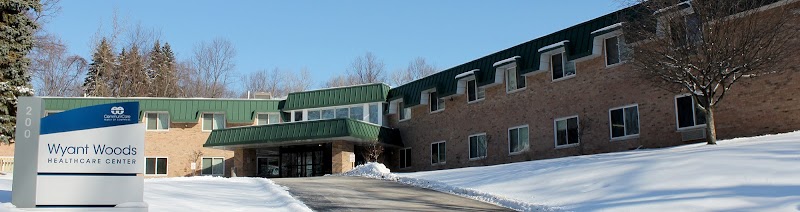
How is Wyant Woods Healthcare Center Staffed?

CMS rates WYANT WOODS HEALTHCARE CENTER's staffing level at 2 out of 5 stars, which is below average compared to other nursing homes. Staff turnover is 42%, compared to the Ohio average of 46%. This relatively stable workforce can support continuity of care.

What Have Inspectors Found at Wyant Woods Healthcare Center?

State health inspectors documented 56 deficiencies at WYANT WOODS HEALTHCARE CENTER during 2019 to 2025. These included: 3 Immediate Jeopardy (the most serious level, indicating potential for serious harm or death) and 53 with potential for harm. Immediate Jeopardy findings are rare and represent the most serious regulatory concerns. They require immediate corrective action.
Who Owns and Operates Wyant Woods Healthcare Center?

WYANT WOODS HEALTHCARE CENTER is owned by a for-profit company. For-profit facilities operate as businesses with obligations to shareholders or private owners. The facility is operated by COMMUNICARE HEALTH, a chain that manages multiple nursing homes. With 180 certified beds and approximately 160 residents (about 89% occupancy), it is a mid-sized facility located in AKRON, Ohio.
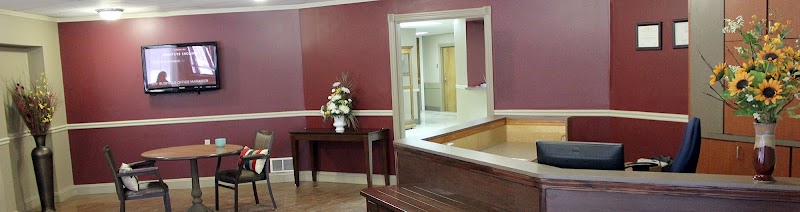
How Does Wyant Woods Healthcare Center Compare to Other Ohio Nursing Homes?

Compared to the 100 nursing homes in Ohio, WYANT WOODS HEALTHCARE CENTER's overall rating (3 stars) is below the state average of 3.2, staff turnover (42%) is near the state average of 46%, and health inspection rating (2 stars) is below the national benchmark.

What Should Families Ask When Visiting Wyant Woods Healthcare Center?

Based on this facility's data, families visiting should ask: "What changes have been made since the serious inspection findings, and how are you preventing similar issues?" "Can you walk me through typical staffing levels on day, evening, and night shifts?" "Can I visit during a mealtime to observe dining assistance and food quality?" "How do you handle medical emergencies, and what is your hospital transfer rate?" These questions are particularly relevant given the facility's Immediate Jeopardy citations and the below-average staffing rating.

Is Wyant Woods Healthcare Center Safe?

Based on CMS inspection data, WYANT WOODS HEALTHCARE CENTER has documented safety concerns. Inspectors have issued 3 Immediate Jeopardy citations (the most serious violation level indicating risk of serious injury or death). The facility has a 3-star overall rating and ranks #100 of 100 nursing homes in Ohio. Families considering this facility should ask detailed questions about what corrective actions have been taken since these incidents.

Do Nurses at Wyant Woods Healthcare Center Stick Around?

WYANT WOODS HEALTHCARE CENTER has a staff turnover rate of 42%, which is about average for Ohio nursing homes (state average: 46%). Moderate turnover is common in nursing homes, but families should still ask about staff tenure and how the facility maintains care continuity when employees leave.

Was Wyant Woods Healthcare Center Ever Fined?

WYANT WOODS HEALTHCARE CENTER has been fined $163,067 across 3 penalty actions. This is 4.7x the Ohio average of $34,710. Fines at this level are uncommon and typically indicate a pattern of serious deficiencies, repeated violations, or failure to correct problems promptly. CMS reserves penalties of this magnitude for facilities that pose significant, documented risk to resident health or safety. Families should request specific documentation of what issues led to these fines and what systemic changes have been implemented.

Is Wyant Woods Healthcare Center on Any Federal Watch List?

WYANT WOODS HEALTHCARE CENTER is not on any federal watch list. The most significant is the Special Focus Facility (SFF) program, which identifies the bottom 1% of nursing homes nationally based on persistent, serious quality problems. Not being on this list means the facility has avoided the pattern of deficiencies that triggers enhanced federal oversight. This is a positive indicator, though families should still review the facility's inspection history directly.