BARBERTON POST ACUTE
85 THIRD STREET SE, BARBERTON, OH 44203 (330) 753-5005
For profit - Corporation 104 Beds PACS GROUP Data: November 2025
Trust Grade
35/100
#836 of 913 in OH
Last Inspection: January 2025

Within standard 12-15 month inspection cycle. Federal law requires annual inspections.

Overview

Barberton Post Acute has received a Trust Grade of F, which indicates significant concerns regarding the care provided at this facility. Ranking #836 out of 913 in Ohio means they are in the bottom half of nursing homes in the state, and #39 out of 42 in Summit County suggests only a few local options are worse. The facility's trend is worsening, with issues increasing from 6 in 2023 to 12 in 2025, indicating a decline in quality. Staffing is rated poorly at 1 out of 5 stars, with a 55% turnover rate, which is about average for Ohio, but this still raises concerns about continuity of care. While there are no fines on record, which is a positive sign, serious incidents have occurred, such as a resident being hospitalized due to inadequate respiratory care and a failure to maintain sanitary conditions in the kitchen, which could affect many residents. Overall, while there are some strengths, such as no fines, the facility has significant weaknesses that families should carefully consider.

Trust Score
F
35/100
In Ohio
#836/913
Bottom 9%
Safety Record
Moderate
Needs review
Inspections
Getting Worse
6 → 12 violations
Staff Stability
⚠ Watch
55% turnover. Above average. Higher turnover means staff may not know residents' routines.
Penalties
✓ Good
No fines on record. Clean compliance history, better than most Ohio facilities.
Skilled Nurses
○ Average
Each resident gets 33 minutes of Registered Nurse (RN) attention daily — about average for Ohio. RNs are the most trained staff who monitor for health changes.
Violations
⚠ Watch
20 deficiencies on record. Higher than average. Multiple issues found across inspections.
★☆☆☆☆
1.0
Overall Rating
★☆☆☆☆
1.0
Staff Levels
★★★★☆
4.0
Care Quality
★★☆☆☆
2.0
Inspection Score
Stable
2023: 6 issues
2025: 12 issues

The Good

  • 4-Star Quality Measures · Strong clinical quality outcomes
  • Full Sprinkler Coverage · Fire safety systems throughout facility
  • No fines on record

Facility shows strength in quality measures, fire safety.

The Bad

1-Star Overall Rating

Below Ohio average (3.2)

Significant quality concerns identified by CMS

Staff Turnover: 55%

Near Ohio avg (46%)

Frequent staff changes - ask about care continuity

Chain: PACS GROUP

Part of a multi-facility chain

Ask about local staffing decisions and management

Staff turnover is elevated (55%)

7 points above Ohio average of 48%

The Ugly 20 deficiencies on record

1 actual harm
Apr 2025 2 deficiencies
CONCERN (D) 📢 Someone Reported This

A family member, employee, or ombudsman was alarmed enough to file a formal complaint

Potential for Harm - no one hurt, but risky conditions existed

Deficiency F0627 (Tag F0627)

Could have caused harm · This affected 1 resident

**NOTE- TERMS IN BRACKETS HAVE BEEN EDITED TO PROTECT CONFIDENTIALITY** Based on closed medical record review, review of the Notice of Medicare Non-Coverage form, review of the durable medical equipme...

Read full inspector narrative →
**NOTE- TERMS IN BRACKETS HAVE BEEN EDITED TO PROTECT CONFIDENTIALITY** Based on closed medical record review, review of the Notice of Medicare Non-Coverage form, review of the durable medical equipment order summary, policy review and interviews, the facility failed to implement a discharge plan to ensure needed services and equipment were available upon discharge for Resident #80. This affected one resident (Resident #80) of three residents reviewed for discharges. Findings include: Review of the closed medical record for former Resident #80 revealed an admission date of 02/28/25 with diagnoses of fracture of shaft of left tibia, fracture of shaft of left fibula, chronic obstructive pulmonary disease, acute on chronic heart failure, diabetes, muscle weakness and atrophy, and anxiety disorder. Review of the Minimum Data Set (MDS) 3.0 admission assessment dated [DATE] revealed Resident #80 was cognitively intact, used a wheelchair for mobility, required substantial/maximal assistance with toileting, bathing, and toilet/bathing transfers and was dependent for lower body dressing and putting on/taking off footwear. Resident #80 discharged home on [DATE]. Review of the Notice of Medicare-Non-Coverage form revealed Resident #80's skilled nursing services would end on 04/04/25. Resident #80 signed the form on 04/02/25. Review of the discharge orders dated 04/05/25 revealed Resident #80 was okay to discharge with HHA [home health agency], palliative [care], physical therapy/occupational therapy and a specialty bed. The discharge orders were silent to a wheelchair. Review of the nurses note dated 04/05/25 timed 11:06 A.M. revealed Resident #80 was discharged homegoing. Sent with discharge paperwork, medication list, medications except Tramadol (narcotic pain medication). Medication list reviewed with resident. Aware of follow-up with primary care physician within one week of discharge. Aware of upcoming Orthopedic appointment. No questions or concerns. Transported by son. Review of the Post-Discharge Plan of Care assessment dated [DATE] revealed Resident #80 was discharged home on [DATE] with a HHA however the HHA's contact information was not provided. The Post-Discharge Plan of Care was silent to durable medical equipment (DME) provider name, contact information and the equipment needed. Resident #80's signature and the date of 04/05/25 was on the paper assessment in the hard medical record. Review of the Discharge Notice sheet dated 04/05/25 in the hard medical record revealed Resident #80 was discharged home with HHA [name of agency provided] and DME [company name provided] including hospital bed and a wheelchair. The delivery date of the wheelchair was listed as 04/04/25 and delivery date of the hospital bed was 04/05/25. Interview on 04/22/25 at 2:00 P.M. with Resident #80's son revealed he was upset that Resident #80 was sent home without a hospital bed or wheelchair being delivered yet from the DME company. Resident #80's son stated that since the DME company's phone number was not listed on the resident discharge summary, he had to search for the phone number to call to follow up with the DME company. The DME company reported to Resident #80's son that they (the DME company) had received all the paperwork regarding Resident #80's discharge however the equipment had not been approved yet. Resident #80 was supposed to have a HHA. However, the HHA did not show up so Resident #80's son had to call the HHA. The HHA stated that the HHA order was sent to the HHA but the services had not been approved yet. Resident #80's son stated Resident #80 couldn't stand at all so that first week home was rough and the resident mostly stayed on the couch. Resident #80 son stated it was a week [after discharge] that the HHA came to the resident's house and that the hospital bed and wheelchair got delivered to the house. Resident #80 had a community primary care physician appointment scheduled for a week after discharge, however Resident #80 had to cancel the appointment because she was having a hard time getting around. Resident #80 son's verified Resident #80 was not provided with a phone number on the discharge summary for the DME company or the HHA. Resident #80's son revealed Resident #80 had remained at home with family members staying with her at house and the resident was still receiving HHA physical and occupational therapy. Resident #80's son stated Resident #80 was not interested in returning to the facility. Interview on 04/22/25 at 2:35 P.M. with Social Services Designee (SSD) #1 revealed SSD #1 assisted with discharge planning however the two former Medical Records Assistants (MRAs) set up DME and HHA and filled out the Discharge Notice sheet for the hard chart to let the nurses know the discharge plan. SSD #1 usually filled out the sections of the Ombudsman number and contact information, the resident's community primary care physician and contact information, and the resident's community pharmacy and contact information on the Post-Discharge Plan of Care assessment. For Resident #80's discharge though, SSD #1 was not working that day because it was a weekend so Licensed Practical Nurse (LPN) #1 (a floor nurse) filled out the Post-Discharge Plan of Care. SSD #1 was aware Resident #80 was discharging home on [DATE] because Resident #80 was given and signed a Notice of Medicare Non-Coverage (NOMNC) on 04/02/25 and the resident's last covered date was 04/04/25. SSD #1 revealed SSD #1 found out after Resident #80 discharged that Physician #3's (Resident #80's primary care physician) office staff refused to notify Physician #3 to sign the DME and HHA order because Physician #3's office staff did not realize Physician #3 had seen Resident #80 at the facility so there was a lot of back and forth trying to figure it out. SSD #1 verified the HHA name and contact information and the DME company's name and contact information was not provided on Resident #80's Post-Discharge Plan of Care assessment. Interview on 04/22/25 at 3:40 P.M. with the Administrator, with the Administrator-in-Training (AIT) present, verified the HHA name and contact information and DME company name and contact information was not provide on Resident #80's Post-Discharge Plan of Care. Interview on 04/28/25 at 12:30 P.M. with Medical Records Assistant (MRA) #4 revealed she requested Resident #80's hospital bed on 04/02/25 and requested Resident #80's wheelchair on 04/03/25 and sent a fax to Physician #3 on 04/02/25 and 04/03/25. A follow-up interview on 04/28/25 at 10:50 A.M. with the Administrator verified the facility to not follow up to ensure Physician #3 approved the DME and HHA orders prior to Resident #80 discharging home. Review of the DME Order Summary for Resident #80's hospital bed revealed MRA #4 created the hospital bed order and requested signature from Physician #3 on 04/02/25, Physician #3 approved the order on 04/10/25, and the hospital bed was delivered on 04/11/25. Review of the DME Order Summary for Resident #80's wheelchair revealed MRA #4 created the wheelchair order and requested Physician #3's signature on 04/03/25, Physician #3 approved the order on 04/10/25, and the wheelchair was delivered on 04/11/25. Review of the facility's Resident-Initiated Transfer or Discharge policy dated 2001 revealed for resident-initiated discharges, the medical record would contain a discharge care plan. The comprehensive care plan would contain the residents' goals for admission, desired outcomes, which would be aligned with the discharge if it was resident-initiated. This deficiency represents non-compliance investigated under Complaint Number OH00164784.
CONCERN (D) 📢 Someone Reported This

A family member, employee, or ombudsman was alarmed enough to file a formal complaint

Potential for Harm - no one hurt, but risky conditions existed

Deficiency F0628 (Tag F0628)

Could have caused harm · This affected 1 resident

**NOTE- TERMS IN BRACKETS HAVE BEEN EDITED TO PROTECT CONFIDENTIALITY** Based on closed medical record review, policy review and interviews, the facility failed to provide a discharge summary to Resid...

Read full inspector narrative →
**NOTE- TERMS IN BRACKETS HAVE BEEN EDITED TO PROTECT CONFIDENTIALITY** Based on closed medical record review, policy review and interviews, the facility failed to provide a discharge summary to Resident #81 and failed to provide a complete discharge summary to Resident #80. This affected two residents (Resident #80 and #81) of three residents reviewed for discharges. Findings include: 1. Review of the closed medical record for former Resident #81 revealed an admission date of 03/06/25 with diagnoses of acute respiratory failure, pneumonia, chronic obstructive pulmonary disease (COPD), diabetes, chronic embolism and thrombosis of left popliteal vein, sleep apnea, kidney failure, and neuromuscular dysfunction of bladder. Resident #81 discharged home on [DATE]. Review of the nurse practitioner discharge evaluation progress note dated 03/24/25 revealed Resident #81 was admitted to the hospital on [DATE] due to increase shortness of breath, previously tested positive for influenza A seven to 10 days prior to admission. He was found to have severe pneumonia with a COPD exacerbation. He was placed on a BiPap (a type of non-invasive ventilation therapy used to assist with breathing difficulties), given intravenous (IV) steroids and IV antibiotics. He was then discharged on 03/06/25 to the facility for physical and occupational therapy due to increased weakness and decreased mobility. Review of the physician orders from March 2025 revealed Resident #81 was ordered Warfarin sodium (a blood thinning medication) oral tablet 2.5 milligrams (mg) give one tablet by mouth one time a day for chronic embolism of the left popliteal vein, Humalog (an insulin) injection solution 100 unit/milliliter(mL) inject six units subcutaneously before meals for diabetes, Insulin NPH subcutaneous suspension 100 unit/mL inject 14 units subcutaneously one time a day for diabetes, Insulin NPH subcutaneous suspension 100 unit/mL inject five units subcutaneously one time a day for diabetes, Ipratropium-Albuterol inhalation solution (an inhaler) three mL inhale orally three times a day for wheezing/shortness of breath, Metoprolol tartrate oral tablet 25 mg give one tablet by mouth two times a day for hypertension, Pramipexole dihydrochloride oral table 1 mg one time a day for restless leg syndrome, Ranolazine extended release oral tablet 500 mg give one tablet by mouth two times a day for angina (chest pain) due to congestive heart failure, Sodium chloride inhalation (an inhaler) solution 3% 4 mL inhale orally one time a day for COPD, Atorvastatin (a cholesterol lowering medication) calcium oral tablet 20 mg give one tablet by mouth for hyperlipidemia, and Guaifenesin (used to clear mucus) extended release oral tablet 12 hour 600 mg give one tablet by mouth two times a day for COPD. Further review of the physician orders from March 2025 revealed Resident #81 had orders to cleanse buttocks with Hibiclens, rinse with normal saline, pat dry, apply Magic Butt Paste to buttocks and leave open to air two times a day for moisture associated dermatitis (MASD); cleanse left heel with soap and water, pat dry, apply Skin Prep to left heel and leave open to air once a day and as needed, and cleanse right toe with soap and water, pat dry, apply Betadine to right second digit and leave open to air daily and as needed. Resident #80 also had an order to obtain a PT INR (measures how long it takes blood to clot) every Monday and Thursday for Warfarin (anticoagulant) therapy. Resident #80 was ordered discharge home with physical and occupational therapy on 03/24/25. Review of the Notice of Medicare-Non-Coverage form revealed Resident #81's skilled nursing services would end on 03/23/25. Resident #81 signed the form on 03/21/25. Review of the nurses note dated 03/21/25 revealed labs obtained and reviewed with nurse practitioner. New order to increase Coumadin (Warfarin) to 2.5 mg. Recheck PT on Monday (03/24/25). Review of the lab results report dated 03/24/25 revealed Resident #81's PT value was 15.6 seconds (9.8 to 12.2 normal) and INR was 1.5 (2.0 to 3.0 standard anticoagulant). Review of the nurse's note dated 03/24/25 timed 10:04 A.M. revealed per daughter, she advised Resident #81 contacted her overnight and stated he wanted medical transport home today. Transport was notified and they would arrive to pick up the resident at 5:00 P.M. and resident would be discharged home. Review of the nurse's note dated 03/24/25 timed 7:06 P.M. authored by Assisted Director of Nursing (ADON) #3 revealed Resident #81 discharged home at 6:55 P.M. via transport. Resident voiced no complaints. Review of the Discharge Notice sheet dated 04/05/25 in the hard medical record revealed Resident #81 would receive physical therapy and occupational therapy via a home health agency (HHA). Resident #81's community primary care physician and contact information and community pharmacy and contact information was listed on the sheet. Review of the Evaluations tab in the electronic medical record revealed there was no Post-Discharge Plan of Care for Resident #81. Review of Resident #81's hard medical record revealed there was no Post-Discharge Plan of Care for Resident #81. Interview on 04/22/25 at 2:35 P.M. with Social Services Designee (SSD) #1 revealed Resident #81's was given the NOMNC form on 03/21/25. Resident #81's family called on the morning of 03/24/25 requesting the resident to be transported home via transport company rather than his family picking him up from the facility. SSD #1 verified there was not a signed Post-Discharge Plan of Care in Resident #81's hard medical record. Interviews on 04/22/25 at 3:20 P.M. and 4:10 P.M. with Resident #81's family members revealed the family was blindsided and clueless and not given anything upon Resident #81's discharge. Resident #81 was not sent home with a medication list, medications, information about HHA or wound care orders for his heel and buttocks. Resident #81's family had to call his primary care physician for assistance. Resident #81 was at home and had been receiving hospice care for the past two weeks. Resident #81's family members stated Resident #81 was not interested in returning to the facility at this time. Interview on 04/22/25 at 3:40 P.M. with the Administrator verified Resident #81 was not provided with a Post-Discharge Plan of Care or any information regarding his care upon discharge. Interview on 04/22/25 at 4:55 P.M. with Assistant Director of Nursing (ADON) #3 revealed ADON #3 observed Resident #81 exit the facility via transport squad and did not remember seeing paperwork provided to the resident. An Agency Nurse was working on the unit Resident #81 resided when he was discharged which was why ADON #3 wrote the nurses' note about the resident exiting the building. Review of the facility's Resident-Initiated Transfer or Discharge policy dated 2001 revealed for resident-initiated discharges, the medical record wound contain a discharge care plan. The comprehensive care plan contained the residents' goals for admission, desired outcomes, which would be aligned with the discharge if it was resident-initiated. 2. Review of the closed medical record for former Resident #80 revealed an admission date of 02/28/25 with diagnoses of fracture of shaft of left tibia, fracture of shaft of left fibula, chronic obstructive pulmonary disease, acute on chronic heart failure, diabetes, muscle weakness and atrophy, and anxiety disorder. Review of the Minimum Data Set (MDS) 3.0 admission assessment dated [DATE] revealed Resident #80 was cognitively intact, used a wheelchair for mobility, required substantial/maximal assistance with toileting, bathing, and toilet/bathing transfers and was dependent for lower body dressing and putting on/taking off footwear. Resident #80 discharged home on [DATE]. Review of the nurses note dated 03/31/25 timed 10:34 A.M. revealed notified by therapist that resident had a new skin tear to left shin. Stated she wrapped left knee dressing with bag due to resident received shower. When she removed tape to left shin it caused a skin tear. Cleaned with normal saline, patted dry, TAO (triple antibiotic ointment) applied, padded with ABD (large bulky gauze pad), wrapped with Kerlix, and secured with tape. Dressing order put in place to change nightly with left knee dressing change. Resident aware. Review of the skin/wound note dated 04/01/25 timed 11:29 A.M. revealed area to left lateral knee improving, measuring 2.8 centimeters (cm) by 1.1 cm by 0.2 cm. Small amount of tan-colored drainage (10 percent of 4 by 4 gauze). Peri wound area intact, normal skin tone. Area to left knee (anterior) unstageable improving measuring 1.0 by 1.0 by unable to determine (UTD) and 100% yellow-white slough. Periwound area intact, normal skin tone. Review of the Notice of Medicare-Non-Coverage form revealed Resident #80's skilled nursing services would end on 04/04/25. Resident #80 signed the form on 04/02/25. Review of Resident #80's discharge orders dated 04/05/25 revealed to cleanse left knee and left lateral shin with Dakins, apply nickel thick Santyl to wound bed followed by adaptic and cover with ABD and Kerlix one time a day and as needed. Resident #80 was also ordered wound care for left skin tear including cleansing with normal saline, applying TAO, padding with ABD pad, wrapping with Kerlix and securing with tape every night shift and as needed until resolved. The orders also indicated Resident #80 was okay to discharge with HHA [home health agency], palliative [care], physical therapy/occupational therapy and a specialty bed. The discharge orders were silent to a wheelchair. Review of the nurses note dated 04/05/25 timed 11:06 A.M. revealed Resident #80 was discharged homegoing. Sent with discharge paperwork, medication list, medications except Tramadol (a narcotic pain medication). Medication list reviewed with resident. Aware of follow-up with primary care physician within one week of discharge. Aware of upcoming Orthopedic appointment. No questions or concerns. Transported by son. Review of the Post-Discharge Plan of Care assessment dated [DATE] revealed Resident #80 was discharged home on [DATE] with a HHA however the HHA's phone number and address were not provided. The Ombudsman's name or phone number were not provided. Resident #80 had a daily wound care orders to her to left knee and left shin however N/A (not applicable) was listed for wound care orders. Resident #80's primary care physician's name or phone number was not provided nor was the resident's pharmacy name and phone number. Resident #80's signature and the date of 04/05/25 was found on the paper assessment in the hard medical record. Review of the Discharge Notice sheet dated 04/05/25 in the hard medical record revealed Resident #80 was discharged home with HHA [the HHA name provided] and durable medical equipment (DME) [the DME company name provided] including a hospital bed and a wheelchair. The delivery date of the wheelchair was listed as 04/04/25 and delivery day of the hospital bed was 04/05/25. Interview on 04/22/25 at 2:00 P.M. with Resident #80's son revealed he was upset that Resident #80 was sent home without a hospital bed or wheelchair being delivered from the DME company. Resident #80's son stated that since the DME company's phone number was not on the resident discharge summary, he had to search for the phone number to call to follow up with the DME company. Resident #80 son's verified Resident #80 was not provided with a phone number on the discharge summary for the DME company or the HHA. Resident #80's son revealed Resident #80 had remained at home with family members staying with her at house and the resident was still receiving HHA physical and occupational therapy. Resident #80's son stated Resident #80 was not interested in returning to the facility. Interview on 04/22/25 at 2:35 P.M. with Social Services Designee (SSD) #1 revealed SSD #1 assisted with discharge planning however the two prior Medical Records Assistants set up DME and HHA and filled out the Discharge Notice sheet for the hard chart to let the nurses know the discharge plan. SSD #1 usually filled out the sections of the Ombudsman number and contact information, the resident's community primary care physician and contact information, and the resident's community pharmacy and contact information on the Post-Discharge Plan of Care assessment. For Resident #80's discharge though, SSD #1 was not working that day because it was a weekend so Licensed Practical Nurse (LPN) #2 (a floor nurse) filled out the Post-Discharge Plan of Care. SSD #1 was aware Resident #80 was discharging home on [DATE] because Resident #80 was given and signed a Notice of Medicare Non-Coverage (NOMNC) on 04/02/25 and the resident's last covered date was 04/04/25. SSD #1 verified the following information was not provided on Resident #80's Post-Discharge Plan of Care assessment: the Ombudsman name and contact information, the HHA name and contact information, the DME company's name and contact information, the wound care order, the community primary care physician name or contact information and the community pharmacy name and contact information. Interview on 04/22/25 at 3:40 P.M. with the Administrator, with the Administrator-in-Training (AIT) present, verified the following information was not provide on Resident #80's Post-Discharge Plan of Care: Ombudsman name and contact information, DME company name and contact information, HHA name and contact information, the wound care order, community primary care physician's name and contact information and the community pharmacy and contact information. Review of the facility's Resident-Initiated Transfer or Discharge policy dated 2001 revealed for resident-initiated discharges, the medical record contained: a discharge care plan. The comprehensive care plan contained the residents' goals for admission, desired outcomes, which would be aligned with the discharge if it was resident-initiated. This deficiency represents non-compliance investigated under Complaint Number OH00164784.
Jan 2025 10 deficiencies
CONCERN (D)

Potential for Harm - no one hurt, but risky conditions existed

Deficiency F0561 (Tag F0561)

Could have caused harm · This affected 1 resident

**NOTE- TERMS IN BRACKETS HAVE BEEN EDITED TO PROTECT CONFIDENTIALITY** Based on observation, record review, resident interview, staff interview, and facility policy review, the facility failed to ens...

Read full inspector narrative →
**NOTE- TERMS IN BRACKETS HAVE BEEN EDITED TO PROTECT CONFIDENTIALITY** Based on observation, record review, resident interview, staff interview, and facility policy review, the facility failed to ensure residents were treated with dignity and respect. This affected one resident (#23) of one reviewed for choices. The facility census was 72. Findings include: Review of the medical record for Resident #23 revealed an admission date of 05/17/23. Diagnoses included type II diabetes mellitus, sequelae of cerebral infarction, and hypertension. Review of the quarterly Minimum Date Set (MDS) assessment dated [DATE] revealed Resident #23 had a Staff Assessment for Mental Status (SAMS) completed that indicated the resident had short-term and long-term memory problems and was severely impaired regarding tasks of daily life. Review of the MDS assessment revealed Resident #23 required assistance from staff for activities of daily living (ADLs). Review of the care plan dated 11/24/24 revealed Resident #23 had impaired cognitive function, thought processes and had identified personal preferences. Interventions included to encourage Resident #23 to make routine and daily decisions and for preferences to be honored. Observation on 01/12/25 at 2:45 P.M. revealed Resident #23 was sitting in a chair adjacent to the bed yelling out for staff. Resident #23 appeared upset while angrily hitting the bed with a balled-up fist. Resident #23's bed was observed to be unmade. Interview with Resident #23 at the time of the observation, while the resident continued to yell out for staff, revealed the resident was upset because the bed was unmade, and Resident #23 wanted to get in bed. Interview on 01/12/25 at 2:46 P.M. with Certified Nurse Assistant (CNA) #870 revealed Resident #23 was upset and angry because the resident wanted to get into bed. CNA #870 revealed Resident #23's bed was purposely left unmade to keep Resident #23 from getting into bed to lay down. CNA #870 stated Resident #23's wife had requested staff to keep him out of bed related to his weight status. CNA #870 confirmed and verified Resident #23 bed was unmade and the resident's preferences were not honored. Interview on 01/12/25 at 2:50 P.M. with Licensed Practical Nurse (LPN) #803 revealed Resident #23 bed was unmade to stop him from getting in bed to lay down. LPN #803 revealed Resident #23 did not have any orders or specific reasons to be denied getting in bed, except for Resident #23's wife request to not let Resident #23 in bed due to the residents weight status. LPN #803 revealed Resident #23 wanted to get in bed to lay down. LPN #803 confirmed and verified the above findings at the time of the interview. Interview on 01/14/24 at 2:47 P.M. with LPN #821 revealed he always informed the unit CNA's to make Resident #23 bed to allow Resident #23 to lay down when he wanted. LPN #821 revealed Resident #23's wife requested Resident #23 bed not to be made to keep the resident out of the bed. LPN #821 stated he did not agree with the wife's request and believed Resident #23 had a right to be in bed at his choosing. Review of the facility document titled Bill of Rights undated, and attached to the admissions agreement, revealed the facility had a policy in place to ensure residents had the right to retire and rise in accordance with the resident's reasonable request, unless not medically advisable as documented by the attending physician. Review of the document revealed the facility did not implement the policy.
CONCERN (D)

Potential for Harm - no one hurt, but risky conditions existed

Deficiency F0569 (Tag F0569)

Could have caused harm · This affected 1 resident

**NOTE- TERMS IN BRACKETS HAVE BEEN EDITED TO PROTECT CONFIDENTIALITY** Based on record review and staff interview the facility failed to ensure funds were conveyed timely upon death for one Resident ...

Read full inspector narrative →
**NOTE- TERMS IN BRACKETS HAVE BEEN EDITED TO PROTECT CONFIDENTIALITY** Based on record review and staff interview the facility failed to ensure funds were conveyed timely upon death for one Resident (#175). This affected one resident of one resident reviewed for funds conveyance of funds. The facility census was 72. Findings include: Review of the medical record revealed Resident #175 was admitted to the facility on [DATE] and expired on [DATE]. Review of the business records for Resident #175 revealed a check for $1,676.34 was dispersed to the Treasurer of Ohio State on [DATE]. Interview on [DATE] at 10:03 A.M. with Business Office Manager (BOM) #801 verified Resident #175's funds were dispersed on [DATE] and Resident #175 expired on [DATE]. BOM #801 verified Resident #175's funds were conveyed outside the required timeframe of 30 days.
CONCERN (D) 📢 Someone Reported This

A family member, employee, or ombudsman was alarmed enough to file a formal complaint

Potential for Harm - no one hurt, but risky conditions existed

Safe Environment (Tag F0584)

Could have caused harm · This affected 1 resident

**NOTE- TERMS IN BRACKETS HAVE BEEN EDITED TO PROTECT CONFIDENTIALITY** Based on record review, observation, resident interview, staff interview, the facility failed to ensure the resident's environme...

Read full inspector narrative →
**NOTE- TERMS IN BRACKETS HAVE BEEN EDITED TO PROTECT CONFIDENTIALITY** Based on record review, observation, resident interview, staff interview, the facility failed to ensure the resident's environment was kept in a clean and sanitary manner. This affected two residents (#7 and #22) of two reviewed for incontinence care. The facility census was 72. Findings include: 1. Review of the medical record for Resident #7 revealed an admission date of 05/31/24. Diagnoses included pulmonary fibrosis, chronic obstructive pulmonary disease, and hypertensive heart and chronic kidney disease with heart failure. Review of the Minimum Data Set (MDS) assessment dated [DATE] revealed Resident #7 was alert and oriented to person, place, and time, required assistance from staff for activities of daily living (ADLS) and was occasionally incontinent of bladder. Review of the care plan dated 12/03/24 revealed Resident #7 had an ADL self-care performance deficit related to limited mobility, and assistance needed for toilet use. Interventions included for staff to assist with completion of ADLs on a daily basis, including toileting. 2. Review of the medical record for Resident #22 revealed an admission date of 03/04/22. Diagnoses included hemiplegia and hemiparesis following cerebral infraction affecting the right dominant side, malignant neoplasm of tonsil, and chronic obstructive pulmonary disease. Review of the Minimum Data Set (MDS) assessment dated [DATE] revealed Resident #22 was alert and oriented with cognition impairment, required assistance from staff for ADLs and was frequently incontinent with bladder. Review of the care plan dated 12/03/24 revealed Resident #22 had an ADL self-care performance deficit related to limited mobility, and assistance required with toilet use. Interventions included staff to assist with completion of ADLs on a daily basis, including toilet hygiene. Observation on 01/12/25 at 12:30 P.M. of Resident #7's room, shared with Resident #22, revealed a soiled brief laying on the floor between Resident #7 and #22 beds. Resident's #7 and #22 were observed to be eating the lunch meal. Interview on 01/12/25 at 12:32 P.M. with Resident #7 revealed the resident soiled the brief and attempted to use her reacher to dispose of it, but the brief hit the floor instead. Resident #7 revealed there were times when she requested assistance from staff, but staff did not help her. Observation and interview on 01/12/25 at 12:35 P.M. of Certified Nurse Assistant (CNA) #858 revealed her walking into the room to speak with Resident #22. CNA #858 was observed to look down at the floor between Resident's #7 and #22 bed and started shaking her head. CNA #858 was observed to be rolling her eyes in an upward motion and stated, that's nasty, especially while they are eating. CNA #858 revealed no knowlege of who the soiled brief belonged to. CNA #858 confirmed and verified the findings at the time of the interview and observation. This deficiency represents non-compliance investigated under Complaint Number OH00161493.
CONCERN (D)

Potential for Harm - no one hurt, but risky conditions existed

Deficiency F0685 (Tag F0685)

Could have caused harm · This affected 1 resident

Based on observations, resident interview, staff interview, and medical record review, the facility failed to ensure Resident #38's received treatment to maintain hearing abilities. This affected one ...

Read full inspector narrative →
Based on observations, resident interview, staff interview, and medical record review, the facility failed to ensure Resident #38's received treatment to maintain hearing abilities. This affected one resident (#38) out of one resident reviewed for communication/sensory abilities. The facility census was 72. Findings include: Review of the medical record for Resident #38 revealed an admission date of 03/27/17 with diagnoses of chronic obstructive pulmonary disease, low back pain, anxiety disorder, and heart failure. Review of the quarterly Minimum Data Set (MDS) 3.0 assessment, dated 12/05/24, revealed Resident #38 had intact cognition and was independent for activities of living. Review of the progress note dated 04/24/24 at 9:40 A.M. revealed that Resident #38 had seen an audiologist for hearing exam and hearing aide evaluation. The assessment revealed that there was hearing loss, and the plan was to return for a hearing aide fitting one to three months. Review of the Certificate of Medical Necessity for the hearing aides was completed on 10/01/24 for Resident #38. Observations on 01/12/25 at 11:04 A.M. revealed Resident #38 was sitting in bed and was having a hard time hearing. At the time of the observation, an interview with Resident #38 revealed the resident needed an appointment for the new hearing aids. Interview on 01/13/25 at 12:53 P.M. with Social Services Designee (SSD) #839 revealed that ancillary services are set up based on resident needs. SSD #839 verified Resident #38 had no follow up for the hearing aids and more information was needed. SSD #839 stated she would investigate. Follow up interview on 01/15/25 at 7:50 A.M. with SSD #839 revealed after the hearing aid company was emailed, they would be expediting Resident #38's hearing aids.
CONCERN (D)

Potential for Harm - no one hurt, but risky conditions existed

Deficiency F0697 (Tag F0697)

Could have caused harm · This affected 1 resident

Based on medical record review, resident interview, and staff interview, the facility failed to ensure Resident #38 received treatment for pain relief. This affected one resident (#38) out of one resi...

Read full inspector narrative →
Based on medical record review, resident interview, and staff interview, the facility failed to ensure Resident #38 received treatment for pain relief. This affected one resident (#38) out of one resident reviewed for pain management. The facility census was 72. Findings include: Review of the medical record for Resident #38 revealed an admission date of 03/27/17 with diagnoses including chronic obstructive pulmonary disease, low back pain, anxiety disorder, and heart failure. Review of the quarterly Minimum Data Set (MDS) 3.0 assessment, dated 12/05/24, revealed Resident #38 had intact cognition and was independent for activities of living. Review of the physician's note dated 10/01/24 revealed a recommendation for magnetic resonance imaging (MRI) and physical therapy due to Resident #38's six month history of chronic back pain and x-ray results of the lumbar spine completed on 09/24/24 showing an anterior compression deformity of the second lumbar spine. Review of the physician's orders for October 2024 revealed an appointment was needed to be scheduled with pain management The order read, lease only schedule on Mondays and Wednesday in the morning and the facility will take Resident #38 to the appointment. Further review of the medical record revealed that Resident #38 did see the physician for pain management. Interview on 01/12/25 at 11:05 A.M. with Resident #38 revealed the resident was supposed to have a pain shot, but an appointment was not made for Resident #38 to receive the shot. Interview on 01/13/25 at 12:53 P.M. with Social Services Designee (SSD) #839 revealed Resident #38 gets shots every few months for chronic back pain. A follow up interview on 01/13/25 at 2:07 P.M. with SSD #839 revealed that Resident # 38 did have an appointment for a pain shot scheduled, however the appointment got canceled. SSD #839 stated neither the the facility or the physician's office followed up to schedule an new appointment. A follow up interview on 01/15/25 at 7:50 A.M. with SSD #839 revealed pain management appointments were made for Resident #38 for 01/29/25 and 02/04/25.
CONCERN (E)

Potential for Harm - no one hurt, but risky conditions existed

Deficiency F0730 (Tag F0730)

Could have caused harm · This affected multiple residents

Based on record review and staff interview the facility failed to ensure annual performance evaluations were completed as required for Certified Nursing Assistants (CNA). This affected three of three ...

Read full inspector narrative →
Based on record review and staff interview the facility failed to ensure annual performance evaluations were completed as required for Certified Nursing Assistants (CNA). This affected three of three CNA's personnel files reviewed and had the potential to affect all 72 residents residing in the facility. The facility census was 72. Findings include: 1. Review of the personnel file on 01/14/25 with Human Resource Director (HR) #815 revealed CNA #826 had a hire date of 08/20/20. Review of the employee's personnel file revealed no annual performance evaluation had been completed for 2024. 2. Review of the personnel file on 01/14/25 with Human Resource Director (HR) #815 revealed CNA #863 had a hire date of 05/23/23. Review of the employee's personnel file revealed no annual performance evaluation had been completed for 2024. 3. Review of the personnel file on 01/14/25 with Human Resource Director (HR) #815 revealed CNA #865 had a hire date of 05/15/22. Review of the employee's personnel file revealed no annual performance evaluation had been completed for 2024. The interview on 01/15/25 at 8:07 A.M. with Human Resources Director (HR) #815 verified that no evaluations were completed for CNA #826, CNA #863, and CNA #865 in 2024.
CONCERN (E) 📢 Someone Reported This

A family member, employee, or ombudsman was alarmed enough to file a formal complaint

Potential for Harm - no one hurt, but risky conditions existed

Pharmacy Services (Tag F0755)

Could have caused harm · This affected multiple residents

**NOTE- TERMS IN BRACKETS HAVE BEEN EDITED TO PROTECT CONFIDENTIALITY** Based on medical record review, staff interview, and review of the facility policy, the facility failed to ensure medications we...

Read full inspector narrative →
**NOTE- TERMS IN BRACKETS HAVE BEEN EDITED TO PROTECT CONFIDENTIALITY** Based on medical record review, staff interview, and review of the facility policy, the facility failed to ensure medications were available for administration. This affected three residents #29, #47, and #18 out of six (Residents #4, #7, #18, #29, #47, and #54) reviewed for medication administration. The facility census was 72. Findings include: 1 Review of the medical record for Resident #29 revealed an admission date of 12/15/23. Diagnoses included anxiety disorder, Hodgkin lymphoma, thyroiditis, hypothyroidism, and diabetes mellitus. Review of the quarterly Minimum Data Set (MDS) 3.0 assessment, dated 10/31/24, revealed Resident #29 was severely cognitively impaired and dependent on staff for activities of daily living (ADLs). Review of the current physician orders for Resident #29 revealed a physician order written on 03/21/24 for Levothyroxine 175 microgram (mcg), one tablet by mouth in the morning. Review of the medication administration record (MAR) for January 2025 revealed Resident #29 did not receive levothyroxine 175 mcg in the morning of 01/08/25 and 01/09/25 because the medication was unavailable. Interview on 01/13/25 at 3:14 P.M. with the Director of Nursing (DON) verified that Resident #29 did not receive the prescribed medication of 175 mcg levothyroxine in the morning of 01/08/25 and 01/09/25 as the medication was documented unavailable on the MAR. The DON was unsure why the medication was unavailable. 2. Review of the medical record for Resident #47 revealed an admission date of 10/26/22 and a readmit date of 02/15/23. Diagnoses included to major depressive disorder, drug induced subacute dyskinesia, chronic pain, and dementia. Review of the comprehensive MDS 3.0 assessment, dated 11/13/24 revealed Resident #47 was severely cognitively impaired and required substantial assistance for ADLs. Review of the current physician orders for Resident #47 revealed a physician order written on 11/30/24 for 40 milligrams of Ingrezza orally at bedtime for dyskinesia. Review of the MAR for December 2024 revealed Resident #47 had not received 40 milligrams of Ingrezza orally at bedtime on 12/30/24 and 12/31/24 as the medication was unavailable. Review of the MAR for January 2025 revealed Resident #47 did not receive 40 milligrams of Ingrezza orally at bedtime from 01/01/25 through 01/11/25 for dyskinesia as the medication was unavailable. Observation and interview on 01/13/25 at 4:29 P.M. with Resident #47 revealed involuntary movements of the mouth were continual during conversation. Resident #47 confirmed a diagnosis of tardive dyskinesia and stated medication was required for treatment. Interview on 01/13/25 at 3:14 P.M. with the DON verified Resident #47 did not receive the prescribed medication of 40 milligrams of Ingrezza orally at bedtime from 12/30/24 through 01/11/25. The DON did not know why the medication was not available. 3. Review of the medical record for Resident #18 revealed an admission date of 02/17/24. Diagnoses included acute respiratory failure, chronic kidney disease stage 4, chronic obstructive pulmonary disease, and type II diabetes mellitus. Review of the MDS assessment dated [DATE] revealed Resident #18 was alert and oriented to person, place, and time. Review of the MDS assessment also revealed Resident #18 required assistance from staff for ADLs and required dialysis. Review of the care plan dated 12/16/24 revealed Resident #18 had an ADL self-care performance deficit and required hemodialysis with an intervention that included to administer medications per physician order. Review of the current physician orders dated 11/19/24 revealed Resident #18 had an order for dialysis at an outpatient dialysis center on Tuesdays, Thursdays, and Saturdays with a chair time of 12:30 P.M. Further review of physician orders revealed Resident #18 had an order dated 12/11/24 for auryxia oral tablet, administer 210 milligrams by mouth three times a day, with meals, for end-stage renal disease. Review of the MAR for Resident #18 revealed on 01/12/25 Resident #18 did not receive two of the three doses of auryxia with a note for both of the missed doses, to see the nurses notes. Review of a nurse progress note dated 01/12/25 at 12:38 P.M. revealed the facility was waiting for Resident #18's auryxia to be delivered from the pharmacy. Review of the progress note dated 01/12/25 at 6:15 P.M. revealed Resident #18's auryxia was not available. Interview on 01/13/25 at 3:39 P.M. with the DON verified Resident #18 missed two scheduled doses of auryxia on 01/12/25. The DON was aware the medication was not available and was unsure why the medication would not have been available. Review of the facility policy dated 11/2001 titled, Miscellaneous Special Situations- Unavailable Medication, revealed the facility must make every effort to ensure that medications used by residents are available to meet the needs of each resident. This deficiency represents non-compliance investigated under Complaint Number OH00161493. Surveyor: Richfield, Lake
CONCERN (E)

Potential for Harm - no one hurt, but risky conditions existed

Deficiency F0808 (Tag F0808)

Could have caused harm · This affected multiple residents

Based on observation, interview, and record review, the facility failed to provide physician ordered diets. This affected 17 residents (#2, #14, #16, #17, #23, #25, #32, #34, #36, #37, #43, #46, #49, ...

Read full inspector narrative →
Based on observation, interview, and record review, the facility failed to provide physician ordered diets. This affected 17 residents (#2, #14, #16, #17, #23, #25, #32, #34, #36, #37, #43, #46, #49, #52, #55, #58, and #125) of 17 residents ordered to receive a carbohydrate-controlled diet. The facility census was 72. Findings include: Observation of lunch tray line service on 01/14/25 from 11:30 A.M. through 12:30 P.M. revealed residents ordered a Carbohydrate Controlled Diet (CCD) were to receive sauteed spinach Seventeen of seventeen residents ordered a CCD were provided buttered peas. Review of the facility's spread sheet for lunch on Tuesday 01/14/25 revealed residents ordered a CCD diet would have a half cup of sauteed spinach in place of buttered peas. Interview on 01/14/25 at 11:48 A.M. with Regional Director of Dietary Services (RDO) #889 verified the spinach substitute for residents on a CCD was not provided and the spreadsheet for CCD diet substitutions was not being followed. An interview on 01/15/25 at 12:38 P.M. with the Dietary Manager (DM) #890 verified the menu had peas as the vegetable for the lunch meal and the spreadsheet indicated spinach should be substituted for the peas for residents on CCD. DM #890 verified the spinach was not cooked and was not provided to residents ordered a CCD and peas were served. Review of the facility's diet and nutritional manual for consistent carbohydrate diet dated 2021 revealed that individuals with diabetes or difficulty controlling blood glucose levels may be placed on a CCD which will spread carbohydrates throughout the day. Review of the facility policy dated 05/2014 and a revision date of 10/2022 titled, Menus revealed that menus will be planned in advance to meet the nutritional needs of the residents in accordance with established national guidelines.
CONCERN (E)

Potential for Harm - no one hurt, but risky conditions existed

Infection Control (Tag F0880)

Could have caused harm · This affected multiple residents

Based on observation, record review, and interview, the facility failed to identify high contact residents requiring use of enhanced barrier precautions during resident care activities. This effected ...

Read full inspector narrative →
Based on observation, record review, and interview, the facility failed to identify high contact residents requiring use of enhanced barrier precautions during resident care activities. This effected three residents (Resident #130, #131, and #225) of 26 residents on enhanced barrier precautions. The facility census was 72. Findings include: 1. Review of the medical record for Resident #225 revealed an admission date of 01/08/25. Diagnoses included urinary retention and weakness. Review of the physician order dated 01/09/24 revealed Resident #225 required Enhanced Barrier Precautions (EBP), which required the use gown and gloves for high-contact resident care including dressing, bathing, showering, transfers, hygiene care, changing linens, changing briefs, assisting with toileting, dressing changes, and care of any device (trach, central line, tube feeding, catheter), every shift for reducing the chance of spreading infection. Observation on 01/12/25 at 10:00 A.M. revealed the Resident #225 did not have signage posted to alert staff of high contact risk of spreading infection. Interview on 01/12/25 at 10:34 of the Licensed Practical Nurse (LPN) #822 verified the Resident #225 required enhanced barrier precautions and confirmed no signage was posted. 2. Review of the medical record for Resident #130 revealed an admission date of 01/13/25. Diagnosis was hypertension secondary to renal disorder. Review of the physician order dated 01/15/25 revealed Resident #130 required EBP, requiring the use of gown and gloves for high-contact resident care including dressing, bathing, showering, transfers, hygiene care, changing linens, changing briefs, assisting with toileting, dressing changes, and care of any device (trach, central line, tube feeding, catheter), every shift for reducing the chance of spreading infection. Observation on 01/15/25 at 9:40 A.M. revealed the Resident #130 did not have signage posted to alert staff of high contact risk of spreading infection. Interview on 01/15/25 of the Infection Control Designee #824 verified the Resident #130 was ordered enhanced barrier precautions and confirmed no signage was posted. 3. Review of the medical record for Resident #131 revealed an admission date of 01/06/25. Diagnosis included cellulitis of right lower limb. Review of the physician order dated 01/13/25 revealed the resident was to have EBP, requiring the use of gown and gloves for high-contact resident care including dressing, bathing, showering, transfers, hygiene care, changing linens, changing briefs, assisting with toileting, dressing changes, and care of any device (trach, central line, tube feeding, catheter), every shift for reducing the chance of spreading infection. Observation on 01/15/25 at 9:40 A.M., revealed the Resident #131 did not have signage posted to alert staff of high contact risk of spreading infection. Interview on 01/15/25 of the Infection Control Designee #824 verified the Resident #131 was ordered enhanced barrier precautions and confirmed no signage was posted. Review of the facility policy titled Enhanced Barrier Precautions, dated 03/2024 revealed signs are posted on the door or wall outside the resident room indicating the type of precautions and type of personal protection equipment required for care.
CONCERN (F)

Potential for Harm - no one hurt, but risky conditions existed

Food Safety (Tag F0812)

Could have caused harm · This affected most or all residents

Based on observation and staff interview, the facility failed to ensure its kitchen area was maintained in a clean and sanitary condition. This had the potential to affect 70 out of 72 residents recei...

Read full inspector narrative →
Based on observation and staff interview, the facility failed to ensure its kitchen area was maintained in a clean and sanitary condition. This had the potential to affect 70 out of 72 residents receiving food from the kitchen. Two residents (Resident's #3 and #21) out of 72 residents received nothing by mouth. The facility census was 72. Findings include: A tour of the kitchen on 01/13/25 from 8:07 A.M. through 8:27 A.M. revealed: • A kitchen door with dry food splatter. • In the dry storeroom, open bags of spiral noodles and egg noodles with no open date. • In the freezer, cooked omelets, individually wrapped, with no label or date, open bag of breaded chicken breasts on a shelf with no label or date, and two cases of chicken breasts sitting on the floor. • In the reach-in refrigerator, an open bag of shredded cheddar cheese and a stack of american cheese was not labeled or dated. • Dirty water underneath the dish machine sink. • A meat slicer with dried food residue on the slicer blade. • A floor mixer had dried food splatter in the back of the kitchen. A follow-up tour on 01/13/25 at 8:29 A.M. with [NAME] #894 verified the above findings. Review of the facility policy dated 05/2014 with a revision date of 02/2023 titled, Food Storage, stated all packaged and food items will be kept clean, dry and properly sealed with date marked as appropriate, and all food items will be stored on a shelf at least six inches from the floor. The policy also stated that the Dining Services Director or designee would regularly inspect the kitchen to ensure the area is well lit, well ventilated and not subject to sewage or wastewater backflow or contamination.
Mar 2023 5 deficiencies 1 Harm
SERIOUS (G)

Actual Harm - a resident was hurt due to facility failures

Respiratory Care (Tag F0695)

A resident was harmed · This affected 1 resident

**NOTE- TERMS IN BRACKETS HAVE BEEN EDITED TO PROTECT CONFIDENTIALITY** Based on observation, interview, and record review, the facility failed to ensure Resident #26's received adequate respiratory c...

Read full inspector narrative →
**NOTE- TERMS IN BRACKETS HAVE BEEN EDITED TO PROTECT CONFIDENTIALITY** Based on observation, interview, and record review, the facility failed to ensure Resident #26's received adequate respiratory care to comprehensively address and prevent respiratory distress resulting in hospitalization. Actual harm occurred on 02/07/23 when Resident #26 was transferred and then admitted to the intensive care unit for uncompensated respiratory acidosis requiring non-invasive ventilation. Between 02/05/23 and 02/07/23 the resident had shortness of breath, non-productive cough, audible wheezing, loss of appetite and complaints of not feeling well which were not adequately or timely addressed/treated resulting in the resident's continued deterioration in health and subsequent hospitalization. This affected one resident (#26) of two residents reviewed for hospitalizations. Findings include: Review of open electronic medical record for Resident #26 revealed admission date of 10/16/20 and diagnoses included acute and chronic respiratory failure with hypoxia, morbid obesity due to excess calories, need for assistance with personal care, and diabetes mellitus. Resident #26 had a hospitalization from 02/07/23 to 02/16/23 for acute respiratory failure. Review of progress note dated 02/05/23 at 7:43 A.M. revealed Resident #26 was given Albuterol Sulfate Nebulizer treatment for productive cough with audible wheezing. Review of progress note dated 02/05/23 at 11:04 A.M. revealed Resident #26 was given another Albuterol Sulfate Nebulizer treatment for shortness of breath and wheezing. Review of progress note dated 02/05/23 at 5:33 P.M. revealed Resident #26 indicated she was not feeling well. Resident #26 did not have a fever and was refusing to eat dinner. Review of progress note dated 02/05/23 at 9:59 P.M. revealed Resident #26 had shortness of breath, a productive cough, and oxygen (O2) saturation of 87 percent (%). Resident #26 was placed on two liters (L) of O2 and O2 saturation came up to 93%. Resident #26 was given scheduled inhaler. Progress note indicated will continue to monitor. There was no evidence of contact with physician or nurse practitioner. Review of physician's orders from 02/05/23 revealed no order for O2 treatments or monitoring of respiratory status. Review of progress notes dated 02/06/23 revealed no follow up or monitoring of Resident #26's respiratory status. There was no evidence of contact with physician or nurse practitioner. Review of physician's orders from 02/06/23 revealed no order for O2 treatments or monitoring of respiratory status. Review of Minimum Data Set (MDS) Discharge assessment dated [DATE] revealed Resident #26 was sent to acute care hospital and was having shortness of breath with exertion, sitting at rest, and lying flat. Review of the plan of care revealed Resident #26 had no care plan initiated to address her respiratory needs. Review of O2 saturation summary from January 2023 to February 2023 revealed Resident #26's O2 saturation on 01/25/23 was 97% on room air, on 02/07/23 was 75% on room air, and on 02/17/23 was 90% on room air. There were no additional instances of monitoring documented from 02/05/23 to 02/07/23. Review of the medication administration record (MAR), and treatment administration record (TAR) from February 2023 revealed Resident #26 received Spiriva inhaler (two puffs) once daily for chronic obstructive pulmonary disease (COPD), Symbicort inhaler (one puff) twice daily for acute/chronic respiratory failure with hypoxia, and Albuterol sulfate nebulizer (one application) every four hours as needed. There was no evidence of O2 treatments ordered or provided. Review of paper medical record for Resident #26 revealed no physician's orders for O2 treatments, no monitoring of respiratory status, and no evidence of notification/evaluation by physician/nurse practitioner from 02/05/23 to 02/06/23 for Resident #26's change in condition. Review of progress note dated 02/07/23 at 9:40 P.M. revealed Resident #26 was having respiratory distress and physician was notified. Physician gave order to send to hospital. Review of Acute Care Transfer assessment dated [DATE] revealed Resident #26 had and unplanned transfer related to respiratory distress. Review of vital signs revealed Resident #26's O2 saturation was 75%, pulse was 135 beats per minute (bpm), and 20 respirations per minute. Review of progress note dated 02/08/23 at 1:24 A.M. revealed Resident #26 was admitted to intensive care unit with diagnosis of respiratory infection. Review of hospital documentation dated 02/08/23 revealed Resident #26's chief complaint was shortness of breath. Resident #26 arrived at emergency room on three liters of O2 with O2 saturation of 93%. Resident #26 was given DuoNeb (bronchodilator treatment that relaxes and opens airway to lungs to make breathing easier) treatment by emergency medical services enroute. Infectious work up was started and intensive care unit (ICU) was consulted for admission due to carbon dioxide retention and need for non-invasive ventilation (NIV) (mechanism to deliver positive pressure ventilation via face mask rather than intubation). Upon evaluation Resident #26 had confusion and had productive cough with brown sputum. Arterial blood gas (ABG) test revealed uncompensated respiratory acidosis. Resident #26 was placed on NIV and admitted to ICU. Resident #26 lung sounds were diminished with wheezing and was tachycardic. Resident #26 was started on 60 milligrams (mg) Solumedrol every six hours for COPD, Levalbuterol three times daily for tachycardia, and Cefepime and Vancomycin for pending infectious disease work-up. Resident #26 was diagnosed with acute kidney injury, human metapneumovirus, and right lower lobe pneumonia secondary to strep pneumonia. Interview on 03/09/23 at 10:31 A.M. with Director of Nursing (DON) confirmed Resident #26 received O2 treatments without an order, there was no evidence of physician notification, no evidence of continued monitoring of Resident #26's respiratory status, and there was no evidence of a care plan to address Resident #26's respiratory status. DON confirmed Resident #26 went out to hospital for respiratory distress on 02/07/23. Interview on 03/09/23 at 11:09 A.M. with Licensed Practical Nurse (LPN) #422 via phone revealed Resident #26's roommate had been sick shortly before Resident #26 had started showing signs of shortness of breath. LPN #422 recalled Resident #26's O2 saturation was low on 02/05/23 and the resident was provided with nebulizer treatment. LPN #422 indicated the resident's O2 saturation was lower than she had ever seen for the resident, so she contacted the physician who gave order for O2 treatment. LPN #422 indicated she applied O2 treatment and checked back half and hour later with improvements in O2 saturation. LPN #422 indicated monitoring documentation and contact to the physician would be located in progress notes and oxygen treatments would be found in orders. LPN #422 indicated she had forgotten to put in progress note and orders for Resident #26 as it was nearing the end of her shift. Review of facility policy Change in Status, Identifying and Communicating, Long-Term Care, dated 08/19/22, revealed when a nurse recognizes a potentially life-threatening condition or significant change in a resident's status, the nurse must communicate with other health care providers to meet the resident's needs. The nurse must keep up to date on resident's status and monitor for changes. An identified notable change included shortness of breath. The policy indicated the care plan should address resident risk factors, allow for rapid identification of change in status, and define baseline assessment findings. Nursing staff are expected to document communication with other health care providers and vague/subjective communication can lead to delayed treatment. Review of facility policy Oxygen Administration, Long-Term Care, dated 11/28/22, revealed prior to implementation of oxygen treatment nursing staff should verify order for oxygen therapy. Nursing staff were to monitor the resident's response to treatment and frequently check for signs of hypoxia. Documentation should be completed on the procedure.
CONCERN (D)

Potential for Harm - no one hurt, but risky conditions existed

Deficiency F0558 (Tag F0558)

Could have caused harm · This affected 1 resident

**NOTE- TERMS IN BRACKETS HAVE BEEN EDITED TO PROTECT CONFIDENTIALITY** Based on observation, review of the medical record and staff interviews, the facility failed to ensure call lights were within r...

Read full inspector narrative →
**NOTE- TERMS IN BRACKETS HAVE BEEN EDITED TO PROTECT CONFIDENTIALITY** Based on observation, review of the medical record and staff interviews, the facility failed to ensure call lights were within reach for Resident #33, #38 and #47. This affected three residents (Resident #33, #38 and #47) out of 28 residents observed for accommodation of needs. Findings included: 1. Review of the medical record revealed Resident #33 was admitted to the facility on [DATE]. Diagnoses included dementia, COVID-19, left upper extremity pain, osteoporosis, diverticulosis, hypertension, left hip pain, anemia, activated protein C resistance, irritable bowel syndrome, anxiety disorder, insomnia, major depressive disorder, sarcopenia, and cognitive communication deficit. Review of the Minimum Data Set assessment dated [DATE] revealed Resident #33 had moderately impaired cognition. She required extensive assistance of two staff member for bed mobility, transfers, toilet use and one staff member for dressing and personal hygiene. Observation on 03/07/23 at 1:39 P.M. revealed Resident #33 was sitting up in her wheelchair at the end of the bed, the call light was on the bed not within reach. She stated she wanted to go to bed but she could not reach her call light to call someone. An interview at this time with State Tested Nursing Assistant #500 verified her call light was not within reach. Review of the undated facility policy titled, Call Light, revealed the purpose was to use a call light or sound system to alert staff to the residents need. The call light should be positioned conveniently for use and within reach. 2. Review of the medical record revealed Resident #38 was admitted to the facility on [DATE]. Diagnoses included Alzheimer's disease, contracture of the right and left hand, COVID-19, obstructive and reflux uropathy, circadian rhythm sleep disorder, depression, hypertension, reduced mobility, abnormal weight loss, osteoporosis, sarcopenia, and dysphagia. Review of the Quarterly Minimum Data Set assessment dated [DATE] revealed Resident #38 had severely impaired cognition, required extensive assistance of two staff for bed mobility,dressing, toilet use, personal hygiene and total assistance of two staff for transfers. she had an indwelling catheter and was frequently incontinent of bowel. Observation on 03/06/23 at 7:15 A.M. and 9:33 A.M. revealed Resident #38 was up in the wheelchair on the right side of the bed with her head down by the foot of the bed. Her pad call light was on the bedside stand out of reach. On 03/06/23 at 9:34 A.M. an interview with State Tested Nursing Assistant #479 verified the call light was not within reach of Resident #38. Review of the undated facility policy titled, Call Light, revealed the purpose was to use a call light or sound system to alert staff to the residents need. The call light should be positioned conveniently for use and within reach. 3. Review of the medical record revealed Resident #47 was admitted to the facility on [DATE]. Diagnoses included osteoarthritis of the right and left knee, COVID-19, Vitamin B deficiency, Vitamin B deficiency, obstructive sleep apnea, carpel tunnel, hypertension, insomnia, allergic rhinitis, cognitive communication deficit, and sarcopenia. Review of the annual Minimum Data Set assessment dated [DATE] revealed Resident #47 had moderately impaired cognition. She required extensive assistance of one staff for bed mobility, dressing, toilet use and personal hygiene and two staff for transfers. Observations on 03/06/23 at 7:15 A.M. and 8:30 A.M. revealed Resident #47 was sitting up on the side of the bed reading the bible, her call light was on the floor under her bed out of her reach. On 03/06/23 at 8:30 A.M. an interview with State Tested Nursing Assistant #479 verified the call light for Resident #47 was not within her reach. Review of the undated facility policy titled, Call Light, revealed the purpose was to use a call light or sound system to alert staff to the residents need. The call light should be positioned conveniently for use and within reach.
CONCERN (D)

Potential for Harm - no one hurt, but risky conditions existed

Quality of Care (Tag F0684)

Could have caused harm · This affected 1 resident

**NOTE- TERMS IN BRACKETS HAVE BEEN EDITED TO PROTECT CONFIDENTIALITY** Based on observation, interview, and record review, the facility failed to ensure Resident #38's wheelchair referral was complet...

Read full inspector narrative →
**NOTE- TERMS IN BRACKETS HAVE BEEN EDITED TO PROTECT CONFIDENTIALITY** Based on observation, interview, and record review, the facility failed to ensure Resident #38's wheelchair referral was completed timely to obtain medical equipment to aide in proper positioning. This affected one Resident (#38) of three reviewed for positioning and mobility. Findings include: Review of the medical record revealed Resident #38 was admitted to the facility on [DATE] with diagnoses including Alzheimer's disease, contracture of the right and left hand, COVID-19, obstructive and reflux uropathy, circadian rhythm sleep disorder, depression, hypertension, reduced mobility, abnormal weight loss, osteoporosis, sarcopenia, and dysphagia. Review of the Quarterly Minimum Data Set assessment dated [DATE] revealed Resident #38 had severely impaired cognition, required extensive assistance of two staff for bed mobility,dressing, toilet use, personal hygiene and total assistance of two staff for transfers. she had an indwelling catheter and was frequently incontinent of bowel. Review of Resident #38's physical therapy discharge record dated 10/27/22 revealed Resident #38 had a facility owned tilt in space wheelchair that was too wide and required pillows to maintain midline. Review of the home medical equipment order form dated 12/27/22 revealed a wheelchair was ordered for Resident #38. Review of the Notice of Denial of Medical Coverage dated 01/03/23 revealed Resident #38 was denied a medical item, push wheelchair with features. Observations on 03/06/23 at 7:15 A.M., 9:33 A.M., 11:30 A.M., and 1:30 PM. revealed Resident #38 was sitting in a tilt in space wheelchair with pillows on both sides of her keep her for leaning too far to the one side. On 03/09/23 at 3:00 P.M. an interview with Director of Therapy #400 revealed she had recommended a new wheelchair for Resident #38 on 10/18/22. On 03/09/23 at 3:18 P.M. an interview with Assistive Technician Professional #401 revealed she started the referral for Resident #38 back in October 2023 but verified she had no documentation to indicate she started the referral prior to 12/27/22.
CONCERN (D)

Potential for Harm - no one hurt, but risky conditions existed

Deficiency F0688 (Tag F0688)

Could have caused harm · This affected 1 resident

**NOTE- TERMS IN BRACKETS HAVE BEEN EDITED TO PROTECT CONFIDENTIALITY** 2. Review of the medical record for Resident #44 revealed an admission date of 10/04/22. Diagnoses included but were not limited...

Read full inspector narrative →
**NOTE- TERMS IN BRACKETS HAVE BEEN EDITED TO PROTECT CONFIDENTIALITY** 2. Review of the medical record for Resident #44 revealed an admission date of 10/04/22. Diagnoses included but were not limited to hemiplegia and hemiparesis following cerebral infarction affecting left non-dominant side, left hand contracture, stage III chronic kidney disease, morbid obesity, type II diabetes mellitus and epilepsy. Review of the 10/17/22 occupational therapy initial evaluation for Resident #44 revealed treatment for a diagnosis of left-hand contracture with a goal of Resident #44 to wear palm protector on left hand for four plus hours daily with good comfort, fit, effectiveness and skin integrity. Review of Resident #44's care plan revealed activities of daily living self-care deficit as evidenced by requiring extensive assistance related to physical limitations. Interventions initiated on 10/31/22 included a left palm protector. Review of the 11/07/22 occupational therapy discharge summary revealed Resident #44 was tolerating the palm protector on her left hand without issues, staff were aware of wear schedule and proper application procedure. Review of Resident #44's medical record [NAME] under Activities of Daily Living (ADLs) revealed a left palm protector may be worn at all times. Resident #44 may remove for comfort and hygiene. Review of the comprehensive Minimum Data Set (MDS) quarterly assessment for Resident #44 dated 01/11/23, revealed the resident had intact cognition. Resident #44 was noted to need extensive assistance of two staff for dressing, toileting and personal hygiene. Review of Resident #44's nursing progress notes from 10/01/22 through 03/08/23 did not reveal any indication of left palm protector being offered or resident refusal. Observation on 03/08/23 at 7:50 A.M. of Resident #44 revealed she did not have the left-hand palm protector on. Interview at the time of the observation with Resident #44 confirmed she was not wearing the palm protector and was unsure where it was. Interview on 03/08/23 at 10:19 A.M. with Licensed Practical Nurse (LPN) #456 confirmed Resident #44 was not wearing the left palm protector. LPN #456 stated she was unaware of an order for a left palm protector. Upon search in Resident #44's dresser, LPN #456 found the left palm protector. Observation on 03/09/23 at 11:50 A.M. of Resident #44 revealed she was wearing the left palm protector. Interview at the time of the observation revealed she used to wear the palm protector a long time ago but had not been asked about wearing the palm protector for some time. Review of 2023 facility policy called; Braces/Splints revealed facility procedure was to follow the wearing schedule as outlined by practitioner's order. Based on observation, review of the medical record and staff interviews, the facility failed to ensure assistive devices where in place for Resident #22 and Resident #44 to assist in maintaining range of motion. This affected two Residents (Resident #22 and #44) of three reviewed for range of motion and mobility. Findings included: 1. Review of the medical record revealed Resident #22 was admitted to the facility on [DATE]. Diagnoses included respiratory failure, disorder of bone density, right hand contractures, COVID-19, asthma, aphasia, tracheostomy, major depressive disorder, cerebral aneurysm, encephalopathy, muscle wasting, intracerebral hemorrhage, peripheral vascular disease, epilepsy, anxiety disorder, nontraumatic subarachnoid hemorrhage, dysphagia, symbolic dysfunctions and paralytic syndrome following cerebrovascular disease. Review of the occupational therapy note dated 12/09/21 revealed Resident #22 had a history of a right hand flexor contracture with a palm protector in place from a previous occupational therapy intervention. Review of the quarterly Minimum Data Set assessment dated [DATE] revealed Resident #22 had severely impaired cognition. She required extensive assistance of two staff members for bed mobility, transfers, dressing, toilet use, personnel hygiene, and toilet assistance of one staff for eating. She was always incontinent of bowel and bladder. Review of the undated nursing assistant [NAME] revealed Resident #22 had right palm protector, may be worn at all times and removed for comfort, hygiene and skin checks. Review of the March 2023 physician's orders revealed Resident #22 did not have an order for palm protectors. Observations on 03/06/23 at 11:40 A.M. and 1:40 P.M., on 03/08/23 at 8:24 A.M., 1:49 P.M. and 3:00 P.M. and on 03/09/23 at 8:40 A.M. the hand roll for Resident #22 was laying on the dresser across the room. On 03/09/23 at 8:45 A.M. an interview with Licensed Practical Nurse #421 verified Resident #22 did not have her hand roll in her right hand and it was on the dresser across the room. She stated she does wear it but sometimes she would take it off. She stated there was not documentation she removed it in her progress notes or plan of care. Review of the undated facility policy titled, Braces/Splints, revealed the purpose to maintain functional range of motion, decrease muscle contractures and provide support and alignment for weakened limbs through use of braces and/or splints.
CONCERN (D)

Potential for Harm - no one hurt, but risky conditions existed

Safe Environment (Tag F0921)

Could have caused harm · This affected 1 resident

**NOTE- TERMS IN BRACKETS HAVE BEEN EDITED TO PROTECT CONFIDENTIALITY** Based on observation and staff interviews, the facility failed to repair a large hole in the drywall in the room of Resident #22...

Read full inspector narrative →
**NOTE- TERMS IN BRACKETS HAVE BEEN EDITED TO PROTECT CONFIDENTIALITY** Based on observation and staff interviews, the facility failed to repair a large hole in the drywall in the room of Resident #22. This affected one resident ( Resident #22) out of 28 residents observed for physical environment. Findings included: Review of the medical record revealed Resident #22 was admitted to the facility on [DATE]. Diagnoses included respiratory failure, disorder of bone density, right hand contractures, COVID-19, asthma, aphasia, tracheostomy, major depressive disorder, cerebral aneurysm, encephalopathy, muscle wasting, intracerebral hemorrhage, peripheral vascular disease, epilepsy, anxiety disorder, nontraumatic subarachnoid hemorrhage, dysphagia, symbolic dysfunctions and paralytic syndrome following cerebrovascular disease. Review of the quarterly Minimum Data Set assessment dated [DATE] revealed Resident #22 had severely impaired cognition. She required extensive assistance of two staff members for bed mobility, transfers, dressing, toilet use, personnel hygiene, and and toilet assistance of one staff for eating. She was always incontinent of bowel and bladder. Observation on 03/06/23 at 7:22 A.M. revealed Resident #22 had a large six inch wide by nine inch long hole in her wall on the left side of the air conditioning unit by the bathroom. On 03/06/23 at 8:10 A.M. an interview with State Tested Nursing Assistant #479 stated the hole had been there for a while. On 03/08/23 at 10:06 A.M. an interview with Director of Maintenance #477 verified there was a large hole in the wall and wall paper torn off the wall in the room of Resident #22. He indicated he was not aware there was a hole in the wall because the staff never told him. He stated he does not do environmental rounds as often as he should because he was also covering the housekeeping supervisor position.
Jan 2023 1 deficiency
CONCERN (D) 📢 Someone Reported This

A family member, employee, or ombudsman was alarmed enough to file a formal complaint

Potential for Harm - no one hurt, but risky conditions existed

Deficiency F0624 (Tag F0624)

Could have caused harm · This affected 1 resident

Based on record review and interview, the facility failed to obtain a discharge order prior to discharge and failed to have prescriptions called in a timely manner to ensure an orderly discharge for R...

Read full inspector narrative →
Based on record review and interview, the facility failed to obtain a discharge order prior to discharge and failed to have prescriptions called in a timely manner to ensure an orderly discharge for Resident #150. This affected one resident (Resident #150) of three residents reviewed for discharge planning. Findings include: Review of the closed medical record for Resident #150 revealed an admission date of 09/08/22 and a discharge date of 09/27/22. Resident #150's diagnoses included unilateral femoral hernia with obstruction without gangrene, left lower quadrant abdominal swelling mass and lump, muscle weakness and heart failure. Review of Resident #150's progress note dated 09/22/22 revealed Licensed Social Worker (LSW) #205 met with Resident #150 and family to discuss discharge home. The discharge was scheduled for 09/27/22. A noted dated 09/27/22 stated the resident was discharged home with granddaughter. The discharge packet was reviewed. There were 19 oxycodone half tablets sent home with her. Review of the discharge summary called My Transition Home, dated 09/27/22, listed Resident #150's current medications and her pharmacy of choice. It was signed by the resident and nurse. Review of the fax sent to Doctor of Medicine (MD) #250 from LSW #205 revealed it was dated 09/27/22 but no time. At the top of the fax the timestamp indicated it was received at the doctor's office on 09/28/22 at 9:23 A.M. The request on the fax was for a discharge order for 09/27/22 and to call in the medications into the pharmacy. MD #250 jotted notes on the fax form stating the fax was sent when his office was closed and that he spoke to the DON on 9/28/22 about it. Interview on 01/05/23 at 9:31 A.M. with Registered Nurse (RN) #203 revealed she did not specifically recall Resident #150 and her discharge. She reviewed her note which indicated she sent the resident home with her narcotics. S he also said she would have sent home any inhalers. She did not recall the physician being on vacation or not having the prescriptions called in or not. She stated most doctors had certified nurse practitioners (CNP) that would cover for them if needed. Resident #150's doctor did not have a covering CNP. Interview on 01/05/23 at 9:41 A.M. with MD #250 revealed he did not initially recall Resident #150 but he stated he had looked her up and had seen her at the facility on 09/12/22. He stated he was not on vacation the week of her discharge but his office was closed on Wednesdays. Continued interview at 9:47 A.M. revealed MD #250 found a fax requesting a discharge order for Resident #150. The fax was sent on 09/27/22 but showed it came through his fax machine on 09/28/22 at 9:23 A.M. He stated the request for discharge and prescriptions came over when his office was closed. He stated he called the facility on 09/28/22 and spoke to the Director of Nursing (DON) to tell her the staff needed to call him not fax him with this type of request. He said he also needed clarification on which medications to order. Interview on 01/05/23 at 11:10 A.M. with DON verified she spoke to MD #250 around the end of September. Though she could not recall the specific resident they spoke about she stated it was the only conversation she had with him. She stated he mentioned he needed clarification on prescription medications and did not want over-the-counter medications on the list they send him. DON said she relayed this to the LSW. She did not recall him saying anything about his office being closed and calling him instead of faxing. Interview on 01/05/23 at 11:19 A.M. with LSW #205 verified she had a conversation with the DON about MD #250's request to have only prescribed medications faxed or called into his office, not over-the-counter medications. She verified she was the one who sent the fax to MD #250 requesting the discharge and for the medications to be called in for Resident #150. She acknowledged MD #250 did not have a nurse practitioner. Interview on 01/05/23 at 2:40 P.M. with Resident #150 verified she did not have all of her medications upon discharge. Review of a policy titled, Adult Multidisciplinary Discharge Planning, dated 03/03/22 revealed the facility should communicate with follow-up services to coordinate medical information for continued care. This deficiency represents non-compliance investigated under Complaint Number OH00136315.
Nov 2019 2 deficiencies
CONCERN (D)

Potential for Harm - no one hurt, but risky conditions existed

Deficiency F0761 (Tag F0761)

Could have caused harm · This affected 1 resident

Based on observation, interview and record review, the facility failed to ensure all insulin pens were properly dated when opened. This affected three residents (Resident #43, Resident #45 and Residen...

Read full inspector narrative →
Based on observation, interview and record review, the facility failed to ensure all insulin pens were properly dated when opened. This affected three residents (Resident #43, Resident #45 and Resident #258) of five residents ordered Humalog insulin. The facility census was 100 Findings include: 1. Observation of the medication cart for rooms 40 to 49 on Medbridge Hall on 11/04/19 at 5:20 P.M. revealed a Humalog insulin pen for Resident #43 that was opened but not dated with the date it was opened. Interview with Licensed Practical Nurse (LPN) #300 on 11/04/19 at 5:30 P.M. verified the insulin pen was open but not dated with the day it was opened. Insulin is good for 28 days after opening and then should be discarded. 2. Observation of the medication cart on 11/04/19 at 5:30 P.M. for rooms 50 and up, also on the Medbridge Hall, revealed one insulin pen of Humalog insulin for Resident #258 which was opened but not dated. Interview with LPN #300 on 11/04/19 at 5:30 P.M. verified the insulin pen was open but not dated with the day it was opened. Insulin is good for 28 days after opening and then should be discarded. 3. Observation of the [NAME] Medication Cart on 11/04/19 at 5:35 P.M. revealed an insulin pen of Humalog insulin for Resident #45 which was opened but not dated with the date it was opened. Interview with LPN #301 at 5:40 P.M. verified the insulin pen for this resident was opened and was not dated with the date the insulin pen was opened. Insulin is good for 28 days after opening and then should be discarded.
MINOR (C)

Minor Issue - procedural, no safety impact

Transfer Notice (Tag F0623)

Minor procedural issue · This affected most or all residents

**NOTE- TERMS IN BRACKETS HAVE BEEN EDITED TO PROTECT CONFIDENTIALITY** Based on record review and staff interview, the facility failed to notify the resident and/or their representative in writing of...

Read full inspector narrative →
**NOTE- TERMS IN BRACKETS HAVE BEEN EDITED TO PROTECT CONFIDENTIALITY** Based on record review and staff interview, the facility failed to notify the resident and/or their representative in writing of a transfer/discharge to the hospital. This affected two (Resident #23 and #27) of three residents reviewed for hospitalization and had the potential to affect all 100 residents residing in the facility. Findings include: 1. Review of Resident #27's medical record revealed an initial admission date of 02/15/17. Diagnoses included cerebral infarction (stroke), dysarthria (speech disorder) following cerebral infarction, hemiplegia,(paralysis on one side of the body), aphasia (inability to formulate or comprehend language), schizoaffective disorder, pain, major depressive disorder, and repeated falls. Progress notes indicated Resident #27 was transferred to the hospital on [DATE] with slurred speech and trouble talking. He was readmitted on [DATE]. No documentation was located indicating the resident representative was provided, in writing, a transfer/discharge notice indicating the reasons for the transfer/discharge, the effective date of the transfer/discharge, location to which the resident was transferred/discharged , a statement of the resident's appeal rights, including the name, address (mailing and email), and telephone number of the entity which receives such requests; and information on how to obtain an appeal form and assistance in completing the form and submitting the appeal hearing request; and the name, address (mailing and email) and telephone number of the Office of the State Long-Term Care Ombudsman. On 11/06/19 at 11:18 A.M., the Administrator verified the facility did not notify the representative of Resident #27 of the transfer/discharge to the hospital. The Administrator indicted no transfer/discharge notices had been issued to anyone in the last year. 2. Review of the medical record for Resident #23 revealed an admission date of 11/27/18. Diagnoses included sepsis, hemiplegia and hemiparesis (weakness on one side of the body) following a cerebral infarction, end stage kidney disease, type two diabetes with diabetic neuropathy, and morbid obesity. Review of the admission Minimum Data Set (MDS) assessment dated [DATE] revealed the resident was alert and cognitively intact. The annual MDS assessment dated [DATE] revealed the resident was still alert and cognitively intact. Review of the nursing progress notes revealed Resident #23 was hospitalized from [DATE] to 10/01/19 for a right great toe amputation due to gangrene. Resident #23 was also hospitalized on [DATE], and 10/22/19 with gangrene/infection to the right toe wound site. Resident #22's medical record contained no evidence the written transfer/discharge notice was provided at any time. Interview on 11/06/19 at 11:18 A.M. with the Administrator verified the written transfer notice was not given to the Resident #23 for any of the resident's transfers to the hospital, either at the time, after transfer, or readmission to the facility.
Understanding Severity Codes (click to expand)
Life-Threatening (Immediate Jeopardy)
J - Isolated K - Pattern L - Widespread
Actual Harm
G - Isolated H - Pattern I - Widespread
Potential for Harm
D - Isolated E - Pattern F - Widespread
No Harm (Minor)
A - Isolated B - Pattern C - Widespread

Questions to Ask on Your Visit

  • "Why is there high staff turnover? How do you retain staff?"
  • "Can I speak with families of current residents?"
  • "What's your RN coverage like on weekends and overnight?"

Our Honest Assessment

Strengths
  • • No fines on record. Clean compliance history, better than most Ohio facilities.
Concerns
  • • 20 deficiencies on record, including 1 serious (caused harm) violation. Ask about corrective actions taken.
  • • Grade F (35/100). Below average facility with significant concerns.
  • • 55% turnover. Above average. Higher turnover means staff may not know residents' routines.
Bottom line: Trust Score of 35/100 indicates significant concerns. Thoroughly evaluate alternatives.

About This Facility

What is Barberton Post Acute's CMS Rating?

CMS assigns BARBERTON POST ACUTE an overall rating of 1 out of 5 stars, which is considered much below average nationally. Within Ohio, this rating places the facility higher than 0% of the state's 100 nursing homes. A rating at this level reflects concerns identified through health inspections, staffing assessments, or quality measures that families should carefully consider.
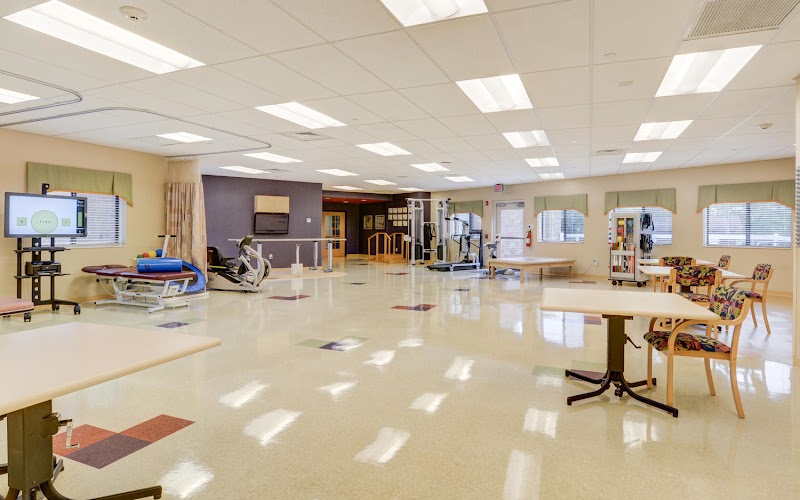
How is Barberton Post Acute Staffed?

CMS rates BARBERTON POST ACUTE's staffing level at 1 out of 5 stars, which is much below average compared to other nursing homes. Staff turnover is 55%, which is 9 percentage points above the Ohio average of 46%. High turnover can affect care consistency as new staff learn residents' individual needs. RN turnover specifically is 67%, which is notably high. RNs provide skilled clinical oversight, so turnover in this role can affect medical care quality.

What Have Inspectors Found at Barberton Post Acute?

State health inspectors documented 20 deficiencies at BARBERTON POST ACUTE during 2019 to 2025. These included: 1 that caused actual resident harm, 18 with potential for harm, and 1 minor or isolated issues. Deficiencies causing actual harm indicate documented cases where residents experienced negative health consequences.
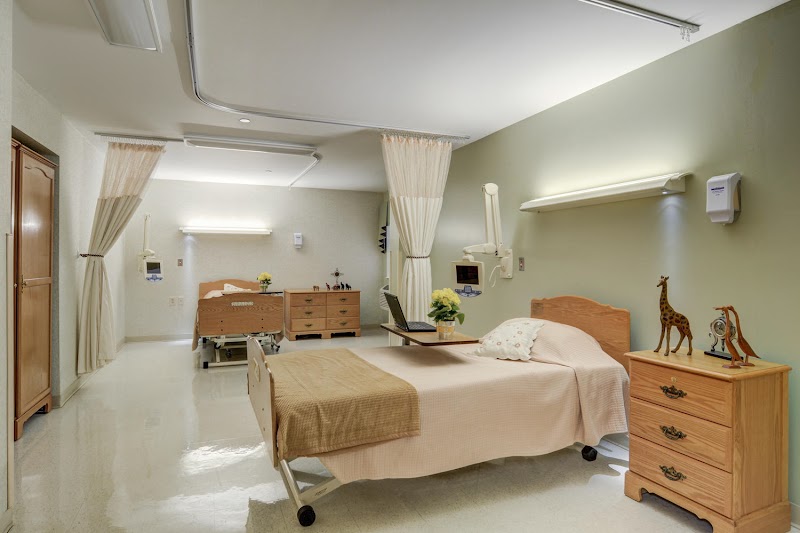
Who Owns and Operates Barberton Post Acute?

BARBERTON POST ACUTE is owned by a for-profit company. For-profit facilities operate as businesses with obligations to shareholders or private owners. The facility is operated by PACS GROUP, a chain that manages multiple nursing homes. With 104 certified beds and approximately 79 residents (about 76% occupancy), it is a mid-sized facility located in BARBERTON, Ohio.

How Does Barberton Post Acute Compare to Other Ohio Nursing Homes?

Compared to the 100 nursing homes in Ohio, BARBERTON POST ACUTE's overall rating (1 stars) is below the state average of 3.2, staff turnover (55%) is near the state average of 46%, and health inspection rating (2 stars) is below the national benchmark.

What Should Families Ask When Visiting Barberton Post Acute?

Based on this facility's data, families visiting should ask: "How do you ensure continuity of care given staff turnover, and what is your staff retention strategy?" "Can you walk me through typical staffing levels on day, evening, and night shifts?" "Can I visit during a mealtime to observe dining assistance and food quality?" "How do you handle medical emergencies, and what is your hospital transfer rate?" These questions are particularly relevant given the facility's high staff turnover rate and the below-average staffing rating.

Is Barberton Post Acute Safe?

Based on CMS inspection data, BARBERTON POST ACUTE has a clean safety record: no substantiated abuse findings (meaning no confirmed cases of resident harm), no Immediate Jeopardy citations (the most serious violation level indicating risk of serious injury or death), and is not on the Special Focus Facility watch list (a federal program monitoring the lowest-performing 1% of nursing homes). The facility has a 1-star overall rating and ranks #100 of 100 nursing homes in Ohio. While no facility is perfect, families should still ask about staff-to-resident ratios and recent inspection results during their visit.

Do Nurses at Barberton Post Acute Stick Around?

Staff turnover at BARBERTON POST ACUTE is high. At 55%, the facility is 9 percentage points above the Ohio average of 46%. Registered Nurse turnover is particularly concerning at 67%. RNs handle complex medical decisions and coordinate care — frequent RN changes can directly impact care quality. High turnover means new staff may not know residents' individual needs, medications, or preferences. It can also be disorienting for residents, especially those with dementia who rely on familiar faces. Families should ask: What is causing the turnover? What retention programs are in place? How do you ensure care continuity during staff transitions?

Was Barberton Post Acute Ever Fined?

BARBERTON POST ACUTE has no federal fines on record. CMS issues fines when nursing homes fail to meet care standards or don't correct problems found during inspections. The absence of fines suggests the facility has either maintained compliance or corrected any issues before penalties were assessed. This is a positive indicator, though families should still review recent inspection reports for the full picture.

Is Barberton Post Acute on Any Federal Watch List?

BARBERTON POST ACUTE is not on any federal watch list. The most significant is the Special Focus Facility (SFF) program, which identifies the bottom 1% of nursing homes nationally based on persistent, serious quality problems. Not being on this list means the facility has avoided the pattern of deficiencies that triggers enhanced federal oversight. This is a positive indicator, though families should still review the facility's inspection history directly.